Tag Archives: Freeport Wild Bird Supply

Twelve Birds on Tap – Roadtrips in 2018!

group_at_Hills_edited-1

group_at_Kennebunk3_edited-1

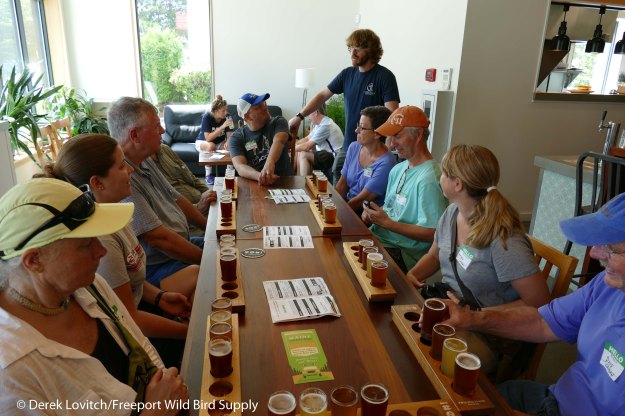
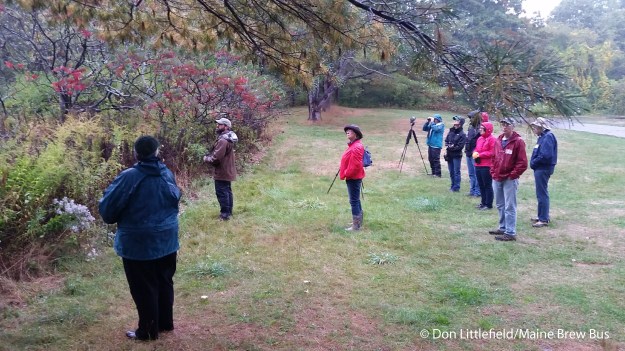
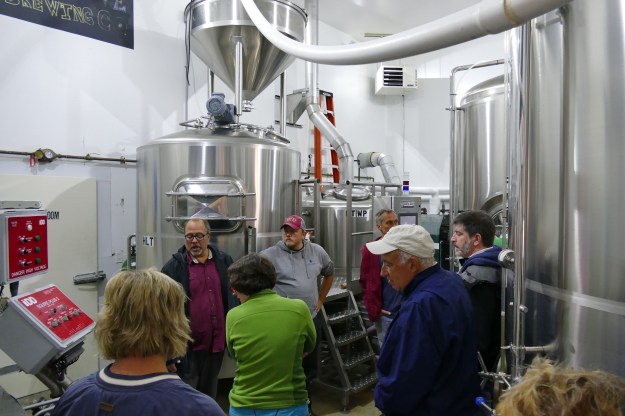
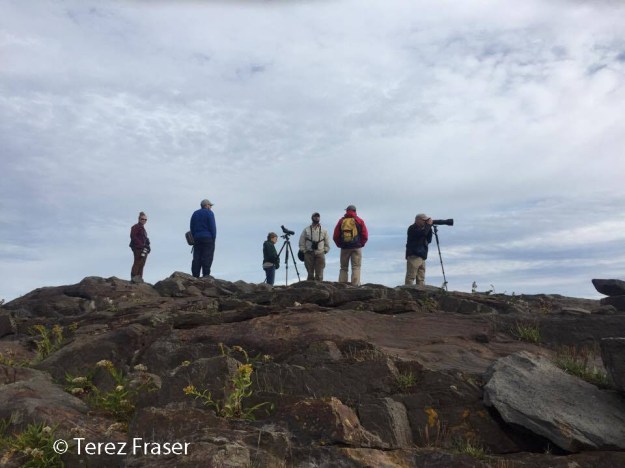
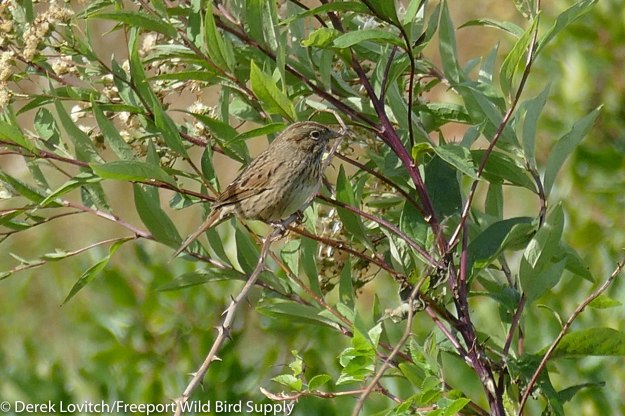
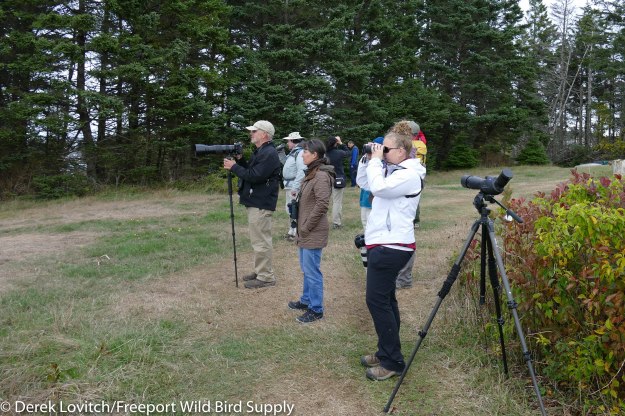
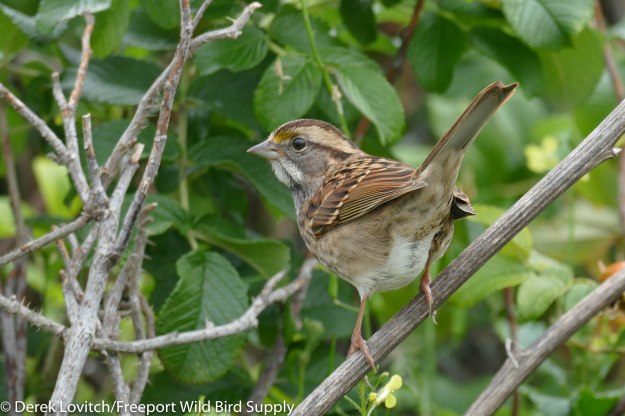
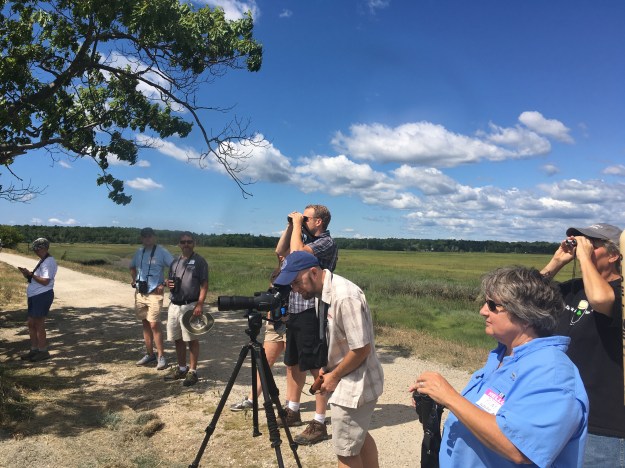
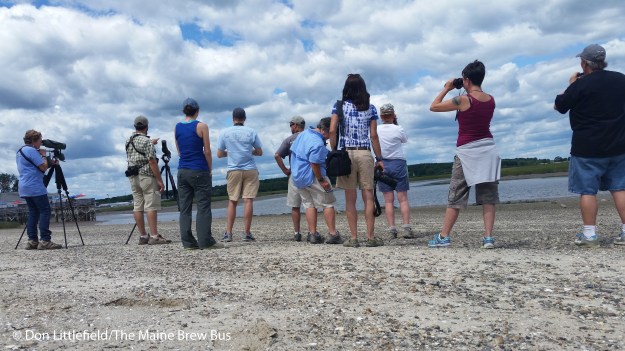
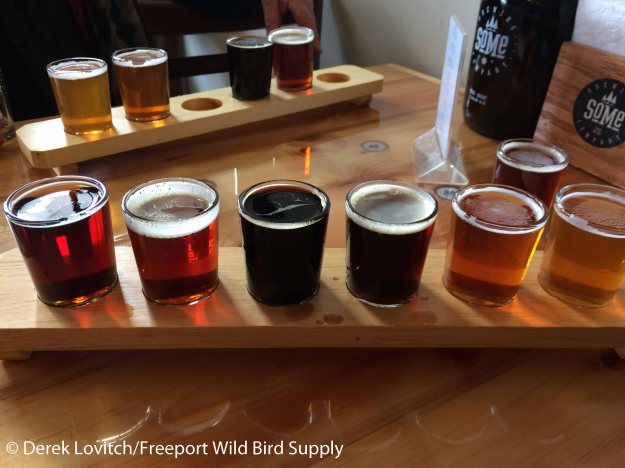
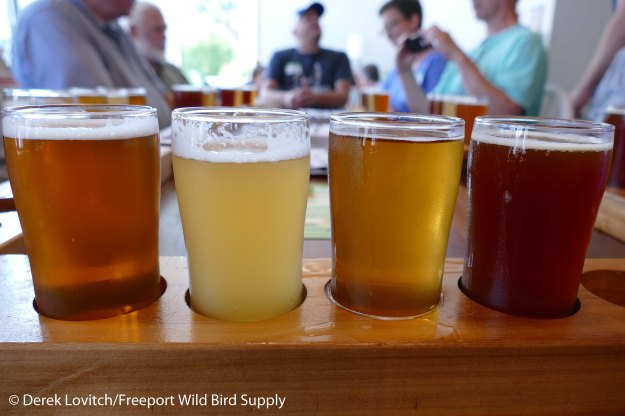
Freeport Wild Bird Supply and The Maine Brew Bus are excited to collaborate on twelve great outings for 2018 in our popular and growing “Birds on Tap – Roadtrip! series. The unique, relaxed birding and beer-ing adventures that you have come to love combine great local birding at seasonal hotspots with visits to sample the delicious creations of some of our favorite local breweries. These tours are a perfect introduction to birding and/or craft beer, and a great opportunity to travel with significant others, friends, and family that have interest in one topic, while your interest is primarily in the other (for now!). Seasonal birding hotspots and great local beer – a perfect combination, and we’ll even do all of the driving!
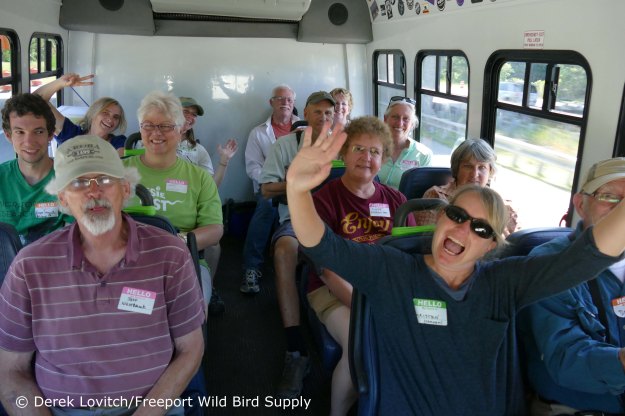
group_on_bus

Norumbega_pours1_edited-1

HOLA3,Durham,3-12-16_edited-1

For 2018, we have added two brand-new tours, and significantly changed several additional itineraries, diversifying our birding and beering opportunities. We’ll visit breweries (and now a couple of cideries and distilleries, too!) from Newcastle to Kittery, and we’ll bird seasonal hotspots throughout southern Maine. Classics such as Spring and Fall editions of “Ducks and Draughts” and “Grassland and Grains” remain unchanged, while tweaks to tours such as “Gulls and Growlers” (now in January), and “Warblers and Wort” (now in Portland!) will make these new favorites even better. And we think the newest additions: “Harlequins and Hops” and “Sod-pipers and Sips” are not to be missed!

They still cost a mere $65 per person, which includes bird guiding, beer guiding, samples at both breweries, and round-trip transportation from Freeport or Portland.
Funky_Bow_beer_edited-1
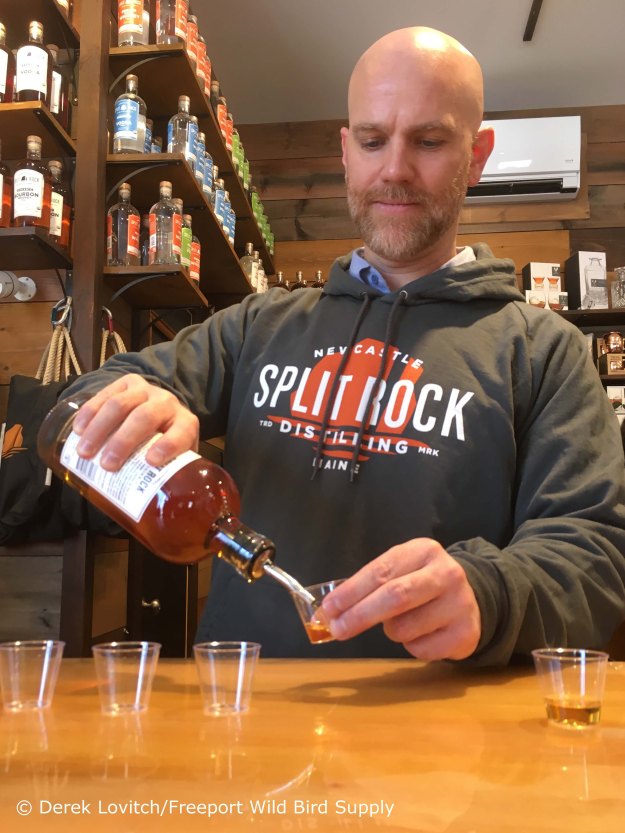
Split_Rock2_me_edited-1

So without any further ado, the twelve – count ‘em, 12! – tours for 2018 are as follows:

“Gulls and Growlers”
SATURDAY, January 6th, 2018 – 9:00am-3:30pm.

(Snowdate: none)
Gulls & Growlers_edited-1

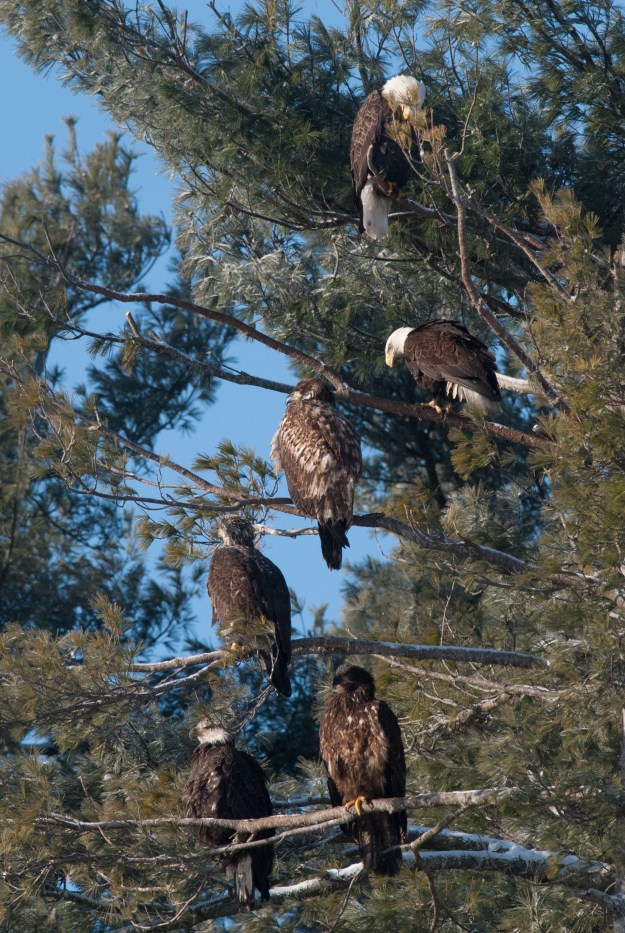
That’s right, we’re taking you on a tour to a landfill! While it might not be our most aesthetically-pleasing destination, the massive concentration of easy food can produce incredible concentrations of birds, especially a variety of gulls, and Bald Eagles. Up to 40 Bald Eagles can be seen here in the winter, and photography opportunities can be outstanding. Meanwhile, among thousands of Herring Gulls, we’ll learn to identify – and yes, appreciate – the variety of species (yup, it’s not just one “Seagull”), starting with Great Black-backed Gull, the largest gull in the world, and visitors from the north: Iceland and Glaucous Gulls. After we’ve had our fill (pardon the pun), we’ll head into downtown Augusta to work the river for more gulls, eagles, and likely Common Mergansers. If it’s an “irruption” year, we might stop at the Viles Arboretum instead to seek out Bohemian Waxwings or Pine Grosbeaks. In addition, if time permits, we’ll seek out some Snowy Owls if they are being seen near our route.

Breweries: Sebago Lake Distillery in Gardiner and Flight Deck Brewing in Brunswick.

“Harlequins and Hops” (*New Tour!)
Sunday February 11th – 10:00am to 4:00pm

SNOW DATE: Sunday February 18th
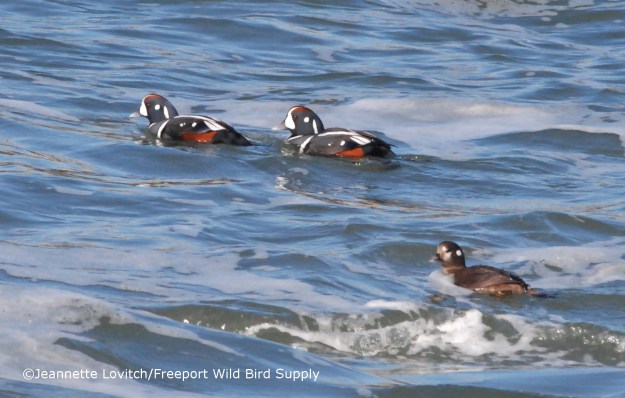
Harlequins & Hops_edited-1

The first new itinerary of 2018 takes advantage of some of the amazing birding opportunities right here in Greater Portland in the depths of winter. We’ll begin on the rocky shores of Cape Elizabeth, where the stunning Harlequin Duck joins a wide array of winter seaducks, from Common Eider to all three species of scoters. We’ll also look for Purple Sandpipers, Black Guillemots, Red-necked and Horned Grebes, Common and Red-throated Loons, and much more. Depending on weather and ice conditions, our second stop may include more seaduck searching, or we might check some of the concentrations of gulls in Portland and and South Portland to look for Iceland and Glaucous Gulls, or perhaps seek out a lingering dabbler among the city park Mallard aggregations. We’ll remain flexible to take advantage – or seek shelter – from whatever winter weather may be at hand.

Breweries: Eighteen Twenty Wines and Goodfire Brewing Company in Portland.

“Seaducks and Suds”
Sunday March 4th – 9:00am to 3:30pm

SNOW DATE: Sunday March 11th
Seaducks & Suds_edited-1

This perennial favorite visits the rocky headlands of York County that host impressive concentrations of some of the most beautiful ducks in the world. This tour will head to two of the hotspots, seeking Harlequin Ducks, all three scoters, Common Eider (and maybe even a King, one of the most sought-after of North American waterfowl), and many others. Purple Sandpipers and alcids (including Razorbill, Black Guillemot, and if we’re lucky, Common or Thick-billed Murre, and perhaps, if the winds align, a Dovekie!). We’ll scan the ocean from The Nubble, looking for these species, and more, including Black-legged Kittiwakes and “white-winged” gulls. Afterwards, a casual stroll along Marginal Way will afford us the opportunity to get up close and personal with “Harlies” and Purple Sandpipers.

Breweries: Wiggly Bridge Distillery in York and Dirigo Brewing Co. in Biddeford.

“Spring Ducks and Draughts”
Sunday, April 8 – 9:00am to 3:30pm.

Spring Ducks & Draughts_edited-1

This tour will focus on the impressive springtime concentrations of waterfowl that stage on Merrymeeting Bay. Awaiting the opening of ponds and lakes further north, large number of Green-winged Teal, American Black Ducks, Ring-necked Ducks, and Common Mergansers build in the bay. Among the regulars, less common species such as American Wigeon, Northern Pintail, Blue-winged Teal, and Northern Shoveler are often found, along with rarities including Eurasian Wigeon. Visits to a few of the hotspots will seek the densest concentrations of ducks, and in doing so, we may see a dozen or more Bald Eagles. When conditions align, the concentration of ducks and the predators that seek them is one of the true spring birding spectacles in Maine.

Breweries: Oxbow Brewing Company and Split Rock Distilling in Newcastle.

Warblers and Wort (*New Itinerary!)
Sunday May 6th – 8:00am to 2:00pm

Warblers & Wort_edited-1

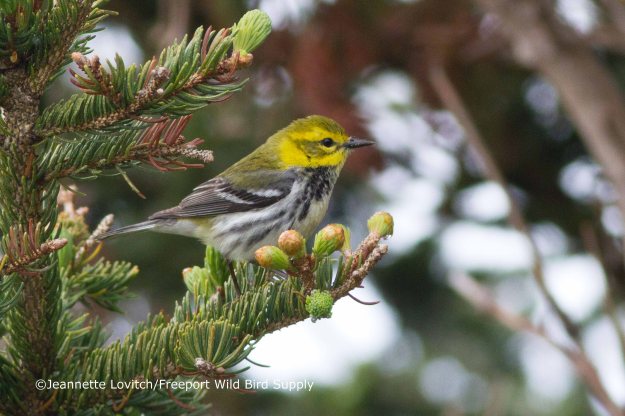
May means warbler migration, and the new destination for Warblers and Wort will hit two of Maine’s most famous springtime migrant traps, Portland’s Evergreen Cemetery and nearby Capisic Pond Park. Two oases in the urban jungle, featuring water sources and a mix of various habitats, help concentrate migrant birds that found themselves in or over the city come sunrise. After migrating all night, tired travelers looks for refuge: food, water, and shelter, and urban greenspaces are absolutely critical for refueling. While we’re a little early in the month for the largest diversity of warblers, early May could produce incredible numbers of some of the first arrivals, especially Palm and Yellow-rumped. 10-12 species of warblers are certainly possible by this early date, depending on the progression of the season. However, other migrants, such as sparrows, raptors, and other Neotropical Migrants such as orioles and tanagers are also on the move, increasing our chances of seeing a diversity of species. If the cemetery’s apples and cherries are already blooming, we may be in for quite a treat as these are absolute magnets for hungry migrants. It’s sometimes hard to leave Evergreen on a busy spring morning, but if we do, it will be for the very short trip over to Capisic Pond Park, where we’ll continue to seek migrants of all shapes and sizes.

Breweries: Sebago Brewing Company in Gorham and Hardshore Distillery in Portland.

“Grassland and Grains”
Sunday, June 3rd – 8:00am to 2:30pm.

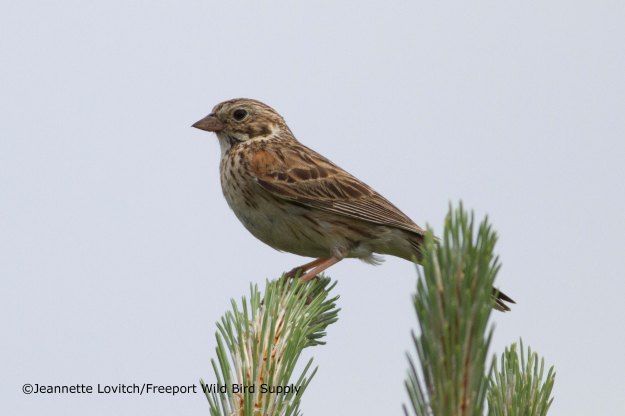
Grasslands & Grains_edited-1

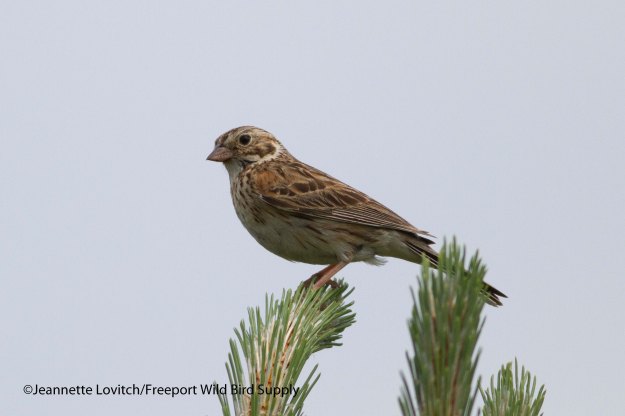
Kennebunk Plains is an annual pilgrimage for Maine’s birders, and one of our favorite BoT outings. There are few places – and none this easy – to observe state Endangered Grasshopper Sparrows and Threatened Upland Sandpipers. Throw in what is perhaps the densest concentration of Vesper and Field Sparrows and Prairie Warblers in the state, along with lots of Chestnut-sided Warblers, Eastern Towhees, and many more. Then, add a rarity like a near-annual Clay-colored Sparrow to the mix or a visit with one of the local pairs of American Kestrels, Brown Thrashers, or Eastern Kingbirds, and you have the recipe for a tremendous day of birding.

Breweries: Funky Bow in Lyman and Stone Fort Distilling in Biddeford.

“Terns and Taps” (New name, but same great tour!)
Sunday, July 8th – 10:00am to 4:00pm.

Terns & Taps_edited-1

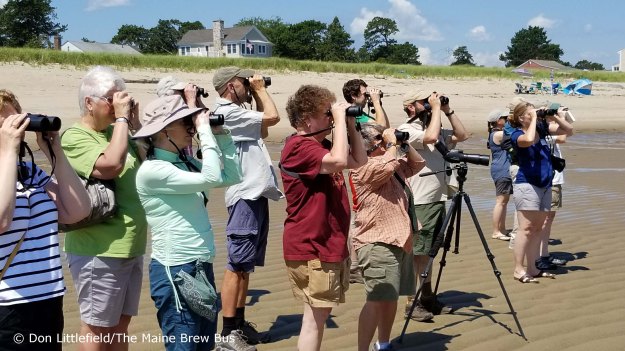
There’s no true “beginning” or “end” to migration as something is always on the move. This tour is designed to capture the ebb and flow of the season, including shorebirds that may be “oversummering” here, breeding locally (including Piping Plover and Willet), or already returning from the Arctic. We’ll start at Hill’s Beach, where shorebirds that are both coming and going can often be found. We’ll also look through the masses of Common Terns for the Federally Endangered Roseate Terns that often come here to feed. Piping Plovers usually breed here, and we’ll look for them too, while keeping an eye out for any other shorebirds. Our next stop will depend on the tides, but will focus on seeing more shorebirds, likely via Biddeford Pool Beach or the mudflats of “the Pool” itself.

Breweries: Barreled Souls in Saco and Fore River Brewing in South Portland.

“Shorebirds and Steins” (New name, but same classic tour!)
Sunday, August 19th – 9:00am to 3:00pm.

Shorebirds & Steins_edited-1

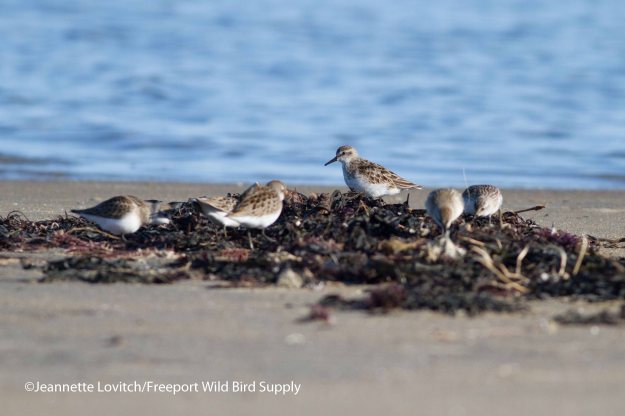
The original BoT Roadtrip! in 2015, our most popular tour returns to Scarborough Marsh at prime time for a good variety of migrant shorebirds. We’ll learn how to identify our common species, and search for the rare. Up to 20 species of shorebirds are possible! We’ll practice identifying our “peeps” (Least, Semipalmated, and White-rumped Sandpipers) and attempt to tease out a Western or even a Baird’s among the masses. We’ll look for local breeding American Oystercatchers and Willets, while searching for migrants on their way from the high Arctic to the southern tip of Argentina. We’ll also take a look at everything else, such as Common, Roseate, and Least Terns; herons and egrets, and who knows what else? We may even get a chance to see Nelson’s and Saltmarsh Sparrows depending on time and wind.

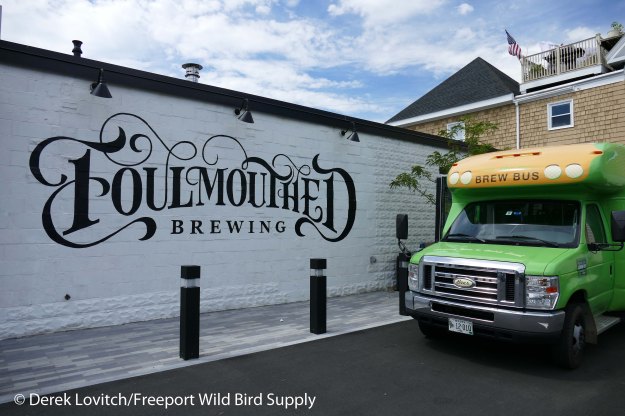
Breweries: Foulmouthed Brewing in South Portland and Lone Pine Brewing in Portland.

“Sod-pipers and Sips”
Sunday September 9th – 8:00am to 3:00pm

Sodpipers & Sips 1_edited-1

Our second brand-new tour of 2018 takes us inland to the farms and fields of Fryeburg Harbor. We’ll be a little more specific in our targets for this trip, as we’re heading this way to seek the sought-after group of birds affectionately known as “Grasspipers,” but for both accuracy and alliteration, we’re calling them “sod-pipers.” Our goals include the uncommon American Golden-Plover, but we’re heading to one of the most reliable places in the state for Buff-breasted Sandpiper and Baird’s Sandpiper, two rare-but-regular species that visit us in very small numbers each fall. While Killdeer is probably our only sure bet, other shorebirds are always hoped for, with our focus on the fields and turf farms that are best for Buff-breasted and Baird’s. In the open areas we’ll also look for Sandhill Cranes (a flock usually begins to assemble here by early September), American Pipits, and Horned Larks, while riparian edges could produce some migrant warblers. Raptors are regular as well, including Bald Eagles and American Kestrels.

Breweries: Saco River Brewing Co and TBA.

“Migration and Malts”
Sunday, October 14th – 8:00am to 3:00pm.

Migration & Malts_edited-1

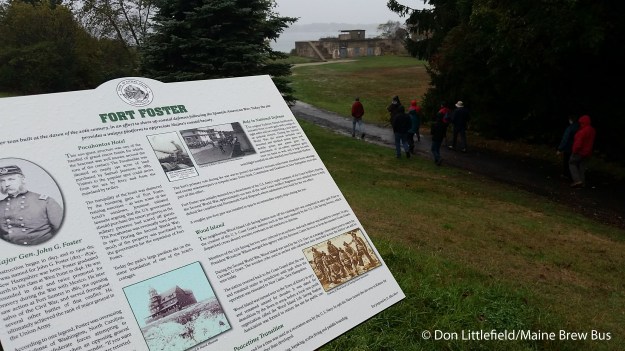
Migration is in full swing in early October, with a wide range of species on the move. The tail end of warbler and shorebird migration coincides with the increased movement of sparrows and other short-distance migrants. Raptors are also on the move, and the first of the migrant waterbirds begin to arrive. Early October is often also punctuated by the appearance of a rarity or two. This trip will take us to the southernmost hotspots in the state, Fort Foster and Seapoint Beach in order to sample a great diversity of habitats sought by migrant birds of all types

Breweries: Blue Current Sake Brewery and Tributary Brewing Co. in Kittery.

“Fall Ducks and Draughts”
Sunday, November 18th – 9:00am to 3:00pm.

Fall Ducks & Draughts_edited-1

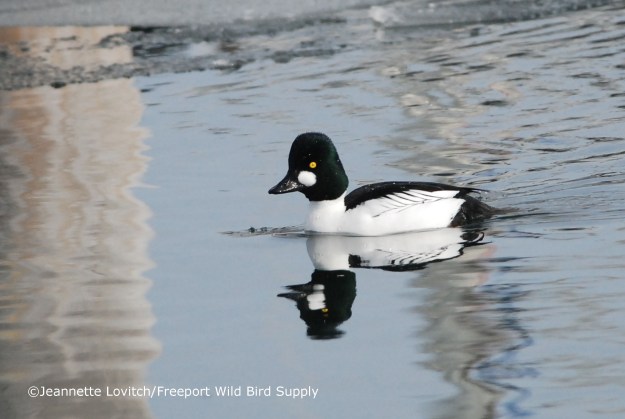
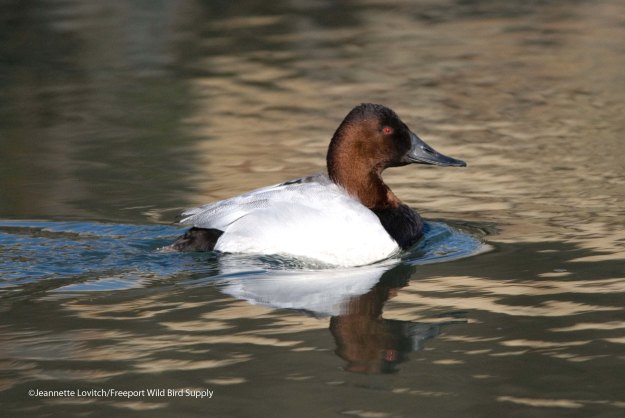
This trip will visit Sabattus Pond at the peak of waterfowl numbers and diversity. A combination of the shallow water, sheltered coves, and an invasive snail combine to make this one of the best locales for duck-watching in all of southern Maine. Hundreds of Ruddy Ducks, Lesser and Greater Scaup, Mallards, and Common Mergansers are often present at this season, with smaller numbers of all sorts of species, including American Black Ducks, Bufflehead, Common Goldeneye, Hooded Mergansers, and much more. It’s also the time of year that rarities show up, such as Redhead and Canvasback.. And we’ll look for the Peregrine Falcons of Lewiston and keep an eye out for Bald Eagles.

Breweries: Baxter Brewing Co in Lewiston and Maine Beer Company in Freeport.

“Farms and Fermentation” (Subject to Change)
Sunday, December 2nd – 9:00am to 3:30pm.

Farms & Fermentation_edited-1

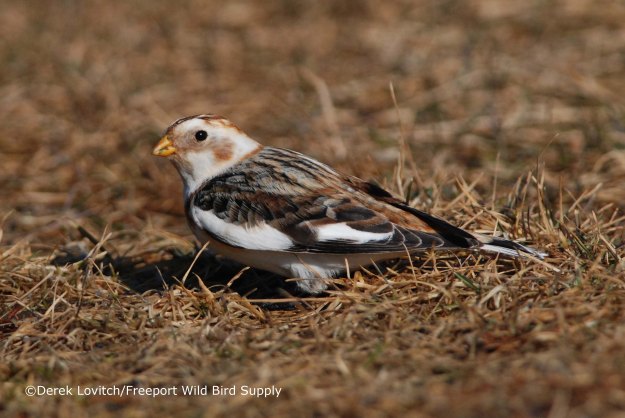
This itinerary will be flexible in order to take advantage of a seasonal hotspot, unusual concentrations of birds, or even a rarity. Most likely, we’ll begin the tour by birding the fields of Mayall Road on the Gray/New Gloucester line or in Durham to look for Snow Buntings and/or Horned Larks and perhaps Lapland Longspurs. Our second stop will also be dictated by current conditions, but most likely, we’ll visit either Lake Auburn, where diving ducks such as Greater and Lesser Scaup, and Ruddy Ducks tarry, as do waterbirds that are rare inland in Maine, such as Horned Grebes. Or, we’ll bird the Androscoggin River from the Auburn Riverwalk or the fields of North River Road, looking for unusual dabblers among the Mallards and Common Mergansers, as well as Peregrine Falcons and Bald Eagles. And if Pine Grosbeaks or Bohemian Waxwings are present, we’ll seek these “irruptive” visitors from the north.

Breweries: Bear Bones Beer in Lewiston and Norumbega Cidery in New Gloucester.

So whatever your birding interests are, we have a tour for you! Complete details of each tour and links to trip reports from prior outings, along with information about registration (including easy on-line registration), are available on the Travel, Tours, Workshops, and Events page of our website.

And for a little history about how this partnership developed and continues to grow, check out this blog entry from early 2016, as we introduced the first full season on 6 Roadtrips.

We look forward to seeing you aboard the bus this year. Great birding and beer-ing opportunities await!
Split_Rock_pano

group_at_FunkyBow_edited-1

Birds on Tap – Roadtrip: Warblers and Wort.

Whether from a guide’s perspective or a participant, one of the great benefits of the Birds on Tap – Roadtrip! series of tours with The Maine Brew Bus is that no matter what the weather, no matter what the season, the breweries WILL be there. The same, obviously, cannot always be said for the birds, especially when rain and wind is forecast. Well, they will be there, but whether or not we get to see them is an entirely different thing.

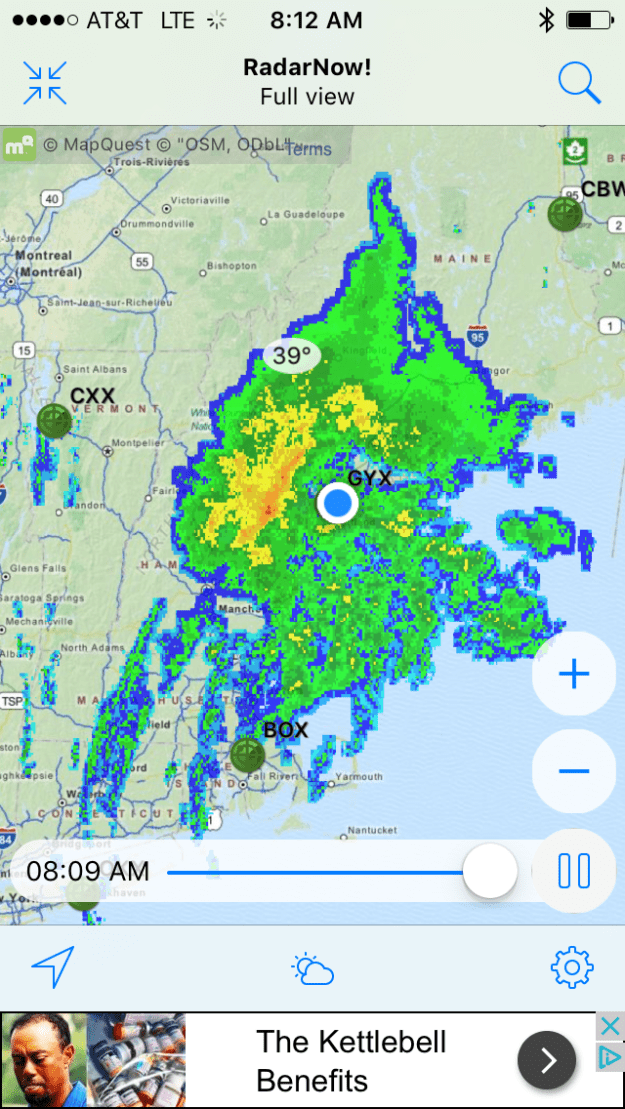
And the forecast for Mother’s Day was not good. One of the local forecaster’s simply called it a “complete wash-out.” But rescheduling these events, outside of winter, is a real challenge, and like I said, we can at least guarantee that the breweries will be dry and open! Certainly, the radar, as we departed Portland, did not offer much in the way of optimism.
Radar

But despite the forecast, the May 14th “Warblers and Wort” Roadtrip was anything but a washout. In fact, half of the birding was done without a drop of rain and even a little filtered sun. But yeah, the first stop was rather damp.

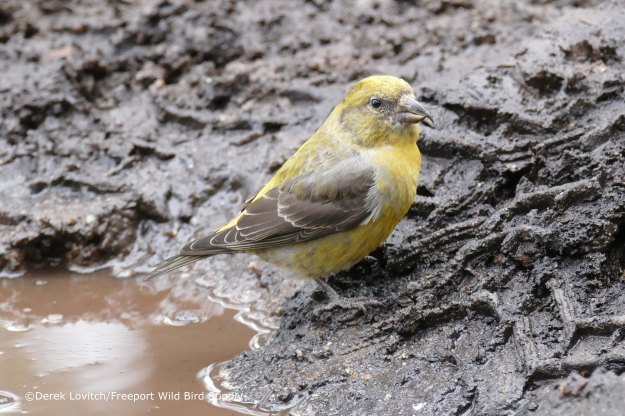
We began at the Waterboro Barrens Preserve in Shapleigh, where we enjoyed numerous and conspicuous Eastern Towhees. Several people commented that they had never seen so many towhees, and seen them so well. But with light rainfall falling steadily, the birding was rather slow. We only heard one Prairie Warbler, did not locate a single Field Sparrow, but we were quite pleased to have a singing Red Crossbill fly over. We did get to see a rather rare habitat for Maine – managed Pitch Pine-Scrub Oak barrens – and we compared the forest composition within the reserve to the degraded woods outside the property. We didn’t see all of the denizens of this specialized habitat, but plans were made for return visits on drier days.
Waterboro Habitat
RECR
CHSP
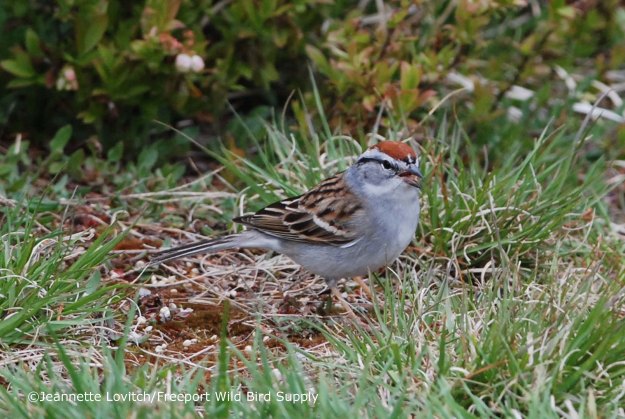
Female Red Crossbill and a Chipping Sparrow, from a different time and place.

Our second stop conveniently took place in the midst of a break in the precipitation. Unfortunately, wet, winding roads slowed down our transit, I spent a few more minutes than I should have at Waterboro, and a little communication error led to us falling well behind schedule. Therefore, we were on a mission as we marched into the Jagolinzer Preserve in Limington.
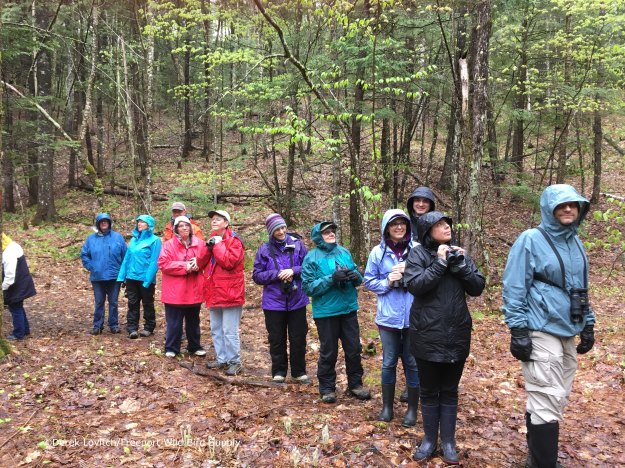
Group at Jagolinzer

This beautiful little spot, which was one of my favorite discoveries while writing my new book, Birdwatching in Maine: A Site Guide is home to several territories of the localized Louisiana Waterthrush – a bird that today’s group was really hoping to see. As soon as we reached the river, we heard one singing, and then, in my favorite viewing spot, got one to immediately pop out of cover and provide unusually long and unimpeded views as he was clearly challenging the bird singing across the river.
LOWA

Meanwhile, a rather confiding Veery competed for our attention. We would have worked harder for more of the breeding warblers here – this was “Warblers and Wort” afterall – but we celebrated our Louie success – the primary “target” of this visit.

The mixed woodlands here, and the deciduous-dominated riparian corridor on the banks of the Saco River were in marked contrast to the rather homogeneous pine barrens. A larger sample of the birdlife would show some significant differences in resultant avian species composition.
Jagolinzer Habitat
If “Louisiana Waterthrush Habitat” was listed in the dictionary, this picture would be it definition.

All too soon Andy, our driver and beer guide for the day, had to crack the whip and get us on our way. Back in the bus, we shed layers, and Andy took over on the microphone as we weaved our way back around Sawyer Mountain and over to Limerick’s Gneiss Brewing Company, fueled by our kale and feta hand pies for lunch.

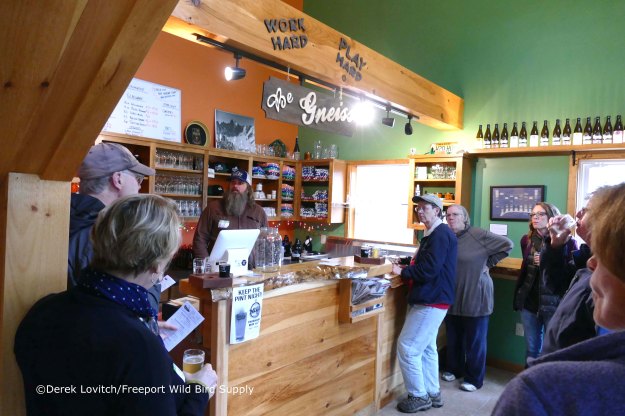
Not only had they opened just for us, they fired up the woodstove, and we rapidly dried out the remnants of that rain in Waterboro. Concentrating on classic German styles, we learned about Gneiss’s brewing philosophy and operation. Having produced 400 barrels last year, plans are in the works for future expansion and canning. We glimpsed a Wild Turkey strutting through the backyard as we toured the facility and sampled four of their beers.
Gneiss 1Gneiss 2
GNEISS 5

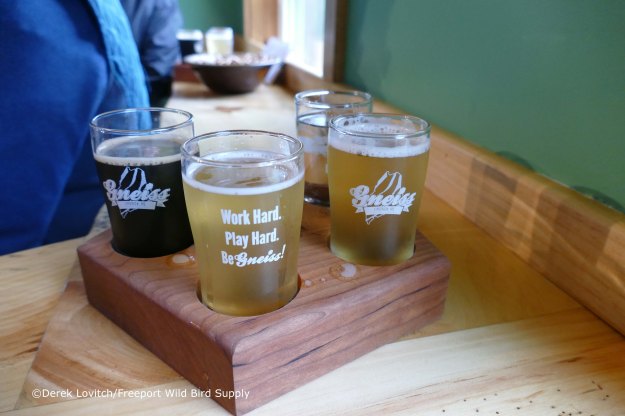
Beginning with their flagship Gneiss Weiss, a full-bodied wheat beer with low bitterness and a subtle hint of banana, we moved on to Sonnenschein, a crisp and well-balanced Kolsch. I really liked this beer; crisp, clean, and easy-drinking but with really good balance and flavor. Next up was Obsius, a stout brewed with roasted wheat and fermented with their house hefeweizen yeast, making for a subtle banana note to go along with the traditional roasty and nutty stout flavors.
Gneiss 3

Last but not least, we were offered a sample of any one of their ten beers on tap at the moment, and on recommendation, I sampled Pyroclast, a collaboration with Orono Brewing Company. Starting with a potent golden ale, it was aged for 13 months in various barrels, including those of both red and white wines, with several rounds of various wild yeasts. The result was an ultra-complex brew with lots of fruity and tart flavors. And, with the Brettanomyces, just a little bit of funk.
Gneiss 4

The second brewery on today’s itinerary was the production facility of Sebago Brewing Company in Gorham. It was fascinating to compare the size of the facility and equipment, and learning how craft beer is scaled up to accommodate growing demand. Ahead of the curve, opening their first brewpub way back (in the world of modern craft brewing, downright ancient) in 1998, Sebago now operates four brewpubs, and supplies cans and bottles around New England.
Sebago 1
SEBAGO 4

A generous helping of seven samples of a wide range of their offerings helped guide us through the tour and the discussion, starting with Yellow on Friday, their Czech Pilsner. Light in body, crisp, and mellow, this was a rare lager from Sebago. Next up was the Red X, a pale ale recipe using red malt. This one-time brew was surprising – the palette is expecting a sweet amber from the color, but this is an illusion – it was light and dry like a typical pale. It was definitely unique, and I quite liked it.
Sebago 2

A single hopped pale ale featuring a new New Zealand hop variety offered some tangerine and bitter blood orange flavor, before we relaxed with a new stand-by, the light and refreshing session, Simmer Down. One of their new top-sellers, this was already the fourth release this year of what will likely be a new summer go-to, featuring lots of tropical fruit notes and low alcohol.
SEBAGO 3

Sebago’s number one seller is their Frye’s Leap IPA, which may be up to 60% of what they produce in a month these days. Citrus and a touch of pine are featured in this classic IPA. Next up was one of my favorites from Sebago, the Whistlepunk DIPA, which has lots of citrus and other hop flavors, and although it’s a goodly 8% is not boozy to me. We then finished up with their Hop Yard Porter, with local hops, and a fairly light body for a porter.

Needless to say, we had all fully warmed up by now! The short trip to Portland and then on to Freeport, discussion revolved around the wide variety of beers that were sampled, and for many, life birds – especially the Louisiana Waterthrush – that were spotted. And the fact that it wasn’t even raining for the whole day; that is most definitely a win!

Townsend’s Solitaire at Bradbury Mountain!

It was a very good day up at the Bradbury Mountain Spring Hawkwatch, sponsored by Freeport Wild Bird Supply and Leica Sport Optics. The 2017 Official Counter, Zane Baker, had the day off today, so I was the counter for the first half of the day. Jeannette took the second shift, and were it not for Sasha’s declining health, I definitely would have remained until day’s end. We were having too much fun!

With light southwesterly winds aloft (and light and variable at the surface), record warmth, and perfect timing, we knew it was going to be a big day. Zane could not stay away, and Katrina Fenton, the 2012 through 2014 Official Counter, was visiting from New Hampshire. Several other local birders were present as well, as were hawkwatchers from New Hampshire and Mid-coast Maine. After a slow, somewhat chilly start, the day, and the hawkwatch began to heat up.

At approximately 11:10, I spotted a Black Vulture soaring over Hedgehog Mountain. It was low and relatively close, affording prolonged scope views for over five minutes before it drifted away to the north or northeast. Several personal first-of-years included 7 Northern Flickers, 1 Barn Swallow, and 3 Yellow-rumped Warblers. 2 Yellow-bellied Sapsuckers and 1 Ruby-crowned Kinglet were also first of the season for the count site.  We also had a steady trickle of migrant Tree Swallows, along with a smattering of other passerine migrants. Later in the day, two Sandhill Cranes (our 6th and 7th of the season) also passed overhead.

A steady light flow of raptors was adding up, too. 209 were tallied when I departed at 1:00, led by 59 American Kestrels and 37 Broad-winged Hawks, but a decent total of 11 species in all. (A goodly 361 was our final tally by day’s end).

Sure, we had a little rarity fever on our minds, especially after the Black Vulture (downright expected on such conditions in early to mid-April), but all hell broke loose at 12:18pm EDT. 

Then, a medium-small passerine came flying towards us, moderately high, and suggestive of an Eastern Bluebird with a thrush-like flight and shape. But as I lingered on it, I realized it was definitely not a bluebird – its flight was faster, steadier, and it was solidly colored. It also seemed a little larger and longer. It was backlit by the sun, it was coming right at me, but it was looking odd. 

As it got closer, I said “get on this passerine…Katrina, get your camera!” as she was closer to her long lens than I was to my superzoom. As it passed right overhead, still a little backlit, I yell, “TOWNSEND’S SOLITAIRE!”

A slim bodied, long-tailed, thrush-like bird passed overhead, with a screaming wide, bold, and buffy stripe through the near-center of the wing (obviously known to be the base of the flight feathers).

As it flew over, then headed straight away, it was finally getting into better light. And it looked gray. Quite gray. As I was calling for it to “turn, turn!” Katrina was unable to find it in the viewfinder, so switched to bins. Zane got on it, as did a couple of other birders, including Don Thompson.

Unfortunately, it did not turn, and I never saw the upperwing. I also never got a real handle on the tail, beyond silhouette.

I don’t think we had really clinched the ID yet, even though I knew it had to be a Townsend’s Solitaire. Only the Catharus thrushes share that wide and distinct buffy wing stripe, which I will address in the notes below.

I stepped aside, turning over the watch to Zane, and wrote two pages of field notes. Only then did I consult a Sibley, and I discussed the bird with others, especially Katrina who was the only other person it saw it fairly well in binoculars.

  • Bold, buff wingstripe obvious, from based of inner secondaries to end, or nearly so, of outer primaries. Wide and fairly even throughout.
  • With sun behind it, it first looked all-dark, with little to no contrast (actually thought of a blackbird at first), but got lighter as it passed roughly overhead, distinctly solid gray as it went straight away. But it was never in perfect light.
  • First impression was of a thin tail, which it may have then partially opened at one point, but as it was going away, no detail was seen (i.e. overall color or white fringes).
  • Only other possibility was a Catharus thrush, but that seems even less likely to be overhead at 12:18pm on April 11th in Maine. While Hermit Thrushes are just now arriving, and we do occasionally see “morning redetermined migration” throughout the day (e.g. some Yellow-rumped and Palm Warblers, along with at least one surprisingly high Eastern Phoebe today), Catharus thrushes usually don’t reorient, and if they do (at least at Sandy Point in the fall), it’s immediately after sunrise.
  • Question: could the back-lighting have made the wingstripe look wider and bolder from below? From my experience at Sandy Point, when in fact a Catharus does go overhead, that wingstripe is obvious, but it is not as obvious as in this bird. And of course, no lightening scenario would make a brown bird look cool gray.
  • Tail seemed long, and the body especially seemed too slim for a Catharus. It did not have a broad chest or pot-bellied appearance, as it was uniformly more tubular (even slimmer than a bluebird). Smaller and much skinnier than a Wood Thrush, yet larger and longer than a Veery, we of course went to Hermit Thrush as a fallback (due to seasonal status; but see discussion below).
  • Upperwing not seen. Tail pattern not deciphered.

Discussion:

– Katrina: “When I finally got on it (in bins; heading away but now in the best light we had it) it did not look brown at all, and definitely appeared gray.” Zane also thought it looked gray, not brown.

– Katrina thought the tail looked long, body slim and not pot-bellied like a Catharus. And she reviewed my notes with no additional comments or edits.

– We then consulted Sibley Guide to Eastern Birds (2nd edition): Underwing coverts not obviously pale as in Hermit Thrush, wing pattern of solitaire only similar to Swainson’s or Gray-cheeked Thrush/Bicknell’s Thrush. Of course, what would one of those species be doing here now, and flying overhead in the middle of the day? Even if a vagrant/pioneering individual of one of those species wintered far north of usual range, why would it be in flight in the middle of the day? But Townsend’s Solitaires are on the move about now, and do migrate diurnally (like bluebirds).

The light was simply not perfect, and we were unable to get photos, so we carefully discussed the bird. With several birders of various levels of experience around us, we took this as a “teaching moment” to go through the process and exemplify the caution needed to make a call of a rarity under less than ideal circumstances.  But through the process of elimination, we simply cannot come to any alternative conclusions. It was too gray, too slim, and too out of place for a Catharus thrush; we could not figure out how the lighting or the view could have resulted in a solidly-gray undersides with little noticeable contrast (definitely no spots!). Also, I’ll fallback a bit on my initial excited call of Townsend’s Solitaire.

While we would have loved a longer and closer look in better light (or a brief alightment on a nearby tree!), and of course a photo, it is impossible for me to believe this was anything other than a Townsend’s Solitaire, a rare but regular vagrant to the Northeast. This was a new record for the Bradbury Mountain Spring Hawkwatch, and the park in general. And it might very well go down as the bird of the season.

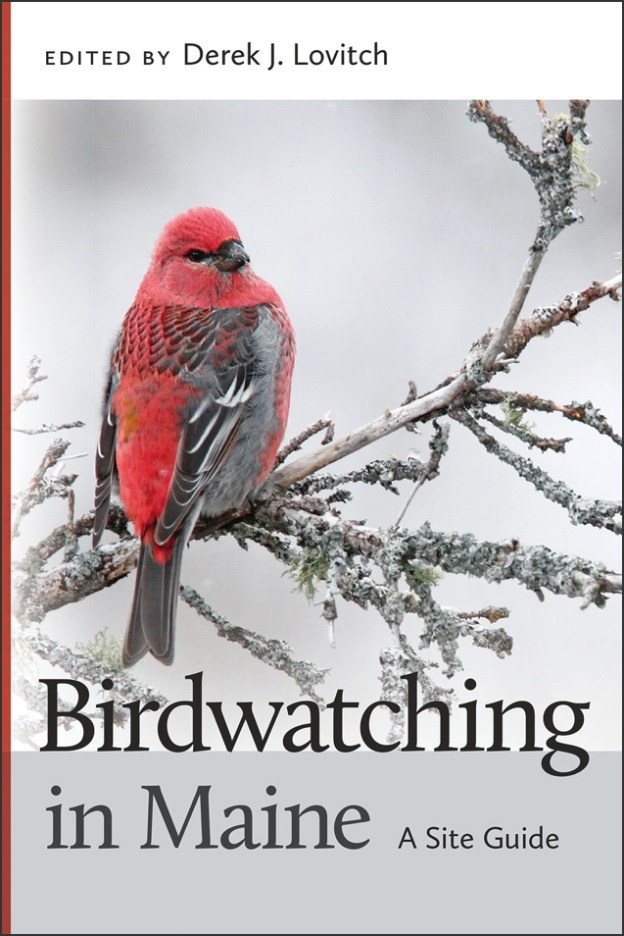
Birdwatching in Maine: A Site Guide (Coming soon!)

book cover

I am most pleased to finally announce that my next book “Birdwatching in Maine: A Site Guide” will be out shortly. I’ve been working on it for over three years now, but of course, all of my birding in Maine for the past 13 years has gone into the development of its concept and content. I sincerely hope you will be pleased with the final product, as I believe it will be an essential asset for birding in the great state of Maine.

With nearly 450 species of birds recorded, Maine offers an abundance of birding opportunities for people of all levels of interest and experience, from those looking beyond their backyards for the first time to knowledgeable visitors looking to plug a hole in their list of sightings. The state’s wealth of undeveloped land and its extensive coastline, countless islands, and varied habitat combine to host an impressive diversity of birds at all times of year. Birders travel to Maine from near and far to seek hard-to-find species, from the only Atlantic Puffins breeding in the United States on offshore islands to Bicknell’s Thrushes high in the mountains.

This book fills an important niche for the birdwatching community by offering comprehensive entries detailing the best locations for finding birds throughout the state for enthusiasts of all levels of skill and interest. It contains descriptions of 201 birding sites in Maine, with explicit directions on how to get there, for all sixteen of the state’s counties (several as large as other New England states!). Each chapter features a county map, my brief overview, numerous specific site guides, and a list of rarities. The book also contains a detailed and useful species accounts guide for finding the most sought-after birds.

Using a county-by-county approach, with chapters by Seth Benz, John Berry, Kirk Betts, Ron Joseph, Kristen Lindquist, Rich MacDonald, Dan Nickerson, Luke Seitz, Allison and Jeff Wells, and Herb Wilson, Derek tapped the knowledge of local experts to offer the most comprehensive and authoritative birdfinding guide the state has seen. And I guarantee there will be many sites completely new to you!

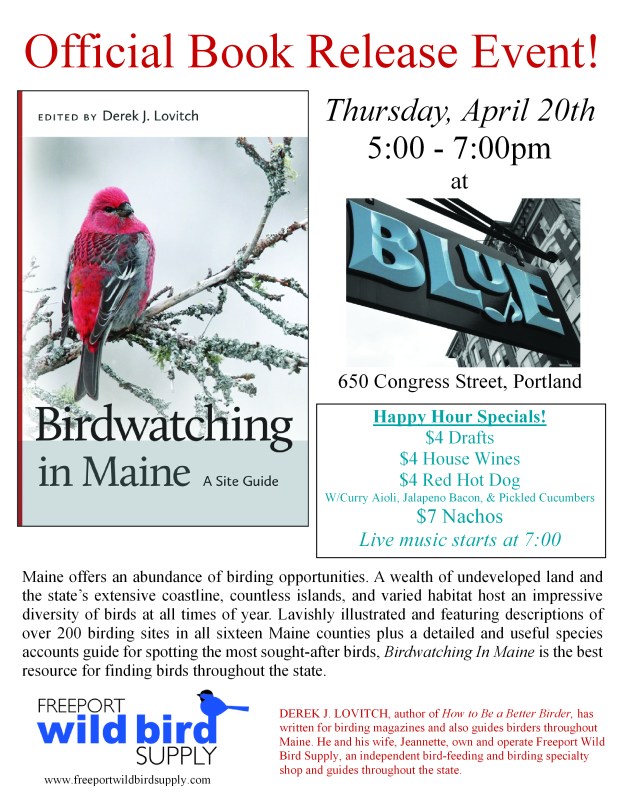
The Official Release Party will be at Blue in Portland (650 Congress St) from 5-7pm on Thursday, April 20th. This will be the first time the book will be available, anywhere.

We’ll also be offering a presentation, full of photos of Maine’s birds and birding places, on Saturday, April 29th at the Freeport Public Library at 7:00pm. This too is a free event, open to the public, and part of the annual “Feathers Over Freeport: A Birdwatching Weekend” events.

For more information about the Blue event, click here.

And for Feathers Over Freeport, click here.

We’re currently taking pre-orders online via our eStore.

Other free events around the state are being scheduled. You can check them out via Facebook on the page of “Birding Books by Derek J. Lovitch.”

Book release Blue

2017 Birds on Tap – Roadtrips!

outside-baxter

Freeport Wild Bird Supply and The Maine Brew Bus are excited to collaborate on ten great outings for 2017 in our popular and growing “Birds on Tap – Roadtrip!” (sm) series. The unique, relaxed birding and beer-ing adventures that you have come to love combine great local birding at seasonal hotspots with visits to sample the delicious creations of some of our favorite local breweries. These tours are a perfect introduction to birding and/or craft beer, and a great opportunity to travel with significant others, friends, and family that have interest in one topic, while your interest is primarily in the other (for now!). Seasonal birding hotspots and great local beer – a perfect combination, and we’ll even do all of the driving!

Who would have thought that, when I made that first call a year and a half ago to pitch the idea, we would not only be expanding to ten tours, but we would also featured in the Portland Press Herald (in the Food section no less) and Maine Public Radio. And then we went national via the Associated Press! (And for a little more about the history of our tour partnership, check out this blog entry from last year).

group_bus_funky-bow
For 2017, we have added several new itineraries, diversifying our birding and beering opportunities. We’ll visit breweries (and now a couple of cideries and distilleries, too!) from Newcastle to Kittery, and we’ll bird seasonal hotspots throughout southern Maine. Some of our most exciting new tours include March’s “Gulls and Growlers” where we’ll see dozens of eagles and look for rare gulls, and in July, we’ll spend a day at the beach looking at terns and shorebirds. In between, we’ll revisit all of our successful tours from 2016, including both Spring and Fall editions of Ducks and Draughts.

They still cost a mere $65 per person, which includes bird guiding, beer guiding, samples at both breweries, and round-trip transportation from Freeport or Portland.
easternroadtrail_group_edited-1
malts

“Seaducks and Suds”
Sunday, February 12th – 9:00am-3:30pm.
(Snowdate: Sunday, Feb 19)
pusa_edited-1

This perennial favorite visits the rocky headlands of York County that host impressive concentrations of some of the most beautiful ducks in the world. This tour will head to two of the hotspots, seeking Harlequin Ducks, all three scoters, Common Eider (and maybe even a King, one of the most sought-after of North American waterfowl), and many others. Purple Sandpipers and alcids (including Razorbill, Black Guillemot, and if we’re lucky, Common or Thick-billed Murre, and perhaps, if the winds align, a Dovekie!). We’ll scan the ocean from The Nubble, looking for these species, and more, including Black-legged Kittiwakes and “white-winged” gulls. Afterwards, a casual stroll along Marginal Way will afford us the opportunity to get up close and personal with “Harlies” and Purple Sandpipers.

Breweries: SoMe Brewing Co. in York and Dirigo Brewing Co. in Biddeford.

“Gulls and Growlers”
SATURDAY, March 4 – 9:00am-3:30pm.
(Snowdate: SATURDAY, Mar 11)
five_baeahatchhill1-16-15
landfill_eagles

That’s right, we’re taking you on a tour to a landfill! While it might not be our most aesthetically-pleasing destination, the massive concentration of easy food can produce incredible concentrations of birds, especially a variety of gulls, and Bald Eagles.  Up to 40 Bald Eagles can be seen here in the winter, and photography opportunities can be outstanding. Meanwhile, among thousands of Herring Gulls, we’ll learn to identify – and yes, appreciate – the variety of species (yup, it’s not just one “Seagull”), starting with Great Black-backed Gull, the largest gull in the world, and visitors from the north: Iceland and Glaucous Gulls.  After we’ve had our fill (pardon the pun), we’ll head into downtown Augusta to work the river for more gulls, eagles, and likely Common Mergansers. If it’s an “irruption” year, we might stop at the Viles Arboretum instead to seek out Bohemian Waxwings or Pine Grosbeaks if they are around.

Breweries: Lost Orchard/Crooked Halo Cidery in Gardiner and Flight Deck Brewing in Brunswick.

“Spring Ducks and Draughts”
Sunday, April 2 – 10:00am to 4:00pm.
rndu_edited-1

This tour will focus on the impressive springtime concentrations of waterfowl that stage on Merrymeeting Bay. Awaiting the opening of ponds and lakes further north, large number of Green-winged Teal, American Black Ducks, Ring-necked Ducks, and Common Mergansers build in the bay. Among the regulars, less common species such as American Wigeon, Northern Pintail, Blue-winged Teal, and Northern Shoveler are often found, along with rarities including Eurasian Wigeon. Visits to a few of the hotspots will seek the densest concentrations of ducks, and in doing so, we may see a dozen or more Bald Eagles. When conditions align, the concentration of ducks and the predators that seek them is one of the true spring birding spectacles in Maine.

Breweries: Oxbow Brewing Company and Split Rock Distilling, both in Newcastle.

“Warbler and Wort”
Sunday, May 14 – 8:00am to 2:00pm.
ccsp_edited-1

We’ll be taking two easy hikes on this outing to enjoy breeding birds and migrants in the inland forests. Our first stop will be in pine barren habitat. Although not all breeding birds will be present in full force, some of our targets, such as Prairie and Pine Warblers, Field Sparrows, and Eastern Towhees will be. We’ll also look for a Clay-colored Sparrow should a territorial bird return, and there’s always the chance that Red Crossbills could be around. Our next stop will be a location in search of Louisiana Waterthrushes. Once thought to be rare in Maine, they are actually a locally common breeding bird in very specific habitat. We’ll visit one of two locales for this species taking another walk in search of this shy bird. Hearing them is likely, but we’ll accept the challenge of getting to see one!  A variety of warblers, Scarlet Tanagers, Rose-breasted Grosbeaks, and many others may also be encountered.

Breweries: Gneiss Brewing Co. in Limerick and Sebago Brewing Co. in Gorham.

“Grassland and Grains”
Sunday, June 4th – 8:00am to 2:30pm.
vesp_edited-1

Kennebunk Plains is an annual pilgrimage for Maine’s birders, and one of our favorite BoT outings. There are few places – and none this easy – to observe state Endangered Grasshopper Sparrows and Threatened Upland Sandpipers. Throw in what is perhaps the densest concentration of Vesper and Field Sparrows and Prairie Warblers in the state, along with lots of Chestnut-sided Warblers, Eastern Towhees, and many more. Then, add a rarity like a near-annual Clay-colored Sparrow to the mix or a visit with one of the local pairs of American Kestrels, Brown Thrashers, or Eastern Kingbirds, and you have the recipe for a tremendous day of birding.

Breweries: Funky Bow  in Lyman and Banded Horn in Biddeford.

“Beach and Brews”
Sunday, July 16th – 10:00am to 4:00pm.
rost_edited-1

There’s no true “beginning” or “end” to migration as something is always on the move. This tour is designed to capture the ebb and flow of the season, including shorebirds that may be “oversummering” here, breeding locally (including Piping Plover and Willet), or already returning from the Arctic. We’ll start at Hill’s Beach, where shorebirds that are both coming and going can often be found. We’ll also look through the masses of Common Terns for the Federally Endangered Roseate Terns that often come here to feed. Piping Plovers usually breed here, and we’ll look for them too, while keeping an eye out for any other shorebirds.  Our next stop will depend on the tides, but will focus on seeing more shorebirds, likely via Biddeford Pool Beach or the mudflats of “the Pool” itself.

Breweries: Barrelled Souls in Saco and Fore River Brewing in South Portland.

“Shorebirds and Beer”
Sunday, August 13th – 9:00am to 3:00pm.
peeps_edited-1
patches

The original BoT Roadtrip!  in 2015, our most popular tour returns to Scarborough Marsh at prime time for a good variety of migrant shorebirds. We’ll learn how to identify our common species, and search for the rare. Up to 20 species of shorebirds are possible! We’ll practice identifying our “peeps” (Least, Semipalmated, and White-rumped Sandpipers) and attempt to tease out a Western or even a Baird’s among the masses. We’ll look for local breeding American Oystercatchers and Willets, while searching for migrants on their way from the high Arctic to the southern tip of Argentina. We’ll also take a look at everything else, such as Common, Roseate, and Least Terns; herons and egrets, and who knows what else? We may even get a chance to see Nelson’s and Saltmarsh Sparrows depending on time and wind.

Breweries: Foulmouthed Brewing in South Portland and Lone Pine Brewing in Portland.

“Migration and Malts”
Sunday, October 8th – 8:00am to 3:00pm.
pawa_edited-1

Migration is in full swing in early October, with a wide range of species on the move. The tail end of warbler and shorebird migration coincides with the increased movement of sparrows and other short-distance migrants. Raptors are also on the move, and the first of the migrant waterbirds begin to arrive. Early October is often also punctuated by the appearance of a rarity or two.  This trip will take us to the southernmost hotspots in the state, Fort Foster and Seapoint Beach in order to sample a great diversity of habitats sought by migrant birds of all types

Breweries: Tributary Brewing Co. and Woodland Farms Breweries in Kittery.

“Fall Ducks and Draughts”
Sunday, November 12th – 9:00am to 3:00pm.
canv_edited-1

This trip will visit Sabattus Pond at the peak of waterfowl numbers and diversity. A combination of the shallow water, sheltered coves, and an invasive snail combine to make this one of the best locales for duck-watching in all of southern Maine. Hundreds of Ruddy Ducks, Lesser and Greater Scaup, Mallards, and Common Mergansers are often present at this season, with smaller numbers of all sorts of species, including American Black Ducks, Bufflehead, Common Goldeneye, Hooded Mergansers, and much more. It’s also the time of year that rarities show up, such as Redhead and Canvasback.. And we’ll look for the Peregrine Falcons of Lewiston and keep an eye out for Bald Eagles.

Breweries: Baxter Brewing Co in Lewiston and Maine Beer Company in Freeport.

“Farms and Fermentation”
Sunday, December 10th – 9:00am to 3:30pm.
pigr_edited-1

This itinerary will be flexible in order to take advantage of a seasonal hotspot, unusual concentrations of birds, or even a rarity. Most likely, we’ll begin the tour by birding the fields of Mayall Road on the Gray/New Gloucester line or in Durham to look for Snow Buntings and/or Horned Larks and perhaps Lapland Longspurs. Our second stop will also be dictated by current conditions, but most likely, we’ll visit either Lake Auburn, where diving ducks such as Greater and Lesser Scaup, and Ruddy Ducks tarry, as do waterbirds that are rare inland in Maine, such as Horned Grebes. Or, we’ll bird the Androscoggin River from the Auburn Riverwalk or the fields of North River Road, looking for unusual dabblers among the Mallards and Common Mergansers, as well as Peregrine Falcons and Bald Eagles.  And if Pine Grosbeaks or Bohemian Waxwings are present, we’ll seek these “irruptive” visitors from the north.

Breweries: Bear Bones Beer in Lewiston and Norumbega Cidery in New Gloucester.

So whatever your birding interests are, we have a tour for you! Complete details of each tour and links to trip reports from prior outings, along with information about registration (including online sign-ups with a credit card), are available on the Travel, Tours, Workshops, and Events page of our website:

We look forward to seeing you aboard the bus this year. Great birding and beer-ing opportunities await!
beer_samples
foulmouthed5-edited_edited-1
walking_kenny_plains

Birds on Tap – Roadtrip: Migrants and Malts, 10/9/2016

fort-foster-1

The forecast called for light showers ending in the early morning, and the sun coming out. With rain developing overnight with the passage of a cold front, dreams of a fallout danced in our head as we headed south on the Maine Turnpike on Sunday for our latest installment of the “Birds on Tap (sm)– Roadtrip!” series.

Fort Foster in Kittery was our destination, and there are few other places I’d rather be in Maine if a fallout was going to occur. But had the winds shifted early enough? Did birds take to the air before the rain arrived? Would the rain stop in time for sun to shine on the hottest corners of the park?

With anticipation – and quite a bit of apprehension because most of us were dressed for a few brief light showers – we stepped off the bus at the entrance to Fort Foster in a light, but steady rain. I was watching a plume of moisture offshore; moisture that was being sucked up from Hurricane Matthew.  It was supposed to remain offshore.

It didn’t.

It kept raining. And then it rained some more. We got soaked to the bone, and suffice to say, there was no fallout. (And for the record, the “showers ending in the early morning” continued to fall, moderate at times, through about 11pm that night!).
fort-foster-sign

But luckily it was fairly warm, we were mostly in shelter from the wind, and we found a few good pockets of birds.  Our first bird of the day was a low and close Blackpoll Warbler along the entrance road, which stoked the fallout hopes briefly. But other than a couple of pockets of White-throated Sparrows, the woods were rather slow.

We spent some time with plant ecology, and talked about the importance of the shrub-scrub habitat in the park. We played in the wrack line on the beach to observe Springtails and Seaweed Flies.  A large male Gray Seal on offshore rocks dwarfed the Harbor Seals around it.  A Great Cormorant posed for us to compare it to the plethora of Double-crested Cormorants nearby, and Common Eiders and a couple of Common Loons, joined by 8 newly-arrived Surf Scoters, plied the waters.
fort-foster-2fort-foster-3

A couple of cooperative Least Sandpipers were on the beach, while a single mixed-species foraging flock that contained a truant Wilson’s Warbler, a Blue-headed Vireo, and a couple of Yellow-rumped Warblers amongst a band of Black-capped Chickadees hinted at the migrant potential of the place, as did a low and close late American Redstart a little earlier.
fort-foster-4
i_hear_something

Four Semipalmated Sandpipers were studied at exceptionally close range at nearby Seapoint Beach, which also hosted 6 Semipalmated Plovers. Unfortunately, Legion Pond only contained a handful of Mallards today.

These were all new locations for everyone on the tour, so the value of exploring new areas (to return to on a sunny day!) was recognized, even if the birding was on the lackluster side of things. As was the weather.

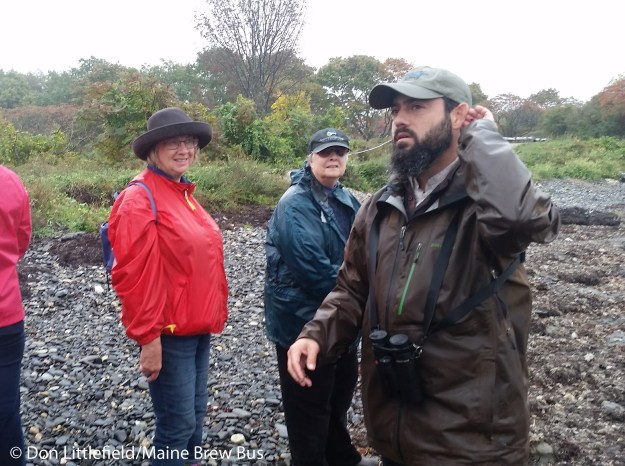
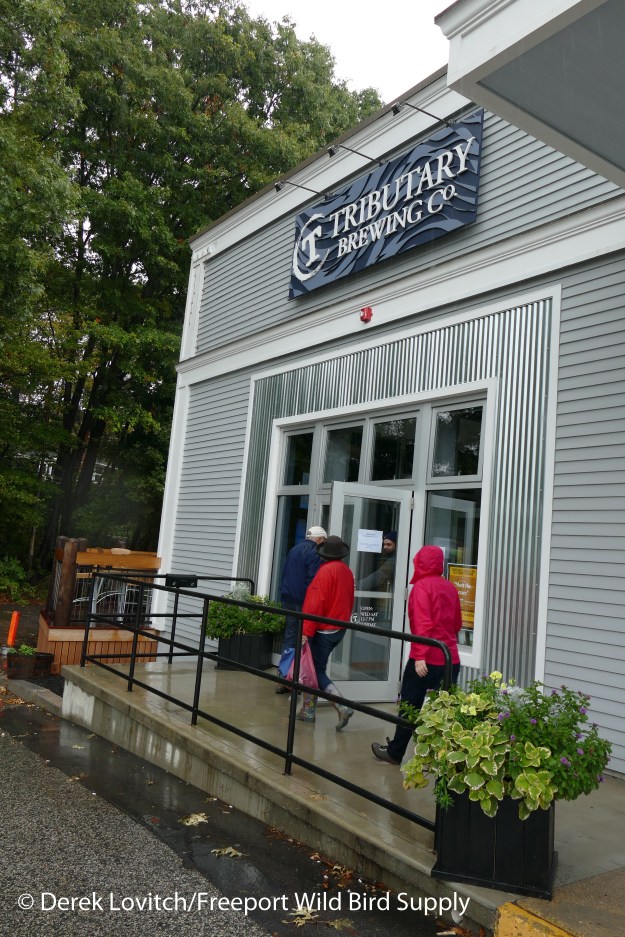
So with our rather damp birding time coming to a close, Don Littlefield took over and delivered us to Kittery’s Tributary Brewing Company.

After working at several breweries throughout his career, New England brewing legend Tod Mott – the creator of the Harpoon IPA that is often credited with beginning the American IPA revolution – and his wife, Galen, opened their own brewery in September of 2014. With a focus on “traditional, well-balanced, full-bodied beers” and locally-sourced ingredients, Tributary has rapidly become a favorite tasting room destination for many aficionados.
tributary_tasting_room_edited-1

And it just happened to be down the road from Fort Foster – which, when it’s not pouring rain – is one of Maine’s premier birding destinations and therefore was a natural fit for a Birds on Tap (sm) – Roadtrip! destination.  One half of the Ian and Ian tag-team duo of brewers, Ian Goering, came into work early to open the doors to welcome us out of the elements.
tributary_entrance_edited-1

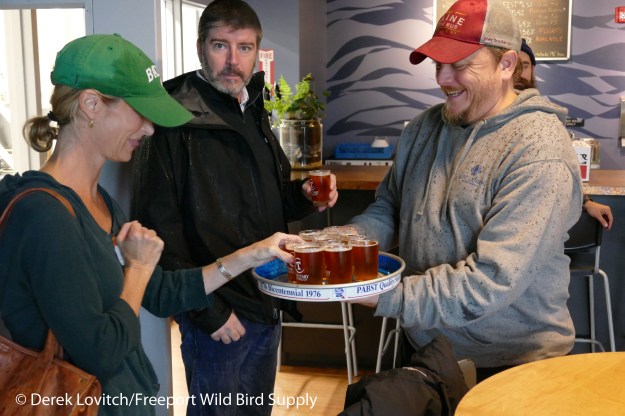
We began our tasting with an American Mild brewed with an experimental hops that offered an essence of strawberry. Downplaying malts in order to showcase the hops, it was a little bitter by design, with a less sweet finish.

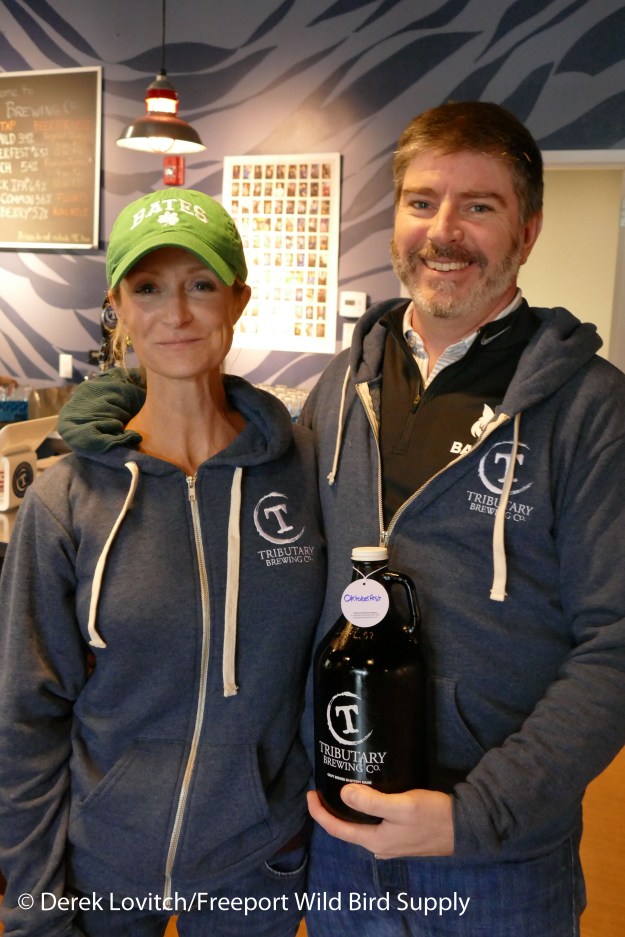
Next up was the Oktoberfest – which turned out to be the favorite beer of the day for many –a fuller bodied lager, heavier in malts, yet with a crisp finish.
tributary_oktoberfest_edited-1
tributary_oktoberfest_glass_edited-1

As we sipped it, Ian gave us a tour of their ultra-clean and efficient brew house.

Next up was their Blueberry Ale which – unlike many blueberry beers that add artificial flavors or blueberry syrup – added real blueberries into the kettle to allow the sugars of the fruit to be fermented by the brewing yeasts. The result was a decidedly un-sweet pale ale that had just the essence of blueberries.

Last but not least, we enjoyed a taste of their smoky and very chocolate-y – while still being nice and hoppy – Black IPA.
tributary_brewhouse_2_edited-1
tributary_fans_edited-1
New fans of Tributary. Well, and/or just cold and needing another layer?

We were able to dry out further as Don filled us in on some of Maine’s brewing facts and history as we headed up the road to Hidden Cove Brewing Company in Wells.

Formerly a restaurant with a small house brewery, the building has been creatively re-purposed into a growing brewing operation.  A “tale of two breweries,” as Don put it, with “traditional offerings alongside more creative barrel-aged” options, Hidden Cove offers a wide array of options in their tasting room.
hidden_cove_tasting_edited-1

Today, we sampled five diverse offerings, beginning with their Patroon IPA – their best selling, flagship beer which was rich in juicy hops.

Next up was the Compadre Pale Ale, “the sidekick to the flagship IPA and is a classic West Coast IPA that utilizes a single hop, Belma.”  The tropical fruit flavors really came through for me, with a very crisp and clean finish.

Rich with the flavor of Meyer Lemon peel, the refreshing Summer Ale brought us back to warmer days. Bitter (remember, that is not always meant as a negative when tasting beer!) and yet quite bready from the yeast, the hop-forward Belgian IPA was the last planned sample.
hidden_cove_brewhouse

However, Don wanted to show off the creative brews that are coming out of their aging barrels, so we were treated to a sample of the very complex Mo-Lay, a sour pumpkin with chili, chocolate (mole), and finished in bourbon barrels with Brettanomyces and Lactobacillus. Like a lot of complicated beers, some people loved it, some didn’t, but everyone enjoyed the opportunity to see what people are doing with beer these days.

Afterall, part of the goal of the Birds on Tap (sm) – Roadtrip! series is to introduce folks to new breweries and new birding sites, new beers and new birds, and broaden horizons and open eyes wider to each!

Speaking of, our next Birds on Tap – Roadtrip! tour is coming up. On November 13th, join us for our second annual “Fall Ducks and Draughts” when we venture north to the waterfowl hotspot of Sabattus Pond, followed by stops at Baxter Brewing and Maine Beer Company!

group_photo_edited-1

2016 Fall MonhegZen Migration Weekend

from_terez_edited-1

Our annual “MonhegZen” Fall Birding Weekend visited Monhegan Island over the weekend. I arrived on Thursday afternoon to find nearly as few birds as when I departed four days prior, as my week on the island with my WINGS tour concluded. However, there was a noticeable increase in Yellow-rumped Warblers, both Ruby- and Golden-crowned Kinglets, and Swamp and White-throated Sparrows; clearly, the transition to October had been underway. No rarities to catch up with or track down for my tour group, either. So I enjoyed some time with friends, and that evening’s sunset (here, from the Island Inn) more than made it worth the early arrival.
island_inn_sunset2

Thanks to a strong flight overnight on a light to moderate northeasterly wind, there were, however, a lot of birds to kick off the tour as I met the group of nine at the dock at 8:00am. Yellow-rumped Warblers (over 90% of the flight, apparently), were swirling overhead and we ran into large groups and scattered small, reorienting flocks all morning. It was nice and birdy through lunch, even if almost everything was a Yellow-rump! However, the homogeny was punctuated by good looks at things like a cooperative Northern Waterthrush at the Ice Pond.

l1070767

…and a couple of Lincoln’s Sparrows in gardens.
l1070800

We had a fun day, with a nice diversity of birds, including one Dickcissel, several Cory’s Shearwaters, lots of Northern Gannets, and a respectable 11 species of warblers.
l1070712

We awoke to light showers and continuing northeasterly winds on Saturday morning, with the radar indicating merely a light flight overnight. There was virtually no morning flight over the Trailing Yew after sunrise, and it was exceptionally slow after breakfast. Five species of sparrows on one of my seed piles was decent, and again we had a single Dickcissel.

thrasher_worship_fromsteveb_edited-2
Some thought I was worshiping this Brown Thrasher, perhaps praying to the bird gods for more migrants. But really, I was just conducting an experiment on how many mealworms a thrasher can eat. For the record: 9, with one taken to go.

But it was hard to sugar-coat things, especially for the three new arrivals that came mid-morning! This was as slow as Monhegan gets, but I can say this: the weather was much better than expected. We only had a little spitting rain after the early morning showers, and light east winds. Expecting a possible wash-out, I would take it, and I would definitely take the results of our afternoon seawatching from Whitehead: 30+ Cory’s Shearwaters (just a few years ago, they were genuinely rare here), 50+ Northern Gannets, a Pomarine Jaeger, and 6 newly-arrived Surf Scoters landing with hundreds of Common Eiders.
seawatching_from_steveb_edited-2

And on our way back into town, we hit a couple of nice birdy spots which helped to end on a high note, including the Clay-colored Sparrow that we had been trying to catch up with.
l1070805
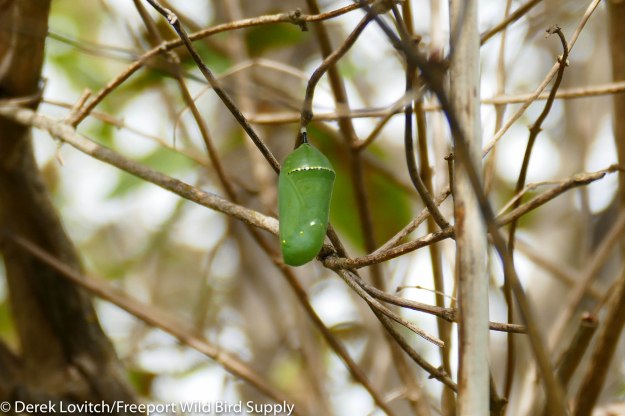
Several Monarch butterfly chrysalises were noted behind the Trailing Yew. They better hurry!

Northeasterly winds continued for a 4th or 5th straight night, and a little light rain was once again falling at sunrise. With virtually no visible migration on the radar with diminishing northeasterly winds and scattered showers after midnight, there was yet another nearly-bird-less morning flight over the Yew at dawn. Well, there were the TWO Yellow-rumped Warblers to be exact!

It was another wicked slow morning – I found myself apologizing profusely to those members of the group who were new to the island; I swear this is not what Monhegan is usually about! But at least the rain ended by the time we were done with breakfast, and with the ceiling lifting, we finished strong with birds coming out into the open. There was the Clay-colored Sparrow once again in the Peace Garden by the church comparing itself perfectly to nearby Chipping Sparrows…
l1070885

…the two Dickcissels together in town (here’s one of them)…
l1070893

And several really good looks at Cape May Warblers, including this male.
l1070942

Blue-headed Vireos seemed to have arrived overnight, as did a smashing drake Wood Duck that was feeding in the bushes at the Ice Pond’s wide muddy edge. In fact, the 61 species we recorded on the day (with a 4:30 departure) was our best total of the three days.
l1070773

Most of the group departed, and those who took the late boat back to Port Clyde with me saw a Razorbill and a few more Cory’s Shearwaters, including one rather close to the boat. The two couples that stayed on the island dreamed of sunshine and a fallout for the next morning (sunshine and more birds, but no fallout, alas).

l1070892
“Yellow” Palm Warbler catching flies emerging from a compost bin

So while “tour guide spin” suggests I should just talk about the Clay-colored Sparrow, Dickcissels, Cape May Warblers, and all of the Cory’s Shearwaters, it’s hard to not see through that. It was slow…and weekends like this happen in the fall. Unlike my week-long WINGS tour that saw multiple changes in the weather, we were stuck in a dreary, northeasterly pattern that doesn’t produce a whole lot of birds for Monhegan. And, as true of the entire fall, up and down the Eastern Seaboard, the continued lack of cold fronts continues to minimize numbers and concentrations along the coast and offshore. A mere 71 species were recorded in our three days together; our average for the weekend is 99 species (with an average of 20 species of warblers)! Or should I say, was.

trap_day2

So now comes the “spin:” If I would have to spend a weekend anywhere else in a “slow” fall, it sure has heck would be Monhegan! The best pizza in the state and other great meals, fantastic beer, good company, and the unique and truly special sense of place that Monhegan offers (including Trap Day, which we enjoyed from afar on Saturday). And yeah, Dickcissels, Clay-colored Sparrows, Cory’s Shearwaters, and 11 species of warblers in three days in early October really isn’t too shabby.
l1070954l1070969
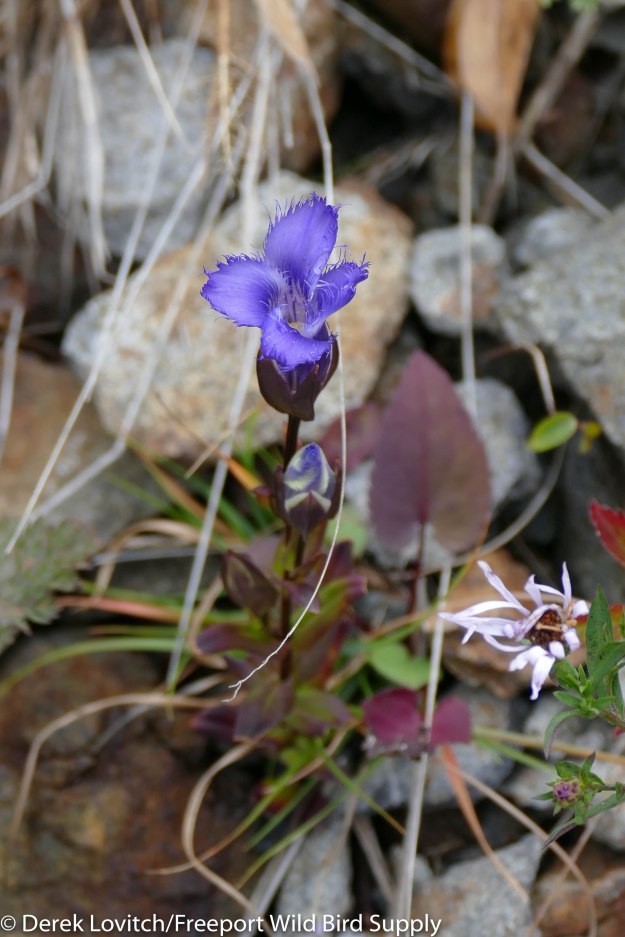
Of course, there are always things like Fringed Gentian to look at as well!

We’ll just make up for it in spring!

l1070989
The daily lists:
Species: Fri 9/30, Sat 10/1, Sun 10/2.

Canada Goose: 0,5,0
Wood Duck: 0,0,1
American Black Duck: 1.5,1.5,1.5
Mallard: 8,12,12
Common Eider: x,x,x
Surf Scoter: 0,6,0
Common Loon: 3,1,0
CORY’S SHEARWATER: 5,30,5
Northern Gannet: 100,50,20
Double-crested Cormorant: x,x,x
Great Cormorant: 6,10,10
Great Blue Heron: 1,1,1
Bald Eagle: 2,1,0
Sharp-shinned Hawk: 4,4,2
American Kestrel: 1,1,1
Merlin: 6,5,3
Peregrine Falcon: 1,2,2
POMARINE JAEGER: 0,1,0
Laughing Gull: 0,1,0
Ring-billed Gull: 0,0,1
Herring Gull: x,x,x
Great Black-backed Gull: x,x,x
Black Guillemot: 6,2,4
Mourning Dove: 4,4,8
Yellow-bellied Sapsucker: 4,5,6
Downy Woodpecker: 3,3,2
Northern Flicker: 30,10,4
Eastern Phoebe: 3,3,1
Blue-headed Vireo: 0,0,2
Red-eyed Vireo: 6,4,3
Blue Jay: 28,24,16
American Crow: x,x,x
Common Raven: 1,3,2
Black-capped Chickadee: x,x,x
Red-breasted Nuthatch: 30,20,10
White-breasted Nuthatch: 2,2,2
Brown Creeper: 2,6,1
Golden-crowned Kinglet: 25,25,20
Ruby-crowned Kinglet: 5,4,3
American Robin: 4,1,0
Gray Catbird: 6,6,4
Brown Thrasher: 1,1,1
European Starling: 11,11,11
Cedar Waxwing: 75,50,40
Yellow Warbler: 1,0,1
Cape May Warbler: 1,2,2
Black-throated Blue Warbler: 1,2,0
Yellow-rumped Warbler: 200,30,30
Black-throated Green Warbler: 1,0,0
Palm Warbler: 20,6,4
Blackpoll Warbler: 15,4,1
Black-and-white Warbler: 1,0,0
American Redstart: 1,0,0
Northern Waterthrush: 1,0,0
Common Yellowthroat: 10,4,2
Chipping Sparrow: 4,6,4
CLAY-COLORED SPARROW: 0,1,1
Savannah Sparrow: 6,5,8
Song Sparrow: 20,20,20
Lincoln’s Sparrow: 2,2,1
Swamp Sparrow: 3,0,2
White-throated Sparrow: 10,10,25
White-crowned Sparrow: 5,6,6
Dark-eyed Junco: 0,1,1
Northern Cardinal: 4,12,10
Rusty Blackbird: 1,0,0
Common Grackle: 2,2,2
Brown-headed Cowbird: 0,0,2
DICKCISSEL: 1,1,2
Purple Finch: 1,0,1
American Goldfinch: 4,4,2\

l1070822
White-throated Sparrow

The Two “Shorebirds and Beer” Birds on Tap – Roadtrips of 2016

1. Brew_Bus_store_from_Stacey_edited-1

“Shorebirds and Beer” was our first-ever “Birds on Tap – Roadtrip!” in partnership with our friends at The Maine Brew Bus last August. Now our 6th trip together, combining casual yet instructive birding in some of the state’s best seasonal hotspots with visits to two of our fantastic local breweries, we planned a return to Scarborough Marsh – where it all began!

And by popular demand, we added a second date. So this year, we had two “Shorebirds and Beer” departures, on August 7th and again on August 14th.  Both visited Scarborough Marsh, focusing our efforts on migratory shorebirds, but combined pairs of very different breweries.

We began the August 7th visit to Scarborough Marsh at the Eastern Road Trail.  A nice variety of birds were observed, including a couple of very cooperative singing Nelson’s Sparrows. Unfortunately, we found our destination, the salt pannes on the northern side of the marsh to be completely bone-dry due to this year’s drought. Needless to say, the numbers of shorebirds were not what we were hoping for. In fact, other than a few small groups of Least Sandpipers popping in and out of the grass, the pannes – often the most productive place in the entire marsh at this season – were completely devoid of shorebirds!
2. from_Don1_edited-1
3. EasternRoadTrail_group

However, along the road, we had some good instructive lessons, including ultra-cooperative Least Sandpipers than began our introduction into shorebird identification. We learned how breaking shorebirds down into family by shape and size first narrows the choices, and allows you to focus on just a few species to identify. We even had a perfect example of this, when three members of the genus Tringa were standing side-by-side as a dainty Lesser Yellowlegs joined a couple of Greater Yellowlegs while a bulky Tringa-on-steroids, Willet (of the Eastern subspecies, for the record) looked on.

Heading over to Pine Point as the tide rapidly rolled in, various human disturbances in Jones Creek limited shorebird diversity, but we could not have asked for more cooperative Semipalmated Sandpipers and Semipalmated Plovers (about 200 and 100, respectively) that really allowed us to practice our plover vs. sandpiper feeding shape and style dichotomy.
4. from_Don2_edited-15. from_Don3_edited-16. from_Don4_edited-1
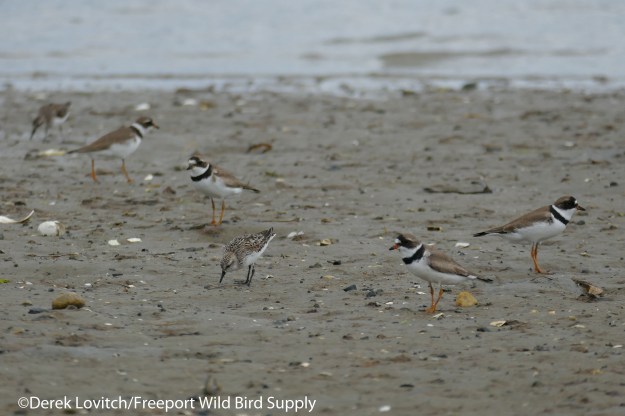
7. SEPL_SESA-group_edited-1

We then moved on to work on specific identification.
8. SEPL_JonesCreek,8-7-16_edited-19. SESA,JonesCreek,8-6-16_edited-1a

The remainder of our birding time was spent scanning the last of the distance sandbars (adding Black-bellied Plover to the shorebird checklist), before one of the members of the group called me over to check out an odd bird she found in her scope. It was an American Avocet!

While distance and heat shimmer precluded documentation photos, everyone was treated to a look or two in the scope of this very rare-in-Maine bird that isn’t seen every year anywhere in the state. While the long, fine bill was barely discernable at the distance, the very long legs and overall tall size (compared to nearby gulls) coupled with the distinctive tri-colored appearance (buffy head and neck, white underparts, and black wing with a broad white stripe) looks like no other.

And then it was time for a celebratory beer!  After a celebratory hand-pie for lunch, of course.
9A. hand_pie_edited-1

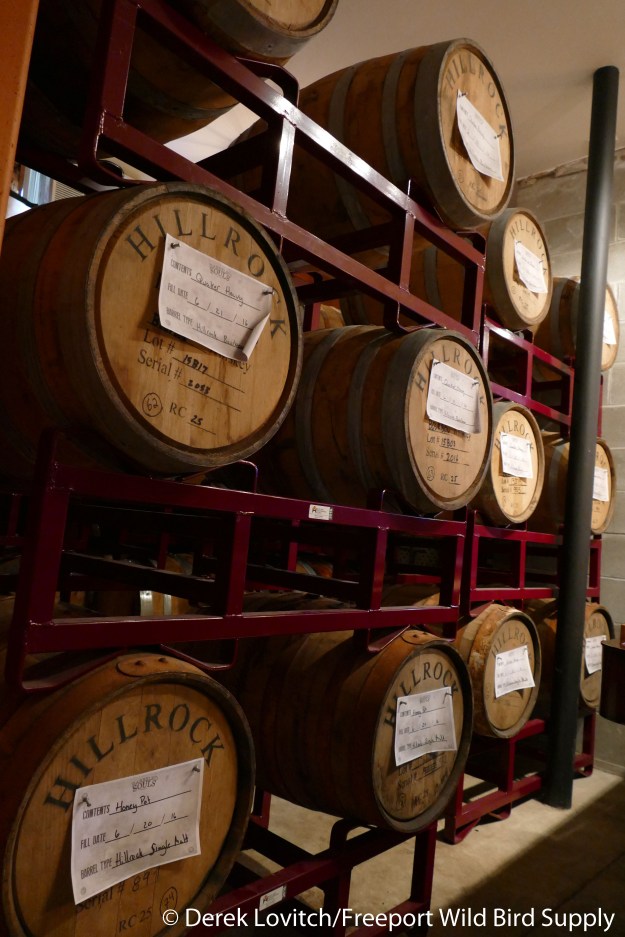
First up was Barreled Souls in Saco, the only brewery in the country that is producing 100% barrel fermented beer in their Burton-Union system. Producing a mere 400 barrels a year – yet still offering 10-12 brews on tap at all times! – this time-consuming process which included two stages of fermentation, allows for the creation of some very complex beers.

Our samples today began with Half-Shilling, a very-light-bodied and low-ABV Scotch Ale as an introduction. Rosalita followed, using agave nectar in the primary fermentation and then steeped with hibiscus flowers during secondary fermentation, making for a very floral and subtly-sweet brew.  Space Gose was next, a summer refresher made with Maine sea salt, lemon zest, and coriander. By request, we then did a complete beer-wise-180 and shifted over to a heavy Barrel-aged MCAM – a very unique breakfast porter made with cinnamon, French toast, and bacon!  The spice, sweet, and smokiness were evident, as were the hints of bourbon from the bourbon barrels it was aged in. It was a potent, and very tasty, beer and a good representation of Barreled Souls’ creativity.

10. Barreled_Souls2_edited-111. Barreled_Souls3_edited-112. Barreled_Souls1_edited-113. Barreled_Souls4_edited-114. Barreled_Souls5_edited-115. Krisiti_tatoo_edited-1
Kristi shows off her very-appropriate for a birding/beer tour tattoo.

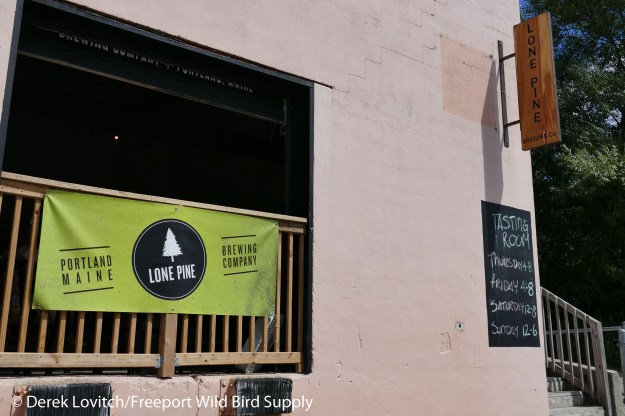
Our final destination of the day was Lone Pine Brewing in Portland. We began with their flagship Portland Pale Ale, using 90% Aroostook County-grown malts. This is a really great pale, with lots of flavor but incredibly smooth and lacking bitterness. Pale ales are occasionally “boring” to those who like a lot of hops, but this exceedingly well-balanced beer could be a new go-to for quite a few of us on the tour.

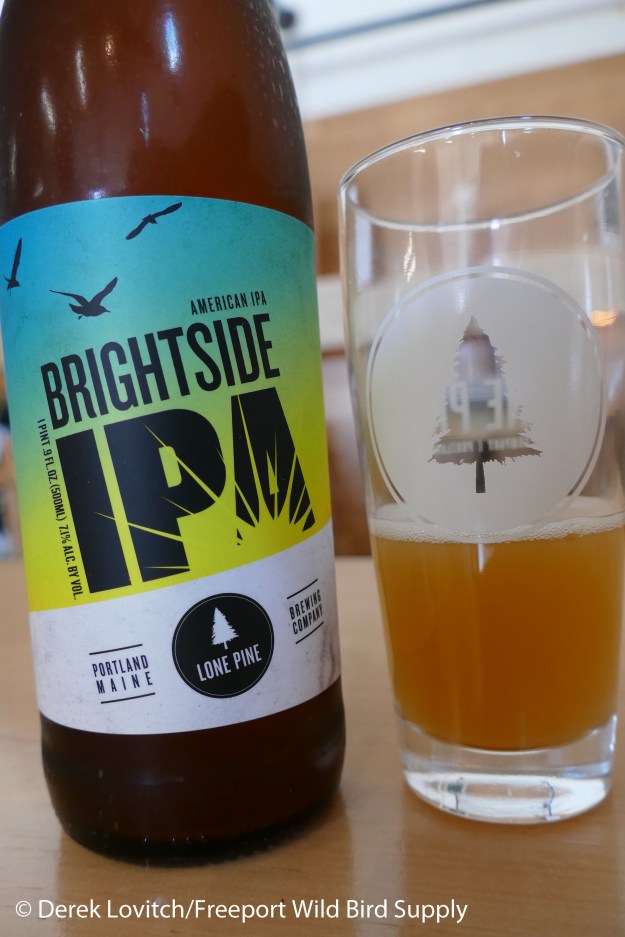
Their new Brightside IPA was next on our agenda, and I would put this right up there with the best IPAs in the state. Bright and citrusy, yet without that overwhelming bitterness that often pervades stronger IPAs (this one clocks in at a potent 7% alcohol), it may be way too easy-drinking. It was also a very “accessible” IPA for the non-hopheads. One member of group in particular, who normally doesn’t like IPAs at all, was actually quite a fan of this also well-balanced beer. For me, a sign of a truly great beer is one that is so good is that it appeals to those who normally don’t like that particular style.
16. Lone_Pine_outside_best_edited-117. Lone_Pine_group_edited-118. Lone_Pine_group1_edited-119. Brightside_IPA_edited-1

The following weekend, we once again began our birding at Eastern Road. Despite some rain in the past few days, however, the salt pannes were still dry. But to and fro, we encountered a nice mix of shorebirds, including some unbelievable cooperative Least Sandpipers once again.
21.LESA,EasternRd_edited-1
This one was phone-binned (a photo taken with an iPhone through my binoculars)!

Three Spotted Sandpipers – our first shorebirds of the day, actually – were encountered as we began our walk, and a decent number of Semipalmated Sandpipers were in the dried pannes. Both Lesser and Greater Yellowlegs were seen together for instructive studies. A distant hunting Northern Harrier, more singing (but this week, not seen) Nelson’s Sparrows, and lots of Cedar Waxwings and Song Sparrows foraging in the trailside scrub were among the highlights. We also took the time to watch Common Wood-Nymph butterflies, Great and Snowy Egrets, and stopped to enjoy the magnificently beautiful color of the eyes of Double-crested Cormorants.
20. GREG,EasternRd_edited-1
Great Egret posing.

On the walk back, with the tide just starting to recede, we had the opportunity to check out a few Semipalmated Plovers, Semipalmated Sandpipers, and a Least Sandpiper all side-by-side, just about 20 feet away.
22.SESA,LESA,andSEPL1,Eastern Rd,8-14-16_edited-1

A quick stop at the Pelreco marsh produced yet more Least Sandpipers, a better view of the details of Greater Yellowlegs, two spiffy adult Little Blue Herons, and most importantly: Patches! Arguably one of the rarest birds in the world, this Tricolored Heron x Snowy Egret hybrid that has been frequenting the marsh for the past 3 years put on quite a show for us. It could – hypothetically – be the only one of its kind!
23.TRHExSNEG-best,8-14-16_edited-1

Thanks to a change in brewery itinerary for this second run of “Shorebirds and Beer,” I was able to stall at the marsh long enough to allow enough water to flow out that mud was rapidly being exposed at Pine Point. And with it, excellent numbers of all of the expected shorebirds began to appear: 400+ Semipalmated Sandpipers, 300+ Semipalmated Plovers, 150+ Black-bellied Plovers, 22 Short-billed Dowitchers, 8 “Eastern” Willets, 6 White-rumped Sandpipers, 4 Ruddy Turnstones, a few Least Sandpipers, and 2 Greater Yellowlegs.

No American Avocet though, but a hunting Peregrine Falcon zipped through, causing quite the ruckus.

And then it was once again beer o’clock, and today we began our beer-ing tour with a visit to South Portland’s Foulmouthed Brewing. Only open for 7 weeks, it was a new destination for everyone on today’s tour – myself included – and we learned all about the owners, the fledgling (see what I did there?) brewpub (yup, they opened a restaurant too), and their wide range of beers.  We even enjoyed a not-quite-ready-for-prime-time sample of their new “Blue Balls,” a Belgian dark, strong beer with blueberries. Still a week or two from being finished, it was a great introduction to their creative brewing side.
24.Foulmouthed1_edited-125. Foulmouthed3_edited-1
Inside at the brewpub, we sat at the big kids’ table and sampled four of their current offerings. Beginning with Brat, a German-style session with its bright and clean Noble hop finish, we moved onto Half Wit, a “hybrid” (not of heron and egret, mind you) of a Belgian Wit and an American Pale. A favorite of many on today’s visit, it was smooth and accessible, with enough body and flavor to hold its own. Kaizen Saison was up next, with its rotating hops producing a different flavor and aroma profile with each batch. We finished up with Rhubarb de Garde, a strong amber aged on rhubarb. I found a little extra sweetness and especially just the hint of tart from the rhubarb complimented each other nicely.
26. Foulmouthed4-edited27. Foulmouthed5-edited_edited-1

Our final beer stop of the day was a return trip to Lone Pine Brewing. Tom once again took us through their methods and philosophy, and shared with us their Portland Pale Ale and Brightside IPA. The more I drink the Portland Pale, the more I love this perfectly balanced beer.
29. Lone_Pine_Abby_edited-1
And Abby was dressed in our honor today.

28. Tom_and_Don,LonePine,8-14-16_edited-1
While Don, always attentive, looked like he had just spotted a Blue-footed Booby.

With our final sips of Brightside, the second installment of Shorebirds and Beer came to a close and it was time to head back home. Every day is different during the window of shorebird migration, and these two visits to Scarborough Marsh exemplified that. A wide range of shorebirds were studied, as we started to expand our identification – and appreciation – toolbox. And between Barreled Souls, Lone Pine, and Foulmouthed, we were exposed to a wide range of beer styles and methodologies.
30. brewbus_at_LonePine_edited-1

And both are the goals of our Birds on Tap – Roadtrip! series: exposure to some of our seasonal birding highlights and our vast array of fantastic local breweries. We hope you’ll join us for our next roadtrip, on October 9th, when we head to the deep south to visit Kittery’s Fort Foster and Seapoint Beach for our birding, and Tributary and Hidden Cove Brewing for our beering. Hope to see you then!

2016 MonhegZen Spring Birding Weekend PLUS Birds on Tap – Monhegan!

As I do most Memorial Day weekends, I head to Monhegan Island with a tour group for my “MonhegZen Spring Birding Weekend.”  But this was not going to be “just” a weekend on this wonderful, joyful, and bird-filled place. This was going to be truly special – it was “Birds on Tap – Monhegan!

A small group arrived with me on Friday, and boy did we hit the ground running. The first bird we saw off the boat was a Purple Martin zipping overhead – a nice rarity to get things started. As if my usual Monhegan-stoked Rarity Fever wasn’t already in full effect, the next bird we saw was a wet Empid. And let the games begin! Of course, this one was a pretty straightforward Alder Flycatcher after we got good looks at it and heard it call.
ALFL

American Redstarts, Northern Parulas, and Blackpoll Warblers were common and conspicuous as it took us over an hour just to walk up Dock Road!  A great look at a male Bay-breasted Warbler near the Ice Pond was a treat, and we caught up with part of the small flocks of Red and White-winged Crossbills that have been wandering around the island. We saw at least 8 Red and at least 6 White-winged, including fresh juveniles of each – likely having bred out here in the late winter and early spring.

A Sora calling in the marsh didn’t really stop all weekend, and Yellow Warblers were particularly conspicuous around town.
YWAR'

And our FOY Novelty pizza.
Novelty Pizza

While I – and the group – were hearing a little too much “you should have been here yesterday,” we were pretty content with the leftovers of the fallout, with 16 species of warblers by day’s end, including impressive numbers of Northern Parulas.
NOPA

A rare-in-spring Dickcissel flew over the Trailing Yew as we awaited coffee, soon followed by a close-passing Yellow-billed Cuckoo. After a strong flight overnight, there were a lot of new birds around. Fueled by the delicious Birds & Beans coffee being brewed by the Trailing Yew all weekend, we began our birding, soon picking up lots of new arrivals including Cape May Warbler and Swainson’s Thrush.

Apple trees in full bloom all around town were one of the major draws for birds and birders. In fact, you could basically pick an apple tree and sit in front of it long enough to see at least one of all of the common migrants that were about, such as Magnolias Warbler…
MAWA male

MAWA female

…and Chestnut-sided…
CSWA2CSWA1

Jeannette met up with the rest of the tour group arriving on the first boat from New Harbor, and caught up with us after catching up with two of the most cooperative Philadelphia Vireos you’ll ever meet that we all enjoyed along Dock Road.
PHVI

In town, we heard a White-eyed Vireo, another rarity (although one of the expected ones out here), ran into a few more of both species of crossbills behind the Ice Pond, and spotted the young Humpback Whale that has been making regular appearances close to shore off the island’s western shore!  And this Scarlet Tanager…which seemed an appropriate find since we have been consuming the coffee named for it!
SCTA

After hearing a singing Mourning Warbler earlier in the day for our 20th species of warbler on the trip, we had a handful of glimpses of a skulking female near the Yew. I turned around to follow a flitting Yellow-bellied Flycatcher. Training my bins on the flycatcher, I first focused on the branch behind it, which turned out to be hosting a roosting Common Nighthawk!
CONI1a

CONI2

83 species of birds on the day, including 19 species of warblers made for one helluva day, but the fun was just beginning! In addition to my annual tour, this was the weekend of Birds On Tap – Monhegan!
A collaboration between our Freeport Wild Bird Supply, Trailing Yew, Birds & Beans, and Monhegan Brewing, we took our “Birds on Tap” series of events offshore to celebrate birds, migration, bird conservation (especially through consumer choices like what coffee to drink), and, yes, beer!

And one of the truly special events was a limited, 31-gallon batch of a special coffee-infused milk stout from Monhegan Brewing, featuring a pound and a half of the dark roast Scarlet Tanager coffee from Birds & Beans!
MARY POUR

I had the honor of announcing the official release, taking some of the first sips of this delicious light-bodied stout featuring a subtle sweetness from lactose perfectly balanced with a bitter roastiness from the coffee.
Me_At MonheganBrewing_Paul_Wolter_edited-1

ON PORCH

Of course, we were also still birding. I promise!
GROUP AT BREWERY

In fact, we momentarily cleared out the brewery when a possible Orange-crowned Warbler (one was seen by others over the past two days) was spotted nearby. Rushing over, we carefully studied the bird before reaching the conclusion that it was indeed a pale Tennessee Warbler.
TEWA

After an unfortunate but necessary cancellation from our original speaker, Dr. Steve Kress arrived to save us – admittedly a feat marginally less heroic than what he did for puffins and endangered seabirds all over the world!


Giving the weekend’s keynote presentation on his work to bring Atlantic Puffins back to nearby Eastern Egg Rock, Steve explained the challenges he and the puffins faced before finally realizing his novel approach finally bore fruit, or should I say, pufflings.
Steve_Kress2_edited-1Steve_Kress1_edited-1

Overnight, a back door cold front sagged southward, shifting the winds to an easterly direction and limiting the arrival of new migrants to the island. Our “Morning Flight Watch” with plentiful free Birds & Beans coffee for all at the Trailing Yew wasn’t too eventful, but things definitely picked up for the post-breakfast walk.


Jeannette led my tour group, and the birding was still a bit slow, relatively speaking. But, they finally made their way down to the pump house to see Eastern Kingbirds flycatching in the marsh. And, up to the lighthouse for the first time which was highlighted by a fantastic view of a female Blackburnian Warbler.
BLBW female

Meanwhile, Kristen Lindquist assisted me in leading the free, open-to-all birdwalk as part of the weekend’s special events. A nice mix of birders, residents, and visitors enjoyed a casual stroll. We chatted as we went, covering a variety of topics from bird migration to conservation to coffee to the ill-conceived industrial wind development scheme for the island’s southern waters.


Some folks, new to birding, may have left with the impression that Red-eyed Vireos were about the most common bird in the world, as quite a few were calmly and methodically foraging through apple trees in and around town.
revi

But perhaps this male Blackburnian Warbler would end up being a “spark” bird for someone! Because male Blackburnian Warbler!
BLBW male

With a light easterly wind continuing, and our group back together after more Novelty pizza, we walked up to Burnt Head, where we enjoyed some nice close passes from Northern Gannets
NOGA

Jeannette and I spent an extra night on the island, knowing we would need a little time to unwind after the even-more-chaotic-than-expected weekend of events. After a great dinner with friends, we listened to two Soras calling from the marsh and an American Woodcock still displaying somewhere overhead before turning in.

We awoke on Monday to dense fog and no visible migration on the radar, but the birding was actually quite good. We found a Nelson’s Sparrow in the Lobster Cove marsh, but also enjoyed how the damp weather (mist, drizzle, and a few showers) were keeping activity low and close, easily viewed in the blooming apple trees around town once again.
As a warm front passed through, with only a little more drizzle but rapidly warming temperatures and clearing skies, we took a post-pizza hike, heading deeper into the woods, which netted more of the island’s breeding species, such as many more Black-throated Green Warblers.
BTNW

Somehow – now how did this happen? – our hike ended at the brewery, where another pour of the Birds & Beans-infused beer was in order.
CLOSE UP POUR

Unfortunately, especially since the sun was now shining brightly, it was indeed time for us to head back to the real world, so Jeannette and I begrudgingly plodded down to the dock and boarded the Hardy Boat for the return.  It’s never easy saying goodbye to the island – its birds and our friends there – but today was especially challenging as we know a fight about the future of the island – including many of the migratory birds that pass over and through here – is looming.
Leaving_island_edited-1

Here’s the complete daily checklist for the weekend:
26-May 27-May 28-May 29-May
1 Canada Goose 0 0 1 0
American Black Duck x Mallard 0 1 0 0
2 Mallard 2 10 12 8
3 Common Eider x x x x
4 Ring-necked Pheasant 3 3 3 4
5 Common Loon 1 1 0 1
6 Northern Gannet 0 0 12 0
7 Double-crested Cormorant x x x x
8 Great Cormorant 0 0 0 1
9 Great Blue Heron 0 1 0 0
10 Green Heron 1 0 0 0
11 Osprey 0 1 0 0
12 Bald Eagle 2 1 0 0
13 Merlin 0 1 0 1
14 Virginia Rail 0 0 0 1
15 Sora 1 1 2 1
16 American Woodcock 0 0 1 0
17 Black Guillemot x x x x
18 Laughing Gull x x 12 4
19 Herring Gull x x x x
20 Great Black-backed Gull x x x x
21 Common Tern 2 0 0 0
22 Mourning Dove 8 10 4 6
23 YELLOW-BILLED CUCKOO 0 1 0 0
24 Common Nighthawk 0 1 0 0
25 Ruby-throated Hummingbird 2 3 2 2
26 Yellow-bellied Sapsucker 0 1 0 0
27 Downy Woodpecker 4 4 2 0
28 Northern Flicker 0 1 1 1
29 Eastern Wood-Pewee 2 10 4 6
30 Yellow-bellied Flycatcher 1 4 0 5
31 Alder Flycatcher 1 2 0 0
32 Willow Flycatcher 0 4 0 1
33 “Traill’s” Flycatcher 0 6 2 1
34 Least Flycatcher 5 8 2 5
35 Eastern Kingbird 8 14 7 6
36 WHITE-EYED VIREO 0 1 0 0
37 Philadelphia Vireo 2 3 0 0
38 Red-eyed Vireo 15 100 30 25
39 Blue Jay 4 4 6 6
40 American Crow x x x x
41 Tree Swallow 8 2 2 2
42 Cliff Swallow 0 1 0 0
43 Barn Swallow 0 0 2 0
44 PURPLE MARTIN 0 0 0 0
45 Black-capped Chickadee x x x x
46 Red-breasted Nuthatch 2 4 2 3
47 House Wren 0 2 2 2
48 Winter Wren 0 0 0 1
49 Golden-crowned Kinglet 2 2 2 4
50 Swainson’s Thrush 0 1 0 0
51 American Robin 10 8 10 8
52 Gray Catbird x x x x
53 Brown Thrasher 1 0 2 0
54 Northern Mockingbird 0 1 0 0
55 European Starling x x x x
56 Cedar Waxwing 30 80 60 40
57 Ovenbird 0 1 0 0
58 Northern Waterthrush 1 1 0 0
59 Black-and-white Warbler 8 10 6 3
60 Tennesee Warbler 1 10 1 1
61 Nashville Warbler 1 1 1 2
62 MOURNING WARBLER 0 3 0 0
63 Common Yellowthroat x x x x
64 American Redstart 25 40 10 15
65 CAPE MAY WARBLER 0 1 0 0
66 Northern Parula 40 50 20 20
67 Magnolia Warbler 5 15 12 20
68 Bay-breasted Warbler 1 0 0 0
69 Blackburnian Warbler 3 3 2 2
70 Yellow Warbler 20 20 25 20
71 Chestnut-sided Warbler 15 15 10 15
72 Blackpoll Warbler 20 70 30 40
73 Black-throated Blue Warbler 1 3 1 2
74 Yellow-rumped Warbler 0 4 1 2
75 Black-throated Green Warbler 6 7 10 30
76 Canada Warbler 0 1 1 0
77 Wilson’s Warbler 1 0 0 1
78 Eastern Towhee 0 1 0 0
79 Chipping Sparrow 4 1 1 0
80 NELSON’S SPARROW 0 0 0 1
81 Song Sparrow x x x x
82 Lincoln’s Sparrow 0 1 0 1
83 Swamp Sparrow 0 1 0 1
84 White-throated Sparrow 1 2 2 1
85 Scarlet Tanager 0 2 0 0
86 Northern Cardinal 4 4 8 8
87 Rose-breasted Grosbeak 0 1 0 1
88 Indigo Bunting 1 3 1 0
89 DICKCISSEL 0 1 0 0
90 Bobolink 2 6 3 0
91 Red-winged Blackbird x x x x
92 Common Grackle x x x x
93 Baltimore Oriole 4 2 2 1
94 Purple Finch 2 2 2 1
95 RED CROSSBILL 8 2 3 ?
96 WHITE-WINGED CROSSBILL 6 8 0 12
97 Pine Siskin 15 30 30 40
98 American Goldfinch 6 4 4 4

2016 Bradbury Mountain Spring Hawkwatch Season In Review

Hawkwatch_last_day_2016
The 10th annual Bradbury Mountain Spring Hawkwatch wrapped up on May 15th, bringing a remarkable season to a close. Although I did go up for two hours to hope for a vagrant Mississippi or Swallow-tailed Kite on the 20th, netting five migrants (2 Sharp-shinned Hawks and 1 each of Broad-winged Hawk, Cooper’s Hawk, and Merlin. All immatures as expected on the late date). It was worth a try!

Anna Stunkel, a College of the Atlantic graduate and veteran of the Lucky Peak hawkwatch in southwestern Idaho, was the 2016 Official Counter, and she did an incredible job. A tireless observer and interpreter, she introduced hundreds of visitors to the project, and to our numerous local Bald Eagles! While Jeannette and I covered her days off – when rain didn’t do the job for us – or whenever else we got a chance, our many volunteers, especially Zane Baker, Tom Downing, Dave Gulick, Chuck Barnes, and Rick Hartzell were priceless. No hawkwatch is successful without a loyal cadre of assistants – spotting birds, answering questions, and bringing food – so thanks to you all!
L1040575_edited-1

The 2016 season total of 4,785 between March 15th and May 15th was our second highest total in the ten years of the project, and an impressive 17.6% above average (we exclude 2007 from our data analysis due to a change in methodology after this “trial” year).

Oddly enough, we amassed this tremendous total despite losing 16.5% of our possible coverage hours (9am to 5pm EDT) to weather, including fog, rain, snow, or high winds. The 414 total hours of observation was actually 6.6% below our average.

343 raptors passed the watch on April 17th, topped by the 980 tallied on 4/22 and 585 on 4/23. Those two amazing days changed our season dramatically – we went from worrying about a record low count to dreaming about a record high! 3,165 of our raptors passed through between April 16th and April 28th, accounting for 70% of our total flight.

Two rarities were recorded, headlined by a Black Vulture (our 7th of all time) on May 12th, and perhaps even rarer according to the season, a Broad-winged Hawk on March 20th (our previous earliest date was April 3rd, 2008 which itself was an outlier). We hypothesize that this was not a vanguard of the usual long-distant migrants arriving from Central America so early, but rather a bird that wintered either in South Florida or perhaps even well north of usual range thanks to the mild winter over the East.

Although southwesterly winds – our best conditions – were rare this spring, numerous days of west and light northwest in April, combined with sunny conditions and few weather systems during the peak weeks of our flight produced our great count, led by above average numbers of Osprey, Northern Harrier, Sharp-shinned Hawk, Broad-winged Hawk, American Kestrel, and Merlin. On our biggest day (4/22), light westerlies eventually turned to the southwest, and westerlies rotated around to the southeast on the following day.
IMG_4644_edited-2

However, the mild winter and early onset of early spring – including snow-free conditions over much of the area on the first day of the count and ice-out already occurring on larger rivers – got the season off to a quick start, but also meant we missed a number of birds that had already continued north before the count started on March 15th. Below average numbers of Turkey Vulture, Bald Eagle, Cooper’s Hawk, Northern Goshawk, Red-shouldered Hawk, and especially Red-tailed Hawks were the result. “Locals” of each from Day 1 also affected our count as we had to err on the side of caution early on to not overcount local birds (especially vultures and eagles) every time they flew around the mountain. It was a very, very different season from the 2015 count, in which winter never seemed to want to go away.

However, our record low 1 Peregrine Falcon is not as easy to explain – perhaps the constant westerlies just kept this predominately more coastal migrant far enough towards the coastline of Casco Bay.

As always, we also keep track of non-raptor migrants to the best of our ability.
2,010 Double-crested Cormorants, 1457 Common Grackles, 1028 Canada Geese, 918 Tree Swallows, and 747 unidentified/mixed blackbirds led the way.

Sandhill Cranes are now an annual occurrence, and this year we tallied four birds: 2 on 3/26, and one each on 4/16 and 4/25. The expansion/colonization/recolonization of Maine by this magnificent species continues, and our hawkwatch is apparently well placed to sample their return flight. Other noteworthy migrants included a White-winged Crossbill on 3/17, migrant Bohemian Waxwings on 3/26 (50) and 4/19 (29) with numerous visits by small flocks to the Common Juniper at the summit, and two Blue-gray Gnatcatchers (4/22 and 5/3).

A total of 92 species were seen and/or heard from the summit, including regular vocalizations from local Barred Owls and a variety of warblers.

IMG_4638_edited-2

  2016 Avg. 2008-2015 difference from average
Black Vulture 1 0.8 33.3%
Turkey Vulture 260 272.5 -4.6%
Osprey 513 431.1 19.0%
Bald Eagle 68 77.6 -12.4%
Northern Harrier 132 98.6 33.8%
Sharp-shinned Hawk 744 715.1 4.0%
Cooper’s Hawk 69 74.1 -6.9%
Northern Goshawk 2 7.9 -74.6%
Red-shouldered Hawk 75 91.4 -17.9%
Broad-winged Hawk 2123 1545.0 37.4%
Red-tailed Hawk 245 270.4 -9.4%
Rough-legged Hawk 0 0.9 -100.0%
Golden Eagle 0 0.5 -100.0%
American Kestrel 429 359.3 19.4%
Merlin 76 69.1 9.9%
Peregrine Falcon 1 5.4 -81.4%
       
Unidentified Raptor 47 47.3 -0.5%
Total 4785 4067.9 17.6%
       
Hours 414.25 443.5 -6.6%

Of course, this project doesn’t happen without your support of Freeport Wild Bird Supply, but we can’t do this without the support of Bradbury Mountain State Park and our co-sponsors, Leica Sport Optics. Our sincerest thank you goes out to Sunshine Hood, the new park manager at Bradbury (we can’t wait to grow the project with you!), and Jeff Bouton and Stan Bucklin of Leica.
L1040577_edited-1

But most importantly, this project doesn’t happen without all of you joining our counter at the summit, learning about raptors, migration, and conservation. To show your support for the project, and to raise funds for future needs (counter’s salary, new signage, etc), check out the exclusive Bradbury Mountain Hawkwatch t-shirt by North Yarmouth’s Coyote Graphics. It features Michael’s original artwork of the view from Bradbury within the outline of raptor on the front, and raptor silhouettes by the 2016 Official Counter, Anna Stunkel on the back.

We look forward to seeing you at the summit again beginning on March 15th, 2017 – or perhaps sooner if weather conditions align (like more kite weather!)
L1040752_edited-1