Tag Archives: Roseate Tern

This Week’s Highlights, 6/28-7/4/2025

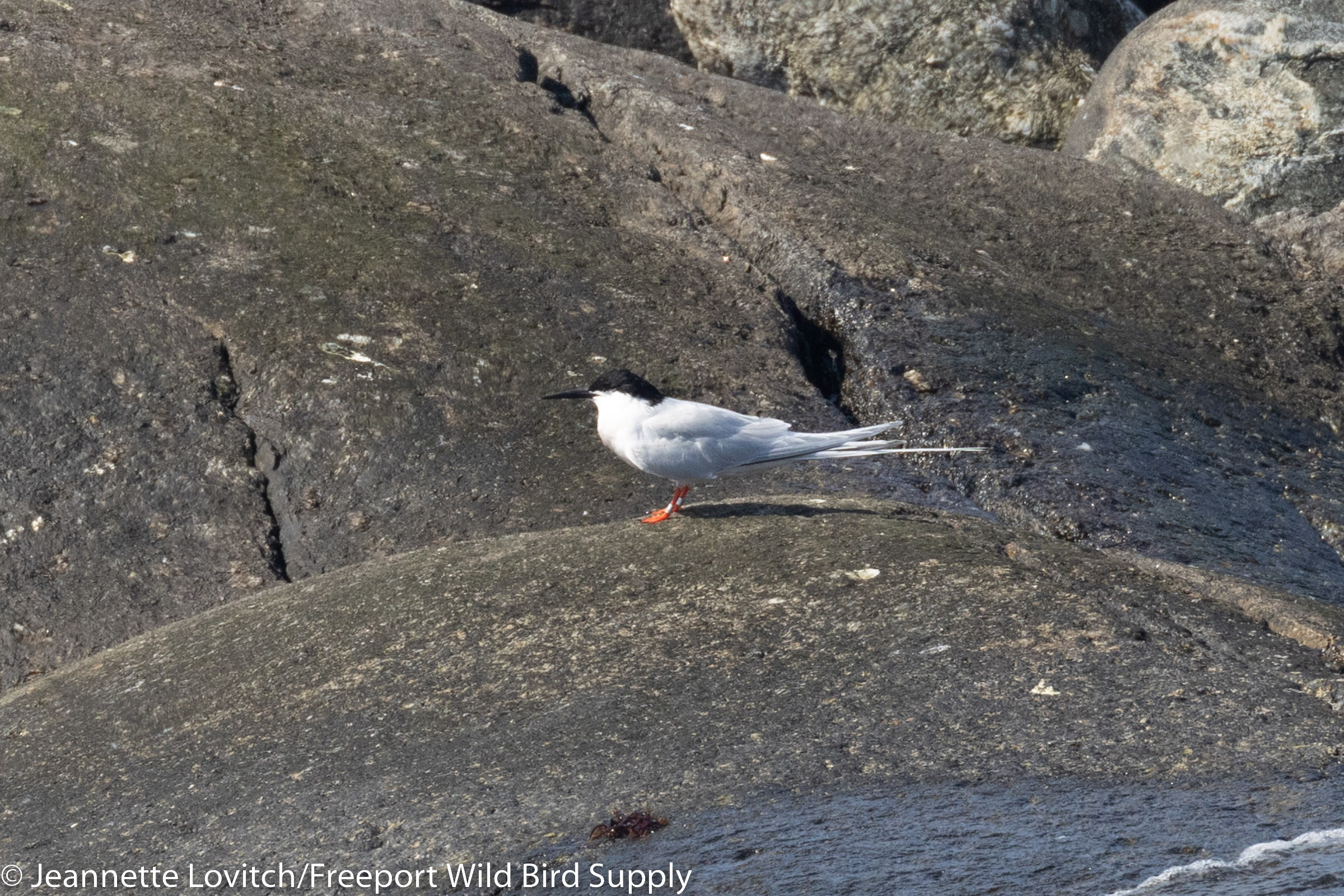
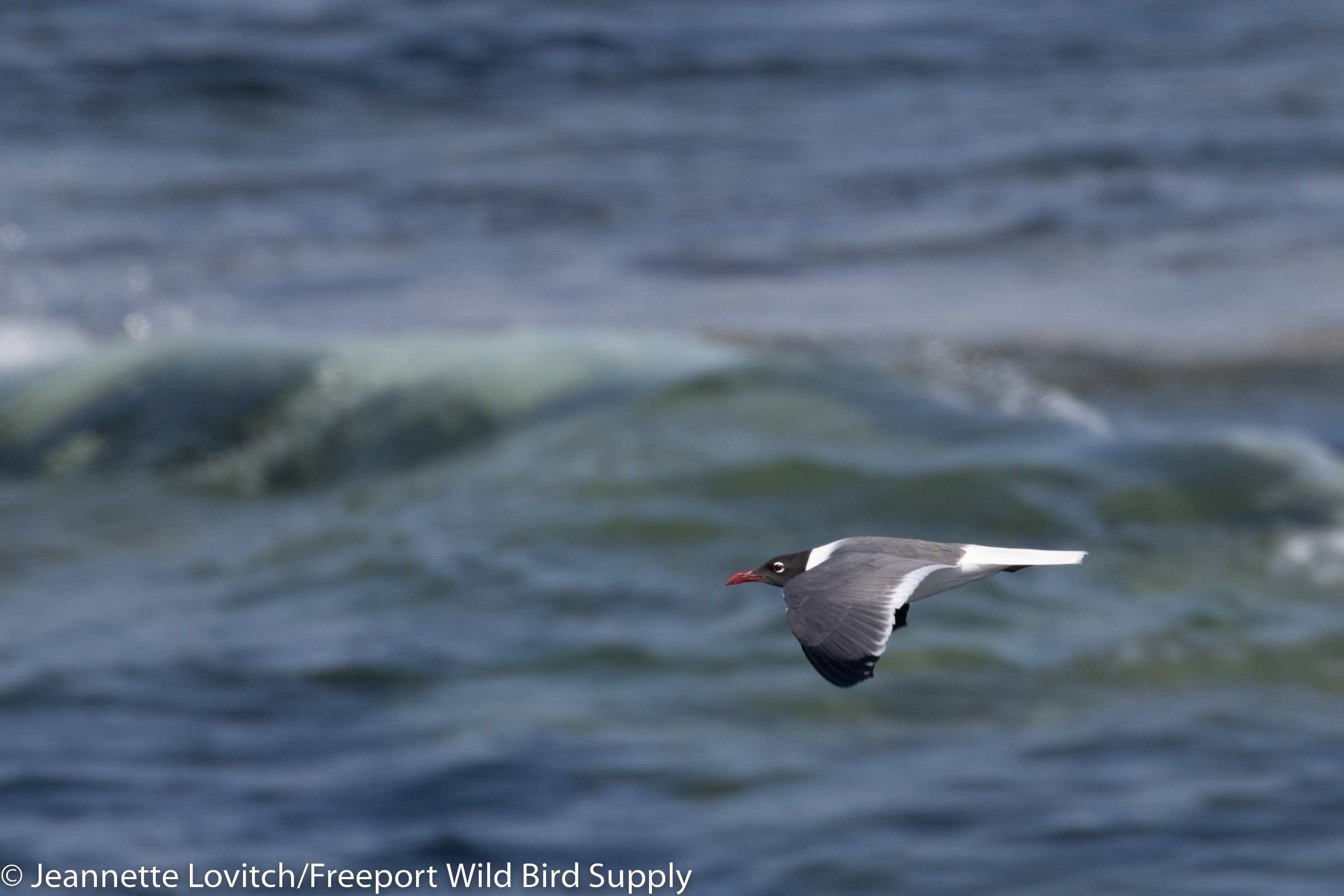
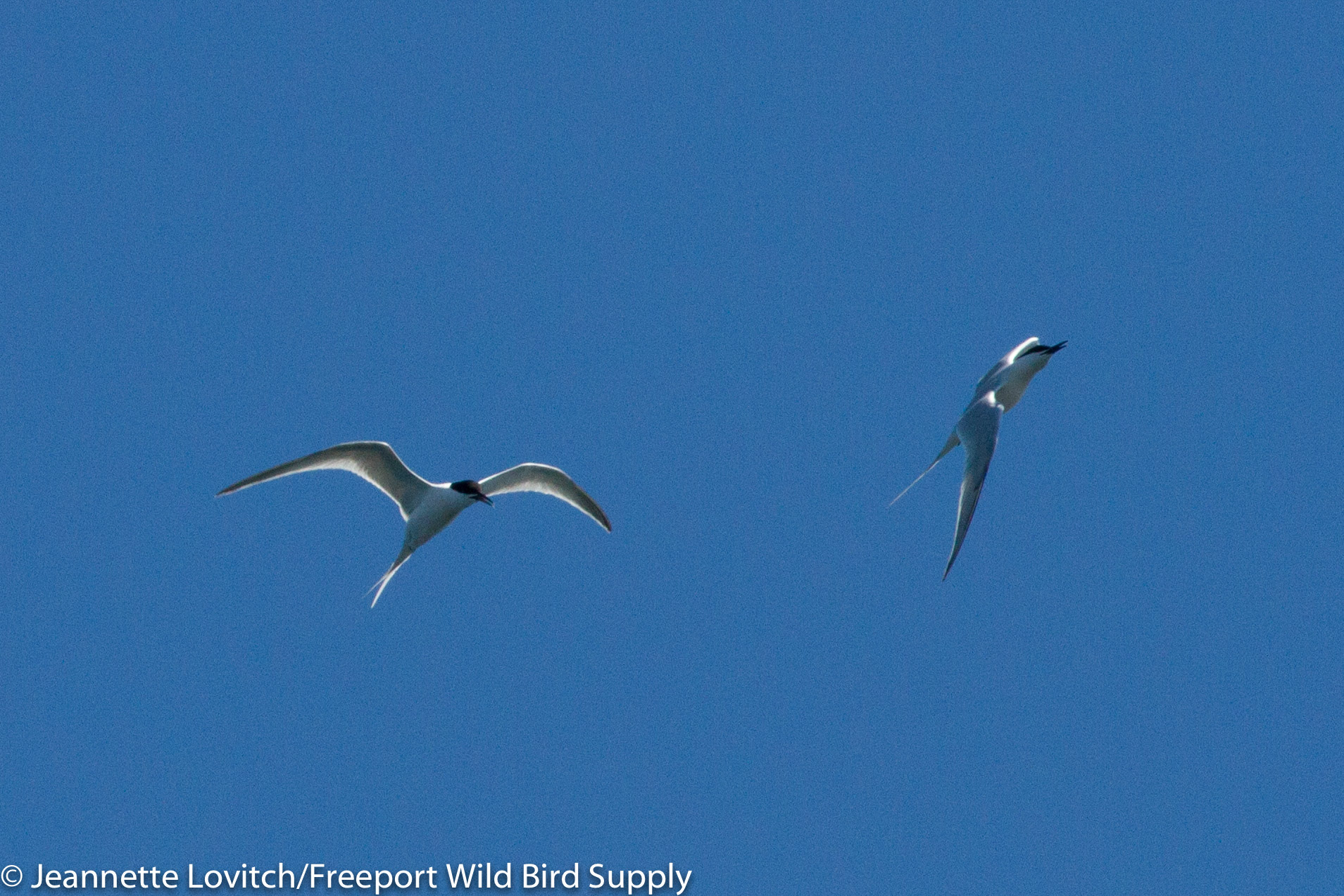
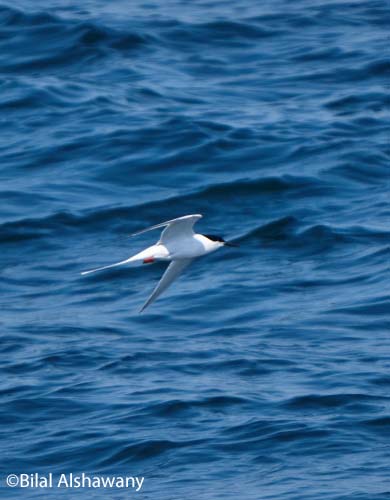
This week I even had some time to spend a few mornings on my own enjoying Maine’s birds of summer, like this Roseate Tern on Hill’s Beach in Biddeford on the 29th.

It was back to normal for my schedule this week, and I was actually in the state for the whole week! With a little time off for a change as well, I had a great week of birding resulting in the following observations of note:

  • 1 adult male ORCHARD ORIOLE feeding a very-recently fledged fledglings, Old Town House Park, North Yarmouth, 6/28 (with Saturday Morning Birdwalk group).
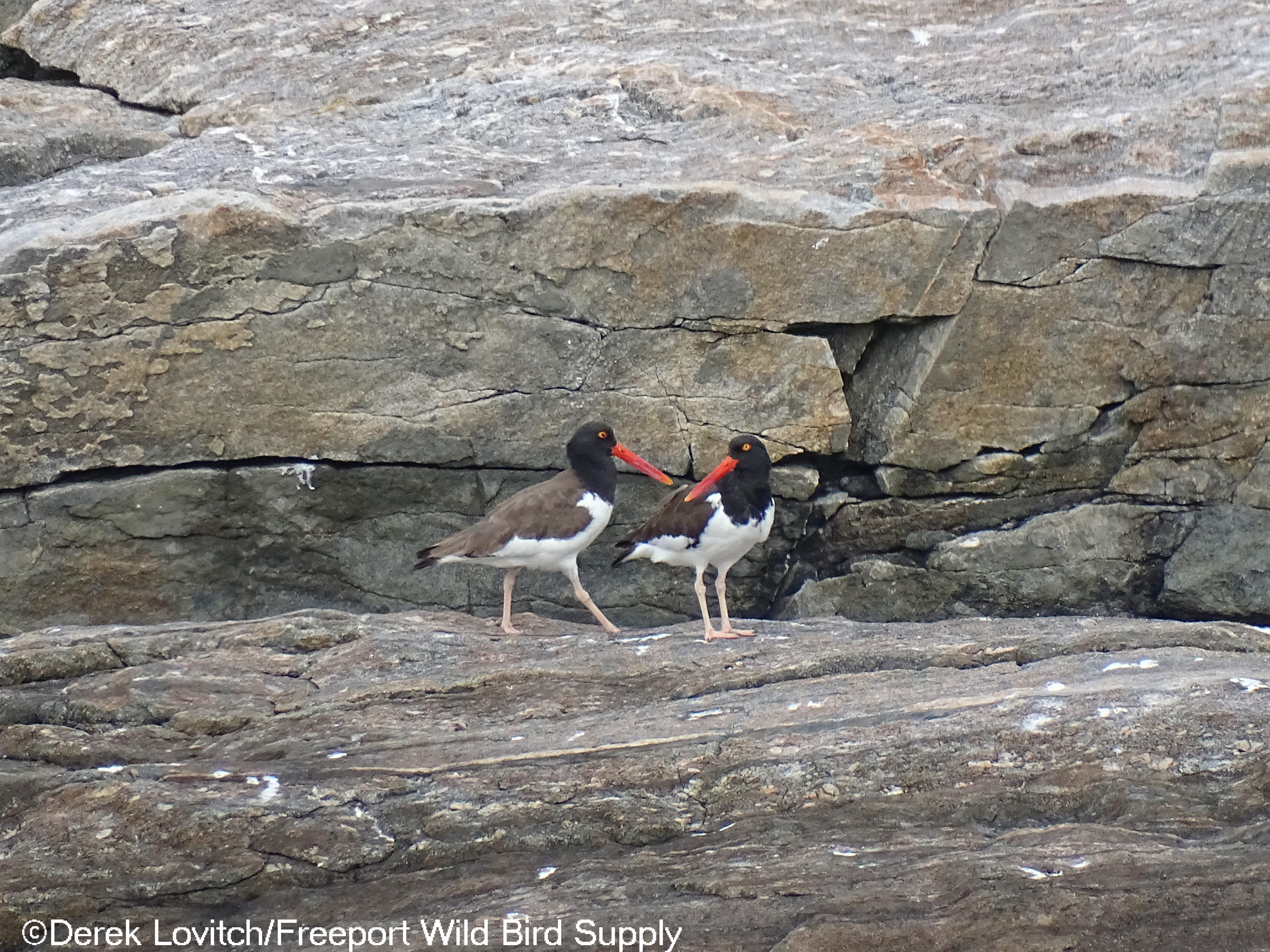
  • 4 American Oystercatchers, 10 Short-billed Dowitchers (likely first southbound migrants of fall!), 1 Semipalmated Plover, and 1 Black-bellied Plover, Hill’s Beach, Biddeford, 6/28.
  • 3 Short-billed Dowitchers and 2 Black-bellied Plovers, The Pool, Biddeford, 6/28.
  • 8+ singing GRASSHOPPER SPARROWS, California Fields Wildlife Area, Hollis, 6/30.
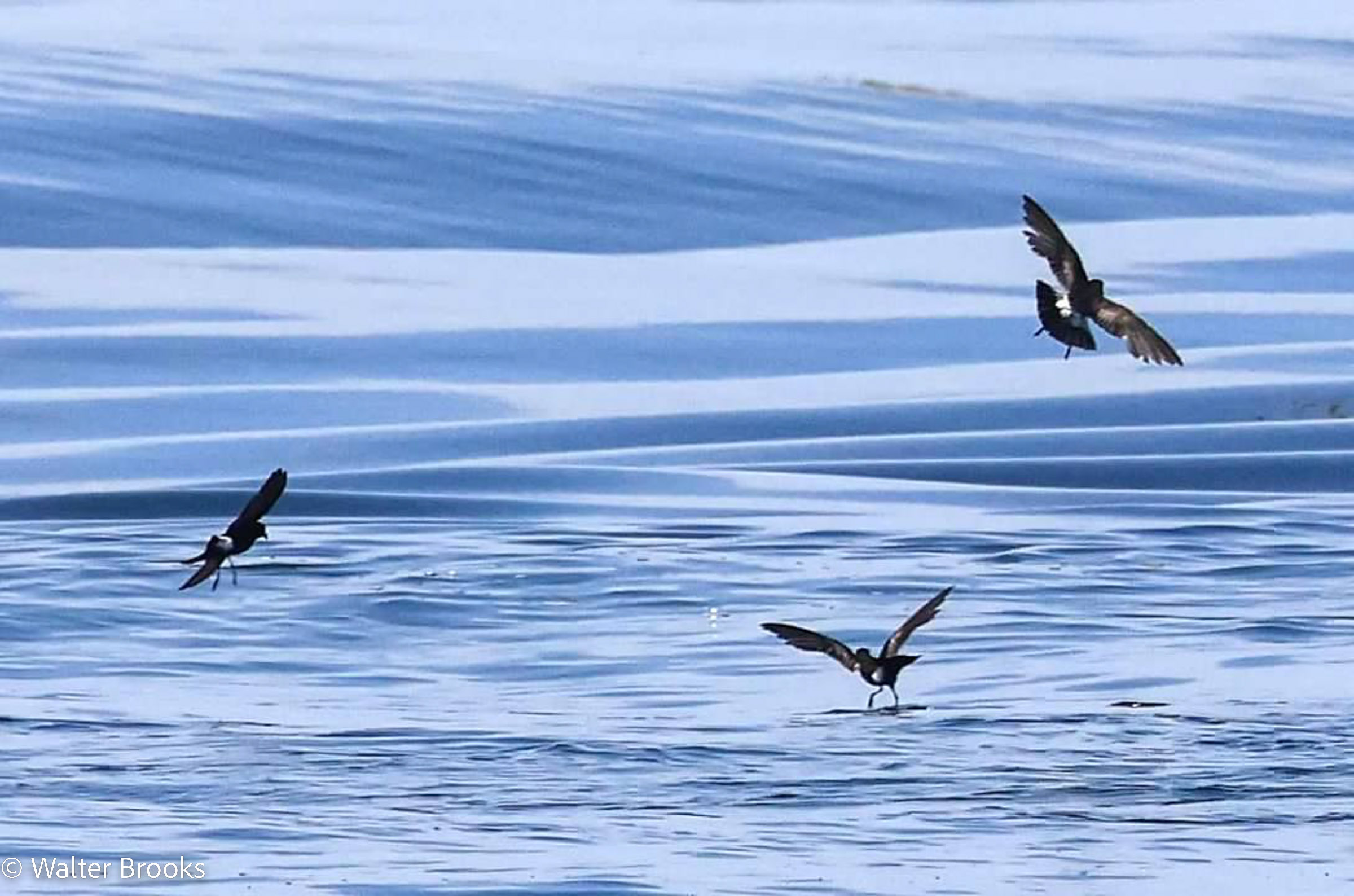
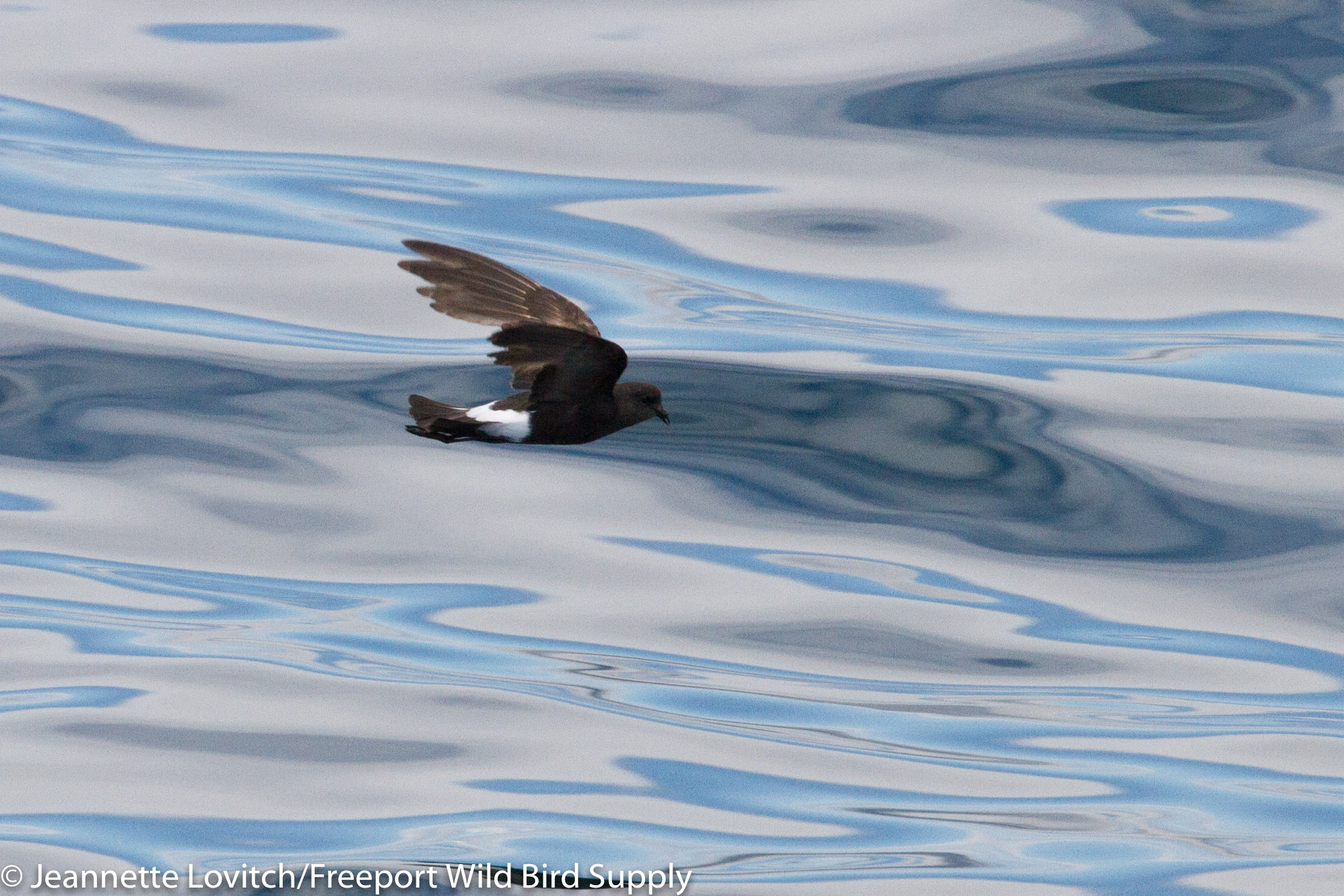
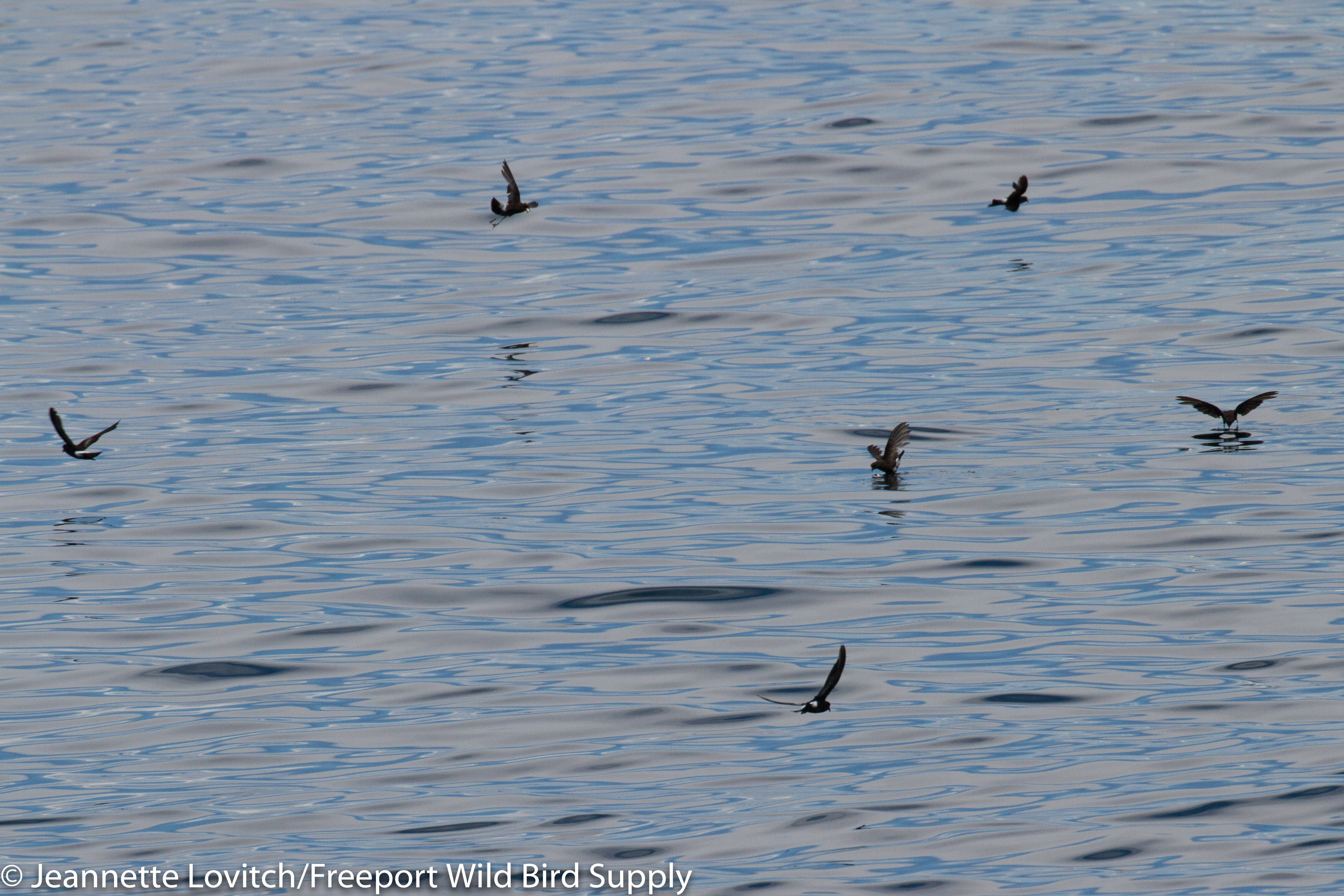
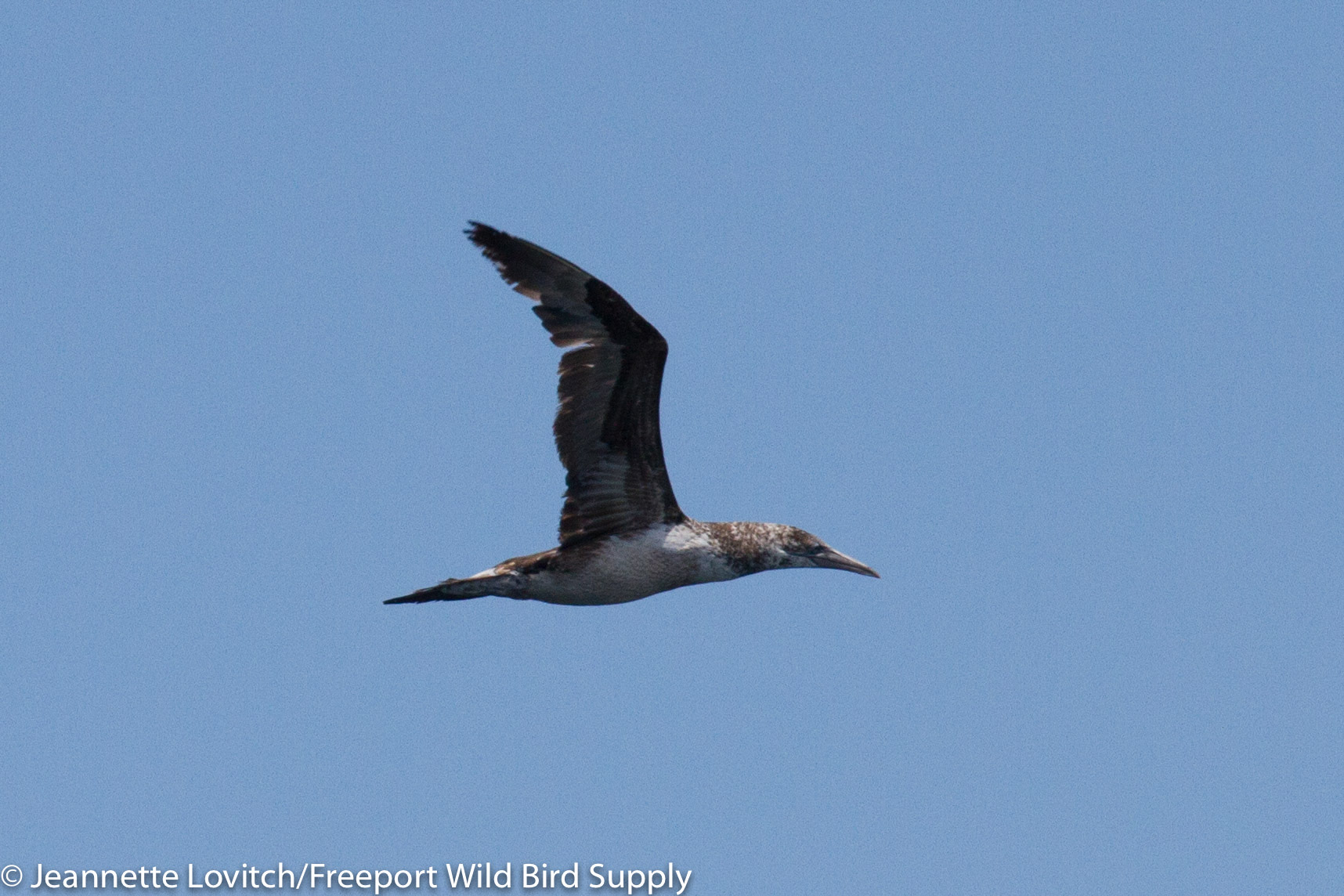
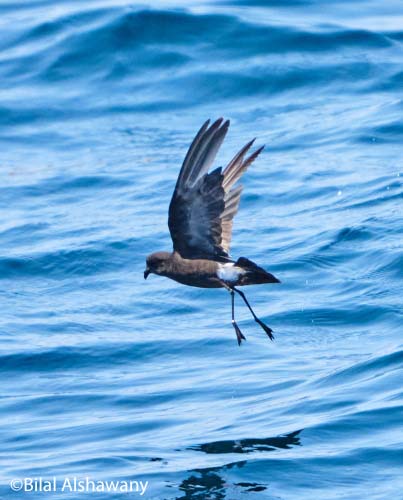
  • 3 Cory’s Shearwaters and 200+ Wilson’s Storm-Petrels, off Boothbay Harbor via Freeport Wild Bird Supply/Cap’n Fish’s Cruises Whale/Puffin Combo Tour, 7/3 (morning; with tour group).
  • 3 American Oystercatchers, 16 Short-billed Dowitchers, 1 Ruddy Turnstone, etc, Eastern Egg Rock and 40+ Wilson’s Storm-Petrels offshore via Cap’n Fish’s Cruises Whale/Puffin Combo Tour, 7/3 (afternoon).
  • Fledglings being fed at our feeders in Durham this week included Baltimore Oriole, Rose-breasted Grosbeak, Eastern Bluebird, Carolina Wren, etc, etc.

UPCOMING TOURS

Join me and Cap’n Fish’s Cruises out of Boothbay for another special edition of their daily Puffin and Whales Cruise on Saturday July 19th. While this is not a dedicated pelagic, I’ll be a guest naturalist to help spot and call out birds at Eastern Egg Rock and offshore. With the irregular occurrence of the Tufted Puffin and now a Bridled Tern at EEG, you won’t want to miss the chance for a more birding-focused few hours on the water!  And the more birders we have aboard, the better!

Recent Highlights, 7/29 – 8/4/2024

Despite being focuses on shorebirds this week, my most productive photo session were with Roseate Terns on Hill’s Beach on 7/30. This was my favorite shot, of a juvenile still hungry while its banded parent went out in search of more fish.

Shorebird season is in full swing, and since our return from our summer vacation, shorebirds have been my birding focus. As I often do at this time of year, I like to organize my weekly (or thereabouts) observations into a “high counts for the week” summary. This is really for my own organization of notes and allows me to quickly evaluate ebbs and flows across the summer, and across various years. To get a good sample, I need to hit at least one high tide and one low tide hotspot each week, along with one “grasspiper spot,” freshwater location, and “local hotspot.” I never accomplished that in any period in July before our trip, so I will start that pursuit this week. I hope you too find values from these brief syntheses.

This week’s non-shorebird highlights:

  • 1 White-throated Sparrow, our property in Durham, 7/29. They don’t breed withing several miles of the property, and this was our first summer record. It was a molting adult. I think short-distance “molt migration” in songbirds of the Eastern Forest is under-appreciated (see, for example, recent spate of boreal warblers on offshore seabird islands).
  • 1 1st-summer Lesser Black-backed Gull, Hill’s Beach, Biddeford, 7/30.
  • 1 Black and at least 23 Surf Scoters, Wharton Point, Brunswick, 8/4.

Shorebird high counts this week:

  • AMERICAN OYSTERCATCHER: 3, Hill’s Beach, Biddeford, 7/30. Plus 1 at Pine Point on 8/1.
  • Black-bellied Plover: 44, Wharton Point, Brunswick, 8/4.
  • Killdeer: 32, Crystal Spring Farm, Brunswick, 8/4.
  • Semipalmated Plover: 343, Pine Point, Scarborough, 8/1.
  • Piping Plover: 6, Biddeford Pool Beach, Biddeford, 7/30.
  • Whimbrel: 3, Pine Point, 8/1.
  • Ruddy Turnstone: 11, Hill’s Beach, 7/30.
  • Sanderling: 8, Hill’s Beach, 7/30.
  • Least Sandpiper: 40+, Eastern Road Trail, Scarborough Marsh, 8/1.
  • Pectoral Sandpiper: 1, several locations this week.
  • Semipalmated Sandpiper: 800+, The Pool, Biddeford Pool, 7/30.
  • Short-billed Dowitcher: 88, Hill’s Beach, 7/30.
  • Spotted Sandpiper: 3, Eastern Road Trail, 8/1.
  • Solitary Sandpiper: 1, our property in Durham, 7/29.
  • Lesser Yellowlegs: 61, Walsh Preserve, Freeport, 8/1.
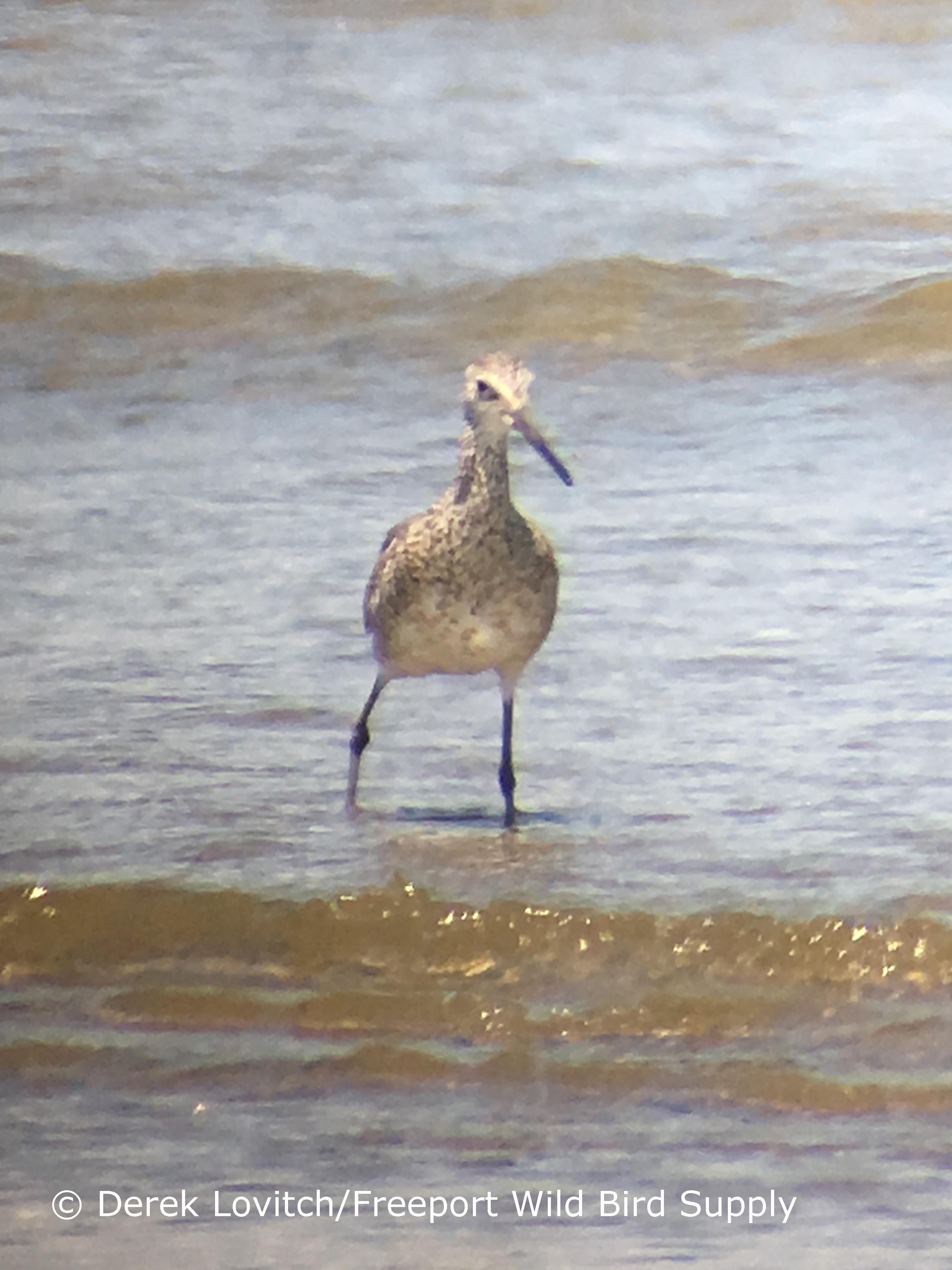
  • “Eastern” Willet: 64, The Pool, 7/30.
  • Greater Yellowlegs: 28, Walsh Preserve, 8/1.

Tours and Events:

The 2023 Zeiss Pelagic Trip Report

A southerly, and rather confiding, Common Murre was one of the unexpected highlights of the Zeiss Pelagic.

On June 2nd, we ran our now-annual spring mini-pelagic with our partners Cap’n Fish’s Cruises out of Boothbay Harbor. But this wasn’t any old pelagic. Instead, it was not only a way to poke your feet into the proverbial and literal pelagic birding waters, but this was also a chance to try out a new pair of Zeiss optics. And all for a very, very special price.

Thanks to our store’s partnership with Zeiss Optics, our biannual “Zeiss Day” occurred offshore this spring. With Zeiss’s sponsorship, we were able to offer this unique trip at a special price, with extra spotters to help people see birds, and of course, with chumming.

And the weather could not be any better! In fact, we were all excited to head offshore to beat the heat on this day. Barely a puff of breeze resulted in remarkably calm seas, with the only waves caused by our boat. Thanks to the weather gods for this day offshore!

Evan Obercian, Dan Nickerson, and Jeannette helped spot birds, Noah Gibb handled the checklists, and Robby Lambert – chummer emeritus – stood at the ready as the boat’s naturalist, Kelsey, and I scanned from the wheelhouse. Our captain was amazing, and together we laid out a plan for the day. Throughout the day, Rich and Bill from Zeiss handed out binoculars to try and lots of optical questions were answered. It was a great way to test-drive a new pair of excellent binoculars, especially noting how important size and weight is when trying to hold binoculars steady on the open ocean, even without much in the way of waves.

Robby at his office.

Motoring out of Boothbay Harbor and across Muscongus Bay, we familiarized ourselves with the common denizens of Maine’s summer coast, such as Common Eiders, Black Guillemots, Common Terns, and Ospreys. Kelsey pointed out landmarks and gave a little history of the area.

Our first destination was Eastern Egg Rock, home to a thriving seabird colony thanks to the restoration efforts of Project Puffin. Leading pelagic trips in June is easy when at least some of our target birds are guaranteed!

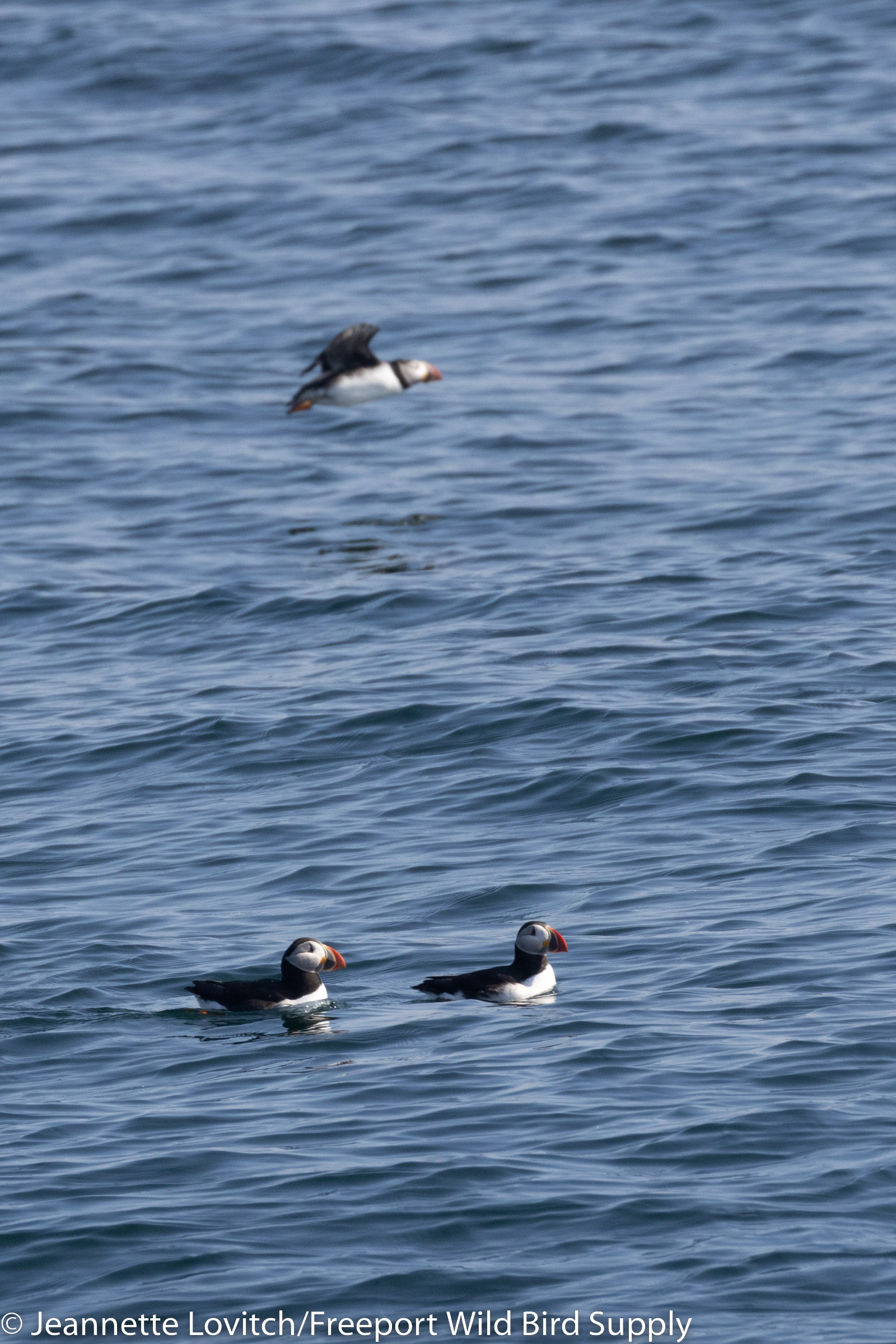
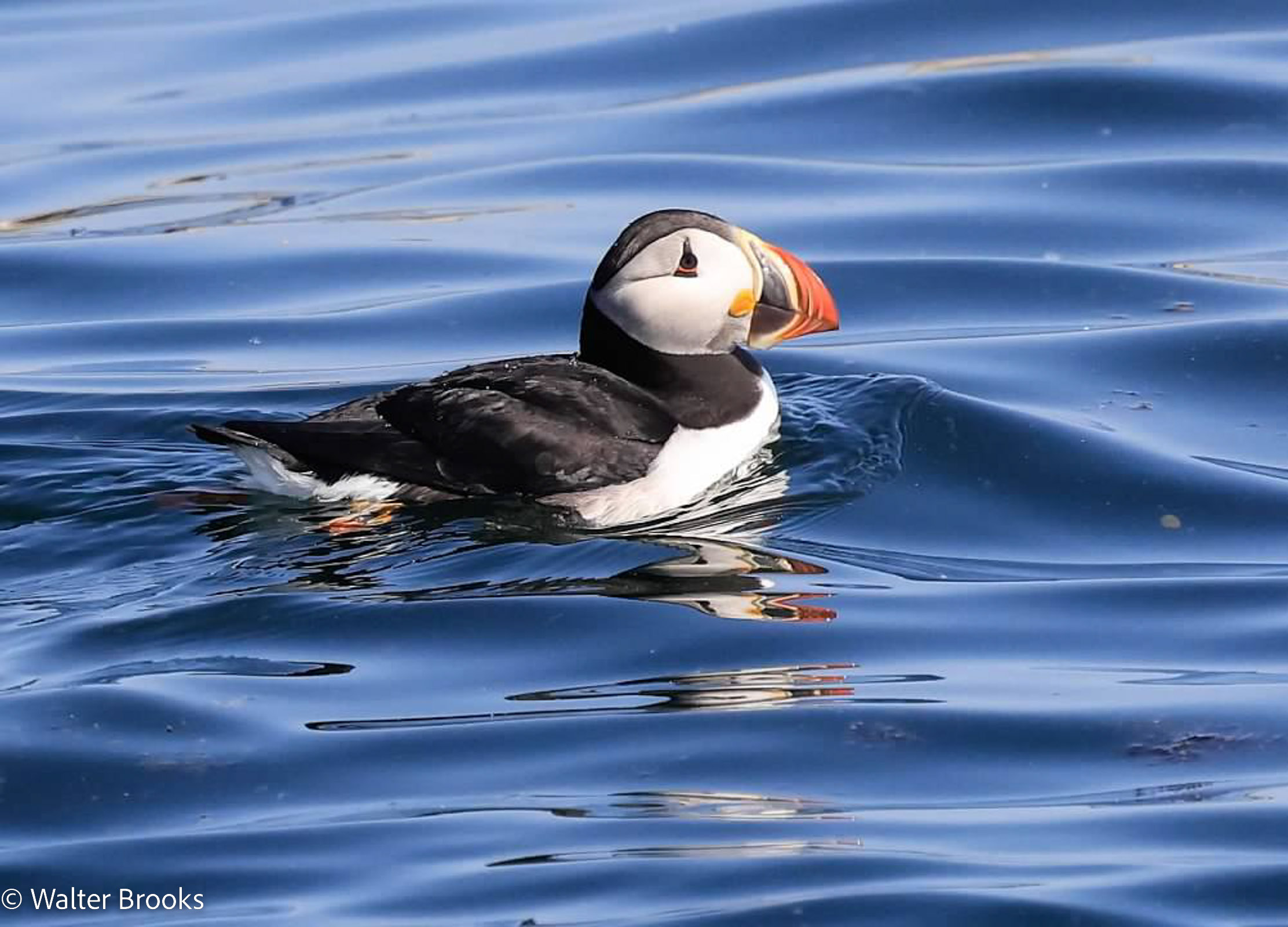
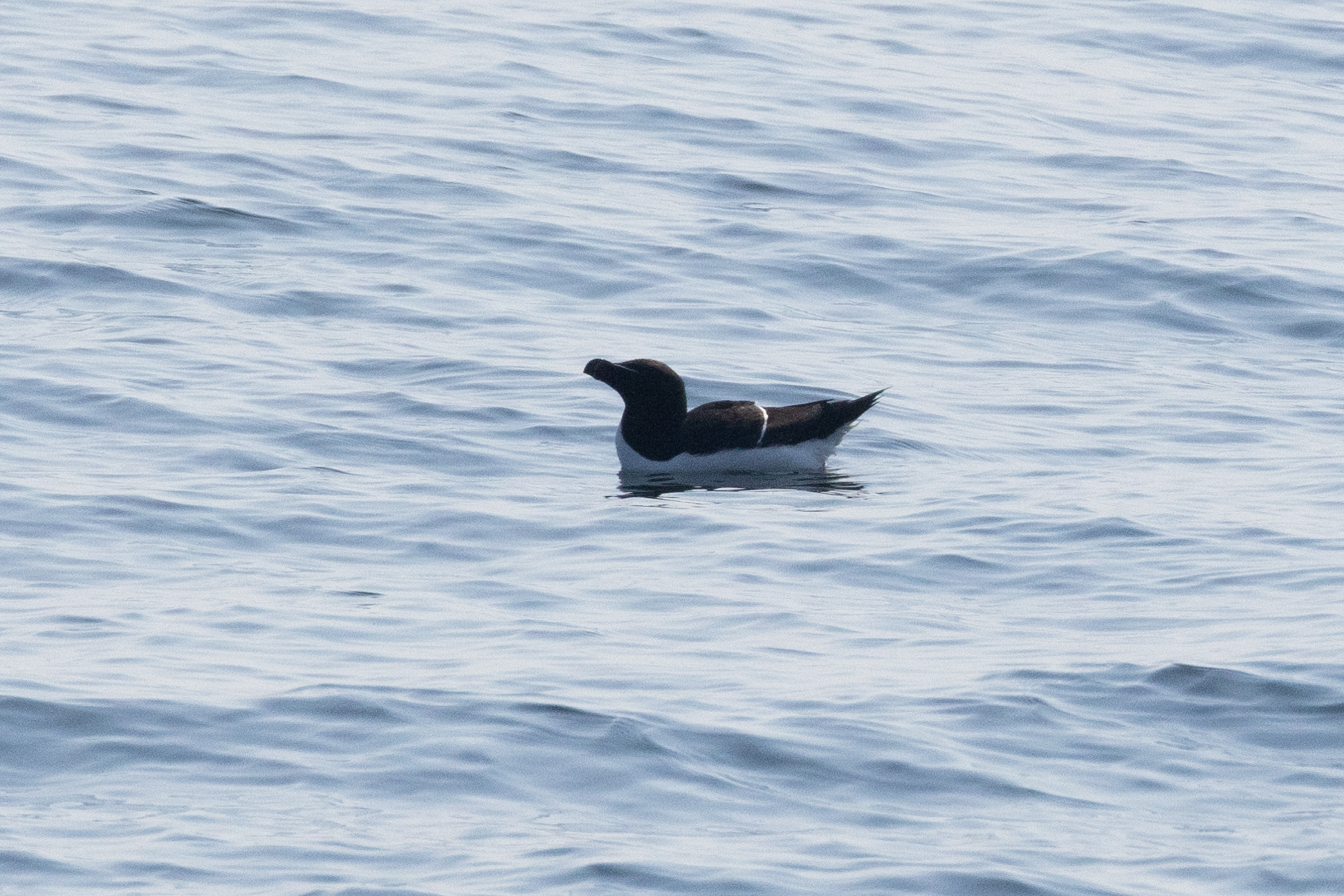
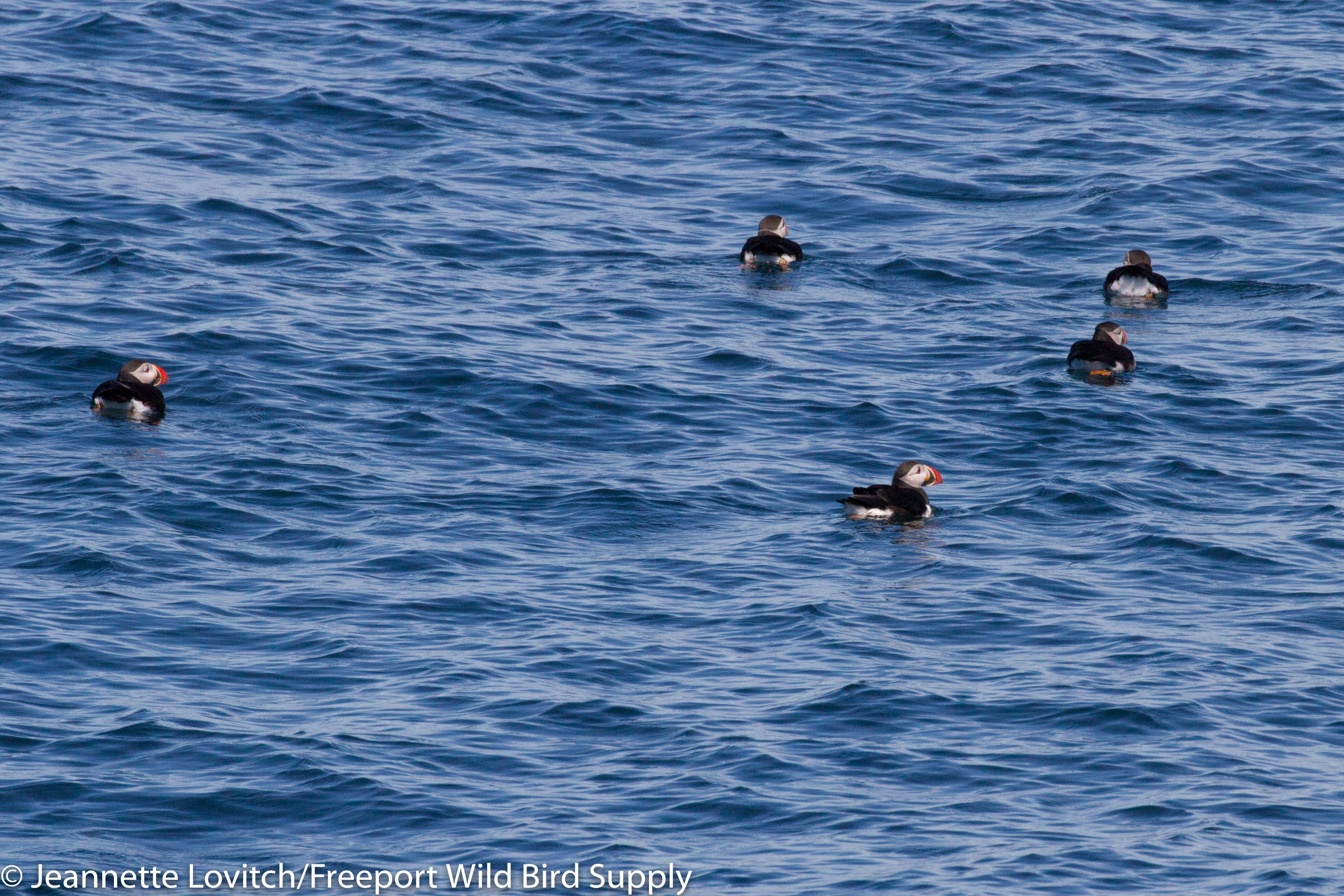
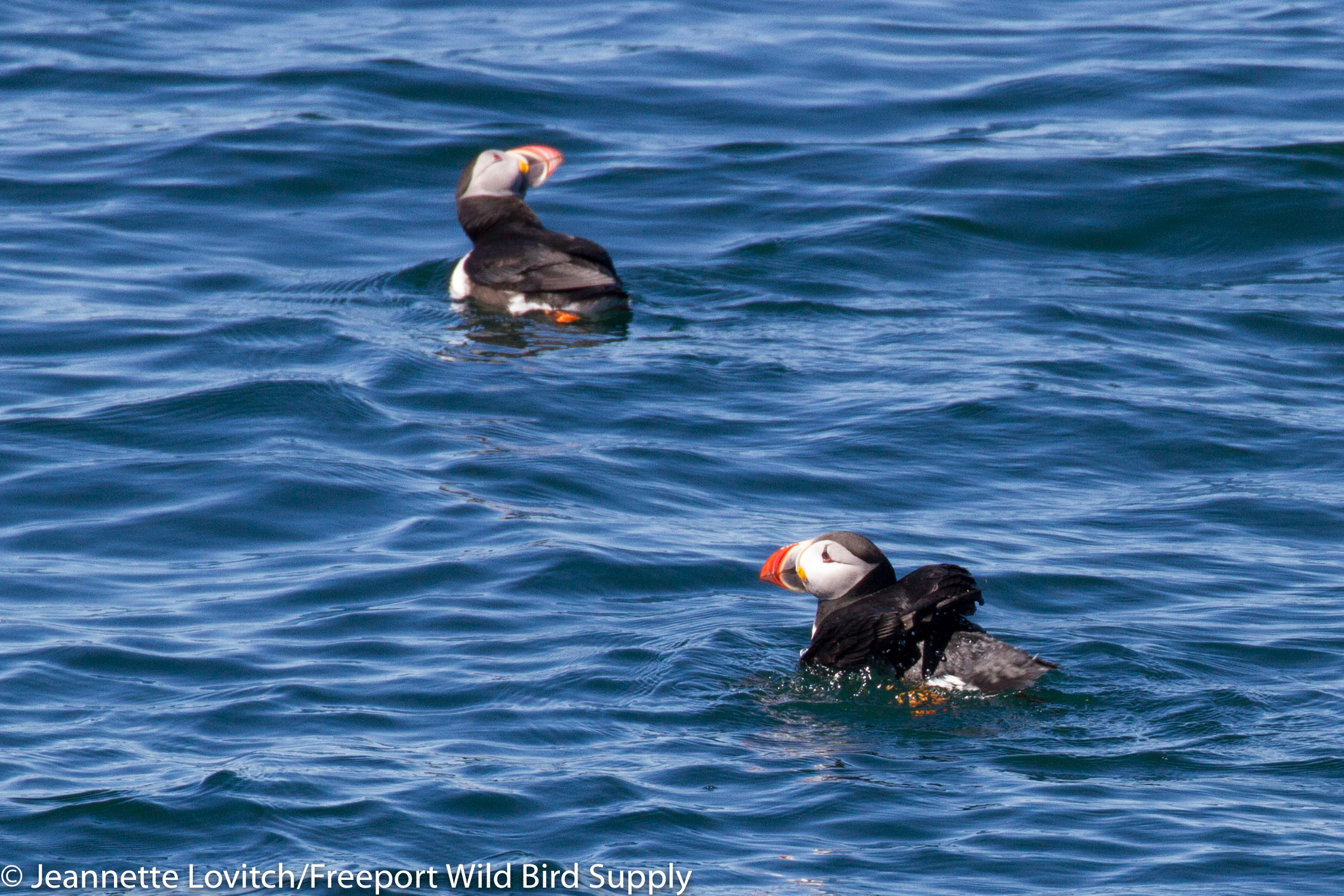
The amazingly calm conditions and unusually warmth worked in our favor, as many of the island’s Atlantic Puffins and Black Guillemots were in the water instead of loafing on the rocks, allowing us to drift closely to many of them. One of the island’s ephemeral Razorbills was spotted near the boat, giving us long and good looks as well.

Razorbill.

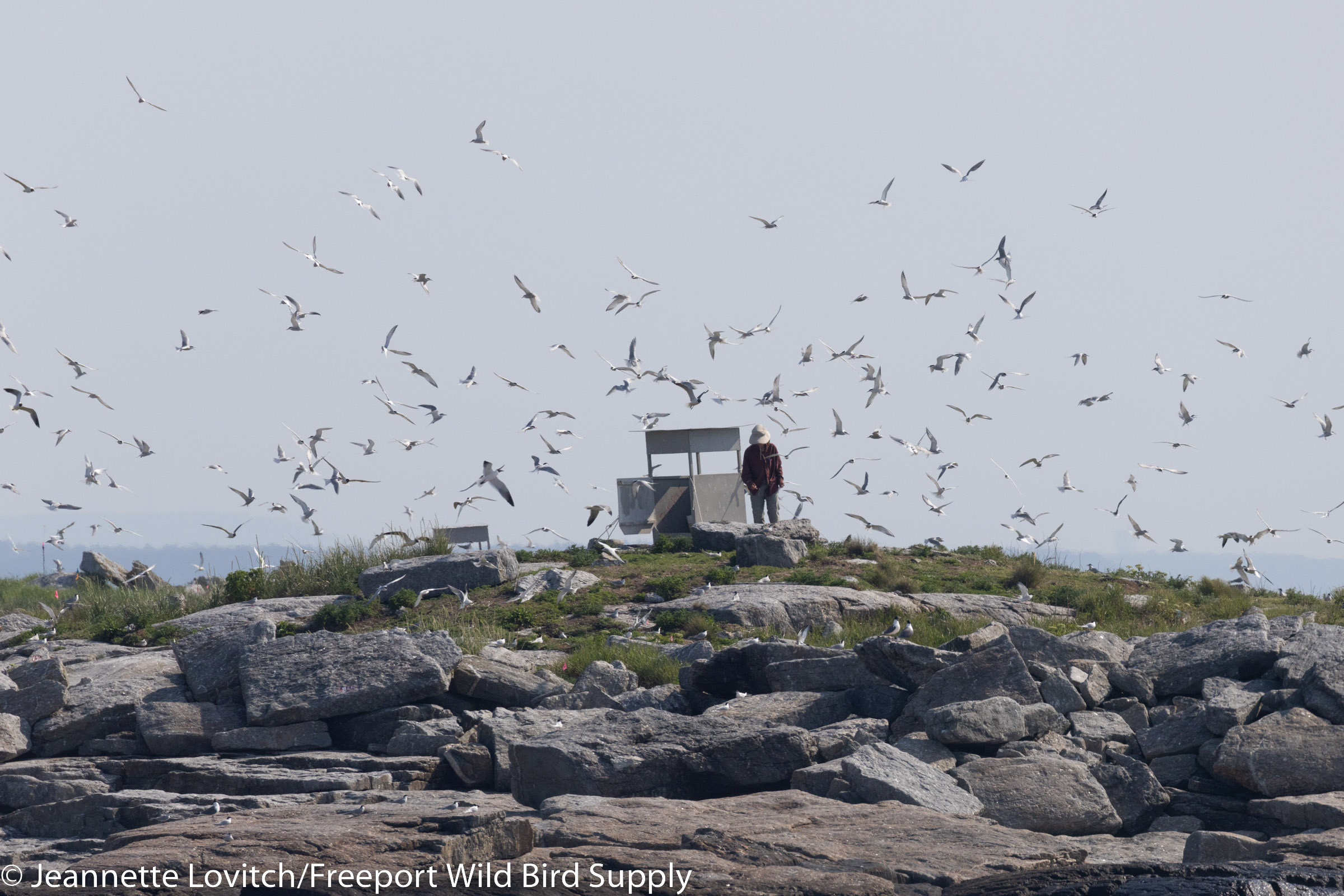
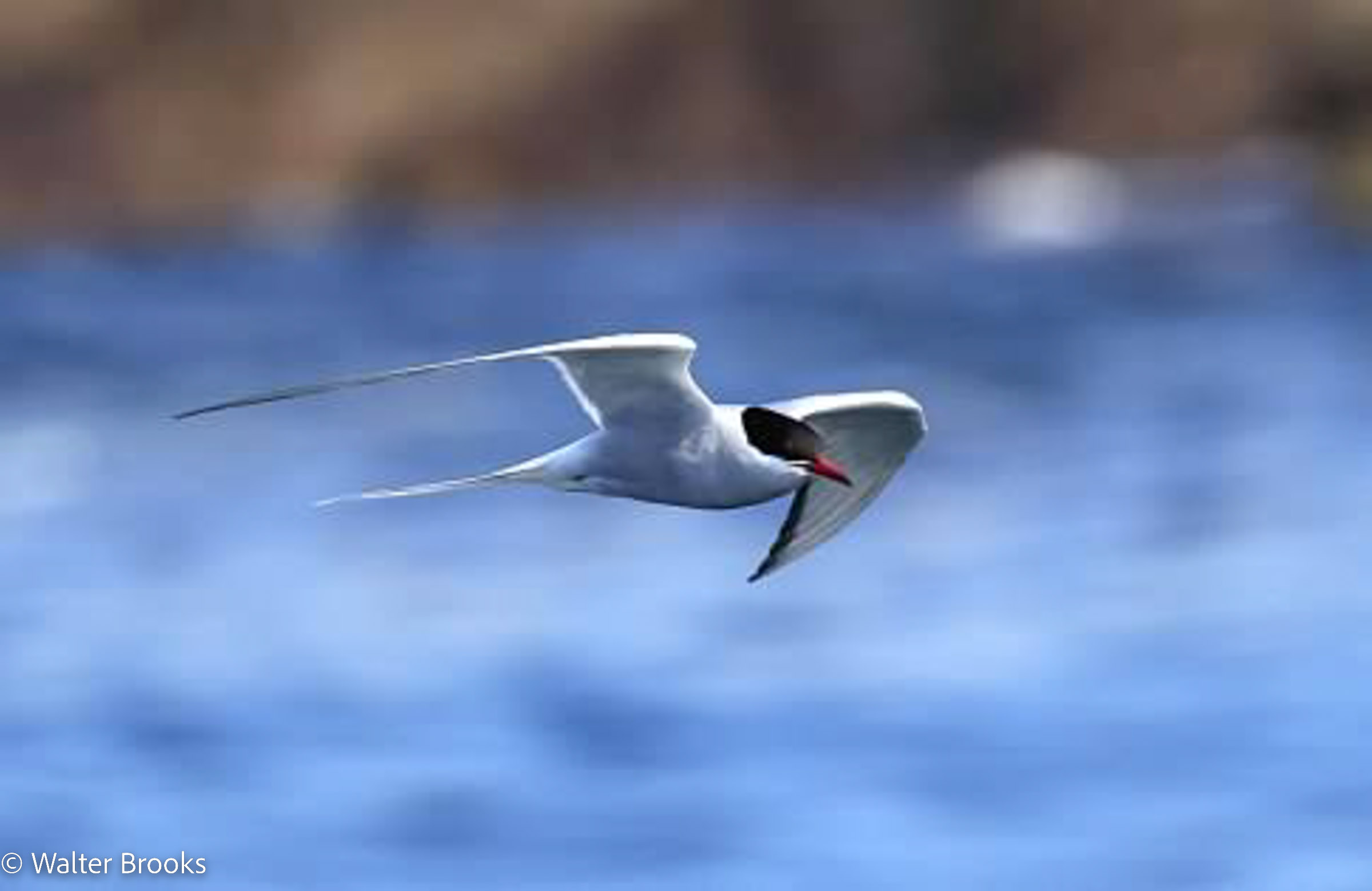
Of course there were the terns, and for a change, both Roseate and Arctic were easy to isolate for all to see. With the help of my spotters, and a cooperative pair of Roseates on an obvious rock, everyone saw each species well, as well as many hundreds of Common Terns of course.  And a thousand or so Laughing Gulls, too.

Arctic Tern.

Roseate Tern.

Laughing Gull

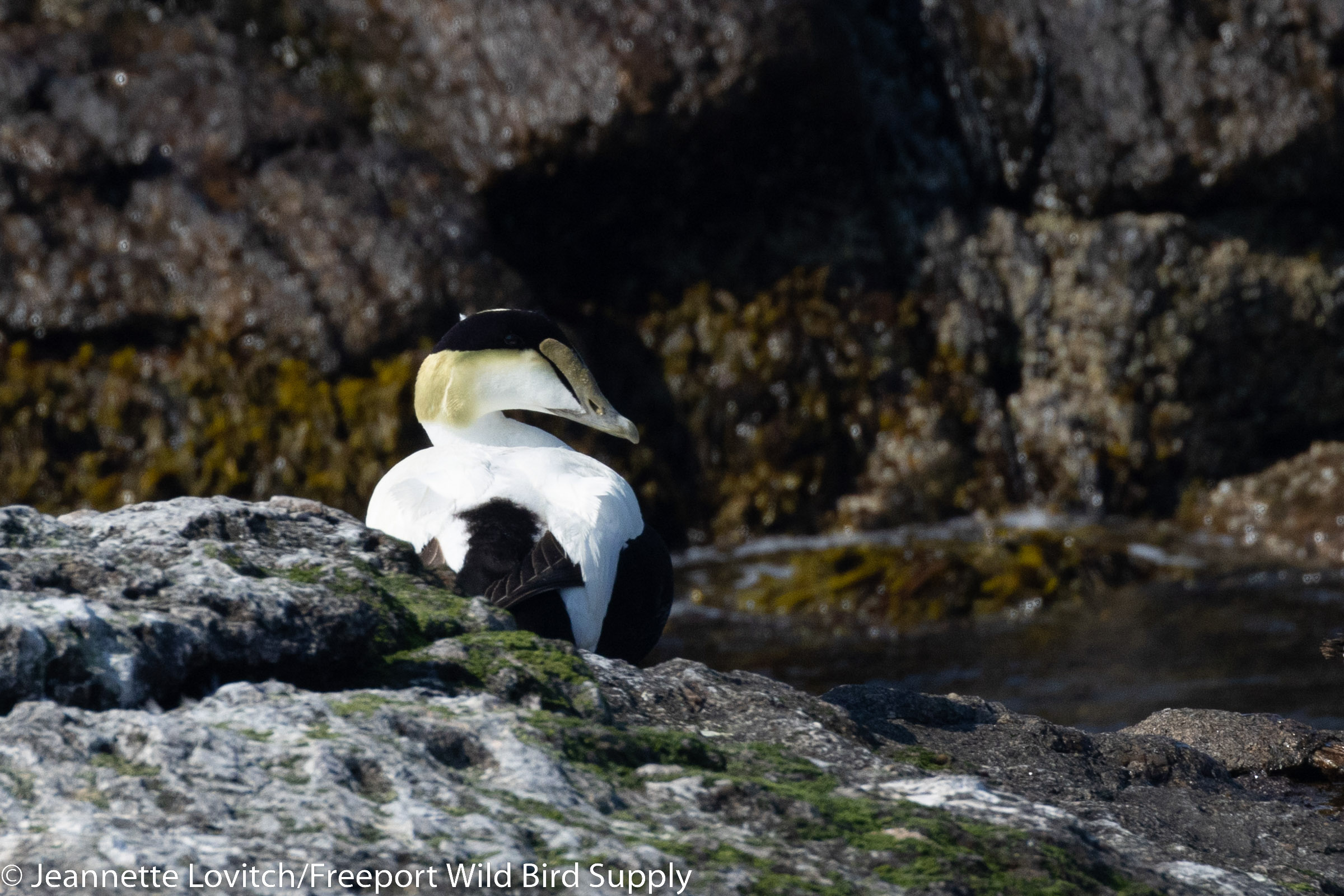
Common Eider.

Satisfied with our views of the island’s denizens, we turned offshore and followed the Arctic Terns to deeper waters. It wasn’t too long before we started seeing scattered Wilson’s Storm-Petrels, but we slammed on the breaks when I spotted a Common Murre on the water up ahead. Captain Steve was able to circle the bird for all to see and photograph before we continued on; the murre was most obliging.  It also made for the hoped-for 4-alcid day, which is always a challenge this far south.

The lack of swell allowed us to make good progress and afforded us the chance to check three offshore hotspots. A good number of Wilson’s Storm-Petrels and a few Northern Gannets were at Murray Hole, but we motored through it.

We laid down a mile-long chum slick at The Kettle, but only a few of the many Wilson’s Storm-Petrels came in to check it out. I think it was simply too calm today – the scent wasn’t drifting, and birds – especially any shearwaters out here – were just not taking flight to forage; it’s just too inefficient without any wind for them to bother. But a fly-by from a southbound Ruby-throated Hummingbird nearly 20 miles offshore was unexpected!

We continued to tally Wilson’s when we set up a second chum slick at Mistaken Ground, but once again, little was interested, and only a few Wilson’s and gannets were to be seen.

Despite our extended time with the charter, it was soon time to head back to port, but we kept our eyes peeled throughout the trip. On the way back, we had a flock of 12 Red-necked Phalaropes buzz by and eventually land on the water, but we were going too fast and behind schedule to be able to turn around in time. Later, we passed not one, but two Basking Sharks, which was a real treat.

Harbor Porpoise and Harbor Seals were seen now and again, but overall, the offshore waters were quite slow – especially with gulls. The few gulls around didn’t even seem interested in our popcorn and suet, either.

Robby contemplates the meaning of life…and chum.

Our tally of Wilson’s Storm-Petrels was decent enough, but sadly, this would be our only tubenose of the day. Northern Gannets were in low numbers, as if often the case in early June, and whatever shearwaters may have already arrived may simply have been sitting on the water somewhere waiting for a breeze. I also felt terrible that not everyone saw the phalaropes.

Nonetheless – thanks to a perfect visit at Eastern Egg Rock and a random Common Murre floating offshore – I would call the day a smashing success! And for $40, few complaints were audible. The weather helped, too.

Rich talks optics.

Thanks to Zeiss for making this idea of mine come to fruition, and thanks to Cap’n Fish’s for letting us charter the boat to make this all happen. And most importantly, thanks to everyone who signed up and helped us explore the Gulf of Maine at this woefully under-birded time of year. Every day is different offshore, and you never know what you will or will not see. Excitingly, I am pleased to announce that Rich said, “let’s do this again next year!”  Hope to see you aboard!

Here’s the complete trip list, from dock to offshore and back. Thanks to Noah for compiling this!

  • Canada Goose: 13
  • Mallard: 2
  • Common Eider: 65
  • Surf Scoter: 1
  • Rock Pigeon: 3
  • Ruby-throated Hummingbird: 1
  • RED-NECKED PHALAROPE: 12
  • Spotted Sandpiper; 3
  • COMMON MURRE: 1
  • RAZORBILL: 1
  • Black Guillemot: 114
  • Atlantic Puffin: 102
  • Laughing Gull: 1025
  • Ring-billed Gull: 2
  • Herring Gull: 38
  • Great Black-backed Gull: 11
  • Roseate Tern: 20
  • Common Tern: 504
  • Arctic Tern: 63
  • Common Loon: 8
  • Wilson’s Storm-Petrel: 350-400
  • Northern Gannet: 16
  • Double-crested Cormorant: 70
  • Osprey: 1
  • Bald Eagle: 2
  • Barn Swallow: 14
  • European Starling: 2
  • House Sparrow: 2
  • House Finch: 1
  • Savannah Sparrow: 2
  • Song Sparrow: 1
  • Yellow Warbler: 1

This Week’s Highlights, 5/6 – 5/12, 2023

With my guiding season now in full swing, I have no choice but to be out in the field a lot, regardless of my shoulder situation. And with much finer weather and some good nights of especially Saturday and Thursday nights, the arrivals of migrants caught up to the date quite rapidly. Many new arrivals – as well as a lot of personal first-of-years since I had not been getting out much – resulted in a nice long list of highlights for me -and my clients – over the past 7 days. 

My observations of note over the past seven days included:

  • 10 Greater Yellowlegs, our property in Durham (thanks to a flood in our field), 5/5 diminishing to 3 by 5/7.
  • 250-300++ White-throated Sparrow in impressive fallout, Evergreen Cemetery, Portland, 5/8 (with client from Spain).
  • 1 female Red Crossbill, Evergreen Cemetery, 5/8 (with client from Spain).
  • 10 species of warblers, Evergreen Cemetery, 5/8 (with client from Spain). This tied my latest date for reaching 10 species at one place in one morning for the first time of the season.
  • 1 WHITE-WINGED SCOTER (looking very out of place) and a pair of RUDDY DUCKS, Sanford Lagoons, Sanford, 5/8 (with clients from Spain and Maine).
  • 1 drake Northern Shoveler, Dunstan Landing, Scarborough Marsh, 5/8 (with clients from Spain and Maine).
  • 1 pair LOUISIANA WATERTHRUSH, Morgan Meadow WMA, Gray/Raymond, 5/11 (with clients from Spain and Maine).
  • 1 BLUE-GRAY GNATCATCHER, Florida Lake Park, Freeport, 5/11 (with clients from Spain and Maine).

The long list of my personal FOY’s this week also included:

  • 1 Ovenbird, Florida Lake Park, 5/6 (with Saturday Morning Birdwalk group).
  • 1 Common Yellowthroat, Evergreen Cemetery, 5/8 (with client from Spain).
  • 1 Nashville Warbler, Evergreen Cemetery, 5/8 (with client from Spain).
  • 3 Chimney Swifts, Evergreen Cemetery, 5/8 (with client from Spain).
  • 2 Yellow Warblers, Evergreen Cemetery, 5/8 (with client from Spain).
  • 1 American Redstart, Evergreen Cemetery, 5/8 (with client from Spain).
  • 1 Green Heron, Evergreen Cemetery, 5/8 (with client from Spain).
  • 1 Black-crowned Night-Heron, Evergreen Cemetery, 5/8 (with client from Spain).
  • 1 Chestnut-sided Warbler, Evergreen Cemetery, 5/8 (with client from Spain).
  • 1 Prairie Warbler, Evergreen Cemetery, 5/8 (with client from Spain).
  • 20+ Field Sparrows, Kennebunk Plains, 5/8 (with clients from Spain and Maine).
  • 3 Vesper Sparrows, Kennebunk Plains, 5/8 (with clients from Spain and Maine).
  • 1 Eastern Meadowlark, Kennebunk Plains, 5/8 (with clients from Spain and Maine).
  • 2 Solitary Sandpipers, Sanford Lagoons, 5/8 (with clients from Spain and Maine).
  • 1 Spotted Sandpiper, Sanford Lagoons, 5/8 (with clients from Spain and Maine).
  • 1 Least Tern, Pelreco Marsh, Scarborough Marsh, 5/8 (with clients from Spain and Maine).
  • 30+ Common Terns, Pine Point, Scarborough, 5/8 (with clients from Spain and Maine).
  • 4-6 ROSEATE TERNS, Pine Point, 5/8 (with clients from Spain and Maine).
  • 1 Eastern Kingbird, Dunstan Landing, Scarborough Marsh, 5/8 (with clients from Spain and Maine).
  • 1 Northern Waterthrush, Florida Lake Park, 5/9.
  • 1 Black-throated Blue Warbler, Florida Lake Park, 5/9.
  • 1 Northern Rough-winged Swallow (finally, extremely late for my first of the year, and this one was not due to lack of visitation of its habitats), Florida Lake Park, 5/9.
  • 1 Veery, Florida Lake Park, 5/9.
  • 1 Cliff Swallow, Florida Lake Park, 5/9.
  • 1 Ruby-throated Hummingbird, our yard in Durham, 5/9.
  • 1 White-crowned Sparrows, feeders here at the store, 5/10.
  • 14 Least Flycatchers, Morgan Meadow WMA, 5/11 (with clients from Spain and Maine).
  • 2 Great Crested Flycatcher, Morgan Meadow WMA, 5/11 (with clients from Spain and Maine).
  • 3-4 YELLOW-THROATED VIREOS, Morgan Meadow WMA. 5/11 (with clients from Spain and Maine).
  • 1 Scarlet Tanager, Morgan Meadow WMA, 5/11 (with clients from Spain and Maine).
  • 1 Warbling Vireo, Durham River Park, Durham, 5/11 (with clients from Spain and Maine).
  • 1 Bank Swallow, Florida Lake Park, Freeport, 5/11 (with clients from Spain and Maine).
  • 1 Wood Thrush, our property in Durham, 5/12.
  • 1 Canada Warbler, Florida Lake Park, 5/12.
  • 1 Wilson’s Warbler, Florida Lake Park, 5/12.

TOURS AND EVENTS:

This Week’s Highlights, July 23- July 29, 2022.

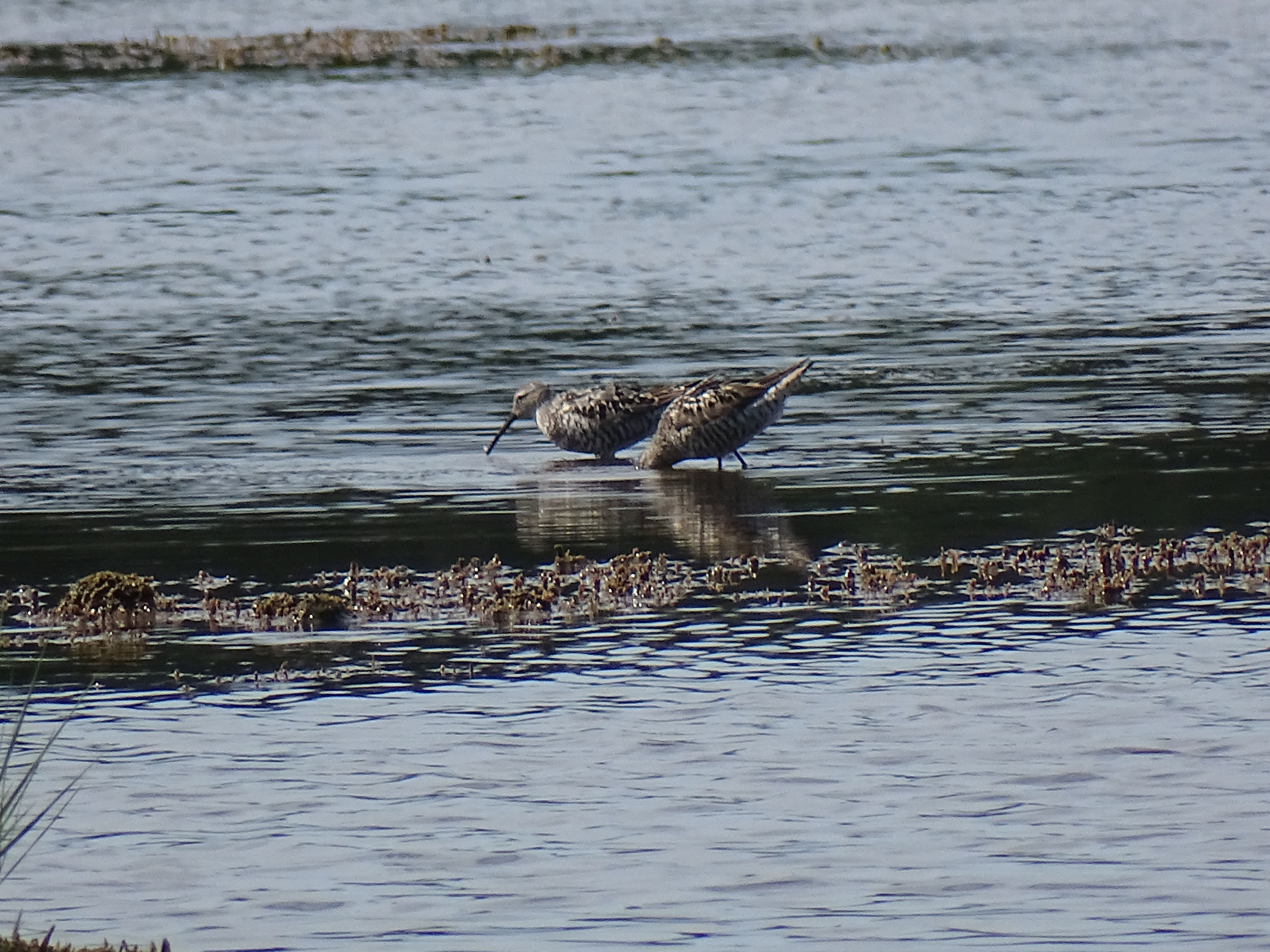
A lousy photo of great birds: two Stilt Sandpipers were in the Pelreco Marsh on 7/29.

Seal Island, Monhegan Island, and shorebird migration. Lots of “good birds” in great places this week. Here are my observations of note over the past seven days.

  • Red Crossbills along the coast: 1+, Pownal, 7/23; 1, Brooksville, 7/24 (with Laura Blandford); 1-2’s scattered on Monhegan Island, 7/25;
  • An incredible trip to Seal Island on 7/23 produced all of the expected breeding seabirds, a couple of Common Murres; a Peregrine Falcon show; migrating Whimbrels, one Great Shearwater, and a PARASITIC JAEGER.  Photos and the complete trip report can be found here.
  • Hardy Boat from New Harbor to Monhegan, 7/25 (with Jeannette): 6 Cory’s Shearwaters (FOY) and 8 Great Shearwaters.
  • A “non-birding” weekend with Jeannette friends to Monhegan Island 7/25-26 actually yielded some outstanding birding! The highlight was a four-species shearwater show off of Lobster Cove throughout the day on 7/25. We saw at least 3 MANX SHEARWATERS and 2 Sooty Shearwaters (FOY) among numbers of Cory’s and Great Shearwaters.  They were passing at a slow but steady rate of about 16 Great and 6 Cory’s every 5 minutes, plus an average of 9 Atlantic Puffins per 5 minutes.  Hard to tell if the shearwaters were swirling, rounding the island, or just streaming by. 1-2 ROSEATE TERNS joined Arctic and Common Terns feeding nearshore – Roseate was a new “island bird” for me.
  • Other Monhegan highlights: 1-2 Blue-winged Teal continue, 1 Great Egret (also an “island bird” for me!), and 1+ Sharp-shinned Hawk.
  • Hardy Boat departure from Monhegan to New Harbor (with Jeannette), 7/26: 1 PURPLE SANDPIPER, Outer Duck Islands from ferry seal watching diversion. Unexpected and incredible mid-summer record; no camera available and phone-binning was a complete failure.  With a few Ruddy Turnstones.  1 more Cory’s Shearwater en route.
  • 1 molting adult BLACK TERN, Pine Point Co-op, Scarborough, 7/29.

Shorebird high counts this week. I had an excellent tally of 19 species, although counts were a little low due to limited visitation to the best shorebird sites.

  • Black-bellied Plover: 14, Pine Point, Scarborough, 7/29.
  • Killdeer: 4, Rte 1/9 pannes, Scarborough Marsh, 7/29.
  • Semipalmated Plover: 159, Pine Point, 7/29.
  • Piping Plover: 6, escaping people by foraging on mudflats off the Pine Point Co-op, Scarborough Marsh, 7/29.
  • Whimbrel: 20 (flocks of 12 and 8), Seal Island, 7/23 (with “Not-so-search for Troppy Tour Group).
  • Ruddy Turnstone: 5, Outer Ducks, Monhegan, 7/26 (with Jeannette).
  • STILT SANDPIPER: 2 ad, Pelreco Marsh, Scarborough Marsh, 7/29 (John Lorenc had 5 earlier in the morning) and 1 ad, Eastern Rd Trail, Scarborough Marsh, 7/29.
  • PURPLE SANDPIPER: 1, Outer Ducks, 7/26 (with Jeannette; see above).
  • Sanderling: 4, Seal Island, 7/23 (with “Not-so-search for Troppy Tour Group).
  • Least Sandpiper: 40+, Eastern Road Trail, 7/29.
  • White-rumped Sandpiper: 6 total around Scarborough Marsh, 7/29.
  • Pectoral Sandpiper: 1, Pine Point, 7/29.
  • Semipalmated Sandpiper: 100+ Pine Point, 7/29.
  • Short-billed Dowitcher: 24, Eastern Road Trail, 7/29.
  • Spotted Sandpiper: 3, Seal Island, 7/23 (with “Not-so-search for Troppy Tour Group).
  • Solitary Sandpiper: 1-2, Monhegan Island, 7/26 (with Jeannette).
  • Lesser Yellowlegs: 18, Eastern Road Trail, 7/29.
  • “Eastern” Willet: 27, Pine Point, 7/29.
  • Greater Yellowlegs: 12, Eastern Road Trail, 7/29.

Our next event here at the store is on August 4th when we welcome Paul Doiron to read from and sign copies of his new book, Hatchett Island. His latest crime thriller takes place on an imaginary seabird island here in Maine!  More information can be found here.

Boothbay Mini-Pelagic with Cap’n Fish’s, June 6, 2022.

The first of our pelagic birding opportunities for the year took place on Monday, June 6th, as I joined the good folks from Cap’n Fish’s Cruises in Boothbay Harbor for a special ½ day mini-pelagic. 

We motored our way east to Eastern Egg Rock, looking at Common Eiders, Black Guillemots, Ospreys, and many other inshore denizens. Once we got to Eastern Egg Rock, however, the fun really started!  The cacophony of the colony was evident on this gloriously calm day, and it was not hard to find plenty of Atlantic Puffins in the water near the boat. 

We worked the masses of Common Terns to isolate a few great views of Roseate and Arctic Terns. The bright sunny day was a delight except for when trying to judge grayscale. That made tern identification a little more challenging, but we worked our way through it before departing the island for deeper waters. We had a good total of 7 Razorbills on and around the island, which is no guarantee on a visit here, and while we didn’t have the one Common Murre that has been lingering on the rock, we did have one fly-by later in the trip.

Bright sunlight made tern identification more challenging!
Razorbills
Black Guillemot
Common Tern
Roseate Terns

With seas barely 1-2 feet, just a puff of wind, and abundant sunshine, it was just a gorgeous day offshore. We cruised through a wide stretch of uneventful, flat bottom, but once we hit deeper waters, we began to see a number of Wilson’s Storm-Petrels. There were a lot more at our first deeper hole, but then when we got to our primary destination, it was clear how abundant they were.

We laid down a 4-mile long chum slick, and then slowly cruised back through it.  With the calm seas, it held together perfectly, and boy did it work!  It was actually incredible.  Unfortunately, other than a few Herring and Great Black-backed Gulls, it was 100% Wilson’s Storm-Petrels!

One of the ways to find other storm-petrels among masses is to look for the lack of obvious wing molt. This bird caught Jeannette’s eye because the wing is so clean and not showing any signs of flight feather molt. It’s a Wilson’s though, but could it possibly be another subspecies? Individual variation? Age?
Or, just something slightly different to look at?

But what a show they put on! Dan, Jeannette, and I did our best to estimate the abundance, as this was truly a special event. Our estimate of a trip total of 2,600 birds included an estimate of 2,000 in our chum line! 

We spotted the occasional Northern Gannet throughout the trip, but we desperately awaited another tubenose. Checking flight style, foot extension, wing bars, and underwing patterns, but yup, pretty darn homogenous.  As a leader, I tried to check every bird. But the sight was impressive, and I couldn’t help but utter superlatives and occasionally just sit back and enjoy the show. 

First-summer Northern Gannet.

We had to increase speed to make it back to the dock on time, but we continued to tally Wilson’s Storm-Petrels on the ride in. And Jeannette, Dan, and I worked hard to find something – anything! – else pelagic!  We don’t have a lot of data on what is out here in June, and it’s likely different every year depending on water temperature and breeding success and/or failure of these “winter” visitors from the sub-Antarctic waters. In fact, one some June whale watches I have been on, I haven’t had a single species of tubenose – let alone 2600 of them.

After last June’s adult Pacific Loon, I did have to have Captain Nick slam on the breaks when I spotted a decidedly gray-naped loon. When it surfaced, it was evident it was just a young Common Loon with an unusual amount of wear or bleaching on its head. It was worth a try though!

While our species list wasn’t legendary by any means, I’ve never seen this many Wilson’s Storm-Petrels in one, relatively short boat trip. In fact, this is by far the most I have ever seen together in Maine waters. Additionally, we had great looks at some of the Gulf of Maine’s most sought-after breeding seabirds to kick off the day at the birthplace of the Project Puffin.  And the weather, wow, the weather – what a day to be on the water!  And a great introduction to pelagic birding: the most exciting (and yes, at times frustrating) part of pelagic birding is every day, every trip, is so different, and it takes a lot of trips to appreciate the best of them.

We have two more trips planned with Cap’n Fish’s this summer. On July 15th, I’ll be joining the on-board naturalist for a visit to Eastern Egg Rock followed by a little birding-while-whale-watching. Then, on October 11th, it will be the second of our dedicated half-day pelagics, including chumming. Since we won’t have activity at Eastern Egg Rock at that time of year, all our time will be dedicated to finding birds offshore.  Information and registration for these two trips – and our summer tours to Seal Island as well – can be found on the Pelagics Page of our website.

Here is our complete trip list, from the time the horn blew as the boat pulled out of the dock until we returned to the slip. Our estimates at Eastern Egg Rock are very conservative, and likely dreadfully low. Offshore, we worked hard at estimating individual groups of storm-petrels and tallying exact numbers of other birds offshore. There were also likely many more eiders, guillemots, and cormorants on the outer islands, but our focus was on finding more seabirds!

2 Canada Geese

2 Mallards

180 Common Eider

30 Rock Pigeon

1 COMMON MURRE

7 Razorbills

62 Black Guillemots

151 Atlantic Puffins

427 Laughing Gulls

45 Herring Gulls

15 Great Black-backed Gulls

15 Roseate Terns

1271 Common Terns

42 Arctic Terns

20 Sterna sp (offshore)

13 Common Loons

2, 600 Wilson’s Storm-Petrels (incredible tally!)

20 Northern Gannets

168 Double-crested Cormorants

1 Great Blue Heron

12 Ospreys

3 Bald Eagles

1 American Crow

10 Barn Swallows

4 European Starlings

4 House Sparrows

  • Other Marine Life:

2 Mola Mola

2 Gray Seals

6+ Harbor Porpoise

10++ Harbor Seals

Mola Mola (aka Ocean Sunfish)

Boothbay Harbor Mini-Pelagic with Cap’n Fish’s Cruises, 6/7/2021

Thanks to last fall’s wildly successful half-day pelagic with Cap’n Fish’s Cruises, we partnered up again to offer three outings in 2021.  On Monday, June 7th, the first of three departures took place.

June is an untraditional month for southern Maine pelagics, but our Boothbay Harbor departures, and a fast, steady boat allow us access to some prime areas. Few people had this in mind however on Monday, when instead, most people were just excited to escape the stifling heat on land!

The seas had died down overnight, and the mere 2 foot swell was often barely noticeable. A cooling breeze over the 56-degree water made us welcome our layers, but not at all miss the sweltering mainland.

There are few guarantees in pelagic birding…well unless you visit a seabird island! So instead of just searching for needles in the offshore haystack, we first headed over to Eastern Egg Rock.  We sifted through many hundreds of Common Terns until everyone got good looks at Roseate (20+) and Arctic (20+) Terns. 75-100 Atlantic Puffins, 100+ Black Guillemots, 500+ Laughing Gulls, Common Eiders, a Spotted Sandpiper, Double-crested Cormorants, Herring Gulls, and Great Black-backed Gulls were all observed from the comfort of our limited-capacity boat.

A passerine on our way to Eastern Egg Rock may have been an oriole (awaiting photos to review), but that was our only non-seabird of the day.  Kelsey pointed out lighthouses, islands, and other landmarks as we motored from the harbor out past Monhegan Island.

We then traveled over 20 miles to waters over 500 feet deep, and a ledge where the bottom rose steeply to a depth of only 380. On the way out, it was quiet. Really, really quiet.  Uh-oh, is this was June pelagic birding is like around here too?

But traveling over fairly flat, often sandy or muddy bottom is not a good sample, and as we hit the deeper water and some topography, we began to see our first tubenoses of the day: Wilson’s Storm-Petrels, which have just arrived from their sub-Antarctic breeding areas.

With Ian chumming, petrels began to come in closer, and the first of our Northern Fulmars arrived to check things out. While we worked the ledge, and then double-backed on our chum slick, the birds kept appearing and Captain Mike did a great job keeping birds in the best lighting possible. 

Some of the highlights included the rather late fulmars and an unseasonable offshore Common Murre, but I think the real highlight was how well we saw just about everything!  Even two of our Red-necked Phalaropes were close enough to age and sex (they were adult female), and Ian’s chum brought fulmars and storm-petrels in close.  While we only had one Great Shearwater on this early date, it too made a close pass, affording good looks for everyone.

The total seabird count away from Eastern Egg Rock (see estimates from there above) was as follows (not including gulls and other nearshore species)

  • 103 Wilson’s Storm-Petrels
  • 13 Northern Gannets
  • 10+ Arctic Terns (out of sight of Eastern Egg)
  • 5 Unidentified phalaropes
  • 5 RED-NECKED PHALAROPES
  • 4 NORTHERN FULMARS
  • 1 Great Shearwater
  • 1 COMMON MURRE

It was not the diversity of later summer and fall, and certainly not the numbers (at least once we left the magic of Eastern Egg), but we had a nice selection of “good” birds, great looks at them, and we did all of this in less than four hours in offshore waters.  The convenience of a Boothbay departure, the accessibility of some rich feeding areas without heading too far, the speed and comfort of the boat (especially the grilled cheese sandwiches), and more resulted in another rewarding trip and a sure sign of the potential of these tours.

In fact, our next trip in July (no chumming on this one, unfortunately) with a similar itinerary of starting at Eastern Egg Rock is filling up fast. We’re also now accepting reservations for our October outing, which, based on last year’s results, we are already looking forward too!

Birds on Tap – Roadtrip! “Beach and Brews,” 7/16/17

_MG_7629_edited-2

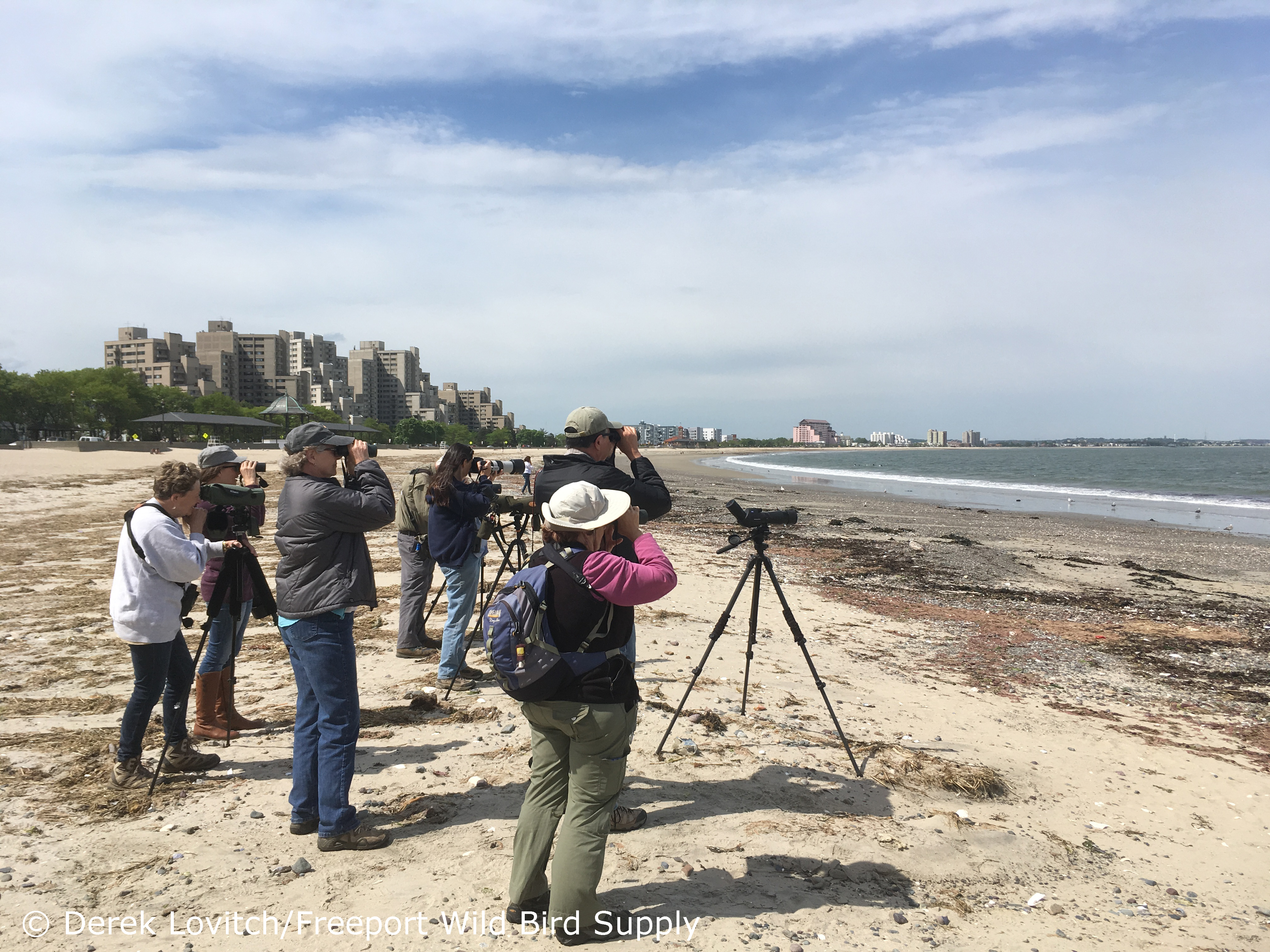
The third new Birds on Tap – Roadtrip! itinerary of 2017 with our partners, the Maine Brew Bus, was a resounding success on Sunday, July 16th. The working title had been “Beach and Brews,” but I think “Terns and Taps” might be the new title. Whatever it ends up getting called, expect to see this outing return next year. It’s a winner!

Timing our visit to Hill’s Beach for the incoming tide, we thanked our friends at Buffleheads restaurant for giving us permission to park the bus in their lot. Nearby, we crossed over to the beach and began our birding adventure.
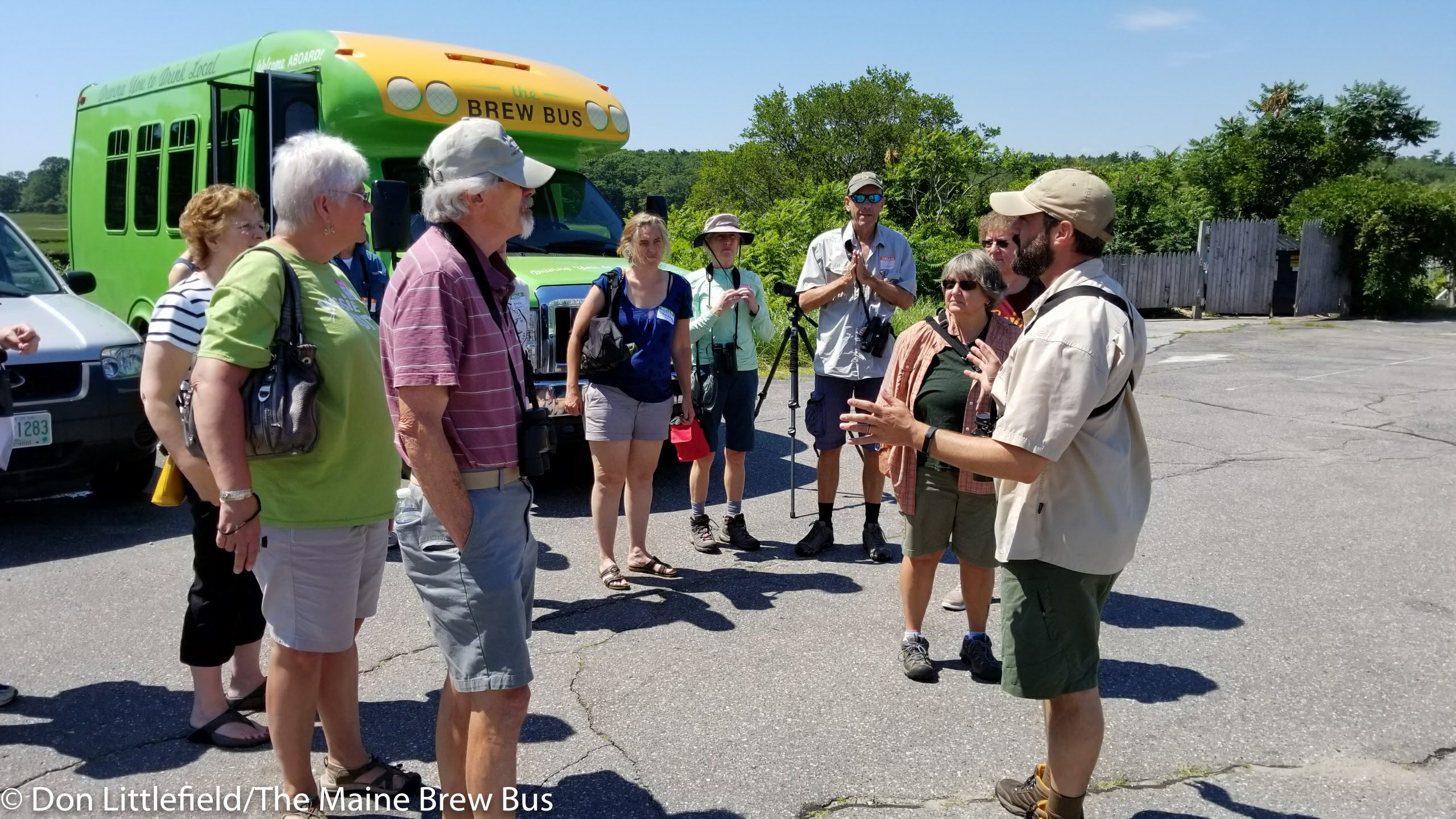
1. at Buffleheads

Shorebirds and birders had to share the sand with many other beachgoers, but at Hill’s, there’s room enough for most everyone. Gulls had assembled along the western end of the beach, so we started with a quick gull identification workshop, sorting out tiny Bonaparte’s Gulls from massive Great Black-backed Gulls, and separating Herring from Ring-billed Gulls in between.
2. Group on beach 1

Scattered shorebirds were here and there, but the action really started, as usual, as we crested the Basket Island Sandbar and scanned the rapidly-inundating flats to its east.  A growing number of shorebirds – already heading south (yup, it’s fall in the shorebird world!) included at least 50 total Short-billed Dowitchers and about 20 Semipalmated Sandpipers.
3. Group on beach 2

We quickly learned how to pick out Endangered Roseate Terns from the ubiquitous Common Terns – one of the target species of the trip. With practice, we learned it’s not as hard as some field guides suggest to separate these species, using a combination of size, relative tail length, wingbeats, and overall color. Hint: Roseates are the white ones. (Photo from a here on a different day above).

A growing contingent of gulls at this end eventually included a spiffy adult Lesser Black-backed Gull; an unexpected treat in mid-summer, and a nice way to cap our introduction to the gull identification lesson.
_MG_0085_edited-2
(Photo from another time and place)

All too soon, however, it was time to depart, but as we turned around I spottan interesting bird. One lone Willet, a tall but hefty shorebird, was standing on the flats. It struck my eye as very godwit-like, which got my heart racing at first. Tall, lanky, and very long-billed, a godwit-like gestalt is typical of the “Western” Willet, a subspecies that is rare but regular in Maine in fall, but very rare here in mid-summer.

Out of expected season, I was very careful in sorting through the salient features, and I admit to waffling a little about its identification at first. As we got closer, however, details became more apparent, such as the very long and thinner bill that suggested a hint of an upturn. It flew across the sandbar, landing close by, and in much better light, showing the overall grayer plumage, and paler undersides with considerably less markings than the browner and heavily-marked “Eastern” subspecies which breeds around here. It also began to wade in the water to feed, a behavior very typical of “Westerns.”
4. WWILL1,HillsBeach,7-16-17_edited-15. WWILL2,HillsBeach,7-16-17_edited-1

Although our Birds on Tap – Roadtrip! series is not necessarily focused on the challenging aspects of serious birding, like nuanced subspecific identification, the group admitted they enjoyed the process (and admittedly, enjoyed seeing me perplexed for a bit!). Having had our fill of the unexpected unseasonable rarity, we crossed the peninsula to the Park in the Pines to view the muddier flats of The Pool. There, at least a hundred “Eastern” Willets were present in their preferred habitat, but unfortunately, they weren’t close enough to really compare plumage details.

Scanning across the flats, we were able to sort through the masses, even though few shorebirds were very close here today, including a few Black-bellied Plovers and a stately Whimbrel – it’s disproportionally long, downcurved bill always nice to see.

And there’s no better way to celebrate a rare bird (or two today, the “Western” Willet and the Lesser Black-backed Gull) than with a beer or two. There’s also no better way to relax after a long walk on the beach on a sultry summer day than with a beer.

Good thing it was time for Don to take over, and guide us to Barreled Souls, our first brewery stop on the day’s itinerary. And they could not have started us off with a better first sample, the salty and refreshing Space Gose – perfect after a hot day on the beach.

Co-owner and operator Matt Mills was a gracious host, and shared with us their operation, methodology, and brewing philosophy. Fermenting 100% of their beer in barrels via a Burton-Union system and also ageing everything in barrels makes for some very unique and interesting flavors (I recommend checking out the “About Us” page of their website, linked here, for more information). They wanted to be different and stand out from an every-growing, crowded field, making big, malty, and high-alcohol beers but now including offerings of almost every variety.
6. Barreled Souls 1 - tour

As we learned about the brewing process, Kristi kept us hydrated with additional samples, including the MEmosa, a take on a “beer mimosa” featuring lots of orange zest in a light blonde ale with a lemony hop profile. Next up was Transformer, a new pale ale that features rotating hops (this incarnation used Amarillo and Idaho 7).
7. Barreled Souls 2 - samples

Fun (and for some, games)…
8. Barreled Souls 3 - games

..were had by all, especially after changing things up with Dark Matter, a big and bold 10.1% sweet dark ale, similar to a stout or porter, but much sweeter. Their description was simply a quote from NASA: “We are much more certain what dark matter isn’t than what it is.”  But what it definitely was today was a favorite for most of the group.

Don and I love to offer special opportunities on our Roadtrips, and today was no different. Just a half-mile away, we were the first tour group to visit the new production facility for Barreled Souls. In a mere three years they have so far outgrown their current space that they are increasing their production space from a mere 700 square feet to an incredible 7800 square feet!
9. Barreled Souls 4 - new facility

Including a custom-built, climate-controlled “cellar” to house their Burton-Union system.
10. Barreled Souls 5 - new facility

Back on the bus, we discussed our favorite beers, and Don introduced our next brewery, South Portland’s Fore River Brewing Company – a real neighborhood brewery nestled into the Ligonia section of town.
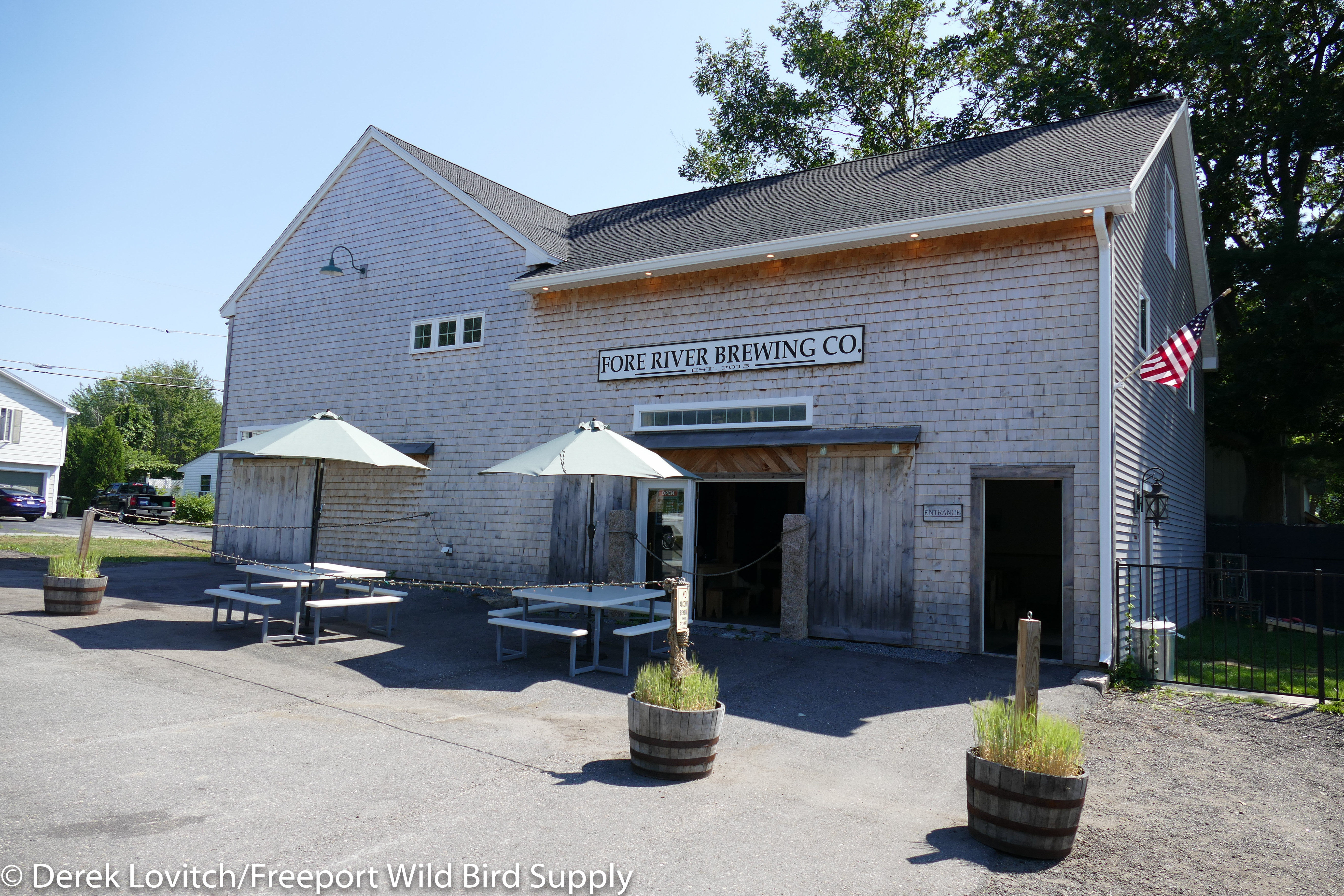
12. Fore River 1

Don took us on a tour of their brewhouse, as we sampled their Spring Point, a Belgian whit, smooth and lemony, with a distinct biscuit finish.
13. Fore River 2

Next up was their Timberhitch Irish Red, another favorite on the day for this group. It was sweet, with just the right amount of hoppiness, and with a sweet and malty finish. Last but certainly not least was the Lygonia IPA, a clear and crisp IPA with pleasant notes of tropical fruits. This round was enjoyed out on the “patio,” a lush lawn full with picnic tables reclaimed from the site of a former salt barn.
14. Fore River 3 - group

But as we know, all good tours must come to an end, so it was time to say goodbye, celebrate our life birds and life beers, and make the short jaunt north to our Portland and then Freeport drop-off sites.
11. bus ride

Endangered terns and migrant shorebirds with a couple of rarities mixed in. The only 100% Burton-Union brewery in the country making some really unique brews and a fun and successful neighborhood brewery featuring some of the area’s most popular styles. I think it’s safe to say that we will see you aboard for this tour in 2018!

(By the way, as of the writing of this, we still have one space left for our next Birds on Tap Roadtrip! “Shorebirds and Beer” on Sunday, August 13th.

The “Coastal Quick Hit” Van Tour report

I think it is safe to say that the inaugural “Coastal Quick Hit” van tour was a resounding success! We not only found all of the target species that we were after, but also a few surprises, and we saw all of our target species incredibly well! And we really lucked out with the weather, as the only rain we encountered was a brief downpour while we were driving. I have “no” doubt that all future tours will be this successful.

We receive numerous requests for guiding for several local breeding species that can be hard, if not impossible, to see elsewhere. While Bicknell’s Thrush is my number one request, there are a number of coastal species that are also sought. Folks travel from far and wide for our annual “Bicknell’s Thrushes of the White Mountains” van trip, and often I get requests for private guiding for many of the other species before and after that tour. Therefore, for efficiency and economy, we introduced the “Coastal Quick Hit” tour.

We had four visitors from California on board who were here to take part in the weekend’s thrush tour, plus three local birders out for the day. The eight of us met here at the store on Friday morning, and worked our way south.

Beginning in Scarborough Marsh, we had the opportunity to study Saltmarsh and Nelson’s Sparrows side-by-side, and ponder over some hybrids as well. We compared their songs and subtleties of identification – and learned how to simply leave many, likely hybrids and intergrades, as unidentified. Meanwhile, “Eastern” Willets and many other marsh denizens were numerous, and several sparrows and Willets posed for photos.
WILL

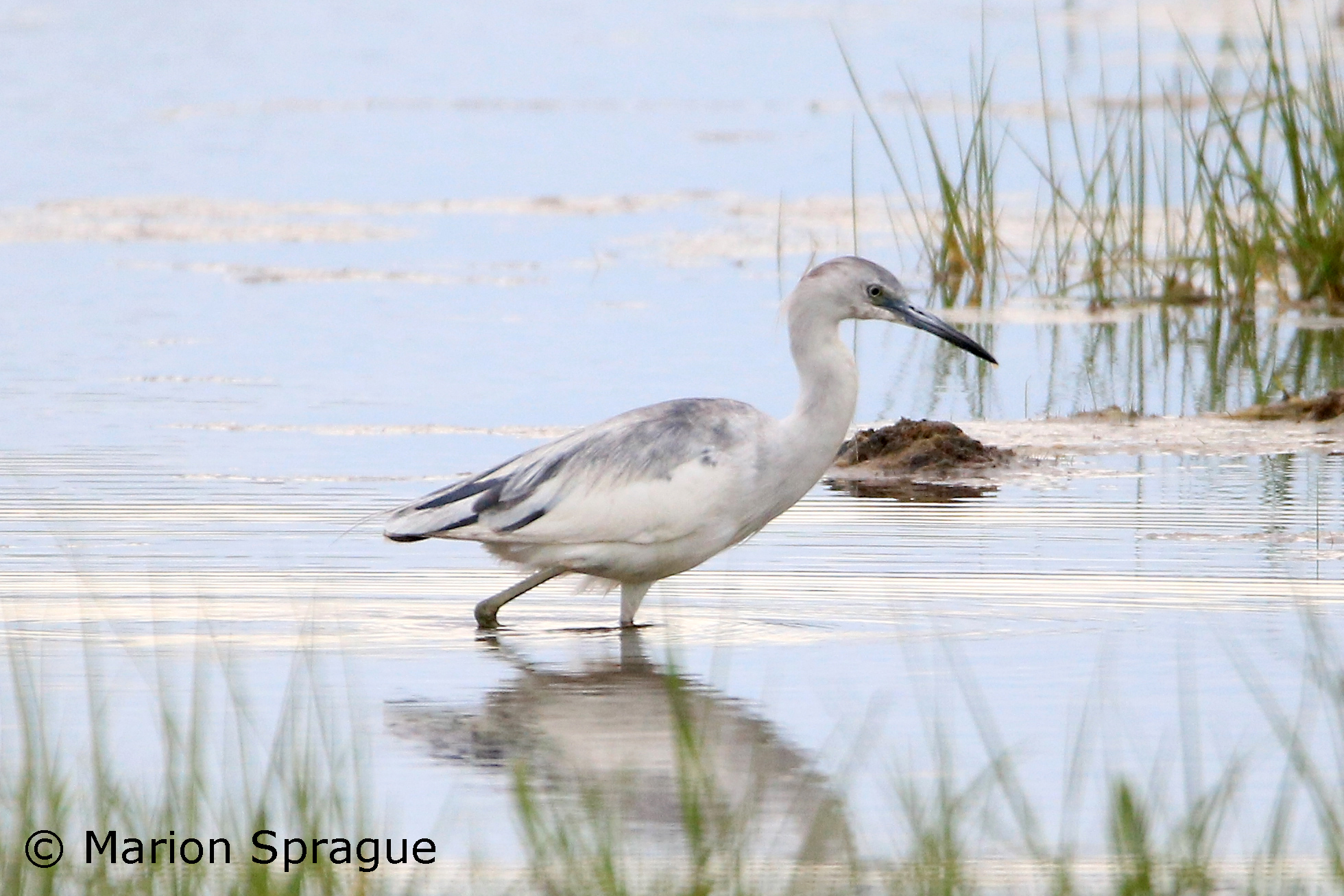
Walking the Eastern Road Trail, a Fish Crow was unexpected, and we enjoyed Little Blue Herons, Great and Snowy Egrets, and more. We then found this wading bird, which immediately brought to mind one of the ultra-rare Tricolored Heron x Snowy Egret (and now, possible a backcross there of) that calls Scarborough Marsh home.
LBHE,Marion_Sprague,6-9-17_edited-1

However, it soon became clear that this was a “pure” Little Blue Heron – nothing about its shape, size, structure, or behavior (a regular adult was nearby, and sometimes in the same field of view) was suggestive of anything else (or partly anything else), and so I hypothesized about a leucistic Little Blue Heron. Immature (1st through 2nd summer) little blues are piebald, but this was much, much paler than what I usually see, with more of a uniform “wash” of the purple-blue on the body and wings. What threw me off a bit were the essentially fully-developed head and back plumes (the “aigrettes”) that I did not think were present on a bird who’s plumage was this early in development. A little research showed those plumes were just fine for a 1st-summer bird, even one in which so little adult-like plumage had been obtained. Therefore, unless this bird looks exactly the same come fall, I think it’s just a paler-than-average 1st summer Little Blue Heron. Nevertheless, it was a fun bird to study and ponder – offering a lesson in comparing shape, structure, and behavior in two birds that didn’t look the same.

Also off Eastern Road, we noted Glossy Ibis, American Black Ducks, and a White-rumped Sandpiper in spiffy breeding plumage – a treat for folks from the West Coast, and not a bird we see many of in spring here in the Northeast. It was hanging out with 4 tardy Semipalmated Sandpipers.
GADW,MS
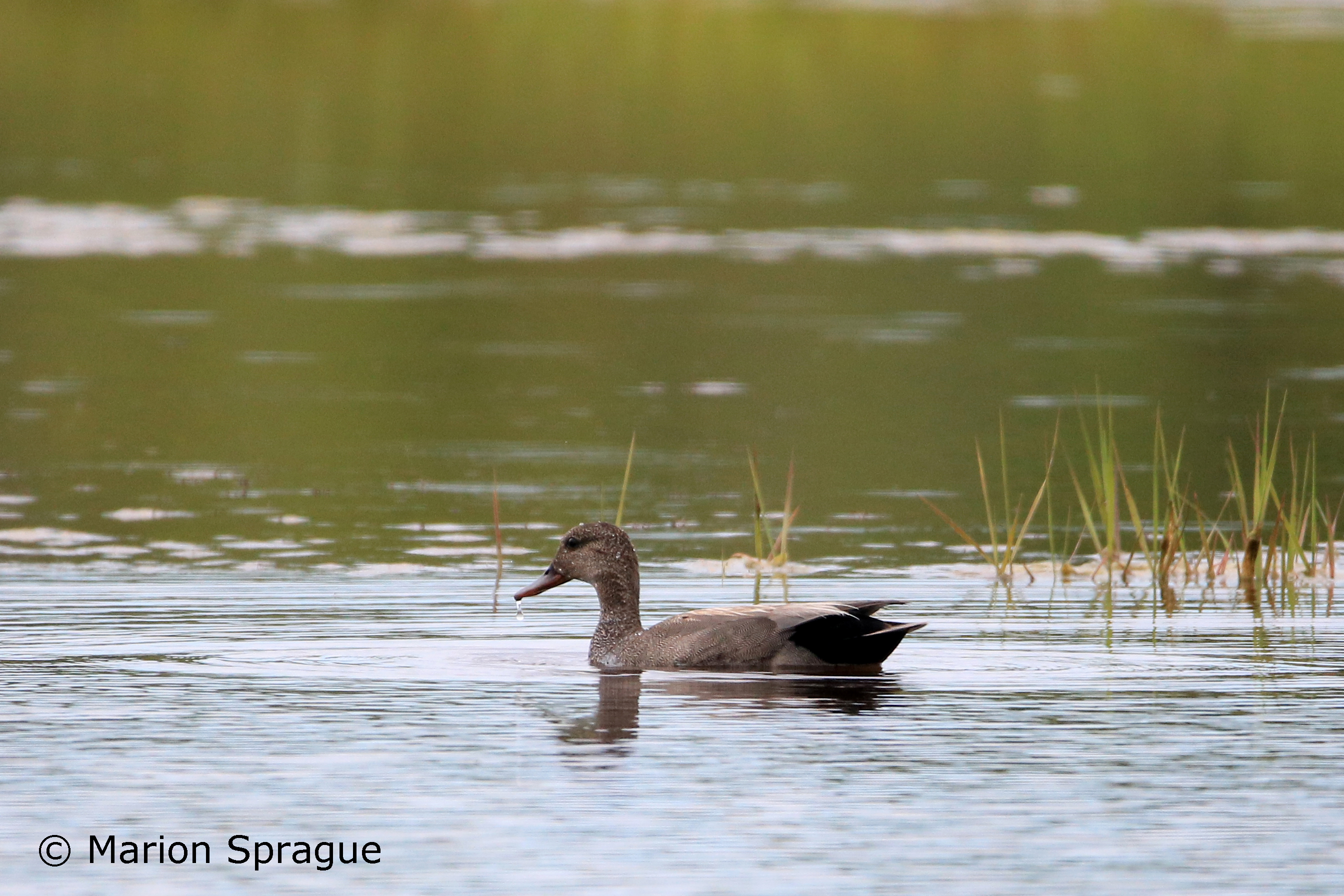
A drake Gadwall at the Pelreco marsh was a nice sight as well.

Four unseasonable Brant greeted us at Pine Point, where we soon spotted one of our most sought-after species, Roseate Tern. At least 8, and likely many times that, as birds were coming and going, were quickly picked out from the crowds of Common Terns, with plenty of Least Terns zipping around.
COTE,MS
Common Tern

LETE,MS
Least Tern

This tour was designed to have at least two chances at all of our target species, but we “cleaned up” in Scarborough, so we elected to brake up our upcoming drive with a stop in Webhannet Marsh near Moody Point for a visit with the King Rail that, for the second summer in a row, has occupied a small corner of the marsh. While waiting for it, we spotted more Willets, and had another great view of a Saltmarsh Sparrow or too.
The rail never called, but about 2/3rds of the group, myself NOT included, were able to spot the rail as it crossed two successive small openings in the marsh grass. The rest of us were just a little too far up the road, and it never made it to the third clearing we were stationed at. But still, a King Rail in the middle of the afternoon! A loafing Surf Scoter with Common Eiders offshore was also unexpected.

A delicious lunch fueled the rest of our drive south and the timing of the rainfall could not have been better. Traffic was relatively minimal as we fought our way through the outskirts of Boston, arriving at Revere Beach just as a thunderstorm passed to our south.
Revere_Beach2

While this is not exactly the most aesthetically-pleasing stop of the tour…
Revere_Beach1

…it was incredibly rewarding, as in short order, we picked up our last two target species, Piping Plover…
PIPL,MS

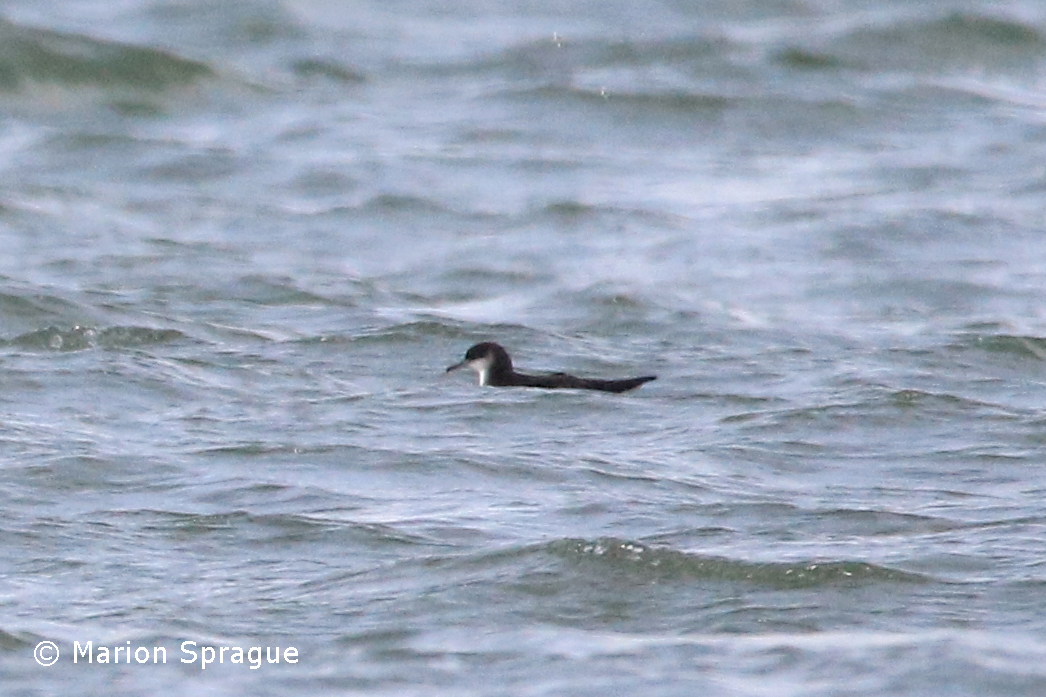
…and, believe it or not, Manx Shearwater…
MASH1,MS

MASH2,MS

…from land, in a city, and not very far offshore!

This incredible phenomena (they are clearly nesting locally, but where!? One of the Boston Harbor Islands?) was the icing on the cake to a most-successful trip. Based on these results, you can expect to see the “Coastal Quick Hit” van tour again in 2018 and beyond. Stay tuned to the Tours, Events, and Workshops Page of www.freeportwildbirdsupply.com for more information about this and all of our tours.

Biddeford in Shorebird Season

“Shorebird Season” is in full swing, and the greater Biddeford Pool area is one of the best places in the state to observe and study shorebirds.  Although numbers usually pale in comparison to the Lubec Flats and Scarborough Marsh, and diversity usually lags well behind the latter as well, the area often provides some of the best opportunities to study shorebirds, between Ocean Avenue and Biddeford Pool beach on the high tide, and Hill’s Beach at low tide.

Today, Phil McCormack and I birded the area thoroughly, beginning with viewing of the extensive mudflats of The Pool itself.  Birds were already well dispersed by the time we arrived this morning, so it was a challenge to really study and sort through the masses, but our tally was as follows:
196 Short-billed Dowitchers
~75 Semipalmated Sandpipers
57 “Eastern” Willets (plus one distant bird that may have been a “Western”)
~ 20 Black-bellied Plovers
~10 Semipalmated Plovers
4 Whimbrels (first of fall for me)
4 Least Sandpipers
2 Greater Yellowlegs
1 Lesser Yellowlegs
1 Ruddy Turnstone

At dead low, Biddeford Pool Beach was shorebird-free (which is often the case, as birds take advantage of the ephemeral mud and sand flats of The Pool and Hill’s Beach), but as we birded the neighborhood and Ocean Avenue, we picked up a few birds of note, led by 2 breeding-plumaged Red-necked Grebes.  Three Black-crowned Night-Herons and a few migrant passerines such as two Eastern Kingbirds and an Indigo Bunting were also noted.

As the tide began to turn, we headed over to Hill’s Beach, and hit it perfectly!  Here, the rapidly approaching water pushed birds towards us, and concentrated them in the highest spots for last-minute feeding.  We were able to carefully and critically sort through each individual, checking for rarities and studying variation.  Our effort turned up a few “good” birds, led by a trio of “Hendersonii” Short-billed Dowitchers (the prairie subspecies), a fairly-rare-but-regular stray to Maine.

The third bird we found, was the brightest of the lot, and was very obvious with its rufous coloration throughout its underparts.
HendersoniiSBDO1,HillsBeach,7-28-13_edited-1 HendersoniiSBDO1a,HillsBeach,7-28-13_edited-1
 (Phone-scoped Photos)

The other two were quite a bit paler, so were a little tougher to tease out.   I managed a crummy photo of one of them.
HendersoniiSBDO2,HillsBeach,7-28-13_edited-1
(Phone-scoped Photo).

Another highlight was a single adult Stilt Sandpiper, along with an adult Red Knot.  The complete tally was as follows:
119 Semipalmated Sandpipers
114 Short-billed Dowitchers (ssp griseus)
6 Black-bellied Plovers
3 SHORT-BILLED DOWITCHERS (ssp HENDERSONII)
2 Ruddy Turnstones
2 Sanderlings
2 Least Sandpipers
1 STILT SANDPIPER
1 Red Knot

So if the shorebird show was quite good, the tern show was simply great.  At least a hundred Common Terns, including many begging juveniles were present, along with at least 30 Roseate Terns.  A few Least Terns also joined the fray, including this adult standing watch on its fledgling.
LETEwFL,HillsBeach,7-28-13_edited-1
(Phone-scoped photo).