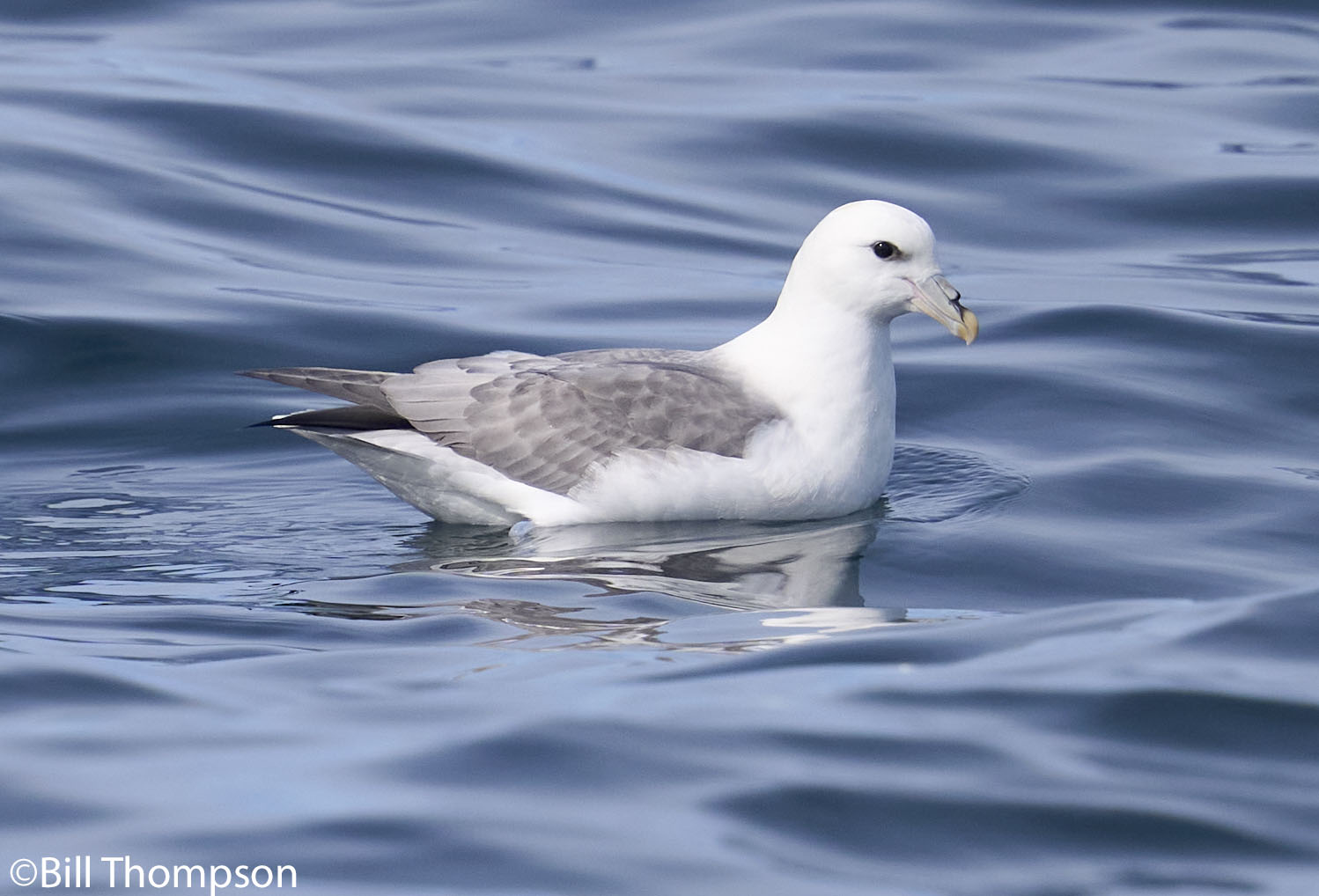
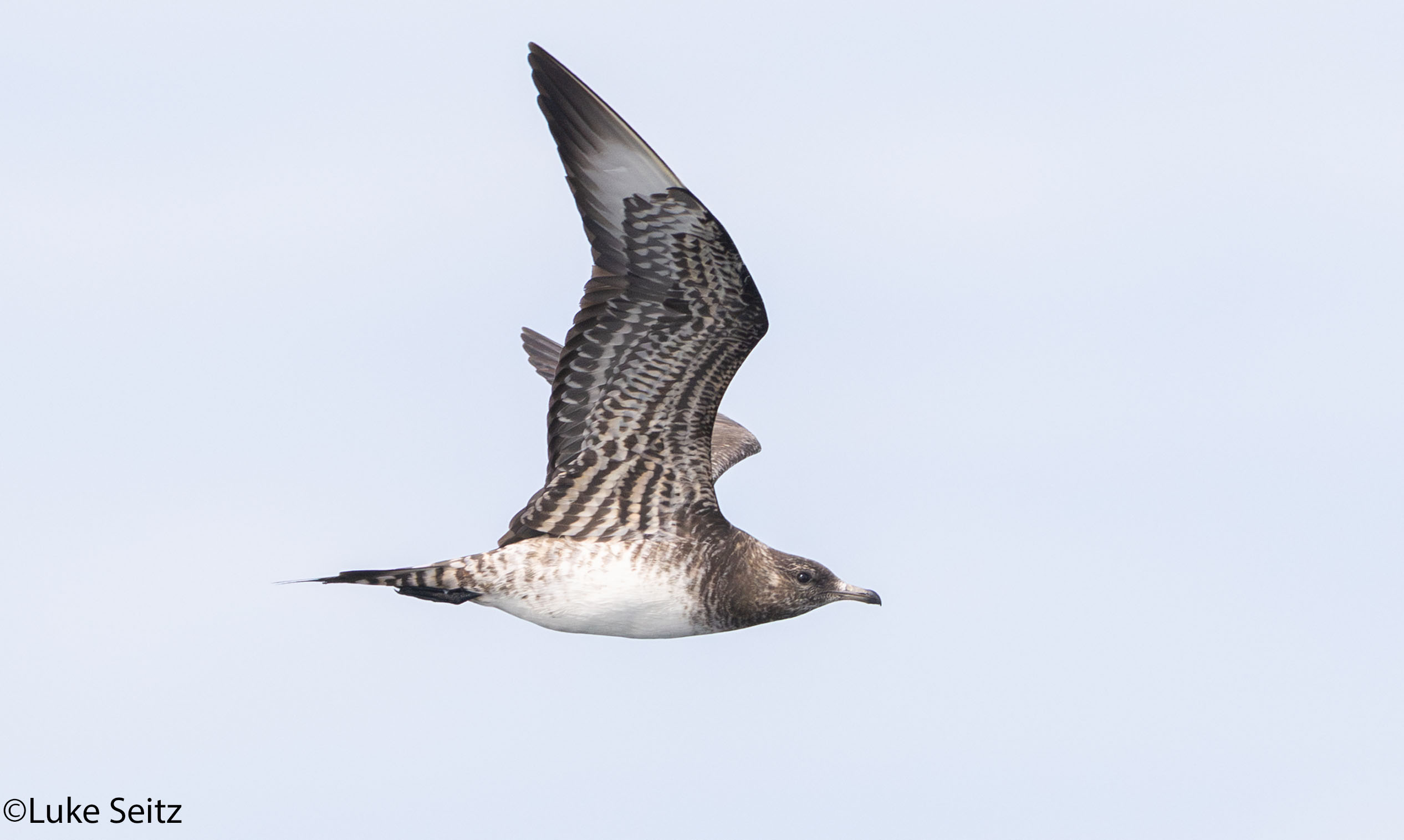
If Northern Fulmar was species of the day on our 10/4 pelagic out of Boothbay Harbor with Cap’n Fish’s Cruises, then the individual bird of the day was this show-stopping Parasitic Jaeger!
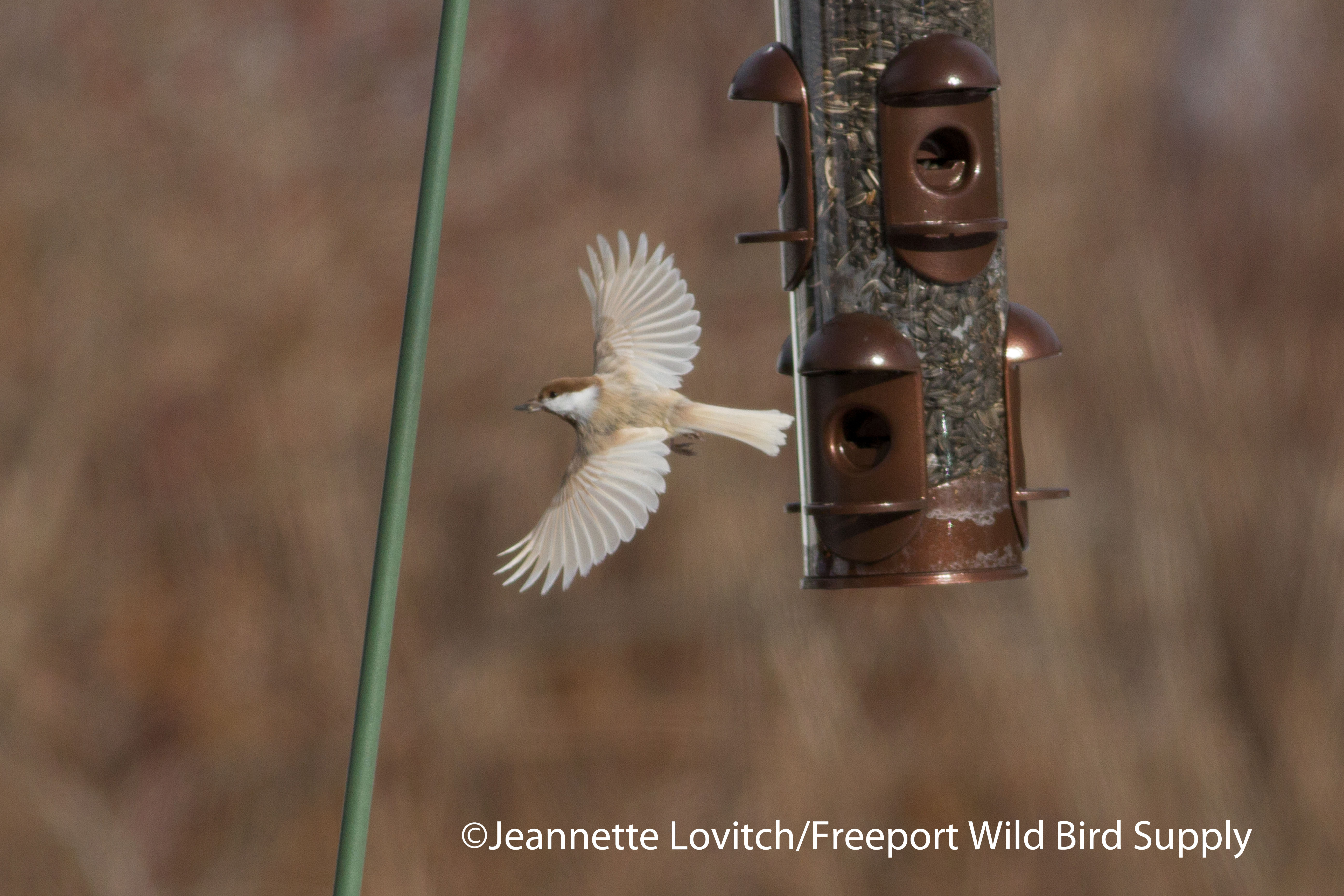
A busy week of birding included our annual half-day pelagic out of Boothbay Harbor and two flights at Sandy Point, one of which was incredible! Here are my photo-laden observations of note over the past 8 days.
- 1 juvenile AMERICAN GOLDEN-PLOVER, Spurwink Marsh at Sawyer Road, 10/2 (with client from Philadelphia).
Sandy Point Morning Flight, 10/3 (Oh wow!)
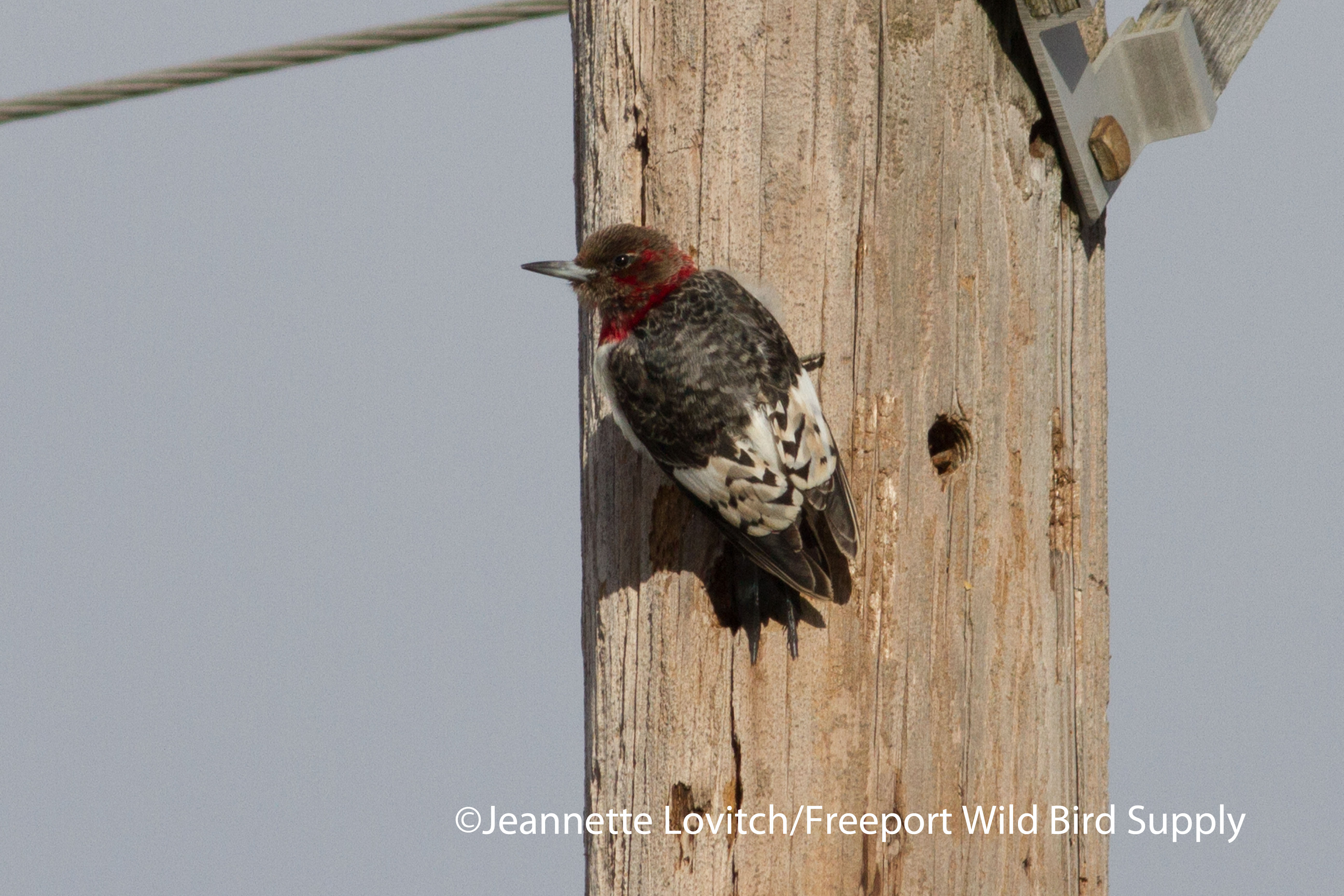
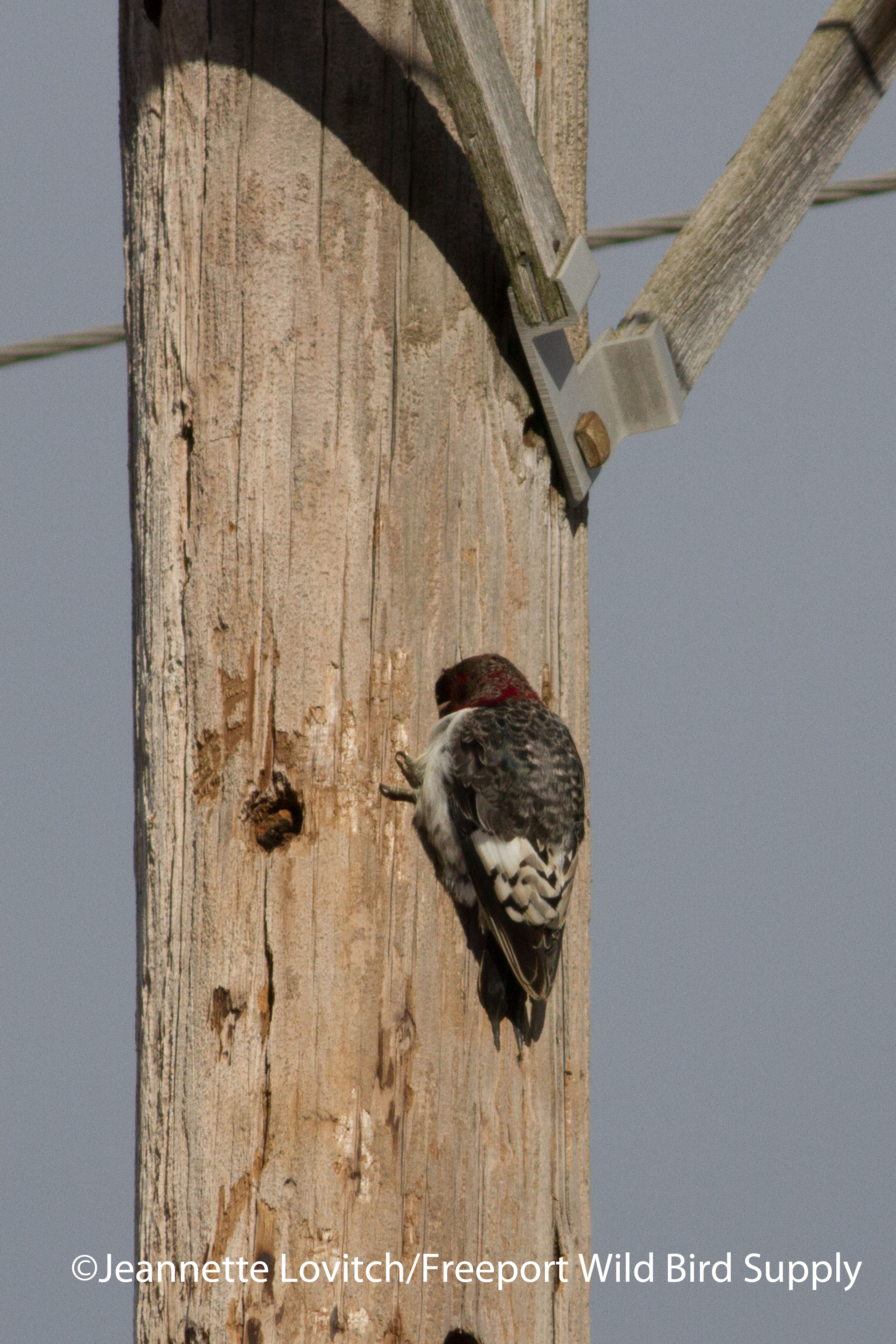
An excellent flight passed over and through Sandy Point Beach, Cousin’s Island, Yarmouth. An incredible 3 RED-HEADED WOODPECKERS (one prior record of a single on 10/2/2020) passed over, seen by all present, including the birdwalk group that just arrived.
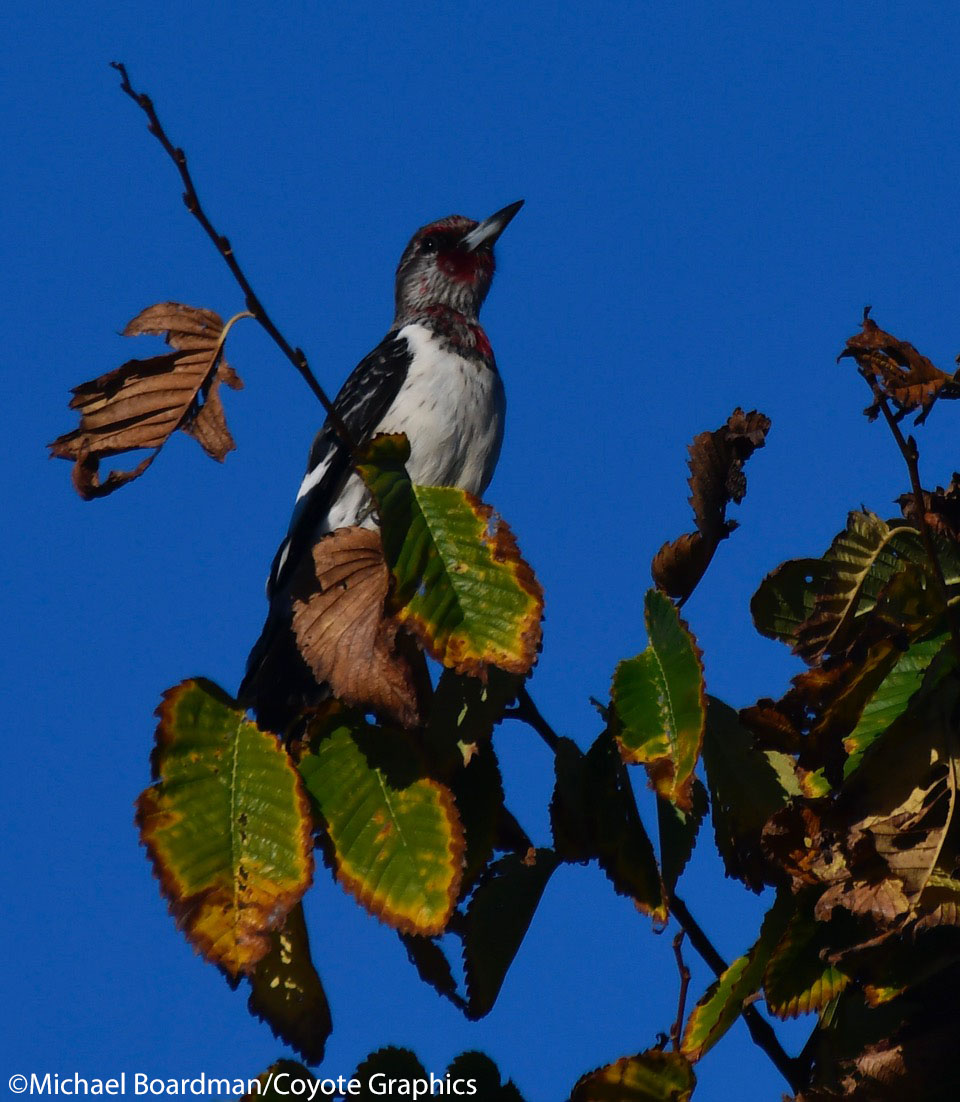
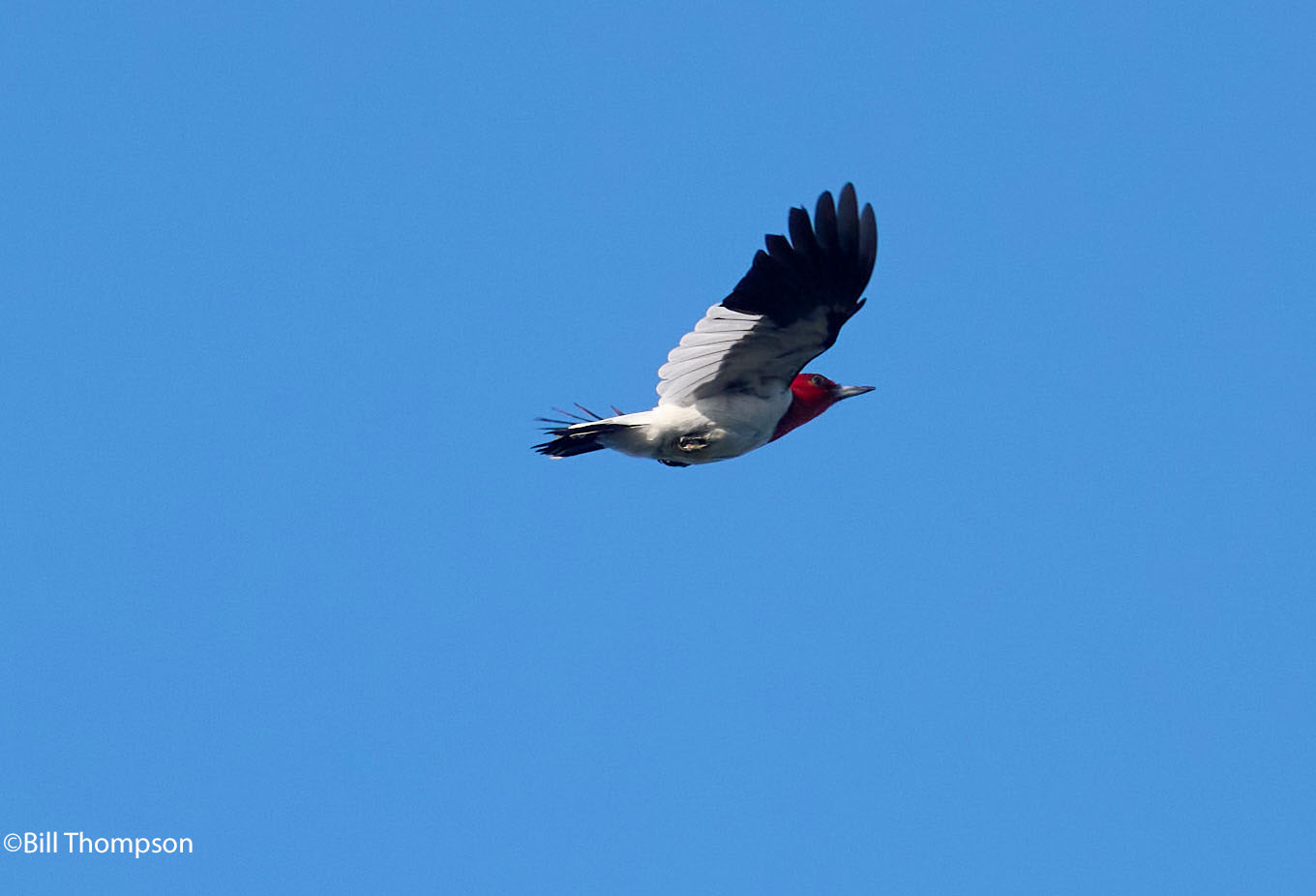
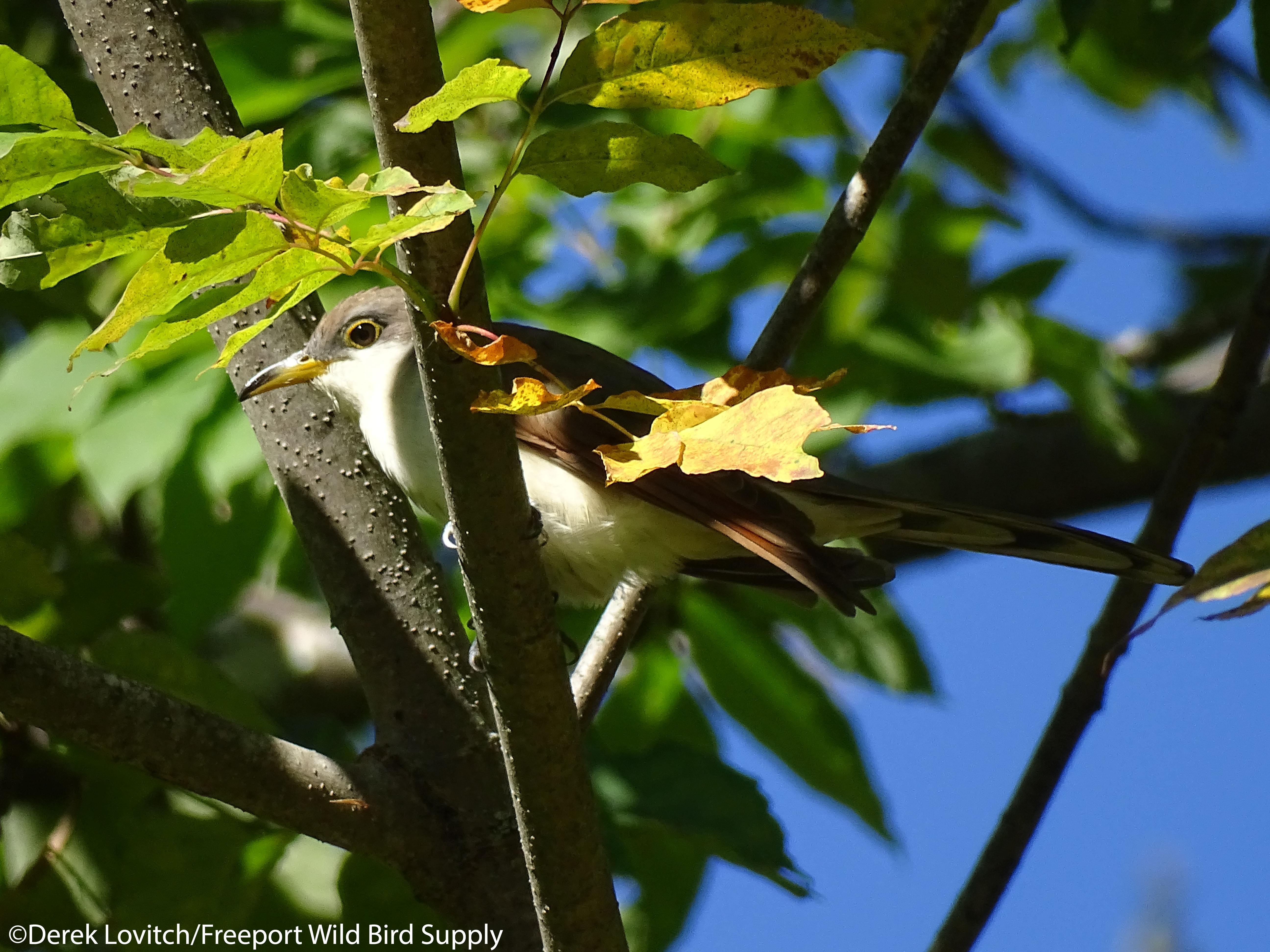
Later, we also had a magical experience with a YELLOW-BILLED CUCKOO. The story of the woodpeckers and the cuckoo can be seen here, while an (*) signifies species recorded only after the birdwalk started; I did not add migrant counts seen thereafter to the tallies. This was a flight for the books!
- 6:38 to 8:25, then birdwalk group through 10:15.
- 50F, clear, NNW 4.3-5.2 to NW 6.0 to 8.2
- 617 Yellow-rumped Warblers
- 292 unidentified
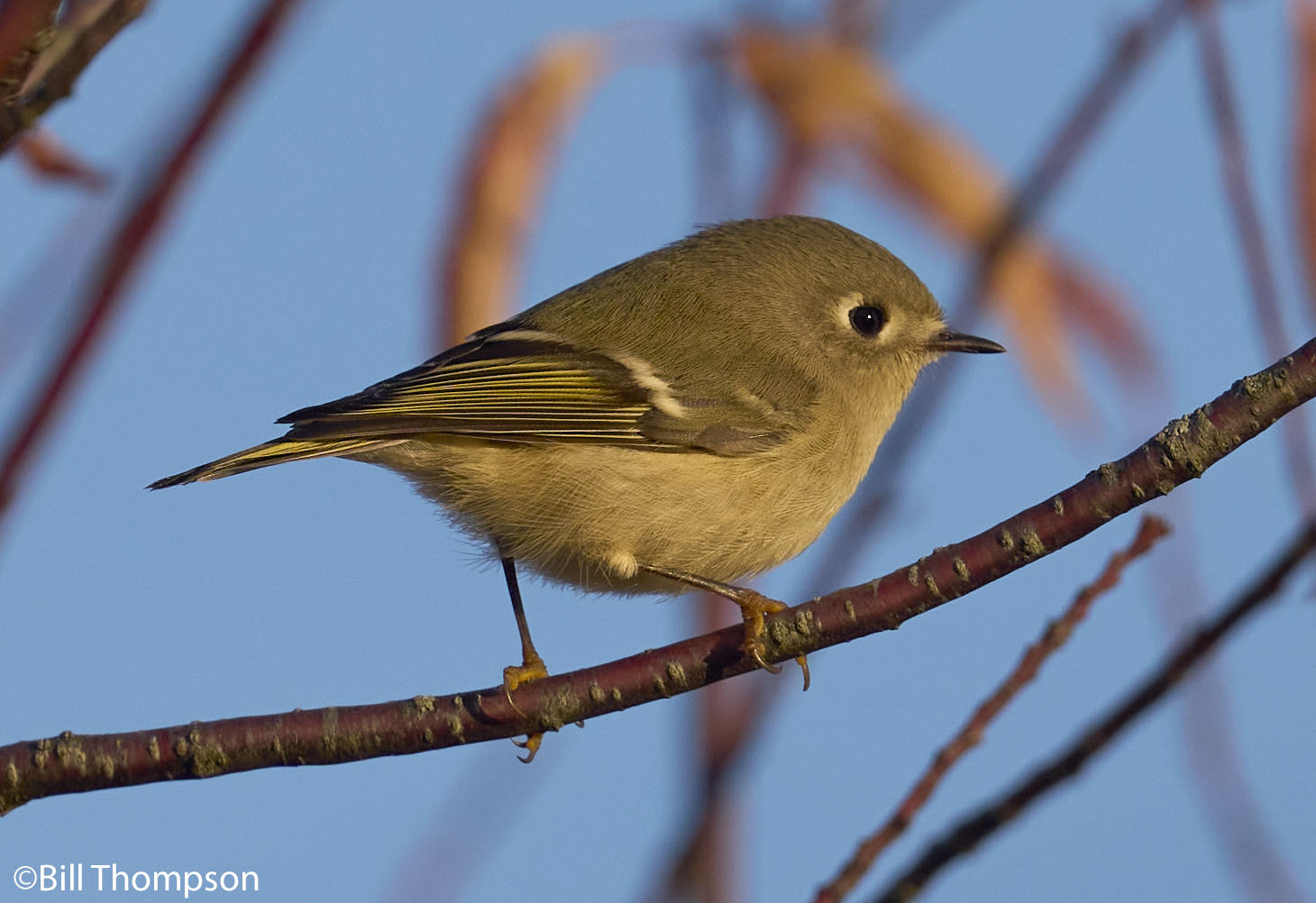
- 192 Ruby-crowned Kinglets
- 171 unidentified kinglets
- 59 Blackpoll Warblers
- 56 Golden-crowned Kinglets
- 40 Dark-eyed Juncos
- 37 Palm Warblers
- 35 Cedar Waxwings
- 28 American Robins
- 23 Eastern Bluebirds (**new record!)
- 19 Northern Parulas
- 15* White-throated Sparrows
- 13 Blue Jays
- 10 Blue-headed Vireos
- 9 Black-throated Blue Warblers
- 9 Black-throated Green Warblers
- 8 American Goldfinches
- 7 Tennessee Warblers
- 6 Nashville Warblers
- 6 Chipping Sparrows
- 5 Black-capped Chickadees
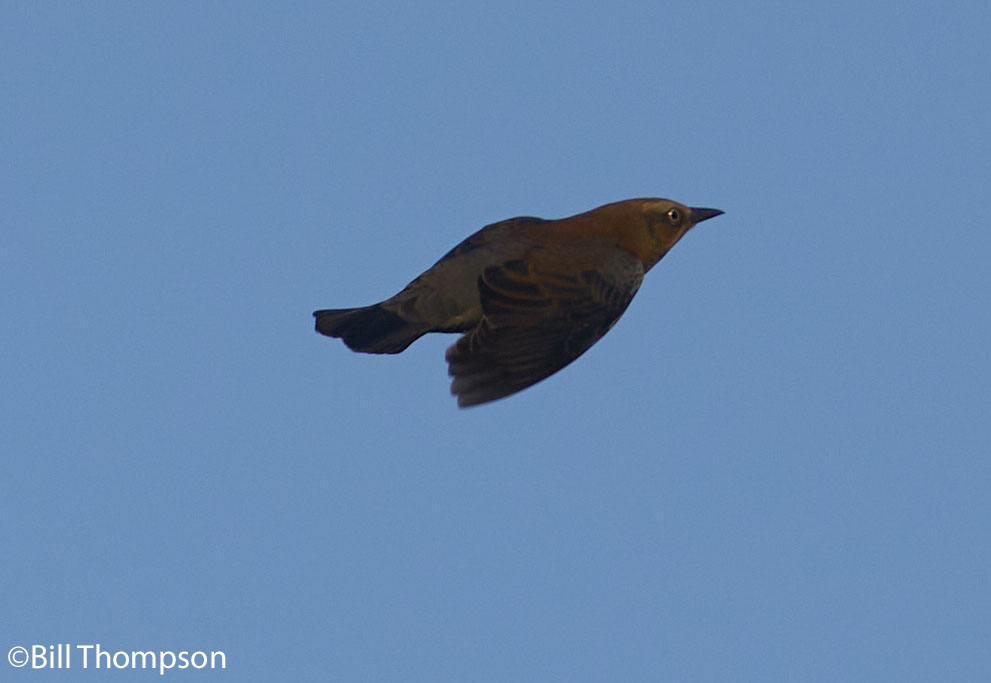
- 4 Rusty Blackbirds
- 4 Black-and-white Warblers
- 4 Cape May Warblers
- 4 Eastern Phoebes
- 3 American Redstarts
- 3 American Pipits
- 3* Swamp Sparrows
- 3* Hermit Thrushes
- 2 Tufted Titmice
- 2 Savannah Sparrows
- 2 Red-breasted Nuthatches
- 1 Pine Siskin (FOF)
- 1 DICKCISSEL
- 1 Philadelphia Vireo
- 1 Yellow Warbler
- 1 Osprey
- 1 Merlin
- 1 Yellow-bellied Sapsucker
- 1 Swainson’s Thrush
- 1 Greater Scaup (FOF)
- 1 Red-bellied Woodpecker
- 1 Great Egret
- 1 unidentified oriole
- 1 Common Loon
- 1 Pine Warbler
- 1 Red-eyed Vireo
- 1 YELLOW-BILLED CUCKOO (my 9th Sandy Point record)
- X* Common Yellowthroats
Total= 1708
- Boothbay ½ Day Pelagic with Cap’n Fish’s Cruises, 10/4:
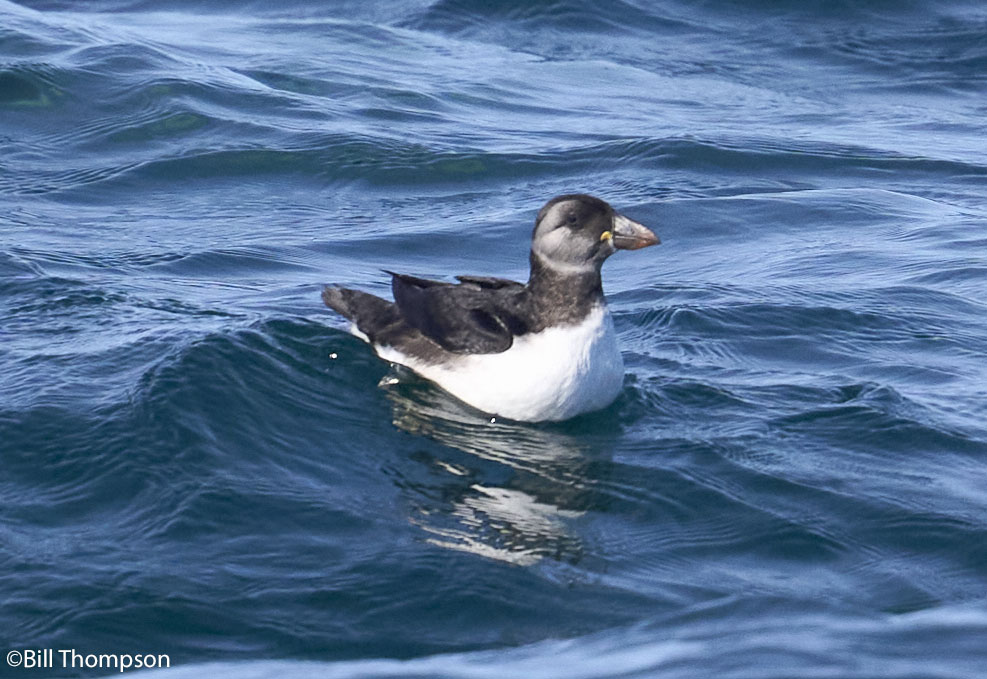
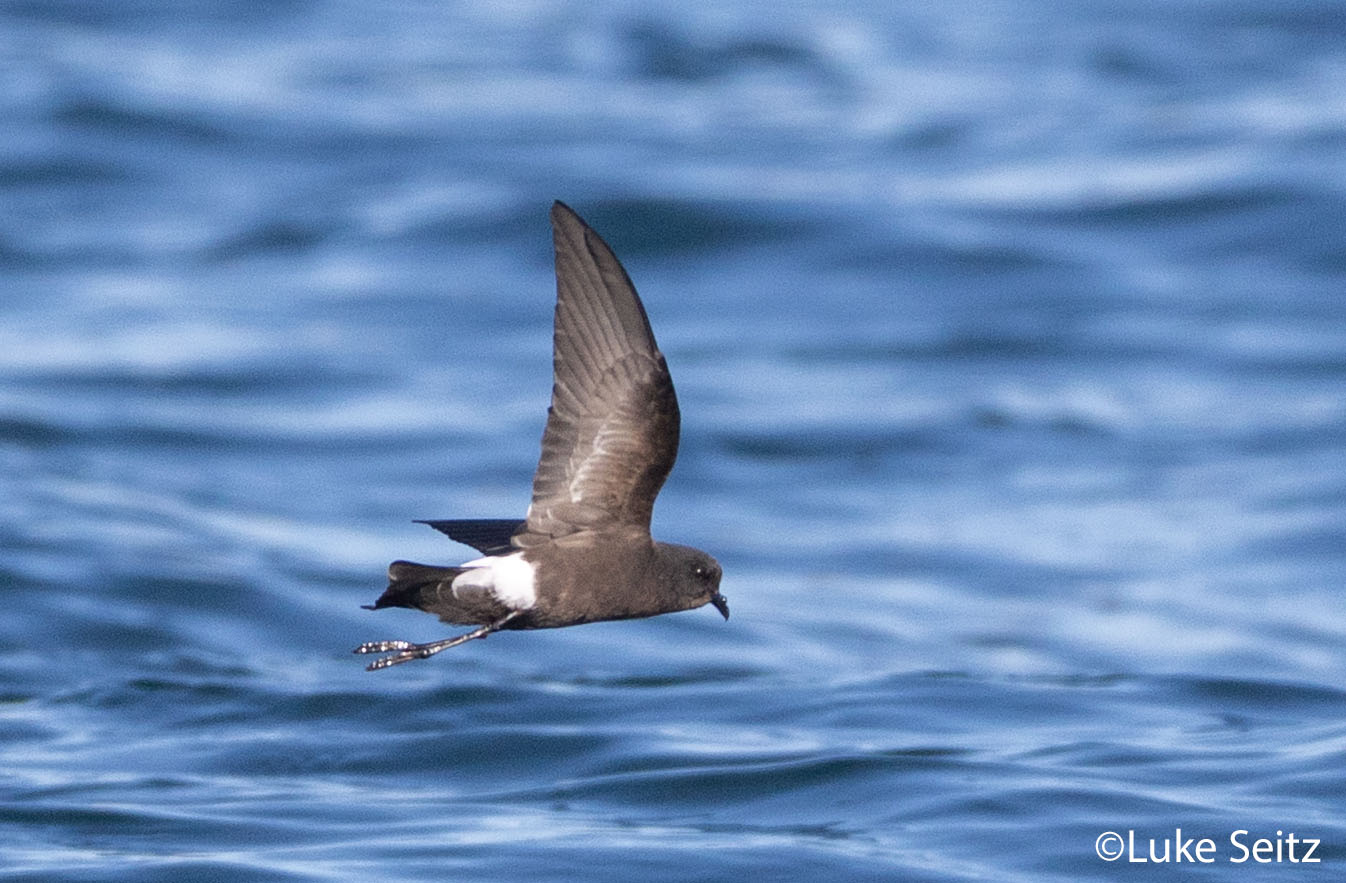
An incredible day offshore highlighted by 10 NORTHERN FULMARS; an astounding 128 late Wilson’s Storm-Petrels; 7 ATLANTIC PUFFIN and 3 Razorbills; 2 RED-NECKED PHALAROPES, an American Pipit and Yellow-rumped Warblers 20 and 15 miles off shore, respectively; 1 MANX SHEARWATER and 4 Great Shearwaters; and finishing up with a close encounter and thrilling chase of a PARASTIC JAEGER. The complete trip report, including photos and checklist, is posted here:
- Sandy Point Morning Flight, 10/6.
A very light flight passed over and through Sandy Point Beach, Cousin’s Island, Yarmouth this morning. A turbulent atmosphere overnight coupled with increasing westerly winds in the morning reduced the number of birds on the go overnight, and passing through the point after sunrise.
- 6:45-8:40am.
- 39F, mostly clear, W 3.4-6.6 to 5.9-8.6mph.
- 123 Yellow-rumped Warblers
- 22 Blackpoll Warblers
- 5 Ruby-crowned Kinglets
- 3 American Robins
- 2 Hairy Woodpeckers (total of 16 false starts)
- 2 American Goldfinches
- 1 DICKCISSEL (6th of season ties my record high)
- 1 Cedar Waxwing
- 1 Eastern Bluebird
- 1 Purple Finch
- 1 Black-throated Green Warbler
- 1 Tufted Titmouse
- 1 Sharp-shinned Hawk
- 1 Osprey
- 1 Chipping Sparrow
- 1 Eastern Phoebe
- 1 Yellow-bellied Sapsuckers
- 1 Unidentified
- 1 Palm Warbler
- 1 Golden-crowned Kinglet
- X Common Yellowthroat
T= 168
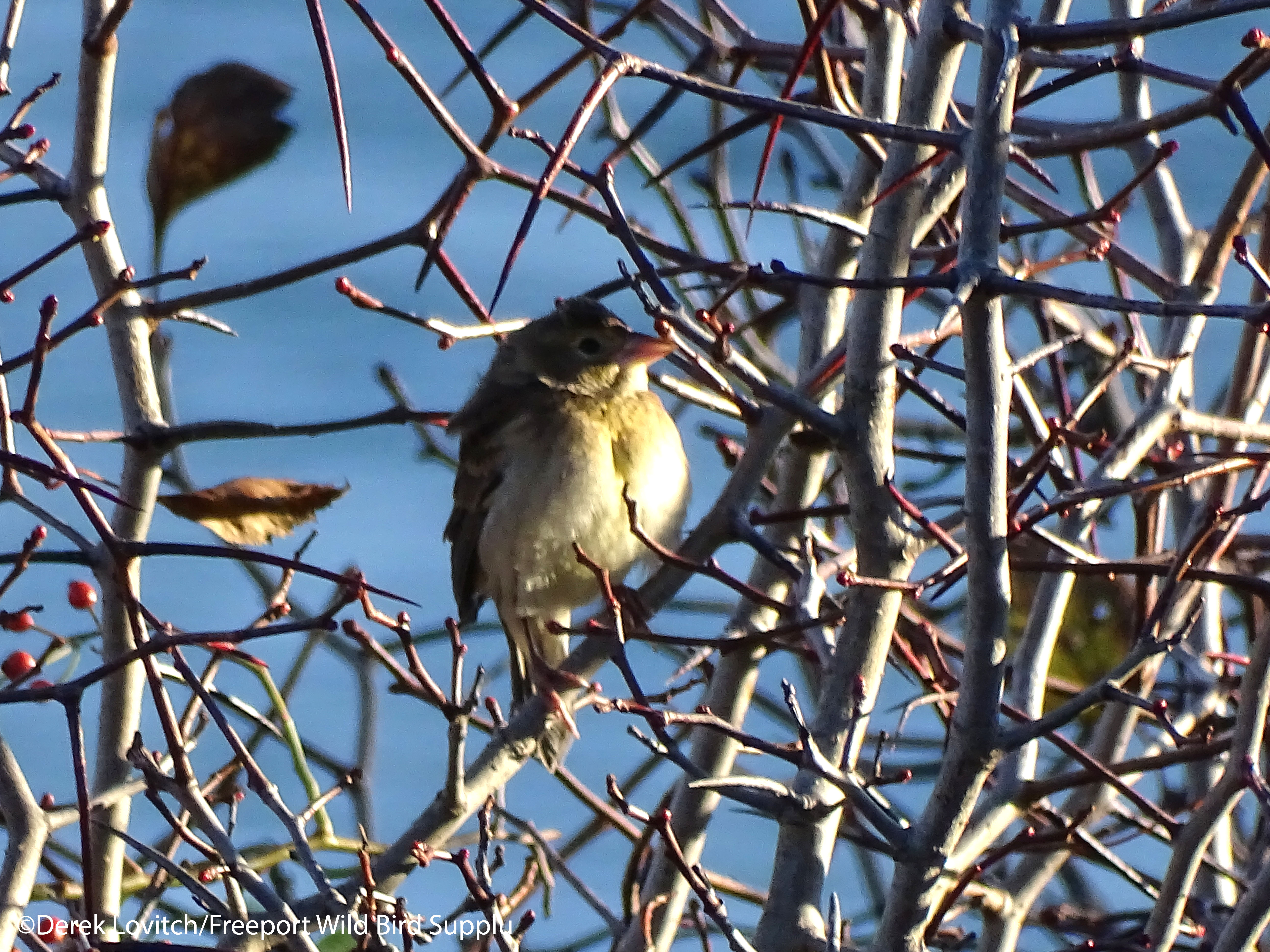
- 2 DICKCISSELS, flying together over our Durham property on 10/8.
- 2-3 DICKCISSELS, Meadow Road, Durham, 10/8 while walking the dog. 4-5 Dickcissels in a morning in interior Maine is incredible. I wonder how many more are out there right now!
- 1 ORANGE-CROWNED WARBLER (FOF), our property in Durham, 10/9.
Upcoming Tours (with Space Available):
- Birds of Casco Bay. RESCHEDULED FOR OCTOBER 16TH, 2026: 9:00am – 12:00pm
Join the crew of Seacoast Tours and Derek Lovitch from Freeport Wild Bird Supply on a special tour of the islands and waters of Casco Bay. We’ll explore the inner islands of Freeport, Brunswick and Harpswell as we search for eagles, migrant waterfowl, and an occasional seal basking in the sun on the ledges of hidden coves. We’ll focus on the common resident and migratory water and shoreline birds of the region while keeping an eye out for recently arrived wintering seaducks.
- Forts and Feathers: House Island. October 18, 2026; 9:00am – 2:00pm
During our previous outings in which we became the first birding groups ever on the island, we found oodles of Yellow-rumped Warblers, other migrants, and learned about the island’s ecology. But we were also captivated by Captain Pete, who guided us through the historic fort, sharing a wealth of historical knowledge and fascinating stories. Once again, we’ve been granted special permission to come ashore and scour the island here in the peak of fall migration. We’ll follow well-maintained trails through the island’s mosaic of open habitats, scrub, and young woods. These are great habitats to search for a variety of migrants, and perhaps even a rarity!
- Forts and Feathers: The Beaks of Peaks! November 1, 2026; 8:45am – 3:00pm
As our collaboration with Portland Explorer enters its 12th season, we’re mixing things up with a brand new series of joint history and birding tours. These unique, relaxed birding and history adventures combine great local birding at seasonal hotspots with educational journeys through some of our local history. Join two experts in their field on this brand new collaboration! (Sorry, no beer tastings here!)
But this time we’re leaving the van in the garage and hit the water once again! We’re going to hop aboard the Casco Bay Ferry Lines for the short, 20-minute trip across Portland Harbor to Peak’s Island.
Once there, we’ll plan on walking 3-4 easy miles (paved or dirt roads and a few narrow trails including one with irregular boards over wet areas) to cover the prime birding hotspots of the island, including the thickets that were made famous last year when Derek discovered Maine’s 5th-ever Virginia’s Warbler (and first away from Monhegan). We’ll make our way along the shoreline, looking at resident and recently-arrived migrant waterbirds, but checking various nooks and crannies that can hold unexpected vagrants.
We’ll make our way to the famous Battery Steele – famous for its access, its impressive graffiti, and yes, its birding. Here, a complex of wetlands and scrubby areas combine to attract and hold a wide range of avian species, often including some that are usually long gone from Maine by now. We’ll then explore the open-access fort and even get to experience total darkness!
Birding will continue as we traverse the island to return to town. There will be an opportunity to purchase a delicious lunch, or bring your own, and we’ll relax for a spell as we await our ferry departure.