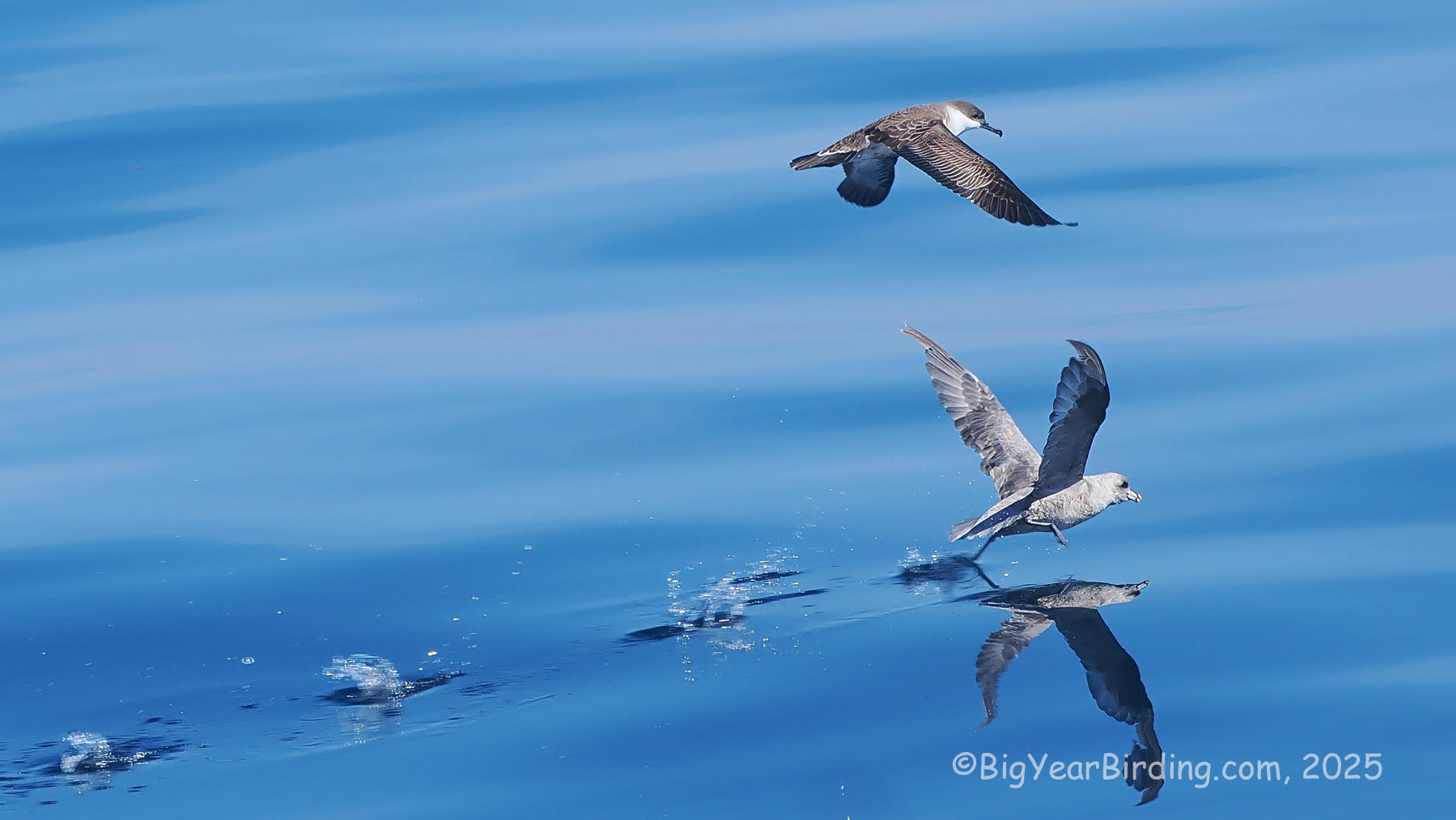
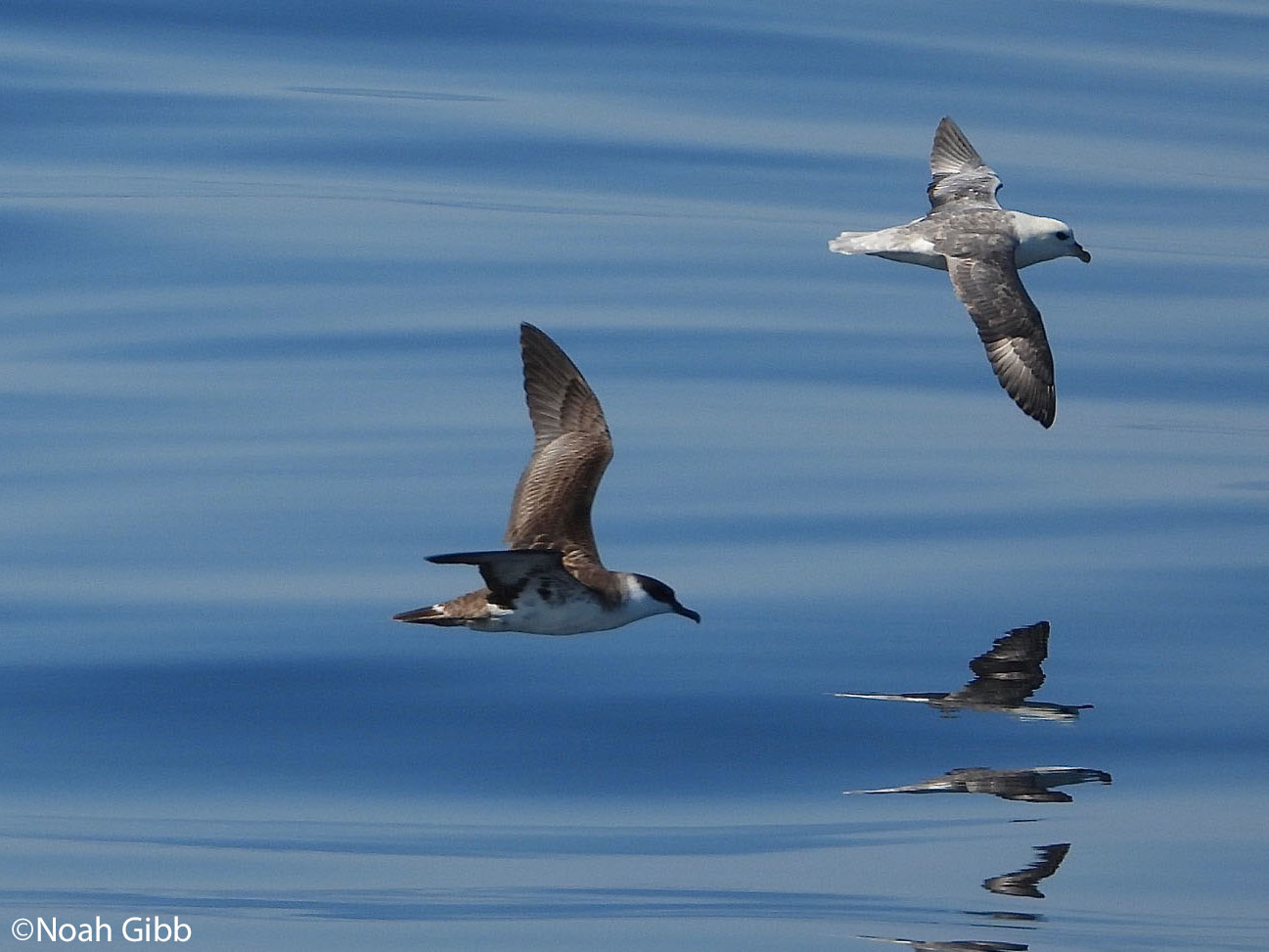
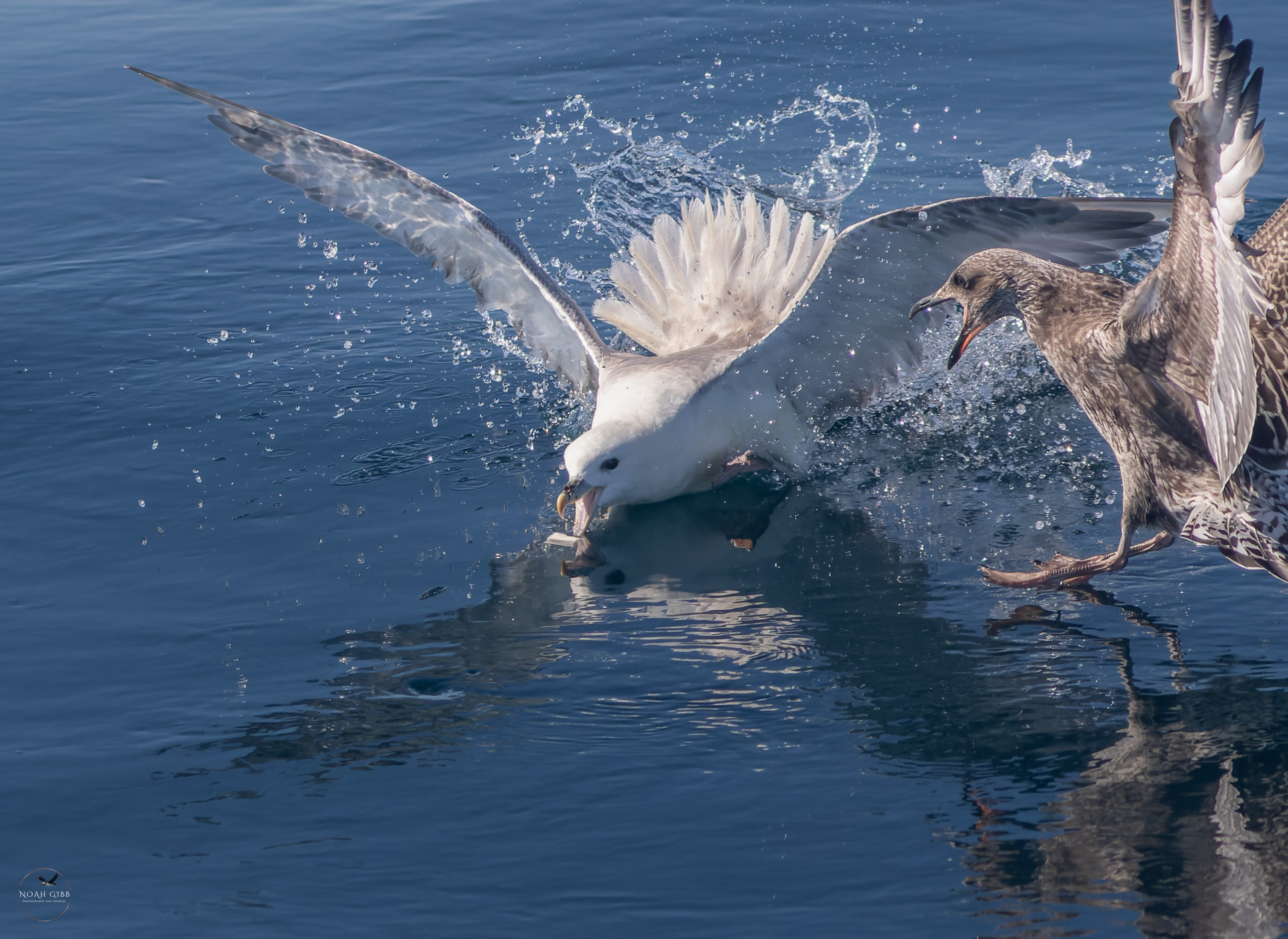
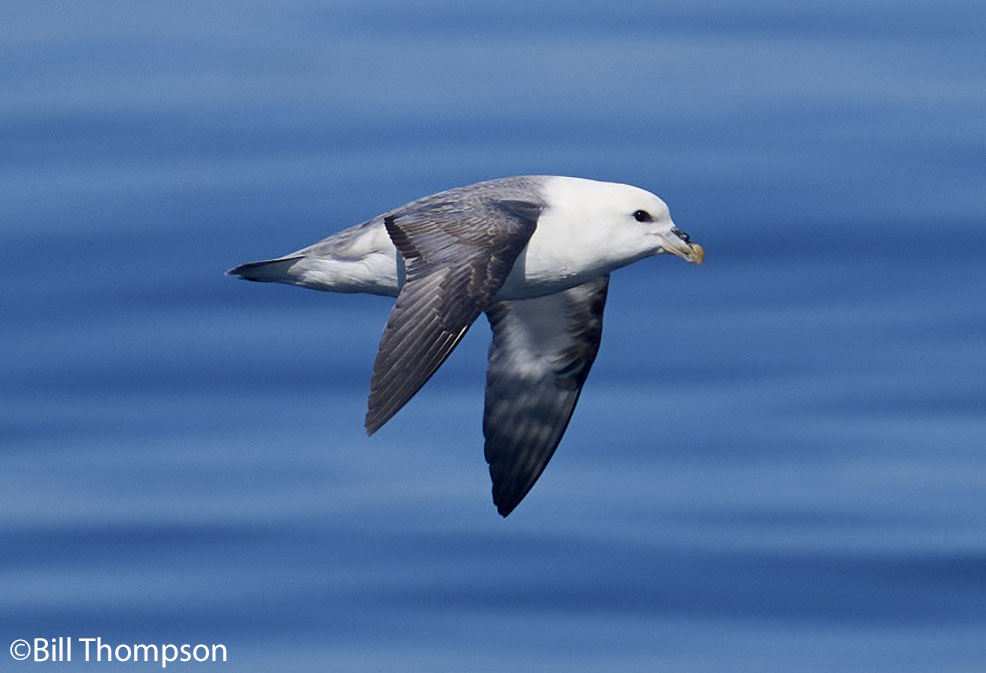
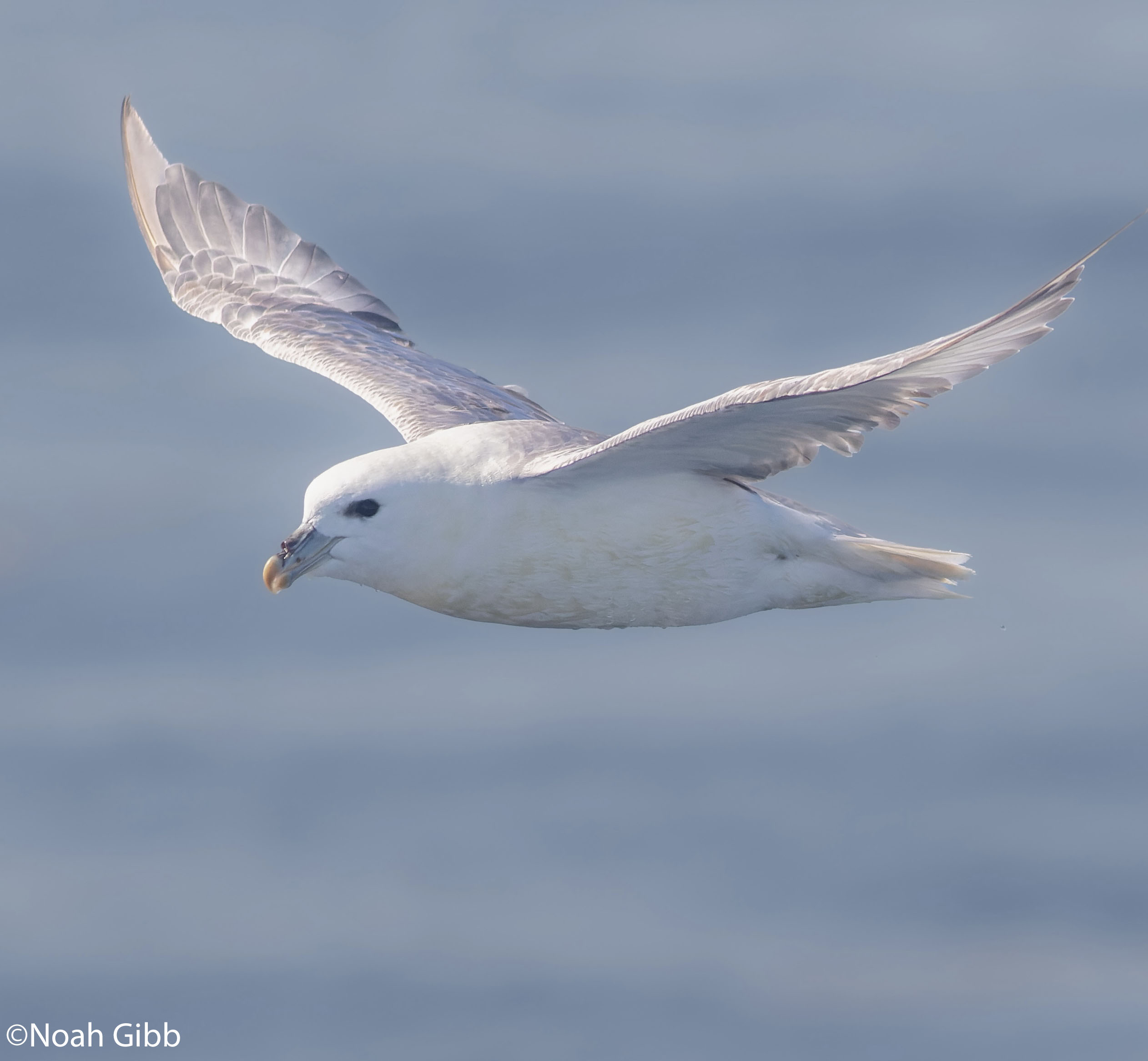
Considering most people would have been happy with a single Northern Fulmar, our tally of at least 18 was fantastic…but the photo opportunities of this winter visitor could not be beat, including of this much less common dark morph.
Fall pelagics in the Gulf of Maine are notoriously hit or miss. Suffice to say, our Half-Day Pelagic out of Boothbay Harbor on 10/5, with our partner, Cap’n Fish’s Cruises, was most definitely a hit!
And not just because of the ridiculously pleasant weather! The birding was great, the marine mammals were fantastic, and I don’t think a single person was seasick! What a difference a year makes.
We departed the harbor at 9:00am, with clear and calm skies, less than a foot of swell offshore, and high hopes (I had a productive scouting trip on a whale watch two days prior). But even with the always-lofty expectations of pelagic trips, we would not be disappointed this day.
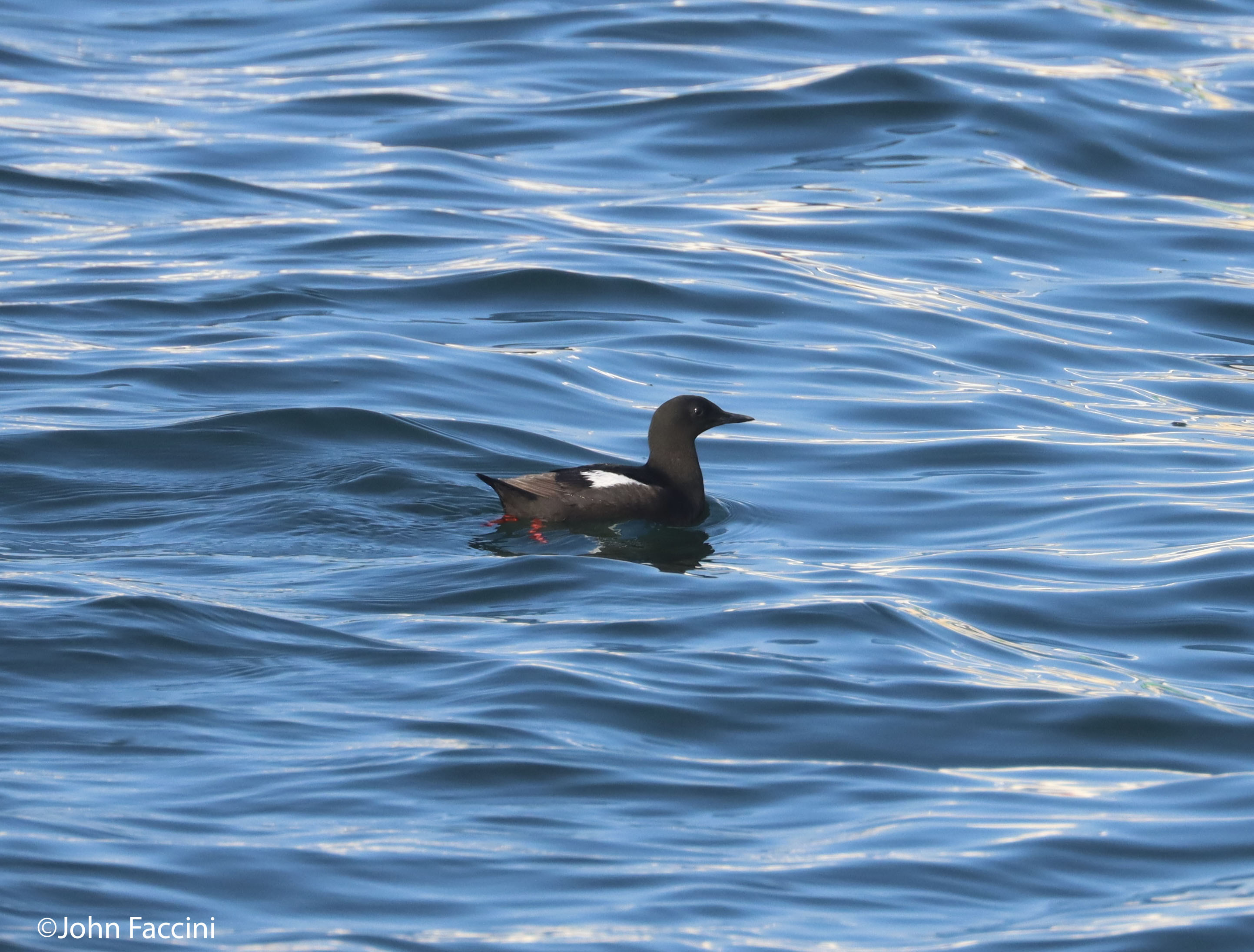
Black Guillemots are always a nice way to begin and end all of our local pelagic trips since they are usually only seen in inshore waters.
Perhaps the one complaint I had was that we didn’t get all that far offshore! In fact, our furthest point was only about 20 miles south-southwest of Monhegan. There was just too much to look at, and every time we were about to head further offshore, something else of note appeared.
We started picking up a few seabirds, including our first of what would be a remarkable total of mostly juvenile Atlantic Puffins, the first of our sought-after Northern Fulmars, scattered Red-necked Phalaropes (mostly), along with a few Great Shearwaters, all around Murray Hole, but we hit paydirt right around the edge of the incoming shipping channel to Portland.
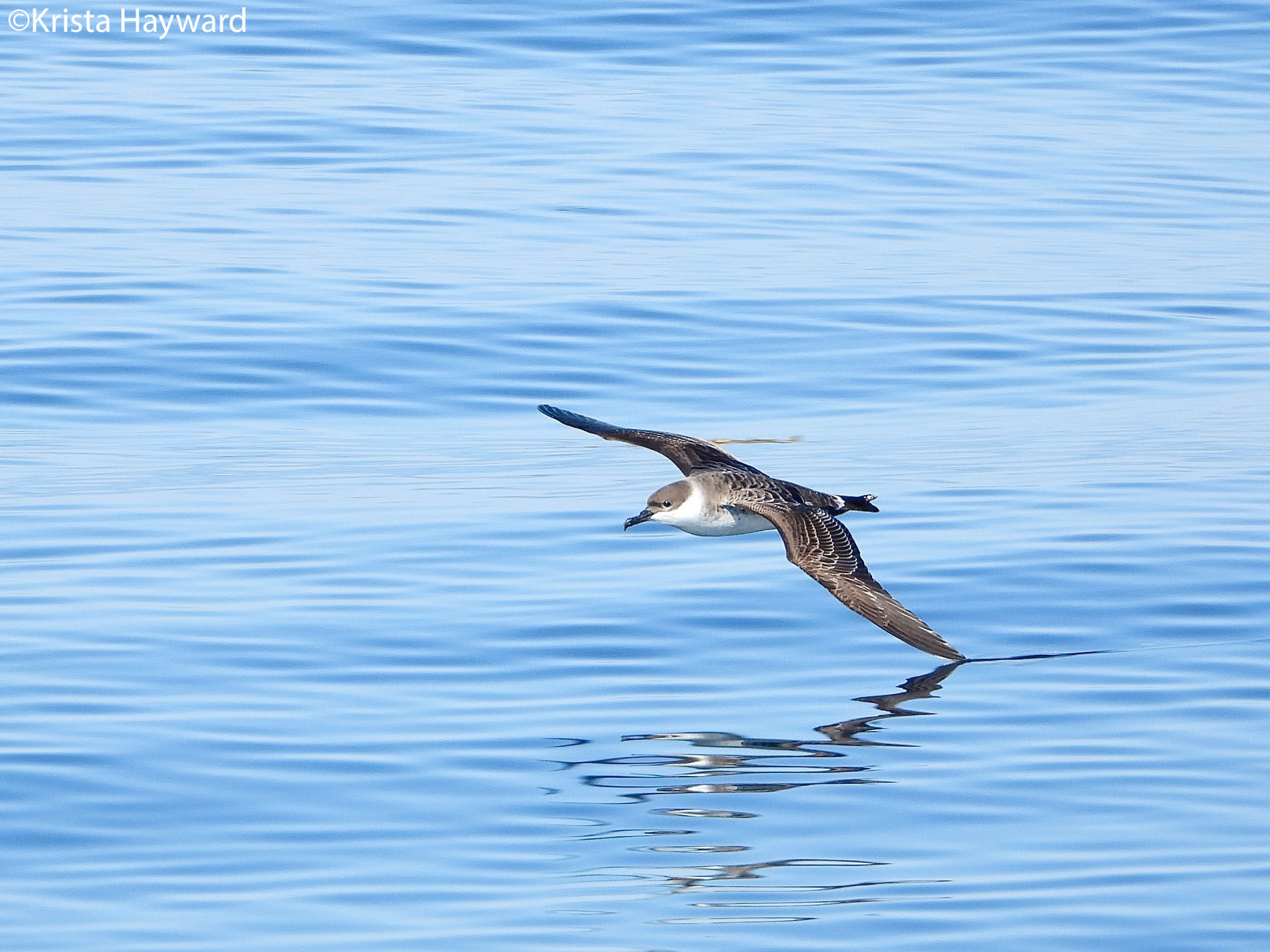
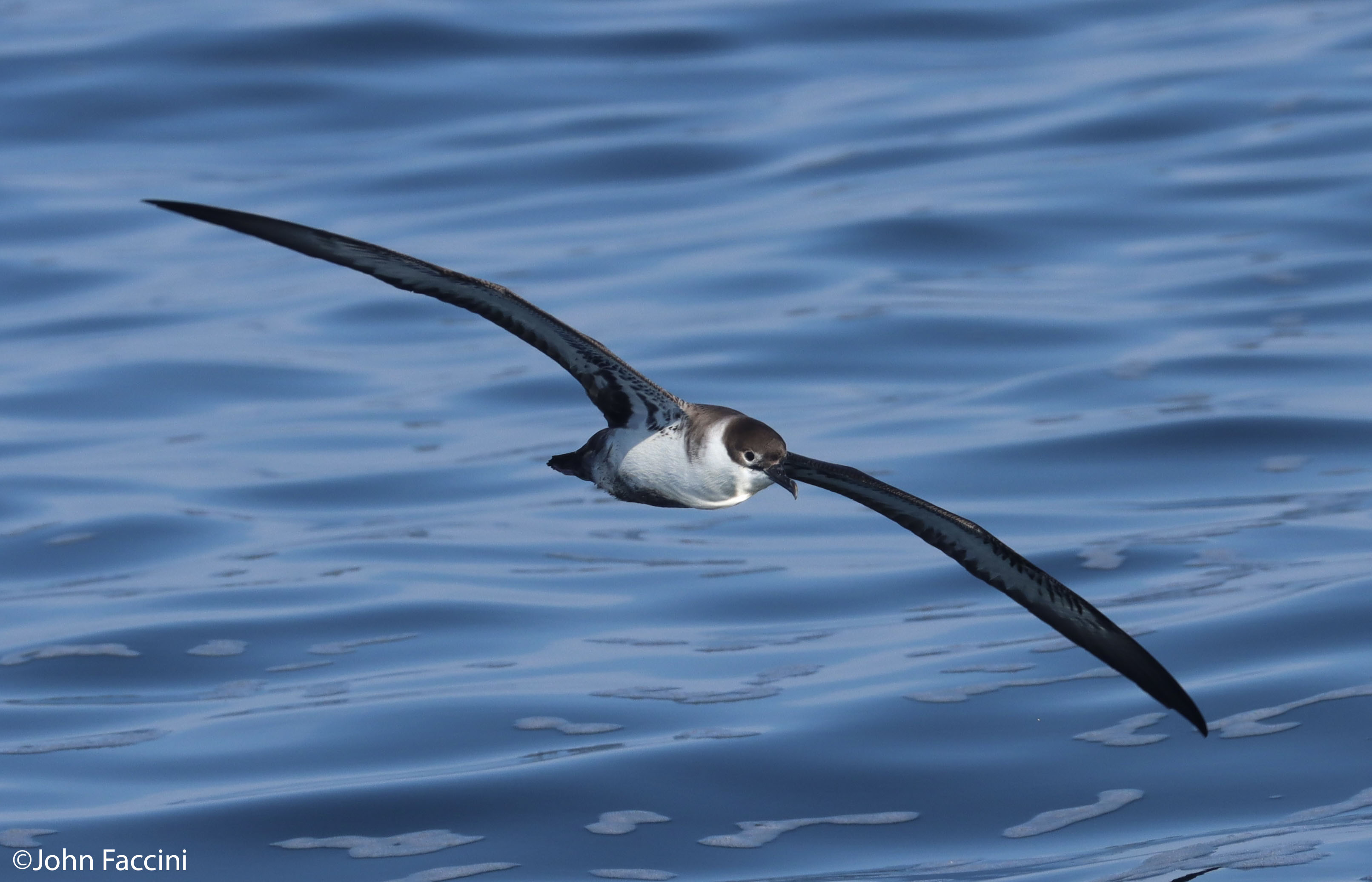
Great Shearwaters and Northern Fulmars were constant companions in our deeper water time.All of the photographed phalaropes so far that we encountered were Red-necked Phalaropes, so the checklist has been adjusted accordingly, even though we believe we had some Reds over the course of the trip.
There, in about 500-600 feet of water (but otherwise “in the middle of nowhere”), our chum slick of fish oil and pork fat (generously donated by Durham’s Old Crow Ranch!) worked its magic. Will Broussard, with both the honor and burden of his first time as Chummer, was the hero, bringing Northern Fulmars and Great Shearwaters in for close looks.]
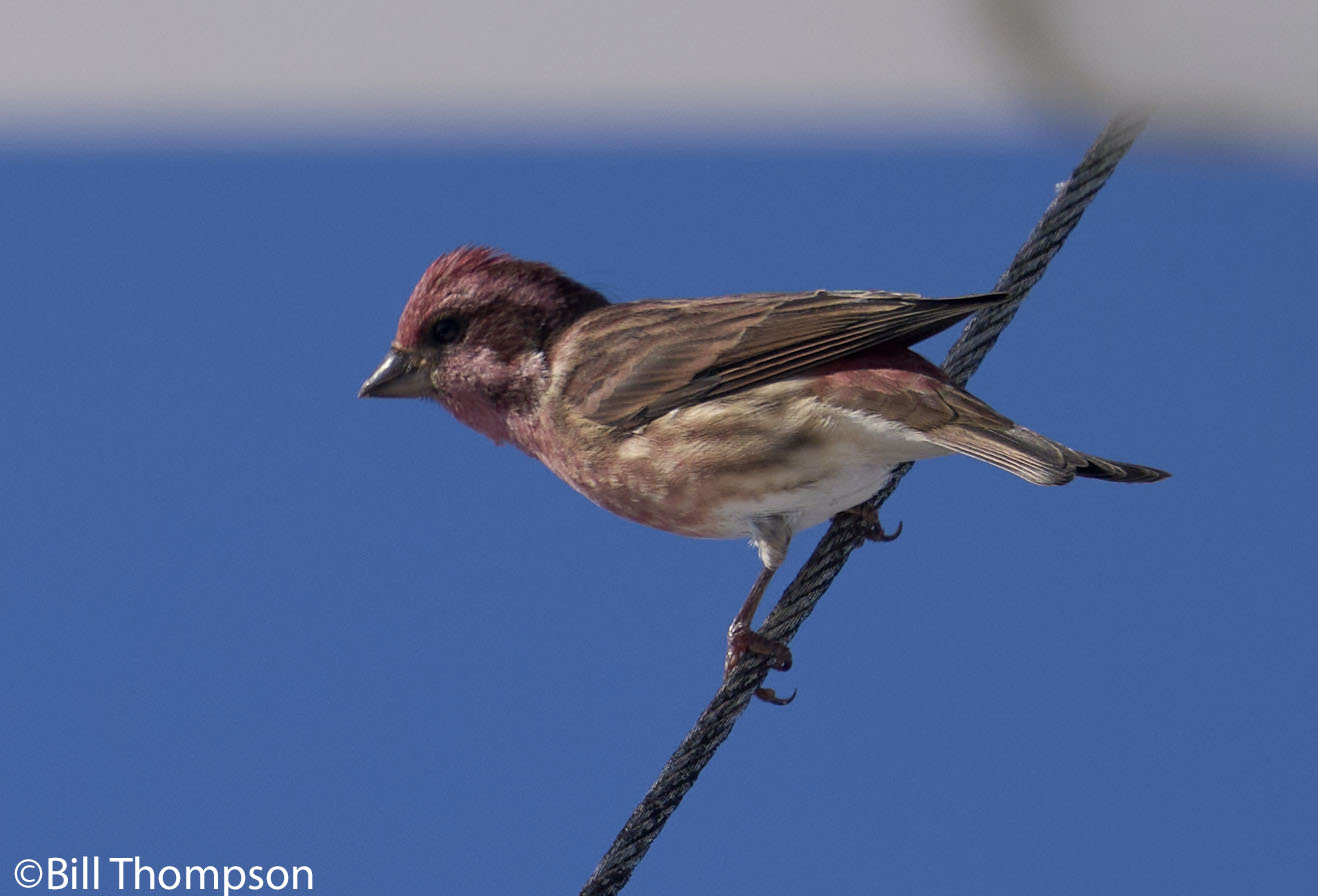
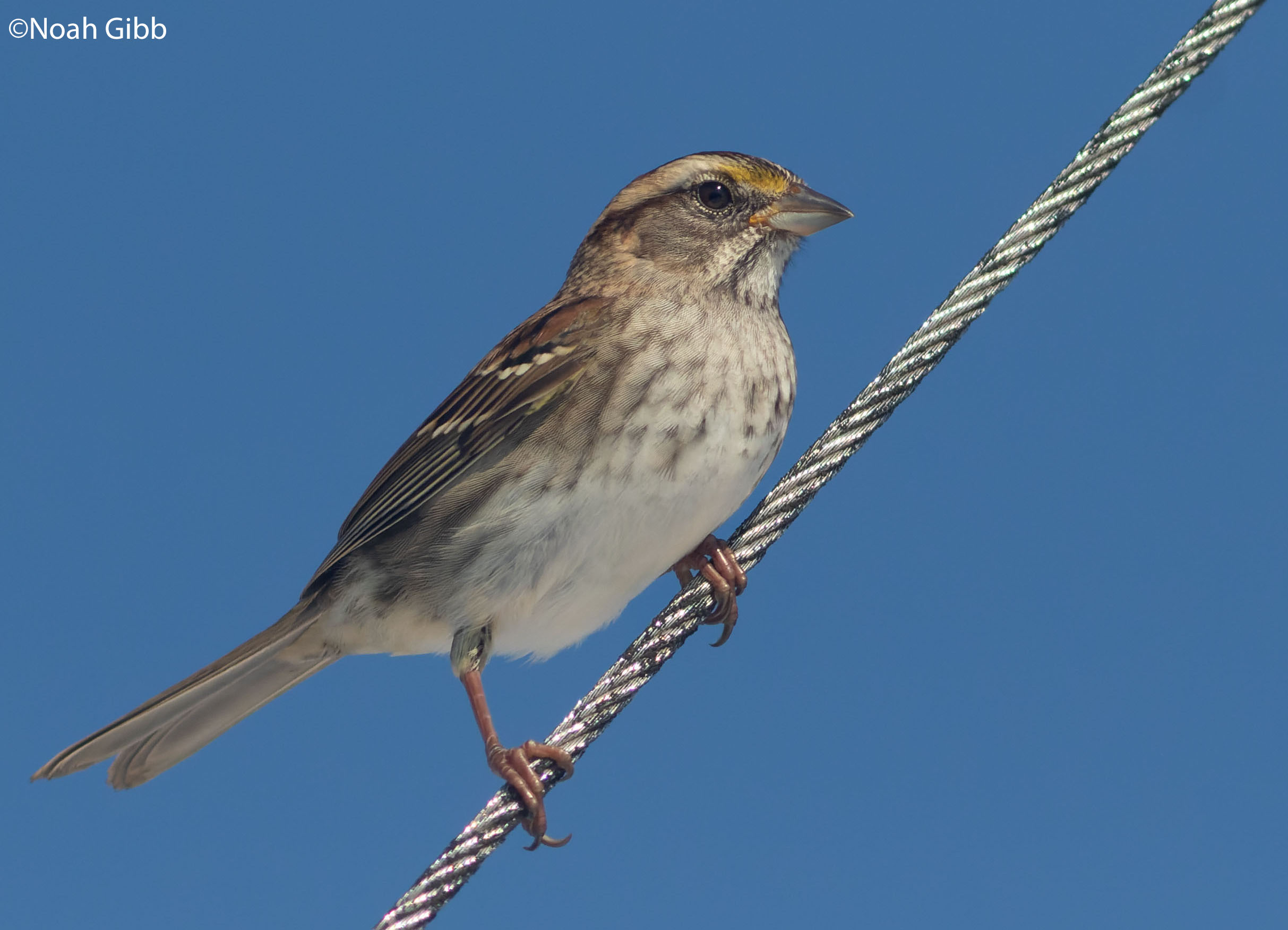
Passerines would appear on occasion, a total of somewhere between 4 and 8 White-throated Sparrows, including one that rode right back to port with us in the cabin. A male Purple Finch took a break on the boat, resting and preening on our radar, as a female did later. Passerines are always a fun addition to a pelagic birding experience.
Less fun, perhaps, but most amazing and insightful, however, was watching a Peregrine Falcon chasing a passerine, driving it into the water, and then, unable to snatch it off the surface, moved on, leaving an Ovenbird helpless on the ocean’s surface, likely becoming waterlogged and hypothermic. It was impossible for us not to, so we attempted a water rescue, with the crew putting in a valiant effort to save the hapless warbler. Unfortunately, it perished, but we had to try!
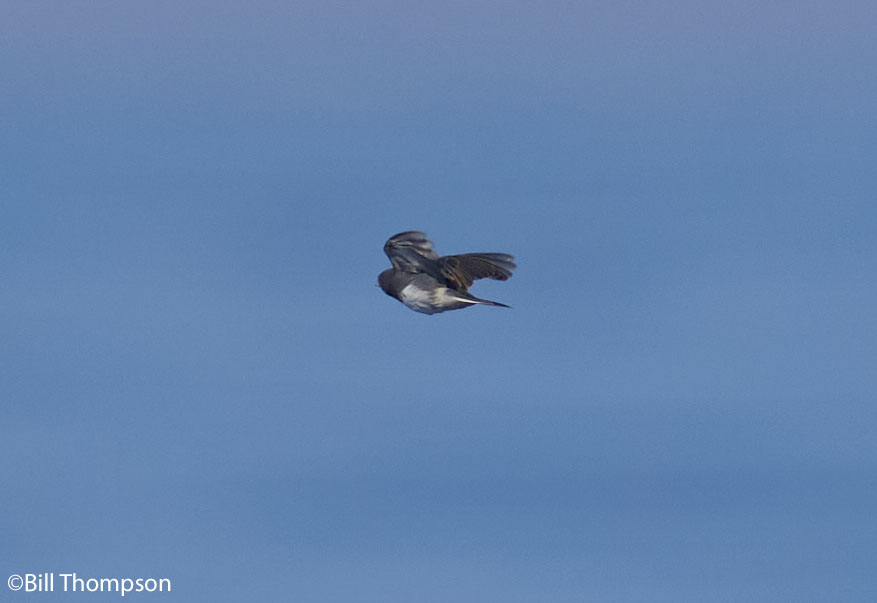
This might be one of the most incredible photos of non-pelagics ever taken on a pelagic. Awesome work, Bill!
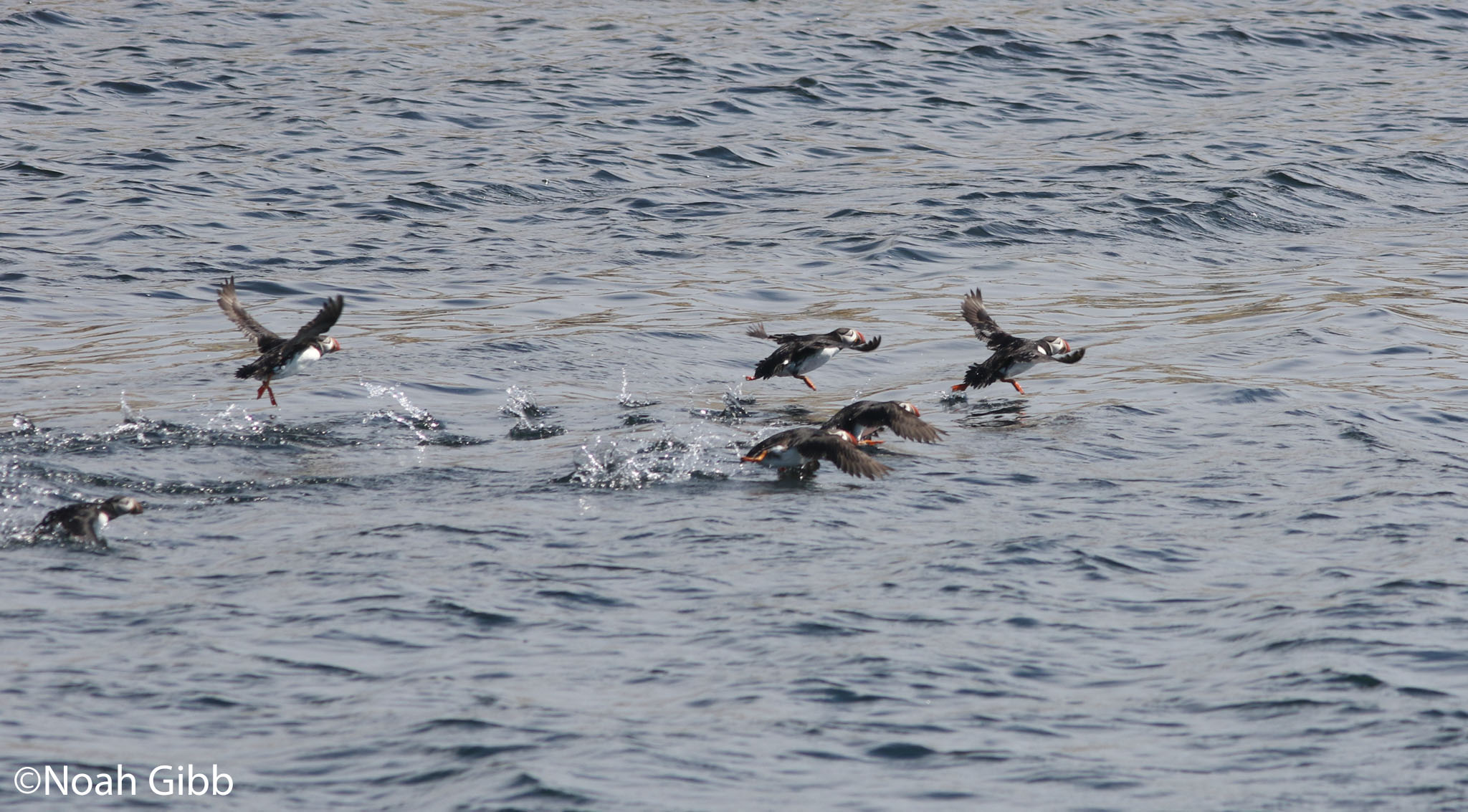
Repeated sightings of Atlantic Puffins continued to surprise us, and we spent some time with two different Fin Whales, including getting to see one doing a little lunge-feeding. While we looked at whales, birds were all around us, thanks to the chum, so we had something for everyone.
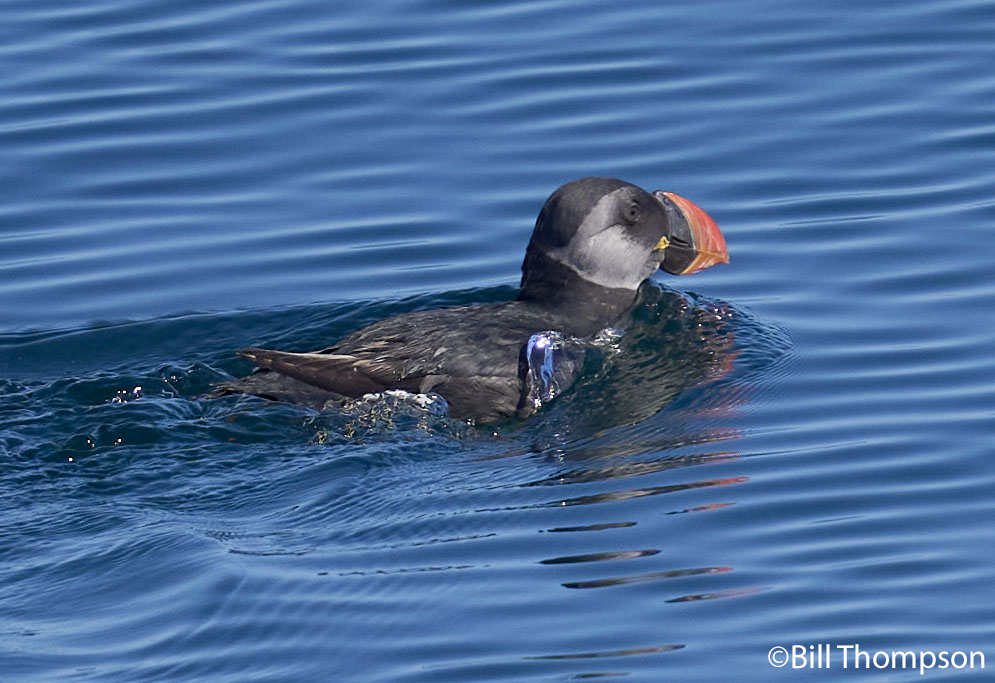
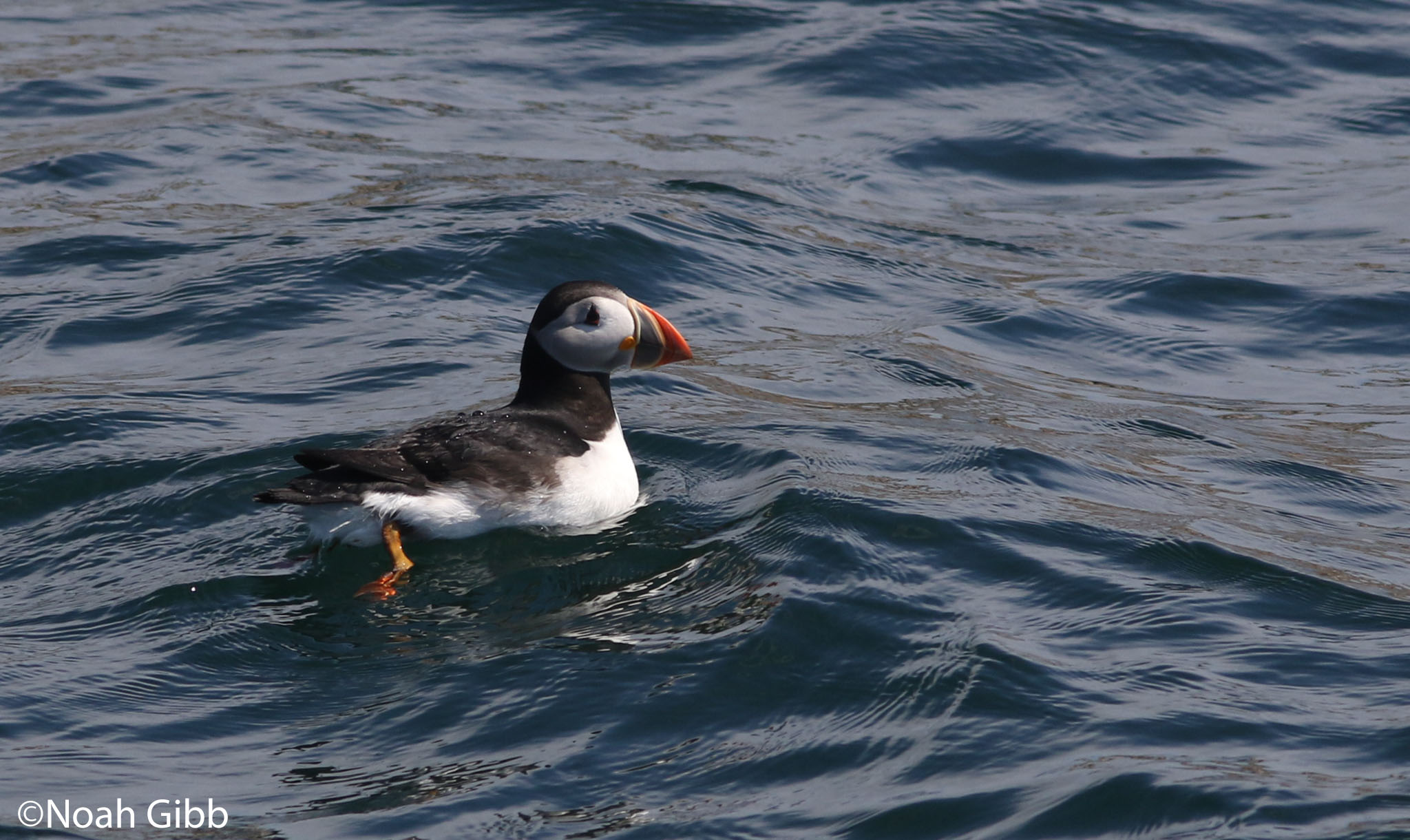
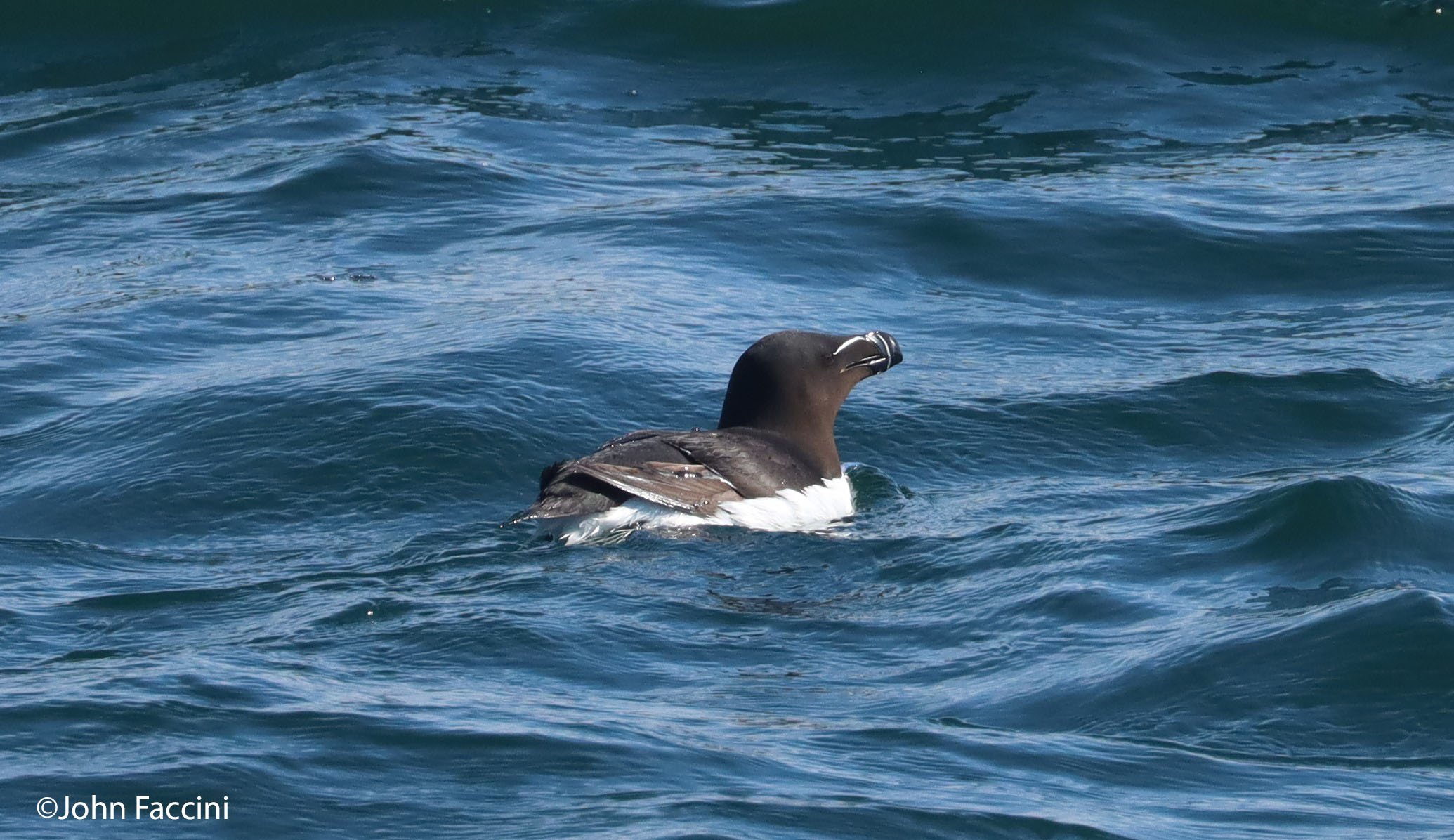
A big and bright-billed adult Atlantic Puffin.Both of our Razorbills were hanging out with juvenile puffins.
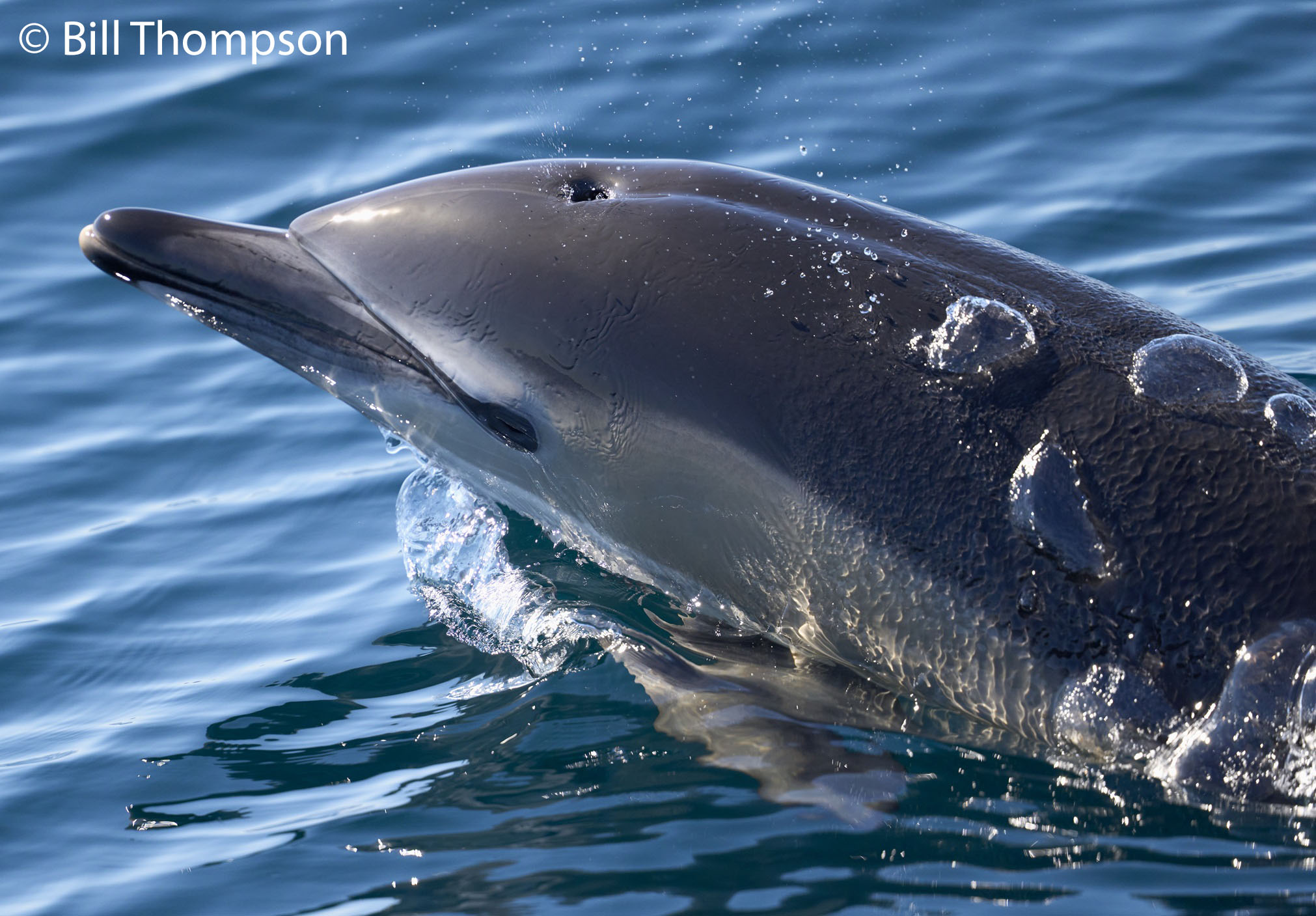
While this was of course a birding tour, we made sure to enjoy the marine mammals we encountered, along with a Blue Shark, but the highlight for most everyone was the incredible and awesome experience we had with a small pod of 25-30 Common Dolphins. Amid all of our seabird activity, the pod approached us in the glass-calm warblers. Captain Nate added a little speed to build up a wake, and the dolphins had come to play. They rode the bow, did some surfing, and otherwise created constant “oohs and aahs.” The photos don’t quite do it justice…it was really a special experience, a life mammal for most of the crew, and one of the best dolphin encounters I have experienced in the Gulf of Maine.
Puffins and fulmars, Fin Whales and dolphins, and all on just the most ridiculous weather possible for a fall pelagic in Maine! We’ll see you on board next year!
I want to thank Captain Nate for his skilled maneuvering of the boat – even more remarkable as this was his first pelagic, too! Naturalist Trinity shared the narration duties with me, taking over for local landmarks and non-feathered marine life, and Valentin and Joe took care of everyone at the galley – and did the work of our attempted Ovenbird rescue. Thanks to my team, chummer Will Broussard, and our checklist-keeper Noah Gibb. And a special thanks to Tabor and Seamus at Cap’n Fish’s for working with me to make this memorable trip a reality.
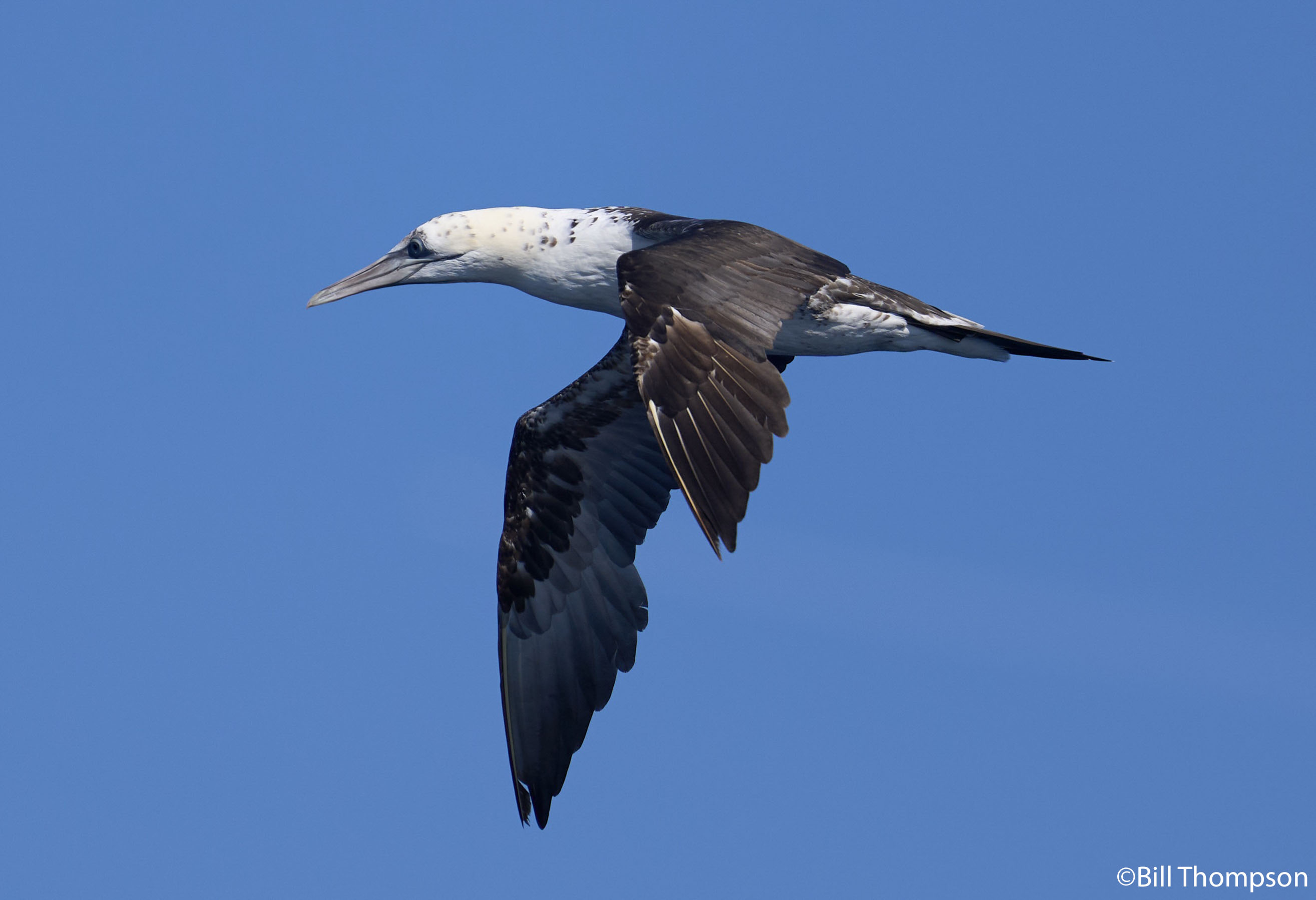
Subadult Northern Gannet
Here’s the complete trip list, including birds seen while docked before departure marled with an *. We know counts of several species, such as Common Eider and Herring Gull are likely extremely low, but we chose to be conservative with our Northern Fulmar and Great Shearwater tallies as we covered a relatively small area during our deeper-water time, and the chumming kept birds with us, and perhaps, coming back for more.
267 Common Eider
89 Surf Scoter
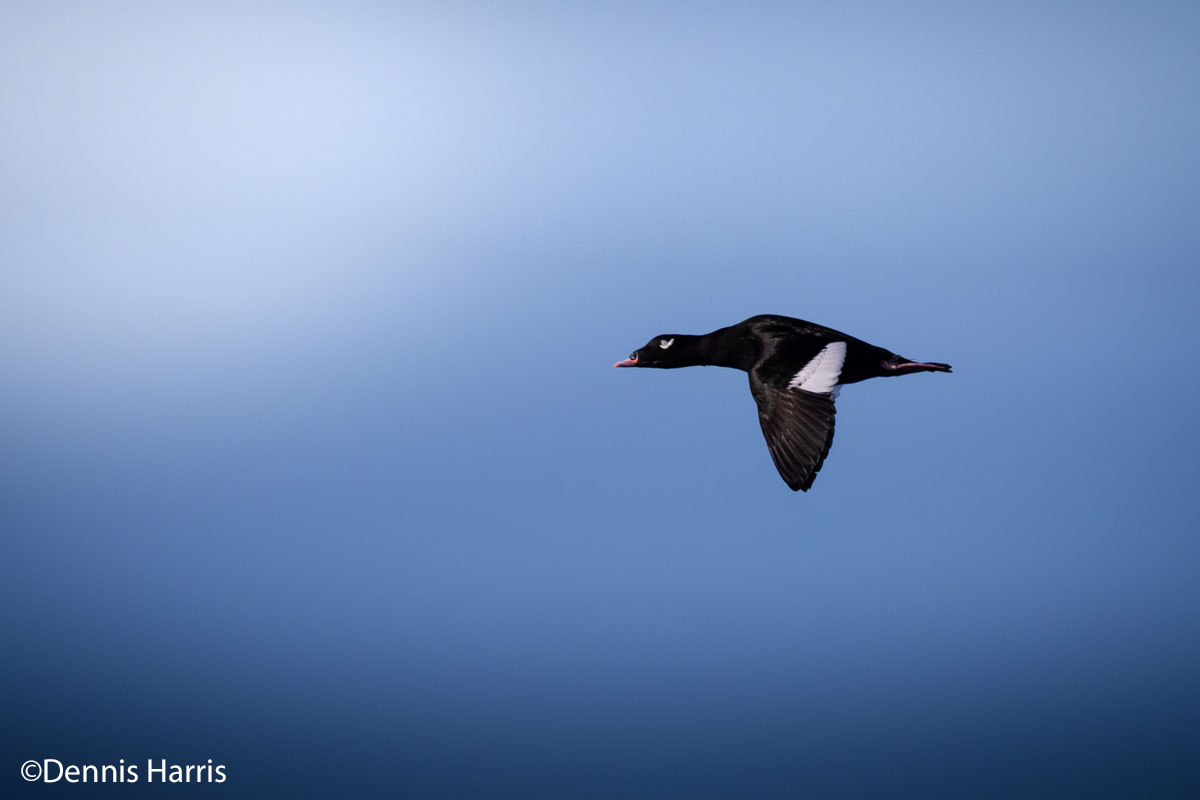
3 White-winged Scoter
36 Black Scoter
25 Rock Pigeon*
54 Red-necked Phalaropes
21 unidentified phalaropes
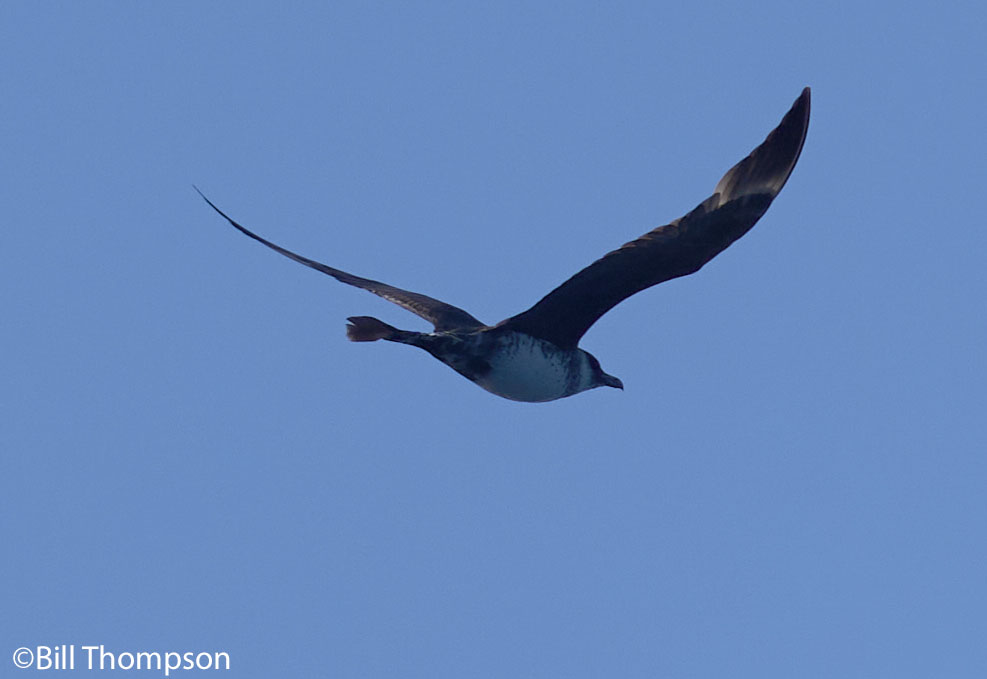
1 Pomarine Jaeger
28 ATLANTIC PUFFINS
15 Black Guillemots
2 Razorbills
1 Black-legged Kittiwake (only spotted from photos later, unfortunately)
One of the many stunning Baltimore Orioles that performed for us on our visit to Capisic Pond Park in Portland during May’s “Warblers and Wort” tour.
Join us for the much-anticipated return of the Birds on Tap series, a unique collaboration between Maine Brews Cruise and Freeport Wild Bird Supply. In 2024, we’re excited to bring back these special birding and beer tours, perfectly blending nature exploration and craft beer tasting.
These unique, relaxed birding and beer-ing adventures that you have come to love combine great local birding at seasonal hotspots with approachable opportunities to sample the delicious creations of some of our favorite Maine breweries. These events are a perfect introduction to birding and/or craft beer, and a great opportunity to enjoy our favorite pastimes with significant others, friends, and family that have interest in one topic, while your interest is primarily in the other (for now!). Educational, enjoyable, and eye-opening, our unique Birds on Tap series enters its 10th Year!
Seasonal birdwatching meets Portland Maine’s finest craft beverages–all with the convenience of being chauffeured!
We’re offering three tours this year, with each trip report being posted here.
Warblers and Wort, May 25th.
May means warbler migration, and the destination for Warblers and Wort visited two of Maine’s most famous springtime migrant traps, Portland’s Evergreen Cemetery and nearby Capisic Pond Park. Oases in the urban jungle, featuring water sources and a mix of various habitats, help concentrate migrant birds that found themselves in or over the city come sunrise. After migrating all night, tired travelers look for refuge: food, water, and shelter, and urban greenspaces are absolutely critical for refueling.
Beginning at Evergreen Cemetery, we confirmed our suspicions from the overnight radar images that it was going to be a slow morning for migration. But wow, it was slow! We enjoyed some good looks at Red-eyed Vireos and lots of Gray Catbirds, practiced our birding by ear, and discussed urban ecology, but I had seen (not) enough.
We then ventured over to Capisic Pond Park, where our luck instantly changed. While passage migrants were still few, it was downright pleasantly birdy. And birdy with vivid colors from some of our most beautiful birds. Blinding Baltimore Orioles were everywhere as expected, but we had some great quality time with battling males and affectionate pairs. We had lots of great views of male and female Yellow Warblers and the range of plumage variation in American Redstarts. Great looks at Warbling Vireos were enjoyed, but orioles kept distracting us! Northern Cardinals refused to be ignored.
In addition to a couple of Wilson’s Warblers and an uncooperative Magnolia Warblers, passage migrants included the world’s worst look at the awesome Mourning Warbler as it darted down the trail, never to be seen again, but also one of the best looks you’ll ever get at a Cape May Warbler as a female foraged in the grass and low branches of a grove of Eastern White Pine. You don’t often look down on a Cape May Warbler!
We saw a lot of birds well at Capisic today, using even the most common birds to hone our identification skills while taking the time to appreciate the beauty of even some of the most common birds around us. For example, we became intimately familiar with how Common Grackles are anything but black birds! This particular individual stood out because of the perfect lighting showing off it’s glossy, structural colors, but also the unusual white flecks in the head caused by some limited leucistic feathers.
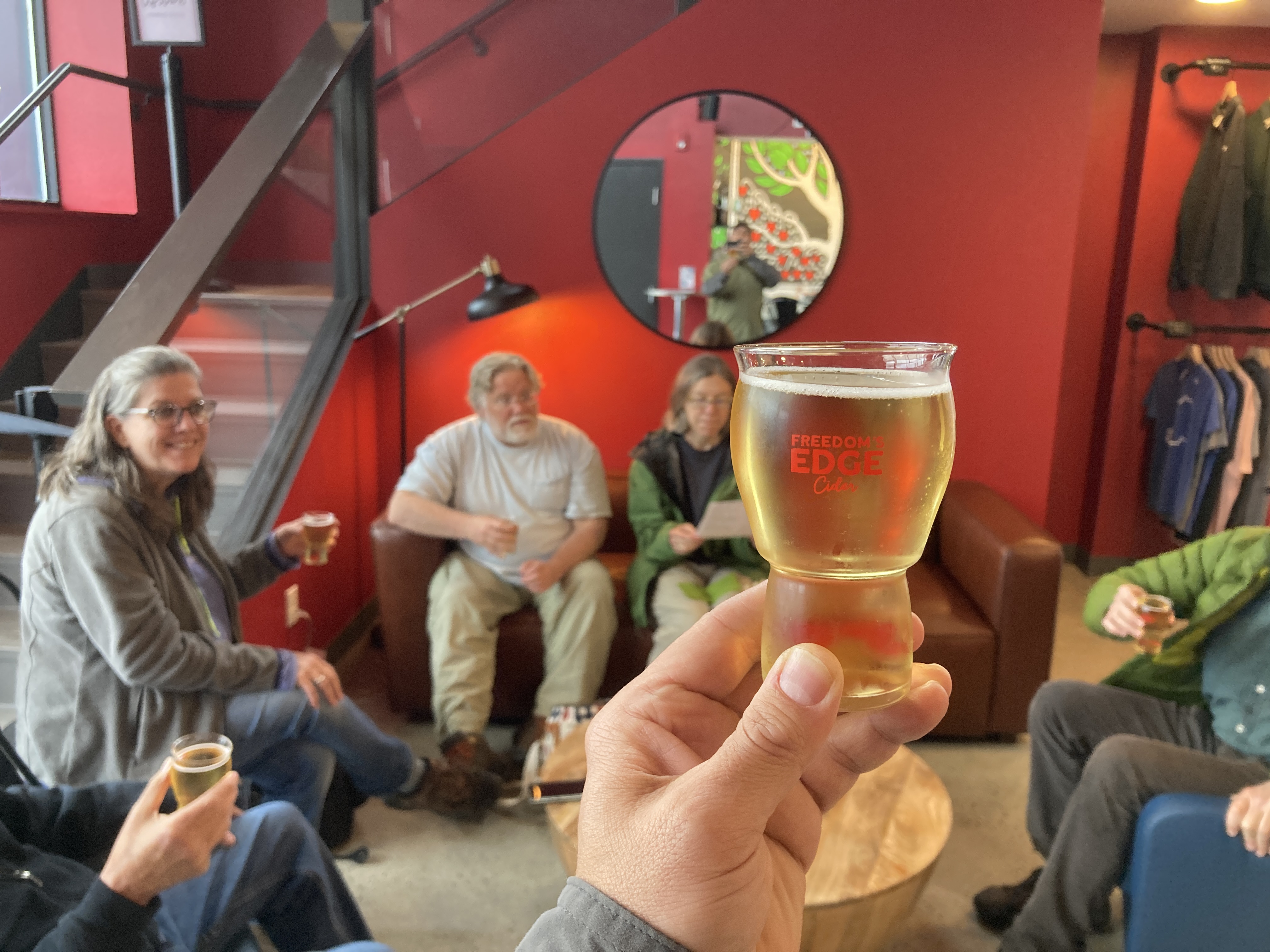
After struggling to see birds at Evergreen, we struggled to leave Capisic on time! It was a lot of fun, but it was time for the second half of the tour as we made the short trip across town to the Bayside neighborhood. Our first stop on the beverage portion of the tour was Freedom’s Edge Cider. After observing migrant birds in the crabapple trees at Capisic, it was only appropriate to enjoy cider, as the creation of hard cider was what led to the creation and diversity of crabapple trees! Focusing on the traditional, drier range of ciders, we began our tasting with their flagship “Original,” a nicely balanced semi-dry cider with a crisp finish. The unfiltered, modern “The Juice” was a touch sweeter thanks to the concentration of sugar via the freezing and thawing of the apples. I definitely picked up musty grape in the “Marc de Marquette,” a very flavorful cider aged over Marquette grapes. And finally, we were able to pick our own fourth sample. I am a sucker for maple, so I went for the “Pick Your Own” (coincidentally and appropriately) that complemented our birds of spring with flavors of spring in Maine: maple syrup and strawberries. The flavors were subtle, but the maple was really evident on the nose. However, the “Sweet Mullet,” a delicious cider steeped with mulling spices seemed to be the crowd favorite.
We’re all about the new and different on these Roadtrips, and our second stop was the very new (opened about 3 months ago) Argenta Brewing, Portland’s first lager-only brewery. Their delightfully named “Generic American Lager” had all the crushability and cleanliness of a traditional American Lager, but with a focus on Maine-grown ingredients. Learning the difference between lagers and ales while discussing topics ranging from glassware to bird conservation, we also learned all about Portland’s newest brewery. We were able to choose our second (very!) generous pour, and I joined others in the “Dark Lager” which had those nice roasted chocolate and malty flavors but with the lighter body and clean finish of a lager.
And with that, our first Birds on Tap – Roadtrip! Came to an end, but it’s not the last one in 2024, and definitely not the last one in years to come. It was good to be back on the road, and the combination of introductory birding with an introduction to Maine’s finest craft beverages is a recipe that has not lost its luster after a COVID-years hiatus.
Shorebirds and Steins, Aug 11.
We began our introduction to shorebirds with the basics, such as plover verses sandpiper, before moving into great depth such as yellowlegs vs Willet. Shape, size, and especially bill size and length are among the “bigger picture” tools we have to learn our shorebirds, such as with some close Willets – the “tringas of the 90’s steroid era in baseball.”
The original BoT Roadtrip! in 2015, our most popular tour returned to Scarborough Marsh at prime time for a good variety of migrant shorebirds. We learned how to identify our common species and searched a bit for the rare.
Birding began at Pine Point as the tide just began to flow. And as the mudflats were slowly inundated, a nice diversity of shorebirds soon appeared, and with each inch of incoming water, many of the birds moved closer and closer.
In Jones Creek, we were able to closely study the eastern subspecies of the Willet, later in close proximity to the closely related Greater Yellowlegs. And wow, did these two yellowlegs put on a show! Demonstrating their entertaining, aggressive feeding style that is highly suggestive of the species, they chased baitfish through the shallows. They were eventually so satiated that they sat down within about 15 feet of us and allowed for close looks at their bill structure and color without any straining through the scope. One spiffy Black-bellied Plover was joined by several dozen more in all stages of molt, and two awesome Whimbrels dropped in for the duration of our stay, nicely demonstrating the wide differences in shape and bill structure of our sandpipers.
Short-billed Dowitchers demonstrated their sowing-machine feeding technique – helpful as feeding style is an important part of the shorebird identification toolkit. But before we got that far, we started with the basics of plover vs sandpiper, nicely demonstrated by a flock of 150+ Semipalmated Plovers and 100+ Semipalmated Sandpipers that were concentrated before us by the incoming tide.
Two additional stops at the outskirts of the marsh gave us a sample of a different micro-habitat at high tide, yielded some Lesser Yellowlegs for our shorebird list, and gave us more looks at non-shorebirds, such as Great and Snowy Egrets, Glossy Ibis, and much more.
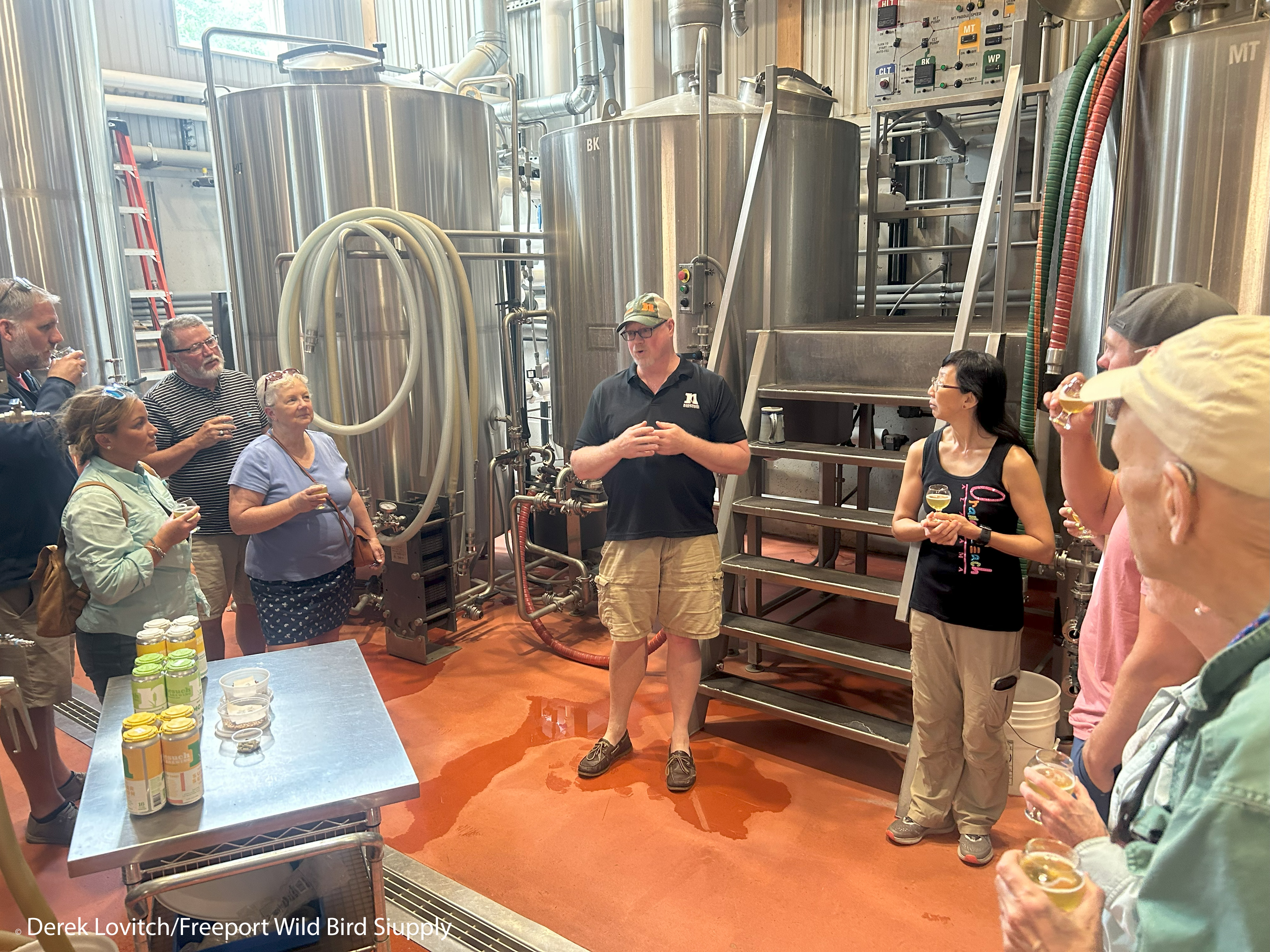
Then it was time to head over to Nonesuch River Brewing, where owner Michael and his wife Kristen graciously greeted us with a sample of their Summer Session – a nice light, refreshing welcome. We then enjoyed sips of their summery and bright Mojito IPA with lime and mint, followed by their Solstice hefeweizen with a little bit of ginger prickliness and hint of lemon. As we enjoyed those beverages, we thoroughly enjoyed an all-in tour in the brewhouse, learning the basics of brewing, and some of the house techniques to make Nonesuch such a popular brewery. I saw several four-packs of Mojito return to the bus with us, and the location can’t be beat for a post-Scarborough Marsh celebratory toast!
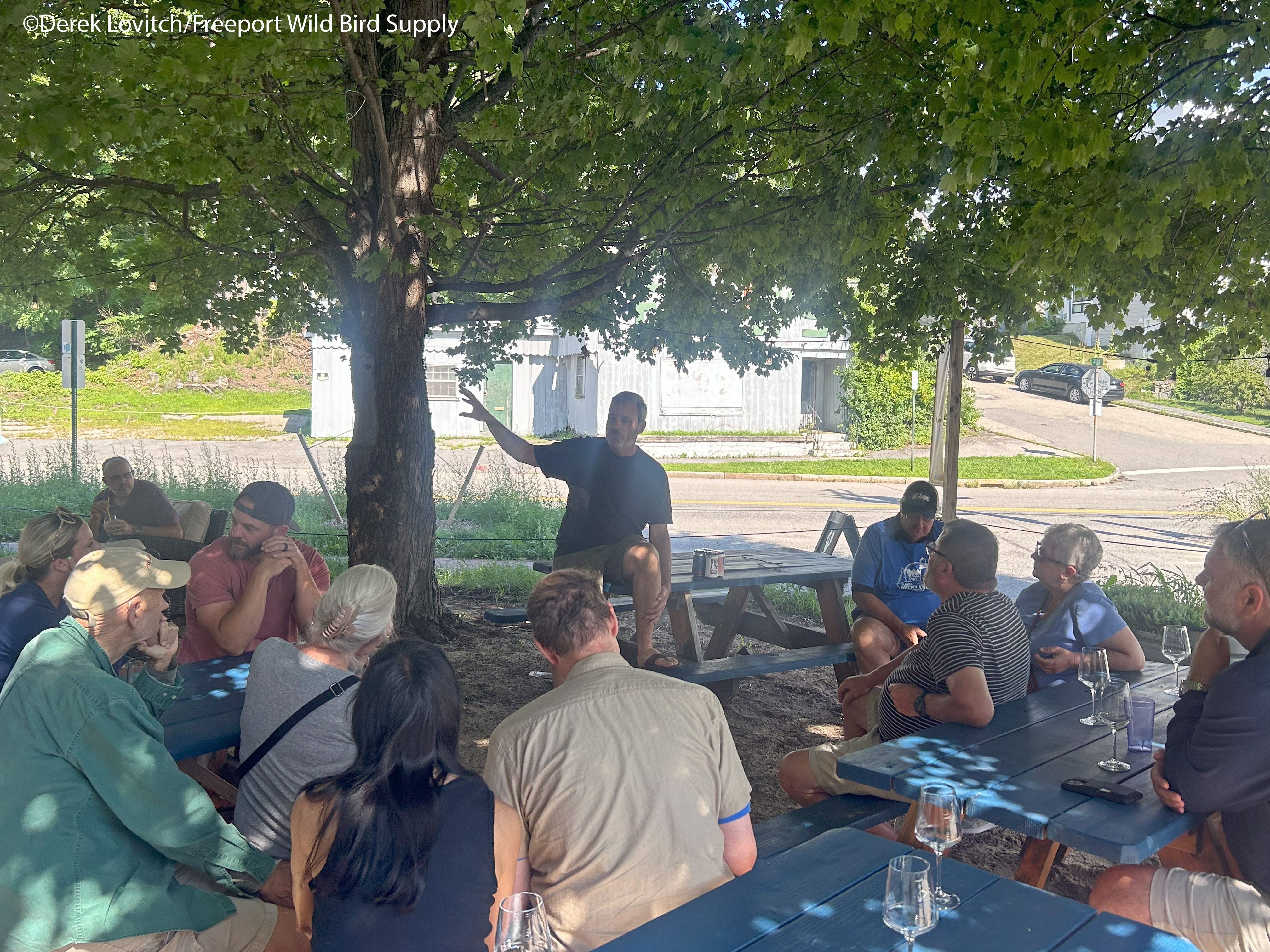
Returning to Portland, our second beverage destination was the newly expanded home of Blue Lobster Urban Winery. Once again, we felt privileged to get the tour from the owner and winemaker! Chris walked us through the winemaking process, the rational for canning it, and the history of the company. We began with a taste of their Tightline cider, a very dry cider made from local apple juice and wild yeast from the winery. Their sparking Rose was up next: very lightly carbonated with a strong strawberry nose but just a slight sweetness on the palate. Bayside Blend red was nice and dry, as I prefer my reds.
Chris then treated us to a special surprise – a barrel tasting, where we were privileged to be the first member of the public to sample an upcoming bottle release that has been conditioning for two years, and was made from grapes grown on 121 year-old vines in California. This was a special wine, and it was absolutely delightful. Our only complaint was we couldn’t buy any yet! Last but not least, we tried their blueberry infused red, with Syrah and merlot grapes infused with Maine blueberry juice. Especially after Chris suggested making a spritzer or Sangria with it, multiple four-packs were purchased to go.
Nice species of shorebirds, three beers, 4 wines, and 1 cider -now that’s a well-rounded Birds on Tap – Roadtrip!
Birds on Tap – The Boat Trip! Rare Birds and Island Exploration.
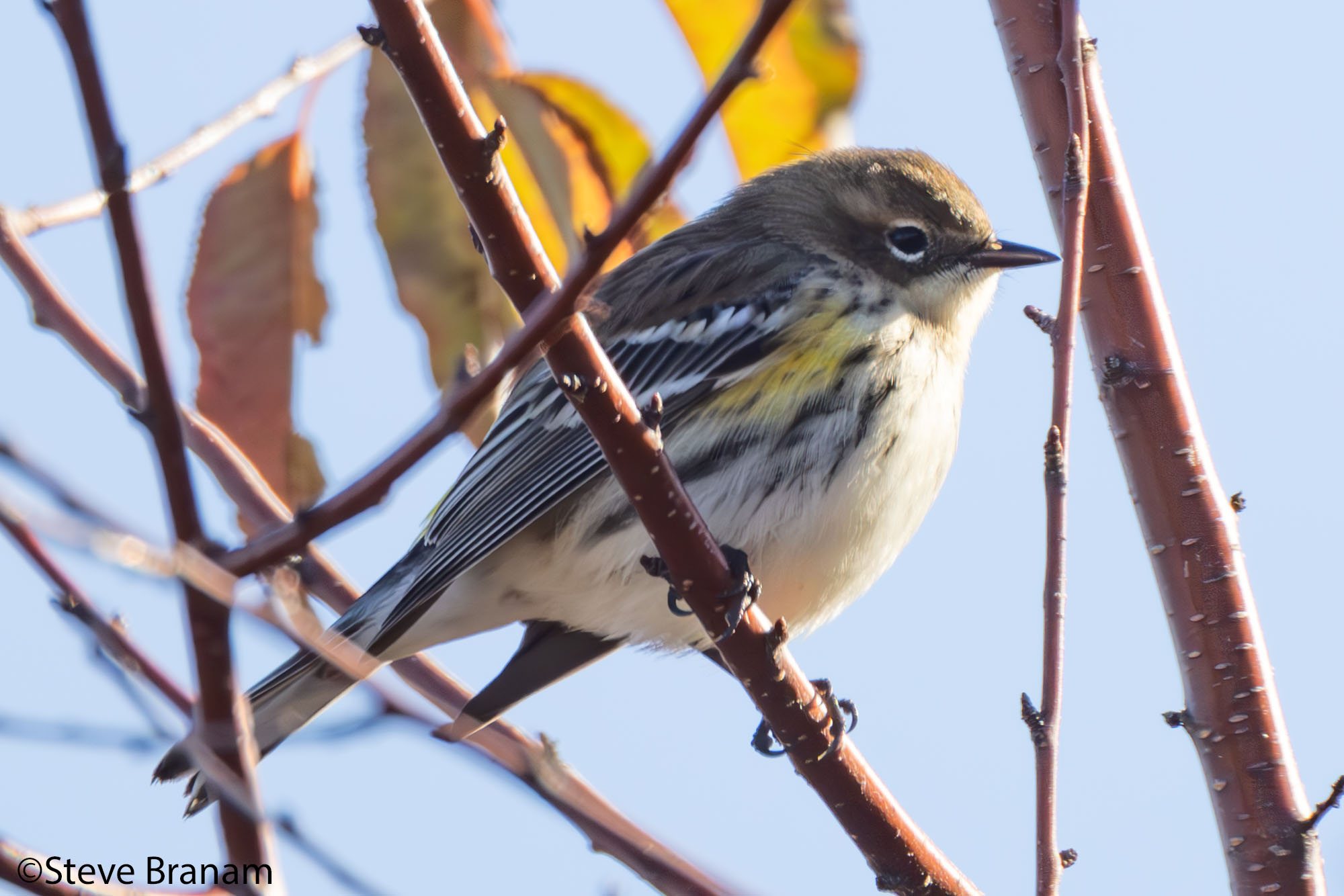
Yellow-rumped Warblers were the dominant species, not surprisingly given the date and island’s habitat, but the number present today was still most impressive. This one is nicely showing off its namesake.
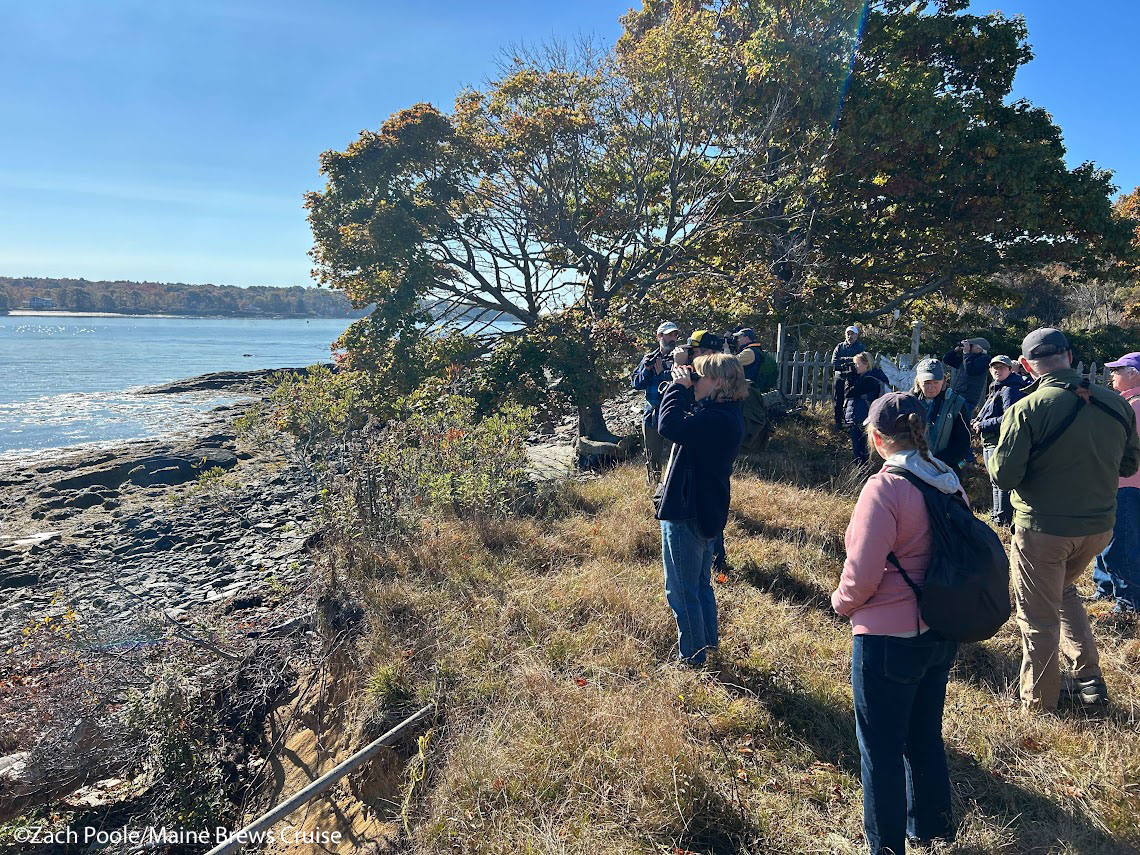
The final Birds on Tap event of 2024 was a special one indeed. This day, we not only took to the water for the first time in the series, but we were able to visit the private House Island and its historic Fort. In fact, we were the first birding tour ever on the island! But this trip was not just about the birds.
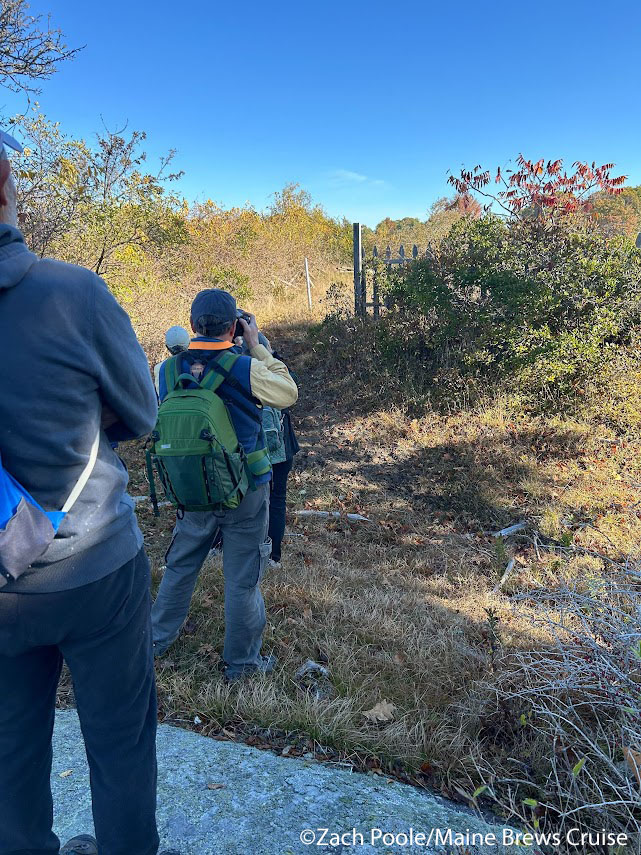
We began with some birding, walking the trails and checking all of the nooks and crannies the island and fort had to offer. Yellow-rumped Warblers were simply everywhere, with dozens popping up with limited pishing, and countless others darting around. A few Song and White-throated Sparrows were here and there, and 1-2 Northern Mockingbirds were perhaps delineating winter territories on the island.
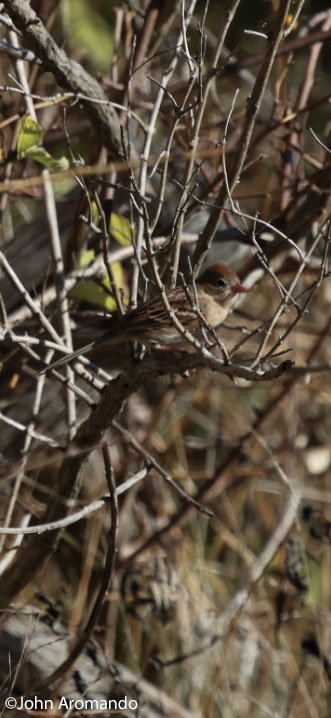
Surf Scoters and Common Eiders were offshore, a pair of Common Ravens flew by, and then, in the cemetery, we found an uncommon migrant: a single Field Sparrow.
We also learned about the food resources of the island, such as native Arrowwood Viburnum and especially the Northern Bayberry that all of these Yellow-rumped Warblers depend on and the invertebrates that can be found in the wrack line on the tiny beach.
Pete then expertly guided us into and through the historic Fort Scammel and the history of House Island. The first English settlement in Maine, it was the only island with a house on it, hence the name of the island. While primarily used for drying cod, fishing operations continued through 1907, when the buildings became part of an immigration station that operated until 1931. On the other half of the island, Fort Scammel was constructed in 1808. Four years later, it became Maine’s only coastal defense fort to fire a shot in aggression when it fired on a British privateer in the War of 1812.
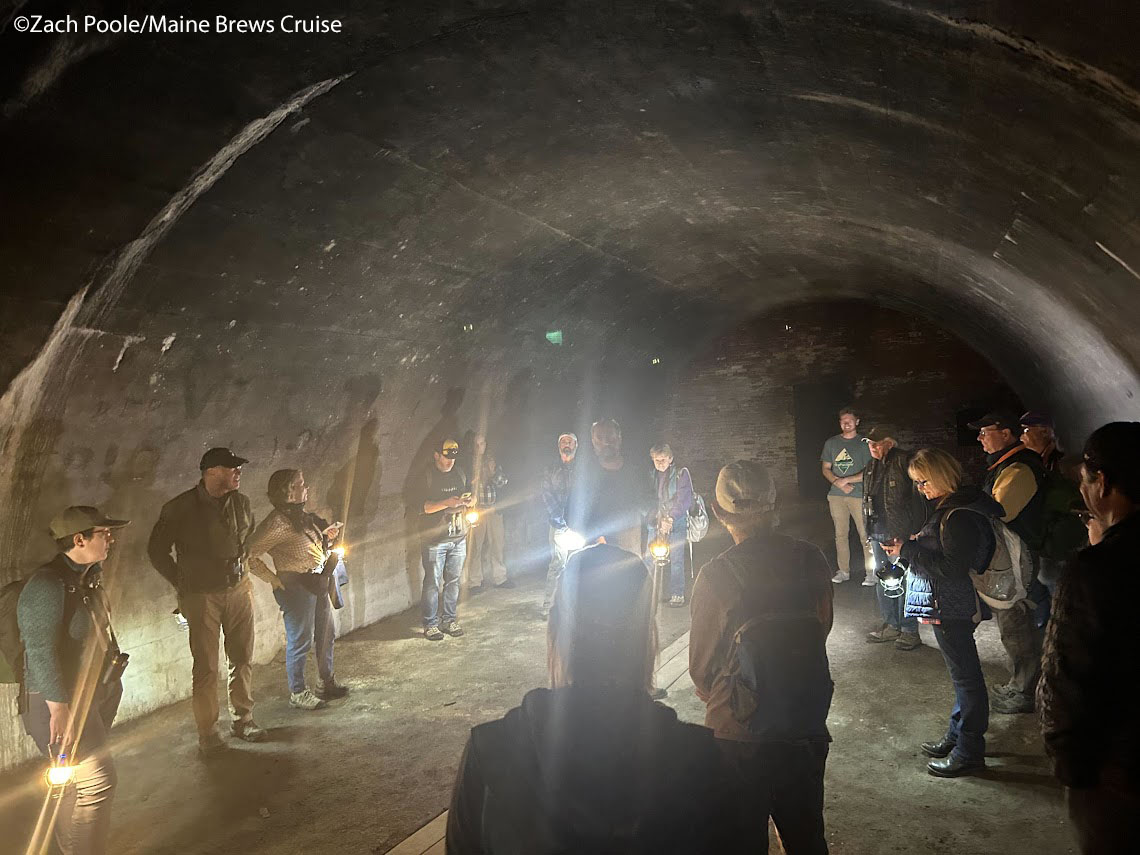
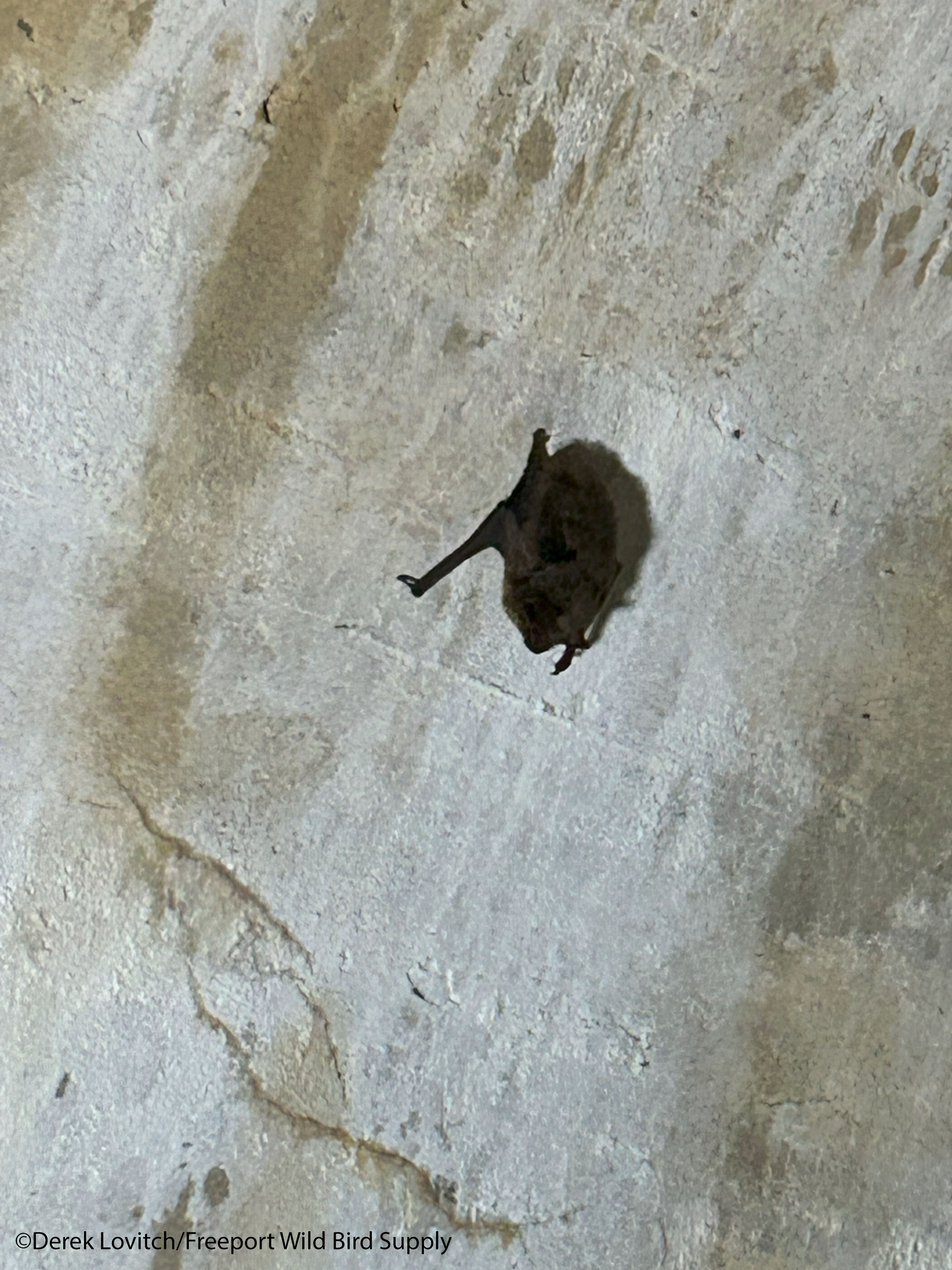
The fort was upgraded in 1840 and again in 1870, when a concrete cap was added, and it was insulated with dirt and sand. While the fort was obsolete by the Spanish-American War, anti-aircraft guns were placed here in World War 1, and in WWII, anti-submarine nets were stored here. Pete guided us through its corridors, described the cannon placement and usage, and we checked out the gunpowder magazines. We learned about the Battle of Portland Harbor, the furthest north battle of the Civil War, and we even found a roosting Big Brown Bat. Even though this was my second visit to the Fort, I was still in awe of the handiwork and the pristine condition.
Wait, what year is this?
Then it was Tom’s turn to take over, and on such an insanely beautiful day, we took advantage of the comfy chairs above the parade ground for some more Portland history…but this time, it was the history of craft beer in the area. While Orange Bike is one of Portland’s newest breweries, this gluten-free brewery was developed with the help of Alan Pugsley – one of the Godfathers of the Maine craft beer movement. Starting with a refreshing and crisp pilsner, we also paid homage to a classic style.
Few beers say Portland more than Allagash White, and this was up next. The flagship of Maine’s largest brewer, its countless national and international accolades helped put Portland, Maine on the beer map. Speaking of, our next beer was Bissell’s flagship The Substance, one of the pioneers of the “New England IPA,” the hazy, juicy regional endemic that has since colonized the world.
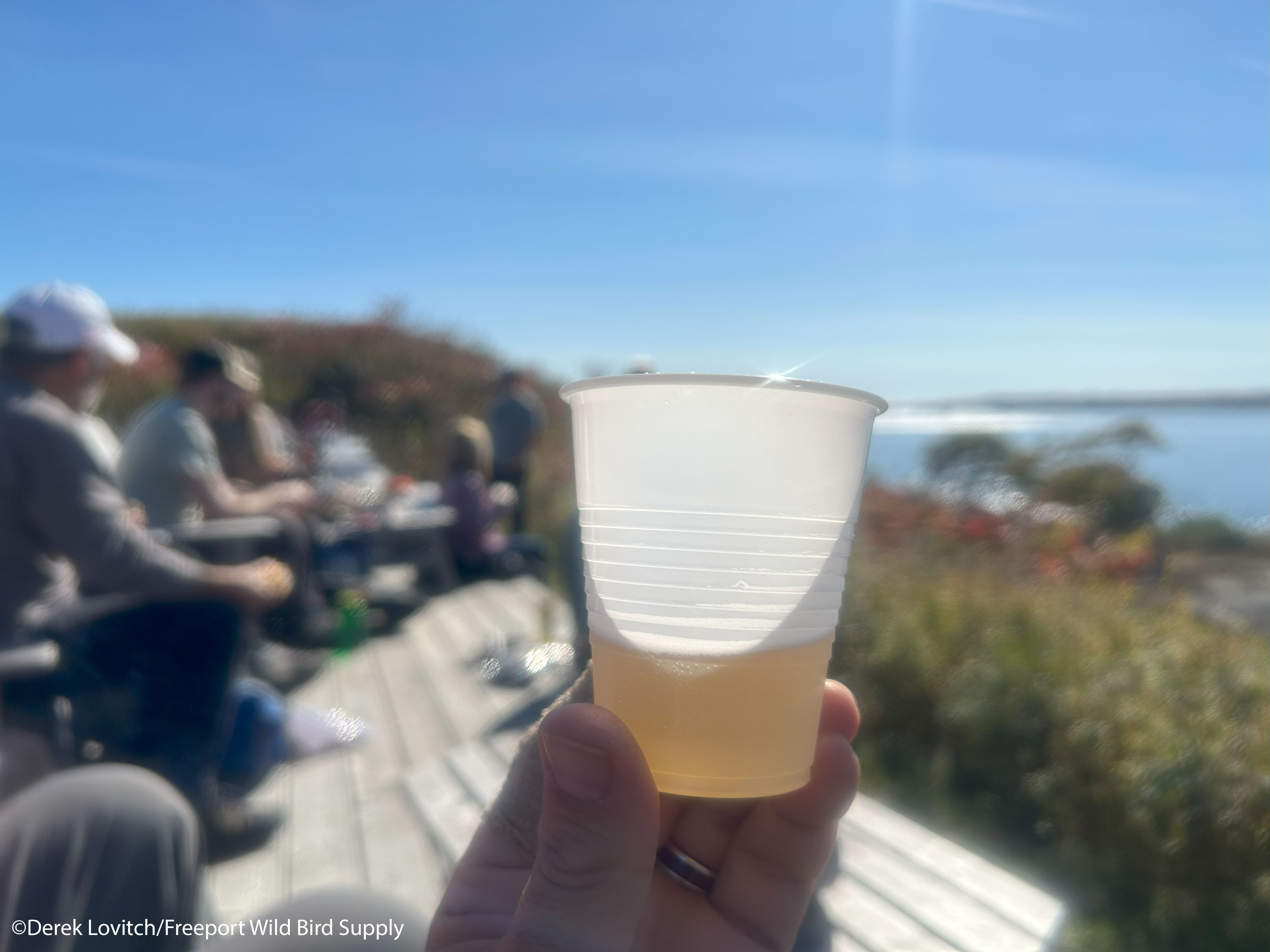
A Horned Lark called as it unfortunately departed the island as we sampled our last beer, Mast Landing’s famous Gunner’s Daughter. A peanut-flavored stout rich in coffee, chocolate, and peanut butter notes, this was a perfect example of how creative modern beer has become.
While it was all-too-soon time to depart the island, our special tour was far from over. With such a gorgeous day (it was in the low 70’s with very little wind), Captain Pete decided to take a little ride out to the mouth of Portland Harbor. We motored past Chief Whitehead…
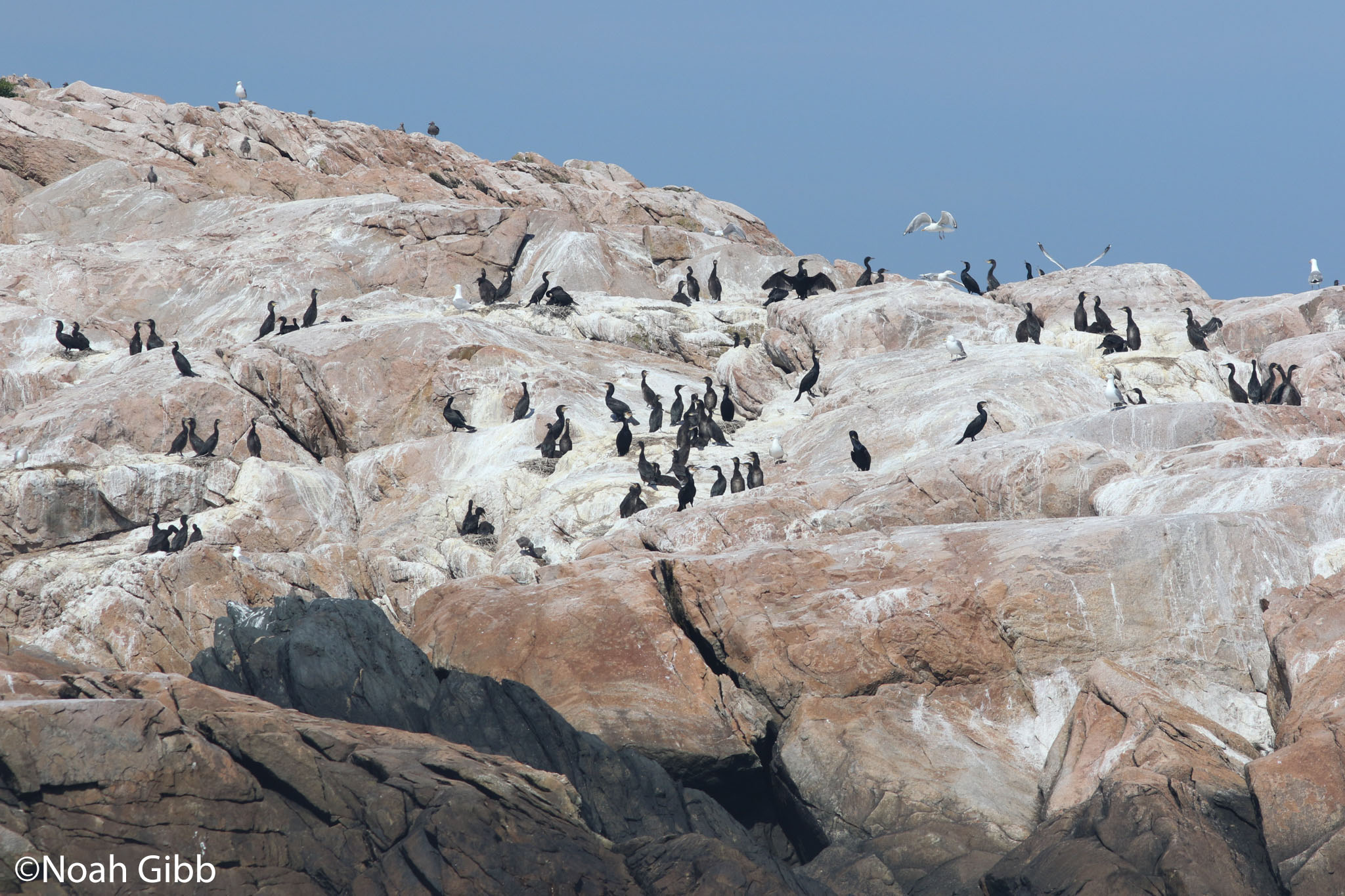
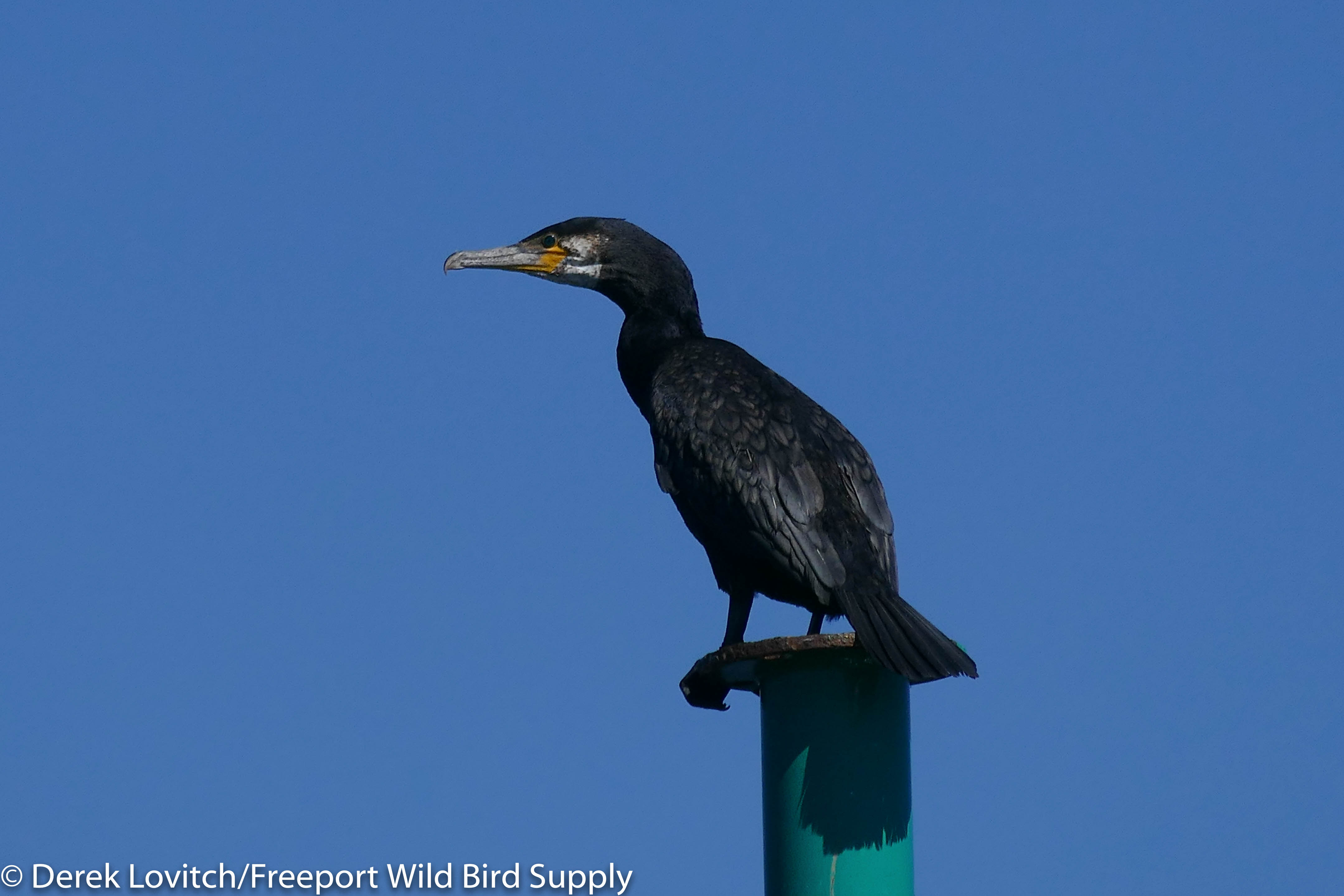
…and over to Ram Island Light, where Great Cormorants lined the old walkway. We compared their shape and size to the smaller, more common Double-crested Cormorants we passed on our way back inshore, while taking the time to enjoy the view, more Common Eiders and Surf Scoters, and scattered Black Guillemots.
A Gray Seal ushered us into the dock on our return.
After 17 consecutive summers in the Gulf of Maine, “Troppy” the Red-billed Tropicbird failed to return to Seal Island. Arriving in 2005, but continuing annually throughout the summer since 2009 exclusively at Seal Island, Troppy had become a mainstay of summer birding in Maine – and our tour calendar!
Arriving as an adult, Troppy was therefore at least two years old when he was first sighted in 2005. Since most sorces seem to reference “16-30 years” as a lifespan, a 19-year old “Troppy” would be getting a little long in the tooth, err, bill. But, as I romanticized in my 2019 article for Birding magazine, we all hoped he would find the long lost love. Maybe he did. Maybe he’s making a trop-ling somewhere in the Caribbean where he “should be.” Yeah, that’s what I’ll think. We need more happy thoughts these days.
Wherever he might be, it was not Seal Island or any other Gulf of Maine seabird island this summer, and with his absence, tours to Seal Island were few and far between. Our first one cancelled, but we were able to run our July 23rd departure with our friends at Isle au Haut Boat Services thanks to a dedicated group of birders who know how special Seal Island is, with or without the famous rarity.
And Seal Island most did not disappoint! Even without a tropicbird (or a Tufted Puffin for that matter, which of course we all hoped would make a reappearance).
First, the weather: it was unbelievable! Actually, it was downright hot, even offshore, and especially away from what little breeze there was when we were not motoring. Seas were a gentle 2-3 feet, with an occasional slightly larger but inconsequential swell. Falling rapidly, it was incredibly smooth in the coves of the island, and on the way back where we enjoyed following seas for a very flat and fast ride.
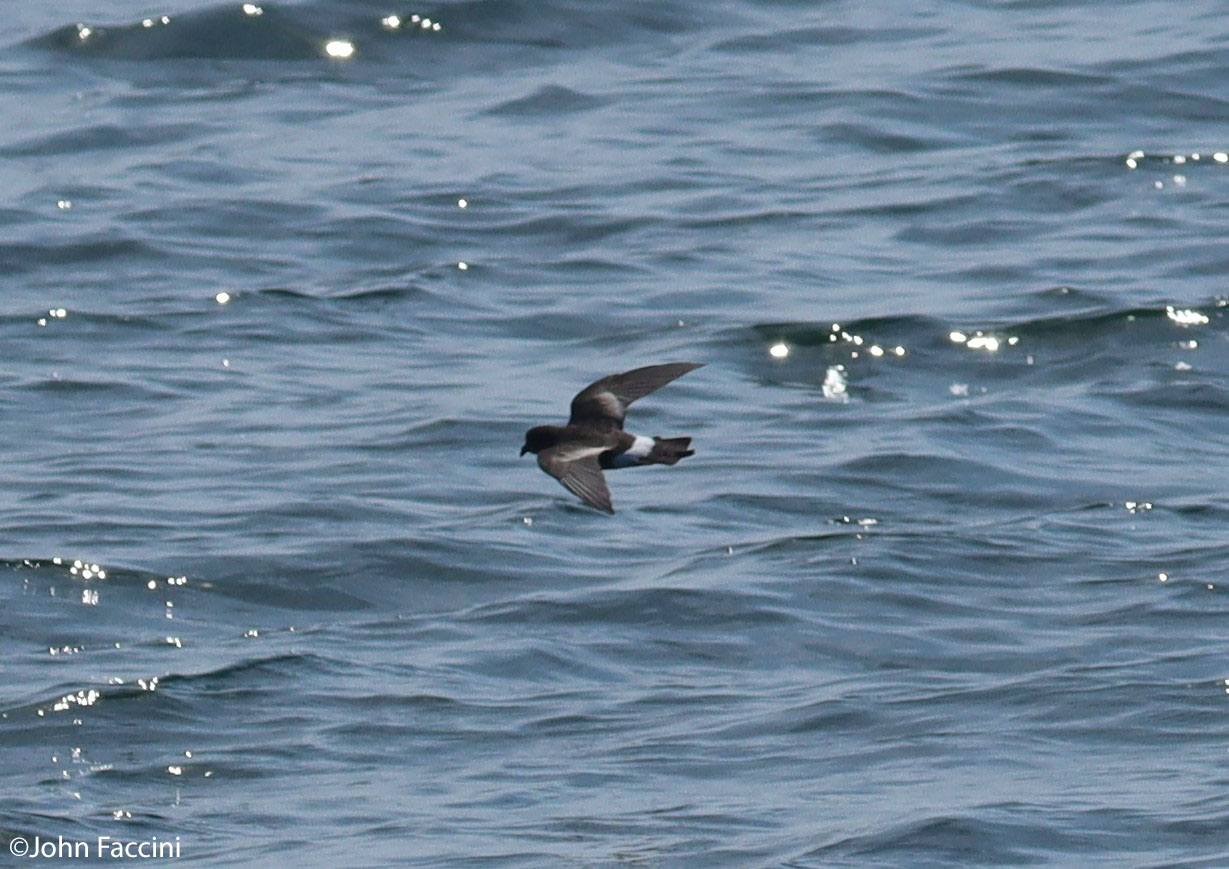
Shortly after departing Stonington, we spotted our first Atlantic Puffin before we even cleared Isle au Haut. A few more, scattered small numbers of Wilson’s Storm-Petrels (I tallied 41 in all), and a few Razorbills punctuated our trip out. Not much was happening around Saddleback Ledge though.
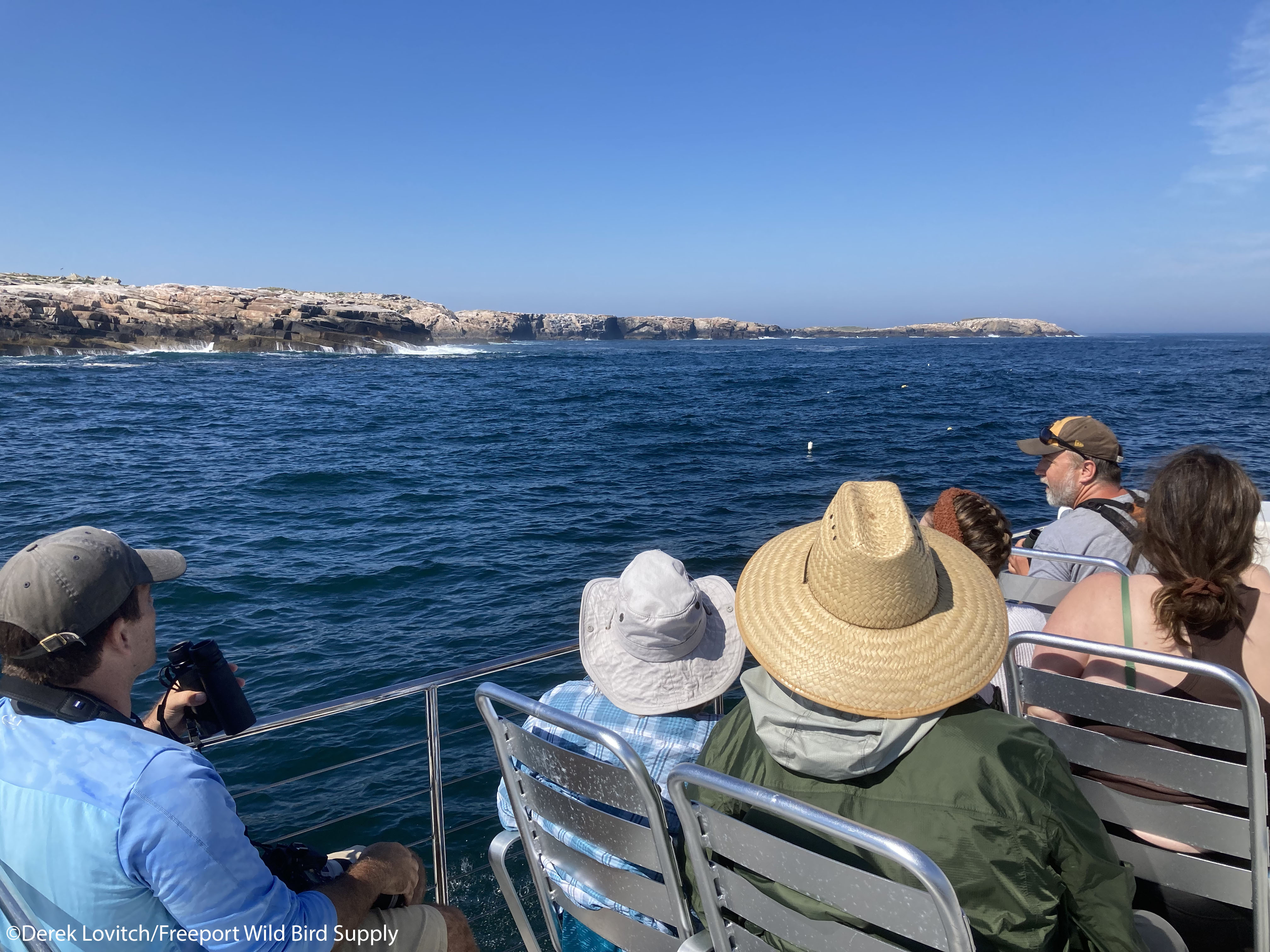
Of course, the show realty began upon arrival at Seal Island. The heat sent the alcids into the water, so virtually all of the Atlantic Puffins that were present were in the coves and often allowing close approach and stellar photo ops.
We worked our way around the island, slowly improving our views of Razorbills (at least 6) and finally finding two Common Murres.
RazorbillIt took a while, but we finally found a Common Murre – it was even the uncommon “Bridled” morph.
We motored around the south end, where the swell was just enough to prevent us from getting too close to the Great Cormorant colony – Maine’s last. But the nests brimming with growing chicks was still thoroughly enjoyed.
Off the northeast end, we cut the engine and drifted among the alcids. Off the open waters came a flock of 12 Whimbrel which we heard first before they flew close by. Likely having tanked up on blueberries in a barren Down East or in the Maritimes, they didn’t seem to consider pausing on the island. Later, 8 more flew by even further offshore.
Laughing Gull
While the lack of shearwaters all day was disappointing, the one Great Shearwater that we saw came in for a close look at us!
A little group of Sanderlings flew by, a few peeps were along the shoreline, and we spotted several calling Spotted Sandpipers.
And don’t forget about all of the dapper little Black Guillemots!
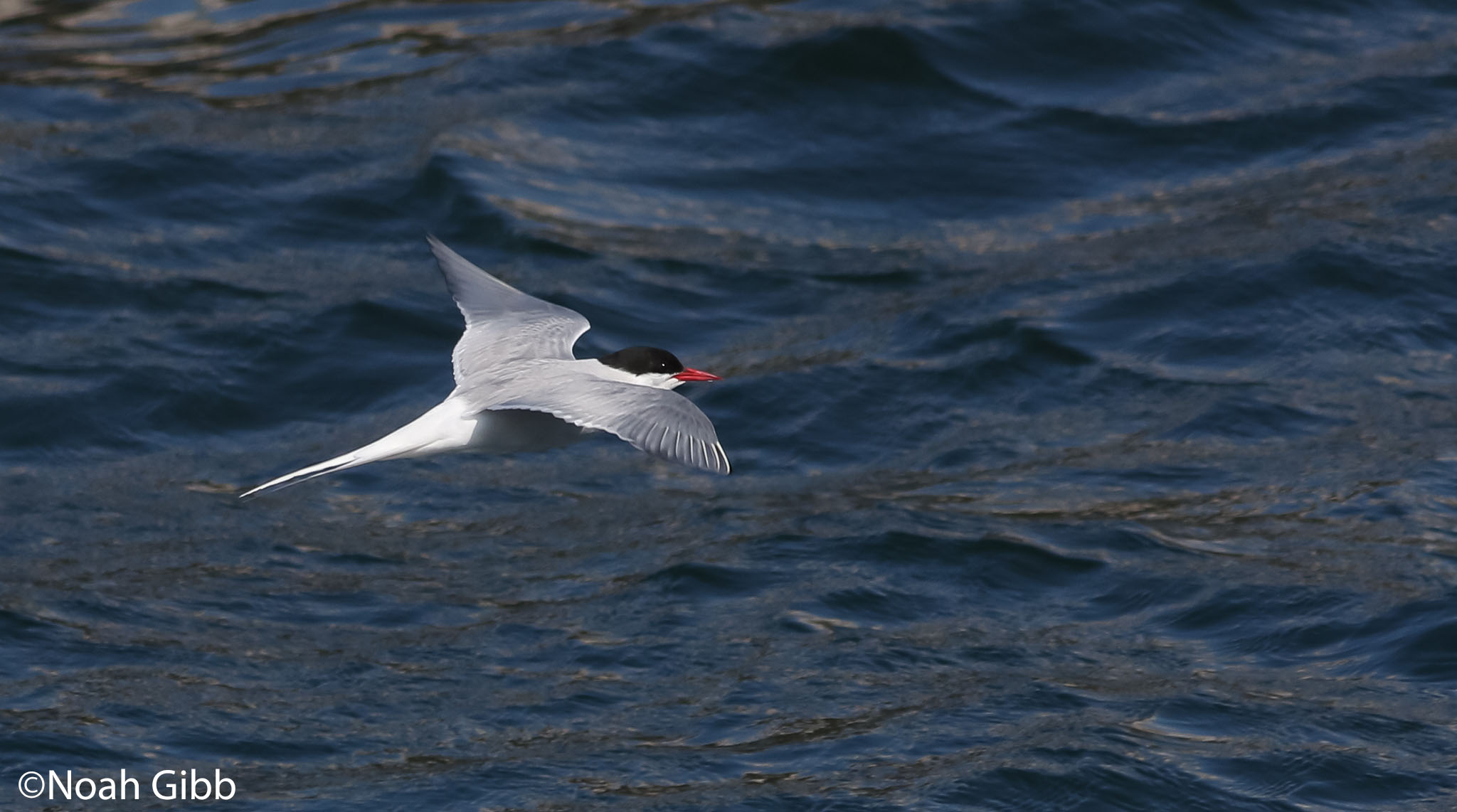
And of course, there were the terns. Hundreds of Arctic and Common Terns were present, with a goodly number of juveniles learning the ropes. Arctic Terns were particularly conspicuous today, with many making close approaches of the boat or disregarding our presence to take a bath.
Arctic TernsJuvenile Common Tern.
I both enjoyed and lamented the fact that I didn’t have Troppy to stress over. In fact, without needing to be in position and waiting for him, we took advantage of the gentle seas to not only circumnavigate the island, but also spend ample time drifting in sheltered coves, photographing alcids and searching for a big, black puffin with punk-rock hair.
The eastern side.
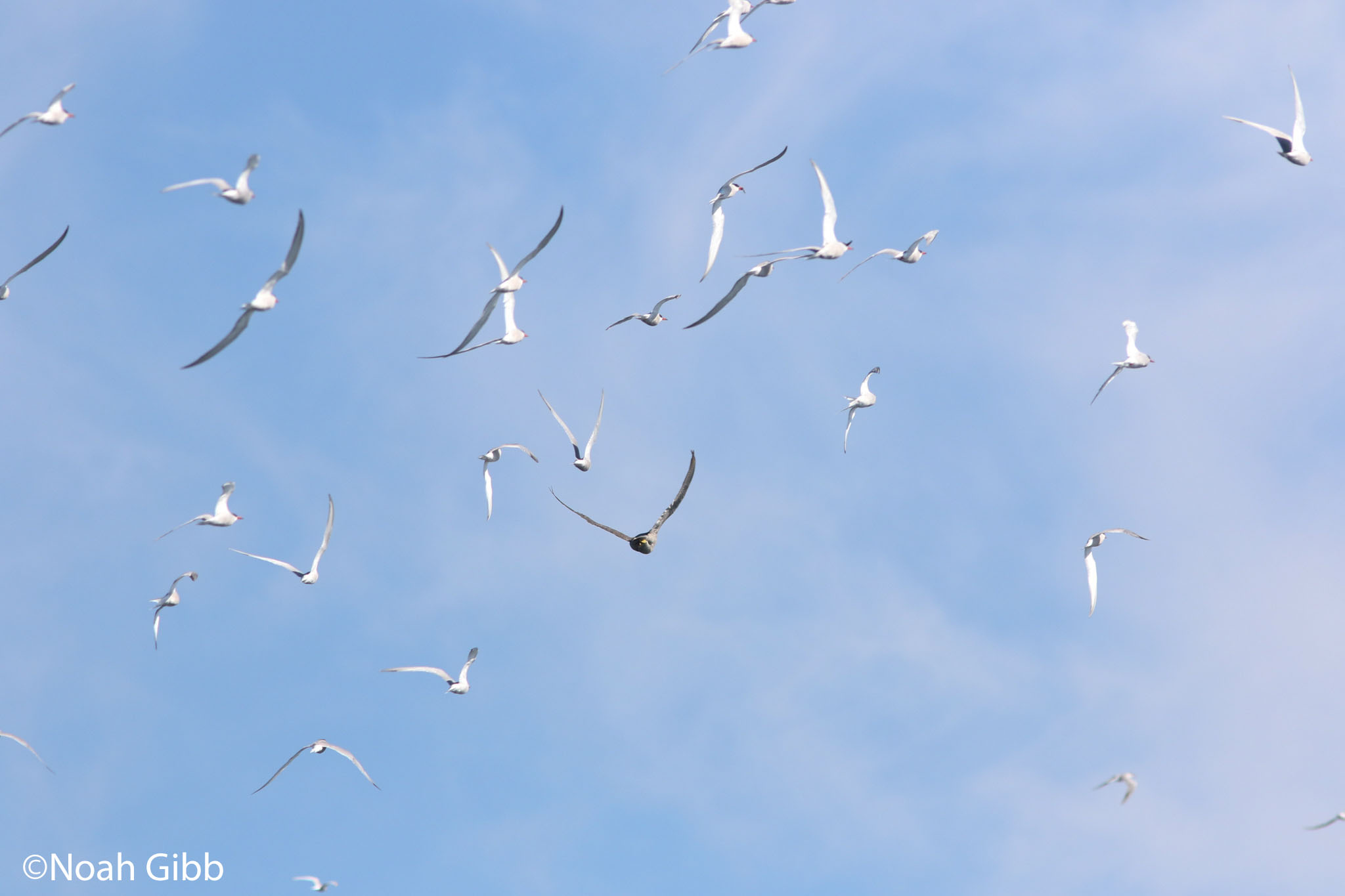
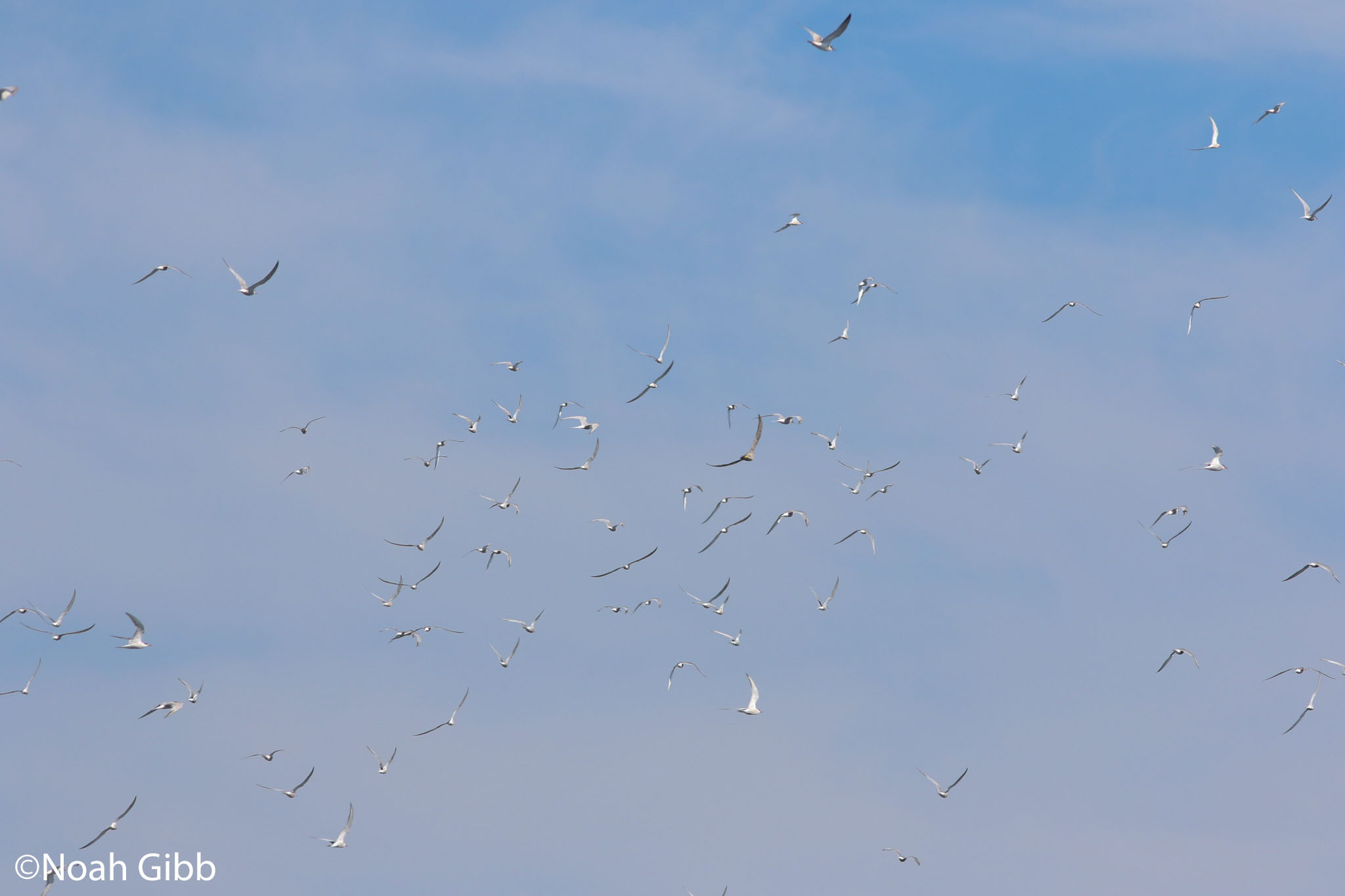
But we still had a time limit for our charter, so we decided to spend our last moments enjoying the action at the tern colony. That’s when a Peregrine Falcon arrived. While this is a most unwelcome guest at a seabird colony and we were conflicted about seeing it, it was also impossible not to sit back and watch the show.
It surprised the terns by coming up and over the backside of the island, scattering the entire colony. Upon identifying the intruder, all of the adults made a beeline and began diving, mobbing, and otherwise trying to drive the predator away. Watching one of the world’s greatest – and fastest – predators in action was a real special treat, but we were also not upset that it came away empty; we were rooting for the terns.
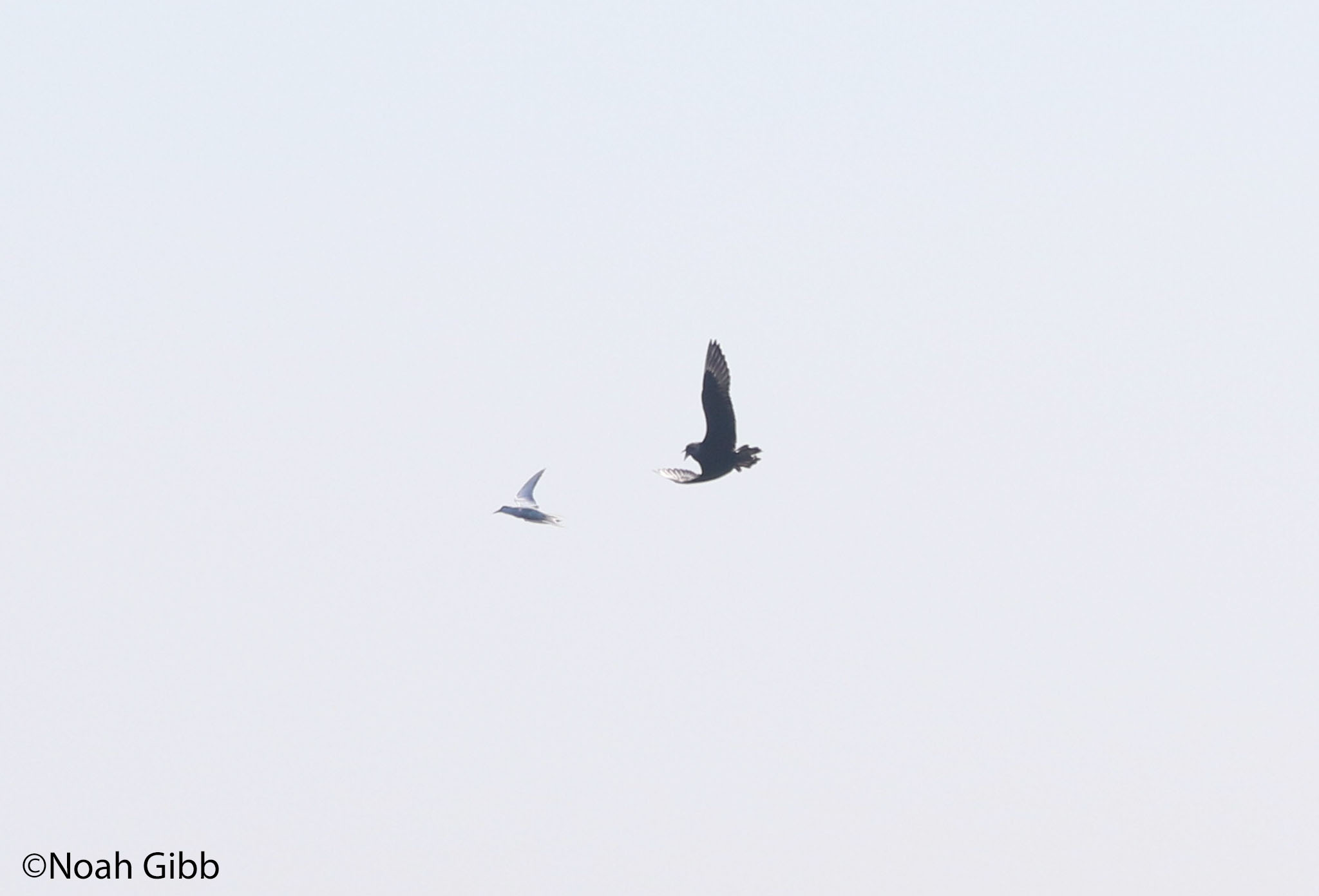
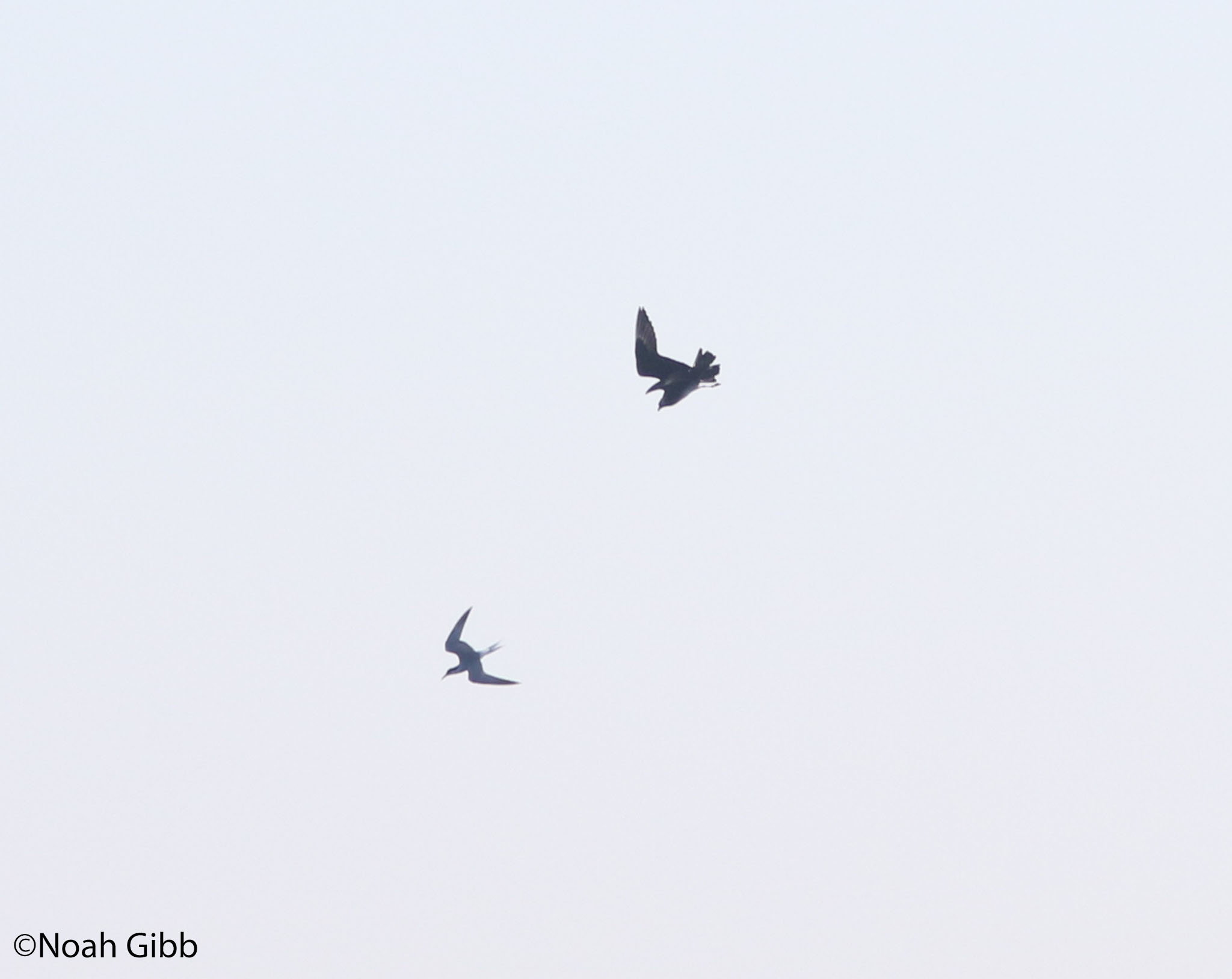
If that wasn’t a grand finale, I don’t know what is. Well, maybe the Parasitic Jaeger on the way back!
About halfway between Seal and Saddleback Ledge, I first thought it was a Peregrine tearing in after a lone Common Tern. But when it became clear that it was a jaeger, I yelled for Captain Mike to “step on the breaks.” We watched the dogfight for several minutes, and it was spectacular to see. It was just far enough away that we couldn’t tell if the tern gave up its fish, but it definitely didn’t do it willingly.
Shortly thereafter we began to run into little rafts of Razorbills (a conservative tally of 36, plus 7 more between Saddleback Ledge and Stonington) and scattered Atlantic Puffins. We had quite a few more Wilson’s Storm-Petrels on the way back, and finally some Northern Gannets.
Wilson’s Storm-Petrel
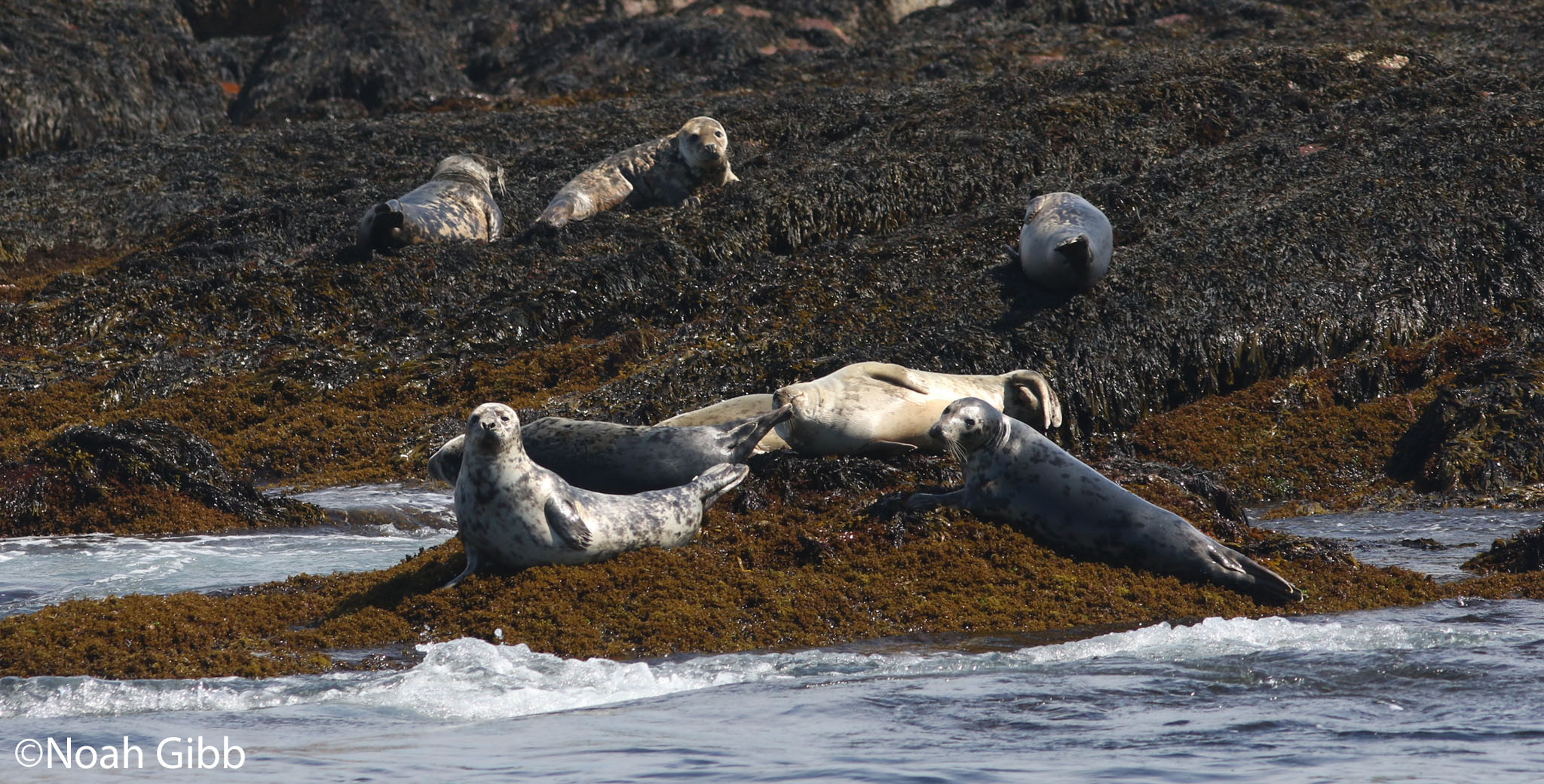
We even had time to check some rocky islets for roosting shorebirds (none), loafing Harbor Seals (lots), and maybe spot something like a Great White Shark (nope; but the boat had one the very next day!).
Gray Seals and Harbor Seals. Note the “horse’s head” profile of the Grays, verses the puppy-like Harbors.
In other words: what a trip! And exactly why it’s well worth a tour to Seal Island regardless. That being said, I must admit, it was not quite the same without “Troppy.” But as a guide, my stress level was a lot lower! Having seen him 9 times out of 12 visits to Seal, I consider myself beyond fortunate. I’m also so happy to have shared his glory with so many other birders on all these tours. So, wherever you are, Troppy, I’ll continue to lead trips to Seal Island in your honor!
I simply love birding Washington County, and my biennial “Washington County Weekend” van tour is little more than an excuse for me to bird the area. Of course, in doing so, I get to share the avian, scenic, and culinary glories of Downeast. So everybody wins!
We set out from Freeport on Friday, 8/26. Not wanting to squander the entire morning just driving, we break up the trip by birding our way north. Corrina Marsh was our first stop this year, yielding Wood Ducks, side-by-side comparisons of Spotted and Solitary Sandpipers, several Ruby-throated Hummingbirds in the jewelweed, and a Northern Harrier coursing low over the marsh.
Nearby Alder Stream held multitudes of Wood and Ring-necked Ducks, along with a couple of Pied-billed Grebes. More Wood Ducks were at Plymouth Pond, along with Common Loons, but we didn’t find the Sandhill Cranes that we had hoped for.
After lunch at the flagship Dysart’s (no Maine roadtrip is complete for me without at least one grilled cheese from a Dysart’s), we strolled Essex Woods and marsh in Bangor. Four rare-so-far-inland Snowy Egrets were joined by a single Great, and we enjoyed superior views of Lesser and Greater Yellowlegs for comparison, along with more Solitary Sandpipers for comparison.
Our entrance into Washington County via The Airline was met with a bang: our first birds in the county were a migrant flock of 18 Common Nighthawks bounding overhead. Dinner, and of course, pie, from Helen’s in Machias (not to mention the blueberry sangrias!) was a sure sign we had arrived.
Without a doubt one of the best reasons for visiting this area in August is the massive congregation of gulls and seabirds, along with whales, that occurs in Head Harbor Passage, off of Eastport. Therefore, one of the highlights of this tour is our private charter on the “Pier Pressure” for whale- and bird-watching. And this trip most definitely did not disappoint.
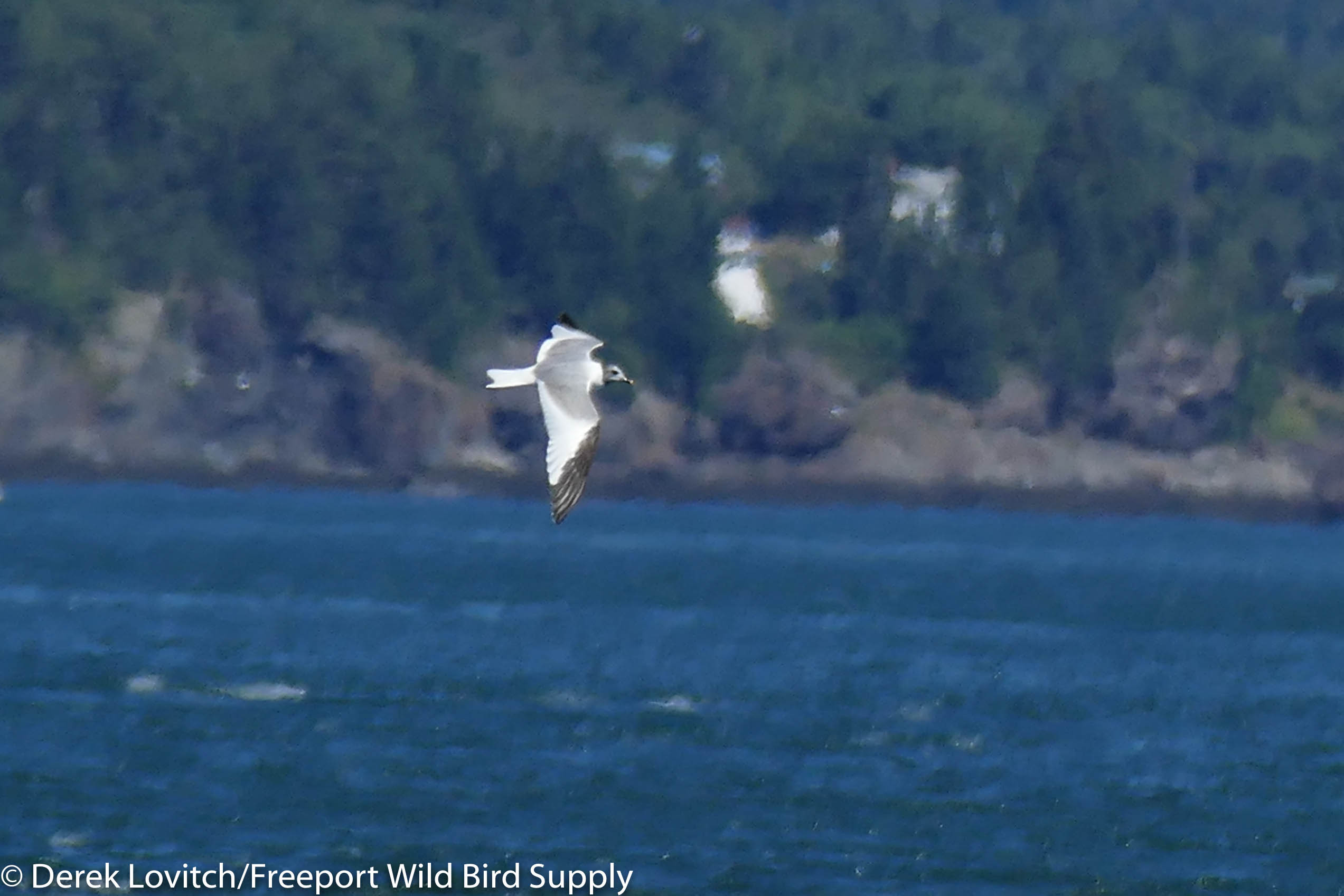
Sorting through 5,000-7,000 Bonparte’s Gulls finally yielded a Sabine’s Gull, a stunning adult, and one of the most sought-after species on the trip. It was nearly the end of the boat ride, my eyes were shot from combing through so many Bonies, and then I spotted it on the water, a short distance away. It took off and joined some commuting Bonies, and we tried to follow it, but despite Captain Butch’s best efforts, we unfortunately could not keep up with it as it headed towards Maine waters, and lost it as it mingled with a large flock of Bonies. But my goodness, what a stunning species it is!
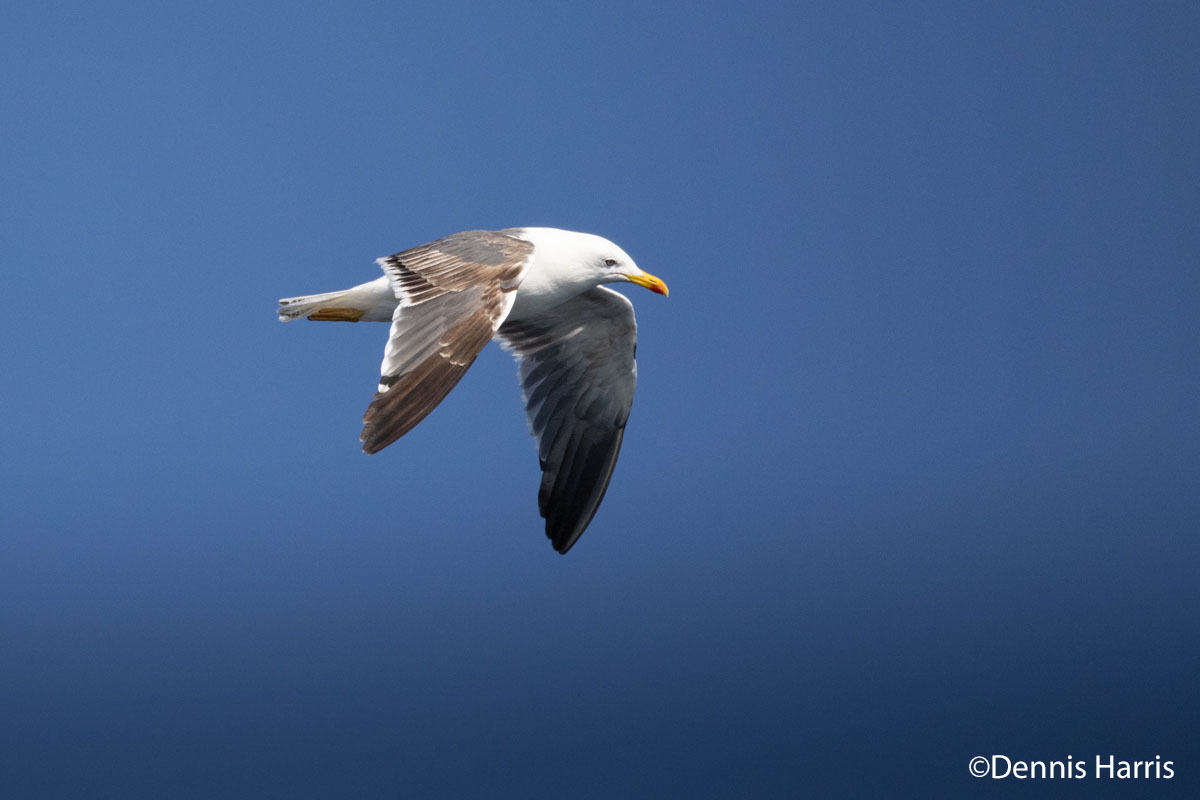
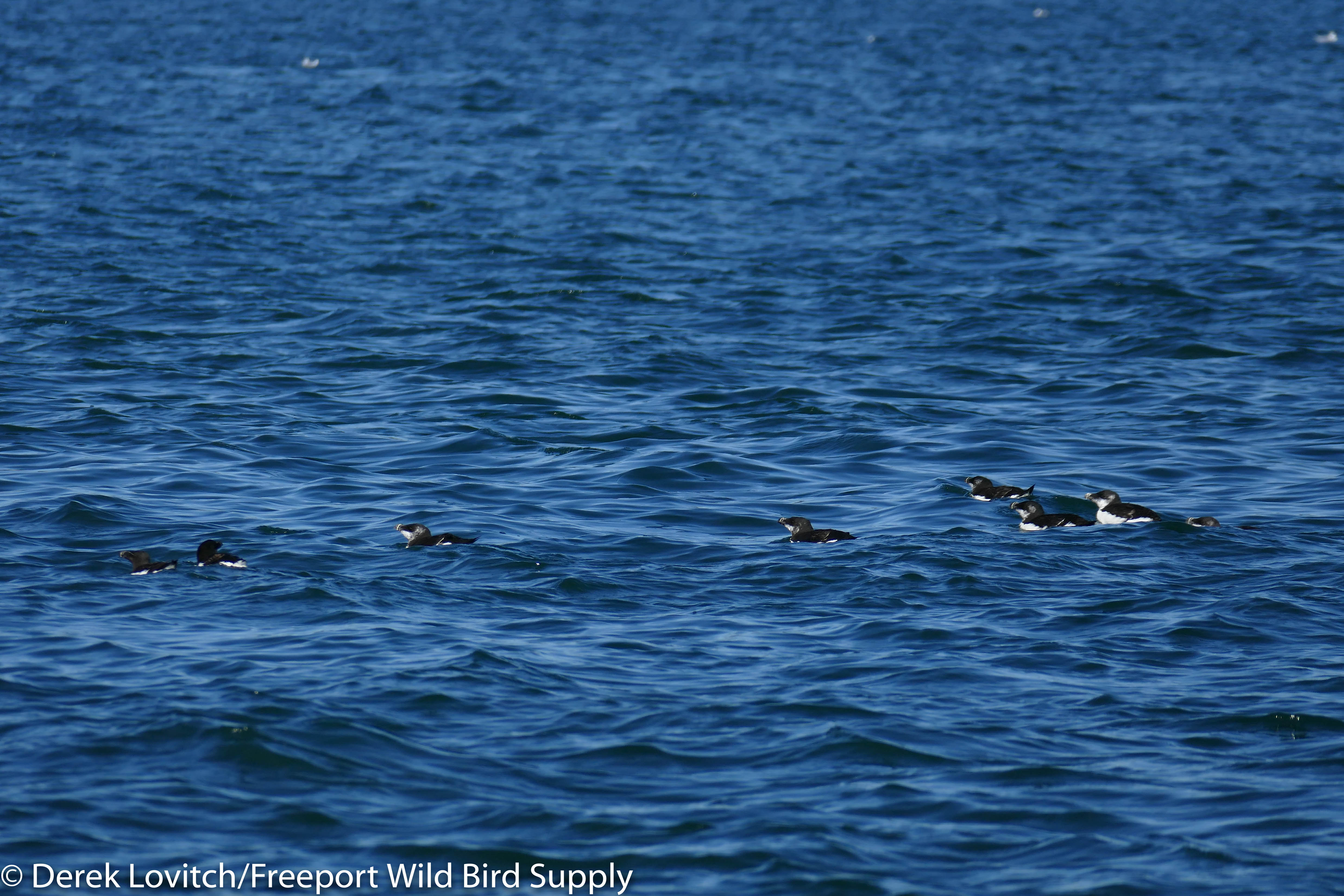
300-400 Black-legged Kittiwakes was likely a ridiculously low guesstimate, as is the goodly 200+ Razorbills. Although Razorbills are regular in the passage in most summers, the numbers this year have been exceptional. Scattered Great Cormorants among the multitudes of Double-cresteds, plenty of Black Guillemots, about a dozen tarrying Common Terns, and a total of 15+ Bald Eagles added to the show. A total at of 5 Lesser Black-backed Gulls of various ages were detected, but I admit to not sifting through every large gull – it was the rare “hooded” gulls that we were on the lookout for! Adult Great Cormorant.
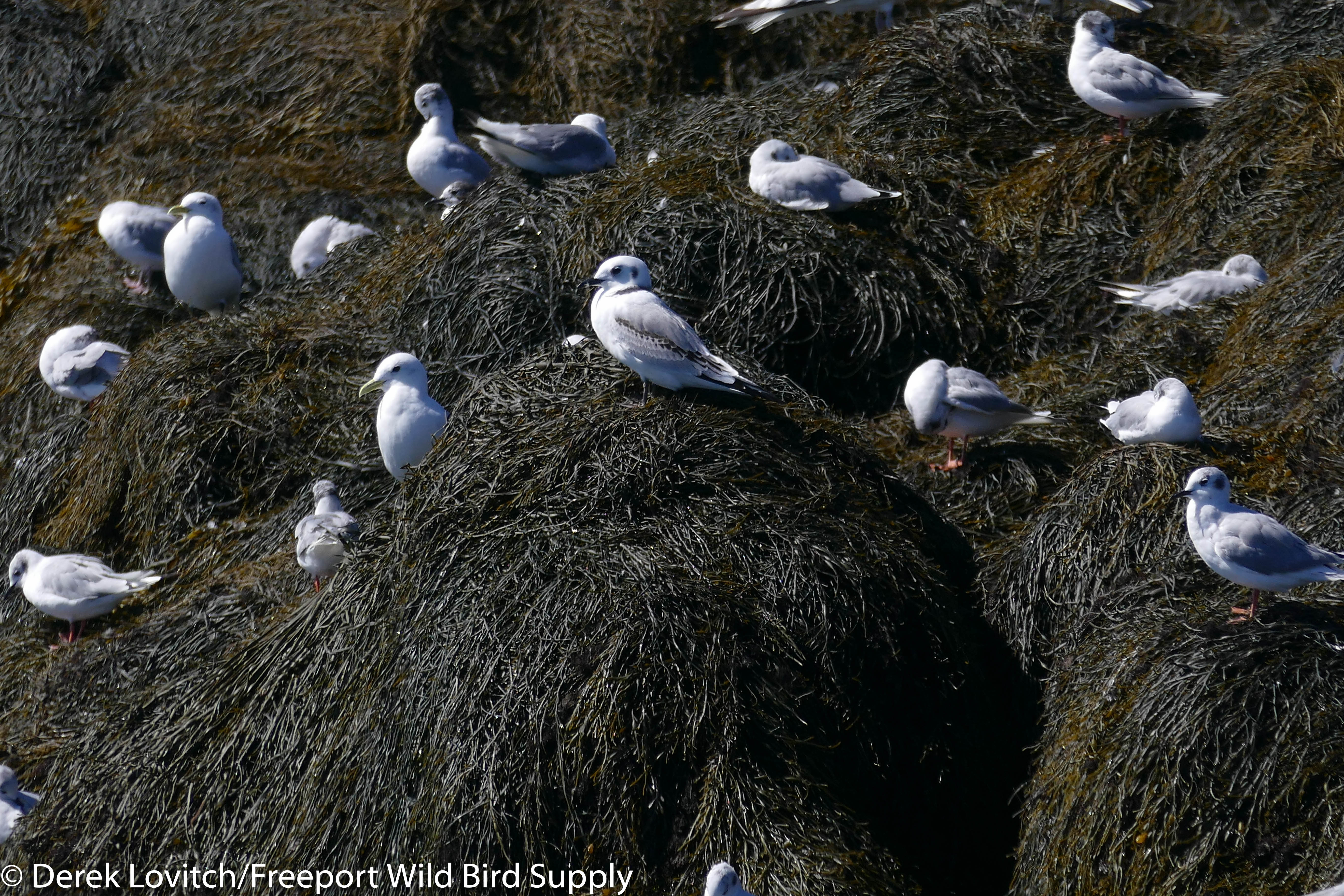
Juvenile and adult Black-legged Kittiwakes with Bonaparte’s Gulls.
Lots and Lots of Bonaparte’s Gulls (and Black-legged Kittiwakes).
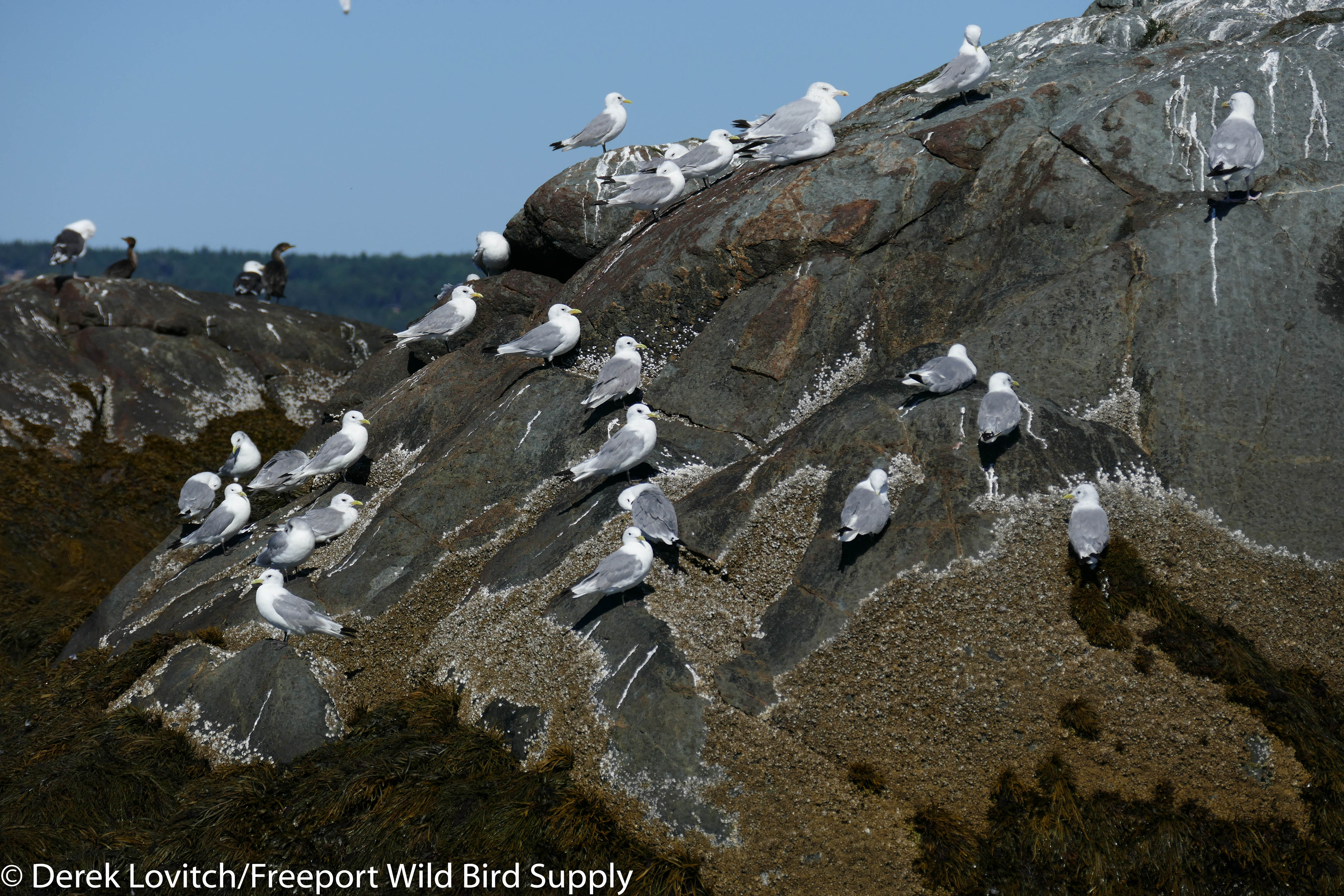
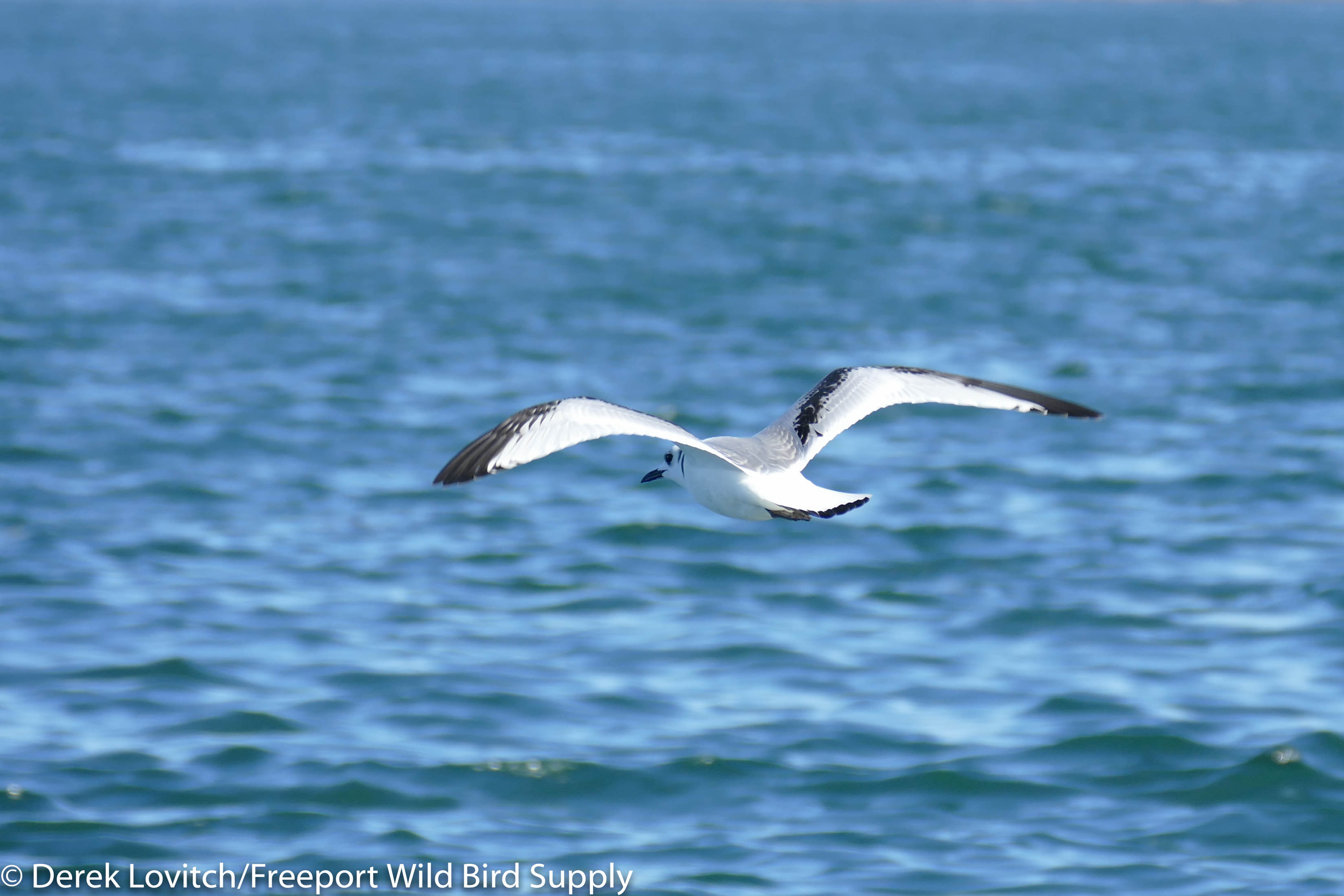
Black-legged Kittiwakes
Black-legged Kittiwakes, Herring Gulls, and Double-crested Cormorants
Razorbills.
Adult Black-legged Kittiwakes Razorbill father with juvenile (L).
Snazzy juvenile Black-legged Kittiwake.
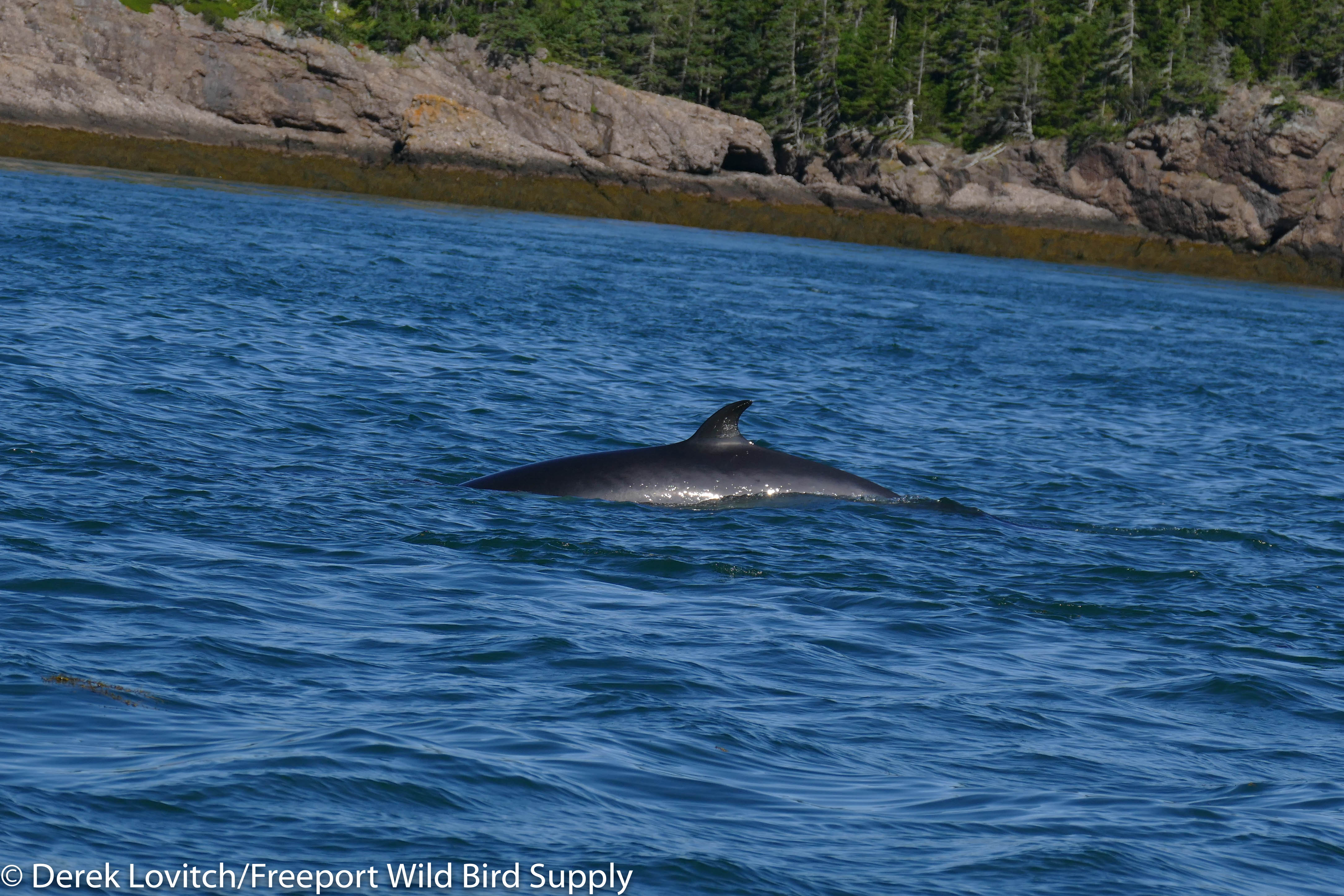
Harbor Seals and Harbor Porpoises were common, and we visited with some massive Gray Seals as well. We spotted a single Minke Whale, and then drifted with a massive Fin Whale for a little while.
While we only has one fly-by unidentified phalarope and did not find a single tubenose (despite spending some time off of East Quoddy Head), the trip was an incredible success, because, well…Sabine’s Gull!
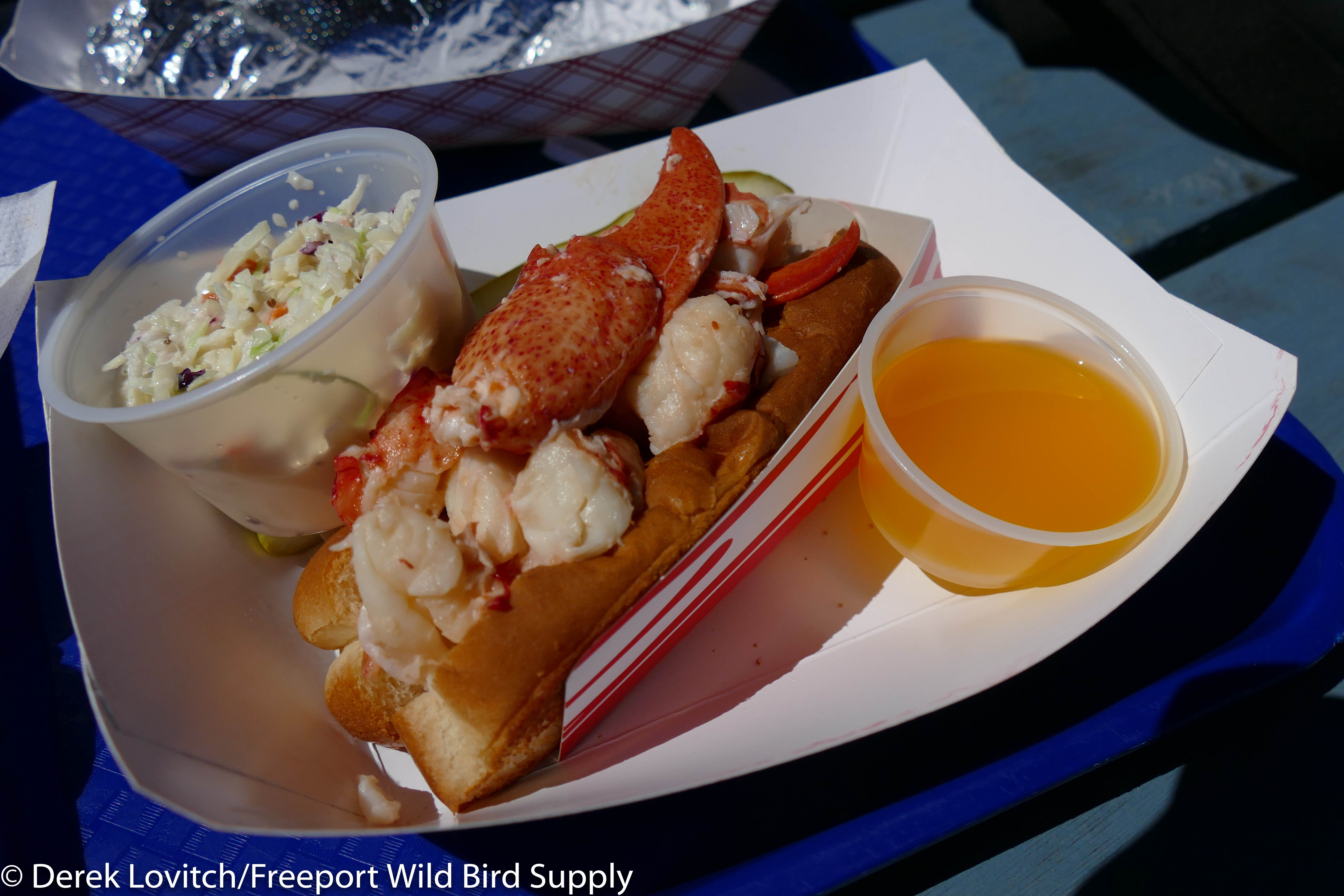
We fueled up on arguably the best lobster rolls in the state at the Quoddy Bay Lobster Company, before spending some time seawatching at the end of Clark St (hoping for the Sabine’s to reappear!). Close-up kittiwakes and Bonaparte’s Gulls were nice, as were a couple more Lesser Black-backed Gulls. However, it was the molting adult Black-headed Gull that was the welcomed consolation prize.
We slowly worked our way up the peninsula, checking out various viewpoints, and seeing a smattering of shorebirds and lots of Black Guillemots in the process. Finally, at the Sipayik Trail at the ballfields at Pleasant Point, a nice mix of birds as always included a trio of out-of-place Sanderlings, a few Bobolinks, more Bonaparte’s Gulls and Black-legged Kittiwakes offshore, and 2 Nelson’s Sparrows in the marsh. Another close Northern Harrier coursing low over marsh stirred the pot, kicking up more Green-winged Teal and Least Sandpipers than we thought were present.
Dinner at the Hansom House in Dennysville left much of the group speechless. It is a very interesting, and very different place indeed!
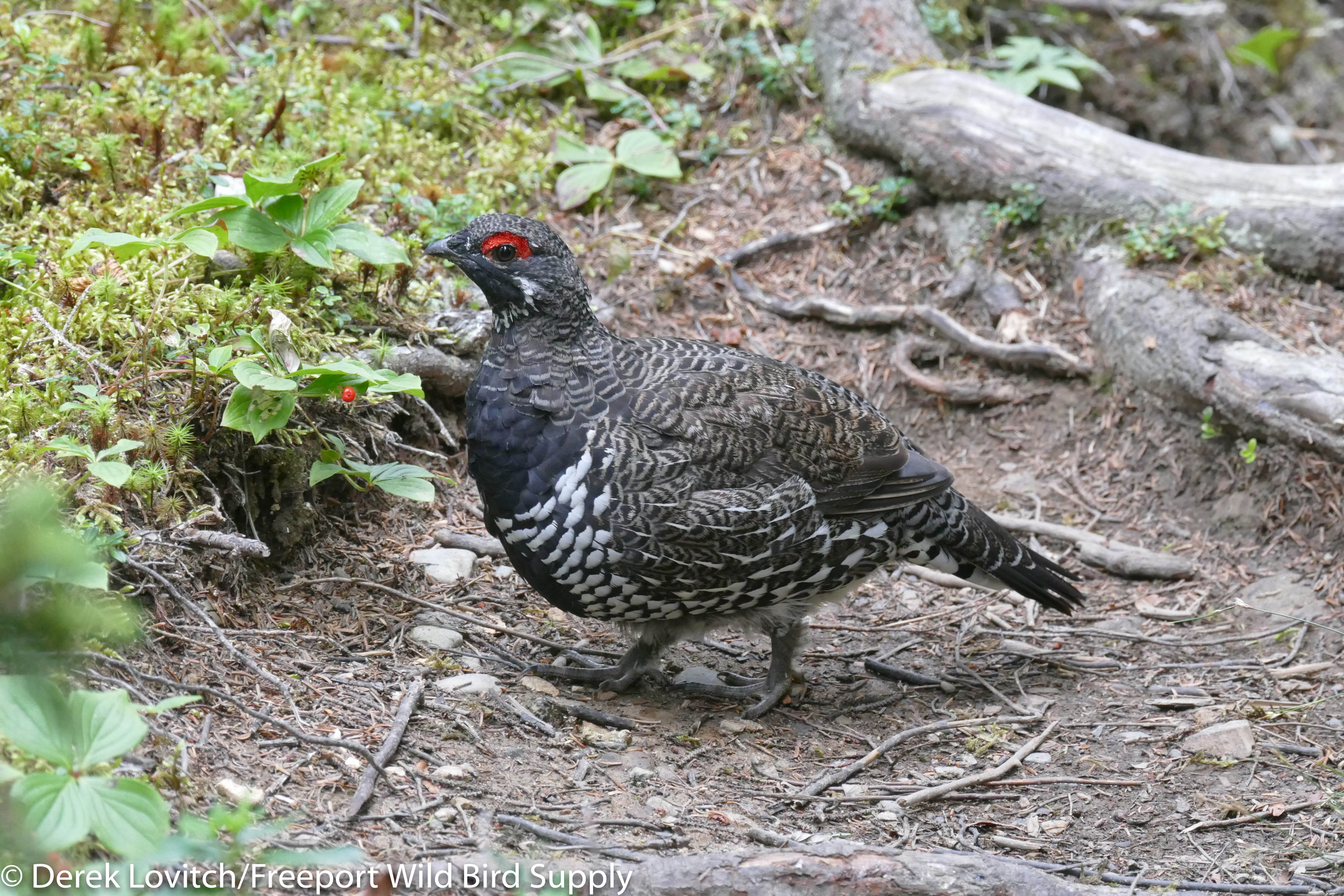
Day 3 found us making an even earlier start, but we were rewarded with our efforts with a dapper male Spruce Grouse doing its thing in the trail at Boot Head Preserve in Lubec.
Following that success, some edge- and sky-watching at the bog there yielded fly-over Red Crossbills (2+), 3 Pine Siskins, and among the scattered warblers in small flocks working the edge, at least 6 Palm Warblers (local breeders). We also began to truly get a sense for just how incredibly abundant Red-breasted Nuthatches are in the forests around here right now – undoubtedly portending a great finch winter to come!
Our Lubec-area day continued with a stroll at Quoddy State Park, where Red-breasted Nuthatches were once again downright deafening. At least 4 Red and 3+ White-winged Crossbills were detected, and we spotted a Philadelphia Vireo within one of the mixed flocks around the edge of the bog. There, we also took time to enjoy the plants of this fascinating habitat, including carnivorous Pitcher Plants and the two species of sundews.
Our busy and productive morning continued at the Lubec Bar and Flats, where a large number of shorebirds had aggregated. Although it has apparently been slow here recently, we found a rather decent number and diversity of shorebirds. I do wish we were arrived about a half hour earlier, and had about an hour more time here, however! About 1500 Semipalmated Sandpipers and 250+ Least Sandpipers were joined by 75-100 Sanderlings (a surprisingly high count for here), 60-80 Black-bellied Plovers, a handful of Semipalmated Plovers, 1 Ruddy Turnstone, and 1 Whimbrel.
Lunch at Cohill’s was a hit. In fact, the Shepherd’s Pie turned out to be the favorite meal of the trip for two people, although I was quite over-satisfied with my “Drunken Potato” with Guinness gravy and cheese curds.
Following the obligate stop at Monica’s Chocolates – where we left with the cooler overflowing! – we headed back to Quoddy State Park for some relaxing sea-watching. In 1.5 hours, we tallied at least 14 Sooty Shearwaters (making up for the lack of them on our boat trip), counted 10 juvenile Laughing Gulls (they seemed unusually frequent up here this year, and of course, we tried to string each of them into a jaeger!), picked out a few Razorbills, and spotted two Northern Gannets, and excitingly, two Atlantic Puffins. A few more Great Cormorants and a dozen Black-legged Kittiwakes were noted, for those who hadn’t yet gotten their fill.
Scanning the flats again, but this time from the roadside, we finally picked up a single White-rumped Sandpiper, increased our tally to 6 Short-billed Dowitchers, and otherwise improved on our looks at the other species from earlier.
While Pike’s Puddle was nearly dry and devoid of birds, the beach on the other side of the road yielded a juvenile Baird’s Sandpiper. That was cause for celebration enough, but the show was stolen when a Merlin came out of nowhere and nabbed an unsuspecting Semipalmated Plover. That’s a hearty meal for even a female Merlin, so after quickly dispatching it, she struggled to drag it across the rocky beach before finally taking off and disappearing into the trees to have her dinner.
Phone-scoped documention of the Baird’s Sandpiper
As did we…and no Derek Lovitch tour is complete without a brewery, apparently, so our evening’s destination simply had to be the new Lubec Brewing Co!
No visit, tour or otherwise, gives me enough time to bird this area. This four-day weekend is truly just a sample, and despite my interests in going back to the Lubec flats or the Eastport gulls, after two long days of jam-packed birding, we began our day (after a leisurely breakfast at Helen’s) simply by watching the shorebirds behind our motel. 606 Semipalmated Sandpipers, 41 Semipalmated Plovers, 20-30 Least Sandpipers, and another out-of-place-on-mud Sanderling surpassed expectations.
I like to slowly mosey back home, and I like to mix in a new site or two on each tour. Therefore, instead of racing east only to start the drive back west, I decided to do some exploring, beginning with the Mason Bay Conservation Area on the Jonesboro/Jonesport border. More Red-breasted Nuthatches and a couple of mixed species foraging flocks were indication that this is a spot worth checking in the breeding season, and at the end of our stroll (which included some more botanizing, a few butterflies, and fun with Tent Caterpillars) another Red Crossbill passed overhead.
A typical stop for me when taking Route One back towards Ellsworth is Addison Marsh. Although we arrived at high tide and the productive mudflats and river edge were no longer visible, the salt pannes provided some entertainment. Although diversity was low, we could not have asked for more enjoyable views of a mixed flock of Least and Semipalmated Sandpipers. A couple of Solitary Sandpipers and a Greater Yellowlegs passed overhead, and a couple more Northern Harriers and Bald Eagles, along with three migrant Ospreys, stirred the pot. A great opportunity to compare Least and Semipalmated (center) Sandpipers.
Exploring access points to scan Flat Bay in Harrington, we found some shorebirds here and there as the ride finally started to go out. As shorebirds were appearing off of Oak Point, I realized lunchtime was approaching, and I decided to get back into the van before I spent the next three hours making everyone (myself most definitely included) starve as I sorted through shorebirds. Besides, a rapidly increasing northwesterly wind was making it challenging to see any birds in the distance (our first experience with anything other than perfect weather all weekend!).
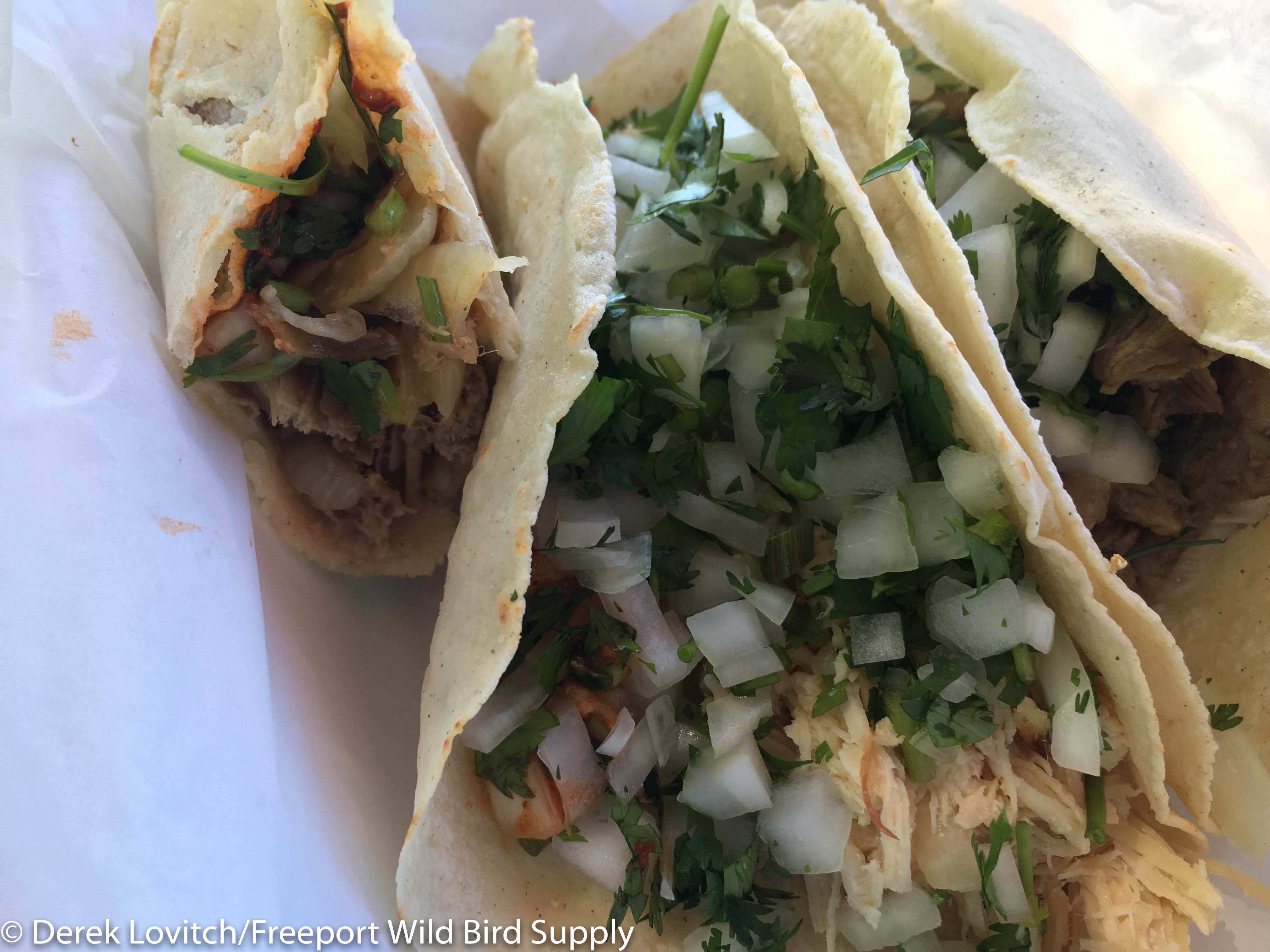
But to be honest, most of that exploring was just to put us in position for Vazquez Mexican Takeout in Millbridge for lunch (second only to Helen’s pie as sought-after “twitches” for this tour!). I ate too much, as usual. Actually, gluttony was a regular theme of this tour, as many of us were forced to roll out of many of our meals. Apparently, we were all single-handedly trying to jumpstart the region’s economy with our consumption!
A quick check of Hog Bay was thwarted by the increasing winds, and that was a sign it was time to begrudgingly bring our birding to an end and make our way back home. From Sabine’s Gulls to Spruce Grouse, from thousands of Bonaparte’s Gulls to hundreds of Red-breasted Nuthatches, from blueberry pie to “tacos as good as in McAllen, Texas” (according to one of our transplanted participants), and from pitcher plants to Fin Whales, there is no doubt that I will be looking forward to my next tour to this awesome area! In fact, one participant on this year’s tour has already signed up for 2018. That should tell you something!


























































 Maine Birding Field Notes