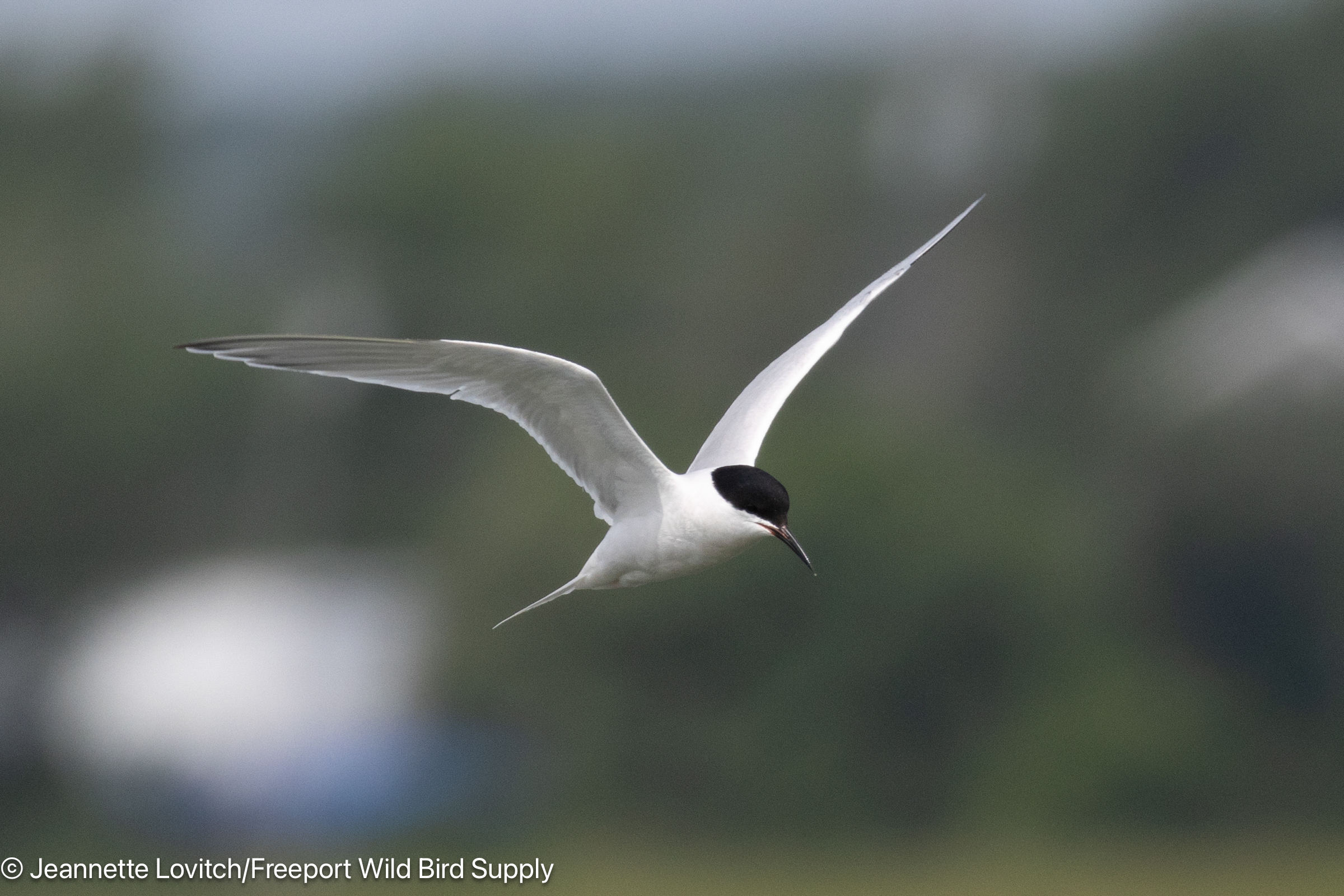
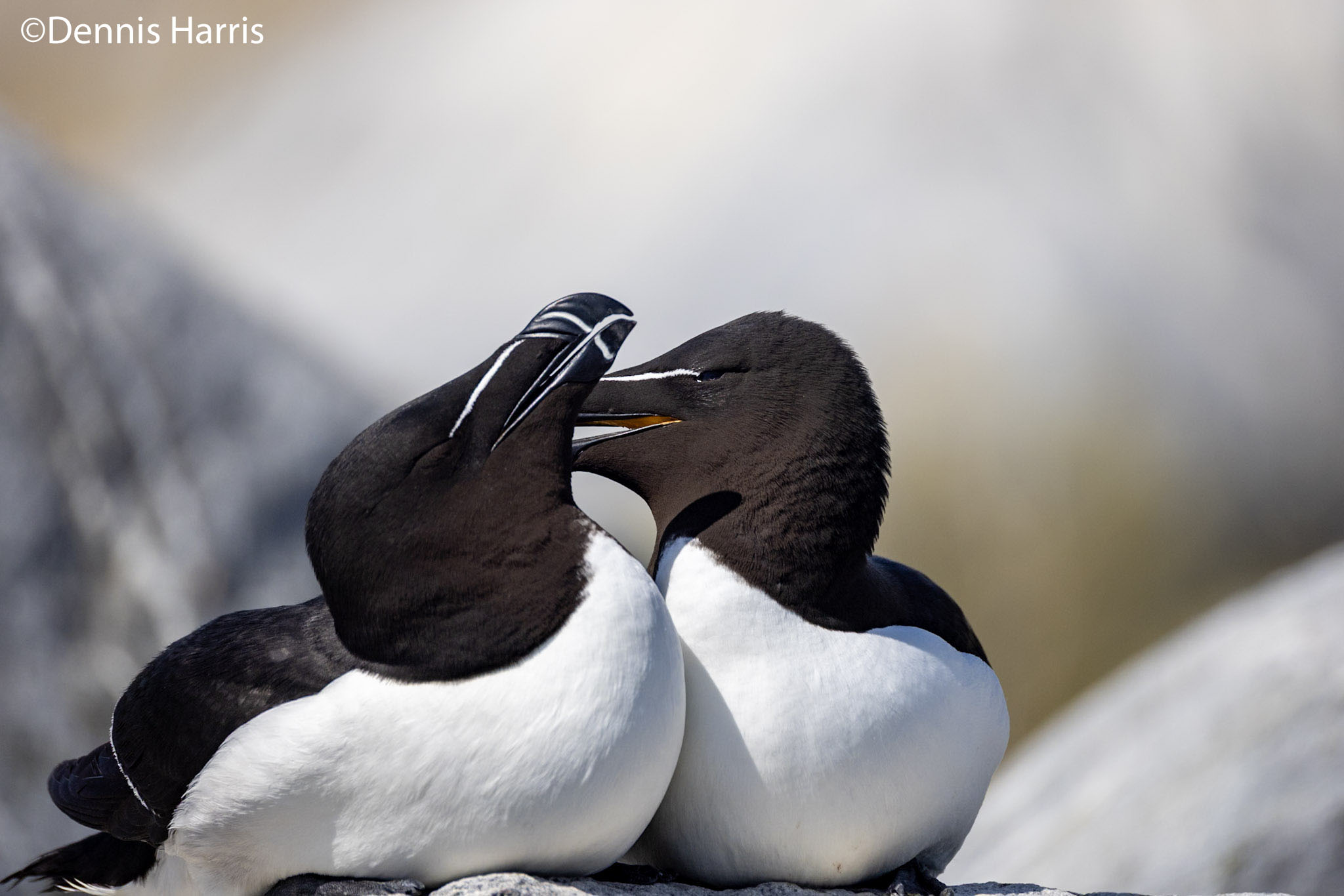
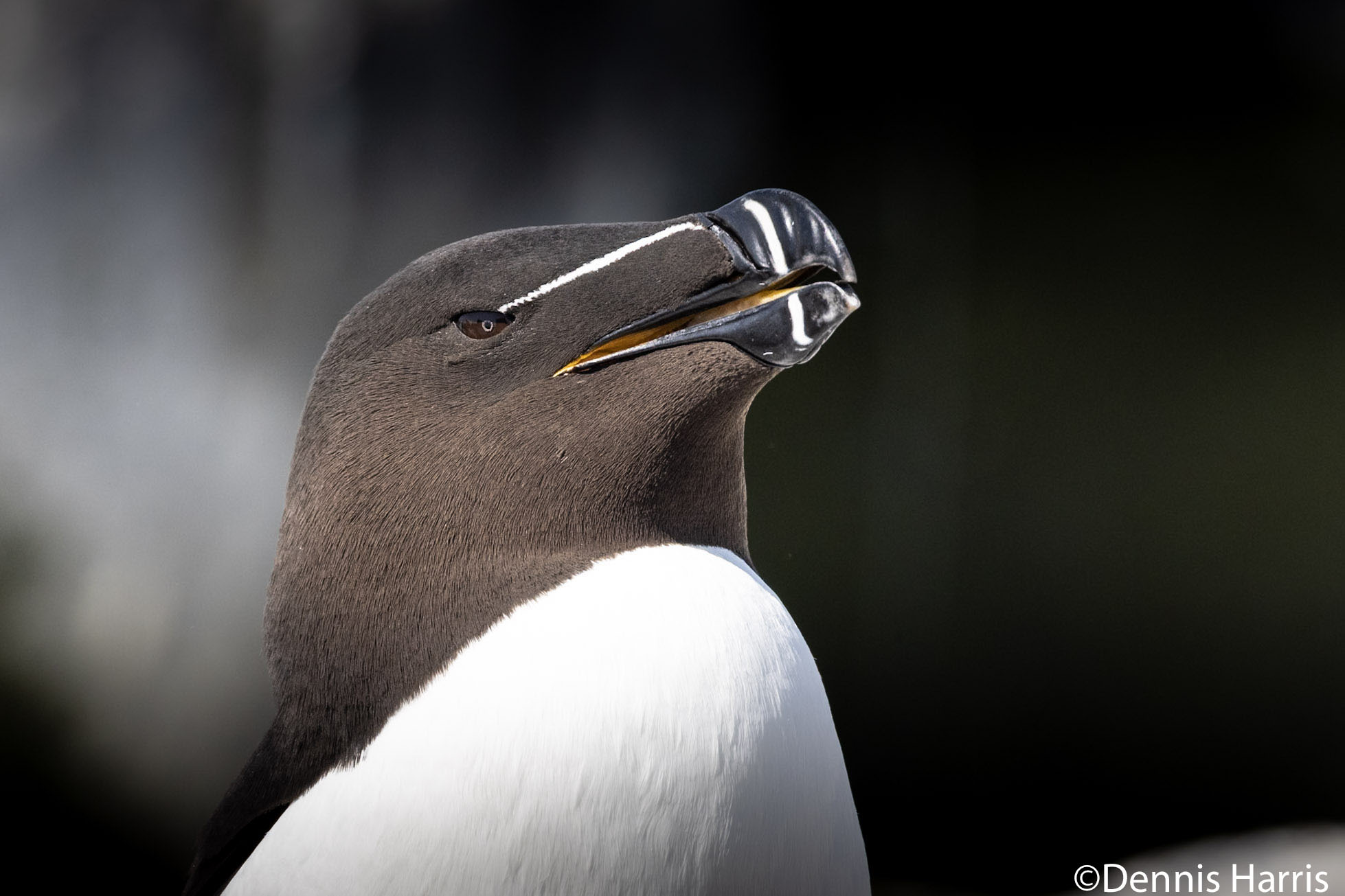
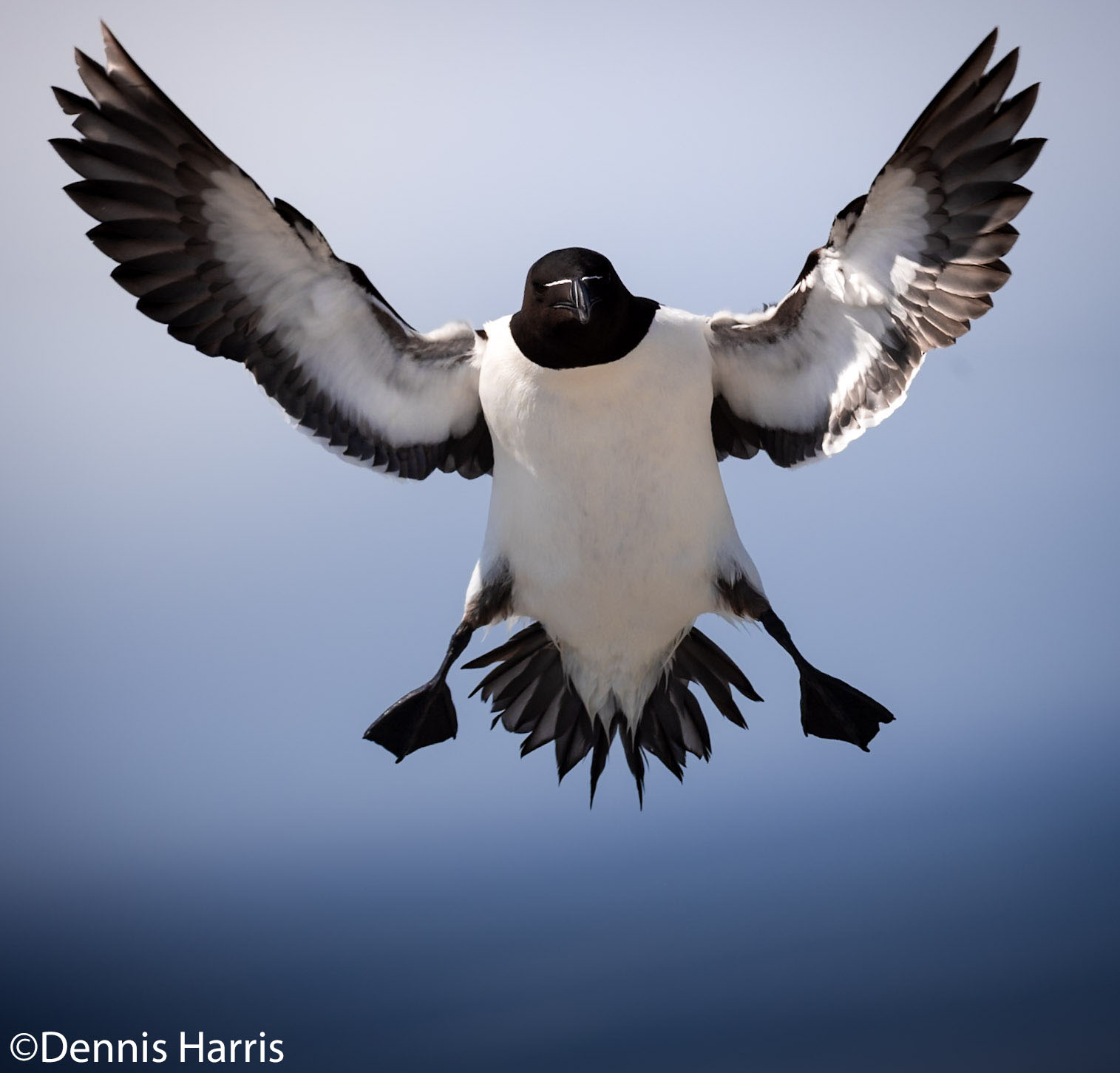
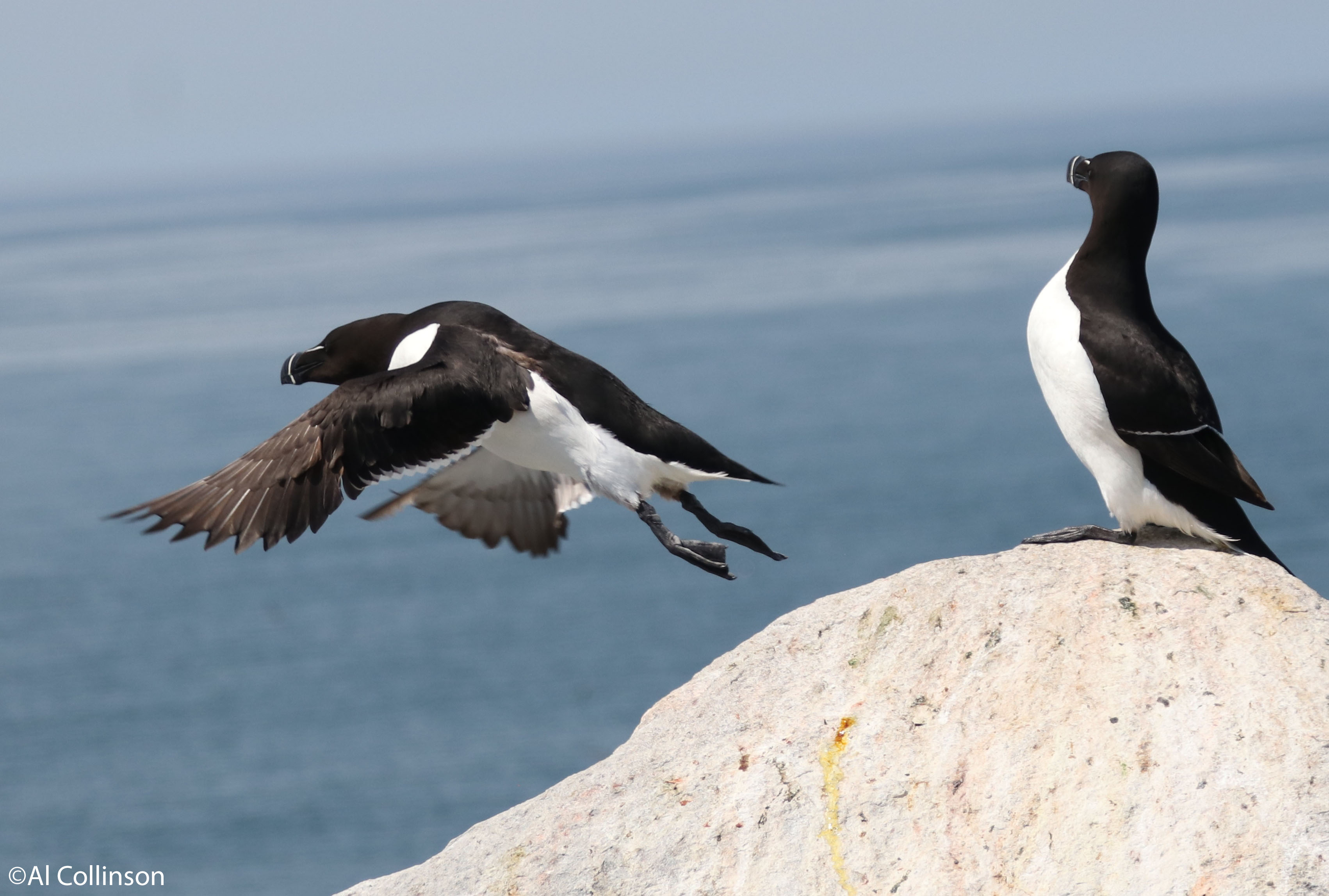
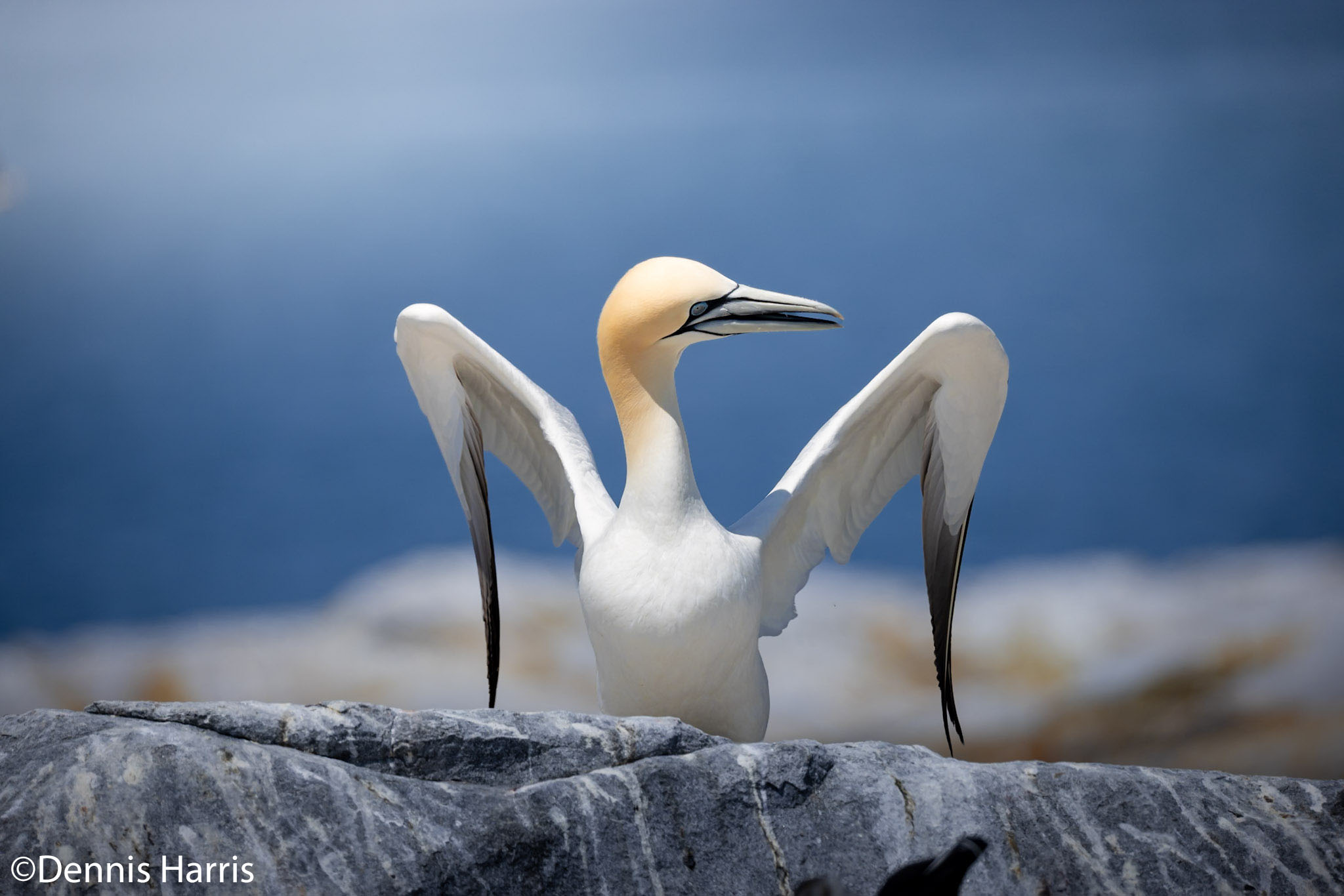
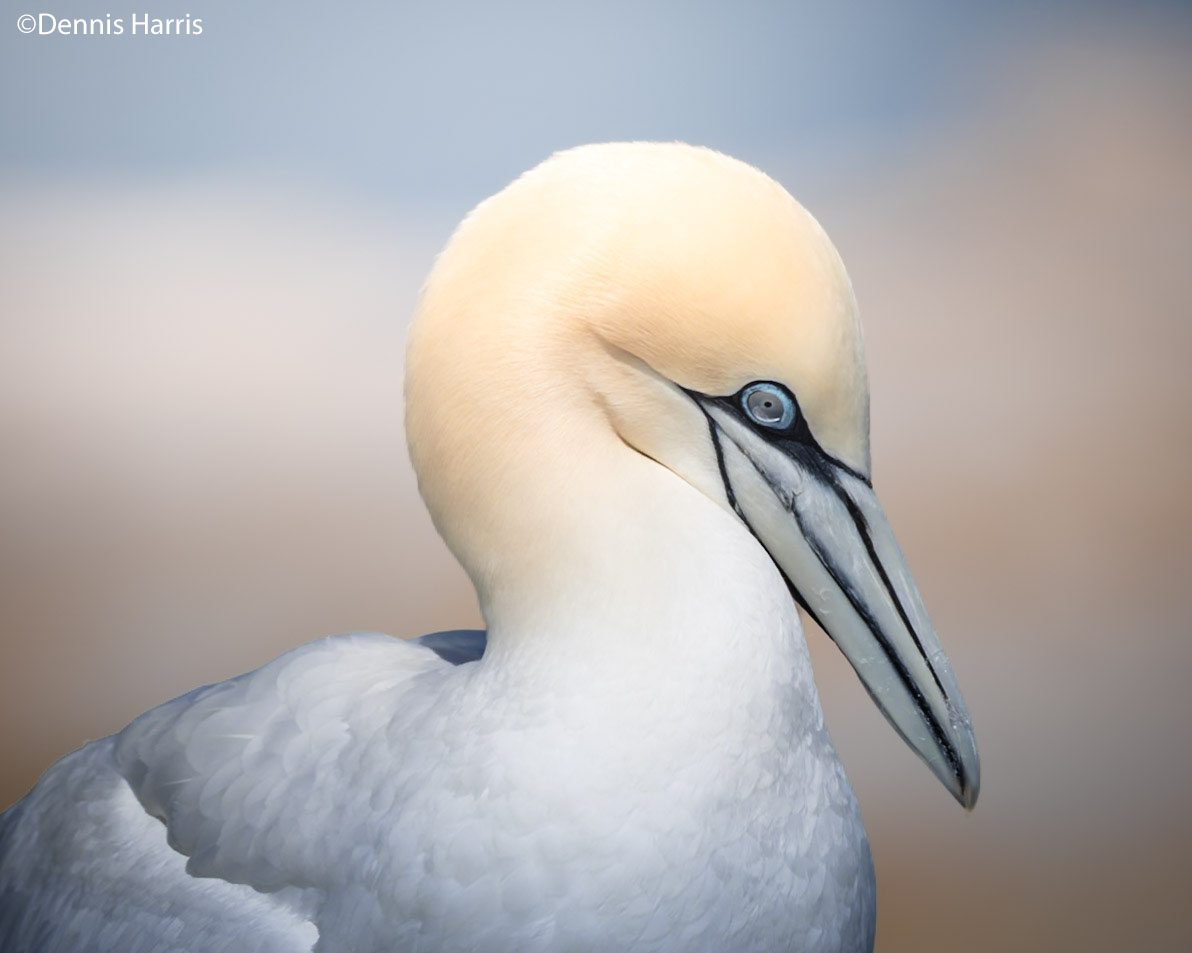
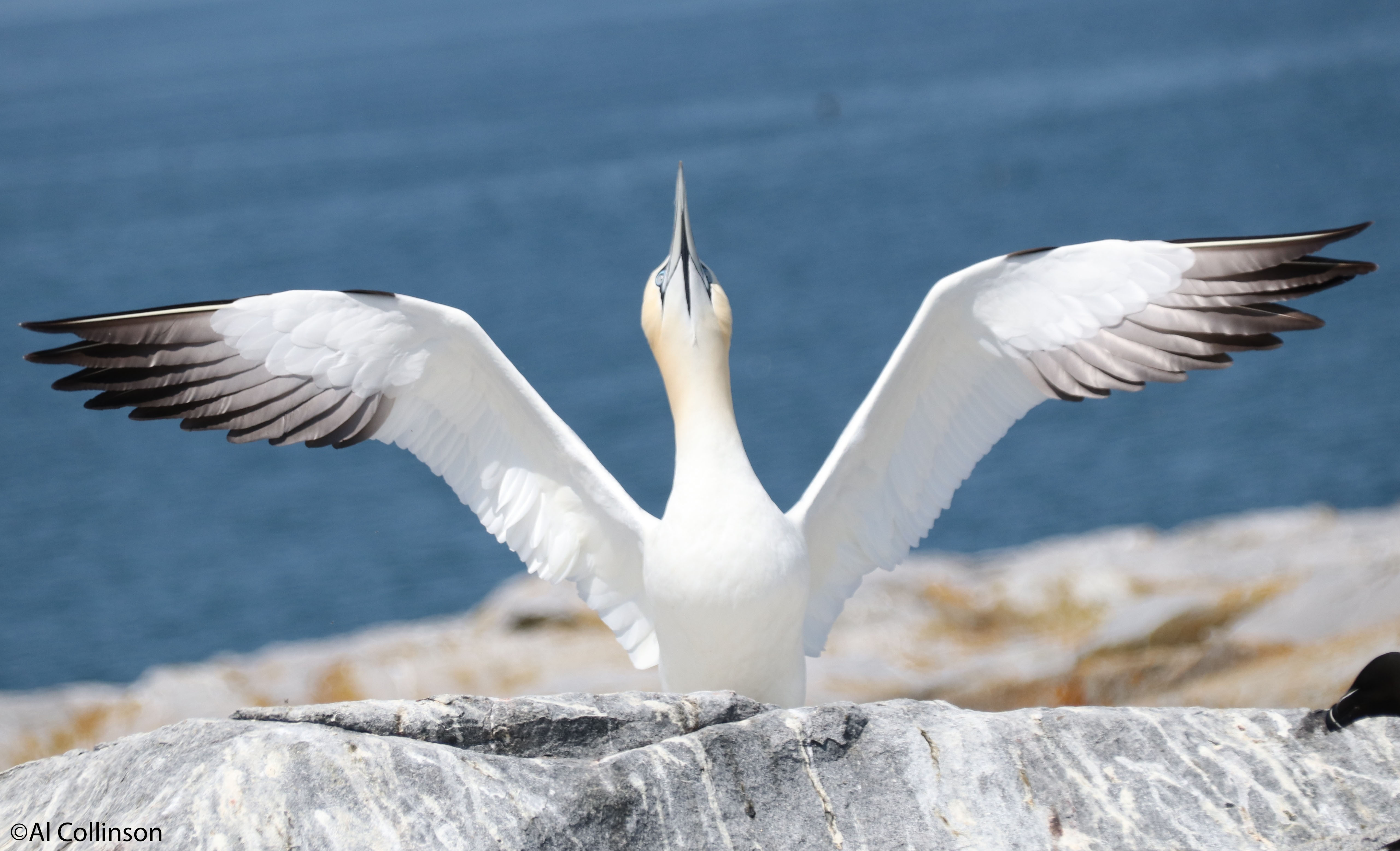
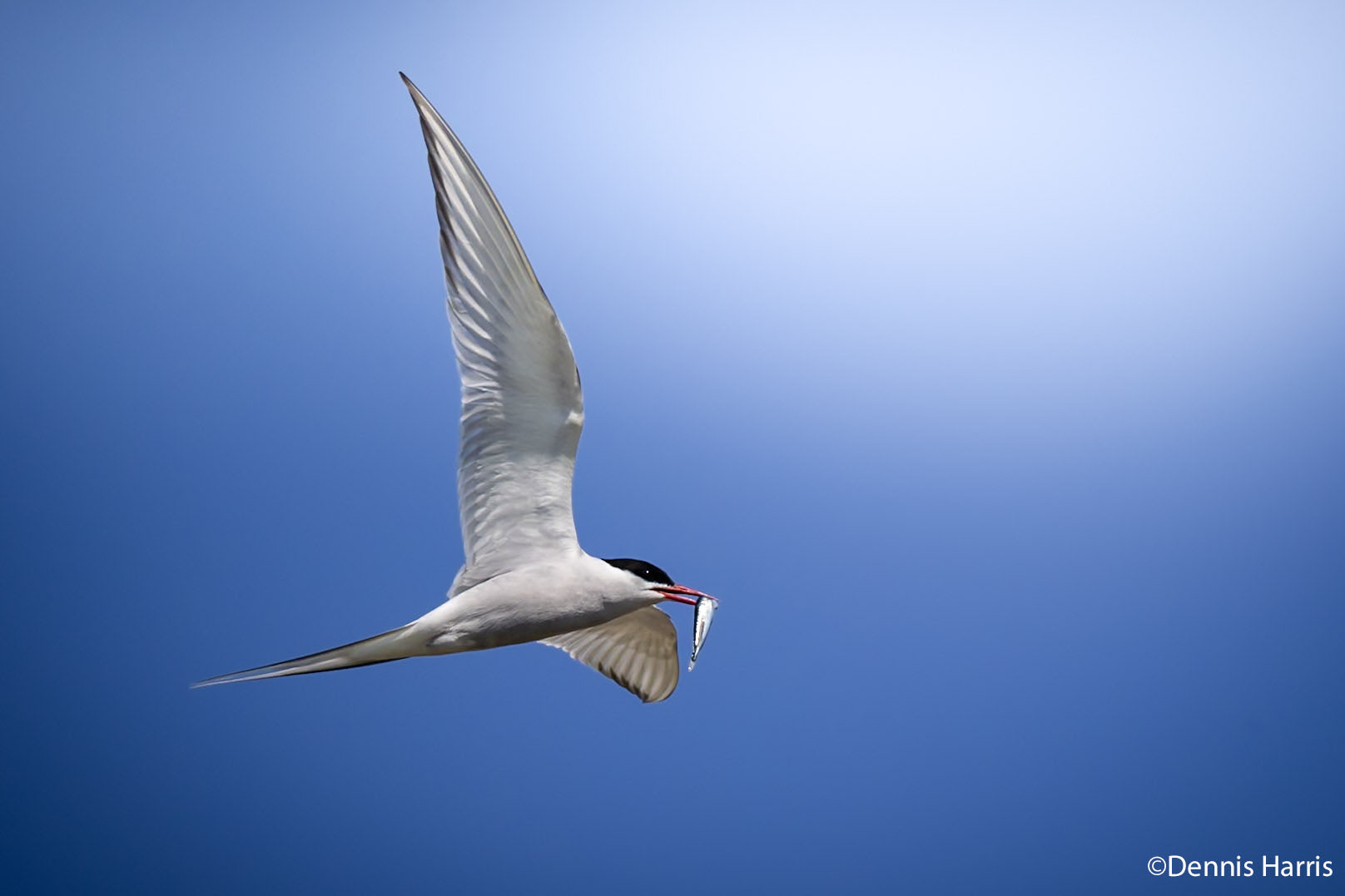
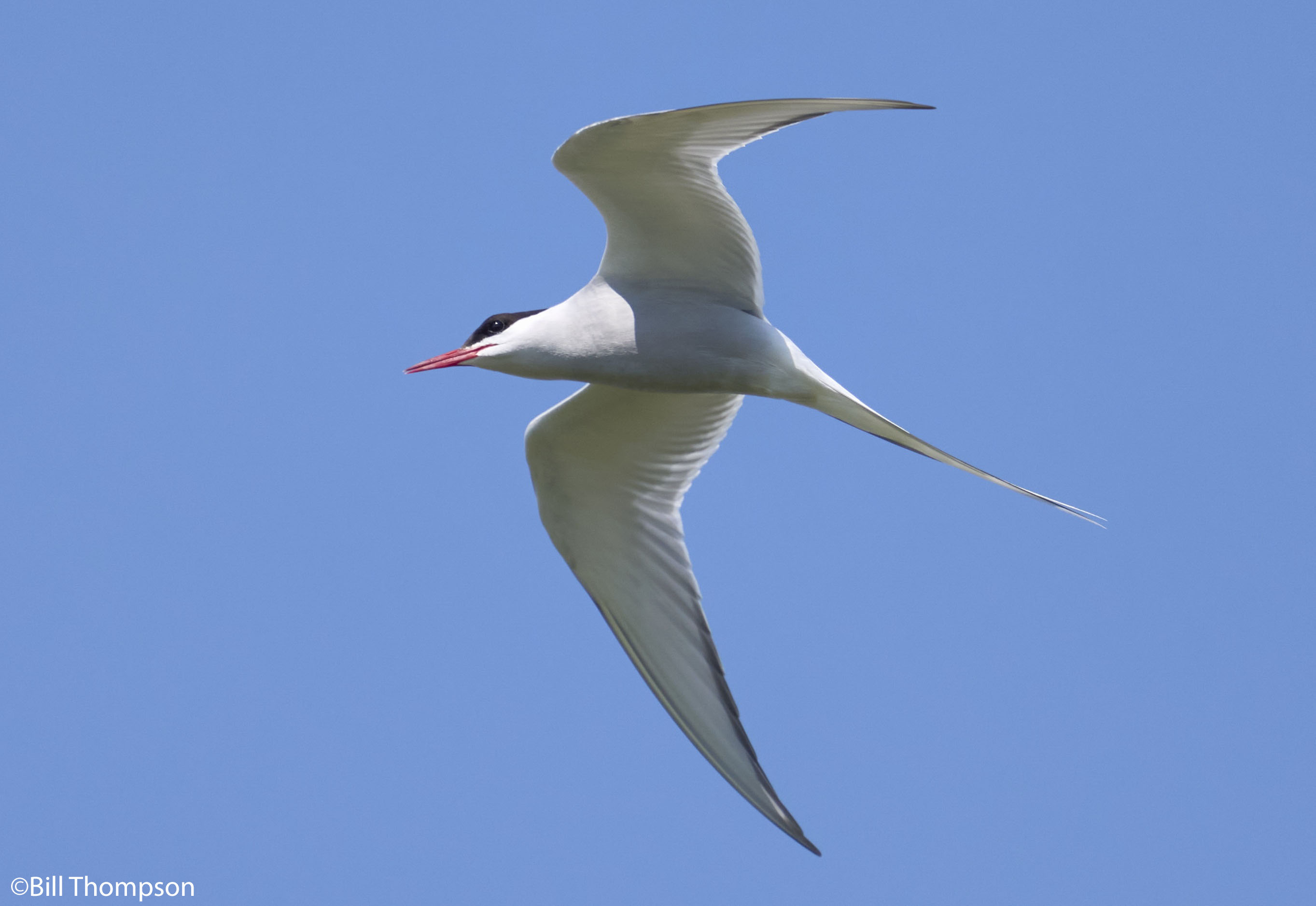
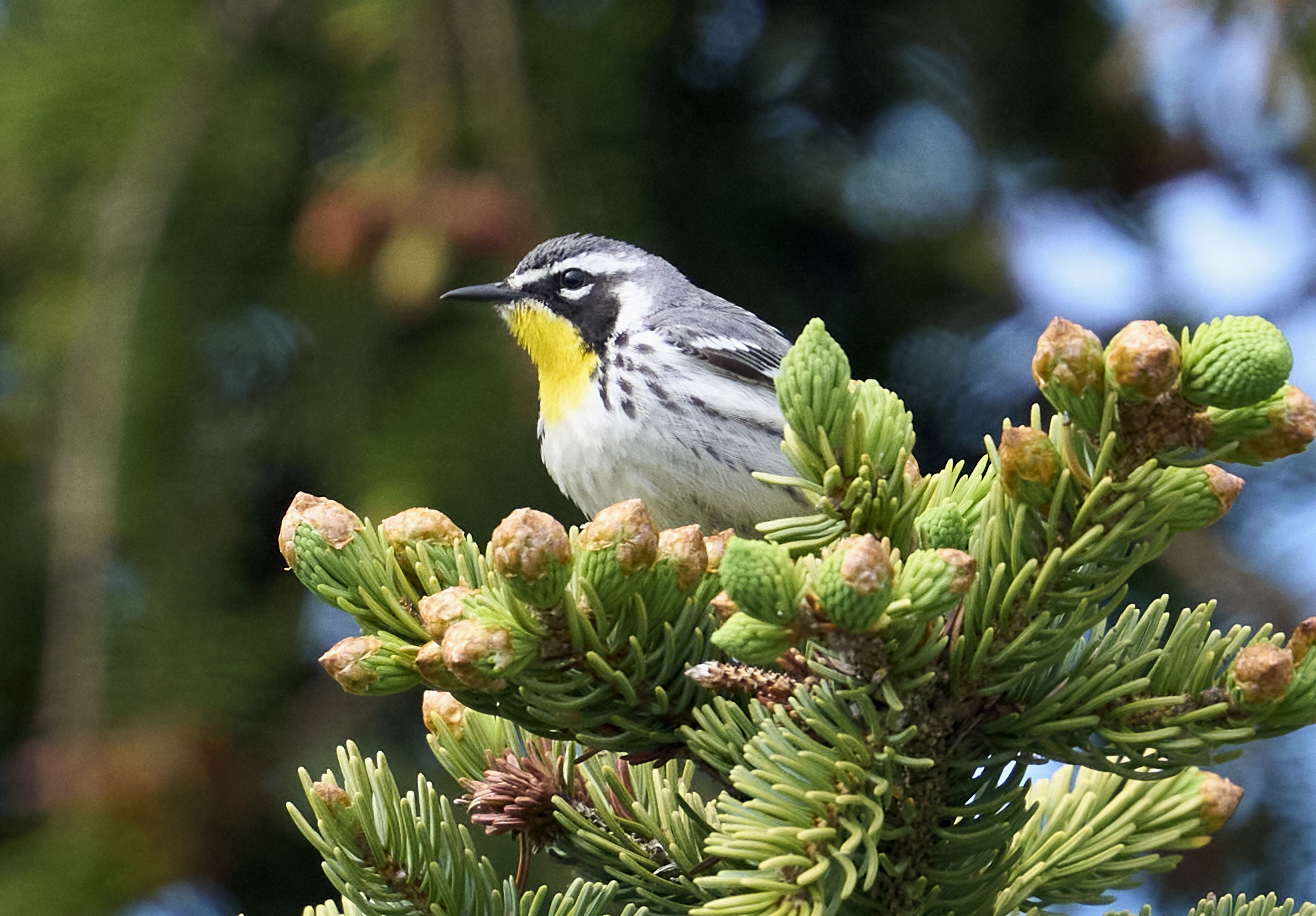
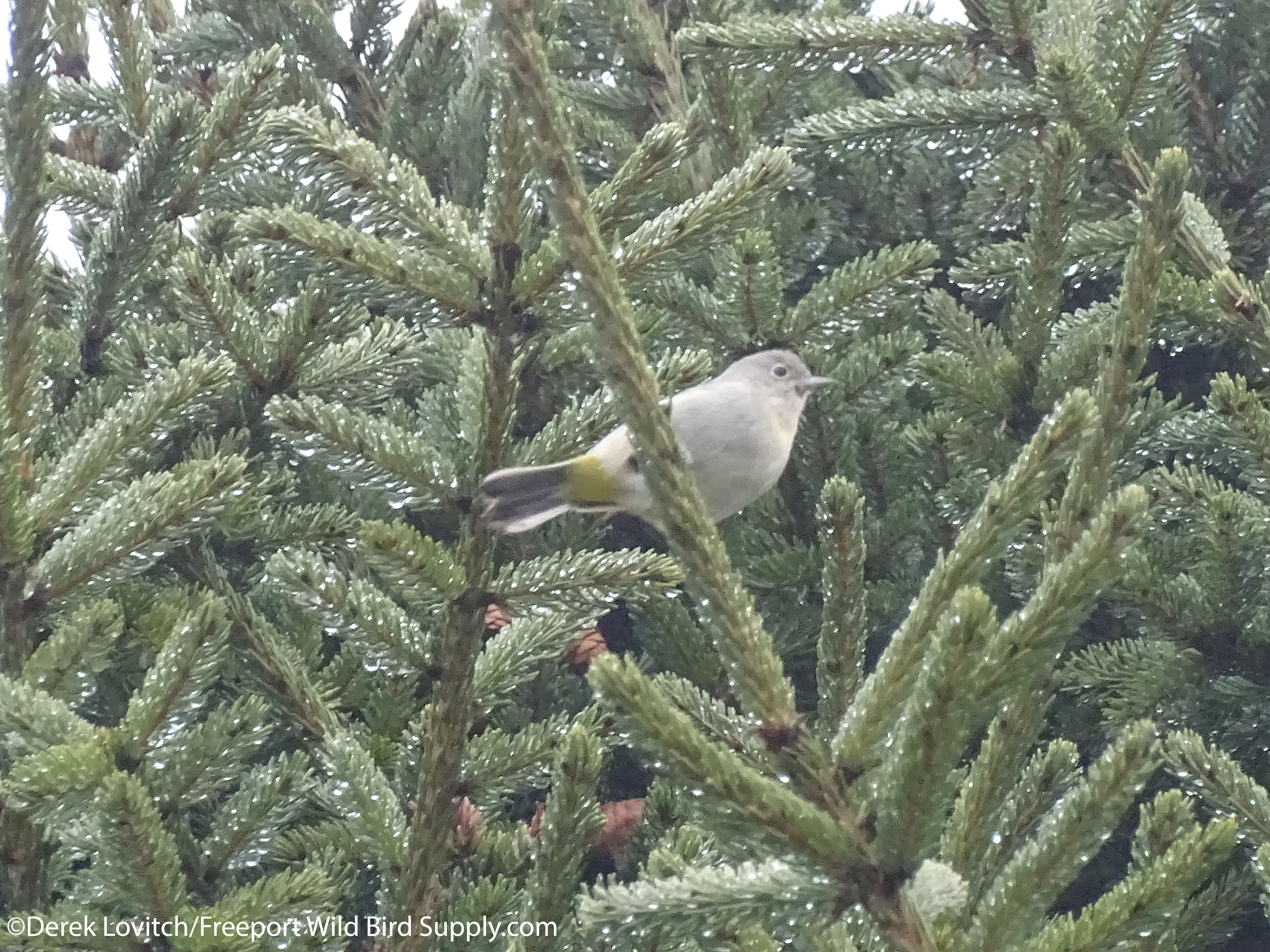
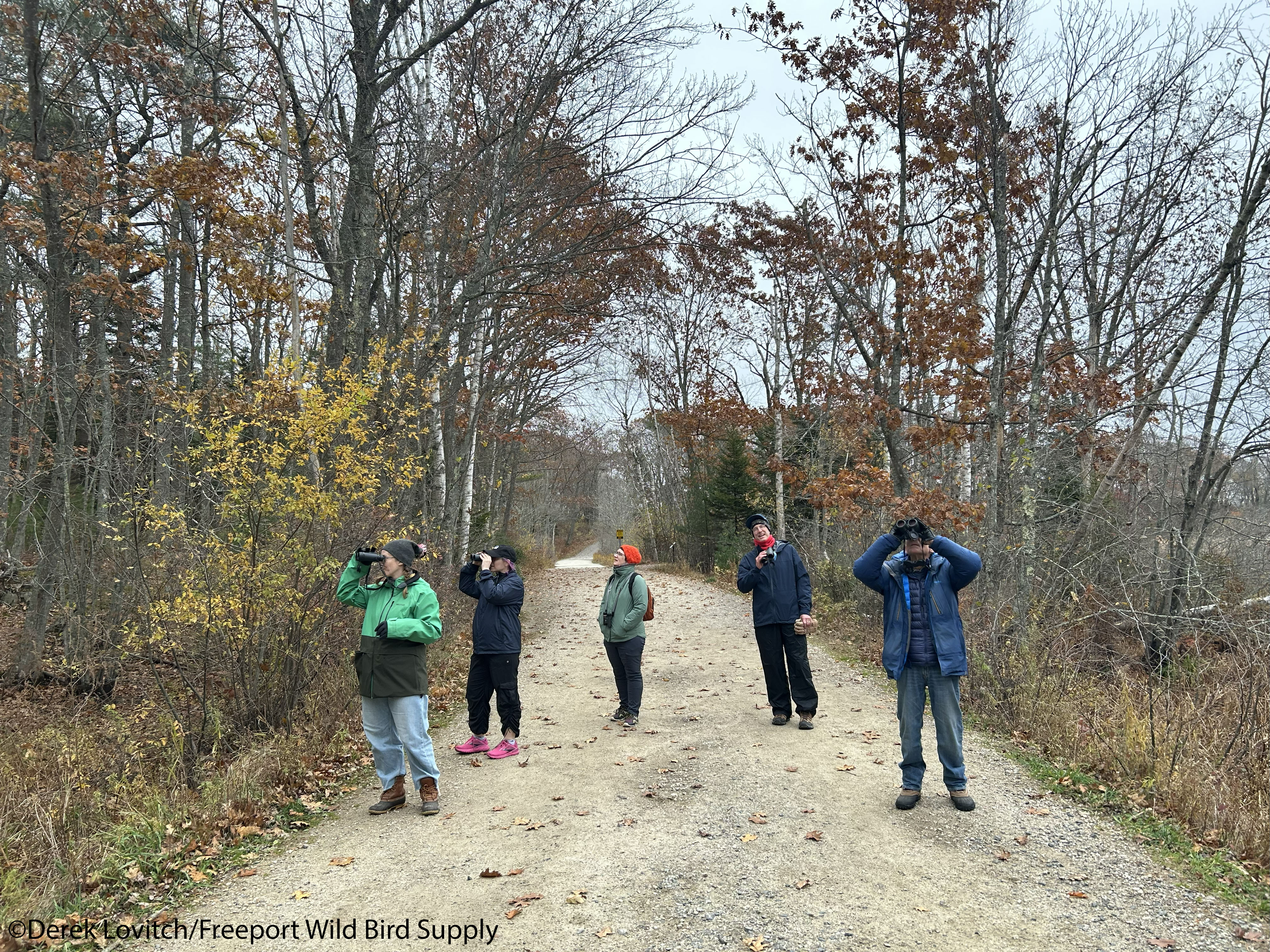
The last of the locally-breeding Roseate Terns have been been putting on quite a show around Pine Point, including this one that still showed a mostly all-black bill.
Jeannette and I returned from our summer vacation on the 3rd, and with shorebird migration in full swing, so I went right back to work, both personally and professionally! Here are my observations of note over the past 10 days:
1 Blue-gray Gnatcatcher has been present in our Durham yard since 8/8.
3 Gadwall, Walsh Preserve, Freeport, 8/4.
1 Louisiana Waterthrush, River Winds Farm and Estate (Private), Saco, 8/5.
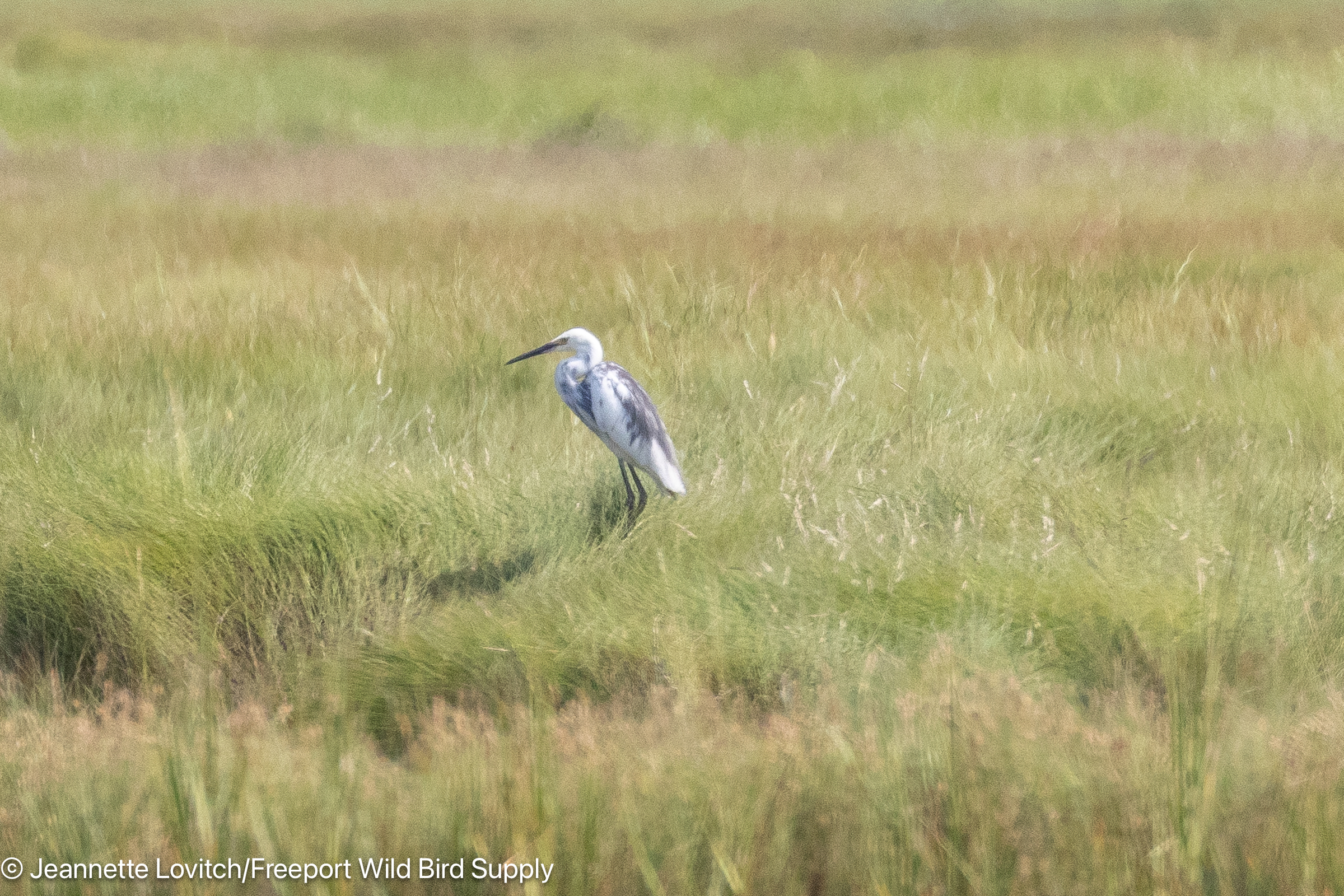
1 juvenile Little Blue Heron, Walsh Preserve, Freeport, 8/8 (with Saturday Morning Birdwalk group).
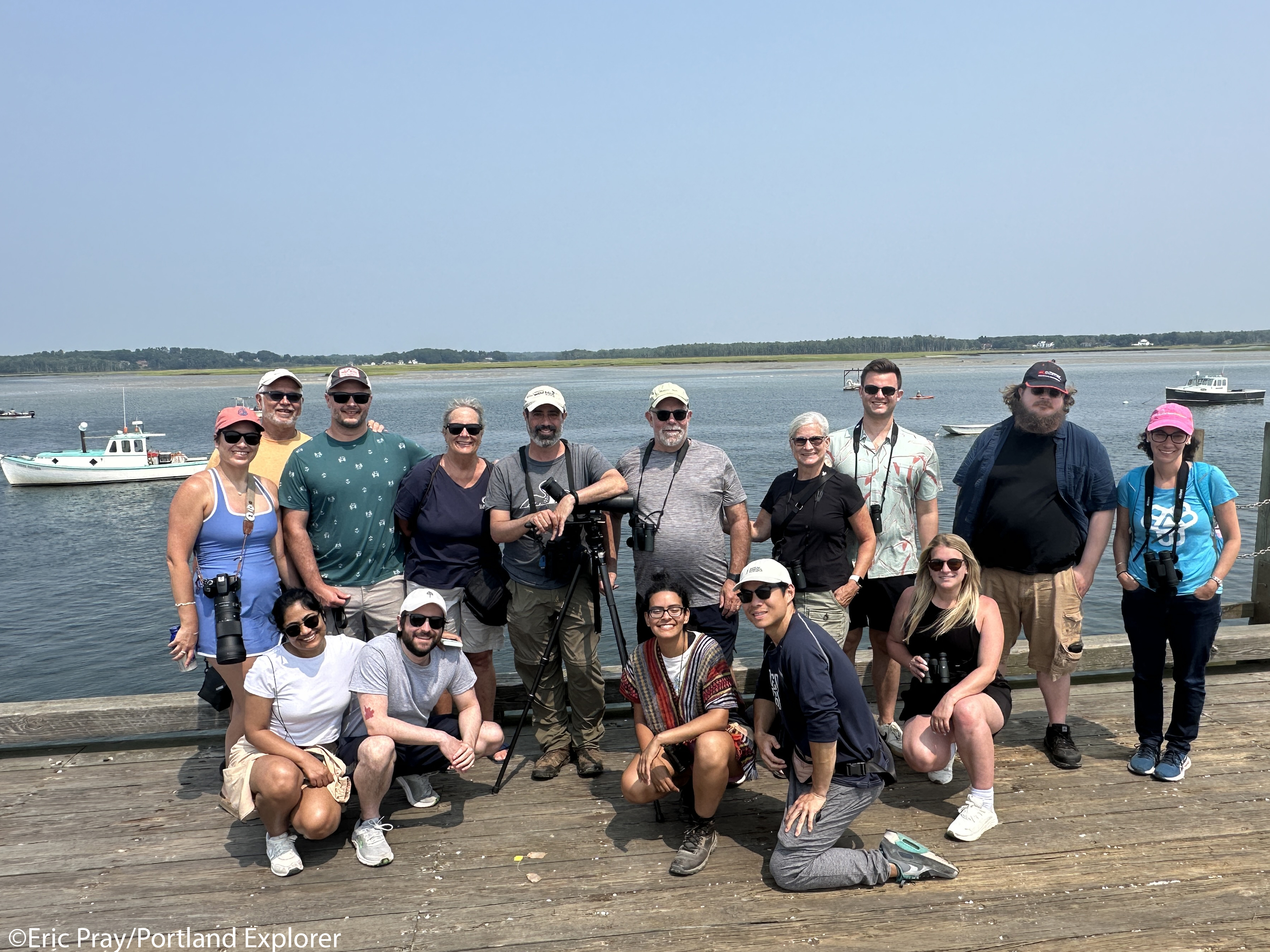
3 continuing FORSTER’S TERNS, Great Pond, Biddeford Pool, 8/9 (with Down East Magazine Shorebird Workshop tour group).
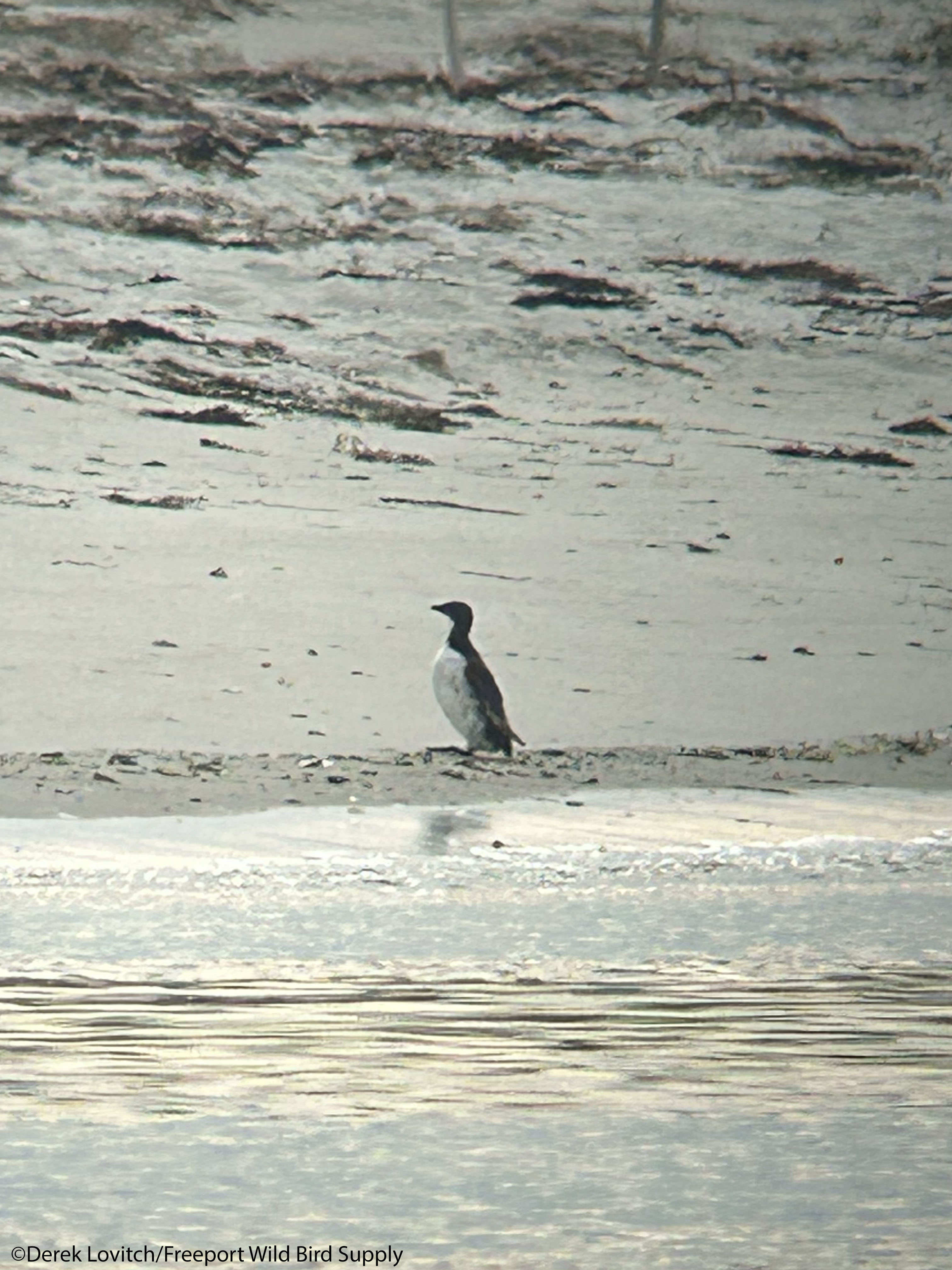
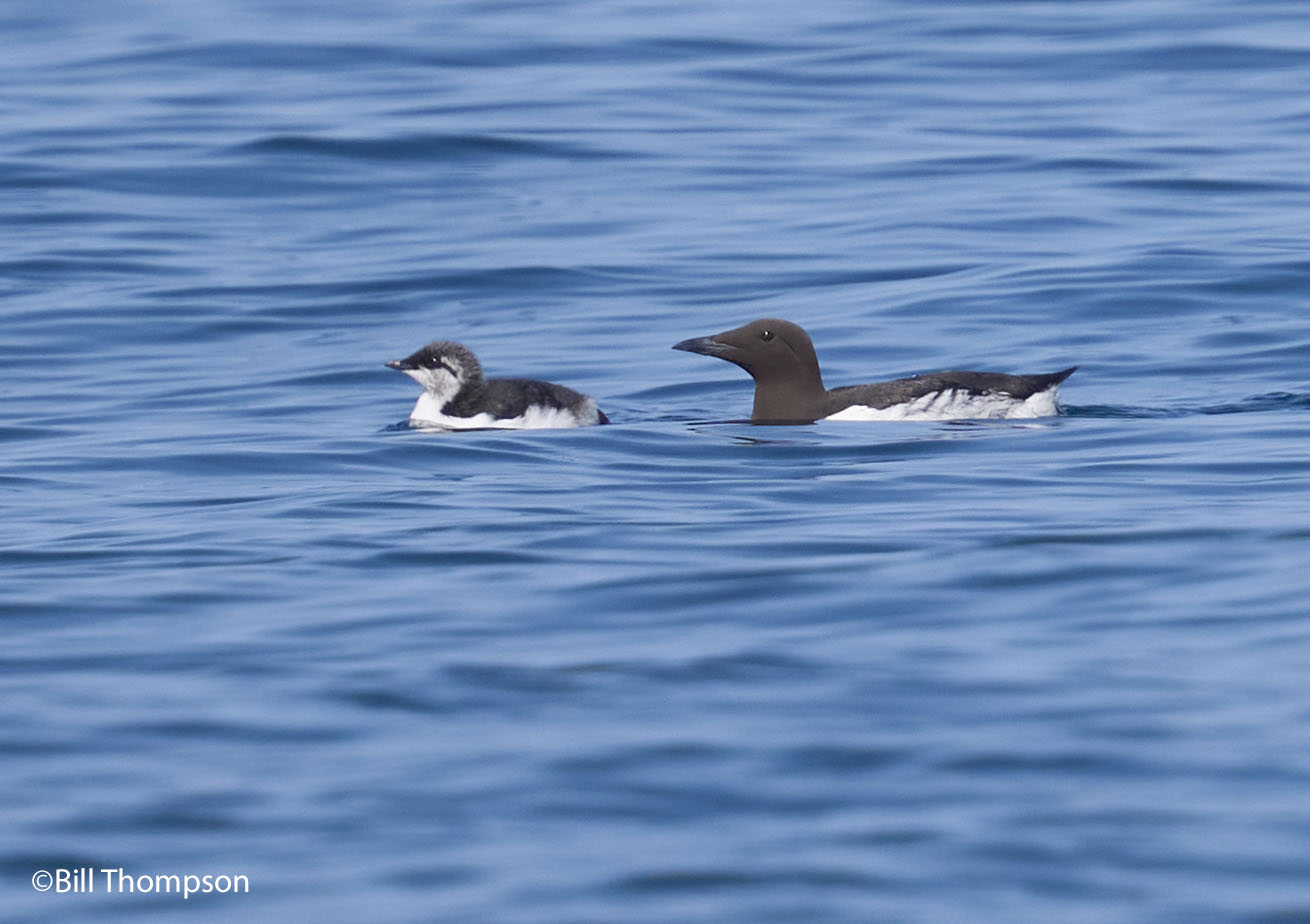
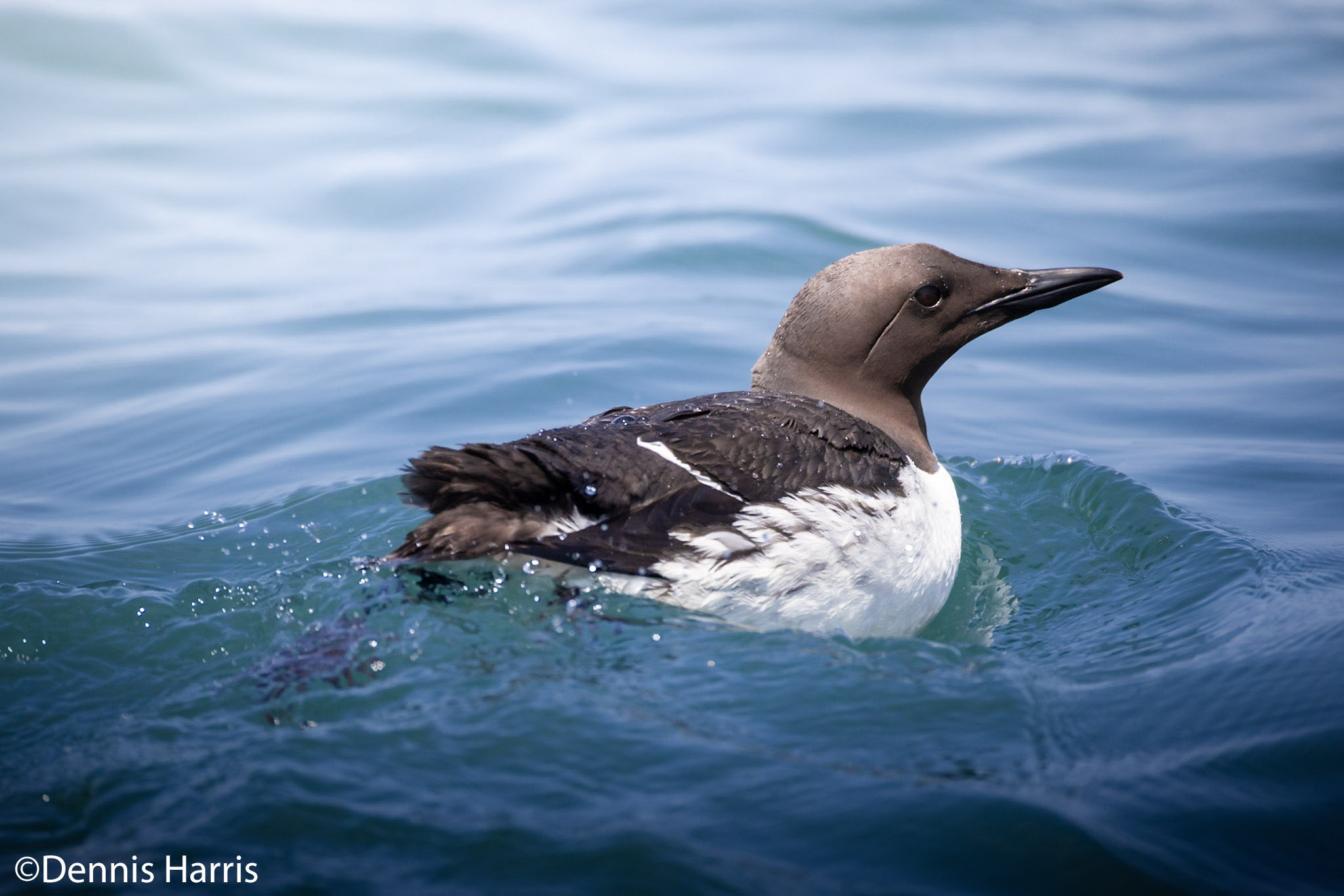
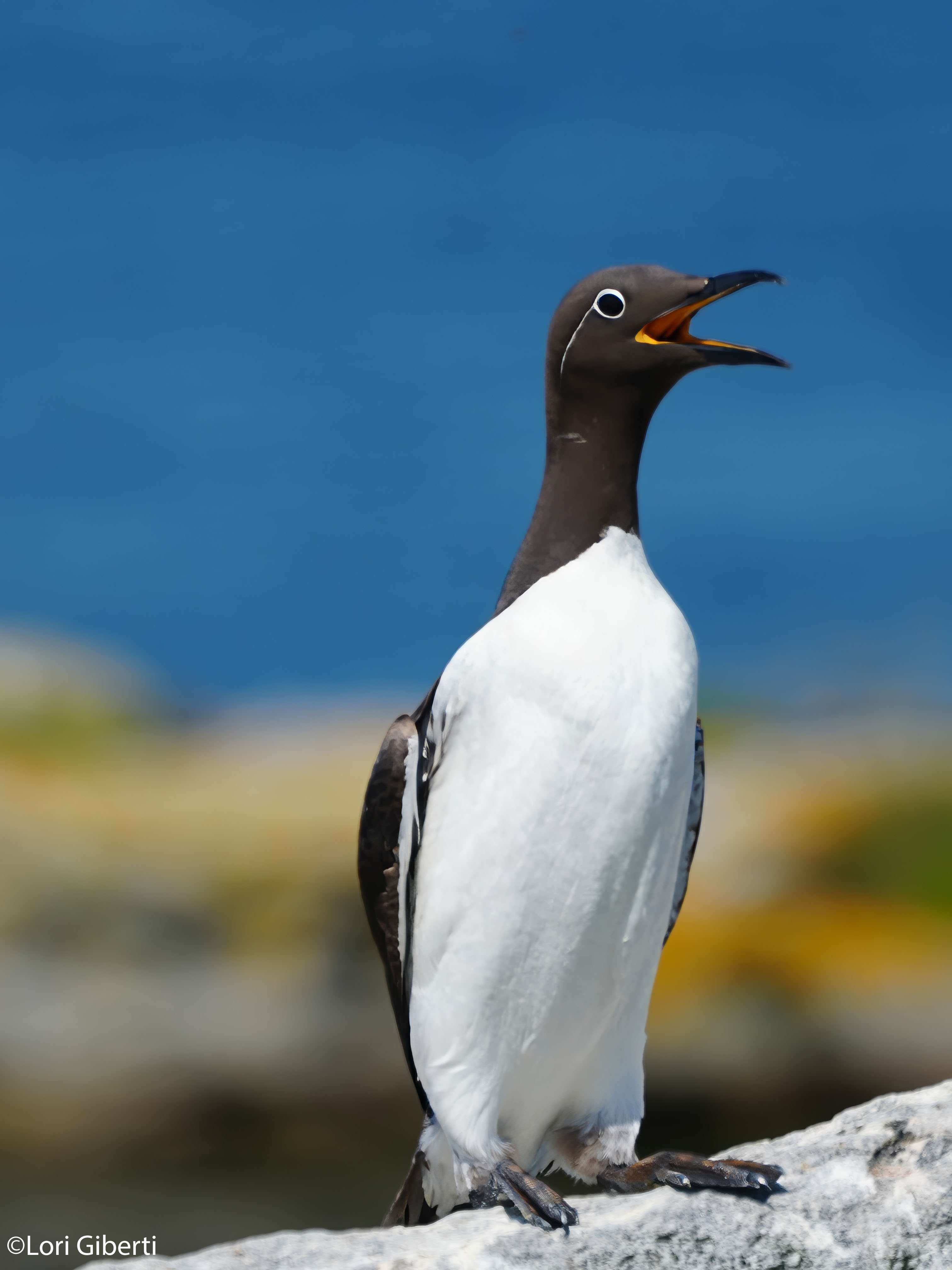
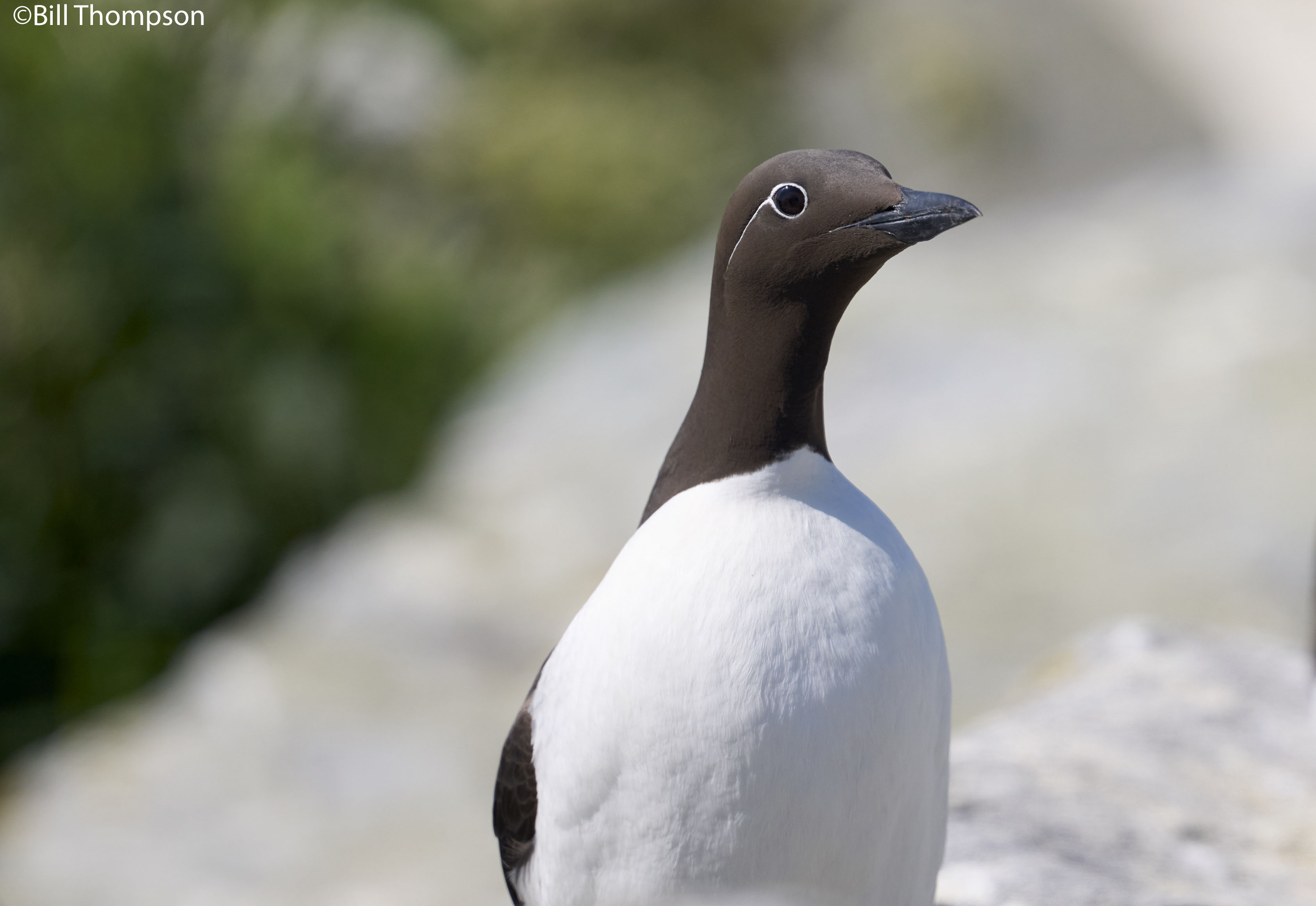
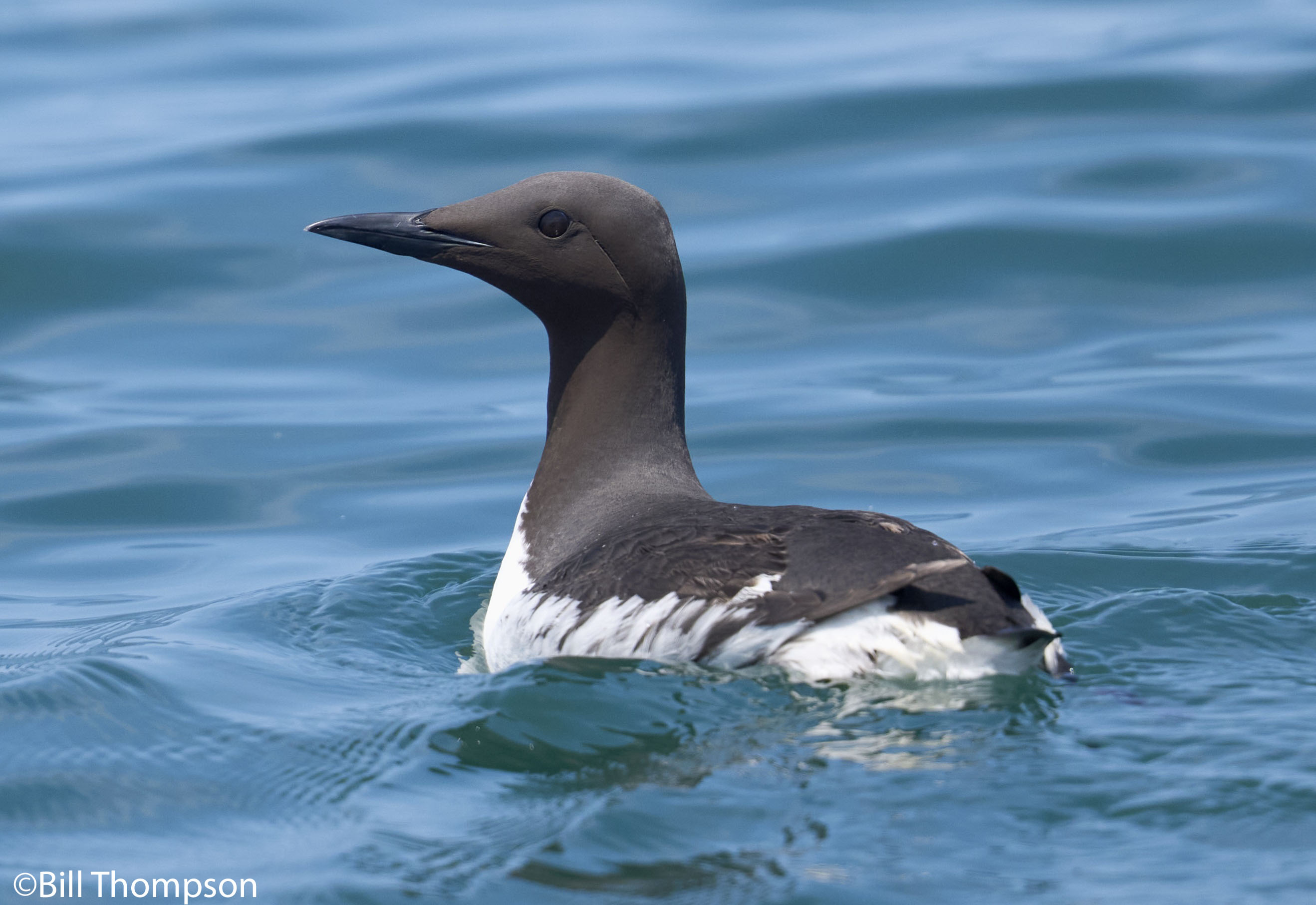
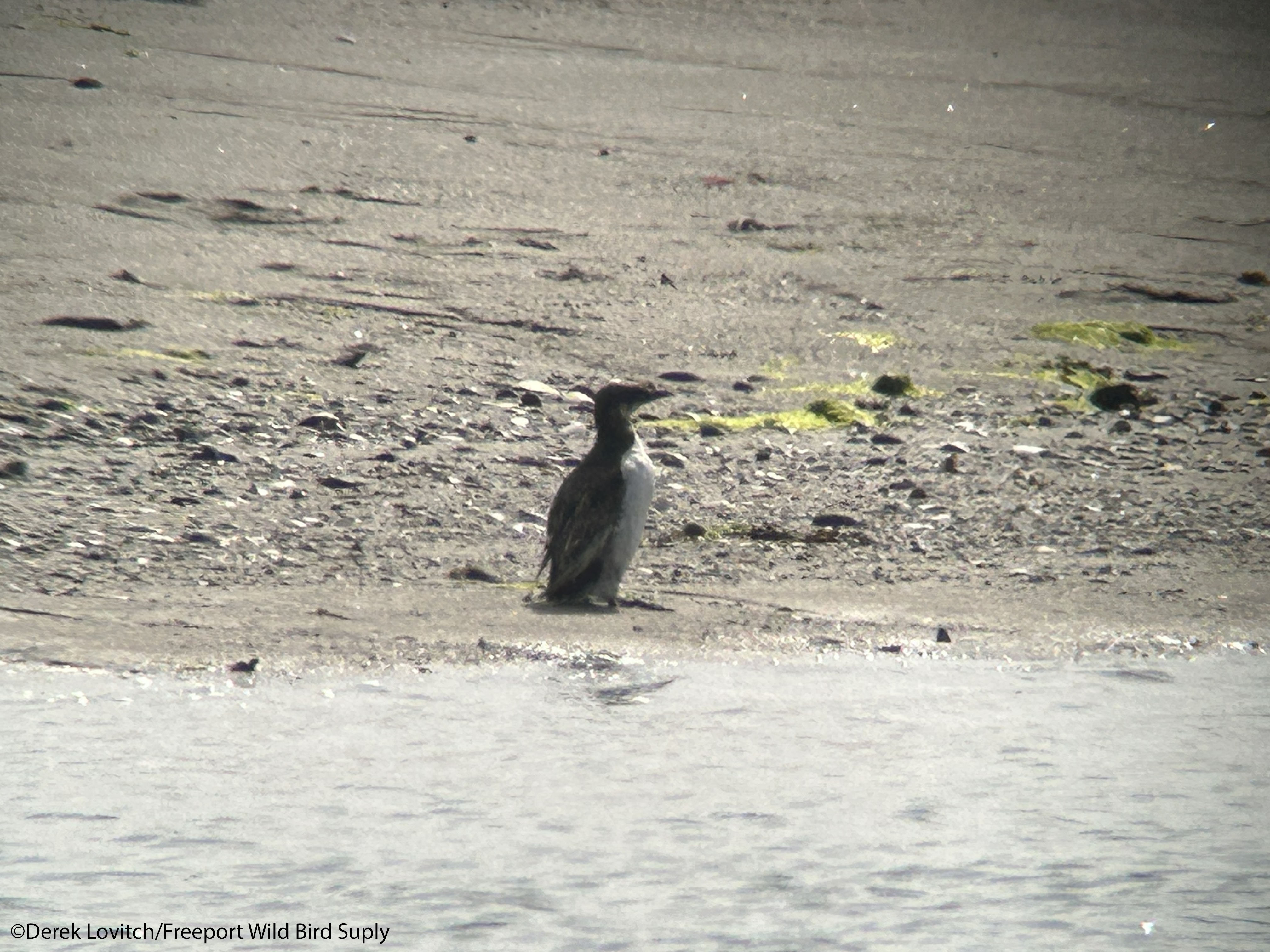
1 continuing THICK-BILLED MURRE, Ferry/Western Beach, Scarborough, 8/10 (with Jeannette). Present since 7/18, this first summer bird is in heavy wing molt, but otherwise appears healthy, actively diving, and surviving just fine. Please, just give it some room! We have been monitoring its health in consultation with Avian Haven, but even though it is well south of normal summertime range and it’s standing on the beach, it appears absolutely fine. Murres cannot take off from flat land, plus it’s in heavy molt, so perceptions of it being “sick” are just well-intentioned misunderstanding. It is being monitored, however!
(as viewed across the river from the Pine Point Jetty)
Prior to our trip, I had a couple of notable observations in the two days after my last post before we departed :
1 Yellow-billed Cuckoo (FOY, finally) and 1 Blue-gray Gnatcatcher, Old Town House Park, 7/25 (with Saturday Morning Birdwalk group).
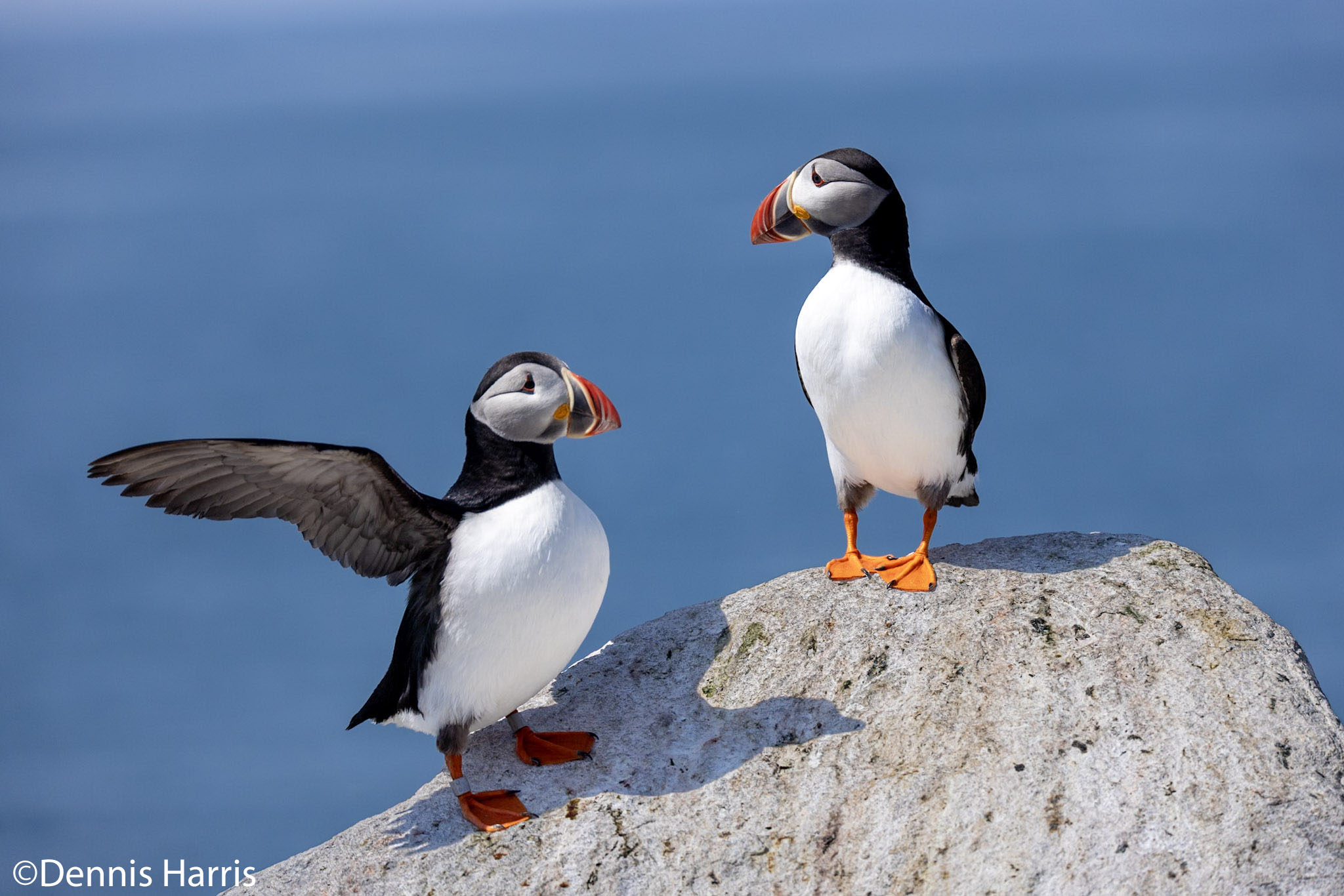
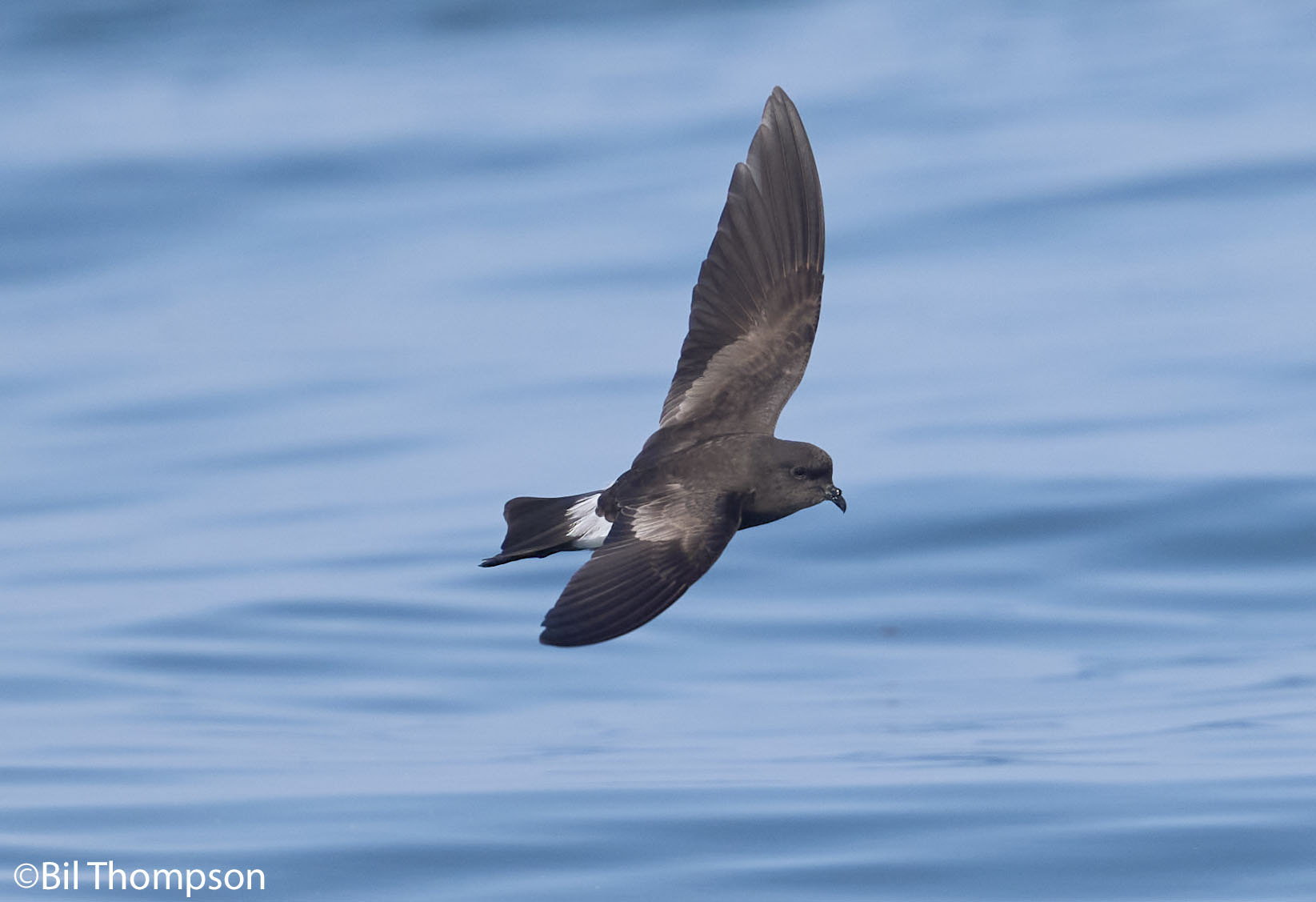
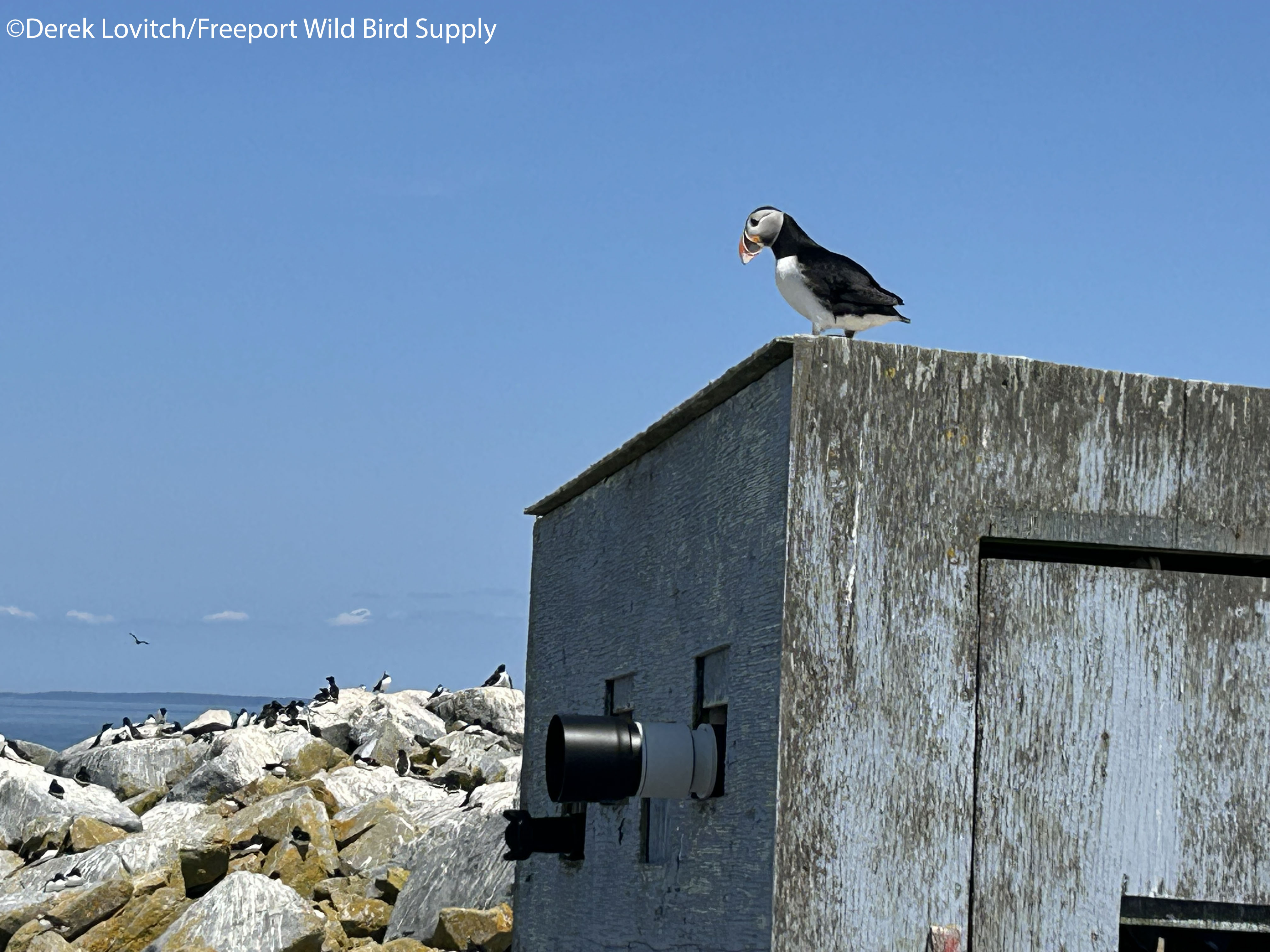
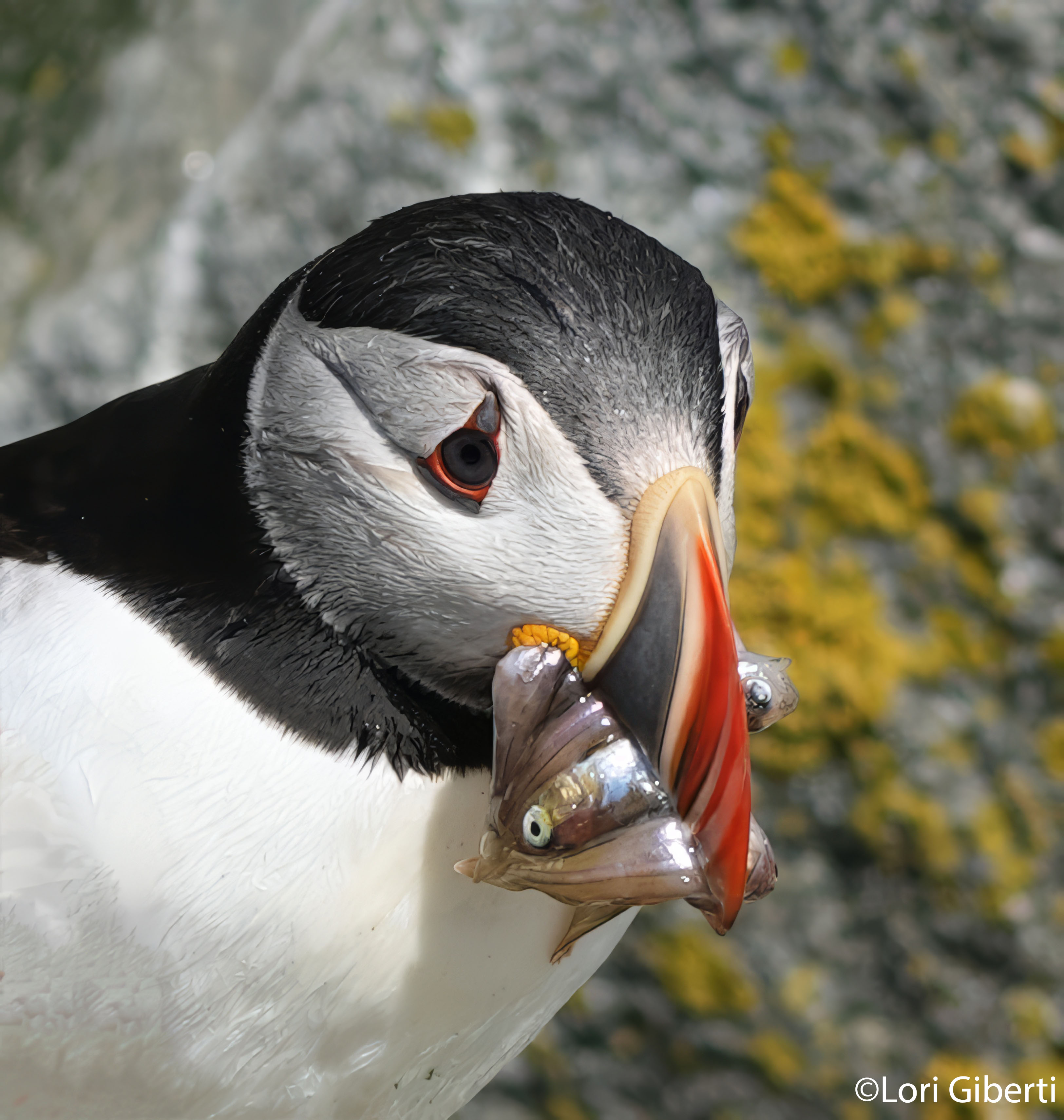
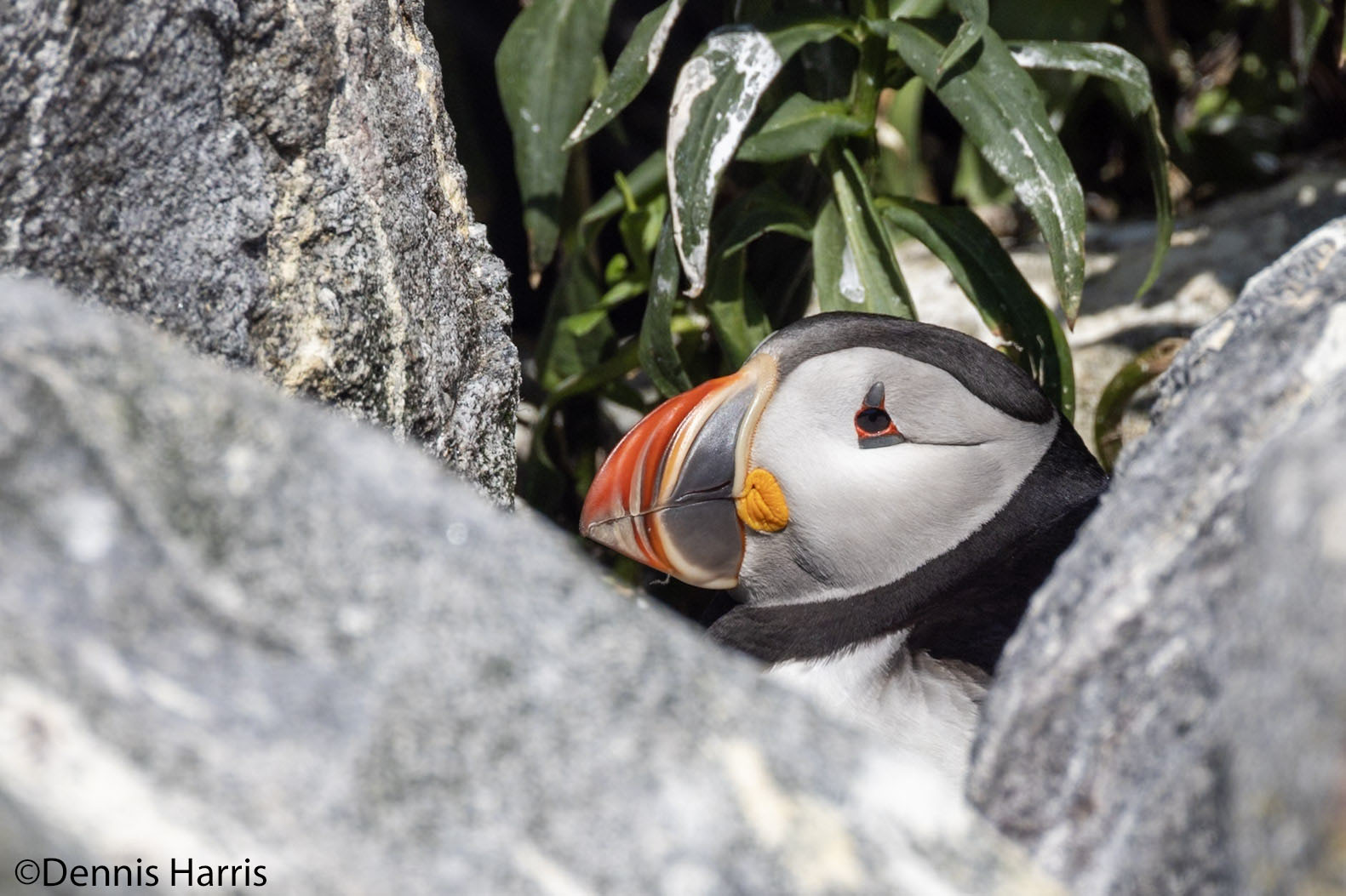
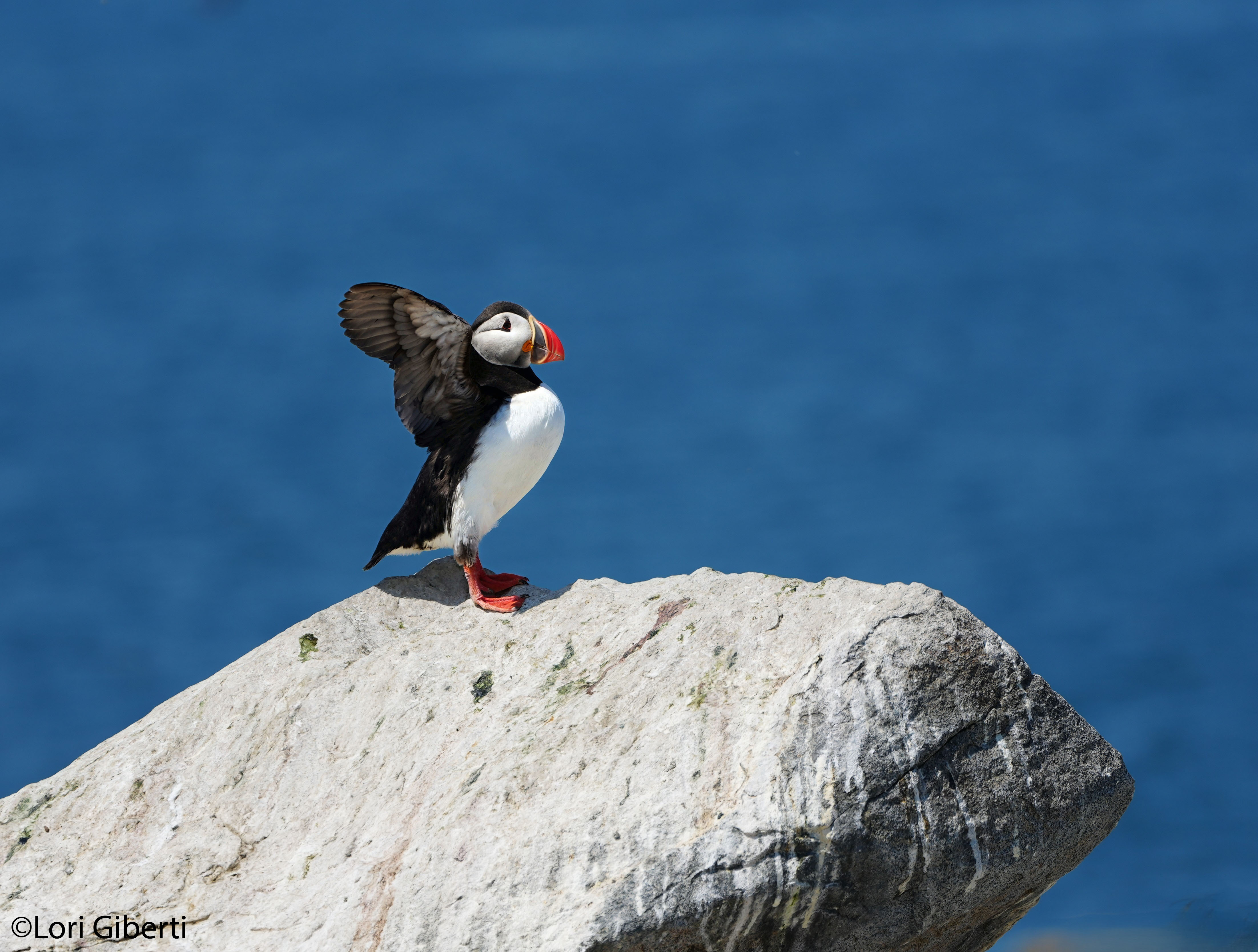
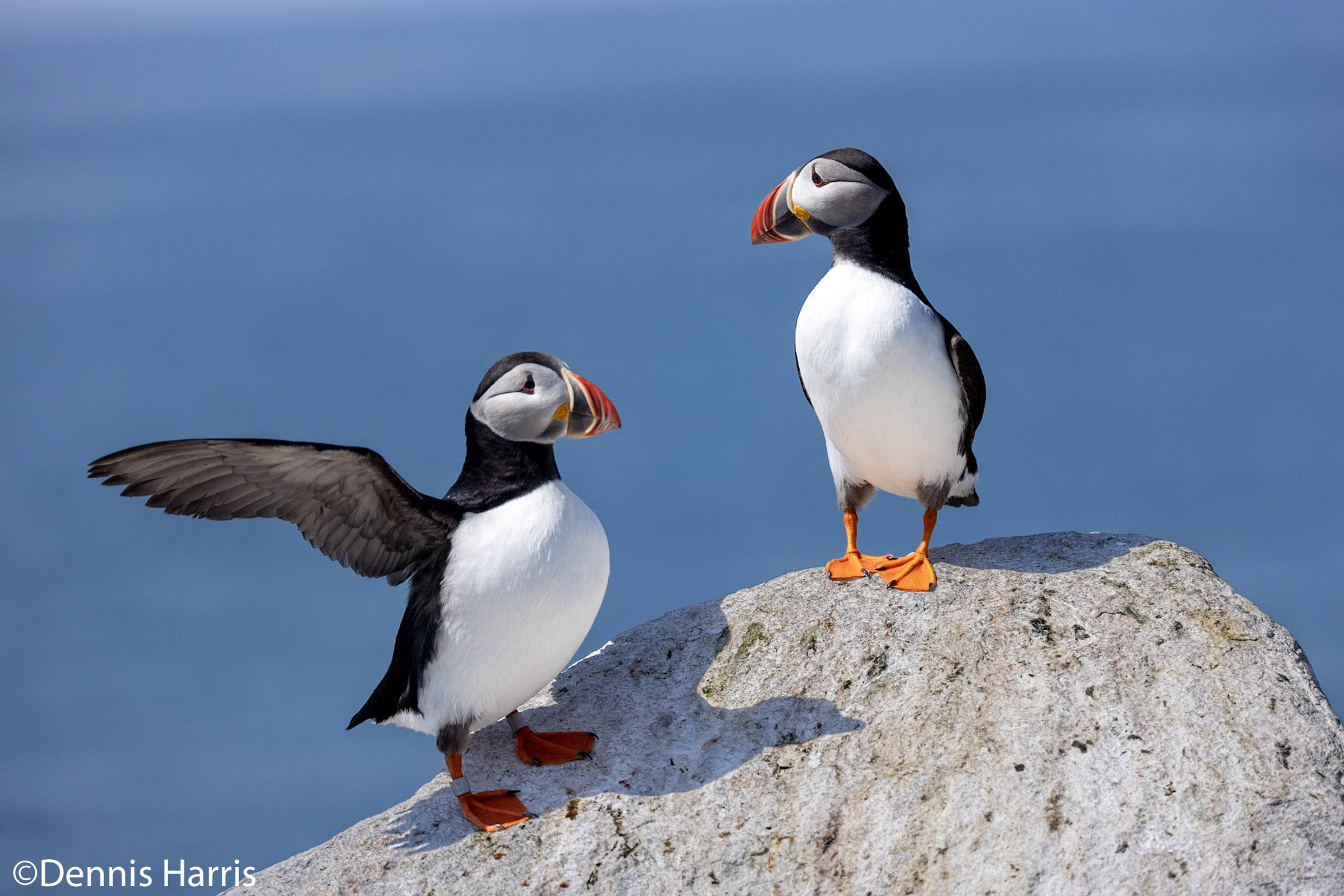
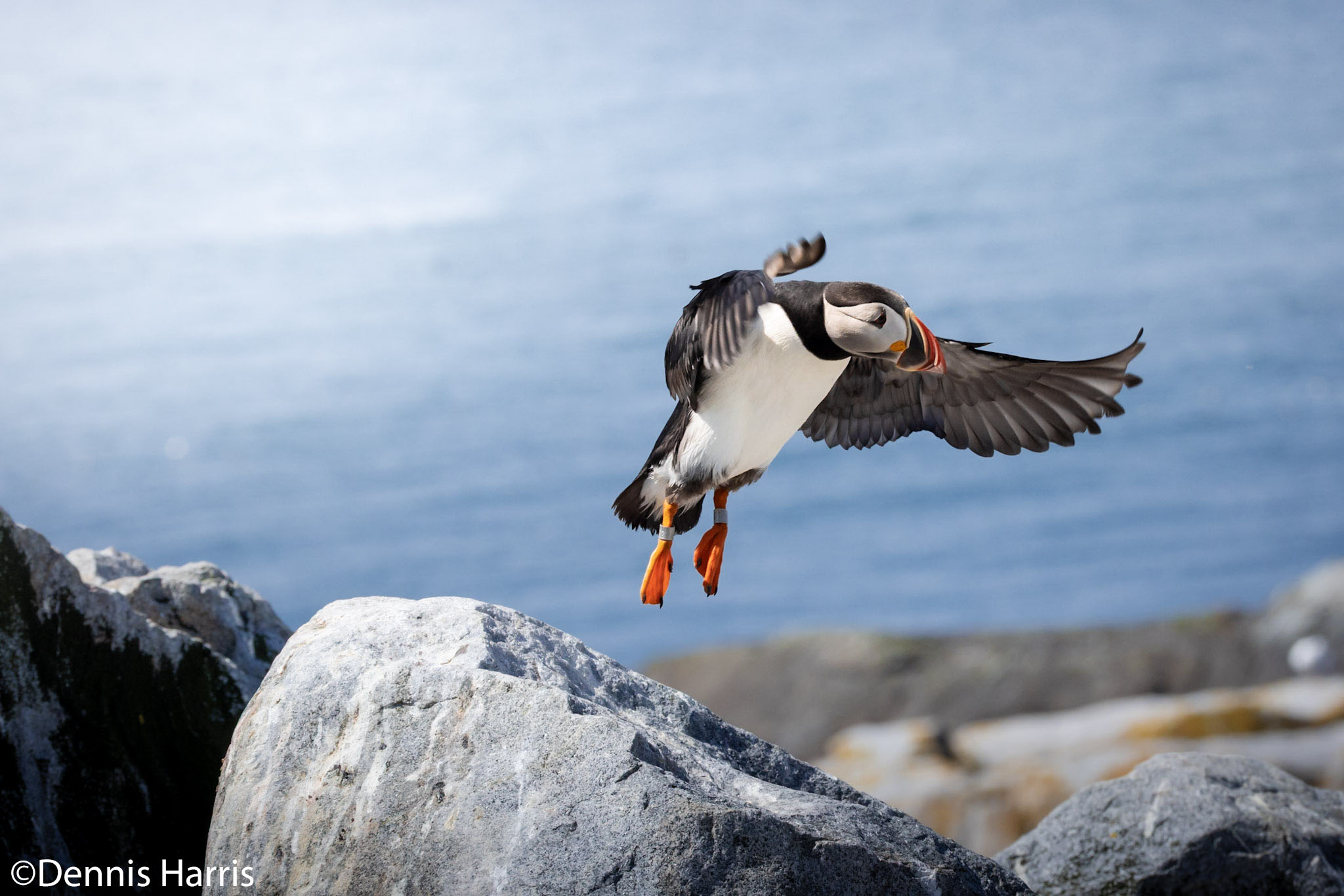
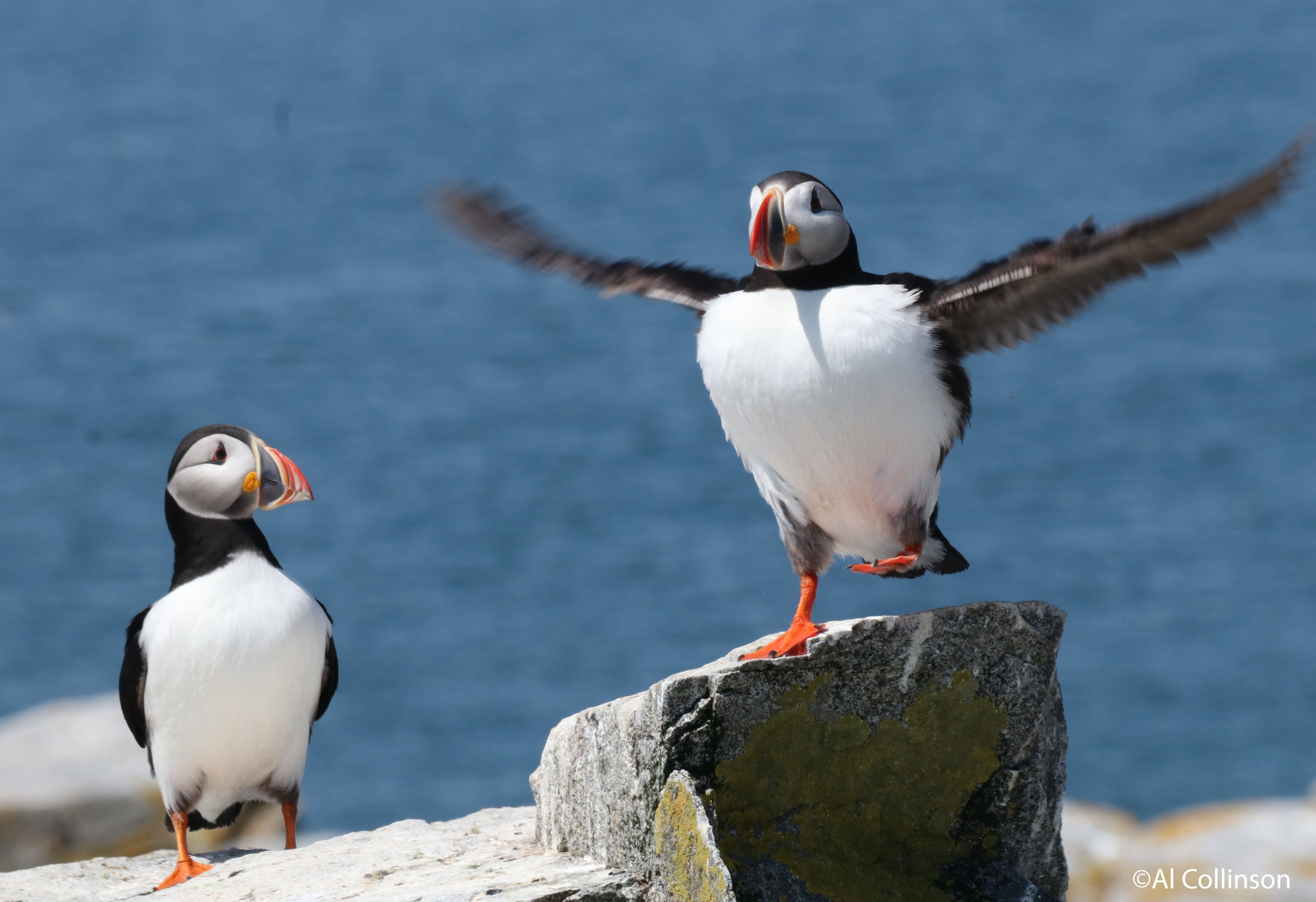
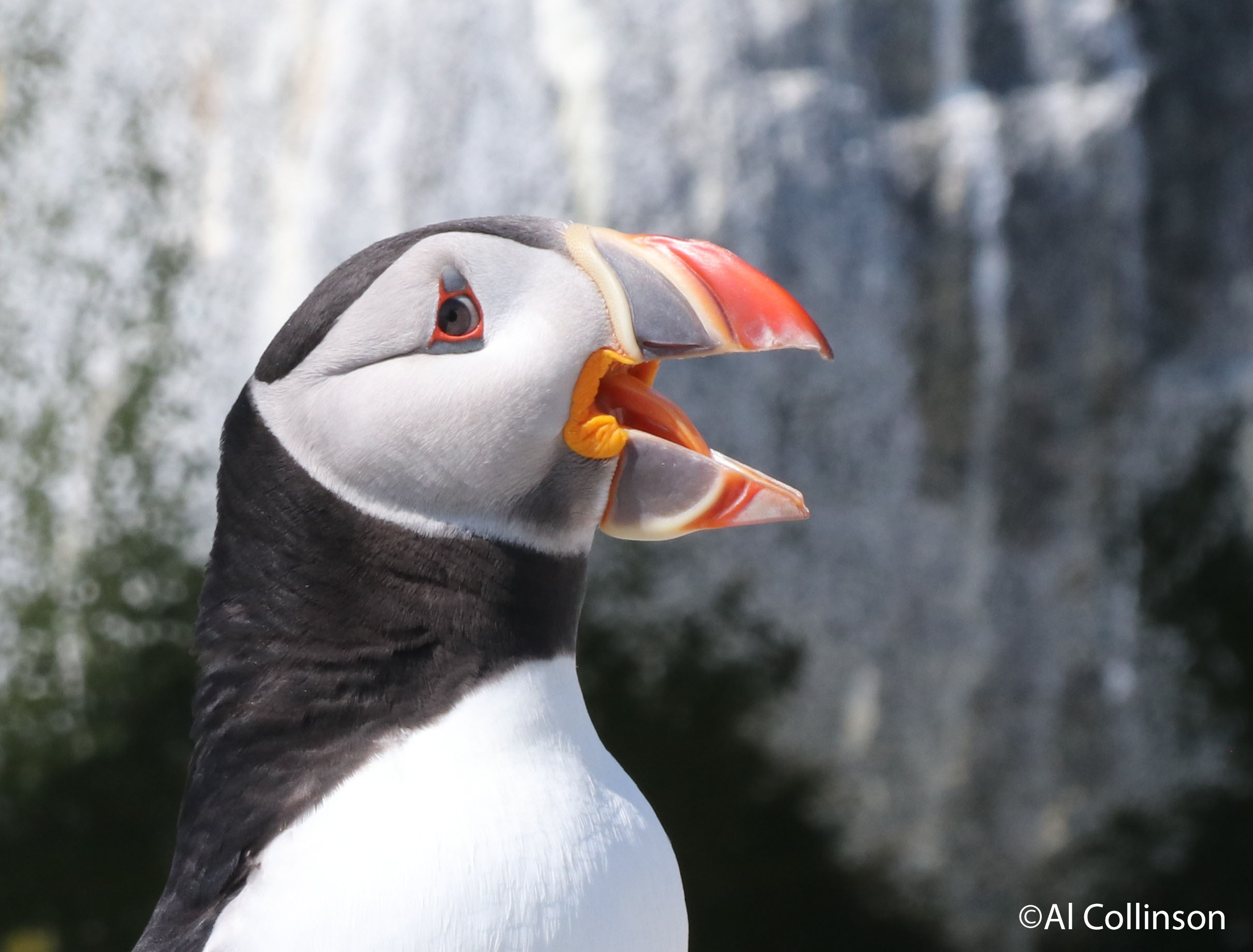
Highlights from my 7/26 “Whale Watch and Puffin Combo” birder’s special tour with Cap’n Fish’s Cruises out of Boothbay Harbor included: 206 Wilson’s Storm-Petrels, 16 RED-NECKED PHALAROPES, 3-4 RED PHALAROPES (upon photo review), a mere one Great Shearwater, 1 Northern Gannet, and of course all three terns and a great Atlantic Puffin show (especially for the date) at Eastern Egg Rock.
And here are my shorebird high counts over the past 10 days (see previous blog for an explanation of the “data” included here):
AMERICAN OYSTERCATCHER: 8, Hill’s Beach, Biddeford, 8/9 (with Down East Magazine Shorebird Workshop tour group).
Black-bellied Plover: 64, Wharton Point, Brunswick, 8/7.
Killdeer: 7, Florida Lake Park, Freeport, 8/12.
Semipalmated Plover: 125, Hill’s Beach, Biddeford, 8/9 (with Down East Magazine Shorebird Workshop tour group).
Piping Plover: 3 each at Biddeford Pool Beach and Hill’s Beach, Biddeford, 8/9 (with Down East Magazine Shorebird Workshop tour group).
Hudsonian Whimbrel: 1 each at The Pool and Jones Creek, Scarborough Marsh, 8/9 (with Down East Magazine Shorebird Workshop tour group).
Ruddy Turnstone: 16 Biddeford Pool Beach, 8/9 (with Down East Magazine Shorebird Workshop tour group).
Semipalmated Sandpiper: 125, Biddeford Pool Beach, 8/9 (with Down East Magazine Shorebird Workshop tour group). Very low high count for the season as I was unable to visit the best locations at the perfect tides this week.
Short-billed Dowitcher: 85, Hill’s Beach, Biddeford, 8/9 (with Down East Magazine Shorebird Workshop tour group).
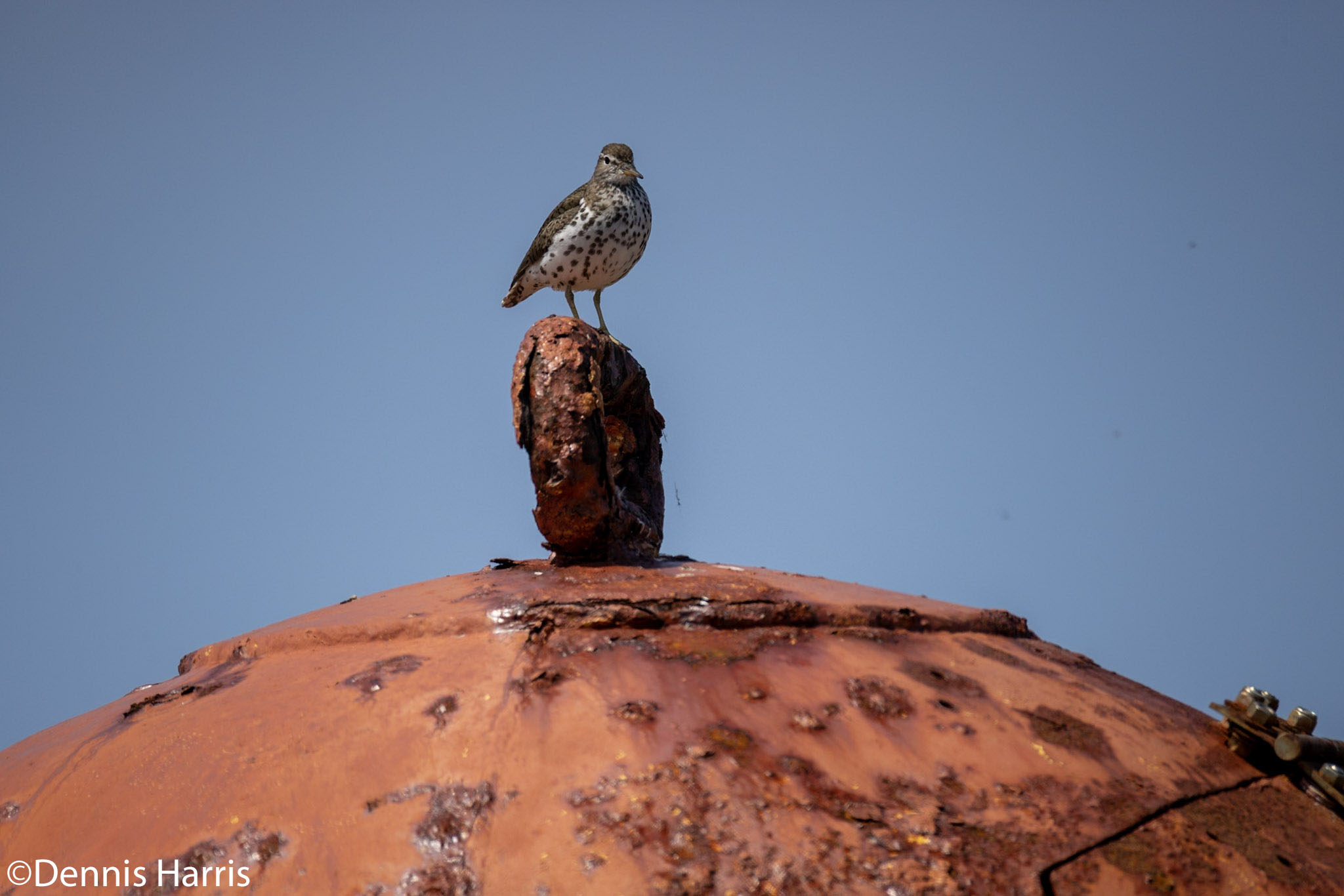
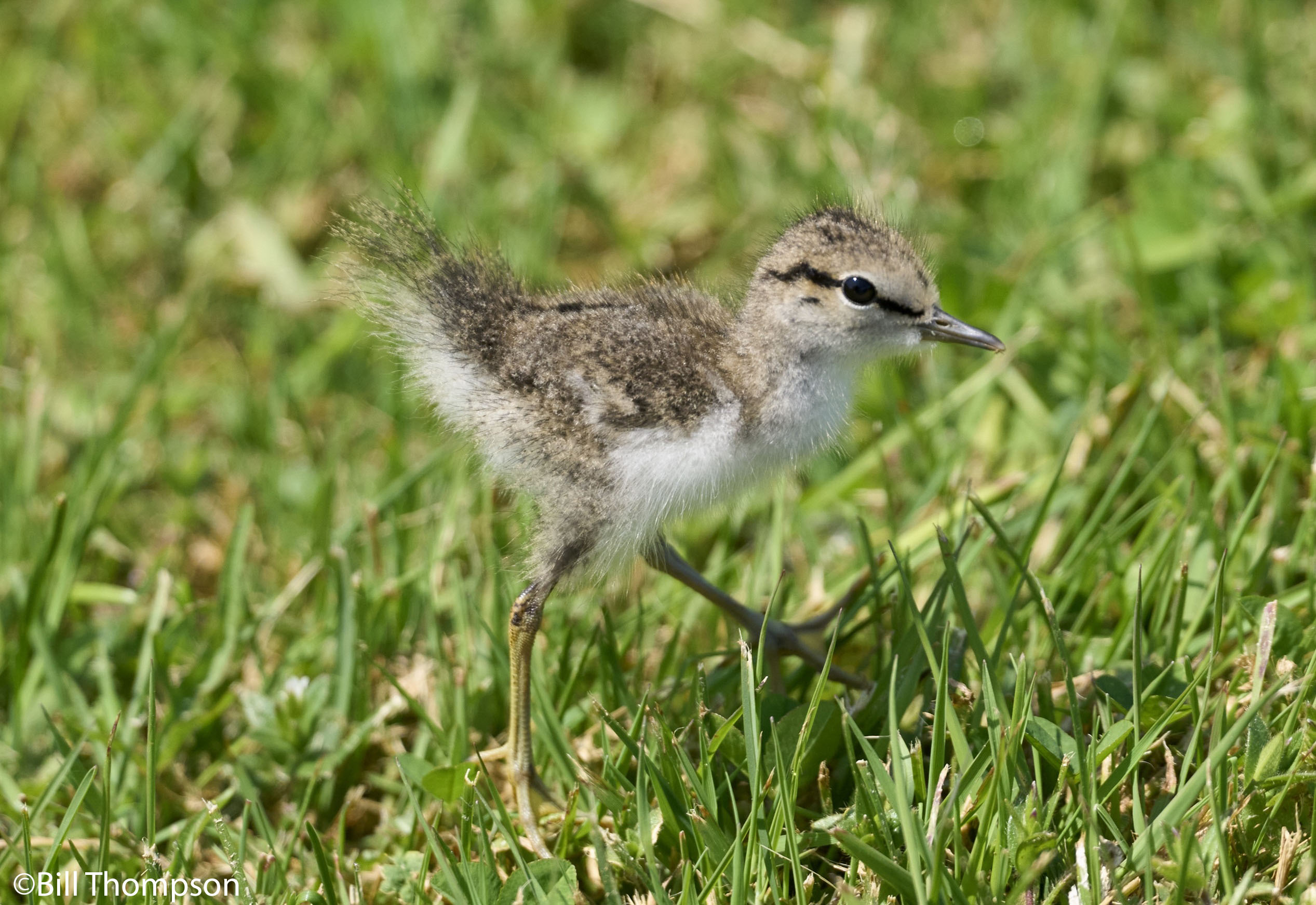
Spotted Sandpiper: 6, Great Pond, Biddeford Pool, 8/9 (with Down East Magazine Shorebird Workshop tour group).
These unique, relaxed birding and beer-ing adventures that you have come to love combine great local birding at seasonal hotspots with visits to sample the delicious creations of some of our favorite local breweries. These tours are a perfect introduction to birding and/or craft beer, and a great opportunity to travel with significant others, friends, and family that have interest in one topic, while your interest is primarily in the other (for now!). Seasonal birding hotspots and great local beer – a perfect combination, and we’ll even do all of the driving!
The original BoT Roadtrip! Way back in 2015, our most popular tour returns to Scarborough Marsh at prime time for a good variety of migrant shorebirds. We’ll learn how to identify our common species, and search for the rare. Up to 20 species of shorebirds are possible! We’ll practice identifying our “peeps” (Least, Semipalmated, and White-rumped Sandpipers) and attempt to tease out a rare Western or even a Baird’s among the masses. We’ll look for local breeding American Oystercatchers and Willets, while searching for migrants such as Red Knots on their way from the high Arctic to the southern tip of Argentina.
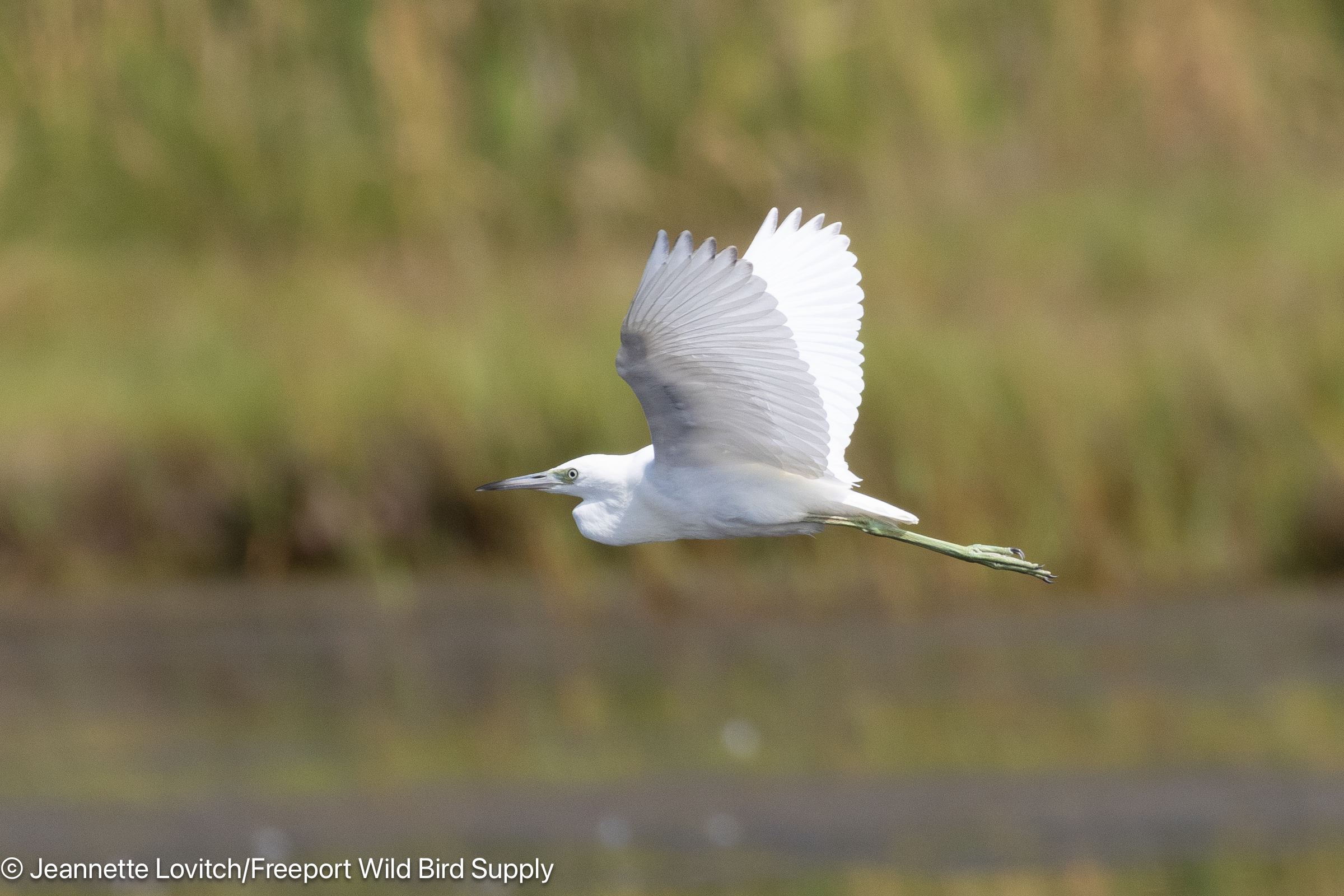
Juvenile Little Blue Heron, Scarborough Marsh, 8/10.
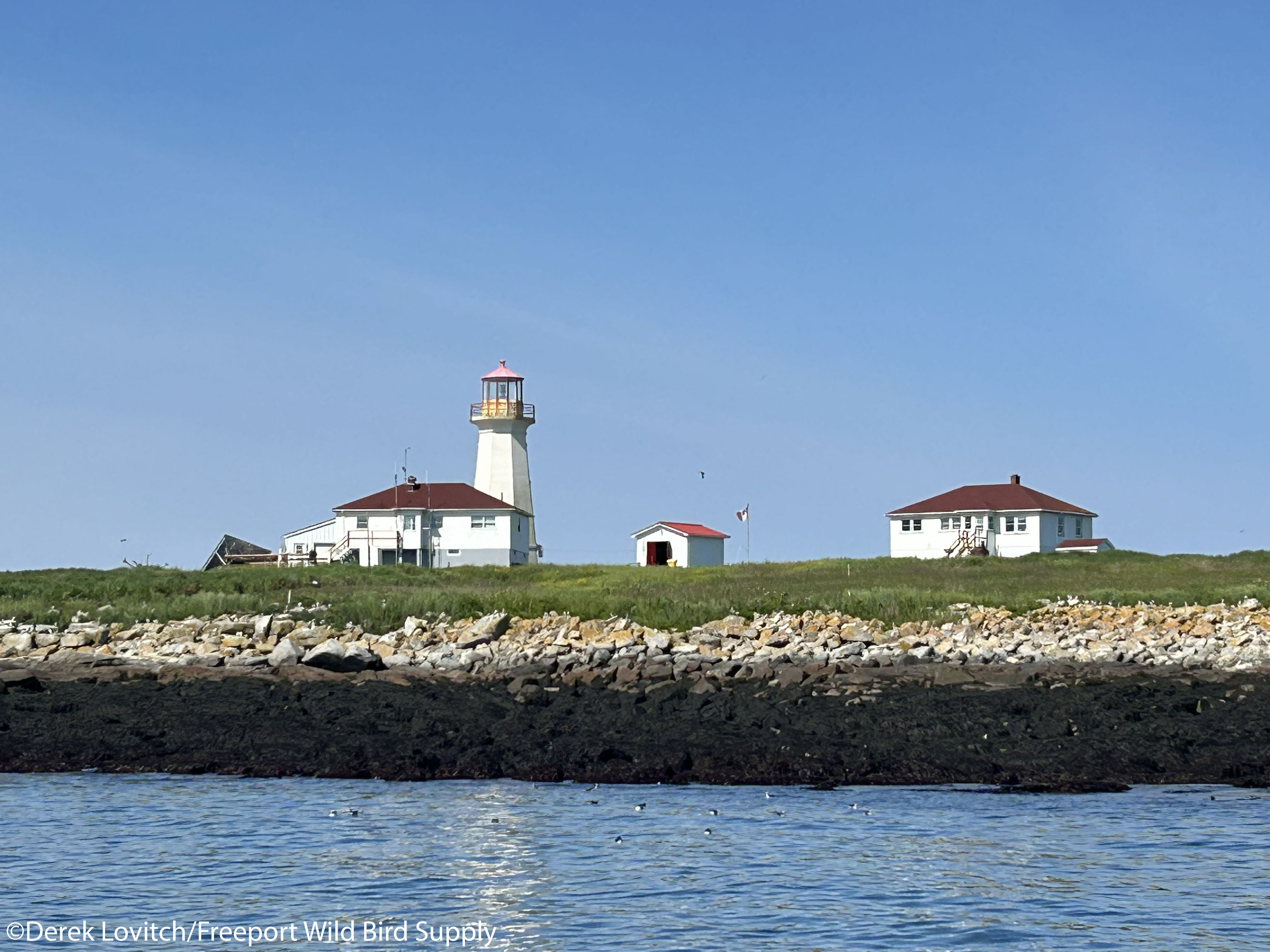
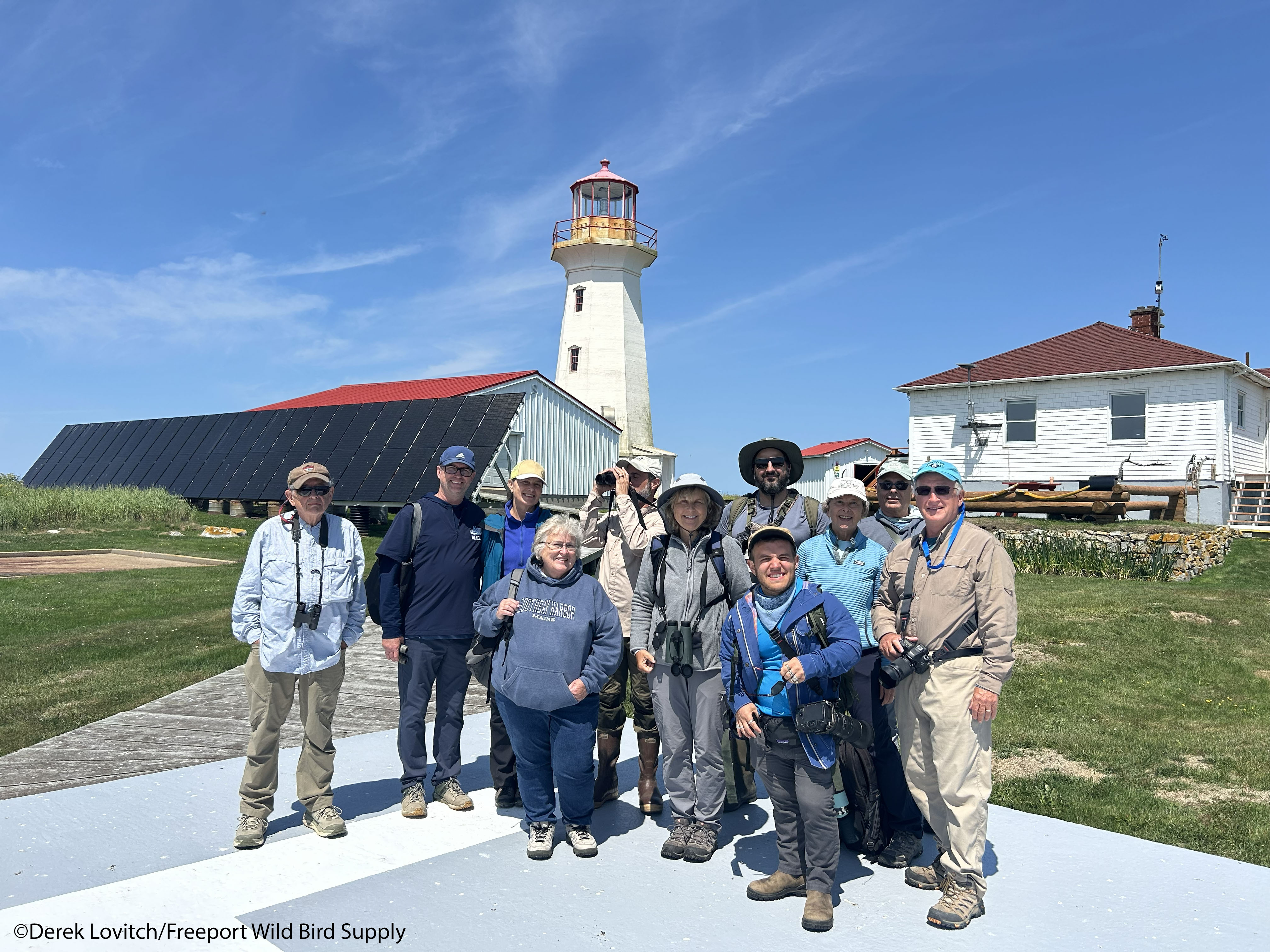
New for 2026, “The Magic of Machias Seal Island Tour” took place on July 6th and 7th. I think we can say this new tour was a success.
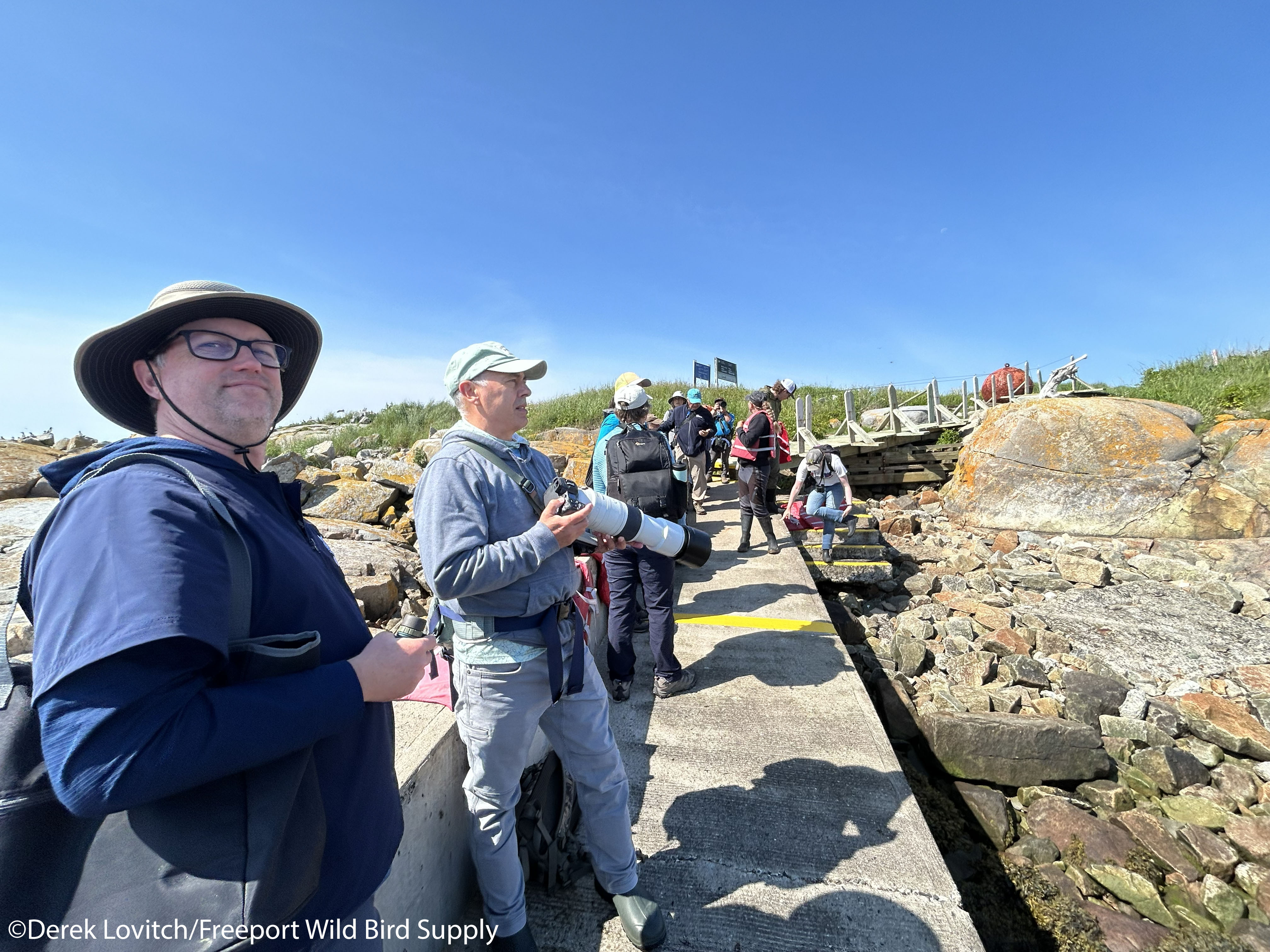
After a welcome and strategy dinner on Sunday night, we met on the morning of the 6th for a carpool from Machias to Cutler, where we boarded our boat to one of the most special places on the continent.
It could not have been a more perfect day. Mostly clear, glass calm, and a comfortable temperature rising from 60F to the low 70’s by the afternoon – an absolutely gorgeous day!
With such calm waters, the trip out to Machias Seal Island was delightful. We encountered lots of Wilson’s Storm-Petrels…
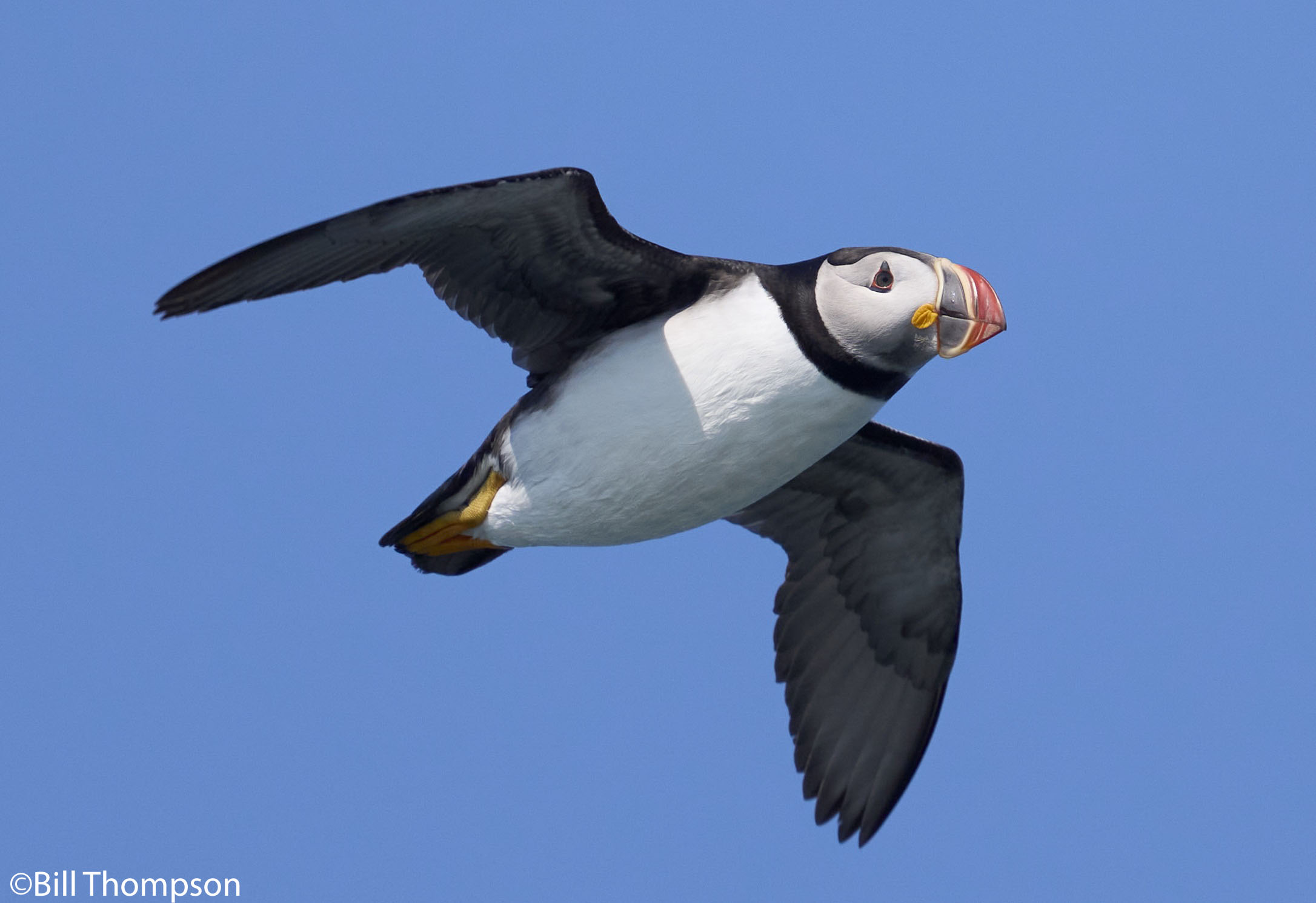
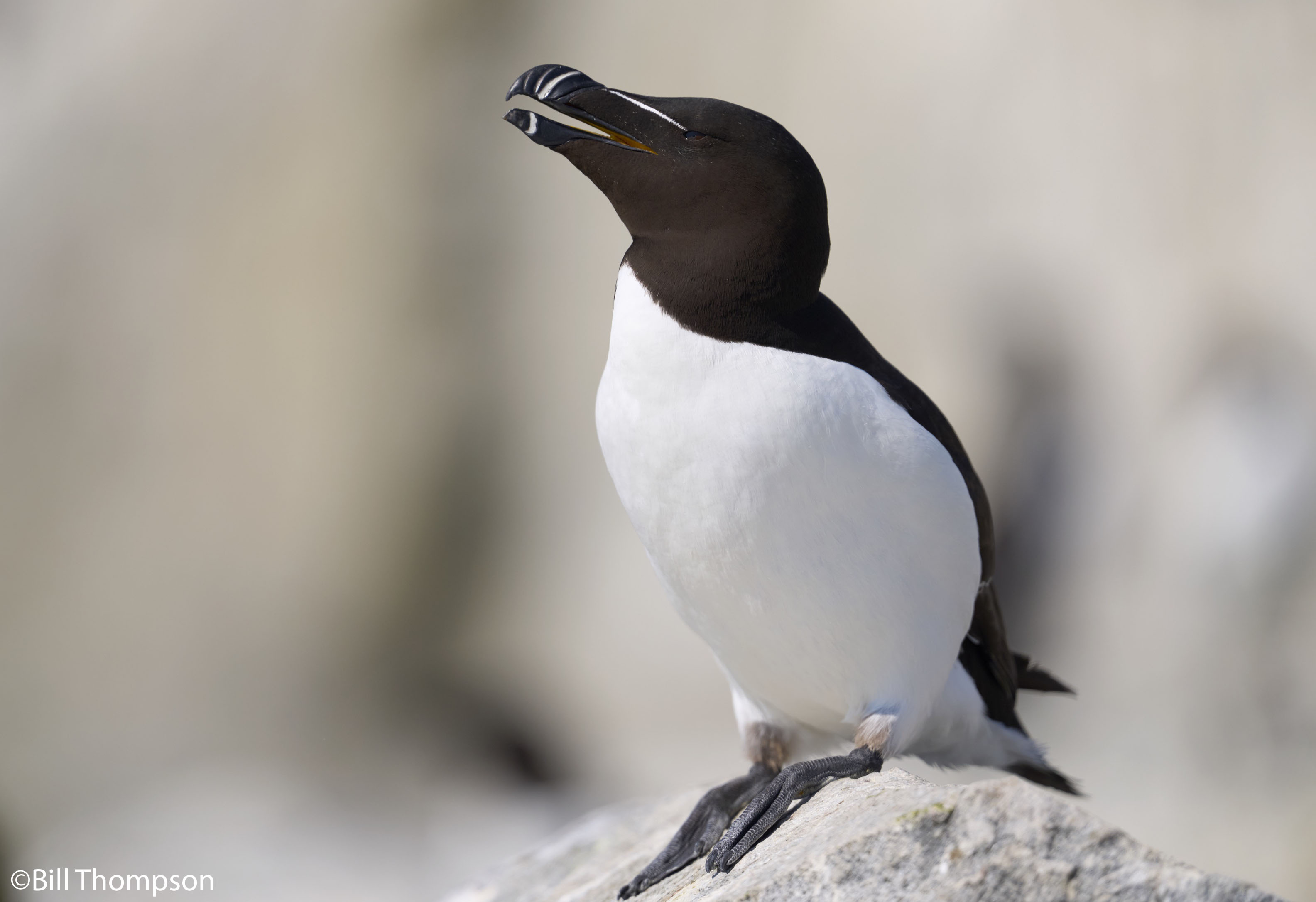
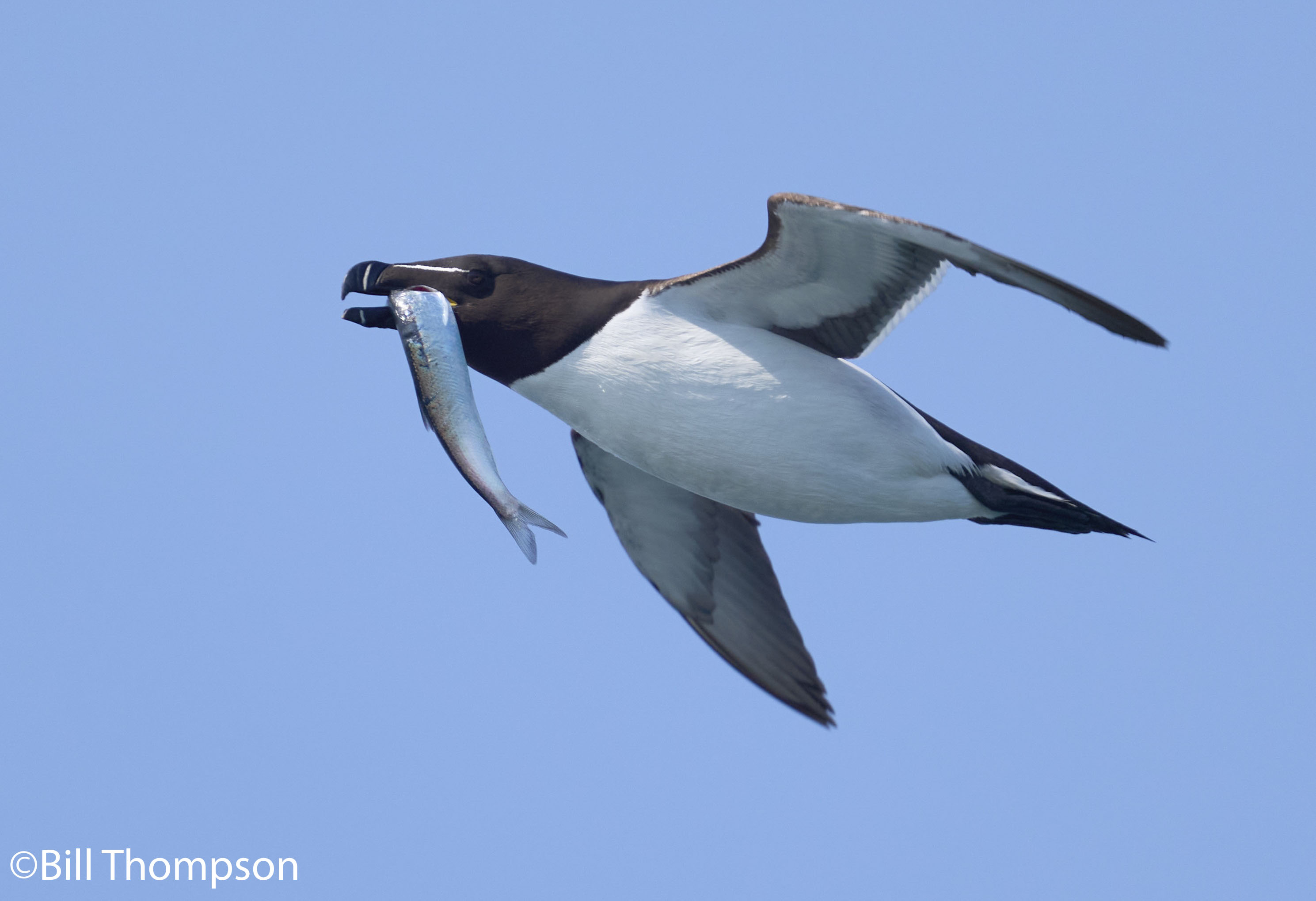
…and soon numbers of Razorbills, Common Murres, and Atlantic Puffins on the water. There were lots of Harbor Porpoise, and we even glimpsed a Minke Whale.
As we arrived in the vicinity of the island, an exceptional number of birds were in the water and surrounding the boat.
But following the safety-first procedures, we made our way to the island, and divided into groups. We chartered the boat for the tour but chose not to maximize the number of participants so we could all have a little more elbow-room in the blinds, especially with all of the long lenses in tow.
Words don’t really do the experience of being in the blinds on MSI justice, and while you all know I have words, I am going to simply let the photos do the talking.
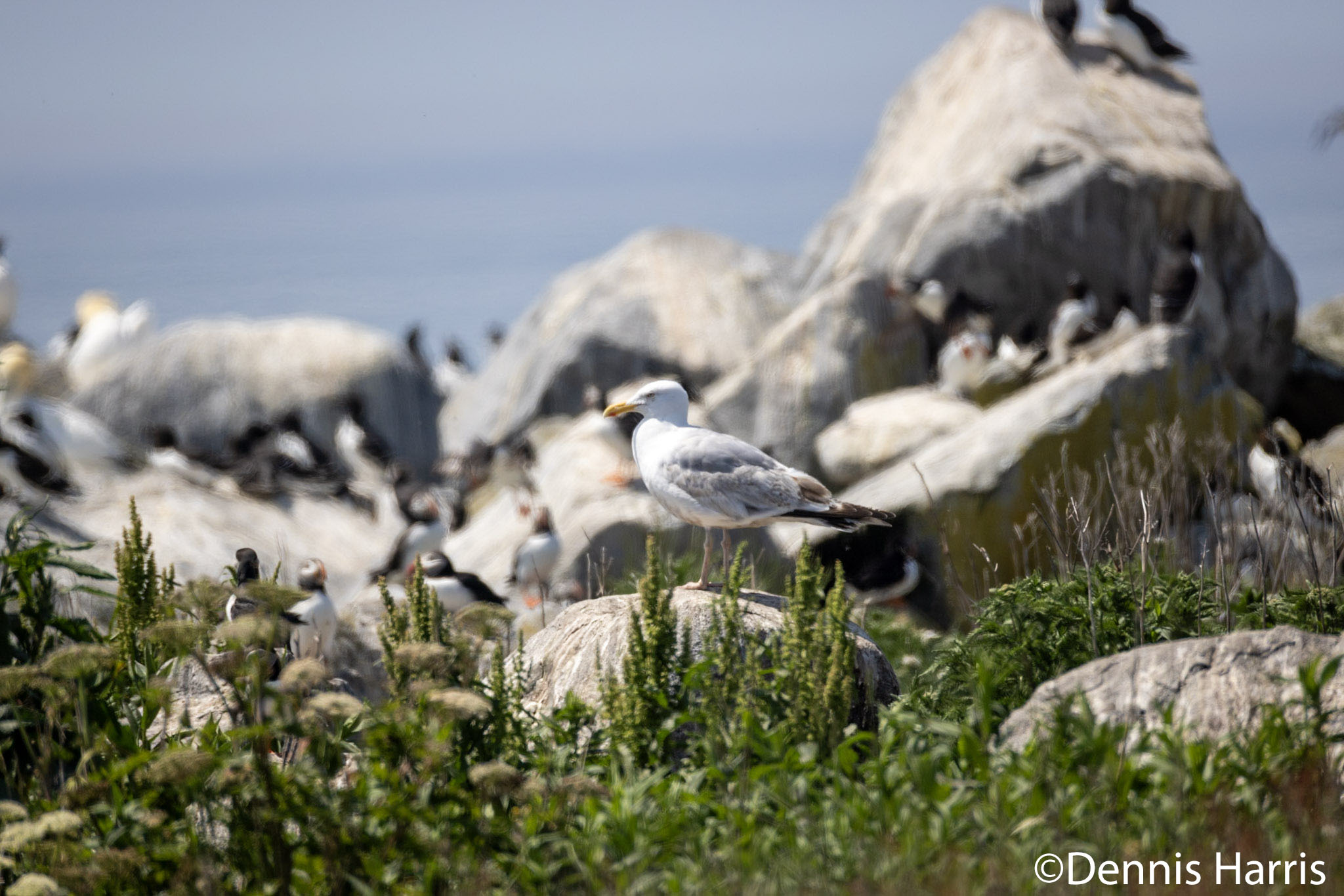
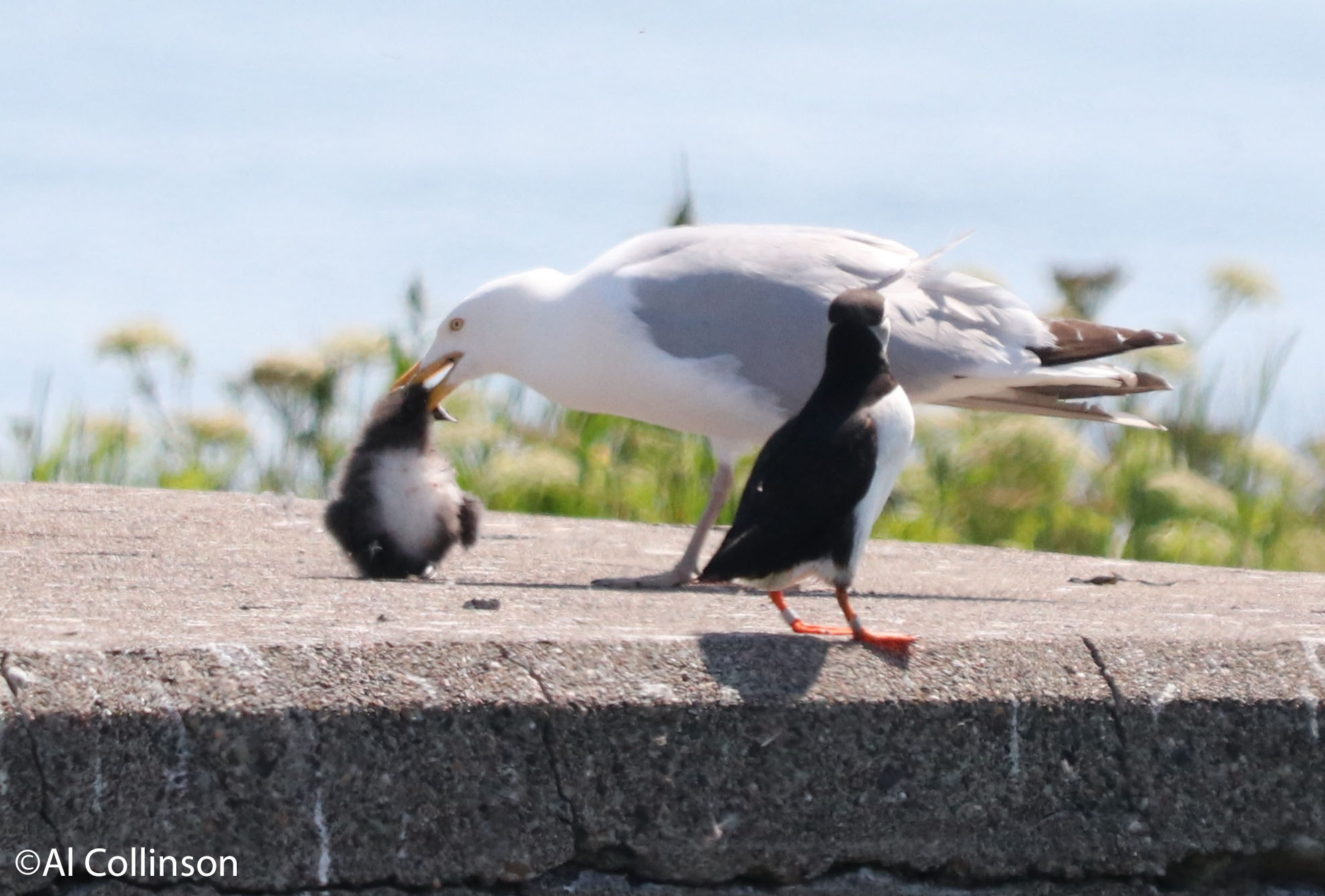
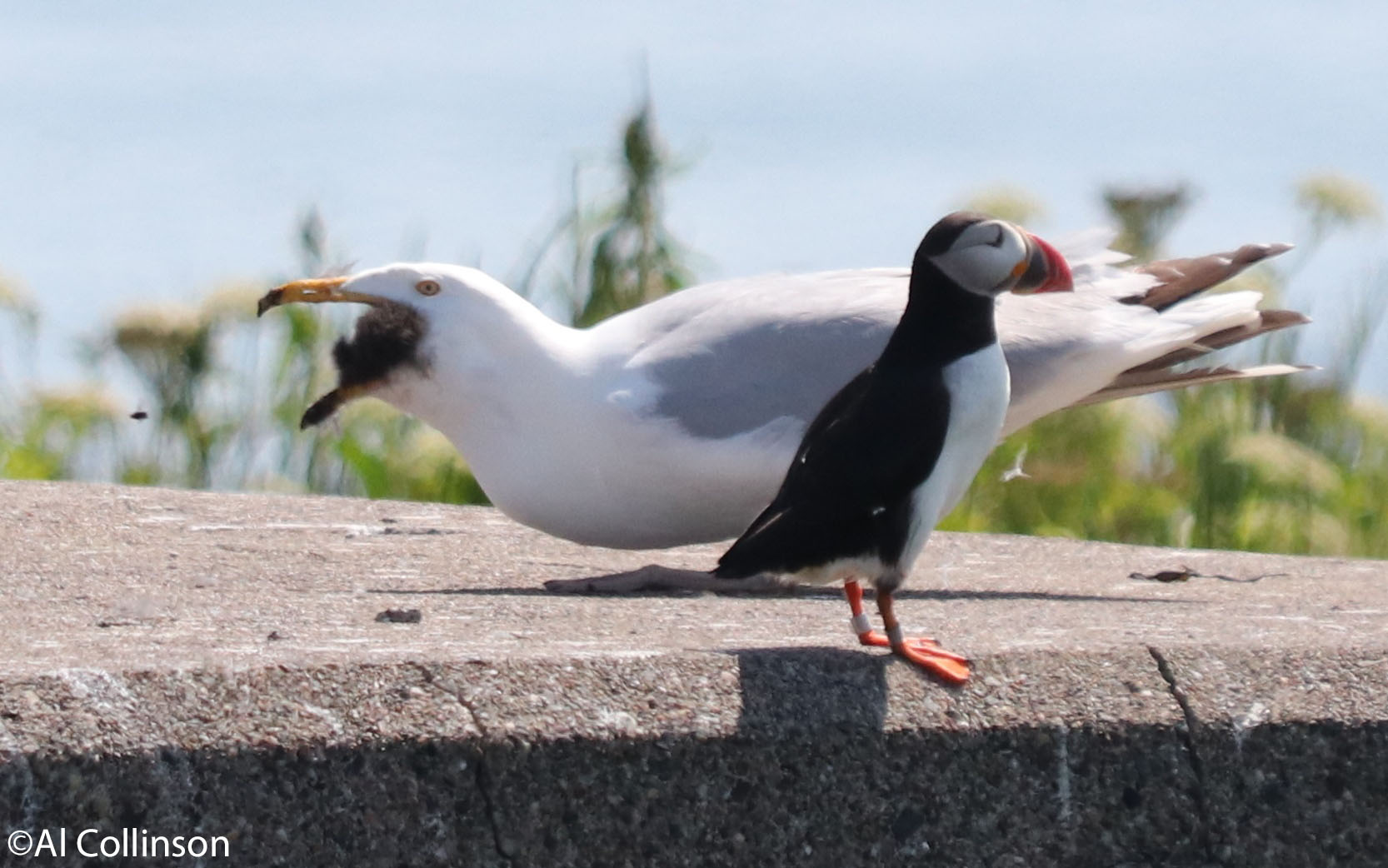
But even on a beautiful day like this, life is tough out here. Without a permanent tern colony to mob predators, danger is always lurking, such as this Herring Gull
One blind on our tour witnessed such a thing, when a different Herring Gull grabbed a puffling out of its burrow, with the helpless adults unable to do a thing about it. At least it was quick.
After our allotted hour in the blind – which feels like 5 minutes and forever at the same time, as time flies when you are having fun, but time also seems to stand still when fully immersed in the experience of being inches away from some of the most charismatic and entertaining birds in the world- we made our way back to the center of the island, where a couple of dozen Arctic Terns are trying to reestablish a colony, and enjoying other island denizens like Savannah Sparrow and Spotted Sandpiper.
Back on the boat, we took the traditional “victory lap” with such calm water and so, so many birds to look at. Photographers snapped away. Others sat back and enjoyed the show. I just tried to look at every single bird to find a rarity, like the famous Tufted Puffin.
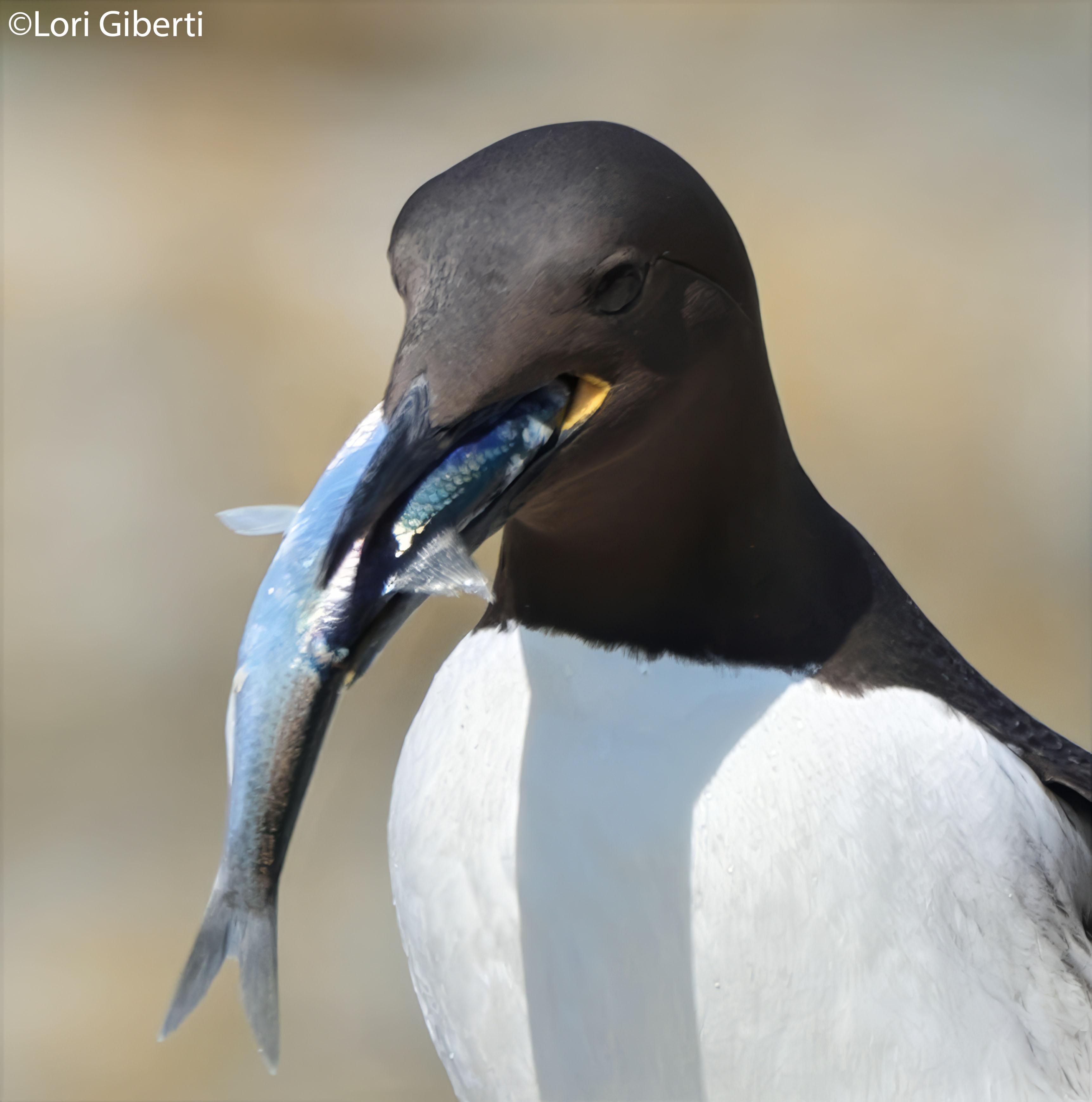
I’d be happy to hear of a possible fish ID from anyone on these, but this large tasty morsel was being brought home for chicks by Razorbills and Common Murres all day, arriving mostly from nearshore waters.
During the entire ride back, we had more Wilson’s Storm-Petrels and alcids with us, until nearly within the confines of Cutler Harbor.
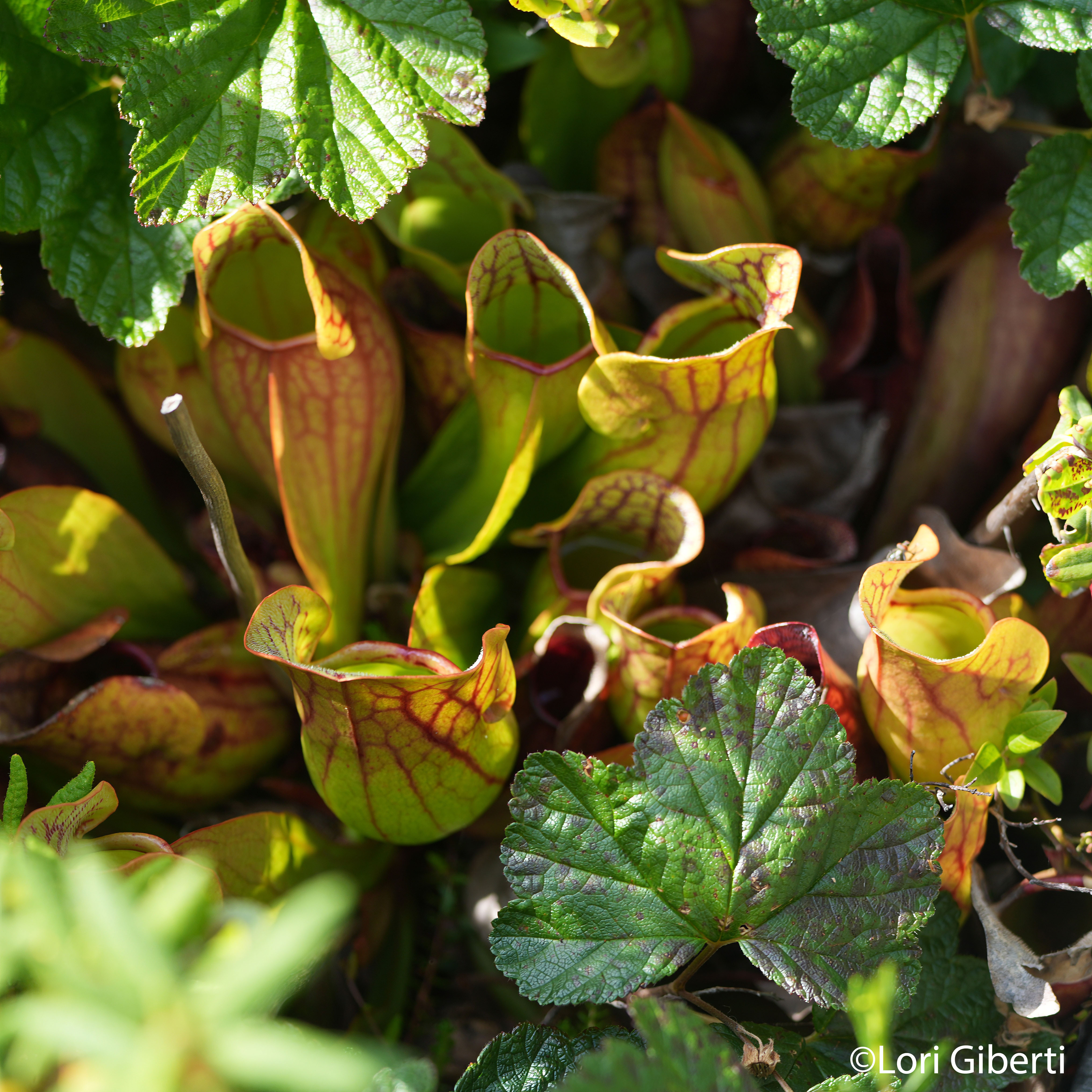
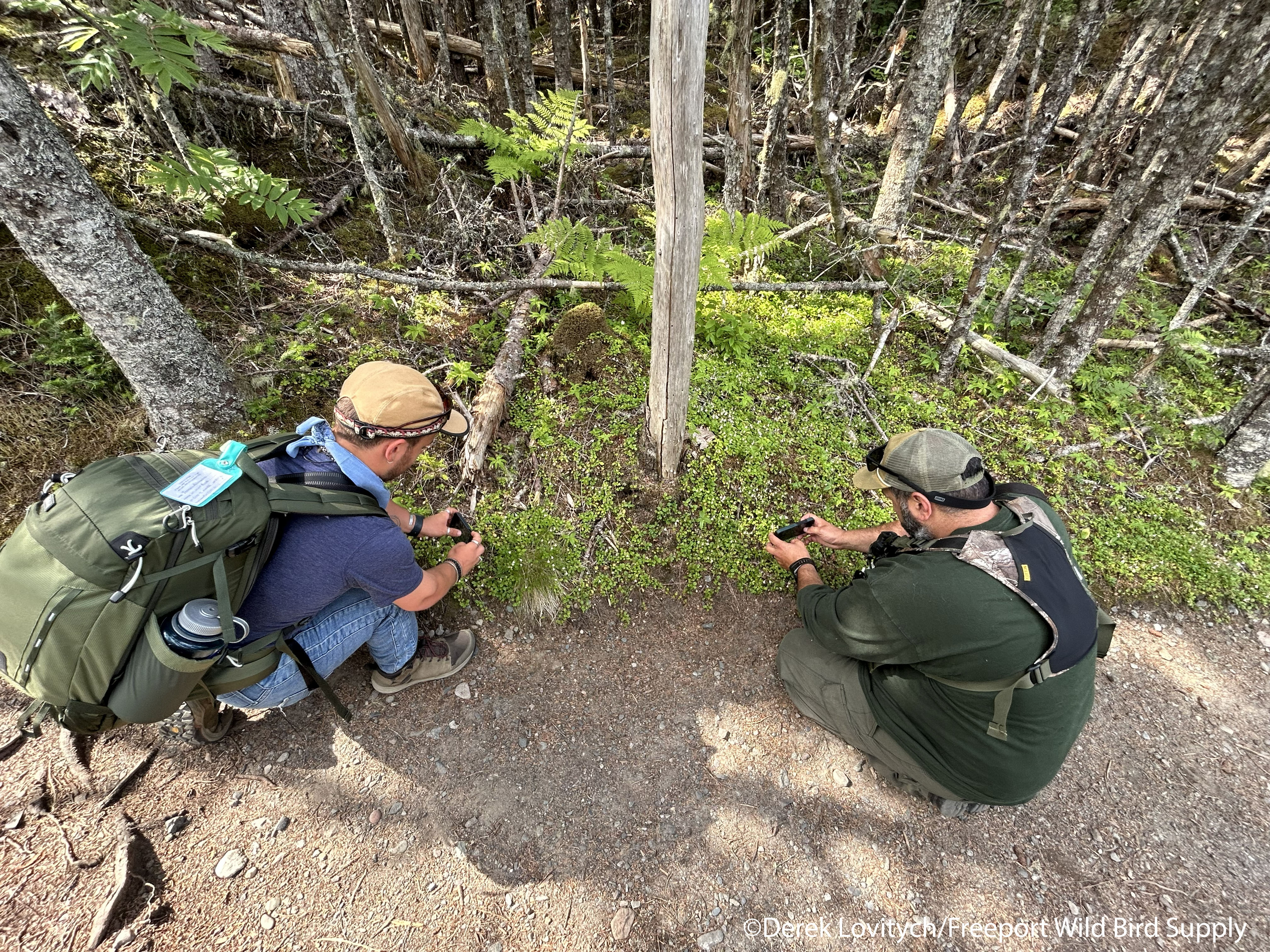
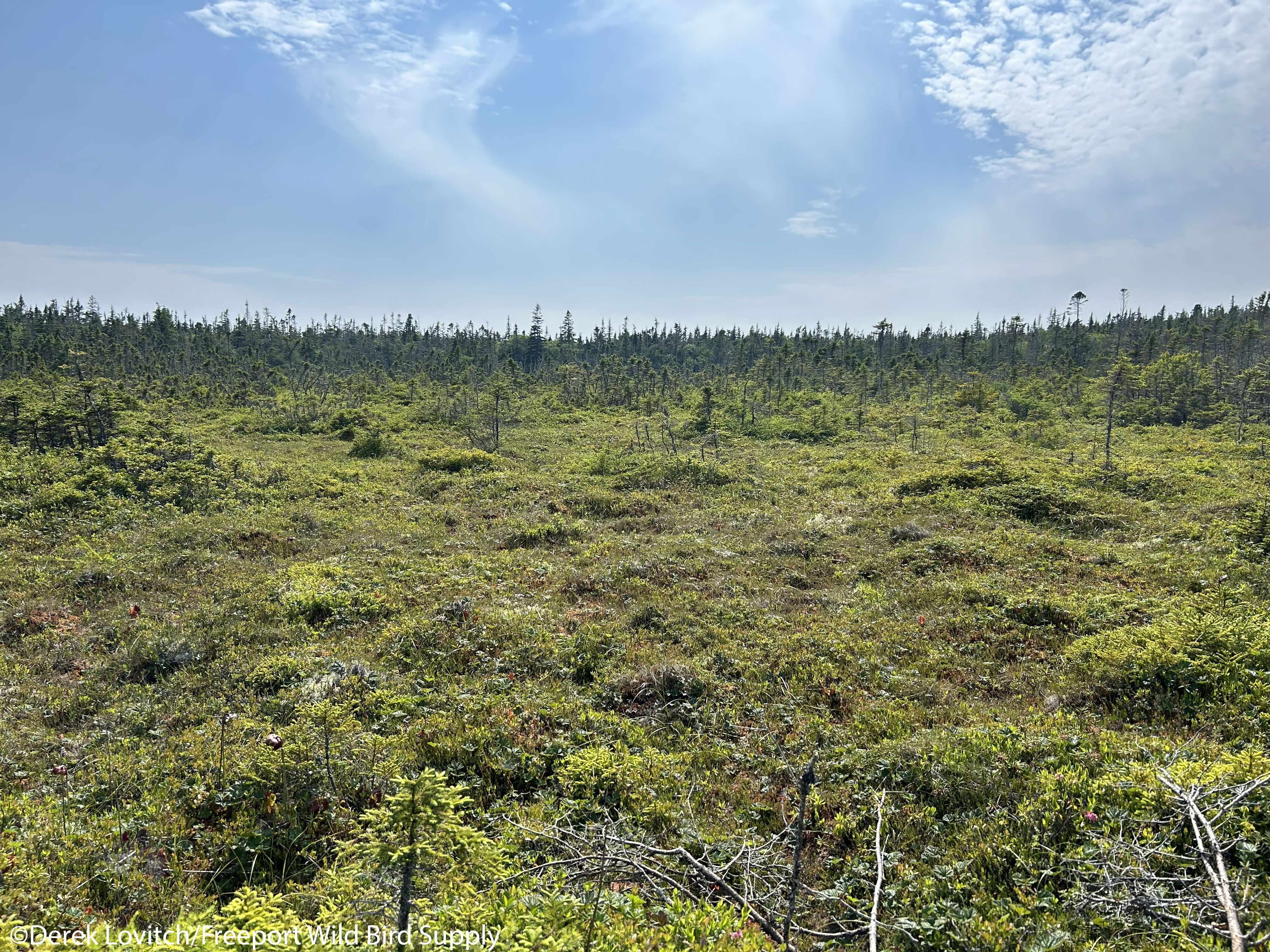
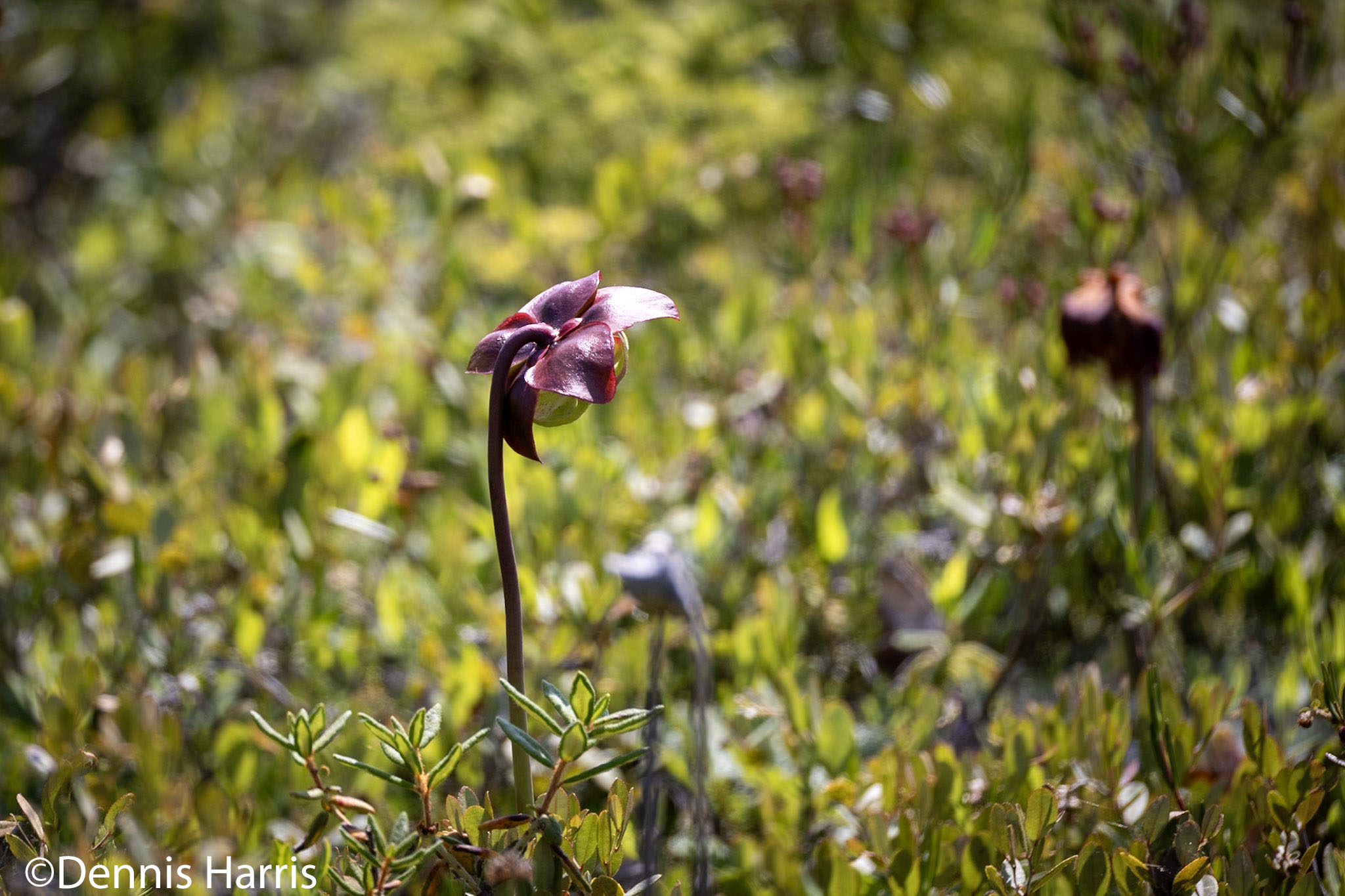
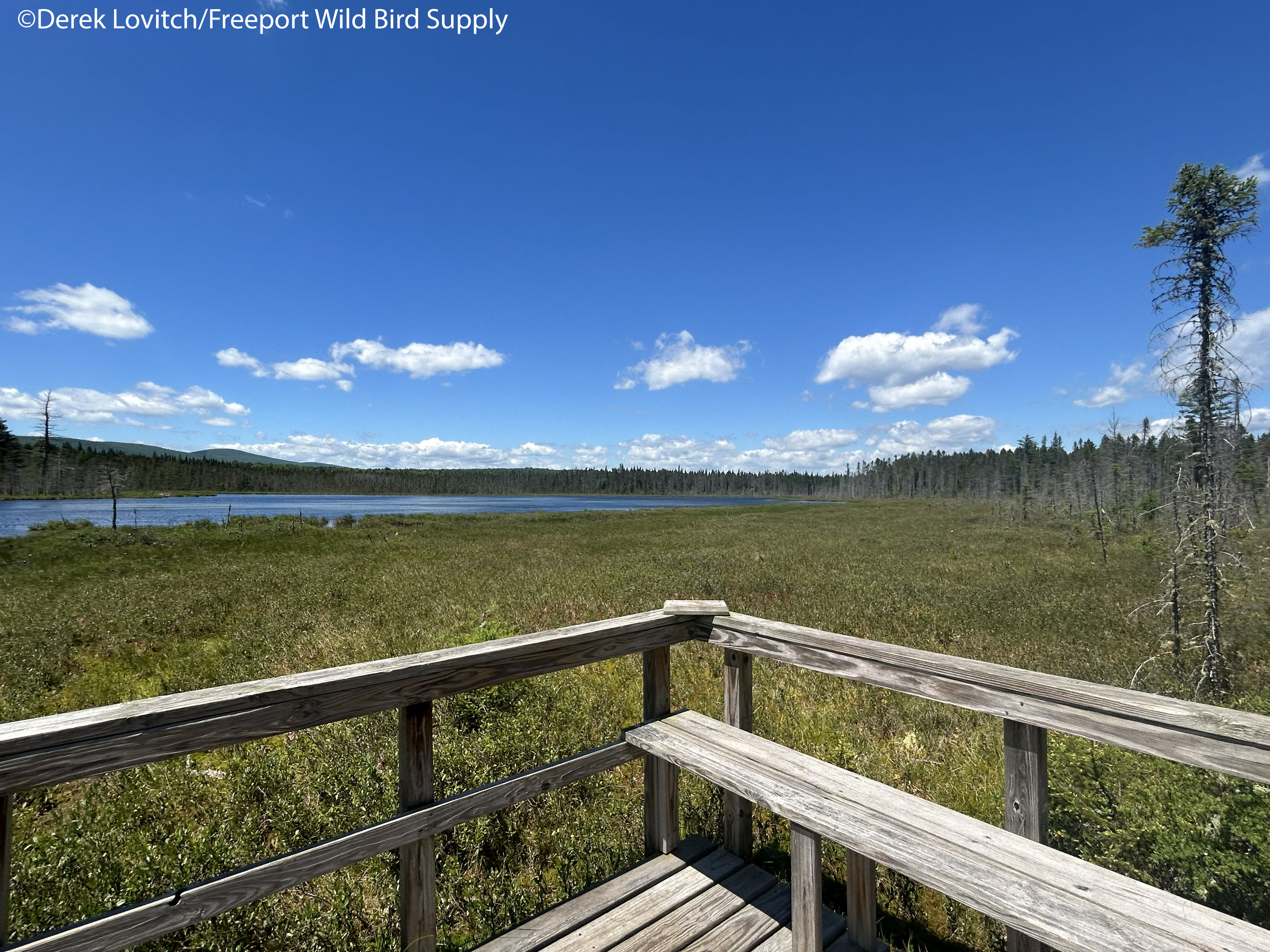
Now, as a guide, it’s hard to top that, but I at least tried to entertain folks for a little longer. First, we visited the bog at Boot Head Preserve (heard a Palm Warbler and saw some of the more common warbler species in the woods), mostly to look at plants and the unique habitat.
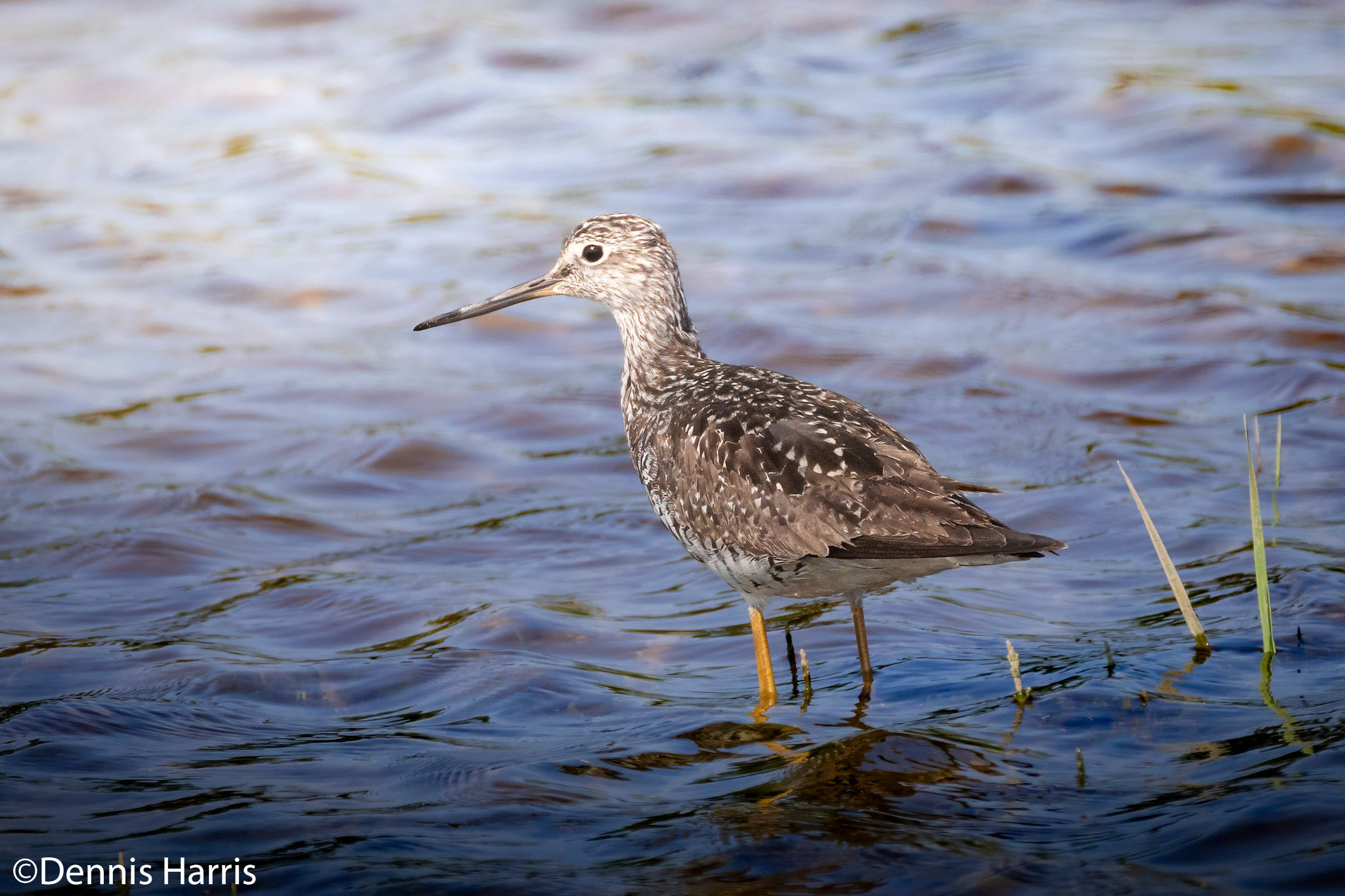
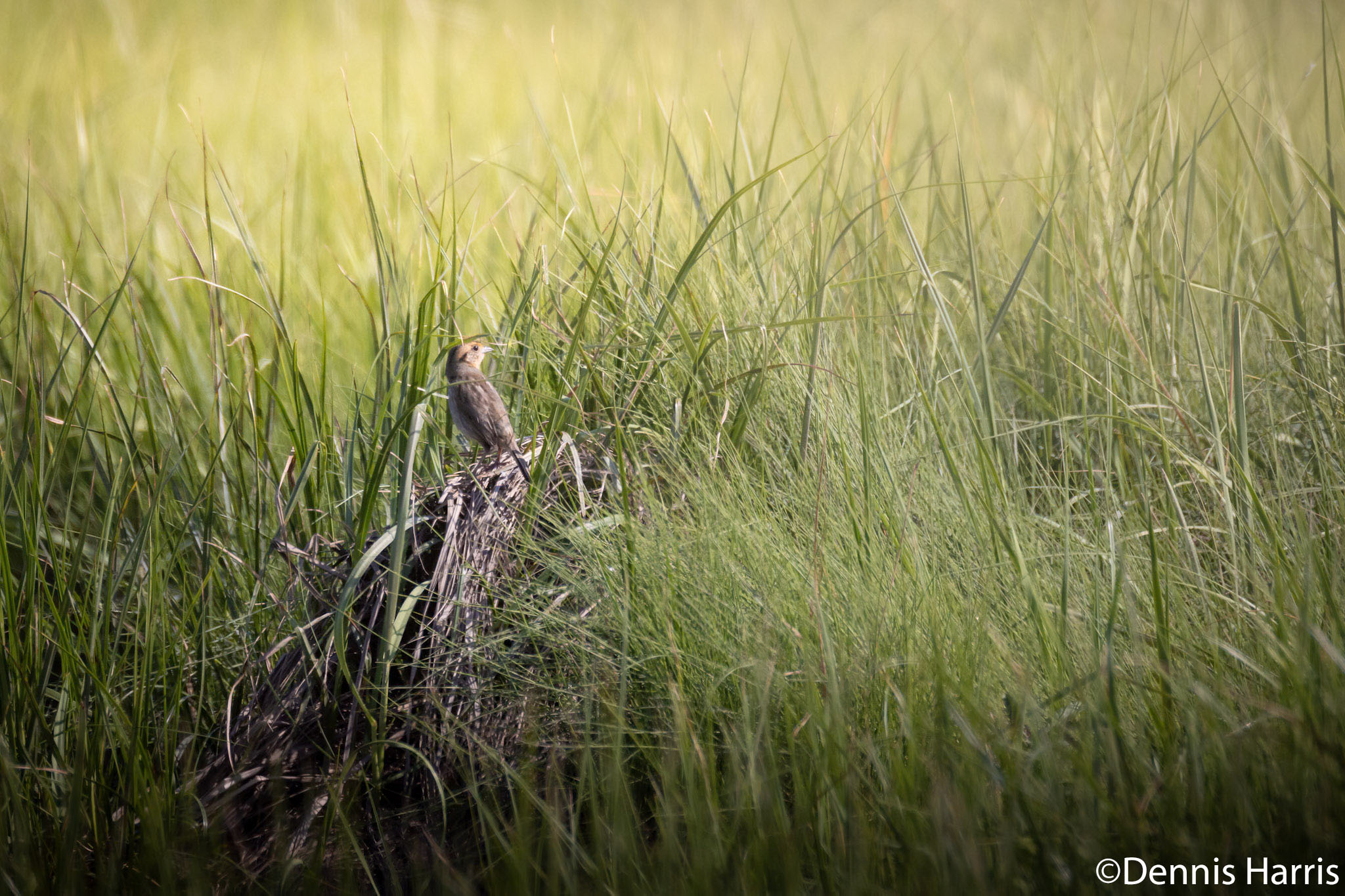
Then, back in Machias, we strolled the section of the Downeast Sunrise Trail along the Machias River and eventually had some great looks at Nelson’s Sparrow, two likely-southbound-migrant Greater Yellowlegs, several fishing Ospreys, and a good show of Bald Eagles – including two youngsters branching about around the nest.
On our second morning, there were no expectations to top MSI, but we went birding anyway. Spruce Grouse was our goal, and although they are no longer seen often, if at all, at any of the regular places, I had a new secret spot trick up my sleeve.
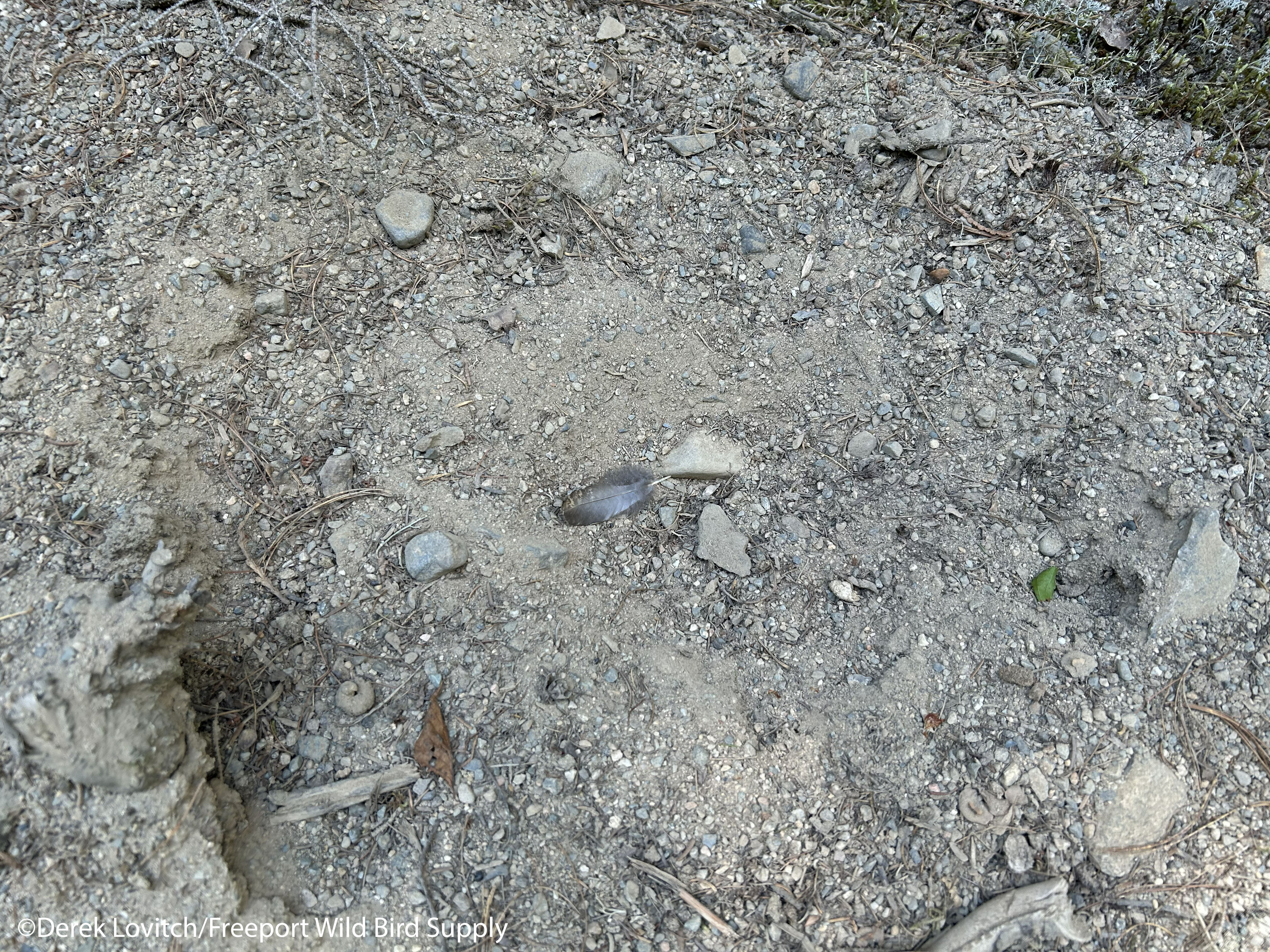
I scouted it on Friday and found a dust bath with a Spruce Grouse feather.
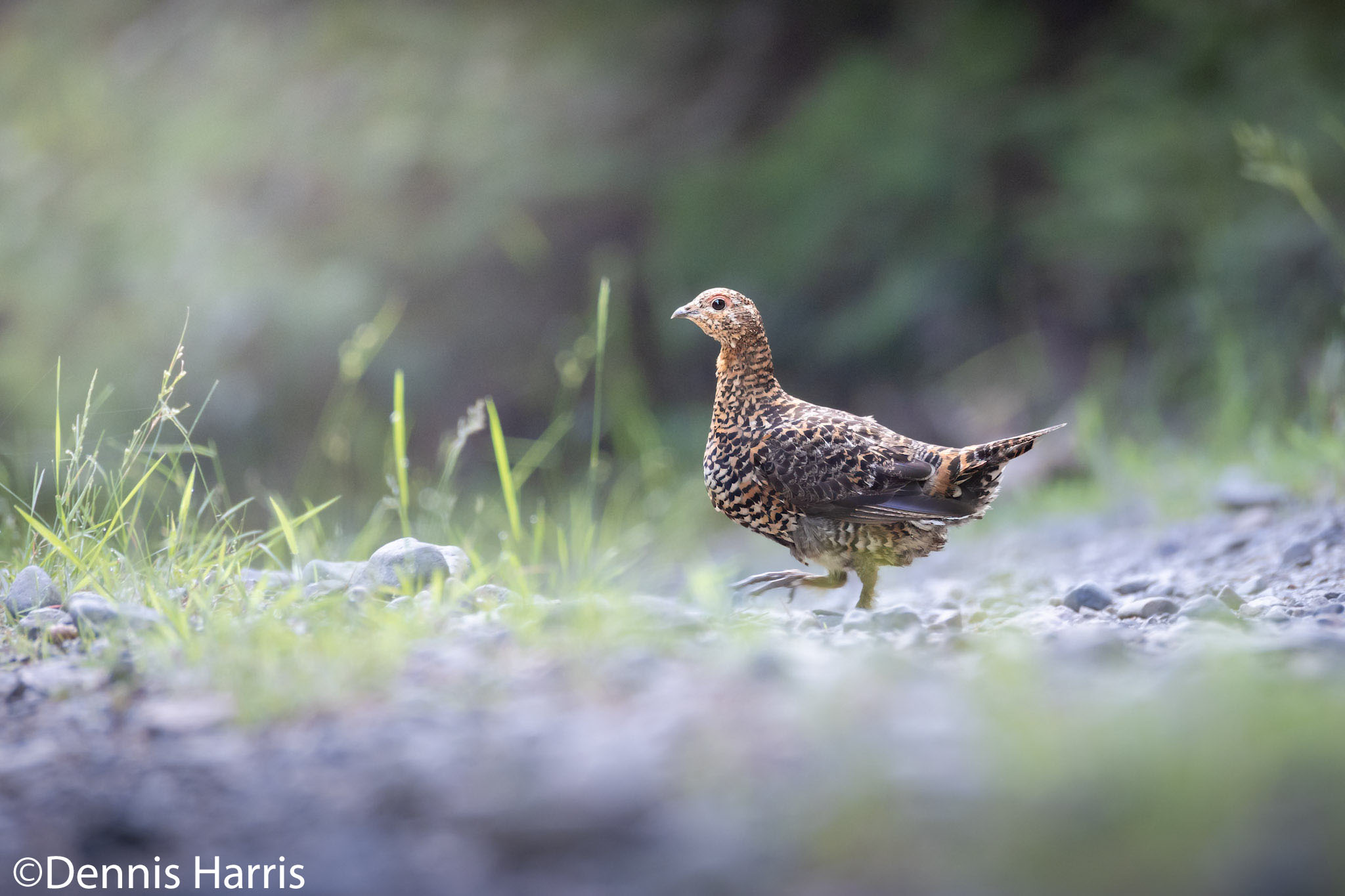
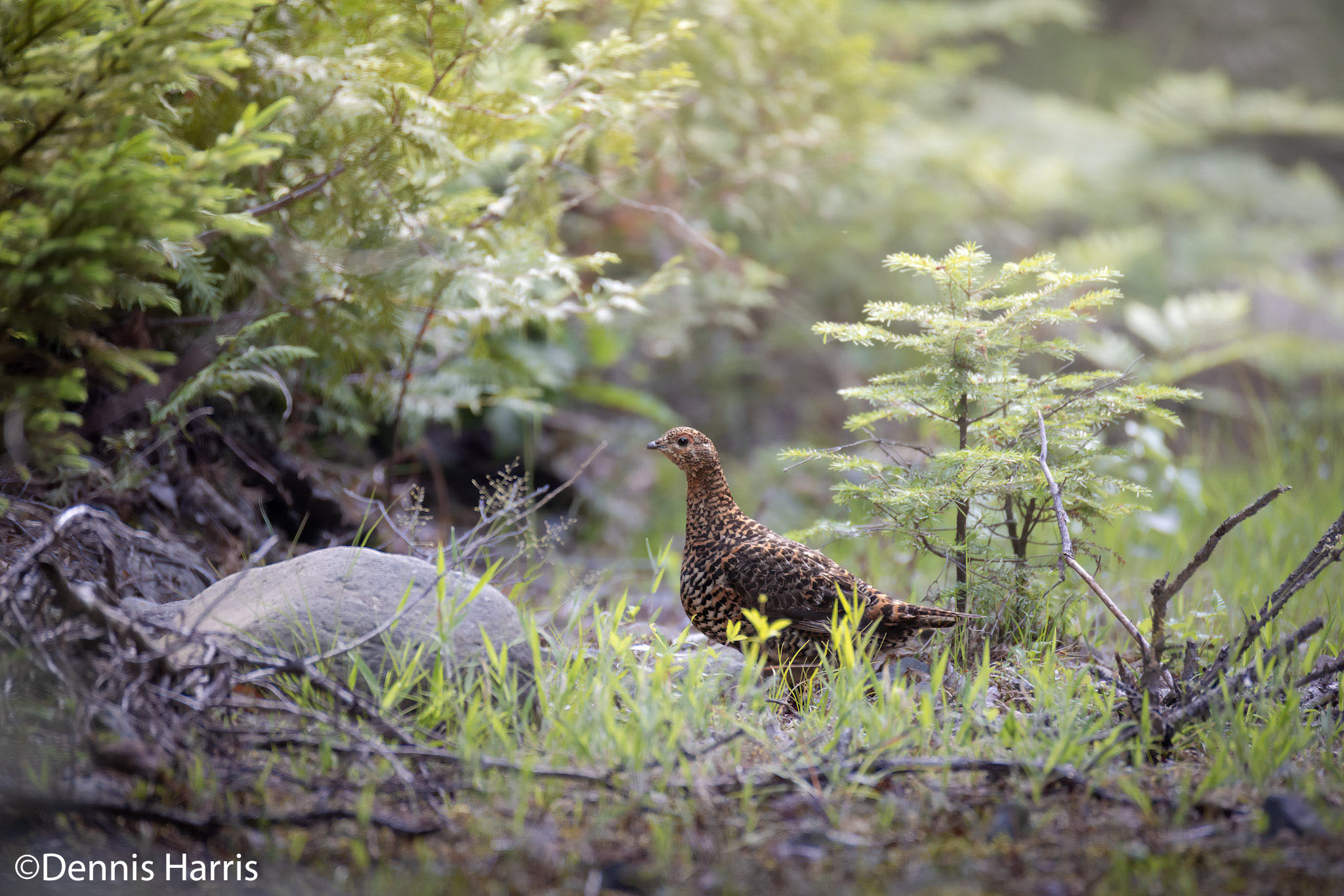
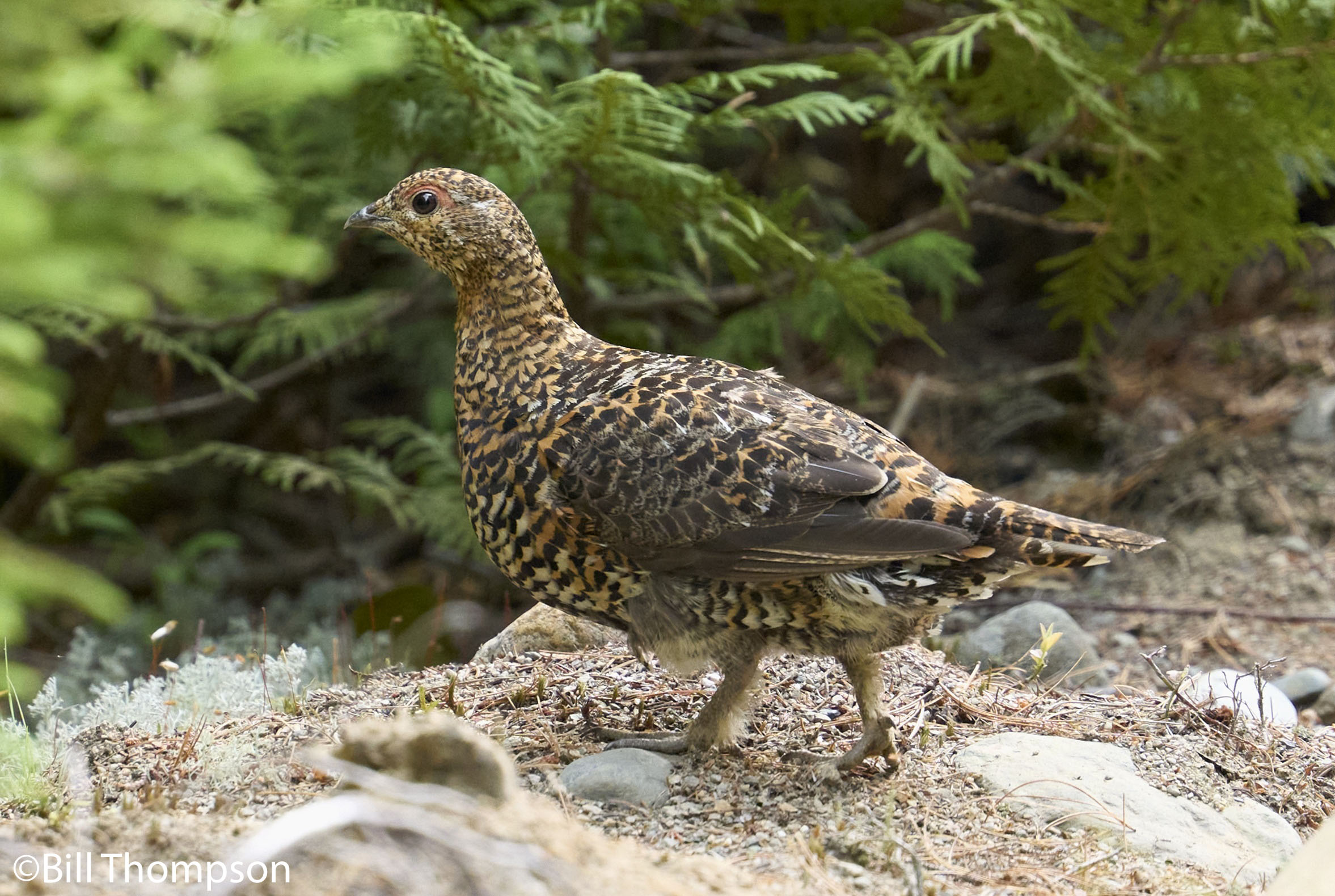
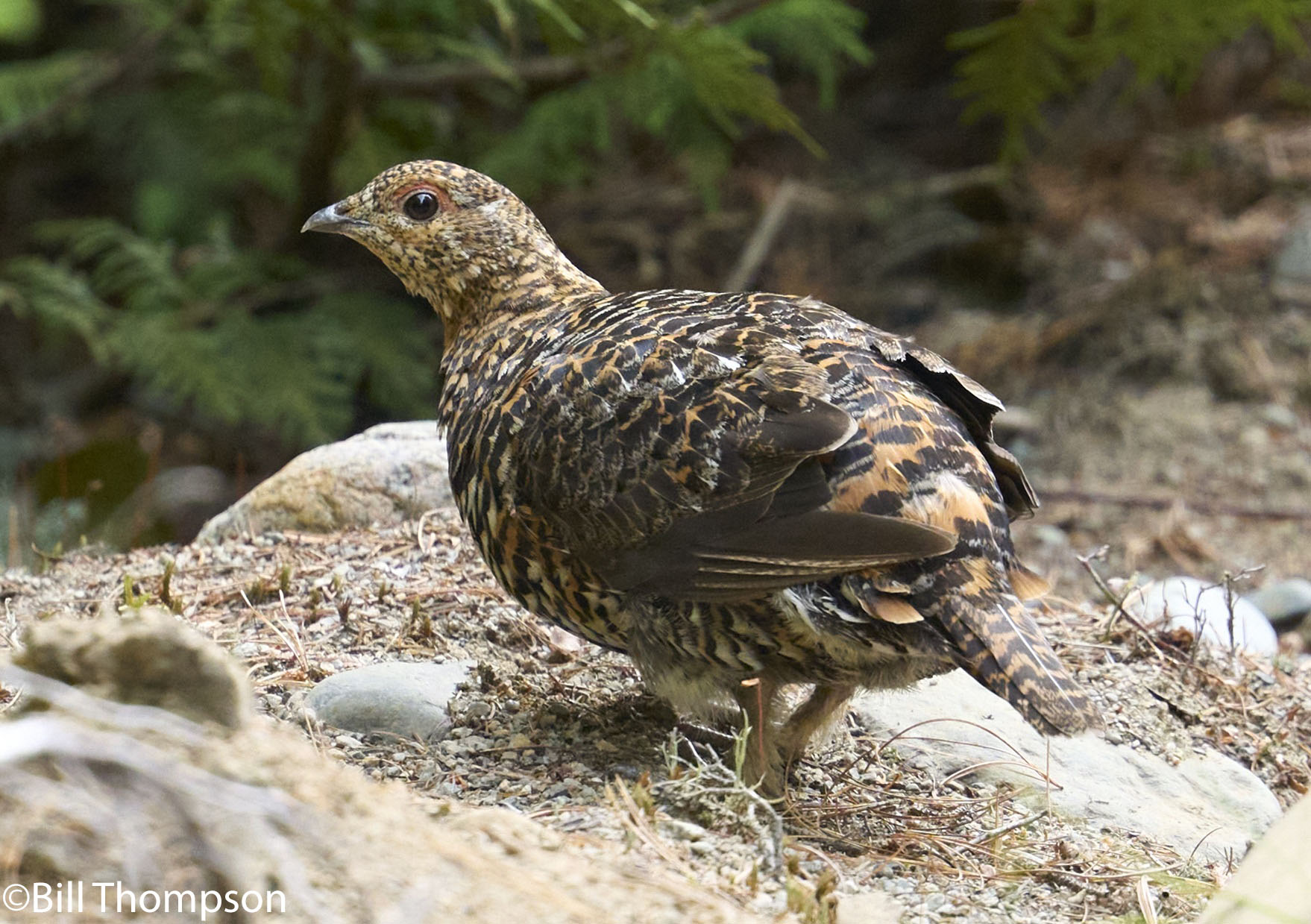
Maybe I shouldn’t have taken my low-clearance hybrid as far in as I did, but I am glad, because a fairly short and easy walk yielded this:
Yup, she was heading right to the dust bath!
We birded the woods here and at Moosehorn National Wildlife Refuge without encountering any other boreal species (heard one likely Bay-breasted Warbler, but that was it), so after another great lunch, this time at the famous Helen’s, we headed over to Lubec for some really productive birding.
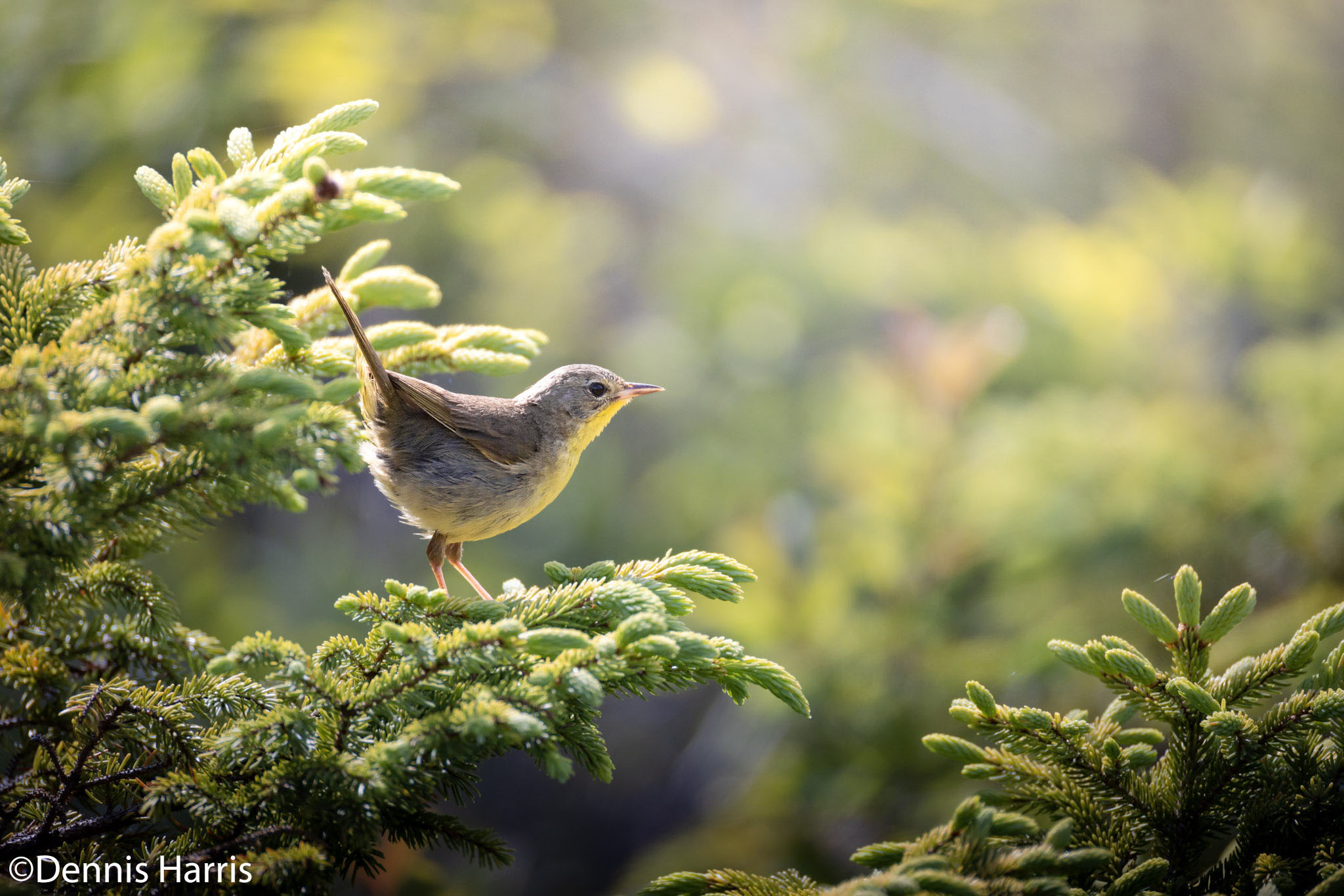
We did look at other birds too, such as this female Common Yellowthroat.
At the overlook of The Bar, we had a migrant flock of 6 Least Sandpipers, perhaps just arriving from points north. Oversummering Arctic sea ducks included at least 6 White-winged and 3 Surf Scoters, along with about 10 Red-breasted Mergansers and plenty of Common Eiders of course. We sorted through the loafing gulls hoping for a rarity.
Based on their behavior when a Bald Eagle flew by, there is a pair of Northern Harriers nesting near Carrying Place Cove – an unexpected bonus. That was great to see.
Quoddy State Park did not disappoint, although even the several dozen Razorbills offshore were a little anti-climactic. They’re still nice to see from land, however. And a Red-throated Loon, very rare in summer, was an unexpected treat, as was a Laughing Gull, which is quite rare this far East, at least in mid-summer…for now.
And we walked to the bog. Because bogs.
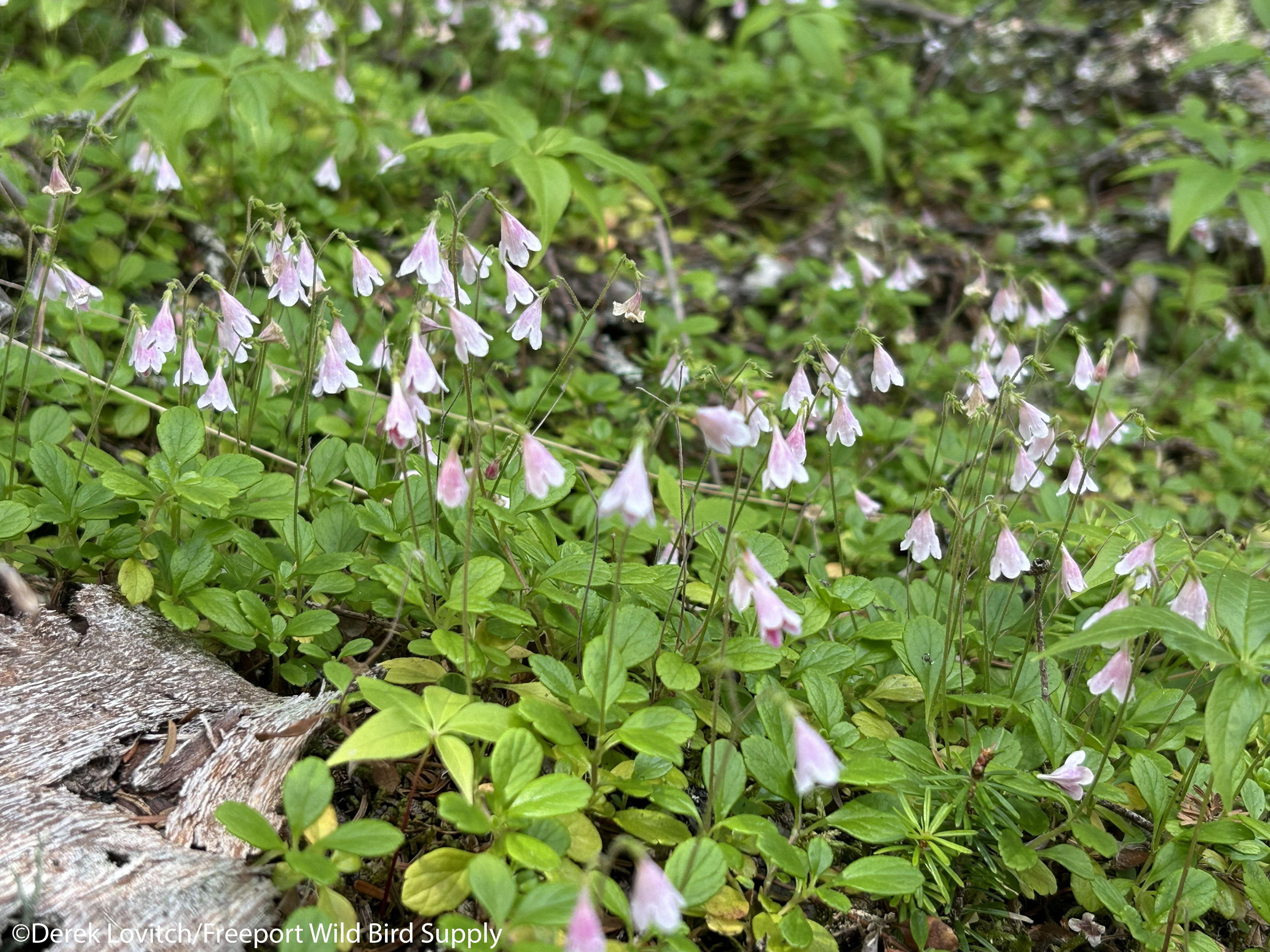
ALWAYS stopped to smell…and photograph, the Twinflower.
Even on the drive back, the birding success continued. A Ruffed Grouse crossed the road with two chicks, and I was not shy about using my vehicle to assure them safe passage. Meanwhile, for those of us staying at The Bluebird Motel, we began each day with a Tennessee Warbler singing in the parking lot and finished up daylight with Common Nighthawks foraging overhead!
Oh yeah, and as usual on an FWBS/Derek Lovitch tour…we ate really, really well, wrapping things up with one last indulgent lunch at Helen’s.
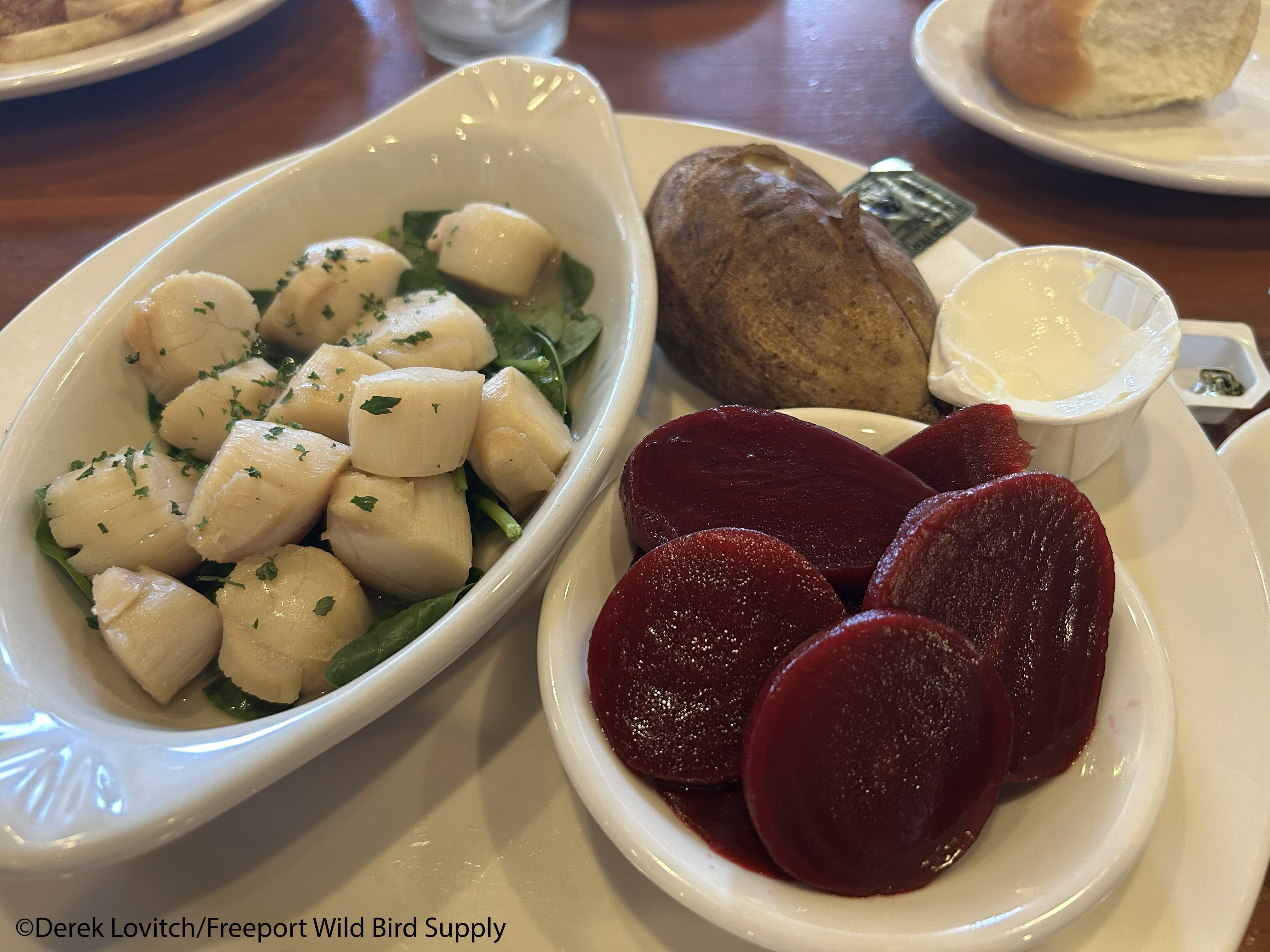
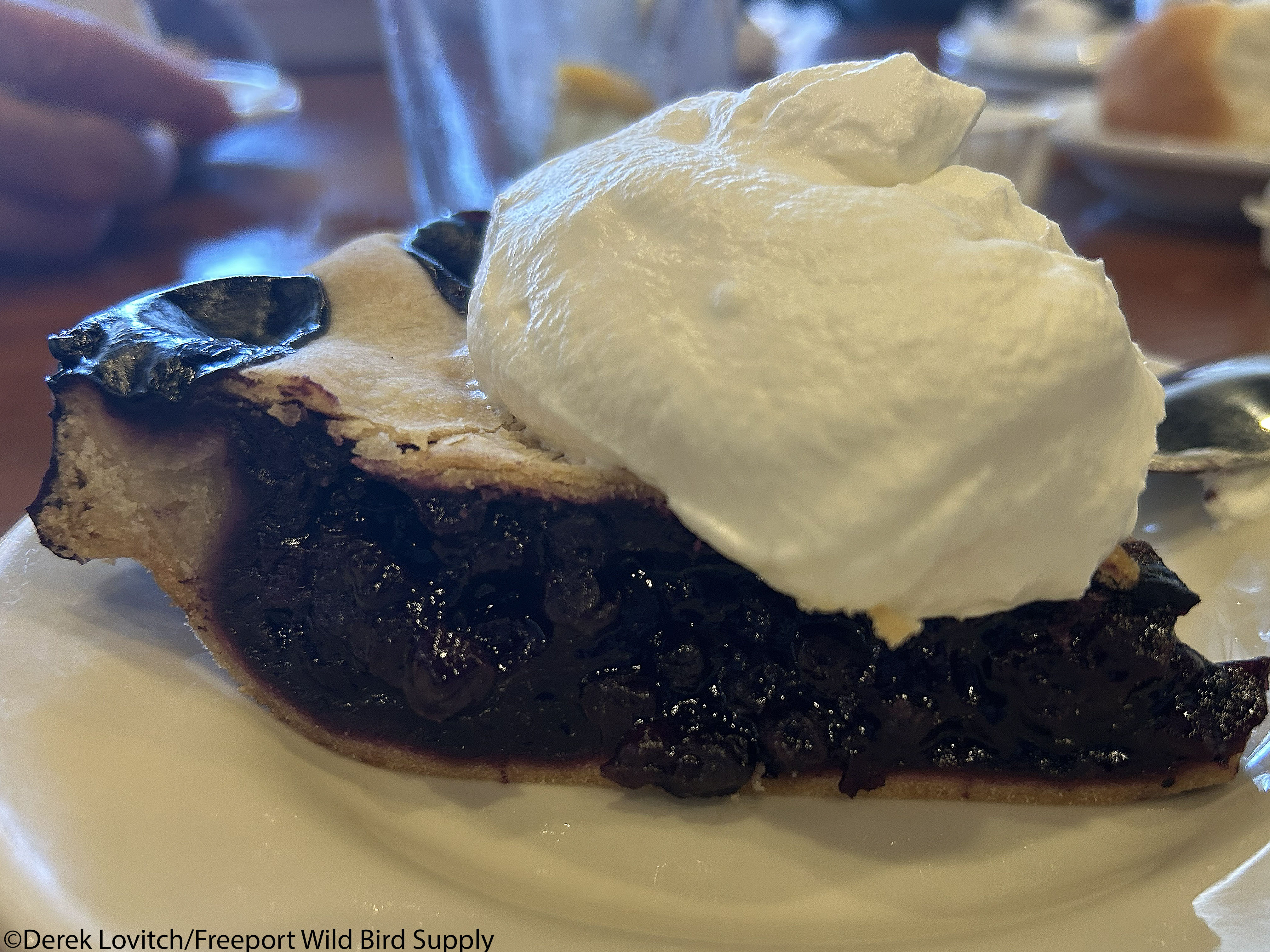
Local Cobscook Bay scallops, and their pickled beets are perfect. Both almost as good as the pie!
I guess I don’t have to say that you’ll see this tour on the calendar next year…I have already confirmed it.
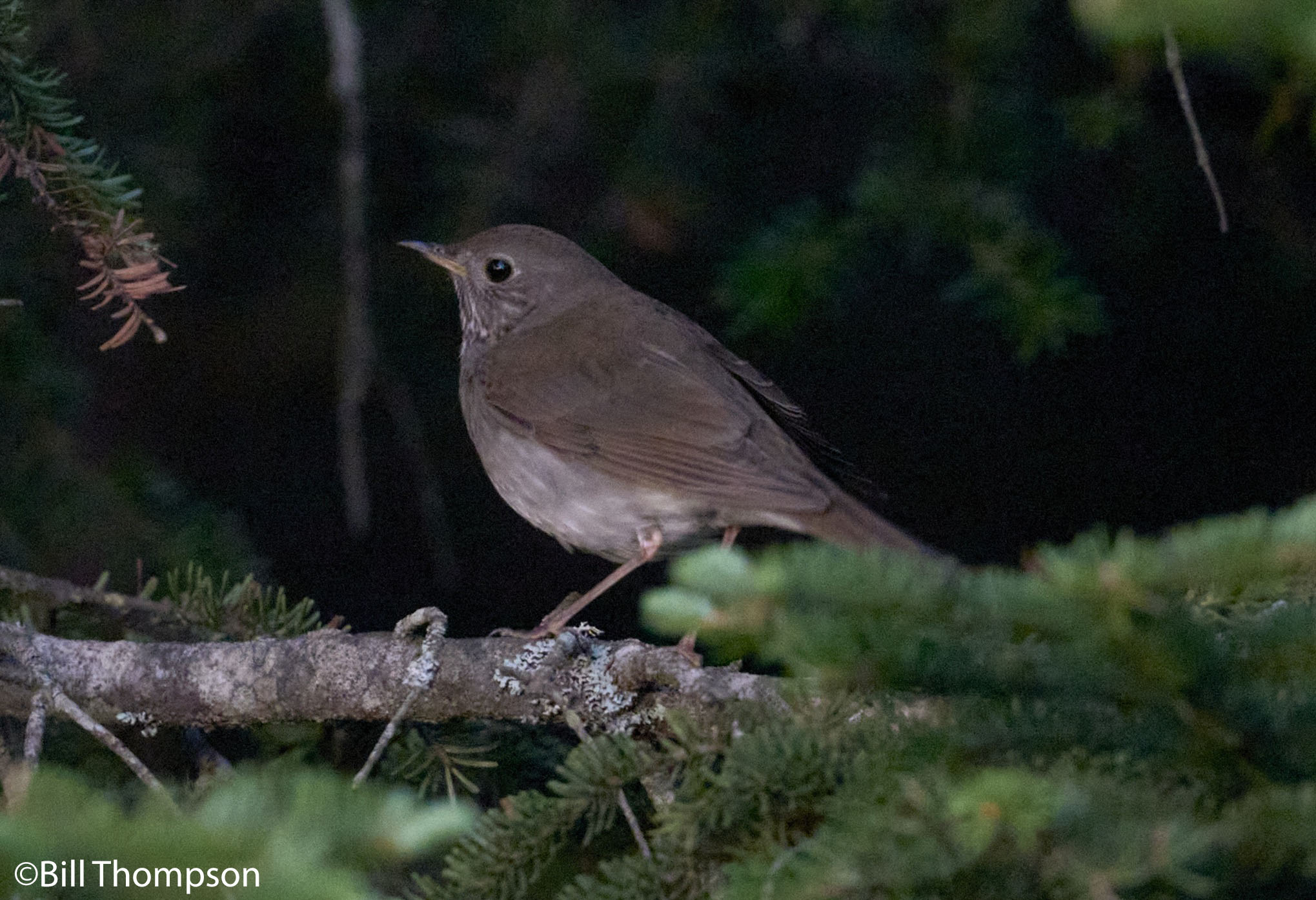
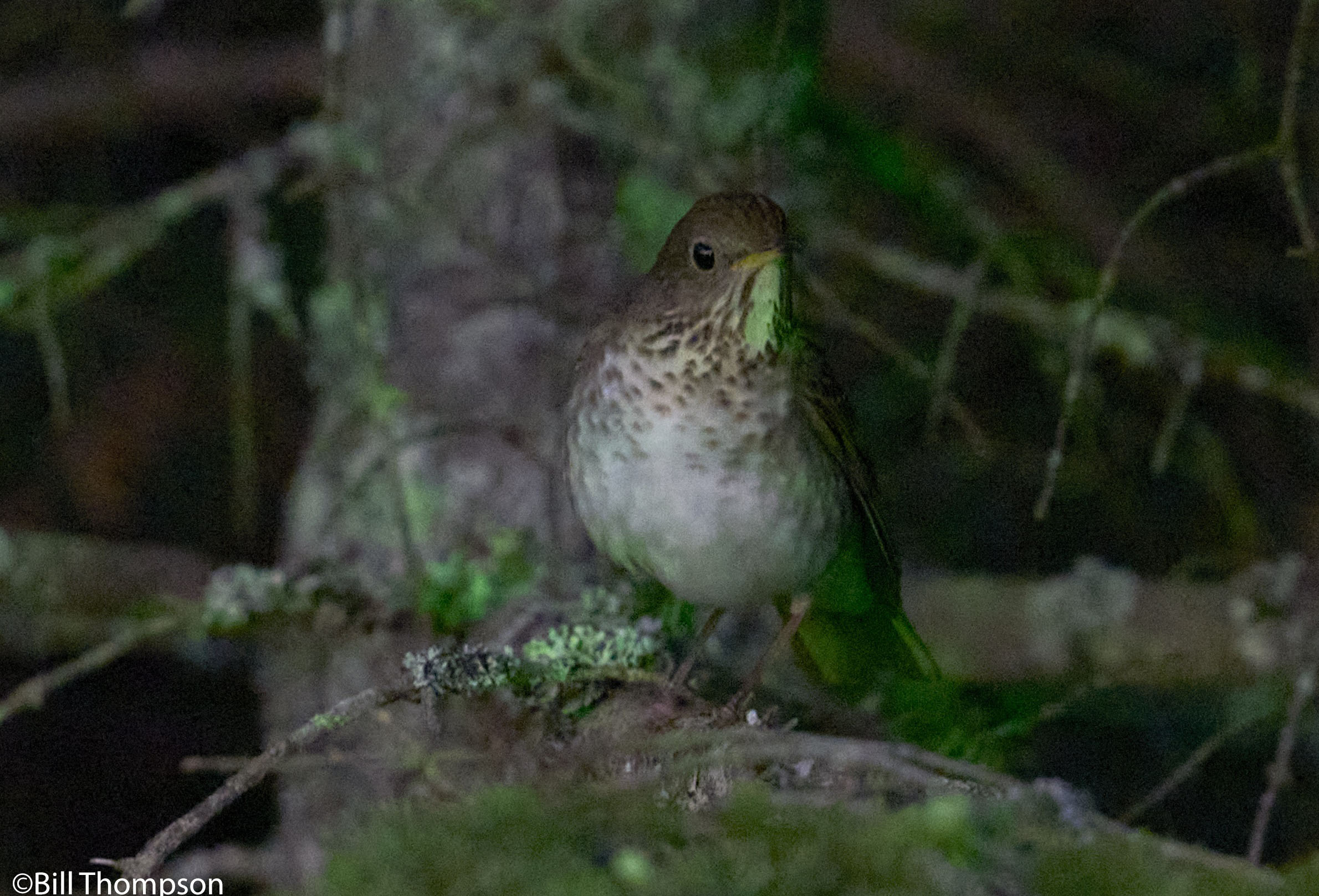
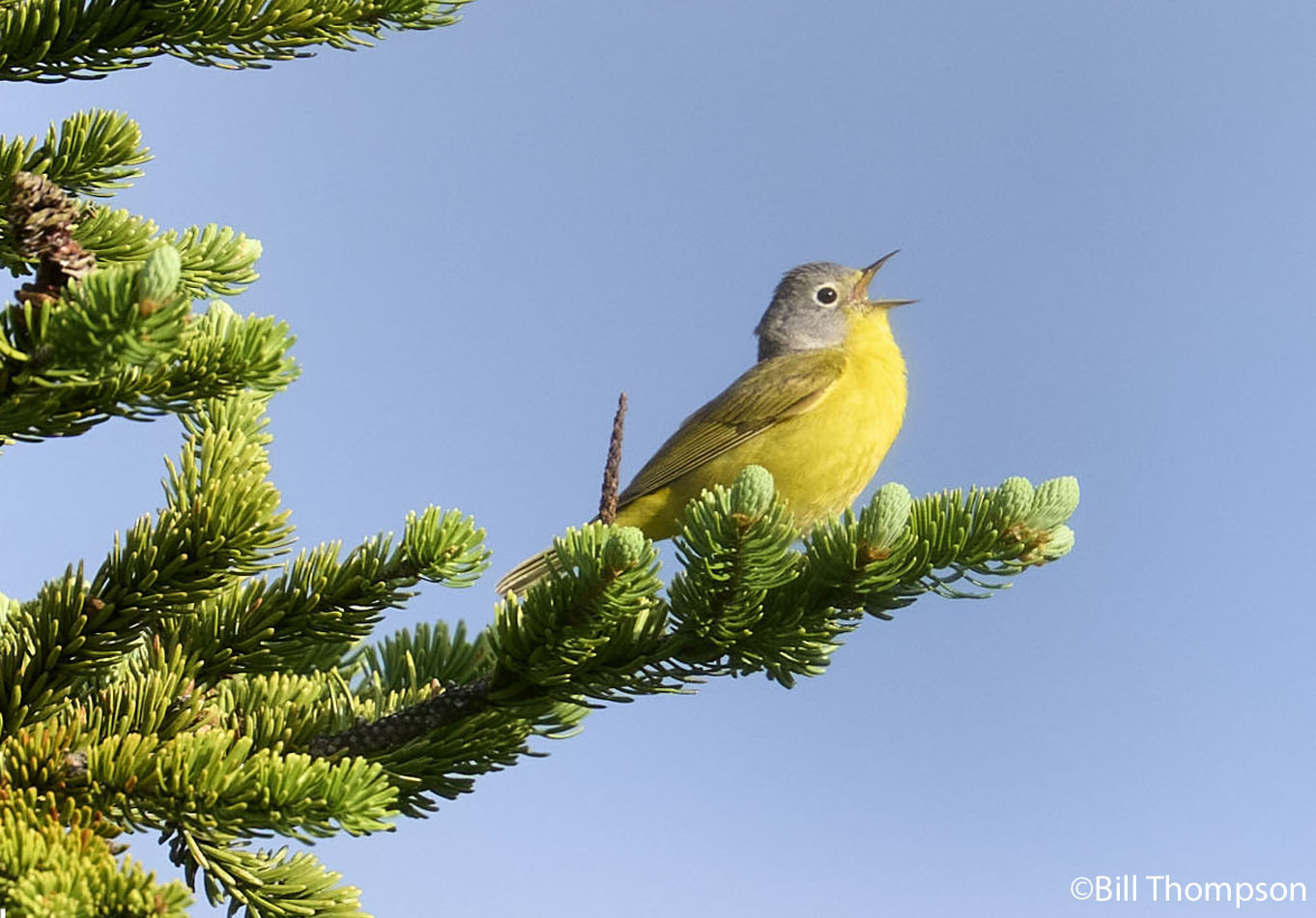
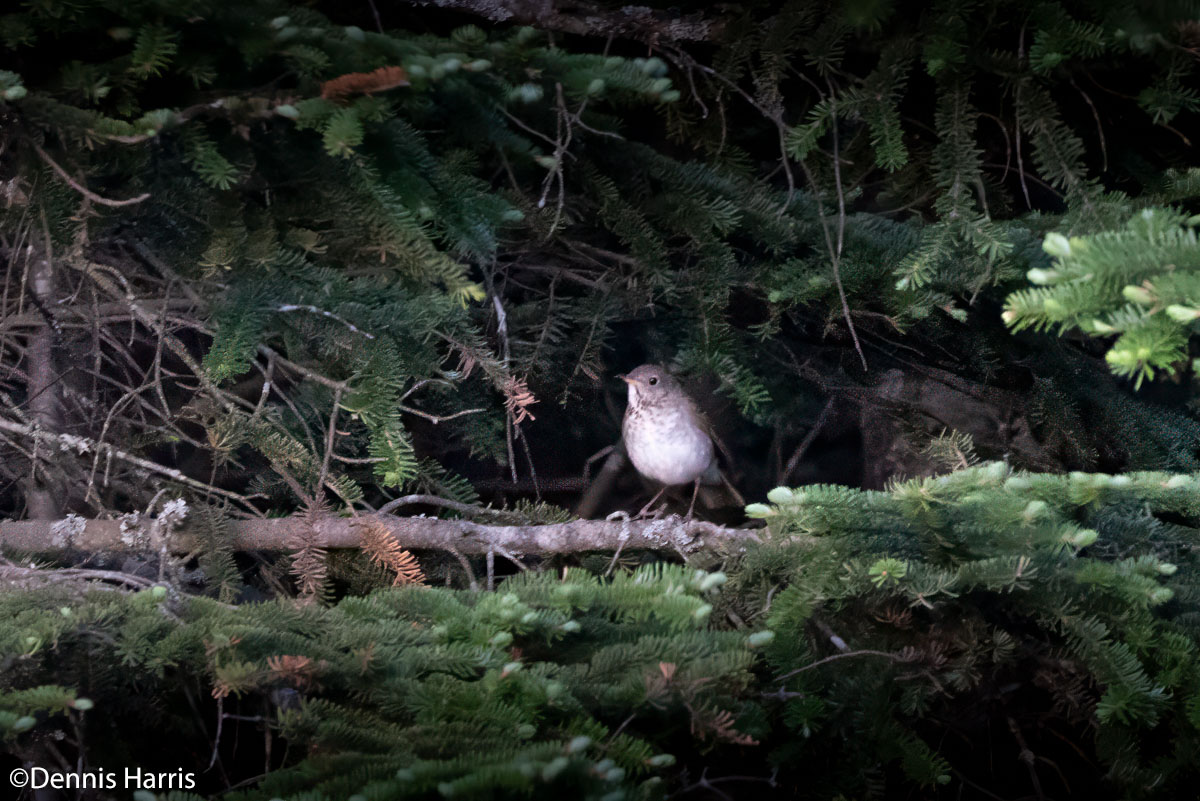
Another incredibly successful Bicknell’s Thrush Weekend is in the books. I could probably simply include just those two photos as proof of a successful trip, but we had a lot of other great birds too! And with three great photographers on the tour, I think I will mostly let the photos do the talking this year.
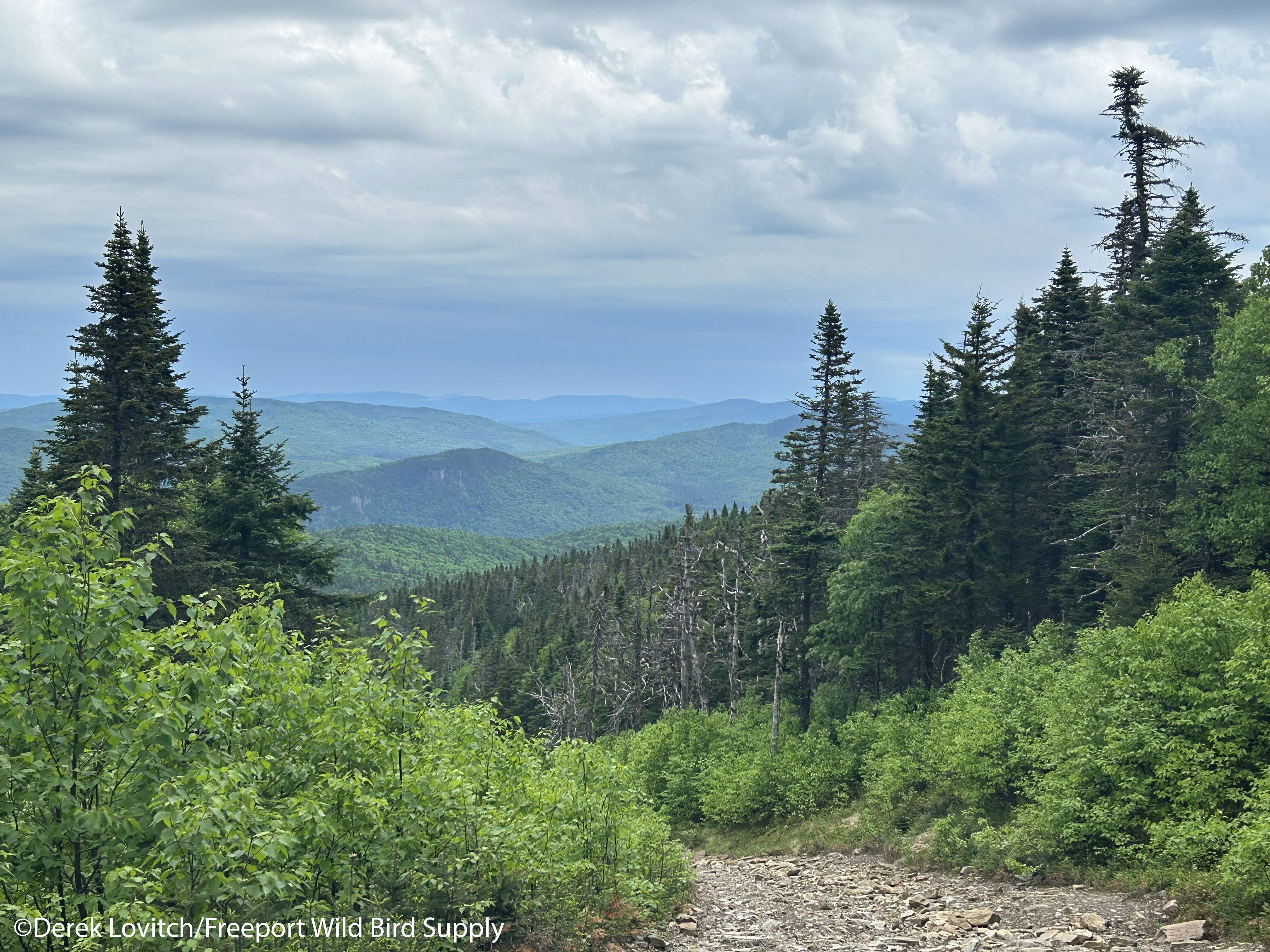
I’m always adjusting this itinerary to give us the most chances to have the most productive visit to the realm of the Bicknell’s Thrush, and with two nights in town, we had up to 4 chances to visit the high-elevation habitat at the right times of day.
I almost used the first night to make a run for it. Then I made the decision to not go up the mountain on our first morning together, instead electing (for a variety of reasons including the other birds participants were hoping to see) to spend the morning birding Vermont’s Northeast Kingdom, in and around Silvio E. Conte National Wildlife Refuge.
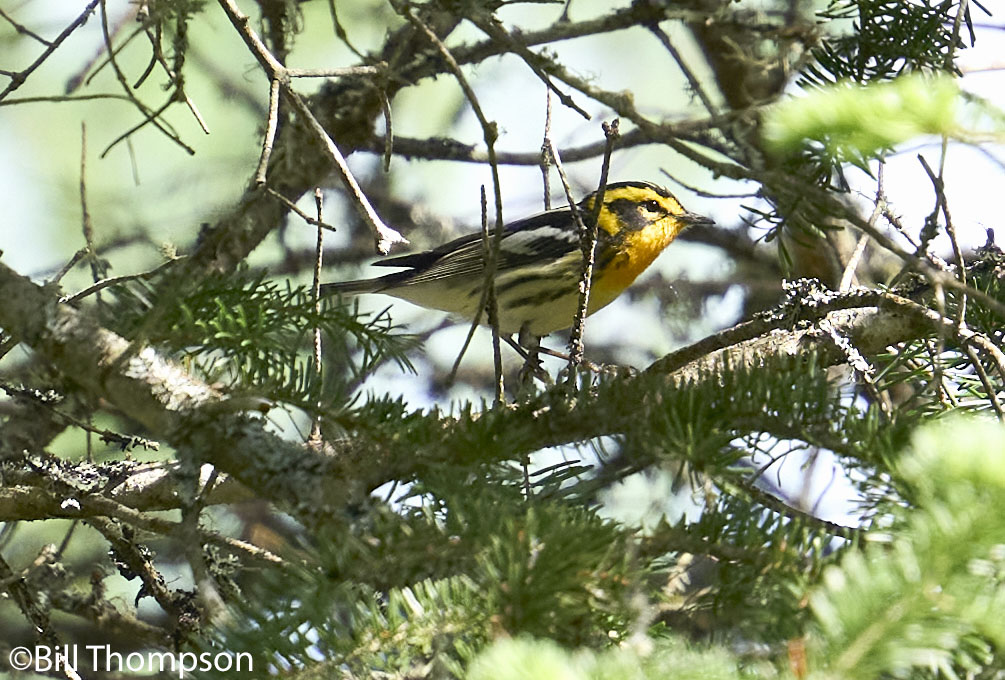
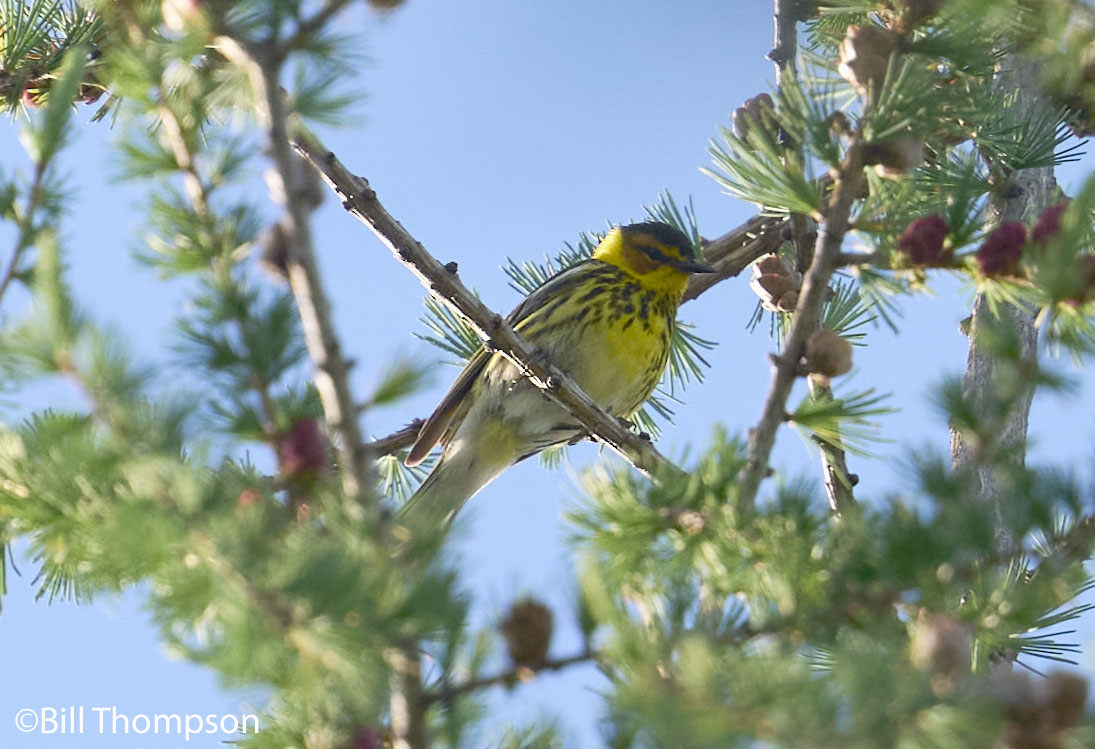
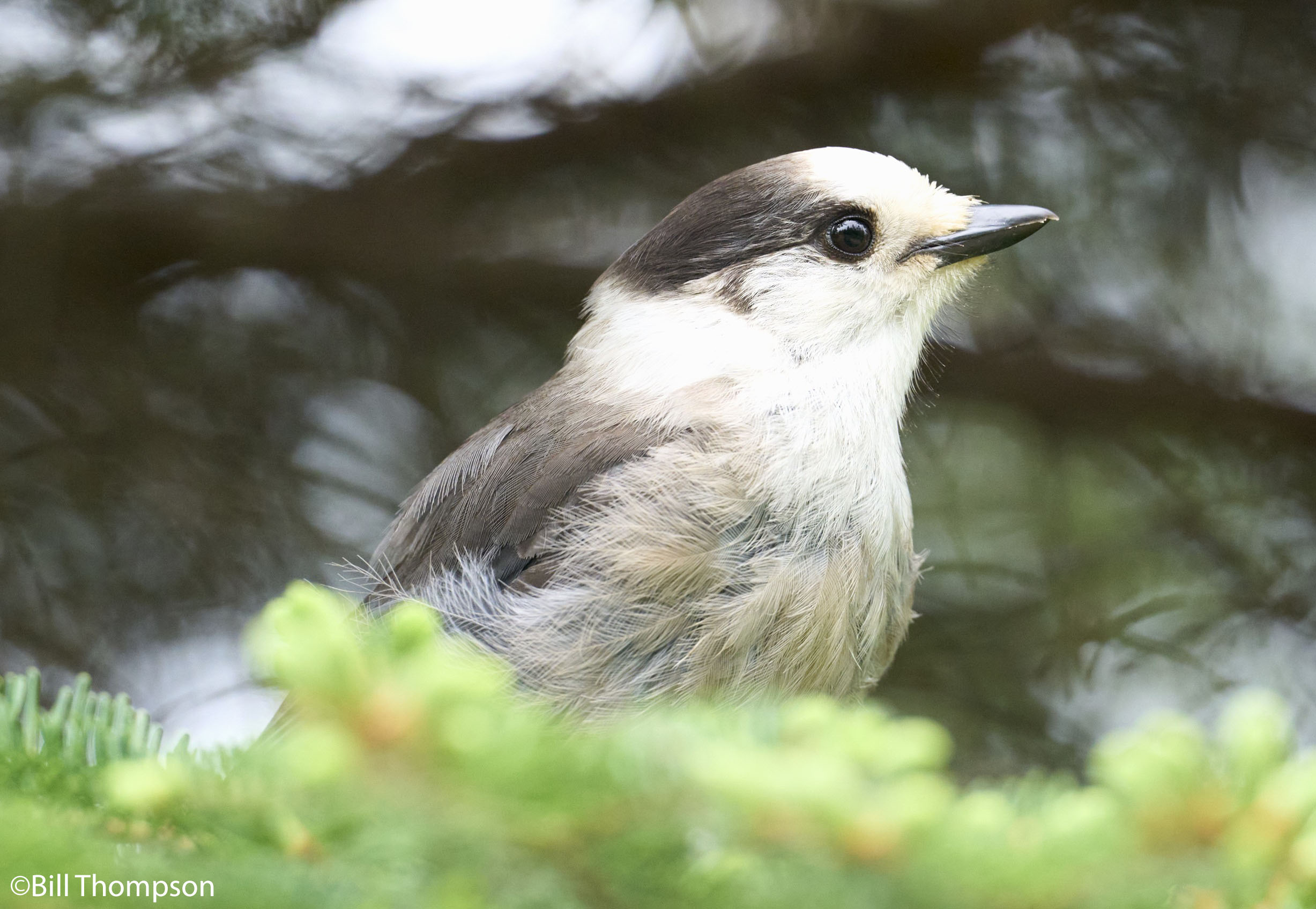
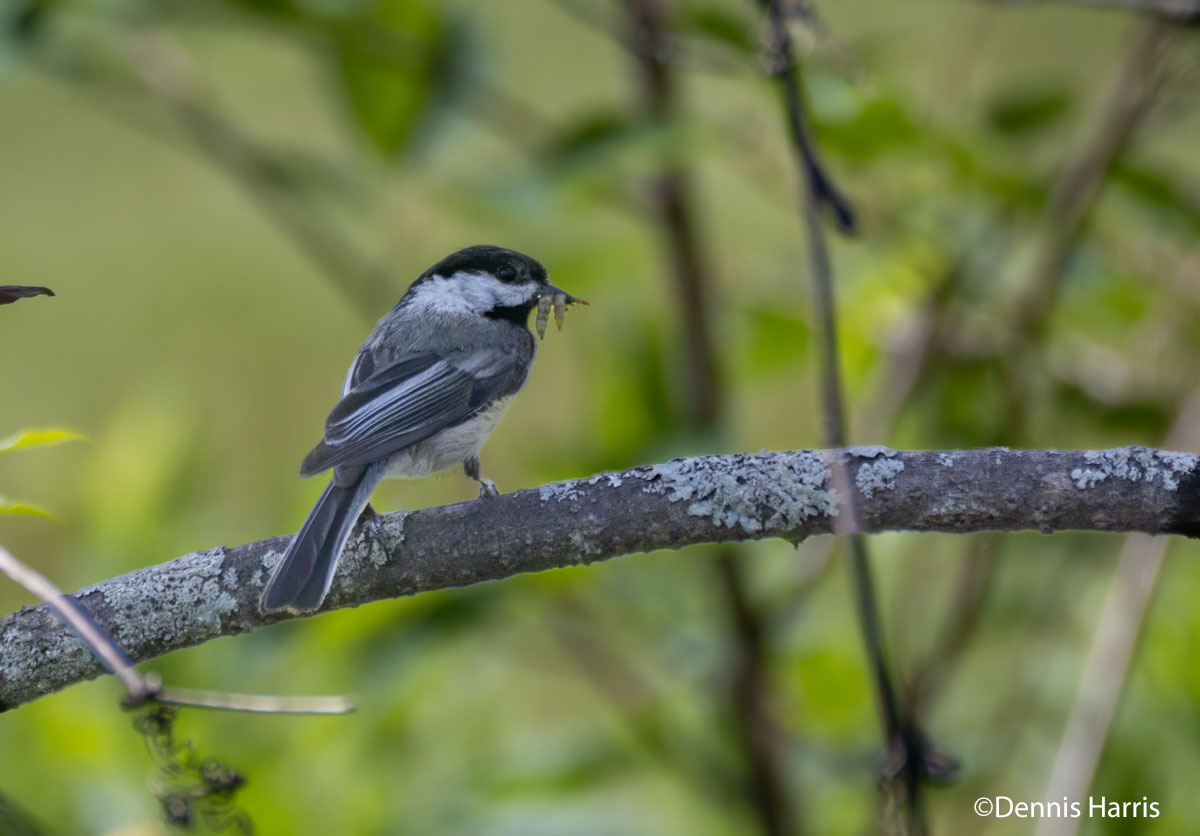
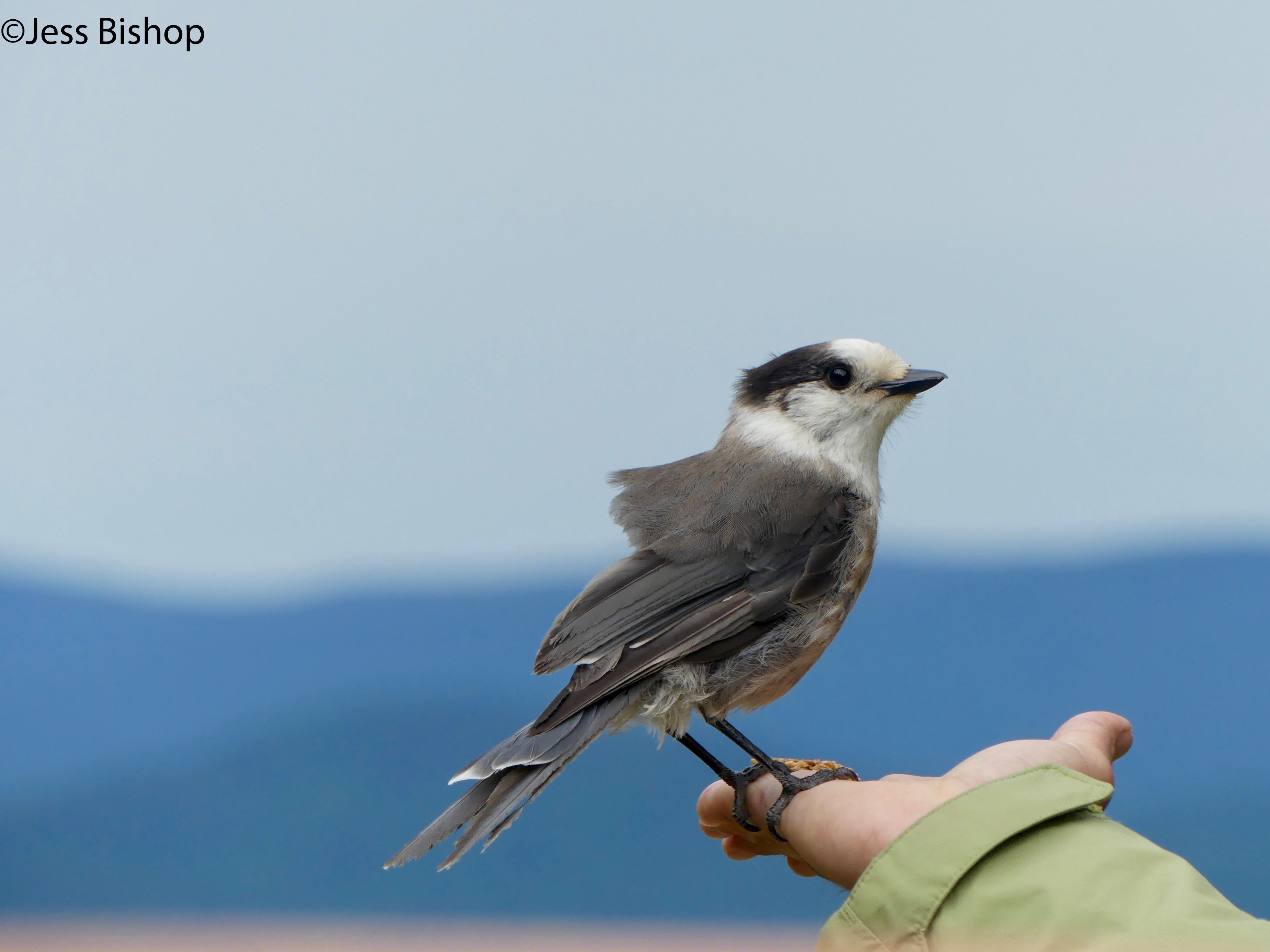
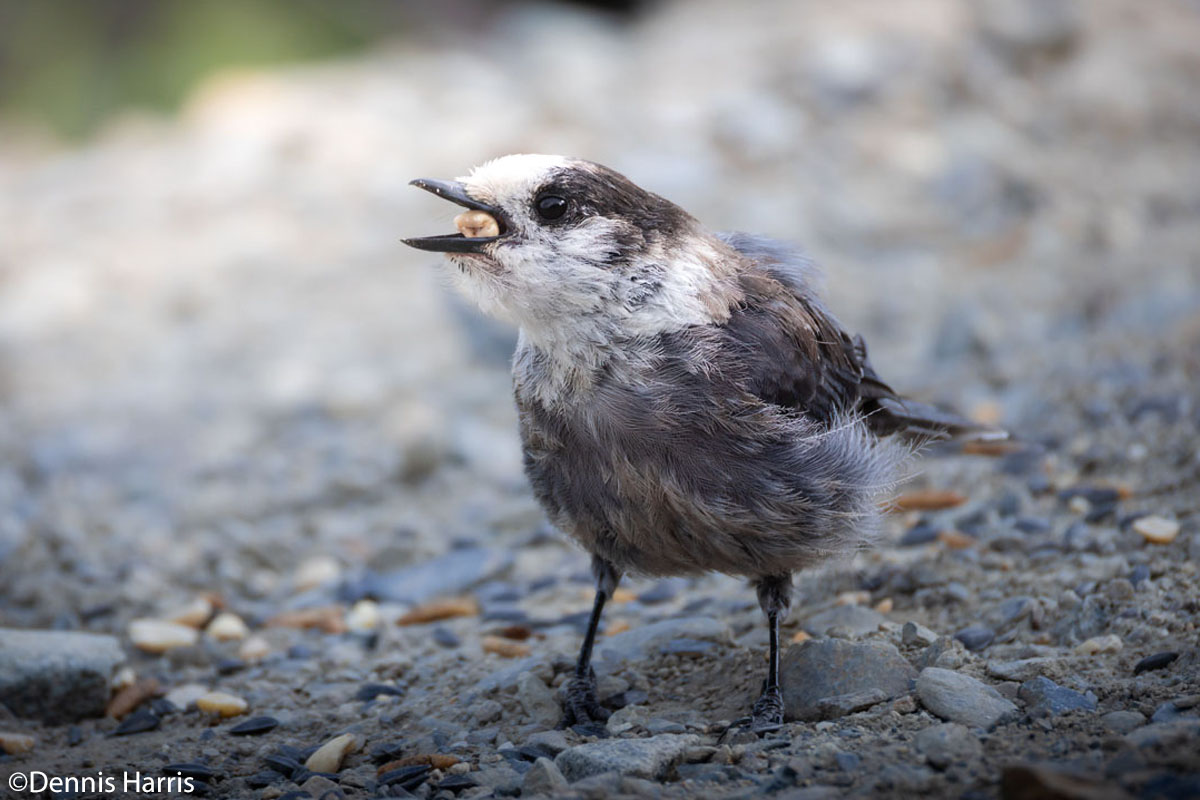
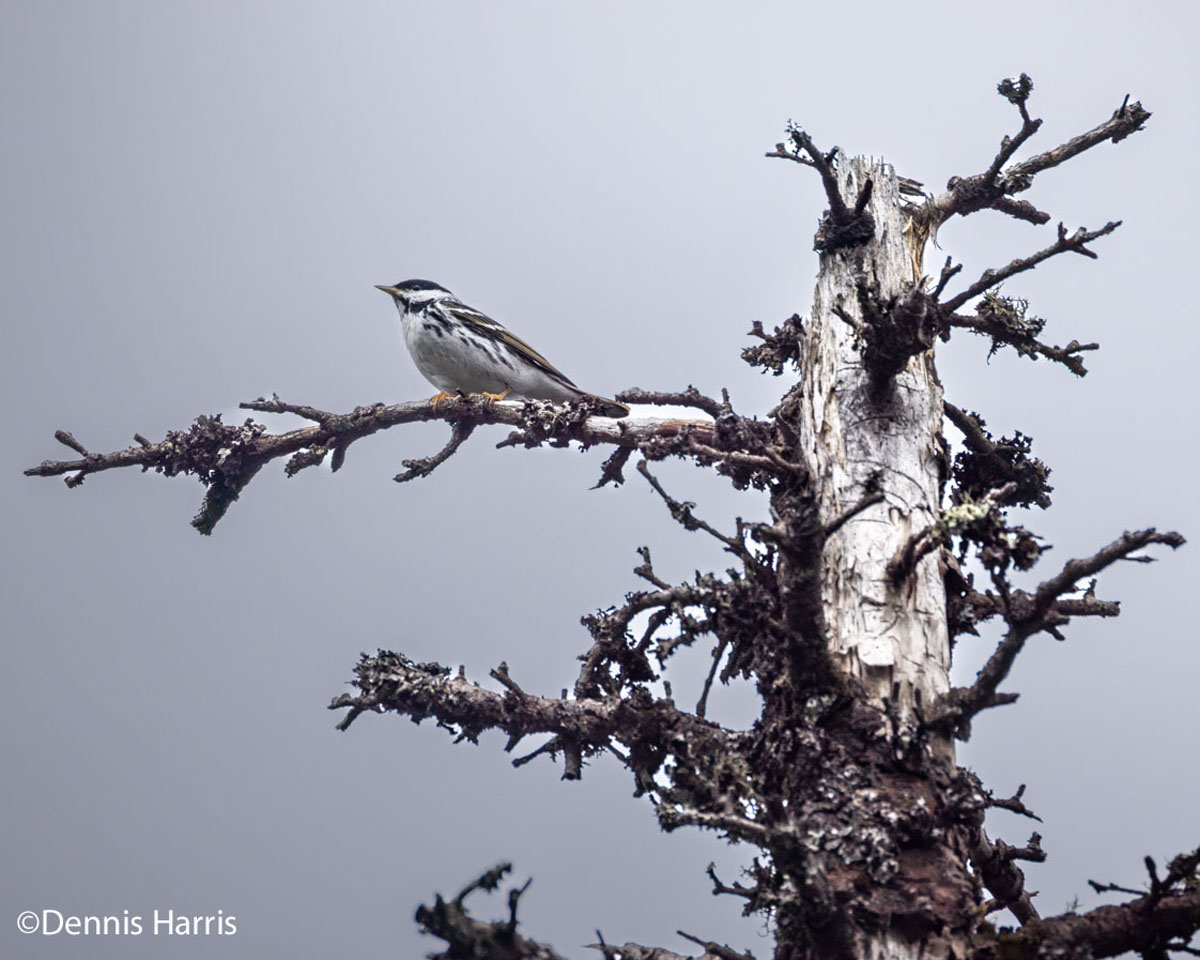
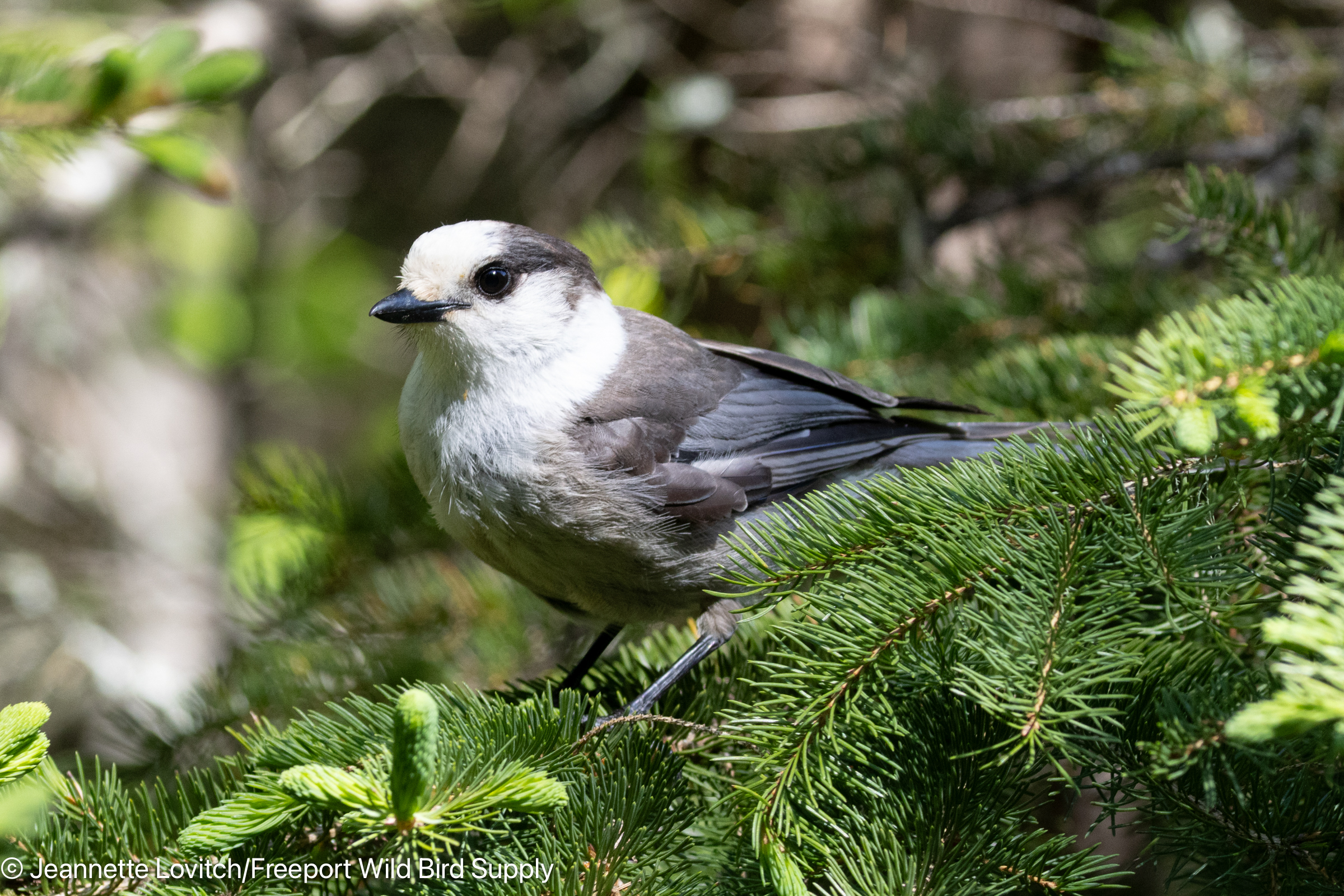
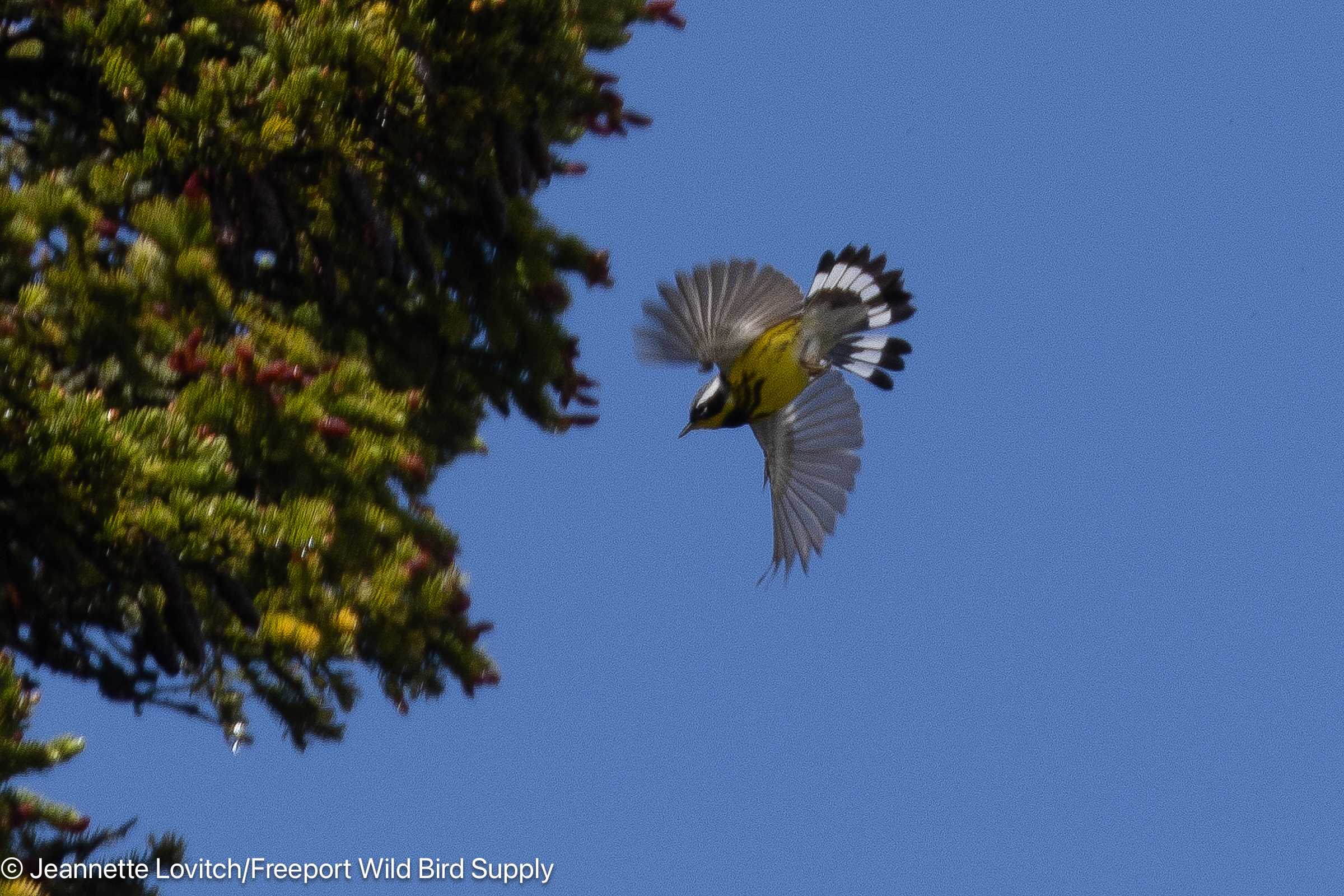
Highlights included 2 family groups of Canada Jays, at least 2 Cape May Warblers, incredible looks at Mourning Warblers, heard-only Red Crossbills, singing Palm Warblers, and much more.
Blackburnian WarblerCape May WarblerCanada JayBlack-capped Chickadee
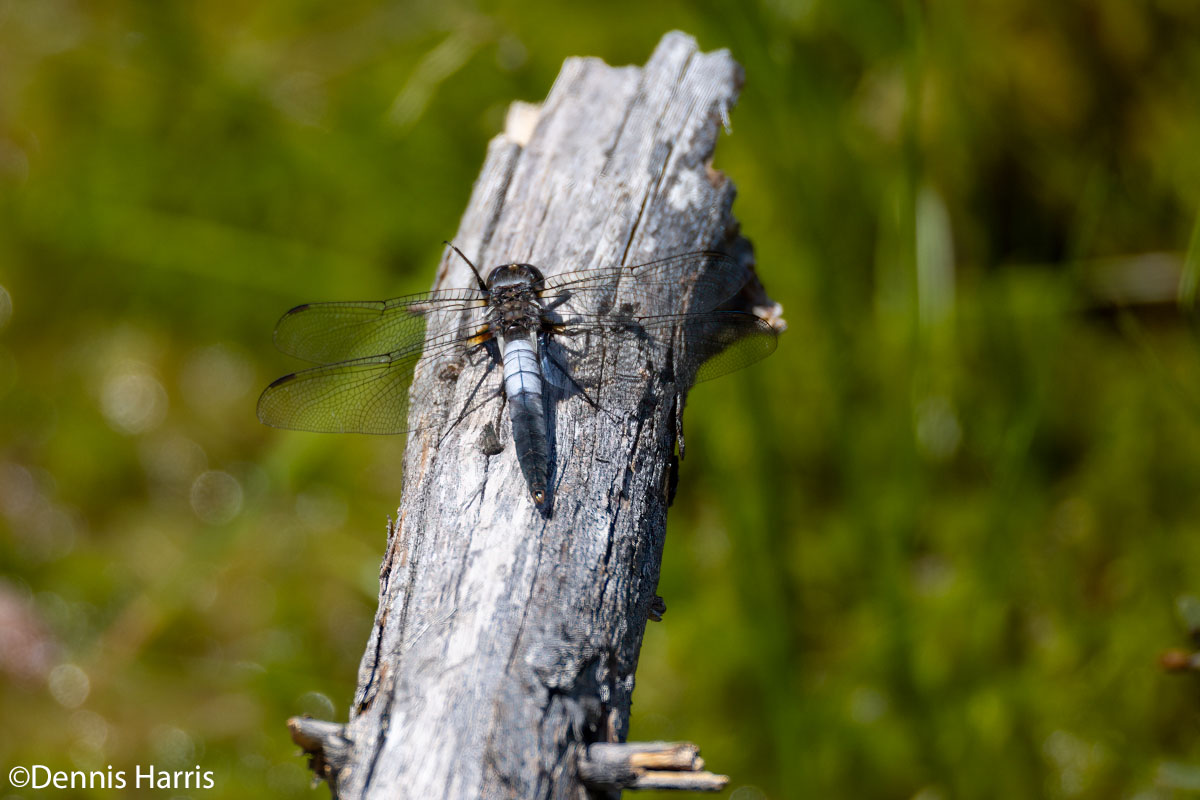
We also birded slowly, looking at all matters of life, including insects and plants.
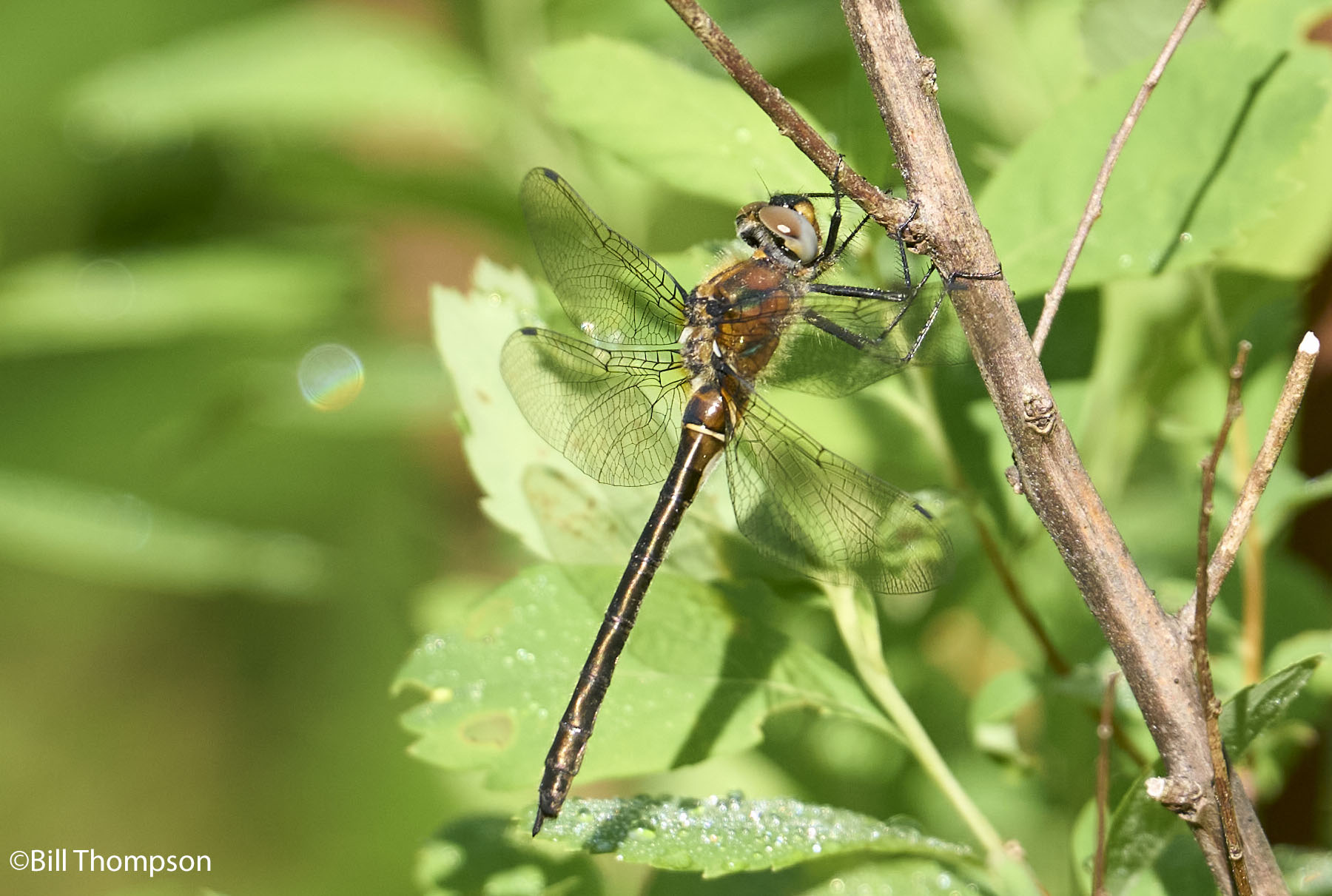
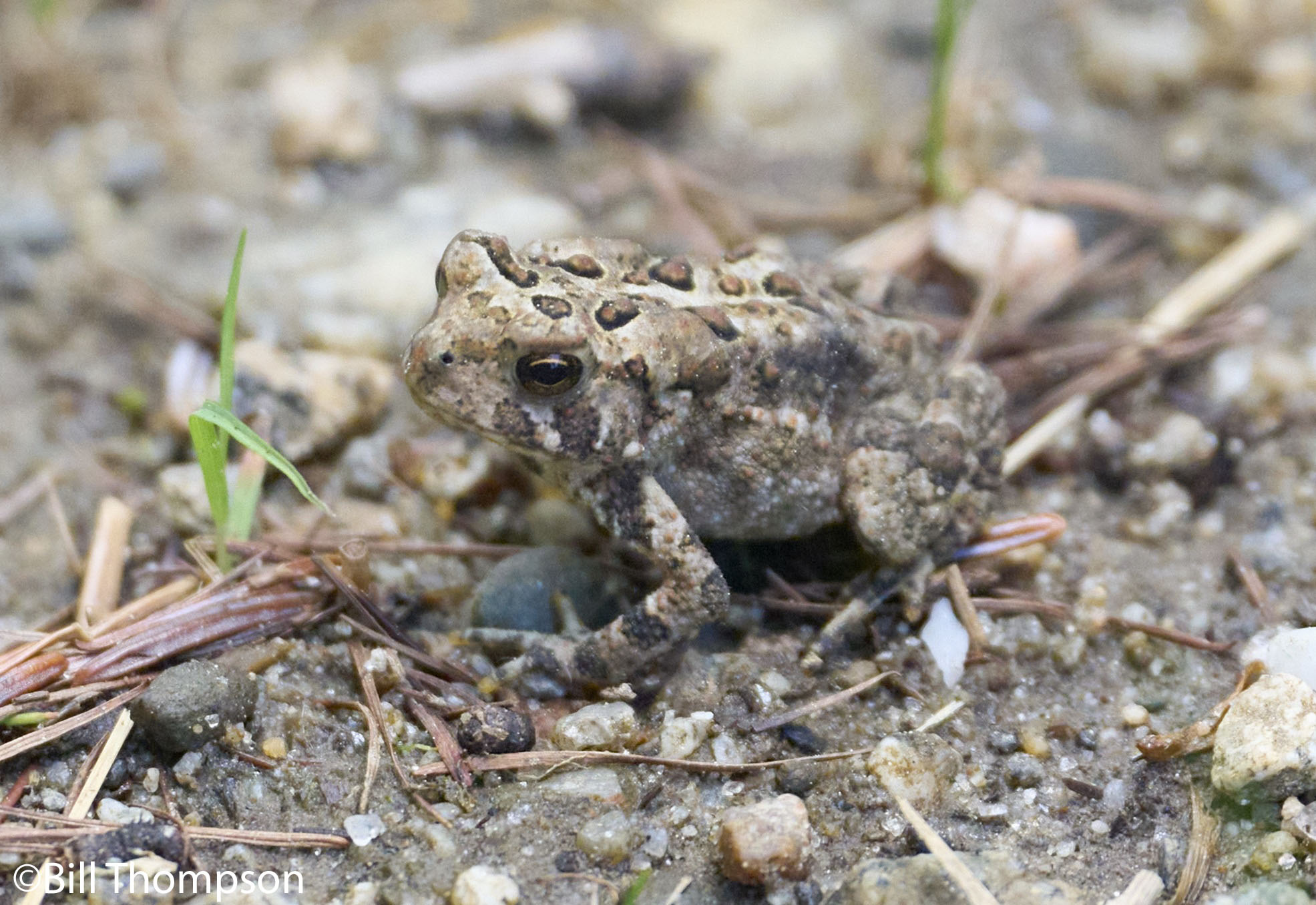
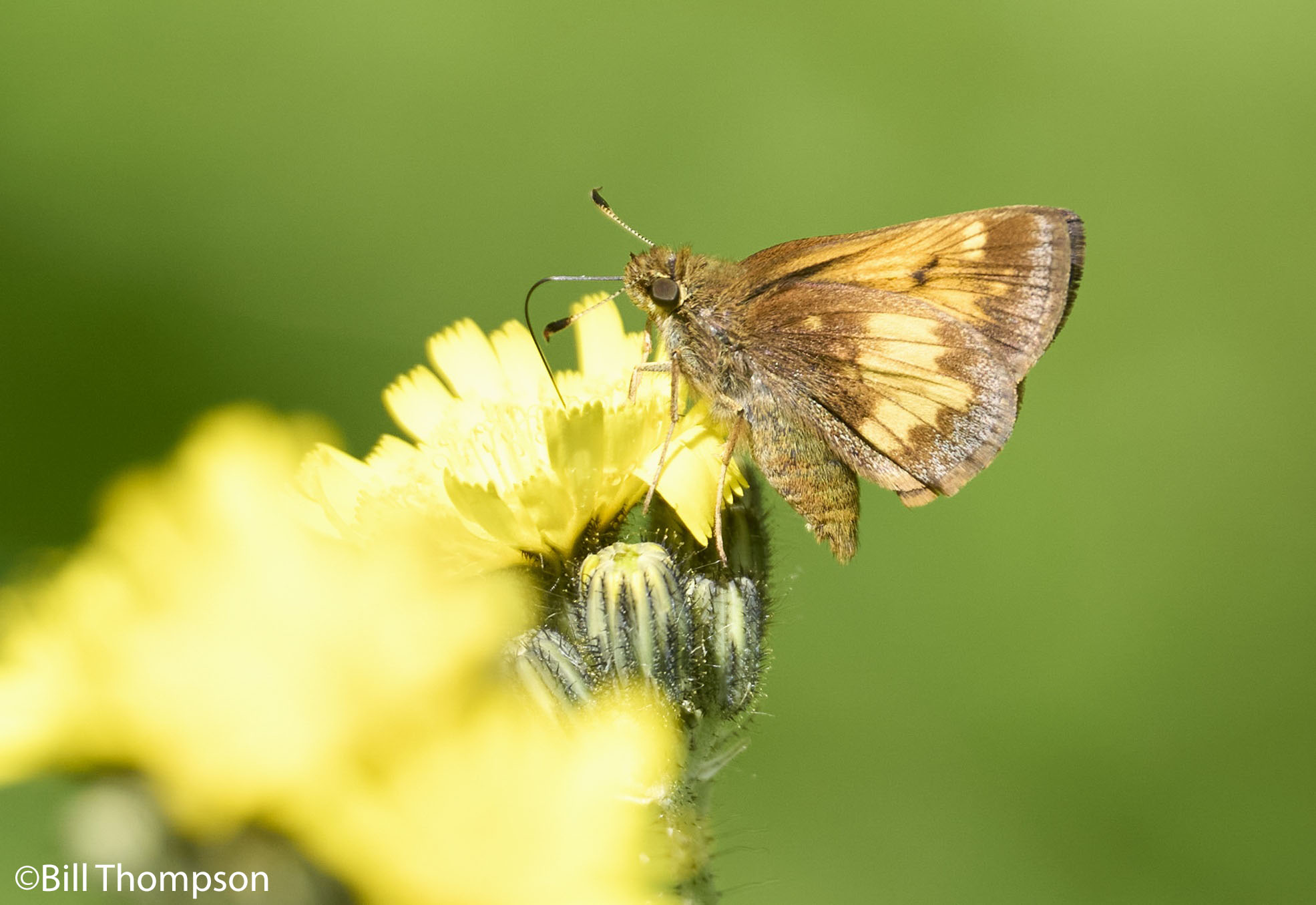
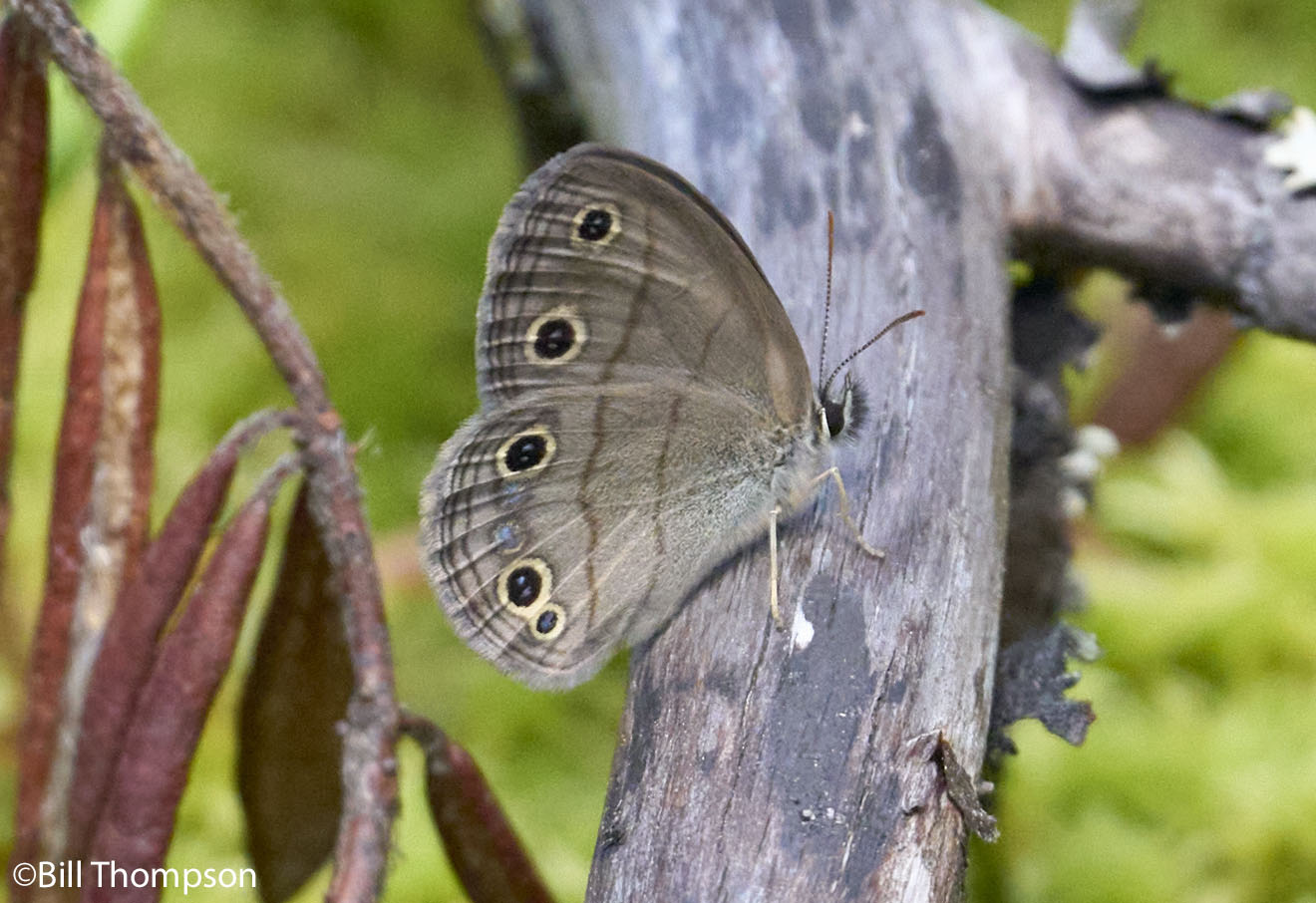
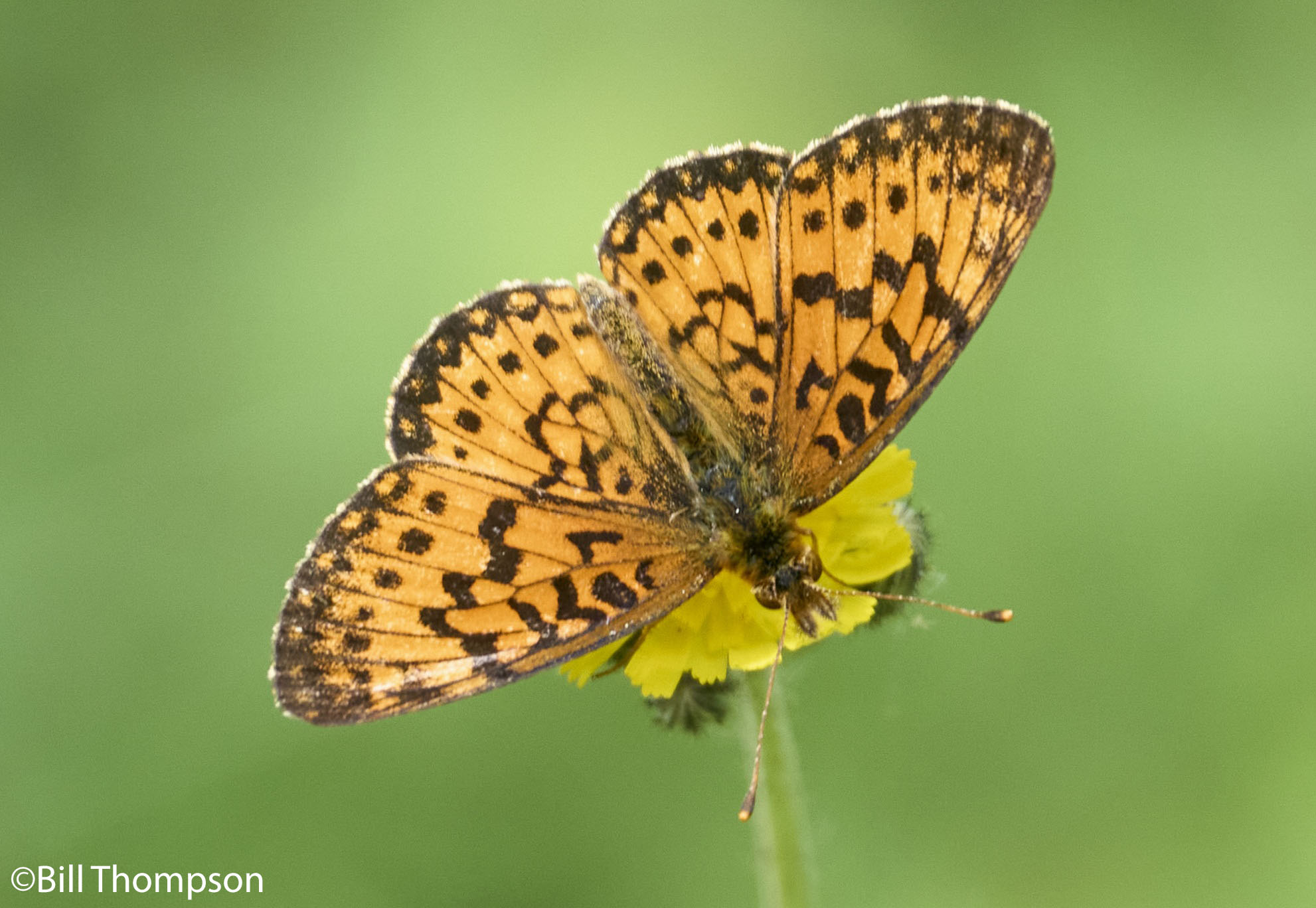
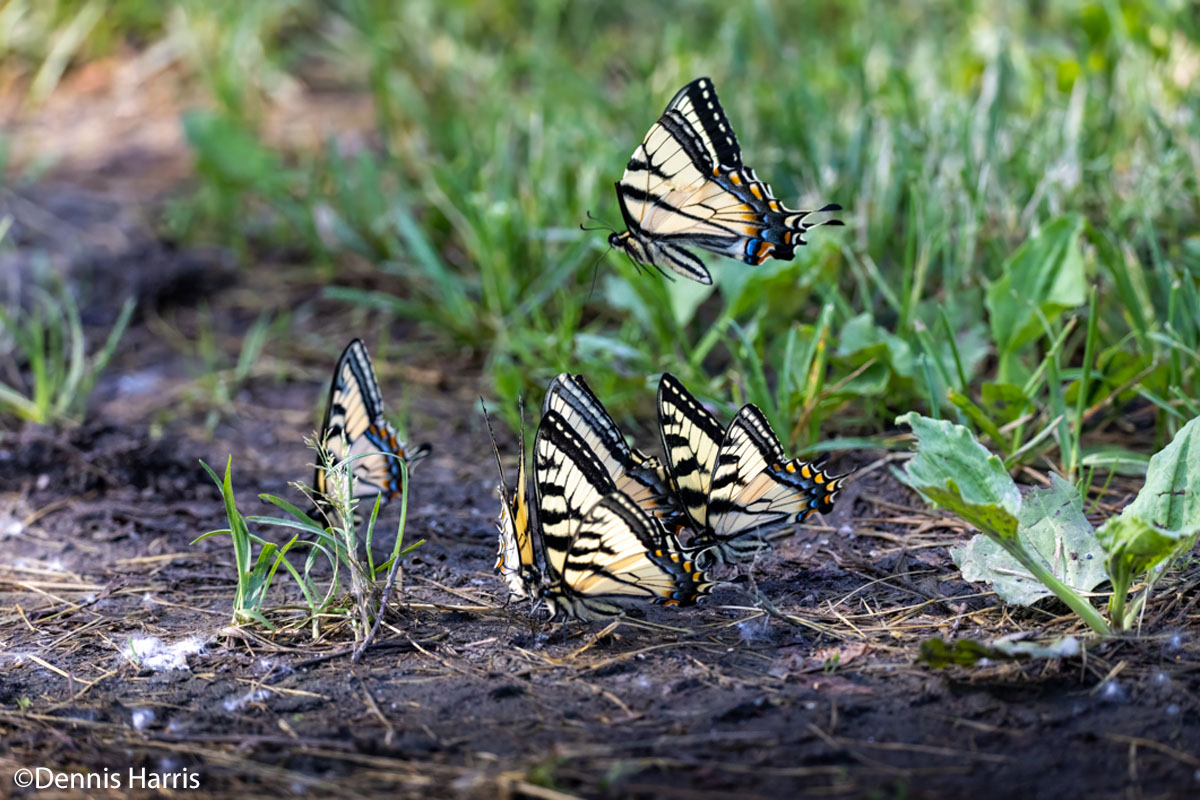
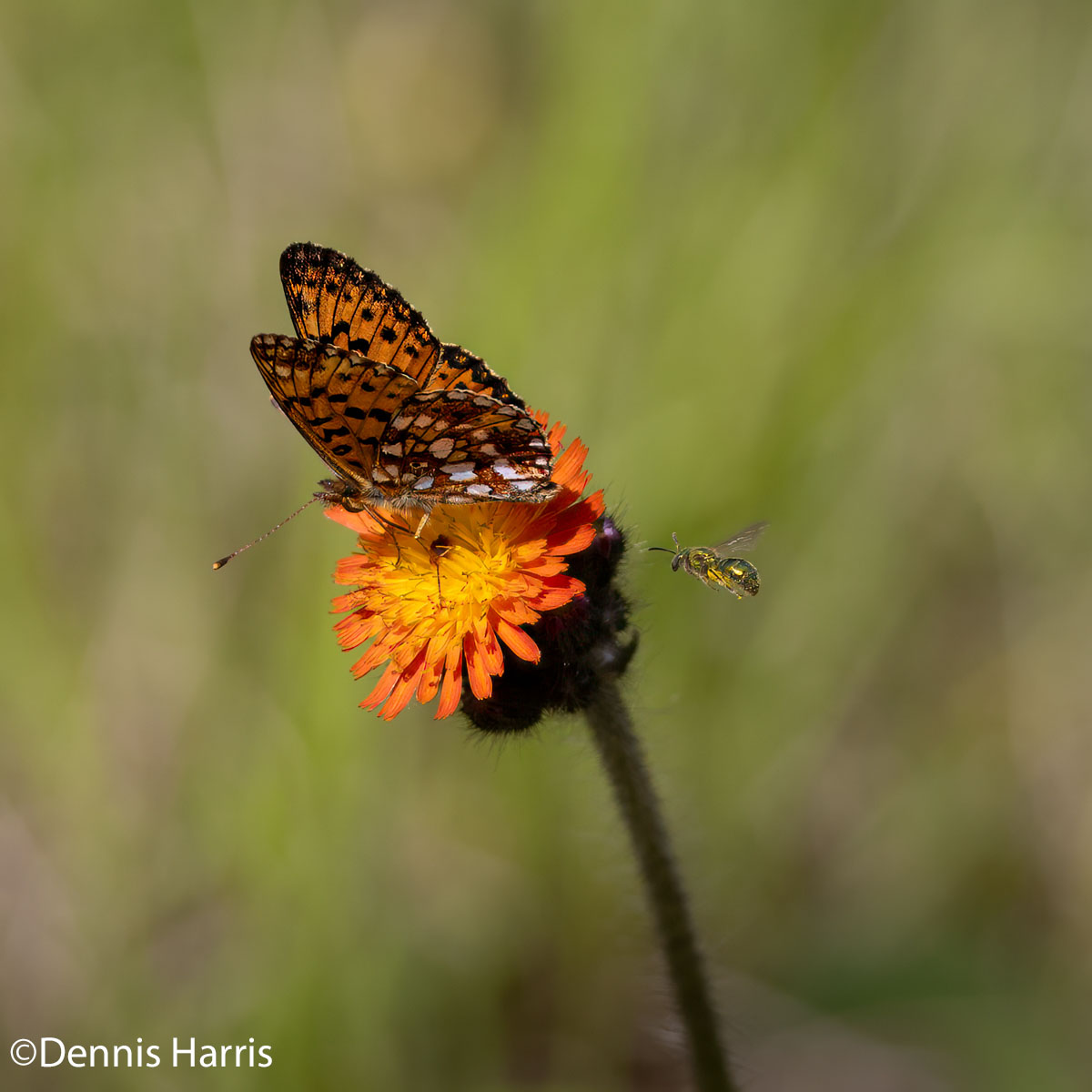
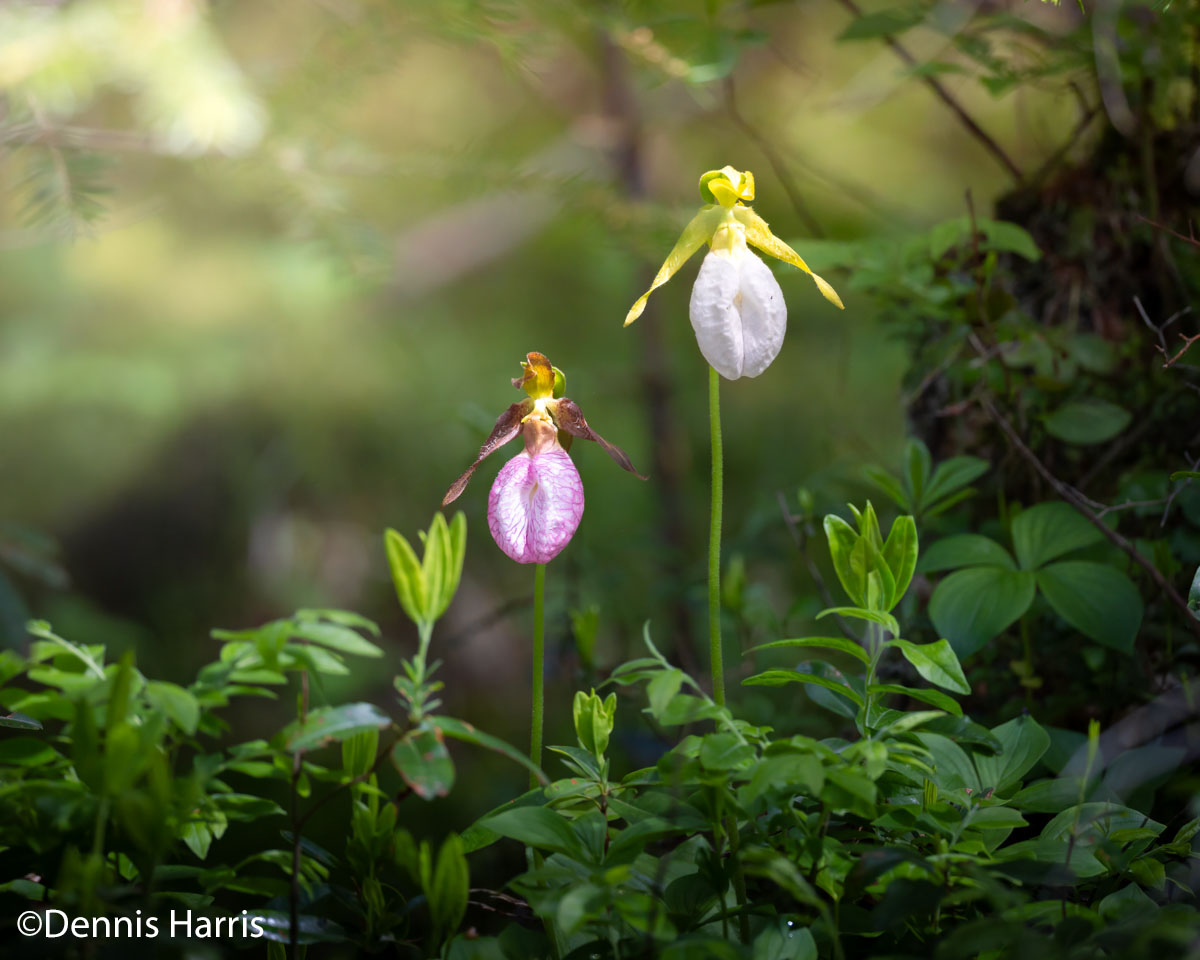
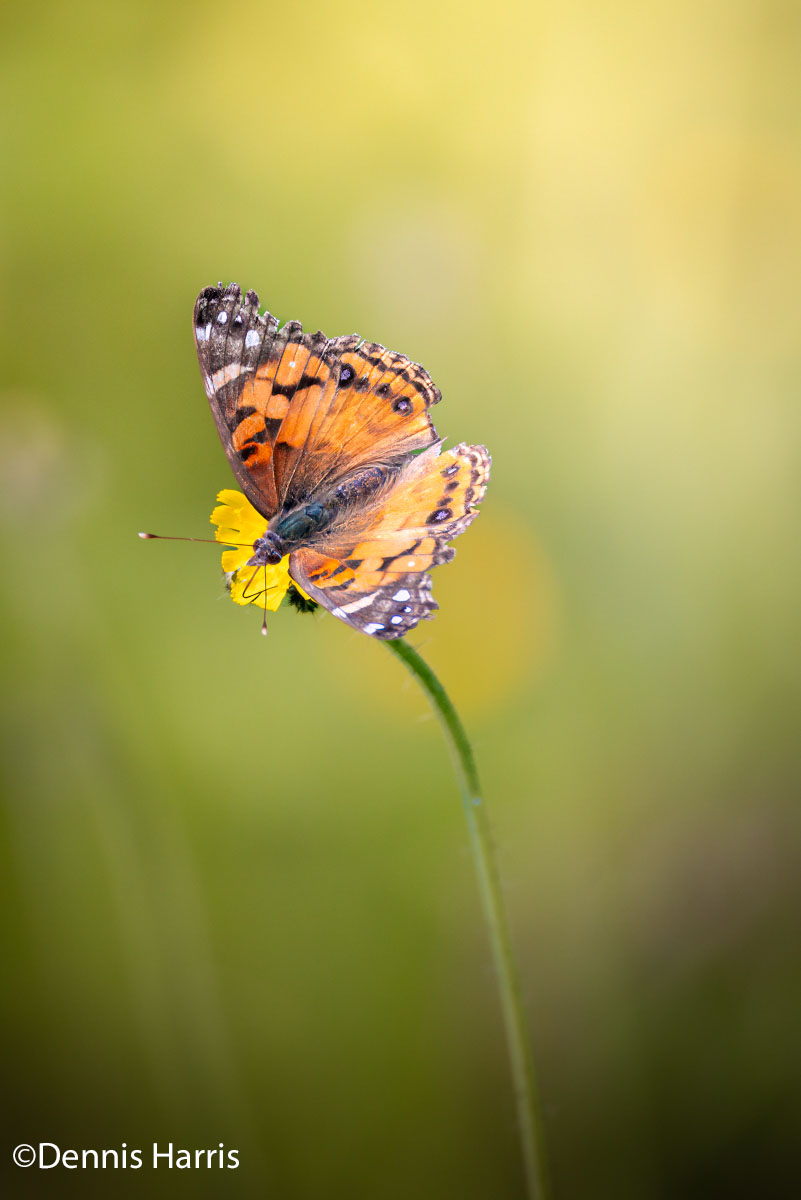
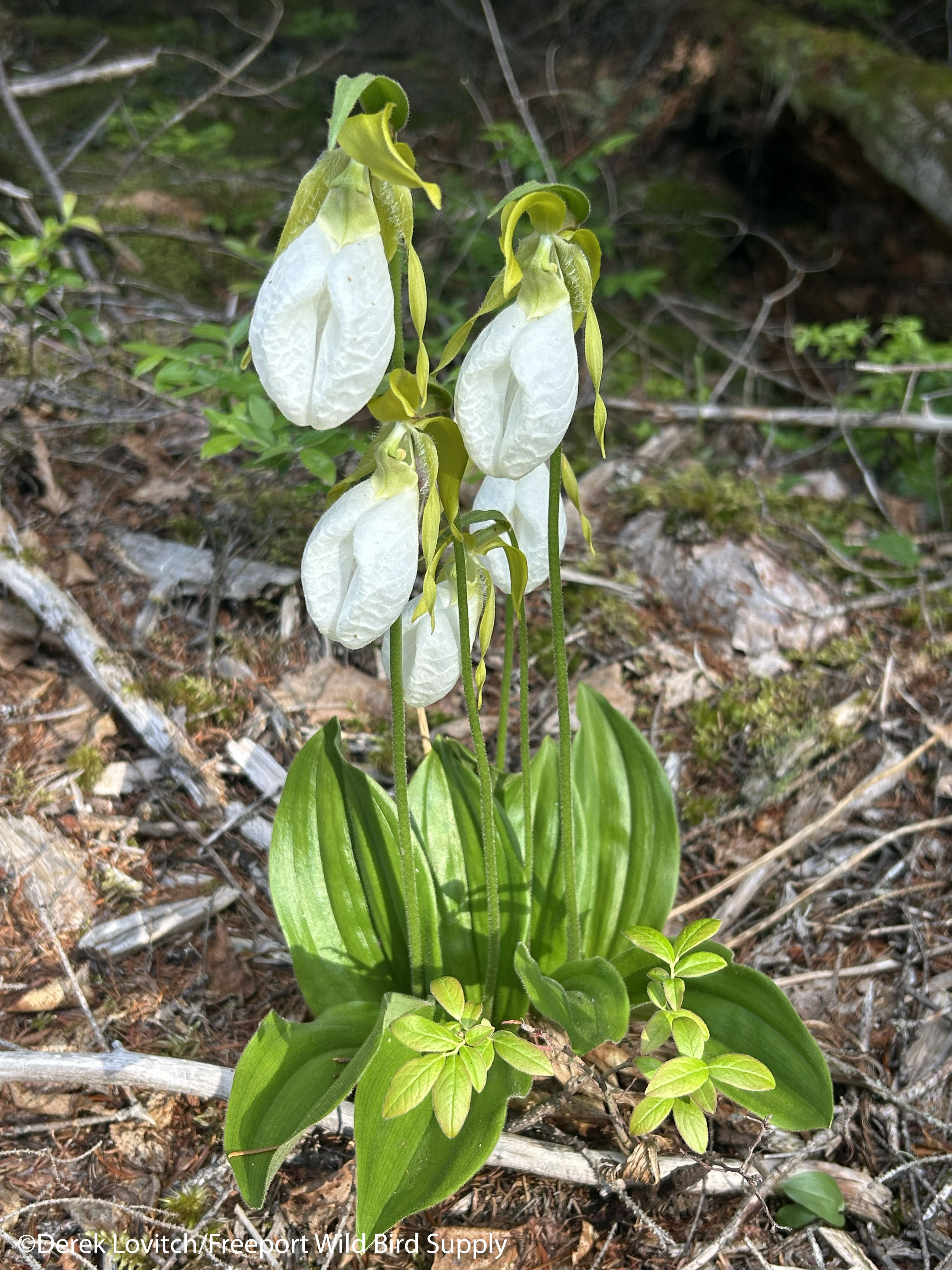
American EmeraldAmerican ToadHobomok SkipperLittle Wood-SatyrSilver-bordered FritillaryCanadian Tiger Swallowtails(Dennis) Harris’s CheckerspotPink- and White-morphed Pink Lady’s SlipperAmerican LadyChalk-fronted Corporal
And found a new (to me) delicious lunch stop.
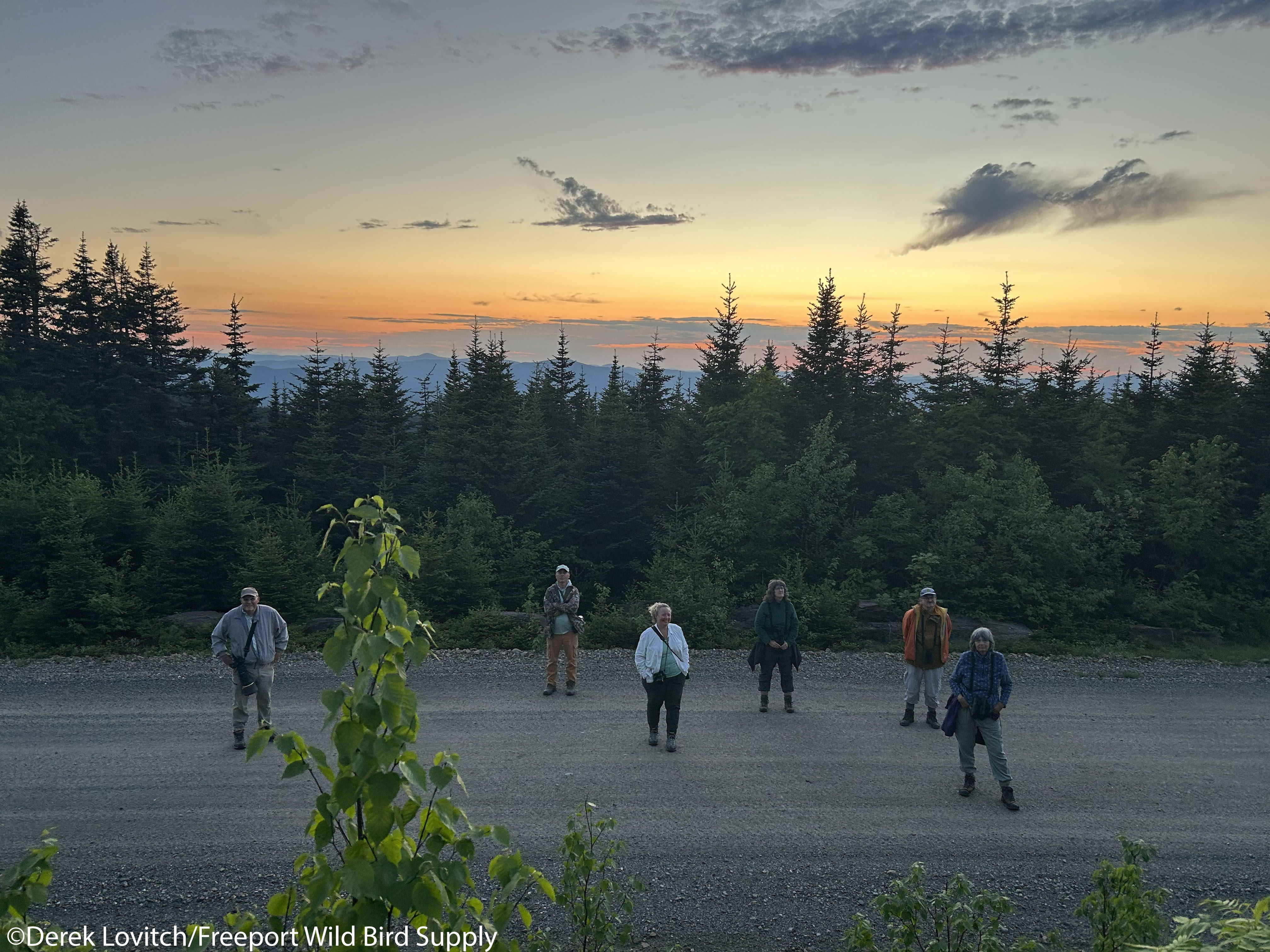
After an afternoon break and a great early dinner, it was finally time to head up hill and get to work. And work it was! The mountain was full of Swainson’s Thrushes and wind, and as the sun was setting, only a few Bicknell’s Thrushes were heard at all. I was beginning to lose hope, putting the pressure on for the following morning, when I heard two birds calling back and forth across the road. At 9:01pm, with just enough light for any sort of photograph, this happened (and see Bill’s photos above)!
Celebration ensued, backs were patted, high-fives were exchanged. Success! (And yes, relief, too!)
We “slept in” a few extra minutes on Sunday morning, knowing the primary mission was accomplished. But we returned to the same place, without pressure, and birded casually.
With another picnic breakfast in the field, our musical soundtrack was provided by several singing Bicknell’s Thrushes, and multiple calling birds. At least 6-8 birds were detected in all, but we all decided to just relax, enjoy them, and not even try to see them. It was a great way to really experience the Bicknell’s Thrush.
But we did look at everything else! We had a pair of, uh, “confiding” Canada Jays, 2 Bay-breasted Warblers and several Blackpoll Warblers.
Storm clouds a’brewing!
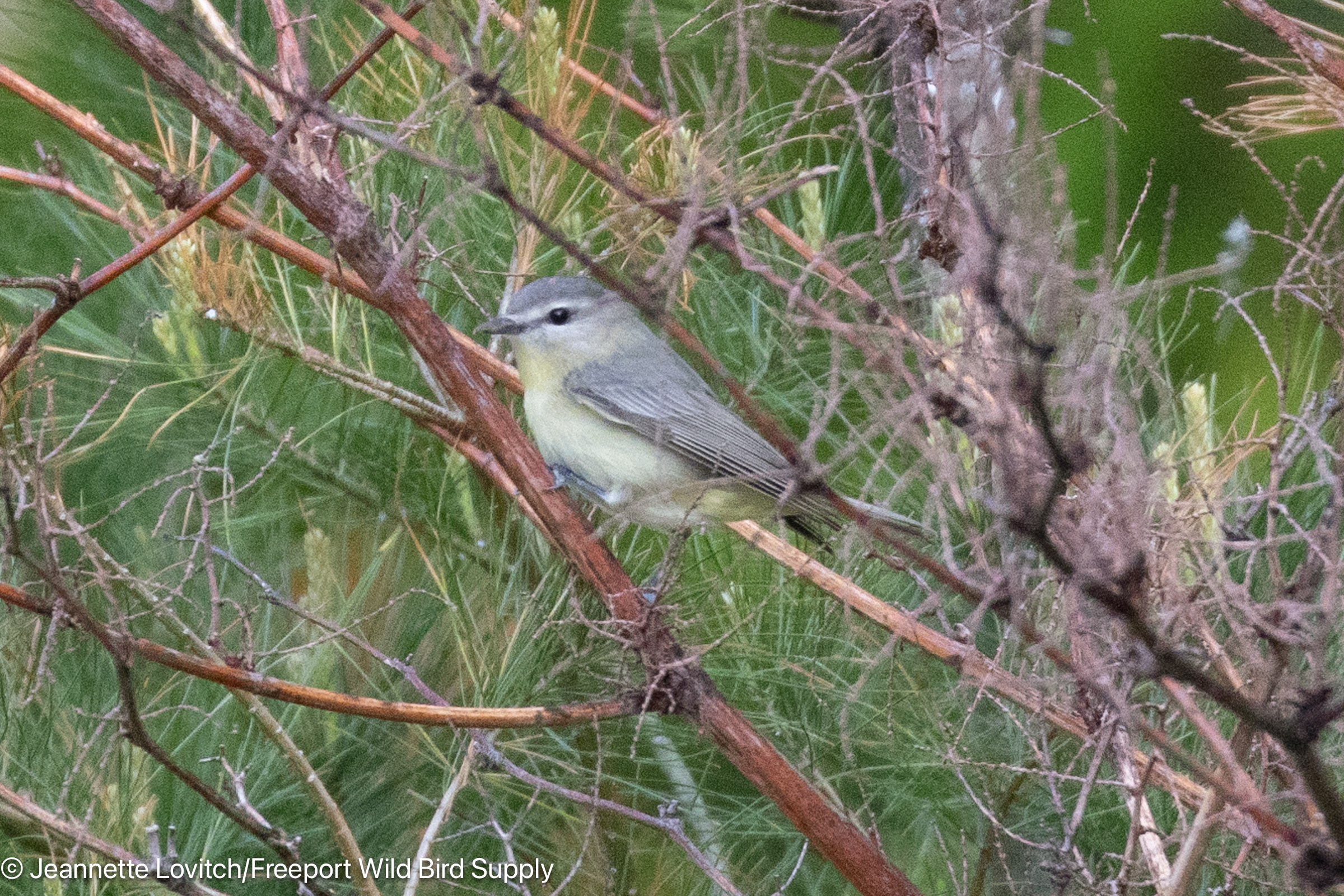
And then we slowly birded downhill, finding 2 more Cape May Warblers, 4 Mourning Warblers, hearing two Boreal Chickadees, but also lamenting on the apparent disappearance of Philadelphia Vireo here (although we did hear one distant candidate).
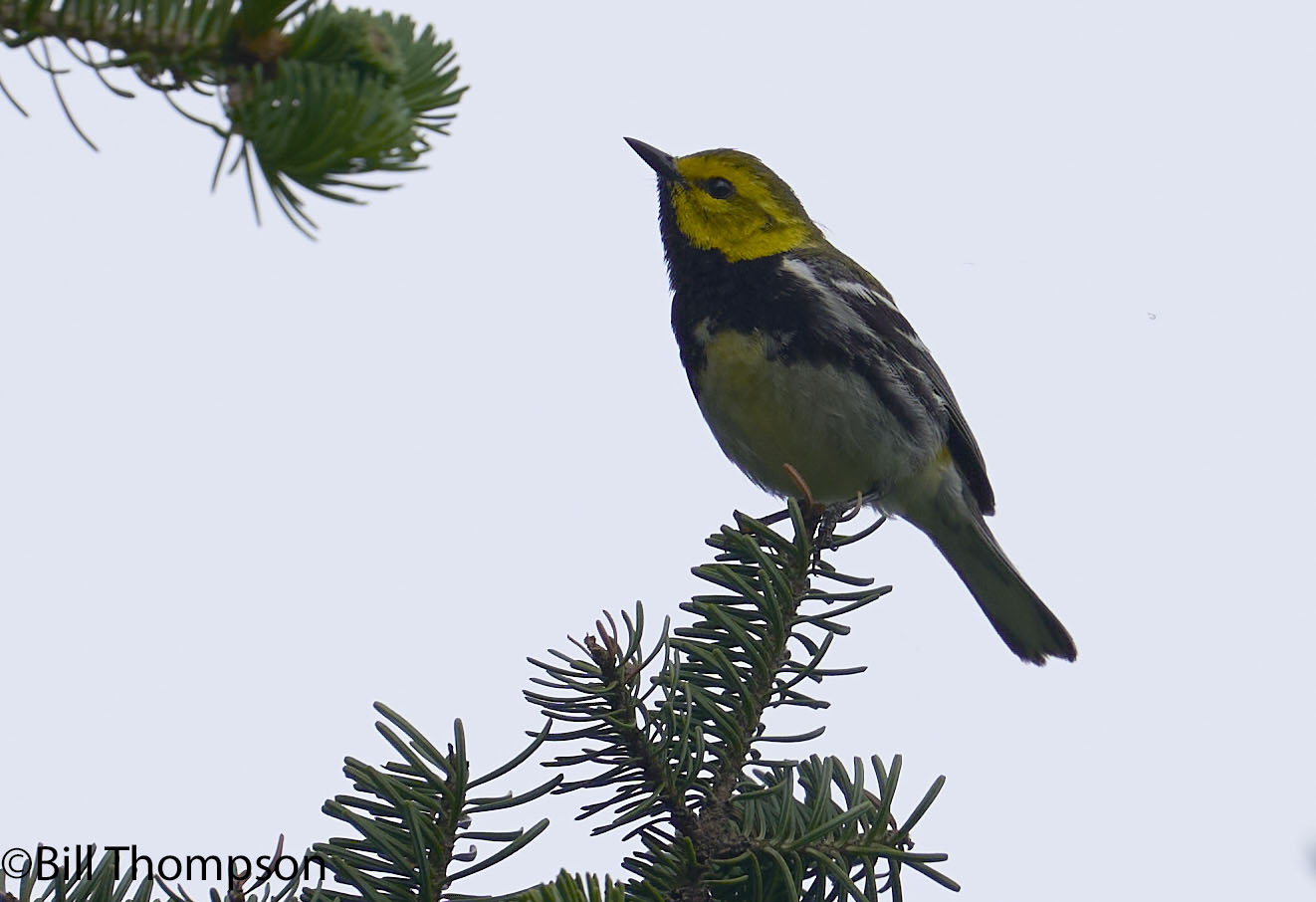
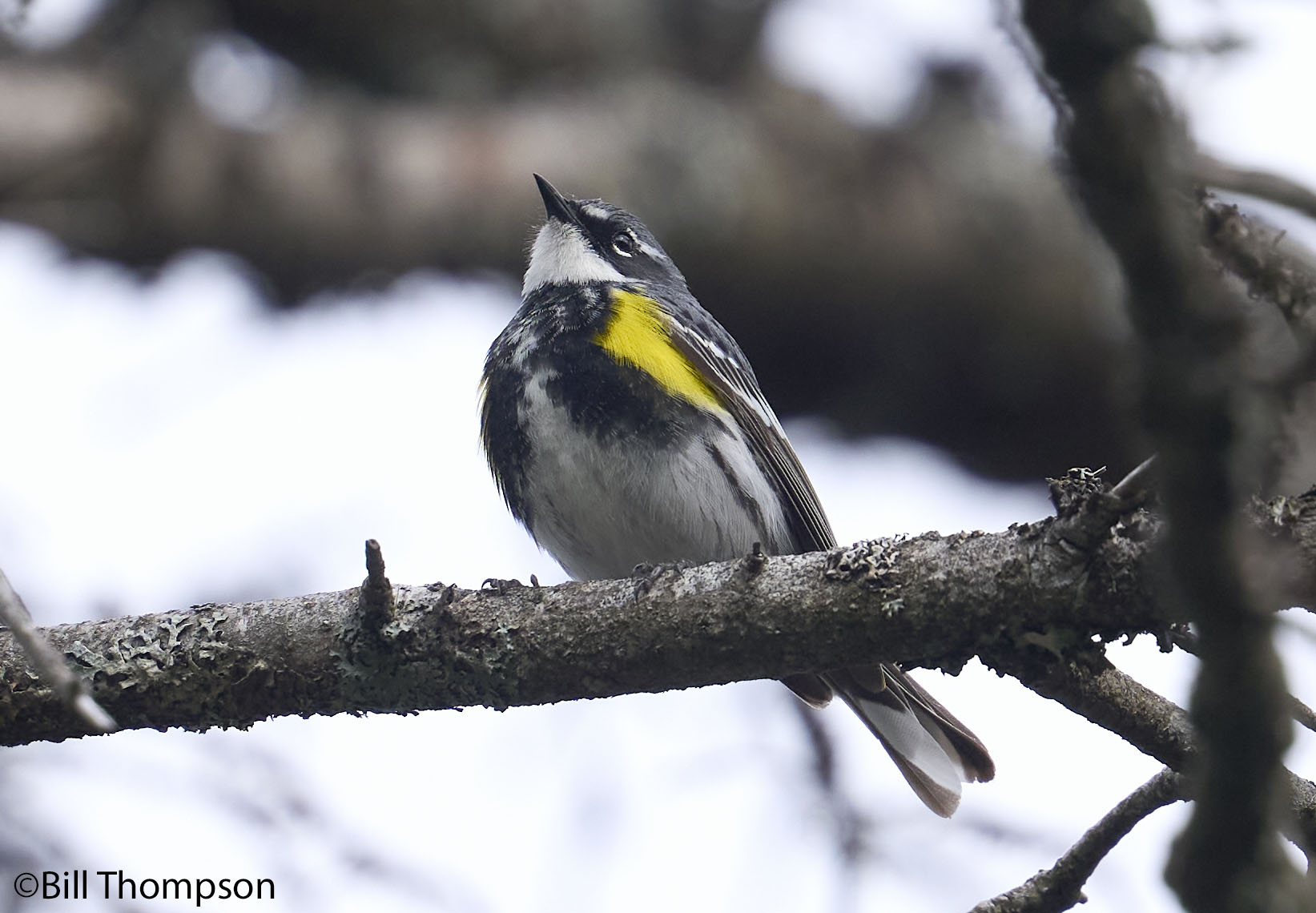
Black-throated Green WarblerYellow-rumped Warbler
Lunch, a little tourism stop to see some local landmarks and a Common Loon on a lake in the north woods. As we approached Colebrook, the rain that we had successfully and thankfully avoided all weekend caught up with us and the skies absolutely opened up, bringing the tour to a slightly early end for everyone to take their time in driving home or to airports safely.
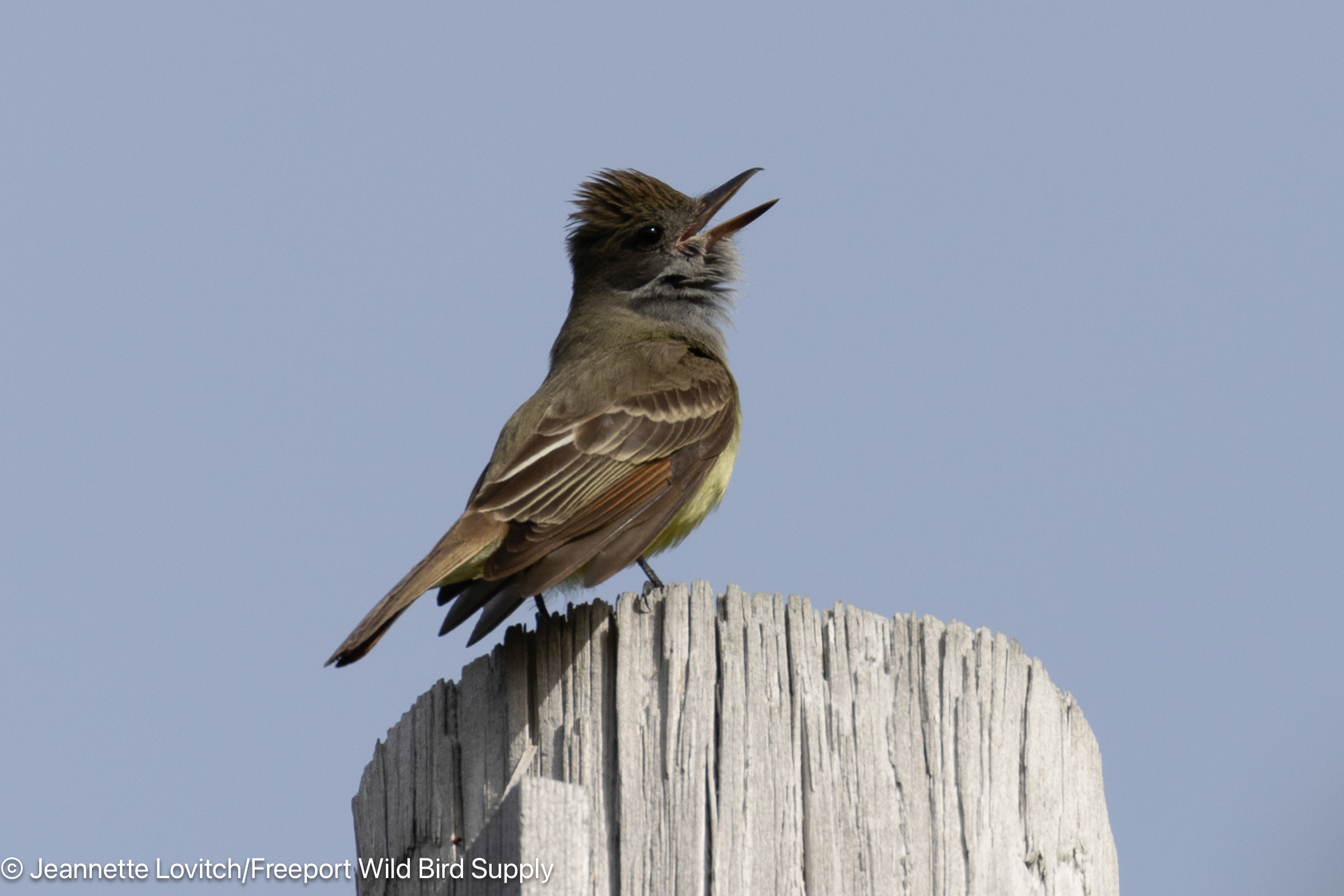
The Great-crested Flycatcher has been the “king bird” of our driveway, declaring dominance over the kestrel house we placed on an abandoned telephone pole. They have nested in it for the last three years.
June is a great month for birding in Maine, and this June has been very good so far with rarities around the state. Meanwhile, staying closer to home for much of the week, my observations of note over the last 6 days included the following:
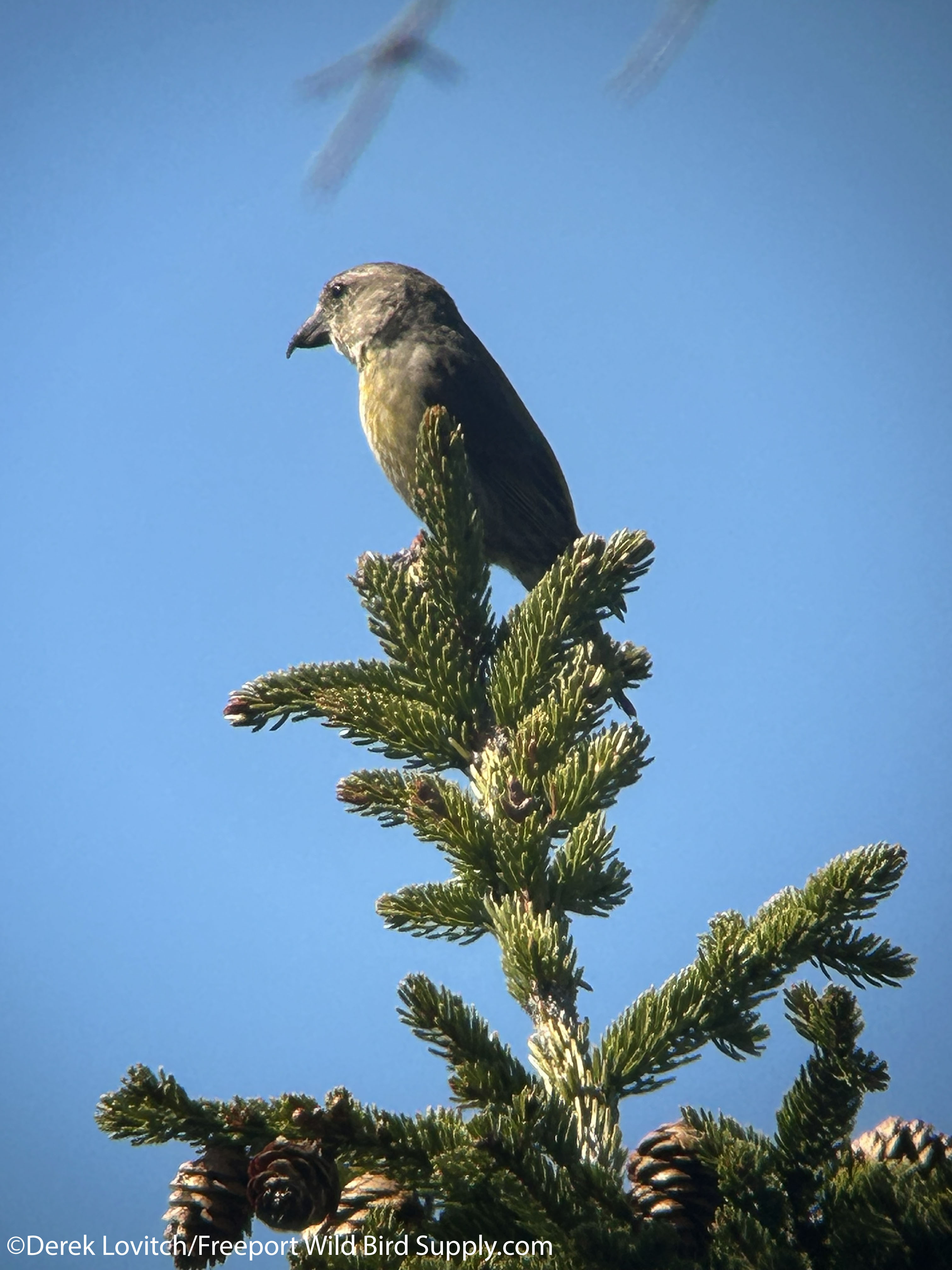
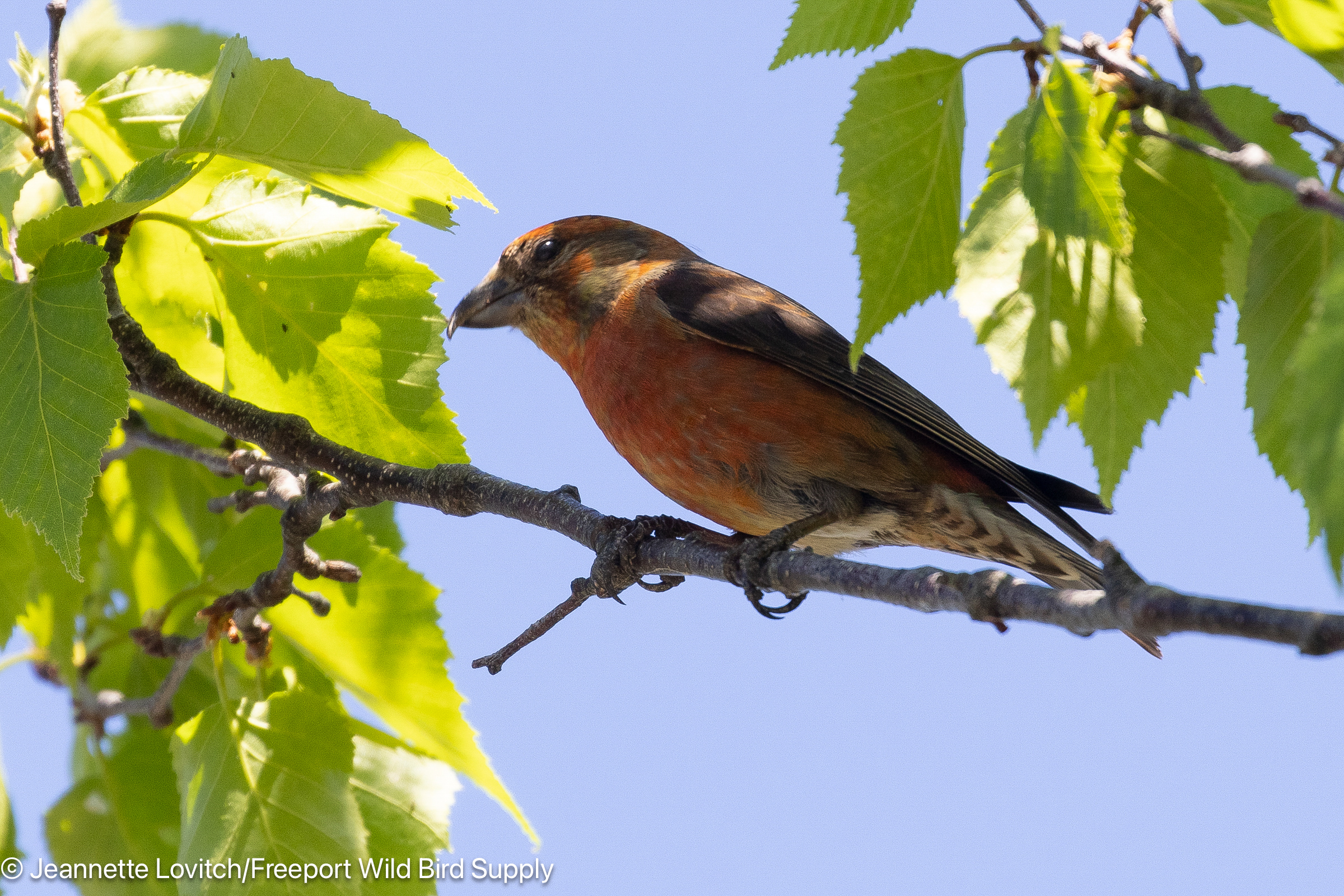
Red Crossbills continue on the coastal plain including 5 at Florida Lake Park in Freeport on 6/6 (with Saturday Morning Birdwalk group).
1 adult Red Knot, 1 American Oystercatcher, etc, The Pool, Biddeford Pool, 6/7 (with Ian Doherty).
3 Red-necked Grebes, 1 1st summer Great Cormorant, continuing lingering Black and White-winged Scoters, etc, Ocean Avenue, Biddeford Pool, 6/7 (with Ian Doherty).
1 continuing 1st summer LITTLE GULL, Hill’s Beach, Biddeford, 6/7 (with Ian Doherty).
1 Louisiana Waterthrush, North River Road, Auburn, 6/8.
1 continuing 1st summer LITTLE GULL (same paler individual as 6/7), 1 American Oystercatcher, 1 Ruddy Turnstone, etc, Hill’s Beach, Biddeford, 6/9 (with clients from California).
1 Blue-gray Gnatcatcher, our property in Durham, 6/11.
Sorry for the delay on scheduling these tours, but we now have set dates. Derek will once again be onboard as Guest Naturalist for this special “Whale Watch & Birding Buffs Combo” Cruise. The itinerary will include a visit to Eastern Egg Rock as well as whale feeding grounds. Nesting colonies and pelagic sightings will be highlighted. Around EER at this time we can expect to find Atlantic Puffins, Common Terns, Arctic Terns, Roseate Terns, Laughing Gulls, Double-Crested Cormorants, Common Eider, Black Guillemots, with a chance of Razorbill and Common Murre. Off-shore sightings may include Northern Gannets, up to 4 species of Shearwaters (Great, Sooty, Cory’s, and Manx), and Wilson’s Storm Petrels. Who knows? Perhaps the wandering TUFTED PUFFIN will be spotted! Sorry, no chumming this time, but we tend to get a little more time around Eastern Egg, and if there’s enough of us, a little more freedom to chase birds offshore!
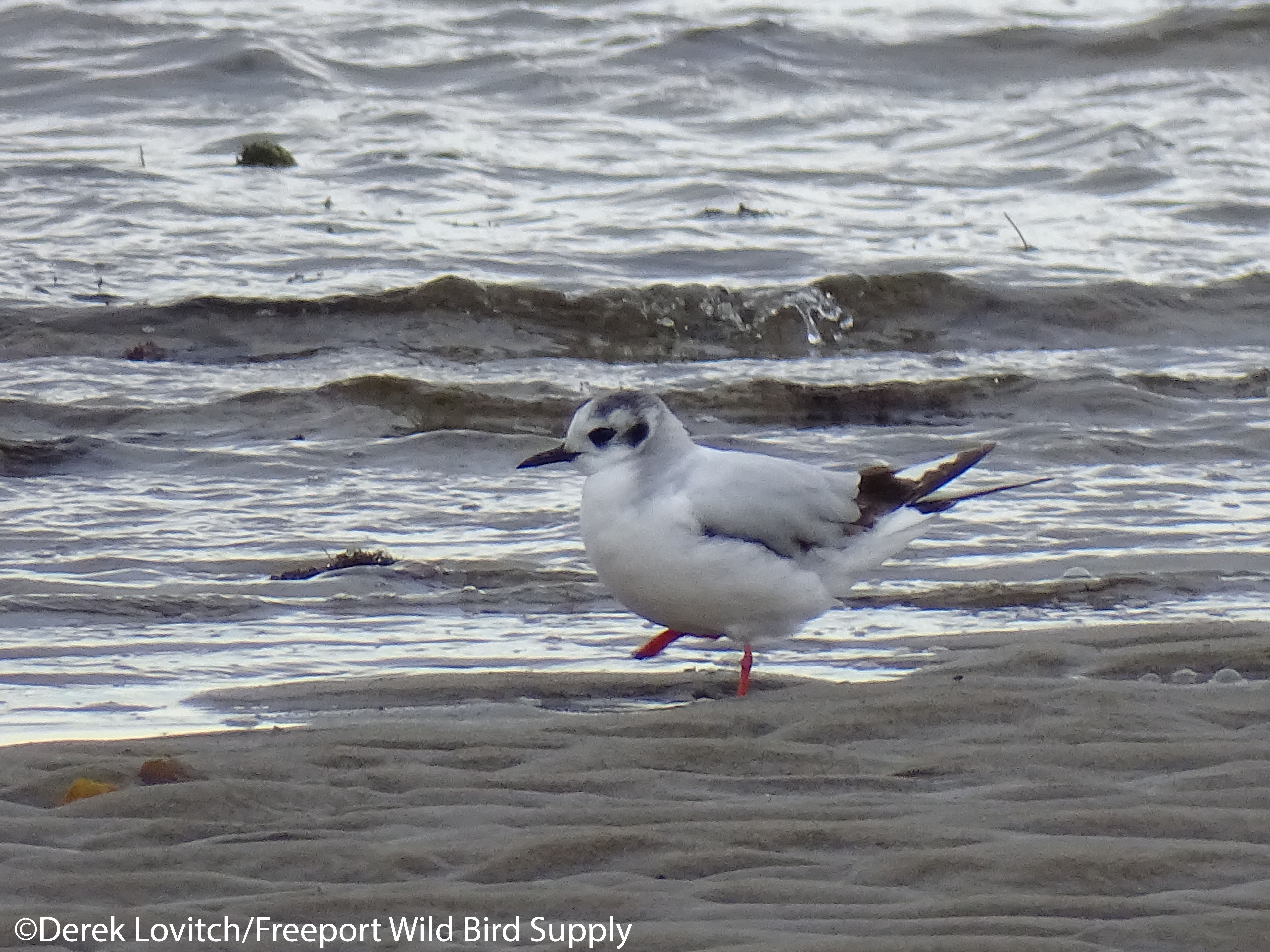
Little Gulls are simply adorable. This is a scientific fact. This continuing 1st-cycle (born last year) individual was at Hill’s Beach in Biddeford on the 31st.
While there are still plenty of migrants moving through the region, especially shorebirds, breeding season is fully upon us now. This June, I have intentionally reduced my tour schedule to take full advantage of what June has to offer, including exploring new areas and enjoying Maine’s astounding array of breeding diversity, and yeah, doing some scouting, too. Here are my observations of note over the past seven days:
Scattered Red Crossbills continue around the area, including here on the coastal plain. Blackpoll Warblers and Yellow-bellied Flycatchers were among the later migrant passerines still on the move this week; I had several sightings of both species well outside breeding range. A Common Nighthawk over our yard in Durham on 6/2 was also likely a migrant.
200+ Chimney Swifts, Maine Street and Androscoggin River, Brunswick, 5/30 (with Saturday Morning Birdwalk group).
1 continuing 1st cycle LITTLE GULL, 2 Brant, 6 Roseate Terns (FOY), etc, Hill’s Beach, Biddeford, 5/31 (photo above).
13 species of shorebirds, led by 85 Black-bellied Plovers but including 1 White-rumped Sandpiper (FOY), and 5-7 American Oystercatchers, between The Pool and Hill’s Beach, Biddeford, 5/31.
Lingering seaducks around the Biddeford Pool area on 5/31 included 120+ Black Scoters, a small number of White-winged and Surf Scoters, 5 Red-breasted Mergansers, and 2 RED-NECKED GREBES (off Ocean Avenue. Back for another summer?).
2 1st summer Great Cormorants, East Point to Ocean Ave, Biddeford Pool, 5/31.
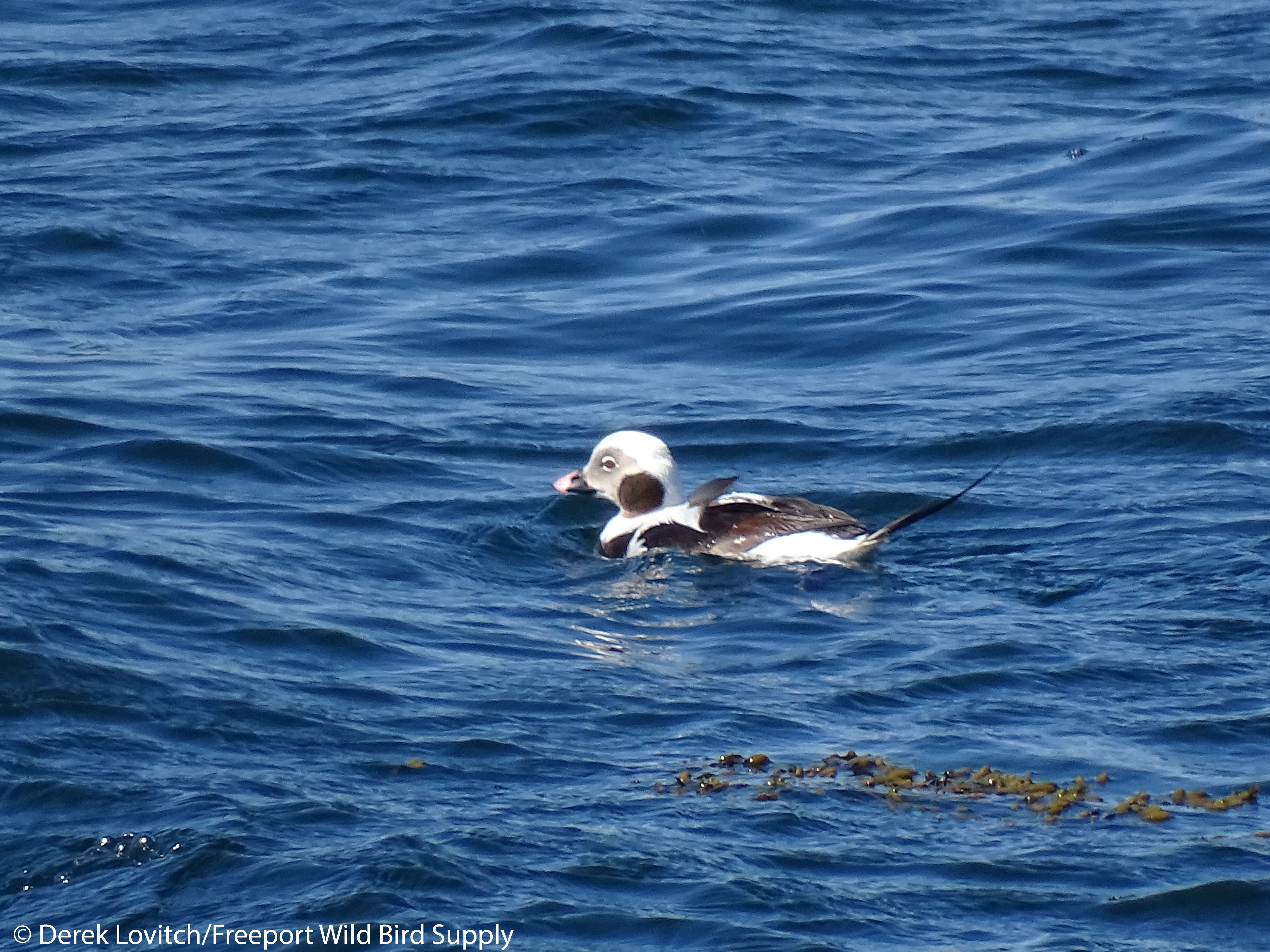
5 Long-tailed Ducks, 1-2 American Oystercatchers, 16 Semipalmated Sandpipers, etc, Pine Point Beach, Scarborough, 6/5.
2026 Monhegan Spring Migration Weekend Tour Report.
Another remarkable Monhegan Spring Migration Weekend is in the books. Every day out here is different in migration, and every tour is unique. But this one was particularly full of superlatives.
It seemed slow. Low numbers, low diversity, but yet with new birds being seen every day we ended up with a very good, above-average tally of 95 species, with the 18 species of warblers being just about the long-term average.
While numbers of individuals, especially warblers, were dreadfully low, we more than made up for it with quality. Quality of species, but especially quality of sightings. Just about everything was seen so well. A recurring theme of the weekend was definitely “wow, that was a great view!” or “what a fascinating behavior!” The bird-watching was simply divine!
Here’s the photo-laden tour report, including daily birdlists.
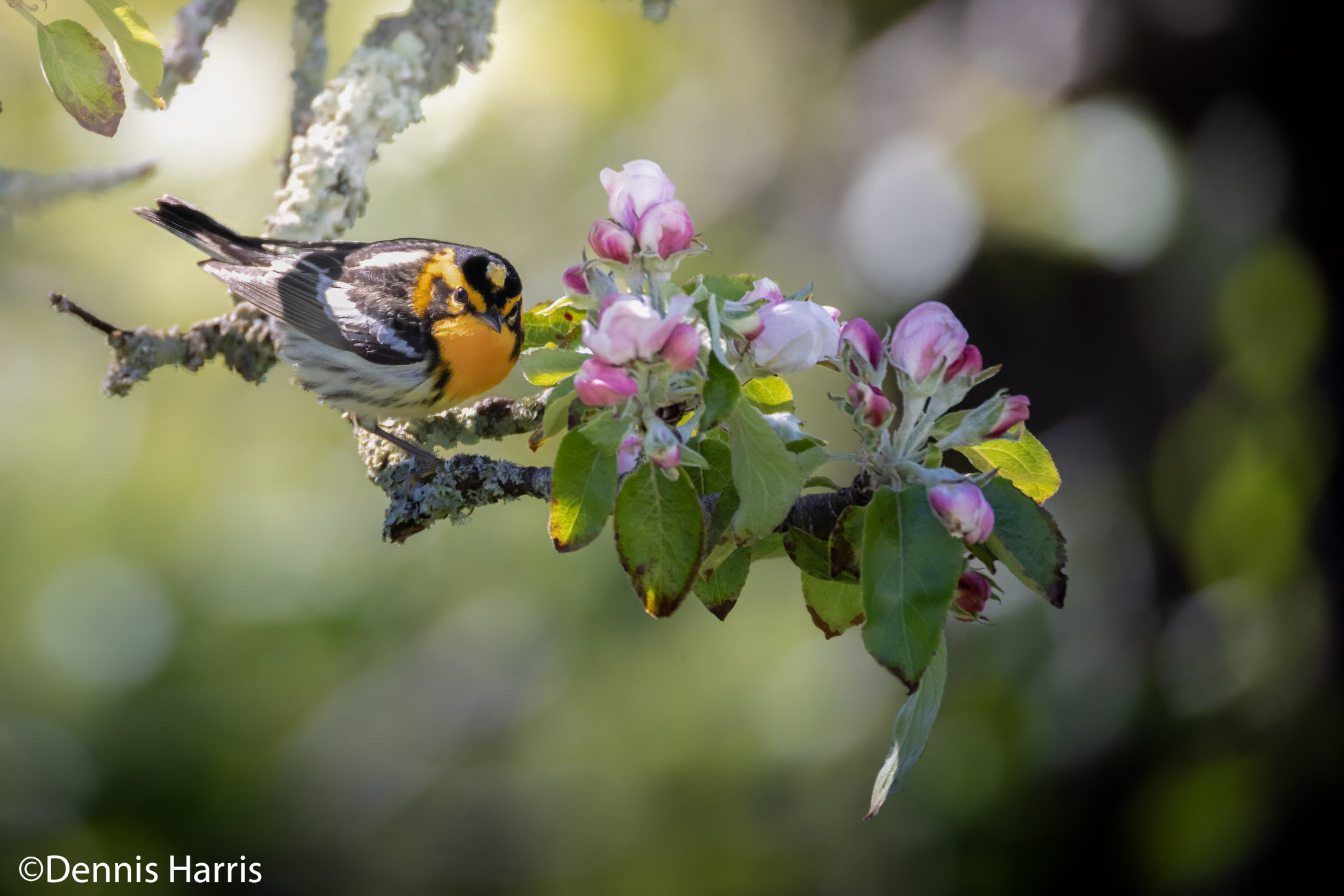
What’s better than a Blackburnian Warbler at eye level in an apple tree? Such are the thrills of birding Monhegan in spring!
Another remarkable Monhegan Spring Migration Weekend is in the books. Every day out here is different in migration, and every tour is unique. But this one was particularly full of superlatives.
It seemed slow. Low numbers, low diversity, but yet with new birds being seen every day we ended up with a very good, above-average tally of 95 species, with the 18 species of warblers being just about the long-term average.
While numbers of individuals, especially warblers, were dreadfully low, we more than made up for it with quality. Quality of species, but especially quality of sightings. Just about everything was seen so well. A recurring theme of the weekend was definitely “wow, that was a great view!” or “what a fascinating behavior!” The bird-watching was simply divine!
Northern Parula
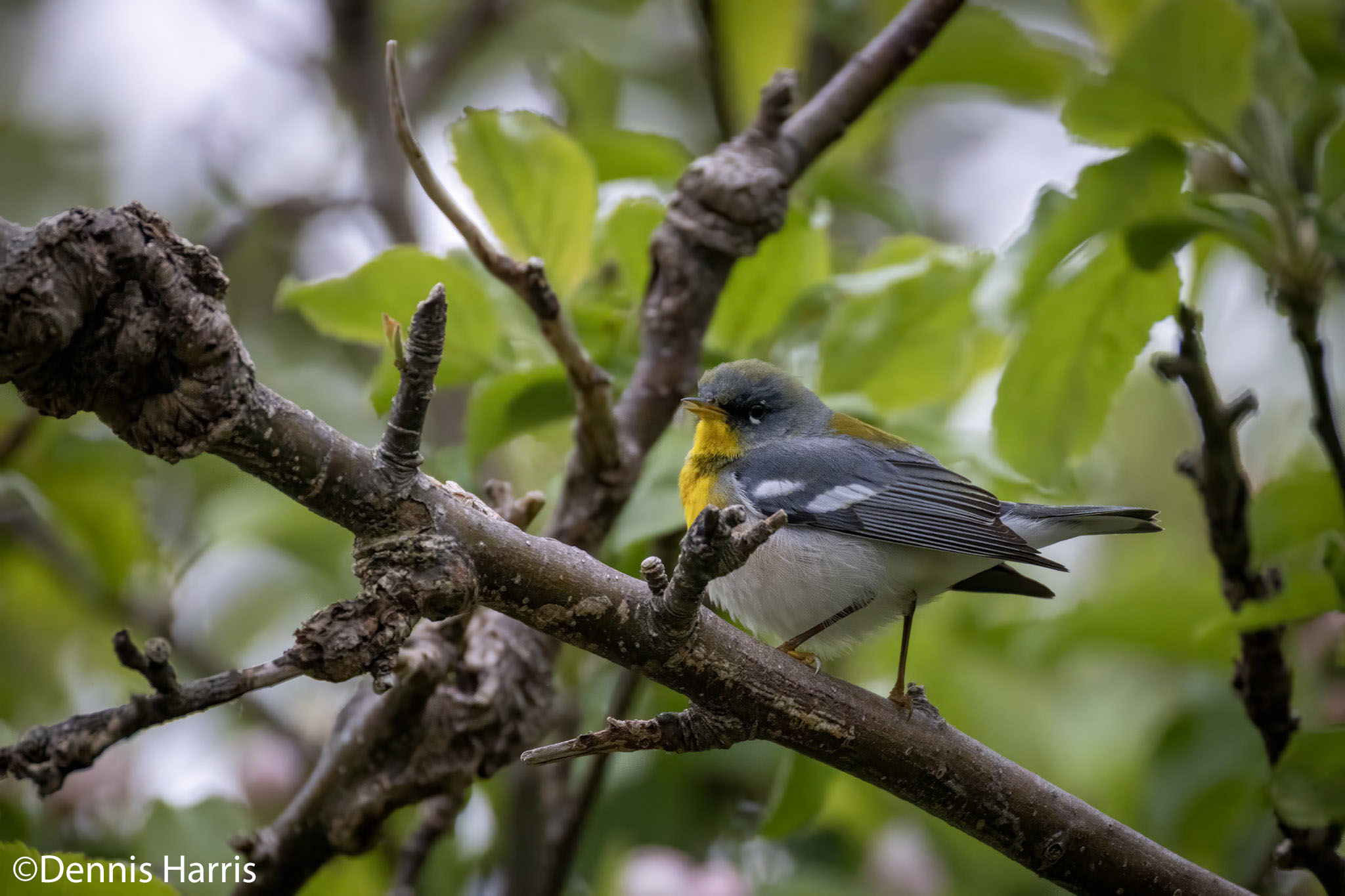
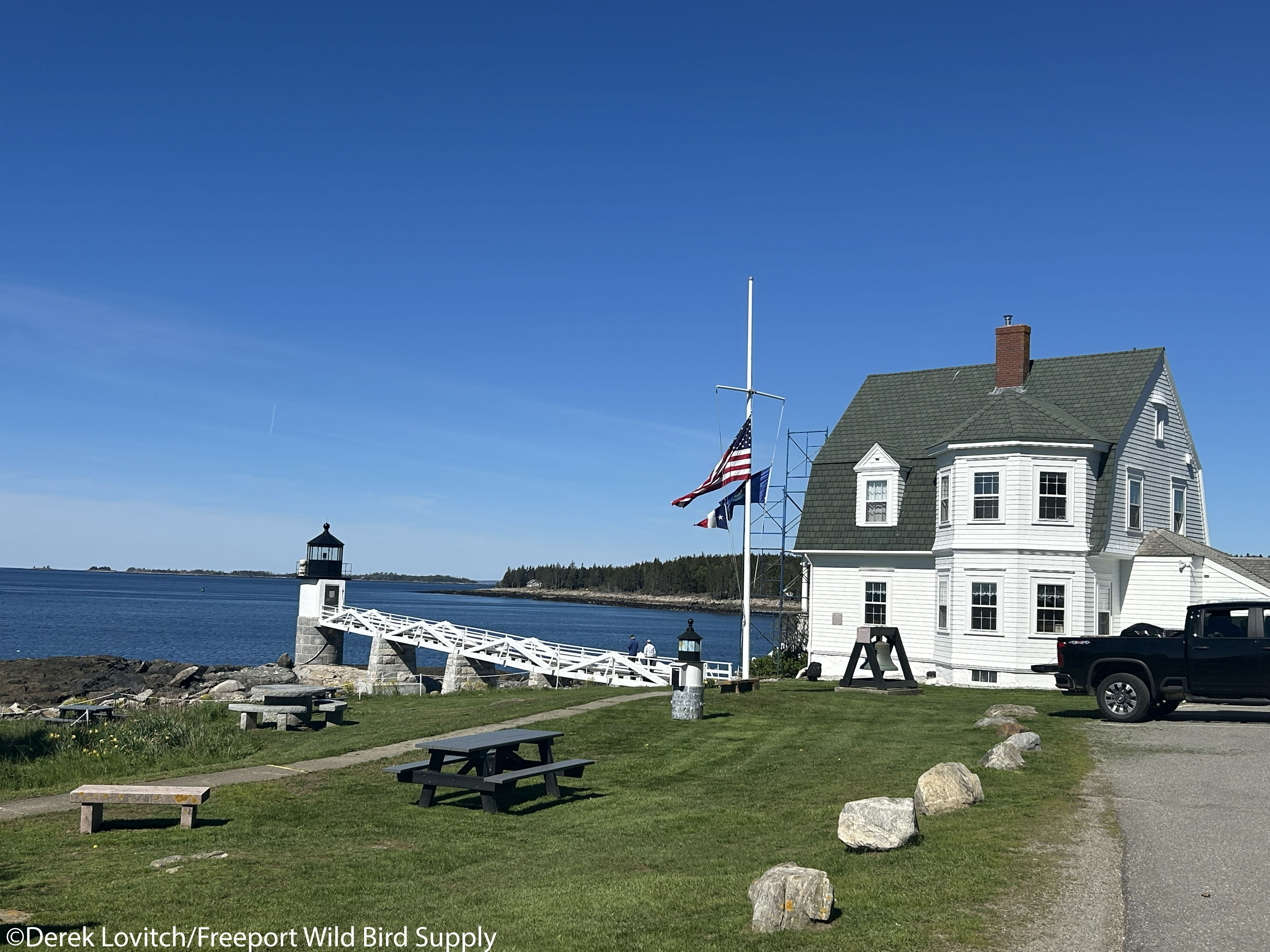
Due to ferry schedules, we now begin the weekend with a casual birdwalk at the Marshall Point Lighthouse (and up the road) in Port Clyde. Friday morning was pleasantly birdy, with great views of American Redstarts, Black-throated Green Warblers, Yellow Warblers, and Northern Parula. We also picked up a few species we won’t see on the island – like House Finch and Turkey Vulture – and introduced our visitors from the west to the likes of Common Eider and Black Guillemots.
A pleasant boat ride (it sure beat last year!) was very productive, with 2 pairs of Atlantic Puffins seen very well on the water, an immature Great Cormorant, and most notable: 10 truant Purple Sandpipers on Shag Ledge.
We arrived at the island, soon greeted by a calling Sora. We expected that call would torment us for the next several days. After checking in and having lunch, we began our island birding. It was pretty slow overall, but we started having such great experiences.
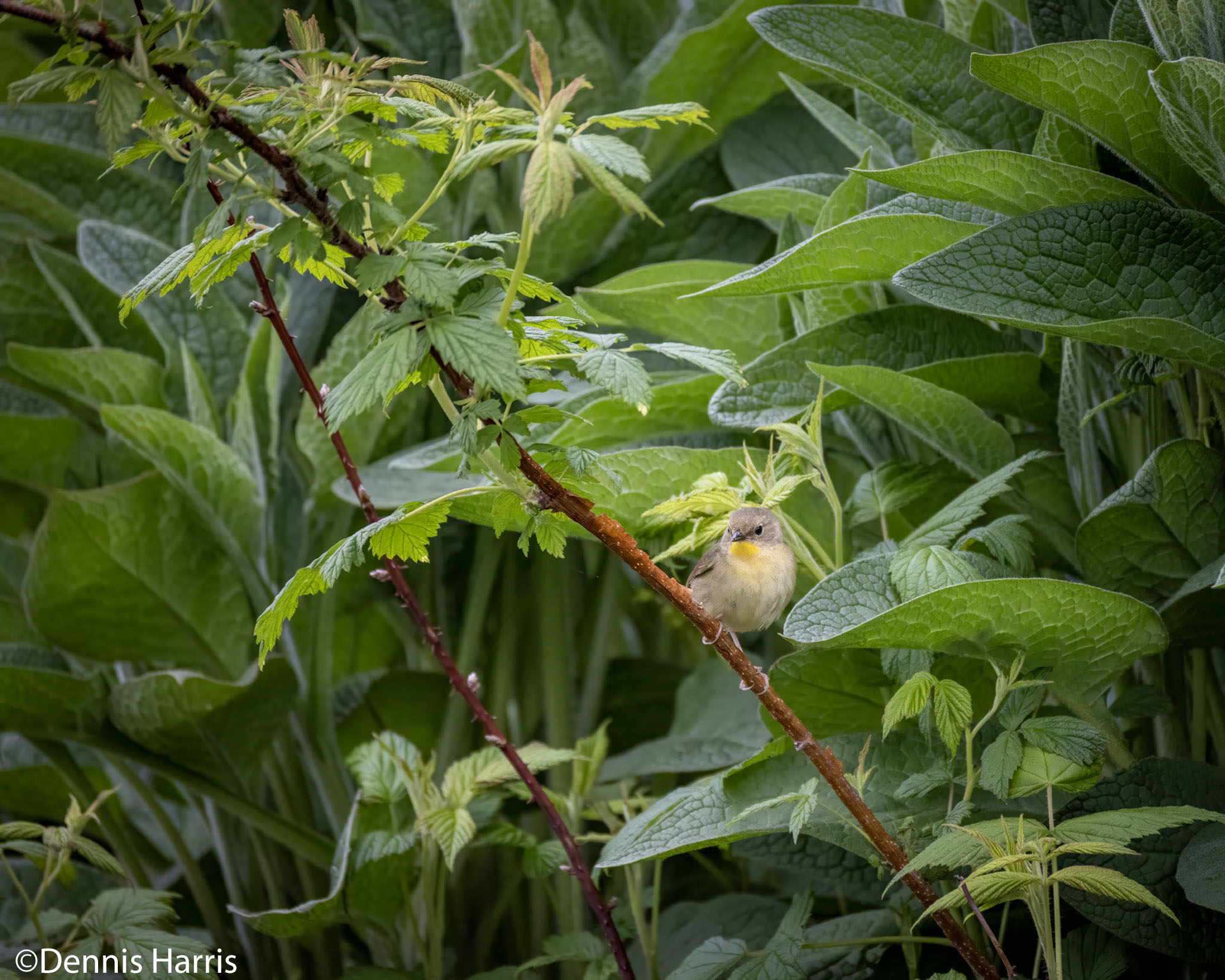
Female Common Yellowthroat
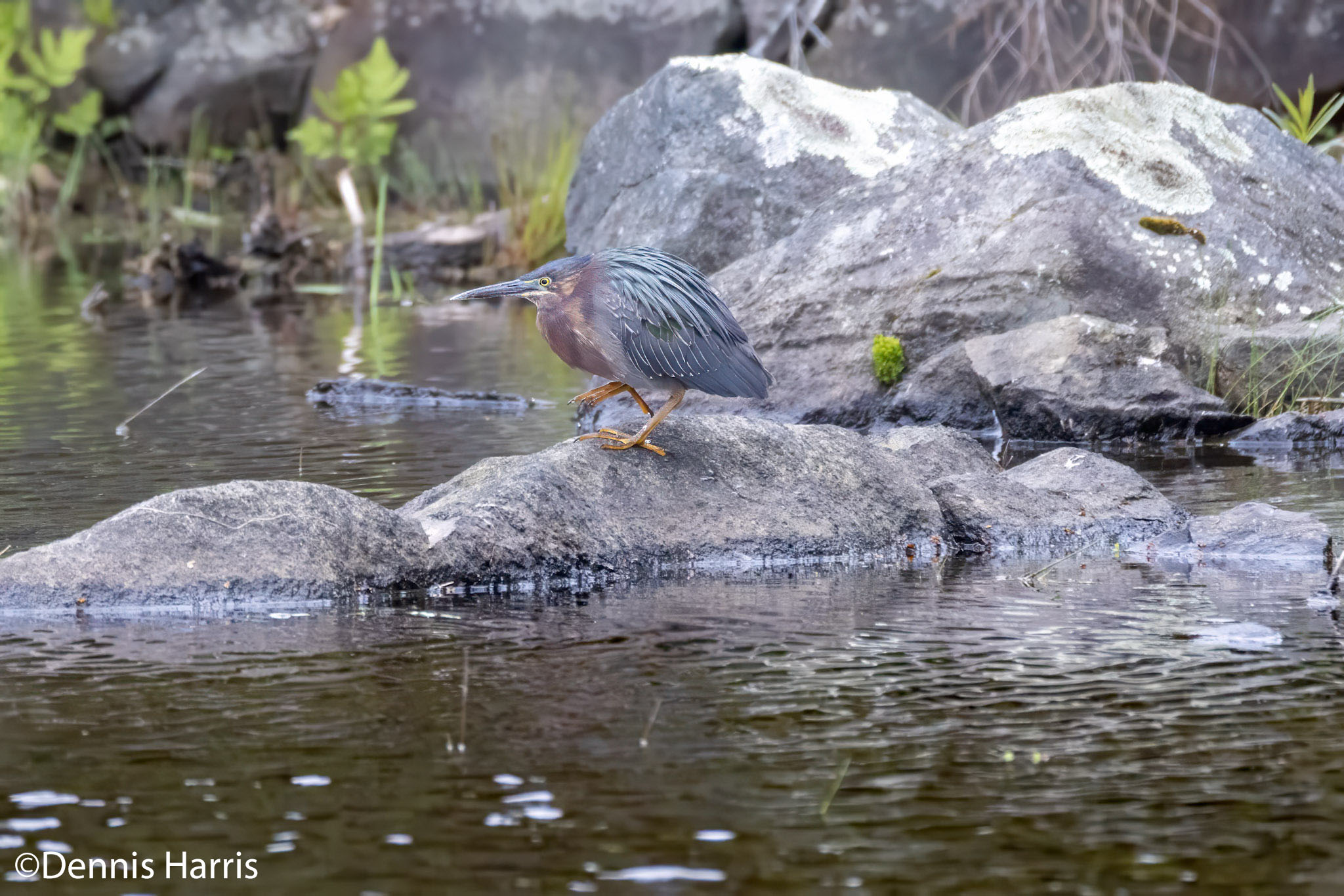
The two Green Herons at the Ice Pond were unusually conspicuous and confiding (as they were all weekend). While talking about eiders and Black Guillemots, a spiffy drake Long-tailed Duck pops up right in front of us. Then, while scanning the Outer Duck Islands, a pair of American Oystercatchers fly through my field of view – my 232nd species on Monhegan, and only about the 7th or so Island Record!
Red Crossbills were one of the stars of the weekend, and we began our good fortune with observing them really well each day, starting with 2 females and 2 juveniles feeding next to the Ice Pond. And remember that Sora, starting its annual taunt? Well, it (or as it turns out, one of at least 2) was surprisingly close to the pumphouse when we arrived, so we used the time to wait patiently for the outside chance of an appearance.
And about 15-20 minute of tantalizingly close, incessant calling, there it was – a Sora! In the open! Foraging for about a minute in a narrow chunk of marsh grass, and then flying across a patch of open water. Everyone in the group saw a Sora!
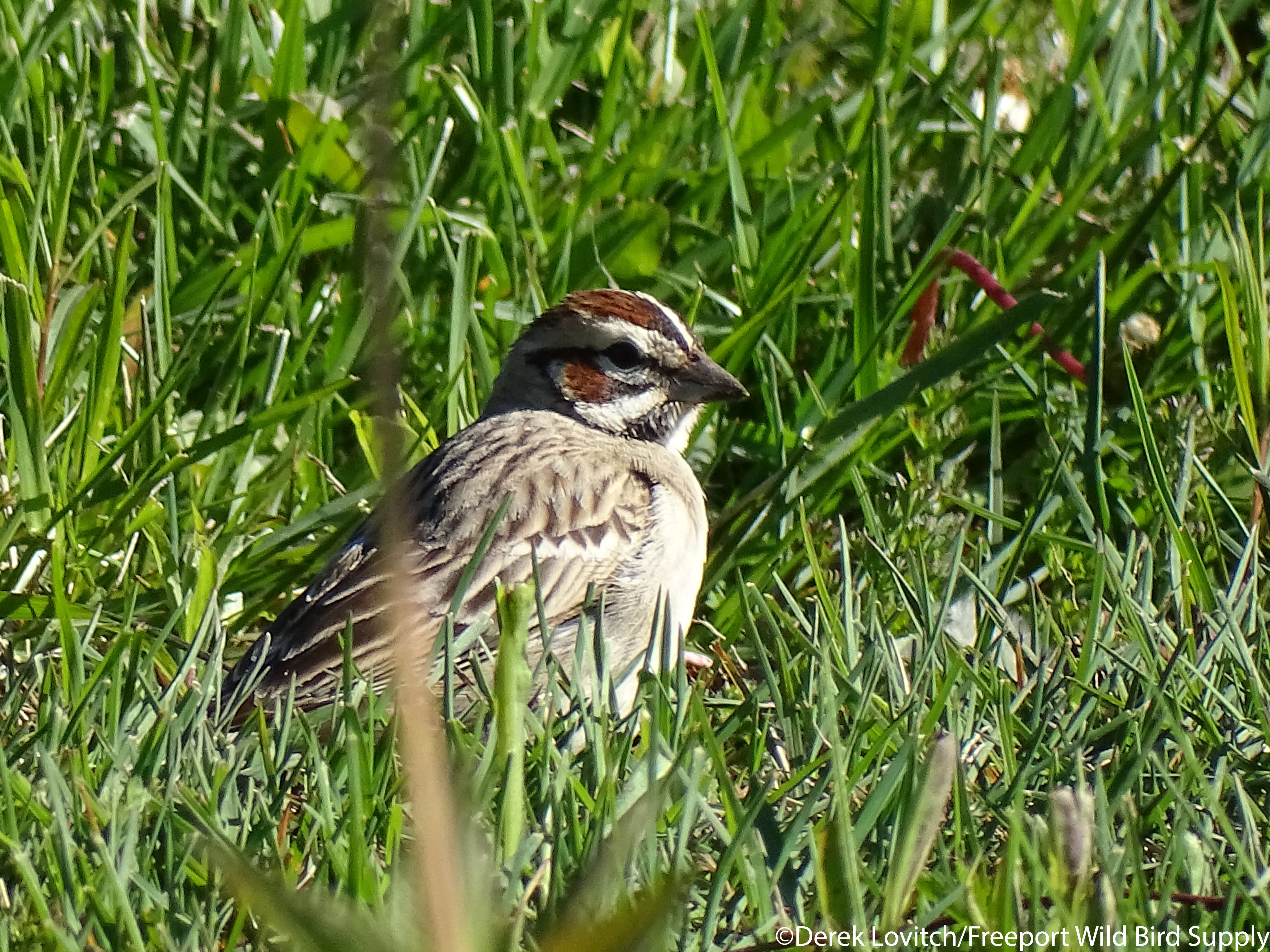
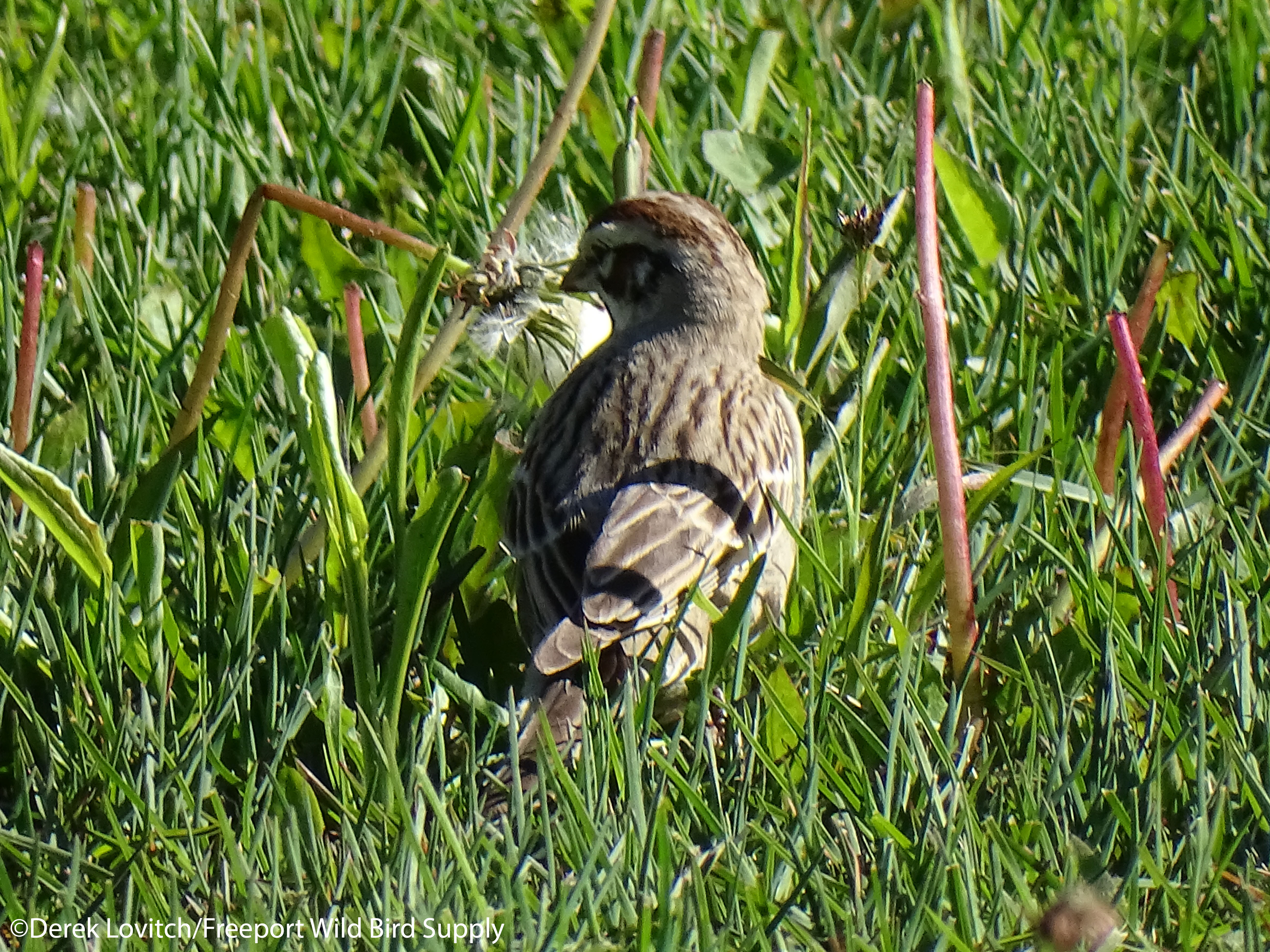
Then, a text from a friend came through, and the continuing Lark Sparrow was in her yard. A private yard, but we were granted the privilege to access it, and when we did, the Lark Sparrow was nearly at our feet!
We learned the value of dandelions, too, as they are the first fresh seeds of the year.
Quality views of the notable birds on the island, our self-found rarity, Red Crossbills everywhere, and yeah – we saw a Sora! Not bad for the first day, and we didn’t even arrive until 11:30am.
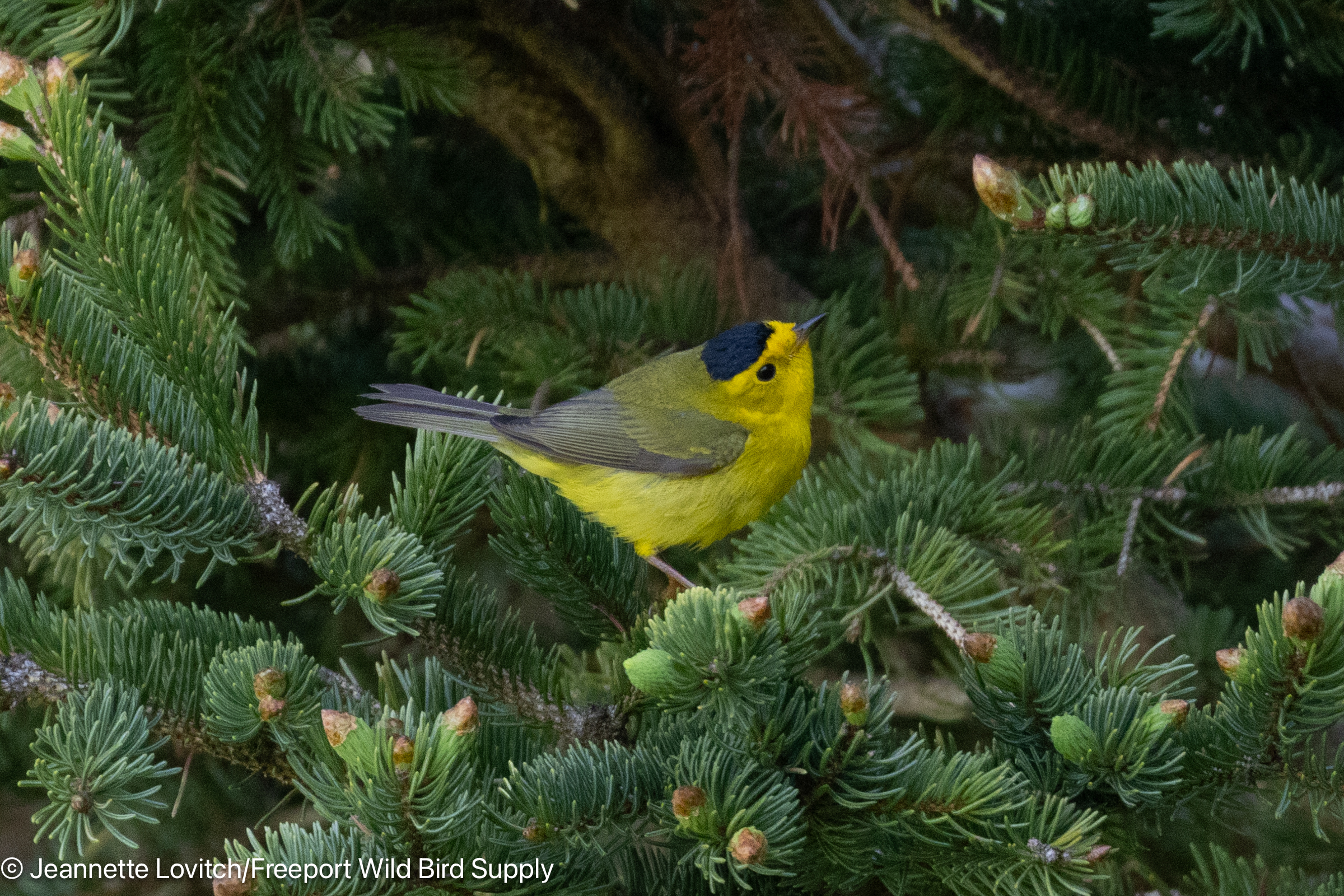
Wilson’s Warbler
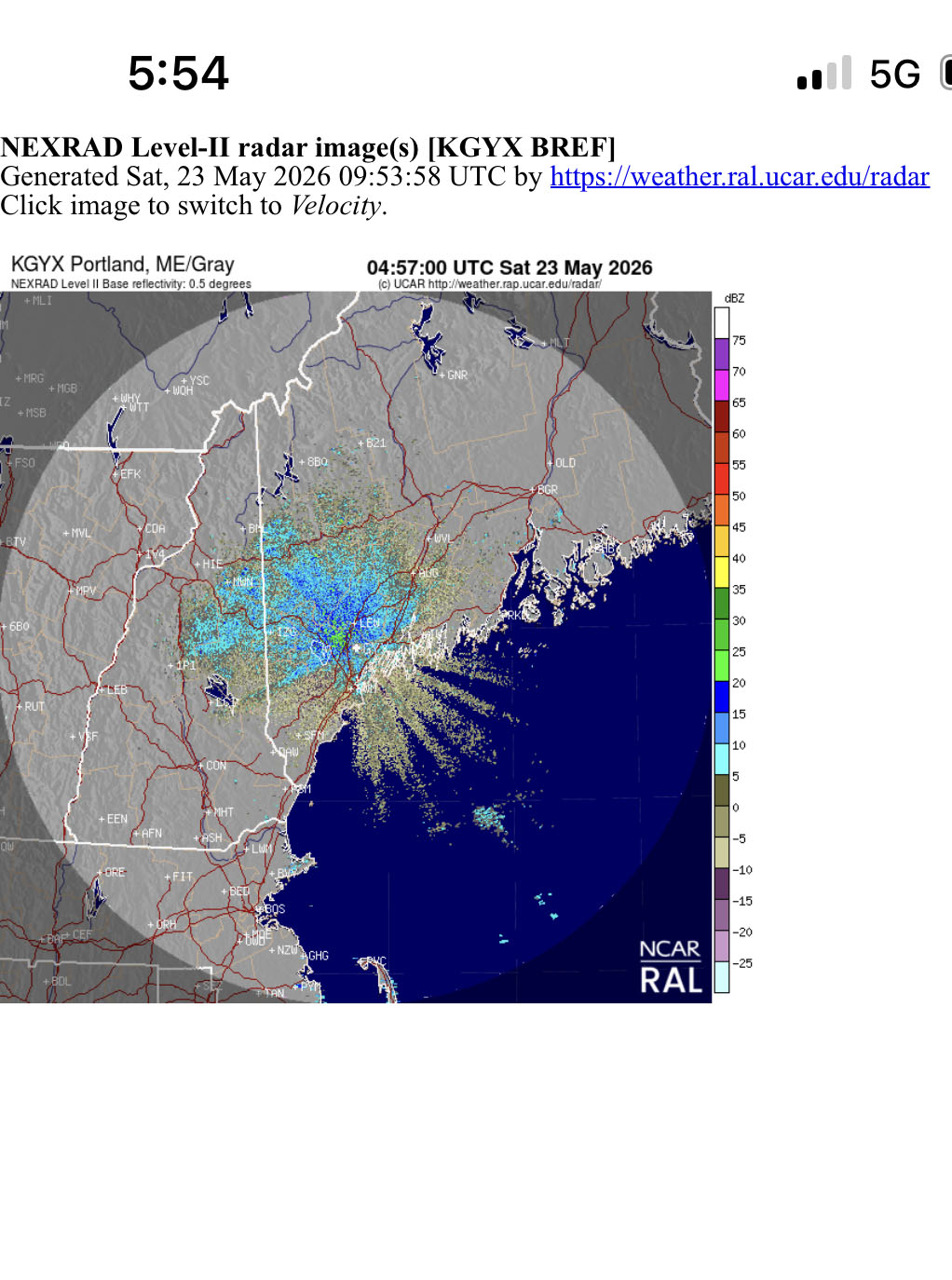
On Saturday morning, we awoke to an ambiguous radar image overnight, but there wasn’t much overhead after dawn, other than a small migrant flock of Blue Jays. We took the time to learn a little about the radar, decipher that it was probably a lot of pollen in the air overnight rather than birds, and ground-truthed that with our copious sniffles.
Screenshot
Our pre-breakfast walk was also rather slow by Monhegan morning standards, but observations and species were slowly building. Once again, we continued to comment on the quality of the observations and bird experiences. There was the three-pair Yellow Warbler brawl that took place inches from us. Cedar Waxwing flocks eating apple blossoms, great views of colorful Magnolia Warblers and American Redstarts, a Merlin hunting robins and grackles (unsuccessfully), etc.
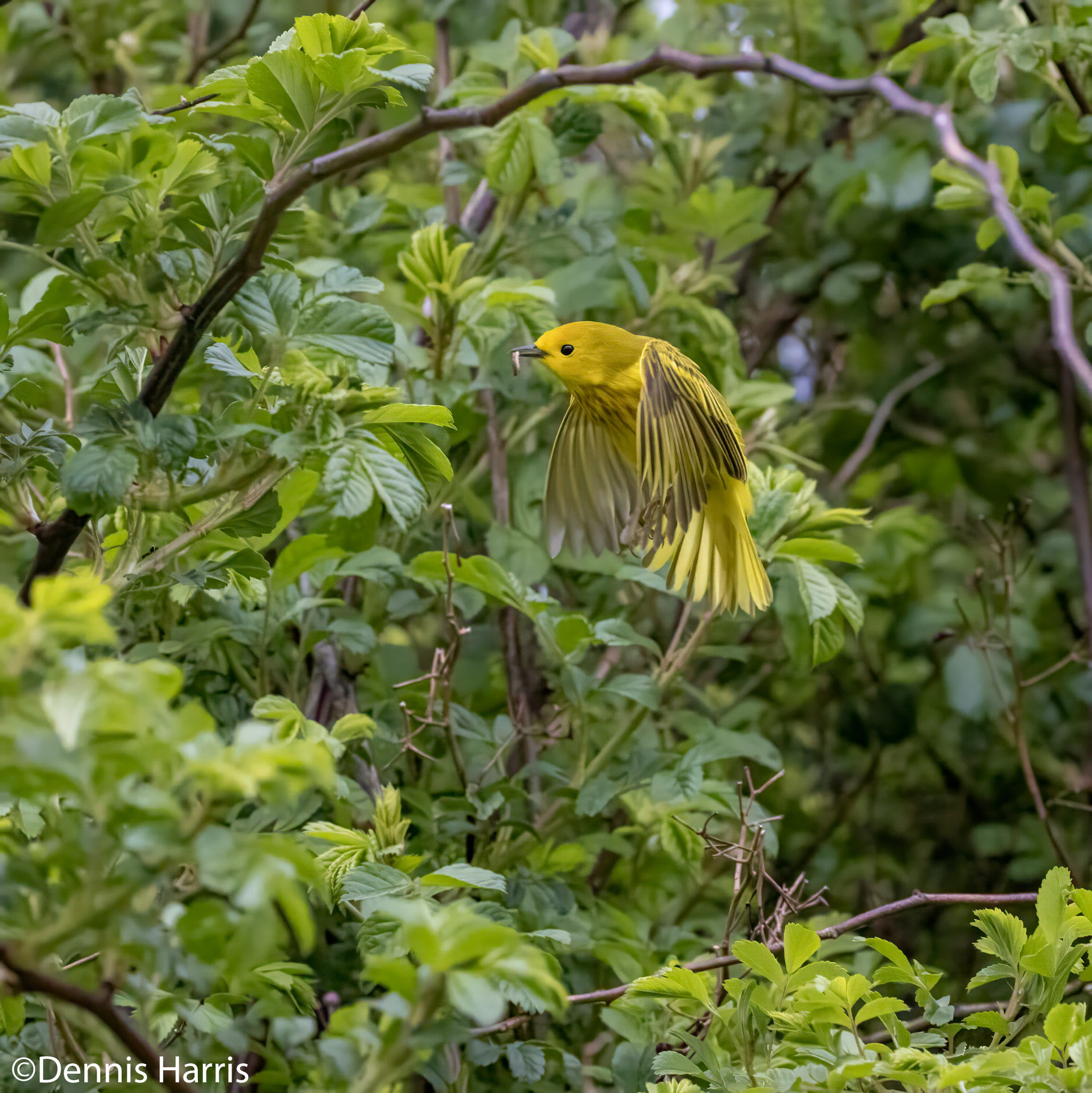
Although Yellow Warblers are one of the most abundant breeding birds on the island, and they were often all around us, we never tired of observing them, watching their behavior, and seeing what they were eating.The “Octopus Apple”
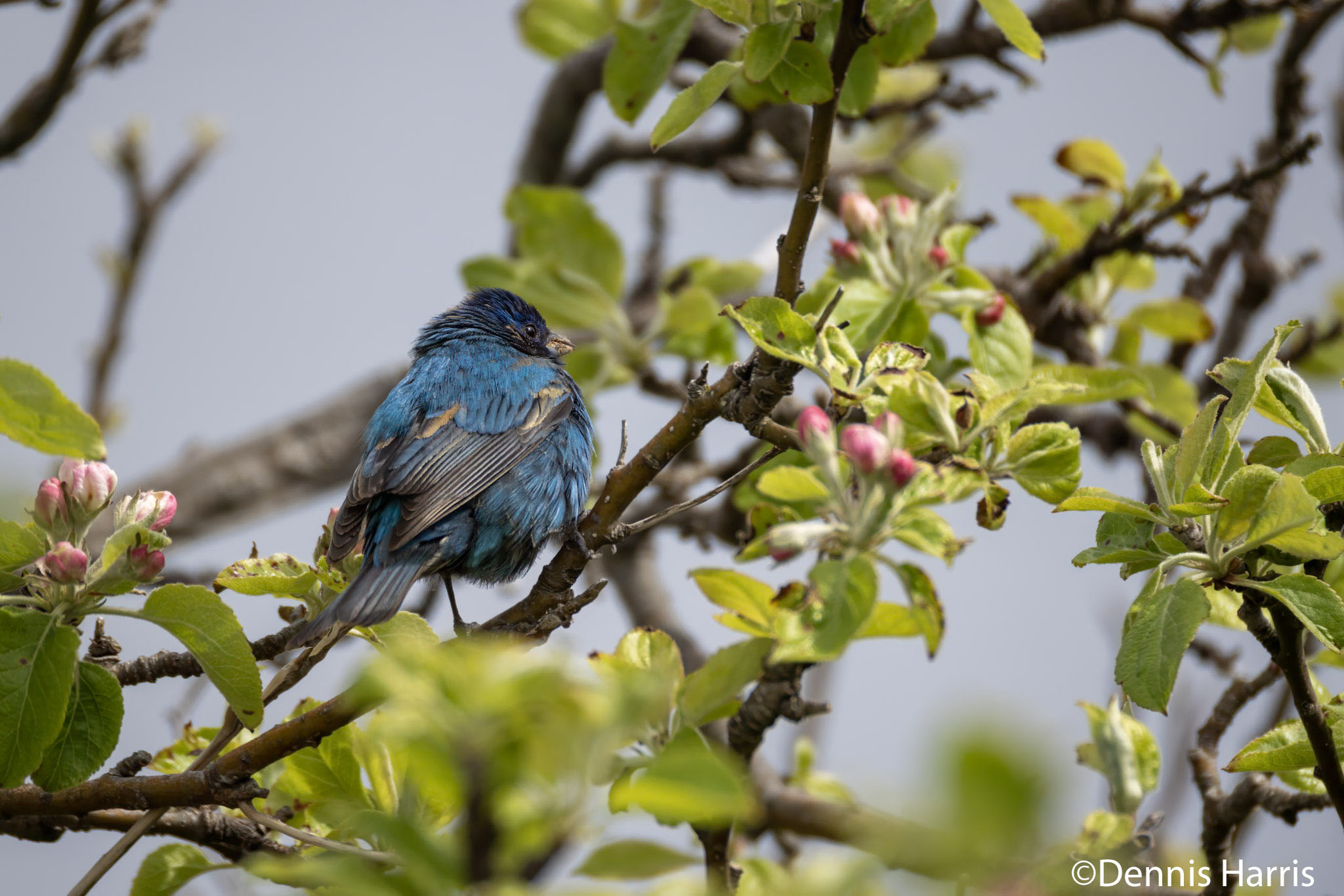
After breakfast, we watched a displaying Sharp-shinned Hawk and then found another notable bird out here: an adult Broad-winged Hawk! It was circling low overhead to really show off for us, too. I don’t know if I have seen one out here in spring before. And we finished with a Rose-breasted Grosbeak and Indigo Bunting, always crowd-pleasers.
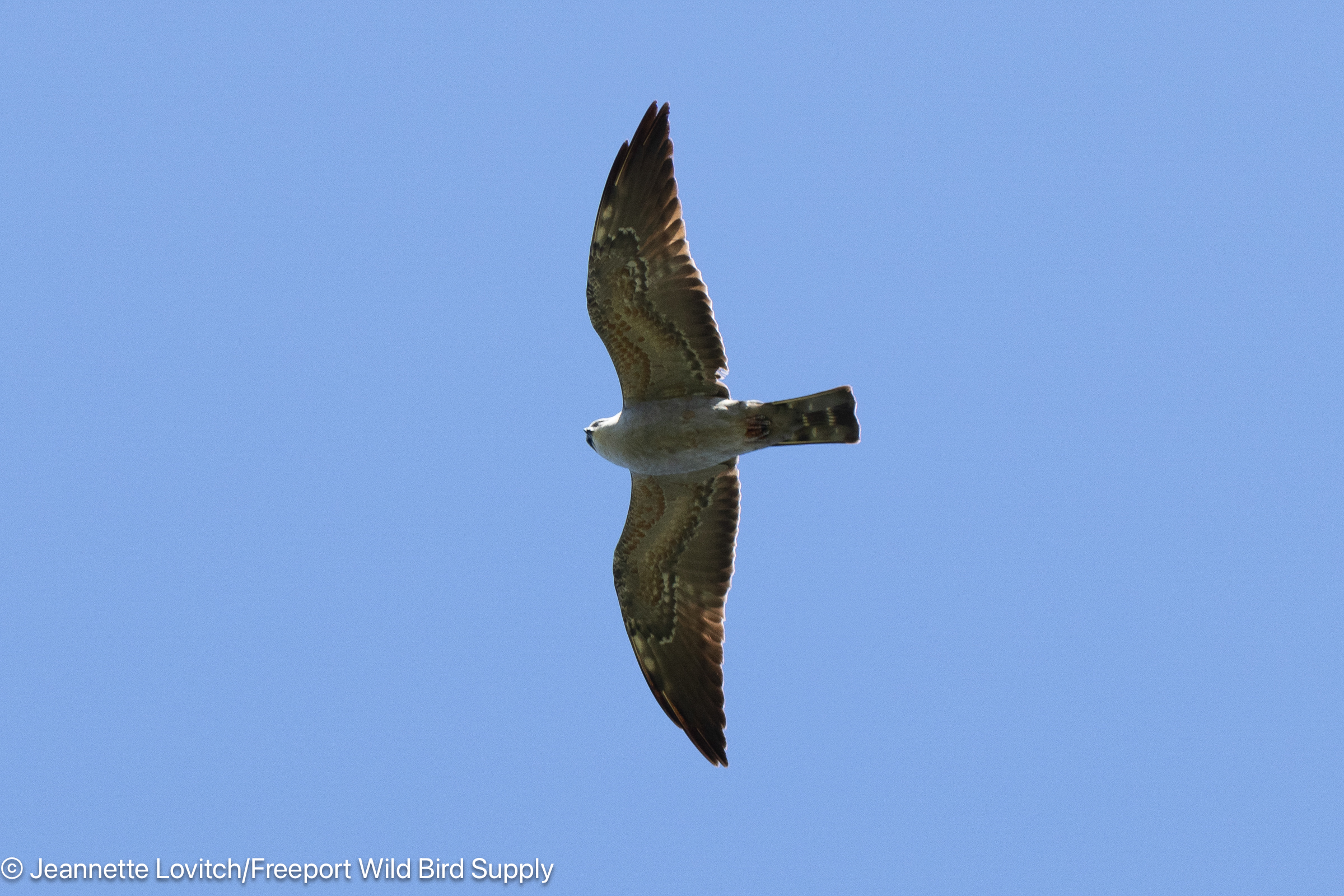
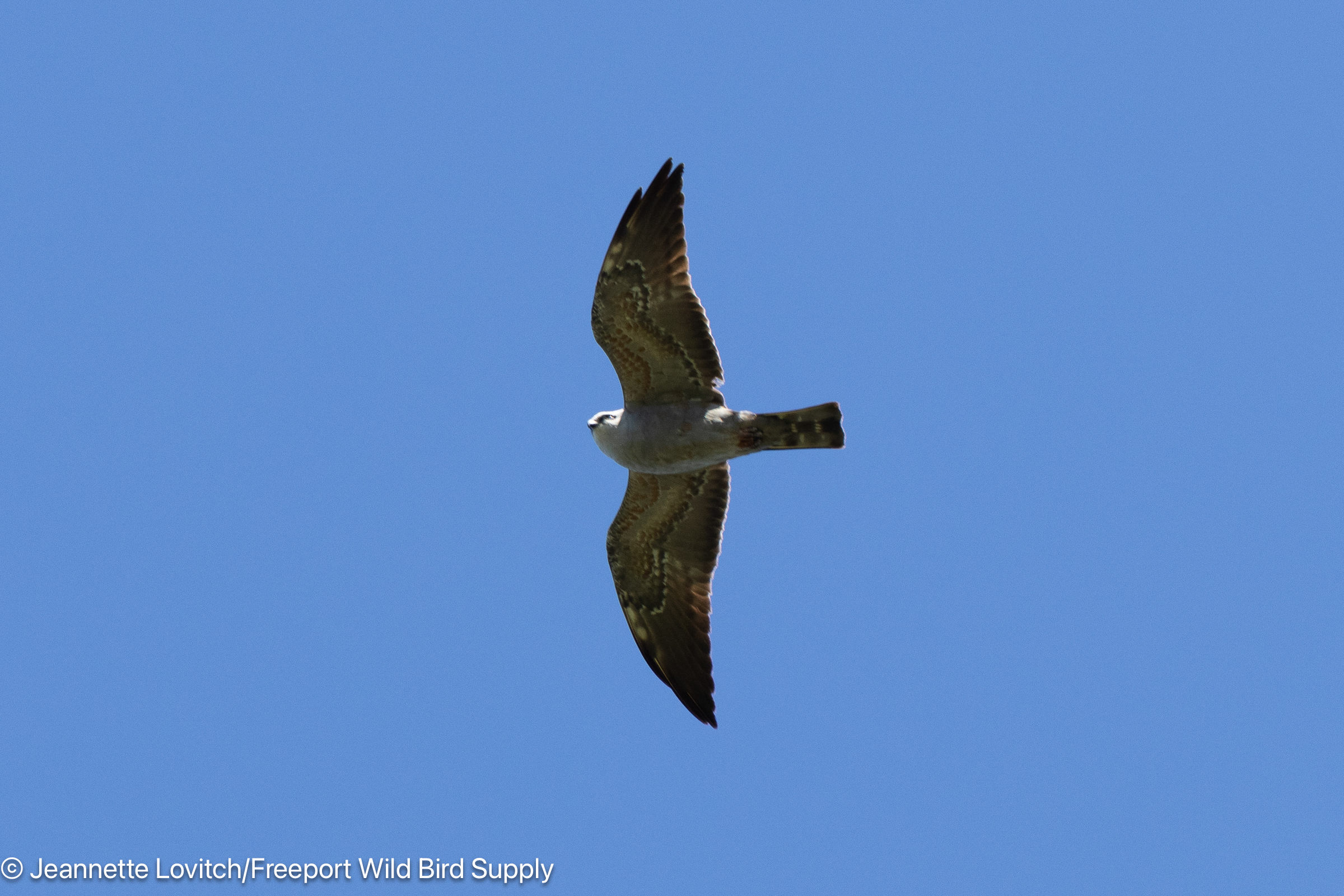
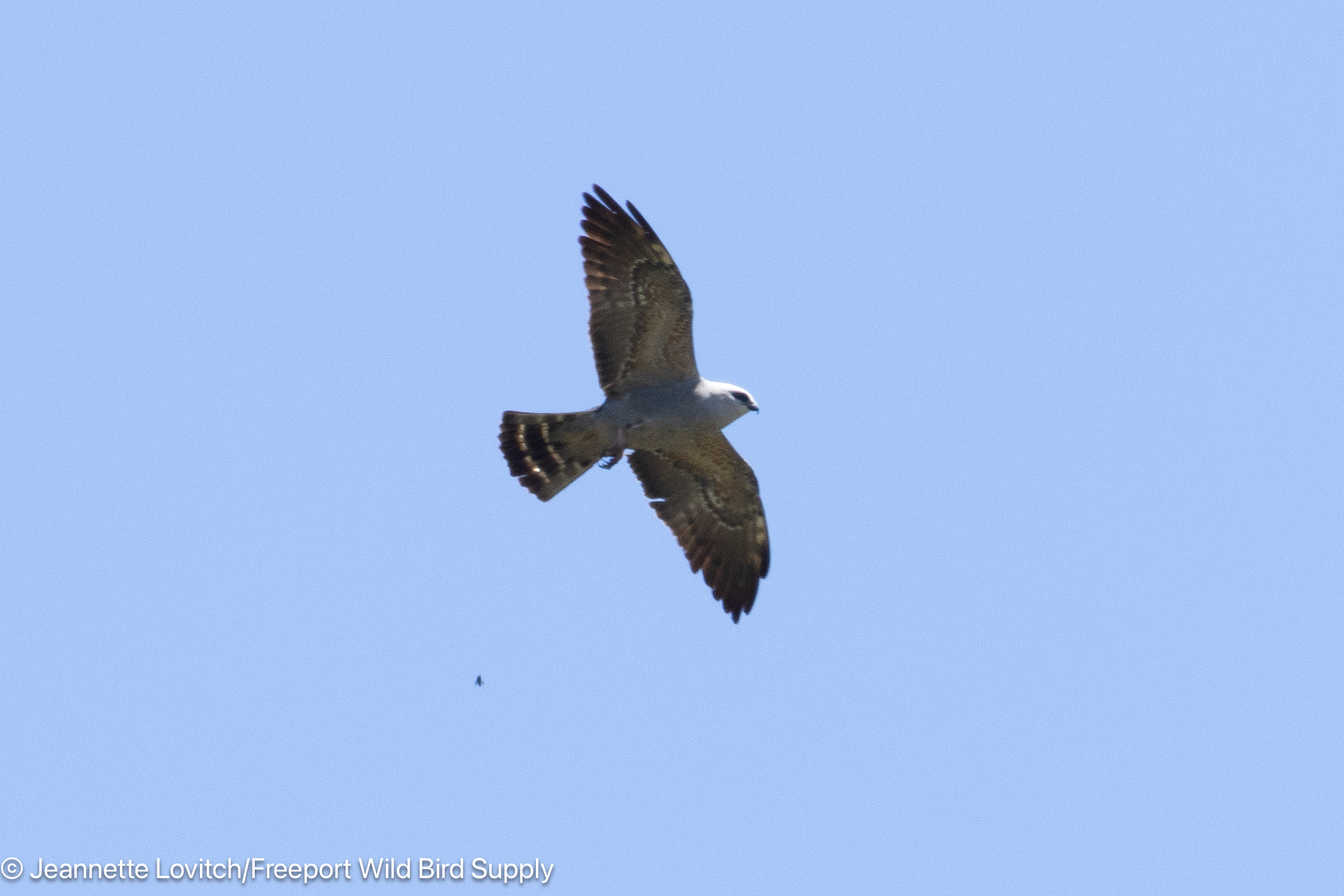
The mid-day break was anything but a break – at least for me, however. I had just finished crushing a couple of slices of Novelty pizza and was walking back to the Yew when a group of birders from Rhode Island flagged me down. “I think we just had a kite!” Jen Leito says. She showed me the photos, and sure enough – it was a Mississippi Kite! I grabbed my phone to get the word out, and at the same time, Mik Oyler was reaching for his – the Mississippi Kite was near the brewery. It then perched, and then he saw it flying off to the east.
I of course had turned around and was walking up Horn’s Hill and began to hawkwatch. It was time for me to meet the group though, so I started walking downhill. I had just about reached the Novelty once again when Paul Dorion and Kristen Lindquist texted that they had the bird from the top of the hill. I then sprinted up the hill (scope, boots, back-pack…and my Fitbit tracked it all, the spike offering a chuckle later!) and scanned again. Catching a quick glimpse of it through the treetops, it was the world’s least satisfactory view of such a Mega rarity. In fact, even though I saw it “well enough to count,” it was so underwhelming that I wondered if I would even bother putting it on my list!
I then jogged back to the Yew, met the group, and the search began. Focusing on the southern end of the island, we kept one eye on the sky, but no more reports of kites were to come. Instead, we enjoyed the occasional pockets of warbler activity, slowly adding new species to our trip list as we basked in more great views of Red Crossbills. But alas, the kite was gone. Or was it?
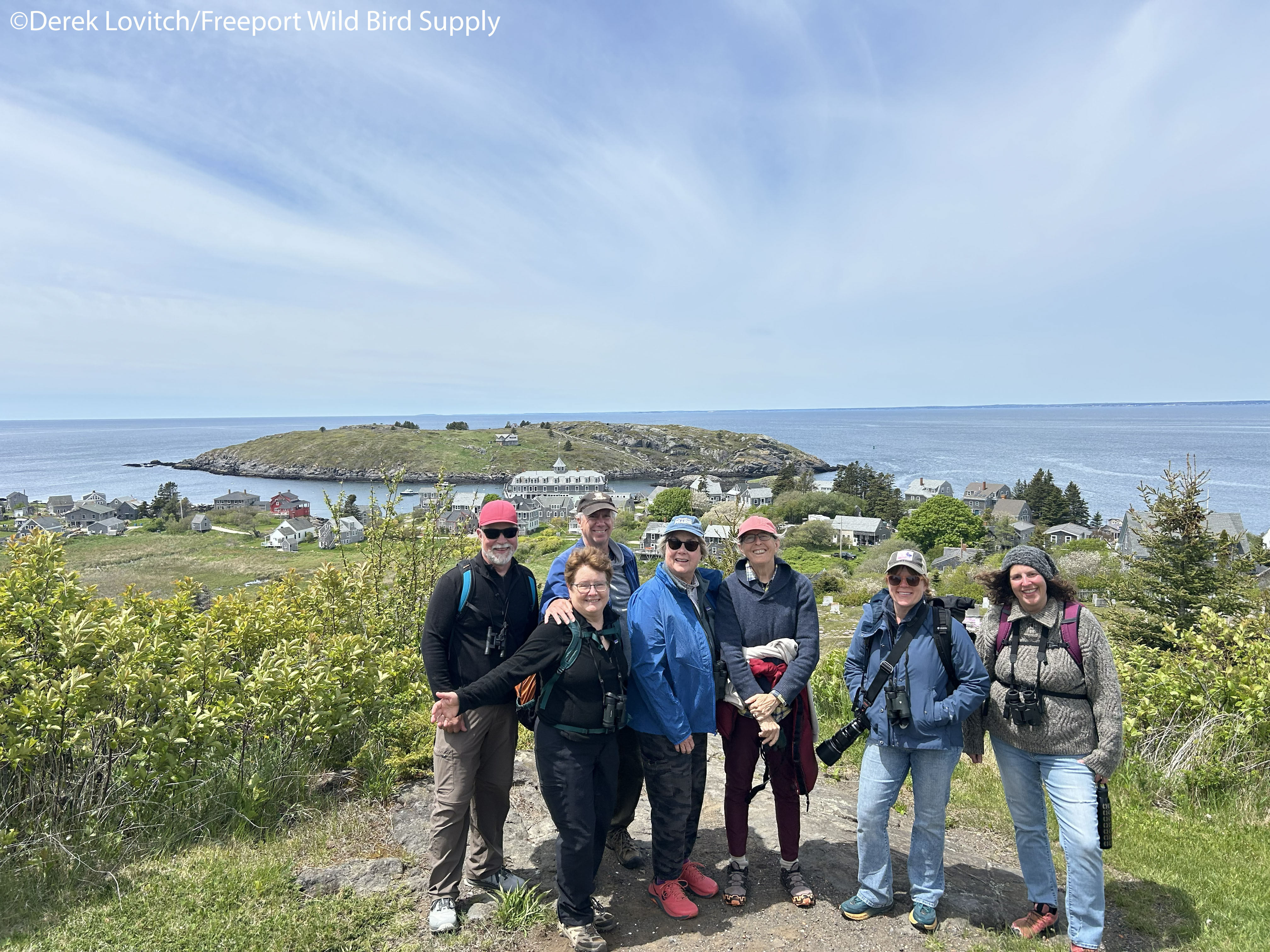
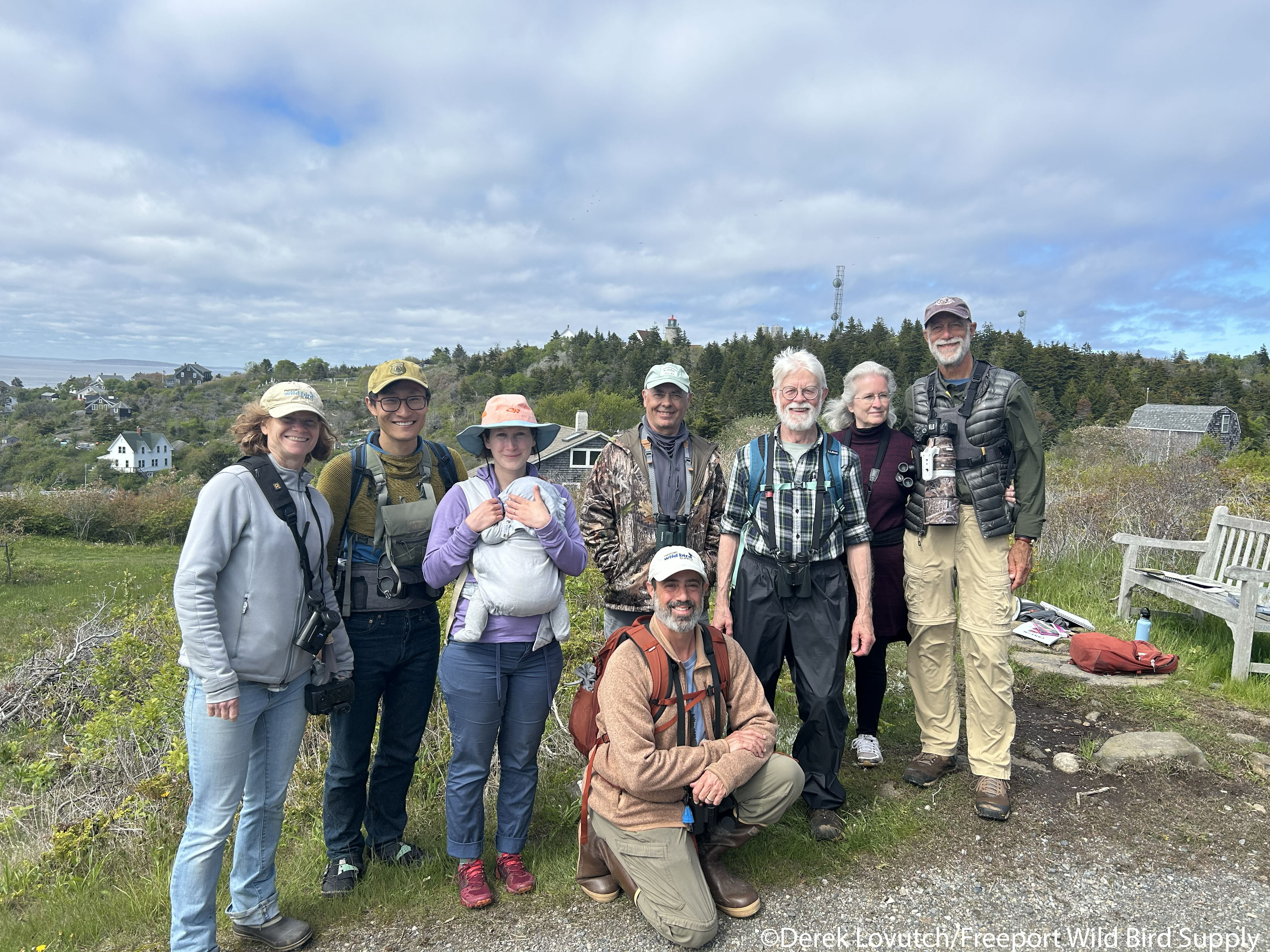
Somehow, I never thought of taking a photo when all 11 of us were together, but I am still happy to see people taking advantage of the flexibility of our tour itinerary to enjoy other aspects of the island…including rest!
On Sunday, the weather forecast had greatly improved, and we awoke to cool and cloudy conditions, but no precipitation would fall before dusk except for a few very light afternoon showers. An easterly wind overnight appeared to have shunted the overnight migration well inland, and it was once again a non-existent morning flight, and therefore another relatively slow morning.
But once again, great looks and notable birds: a continuing female Long-tailed Duck that we finally spotted, a Tennessee Warbler or two, and a very intriguing and thought-provoking study of the world’s dullest and somewhat-streaked female Pine Warbler for yet another rewarding teaching moment.
With a near-complete turnover in the group between Saturday and Sunday, we set out to “clean up the dirty birds.” Needless to say, we didn’t expect that to include more visuals of the Sora though! But once again, patiently waiting as a bird called (this time, on the other side of the marsh just off the road) was rewarded when not one, but two(!) Soras popped up from the grass, taking flight, fluttering a short distance, gangly legs dangling, before plummeting back into the meadow. Another Sora sighting!? Incredible!
The rest of the morning, and the afternoon, were exceedingly slow, but we enjoyed more Red Crossbill quality time, had some more instructive moments, and spotted an Arctic Tern off of Lobster Cove.
Indigo Bunting
There was fear of a wash-out on Monday, but after showers, mist, and drizzle overnight with periods of heavier rain, we awoke to only mist and drizzle as we stepped outside. Great views of two different Indigo Buntings highlighted the first walk, while after breakfast we enjoyed some time with a Blackburnian Warbler, before settling into a requested gull workshop. 3-4 age classes of both Herring and Great Black-backed Gulls were before us, so we began the lesson.
And then the skies opened up. A soaking downpour didn’t last long, but it was efficient. I give everyone credit for powering through, but during a lull in the rain, I finally called it quits at around 11:00am – still more birding time in the morning than we expected. In fact, by the time we got together again at 1:00pm, the rain had stopped and there were already peaks of sun!
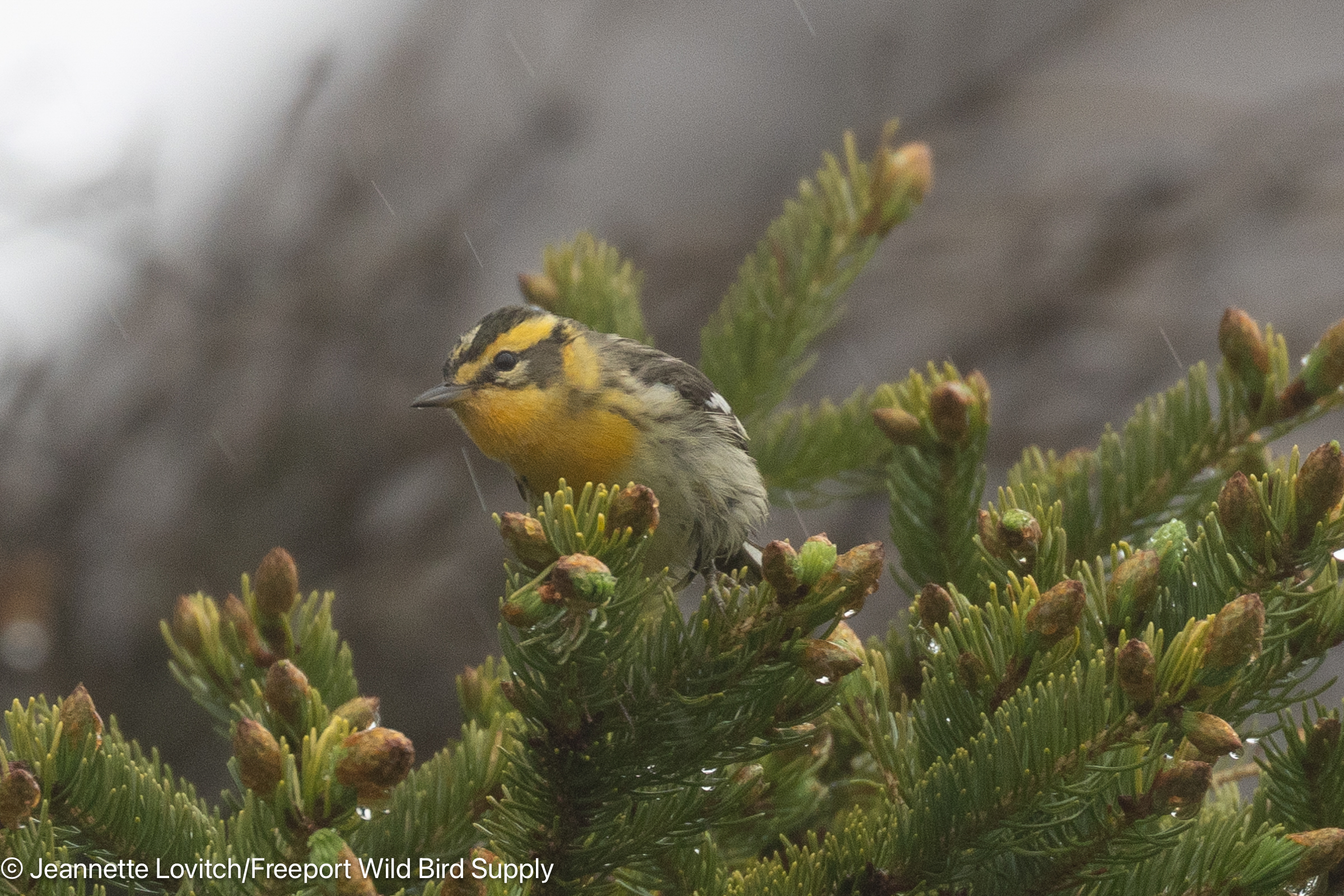
Rain delay.Female Blackburnian Warbler in the morning rain.Bluebird skies returning.
As the skies cleared, we enjoyed a pair of Blackburnian Warblers and Red Crossbills yet again, heard a very uncommon for the island Prairie Warbler, and then heard the report of another rarity: a Yellow-throated Warbler! We weren’t far away, but the bird, found by Mackenzie McKnight along Pumphouse Road, had gone AWOL. We began to search but soon thereafter, Bill Thompson relocated it on Wharf Road, so we raced around the corner and were treated to delightful views – even some in the scope!
Thanks to Bill Thompson for letting me use his photo (he was at least standing next to the group!). My poorly phone-scoped photos did not do this bird justice.
What a great way to cap a wildly successful tour, but with time remaining, we tried to re-find the Lark Sparrow for the second half of the group (it was not seen since Saturday) but instead finished with a glorious Rose-breasted Grosbeak singing in the sun!
Six of ten til’ the end of Day 3.
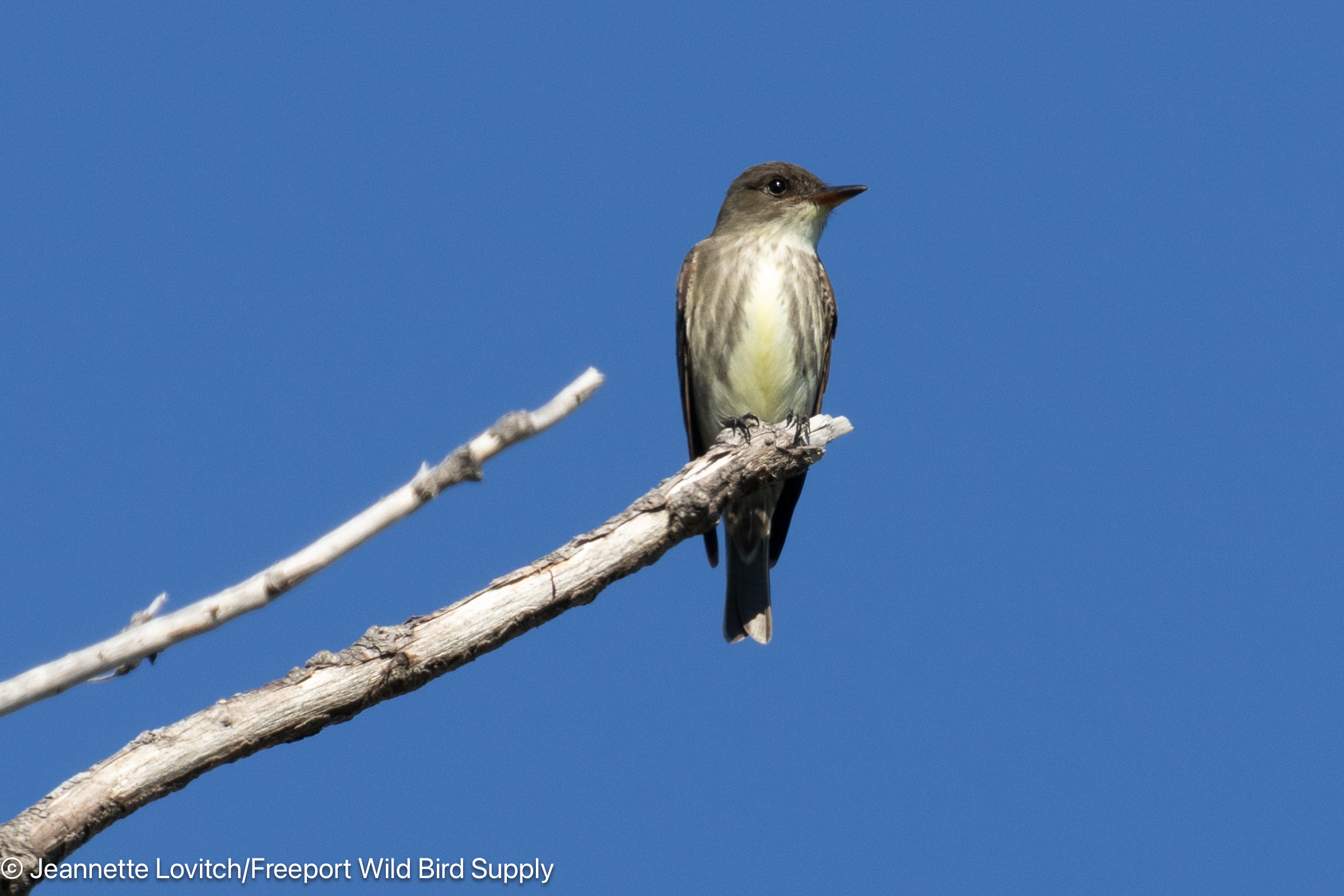
As usual, Jeannette and I spent a day off together the next day, enjoying the birds, food, beer, and friends of Monhegan. The birding wasn’t too shabby either, thanks to a light flight overnight. We began with an Olive-sided Flycatcher at dawn behind the Yew (and 1-2 more later), more Tennessee Warblers (6+), an increase in Blackpoll Warblers, an arrival of Swainson’s Thrushes, and a few other species new for the weekend.
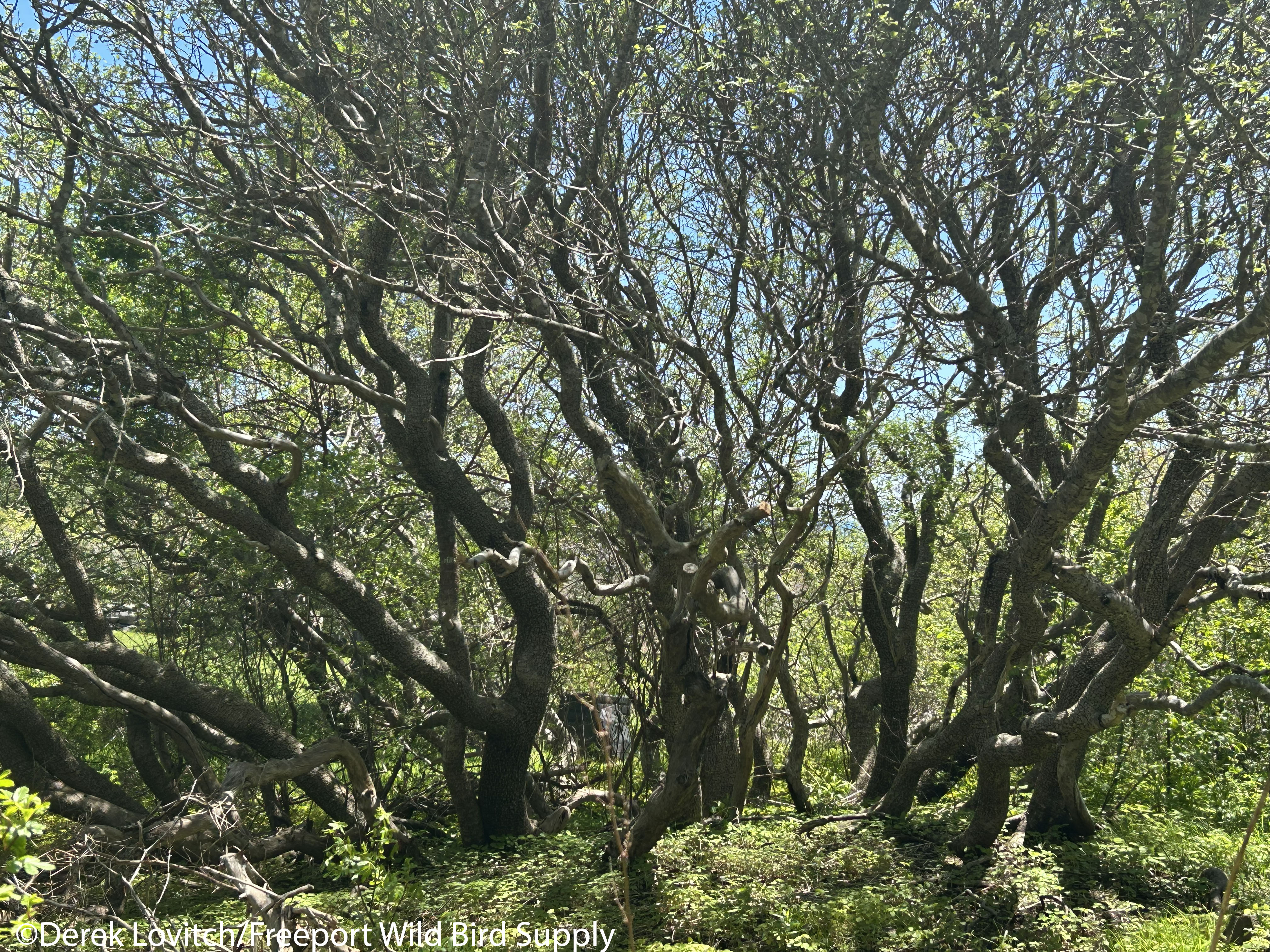
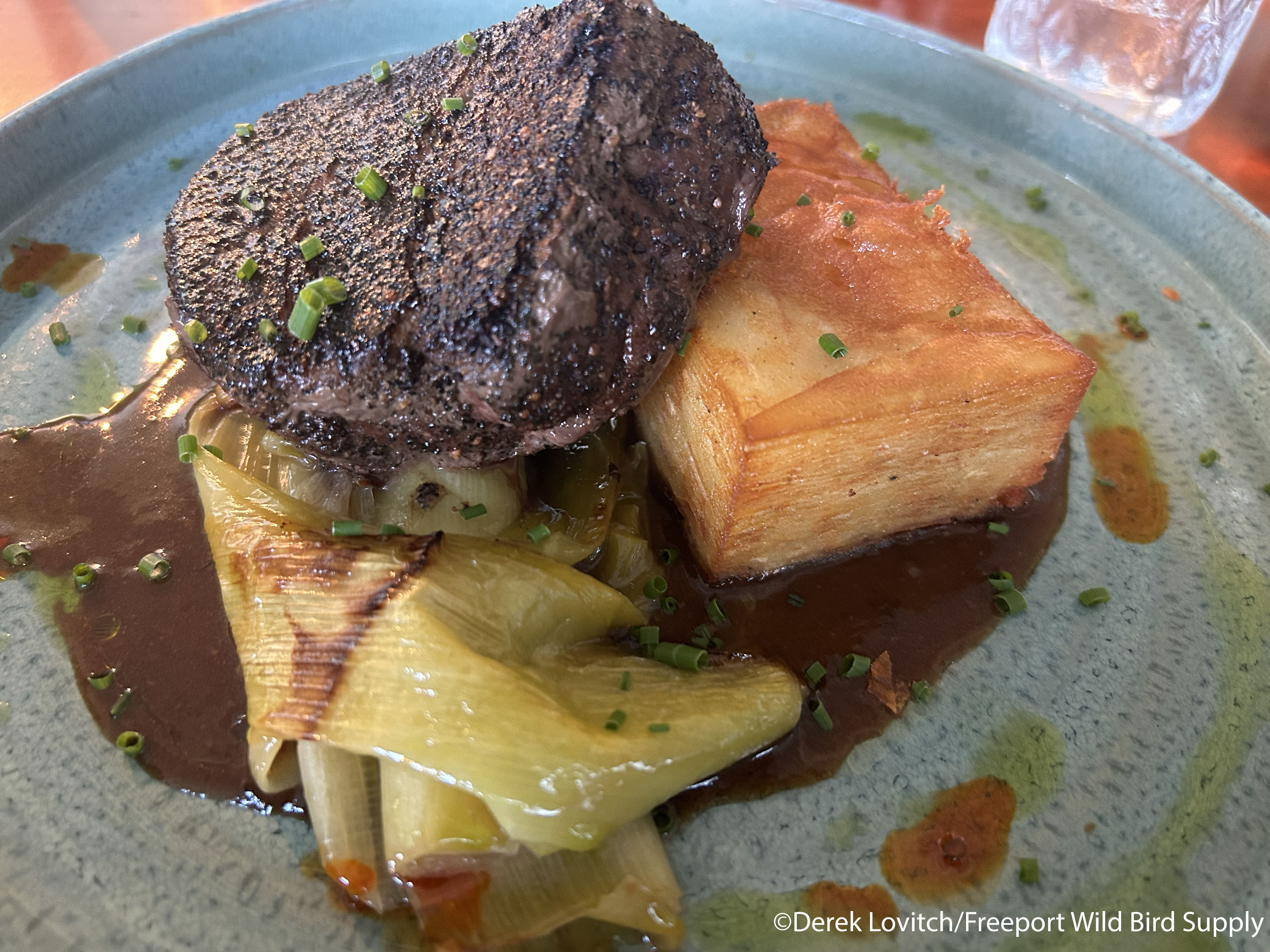
Southwest…rarity winds are a’blowin!Traditional gratuitous food porn photo of the tour. This year’s entry: the coffee-crusted filet at the Monhegan House. 2-3 Olive-sided Flycatchers arrived overnight.
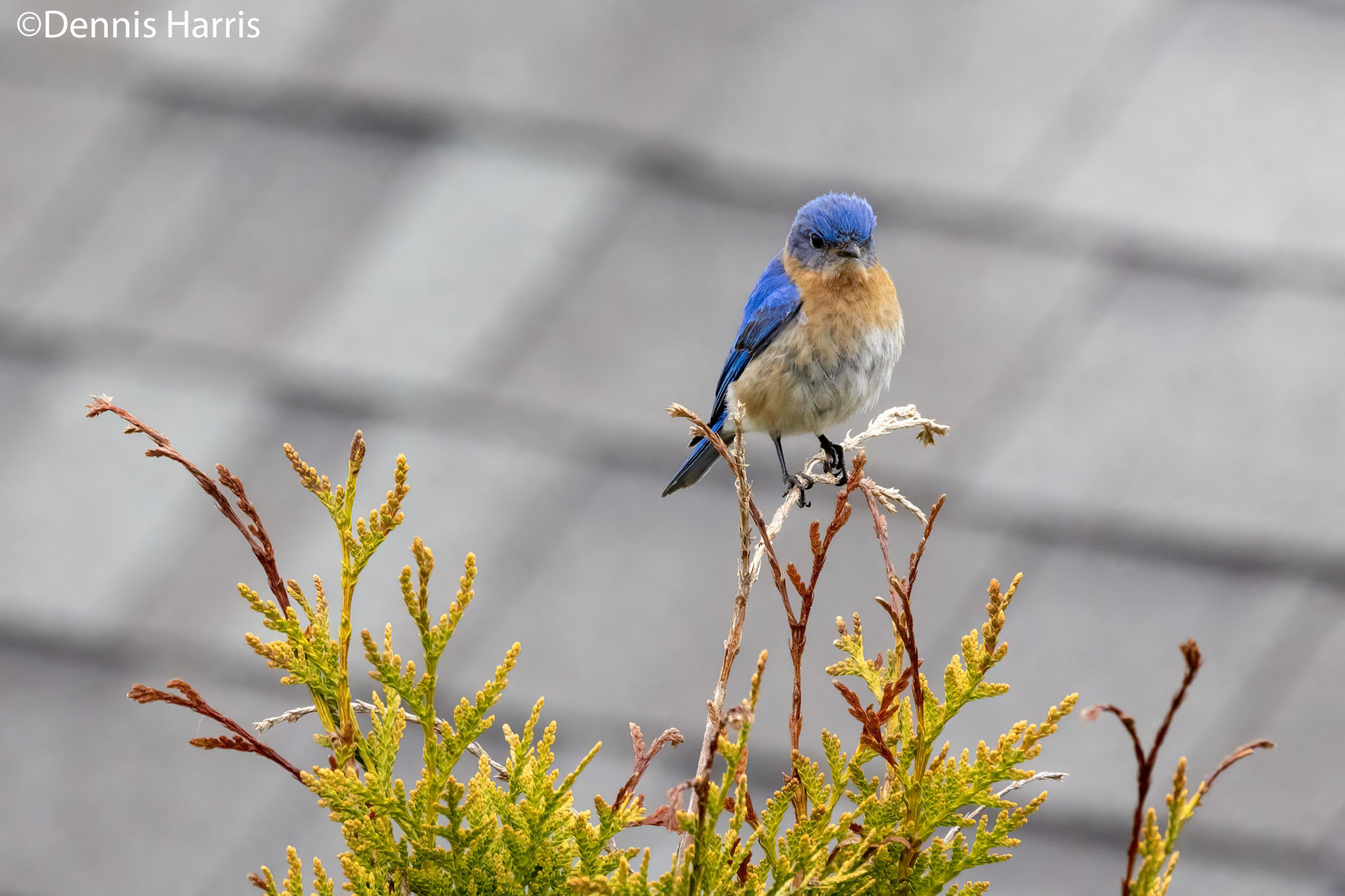
It was a day off, so we dallied at breakfast (I must confess to having a second breakfast sandwich!) and enjoyed a little more coffee. Jeannette was photographing the Eastern Bluebird feeding around the lawn, as I stepped back out of the cabin at 9:40, but I looked up to see a raptor coming right for us. Low. Fast.
“WHAT’S THAT?! THE KITE! LOOK UP! RIGHT OVER YOUR HEAD!” And other indecipherable words and perhaps a few colorful ones, too. Incredibly, after a 2.5 day absence, it was back!
The bird proceeds to glide low over our heads and disappears behind the spruce line where we always start our day. Hustling over that way, we are near the “chat causeway” when the kite appears. We watched it for several minutes as it soared, and yes, kited, directly over our heads. Jeannette had to zoom out with her camera. I had never made eye contact with a kite before, but it clearly looked down, directly at me (literally and perhaps figuratively!), cocking its head to analyze. An absolutely crippling view. Yeah, this made up for my dissatisfying view from two days before, to say the least!
We got the word out, and Bill Thompson came jogging in from the other end of town, picking up birders as he went. We saw it over the Wyeth driveway, heading toward Lobster Cove. We were so happy many people had now seen it, too!
Interestingly a short time after our initial sighting, I spotted the adult Broad-winged Hawk, too. While that bird was gaining altitude and apparently departing, it could not be a coincidence. But where were these two raptors hiding for more than two days?
It turned out the kite would be seen all afternoon (and at least through the next two days, too!), by us, and many, many others, including four arriving bird tour groups. It was often kiting over Lighthouse Hill, catching some insects (bees?), and while attentions were often turning elsewhere, I could not stop myself from watching and enjoying it every time one of us saw it. Jess Bishop had arrived just in time, and as Jess, Bill, Jeannette, and I wandered town – often in the opposite direction of the masses – we always paused for kite watching.
Magnolia Warbler
What an incredible way to end the weekend! It’s always tough to leave Monhegan, and I expected more notable birds would arrive (they did), but the 1st island record of Mississippi Kite would be hard to top (it wasn’t), and my second fulfilling experience with it may never be surpassed. I am mad I didn’t get it on the official trip list and share its glory with my group though!
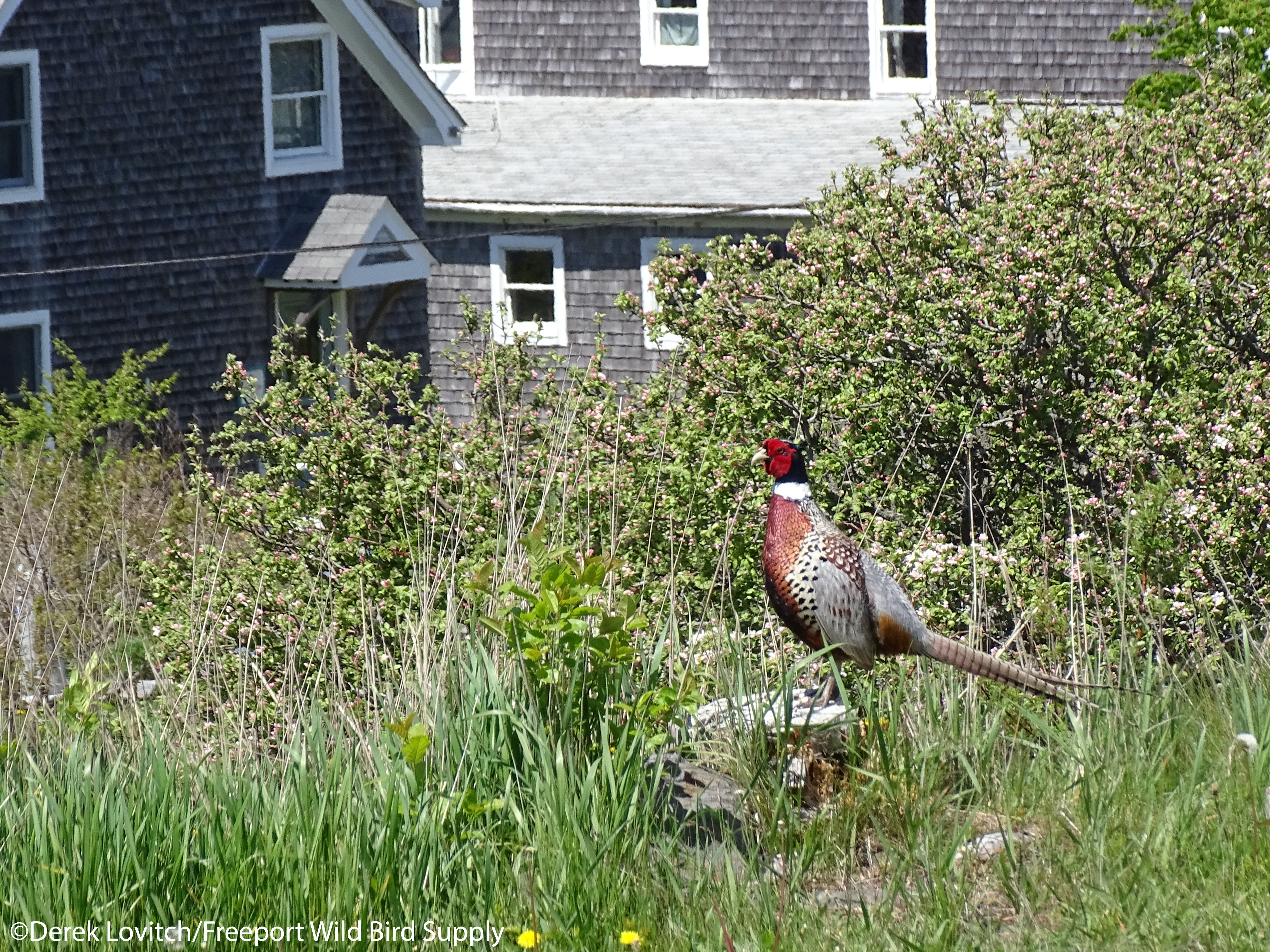
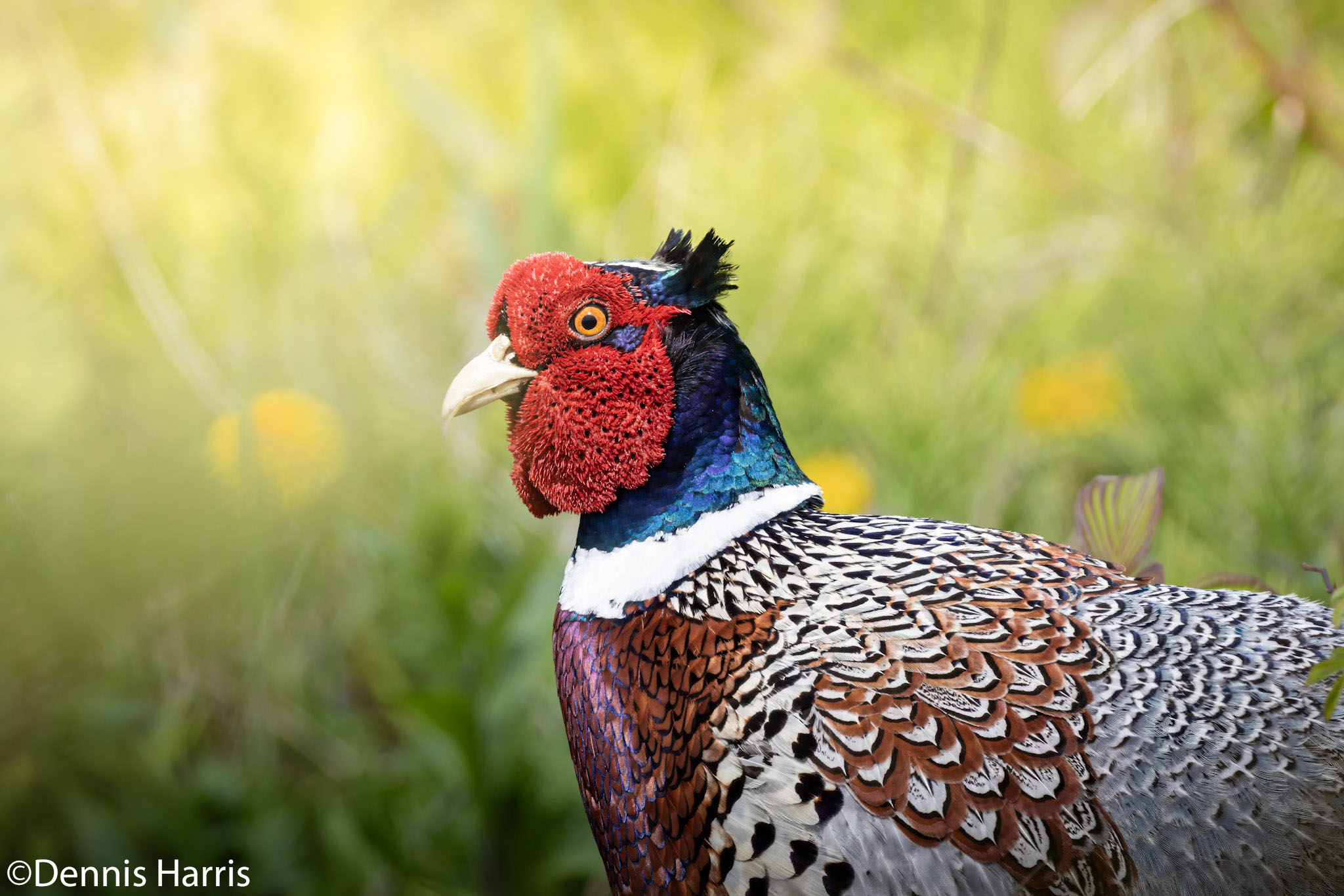
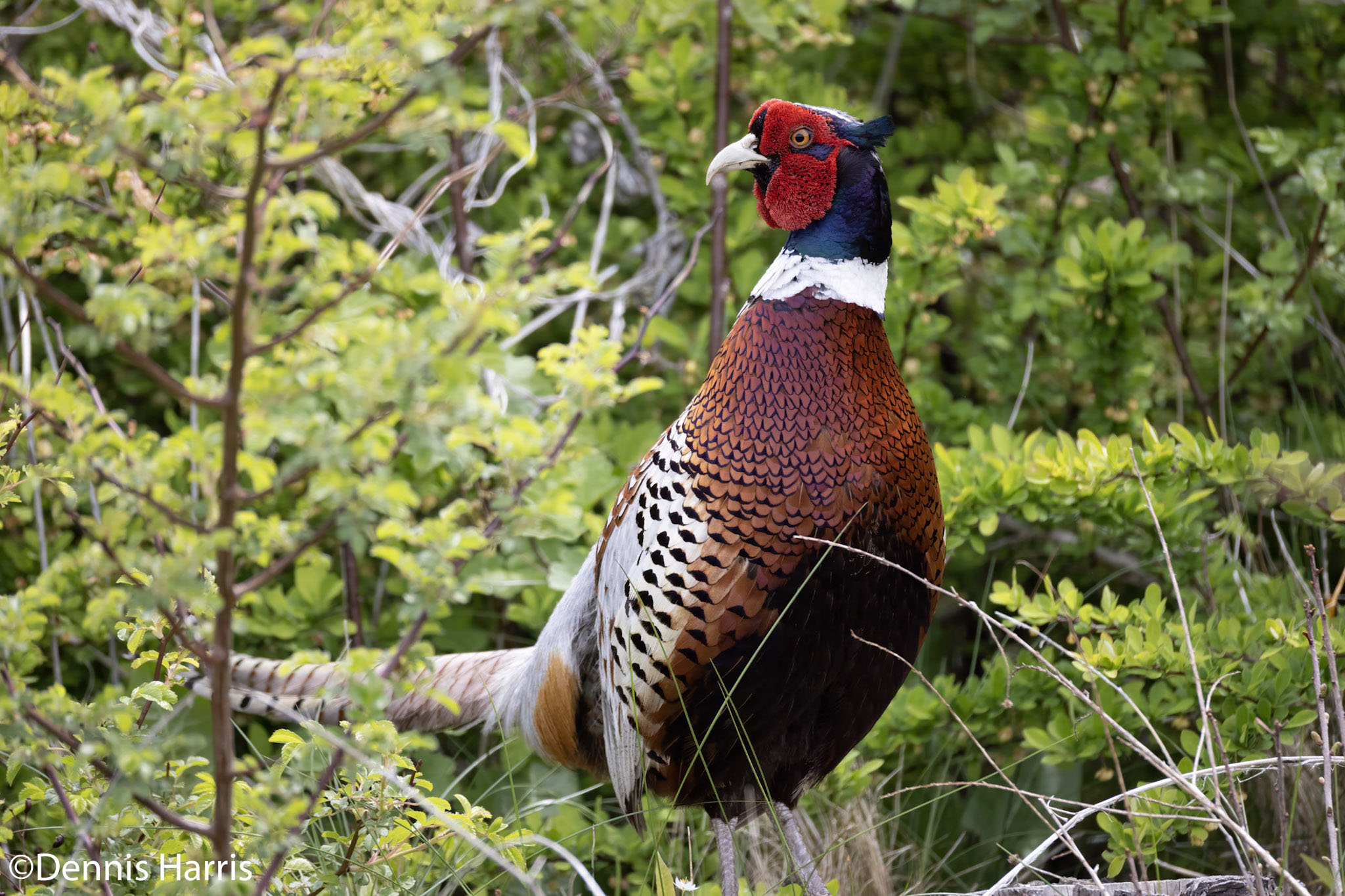
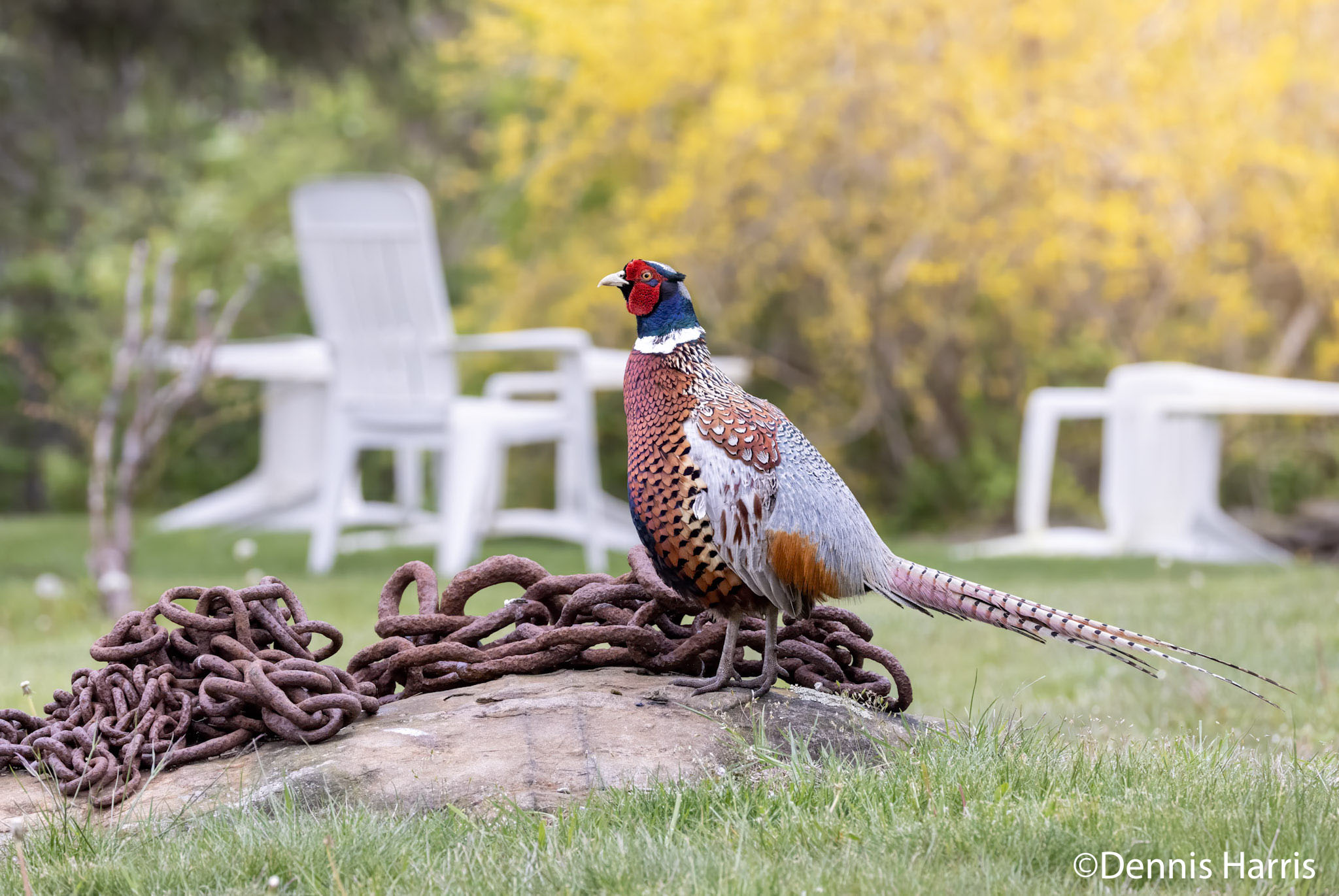
Interestingly, although the weekend was “slow” by May on Monhegan standards, and the numbers of individuals were low (except for Ring-necked Pheasants. My goodness, they have had a productive year!), the weekend’s tour birdlist added up surprisingly nicely! And unlike some tours, where fleeting glimpses seen by half the group were the norm, almost everyone saw almost everything on the list. Here’s the scoreboard.
* = seen from ferry only.
** = seen on Marshall Point Birdwalk only
Species
5/22
5/23
5/24
5/25
Canada Goose
2**
0
0
2
Mallard
x
x
x
x
American Black Duck
1
1
1
1
Common Eider
x
x
x
x
Surf Scoter
1*
0
0
0
Black Scoter
20*
0
0
0
Long-tailed Duck
1
0
1
1
Ring-necked Pheasant
x
x
x
x
Mourning Dove
x
6
10
12
Ruby-throated Hummingbird
3
4
4
4
Chimney Swift
0
0
1
0
Virginia Rail
0
0
1
1
Sora
1
2
3
2
AMERICAN OYSTERCATCHER
2
0
0
0
Killdeer
1
0
0
0
PURPLE SANDPIPER
10*
0
0
0
Black Guillemot
x
x
x
x
ATLANTIC PUFFIN
4*
0
0
0
Laughing Gull
4*
0
2
1
Herring Gull
x
x
x
x
Great Black-backed Gull
x
x
x
x
Common Tern
2*
0
0
0
ARCTIC TERN
0
0
1
0
Red-throated Loon
0
0
2
0
Common Loon
2*
0
3
0
Northern Gannet
0
0
6
0
Double-crested Cormorant
x
x
x
x
Great Cormorant
1*
0
0
0
Great Blue Heron
0
0
1
0
Green Heron
2
2
2
2
Turkey Vulture
2**
0
0
0
Osprey
0
1
0
1
Sharp-shinned Hawk
0
1
1
1
BROAD-WINGED HAWK
0
1
0
0
Bald Eagle
2*
2
0
1
Red-bellied Woodpecker
0
1
1
0
Northern Flicker
2**
0
0
0
Merlin
0
3
1
0
Eastern Kingbird
1
1
4
4
Eastern Wood-Pewee
0
0
2
20
“Traill’s” Flycatcher
0
1
0
0
Least Flycatcher
0
0
1
1
Red-eyed Vireo
0
8
4
2
Blue Jay
x
18
10
4
American Crow
x
4
4
4
Common Raven
1
2
2
2
Black-capped Chickadee
x
x
x
x
Barn Swallow
4
4
8
6
Golden-crowned Kinglet
2**
4
0
0
Cedar Waxwing
60
40
60
60
Red-breasted Nuthatch
2
3
1
0
Carolina Wren
2
3
5
5
House Wren
0
1
0
1
Gray Catbird
x
x
x
x
Brown Thrasher
0
0
1
1
Northern Mockingbird
0
1
1
1
European Starling
x
x
x
x
Eastern Bluebird
0
1
1
1
American Robin
x
8
10
10
House Finch
2**
0
0
0
Purple Finch
0
0
0
1
RED CROSSBILL
20-30
20-30
30+
20-30
American Goldfinch
x
10
15
15
LARK SPARROW
1
0
0
0
Chipping Sparrow
4**
0
0
0
Savannah Sparrow
0
1
1
0
Song Sparrow
x
x
x
x
Lincoln’s Sparrow
1
1
0
0
Swamp Sparrow
0
0
1
1
Bobolink
0
4
1
4
Baltimore Oriole
0
2
1
2
Red-winged Blackbird
x
x
x
x
Common Grackle
x
x
x
x
Ovenbird
1**
0
1
1
Northern Waterthrush
0
0
1
0
Black-and-white Warbler
0
2
1
0
Tennessee Warbler
0
2
1
1
Common Yellowthroat
x inc. Marshall Pt.
x
x
x
American Redstart
x inc. Marshall Ot
15
10
10
Cape May Warbler
0
1
0
0
Northern Parula
x inc. Marshall Point
20
12
10
Magnolia Warbler
0
10
6
4
Blackburnian Warbler
0
2
1
3
Yellow Warbler
x inc. Marshall Pt
x
x
x
Blackpoll Warbler
1
8
3
4
PINE WARBLER
0
0
1
1
Yellow-rumped Warbler
0
1
0
0
YELLOW-THROATED WARBLER
0
0
0
1
Prairie Warbler
0
0
0
1
Black-throated Green Warbler
x inc. Marshall Pt
10
4
8
Wilson’s Warbler
1
0
0
1
Northern Cardinal
x
x
x
x
Rose-breasted Grosbeak
1
1
1
2
Indigo Bunting
0
1
1
3
Day Total
60 inc Marshall Pt and Ferry,
60
68
64
Warbler Day Total
8
12
13
14
Trip Total
94
Weekend Total inc. Tuesday
107
Warbler Trip Total
18
Warbler total inc, Tuesday
18
The above birds follow the “guide plus one” rule, meaning both me and at least one client need to see the bird for it to go onto the list. In addition to the above, birds that I only saw on my own, before or after hours, or during breaks included:
MISSISSIPPI KITE, 5/23 (with m.obs…see above and below).
1 GLOSSY IBIS, 5/23 (with Mik Oyler; flying past harbor at dusk)
1 Wood Duck, 5/25.
10 Greater Yellowlegs, 5/25 (with Bill Thompson)
1 Alder Flycatcher, 5/25 (with Jeannette)
1 Dark-eyed Junco, 5/25.
New species for the weekend seen with Jeannette included:
2-3 Olive-sided Flycatchers
6 Swainson’s Thrushes
1 Spotted Sandpiper
1 Willow Flycatcher
1 White-crowned Sparrow
3 White-winged Scoters
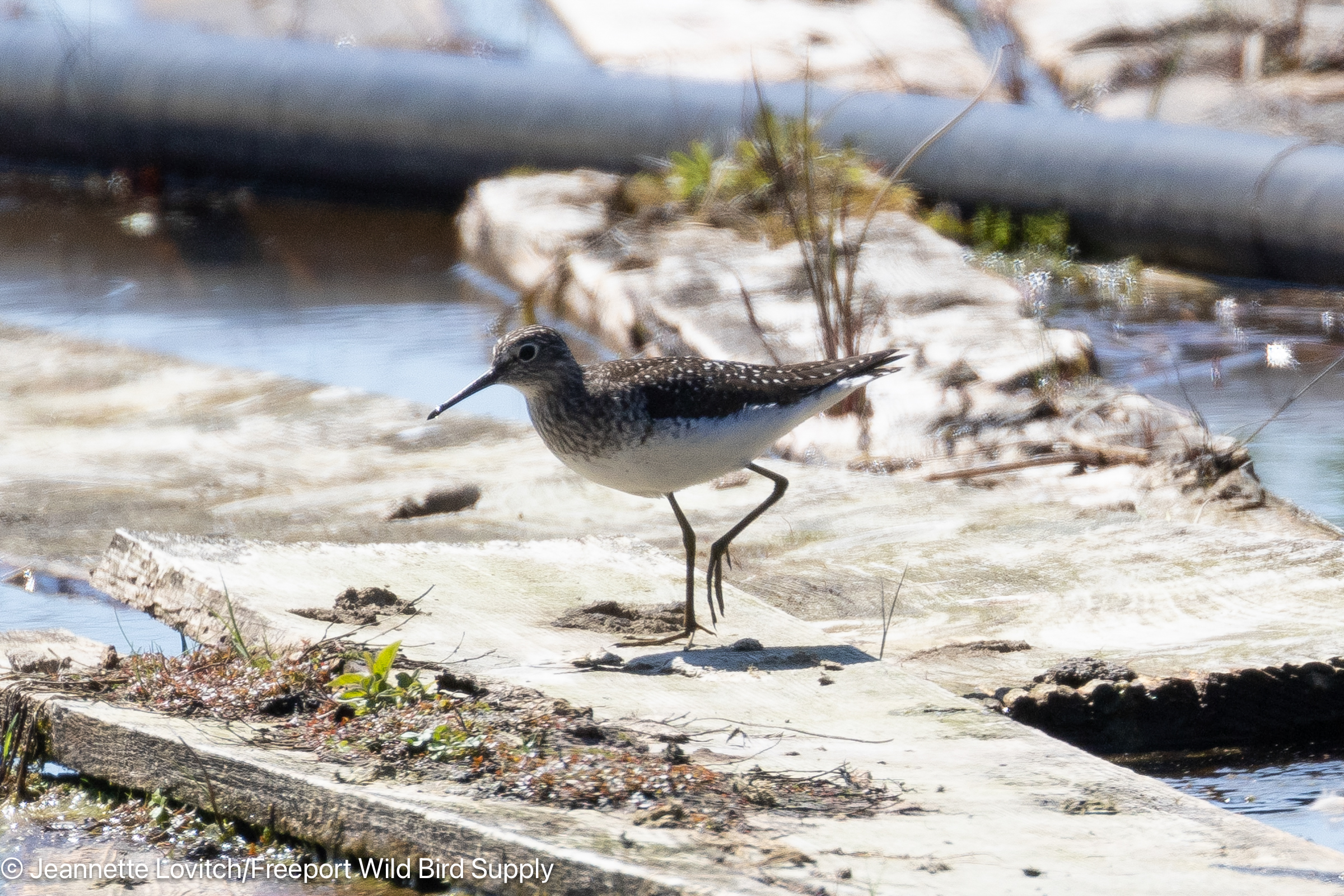
1 Solitary Sandpiper (with Bill Thompson and Jess Bishop)
This made a very respectable weekend tally of 107 species!
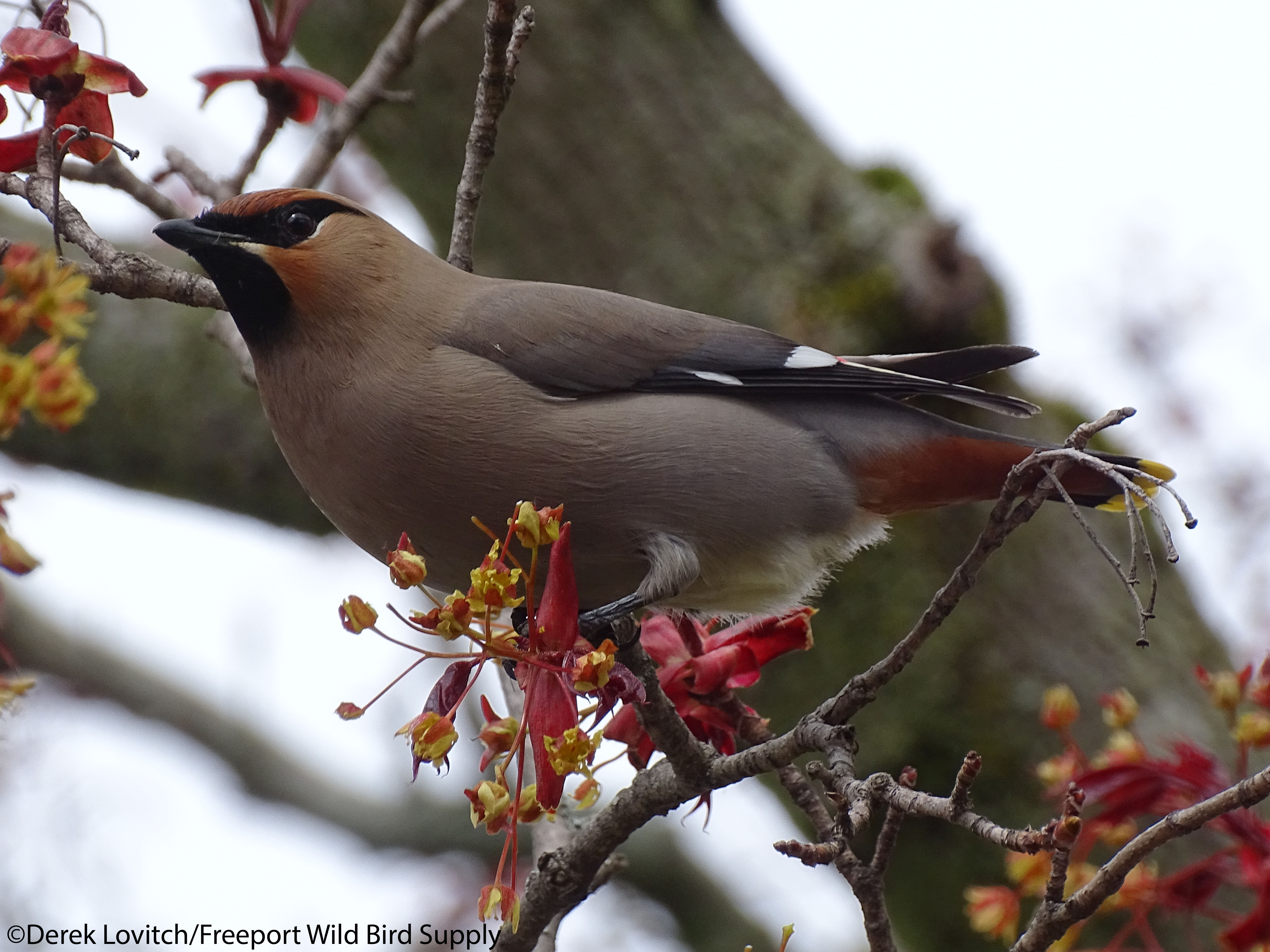
Their “countability” might be in question, but their photogenic-ess never is!
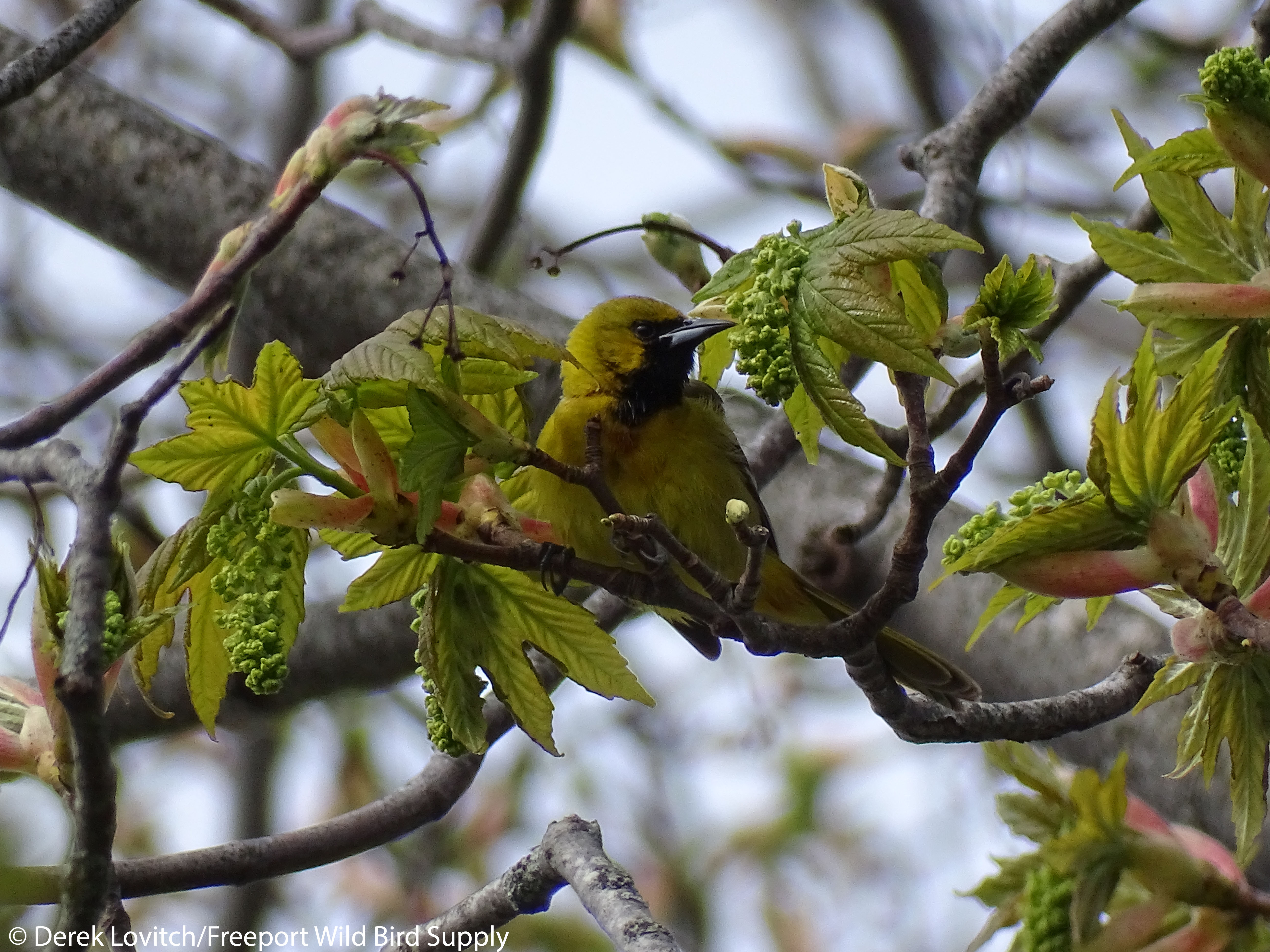
This immature male Orchard Oriole, and a female it was foraging with, that I found on Peak’s Island on the 11th are likely part of a continuing influx of “southern overshoots” that arrived after last week’s weather pattern (see last week’s blog).
It’s hard to not have a great week of birding in the middle of May, and this week was certainly no different. Some “southern overshoots” added to the mix of migrants and new arrivals, and some rather surprising lingering winter birds as well, all making for a fun-filled week of bird watching. Here are my observations of note over the past seven days.
1 female SUMMER TANAGER, 1 Blue-gray Gnatcatcher, 12 species of warblers, etc, Evergreen Cemetery, Portland, 5/10 (with Birds on Tap Roadtrip: Warblers and Wort! Tour group). Unfortunately, I whiffed on photos as we all struggled to follow her across the cemetery!
16 species of warblers, led by 35 Yellow and 16 Common Yellowthroats, Peak’s Island, Portland, 5/11.
6+ Red Crossbills including 2+ fledglings, Peak’s Island, 5/11.
1 SANDHILL CRANE, Bradbury Mountain Spring Hawkwatch, (the 14th of the season here, but my first from the summit this spring), 5/12.
1 Blue-gray Gnatcatcher, our property in Durham, 5/13.
15 species of warblers, led by 13 Black-and-white Warblers and 11 Common Yellowthroats, Florida Lake Park, Freeport, 5/14 (with Bill Thompson).
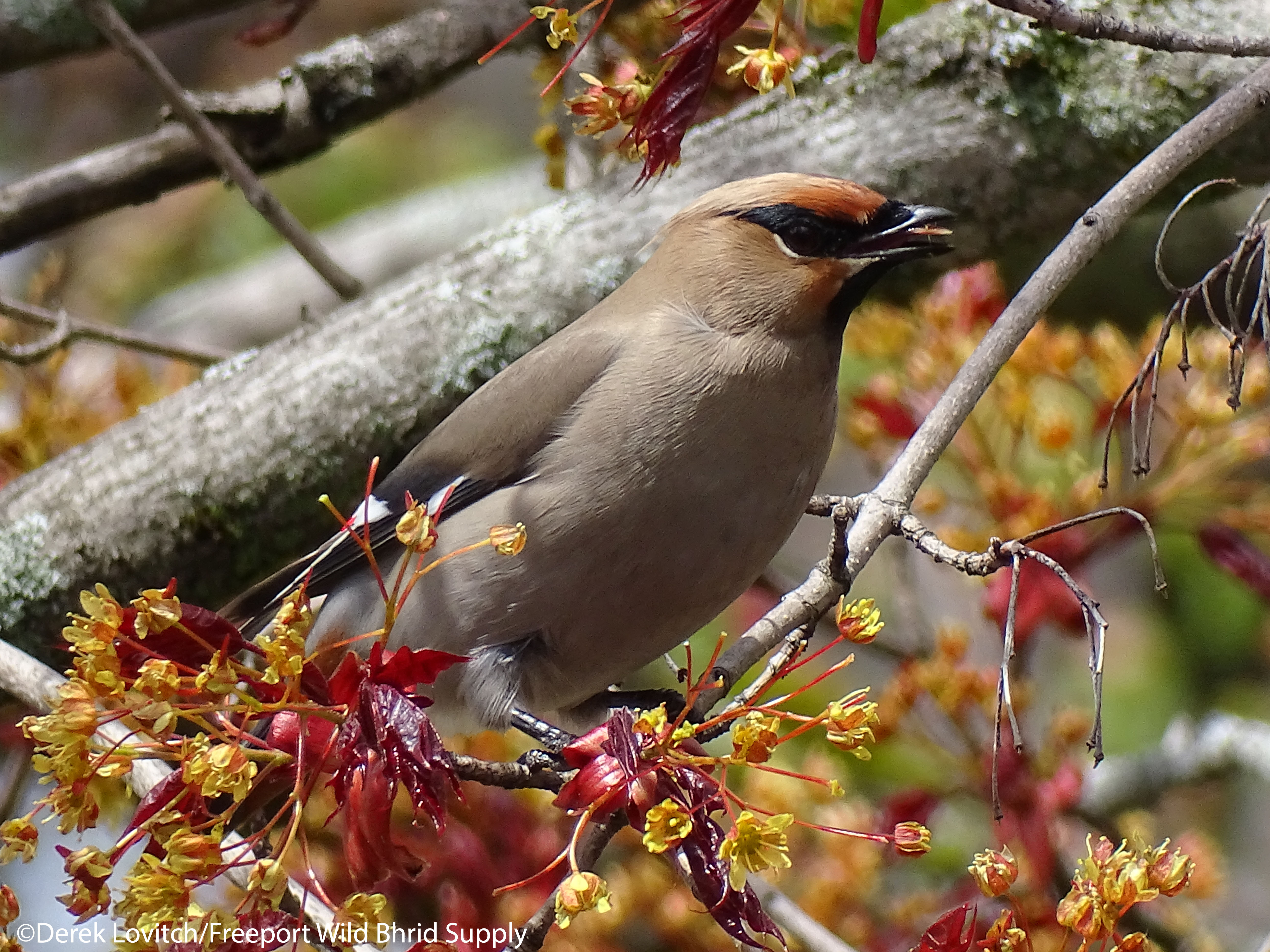
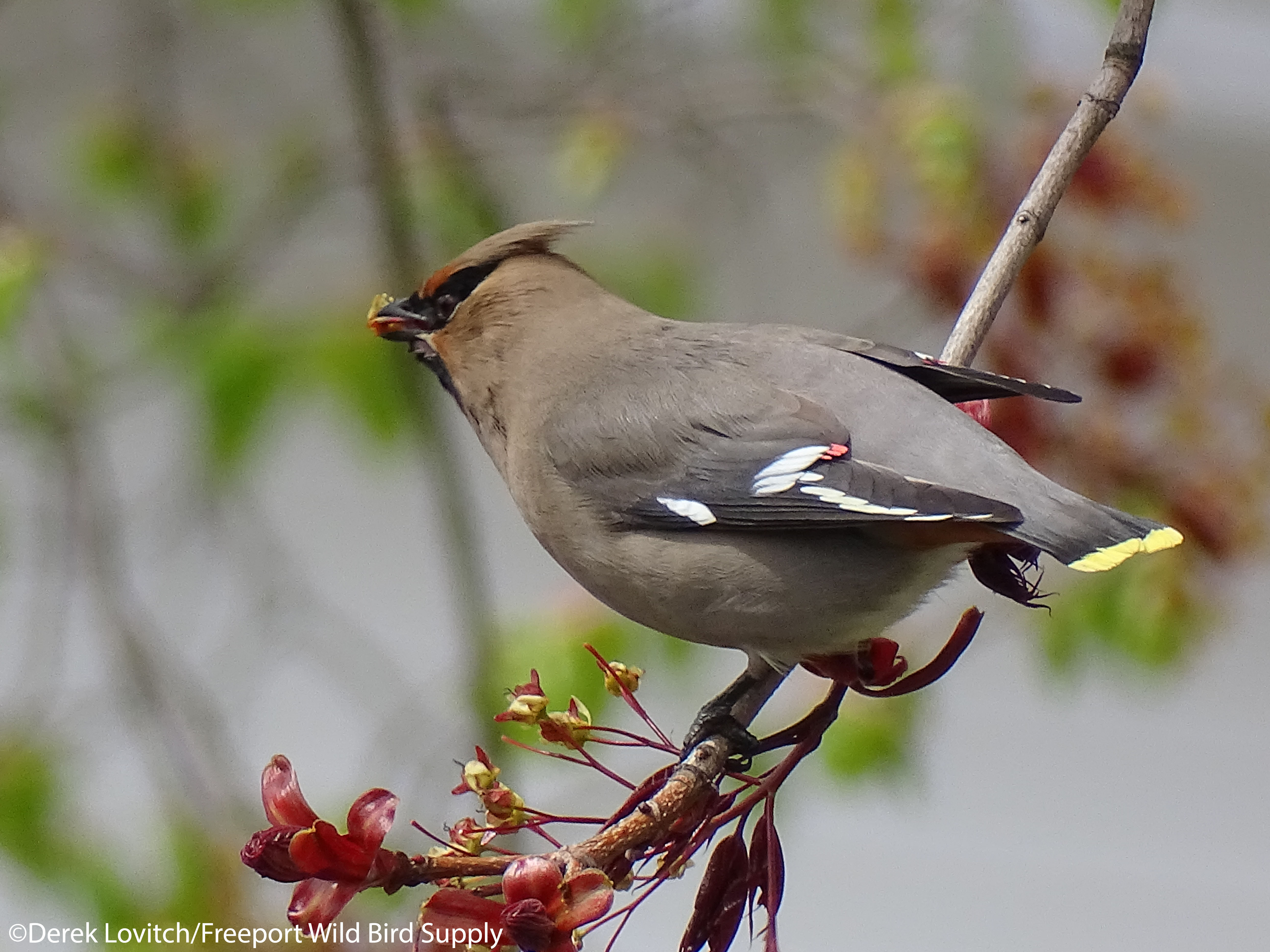
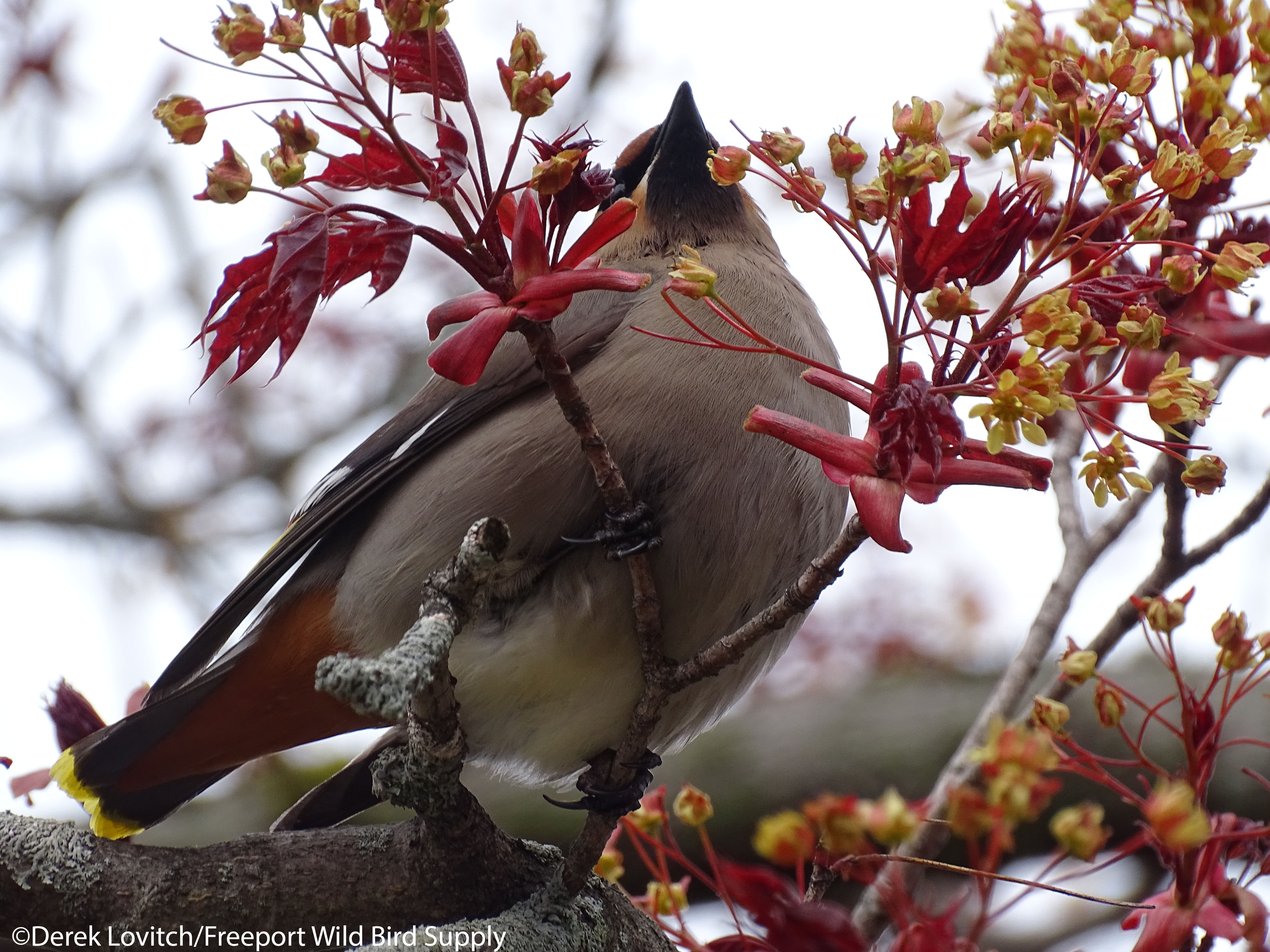
52 BOHEMIAN WAXWINGS (with 1 Cedar Waxwing), Union Street, Brunswick, 5/14 (with Bill Thompson). Even more incredible than seeing so many Bohemians so late in May, is that we saw them on the same day we easily recorded 17 species of warblers. Not sure that will happen again for a very long time around here!
16 species of warblers, led by 13 Black-and-white Warblers and 11 Ovenbirds, our property in Durham, 5/15.
My personal “first of years” (aka “FOYs”) this week also included:
4 UPLAND SANDPIPERS (been present for a few weeks now, but I hadn’t made the time to visit!), Brunswick Landing, Brunswick, 5/9 (with Saturday Morning Birdwalk group). Bill Thompson and I had 1-2 on 5/14, with one singing from the Bowdoin Sandplain proper.
2 Lincoln’s Sparrows, Evergreen Cemetery, Portland, 5/9 (with Birds on Tap Roadtrip: Warblers and Wort! Tour group).
2 Wilson’s Warblers, Evergreen Cemetery, 5/9 (with Birds on Tap Roadtrip: Warblers and Wort! Tour group).
The 20th year of the project began on March 15th and concludes at 5:00pm today, May 15th (maybe! But tomorrow looks so good!) The quickest and clearest way to view daily reports is by clicking on the Hawkcount link contained on the website link above. Meanwhile, we will continue to post weekly summaries on the News Page of our website. Here’s the Week 8 report. I’ll post a season summary next week.
The latest incarnation of our Bicknell’s Thrush weekend offers more chances to see the enigmatic Bicknell’s Thrush and even better boreal birding opportunities!
With two full mornings in the area, we’ll have flexibility to offer two visits to the realm of the Bicknell’s. While Bicknell’s Thrush is the primary target, this enhanced itinerary will also give us an even better chance at other boreal species, including Canada Jay, Boreal Chickadee, Black-backed Woodpecker, Olive-sided and Yellow-bellied Flycatchers, Palm and Blackpoll Warblers, and especially Philadelphia Vireo and Mourning Warbler. By staying in Colebrook, NH we have the opportunity to look for additional boreal targets anywhere from Vermont’s Northeast Kingdom (the famous hotspots are only 30 minutes from Colebrook!) to the Umbagog NWR area.
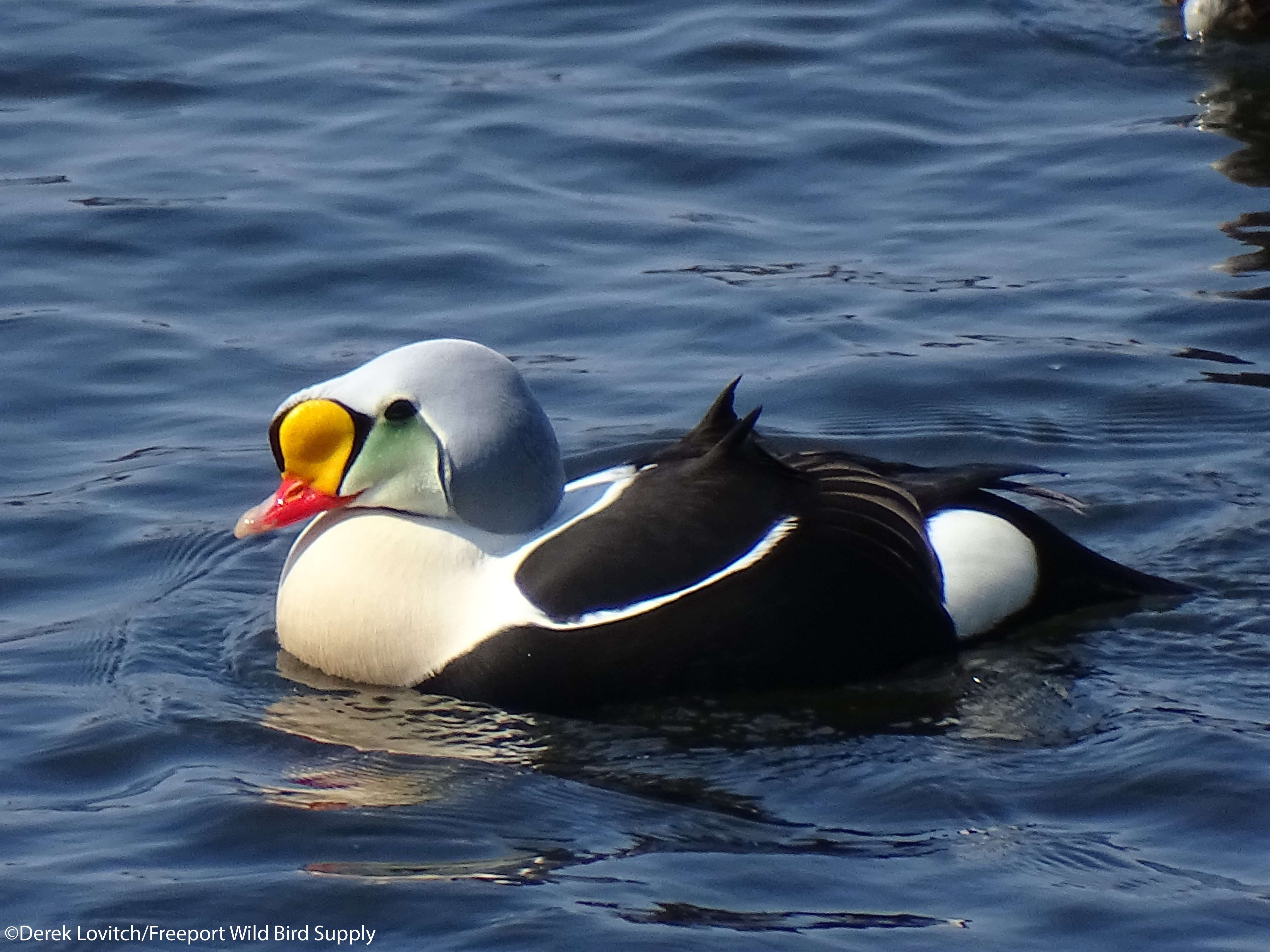
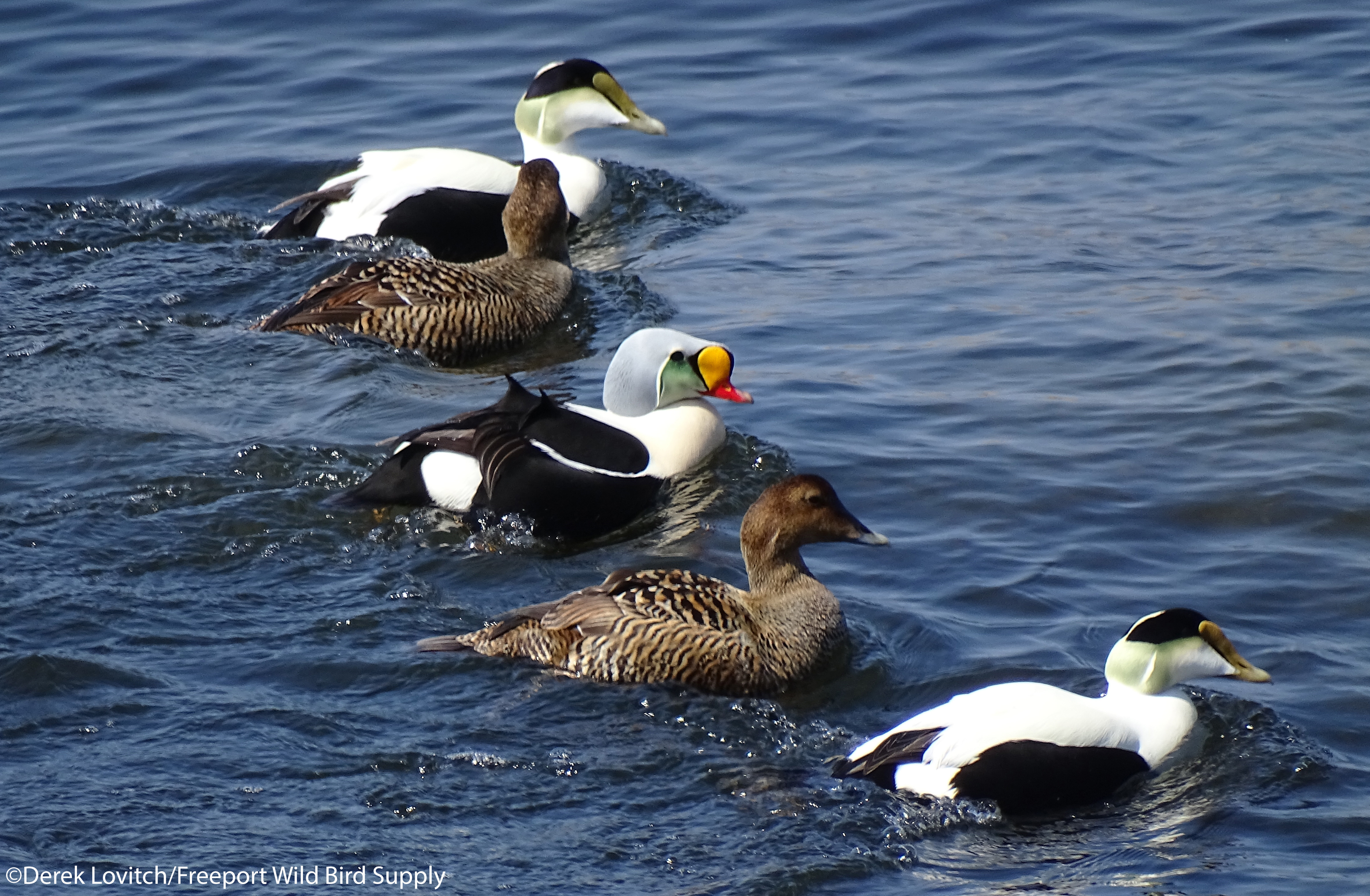
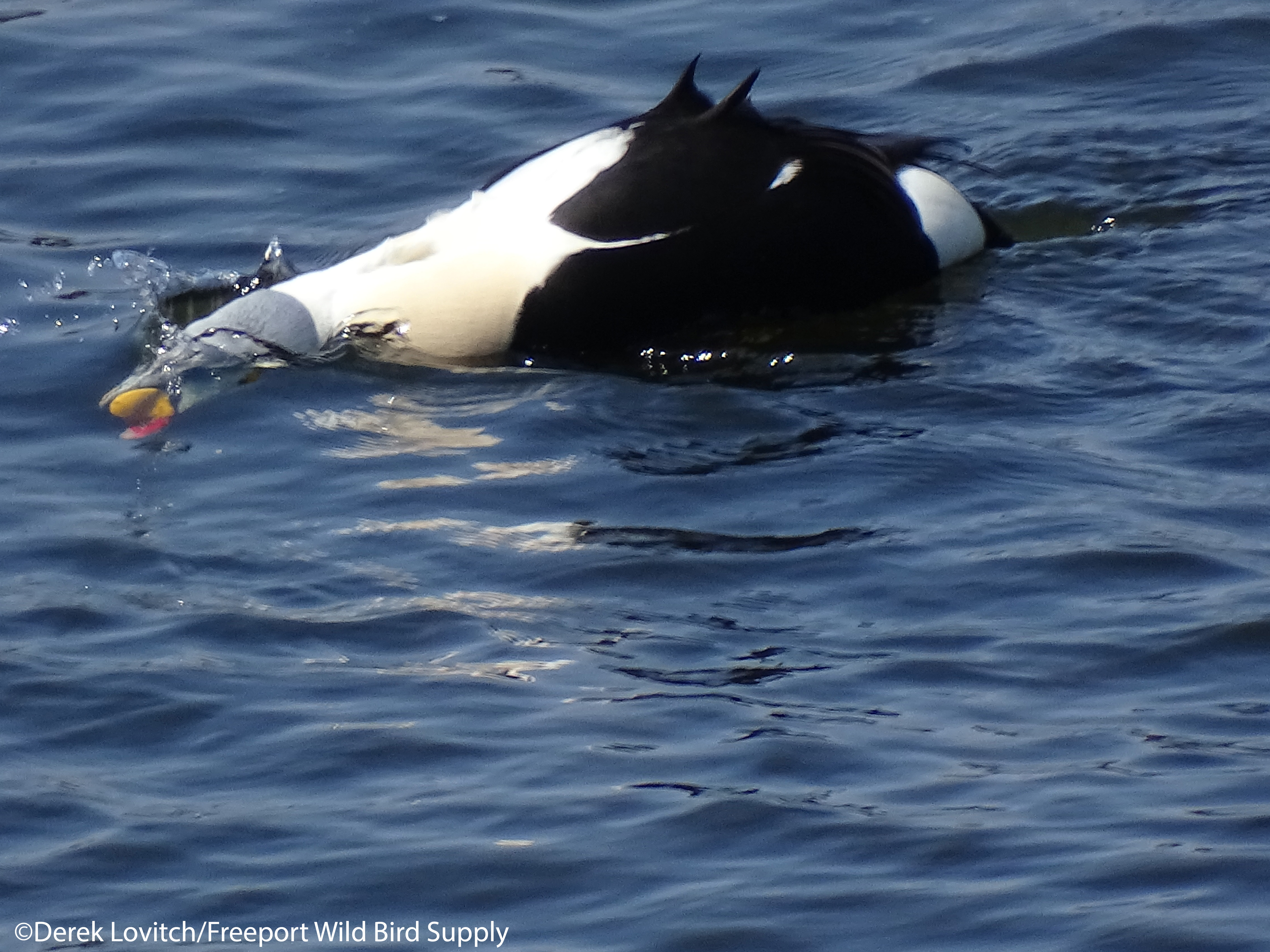
Heading south on Friday of last week, I could not resist some quality time with the continuing King Eider on the Kittery Waterfront!
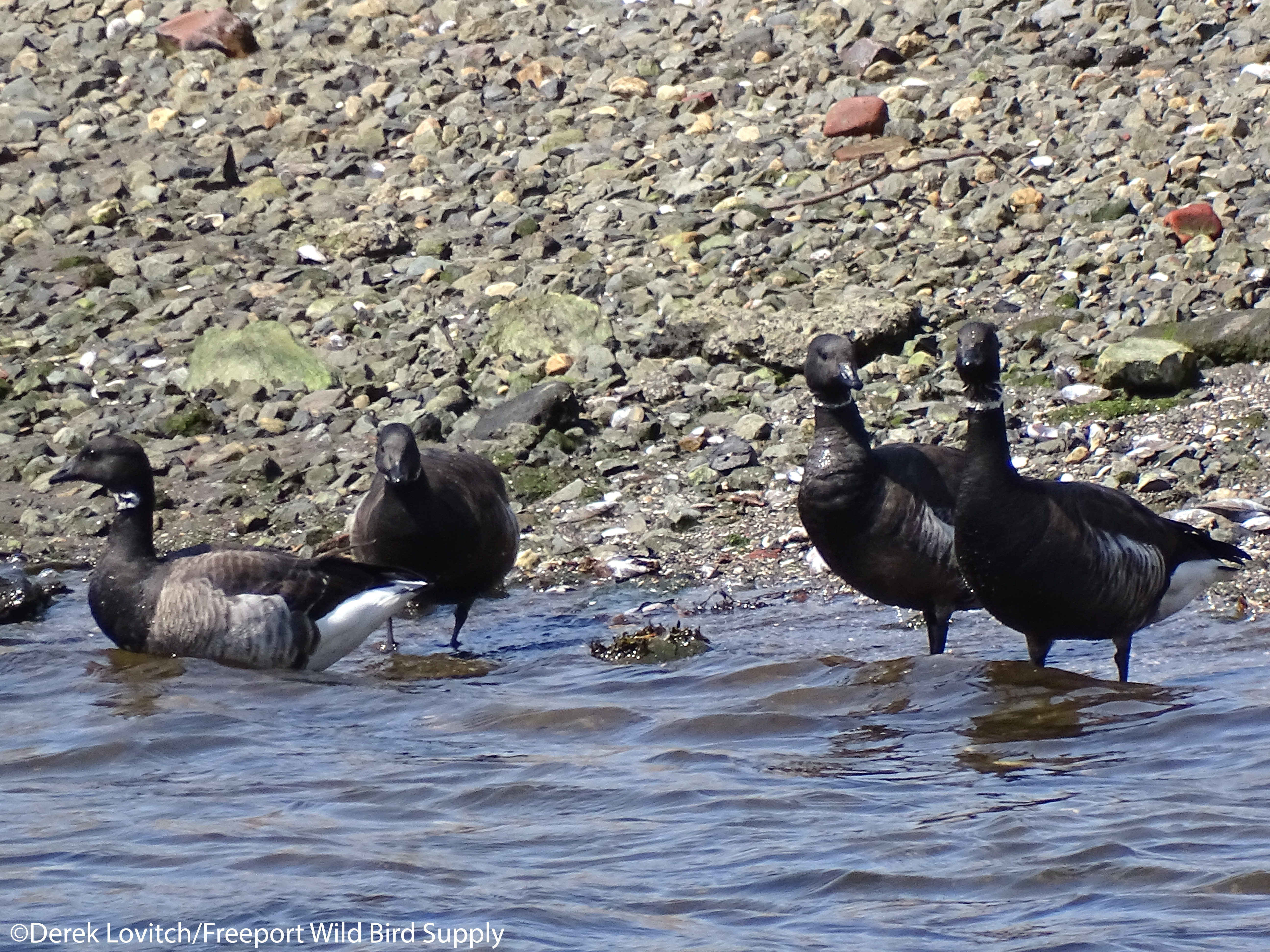
I enjoyed a weekend in Rhode Island thanks to being invited to lead a walk and speak at the Annual Meeting of the Ocean State Bird Club. Thanks to everyone there for the invitation and the great turnout! My bird of the weekend were these three continuing “Black” Brant in Providence that Jess Bishop and I caught up with on the 12th before I headed north.
Meanwhile, here in Maine, the migratory floodgates (and not just for birds!) really began to open with the warm weekend weather and conducive winds, at least to start the week. Here are my observations of note over the past 8 days (5.5 of which were in Maine):
1 continuing drake KING EIDER, Oak Terrace overlook, Kittery, 4/10 (photos above).
I spent some time watching the Rock Row, Westbrook Peregrine Falcon nest on the 13th – much better than sitting in the waiting room of a car service center!
Not directly bird-related, but Jeannette and I enjoyed a productive “Big Night” in Durham on the evening of 4/14, highlighted as usual by Blue-spotted and Spotted Salamanders.
BOHEMIAN WAXWINGS continue to be a highlight this week – they are always a highlight for me! – around the area. About 100 on Stonewood Drive in Freeport on the 17th was my high count this week, with 35-40 here at the store at the same time. 2 were with 20 Cedars at the Walgreens on Route 1/9 in Scarborough earlier that morning. Some have been around the Bradbury Mountain Spring Hawkwatch on and off this week, and a flock of 24-30 in our property in Durham was our 156th Yard Bird!
4 breeding-plumaged (FOY) Dunlin, 4 Greater with 23 Lesser Scaup, and hundreds of Black and White-winged Scoters, etc, Pine Point, Scarborough, 4/17.
My other personal “first of years” (aka “FOYs”) in Maine this week included:
1 Broad-winged Hawk, Bradbury Mountain Spring Hawkwatch, 4/13.
2 Ruby-crowned Kinglets, our property in Durham, 4/14.
1 Northern Rough-winged Swallow, Florida Lake Park, Freeport, 4/15.
1 Barn Swallow, Florida Lake Park, 4/15.
1 Brown Thrasher, our property in Durham, 4/16.
1 Field Sparrow, Cedar Pond Road, Durham, 4/16.
4 Black-bellied Plovers, Pine Point, Scarborough, 4/17.
The 20th year of the project began on March 15th. The quickest and clearest way to view daily reports is by clicking on the Hawkcount link contained here. Meanwhile, we will continue to post weekly summaries on the News Page of our website. Here’s the Week 4 report.
***LIKELY POSTPONED from April 19, 2026 until 4/26 due to weather. Please let us know if you are interested in the new date!***
Portland Explorer (formerly Maine Brew Bus) and Freeport Wild Bird Supply are excited to continue our collaboration for 3 very special outings in 2026.
These unique, relaxed birding and beer-ing adventures that you have come to love combine great local birding at seasonal hotspots with visits to sample the delicious creations of some of our favorite local breweries. These tours are a perfect introduction to birding and/or craft beer, and a great opportunity to travel with significant others, friends, and family that have interest in one topic, while your interest is primarily in the other (for now!). Seasonal birding hotspots and great local beer – a perfect combination, and we’ll even do all of the driving!
This brand-new itinerary takes us to the Bradbury Mountain Spring Hawkwatch at Bradbury Mountain State Park in Pownal in the peak of northbound raptor migration. Now in its 20th year, this research project by Freeport Wild Bird Supply tallies an average of 4,180 migrating birds of prey each spring from the summit!
After a gentle 1-mile climb through the woods, looking and listening for migrant and resident songbirds, we’ll arrive at the summit and join the project’s Official Counter. Derek will discuss the history and methodology of the project, as the counter points out migrating raptors. Derek will lead us through the basics of hawk identification to give us a hawkwatch primer, and then if the migration action allows, we’ll sit back and enjoy the show until it is time to depart (the walk down is a steep ¼ of a mile on a wide, well-worn trail with rocks and roots and some steps; hiking sticks are suggested if you use them). This is the only Hawkwatch Workshop program that FWBS will be offering this year, so this is a tour you won’t want to miss!
After about 3 hours of birding, we will be transported to two of our great local producers to sample their offerings and learn their styles. Our brewery destinations are subject to change, but the current plan is to visit Maine Beer Company and Goodfire Brewing.
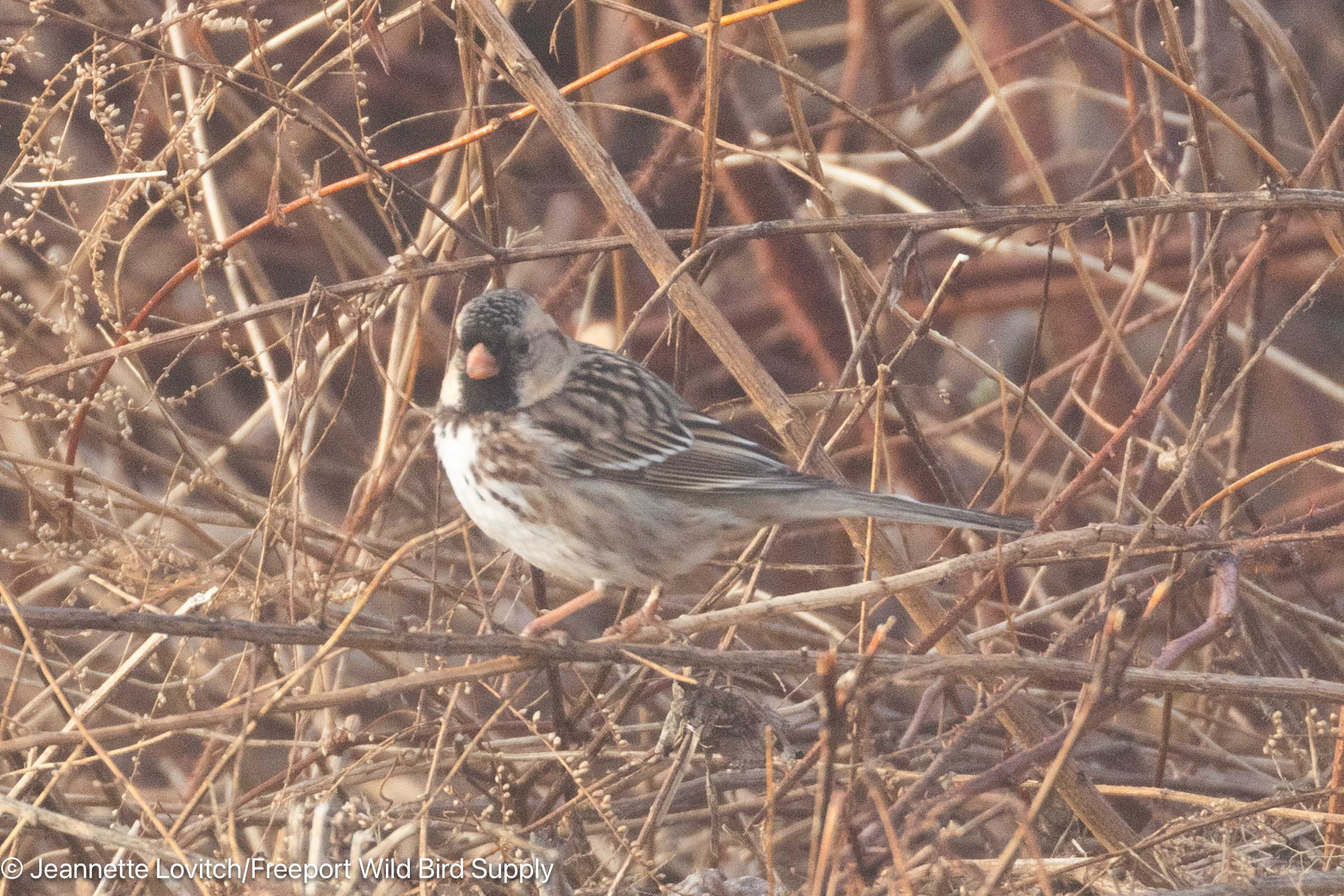
While I didn’t look at many birds in Maine this week, we drove a whole 6 minutes from our regular motel in New Jersey to chase this spiffy Harris’s Sparrow in Wall Township, my 352nd species in my native state! Does 6 minutes even count as a chase?
Much has changed since we left for our vacation on February 23rd. Immediately upon our return, we had to depart the state for a few more days for a family matter. In the meantime, the vanguard of spring migration both literally and figuratively passed over our heads. Here are a few observations of note over the past four days since returning to the state.
8 Common Grackles (Maine FOY), Over Exit 25, Kennebunk, 3/10.
In the following days blackbird numbers continued to increase, as did migrant Song Sparrows.
10 Green-winged Teal, Bernard Lown Peace Bridge, Auburn-Lewiston, 3/12.
1 drake Gadwall, 11 Northern Pintails, 5 Red Crossbills (including 1-2 singing males), etc, Reid State Park, Georgetown, 3/13.
Bradbury Mountain Spring Hawkwatch gets underway on Sunday!
But the main reason I am posting this week despite the few days of observation is that Sunday, March 15th begins the 20TH YEAR of the Bradbury Mountain Spring Hawkwatch! Join Zane Baker and project volunteers at the summit from 9-5 every day (weather permitting) from March 15th through May 15th. Can we reach least year’s record count?
March 28th or 29th. This tour is currently sold out. Please contact us to be added to the waiting list.
Portland Explorer Collab Tours.
Our collaboration with Portland Explorer has expanded once again, with the 12th season of the Birds on Tap – Roadtrip! series, but also new Birding and History tours. All of the 2026 outings are now posted and are open for registration. To learn more about these unique experiences, check out my recent blog entry.
Seasonal hotspots. Local expertise. Small-group experiences.
For the 12th season, Portland Explorer and Freeport Wild Bird Supply are teaming up to offer Maine’s most unique guided birding tours — combining peak birding hotspots, expert instruction, comfortable transportation, and in select outings, visits to some of our favorite local breweries.
Whether you’re a seasoned birder, just getting started, or traveling with someone whose main interest might be craft beer until they become a avid birder, these relaxed and educational outings offer something special.
This blog will be updated with trip reports after each tour, so check back in to see what you missed and to sign up for upcoming outings!
The 2026 Birds on Tap – Roadtrip Series!
Our collaboration with Portland Explorer (formerly The Maine Brew Bus) enters its 12th season, with three exciting itineraries. These unique, relaxed birding and beer-ing adventures that you have come to love combine great local birding at seasonal hotspots with approachable opportunities to sample the delicious creations of some of our favorite Maine breweries. These events are a perfect introduction to birding and/or craft beer, and a great opportunity to enjoy our favorite pastimes with significant others, friends, and family that have interest in one topic, while your interest is primarily in the other (for now!). Educational, enjoyable, and eye-opening you won’t want to miss out our unique Birds on Tap series, including a brand new outing for 2026.
The three tours are as follows. After completion, tour reports will be posted here so this blog is your one-stop shopping for tour reports and upcoming itineraries.
Birds on Tap -Roadtrip: Hawks and Hops! (Sunday, April 26th)
Originally scheduled for the prior week, we decided to postpone the tour. In doing so, we avoided a full day of rain and dense fog, and instead only complained about being overdressed in the bright sun and surging warmth. That was a win. And the birds cooperated for us today as well!
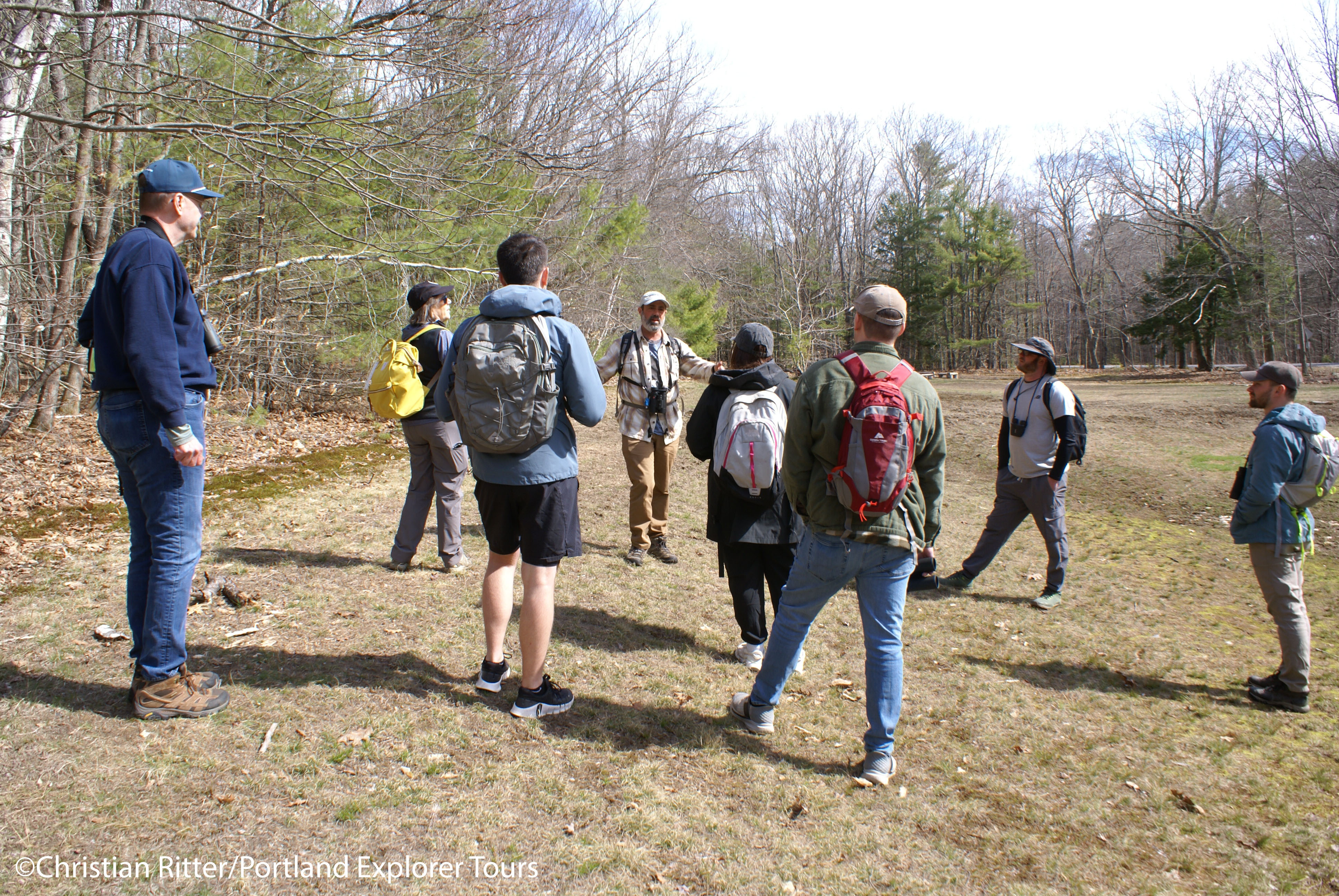
The delayed progression of the season and resultant slowed progress for many songbirds produced a rather quiet walk in the woods, although we had some good practice with the songs of Pine Warbler vs Chipping Sparrow, learned the songs and calls of several resident species, and watched a pair of Broad-winged Hawks moving through the woods and vocalizing repeatedly.
Taking the gentle one-mile Northern Loop Trail also gave us some time for some tree identification and made sure we weren’t too out of breath for our arrival at the summit. While we were talking about raptors during our walk, we now focused on the hawkwatch project, first at the count board with season numbers and averages, and then at the summit watch site, covering some of the science behind the project.
SONY DSC
It’s always a risk to offer a hawkwatch “workshop” since we can’t guarantee there will be birds in the air to talk about! But the weather was sure conducive to a flight today, and before long, we had hawks in the air. In just over an hour at the summit, we had workshop-worthy views of a variety of species both near and far. Low and close Sharp-shinned Hawk vs Cooper’s Hawk. A distant Broad-winged Hawk mobbing the much larger and a stronger Red-tailed Hawk. Close Turkey Vultures, several views of Bald Eagles from different altitudes and angles, and a stunning view of a low and close Northern Harrier. It was really a perfect sample of watch hawkwatching, and hawkcounting, is all about, and just as we were about to leave, a special treat: a lone Bohemian Waxwing dropped in and landed next to the summit, affording long close looks of this fantastic bird.
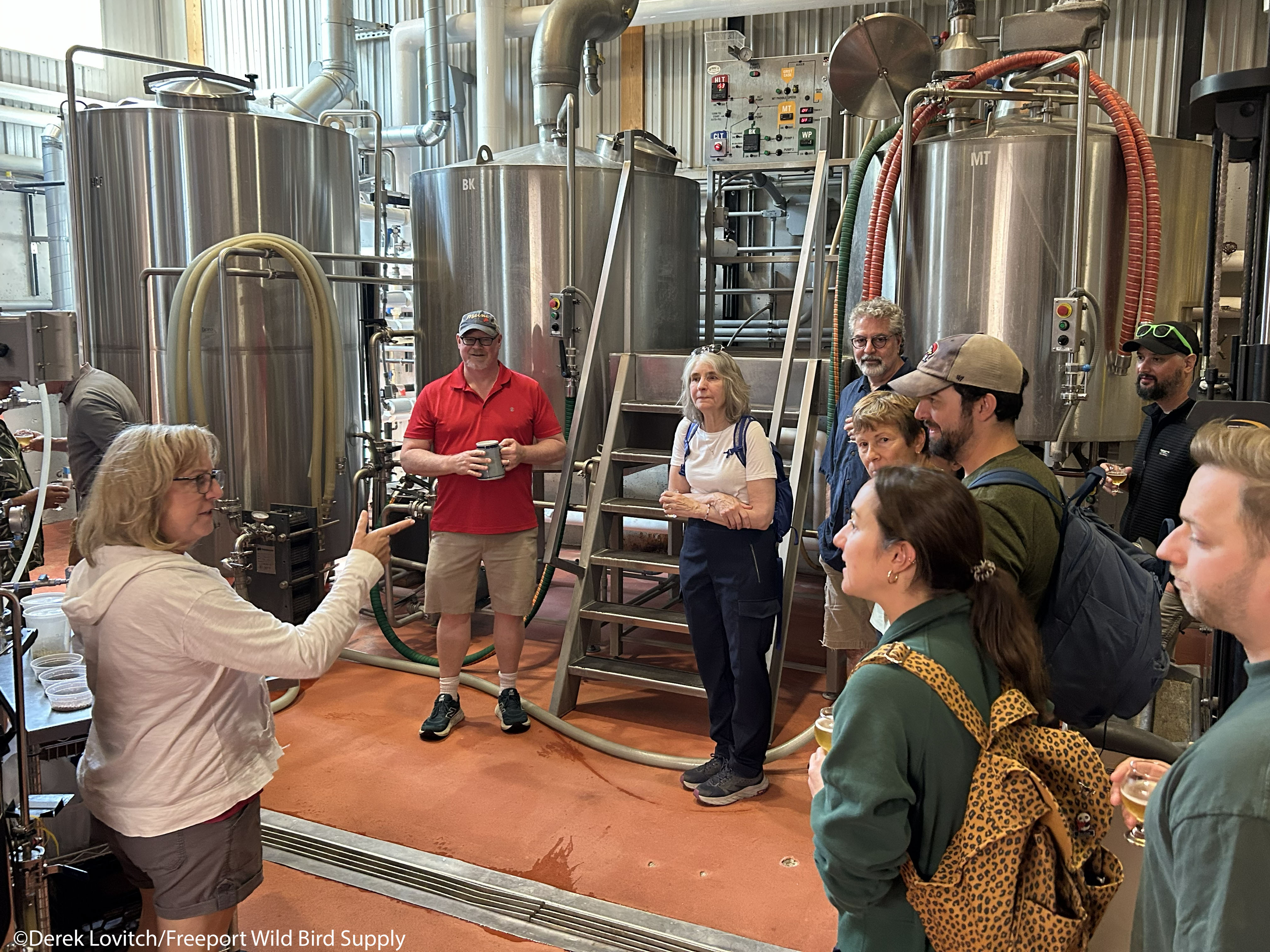
If it wasn’t for the temptation of beer, we may not have departed, but the draw of Maine Beer Company was too strong. We sipped a refreshing and clean Spring, their seasonal Kolsch-style ale while we split into two groups to get an overview of their impressive brewhouse. Next up was Lunch, their flagship West Coast IPA with its bright citrus notes and perfect balance with sweet tropical fruit and a slight resinous/pine dankness. It deserves all the awards and accolades bestowed upon it. And finally, a Nitro pour of Mean Old Tom was served, and we enjoyed a switch to roasty, nutty, coffee, and chocolate notes and talked about why that nitrogen makes this beer taste different (and in our opinions, much better!).
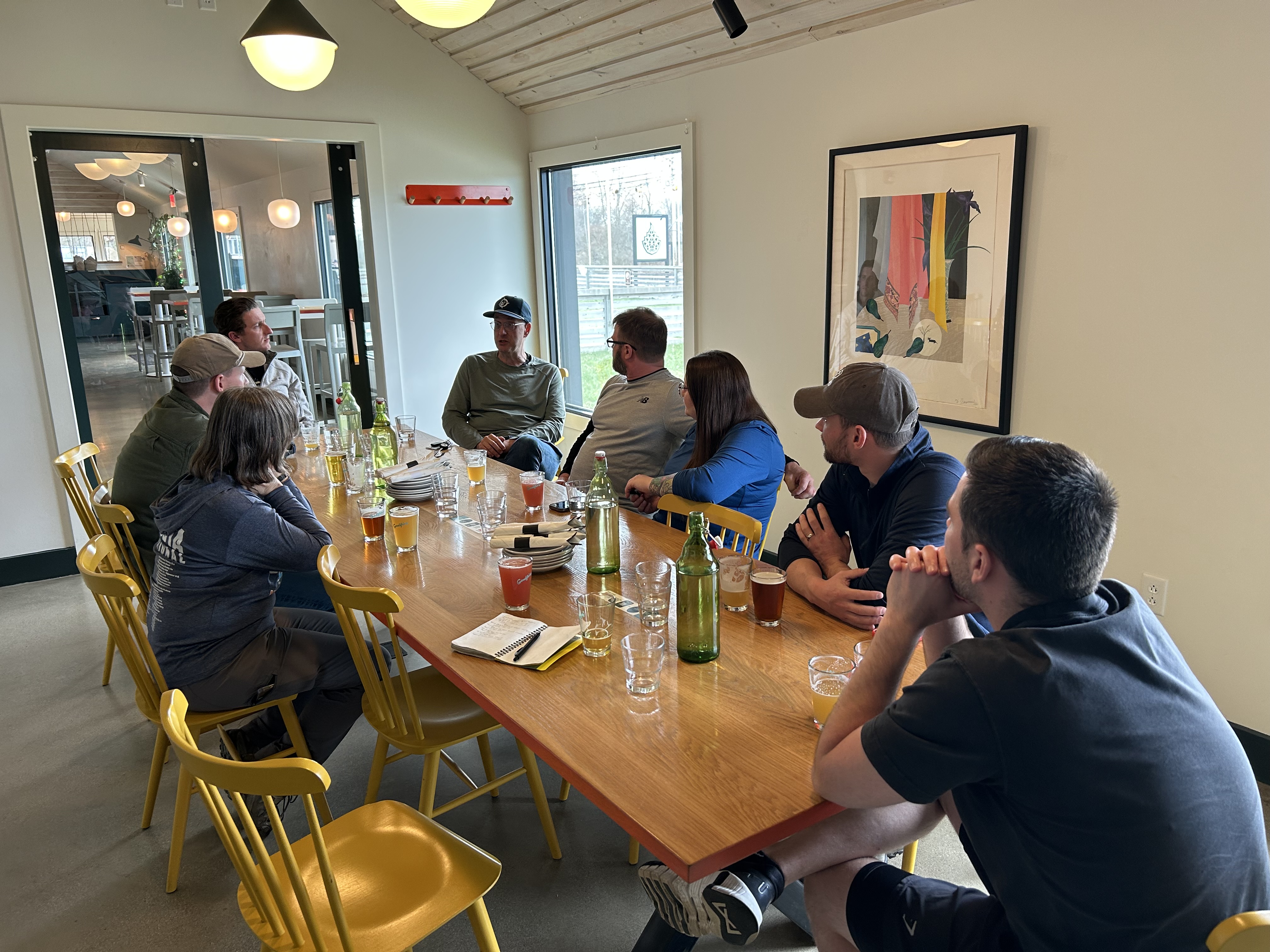
A short distance down the road, we then visited Goodfire Brewing. Goodfire has such a range of beer styles, all executed so well, that instead of the usual flight of samples, we enjoyed two half-pours of our own choice. Some of us, like myself, chose what we had not had from this underrated brewery. Others, quite a few who were brand new to Goodfire, often started with Prime, their thick and luscious New England IPA bursting with fruit juice flavors. Everything from an Italian Pilsner to a fruited sour to the brand new “Sierra Missed,” (a lager with lemongrass and lime leaf) were enjoyed by all. Meanwhile, we continued the discussion of birds, beer and beer brewing, and touched on many other topics of the modern world.
Birds On Tap℠ – Warblers and Wort (Sunday, May 10, 2026).
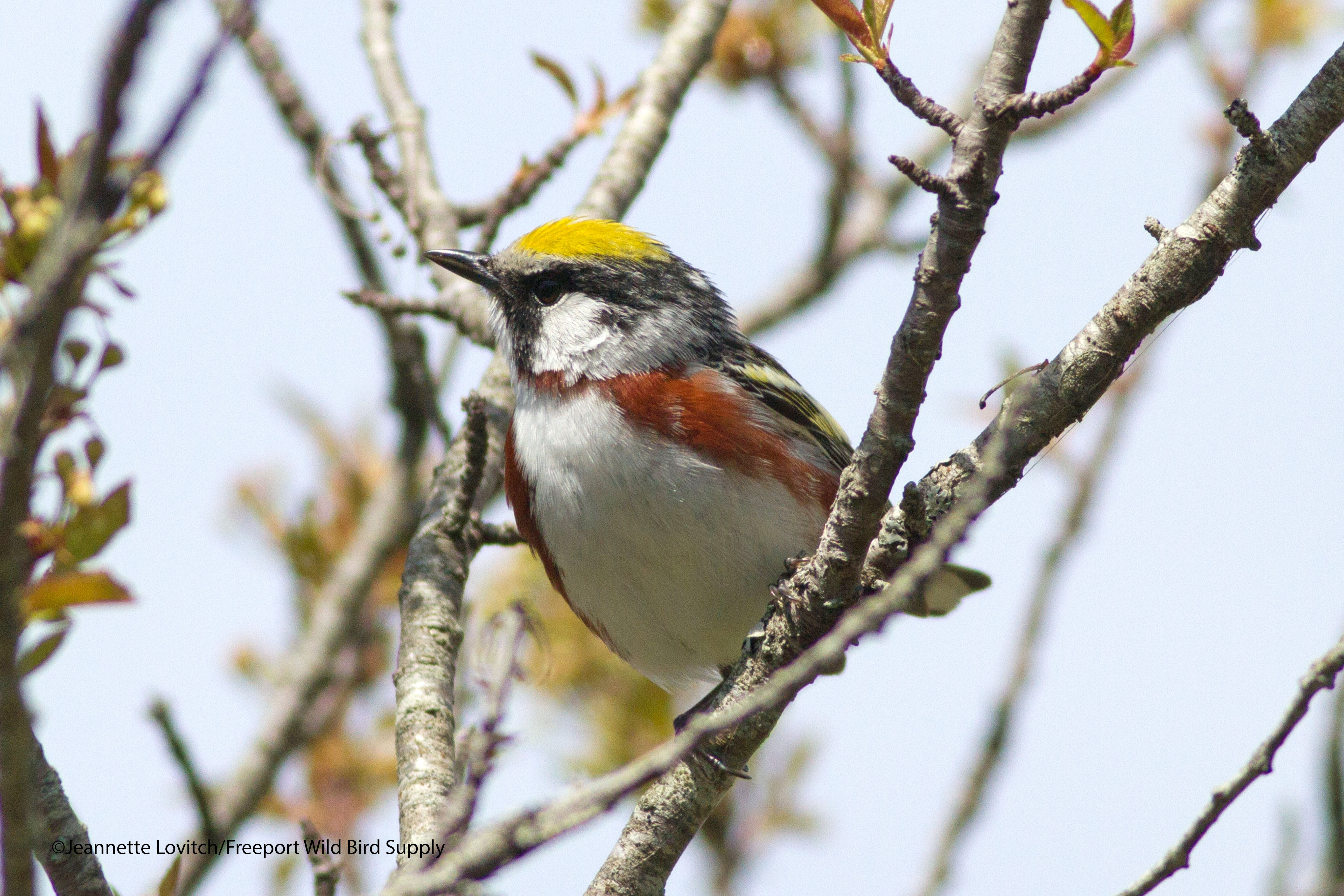
Chestnut-sided Warbler was a crowd-pleaser today.
This annual favorite usually visits both Evergreen Cemetery and Capisic Pond Park in Portland. It’s a good sign that we never made it to Capisic!
We arrived at Evergreen to find the main entrance unexpectedly closed. We relocated to a side entrance and began birding. Well, that worked out swimmingly! We soon stopped dead in our tracks with a group of busy Gray Catbirds, two stunning male Rose-breasted Grosbeaks, and a cooperative Chestnut-sided Warbler. Then, while enjoying a Great-crested Flycatcher, we spotted an intriguing tanager. Following her across the cemetery, we finally had good views, and sure enough, we had indeed found a very rare Summer Tanager! Her bog, pale horn-colored bill, and light yellow-green body with virtually no contrast between the yellow-green wings and the rest of the upperparts finally yielded a conclusive identification before she launched up and away, heading for a far tree line. I had completely whiffed on photos – but if you want to see the branch she was on, I have a perfect photo of that!
The rare bird excitement subsiding, we finally made it to the pond, where we spent the next two and a half hours, not feeling the motivation to head anywhere else. Several pockets of warbler activity produced a total of 12 species, with just fantastic views of most of them, including American Redstart, Magnolia, Northern Parula, and our first two Wilson’s Warblers of the year. Newly arrived Lincoln’s Sparrows were noted, a small group of Ruby-crowned Kinglets were enjoyed, we heard an uncommon Blue-gray Gnatcatcher, and we became familiar with the incredible camouflage of a Solitary Sandpiper. Ospreys with fish, Belted Kingfishers, and much more were seen well and thoroughly enjoyed. While it wasn’t the day legends our made of in spring migration, the diversity was good, and the consistently good views of many species were most welcome.
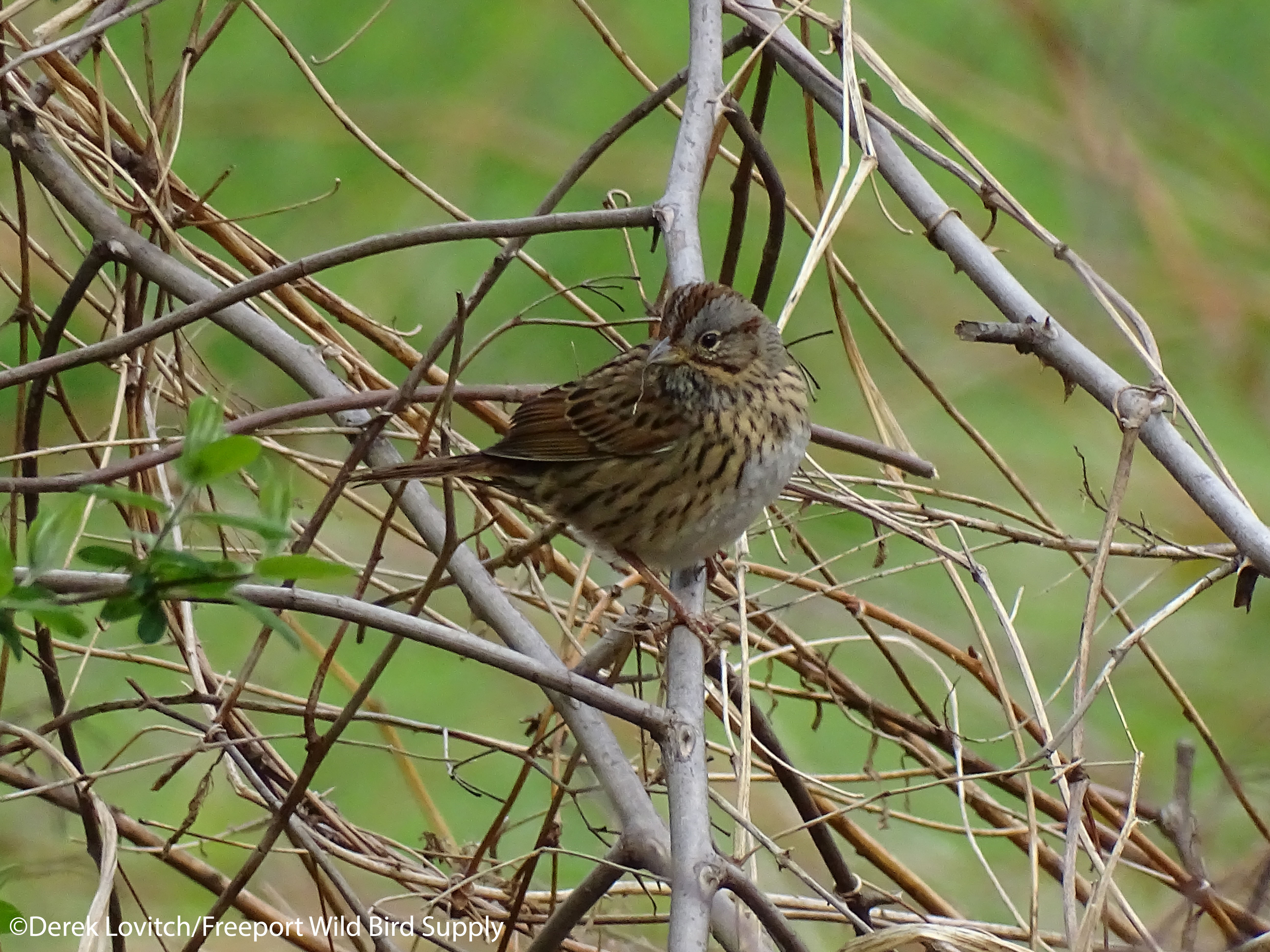
Lincoln’s Sparrow
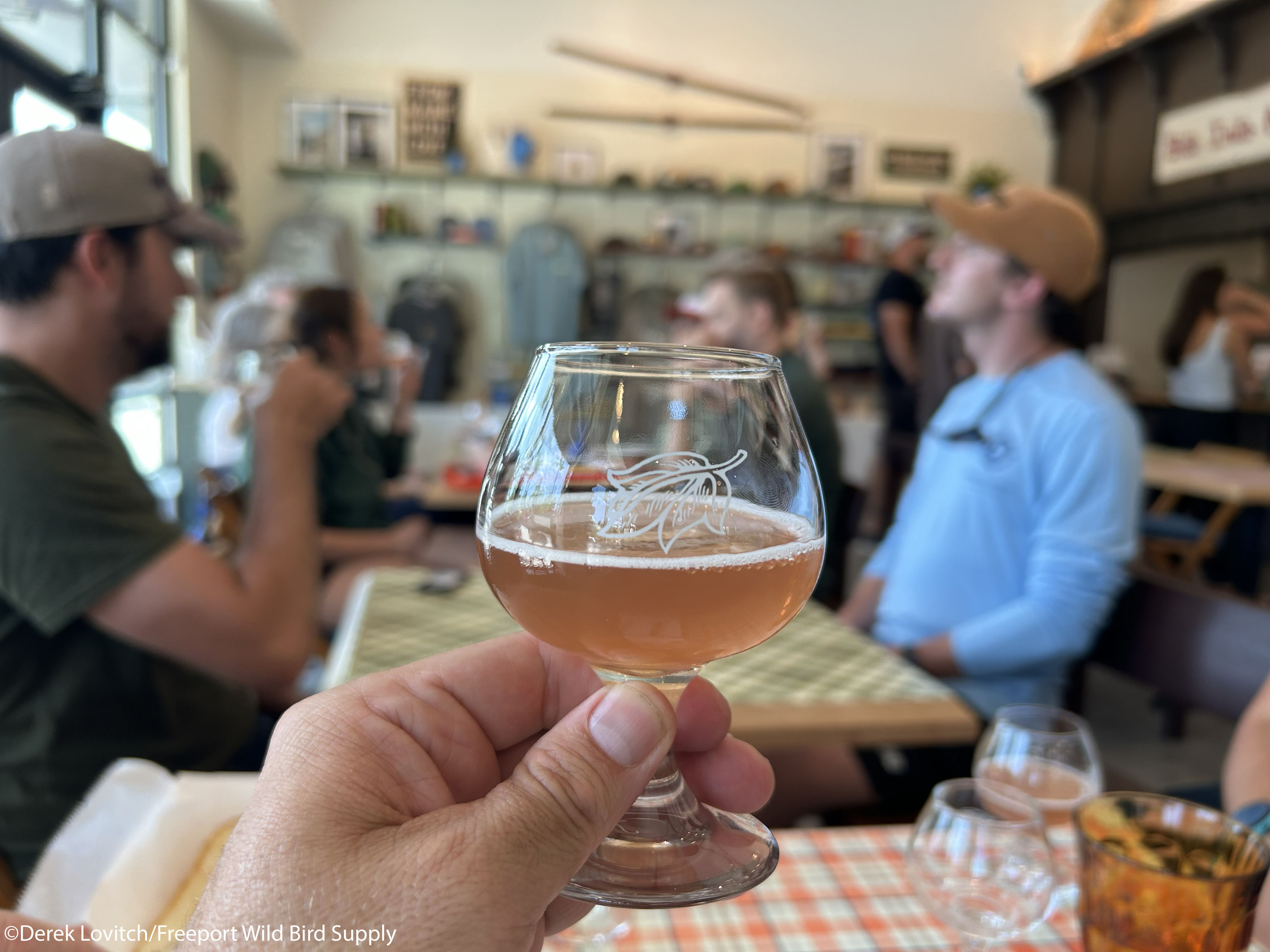
Our first brewery stop was Foundation Brewing Company, known for its clean, focused approach to craft beer, with a strong reputation for hop-forward ales and thoughtfully balanced lagers. Their lineup often showcases precision and consistency, with beers that highlight both modern techniques and traditional brewing fundamentals. A visit to Foundation offers an opportunity to explore how attention to detail and quality ingredients come together to create approachable yet expressive beers that reflect Portland’s thriving craft scene. Co-owner and Head of Brewing Operations John Bonney joined us for a detailed explanation of Foundation’s wide range of styles. He described his brewing philosophy, beer interests, and learned how Foundation differentiates itself. Everyone selected their own flight, so we all sampled a wide range of styles. I refreshed with a crips Riverton Flyer, tried the Coffee Burnside (Brown) for the first time, noted the difference in the newly reformulated Afterglow IPA, before sipping on the 12th Anniversary DIPA, Prototype 12, with the big juicy hop notes followed by a crisp and clean finish from the use of lager yeast.
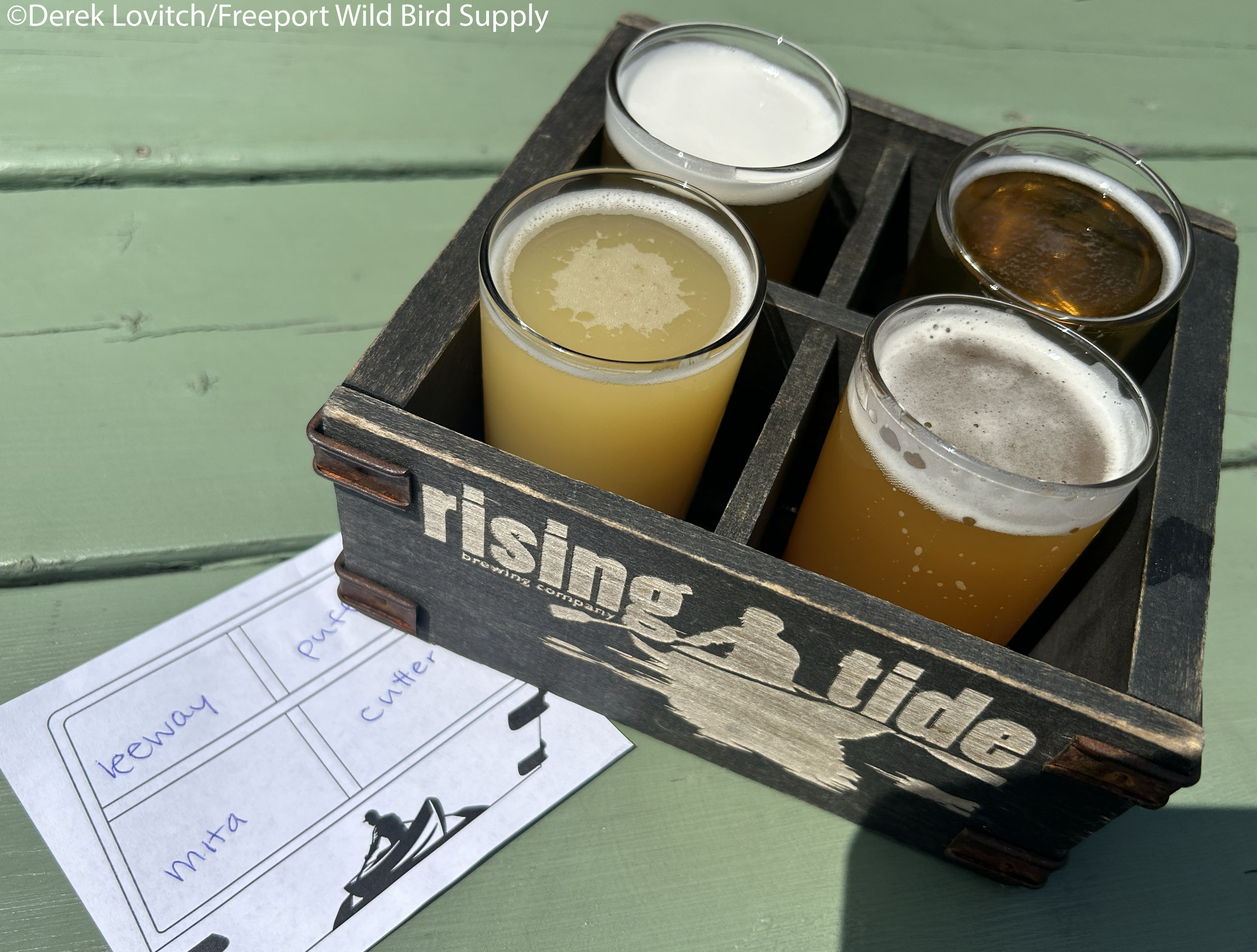
Then, we crossed town to Rising Tide Brewing Company, a cornerstone of Portland’s craft beer community since its early growth years and home of the Birds on Tap! Origin Story. With a diverse portfolio that ranges from crisp, easy-drinking favorites to bold, hop-driven offerings and seasonal specialties, Rising Tide emphasizes accessibility and craftsmanship. Their beers often reflect a balance between innovation and tradition, making them a great representation of the evolution of Maine’s brewing culture. Here, another self-chosen flight represented the spectrum. Of course, I had to include the flagship Maine Island Trail Ale, and, to keep the Birds on Tap theme alive, the juicy Puffin Party. Once again, there was something for everyone, showcasing the range of Portland’s craft brewers. There were a couple of Ospreys over head as well.
Birds on Tap℠ – Road Trip! Shorebirds and Steins (Sunday, August 16)
The original BoT Roadtrip! Way back in 2015, our most popular tour returned to Scarborough Marsh at prime time for a good variety of migrant shorebirds. We set out to learn how to identify our common species, and search for the rare, enjoying the birds of the shore as we studied our shorebirds (sandpipers and plovers).
This time, I decided to audible and begin with a non-shorebird. But a Thick-billed Murre – rare in Maine, unheard of in summer, and unreasonably reliable – has been spending the last month in and around the Pine Point area. I decided that, given the time and the tide, we would take a walk to Pine Point Beach to hope it was there.
And it was, across the river, but easily viewed through our spotting scopes! This local celebrity was just chillin, doing its thing, and thankfully being left alone.
Then we reverted to the task at hand, focusing on shorebirds: sandpipers and plovers. From the Pine Point Co-op and nearby Jones Creek, we began with shorebird basics and then started sorting through the masses. We spotted a family group of charismatic American Oystercatchers (as per request!) and enjoyed sorting through Semipalmated Sandpipers and Semipalmated Plovers nearly at our feet. We picked out an uncommon White-rumped Sandpiper from the multitudes and looked at several other species. After some time there, we stopped at the Pelreco Marsh, getting a chance to study Greater and Lesser Yellowlegs side-by-side, and adding three other species of shorebird to our list, bringing the morning’s tally to 11 species of plovers, sandpipers, and allies.
Christian took over the guiding lead as we arrived at the new Allagash Bungalow. No one in the group had been here before, so even driving through what used to be Scarborough Downs was eye-opening! We enjoyed our well-earned samples, starting with the world-famous flagship Allagash – the “most awarded white beer in the world.” New to most was the Maine Blueberry Ale with subtle but distinct notes of wild blueberries that shine through with the use of a neutral yeast. And finally, we sampled Two Lights, one of Allagash’s most popular summer beers which uses white wine must and champagne yeast to make a light but flavorful and complex refresher.
Allagash’s growth and preeminence in the Maine craft beer industry, along with the early trials and tribulations of the now-respected-as-visionary founder, makes for revealing story of one of the most influential breweries in Maine.
Our second brewery stop was Nonesuch River Brewing, only a few minutes away. While Allagash is known for their use of different yeasts to flavor their Belgisn style beers, Nonsuch is most known for their IPAs and lagers. Therefore, it was fun to see their range as we began with Patio Garden, their hefeweizen, where the flavor is dominated by esters from the yeast, with clove spiciness and banana being very forward.
We sipped My Beer to Be, a hazy IPA dominated by the candied tropical fruit flavors of Galaxy hops as we learned about the brewing process and the history of Nonesuch. A special treat – which I always love – is when the brewers bring out the base ingredients, as it is so instructive. Today, we tried a variety of malted barley (a few grains go a long way in producing a burst of flavor in your mouth) and took some deep inhales of hops to help understand the process. Finally, we enjoyed a taster of Space Ghost, which adds a variety of New Zealand-grown hops to Galaxy for an additional burst of flavor, and a much more gentle finish (to my palette).
On the short drive home, we summarized the birding day and took in the revealing history of beer brewing in Maine thanks to Christian’s expertise. While this was the last Birds on Tap Roadtrip of 2026, we look forward to gearing up the new Fort and Feathers Series this fall, beginning with our annual trip to House Island in October!
Our collaboration with Portland Explorer (formerly The Maine Brew Bus) enters its 12th season, and our collaboration continues with a new series of joint history and birding tours. These unique, relaxed birding and history adventures combine great local birding at seasonal hotspots with educational journeys through some of our local history. Join two experts in their field on this brand new collaboration! (Sorry, no beer tastings here!)
The three tours are as follows. After completion, tour reports will be posted here so this blog is your one-stop shopping for tour reports and upcoming itineraries.
Forts and Feathers: House Island!
Sunday, October 18.
A simply divine fall day greeted us as we boarded our boat for the short ride over to this privately owned island for not one, but two, exclusive tours!
First up was the birding, and immediately upon arrival, the number of Yellow-rumped Warblers this island hosts at this time of year became readily apparent. A Winter Wren was unexpected here and a Hermit Thrush put on a good show, as they don’t often do. Other migrants were limited to Song Sparrows, a couple of White-throated Sparrows, a single Dark-eyed Junco, and one Greater Yellowlegs. However, after hearing a couple of Pine Siskins earlier, we had a flock of 12 or so come zipping in from Cushing Island, passing over our heads and then onward towards Great Diamond Island – “visible migration” and the “morning redetermined migration” in action! Speaking of connections, we talked about the ecology and food resources offered by the island, especially the connection between the multitudes of Yellow-rumped Warblers and the island’s Northern Bayberry. Finding a rarity on the island will have to wait for another year.
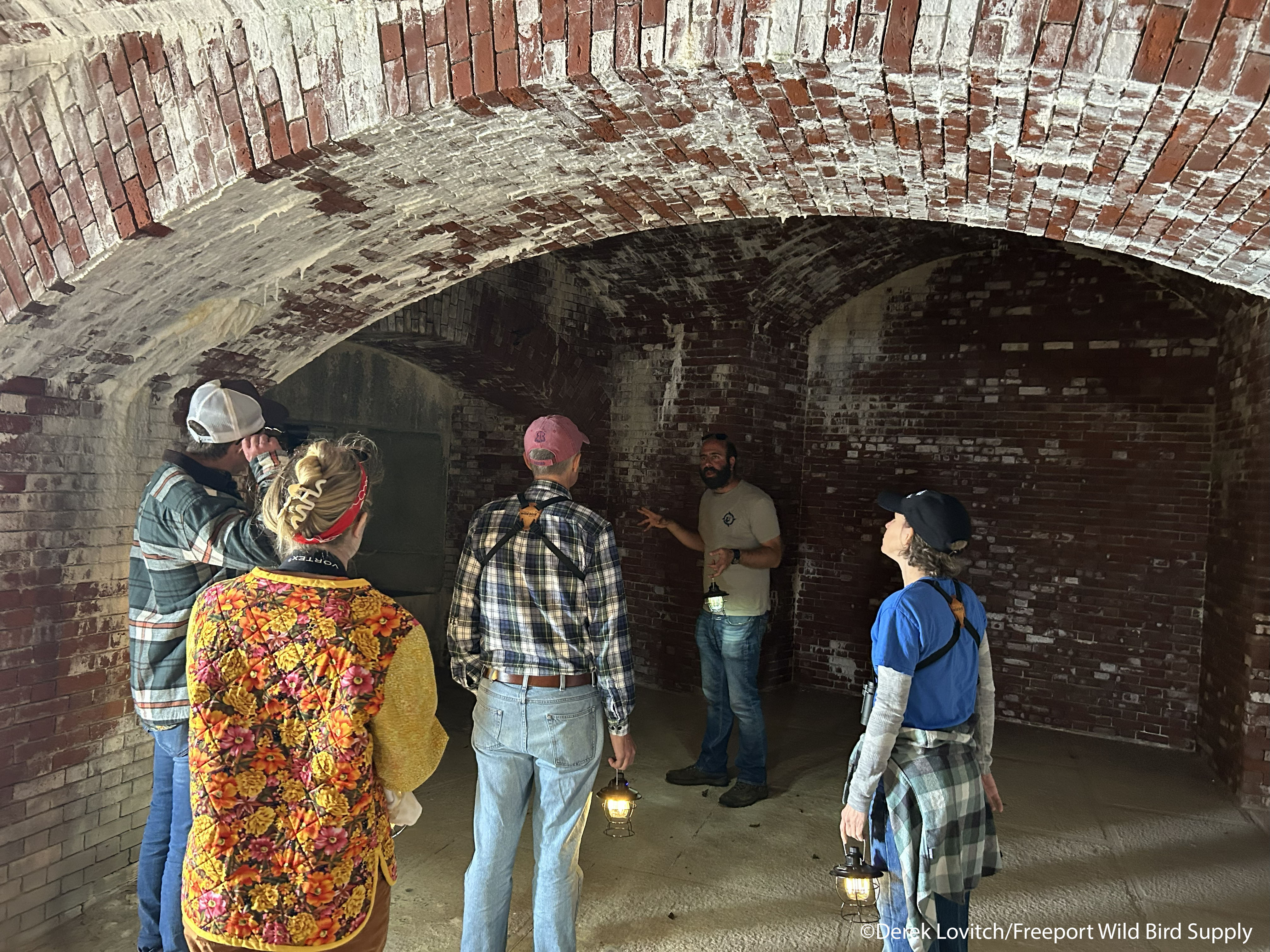
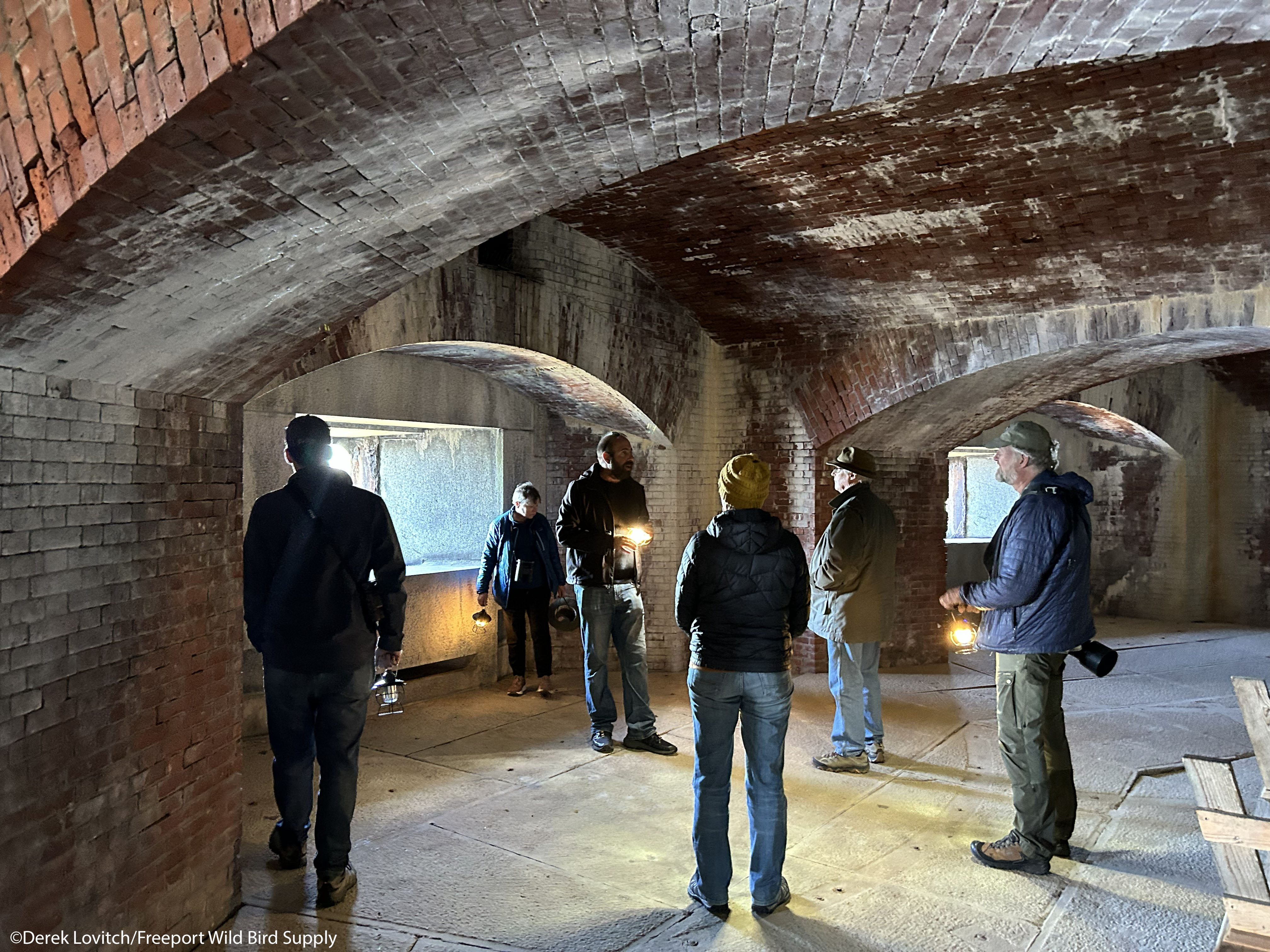
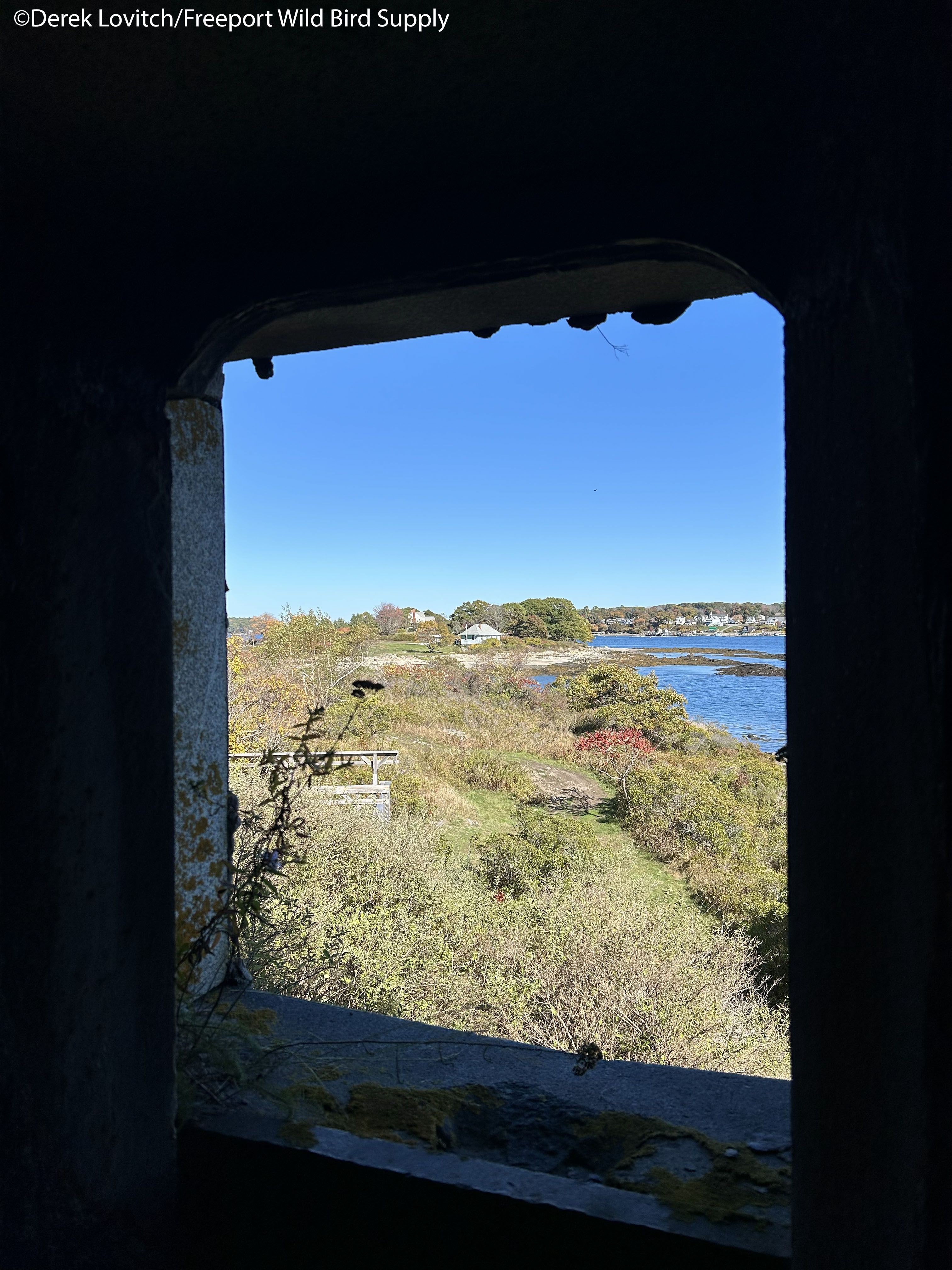
Captain Pete then took over, teaching us about the island’s history before we headed inside to explore Fort Scammell. Despite this being my 4th visit to the fort, I was still dumbstruck by how pristine it is inside, and by Pete’s incredible wealth of knowledge and ability to articulate it all. Naval strategy, cannon size, and wartime life were among the topics. Seriously, forget the birding, hearing Pete is worth the trip!
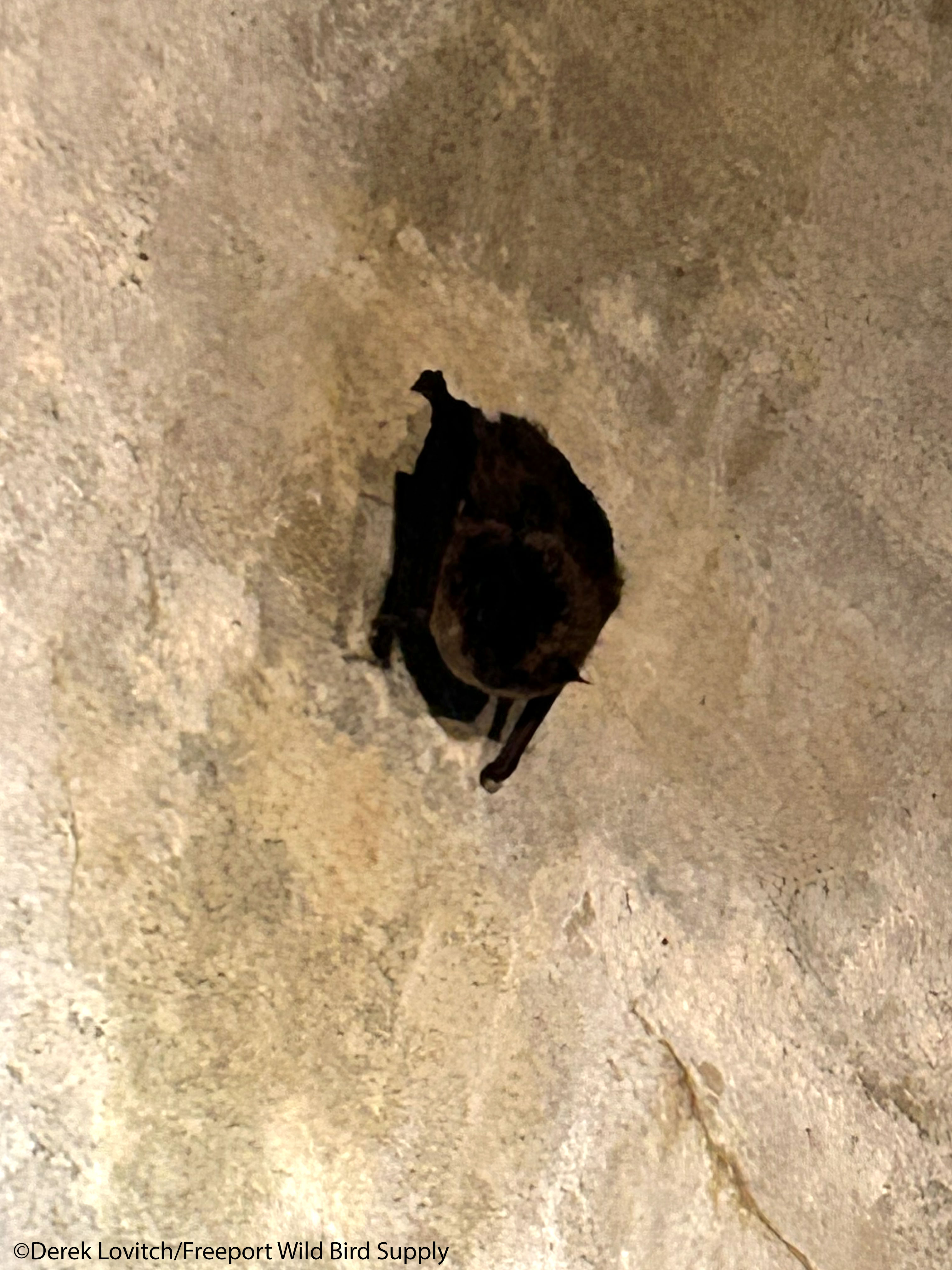
We took a moment to visit with a roosting Big Brown Bat, too.
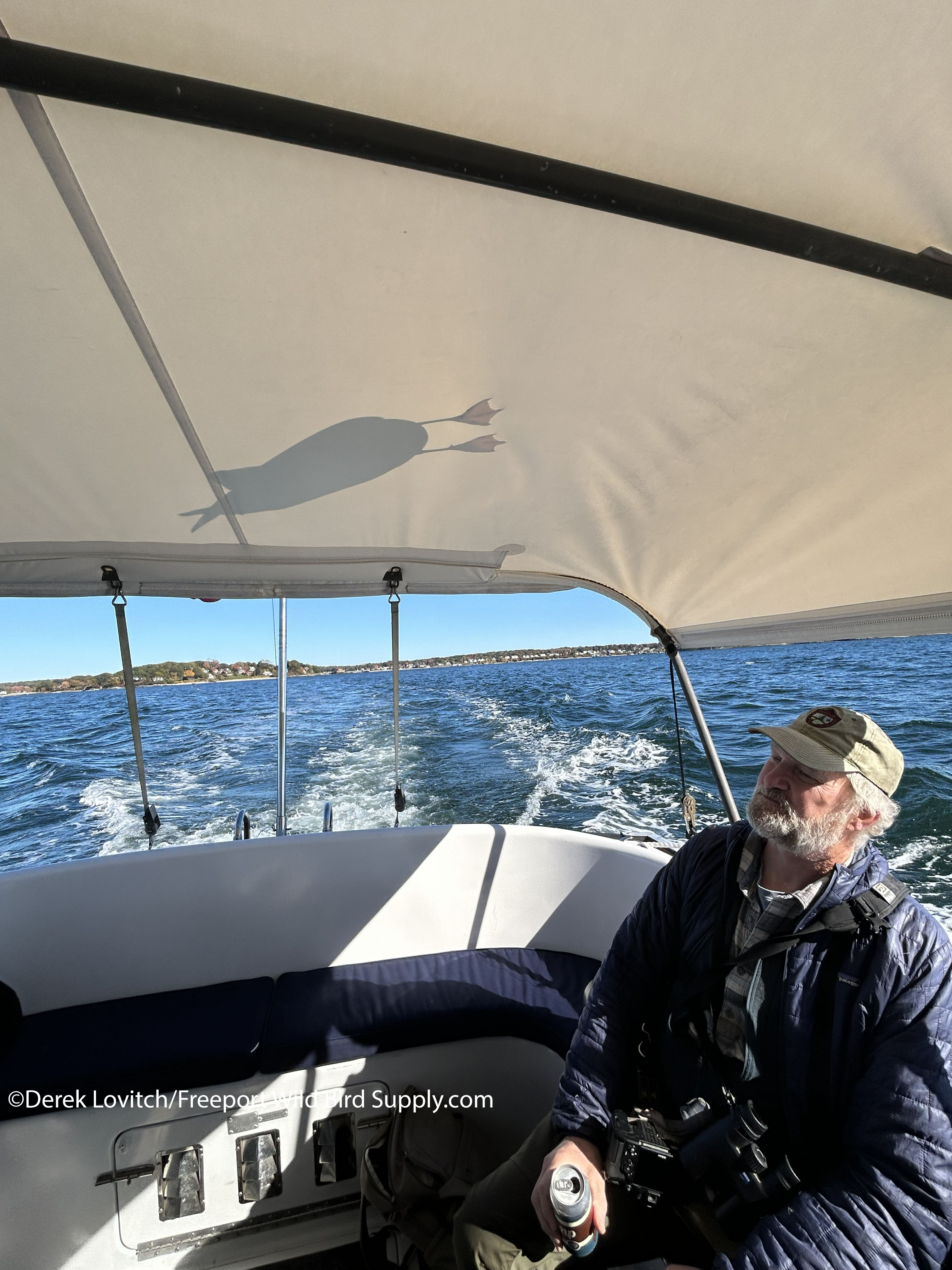
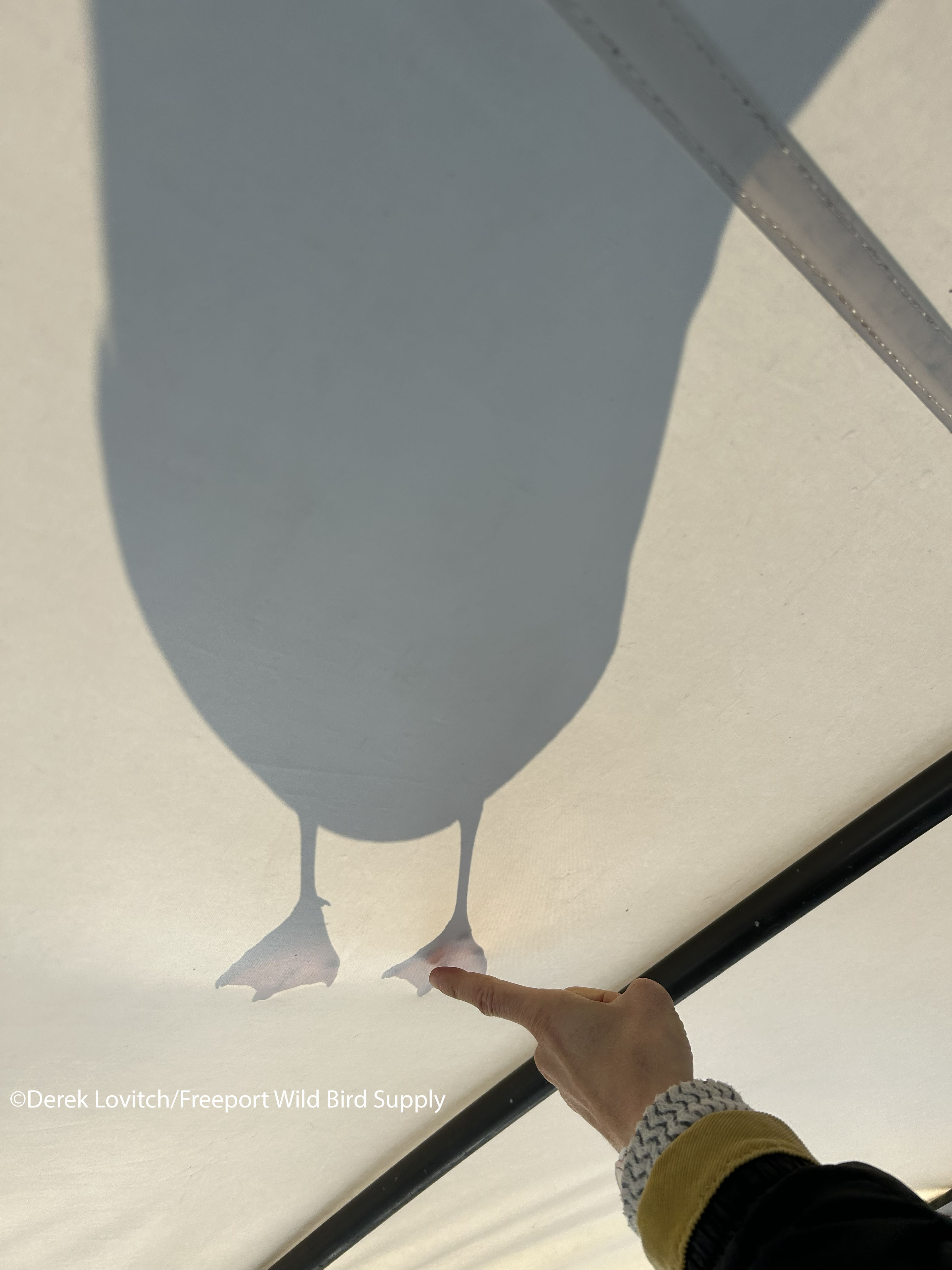
Back on the boat, we once again enjoyed a good study of plumage maturation in Common Loons, checked out Common Eiders, and were visited by this young Herring Gull who chose a unique perch and a most comical angle for study. The results are in: Herring Gulls are not ticklish, at least not through canvas.
We finished up at the dock with both Gray and Harbor Seals before heading our separate ways, already looking forward to the next visit to this special place, hidden in plain sight right in Portland Harbor.
Forts and Feathers: The Beaks of Peaks!
Sunday, November 1st (weather date 11/8): 9:00am – 3:00pm.
This “Mega” rare Virginia’s Warbler was Maine’s 5th ever, and found by Derek on Peak’s Island on the weekend we’ll be returning this year…just in time to find the next rarity!
As our collaboration with Portland Explorer enters its 12th season, we’re mixing things up with a brand new series of joint history and birding tours. These unique, relaxed birding and history adventures combine great local birding at seasonal hotspots with educational journeys through some of our local history. Join two experts in their field on this brand new collaboration! (Sorry, no beer tastings here!)
But this time we’re leaving the van in the garage and hit the water once again! We’re going to hop aboard the Casco Bay Ferry Lines for the short, 20-minute trip across Portland Harbor to Peak’s Island.
Once there, we’ll plan on walking 3-4 easy miles (paved or dirt roads and a few narrow trails including one with irregular boards over wet areas) to cover the prime birding hotspots of the island, including the thickets that were made famous last year when Derek discovered Maine’s 5th-ever Virginia’s Warbler (and first away from Monhegan). We’ll make our way along the shoreline, looking at resident and recently-arrived migrant waterbirds, but checking various nooks and crannies that can hold unexpected vagrants.
We’ll make our way to the famous Battery Steele – famous for its access, it’s impressive graffiti, and yes, its birding. Here, a complex of wetlands and scrubby areas combine to attract and hold a wide range of avian species, often including some that are usually long gone from Maine by now. We’ll then explore the open-access fort and even get to experience total darkness!
Birding will continue as we traverse the island to return to town. There will be an opportunity to purchase a delicious lunch, or bring your own, and we’ll relax for a spell as we await our ferry departure.
Portland Explorer will supply a light snack and water. Bring binoculars and a flashlight. We also recommend bringing lunch or additional snack if you so desire. Sturdy comfortable walking shoes are also recommended, as are a variety of layers as it can be quite chilly on the water by the end of October.
*Please arrive 15 minutes prior to your departure time.*
We’ll return to Portland Beer Hub at 3:00pm
This tour is limited to 15 participants, so sign up soon! This is a one-of-a-kind tour, and we think one you won’t want to miss!
Forts and Feathers: Fort Williams and Portland Head Light!
Sunday, November 29: 8:00am to 1:00pm
It’s a perfect time of year to find late migrants such as Orange-crowned Warblers in the scrubby habitats of the park.
As our collaboration with Portland Explorer enters its 12th season, we’re mixing things up with a brand new series of joint history and birding tours. These unique, relaxed birding and history adventures combine great local birding at seasonal hotspots with educational journeys through some of our local history. Join two experts in their field on this brand new collaboration! (Sorry, no beer tastings here!).
With arriving winter waterbirds – from Great Cormorants to all three species of scoters – and truant migrants (and sometimes, even rarities!) – late November is a great time to hit the coast of Maine for productive birding. On this tour, we’ll take the Portland Explorer van over to Cape Elizabeth to bird the cliffs and uplands of Fort Williams Park.
But that’s not all! We’ll also be diving into the history of the Fort and the world-famous Portland Head Lighthouse. At Fort Williams Park, we’ll explore a scenic coastal landscape rich with history and sweeping views of Casco Bay. The park features historic military structures, open green space, and dramatic rocky shoreline—offering a glimpse into Maine’s past alongside some of its most iconic ocean vistas.
Just beyond the fort grounds stands Portland Head Light, Maine’s oldest lighthouse. Perched on the cliffs overlooking the Atlantic, it has guided mariners for more than two centuries and remains one of the most recognizable landmarks on the New England coast.
We’ll be doing all of the driving, so you can relax. There will be one pickup location for this tour:
8:00am – Marginal Way Park & Ride (opposite the intersection with Diamond St, just east of Franklin Ave), Portland.
(Please arrive 15 minutes prior to your departure time).
This tour is limited to 12 participants, so sign up soon! This is a one-of-a-kind tour, and we think one you won’t want to miss! To conveniently pay online, click on the “Book Now” link here.
Portland Explorer and Freeport Wild Bird Supply are teaming up to offer a very special, very exclusive road trip outing in 2026.
Early November is a fantastic time of year in Maine for vagrants – birds normally seen in far-off places. Due to a combination of weather patterns, changing seasonal food resources, falling temperatures, and other factors – some of which are not completely understood – birds that may have ended up in Maine by “accident” begin to concentrate at the coast in “migrant traps” and “hotspots.” In other words, this is the time of year to expect the unexpected.
A traditional “Rarity Roundup” involves teams of birders heading out on a given day during rarity prime time, looking for species that are not supposed to be around. And in honor of that tradition, that’s exactly what we are going to do on this unique tour. We may “chase” a rarity (go to see something that has already been found, aka “twitch”) or we might choose a destination known for rare birds in an attempt to find one of our own. Or perhaps, we’ll do both!
Anything in southern Maine is fair game, and we might not even know where we will head until we are on the bus and the latest rare bird alert is received. For those who love adding a bird to your Life or State List, and/or basking in the thrill of discovery, well then this is the tour for you! In between seeing great birds, we’ll discuss the complex factors that are involved in delivering rarities to an area, and how we go about finding them.
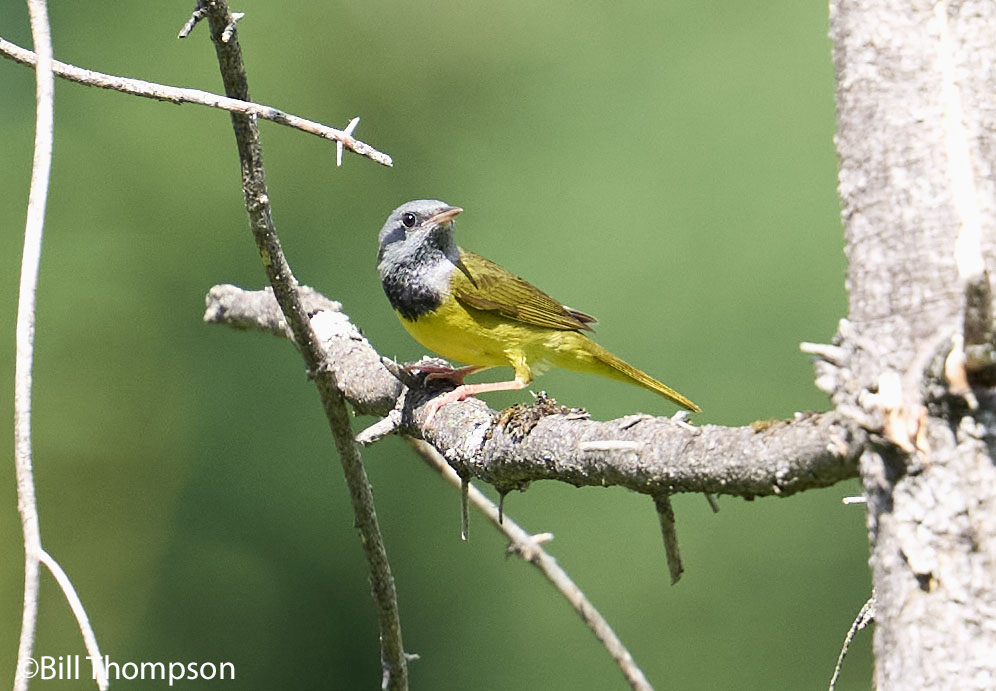
For example, last year, our Birds on Tap – Roadtrip: Rarity Roundup traveled to Yarmouth to see one of the few MacGillivray’s Warblers ever recorded in the state, then ventured all of the way to Kittery to try and find our own vagrant and the famous Fort Foster Park. For a taste of what’s in store, here’s the trip report from our very exciting outing in 2025 (but note we will not be offering the beer tasting component in 2026).
Portland Explorer will supply a light snack (TBA) and water. Bring binoculars and a spotting scope if you have one. We also recommend bringing a lunch or additional snack if you so desire. Sunscreen, an extra layer or two, and sturdy comfortable walking shoes are also recommended as we will want to be comfortable during both a long drive or a standing vigil outside.
We’ll be doing all of the driving, so you can relax. There will be one pickup location for this van tour.
8:00 am – Marginal Way Park & Ride (opposite the intersection with Diamond St, just east of Franklin Ave), Portland.
(Please arrive 15 minutes prior to your departure time)
This tour is limited to 12 participants, so sign up soon! This is a one-of-a-kind tour, and we think one you won’t want to miss!