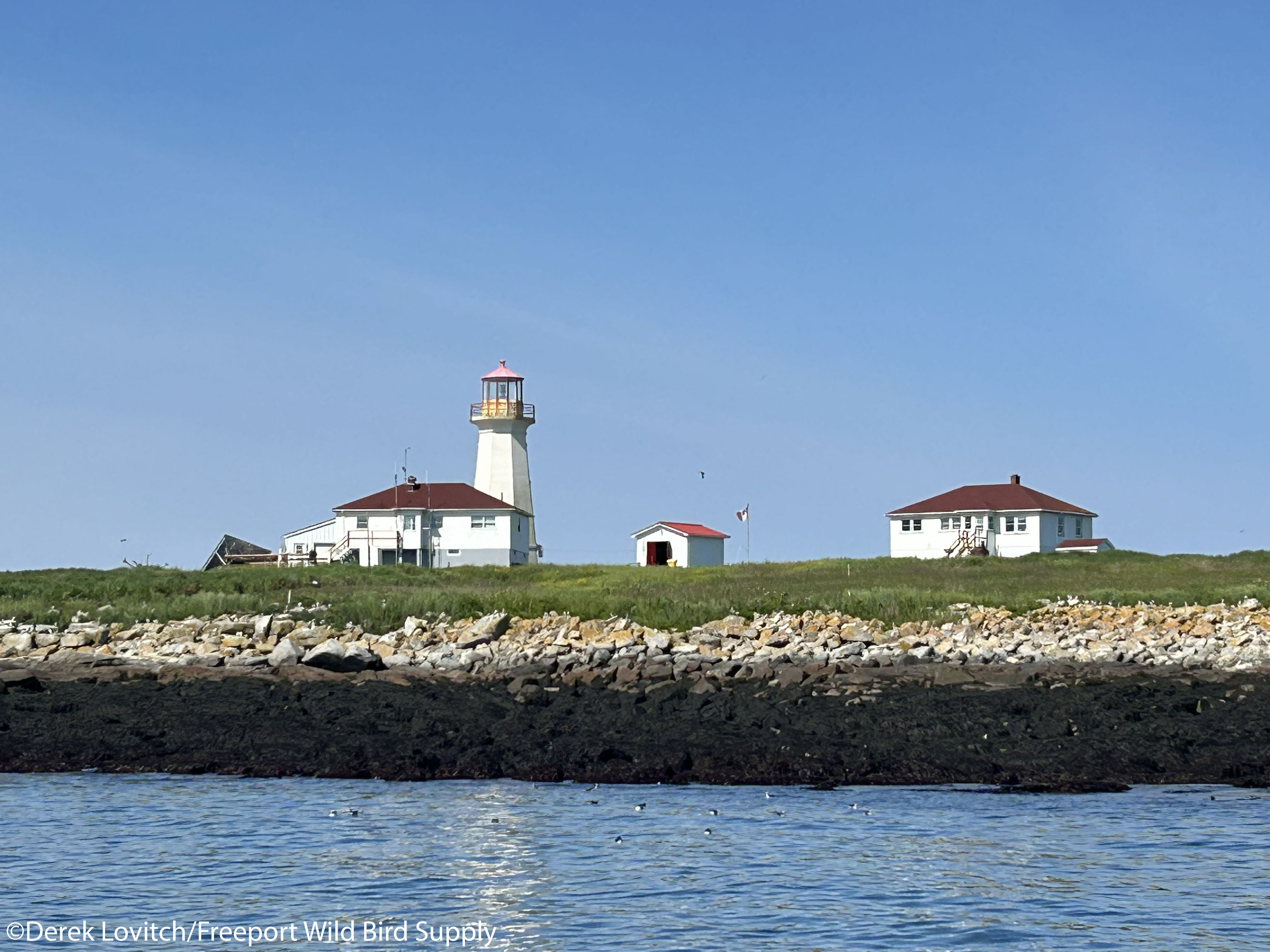
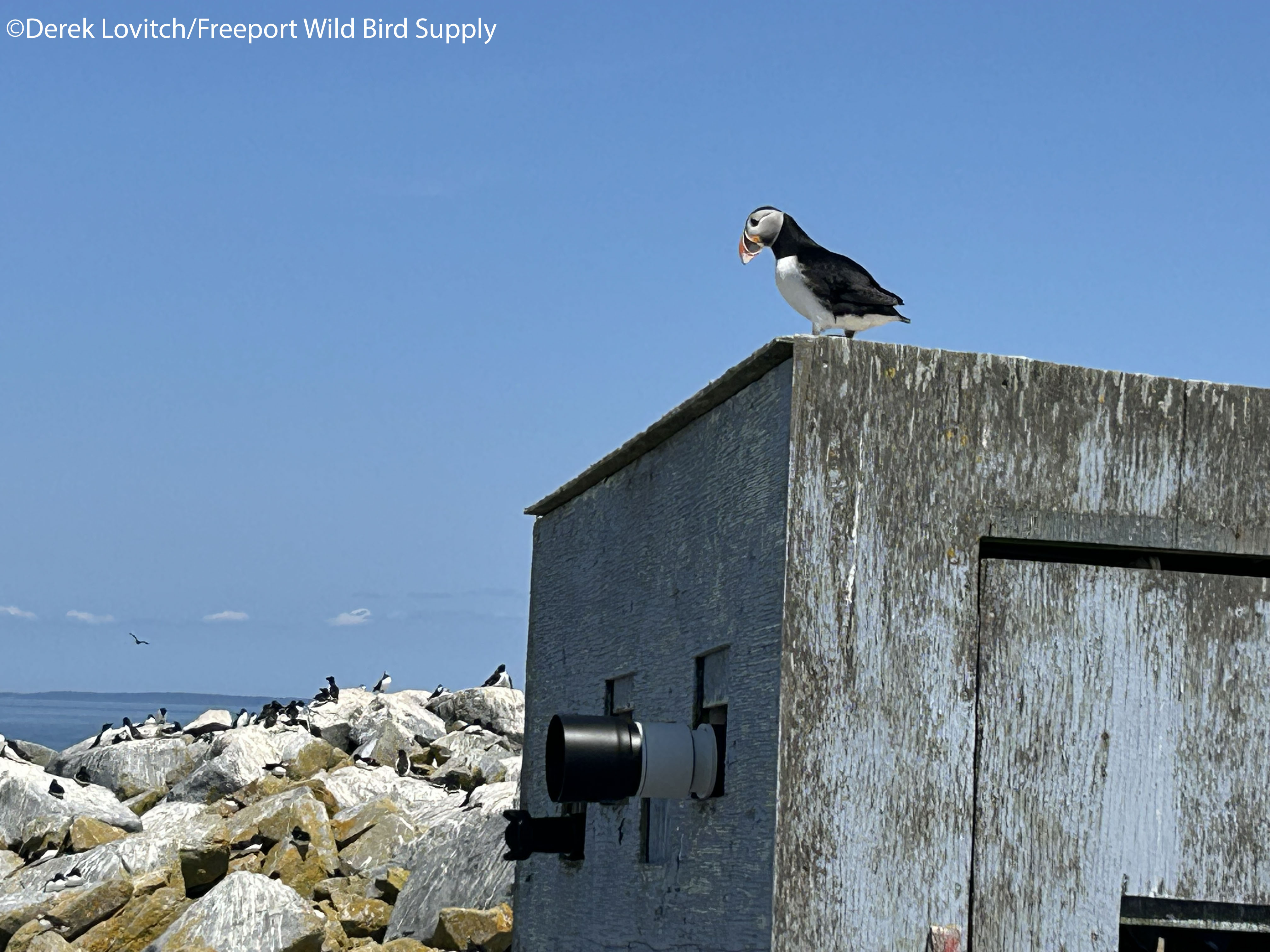
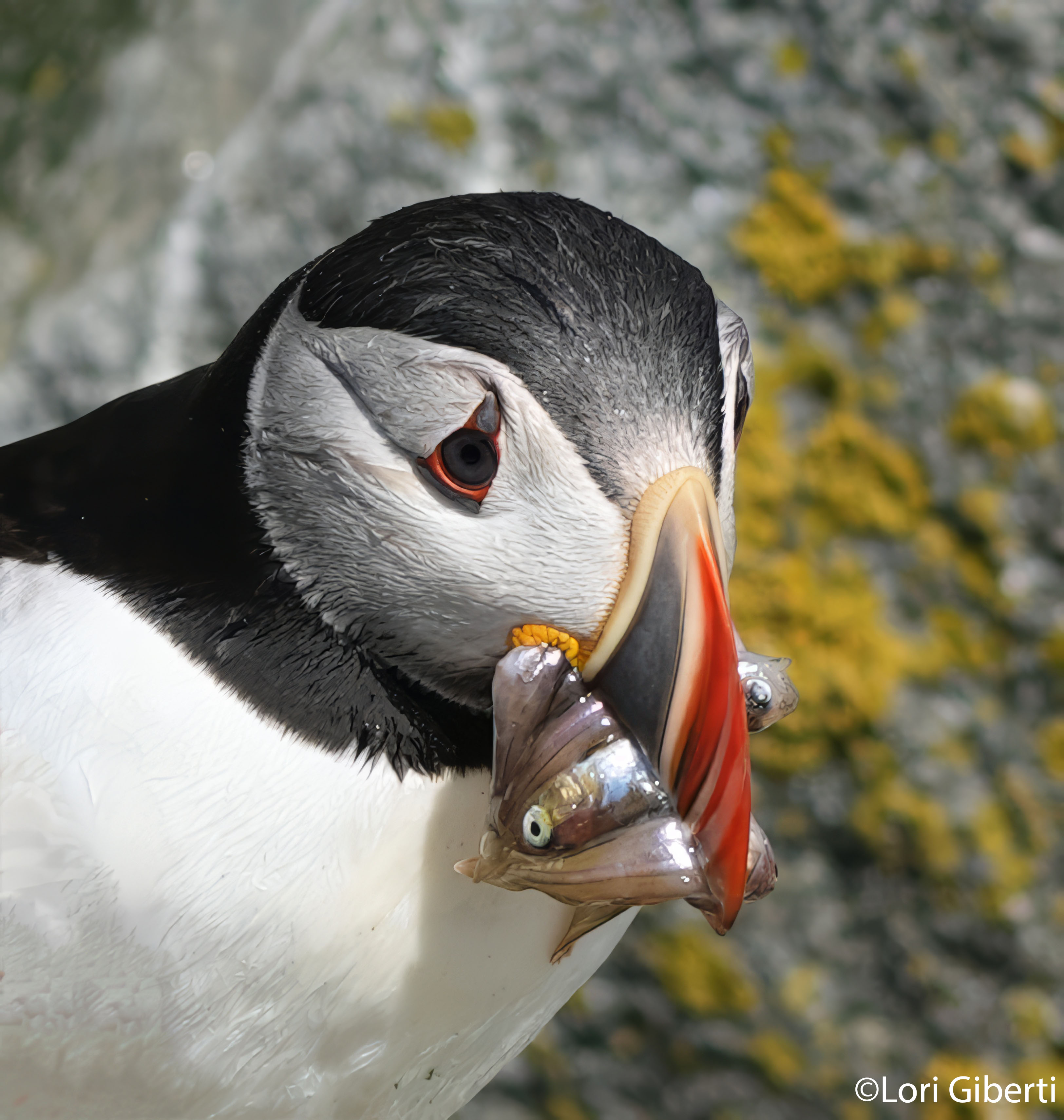
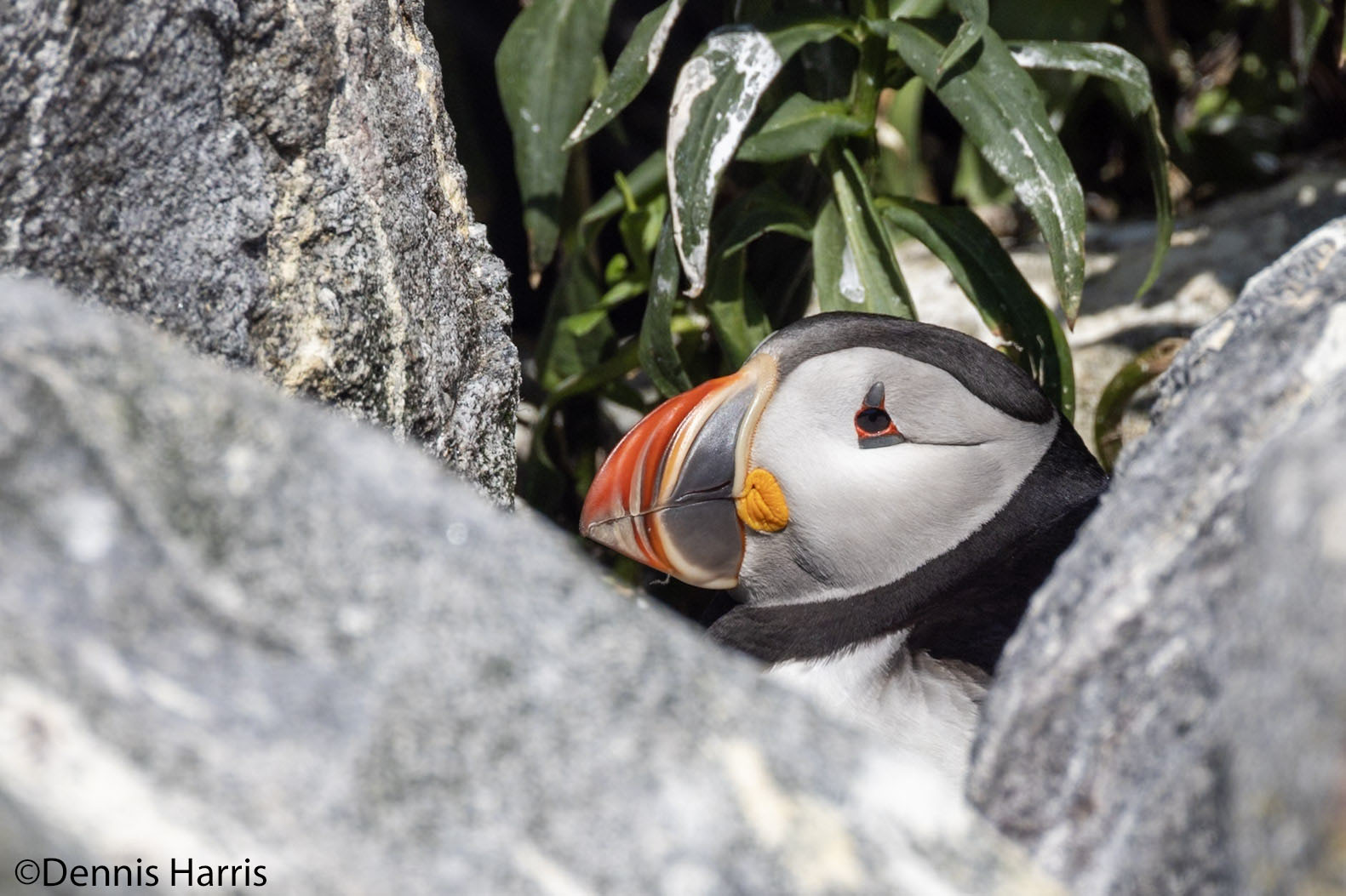
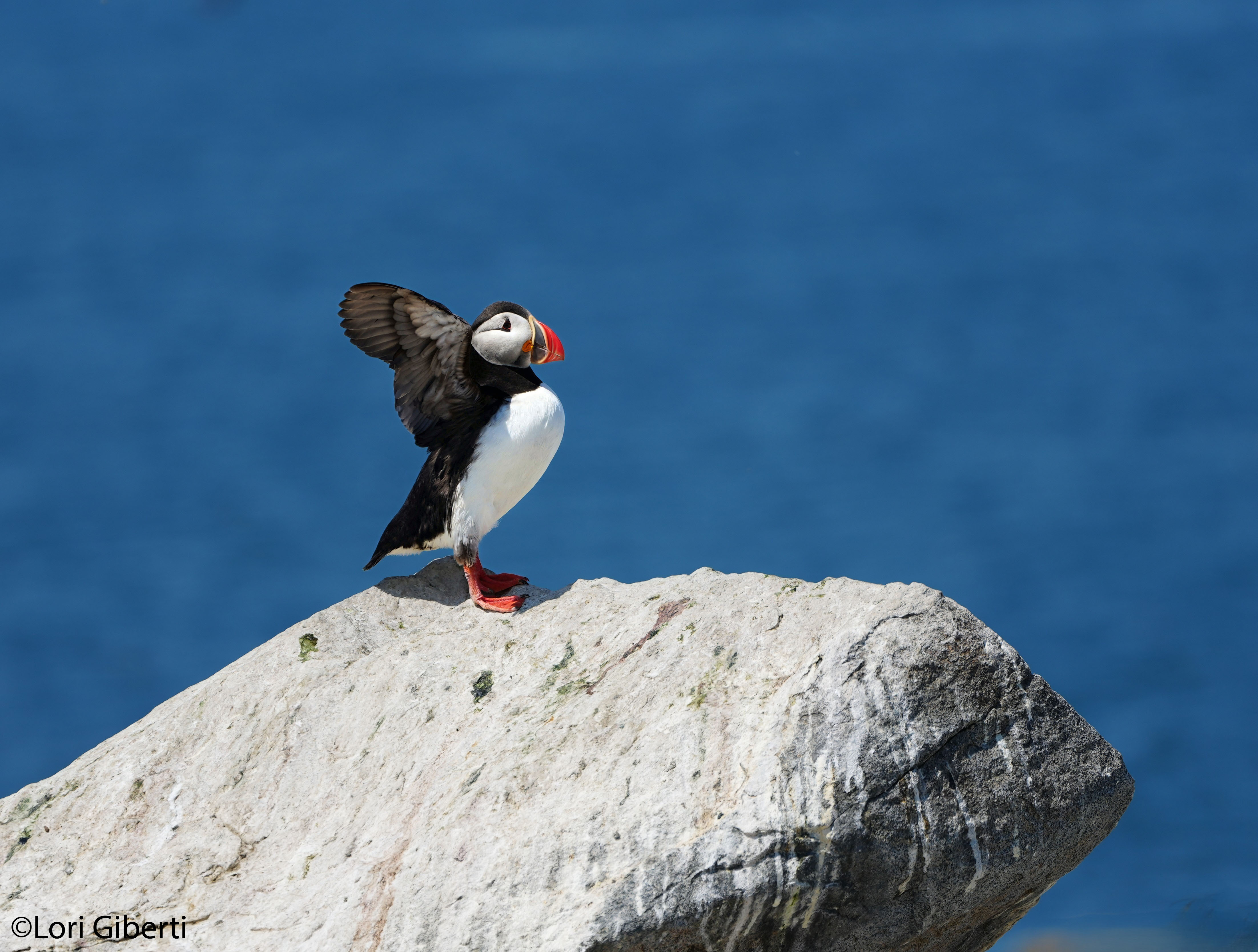
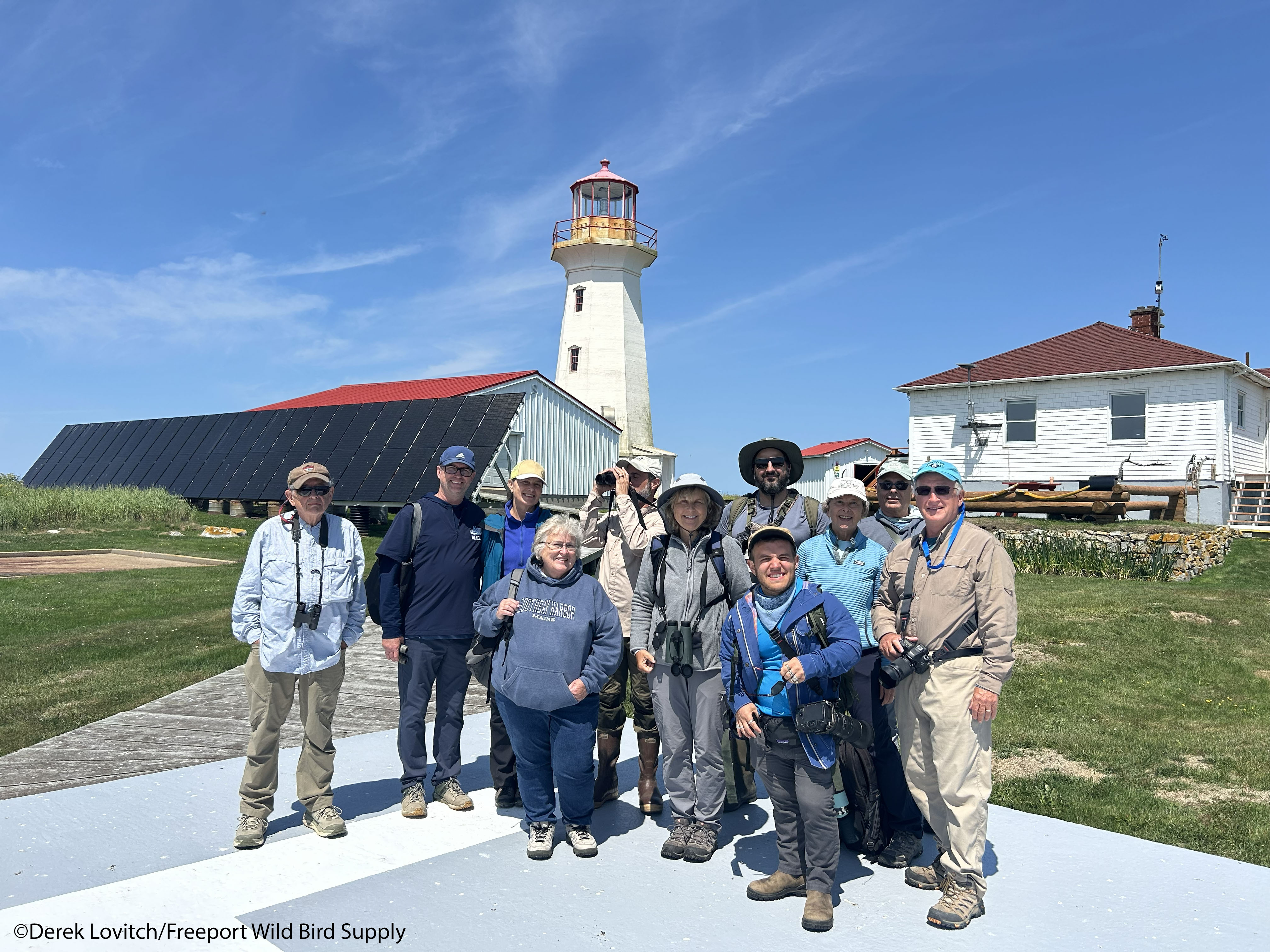
New for 2026, “The Magic of Machias Seal Island Tour” took place on July 6th and 7th. I think we can say this new tour was a success.
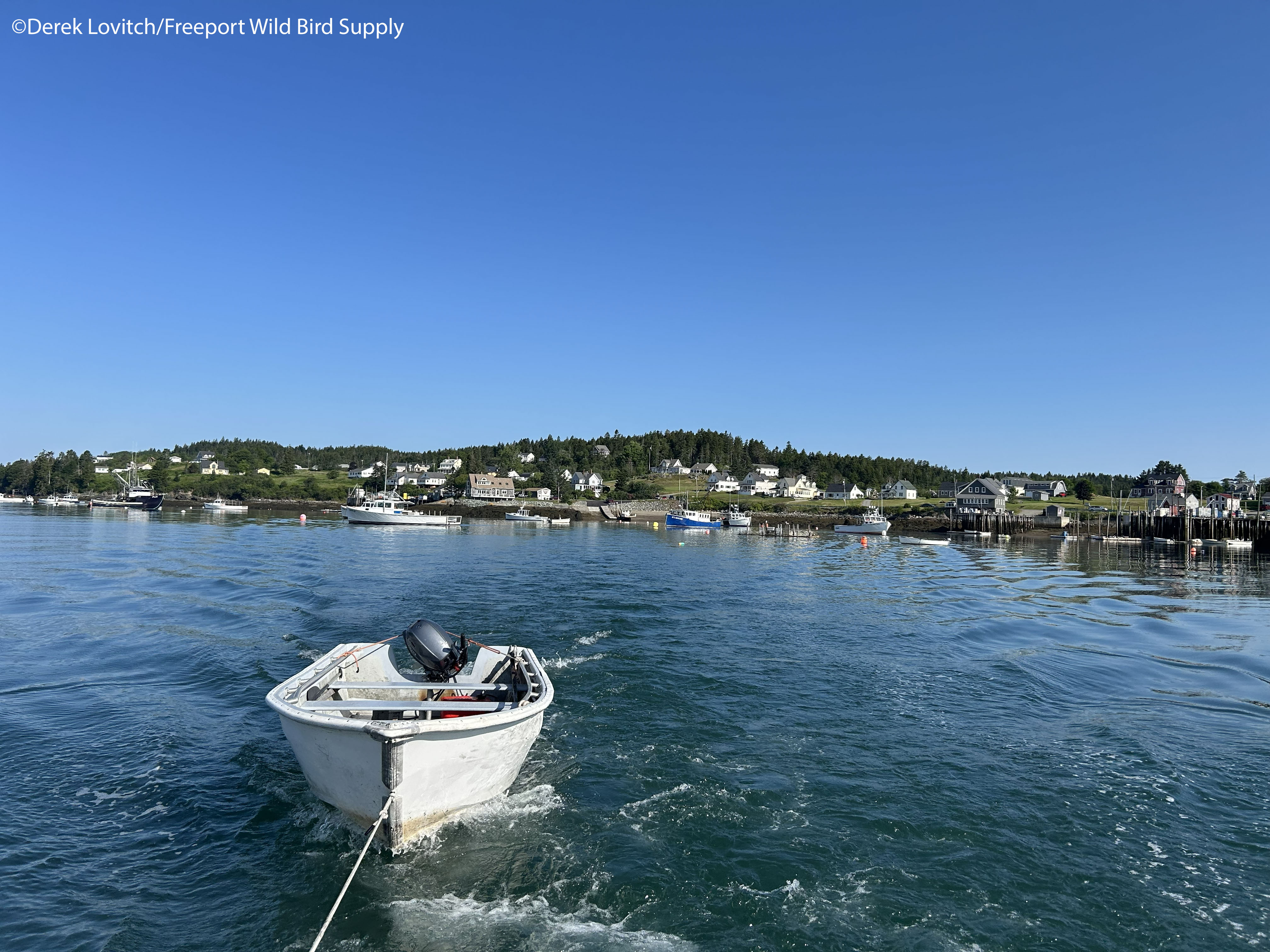
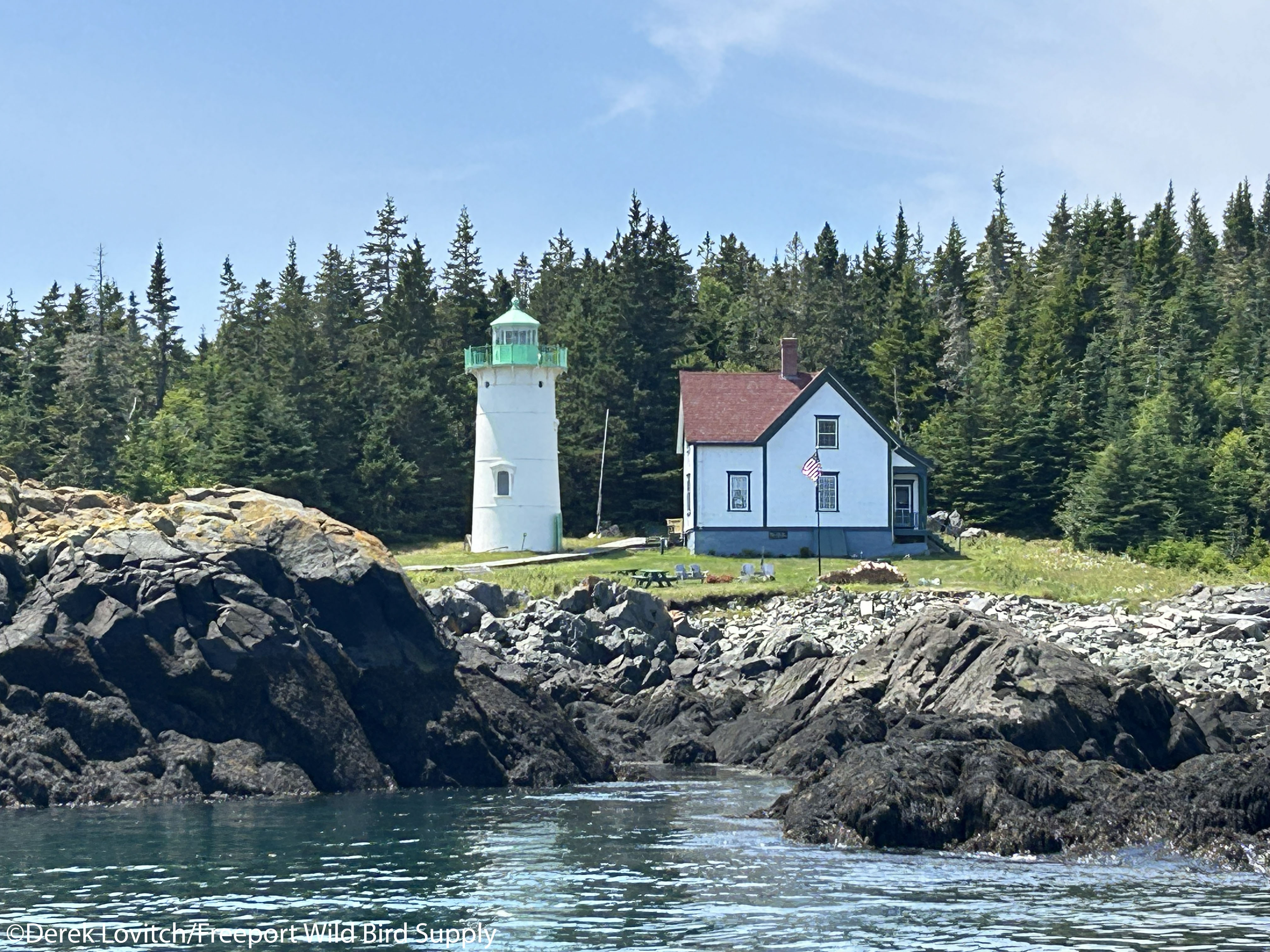
After a welcome and strategy dinner on Sunday night, we met on the morning of the 6th for a carpool from Machias to Cutler, where we boarded our boat to one of the most special places on the continent.
It could not have been a more perfect day. Mostly clear, glass calm, and a comfortable temperature rising from 60F to the low 70’s by the afternoon – an absolutely gorgeous day!
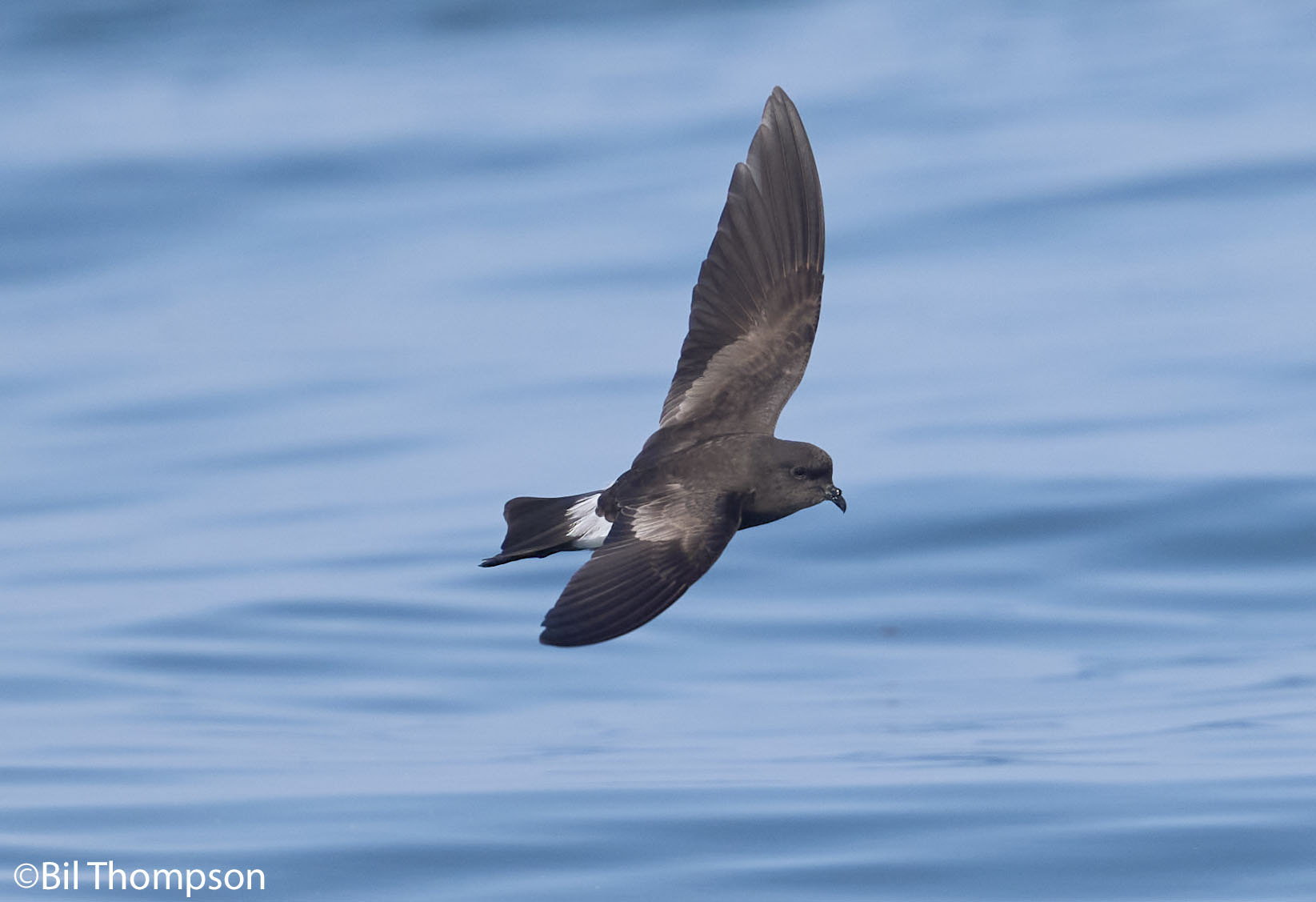
With such calm waters, the trip out to Machias Seal Island was delightful. We encountered lots of Wilson’s Storm-Petrels…
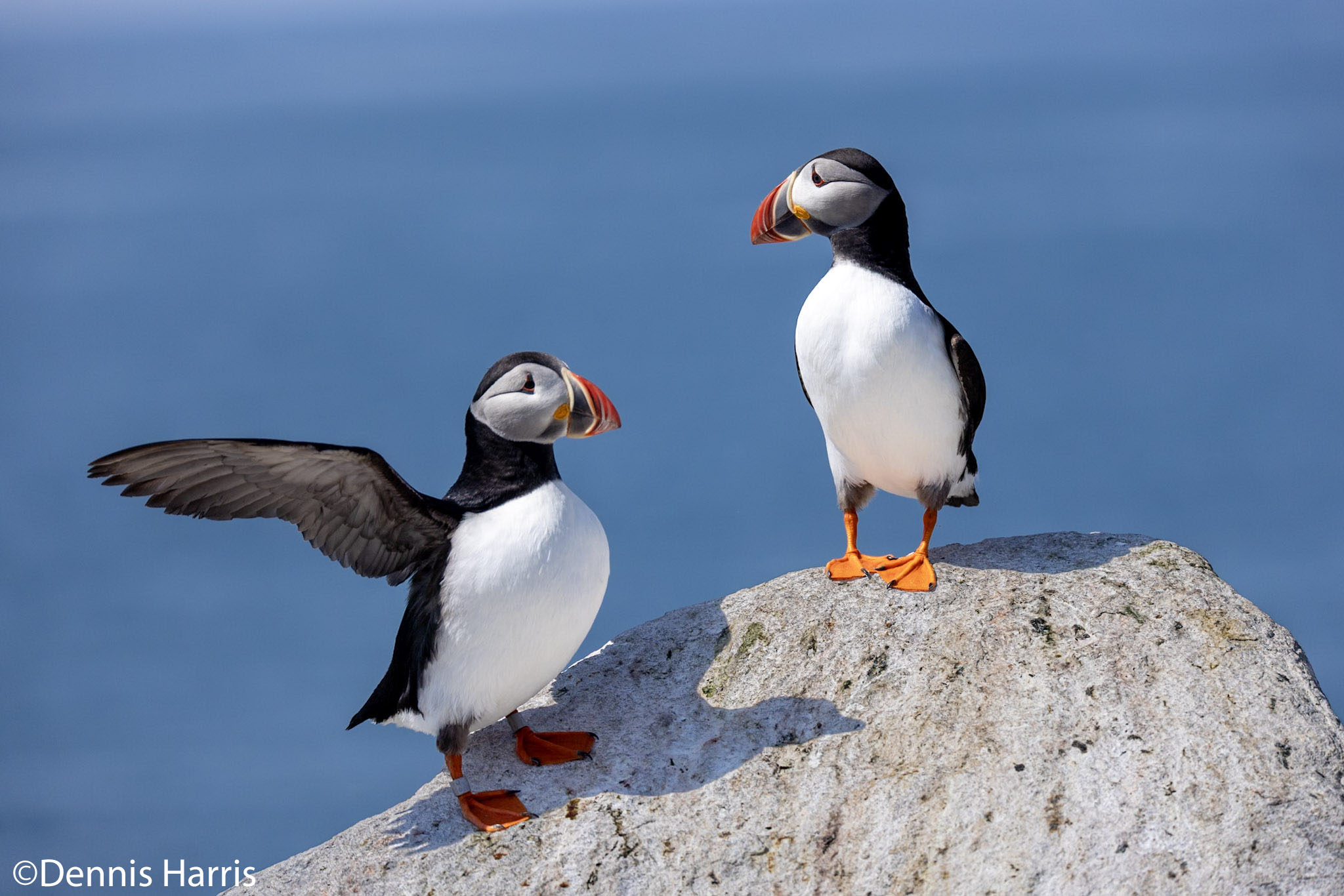
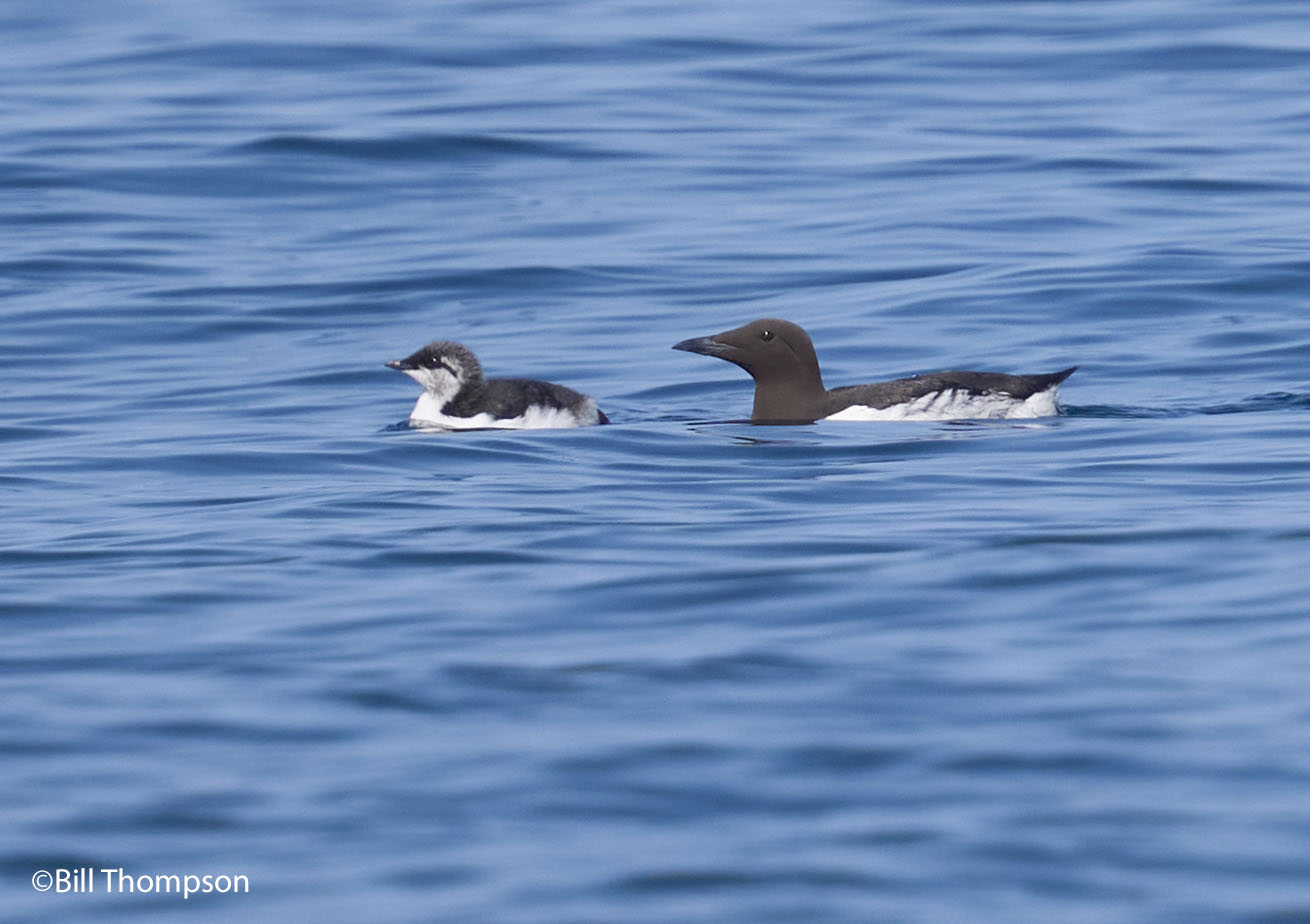
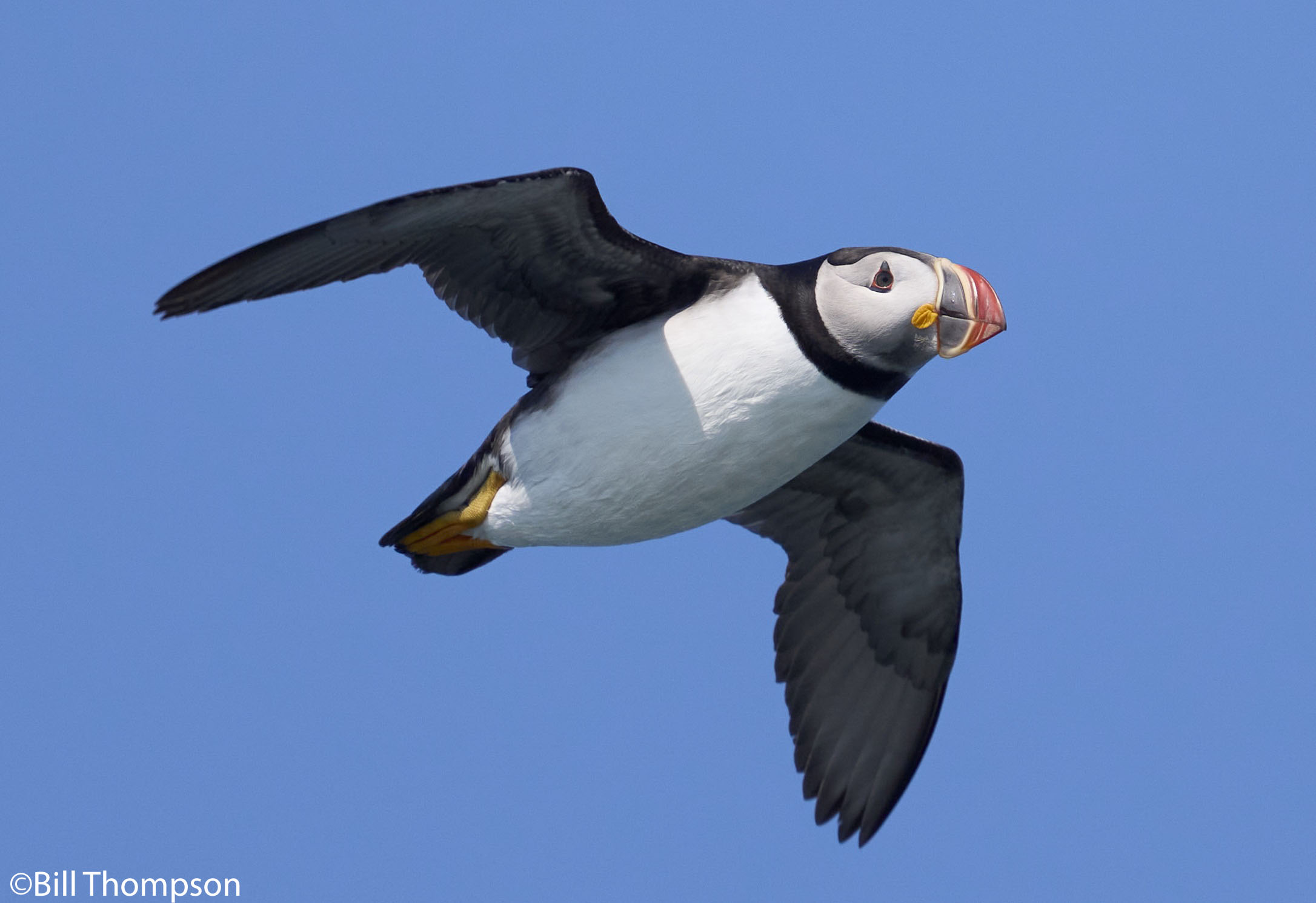
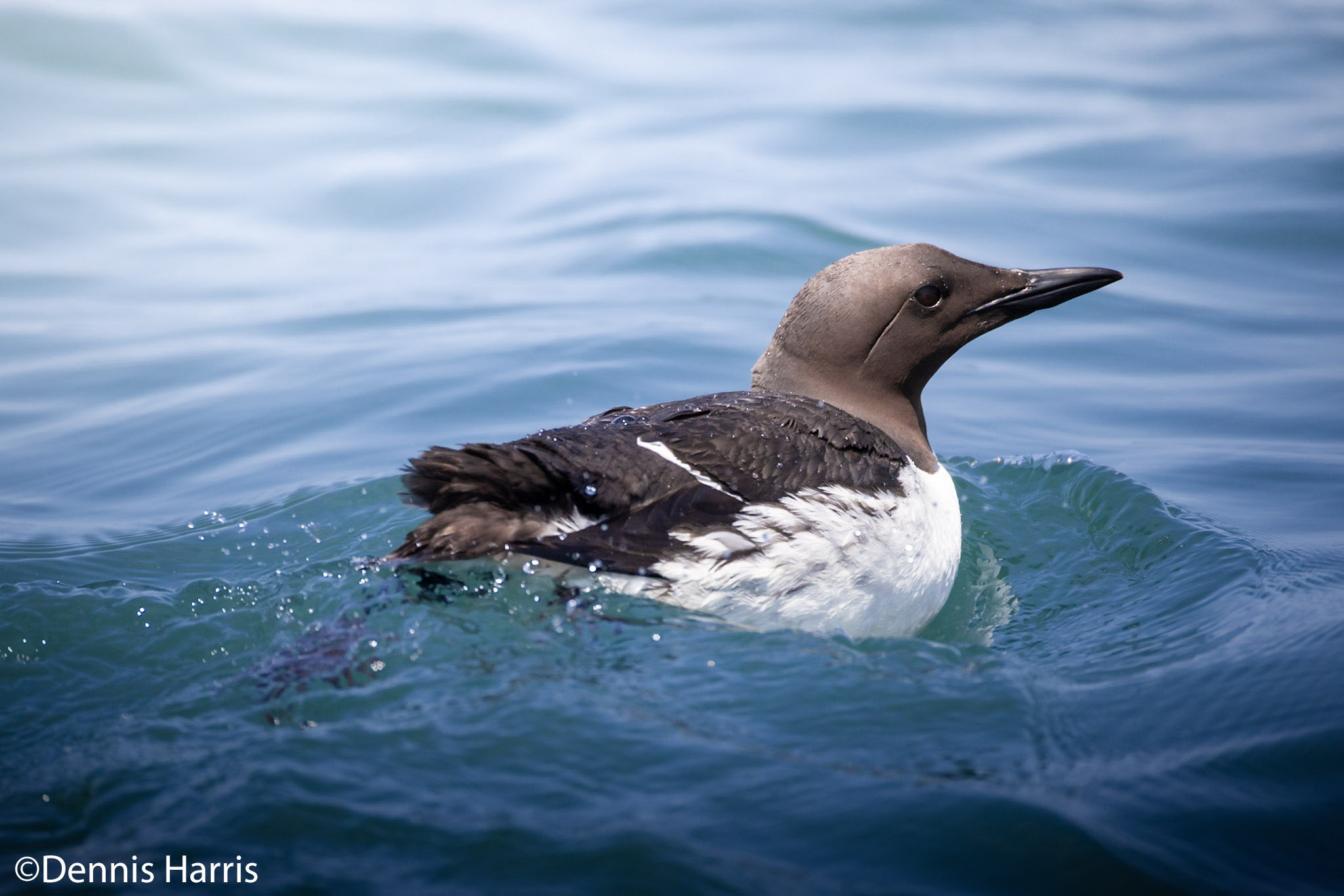
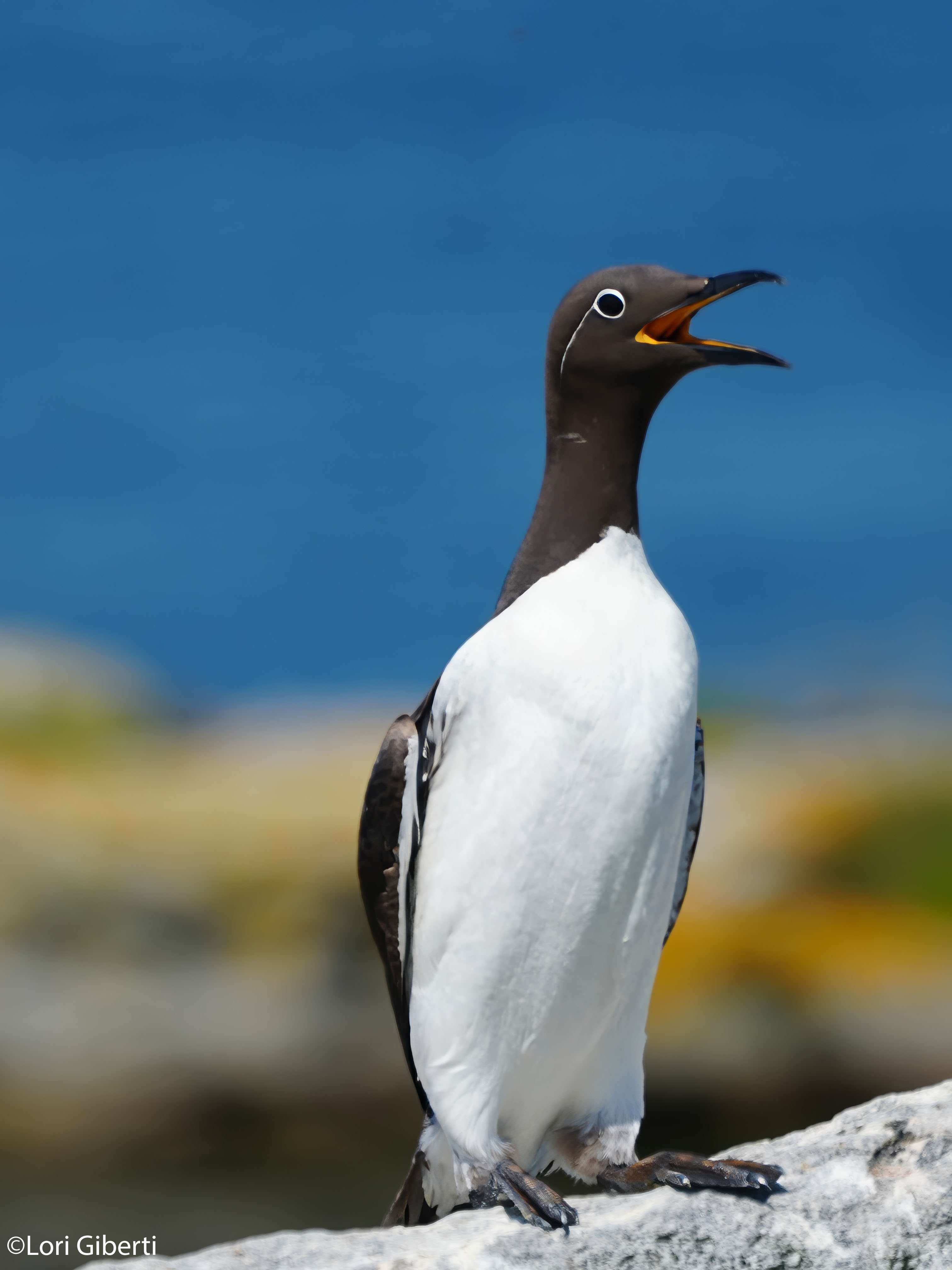
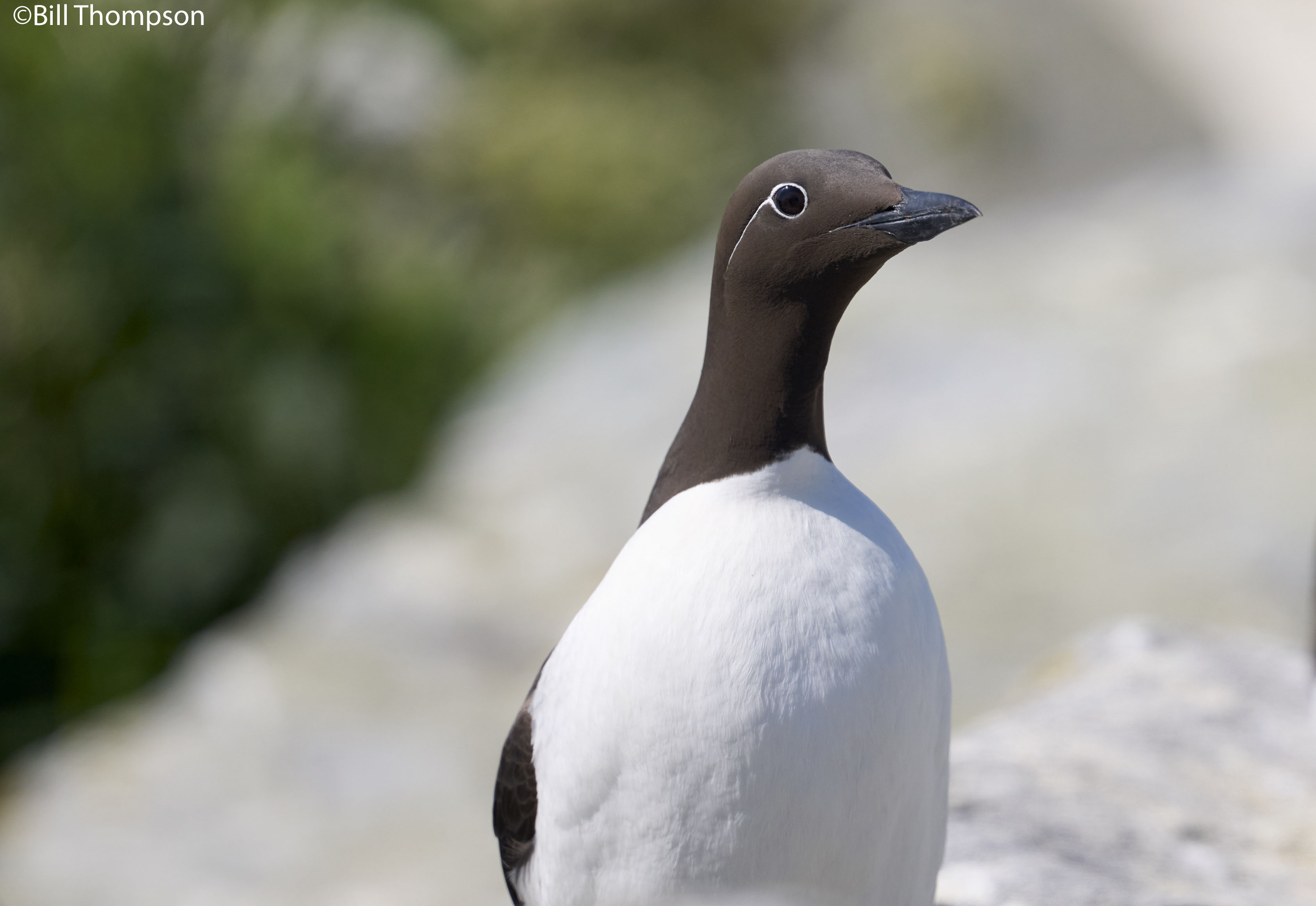
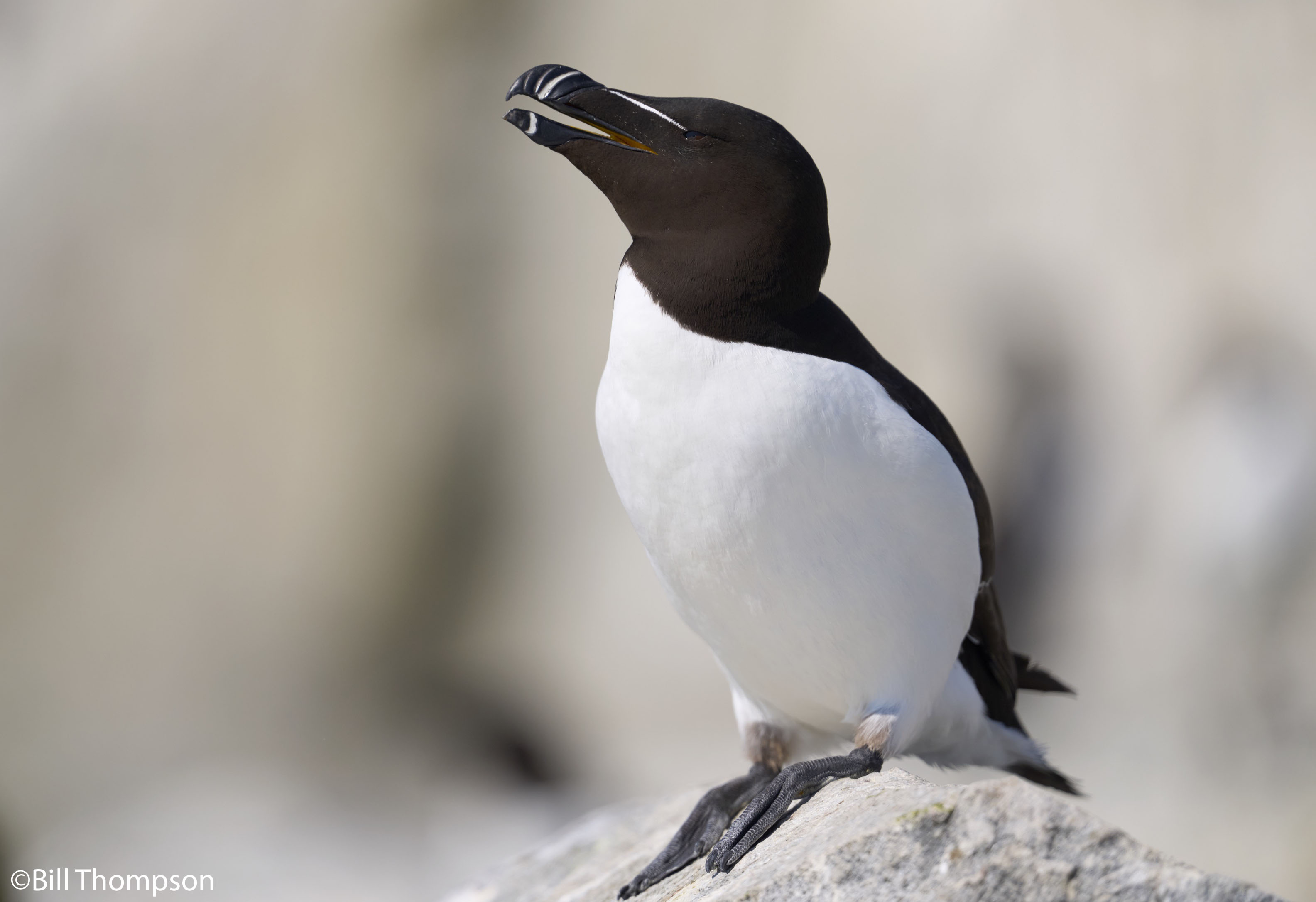
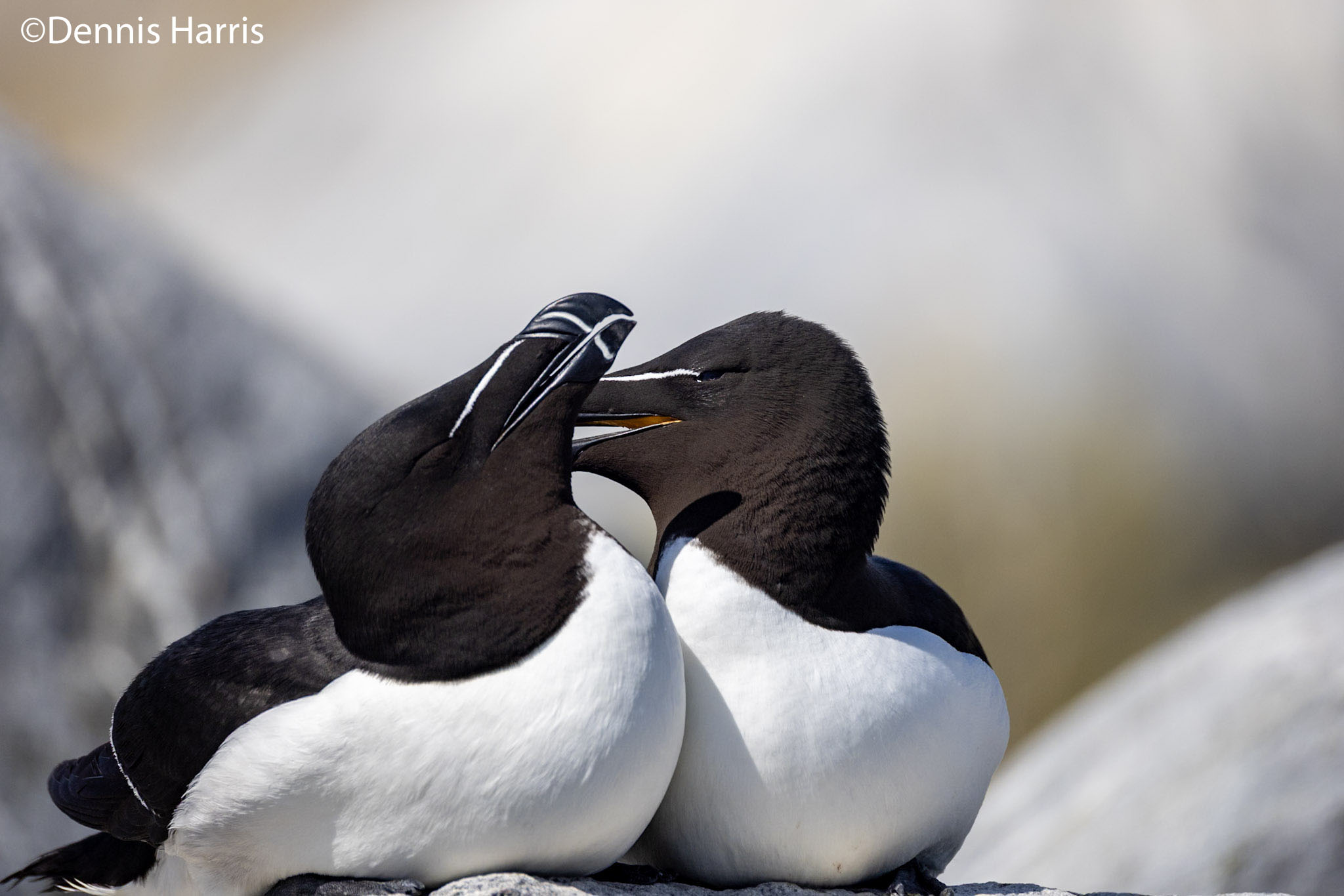
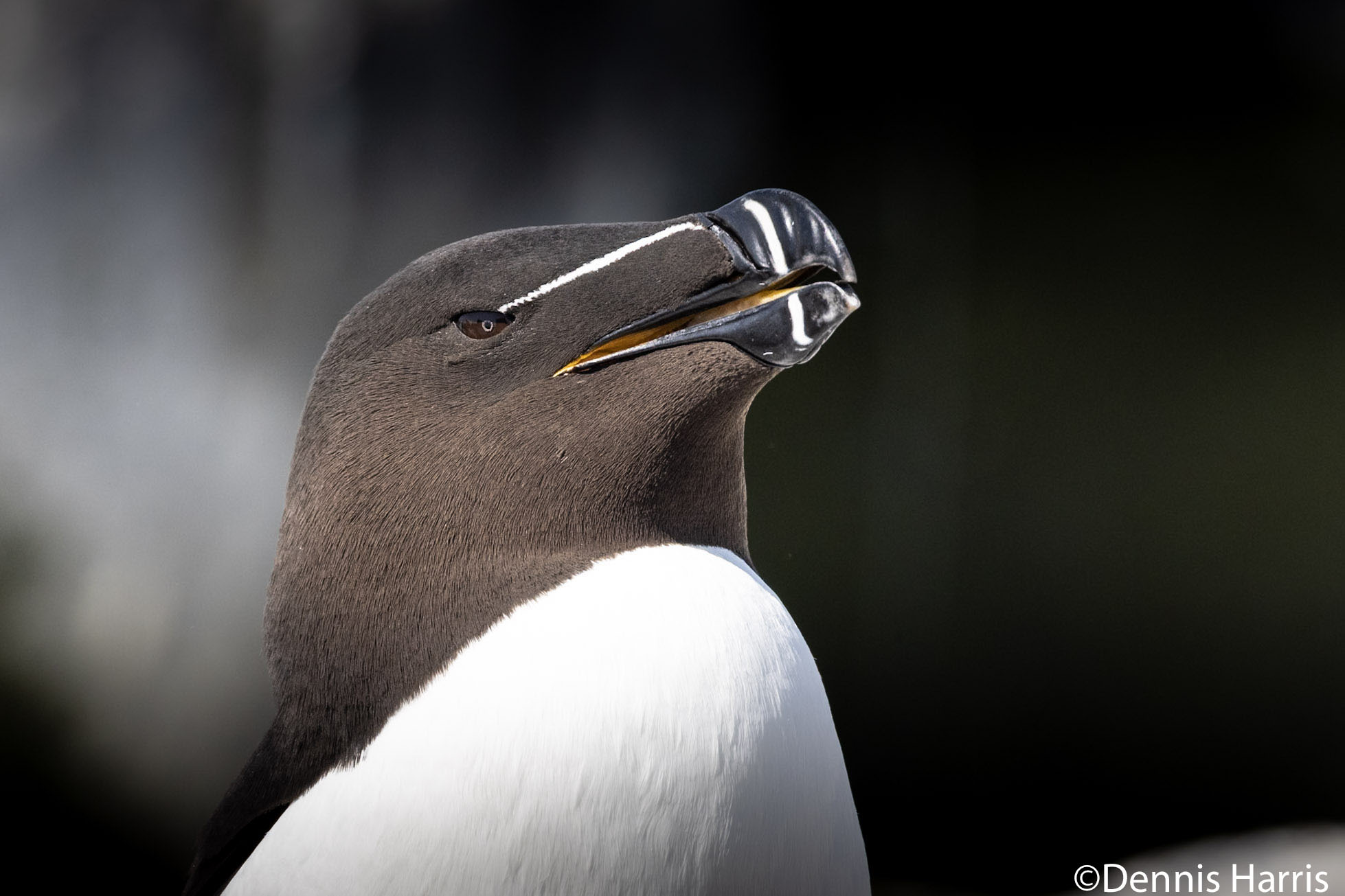
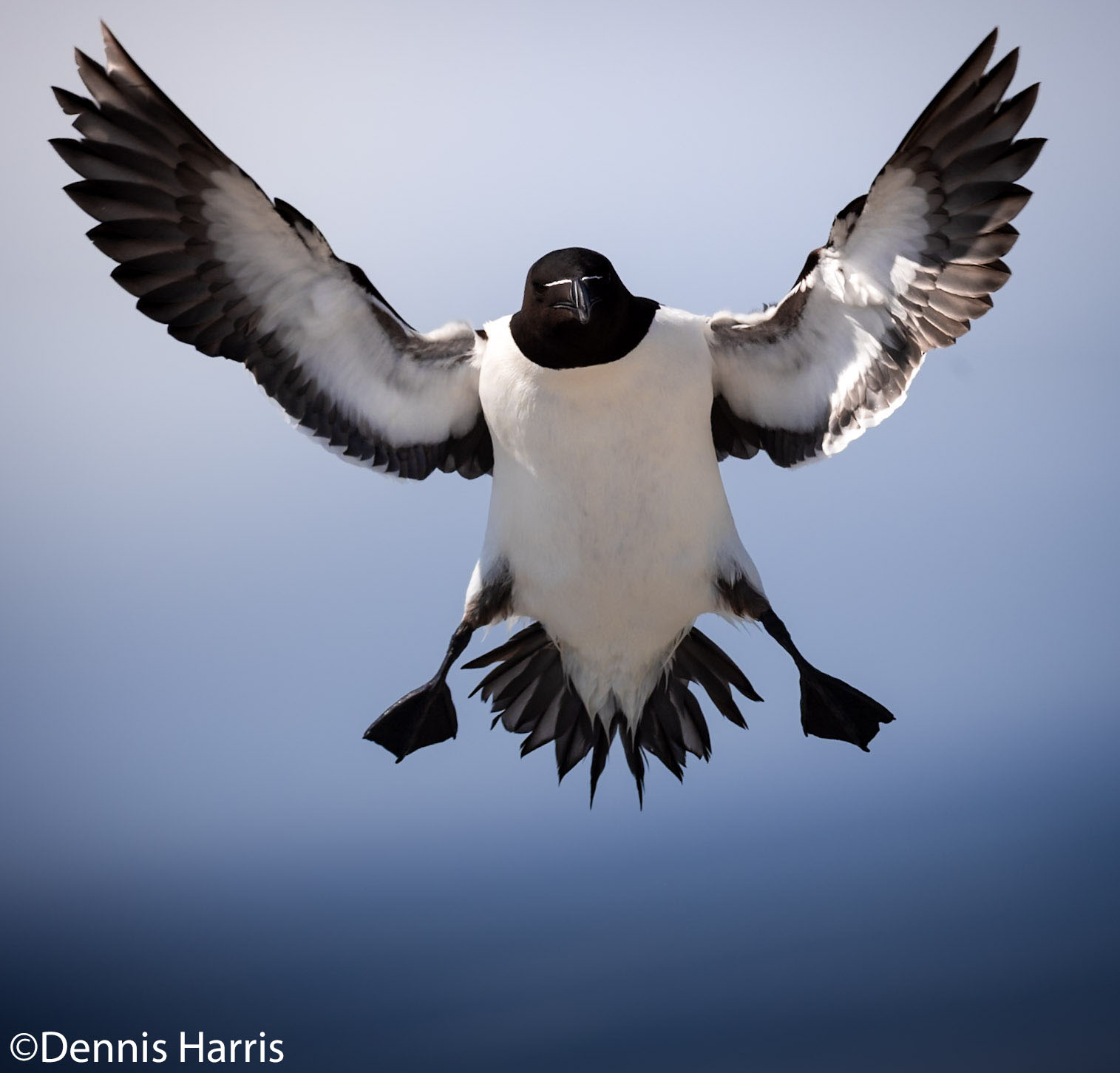
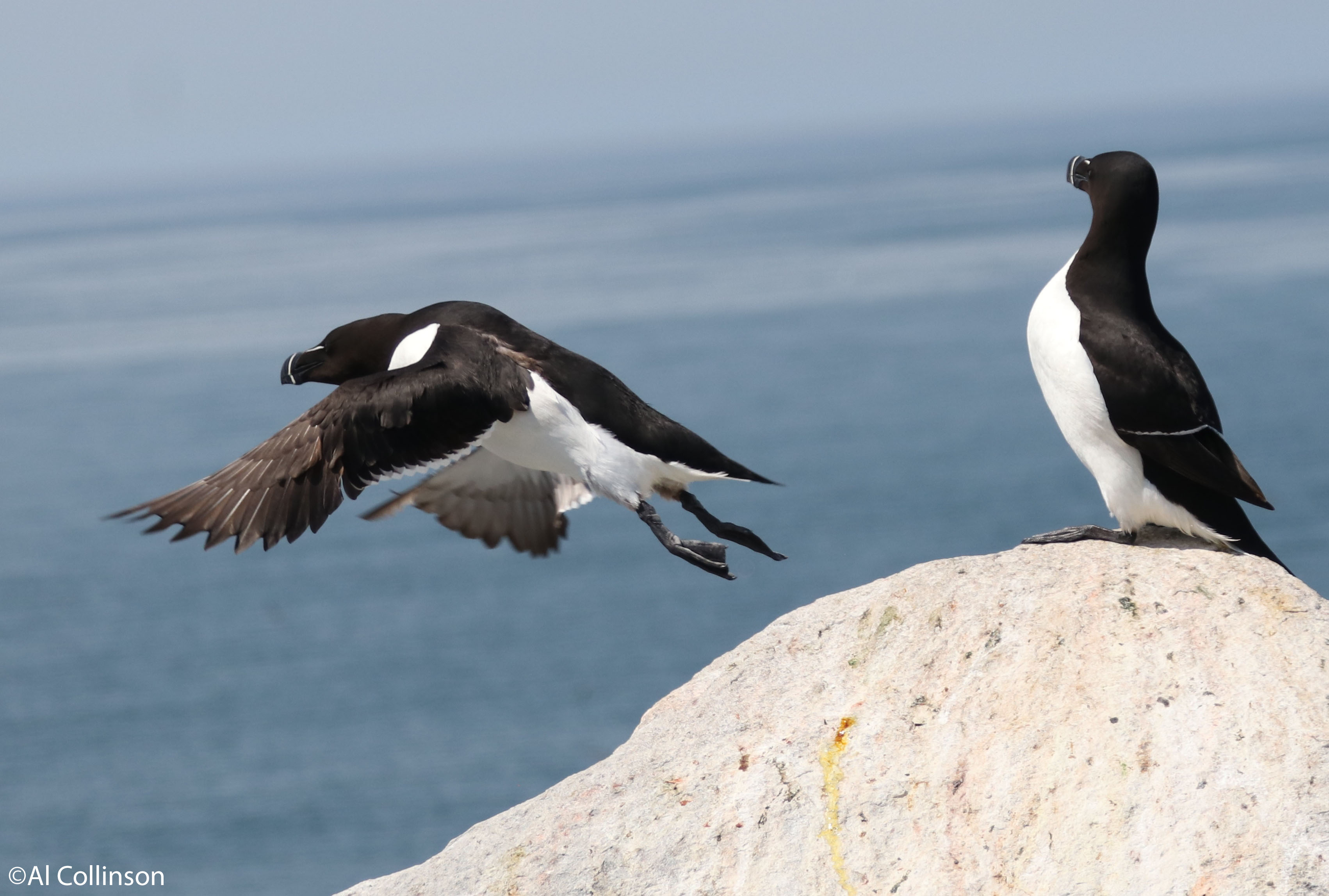
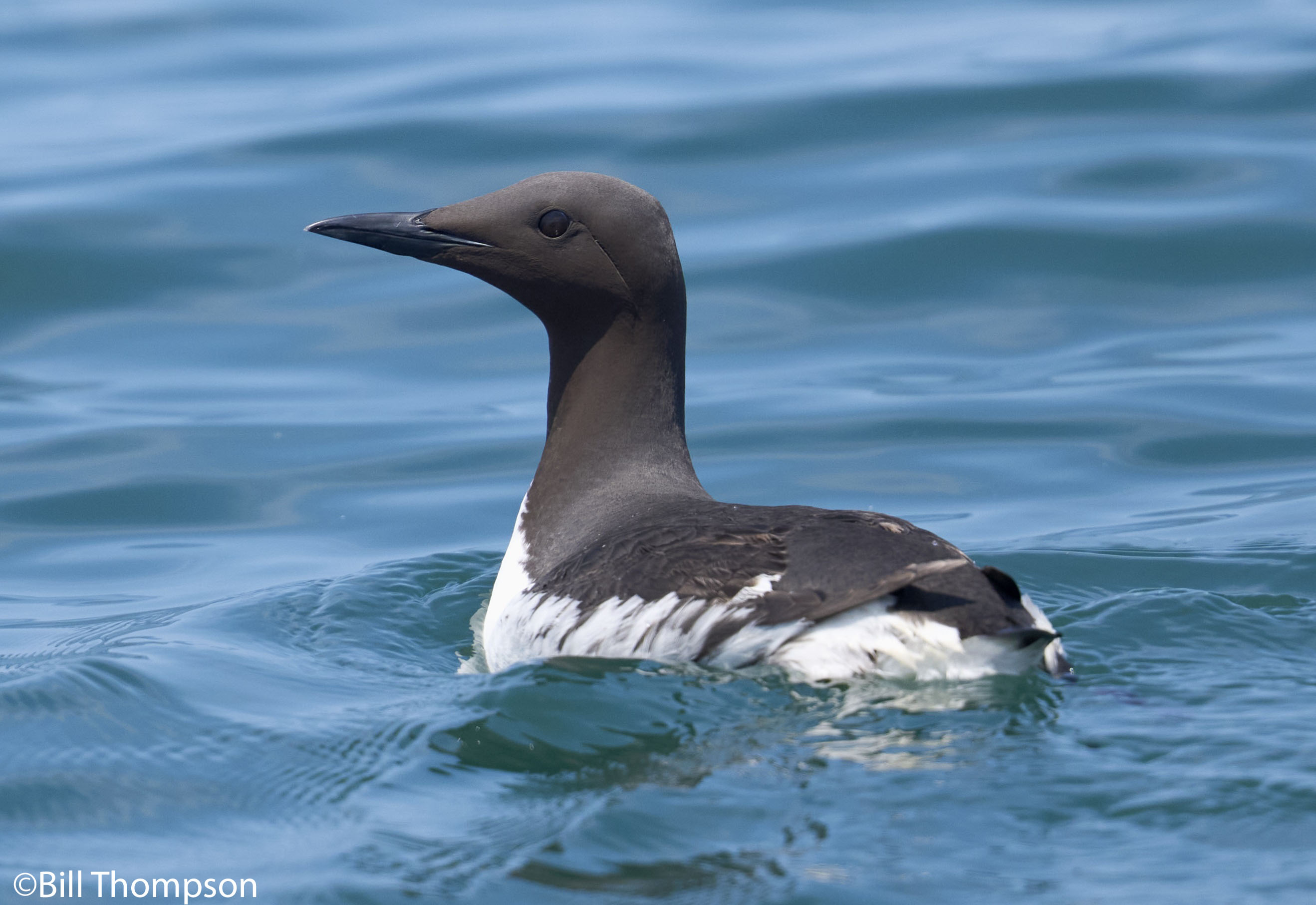
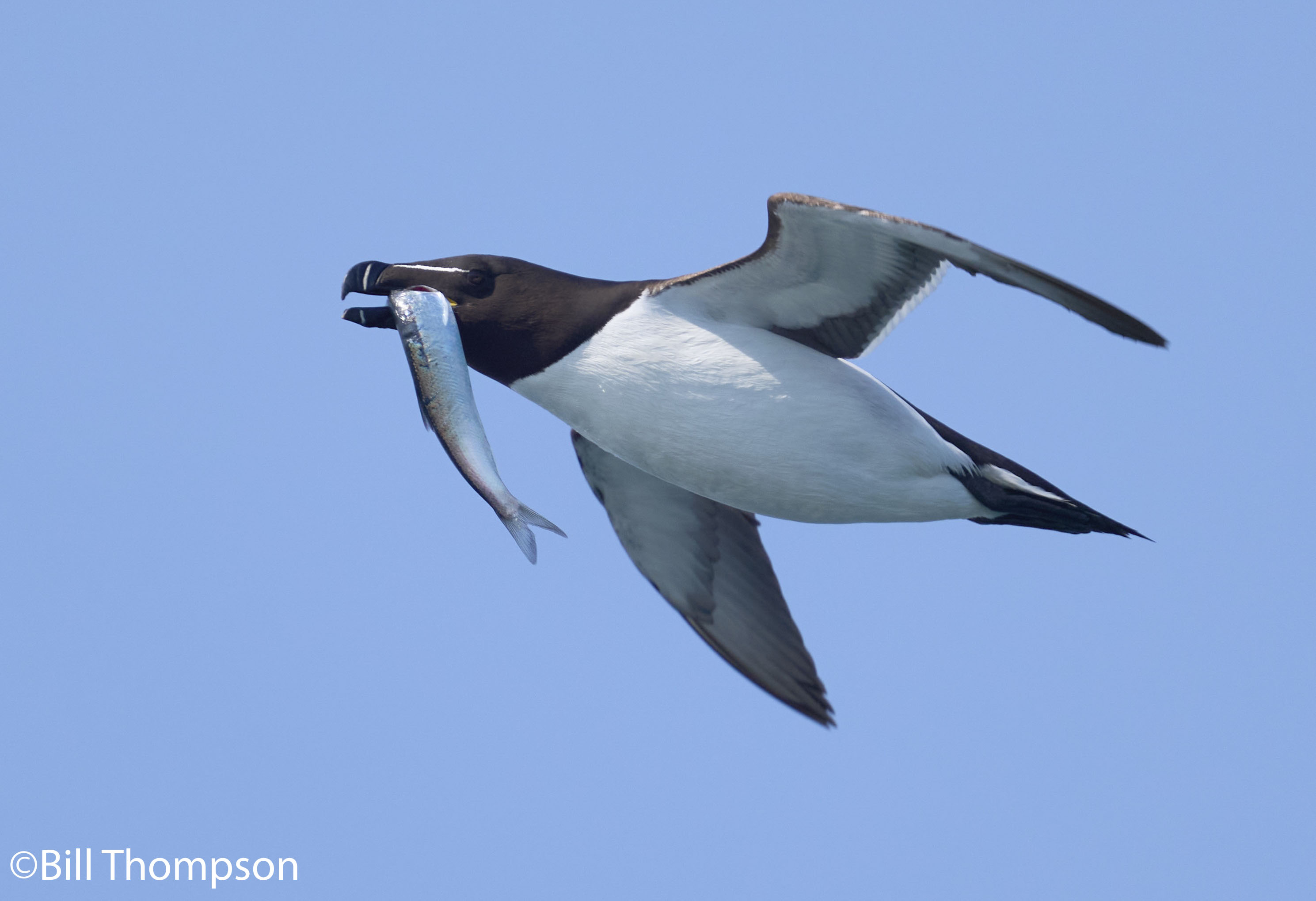
…and soon numbers of Razorbills, Common Murres, and Atlantic Puffins on the water. There were lots of Harbor Porpoise, and we even glimpsed a Minke Whale.
As we arrived in the vicinity of the island, an exceptional number of birds were in the water and surrounding the boat.
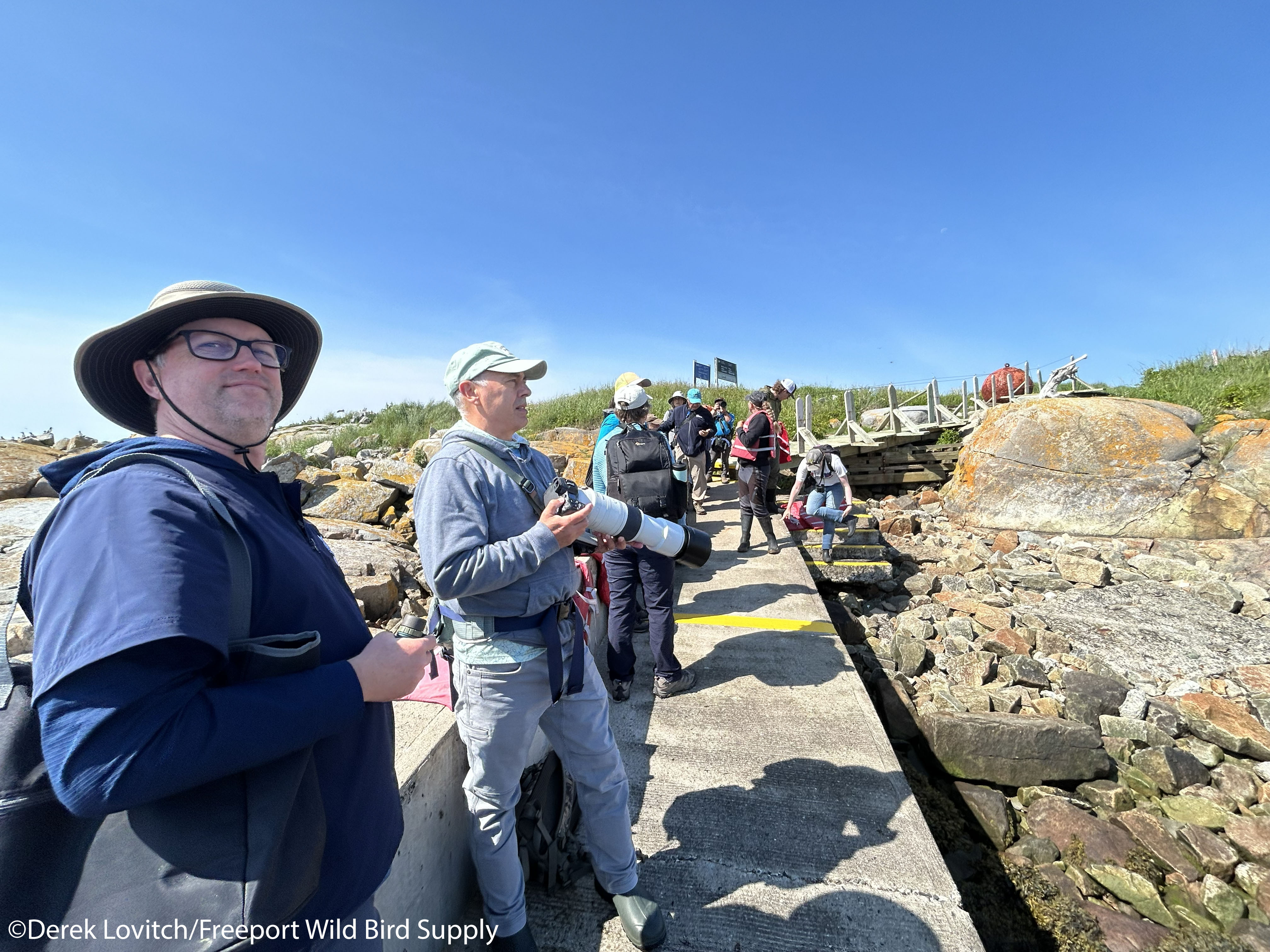
But following the safety-first procedures, we made our way to the island, and divided into groups. We chartered the boat for the tour but chose not to maximize the number of participants so we could all have a little more elbow-room in the blinds, especially with all of the long lenses in tow.
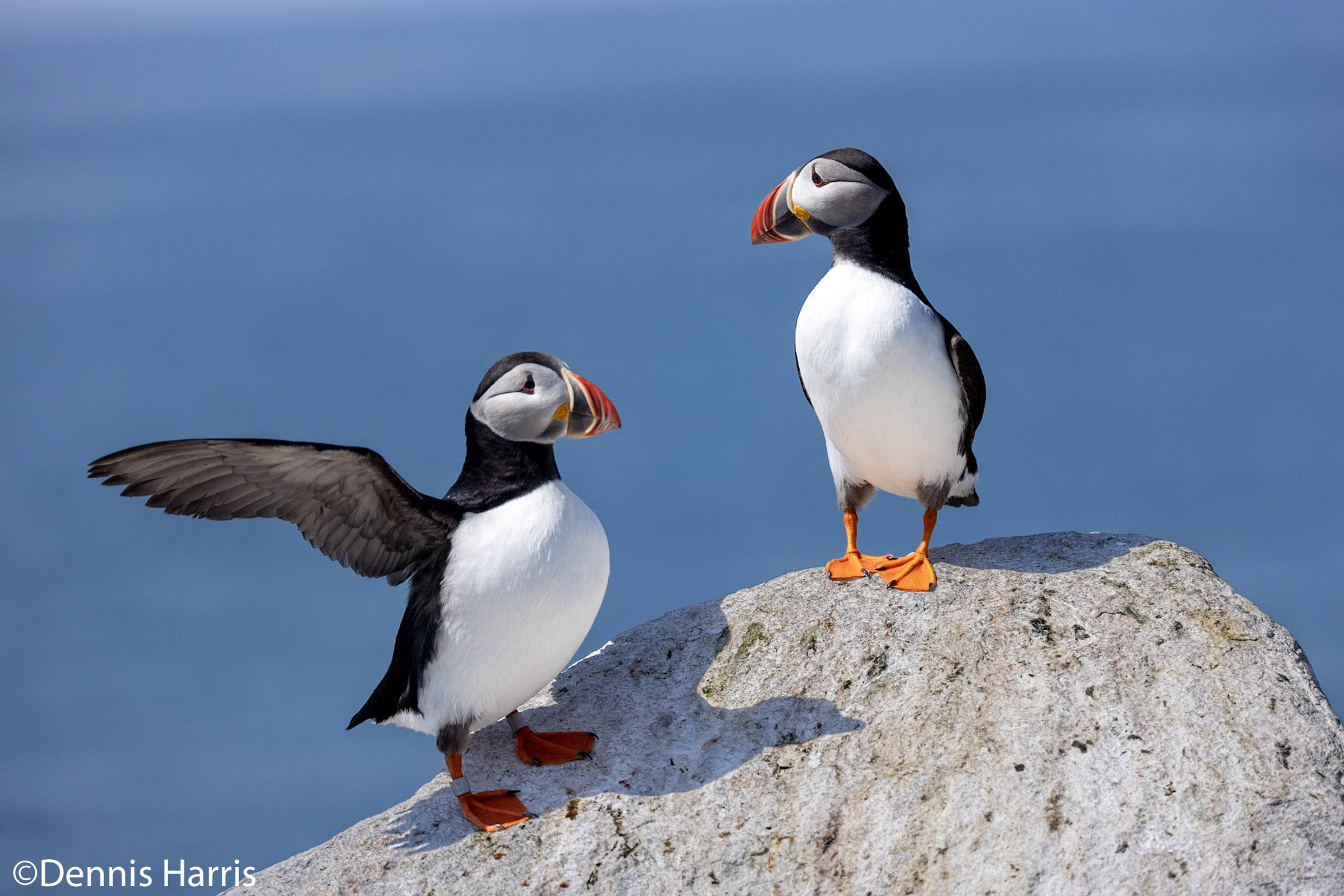
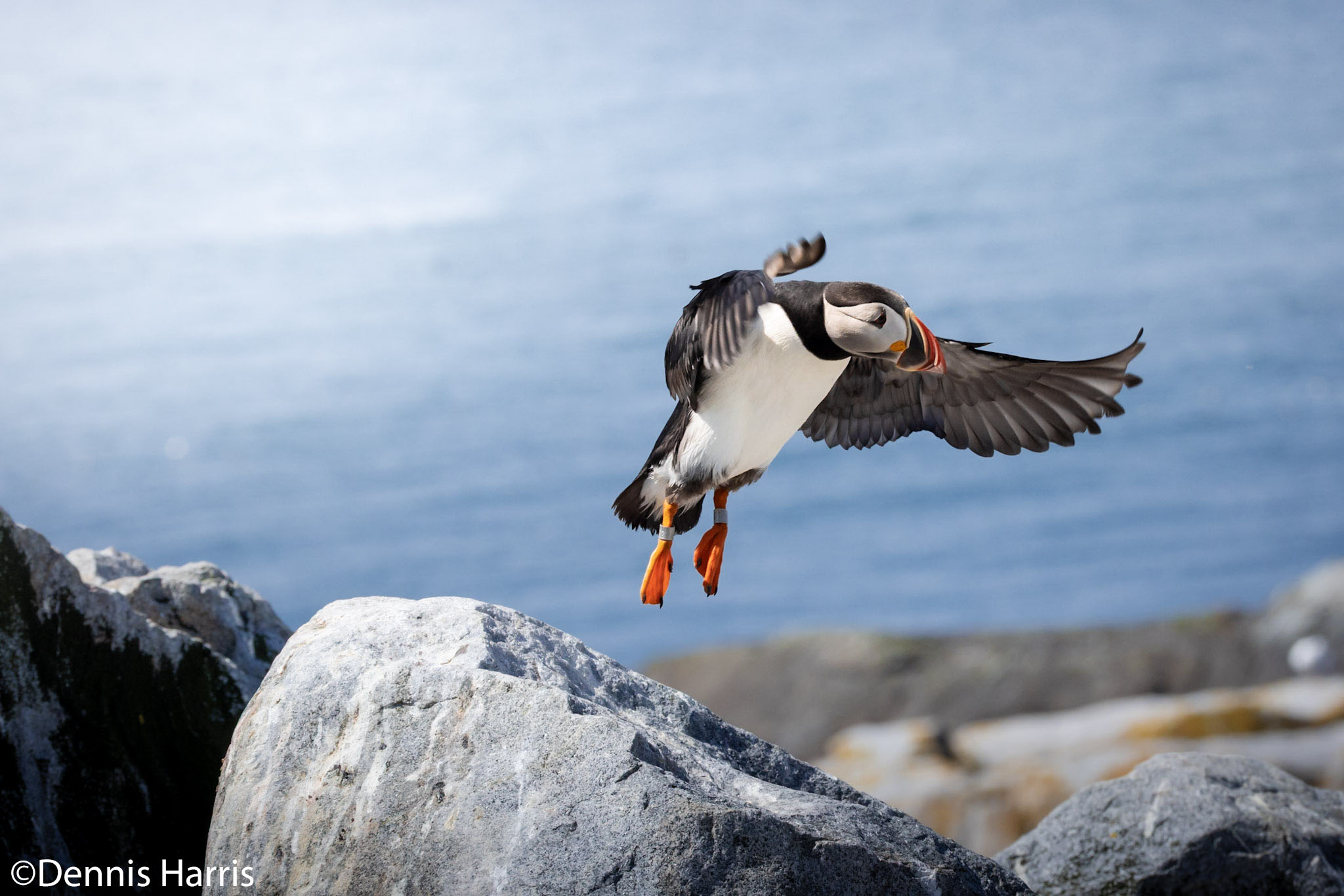
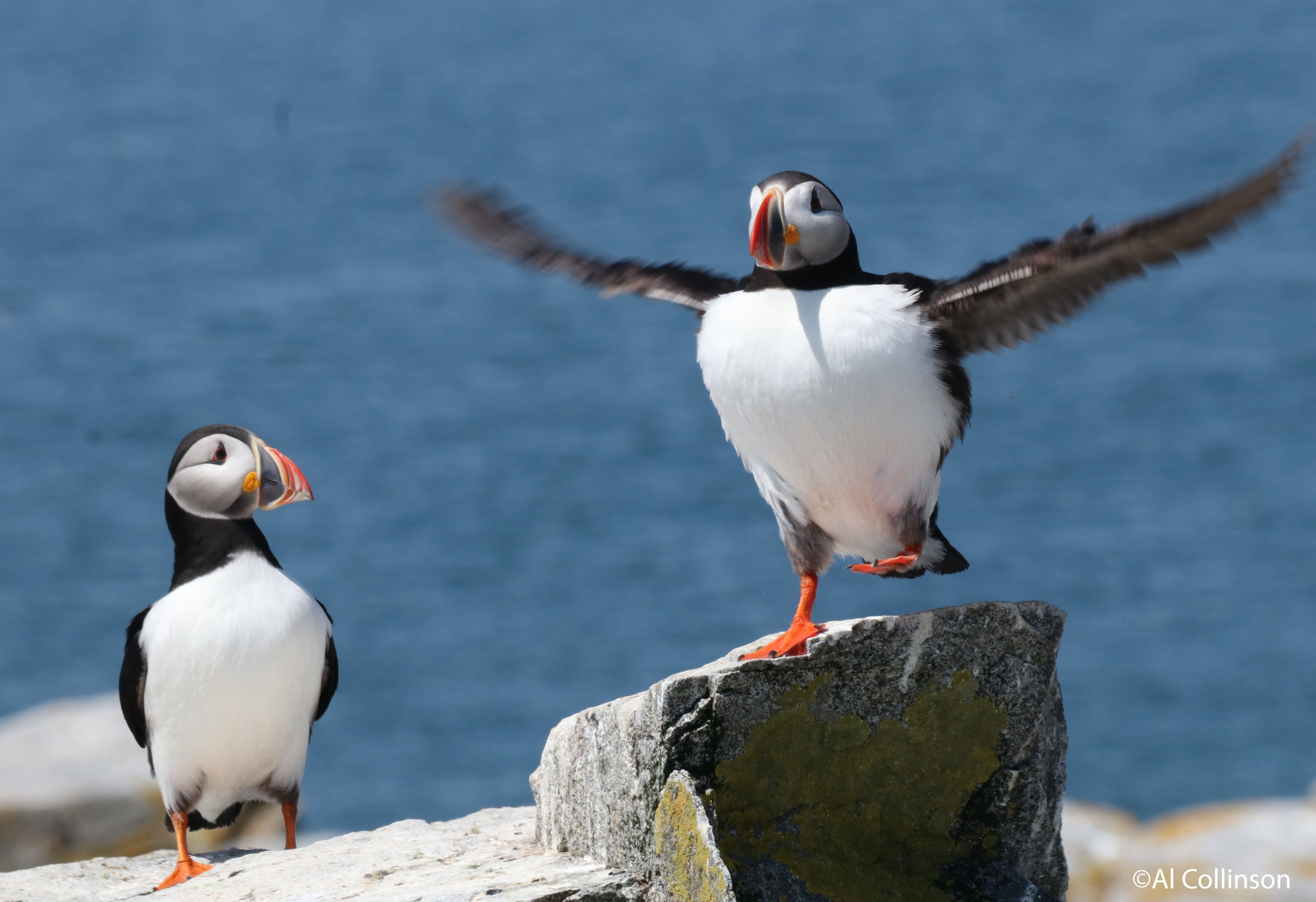
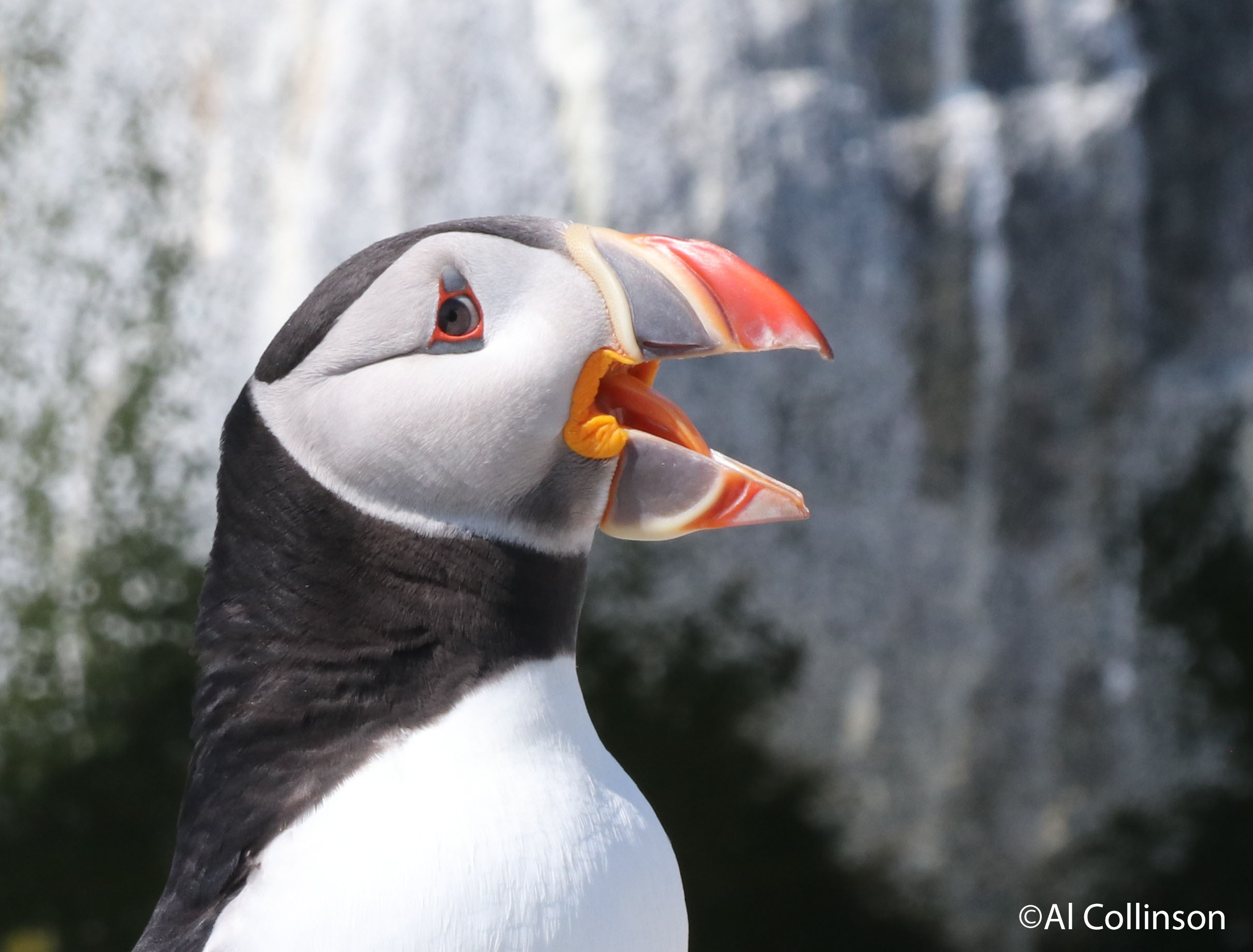
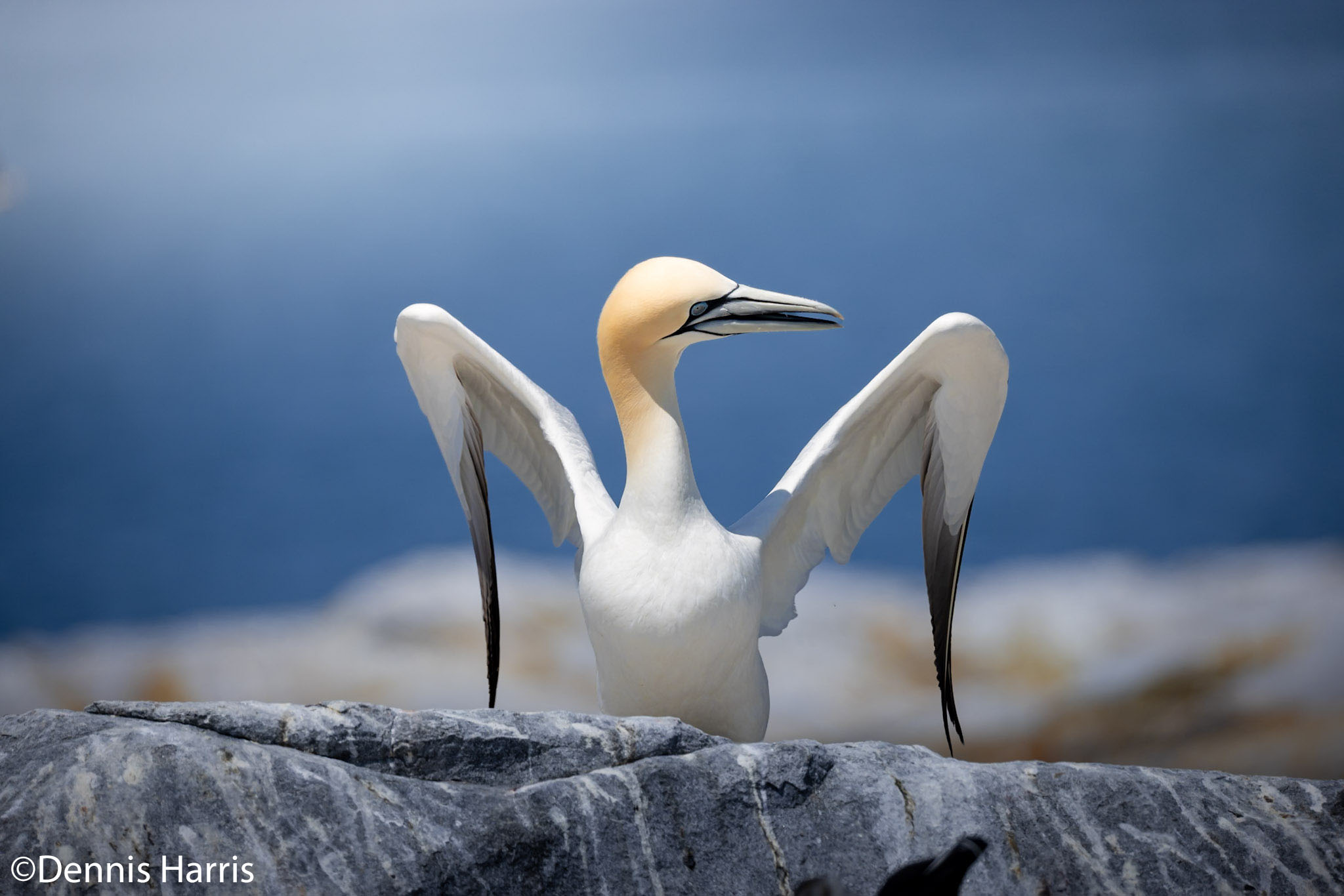
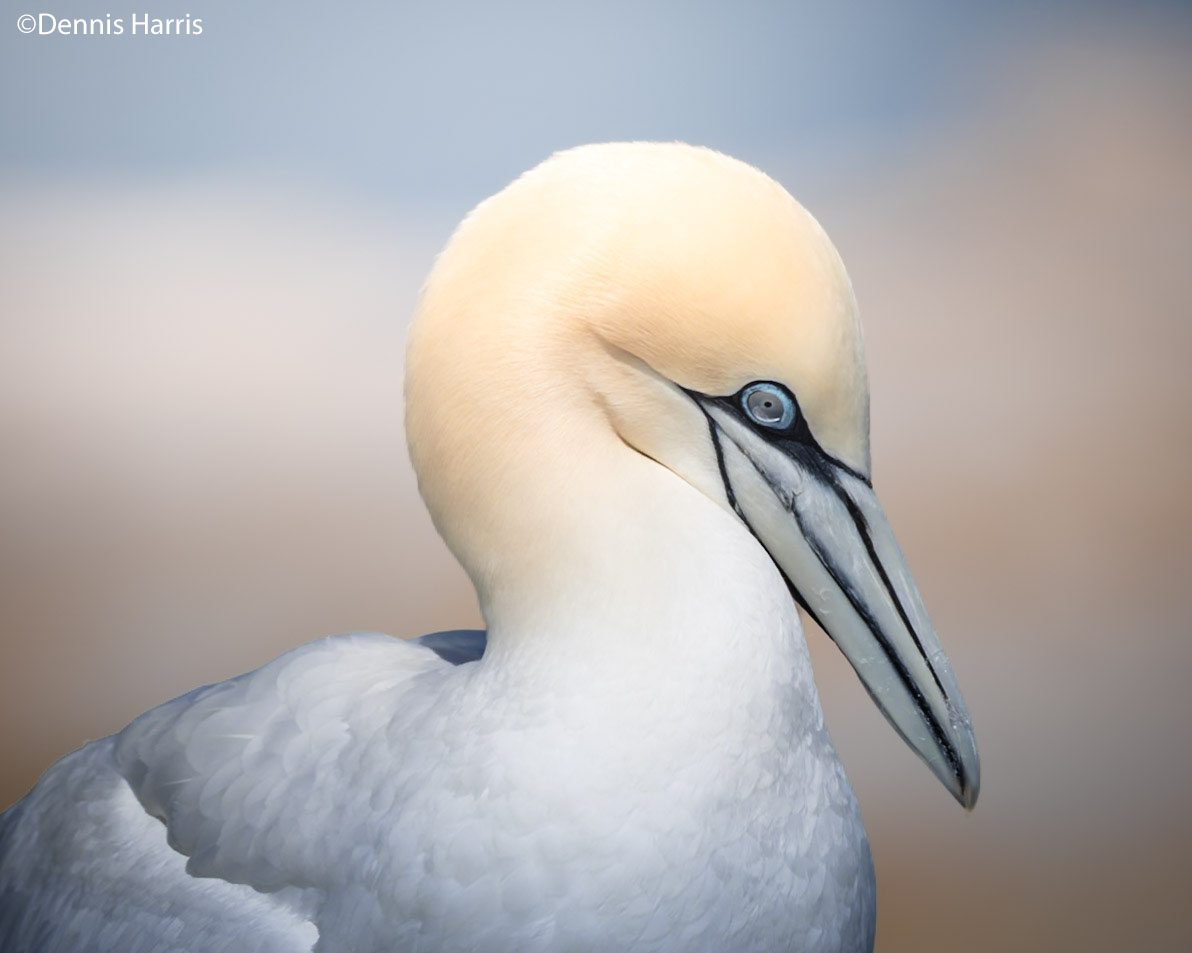
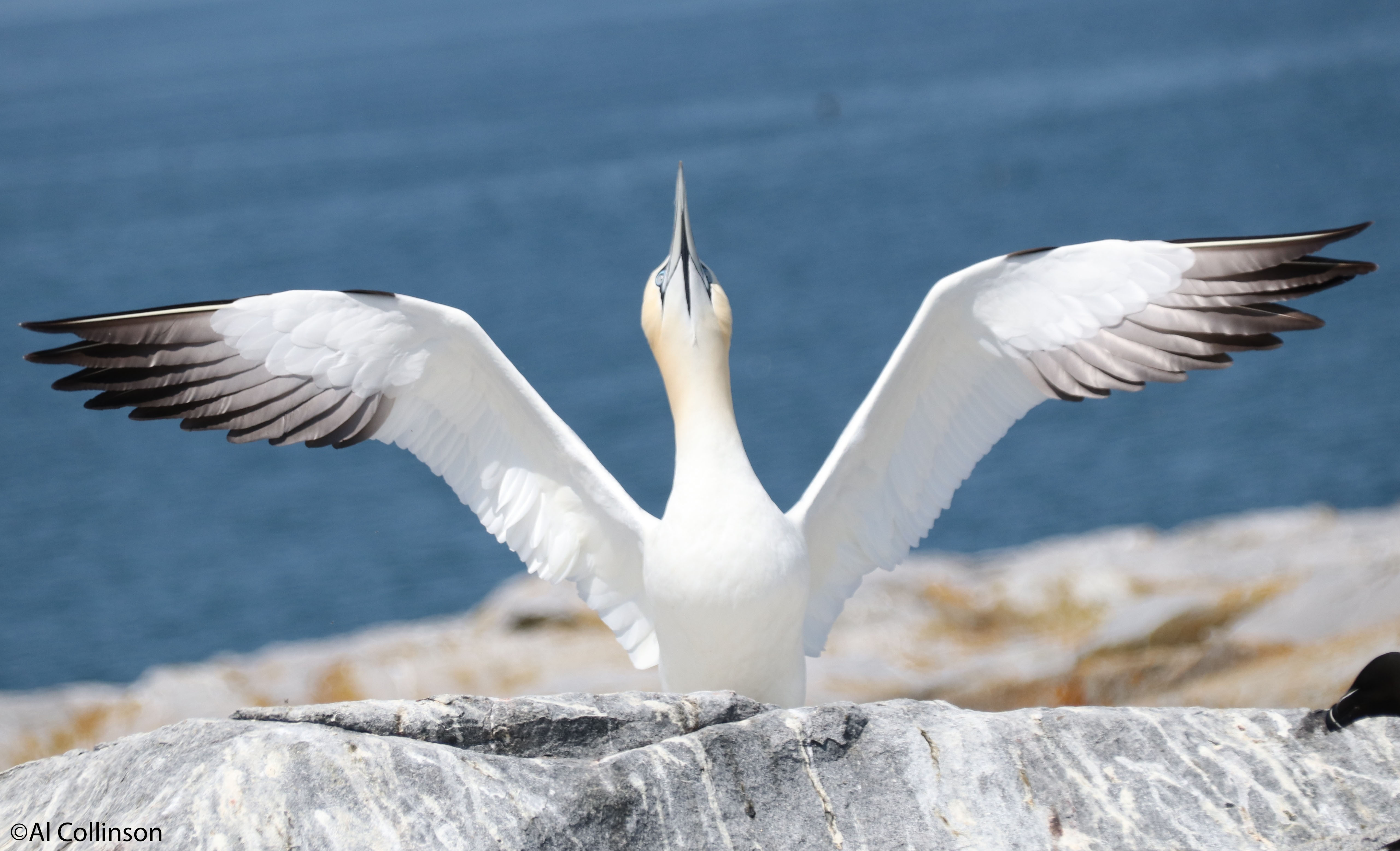
Words don’t really do the experience of being in the blinds on MSI justice, and while you all know I have words, I am going to simply let the photos do the talking.
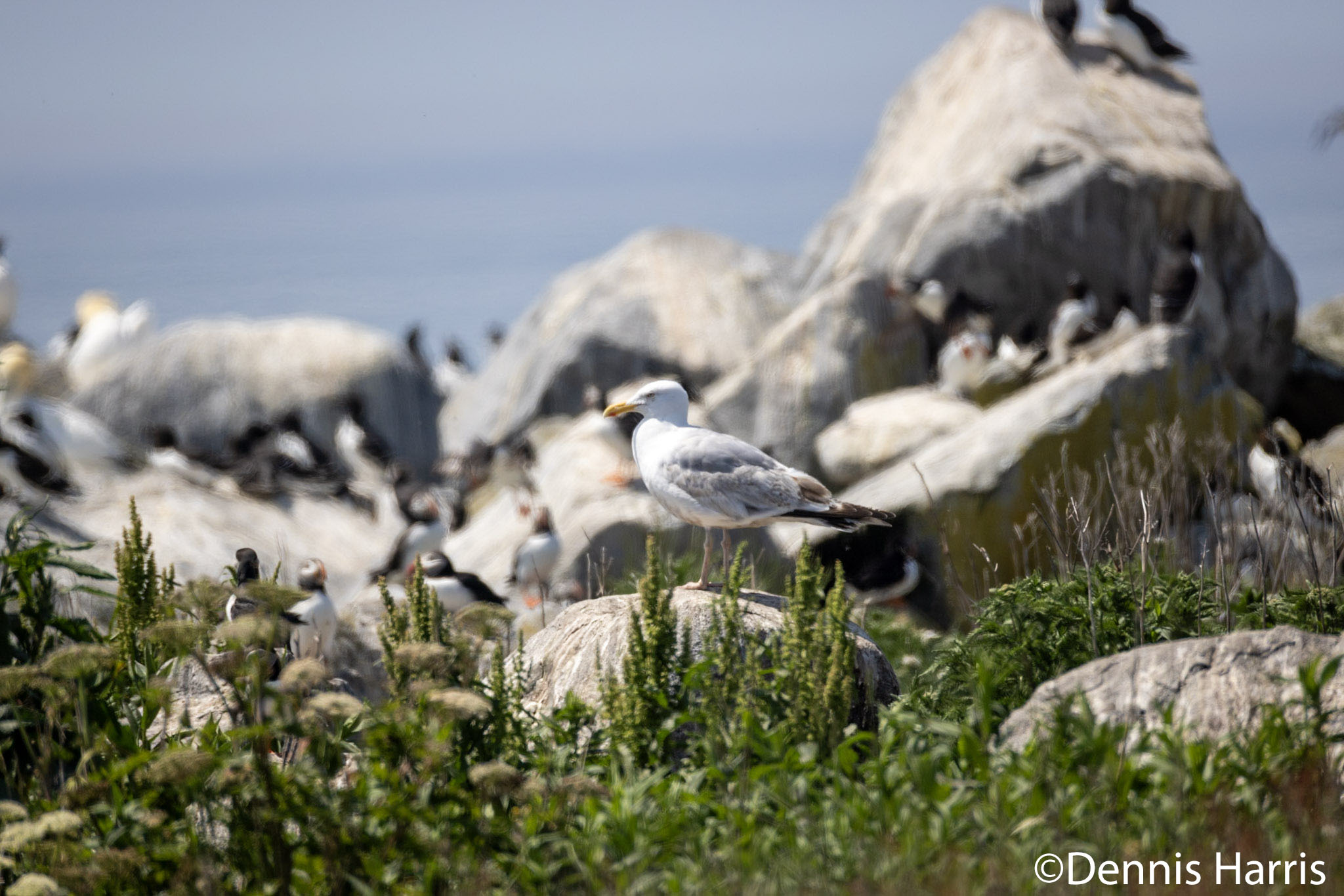
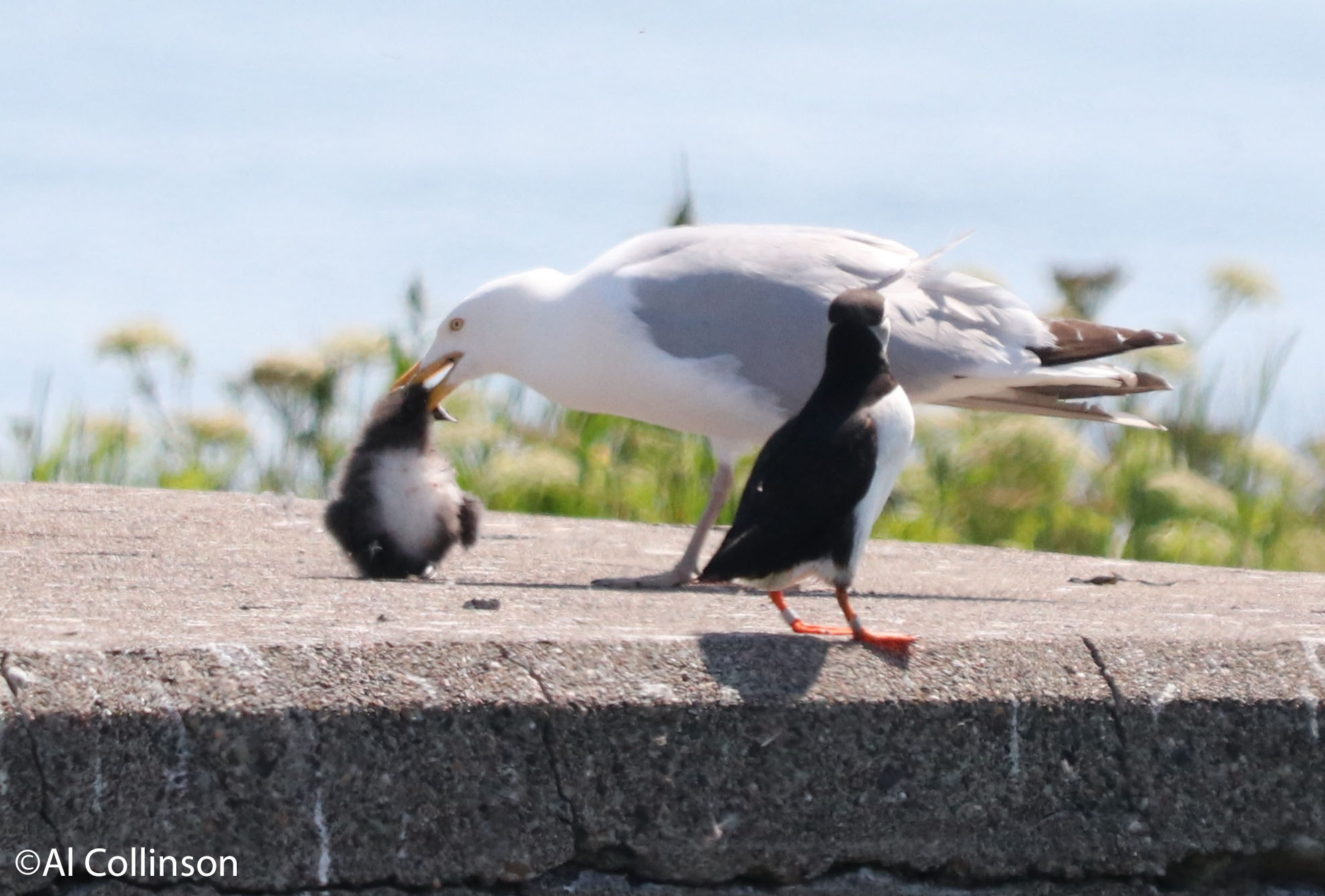
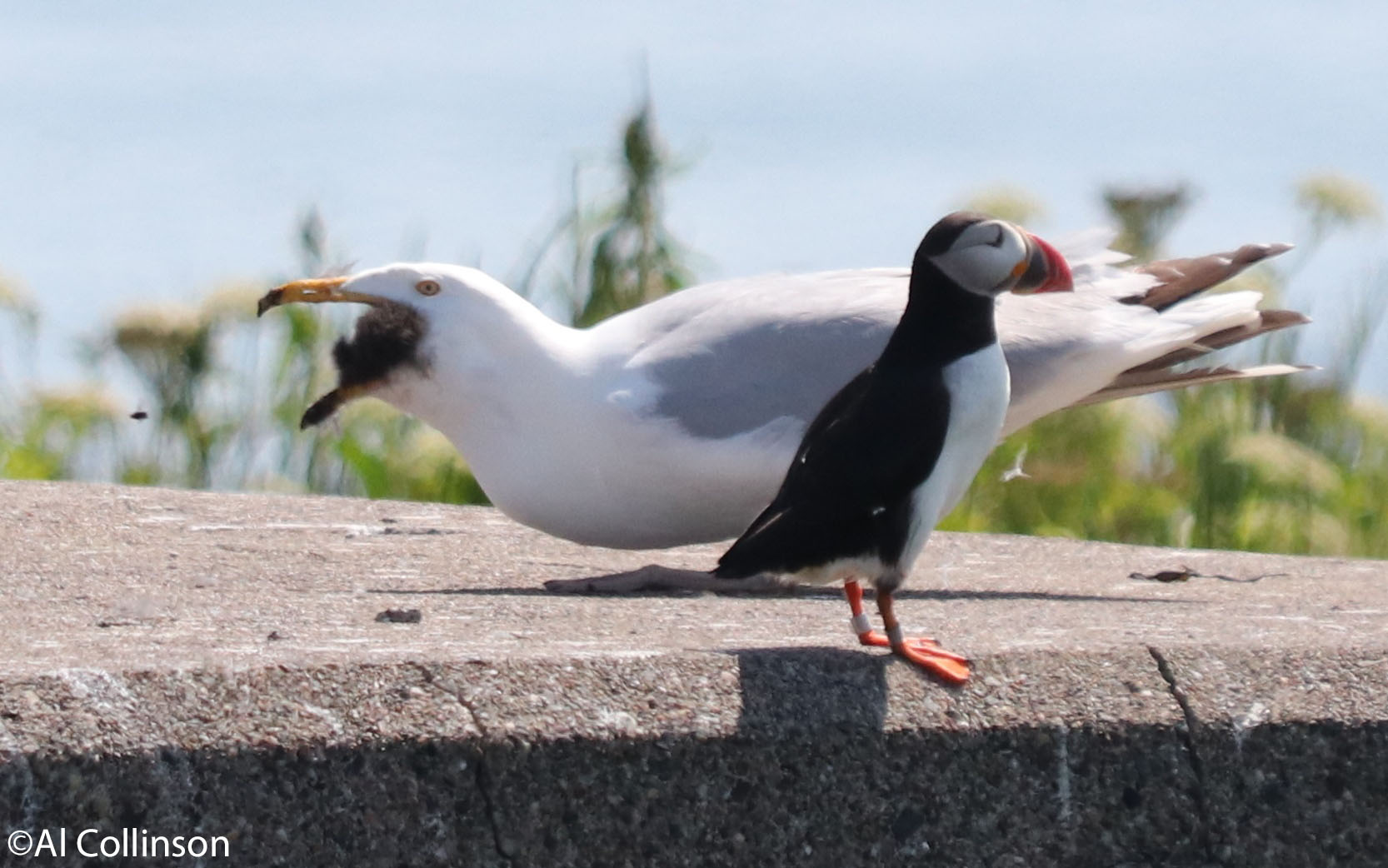
But even on a beautiful day like this, life is tough out here. Without a permanent tern colony to mob predators, danger is always lurking, such as this Herring Gull
One blind on our tour witnessed such a thing, when a different Herring Gull grabbed a puffling out of its burrow, with the helpless adults unable to do a thing about it. At least it was quick.
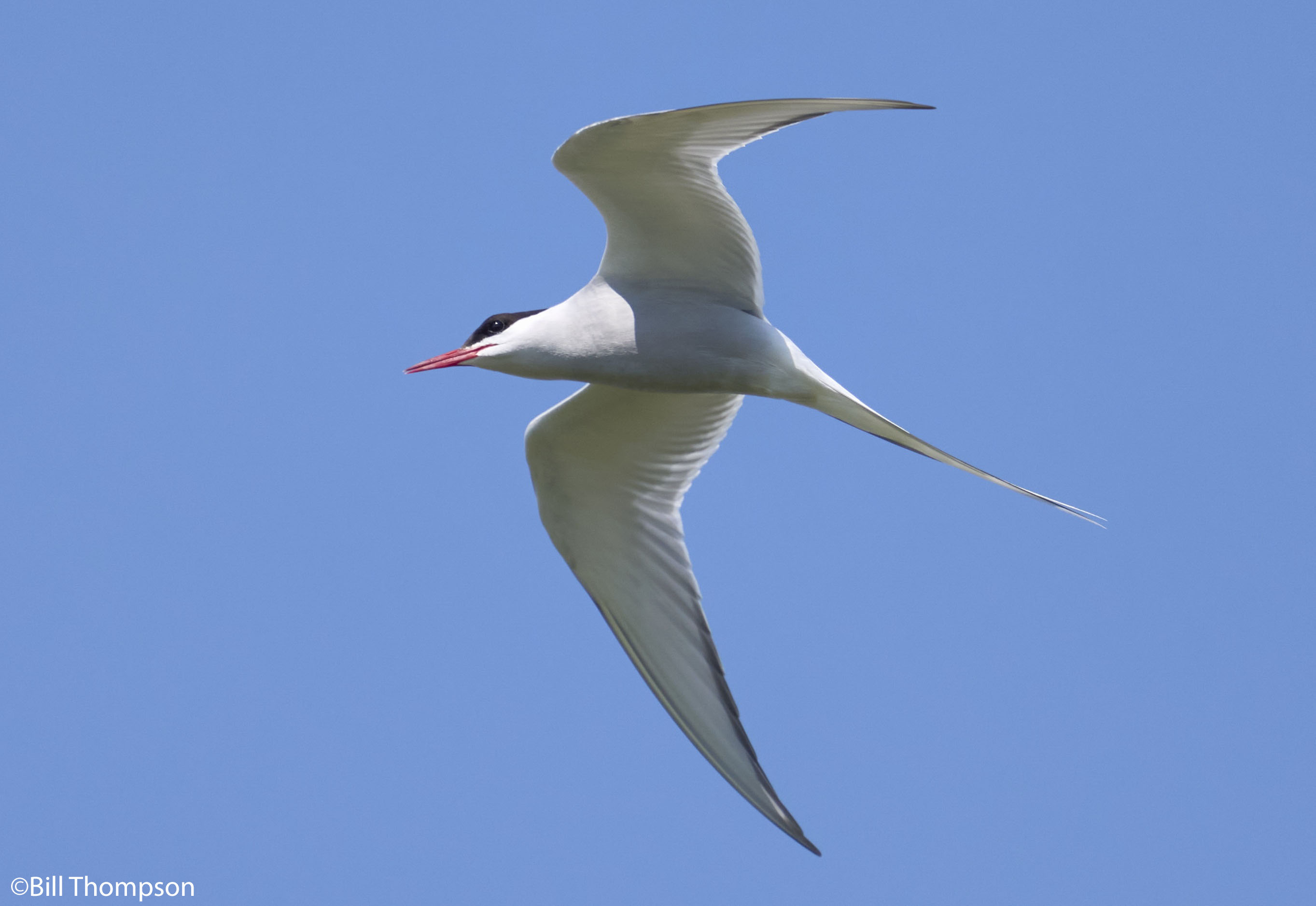
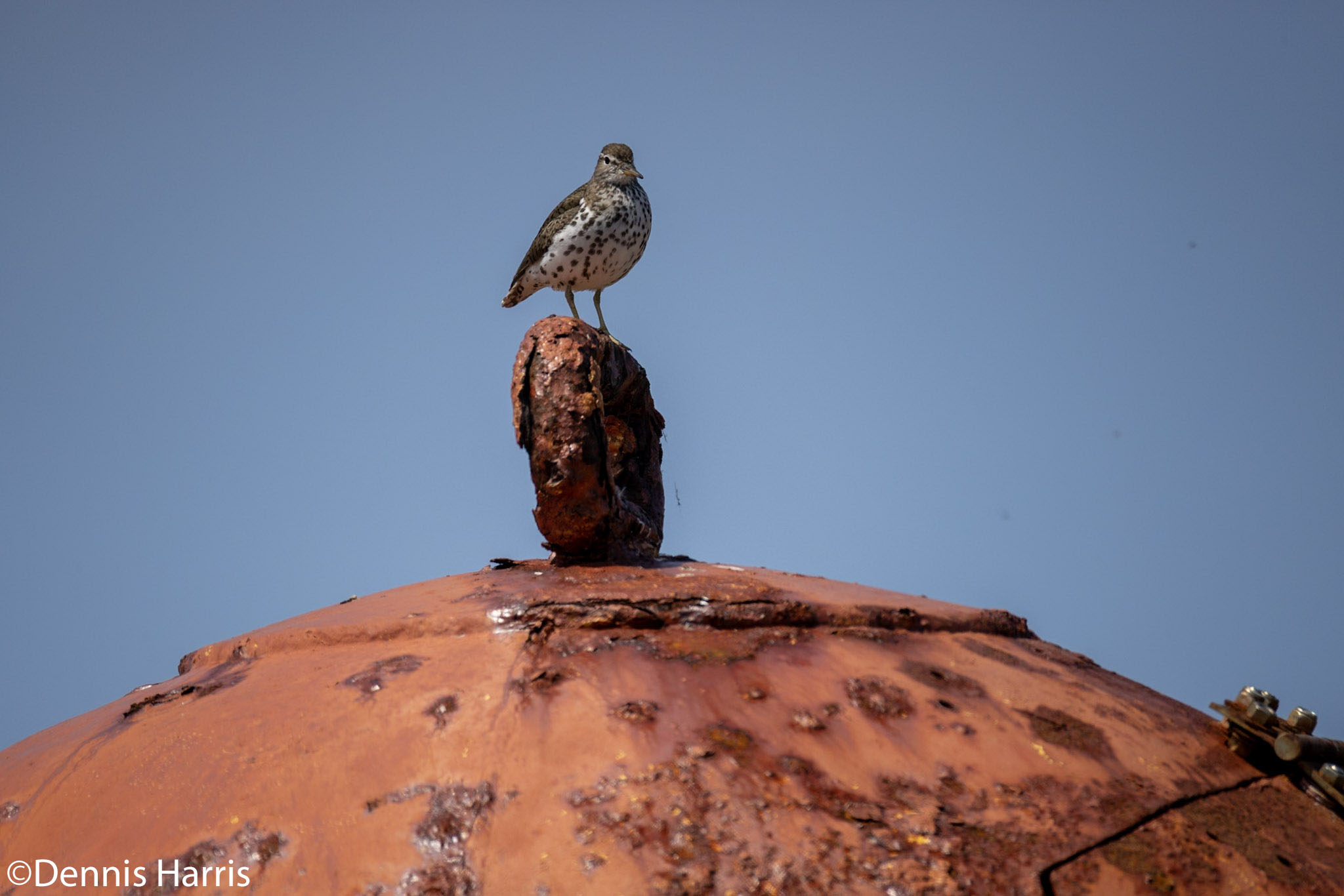
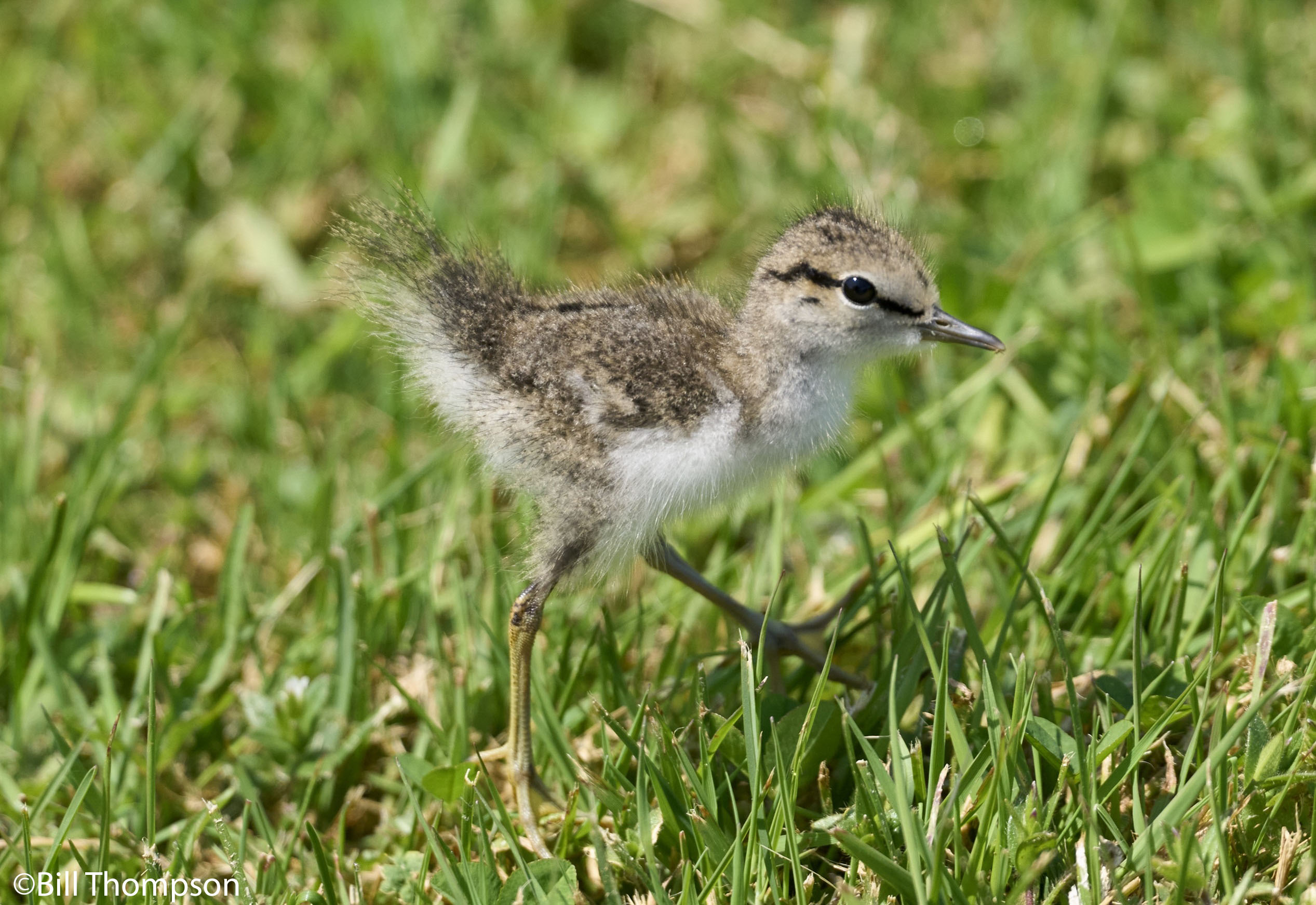
After our allotted hour in the blind – which feels like 5 minutes and forever at the same time, as time flies when you are having fun, but time also seems to stand still when fully immersed in the experience of being inches away from some of the most charismatic and entertaining birds in the world- we made our way back to the center of the island, where a couple of dozen Arctic Terns are trying to reestablish a colony, and enjoying other island denizens like Savannah Sparrow and Spotted Sandpiper.
Back on the boat, we took the traditional “victory lap” with such calm water and so, so many birds to look at. Photographers snapped away. Others sat back and enjoyed the show. I just tried to look at every single bird to find a rarity, like the famous Tufted Puffin.
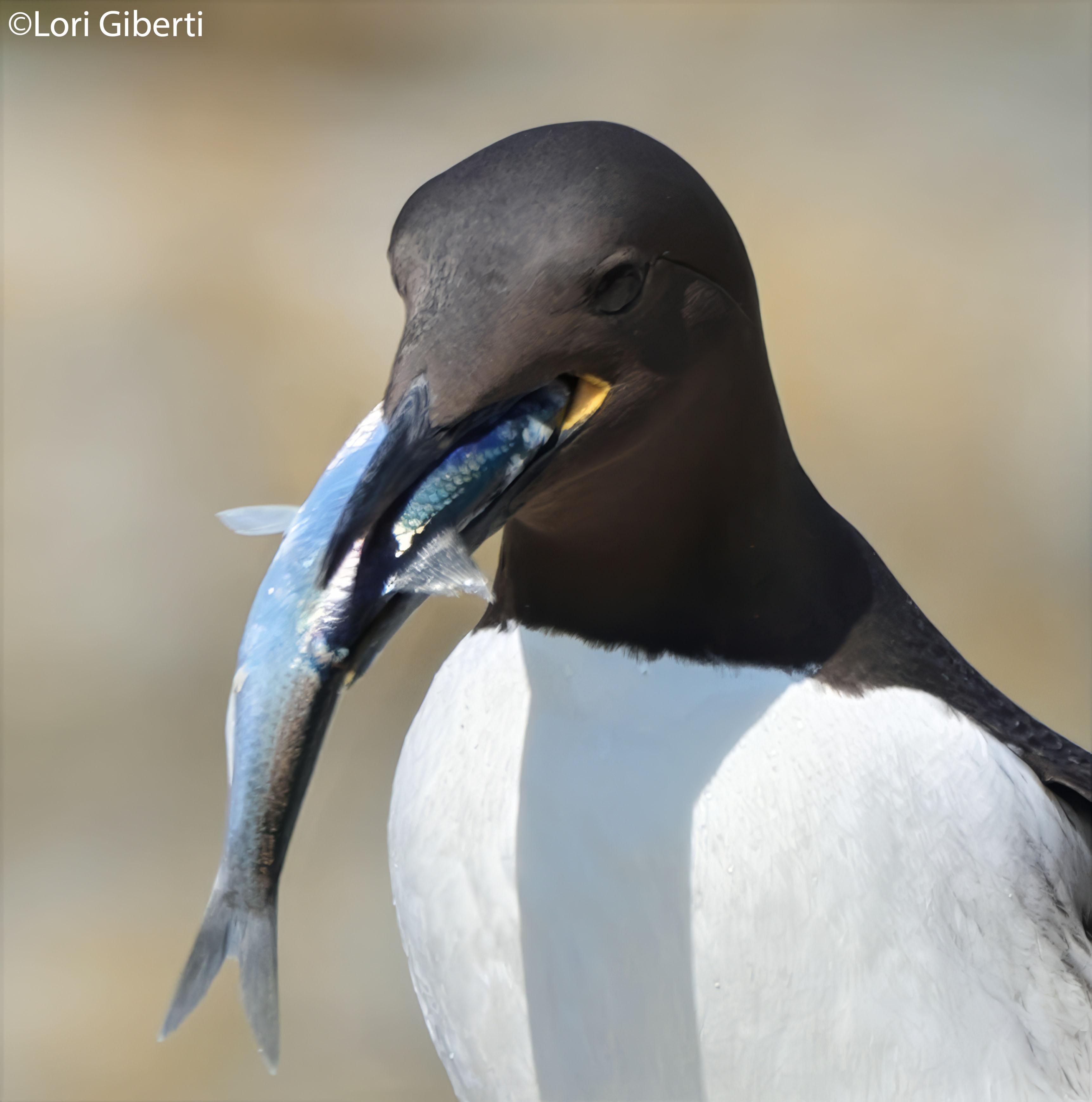
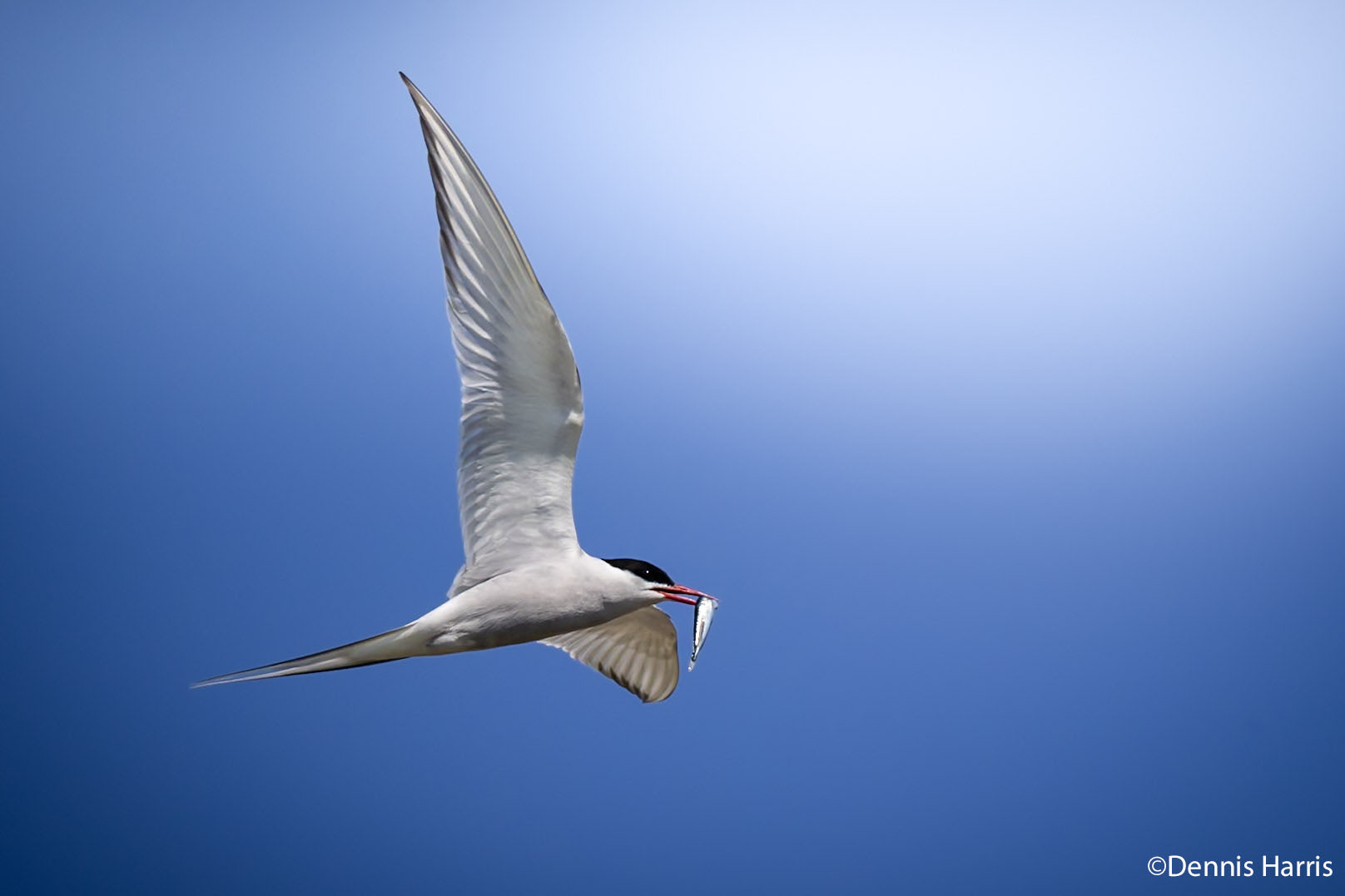
I’d be happy to hear of a possible fish ID from anyone on these, but this large tasty morsel was being brought home for chicks by Razorbills and Common Murres all day, arriving mostly from nearshore waters.
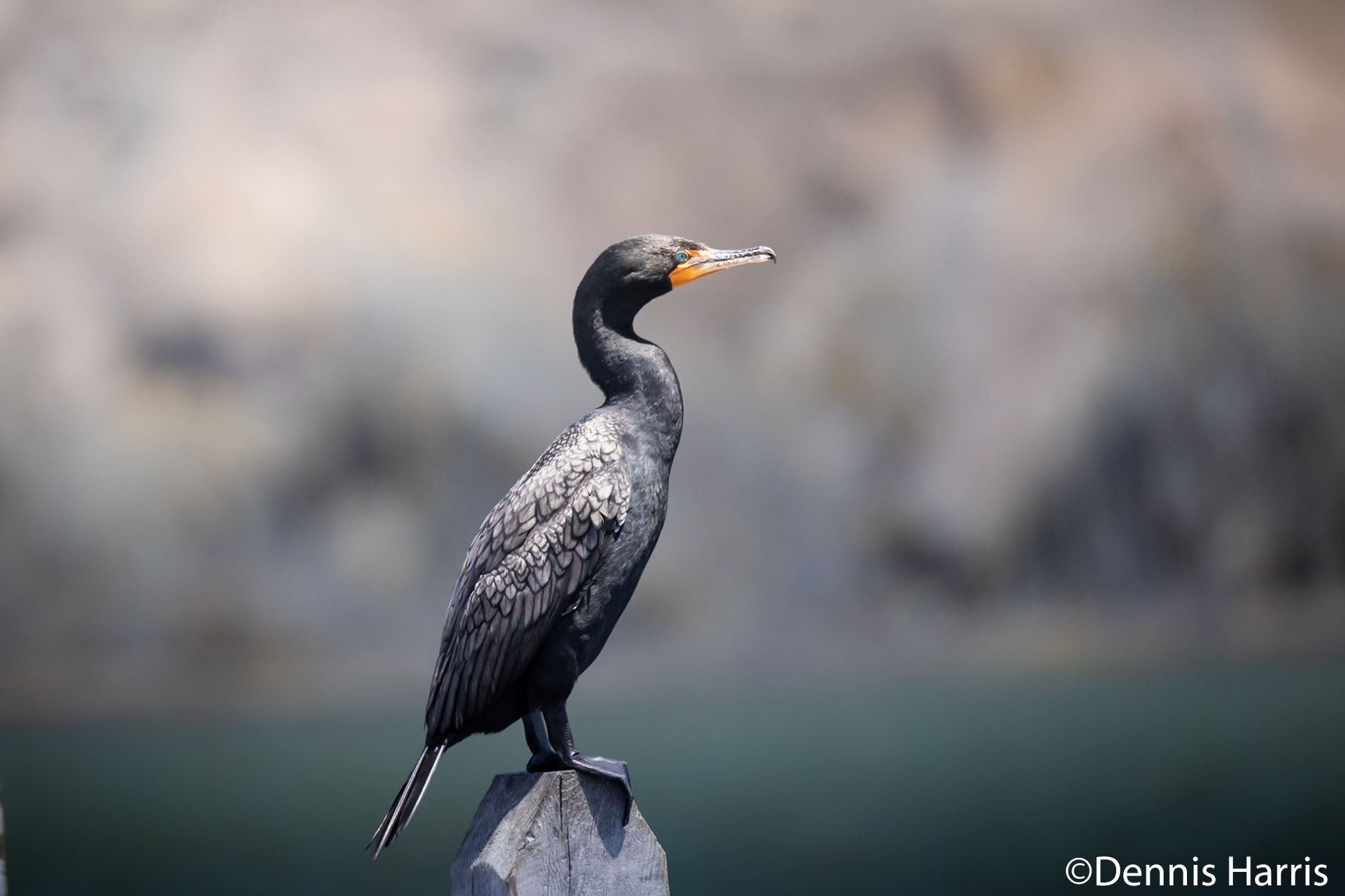
During the entire ride back, we had more Wilson’s Storm-Petrels and alcids with us, until nearly within the confines of Cutler Harbor.
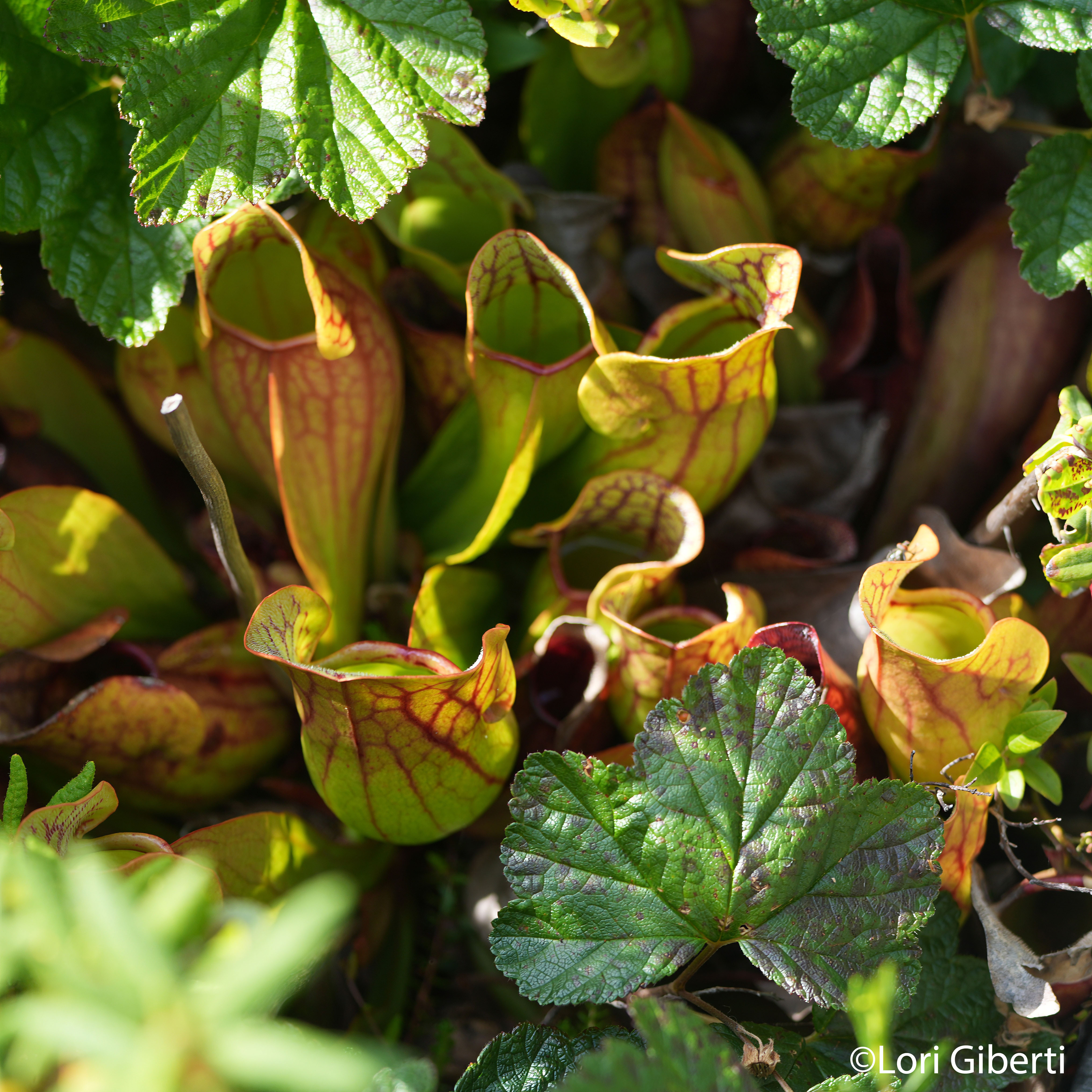
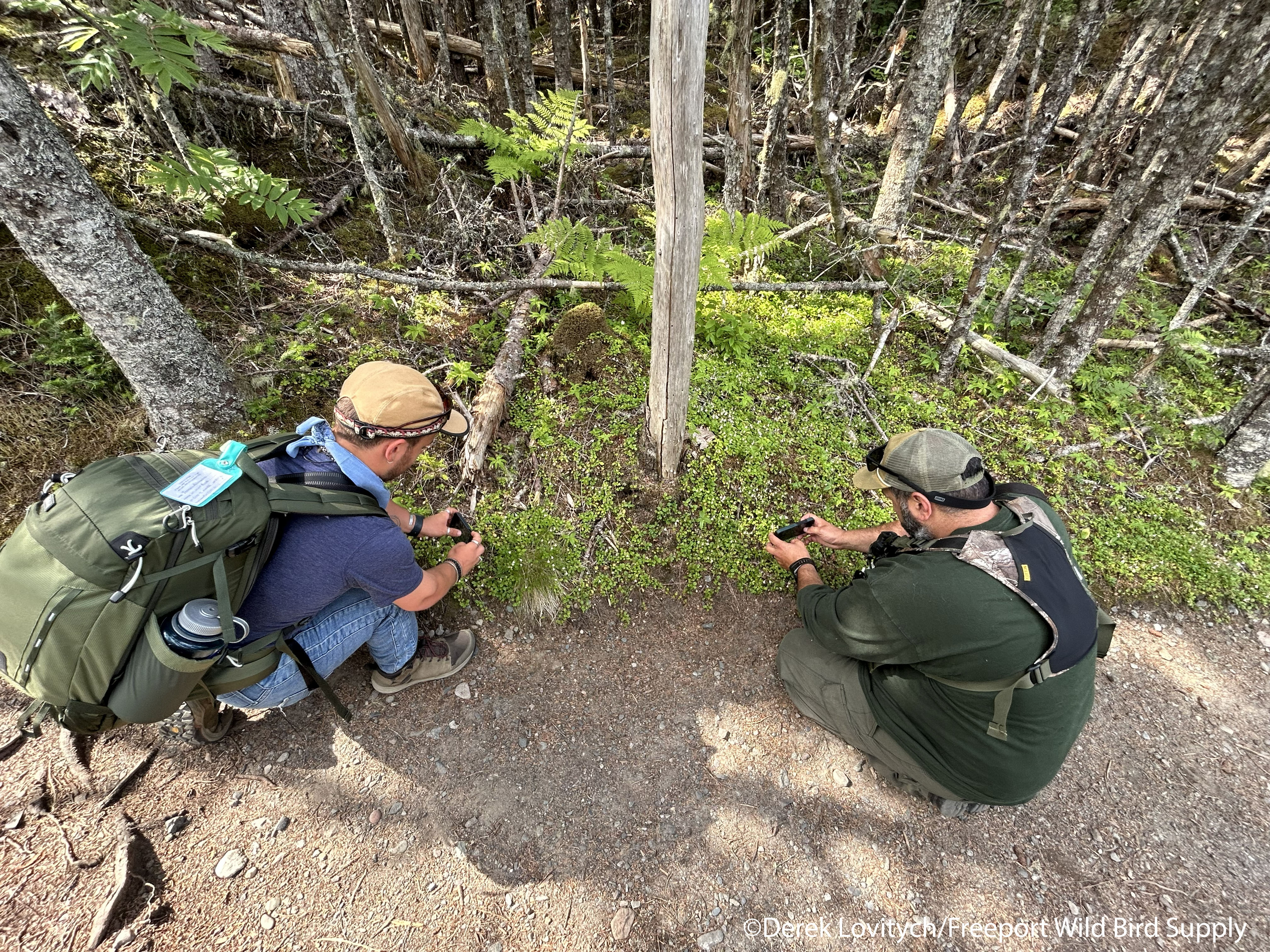
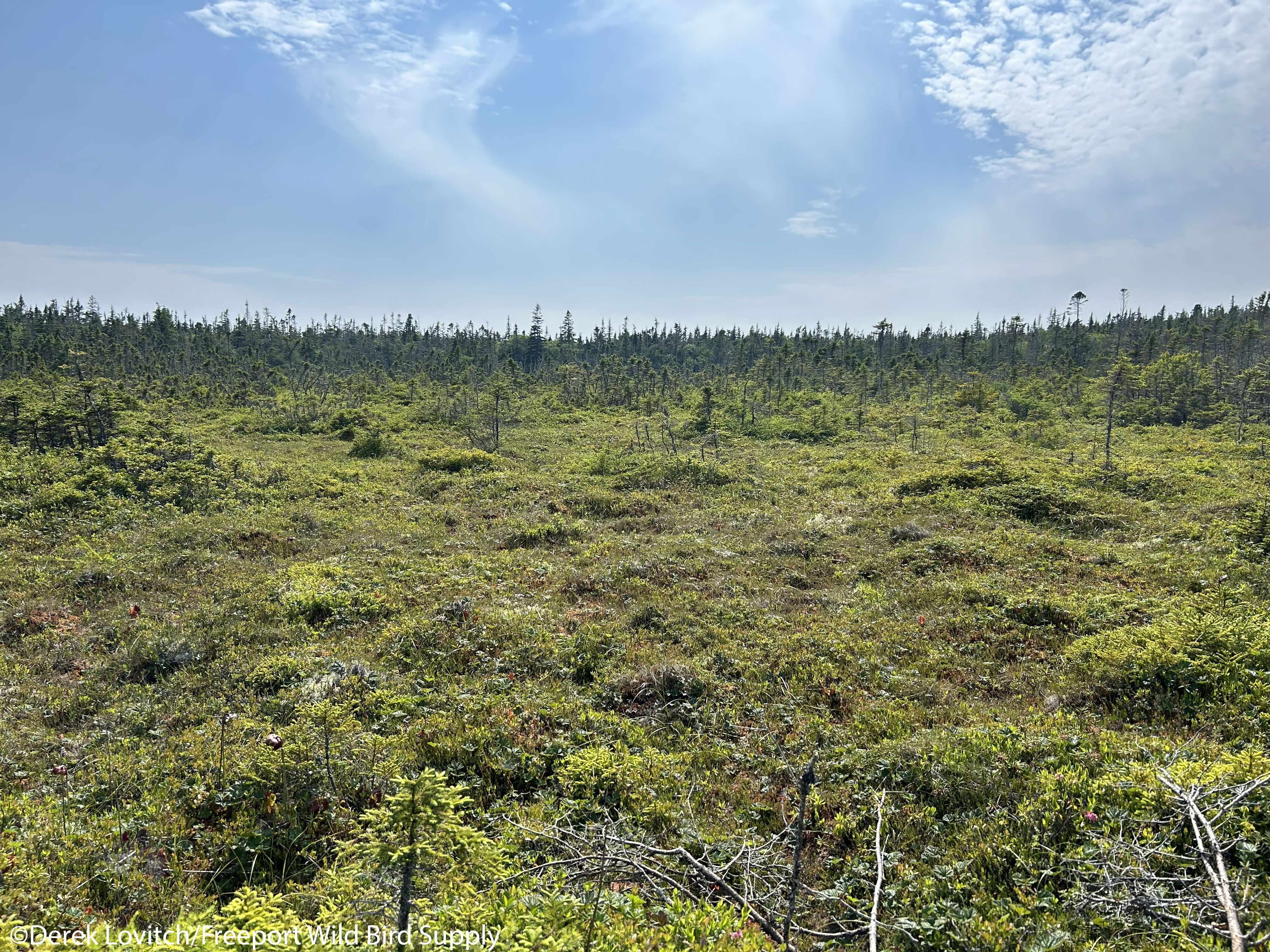
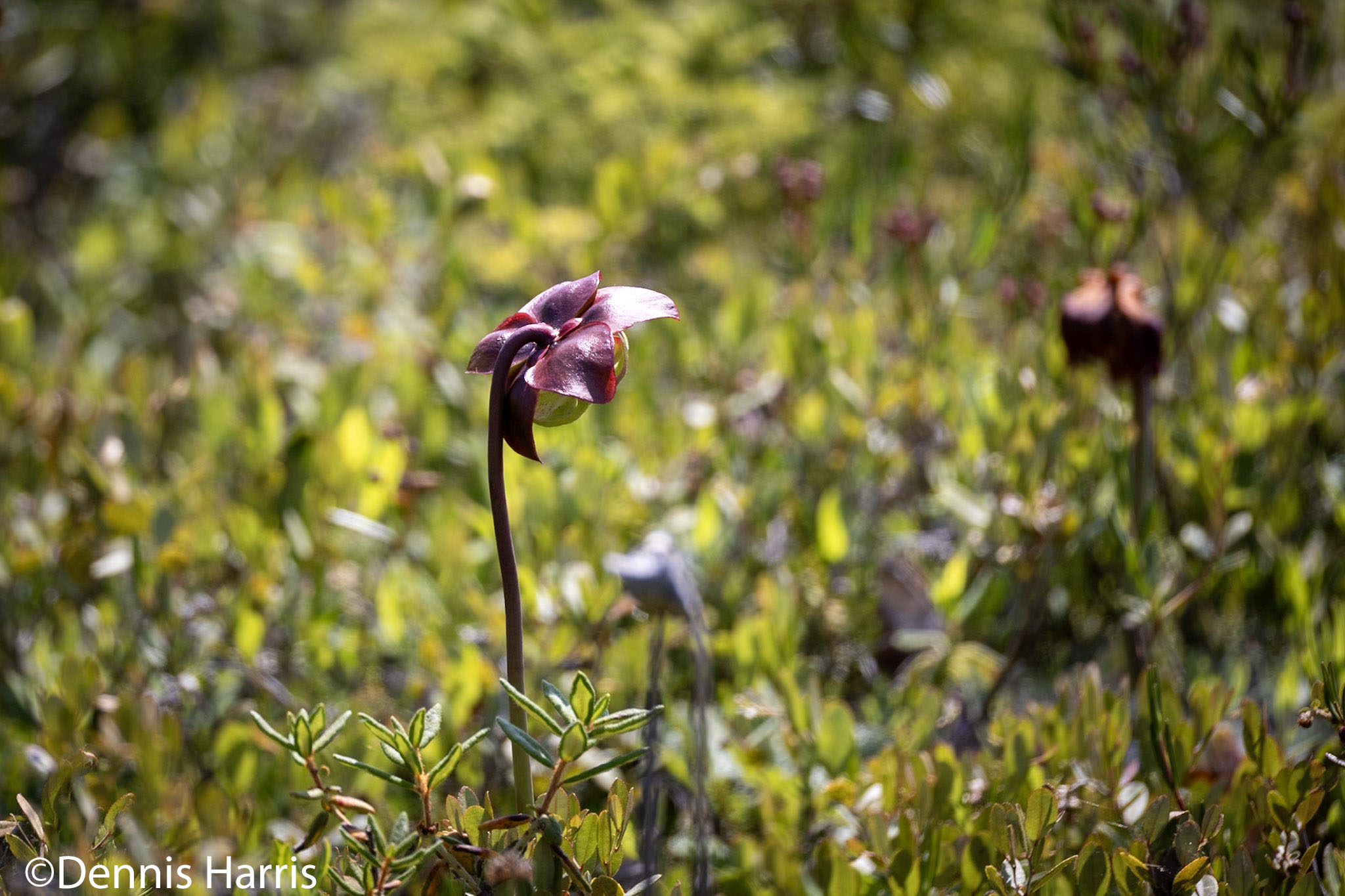
Now, as a guide, it’s hard to top that, but I at least tried to entertain folks for a little longer. First, we visited the bog at Boot Head Preserve (heard a Palm Warbler and saw some of the more common warbler species in the woods), mostly to look at plants and the unique habitat.
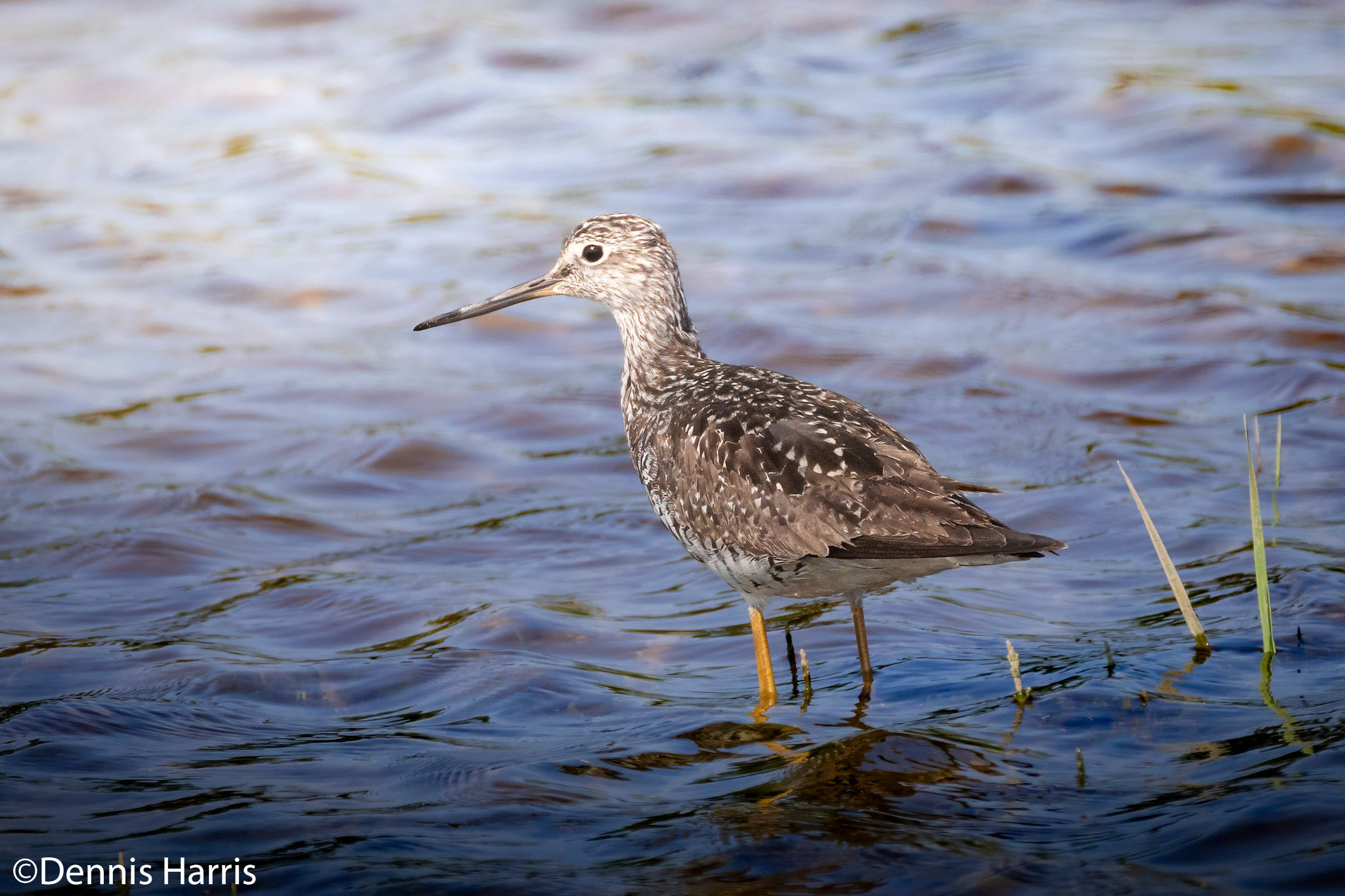
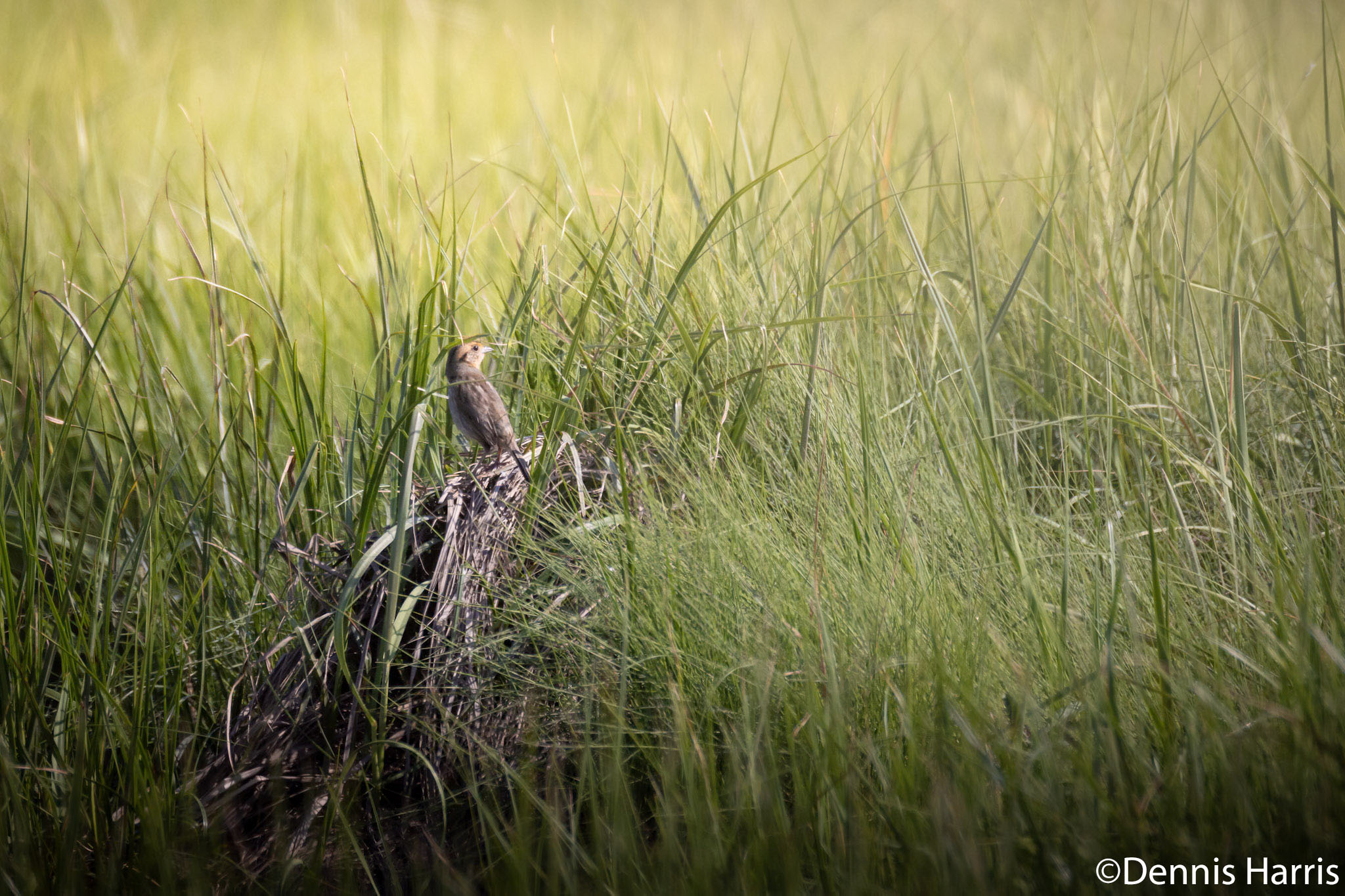
Then, back in Machias, we strolled the section of the Downeast Sunrise Trail along the Machias River and eventually had some great looks at Nelson’s Sparrow, two likely-southbound-migrant Greater Yellowlegs, several fishing Ospreys, and a good show of Bald Eagles – including two youngsters branching about around the nest.
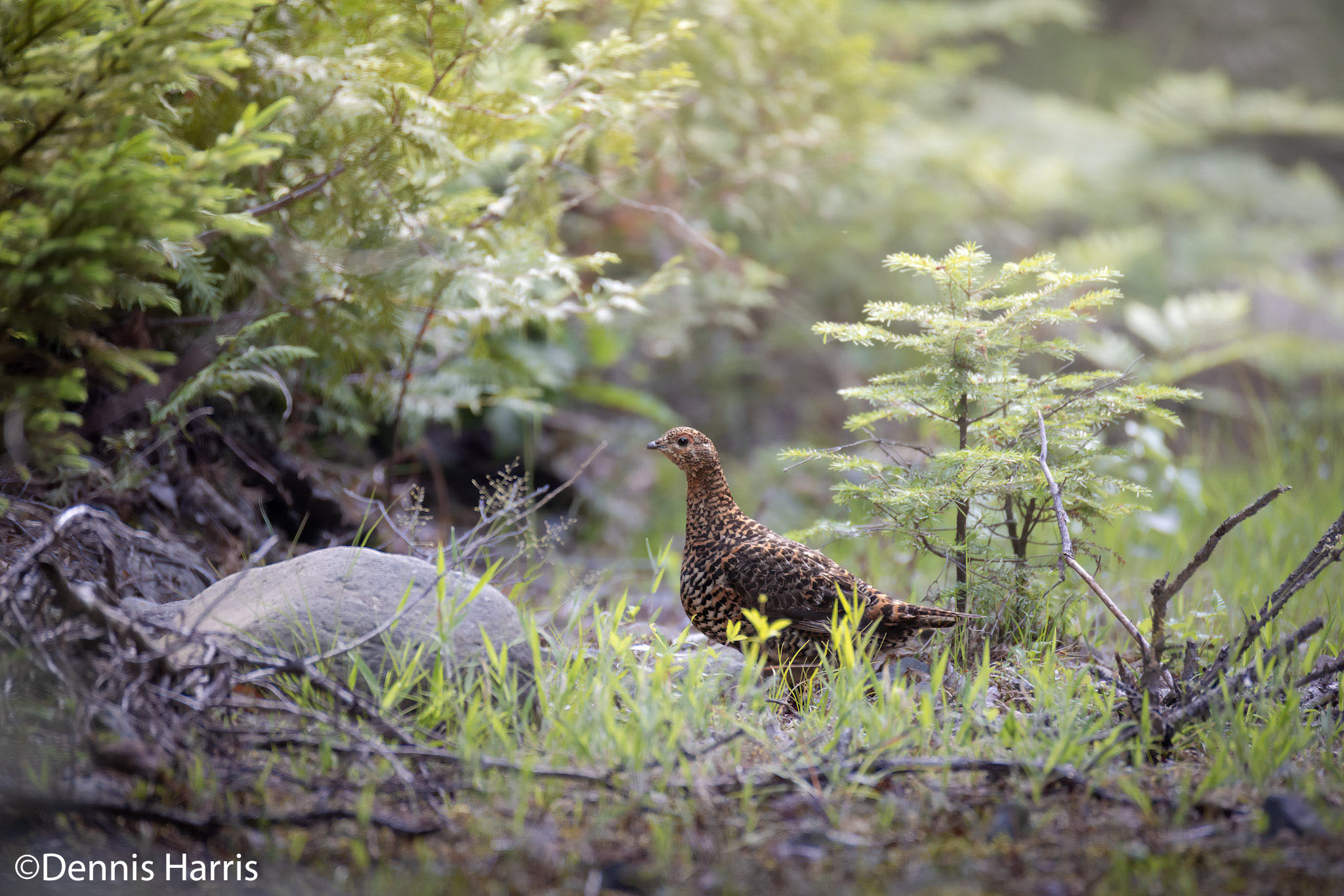
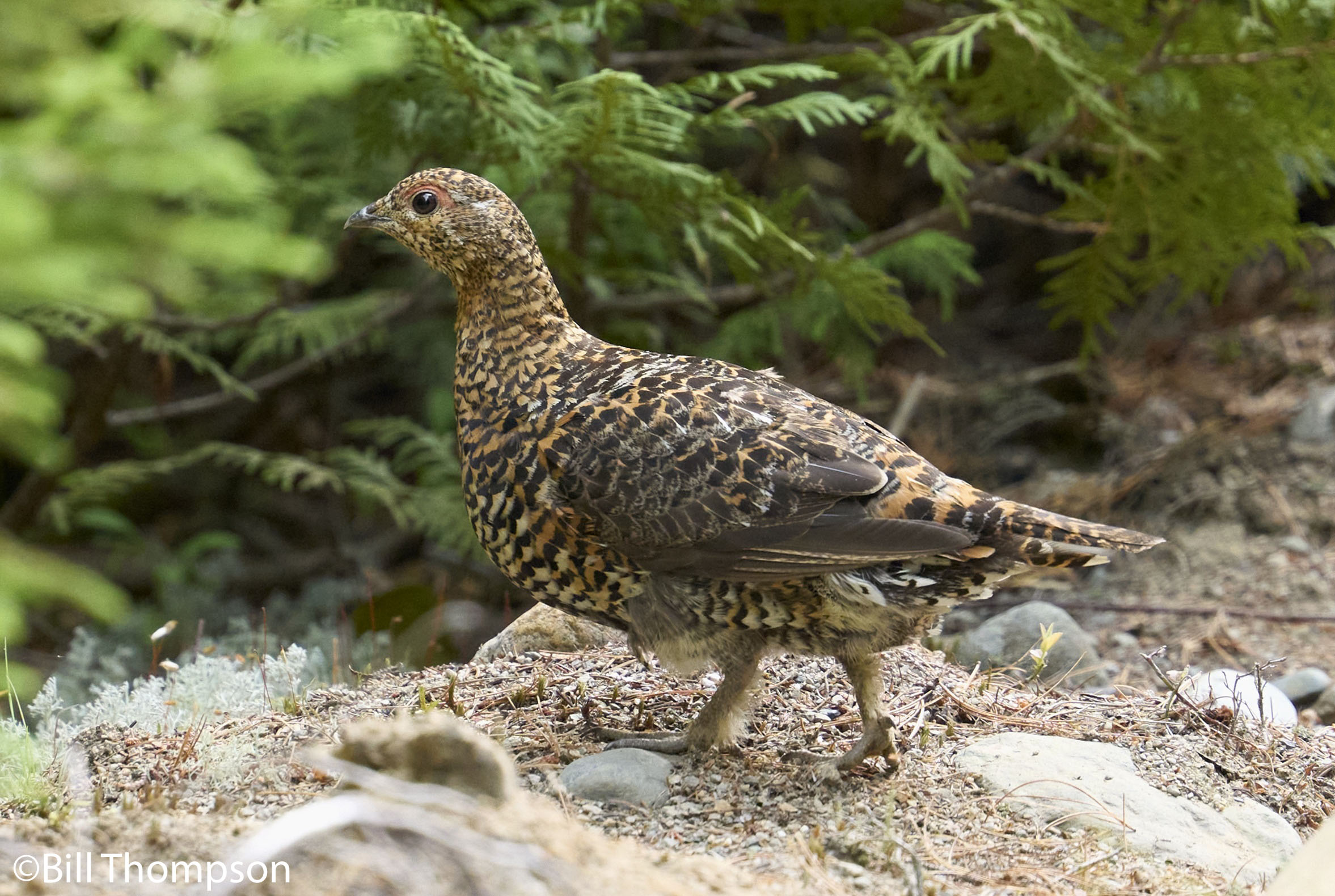
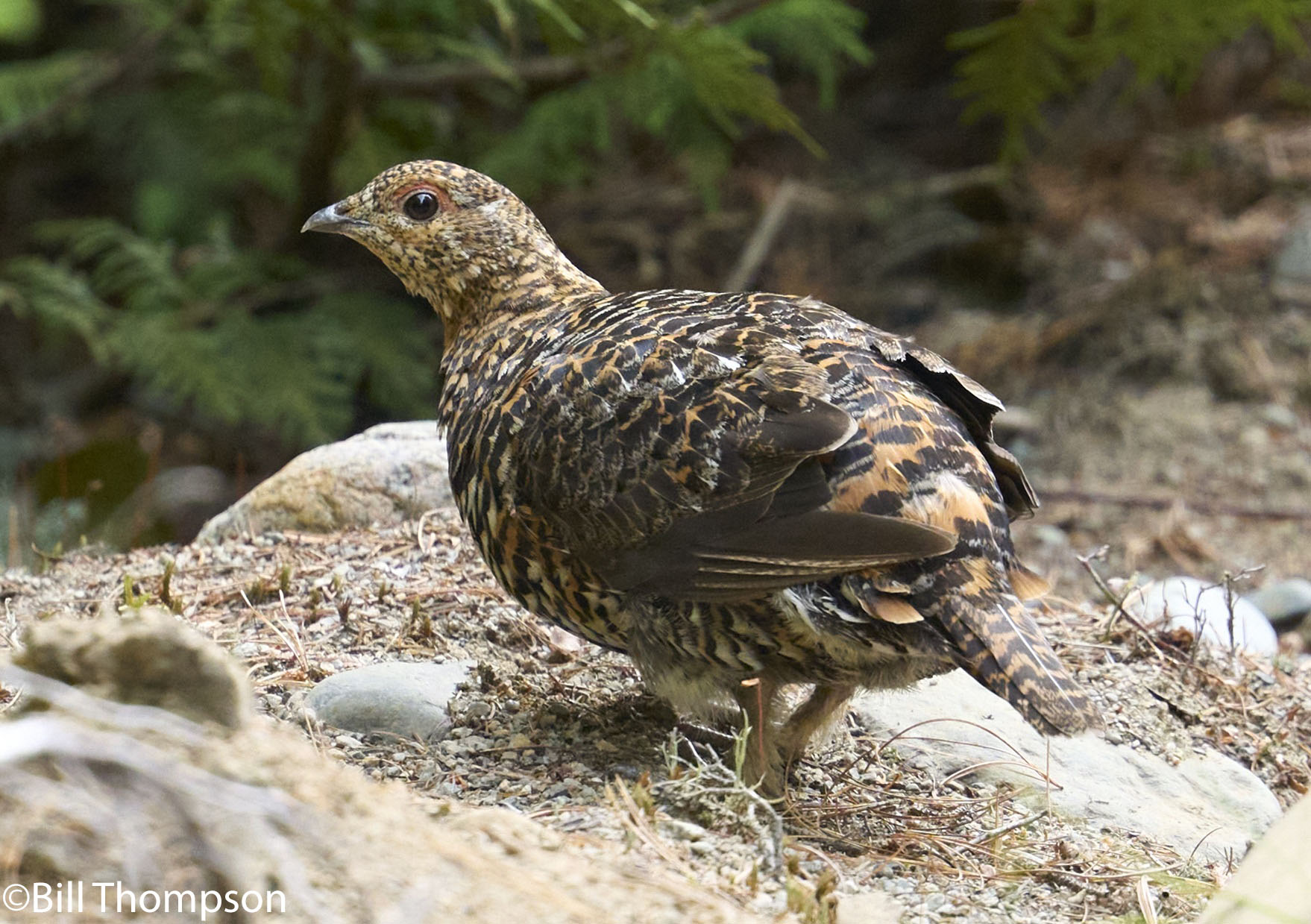
On our second morning, there were no expectations to top MSI, but we went birding anyway. Spruce Grouse was our goal, and although they are no longer seen often, if at all, at any of the regular places, I had a new secret spot trick up my sleeve.
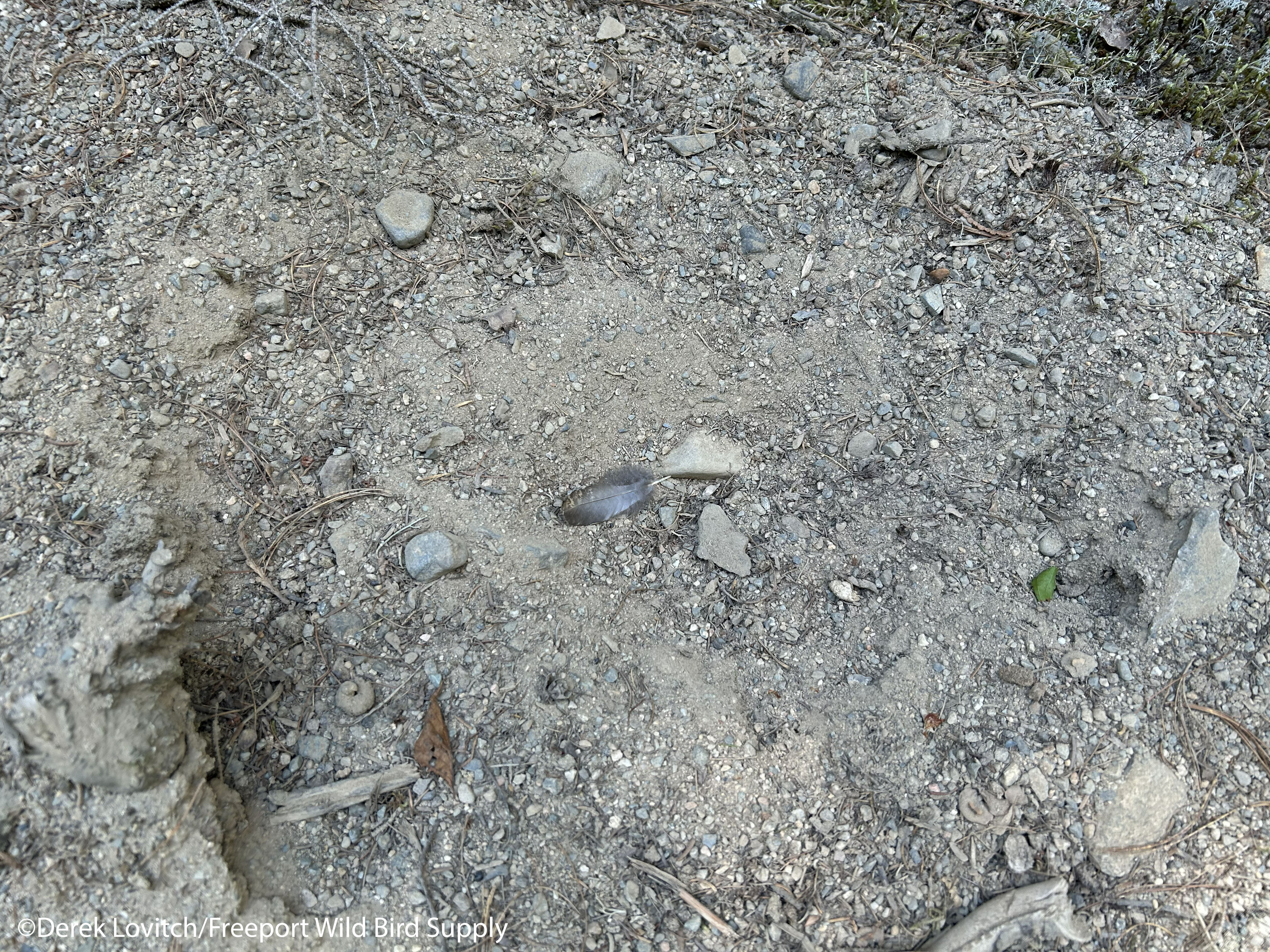
I scouted it on Friday and found a dust bath with a Spruce Grouse feather.
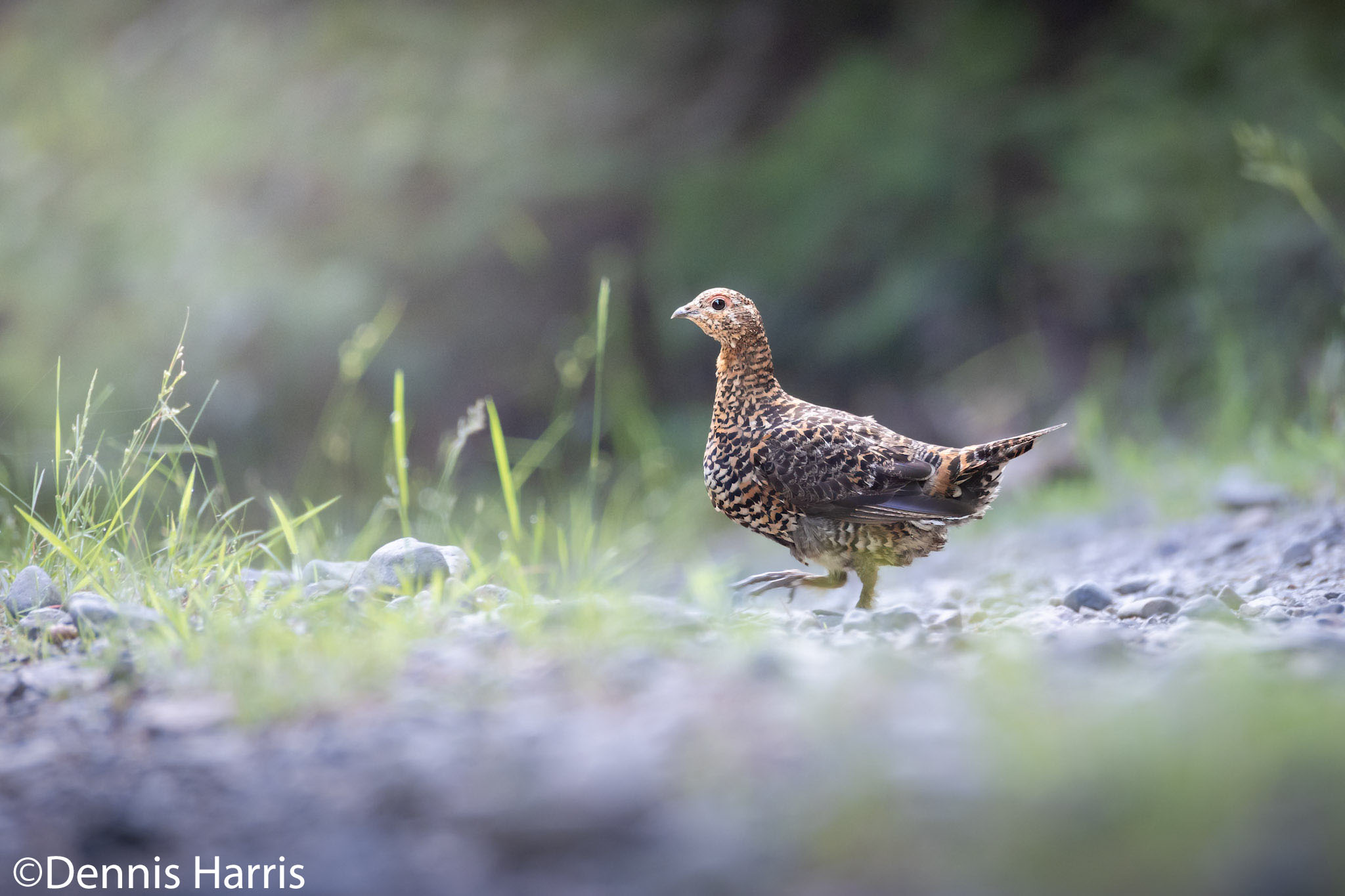
Maybe I shouldn’t have taken my low-clearance hybrid as far in as I did, but I am glad, because a fairly short and easy walk yielded this:
Yup, she was heading right to the dust bath!
We birded the woods here and at Moosehorn National Wildlife Refuge without encountering any other boreal species (heard one likely Bay-breasted Warbler, but that was it), so after another great lunch, this time at the famous Helen’s, we headed over to Lubec for some really productive birding.
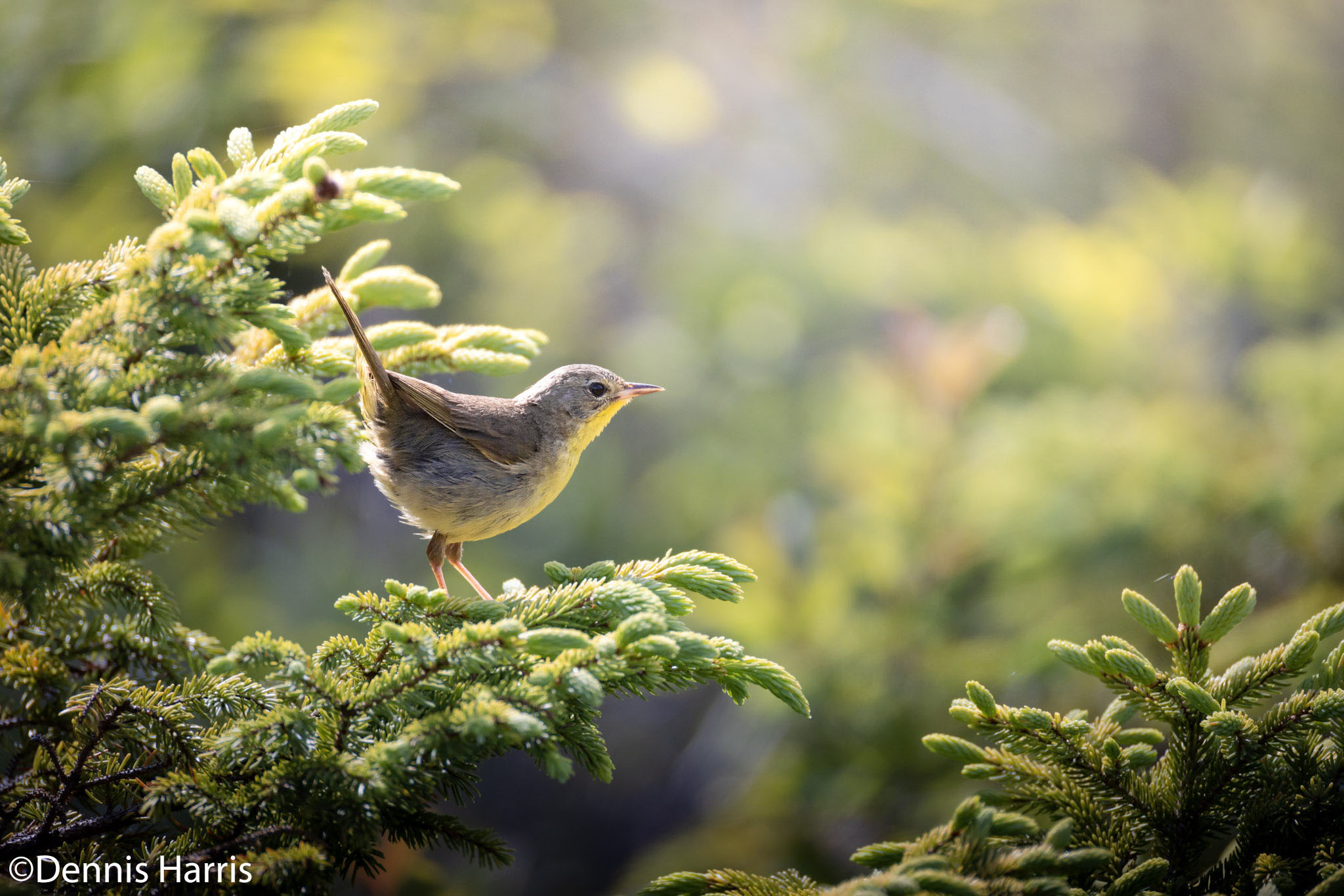
We did look at other birds too, such as this female Common Yellowthroat.
At the overlook of The Bar, we had a migrant flock of 6 Least Sandpipers, perhaps just arriving from points north. Oversummering Arctic sea ducks included at least 6 White-winged and 3 Surf Scoters, along with about 10 Red-breasted Mergansers and plenty of Common Eiders of course. We sorted through the loafing gulls hoping for a rarity.
Based on their behavior when a Bald Eagle flew by, there is a pair of Northern Harriers nesting near Carrying Place Cove – an unexpected bonus. That was great to see.
Quoddy State Park did not disappoint, although even the several dozen Razorbills offshore were a little anti-climactic. They’re still nice to see from land, however. And a Red-throated Loon, very rare in summer, was an unexpected treat, as was a Laughing Gull, which is quite rare this far East, at least in mid-summer…for now.
And we walked to the bog. Because bogs.
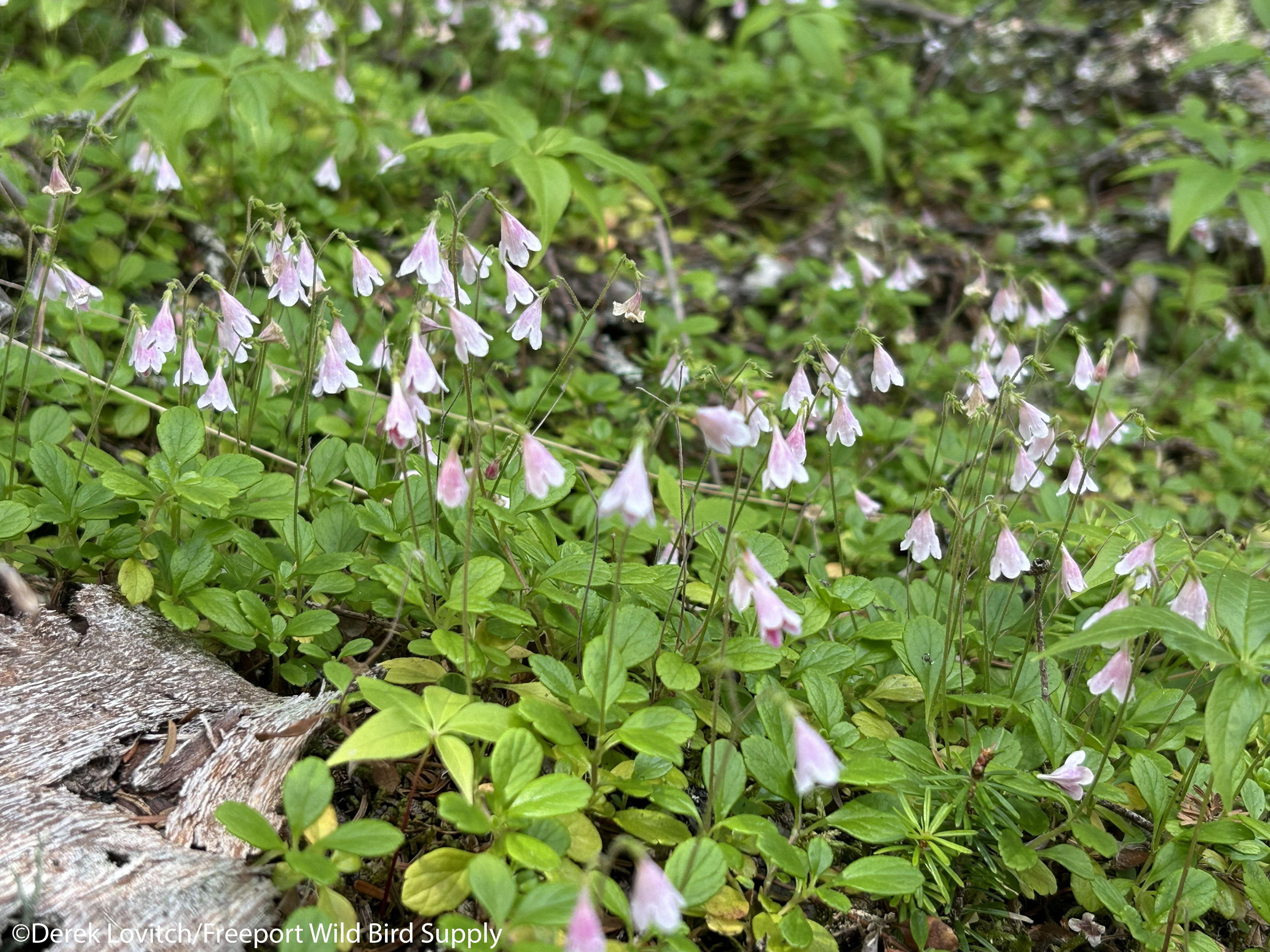
ALWAYS stopped to smell…and photograph, the Twinflower.
Even on the drive back, the birding success continued. A Ruffed Grouse crossed the road with two chicks, and I was not shy about using my vehicle to assure them safe passage. Meanwhile, for those of us staying at The Bluebird Motel, we began each day with a Tennessee Warbler singing in the parking lot and finished up daylight with Common Nighthawks foraging overhead!
Oh yeah, and as usual on an FWBS/Derek Lovitch tour…we ate really, really well, wrapping things up with one last indulgent lunch at Helen’s.
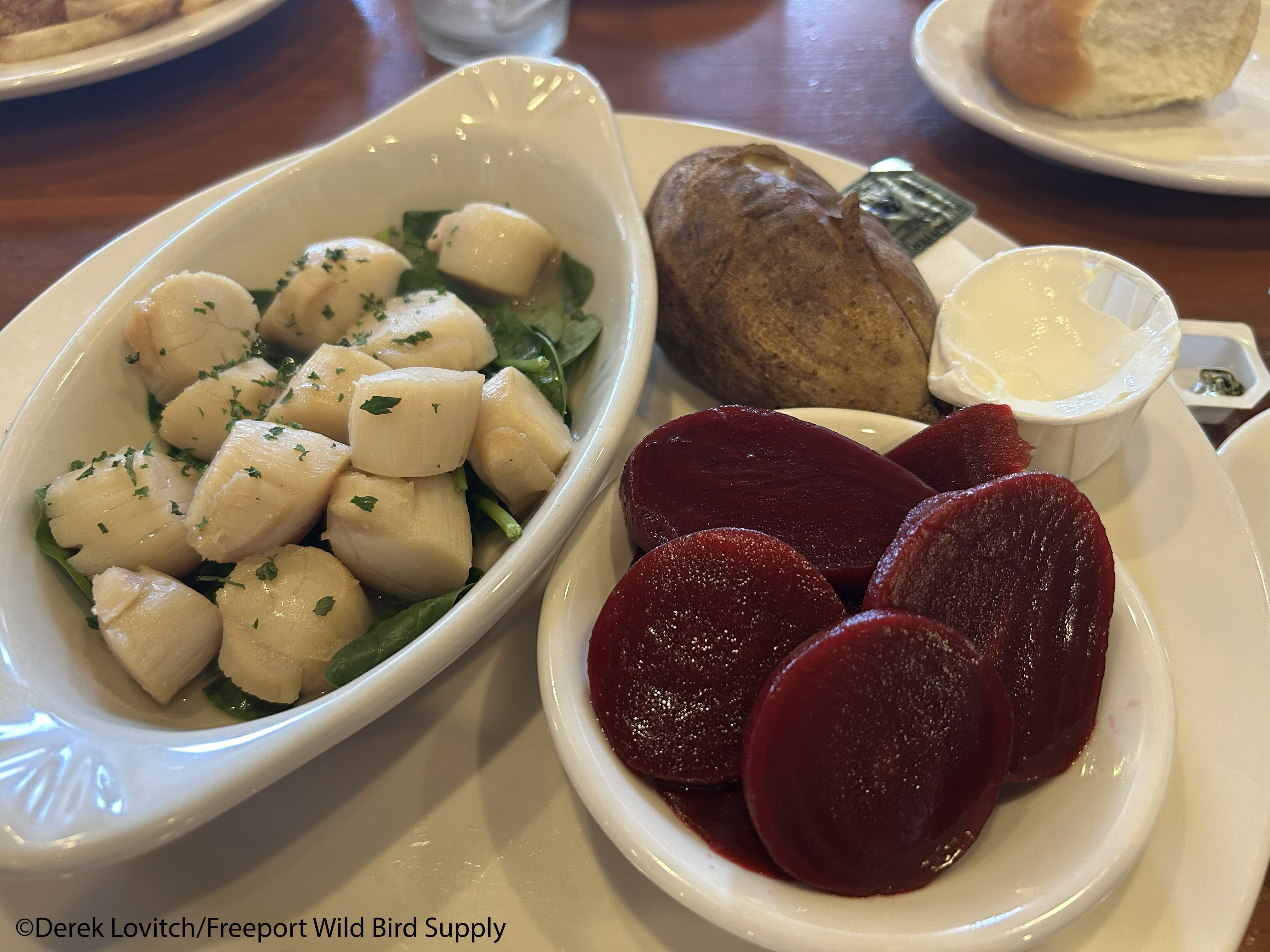
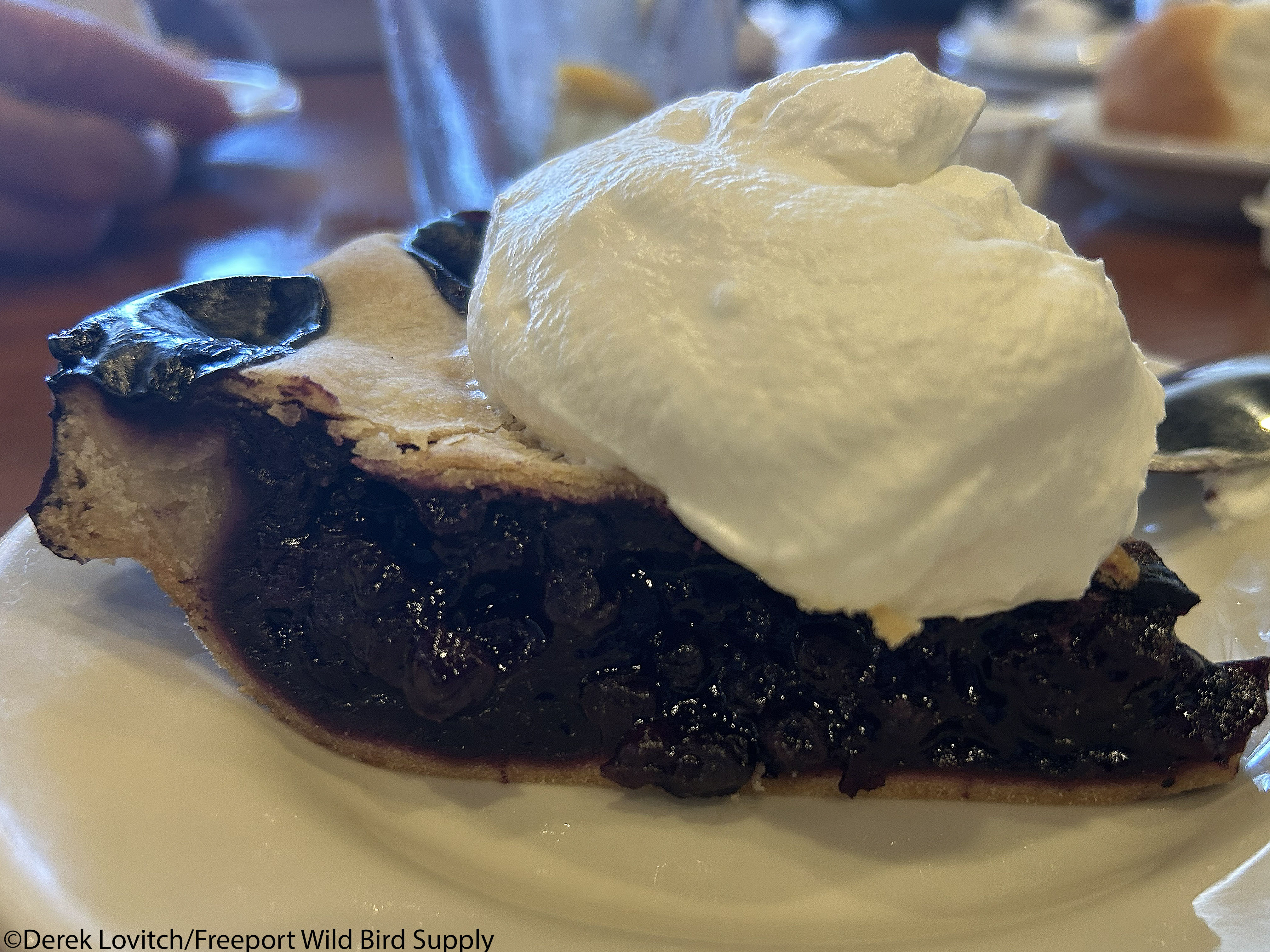
Local Cobscook Bay scallops, and their pickled beets are perfect. Both almost as good as the pie!
I guess I don’t have to say that you’ll see this tour on the calendar next year…I have already confirmed it.
This Blue Grosbeak was among the highlights of an incredible weekend on the island.
“It was like the good ol’ days!” When every other bird you saw was a rare one, and you barely walked 10 steps before finding more birds. But this was not what we were expecting, and the weekend sure didn’t start out that way!
After a very rough boat ride, we were still putting ourselves back together when one birder said “Go back, there are no birds here.” Apparently, it had been a dreadfully slow week of little migration, but at least nice weather. This weekend, the weather wasn’t supposed to be very nice. So without many birds on the island, and quite a bit of rain on the way, were less enthused about arriving than usual…well, that might have had something to do with the boat ride.
And I am not sure if it helped that one of the first birds I looked at was a rare hybrid Herring X Great Black-backed Gull. I am not sure if anyone was ready to take in gull hybrids yet. Even more when we feared that this could be our best bird of the trip if the pattern held.
And sure enough, it was a very slow afternoon. But we did have good luck. We found a Sora that walked out into an open patch of mud, quickly caught up with the adult Lesser Black-backed Gull that has been hanging around, and after lunch immediately found the Least Sandpiper and Spotted Sandpiper at Lobster Cove that have been playing hard to get all week. There was also a good Northern Gannet show, which is always a treat. So at least we were seeing what was around, which sadly, really was not very much. But hey, it still hadn’t rained!
Least and Spotted Sandpipers – shorebirds are few and far between on the island.
A period of rain, heavy at times, fell overnight, but the band was much narrower and less heavy than forecast. It did not rain all night, and it even appeared that a light flight of migrants had developed on the radar after midnight. And sure enough, come dawn, there was a light Morning Flight overhead. It was mostly Yellow-rumped and Blackpoll Warblers, but hey, there were new birds around! And once, again, it was not raining.
A fly-over Dickcissel or two, a calling Gray-cheeked Thrush, and more. Birds! Yay!
Then, after breakfast, I went to spread some seed in my favorite corner to attract some birds for the group to enjoy this morning. Turning the corner near the famous “Chat Bridge” a shockingly bright flash of the most intense yellow you can imagine. And blue wings, and a flash of white in the tail. Prothonotary Warbler I exclaimed to no one around.
I raced back towards the group meeting point and sent them on their way. Kristen Lindquist took off running. I eventually made it back with the rest of the group and we divided to conquer. Kristen and about half the group spotted it repeatedly, while it remained tantalizingly out of view from where I and others were standing.
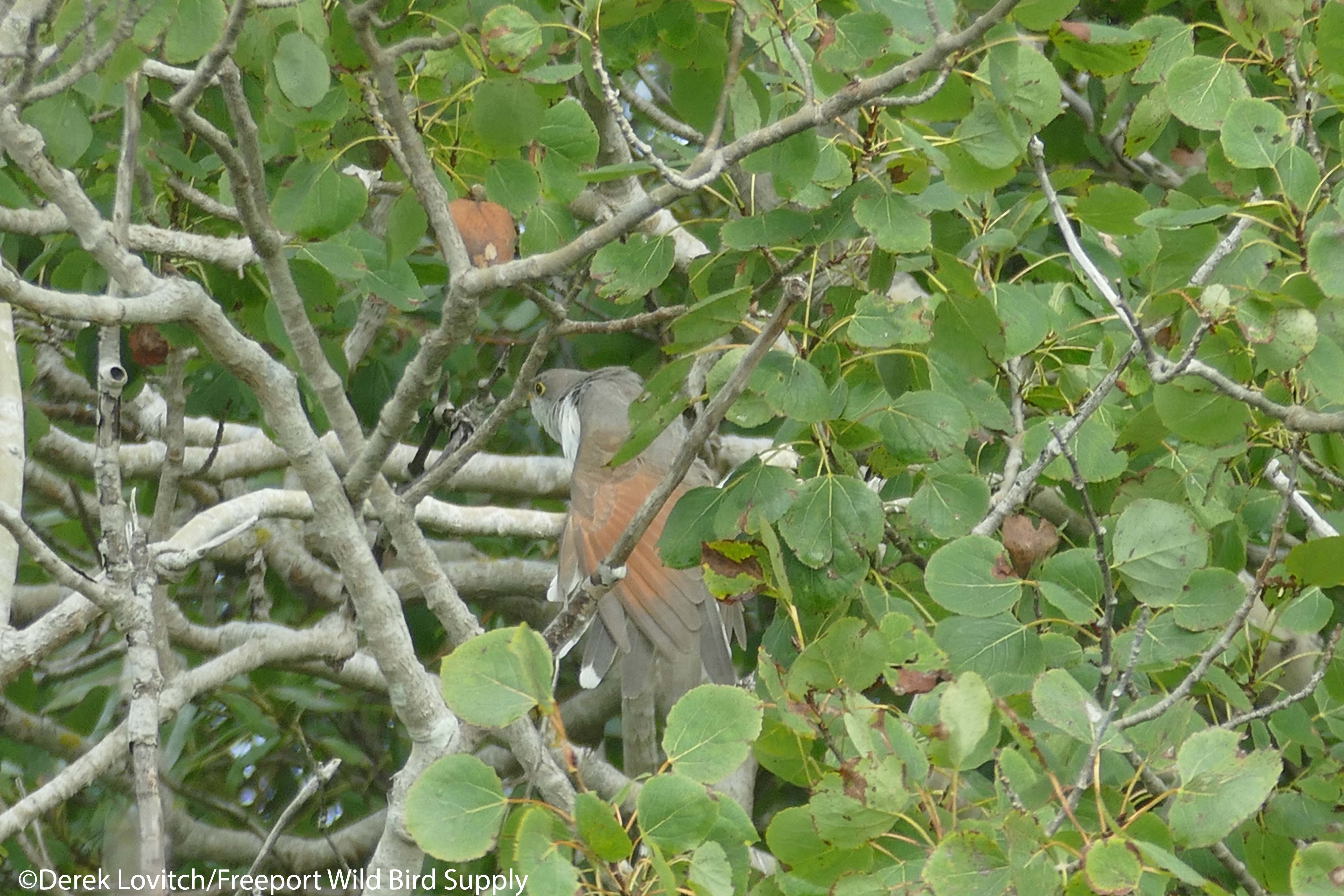
As other birders converged, a classic “Patagonia Picnic Table Effect” occurred. First, there were two Dickcissels, then I spotted a Yellow-breasted Chat making a short flight over the brush. While searching for that, Ilsa spotted a Yellow-billed Cuckoo that would sit still, preening, for well over and hour. It might have been the most cooperative cuckoo ever on the island! Another group had a brief look at a Clay-colored Sparrow.
Unfortunately, the Prothonotary Warbler was never seen again.
Yellow-billed Cuckoos don’t usually sit this still for this long. This bird was likely exhausted after just arriving on the island.In case you didn’t see it’s yellow bill.
It was already a pretty amazing day for one that we thought would be a wash-out. And it was still not raining. After our lunch break, we convened at the Monhegan House at 1:30, and spent the next hour and a half on its lawn, and going no where else.
One Dickcissel became two, and then four, and when the group finally took off together, we were shocked to confirm a genuine flock of 8 Dickcissels – exceptional, even for Monhegan. And there were not one, but two Clay-colored Sparrows! And other birds just kept arriving, as standing in one spot saw our list quickly grow: American Redstart, Brown Creeper, Warbling Vireo, etc, etc. One “Western” Palm Warbler became 4, a couple of Cape May Warblers paid us a visit, a Savannah Sparrow dropped in…
It was truly incredible! It felt like my first tours here 15 years ago. By now, a light shower was falling, but we didn’t seem to care. We finally pulled ourselves away as the action waned, wanting to see what the next hot corner would offer. After spotting at least 8 Baltimore Orioles along Pumphouse Road, the rain finally arrived in earnest by about 3:30pm. We called it quits, but considering the day we had, no complaints were to be heard. It was a really special day; one that will not soon be forgotten.
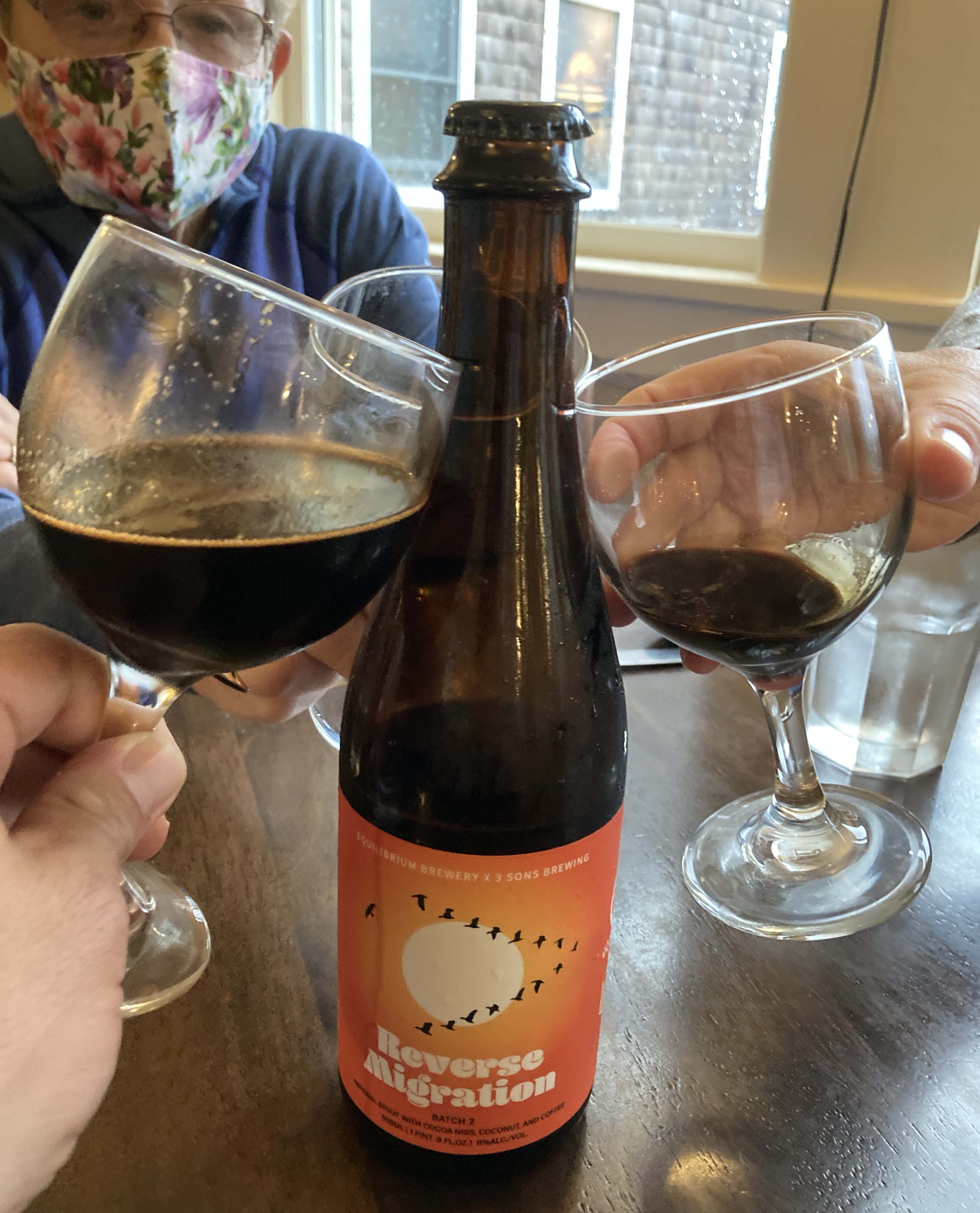
While it was more accurately “180-degree misorientation” and other forms of vagrancy and not “reverse migration” that brought us so many good birds, I brought a special beer out just in case we had a day like we did today!
Rain fell overnight again, and come dawn on Sunday (Day 3), dense fog had rolled in. There were a few Yellow-rumped Warblers overhead, especially during a short respite from the fog, but there were not nearly as many birds around as the day before. But, with fog overnight, we expected birds who were on the island to stay, which was good, because yesterday was awesome and there were still a few birds we had not yet encountered.
It might be a while before they are “countable” again, but the Ring-necked Pheasant population seems to be booming in town.
We delayed the start of the after-breakfast walk to let a batch of heavier rain clear through. We were stuck in such an odd fall weather pattern, with virtually no west-east progression of weather systems. But we had been so lucky with the timing of the rainfall so far, that a little delay was of no concern. Regrouping at 10:00, light showers gave way to just some lingering drizzle by 11, and it soon became apparent that there were new birds around. We had two Prairie Warblers, a Scarlet Tanager joining the growing flock of Baltimore Orioles, and a Blue-winged Teal joined a Green-winged Teal in the marsh. Two Cliff Swallows and a Barn Swallow foraged over Manana, and we had our second Yellow-breasted Chat of the trip – this one in the Island Farm garden on Pumphouse Road. And another Clay-colored Sparrow?
There was a really impressive number of Baltimore Orioles on the island over the weekend.
Pockets of Yellow-rumped Warblers here and there often contained another warbler species or two, and we had good looks at stuff all morning, even often-challenging birds to see with a group like Lincoln’s Sparrows.
And after lunch, the sun was out! We had the Lesser Black-backed Gull again, more looks at Clay-colored Sparrows, and finally the immature male Blue Grosbeak showed up for us, and show it did!
It wasn’t as birdy once the sun was out, but a light raptor flight, including at least 6 Peregrine Falcons helped make up for it.
On Monday, our last day of the tour, it appeared that little moved overnight on a light southwesterly flow aloft. But that had our daydreams going for rarities from our west and southwest. And sure enough, while some of us were dallying over breakfast, a Western Kingbird that Kristen Lindquist found earlier flew right over us at the Yew and alighted nearby!
After breakfast, we “cleaned it up” for the group when we relocated it at the cemetery, affording great looks for all. A slower day finally gave us an opportunity to head into the deeper woods. And while we expected fewer birds in the island’s interior, a couple of mixed-species foraging flocks finally put Red-breasted Nuthatch on the list, and we found the first Pine Warbler of the weekend.
“Look at my tail!” Just in case anyone had hopes of stringing it into a rarer western Tyrannus.
Jeannette joined us by lunchtime, and after lunch, we had a frustratingly brief glimpse of the original Yellow-breasted Chat, along with more great looks at Clay-colored Sparrows.
The tour came to a close with the 3:15 departure back to New Harbor, bringing our incredible four days together to the always-bittersweet end.
Jeannette and I birded the rest of the afternoon together, picking up a few things, like my first “Yellow” Palm Warblers of the weekend and a Solitary Sandpiper. Our walk to dinner yielded a second Pine Warbler, and at the harbor: a juvenile Ring-billed Gull (actually fairly rare out here in the early fall) and another view of the lingering Lesser Black-backed Gull.
On Tuesday, Jeannette and I enjoyed our day off on the island, and Kristen Lindquist joined us for most of the day. A diminishing light southwest wind overnight gave way to a little bit of northwesterly winds by dawn, but it didn’t appear that much had arrived on the island overnight.
At least two, if not three, different Prairie Warblers were around the island. Getting late, a few American Redstarts helped bump up our impressive warbler tally.
However, we soon located a Lark Sparrow found yesterday by Bryan Pfeiffer, the immature male Blue Grosbeak paid us a visit, and we heard the Sora briefly. We then found an Orange-crowned Warbler out past the Ice Pond, my 20th warbler species of the weekend! Unfortunately, we were sans cameras with a little light rain falling.
This Scarlet Tanager was often cooperative at the grape arbor. As per tradition with this tour report: at least one gratuitous “food porn” photo. Here’s the colorful and fresh avocado toast from the Trailing Yew. And here’s one of the island’s resident Black-capped Chickadees…just because.
After lunch, we were excited to find two Lark Sparrows sitting next to each other at the cul-de-sac, there were now two Ring-billed Gulls in the harbor, and yes, there were still at least 4 Clay-colored Sparrows and several Dickcissels around!
Just for a change of pace, we decided to walk the diffuse trail along the island’s southwestern end, but were soon distracted by something large in the water in the distance. Retrieving my scope, it was clear that it was indeed a dead whale, and eventually it floated close enough to identify it as a dead (and rather bloated) Minke Whale. A handful of gulls were around it, and briefly, a quick pass by a jaeger that was too far to claim the identity of. It was a fascinating, if not rather sad, end to our visit as by now it was time for Jeannette and I to head to the dock to return to the real world.
A much more pleasant boat ride back, this time to Port Clyde yielded a number of Common Loons and plenty of Northern Gannets, and a surprise of a small pod of Atlantic White-sided Dolphins. I’m not sure if I have seen this pelagic species from a Monhegan ferry before, or this close to land at all.
And finally, one last “good” bird: a pair of truant American Oystercatchers on Dry Ledges (off of Allen Island)! Interestingly, we had a pair on the same exact ledge on our way back from the island on October 5th of last year.
At least 8 Dickcissels, at least 4 Clay-colored Sparrows, 2 Lark Sparrows, and an Orange-crowned Warbler from the Midwest. A Western Kingbird from the West. A Prothonotary Warbler, 2 Yellow-breasted Chats, and a Blue Grosbeak from the South. 105 total species (102 with the tour) including 20 species of warblers. Yeah, that was a good trip – and the stuff that Monhegan legends are made of, at least sans fallout.
Four of a flock that grew to an impressive 8 Dickcissels, often found in the swale behind the Monhegan House throughout the weekend.
And finally, here is our birdlist from the extraordinary weekend:
9/24 = * denotes ferry ride only 9/27 = * with just Jeannette 9/28 = with Jeannette; *denotes ferry ride only