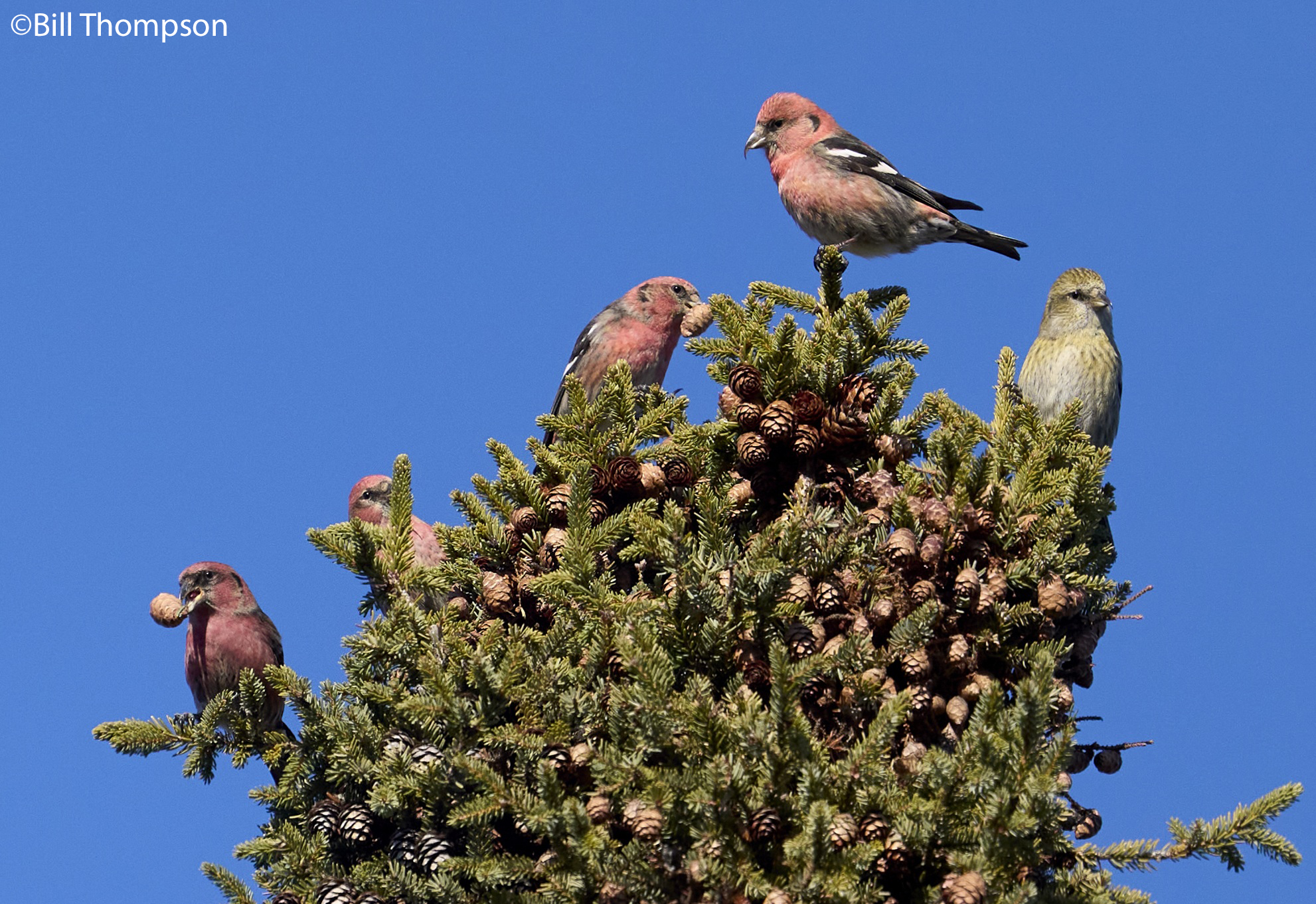
While a trek to the mountains on the 15th was not nearly as fruitful (pun intended) as we hoped, Bill Thompson and I were very surprised to find a flock of White-winged Crossbills – an irruptive species that has been virtually non-existent this winter in Maine – on South Shore Road in Rangeley.
I covered a better amount of ground this past week than I have been recently, even with relatively limited time in the field. I wanted more frugivores to show for it, but I did have a nice variety of seasonal highlights. Here are my observations of note over the past 10 days.
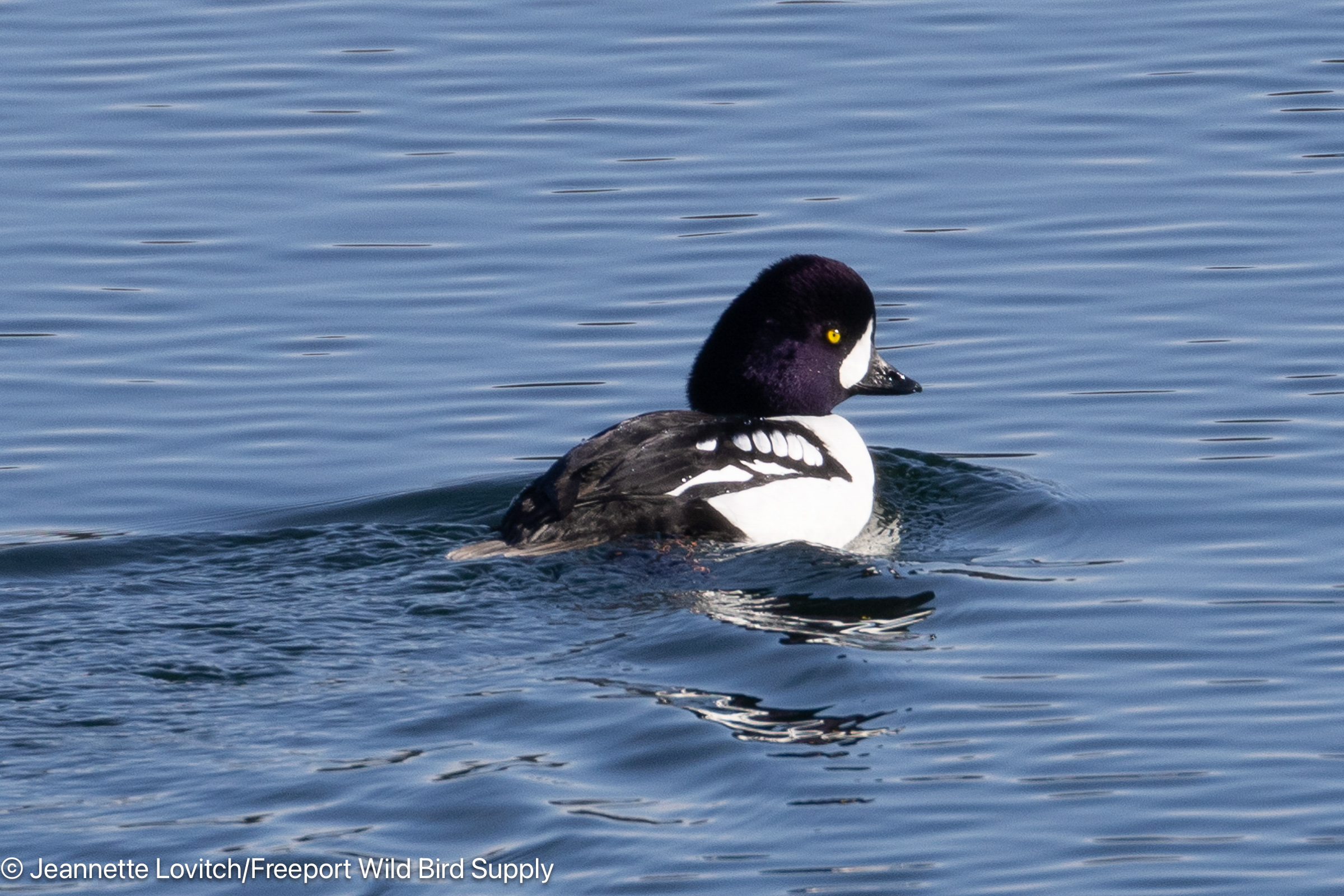
1 female “NORTHERN” COMMON EIDER (ssp BOREALIS), 1 drake Barrow’s Goldeneye, and 4 drake Greater Scaup, Winslow Park, Freeport, 2/14 (with Saturday Morning Birdwalk group).
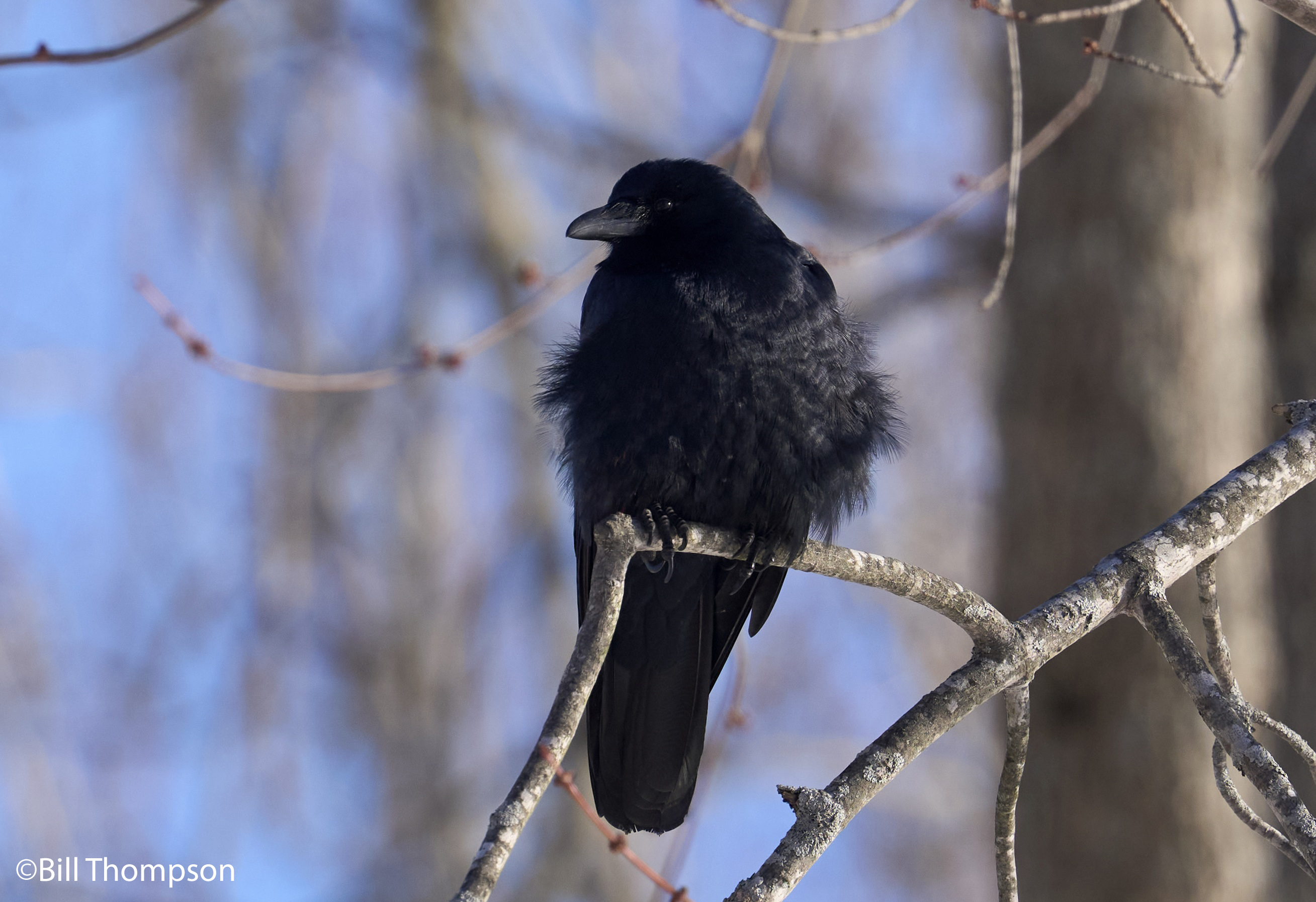
2+ continuing FISH CROWS, Auburn Riverwalk, 2/15 (with Bill Thompson).
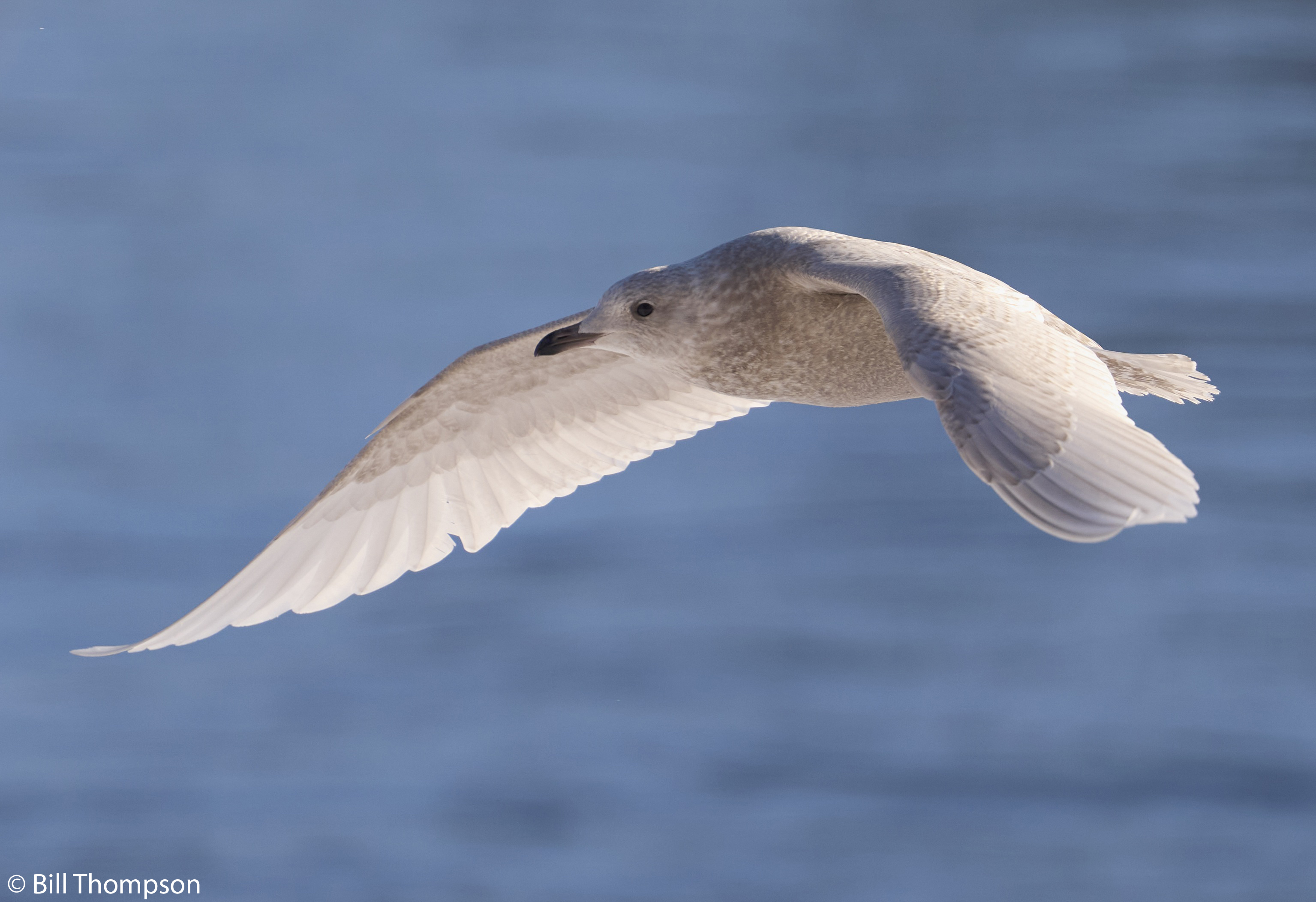
1 1ST-cycle Iceland Gull, Auburn Riverwalk, 2/15 (with Bill Thompson).
~20 Snow Buntings, moving between parking lots on Rte 4/2, Farmington, 2/15 (with Bill Thompson).
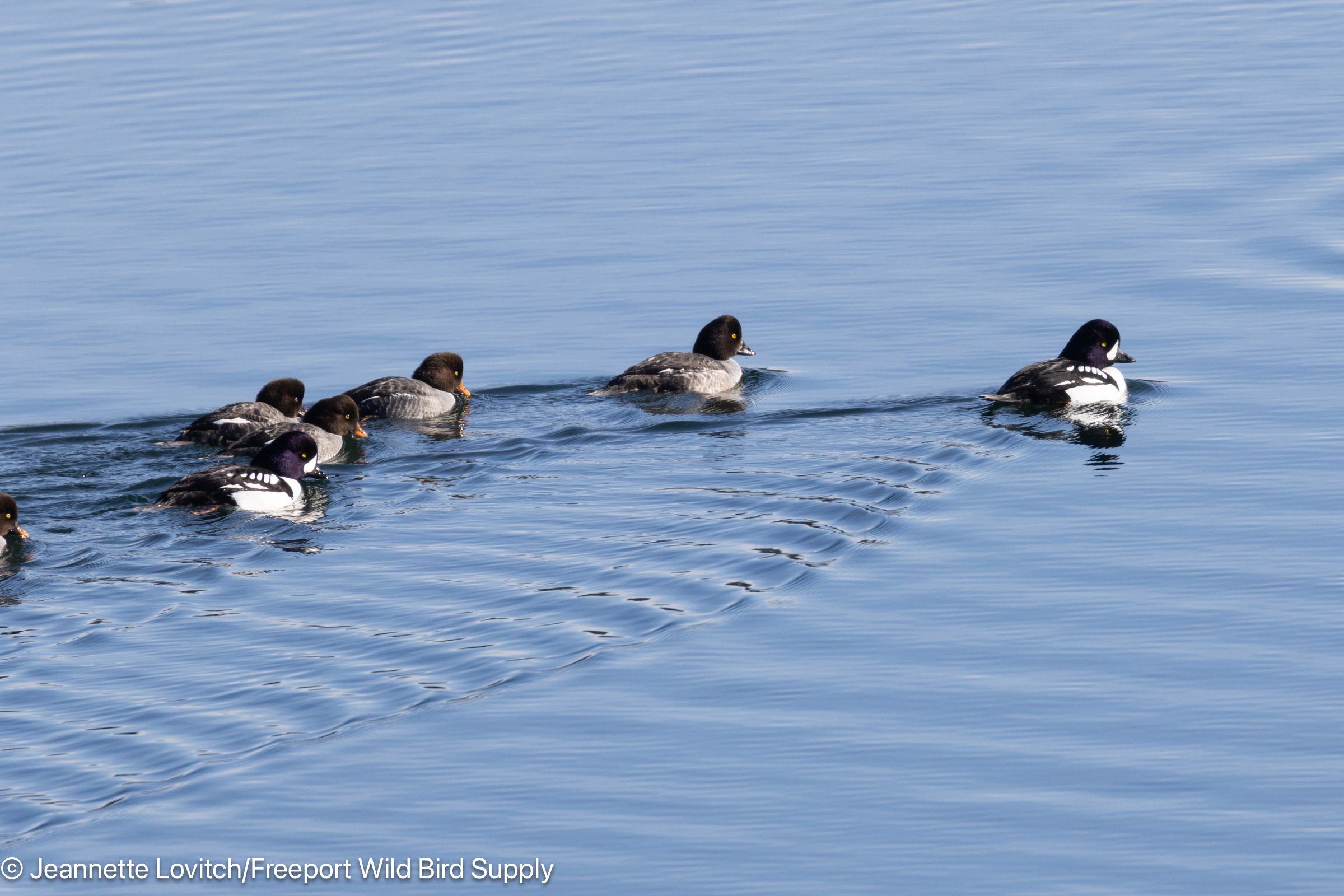
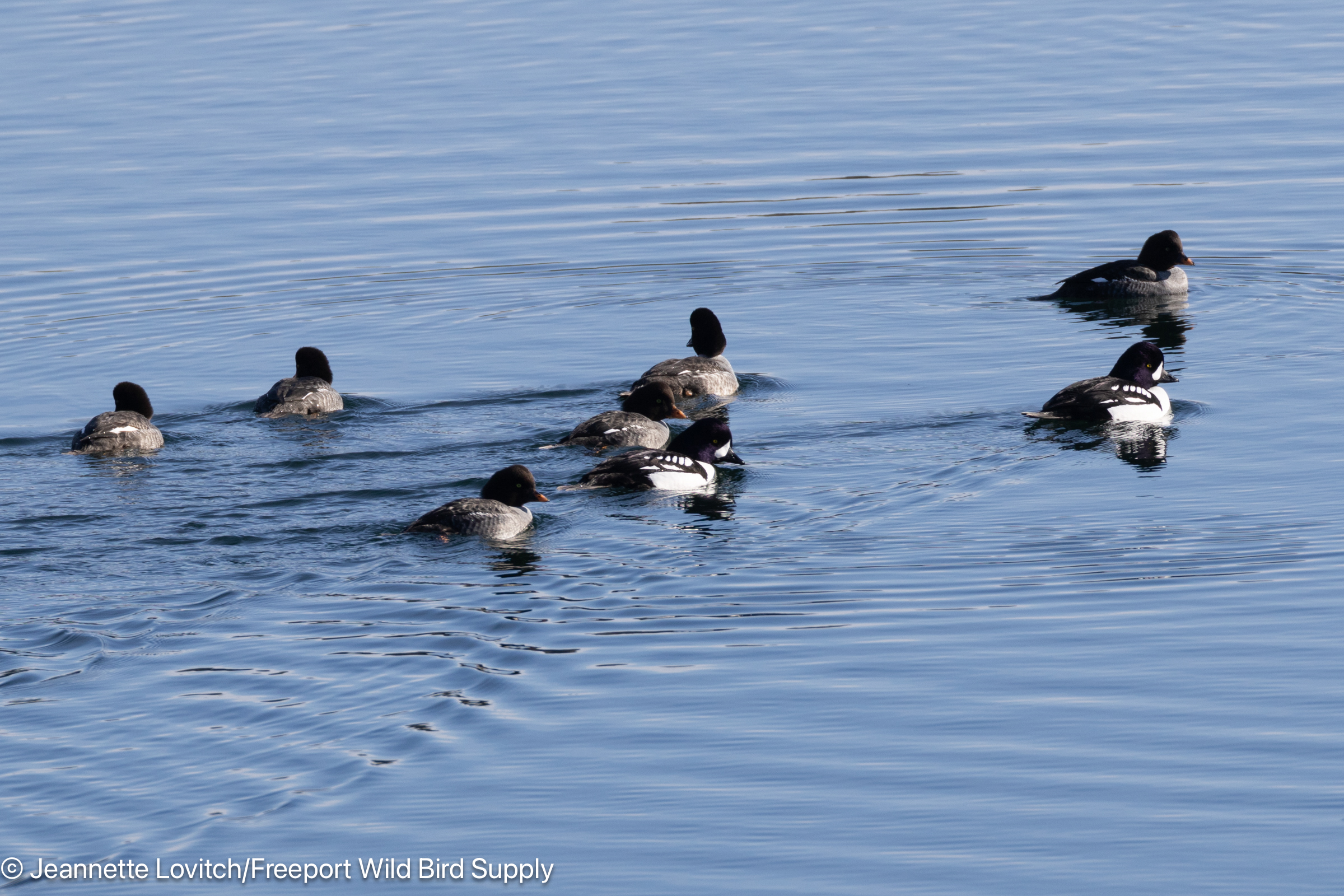
19 (10 drakes and 9 hens) BARROW’S GOLDENEYES, Gurnet Bridge, Harpswell, 2/16 (with Jeannette). This winter’s flock, which maxxed out at 26 individuals, is the largest flock in the state since about 2006. Even though we missed the peak, this was a very impressive flock and was delightful to see!
1 drake Barrow’s Goldeneye, Sandy Point Beach, Cousin’s Island, Yarmouth, 2/22.
1 pair Barrow’s Goldeneye, Cumberland Town Landing, 2/22.
At least one Turkey Vulture continues along the I-295 corridor between Cumberland and Freeport as of this week. Several scattered “TV’s” elsewhere in the area suggests the first trickle of their northbound migration.
One adult Red-shouldered Hawk continues along Rte 136 in Durham, near the Freeport Town Line.
This Week in Irruptives.
On the 15th, Bill Thompson and I birded from Auburn to Rangeley, mostly looking for irruptives. It was not the birdiest day, and the only frugivores we encountered (despite finding plenty of fruit) were a mere 4 Cedar Waxwings in Farmington. Most of our birding was in and around Rangeley, where we caught up with a flock of 28 Evening Grosbeaks at a downtown feeder, and “dipped” on a small group of Pine Grosbeaks. However, on South Shore Road, we encountered 14 WHITE-WINGED CROSSBILLS (see photo above) and a single Redpoll.
Elsewhere, Purple Finches were a little more widespread this week, although in lower numbers than last week. Jeannette and I had 3 Red Crossbills, including an apparent pair, at Long Reach Preserve in Harpswell on the 16th and one Redpoll flew over our property on the 22nd. Scattered Evening Grosbeaks in the area included one in our Durham yard on the 17th and again on the 23rd. Cedar Waxwings were also a little more numerous this week, although in small numbers (high count of 6 here at the store on the 18th).
Winter Feeder Birds Snapshot.
After beginning a “feeder watching blog” while stuck at home from shoulder surgery in the winter of 2023, I continue the tradition for the fourth year now, as I try to compare feeder activity between winters on our property in Durham, Maine, and then attempt to use it as a case-study for what the overall feeder bird activity is like in the area this winter. Here’s the 2026 Feeder Birds Snapshot. Since the “study,” we have seen a few more winter finches, and as of 2/13 are now up to 24 Dark-eyed Juncos, 11 American Tree Sparrows, and at least 45 American Goldfinches.
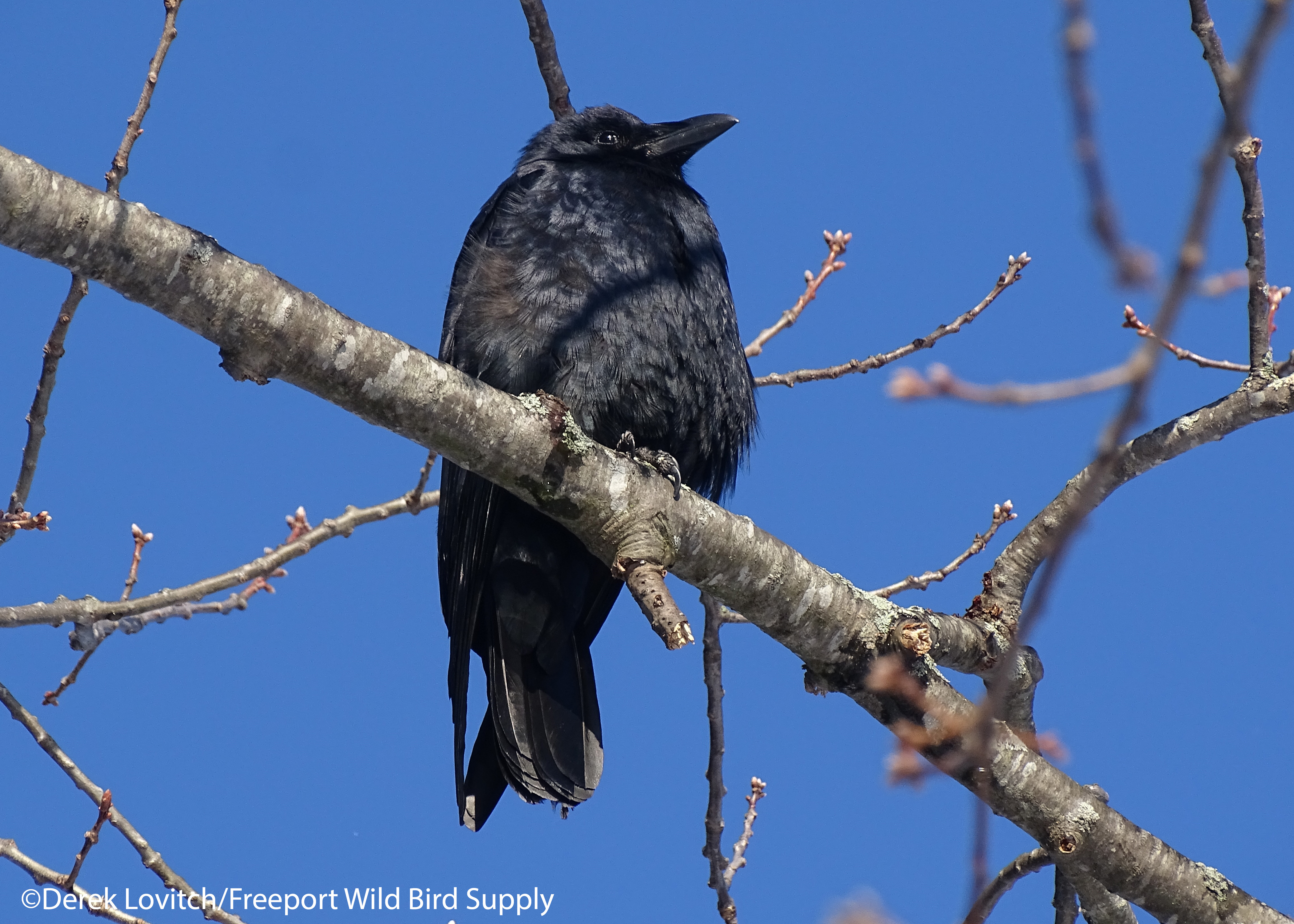
One of likely at least 7 Fish Crows that I encountered along the Auburn Riverwalk posed nicely for me on a chilly morning on the 11th. How many Fish Crows are now in the neighborhood, and how many might overwinter? I guess I’ll try and find out!
Because it wasn’t wintery enough already in Southern Maine, I drove north for my annual early-December Greater Bangor birding visit, which is always a good way to gauge the coming winter’s food resources and irruption status, for better and for worse! Here are all of my observations of note over the past seven days:
1 American Woodcock, Winslow Park, Freeport, 12/6 (with Saturday Morning Birdwalk group).
Three days, mostly in Penobscot County, didn’t produce nearly as many irruptives as I had hoped. In fact, all finches other than American Goldfinch were scarce. I encountered a few flocks of American Robins, but few other frugivores so far, despite widespread ample crabapple and other fruit crops. Visiting the same spots as I do every year, plus a few additional locations gave me some idea of food recent and current species compositions. Recent bitter cold rapidly froze up many seasonal hotspots were locked in, but my total of 42 species was nowhere near my lowest tally over the years from this route! My highlights included the following:
1 drake Ring-necked Duck, Fisherman’s Park, Brewer, 12/7.
2 continuing Fish Crows and 3-4 first-cycle Iceland Gulls, Bangor Waterfront Park, 12/7.
1 WHITE-WINGED CROSSBILL (FOS), 1 AMERICAN GOSHAWK, and 11 PINE GROSBEAKS (FOY), Stud Mill Road, 12/8.
1 Yellow-bellied Sapsucker, Littlefield Gardens, University of Maine – Orono, 12/8.
1 hen Barrow’s Goldeneyes (FOS), Shawmut Dam from River Road, Benton, 12/9.
6-7+ FISH CROWS in Auburn, 12/11. A small colony of Fish Crows have been frequenting Auburn (and sometimes across the river in Lewiston) for several years now. Two may have overwintered here last year, although I stopped seeing them mid-winter around Anniversary Park and the Auburn/Lewiston riverfront where I tend to bird at that time of year. This winter, at least 2 have been reliable at Anniversary Park, with one eating ash seeds across the Little Androscoggin, and another calling to it from the nearby neighborhood. Then, at least 2 more began calling from further up the Little Andy. All four were audible when I left, and then I walked the Auburn Riverwalk. There, two more were feeding contently in the Bradford/Callory Pears at the Hilton Garden Inn. Walking back south, I encountered another contently-feeding bird eating ash seeds near the pedestrian bridge. Crows can fly faster than I walk, but there was not a perceptible movement or flow of either the Fish or the abundant American Crows at the time. It’s possible there were only 4, but my guess is there were 7 individuals encountered today. I’ll be keeping my ears open all winter to see if they stick around! Of course, with many thousands of American Crows coalescing to roost here it can be a needle in a haystack to find them and see if they are setting up a resident population (most of Maine’s Fish Crows are migratory, but it seems that outlier colonies – like here and Bangor – seem less likely to migrate. A couple of few individuals of the larger Brunswick colony also seem to stick around now. Will it be long before Fish Crows are a widespread, year-round resident of the state? Photo of one of them above.
2 Red Crossbills in Bradbury Mountain State Park, 12/12, were my only Reds anywhere in the state this week.
It might be Rarity Season, but never forget to take your time to enjoy and appreciate our common resident birds! This Red-breasted Nuthatch was on our feeders in Durham on the 15th. There are a lot more in the area this fall than last winter, perhaps due to the lack of Eastern White Pine cones, especially to our north.
Rarity Season continues to be hot. Some dedicated rarity-searching plus some casual birding, yielded the following observations of note over the past 7 days. Swinging for the fences, however, I felt like Aaron Judge in the MLB post-season: lots of strikeouts and no home runs, but at least I went down swinging.
1 Evening Grosbeak, Cedar Pond Road, Durham, 11/15.
Not surprisingly given the mild weather to date, there are a lot of half-hardies around, such as Hermit Thrushes and Swamp Sparrows which I encountered in a number of places this week. Scattered Red-winged Blackbirds and small flocks of Common Grackles continue as well as is now usual in mid-November.
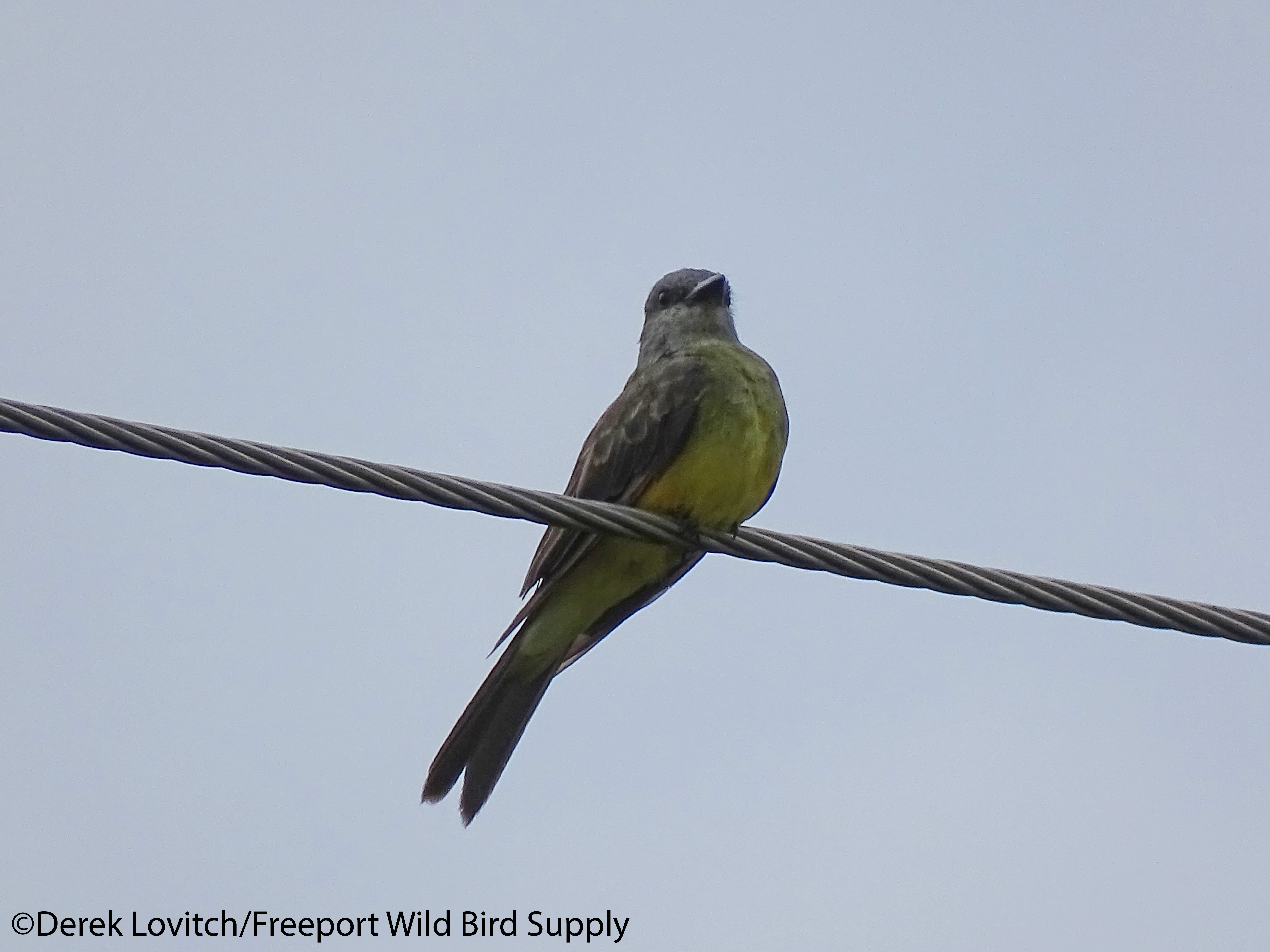
This Tropical Kingbird, a long-overdue third state record, was discovered at the Skelton Dam Boat Launch in Dayton. Many of us saw it on the morning of 7/18, but it may have been present for nearly three weeks before being identified!
It’s been a busy 12 days, with a weekend in Quebec City and summertime human visitors. Of course, the last day in Quebec City was when the Ferruginous Hawk was 20 minutes from our home. Oh well…brunch was absolutely fantastic. Sadly, life and work minimized my birding during this period, despite a suite of rarities now appearing around the Northeast. Luckily, I did have a couple of good mornings in the field before we head out on our summer vacation, including hours of quality time with a Tropical Kingbird in Dayton that was happily identified while I was around and somehow free of responsibilities for the morning! I wonder what will show up while we are gone this time!?
Both Yellow-billed and Black-billed Cuckoos have been calling on our Durham property all week.
2-3 Grasshopper Sparrows, Auburn-Lewiston Municipal Airport, Auburn, 7/15 (with Doug Hitchcox et all).
1 continuing TROPICAL KINGBIRD, Skelton Dam Boat Launch, Dayton, 7/18 (with m’obs). Third state record, first chase-able. Long overdue state bird for me! After years of expecting, predicting, and looking for one, in my frustration, I pulled it off my “Next 25 Predictions List” and so I don’t get any credit for this one. I still enjoyed it though. Photo above, and video here: https://www.facebook.com/share/v/4qyGf1VSmw1wpSon/
The salt pannes along the Eastern Road Trail in Scarborough Marsh are exceptional right now due to low water levels. On the morning of the 19th, a few of the tallies included 125+ Snowy and 50+ Great Egrets; 50+ Glossy Ibis; and 20+ Great Blue Herons. Shorebird numbers included a nice number of Least and Semipalmated Sandpipers; 50+ Greater and 30+ Lesser Yellowlegs; 16 Short-billed Dowitchers; and 2 Pectoral Sandpipers (FOF). Of course the highlight for me, however, was “Patches Jr, Jr” – the proposed HYBRID TRICOLORED HERON x SMALL WHITE EGRET(S) SPP back for another year. In fact, it’s already year 12 of this complex here. Unfortunately, it was too far for photos today. For more information, see: North American Birds, Volume 72: No 2, pp 28-40.
Blackpoll Warblers were pleasantly ubiquitous over the weekend, with endless opportunities to view them without neck strain for a change.
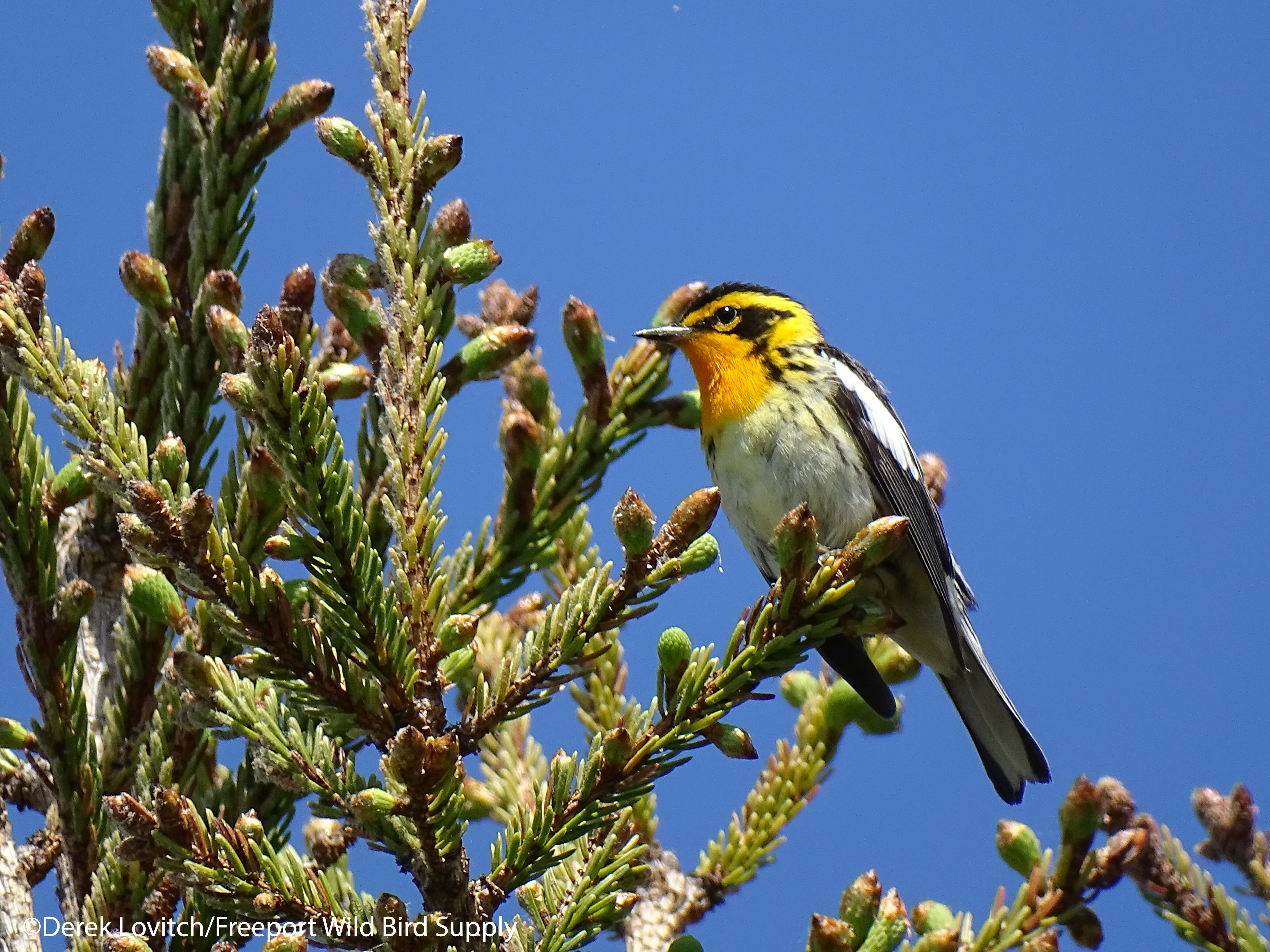
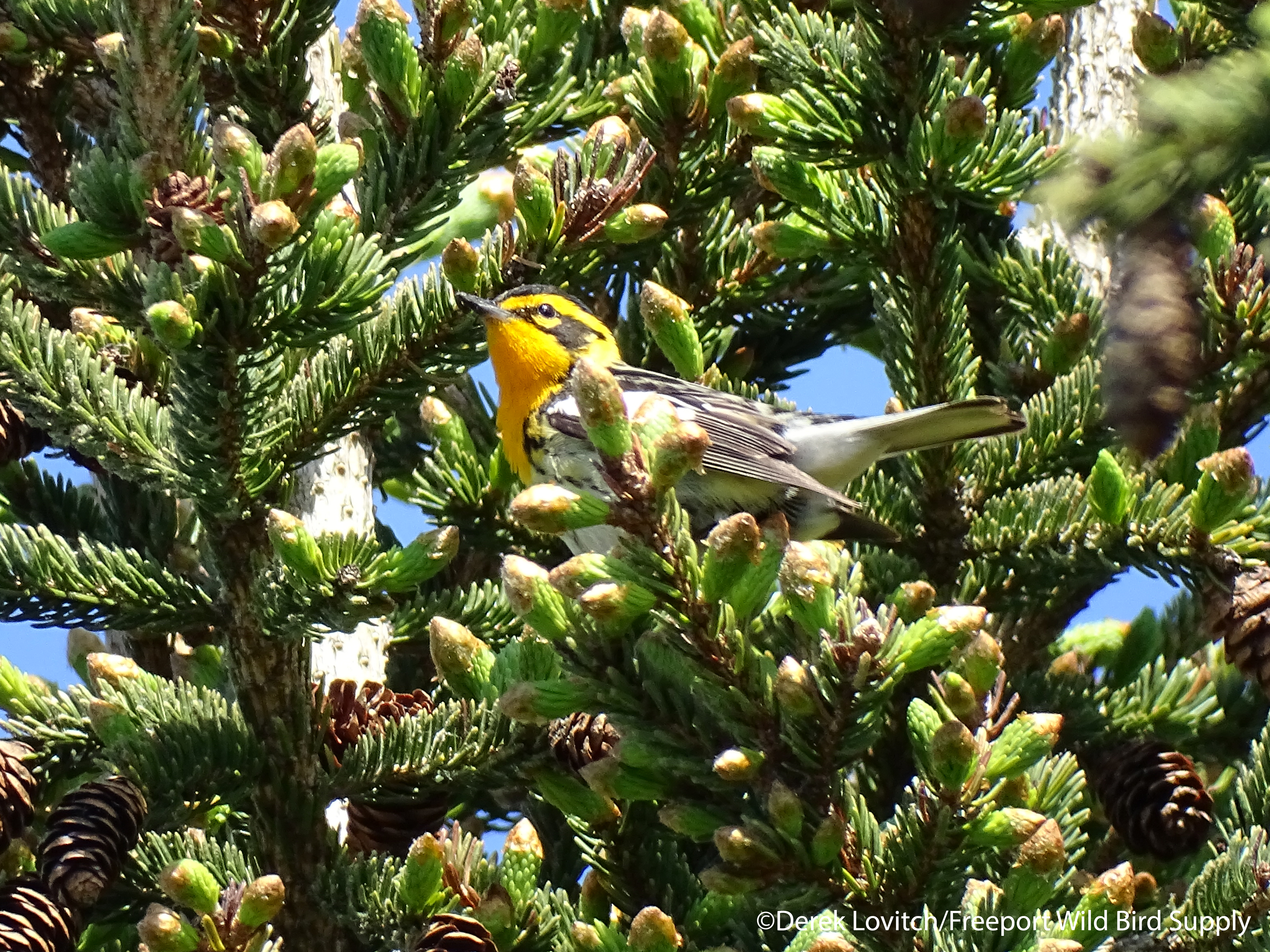
I just can’t walk away from a male Blackburnian Warbler in the sun, especially at eye-level. Just can’t do it. While Blackpolls were the most numerous migrant of the tour, as expected for the end of May, Blackburnian Warblers consistently stole the show.
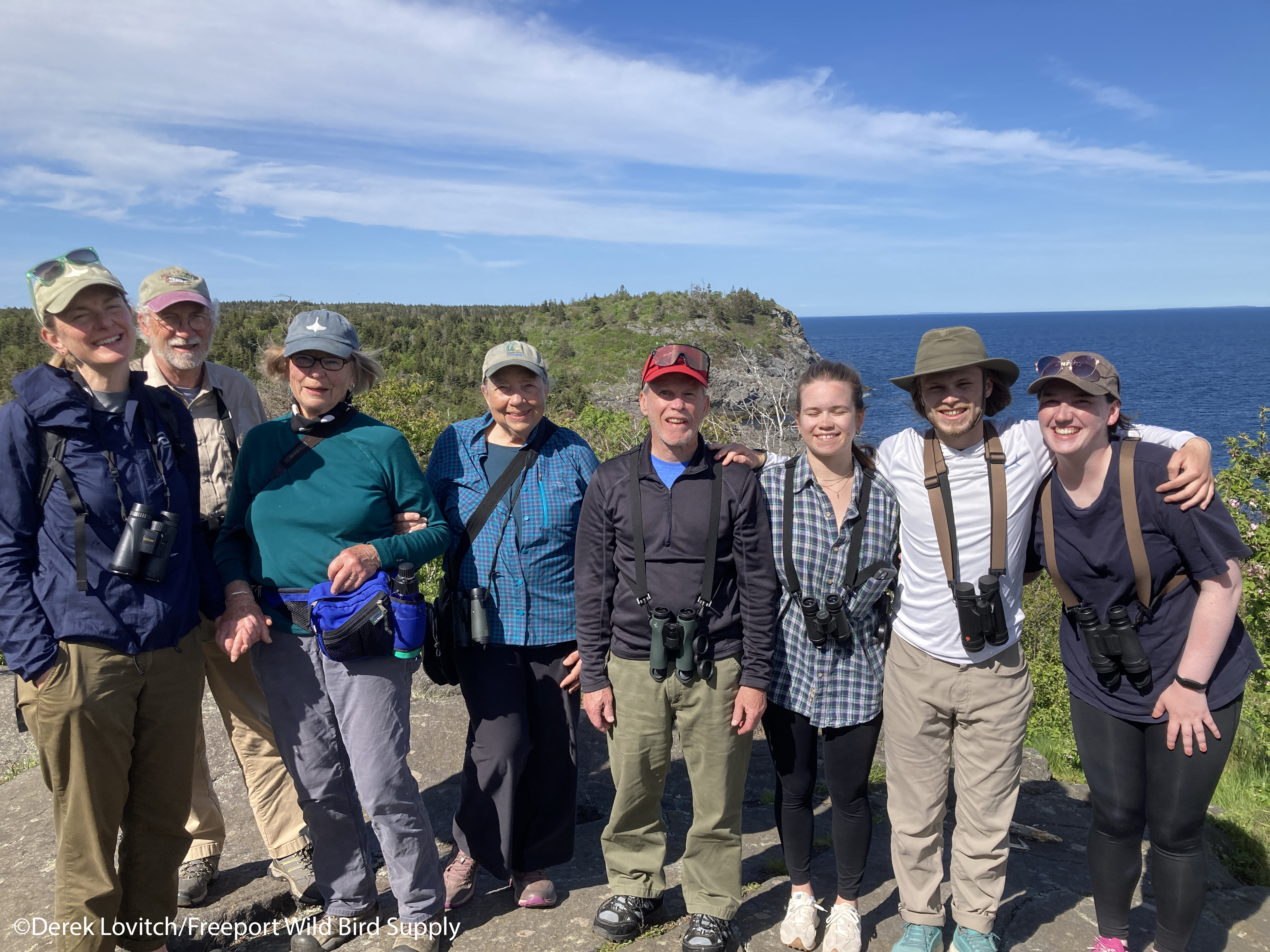
Our 14th annual Monhegan Spring Migration Weekend was highlighted by three days of insanely gorgeous weather, 18 species of warblers, and loads of crossbills. But what set this year’s tour apart was how consistently amazing the looks were at so many birds, especially both crossbills and some of our favorite warblers.
The tone was set on our Friday crossing from New Harbor, with lovely weather and 2 fly-by Atlantic Puffins. And once again, we hit the ground running after our 10:15 arrival, taking nearly an hour just to walk up Dock Road. One of our favorite corners was just hoppin’, with our first stellar looks at both Red and White-winged Crossbills and Blackpoll Warblers, as well as our only Canada Warbler of the tour.
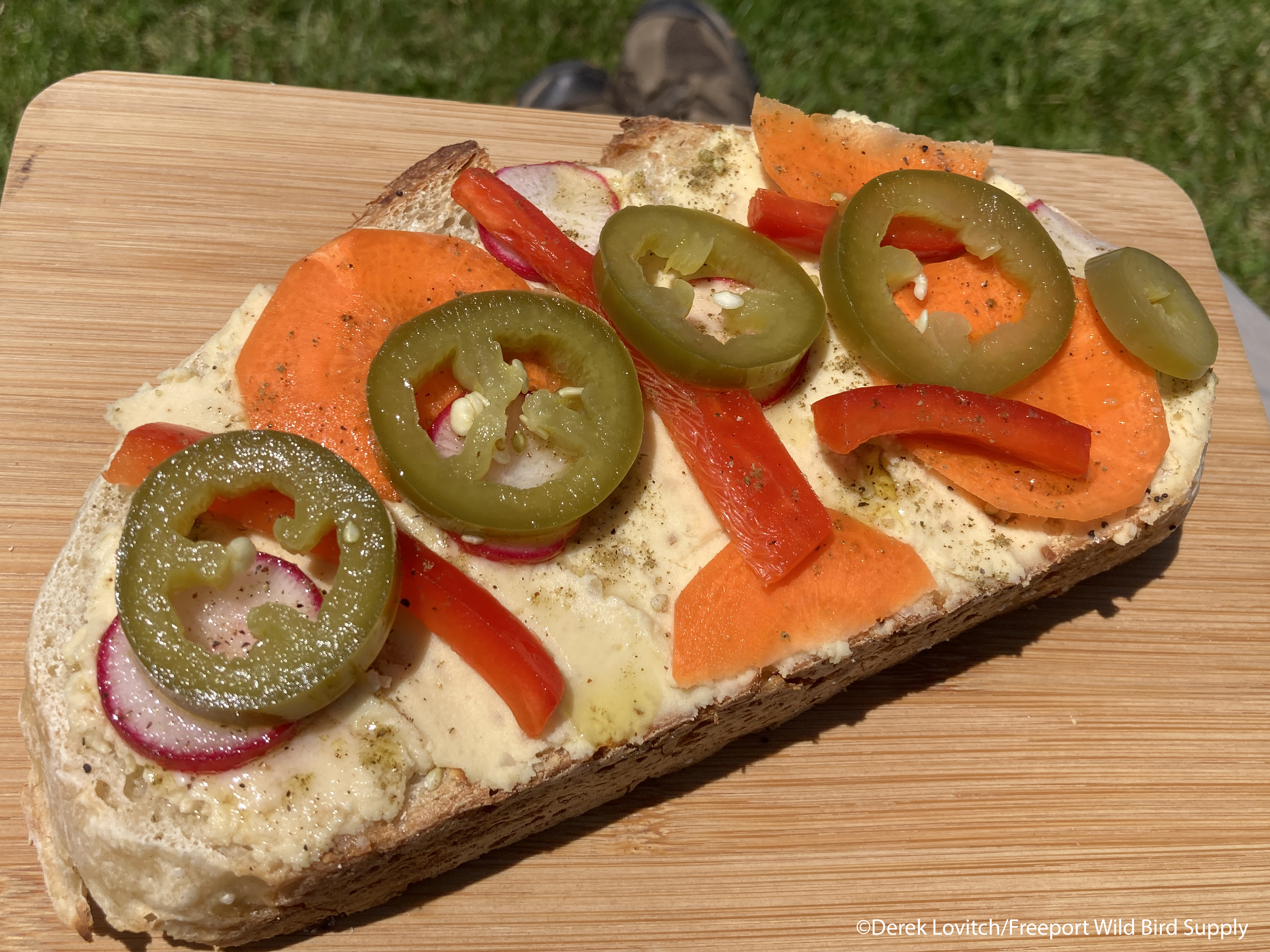
I ate a lot of hummus toasts for lunch at the Trailing Yew in an attempt to make up for copious breakfasts and decadent feeders.
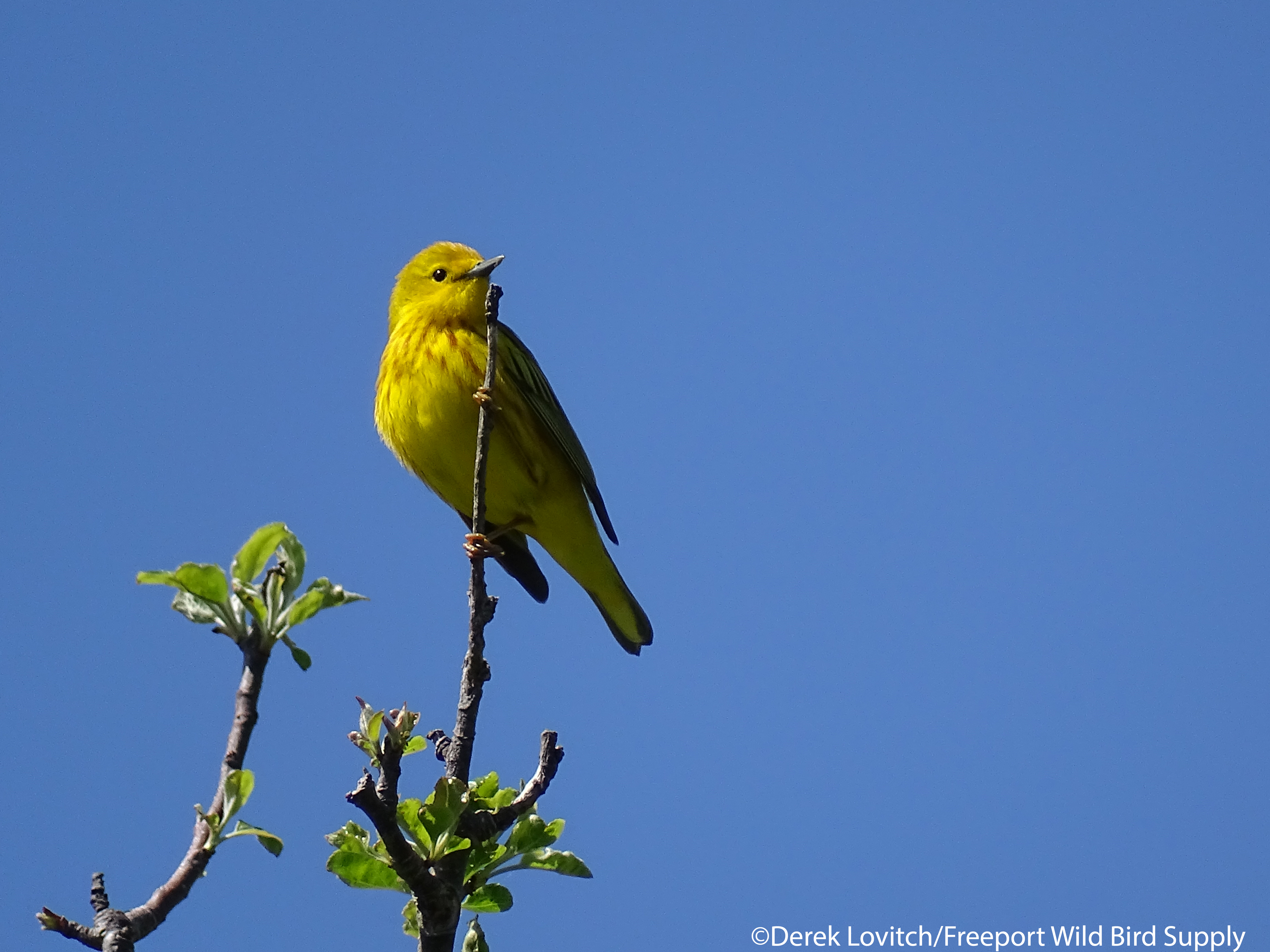
The afternoon, and the next three days were filled with crippling view after crippling view. Blackpoll Warblers were everywhere, both males and females seen in close proximity repeatedly for good studies. American Redstarts were abundant, as were locally-breeding Common Yellowthroats and Yellow Warblers. But it’s been a long time since we have seen crossbills, especially White-winged, so well and so often everywhere around town and beyond. It’s hard not to name this species the bird of the tour this year.
Male White-winged Crossbills.
In that first afternoon, some of our other highlights were a fleeting glimpse of a Black-billed Cuckoo, and later we found a female Purple Martin. Birds were just unusually low and cooperative, despite the gorgeous weather, so that really set this first day apart.
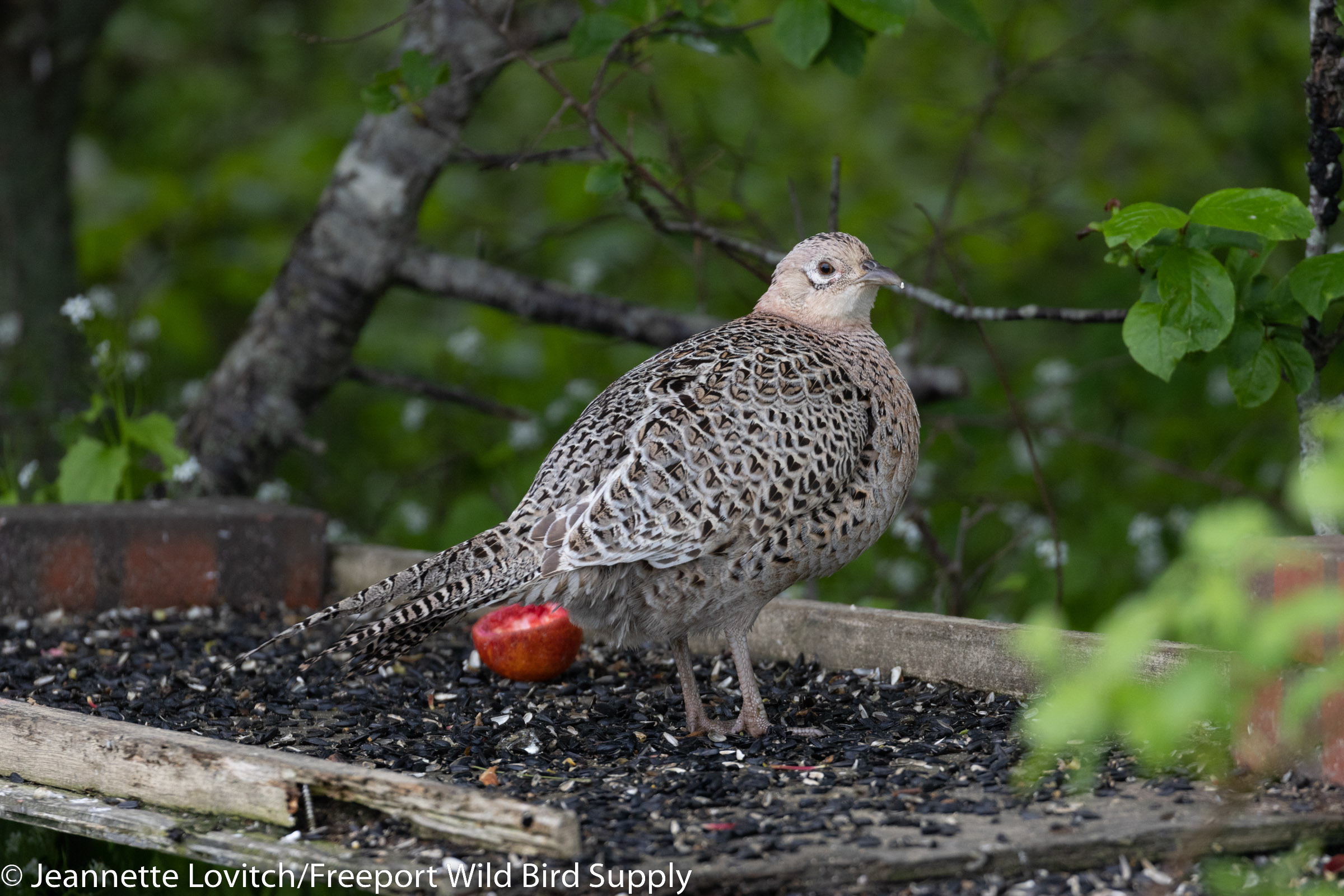
My days started even earlier than I would have liked as pheasants took to calling from the railing right outside my bedroom window. At 4am. 4am.
Unfortunately, the NEXRAD radar archive was down for the duration of our stay, so I can’t do my usual analysis here, but on Saturday morning, a light morning flight of mostly Blackpoll Warblers and American Redstarts suggested at least some birds had arrived on the light westerly wind overnight. There were also more Magnolia Warblers around, but overall, our two morning walks were slower than yesterday’s birding, but we would repeatedly find pockets of good activity with more great views of most of what we encountered.
This Cape May Warbler showed himself nicely, feeding on little midges/flies buzzing around the buds of this Red Spruce.
A Black-billed Cuckoo was as cooperative as they get, freezing on a bare branch for several minutes. Prolonged scope views of Red and White-winged Crossbills offered the chance to watch their amazing feeding behavior. The afternoon was a little slower, as expected, but still low and close Blackpoll Warblers and crossbills all around. Friends found a Blue Grosbeak that afternoon, which confirmed what I thought “had to be one” that flew across the marsh early in the morning but disappeared into brush before we could confirm its identity.
Of course we took some time to enjoy Rose-breasted Grosbeaks at Donna’s feeders, along with the omnipresent Ring-necked Pheasants.
Despite southerly winds overnight, Sunday morning was quite a bit slower, likely due to rainfall cutting off the flow of migrants from the south. We started the day with a bang though, as we moseyed down to the harbor to enjoy an up-close-and-personal Razorbill that ended up spending much of the day foraging in the harbor.
There was some passerine turnover overnight, however, and new birds this morning included an Alder Flycatcher, a calling Olive-sided Flycatcher, and finally a Tennessee Warbler – perhaps our first uncooperative warbler of the trip! The bird of the morning, however, was Blackburnian Warbler, as we started the day with amazing views just as we started and finished the morning with repeated great looks at males and females. Again, we were just in awe of the repeated great views we were getting of so many species, even if, yes, it was slow by Monhegan standards.
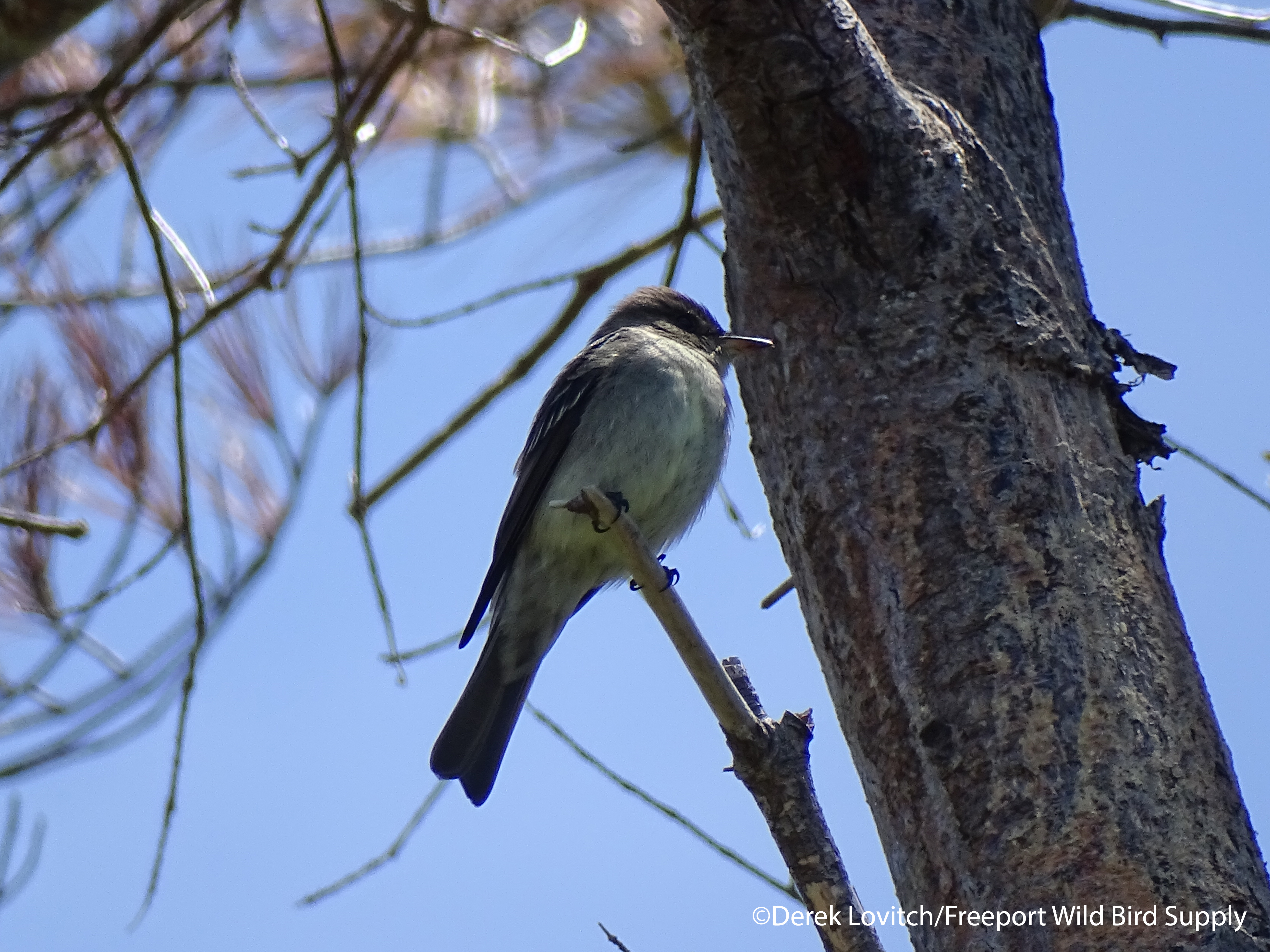
A nice selection of flycatchers over the weekend afforded the opportunity to learn how to break them down via primary projection, such as in this long-winged Eastern Wood-Pewee.
In the afternoon, we took the obligatory walk up to the lighthouse, both for some hawkwatching and snapshots. However, we ended up being enthralled (OK, I was enthralled) by a massive gull feeding frenzy that broke out over the lighthouse hill and beyond. It became clear that the gulls were not just enjoying the weather to soar on thermals but were feeding on some unseen flying insect. While a common event on the mainland, none of the birders present out here has ever seen anything like this over the island. The numerous Herring Gulls attracted a growing number of Laughing Gulls – the most I have ever seen out here (it’s usually just a few pairs around the harbor or fly-bys).
Northern Parula nest under construction.
Monday, the last day of the tour, unfortunately, did not see us go out with a bang. With light easterlies overnight and developing clouds and fog, not only did a new wave of migrants not arrive, but it seemed like just about every single passage migrant had departed! Even Blackpolls were few and far between, and the number of American Redstarts seemed only on par with the number that remain out here to breed.
Pink Lady’s Slipper in the woods.
But once again, White-winged Crossbills stole the show, with the pre-breakfast walk highlighted by incredible views of a feeding family group. And although slow all day, we covered some ground and slowly built up our triplist with everything from a Purple Finch to a calling fly-over Black-bellied Plover. We studied a Great Cormorant (and later, a second), and finally caught up with the long-staying Green Heron in the ice pond. Three tarrying Black Scoters were a surprise in Deadman’s Cove, but not nearly as surprising as the drake Green-winged Teal loafing with Common Eiders on Neigh Duck!
After lunch, an unusual-for-here assortment of swallows over the marsh included two Bank, one Cliff, joining the 2 Tree Swallows and more Barn Swallows that have been out here all weekend. Seawatching at Lobster Cove produced a hen Long-tailed Duck right off the rocks that somehow disappeared in front of our eyes.
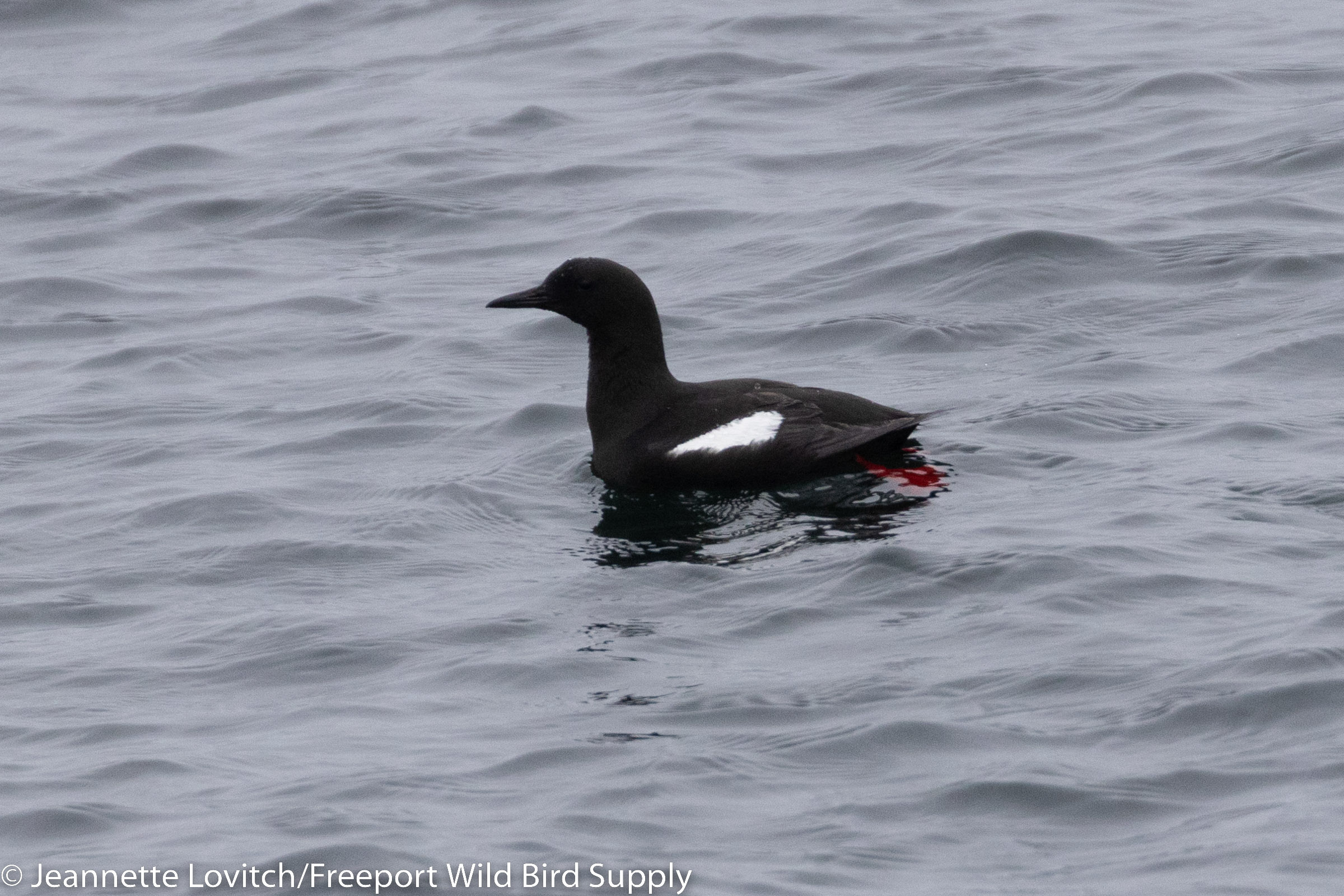
Black Guillemots were all around the island, including some close ones off of Lobster Cove that were close enough to see those vivid red feet.
“Lefty” the Red-winged Blackbird has returned for at least his third summer on territory in the marsh.
With the tour coming to an end at about 3:00pm as just about everyone readied to board the Hardy Boat, rain began to fall, bringing our tour to an official close. However, it wasn’t until dinnertime that a few downpours arrived, and so we squeezed out one more comfortable day of birding.
It was just Jeannette and me now, but “FOMO” was unwarranted. While a White-throated Sparrow outside of the Monhegan House after dinner was unexpected for the date, we didn’t add anything new to the trip list that evening, or the next morning. Rain, heavy at times overnight and a strong south wind with fog in the morning precluded any movement of birds, and our pre-breakfast walk was dreadfully slow. Passage migrants were few, just about 9 Blackpoll Warblers, 1 Canada Warbler, and 1 Northern Waterthrush, and it felt downright June-like with birdsong being almost exclusively breeding birds. We did have another look at uncommon Monhegan birds like the Blue-winged Teal, Green Heron, and Bank Swallow, but it wasn’t the hardest day to walk away from.
Juvenile White-winged Crossbill
…. Which was good, as we were forced to depart earlier than planned due to the cancellation of the afternoon Hardy Boat. With a low pressure system moving along the stalled front that likely reduced our flow of migrants over the second half of the weekend was also building the seas. Our 10:15 trip, however, featured following seas that made for a reasonable ride, but the fog remained thick until New Harbor. We did have 4 Red-necked Phalaropes materialize out of the fog, however, with one remaining on the water just long enough for Jeannette to reach for and get her camera ready.
So, while Monday – and our usual day off together on Tuesday – was lackluster overall, it was really hard to beat the weather, birding, and learning opportunities that this year’s tour offered. Hopefully, everyone will now know how to identify Blackpoll Warblers at least! Oh, and my goodness the crossbills…
We tallied a respectable 93 species, including 18 species of warblers, over the four-day tour. Although below our long-term average, this was slightly above recent spring weekends. The following counts are simply guesstimations of the number of each species we encountered each day. Not the number of observations (eg every time we passed the same singing Yellow Warbler) or even a guess as to how many were on the island on a given day, but some crude attempt to quantify how many individuals of each species we think we saw each day. The ebbs and flows and daily changes are more interesting than the undoubtedly inaccurate numbers. For species such as the two crossbills that move around, back and forth, all over each day, it was impossible to really know how many there were. “A lot” should suffice.
Here is the trip list four the four-day tour. * = seen from ferry only. **=not seen with tour group.
Species
5/24
5/25
5/26
5/27
Wood Duck
1
1
1
0
Blue-winged Teal
0
0
1
0
Mallard
15
20
20
15
American Black Duck
1
1
0
1
Green-winged Teal
0
0
0
1
Common Eider
x
x
x
x
Surf Scoter
2*
0
0
1
Black Scoter
0
0
0
3
Long-tailed Duck
1
0
0
1
Ring-necked Pheasant
8
10
10
10
Mourning Dove
8
10
8
8
Black-billed Cuckoo
1
1
0
0
Common Nighthawk
1
0
0
0
Chimney Swift
0
0
2
0
Ruby-throated Hummingbird
1
2
1
2
Virginia Rail
0
1
1
0
Black-bellied Plover
0
0
0
1
RAZORBILL
0
0
1
0
Black Guillemot
x
x
x
x
ATLANTIC PUFFIN
2*
0
0
0
Laughing Gull
6*
20
1
8
Herring Gull
x
x
x
x
Great Black-backed Gull
x
x
x
x
Common Tern
X*
0
0
0
Common Loon
5*
0
1
2
Northern Gannet
3*
0
1
0
Double-crested Cormorant
x
x
x
x
Great Cormorant
0
0
0
2
Great Blue Heron
0
0
1
0
Osprey
0
2
1
0
Sharp-shinned Hawk
0
1
2
0
Bald Eagle
2
2
2
2
Red-bellied Woodpecker
0
1
0
0
Merlin
0
1
1
1
Eastern Kingbird
3
4
5
5
Olive-sided Flycatcher
0
0
1
0
Eastern Wood-Pewee
4
4
4
3
Alder Flycatcher
0
0
1
0
“Traill’s” Flycatcher
0
0
1
0
Yellow-bellied Flycatcher
0
1
0
0
Least Flycatcher
0
4
5
1
Blue-headed Vireo
0
1
0
0
Red-eyed Vireo
8
15
10
3
Blue Jay
4
48
4
4
American Crow
x
x
x
x
Common Raven
1
1
1
1
Black-capped Chickadee
x
8
6
6
Bank Swallow
0
0
0
2
Tree Swallow
2
2
1
1
Northern Rough-winged Swallow
0
1
0
0
PURPLE MARTIN
1
0
0
0
Barn Swallow
4
1
1
6
CLIFF SWALLOW
0
0
0
1
Golden-crowned Kinglet
1
2
10
2
Cedar Waxwing
40
60
80
30
Carolina Wren
2
7
3
3
House Wren
1
1
2
1
Gray Catbird
x
x
x
x
Brown Thrasher
0
1
1
0
European Starling
x
x
x
x
Swainson’s Thrush
1
1
0
0
American Robin
10
12
8
10
Purple Finch
0
0
0
1
WHITE-WINGED CROSSBILL
6
12
20
25
RED CROSSBILL
4
15
12
4
American Goldfinch
10
10
10
10
Chipping Sparrow
2
0
0
0
Song Sparrow
x
X
x
x
Bobolink
1
1
1
1
Baltimore Oriole
2
2
1
2
Red-winged Blackbird
x
x
x
x
Common Grackle
x
x
x
x
Northern Waterthrush
0
0
0
1
Black-and-white Warbler
0
1
0
1
Tennessee Warbler
0
2**
2
0
Nashville Warbler
1
0
0
0
Common Yellowthroat
10
15
12
x
American Redstart
30
35
25
10
Cape May Warbler
2
1
1
0
Northern Parula
4
8
8
4
Magnolia Warbler
6
10
4
4
Bay-breasted Warbler
2
0
1
2
Blackburnian Warbler
3
3
5
1
Yellow Warbler
20
20
20
15
Chestnut-sided Warbler
6
8
6
3
Blackpoll Warbler
60
50
35
6
Yellow-rumped Warbler
0
1
0
0
Black-throated Green Warbler
3
8
10
1
Canada Warbler
1
0
0
0
Wilson’s Warbler
2
1
1
0
Northern Cardinal
x
10
8
6
Rose-breasted Grosbeak
2
2
0
1
BLUE GROSBEAK
0
1
0
0
Day Total
64
66
65
62
Warbler Day Total
14
14
13
12
Trip Total
93
Warbler Trip Total
18
The above birds follow the “guide plus one” rule, meaning both me and at least one client need to see the bird for it to go onto the list. I saw a Northern Mockingbird on three occasions, for example, but somehow never saw it during the tour! Likewise, an American Woodcock over the Island Inn after sunset on the 26th and the White-throated Sparrow that Jeannette and I heard after the tour ended on Monday, along with our Red-necked Phalaropes on our way home on Tuesday did not count for the official tour list.
We didn’t care how common Yellow Warblers are…they’re still always beautiful! As are the sunsets from the Trailing Yew.
I had a nice photo session this morning with White-throated Sparrows at the Saco Riverwalk. I enjoyed watching them extracting the seeds from crabapples, the opposite of true frugivores that consume the flesh and cough up or poop out the seeds.
It’s been a productive seven days, with this week’s highlights being decidedly wintery in nature. ‘Tis the season!
7 Red Crossbills, Florida Lake Park, Freeport, 12/9 (with Saturday Morning Birdwalk group).
Since we’ve had a mix of “the birds are back!” and “there are still no birds at my feeders” at the store recently, I wrote an updated blog talking about the season and the inconsistencies we are seeing with overall feeder activity, which is posted here:
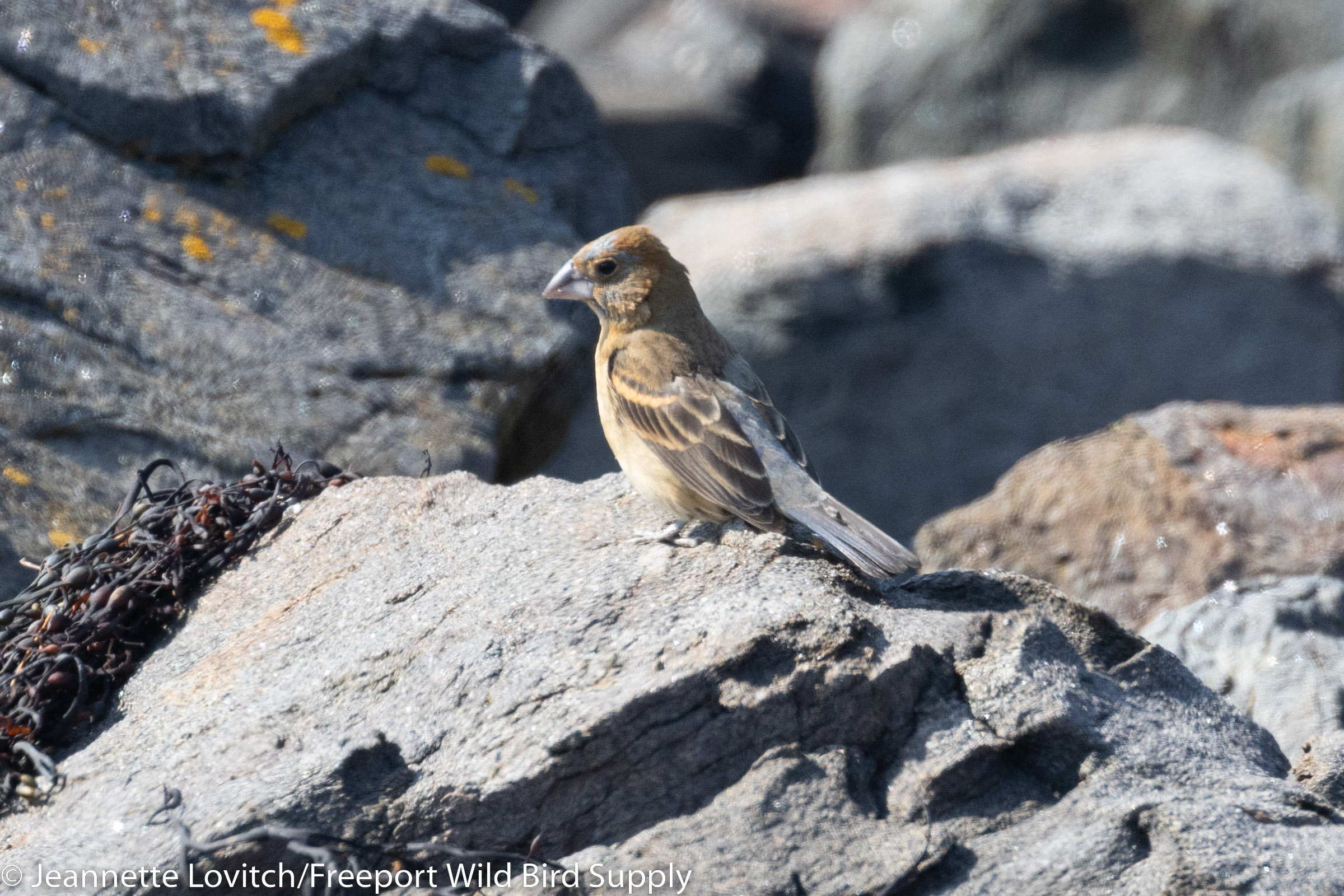
This first summer male Blue Grosbeak was present on Monhegan for at least a week, and unexpectedly, was flycatching for seaweed flies in shoreline rocks for most of the time, including the two days we looked at it with my Monhegan Spring Migration Weekend tour group.
With 5 days on Monhegan and one (half) day offshore, I enjoyed a lot of great birds this week. My observations of note over the past seven days included:
Monhegan Island with our Monhegan Spring Migration Weekend Tour group (full trip report and photos to come).
Daily:
Impressive numbers of Red Crossbills swirling around the island and tough to quantify, including many juveniles. High counts of largest flock(s) in the mid-20’s. Three WHITE-WINGED CROSSBILLS were present each day at least through the end of the weekend. Rare for the island, a pair of HOUSE FINCHES appeared on the 27th and continued through the end of our stay. Here are my group’s other daily highlights.
5/26:
11 Bay-breasted Warblers (FOY)
1 Cape May Warbler (FOY)
1 female Evening Grosbeak
1 Black-billed Cuckoo
1 continuing ORCHARD ORIOLE
1 Philadelphia Vireo (FOY)
5/27:
1 continuing male DICKCISSEL
1 continuing female/imm male SUMMER TANAGER
1 female ORCHARD ORIOLE
1 Olive-sided Flycatcher (FOY)
5/28:
9 GLOSSY IBIS – circled the island early in the morning but did not land. My 225th Island Bird!
1 probable immature male PURPLE MARTIN
1 continuing 1st-year male BLUE GROSBEAK
1 immature BROAD-WINGED HAWK
1 continuing male DICKCISSEL
5/29:
1 pair ORCHARD ORIOLES
1 continuing SNOWY EGRET – Jeannette and I finally caught up with it for my 226th Island Bird!
1 continuing 1st year male BLUE GROSBEAK
5/30 (With Jeannette):
1 continuing male ORCHARD ORIOLE
1 Field Sparrow
Did not try to catch up with continuing rarities, although two quick checks did not turn up the Dickcissel or the Blue Grosbeak.
The Zeiss Pelagic with Cap’n Fish’s Cruises out of Boothbay Harbor, 6/2. This special mini-pelagic, sponsored by Zeiss Optics visited Eastern Egg Rock before heading 20 miles offshore. Trip report to come, but for now, the highlights:
1 Razorbill at Eastern Egg Rock
1 COMMON MURRE (between Eastern Egg Rock and Murray Hole)
350-400 total Wilson’s Storm-Petrels (FOY)
12 RED-NECKED PHALAROPES
TOURS AND EVENTS:
I’ll see you next week at the Rangely Birding Festival! Most (but not all) tours are sold out, but everyone can join me for the free and open to the public Birds on Tap! Event at Parkside and Main (beverages not included)!
The photo of the week was this cute and cuddly Porcupine from Stud Mill Road on 3/6.
It was another busy week of birding for me! And it was another great week of birding, with the vanguard of spring migration coupled with lots of winter specialties still around – and a lot more finches! Turkey Vulture, Red-winged Blackbird, and Common Grackle numbers were slowly increasing by week’s end. Scattered Pine Siskins are now reaching the coastal plain (from the north, west, or south?). My observations of note over the past seven days were as follows:
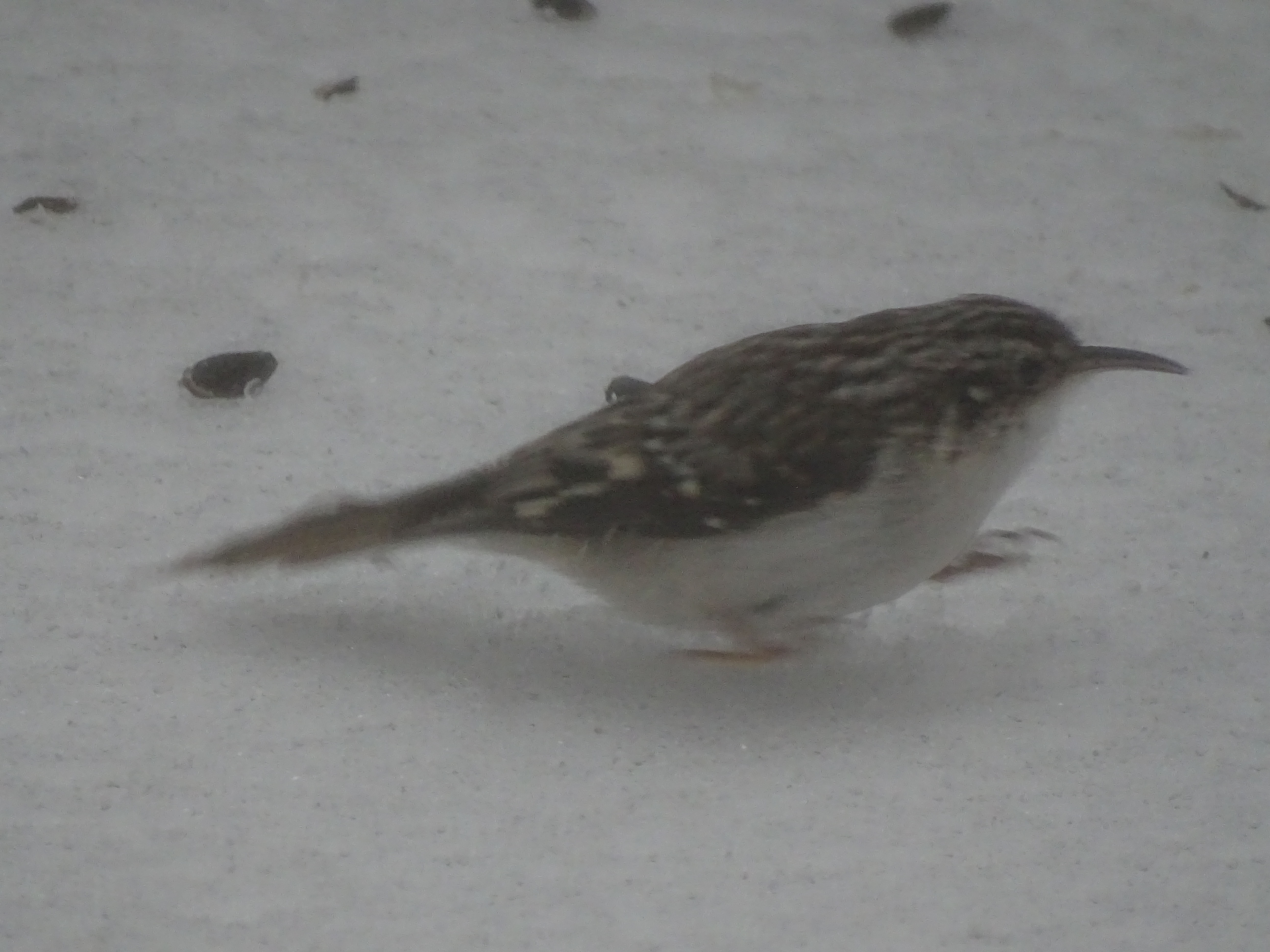
While not the rarest bird this week, I have been thoroughly entertained by this Brown Creeper who has taken to picking up bits of seed from under a feeder at our home in Pownal. The horizontal position makes the bird look so different! Sorry for the lousy photos though…they were taken through a screen during the ice/snow storm on 2/4.
The Blizzard of 2022 provided some great opportunities for cross-country skiing and snowshoeing locally for the first time this winter, so I took full advantage of that, even if it did further limit my dedicated birding during this busy week plus. Interestingly, my most “serious” birding was a half day (post-snowblowing and shoveling) on Sunday searching Portland through Cape Elizabeth for storm-related birds, but that effort turned up nothing at all of note! Here are my observations of note over the past 9 days:
5 WHITE-WINGED CROSSBILLS, 2 COMMON REDPOLLS (FOY), 6 Pine Siskins (FOY), and 1 Purple Finch, Long Falls Dam Road area of Carrying Place Township, 1/31 (with Jeannette).
The Androscoggin River between the downtowns of Lewiston and Auburn remain a surprisingly productive mid-winter hotspot. On 2/1, Jeannette and I discovered an incredible (especially for the interior of Maine) five species of dabblers from the Auburn Riverwalk! Amongst the Mallards and a couple of American Black Ducks, there were single female GREEN-WINGED TEAL, AMERICAN WIGEON, and NORTHERN PINTAIL. Making this even more interesting is the fact that it’s usually the drakes that we find overwintering in Maine. Additionally, the drake RING-NECKED DUCK continues, and we had a single 1st-winter Iceland Gull. Two Bufflehead and 5 Hooded Mergansers joined the usual Common Goldeneyes and Common Mergansers for a goodly inland total of 10 species of waterfowl. A unusually conspicuous Beaver continues to amuse here as well.
3 drake and 1 hen BARROW’S GOLDENEYES and 8 Dunlin (FOW here), Winslow Park, Freeport, 2/13.
My article – a 13-page photo salon – on the Hybrid Herons of Scarborough Marsh (Patches!) has finally been published in the most recent issue of North American Birds. In it, I lay out the theory that at least 5 different individuals have been seen in Scarborough Marsh since I first found an odd juvenile heron in July of 2012 that we now believe is a hybrid between a Snowy Egret and a Tricolored Heron.
I made the case that the two current birds are backcrosses, one with a Snowy Egret (SNEG X TRHE X SNEG) and the other with a Little Egret (SNEG X TRHE X LIEG). I’ll be watching them carefully for the potential of a developing hybrid swarm.
Unfortunately, at this time, the journal is only available online to members of the ABA. However, digital e-memberships (with access to all of the ABA publications) are only $30 a year, and you can purchase issues of the magazine directly from the ABA by emailing info@aba.org. Also, if you wanted to take a peek at the article, I do have a couple of extra copies here at the store for you to peruse.
Believe it or not, a hybrid heron is much rarer than a Steller’s Sea-Eagle, at least from a world perspective…in fact, it’s possible these birds are one of a kind!
Four of the five dapper drake Barrow’s Goldeneyes that Jeannette and I saw in the Penobscot River from the University of Maine-Orono campus on 11/30. This was the largest group that I have seen in several years in the state, sadly.
My observations of note over the past seven days were as follows:


















 Maine Birding Field Notes