Tag Archives: Glossy Ibis

This Week’s Highlights 5/22– 5/29/2026.

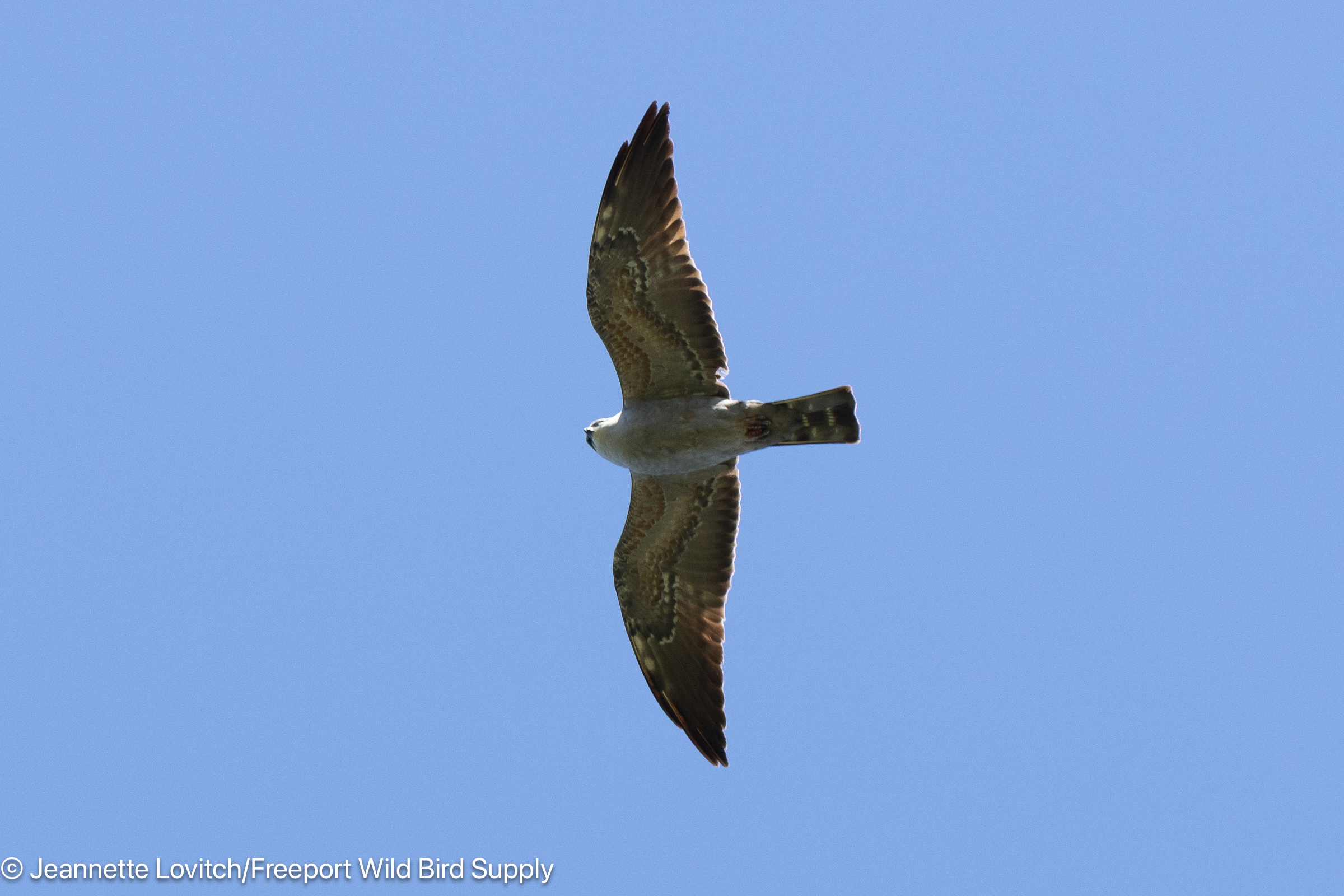
A Mississippi Kite was discovered by a group of visiting birders from Rhode Island on Monhegan on Saturday morning. Moments later, it was seen by two other parties, and then the chase was on. I did a wind-sprint up Horn’s Hill and managed to catch a most unsatisfactory view of it as it disappeared behind trees. Unfortunately, my tour group could not relocate it in the afternoon, and it was considered a 1.5 hour-wonder. Then, on Tuesday morning, right after breakfast, I stepped out of our Trailing Yew cabin and started yelling across the lawn to Jeannette, who was looking down, photographing an (uncommon on the island) Eastern Bluebird. It then proceeded to pass right over our heads, and a few minutes later, it was even lower and closer.
This was most definitely not an unsatisfactory view!

I spent 5 of the past 8 days on Monhegan, first with a tour from Friday the 22nd through Monday the 24th, and remaining with Jeannette through the next day. I’ll have a trip report, chock full of photos, by next week, but for now, here are some of my daily highlights. We had a total of 107 species, but only 18 species of warblers. But the rarities and the overall quality of observations and experiences, really did make up for it.

5/22: Port Clyde ferry to Monhegan:

  • 10 Purple Sandpipers, Shag Ledge
  • 4 Atlantic Puffins
  • 1 1st summer Great Cormorant

5/22: Monhegan:

  • 1 AMERICAN OYSTERCATCHERS, fly-byoff of Deadman’s Cove. ~7th Island Record. My 229th Monhegan species!
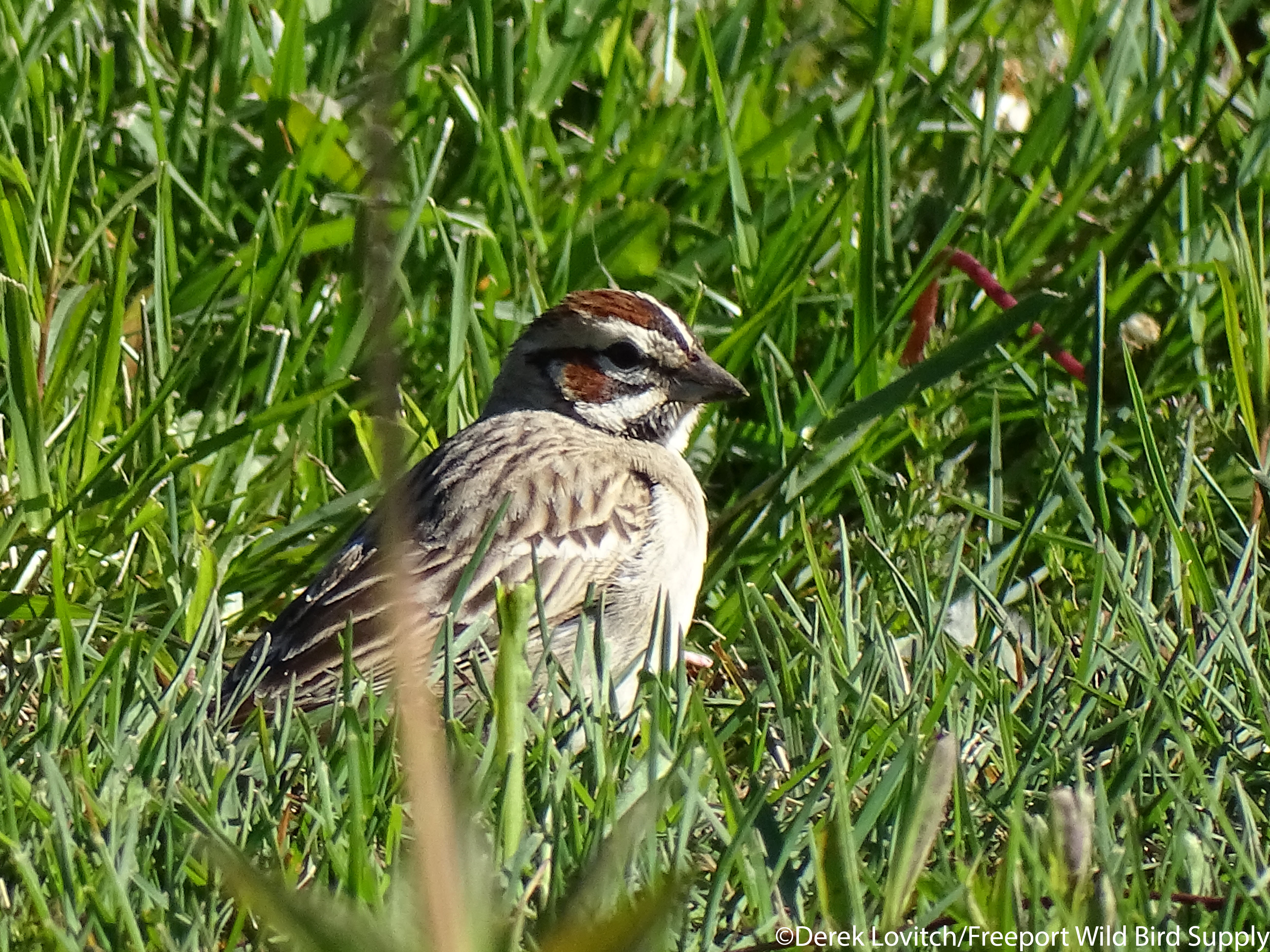
  • 1 continuing LARK SPARROW
  • 2 Sora (FOY)
  • Red Crossbills, including young juveniles, were widespread all five days.
  • 1 drake Long-tailed Duck

5/23:

  • 1 MISSISSIPPI KITE (see story above).
  • 1 adult BROAD-WINGED HAWK (very rare, especially in spring out here).
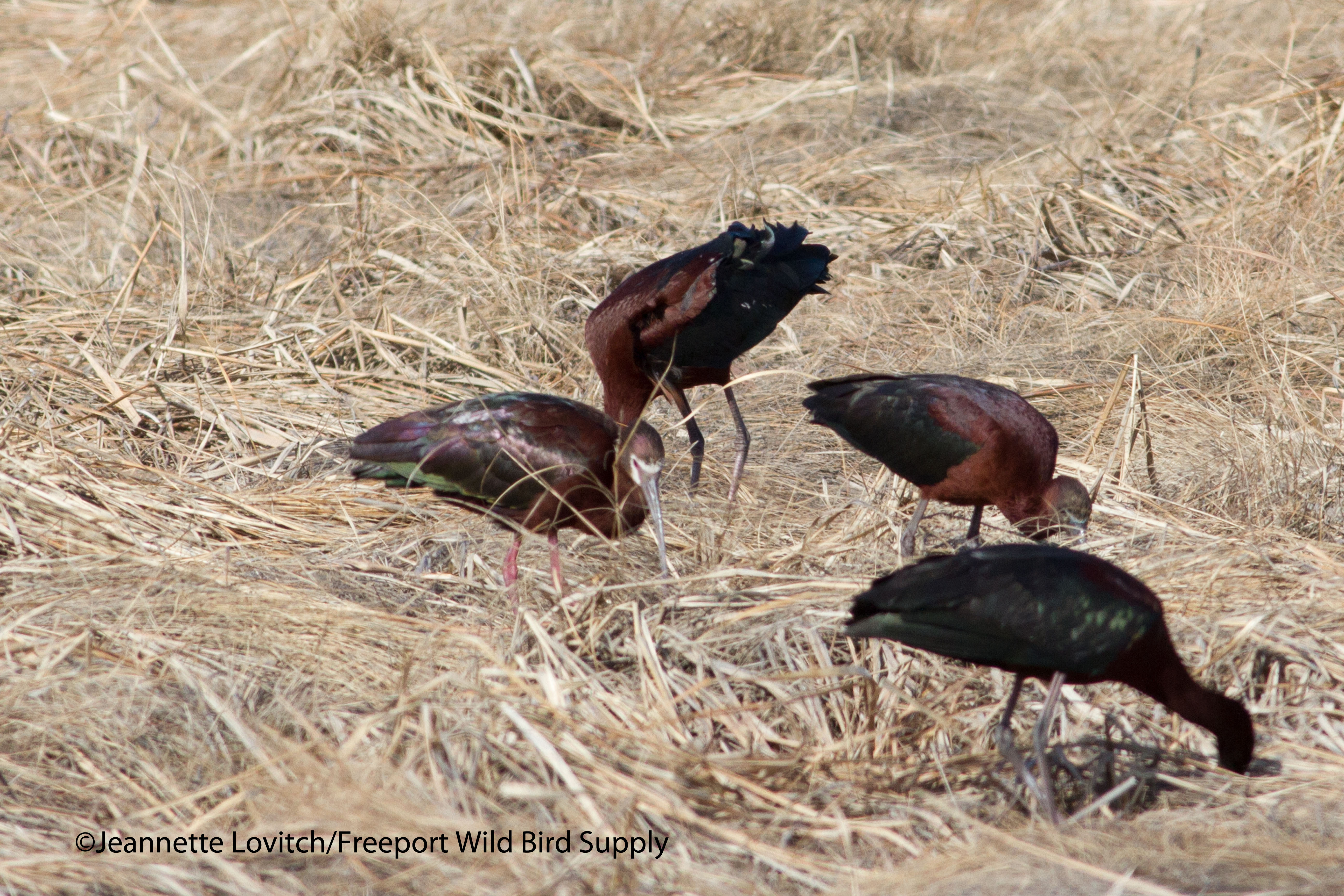
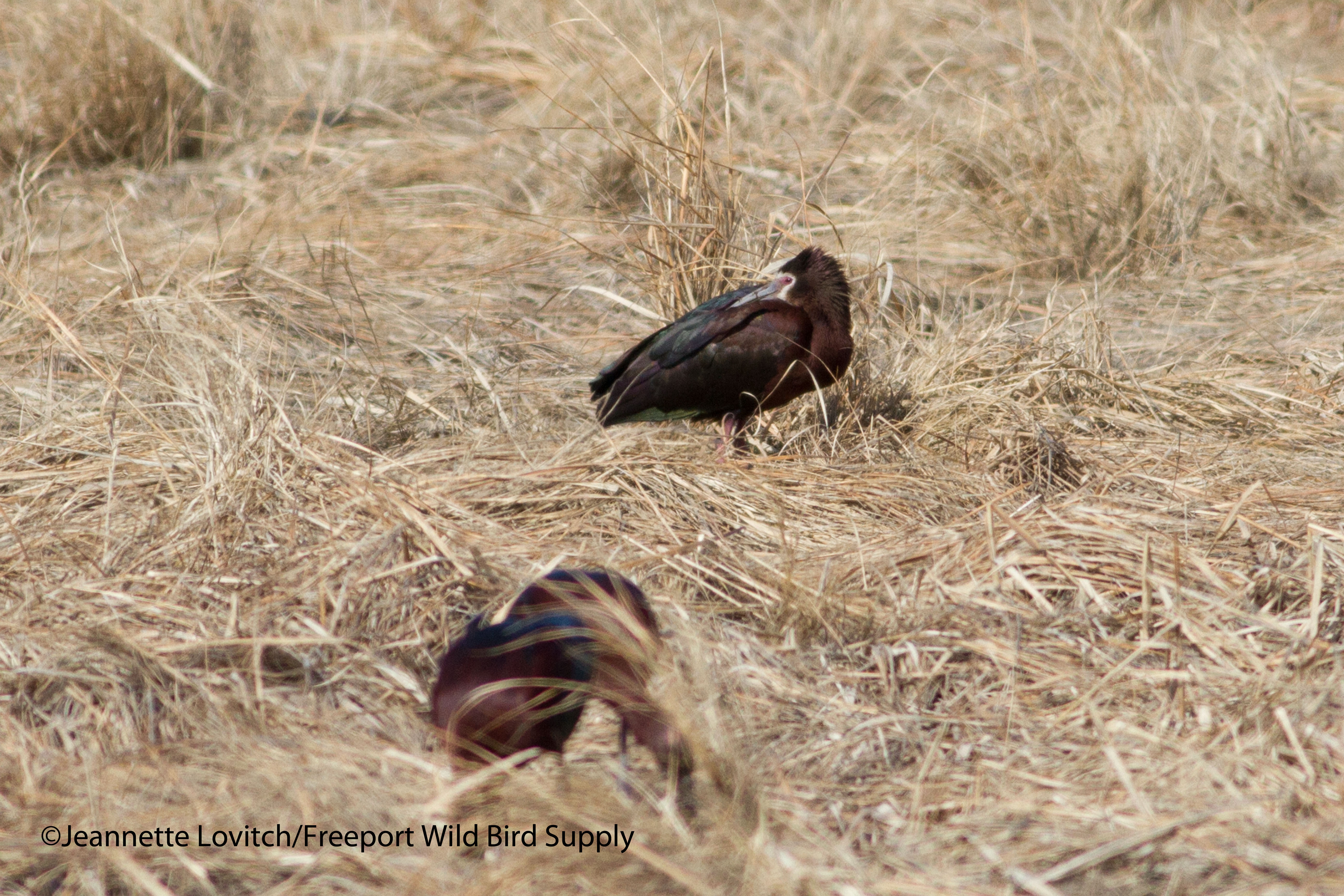
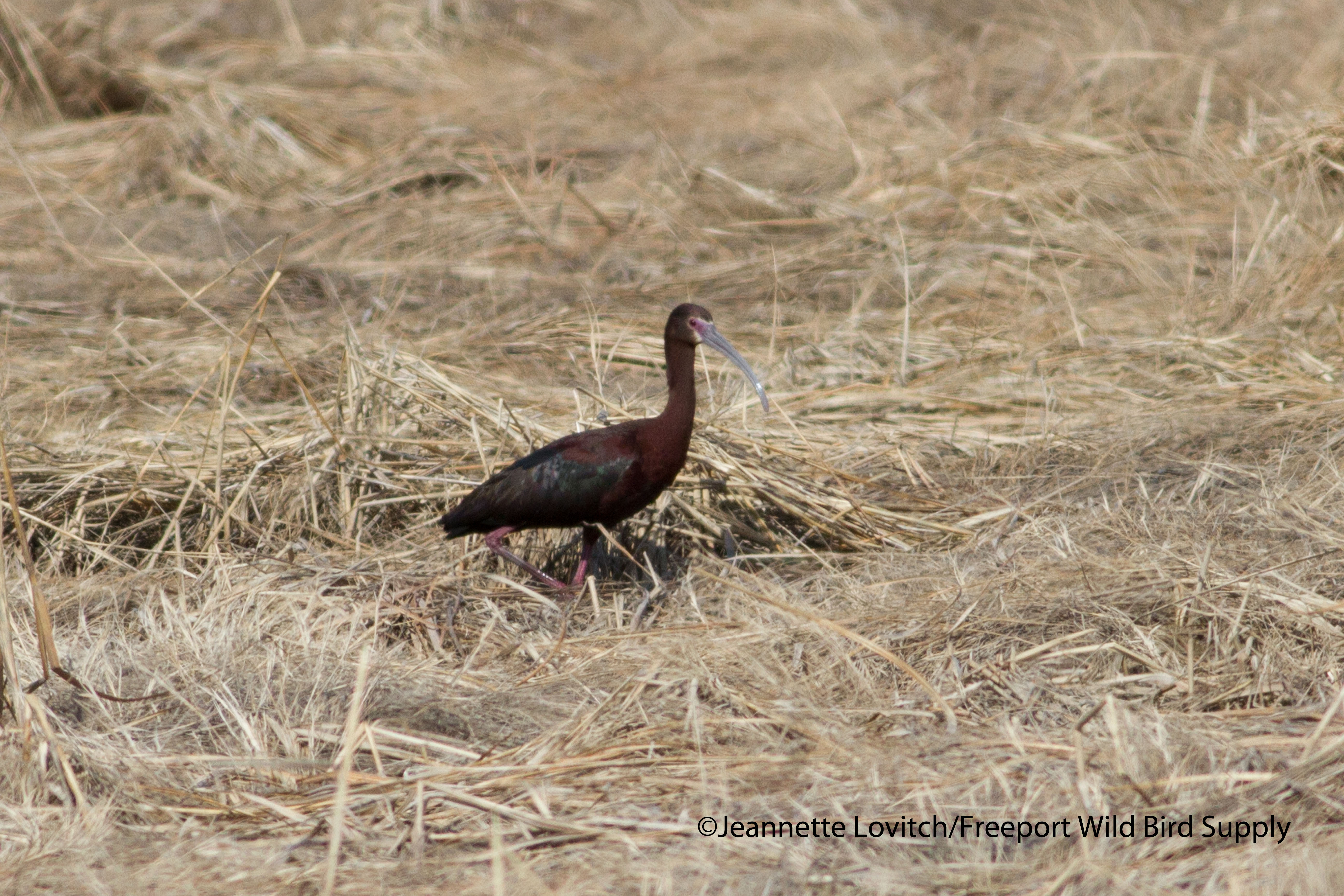
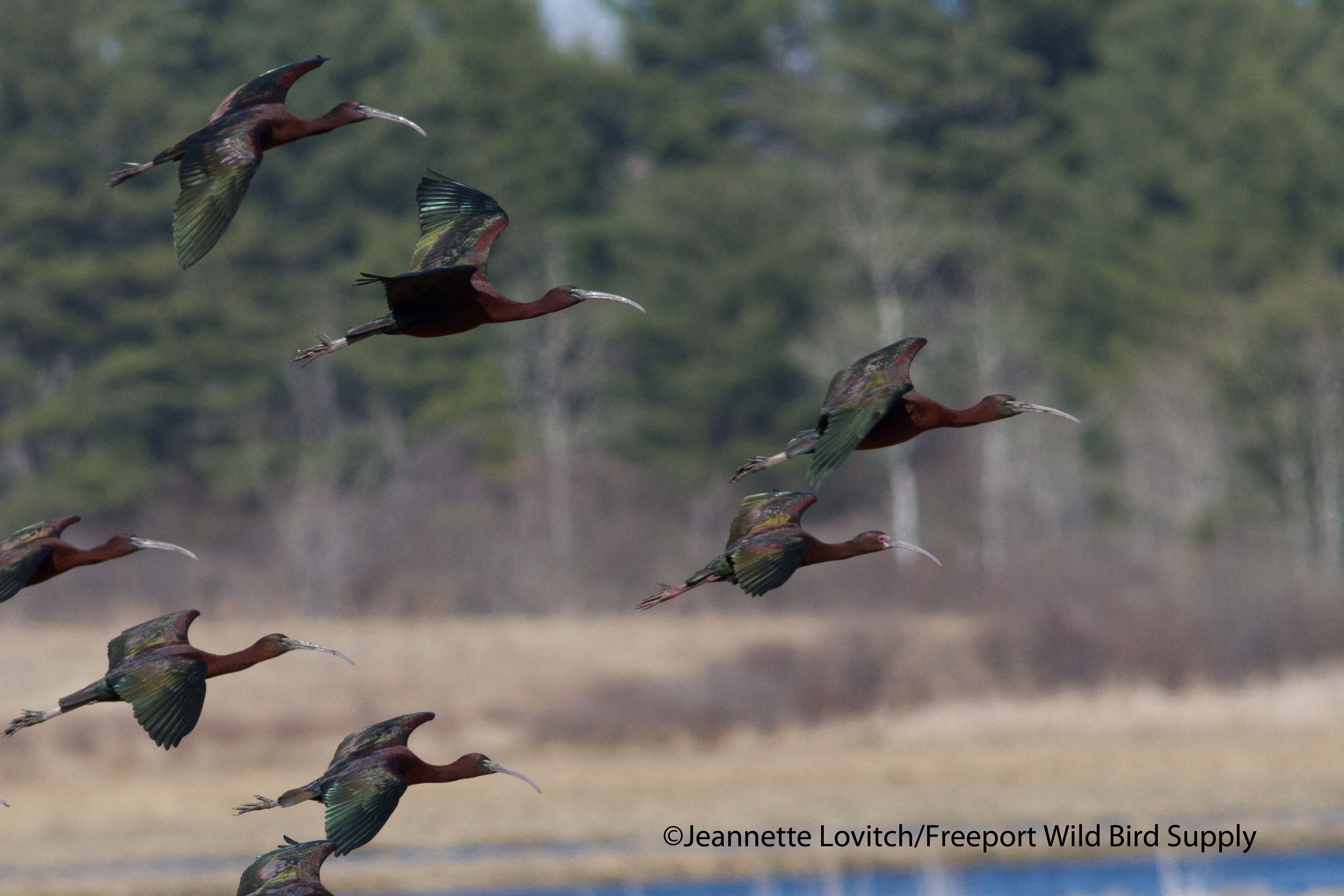
  • 1 GLOSSY IBIS, fly-by at dusk (with Mik Oyler)

5/24:

  • 1 fly-by Arctic Tern (FOY)
  • 1 continuing Virginia Rail (FOY)
  • 1 continuing female Pine Warbler
  • 1 continuing hen Long-tailed Duck

5/25:

  • 1 YELLOW-THROATED WARBLER (unusually easy twitch with the group, found a short while prior by M. McKnight).
  • 10 Greater Yellowlegs (first spotted from Island Inn window by Bill Thompson).
  • 1 continuing female Pine Warbler

5/26 (with Jeannette):

  • 1 presumed returning MISSISSIPPI KITE (see above).
  • 1 presumed returning BROAD-WINGED HAWK.
  • 1 Arctic Tern
  • 2-3 Olive-sided Flycatchers (FOY)
  • 3 White-winged Scoters
  • 1 1st summer Great Cormorant
  • 1 continuing female Pine Warbler

Ferry to Port Clyde:

  • 2 Atlantic Puffins

Back here in the real world, my observations of note over the past three days included:

  • 1 Saltmarsh Sparrow (FOY), Walsh Preserve, Freeport, 5/27.
  • 3 Nelson’s Sparrows (FOY), Walsh Preserve, 5/27.
  • 2 Yellow-throated Vireos, 3 Yellow-bellied Flycatchers (FOY), 14 species of warblers including 1 Louisian Waterthrush, etc, Morgan Meadow WMA, 5/29.

Upcoming Tours (with space available).

Bicknell’s Thrush Weekend

June 12-14, 2026

The latest incarnation of our Bicknell’s Thrush weekend offers more chances to see the enigmatic Bicknell’s Thrush and even better boreal birding opportunities!

With two full mornings in the area, we’ll have flexibility to offer two visits to the realm of the Bicknell’s. While Bicknell’s Thrush is the primary target, this enhanced itinerary will also give us an even better chance at other boreal species, including Canada Jay, Boreal Chickadee, Black-backed Woodpecker, Olive-sided and Yellow-bellied Flycatchers, Palm and Blackpoll Warblers, and especially Philadelphia Vireo and Mourning Warbler.  By staying in Colebrook, NH we have the opportunity to look for additional boreal targets anywhere from Vermont’s Northeast Kingdom (the famous hotspots are only 30 minutes from Colebrook!) to the Umbagog NWR area.
This Week’s Highlights, 5/26 to 6/2, 2023

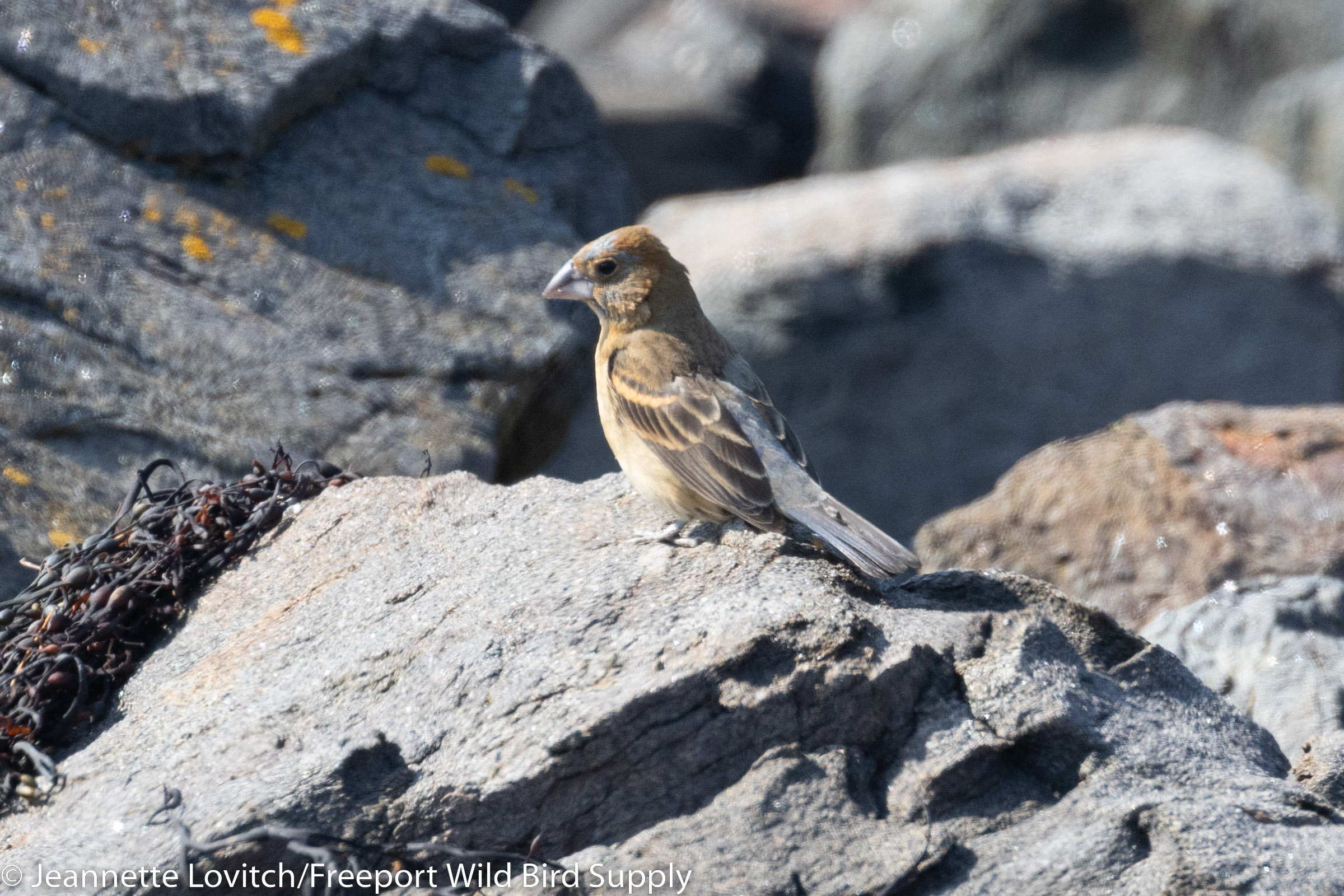
This first summer male Blue Grosbeak was present on Monhegan for at least a week, and unexpectedly, was flycatching for seaweed flies in shoreline rocks for most of the time, including the two days we looked at it with my Monhegan Spring Migration Weekend tour group.

With 5 days on Monhegan and one (half) day offshore, I enjoyed a lot of great birds this week. My observations of note over the past seven days included:

  • 1 Mourning Warbler, our property in Durham, 5/26 (Yard Bird #137!)
  • Monhegan Island with our Monhegan Spring Migration Weekend Tour group (full trip report and photos to come).

Daily:

  • Impressive numbers of Red Crossbills swirling around the island and tough to quantify, including many juveniles. High counts of largest flock(s) in the mid-20’s.  Three WHITE-WINGED CROSSBILLS were present each day at least through the end of the weekend. Rare for the island, a pair of HOUSE FINCHES appeared on the 27th and continued through the end of our stay.  Here are my group’s other daily highlights.

5/26:

  • 11 Bay-breasted Warblers (FOY)
  • 1 Cape May Warbler (FOY)
  • 1 female Evening Grosbeak
  • 1 Black-billed Cuckoo
  • 1 continuing ORCHARD ORIOLE
  • 1 Philadelphia Vireo (FOY)

5/27:

  • 1 continuing male DICKCISSEL
  • 1 continuing female/imm male SUMMER TANAGER
  • 1 female ORCHARD ORIOLE
  • 1 Olive-sided Flycatcher (FOY)

5/28:

  • 9 GLOSSY IBIS – circled the island early in the morning but did not land. My 225th Island Bird!
  • 1 probable immature male PURPLE MARTIN
  • 1 continuing 1st-year male BLUE GROSBEAK
  • 1 immature BROAD-WINGED HAWK
  • 1 continuing male DICKCISSEL

5/29:

  • 1 pair ORCHARD ORIOLES
  • 1 continuing SNOWY EGRET – Jeannette and I finally caught up with it for my 226th Island Bird!
  • 1 continuing 1st year male BLUE GROSBEAK
  • 5/30 (With Jeannette):
  • 1 continuing male ORCHARD ORIOLE
  • 1 Field Sparrow
  • Did not try to catch up with continuing rarities, although two quick checks did not turn up the Dickcissel or the Blue Grosbeak.
  • The Zeiss Pelagic with Cap’n Fish’s Cruises out of Boothbay Harbor, 6/2. This special mini-pelagic, sponsored by Zeiss Optics visited Eastern Egg Rock before heading 20 miles offshore. Trip report to come, but for now, the highlights:

1 Razorbill at Eastern Egg Rock

1 COMMON MURRE (between Eastern Egg Rock and Murray Hole)

350-400 total Wilson’s Storm-Petrels (FOY)

12 RED-NECKED PHALAROPES

  • TOURS AND EVENTS:

I’ll see you next week at the Rangely Birding Festival! Most (but not all) tours are sold out, but everyone can join me for the free and open to the public Birds on Tap! Event at Parkside and Main (beverages not included)!

White-faced Ibis Have Returned to Scarborough Marsh

For the 7th consecutive spring, White-faced Ibis have been found in Scarborough Marsh.  I found the state’s 5th record in 2008 – a single adult bird – and in each of the next three years, a single adult bird was seen. It is more than likely that this was the same adult returning for each of those years, and likely beyond.

Things became a little more muddied in 2012, however, when three different White-faced Ibis (WFIB) were documented (that spring, I wrote an extensive blog summarizing the difference and the previous records. Although that was posted to my old Mainetoday.com blog that has since imploded, if anyone would like a copy of that synthesis, please let me know).

Photos from 2012 can be seen here.

Additionally, some earlier photos of the sub-adult bird can be seen here, although they are not of high quality.

In 2013, at least three individuals were identified once again.

So the question becomes are these birds all related? How many of these individuals have shown up for home many consecutive years? And, are they breeding?

Last year, WFIB were spotted on occasion through the end of the summer, confirming that the birds are not just spring overshoots or drift vagrants. Although the detection of – and ability to study the – ibis becomes much more challenging as the season progresses due to the growing marsh grasses, last year WFIB was a semi-regular sighting in the marsh. Some of my photos from July and August of last year can be seen here.

Juvenile WFIB are impossible to separate in the field from juvenile Glossy Ibis in the late summer and fall (by late winter, the development of the red eye and perhaps even facial skin coloration would at least tip us off to the possible identification). Therefore, if breeding is to be confirmed, it would likely have to be on Stratton Island – where they would likely breed within the large colony of Glossy Ibis (GLIB) – or, by conjecture as a population increases. Figuring out exactly how many birds are seen each year, and their ages, could help us track potential breeding (and perhaps eventual colonization?). It’s also fun – if you like this sort of thing.

Each year, WFIB show up in late April, about the time that the majority of the GLIB arrive, and this year, the birds were first reported on Saturday (4/19). Two to three birds were reported, and over the past week, we have tried to determine exactly how many birds they are, and, if possible, what ages they are.

On Sunday, Jeannette and I were planning on heading to the marsh in the afternoon anyway (to take advantage of the high tide on our rare extra day off), so looking for the WFIB first reported on Saturday added extra incentive. And luck was with us. As soon as we arrived at the marsh, we found a group of about 70 GLIB foraging close to Pine Point Road. We jumped out, and immediately found two White-faced Ibis within the group, along with one other bird of interest (a bird that looked absolutely fine for a pure GLIB, but with distinctly reddish-pink knees, and perhaps a pinkish hue on the rest of the leg.  Jeannette, unfortunately, was unable to get photos of this individual).

Most obvious, there was this “bright-faced” bird.
IMG_5543_edited-2 IMG_5543_edited-2a IMG_5533_edited-2 IMG_5530_edited-2 IMG_5455_edited-2

Although the facial skin, especially right at the base of the bill, has a slight grayish tint, I see no reason to argue that this is anything other than an adult bird (or very near-adult, perhaps).

Secondly, there was this “pale-faced” bird.IMG_5519_edited-2

IMG_5518_edited-2

IMG_5464_edited-2 IMG_5576_edited-2

IMG_5576_edited-2a IMG_5574_edited-2 IMG_5574_edited-2a

Note the greatly reduced amount of white around the face, with no white behind the eye. In the field, I called this bird a sub-adult, but on close inspection of the photos, I don’t feel comfortable calling its age – other than it is definitely more than a year old. Although there isn’t much white on the “face,” the pure red eye, pink facial skin, and pinkish legs with brighter red-pink knees are all fine for an adult, in fact, as are the spiffy, glossy tertials. Perhaps a spread-tail shot could help confirm this. It might simply be a dull (facial-marking-wise) adult.

Meanwhile, photos from other folks suggest that a third WFIB, or perhaps a hybrid, is present. If it is, perhaps we will be able to compare these birds to those of last year, and perhaps even conclude that the same three birds are back. Regardless, it will be an interesting exercise, and quite the challenge, as ibis are a real challenge to age. In fact, we might not even know for sure how to age them! Of course, you know me, that doesn’t necessarily stop me from trying.

What intrigues me is that we have not yet documented a hybrid, even after an adult was present for 4-5 years. Since out of range WFIB are well known to hybridize with GLIB (and visa-versa), we often expected to see hybrid kiddies running around (at least by next spring when they would have been noticeable). Perhaps it did not breed, or the young did not survive. And/or perhaps it waited long enough for another WFIB to arrive. Whatever is going on, it will be most interesting to watch, this summer and beyond.