In last week’s report, I complained about the dearth of vagrants in Maine this November, but that changed dramatically this week. Several rarities around the state included Maine’s first confirmed Spotted Towhee that I found at Fort Foster in Kittery on 11/19. A Prairie Warbler, 1-2 “Western” Palm Warblers, 1 Gray Catbird, 1 Hermit Thrush, Type 12 Red Crossbills, and 1 Ruby-crowned Kinglet were also present that day.
Photos from myself and Luke Seitz, as well as observation notes and some information are all here:
Meanwhile, at our feeders in Durham, a nice uptick in sparrow activity including up to 14 Dark-eyed Juncos, 4 continuing White-throated and 1-2 continuing Song Sparrows, with our first American Tree Sparrow arriving on 11/22. 30+ American Goldfinches and 1-2 Purple Finches continue daily, but this week, we only had Pine Siskins in the woods and not at the feeders.
ISSUES and ADVOCACY:
The amazing birding and migration site – especially for fall “morning flights” – in the Mid-Coast is once again under direct threat. Birders need to help convince the state to find an alternative location for a massive new port and its infrastructure. Our most significant places of concentration for migratory birds need to be protected. Here is our Statement in Opposition to a New Port on Sears Island in Searsport.
Freeport Wild Bird Supply is very excited to partner with Down East Magazine’s Down East Adventures for our third year. In 2023, we are expanding our offerings to include two exclusive overnight trips, along with our popular ½- and whole-day targeted workshops. Focused on skill-builder rather than list-building, there will be plenty of “life birds,” but also more knowledge and education about birds, habitats, birding, and much more about the natural world.
The full list of upcoming tours can be found here. At the conclusion of each tour, I’ll post the trip report here.
Winter Waterbirds Workshop, January 15.
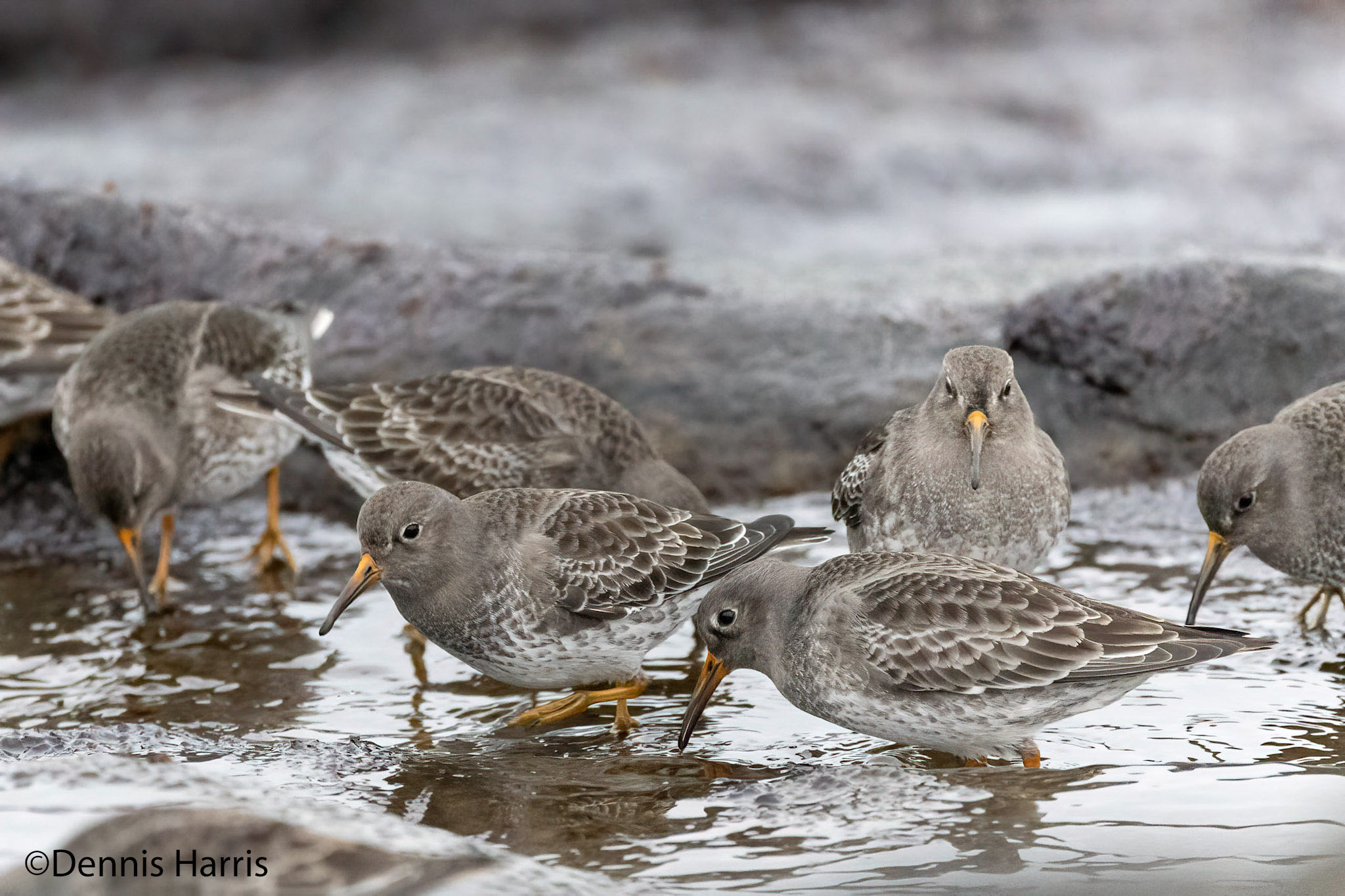
This Purple Sandpiper was about as cooperative as it gets for us at Sohier Park in York. Later, it was joined by its friends (photo below). This is really a lovely shorebird when viewed as well and as close as we experienced.
Extremely strong winds and very high seas presented a challenge as we sought out wintering waterbirds along the southern York County Coast. We worked hard to find sheltered water where we could observe birds well, but when we did find that secluded cove, peninsula lee, or rivermouth, we were treated to incredible looks at many of the birds we had hoped for.
We looked down on Red-breasted Mergansers at Perkin’s Cove, and you’ll never be closer to a Common Loon than we were at the Ogunquit Rivermouth. We checked a few more locations than I usually need to on this tour, but our most productive spot was the southern shoreline of Sohier Park at The Nubble. There, we were treated to close views of Black and White-winged Scoters, Harlequin Ducks, and a most-cooperative flock of Purple Sandpipers. We then ended the day at hidden Abbott’s Pond, where we enjoyed a break for the wind, close comparisons to study details between Mallards, American Black Ducks, and hybrids thereof.
Meanwhile, a group of 8 or so Black-legged Kittiwakes were feeding off of Short Sands Beach, and a stunning adult Iceland Gull passed by at The Nubble. Unfortunately, the seas were just a little too rough to find any alcids today, but we knew they were out there!
Spring Migrant Songbirds Workshop, May 14.
This stunning Blackburnian Warbler nicely demonstrated the value of blooming oak trees for seeing warblers in the middle of May.
Four hours later we had not left Evergreen Cemetery in Portland…a very good sign. There was just no need to move along, the birds kept coming to us. In the end we tallied a respectable 16 species of warblers, even though growing a list was not our goal. What made this workshop successful, however, was how well we saw just about all of the warblers and other songbird migrants throughout the morning.
Warblers were a highlight of course, including repeated quality time with favorites such as American Redstart and Black-and-white Warblers, the two most plentiful migrants this morning. We also enjoyed great looks at several Chestnut-sided Warblers, Magnolia Warblers, and Northern Parulas, with fantastic studies of Black-throated Blue Warbler, Black-throated Green Warbler, Yellow Warbler, and Wilson’s Warbler. We also saw two newly-arrived Tennessee Warblers which aren’t always easy to get looks at. There was a good amount of song this morning, so we had chances to listen and learn many of these species as well.
Shortly after hearing a Red-eyed Vireo and my describing it as “high up and often hard to see,” we found one in the lower branches of a nearby oak, and watched it sing, forage, and do all things vireo for almost 10 minutes! Likewise, after hearing distant Ovenbirds, we had two walking around right in front of us! Beginning with a view of a Veery on the ground in the open, we saw it again as the walk ended, only a few feet in front of us for another great view and chance to observe and study.
During the morning, we chatted about migration, habitat, and the process of building the necessary toolkit to build birding skills. Finishing the walk with a quick overview of some references (we had too many birds to leave much time for anything more), we recapped a very productive and instructive morning of spring birding.
Rangeley Birding Workshop, June 6-8.
Our first overnight tour together, the Rangeley Birding Workshop was based at Bald Mountain Camps in Oquossoc, nestled on the shore of Mooselookmeguntic Lake. Common Loons greeted us, but so did the rain. June of 2023 was one of the rainiest Junes on record in Maine, and we were very thankful for the wood stoves in each cabin!
Our first morning, 6/7, began at Hunter Cove Wildlife Sanctuary, with lots of singing Blackburnian Warblers. A large flock of Red Crossbills flew over, two Yellow-bellied Flycatchers were heard clearly and then glimpsed, and a variety of common warblers were detected. A confiding pair of Canada Jays was the highlight – as they often are – but even the common warblers were tough to see today, so we focused on practicing our birding by ear skills.
Enjoying our delicious boxed lunches at the Rangeley Waterfront Park, with more Common Loons offshore, we delved into an impromptu gull workshop, using each age class of Ring-billed Gull as an introduction to molt, feather topography, and identification. A 3rd-cycle Herring Gull kindly dropped in for comparison as well. In inclement weather, we take advantage of whatever learning opportunities the birds are willing to provide!
After lunch, we poked around the Mingo Spring Birding Loop, with good looks at the likes of Least Flycatcher, Alder Flycatcher, and Dark-eyed Juncos among others. But as rain returned, we called it a day and settled in to dry out in front of our stoves instead of an afternoon of lake-watching from the BMC property. And dinner was absolutely delicious!
Day 2 began with a brief walk around the BMC property (American Redstart, Ruby-throated Hummingbird, etc) followed by a foray over to the famous birding destination of Boy Scout Road, looking to build on the identification toolkit we worked on the previous day. We parked half the cars at one end and then walked the length of the road, birding along the way. But it was rather quiet here too – the ongoing story of June 2023. We did have some more Red Crossbills, a fantastic view -finally – of a Blackburnian Warbler, several Alder Flycatchers, and once again more Canada Jays. But this time, it was a family group of a pair with 2 juveniles in tow!
And then it began to rain. Again. A lot. But I give this group credit – they soldiered on! Of course the rain began in earnest when we were as far from either set of cars as possible, so there wasn’t really a choice, but still, spirits remained high and the birding continued. A pair of Hooded Mergansers, a singing Palm Warbler, and a Spotted Sandpiper were among the last birds of the outing, before the water had penetrated our clothing and it was time to call it a day and hope for better conditions next year!
Shorebirds Workshop, August 10.
The best way to learn shorebirds is to see them in their preferred habitats, feeding, moving, and mixing with other species, such as these Short-billed Dowitchers (a sandpiper) and Semipalmated Plovers here at Hill’s Beach in Biddeford.
An absolutely perfect day of summer weather (finally!) greeted us for this annual favorite outing. And the only thing better than the weather this day was the birding! Recent insane rainfalls have led to very high water in many of our favored high-tide, upper-marsh locales, so we focused on tidal habitats including beaches and mudflats, altering our usual routine from the start.
Beginning in Biddeford Pool, we introduced shorebirds with several Spotted Sandpipers along Ocean Avenue before jumping into the mixed species flock on Biddeford Pool Beach on the outgoing tide. There we estimated over 1,250 Semipalmated Sandpipers and 200 Semipalmated Plovers as we learned the basics of shorebird (sandpiper vs. plover) identification and began to work our way up to teasing out a couple of White-rumped Sandpipers and Ruddy Turnstones from the masses. 2 Killdeer in flight overhead were our only two of the day.
Kicking off our shoes to spend the rest of the morning on the sandflats of Hill’s Beach, we compared a Piping Plover to the many (400+) Semipalmated Plovers and 30 Black-bellied Plovers. A single juvenile Least Sandpiper was out of place on the beach, but offered a perfect opportunity to closely study the differences in shape, size, and overall structure to the 150 or so Semipalmated Sandpipers that were scattered about. 59 Short-billed Dowitchers gave us the chance to really observe shape and feeding styles, practicing identifying these birds both near and far.
Over at The Pool, a distant “Western” Willet joined 7 “Eastern” Willets, as we advanced into subspecific identification just briefly before stopping for lunch as the tide began to roll in.
The afternoon was spent at Scarborough Marsh, where our first two stops offered little (other than a calling Greater Yellowlegs to at least practice our shorebirding by ear) due to the very high water in the salt pannes from the recent rains. Pine Point more than made up for it on the rapidly incoming tide, however, with one heck of a shorebird show: 1500-2000 Semipalmated Sandpipers, 400-500 Semipalmated Plovers, a few more Short-billed Dowitchers and White-rumped Sandpipers, better looks at “Eastern” Willets, and the icing on the cake: a cooperative Whimbrel – our 13th species of shorebird for the day.
Practicing with our identification tool kit, we tested ourselves on finding the uncommon species among the masses, and took a moment or three to simply sit back and enjoy the show. Now that we know how approachable shorebird identification really is, we can more fully appreciate these most marvelous migrants!
Monhegan Birding Workshop, September 23-25.
Northern Gannets and two Green-winged Teal flying with 6 Surf Scoters from the ferry and an adult Lesser Black-backed Gull greeting us upon our arrival seemed like a great sign for what would be a bird- and fun-filled weekend on the Migration Mecca of Monhegan.
Unfortunately, it turned out to be one of the slowest (for both species and diversity) fall weekends I have ever experienced on the island. That being said, a big list wasn’t our goal. It was to learn birds – their ID, their migration ecology, and everything else that makes the island so special for birds and birders. And this is not tour guide spin: a slower day is better for that as we had ample opportunity to view almost everything we encountered, study them, discuss them, and luckily, what the island failed to provide in quantity, it certainly delivered in quality of observations.
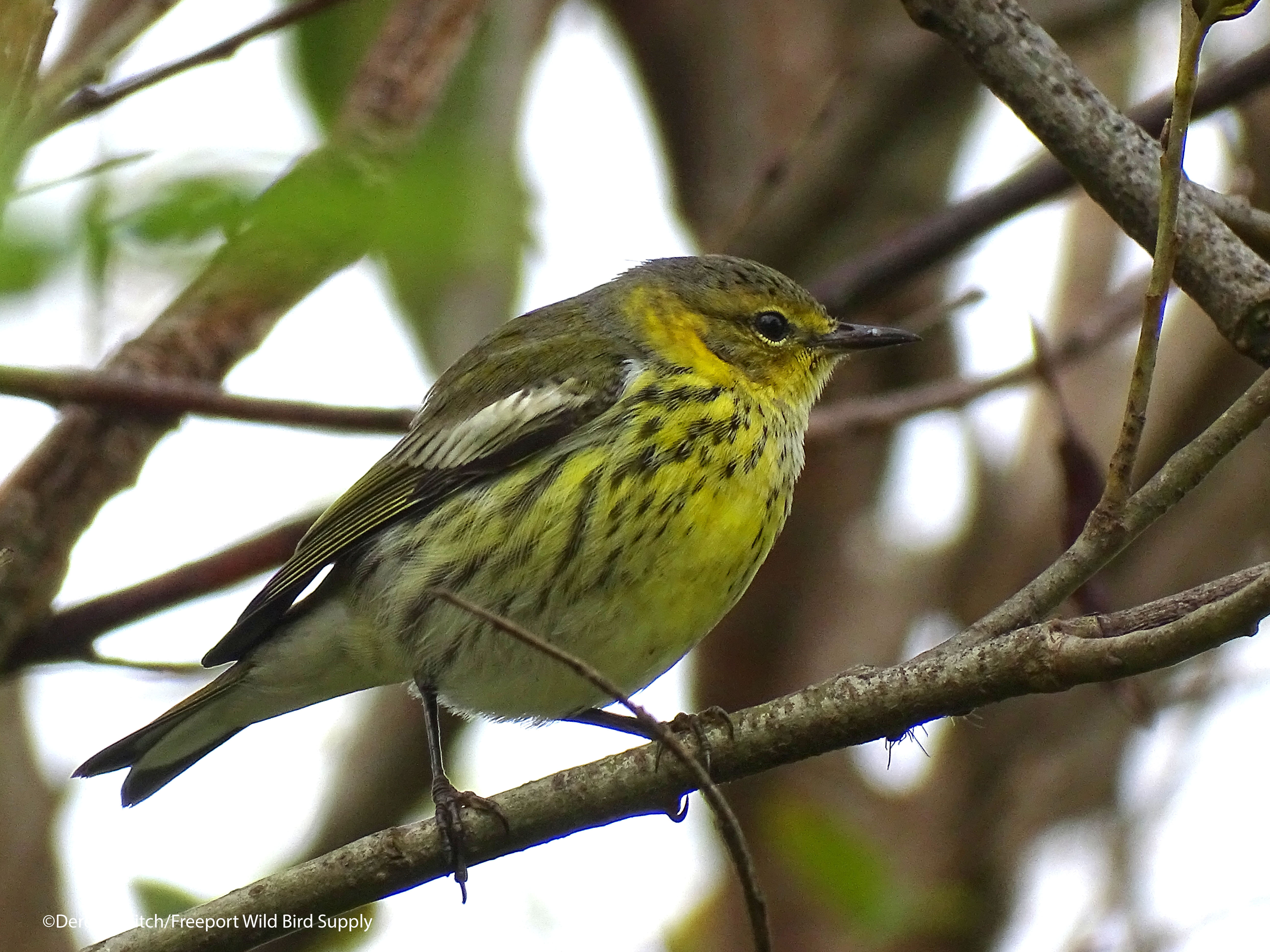
On each day, we would find pockets of warblers here and there, but we kept coming back to one particular willow and a nearby thicket that constantly hosted 4-5 Cape May Warblers (photo above), 4 Yellow Warblers, a Yellow-bellied Sapsucker, and a smattering of others. The Cape Mays put on a clinic: all four plumages from pale, 1st-fall female, to bright and spiffy adult male were on display.
Over the first day and a half, we took what the island offered, besides exceedingly pleasant weather! There was the hen Green-winged Teal feeding within three feet of us, fly-over Rusty Blackbirds in the morning, and Great Cormorants on the cliffs on an afternoon short hike to name a few highlights. The skies were punctuated by the occasional migrant Peregrine Falcon and the constantly-hunting Merlins.
Granted, we were really just looking at birds to fill the time between the incredible meals at the Monhegan House!
On our final morning, a good migration overnight produced a new arrival of birds for the “morning flight;” the concepts and nuances thereof were topics of regular discussion.
The group’s high spirits earned them a great morning, with a taste of what Monhegan birding has to offer. There were American Pipits and Yellow-rumped Warblers in Morning Flight, a flock of 10 truant Bobolinks circling around, an immature male Belted Kingfisher displaying to a very-uninterested female, more Cape May Warblers, and a surprising fly-by Wilson’s Snipe.
At one point we had four juvenile Sharp-shinned Hawks dogfighting, exemplifying the difference in sizes of male vs female raptors. And the workshopping continued with Great and Double-crested Cormorants side-by-side, migrant raptors including several Northern Harriers, and more species before breakfast than we had most of the previous weekend! Speaking of breakfasts, goodness, they were good as well.
We finished up with a gull workshop on the shoreline, opening eyes to just how easy most gulls are most of the time. The advanced course was the fly-by 1st winter Lesser Black-backed Gull amongst Herring Gulls on the ferry ride back! And yes, we looked at butterflies, too!
Jeannette and I enjoyed a summer roadtrip to the Atlantic Provinces of New Brunswick and Prince Edward Island from August 15th through 23rd. Shorebirds were our birding focus, because August, but our expectations were far surpassed! Here are a few photo highlights from the journey.
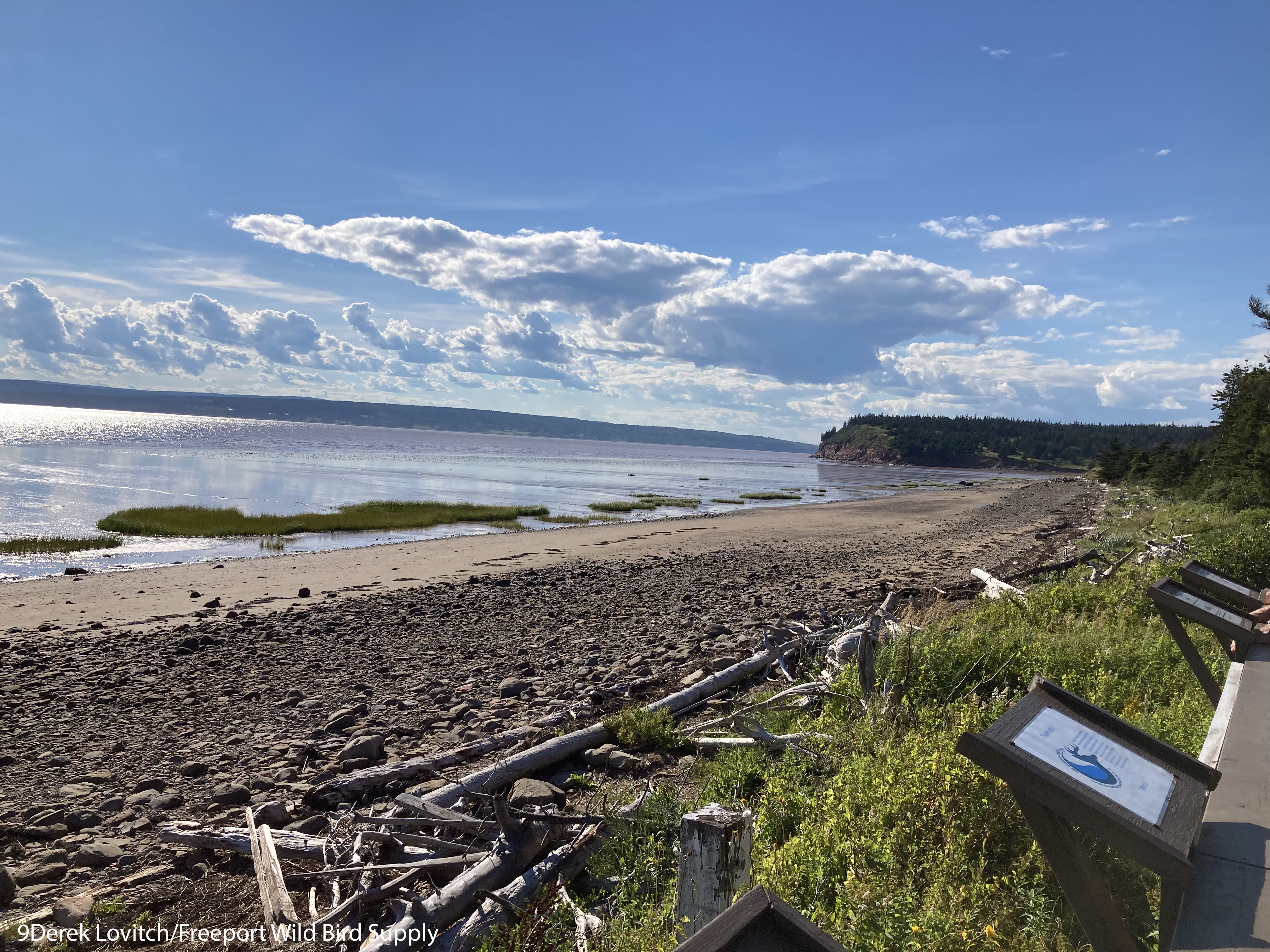
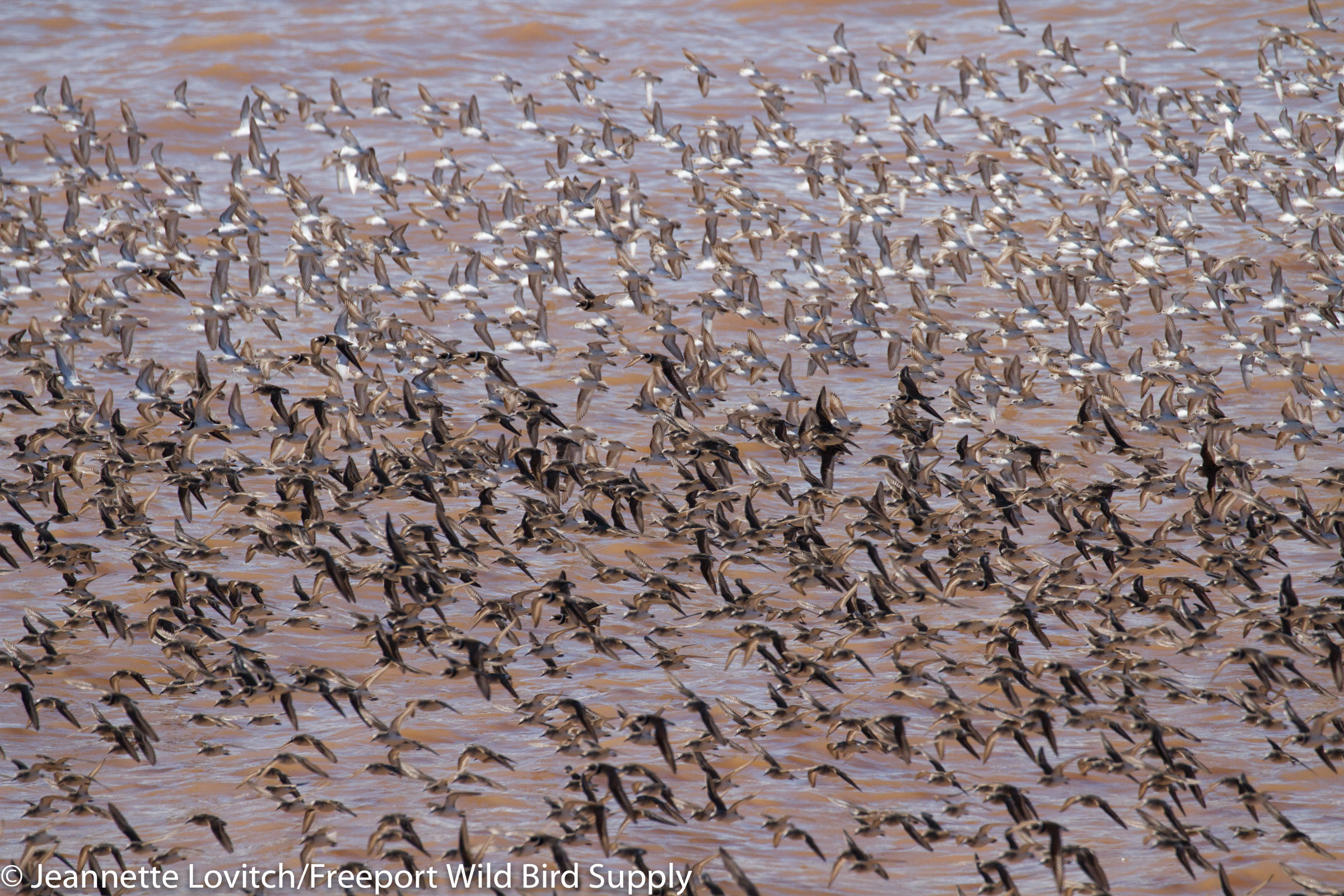
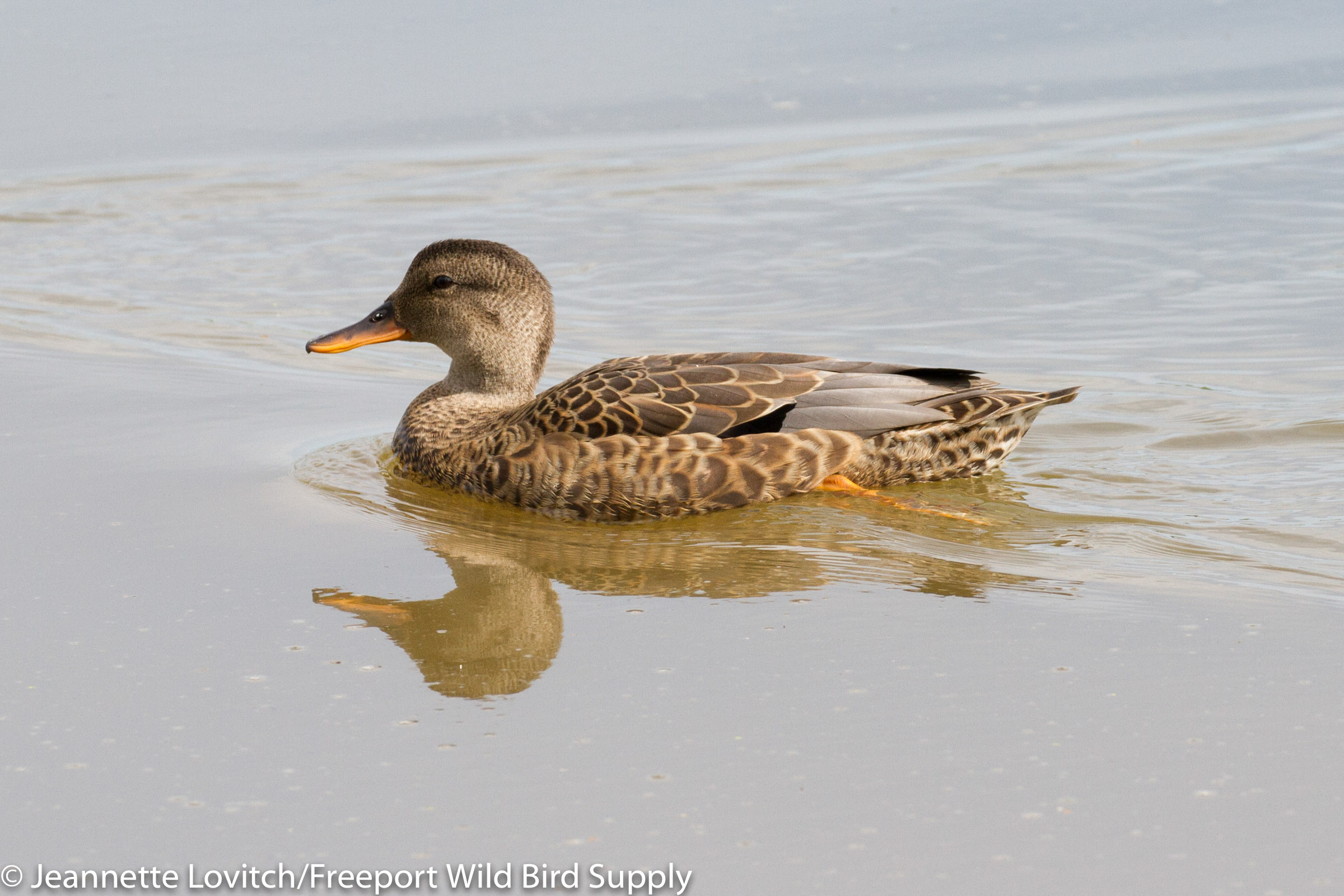
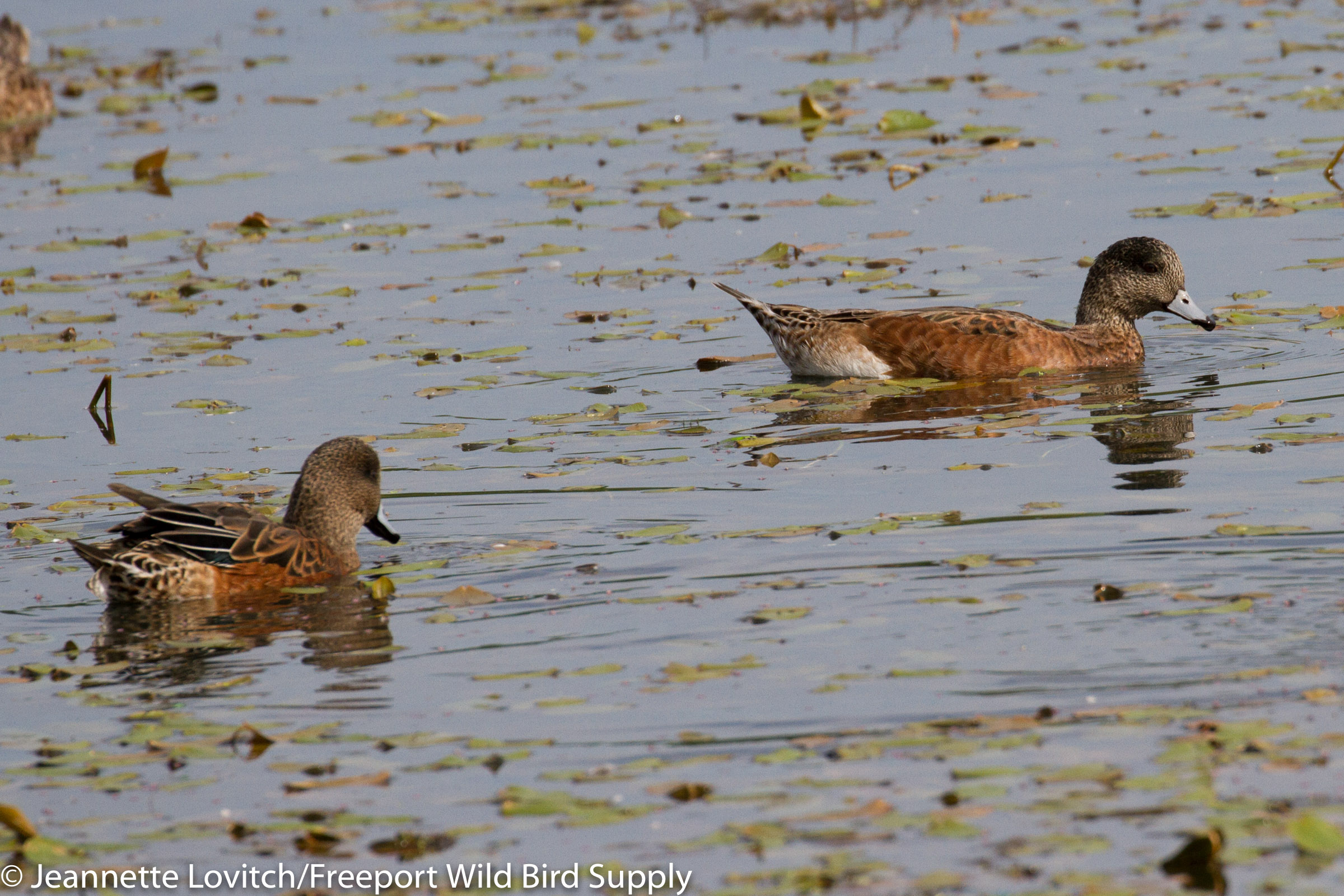
We began our roadtrip in Bangor, where we could not resist some quality time with an unusually-confiding family group of Least Bitterns that has been hanging out in Essex Marsh.We then drove straight to Johnson’s Mills, New Brunswick, near the head of the Bay of Fundy.Here, at and nearby the Shorebird Interpretive Center, nearly half of the world’s population of Semipalmated Sandpipers passes through. After a day count of 100,000 a couple of days before we arrived, we had to settle for a tally of about 60,000. It was awesome (in the literal sense of the word).I wrote about this special place and how everyone needs to visit in a blog back in 2017 that can be read here.Staying in the delightful town of Sackville, we made multiple visits to the downtown Waterfowl Park. Copious amounts of dabbling ducks breed and stage here.. Here are a couple of Gadwall. Good numbers of American Wigeon are also present.But of course you’re really here at this time of year for the shorebirds, so on the next day, we were right back to Johnson’s Mills for the incoming tide.. Here’s a Semipalmated Sandpiper pool party.So. Many. Shorebirds.
It’s hard for still photos to do the scene true justice however, so we posted a few videos to our store’s Facebook Page. They can be viewed here.
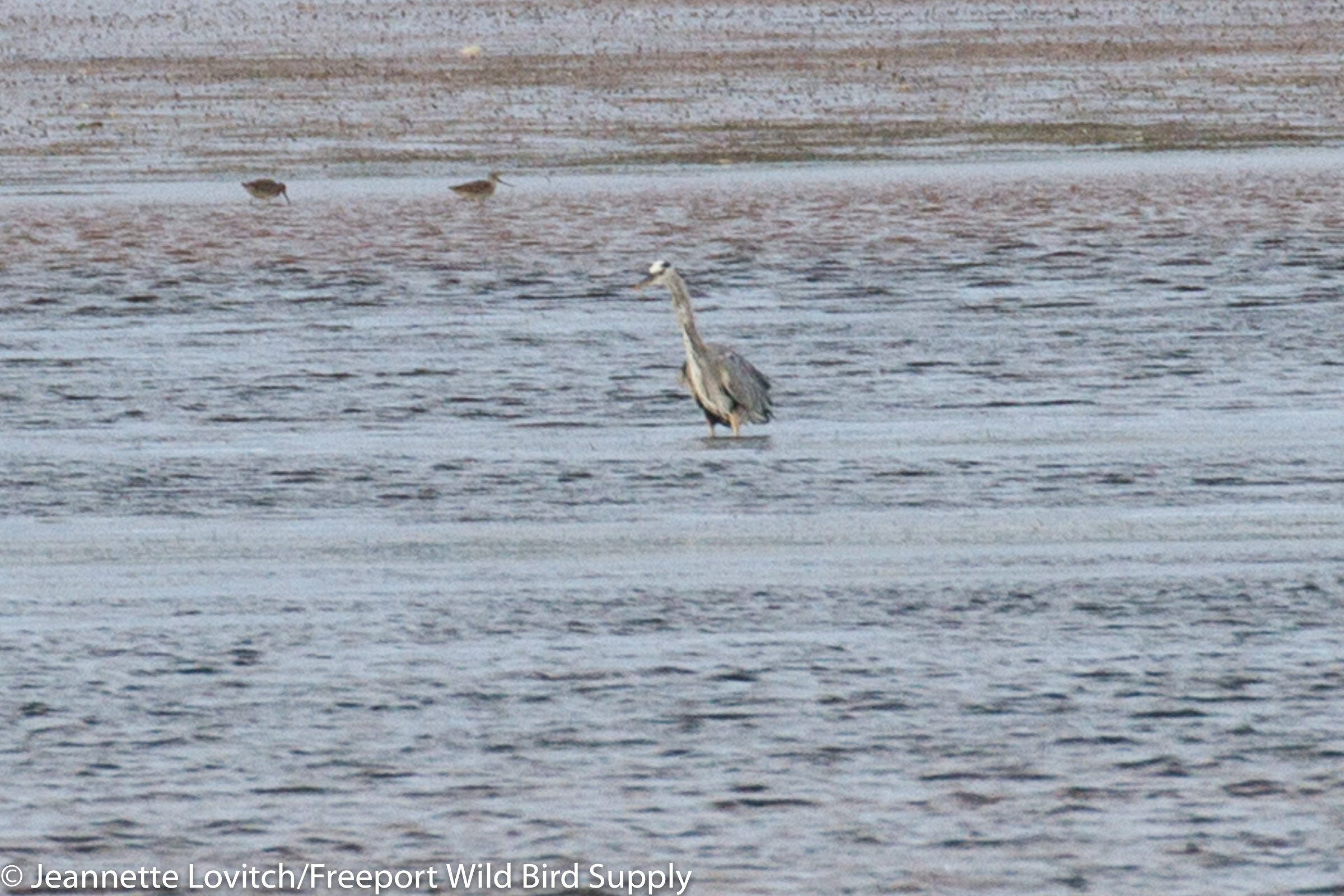
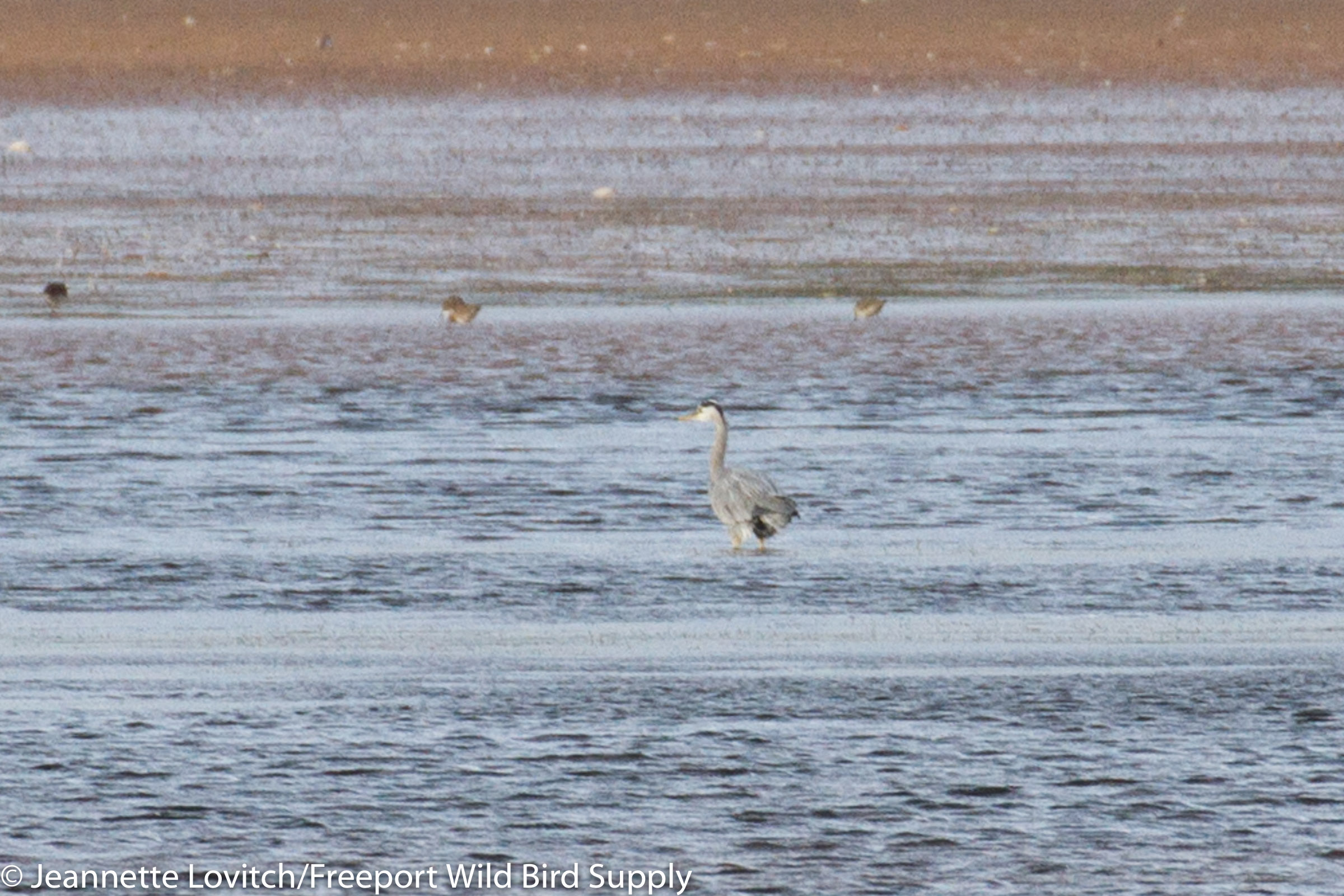
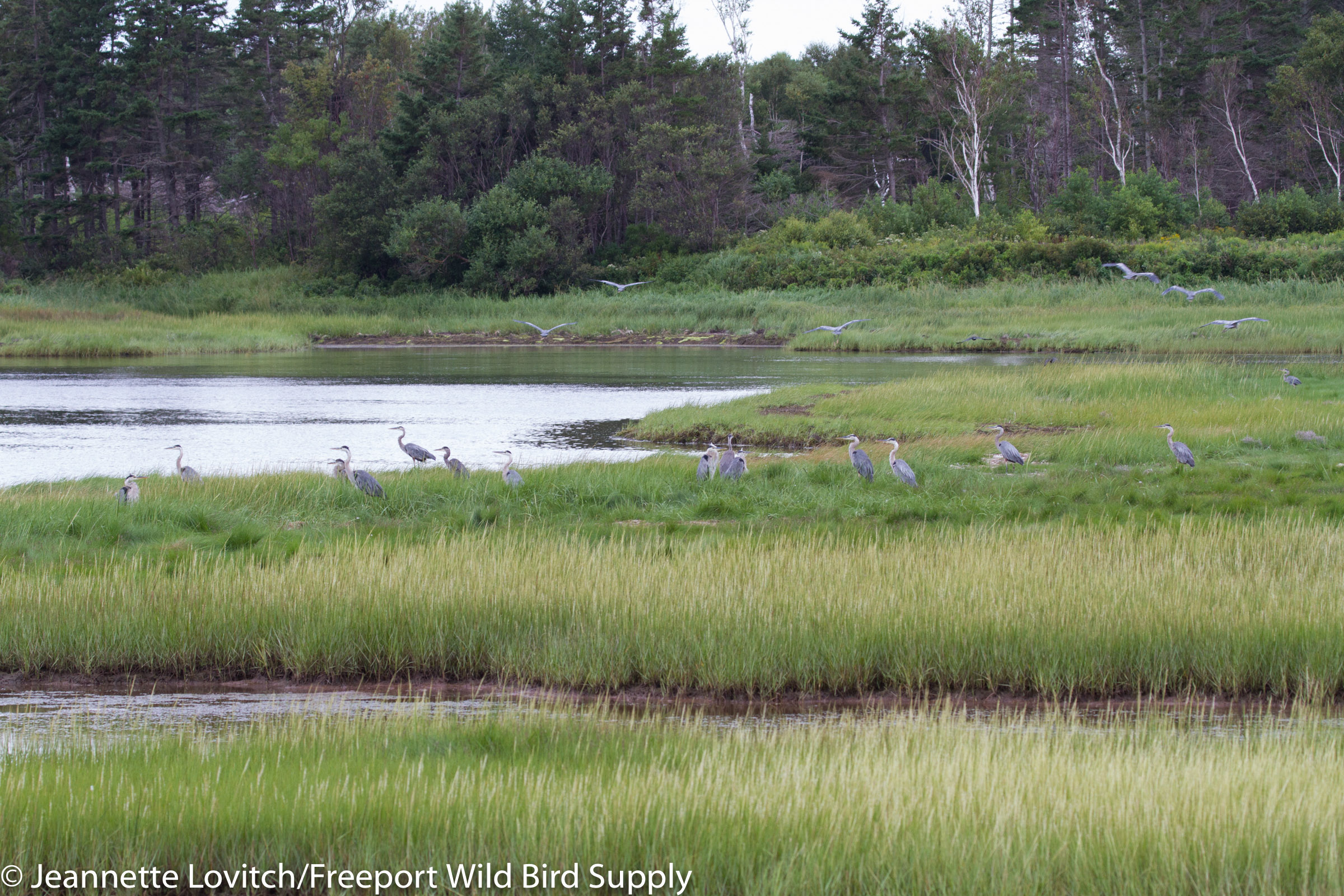
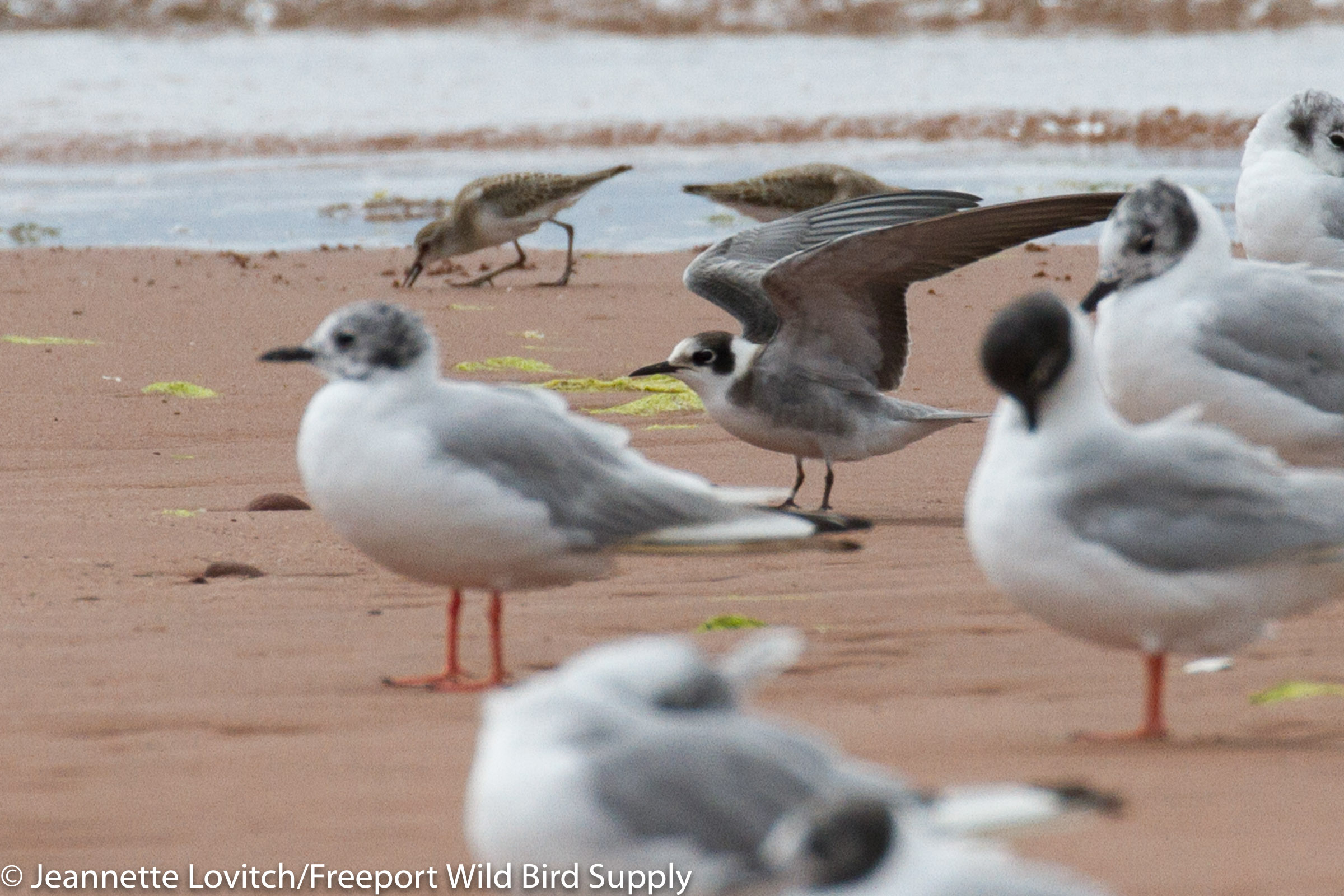
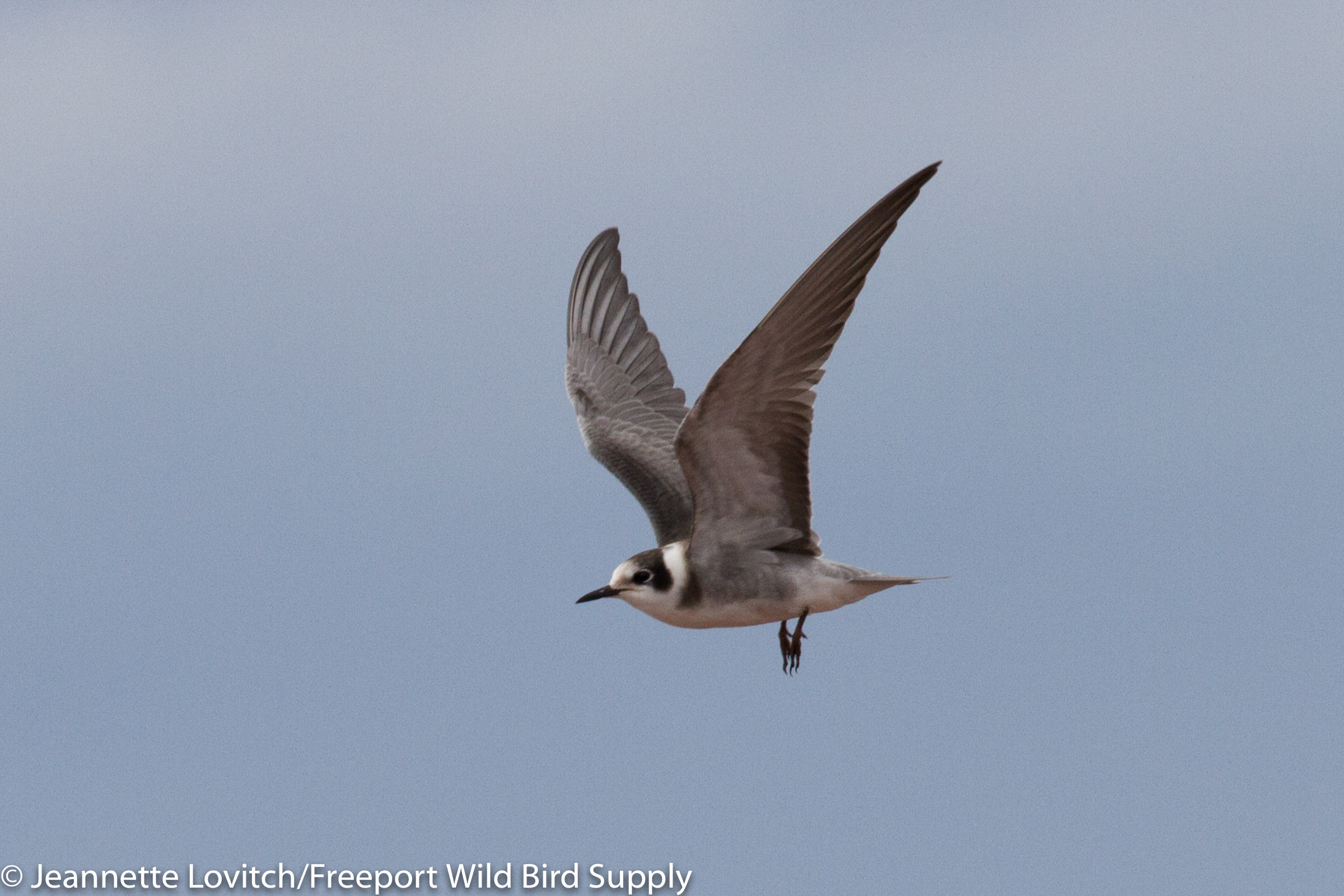
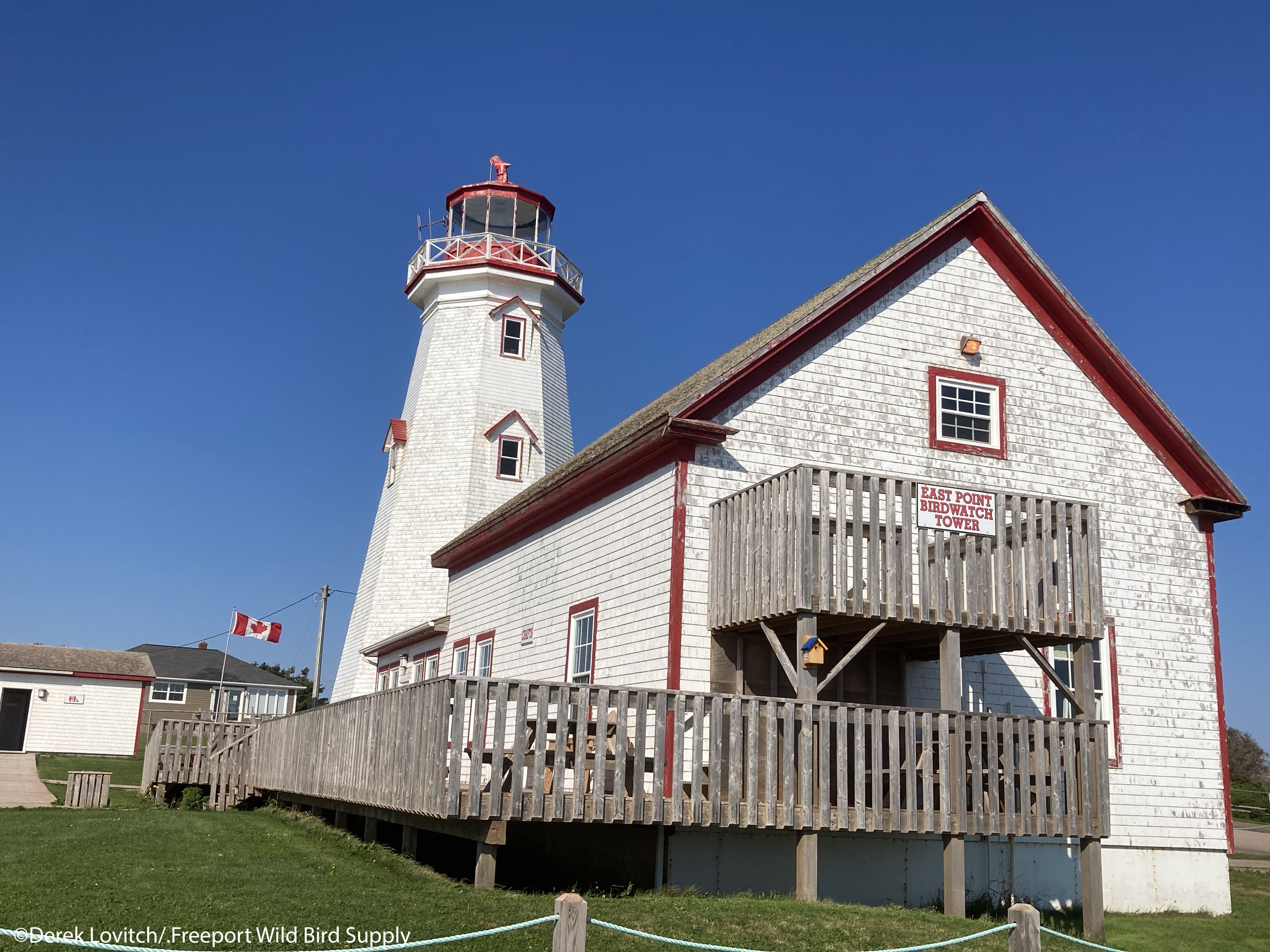
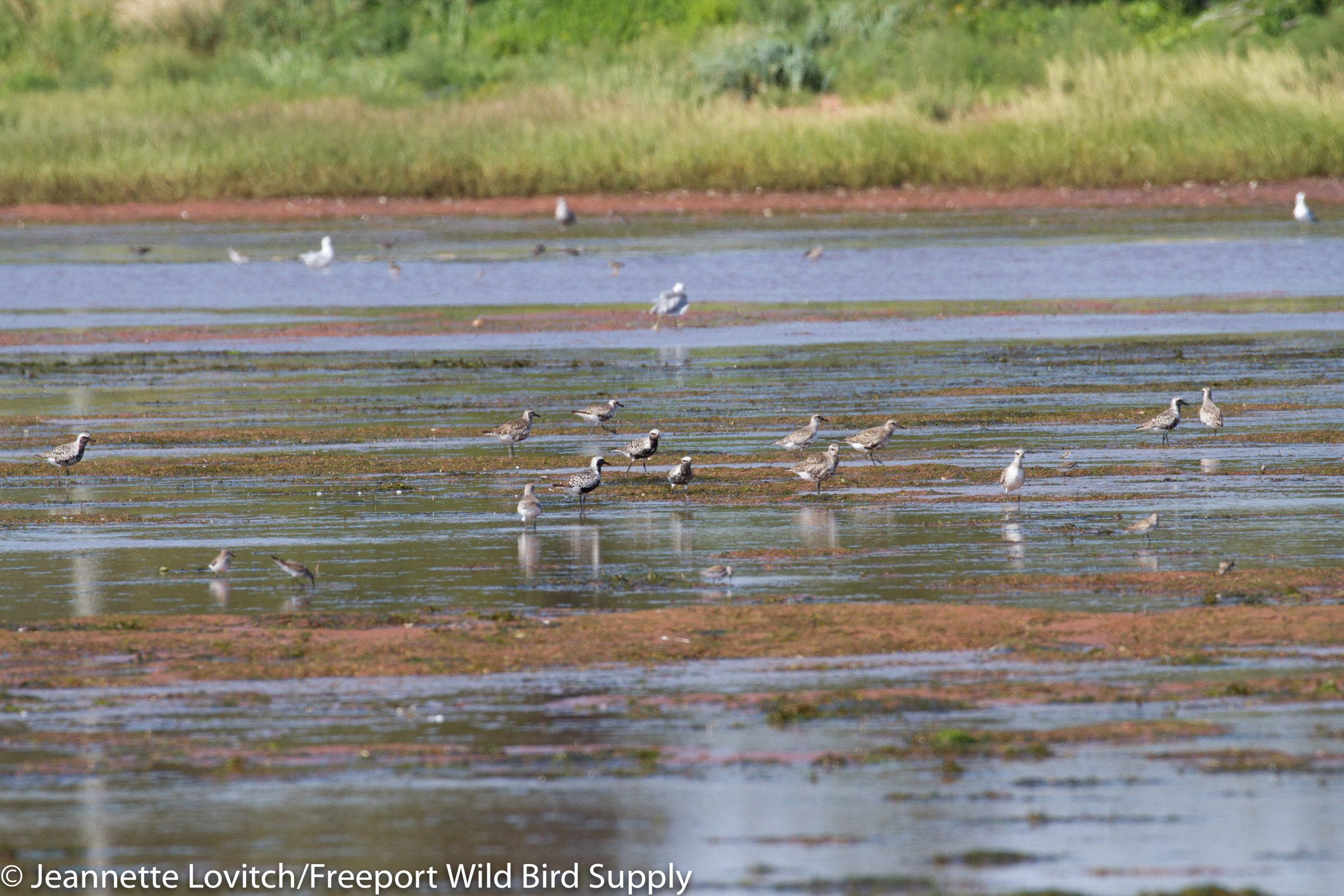
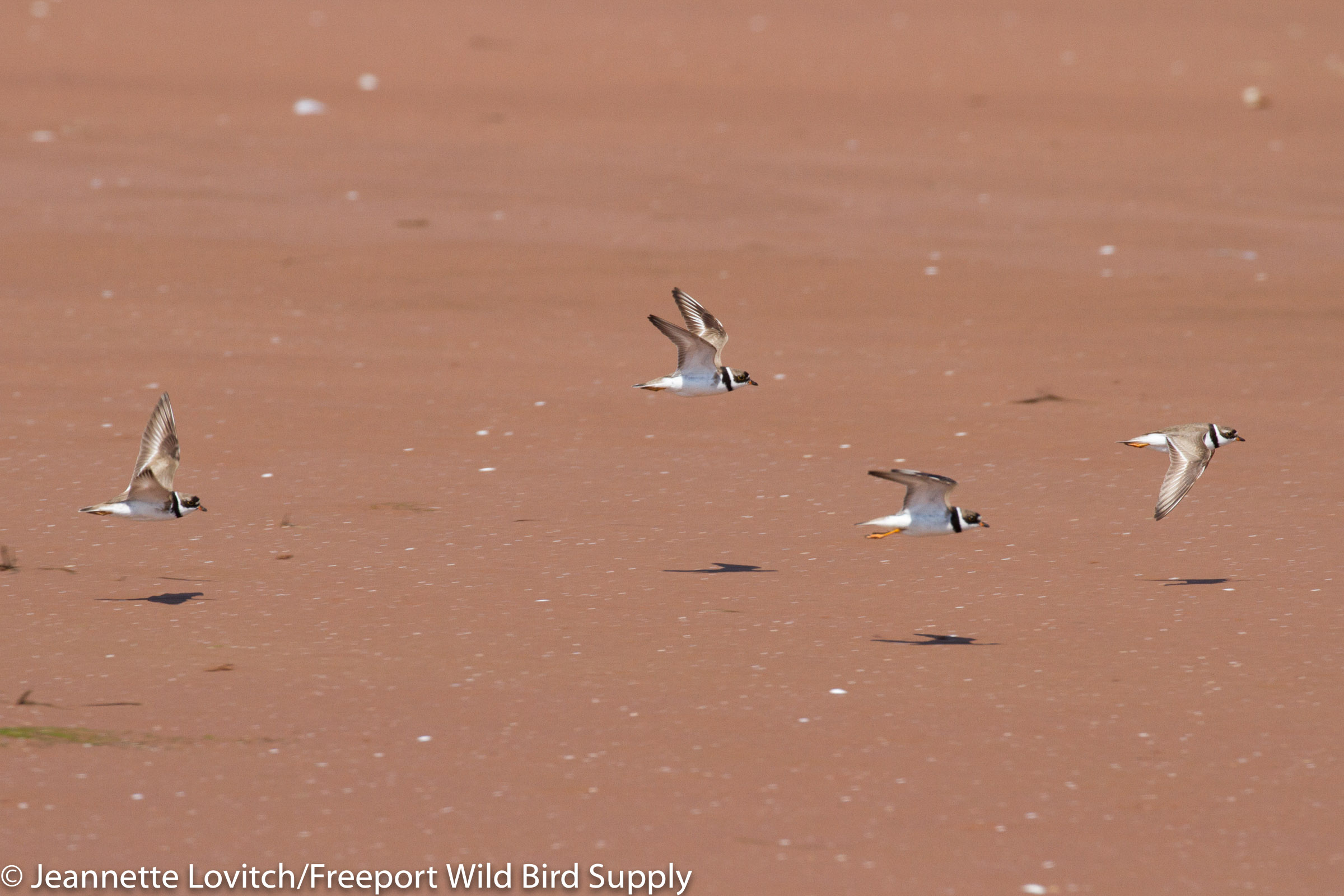
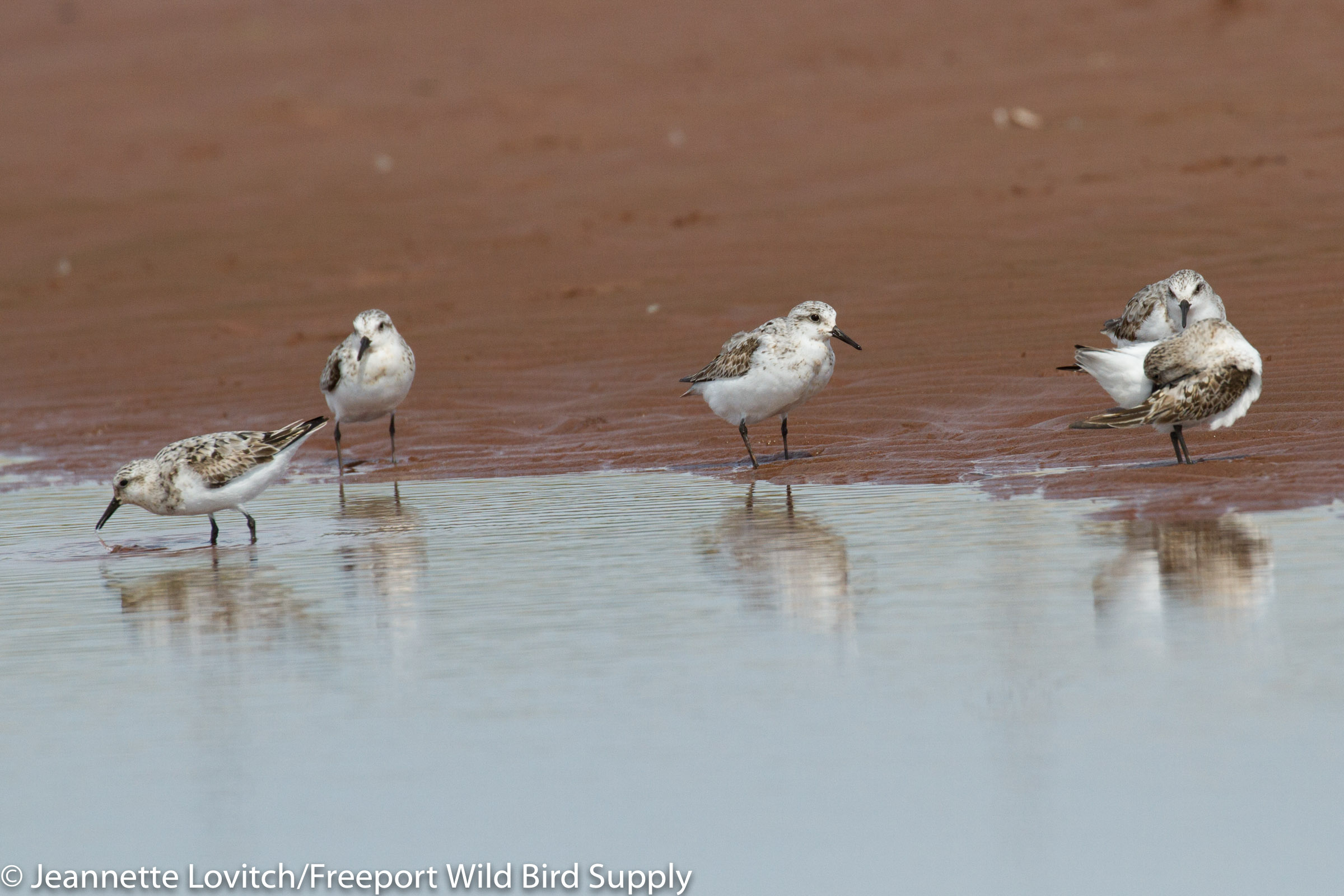
As per tradition in this blog, a photo of our meal of the trip! This was our “lifer” Kurdish food from Fener’s Place in Sackville. Since we have not had this cuisine before, it notched out the win from several great meals in Charlottetown and elsewhere throughout the tour. Then it was off to Prince Edward Island, our primary destination of the trip. Our first stop was Brackley Marsh, but rain caught up with us and it was absolutely pouring. Birding was not easy, although we found two good birds: Long-billed Dowitcher and “Western” Willet. However, it took us until the next morning to find what we were looking for…… this Gray Heron! A vagrant from Europe, this is the first we have seen in North America. With this trip cancelled for the last two years due to the closed border, it was serendipitous for it to show up when we could finally make it. A big thanks to our friend Dwaine for rising early and pinning it down for us!We were amazed by the number of Great Blue Herons all over the island, too, such as this group near Savage Harbor.Dwaine showed us around, and after lunch, we birded Borden-Carlton… …where we returned the favor by finding this very rare for the island Black Tern at Borden Beach.Standing next to Bonaparte’s Gulls and Semipalmated Sandpipers, you can see how tiny this marsh tern is.Jeannette was put in charge of documenting it thoroughly!We spent the next day vehicle-free in Charlottetown, starting with morning birding at Victoria Park, where we quickly tallied a dozen species of warblers in scattered mixed-species foraging flocks.After Charlottetown, we relocated to Goose River and the next morning began with sewatching at East Point. There, we found another mid-summer rarity in a first-summer male Harlequin Duck. Unfortunately, it was too distant for photos.Later, however, at Rollo Bay, we had plenty of opportunities for close shorebird photography, including ample numbers of Black-bellied Plovers.And Semipalmated Plovers.Common Tern fledgling following an adult. Six Red Knots were among the highlights here.On our last morning in PEI, we once again began at East Point, where we enjoyed 3 Pomarine Jaegers chasing Northern Gannets, a few more Razorbills, and a Mourning Warbler along the road.Then, as our last stop before crossing the bridge, it was back to Borden-Carlton Beach. We just could not get enough of the shorebirds here, and photographing them against the island’s red sand really makes them – especially these Sanderlings – pop!Sanderlings and White-rumped Sandpiper.We just could not get over, nor stop enjoying, the plethora of White-rumped Sandpipers that stage and pass through the island. We had counts of over 200 in some places, and in some beaches and salt pannes, it was the most abundant shorebird. Here at Borden Beach, we took some more time to marvel at it.Shorebirds tracks and probes.And photograph some more Semipalmated Sandpipers…bringing our trip full-circle before beginning the trek home.
Semipalmated Plovers and Semipalmated Sandpipers waiting out the high tide off of Biddeford Pool Beach on 8/20.
My observations of note over the past seven very productive days included the following:
Migrants on Monhegan Island, 8/15 (with Evan Obercian) included: 6+ Cape May Warblers, 1 Bay-breasted Warbler, 2 Least Flycatchers, etc.
1 immature Great Cormorant, Outer Duck Islands, Monhegan, 8/15.
1 Surf Scoter, Simpson’s Point, Brunswick, 8/16 (with Jeannette).
1 Blue-gray Gnatcatcher, Middle Bay Road, Brunswick, 8/16 (with Jeannette).
1 of 2 continuing TRICOLORED HERON, Pelreco Marsh, Scarborough Marsh, 8/16 (with Jeannette) and 8/19 (with Down East Adventures Shorebird Workshop tour group).
2 BOREAL CHICKADEES, Albany Mountain Trail, White Mountain N.F., 8/17 (with Jeannette). Very surprising in mixed woods at 1624ft. Even more surprising since the 1900+ ft summit is not very boreal. Molt migrant and/or post-breeding dispersal?
1 of the 2-3 continuing Red-necked Grebes, Ocean Avenue, Biddeford Pool, 8/20.
And, with many of the species now peaking (and some of the adults already past peak), my shorebird high counts for a goodly 19 species this week were as follows:
American Oystercatcher: 4 (2 ad with 2 juv), Pine Point, Scarborough, 8/16 (with Jeannette) and 8/19 (with Down East Adventures Shorebird Workshop tour group). Plus 1, Ocean Avenue, Biddeford Pool, 8/20.
Black-bellied Plover: 93, Wharton Point, Brunswick, 8/16 (with Jeannette).
Semipalmated Plover: 261+, Pine Point, 8/16 (with Jeannette).
Whimbrel: 1 each at Pine Point, 8/16 (with Jeannette) and 8/19 (with Down East Adventures Shorebird Workshop tour group); The Pool, Biddeford Pool, 8/19 (with Down East Adventures Shorebird Workshop tour group).
HUDSONIAN GODWIT: 43!!!, The Pool, 8/19 (with Down East Adventures Shorebird Workshop tour group). Horrific video and details here: https://fb.watch/7vL0DY756z/
“Shorebirds and Beer” was our first-ever “Birds on Tap – Roadtrip!” in partnership with our friends at The Maine Brew Bus last August. Now our 6th trip together, combining casual yet instructive birding in some of the state’s best seasonal hotspots with visits to two of our fantastic local breweries, we planned a return to Scarborough Marsh – where it all began!
And by popular demand, we added a second date. So this year, we had two “Shorebirds and Beer” departures, on August 7th and again on August 14th. Both visited Scarborough Marsh, focusing our efforts on migratory shorebirds, but combined pairs of very different breweries.
We began the August 7th visit to Scarborough Marsh at the Eastern Road Trail. A nice variety of birds were observed, including a couple of very cooperative singing Nelson’s Sparrows. Unfortunately, we found our destination, the salt pannes on the northern side of the marsh to be completely bone-dry due to this year’s drought. Needless to say, the numbers of shorebirds were not what we were hoping for. In fact, other than a few small groups of Least Sandpipers popping in and out of the grass, the pannes – often the most productive place in the entire marsh at this season – were completely devoid of shorebirds!
However, along the road, we had some good instructive lessons, including ultra-cooperative Least Sandpipers than began our introduction into shorebird identification. We learned how breaking shorebirds down into family by shape and size first narrows the choices, and allows you to focus on just a few species to identify. We even had a perfect example of this, when three members of the genus Tringa were standing side-by-side as a dainty Lesser Yellowlegs joined a couple of Greater Yellowlegs while a bulky Tringa-on-steroids, Willet (of the Eastern subspecies, for the record) looked on.
Heading over to Pine Point as the tide rapidly rolled in, various human disturbances in Jones Creek limited shorebird diversity, but we could not have asked for more cooperative Semipalmated Sandpipers and Semipalmated Plovers (about 200 and 100, respectively) that really allowed us to practice our plover vs. sandpiper feeding shape and style dichotomy.
We then moved on to work on specific identification.
The remainder of our birding time was spent scanning the last of the distance sandbars (adding Black-bellied Plover to the shorebird checklist), before one of the members of the group called me over to check out an odd bird she found in her scope. It was an American Avocet!
While distance and heat shimmer precluded documentation photos, everyone was treated to a look or two in the scope of this very rare-in-Maine bird that isn’t seen every year anywhere in the state. While the long, fine bill was barely discernable at the distance, the very long legs and overall tall size (compared to nearby gulls) coupled with the distinctive tri-colored appearance (buffy head and neck, white underparts, and black wing with a broad white stripe) looks like no other.
And then it was time for a celebratory beer! After a celebratory hand-pie for lunch, of course.
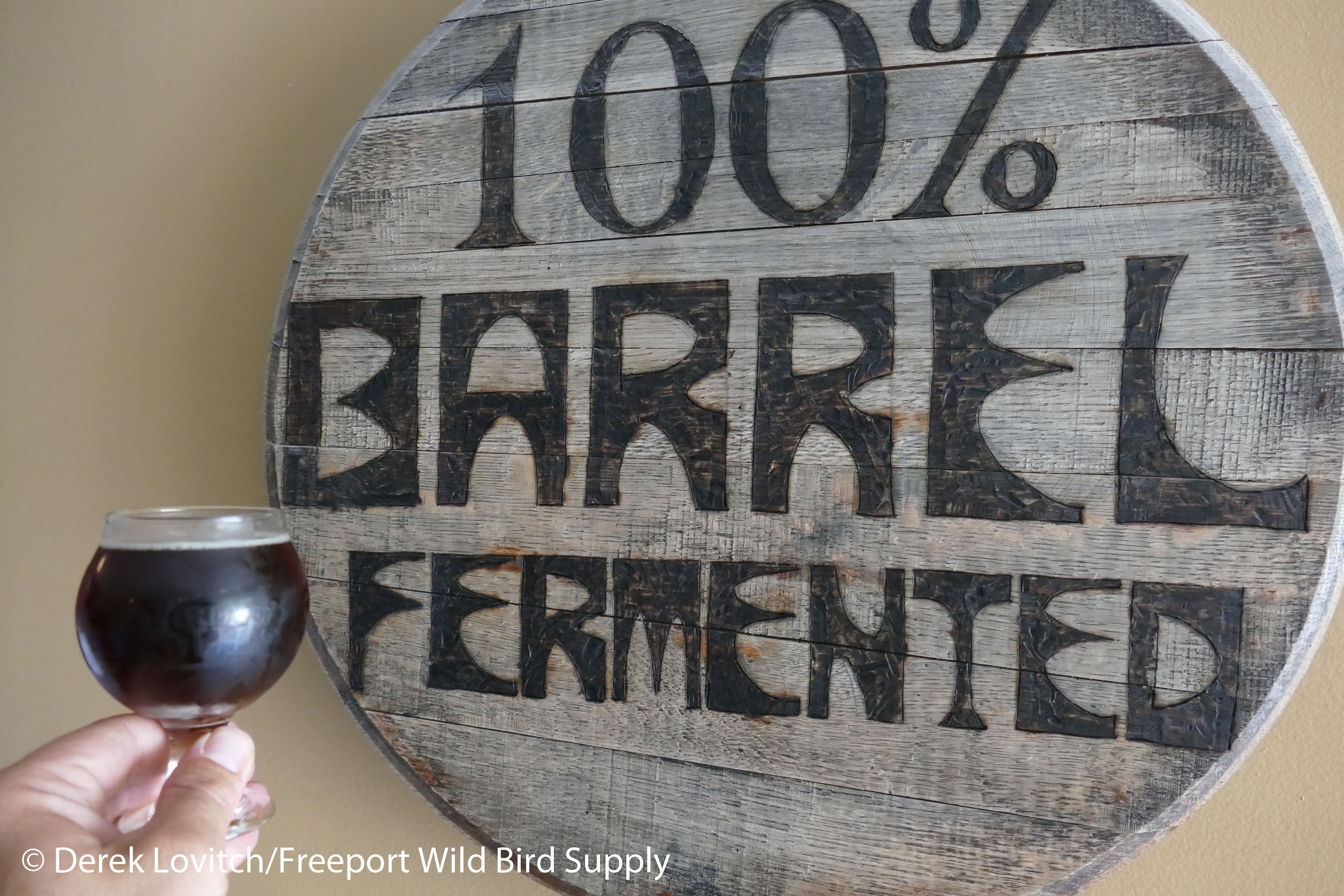
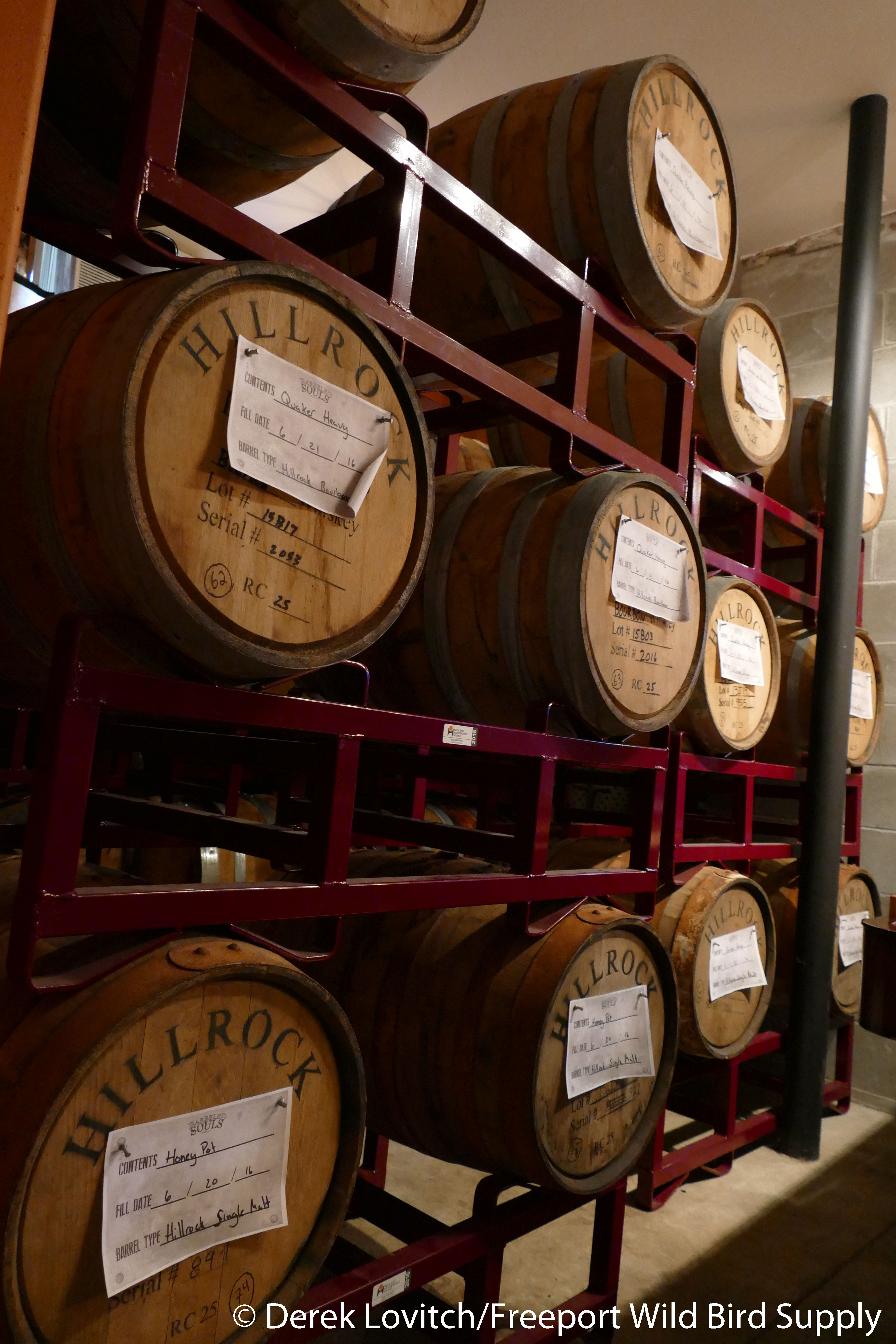
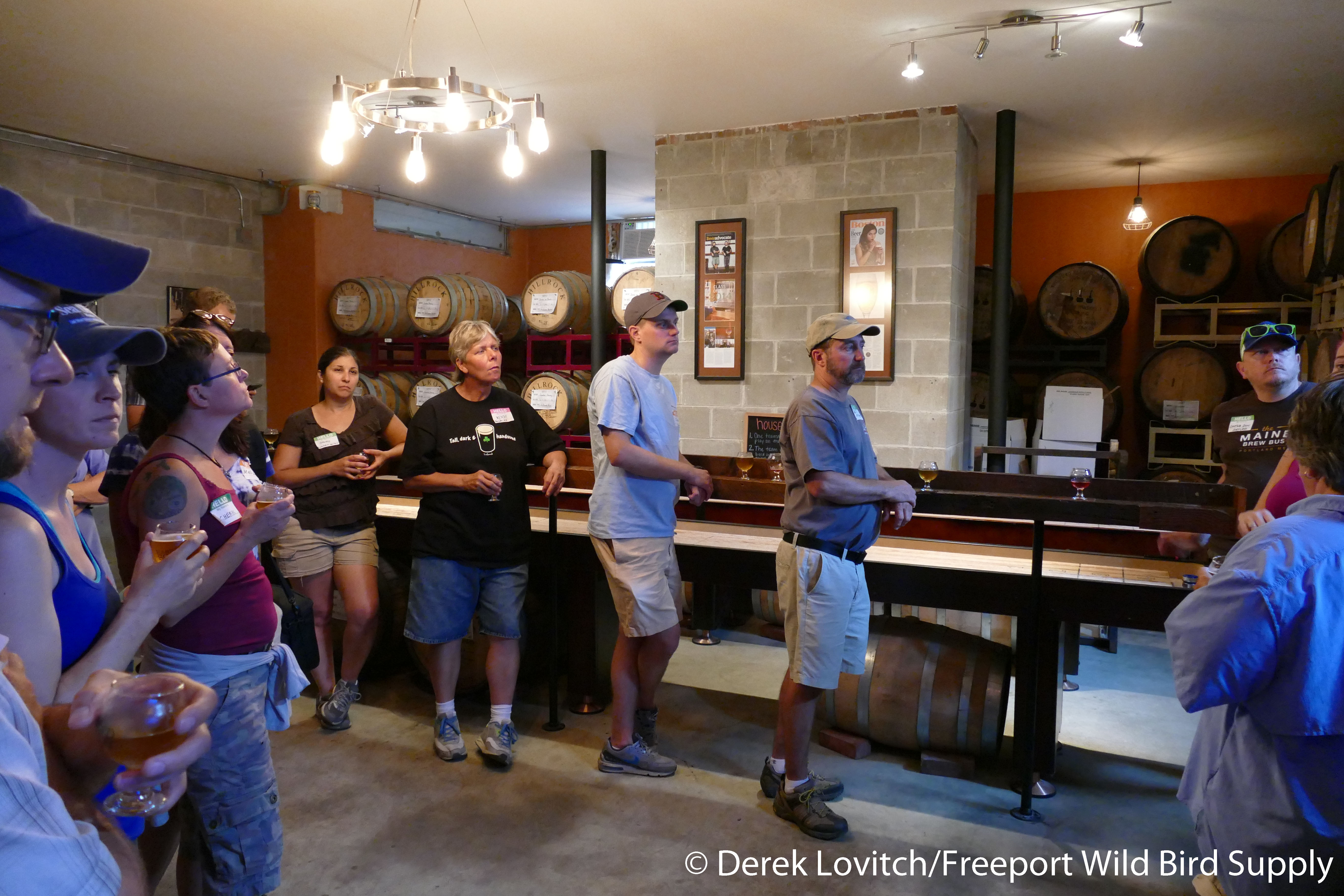
First up was Barreled Souls in Saco, the only brewery in the country that is producing 100% barrel fermented beer in their Burton-Union system. Producing a mere 400 barrels a year – yet still offering 10-12 brews on tap at all times! – this time-consuming process which included two stages of fermentation, allows for the creation of some very complex beers.
Our samples today began with Half-Shilling, a very-light-bodied and low-ABV Scotch Ale as an introduction. Rosalita followed, using agave nectar in the primary fermentation and then steeped with hibiscus flowers during secondary fermentation, making for a very floral and subtly-sweet brew. Space Gose was next, a summer refresher made with Maine sea salt, lemon zest, and coriander. By request, we then did a complete beer-wise-180 and shifted over to a heavy Barrel-aged MCAM – a very unique breakfast porter made with cinnamon, French toast, and bacon! The spice, sweet, and smokiness were evident, as were the hints of bourbon from the bourbon barrels it was aged in. It was a potent, and very tasty, beer and a good representation of Barreled Souls’ creativity.
Kristi shows off her very-appropriate for a birding/beer tour tattoo.
Our final destination of the day was Lone Pine Brewing in Portland. We began with their flagship Portland Pale Ale, using 90% Aroostook County-grown malts. This is a really great pale, with lots of flavor but incredibly smooth and lacking bitterness. Pale ales are occasionally “boring” to those who like a lot of hops, but this exceedingly well-balanced beer could be a new go-to for quite a few of us on the tour.
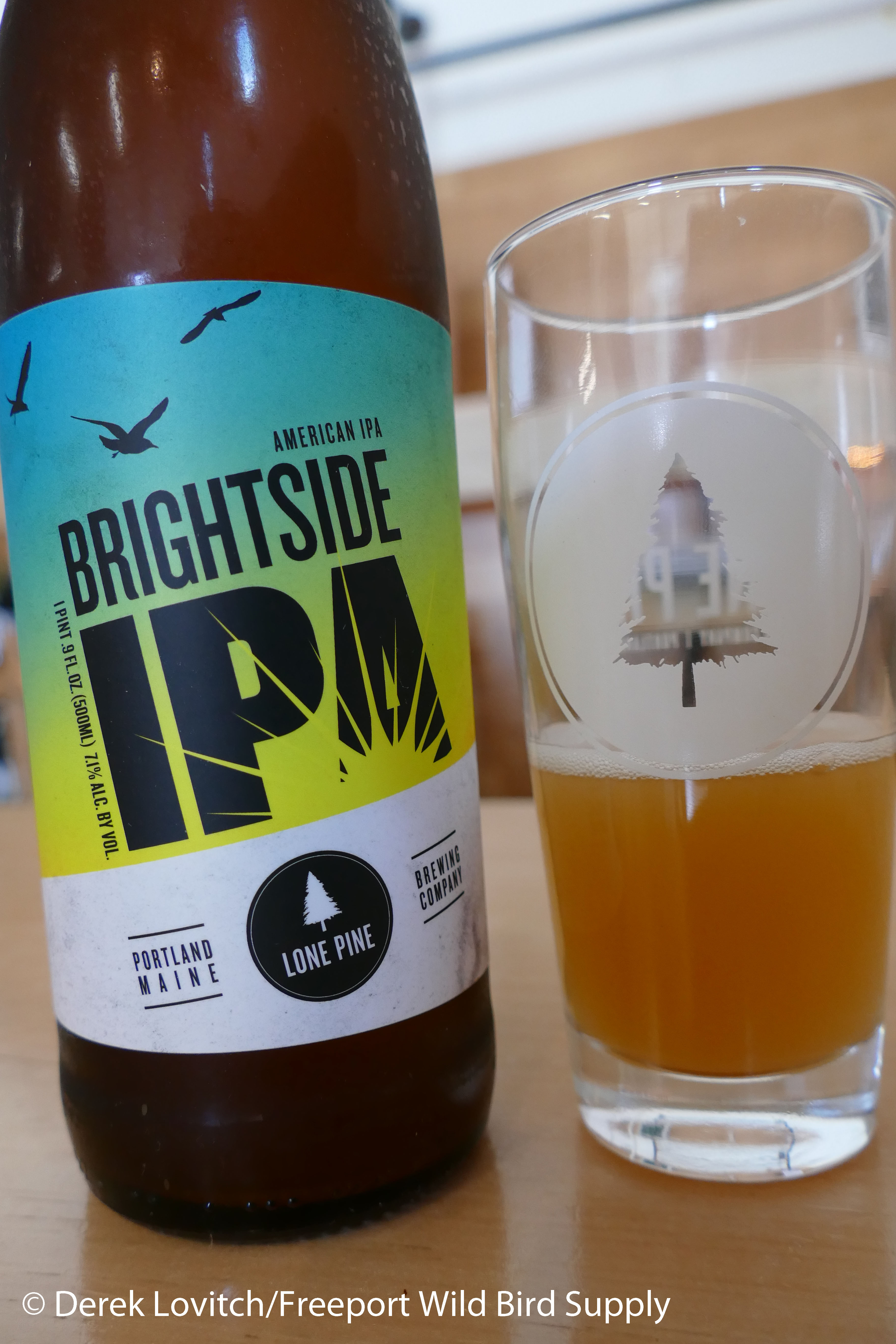
Their new Brightside IPA was next on our agenda, and I would put this right up there with the best IPAs in the state. Bright and citrusy, yet without that overwhelming bitterness that often pervades stronger IPAs (this one clocks in at a potent 7% alcohol), it may be way too easy-drinking. It was also a very “accessible” IPA for the non-hopheads. One member of group in particular, who normally doesn’t like IPAs at all, was actually quite a fan of this also well-balanced beer. For me, a sign of a truly great beer is one that is so good is that it appeals to those who normally don’t like that particular style.
The following weekend, we once again began our birding at Eastern Road. Despite some rain in the past few days, however, the salt pannes were still dry. But to and fro, we encountered a nice mix of shorebirds, including some unbelievable cooperative Least Sandpipers once again. This one was phone-binned (a photo taken with an iPhone through my binoculars)!
Three Spotted Sandpipers – our first shorebirds of the day, actually – were encountered as we began our walk, and a decent number of Semipalmated Sandpipers were in the dried pannes. Both Lesser and Greater Yellowlegs were seen together for instructive studies. A distant hunting Northern Harrier, more singing (but this week, not seen) Nelson’s Sparrows, and lots of Cedar Waxwings and Song Sparrows foraging in the trailside scrub were among the highlights. We also took the time to watch Common Wood-Nymph butterflies, Great and Snowy Egrets, and stopped to enjoy the magnificently beautiful color of the eyes of Double-crested Cormorants. Great Egret posing.
On the walk back, with the tide just starting to recede, we had the opportunity to check out a few Semipalmated Plovers, Semipalmated Sandpipers, and a Least Sandpiper all side-by-side, just about 20 feet away.
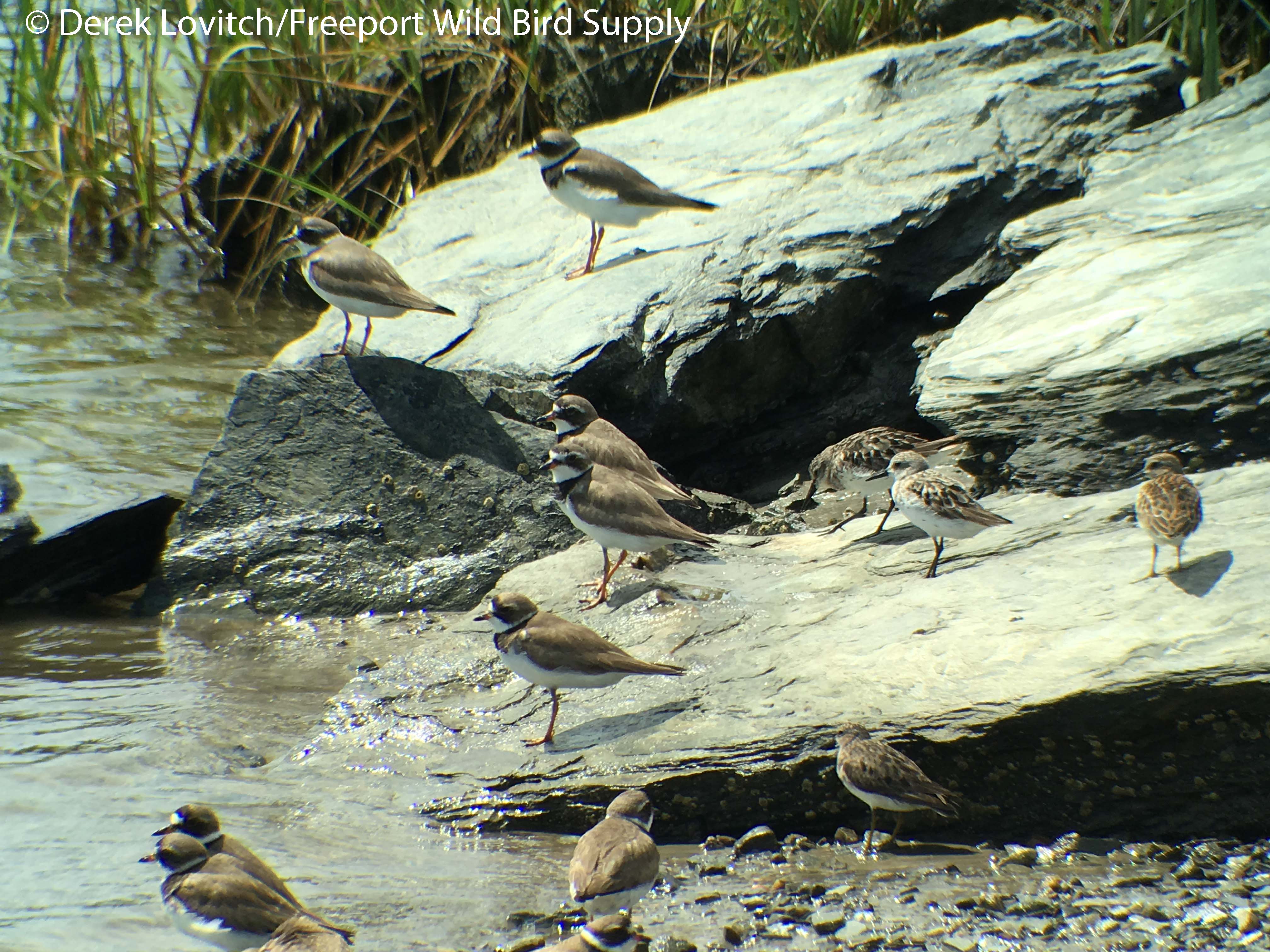
A quick stop at the Pelreco marsh produced yet more Least Sandpipers, a better view of the details of Greater Yellowlegs, two spiffy adult Little Blue Herons, and most importantly: Patches! Arguably one of the rarest birds in the world, this Tricolored Heron x Snowy Egret hybrid that has been frequenting the marsh for the past 3 years put on quite a show for us. It could – hypothetically – be the only one of its kind!
Thanks to a change in brewery itinerary for this second run of “Shorebirds and Beer,” I was able to stall at the marsh long enough to allow enough water to flow out that mud was rapidly being exposed at Pine Point. And with it, excellent numbers of all of the expected shorebirds began to appear: 400+ Semipalmated Sandpipers, 300+ Semipalmated Plovers, 150+ Black-bellied Plovers, 22 Short-billed Dowitchers, 8 “Eastern” Willets, 6 White-rumped Sandpipers, 4 Ruddy Turnstones, a few Least Sandpipers, and 2 Greater Yellowlegs.
No American Avocet though, but a hunting Peregrine Falcon zipped through, causing quite the ruckus.
And then it was once again beer o’clock, and today we began our beer-ing tour with a visit to South Portland’s Foulmouthed Brewing. Only open for 7 weeks, it was a new destination for everyone on today’s tour – myself included – and we learned all about the owners, the fledgling (see what I did there?) brewpub (yup, they opened a restaurant too), and their wide range of beers. We even enjoyed a not-quite-ready-for-prime-time sample of their new “Blue Balls,” a Belgian dark, strong beer with blueberries. Still a week or two from being finished, it was a great introduction to their creative brewing side.
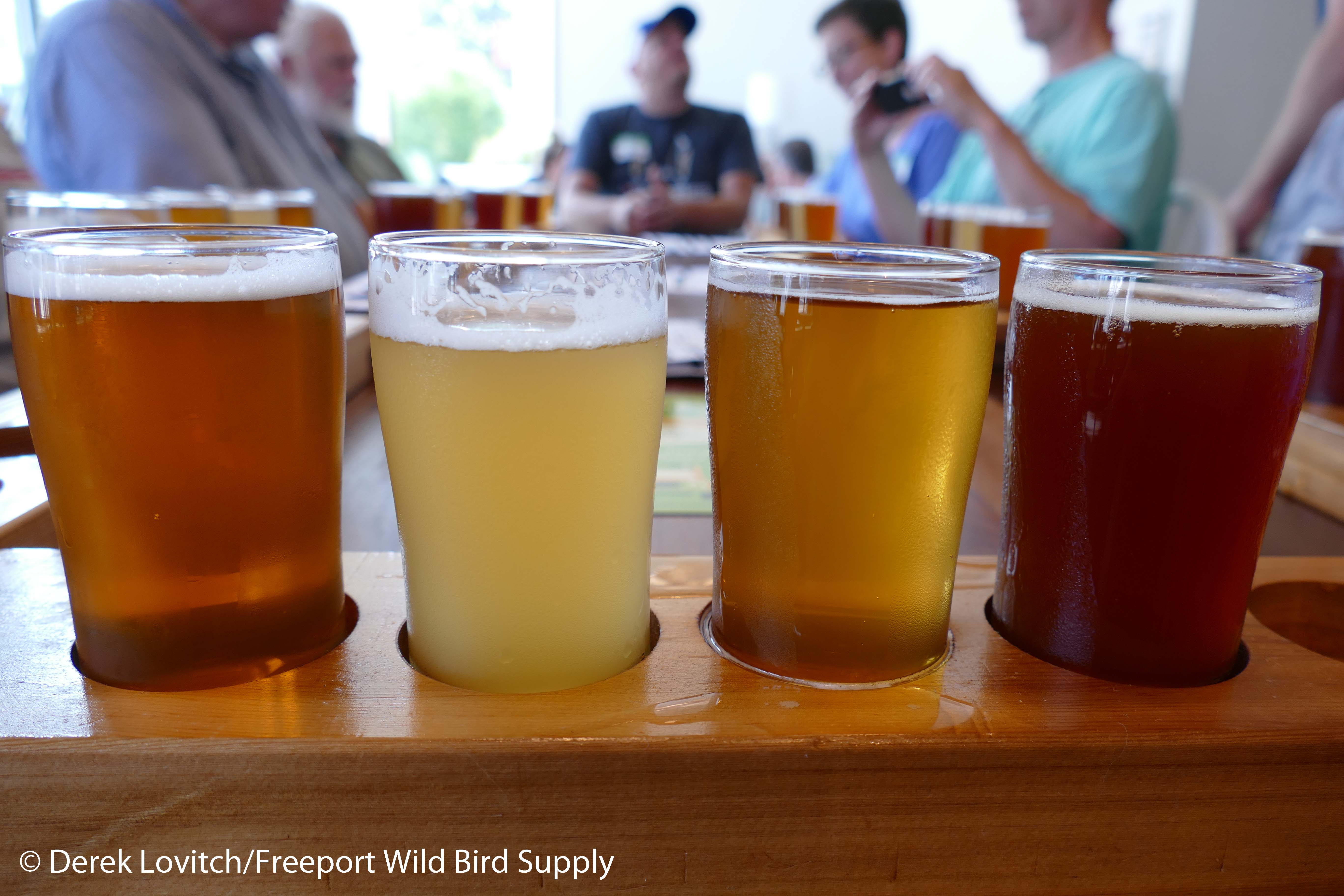
Inside at the brewpub, we sat at the big kids’ table and sampled four of their current offerings. Beginning with Brat, a German-style session with its bright and clean Noble hop finish, we moved onto Half Wit, a “hybrid” (not of heron and egret, mind you) of a Belgian Wit and an American Pale. A favorite of many on today’s visit, it was smooth and accessible, with enough body and flavor to hold its own. Kaizen Saison was up next, with its rotating hops producing a different flavor and aroma profile with each batch. We finished up with Rhubarb de Garde, a strong amber aged on rhubarb. I found a little extra sweetness and especially just the hint of tart from the rhubarb complimented each other nicely.
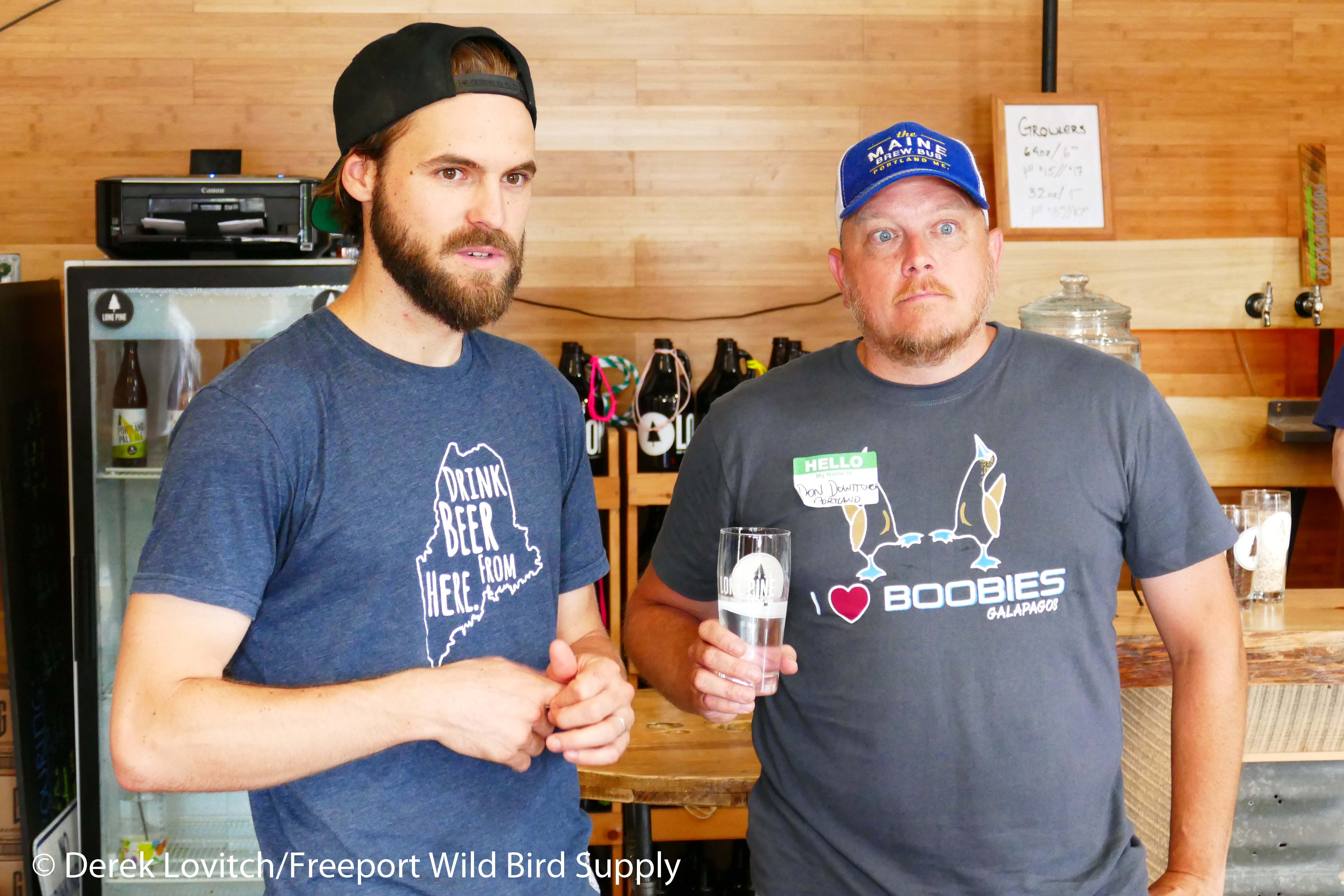
Our final beer stop of the day was a return trip to Lone Pine Brewing. Tom once again took us through their methods and philosophy, and shared with us their Portland Pale Ale and Brightside IPA. The more I drink the Portland Pale, the more I love this perfectly balanced beer. And Abby was dressed in our honor today.
While Don, always attentive, looked like he had just spotted a Blue-footed Booby.
With our final sips of Brightside, the second installment of Shorebirds and Beer came to a close and it was time to head back home. Every day is different during the window of shorebird migration, and these two visits to Scarborough Marsh exemplified that. A wide range of shorebirds were studied, as we started to expand our identification – and appreciation – toolbox. And between Barreled Souls, Lone Pine, and Foulmouthed, we were exposed to a wide range of beer styles and methodologies.
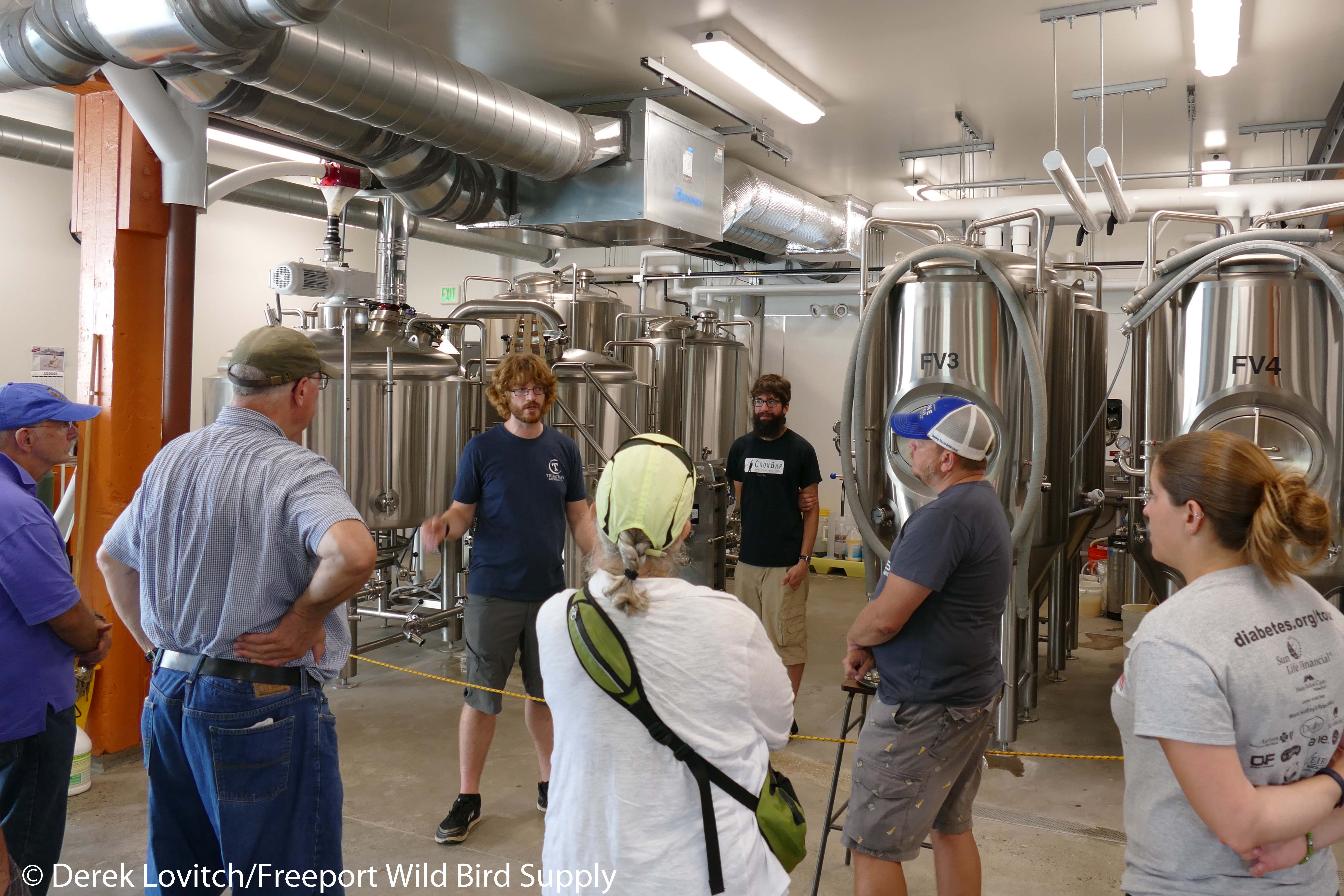
And both are the goals of our Birds on Tap – Roadtrip! series: exposure to some of our seasonal birding highlights and our vast array of fantastic local breweries. We hope you’ll join us for our next roadtrip, on October 9th, when we head to the deep south to visit Kittery’s Fort Foster and Seapoint Beach for our birding, and Tributary and Hidden Cove Brewing for our beering. Hope to see you then!
Two juvenile Baird’s Sandpipers at Popham Beach State Park on Friday morning, “rare-but-regular” fall migrants.
August is for shorebirds. Although the “fall” southbound migration started in late June (when the first non-breeders begin to turn around to mosey back south) and continues into November when Purple Sandpipers are still filling in, August is the month of peak numbers and diversity in Maine.
Most weeks from mid-July into September of recent years, I post a weekly “shorebird high counts this week” summary to my weekly “Additional Highlights This Week” summary posts to the Maine-birds listserve. While I do hope this is interesting and of value to folks, I also do it to organize my own notes, allowing me to quickly reference the peaks and valleys of particular species with ease should I need to.
I generally only post this when I have hit at least two “primary” and at least one “secondary” site each week, to make the numbers meaningful. And I prefer at least one prime high tide location (Eastern Road Trail in Scarborough Marsh, Biddeford Pool Beach/Ocean Avenue, or Popham Beach State Park in some years) with one low or mid-tide hotspot (Pine Point, Hill’s Beach/The Pool, or Popham and nearby environs).
This week was a particularly productive week for my own shorebirding, so this week’s summary is a helpful future reference for me. I also thought it was worth going into a little more detail, since it yielded a goodly 21 species (plus one subspecies) and some excellent totals.
The inclement weather of the weekend into the middle of the week (regular rain, lots of fog, easterly or southerly winds) was perfecting for “grounding” shorebirds and allowing numbers to build. I think my only surprise was my lack of a real rarity – like Western Sandpiper (although I worked pretty hard for one!)
I hit the low-tide hotspot of Pine Point on Monday with Jeannette, followed by the Eastern Road Trail at high tide later that afternoon. Jeannette and I spent the incoming to high tide at Biddeford Pool Beach on Tuesday, and on Friday, Serena Doose and I visited Popham on the incoming to high tide. Additionally, Jeannette and I checked one of the “secondary” sites, Brunswick’s Wharton Point on Tuesday and on Thursday I visited Wells Harbor before the evening’s Scott Weidensaul talk that we co-sponsored with Birds and Beans coffee and York County Audubon.
It’s always good to hit a freshwater location for diversity and high counts of pond-preferring-migrants, so when my Poplar Hut Tour Group with Maine Huts & Trails visited the Carrabassett Valley Snowfluent Ponds on Sunday, my high counts of Spotted and Solitary Sandpipers were acquired, along with my only Wilson’s Snipe of the week.
And, as if often the case during the peak of shorebird migration, there is some other “incidental sighting” of a migrant in some weird place – but not as weird as the Whimbrel (my only of the week) foraging at 4,200 feet atop Sugarloaf Mountain that Paul Doiron, Kristen Lindquist, and I observed on Sunday afternoon. While I knew they forage on mossberry during migration, such as in the bogs Downeast, I was most definitely not expecting one up here!
Therefore, with a total of 7 shorebirding locations – plus that mountaintop Whimbrel! – “this week’s shorebird high counts” scoreboard looks like this:
AMERICAN GOLDEN-PLOVER: 1 ad, Eastern Road Trail, Scarborough, 8/24 (with Jeannette).
Black-bellied Plover: 160, Pine Point, Scarborough, 8/24 (with Jeannette).
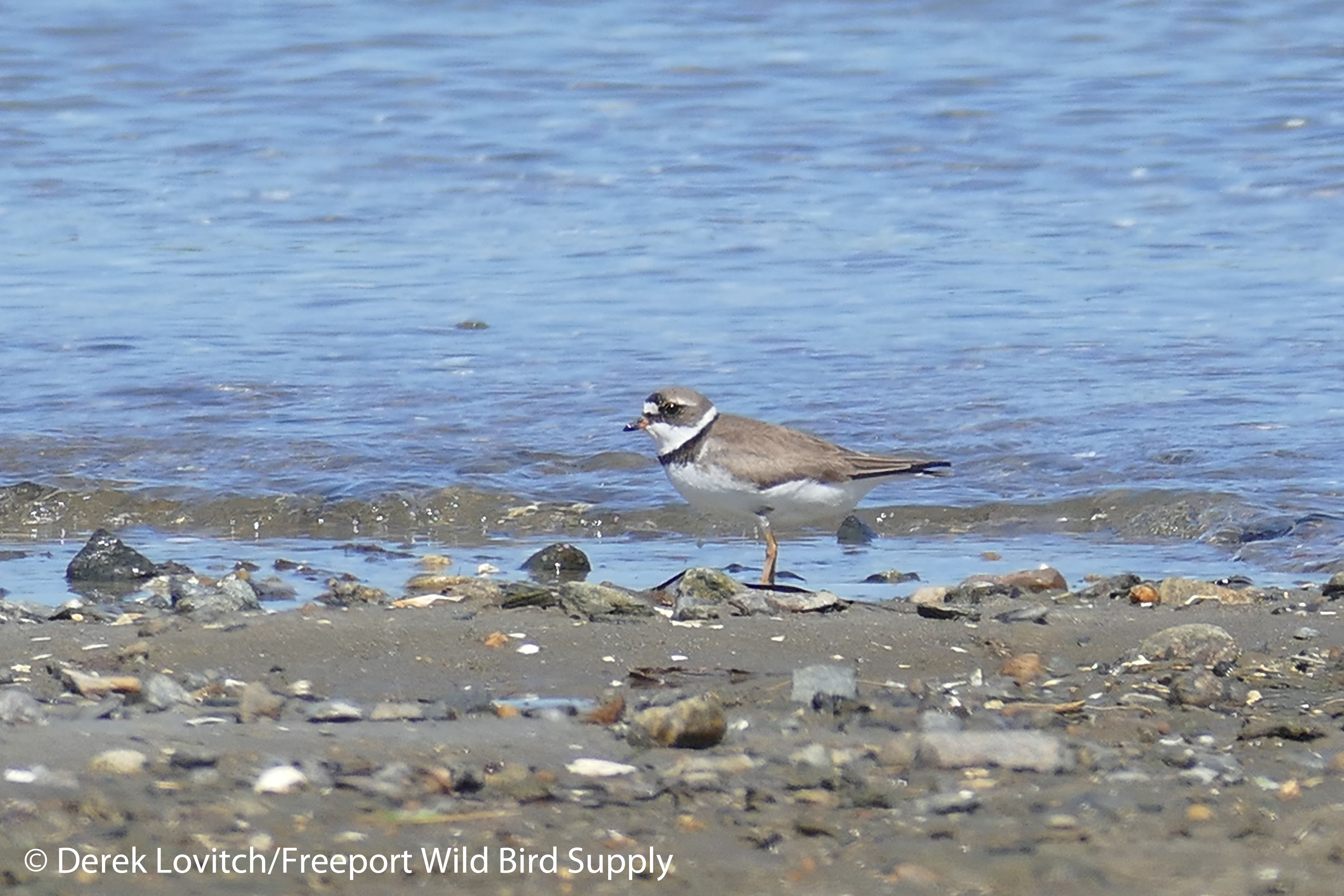
Semipalmated Plover: 350, Pine Point, 8/24 (with Jeannette).
Killdeer: 3, Pine Point, 8/24 (with Jeannette).
AMERICAN OYSTERCATCHER: 5, Pine Point, 8/11 (with Jeannette).
Greater Yellowlegs: 12, Wharton Point, Brunswick, 8/25 (with Jeannette).
Lesser Yellowlegs: 38, Eastern Road Trail, 8/24 (with Jeannette).
“Eastern” Willet: 8 juvs, Pine Point, 8/24 (with Jeannette).
“WESTERN” WILLET: 1 juv. (FOY), Pine Point, 8/24 (with Fyn Kind, Gary Roberts, and Jeannette).
Solitary Sandpiper: 4, Carrabassett Valley Snowfluent Ponds, 8/23 (with Poplar Hut Tour group).
Spotted Sandpiper: 5, Carrabassett Valley Snowfluent Ponds, 8/23 (with Poplar Hut Tour group).
Whimbrel: 8, Wells Harbor, 8/27.
Ruddy Turnstone: 8, Pine Point, 8/24 (with Jeannette).
Sanderling: 40, Biddeford Pool Beach, 8/25 (with Jeannette).
Semipalmated Sandpiper: 1000, Biddeford Pool Beach, 8/25 (with Jeannette)..
Least Sandpiper: 75 mostly juv, Eastern Road Trail, 8/24 (with Jeannette).
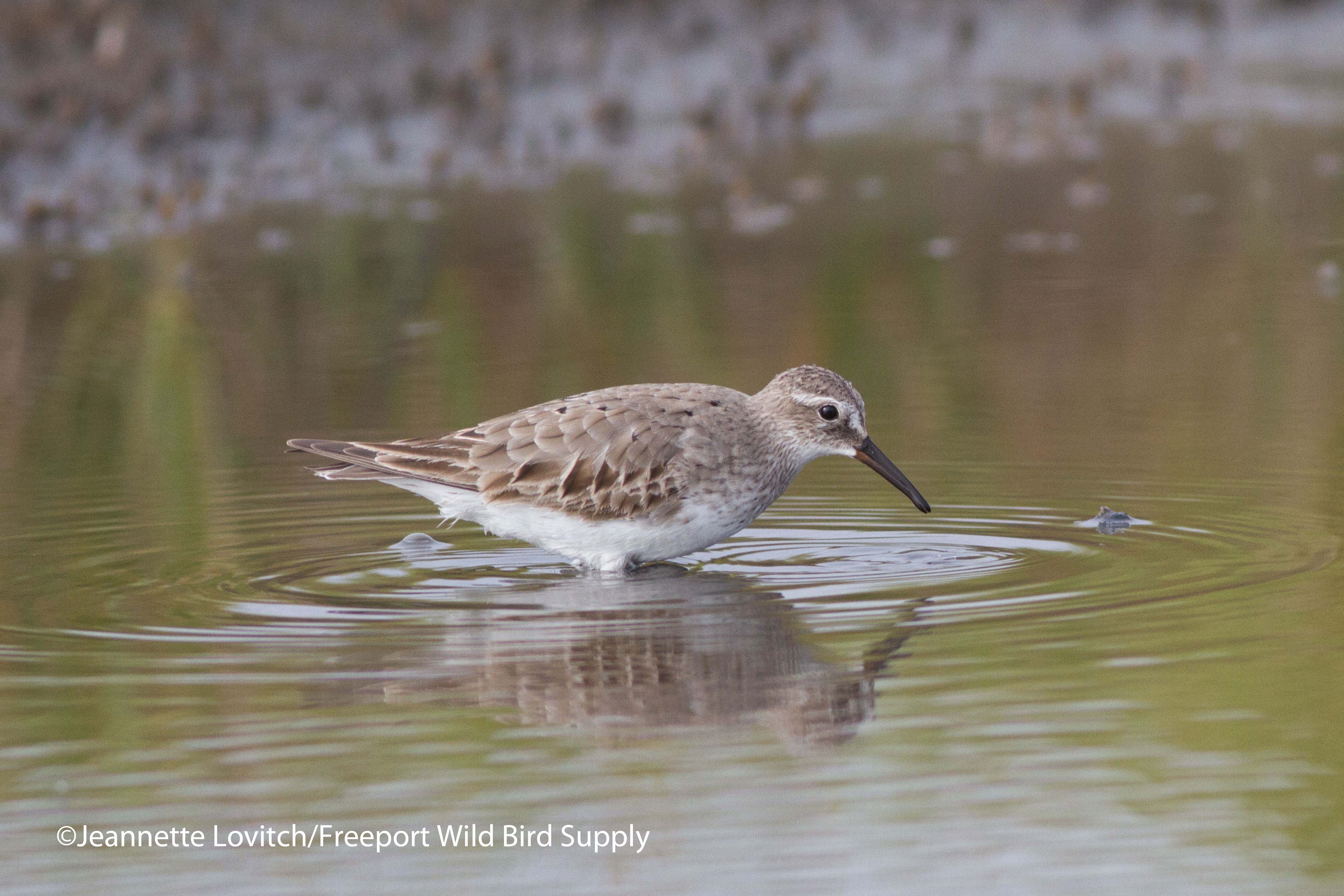
White-rumped Sandpiper: 80-100 adults, Eastern Road Trail, 8/24 (with Jeannette).
BAIRD’S SANDPIPER: 2 juveniles, Popham Beach State Park, Phippsburg, 8/28 (with Serena Doose).
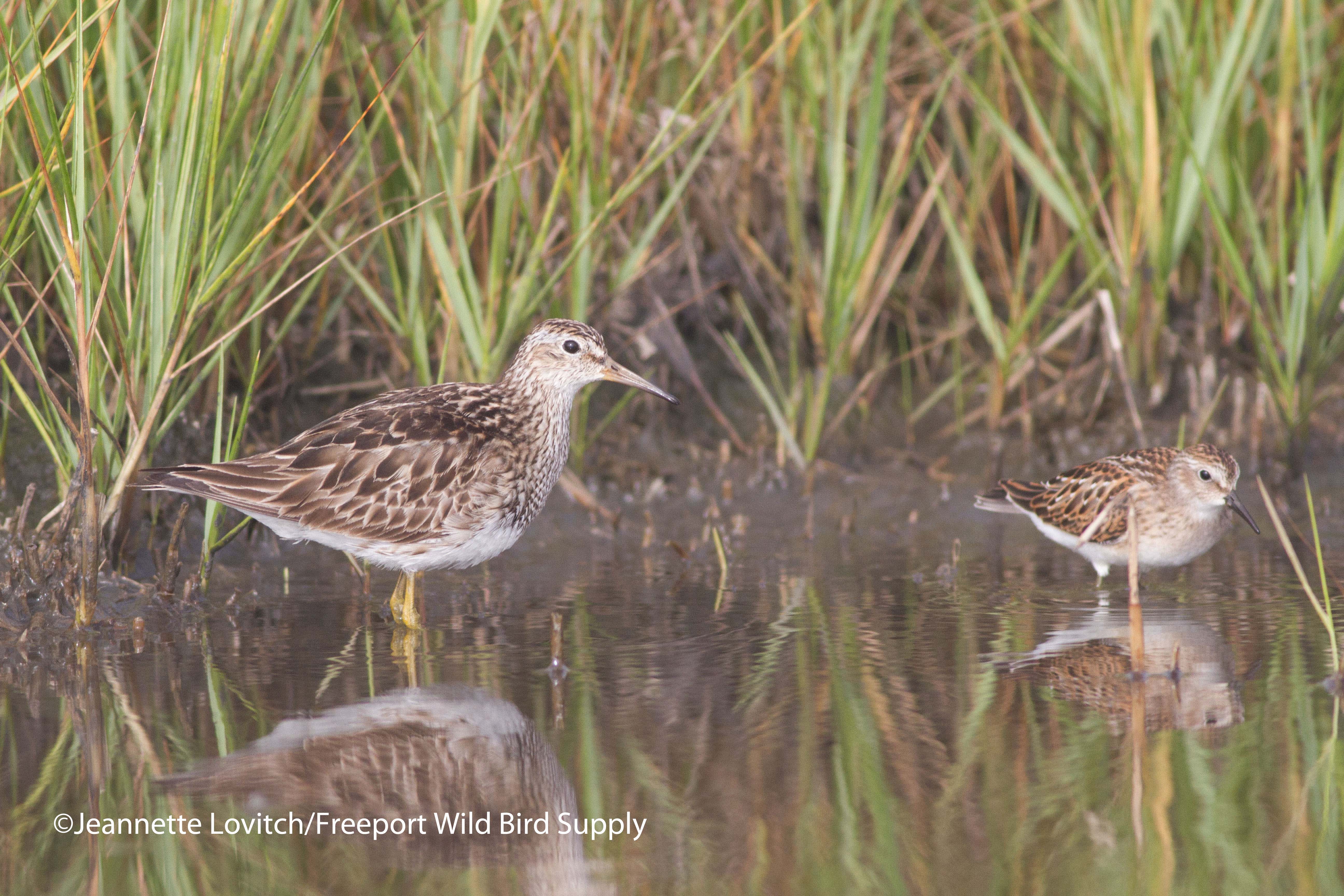
Pectoral Sandpiper: 6, Pine Point, 8/24 (with Jeannette).
STILT SANDPIPER: 4 ads, Eastern Road Trail, 8/24 (with Jeannette).
Short-billed Dowitcher: 19 juveniles, Pine Point, 8/24 (with Jeannette).
Wilson’s Snipe: 1, Carrabassett Valley Snowfluent Ponds, 8/23 (with Poplar Hut Tour group).
Furthermore, writing this blog gives me a chance to show off some of Jeannette’s photography! These are just a few of the shots she got during our visit to Scarborough on Monday. Adult Black-bellied Plover, Pine Point, 8/24.
Juvenile Short-billed Dowitcher, Pine Point, 8/24.
Adult Semipalmated Plover, Pine Point, 8/24.
Adult and juvenile Semipalmated Sandpipers with one juvenile Semipalmated Plover, Pine Point, 8/24.
Adult Pectoral Sandpiper and juvenile Least Sandpiper, Eastern Road Trail, 8/24.
Semipalmated Sandpipers with one adult Semipalmated Plover and one adult Sanderling, Biddeford Pool Beach, 8/25.
Of course, it’s not just shorebirds that are on the move – there are plenty of passerines as well! A migrant Wilson’s Warbler and a whopping 14 Ruby-throated Hummingbirds were at Old Town House Park on Saturday morning when I visited it with my Saturday Morning Birdwalk group. My tour group to the Poplar Hut encountered mixed-species foraging flocks as we hiked to and from the hut, highlighted by an immature female Cape May Warbler in a little wave around the hut itself on Sunday morning.
Other highlights this week included 14 Wood Ducks and a bumper crop of juvenile Common Yellowthroats at Florida Lake Park (8/24), the whiter of the two Tricolored Heron x Snowy Egret hybrids (“Splotchy”) in the Rte 1/9 salt pannes in Scarborough Marsh with Jeannette on the same day and a drake White-winged Scoter off of Biddeford Pool Beach on 8/25.
While a diversity of shorebirds will continue for several more weeks (and there’s a better chance for Western, Baird’s, and Buff-breasted Sandpipers), I tend to spend less time focusing on them (and therefore not enough time at enough prime locations over the course of the week), and therefore only occasionally post summary totals. In fact, if the much-reduced numbers at Popham today are any indication, a lot of shorebirds departed with the passage of this recent cold front.
Instead, I spend most of my free mornings now at “my office,” the bridge at Sandy Point Beach, Cousin’s Island, Yarmouth, observing and obsessively counting migrant passerines in the “Morning Flight.” In fact, my first visit of the season there on Thursday morning yielded 438 migrants, including 17 species of warblers, 1 early Dickcissel, 1 Blue-gray Gnatcatcher (my 3rd-ever here), and 5 Prairie Warblers – my 2nd highest count.
It’s pretty clear that I am not the only birder who loves beer. And based on the success of the “Birds, Books, and Beers” series at Maine Beer Company, the first of hopefully many “Birds on Tap!” lectures at Rising Tide Brewing, and the fact that many of my tours finish the day at a brewery (e.g. Monhegan Brewing), I was looking for a way to build on these events.
Enter the “Birds on Tap – Roadtrip!” series with our friends at the Maine Brew Bus. And the first of what we hope will be a regular schedule of unique birding and beer-ing outings took place on Sunday.
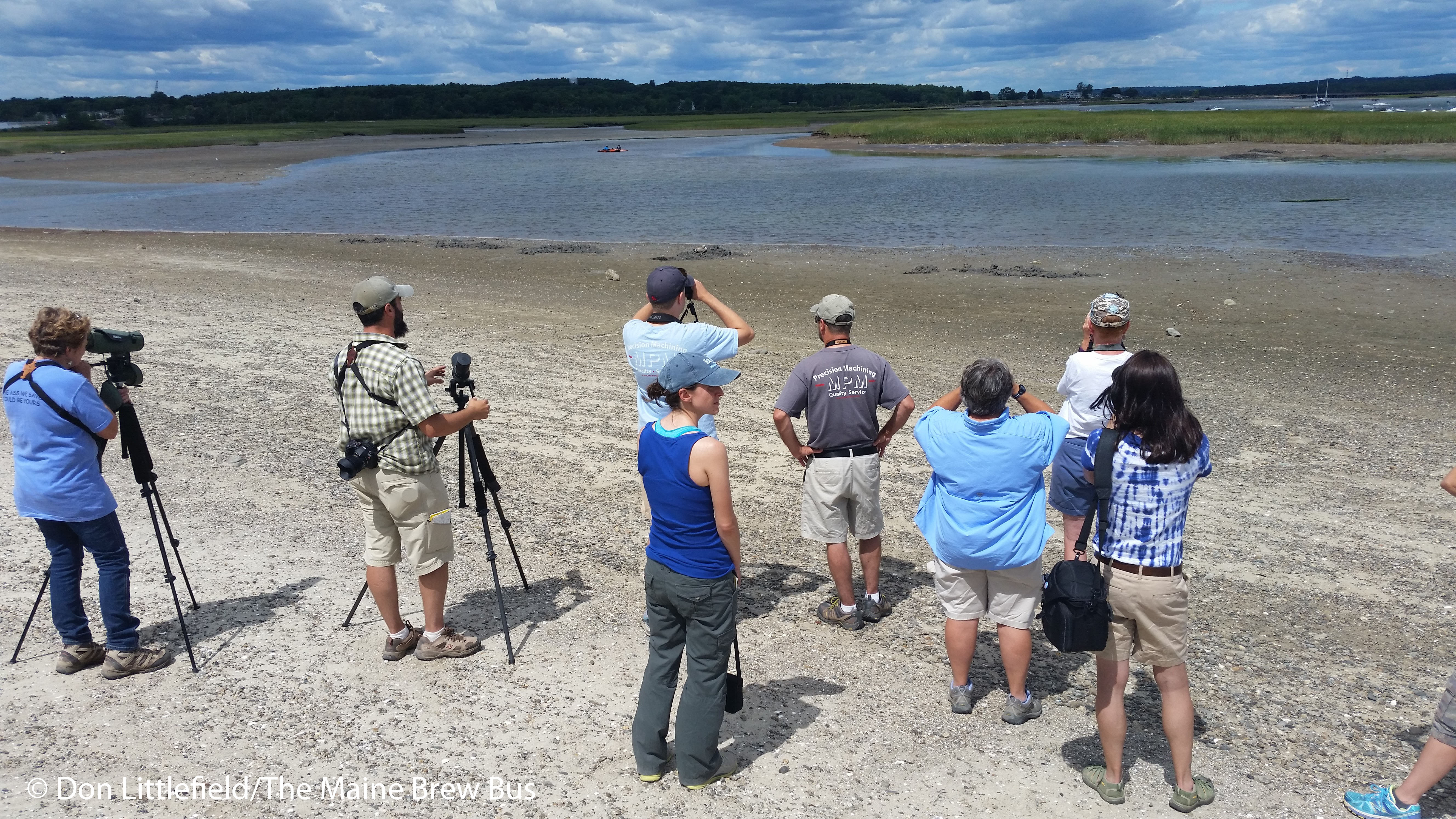
Combining three hours of birding with visits to two of our great local breweries, we strive to showcase some of Maine’s best birding, and best craft brewers. Beginning in August, there’s no better place to bird in southern Maine than Scarborough Marsh.
After two convenient pick-ups, one at the store and one in Portland, it was down the marsh, starting at Pine Point on the incoming tide. Common Terns were feeding in the channel, and we took a moment to check out the truly beautiful turquoise eye of a nearby Double-crested Cormorant.
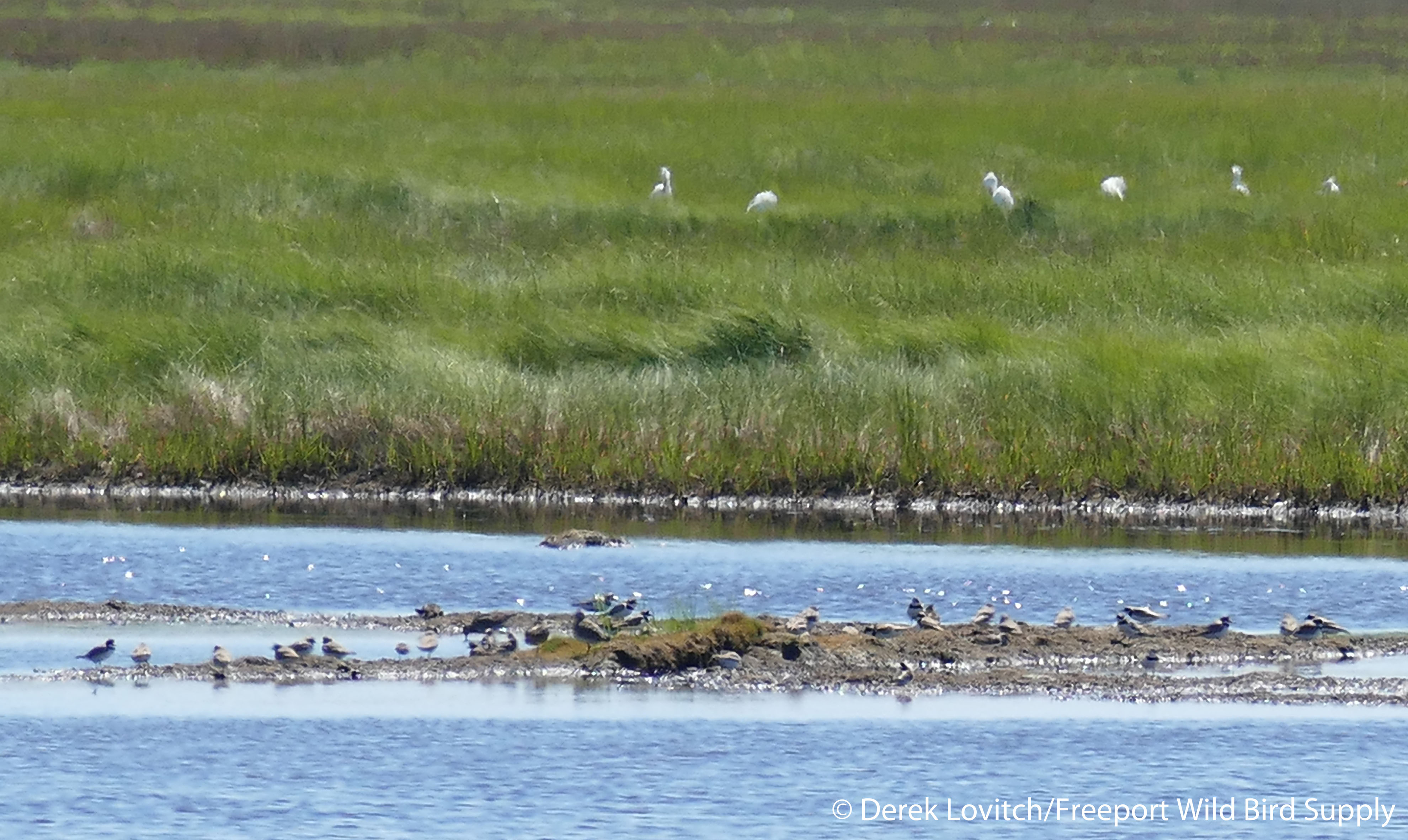
Out on the mudflats, 150+ Semipalmated Plovers were joined by at least 75 Semipalmated Sandpipers, 30 or so Short-billed Dowitchers, 15 “Eastern” Willets, and a few Black-bellied Plovers. As the ride rolled in, many of these birds flew closer, landing on the last strip of mud and sand right in front of us, offering detailed study of plumage details to complement the “general impression of size and shape” methodology of identifying birds afar.
Some birds, like this Semipalmated Plover, were incredibly close and offered great studies of plumage detail.
Our next stop, with the tide approaching high, was the Eastern Road Trail. The wide, raised trail crossing the marsh provided convenient access and easy viewing of the many hundreds of shorebirds out in the salt pannes. 300+ Semipalmated Sandpipers, 100-150 Semipalmated Plovers, 100+ Short-billed Dowitchers, 50+ Least Sandpipers, 20+ Greater and 6 Lesser Yellowlegs, 2 “Eastern” Willets, 2 White-rumped Sandpipers, and a single Spotted Sandpiper.
Joining the shorebirds in the pannes were a variety of wading birds, with 40+ Snowy and 25 Great Egrets, 8 Glossy Ibis, 4 Great Blue Herons, 3 Little Blue Herons, and “Patches:” the ultra-rare Tricolored Heron x Snowy Egret hybrid that has been frequenting the marsh for at least three summers now. There were a lot of birds in the pannes today, with shorebirds covering all of the exposed mud and wading birds standing guard at the edges.
Several singing Nelson’s Sparrows, including a couple of birds that offered unusually prolonged scope-views, a soaring Bald Eagle, and a hunting Northern Harrier added to the diversity of the day.
As we enjoyed some scrumptious vegetable hand-pies, Josh took over the show, and escorted us down to Saco’s Barreled Souls. While several birders got a life bird or two today, everyone in the group had their “life beers” from Barreled Souls. All of Barreled Souls’ beers are fermented in oak barrels using a version of the Burton Union system, a method developed in England in the 1800’s. Unique ingredients coupled with this system that offer subtle flavor additions and changes to the beer, provides a healthy growing environment for the yeast that does the dirty work of making the sugar into alcohol, and allows for the capture the healthiest yeast crops for the next batch of brew.
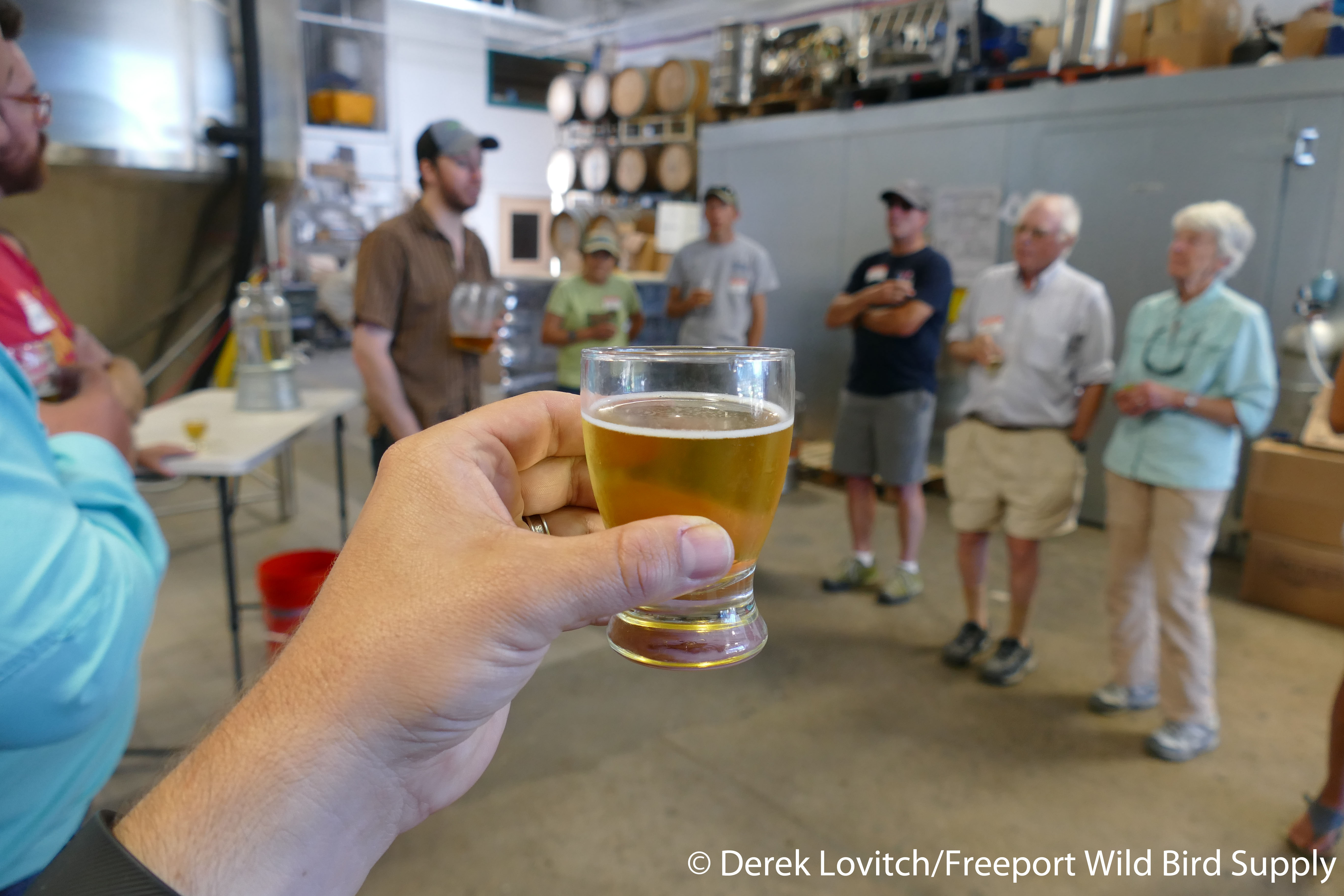
We received a tour of the facility, before being invited in the cozy tasting room. All the while, four unique and very flavorful beers, all very different in taste and body, were sampled, including Half-Nelson, an IPA with 100% Nelson Sauvin hops and Space Gose, a tart German style beer with coriander, Maine sea salt, and lemon zest. Mixing things up a bit, the fruity Eat a Peach and the finale, the malty and nutty – and potent – Quaker State Heavyweight.
Conversations about birds during the first half of the tour rapidly turned to conversations about beer, often spurred on by discussions about the samples, and several people remarked how these beers were outside of their usual comfort zone, broadening their horizons and challenging their pallets. One could say there is a parallel to our discussions about the finer point of “peep” identification while out in the marsh!
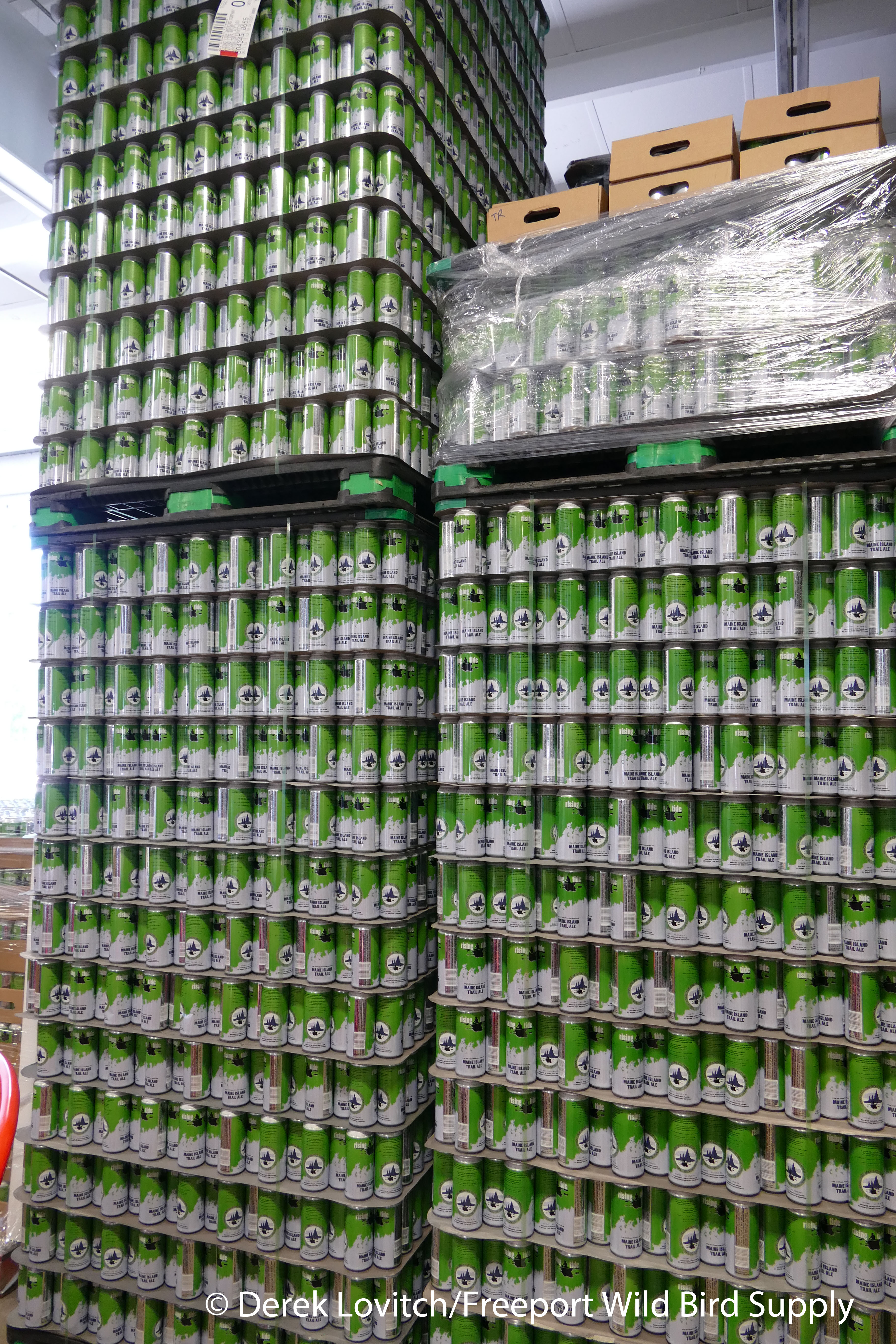
It seemed most appropriate that our second brewery of the tour would be Rising Tide Brewing in Portland – our partner in the Birds on Tap! lecture series. Refreshing Daymark, a clean and classic APA; Ishmael, the rich and malty American copper ale; Zephyr, Rising Tide’s hoppy but incredibly well-balanced IPA; and of course, the venerable Maine Island Trail Ale the citrusy, hoppy, and summertime-perfect American Ale that is one of the favorite beers of many a Maine beer drinker, myself included.
While many of the Maine residents in the group – we also had guests from Kansas and folks who share Maine with another home state – were more familiar with the offerings of this favorite brewery, Alex did a great job explaining the philosophy of the brewery and the methods they use to produce so many quality, unique, – and in many cases, exceedingly approachable – brews.
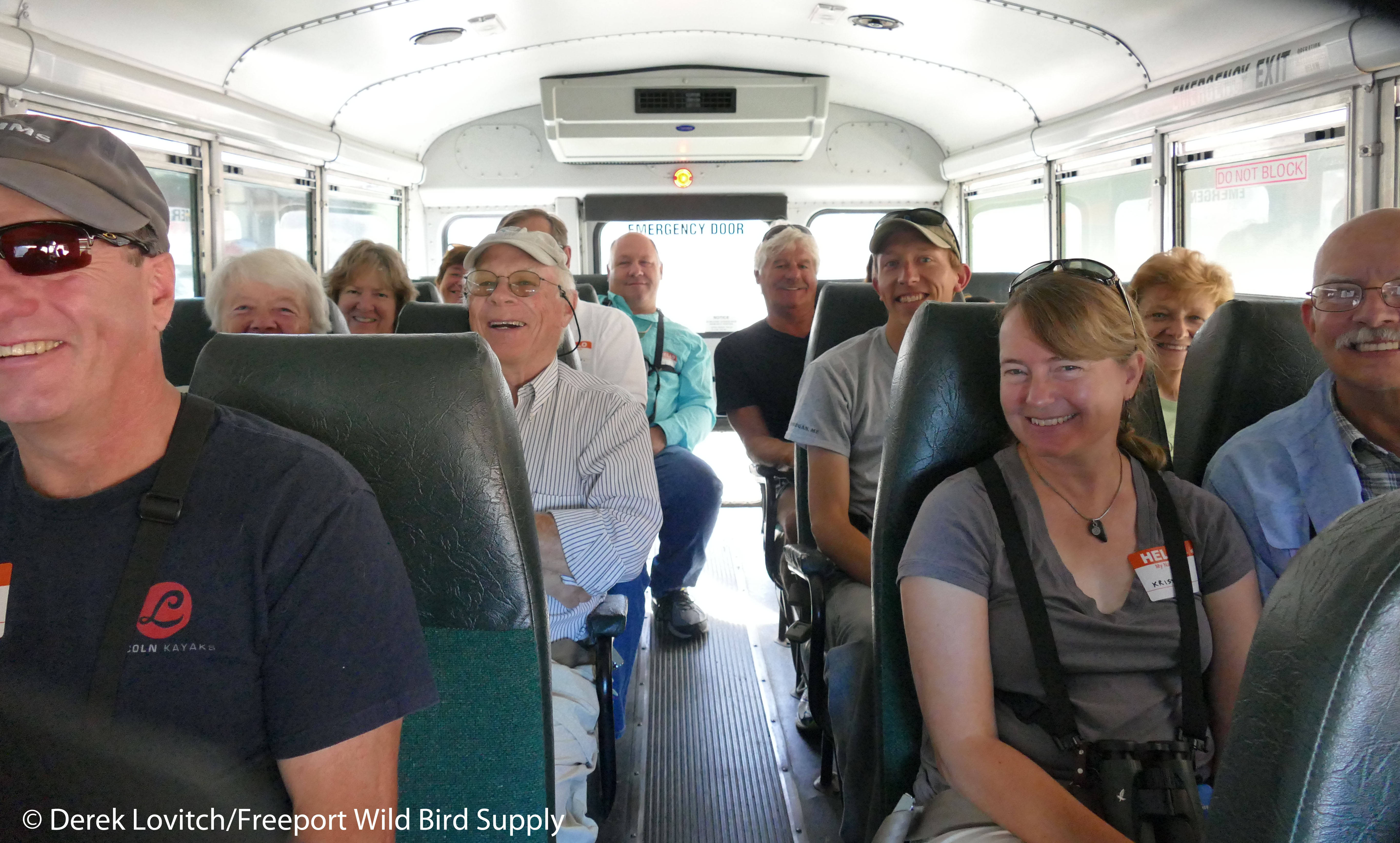
As we wrapped things up and Josh transported us back to our respective drop-offs, the bus was filled with chatter about birds, beers, and more than one question for when the next Birds on Tap – Roadtrip! from Freeport Wild Bird Supply and the Maine Brew Bus will be taking place…stay tuned!















































 Maine Birding Field Notes