Tag Archives: Fork-tailed Flycatcher

2026 “Next Maine Birds” Predictions Blog

The state’s 4th or 5th Virginia’s Warbler – and the first away from Monhegan – was one of the rarest birds of the year in Maine, and it was even more special for me since I found it on Peak’s Island in November!

It’s once again time for my annual Predictions Blog, where I view into my crystal binoculars and attempt to forecast some of the “new” birds to grace the State of Maine – and then my own personal state list – in the coming year.

But first, let’s look back at last year’s predictions.

It was a great year for birding in Maine, with rarities at every season, especially during a truly epic November Rarity season. As a snapshot of just how many notable species were in the state in 2025, consider Noah Gibb and Stacey Huth’s Maine Big Year total of 332 species broke the old record by an astounding 10! Surprisingly, with such an eventful year for rarities in the state, no new species were added to the state’s list in 2025. With that, I’m going to keep Next 25 Species to be found in Maine list the same, but based on current trends and regional sightings, I am doing a little shuffling at the top to bump up Limpkin as the northward mini-irruptions of this tropical/sub-tropical bird continue.

  1. Limpkin
  2. Scopoli’s Shearwater
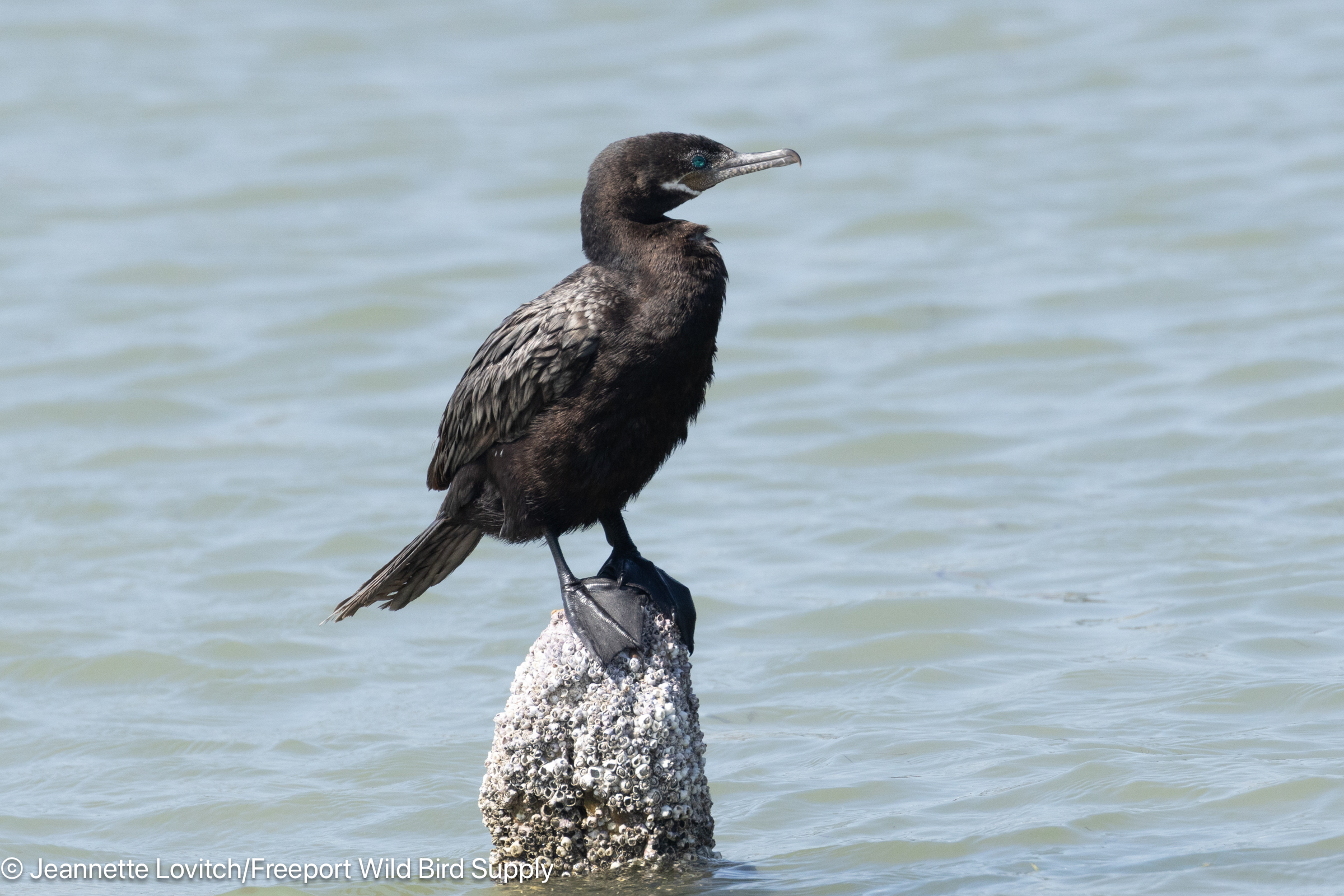
  3. Neotropical Cormorant
  4. European Herring Gull
  5. Black-chinned Hummingbird
  6. California Gull
  7. Gray Heron
  8. Bermuda Petrel
  9. Graylag Goose
  10. Little Stint
  11. Audubon’s Shearwater
  12. Common Shelduck
  13. Anna’s Hummingbird
  14. Heerman’s Gull
  15. Common Ground-Dove
  16. Allen’s Hummingbird
  17. Spotted Redshank
  18. Lewis’s Woodpecker
  19. Ross’s Gull
  20. Black-capped Petrel
  21. Lesser Nighthawk
  22. Dusky Flycatcher
  23. Painted Redstart
  24. Hooded Oriole
  25. White Wagtail
It’s only a matter of time for Maine to be visited by its first ever Neotropic Cormorant, but it’s another Neotropical species that took the stop slot this year!

As for me, there were so many great birds seen in Maine in 2025, and the birds I chased just scratched the surface of the litany of vagrants this past calendar year as once again, my birding involves fewer and fewer chases each year. The MacGillivray’s Warbler in Yarmouth in November was one of the highlights – including becoming the 255th All-time Saturday Morning Birdwalk bird!- and a Fork-tailed Flycatcher in the Kennebunk Plains in July.

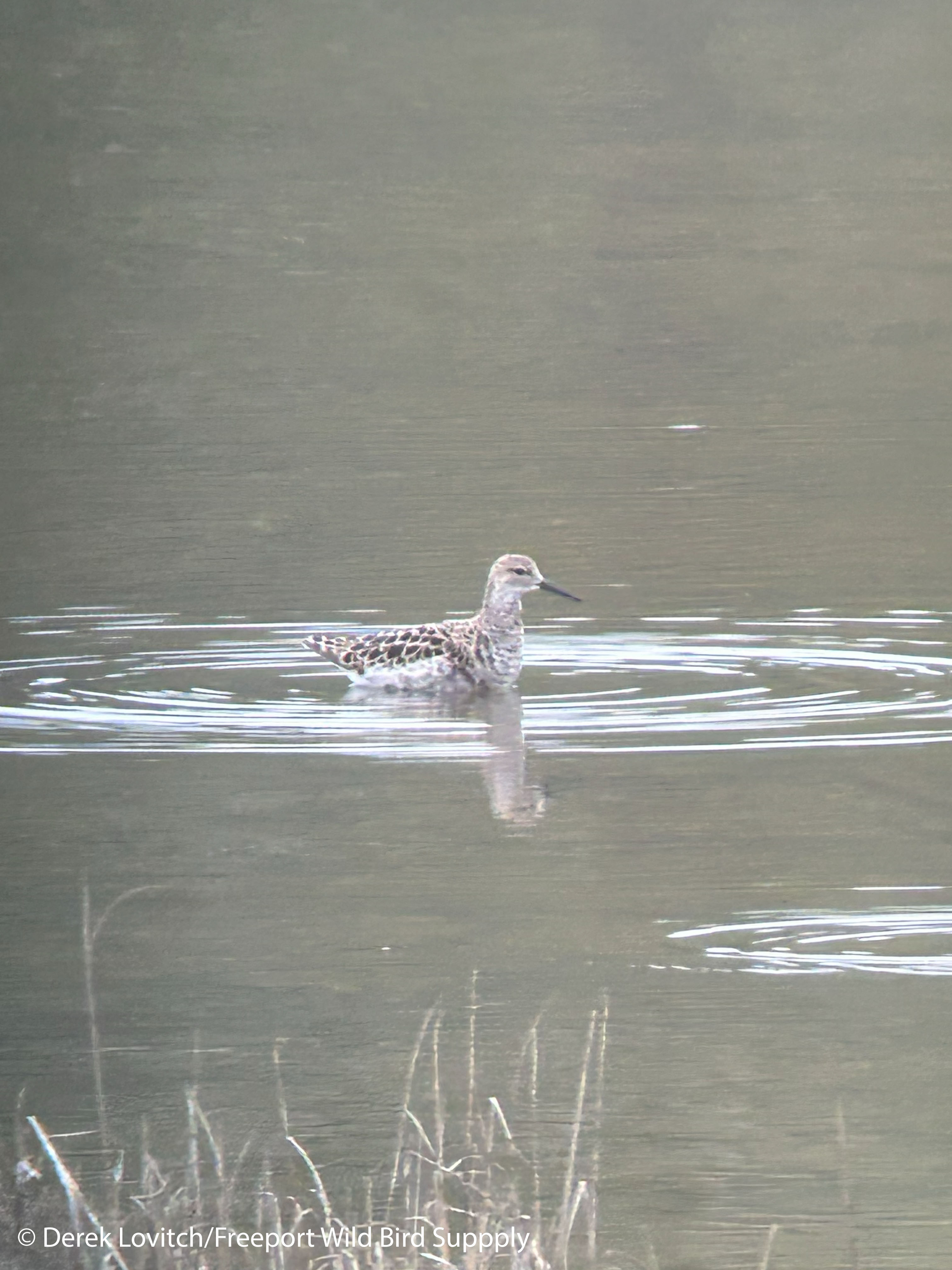
My first self-found rarity of the year was a Ruff at Walsh Preserve on 5/9…
..and Jeannette I chases the Northern Wheatear in Scarborough Marsh in September for a new ABA Area bird for her.

And shortly after successfully relocating a Bell’s Vireo on Monhegan (5th state record; found by Bill Thompson and Jess Bishop the day before), my group and I found the state’s 6th Black-throated Gray Warbler to cap off one of the best weekends on Monhegan in years! Add to that a record-shattering season at the Bradbury Mountain Spring Hawkwatch and two extraordinary flights at Sandy Point on 10/9 and 10/16, and I had an amazing year of birding in Maine.
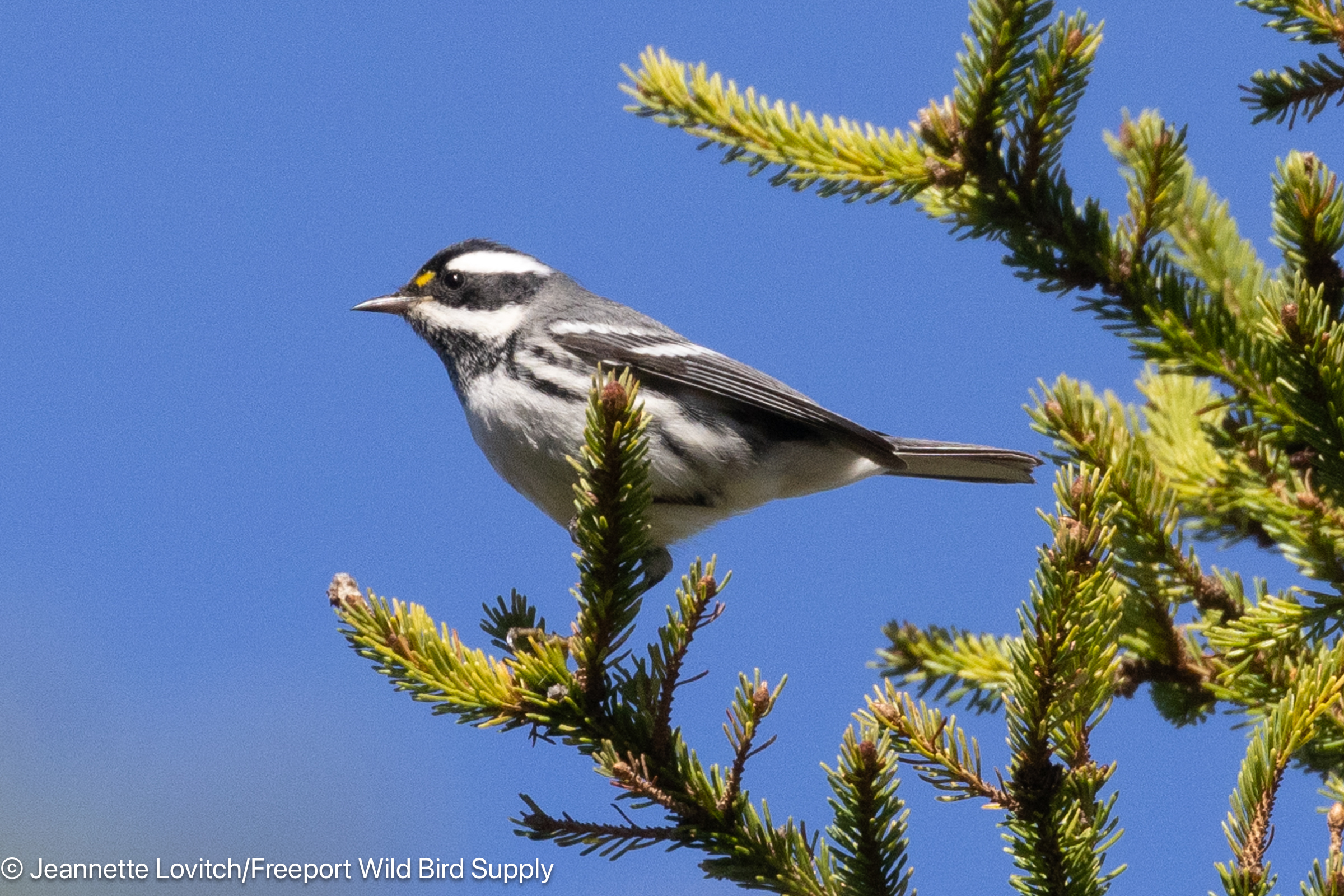
Black-throated Gray Warbler on Monhegan. A state bird for almost everyone,
but “just” an exceptional “Island Bird” for me.

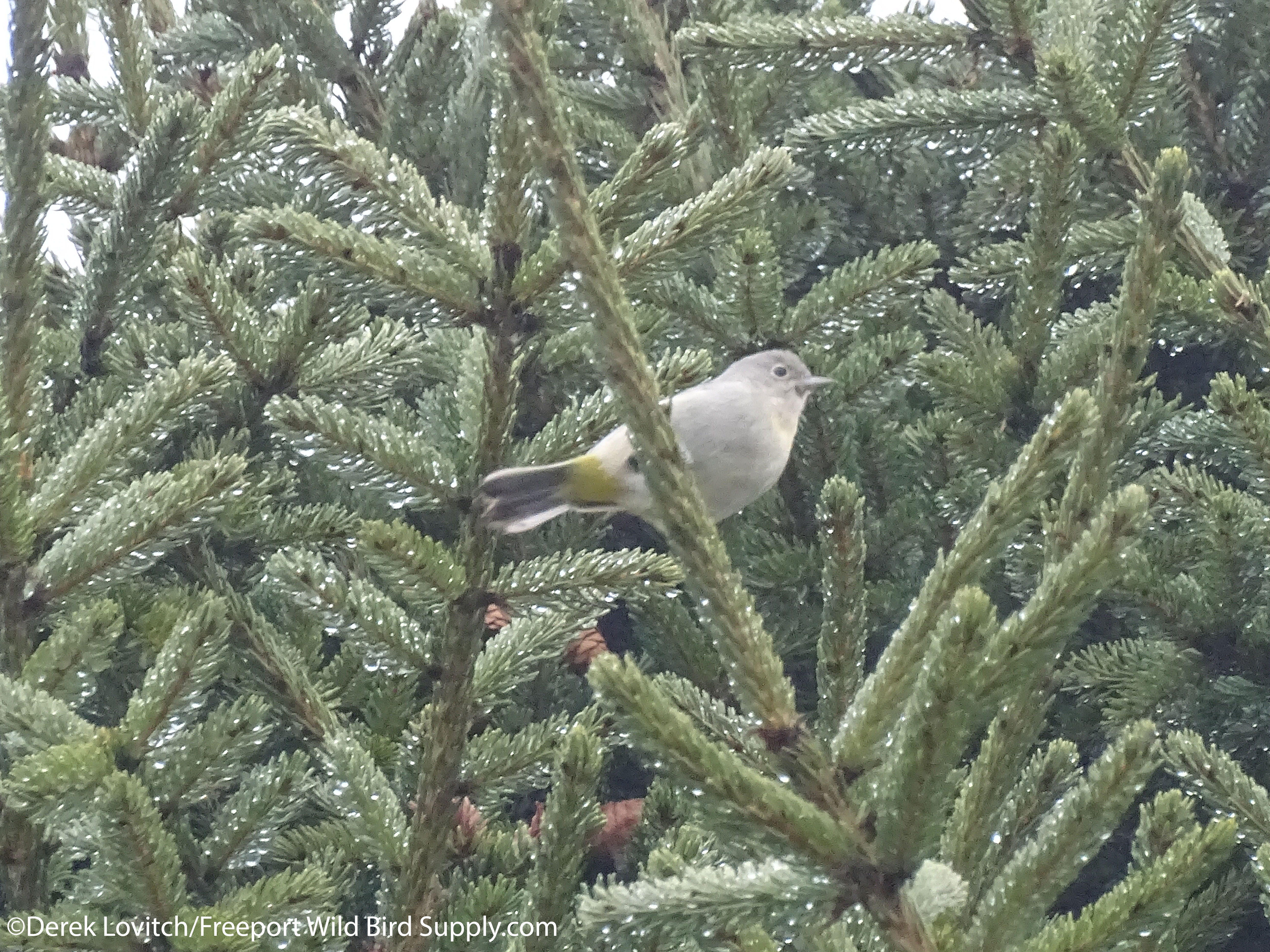
I even added two species to my State List in 2025, starting with an overdue Cerulean Warbler (#11) found by Doug Hitchcox in Evergreen Cemetery on 5/6. But nothing beats a “self-found” rarity, so finding a Virginia’s Warbler (#20) on Peak’s Island on 11/24 was even more special!

Of course, a few potential State Birds got away from me last year. However, all appeared to be one-day wonders, so it’s hard to complain: Crested Caracara in Scarborough Marsh on 4/30, a Franklin’s Gull (some day!) in The County on 5/21, an Anhinga over South Portland on 5/27, and an un-chaseable Ancient Murrelet at Matincus Rock on 6/19.

So, with those hits and misses, my updated list of the Top 25 Next State Birds for Me is now:

  1. Franklin’s Gull (this is getting amusing/frustrating)
  2. Neotropic Cormorant
  3. Brown Pelican
  4. California Gull
  5. Brown Booby
  6. Crested Caracara
  7. Slaty-backed Gull
  8. Boreal Owl
  9. Calliope Hummingbird
  10. Graylag Goose
  11. Gull-billed Tern
  12. Pacific Golden-Plover
  13. Limpkin
  14. Wood Stork
  15. Black-chinned Hummingbird
  16. Brewer’s Blackbird
  17. Anhinga
  18. Yellow Rail
  19. Scopoli’s Shearwater
  20. Western Wood-Pewee
  21. Red-necked Stint
  22. European Herring Gull
  23. Gray Heron
  24. Heerman’s Gull
  25. Little Stint

Well there ya have it, let’s see what 2026 brings, at least when it comes to the birds in Maine.
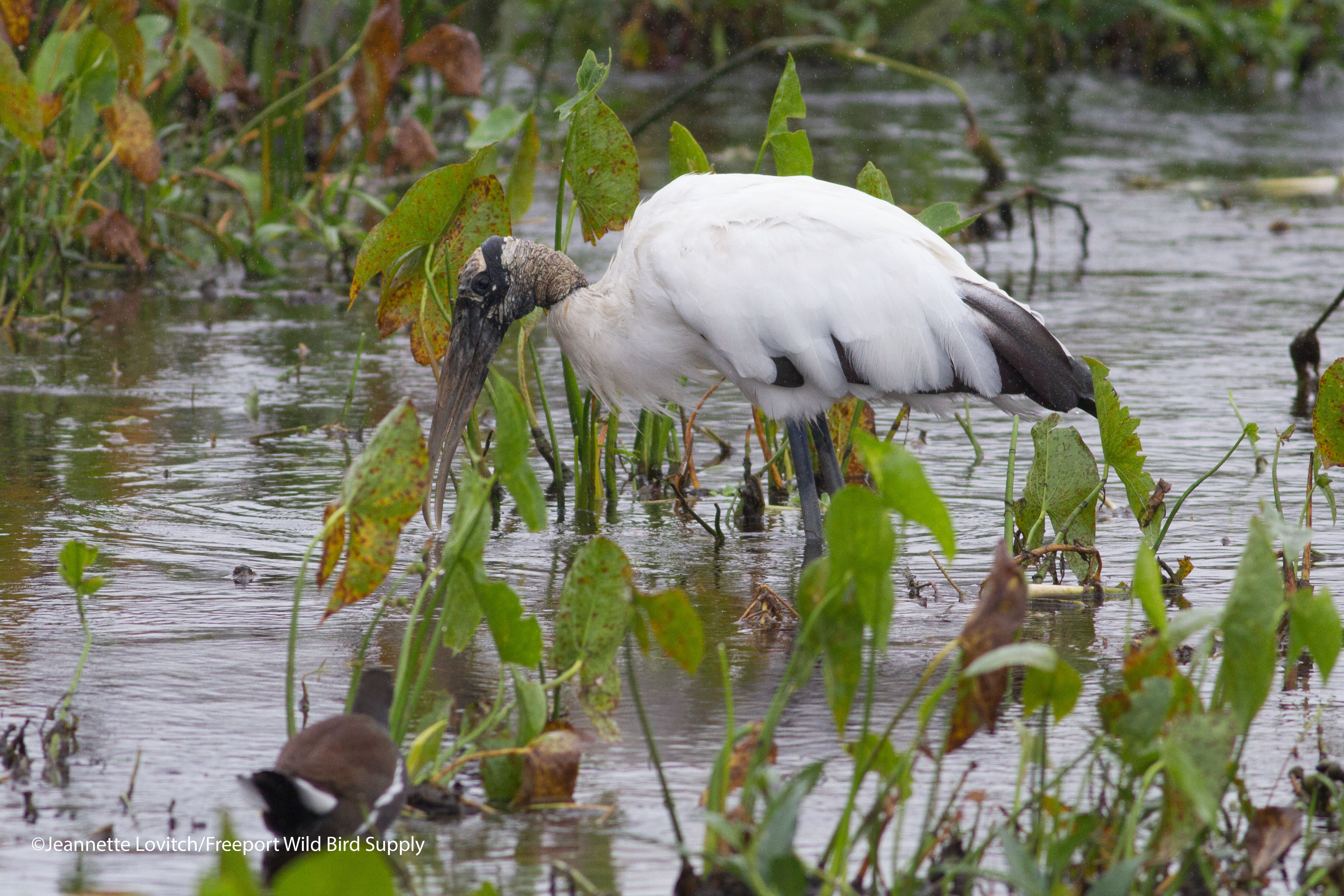
I think it’s about time for another Wood Stork to visit the state as well.

This Week’s Highlights, 7/12-7/20/2025

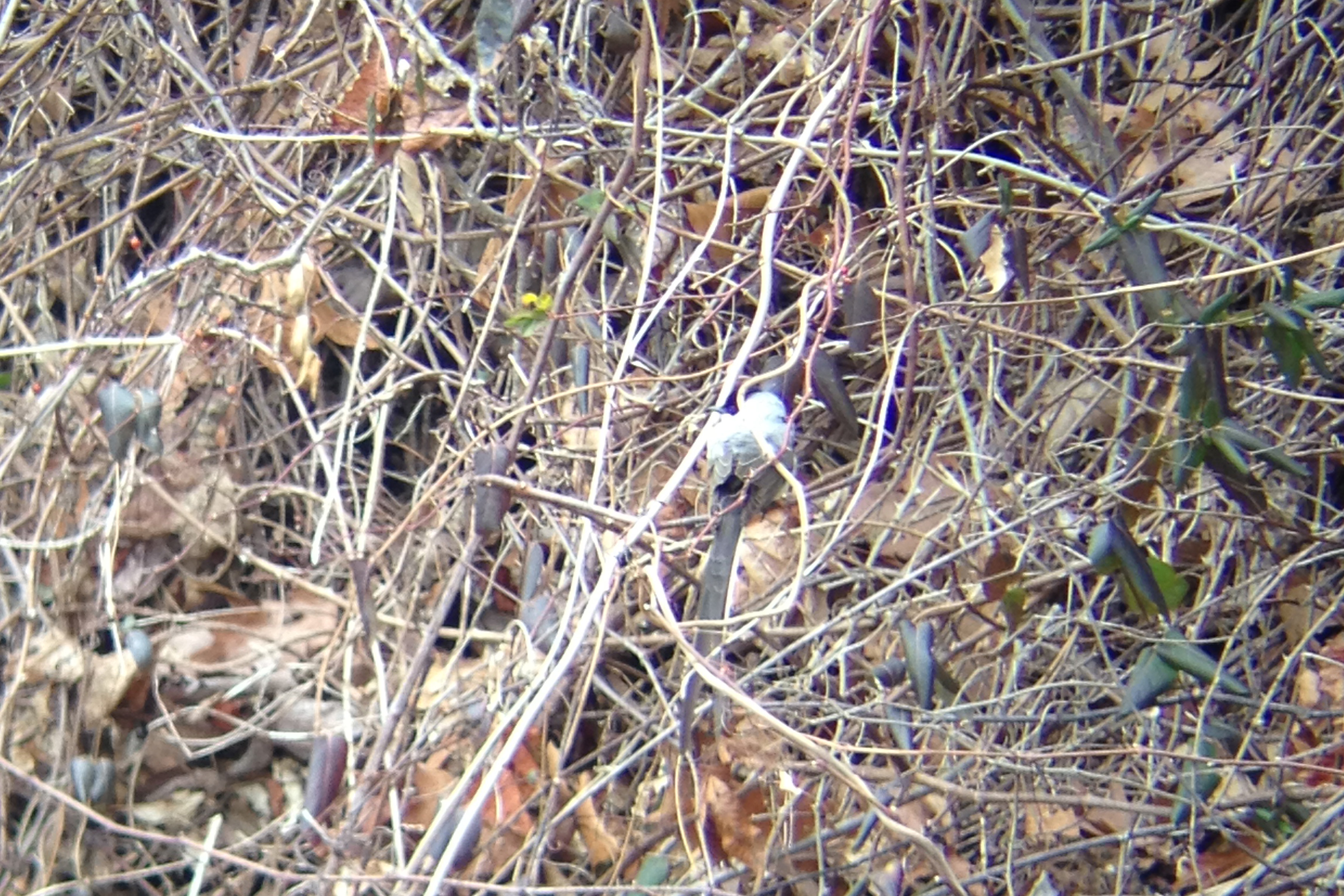
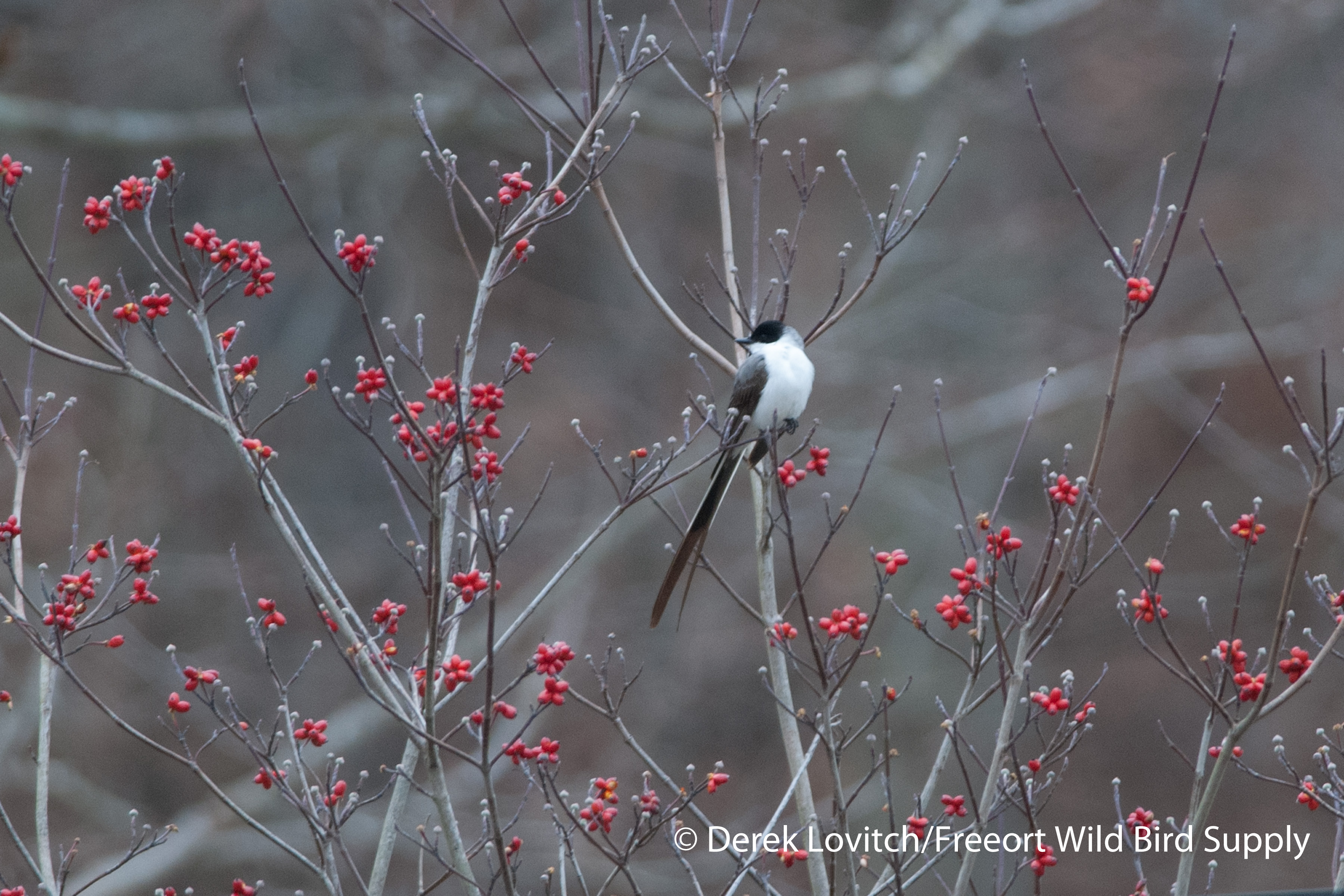
Jeannette and I raced down to the Kennebunk Plains on Monday the 14th for this Fork-tailed Flycatcher. A notorious “one-day-wonder,” it conveniently was discovered on a day off for a change. Even more surprisingly, unlike most Fork-tailed Flycatchers that occur in the Northeast, this one stuck around, continuing through the 16th. There are between 10 and 16 previous occurrences of this vagrant from South America in Maine – incredible considering the distance it has to fly “incorrectly” to get here!

Only in the middle of July is a trip to Monhegan not the birding adventure of the week. But betweenthe chase of a “megs,” an opportunity to visit a banding project on a mountaintop in Vermont, and a couple of boat trips, it was a great week (plus) of birding for me nonetheless. Here are my observation of note over the past nine days.

  • 1 RAZORBILL (just off of Smuttynose outside of Monhegan harbor) and 1 Atlantic Puffin, Hardy Boat from Monhegan to New Harbor, 7/12. Only tubenoses encountered on a very foggy day both to and from were Wilson’s Storm-Petrels.
  • 1 FORK-TAILED FLYCATCHER, Kennebunk Plains, Kennbunk, 7/14 (with Jeannette and m.obs). Found earlier in the day by Sam Darmstadt. Photo above.
  • 7/19: I co-lead the morning Whale and Puffin Combo Cruise tour with our partners Cap’n Fish’s Cruises: 1 MANX SHEARWATER (unexpected close fly-by between our boat and Eastern Egg Rock); 2 American Oystercatchers, Eastern Egg Rock; 3 Cory’s Shearwaters and 100-125 Wilson’s Storm-Petrels offshore. I stayed aboard for the afternoon trip and only had 1 Cory’s Shearwater and 75-100 Wilson’s Storm-Petrels offshore.

UPCOMING TOURS w/ Space Available:

Shorebird workshop with Down East Adventures, August 18th, 8:00am to 4:00pm.

Saturday Morning Birdwalks Return 8/2!

Fork-tailed Flycatcher in Connecticut!

“I don’t always chase birds, but when I do…”
DSC_0233_FTFL1,Lyme,CT_edited-1

…And I almost never chase birds away from Maine, and I rarely even chase birds more than an hour away from home.  Therefore, it was exceedingly out of character for me to even consider chasing the Fork-tailed Flycatcher that has been present in Lyme, Connecticut.

A vagrant from South America, most Fork-tailed Flycatchers that show up in late spring or fall are notorious “one day wonders:” found one day, and gone the next.  That is why I have missed several, including a handful in Maine.  In fact, one showed up 15 minutes away in Brunswick the day we left for Russia two years ago.  Figures.  I even chased one with friends on Stratton Island that involved a boat charter, a borrowed dingy, a rope, and a signpost as a paddle.  We missed that one by about an hour.

In other words, this bird was a bona-fide nemesis, so one hanging out for 9 days as of Sunday was tempting my self-restraint.  Then, as my friend Phil and I and were planning a birding day, we decided to go for it.  Why not?  We didn’t have a better idea, it would be a fun drive of listening to music and conversing, and we’d have the Patriots game to pass the time on the trek back.  So off we went.

The drive seemed like it took forever!  We were anxious – seeing reports that the bird had been seen first thing that morning only made us more excited – and it was a long, often-boring drive.  Once the sun got high enough, we counted roadside Red-tailed Hawks to pass the time (17 starting at the 95/495 junction in Massachusetts).

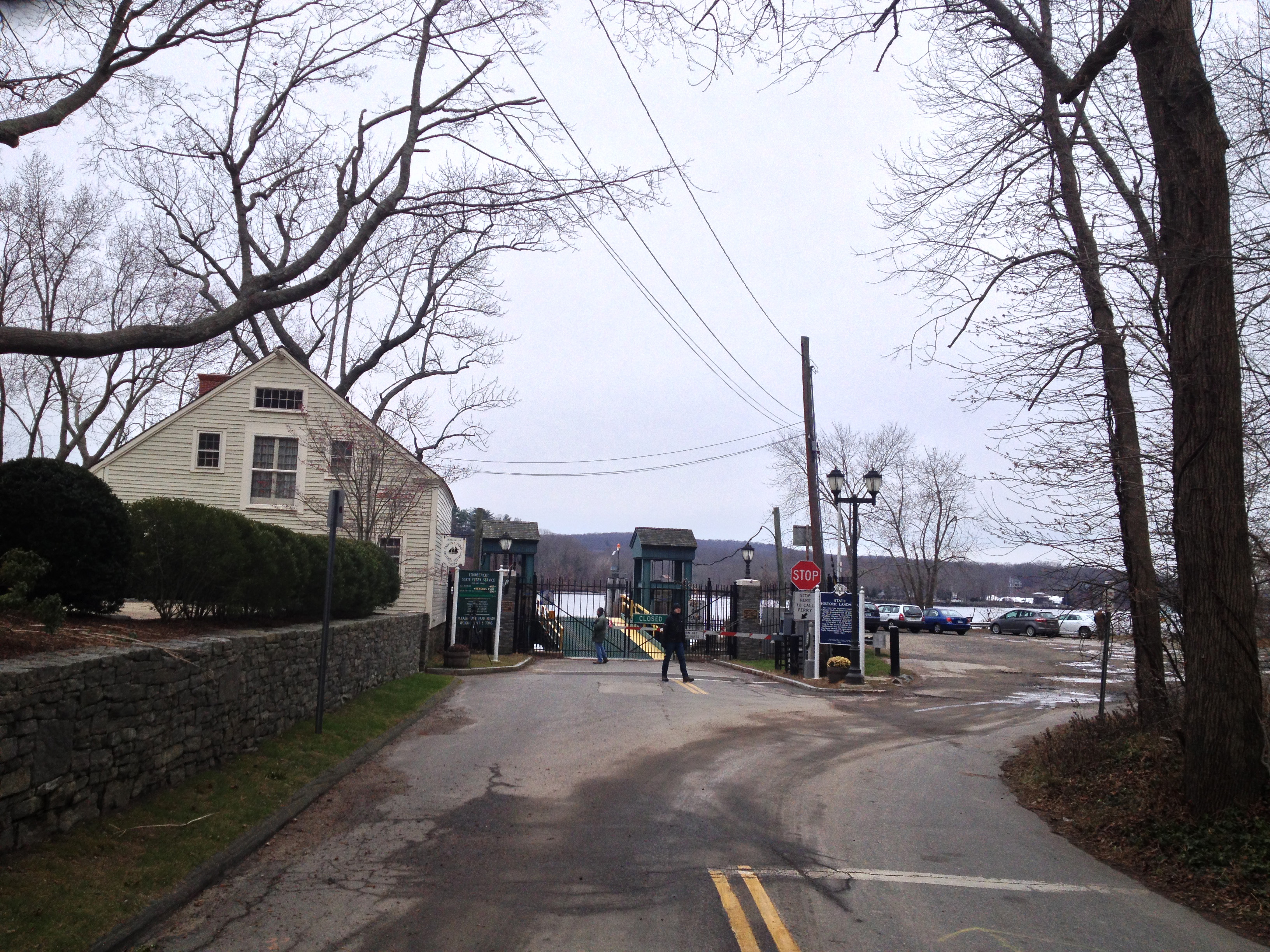
We arrived at the Hadlyme Ferry slip parking lot at 10:40am, with about a half-dozen other birders still present.  We were informed that it was seen as of about 25 minutes ago. 
Hadlyme_Ferry_Slip1

Hadlyme_Ferry_Slip2

Although it usually only disappears for about 20-30 minutes at a time (to feed behind a nearby inaccessible hillside), it wasn’t until 11:20 that it reappeared – an agonizing, and bone-chilling (30F, light northwest wind off the river) forty minutes!  The bird was well seen by all going about its business through 11:35.
FTFL6
The flycatcher was surprisingly inconspicuous as it fed on Pokeweed berries on the hillside.

DSC_0206_FTFL2
It was far more obvious when it came out to attempt to flycatcher (we did see it go after a couple of small bugs, despite the cold temperatures).

But Phil and I were not yet satisfied – we didn’t come all this way for 15 minutes – so we waited for its return.  This time, the wait was merely 15 minutes, and we then had a most-satisfactory and fulfilling time with the bird for about 40 minutes.  Quality time with a stunning lifer!  And more time for photographs and studying.  The birds’ behavior – so far out of place at such an amazing season certainly piqued my interest to see what it was eating to survive.
DSC_0197_FTFL3

DSC_0218_FTFL5

DSC_0225_FTFL4

It was already lunchtime, and Phil and I were definitely getting hungry.  Furthermore, I did want to get over to Hammonasset Beach State Park for some fruitful birding to work on my Connecticut state list – a list lacking quite a few common birds, especially winter waterbirds. But it was hard to leave a bird as sexy as a Fork-tailed Flycatcher!  “Let’s walk away from this Fork-tailed Flycatcher so I can look for Common Goldeneyes” said no one, ever.

The ferry slip area was quite birdy, with a little flock of Dark-eyed Juncos and White-throated Sparrows that also included a Hermit Thrush.  A flock of 8 Common Mergansers were heading south down the river, while a migrant Northern Harrier passed overhead just as we were leaving.  But I wanted more than one state bird on the trip, so after spending way too much time trying to find a place to eat: “closed at 1” does not mean “breakfast all day!” were among the examples of our lunch attempts being foiled.

We needed to start to make some progress eastward, and daylight is limited this time of year, so we skipped Hammonasset, and looked for lunch on a way to a park that looked promising on a map that was more or less on our way home.  We finally had lunch – despite rather slow service that resulted in our birding time rapidly ticking away – and then rolled into Bluff Point State Park in Groton.  There were two impounded back-bays, next to an airport, just a mile or two from the coast.  On a map, that looked like a perfect spot to find some ducks…and Snowy Owls.

Unfortunately, we soon learned that we had to walk to the coast, and we didn’t have time to do that.  A scan of the airstrip didn’t yield any owls, but the water – that looked good on the map – was nearly devoid of waterbirds!  8 Mute Swans, 7 Red-breasted Mergansers, and 2 American Black Ducks were it – and none of those were state birds.

I was disappointed, but really, I saw a Fork-tailed Flycatcher!   The disappointment of only seeing one state bird on the day did not last long…and was completely forgotten as Phil and I cheered on the Patriots during their remarkable and exciting comeback that certainly helped make the drive home feel a lot shorter.  As did -of course – the fact that we were successful in our twitch of one of the more charismatic vagrants that shows up in North America.  I’d call the day a success, to say the least!