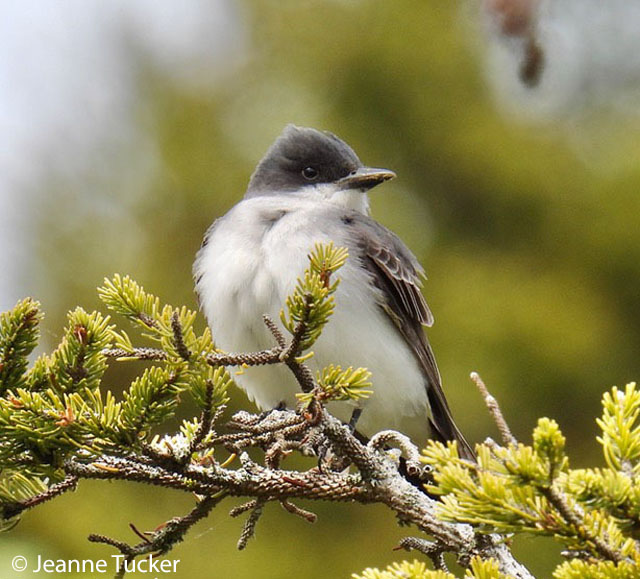
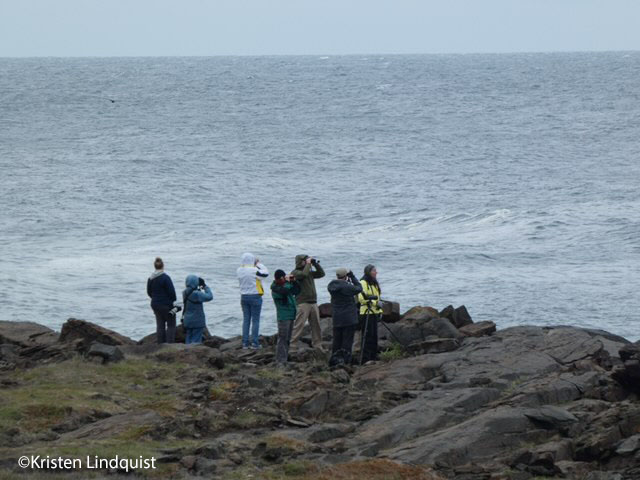
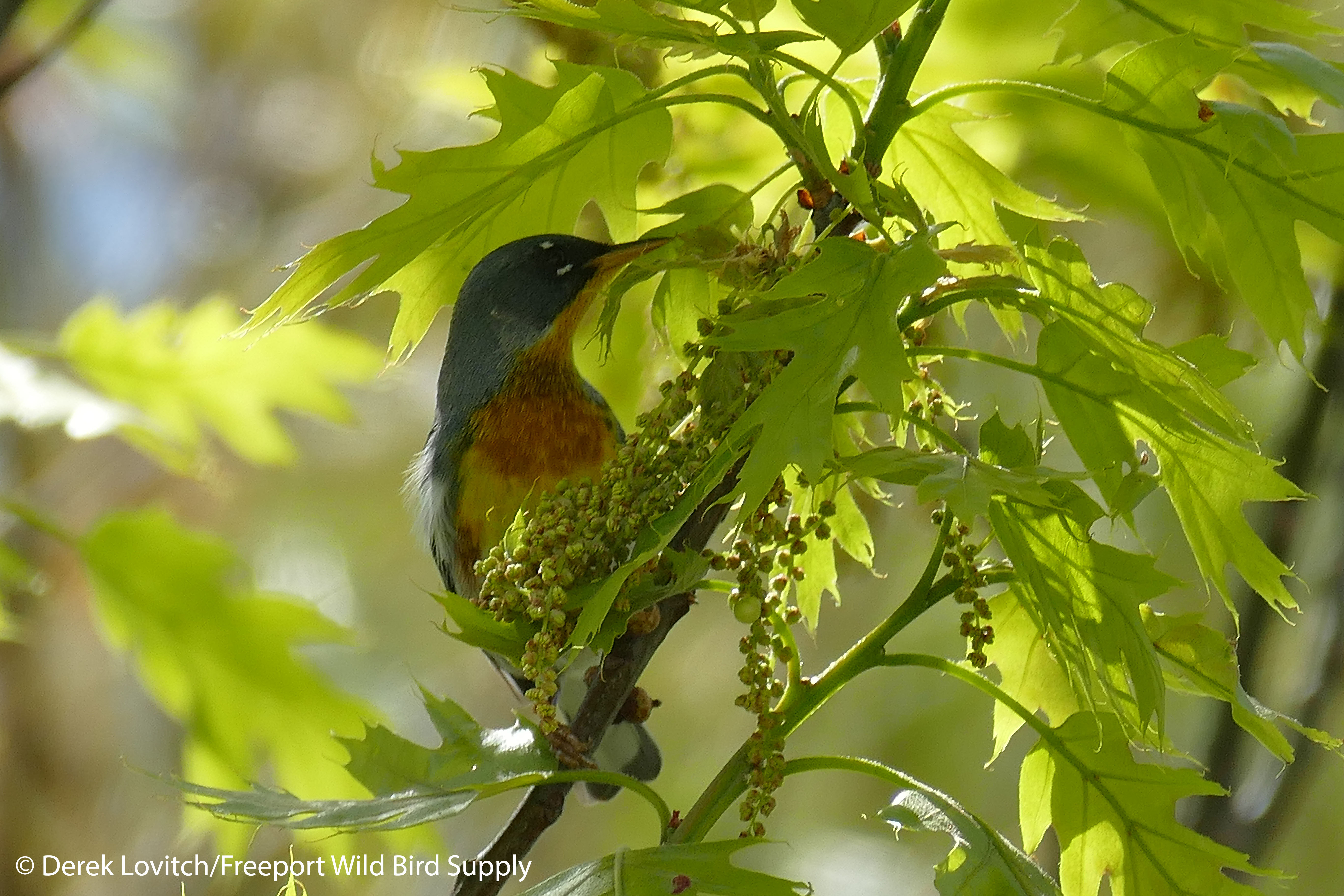
Tag Archives: warblers

This Week’s Highlights: September 10-16, 2022

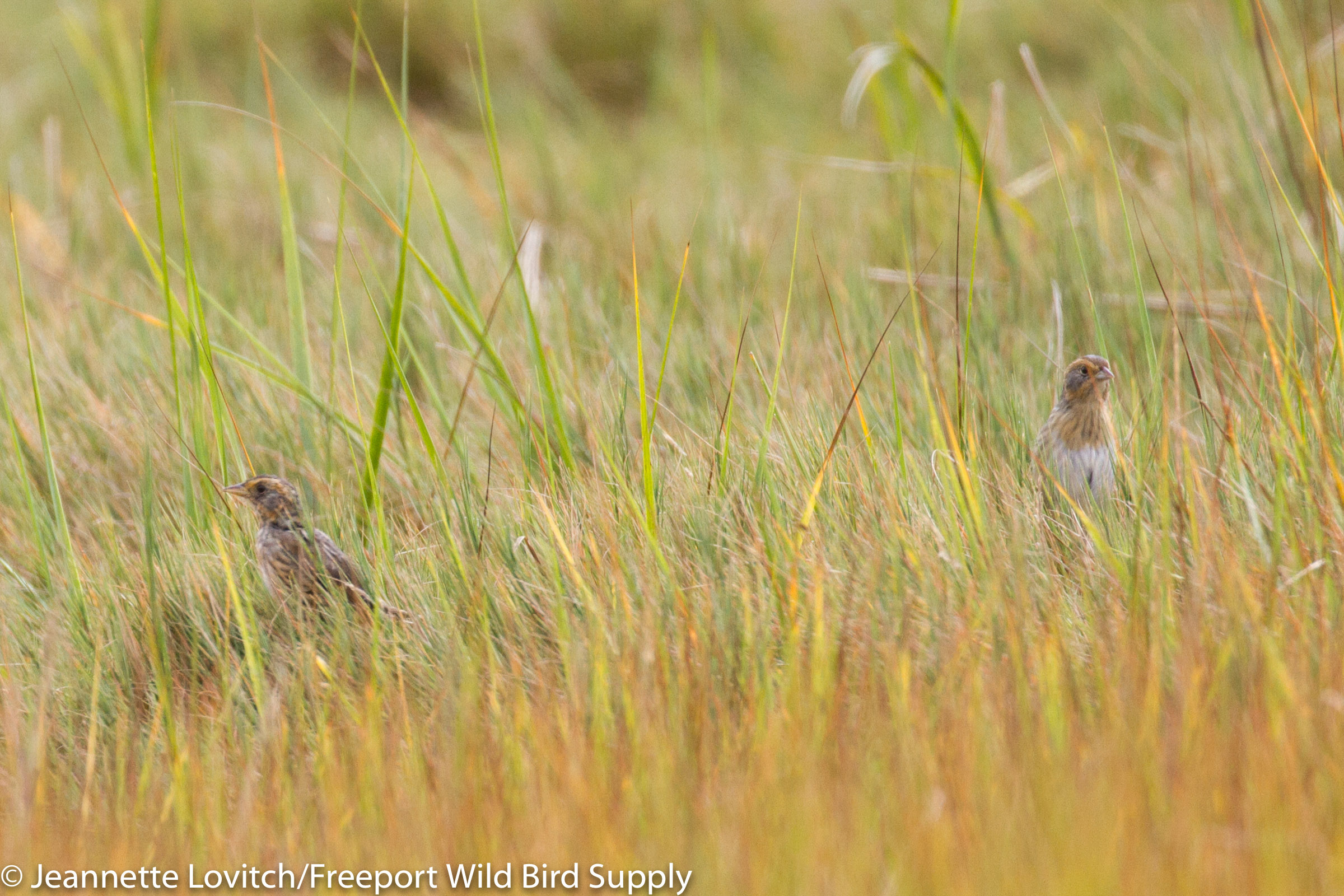
Jeannette and I spent some quality time with “sharp-tailed sparrows” in Scarborough Marsh on Tuesday. It’s even more of a challenge this time of year with some birds still molting (such as the Saltmarsh Sparrow on the left) and other birds in fresh plumage, such as this apparent Nelson’s Sparrow on the right
(although a hybrid may be impossible to rule out).

Unlike last week, I was out birding plenty this week, including some of my favorite fall activities: Sandy Point and sorting through shorebirds.  Here are my observations of note over the past seven days:

  • Morning flight over our Pownal yard, 9/10: 6:15-7:30am: 250+ warblers of at least 10 species, led by 40++ Northern Parulas and including 1 Bay-breasted and 2++ Cape May Warbler.
  • “Zeiss Day” Hakwatch right here at the store, 9/10 (with Rich Moncrief): 95 individuals of 11 species of raptors led by 21 Ospreys and 18 Broad-winged Hawks.  Full count here.
  • 20-25 Common Nighthawks, over our yard in Pownal at dusk, 9/10, and 5-10 on 9/11.
  • 6 Northern Waterthrushes, 6 Swainson’s Thrushes, etc, Capisic Pond Park, Portland, 9/11 (with Down East Adventures Fall Songbird Workshop group).
  • 3 Saltmarsh Sparrows, 2 Nelson’s Sparrows, 15+ “sharp-tailed sparrow sp.,” 5 Pectoral Sandpipers, etc, Eastern Road Trail, Scarborough Marsh, 9/13 (with Jeannette).
  • 1 3rd-cycle LESSER BLACK-BACKED GULL, Pine Point, Scarborough, 9/14 (with clients from CA and CO).
  • 1 juv. WESTERN SANDPIPER, Biddeford Pool Beach, Biddeford, 9/14 (with clients from CA and CO; Noah Gibb photo).
  • 1500-2000 Tree Swallows, Mile Stretch, Biddeford, 9/14 (with clients from CA and CO).
  • Sandy Point Morning Flight, 9/15: 2,115 migrants of 40 species including 15 species of wablers. Full count here.
  • Sandy Point Morning Flight, 9/16: 394 migrants of 33 species including 12 species of warblers. Full count here.

This Week’s Highlights, August 24-September 2, 2022

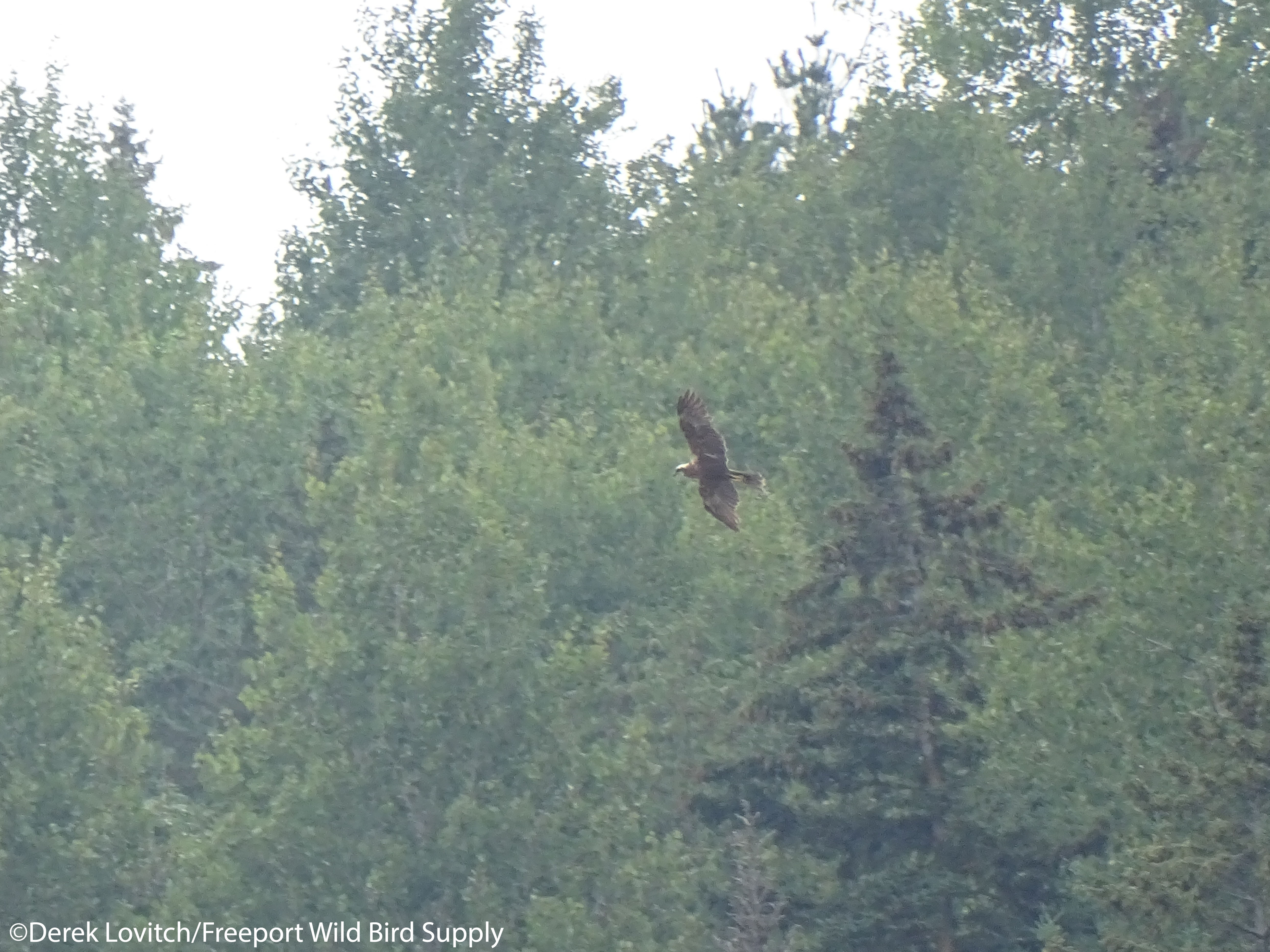
The amazing run of ultra-rare raptors in Maine continued with the all-too-short visit of a Eurasian (Western) Marsh Harrier last week. First found on North Haven on 8/25, it was then relocated the next day in Weskeag Marsh. I finished a tour that morning and raced eastward to South Thomaston. After waiting only 20 minutes (others had been waiting nearly 5 hours), it appeared and put on a show for about 30-45 minutes.  After a reappearance the next morning, it has disappeared up birders up and down the East Coast are on high alert!

After returning from our summer vacation to New Brunswick and Prince Edward Island (see link)…

…my observations of note over the past seven days included:

  • EURASIAN (WESTERN) MARSH HARRIER, Weskeag Marsh, South Thomaston, 8/26 (with Evan Obercian and m.obs). Photo above.
  • 1 Olive-sided Flycatcher, Highland Road, Brunswick, 8/27 (with Saturday Morning Birdwalk group).
  • 154 Snowy Egrets, 106 Green-winged Teal, etc, etc, Pine Point, Scarborough, 8/28.
  • 1 continuing proposed TRICOLORED HERON X SNOWY EGRET X SNOWY EGRET hybrid, Eastern Road Trail, Scarborough Marsh, 8/28.
  • 7 continuing WHITE IBIS in non-exhaustive search, Harbor Road, Wells, 8/30 (with Jeannette).
  • 6 SANDHILL CRANES (two pairs with one juvenile each), Mayall Road, Gray/New Gloucester, 9/1.
  • SANDY POINT MORNING FLIGHT (FOY), 9/2: 482 total individuals including 2 DICKCISSELS and 20 species of warblers.  Complete tally here.

And my shorebird high counts over these past ten days included some fine tallies but much reduced diversity, mostly due to recent heavy rains filling the best high-marsh salt pannes:

  • AMERICAN OYSTERCATCHER: 2 ad, Pine Point, Scarborough, 8/28.
  • Black-bellied Plover: 118, Wharton Point, Brunswick, 8/27 (with Saturday Morning Birdwalk group).
  • Killdeer: 14, Mayall Road, Gray/New Gloucester, 8/25.
  • Semipalmated Plover: 179, Pine Point, 8/28.
  • Sanderling: 2, Sebago Lake State Park (rare inland), 8/25.
  • Least Sandpiper: 66, Eastern Road Trail, Scarborough Marsh, 8/28.
  • White-rumped Sandpiper: 8, Pine Point, 8/28.
  • Pectoral Sandpiper: 1, Eastern Road Trail, 8/28 and Walsh Preserve, Yarmouth, 8/30.
  • Semipalmated Sandpiper: 1,000++, Weskeag Marsh, South Thomaston, 8/26. Honorary mention of 45-500 at Wharton Point on 8/27 – my highest tally here in years (with Saturday Morning Birdwalk group).
  • Short-billed Dowitcher: 24, Pine Point, 8/28.
  • Spotted Sandpiper: 2, Sebago Lake State Park, 8/25.
  • Solitary Sandpiper: 1, several locations this week.
  • Lesser Yellowlegs: 48, Walsh Preserve, Yarmouth, 8/30.
  • “Eastern” Willet: 16, Pine Point, 8/28.
  • Greater Yellowlegs: 15, Weskeag Marsh, South Thomaston, 8/26.
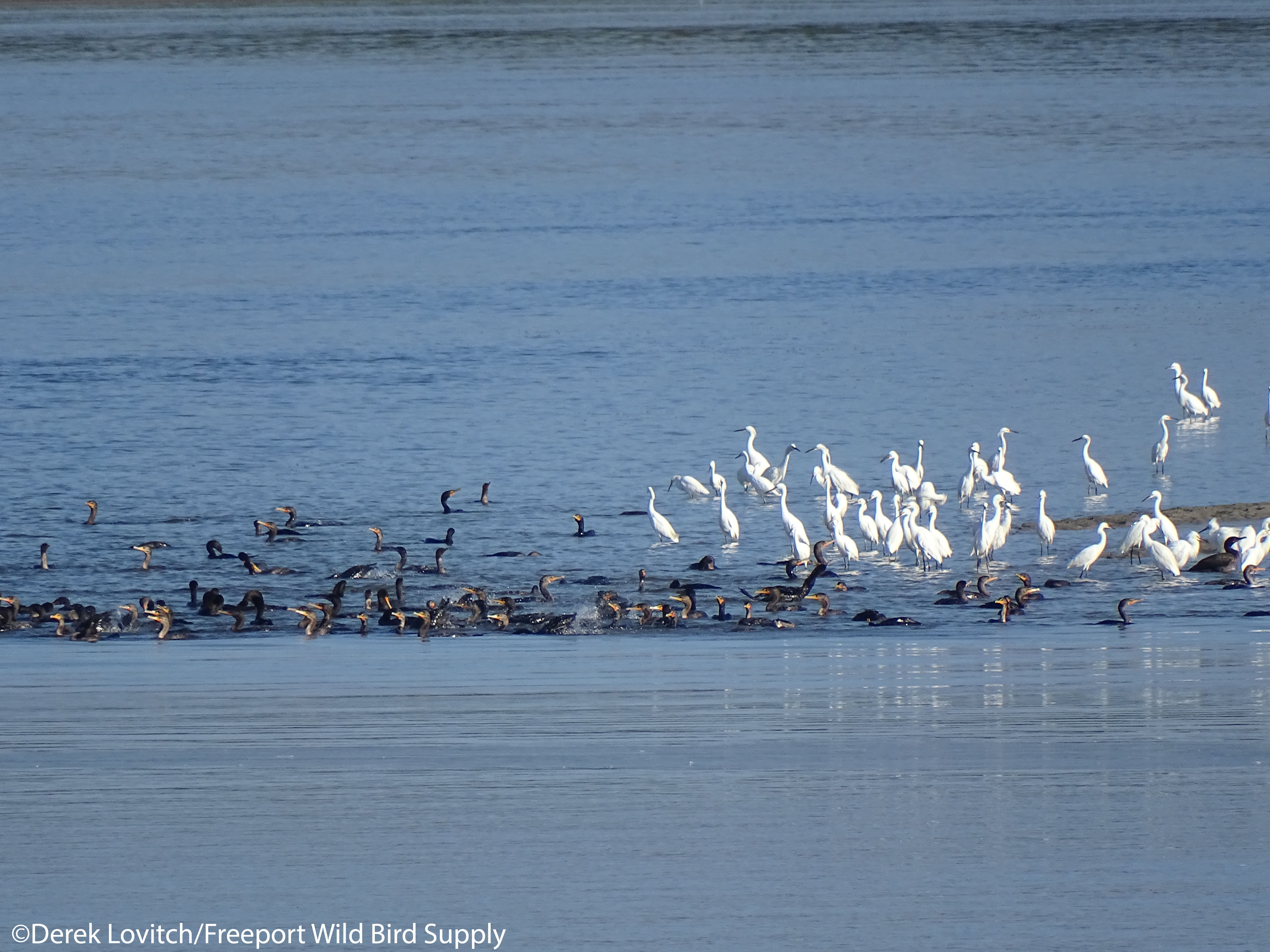
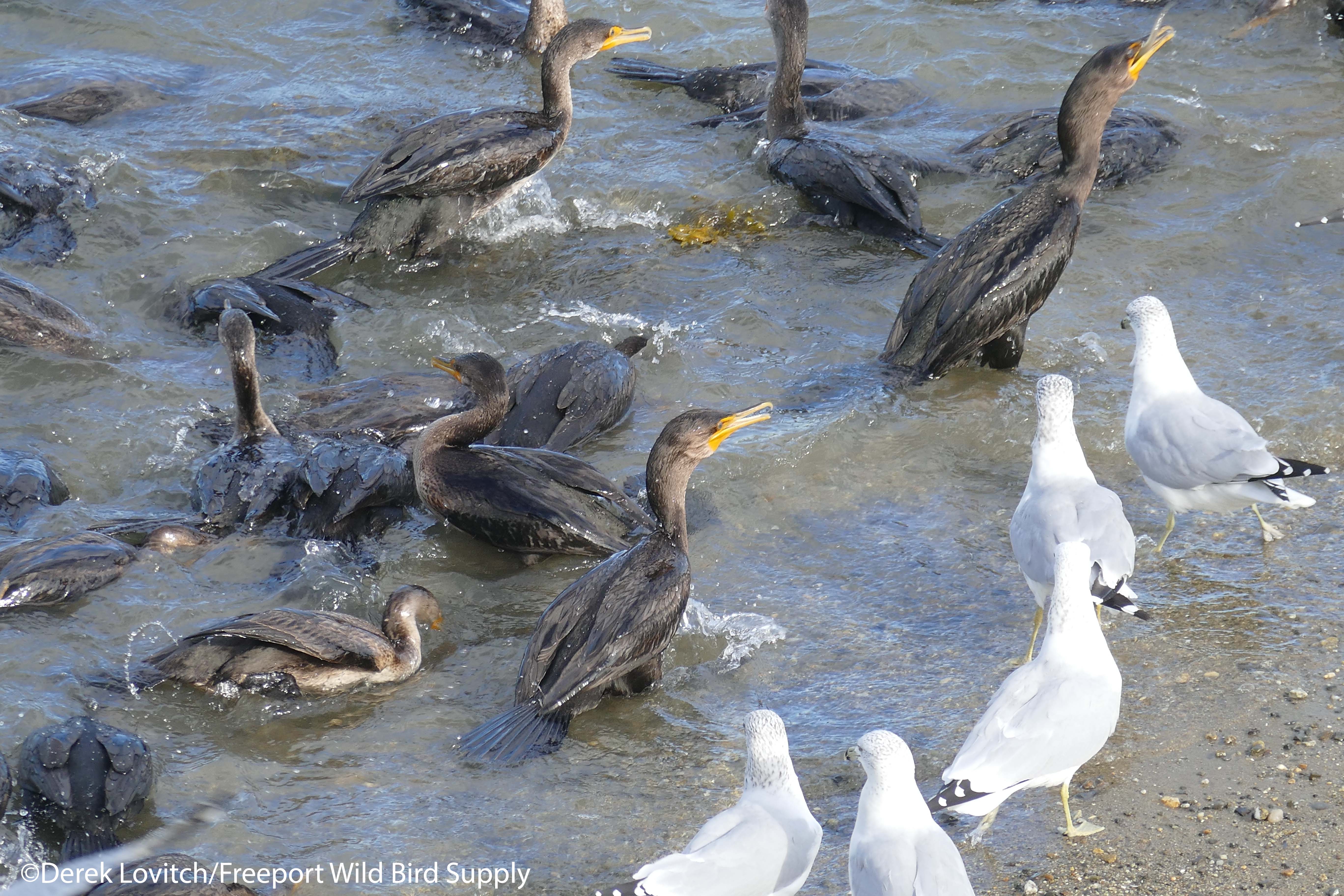
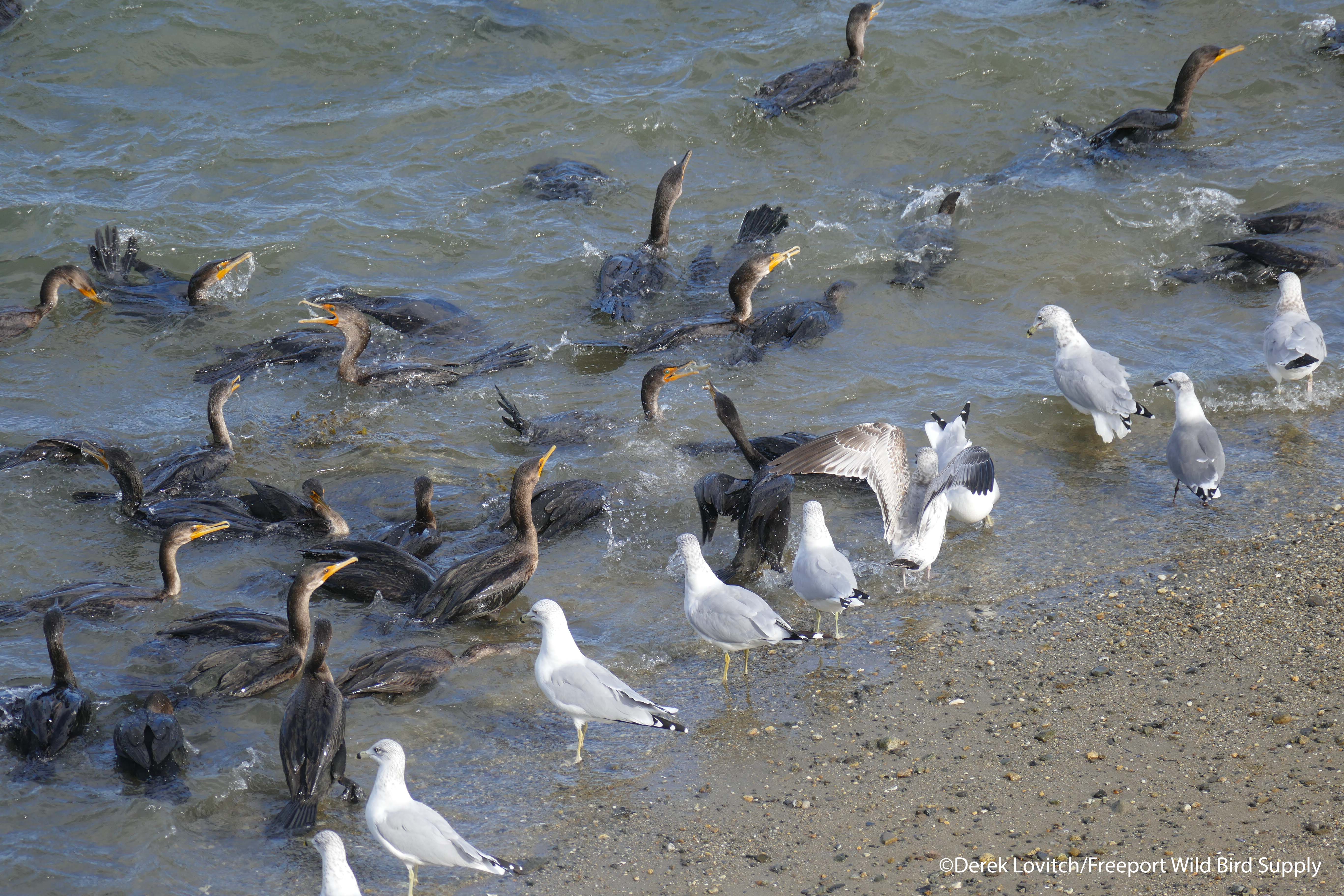
Just a very small part of an impressive feeding frenzy of Double-crested Cormorants and
Snowy Egrets that were at Pine Point in Scarborough on the 25th.

2022 Monhegan Spring Migration Weekend Tour Report.

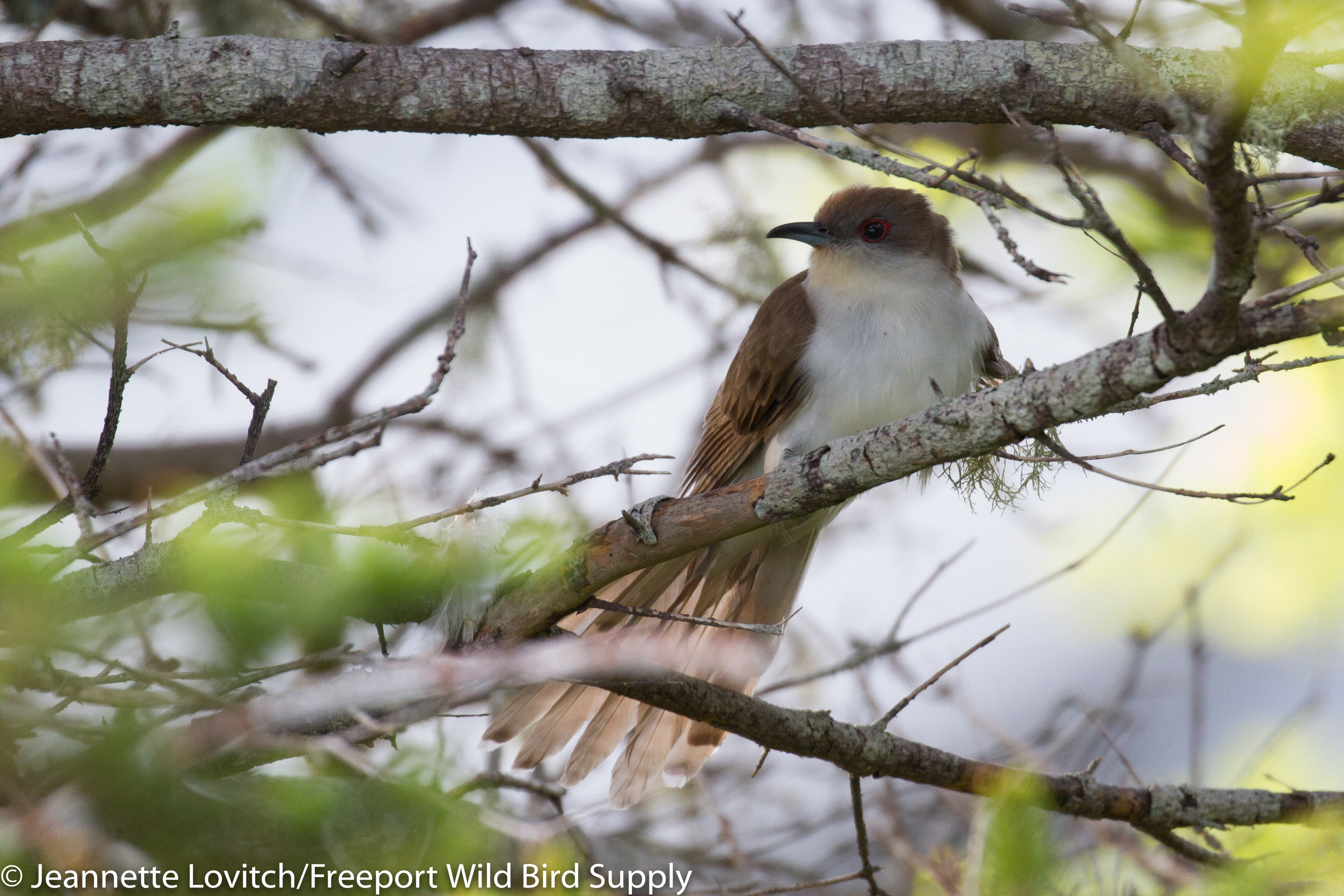
With so many great views of Black-billed Cuckoo(s) each day over the weekend, it was hard to argue against this being the bird of the trip. It was unusual how well, and how often, we saw this usually reclusive bird.

How about we just fast-forward to Sunday?  Sunday was delightful.

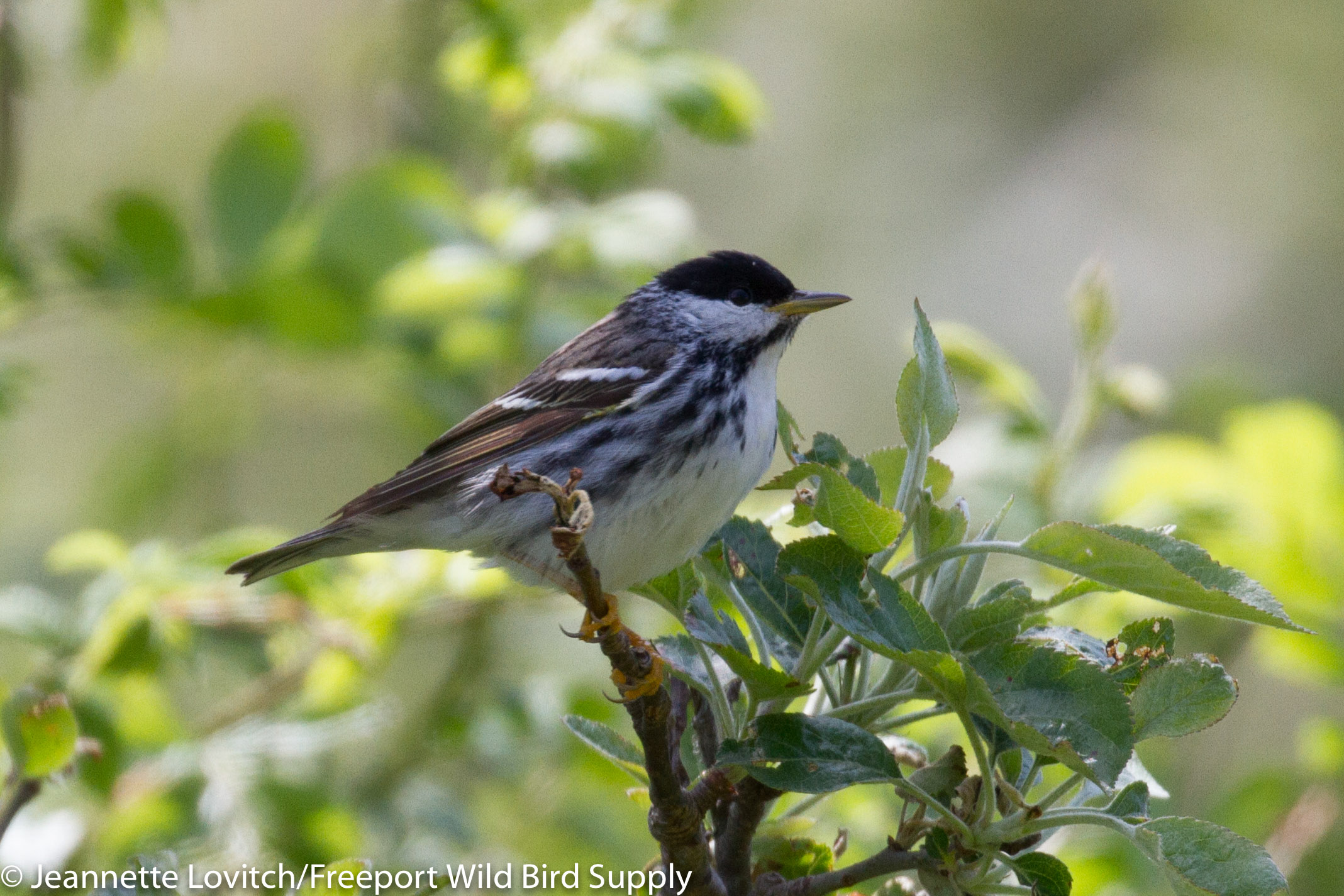
After two quiet days, which I will eventually confess to, we had a bunch of birds. And no fog. And colorful birds in good light. The pre-breakfast loop was actually downright great, with a good variety of warblers. One copse of trees alone featured 3 Blackburnian Warblers, 4+ Blackpoll Warblers, 2 each of Yellow, Common Yellowthroat, Northern Parula, American Redstart, and 1 Magnolia Warbler

It was nice and birdy after breakfast as well, with more Blackburnian fun, a single Cape May Warbler, and a nice birdy walk through the woods (Winter Wren, Carolina Wren, and House Wren singing one after another) to Whitehead where we actually got to see the ocean – and a Great Cormorant for those visiting from afar. Bird activity and birdsong was pleasantly consistent throughout the day, and in most places we visited.

We caught up with a continuing immature male Orchard Oriole for all to see, and while perhaps one could argue it was still fairly slow for Monhegan by Memorial Day Weekend standards, it was a lot better than Friday and Saturday! In fact, the 59 species and 11 species of warblers was more than the first two days combined. A few of us who stayed out late even got to see an American Woodcock as it displayed over Horn Hill at dusk. It was a good day. 

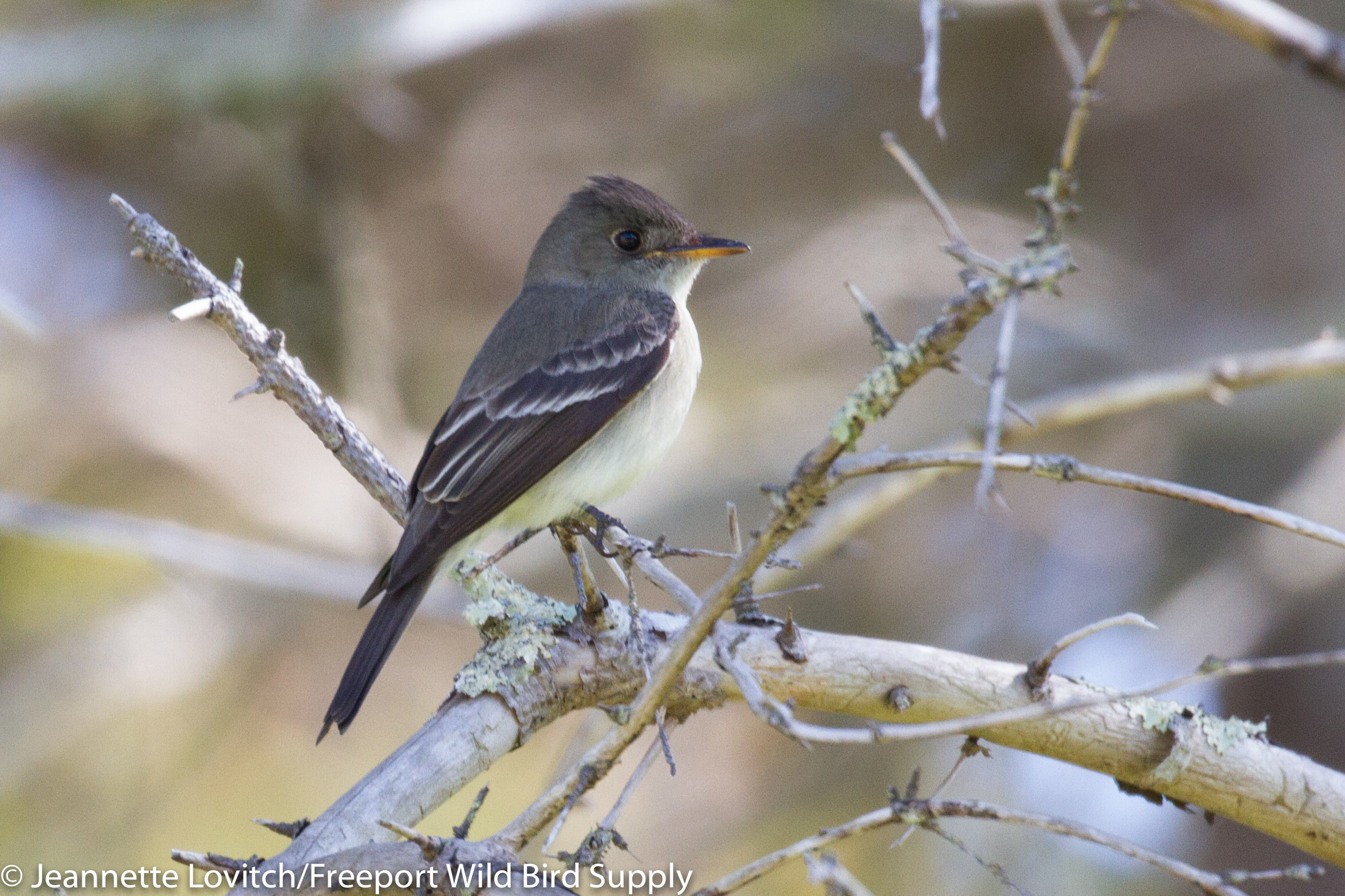
Blackpoll Warbler was definitely the migrant of the weekend. Besides being by far the most numerous passage migrant, they constantly offered crippling views throughout the tour. The male is above, and the female is below.
This American Robin nesting in lobster traps was a delight to watch. The parents had to run a gauntlet of 5 or 7 traps to enter and exit the nest. It was a great demonstration of how lobster traps work.
Laura shows off her handiwork. Hey, on a slow day, I’ll take all of the birds I can get!
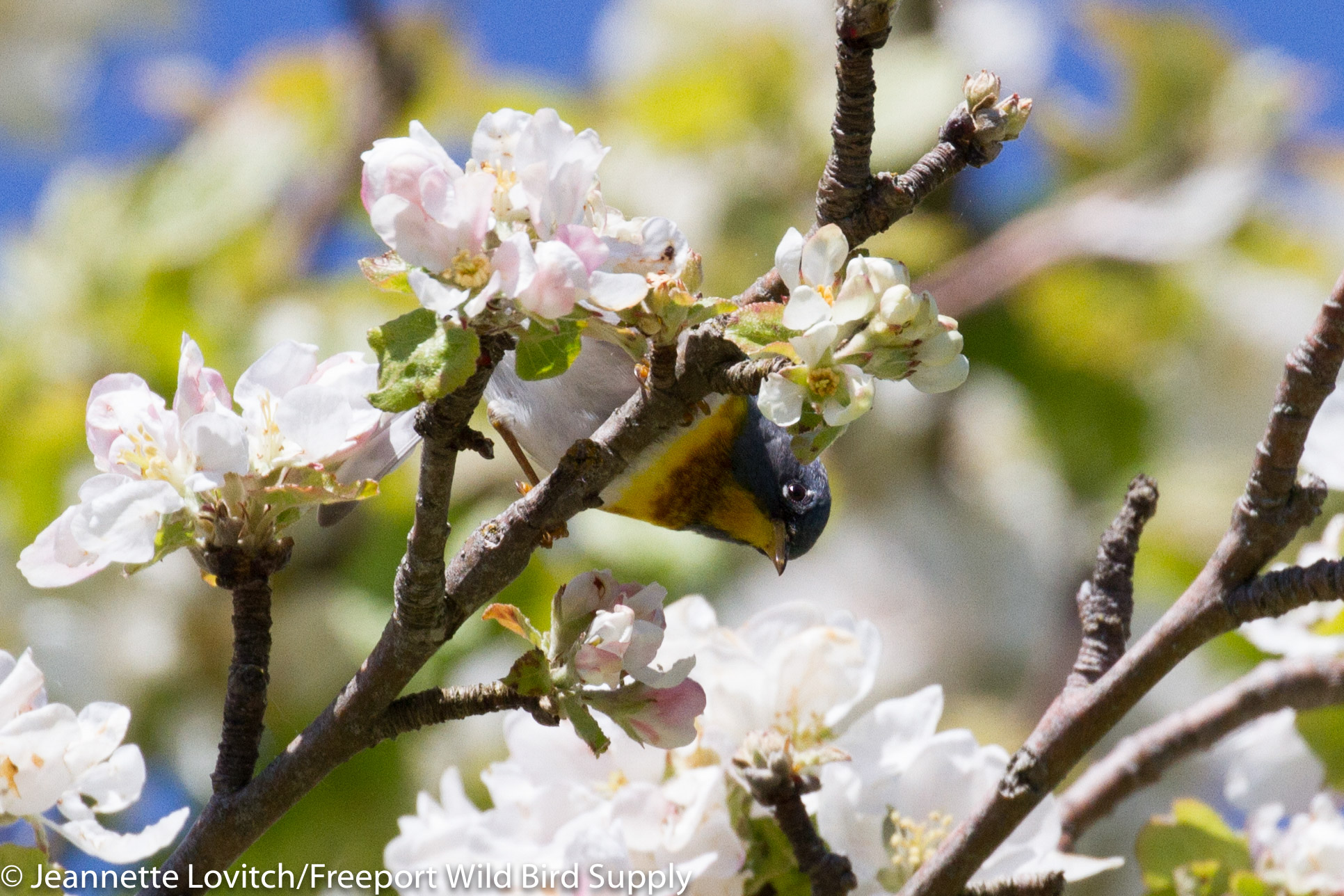
Northern Parula
Immature male Orchard Oriole

Friday got off to a rocky start. Really rocky actually, as in few people were even able to keep their breakfast down on the two ferry rides. Dense fog and near-zero visibility resulted in virtually no birds being seen, and well, let’s just not talk about these boat trips anymore…it was one of the worst I have ever experienced on the way to or from. Thankfully, I am not predisposed to feeling how many people felt upon arrival, but it was still a challenge to shake it off, and all of us were moving slowly by day’s end.

The sheltered waters of Deadman’s Cove were deceiving, but I think you get the idea!

Of course, it didn’t help that there were so few birds around! The huge wave of birds that arrived the previous weekend had cleared out, and nothing had arrived to take their place over the last few nights. With such strong winds, it was a challenge to find sheltered pockets, and when we did, we didn’t find many with many birds.  Only Blackpoll Warblers were to be seen in numbers.

That being said, what we did see – especially the aforementioned Blackpolls and the continuing world’s most cooperative Black-billed Cuckoo(s) – we saw really well. A few of us even saw the Virginia Rail for a second. The dense fog also precluded scanning the water, so our checklist is even more pitiful for the day. Ring-necked Pheasants put on a show though, from confiding snazzy males to adorable little chicks.

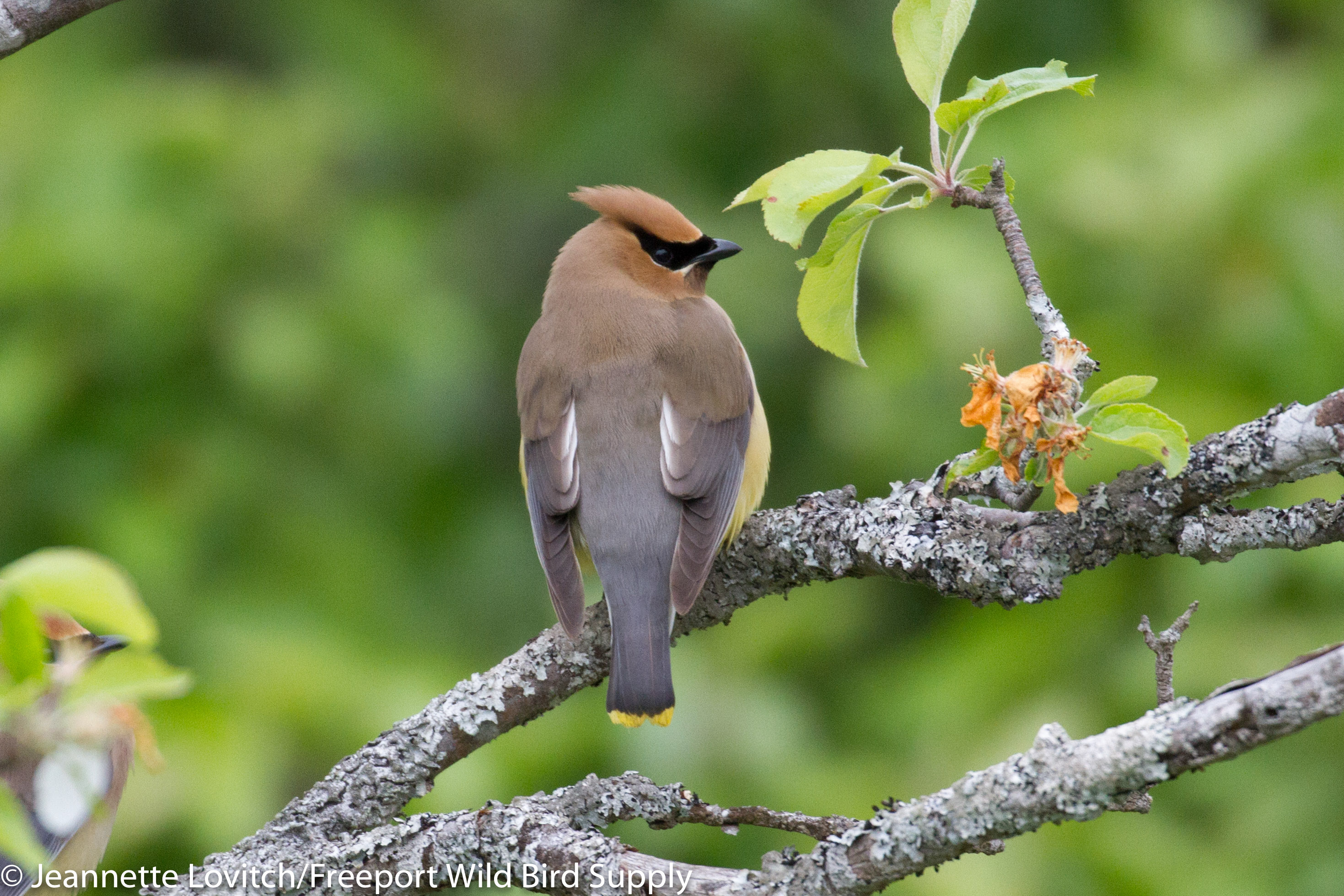
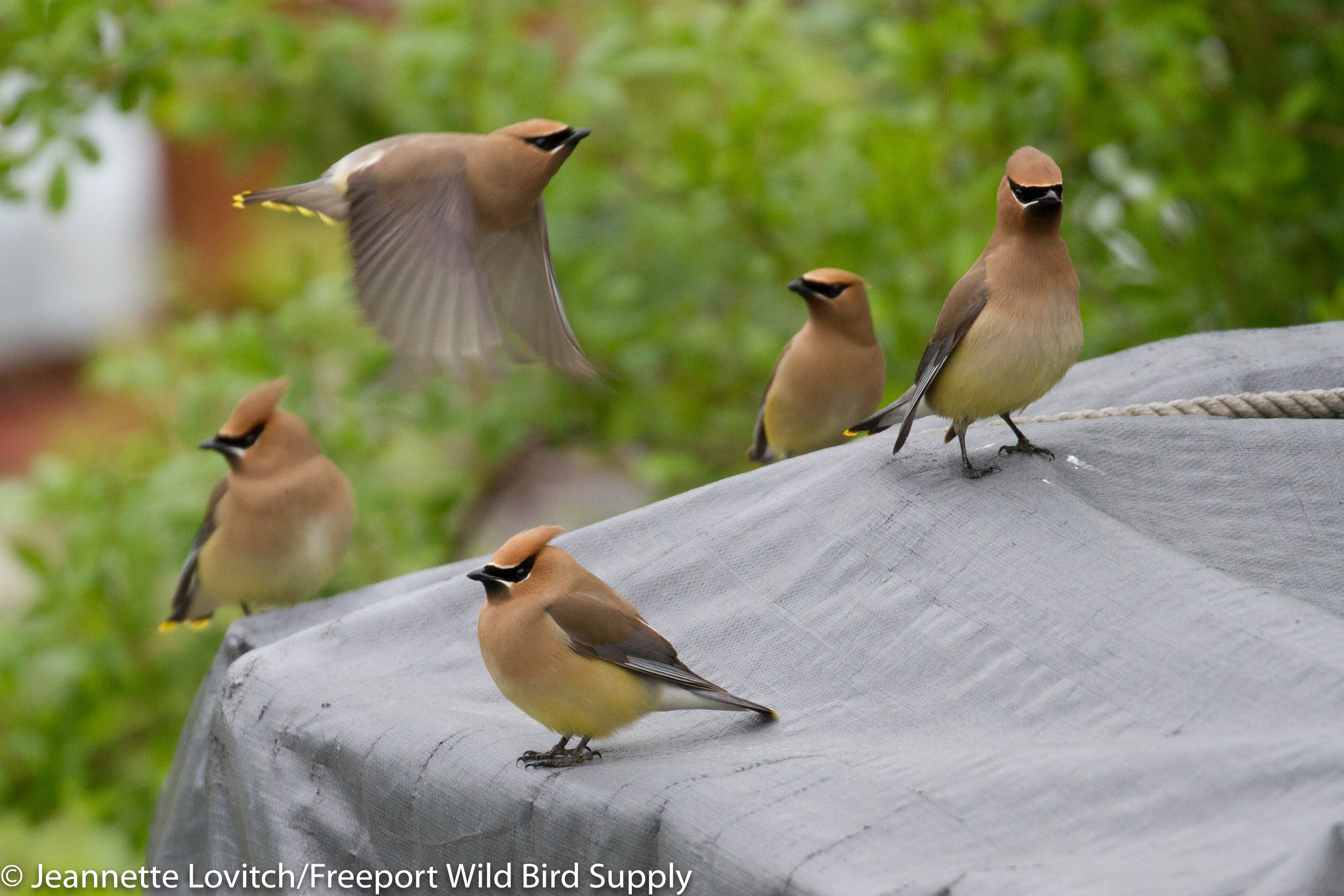
There was no shortage of Cedar Waxwings this weekend, with numbers growing in the final two days of our stay.
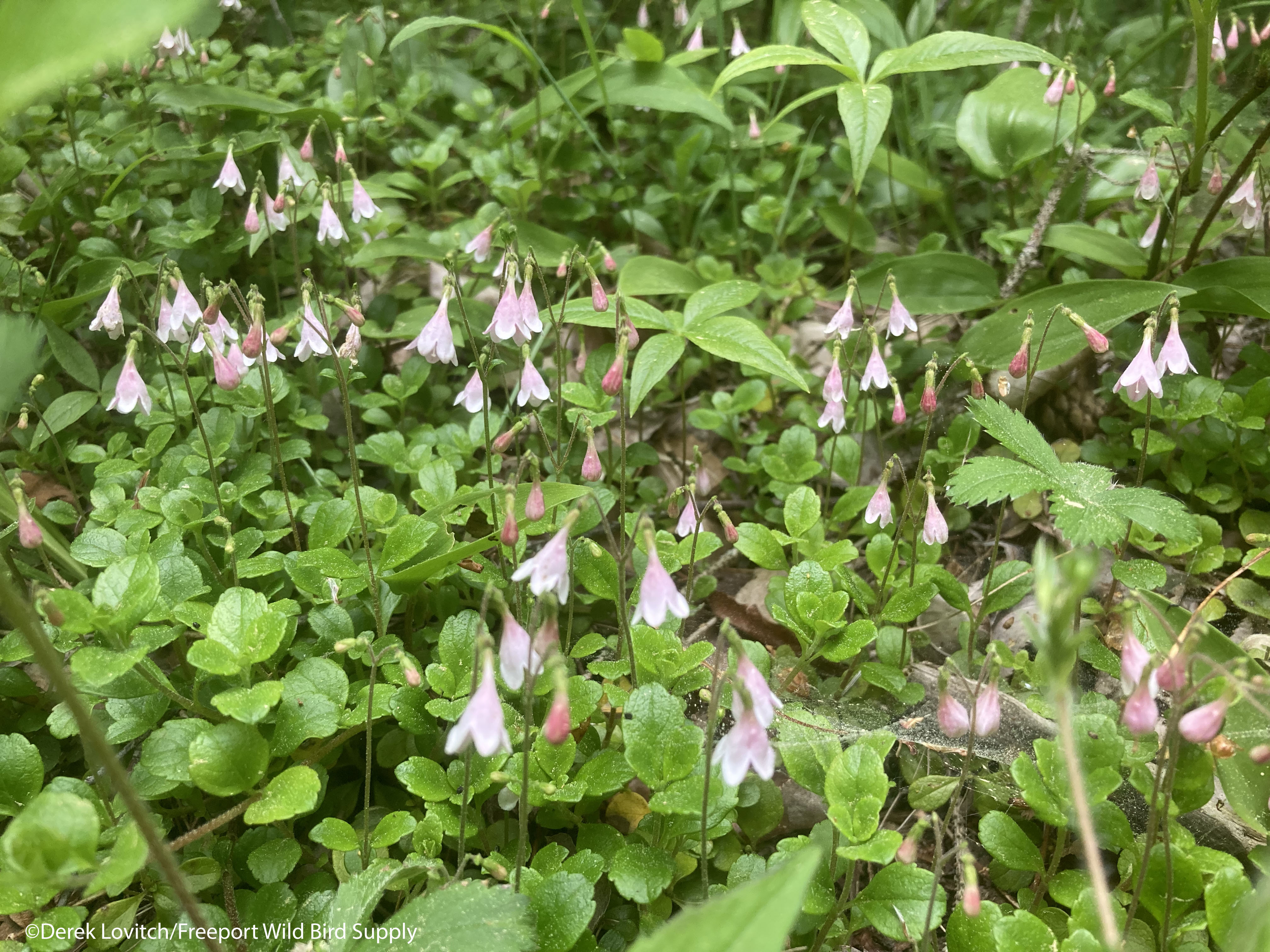
We definitely took advantage of the lull in birding to do some botanizing, including taking the time
to stop and smell the Twinflower (Linnea).
What migrants were around, however, were often low, close, and confiding, such as this Red-eyed Vireo.

I had hopes for Saturday – it really couldn’t be any worse than Friday anyway! – based on the forecast. However, only a light flight was detected on the radar overnight, despite light southerly winds. It was mostly cloudy, but I couldn’t help to wonder if we were just running out of migrants.

Rain that could have resulted in a fallout of what little was airborne overnight didn’t arrive until after sunrise, but it only caused a 20-minute delay to the start of the day. That was it though, and certainly we were lucky that Saturday was not the washout that was predicted as of a few days prior. It was still slow, but once again, we had exceedingly great looks at everything that we did encounter, including more quality cuckoo time, a stunning male Indigo Bunting that was just glowing in the soft light, Blackpoll Warblers, Northern Parulas, American Redstarts, and more colorful splashes to brighten another gray day. And it wasn’t raining.

But it’s hard to sugarcoat just how slow it was – like Mid-June-kinda slow. Luckily, the fog lifted just long enough to see some waterbirds, and we took advantage of that for an impromptu gull workshop. 

A tease. The fog returned shortly thereafter.
It was news to me that Red-backed Salamanders were on the island. Upon finding that out, our Saturday afternoon walk in the woods featured a lot of log-rolling to sample. Apparently, they are rather widespread, as we found them throughout the spruce forest of the next few days.
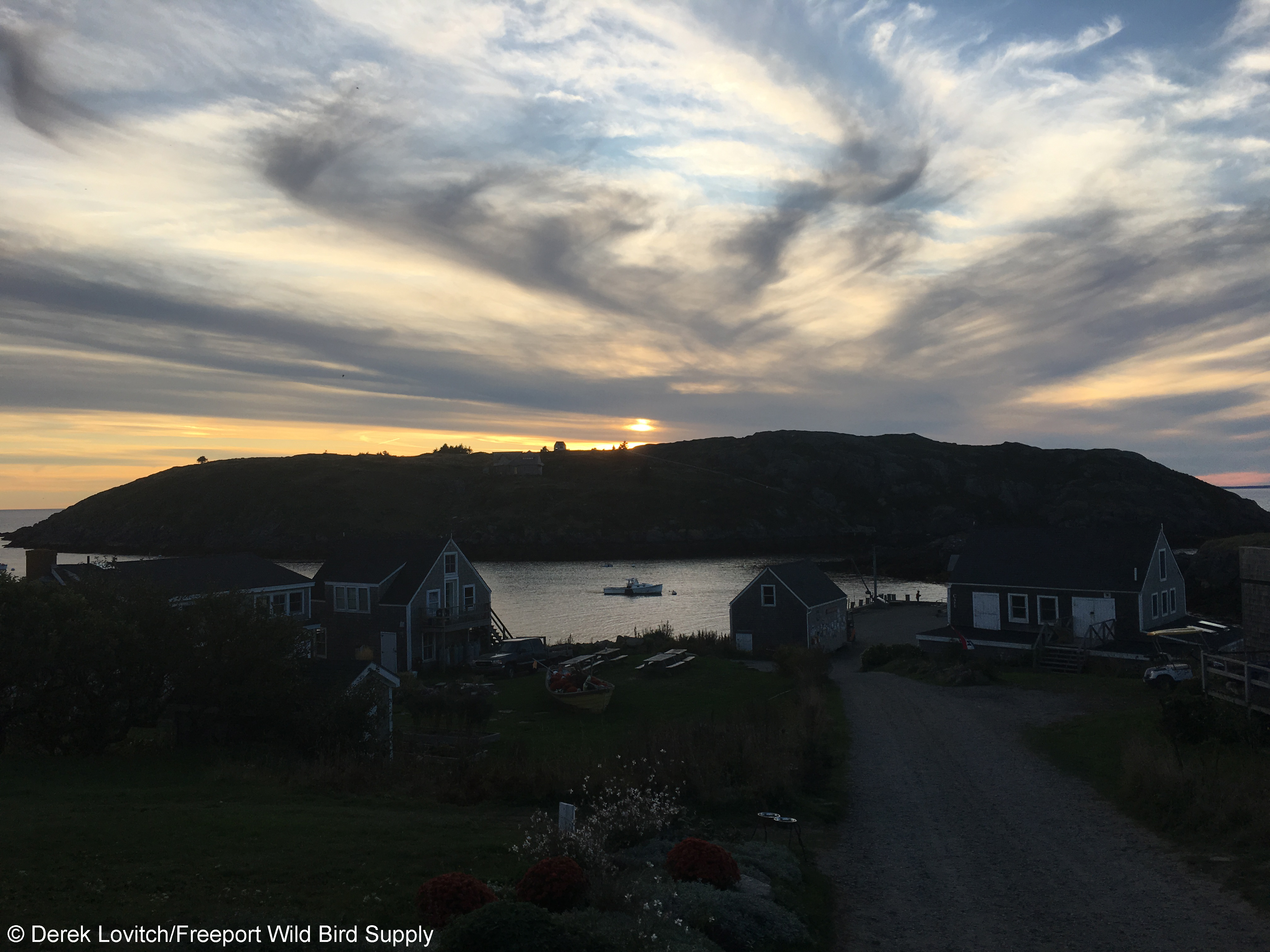
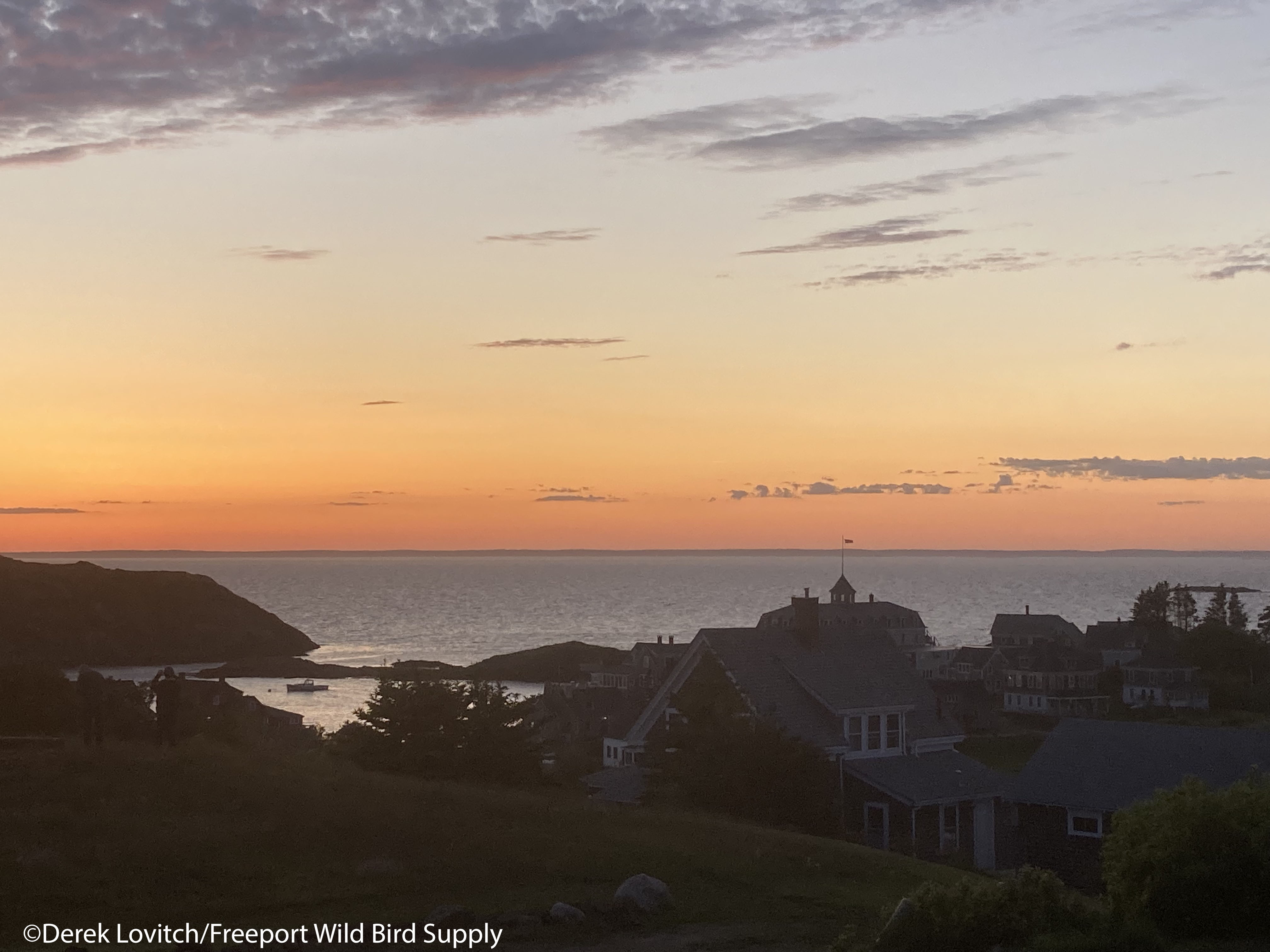
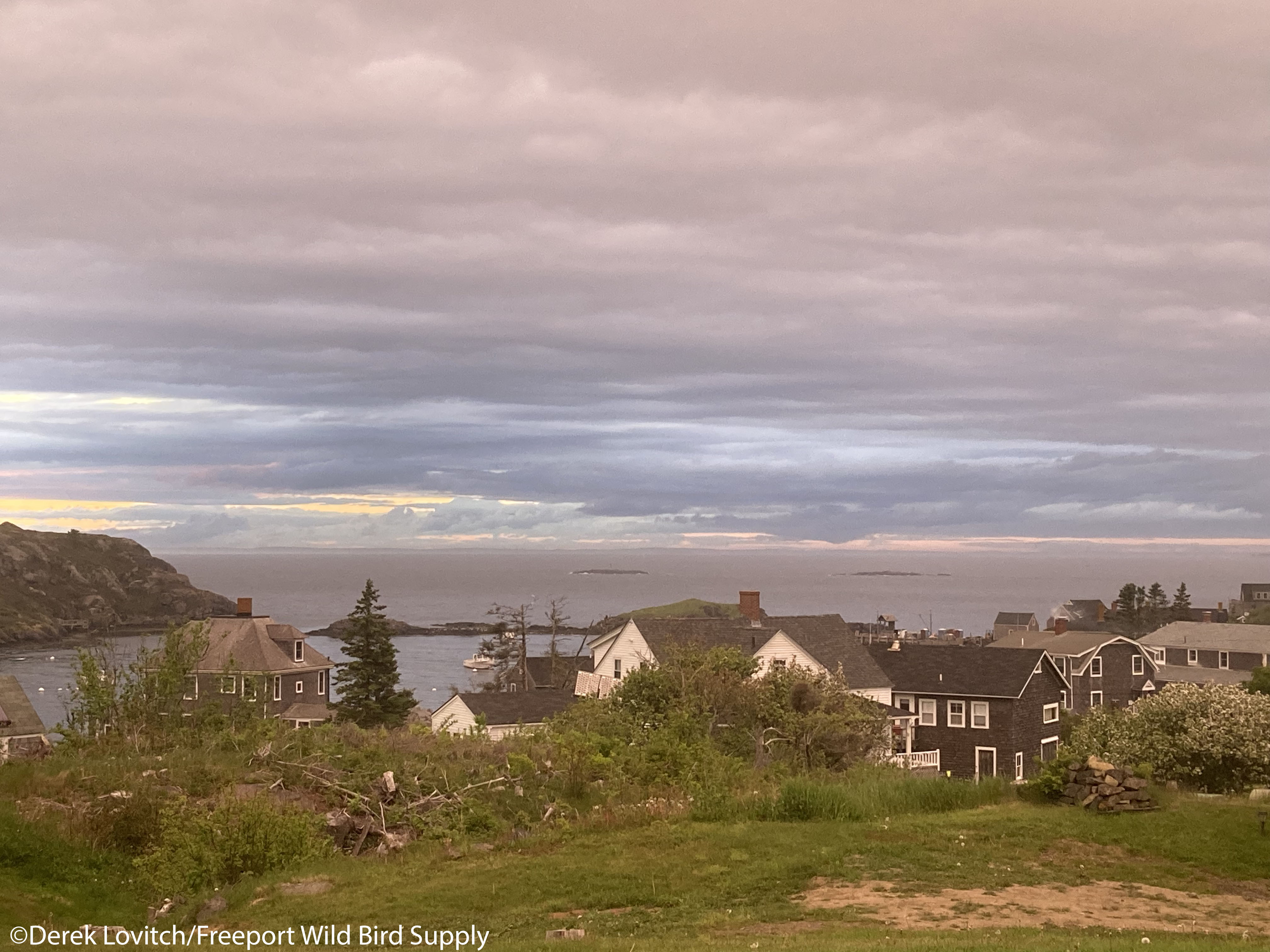
Sunsets on Monhegan are always memorable, but Saturday night’s was even more exciting
as it meant an end to two days of solid fog.
Tomorrow would be better, this scene promised. And it most certainly was!

A brief shower at dinnertime ushered in a cold front and skies began to clear at dusk, with the fog finally lifting.  That led to the delightful Sunday I was talking about.  And Monday wasn’t too shabby either, as we again started the day without fog, a very light wind, and evidence of some bird migration on the radar overnight. And, with the southwesterly flow continuing, we had even higher hopes for finding the “mega” that would make up for the so-far lackluster species list.

Starting the morning with a Black-billed Cuckoo sunning itself in a tree right in front of the Trailing Yew was a solid start, and there were more Eastern Wood-Pewees and a decent number of Blackpoll Warblers around.  Again, a rather slow day by Monhegan standards, but we really had more great looks at everything we did see. Today’s magic tree was by the Ice Pond, with a pair of Blackburnian Warblers, a pair of Blackpoll Warblers, Yellow Warbler, Common Yellowthroat, and finally a Bay-breasted Warbler.

We also finally had some rarity excitement. First, a Spizella sparrow flushed in front of us and a very quick glimpse in the scope suggested a Clay-colored Sparrow, which is a great bird in the spring. But just to be sure, we searched for it, but to no avail. Luckily, its identity was confirmed the next morning went it put on a show in the exact same spot it didn’t want to return to today.

Later, a female Purple Martin made an appearance…OK, fine, I could not completely rule out a Gray-breasted Martin. I was trying.

The tour officially concluded in the afternoon, but Jeannette and I remained to enjoy a 24-hour vacation.  Don’t worry, you didn’t “just miss” something, as all we had new in the afternoon was a Savannah Sparrow.

It’s already baby bird season!
Cedar Waxwings were the most numerous passerine on the island – or at least, the most obvious, with a flock of 60 that grew to at least 150 by Tuesday afternoon.
Common Yellowthroat.
Eastern Kingbird

Also, don’t worry that you missed the day Monhegan legends are made of on Tuesday. You did not.  It was still fairly slow, but we had a little uptick in diversity. The pulse of late-migrating flycatchers that I had expected finally arrived, there was a good Northern Gannet show off Lobster Cove in the morning, and a steady trickle of commuting Atlantic Puffins in a small sample of afternoon Lobster Cove seawatching.  

Eastern Wood-Pewee

We picked up three Willets well offshore to the south from Lobster Cove in the morning, eventually following them into the harbor where they landed for a spell.  As for that “probable” Clay-colored Sparrow that was nagging me all afternoon and night, well, I am thankful that it returned to the exact same spot as where we first glimpsed it. I received a text that it had been observed, photographed, and confirmed by others, and it obligingly remained long enough for us to catch back up with it.

Clay-colored Sparrow

Overall, there were many fewer warblers around on Tuesday, likely as many of the passage migrants had departed overnight.  But it would have been nice if this diverse day with several quality birds and good seawatching fell during the official tour!

The 11 species we added after the group tour ended therefore were as follows:

  • Savannah Sparrow
  • White-winged Scoter
  • Surf Scoter
  • Atlantic Puffin
  • WILLET
  • Alder Flycatcher
  • Yellow-bellied Flycatcher
  • Bobolink
  • Pine Siskin
  • Hermit Thrush
  • Red-bellied Woodpecker (where were you hiding these past 4 days?)
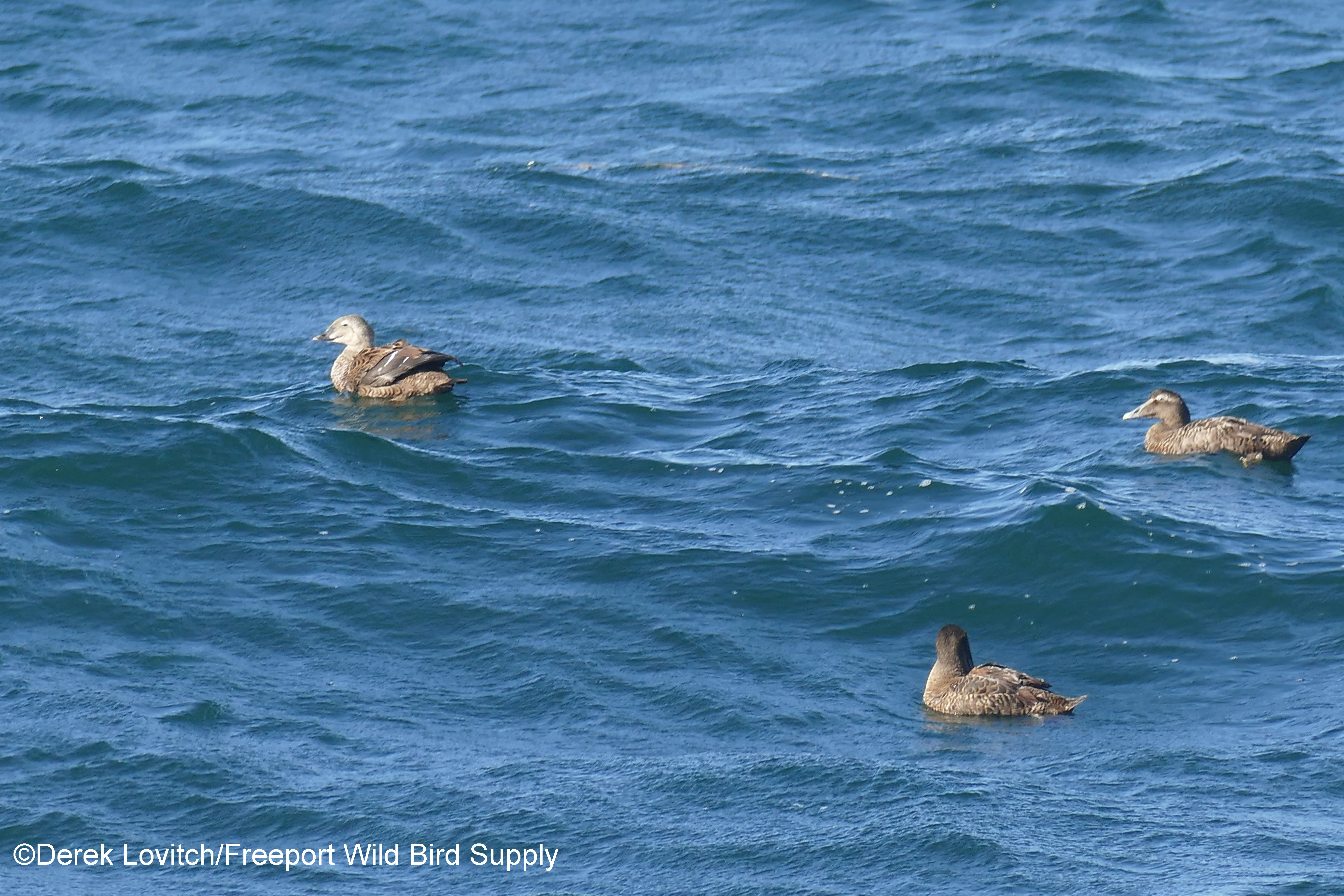
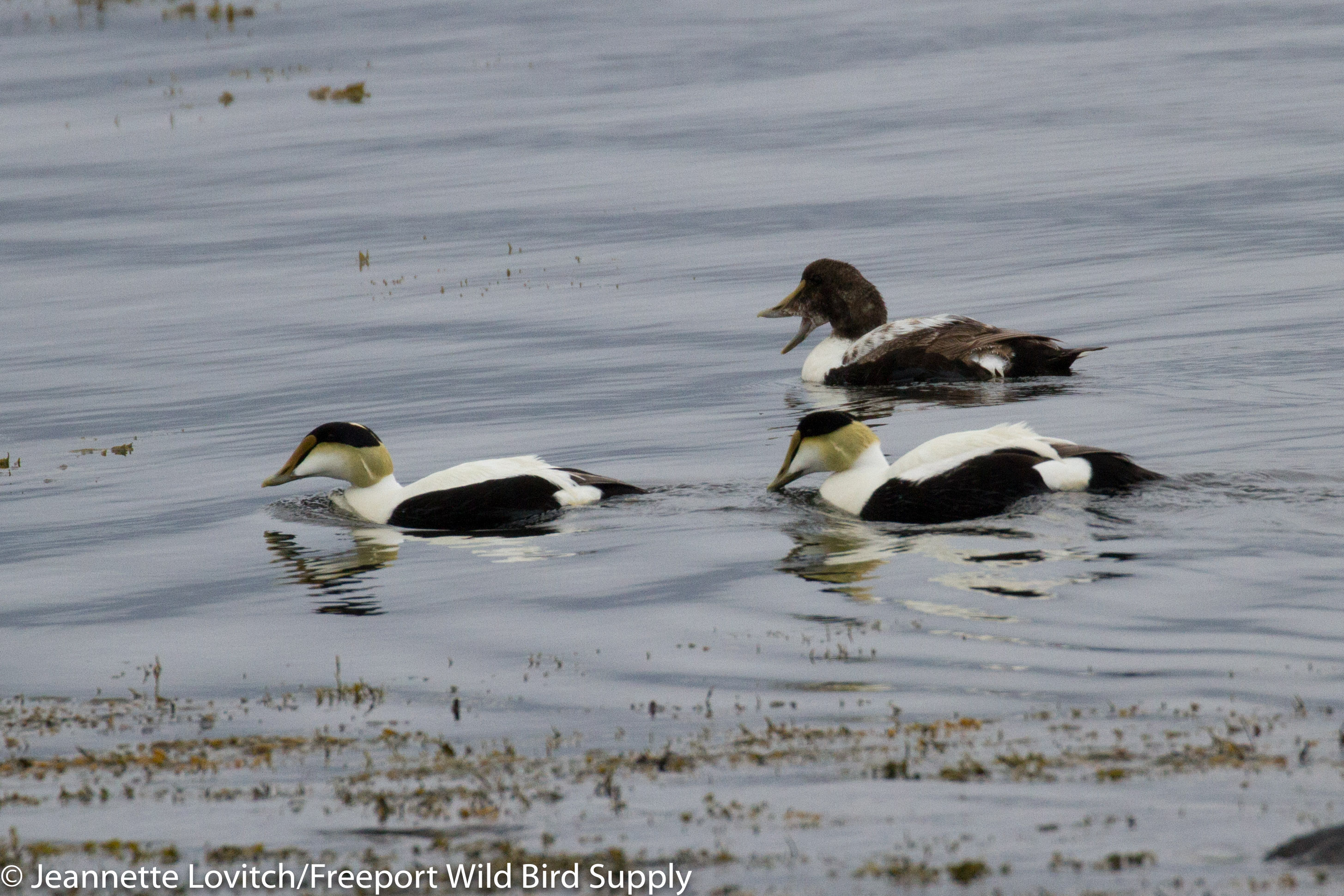
Common Eiders
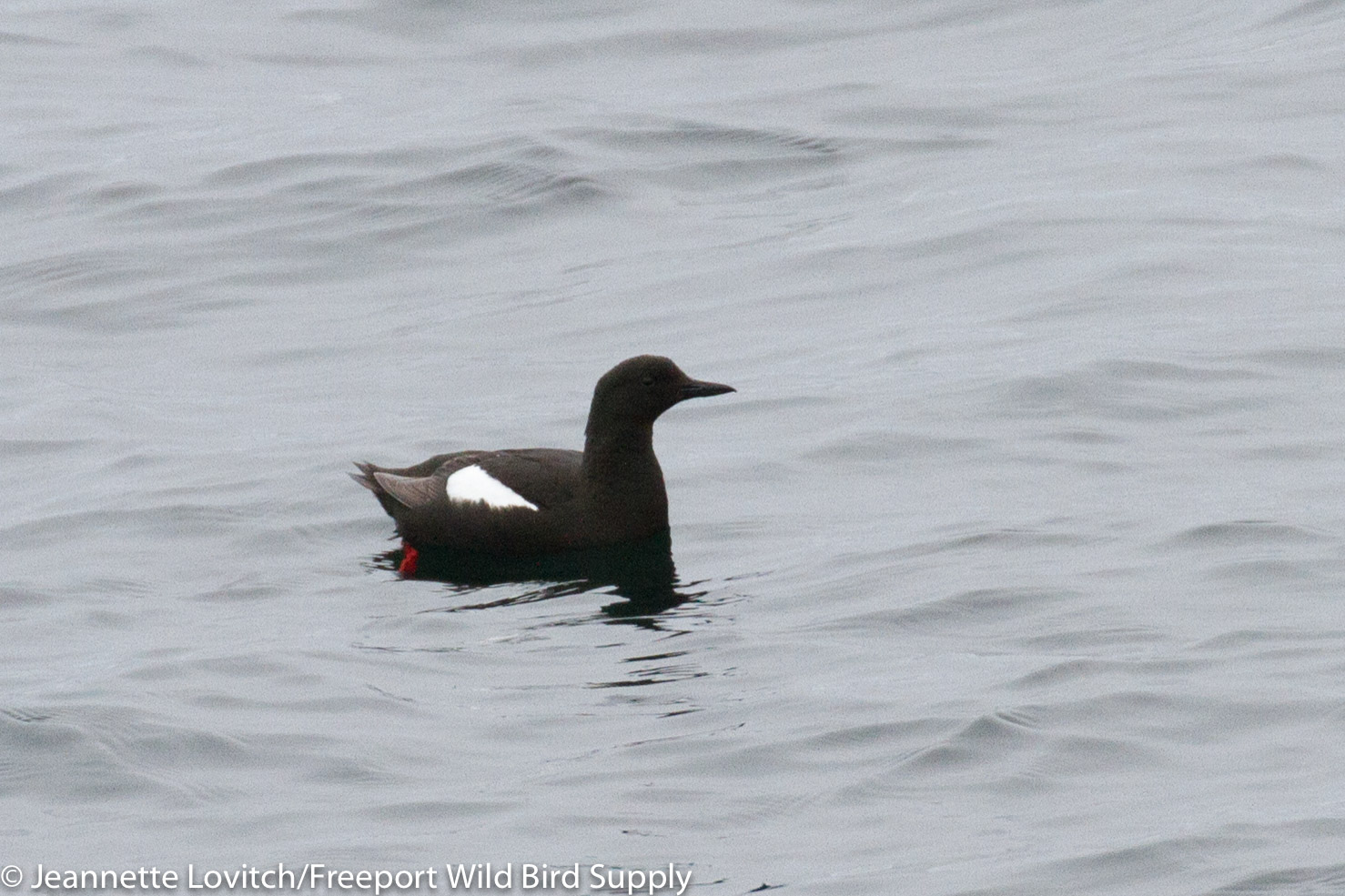
Black Guillemot
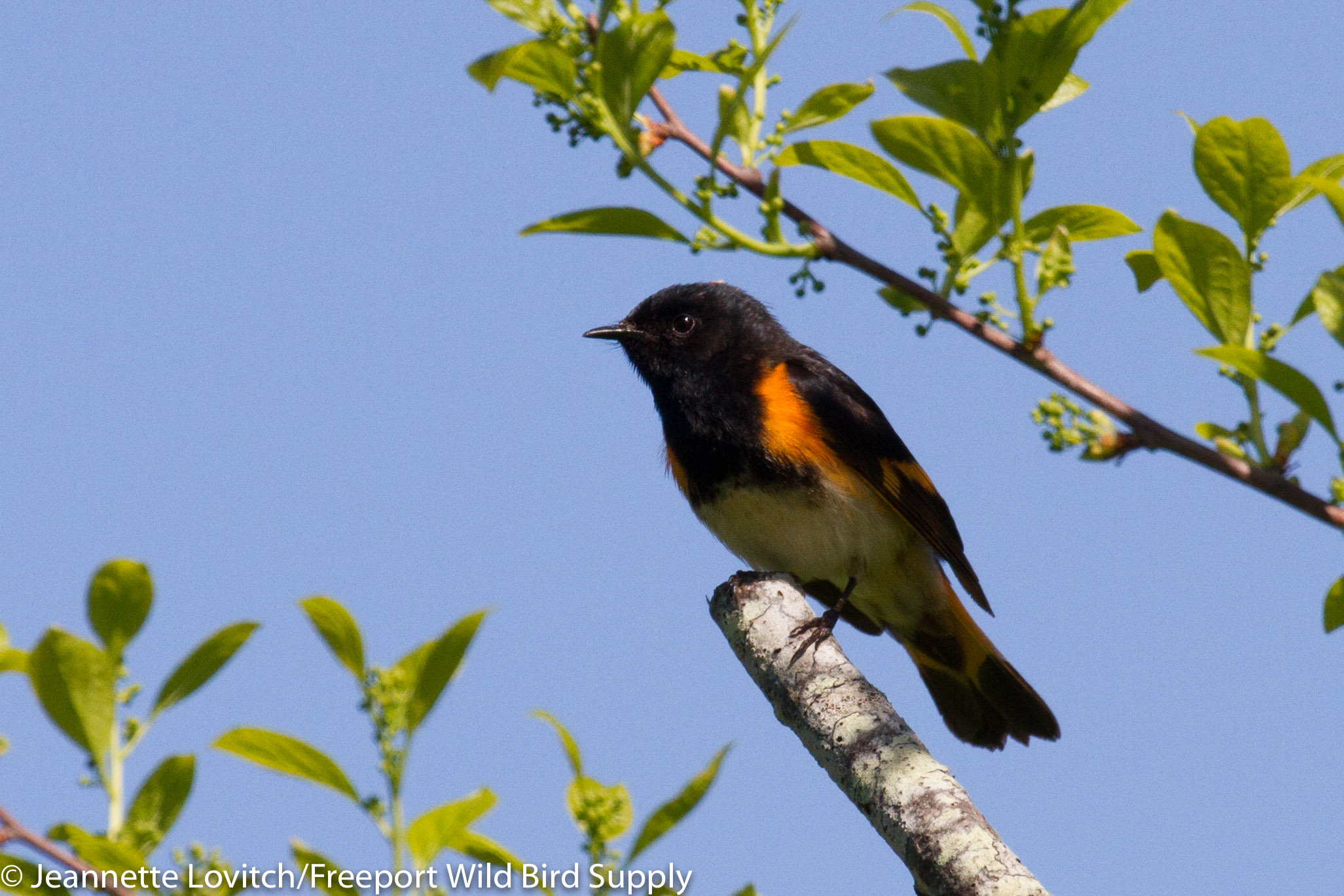
American Redstart
Northern Parula
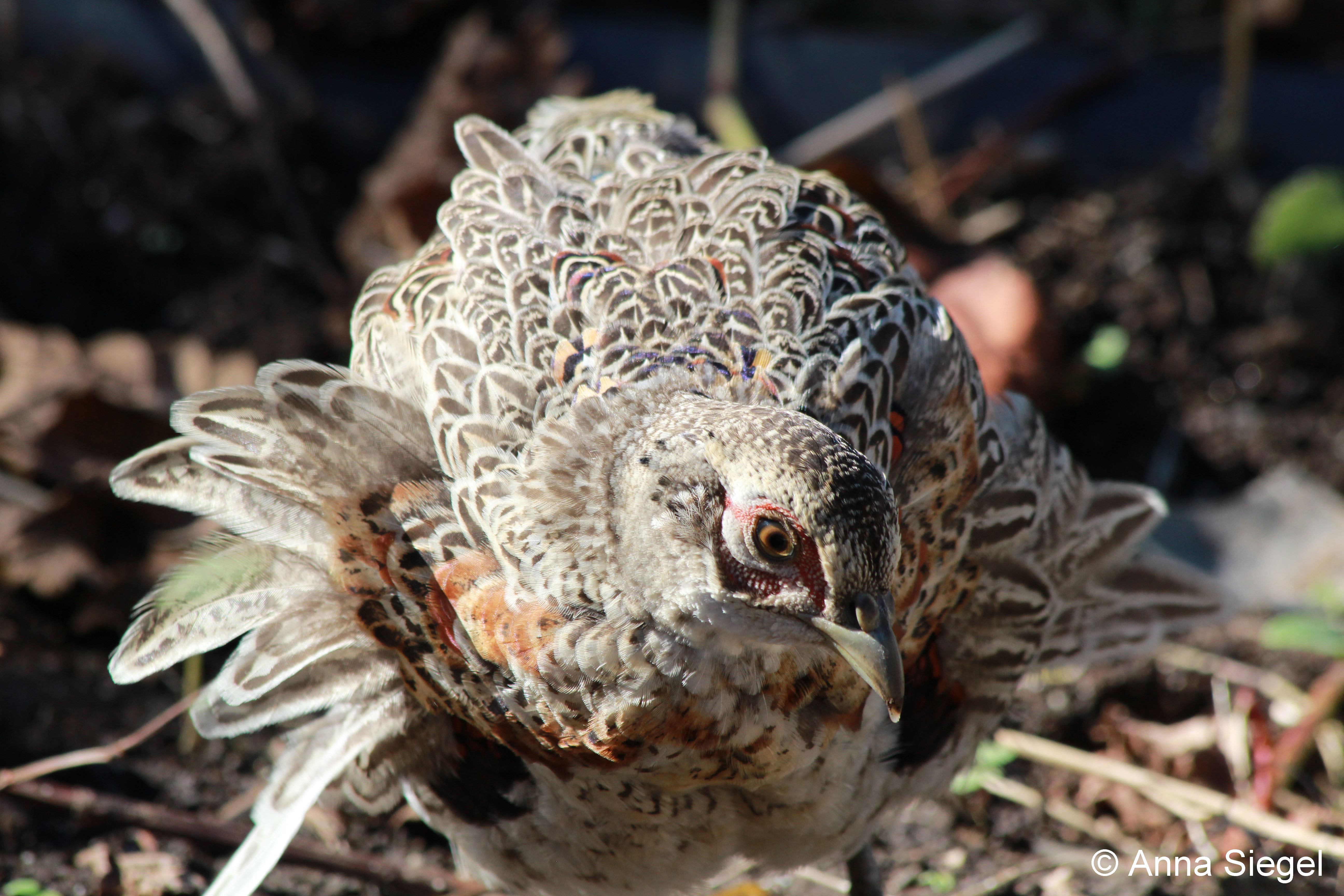
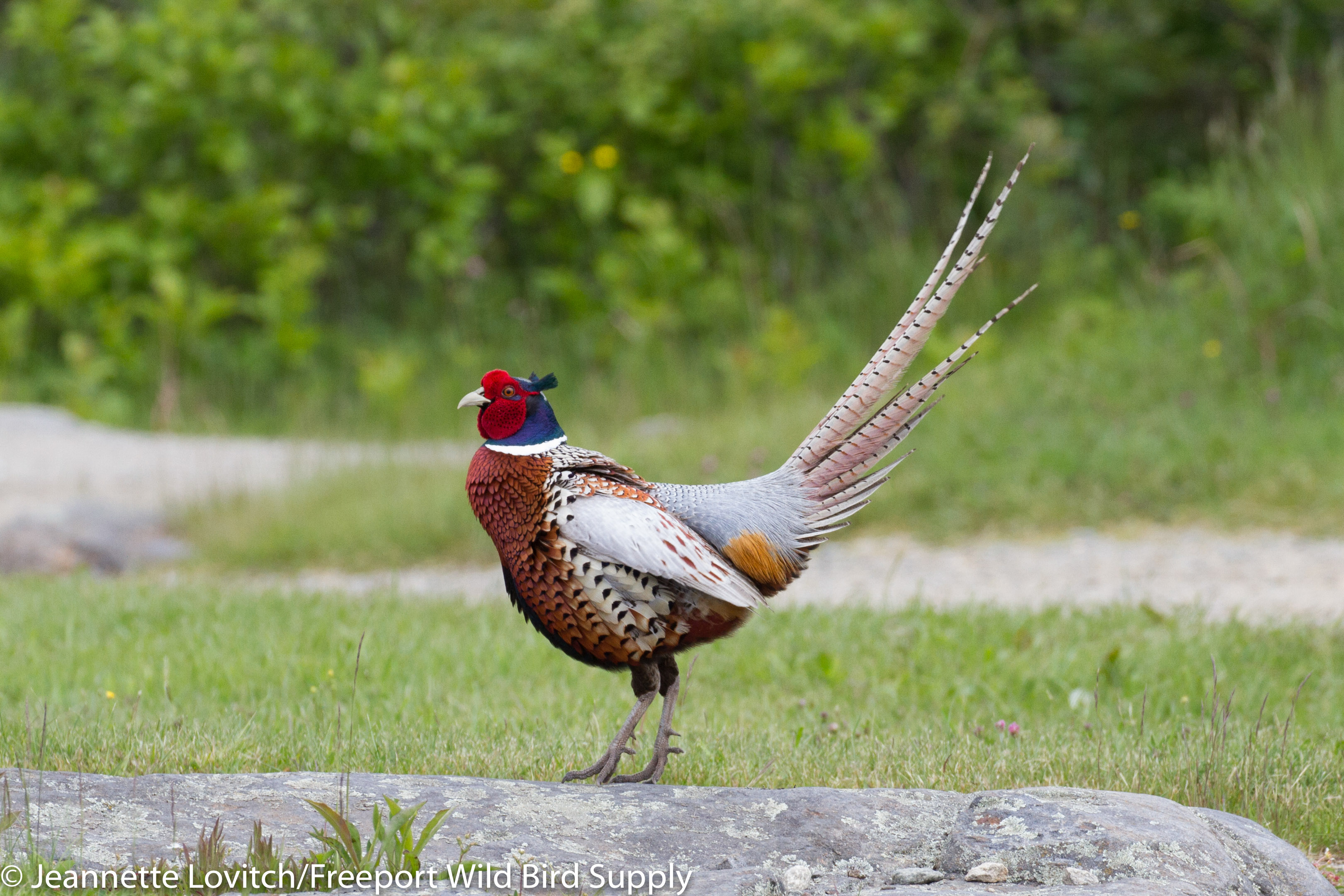
Ring-necked Pheasant. No need to work on primary projection beyond the tertial step to identify this one!

Furthermore, on the Hardy Boat back to New Harbor, we added 2 Red-necked Phalaropes (personal first-of-year) and a Razorbill.  With those 13 species, we had a total of 88 species over the 5 days, with a couple of more “quality” birds and that would have produced a much more respectable tour list! But alas.

So yes, by Monhegan standards, it was a pretty slow weekend. In fact, the 75 species on Friday through Monday was a record low (by two) for this annual tour. 16 species of warblers wasn’t too bad (last year’s soaker only produced 10), and we had some great birds. We also had such good looks at so many things, especially those – like Black-billed Cuckoo – that just don’t give such great looks very often, let alone daily! 

Here is the official trip list (not including the 13 additional species from Monday afternoon through Tuesday evening when we got off the boat in New Harbor):

*denotes ferry ride only
27-May28-May30-May31-May
American Black Duck1+chicks1+chicks1+chicks1+chicks
Mallard14+chicks16+chicks12+chicks10+chicks
Common Eiderxxxx
Ring-necked Pheasant6+chicks6+chicks4+chicks5+chicks
Mourning Dove810616
Black-billed Cuckoo1121
Chimney Swift0010
Ruby-throated Hummingbird1121
Virginia Rail1h.o.h.o.2
Sora0h.o.h.o.h.o.
Greater Yellowlegs0101
American Woodcock0010
Black Guillemotx83050
Laughing Gullx*164
Herring Gullxxxx
Great Black-backed Gullxxxx
Northern Gannet1*010
Double-crested Cormorantxxxx
Great Cormorant0011
Osprey0013
Belted Kingfisher0011
Merlin0010
Eastern Kingbird4466
Eastern Wood-Pewee1138
Willow Flycatcher0122
Blue-headed Vireo00h.o.0
Red-eyed Vireo23410
Blue Jay44148
American Crowxxxx
Common Raven0001
Black-capped Chickadeexxxx
PURPLE MARTIN0001
Barn Swallow0022
Golden-crowned Kinglet01081
Cedar Waxwing60606080
Red-breasted Nuthatch0221
House Wren2242
Winter Wren00h.o.0
Carolina Wren0h.o.21
Gray Catbirdxxxx
Brown Thrasher0022
European Starlingxxxx
Eastern Bluebird0001
Swainson’s Thrush0h.o.00
American Robin888x
Purple Finch0121
American Goldfinch681015
Chipping Sparrow0010
CLAY-COLORED SPARROW0001
Song Sparrowxxxx
Red-winged Blackbird8151515
Common Gracklexxxx
ORCHARD ORIOLE0011
Baltimore Oriole0010
Ovenbird0001
Northern Waterthrush0h.o.00
Black-and-white Warbler0132
American Redstart56128
Common Yellowthroat10151515
Cape May Warbler0010
Northern Parula48108
Magnolia Warbler1163
Bay-breasted Warbler0001
Blackburnian Warbler0043
Yellow Warbler34810
Chestnut-sided Warbler0021
Blackpoll Warbler1083020
Black-throated Blue Warbler00h.o.0
Black-throated Green Warbler0414
Canada Warbler0100
Northern Cardinal6445
Indigo Buntingh.o.112
Day Total37486259
Warbler Day Total6101212
4-Day Tour Total=75
Total Warblers=16
A cuckoo a day keeps the birders….coming back.

This Week’s Highlights, May 21-27,2022 (including 3 days on Monhegan)

This Sandhill Crane was more than a little shocking as it arrived on the island and flew right over several us eating lunch before landing on the shoreline. It was a most unexpected “island-bird” for me,
and a real special treat for my client.

If I was going to top last week’s spectacular week of migration, it was going to require a visit to Monhegan. And Monhegan definitely delivered, even if the largest number of birds this week moved over the weekend, before I arrived on the island. Here are my observations of note over the past seven days.

  • 17 species of warblers, led by 16 Common Yellowthroats and 9 American Redstarts, but also including 5 Bay-breasted Warblers, Florida Lake Park, Freeport, 5/21 (with Saturday Morning Birdwalk group).
  • 1 Yellow-bellied Flycatcher (FOY), Florida Lake Park, 5/21 (with Saturday Morning Birdwalk group).
  • 15 species of warblers, led by 11 Common Yellowthroats and 8 Yellow-rumped Warblers, Florida Lake Park, 5/22 (with clients from Maine).
  • 10 Common Nighthawks (FOY), our yard in Pownal, 5/22.
  • ~40 Short-billed Dowitchers, flying high over our Pownal yard on 5/22 (with Jeannette). Interestingly, the third record for our yard of high spring migrants.

Three days on Monhegan with a client from India on 5/23 through 5/25 yielded 91 species and 18 species of warblers.  Monday was incredible, with lots of diversity, lots of quality, and just incredible looks at everything. Blackpoll Warblers were by far the dominant migrant each day, as expected. Here are our daily highlights:

5/23:

  • 1 SANDHILL CRANE – I almost dropped my hand pie as this came cruising over the Trailing Yew, circled the meadow, and landed on the shoreline at a tidepool where observed by almost everyone on the island – birders and bird-curious alike.  Photos above.
  • 1 immature, I believe continuing, BROAD-WINGED HAWK.
  • 1 Yellow-billed Cuckoo (FOY)
  • At least 4-5 Black-billed Cuckoos, including this incredible observation of such normally shy birds!
  • 1 imm. male ORCHARD ORIOLE
  • 1 EASTERN WHIP-POOR-WILL (FOY, and a self-found island bird from my bedroom!)

5/24:

  • 1 continuing SANDHILL CRANE. In the meadow in early morning before reportedly being observed later flying toward the mainland.
  • 1 imm. male Orchard Oriole
  • 1 continuing EASTERN WHIP-POOR-WILL (with client, Kristen Lindquist, Bill Thompson, and Jess Bishop).
  • 1 leucistic (and nearly pure-white but with normal bare parts) Herring Gull.

    5/25:
  • 1 female ORCHARD ORIOLE
  • 1 Green Heron (FOY)
  • 1 Wood Thrush

Our first pelagic with our partners Cap’n Fish’s Cruises out of Boothbay Harbor will run on Monday, June 6th. It includes a visit to Eastern Egg Rock and chumming deeper offshore.  Info here: https://www.freeportwildbirdsupply.com/pelagics

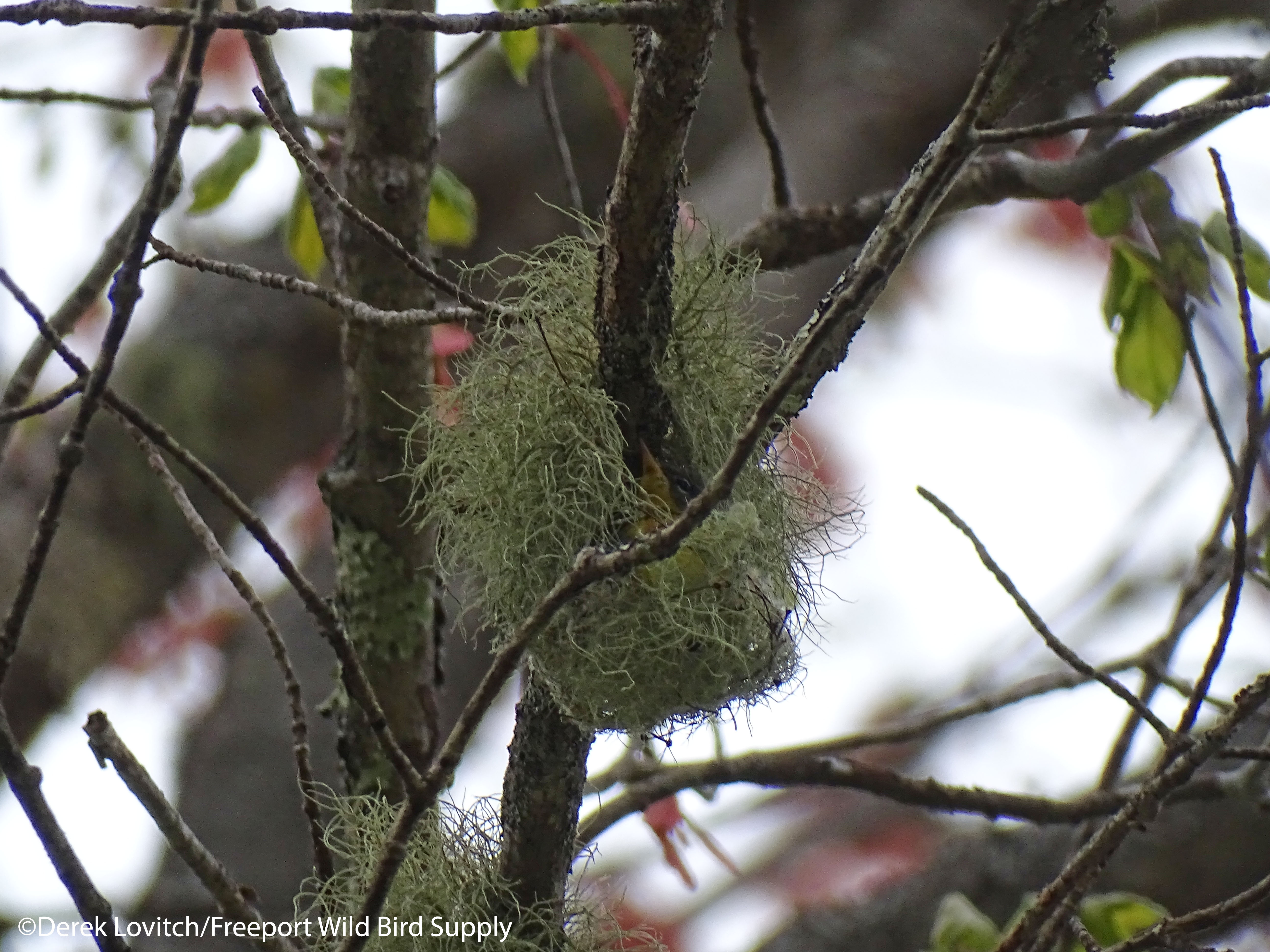
I found a Northern Parula building a nest at Florida Lake Park last week, and was enthralled
with watching its progression.

This Week’s Highlights, May 13-20,2022 (Spoiler Alert: It was Exceptional!)

Confidently identifying Gray-cheeked vs Bicknell’s Thrushes on migration is always a challenge, but this bird I found at Biddeford Pool was vocalizing incessantly. It even posed – as far as these reclusive migrants go – for some snapshots. I believe that this is my first confirmed Bicknell’s Thrush
on the coastal plain of Maine during spring migration,

For much of this spring, I’ve been lamenting about a “slow” week of migration, or a “trickle” of migrants, etc.  That was NOT the case this week, as the floodgates finally opened. In fact, it was an incredible week of birding. The northern limits of a huge fallout greeted me on Monday morning. And then there was Friday at Biddeford Pool.  It was epic. Unforgettable.

My observations of note over the past eight days included:

  • 1 Blue-gray Gnatcatcher, Evergreen Cemetery, Portland, 5/15 (with Down East Adventures Spring Songbird Workshop group).
  • 20 species of warblers, including 1 continuing Louisiana Waterthrush and 6 Bay-breasted Warblers (FOY), and led by 25+ Northern Parulas and 20+ Black-and-white Warblers, Morgan Meadow WMA, 5/16 (with Jeannette).  Incredible morning; definitely the best morning of spring to date. Interestingly, this appeared to be about the northern limits of what was a significant coastal fallout from at least Eastern Massachusetts into southern Maine.
  • 17 species of warblers, led by 18 Common Yellowthroats and 17 American Redstarts, Florida Lake Park, Freeport, 5/17 (with client from Maine).
  • 1 Ruby-crowned Kinglet (getting late), Florida Lake Park, 5/17 (with client from Maine).
  • 1 pair Gadwalls, Pelreco Marsh, Scarborough Marsh, 5/17 (with client from Maine).
  • 16 species of warblers, led by 24 Yellow-rumped Warblers and 15 American Redstarts, Florida Lake Park, Freeport, 5/18 (with Jeannette).  This was the first morning this season where there were more female than male passage migrants.
  • 16 species of warblers, led by 24 Common Yellowthroats and 22 Yellow-rumped Warblers, Florida Lake Park, Freeport, 5/19.
  • Biddeford Pool, FALLOUT, 5/20!  This was insane. I was optimistic about conditions based on the overnight wind forecast and morning fog, but there was virtually nothing on the radar overnight. I almost didn’t go. I never expected to find this.  Birds were everywhere. Every tree had warblers. Swainson’s Thrushes and Lincoln’s Sparrows were hopping around manicured lawns. I can’t even begin to explain how amazing it was, but here are some of the highlights as I covered East Point, the neighborhood, and the Elphis Pond trails. All of my numbers are extremely conservative, as I attempted to judge the movement of birds between parallel streets, etc.
    • 20 species of warblers led by 53 Common Yellowthroats, 44+ American Redstarts, 44 Yellow Warblers, and 43 Magnolia Warblers. I know these numbers are particularly low.
    • Thrushes!  43 Swainson’s Thrushes (FOY) and 8+ Veeries, but also…
    • 1 BICKNELL’S THRUSH – shocking migrant vocalizing incessantly on path to East Point.  Was still calling 3 hours later. Voice recordings and poor photo above. Rarely detected in migration away other than Nocturnal Flight Calls, this might have been my first ever confirmation in spring along Maine’s coast. Seems a little early, too. Photo above.
    • 1 GRAY-CHEEKED THRUSH (FOY). My settings were off on the camera and the overall tone of this bird is not accurate! When I looked down at the camera to adjust, it dropped out of site. Called once.
  • 1 SUMMER TANAGER, near Elphis Pond. Quick fly-by, and no red seen. Confident there was little or red on the upperparts. Not seen well enough to know if this was the bird that had been continuing in the area for a while or a different, possible female.
    • 1 male ORCHARD ORIOLE, Elphis Pond.  Often singing.
    • Amazing quantities of usually-uncommon migrants, such as: 15 Lincoln’s Sparrows, 15 Bay-breasted Warblers, and 11 Canada Warblers.
    • Other good tallies included 17 Black-throated Blue Warblers, 13 Least Flycatchers, and 4-6 Scarlet Tanagers.
    • Personal First-of-years also included 2 Cape May Warblers, 9 Tennessee Warblers, 3 Philadelphia Vireos, along with 2 Roseate Terns off Ocean Ave.
    • The bird that got away: an intriguing Empid that suggested Acadian in a brief view along Orcutt Ave. Could not relocate.

Meanwhile, my list of personal “first of years” this week before the Biddeford Pool fallout included the following:

  • 4 American Redstarts, Essex Woods and Marsh, Bangor, 5/13.
  • 2 Bobolinks, Essex Woods and Marsh, 5/13.
  • 1 Virginia Rail, Essex Woods and Marsh, 5/13.
  • 5 Wood Thrushes, Evergreen Cemetery, Portland, 5/15 (with Down East Adventures Spring Songbird Workshop group).
  • 1 Scarlet Tanager, Evergreen Cemetery, 5/15 (with Down East Adventures Spring Songbird Workshop group).
  • 3 Red-eyed Vireos, Evergreen Cemetery, 5/15 (with Down East Adventures Spring Songbird Workshop group).
  • 1 Black-crowned Night-Heron, Evergreen Cemetery, 5/15 (with Down East Adventures Spring Songbird Workshop group).
  • 1 Canada Warbler, Morgan Meadow WMA, 5/16 (with Jeannette).
  • 1 OLIVE-SIDED FLYCATCHER (a little on the early side), Morgan Meadow WMA, 5/16 (with Jeannette).
  • 4 Eastern Wood-Pewees, Morgan Meadow WMA, 5/16 (with Jeannette).
  • 2 Blackpoll Warblers, Morgan Meadow WMA, 5/16 (with Jeannette).
  • 6 Bay-breasted Warblers, Morgan Meadow WMA, 5/16 (with Jeannette).
  • 1 Alder Flycatcher, Florida Lake Park, Freeport, 5/17 (with client from Maine).
  • 1 BLACK-BILLED CUCKOO, Hidden Pond Preserve, Freeport, 5/17 (with client from Maine).
  • 40+ Least Terns, Scarborough Marsh, 5/17 (with client from Maine).
  • 4 WHITE-RUMPED SANDPIPERS, Pelreco Marsh, Scarborough Marsh, 5/17 (with client from Maine).
  • 20+ Semipalmated Sandpipers, Pelreco Marsh, 5/17 (with client from Maine)
This Black-and-white Warbler was among the multitudes of cooperative birds at Biddeford Pool on the 20th. But apparently, I didn’t take photos of any of the colorful ones! I was also having so much fun that
for the most part, I forgot I even had a camera.

This Week’s Highlights, May 7 – May 12, 2022.

This stunning Prothonotary Warbler headlined my best warbler day of the spring so far when I found it at Florida Lake Park early in the morning on the 12th. Details below. This photo does not do the Swamp Canary justice!

It was another slow week of migration. This week, high pressure dominated, and a northerly to easterly flow continued essentially unabated from Saturday through Thursday.  Winds were at least light enough at night that some birds fought the unfavorable conditions and “new” birds arrived almost every day, just never in large numbers. But it remains slim pickings, especially at migrant traps this week. Even on Thursday morning (more calm winds overnight allowed a few more birds to proceed) – my best day of the spring so far – numbers at Florida Lake were still very low for the date. The quality more than made up for it, however!

My observations of note over the past six days included:

  • 10 species of warblers in one place for the first time this spring – finally – but led by only 14 Yellow-rumped Warblers and 8 Black-and-white Warblers, Florida Lake Park, Freeport, 5/7 (with Saturday Morning Birdwalk group).
  • 1-2 continuing Blue-gray Gnatcatchers, private property in Durham, 5/9 (with Jeannette).
  • 1 continuing Louisiana Waterthrush, Morgan Meadow WMA, 5/11.
  • 1 PROTHONOTARY WARBLER among 15 species of warblers, Florida Lake Park, 5/12, led by ~25 Yellow-rumped Warblers and 9+ Black-and-white Warblers. The PROW was my 169th all-time species at the park!  I first found it along the base of the long dike at the north edge of the pond, as it belted out a song within about 8-10 feet from me. Foraging in low shrubs along the pond edge, in perfect light, I was of course without my camera. I did get some identifiable video and a recording of the song with my phone, before taking off in a sprint to the parking lot. I returned with my camera and eventually refound the bird when it sang again from the small wooded island in the lake (photo above), just as Noah Gibb arrived. It then flew right past me as it disappeared into the woods. It reappeared a short while later on the island and was seen by several more people. I am still kicking myself, however, for leaving the camera in the car when it was so close.  Such a stunning bird deserves a better photo.
If the owlet is asleep and doesn’t know you are even there, you are a safe distance away!
Great Horned Owl chick at an undisclosed location.

And my list of personal “first of years” this week also included the following:

  • 1 Veery, Florida Lake Park, Freeport, 5/7 (with Saturday Morning Birdwalk group).
  • 1 Nashville Warbler, Florida Lake Park, 5/7 (with Saturday Morning Birdwalk group).
  • 1 Black-throated Blue Warbler, Florida Lake Park, 5/7 (with Saturday Morning Birdwalk group).
  • 1 Lincoln’s Sparrow, Florida Lake Park, 5/7 (with Saturday Morning Birdwalk group).
  • 1 Northern Waterthrush, Florida Lake Park, 5/7 (with Saturday Morning Birdwalk group).
  • 1 Baltimore Oriole, our yard in Pownal, 5/7.
  • 1 Yellow Warbler, Wharton Point, Brunswick, 5/8.
  • 4 Common Terns, Wharton Point, 5/8.
  • 1 Great-crested Flycatcher, Bradbury Mountain Hawkwatch, 5/8.
  • 4 Warbling Vireos, Green Point WMA, Dresden, 5/9 (with Jeannette).
  • 3 Least Flycatchers, Green Point WMA, 5/9 (with Jeannette).
  • 1 Eastern Kingbird, Green Point WMA, 5/9 (with Jeannette).
  • 1 Spotted Sandpiper, Green Point WMA, 5/9 (with Jeannette).
  • 1 Rose-breasted Grosbeak, private property in Durham, 5/9 (with Jeannette).
  • 2 Blackburnian Warblers, Bradbury Mountain Hawkwatch, 5/10.
  • 1 Chestnut-sided Warbler, Morgan Meadow WMA, 5/11.
  • 1 Magnolia Warbler, Florida Lake Park, 5/12.
  • 1 Wilson’s Warbler, Florida Lake Park, 5/12 (with Noah Gibb).
For much of Tuesday afternoon, it was just me and Hawkwatch Junco at the summit of The Brad.

Exceptional Morning Flight at Sandy Point, 9/29/2021

The carnage of this morning’s Morning Flight.

I don’t usually post my Sandy Point Morning Flight totals here, but today was more than worthy of a little something extra.  After 8 nights with little or virtually migration (well, at least not a big flight on ideal winds), clearing skies and a light northwesterly breeze finally opened the floodgates.  Here are the 1:00am reflectivity and velocity images, for example.

I am sure Monhegan – where I just spent 5 glorious days (despite the lack of a huge flight; more on that soon!) – was great, Sandy Point was just outstanding.  In fact, it was my 3rd highest all-time flight!

Early on, clouds made everything into little black shapes as the intense flight proceeded at all levels. Wind, a cacophony of kinglets ringing in my ears, and the two loudest and most vociferous Tufted Titmice who just stayed screaming in the magic birch all conspired to further reduce my ability to identify birds. But mostly, waves of dozens at a time were simply clicked as “unidentified” as I tried to keep pace with quantifying the flight. Furthermore, there were at least 3-4 hunting Merling, a Cooper’s Hawk, and a Peregrine Falcon, which added to the swirling chaos. It was a challenge, that’s for sure. “I do this for fun?” I asked Matthew.

Here’s the scorecard from the Morning Flight of birds that passed over and through Sandy Point, Cousin’s Island, Yarmouth this am:

6:34-11:00am

50F, mostly cloudy NW 7.9-10.0 becoming mostly sunny, NW 10.9-12.5mph.

2,012 unidentified – *3rd highest

1,335 Yellow-rumped Warblers– *New Record High

445 Northern Parulas

324 unidentified kinglets

230 Cedar Waxwings

148 Golden-crowned Kinglets

139 Yellow-bellied Sapsuckers – *New record

109 Northern Flickers

108 Dark-eyed Juncos

92 Ruby-crowned Kinglets

77 Blackpoll Warblers

75 Black-throated Green Warblers

56 Palm Warblers

39 White-throated Sparrows

33 Black-throated Blue Warblers – *3rd highest.

33 American Robins

28 Rusty Blackbirds – *2nd highest

25 Red-eyed Vireos

22 Eastern Phoebes – *2nd highest

20 Blue-headed Vireos

20 Nashville Warblers  – *2nd highest

17 Chipping Sparrows

16 American Redstarts

13 Magnolia Warblers

12 Blue Jays

8 Black-capped Chickadees

6 Common Loons

5 Black-and-white Warblers

5 Sharp-shinned Hawks

4 unidentified blackbirds

3 Cape May Warblers

3 Swainson’s Thrushes  – including two observed crossing.

3 Tufted Titmice

2 Scarlet Tanagers

2 unidentified vireos

2 Yellow Warblers

2 Red-breasted Nuthatches

2 Tennessee Warblers

2 American Goldfinches

1 Chestnut-sided Warbler

1 Pine Warbler

1 White-crowned Sparrow

1 Broad-winged Hawk

1 White-breasted Nuthatch

1 Hermit Thrush

1 unidentified Catharus

1 Red-bellied Woodpecker

1 Osprey

X Common Yellowthroats

1 YELLOW-BILLED CUCKOO – my 7th all-time here. Made 4 “false starts” before crossing at 10:04am.

Cuckoos are such shape-shifters in flight that I feel like I could have counted each pass from the one bird as a different species each time it passed!

For a grand total of 5,487 birds, my *3rd highest all-time count.  So yes indeed, birds have very much been backed up.

Meanwhile, adding to the excitement (and chaos) this morning was a massive feeding frenzy of Double-crested Cormorants and gulls. While I am sure a few migrants snuck by overhead, I couldn’t help but take a few moments to enjoy it…and make sure there were no rarities among the gulls!   15-20 Laughing Gulls and 4 Bonaparte’s Gulls joined 75-100 Ring-billed Gulls in snatching the baitfish that the Double-crested Cormorants had pushed right up onto the sandbar as it slowly emerged from the tide.  It was quite a show!

2021 Spring Monhegan Migration Weekend

Hmm…how do I spin this one? Well, it could have been colder, and it could have been a lot wetter. The crossbills were pretty amazing, and it was fun to find that Purple Martin. 

But yes, as far as Monhegan Spring Migration Weekends go, this was a pretty slow and cold one.  In fact, the 77 total species and only 10 species of warblers were both record lows (in 10 years of doing these trips on the last weekend of May).  But it is not spin to say a slow day of birding on Monhegan is better than a great day of birding most everywhere else.

The very early spring this year had rapidly advanced vegetation. On many of our Memorial Day weekends, apple trees – one of the most important bird-magnets out here – are not yet blooming. This year, they were just about finished.  Meanwhile, the dry and benign weather of the past few weeks have allowed migrant birds to proceed unimpeded. They were either going right overhead or stopping on the island only briefly before continuing onward. No traffic jams of birds held up by unfavorable weather, no concentrations at few and isolated foodstuffs, and certainly no fallouts. Well, at least the abnormally dry conditions we have been experiencing began to break this weekend.

More importantly, while the above complaints made for slow birding, they really made for a great migration for birds who don’t want to get stuck on an island or other migrant trap. Instead, they got to where they needed to go and many seemed to get right to work in order to catch up with the advanced season.

When we arrived on Friday, we found relatively few birds as expected given the preceding week’s beautiful weather. We quickly caught up with the pair of Blue-winged Teal that have been hanging around and possibly breeding out here – a very good bird on offshore islands. I was also happy to finally see my first Tennessee Warblers of the spring. And while diversity was not overly high, it was really nice out and we enjoyed really good looks at a lot of what we encountered, including the aforementioned Tennessee Warblers, Blackburnian Warblers, and our daily dose of the confiding and stunning Scarlet Tanager that was lingering around the village’s south end.

Scarlet Tanager
Tennessee Warbler.

Cedar Waxwing.

I had really high hopes for Saturday morning. With very light southerly winds and partly cloudy skies at dusk (I enjoyed a Common Nighthawk and an American Woodcock while watching the sunset with a friend), the winds became very light southwesterly after dark.  Then, around 2:00am, some light rain began to fall, and the winds shifted to the northeast.  The hopes for a fallout kept me awake as I listened to those first showers in the early morning hours.

Upon sunrise, it soon became clear that my hopes and dreams had been dashed. There was minimal bird movement visible on the NEXRAD radar before the rain arrived. A large area of low pressure passing to our south, with the northern edge of rain moving much further north than forecast, suggested the possibility of fallout conditions. But were there even any birds on the move before the rain? Or, were they cut off to our south by the approaching storm? Or – as we have been surmising on the mainland as well – have they just mostly passed by already?.

Light rain continued for our pre-breakfast walk, and it was very slow. There was definitely not a fallout, and there did not seem to be many birds around at all.  That Scarlet Tanager stole the show again though. Great looks at things like Yellow-bellied Sapsucker, American Redstart, and Northern Parula soon followed.

Rain slowly tapered off during the morning, and while cameras were mostly sealed away, it was more than birdable. We heard a Yellow-bellied Flycatcher (my first of the year), a Virginia Rail, and even briefly saw the vociferous Sora that incessantly called from the marsh throughout the weekend.  Then, just before lunch, we found a female Purple Martin. Unexpectedly late, and rare out here in general, this was a nice find, and when we relocated it at Swim Beach, we had some great views to make sure it was indeed a Purple Martin.

The afternoon was dry, but the birding remained slow. We did get a better view of the dapper male Blue-winged Teal, and spent some real quality time with the flock of 18 Red Crossbills that contained a single White-winged Crossbill.  Many folks got one, if not two, life birds in this flock, and we saw them as well as one could ever hope.

With a light northeasterly wind overnight, little to no migration was detected on the radar Saturday night into Sunday morning, but it was not yet raining. It was a little birdier than the day before, but the pre-breakfast walk only yielded two new species for us: a fleeting glimpse of a Lincoln’s Sparrow and a fly-by American Black Duck.  But the crossbills entertained us once again! Also, Smooth Green Snake and Redbelly Snake side-by-side.

A large area of low pressure was rapidly developing off the mid-Atlantic coast, and the rain was heading our way. So we were grateful for another dry – albeit chilly – morning.  A couple of late Bobolinks and a Merlin were new for us, and we glimpsed a less-than-cooperative Short-billed Dowitcher that had arrived and played hard to get for the next couple of days. With so little shorebird habitat out here, most shorebirds are noteworthy, even species common on the mainland. According to Brett Ewald, this was only the 16th record for the island, and 10th for spring. In fact, this was my 218th species on Monhegan! Even on a slow day, you never know what might show up out here. 

Light rain had arrived by the time we regrouped after lunch and the northeasterly wind was picking up. We called it quits as the rain picked up in earnest around 3:00pm, retiring to our respective rooms – or, mostly, heated common areas – and got some reading and relaxation time in.

Overnight rain ended just about as our pre-breakfast walk got underway on Monday, with only light showers and a little drizzle for the next couple of hours. Given the forecast, this was most definitely a win. We checked gull roosts and other sheltered harbor nooks, turning up only a Savannah Sparrow as a new addition to our list. The rest of the morning was spent enjoying some of the birds we have been seeing for the past days, like the Blue-winged Teal and Yellow-bellied Sapsucker.

American Redstart
Ring-necked Pheasant.
Yellow-bellied Sapsucker

After the weekend tempest, those of us who survived were rewarded with calm, following seas for our ride back to New Harbor. It was foggy, but we had some great sightings on the easy ride back with single fly-by Razorbill, Atlantic Puffin, and a feeding Bonaparte’s Gull. Adding these three excellent birds helped our paltry list to a total of 77 species. With a long-term average of about 95 species in four days, you can see that we really did have a weekend of low avian diversity.

So alas, the weekend came to a close. A few good birds, lots of great looks at regular birds, and a few lingering chills. But, as usual, we ate well. Perhaps too well. But hey, we were burning off calories thermoregulating! Hey it happens, and the regulars all know that there will be a “bad” weekend once in a while to make the “best” tours that much sweeter.

Read

Since folks who have been reading several years of these trip reports, I figured I would include the gratuitous food porn photo as usual. However, without the Novelty open, there was no pizza. Besides, we like to class it up once in a while, in this case, at the Island Inn.

(* denotes seen from the ferry only. **Seen only by the leader outside of group time)

5/285/295/305/31
BLUE-WINGED TEAL2211
American Black Duck0010
Mallardxxxx
Common Eiderxxxx
White-winged Scoter1*000
Ring-necked Pheasant3468
Mourning Dove10888
Common Nighthawk1**000
Ruby-throated Hummingbird1000
Virginia Rail0110
Sora1110
Black Guillemotxxxx
ATLANTIC PUFFIN0001*
Razorbill0001*
American Woodcock1**000
SHORT-BILLED DOWITCHER0010
Bonaparte’s Gull0001*
Laughing Gullx* + 2221+ 14*
Herring Gullxxxx
Great Black-backed Gullxxxx
Common Ternx*006*
Northern Gannet1*120
Double-crested Cormorantxxxx
Great Cormorant1001
Osprey1000
Bald Eagle2210
Sharp-shinned Hawk2000
Red-bellied Woodpecker1100
Yellow-bellied Sapsucker0111
Merlin0011
Eastern Wood-Pewee5011
Yellow-bellied Flycatcher0100
Alder Flycatcher0201
“Traill’s” Flycatcher1000
Least Flycatcher0010
Eastern Kingbird4020
Red-eyed Vireo4122
Blue Jay44104
American Crowxxxx
Common Raven1110
PURPLE MARTIN0100
Tree Swallow2211
Barn Swallow0210
Black-capped Chickadee2xxx
Winter Wren0010
Carolina Wren0001
Golden-crowned Kinglet0211
American Robinxxxx
Gray Catbirdxxxx
Brown Thrasher0014
European Starlingxxxx
Cedar Waxwing40604030
Purple Finch1213
RED CROSSBILL18181818
WHITE-WINGED CROSSBILL1111
American Goldfinch810128
Chipping Sparrow4222
White-throated Sparrow0001
Savannah Sparrow0001
Song Sparrowxxxx
Lincoln’s Sparrow0010
Black-and-white Warbler0112
Common Yellowthroat6101215
American Redstart0330
Northern Parula0233
Magnolia Warbler0132
Blackburnian Warbler2000
Yellow Warbler10868
Chestnut-sided Warbler2101
Blackpoll Warbler4886
Black-throated Green Warbler0121
Scarlet Tanager1111
Northern Cardinal6866
Bobolink0020
Red-winged Blackbird10101010
Common Gracklexxxx
Baltimore Oriole2222
Day Total51505652
4-DAY TOTAL77

Derek’s Birding This Week, 5/8-14/2021


It’s warbler season! This obliging Northern Parula was in the canopy surrounding the
Bradbury Mountain Hawkwatch on May 14th. You know the hawkwatching season is coming to a close when there are more species of warblers around the summit than migrant hawks tallied overhead!

My highlights over the past seven days included the following:

  • 12 species of warblers led by 40-60 Yellow-rumped Warblers and 10 Black-and-white Warblers, Florida Lake Park, Freeport, 5/8 (with Saturday Morning Birdwalk Group).
  • 17 species of warblers, led by 30+ Yellow-rumped and 9 Common Yellowthroats, Florida Lake Park, 5/11.
  • 1 Rusty Blackbird continues at Florida Lake Park through week’s end; regular in early May here.
  • 1 Warbling Vireo, our yard in Pownal, 5/14 (Yard Bird #131!)
  • 18 species of warblers led by 40+ Yellow-rumped and 19 Common Yellowthroats, Florida Lake Park, 5/14.
  • 1 Evening Grosbeak (with Noah Gibb) and 4 Lesser Yellowlegs (my 164th Patch Bird here!), Florida Lake Park, 5/14.

It’s on! My personal first-of-years and new spring arrivals included:

  • 1 Magnolia Warbler, Florida Lake Park, 5/8 (with Saturday Morning Birdwalk group).
  • 1 American Redstart, Florida Lake Park, 5/8 (with Saturday Morning Birdwalk group).
  • 1 Least Flycatcher, Florida Lake Park, 5/8 (with Saturday Morning Birdwalk group).
  • 1 Lincoln’s Sparrow, Garcelon Bog Conservation Area, Lewiston, 5/9.
  • 2 Bank Swallows, Bradbury Mountain Spring Hawkwatch, Pownal, 5/9.
  • 1 Rose-breasted Grosbeak, here at the store, 5/9.
  • 1 Great-crested Flycatcher, Florida Lake Park, 5/10.
  • 1 Solitary Sandpiper, Florida Lake Park, 5/10.
  • 14 American Pipits, Bradbury Mountain Spring Hawkwatch, 5/10.
  • 1 Eastern Kingbird, Bradbury Mountain Spring Hawkwatch, 5/10.
  • 1 Spotted Sandpiper, Florida Lake Park, 5/11.
  • 1 Wilson’s Warbler, Florida Lake Park, 5/11.
  • 1 Blackpoll Warbler, Florida Lake Park, 5/11.
  • 1 “WESTERN” Palm Warbler – rare but fairly regular in spring, Florida Lake Park, 5/11.
  • 2 Prairie Warblers, Hidden Pond Preserve, Freeport, 5/11.
  • 1 Swainson’s Thrush, Hedgehog Mountain Park, Freeport, 5/12.
  • 3 Bobolinks, Hedgehog Mountain Park, 5/12.
  • 1 Wood Thrush, Florida Lake Park, 5/14.
  • 2 Canada Warblers, Florida Lake Park, 5/14.
  • 2 Cape May Warblers, Bradbury Mountain Spring Hawkwatch, 5/14.

Monhegan Fall Migration Weekend,9/27-10/1/2019

L1150685_MonarchRoost3_edited-1

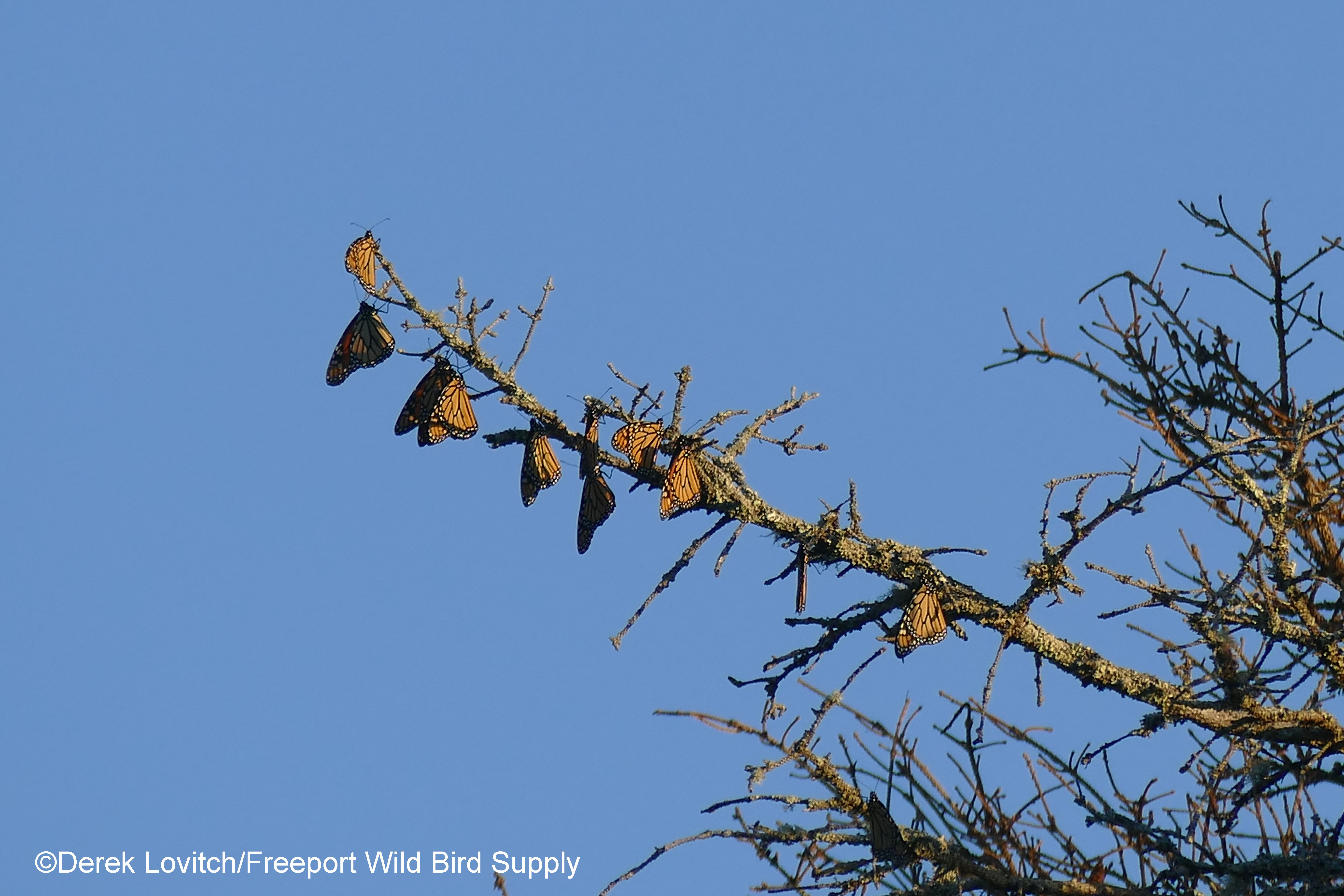
The reports trickling out of Monhegan all week were not particularly tantalizing. Other than a few rare but regular vagrants and semi-vagrants, the birding was often dreadfully slow. This fall’s lack of strong, airmass-changing and northwest wind-producing, cold fronts have been sorely lacking, and the season on Monhegan to date had clearly reflected that. But we heard the butterflies were extraordinary!

The first half of our group arrived via the 9:00 Hardy Boat from New Harbor. Even the boat trip was unusually quiet: a handful of Northern Gannets were the only seabirds we saw; even gulls were relatively few and far between.

But it was simply gorgeous, and with clear skies, light winds, and unseasonably warm temperatures, we were not complaining upon our arrival. And we were immediately greeted with a plethora of butterflies, led by Painted and American Ladies, and Monarchs – lots and lots of Monarchs.

Our slow walk up Dock Road would yield our one measly warbler wave of the day, but the Island Farm gardens on Pumphouse Road immediately produced the “best” bird that was being seen on the island: a juvenile Blue Grosbeak. But now, there were 2. And two Dickcissels! And 3 Indigo Buntings! And then two Blue Grosbeaks sitting side-by-side with an Indigo Bunting on the wire for comparison, followed by a lovely look at a Lincoln’s Sparrow.  Yeah, that’s a “slow” day on Monhegan in the fall!
lighthouse_view

After fueling up on Novelty Pizza as usual, we hit Burnt Head for a gannet and Peregrine Falcon show, but the afternoon was beyond quiet for birds overall. Not for butterflies, however!  So. Many. Question Marks (as in the butterfly, not unanswered questions of course!)
L1150894_Question_Mark_edited-1
Question Mark

sunset_Manana

As we awoke on Saturday, light south winds had minimized nocturnal bird migration, and the Morning Flight over the Yew consisted of exactly one Great Egret (not a bad bird out here though). It was quiet, very quiet, as dawn rose…but we weren’t cold! And all of those Monarchs!
L1150718_MonarchRoost1_edited-1
L1150676_MonarchRoost2_edited-1

After breakfast, we decided to try and relocate a female King Eider that was reported yesterday and posted late at night. Since the seas were building on southwesterly winds, I decided to skip trying Lobster Cove and check the mouth of the harbor. And sure enough, there she was! The “Queen” Eider was an “Island Bird” for me, and an island bird for almost every birder on the island, if not a life bird for many in my group.
sunrise
L1150769_KIEI1_edited-1L1150833_KIEI4_edited-1

With the rest of the group arriving at 10:00am, we raced over to the dock, picked up the eider from the lawn of the Island Inn, and welcomed our new arrivals with a Queen Eider in the scope!  How’s that for a greeting?  I also realized I had a “lifer:” looking at a King Eider with shorts on!
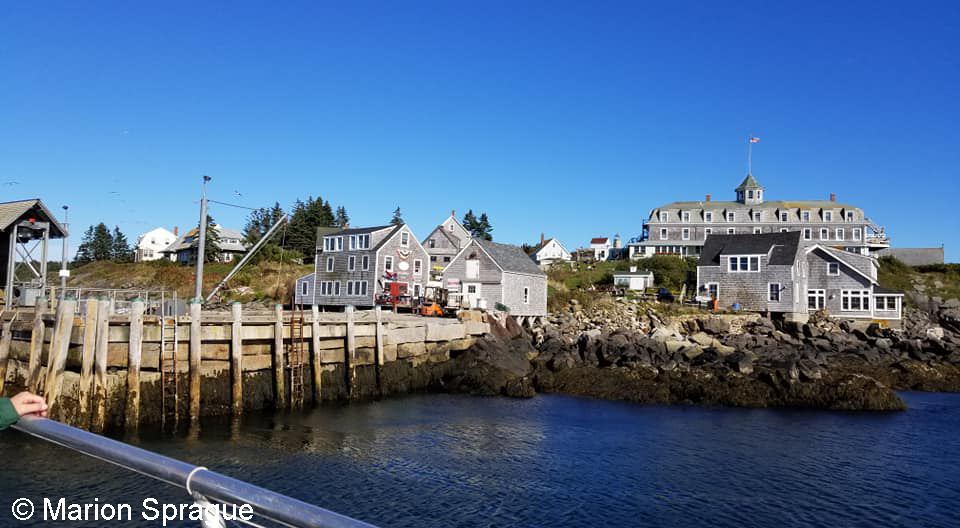
dock,Marion_Sprague

There were now 3 Blue Grosbeaks in the garden, and a couple of us glimpsed a flash of a Yellow-billed Cuckoo near the Ice Pond.  But it was irrationally slow all day. However, almost every bird we did encounter, we saw well, and there were very few instances of “better views desired.”  And it was warm, and I don’t think I have ever spent a whole day out here in just shorts and a t-shirt.  Again.
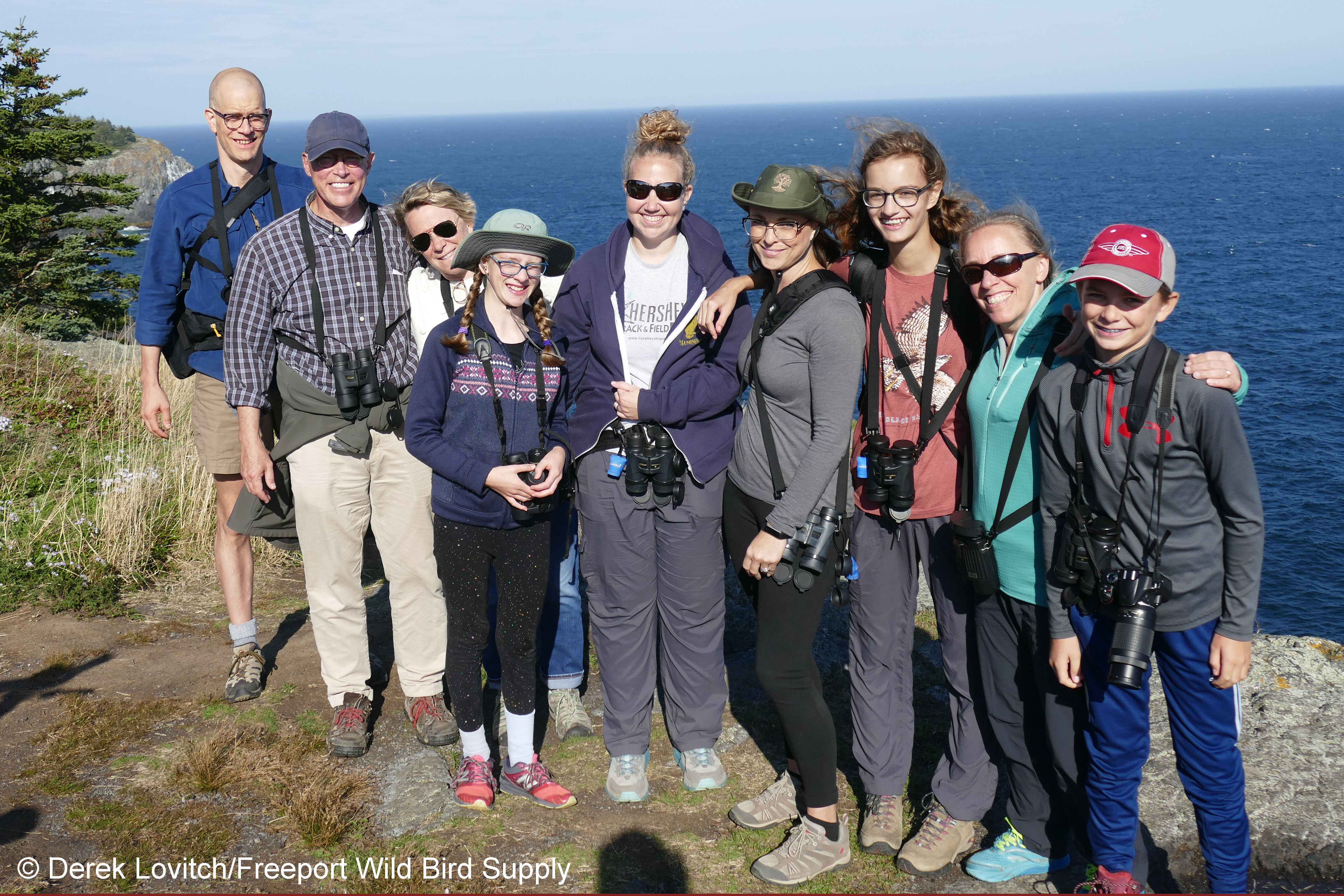
L1150877_group1_edited-1
NOGA1,Marion_Sprague
Northern Gannet off of White Head.

A slow progression of clouds throughout the day finally arrived overhead by dusk, but rain stayed away. Unfortunately, the cold front that we were so anxiously anticipating did not switch the winds to the west (and then northwest) until about 2:00am, so migration really never got going. There was a little Morning Flight come dawn, mostly Yellow-rumped and Blackpoll Warblers as expected, but also several Cape Mays. The chatter, however, was the fact that no one found themselves in dire need of more blankets overnight!
PEFA, A.Siegel
Anna_camera_kid1_edited-1
The next generation teaching the next next generation.
Yew_Donuts1,Marion_Sprague

Once again, however, the warmth scattered roosting Monarchs, and the massive roosts of a thousand or more from the middle of the week were instead widely dispersed. They were still abundant, however, covering gardens and almost every patch of wild asters and goldenrods.
Monarch_tattered,A.Siegel
This one likely had recently taught a Merlin to never try and eat a Monarch!
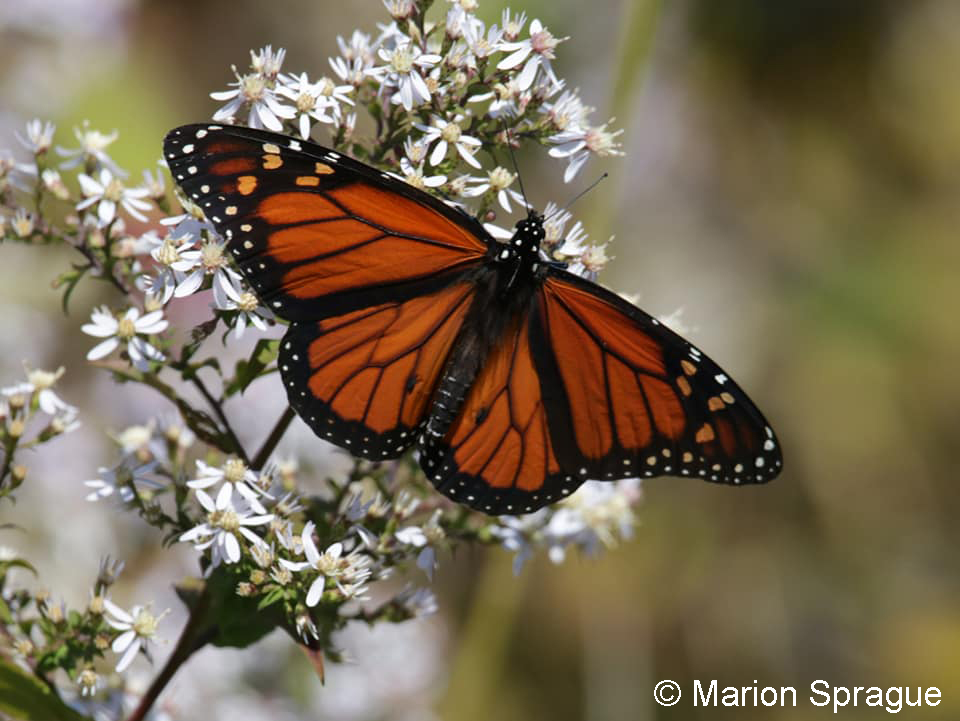
Monarch1,Marion_Sprague
Black_Swallowtail1,Marion_Sprague
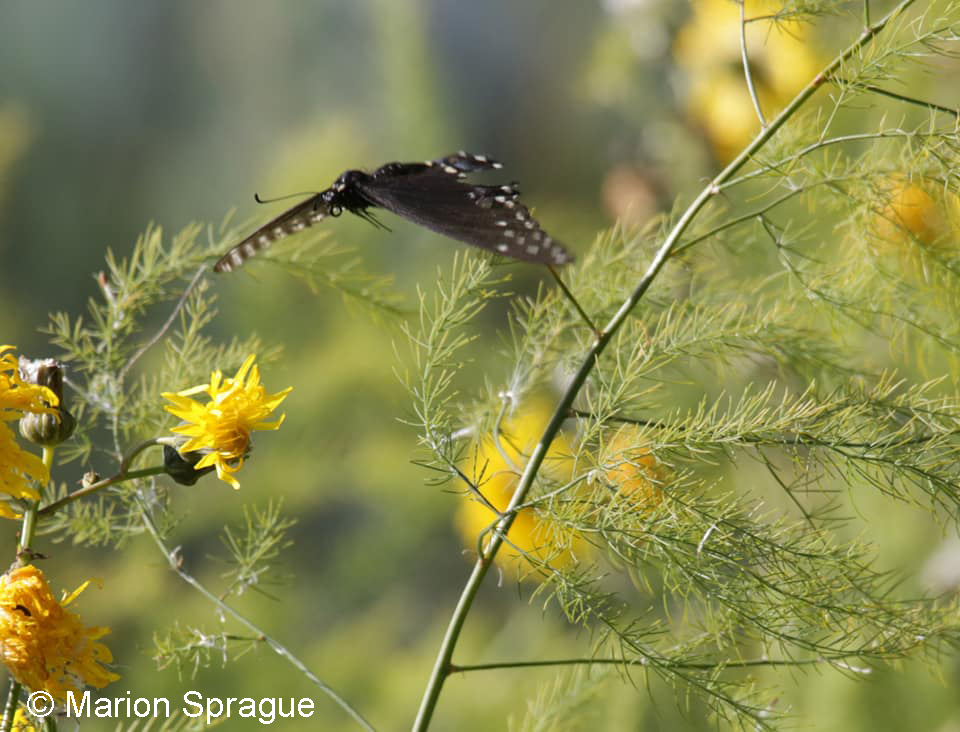
Tattered Black Swallowtail departing dill

It was a day to look at everything, from flowers to caterpillars.
L1150859_Fringed_Gentian_edited-1
Gentian_watching1_edited-1
Fringed Gentian
Hickory_Tussock_Moth
Hickory Tussock Moth
Wooly Bears1,Marion_Sprague
Everybody’s favorite caterpillar: Woolly Bears!
White_faced_Meadowhawk,Marion_Sprague
White-faced Meadowhawk.
Smeared_Dagger_Moth_cat
Smeared Dagger Moth

An adult Lesser Black-backed Gull in the harbor helped start our day, and there were definitely some new birds around.
LBBG_GBBG1,Marion_Sprague
Adult Lesser Black-backed Gull(R)with multiple age classes of Great Black-backed Gulls.

Our checklist slowly built with the likes of a Pine Warbler, a single Red-winged Blackbird, and finally, after almost 3 days: a couple of Red-eyed Vireos.  The northwesterly breeze was also ushering in a good raptor flight, especially Merlins and American Kestrels, with a healthy dose of Peregrine Falcons, so we often found ourselves looking skyward.

Monarchs were also on the go, with many high overhead and taking off towards the mainland. Our butterfly list grew to a goodly 14 species. And we confirmed via photographs that there were a most-impressive 4 Blue Grosbeaks, a bona fide flock, and perhaps a record high for the state.

It was a great few days, and a lot of birds were seen. It was not the thing Monhegan legends were made of, however, but almost everyone on the tour had at least two Life Birds by the time the majority of the group headed home on Sunday afternoon. And it was still beautiful out. Complaints were few.
L1150705_RINP_lobster_trap_edited-1
RINP,A.Siegel
And the family group of “re-introduced” (allegedly) Ring-necked Pheasants were a source of constant entertainment.
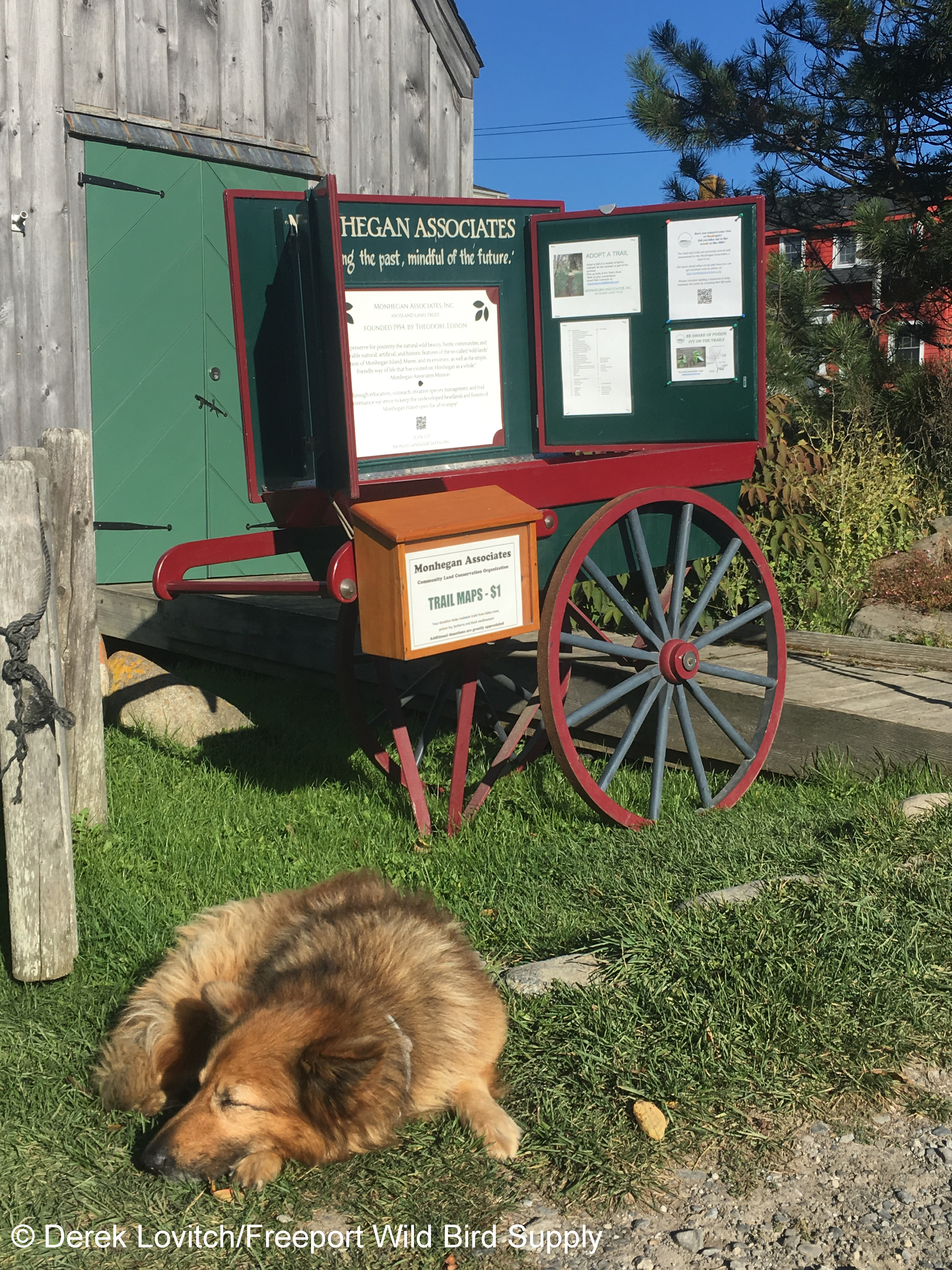
welcoming_committee

Now, no birder is every really ready to leave Monhegan, but those who had to go to work or school the next day were especially upset. But of course, we had high expectations for a big day on Sunday, and that did not materialize.

On Monday morning – I am happy to say for those who remained, but I am very apologetic to those who had to depart! – the birds that did not show on Sunday had arrived. A huge flight overnight on clearing skies and a moderate northerly wind had ushered in a massive wave of birds. By breakfast we had as many species of warblers as we had seen all weekend so far.
IMG_7635-edited-edited
Black-throated Green Warbler

Palm Warblers and Savannah Sparrows seemed to be everywhere, at least where there wasn’t a Yellow-rumped Warbler. New arrivals included many of the birds we had somehow been lacking so far, such as Blue-headed Vireos and Brown Creepers, but we also enjoyed a host of “late” migrants, such as Bay-breasted Warbler, Alder Flycatcher, several Magnolia Warblers, and – sorry Anna! – a great look at a Philadelphia Vireo. Although a truant Warbling Vireo late in the day was the “best” vireo of the weekend.
IMG_7643-edited-edited
Palm Warbler
IMG_7742-edited-edited
Savannah Sparrow

The morning alone had more species, and likely more individuals, than the three previous days combined. While all of the Blue Grosbeaks had departed, the Queen Eider was still present, as was 1-2 Dickcissels, and in a late-day feeding frenzy of Harbor Porpoise at the mouth of the harbor, we picked out a juvenile Lesser Black-backed Gull. Today was a day for both quantity and quality – and we walked about 30% less than any of the previous three days! It was a very good day.
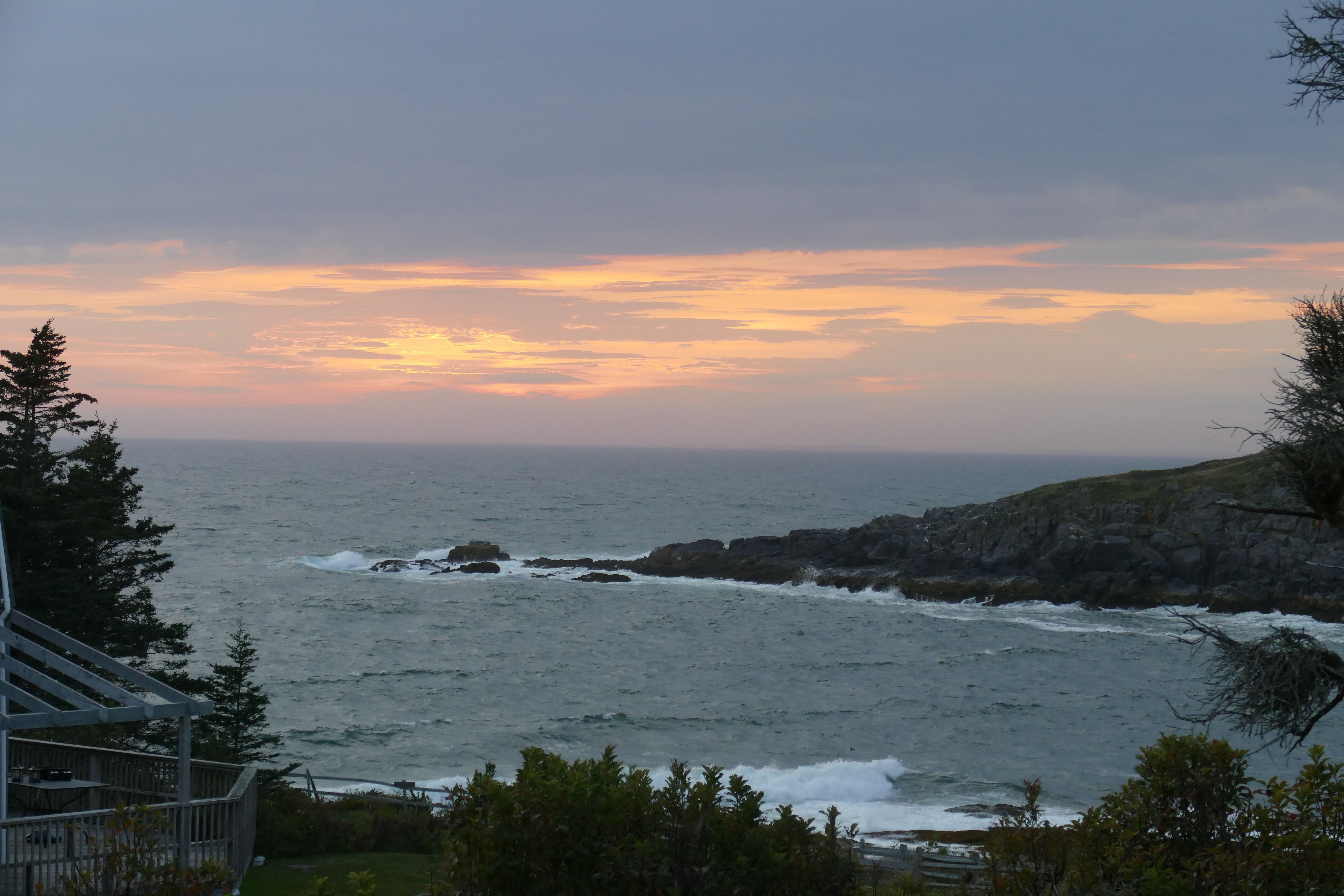
Sunday_sunset

Jeannette had arrived on Monday, and it was just the two of us for a day off on Tuesday. Fears of a wash-out were not realized. Instead, an early morning shower on Trap Day did little more than nicely tamp down the road dust for a good part of the day.  Winds were increasing from the southeast, and there was little to no migration overnight on cloudy skies and light southerly winds.

Therefore, there was once again virtually no morning flight, but there were some new birds around, starting with a Marsh Wren singing at dawn from the meadow, and 3 female/immature Wood Ducks in the Ice Pond before dawn (alas, I never did catch up with the Yellow-crowned Night-Heron that others spotted into the weekend).

The morning was quiet overall, however, with scattered pockets of migrants here and there. It wasn’t quiet as slow as Saturday, but we were once again covering a lot of ground to not see many birds. But it felt like a day with something “really good” around, and as we returned to the Ice Pond, I was shocked by a hen Northern Shoveler!  Migrant dabblers are rare out here due to the lack of habitat, and there are not many shovelers in Maine or Maritime Canada to end up here. I am sure that if there were birders out here in April and October, this species would be detected, but based on the historical record in the Vickery checklist and recent records from eBird, it turns out that this is a First Island Record!  (EDIT: A previous island record has come to light, and sure enough, it was from April!)
IMG_7759-edited-edited

While it wasn’t the Mega I was hoping for, it was a great bird for the island list, and joined by a stunning adult male Wood Duck, it added some excitement to an otherwise dreary day. We took the time to have a leisurely lunch, enjoy the Queen Eider, and grab one last beer. We also ran into the Lark Sparrow that showed up the day before. But it was remarkable how many fewer butterflies were around: the Monarchs had mostly departed on the northerly winds of the previous day, and the cloudy skies kept most everything else under cover.
IMG_7793-edited-edited
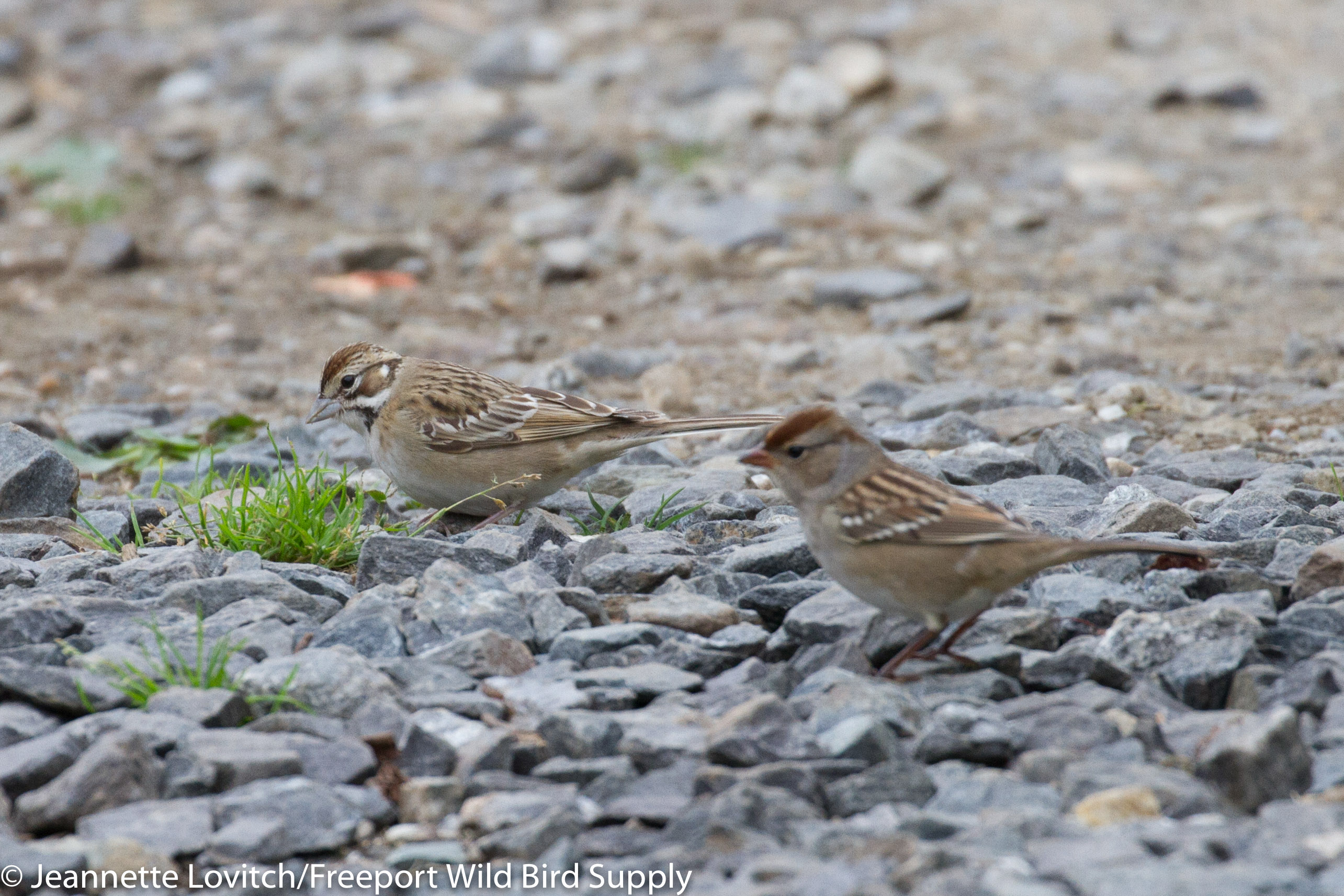
Lark Sparrow with immature White-crowned Sparrow
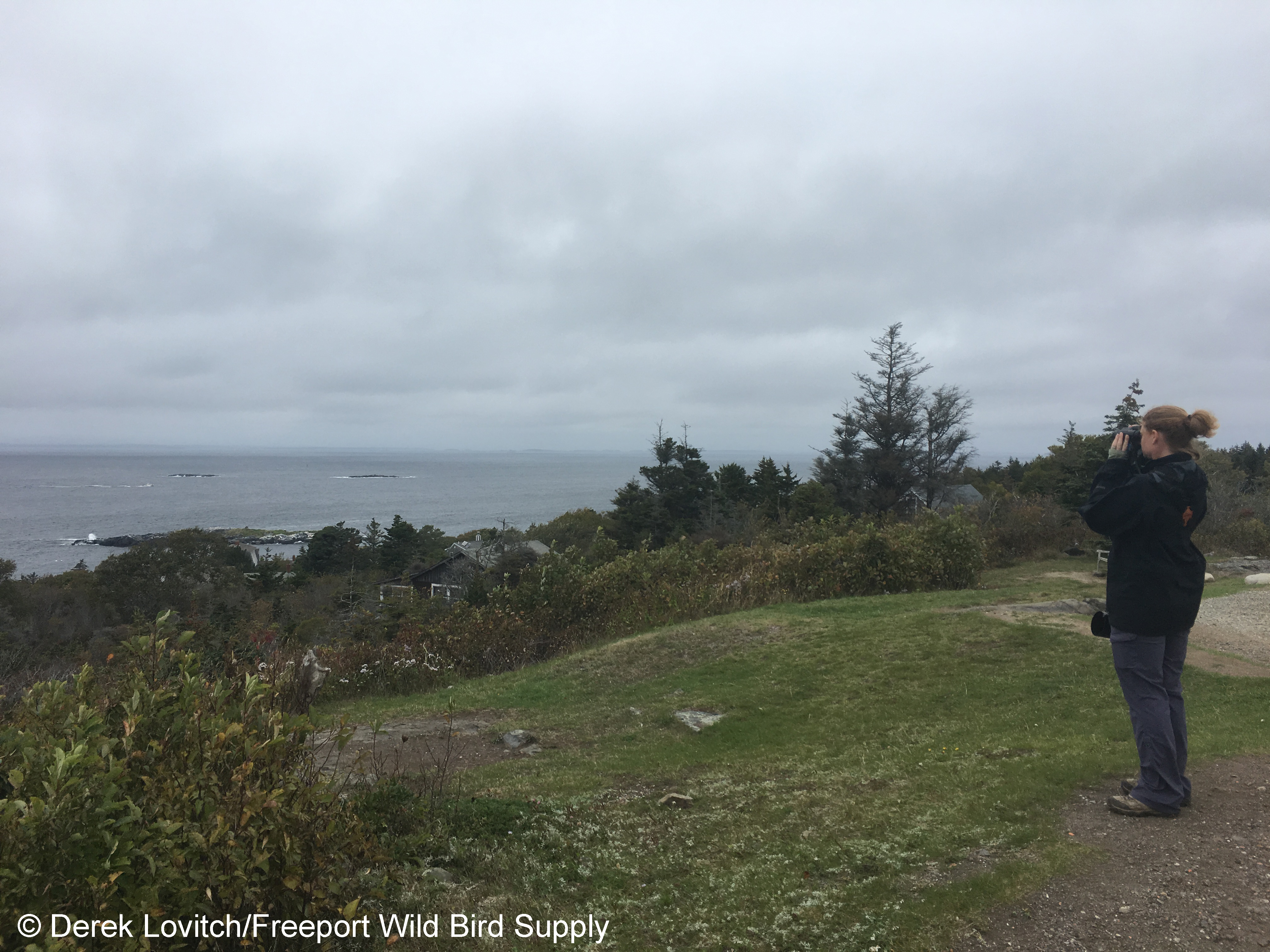
scanning_from_lighthouse
beer_and_bins

With the first of the morning’s lobster traps already being hauled up, we knew our birding season out here was drawing to a close, unfortunately. Fortunately, however, the seas were much tamer than had been forecast, and we had less concerns about comfort on the ride home.
IMG_7738-edited-edited
IMG_7708-edited-edited
Another Harbor Porpoise and gull feeding frenzy developed in the mouth of the harbor.

But Monhegan had one more surprise in store for us. As we pulled away on the 4:30 ferry to Port Clyde, I spotted a Black Skimmer circling Nigh Duck. I alerted the other birders on the boat, and those of us topside had views of it seemingly considering sitting down on the island, but we had picked up steam and were cruising away.  This appears to be the second record of Black Skimmer for Monhegan – another incredibly good bird for my island list, and another reason why you never stop looking!

Three “Island Birds” for me, “life birds” for most of my group, beautiful weather for the tour, and lots of good food and conversation made for a heckuva weekend. And perhaps best of all, I had three kids under 15 on my tour! Besides a rare occurrence for a birding tour, their enthusiasm was contagious, and it gave us hope for the future of birds and birding!
IMG_7556-edited-edited
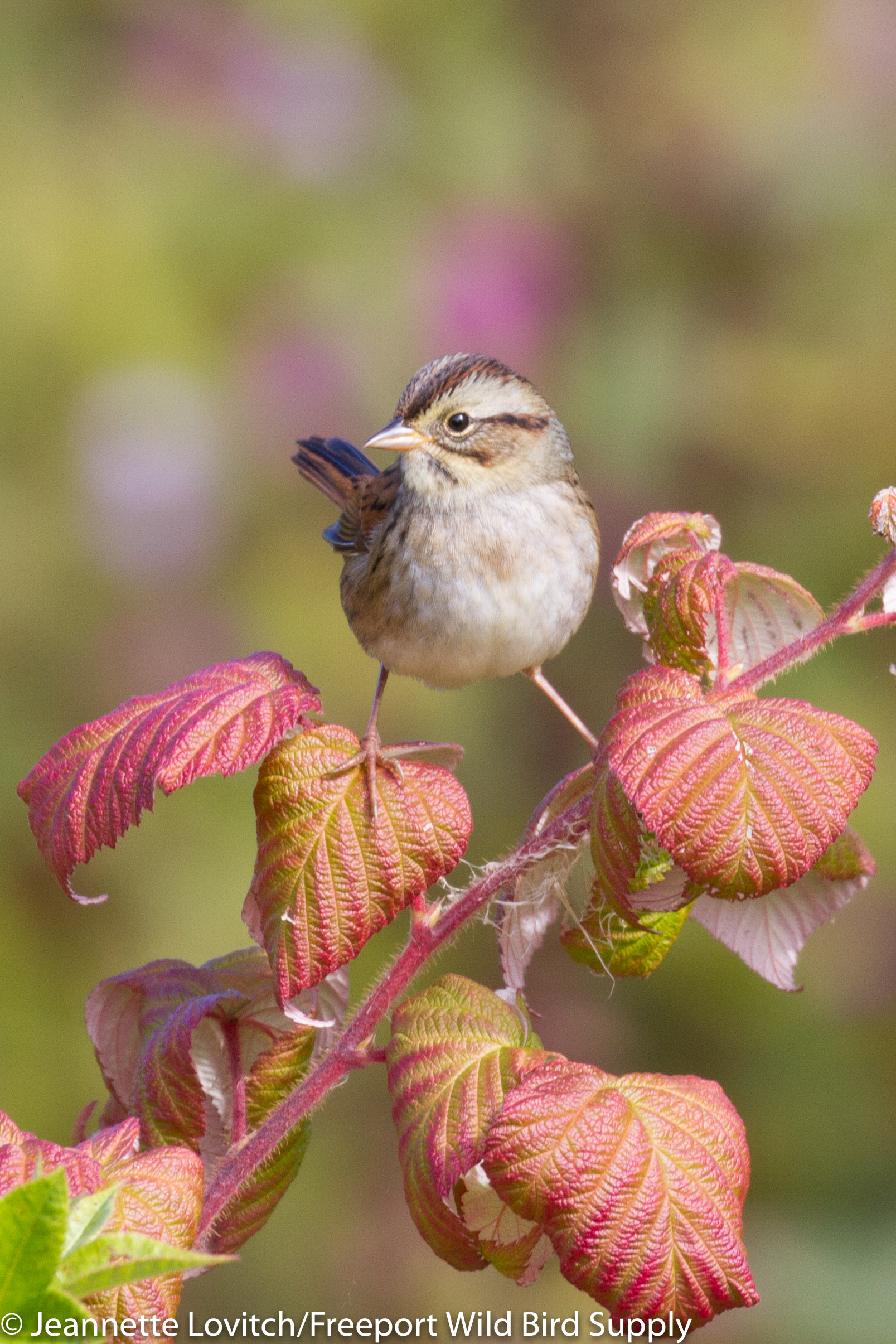
Swamp Sparrow

Daily Checklist:

* denotes ferry ride only
27-Sep 28-Sep 29-Sep 30-Sep 10/1 (with Jeannette)
Wood Duck 0 0 0 0 4
American Black Duck 0 2 2 2 2
Mallard 4 16 12 10 10
NORTHERN SHOVELER 0 0 0 0 1
Green-winged Teal 0 0 0 1 0
KING EIDER 0 1 0 1 1
Common Eider x x x x X
Surf Scoter 0 0 0 3 7*
Ring-necked Pheasant 3 7 5 5 6
Mourning Dove 6 8 6 6 10
YELLOW-BILLED CUCKOO 0 1 0 0 0
Killdeer 0 0 0 1 0
Lesser Yellowlegs 0 1 0 0 0
Black Guillemot X x x x X
Laughing Gull 6* 0 2 0 0
Ring-billed Gull 2* 0 0 0 0
Herring Gull x x x x X
LESSER BLACK-BACKED GULL 0 1 1 0
Great Black-backed Gull x x x x X
BLACK SKIMMER 0 0 0 0 1
Common Loon 1* 0 0 2 2
Northern Gannet 30 30 10 8 20
Double-crested Cormorant X x x 1000 500
Great Cormorant 0 6 1 3 2
Great Blue Heron 0 1 2 2 1
Great Egret 0 1 0 0 0
Osprey 3 1 7 4 2
Bald Eagle 3 2 3 4 2
Northern Harrier 0 0 0 1 1
Sharp-shinned Hawk 1 2 4 4 3
Belted Kingfisher 0 1 1 1 1
Yellow-bellied Sapsucker 3 3 4 40 30
Downy Woodpecker 0 1 1 2 0
Northern Flicker 3 4 6 20 15
American Kestrel 0 0 8 1 4
Merlin 3 3 15 8 5
Peregrine Falcon 6 2 10 6 3
Eastern Wood-Pewee 0 0 0 2 2
Alder Flycatcher 0 0 0 1 0
Least Flycatcher 0 0 0 1 0
Eastern Phoebe 1 0 0 6 4
Eastern Kingbird 0 2 2 0 0
Blue-headed Vireo 0 0 0 6 2
Warbling Vireo 0 0 0 1 0
Philadelphia Vireo 0 0 0 1 0
Red-eyed Vireo 0 0 2 25 10
Blue Jay 4 10 14 8 6
American Crow 4 6 4 6 8
Common Raven 1 2 2 2 2
Horned Lark 0 0 0 1 0
Black-capped Chickadee x x x x X
Red-breasted Nuthatch 1 0 0 0 0
White-breasted Nuthatch 0 0 0 0 0
Brown Creeper 0 0 0 8 4
Winter Wren 0 0 0 3 0
Marsh Wren 0 0 0 0 1
Carolina Wren 0 1 0 0 0
Golden-crowned Kinglet 0 10 0 15 20
Ruby-crowned Kinglet 0 0 0 10 5
Swainson’s Thrush 0 0 0 1 0
American Robin 2 1 0 0 1
Gray Catbird 6 4 0 4 4
Brown Thrasher 0 0 0 1 0
Northern Mockingbird 0 1 1 0 0
European Starling 20 24 20 20 16
American Pipit 0 0 0 1 0
Cedar Waxwing 20 40 80 60 50
American Goldfinch 2 0 4 6 6
Black-and-white Warbler 0 1 0 2 0
Tennessee Warbler 0 0 0 4 2
Nashville Warbler 0 0 0 6 5
Common Yellowthroat 2 2 4 6 3
Cape May Warbler 2 2 6 3 4
Northern Parula 2 0 0 10 3
Magnolia Warbler 0 0 0 4 0
Bay-breasted Warbler 0 0 0 1 0
Blackburnian Warbler 0 1 0 2 0
Yellow Warbler 1 1 1 4 1
Chestnut-sided Warbler 0 0 0 1 1
Blackpoll Warbler 4 2 0 2 1
Black-throated Blue Warbler 0 0 0 2 0
Palm Warbler 0 0 0 60 20
PINE WARBLER 0 0 0 1 0
Yellow-rumped Warbler 8 15 40 200 50
Black-throated Green Warbler 1 0 0 5 1
Wilson’s Warbler 0 0 0 1 0
Chipping Sparrow 2 0 3 6 19
LARK SPARROW 0 0 0 0 1
White-crowned Sparrow 0 0 1 0 1
White-throated Sparrow 1 0 0 25 15
Savannah Sparrow 0 0 0 50 30
Song Sparrow x x x x X
Lincoln’s Sparrow 1 1 0 2 2
Swamp Sparrow 0 0 0 7 4
Northern Cardinal 4 4 8 6 8
BLUE GROSBEAK 2 3 4 0 0
Indigo Bunting 3 2 2 1 2
DICKCISSEL 2 0 1 2 0
Bobolink 0 0 0 6 3
Red-winged Blackbird 0 0 1 0 1
Rusty Blackbird 0 0 0 5 1
Common Grackle 10 10 10 10 10
Baltimore Oriole 0 1 1 2 2

(Rarities seen by others by not the group as a whole: Yellow-crowned Night-Heron, Red-headed Woodpecker, and Yellow-breasted Chat).

Butterfly list:
Monarch
Painted Lady
American Lady
Question Mark
Cabbage White
Clouded Sulfur
Red Admiral
Orange Sulfur
Common Buckeye
Mourning Cloak (1)
White Admiral (1-2)
Black Swallowtail (1)
Bronze Copper (1)
Great Spangled Fritillary (1)
White_Admiral,A.Siegel
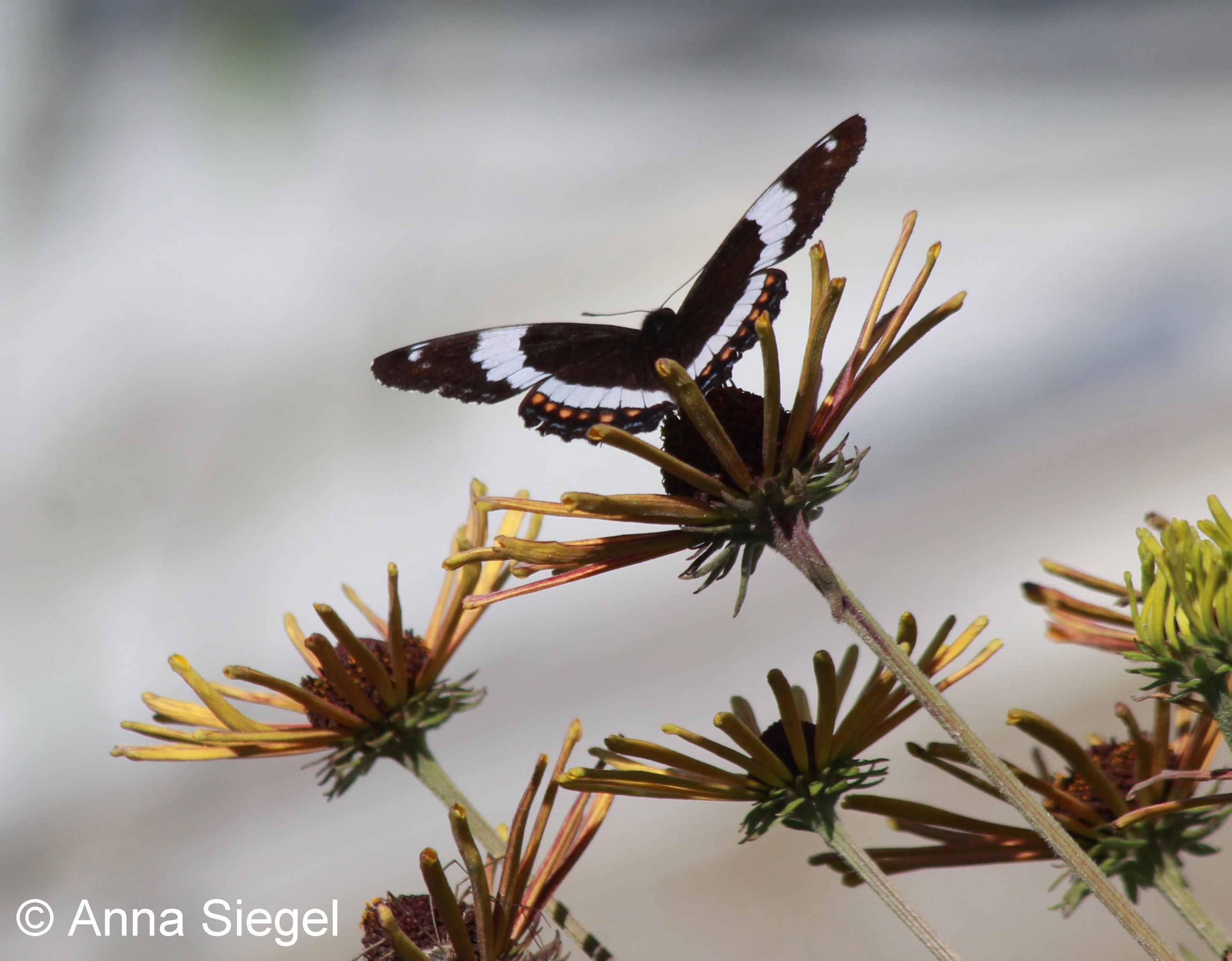
White Admiral