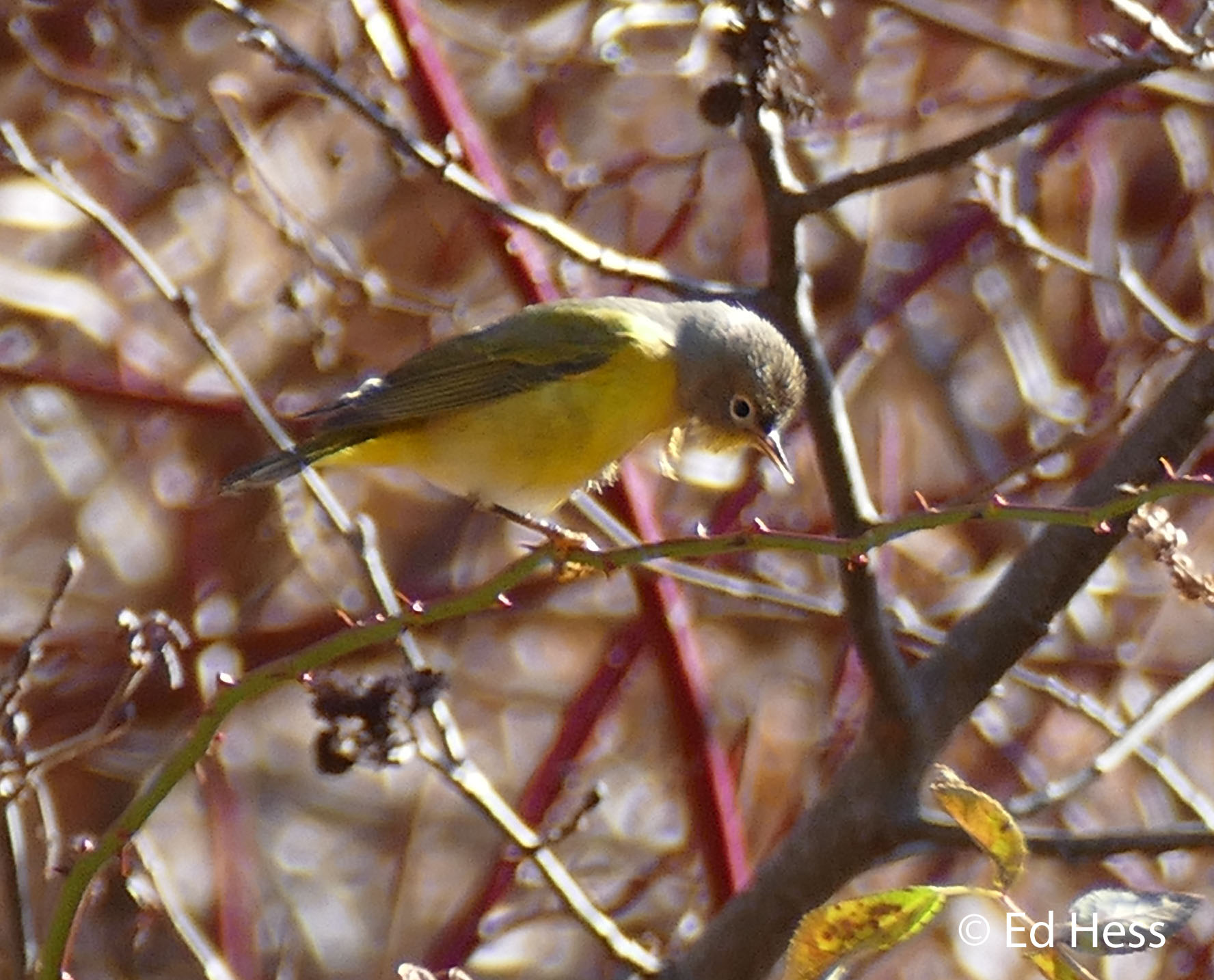
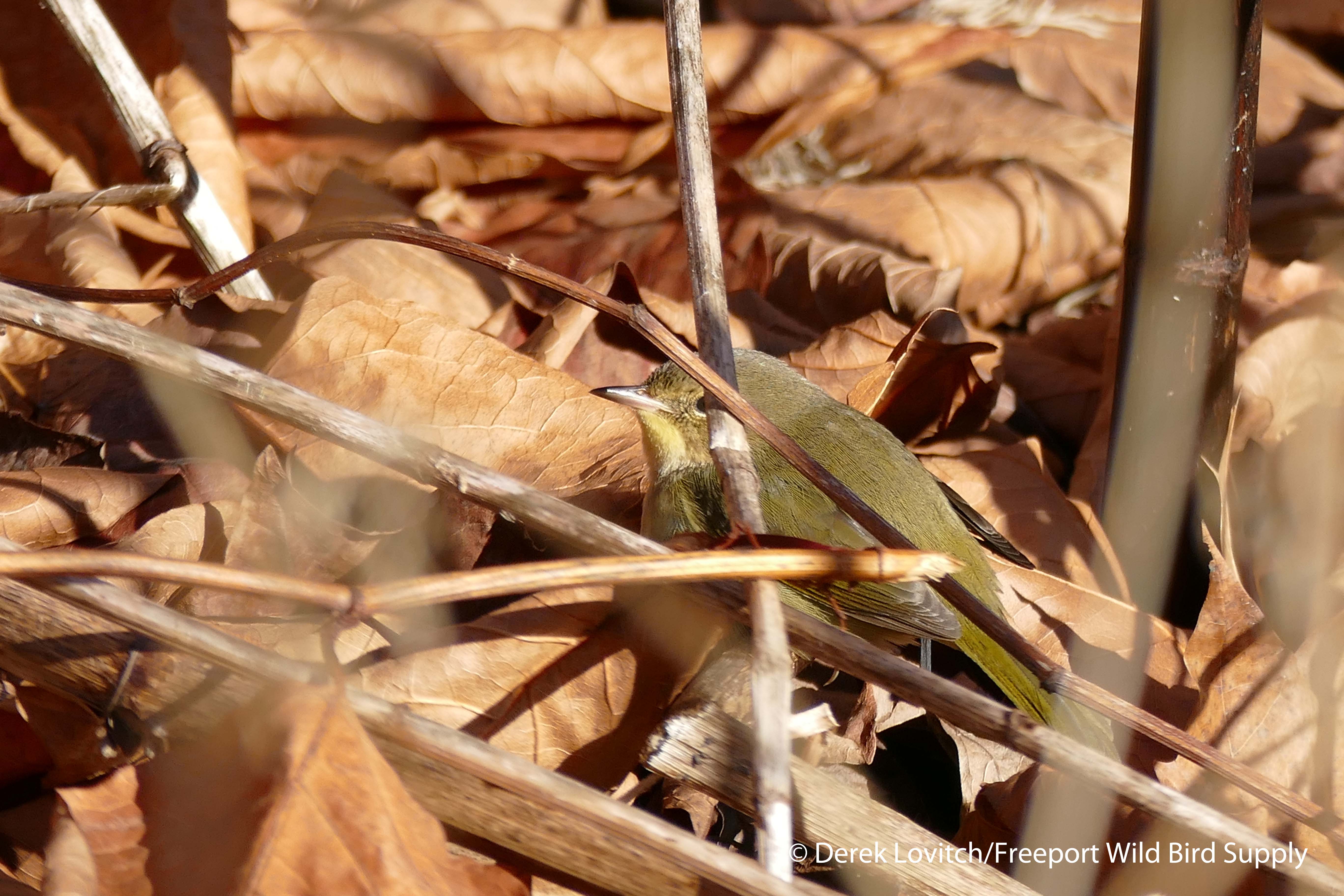
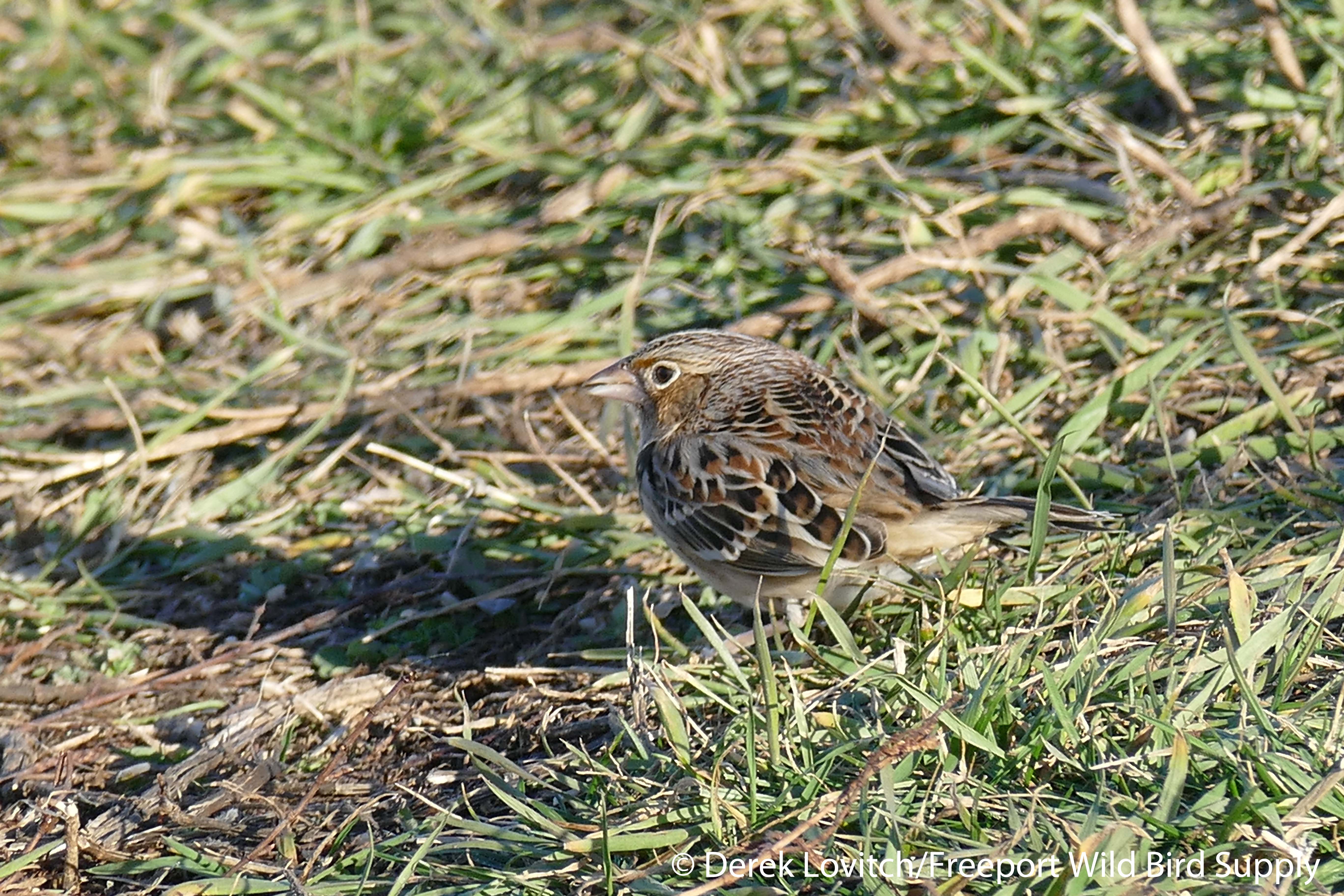
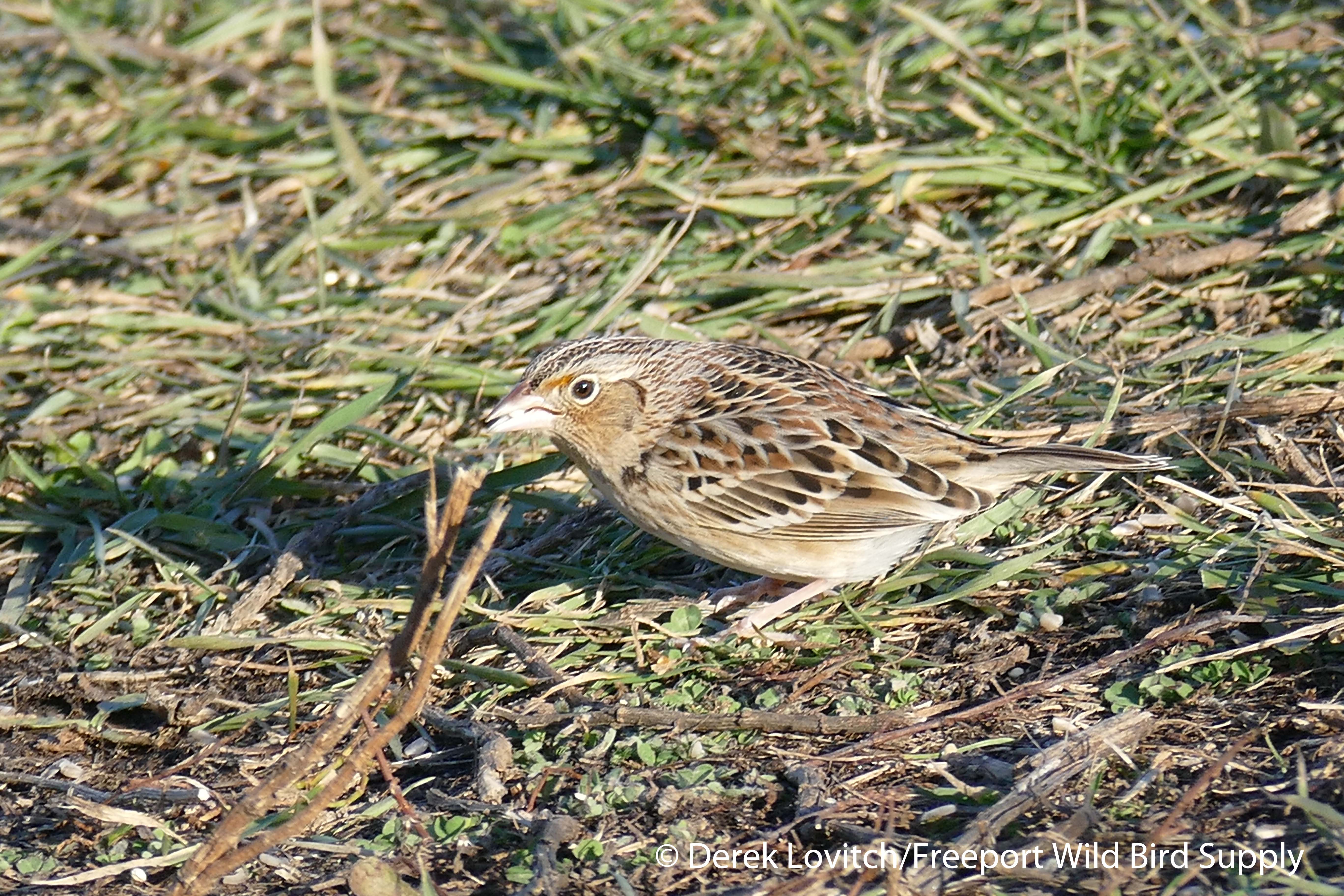
Tag Archives: sparrows

2024 Monhegan Fall Migration Weekend Trip Report

It might not “count,” but the Ring-necked Pheasants on Monhegan are iconic!

Approaching the island on Friday, 9/27, the fog was rapidly lifting on the mainland, and the skies were clearing. High seas from the previous days were steadily diminishing. An offshore fogbank reduced our chances to see many birds during the boatride, but by the time we reach the island, the sun was shining through.

Things seemed fairly slow, but there were birds here and there. One single bush hosted all three Melospizas: Lincoln’s, Swamp, and Song Sparrows, and one of the tarrying Baltimore Orioles soon joined them.  It was a relaxed start to the weekend, affording us time to check in and enjoy lunch before returning to the birding.

We don’t just look at rare birds, we study the common ones…at least on a slow day!
Like this cooperative Song Sparrow

The afternoon was quite slow, as expected from the preceding nights with little or no migration on unfavorable winds, but we had birds to look at: Yellow-rumped Warblers sallying for midges at the top of spruces, scattered assorted sparrows, lots of great Merlin performances, and no shortage of Ring-necked Pheasants.

As usual for the end of September, Yellow-rumped Warblers were the most abundant migrant. This one was nicely demonstarting what makes it a “Myrtle Warbler.”

As the sun set, a huge flight was taking off and continued throughout the night. Very light northwesterly winds overnight were a little lighter than I would have preferred, but there was just a massive amount of birds on the move, and a great Morning Flight on Saturday morning to start our day was indicative of that.
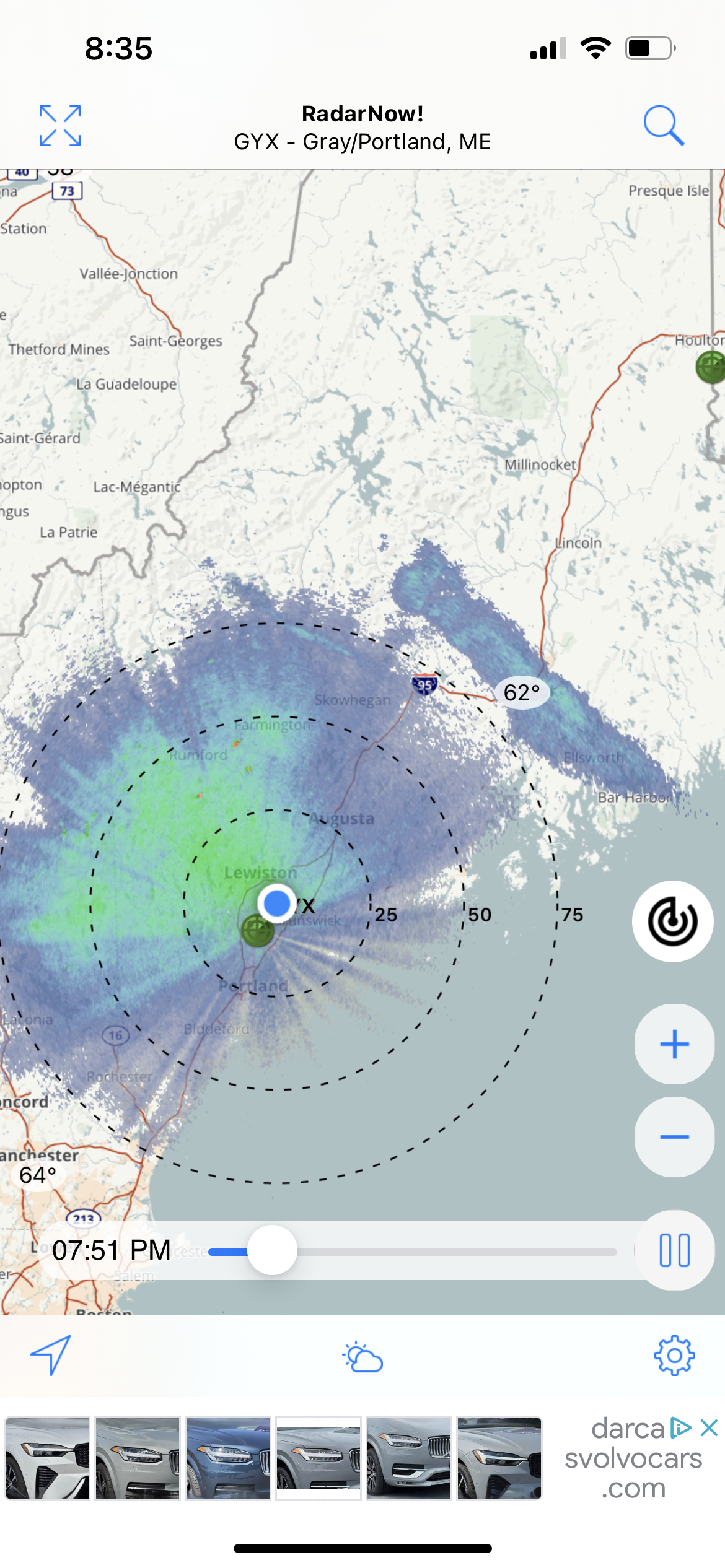
The radar return was huge overnight, with lots of birds on the move. We did wonder, however, if that blob over the Mid-Coast was an isolated shower…or perhaps it was “Independence Day!

Yellow-rumped Warblers filled the air, with handfuls of Blackpoll Warblers and a small number of Northern Parulas.  After the morning flight settled down, the rest of our am was also very good. While the very light winds allowed much of the birds partaking in the Morning Flight to leave the island, there were plenty of birds remaining on the island to be seen. In addition to Yellow-rumps, there was a good arrival of White-throated and other sparrows, and pockets of activity were sifted through, producing a wide array of fun birds.

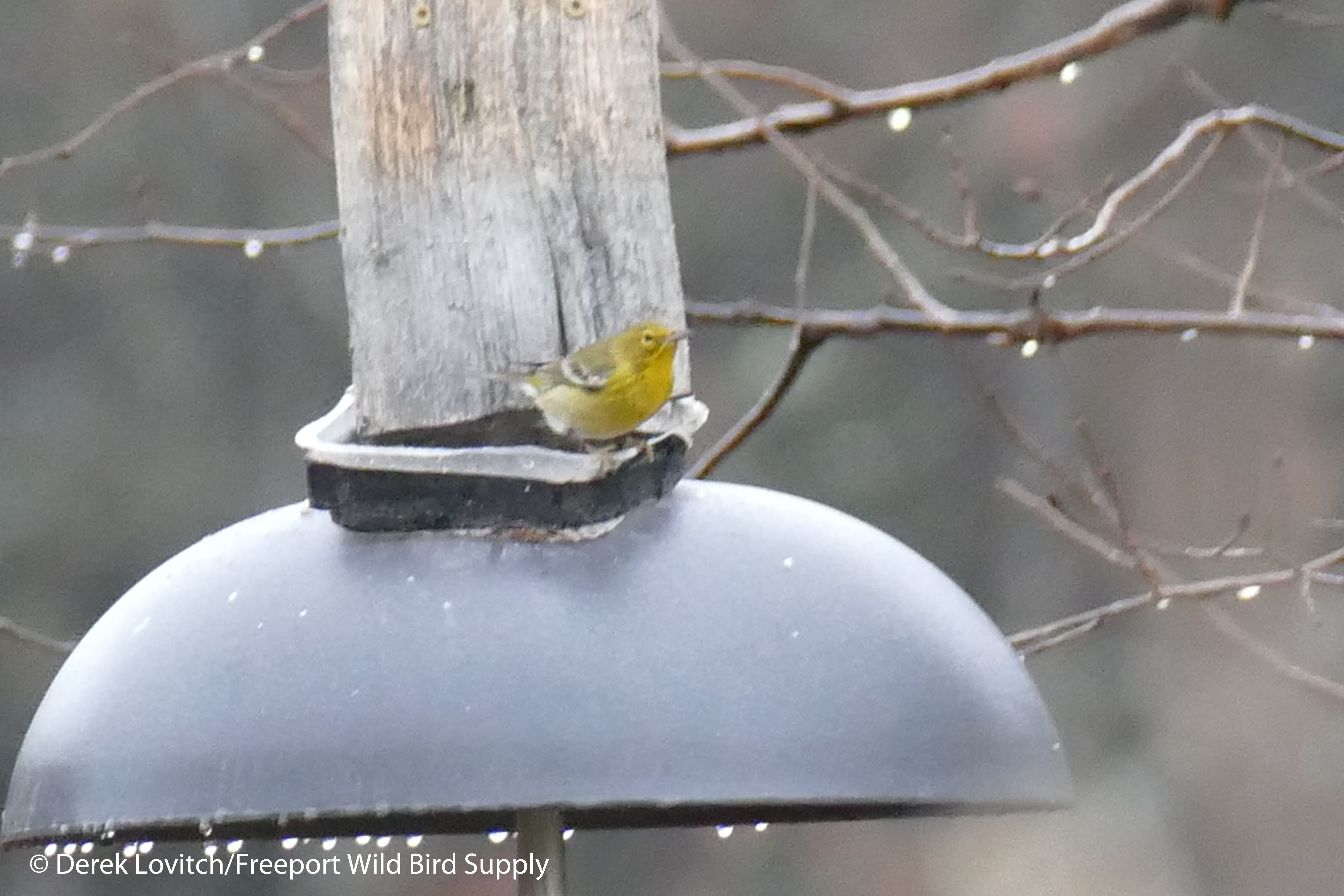
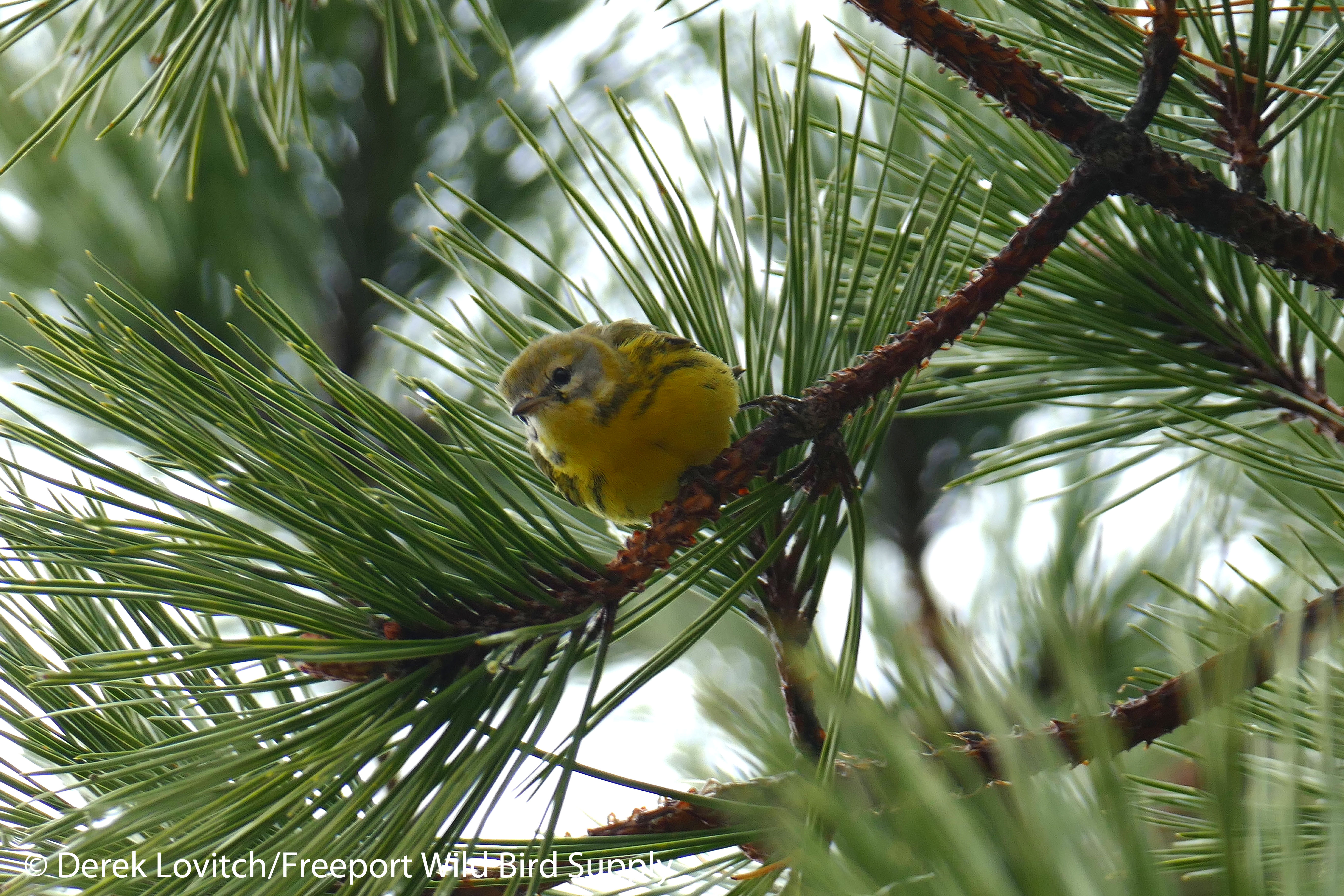
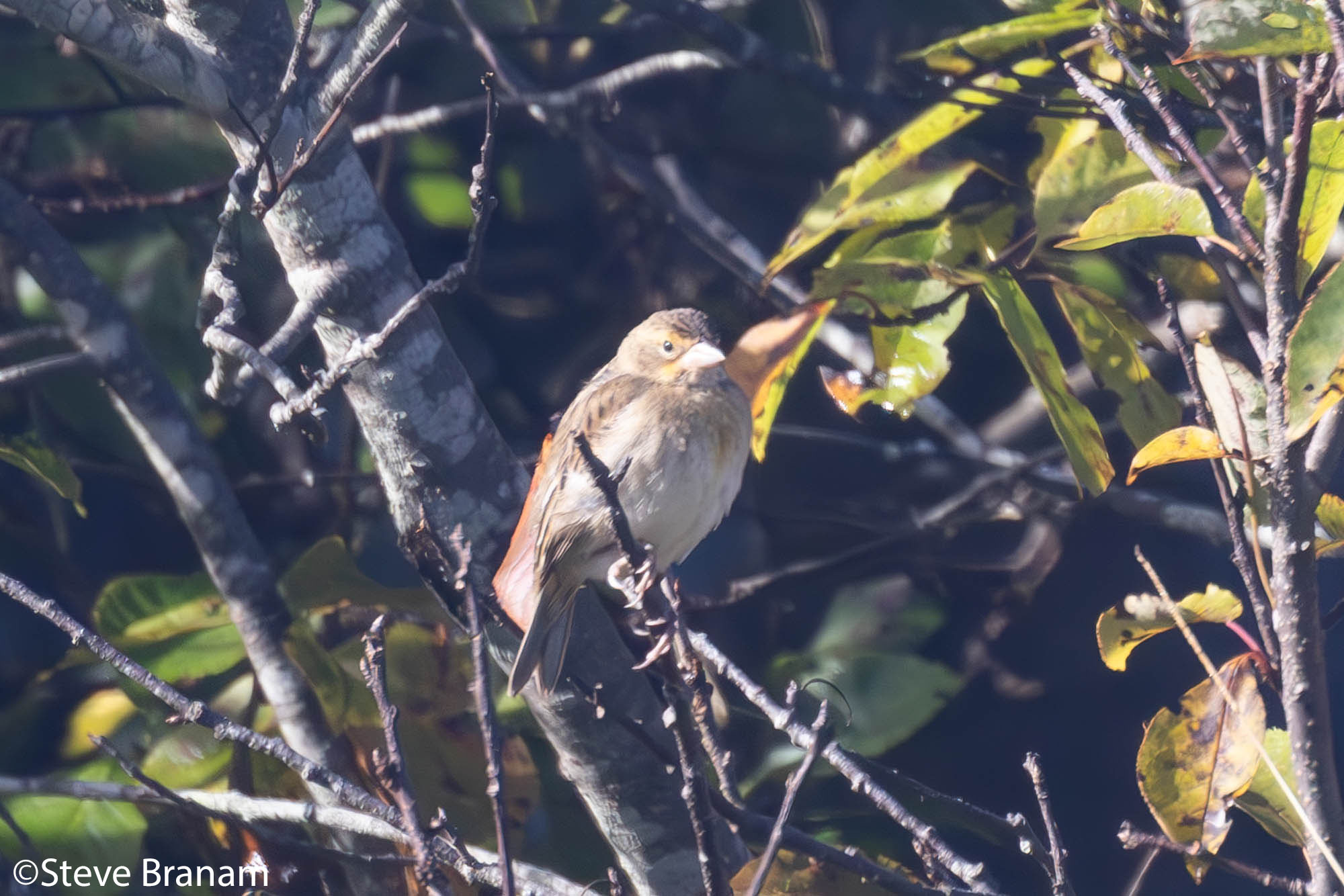
A Dickcissel in the community farm and a total of 6-7 Baltimore Orioles nearby were soon trumped when a first fall female Mourning Warbler actually walked into the open for all to see (for a change) …on a plywood garden table nonetheless!  We found a Clay-colored Sparrow feeding amongst Chipping Sparrows, discovered a rather rare on the island Pine Warbler, and enjoyed a nice variety of the expected seasonal migrants.

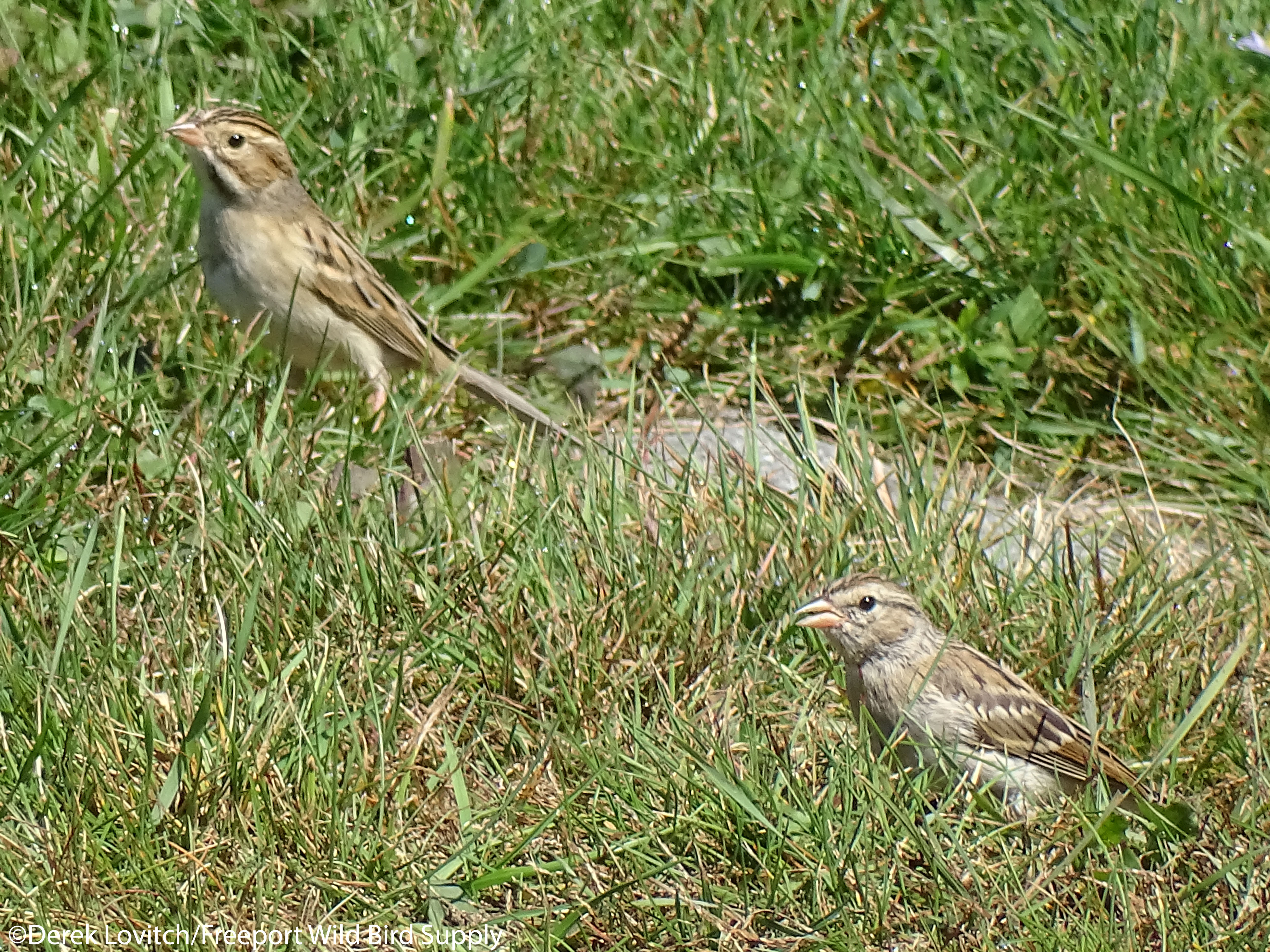
Clay-colored Sparrow
Clay-colored Sparrow with a molting juvenile Chipping Sparrow in the foreground.

Lovely weather all day encouraged us to enjoy an afternoon on Burnt Head, were we picked up a tardy Chestnut-sided Warbler and a rather rare in the fall on the island juvenile Ring-billed Gull. We also noticed a lot more Red-eyed Vireos during the course of the day, with many at and below eye level.

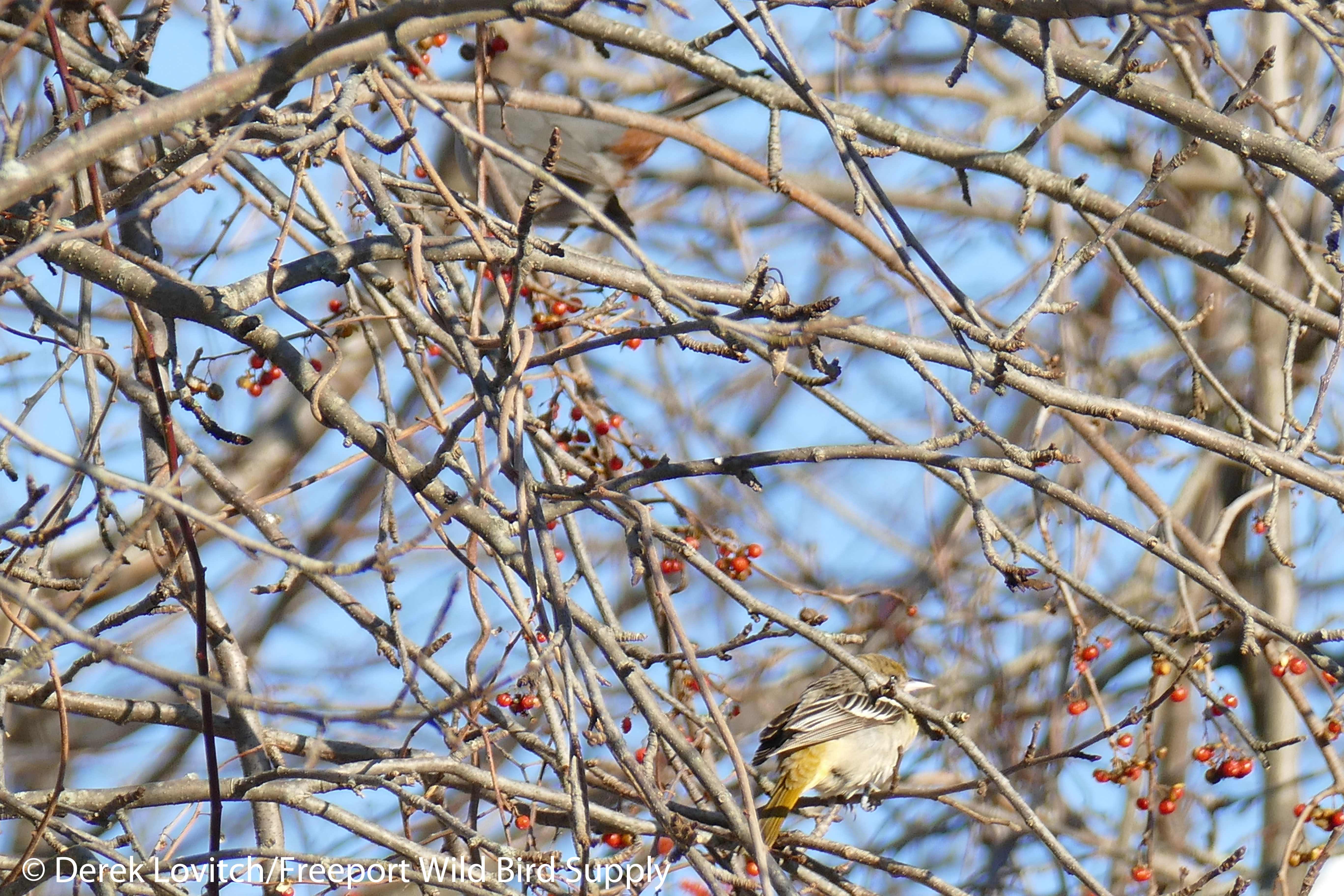
Baltimore Oriole
Northern Mockingbird
Indigo Bunting

While a rare Yellow-crowned Night-Heron called over the harbor at nightfall, I was wandering on my own so it doesn’t count for the group, unfortunately. I was still pleasantly surprised by it, and it punctuated the calls of songbirds departing the island.

Luckily, a moderate flight occurred throughout the night (the overall intensity was a little obscured by fog on the radar images) on light west winds that had become calm by morning. Those calm and cooling conditions allowed fog to roll back in, and the Morning Flight was just a trickle to start on Sunday morning, our last morning together.

However, once the sun burned through, birds were in the air and appearing out of nowhere, and the birding really picked up. In flight, it was mostly Yellow-rumped Warblers, but there were more Palm Warblers involved today. We began finding “new” species for the trip list, like a Cape May Warbler, some recently-arrived American Robins, and we enjoyed watching a swirling flock of 16 migrant Black-capped Chickadees.

Late Blackburnian Warbler

After breakfast, the birding was overall quite a bit slower than Saturday, but the quantity was replaced by quality!  An Orange-crowned Warbler at the Ice Pond, a continuing female Dickcissel in the cul-de-sac, two different Clay-colored Sparrows.  Pockets of activity offered up nice views of a male Cape May Warbler, a few Blackpoll Warblers, and then we found not one, but 3 Nelson’s Sparrows in the Lobster Cove meadow – one even perched conspicuously enough to be viewed by all!
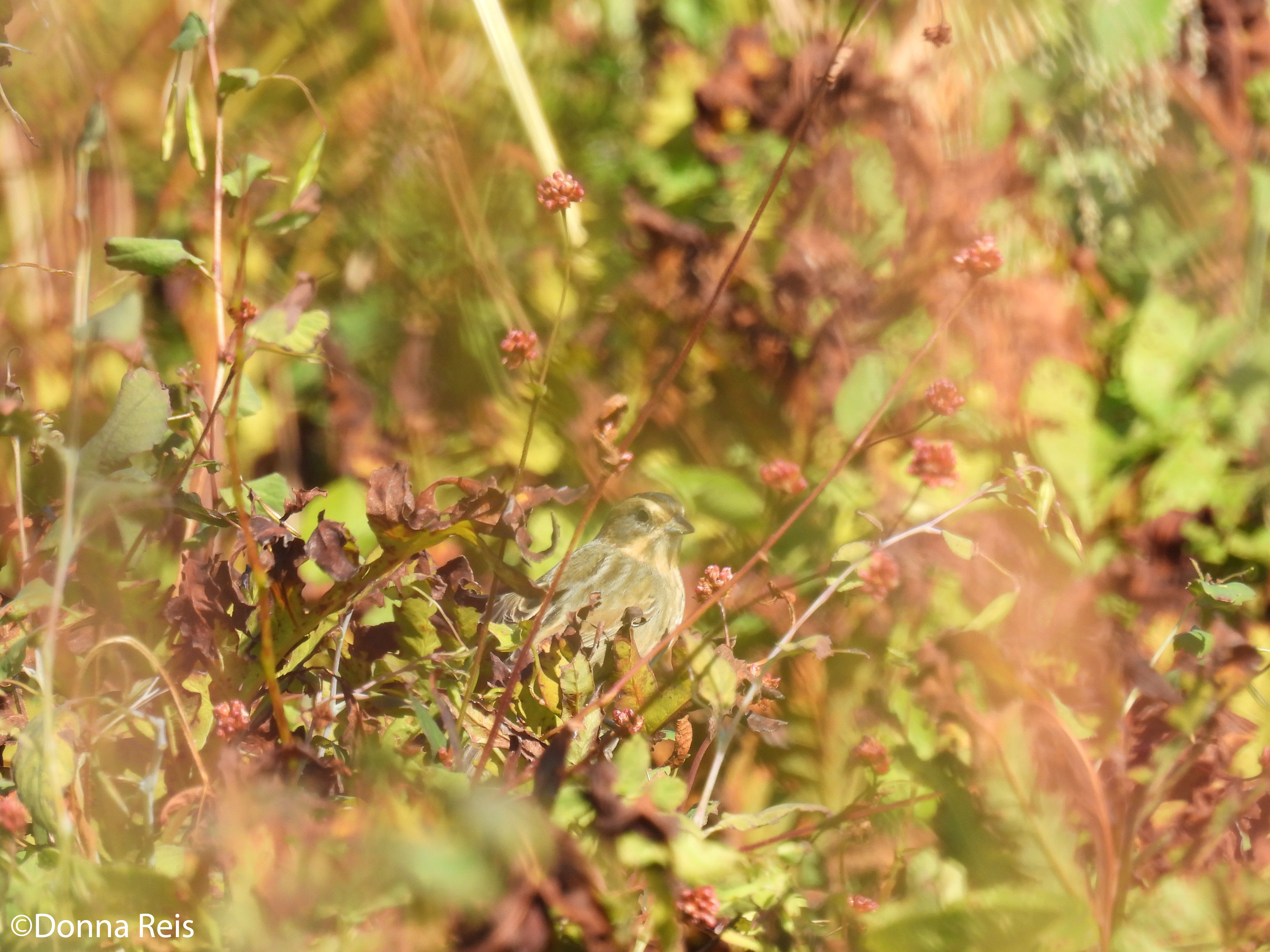
Nelson;s Sparrow sitting in what passes for “the open” with this species!
Dickcissel

As the group trickled home, the last participants standing joined me in a little longer hike from Lobster Cove to Burnt Head, which yielded two Lesser Black-backed Gulls, more Great Cormorants, and yet another Orange-crowned Warbler to bring the official tour to a productive conclusion.
I remained on the island overnight, and with light southerly winds and a return of the fog, there was very little in Morning Flight and to start the day. But the day had a “rarity” feel to it (southwest winds overnight will do that!), and my Rarity Fever was soon stoked by a wayward Yellow-billed Cuckoo that sat still for me, gaining the first rays of sunshine of the morning, in a small tree in the Monhegan House lawn. Two Rusty Blackbirds were foraging on the lawn, and once the sun came up, a few more Yellow-rumped Warblers began to appear.

Yellow-billed Cuckoo

But as Jessica Bishop and I began a post-breakfast search, the What’s App began to ping. Ken and Sue Feustel had just found an Ash-throated Flycatcher on Wharton Ave, and we did a quick 180 and began the march back across town. The ample Trailing Yew breakfast was weighing on me, however, so my speed could have been improved. Nonetheless, the bird had disappeared before we arrived, so we fanned out to search.

After a short spell, I relocated the bird behind the Trailing Yew, and Jess rushed over and we began photographing it as the rest of the island’s remaining birders convened, including Donna the last member of my to depart. And she was quite happy with the decision to linger to say the least! (The tour was officially over, so this gem doesn’t count for the official triplist…darn!)

We studied the flycatcher, and I made sure to get a shot of the tail that would be adequate for identification confirmation (to rule out an even rarer Myiarchus flycatcher). Here, you can see the outer tail feather on one side, showing the dark brown of the outer web intruding into the end of the inner web –  diagnostic for Ash-throated.

This was my 227th Monhegan Bird, and the island’s 3rd-ever, of this southwestern vagrant. What a bird!

While the rest of the day was a little anticlimactic from a birding perspective, Jeannette arrived and we set out to search for the now-missing Ash-throat and whatever else we might stumble upon. Two Clay-colored Sparrows were now together, one of the Orange-crowned Warblers was still at the Ice Pond, and at least one Nelson’s Sparrow was still at Lobster Cove.  At dusk, two Wilson’s Snipe launched out of the town marsh, and at sunset, a migrant Great Blue Heron flew over.  No sign of the Ash-throat for the rest of the day, unfortunately.

Orange-crowned Warbler
Peregrine Falcon

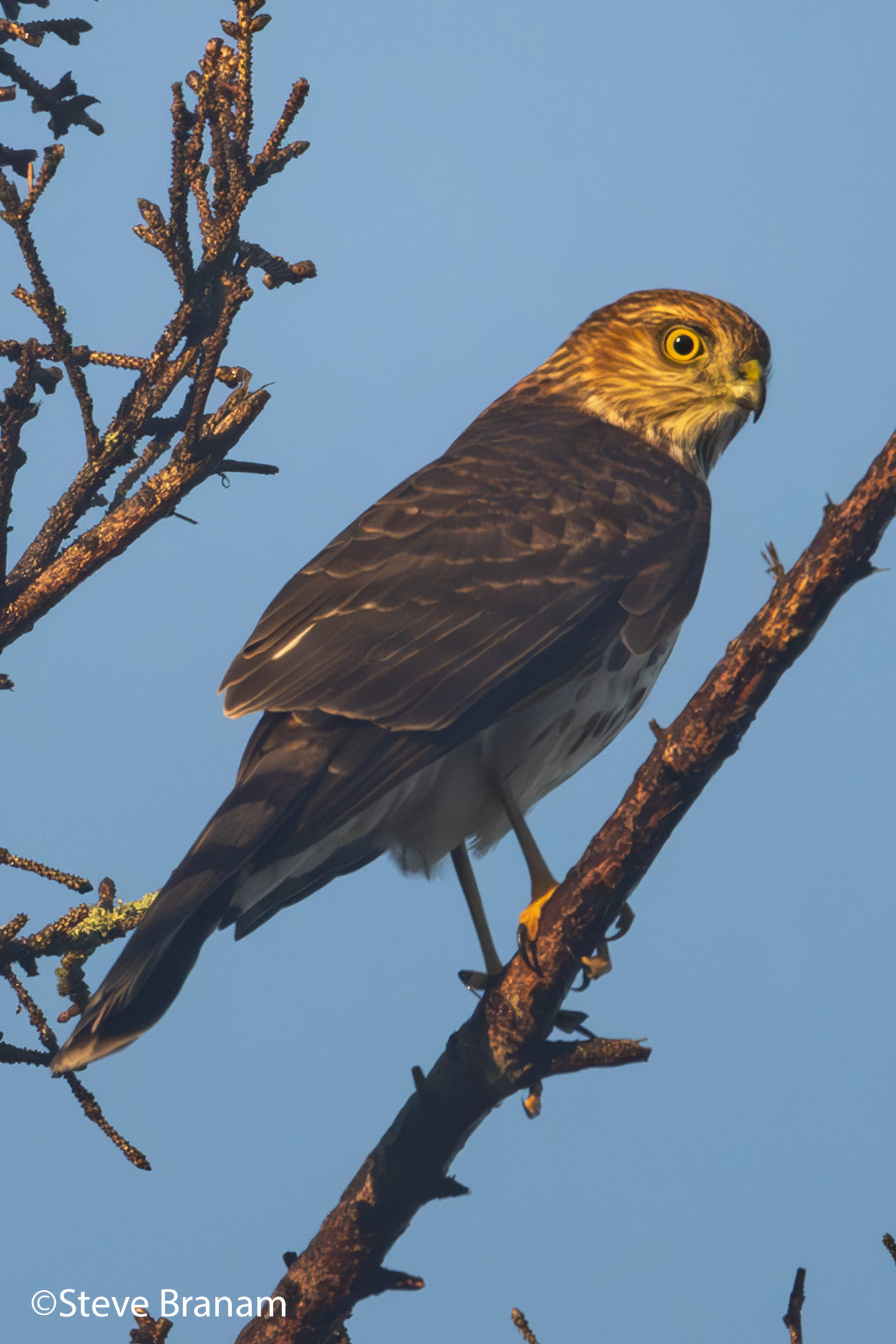
On Tuesday, Jeannette and I awoke to a strong flight on the overnight radar image, but as expected on a north to north-east wind by dawn, only fairly a light Morning Flight occurred. Made up of at least 95% Yellow-rumped Warblers, it was a little busier than I expected, but it ended by about 7:00am. Granted, at least two hunting Peregrine Falcons may have had something to do with that.

We watched a Wilson’s Snipe evading a Merlin in flight, and some more new species for the weekend were overhead, including a Horned Lark, an Osprey, and a Semipalmated Plover. There were at least a half-dozen American Pipits in morning flight, and a new-to-us Brown Thrasher put in an appearance.
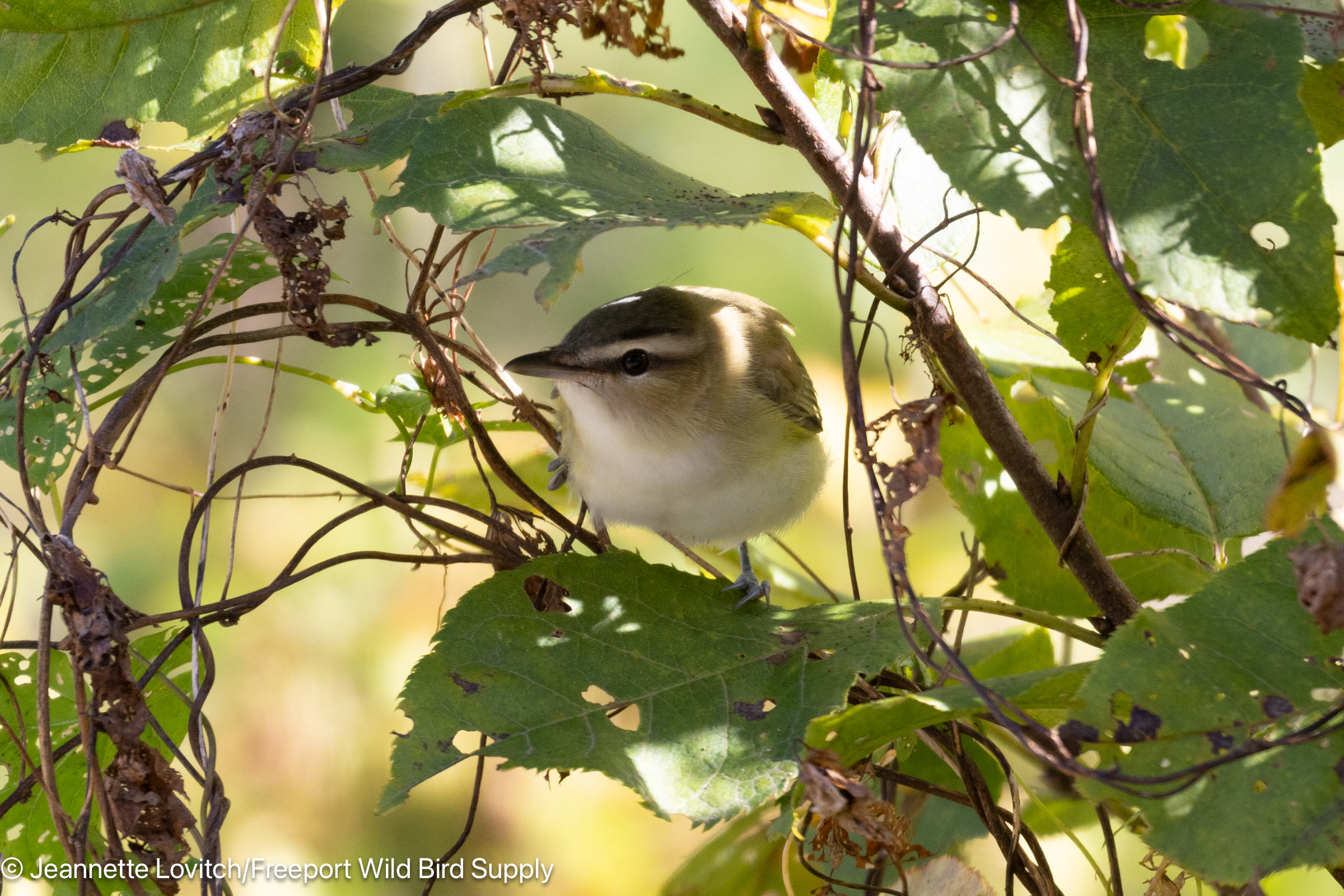
Red-eyed Vireo

After breakfast, it was exceeding slow, but we did have a Dickcissel in the garden, and a Scarlet Tanager joined the remaining Baltimore Orioles in the grapes. But most of our morning was spent chasing a reported Yellow-headed Blackbird (seen by two and never again) and Will Russell briefly relocated the Ash-throated Flycatcher – which looked much healthier today and was much more active. In other words, it was soon once again melting away into the scrub. It kept us occupied until it was time to depart, however.
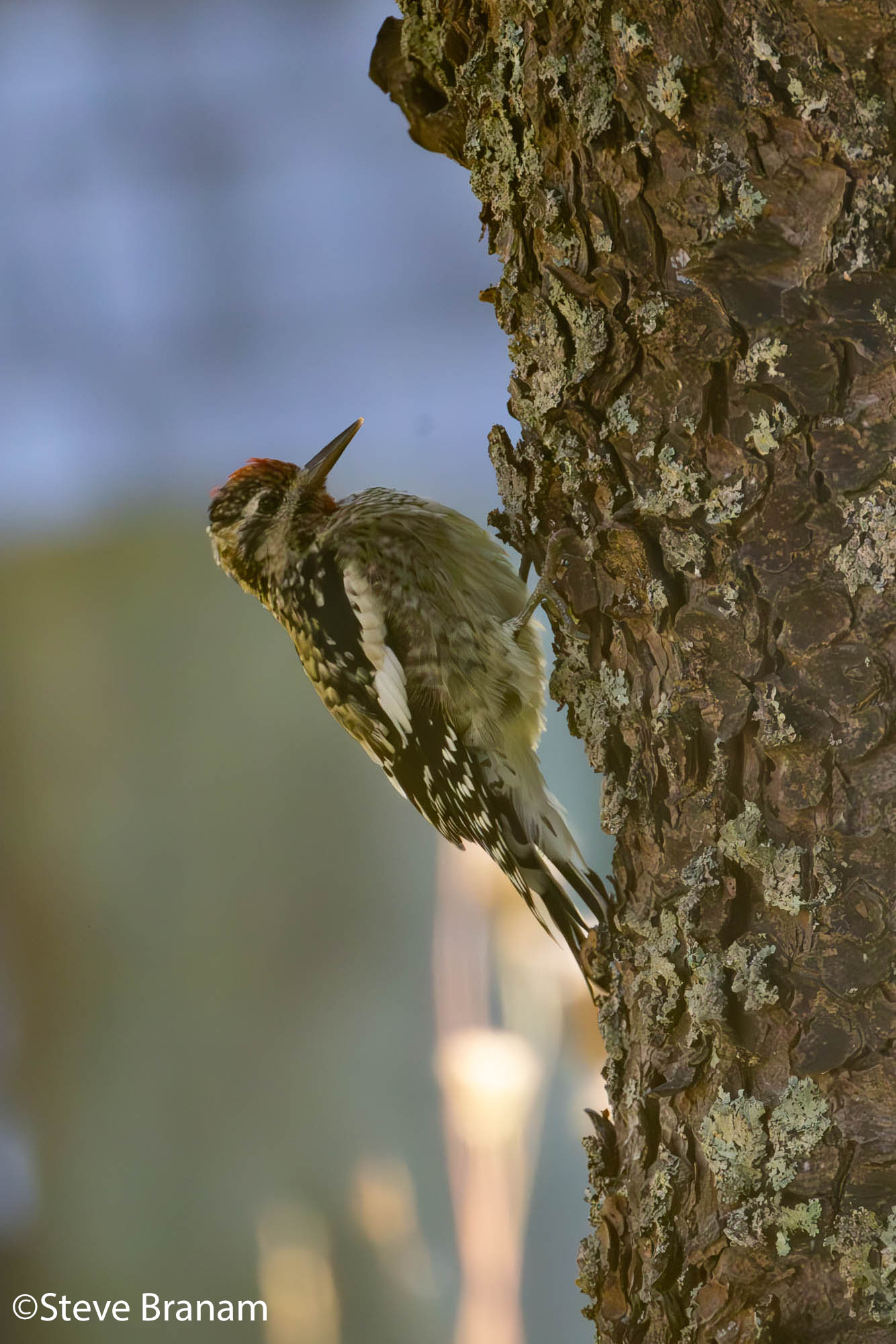
Yellow-bellied Sapsucker

A very pleasant boat ride back to the mainland for Jeannette and I was far too nice to produce any seabirds of note, but it was a lovely way to finish up a delightful and fruitful fall weekend.

Here’s the official tour checklist:

27-Sept28-Sept29-Sept
American Black Duck001
Mallard81216
Green-winged Teal001
Common Eiderxxx
Black Scoter008
Ring-necked Pheasant151525
Mourning Dove101512
Black Guillemotxxx
Laughing Gull8*02
Ring-billed Gull010
Herring Gullxxx
LESSER BLACK-BACKED GULL002
Great Black-backed Gullxxx
Common Loon1*00
Northern Gannet2*01
Double-crested Cormorantxxx
Great Cormorant015
Bald Eagle2*01
Sharp-shinned Hawk244
Belted Kingfisher101
Yellow-bellied Sapsucker02020
Downy Woodpecker243
Northern Flicker31515
Merlin686
Peregrine Falcon234
Eastern Phoebe033
Blue-headed Vireo034
Red-eyed Vireo13025
Blue Jay9139
American Crow444
Common Raven011
Black-capped Chickadeexx30
Golden-crowned Kinglet41540
Ruby-crowned Kinglet21020
Cedar Waxwing304040
Red-breasted Nuthatch286
Brown Creeper044
House Wren010
Carolina Wren51010
Gray Catbird10xx
Northern Mockingbird223
European Starlingx2626
Hermit Thrush010
American Robin002
American Pipit033
Purple Finch045
American Goldfinch10108
Chipping Sparrow01012
CLAY-COLORED SPARROW012
Dark-eyed Junco042
White-throated Sparrow155060
NELSON’S SPARROW003
Savannah Sparrow1610
Song Sparrowxxx
Lincoln’s Sparrow154
Swamp Sparrow21520
Rusty Blackbird042
Common Grackle22020
Baltimore Oriole276
Northern Waterthrush010
Black-and-white Warbler003
ORANGE-CROWNED WARBLER002
Nashville Warbler030
American Redstart010
MOURNING WARBLER010
Common Yellowthroat0810
Cape May Warbler013
Northern Parula11515
Blackburnian Warbler002
Yellow Warbler021
Chestnut-sided Warbler011
Blackpoll Warbler62515
Black-throated Blue Warbler001
Palm Warbler13020
PINE WARBLER021
Yellow-rumped Warbler20150100
Black-throated Green Warbler0103
Wilson’s Warbler010
Northern Cardinal8106
Rose-breasted Grosbeak101
Indigo Bunting011
DICKCISSEL11-21
Day Total446873
Warbler day total41514
3-Day Tour total=81
Plus with Jeannette after the group and on my own =13
Total warblers =19+1
Molting juvenile Cedar Waxwing learning how to eat Winterberry.

And the additional species seen by me without the group, on Monday, and on Tuesday:

  • 1 YELLOW-CROWNED NIGHT-HERON, 9/28.
  • 1 American Kestrel, 9/30
  • 1 YELLOW-BILLED CUCKOO, 9/30
  • 1 ASH-THROATED FLYCATCHER, 9/30
  • 1 Magnolia Warbler, 9/30
  • 1 Semipalmated Plover, 9/30 and 10/1.
  • 2 Wilson’s Snipe, 9/30 and 1, 10/1
  • 1 Great Blue Heron, 9/30 and 10/1
  • 1 Northern Harrier, 10/1
  • 1 Horned Lark, 10/1
  • 1 Brown Thrasher, 10/1
  • 1 Osprey, 10/1
  • 1 Scarlet Tanager, 10/1
Blackpoll Warbler

This Week’s Highlights: October 15 -21, 2022

I spent a lot of time looking at sparrows this week, as I love to do in October. This snappy immature White-crowned Sparrow was at Wolfe’s Neck Center on the 16th.

My observations of note over the past seven days included the following:

  • 1 continuing HUDSONIAN GODWIT, Wharton Point, Brunswick, 10/15 (with Saturday Morning Birdwalk group; the 247th all-time Saturday Morning Birdwalk species!). Observed at closer range later from the Maquoit Bay Conservation Land.
  • 1 Indigo Bunting, Wolfe’s Neck Center, Freeport, 10/16.
  • Incredibly morning at Bailey Island, Harpswell with Jeannette on 10/17: 1 ORANGE-CROWNED WARBLER, 1 CAPE MAY WARBLER, 1 Blue-headed Vireo, 1 Red-eyed Vireo.  6 total species of warblers; 7 species of sparrows. 400+ Dark-eyed Juncos, 200+ Yellow-rumped Warblers, 150+ White-throated Sparrows, 150+ Song Sparrows, etc, etc.
  • 1 ORANGE-CROWNED WARBLER, our yard in Durham, 10/17.
  • 1 Red Crossbill, our yard in Durham, 10/19.
  • 353 Ruddy Ducks, 1 Spotted Sandpiper, 61 Lesser Scaup, 18 Greater Scaup, etc, Sabattus Pond, Sabattus, 10/20.
  • 2 EVENING GROSBEAKS, 1 Common Yellowthroat, 50+ Swamp Sparrows, etc, Old Town House Park, North Yarmouth, 10/21.
I whiffed on phone-binning an Orange-crowned Warbler at Bailey Island on the 17th as I apparently followed the wrong bird. Turned out the other bird was this tardy Blue-headed Vireo, however.

This Week’s Highlights, April 9-15, 2022.

This stunning male Indigo Bunting really brightened up a wet and dreary morning on Bailey Island on Tuesday. Rather than just a very early migrant, this bird is more likely part of an “overshooting” vagrancy event that brought several southern birds to Maine in the past week.

I had relatively few things scheduled this week, so I took full advantage to spend a little extra time in the field – it might be July by the time I get a week this open again!  While I definitely “swung for the fences” a few times in my pursuit of finding rare birds, I enjoyed a really great week of birding overall.

My observations of note over the past seven days included:

  • 1 Northern Goshawk, Bradbury Mountain Hawkwatch, 4/10.
  • 1 Red Crossbill, Waterboro Barrens Preserve, Waterboro, 4/11 (with Jeannette).

But my highlight was experiencing a fallout along the southern York County coast on 4/14, led by Song Sparrows, Dark-eyed Juncos, and Golden-crowned Kinglets, but also including goodly tallies of Ruby-crowned Kinglets, Brown Creepers, White-throated Sparrows, Northern Flickers, and especially Hermit Thrushes. I also totaled 10 sparrow species on the day, several first-of-years, but alas, none of the hoped-for rarities. I summarized the event briefly in this post.

And my list of personal “first of years” and other new arrivals this week really showed the progression of the season.

  • 2 Hermit Thrushes, Winslow Park, Freeport, 4/9 (with Saturday Morning Birdwalk group).
  • 7 Pam Warblers, Florida Lake Park, Freeport, 4/10.
  • 2 Swamp Sparrows (FOS), Florida Lake Park, 4/10.
  • 16 Wilson’s Snipe, Highland Road, Brunswick, 4/10.
  • 5 RUDDY DUCKS, Sabattus Pond, Sabattus, 4/10.
  • 1 Barn Swallow, Bradbury Mountain Hawkwatch, 4/10.
  • 1 INDIGO BUNTING, Bailey Island, Harpswell, 4/12 (with Jeannette. See photo and note above).
  • 1 Savannah Sparrow, Bailey Island, 4/12 (with Jeannette).
  • 7 Broad-winged Hawks, Bradbury Mountain Hawkwatch, 4/12 (with Jeannette)
  • 1 Ruby-crowned Kinglet, Florida Lake Park, 4/13.
  • 2 Yellow-rumped Warblers (FOS), Florida Lake Park, 4/13.
  • 1 drake Blue-winged Teal, Spring Brook Farm, Cumberland, 4/13.
  • 1 Chipping Sparrow, feeders here at the store, 4/13.
  • 1 Field Sparrow, Fort Foster, Kittery, 4/14.
  • 1 Eastern Towhee, Fort Foster, 4/14.
  • 1 Northern Rough-winged Swallow, Fort Foster, 4/14.
  • 1 pair GADWALL (FOS), Seapoint Beach, Kittery, 4/14.
  • 1 Dunlin (FOS), Seapoint Beach, 4/14.

And finally, the first event of this year’s extended Feathers Over Freeport celebration is Wednesday, 4/20 at Maine Beer Co. A portion of the proceeds of every food purchase will directly support the weekend’s events! I’ll be joining park staff to answer questions about our local state parks, local birding, and the Feathers Over Freeport Weekend.  For more information, visit: www.maine.gov/feathersoverfreeeport

Additional Highlights This Week, 10/9-15

This truant Bobolink was at Wolfe’s Neck Center for our Saturday Morning Birdwalk, and was still present on the 13th when I snapped this photo through my binoculars.

A few additional non-boat and non-Sandy Point observations of for me over the past seven days for me included:

  • 1 Vesper Sparrow, 1 Bobolink, 1 White-rumped Sandpiper, etc, Wolfe’s Neck Center, Freeport, 10/9 (with Saturday Morning Birdwalk). Bobolink still present as of 10/13 (see photo above).
  • I counted exactly 59 Laughing Gulls at Wolfe’s Neck Center on both 10/9 and 10/13; a good count for this late in the fall.
  • 1 Pine Siskin (first of fall), Green Point WMA, 10/12 (with Jeannette).
  • ~70 American Pipits, Highland Road, Brunswick, 10/15.

Additional (non-Sandy Point) Highlights This Week, 10/2-8, Pelagic reminder, and Monhegan trip report.

This Savannah Sparrow contemplated walking across the channel instead of flying over the water during Morning Flight at Sandy Point.

A few observations of note away from the Morning Flight over the past seven days for me included:

  • 1 CLAY-COLORED SPARROW, Wolfe’s Neck Center, Freeport, 10/2 (with Saturday Morning Birdwalk).
  • Overall, it was a great week of sparrow migration, with a nice high count on 10/8 from Wolfe’s Neck Center of 125 Song, 100 Savannah, 75 Swamp, 25 White-throated, 2 White-crowned, and 1 Lincoln’s.
  • Sabattus Pond season is underway as well!  On 10/8, I had early-season tallies of 76 Ruddy Ducks (first of fall), 33 Lesser Scaup, 18 Greater Scaup (first of fall), 2 Ring-necked Ducks, 2 Red-breasted Mergansers (first of fall), etc.

Notes:

  • And I’ve finally posted my tour report from Monhegan, 9/24-9/28. The blog includes photos and daily checklists:

A Warbler (and Sparrow) Big Month. In December. In Maine.

December was unusually warm. In fact, it was record warm. And not just barely… records were shattered. The average temperature for the month was 38F. Not only was that a ridiculous 9 degrees above normal, it smashed the previous record of 24.8F (set in 2001). Surprisingly, despite the everlasting warmth, record daily highs were rare. Christmas Day was an exception, however, when temperatures soared to 62 in Portland, crushing the previous record high of 53, set just last year.

Our first measurable snow of the season didn’t fall until December 29th – the second latest date on record. Those 5-8 inches in southern Maine finally ushered in “real winter” and hopefully set the stage for a return to more normal conditions (although the last few days have once again been 5-10 degrees above normal).

Not surprisingly, such an unseasonable month resulted in some very-unseasonable birding. A variety of “lingering” or perhaps more accurately “pioneering” as Ned Brinkley, editor of North American Birds once dubbed it warblers in particular were making headlines.

So I decided to do a December Warbler Big Month. Because, well, warblers in December! In Maine!

With Tennessee, Yellow (2!), Nashville (2!), Common Yellowthroat, and Wilson’s on December 6th, I was half-way to my newly-set goal of 10 species for the month. The unusually mild fall has allowed more “lingering” birds to survive longer, and normal November hotspots are still hot (literally and figuratively).

Unfortunately, I waited until December 8th to decide to embark on this silly little hunt, so I had some catching up to do. There were some relatively easy ones (Yellow-rumped Warblers overwinter in a few places, along with “known” Blackburnian and Pine Warblers). That meant I just need to find an Orange-crowned Warbler (the second most-regular December warbler after Yellow-rumped) and then one other stray.

So off I went…

Not wanting to take any species for granted, I twitched a Pine Warbler that was reliably coming to a feeder in Brunswick on the 10th. I had to wait all of three minutes for it to arrive on my way back from walking Sasha. If only they were all this easy!
L1040178_PIWA2,JayStormers,Brunswick,12-10-15_edited-1

The next day I was once again at the Saco Yacht Club, looking for the Blackburnian Warbler (which I saw on Nov 30th – one day too early!). Activity didn’t pick up until the fog finally lifted after 10am, but I ran out of time. I did, however, enjoy another visit with the Tennessee, and 1 each of Yellow and Nashville Warblers. 2-3 Ruby-crowned Kinglets were also present, and a Yellow-rumped Warbler dropped in: my 7th species of the month! That and the Western Tanager were the consolation prizes (yes, I did just relegate the tanager to a consolation prize…shame on me… but I “needed” the Blackburnian!).
L1040189_WETA1,SacoRiverwalk,12-11-15_edited-1

I worked hard for an Orange-crowned Warbler in Portland on the 13th to no avail, but I did turn up the continuing Nashville Warbler along the Eastern Promenade (oh look, Portland ravaged vegetation here, too!) and a Gray Catbird on Sheridan St. I also took time to go visit the continuing Ross’s Goose along Stroudwater St in Westbrook – the third I have seen in Maine, and only the 6th or 7th state record.
IMG_6946_ROGO1,StroudwaterSt,Westbrook,12-13-15_edited-1(Phone-scoped image)

Continuing the quest, I had high hopes for the Southern York County Christmas Bird Count on the 14th. With a great territory that almost always turns up a good bird or three, Jeannette, Kristen Lindquist, and I worked the marsh, thickets, neighborhoods, and beach of the “Moody” sector. And we did indeed have a great day, including the 2nd Count Record Clay-colored Sparrow, the 5th Count Records of Baltimore Oriole and Lesser Scaup (21 – also a record high), and 6th Count Record of Dickcissel. But alas, not a single warbler. We didn’t even get a Yellow-rumped – for the first time, as there was virtually no fruit on the bayberry bushes along Ogunquit Beach or anywhere else.

When my friend Evan Obercian found a Yellow-throated Warbler at the Samoset Resort in Rockport on the 13th, my goal was definitely in sight (this was the “additional rarity” I needed), but in the weeks before Christmas, finding time was going to be a challenge. Luckily, a break in my schedule – and the rain – came on Thursday the 17th, so I got an early start and headed east.

I met up with Evan and Kristen and we wandered the grounds of the Samoset for almost two hours. I was not happy to find a stiff onshore breeze when I arrived, and it was increasing over the course of the morning. Then the mist rolled in, and soon, a steadier drizzle. There were not a lot of birds around (other than Canada Geese and Mallards on the golf course), and I was beginning to work on a plan to come back again. And not long thereafter, it called!

We spotted it in an isolated cluster of Scotch Pines, very near where Evan first saw it (and where we walked by 3 times already this morning). We followed it for about 30 minutes as it relocated to another grove before heading over to the hotel building, where it proceeded to forage in the sheltered porches of the four story building! Presumably gleaning insects from old webs in the corners and around furniture, clearly this bird had figured out a novel way of finding sustenance – especially on such a snotty day.

It was my 8th warbler of the month.
L1040215_YTWA3,Samoset,Rockport,12-17-15_edited-1L1040251_YTWA1,Samoset,Rockport,12-17-15_edited-1

I was back to the Saco Yacht Club with Luke Seitz the next morning, once again hoping for the Blackburnian. We worked the hillside and surrounding habitats hard, and absolutely cleaned up! The quick glimpse of a fly-by Western Tanager was more frustrating that satisfying, but we had great looks at the continuing Tennessee, Yellow, 2 Nashville, Common Yellowthroat, 2 Ruby-crowned Kinglets, and then, finally, the Blackburnian! My 9th warbler of the month!

Luke’s quote sums it up: “Let’s take a moment to appreciate what we are seeing and hearing around us right now. What. The. (Expletive deleted)!”

I had a little more time, so I made a quick trip down to Biddeford Pool. Working the neighborhood and thickets, I found a small group of Yellow-rumped Warblers (4-5), a nice addition to the day list. Besides, up until now, I had only seen one all month!

I was in the midst of plotting “Operation Orange-crowned” when I wandered over to look at a chattering Ruby-crowned Kinglet. A loud chip note caught my attention, and I looked up to see this Prairie Warbler – my 10th species of warbler for the month (and 7th of the day)!
L1040305_PRAW,BiddPool,12-18-15_edited-1

But did you really think I would stop at 10?

Hunting for Orange-crowns in Portland and South Portland on the 21st, I turned up a Baltimore Oriole on Sheridan Street (likely the same individual that Jeannette and I found here on 11/23), and along West Commercial Street (in what’s left of the vegetation here!), I had a Swamp Sparrow, and a Field Sparrow – my 8th sparrow of the month.
L1040314_FISP,WCommercialSt,Portland,12-21-15_edited-1

Hmmm…do I need to go for 10 sparrows, too?

Obviously!

So I went to Scarborough Marsh the next day, and quickly picked up a Savannah Sparrow along the Eastern Road Trail for #9.

Jeannette and I, post-holiday madness, continued the search on the 28th, combing the coast from Kittery through Wells. While nothing new was added, we did find three different Swamp Sparrows (two at Fort Foster, 1 in York Beach), and most excitingly, we relocated the Clay-colored Sparrow that we found on the CBC – a mere one block away. Once again, however, I managed only some quick phone-binned photos.
CCSP,Wells,12-28-15

A Northern Flicker and 5 Yellow-rumped Warblers were at Wells’ Community Park, while other highlights included 14 Sanderlings with Purple Sandpipers along Marginal Way in Ogunquit.

But before I knew it, it was December 31st. I still had yet to see an Orange-crowned Warbler (inconceivable!) for the month, and I was stuck at 9 species of sparrow. Therefore, Phil McCormack and I had a mission when we set out in the morning. We worked thickets and fields in Cape Elizabeth, with stops at various nooks and crannies in South Portland and Portland.

While we did not relocate the Lark Sparrow along Fessenden Road (it’s been a week since I have seen a report), we did have a Merlin there, and a couple of Yellow-rumped Warblers at Crescent Beach State Park. Luke had an Orange-crowned Warbler at Camp Ketcha back on the 20th, but it was rather devoid of birds today.

Throughout the day, pockets of Song and American Tree Sparrows were indicative of recent movements and concentration following the snow and ice, but we were not prepared for the concentration of sparrows at a particularly fruitful patch. In fact, it was astounding!

75+ American Tree and 50+ Song Sparrows flew out of the field, joined by 10 or so White-throated Sparrows and 20 or more Dark-eyed Juncos. A continuing female Brown-headed Cowbird was there, along with at least 80 American Goldfinches and 30 or so House Finches. A Carolina Wren sang from the woods, and two Swamp Sparrows and a female Common Yellowthroat were in the marsh…I knew my 10th species of sparrow was here somewhere!
L1040338_mixed_sparrows,Alewives,CapeE,12-31-15

After a teasing brief, distant but highly suggestive look, I finally found it – a Chipping Sparrow! My 10th species of sparrow in December!
L1040361_CHSP,Alewives,CapeE,12-31-15

Shortly thereafter, a Savannah Sparrow (my second of the month) appeared – not just our 7th species of the day, but the 7th species in this one spot! Amazing! And now I had a 7 species of sparrow day and 10 species for the month to match my 7 species of warbler day and 10 species for the month! (The Double 7/10 Split?)

But of course, I still wanted an Orange-crowned Warbler, so we kept birding (well, after a long, celebratory lunch of course), and I tried a few more OC spots in Portland after Phil departed. I still can’t believe I saw 10 species of warbler in Maine in December, and none of them were Orange-crowned, but it seems a fitting finish to the month, and the year, was the continuing Baltimore Oriole and Gray Catbird sitting in the same tree in the Sheridan St lot!
BAORandGRCA,SheridanSt,Portland,12-31-15_edited-2

Meanwhile, some other highlights over the course of the month, of the non-warbler or sparrow variety, including more seasonal species, such as two Snowy Owls on a Saturday Morning Birdwalk on the 12th, my first Iceland Gull of the season (finally) in Old Port on the 15th, a Snowy Owl at Biddeford Pool on the 18th, Harlequin Ducks, Purple Sandpipers, and a growing legion of wintering waterbirds.

Other signs of the unseasonably warm month included a lingering Double-crested Cormorant in Portland Harbor on 12/15, a few more lingering dabblers and Great Blue Herons than usual, but surprisingly, I didn’t see a Hermit Thrush all month – had they all moved on or would some now show up as the snow and ice pushes them to coastal migrant traps? But the most unexpected of them all was the Little Blue Heron that was found in the tiny Jordan Park Marsh in Ocean Park. I stopped by to visit it on the 22nd, about two weeks into its unseasonable stay.
L1040320_LBHE1,OOB,12-22-15_edited-1

Unfortunately, as much fun as this month has been – and as nice as it has been to not yet wear my parka – it’s impossible for me to ignore what this all means: the climate HAS changed. While no one month – warm or cold – is “climate change,” it is impossible for any rational person to not realize that our weather has become more and more unpredictable, less and less “normal,” and prone to more and more wild swings in seasonal and within-season variability. No, a hot day doesn’t mean Global Warming, nor does a snowstorm mean there’s not (Please James Inhoffe, please go away and shut the hell up). But the trends are real, very apparent, and very much here. Now. And they are most definitely affecting birds and bird migration.

That being said, I would not use these warblers as an example of this. Instead, I think the fact that here in December and they are still ALIVE, is however, a perfect example of just how ridiculously warm our weather has been! The mechanisms that delivered these birds to the Saco Riverwalk and elsewhere are likely varied. Perhaps the deformed, crossed-bill of the Tennessee Warbler impedes its ability to efficiently forage and put on the necessary weight for its next leg of migration. Perhaps the extensive southerly winds that have ushered in this warm air also facilitated the arrival of a 180-degree misoriented migrant Yellow-throated Warbler, and I would propose, the Prairie Warbler as well (I think the rare-but-regular late fall Prairies are actually birds from our south) that were “messed up” and flew the wrong way. But it is also possible that some of these warblers are “reverse migrants” that started to go south and then turned around, but I doubt it – facultative migrants like swallows and blackbirds do it, but I don’t know of any known proof that long-distance Neotropical migrants pull it off (on purpose, anyway).

These mechanisms occur every year, and rare warblers are found at places like the Saco Riverwalk every fall. However, they’re usually found in October and November and either move on (or, more likely perish) by now. So I think what’s remarkable is not that all of these warblers are here, but that they are still ALIVE well into December – and that is most definitely due to the mild winter so far. There have still been insects to be found, there’s plenty of fruit left to consume, and fewer calories have been spent to keep up internal body temperatures, meaning there are fewer calories that need to be consumed.

Migration in long-distance, obligate migrants is not triggered by temperatures, but trigged by physiological changes directed by hormones responding to the changing length of the day. In the fall, southbound migration is triggered in part by a response to changes in fat loading to fuel these epic journeys. At some point, the controls are switched away from building the fat reserves that are necessary for migration. I don’t know at what point in the season “pioneering” warblers lose the ability (perhaps, even the “desire”) to migrate. My guess is that even if you pumped these birds full of fat, at this point, they won’t be going anywhere – this is now their winter territory, for better, or for most likely, worse.

So what does this mean besides some amazing early winter birding? Good question. Conventional wisdom says these birds are all “evolutionary dead ends” that will soon be eliminated from the gene pool (it has to get cold sometime, right? If they’re not picked off by a Sharp-shinned Hawk or all of the damn outdoor cats that hunt there). However, with the effects of Global Climate Change clearly upon us, and not reversing anytime soon (if ever), perhaps these “pioneers” are the wave of the future. Maybe someday, warblers will successfully overwinter in Maine, and return to their breeding grounds to pass on those genes.

Maybe. Afterall, without vagrancy, we would not have Hawaiian honeycreepers or Darwin’s finches; distant islands would be sans all landbirds. Perhaps phenomena like “reverse migration” and this pioneering thing will allow the next wave of adaption to a changing climate. Of course, never before in the history of life on earth, has this change occurred so rapidly, and we have little evidence suggesting long-distant migrants can adapt this quickly – it’s going to take more than a few individuals of 10 species of warblers.

Sparrows, however, aren’t obligate long-distance migrants that are “programmed” to leave at a prescribed time. Instead, they are more flexible in their movements, and being seed-eaters, they aren’t reliant on warm-weather dependent insects. As long as seeds are available, and with the complete dearth of snow, they most certainly have been, those that linger can do just fine. White-throated, American Tree, Song, and Dark-eyed Juncos are all regular parts of our winter avifauna in southern Maine, lingering or “pioneering” Swamp Sparrows are regular here and there, and every now and then a Lark Sparrow (a “drift migrant/vagrant” from the Midwest) or Field Sparrow spends the winter in the state. Field and Clay-colored are also rare-but-regular in late fall/early winter, so once again, the presence of 10 species of sparrows is also not in and of itself caused by the record temperatures, but it is most definitely another sign of how mild – and especially snow-free – it has been.

But this is all a blog for another time…this blog was supposed to be about warblers (and sparrows!). In Maine. In December. And that’s amazing. Or, as Luke said, “What. The. (Expletive deleted).”

Not Your Usual December Highlights!

While this fall’s rarity season got off to a fairly slow start at the end of October, things have really heated up lately. In fact, it’s been a really outstanding couple of weeks.  And in the past few days, I have enjoyed some really great birding.

The mild temperatures have certainly played a role – while the southerly and southwesterly winds that have ushered in much of the unseasonably warm air may still be facilitating the arrival of some vagrants, at the very least the mild temperatures and benign weather are allowing vagrants and unseasonable “lingering” migrants to survive long enough to be found! And, the lovely weather is certainly keeping more birders out in the field. I have certainly been taking full advantage of this beautiful weather.

On Sunday, Ed Hess and I visited the Saco Riverwalk. While this is always a hotspot at this season, it is really extraordinary this year. After 8 species of warblers were seen there in November, the mild weather has allowed at least 5 species to continue – almost unprecedented for December. Ed and I saw the Tennessee Warbler, a really remarkable December record…
L1040092_TEWA,SacoRiverWalk, 12-6-15_edited-1

…both of the two continuing Yellow Warblers (the photos are of one of the two individuals), which is another exceptional species for the date…
L1040022_YWAR,SacoRiverWalk,12-6-15_edited-1

…the Nashville Warbler (and confirmed the continued presence of a second Nashville!)…
NAWA by Ed_edited-1

…the Common Yellowthroat (more expected for the season)…
L1040098_COYE1,SacoRiverWalk,12-5-15_edited-1

…and we saw one of the two Ruby-crowned Kinglets still present (much more regular in December than any warbler).
L1040116_RCKI,SacoYachtClub,12-6-15-edited

And although we didn’t see it, the most amazing of them all, a Blackburnian Warbler is still present. (Jeannette and I saw and photographed it earlier in the week, 11/30).
IMG_3040_edited-2

Ed and I then headed to Cape Elizabeth, where we photographed the continuing Grasshopper Sparrow at Dyer Point, and odd bird to see juxtaposed with Harlequin Ducks (18) and Purple Sandpipers (6)…
L1040136_GHSP2,DyerPt,12-6-15_edited-1L1040151_GHSP3,DyerPoint,12-6-15_edited-1L1040163_GHSP1,DyerPoint,12-6-15

…And we twitched a Wilson’s Warbler found earlier in the day nearby, just so we could say we saw five species of warblers in a day in December!  It cannot, however, be said that we “photographed” five species:
WIWA,CapeElizabethm12-6-15

The Grasshopper Sparrow was also our fifth species of sparrow on the day (Song, American Tree, White-throated, and Dark-eyed Junco) – I doubt I’ve had five species of warbler and 5 species of sparrows in the same day in December in Maine before.

Of course, that only somewhat consoled us about missing the vagrant Western Tanager that was found at the Riverwalk later in the afternoon. Damn.

On Monday, I headed over to Reid State Park in Georgetown with Kristen Lindquist. It was a rather quiet day here, but it’s always one of my favorite places to take a walk, especially on such (another) gorgeous morning.  43 Red-necked Grebes, a Northern Harrier, a flyover Red Crossbill (my first of the season), oh yeah, and another rarity: “Oregon” Junco.

While some might dismiss it as “merely a subspecies,” the westernmost subspecies of the Dark-eyed Junco is truly a rarity in the Northeast, and this was the first definitive “Oregon” Junco that I have seen in Maine (although I have never chased one at a feeder, where they are usually seen). It was in a small flock of “Slate-colored” Juncos and an American Tree Sparrow in the scrubby central ridge in the middle of the Griffith’s Head parking lot.

The flock flushed from short grass at the edge as we rounded the corner, and as it briefly alighted in a shrub, I was shocked to see a black-hooded junco. Closer inspection as we followed it for about 20 minutes yielded all of the pertinent field marks for a “textbook” Oregon, nicely eliminating the intermediate “hybrid swarm” – or whatever it is – that we sometimes refer to as “Cassiar’s” Junco.

Note the complete, black (not dark gray) hood, lacking contrast in the supraloral area. Also, the hood is cleanly demarcated on the back of the head, contrasting crisply with the reddish-brown back. The flanks and sides are particularly pale salmon-buff, which is not atypical for adult males (although many are much brighter). At the lower margin of the hood, note the smooth, rounded margin across the chest and up to the “shoulder.”
IMG_6908_ORJU4,meIMG_6909_edited-1IMG_6910_ORJU1,K_edited-1IMG_6912_edited-1,K.Lindquist

Afterwards, Kristen and I birded around Bath – no white-winged gulls or Barrow’s Goldeneyes yet, no doubt related to the mild temperatures as well, but we did spot one of the Snowy Owls at Brunswick Landing – unlike warblers, a slightly more expected highlight for early December in Maine.

While Jeannette and I didn’t turn up any rarities – or much of anything else for that matter! – birding Harpswell Neck this morning, I very much look forward to what the coming weeks will produce, especially when it finally turns cold!

Rarity Season-to-date: Nov 7, 2014

Two weeks ago (October 24th to be exact), I posted a blog heralding the arrival of “Rarity Season” here in Maine. The next day, a Townsend’s Solitaire was found on Hermit Island in Phippsburg. “Here we go,” I thought.

Unfortunately, things didn’t pick up immediately. In fact, despite some very good birding for the next week, there were few rarities discovered: a few Orange-crowned Warblers here and there, but a lot of “lingering” migrants. American Tree Sparrows, Snow Buntings, and a lot of waterbirds arrived, but these are all typical of the season. Personally, I had some great birding that week, such as an impressive array of tarrying shorebirds (led by the continuing family group of American Oystercatchers, a Hudsonian Godwit, and 6 Red Knots) in and around Biddeford Pool on the 27th, a nice diversity of birds at Reid State Park with Jeannette on the 28th (Tennessee Warbler, first-of-fall Snow Bunting, an impressive 473 Sanderlings), a huge count of 915 Ruddy Ducks and a continuing hen Redhead (a rarity) at Sabattus Pond with a friend on the 30th, more late shorebirds with 2 Semipalmated Sandpipers and 3 White-rumped Sandpipers at Pine Point on the 31st, and migrant sparrows in local patches and under feeders, including an increasing number of Dark-eyed Juncos and American Tree Sparrows. I also enjoyed two light flights at Sandy Point. And of course there are the goose fields to scour. (Don’t forget that I post near-daily reports to the store’s Facebook Page).

So yeah, I love October birding, even without rarities, and while landbird diversity decreases in November, there is still a lot of fun stuff to uncover. While rarities had been few during the first week or so of Rarity Season, I think the mild weather played a role: birds have just not been concentrated yet in warm microclimates and seasonally-productive microhabitats.

Plus, with more birders in the field on the weekends, more “good” birds are usually discovered. Unfortunately, the weekend of Nov 1-2 didn’t exactly invite a lot of people outside. In fact, for the first time, my annual Southcoastal Maine Rarity Roundup (where a group of us get together to scour the coast) was postponed. The massive coastal Nor’easter produced a heavy, wet, early-season snowfall (over 15” in Bangor and the Camden Hills!) and very strong north to northeasterly winds. It was a nasty day.
wind map, 11-3-14

While sea-watching was undoubtedly fantastic in periods when there was actually visibility, few reports of anything trickled in, as most birders stayed inside or found little of interest to report. The exception was a Greater White-fronted Goose, the first of the season, at the Greater Yarmouth Goose Fields.

With Jeannette out of town, my time was limited on Sunday and Monday mornings, but a walk with Sasha at Florida Lake Park on Sunday morning yielded a shock, with 5 Redheads. These were my 154th Patch Bird here, and while I went there hoping for some grounded waterfowl, these were definitely not the species I was expecting!

But in the wake of the storm, the first really cold air of the season arrived. Portland had its all time-record latest freeze, and for the first time, it received a measurable snowfall before the first freeze! Not surprisingly, some interesting birds arrived at feeding stations. There was a Baltimore Oriole at a Cape Elizabeth feeder and a Dickcissel at a Winterport feeder, for example. Plus, more Dark-eyed Juncos, American Tree Sparrows, and the first Fox Sparrows have filtered in (my first of the fall was in our Pownal yard on Monday morning). The usual smattering of late “lingering” warblers have been noted here and there as well, and there are a few very late Hudsonian Godwits and other shorebirds tarrying here and there.

With another active week of weather, I was antsy to get out birding, but unfortunately my schedule was a little busy. I had Tuesday, however, and made the most of it. Although I failed to turn up anything of note in the morning on Bailey and Orr’s Islands in Harpswell, Sabattus Pond was excellent again later that afternoon, led by still amazing counts of Ruddy Ducks, and now a pair of Redheads – it’s shaping up to be a very good fall for them in Maine.

And then this morning in Cape Elizabeth was exceptional. In fact, it was one of the best mornings that I have had so far this late fall. There was an Orange-crowned Warbler at Kettle Cove, a Gray Catbird at Crescent Beach State Park, and a Blackpoll Warbler with a Common Yellowthroat at Pond Cove.

But 2 hours on a private farm was absolutely unreal: Two Clay-colored Sparrows, a Dickcissel, an Orange-crowned Warbler, a wicked late Prairie Warbler and Lincoln’s Sparrow, an Indigo Bunting, 2 Common Yellowthroats, a Northern Goshawk, and my first Northern Shrike of the year, a brown immature. 100+ each of Dark-eyed Junco, House Finch, and American Goldfinch; 75+ each of Song and White-throated Sparrows; 40+ Swamp and 20+ Savannah Sparrows. And a single White-crowned Sparrow was my 10th sparrow species here today!
DSC_0013_CCSP,AlewivesBrookFarm,11-7-14_edited-1
1 of 2 Clay-colored Sparrows present this am.

But now we’ve reached the weekend, and I expect some fun stuff to be found. Surrounding states have also been relatively slow for rarities (but New Hampshire has started to pick up with continuing Yellow-headed Blackbirds and now a Western Grebe), likely due to the same factors as here in Maine, principally the mostly mild weather to date. Sunday will be our Rarity Roundup here in Maine, so I will look forward to seeing what we find – there has to be something really good out there! And if Cape Elizabeth today was a sign of things to come, the RR should be a whole lot of fun.

On Recent and Upcoming Weather, Vagrant Season, and Recent Great Birding

Late October through early November is traditionally the best “rarity season” in Maine, where vagrants from all directions are hoped for, and even expected. We’ve been in a rather active and dynamic weather pattern of late, and this may help to usher vagrants in our direction. While weather rarely “blows” birds off-course, winds and weather systems can certainly facilitate their arrival in far-flung places, especially when combined with some sort of misorientation (for a thorough discussion of the concept, see Chapter 7 of my book, How to Be a Better Birder).

As October progresses, the nights get longer, and the days (usually) get colder. The growing season comes to an end (although in many spots the killing frost has not yet reached the immediate coastline yet this year), and food sources become greatly limited. This can push vagrants that may have arrived over the course of the fall migration into favorable micro-climates and patches of seasonal food abundance. More recently-deposited vagrants, “late/lingering” migrants, and other more typical species can also concentrate in such prime areas, such as urban parks, coastal migrant traps, and so on.

Let’s take a look at some of the recent weather, and attempt to identify some possible species to consider.

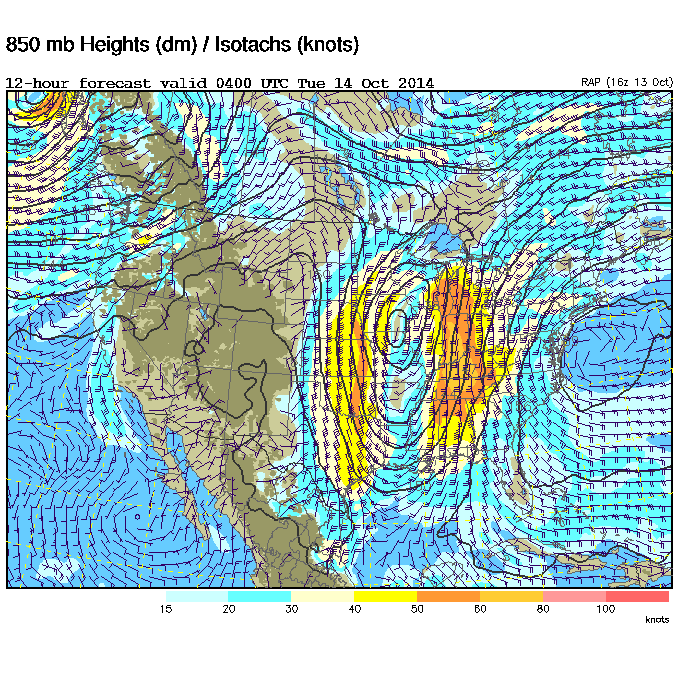
Over the past ten days, above normal temperatures were regular, thanks to southerly winds. Take a look at the wind map from October 13th, for example.
wind map, 10-13-14

Strong southerly winds pumped warm air into the area from the Deep South and the Bahamas (and the South Atlantic Bight). These are favorable conditions for depositing “180-degree misoriented migrants” from the south, such as Summer Tanagers and White-eyed Vireos. I wonder if it’s a little too late for a big push of southern birds, however, as many of the Neotropical migrants have already departed the continent. Meanwhile, that extensive southerly flow all of the way into Mexico is the type of weather pattern that can facilitate the arrival of long-distance vagrants, such as Fork-tailed Flycatcher.

Sparrows are on the move now, and northerly winds with cloudy skies overnight on 10/18 to 19 resulted in a big push of sparrows. The low ceiling likely resulted in disorientation of these low-flying migrants by the big city lights, resulting in a massive flight of birds in Portland’s East End on the morning of the 19th. I estimated over 2000 White-throated Sparrows and 500 Song Sparrows just on the Eastern Promenade alone, with dozens more in almost every lot I checked. A hundred White-throats were in the North St Community Garden, and by the end of the morning, I had tallied 8 species of sparrows, and impressive numbers of Chipping Sparrows (76) and Eastern Phoebes (15) among others. Although 2 Red-bellied Woodpeckers were my 175th species on my Eastern Promenade Patch List, I was surprised that I could not tease out any rarities from the volumes of birds (the sheer number of birds plus gusty winds hampered detection, no doubt).

By 10/19, a strong cold front – a rare occurrence this season – pushed through, and with it, a huge flight of migrants. I tallied over 1100 birds at Sandy Point on the morning of the 20th, led by 461 Yellow-rumped Warblers and 159 American Robins.

You can see how strong and extensive these northwesterly winds finally were from the wind map that day.
wind map, 10-19-14

Rain began to arrive in the afternoon of the 21st, and it didn’t let up until this morning. This massive coastal Nor’easter drenched Maine with up to 5” of rain, and moderate to strong northeasterly winds battered the state, especially the coast.
wind map, 10-23-14

Birding was a challenge on Wednesday and Thursday, as strong winds and often-heavy rain made things difficult. Rain and coastal fog and mist precluded seawatching, and any lake-watching for grounded waterfowl was rendered impossible by visibility and waves. Essentially, feeder-watching was the best bet these two days, and a growing contingent of sparrows at both our home and here at the store provided the entertainment. About 200 Common Grackles descended into our Pownal yard on the 23rd as well.

But now, today (Friday), this massive storm is finally pulling away.
wind map, 10-24-14

And I had a great day of birding in Cape Elizabeth. I began with some seawatching at Dyer Point. From 7:50 to 9:50, I had moderate to good visibility for all but a total of 47 minutes as light showers and mist rolled through. Seas were down to 4-6 feet, and moderate north winds continued. Here’s the scorecard (all southbound unless otherwise noted) – which was actually a little lighter than I had expected:
317 Double-crested Cormorants
127 Northern Gannets (about evenly split between north and southbound)
77 Common Eiders (several hundred northbound)
20 White-winged Scoters
18 Black Scoters
17 Red-breasted Mergansers
16 unidentified ducks
16 Common Loons (plus 18 northbound)
15 Surf Scoters
10 “dark-winged” scoters
8 Long-tailed Ducks (first of fall)
8 Red-throated Loons
5 Great Blue Herons
5 Bonaparte’s Gulls
3 Red-necked Grebes
2 Green-winged Teal
2 Great Cormorants
2 Laughing Gulls
1 Black Guillemot
1 Peregrine Falcon
1 White-throated Sparrow (flew in off the water at 8:05am).

Next up was Kettle Cove, where a nice diversity of migrants, especially sparrows, also included an Orange-crowned Warbler and 3 Common Yellowthroats. Even more interesting was this gull, which appears to be a hybrid Herring x Great Black-back. Intermediate in size and shape between the two, and with an intermediate mantle color, the short wings and pinkish legs separate it from Lesser Black-backed.
DSC_0002_HERGxGBBG1,KettleCove,10-24-14_enlarged_edited-1

DSC_0001_HERGxGBBG2,KettelCove,10-14-14_edited-1

A local sparrow-rific patch of private property was fruitful as well. Although a very tardy Bobolink was the only surprise here, plentiful numbers of sparrows included 200+ White-throated, 100+ Song, 50+ Swamp, 50+ Savannah, 50+ Dark-eyed Juncos, at least 10 White-crowned Sparrows, and a single Lincoln’s Sparrow. A Red-bellied Woodpecker and my second Carolina Wren of the morning were added to the tally.

A male Black-throated Blue and a female Black-and-white Warbler joined Palm and Yellow-rumped Warblers feasting on seaweed flies in and near the wrack at Pond Cove, where another Red-bellied Woodpecker was sounding off.

On my way back, I swung through the goose fields, and clearly more Canada Geese have arrived in the last few days. 718 was a new season-to-date high count, with the most interesting new arrival being this spiffy leucistic Canada. Unlike a hybrid with a Snow or a Domestic Goose, this neat bird was the same shape and size as the average Canada, but with a dull brownish cast to the head, neck, and wingtips.
IMG_4625_leucisticCANG1,GreelyRd,10-24-14_edited-1

As this nasty low rides up into Atlantic Canada and beyond, strong wrap-around winds will offer the potential to displace Northern Wheatears or rare geese from Greenland. Meanwhile, next week, we’ll see unseasonable warmth return on southwesterly winds (“vagrant winds” as I like to call them), just the type of scenario that can facilitate the arrival of strays from the southwest, such as Cave Swallows and Ash-throated Flycatchers. They will also facilitate the survival for at least a little longer of vagrants that are still present but as so far gone undetected.

There isn’t one predominate pattern that yields a strong suggestion of any particular vagrant (or group of vagrants) from any particular direction. However, it is clear that we are getting a nice sample of different conditions that could produce some fun stuff.

At the very least, I expect some big flights of migrants, both day and night in the coming days. In fact, I think there will be a big one tonight. Check out these northwesterly winds that should be ushering in a big push of birds:
wind forecast, overnight

Sparrows will make up the bulk of the flight, especially White-throated Sparrows and Dark-eyed Juncos. If the clouds clear by dawn, I might get a big push at Sandy Point. If the ceiling stays low overnight, look for concentrations of sparrows in migrant traps, especially in and around bright cities. Meanwhile, during the day, a lovely weather forecast should get plenty of birders out into the field.

Needless to say, I will be out looking, and I hope you will to! I look forward to what the coming days and weeks will bring.

October Birding in Maine.

October is my favorite month of birding in Maine. Great diversity, opportunities for observing the thrilling phenomena of migration, an increased chance for rarities, and often-beautiful weather combine to make for exciting times in the field.  I keep my schedule as free as possible for the month to maximize my birding time, and luckily, a current project dictates even more time in the field for me. For the past five days, October birding was at its finest, and my adventures nicely summarized what this glorious month has to offer.

On Friday, I spent the morning exploring 8 preserves of the Harpswell Heritage Land Trust. Six hours and about 5 miles of walking later, I had a better feel for the properties on Harpswell Neck, and their (significant) birding potential.

IMG_4568
Widgeon (sic) Cove Preserve.

I didn’t find anything out of the ordinary today – best birds were probably the Carolina Wren at Pott’s Point, a Red-bellied Woodpecker at the Skofield Shore Preserve, and a Nelson’s Sparrow at Stover Point – but almost all sites were delightfully birdy. Yellow-rumped Warblers were in abundance (especially at Mitchell Field) and there were plenty of Palm Warblers around (again, especially at Mitchell Field).  Other then a few Blackpoll Warblers, my only other warblers were single Pine at Skofield and a Black-throated Blue at the Curtis Farm Preserve.

Sparrows were widespread, as were Purple Finches and Pine Siskins, Red-breasted Nuthatches, and increasing waterbirds including a few groups of Surf Scoters. Mitchell Field was definitely the hotspot today, with good numbers of all expected migrants, along with migrant Osprey, a Sharp-shinned Hawk, a single Indigo Bunting, 3 Gray Catbirds, and 5 Monarchs.

After several nights with little visible migration (although there’s almost never “no” migration at this time of year!), clear and mostly light westerly conditions overnight Friday into Saturday produced a huge flight. Unfortunately, come dawn, clouds had rolled in and winds immediately shifted the northeast. Combined, the Sandy Point Morning Flight was reduced to a mere dribble totaling 91 birds, led by 36 Yellow-rumped Warblers. I was then shocked by a relatively slow birdwalk (even sparrow numbers were far lower than I would have expected) at Old Town House Park – where did all of the migrants overnight go? A Brown Thrasher was a good bird for here though.

Luckily, Saturday was the anomaly. After another very strong flight overnight, Sunday morning finally featured a light northwesterly wind.  Therefore, I finally got my fix in at Sandy Point, with my largest flight of the season.  9 species of warblers and a few new records highlighted the flight, with the following tally:

6:49-9:35am.
38F, clear, NW 5.1 to calm to WNW 4.7mph.

768 Yellow-rumped Warblers (*New Record).
421 Ruby-crowned Kinglets (*2nd highest).
179 Dark-eyed Juncos
116 Unidentified
87 Pine Siskins
79 American Robins
62 Black-capped Chickadees (*New a Record).
31 Golden-crowned Kinglets
26 Purple Finches (*New Record High).
21 Palm Warblers
20 Rusty Blackbirds (*Tied Record High).
17 Canada Geese
14 Blue-headed Vireos
14 Red-breasted Nuthatches
14 White-throated Sparrows
12 Chipping Sparrows
11 Savannah Sparrows (*New Record).
9 Northern Flickers
7 Eastern Phoebes
6 Black-throated Blue Warblers
5 Gray Catbirds
5 Swamp Sparrows
4 Unidentified kinglets
4 Black-throated Green Warblers
3 Brown Creepers
3 Hermit Thrushes
3 Nashville Warblers
3 White-crowned Sparrows
2 American Black Ducks
2 Blue Jays
2 WHITE-BREASTED NUTHATCHES (*tied record high).
2 Unidentified Catharus thrushes
2 Common Yellowthroats
2 Black-and-white Warblers
2 Lincoln’s Sparrows
2 American Goldfinches
1 Osprey
1 Yellow-bellied Sapsucker
1 Unidentified vireo
1 TUFTED TITMOUSE
1 Swainson’s Thrush
1 Nashville/Orange-crowned Warbler
1 Northern Parula
1 Blackpoll Warbler
1 MAGNOLIA WARBLER
1 Cedar Waxwing

Total = 1798 (*3rd Highest October Count).

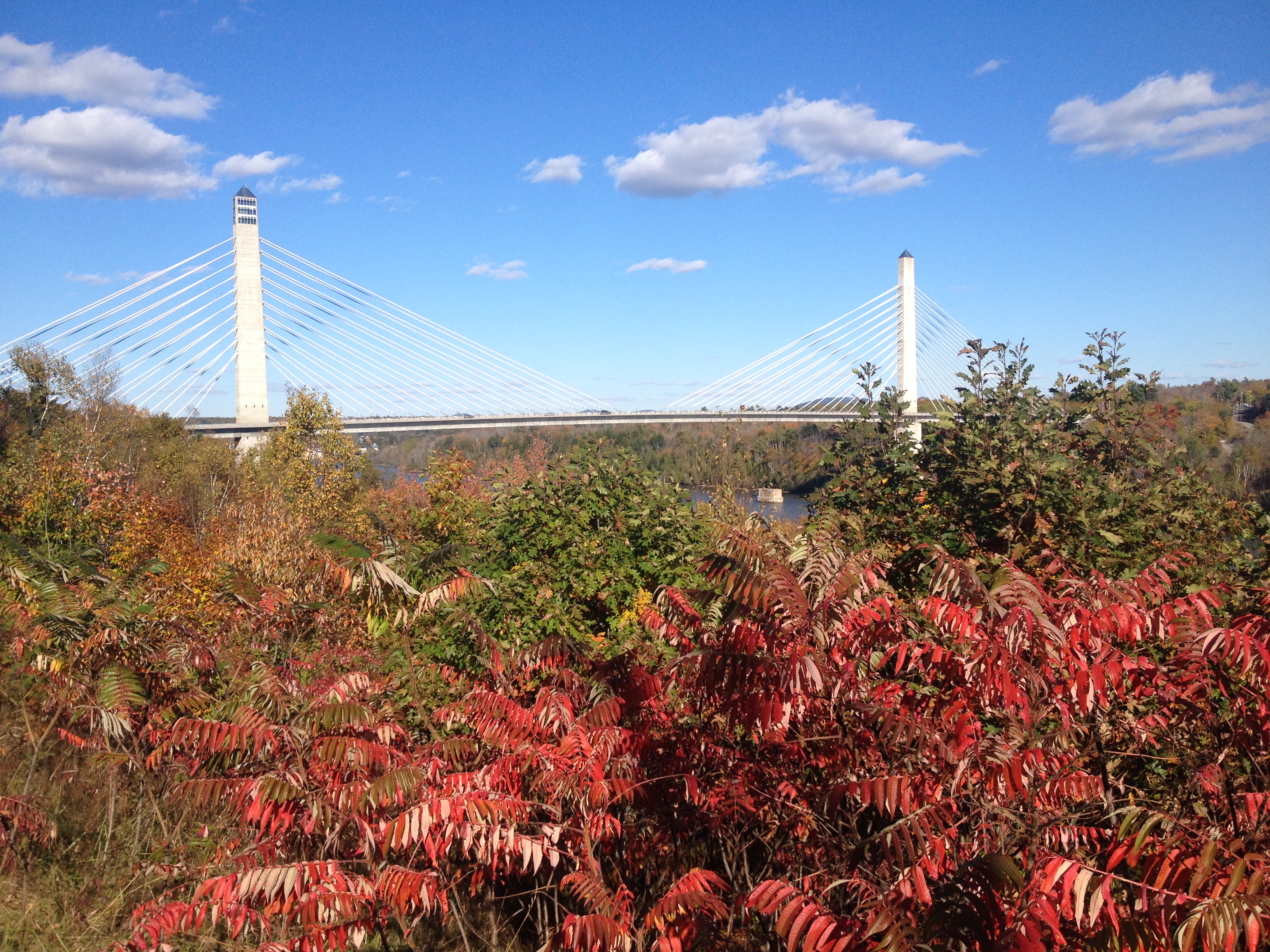
Afterwards, I began a quick trek east, visiting a friend in Camden, and having dinner with friends in Bar Harbor. In between, I enjoyed a little casual birding, and the fall foliage.
IMG_4574
The Penobscot Narrows Bridge.

On Sunday, Rich MacDonald and I did a little birding on the western half of Mount Desert Island.  An “interior/bay” subspecies of Nelson’s Sparrow at Back Beach in Tremont was a highlight, as was a nice variety of birds off Seawall Beach, including an unseasonable 148 Laughing Gulls.  20 Red-necked Grebes and about a dozen White-winged Scoters were also present.
IMG_4586

At noon, we boarded the Friendship V of the Bar Harbor Whale Watch for 3.5 hours offshore. I was really hoping for a Great Skua – my real reason (legitimate excuses aside) for this trip, afterall – but it was a rather slow day on the water. But hey, any day with a jaeger is a good day in my book, and we saw 3 Pomarines. 18 Northern Fulmars were a treat, but birds-of-the-trip honors goes to a rather unseasonable Manx Shearwater.  A single Great Shearwater, Black-legged Kittiwake, and a measly 3 Northern Gannets were all we could muster. Apparently, those northwesterly winds that finally gave me my flight at Sandy Point also pushed sea creatures out from these waters!
IMG_4591

DSC_0003_subadultPOJA,BarHarbor,10-13-14_edited-1
Subadult Pomarine Jaeger.

It was a quick trip Downeast, so I was home by Monday night, and in the morning – following a night with a return to southwesterly winds and no visible migration on the radar – Jeannette and I headed in the other direction. A ridiculously gorgeous day (light winds, temps in the low 70’s!) encouraged us to spend all daylight hours outside and birding hard, covering our usually route between Kittery and Wells.

As usually, Fort Foster provided the highlights, led by a White-eyed Vireo and an Orange-crowned Warbler.  Another Orange-crowned was at Seapoint Beach, an “Ipswich” Savannah Sparrow was in The Nubble neighborhood, 12 Brown-headed Cowbirds were at the feeders behind The Sweatshirt Shop in Wells, and Community Park hosted a Nelson’s Sparrow (ssp. subvirgatus).

Ten (and a half) species of sparrows (Eastern Towhee, Chipping, Savannah – plus “Ipswich,” Nelson’s, Song, Lincoln’s, Swamp, White-throated, White-crowned, and Dark-eyed Juncos) and six species of warblers (Orange-crowned, Black-throated Blue, Pine, Palm, Yellow-rumped, and Common Yellowthroat) were tallied, along with six species of butterflies (including a few dozen Monarchs).  Throughout the day we encountered lots of Yellow-rumped Warblers, Song and White-throated Sparrows, along with most of the regular October migrants from Horned Grebes (FOF) to Ruby-crowned Kinglets.

So there you have it. That’s just a sample of what mid-October has to offer here in Maine.  What’s left?  Finding that “Mega” rarity of course!