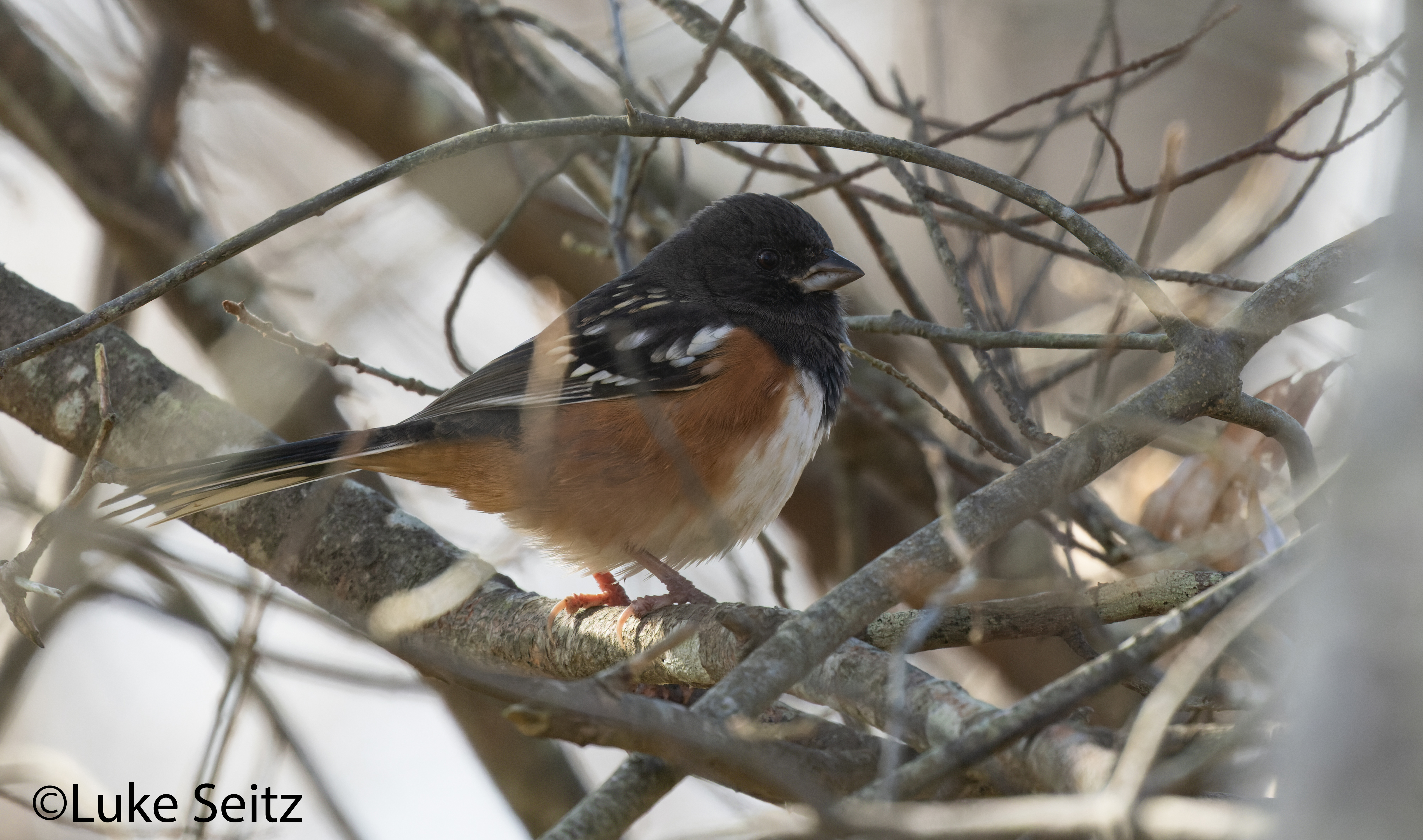
After seeing the Spotted Towhee briefly a few times late in the morning on the 19th, Jeannette and I returned at the end of the day to see if we could see it better. That worked out perfectly, but the light was getting low for photos, as you can see here. See notes and musings below.
I enjoyed another great week of birding, searching for rarities, and catching up with perhaps an old friend! It’s been a great rarity season to date, and with a return to a more dynamic weather pattern, perhaps it’s only the start.
1 continuing Red-throated Loon, 287 Ruddy Ducks, 363 total Lesser+Greater+too distant Scaup, ~75 Snow Buntings, 2 Northern Pintails, 1 American Wigeon, etc, etc, Sabattus Pond, Sabattus, 11/17 (with Dan Nickerson).
~100 Snow Buntings and 1+ Horned Lark, Plains Road, Turner, 11/17 (with Dan Nickerson).
1 American Pipit, Pearl Road, Turner, 11/17 (with Dan Nickerson).
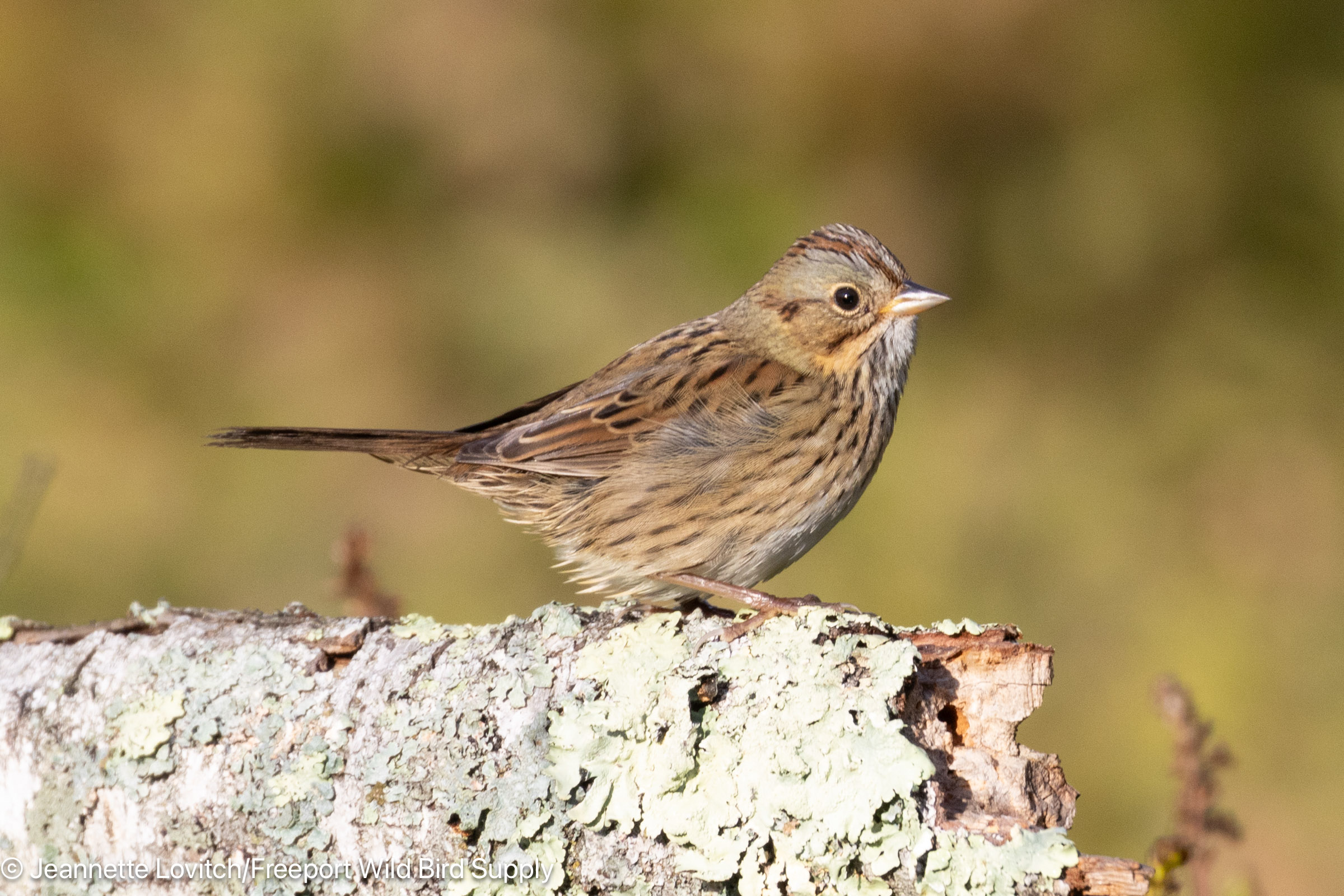
1 continuing SPOTTED TOWHEE, 1 continuing “Western” Palm Warbler, and 1 Pine Warbler, Seapoint Beach, Kittery, 11/19 (with Jeannette). Is this the same Spotted Towhee as I found last year at nearby Fort Foster? If so, did it return from a summer on breeding grounds? If yes, did it fly back to the actual breeding range of Spotted Towhees (likely near where it was born) or did it continue its navigational mistake and spend the summer distant from any potential mates? Or, has this bird been present locally since last winter? Considering its secretive nature and the amount of dense thickets with no birders between Fort Foster and Seapoint Beach, this is plausible as well. In fact, it being a different bird seems like the least likely scenario! Like all vagrants, it tends to produce more questions than answers, which is what makes vagrancy so fascinating! Photo above.
1 Ruby-crowned Kinglet and 1 Winter Wren, Fort Foster, Kittery, 11/19 (with Jeannette).
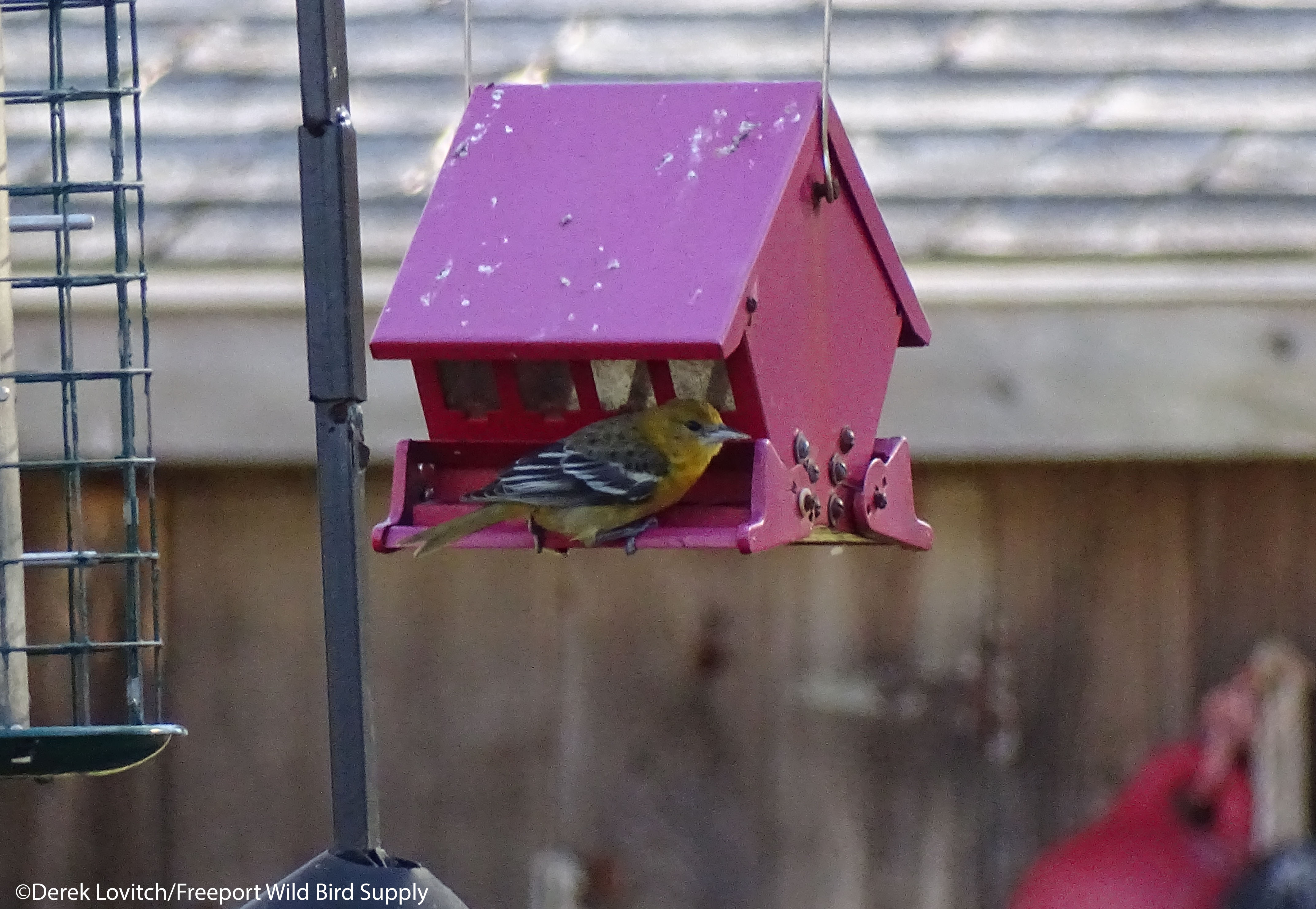
1 BALTIMORE ORIOLE, private property in Richmond, 11/21. A nice surprise bonus during a yard consultation appointment. Homeowner reports it has been present for three days.
An above-average number of species such as Northern Flickers, Hermit Thrushes, Swamp Sparrows, and Red-winged Blackbirds continue around the area.
I usually miss at least one “Mega” rarity whenever I go away, so I was pretty pleased that this Common Gull – found on 10/31 by Evan Obercian at the Samoset in Rockland – stuck around until we returned. I was able to see it on 11/3. It took a while, but when it eventually spread its wing, the species/subspecific ID became certain. Separated by the abundant Ring-billed Gulls by the smaller size, slightly darker back, and thin bill, we can rule out the West Coast Short-billed Gull by the length of the bill and the wing pattern. Separation from Kamchatka Gull is more challenging, but it wasn’t particularly dark, the head was lightly flecked with brown, and there’s a relatively distinct bill band. According to Ayyash (2024), the shorter gray tongues on the outer primaries, the large P9 window that connects with the large P10 window, and little to no white at the end of the tongue on P8 all suggest Larus canus canus (and not Kamchatka Gull).
It’s November, and that means “Rarity Season” and unlike recent Novembers, Rarity Season is off to a roaring start. Here are my observations of note over the past 6 days. Below, see the trip report for our 7-day birding cruise that included time in Maine waters.
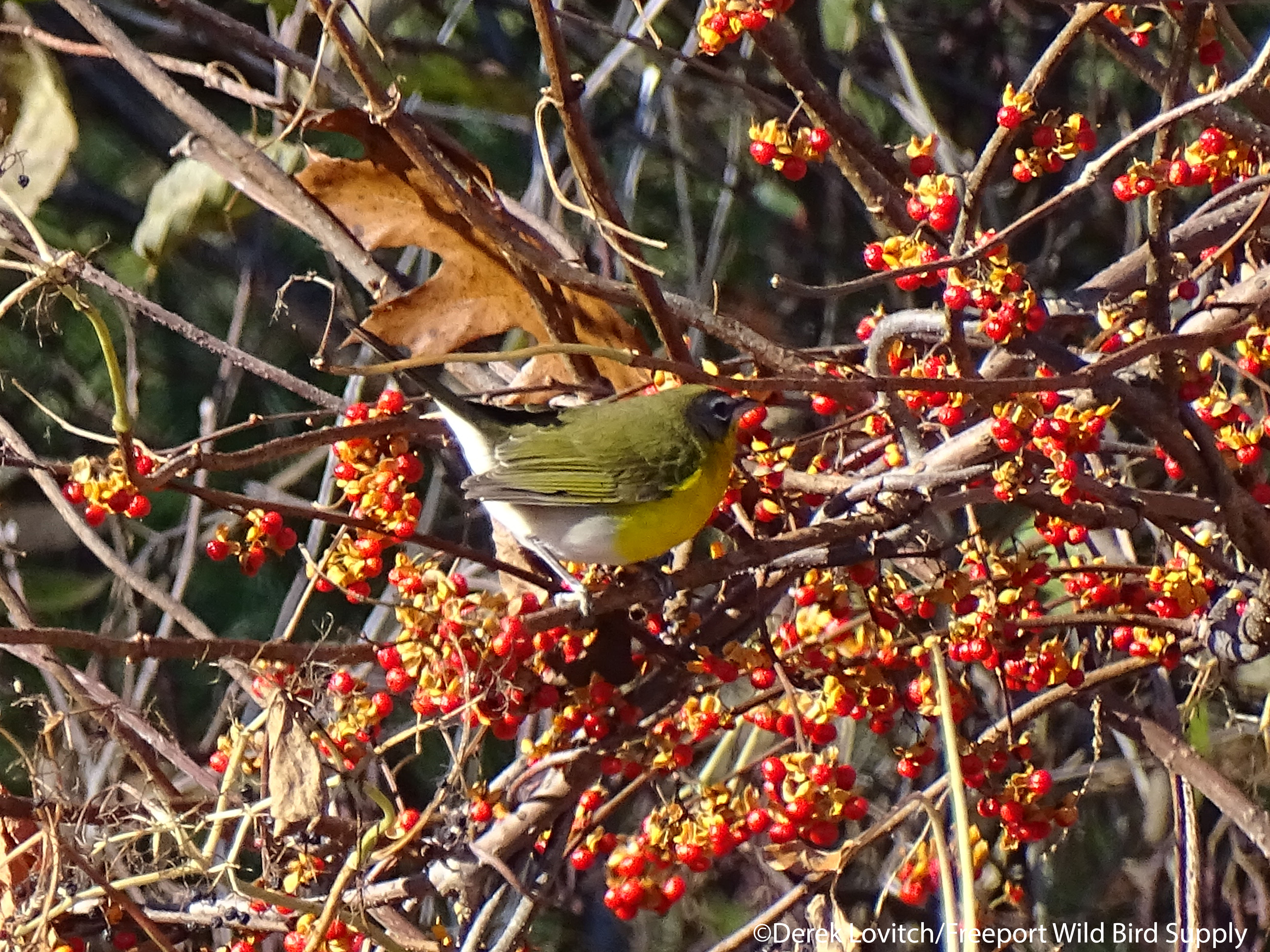
Although I chase even less frequently these days, I did make time to go see one of the two COMMON GULLS at the Samoset in Rockland on 11/3. Photos and discussion above. Additionally, I caught up with the YELLOW-BREASTED CHAT that was found there that day, although I blew the photos. A “Western” Palm Warbler, several American Pipits, and 4 Horned Larks were also present.
1 Pine Warbler, Bailey Island, Harpswell, 11/5 (with Jeannette).
1 RED-EYED VIREO and 6 American Tree Sparrows (FOF), Trout Brook Preserve, South Portland, 11/7.
Biddeford Pool environs, 11/8:
1 BALTIMORE ORIOLE
1 PRAIRIE WARBLER
1 “Ipswich” Savannah Sparrow
1 Rusty Blackbird
2 Lapland Longspurs
2 Greater Yellowlegs, 22 Black-bellied Plovers, and 26 Dunlin.
2 Northern Pintails
4 Hermit Thrushes and 1 Swamp Sparrow, etc.
Our Durham property is much quieter overall these days, but a few Red-winged Blackbirds have been around, a Ruby-crowned Kinglet was present 11/5-6, our first Pine Siskin of the season at home visited on 11/5 and increasing daily since, and Dark-eyed Junco numbers have continued to grow. At least one each of Swamp and Savannah Sparrow continue.
TRIP REPORT
Last week, Jeannette and I boarded a Princess Cruises ship in New York City to unofficially survey for rarities and things like Great Skua. The entire trip report is here, but our highlights from Maine specifically included:
1 RED-EYED VIREO, 2 Orange-crowned Warblers, 2 Field Sparrows, etc, Eastern Promenade, Portland, 10/29. Yes, we took a cruise only to go home!
Passerine FALLOUT, 10/30. Awoke to birds on deck before dawn. 16.5 nautical miles southeast of Mt. Desert Rock. 12 species of passerines, led by 8++ Yellow-rumped Warblers but also including 1 Rusty Blackbird, 1 “Ipswich” Savannah Sparrow, 1 Snow Bunting, and perhaps most surprisingly, 7 European Starlings. Another birder on board photographed a Pine Warbler.
Very little time was spent in daylight in Maine waters, unfortunately, but we did have a couple of Northern Fulmars in Maine waters very early on the 30th.
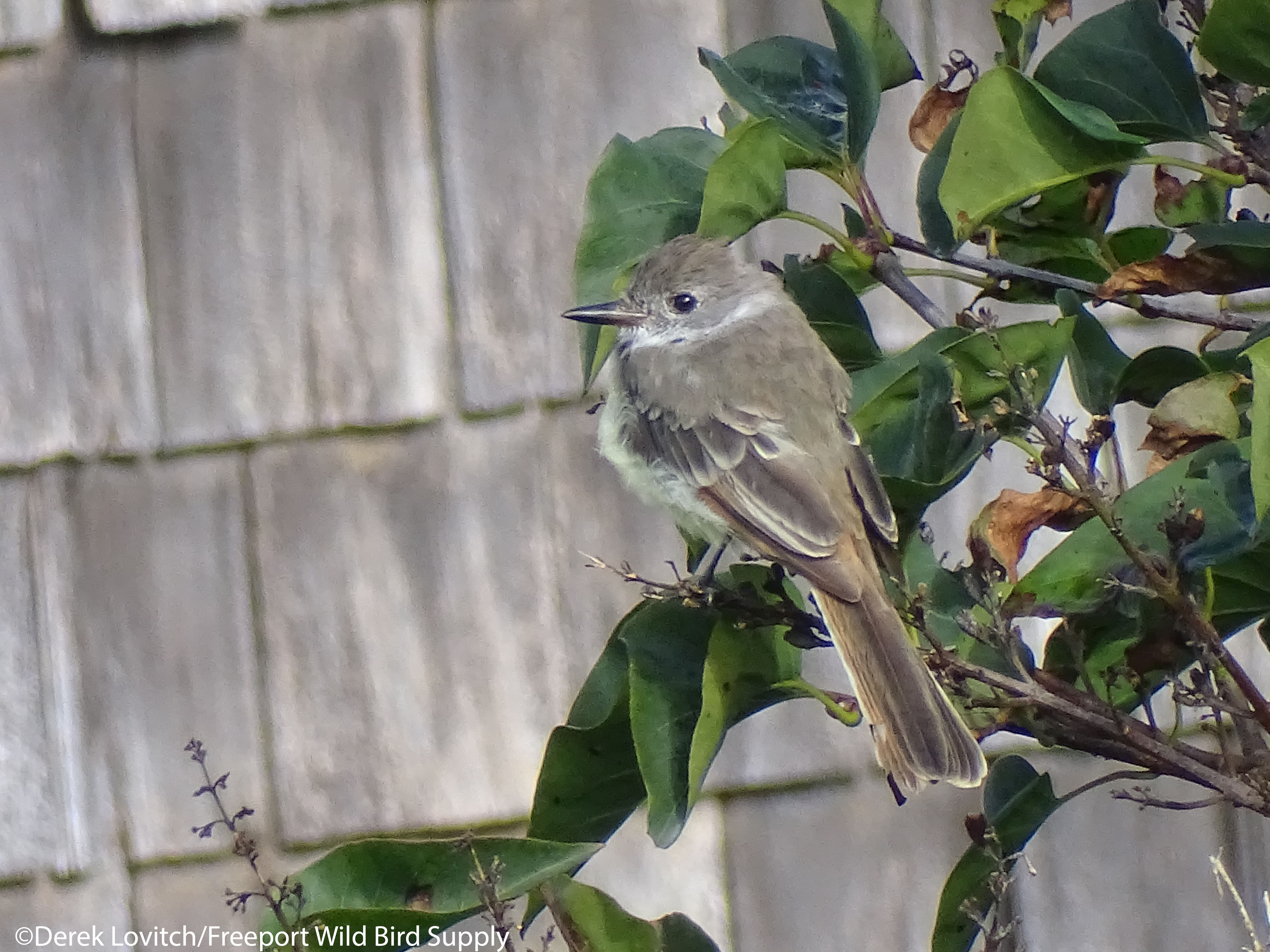
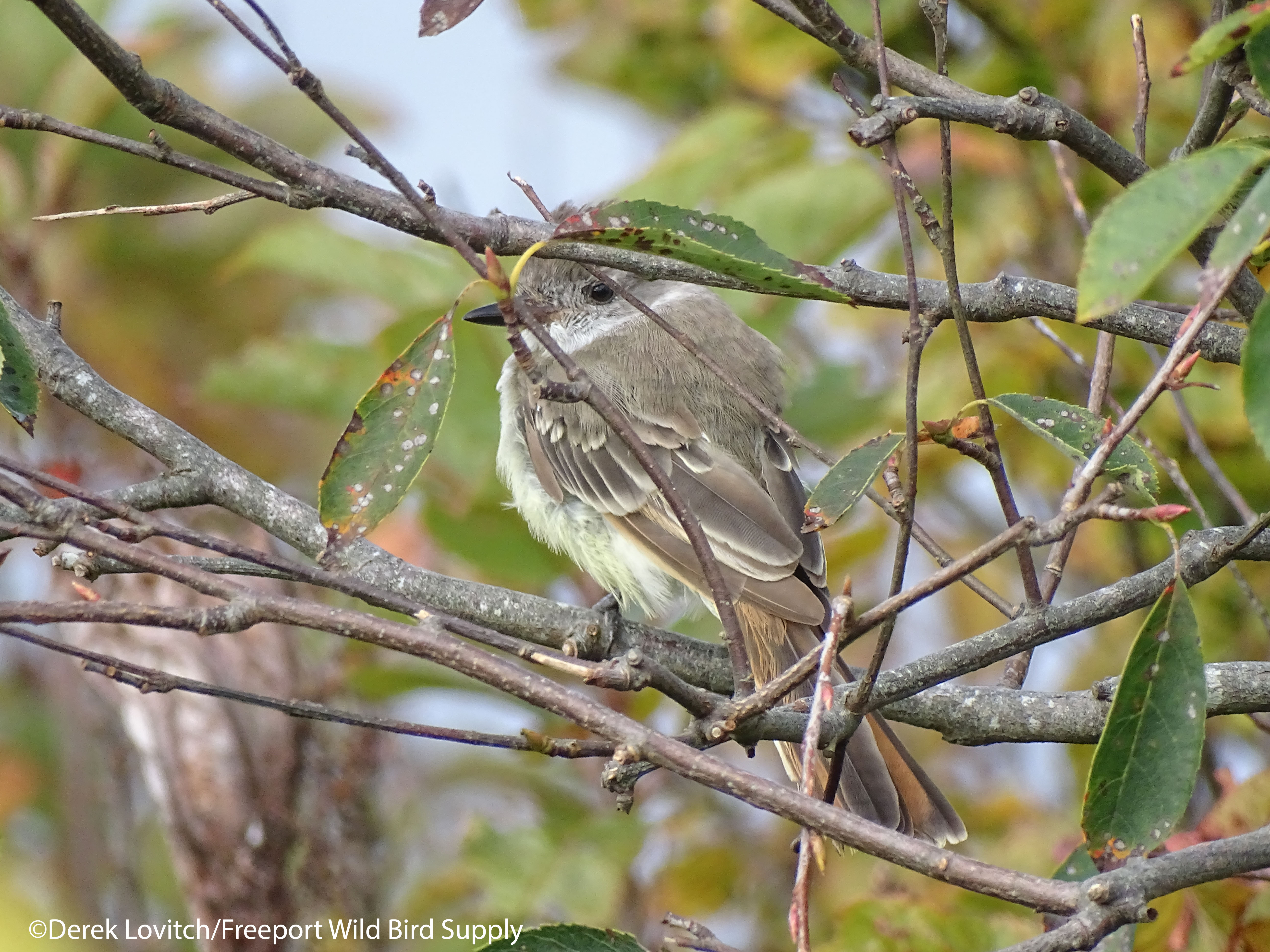
Monhegan’s third Ash-throated Flycatcher was found by Ken and Sue Feustel on Monday, September 30th. I was lucky enough to relocate it a short time later and snag these photos. Despite much searching, only one observer saw it on 10/1, but it is likely still on the island but having recovered, moving around widely. It was not in great shape, with a real tattered plumage, but as the morning went on it continued to feed and look healthier. Although one half of the tail is tattered, the photo below shows the diagnostic pattern in the outer tail feathers, where the dark brown from the outer web wraps around to the end of the inner web. This feature eliminates an even rarer Myiarchus flycatcher, which was important given the rather early date of this individual.
My birding this week included five wonderful days on Monhegan, and two very productive mornings on our Durham property.
My observations of note from Monhegan included (full trip report with photos soon):
1 YELLOW-CROWNED NIGHT-HERON (calling after dark; not with group)
9/29 (with Monhegan Fall Migration Tour group):
2 Orange-crowned Warblers
2 Clay-colored Sparrows
3 Nelson’s Sparrows (ssp subvirgatus)
2 Lesser Black-backed Gulls
9/30 (on my own and then with Jeannette):
1 Yellow-billed Cuckoo
1 ASH-THROATED FLYCATCHER (see photos and notes above)
2 Clay-colored Sparrows
1 Orange-crowned Warbler
1 Lesser Black-backed Gull
2 Wilson’s Snipe
10/1 (with Jeannette):
2 Dickcissels
1 Scarlet Tanager
1 Wilson’s Snipe and 1 Semipalmated Plover
Highlights from the yard included 8+ Lincoln’s Sparrows and a late Nashville Warbler on 9/26, while on the morning of 10/2, 70+ Swamp Sparrows, a continuing Indigo Bunting, and a juvenile Red-shouldered Hawks were among the birds present.
Lincoln’s Sparrows have been quite common in our yard all week, offering ample photo ops.
UPCOMING TOURS:
Our annual half-day pelagic with our partners Cap’n Fish’s Cruises out of Boothbay Harbor is only 1 ½ weeks away! Join us on this annual favorite on October 14th – a nice, late date that should put us more in the season of things like Great Skua. More info and link to registration is here.
A few spaces remain on our Birds on Tap! – The Boat Trip! To House Island in Casco Bay on Sunday, October 20th. More info here.
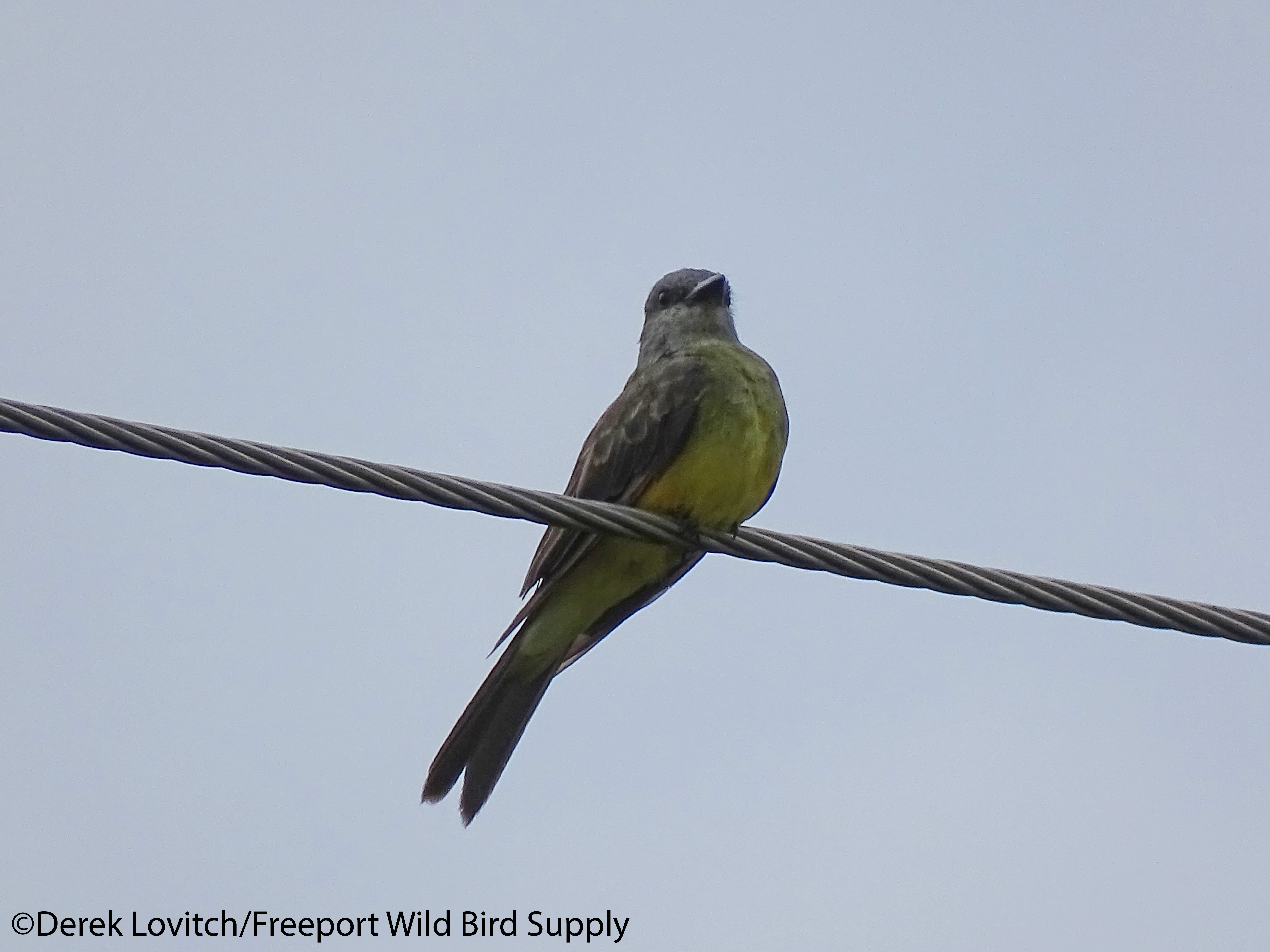
This Tropical Kingbird, a long-overdue third state record, was discovered at the Skelton Dam Boat Launch in Dayton. Many of us saw it on the morning of 7/18, but it may have been present for nearly three weeks before being identified!
It’s been a busy 12 days, with a weekend in Quebec City and summertime human visitors. Of course, the last day in Quebec City was when the Ferruginous Hawk was 20 minutes from our home. Oh well…brunch was absolutely fantastic. Sadly, life and work minimized my birding during this period, despite a suite of rarities now appearing around the Northeast. Luckily, I did have a couple of good mornings in the field before we head out on our summer vacation, including hours of quality time with a Tropical Kingbird in Dayton that was happily identified while I was around and somehow free of responsibilities for the morning! I wonder what will show up while we are gone this time!?
Both Yellow-billed and Black-billed Cuckoos have been calling on our Durham property all week.
2-3 Grasshopper Sparrows, Auburn-Lewiston Municipal Airport, Auburn, 7/15 (with Doug Hitchcox et all).
1 continuing TROPICAL KINGBIRD, Skelton Dam Boat Launch, Dayton, 7/18 (with m’obs). Third state record, first chase-able. Long overdue state bird for me! After years of expecting, predicting, and looking for one, in my frustration, I pulled it off my “Next 25 Predictions List” and so I don’t get any credit for this one. I still enjoyed it though. Photo above, and video here: https://www.facebook.com/share/v/4qyGf1VSmw1wpSon/
The salt pannes along the Eastern Road Trail in Scarborough Marsh are exceptional right now due to low water levels. On the morning of the 19th, a few of the tallies included 125+ Snowy and 50+ Great Egrets; 50+ Glossy Ibis; and 20+ Great Blue Herons. Shorebird numbers included a nice number of Least and Semipalmated Sandpipers; 50+ Greater and 30+ Lesser Yellowlegs; 16 Short-billed Dowitchers; and 2 Pectoral Sandpipers (FOF). Of course the highlight for me, however, was “Patches Jr, Jr” – the proposed HYBRID TRICOLORED HERON x SMALL WHITE EGRET(S) SPP back for another year. In fact, it’s already year 12 of this complex here. Unfortunately, it was too far for photos today. For more information, see: North American Birds, Volume 72: No 2, pp 28-40.
This Hepatic Tanager was a shocking discovery in Stockton Springs. I caught up with it on 12/31 to bring my 2023 birding year to a close. Such a lousy phone-scoped photo of such an amazing bird, though!
Happy New Year List Everyone (for those who keep one)! Rarities abound as we finish 2023 and begin 2024, and I caught up with a few of them this week, and, even more satisfying, found a few “good birds” of my own.
1-2 Red Crossbills continue in and around our Durham property this week. I need to work on finding breeding activity.
At least two Turkey Vultures continue in the I-295 corridor between Yarmouth and Freeport through week’s end.
I finished 2023 off with a bang, visiting the HEPATIC TANAGER on Station St in Stockton Springs on 12/31 (with Evan Obercian). Photo above.
1 male Red-winged Blackbird, Rte 127, Arrowsic, 1/1 (with Jeannette).
2 REDHEADS, 3 AMERICAN COOTS, 4 RUDDY DUCKS, 1 Long-tailed Duck, about 50 Lesser and 25 Greater Scaup, etc, Chickawaukee Lake, Rockport, 1/1 (with Paul Doiron, Kristen Lindquist, and Jeannette).
1 Northern Flicker, Thompson Meadow Road, Rockland, 1/1 (with Paul Doiron, Kristen Lindquist, and Jeannette).
Jess Costa and I went down to Ogunquit Beach on 1/4. to look at the unprecedented mixed-species warbler flock that has been in and around the dunes and wastewater treatment plant here. I glimpsed what “had to be” the TOWNSEND’S WARBLER, but between the two of us, we saw the two CAPE MAY WARBLERS, 1 TENNESSEE WARBLER, 2 “WESTERN” PALM WARBLERS, 1 PINE WARBLER, and 3-4 Yellow-rumped Warblers well. However, my interest was observing the flock as a whole, especially what they were eating, what the range of the flock was, and whether the birds were exhibiting “normal” niche differentiation. Unfortunately, we only had two encounters with the whole wave in 3 hours, and periods of up to 45 minutes went by without seeing a warbler anywhere in the dune line. Where else are they going? The lack of sun that day made the edge less inviting, but they still seemed to have disappeared from the pine forest. Were they heading into a neighborhood or across the marsh? I have more questions than answers after the visit, so I might have to find time to go back! We also had one Red Crossbill, 1 MERLIN, two Northern Harriers, etc.
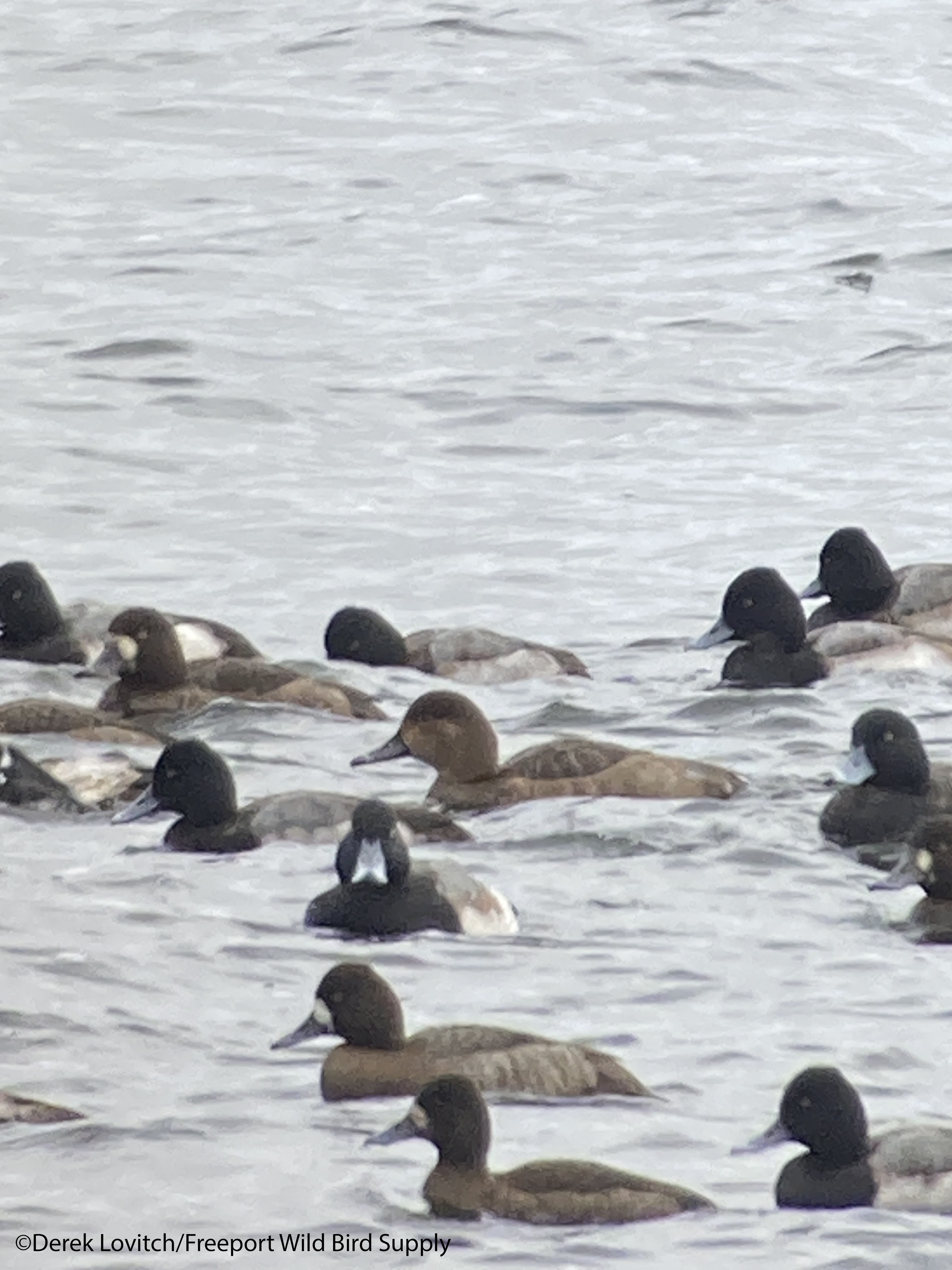
1 drake BARROW’S GOLDENEYE, 64 Lesser Scaup, 19 Greater Scaup, 1 Red Crossbill, etc, Lake Auburn, 1/5 (with Dan Nickerson)
2024 PREDICTIONS LIST BLOG NOW POSTED!
After an 11th-hour addition and requisite updates, my famous-ish Predictions Blog is now ready for viewing. In this annual post, I attempt to forecast the next 25 species to appear in Maine, as well as predict what the next 25 species I personally will see in the state. I also summarize the new species added to Maine’s list in 2023, as well as my own personal highlights and new species.
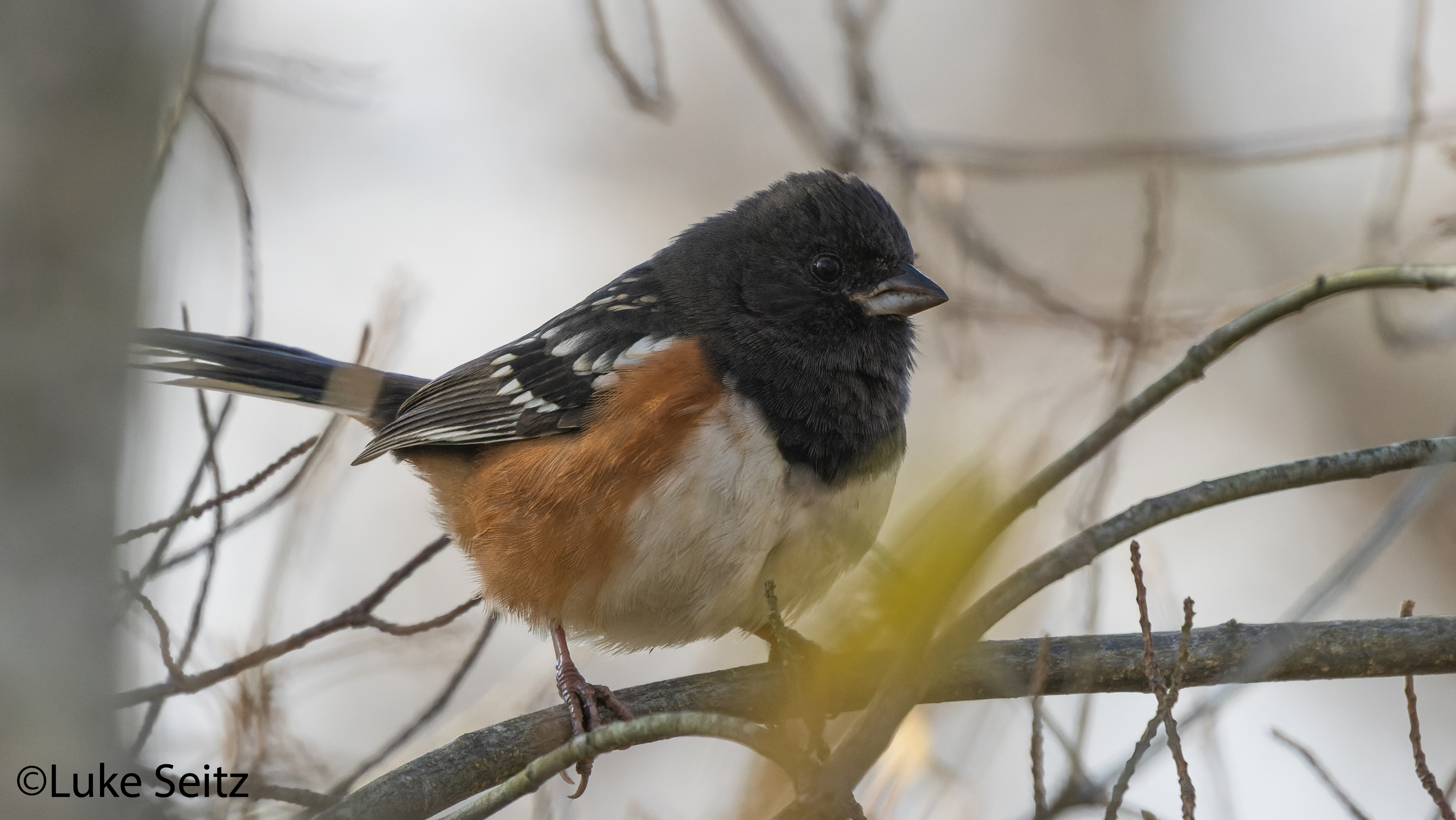
The only thing sweeter than seeing a first state record is when you find it yourself! This Spotted Towhee that I found in November at Fort Foster in Kittery was #4 on my list of next birds for Maine.
It’s once again time for my annual Predictions Blog, where I view into my crystal binoculars and attempt to forecast some of the “new” birds to grace the State of Maine – and then my own personal state list – in the coming year.
It was another great year for “mega” rarities in Maine. Whether it’s more birders and better communication, a climate in crisis, neonicotinoid pesticides effecting navigation, and more – or likely, all of the above – more really strange birds are ending up in really strange places – Maine definitely included. Four new species showed up in Maine in 2023, plus a first state record whose photos surfaced from 2022. I also had another pretty good year, despite much reduced birding as I recovered from shoulder surgery and a series of setbacks thereafter coupled with a record-busy year for tours and private guiding.
Last winter, recovering from shoulder surgery, I spent a lot of time watching our feeding station, quantifying those ebbs and flows, and paying a lot of attention to behavior. From dominance hierarchies in junco flocks to a case of Sharp-shinned Hawk cannibalism, dedicated feeder-watching (in a house designed to maximize it!) was a great way to pass the time stuck indoors. I recounted many of my observations in blogs earlier this year, especially these two:
Once up and about, I found myself forgoing birding mornings afield – especially in the fall – to just enjoy migration through our property in Durham and build our rapidly expanding yard list. Having moved in last fall, it was exciting to see the seasons change. Fall migration was particularly productive, and I found myself not wanting to bird anywhere else before work. Some great yardbirds over the year included a Snow Goose on 3/27, three different Mourning Warblers (one each in May, June, and September), an American Bittern for the day on 8/28, and a Dickcissel on 9/1. The yard was already approaching 150 species by year’s end.
Furthermore, I put more effort than ever into birding Androscoggin County in general, and while I didn’t find any rarities in the county this year, I did spend lots of quality time at Sabattus Pond and in search of patches for future birding focus – I didn’t find any of those, either, but I did get to know my new home county a lot better. In other words, when I did get out birding this year, I put a lot more focus on staying close to home – this less carbon-intensive mode of birding is what I believe the future of birding is (eg the “5 Mile Radius” list, which is all the birds seen within a five mile radius of one’s home) anyway, and I plan on keeping this focus for 2024.
But back to the rarities. Let us start as usual with a look at last year’s prognostications and see how I did.
Of the five new species for Maine, three were in my Top 12. I found Maine’s first confirmed Spotted Towhee at Fort Foster in Kittery on November 19th (and continued obligingly through the end of the year). This long-overdue addition to the state’s list was #4 on my predictions list.
Right behind it at #5 was the Hammond’s Flycatcher found on Monhegan in October. I’ve felt flycatchers were going under-detected in Maine for a while, and therefore they have been prevalent on my predictions lists. Then, a photograph from Mount Desert Rock from August of 2022 was reanalyzed and showed a Western Flycatcher (as it is once again rightly called, with Pacific-sloped and Cordilleran finally “lumped” back together), which was #12 on my list.
That strange date for a vagrant flycatcher is rather remarkable, as was the other addition to the list from the MDI region when a Red-footed Booby was photographed in Lamoine in July of this year. This tropical sulid didn’t even make my honorable mention list.
And finally, just before the clock was about to strike twelve, a remarkable Hepatic Tanager was found in Stockton Springs! While it was on my radar due to several well out of range records, it did not qualify for my Honorable Mentions list. It was the icing on the cake to another exceptional year of birding in Maine.
With three birds from the 2023 List off the board, I’ll do some reshuffling. A possible Gray Heron was photographed in Scarborough Marsh on the Portland CBC in December, but the photos – although very suggestive – were inconclusive. A search the next day didn’t turn anything up, but I hope others remain on the lookout. Nonetheless, it was suggestive enough to bump Gray Heron up from my Honorable Mention list into the Top 25, that is for sure. Lewis’s Woodpecker, Dusky Flycatcher, and White Wagtail are making their debut in the rankings while I’ve dropped Black-tailed Gull out of the Top 25 as North American records seem to have dried up.
As we found out when we saw this Gray Heron while vacationing on Prince Edward Island in 2022, they are not always easy to pick out of a crowd, as we looked through a lot of Great Blue Herons during our search for this long-staying individual. Hopefully, our view in Maine will be a little better, like this one Jeannette photographed in Norway.
Neotropical Cormorant
Black-chinned Hummingbird
California Gull
Limpkin
Gray Heron
Bermuda Petrel
Graylag Goose
Little Stint
Audubon’s Shearwater
Common Shelduck
Anna’s Hummingbird
Heerman’s Gull
Common Ground-Dove
Allen’s Hummingbird
Spotted Redshank
Lewis’s Woodpecker
Ross’s Gull
Black-capped Petrel
Lesser Nighthawk
Elegant Tern
Dusky Flycatcher
Painted Redstart
Hooded Oriole
White Wagtail
Common Scoter
Personally, I added 5 new species to my own Maine State List this year, despite relatively limited birding and a less concentration on rarities in general. Three days after my shoulder surgery, however, Jeannette loaded me into the car and took me down to Timber Point in Biddeford for a Common Ringed-Plover, which was #10 on my predictions list. Can’t say it was my most comfortable twitch, however. Medication helped.
In June, I raced down with Jess Costa between tours to see the Loggerhead Shrike at the Kennebunk Plains, which was my 399th species in Maine (recently relegated to my honorable mentions lists as they have become increasingly rare anywhere out of their contracting range).
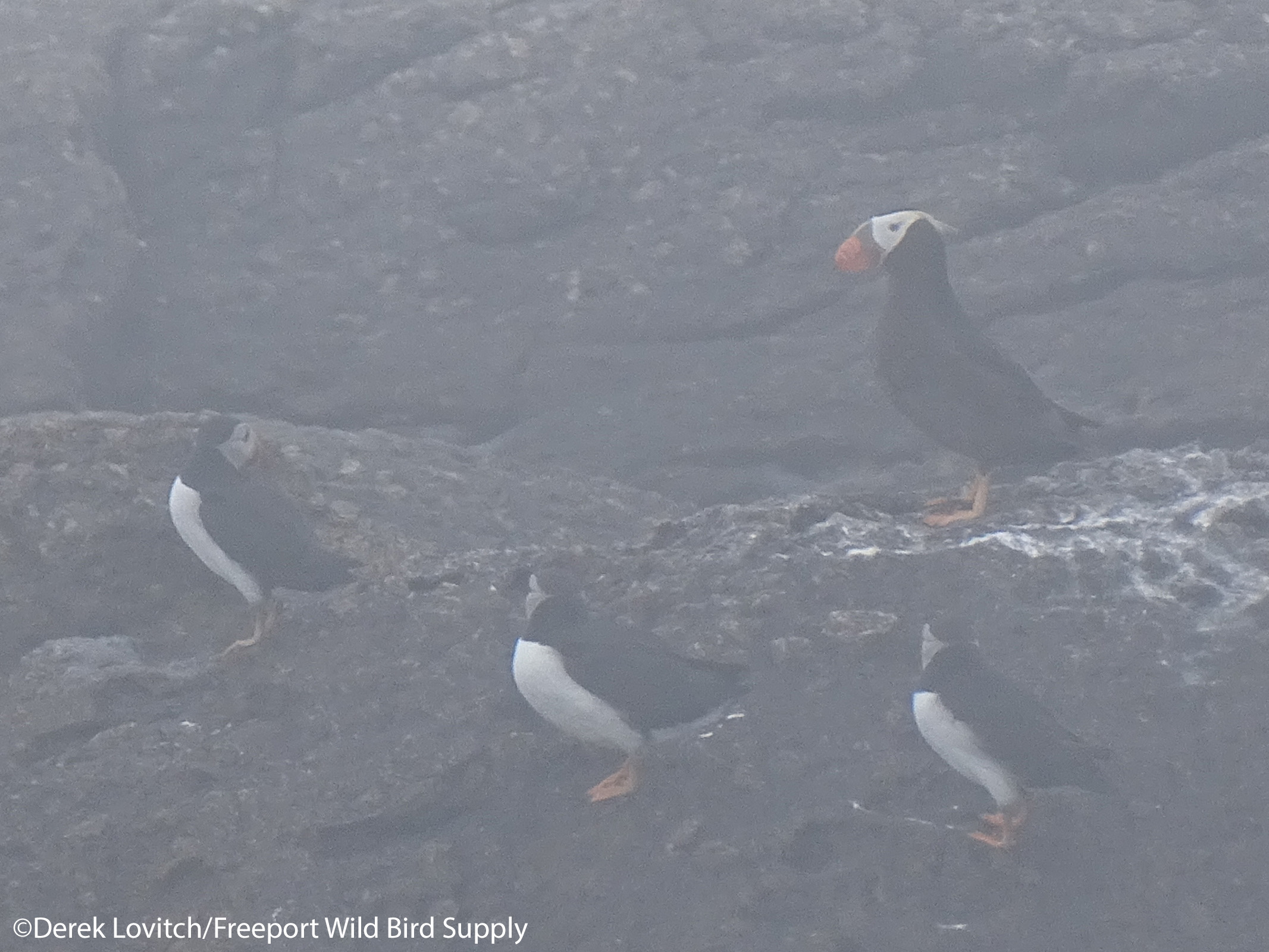
So for #400, I said it had to be “the Tufted Puffin or self-found” – I wasn’t going to chase anything else. With several sporadic sightings in June and July, and with numerous boat tours scheduled in July, I had high hopes. With an observation at Eastern Egg Rock on July 9th, and with a tour there scheduled the next afternoon with our partners Cap’n Fish’s Cruises, I was getting excited. And to hedge the bet, I hopped aboard their morning Eastern Egg Rock trip, and as we approached the island in the fog, a large, dark, puffin stood towering over the local residents! “TUFTED PUFFIN!!!” I exclaimed. No microphone was necessary. And this was #400.
With so few sightings – all being one-minute wonders – in the previous years, I hadn’t elevated this to my personal Top 25, but that’s OK – it was just as sweet.
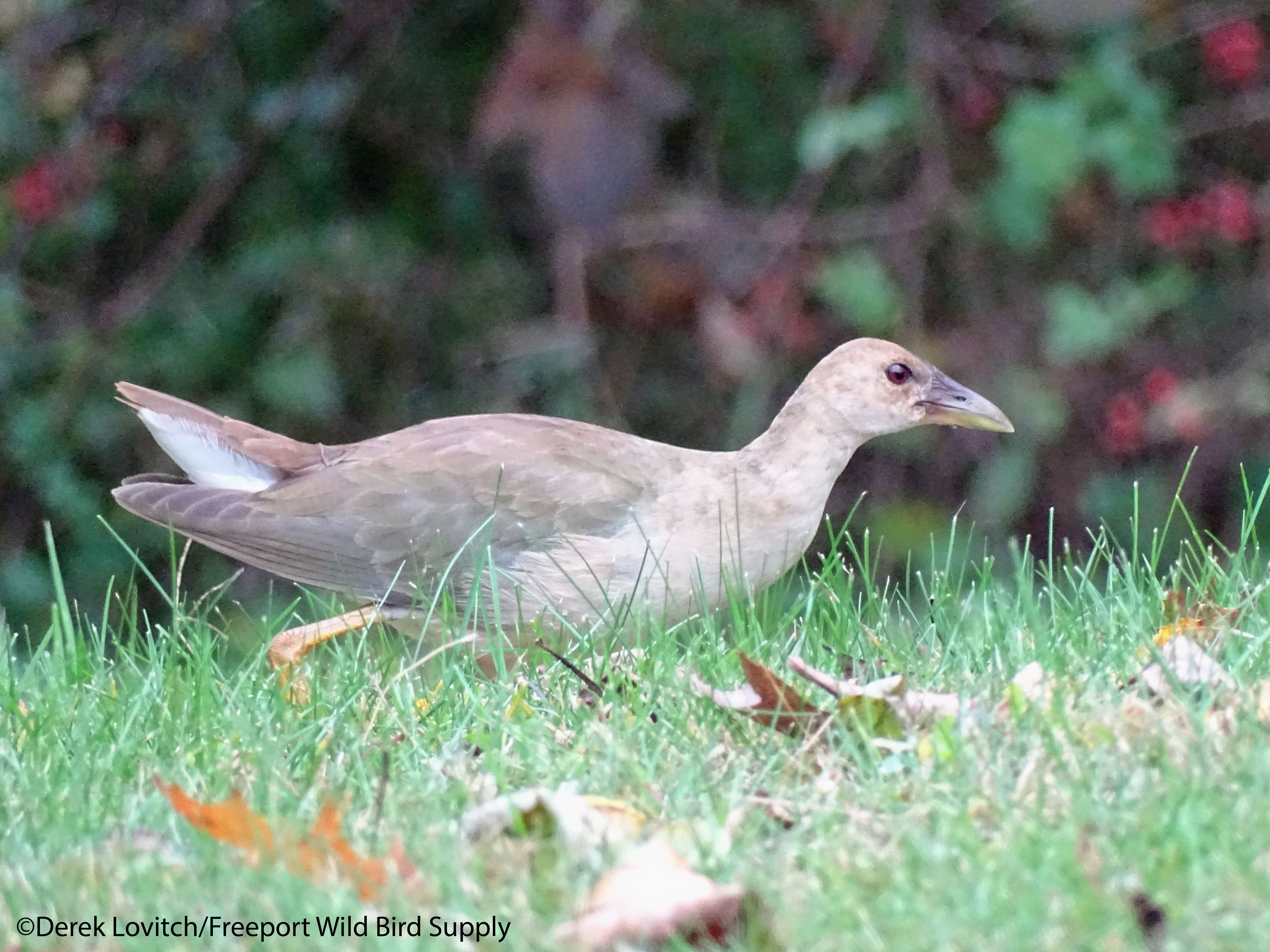
A Purple Gallinule (honorable mention) in the North Maine Woods near Moosehead Lake in October was beyond my chasing range, but when another – or perhaps, the same bird – appeared at a small park in Kennebunk, I was on my way!
The absurdity of the locale and ease of viewing simply forced me to go back for another look a week later with Dan Nickerson…after dipping on a nearby Western Wood-Pewee as Luke Seitz struck again. Making that miss worse was the reason I didn’t chase it on its day of discovery: we were on lockdown during the manhunt after the tragic Lewiston mass shooting. My state list was just not a priority I will readily admit.
Of course, the aforementioned Spotted Towhee, which was #15 on my list was a welcome self-found addition.
And finally, Evan Obercian and I paid a visit to the Hepatic Tanager in Stockton Springs on New Year’s Eve, bringing 2023 to a close.
Of course, I missed a few rarities this year, too! Although I only “dipped” on one chase (the pewee), I was simply unavailable to chase anything else, such as the Kirtland’s Warbler (unlisted) on Seal Island in September (can’t get there from here!). And I just didn’t have the time to chase Hammond’s Flycatcher (#14) on Monhegan. Meanwhile, the Red-footed Booby (unlisted) was a one-day wonder, and of course I missed a couple of Franklin’s Gulls (#2) as usual. Notorious one-day wonders, there was one on September 24th passing Schoodic Point, and one on November 18th at Long Sands Beach. I was going to “end up” at Long Sands the next day at the same time and tide, but my birding outing began and ended with my towhee find at Fort Foster. This rare but regular transient is officially my nemesis in the state!
But the one that really stings was missing out on Crested Caracara once again. I was birding with clients in Spurwink Marsh in late May when a friend texted me that he had one (the one?) flying over his house…we were no more than 2-3 miles away! Thankfully, my clients were game for a little searching, so we spent some time looking before having to move on. The caracara then resurfaced a couple of other times in the Mid-Coast, near Belfast, but I was on Monhegan or with a tour group elsewhere. So close!
Last year, I also predicted that my #400 would come from my Top 25 list. But Tufted Puffin wasn’t on it, so I was wrong about that. Forgive me if I wasn’t upset, however.
I did some reshuffling (it’s just a matter of time before I finally find or catch up with a Franklin’s Gull, right? RIGHT!?), and therefore my forecast for my next 25 species on my personal Maine list reads as follows:
Franklin’s Gull
American White Pelican
Neotropic Cormorant
Brown Pelican
California Gull
Brown Booby
Crested Caracara
Slaty-backed Gull
Boreal Owl
Calliope Hummingbird
Graylag Goose
Cerulean Warbler
Gull-billed Tern
Pacific Golden-Plover
Limpkin
Wood Stork
Black-chinned Hummingbird
Brewer’s Blackbird
Yellow Rail
Virginia’s Warbler
Western Wood-Pewee
Virginia’s Warbler
Gray Heron
Common Gull
Heerman’s Gull
It’s about time for me to finally see a Franklin’s Gull in Maine.
But really, who knows what might show up these days? For example, I am sure that no one had Red-flanked Bluetail on their Next Birds in New Jersey list, but one showed up in a random inland neighborhood in early December. It continued through year’s end, and it was awfully nice of it to remain at least through December 26th, when we just happened to be in the area for Christmas. In fact, it was only 24 minutes away from my Mom’s house. A bonus Christmas gift!
Bring it on, 2024. But less injuries and other birding-limiting events, please. I also have a goal of finding a rarity in Androscoggin County away from Sabattus Pond or our property! Will it be on this list?
On Sunday, November 19th, 2023, I found Maine’s first confirmed Spotted Towhee at Fort Foster Park in Kittery. Fort Foster is one of my favorite birding locations, especially in fall “rarity season.” I’ve been lamenting the complete dearth of vagrants found in Maine during the month of November so far, and so I set out for the southern York County coast that morning in hopes of changing that.
It didn’t take long.
A little more than an hour after I arrived at the park, slowly birding the warm, sunny edges of a chilly morning, I encountered a pocket of activity as I was turning off the main coastal trail and up the slight hill towards the Small Pier Pavilion. A tardy “WESTERN” PALM WARBLER that I encountered earlier had flown this way with a Yellow-rumped Warbler, and these two birds were at the edge along with several resident species including Black-capped Chickadees and Northern Cardinals as well as migrants including Golden-crowned Kinglets and White-throated Sparrows.
As I approached the top of the rise, I noticed a towhee sitting in the sun at the edge of one of two fairly large Eastern Red Cedars. Since I had my camera at the ready since it’s rarity season afterall, I immediately grabbed it. Although I was assuming it was just a late Eastern Towhee (not unreasonably rare in a mild fall even at this date), it was a nice photo – towhees don’t sit still in the sun often enough! The bird was facing directly at me, so all I could see was its black hood, rufous sides, and white belly.
As I focused through my viewfinder, the bird shifted slightly, showing just enough of its side to reveal large white spots on it’s wing! A vagrant Spotted Towhee! Incredible!
And to think I almost blew this…if I didn’t go for my camera for “just” a nice shot of an Eastern Towhee, perhaps I wouldn’t have looked at it long enough to see its diagnostic wings and back. That was a close one! (That one twig right across the face though!)
Knowing that hybrids between the two towhees (formerly known collectively as “Rufous-sided Towhee”) have occurred out of range, I knew I needed some better views and more photos. Over about 10 minutes, I observed and photographed the bird in the cedars, having it drop down once into the brush only to return to the cedar, perhaps as a result of some gentle pishing.
During this second photo session, a Cooper’s Hawk flew overhead, and all of the activity in this pocket dove for cover and remained silent (9:28am). As birds slowly returned to the edge, the towhee did not. A late Hermit Thrush that was also in the cedars reappeared, but the towhee did not.
As I waited, I sent out some text messages and checked my photos. Within about 45 minutes, Maili Waters and Luke Seitz arrived, and we began a thorough search, slowly increasing our search radius. It took until about 12:15 before Maili and Luke finally relocated the towhee on the other side of the very large and dense thicket. Luke’s excellent photos showed a more complete view of the wing and back, crucial field marks for confirming the bird’s identity.
I was on the other side of the park, searching for the towhee and whatever else might have been present, turning up a very late PRAIRIE WARBLER, a Gray Catbird, and a Ruby-crowned Kinglet – all good birds for the date. It took me a while to get to where Luke and Maili were, and we were soon joined by Doug Hitchcox and Matthew Gilbert.
We waited for about 30 minutes before the need for water and lunch finally got the best of me, and I headed out. I was halfway to Kittery Center when Noah Gibb spotted the bird once again at the original location. It was here, in the two cedars, that numerous observers were able to see the bird early in the morning the next day as well.
Returning home and in discussion with Luke, Maili, and Evan Obercian, we confidently ruled out any suggestion of a hybrid. The amount of white in the primaries had us a little wary, for example, but the National Geographic Guide to the Birds of North America nicely shows the regional variation with Spotted Towhees, including the more extensive white “slash” on the primaries of the Great Plains subspecies – the expected source of vagrants to the East.
Big white spots on each scapular, two complete wingbars (one bold on the greater coverts and one more subtle bar on the median coverts), the spotted-streaked back mantle, and the extensively white undertail are all consistent with a phenotypically pure Spotted Towhee – Maine’s first, and a long-overdue addition to our state’s list. In fact, this was #4 on my “Next Birds for Maine” predictions list. But as always, it’s always better find than to chase!
I tried birding less (Doctor’s orders!) recently, but it’s such a tough time to do that. Luckily, this time of year is so fruitful that even reduced birding resulted in a number of sightings of note. Between rest days and a shelter-in-place order, I minimized birding to aid in my recovery. Slowly, however, I was getting out more and for more time.
1 Red Crossbill, Otter Brook Preserve, Harpswell, 10/29 (with Harpswell Heritage Land Trust tour group).
2 Field Sparrows and 5 Horned Larks, Pott’s Point, Harpswell, 10/29 (with Harpswell Heritage Land Trust tour group).
Sabattus Pond, Sabattus, 11/2 (with Dan Nickerson): 591 Ruddy Ducks, 289 Mallards, 107 American Black Ducks, about 80 mixed Lesser and Greater Scaup, 68 Buffleheads, 19 Canada Geese, 15 Northern Pintails, 13 Hooded Mergansers, 8 Common Mergansers, 7 American Wigeon, 7 Green-winged Teal, 6 Common Goldneyes, 2 Horned Grebes, 1 female Long-tailed Duck, 1 female Red-breasted Merganser, etc. etc.
Meanwhile, here in the yard, the season was rapidly changing. Starting this period with lots of Savannah and Swamp Sparrows around, they had mostly petered out by week’s end. Song Sparrows remain strong, albeit in somewhat reduced numbers, but White-throated Sparrows and Dark-eyed Juncos have finally begun to increase.
We’re down to just a couple Yellow-rumped Warblers in the yard now, but a few late-ish migrants have included a Red-eyed Vireo and Common Yellowthroat on the 25th, and the occasional small group of Red-winged Blackbirds and Common Grackles are still trickling through.
Pine Siskins and Purple Finches have been near-daily fly-overs, with the occasional Purple Finch visiting the feeders, building to 8 by 10/26 and a few Pine Siskins finally visiting the feeder on 11/1. Our American Goldfinch flock remains strong, however, with 20-25 continuing, splitting time between the feeders and the weedy margins of the property (especially Evening Primrose). Siskins and Purple Finches continued to pour into the area in the last days of October. Multiple large flocks of siskins and at least 20+ Purple Finches were in the Otter Brook Preserve in Harpswell, on the 29th, for example, and more are being reported at feeders in the area now.
Now that we are in November, the attention turns towards the water…and migrant traps for rarities!
TOURS and EVENTS:
All of our tours for 2023 are now complete, not including Saturday Morning Birdwalks of course. Keep an eye on the Tours page of our website, as we’ll soon begin adding more 2024 outings.
Not surprisingly for the end of May, Blackpoll Warblers were the dominate migrant on Monhegan this weekend. However, we never tired of seeing both males (above) and females (below) so well each and every day.
A point-blank Bay-breasted Warbler. Up close and personal Magnolia Warblers, Northern Parulas, and 9 other species of warblers including more Blackpoll Warblers than we knew what to do with…and we hadn’t even made it up the hill of Dock Road yet!
In other words, our 2023 Spring Monhegan Migration Weekend tour got off to a great start as we really hit the ground running. Then, a calling Evening Grosbeak. A fly-by Black-billed Cuckoo…more. Hmm… it was time to check in, and happily, shed a few layers.
After lunch, the excellent birding continued, with highlights including a flock of 10 Bay-breasted Warblers, a spiffy male Orchard Oriole, and great looks at a Philadelphia Vireo. By day’s end, we had 59 species including 13 species of warblers – not bad for a mid-morning arrival!
Yellow Warblers (above) and Common Yellowthroats (below) were common and conspicuous in and around town and other scrubby environs as expected.
It was cool and clear on Saturday morning, and the overnight radar image was a little ambiguous. Did the light westerly wind overnight push birds offshore as they approached from the south, or was that all just pollen and smoke haze in the atmosphere? However, the radar return did suggest birds offshore in the early morning, so we were excited to find out. Afterall, I did not expect yesterday to be so good, and it was excellent.
While only a few warblers were overhead by the time we assembled around the coffee pot at 6:30, it took a while for us to leave the spruces behind the Trailing Yew, as we had a nice pocket of warblers and good early-morning activity. We teased out a Blackburnian Warbler – the only one of the weekend, and the 3 White-winged Crossbills that have been on the island paid us a visit. Later in the morning, we caught up with the stunning male Dickcissel that has been around for a while, and were among the first to see a pair of recently-arrived House Finches (a surprising rarity on the island!). We also found a flock of 10 tardy White-winged Scoters and a total of 6 Surf Scoters that briefly visited Deadman’s Cove.
After lunch, we had the female/immature Summer Tanager, a female Orchard Oriole, found an Olive-sided Flycatcher, and while the afternoon was overall rather quiet, we had lots of great studies of a variety of birds, especially Blackpoll Warblers.
Although far from one of our best birding days on the island, it was noteworthy how well we saw just about everything. Even with a full group, birds were overwhelmingly cooperative, and everyone thoroughly enjoyed the birding…and another beautiful day of weather!
Many of our common warblers were easy to see, photograph, and enjoy throughout the weekend, such as this Northern Parula (above) and Black-and-white Warbler (below).
Saturday night into Sunday morning saw another ambiguous radar image, but the overall small number of new arrivals suggested that most of the return was something other than birds this day.
That being said, we started the day with one of the birds of the trip when I nearly spit out my coffee when I realized that flock of cormorants that looked strange was actually a flock of 9 Glossy Ibis. They circled the town, looked to be pondering the town marsh, and then soared up high and over Lighthouse Hill. Incredibly rare for the island, these were a new “island bird” for me, and we felt very fortunate that we were one of the only birders (I believe only one other birder saw them at all) on the island that got to see them. The “lingering around the coffee pot at the Yew” strikes again!
As expected, it was relatively slow overall, but even after the excitement of the ibis, we continued to enjoy ourselves. We had great looks at a lot of things all morning, including common warblers like American Redstarts and oodles of Blackpolls. We had our best looks yet of feeding Red Crossbills – they were all over the island this spring! – spotted a Peregrine Falcon, and continued to marvel at the growing flock of swirling Blue Jays contemplating a trip back to the mainland.
Ring-necked Pheasants kept us entertained as always, however.
After breakfast, we had another good find when a Purple Martin flew over us, and a bigger flock yet of Red Crossbills entertained us for a while. Jeannette arrived and joined the group to help carry my scope and to take photographs for this trip report, as well as help us find more birds.
Juvenile Red Crossbill.
It was warm and fairly slow, so I needed all the help I could get. Regardless, we added species to our trip list here and there in the afternoon, with quality surpassing quantity. We visited the long-staying 1st year male Blue Grosbeak that has taken up residence at Lobster Cove, where, unlike most Blue Grosbeaks, it has taken to flycatching for seaweed flies in the wrack. Why it is doing this no one knows, but it was a fascinating behavior to watch. Birds and birding on Monhegan never cease to amaze!
The Blue Grosbeak.
A little later, we found an immature Broad-winged Hawk, or again, it found us, as it passed right over us as we poked around the Underhill Trail to find some birds in the shade and in cover. It was often a struggle to find birds this afternoon, and it was downright hot! But I heard very few complaints compared to the slow days when it’s 45-degrees, windy, and raining!
We spent a lot of quality time observing birds today, getting to know their behavior and natural history, such as these courting Cedar Waxwings.
While also practicing our field ID skills, such as Eastern Wood-Pewee.
And enjoyed whatever warblers we did encounter, including this male Black-throated Green Warbler.
Monday saw even further reduced activity, with a very summer-like feel to the birding. The migrant flock of Blue Jays built up to at least 46, a Pine Siskin must have just arrived, and some of us even spotted the Virginia Rail! While passage migrants were few – almost all Blackpoll Warblers – we still had a great day of birding thanks to continued great views of most of what we were finding. There was a Northern Parula nest that a friend found for us to marvel at, and we had quality time once again with a family group of Red Crossbills. Watching them, especially the juveniles, eating buds and cones of Red Spruce at close enough distance to see if they were “righties” or “lefties” was memorable, and more than worth the visit. We had the male Orchard Oriole again, and paid the Blue Grosbeak another lengthy visit.
We took some time to scan the skies over the marsh while also enjoying “Lefty,” the Red-winged Blackbird with white outer primaries on only his left wing. He’s back for the second year.
One of the few birds we missed as a group all weekend was a long-staying but frustrating Snowy Egret that never seemed to stay in the same place long. It was reported at the Ice Pond while we were having breakfast, and Jeannette and I raced down to see it. The “racing” part after the new and ample breakfast buffet at the Trailing Yew may not have been the best decision, however, we got the bird! It was another island bird for me (#226) and I am glad I made the decision to skip the break to chase it, as it was long gone by the time our group arrived at the Ice Pond. I always like to get those chases out of my system before making a bad leadership decision and marching people across the island for a bird that only I cared about! (Since they are locally common on the mainland, only an island-lister cares about such silliness).
As the afternoon wore on, the group slowly moseyed away from the Blue Grosbeak-evolving-into-a-flycatcher and made our way back to town to catch the last ferries of the weekend, bringing the tour to a close.
A friend found a Northern Parula nest under construction that we took time to marvel at. Here, the female brings some more material in to line the nest, which is nestled in a woven basket inside of large clumps of down-hanging Old Man’s Bear lichen.
However, as usual, Jeannette and I stayed around for another 24 hours to have a day off together and with friends. Leaving the brewery with one friend, I found a male Eastern Bluebird- an odd “new bird” for the date. Where the heck has he been or where did he just come from? Another Monhegan bird mystery…their migration ended a month ago.
Later, as we walked back from dinner with other friends, we heard at least three displaying American Woodcocks. The sunset was quite the stunner, too.
I wasn’t upset to not have a group on Monday, because my goodness, it was slow! I think what was left of the passage migrants cleared out overnight, and little if nothing came in. There were a few Blackpolls here and there, and maybe a few more American Redstarts than usual in the summer, but in and around town, that was about all.
So Jeannette and I decided to take a longer hike and check some oft-productive-but-less-often-birded areas. In doing so, we found a Field Sparrow on Horn Hill, and had a singing Yellow-bellied Flycatcher between Burnt Head and White Head. An adult male Sharp-shinned Hawk was a surprise – was it breeding here? – and a visit into the shaded woods added Winter Wren and Swainson’s Thrush to our weekend list.
We got excited when we saw a gray-backed, white-bellied flycatcher over at Gull Pond, but alas, it had the expected short, not-forked tail that we were hoping for!
Not including the 7 species Jeannette and I saw between 3:00 on Monday and when we departed at 3:15 on Tuesday, the tour list for the 12th annual Monhegan Spring Migration Weekend ended up a goodly 90 total species, despite only 15 species of warblers. The overall count was better than our last two tours, but still below our long-term average. But I cannot recall four (and five) days of simply gorgeous and warm weather on any of our prior tours! While the benign weather of late reduced the volume of migrants yet to pass through, and allowed many recent migrants to pass unimpeded overhead, I was pleasantly surprised by the final tally. It was also a high-quality list, with lots of “good” birds not seen by many in Maine away from the island. Oh, and my two island birds were nice, too!
Blue Jays are not the biggest feeder bird on this island!
Even our most common and familiar birds present speciaal photographic opportunities out here!
Species
5/26
5/27
5/28
5/29
Mallard
x
10
10
8
Mallard x American Black Duck
1
0
0
0
Common Eider
x
x
x
x
White-winged Scoter
0
10
0
0
Surf Scoter
0
6
0
0
Ring-necked Pheasant
x
6
6
5
Mourning Dove
8
10
8
10
Black-billed Cuckoo
1
0
0
0
Chimney Swift
0
0
1
0
Ruby-throated Hummingbird
6
4
3
1
Virginia Rail
h.o
h.o
1
1
Semipalmated Sandpiper
0
0
1
0
Greater Yellowlegs
0
1
0
0
Black Guillemot
20
30
x
20
Laughing Gull
6*
2
1
6
Herring Gull
x
x
x
x
Great Black-backed Gull
x
x
x
x
Common Tern
1 + 5*
0
0
0
Northern Gannet
0
0
0
1
Red-throated Loon
0
1
0
0
Common Loon
3*
1
0
0
Double-crested Cormorant
x
x
x
x
Great Blue Heron
0
0
1
3
SNOWY EGRET
0
0
0
1**
GLOSSY IBIS
0
0
9
0
Bald Eagle
2
1
0
0
Osprey
0
3
2
2
Red-bellied Woodpecker
0
0
1
0
Merlin
2
2
1
0
Peregrin Falcon
0
0
1
0
Eastern Kingbird
0
0
2
2
Olive-sided Flycatcher
0
1
0
0
Eastern Wood-Pewee
2
2
2
2
“Traill’s” Flycatcher
2
0
1
0
Least Flycatcher
2
1
1
0
Eastern Phoebe
1
1
1
1
Philadelphia Vireo
1
1
0
0
Red-eyed Vireo
6
8
4
4
Blue Jay
x
48
47
52
American Crow
x
4
6
x
Common Raven
0
1
1
0
Black-capped Chickadee
x
x
x
x
Tree Swallow
0
2
2
2
PURPLE MARTIN
0
0
1
0
Barn Swallow
1
0
1
1
Golden-crowned Kinglet
0
0
1
0
Cedar Waxwing
30
50
40
30
White-breasted Nuthatch
0
1
1
1
Red-breasted Nuthatch
1
0
0
0
Carolina Wren
3 h.o.
4
4
3
Gray Catbird
x
x
x
x
European Starling
x
x
x
x
American Robin
x
x
x
x
HOUSE FINCH
0
0
2
2
Purple Finch
0
1
2
2
WHITE-WINGED CROSSBILL
0
3
3
0
RED CROSSBILL
0
2
24
20
Pine Siskin
0
0
0
1
American Goldfinch
12
10
12
12
Chipping Sparrow
0
0
1
1-2
White-throated Sparrow
2
2
2
0
Savannah Sparrow
3
0
1
0
Song Sparrow
10
X
x
x
Lincoln’s Sparrow
0
1
1
0
Bobolink
1
1
0
0
ORCHARD ORIOLE
1
1
0
2
Baltimore Oriole
1
4
3
3
Red-winged Blackbird
x
x
x
x
Common Grackle
x
x
x
x
Northern Waterthrush
0
0
1
0
Black-and-white Warbler
3
4
4
3
Tennessee Warbler
8
4
3
0
Common Yellowthroat
x
8
x
x
American Redstart
5
25
16
8
Cape May Warbler
1
0
0
0
Northern Parula
15
10
12
12
Magnolia Warbler
10
8
6
8
Bay-breasted Warbler
11
3
0
2
Blackburnian Warbler
0
1
0
0
Yellow Warbler
10
20
15
15
Chestnut-sided Warbler
2
1
1
1
Blackpoll Warbler
25
60
25
20
Black-throated Green Warbler
1
1
3
1
Wilson’s Warbler
2
2
2
0
SUMMER TANAGER
0
1
0
0
Scarlet Tanager
0
1
0
0
Northern Cardinal
x
x
x
x
Rose-breasted Grosbeak
3
2
2
0
Indigo Bunting
0
1
1
0
BLUE GROSBEAK
0
0
1
1
DICKCISSEL
0
1
1
0
Day Total
60
66
69
54
Warbler Day Total
13
13
12
10
Trip Total
90
Warbler Trip Total
15
Here is the trip list four the four-day tour. * = seen from ferry only. **=not seen with tour group.
It took over a month, but I finally made time to look for the Townsend’s Solitaire in Wells on the 2nd. Quality time with it was a worthy consolation for just missing the Northern Lapwing in Arundel that departed this morning.
A few observations of note over the past three days before we head off on vacation included the following:
1 drake BARROW’S GOLDENEYE (first of season locally) and 19 DUNLIN, Winslow Park, Freeport, 12/31 (with Saturday Morning Birdwalk group).
40 continuing American Coots, 6 Ring-necked Ducks, 14 Lesser Scaup, 10 Greater Scaup, etc, Chickawaukie Pond, Rockland (with Paul Dioron, Kristen Lindquist, and Jeannette).
1 continuing Killdeer, Arundel Road, Kennebunkport, 1/2. I missed the Northern Lapwing by 28 minutes.
1 continuing TOWNSEND’S SOLITAIRE, Wells Reserve at Laudholm Farm, 1/2. After about 45 minutes, heard calling from marsh edge north of viewing platform on Laird-Norton Trail. Called as Eastern Bluebirds arrived, often chasing or at least following them. Followed them right through viewing platform and alighted in small tree only about 30 feet away. Unfortunately, it was backlit for photos, but great look. Vocal and conspicuous for 15-20 minutes until bluebirds flew out across marsh. Photo above.
And as the calendar changes, it’s time for my annual Predictions Blog where I attempt to forecast the next 25 birds to occur in Maine, and for my own list:












 Maine Birding Field Notes