Tag Archives: rarities

2023 Monhegan Spring Migration Tour Report

Not surprisingly for the end of May, Blackpoll Warblers were the dominate migrant on Monhegan this weekend. However, we never tired of seeing both males (above) and females (below) so well each and every day.

A point-blank Bay-breasted Warbler. Up close and personal Magnolia Warblers, Northern Parulas, and 9 other species of warblers including more Blackpoll Warblers than we knew what to do with…and we hadn’t even made it up the hill of Dock Road yet!

In other words, our 2023 Spring Monhegan Migration Weekend tour got off to a great start as we really hit the ground running.  Then, a calling Evening Grosbeak. A fly-by Black-billed Cuckoo…more. Hmm… it was time to check in, and happily, shed a few layers.

After lunch, the excellent birding continued, with highlights including a flock of 10 Bay-breasted Warblers, a spiffy male Orchard Oriole, and great looks at a Philadelphia Vireo.  By day’s end, we had 59 species including 13 species of warblers – not bad for a mid-morning arrival!

Yellow Warblers (above) and Common Yellowthroats (below) were common and conspicuous in and around town and other scrubby environs as expected.

It was cool and clear on Saturday morning, and the overnight radar image was a little ambiguous. Did the light westerly wind overnight push birds offshore as they approached from the south, or was that all just pollen and smoke haze in the atmosphere? However, the radar return did suggest birds offshore in the early morning, so we were excited to find out. Afterall, I did not expect yesterday to be so good, and it was excellent.

While only a few warblers were overhead by the time we assembled around the coffee pot at 6:30, it took a while for us to leave the spruces behind the Trailing Yew, as we had a nice pocket of warblers and good early-morning activity. We teased out a Blackburnian Warbler – the only one of the weekend, and the 3 White-winged Crossbills that have been on the island paid us a visit. Later in the morning, we caught up with the stunning male Dickcissel that has been around for a while, and were among the first to see a pair of recently-arrived House Finches (a surprising rarity on the island!). We also found a flock of 10 tardy White-winged Scoters and a total of 6 Surf Scoters that briefly visited Deadman’s Cove.

After lunch, we had the female/immature Summer Tanager, a female Orchard Oriole, found an Olive-sided Flycatcher, and while the afternoon was overall rather quiet, we had lots of great studies of a variety of birds, especially Blackpoll Warblers.

Although far from one of our best birding days on the island, it was noteworthy how well we saw just about everything. Even with a full group, birds were overwhelmingly cooperative, and everyone thoroughly enjoyed the birding…and another beautiful day of weather!

Many of our common warblers were easy to see, photograph, and enjoy throughout the weekend, such as this Northern Parula (above) and Black-and-white Warbler (below).

Saturday night into Sunday morning saw another ambiguous radar image, but the overall small number of new arrivals suggested that most of the return was something other than birds this day.

That being said, we started the day with one of the birds of the trip when I nearly spit out my coffee when I realized that flock of cormorants that looked strange was actually a flock of 9 Glossy Ibis.  They circled the town, looked to be pondering the town marsh, and then soared up high and over Lighthouse Hill. Incredibly rare for the island, these were a new “island bird” for me, and we felt very fortunate that we were one of the only birders (I believe only one other birder saw them at all) on the island that got to see them. The “lingering around the coffee pot at the Yew” strikes again!

As expected, it was relatively slow overall, but even after the excitement of the ibis, we continued to enjoy ourselves. We had great looks at a lot of things all morning, including common warblers like American Redstarts and oodles of Blackpolls.  We had our best looks yet of feeding Red Crossbills – they were all over the island this spring! – spotted a Peregrine Falcon, and continued to marvel at the growing flock of swirling Blue Jays contemplating a trip back to the mainland.

Ring-necked Pheasants kept us entertained as always, however.

After breakfast, we had another good find when a Purple Martin flew over us, and a bigger flock yet of Red Crossbills entertained us for a while. Jeannette arrived and joined the group to help carry my scope and to take photographs for this trip report, as well as help us find more birds.

Juvenile Red Crossbill.

It was warm and fairly slow, so I needed all the help I could get. Regardless, we added species to our trip list here and there in the afternoon, with quality surpassing quantity.  We visited the long-staying 1st year male Blue Grosbeak that has taken up residence at Lobster Cove, where, unlike most Blue Grosbeaks, it has taken to flycatching for seaweed flies in the wrack. Why it is doing this no one knows, but it was a fascinating behavior to watch. Birds and birding on Monhegan never cease to amaze!

The Blue Grosbeak.

A little later, we found an immature Broad-winged Hawk, or again, it found us, as it passed right over us as we poked around the Underhill Trail to find some birds in the shade and in cover.  It was often a struggle to find birds this afternoon, and it was downright hot!  But I heard very few complaints compared to the slow days when it’s 45-degrees, windy, and raining!

We spent a lot of quality time observing birds today, getting to know their behavior and natural history, such as these courting Cedar Waxwings.

While also practicing our field ID skills, such as Eastern Wood-Pewee.

And enjoyed whatever warblers we did encounter, including this male Black-throated Green Warbler.

Monday saw even further reduced activity, with a very summer-like feel to the birding. The migrant flock of Blue Jays built up to at least 46, a Pine Siskin must have just arrived, and some of us even spotted the Virginia Rail!  While passage migrants were few – almost all Blackpoll Warblers – we still had a great day of birding thanks to continued great views of most of what we were finding. There was a Northern Parula nest that a friend found for us to marvel at, and we had quality time once again with a family group of Red Crossbills. Watching them, especially the juveniles, eating buds and cones of Red Spruce at close enough distance to see if they were “righties” or “lefties” was memorable, and more than worth the visit. We had the male Orchard Oriole again, and paid the Blue Grosbeak another lengthy visit.

We took some time to scan the skies over the marsh while also enjoying “Lefty,” the Red-winged Blackbird with white outer primaries on only his left wing. He’s back for the second year.

One of the few birds we missed as a group all weekend was a long-staying but frustrating Snowy Egret that never seemed to stay in the same place long. It was reported at the Ice Pond while we were having breakfast, and Jeannette and I raced down to see it. The “racing” part after the new and ample breakfast buffet at the Trailing Yew may not have been the best decision, however, we got the bird! It was another island bird for me (#226) and I am glad I made the decision to skip the break to chase it, as it was long gone by the time our group arrived at the Ice Pond. I always like to get those chases out of my system before making a bad leadership decision and marching people across the island for a bird that only I cared about!  (Since they are locally common on the mainland, only an island-lister cares about such silliness).

As the afternoon wore on, the group slowly moseyed away from the Blue Grosbeak-evolving-into-a-flycatcher and made our way back to town to catch the last ferries of the weekend, bringing the tour to a close.

A friend found a Northern Parula nest under construction that we took time to marvel at. Here, the female brings some more material in to line the nest, which is nestled in a woven basket inside of large clumps of down-hanging Old Man’s Bear lichen.

However, as usual, Jeannette and I stayed around for another 24 hours to have a day off together and with friends. Leaving the brewery with one friend, I found a male Eastern Bluebird- an odd “new bird” for the date. Where the heck has he been or where did he just come from? Another Monhegan bird mystery…their migration ended a month ago.

Later, as we walked back from dinner with other friends, we heard at least three displaying American Woodcocks. The sunset was quite the stunner, too.

I wasn’t upset to not have a group on Monday, because my goodness, it was slow! I think what was left of the passage migrants cleared out overnight, and little if nothing came in. There were a few Blackpolls here and there, and maybe a few more American Redstarts than usual in the summer, but in and around town, that was about all.

So Jeannette and I decided to take a longer hike and check some oft-productive-but-less-often-birded areas. In doing so, we found a Field Sparrow on Horn Hill, and had a singing Yellow-bellied Flycatcher between Burnt Head and White Head. An adult male Sharp-shinned Hawk was a surprise – was it breeding here? – and a visit into the shaded woods added Winter Wren and Swainson’s Thrush to our weekend list.

We got excited when we saw a gray-backed, white-bellied flycatcher over at Gull Pond, but alas, it had the expected short, not-forked tail that we were hoping for!

Not including the 7 species Jeannette and I saw between 3:00 on Monday and when we departed at 3:15 on Tuesday, the tour list for the 12th annual Monhegan Spring Migration Weekend ended up a goodly 90 total species, despite only 15 species of warblers.  The overall count was better than our last two tours, but still below our long-term average. But I cannot recall four (and five) days of simply gorgeous and warm weather on any of our prior tours!  While the benign weather of late reduced the volume of migrants yet to pass through, and allowed many recent migrants to pass unimpeded overhead, I was pleasantly surprised by the final tally. It was also a high-quality list, with lots of “good” birds not seen by many in Maine away from the island. Oh, and my two island birds were nice, too!

Blue Jays are not the biggest feeder bird on this island!

Even our most common and familiar birds present speciaal photographic opportunities out here!

Species5/265/275/285/29
Mallardx10108
Mallard x American Black Duck1000
Common Eiderxxxx
White-winged Scoter01000
Surf Scoter0600
Ring-necked Pheasantx665
Mourning Dove810810
Black-billed Cuckoo1000
Chimney Swift0010
Ruby-throated Hummingbird6431
Virginia Railh.oh.o11
Semipalmated Sandpiper0010
Greater Yellowlegs0100
Black Guillemot2030x20
Laughing Gull6*216
Herring Gullxxxx
Great Black-backed Gullxxxx
Common Tern1 + 5*000
Northern Gannet0001
Red-throated Loon0100
Common Loon3*100
Double-crested Cormorantxxxx
Great Blue Heron0013
SNOWY EGRET0001**
GLOSSY IBIS0090
Bald Eagle2100
Osprey0322
Red-bellied Woodpecker0010
Merlin2210
Peregrin Falcon0010
Eastern Kingbird0022
Olive-sided Flycatcher0100
Eastern Wood-Pewee2222
“Traill’s” Flycatcher2010
Least Flycatcher2110
Eastern Phoebe1111
Philadelphia Vireo1100
Red-eyed Vireo6844
Blue Jayx484752
American Crowx46x
Common Raven0110
Black-capped Chickadeexxxx
Tree Swallow0222
PURPLE MARTIN0010
Barn Swallow1011
Golden-crowned Kinglet0010
Cedar Waxwing30504030
White-breasted Nuthatch0111
Red-breasted Nuthatch1000
Carolina Wren3 h.o.443
Gray Catbirdxxxx
European Starlingxxxx
American Robinxxxx
HOUSE FINCH0022
Purple Finch0122
WHITE-WINGED CROSSBILL0330
RED CROSSBILL022420
Pine Siskin0001
American Goldfinch12101212
Chipping Sparrow0011-2
White-throated Sparrow2220
Savannah Sparrow3010
Song Sparrow10Xxx
Lincoln’s Sparrow0110
Bobolink1100
ORCHARD ORIOLE1102
Baltimore Oriole1433
Red-winged Blackbirdxxxx
Common Gracklexxxx
Northern Waterthrush0010
Black-and-white Warbler3443
Tennessee Warbler8430
Common Yellowthroatx8xx
American Redstart525168
Cape May Warbler1000
Northern Parula15101212
Magnolia Warbler10868
Bay-breasted Warbler11302
Blackburnian Warbler0100
Yellow Warbler10201515
Chestnut-sided Warbler2111
Blackpoll Warbler25602520
Black-throated Green Warbler1131
Wilson’s Warbler2220
SUMMER TANAGER0100
Scarlet Tanager0100
Northern Cardinalxxxx
Rose-breasted Grosbeak3220
Indigo Bunting0110
BLUE GROSBEAK0011
DICKCISSEL0110
Day Total60666954
Warbler Day Total13131210
Trip Total90
Warbler Trip Total15
Here is the trip list four the four-day tour. * = seen from ferry only. **=not seen with tour group.

This Week’s Highlights: December 31, 2022 to January 2, 2023.

It took over a month, but I finally made time to look for the Townsend’s Solitaire in Wells on the 2nd. Quality time with it was a worthy consolation for just missing the Northern Lapwing in Arundel that departed this morning.

A few observations of note over the past three days before we head off on vacation included the following:

  • 1 drake BARROW’S GOLDENEYE (first of season locally) and 19 DUNLIN, Winslow Park, Freeport, 12/31 (with Saturday Morning Birdwalk group).
  • 40 continuing American Coots, 6 Ring-necked Ducks, 14 Lesser Scaup, 10 Greater Scaup, etc, Chickawaukie Pond, Rockland (with Paul Dioron, Kristen Lindquist, and Jeannette).
  • 1 continuing Killdeer, Arundel Road, Kennebunkport, 1/2. I missed the Northern Lapwing by 28 minutes.
  • 1 continuing TOWNSEND’S SOLITAIRE, Wells Reserve at Laudholm Farm, 1/2. After about 45 minutes, heard calling from marsh edge north of viewing platform on Laird-Norton Trail. Called as Eastern Bluebirds arrived, often chasing or at least following them. Followed them right through viewing platform and alighted in small tree only about 30 feet away. Unfortunately, it was backlit for photos, but great look. Vocal and conspicuous for 15-20 minutes until bluebirds flew out across marsh. Photo above.
  • And as the calendar changes, it’s time for my annual Predictions Blog where I attempt to forecast the next 25 birds to occur in Maine, and for my own list:

2023 Next Maine Birds Predictions Blog.

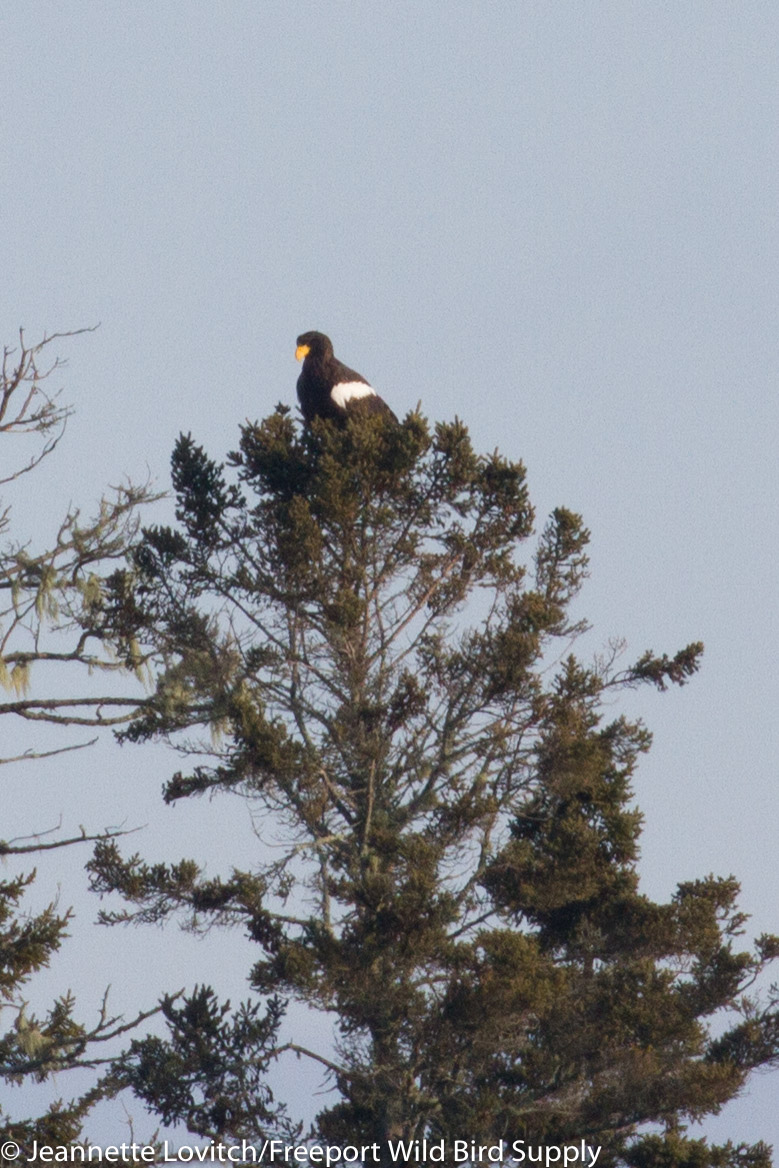
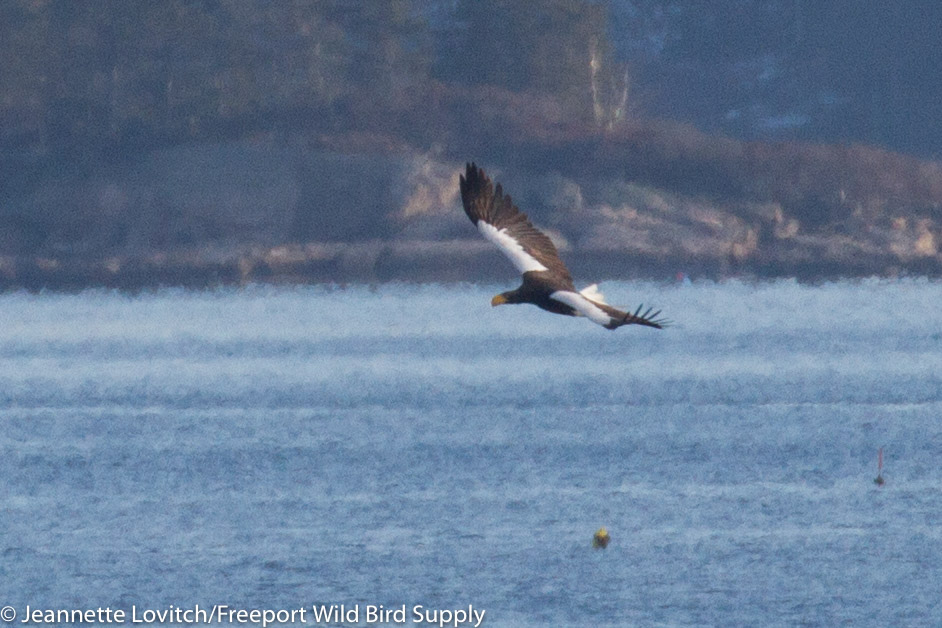
OK, so it was technically first seen in 2021, but Steller’s Sea Eagle was the bird of the year. Or was it?  It’s suffice to say, however, that my only photos of it from 2022 were not my photos of the year! Here it is in Georgetown on February 18th.

It’s once again time for my annual Predictions Blog, where I view into my crystal binoculars and attempt to forecast some of the “new” birds to grace the State of Maine – and then my own personal state list – in the coming year.

Well, well, well, what a year of birding 2022 was here in Maine!  Four new species were added to the all-time state list this season, and one of them was a complete shock. Let’s take a look at last year’s prognostications and see how I did. 

Barolo Shearwater was added to the state list based on a 2021 photo by Doug Gochfeld from well offshore in the Northeast Channel, according to the Maine Bird Records Committee.  That was #21 on my predictions list for Maine’s next birds.

A Masked Booby (on my honorable mentions list) at Mount Desert Rock in August was perhaps a sign of things to come – it or another may have been photographed off Monhegan in late September. 

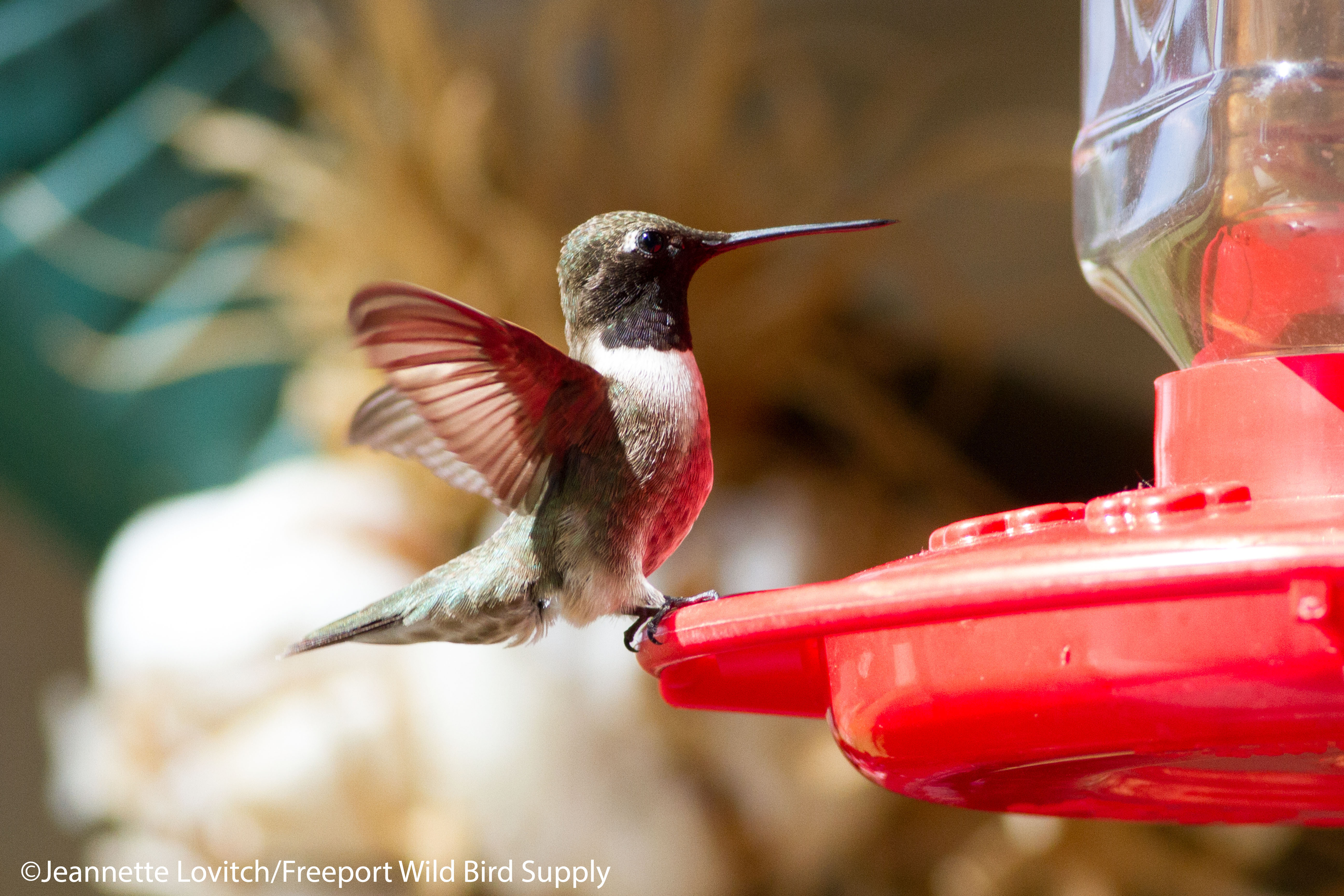
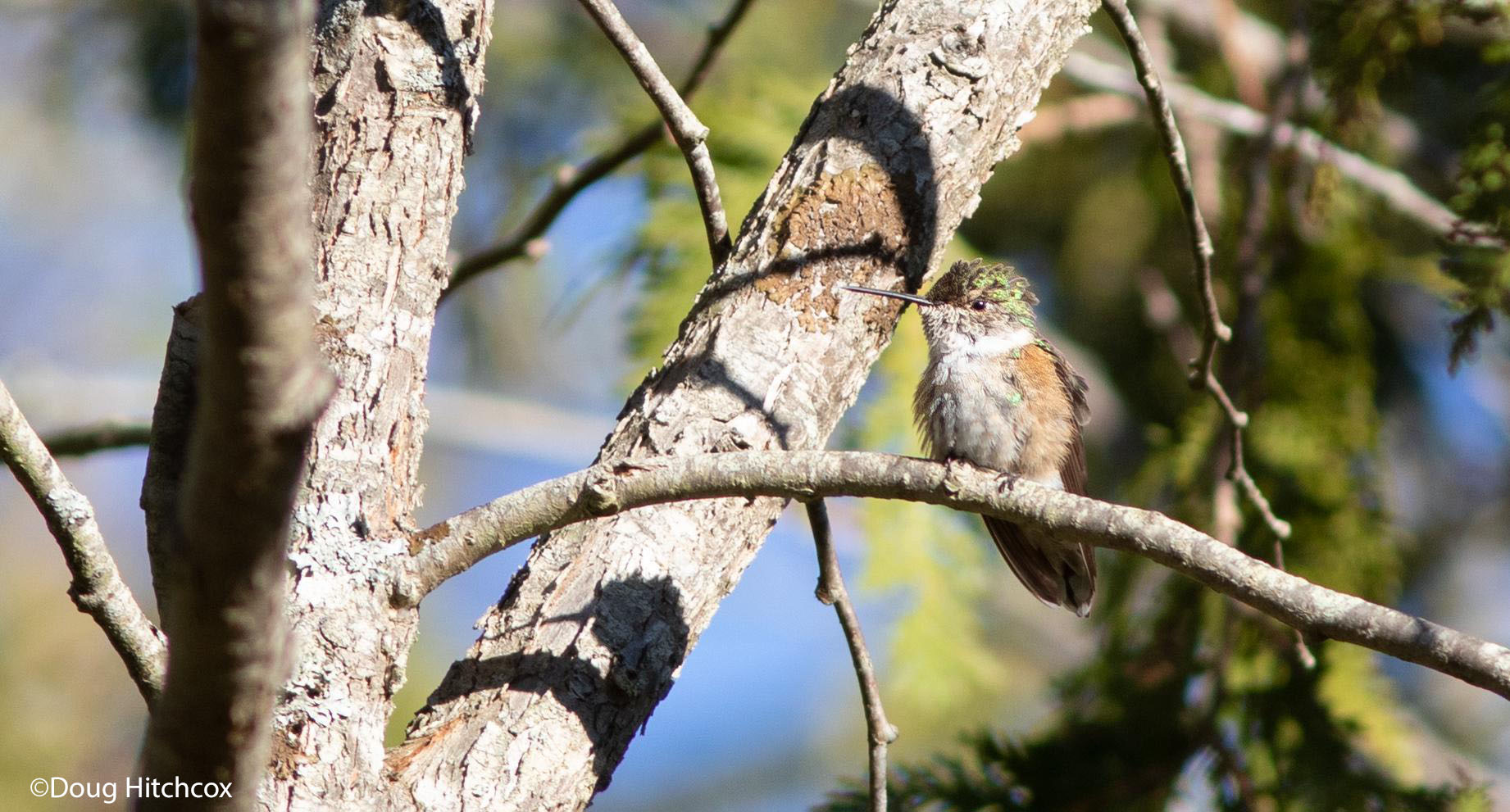
Also on my honorable mention list was Broad-tailed Hummingbird that graced a Freeport yard from November 5th through December 23rd.  The details and the full story can be found on my blog, here.  One could make the argument that this should have made the cut, as it has been long-overdue to be identified in New England.

Since the now-world-famous Steller’s Sea Eagle arrived at the tail end of 2021, it was not technically a new record in 2022. However, just about everyone saw it for the first time this year, and 2022 was definitely the year of the Steller’s Sea Eagle.

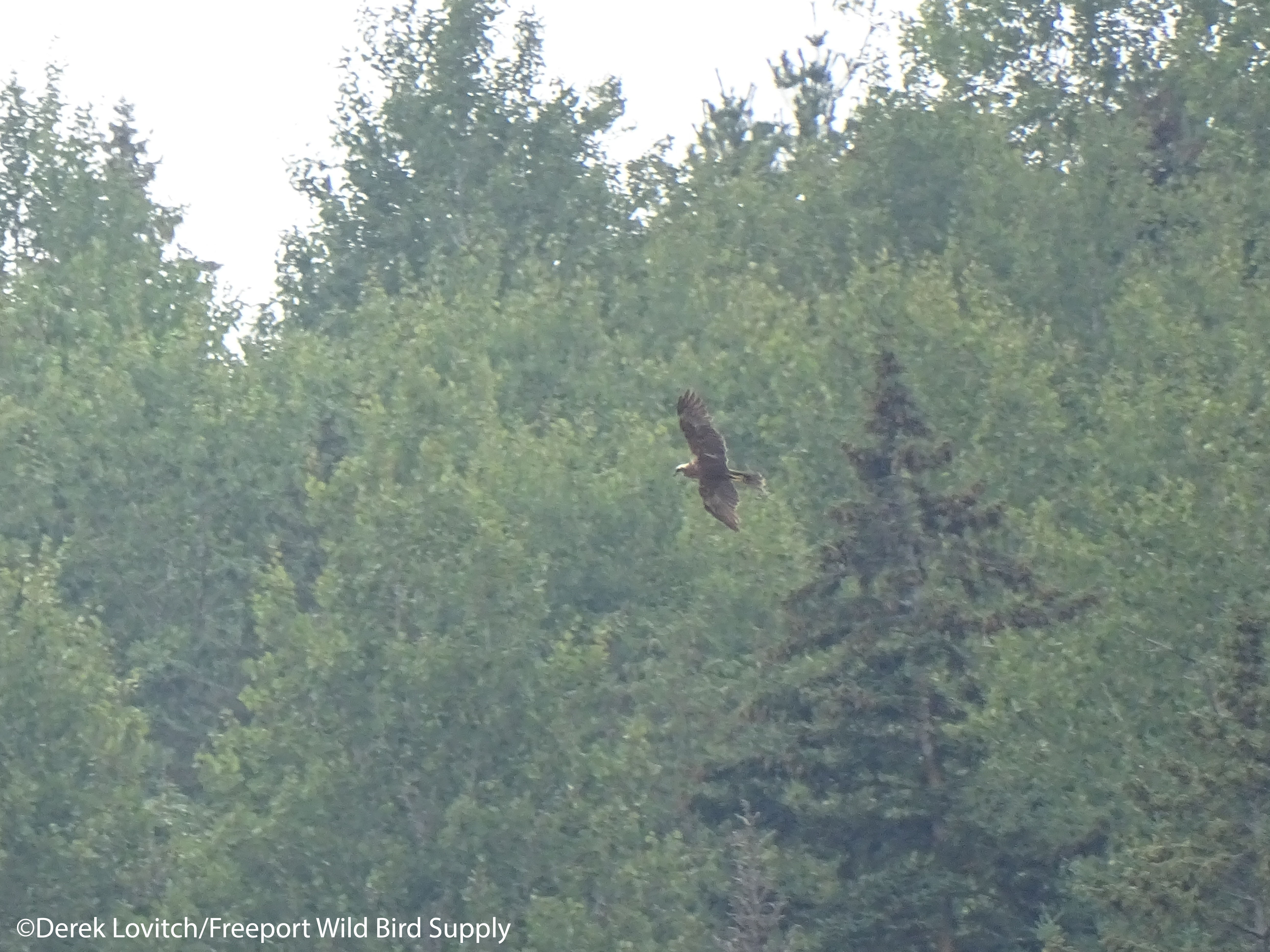
Shockingly, however, there was some debate about whether or not that was the bird, or even the raptor, of the year! Seriously. Since Steller’s Sea Eagle have bred on the continent and have been seen on several occasions in Alaska (and then “our bird” which was seen from Texas to Canada), one could argue that the raptor of the year was actually the Eurasian Marsh-Harrier that was discovered on North Haven on 8/25 and then found the next day at Weskeag Marsh in Thomaston (where it remained for less than 3 days). This was only the second record ever for the entire continent! The same bird resurfaced at the Troy Meadows in northern New Jersey in early November, but this is an incredible bird for North America.  However, I would argue that the worldwide rarity of the Steller’s (only about 4,000 individuals) trumps the marsh-harrier, as it is quite common through much of the Old World. (These are the things birders like to argue about over pints of beer)

And no, the Eurasian Marsh-Harrier was most definitely not on my predictions list!

So with four new records only one of which was on my list, it’s obvious that predicting vagrancy is getting even more challenging. Climate change, land-use changes, rising and falling populations, perhaps even pesticide contamination or electromagnetic pollution is all conspiring to put odd birds in weird places. And, there are more birders looking, and much better communication. 

While I would love to be “right” about my forecasts, we can now truly expect the unexpected, and one could argue almost any bird capable of flight (or long-distance swimming) could become Maine’s latest big twitch.  But, if only for tradition’s sake, I’ll take a stab at my Next 25 Birds for Maine forecast:

  • 1) Neotropical Cormorant
  • 2) Black-chinned Hummingbird
  • 3) California Gull
  • 4) Spotted Towhee
  • 5) Hammond’s Flycatcher
  • 6) Bermuda Petrel
  • 7) Graylag Goose
  • 8) Little Stint
  • 9) Audubon’s Shearwater
  • 10) Common Shelduck
  • 11) Anna’s Hummingbird
  • 12) “Western” Flycatcher (Pacific-slope/Cordilleran)
  • 13) Common Ground-Dove
  • 14) Allen’s Hummingbird
  • 15) Spotted Redshank
  • 16) Limpkin
  • 17) Ross’s Gull
  • 18) Black-capped Petrel
  • 19) Lesser Nighthawk
  • 20) Elegant Tern
  • 21) Heerman’s Gull
  • 22) Painted Redstart
  • 23) Hooded Oriole
  • 24) Black-tailed Gull
  • 25) Common Scoter

A Black-chinned Hummingbird is overdue for Maine, but unless it’s an adult male with his purple throat in good light, it’s likely going to take banding and measurements to identify (like this year’s Broad-tailed).

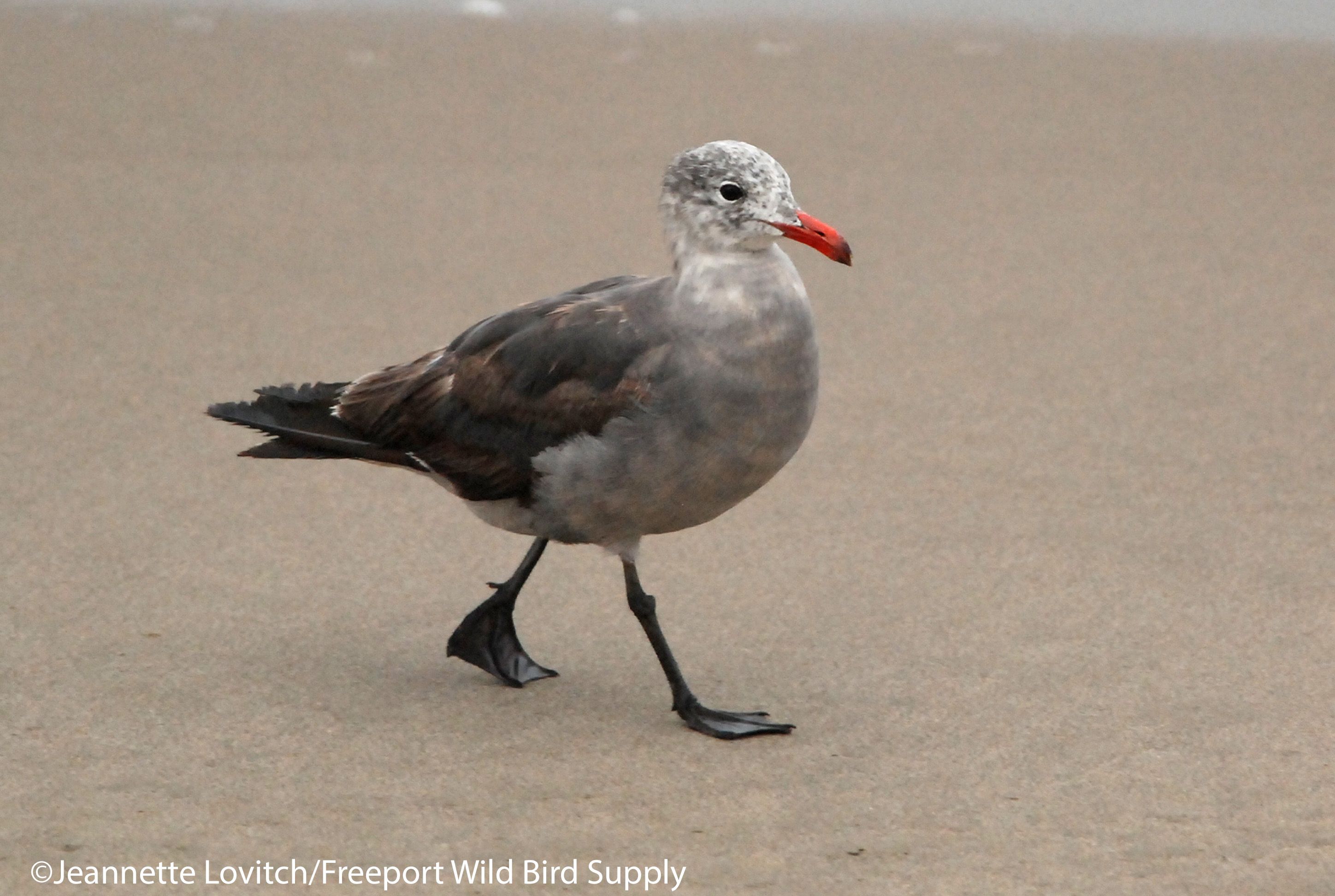
I’ve added Heerman’s Gull to the list thanks to a growing number of Eastern Seaboard records – most of which are likely the same individual moving up and down the coast, although it seems like a longshot to make it this far north. Limpkin also debuts after an incredible irruption in 2022 with extralimital records from as far north as Michigan and New York. Was this a one-off due to some drastic change in water or food levels in its limit range in Florida, or is this another sign of the “new normal” of tropical birds venturing northward? To make room, I’ve dropped Kelp Gull out of the Top 25 for now.

Heerman’s Gull, San Diego, CA, August 2011.

Personally, I added an incredible six birds to my own state list this year. I even predicted two of them: The flock of Black-bellied Whistling-Ducks in Camden that I twitched on 5/2 were #7 on my personal next list, while the flock of White Ibis in the Webhannet Marsh in Wells on 8/11 were #14 on my list. 

Black-bellied Whistling Ducks.

The Sage Thrasher at Gilsland Farm was the first in line on my honorable mentions list, as it was long overdue for Maine to get it’s second.  Likewise, the two Henslow’s Sparrows in Brunswick (7/6) and the now-famous Freeport Broad-tailed Hummingbird were both on my honorable mentions list, but had not cracked the top 25 just yet.

Sage Thrasher

Henslow’s Sparrow

Broad-tailed Hummingbird

Out of the blue was the aforementioned Eurasian Marsh-Harrier, which I happily got to see in Weskeag Marsh on 8/26. As Maine stakes its claim as the Raptor Rarity Capital of North America, I would not have wanted to miss this shocker.

As usual, I missed plenty of rarities too, although I was unable to chase many of them for various reasons (6 for 6 on chases this year is incredible…although it does help make up for all the times I did not see the Steller’s Sea Eagle!). American White Pelican (Grand Isle, 7/5; #1) and Franklin’s Gull (Sabattus Pond, 5/22; #3) are officially nemesis birds now. Other unchaseable potential state birds included Common Gull (Eastport, 2/17-23; honorable mention), Sandwich Tern (Mount Desert Rock, 7/6; honorable mention), and Western Wood-Pewee (banded at Riverpoint, Falmouth, 9/7; honorable mention).

As I approach the 400 species milestone, it’s not getting any easier, although I should hit the mark this year, based on current vagrancy trends!  That’s my first prediction. As for what bird it will be, I believe it will be one of these 25. Although, nowadays, anything seems possible!

  1. American White Pelican
  2. Franklin’s Gull
  3. Neotropic Cormorant
  4. Brown Pelican
  5. California Gull
  6. Brown Booby
  7. Slaty-backed Gull
  8. Boreal Owl
  9. Calliope Hummingbird
  10. Common Ringed Plover
  11. Graylag Goose
  12. Cerulean Warbler
  13. Gull-billed Tern
  14. Hammond’s Flycatcher
  15. Spotted Towhee
  16. Pacific Golden-Plover
  17. Wood Stork
  18. Black-chinned Hummingbird
  19. Brewer’s Blackbird
  20. Yellow Rail
  21. Ross’s Gull
  22. Virginia’s Warbler
  23. Common Shelduck
  24. Common Gull
  25. Heerman’s Gull

Brown Pelican records are increasing in the northeast. It’s just a matter of time for one to fly by me! San Diego, CA, August 2011.

This Week’s Highlights: December 17-23, 2022

This snazzy, fresh adult male Red-winged Blackbird at a feeder in Wells was one of the few highlights in my usually-very-productive “Moody Sector” of the Southern York County CBC.

T’was the week before Christmas and all through Wild Bird Supply, no one was birding much, even this guy.  Nonetheless, I found some great birds when I did get out this week:

  • 1 incredibly late NELSON’S SPARROW, 1 Savannah Sparrow, 1 Northern Flicker, 4 Snow Buntings, etc, Eastern Road Trail, Scarborough Marsh, 12/18.  I was unaware that the Portland CBC was being conducted that day, but apparently, the Nelson’s was a first count record! 
  • 1 THICK-BILLED MURRE (FOS), Pine Point, Scarborough, 12/18. Not in great shape; I first saw it on land fighting off a crow on land before eventually waddling into the water.
  • 20-21 continuing AMERICAN COOTS, 2 female GADWALL, 3 Ring-necked Ducks, 1 pair American Wigeon, 1 drake Northern Pintail, etc, Grondin Pond, Scarborough, 12/18.
  • “Moody Sector” of the Southern York County CBC, 12/19: 1538 individuals of 52 species (both quite low for me) with highlights including 4 American Wigeon (very surprisingly only a second count record!), 1 male Red-winged Blackbird, 2 Northern Harrier, and 18 Horned Larks.
  • 1 Great Blue Heron (late for inland) and 1 1st-winted Iceland Gull, Auburn Riverwalk, 12/22.
  • 1 SAGE THRASHER, Gilsland Farm, Falmouth, 12/22. 2nd State Record found earlier in the morning by Doug Hitchcox. I eventually had fantastic looks at it, including in flight, but I was on the wrong side of its favored tree for photographs, so this was the “best” I did!
  • Meanwhile, left off my weekly updates for the past four weeks has been my regular observation of one particular rarity right here in Freeport – Maine’s first ever Broad-tailed Hummingbird!  Here’s the full story.

Maine’s 1st Broad-tailed Hummingbird in Freeport (Nov-Dec 2022).

In the afternoon of 11/19, a customer of the store alerted me to the presence of a hummingbird in her Freeport yard, present since the 5th of November. For over 15 years, we have promoted keeping hummingbird feeders up late into the fall and letting us know about any hummingbirds after October 1st.  In addition to several incredibly late reports of Ruby-throated Hummingbirds (now annual in small numbers well into the second week of October), this campaign has resulted in the detection and documentation of a Selasphorous hummingbird on 10/16-17, 2015 in Yarmouth, and a long-staying Rufous Hummingbird observed by many between 10/18 and 12/5, 2020, also in Yarmouth – the first “chaseable” Rufous in eight years in the state.

Upon receiving the report, we urged the homeowner to get any sort of photo. Later that day the bird finally obliged, and the photos sent to us were suggestive of a Selasphorous hummingbird.  I was invited to the property the following day to attempt more documentation.  I arrived at 3:05pm with snow flurries falling, and soon heard the bird. The call was clearly of a Selasphorous-type hummingbird. My limited experience with separating Selasphorous by call did not permit me to draw any further conclusions (in hindsight though!)

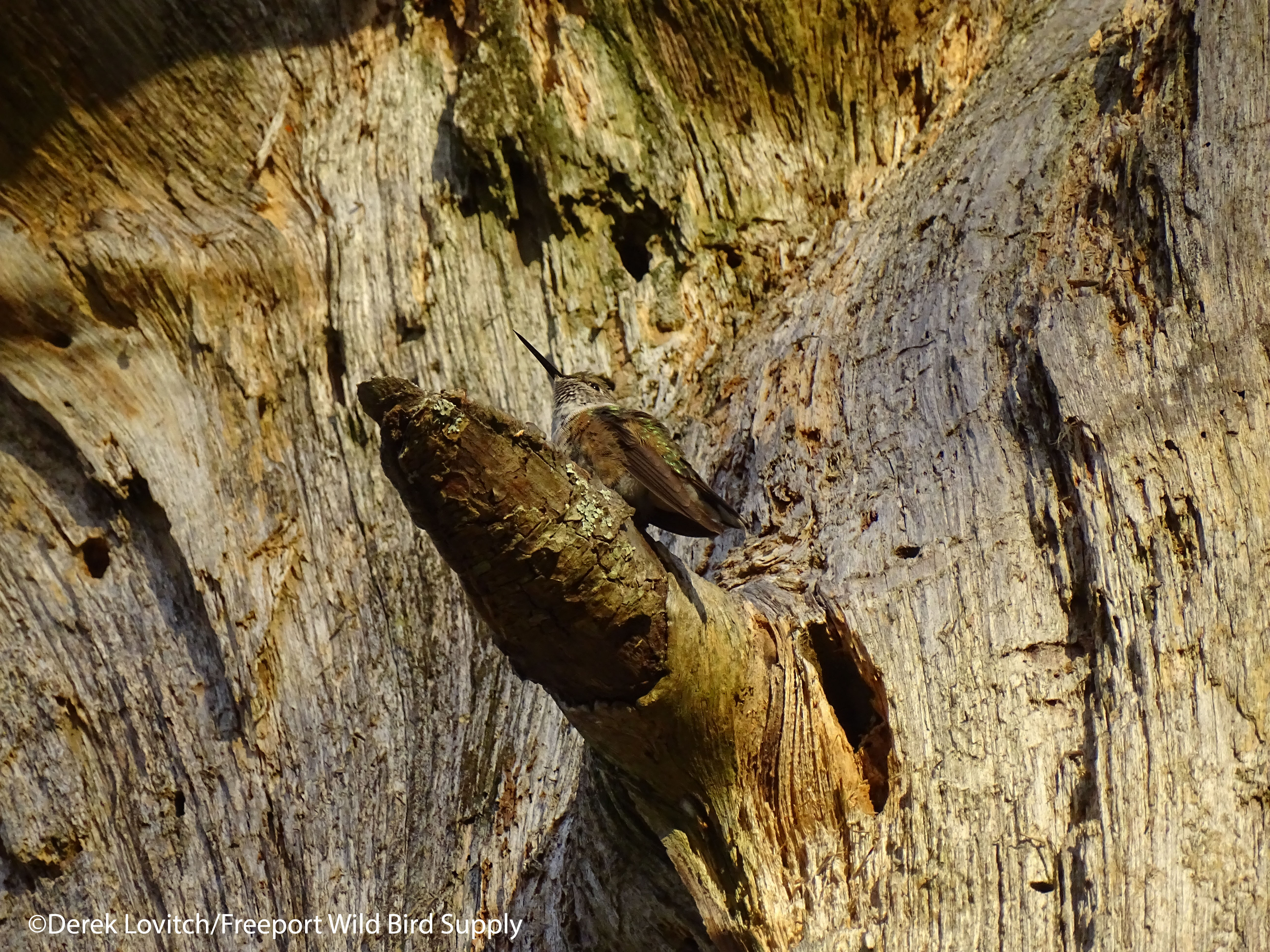
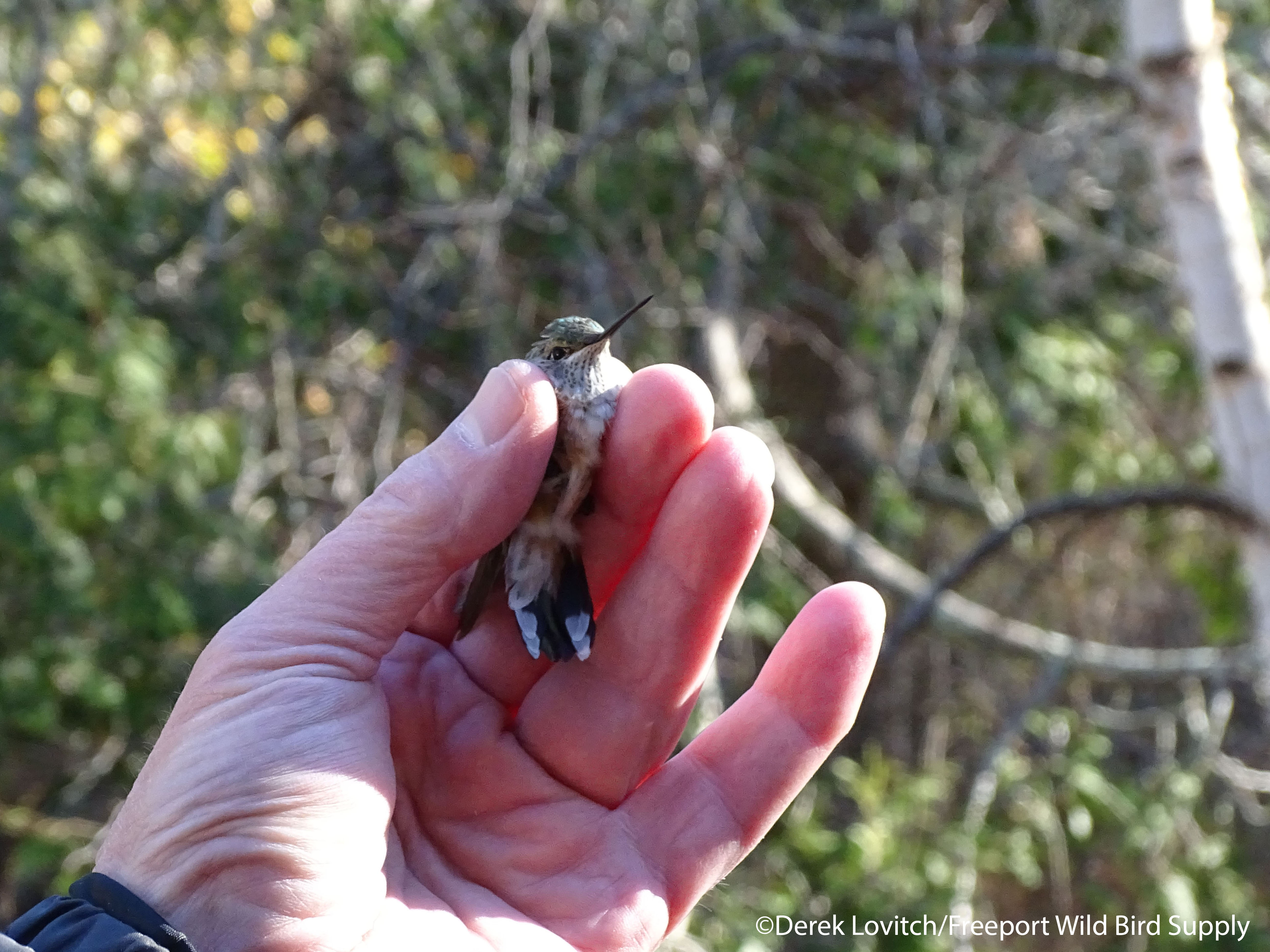
Twenty minutes later, the bird appeared at the feeders, feeding long enough for photographs, before alighting on a nearby snag in a sliver of sunlight.  In the field, and upon review of photographs, I immediately knew it was a Selasphorous. Lucky photos of a semi-spread tail showed a fairly broad outer tail feather, but I assumed it was probably “just” a Rufous. Or at least I am not knowledgeable enough to have thought beyond Rufous/Allen’s (it was clearly not a Calliope).

I reached out to Scott Weidensaul with the first few photos, and since he was available the next day to band it, I made arrangements with the homeowner. Scott was intrigued by the tail, and stated “I cannot rule out Broad-tailed from the photos” but also assumed it was likely to be a Rufous. They usually are.

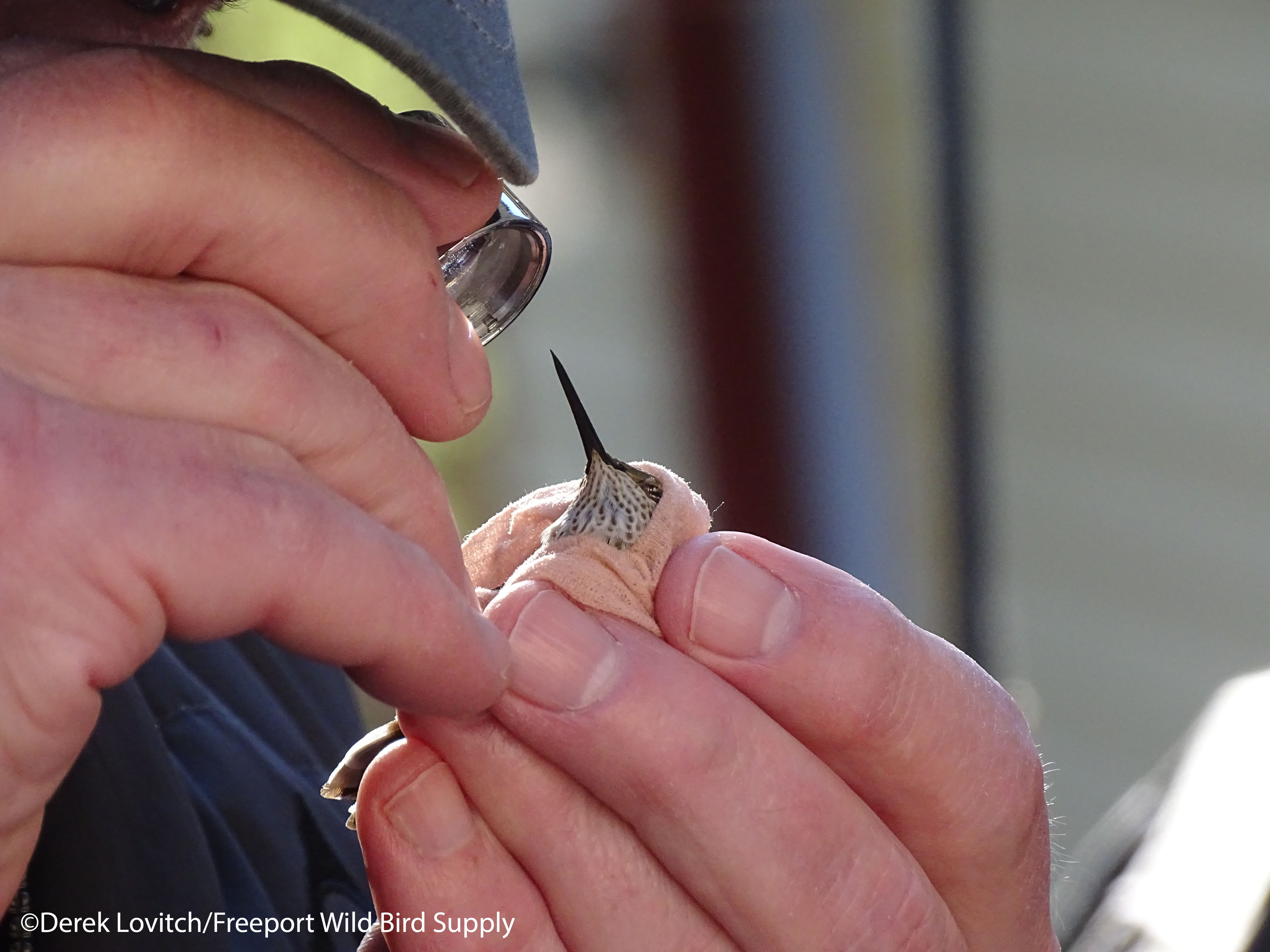
Scott, Doug Hitchcox, and I arrived at noon on 11/21 to attempt to band the bird. In less than an hour, we had safely trapped the bird, and took a series of measurements and photos. The bird was healthy, undergoing active molt, and had a fat score of 1.

When we first observed the bird, Scott pointed out the bluish hue that was sometimes apparent on the back of the bird. He mentioned he saw that in one of my photos from the prior day, but dismissed it as probably being an artifact of the photo. I was unaware of this impression until he pointed it out.

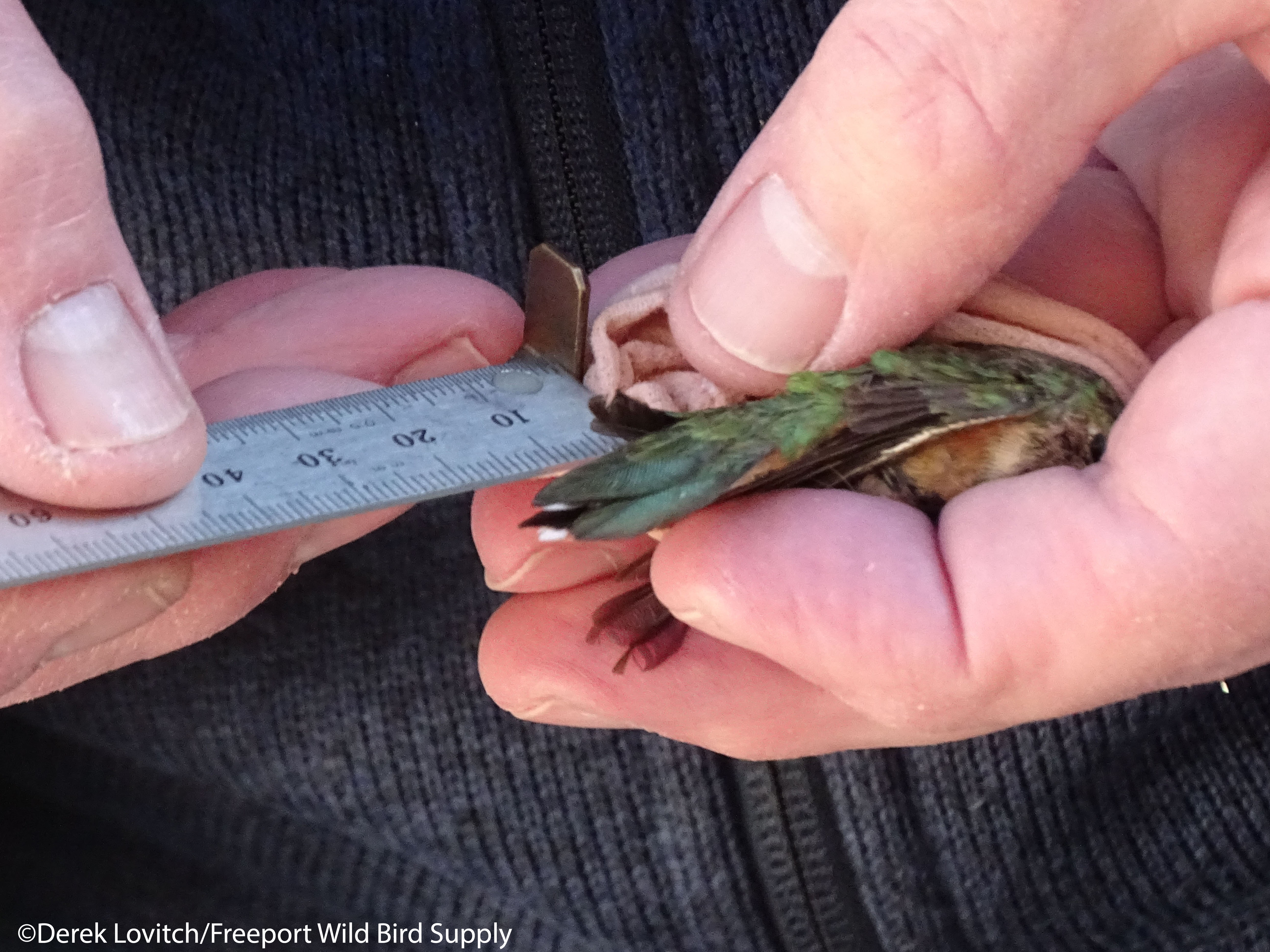
However, as the banding process began, we were still working under the assumption that this was going to be a Rufous Hummingbird, until the “numbers” kept coming in. Doug was recording and noted the significant difference between Rufous Hummingbirds on the data sheet. When Scott read the width of the outer tail feather aloud, he seemed shocked, and immediately measured again. And again. Doug and I kept glancing at each other, eyes wide, attempting to hold back exuberance.

Wing: 49.15mm

Tail: 30mm

Bill: 18.62mm

Width of Outer Tail Feather (R5): 5.44!!!

We double-checked all measurements, took lots of photos, and Doug and I tried to not explode with excitement as Scott calmly but clearly excitedly expressed comments such as “this is the biggest tail I have ever seen on a Selasphorous in the East.”  We, as well as the homeowner who had joined us for the banding, were all shaking with excitement by now. The below-freezing air temperature played much less of a role.  A quick check of references, a final check of the measurements, and then the bird was released.  Of course, the bird’s host had the honor of letting it go. After processing, it immediately returned to the feeder and fed regularly for the rest of the day, calling even more vociferously in between.

Upon checking some references at home, and sending photos out for additional opinions, it was clear to Scott that we (OK, he) had just documented the first Broad-tailed Hummingbird, a hatch-year male, for Maine – and apparently, for all of New England!

Jeannette was invited to observe the bird on the 22nd, while I spoke to the homeowner several times over the phone to discuss the opportunity for others to share in the excitement. I arranged for a small group to visit in the morning of the 23rd as a test-run – a few close friends and young birders were the guests. After that successful visit when we all had repeated views, I suggested a feeder be placed in the front yard. If the bird took to it, visitors would have the chance to see it from a public road, without entering the yard. 

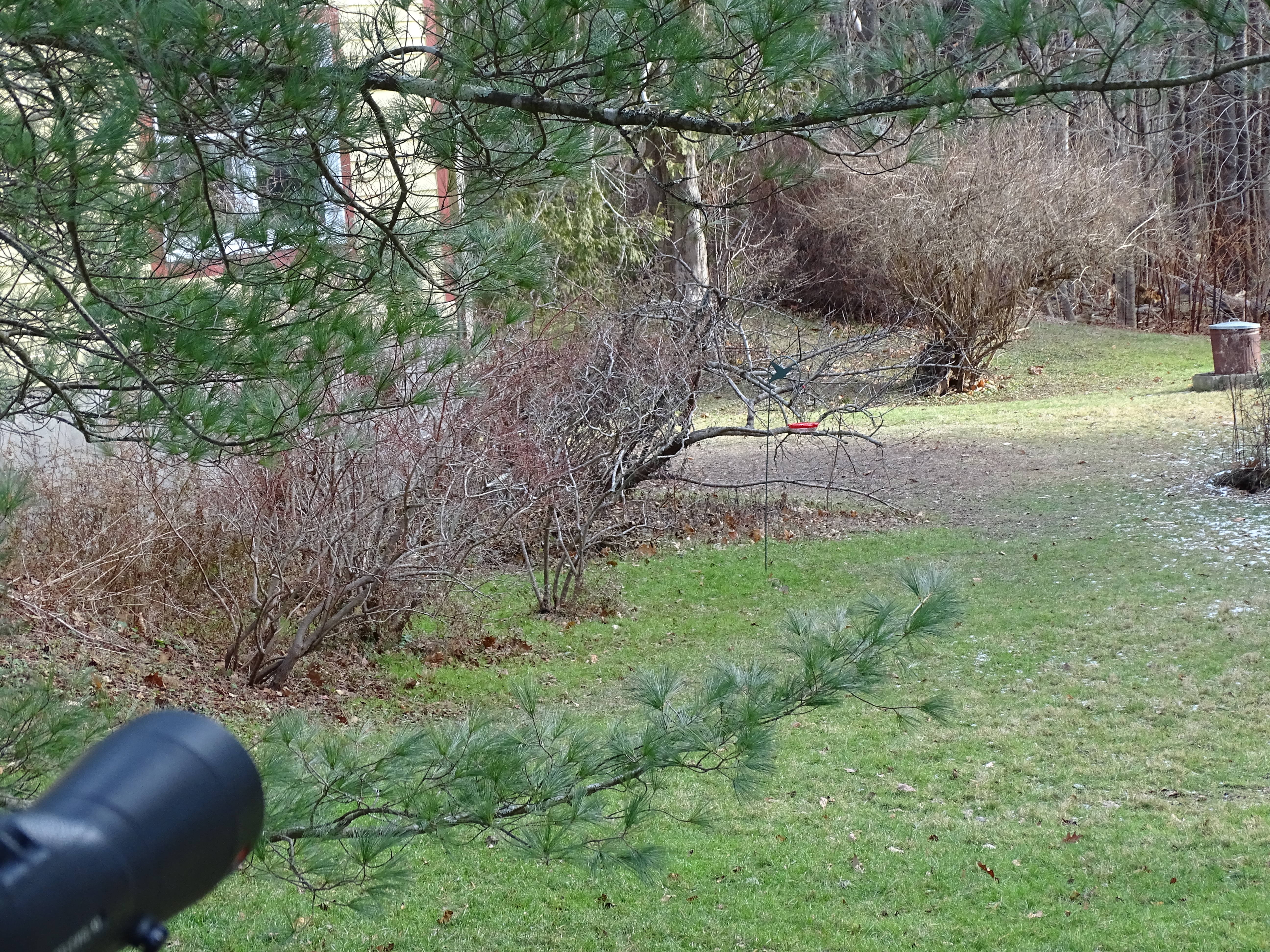
I placed that one of our feeders on the morning of the 25th, after the holiday so as not to bother the homeowner. I also observed the bird, regularly feeding in the cold rain, making two visits to the feeders within 15 minutes – a faster pace now. It was cold, but was it also tanking up?  Later in the day, Jeannette returned with a small shepherd’s hook to give the feeder even better visibility from the road, along with getting it into the morning sun to help keep it warmer on these frigid mornings. 

The homeowner has been taking in the feeder (now, feeders), every night so the first feeding will be at room temperature nectar. She’s been heading out early with a headlamp so as not to miss it’s first feeding session! What an amazing host!

My Saturday Morning Birdwalk group was invited over on that first Saturday morning, but the bird never came to the new feeder. As per prior arrangement, an hour later we were able to enter the yard and in doing so we enjoyed immediate prolonged views of it at the original feeder in the backyard.

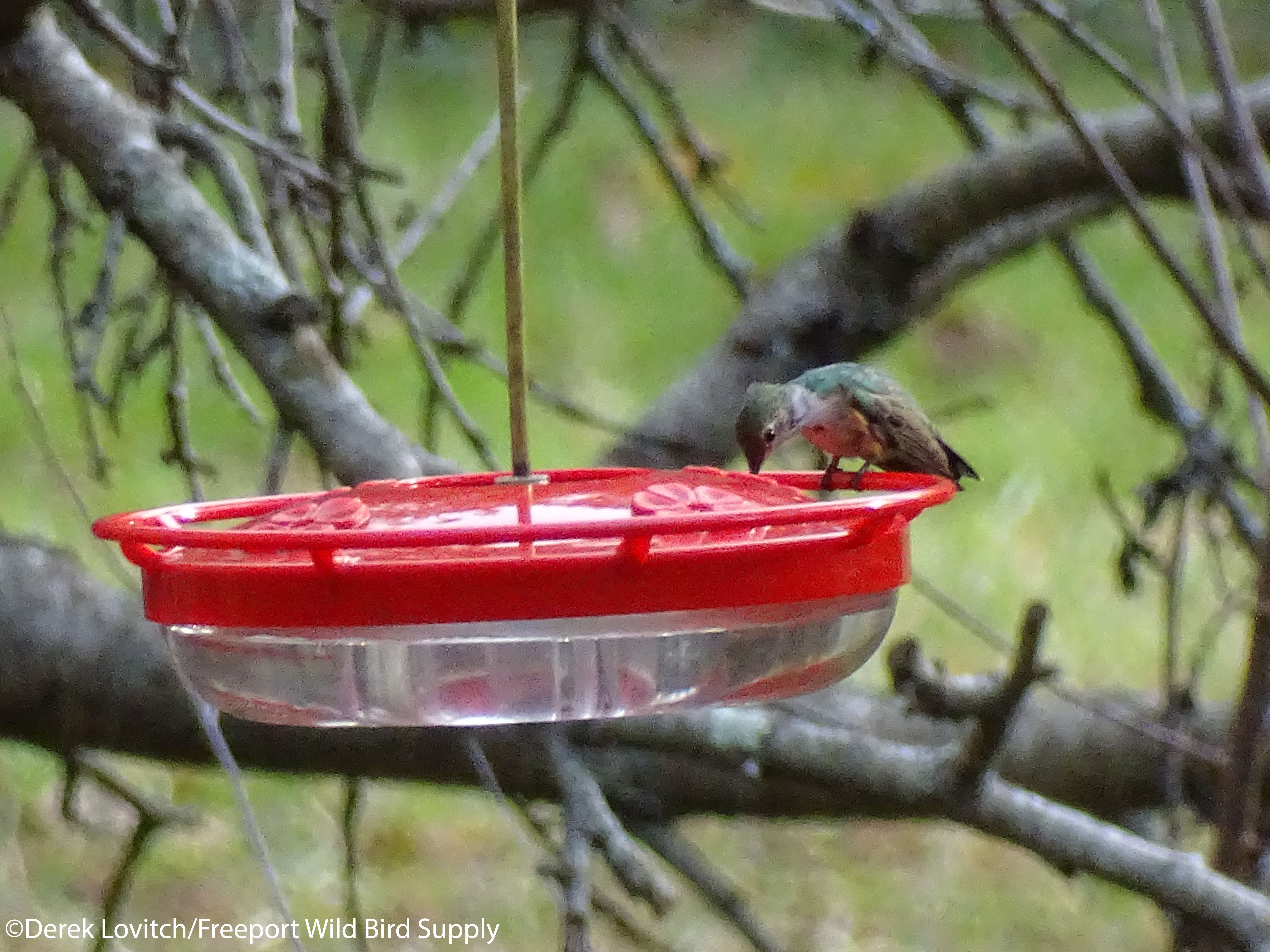
The next test run was another small group on Sunday morning. We arrived at 8:00, and for almost an hour were teased by the hummer as he darted around the backyard, calling constantly, and briefly perching in obscured views.  Then, at 8:56, he finally made a brief visit to the new feeder!

In the next 30 minutes, he visited that carefully-place feeder three times, including two prolonged drinking bouts which provided ample opportunity for people to study, enjoy, and photograph the bird.  Success!  He is now using a feeder in view from the road, without entering the yard!

And with that success, on Wednesday the 28th, I was given the go-ahead to let the word get out, slowly, methodically, and carefully managed to avoid crowds and overwhelming the homeowner and the neighbors.

In consultation with the homeowner, I was tasked with managing the crowds and birders’ behaviors. People needed to email me for the set of visitation instructions and caveats, and since the end of November birders visited, saw, photographed, and mostly remained on their best behavior. The vast majority (but of course, not all) even followed all of the rules! I remained in close contact with the homeowner and reassured her that just about everyone was receiving the instructions directly from me. I did my best to respond to every one of the emails I received, spacing out visitation as much as possible. Of course, not everyone followed every rule – especially the one about sharing the location.

The bird continued into the middle of December. I would say “miraculously” given the plummeting temperatures, but it was mostly through the passionate dedication of the homeowner. When temperatures failed to reach the freezing mark for a high on December 10th,  it ushered in the most challenging stretch of weather in which temperatures did not hit 32 for four days.  During the time, the homeowner would go out regularly throughout the day with unfrozen sugar water to replace the simple syrup popsicles. The hummingbird learned to recognize her and this activity and would often visit the feeder immediately after she walked away.

Unfortunately, however, during this time, it saved energy by sitting for long periods in the sun, out of view from visiting, shivering observers. Even more frustrating for some, was hearing it vocalize in the backyard and never seeing it from the road – at the side feeder or his favorite perch. Thankfully, no one decided to tempt fate by entering the yard to look around back.

Earlier in the month, I had asked Scott Weidensaul about possible departure times, given his experience with vagrant hummingbirds in the Northeast. He told me that birds often depart on the first nice day after the first significant cold snap where the temperatures failed to reach the freezing mark for multiple days.  Such a day occurred on 12/15, where temperatures reached the low 40’s and a light northerly wind was increasing.  Thinking it could be his last day, I finished my morning’s birding at the location.

I arrived at 10:02 and immediately found him sitting in one of his favorite perches in the multiflora Rose. He sat there – save for one short sally, presumably for an insect – for the next 16 minutes before buzzing off, presumably to the feeder in the backyard. I heard him for most of the time but did not glimpse him again before I departed at 10:30. 

By the middle of December, his first gorget feathers had already begun to appear – but only on one side of its head, best seen in this photo from the homeowner on 12/12.

I was sure this was it. Storm a’coming. Temperatures above normal in the low 40’s, a light northerly breeze, and the sun was shining for a while. But alas, with the wet snow falling on Friday the 16th, the homeowner informed us that he was still present and feeding actively.  He was still present on Saturday Morning, with heavy flakes starting to pile out.

Luckily, the heated hummingbird feeders that the homeowner ordered had arrived and were deployed just in time!

Over 90 100 people have seen it now, and visitors are still welcome to view it, as long as they follow a strict set of rules. If you would like to see it, email us at freeportwildbird@yahoo.com with a day that you are interested in going, and we’ll send the instructions and address the day before, as long as the numbers of visitors remain manageable each day and on our best behavior. To minimize the number of emails in the queue, please include the day in your original email.

***12/26 UPDATE:*** We just received an email this afternoon from the homeowner, reporting that she has not seen the bird since 3:47 pm on Friday, 12/23. Pressure was dropping rapidly through the day with rain, heavy at times, and southwesterly winds gusting over 50mph for much of the day. She reported it was drinking regularly throughout that stormy day, with temps rising into the low 50s. Overnight temperatures dropped dramatically, by 40 degrees by sunrise, despite still-strong SW winds. Certainly not the time and conditions I would have expected it to depart on (assuming it survived the night), but it does bring up some interesting questions. Did it survive the storm? Was the storm the final incentive to depart? And if so, did it depart in the “wrong” direction that perhaps it arrived on (i.e. it was a “mirror vagrant” flying in the wrong direction to start with)? But since it’s banded, should it be found anywhere else, we very well might know, but short of that, we are left to conjecture.

The homeowner is leaving the feeders out for a little longer, just in case. If he returns, we’ll post an update here and include new instructions for visitation if possible.

This Week’s Highlights, 1/15-21, 2022

Barrow’s Goldeneyes are one of my favorite visitors to Maine in winter. The hens provide a nice challenge to pick out, too. This was one of two distinctive Barrow’s visible from the
Bernard Lown Peace Bridge in Auburn/Lewiston on the 13th.

Especially in November – and often again with the first cold snap in December – I talk about “rarity fever,” when there is that additional motivation and encouragement to go birding thanks to the expectation of the unexpected. And usually we in Maine talk about the “winter doldrums” in an non-irruption year. And this year, there are virtually zero irruptives in the southern half of Maine – other than Snowy Owls. But with the Steller’s Sea-Eagle (as you may have heard!), a Bullock’s Oriole at a feeder in Damariscotta Mills, a Townsend’s Warbler in Cape Elizabeth (I missed it twice this week with a limited amount of effort), and a Barnacle Goose in Rockland, there is no doubt I – and many other birders – are experiencing a little mid-winter Rarity Fever!  And that has helped motivate me to get out birding as often as I can. The to-do list can wait until February, right?

With the fairly sudden arrival to a bitter “real winter” cold, once again “pioneering” waterfowl made up most of my highlights this week, as I spent most of my birding time searching for the next big deal. My observations of note over the past seven days include the following:

  • 1 Northern Flicker, Village Crossings/Cape Elizabeth Greenbelt Trail, 1/16 (with John Lorenc).
  • 7 Brant, Kettle Cove, Cape Elizabeth, 10/18 (with Jeannette).
  • At least 2 hen BARROW’S GOLDENEYES.  A third hen is suggestive of an odd Barrow’s or a Common x Barrow’s hybrid (see photo captions), Bernard Lown Peace Bridge, Auburn/Lewiston, 1/20.
  • Fun to hear two Carolina Wrens counter-singing across the Androscoggin River – one in Lewiston and one in Auburn – from Little Andy Park, Auburn, 1/20.
  • 1 drake Northern Pintail and 3 1st-winter Iceland Gulls, Auburn Riverwalk, 1/20.
  • 1 female Northern Pintail, Westbrook Riverwalk, 1/21.
In addition to a bright-orange-billed classic Barrow’s, and the perfectly good smudgy-billed individual above (and here, on the left), there was a third bird that I am pondering. It’s either a third female Barrow’s (a great tally, especially for Androscoggin County) or perhaps a hybrid between Barrow’s x Common – the males of which do occur in Maine and are fairly straightforward to identify.

This Week’s Highlights, 1/1-7, 2022

This dapper drake American Wigeon at Brunswick’s historic Swinging Bridge on the 4th very well could have been the same bird that I found upriver in Durham three days prior, as the river was finally beginning to freeze over.

Happy New Year (List) everyone!  My sightings of note over the past seven days were as follows. Unfortunately, they did not include the Steller’s Sea-Eagle on Saturday or Sunday (but last week, on Friday…wow, just wow. Still can’t really believe that happened!) but did include a few goodies while searching for where it may have ended up (before its re-discovery in Boothbay on Thursday).

  • 1 drake American Wigeon, Rte 136, Durham, 1/1.
  • 18 Greater Scaup, Simpson’s Point, Brunswick, 1/3 (with Jeannette).
  • 1 adult GREAT BLACK-BACKED X HERRING GULL HYBRID, Bath Landfill, 1/4 (with Jeannette)
  • 1 drake BARROW’S GOLDENEYE, Thorne Head Preserve, Bath, 1/4.
  • 1 drake American Wigeon, Swinging Bridge, Brunswick, 1/4.
  • 44 Greater Scaup, 38 distant unidentified scaup, 625+ American Black Ducks, 130+ Surf and White-winged Scoters, etc, Maquoit Bay Conservation Land, Brunswick, 1/6.
  • Here is our “West Freeport” territory tally from Sunday’s Freeport-Brunswick CBC:

– 5 American Black Ducks

– 30 Mallards

– 1 Hooded Merganser (2nd sector record)

– 1 Red-tailed Hawk

– 1 Ruffed Grouse

– 30 Wild Turkeys

– 12 Herring Gulls

– 26 Mourning Doves

– 4 Red-bellied Woodpeckers

– 28 Downy Woodpeckers

– 15 Hairy Woodpeckers

– 6 Pileated Woodpeckers (sector high count)

– 1 Northern Flicker (2nd sector record)

– 40 Blue Jays

– 104 American Crows

– 1 Common Raven

– 413 Black-capped Chickadees (2nd highest count)

– 90 Tufted Titmice (sector high count; old record of 44)

– 16 Red-breasted Nuthatches

– 45 White-breasted Nuthatches

– 1 Brown Creeper

– 11 Golden-crowned Kinglets

– 1 Carolina Wren

– 26 Eastern Bluebirds

– 1 American Robin

– 73 European Starlings (sector high count)

– 10 American Tree Sparrows

– 2 Song Sparrows

– 1 White-throated Sparrow

– 18 Dark-eyed Juncos

– 20 Northern Cardinals

– 20 House Finches

– 204 American Goldfinches (2nd highest count)

33 species (2nd highest for territory thanks to extensive open water this year).

8.5 hours: 22.4 miles by car; 18.5 miles by foot.

At the very least, it confirmed some of our preconceived notions: sparrows and frugivores are in short supply; winter finches and other irruptives are not around at all – but a huge pulse of goldfinches arrived late last week; and local resident breeding birds seemed to have done quite well this year.

  • And finally today, here is my annual blog prognosticating the Next 25 species to appear in Maine, and on my own list. Spoiler alert: I did not predict a Steller’s Sea-Eagle.

2022 Maine Birds Predictions Blog

No one could have predicted the bird of the year, err..century..err, ever.  This magnificent Steller’s Sea-Eagle spent four days in Georgetown right around the New Year.

It’s once again time for my annual Predictions Blog, where I view into my crystal binoculars and attempt to forecast some of the “new” birds to grace the State of Maine – and then my own personal state list – in the coming year.

I feel like I could have just recycled my blog from 2021.  “…Worst Year Ever.”  Ha. 2021 replied, “hold my beer!”  That all being said, a complete summary would show the full picture, with all its ups and downs (and there were a lot of downs), but undoubtably with many happy moments contained within.  That’s all beyond the scope of this blog. I’ll just stick to the birds.

Of course, nothing compares – or perhaps, ever will compare! – to the headliner of 2021: The Steller’s Sea-Eagle. No, this was not on my predictions list – or anyone else’s at the start of the year. That being said, following reports this summer in New Brunswick, November in Nova Scotia, and then December in Massachusetts, there is no doubt it would have been optimistically added to the list for 2022…had it not shown up in Georgetown on December 30th (or perhaps earlier).  This mega-of-megas, one of the world’s most extraordinary birds, might render almost any other first state record pedestrian, or at least anticlimactic.

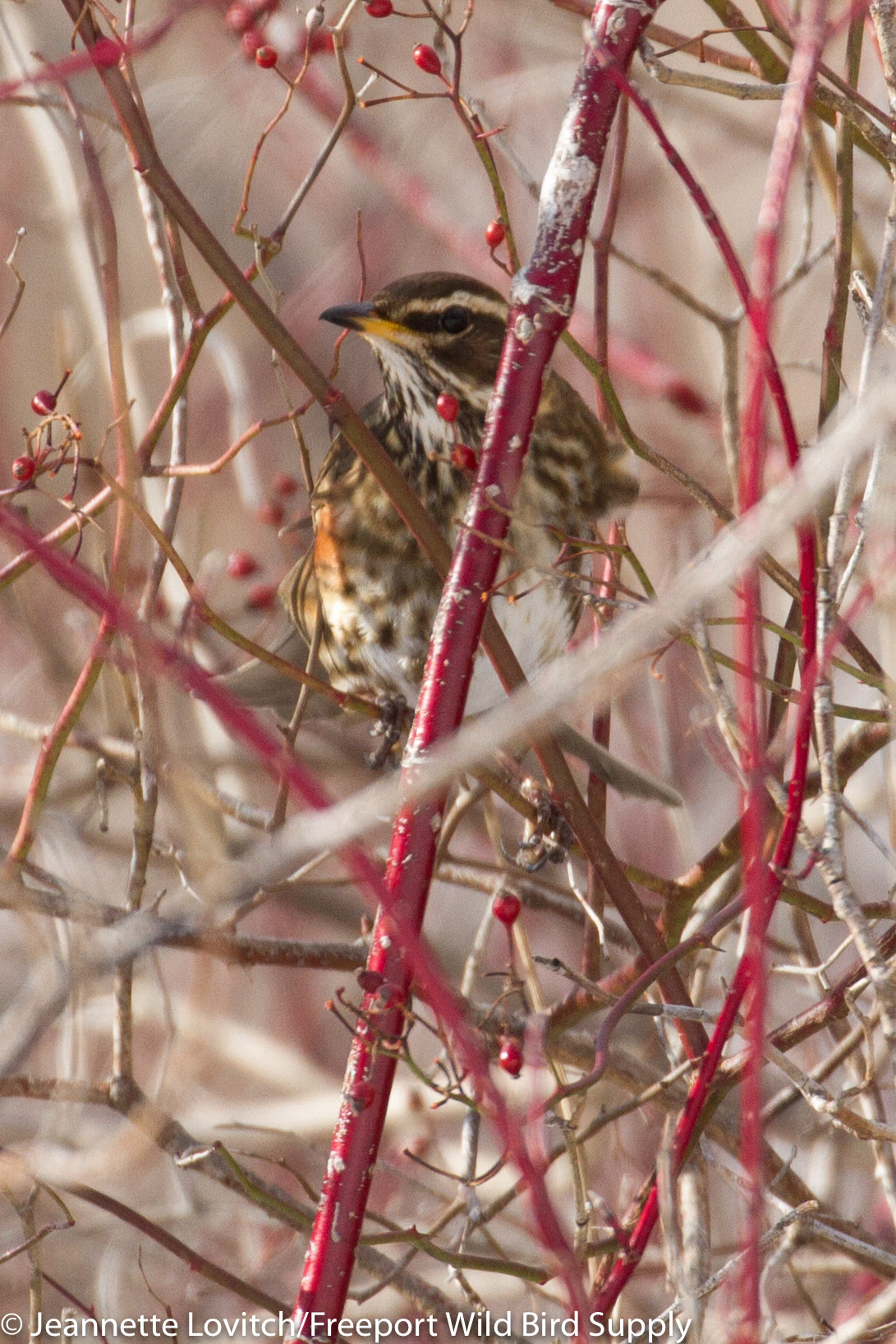
At the very least, it does overshadow the only other chaseable first Maine record for this year: Redwing, a European thrush. What was the “bird of the year” until three days remaining on the calendar, this bird delighted many hundreds of birders at Capisic Pond Park in Portland at the end of January 2021 – which seems like eons ago! The first state record, however, actually came earlier in the month, when a Redwing – perhaps the very same individual – was a one-day wonder on private property in Steuben. Lucky for all, the next one/sighting of it showed up on public property and stayed around for about three weeks.  Redwing was #16 on my “Next 25 Species for Maine” list.

And finally, a Masked Booby surprised observers on Mount Desert Rock on August 9th.  With increasing observations of tropical seabirds north of the Gulf Stream, this is less shocking than it would have been a few years ago.

Three first state records in one year is pretty good, and the quality of this year’s roster is impressive. How will 2022 compare?

Therefore, my list of next 25 species to occur in Maine receives just a few tweaks.

  • 1) Neotropical Cormorant
  • 2) Graylag Goose
  • 3) California Gull
  • 4) Spotted Towhee
  • 5) Hammond’s Flycatcher
  • 6) Bermuda Petrel
  • 7) Black-chinned Hummingbird
  • 8) Common Shelduck
  • 9) Trumpeter Swan (of wild, “countable” origin) *Edit, 4/1. See Below*
  • 9) Audubon’s Shearwater – on “hypothetical” list, but I think the record is good.
  • 10) Little Stint
  • 11) Anna’s Hummingbird
  • 12) “Western” Flycatcher (Pacific-slope/Cordilleran)
  • 13) Common Ground-Dove
  • 14) Allen’s Hummingbird
  • 15) Spotted Redshank
  • 16) Painted Redstart
  • 17) Ross’s Gull
  • 18) Black-capped Petrel
  • 19) Lesser Nighthawk
  • 20) Barolo Shearwater (a good record, with photographs, unlike my “it has to be this” sight record!)
  • 21) Elegant Tern
  • 22) Kelp Gull
  • 23) Black-tailed Gull
  • 24) Hooded Oriole
  • 25) Common Scoter

***EDIT, 3/31 – When a Trumpeter Swan arrived in Scarborough Marsh, it was noted as the 2nd State Record. I realized that the 2011 bird from Fortune’s Rock Beach in Biddeford was indeed added to the “official” state list. I had counted it on my own list (so no change below), but I never followed up on its status, apparently. With the rapidly expanding introduced populations in the Northeast, along with increasing amount of states “declaring” the bird “established,” I’m shocked it’s taken this long to get a second one. The predictions list has been updated accordingly.***

Personally, I was fortunate to add two birds to my own state list this year. And they were good ones!

The aforementioned Redwing got things started. It was not on my Top 25 list because I expected it to be a one-day wonder in some far-off place, never to be seen again. It was. But then it, or another bird – there were several Redwings in the Northeast part of the continent last winter – debuted at Capisic. That was fun.

Did I mention there was a Steller’s Sea-Eagle? That was my 391st species in Maine!

So neither of my state birds were on my Predictions list. I’ll be OK though, all things considered.

And, as usual, there were also a handful of potential state birds for me that I did not see.  Franklin’s Gull appears to be on its way to becoming my nemesis, with another one this year: a one-day wonder at the Sanford Lagoons on 9/9. It was #3 on my list.

A Sandwich Tern at Mount Desert Rock on 7/6 was on my Honorable Mention list, as was Brown Booby, which has started to become regular north of Cape Cod.  There was one off of Biddeford Pool on 7/8 ahead of Tropical Storm Elsa, followed by one on Mount Desert Rock August 2nd through 9th (not an easy place to chase!). 

So a few tweaks to my list for my next additions to my personal state list are as follows:

  • 1) American White Pelican
  • 2) Neotropic Cormorant
  • 3) Franklin’s Gull
  • 4) Brown Pelican
  • 5) Graylag Goose
  • 6) California Gull
  • 7) Black-bellied Whistling-Duck
  • 8) Brown Booby
  • 9) Slaty-backed Gull
  • 10) Boreal Owl
  • 11) Calliope Hummingbird
  • 12) Common Ringed Plover
  • 13) Cerulean Warbler
  • 14) White Ibis
  • 15) Gull-billed Tern
  • 16) Hammond’s Flycatcher
  • 17) Spotted Towhee
  • 18) Pacific Golden-Plover
  • 19) Wood Stork
  • 20) Ross’s Gull
  • 21) Black-chinned Hummingbird
  • 22) Brewer’s Blackbird
  • 23) Yellow Rail
  • 24) Virginia’s Warbler
  • 25) Common Shelduck

So let’s see what 2021 (edited: 2022) brings to the Maine birding world. A return to a sense of normalcy would be a nice start, however.

I am overdue to luck into an American White Pelican in the state!

This Week’s Highlights, 11/6-11/11

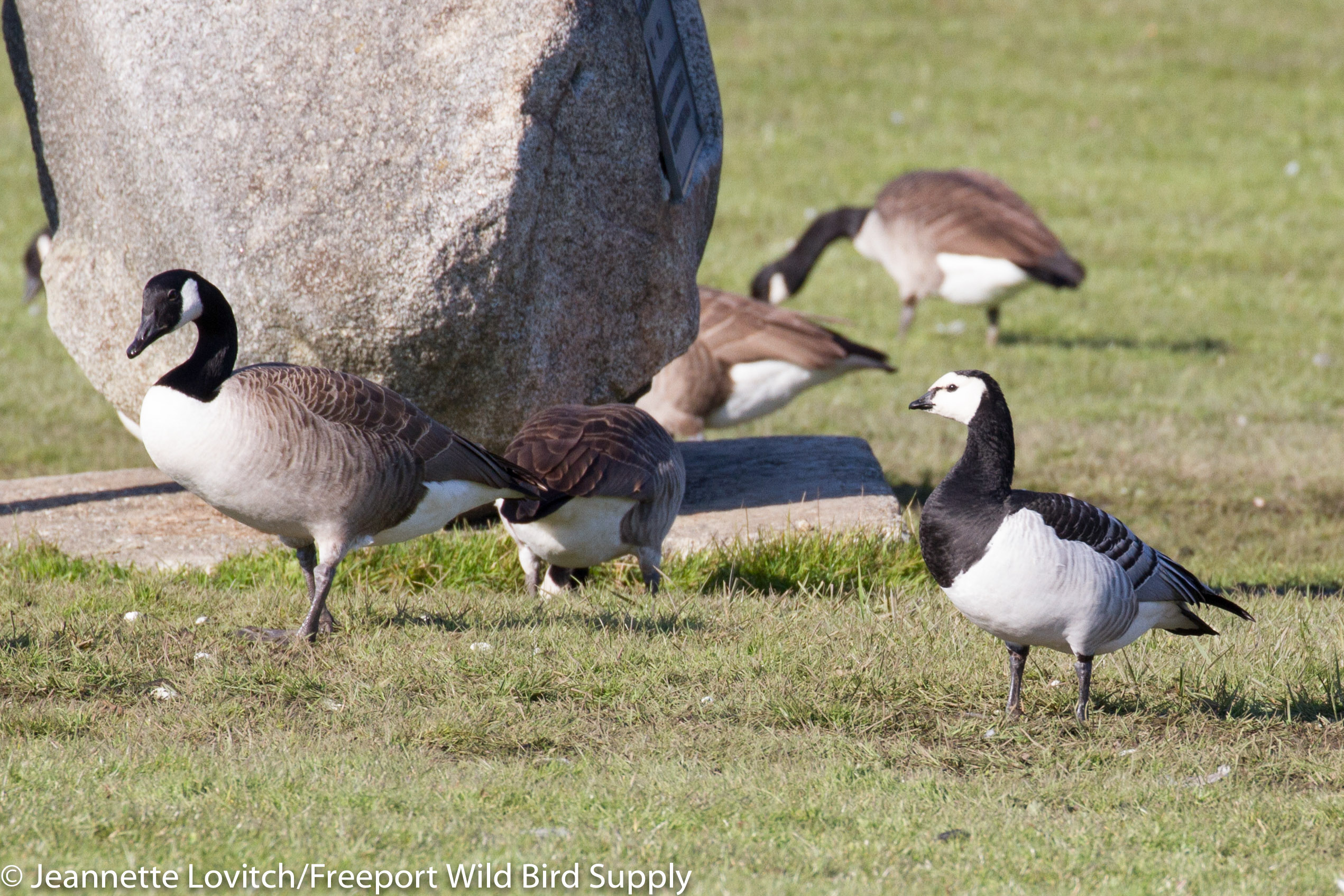
No shame in chasing a bird that is this stunningly gorgeous! And like the chase of the ATFL earlier this week, we put in the effort to find out own beforehand – and then rewarded ourselves with another exceptional rarity!
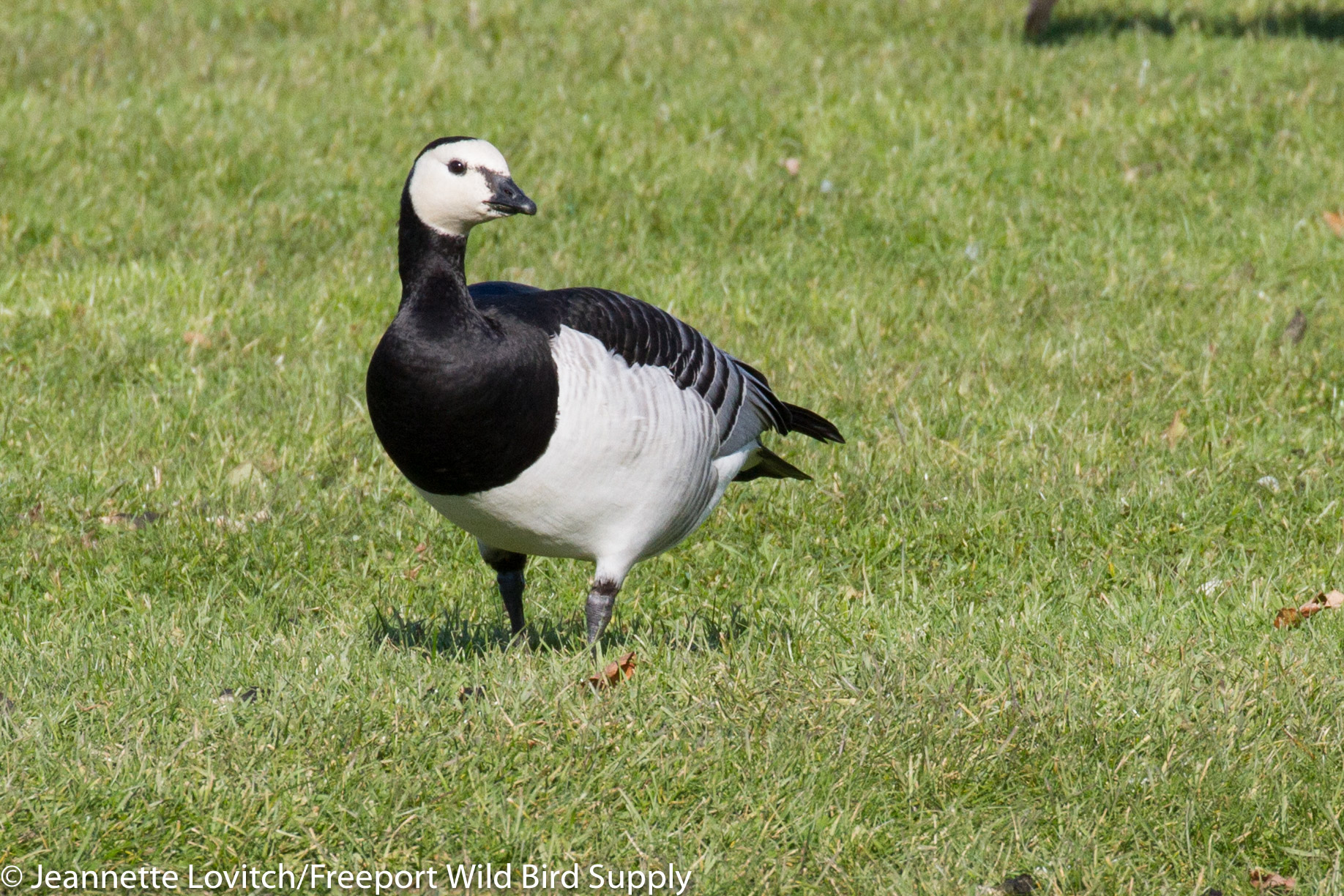
What a dapper goose.

Despite my best efforts, my “best” birds of the week were all chased and not found. Nonetheless, I had a great week of birding and birdfinding. My highlights over the past six days were as follows:

  • 1 continuing CATTLE EGRET, 2 Common Yellowthroats, 1 Pine Warbler, 4 Semipalmated Plovers, 8 Laughing Gulls, etc, Wolfe’s Neck Center, Freeport, 11/6 (with Saturday Morning Birdwalk group).
  • 2 Blackpoll Warblers, Saco Riverwalk, 11/7 (with Cameron Cox and Evan Obercian).
  • 3 Great Egrets, The Pool, Biddeford Pool, 11/7 (with Cameron Cox and Evan Obercian).
  • 1 continuing PRAIRIE WARBLER, 1 ORANGE-CROWNED WARBLER, 1 Indigo Bunting, 1 Great Horned Owl, 1 “Ipswich” Savannah Sparrow, etc, Biddeford Pool neighborhood, Biddeford, 11/7 (with Cameron Cox and Evan Obercian)
  • 1 ORANGE-CROWNED WARBLER, 2 Lincoln’s Sparrows, etc, Private property in Cape Elizabeth, 11/7 (with Cameron Cox and Evan Obercian).
  • 1 still-continuing late Fish Crow, Cook’s Corner, Brunswick, 11/9 (with Jeannette).
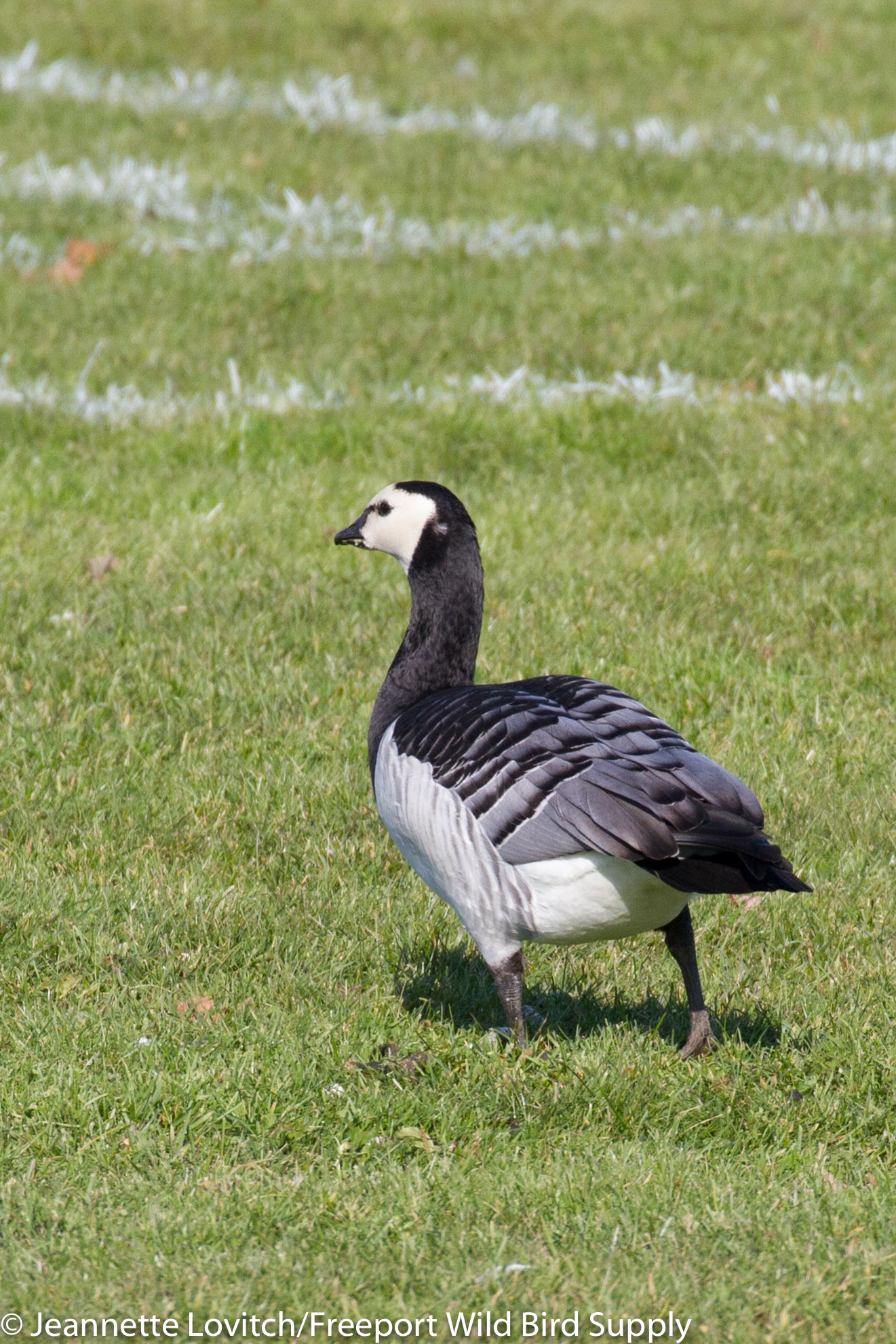
  • 1 continuing BARNACLE GOOSE, South Elementary School, Rockland, 11/9 (with Jeannette). Photos above and below.
  • 1 American Coot and 10 American Wigeon, The Samoset, Rockport, 11/9 (with Jeannette).
  • 1 American Woodcock, Rte 1, Thomaston, 11/9 (with Jeannette).
  • 2 American Wigeon and 1 Killdeer, Old Brunswick Road, Durham, 11/11.
I simply love the subtle beauty in the color and pattern of the wings and back of this species.

This Week’s (Non Sandy-Point) Highlights, 9/24-9/30: Monhegan Island

This Blue Grosbeak was among the stars of the show from an exceptional weekend of
great birds on Monhegan Island.

I haven’t yet posted a Monhegan tour blog from last weekend, so I figured I’d at least post some of the highlights from our extremely exciting weekend chock-full of great birds!

9/24 (with Monhegan Fall Migration Weekend tour group):

  • 1 adult GREAT BLACK BACKED X HERRING GULL HYBRID
  • 1 adult Lesser Black-backed Gull
  • 1 Sora

9/25 (with tour group):

  • 1 adult PROTHONOTARY WARBLER. Found by me at “Chat Bridge” and refound nearby a short while later by Kristen Lindquist and part of my group.  Only bird of the weekend not seen again.
  • 1 YELLOW-BREASTED CHAT
  • 8 DICKCISSELS (in flock together at one point)
  • 2 CLAY-COLORED SPARROWS (in flock with 8 Dickcissels).
  • 1 Gray-cheeked/Bicknell’s Thrush (presumed Gray-cheeked)
  • 1 Yellow-billed Cuckoo

9/26 (with Tour group):

  • 1 YELLOW-BREASTED CHAT
  • 1 immature male BLUE GROSBEAK
  • At least 4 CLAY-COLORED SPARROWS
  • At least 7 DICKCISSELS
  • 1 adult Lesser Black-backed Gull

9/27 (with tour group):

  • 1 WESTERN KINGBIRD (found by Kristen Lindquist. Refound by us at the Trailing Yew, then later by our group again at the cemetery. Last sighting?)
  • At least 5 DICKCISSELS
  • At least 4 CLAY-COLORED SPARROWS
  • 9/28 (with Jeannette and Kristen Lindquist):
  • 1 immature male BLUE GROSBEAK
  • 2 LARK SPARROWS
  • At least 4 CLAY-COLORED SPARROWS
  • At least 4 DICKCISSELS
  • 1 Orange-crowned Warbler
  • 1 unidentified jaeger at a floating Minke Whale carcass offshore.
  • 1 adult Lesser Black-backed Gull

Other Highlights:

  • 2 AMERICAN OYSTERCATCHERS, Dry Ledges off of Allen Island from Port Clyde Ferry, 9/28 (with Jeannette).

And don’t forget, our next pelagic with Cap’n Fish’s out of Boothbay Harbor is coming up, on October 11th. Information and registration can be found here.

OK, back to work on my Monhegan blog.