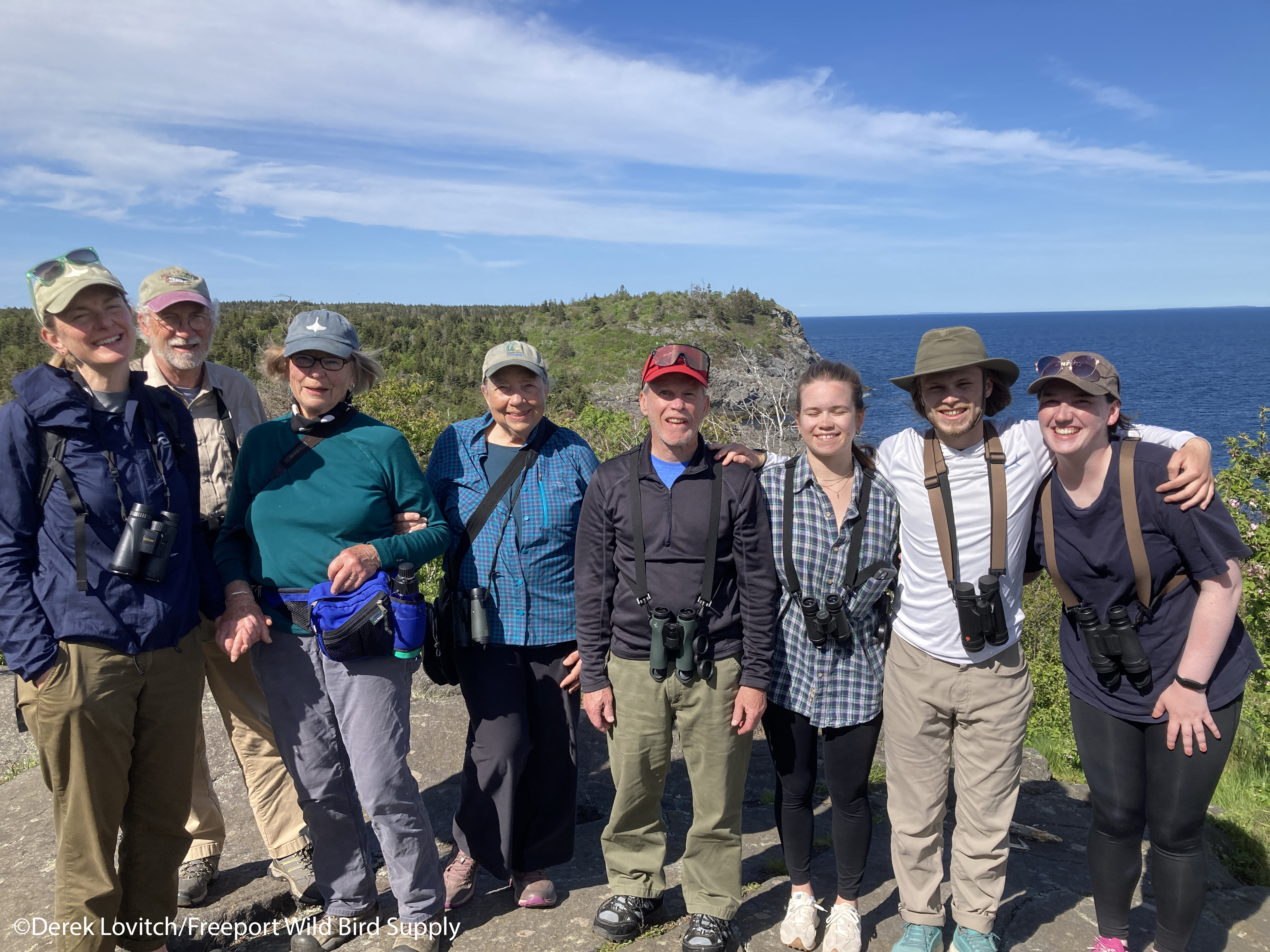
Although not in Maine, this spiffy adult Sabine’s Gull was the icing on the cake of an incredible day in Head Harbor Passage, New Brunswick on 9/4 (with Beth Edmonds, Dan Nickerson, Jeannette, and friends). An impressive concentration of gulls was led by 5,000-8,000 Bonaparte’s Gulls, 5,000 Herring and Great Black-backed Gulls, and also including 20+ Lesser Black-backed Gulls and 20-30 Laughing Gulls (also Ring-billeds and Black-legged Kittiwakes). It was the best concentrations of birds we have experienced here in several years.
With our annual early fall weekend with friends to Washington County, a productive eight days of birding included the following observations of note:
Sandy Point Morning Flight, 9/3: 355 total migrants led by 105 Northern Parulas and 88 Cedar Waxwings, and also including a single BLUE-GRAY GNATCATCHER (Only my 4th morning flight record). Complete tally here.
4 Red-breasted Mergansers, Lubec Bar and Flats, 9/5 (with Beth Edmonds, Dan Nickerson, Jeannette, and friends).
1 adult Lesser Black-backed Gull, Roque Bluffs State Park, 9/6 (with Jeannette).
1 juvenile YELLOW-CROWNED NIGHT-HERON, Jones Creek, Pine Point, Scarborough, 9/10 (with Jeannette).
Our Durham property continues to impress during migration. Another week with at least 15 species of warblers detected in the yard, and highlights including Philadelphia Vireo on several days and a Brown Thrasher at our feeders 9/8-9.
Based on the progressing season, and my upcoming schedule, this was the last week I focused on shorebirds. As always, my peak shorebird season culminates with our visit down east. There are plenty of shorebirds left to enjoy (and count), but my final shorebird “high counts” report of the season – including a goodly 20 species this week – is as follows:
AMERICAN OYSTERCATCHER: 4 (2 ad with 2 juv), Pine Point, Scarborough, 9/10 (with Jeannette).
Black-bellied Plover: 8, Pine Point, 9/10 (with Jeannette).
Killdeer: 14, Crystal Spring Farm, Brunswick, 9/8.
Semipalmated Plover: 71, Pine Point, 9/10 (with Jeannette).
Whimbrel: 3, Lubec Bar and Flats, 9/5 (with Beth Edmonds, Dan Nickerson, Jeannette, and friends).
Jeannette and I spotted these four Red-necked Phalaropes from the Casco Bay Ferry Mailboat run with visiting family on the 26th.
It was a very busy week for me, but when I did get out, birding was productive – especially in the backyard which hosted at least 15 species of warblers this week. Meanwhile, shorebirding continues to be hot. My observations of note over the past 8 days included the following
1 Black Scoter, 2 White-winged Scoters, and 2 Blue-winged Teal with Common Eiders, Reid State Park, Georgetown, 8/27. As scoters begin to increase in September, I’ll forgo reporting the “oversummering” groups from now on.
1 TRICOLORED HERON, Mill River Park, Thomaston, 8/29 (with Jeannette).
1 Northern Pintail (first of fall) and 1 juv, Little Blue Heron, etc, Eastern Road Trail, Scarborough Marsh, 8/30.
3 adult Lesser Black-backed Gulls, Seawall Beach, Phippsburg, 9/2 (with Ed Hess).
My shorebird high counts for 18 species this week were solid considering I didn’t make it to Biddeford Pool (or Pine Point) during this period. Focusing on mostly lesser-visited hotspots, I found several goodies and had a few decent high counts.
Black-bellied Plover: 67, Wharton Point, Brunswick, 9/2 (with Ed Hess).
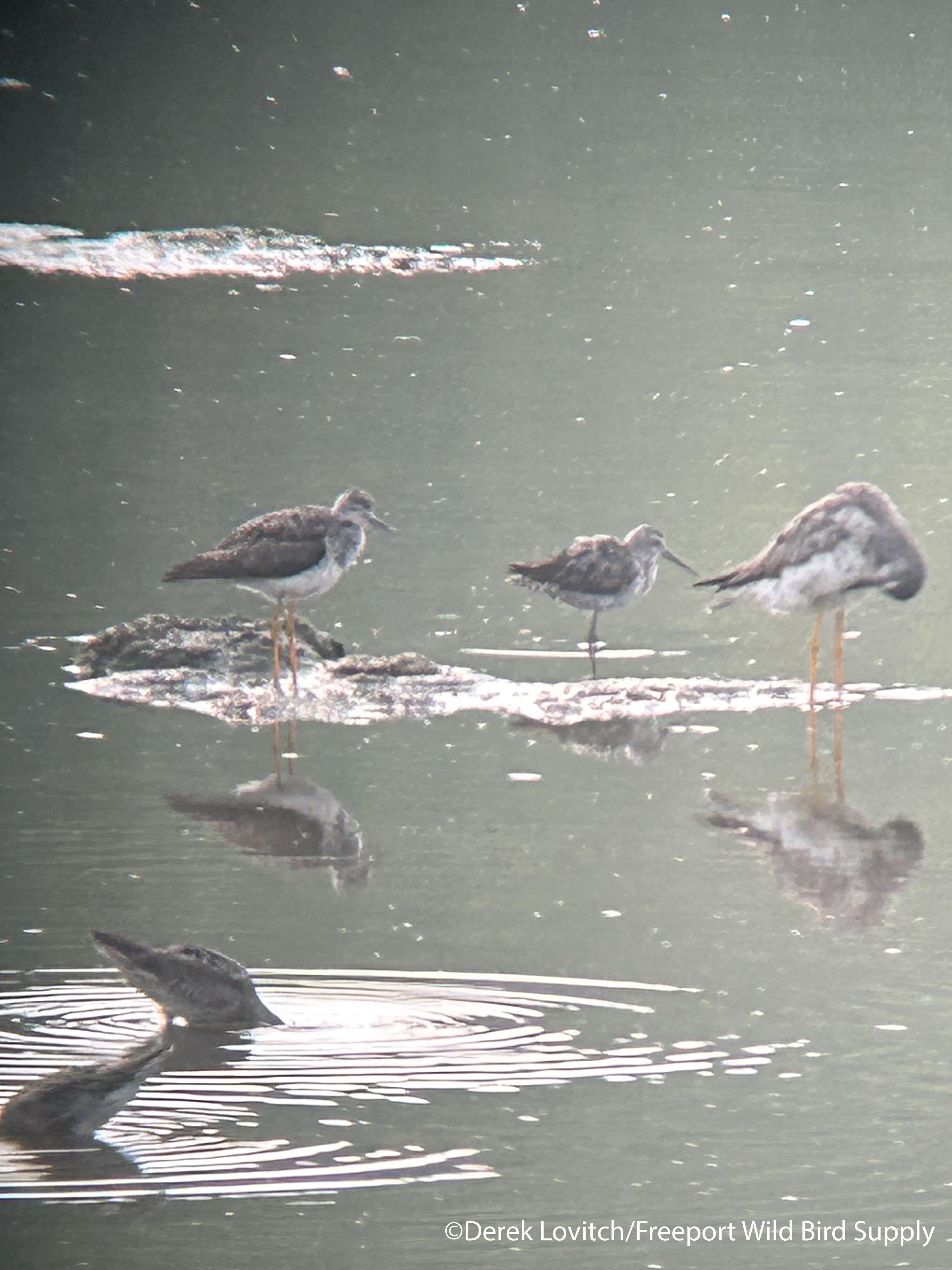
Far from being my best shot of the week, our Saturday Morning Birdwalk group enjoyed 2 Stilt Sandpipers at Freeport’s Walsh Preserve. Here’s one of them (pardon the lousy hand-held phone-scoped photo) flanked by Lesser and Greater Yellowlegs for a perfect comparison. Instructional shorebird identification was the name of the game for my tours this week!
Two shorebird-focused tours, plus a few mornings out on beach/mud on my own produced some solid shorebird high counts. My species list and a few high counts would have been added were in not for the rapidly-approaching thunderstorm as my Shorebird Workshop group arrived at Hill’s Beach on the 15th! Landbird migration is really picking up as well, with lots of the expected early warblers on the move, including a Cape May Warbler at the Walsh Preserve in Freeport (with Saturday Morning Birdwalk group) on the 17th.
Non-shorebird observations of note this week:
28+ continuing Surf Scoters, Wharton Point, Brunswick, 8/12.
2 Common Nighthawks (First of fall), over our property in Durham, 8/13.
2 adult Lesser Black-backed Gulls, Pine Point, Scarborough, 8/15 (with Down East Adventures Shorebird Workshop tour group).
6 Surf Scoters, Popham Beach State Park, Phippsburg, 8/16.
Shorebird high counts this week:
Black-bellied Plover: 91, Wharton Point, Brunswick, 8/12 (with Jeannette).
Killdeer: 35, Crystal Spring Farm, Brunswick, 8/12 (with Jeannette).
Semipalmated Plover: ~300, Pine Point, Scarborough, 8/15 (with Down East Adventures Shorebird Workshop tour group).
Least Sandpiper: 20+, Great Pond, Biddeford Pool, 8/15 (with Down East Adventures Shorebird Workshop tour group).
White-rumped Sandpiper: 12, Pine Point, 8/15 (with Down East Adventures Shorebird Workshop tour group).
Semipalmated Sandpiper: ~1750, Biddeford Pool Beach, 8/15 (with Down East Adventures Shorebird Workshop tour group). Honorable mention of ~1200 at Pine Point on 8/15 (with Down East Adventures Shorebird Workshop tour group).
Short-billed Dowitcher: 8, Popham Beach State Park, 8/16.
Spotted Sandpiper: 2, multiple locations this week.
“Eastern” Willet: 14, Pine Point, 8/15 (with Down East Adventures Shorebird Workshop tour group).
Greater Yellowlegs: 41, Wharton Point, 8/13 (with Jeannette).
Tours and Events:
The 20th Anniversary Celebration Month is underway here at the store. All the details can be found here, including a silent auction for conservation, and several chances to win a new pair of binoculars!
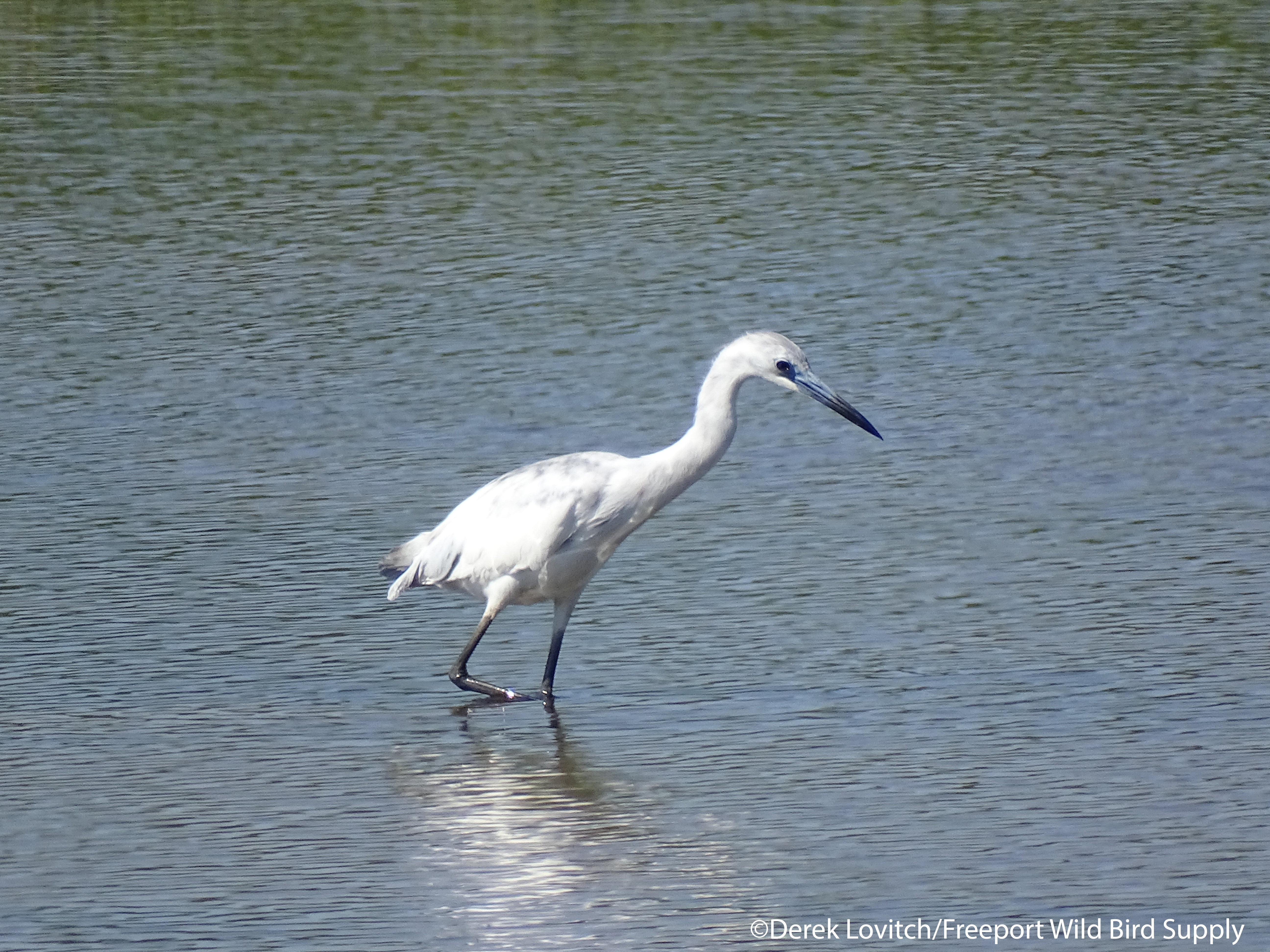
Little Blue Herons have declined in Maine, so it was nice to find my second of the year in an untraditional location. This 1st summer bird was in the marsh behind Seapoint Beach in Kittery on the 2nd.
Typical later migrants, such as Blackpoll and Magnolia Warblers, and a variety of flycatchers, were still moving in and through, especially during the first week of June. Then, my gears rapidly shifted to breeding birds on tours, events, surveys, and just general birding enjoyment. Quality time with boreal breeders in the Rangeley area and specialties such as Saltmarsh and Nelson’s Sparrows, Roseate Terns, etc here at the coast were the usual highlights of the first half of June, both personally and professionally.
In addition to the regular breeding birds we seek – again, both personally and professionally – it’s also a good time of year for unexpected birds in unexpected places, and just general good birding. Some of my additional, less expected observations of note over the past ten days included:
1 immature male and 1 female ORCHARD ORIOLE (FOY), and 1 late Red-throated Loon, Fort Foster, Kittery, 6/2.
1 1st summer LITTLE BLUE HERON, Seapoint Beach, Kittery, 6/2. Photo above.
A visit to the Kennebunk Plains on 6/4 with Jeannette yielded 2 singing CLAY-COLORED SPARROWS (one continuing male near “Clay-color Corner” and one about half-way between there and the main parking lot on the eastern loop trail). 2 UPLAND SANDPIPERS, 6 GRASSHOPPER SPARROWS, and at least 11 Red Crossbills were also detected.
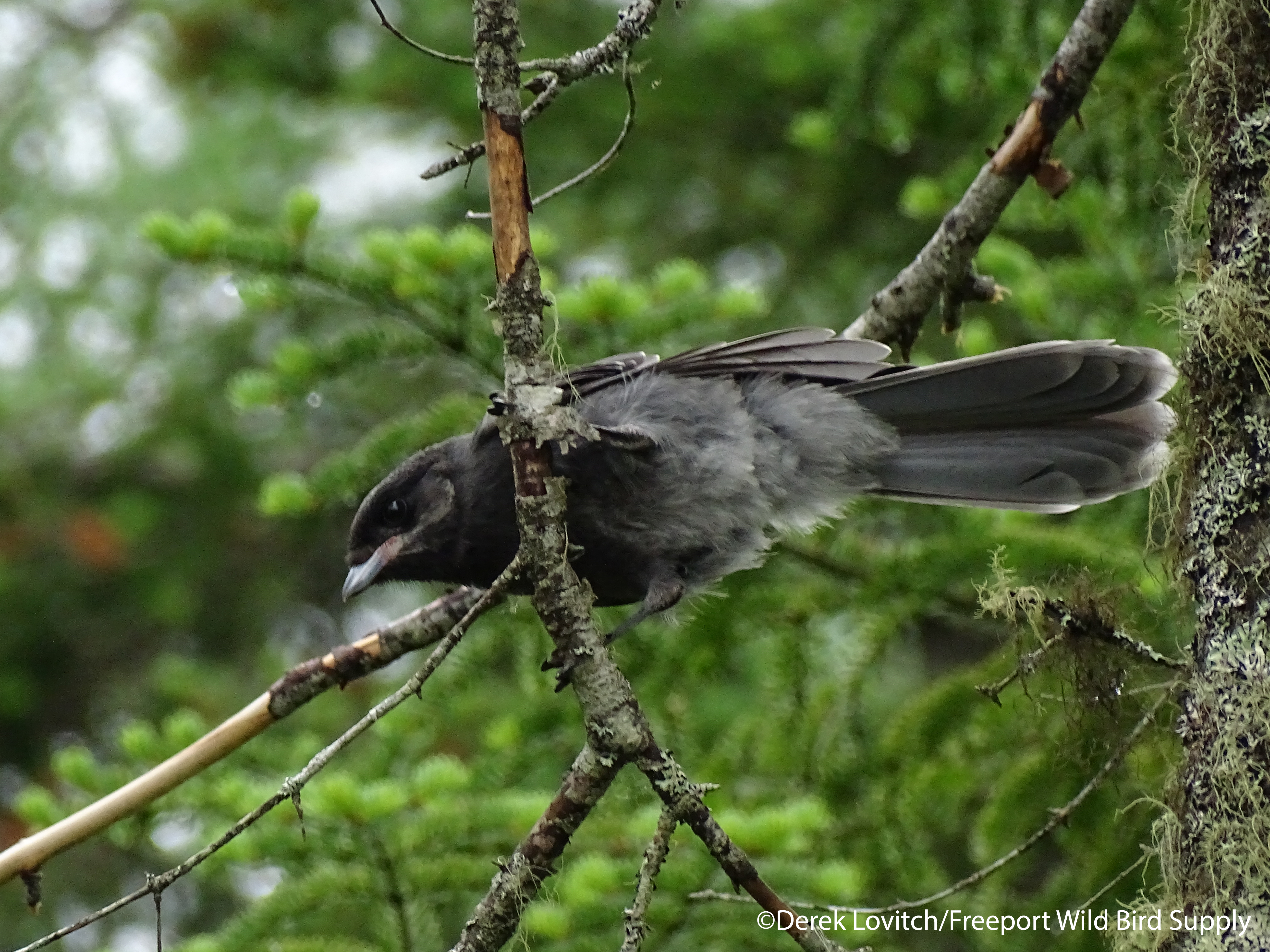
1 pair Cape May Warbler, 1 Wilson’s Warbler, 1 Olive-sided Flycatcher, Palm Warblers, displaying Wilson’s Snipe, family of Canada Jays, etc, Dallas Plantation, 6/7 (with Matt Young).
Fun to be in the field with Matt Young for the Rangeley Birding Festival and hear him describe (and hopefully me learn!) Red Crossbill call notes. There weren’t many around, but we did encounter both Type 12’s and Type 4’s. Meanwhile, scattered birds continue to be widespread down here at the coast.
7 Turkey Vultures, over downtown Rangeley from porch of Parkside and Main, 6/7 (With Matt Young and Birds on Tap! event group for the Rangeley Birding Festival). Less than 10 years ago, a single was unheard of.
1 Semipalmated Plover, Eastern Road Trail, Scarborough Marsh, 6/11 (with clients from New Jersey).
Tours and Events:
Due to tours, there will not be a Saturday Morning Birdwalk on either 6/22 or 6/29.
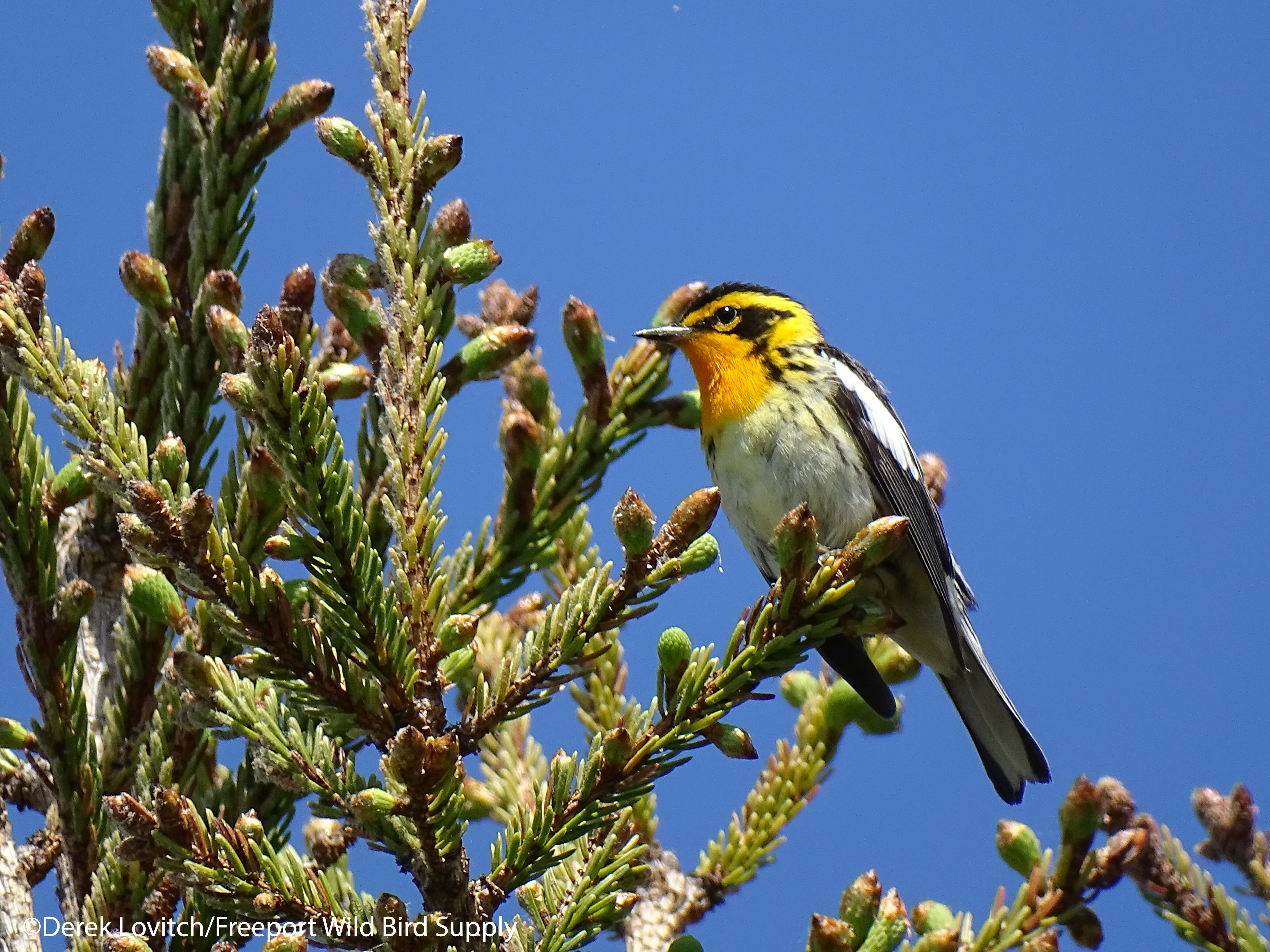
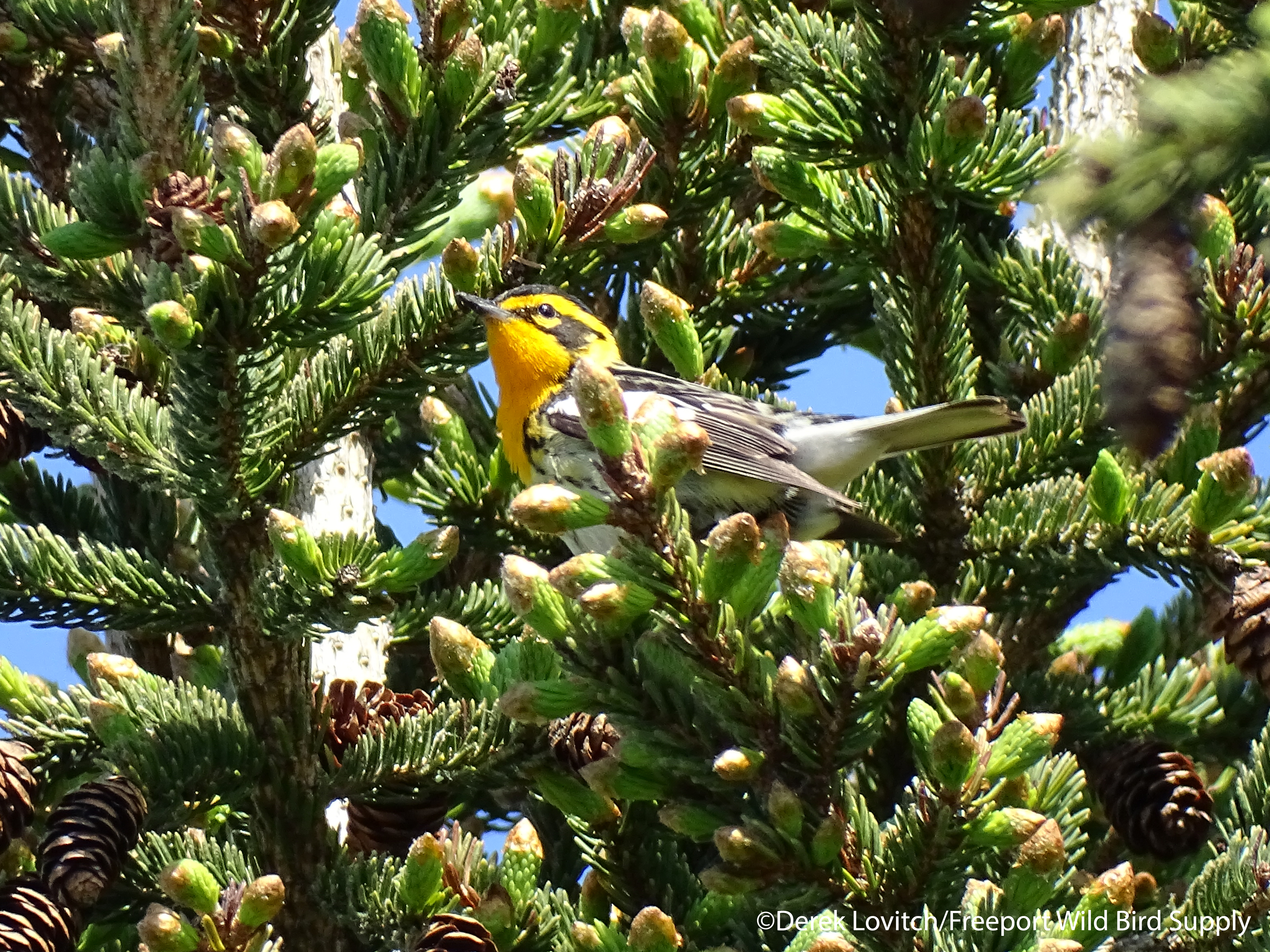
Blackburnian Warbler near and at eye-level were one of the many highlights during my annual Spring Monhegan Migration Tour.
Five days on Monhegan (four with a tour, one with Jeannette) from 5/24-28 had few rare bird highlights, but good overall diversity and generally very good bird watching opportunities. A total of 93 species in those 5 days included 1 BLUE GROSBEAK (5/25); 1 PURPLE MARTIN (5/24 and 5/26); impressive numbers of RED and WHITE-WINGED CROSSBILLS throughout the island; Yellow-bellied Flycatcher (FOY), Olive-sided Flycatcher (FOY), Tennessee Warbler (FOY), several Black-billed Cuckoos (FOY); 1 Razorbill in the harbor on 5/26; and 4 RED-NECKED PHALAROPES on the ferry ride home on 5/28. There were a lot of uncommon to rare-on-Monhegan migrants around, too, from Blue-winged Teal to Cliff Swallow. A complete report of our tour can be found here.
Back in the real world, my observations of note for the rest of the week included:
1 continuing GRASSHOPPER SPARROW, Auburn-Lewiston Municipal Airport, 5/30.
With my first visit in three weeks to Scarborough Marsh on 5/31, several personal first-of-years included Saltmarsh and Nelson’s Sparrow, Roseate Tern, and 4 White-rumped Sandpipers (Eastern Road Trail). Other migrant shorebirds included ~70 Semipalmated Sandpipers, 1 Dunlin, and 1 Greater Yellowlegs off Eastern Road, and 10 Ruddy Turnstones, 9 Black-bellied Plovers, and 1 Lesser Yellowlegs at Pine Point. Other observations of note included the continuing TRICOLORED HERON off of the Eastern Road Trail, and 2 PURPLE MARTINS at Pine Point.
2 Willow Flycatchers (FOY, finally), Old Town House Park, North Yarmouth, 6/1 (with Saturday Morning Birdwalk group).
Tours and Events:
There will not be a Saturday Morning Birdwalk on 6/8 as I’ll be in Rangeley guiding at the Rangeley Birding Fest. Note that there are still some spaces on a variety of tours still open. They can be found here.
Blackpoll Warblers were pleasantly ubiquitous over the weekend, with endless opportunities to view them without neck strain for a change.
I just can’t walk away from a male Blackburnian Warbler in the sun, especially at eye-level. Just can’t do it. While Blackpolls were the most numerous migrant of the tour, as expected for the end of May, Blackburnian Warblers consistently stole the show.
Our 14th annual Monhegan Spring Migration Weekend was highlighted by three days of insanely gorgeous weather, 18 species of warblers, and loads of crossbills. But what set this year’s tour apart was how consistently amazing the looks were at so many birds, especially both crossbills and some of our favorite warblers.
The tone was set on our Friday crossing from New Harbor, with lovely weather and 2 fly-by Atlantic Puffins. And once again, we hit the ground running after our 10:15 arrival, taking nearly an hour just to walk up Dock Road. One of our favorite corners was just hoppin’, with our first stellar looks at both Red and White-winged Crossbills and Blackpoll Warblers, as well as our only Canada Warbler of the tour.
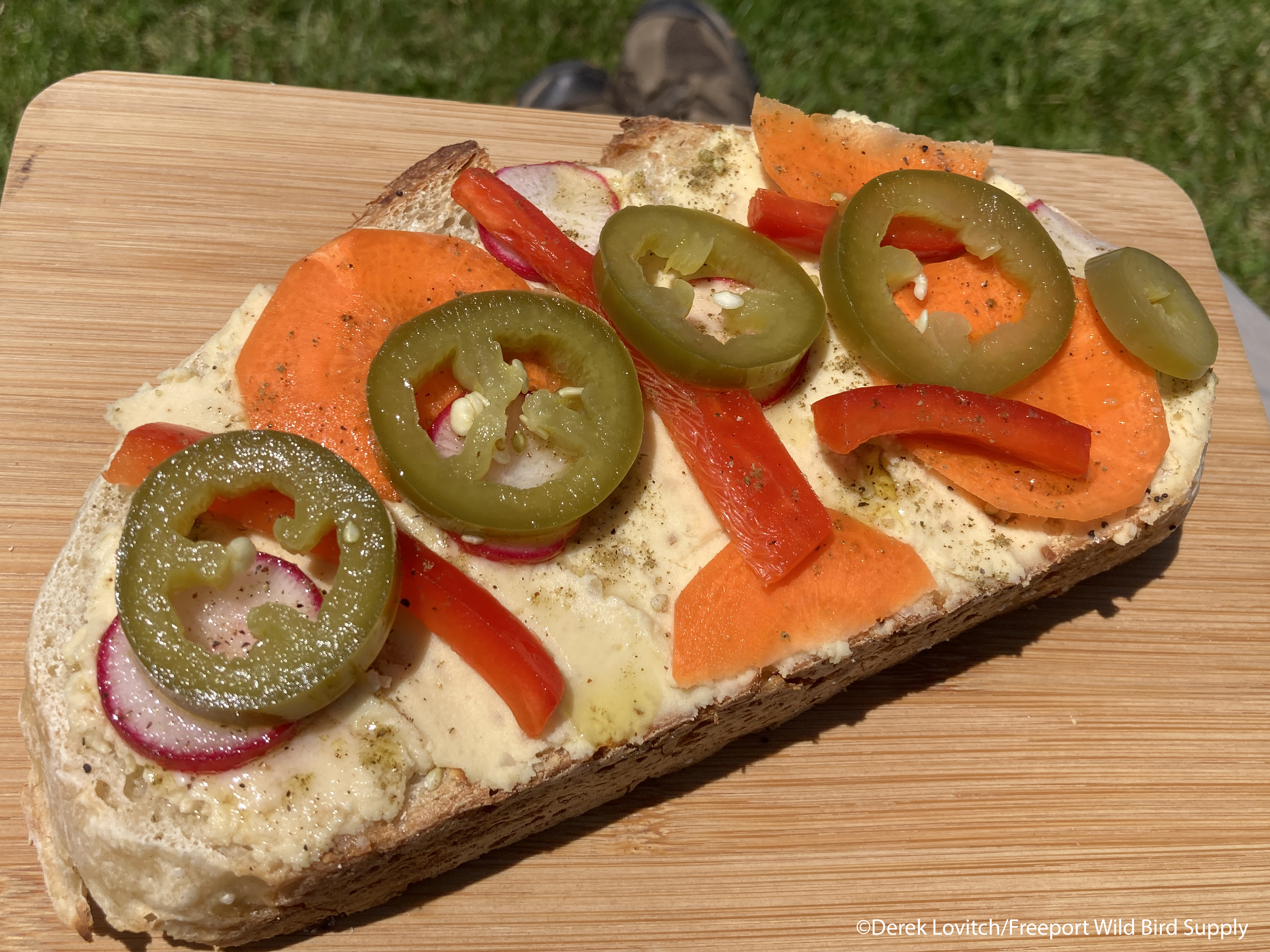
I ate a lot of hummus toasts for lunch at the Trailing Yew in an attempt to make up for copious breakfasts and decadent feeders.
The afternoon, and the next three days were filled with crippling view after crippling view. Blackpoll Warblers were everywhere, both males and females seen in close proximity repeatedly for good studies. American Redstarts were abundant, as were locally-breeding Common Yellowthroats and Yellow Warblers. But it’s been a long time since we have seen crossbills, especially White-winged, so well and so often everywhere around town and beyond. It’s hard not to name this species the bird of the tour this year.
Male White-winged Crossbills.
In that first afternoon, some of our other highlights were a fleeting glimpse of a Black-billed Cuckoo, and later we found a female Purple Martin. Birds were just unusually low and cooperative, despite the gorgeous weather, so that really set this first day apart.
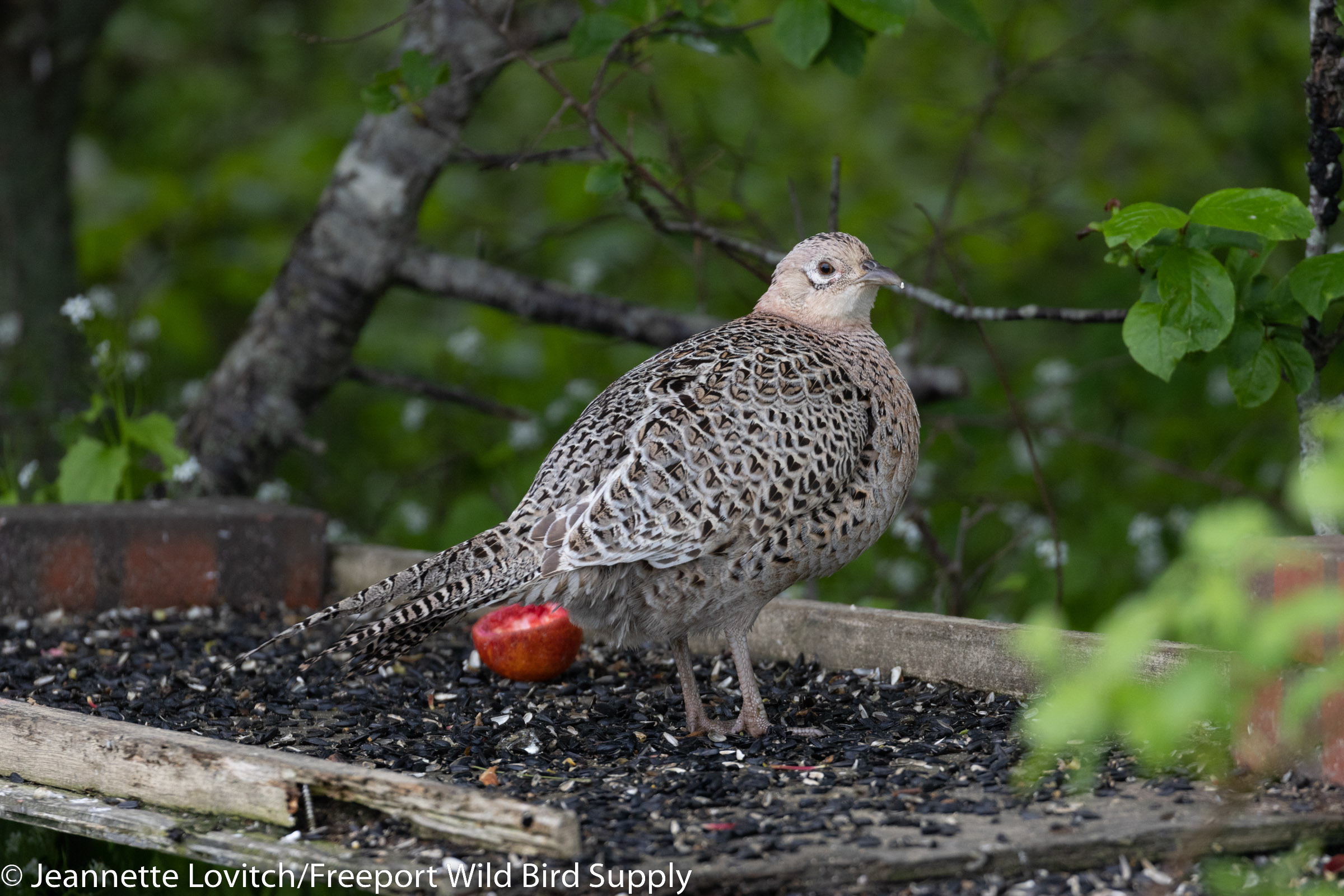
My days started even earlier than I would have liked as pheasants took to calling from the railing right outside my bedroom window. At 4am. 4am.
Unfortunately, the NEXRAD radar archive was down for the duration of our stay, so I can’t do my usual analysis here, but on Saturday morning, a light morning flight of mostly Blackpoll Warblers and American Redstarts suggested at least some birds had arrived on the light westerly wind overnight. There were also more Magnolia Warblers around, but overall, our two morning walks were slower than yesterday’s birding, but we would repeatedly find pockets of good activity with more great views of most of what we encountered.
This Cape May Warbler showed himself nicely, feeding on little midges/flies buzzing around the buds of this Red Spruce.
A Black-billed Cuckoo was as cooperative as they get, freezing on a bare branch for several minutes. Prolonged scope views of Red and White-winged Crossbills offered the chance to watch their amazing feeding behavior. The afternoon was a little slower, as expected, but still low and close Blackpoll Warblers and crossbills all around. Friends found a Blue Grosbeak that afternoon, which confirmed what I thought “had to be one” that flew across the marsh early in the morning but disappeared into brush before we could confirm its identity.
Of course we took some time to enjoy Rose-breasted Grosbeaks at Donna’s feeders, along with the omnipresent Ring-necked Pheasants.
Despite southerly winds overnight, Sunday morning was quite a bit slower, likely due to rainfall cutting off the flow of migrants from the south. We started the day with a bang though, as we moseyed down to the harbor to enjoy an up-close-and-personal Razorbill that ended up spending much of the day foraging in the harbor.
There was some passerine turnover overnight, however, and new birds this morning included an Alder Flycatcher, a calling Olive-sided Flycatcher, and finally a Tennessee Warbler – perhaps our first uncooperative warbler of the trip! The bird of the morning, however, was Blackburnian Warbler, as we started the day with amazing views just as we started and finished the morning with repeated great looks at males and females. Again, we were just in awe of the repeated great views we were getting of so many species, even if, yes, it was slow by Monhegan standards.
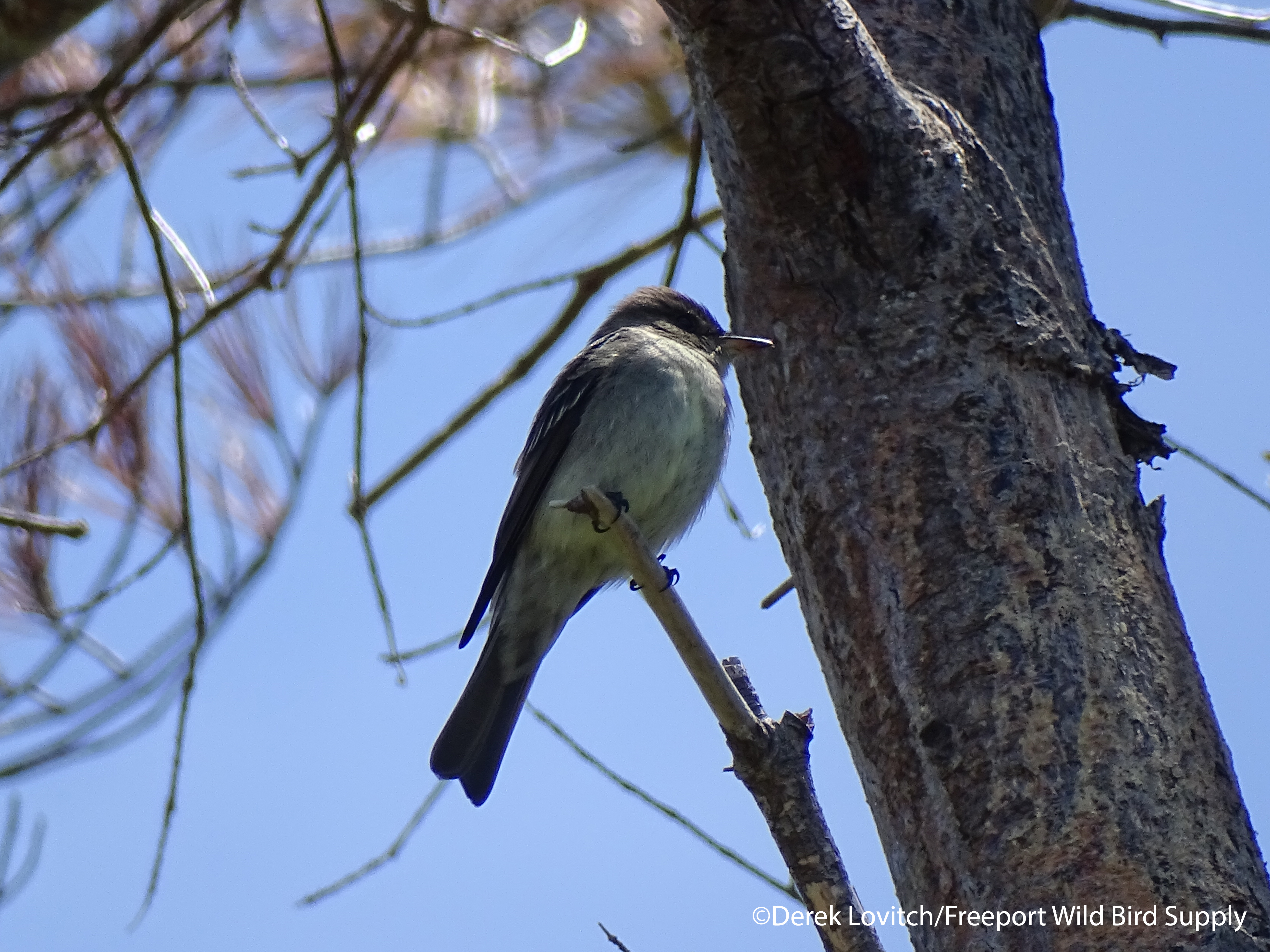
A nice selection of flycatchers over the weekend afforded the opportunity to learn how to break them down via primary projection, such as in this long-winged Eastern Wood-Pewee.
In the afternoon, we took the obligatory walk up to the lighthouse, both for some hawkwatching and snapshots. However, we ended up being enthralled (OK, I was enthralled) by a massive gull feeding frenzy that broke out over the lighthouse hill and beyond. It became clear that the gulls were not just enjoying the weather to soar on thermals but were feeding on some unseen flying insect. While a common event on the mainland, none of the birders present out here has ever seen anything like this over the island. The numerous Herring Gulls attracted a growing number of Laughing Gulls – the most I have ever seen out here (it’s usually just a few pairs around the harbor or fly-bys).
Northern Parula nest under construction.
Monday, the last day of the tour, unfortunately, did not see us go out with a bang. With light easterlies overnight and developing clouds and fog, not only did a new wave of migrants not arrive, but it seemed like just about every single passage migrant had departed! Even Blackpolls were few and far between, and the number of American Redstarts seemed only on par with the number that remain out here to breed.
Pink Lady’s Slipper in the woods.
But once again, White-winged Crossbills stole the show, with the pre-breakfast walk highlighted by incredible views of a feeding family group. And although slow all day, we covered some ground and slowly built up our triplist with everything from a Purple Finch to a calling fly-over Black-bellied Plover. We studied a Great Cormorant (and later, a second), and finally caught up with the long-staying Green Heron in the ice pond. Three tarrying Black Scoters were a surprise in Deadman’s Cove, but not nearly as surprising as the drake Green-winged Teal loafing with Common Eiders on Neigh Duck!
After lunch, an unusual-for-here assortment of swallows over the marsh included two Bank, one Cliff, joining the 2 Tree Swallows and more Barn Swallows that have been out here all weekend. Seawatching at Lobster Cove produced a hen Long-tailed Duck right off the rocks that somehow disappeared in front of our eyes.
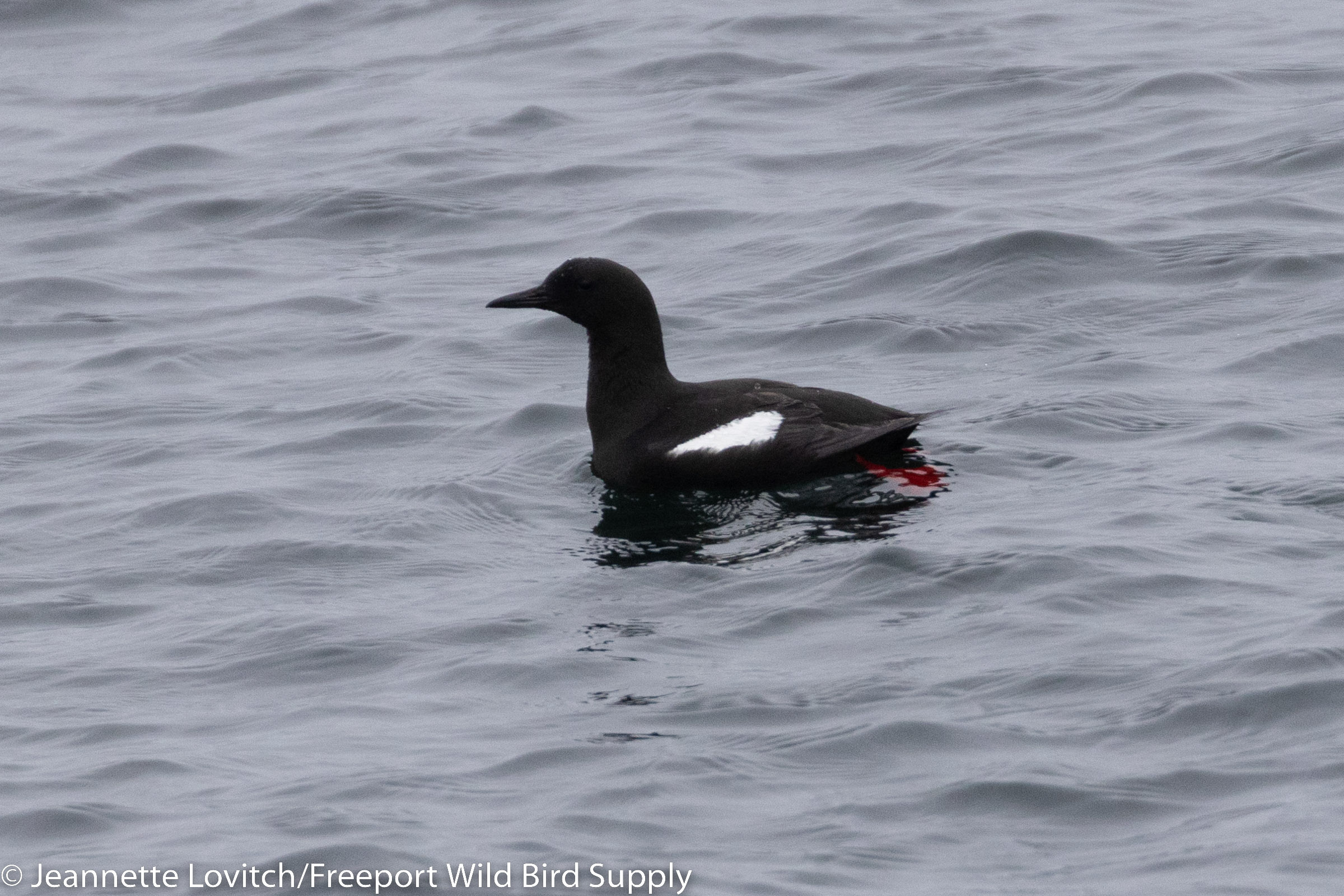
Black Guillemots were all around the island, including some close ones off of Lobster Cove that were close enough to see those vivid red feet.
“Lefty” the Red-winged Blackbird has returned for at least his third summer on territory in the marsh.
With the tour coming to an end at about 3:00pm as just about everyone readied to board the Hardy Boat, rain began to fall, bringing our tour to an official close. However, it wasn’t until dinnertime that a few downpours arrived, and so we squeezed out one more comfortable day of birding.
It was just Jeannette and me now, but “FOMO” was unwarranted. While a White-throated Sparrow outside of the Monhegan House after dinner was unexpected for the date, we didn’t add anything new to the trip list that evening, or the next morning. Rain, heavy at times overnight and a strong south wind with fog in the morning precluded any movement of birds, and our pre-breakfast walk was dreadfully slow. Passage migrants were few, just about 9 Blackpoll Warblers, 1 Canada Warbler, and 1 Northern Waterthrush, and it felt downright June-like with birdsong being almost exclusively breeding birds. We did have another look at uncommon Monhegan birds like the Blue-winged Teal, Green Heron, and Bank Swallow, but it wasn’t the hardest day to walk away from.
Juvenile White-winged Crossbill
…. Which was good, as we were forced to depart earlier than planned due to the cancellation of the afternoon Hardy Boat. With a low pressure system moving along the stalled front that likely reduced our flow of migrants over the second half of the weekend was also building the seas. Our 10:15 trip, however, featured following seas that made for a reasonable ride, but the fog remained thick until New Harbor. We did have 4 Red-necked Phalaropes materialize out of the fog, however, with one remaining on the water just long enough for Jeannette to reach for and get her camera ready.
So, while Monday – and our usual day off together on Tuesday – was lackluster overall, it was really hard to beat the weather, birding, and learning opportunities that this year’s tour offered. Hopefully, everyone will now know how to identify Blackpoll Warblers at least! Oh, and my goodness the crossbills…
We tallied a respectable 93 species, including 18 species of warblers, over the four-day tour. Although below our long-term average, this was slightly above recent spring weekends. The following counts are simply guesstimations of the number of each species we encountered each day. Not the number of observations (eg every time we passed the same singing Yellow Warbler) or even a guess as to how many were on the island on a given day, but some crude attempt to quantify how many individuals of each species we think we saw each day. The ebbs and flows and daily changes are more interesting than the undoubtedly inaccurate numbers. For species such as the two crossbills that move around, back and forth, all over each day, it was impossible to really know how many there were. “A lot” should suffice.
Here is the trip list four the four-day tour. * = seen from ferry only. **=not seen with tour group.
Species
5/24
5/25
5/26
5/27
Wood Duck
1
1
1
0
Blue-winged Teal
0
0
1
0
Mallard
15
20
20
15
American Black Duck
1
1
0
1
Green-winged Teal
0
0
0
1
Common Eider
x
x
x
x
Surf Scoter
2*
0
0
1
Black Scoter
0
0
0
3
Long-tailed Duck
1
0
0
1
Ring-necked Pheasant
8
10
10
10
Mourning Dove
8
10
8
8
Black-billed Cuckoo
1
1
0
0
Common Nighthawk
1
0
0
0
Chimney Swift
0
0
2
0
Ruby-throated Hummingbird
1
2
1
2
Virginia Rail
0
1
1
0
Black-bellied Plover
0
0
0
1
RAZORBILL
0
0
1
0
Black Guillemot
x
x
x
x
ATLANTIC PUFFIN
2*
0
0
0
Laughing Gull
6*
20
1
8
Herring Gull
x
x
x
x
Great Black-backed Gull
x
x
x
x
Common Tern
X*
0
0
0
Common Loon
5*
0
1
2
Northern Gannet
3*
0
1
0
Double-crested Cormorant
x
x
x
x
Great Cormorant
0
0
0
2
Great Blue Heron
0
0
1
0
Osprey
0
2
1
0
Sharp-shinned Hawk
0
1
2
0
Bald Eagle
2
2
2
2
Red-bellied Woodpecker
0
1
0
0
Merlin
0
1
1
1
Eastern Kingbird
3
4
5
5
Olive-sided Flycatcher
0
0
1
0
Eastern Wood-Pewee
4
4
4
3
Alder Flycatcher
0
0
1
0
“Traill’s” Flycatcher
0
0
1
0
Yellow-bellied Flycatcher
0
1
0
0
Least Flycatcher
0
4
5
1
Blue-headed Vireo
0
1
0
0
Red-eyed Vireo
8
15
10
3
Blue Jay
4
48
4
4
American Crow
x
x
x
x
Common Raven
1
1
1
1
Black-capped Chickadee
x
8
6
6
Bank Swallow
0
0
0
2
Tree Swallow
2
2
1
1
Northern Rough-winged Swallow
0
1
0
0
PURPLE MARTIN
1
0
0
0
Barn Swallow
4
1
1
6
CLIFF SWALLOW
0
0
0
1
Golden-crowned Kinglet
1
2
10
2
Cedar Waxwing
40
60
80
30
Carolina Wren
2
7
3
3
House Wren
1
1
2
1
Gray Catbird
x
x
x
x
Brown Thrasher
0
1
1
0
European Starling
x
x
x
x
Swainson’s Thrush
1
1
0
0
American Robin
10
12
8
10
Purple Finch
0
0
0
1
WHITE-WINGED CROSSBILL
6
12
20
25
RED CROSSBILL
4
15
12
4
American Goldfinch
10
10
10
10
Chipping Sparrow
2
0
0
0
Song Sparrow
x
X
x
x
Bobolink
1
1
1
1
Baltimore Oriole
2
2
1
2
Red-winged Blackbird
x
x
x
x
Common Grackle
x
x
x
x
Northern Waterthrush
0
0
0
1
Black-and-white Warbler
0
1
0
1
Tennessee Warbler
0
2**
2
0
Nashville Warbler
1
0
0
0
Common Yellowthroat
10
15
12
x
American Redstart
30
35
25
10
Cape May Warbler
2
1
1
0
Northern Parula
4
8
8
4
Magnolia Warbler
6
10
4
4
Bay-breasted Warbler
2
0
1
2
Blackburnian Warbler
3
3
5
1
Yellow Warbler
20
20
20
15
Chestnut-sided Warbler
6
8
6
3
Blackpoll Warbler
60
50
35
6
Yellow-rumped Warbler
0
1
0
0
Black-throated Green Warbler
3
8
10
1
Canada Warbler
1
0
0
0
Wilson’s Warbler
2
1
1
0
Northern Cardinal
x
10
8
6
Rose-breasted Grosbeak
2
2
0
1
BLUE GROSBEAK
0
1
0
0
Day Total
64
66
65
62
Warbler Day Total
14
14
13
12
Trip Total
93
Warbler Trip Total
18
The above birds follow the “guide plus one” rule, meaning both me and at least one client need to see the bird for it to go onto the list. I saw a Northern Mockingbird on three occasions, for example, but somehow never saw it during the tour! Likewise, an American Woodcock over the Island Inn after sunset on the 26th and the White-throated Sparrow that Jeannette and I heard after the tour ended on Monday, along with our Red-necked Phalaropes on our way home on Tuesday did not count for the official tour list.
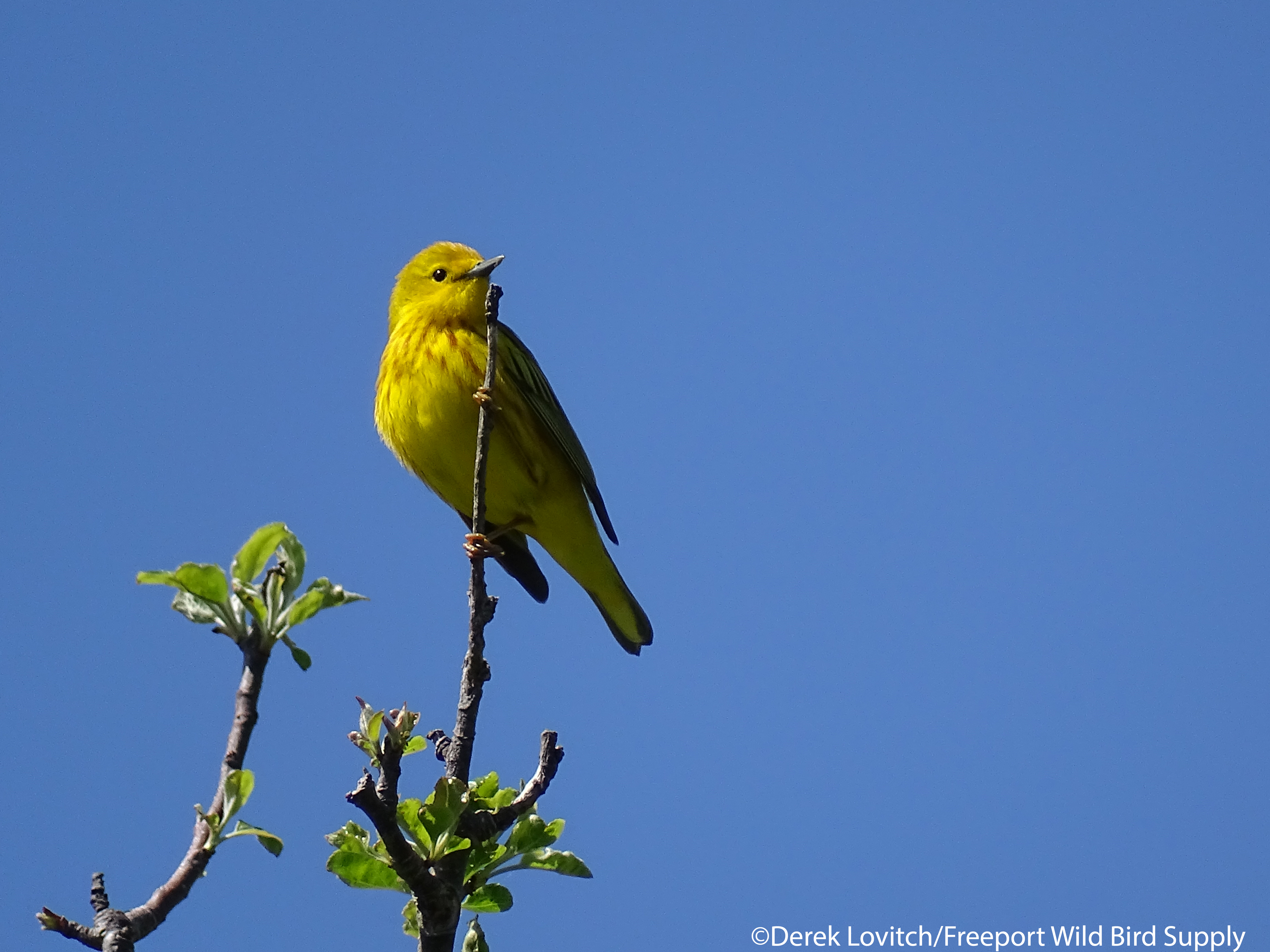
We didn’t care how common Yellow Warblers are…they’re still always beautiful! As are the sunsets from the Trailing Yew.
John Lorenc and I finally caught up with this continuing WHITE-WINGED DOVE at Donna Cundy’s feeders on Monhegan Island in our brief visit on the 17th. It appeared minutes after we walked away for the” last time,” but we were alerted by friends and raced back. My photos have a twig in front of that beautiful powder blue eyering, so I’m borrowing Kristen’s photo.
My observations of note over the past seven days also included:
15 species of warblers, led by only about 20 Black-and-white Warblers and about 15 Northern Parulas, Evergreen Cemetery, Portland, 5/12 (with Down East Adventures Spring Songbird Workshop group).
1-2 Blue-gray Gnatcatcher, Evergreen Cemetery, 5/12 (with Down East Adventures Spring Songbird Workshop group).
15 species of warblers, led by 9 Ovenbirds and 7 American Redstarts, our property in Durham, 5/13.
18 species of warblers (FOY), led by 40+ Yellow-rumped and 13 Common Yellowthroats, Florida Lake Park, Freeport, 5/14 (with Jeannette).
15 species of warblers, led by 10+ each of Ovenbirds and Black-throated Green Warblers, our property in Durham, 5/14.
15 species of warblers, led by 19 Common Yellowthroats and 10 Ovenbirds, Florida Lake Park, 5/15.
5 Red Crossbills, around the store’s yard, 5/15. More impressive was the 23 that Jeannette had fly over early in the day on the 18th.
A very productive ferry crossing from Port Clyde to Monhegan on 5/17 included 4-6 ATLANTIC PUFFINS (FOY), a group of 6 (or possibly 9) RED-NECKED PHALAROPES (FOY), 6 Black Scoters, several Long-tailed Ducks, etc. (with John Lorenc, Jess Bishop, Ron Joseph, Kristen Lindquist, Bill Thompson, et al). On the trip back, John and I had a total of 10 ATLANTIC PUFFINS and more Long-tailed Ducks.
1 continuing WHITE-WINGED DOVE (photo above) and 1 female-type SUMMER TANAGER, Monhegan Island, 5/17 (with John Lorenc).
Additional personal first-of-years this week also included:
1 Blackpoll Warbler, Evergreen Cemetery, Portland, 5/12 (with Down East Adventures Spring Songbird Workshop group).
1 Red-eyed Vireo, Evergreen Cemetery, 5/12 (with Down East Adventures Spring Songbird Workshop group).
1 House Wren, Evergreen Cemetery, 5/12 (with Down East Adventures Spring Songbird Workshop group).
2 Bay-breasted Warblers, Florida Lake Park, 5/14 (with Jeannette).
2 Eastern Wood-Pewees, Morgan Meadow WMA, 5/16.
4 Laughing Gull, ferry from Port Clyde to Monhegan, 5/17 (with John Lorenc).
4+ Indigo Buntings, Monhegan Island, 5/17 (with John Lorenc).
It was a great week of birding on our Durham property this week, including local breeding birds on territory often put on a show. Jeannette photographed this Yellow Warbler on our property on the 15th, for example.
Tours and Events:
There will not be a Saturday Morning Birdwalk on 5/25 as I’ll be on Monhegan with our tour group.
We birded Rhode Island for a couple of days this week, and found this Pink-footed Goose, about the 7th or 8th ever recorded in the state as we drove through Middletown!
Despite 4 days of birding out of state during this period, I had a handful of observations of note here in Maine over the last nine days, including the vanguard of spring migrants. They included:
The first significant influx of Red-winged Blackbird and Common Grackles arrived this week, and waterfowl are definitely on the move. Scattered Red Crossbills continue, including around our Durham property and around the store area this week.
4 drake and 2 hen BARROW’S GOLDENEYES continue, Winslow Park, Freeport, 3/2 (with Saturday Morning Birdwalk group).
3 American Woodcocks (FOY), our property in Durham, 3/9.
Total of 12 Killdeer (FOY) from several locations around the “Greater Yarmouth Goose Fields, 3/10.
1 pair Northern Pintail, Thornhurst Farm, North Yarmouth, 3/10.
TOURS AND EVENTS:
Only a four spaces remaining for April 6th’s “Woodcocks Gone Wild.” This year, we are requesting pre-registration for the first time, with evening-of walk-ups only if we have extra space; sorry for the inconvenience. You can register here.
Barrow’s Goldeneyes will be departing soon, so I needed to get my fill while I still can. This pair (left) was with 17 Common Goldeneyes and a drake Hooded Merganser at Anniversary Park in Auburn on the 20th.
A very busy couple of weeks precluded much birding away from our yard recently. Luckily, the feeder-watching was excellent, as were my few dedicated outings over the past ten days.
1 Red Crossbill, over our yard in Durham, 2/15.
1 ROUGH-LEGGED HAWK, over Richmond Island from Kettle Cove, Cape Elizabeth, 2/19 (with Paul Doiron, Kristen Lindquist, and Jeannette).
1 continuing hen COMMON EIDER SPP BOREALIS and 6 BARROW’S GOLDENEYES (4 drakes, 2 hens), Winslow Park, Freeport, 2/21. Barrow’s usually peak here at the end of February.
FEEDER BIRDS UPDATE:
There was a widespread dearth of feeder birds in most yards throughout the region this past fall. While a few people are still mentioning a lack of feeder birds this winter, many others are telling us they are seeing a lot of birds now. At our home in Durham, this winter our feeders have been very busy. But just how busy is it, and how does that compare to last winter? I did some feeder watching and counted a bunch of birds to find out.
After the 16th, activity remained strong, with another surge of Dark-eyed Juncos bringing the total to a high count of 72 on the 17th, along with an increase to 13 American Tree Sparrows. A new peark of 70++ American Goldfinches was reached on 2/21. And our first Red-winged Blackbird of the year appeared in the snow on the 23rd.
Meanwhile, here at the store, the 24 White-throated Sparrows at the feeders 2/16 was a new all-time high count for the winter season for us here.
Using our Durham yard as a case study, I wanted to check to see if there were indeed fewer birds this winter than last year, as some (but no longer a majority) of folks have continued to mention to us at the store.
Stuck at home last winter while recovering from shoulder surgery, our feeding station provided my primary source of entertainment. I occupied my time with mugs of tea and enjoying the activity, and occupied my mind with figuring our exact counts, keeping tallies, and watching behavior closely. I wrote about my counts and observations in a pair of blogs, the first one is here, and the second one is here.
This past fall, everyone saw a very slow fall at feeders in Maine, and throughout the East, as discussed here. That was changing for a lot of people – but not all, by December, which I talked about in this follow-up blog.
In January, a series of strong storms, unseasonable heavy rain and flooding, a few cold spells, and eventually, by month’s end, solid snowcover helped change the narrative. Winter food resources were being consumed, ground-feeders were being forced out of the woods, finches were moving about, and so on. Furthermore, I believe that those strong storms knocked a lot of cones – especially those of Eastern White Pine – to the ground where they were subsequently consumed and/or buried.
At least here at our feeders in Durham, a slow start to the winter was a thing of the past, as we were filling almost all of our feeders daily by the end of January. Some impressive tallies included over 70 American Goldfinches and over 50 Dark-eyed Juncos at the end of the month.
American Goldfinches have been absolutely ravaging Nyjer at our home this winter. Fresh Nyjer makes all of the difference!
While some factors remain true from the fall – an abundance of natural food overall, relatively limited snowcover, low movement of irruptive species, etc – clearly most people were reporting to the store that things were “back to normal” or “tons of birds all of the sudden,” and so on. Our seed sales more than doubled by the end of January from what they were at the beginning of the month (by overall poundage).
Just how “normal” have things returned to, and what anomalies are out there? While our home in Durham is only two years old, and we’re a long way away from baseline data or long-term averages, we can at least compare February of 2024 to February of 2023. And since I had nothing better to do last winter, I already had some data to compare to.
So, for the last 10 days (not including the two that we were out of town for), I have once again returned to the window for dedicated sessions of feeder-watching and counting. Like last year, I used the standard methodology of using “high counts” (maximum number of individuals seen at any one time, unless they were readily identifiable as being different), and I was sure to count for at least one hour a day each day.
February 5 – February 15 (minus 2/12 and 2/13).
Species
Average per day 2023
Average per day 2024
Difference
Wild Turkey
0.2
0
-0.2
Mourning Dove
13.5
26.5
+13
Sharp-shinned Hawk
0.4
0.2
-0.2
American Goshawk
0
0.1
+0.1
Red-bellied Woodpecker
1
1
Same
Downy Woodpecker
2.4
2.9
+.5
Hairy Woodpecker
2
2
Same
Pileated Woodpecker
1
0.1
-0.9
Blue Jay
7.8
3.0
-4.8
American Crow
0.7
0
-0.7
Black-capped Chickadee
7.4
2.9
-4.5
Tufted Titmouse
4
3
-1
White-breasted Nuthatch
2
1.4
-0.6
Red-breasted Nuthatch
0.7
0
-0.7
Brown Creeper
0.4
0
-0.4
Carolina Wren
0.9
1
+0.1
European Starling
1.1
2.7
+1.6
Eastern Bluebird
4.4
3
-1.1
House Finch
2.1
0
-2.1
Purple Finch
0.5
0.3
-0.2
Pine Siskin
0
0.2
+0.2
American Goldfinch
26.6
46.8
+20.2
American Tree Sparrow
8.0
4.2
-3.8
Dark-eyed Junco
16.6
30.3
+13.7
White-throated Sparrow
2
2.3
+0.3
Song Sparrow
0
0.9
+0.9
Northern Cardinal
5.2
3.8
-1.4
Total individuals/day
110.9
138.6
+27.7
*Addendum: I guess I should have continued the study for a few more days! By 2/17, we had a whopping 72 Dark-eyed Juncos and an increase to 13 American Tree Sparrows, and by the next day, the American Goldfinch flock returned to well over 60 birds!*
Every year is different, and every yard is different. Controlling here for time and place, we can make some comparisons however. It was much colder in this period last year, with an average morning low of 19.6. This year, the average morning low for the ten days was 23.9 and there is a lot less snow on the ground, even after the fresh inch and a half Friday morning; there were three light snowfall events during the “study period” last year.
Clearly, there are plenty of birds at our feeders at least! And, contrary to conventional wisdom, we actually have more birds overall than last year! The dearth of feeder birds from the fall is no longer true for us. Similar conclusions can be reached from comparing data on our feeder birds at the store, and from conversations with friends and customers. Therefore, I believe the overall pattern fits what many are observing throughout the area.
As discussed in the aforementioned feeder blogs from the fall, Black-capped Chickadees are in low numbers. I saw 4.5 fewer per day at the feeders than last year. This goes with the idea that our local residents were not augmented by irruptives from points north, but also suggests that they did not have a great breeding season. Same for Red-breasted Nuthatch and Blue Jays.
But native sparrows are in larger numbers than last year, especially Dark-eyed Juncos (and elsewhere, like our store, significantly more White-throated Sparrows with a new winter record of 24 on 2/16). My guess is because the mild fall, abundant seeds from a productive growing season, and benign start to the winter kept those around to be pushed to feeders as the season wore on.
And yes, there are indeed a lot of goldfinches around! But very few other finches – at least at feeders. I am not sure where these European Starlings came from, however, and I’m not overly pleased by it!
Raptors are another part of the equation. This time last year, we had more consistent presence from two different Sharp-shinned Hawks. This winter, we only recently confirmed the presence of a single Sharp-shinned Hawk (seen on 2/15 and 2/16, but she likely took a Mourning Dove on the 14th). There was also an all-too brief fly-through of an immature American Goshawk on the 6th. Also this winter, a Red-tailed Hawk has been more frequent around the feeding station, but its focus is primarily the squirrels and voles. So we’ve had enough native predator presence both years that it shouldn’t be a huge factor in comparing feeder counts.
There you have it. 2024 does not have fewer birds at feeders compared to the same period in 2023, at least not in our yard as a single case study. With continued improvement of our yard’s habitat (most of which was put on hold this year due to my shoulder issues) planned, we would hopefully be increasing our yard’s carrying capacity, as feeders remain only a supplement and a relatively small percentage of a bird’s diet, even in the depths of winter.
Next winter, we also might not find a single Eastern White Pine cone in the entire state, and a lot fewer Red Oak acorns and Balsam Fir cones. And if that’s true to our north, perhaps this will increase the amount of irruptives around the area. But we’ll see! And maybe I’ll repeat this exercise next year, if I can force myself to sit still long enough!
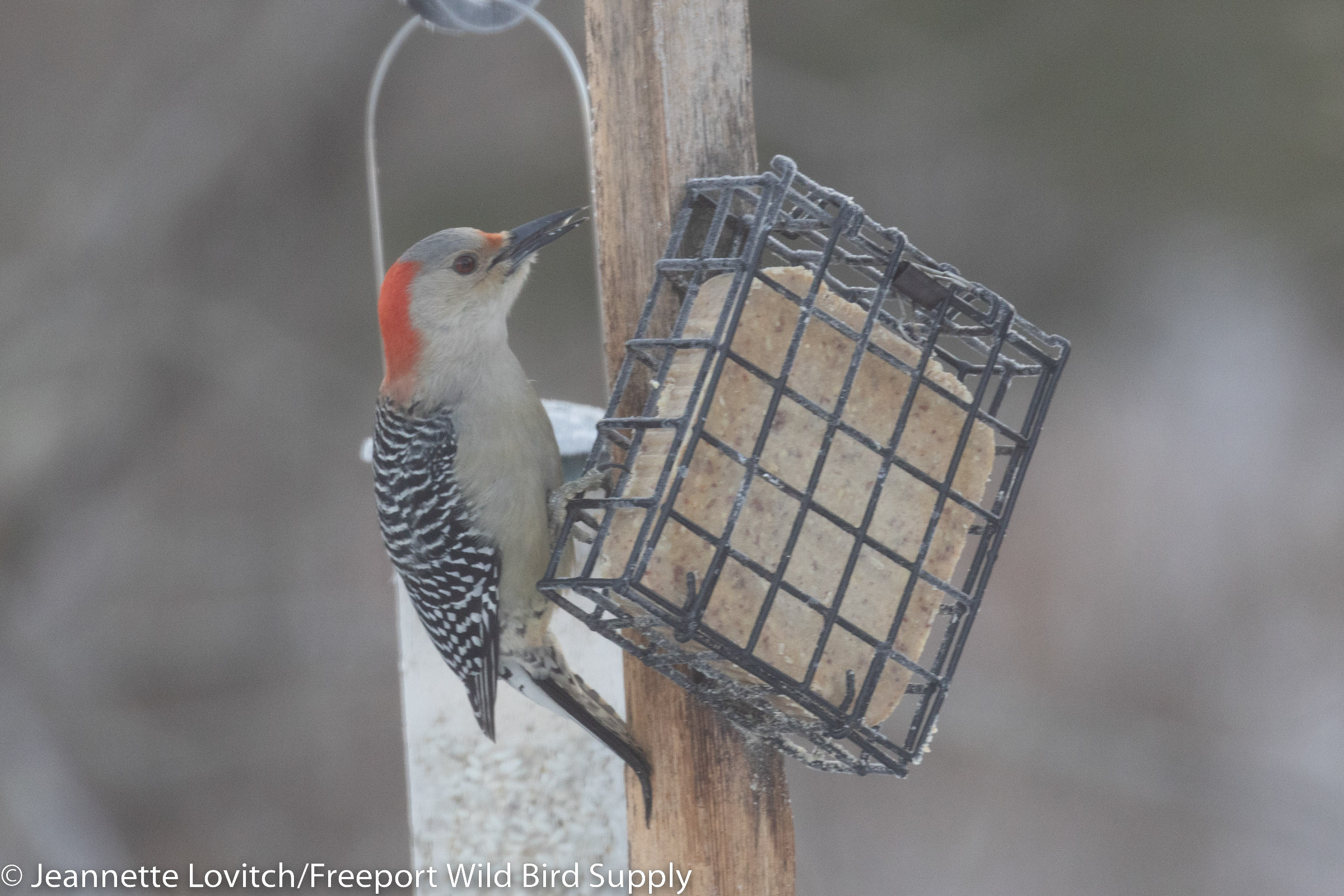
Last winter, we had a male Red-bellied Woodpecker nearly every day, while this winter it has only been this female. We hope they find each other!




















 Maine Birding Field Notes