Tag Archives: Ipswich Savannah Sparrow

This Week’s Highlights 10/23 – 10/29/2025.

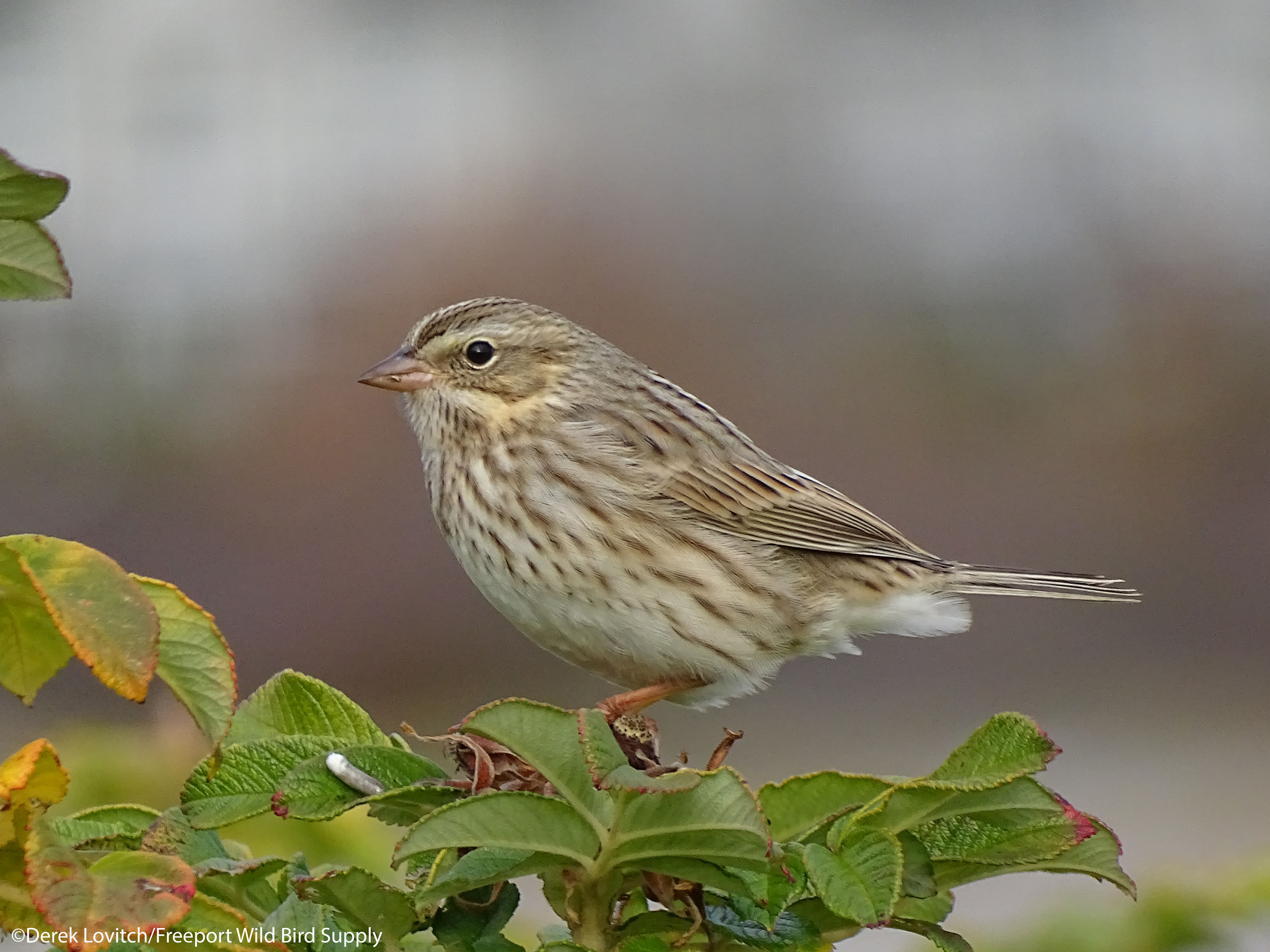
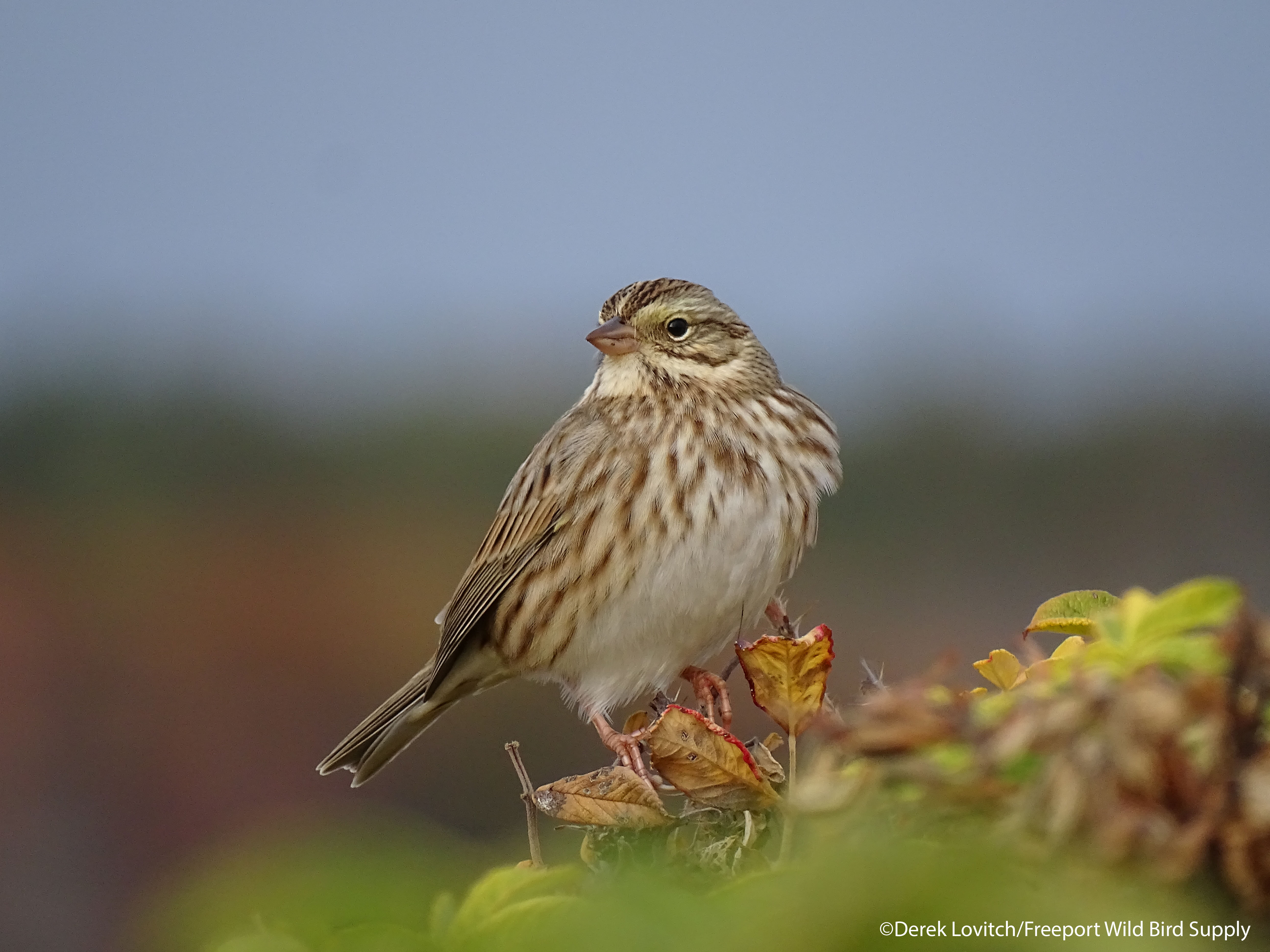
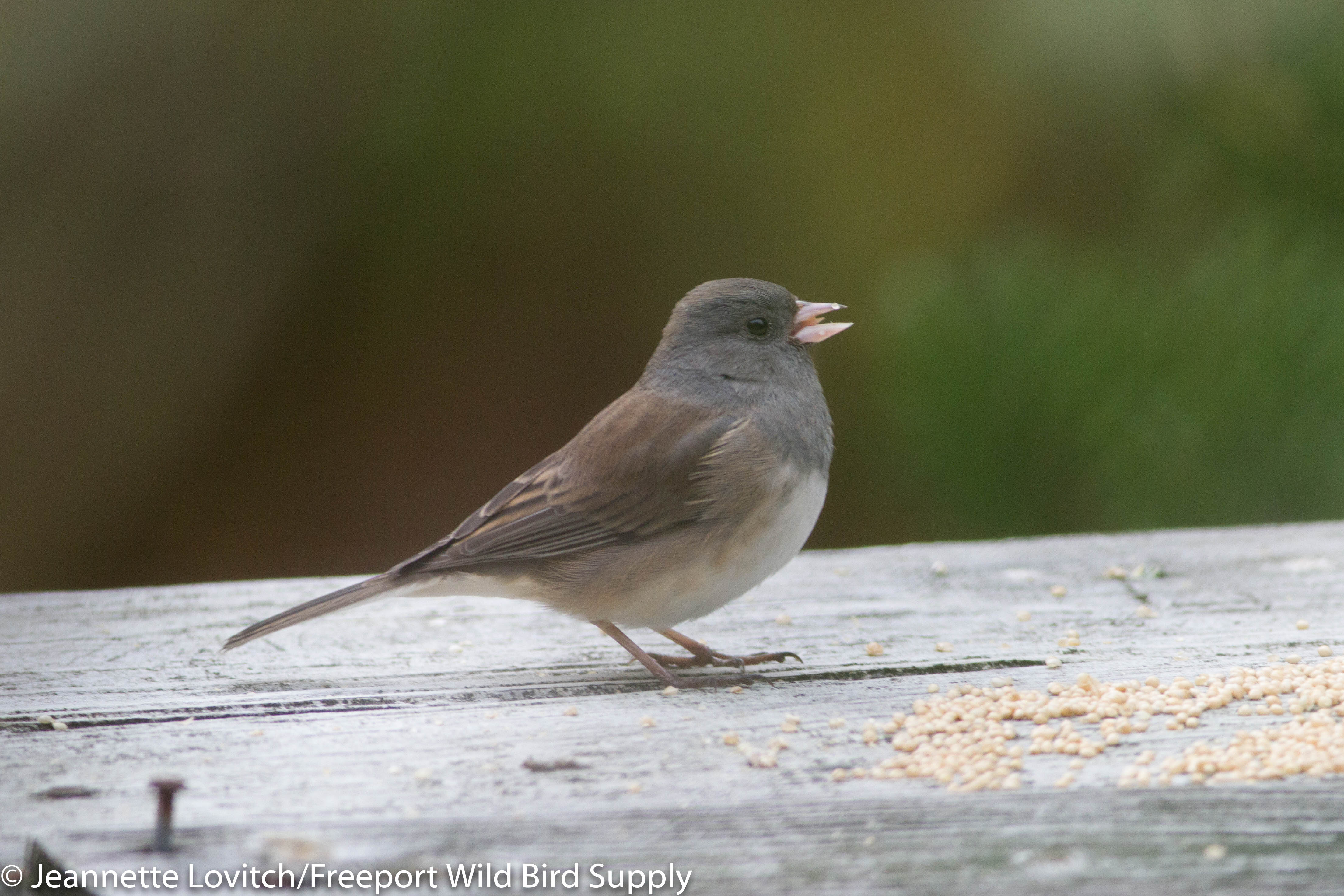
I’m just a big fan of “Ipswich” Savannah Sparrows, so it was nice to spend some quality time with them this week, including these two at Kettle Cove on Monday.

Most of my birding over the past seven days was very local, especially on our property and out the store’s window. While those were both pleasantly birdy, my few days in the field were even more rewarding. Rarity season is certainly upon us, and while I didn’t chase anything that has been seen recently, I made sure to check spots on my own that could be productive at this time of year. Here are my observations of note over the last seven days.

  • I spent a lot of time birding our property in Durham this week, with the most notable sighting being a late AMERICAN REDSTART on 10/23.
  • 292 Ruddy Ducks, 131 Lesser Scaup, 124 Greater Scaup, 21 distant scaup, 6 Greater Yellowlegs, 3 Semipalmated Plovers, etc, Sabattus Pond, Sabattus, 10/23.
  • 1 Nashville Warbler, Auburn Riverwalk, 10/23.
  • 1 Nashville Warbler, garden here at the store, 10/25.
  • 1 VESPER SPARROW, 2 Orange-crowned Warblers, 3 Common Yellowthroats, 2-3 “Ispwich” Savannah Sparrows, etc, Kettle Cove-Crescent Beach State Parks, Cape Elizabeth, 10/27.
  • 1 “Ipswich” Savannah Sparrow, 3 Great Egrets, etc, Back Cove, Portland, 10/27.

Our Last Tour of 2025 still has some space remaining, speaking of rarity season!

  • Birds on Tap℠ – Roadtrip! Rarity Roundup

November 9, 2025; 8:00am – 3:00pm.

Portland Explorer (formerly Maine Brews Cruise) and Freeport Wild Bird Supply are excited to continue our collaboration for six very special outings in 2025. 

These unique, relaxed birding and beer-ing adventures that you have come to love combine great local birding at seasonal hotspots with visits to sample the delicious creations of some of our favorite local breweries. These tours are a perfect introduction to birding and/or craft beer, and a great opportunity to travel with significant others, friends, and family that have interest in one topic, while your interest is primarily in the other (for now!). Seasonal birding hotspots and great local beer – a perfect combination, and we’ll even do all of the driving!

Early November is a fantastic time of year in Maine for vagrants – birds normally seen in far-off places.  Due to a combination of weather patterns, changing seasonal food resources, falling temperatures, and other factors – some of which are not completely understood – birds that may have ended up in Maine by “accident” begin to concentrate at the coast in “migrant traps” and “hotspots.”  In other words, this is the time of year to expect the unexpected.  

A traditional “Rarity Roundup” involves teams of birders heading out on a given day during rarity prime time, looking for species that are not supposed to be around. And in honor of that tradition, that’s exactly what we are going to do on this unique tour. We may “chase” a rarity (go to see something that has already been found, aka “twitch”) or we might choose a destination known for rare birds in an attempt to find one of our own. Or perhaps, we’ll do both!

​Anything between Portland and Kittery is fair game, and we might not even know where we will head until we are on the bus and the latest rare bird alert is received. For those who love adding a bird to your Life or State List, and/or basking in the thrill of discovery, well then this is the tour for you! In between seeing great birds, we’ll discuss the complex factors that are involved in delivering rarities to an area, and how we go about finding them.

​After about 3-4 hours of birding, depending on drive time, we will be transported to two of our great local producers to sample their offerings and learn their styles.

Gulf of Maine Pelagic Birding by Cruiseship, Oct-Nov 2024.

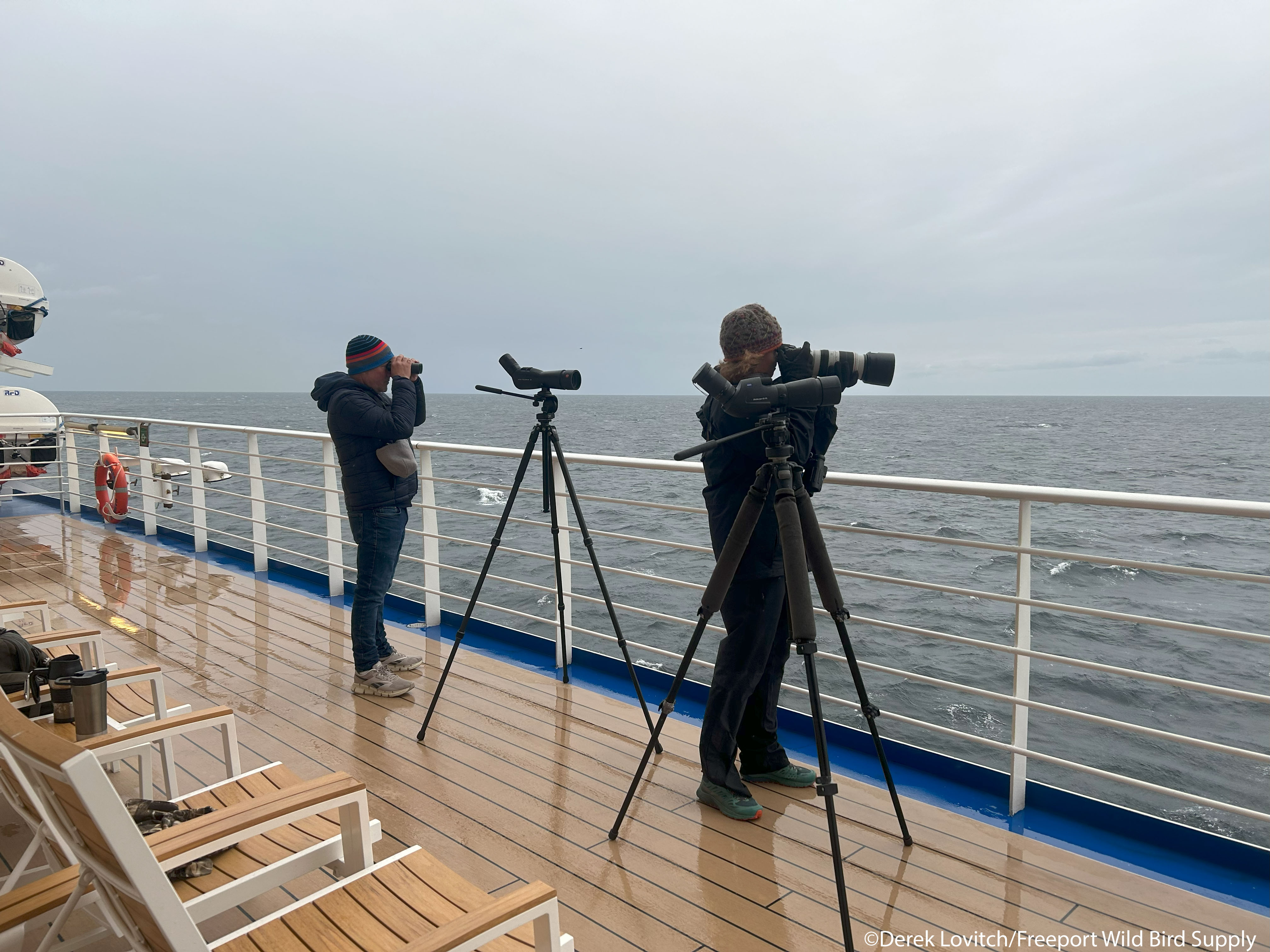
Cruise ships are big, stable platforms that allow for pelagic birding in comfort and with the use of spotting scopes!

In 2019, Jeannette and I took a cruise through the Gulf of Maine and northwestern Atlantic Ocean in the hopes of finding Great Skuas in particular. It was wildly successful, and if we could repeat this success, perhaps there would be a cruise-ship-based tour to offer. At least it would be more comfortable than last week’s attempt!

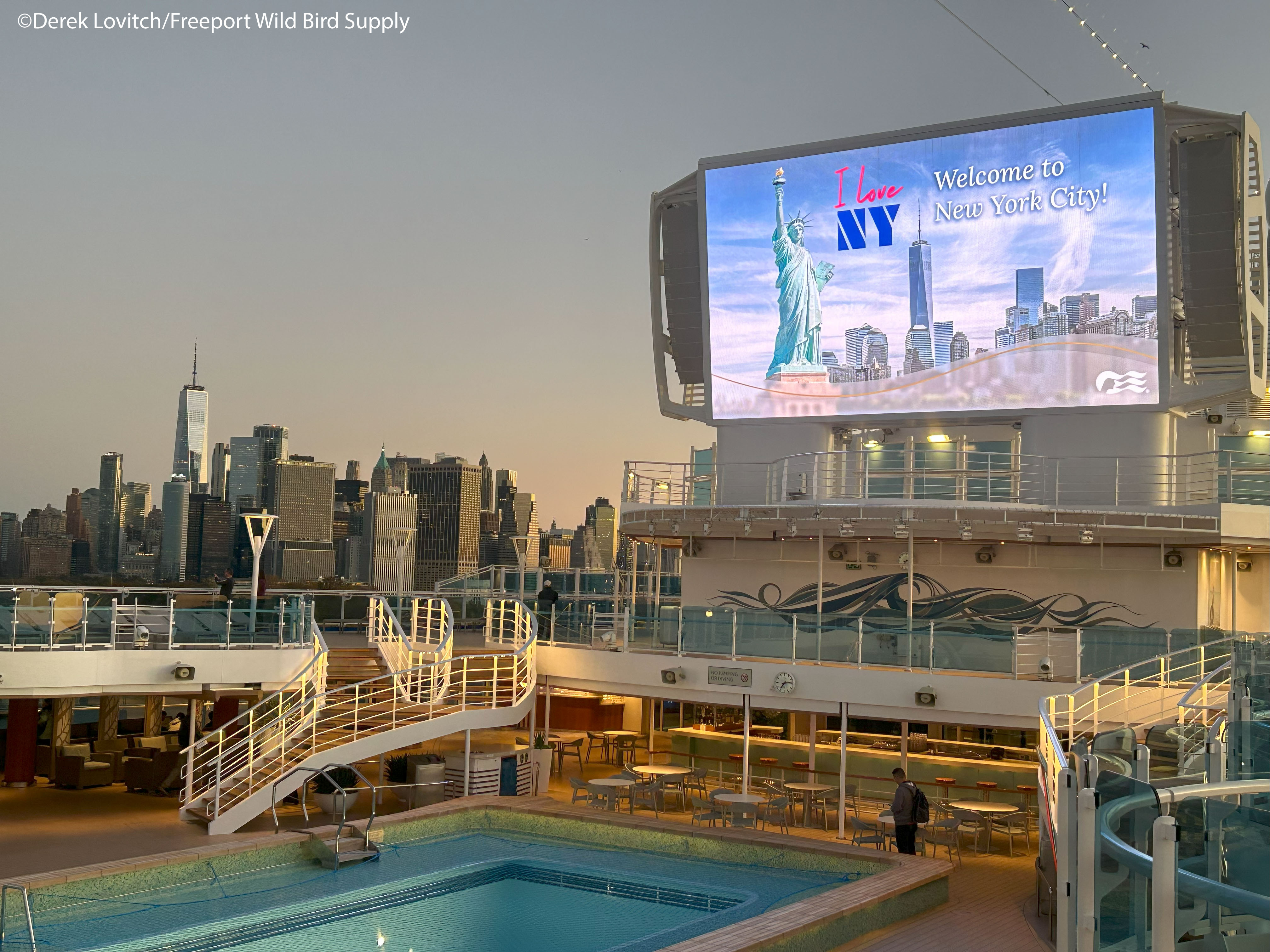
Therefore, on the evening of 10/26, Jeannette and I boarded Princess Cruises’s Enchanted Princess out of Brooklyn, New York. Our hope was to replicate the success of our 2019 trip. We were planning on a second scouting trip in the fall of 2020, but then COVID.

After finally feeling ready to consider a cruise again, we found the itinerary had changed, and we would need to spend seven days to get two full days offshore..we even needed to come back home first! But alas, we had pandemic-era credit that was going to expire, so off we went. Is this a reliable way to see Great Skuas in North America? Could I document a Barolo’s Shearwater this time?

We started our birding, however, at Brooklyn’s Greenwood Cemetery, home of this massive Monk Parakeet colony.

We departed New York Harbor with about an hour of usable daylight, picking up a single Cory’s Shearwater and plenty of Northern Gannets.

Screenshot

Arriving off Newport before dawn the next morning, we got the first shuttle to town, where our friends Bill and Jess picked us up for a lovely day of birding (Clay-colored Sparrow, Orange-crowned Warbler, late Nashville Warbler) before returning to the boat. About 45 minutes of deck time produced 8 Cory’s and a single Great Shearwater.

Newport arrivals.
“Western” Palm Warbler at Sachuest NWR.

Unfortunately, this particular boat offered less-than-ideal viewing opportunities compared to our first trip, with the best deck space on Deck 7 (a great height) but way too aft. Even with our scopes on the steady platform, this was going to be a challenge.

Approaching Boston on the morning of 10/28, we checked the decks for passerines (none) before taking our place on Deck 7. There were a lot of Northern Gannets, 4-5 Cory’s Shearwaters close enough to identify as borealis, and a pod of Atlantic White-sided Dolphins. A Song Sparrow flew aboard just outside the outer harbor islands, but before that, our first real surprise of the trip: an American Woodcock appearing from the north and cruising alongside the length of the boat before disappearing. That’s not a “pelagic” we expected!

We birded Boston’s Greenway a bit, but returned to the boat well after dark. Sailing slowly overnight, we returned to Portland (the original itinerary had us visiting Bar Harbor), where a long, thorough check of the Eastern Promenade yielded two Orange-crowned Warblers and a very late Red-eyed Vireo.

Darkness reached us a tantalizingly-short distance to Cash’s Ledge, so we retired to rest up for the big day at sea tomorrow (finally!). 

Waking up in Maine waters about 16.5 nautical miles southeast of Mt Desert Rock, I stepped outside well before first light at 6:05am. I immediately texted Noam, the other birder on board that we rapidly had become friends with, and I hustled Jeannette outside. With some drizzle arriving ahead of approaching light rain, we had ourselves a fallout!

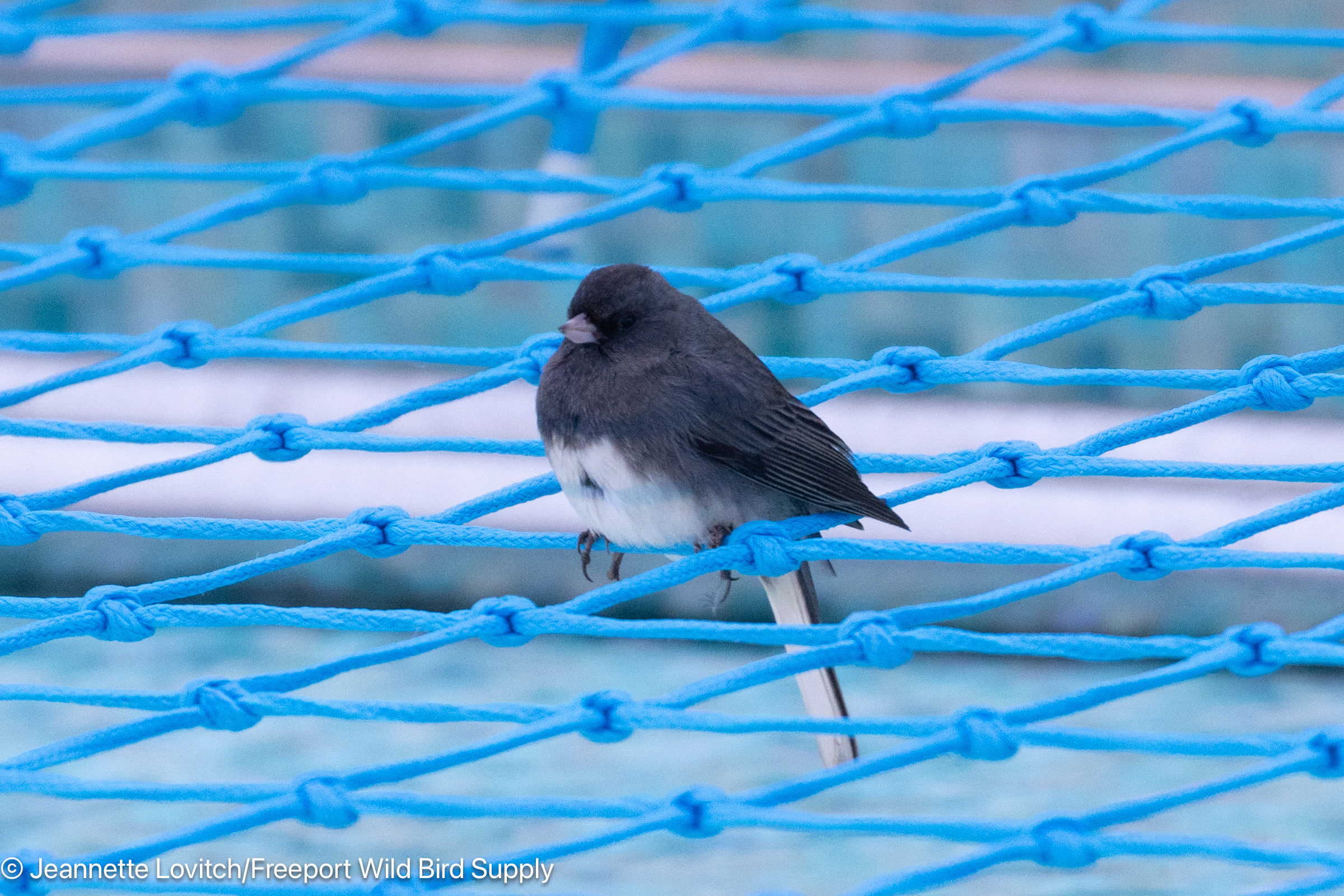
Unexpected considering there were little to no birds on the Maine radars overnight, and with a south wind through most of the night, I was surprised to immediately hear the flight calls of several Yellow-rumped Warblers. Sparrows were scattered about on the open decks. Noam and I had to usher a Rusty Blackbird out of a foyer, while Jeannette had to steer a Dark-eyed Junco down a hallway.

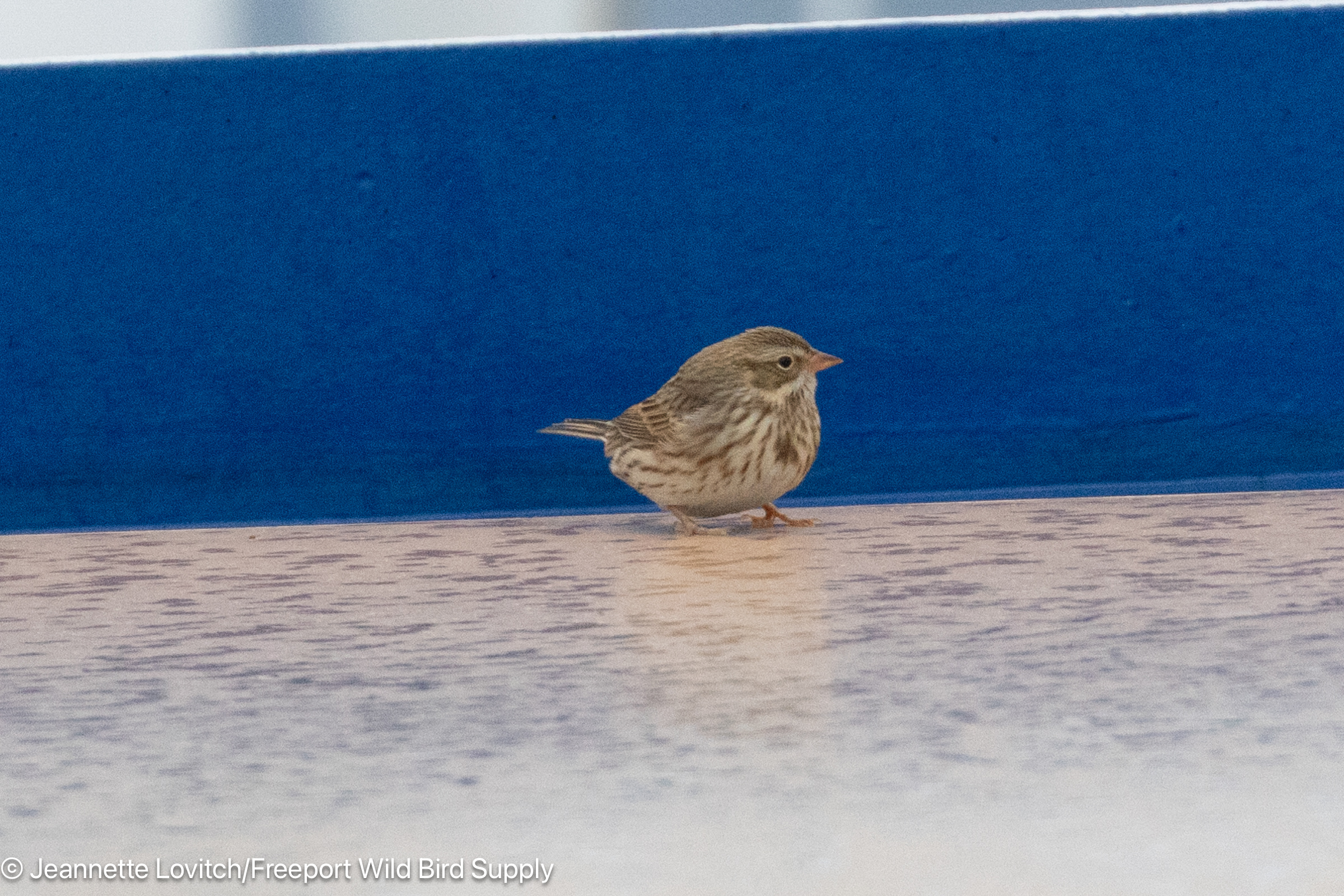
“Ipswich” Savannah Sparrow – that was an unexpected migrant, but makes sense considering we were southwest of Sable Island!

Clearly disoriented by the obnoxiously superfluous lighting of the ship, dozens of birds were around…often being flushed by now-awakening crew and passengers. Luckily, few birds seemed to be in dire straits – only one Yellow-rumped Warbler looked to me to be thoroughly exhausted, thankfully. In fact, most birds were leaving the boat as the sun rose and they were able to reorient themselves. While some birds seemed to arrive in the 15 or so minutes after sunrise, just about all passerines had departed the boat by 7:30 or so.

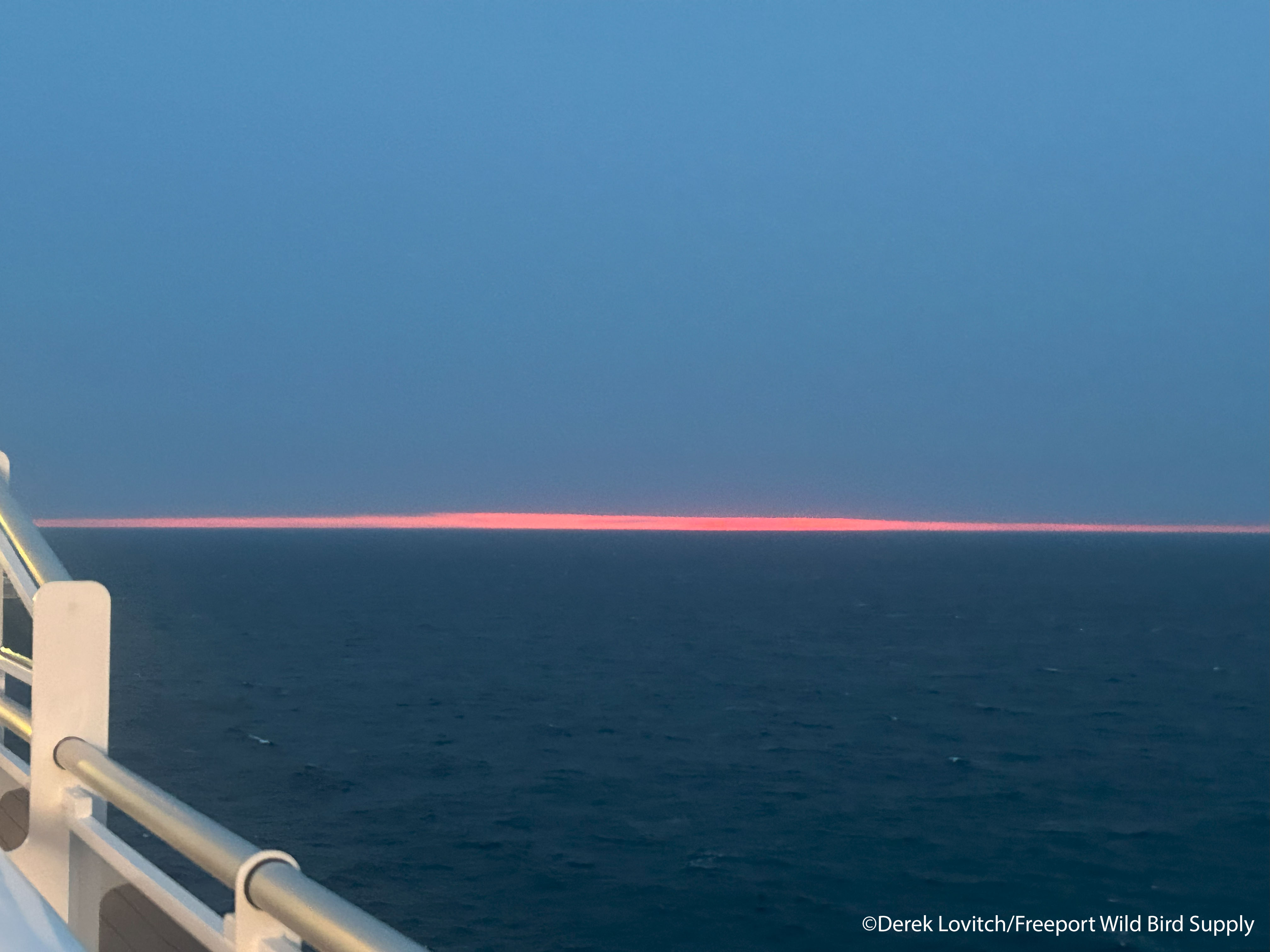
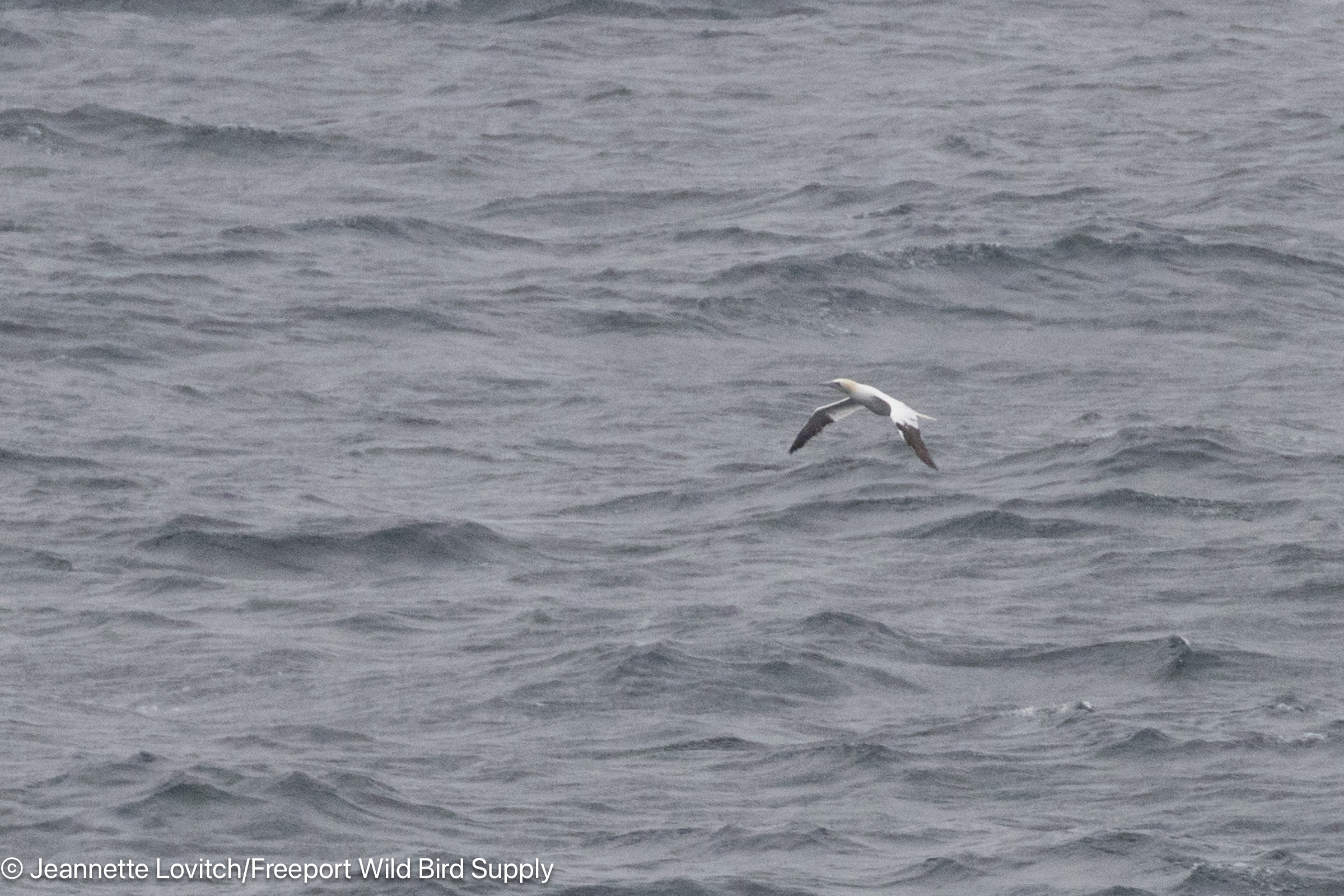
This photo, taken from off Eastern Point in Gloucester, MA the night before shows just how bright these ships are, and how disorienting they can be to birds.

With birds circling the boat before dawn, calling continuously, and others hiding in corners before being flushed to another corner, it was tough to count, but I estimated and counted a bare minimum of 8 Yellow-rumped Warblers, 8 American Robins (mostly overhead), 7 European Starlings (surprisingly), 6+ Dark-eyed Juncos, 2 Purple Finches, 2 fly-over American Pipits, 2 Savannah Sparrows, and one each of Palm Warbler, Snow Bunting, White-throated Sparrow, Cedar Waxwing, and Rusty Blackbird. Additionally, Noam photographed a Pine Warbler.

The three of us were in place on Deck 7 by 7:30, but the passerine show continued. A flock of 12 Red-winged Blackbirds flew by, while a flock of 14 American Robins joined by two more red-wings flew alongside the boat for several miles later in the morning before overtaking us and heading back to Nova Scotia.

Throughout the day, other passerines appeared and disappeared, some of which could easily have been sheltering out of sight somewhere inaccessible on the boat. These included a few more robins, 3+ Yellow-rumped Warblers, 2 Dark-eyed Juncos, and one each of Palm Warbler, Song Sparrow, Cedar Waxwing, Snow Bunting, American Pipit, and Lapland Longspur.

American Pipit
Harlequin Duck (L) with Black Scoters

But this was a seabird trip, and so we remained vigilant over the water. While we only had a few minutes in Maine waters once we began our vigil, the rest of the day was productive overall, although the afternoon was quite slow. As we passed the southern tip of Nova Scotia (we even spotted Seal Island Light that we were lucky enough to visit with a group of birders about 20 years ago), we finally called it quits at 5:45 pm when cloud cover accelerated the falling of darkness.

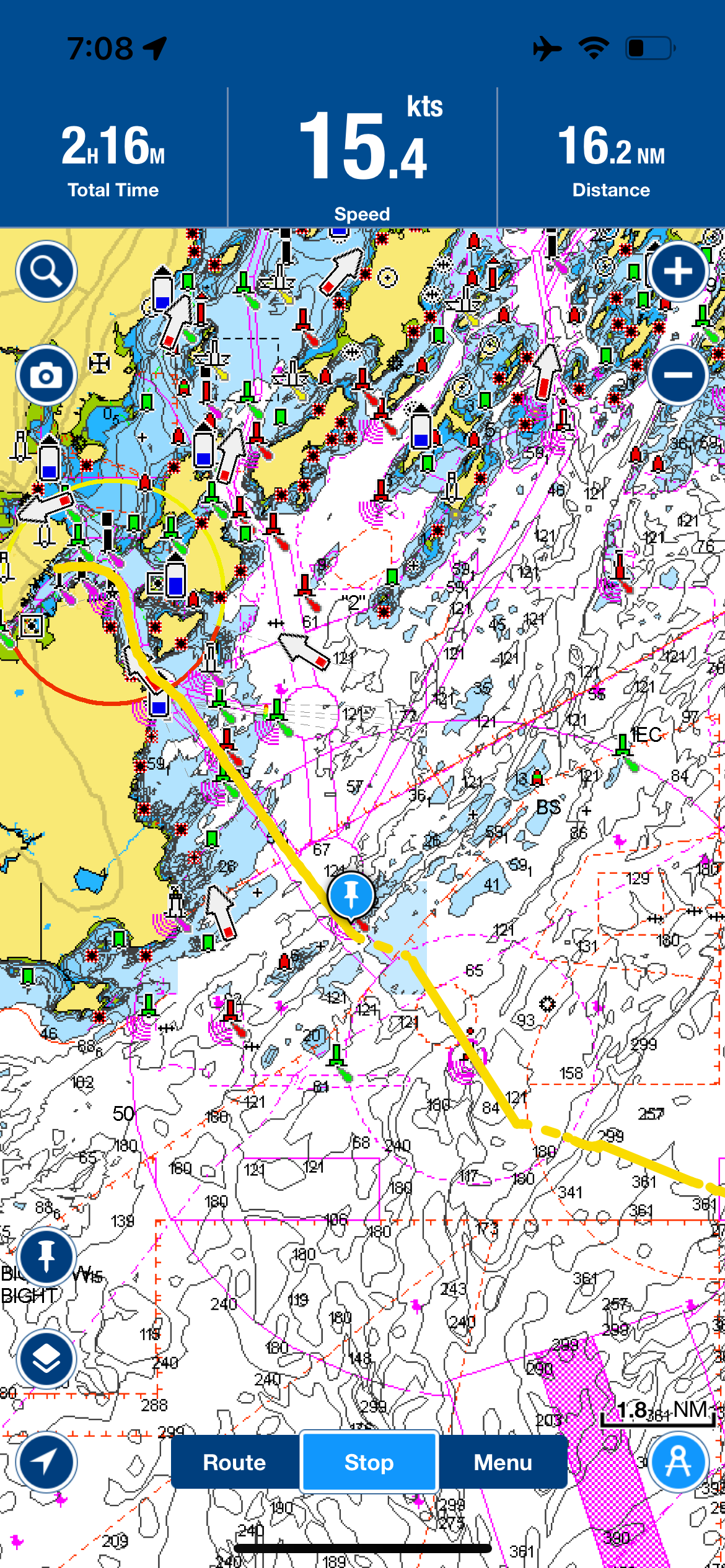
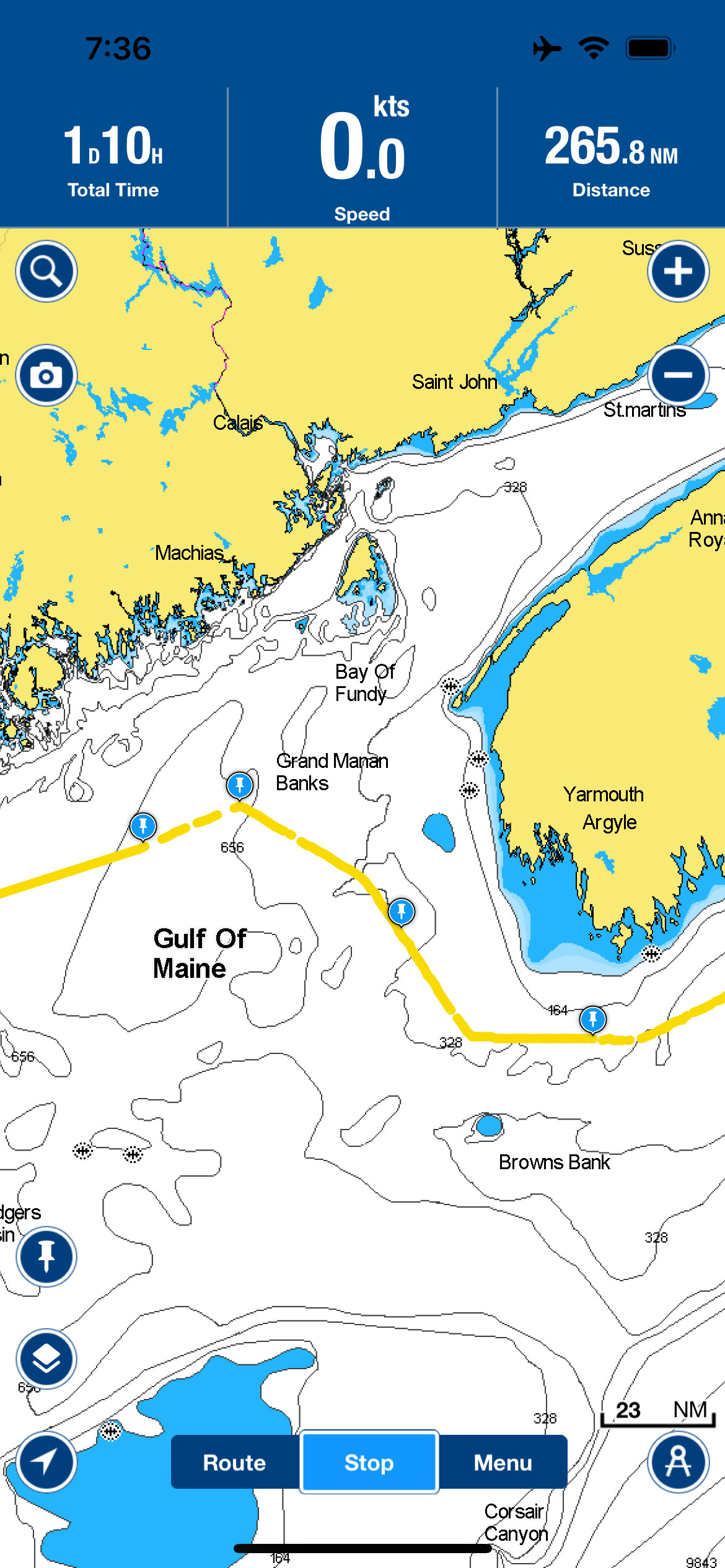
Here’s our route (left pin to right pin) for the day, thanks to the Navionics Boating app by Garmin.

From start to finish, our respectable – albeit not breathtaking – seabird tallies included oodles of Northern Gannets (including a steady southbound trickle almost all morning), and occasional southbound flocks of all three scoters and Common Eiders. Specific counts included:

  • 47 Black-legged Kittiwakes
  • 36 Razorbills
  • 13 Northern Fulmars
  • 10 Great Shearwaters
  • 6 DOVEKIES (one flock landing off to the side of the boat)
  • 3 ATLANTIC PUFFINS
  • 3 American Black Ducks
  • 3 unidentified large shearwaters
  • 2 Harlequin Ducks
  • 1 Greater Scaup
Great Shearwater

So all in all, not a bad day, but the passerines stole the show, and while Dovekie is one of the target birds of this trip, we didn’t see a skua…or even a jaeger, surprisingly.

The next day we awoke well within Halifax Harbor, but a sunrise passerine check yielded two birds: a White-throated Sparrow, and of all things, a rare Dickcissel!

Local friends Eric and Anne once again rescued us for a day of casual birding and good conversation, but the ship departed after dark; just more time to rest for our second full day at sea!

Halifax Public Garden
Northern Flicker

The morning of 11/1 found us between Downeast Maine and the northern corner of Georges Bank. The rest of the day would be in the same waters of our great success on our trip five years ago. After a passerine check which didn’t turn up anything (which meant nothing was disoriented by the ship overnight or desperate for a place to land come dawn, so this is never a bad thing), it was time to get to work in our usual spot.

Unfortunately, strong southwesterly winds and growing seas, with haze and light fog in the distance, made birding challenging. We worked hard though, but it was slow. We did have some excitement from two Dovekies that landed fairly close to the boat, and two Manx Shearwaters that, thanks to the lighting, I was absolutely sure were not Manx Shearwaters until we carefully reviews Noam’s photos later.

With glare and haze becoming problematic, we broke for an early lunch at 11:30, with the previous 4.5 hours of observation producing only the following, plus two Humpback Whales:

  • 12 Northern Gannets
  • 7 Great Shearwaters
  • 6 Red Phalaropes
  • 4 unidentified large shearwaters
  • 2 DOVEKIES
  • 2 Northern Fulmars
  • 2 Manx Shearwater (after review)
  • 2 Black-legged Kittiwakes
  • 2 Lesser Black-backed Gulls
  • 2 unidentified large alcids
  • 1 unidentified small black-and-white shearwater.

Unfortunately, with increasing wind (that we were heading straight into) and seas growing up to 7-10 feet (barely noticeable on a ship this big though, thankfully!), the lower deck was closed off for safety. Later, even the upper decks were closed off due to the very high winds, which were now blowing nearly 30mph out of the southwest.

Screenshot

Luckily for Jeannette and I, we had scored a forward-facing room, and although we were high up on Deck 17, we could see forward. Haze and the angled window were problematic, but we could see birds close to the ship, and we could relax, remove layers, and even crack open a beer. This is pelagic birding in style!

From 1pm to 5pm, when we finally called it a day, the afternoon cabin-watch netted:

  • 11 Great Shearwaters
  • 9 Northern Gannets
  • 5 Cory’s/Cory’s-type Shearwaters
  • 3 unidentified phalaropes
  • 2 Manx Shearwaters
Screenshot

And so our two days at seas concluded without a Great Skua, our primary target species for a future cruise..and perhaps a future tour. Alas, we’re only 1 for 2 in seeing skuas from the boat, and we would need a different class of ship (and, a shorter itinerary with more time at sea and less time in multiple ports) if we were to do this again. We’ll be keeping an eye out from other companies and other Princess ships to see if there’s a more skua-tactic itinerary in the future, but until then, our northeast Atlantic cruisin’ days may have come to a close.

Arriving in New York harbor before dawn, our last sunrise deck check yielded a single Dark-eyed Junco, Yellow-rumped Warbler, and White-throated Sparrow, bringing our more-productive passerine birding cruise to a close.

Birds on Tap – Roadtrip, 10/8/17: Migrants and Malts.

Our 8th tour of the year with our partners, The Maine Brew Bus, ventured to Maine’s deep south and toured around the village of Kittery.

October in Maine can produce all sorts of surprises, and Fort Foster is a great place to find the unexpected. We started off with this BLACK-BILLED CUCKOO, a very late individual, that unlike most members of its species paused for photographs and long, satisfying views.

Another treat was an “Ipswich” Savannah Sparrow on the beach and a nice little wave of Yellow-rumped Warblers among the residents in the woods, but then our biggest surprise of the morning – a wide band of steady rain! The rain impacted our visit (for the second year in a row!) to Seapoint Beach, but a small pocket of activity on the seaweed included at least 5 Northern Mockingbirds (one burst into song, despite the rain), 6 Yellow-rumped Warblers, and 2 Eastern Phoebes. Several adult Northern Gannets were just offshore, which was another highlight.

“Ipswich” Savannah Sparrow that breeds exclusively on Sable Island, Nova Scotia.

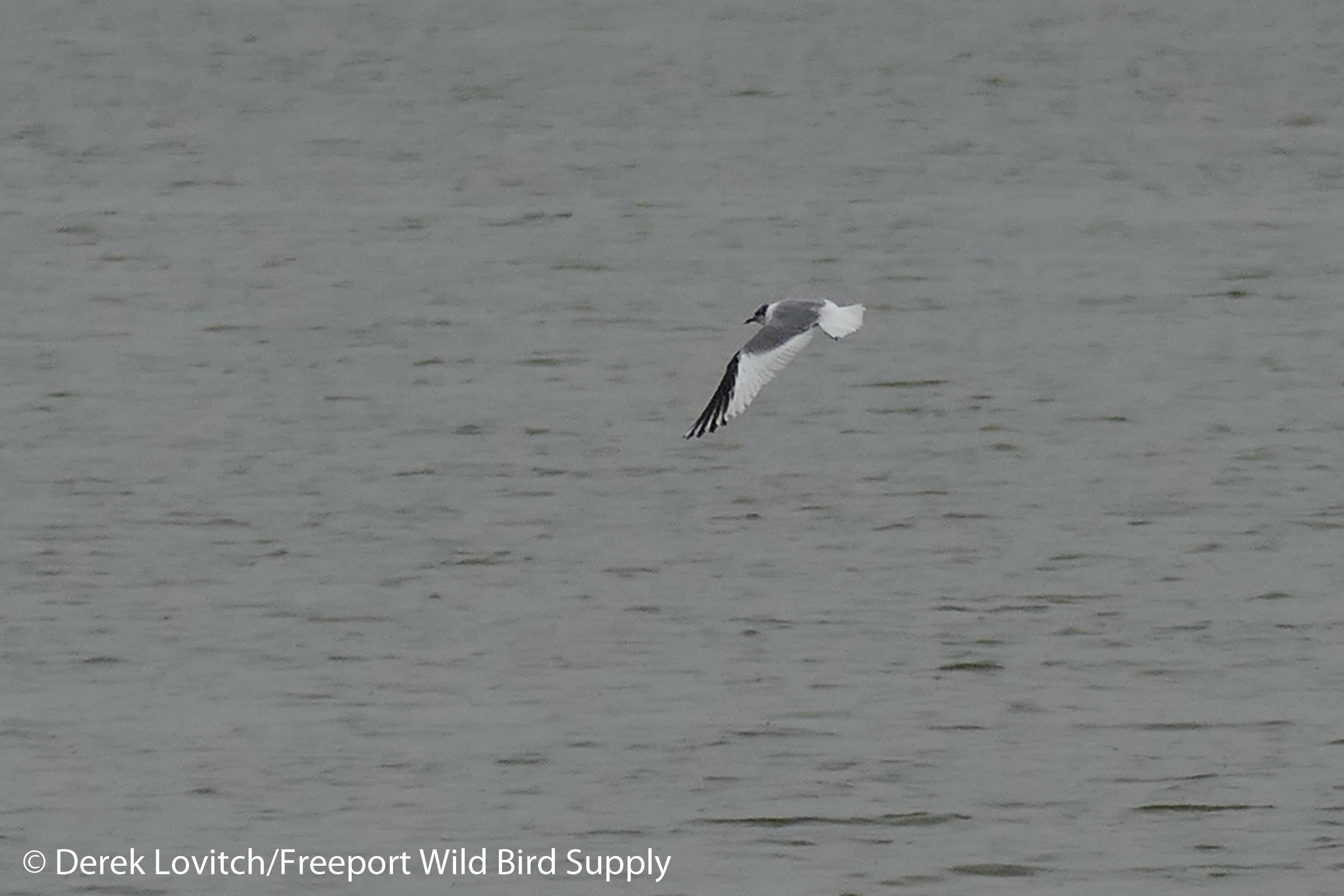
With rain still falling, I skipped the walk at the beach, and instead made a couple of short stops where we were able to hang by the bus. 20+ Bonaparte’s Gulls were off the Kittery Town Landing, and by the time we arrived at Legion Pond to enjoy 3 spiffy Wood Ducks among the masses of Mallards, the rain not only stopped but the sun began to return.

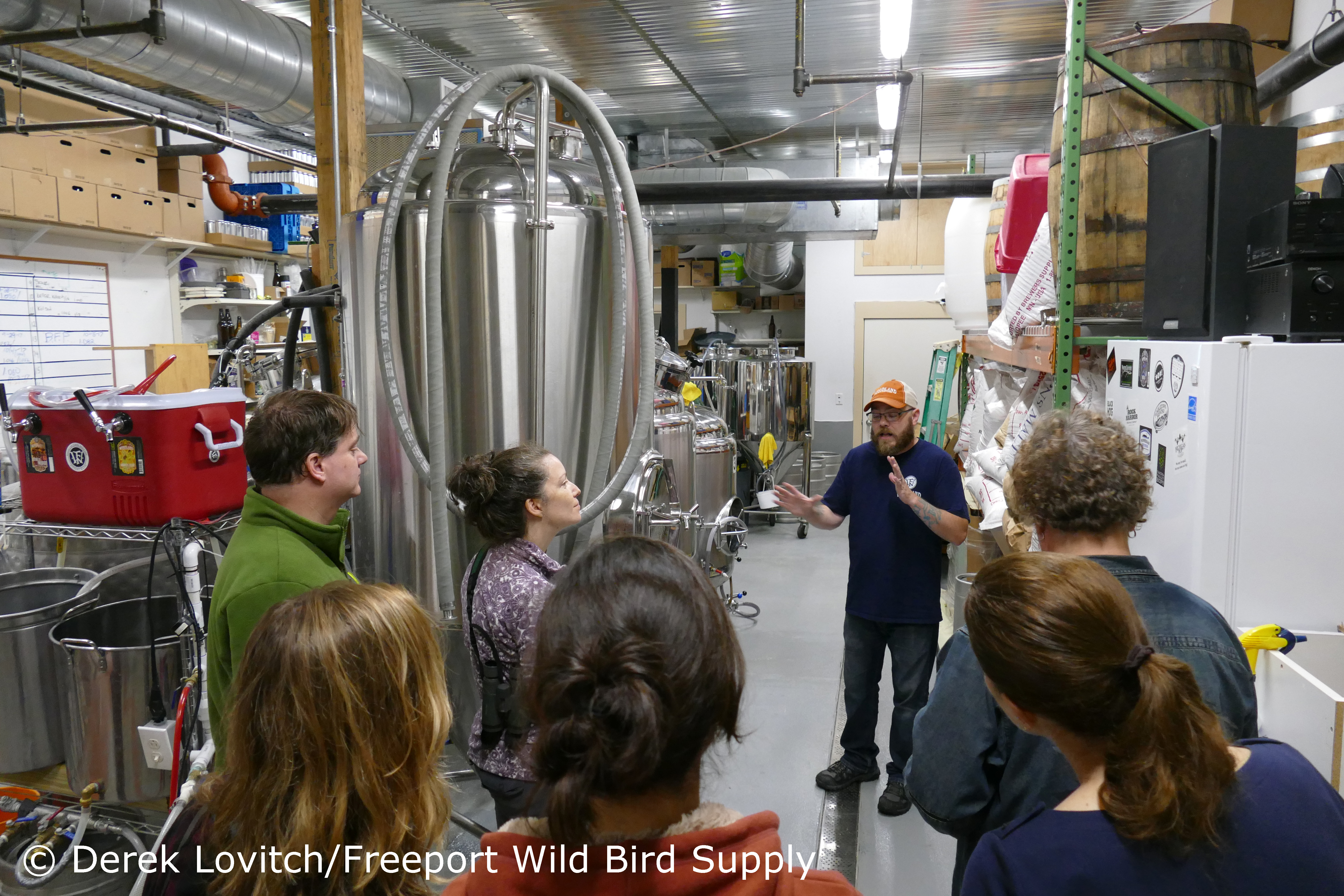
The first stop on the brewery tour was Woodland Farms Brewery, which opened only this February – but from the looks of things, had already gained quite a following! There, we sampled four brews from this lager-centric brewery. Very traditional and well-executed styles included Wolf Haven Extra Special Bitter (ESB) with a nice depth of flavor to balance the bitterness, and the Rowanbrau, a Dortmunder-style golden lager with a super-crisp-finish. We started with their light Cervaza Medico, a Mexican lager with a subtle sweetness from corn, and finished with a hop-forward Backyard Scientist IPL. A lot can be done with a lager, far beyond the basic American mass-produced swill, so it was a good lesson for us in the range of the technique.

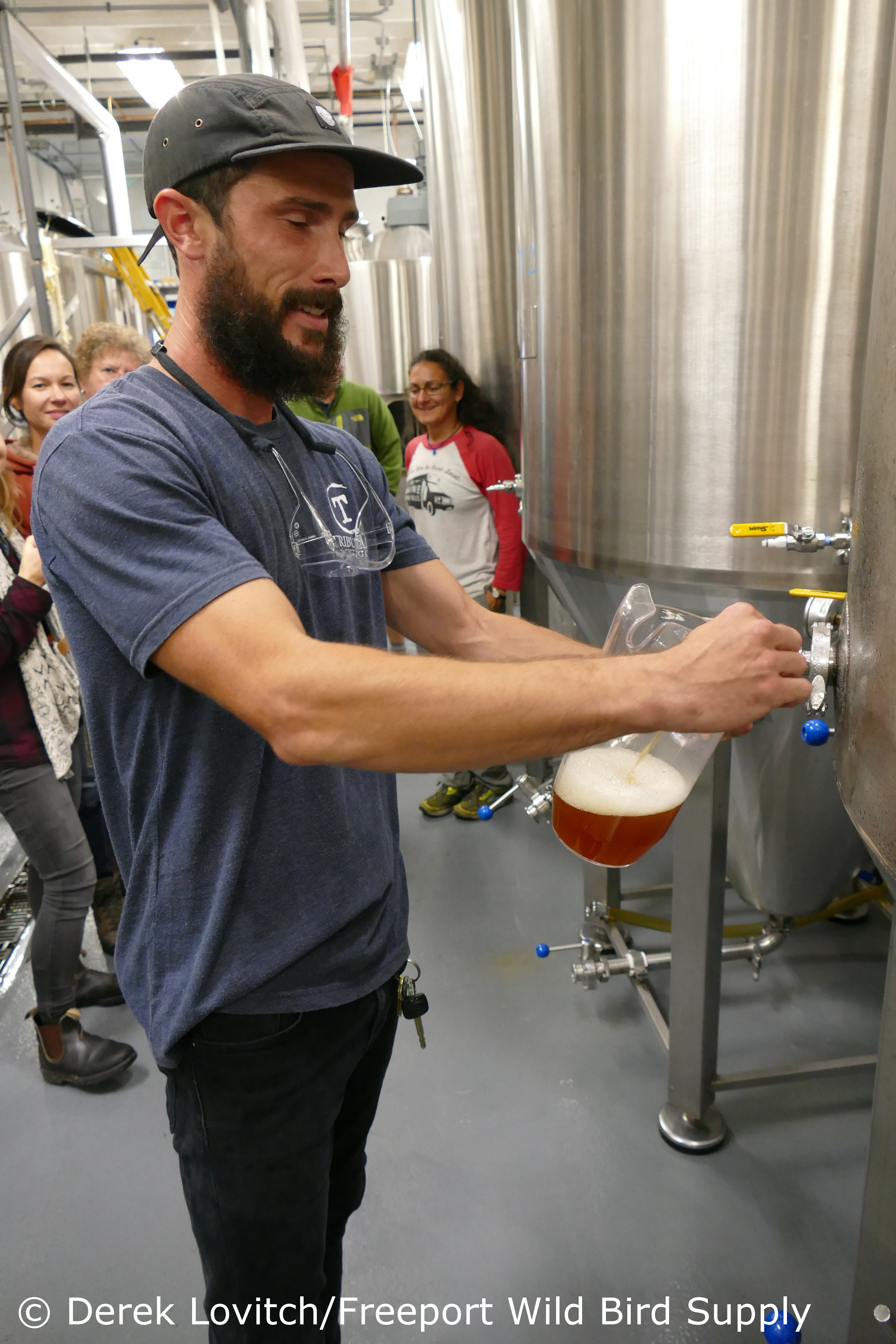
We learned about the benefits and limitations of focusing on lagers, and the methods that produce this style of beer, which we then contrasted with ales on our second stop, Tributary Brewing Company, where a wide range of traditional and modern styles were sampled. Starting with Oktoberfest, a perfectly-simple and clean version of the traditional German-style marzen, we finished with their Oyster Stout (anything but traditional), with subtle notes of minerality.  In between, we tasted their Blueberry to find out what a beer with blueberries in the mash can really taste like (subtle, not in your face, and not overtly sweet at all) and their Pale Ale, their basic, but delectable flagship. In all cases, flavors were meant to be simple and subtle, complement the “basic” beer flavors and not overpowering them.

While comparing and contrasting this subtle, delicate use of flavors, it was not surprising that a discussion of “pumpkin/pumpkin spice” beers came up, and so Ian tapped the unfinished Pumpkin for us to sample – even though it was still weeks away from being ready and was un-carbonated. We were duly impressed, as the subtle flavors were quite apparent, and it offered insight into the brewing process as well, which is something we work hard on offering during these special tours.

With temperatures in the low 70’s, the rain was merely a nuisance, and it definitely impacted the middle part of our birding adventure. Regardless, a birding tour that begins with crippling views of a Black-billed Cuckoo and ends with stunning Wood Ducks is still a real winner! And if not, there was some great beer to enjoy and learn about!

2016 Rarity Season Part I

In my last blog, I predicted some great birding was in store for us here in Maine. Our entry into “Rarity Season” coupled with an active weather pattern was undoubtedly going to make for some exciting birding in the near future. It certainly started off with a bang!

Immediately following the Nor’Easter that drenched us on Friday, October 28th…
surface-map-10-28-16

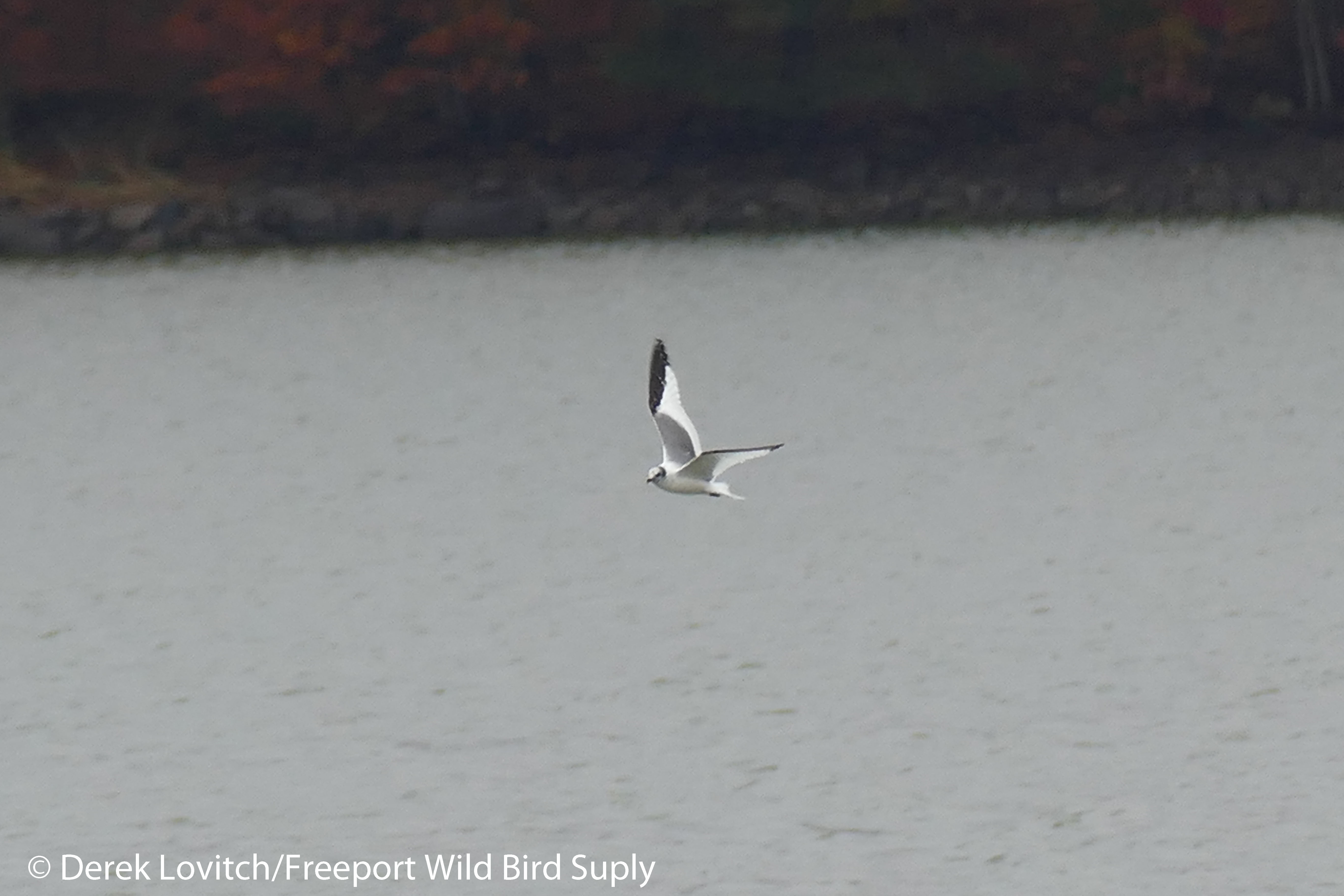
…a Sabine’s Gull was discovered on Sabattus Pond.
l1080338_sagu1_edited-1l1080346_sagu2_edited-1
l1080280_sagu3_edited-1

This gorgeous gull was my 373rd species in Maine, and while I knew I was going to see one sooner than later, I expected to finally get one in Maine waters during my Washington County Weekend tour (we were close!), and not well inland on a small lake!

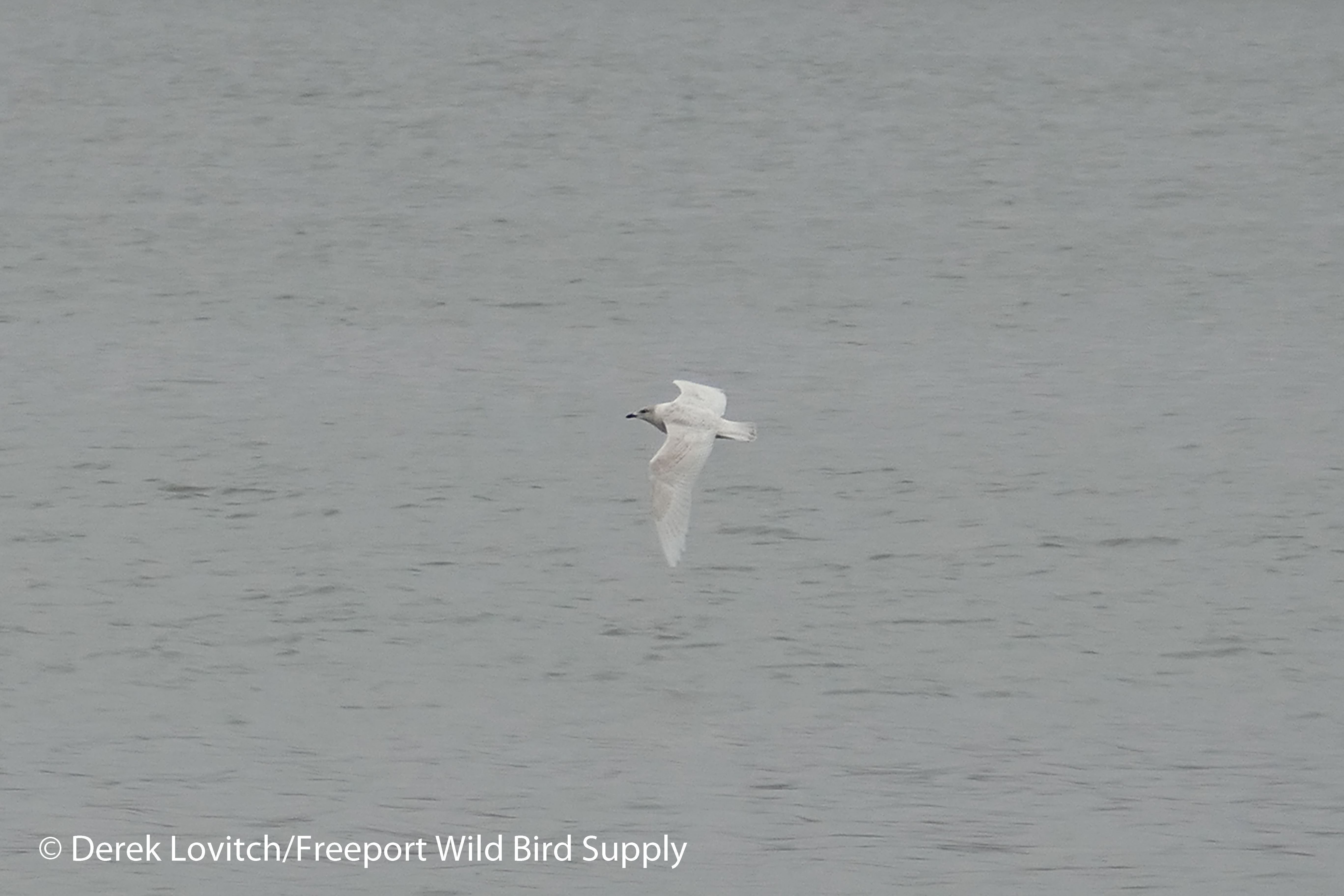
Whether blown inland by the strong winds or “grounded” as it cross-cut over land, this pelagic is not what one expects while scanning the ducks at Sabattus.  An early 1st Winter Iceland Gull (later, two), and a rare-inland sweep of all three species of scoters (9 Surf, 4 Black, and 1 White-winged) were all related to the weather as well.
l1080288_icgusabattus10-29-16_edited-1

Similarly, an adult Black-legged Kittiwake out of place in a pond at Fortune’s Rocks Beach on Sunday was likely storm-related. Although regular to downright common offshore, this is not a bird we usually see onshore in southern Maine.
l1080409_blkifortunesrocksbeach10-30-16_edited-1

One can only imagine what else was on the 2,600+ lakes in the state of Maine during and immediately after the storm! Jeannette and I did check a few spots around Sebago Lake on Halloween, but it was surely too long after the storm, and the only birds of some note we turned up were single Dunlin and Black-bellied Plover (fairly rare inland, especially this late) at Raymond Town Beach.

I bird hard this time of year, doing my best to finish projects and keep my schedule as clear as possible to afford as much time in the field during these fruitful weeks. While I skipped birding in Portland, I did cover a lot of ground, and searched for odd birds in odd places, as well as focusing on the seasonal “migrant trap” hotspots.

In doing so, I found a few good birds, including this Lark Sparrow (always a treat away from Monhegan) at Pott’s Point in Harpswell on 11/10:
lasp1pottspoint11-10-16-edited

As for wayward vagrants seen around the state by others, there were quite a few from the south: a Blue Grosbeak in Portland on 10/31, a couple more Yellow-breasted Chats were found here and there, and most surprisingly, a Blue-winged Warbler in Saxl Park in Bangor on November 7th – this early migrant simply has to be a reverse-migrant or 180-degree misoriented migrant from points south; right? And the headlines, from the southwest, as a Cave Swallow reported from Cape Elizabeth on the 12th.

From the west (and/or mid-west) came a Clay-colored Sparrow at Two Lights State Park on 11/6 and a few scattered Dickcissels around the state (but where are the Western Kingbirds this year?). A Cattle Egret in South Thomaston on 11/6 and another in Pittston on the 13th could have come from either direction.

But it’s not just rarities that make this time of year so much fun. There are all of the regular migrants that are still “lingering.” Some of the late birds that I have seen in the past weeks included a Red-eyed Vireo along the Saco Riverwalk and 1 Semipalmated Sandpiper at Biddeford Pool Beach on 10/30, a Red-eyed Vireo at Sandy Point on 11/1, a Pine Warbler and a late-ish Winter Wren on Bailey Island in Harpswell on 11/4, a slightly tardy Yellow-bellied Sapsucker with Jeannette at Beaver Park in Lisbon on 11/8, a Turkey Vulture over Falmouth on 11/11, two Winter Wrens on Peak’s Island on 11/14, and a smattering of Hermit Thrushes.

Other birders also reported the usual slew of truant migrants, such as a smattering of Baltimore Orioles, a couple of Scarlet Tanagers, and a decent variety of late warblers here and there. There’s still a Marbled Godwit, 4 American Oystercatchers, and 2 Red Knots at Hill’s Beach in Biddeford Pool; I enjoyed them on the 30th, but they continued to be reported through at least 11/2 with the godwit still being reported as of 11/12!  A few Long-billed Dowitchers were reported, with the one at Sabattus Pond on 11/5 being at the most unexpected location.

The winner, however, is the immature female Ruby-throated Hummingbird that appeared at a feeder on Cousin’s Island in Yarmouth on November 10th! I viewed it the next morning and it continues through today, the 14th. Although the photos taken by the homeowner looked good for “just” a Ruby-throat, I hoped I was missing something from the still images. Any lingering questions/hopes I had were dashed however.

That being said, it’s still a great record. Through our store we have been promoting keeping up hummingbird feeders into November for over a decade, and our database of observations after early October is growing. When I first got a call yesterday, I was sure this was going to be “a good one.” It was Nov 10th after all!

Amazingly, this is the same house that hosted a Selasphorus hummingbird last fall! In other words, it sure does pay to keep those feeders out, even if it’s “just” a Ruby-throat!
rthu_cousins_island11-10-16phil_bunch_edited-1

Other, more seasonal, highlights for me over these two weeks included the following. Jeannette and I had 100 Horned Larks along Mayall Road in Gray/New Gloucester on 10/31; 18 Snow Buntings and 13 Horned Larks flew over Bailey Island on 11/4; a Lapland Longspur with 6 Horned Larks were at Stover’s Point Preserve in Harpswell on 11/10; two Ruddy Turnstones were at Winslow Park in Freeport on 11/12 with the Saturday Morning Birdwalk group – one of only two or three places in the state we regularly see them during the winter.

l1080470_badobaileyisland11-4-16_edited-1
This Barred Owl on Bailey Island on 11/4 was a treat. Any day with an owl is a good day!

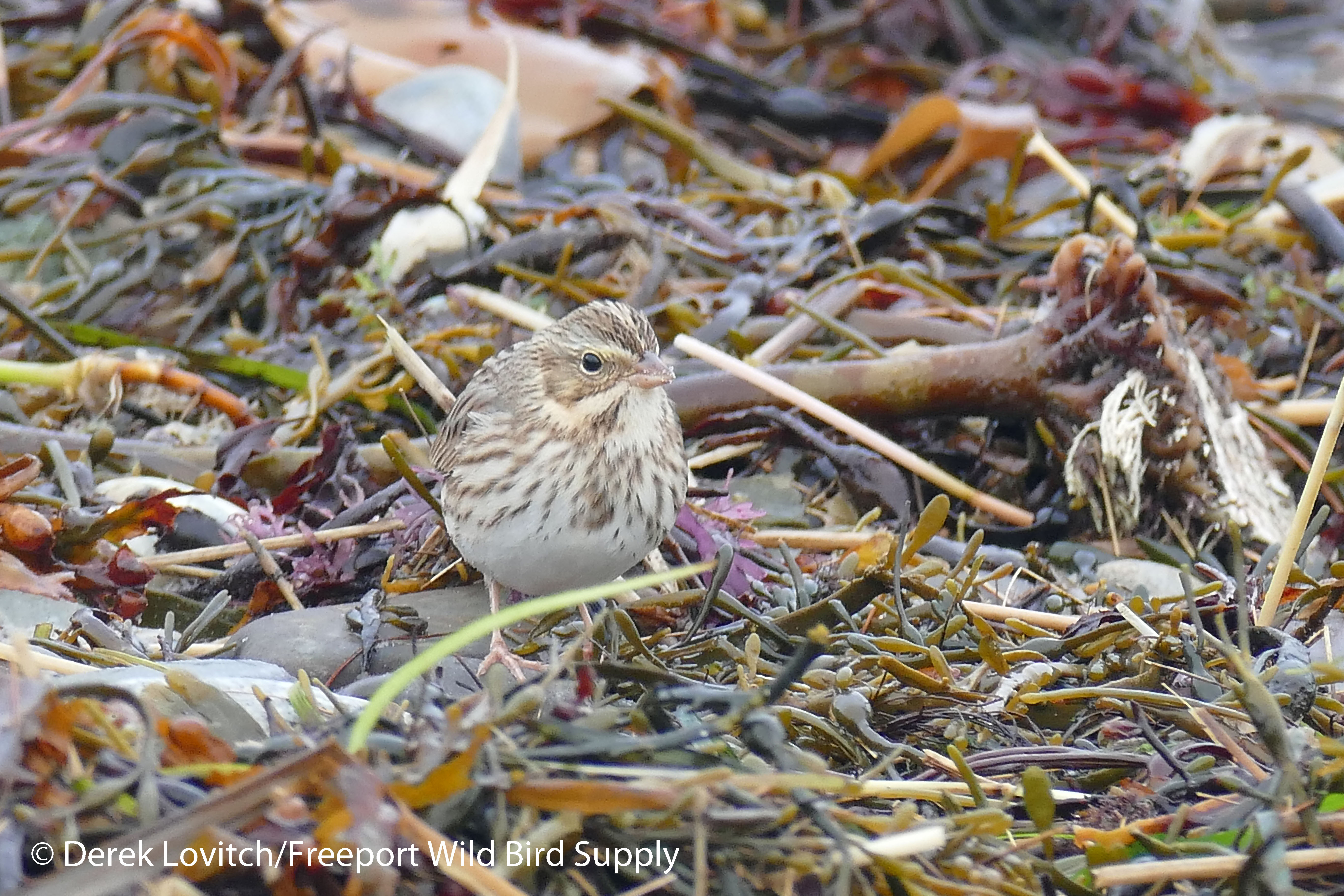
Meanwhile, the new arrivals – including many species that will be spending the winter with us – continue to arrive, my “first of seasons” this week included 2 Common Goldeneyes at Sabattus Pond on the 29th, 2 “Ipswich” Savannah Sparrows at Timber Point in Biddeford on 10/30…
l1080390_ipsp1timberpoint10-30-16_edited-1

…lots of Horned Grebes arriving all over, 2 Harlequin Ducks at East Point in Biddeford Pool and 3 Purple Sandpipers at Hill’s Beach on 10/30.

l1080426_sand_and_dunl1biddpoolbeach10-30-16_edited-1
There were also plenty of Dunlin and Sanderlings around this week, such as this one Dunlin nestled amongst the Sanderlings on Biddeford Pool Beach on the 30th.

Waterfowl migration is in full effect, and not just at Sabattus Pond (although that is certainly one of the top spots in the state). Scoters, Long-tailed Ducks, Red-breasted Mergansers are all piling in, and dabblers are also on the go, such as the single drake Northern Pintail and American Wigeon at Great Pond in Biddeford on 10/30. Common Mergansers are also now arriving; I saw my first migrants at Sebago Lake on 10/31.

Jeannette and I visited Sabattus on a gorgeous, warm day on the 8th, with glass-calm conditions allowing for careful combing through the masses: 649 Ruddy Ducks, 510 Mallards, 176 Lesser and 119 Greater Scaup, 104 American Black Ducks, 73 Buffleheads, 69 Hooded Mergansers, 40 Common Mergansers, 13 Northern Pintails,11 Common Goldeneye, 8 Green-winged Teal, 5 White-winged and 1 Surf Scoter, 4 American Wigeons, 4 Common Loons, and a very-rare-inland Red-necked Grebe.

On 11/13, I returned with a Birds on Tap – Roadtrip! tour with our partners at the Maine Brew Bus. Although I didn’t count everything as carefully as I do when on my own, “Fall Ducks and Draughts” did record 600+ Ruddy Ducks, 3 Gadwalls, AND 2 White-winged Scoters amongst the 14 species of waterfowl present.

The “Greater Yarmouth Goose Fields” have been slow this year so far, likely also due to the mild weather and lack of early snowfalls to our north. In fact, the only “good” goose so far has been a “Blue” Snow Goose that showed up during the week of October 17th continuing through at least 11/11.  Canada Geese numbers remain rather low however; I have still not surpassed even 600 total birds this season.

There’s still some passerine migration a’happening, as well. For example, my last two days at Sandy Point for the season yielded 221 birds on 10/31 (led by 123 American Robins and 18 American Crows) and 131 on 11/1 (led by 59 Dark-eyed Juncos and 44 American Robins). Common Grackles and a smattering of Red-winged Blackbirds are still heading south, although their numbers are greatly reduced over the past week.

Sparrows also continue to move through, with lots of Dark-eyed Juncos and White-throated Sparrows on the move, and my first American Tree Sparrow arriving at the Yarmouth Town Landing on 11/5 during our Saturday Morning Birdwalk, followed by more as the weeks progressed. A White-crowned Sparrow at Biddeford Pool on 10/30 was getting late, but there are still scattered Chipping Sparrows here and there as usual, including one still here at the store’s feeders.
cistmontanus_type_dejuyard11-6-16cistmontanus_type_deju_yard211-6-16

This junco on our back porch on November 6th appears to be of the inter-mountain subspecies/hybrid swarm often labeled as “cistmontanus.”  It’s definitely not a pure “Oregon” Dark-eyed Junco, and the curved hood with buff of the sides traveling up to below the fold of the wing, however, suggest that this is not a pure “Slate-colored” Junco either.

And speaking of feeder birds, a recent spate of Evening Grosbeak reports (I have heard or seen several 1’s and 2’s recently, but 6 were at Old Town House Park on 11/3), along with an uptick in Purple Finches and Pine Siskins are suggestive of a decent winter around here for at least some of the finches. I also had a few single Red Crossbills fly over in a handful of locations recently. And the first Northern Shrike reports have started trickling in.

But overall, we’re off to a fairly slow start to the November Rarity Season. My guess is the lack of cold fronts early in the fall ushered fewer birds east (e.g. Western Kingbird) but also it remains fairly mild. I’m just not sure birds have begun concentrating yet in places that birders find them (like coastal migrant traps, city parks, etc). But as temperatures continue to drop, this might change. Afterall, after a very slow November last year (also very mild), December was simply incredible.

As the shorter days get colder (maybe), I would expect more birds to begin turning up, especially at feeders and along the immediate coast. The coming weeks always produce something remarkable.

wind-map-11-11-16
A blast of cold, Canadian air finally arrived this past weekend, as evidenced by the wind map of 11/11.

However, it might be hard to top the incredible and unprecedented White Wagtail that showed up in Rye, New Hampshire on 11/2 through early the next. You know I’ll be trying though!