Tag Archives: boreal

2023 Down East Adventures Birding Tours.

Freeport Wild Bird Supply is very excited to partner with Down East Magazine’s Down East Adventures for our third year. In 2023, we are expanding our offerings to include two exclusive overnight trips, along with our popular ½- and whole-day targeted workshops.  Focused on skill-builder rather than list-building, there will be plenty of “life birds,” but also more knowledge and education about birds, habitats, birding, and much more about the natural world.

The full list of upcoming tours can be found here.   At the conclusion of each tour, I’ll post the trip report here.

  • Winter Waterbirds Workshop, January 15.

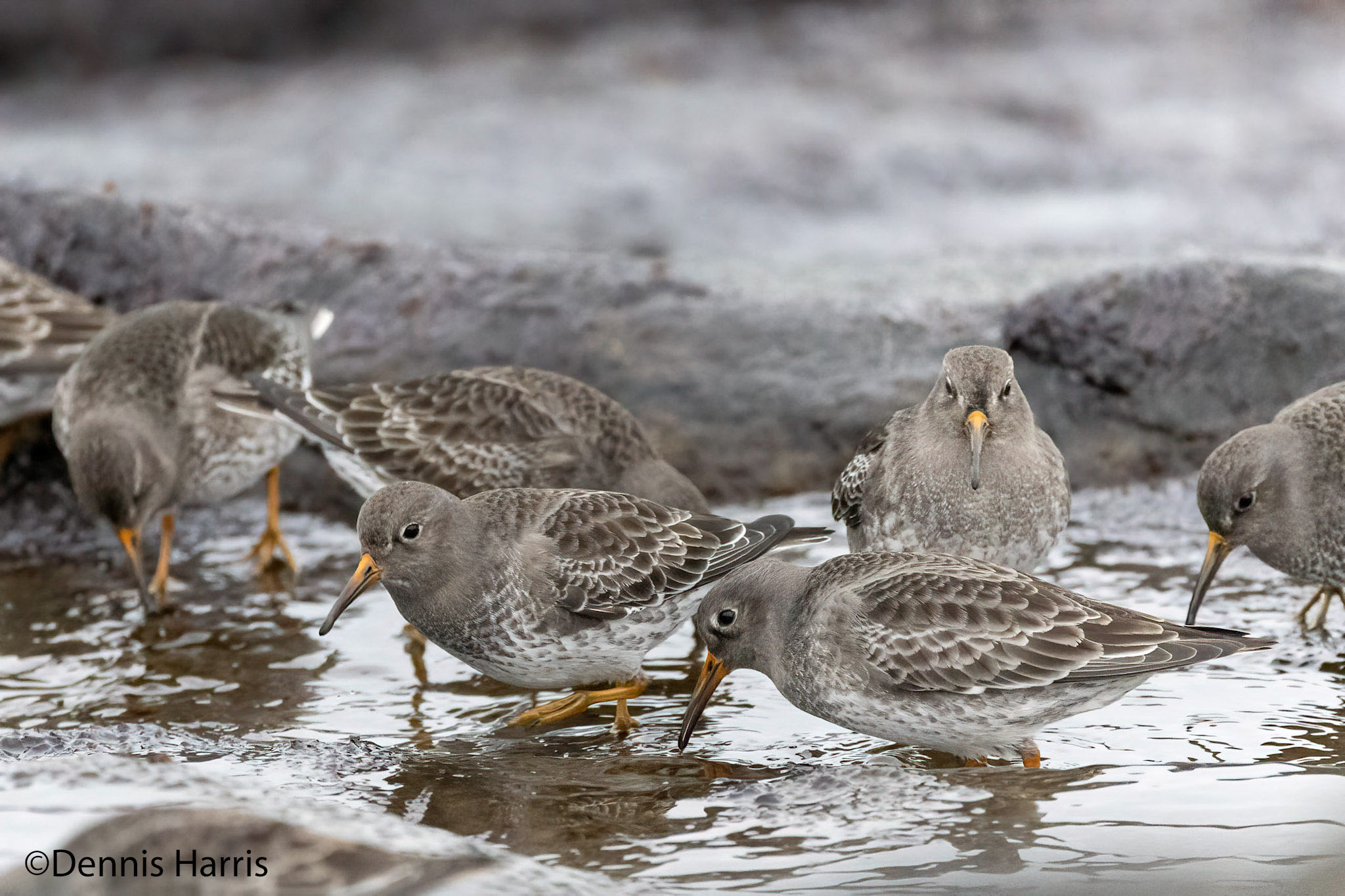
This Purple Sandpiper was about as cooperative as it gets for us at Sohier Park in York.  Later, it was joined by its friends (photo below).  This is really a lovely shorebird when viewed as well and as close as we experienced.

Extremely strong winds and very high seas presented a challenge as we sought out wintering waterbirds along the southern York County Coast. We worked hard to find sheltered water where we could observe birds well, but when we did find that secluded cove, peninsula lee, or rivermouth, we were treated to incredible looks at many of the birds we had hoped for.

We looked down on Red-breasted Mergansers at Perkin’s Cove, and you’ll never be closer to a Common Loon than we were at the Ogunquit Rivermouth. We checked a few more locations than I usually need to on this tour, but our most productive spot was the southern shoreline of Sohier Park at The Nubble. There, we were treated to close views of Black and White-winged Scoters, Harlequin Ducks, and a most-cooperative flock of Purple Sandpipers.  We then ended the day at hidden Abbott’s Pond, where we enjoyed a break for the wind, close comparisons to study details between Mallards, American Black Ducks, and hybrids thereof. 

Meanwhile, a group of 8 or so Black-legged Kittiwakes were feeding off of Short Sands Beach, and a stunning adult Iceland Gull passed by at The Nubble. Unfortunately, the seas were just a little too rough to find any alcids today, but we knew they were out there!

  • Spring Migrant Songbirds Workshop, May 14.

This stunning Blackburnian Warbler nicely demonstrated the value of blooming oak trees for seeing warblers in the middle of May.

Four hours later we had not left Evergreen Cemetery in Portland…a very good sign. There was just no need to move along, the birds kept coming to us. In the end we tallied a respectable 16 species of warblers, even though growing a list was not our goal. What made this workshop successful, however, was how well we saw just about all of the warblers and other songbird migrants throughout the morning.

Warblers were a highlight of course, including repeated quality time with favorites such as American Redstart and Black-and-white Warblers, the two most plentiful migrants this morning. We also enjoyed great looks at several Chestnut-sided Warblers, Magnolia Warblers, and Northern Parulas, with fantastic studies of Black-throated Blue Warbler, Black-throated Green Warbler, Yellow Warbler, and Wilson’s Warbler. We also saw two newly-arrived Tennessee Warblers which aren’t always easy to get looks at. There was a good amount of song this morning, so we had chances to listen and learn many of these species as well.

Shortly after hearing a Red-eyed Vireo and my describing it as “high up and often hard to see,” we found one in the lower branches of a nearby oak, and watched it sing, forage, and do all things vireo for almost 10 minutes!  Likewise, after hearing distant Ovenbirds, we had two walking around right in front of us! Beginning with a view of a Veery on the ground in the open, we saw it again as the walk ended, only a few feet in front of us for another great view and chance to observe and study.

During the morning, we chatted about migration, habitat, and the process of building the necessary toolkit to build birding skills. Finishing the walk with a quick overview of some references (we had too many birds to leave much time for anything more), we recapped a very productive and instructive morning of spring birding.

  • Rangeley Birding Workshop, June 6-8.

Our first overnight tour together, the Rangeley Birding Workshop was based at Bald Mountain Camps in Oquossoc, nestled on the shore of Mooselookmeguntic Lake. Common Loons greeted us, but so did the rain. June of 2023 was one of the rainiest Junes on record in Maine, and we were very thankful for the wood stoves in each cabin!

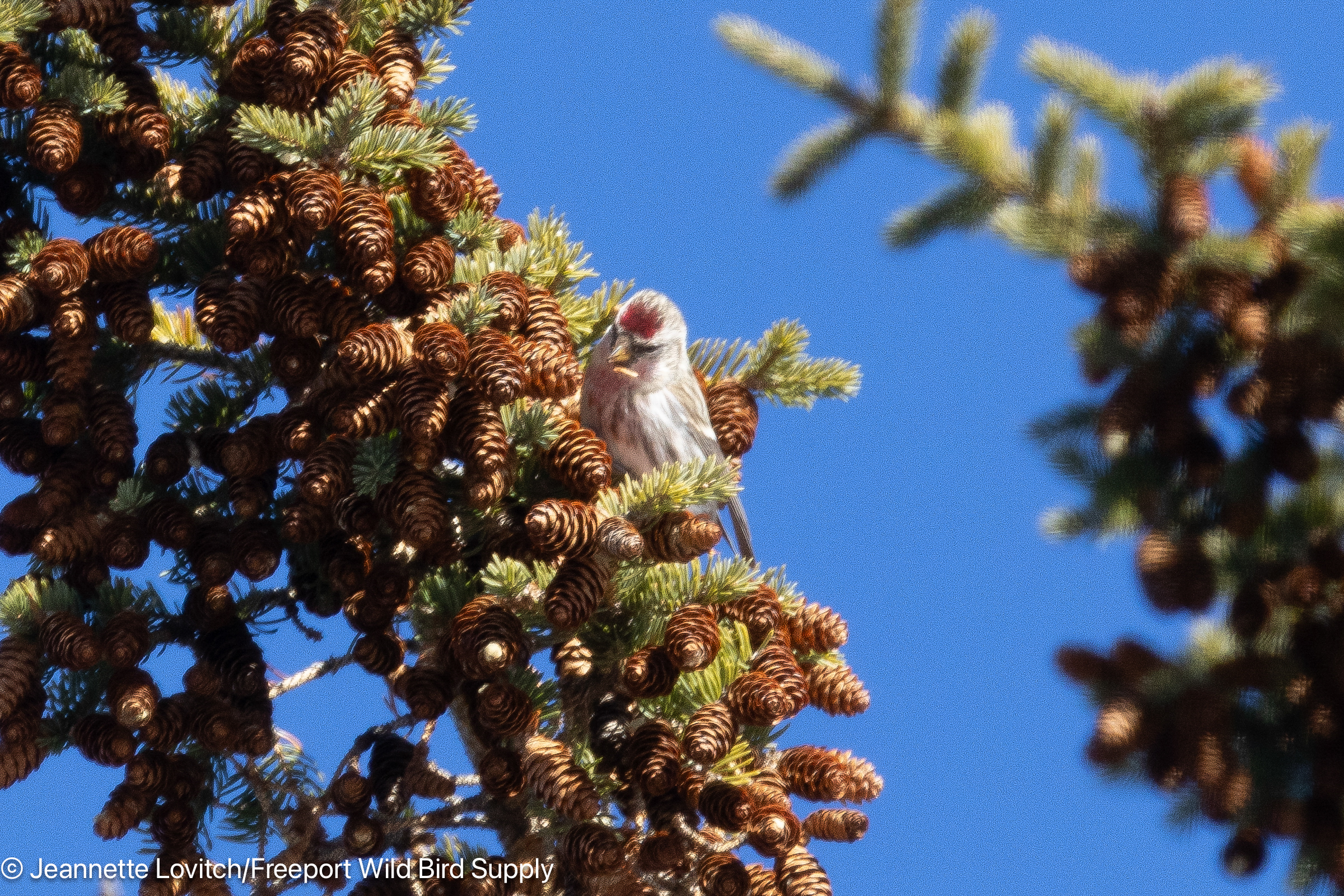
Our first morning, 6/7, began at Hunter Cove Wildlife Sanctuary, with lots of singing Blackburnian Warblers. A large flock of Red Crossbills flew over, two Yellow-bellied Flycatchers were heard clearly and then glimpsed, and a variety of common warblers were detected. A confiding pair of Canada Jays was the highlight – as they often are – but even the common warblers were tough to see today, so we focused on practicing our birding by ear skills.

Enjoying our delicious boxed lunches at the Rangeley Waterfront Park, with more Common Loons offshore, we delved into an impromptu gull workshop, using each age class of Ring-billed Gull as an introduction to molt, feather topography, and identification. A 3rd-cycle Herring Gull kindly dropped in for comparison as well. In inclement weather, we take advantage of whatever learning opportunities the birds are willing to provide!

After lunch, we poked around the Mingo Spring Birding Loop, with good looks at the likes of Least Flycatcher, Alder Flycatcher, and Dark-eyed Juncos among others. But as rain returned, we called it a day and settled in to dry out in front of our stoves instead of an afternoon of lake-watching from the BMC property.  And dinner was absolutely delicious!

Day 2 began with a brief walk around the BMC property (American Redstart, Ruby-throated Hummingbird, etc) followed by a foray over to the famous birding destination of Boy Scout Road, looking to build on the identification toolkit we worked on the previous day. We parked half the cars at one end and then walked the length of the road, birding along the way. But it was rather quiet here too – the ongoing story of June 2023. We did have some more Red Crossbills, a fantastic view -finally – of a Blackburnian Warbler, several Alder Flycatchers, and once again more Canada Jays. But this time, it was a family group of a pair with 2 juveniles in tow!

And then it began to rain. Again. A lot. But I give this group credit – they soldiered on! Of course the rain began in earnest when we were as far from either set of cars as possible, so there wasn’t really a choice, but still, spirits remained high and the birding continued. A pair of Hooded Mergansers, a singing Palm Warbler, and a Spotted Sandpiper were among the last birds of the outing, before the water had penetrated our clothing and it was time to call it a day and hope for better conditions next year!

  • Shorebirds Workshop, August 10.

The best way to learn shorebirds is to see them in their preferred habitats, feeding, moving, and mixing with other species, such as these Short-billed Dowitchers (a sandpiper) and Semipalmated Plovers here at Hill’s Beach in Biddeford.

An absolutely perfect day of summer weather (finally!) greeted us for this annual favorite outing. And the only thing better than the weather this day was the birding!  Recent insane rainfalls have led to very high water in many of our favored high-tide, upper-marsh locales, so we focused on tidal habitats including beaches and mudflats, altering our usual routine from the start.

Beginning in Biddeford Pool, we introduced shorebirds with several Spotted Sandpipers along Ocean Avenue before jumping into the mixed species flock on Biddeford Pool Beach on the outgoing tide. There we estimated over 1,250 Semipalmated Sandpipers and 200 Semipalmated Plovers as we learned the basics of shorebird (sandpiper vs. plover) identification and began to work our way up to teasing out a couple of White-rumped Sandpipers and Ruddy Turnstones from the masses. 2 Killdeer in flight overhead were our only two of the day.

Kicking off our shoes to spend the rest of the morning on the sandflats of Hill’s Beach, we compared a Piping Plover to the many (400+) Semipalmated Plovers and 30 Black-bellied Plovers. A single juvenile Least Sandpiper was out of place on the beach, but offered a perfect opportunity to closely study the differences in shape, size, and overall structure to the 150 or so Semipalmated Sandpipers that were scattered about. 59 Short-billed Dowitchers gave us the chance to really observe shape and feeding styles, practicing identifying these birds both near and far.

Over at The Pool, a distant “Western” Willet joined 7 “Eastern” Willets, as we advanced into subspecific identification just briefly before stopping for lunch as the tide began to roll in.

The afternoon was spent at Scarborough Marsh, where our first two stops offered little (other than a calling Greater Yellowlegs to at least practice our shorebirding by ear) due to the very high water in the salt pannes from the recent rains. Pine Point more than made up for it on the rapidly incoming tide, however, with one heck of a shorebird show: 1500-2000 Semipalmated Sandpipers, 400-500 Semipalmated Plovers, a few more Short-billed Dowitchers and White-rumped Sandpipers, better looks at “Eastern” Willets, and the icing on the cake: a cooperative Whimbrel – our 13th species of shorebird for the day.

Practicing with our identification tool kit, we tested ourselves on finding the uncommon species among the masses, and took a moment or three to simply sit back and enjoy the show. Now that we know how approachable shorebird identification really is, we can more fully appreciate these most marvelous migrants!

  • Monhegan Birding Workshop, September 23-25.

Northern Gannets and two Green-winged Teal flying with 6 Surf Scoters from the ferry and an adult Lesser Black-backed Gull greeting us upon our arrival seemed like a great sign for what would be a bird- and fun-filled weekend on the Migration Mecca of Monhegan.

Unfortunately, it turned out to be one of the slowest (for both species and diversity) fall weekends I have ever experienced on the island. That being said, a big list wasn’t our goal. It was to learn birds – their ID, their migration ecology, and everything else that makes the island so special for birds and birders. And this is not tour guide spin: a slower day is better for that as we had ample opportunity to view almost everything we encountered, study them, discuss them, and luckily, what the island failed to provide in quantity, it certainly delivered in quality of observations.

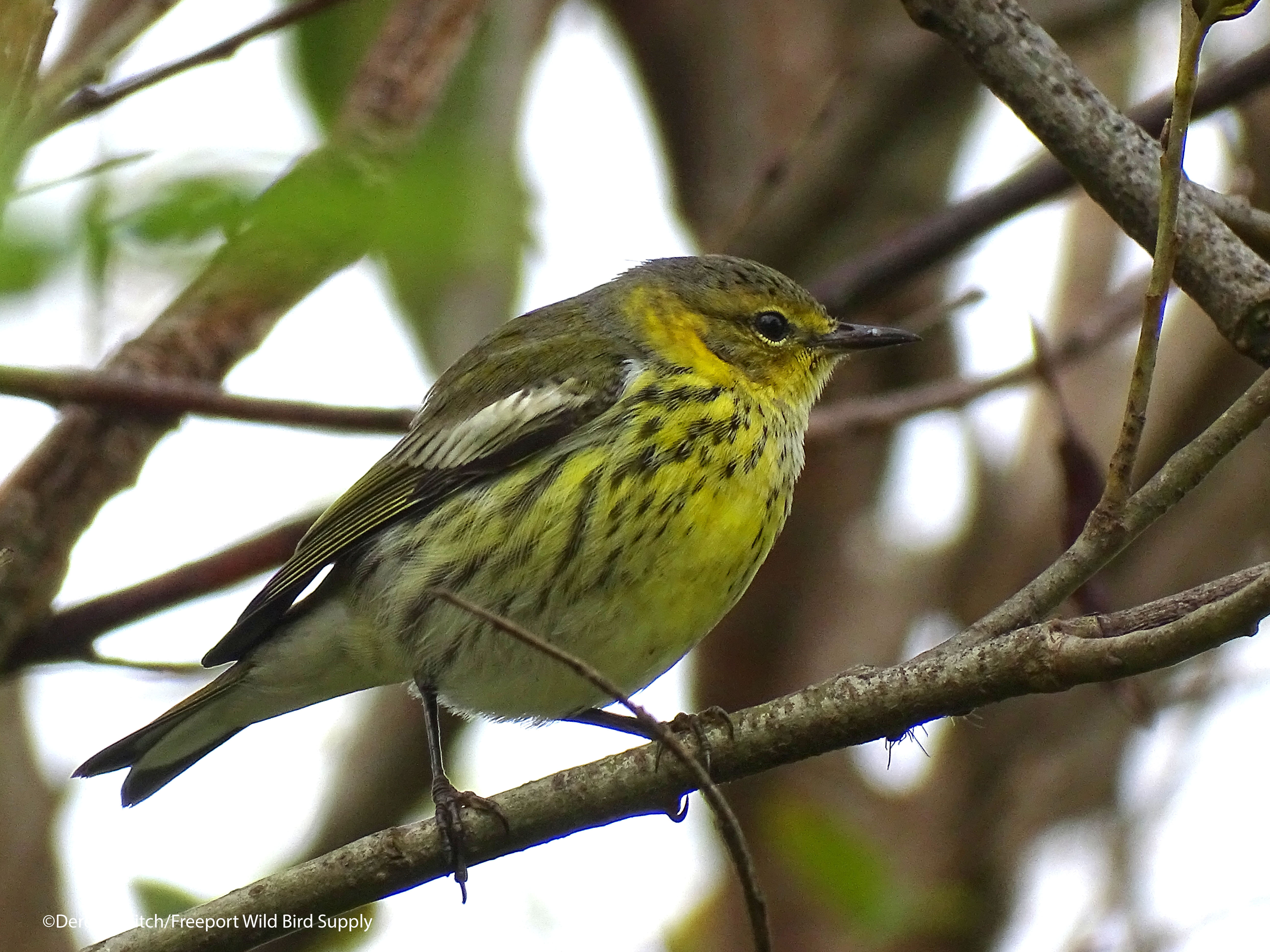
On each day, we would find pockets of warblers here and there, but we kept coming back to  one particular willow and a nearby thicket that constantly hosted 4-5 Cape May Warblers (photo above), 4 Yellow Warblers, a Yellow-bellied Sapsucker, and a smattering of others. The Cape Mays put on a clinic: all four plumages from pale, 1st-fall female, to bright and spiffy adult male were on display.

Over the first day and a half, we took what the island offered, besides exceedingly pleasant weather! There was the hen Green-winged Teal feeding within three feet of us, fly-over Rusty Blackbirds in the morning, and Great Cormorants on the cliffs on an afternoon short hike to name a few highlights. The skies were punctuated by the occasional migrant Peregrine Falcon and the constantly-hunting Merlins.

Granted, we were really just looking at birds to fill the time between the incredible meals at the Monhegan House!

On our final morning, a good migration overnight produced a new arrival of birds for the “morning flight;” the concepts and nuances thereof were topics of regular discussion.

The group’s high spirits earned them a great morning, with a taste of what Monhegan birding has to offer. There were American Pipits and Yellow-rumped Warblers in Morning Flight, a flock of 10 truant Bobolinks circling around, an immature male Belted Kingfisher displaying to a very-uninterested female, more Cape May Warblers, and a surprising fly-by Wilson’s Snipe.

At one point we had four juvenile Sharp-shinned Hawks dogfighting, exemplifying the difference in sizes of male vs female raptors. And the workshopping continued with Great and Double-crested Cormorants side-by-side, migrant raptors including several Northern Harriers, and more species before breakfast than we had most of the previous weekend! Speaking of breakfasts, goodness, they were good as well.

We finished up with a gull workshop on the shoreline, opening eyes to just how easy most gulls are most of the time. The advanced course was the fly-by 1st winter Lesser Black-backed Gull amongst Herring Gulls on the ferry ride back! And yes, we looked at butterflies, too!

The first of the 2024 Down East Adventures tours are already booking, with more to be announced soon. And since these Down East Tours fill up fast, don’t forget we offer a wide range of other tours, as well as private guiding services.

A Weekend Adventure in Search of American Three-toed Woodpecker

I’ve been feeling the gravitational pull into the boreal forest recently. No longer able to resist, and finding a way to make another hole in my schedule, Evan Obercian and I made a rather impromptu trip north this weekend, heading to one of the most incredible areas of the state. It’s been way too long since I have visited Baxter State Park – the “crown jewel of Maine” – and the surrounding boreal-transition habitats.

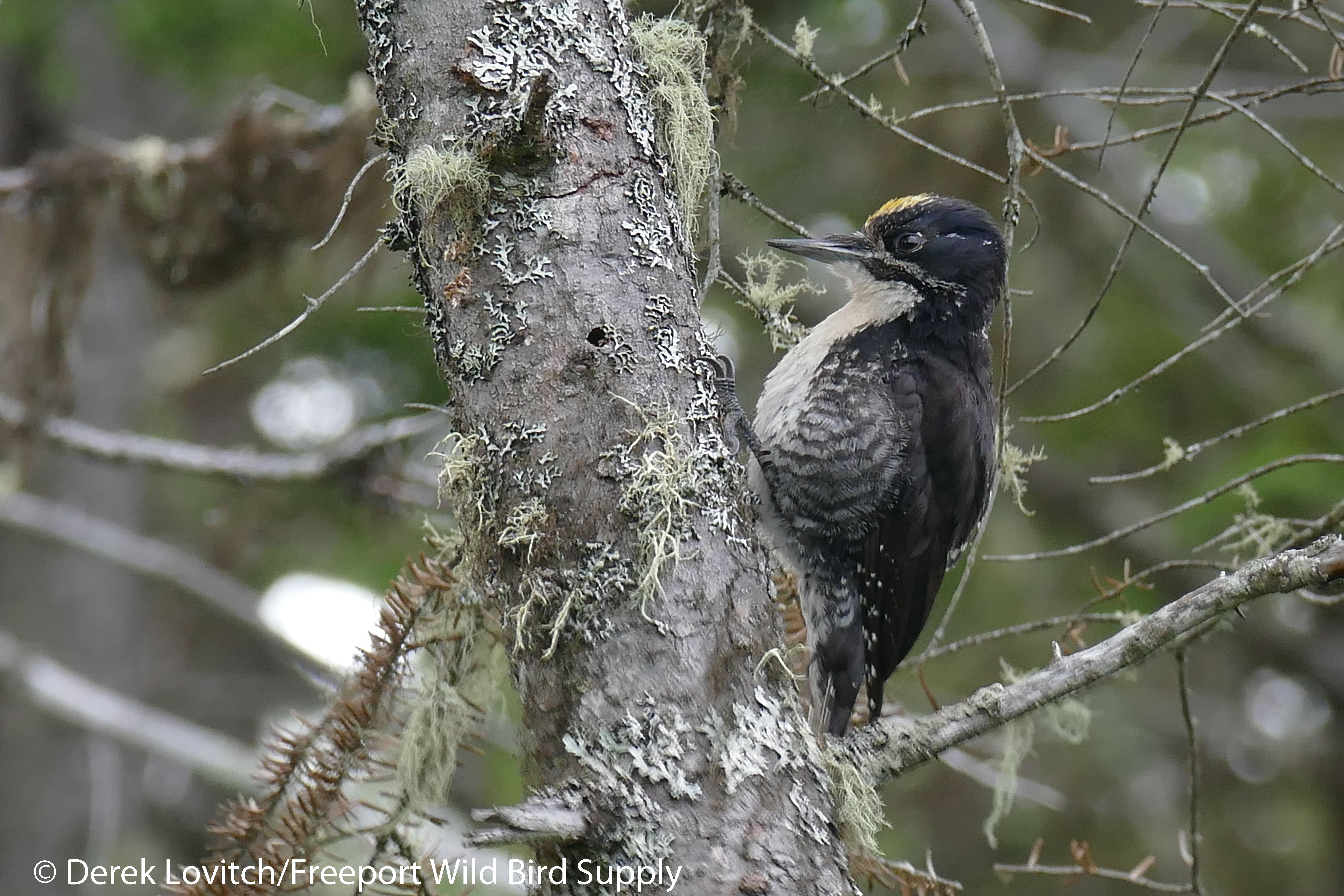
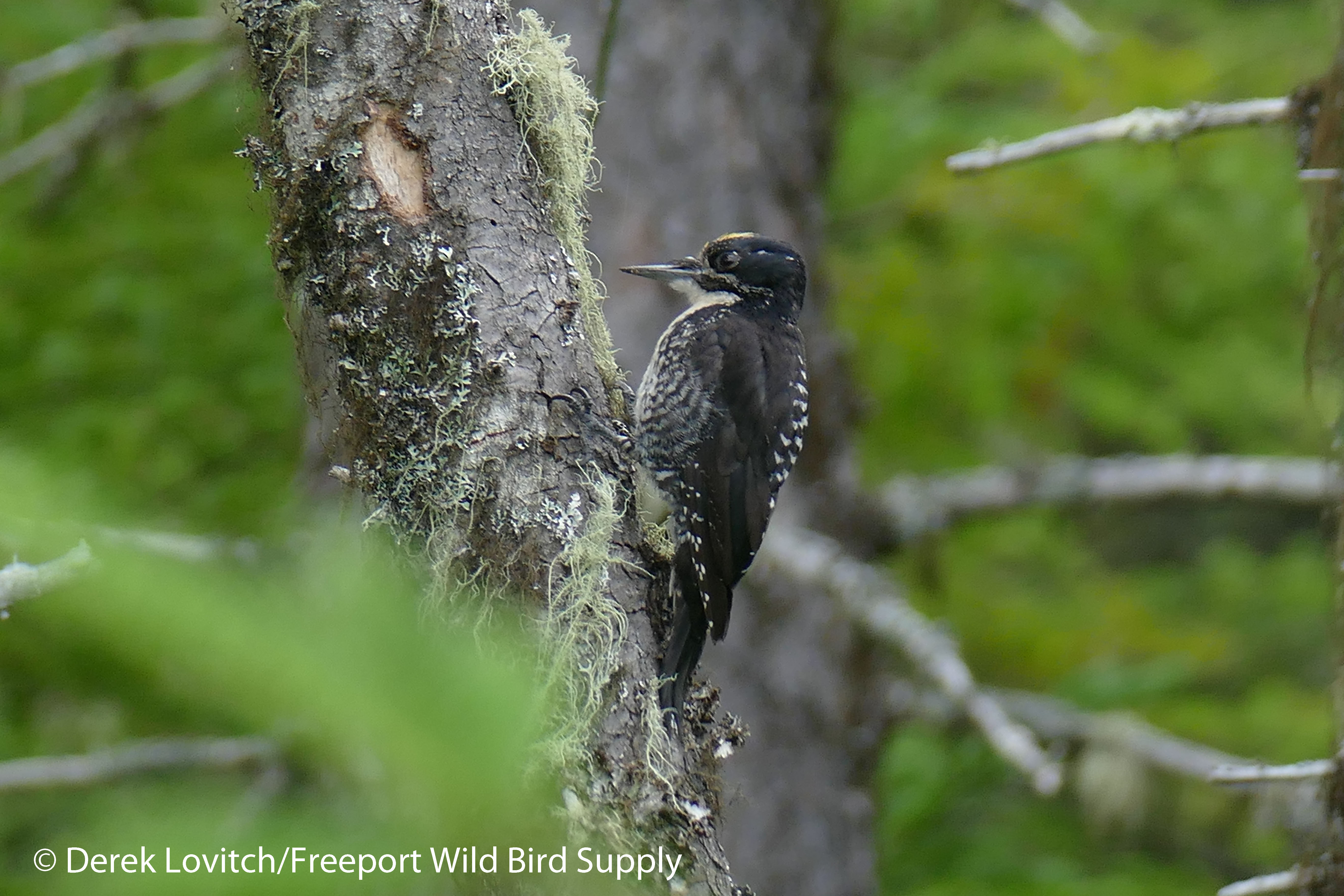
We definitely had a target bird for this trip: American Three-toed Woodpecker. However, this was really just the excuse to spend a few days birding together, exploring an area Evan hasn’t been too, and enjoying the area that I don’t get to nearly enough. And camping.

We hit the road on Sunday morning, not exactly early, making it to Lincoln in time for the quintessential Maine road trip lunch: Dysart’s. Driving through rain, with more rain in the forecast, we wondered about whether or not this trip was really the best idea. But by the time we arrived at Harvester Road just before 3pm, it was mostly sunny, warm but breezy, but of course rather quiet: it was the afternoon in the middle of July after all.
1. Harvester Rd,7-17-16_edited-1

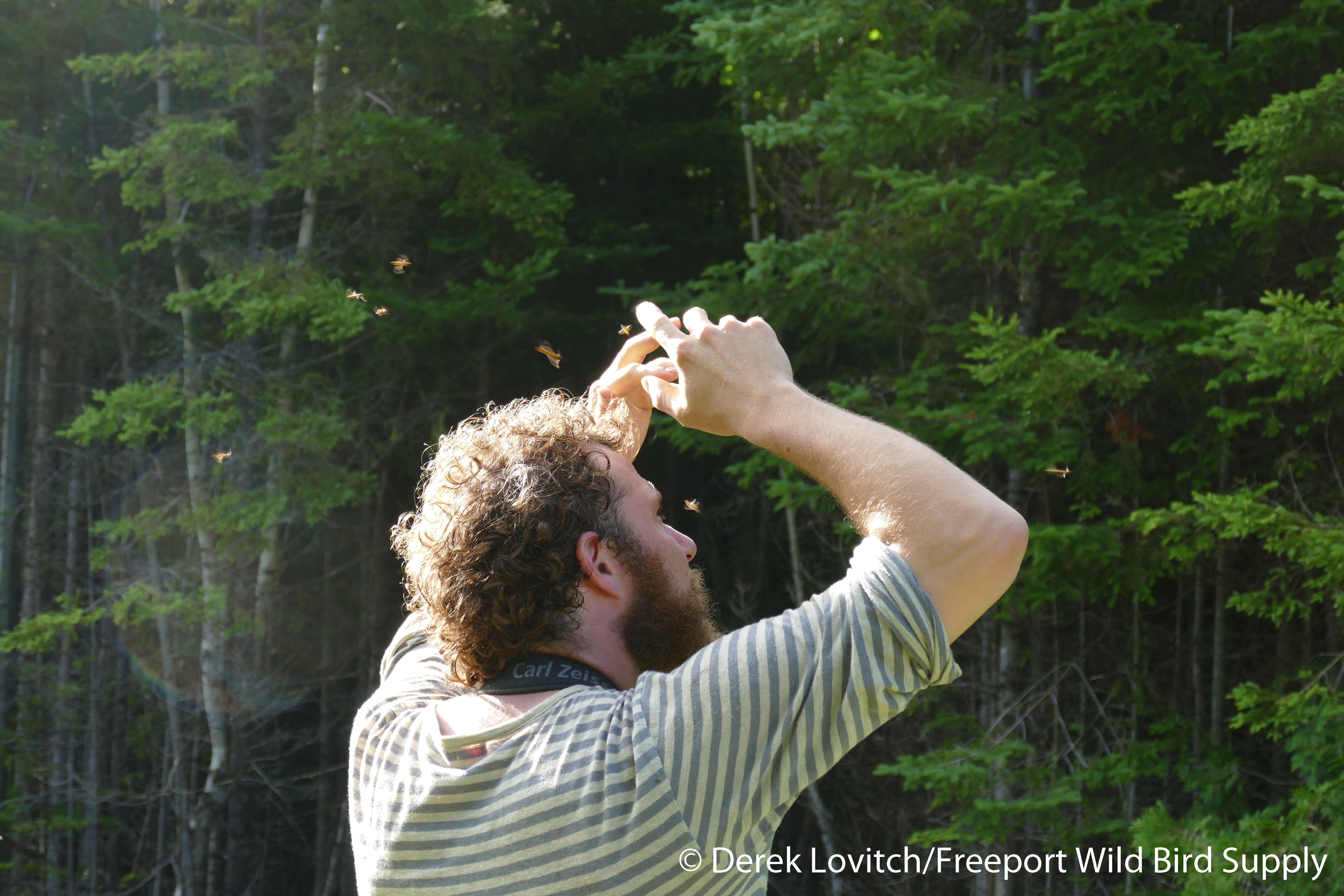
2. Evan_with_DeerFlies_edited-1
Mostly, we just heard Deer Flies.

We admittedly did only a modicum of research as to where three-toed woodpeckers had been reported from recently, so used that as a guide for our stops, if only for reconnaissance. Olive-sided Flycatchers were particularly vocal and conspicuous, and encountered one Fox Sparrow. Other “boreal specialties” included 3 Palm and 2 Wilson’s Warblers, and 2 each of Yellow-bellied Flycatchers.

In the heat of the afternoon, we looked at more “bugs” than birds, such as lots of Aphrodite Fritillaries…
3. Aphrodite_Frittilary,HarvesterRd,7-17-16_edited-1

…But at our last stop at a particular prime looking woodpecker spot, we did enjoy great views of a Black-backed Woodpecker – a very good sign.

A thunderstorm kindly missed our campsite…
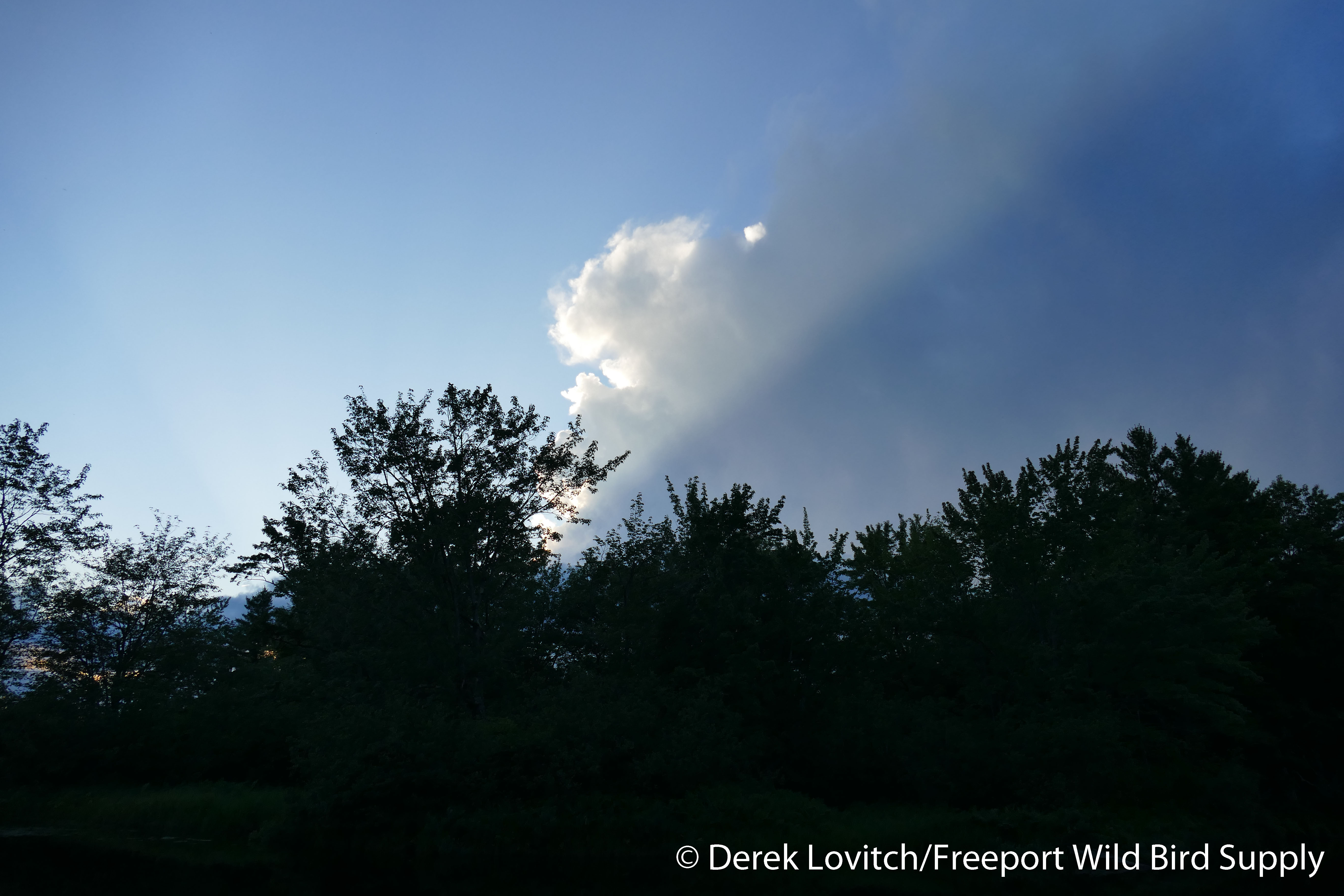
4. approaching thunderstorm,7-17-16_edited-1

..and we stayed up way too late listening to Common Nighthawks and a lone American Woodcock give way to a chorus of 3-4 Eastern Whip-poor-wills.

Come dawn, dense fog and dueting Common Loons precluded the desire to get out of the sleeping bags. The vociferous “whip” at 4:00am didn’t help, either, as welcome as its song was. As we ate a leisurely breakfast, the fog lifted.
5. view from Campground,7-17-16_edited-1

Once again, however, we realized we were vacationing more than birding, and it was already 9:00 when we entered Baxter State Park. Making a bee-line for the Nesowadnahunk area, we took the Tote Road, and not stopping until we hit the best boreal-transition habitat in the stretch of road north of the Nesowadnahunk Field Campground.
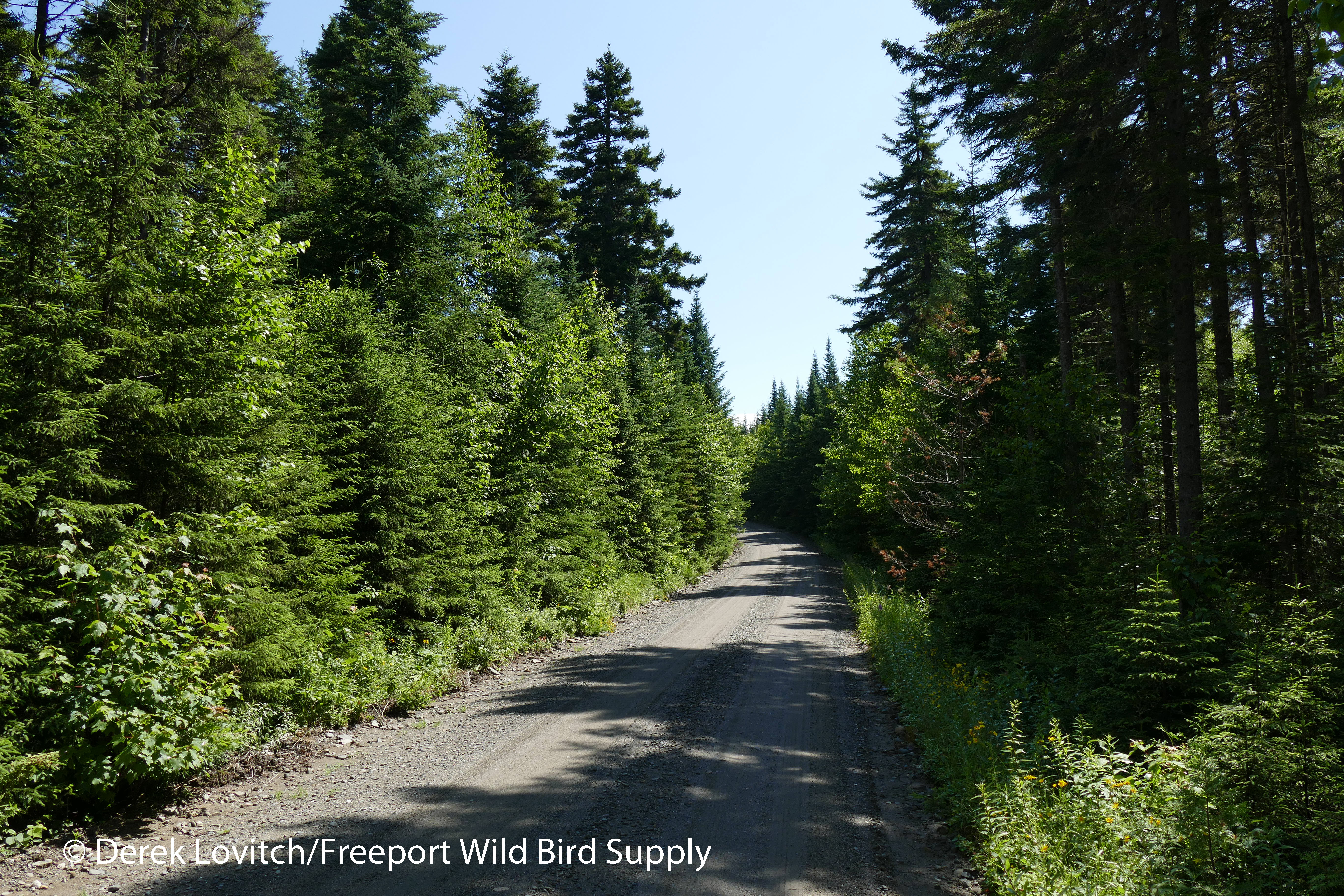
6. ParkToteRoad,7-17-16_edited-1

A couple of Gray Jays made their presence known, we spotted a molting Bay-breasted Warbler or two, but possible woodpecker habitat was in short supply.
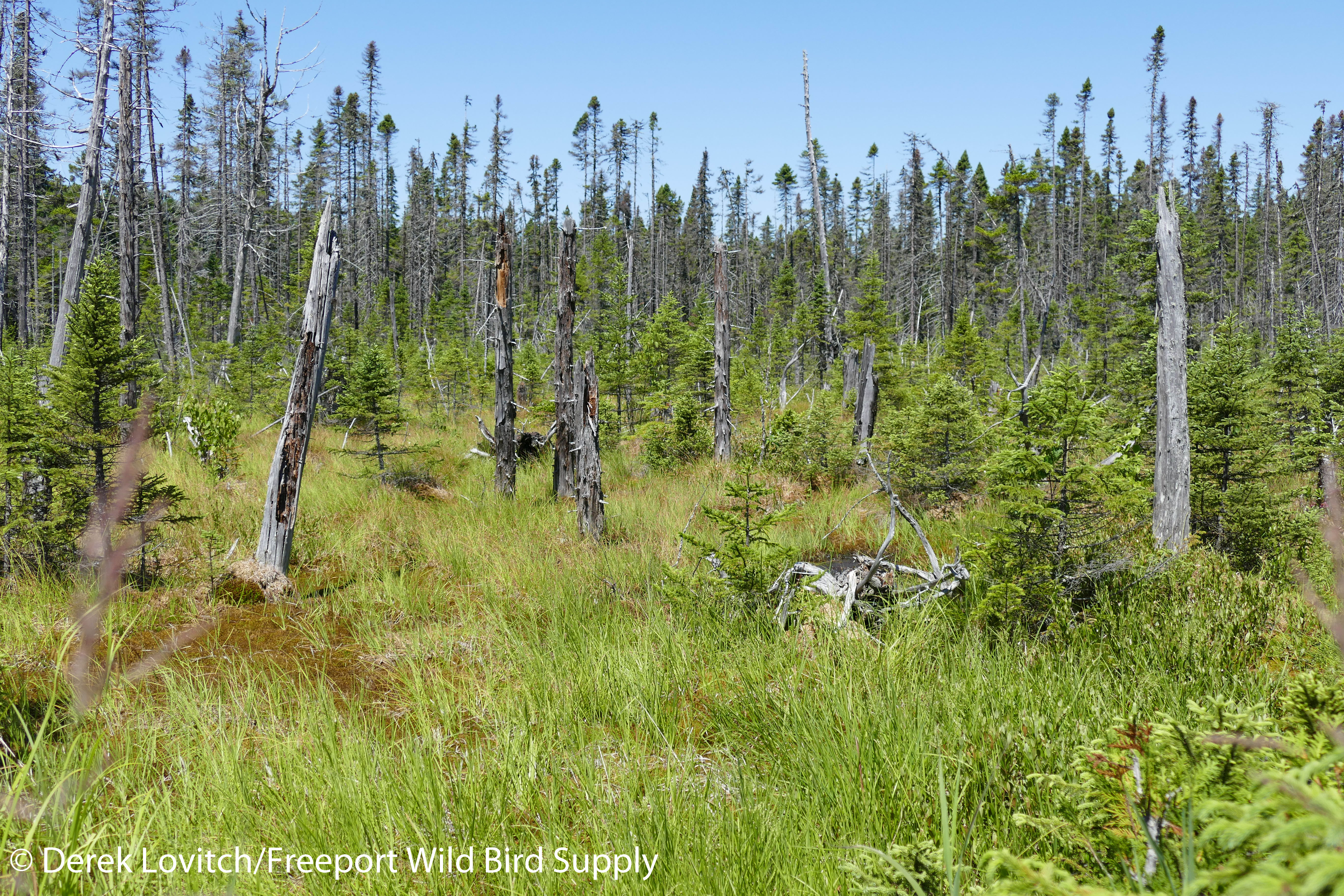
7. park_woodpecker_habitat,7-18-19-edited

We continued to explore, and the combination from the recommendations of a friend (thanks, Luke!) and an unrelated tip from a park ranger, led us to unmarked trail that lead us to Nesowadnahunk Lake and the adjacent campground.
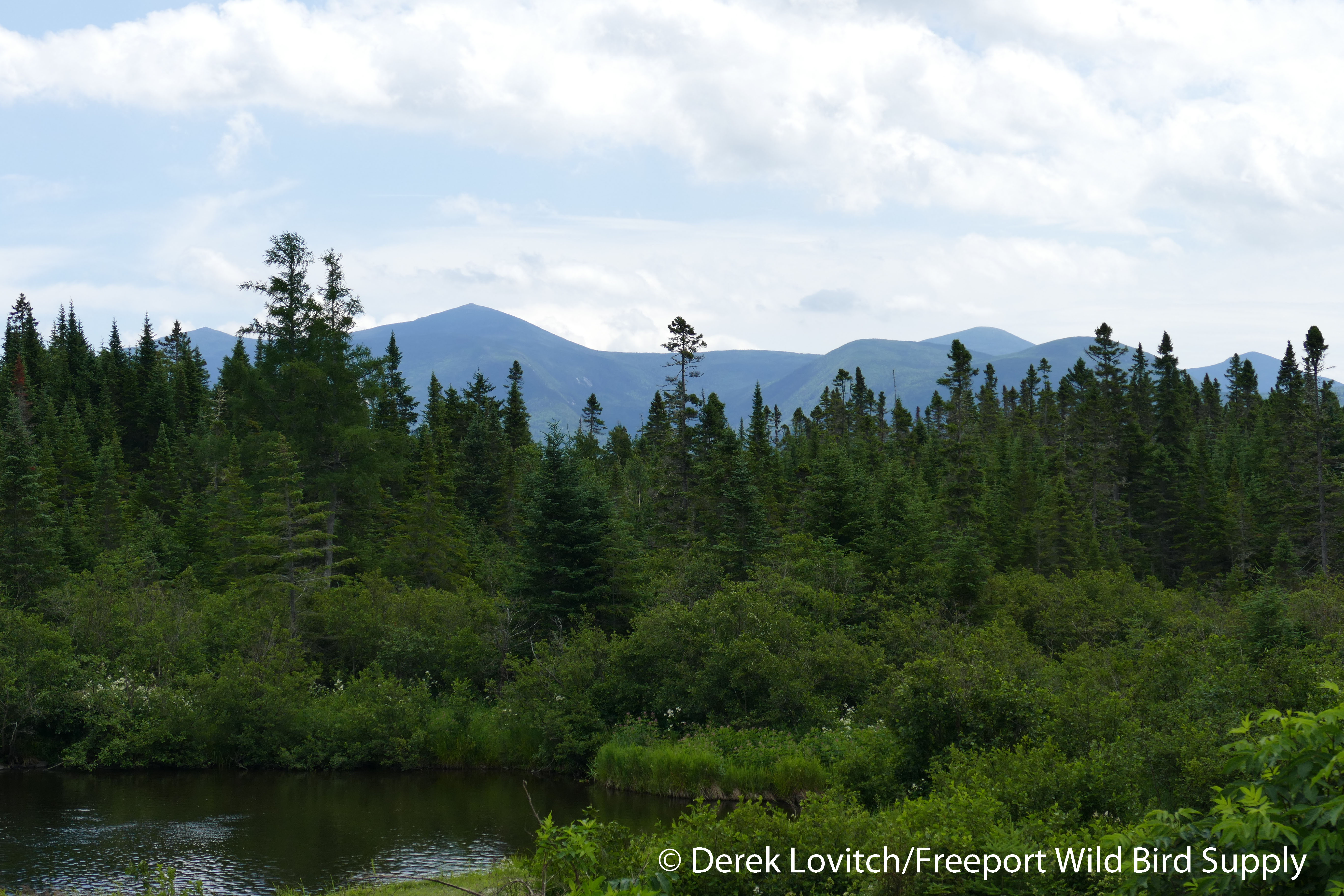
8. Kahtadin_from_NesowadnehunkLake,7-17-16_edited-1

Besides the view, a few “trip birds” on the water, and a cold drink, we finally put together vague sightings reports to figure out that some of the summer’s American Three-toed Woodpecker reports were from this road to THIS campground. Of course, it was the mid-afternoon, and it was now the worst time of day at the worst time of the summer to find secretive boreal woodpeckers!

But we had a plan for the morning now, and although we hustled back to the car with an approaching thunderstorm, we had renewed optimism for our search.

We worked our way back south on the Tote Road, spending a couple of hours casually birding in the trails of the Tracey-Elbow-Grassy Pond area. A pair of Boreal Chickadees, a couple of family groups of Ruby-crowned Kinglets, and plenty of Yellow-bellied Flycatchers were seen and heard, while Grassy Pond hosted 16 Ring-necked Ducks and 5 Common Goldeneyes.
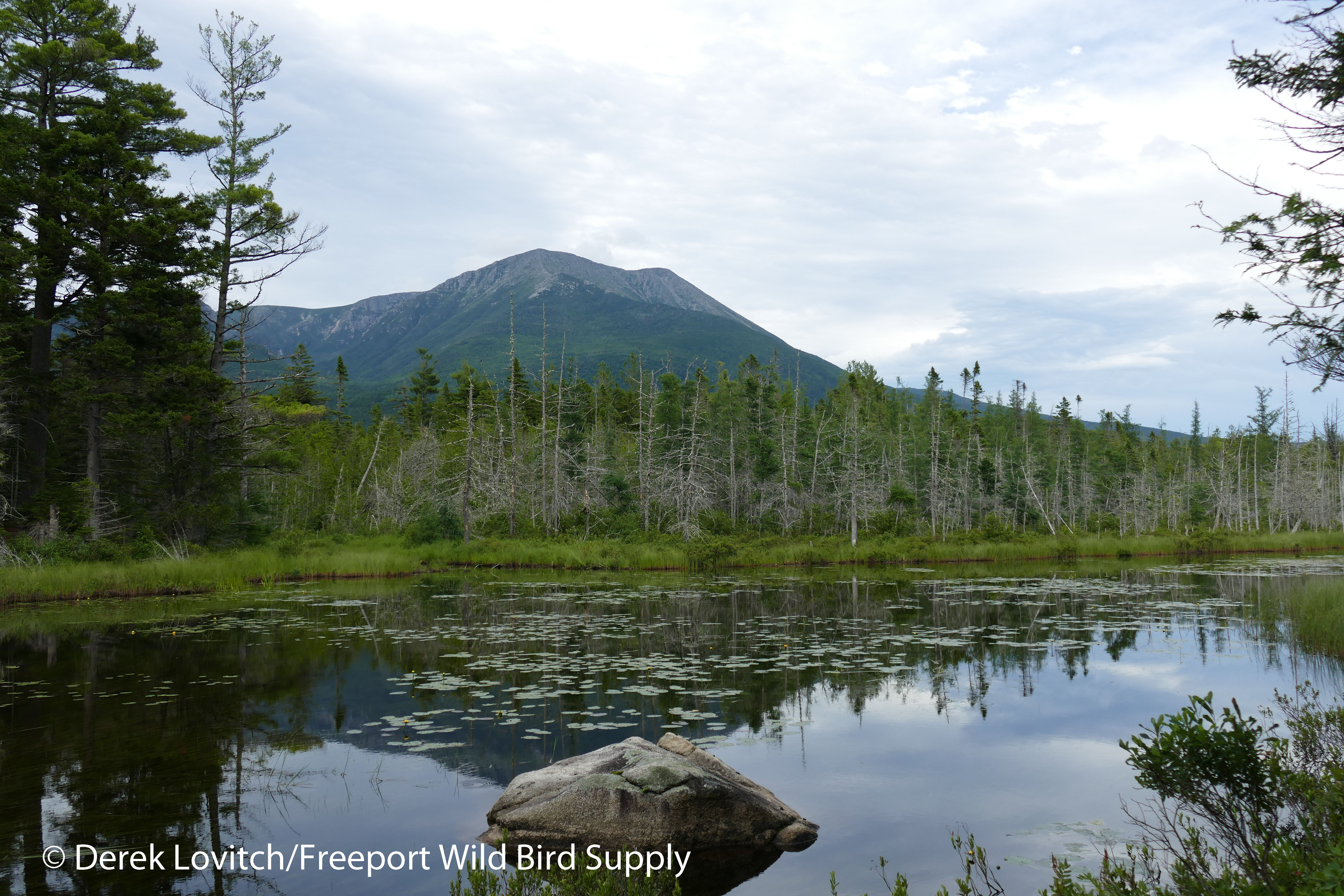
9. Kahtadin_from_Grassy_Pond-edited

Mostly, however, we studied plants, insects, and other general nature observation. Stunning Ebony Jewelwings were everywhere…
10. matingEbony_Jewelwings_edited-1

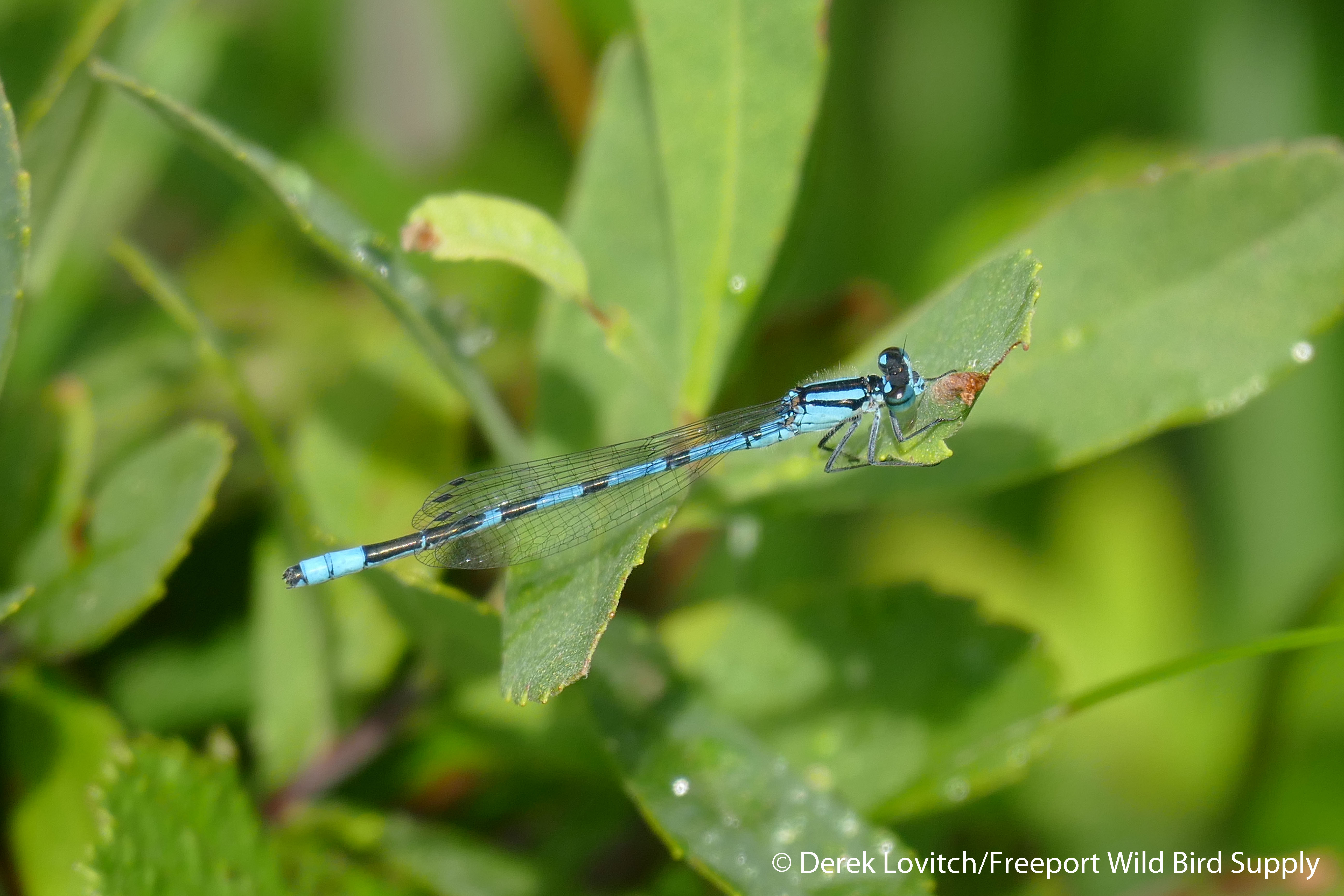
…and we learned what a gorgeous damselfly the Variable Dancer was.
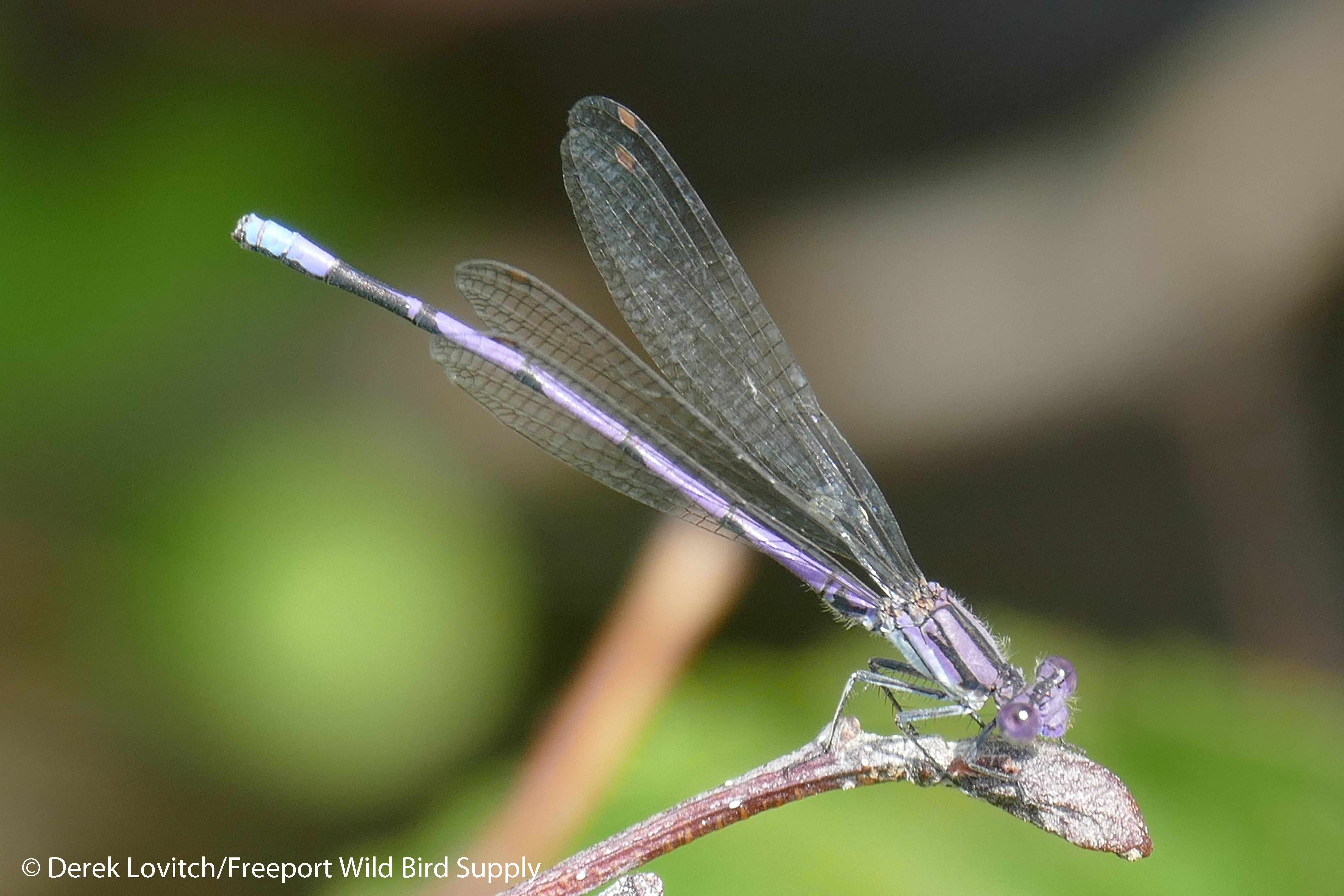
11. Variable_Dancer_edited-1

12. Boreal_or_NorthernBluet_edited-1
Boreal or Northern Bluet

Of course we continued to look for birds, and Evan tried creatively to get a closer look at a family group of Red-breasted Nuthatches…
13. Evan_closer_look_edited-1

…photographed a confiding Red Squirrel…
13a. Red_Squirrel_edited-1

…but perhaps this is why we haven’t been seeing many woodpeckers!
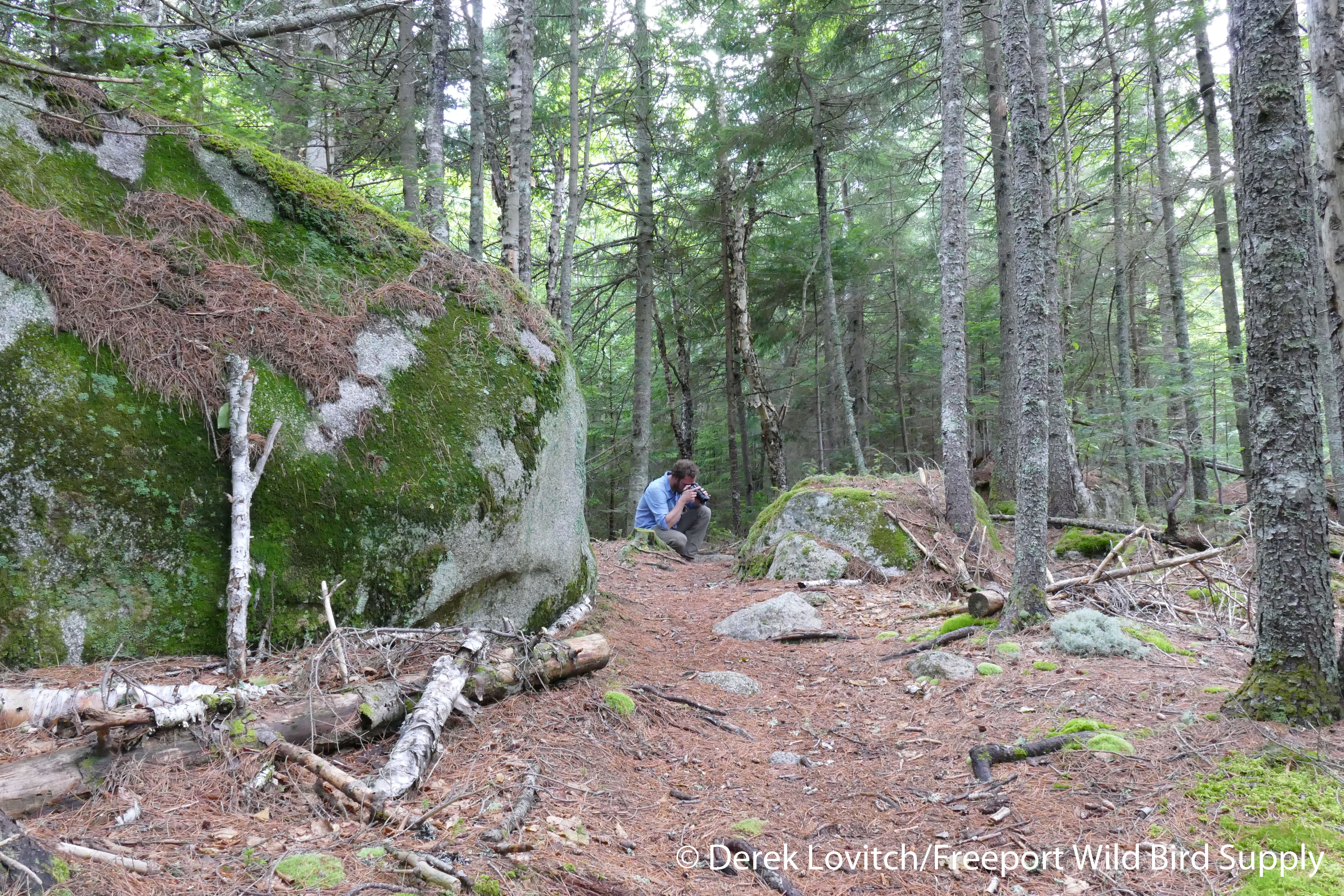
14. why_we_werent_finding_woodpeckers_edited-1

15. lichen_garden_edited-1

We offered advice to a hiker who was making the rather-tame bug situation much worse for herself, changed a tire from a tourist clearly out of her element, and gave a lift to two guys who might have been off a little more than they can chew on their day hike. As we left the park, we were feeling pretty good about having built up some good karma for the next day’s dedicated (and less lazy!) effort to see a three-toed woodpecker!  When the two guys tried to give us some money for the lift, we of course refused, as I said something like “return the favor someday.”  We had no idea how soon we would need such favors.

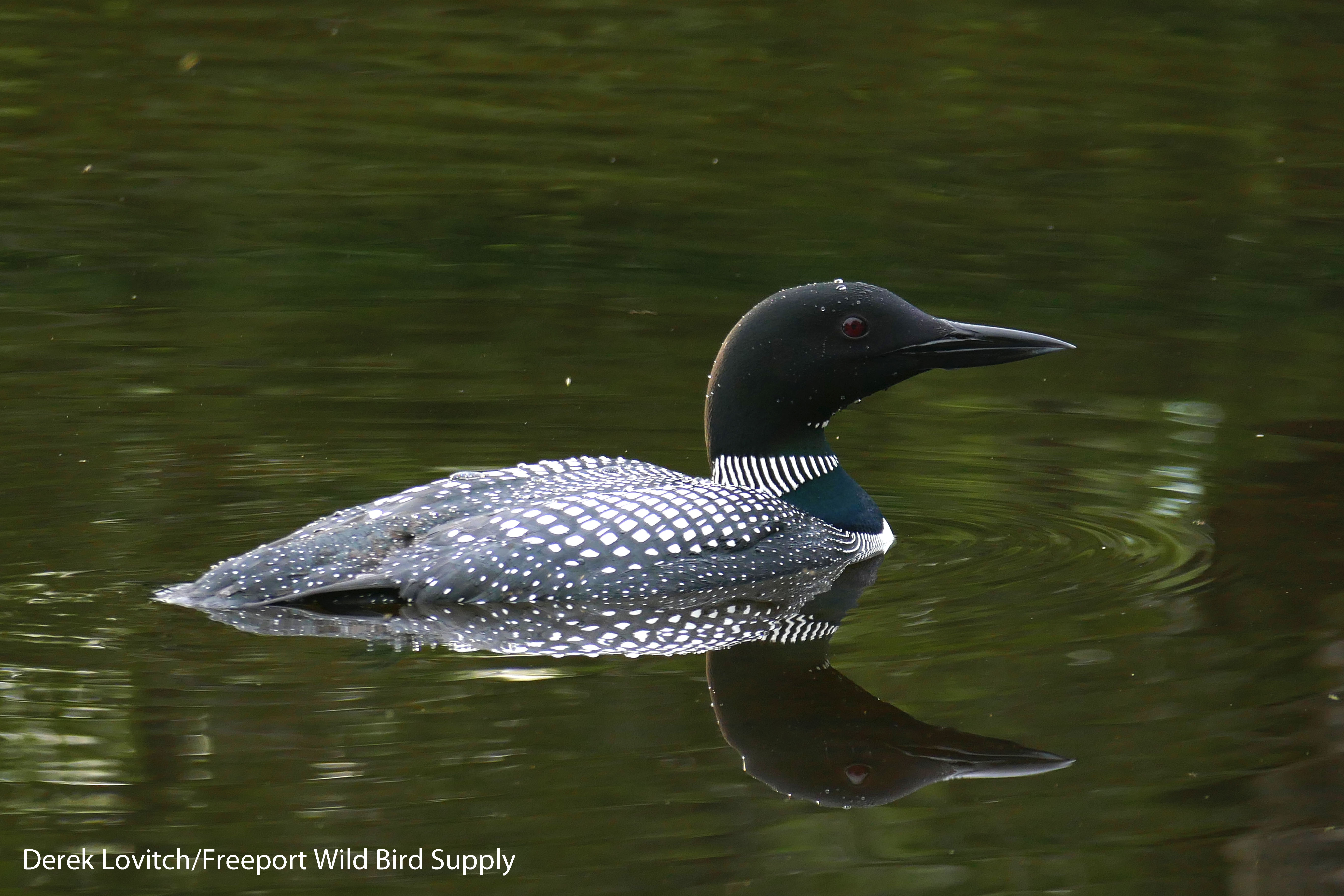
Back at our campsite at the Abol Bridge Campground (our last-minute trip precluded any chance of getting a site in the park, plus we wanted to stay between the park and the Telos Road area), we spent some time photographing the pair of loons in the river/pond behind our tent.
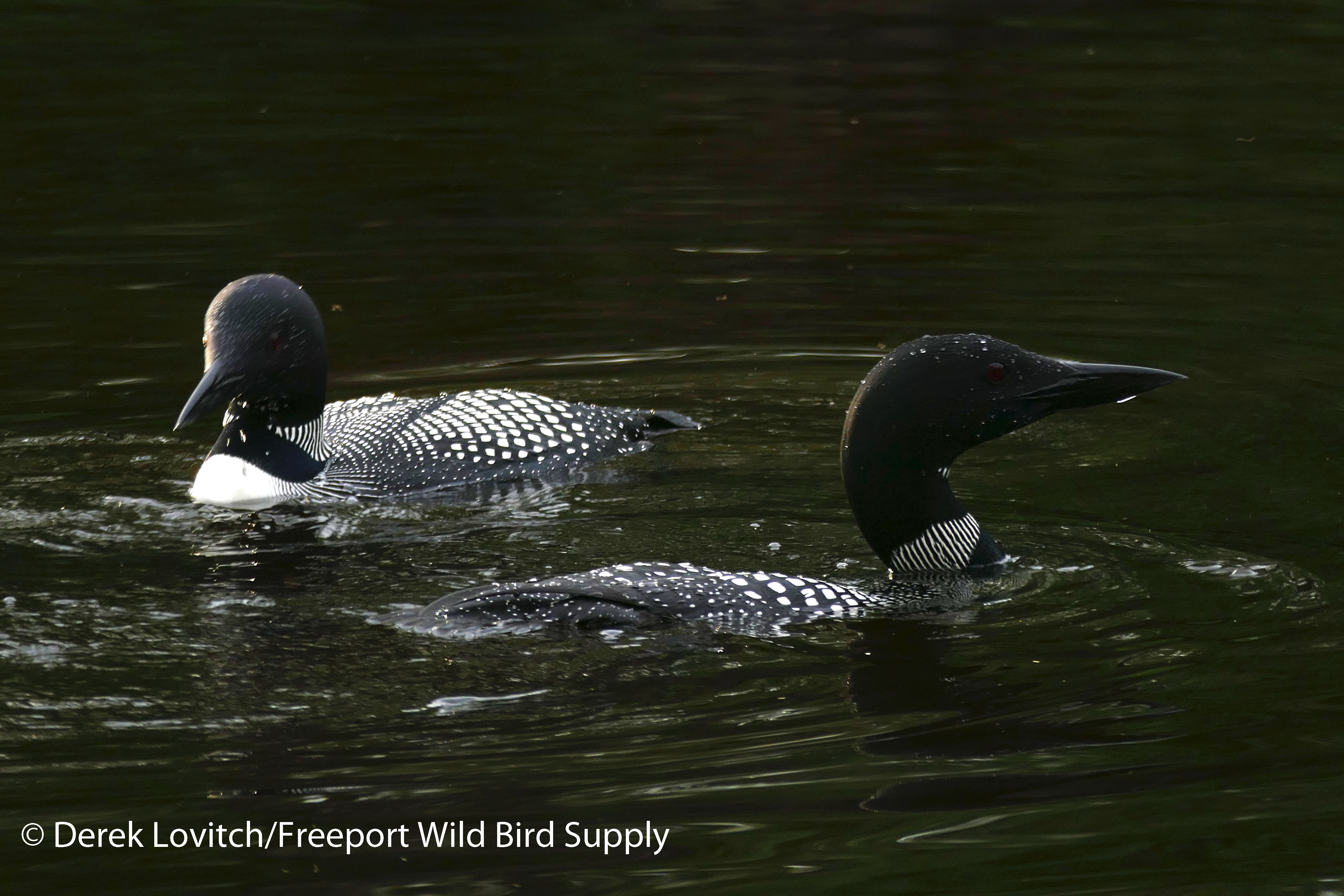
16. COLO_pair_edited-117. L1050464_COLO1_edited-118. L1050458_COLO2_edited-1

And then Evan prepared dinner…local (from Lincolnville) Belted Galloway steaks and wild-foraged chanterelles (earlier, Evan yelled for me to “stop” while we were driving. I thought he just saw a woodpecker, or a ghost. Nope, he saw mushrooms).
21. dinner2_edited-1
20. dinner_served_edited-1

Although we were still sans American Three-toed Woodpecker(s), we had a great day, and the sunset was the icing on the cake!
22. sunset1,7-18-16_edited-1

On the morning of our last day, we some how struggled out of the campground before even coffee, focused on seeing the woodpecker. We decided to first try the spot along the entrance road to the Nesowadnahunk Campground (not to be confused with the Nesowadnahunk FIELD Campground in the park) via Telos Road.

Stomping around the edges of a clearcut and bog for a while, it was beginning to feel hopeless, and we decided to stop at the campground for a cup of coffee, before heading further up Telos Road to renew our search in the promising spot off Harvester Road.

However, I noticed a diffuse trail on an old skidder track; almost exactly at the posted milemarker 6 (which was the only specific location given in the handful of vague eBird reports). We walked all of about 30 yards when this happened:
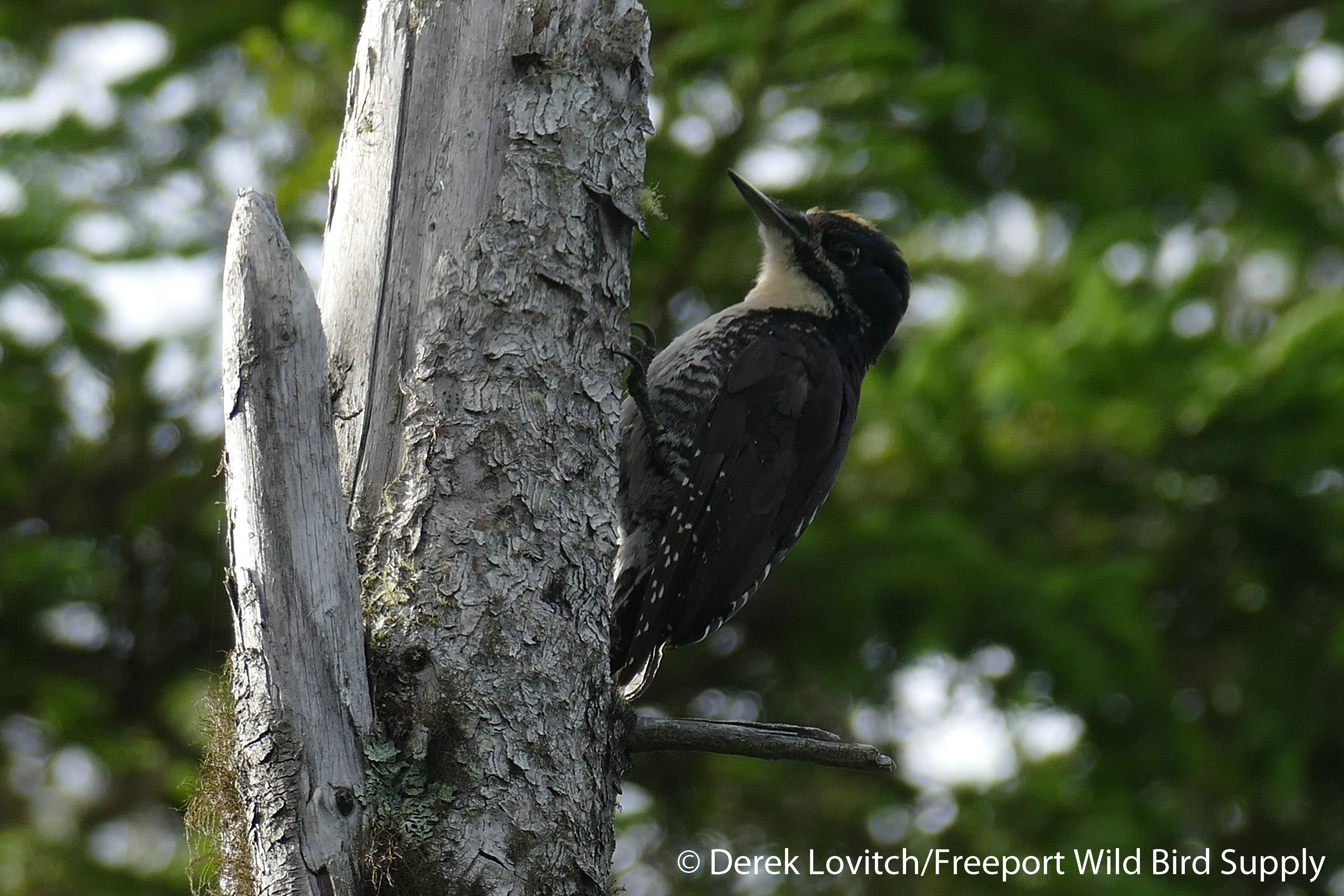
23. L1050571_firstATTW_male,NesowadnahunkRd, 7-19-16_edited-1

I am fairly sure a second bird we saw briefly was a juvenile, being fed by the male. We followed the male for a while, taking hundreds of photos, while basking in the glory of our success (my 372nd bird in Maine and #1 for about the fourth year in a row on my Predictions List of my next personal State Birds) and in the glory that is the enigmatic American Three-toed Woodpecker.
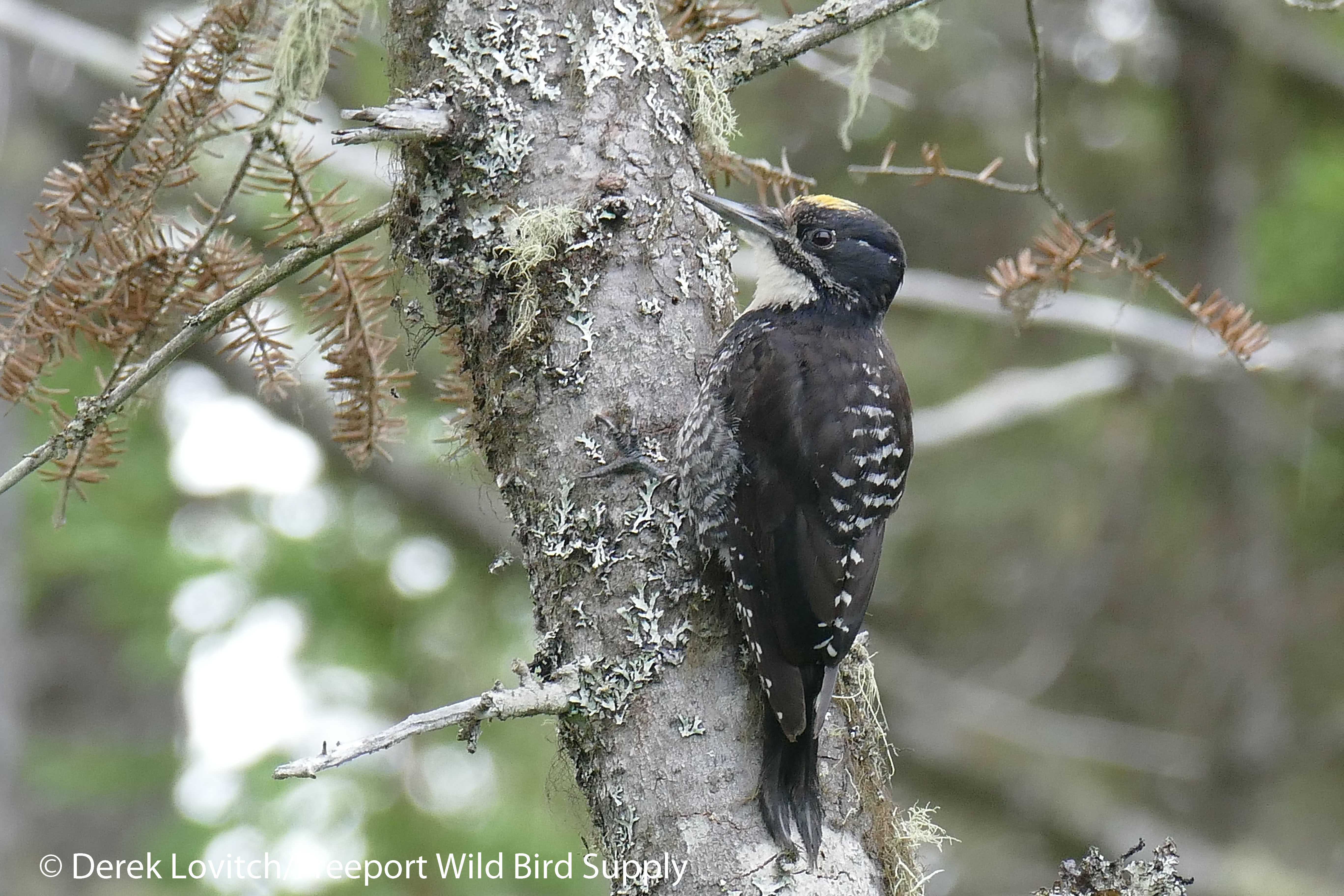
24. L1050633_ATTW_male1,NesowadnahunkRd, 7-19-16_edited-125. L1050644_ATTW_male2,NesowadnahunkRd, 7-19-16_edited-126. L1050597_ATTW_male3,NesowadnahunkRd, 7-19-16_edited-127. L1050579_ATTW_male4,NesowadnahunkRd, 7-19-16_edited-128. L1050645_feedingATTW_male,NesowadnahunkRd, 7-19-16_edited-1

We then found the female, and watched and photographed her for a while.
29. L1050653_ATTW_female1,NesowadnahunkRoad,7-19-16_edited-130. L1050690_ATTW_female2,NesowadnahunkRoad,7-19-16_edited-1

One Red Crossbill – our only non-Purple finch of the trip – passed overhead, but we barely looked up.

Happy that we were successful in our search, we hatched a plan to casually bird and explore for the rest of the day, stopping to photograph bugs and abundant Snowshoe Hares.
31. L1050739_SnowshoeHare,TelosRd,7-19-16_edited-1

Then this happened:
“Ffffffhhhhhhhhhhhhhhhhhhh……tttttttsssssssssssssssss….”
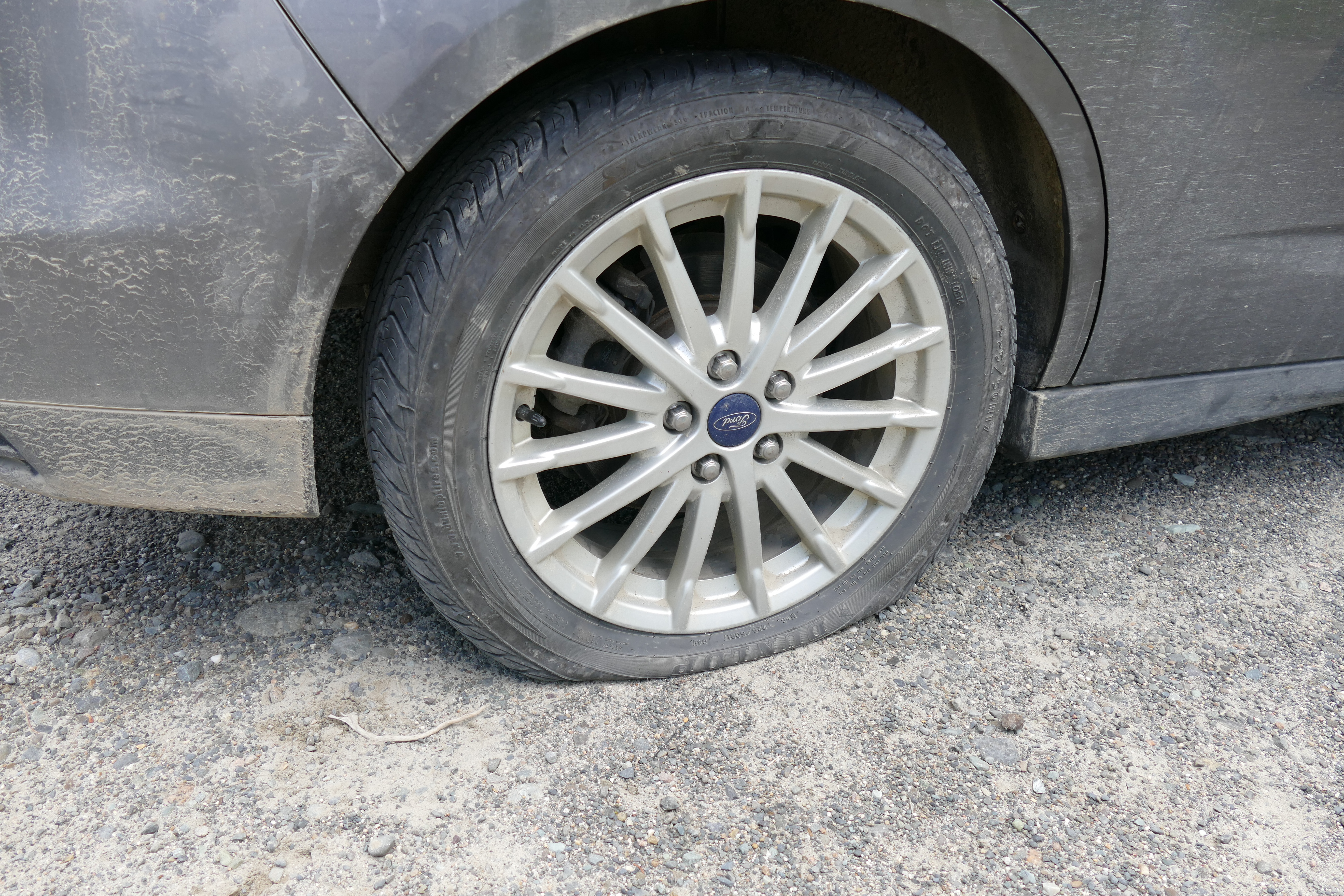
32. tire

So….my car, like a lot of new cars, especially hybrids, comes with a pump and canister of fix-a-flat instead of a spare or a donut. Unfortunately, the canister of goo attached to the pump didn’t work.

The roads up here are notorious for shredding tires, thanks to the underlying flint bedrock that occasionally chips and breaks into upright daggers, aimed perfectly for taking on even the heaviest duty of truck tires.

A couple, heading down from the checkpoint, stopped, and offered a better plug than our impromptu creation, and a fresh can of Fix-a-Flat. The tire inflated, air was not heard, and we thought we were good to go.

We rolled about three feet, and the “giant Nelson’s Sparrow” sound returned.

“Ffffffhhhhhhhhhhhhhhhhhhh……tttttttsssssssssssssssss….”

Good thing we were about 15 miles from a phone (and yes, you can forget about cell service in these parts, as we knew).

Two loggers, their workday cut short by a broken part, happened by, and we hopped in. They generously took us in the opposite direction they were heading to deliver us back to the Abol Bridge Campground. A very insightful conversation about logging, the economy, and the possible National Park/Monument ensued.

“Umm, hi again. Can we use your phone?” I called Ford Roadside Assistance.

We waited for the tow truck confirmation. It didn’t come.

Not wanting to tie up the phone line incase that confirmation came through, I paid for the wifi and texted Jeannette. She called Ford. Apparently, the service was on hold.

I’ll make a long story short: Ford Roadside Assistance sucks. When we finally got a tow truck (thanks to a tip from our very helpful waitress and calls from Jeannette), it turned out that John – really the only option – told them what it would cost and they refused to pay it, even though I had already approved ANY cost overruns beyond their allocated $100 for towing. I knew $100 wasn’t going to get us very far. Of course, I would have liked to have known they refused it.

At least there was beer on tap – we needed it! – and a very good plate of poutine. More great conversation, with hikers just starting on the AT, and another just about finished, and the staff of the campground and restaurant passed the time.

Luckily, John was available, picked me up at the campground and we went up to the car (Ford told me to return to my car – in the middle of nowhere, without any kind of phone service – and wait for their tow truck which was still not arranged), loaded it up, and he entertained us with some really great stories on the long drive to Medway for the new tire.

A $110 tire, a $245 tow (yes, the complaint has already been filed with Ford), and 5 ½ hours later, we departed for the long drive home. It had just become a very expensive state bird!

To be honest, the “adventure” and the quality of the conversation (not to mention the beer and poutine), the clichéd but very real “kindness of strangers,” and the overall experience somehow turned into a highlight, rather than a lowlight.

That being said, as I mentioned to Evan as we stood there staring at the irreparable tire after the plug gave way “Good thing we actually saw the woodpecker!”

Note: All photos taken with a Leica V-Lux (typ 114)…Available at Freeport Wild Bird Supply!
The 2014 “Claybrook Mountain Lodge Birding Weekend” Trip Report

WTSP,N
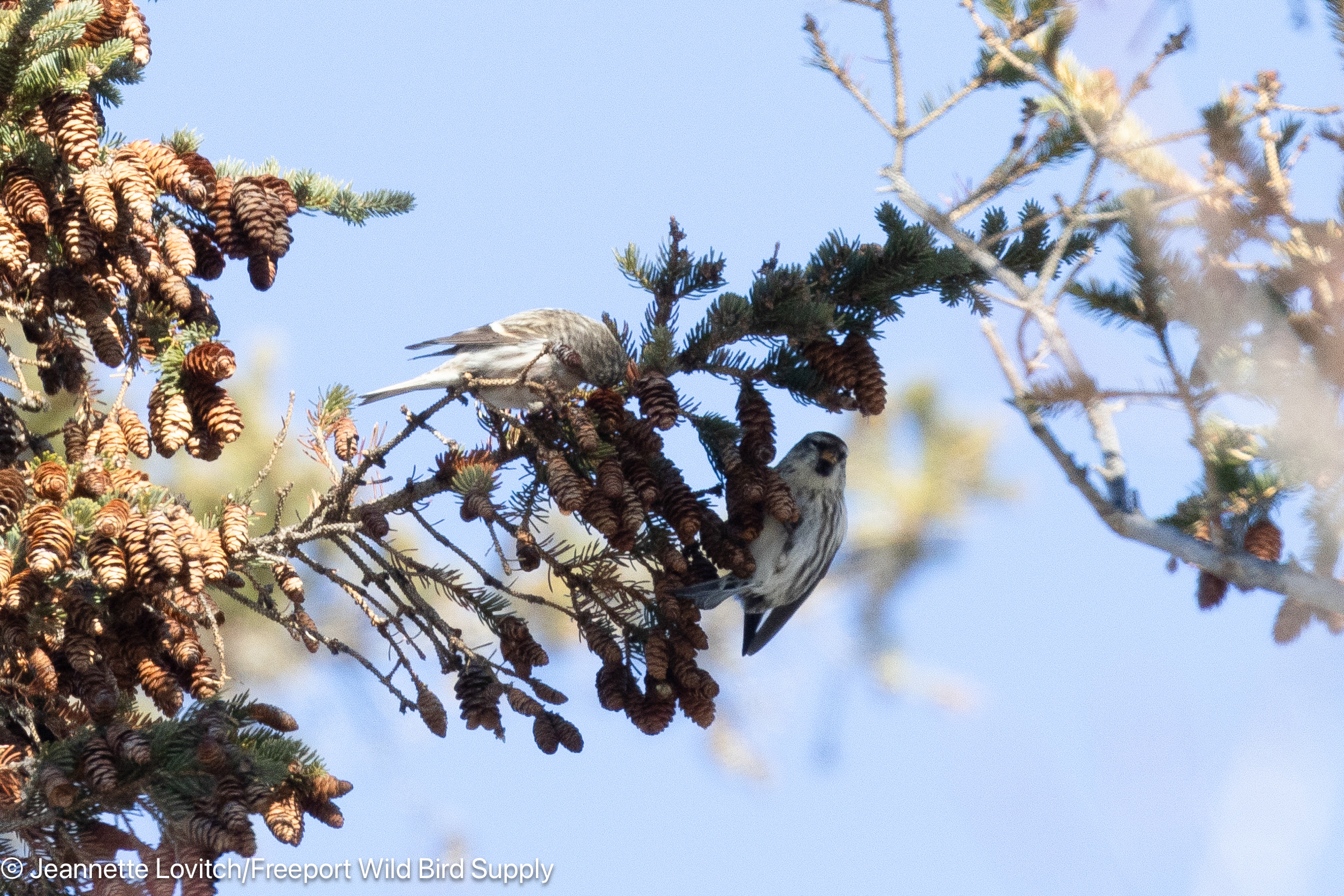
White-throated Sparrows were one of an impressive 87 species of birds recorded in just 2 days of birding on this enjoyable, “Maine Woods Immersion” tour.

The “Claybrook Mountain Lodge Birding Weekend” tour is one of my favorite outings that we offer. Its focus is not about species, but learning about habitats, and immersing ourselves in the birds, plants, and wildlife of the Maine Woods. This is a different style of tour than what usually occupies me in June. Following private tours for “target species” and three trips for Bicknell’s Thrush, this is a welcome change of pace. It’s a nice way to end my June guiding busy-season.

While the goal of the trip is to see a lot of species, and we were all excited to reach – and then eclipse – the 85 species spotted on this trip in 2012, the list is just record-keeping; it is not the primary purpose. Instead, our goal is to spend two days immersed in birds: learning songs, observing behaviors, and simply enjoying the diverse avifauna that summer in Maine has to offer.
Lodge,K

We began on Friday afternoon, with the group assembling on the porch and lawn of the Claybrook Mountain Lodge. A Yellow-bellied Sapsucker nest was found, a Great-crested Flycatcher sallied for bugs around the garden, and a various birds foraged in the trees, from Red-eyed Vireos to an American Redstart while Tree and Barn Swallows zoomed around.

After our first scrumptious dinner, we enjoyed some casual birding in the evening light, and then headed out at dusk for a little owling. Of course the Barred Owl – as is often the case at this season – waited for just about everyone to fall asleep before finally calling nearby.

On Saturday, a stroll before breakfast resulted in lots of “awwww’s” when a family group of recently-fledged Eastern Bluebirds were discovered.
EABL_kids,N

Fueled by a hearty breakfast, we boarded the van and Greg Drummond – a master of the Maine Woods – took us around, as we worked our way up and down Long Falls Dam Road. We sampled a variety of habitats, starting in the mostly-deciduous woods around the lodge and working our way in and out of spruce-fir-tamarack dominated bogs.
Kettle_bog,K

Some of the bogs we visited hosted some of the species reaching the very southern limits of their breeding range, such as Palm and Wilson’s Warbler, Ruby-crowned Kinglet, and Yellow-bellied Flycatchers. Meanwhile, species such as Pine Warbler are at their northernmost reaches. Over the course of the day, other avian highlights included two well-seen American Bitterns, at least four different Yellow-bellied Sapsucker nest holes, displaying Wilson’s Snipe, Common Merganser chick riding Mom’s back across Flagstaff Lake, and lots of good looks at a wide range of species.

Of course we looked for Boreal “specialties” including the likes of Black-backed Woodpeckers, Boreal Chickadees, Gray Jays, and “spruce” warblers such as Bay-breasted and Cape May. While it is unfortunate that the boreal forest pockets that we did hit failed to produce any of these birds today, it is the habitat that is the primary focus – I have other tours if the “Boreal Breeders” are primary targets. They would have just been another layer of icing on the cake. The dearth of finches in Maine this summer was also apparent – only Purple and goldfinches were seen this weekend.

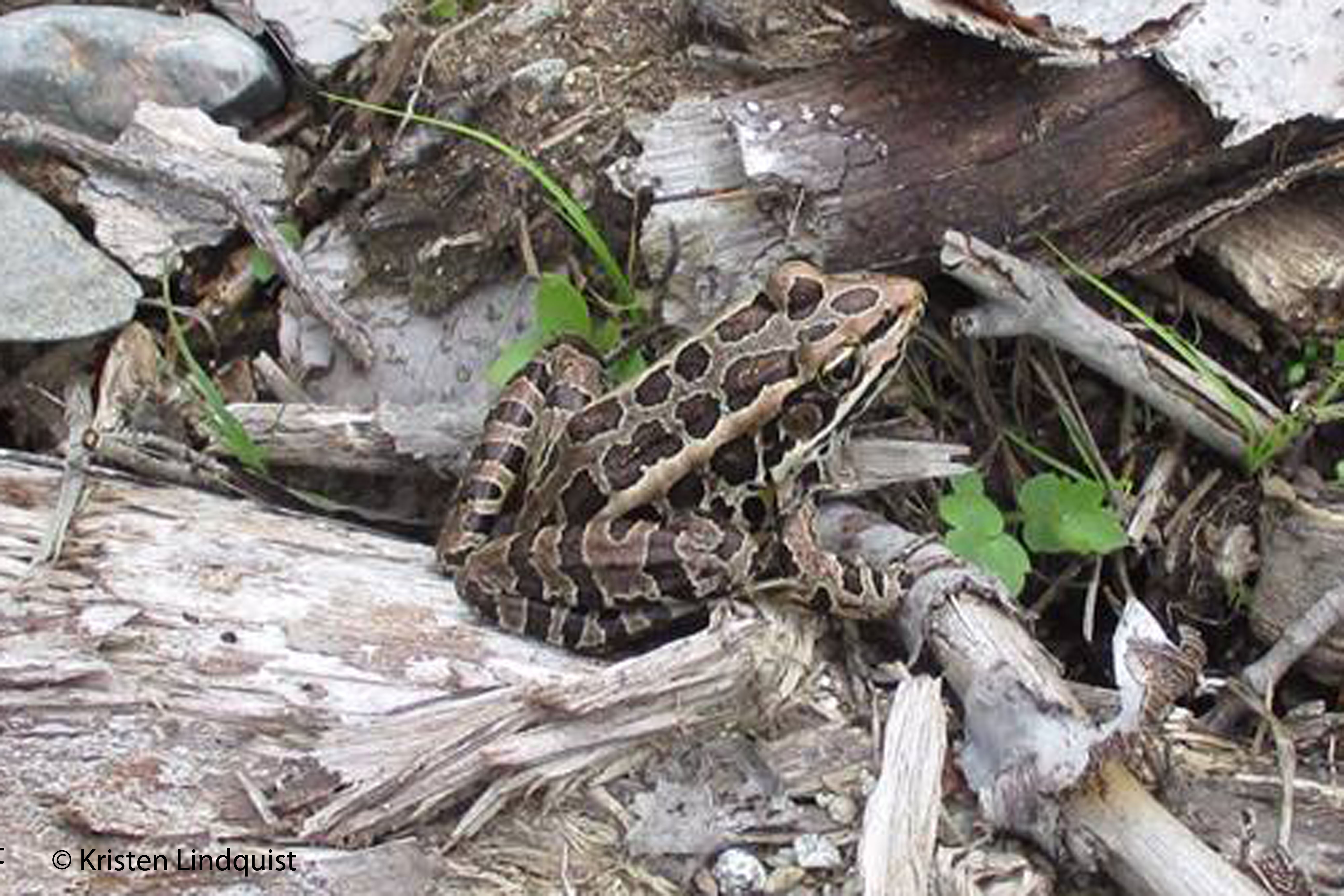
In addition to spending time to stop and smell the Twinflower (which at one point resulted in the startling discovery of a Dark-eyed Junco nest), we spent a lot of time studying and discussing habitats. Birds are our priority, but a host of other species was enjoyed, from a variety of butterflies to a range of amphibians. In fact, after adding a Northern Leopard Frog early Sunday morning, we heard – and for the most part, saw –  all of Maine’s frogs and toad: Green, Mink, Bull, Pickerel, Leopard, Spring Peeper, Gray Tree Frog, and American Toad!
Pickerel_Frog,K

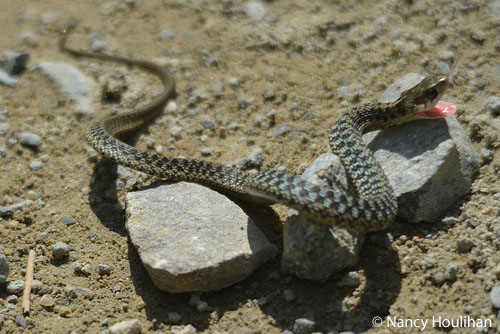
The world’s most aggressive young Garter Snake –of the checkered and non-gartered “Maritime” subspecies – put on quite show and we all enjoyed seeing so many Snowshoe Hares on our morning drive…and lots of Moose sign.

Maritime_Garter_Snake,N Maritime_Garter_Snake,K

Plants were not ignored either. In addition to looking at the trees that make up the various habitats here, we checked out a range of wildflowers, and especially marveled at the magnificent plants of the bog, such as the insectivorous Sundew…
Sundew,K_Lindquist_edited-1

…and the surprising flowers of the Pitcher Plant.
Pitcher_Plant_flower,K

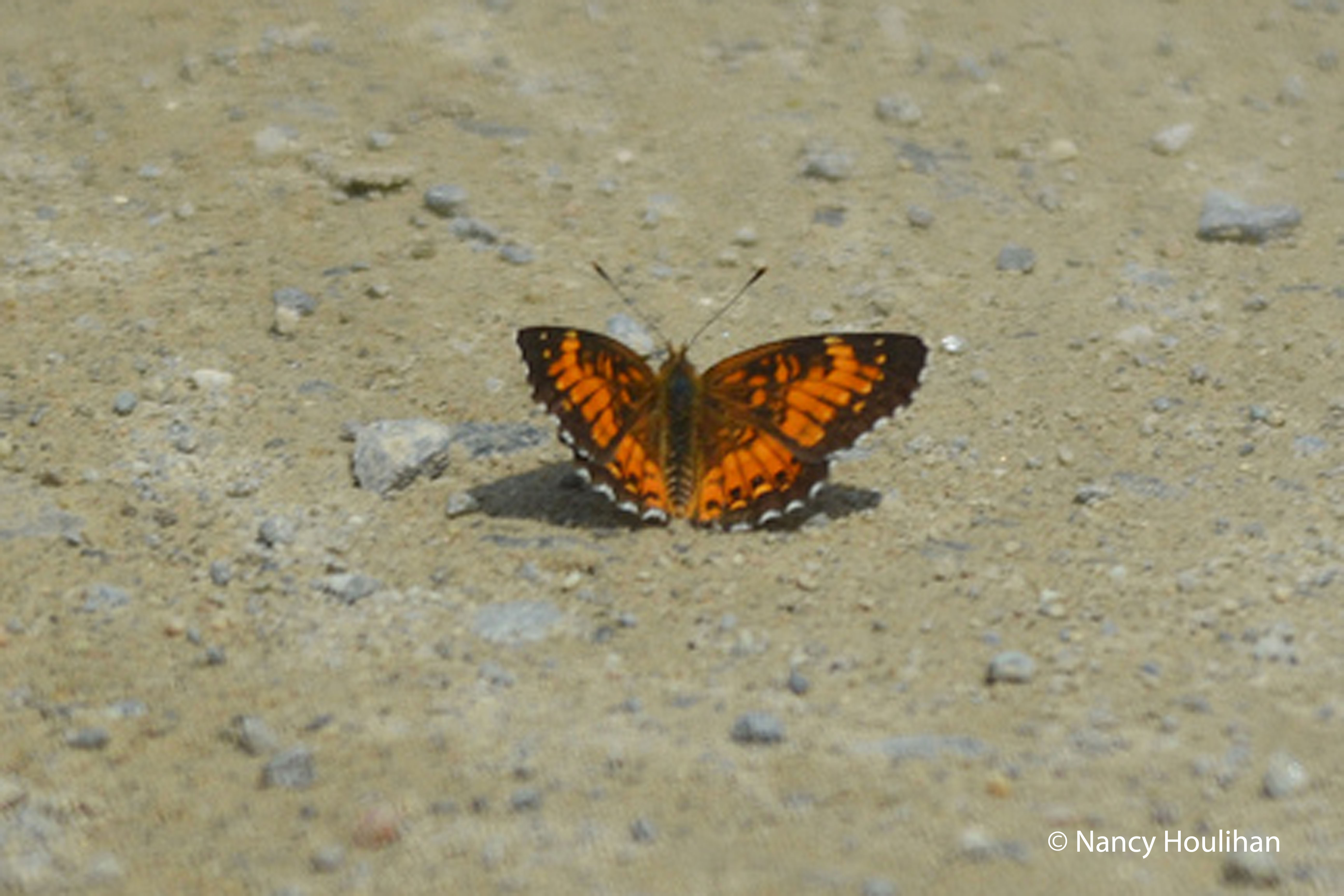
Butterflies included numerous Northern Crescents and Canadian Tiger Swallowtails, but also some clusters of the bog-breeding Harris’s Checkerspot.
flutterby,Nancy_Houlihan_edited-1

All the while we learned about life in the Maine Woods from Greg. Whether it was explaining Moose tracks, showing bear scratches, or explaining the good, the bad, and the ugly of timber and wildlife “management,” his wealth of knowledge about so many topics is one of the best aspects of this tour – I for one learn a ton from him every time he points something out.

So this tour benefits from Greg’s knowledge and expertise…and Pat’s home cooking!  Perfectly-simple sandwiches on homemade bread are packed for lunch, and when Greg takes us to a place like this to devour them, well, it’s as good as life can get.
Lunch_at_Flagstaff,K

It was hot, and birds were quiet in the afternoon. We checked a few patches on the way back to the lodge – as much for the forest as its birds – but everyone welcomed the designated naptime.  Another delectable dinner fueled our bonus evening tour, when Greg took us out once again to hit some local hotspots, and our list grew, as did our collection of breathtaking views and lovely photos.

Back_Road_Bog,K

We were up and at it again shortly after sunrise on Sunday, but I postponed our planned walk of the Drummond’s 200-acres of carefully-managed property (we compared and contrasted these woods to those ravaged by the likes of Plum Creek). Instead, we set out in pursuit of Mourning Warblers – breaking my rule of not going after “target birds” on this trip!  But after failing to turn one up at several seemingly-promising stops on Saturday, and after hearing how many people had not seen a MOWA for their year, ABA, or even life lists, I decided to bend the rules a little. Besides, we are in one of the best areas for this charismatic species.

Besides, I think Greg likes a challenge!  A loop through some likely spots in the area failed to produce however, but as Greg passed by one last clearcut, he slammed on the breaks. And sure enough, within just a couple of minutes, we all had our binoculars on a most-cooperative Mourning Warbler! I think Greg was as happy as anyone…as usual, I was relieved as much as anything (I’m not supposed to get guide-stress on this trip!).

Returning to the lodge, we took a walk through the woods, adding a couple more species to the list, and checking out the famous “bear pole” where generations of Black Bears have come to sent mark – and take chunks out of the last bear’s efforts.
Bear pole, Me_edited-1

Following lunch on the porch, we began our journey home by caravanning down to Gilman Pond.  Osprey and Common Loon at the lake we added to our list, more Bald Eagles were spotted, and at the farm along the road, Canada Geese, Bobolinks, and Killdeer were our final “new” birds for the trip.
Gilman_Pond,K

But I was presented with one last challenge. A persistent call from the edge of the pond in the meadow had me at a total loss.  Then, there was a second individual, confusing things further. I wracked my brain and went through every possible species I could think of – from the common to the rare. I was leaning towards Common Gallinule – a rarity in Maine, but not a stretch given the nearby habitat – when somehow I spotted a distant shorebird head poking through the grass.  As I got the scope on what was probably a Wilson’s Snipe, the bird took off, flew closer to us, and called. Then, our mystery sound burst from the grass, and fluttering towards the adult. “Baby snipe!” I exclaimed.  Mystery solved. And with that – and with rapidly rising temperatures – the trip concluded. A learning experience for all was just right to bring a successful Claybrook Mountain Lodge Birding Weekend Tour to a close.

When all was said and done, our 48-hr trip list was 87 species of birds, including 19 species of warblers. While this is not a “listing” trip with focused effort on specific species (well, mostly; see above), our objective is to see a wide range of the breeding species of the Maine woods. That, we most certainly accomplished. Here’s the complete list.

(* indicates juveniles or active nests observed; doesn’t include the array of other breeding behaviors observed, such as “carrying food” or “agitation.”)

Canada Goose*
Wood Duck
American Black Duck
Mallard*
Hooded Merganser*
Common Merganser*
Common Loon
Double-crested Cormorant
American Bittern (4!)
Great Blue Heron
Turkey Vulture
Osprey
Bald Eagle
Wilson’s Snipe*
Ring-billed Gull
Mourning Dove
Barred Owl
Ruby-throated Hummingbird
Belted Kingfisher
Yellow-bellied Sapsucker*
Downy Woodpecker
Hairy Woodpecker*
Northern Flicker
Pileated Woodpecker*
Eastern Wood-Pewee
YELLOW-BELLIED FLYCATCHER
Alder Flycatcher
Least Flycatcher
Eastern Phoebe*
Great-crested Flycatcher
Eastern Kingbird
Blue-headed Vireo
Red-eyed Vireo
Blue Jay
American Crow
Common Raven*
Tree Swallow
Barn Swallow
Black-capped Chickadee*
Red-breasted Nuthatch
White-breasted Nuthatch
Winter Wren
Golden-crowned Kinglet
RUBY-CROWNED KINGLET
Eastern Bluebird
Veery
Swainson’s Thrush
Hermit Thrush
American Robin
Gray Catbird
European Starling*
Cedar Waxwing
Ovenbird
Northern Waterthrush
Black-and-white Warbler
Nashville Warbler
MOURNING WARBLER
Common Yellowthroat
American Redstart
Northern Parula
Magnolia Warbler
Blackburnian Warbler
Yellow Warbler
Chestnut-sided Warbler
Black-throated Blue Warbler
PALM WARBLER
Pine Warbler
Yellow-rumped Warbler
Black-throated Green Warbler
Canada Warbler
WILSON’S WARBLER
Scarlet Tanager
Chipping Sparrow*
Savannah Sparrow
Song Sparrow
Swamp Sparrow
White-throated Sparrow
Dark-eyed Junco*
Rose-breasted Grosbeak
Bobolink
Red-winged Blackbird
Common Grackle
Purple Finch
American Goldfinch

I hope you will join us when we return in 2016! (For more information on this, and other Freeport Wild Bird Supply tours, visit the “Tours, Events, Workshops, and Programs” page of our website.

group_birding,K