Tag Archives: Black-backed Woodpecker

This (Two) Week’s Highlights, 6/18-6/27/2025

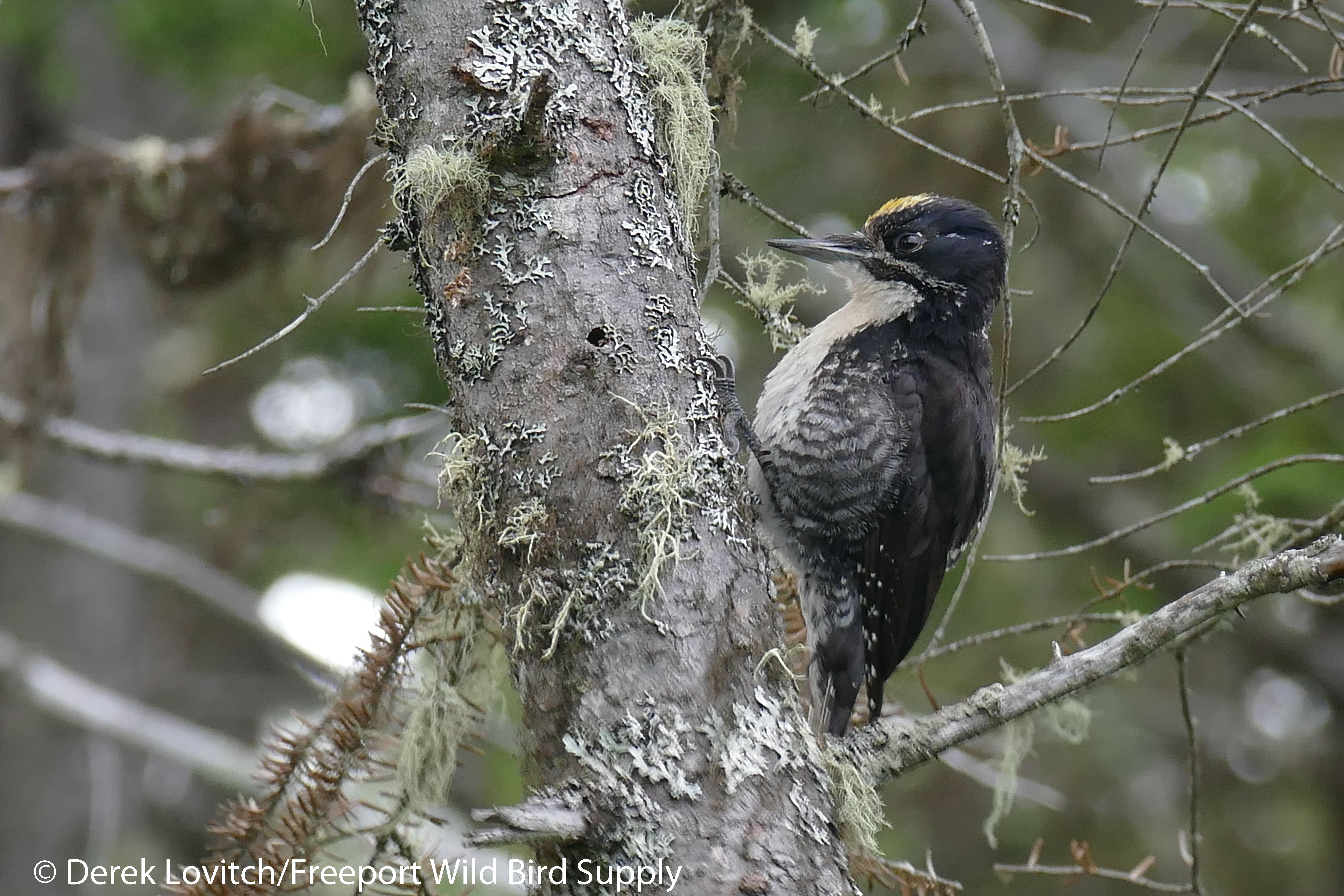
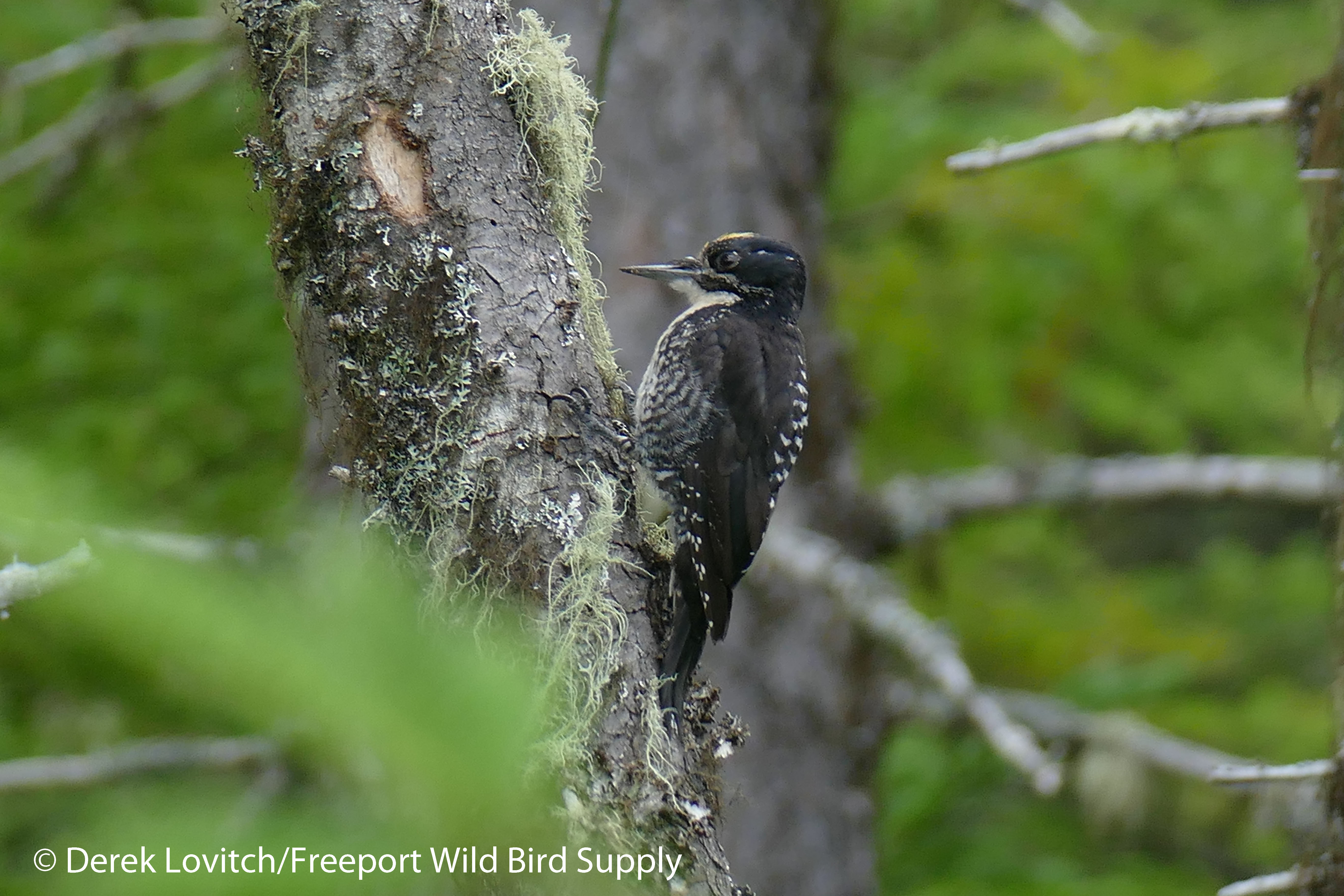
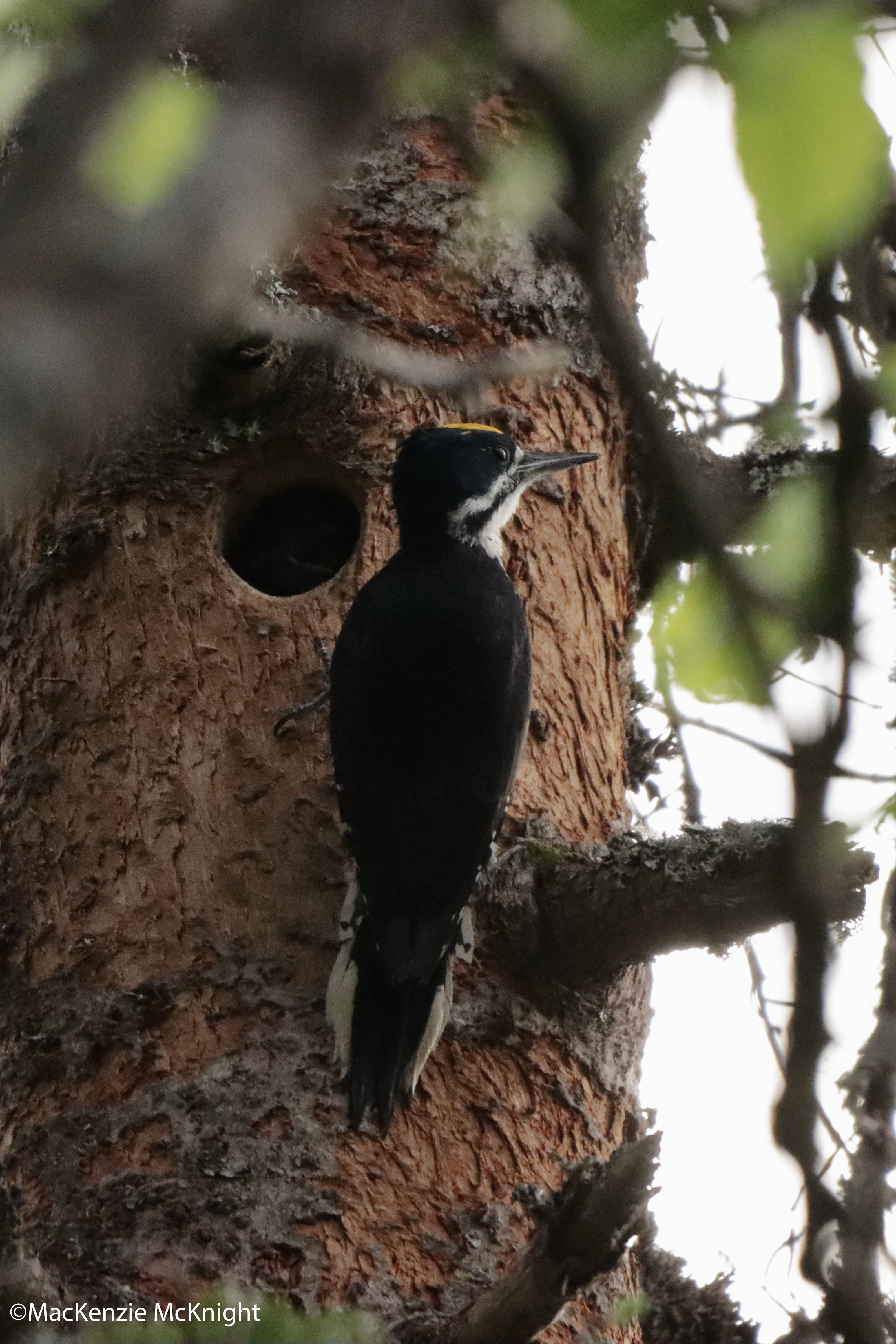
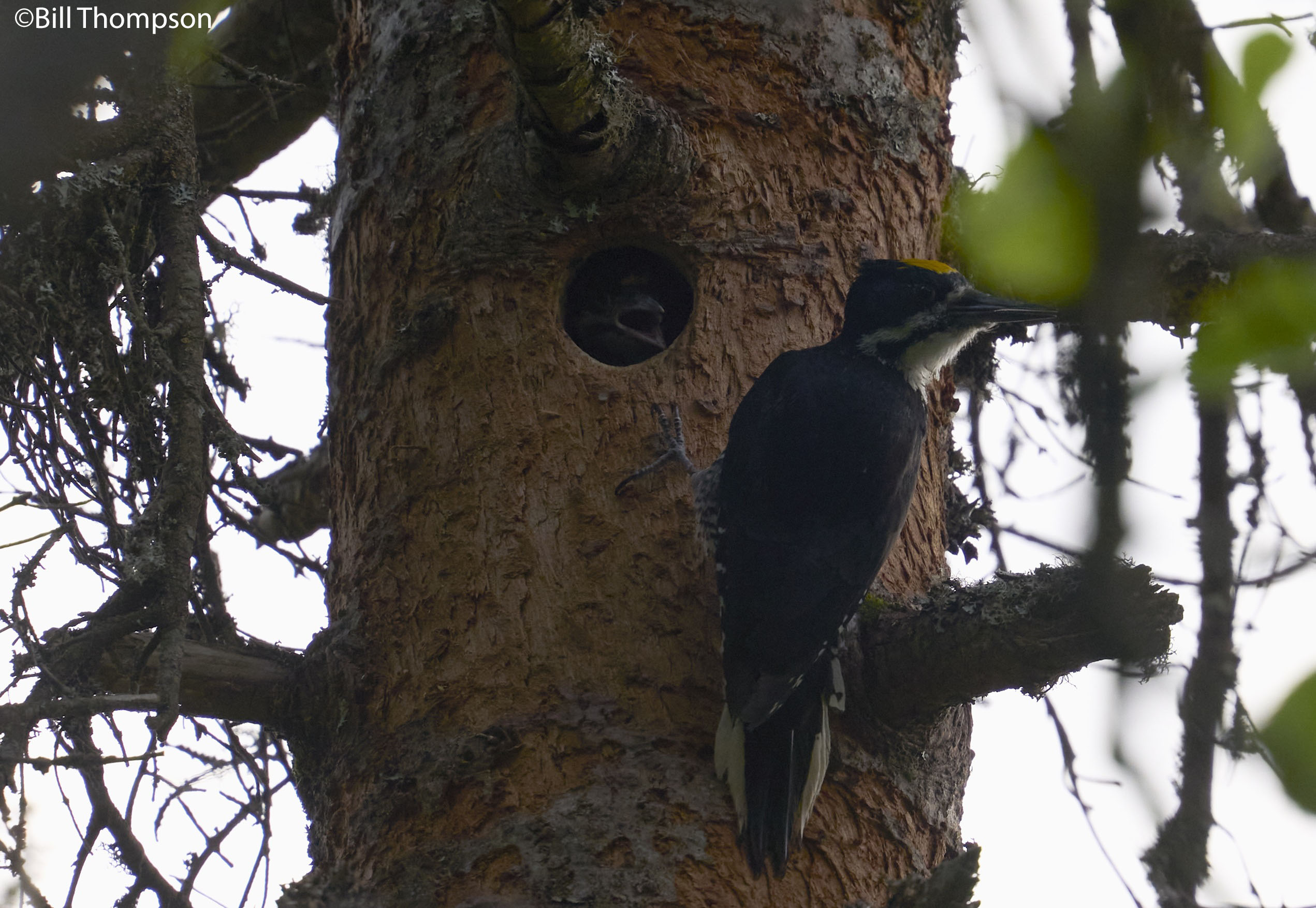
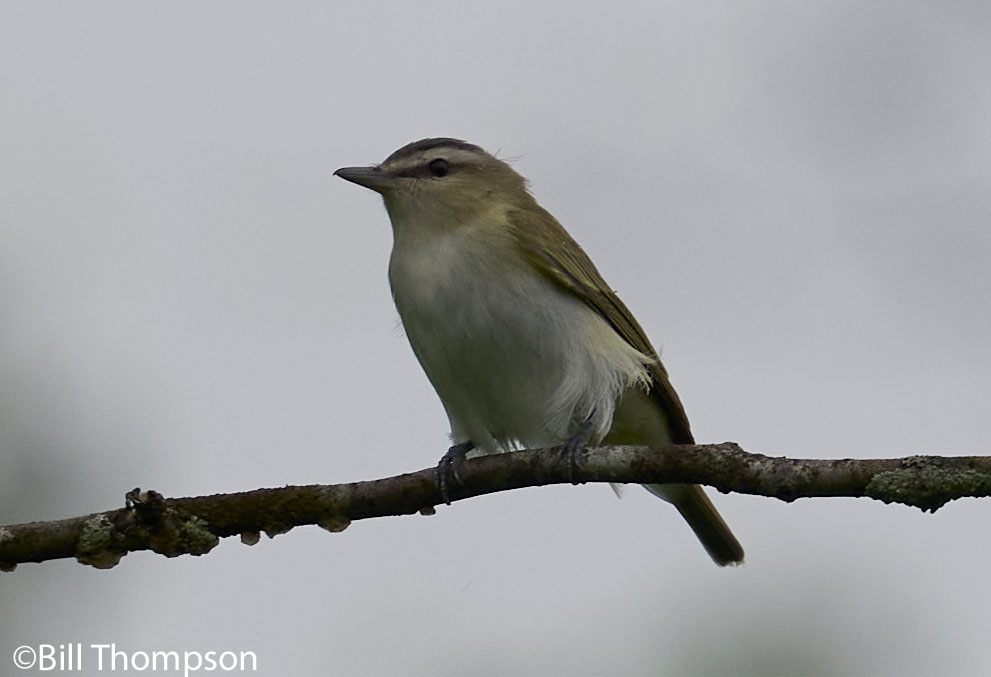
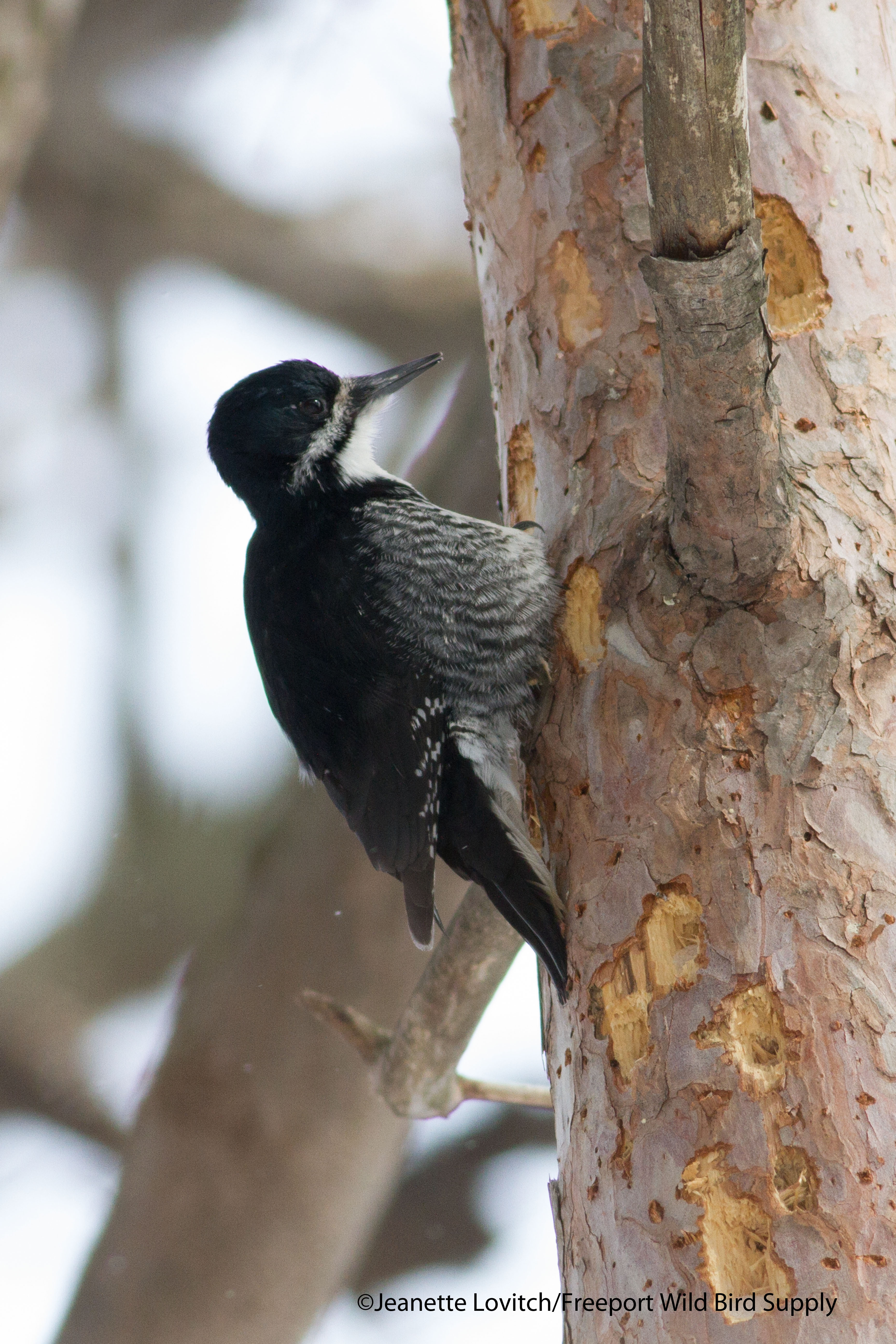
A highlight of our Bicknell’s Thrushes of New Hampshire Weekend was this Black-backed Woodpecker nest that I found on a private tour two weeks ago. By last weekend, the nestling(s?) were getting close to fledging. Thanks to Bill Thompson for the use of his photo as my camera had little interest in performing well in the low light!

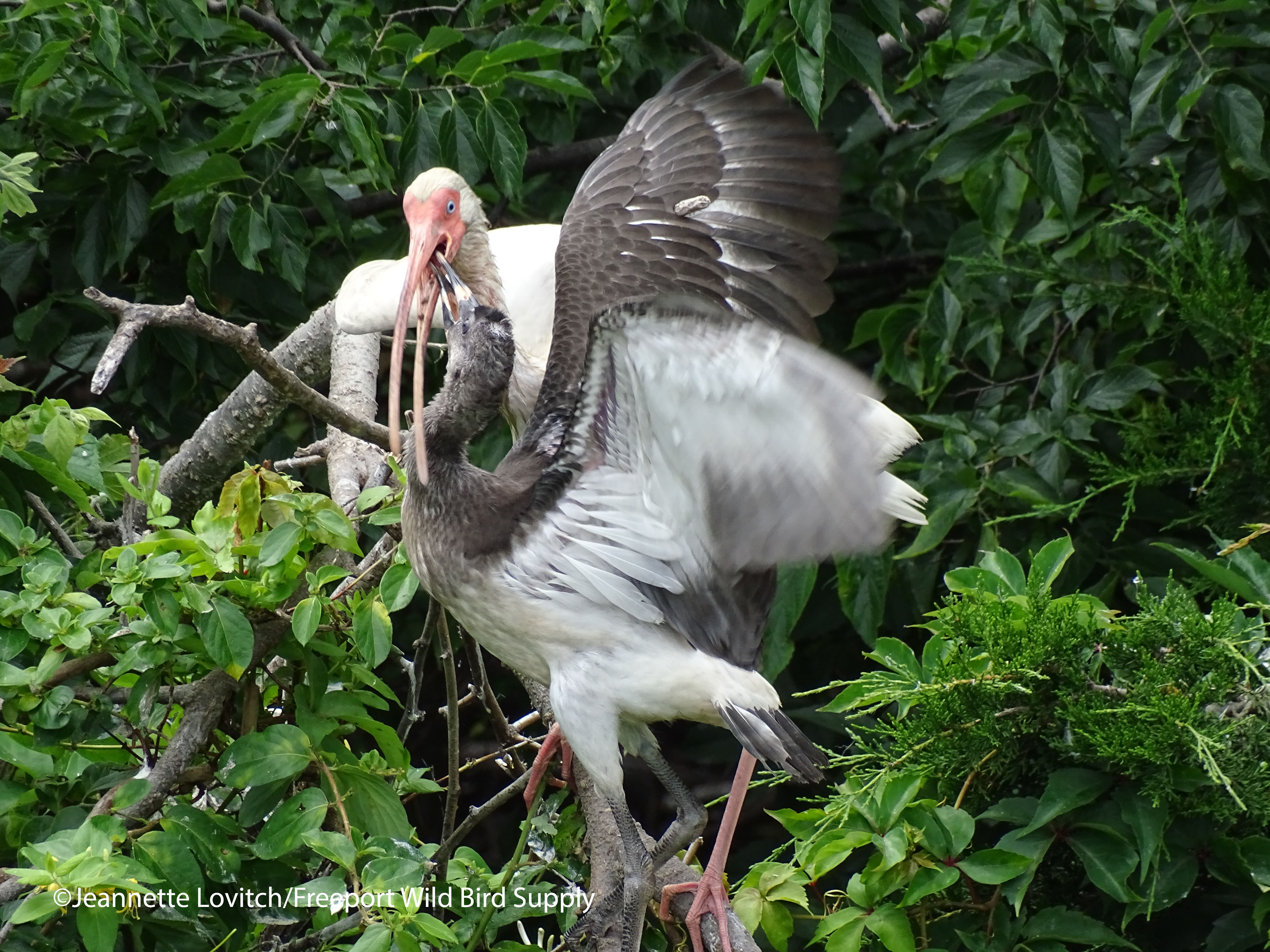
After being out of town for a few days (birding highlights in New Jersey included “southern” specialties, a huge Black Skimmer colony, and the growing, awesome White Ibis rookery), I returned to Maine and jumped right back into this record-busy guiding season. From coastal saltmarshes to mountaintops in New Hampshire, a few of my less expected observations in Maine over the past two weeks included just the following:

  • 1 Yellow-billed Cuckoo (FOY!), our property in Durham, 6/23.
  • 1 White-winged Scoter, Fort Popham, Phippsburg, 6/24 (with clients from Vermont).
  • 1 Vesper Sparrow, Auburn Municipal Airport, 6/25.
  • And finally, for fun, here’s a selection of our favorite photos from our visit to the White Ibis rookery in Wildwood, NJ last week.

BICKNELL’S THRUSH WEEKEND TOUR REPORT

The trip report from our recent tour can be seen here.

UPCOMING TOURS

Join me and Cap’n Fish’s Cruises out of Boothbay for a special edition of their daily Puffin and Whales Cruise on Thursday, July 3rd (and Saturday July 19th). While this is not a dedicated pelagic, I’ll be a guest naturalist to help spot and call out birds at Eastern Egg Rock and offshore. With the irregular occurrence of the Tufted Puffin and now a Bridled Tern at EEG, you won’t want to miss the chance for a more birding-focused few hours on the water!  And the more birders we have aboard, the better!

2025 Bicknell’s Thrush Weekend Trip Report

One of the stars of the show this weekend was this incredibly cooperative Mourning Warbler.

I’ll admit to having a love-hate relationship with this tour. I love taking people into the realm of the Bicknell’s Thrush, but I hate how much I have to stress about getting people to see one!  Of course, weather is one of the primary impediments to enjoying a fulfilling mountaintop experience, and well, if I could only control that, too! And then there’s the bird – one of North America’s most reclusive breeding species, and with a behavior that tends to lead to sleep deprivation as well.

But we could not have asked for a better start to the weekend, with the first Saturday without rain in almost three months! In fact, it was absolutely gorgeous as we assembled in Errol, New Hampshire: sunny, a light breeze, and pleasantly warming temperatures. The relaxing morning was spent exploring the lowlands, focusing on boreal transition forest and spruce/tamarack bogs. We heard a couple of Palm Warblers – and glimpsed one in flight, listened to Yellow-bellied Flycatchers, and enjoyed common warblers such as Magnolia.

We enjoyed some botanizing as well, and stopped to look at all walks of life, such as butterflies and dragonflies.

Atlantis Fritillary
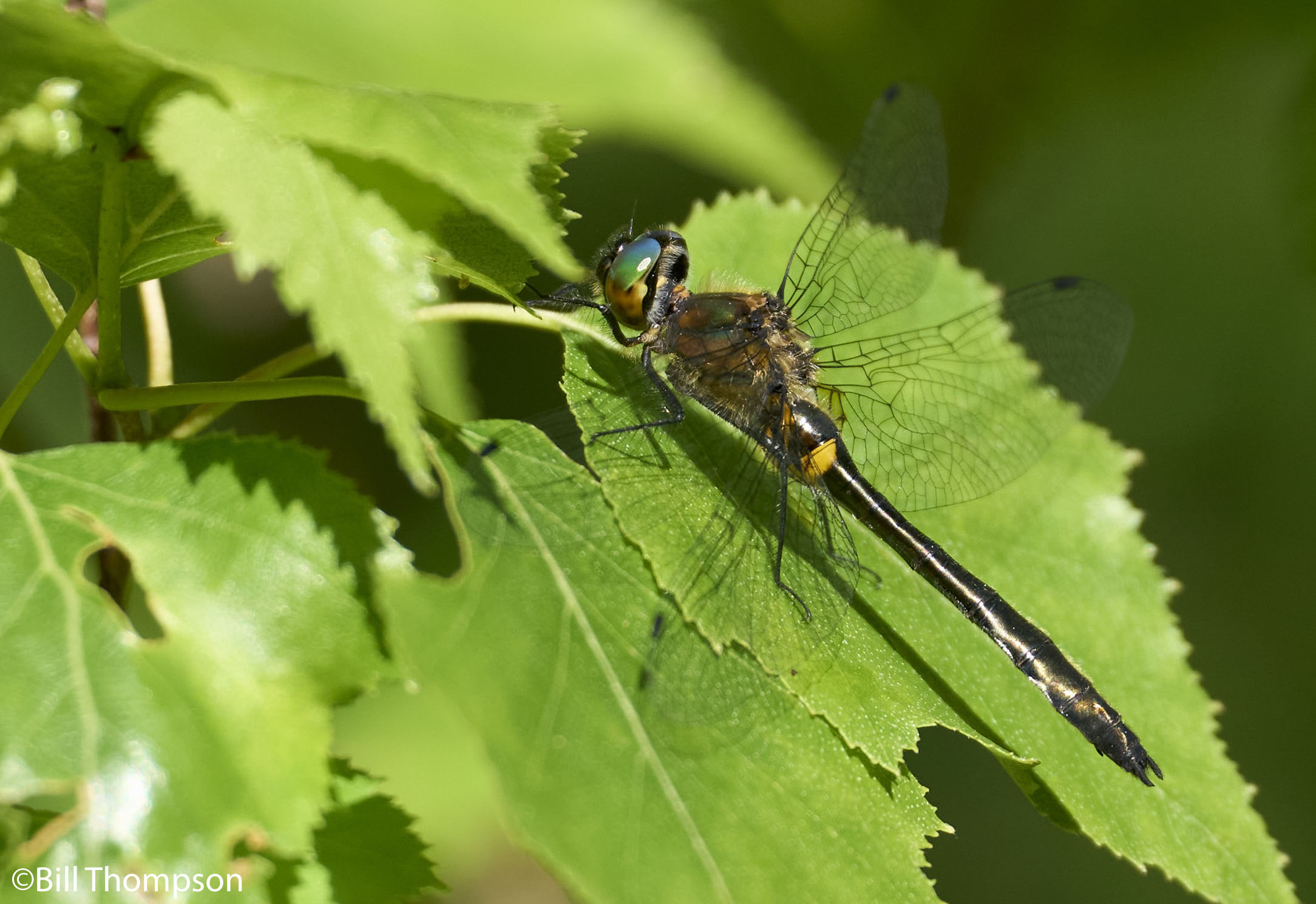
Racket-tailed Emerald

After a quick but delicious lunch, we did a little more casual birding (Blackburnian Warblers!) and even a little sightseeing!

A welcome afternoon break was followed by an early dinner in town, before our first trip up the mountain. With a mostly clear evening, we had some time until dusk, so we used it to make a bee-line to what I assumed would be one of the highlights of the weekend.

On a private tour two weeks ago, I found a Black-backed Woodpecker nest. At the time, the adults were feeding young that I could not yet hear or see. I hoped they would still be in the cavity by now, and it didn’t take long for us to know they were – we heard the begging nestlings from a good 100 feet away.  I found a path of least resistance to the nest hole, and we took turns rotating in small groups to watch the adults make repeated feeding visits. Everyone was so respectful of the birds – especially the adult male – who didn’t seem too pleased with our presence. After one feeding visit per group, we backed off, gave the birds a break to feed, and then visited with the next group. While the sun was now setting fast and the photography was challenging, it was truly a special experience with such a charismatic and sought-after species.

Now, it was time to get to work.  And tonight, our primary target really did make me work for it! Swainson’s Thrushes continue to increase here, and they were very active and vocal this evening. Too vocal.

While we did have some great looks at them, their presence and activity likely kept the Bicknell’s quiet and in the shadows. In fact, it was getting dark by the time the Swainson’s stopped singing and we finally heard a couple of Bicknell’s calling.

By 8:45, I was starting to get a little worried, so I walked most of the group up a trail where I had activity a couple of weeks ago. One bird was calling there, but it would not come out. I began the retreat to the road when the bird flew right over my head – one person even it heard it whiz by me. We turned back up the path and settled in and eventually at least one thrush began to sing, a couple of others were calling, and surrounded by Bicknell’s Thrushes, we ended up seeing one flying back and forth across the small clearing and at least half the group saw one in silhouette on top a small tree, calling aggressively.

The aural performance was top notch, especially down at the road, and everyone was quite satisfied with at least the sum of all views had of the bird in flight or paused in a tree at the edge of the small clearing. It wasn’t the “crippling views” from last year’s weekend, but everyone agreed it was more than “good enough” and the overall experience was worthy of the effort.

I pushed it a little longer and later than usual as it was such a nice evening (too nice?), and I had my worries about even getting up the mountain the next day. We returned to our hotel at 10:15, and we departed again at 6:00 – I let the group “sleep in” due to the forecast morning rain and our late return.

And it was indeed raining in the morning when we awoke, but the forecast chance of thunderstorms had not materialized. Therefore, it was safe to head up to the mountaintop, so without any further ado, up we went once more.

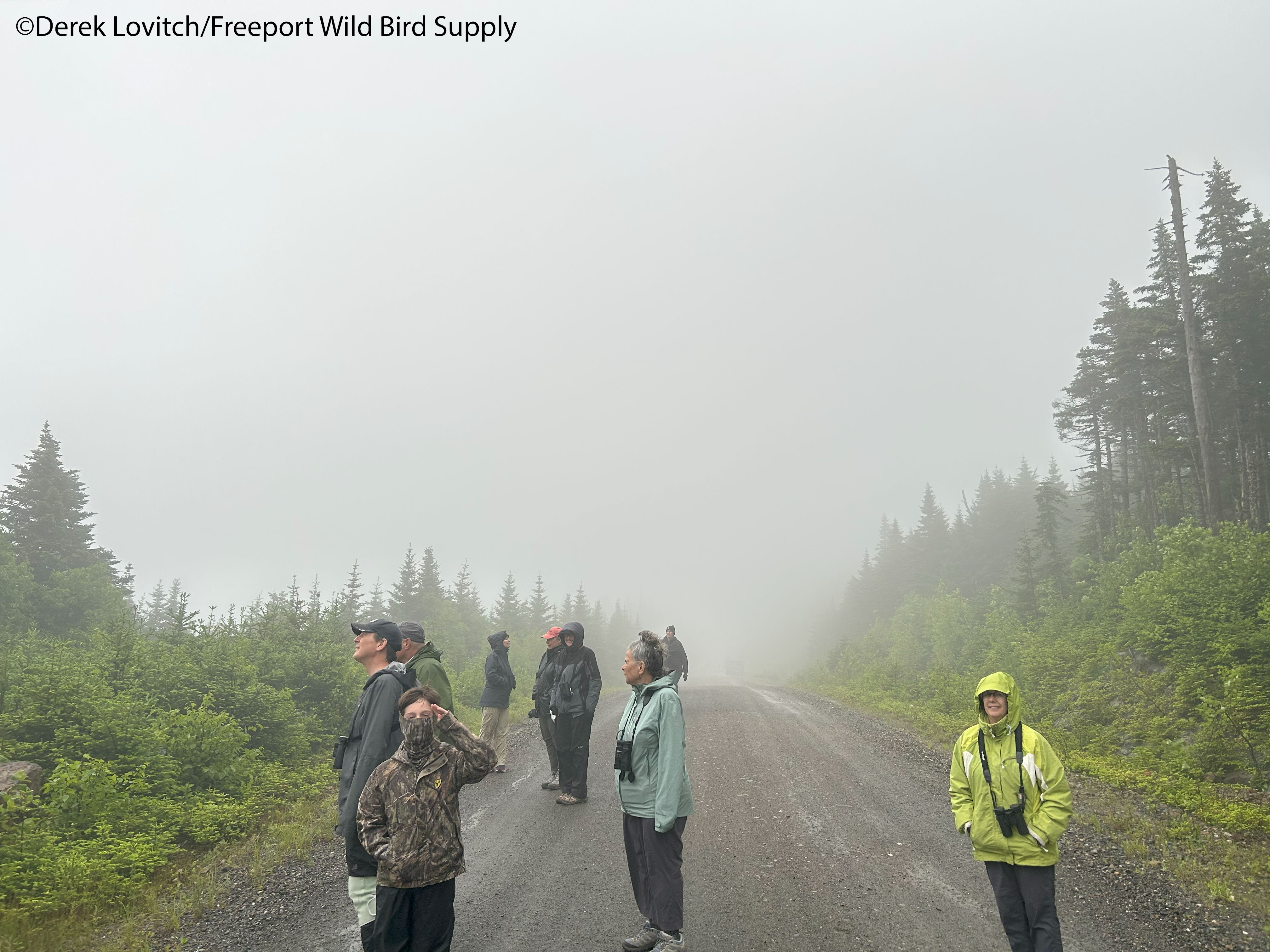
Unfortunately, up top it was still raining, albeit lightly, but the wind was already howling. What a difference 9 hours makes! Light rain came and went, fog would roll in and out, and we had one 10-minute rain delay in our vehicles with a downpour. Luckily, we had just finished breakfast!

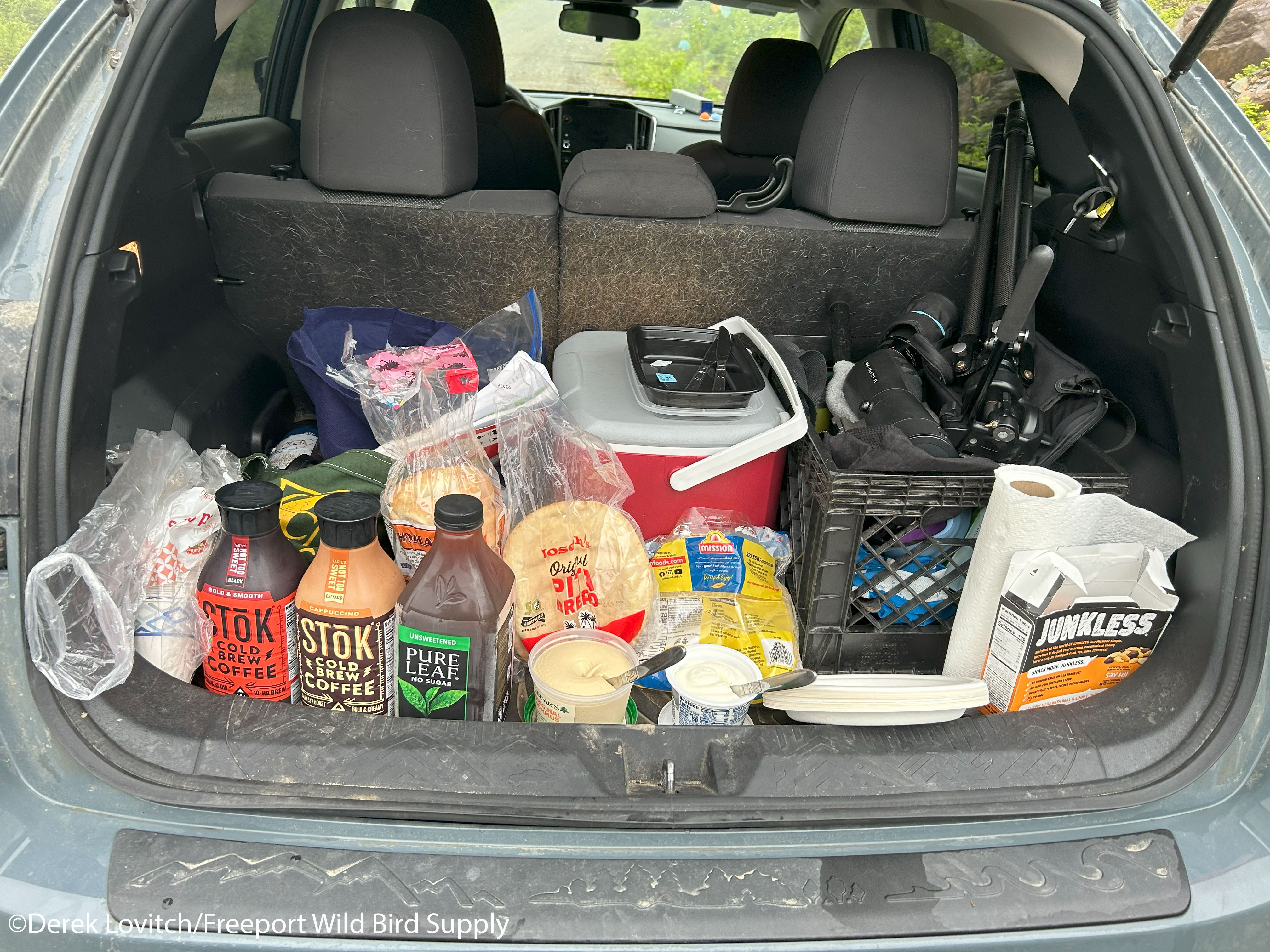
Birding tailgating!

But the morning was by no means the washout we feared, and when the rain stopped, the birding was pretty good. We decided not to bother the Black-backed Woodpeckers (the light was even worse anyway in the fog) given the conditions, but we were happy to hear the begging youngsters from afar. A few Red Crossbills flew over, Blackpoll Warblers were singing, and we heard the mountain’s Fox Sparrow in the distance.

But we did not hear a single Bicknell’s Thrush. I was about ready to give up when one finally called nearby at 8:45. And he kept calling, repeatedly, so close to us, but we never even glimpsed him. He must have been just within the dense edge – so close, yet so far!

Now this tour promises two chances to look for the thrush, not two guaranteed observations, so we took what the birds gave us last night, and with the wind howling, we began our decent.

Stopping as soon as we had some more shelter, we hopped out and soon saw a Bay-breasted Warbler and heard a pair of Boreal Chickadees. A little further down the road, we heard what was almost surely a Cape May Warbler, but could not confirm it. There wasn’t much question about this Mourning Warbler however!

See headline photo…Now that’s the kind of view we were looking for!

We dipped on Lincoln’s Sparrow, and then spent some time looking for Philadelphia Vireos. While we heard what was likely one singing from within perfect habitat, all of the vireos we saw today – and you simply must see them to identify them – were Red-eyed Vireo. Their march up the mountain and resultant displacement of Philadelphias continue.

It was instructive, however, and analogous to the issues with Swainson’s Thrushes moving uphill and pushing out Bicknell’s – these high elevation specialists have nowhere else to go as our mountains are not getting any taller, and I made sure to weave these conservation and natural history messages throughout the tour.

We looked at plants, too, such as Round-leafed Sundew.

We celebrated our success – especially with Black-backed Woodpecker and Mourning Warbler! – with a wonderful and leisurely lunch, and then half of the group joined me for a casual stroll in the lowlands of Colebrook, where we encountered numerous Veeries – just to add to our thrush tally for the weekend. Of course, our photographers had left, so birds here – especially the Veeries – were exceedingly conspicuous, with repeated views of them out in the open and with bills full of food. American Redstarts, Yellow Warblers, and a couple of singing Bobolinks were icing on the weekend cake.

Have views of our primary target, the Bicknell’s Thrush, been better on this tour? Yes. But they have also been much less fulfilling, and rarely, not even seen at all. So, we’ll take it…plus it was a great experience that fostered appreciation for the challenges of seeing this bird. Oh yeah, and a nest of Black-backed Woodpeckers!

A Weekend Adventure in Search of American Three-toed Woodpecker

I’ve been feeling the gravitational pull into the boreal forest recently. No longer able to resist, and finding a way to make another hole in my schedule, Evan Obercian and I made a rather impromptu trip north this weekend, heading to one of the most incredible areas of the state. It’s been way too long since I have visited Baxter State Park – the “crown jewel of Maine” – and the surrounding boreal-transition habitats.

We definitely had a target bird for this trip: American Three-toed Woodpecker. However, this was really just the excuse to spend a few days birding together, exploring an area Evan hasn’t been too, and enjoying the area that I don’t get to nearly enough. And camping.

We hit the road on Sunday morning, not exactly early, making it to Lincoln in time for the quintessential Maine road trip lunch: Dysart’s. Driving through rain, with more rain in the forecast, we wondered about whether or not this trip was really the best idea. But by the time we arrived at Harvester Road just before 3pm, it was mostly sunny, warm but breezy, but of course rather quiet: it was the afternoon in the middle of July after all.
1. Harvester Rd,7-17-16_edited-1

2. Evan_with_DeerFlies_edited-1
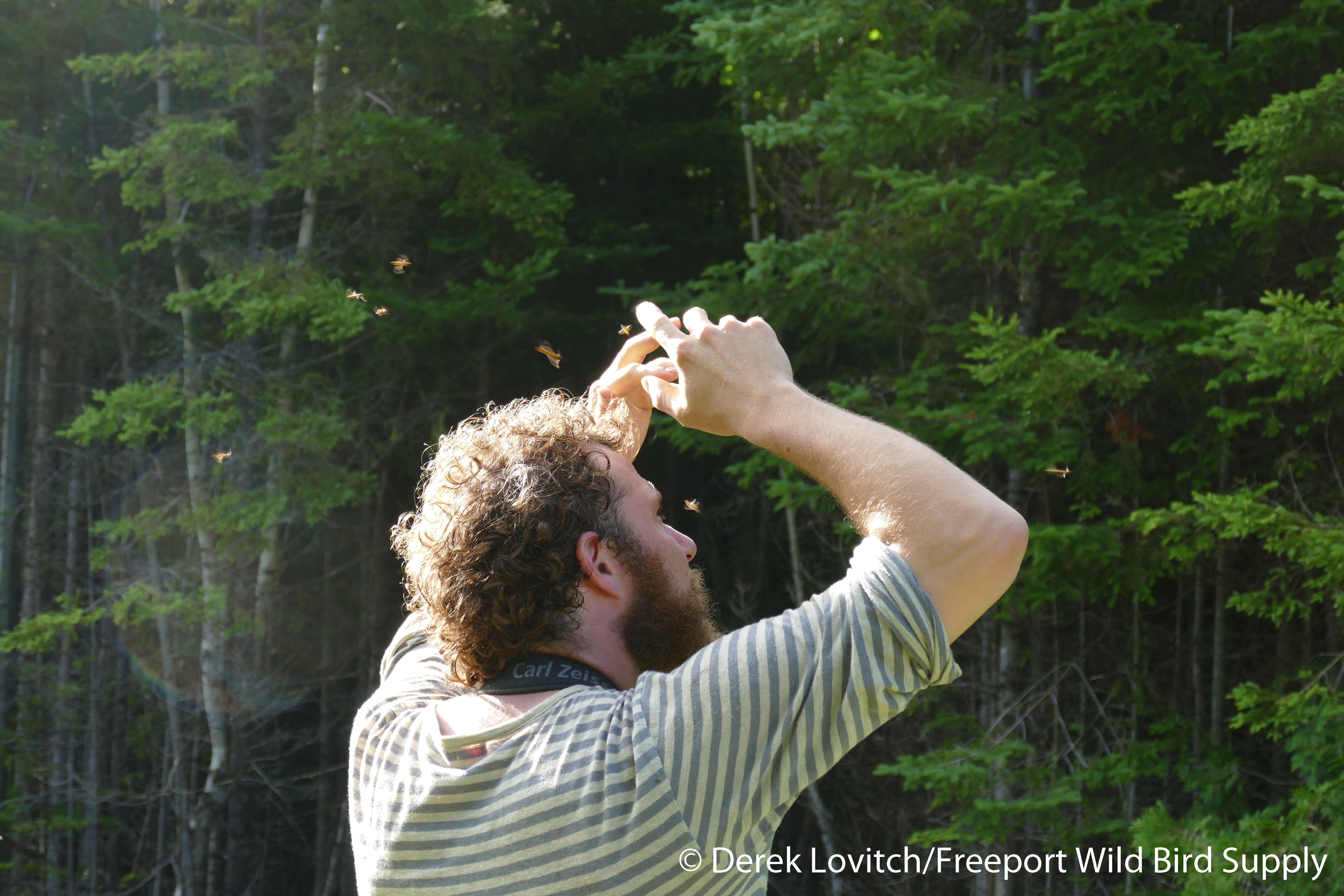
Mostly, we just heard Deer Flies.

We admittedly did only a modicum of research as to where three-toed woodpeckers had been reported from recently, so used that as a guide for our stops, if only for reconnaissance. Olive-sided Flycatchers were particularly vocal and conspicuous, and encountered one Fox Sparrow. Other “boreal specialties” included 3 Palm and 2 Wilson’s Warblers, and 2 each of Yellow-bellied Flycatchers.

In the heat of the afternoon, we looked at more “bugs” than birds, such as lots of Aphrodite Fritillaries…
3. Aphrodite_Frittilary,HarvesterRd,7-17-16_edited-1

…But at our last stop at a particular prime looking woodpecker spot, we did enjoy great views of a Black-backed Woodpecker – a very good sign.

A thunderstorm kindly missed our campsite…
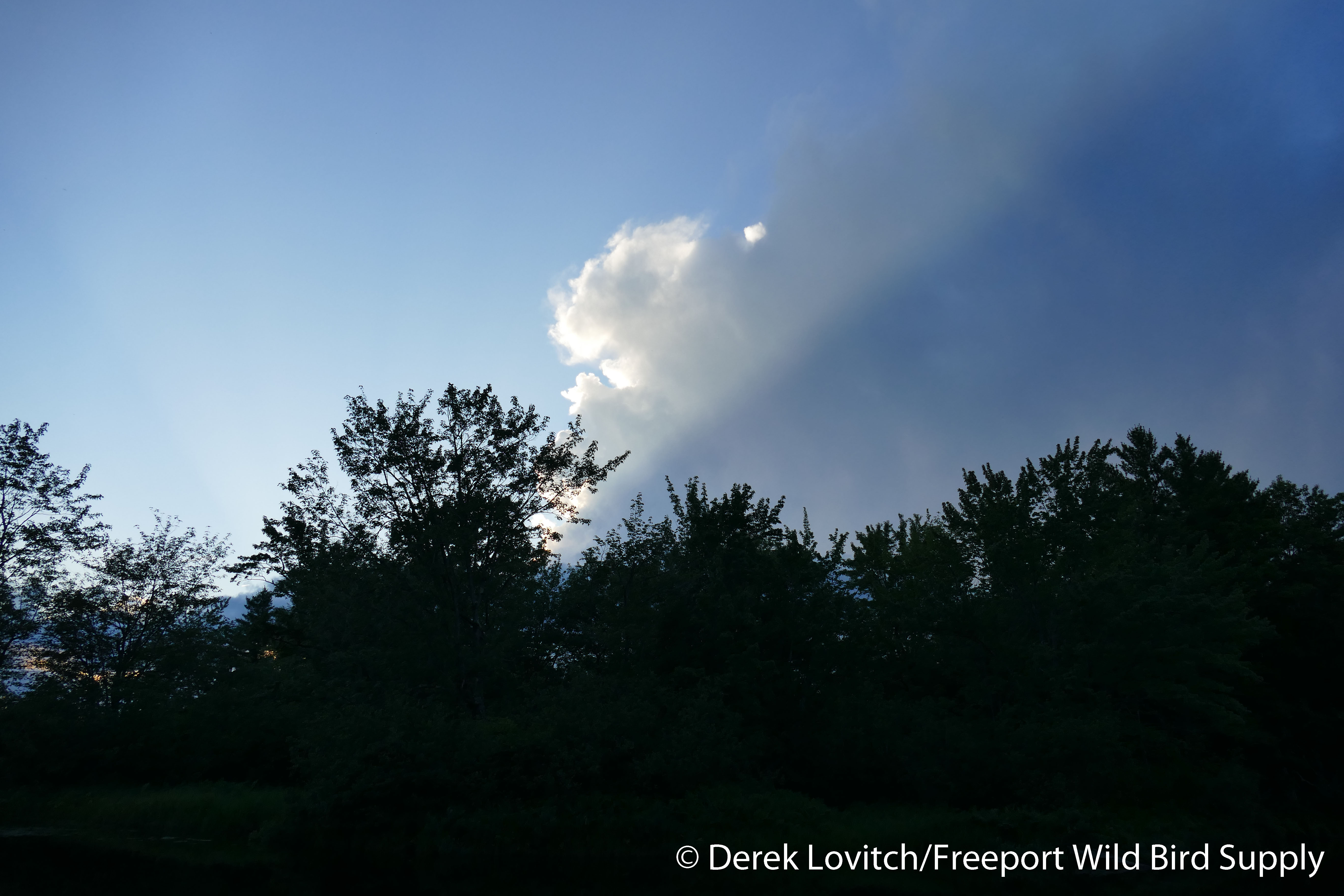
4. approaching thunderstorm,7-17-16_edited-1

..and we stayed up way too late listening to Common Nighthawks and a lone American Woodcock give way to a chorus of 3-4 Eastern Whip-poor-wills.

Come dawn, dense fog and dueting Common Loons precluded the desire to get out of the sleeping bags. The vociferous “whip” at 4:00am didn’t help, either, as welcome as its song was. As we ate a leisurely breakfast, the fog lifted.
5. view from Campground,7-17-16_edited-1

Once again, however, we realized we were vacationing more than birding, and it was already 9:00 when we entered Baxter State Park. Making a bee-line for the Nesowadnahunk area, we took the Tote Road, and not stopping until we hit the best boreal-transition habitat in the stretch of road north of the Nesowadnahunk Field Campground.
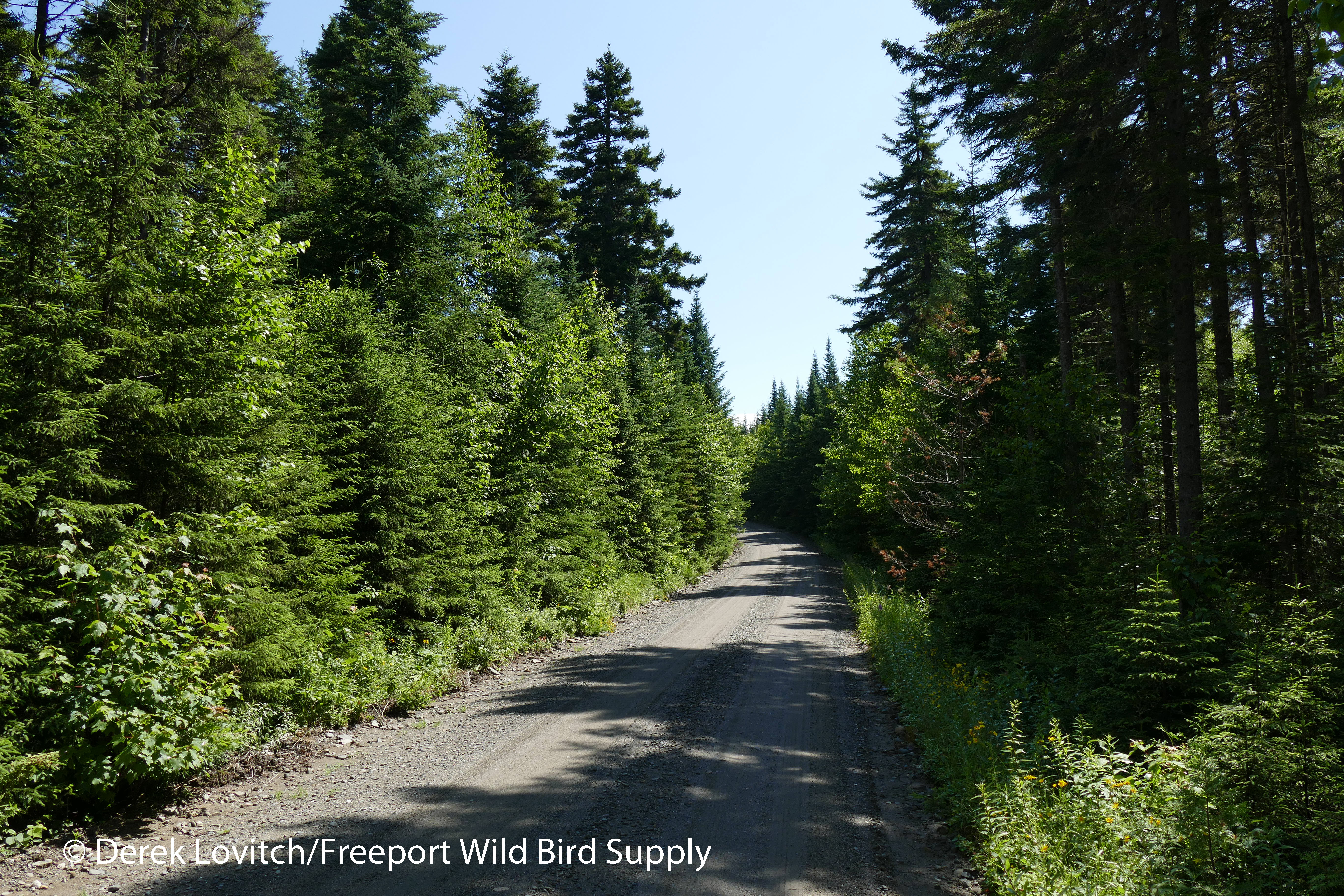
6. ParkToteRoad,7-17-16_edited-1

A couple of Gray Jays made their presence known, we spotted a molting Bay-breasted Warbler or two, but possible woodpecker habitat was in short supply.
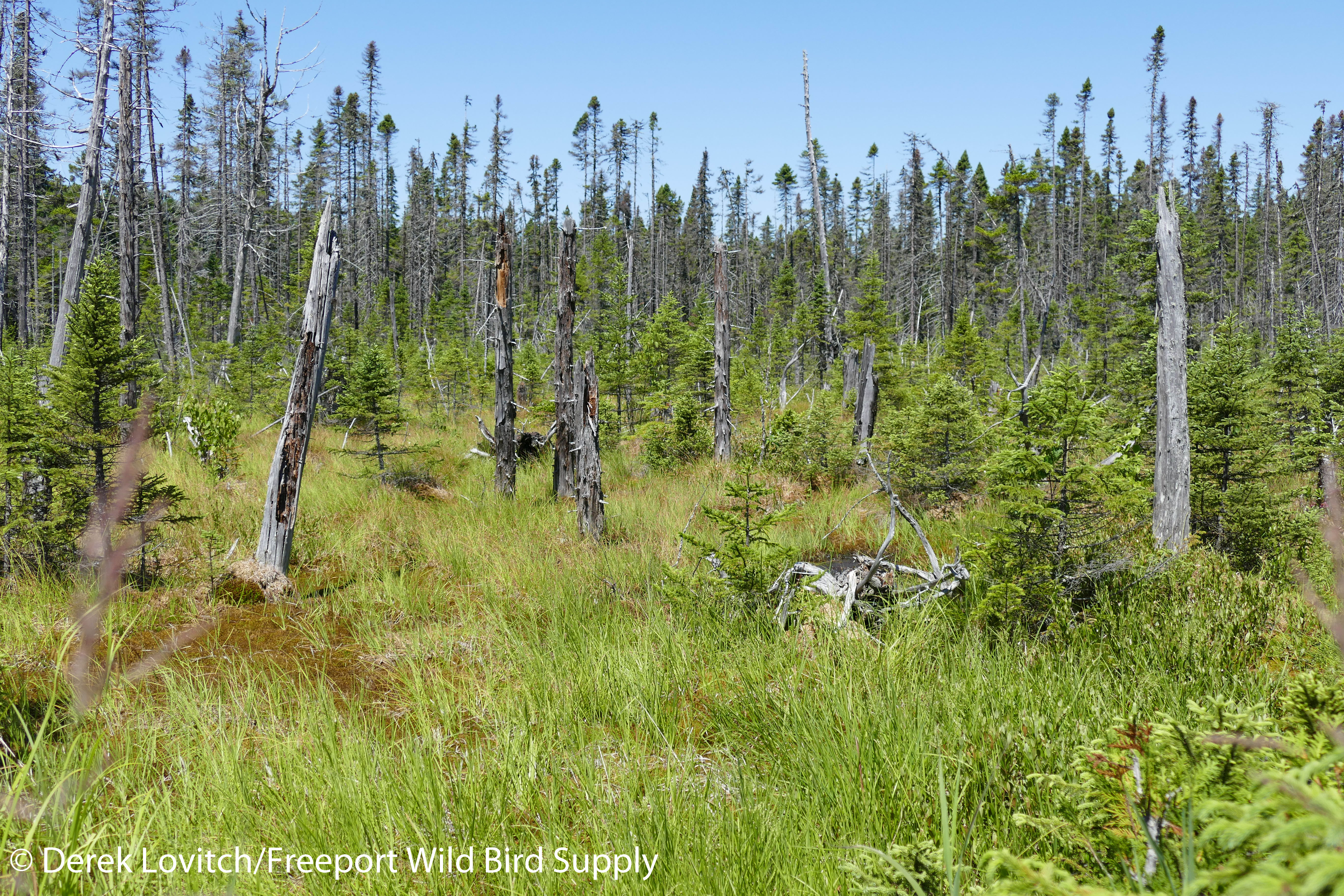
7. park_woodpecker_habitat,7-18-19-edited

We continued to explore, and the combination from the recommendations of a friend (thanks, Luke!) and an unrelated tip from a park ranger, led us to unmarked trail that lead us to Nesowadnahunk Lake and the adjacent campground.
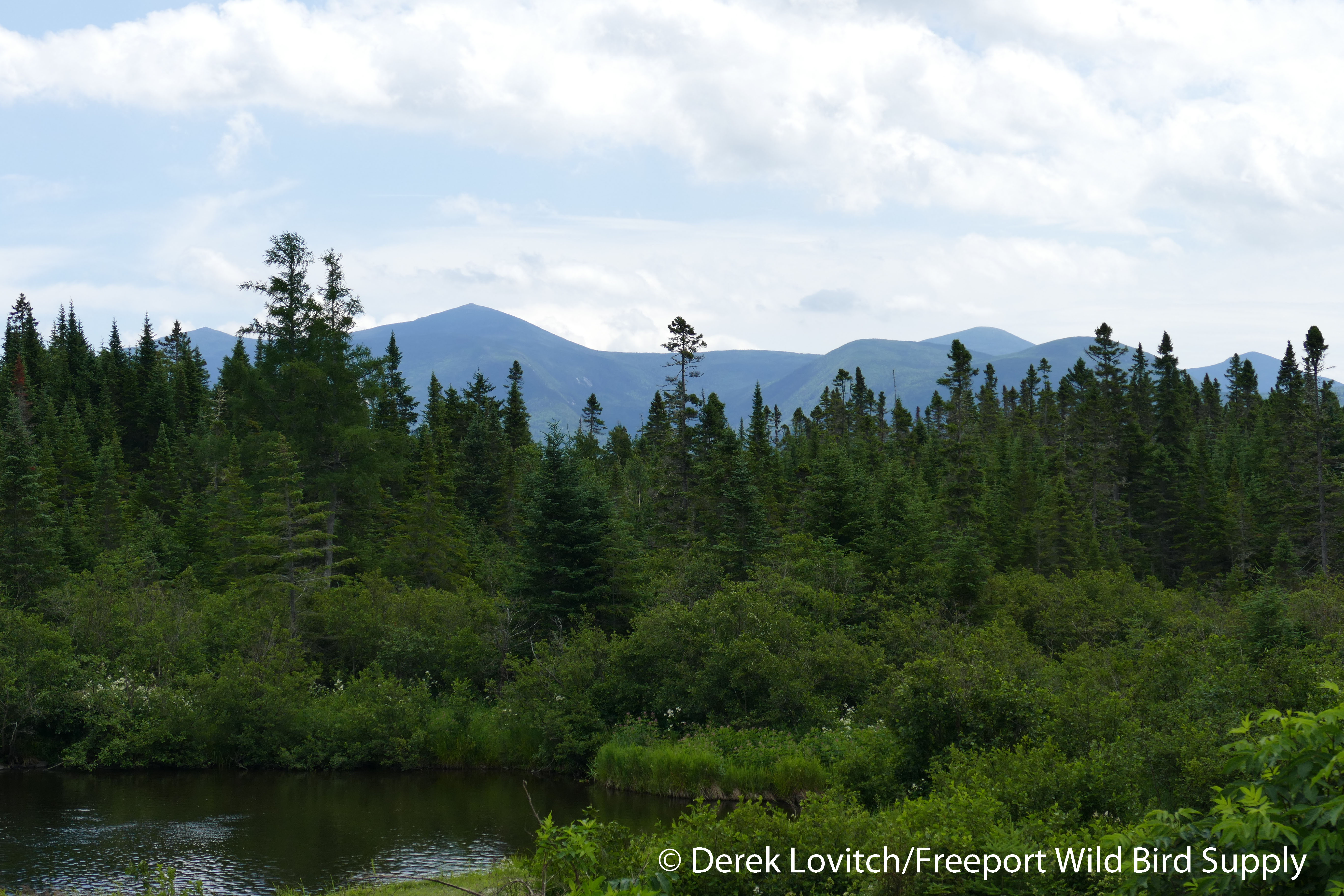
8. Kahtadin_from_NesowadnehunkLake,7-17-16_edited-1

Besides the view, a few “trip birds” on the water, and a cold drink, we finally put together vague sightings reports to figure out that some of the summer’s American Three-toed Woodpecker reports were from this road to THIS campground. Of course, it was the mid-afternoon, and it was now the worst time of day at the worst time of the summer to find secretive boreal woodpeckers!

But we had a plan for the morning now, and although we hustled back to the car with an approaching thunderstorm, we had renewed optimism for our search.

We worked our way back south on the Tote Road, spending a couple of hours casually birding in the trails of the Tracey-Elbow-Grassy Pond area. A pair of Boreal Chickadees, a couple of family groups of Ruby-crowned Kinglets, and plenty of Yellow-bellied Flycatchers were seen and heard, while Grassy Pond hosted 16 Ring-necked Ducks and 5 Common Goldeneyes.
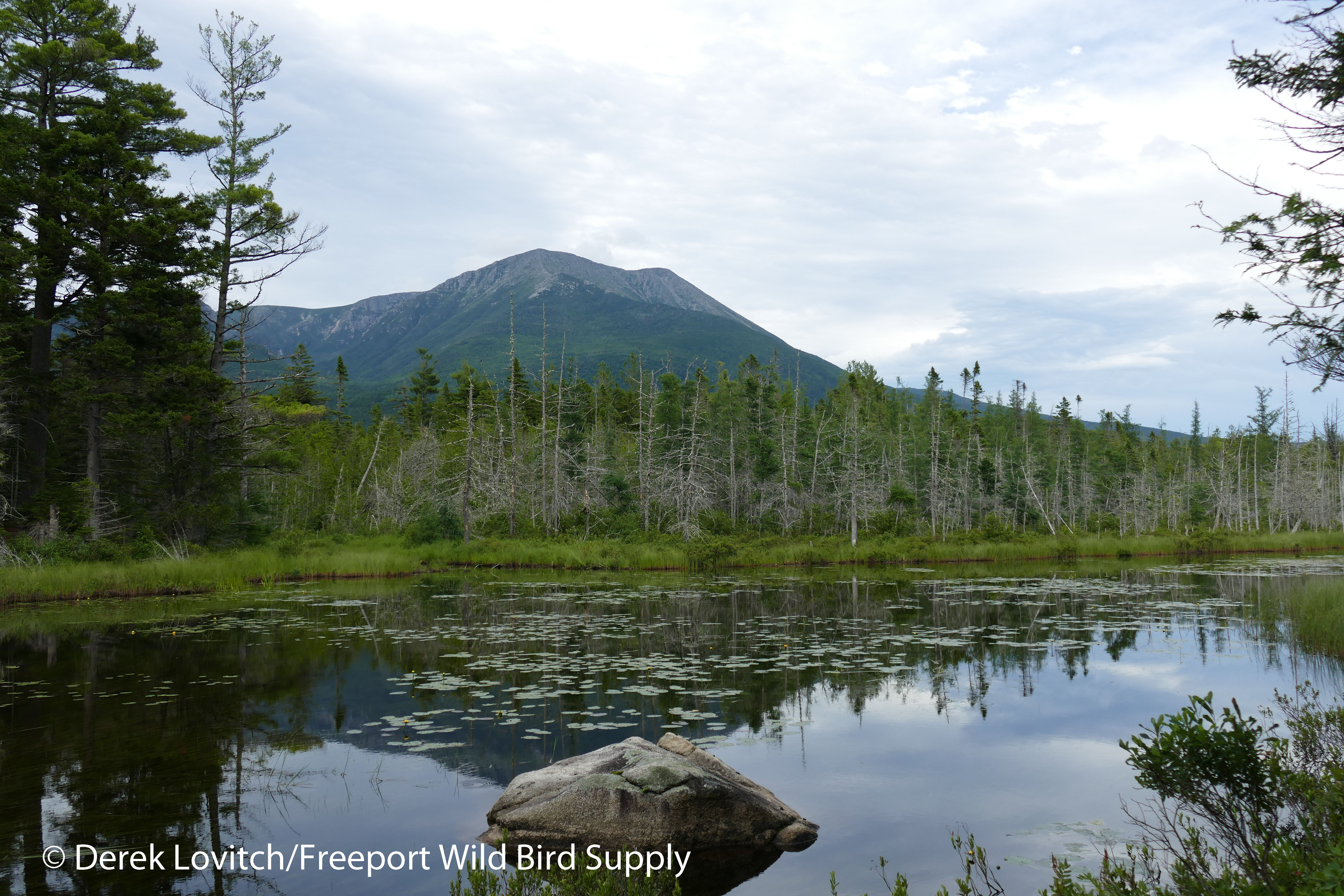
9. Kahtadin_from_Grassy_Pond-edited

Mostly, however, we studied plants, insects, and other general nature observation. Stunning Ebony Jewelwings were everywhere…
10. matingEbony_Jewelwings_edited-1

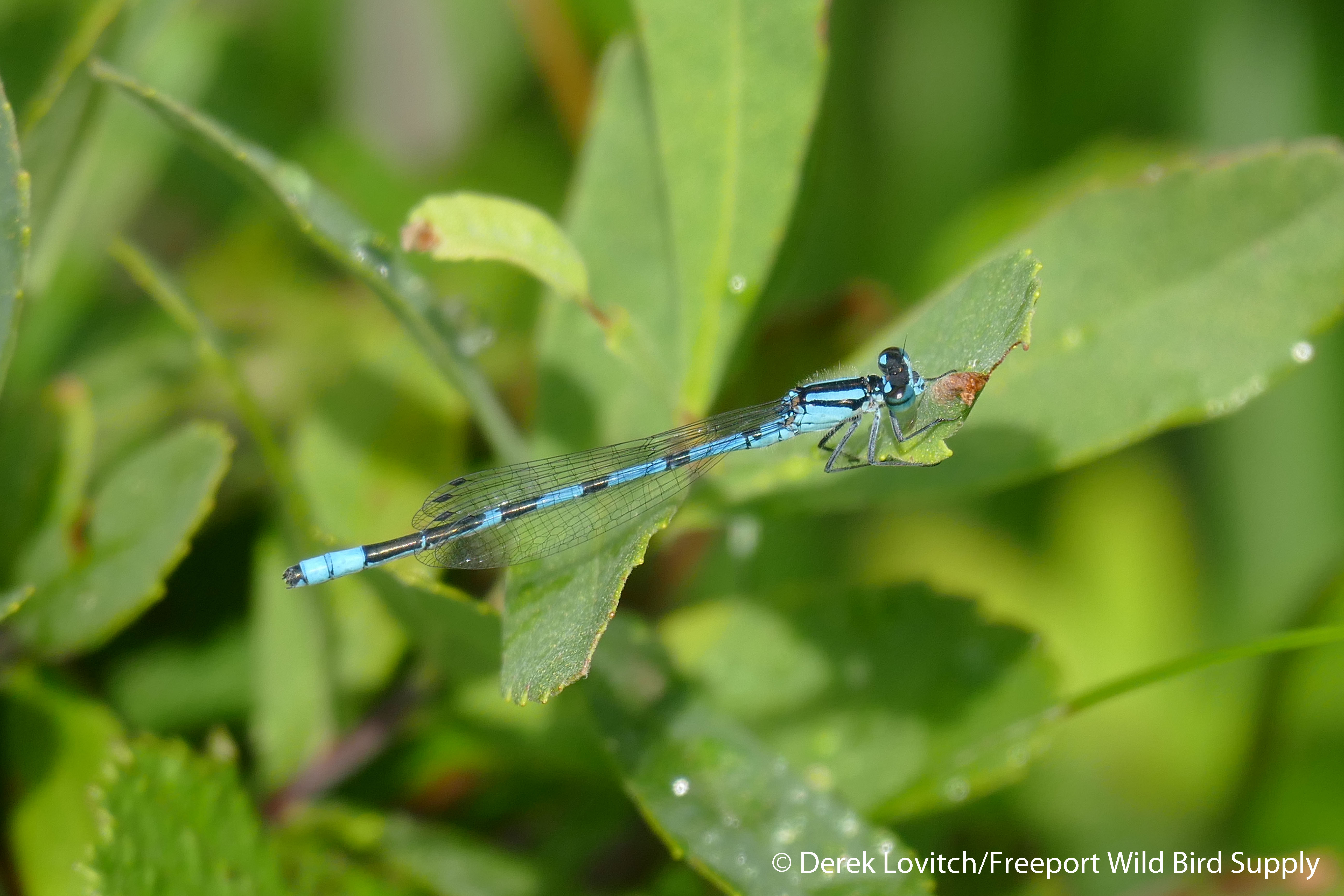
…and we learned what a gorgeous damselfly the Variable Dancer was.
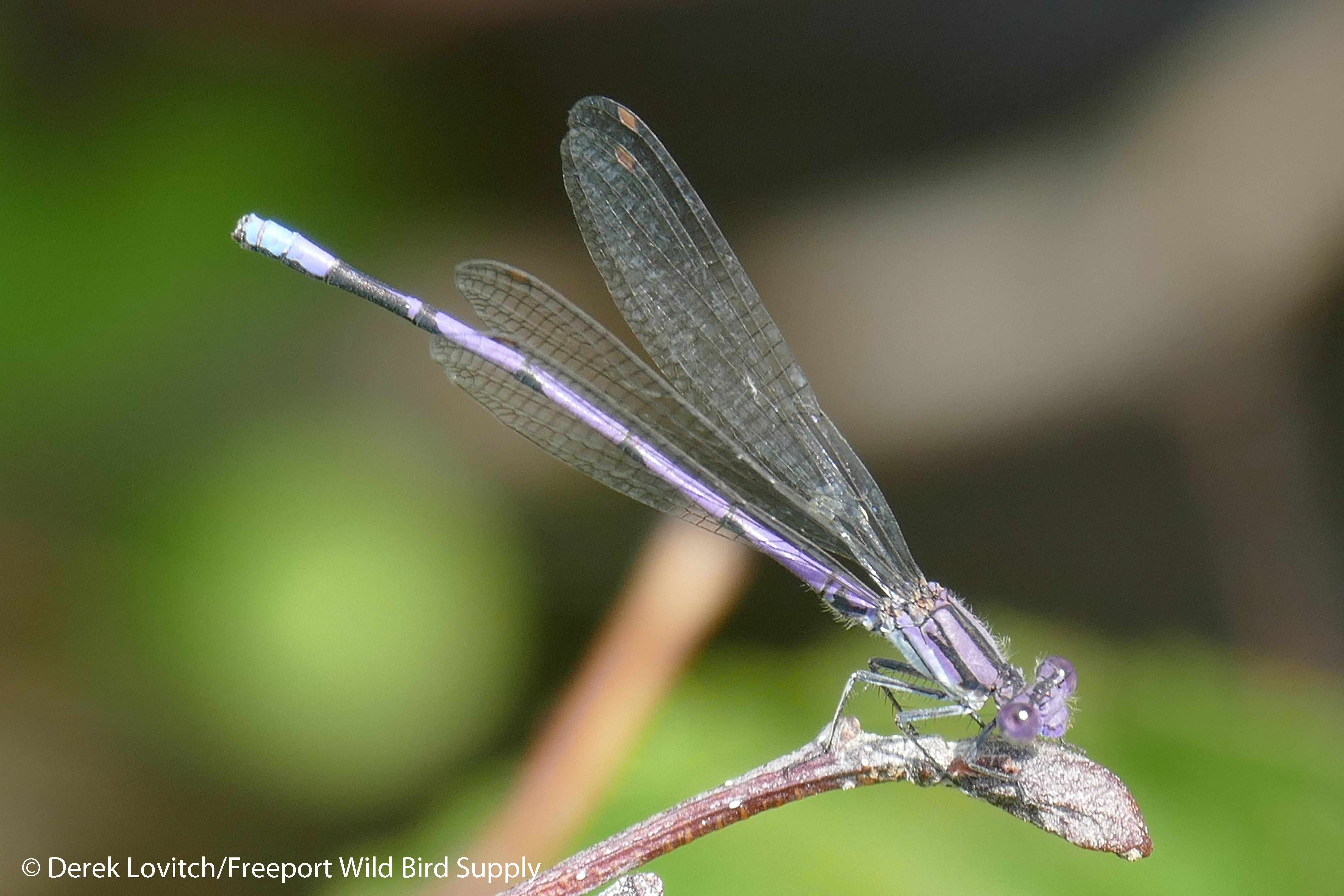
11. Variable_Dancer_edited-1

12. Boreal_or_NorthernBluet_edited-1
Boreal or Northern Bluet

Of course we continued to look for birds, and Evan tried creatively to get a closer look at a family group of Red-breasted Nuthatches…
13. Evan_closer_look_edited-1

…photographed a confiding Red Squirrel…
13a. Red_Squirrel_edited-1

…but perhaps this is why we haven’t been seeing many woodpeckers!
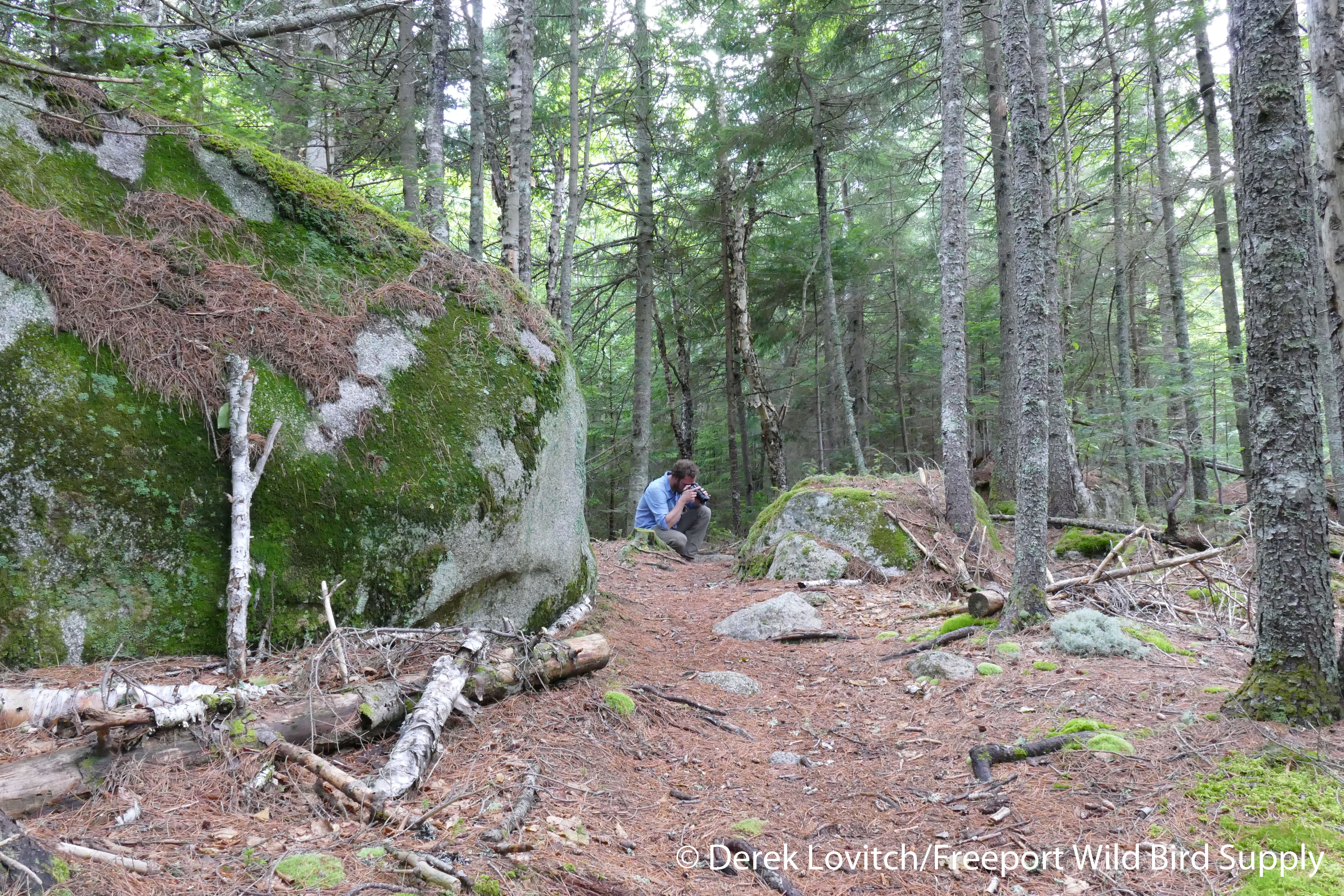
14. why_we_werent_finding_woodpeckers_edited-1

15. lichen_garden_edited-1

We offered advice to a hiker who was making the rather-tame bug situation much worse for herself, changed a tire from a tourist clearly out of her element, and gave a lift to two guys who might have been off a little more than they can chew on their day hike. As we left the park, we were feeling pretty good about having built up some good karma for the next day’s dedicated (and less lazy!) effort to see a three-toed woodpecker!  When the two guys tried to give us some money for the lift, we of course refused, as I said something like “return the favor someday.”  We had no idea how soon we would need such favors.

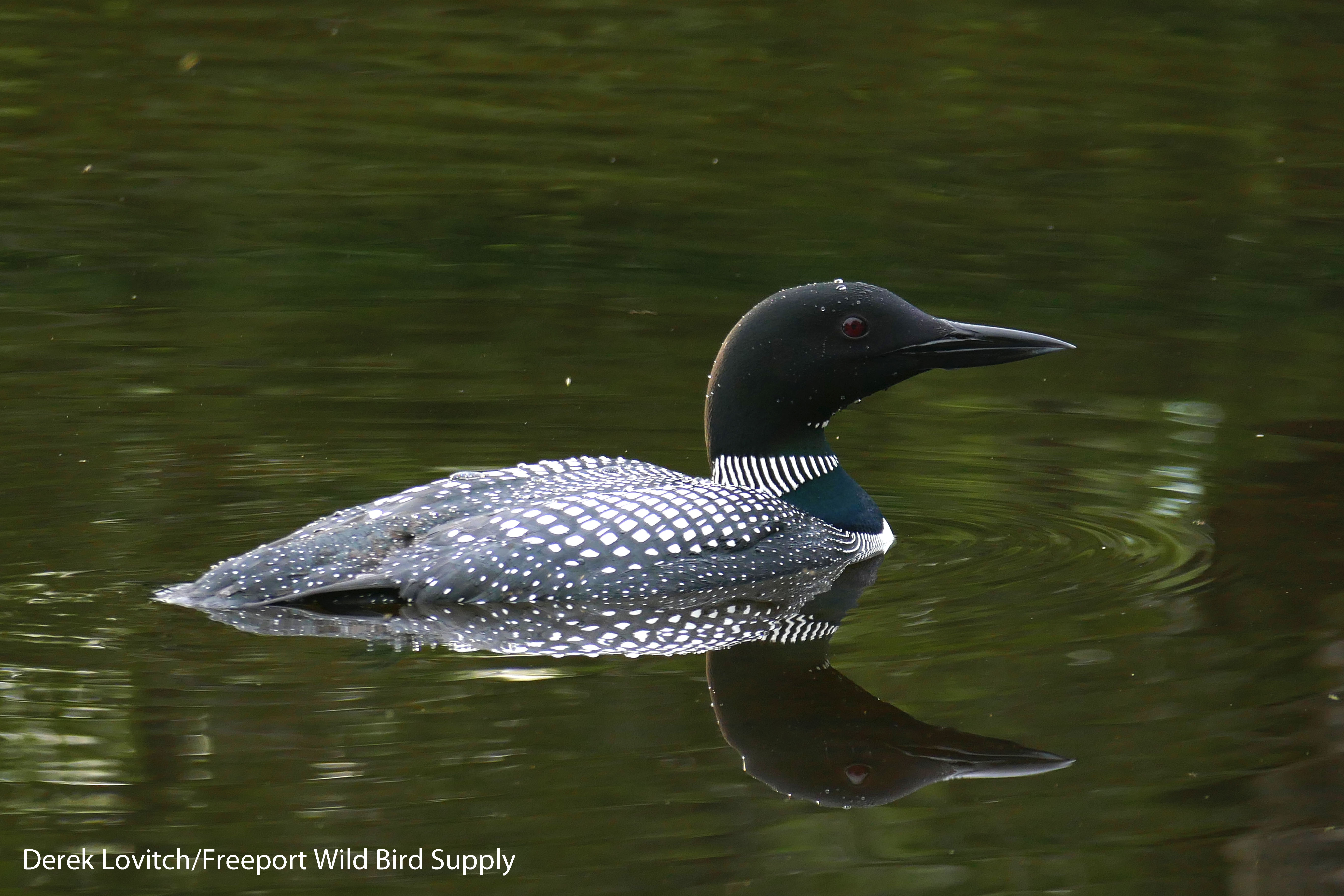
Back at our campsite at the Abol Bridge Campground (our last-minute trip precluded any chance of getting a site in the park, plus we wanted to stay between the park and the Telos Road area), we spent some time photographing the pair of loons in the river/pond behind our tent.
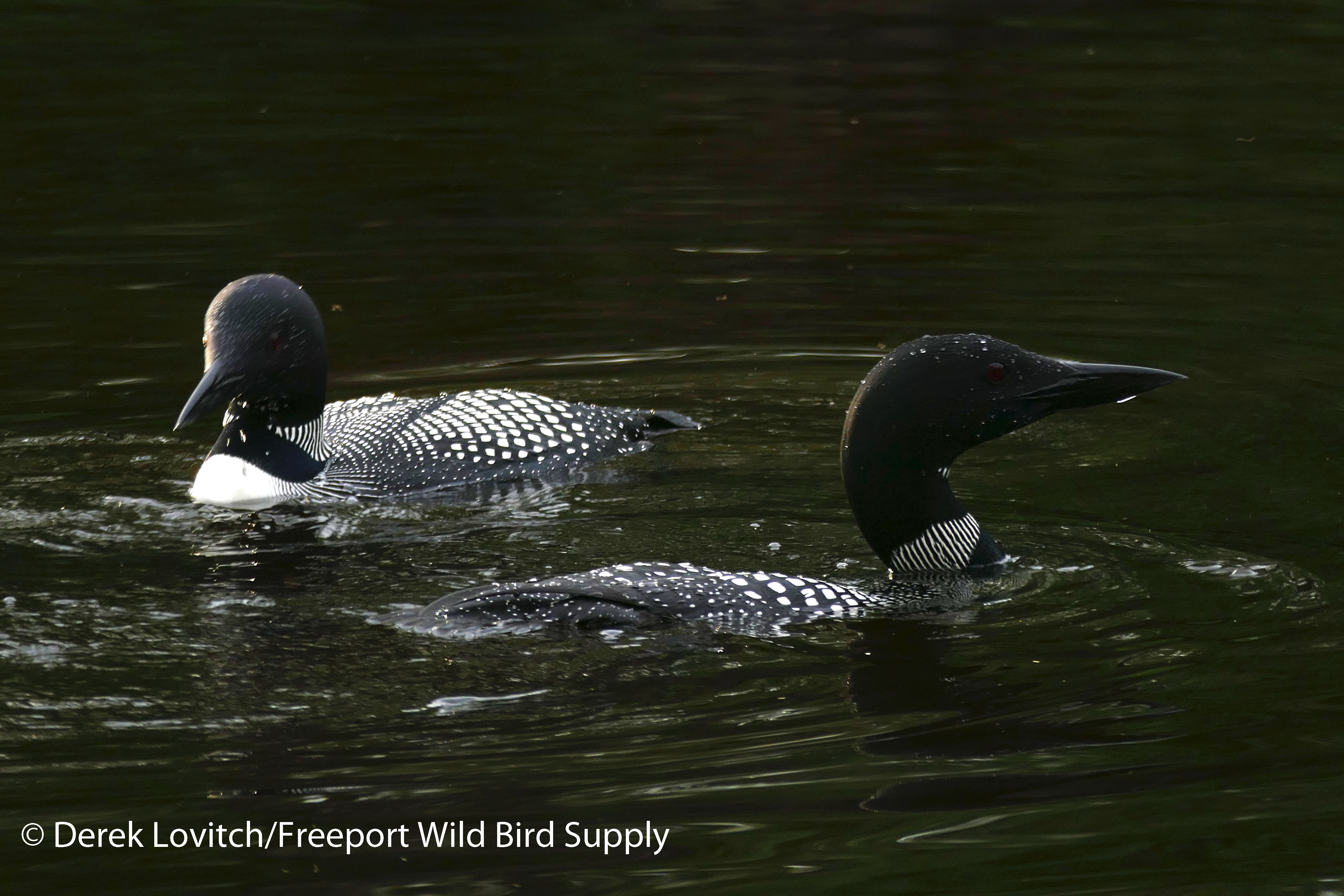
16. COLO_pair_edited-117. L1050464_COLO1_edited-118. L1050458_COLO2_edited-1

And then Evan prepared dinner…local (from Lincolnville) Belted Galloway steaks and wild-foraged chanterelles (earlier, Evan yelled for me to “stop” while we were driving. I thought he just saw a woodpecker, or a ghost. Nope, he saw mushrooms).
21. dinner2_edited-1
20. dinner_served_edited-1

Although we were still sans American Three-toed Woodpecker(s), we had a great day, and the sunset was the icing on the cake!
22. sunset1,7-18-16_edited-1

On the morning of our last day, we some how struggled out of the campground before even coffee, focused on seeing the woodpecker. We decided to first try the spot along the entrance road to the Nesowadnahunk Campground (not to be confused with the Nesowadnahunk FIELD Campground in the park) via Telos Road.

Stomping around the edges of a clearcut and bog for a while, it was beginning to feel hopeless, and we decided to stop at the campground for a cup of coffee, before heading further up Telos Road to renew our search in the promising spot off Harvester Road.

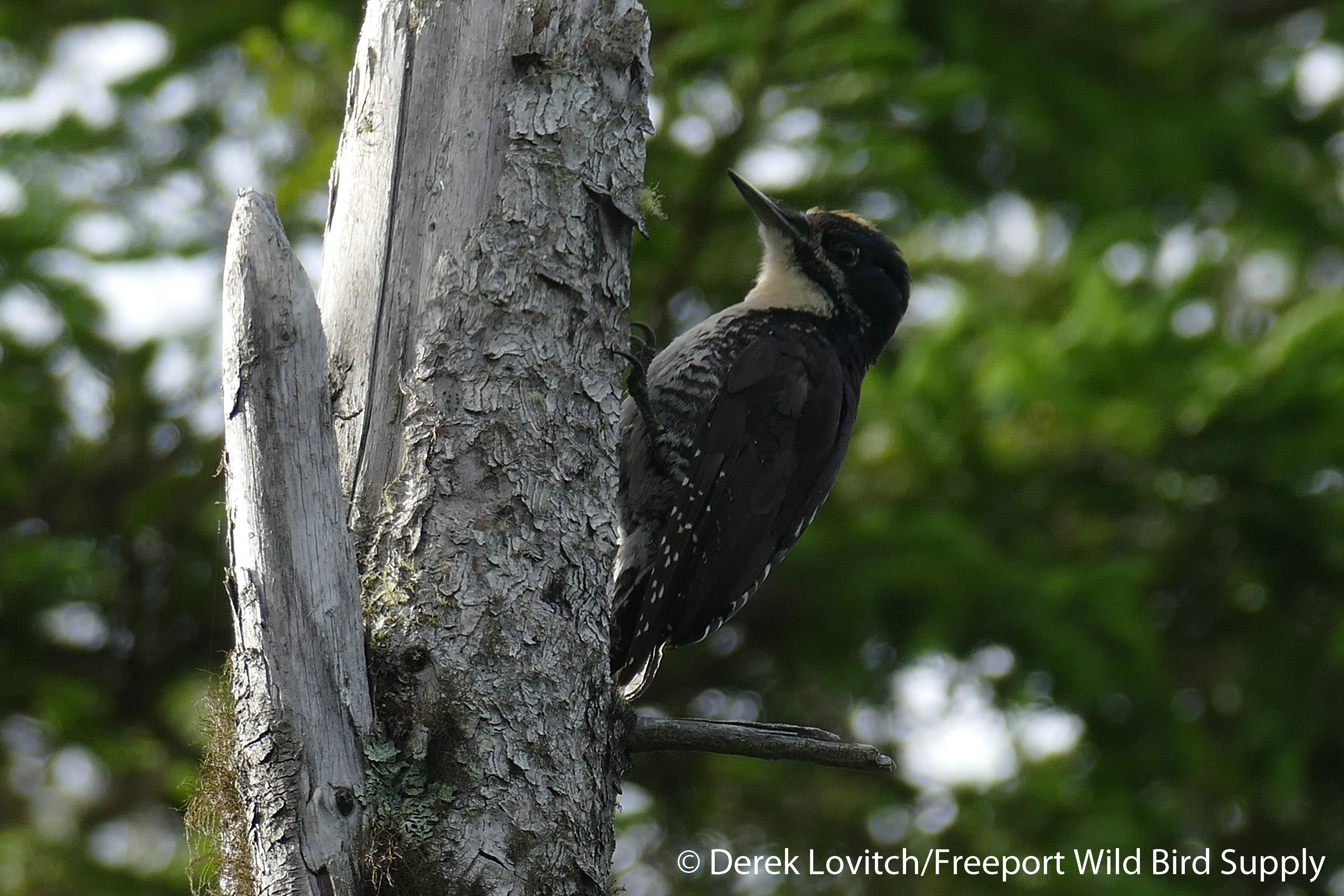
However, I noticed a diffuse trail on an old skidder track; almost exactly at the posted milemarker 6 (which was the only specific location given in the handful of vague eBird reports). We walked all of about 30 yards when this happened:
23. L1050571_firstATTW_male,NesowadnahunkRd, 7-19-16_edited-1

I am fairly sure a second bird we saw briefly was a juvenile, being fed by the male. We followed the male for a while, taking hundreds of photos, while basking in the glory of our success (my 372nd bird in Maine and #1 for about the fourth year in a row on my Predictions List of my next personal State Birds) and in the glory that is the enigmatic American Three-toed Woodpecker.
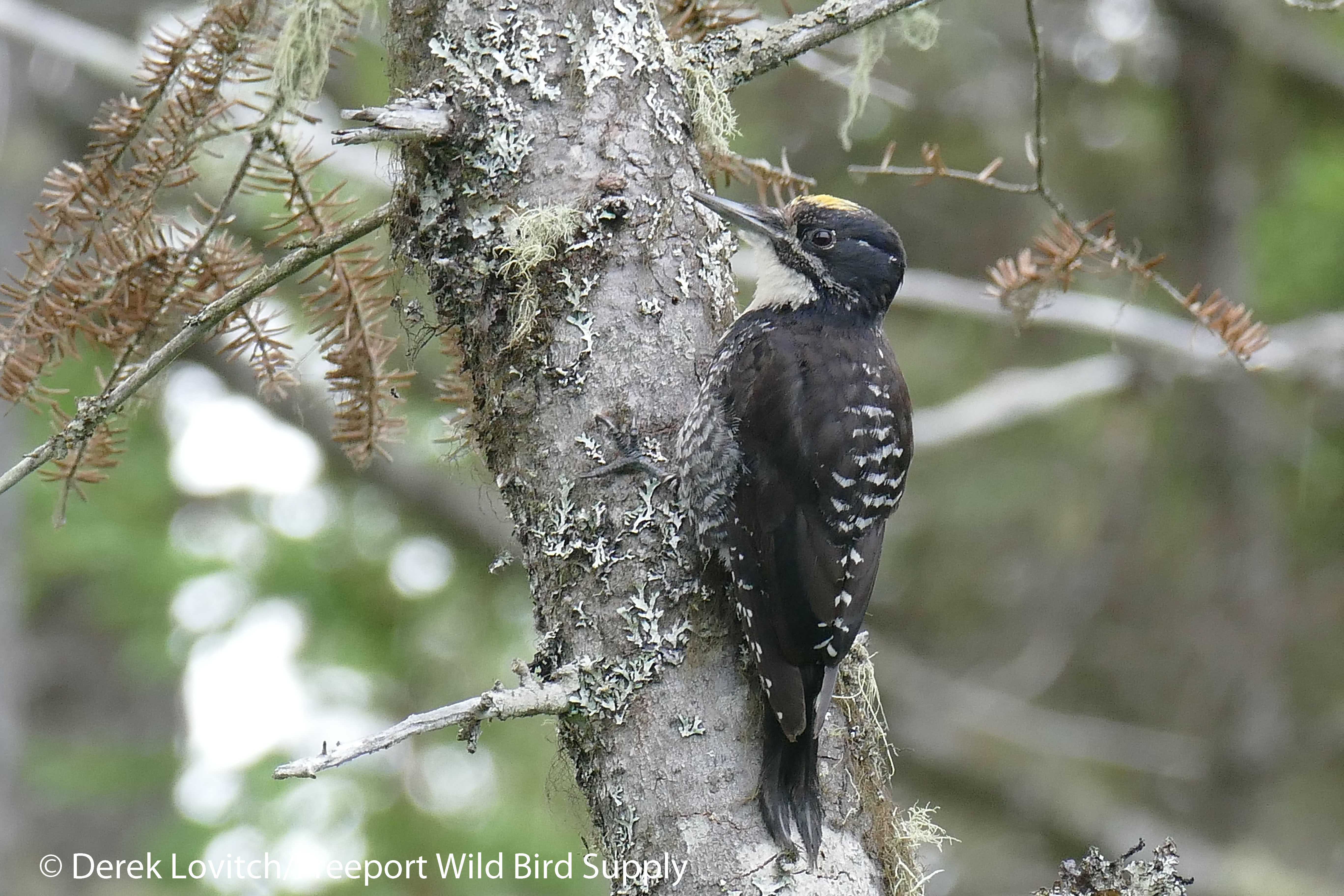
24. L1050633_ATTW_male1,NesowadnahunkRd, 7-19-16_edited-125. L1050644_ATTW_male2,NesowadnahunkRd, 7-19-16_edited-126. L1050597_ATTW_male3,NesowadnahunkRd, 7-19-16_edited-127. L1050579_ATTW_male4,NesowadnahunkRd, 7-19-16_edited-128. L1050645_feedingATTW_male,NesowadnahunkRd, 7-19-16_edited-1

We then found the female, and watched and photographed her for a while.
29. L1050653_ATTW_female1,NesowadnahunkRoad,7-19-16_edited-130. L1050690_ATTW_female2,NesowadnahunkRoad,7-19-16_edited-1

One Red Crossbill – our only non-Purple finch of the trip – passed overhead, but we barely looked up.

Happy that we were successful in our search, we hatched a plan to casually bird and explore for the rest of the day, stopping to photograph bugs and abundant Snowshoe Hares.
31. L1050739_SnowshoeHare,TelosRd,7-19-16_edited-1

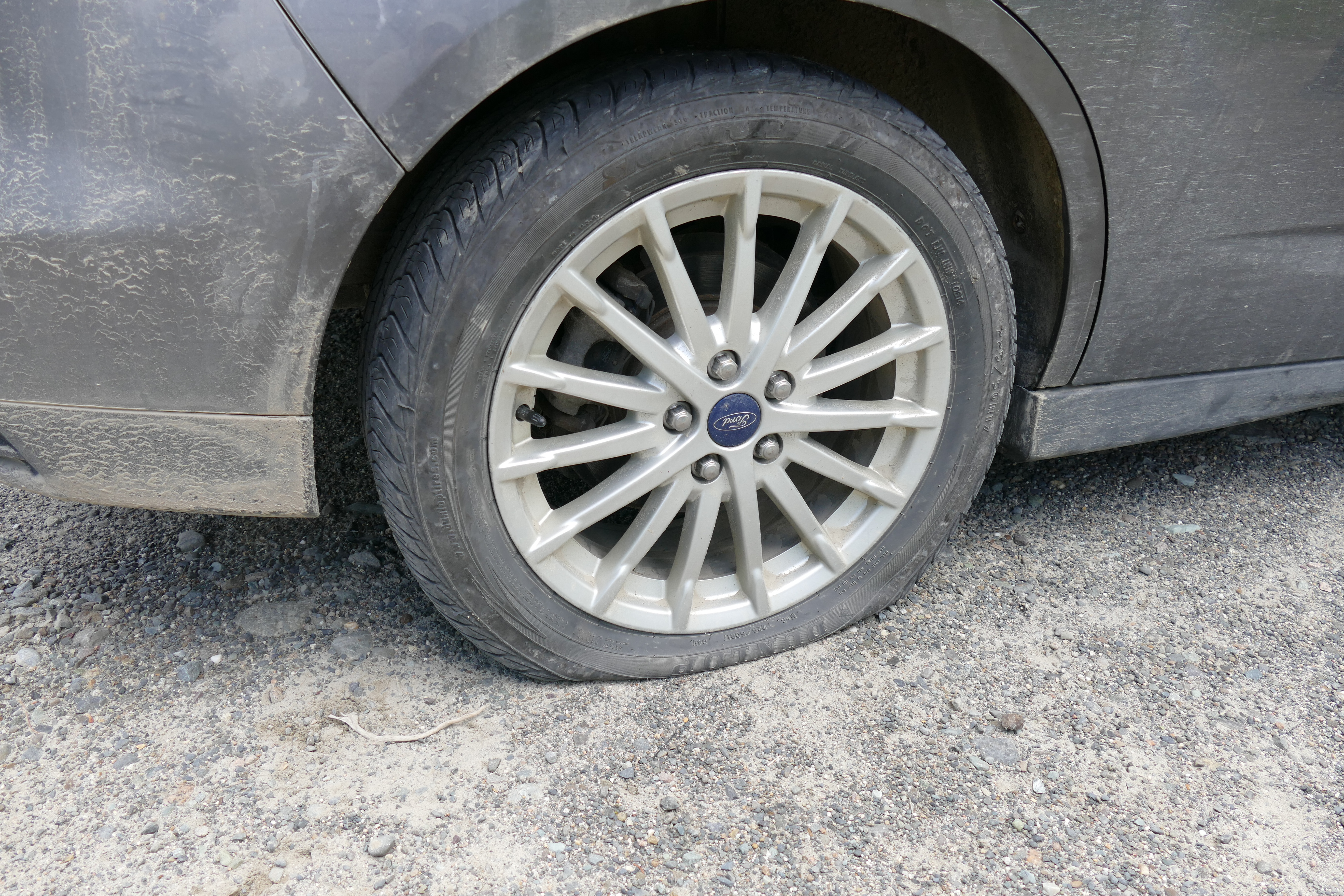
Then this happened:
“Ffffffhhhhhhhhhhhhhhhhhhh……tttttttsssssssssssssssss….”
32. tire

So….my car, like a lot of new cars, especially hybrids, comes with a pump and canister of fix-a-flat instead of a spare or a donut. Unfortunately, the canister of goo attached to the pump didn’t work.

The roads up here are notorious for shredding tires, thanks to the underlying flint bedrock that occasionally chips and breaks into upright daggers, aimed perfectly for taking on even the heaviest duty of truck tires.

A couple, heading down from the checkpoint, stopped, and offered a better plug than our impromptu creation, and a fresh can of Fix-a-Flat. The tire inflated, air was not heard, and we thought we were good to go.

We rolled about three feet, and the “giant Nelson’s Sparrow” sound returned.

“Ffffffhhhhhhhhhhhhhhhhhhh……tttttttsssssssssssssssss….”

Good thing we were about 15 miles from a phone (and yes, you can forget about cell service in these parts, as we knew).

Two loggers, their workday cut short by a broken part, happened by, and we hopped in. They generously took us in the opposite direction they were heading to deliver us back to the Abol Bridge Campground. A very insightful conversation about logging, the economy, and the possible National Park/Monument ensued.

“Umm, hi again. Can we use your phone?” I called Ford Roadside Assistance.

We waited for the tow truck confirmation. It didn’t come.

Not wanting to tie up the phone line incase that confirmation came through, I paid for the wifi and texted Jeannette. She called Ford. Apparently, the service was on hold.

I’ll make a long story short: Ford Roadside Assistance sucks. When we finally got a tow truck (thanks to a tip from our very helpful waitress and calls from Jeannette), it turned out that John – really the only option – told them what it would cost and they refused to pay it, even though I had already approved ANY cost overruns beyond their allocated $100 for towing. I knew $100 wasn’t going to get us very far. Of course, I would have liked to have known they refused it.

At least there was beer on tap – we needed it! – and a very good plate of poutine. More great conversation, with hikers just starting on the AT, and another just about finished, and the staff of the campground and restaurant passed the time.

Luckily, John was available, picked me up at the campground and we went up to the car (Ford told me to return to my car – in the middle of nowhere, without any kind of phone service – and wait for their tow truck which was still not arranged), loaded it up, and he entertained us with some really great stories on the long drive to Medway for the new tire.

A $110 tire, a $245 tow (yes, the complaint has already been filed with Ford), and 5 ½ hours later, we departed for the long drive home. It had just become a very expensive state bird!

To be honest, the “adventure” and the quality of the conversation (not to mention the beer and poutine), the clichéd but very real “kindness of strangers,” and the overall experience somehow turned into a highlight, rather than a lowlight.

That being said, as I mentioned to Evan as we stood there staring at the irreparable tire after the plug gave way “Good thing we actually saw the woodpecker!”

Note: All photos taken with a Leica V-Lux (typ 114)…Available at Freeport Wild Bird Supply!

A Vermont and Montreal Roadtrip In Photos

Jeannette and I made a run for the border in our annual pre-hawkwatch roadtrip getaway.  We’ll be covering Katrina’s days off at the Bradbury Mountain Hawkwatch through the end of the season.  Then, my guiding season kicks off in full force through early July.  In other words, it’s a good time for us to get a little break.

This year’s destination was a visit with family in Vermont, followed by a few days in Montreal.  I had not been to Montreal before – no excuse for that, really – so this was a good incentive to head (mostly) west.  Sure, the weather could have been a little more seasonable, but we enjoyed a really great trip nonetheless.

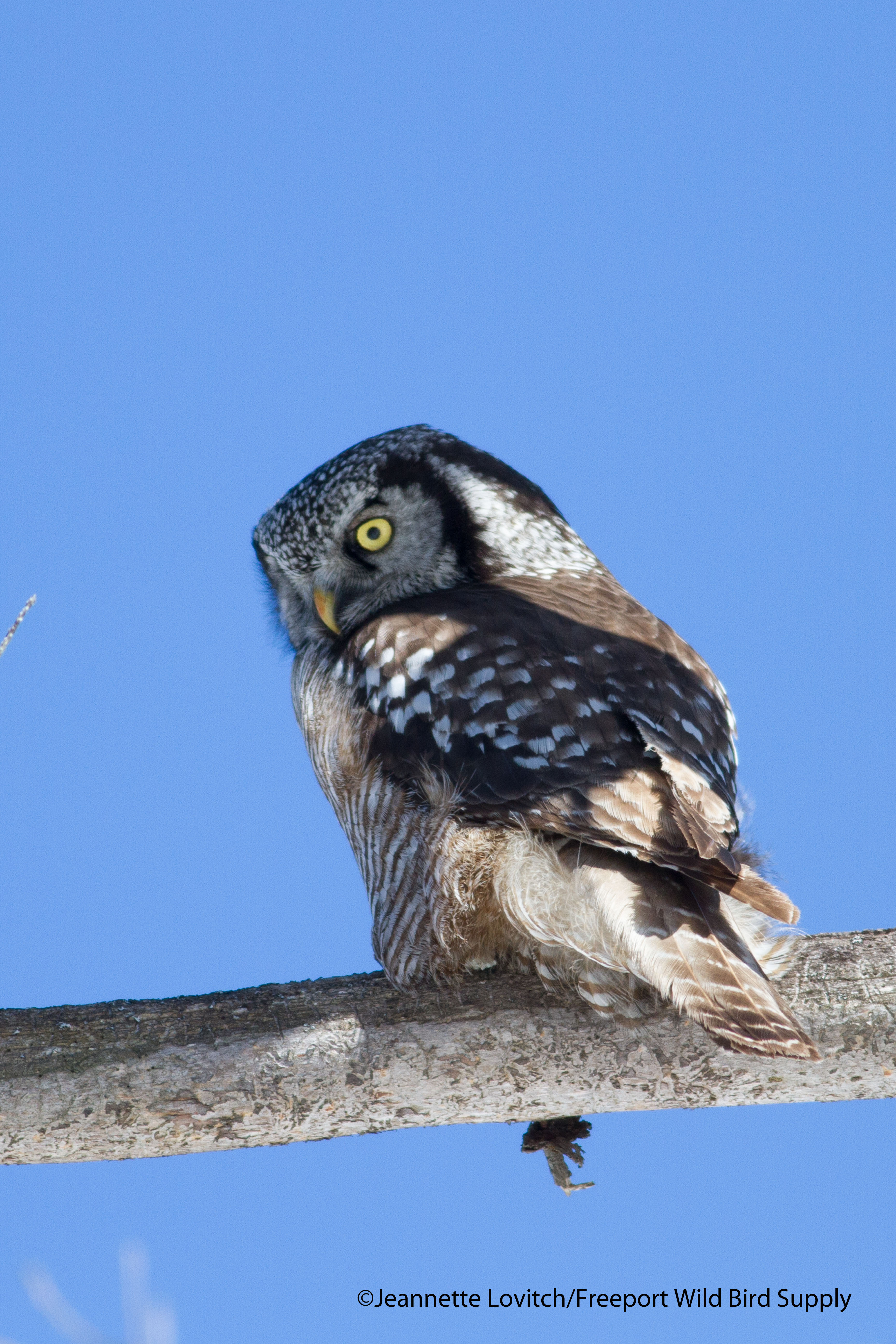
While this trip wasn’t necessarily a “birding trip,” we obviously were going to do some birding.  And there were a few “goodies” around that, if nothing else helped guide us in fruitful directions.  First up was the Northern Hawk Owl that has been spending the winter in Waterbury, Vermont.  Since we had to pass through the intersection that the bird has been frequenting on the way to see the fam, I don’t think this counts as a chase, does it?

Although most hawk owls are notoriously tolerant of people, this bird was ridiculous!   People were walking back and forth on a trail right below it, and it didn’t care.
1. NHOW-phonescoped1a,3-9-14 (30)

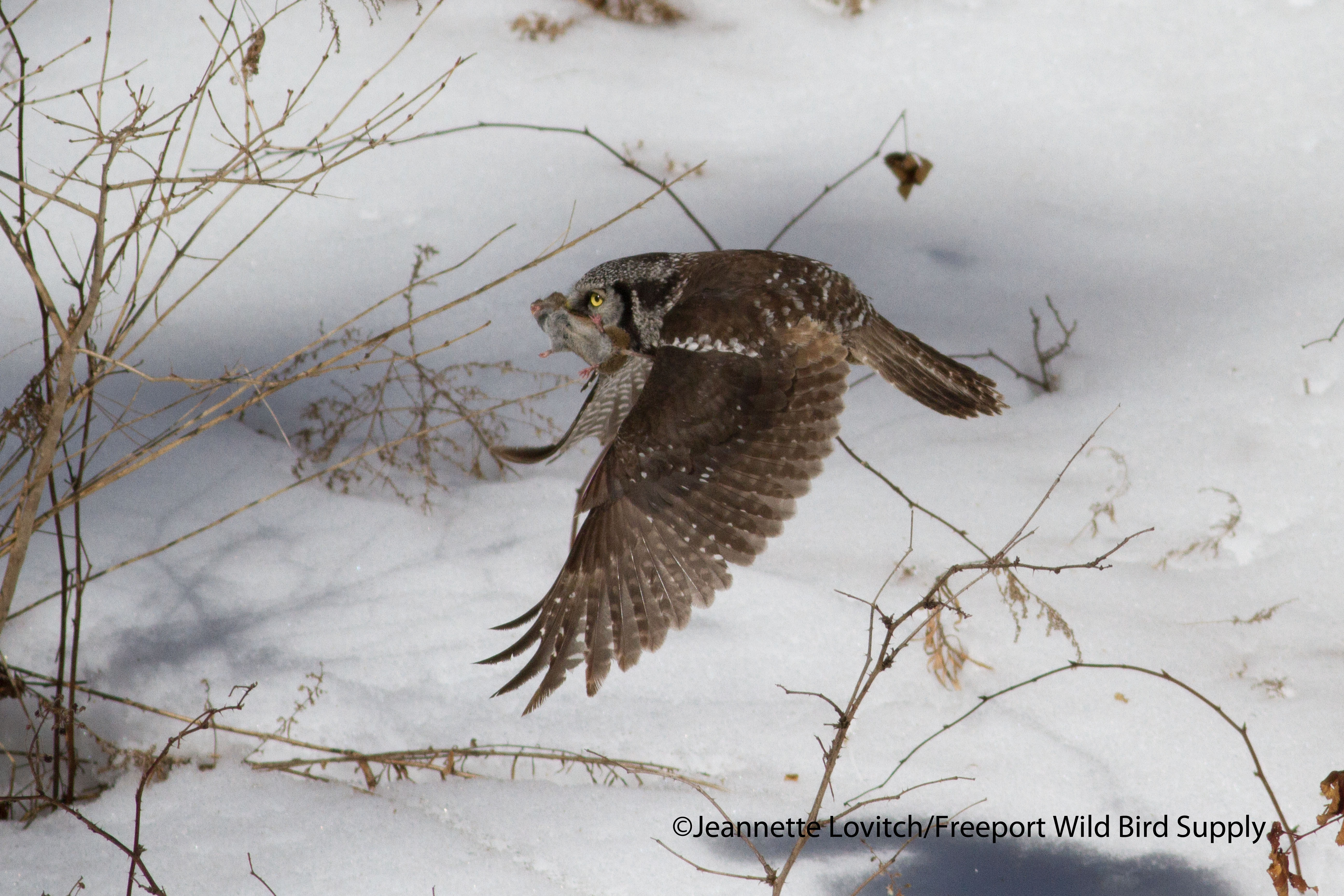
Then, spotting something of interest, it dove through the line of admirers, and landed in the snow.  It scuffled around for a bit, and then came up with a White-footed/Deer Mouse, which is proceeded to devour on a nearby snag…in clear view of everyone.  Returning to its original perch, it flew between two photographers, right at head-level!
2. NHOW-phonescoped1a,3-9-14 (29)

3. NHOW-phonescoped1a,3-9-14 (1)
The lighting and the proximity were so good that I believe these are the best phone-scoped photos that I have ever taken!

After visiting friends and family, we departed the next day.  Of course, we couldn’t help but stop at the hawk-owl once again.  “Let’s just drive past this Northern Hawk Owl,” said no one, ever.
4. NHOW-phonescoped1a,3-9-14 (2)

After lunch in Burlington…
4a. NHOW-phonescoped1a,3-9-14 (15)

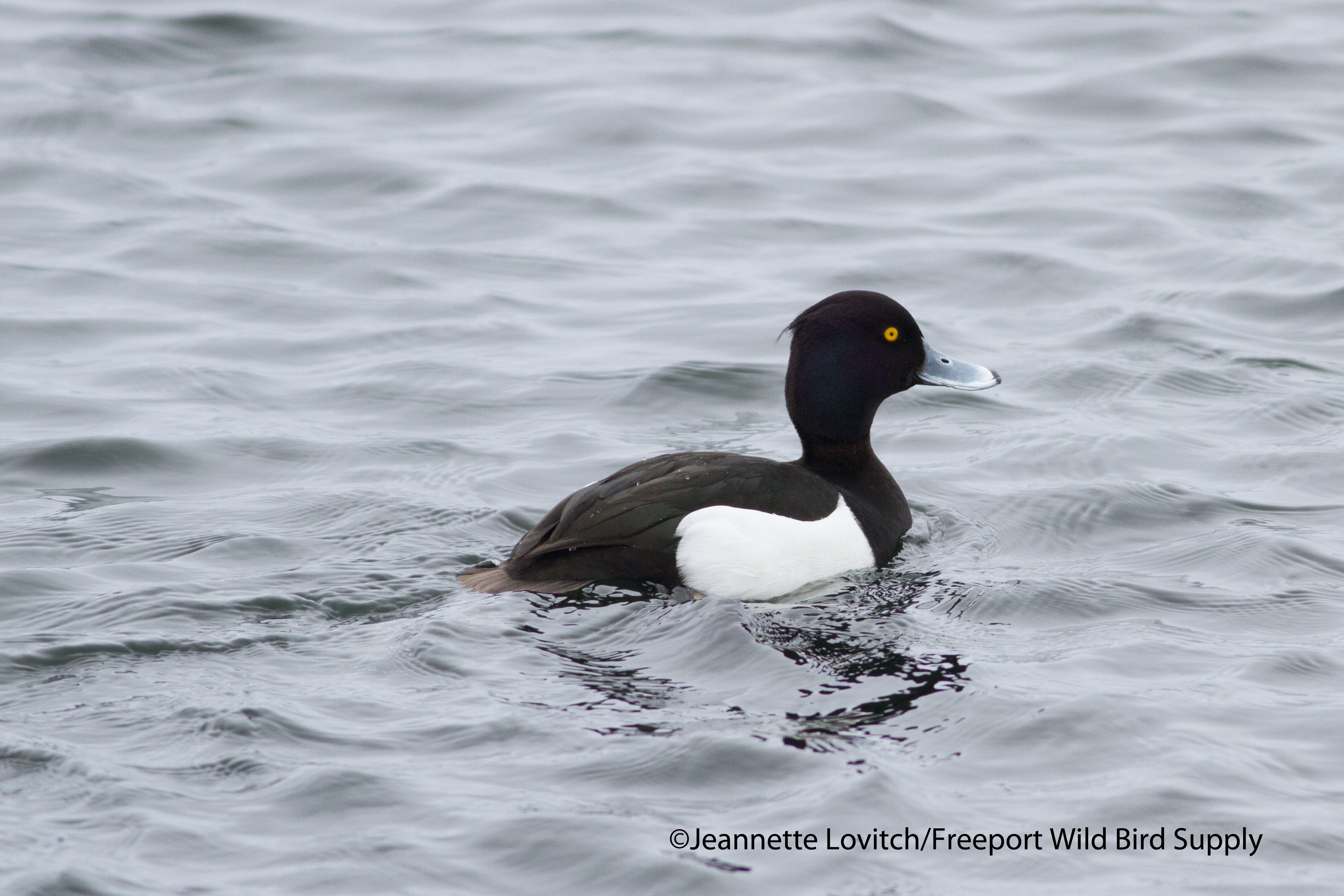
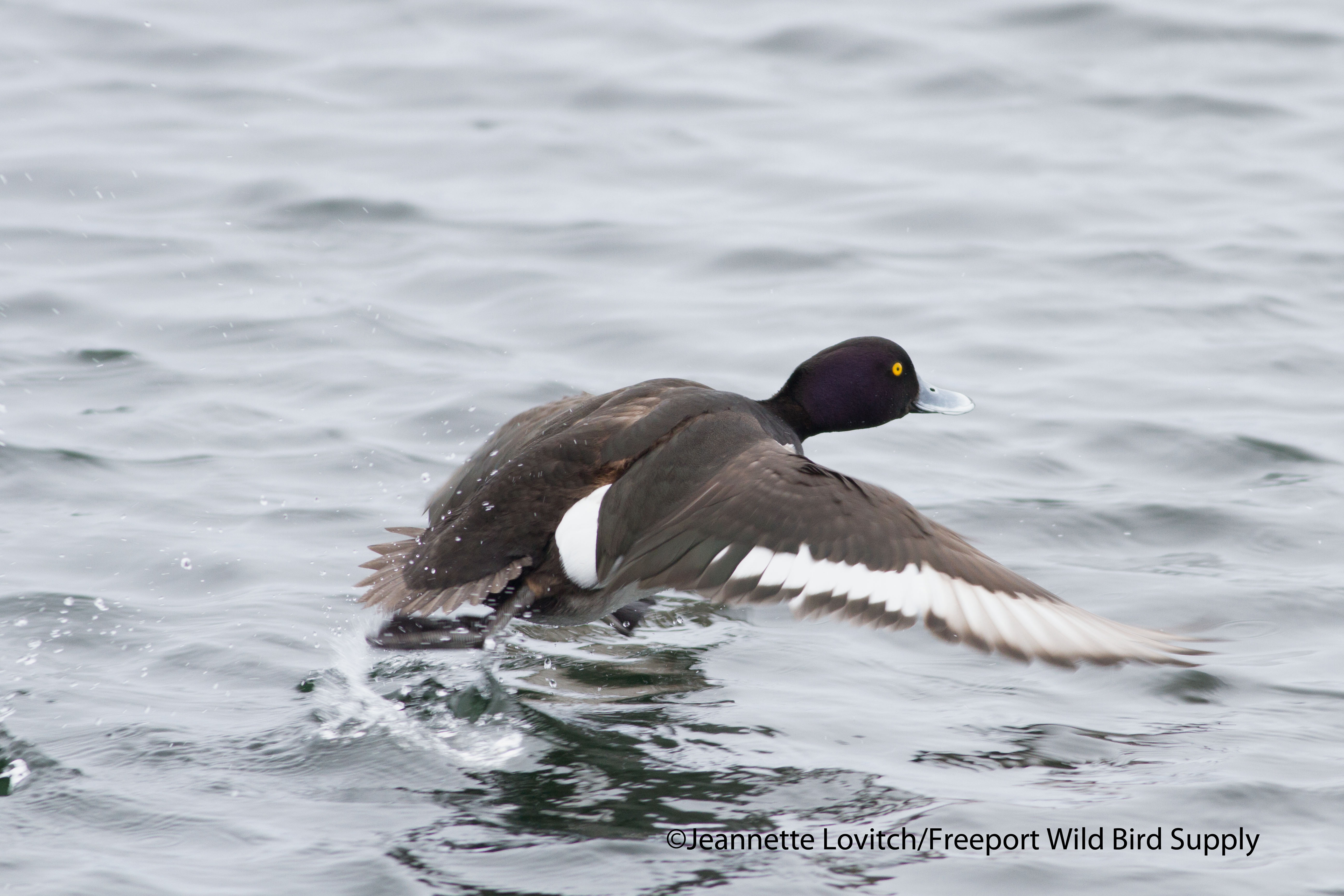
…we dipped down to Charlotte to board the ferry over to Essex, NY.  With such extensive ice on the lake, the only open water is limited to the ferry channels.  Ducks have concentrated in this narrow band of open water, including some very good birds.  The Tufted Duck being seen here was nothing more than an excuse to take the ferry, and we are very glad we did.
5. NHOW-phonescoped1a,3-9-14 (24)This was a great little “mini-pelagic!”  In fact, after we took the car across to NY, we hopped back on as round-trip passengers to have another look.  Good thing we did, because as we began the half-hour journey back to Vermont, the Tufted Duck was right in front of the bow!  And Jeannette “nailed” it, I think it’s safe to say.
7. NHOW-phonescoped1a,3-9-14 (11)

8. NHOW-phonescoped1a,3-9-14 (12)

In addition to the Tufted, impressive numbers of Common Goldeneyes and both Greater and Lesser scaup were enjoyed and extensively photographed.  Mallards, American Black Ducks, a small number of Common Mergansers and Buffleheads, 3 Ring-necked Ducks, 2 female Long-tailed Ducks, and 1 White-winged Scoter (the latter three only in New York, and the final two being good birds for the season here) were also present, and early in the third leg, we spotted a female Barrow’s Goldeneye among the masses for a nice addition to my paltry Vermont state list. Jeannette very nicely augmented here library of waterfowl –especially flight – photos, and this fun little ride turned out to be a real highlight of the entire trip.
6. NHOW-phonescoped1a,3-9-14 (25)
How many species can you identify in this photo?

A quick stop to look for coffee in Plattsburgh, NY resulted in what was perhaps the best cupcake we have ever had (a butter cream-iced tres leches cupcake at Delish), and eventually we made our way across the border and arrived in Montreal in the evening.

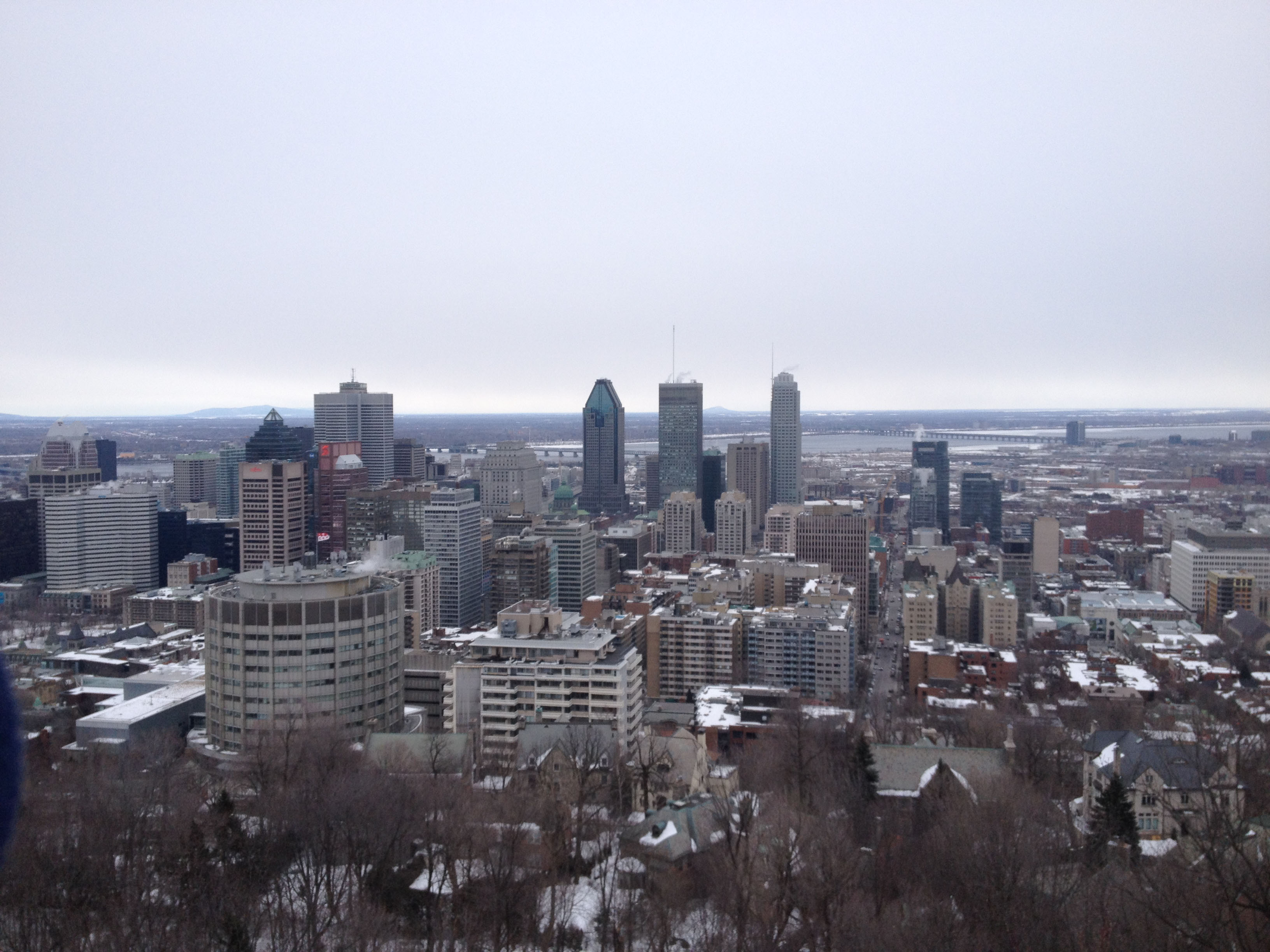
The next morning, we walked from our downtown hotel to Parc du Mont Royal, the expansive park in the heart of the city.  There’s been a Black-backed Woodpecker here all winter, but we did not know exactly where.  We did find a grove of Scotch Pine that had the classic sign of foraging Black-backs, but we didn’t see it…or much else, really.  Just like at home, deciduous-dominated forests are awfully quiet right now.
9. NHOW-phonescoped1a,3-9-14 (6)

10. NHOW-phonescoped1a,3-9-14 (7)

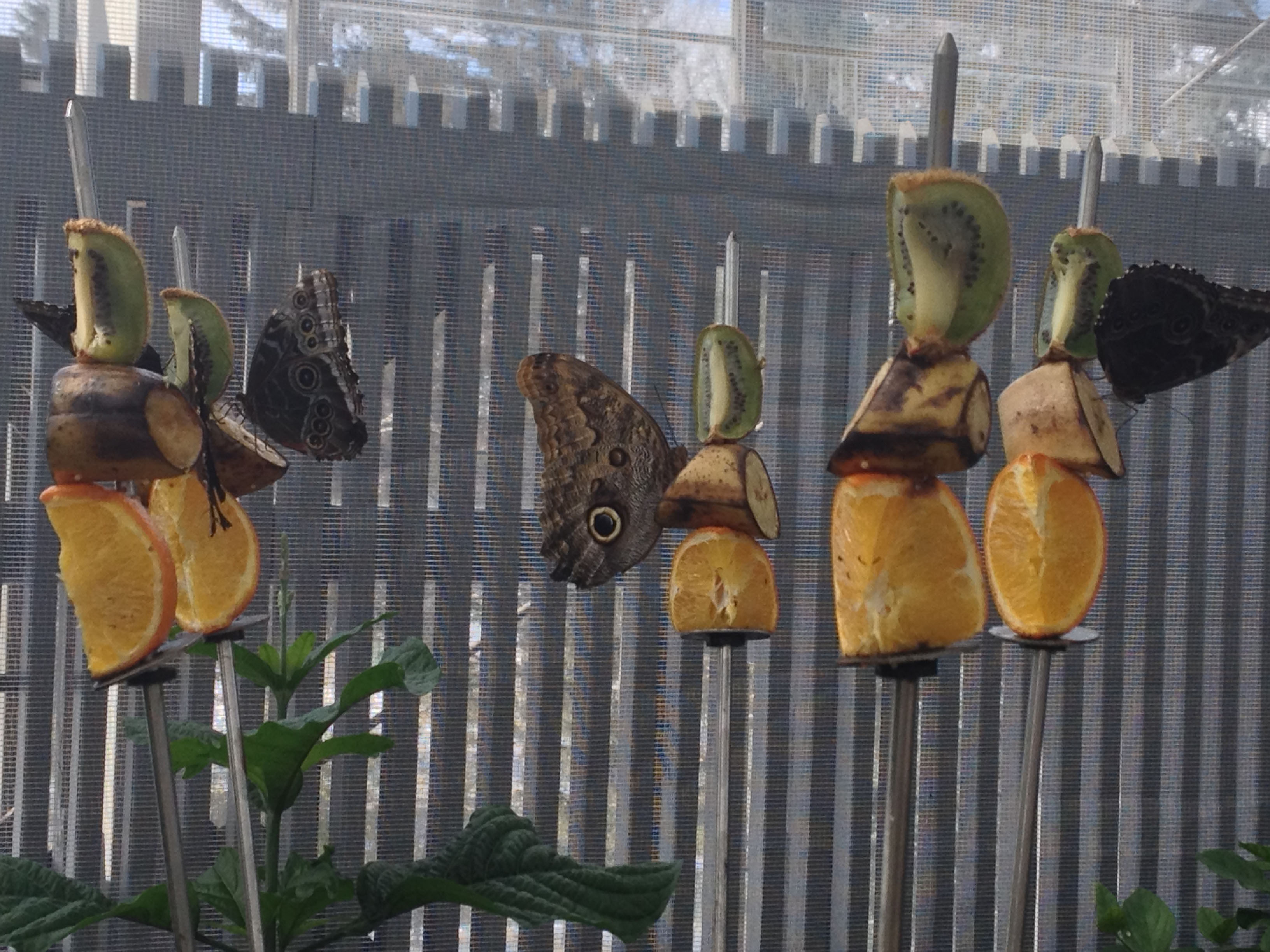
After lunch, we visited the Botanical Gardens, including their impressive Insectarium and extensive greenhouse biomes.  Stealing the show, however, was the free-flying butterfly (and some moths) exhibit.
11. NHOW-phonescoped1a,3-9-14 (14)

11a. NHOW-phonescoped1a,3-9-14 (28)

12. NHOW-phonescoped1a,3-9-14 (16)

13. NHOW-phonescoped1a,3-9-14 (17)

14 NHOW-phonescoped1a,3-9-14 (18)

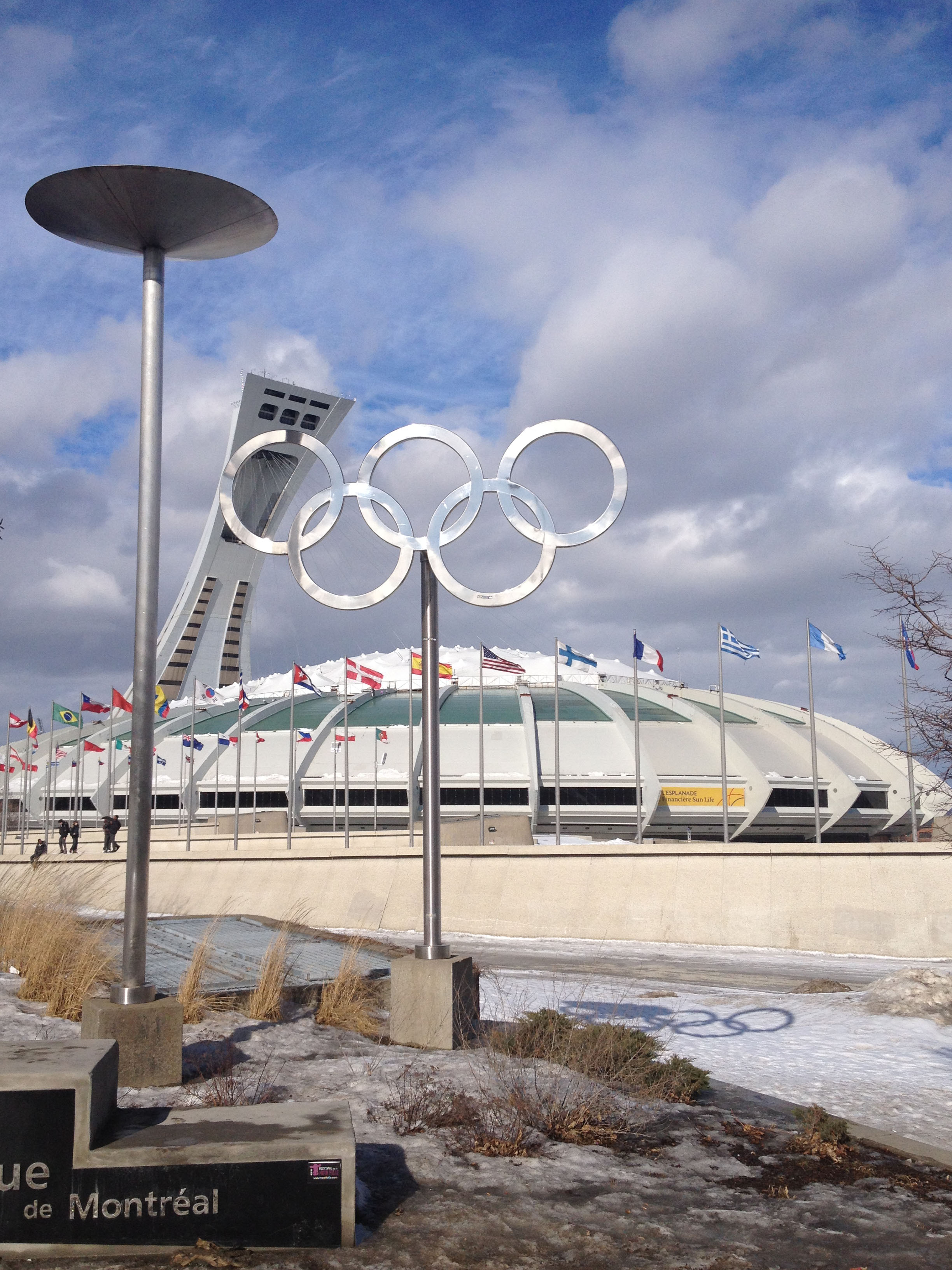
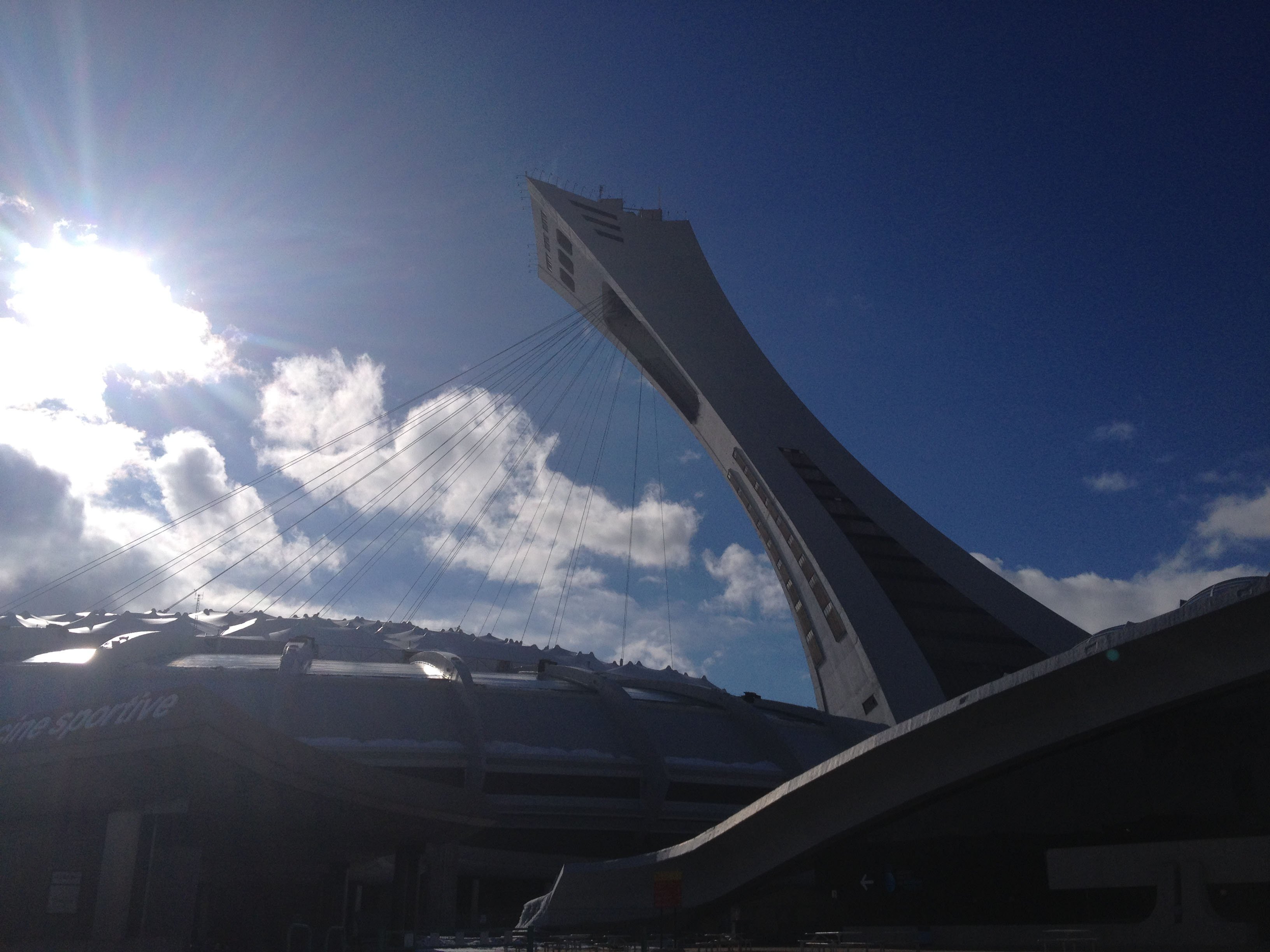
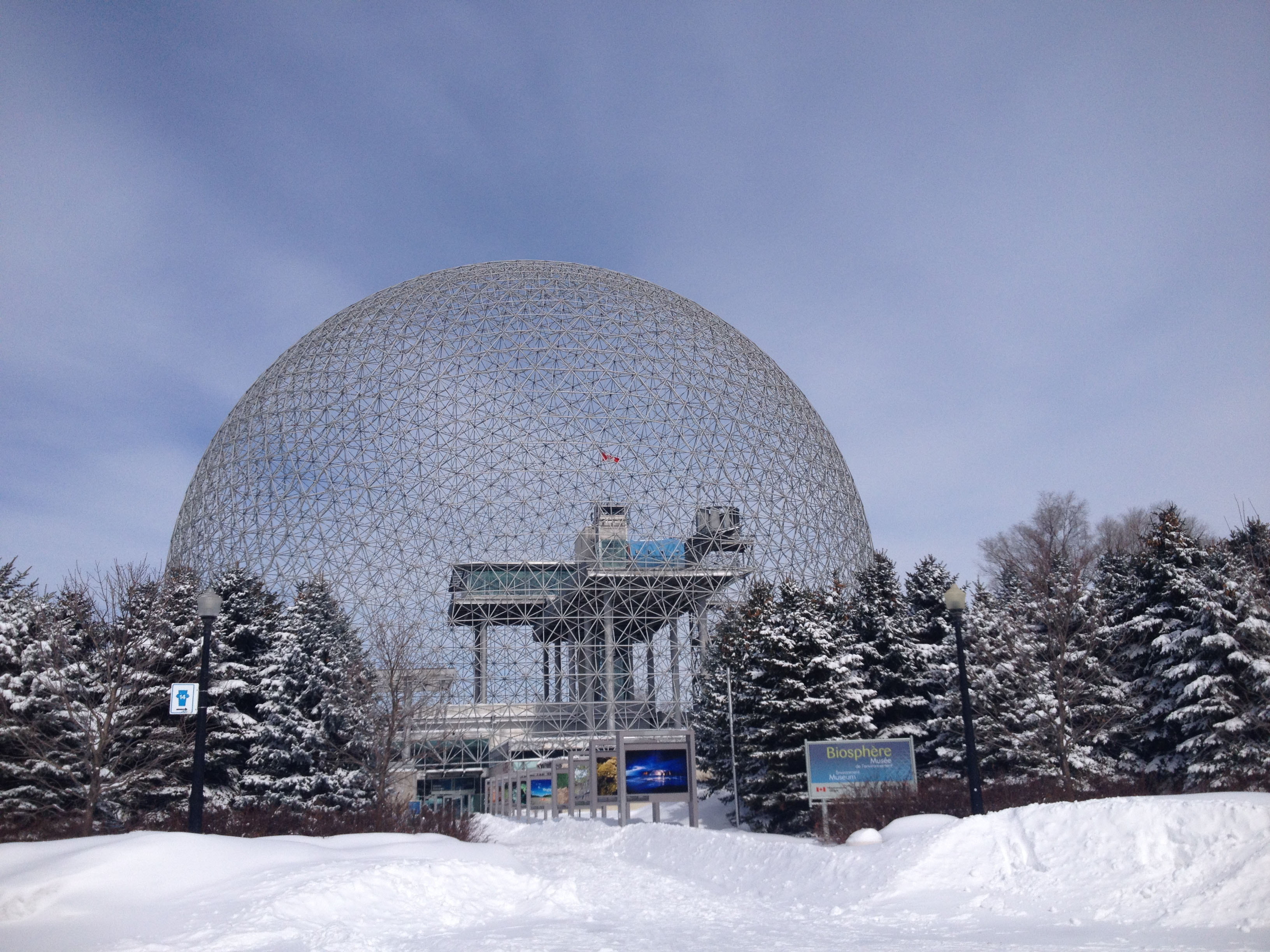
A stroll around Olympic Park…
15. NHOW-phonescoped1a,3-9-14 (4)

16. NHOW-phonescoped1a,3-9-14 (5)

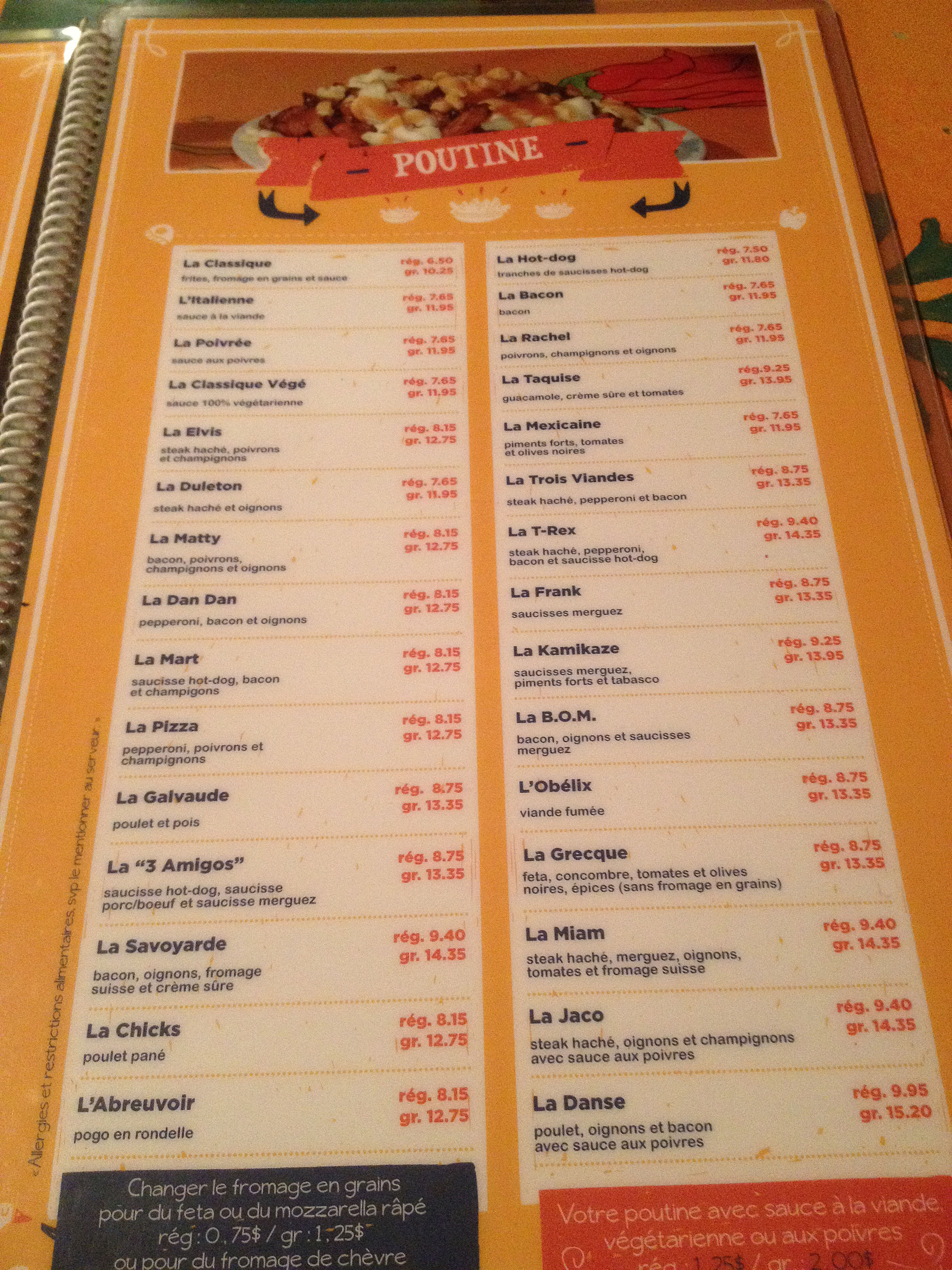
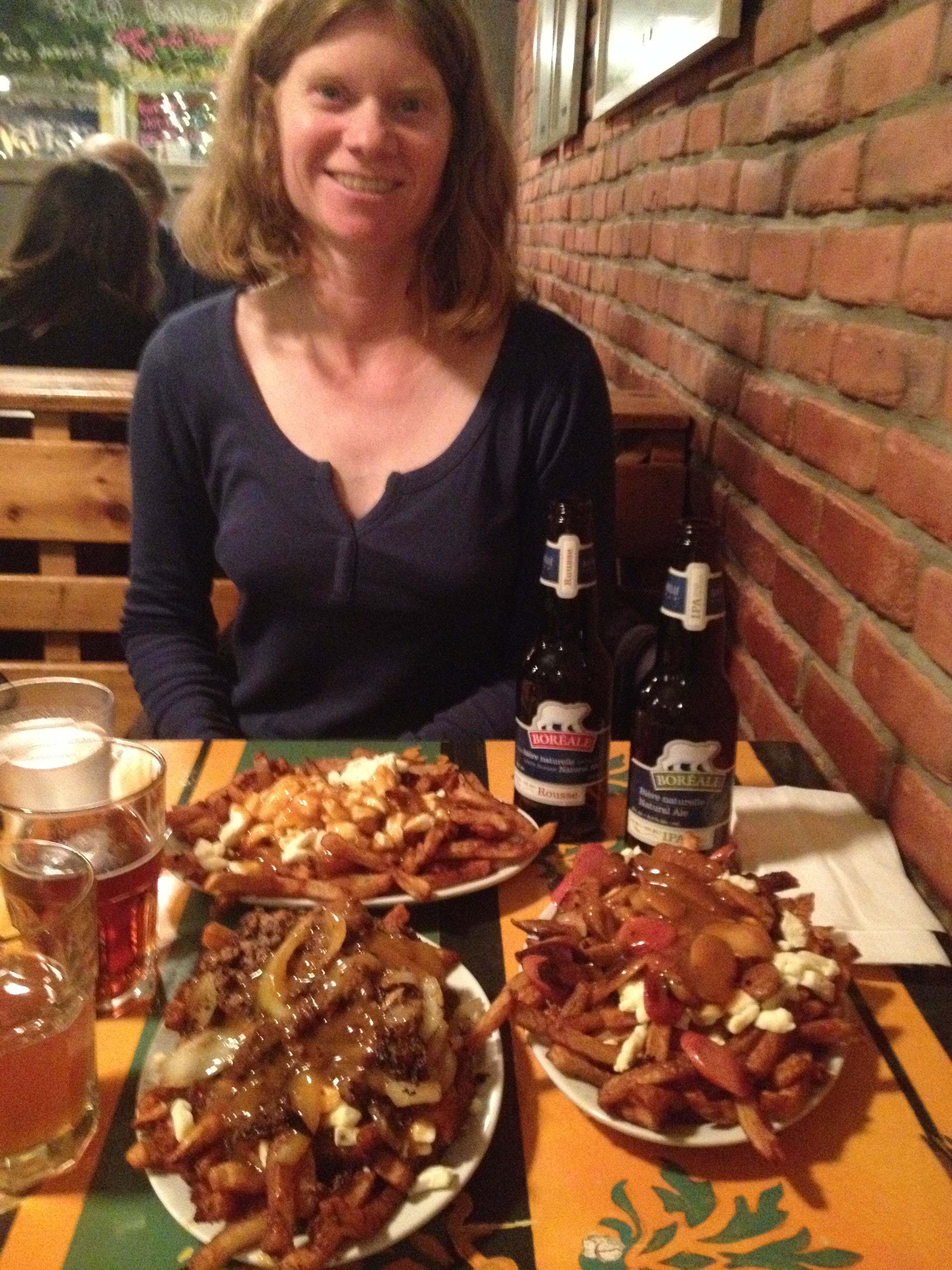
…Was followed by dinner, at a place with 30 kinds of poutine on the menu: Poutine la Banquisse!
17. NHOW-phonescoped1a,3-9-14 (9)

18. NHOW-phonescoped1a,3-9-14 (10)

The next day, another walk at Parc du Mont Royal (which was actually less birdy than our first visit) …
19. NHOW-phonescoped1a,3-9-14 (8)

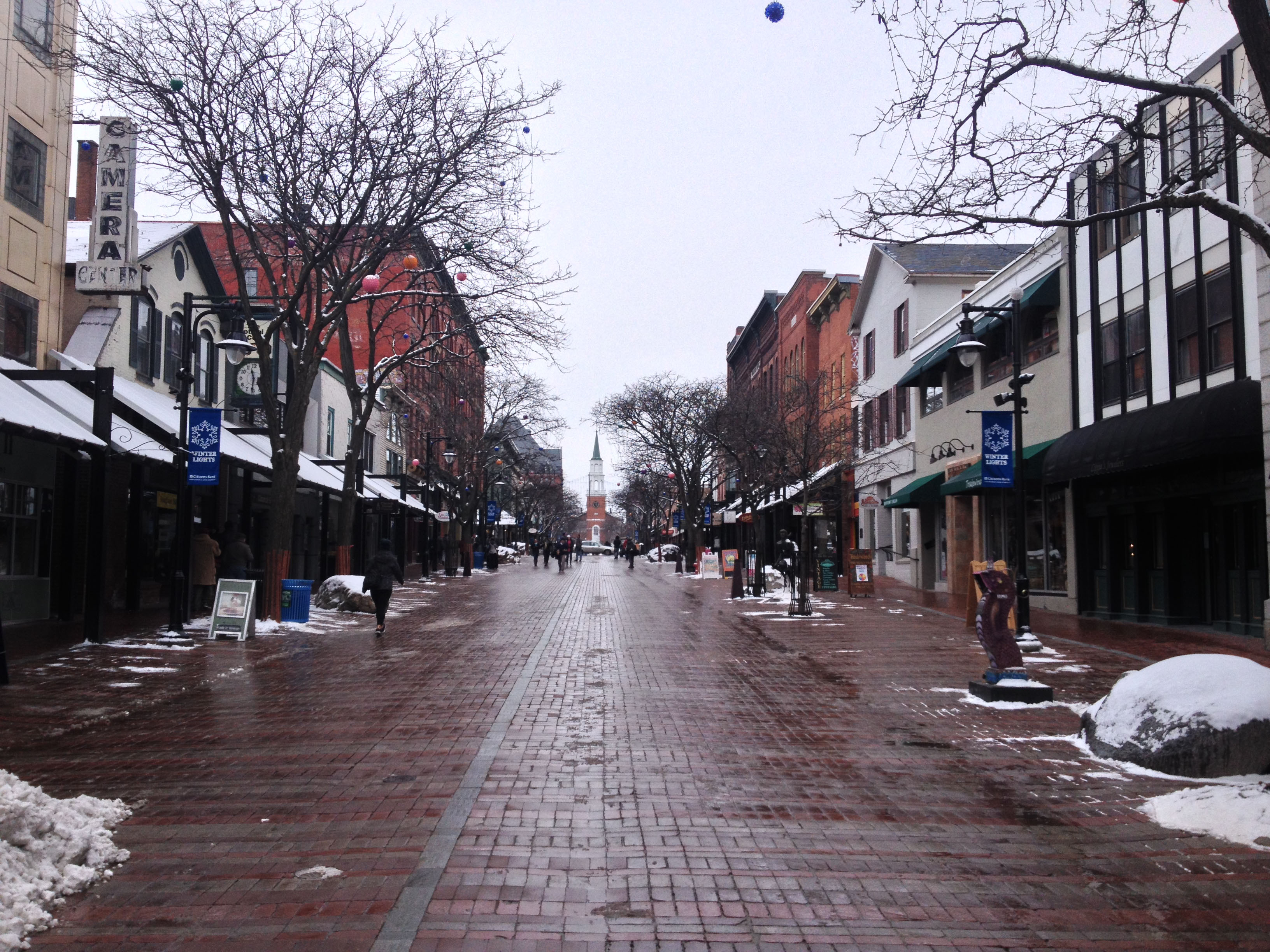
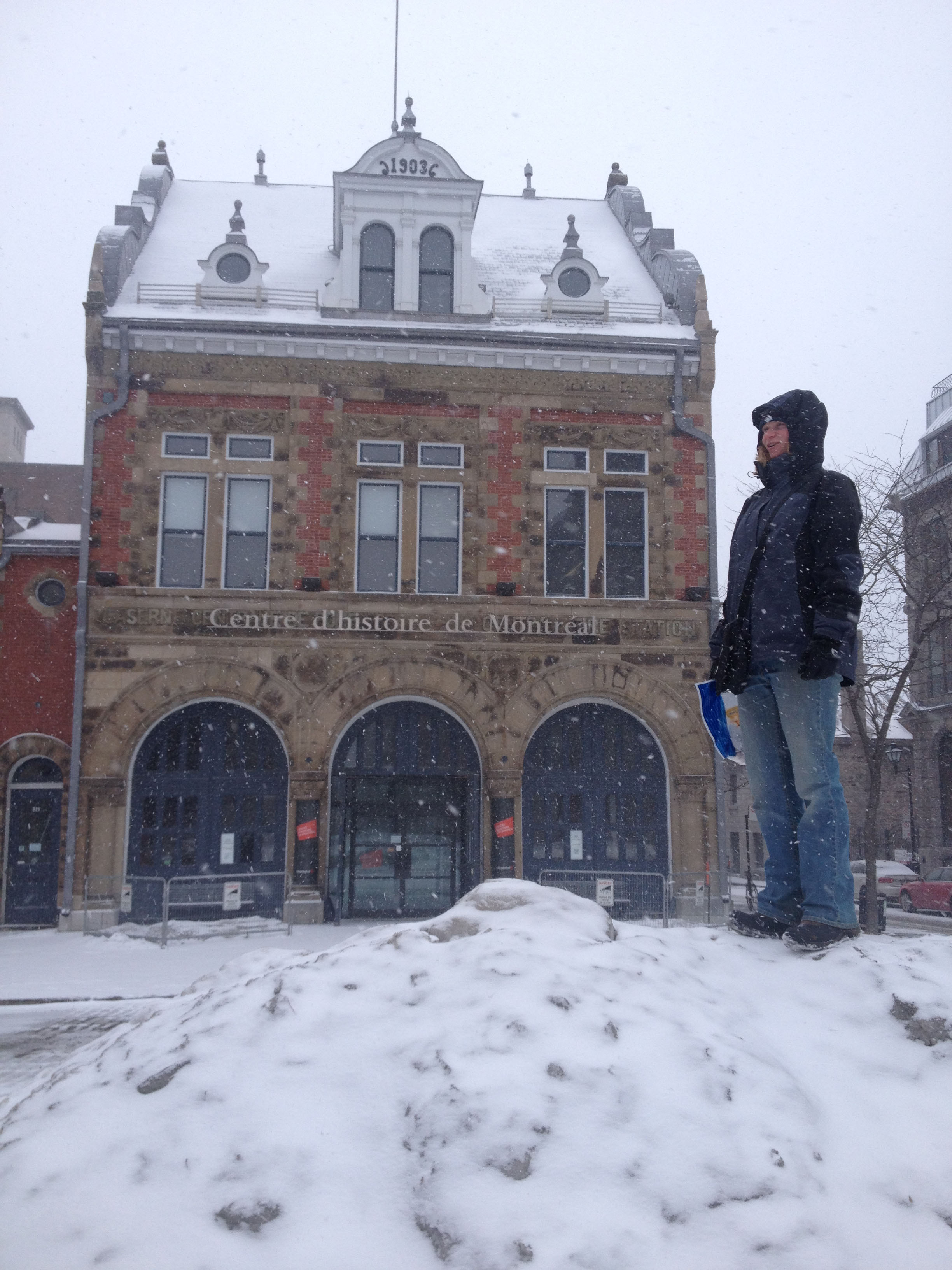
…was followed by exploration of Old Montreal and the OldPort.  Unfortunately, the weather had taken a turn for the worse.
20. NHOW-phonescoped1a,3-9-14 (3)

The storm was fully upon us…
21. NHOW-phonescoped1a,3-9-14 (22)

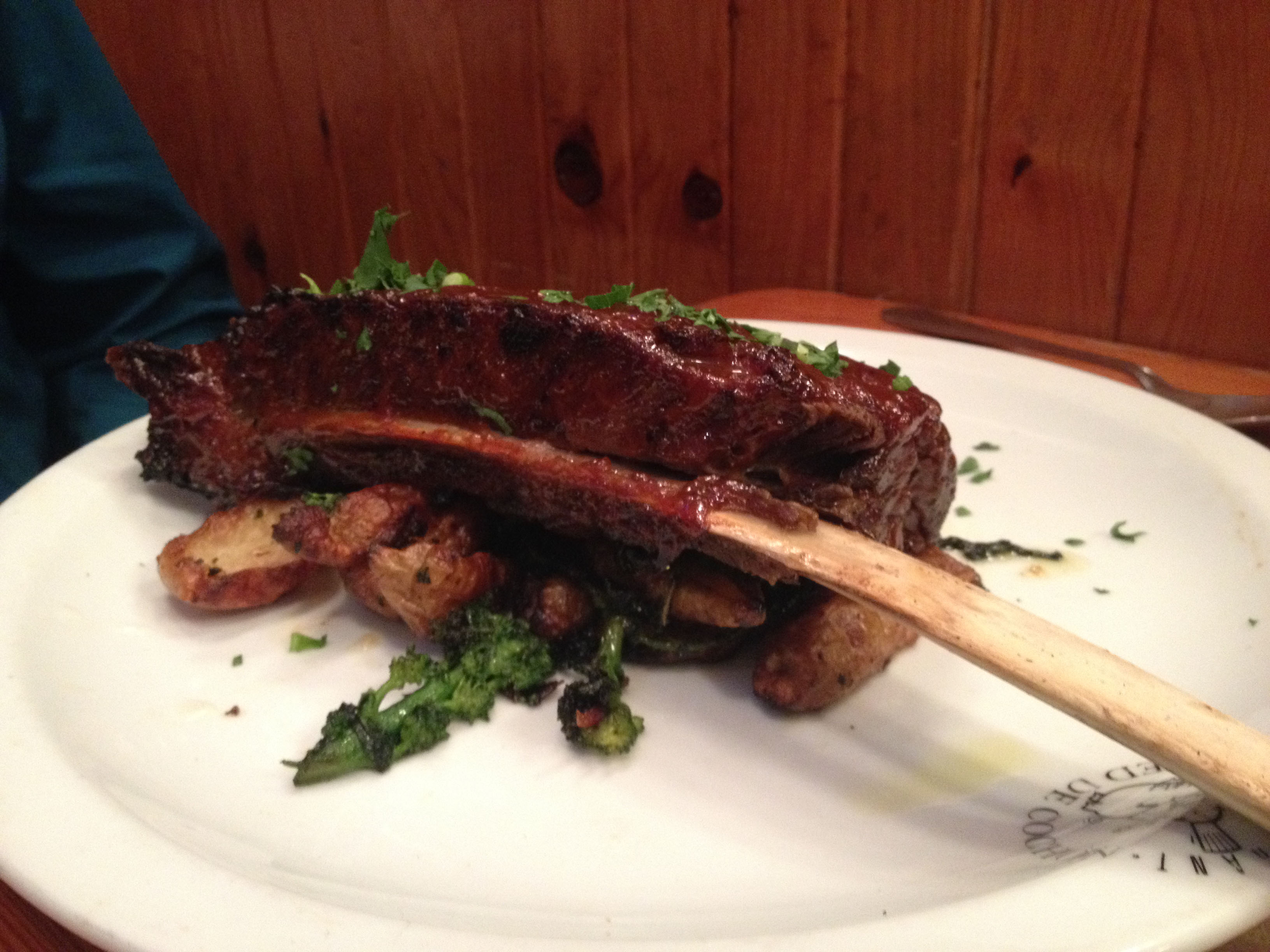
…as we ventured out for our “splurge” dinner of the trip at the famous Au Pied de Cochon.  Because we didn’t have enough poutine the night before, we shared the intriguing and tasty fusion of a poutine temaki, and the duck carpaccio.  Entrees were outstanding as well, with Jeannette getting primal with a Bison rib as I went all in with what may have been the best sandwich I have ever eaten – and by far the most expensive!  With 10 grams of truffles and an apparent three pounds of butter, this was not your everyday grilled cheese!
22. NHOW-phonescoped1a,3-9-14 (19)

23. NHOW-phonescoped1a,3-9-14 (20)

The snow was piling up as we departed the restaurant…
24. NHOW-phonescoped1a,3-9-14 (21)

…and about 8 inches had accumulated by morning.  Now that we actually knew where to look for the Black-backed Woodpecker at Mont Royal, it turned out it was rather east to find after all!

25. NHOW-phonescoped1a,3-9-14 (13)

Before hitting the road, we took a walk around Ile Sainte-Helene, which was actually quite birdy; the birdiest place in the city during this short visit.  In addition to the usual woodland residents, goodly numbers of Cedar Waxwings and American Robins were present.  Waterbirds in the fast-moving river were limited to four Common Mergansers and a single Common Loon, however.
26. NHOW-phonescoped1a,3-9-14 (26)

27. NHOW-phonescoped1a,3-9-14 (27)

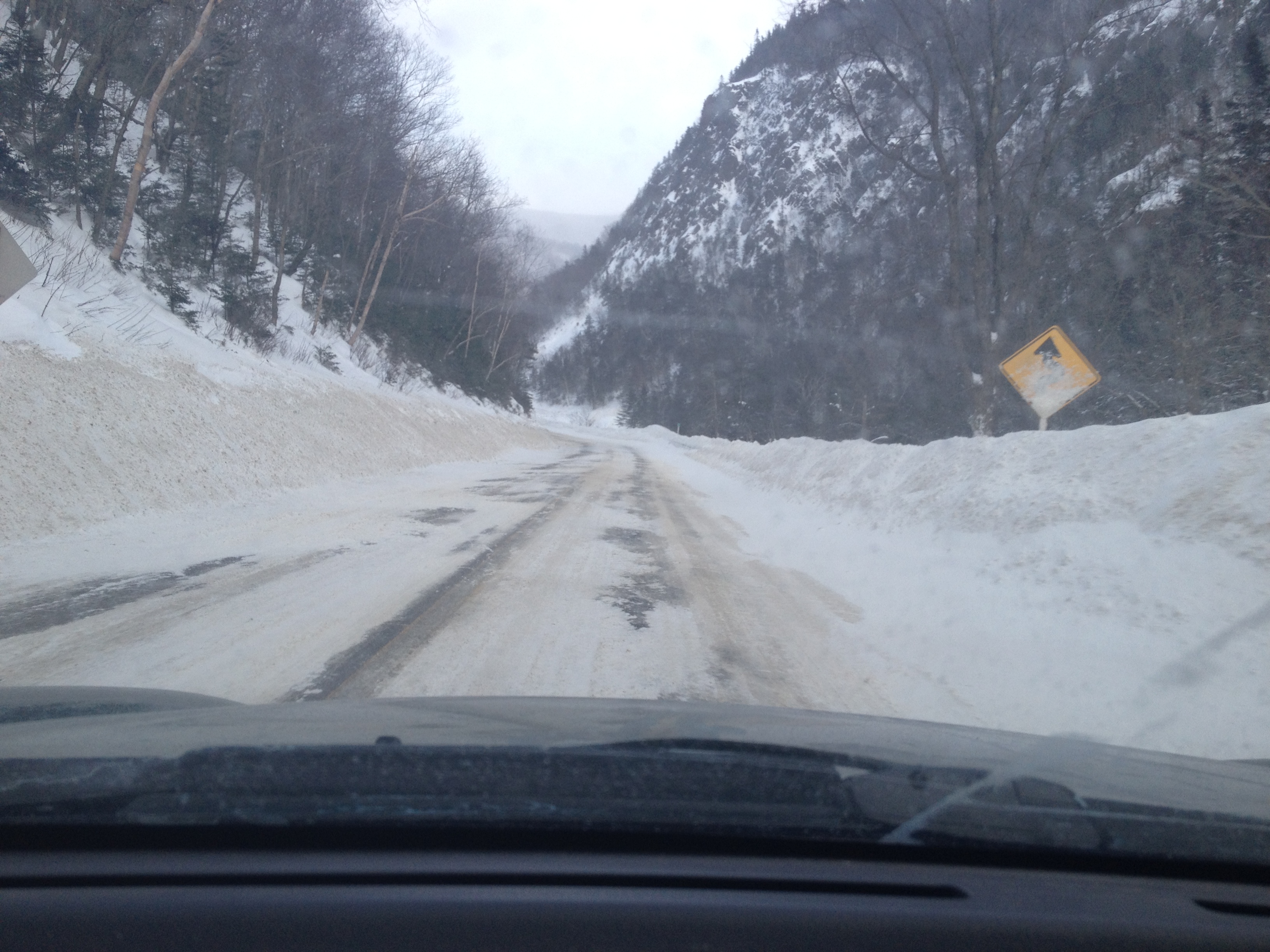
It was a long and slow drive home, in large part due to the heavy snow in the mountains.  With about two feet in some places, a few of the passes in northern New Hampshire and Maine were a little interesting.  I think it’s safe to say it was a good idea to have taken our Subaru on this road trip!
28.  NHOW-phonescoped1a,3-9-14 (23)

Back to work early in the morning on Friday, we were very pleased to be greeted at the store by some Red-winged Blackbirds.  The hawkwatch is underway, with a goodly 38 birds on the first day (6 Red-shouldered Hawk!), spring is definitely here…even if, once again, it doesn’t feel like it!