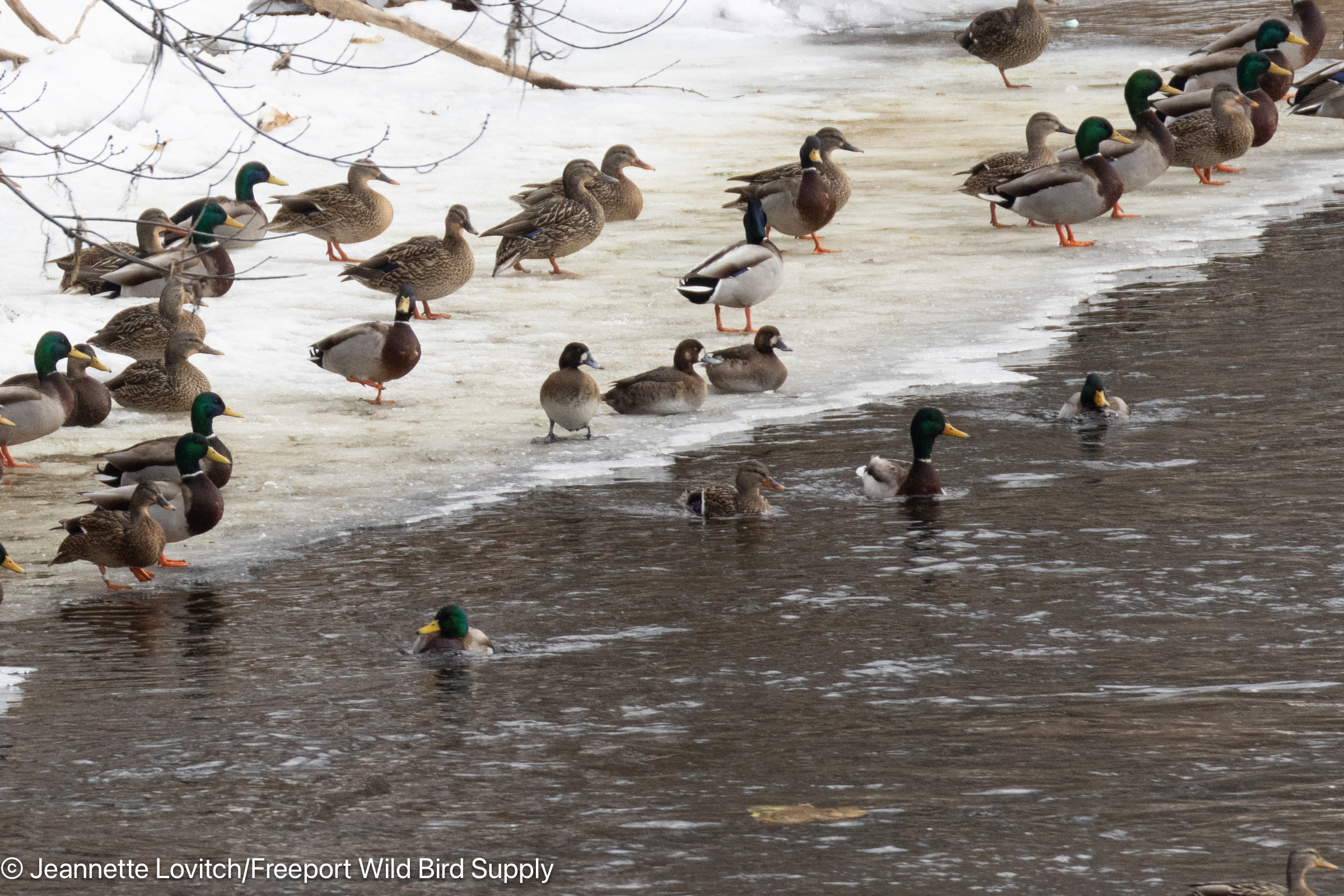
These three female Greater Scaup appeared with the Mallard flock off of the Bernard Lown Peace Bridge between Lewiston and Auburn last week, and continued through the 25th
I had an excellent week of late-winter birding this week, with a nice mix of overwintering birds and some new, spring-like arrivals. Towards week’s end, birdsong from our resident species increased dramatically, and winter concentrations of waterfowl are beginning to disperse. But – at the risk of sounding a little corny – I have to say, showing people their first ever Harlequin Duck is always a winter highlight for me! It was also nice to have a tour run, and not postponed or cancelled due to weather. My observations of note over the past seven days included the following:
The single Fox Sparrows continues here at the store, and our one at our Durham feeders reappeared in the snow on the 27th after being absent for a few days.
At least 2 Turkey Vultures continue in the Cumberland-Freeport corridor of I-295. Part of the local overwintering flock (up to 15 total roosting in Brunswick at the peak), the first northbound migrants of spring are now arriving. This appears to now be a year-round species along Maine’s southern coast, as birds have overwintered locally for the last three years.
1 Northern Shrike (FOY/3rd of winter), Bridge St, Newfield, 2/24 with Jeannette).
1 RUSTY BLACKBIRD and 1 Winter Wren, Florida Lake Park, Freeport, 2/24 (with Jeannette).
2 continuing drake Green-winged Teal and 3 continuing female Greater Scaup, Anniversary Park – Bernard Lown Peace Bridge area, Auburn-Lewiston, 2/25 (with Jeannette).
1 continuing hen AMERICAN WIGEON and 3 Barrow’s Goldeneyes (1 pair plus 1 immature male), Winslow Park, Freeport, 2/26.
Bradbury Mountain Spring Hawkwatch
We’re only two weeks away from the start of our 19th season! Free and open to the public, we welcome Zane Baker back for his record 7th season as Official Counter. 9-5 every day, weather permitting. More information and a link to counts can be found here.
Freeport Wild Bird Supply is very excited to partner with Down East Magazine’s Down East Adventures for the fifth year of offering exclusive birding workshops focused on gaining greater knowledge and field skills in a focused group of seasonally accessible birds. Focused on skill-builder rather than list-building, there will be plenty of “life birds,” but also more knowledge and education about birds, habitats, birding, and much more about the natural world. We are honored to be their provider for a series of unique and exclusive birdwatching endeavors. In 2025, we will have four outings once again.
February 9, 2025; 9:00am – 4:00pm Cancelled due to multiple snowstorms!
Winter is a wonderful time for birding in Maine – at least when you are dressed appropriately! Colorful seaducks that breed in the high Arctic grace our shorelines – including all three scoter species and dapper Long-tailed Ducks, along with everyone’s favorite: striking Harlequin Ducks. Purple Sandpipers and Great Cormorants replace our summertime shoreline denizens. And if the winds are right, very sought-after alcids – including Dovekies and Thick-billed Murres – join our regular Black Guillemots and Razorbills. Black-legged Kittiwakes, Northern Gannets, and “white-winged” gulls add to the mix. In this workshop, we’ll hit a few of the prime viewing locations along Maine’s southern coast. But we won’t just be working on the checklist today. Instead, we’ll be focused on learning how to search for these birds – the how, when, and why – and how to identify them. We’ll learn about microhabitats, weather considerations, and seasonal timing to aid our search today and in the future. By visiting several seasonally-productive sites, we’ll compare similar species while taking time to savor the splashes of color offered by winter seaducks in an otherwise gray and white landscape.
To get an idea of what you may see when the tour returns in the winter of 2026, see the 2024 and 2023 trip reports.
This Northern Parula was one of many ultra-cooperative warblers today. This was one of 10 parulas in a single cluster of willows on the shoreline of Capsic Pond Park during our 20205 workshop.
Spirits seemed low when we met in such dense fog, but I was even more excited to explore the environs of Portland migrant traps, beginning with Evergreen Cemetery. After a slow start, with few warblers overhead in the Morning Flight, we encountered several very productive pockets of activity, including a great diversity of warblers. Many were down low, too, with just fantastic looks at species such as Yellow, Black-throated Blue Warbler, Nashville, and Black-and-white Warblers, along with great looks at Veeries and Least Flycatchers. A “herd” of about 75-100 White-throated Sparrows marched through the forest understory, and we stalked a Black-crowned Night-Heron and spotted a Merlin among many other species today.
Evergreen was good, but nearby Capisic Pond Park was just great! While there were fewer warblers in both quantity and diversity, the cool, drippy morning conditions kept everyone even lower here. We began with 10 Northern Parulas at eye level all around us in a blooming willow (photo above), had great looks at a Prairie Warbler, listened to Northern Waterthrushes, and marveled at Baltimore Orioles.
We then discussed the overnight migration and how the radar images suggested what we would see and not see today, and how the “poor” weather produced such great birding. In the end, we tallied a very respectable-for-the-date 15 species of warblers! Although the list was not the priority as usual in these workshops, it’s hard not to get excited about the diversity of warblers now arriving. While Northern Parula was our most abundant warbler today, the total warbler list – in very rough order of abundance- also included Black-and-white,Yellow-rumped, Black-throated Blue, Ovenbird, Magnolia, Chesnut-sided, Yellow, Nashville, Common Yellowthroat, Black-throated Green, American Redstart, Northern Waterthrush, Pine, and the aforementioned Prairie. More importantly, perhaps, we worked on building our skills of recognizing each species and family so that our birding will be better and more successful on our own next time.
3. Shorebird Workshop
August 18, 2025; 8:00am – 4:00pm
This juvenile Piping Plover was one of 12 species of shorebirds we had the chance to really study on our Shorebird Workshop tour.
Could we have had more of a perfect day? Temperatures topping out in the mid-70’s, a light breeze in the afternoon, and clear skies – considering the rain of early summer and the recent extreme heat, we could not have asked for better. And then we saw thousands of shorebirds!
With more than 35 species of shorebirds regularly appearing in Maine, this workshop was designed to appreciate the diversity and beauty of this fascinating family. We hit some of the marshes, beaches, and rocky roosts that shorebirds prefer at the peak of their migration. We focused on comparative experience, learning how to recognize each species both near and far. Starting with the basics, such as plover vs. sandpiper, we’ll work our way up to the identification quandaries such as the “peeps” and lone yellowlegs. We worked through species by species as we developed a “toolkit” to approach shorebird identification on your own, using a combination of habitat, shape, size, structure, behavior, and plumage to identify this wonderfully diverse and attractive group of birds.
By day’s end we tallied a decent 12 (and a half!) species of shorebirds, a little short of our unofficial goal of 15. We did see a couple of rarities but were also dogged by Peregrine Falcons and Para-gliders causing birds to disperse and/or take cover. But we had plenty of chances to study a nice array of species, often side-by side.
Beginning at Biddeford Pool Beach, we started with the basics and enjoyed watching Ruddy Turnstones bulldoze their way into the wrack line and picking out White-rumped Sandpipers from a mass of Semipalmated Sandpipers. A Baird’s Sandpiper at Great Pond was one of our most notable birds of the day, and not where we expected it.
At Hill’s Beach, there was a lot of disturbance today, but we had some good opportunities to study Piping vs Semipalmated Plovers, Sanderlings, spiffy Short-billed Dowitchers, and more. We then shifted to the Pool, where we studied silhouettes and practiced distant shorebird using mostly general impression of size and shape. It was here that we had our largest numbers of the day, with an estimate of 1600 Semipalmated Sandpipers, 300 Semipalmated Plovers, and 163 Black-bellied Plovers leading the way.
Near or far, good light or bad, the general impression of size and shape, behavior, and more can be applied to identify shorebirds more readily than little nuances in some color or pattern.
After our lunch break, we returned north to Scarborough Marsh, where I would usually start the workshop, but with very low water in the upper salt pannes due to the drought, we shifted the itinerary. But the incoming tide at Pine Point did not disappoint! We had some close studies of more Short-billed Dowitchers and better views of Black-bellied Plovers, and about 1200 Semipalmated Sandpipers were present. However, as they moved close and concentrated, a Peregrine Falcon came tearing in, flushing most of the birds. Then, it made a sudden burst of speed and a hard turn and before we knew it, there was one less Semipalmated Plover on the mudflat. While it was poor timing for our shorebirds workshop (let alone for that one particular plover!), it was an awesome show (well, for us anyway) and one that will not soon be forgotten.
Some birds finally returned to the mudflat, when a large (for the date) flock of Willets flew in, making their usual grand entrance. We were able to put our advanced shorebirds ID skills to work with the bigger, lankier, grayer one that we soon identified as a rare in Maine “Western” subspecies of Willet. It might have been beyond today’s goals, but it was a great lesson in using comparative tools.
A couple of upper marsh stops finally gave us a good, close comparison between Least and Semipalmated Sandpipers, and a Lesser Yellowlegs that was close enough to study and enjoy, bringing a productive and successful day to a close.
4. Monhegan Birding Workshop
September 12-14, 2025
Our final Downeast Adventures birding workshop tour of 2025 spent 3 delightful days on Monhegan Island. Weather, geography, habitat, and migration ecology all combine to produce some remarkable birding opportunities at this special place. And even when it’s “slow” by lofty Monhegan standards, lots of learning experiences and workshopping opportunities would be at hand, often right out the front door of our hotel. Oh yeah, the food is sooo good, too!
As per the plan, we hit the ground running shortly after our arrival on the island. It took us an hour and 45 minutes to walk the ½ mile or so to our hotel as we encountered quite a few migrants, especially at my favorite starting spot along Wharf Road. We jumped head-first into aging and sexing fall warblers thanks to 3 different plumages exemplified by a trio of Cape May Warblers. American Redstarts, Northern Parulas, Yellow Warbler, and more introduced us to what birding Monhegan in the fall is all about.
By the time we reconvened after a lunch break, the insanely gorgeous weather with bright sun and very little breeze encouraged birds to take to the shadows. A sky constantly abuzz with Merlins didn’t help either, although we enjoyed it. While passerine activity had slowed dramatically, we enjoyed a light hawk migration with a couple of Northern Harriers and a few American Kestrels, while the Merlins and 1-2 Sharp-shinned Hawks further diminished the activity in the trees and shrubs. We took the time to visit the east side of the island, sample the different habitat types of the island, and discuss food plants for birds and native insects. The butterfly, dragonfly, and insect-watching was excellent on this unseasonably warm afternoon, and we worked on learning the connection between birding and bird habitat.
On Saturday morning, we learned why there were so many birds around Friday morning, but few in the air at sunrise. But there were definitely “new” birds around, suggesting at least a light arrival of birds overnight had occurred, including two vociferous Dickcissels. I made the decision to try and track down a Blue Grosbeak that had just been reported, but unfortunately, it did not wait for us. We did have an immature male Orchard Oriole, however, which was a treat, and we spent more time studying Cape May Warbler plumages.
On such gorgeous days, a lot of newly-arrived migrants simply depart the island as part of their morning redetermined migration flights (yes, we discussed this more thoroughly among many topics of avian and general ecology discussed throughout the weekend). In fact, the second half of our morning was very slow, but we did enjoy a couple of adult Lesser Black-backed Gulls and we kicked up a very uncommon Marsh Wren. But warblers were few, and Merlins remained a’plenty. Red-breasted Nuthatches were very abundant however – demonstrating what an irruption looks like, and Ruby-throated Hummingbirds were unusually widespread for the date.
We filled the time between birds looking at all other walks of life. American Dagger Moths caterpillars were particularly plentiful.
The afternoon was spent with a couple of impromptu workshops, such as an introduction to gull identification as I attempted to enlighten the group about how manageable it is to understand the basics of this group of fascinating species. The avian highlight, however, was the thrilling chase of a Solitary Sandpiper by two Merlins right over our heads! The Merlins would gain some height, dive, and close the distance, only for the sandpiper to take another evasive maneuver. The sandpiper tried to gain elevation to stay above the diving Merlins, but they were getting closer! Then, the sandpiper made one quick turn, ascended, and took off to the north, leaving the hungry Merlins to mosey back down to the treeline to see if the marsh had something much slower to offer. We bid the sandpiper farewell and good luck as we thanked the Merlins for a most entertaining performance!
It was another very light migration overnight Saturday into Sunday, but unlike the previous day, we hit a wonderful early-morning wave. One sunny edge captivated us until it was time to hustle back for breakfast: Several American Redstarts, Red-breasted Nuthatches, Black-capped Chickadees, Common Yellowthroats, and Norther Parulas had joined together, punctuated by repeated views of a most cooperative Least Flycatcher. Every time we tried to move long, a new species appeared. A fly-over Greater Yellowlegs. A flycatching Eastern Wood-Pewee. And finally, a Brown Thrasher that popped out right in front of us.
I was thrilled to have this sample of “what Monhegan can be like” at this season for those who fought the urge to stay in bed. Post-breakfast was once again much slower, but we hit a few pockets of birds, as well a finding a Mourning Warbler which is always fun – and challenging – in fall migration. We watched and listened to territorial Carolina Wrens in a double-duet song battle, encountered a flock of 4-6 Red-eyed Vireos working on Fall Webworms, and spent more quality time with the island’s once-again-ubiquitous Ring-necked Pheasants. And of course, we made time to sample the stunning Acadian Forest habitat of the island’s interior and to take in the view from the lighthouse.
Another delicious lunch and then a slow meander to the ferry brought our visit to a close. On the ferry ride back, a few more Northern Gannets were seen, and plans to return to this extraordinary island were already in the works!
(2026 Birding Tours with Down East Adventures will be posted soon!)
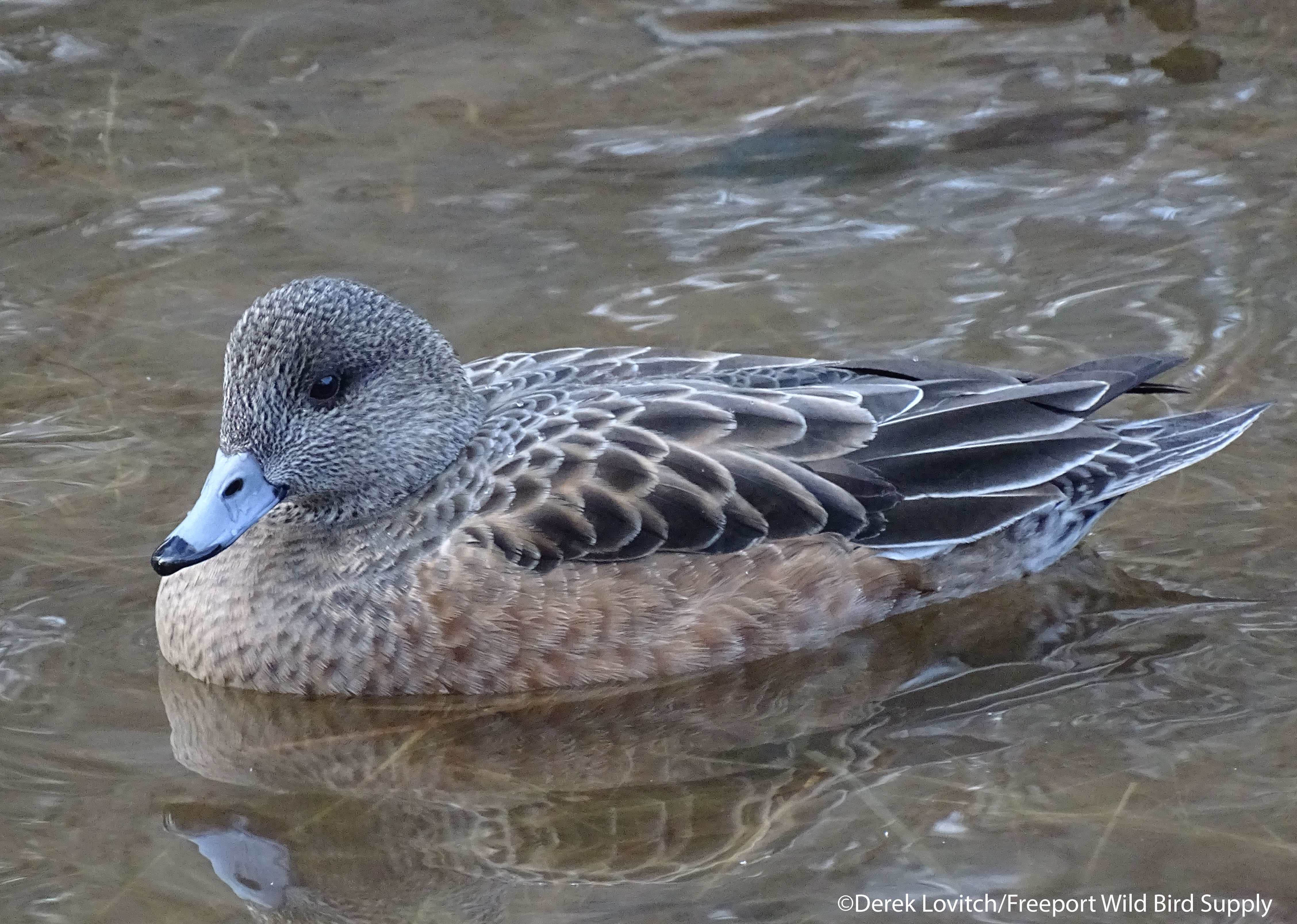
The long-staying hen American Wigeon offered a good, close study as part of the Winter Waterbird Workshop with Down East Adventures tour that I conducted on the 14th.
While I didn’t get as far afield as last week, I enjoyed a productive six days of birding, especially for early January! Here are my observations of note over the past seven days.
Our feeders in Durham have been incredible, led by a growing flock of Dark-eyed Juncos that peaked at 41 on 1/8 and 40+ continuing American Goldfinches. There was a big movement of sparrows after the weekend snow storm, with flocks of Dark-eyed Juncos and White-throated Sparrows common and widespread in the area, along with an increase in American Tree Sparrows. During Tuesday’s snowfall, a careful inventory during the snowfall on the 16th yielded 127 individuals of 16 species, led by 41 American Goldfinches and 37 Dark-eyed Juncos.
At least one Turkey Vulture still continues in the I-295 corridor between Cumberland and Freeport.
1 DOVEKIE, Sandy Point Beach, Cousin’s Island, Yarmouth, 1/13. Patch Bird #198! Healthy fly-by apparently turning around upon seeing the bridge, then turning northeast and following the Cousin’s Island shoreline. I lost it in the fog, but presumably rounding the island to return to sea. A Black Guillemot to the south of the bridge was one of my few ever from this location.
1 continuing female American Wigeon, York Duck Pond (Abbott’s Pond), York, 1/14 (with Down East Adventures Winter Waterbirds Workshop tour group).
Small number of Red Crossbills, Bear Mountain, Hartford, 1/15 (with Jeannette). Mostly single fly-overs and one small heard-only group, so quantification was impossible.
Freeport Wild Bird Supply is very excited to partner with Down East Magazine’s Down East Adventures for the fourth year of offering exclusive birding workshops focused on gaining greater knowledge and field skills in a focused group of seasonally accessible birds. Focused on skill-builder rather than list-building, there will be plenty of “life birds,” but also more knowledge and education about birds, habitats, birding, and much more about the natural world. We’re happy to bring back the complete slate of tours from our 2023 season.
The full list and descriptions, along with registration information, for all of our upcoming tours (and an outline of 2025 options) can be found here. At the conclusion of each tour, I’ll post the trip report here.
Winter Waterbirds Workshop, January 14th.
I mean, really, what’s better than a Harlequin Duck?
For the second year in a row, very strong winds greeted us in the morning. So the game of the day was finding sheltered coves and respites from the wind. Therefore, we adjusted our itinerary accordingly, making a further adjustment based on parking lot closures from storm damage.
While we had high hopes of finding alcids that were blown closer to shore and were seeking refuge after the strong storm of the previous day, we didn’t see a single one – not even a Black Guillemot! However, we did see just about every other regularly occurring winter waterbird, from Red-necked and Horned Grebes to Buffleheads and Long-tailed Ducks Not surprisingly, Harlequin Ducks were the star of the show, with about 10 along Marginal Way in Oqunguit and abut 20 at The Nubble. Large rafts of Black Scoters were seen at several locations, with Surf and White-winged Scoters seen nearby for careful study.
We had a lot of Common Loons today, and we practiced learning their shape and size to separate them from other waterbirds at any range. Great Cormorants at The Nubble were nice to see, and we did a little introduction to gull identification with a mixed flock at Short Sands Beach.
Finally, a stop at the York Duck Pond introduced us to another group of waterbirds: dabbling ducks. There, we had close studies of Mallards, American Black Ducks, and hybrids thereof. Practicing our “feather birding” we used the hybrids of an example of what to look for beyond the general impression of size and shape we were focused on throughout much of the day. The icing on the cake was the hen American Wigeon that has been here all winter – you may never see one as close and as well as that again! Enjoying the fine black detailing on the steely blue bill was a highlight for me.
Spring Migrant Songbird Workshop, May 12th.
Honestly, I am not sure if we could have dialed up a more productive morning for an instructional workshop designed for learning about migrants – from identification to natural history, habitat to visible migration. “Slow” by mid-May standards, we eventually tallied 15 species of warblers (including a few “heard only”), but we had absolutely remarkable “quality time” with so many of the species we did encounter today.
We were greeted by a Great-crested Flycatcher and finished with Maine’s most confiding Great Egret. In between, a wide range of species included an uncommon Blue-gray Gnatcatcher and a family of Wood Ducks. I particularly enjoyed the quality time spent with a pair of Black-capped Chickadees who were busy gathering moss for their nest lining.
But it was the Neotropical migrants who were the stars of the show, as predicted and hoped for. My first Red-eyed Vireo of the spring was uncharacteristically low and cooperative, but the single early-ish Blackpoll Warbler was most definitely not. However, almost every other warbler was just shockingly well seen. In one willow thicket, we watched – often without binoculars and often within 10-15 feet of us and below eye-level – two each of stunning Magnolia Warblers, gorgeous Northern Parulas, charismatic Common Yellowthroats, and distinctive Chestnut-sided Warblers. A short distance down the trail, our patience with Ovenbirds was rewarded with one walking out into the open a short distance ahead.
In between bird sightings, we discussed habitat, NEXRAD radar, and the big picture of what we were and were not seeing today and why. We noted how American Crows mobbed a Red-tailed Hawk but barely bothered to call at the sight of a less-threatening Broad-winged Hawk. OK, fine, those aren’t songbirds, but we learned a lot from them anyway.
More birds of more species can and will be seen under different conditions at Evergreen Cemetery and similar urban green spaces as encountered today, but we would be hard pressed to see so many birds so well, for prolonged periods of time to allow for thorough study. While we encountered one wave of migrants all moving together, which can easily become frustrating when getting started, many of birds came one or two at a time allowing for in-depth observation -exactly want we want in a songbird workshop!
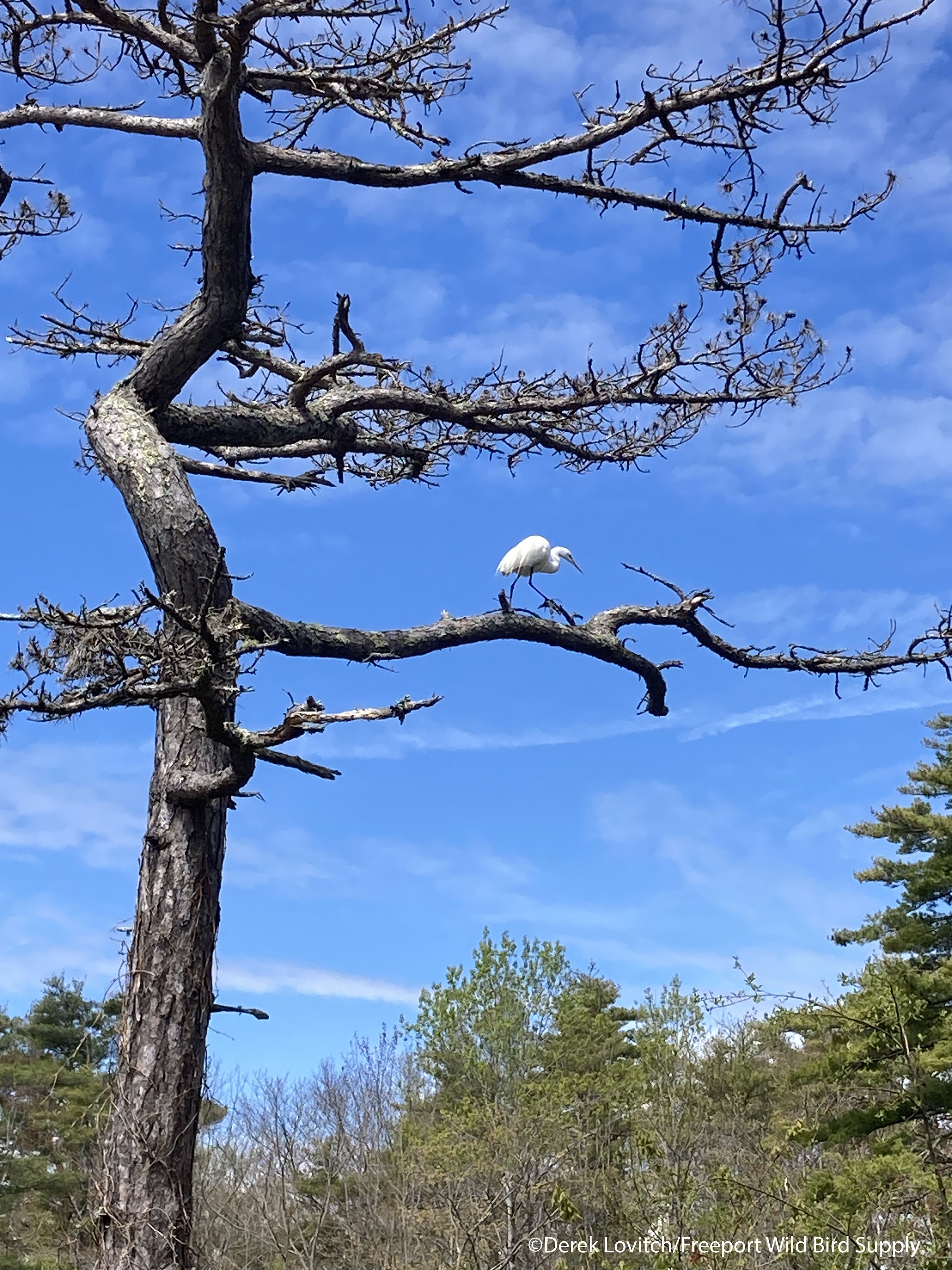
Not a songbird, but this Great Egret that frequents the ponds here also poses in interesting places.
Shorebird Workshop, August 15th.
Nothing wrong with starting out with the easy ones, like dapper Ruddy Turnstones!
Recent rainfall, approaching thunderstorms, and current observations all combined to make me throw our itinerary out the window this day. Sometimes audibles work…and today, it most definitely did.
While I prefer to start with smaller groups of birds so as not to overwhelm, we took advantage of the lovely morning and high tide to soak in an estimated 2000 shorebirds at our first stop! Biddeford Pool Beach did not disappoint, and we began our lessons with the basics: shorebird vs everything else, plover vs sandpiper, and eventually each species. We compared Semipalmated Sandpipers (~1750 individuals) and Semipalmated Plovers (about 200 individuals), then teased out several White-rumped Sandpipers from the masses. We noticed how white Sanderlings look, and what little bulldozers the distinctive Ruddy Turnstone can be. Spotted Sandpipers nicely demonstrated their shallow short-distance flight wingbeats as well.
Nearby Great Pond allowed us to compare Semipalmated Sandpipers vs Least Sandpipers at nearly arm’s length, while giving us better looks at a couple of Spotted Sandpipers. A single Lesser Yellowlegs was also added to the list.
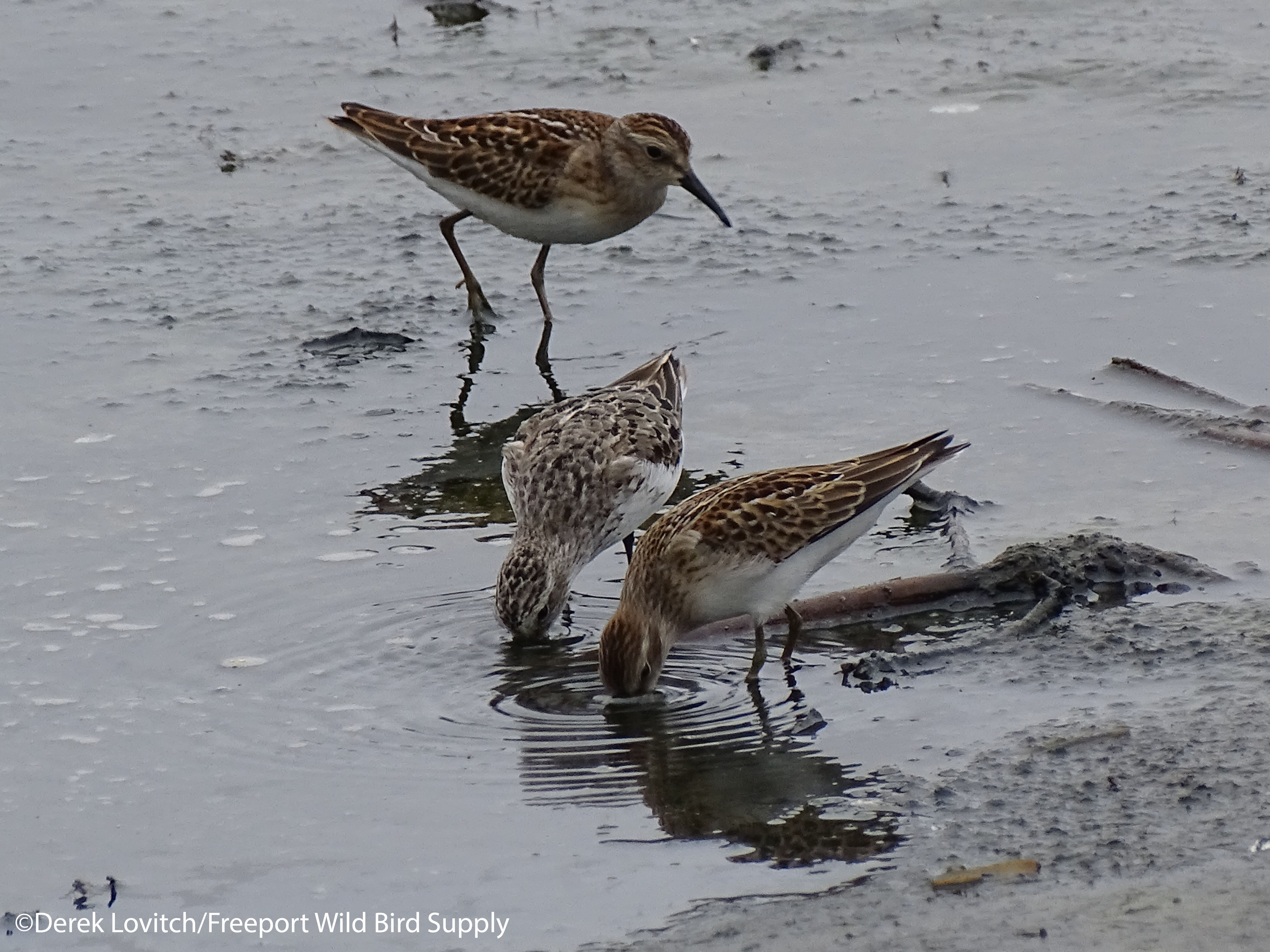
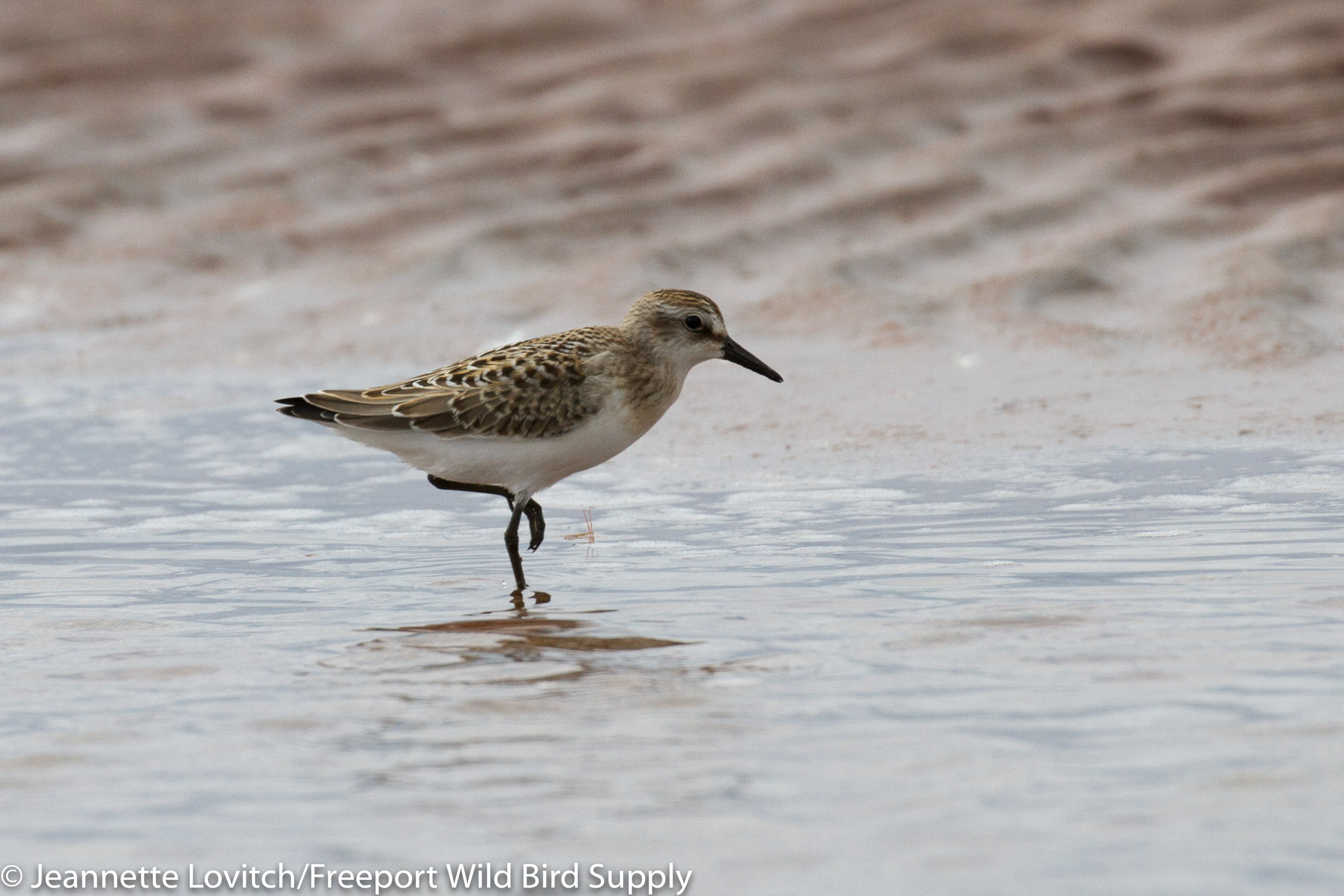
By using habitat cues and tide charts, we maximize our shorebirding productivity. By studying birds near (like these side-by-side Least and Semipalmated Sandpipers) and far, we can learn to quickly recognize most shorebirds, most of the time, using a range of tools that we worked on together throughout the day.
Next up was Hill’s Beach, on the prime outgoing tide. Unfortunately, thunderstorms were rapidly approaching, and after a short check (more Sanderlings and a growing number of Semipalmated Sandpipers and Plovers), we decided to play it safe, return to the cars, and head into Saco for lunch. Good thing, too, as while we were eating, it was pouring outside!
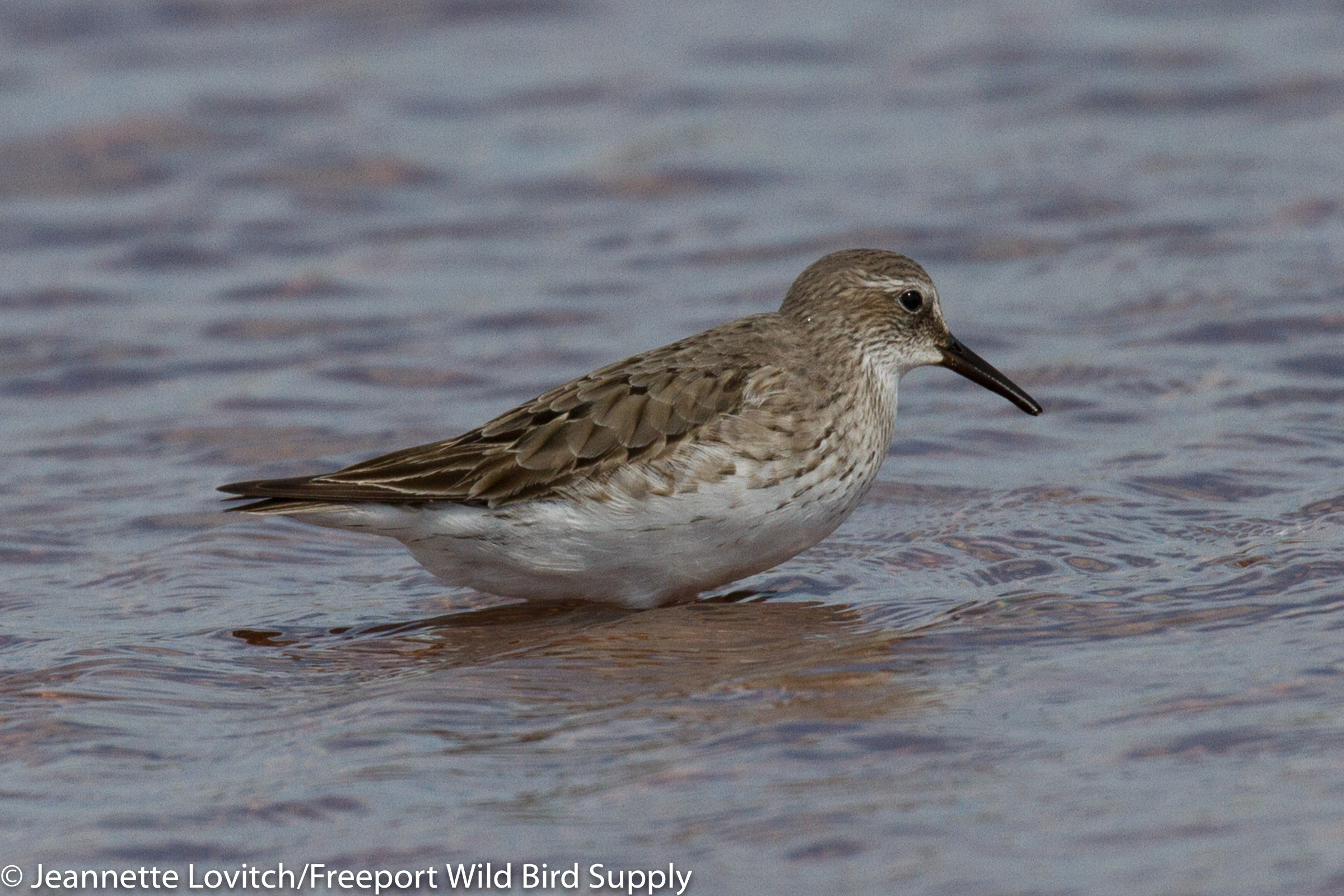
White-rumped Sandpiper.
Returning to the field, we poked around the edges of Scarborough Marsh as we waited for the tide to begin rolling back in and for the rain to finally come to a stop. After a 10-minute rain delay in the cars while we waited out the last of it, we returned to the field to take in the flats of Pine Point. Good looks at Black-bellied Plovers (75+) allowed us to compare their shape, size, and feeding style to the estimated 300 Semipalmated Plovers that were here. Another 1200 or so Semipalmated Sandpipers contained at least a dozen White-rumped Sandpipers, which we practiced sorting out at a distance using shape and size, especially those long primaries. 14 Willet were new for our list, and the 90’s steroid-era-baseball-players of the greater Tringa family nicely contrasted with 4 slim Lesser Yellowlegs that alighted with some of them. Four not-so-short-billed Short-billed Dowitchers were our 11th species of shorebird of the day. And finally, as we continued to grow and practice our shorebird identification toolkit, we also took note of some non-shorebirds, such as Common Terns and a variety of gulls which today included 2 very-uncommon Lesser Black-backed Gulls!
Monhegan Birding Workshop, September 13th – 15th.
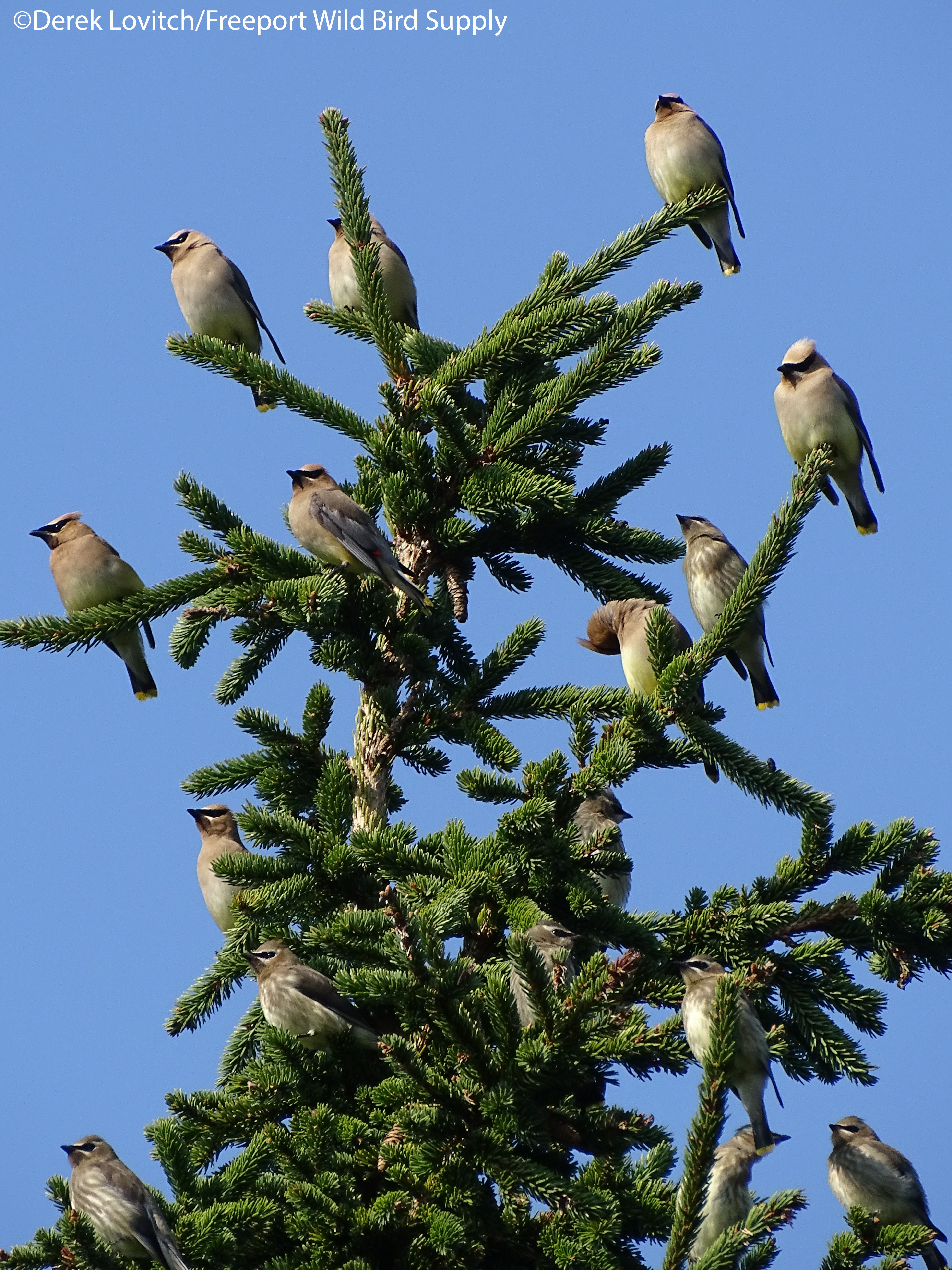
Cedar Waxwings were often with us, alighting on trees, eating native fruits, and avoiding marauding Merlins. Few things bring as much pleasure to the birding day as a “Waxwing Christmas Tree.”
Arriving on a glass-calm sea on Friday the 13th, luck was most definitely with us today and the entire weekend. We were greeted at the dock by a darting Merlin, a sign of things to come. After checking in and a relaxed lunch, we began our workshopping. While overall songbird activity was slow, we enjoyed plants, butterflies, and the weather as we wandered around and spotted birds here and there: a Northern Waterthrush in an isolated bush in a yard, a female Black-throated Blue Warbler in the woods, and lots of Cedar Waxwings in small flocks, overhead and landing in trees. Merlins continued to perform, and several Peregrine Falcons and Sharp-shinned Hawks joined the show, although it did not help us detect skulking warblers!
A late afternoon walk to Burnt Head to take in the cliffs and sample the habitat of the island’s interior produced a 1st-winter Lesser Black-backed Gull, but more importantly perhaps, allowed us to enjoy such a beautiful day on the island for mid-September.
On Saturday morning, we stepped off the porch at the Monhegan House, and it was ON. A great Morning Flight (morning redetermined migration) was underway, with dozens upon dozens of warblers zipping overhead as the sun slowly rose. As we did a short stroll to some favored early-morning micro-habitats, we ground-truthed the morning flight, finding that Cape May Warblers were indeed the dominant migrant of the morning. In fact, we often had 3 or 4 (as many as 5 in one tree) in the top of nearly every spruce we checked, and the entire range of plumages was on display. Northern Parulas were also numerous, but we estimated about 3 of every 5 warblers we encountered this morning were Cape May!
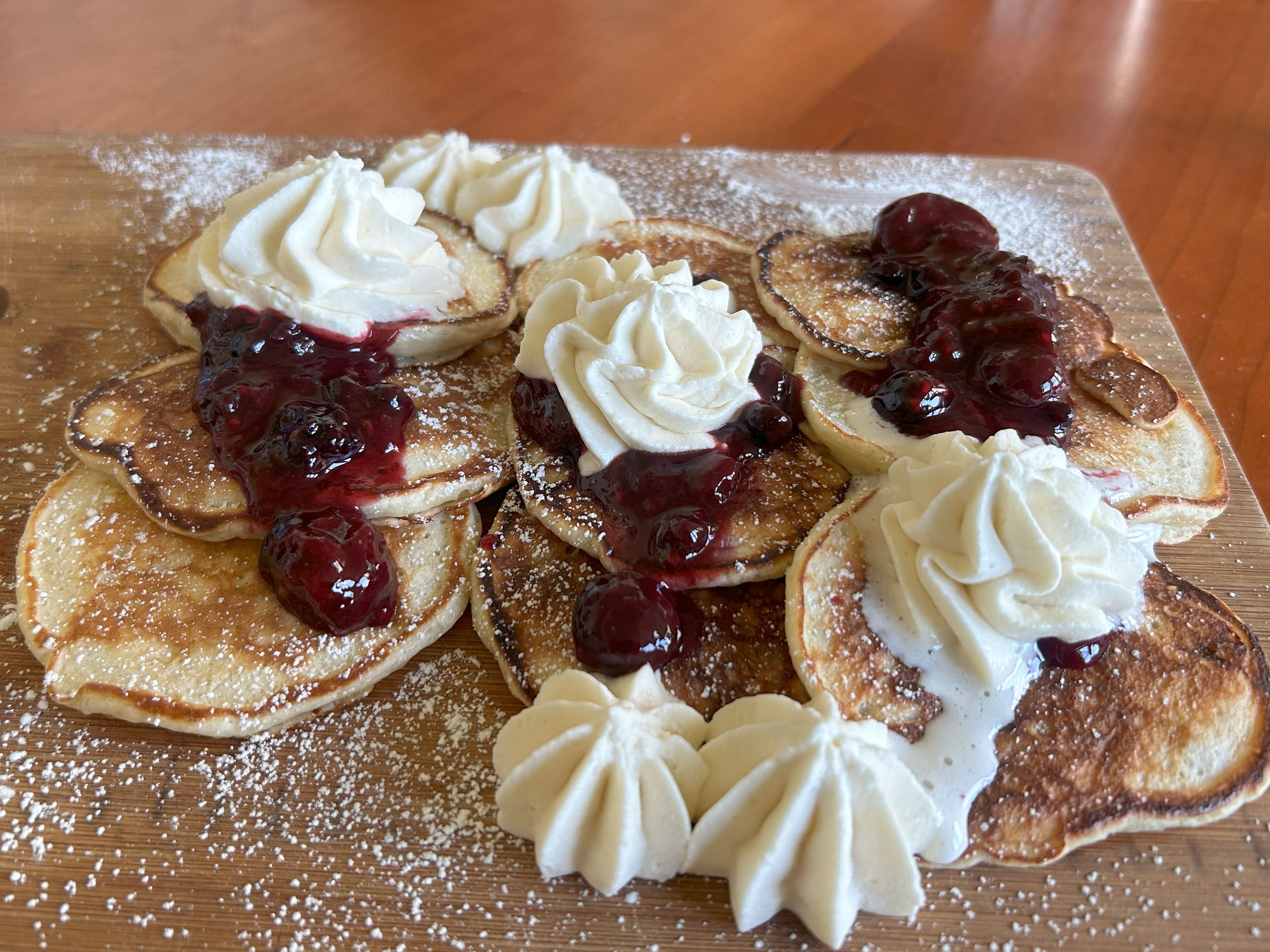
It was such a great morning it was hard to come inside to break for breakfast. Or so one thinks until they have had the Monhegan House Breakfast…and this was just the final of three courses!
Although the day’s activity peaked in the morning as many of the birds in Morning Flight continued on back to the mainland with a light northwest wind becoming northeasterly by noon, we continued to find pockets of activity and mixed-species foraging flocks throughout the day. There were a few Eastern Kingbirds and Eastern Wood-Pewees scattered about, often giving very good looks, and we had a nice mixed vireo flock that included 2 Philadelphia Vireos, 1 Blue-headed Vireo, and several Red-eyed Vireos for nice comparison. Northern Harriers put on a performance for us in the late afternoon over the marsh.
While our afternoon walk through the woods to the lighthouse was as much for pleasure and learning about habitats as it was for birds, the result was the discovery of a rare Lark Sparrow! We covered a lot of ground today, and definitely earned our delicious dinner. Before that, however, we had a little workshopping session to recap the day and compare what we saw (morning flight) with what the overnight radar image had suggested.
One of the new migration skills we learned was how to monitor and plan your birding accordingly by looking at NEXRAD weather radar. For comparison, here are the 1am images from Saturday and Sunday morning, respectively, showing the greater density of birds in the air and offshore on Saturday morning – and confirmed by our morning flight observations come sunrise.
Another clear and calm night resulted in a very strong flight of birds, but with fewer birds drifting offshore, the morning flight was slower than Saturday, as we forecast. However, there were plenty of new birds around, and we repeatedly saw birds we had not yet seen and many rather “fun” species. It started with a drift-vagrant Dickcissel in Morning Flight, followed by a Whimbrel flying around. A likely Clay-colored Sparrow disappeared before we could confirm it in poor light, but warblers such as Bay-breasted, Blackburnian, and Wilson’s were more confiding. Unexpected offshore and always a surprise on Monhegan, an immature Cooper’s Hawk flew over us on our way to lunch.
There was a noticeable turnover in species, with more sparrows and many fewer Cape May Warblers. We had some unusually cooperative Lincoln’s Sparrows to study, such as this one that perched in a bush with a Song Sparrow for comparison (and later, the same bush held a Swamp Sparrow next to a Song for further study of the entire genus!).
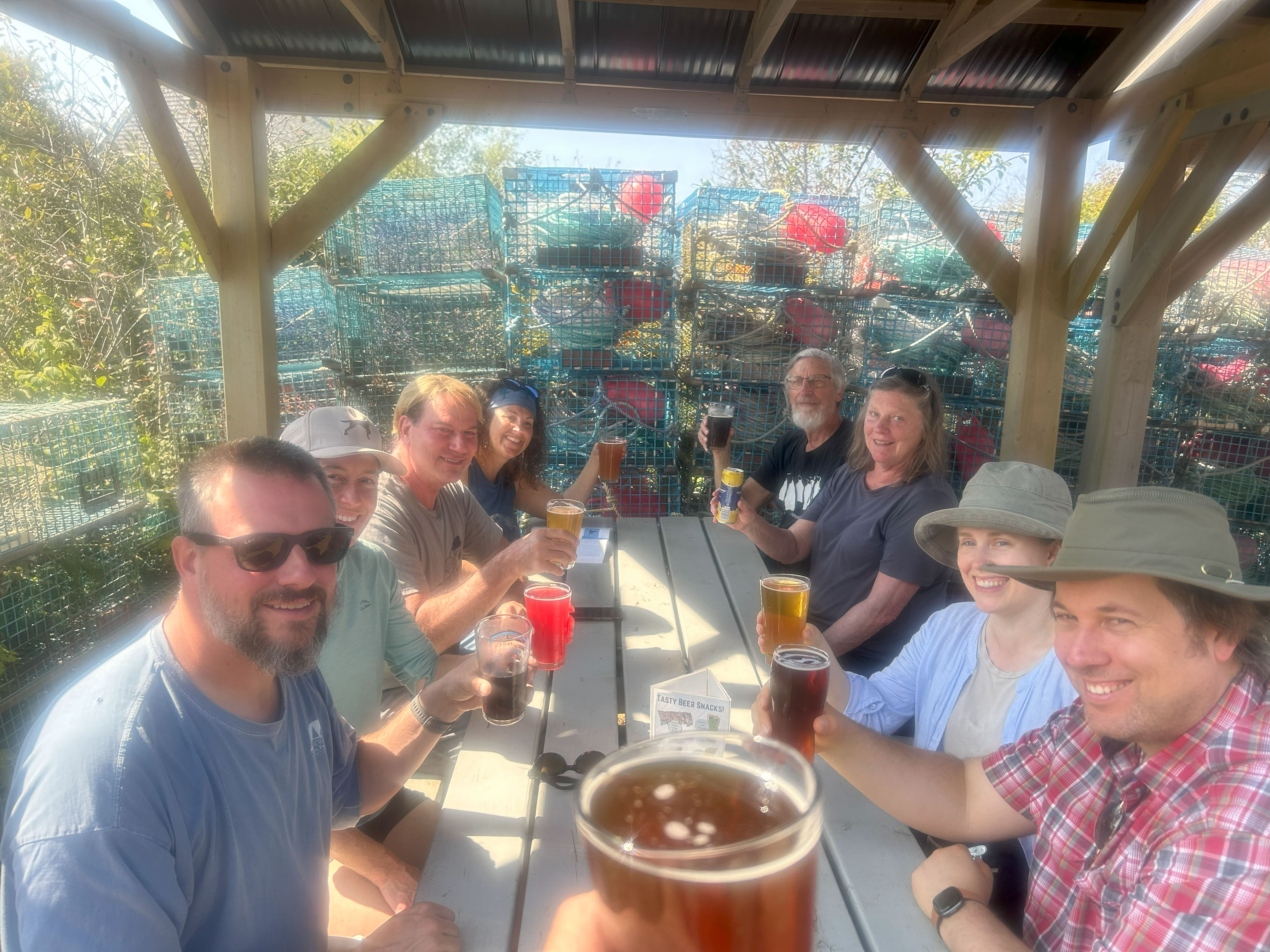
Since we were focused on learning bird identification and the nuances of migration’s ebbs and flows (and mechanisms thereof), we did not keep a running bird list. We did count our warbler tally and finished the trip with a very respectable 17 species of warblers! We found a couple of “good birds” (and jokingly disparaged the use of the descriptor) for ourselves and ate way too much good food. We learned a bunch about migration, plants, birds, and insects, and a little about the island. So instead of trying to add one more bird to the non-existent list, we brought the tour – and the 2024 Down East Adventures Birding tours season to a close with lunch and a toast at the brewery!
Jeannette and I enjoyed a summer roadtrip to the Atlantic Provinces of New Brunswick and Prince Edward Island from August 15th through 23rd. Shorebirds were our birding focus, because August, but our expectations were far surpassed! Here are a few photo highlights from the journey.
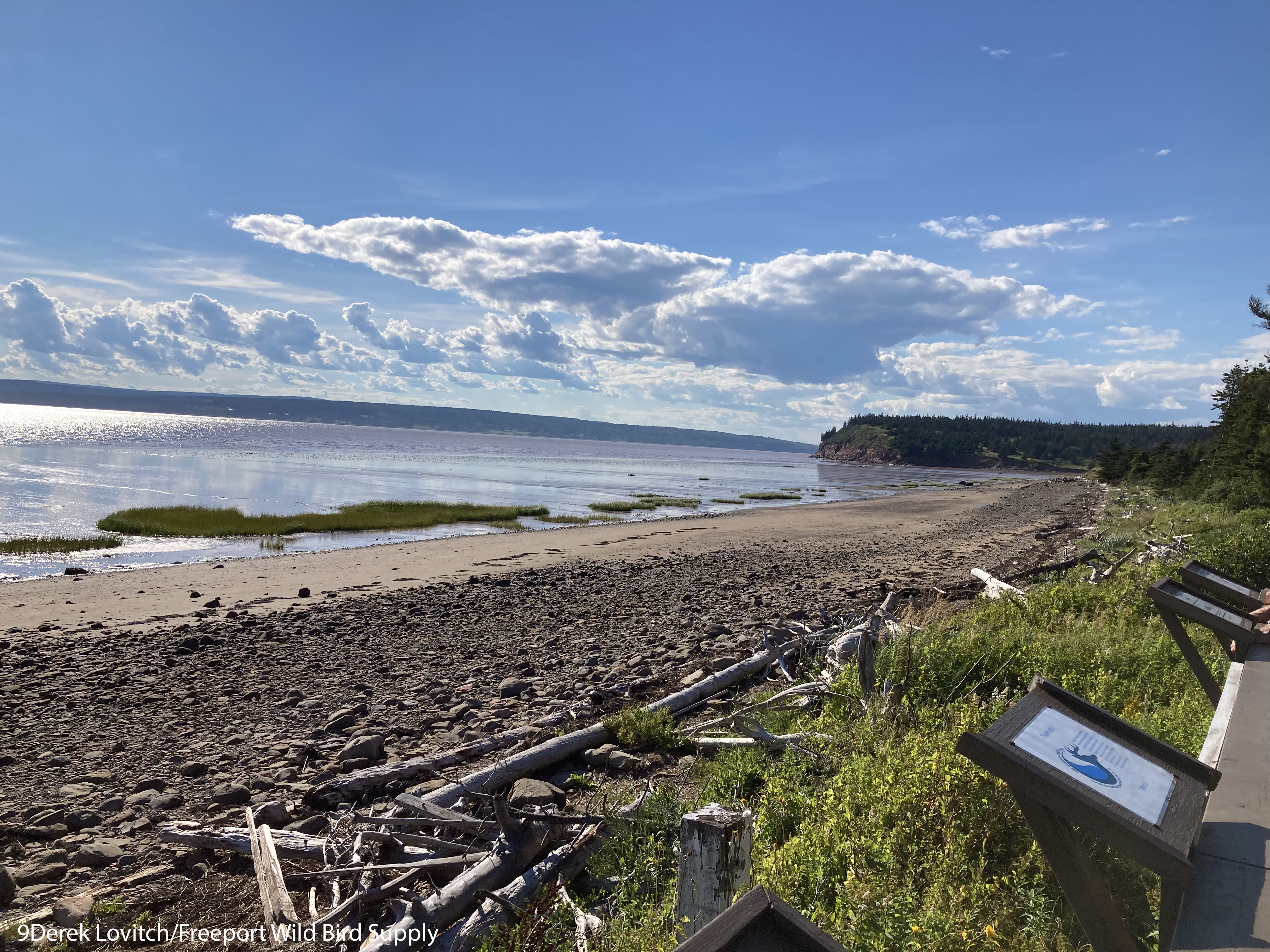
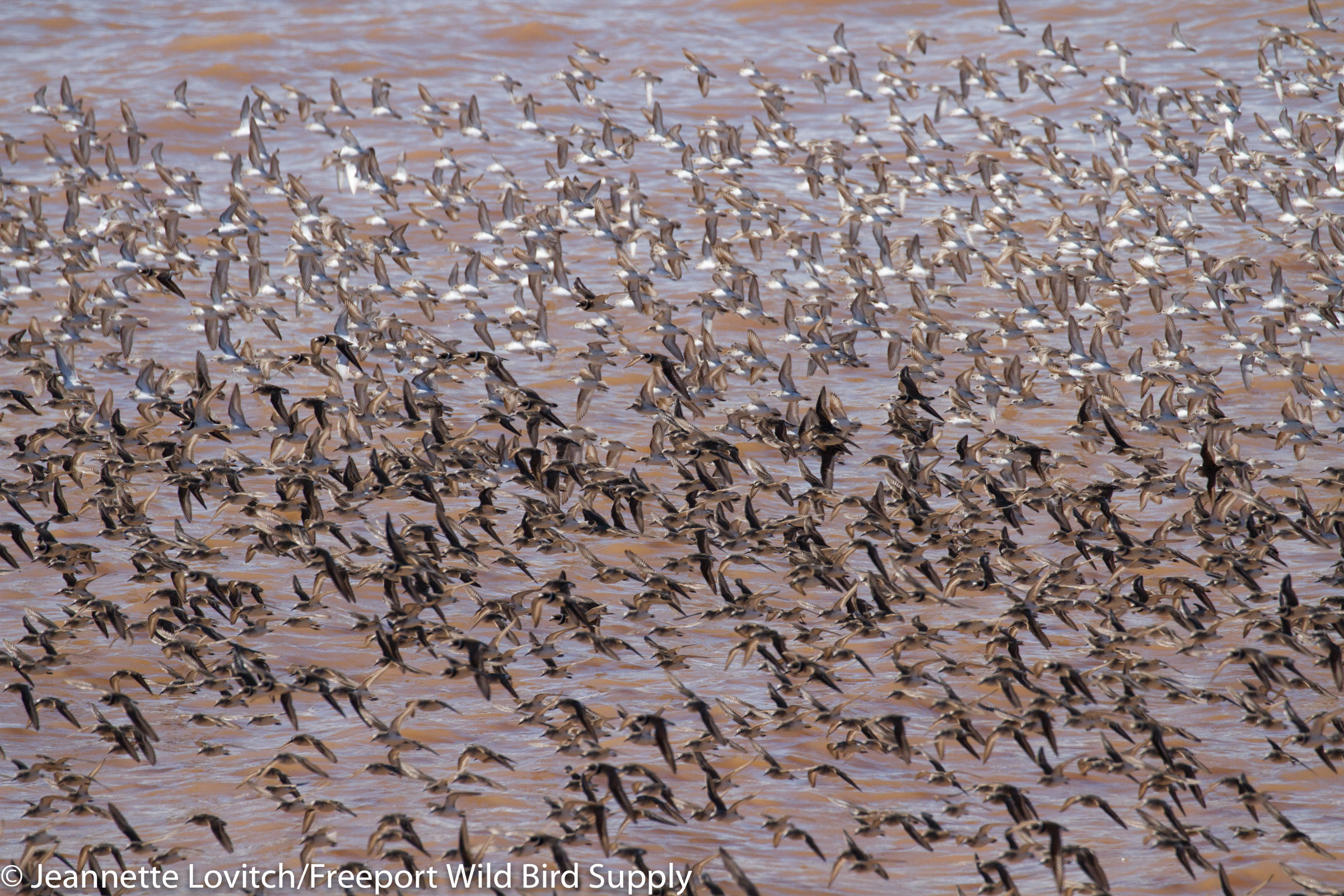
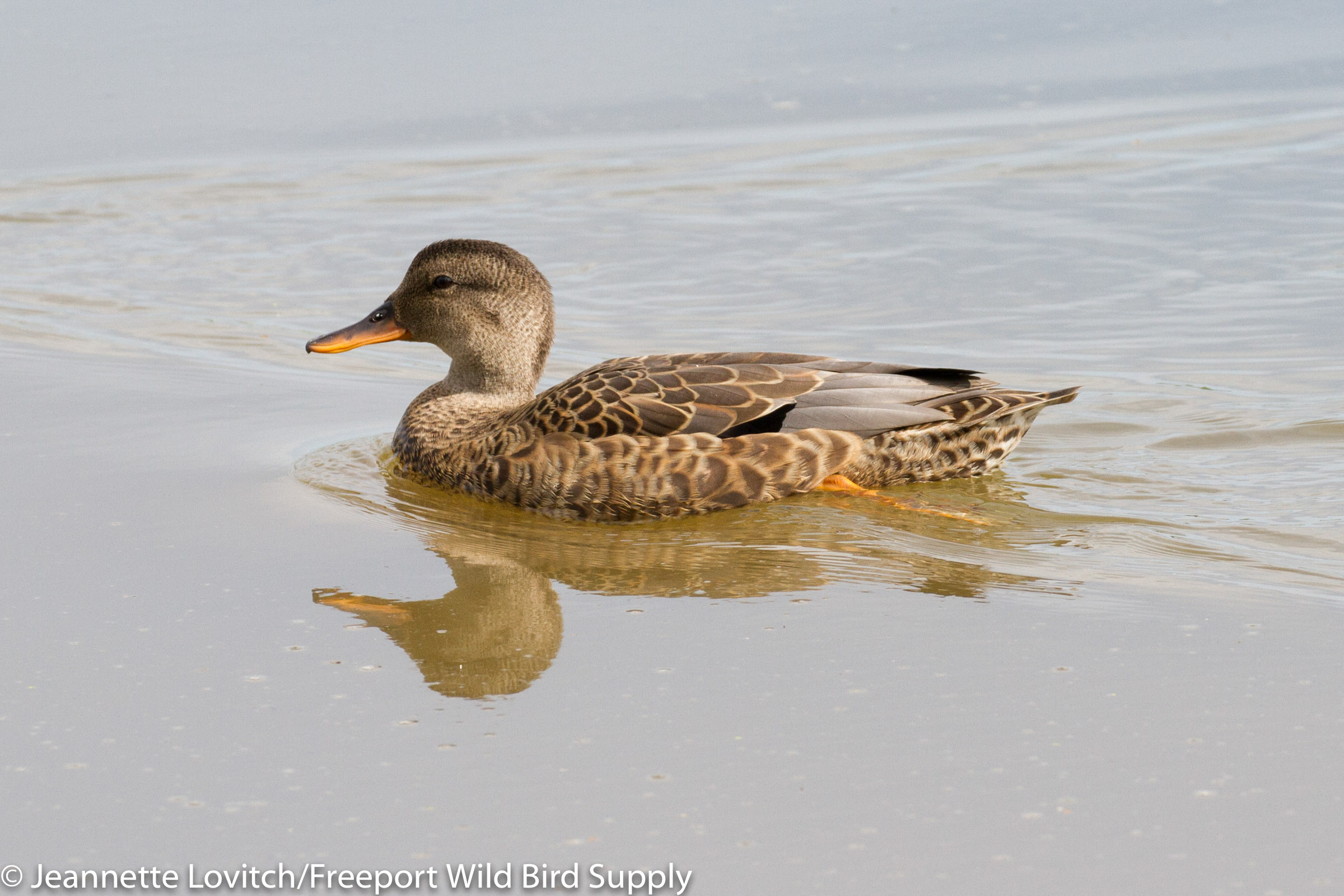
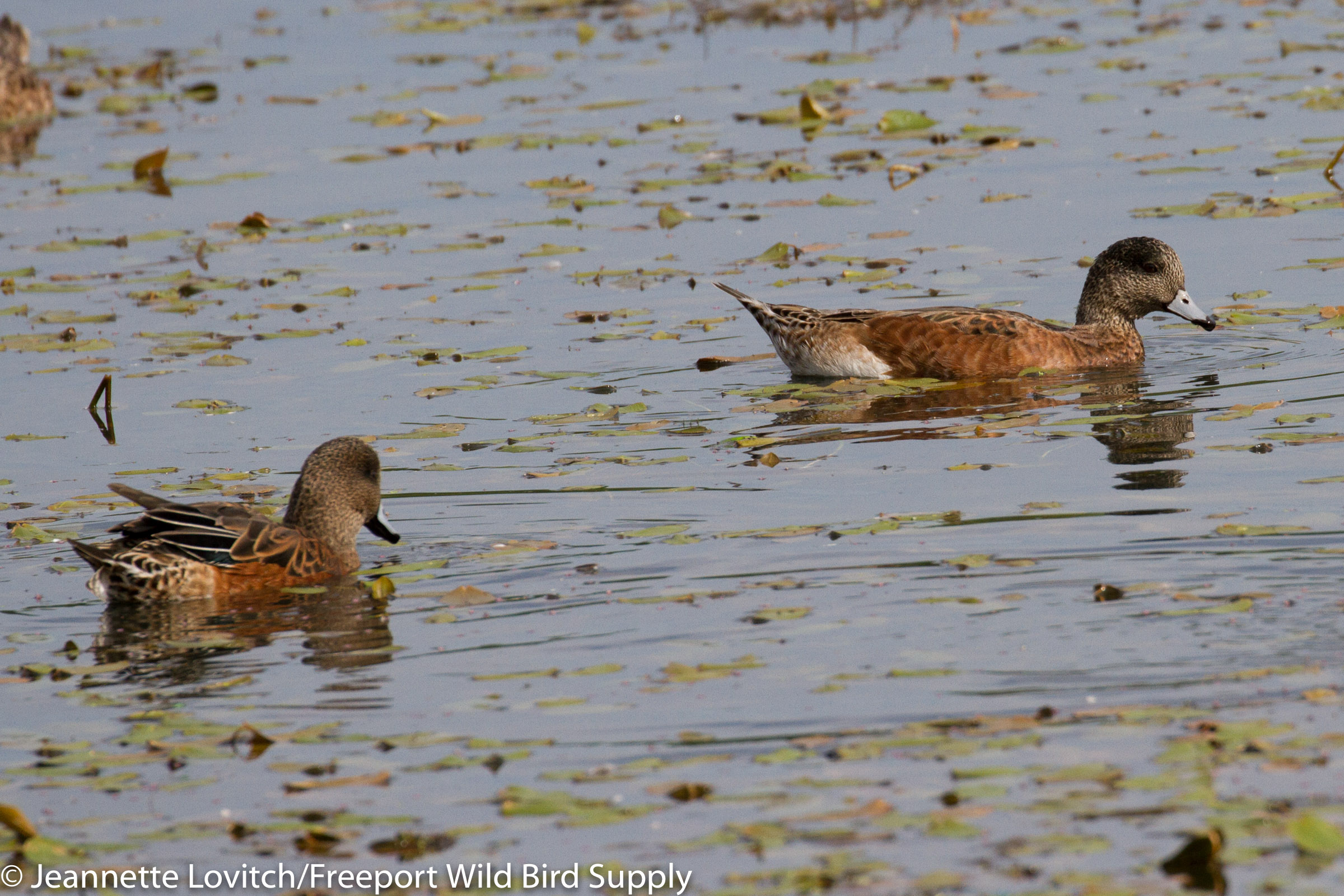
We began our roadtrip in Bangor, where we could not resist some quality time with an unusually-confiding family group of Least Bitterns that has been hanging out in Essex Marsh.We then drove straight to Johnson’s Mills, New Brunswick, near the head of the Bay of Fundy.Here, at and nearby the Shorebird Interpretive Center, nearly half of the world’s population of Semipalmated Sandpipers passes through. After a day count of 100,000 a couple of days before we arrived, we had to settle for a tally of about 60,000. It was awesome (in the literal sense of the word).I wrote about this special place and how everyone needs to visit in a blog back in 2017 that can be read here.Staying in the delightful town of Sackville, we made multiple visits to the downtown Waterfowl Park. Copious amounts of dabbling ducks breed and stage here.. Here are a couple of Gadwall. Good numbers of American Wigeon are also present.But of course you’re really here at this time of year for the shorebirds, so on the next day, we were right back to Johnson’s Mills for the incoming tide.. Here’s a Semipalmated Sandpiper pool party.So. Many. Shorebirds.
It’s hard for still photos to do the scene true justice however, so we posted a few videos to our store’s Facebook Page. They can be viewed here.
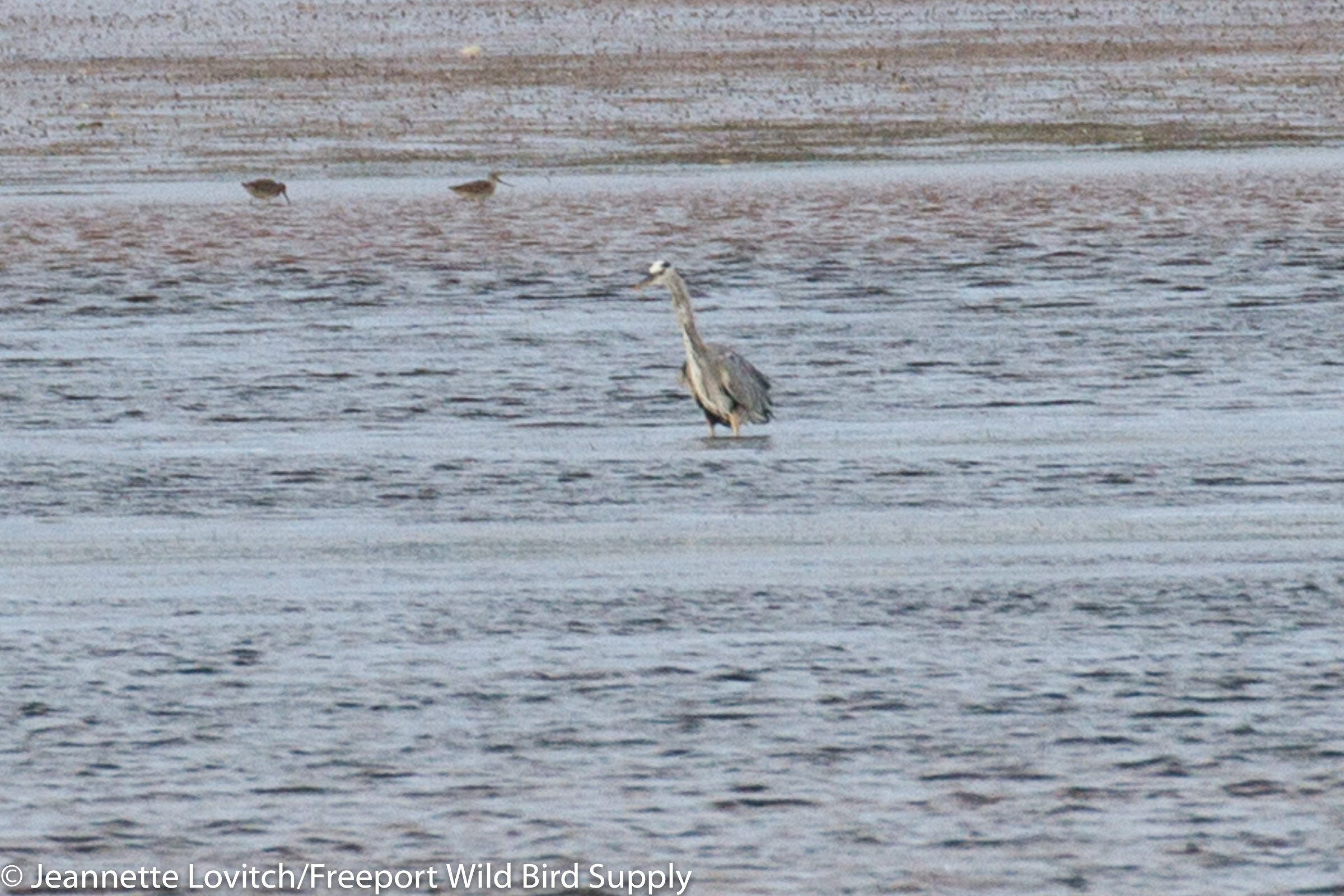
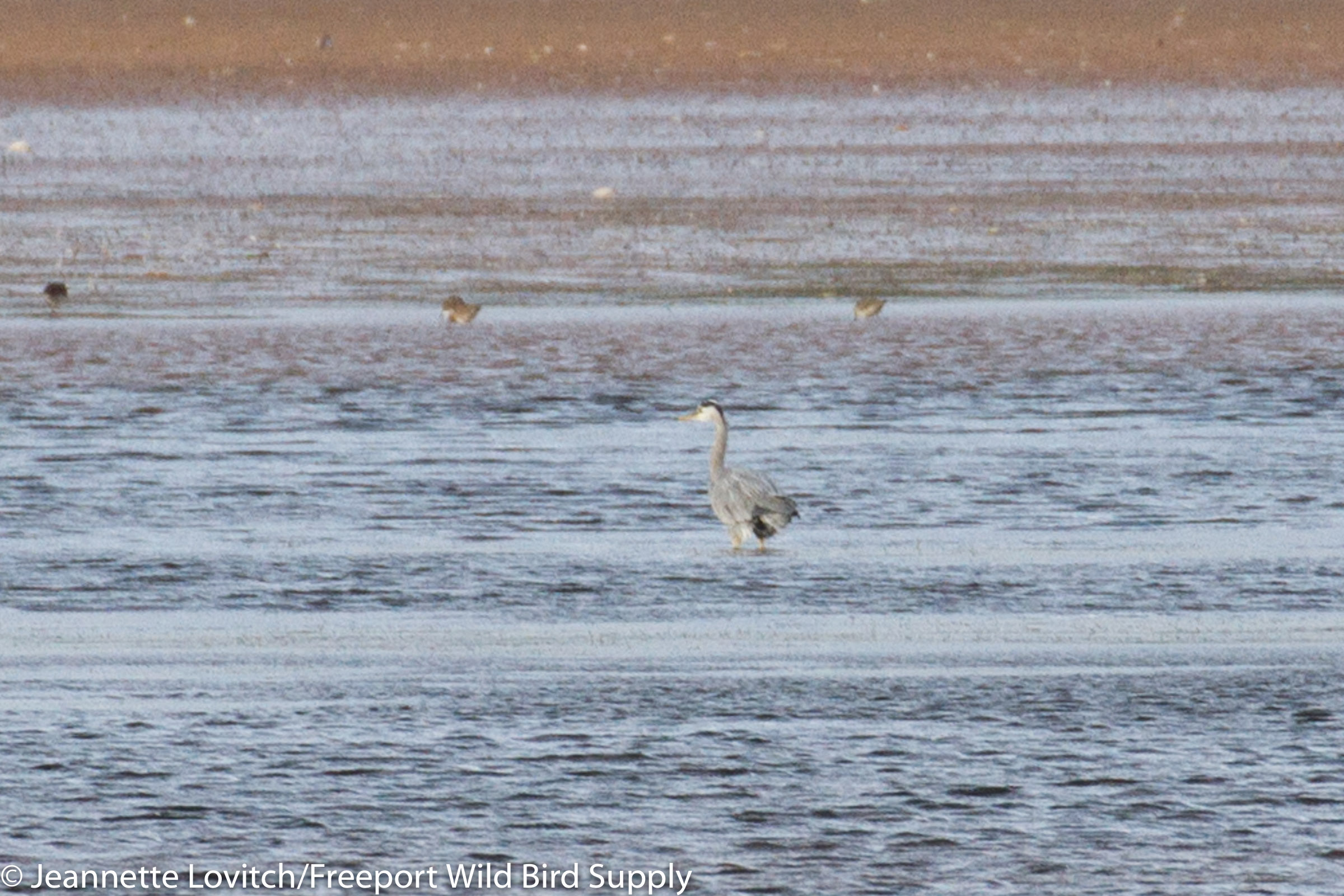
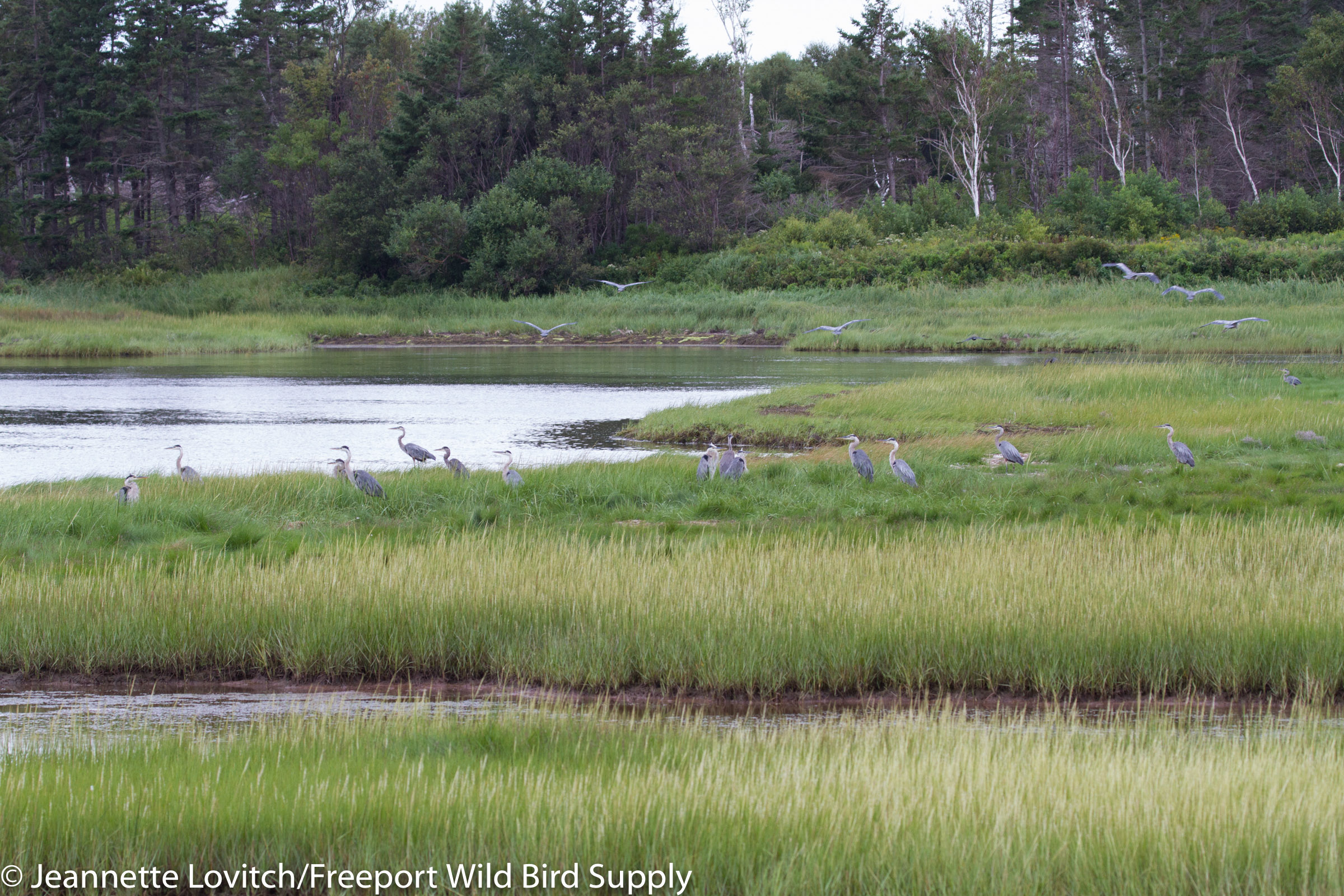
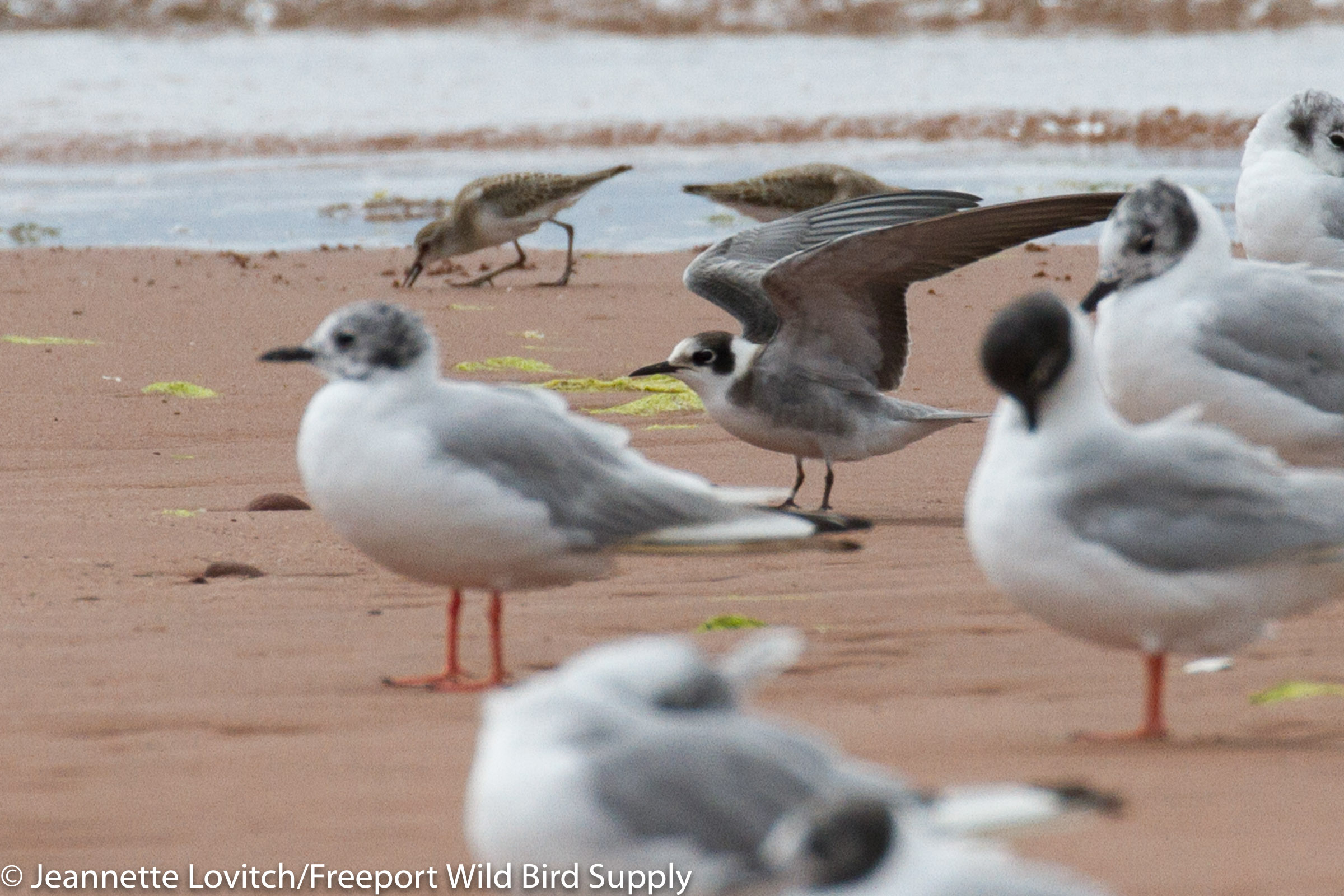
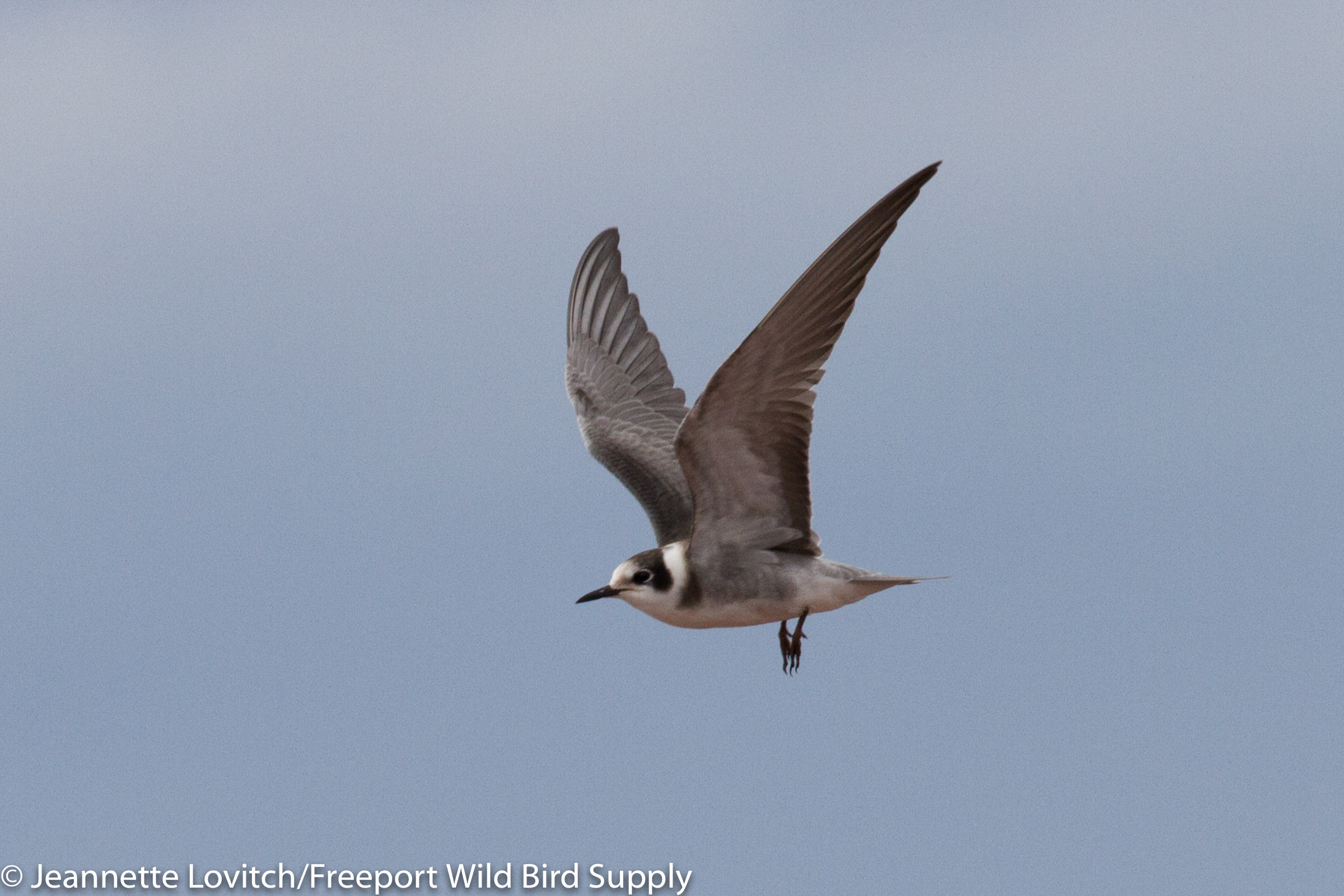
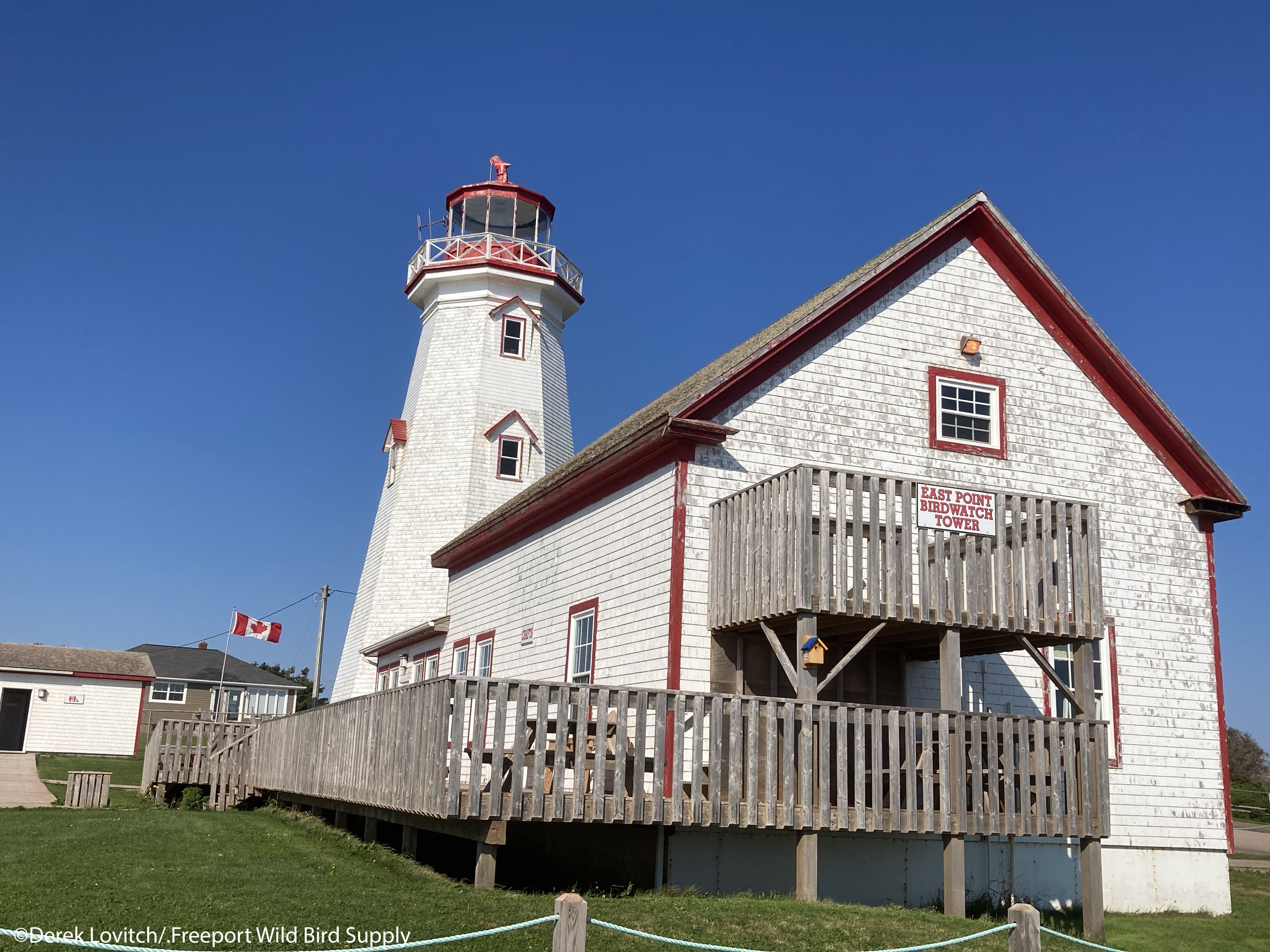
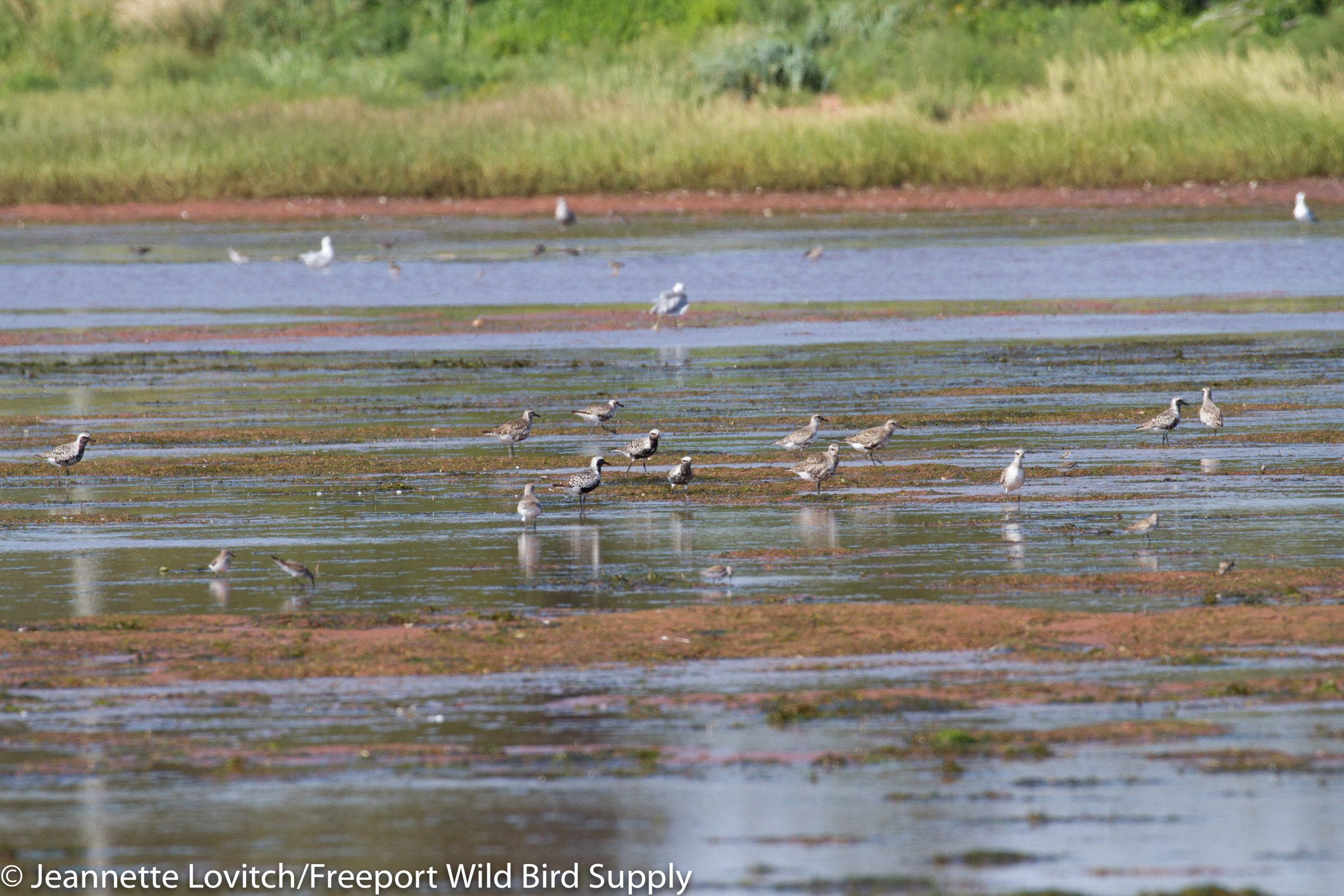
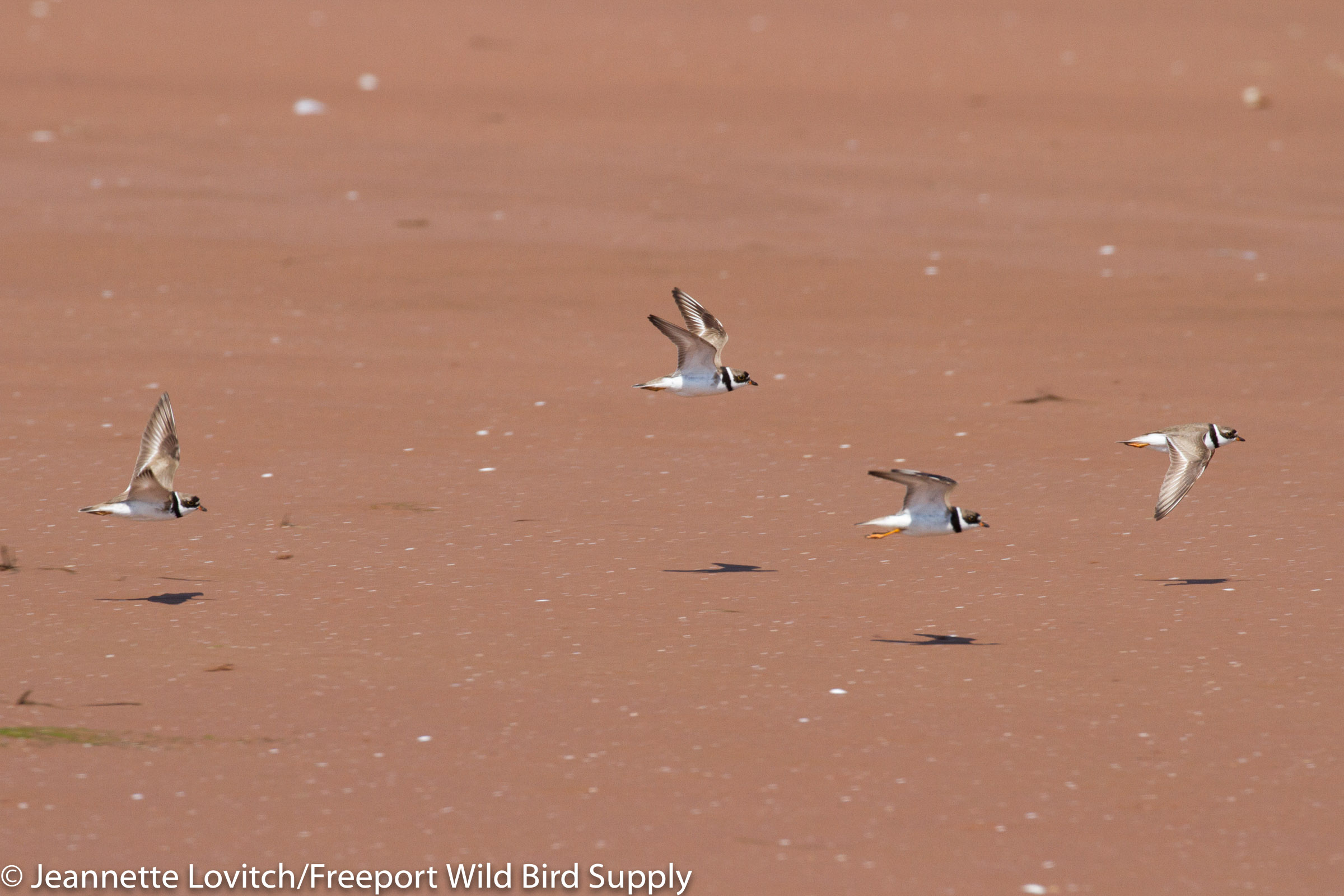
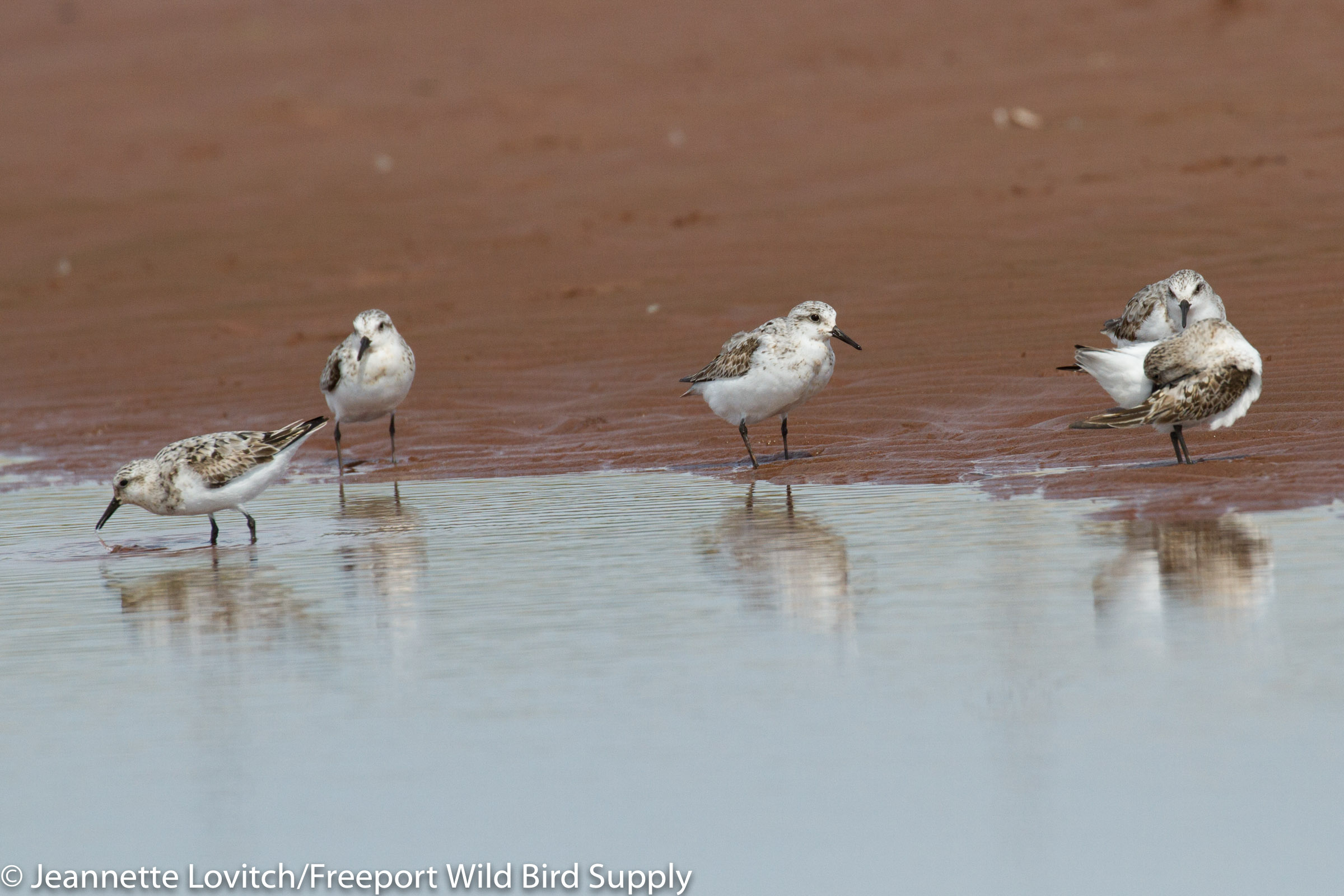
As per tradition in this blog, a photo of our meal of the trip! This was our “lifer” Kurdish food from Fener’s Place in Sackville. Since we have not had this cuisine before, it notched out the win from several great meals in Charlottetown and elsewhere throughout the tour. Then it was off to Prince Edward Island, our primary destination of the trip. Our first stop was Brackley Marsh, but rain caught up with us and it was absolutely pouring. Birding was not easy, although we found two good birds: Long-billed Dowitcher and “Western” Willet. However, it took us until the next morning to find what we were looking for…… this Gray Heron! A vagrant from Europe, this is the first we have seen in North America. With this trip cancelled for the last two years due to the closed border, it was serendipitous for it to show up when we could finally make it. A big thanks to our friend Dwaine for rising early and pinning it down for us!We were amazed by the number of Great Blue Herons all over the island, too, such as this group near Savage Harbor.Dwaine showed us around, and after lunch, we birded Borden-Carlton… …where we returned the favor by finding this very rare for the island Black Tern at Borden Beach.Standing next to Bonaparte’s Gulls and Semipalmated Sandpipers, you can see how tiny this marsh tern is.Jeannette was put in charge of documenting it thoroughly!We spent the next day vehicle-free in Charlottetown, starting with morning birding at Victoria Park, where we quickly tallied a dozen species of warblers in scattered mixed-species foraging flocks.After Charlottetown, we relocated to Goose River and the next morning began with sewatching at East Point. There, we found another mid-summer rarity in a first-summer male Harlequin Duck. Unfortunately, it was too distant for photos.Later, however, at Rollo Bay, we had plenty of opportunities for close shorebird photography, including ample numbers of Black-bellied Plovers.And Semipalmated Plovers.Common Tern fledgling following an adult. Six Red Knots were among the highlights here.On our last morning in PEI, we once again began at East Point, where we enjoyed 3 Pomarine Jaegers chasing Northern Gannets, a few more Razorbills, and a Mourning Warbler along the road.Then, as our last stop before crossing the bridge, it was back to Borden-Carlton Beach. We just could not get enough of the shorebirds here, and photographing them against the island’s red sand really makes them – especially these Sanderlings – pop!Sanderlings and White-rumped Sandpiper.We just could not get over, nor stop enjoying, the plethora of White-rumped Sandpipers that stage and pass through the island. We had counts of over 200 in some places, and in some beaches and salt pannes, it was the most abundant shorebird. Here at Borden Beach, we took some more time to marvel at it.Shorebirds tracks and probes.And photograph some more Semipalmated Sandpipers…bringing our trip full-circle before beginning the trek home.
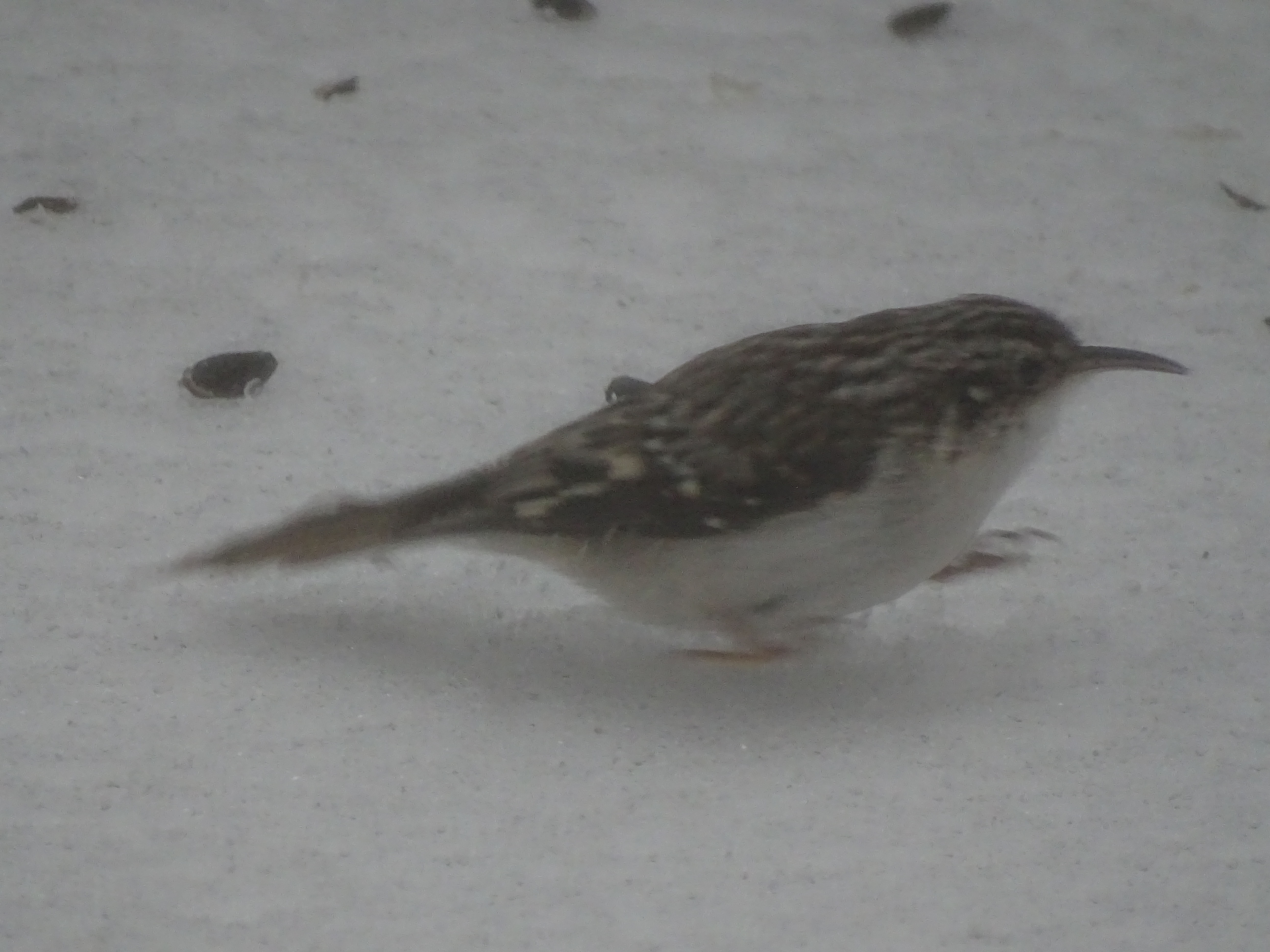
While not the rarest bird this week, I have been thoroughly entertained by this Brown Creeper who has taken to picking up bits of seed from under a feeder at our home in Pownal. The horizontal position makes the bird look so different! Sorry for the lousy photos though…they were taken through a screen during the ice/snow storm on 2/4.
The Blizzard of 2022 provided some great opportunities for cross-country skiing and snowshoeing locally for the first time this winter, so I took full advantage of that, even if it did further limit my dedicated birding during this busy week plus. Interestingly, my most “serious” birding was a half day (post-snowblowing and shoveling) on Sunday searching Portland through Cape Elizabeth for storm-related birds, but that effort turned up nothing at all of note! Here are my observations of note over the past 9 days:
5 WHITE-WINGED CROSSBILLS, 2 COMMON REDPOLLS (FOY), 6 Pine Siskins (FOY), and 1 Purple Finch, Long Falls Dam Road area of Carrying Place Township, 1/31 (with Jeannette).
The Androscoggin River between the downtowns of Lewiston and Auburn remain a surprisingly productive mid-winter hotspot. On 2/1, Jeannette and I discovered an incredible (especially for the interior of Maine) five species of dabblers from the Auburn Riverwalk! Amongst the Mallards and a couple of American Black Ducks, there were single female GREEN-WINGED TEAL, AMERICAN WIGEON, and NORTHERN PINTAIL. Making this even more interesting is the fact that it’s usually the drakes that we find overwintering in Maine. Additionally, the drake RING-NECKED DUCK continues, and we had a single 1st-winter Iceland Gull. Two Bufflehead and 5 Hooded Mergansers joined the usual Common Goldeneyes and Common Mergansers for a goodly inland total of 10 species of waterfowl. A unusually conspicuous Beaver continues to amuse here as well.
3 drake and 1 hen BARROW’S GOLDENEYES and 8 Dunlin (FOW here), Winslow Park, Freeport, 2/13.
My article – a 13-page photo salon – on the Hybrid Herons of Scarborough Marsh (Patches!) has finally been published in the most recent issue of North American Birds. In it, I lay out the theory that at least 5 different individuals have been seen in Scarborough Marsh since I first found an odd juvenile heron in July of 2012 that we now believe is a hybrid between a Snowy Egret and a Tricolored Heron.
I made the case that the two current birds are backcrosses, one with a Snowy Egret (SNEG X TRHE X SNEG) and the other with a Little Egret (SNEG X TRHE X LIEG). I’ll be watching them carefully for the potential of a developing hybrid swarm.
Unfortunately, at this time, the journal is only available online to members of the ABA. However, digital e-memberships (with access to all of the ABA publications) are only $30 a year, and you can purchase issues of the magazine directly from the ABA by emailing info@aba.org. Also, if you wanted to take a peek at the article, I do have a couple of extra copies here at the store for you to peruse.
Believe it or not, a hybrid heron is much rarer than a Steller’s Sea-Eagle, at least from a world perspective…in fact, it’s possible these birds are one of a kind!
This dapper drake American Wigeon at Brunswick’s historic Swinging Bridge on the 4th very well could have been the same bird that I found upriver in Durham three days prior, as the river was finally beginning to freeze over.
Happy New Year (List) everyone! My sightings of note over the past seven days were as follows. Unfortunately, they did not include the Steller’s Sea-Eagle on Saturday or Sunday (but last week, on Friday…wow, just wow. Still can’t really believe that happened!) but did include a few goodies while searching for where it may have ended up (before its re-discovery in Boothbay on Thursday).
1 drake American Wigeon, Rte 136, Durham, 1/1.
18 Greater Scaup, Simpson’s Point, Brunswick, 1/3 (with Jeannette).
1 adult GREAT BLACK-BACKED X HERRING GULL HYBRID, Bath Landfill, 1/4 (with Jeannette)
1 drake BARROW’S GOLDENEYE, Thorne Head Preserve, Bath, 1/4.
1 drake American Wigeon, Swinging Bridge, Brunswick, 1/4.
44 Greater Scaup, 38 distant unidentified scaup, 625+ American Black Ducks, 130+ Surf and White-winged Scoters, etc, Maquoit Bay Conservation Land, Brunswick, 1/6.
Here is our “West Freeport” territory tally from Sunday’s Freeport-Brunswick CBC:
– 5 American Black Ducks
– 30 Mallards
– 1 Hooded Merganser (2nd sector record)
– 1 Red-tailed Hawk
– 1 Ruffed Grouse
– 30 Wild Turkeys
– 12 Herring Gulls
– 26 Mourning Doves
– 4 Red-bellied Woodpeckers
– 28 Downy Woodpeckers
– 15 Hairy Woodpeckers
– 6 Pileated Woodpeckers (sector high count)
– 1 Northern Flicker (2nd sector record)
– 40 Blue Jays
– 104 American Crows
– 1 Common Raven
– 413 Black-capped Chickadees (2nd highest count)
– 90 Tufted Titmice (sector high count; old record of 44)
– 16 Red-breasted Nuthatches
– 45 White-breasted Nuthatches
– 1 Brown Creeper
– 11 Golden-crowned Kinglets
– 1 Carolina Wren
– 26 Eastern Bluebirds
– 1 American Robin
– 73 European Starlings (sector high count)
– 10 American Tree Sparrows
– 2 Song Sparrows
– 1 White-throated Sparrow
– 18 Dark-eyed Juncos
– 20 Northern Cardinals
– 20 House Finches
– 204 American Goldfinches (2nd highest count)
33 species (2nd highest for territory thanks to extensive open water this year).
8.5 hours: 22.4 miles by car; 18.5 miles by foot.
At the very least, it confirmed some of our preconceived notions: sparrows and frugivores are in short supply; winter finches and other irruptives are not around at all – but a huge pulse of goldfinches arrived late last week; and local resident breeding birds seemed to have done quite well this year.
And finally today, here is my annual blog prognosticating the Next 25 species to appear in Maine, and on my own list. Spoiler alert: I did not predict a Steller’s Sea-Eagle.
Yesterday, (Monday, January 10, 2017), Luke Seitz and I partook in a semi-serious Big Day, attempting to see as many species as we could in one day. Winter Big Days are tough because the days are short, rarities are usually relatively few, wintering birds tend to move around a lot more than territorial songsters, and it’s often firggin’ cold.
And it was certainly cold to start – 11 degrees to be exact as we greeted the sunrise seawatching at Dyer Point. Heat shimmer and sea smoke impacted our tally, but much worse was finding our second stop, Grondin Pond, completely frozen! Just 2 days ago it had at least three “good birds:” American Coot, Lesser Scaup, and Ring-necked Duck!
We then dipped on the long-staying Orange-crowned Warbler at Pond Cove, but the unexpected fly-over Northern Harrier plus Northern Mockingbird, Red-throated Loon, and Golden-crowned Kinglet put us back in the game. We then found a female Wood Duck at Mill Creek Cove in South Portland – our 50th species of the day, and it was only 9:53. Phone-binned by Luke
Hmmm…maybe we should start taking this a little more seriously.
We started to clean up with a slew of successful twitches of very good birds: Green-winged Teal and Northern Pintail in South Portland, King Eider in Portland Harbor, Barrow’s Goldeneye in Cumberland, Great Blue Herons in Yarmouth, and Ruddy Turnstones and Dunlin at Winslow Park.
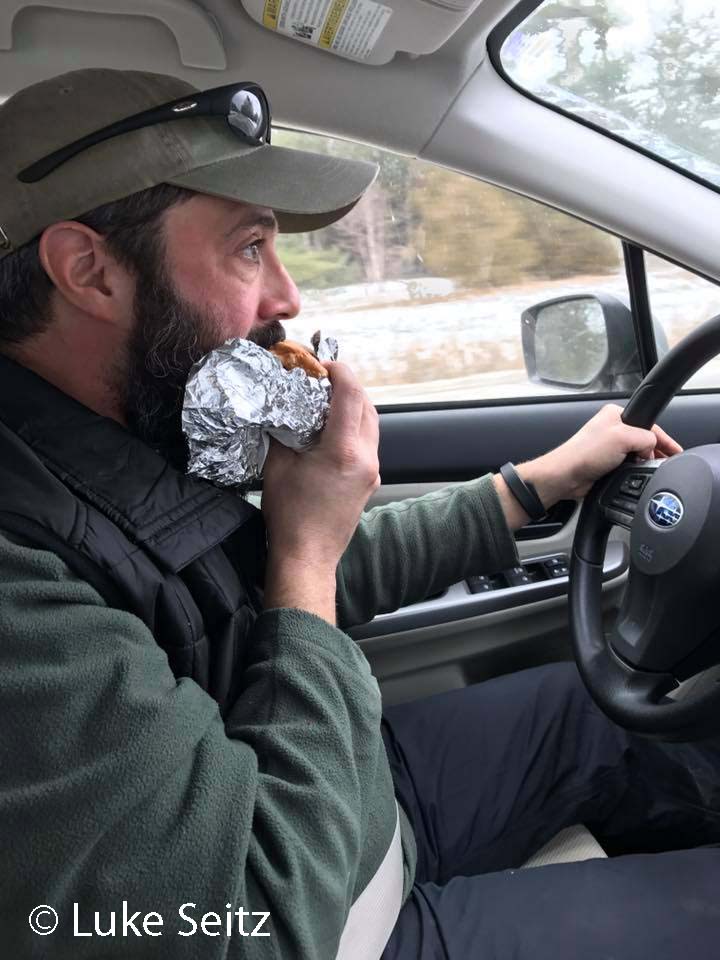
We even celebrated our good fortunes with a fueling, hot breakfast sandwich from Maple’s Organics in Yarmouth.
Unfortunately, we then hit a cold stretch, striking out on Purple Finch and Hermit Thrush in my yard, and Evening Grosbeaks at a Pownal feeder. Snowy Owl and Snow Bunting at Brunswick Landing was followed by a strategic error – the absolute slowest service in history at the Five Guys in Brunswick!
Like I said, we were only so serious about this Big Day, as exemplified by stopping for food…twice! But a to-go order of some fries, a veggie sandwich, and a milkshake should not have taken so long. First, our sandwiches were left on the counter as they forgot to bag them with fries. Then they had to wait for more fries to cook, and then it turned out someone had accidentally switched off the milkshake machine.
Although that whole event really only wasted about 10 minutes, it was 10 minutes further behind schedule…our Pownal swing was a time suck, and the walk at Winslow took much longer than planned. And the days are short this time of year!
A Gadwall in Damariscotta was a nice pick-up, and we added a few en route twitches, but we got to Rockland with way too little time. We failed in our search of the harbor for the Pink-footed Geese and Snow Goose (they weren’t on the school fields due to the recent snow cover), and dithered on our decision to head to Camden, picking up a nearly-drive-by Bonaparte’s Gull on the way.
We didn’t run into any Bohemian Waxwings or Pine Grosbeaks on our drive, and we arrived way too late in the day to be graced with a visit from the Bullock’s Oriole. The thickening clouds ahead of the approaching storm was rapidly bringing the birding day to an early end. Quick-thinking rewarded us with the female Greater Scaup which we relocated in the Megunticook River after not seeing her in the harbor, and in very last light we somehow picked up American Wigeon in Rockport Harbor (not one as had been reported, but three, plus another Green-winged Teal), our 73rd and final species of the day.
We had hoped for a Barred Owl on the drive home; surprised that we didn’t run into one during the day, but the arrival of a mix of ice pellets, sleet, and dreezing rain didn’t help matters. However, with almost no scouting, no owling, and only about 9 hours of daylight, we agreed that this day was really an extraordinary success. 22 species of waterfowl in the middle of winter is pretty darn good, and we saw some great birds over the course of the day.
It’s almost certainly a record – if only because we don’t think anyone has done a January Big Day before (or submitted to the ABA as such!), even if it fell short of our goal of 75. And with quite a few misses and birds “left on the table,” we can’t help but wonder what a little planning, more discipline, and a packed lunch could have resulted in? (Or, having run it a couple of days earlier when Grondin was open!)
Finally, here’s an annotated checklist of the species we encountered, with notes on the rarities, single-sightings, or species seen only at one location.
Canada Goose
Wood Duck: female at Mill Creek park, South Portland
Gadwall: 1 drake, Oyster Creek, Damariscotta
American Wigeon: 1 male and 2 females, Rockport Harbor
American Black Duck
Mallard
Northern Pintail: male behind Bay Harbor Car Wash, South Portland
Green-winged Teal: male behind Bay Harbor Car Wash, South Portland and female at Rockport Harbor
Greater Scaup: female, Megunticook River from Mechanic Street, Camden
King Eider: female, Portland Harbor from Fish Pier
Common Eider
Harlequin Duck: Dyer Point, Cape Elizabeth
Surf Scoter
White-winged Scoter
Black Scoter
Long-tailed Duck
Bufflehead
Common Goldeneye
Barrow’s Goldeneye: male, Cumberland Town Landing
Hooded Merganser
Common Merganser
Red-breasted Merganser
Wild Turkey
Red-throated Loon
Common Loon
Horned Grebe
Red-necked Grebe
Great Cormorant: 1, Dyer Point, Cape Elizabeth.
Great Blue Heron: 2, Lower Falls Landing, Yarmouth
Northern Harrier: male, flying over Pond Cove, Cape Elizabeth
Bald Eagle
Red-tailed Hawk
Ruddy Turnstone: 3, Winslow Park, Freeport
Dunlin: 30+, Winslow Park, Freeport
Purple Sandpiper
Razorbill: several, Dyer Point, Cape Elizabeth
Black Guillemot
Bonaparte’s Gull: 1, Glen Cove, Rockland
Ring-billed Gull
Herring Gull
Iceland Gull
Great Black-backed Gull
Rock Pigeon
Mourning Dove
Snowy Owl: 1 Brunswick Landing
Red-bellied Woodpecker: at least 8-9 over the course of the day!
Downy Woodpecker
Hairy Woodpecker
Pileated Woodpecker
Peregrine Falcon: 1, Portland Harbor
Blue Jay
American Crow
Common Raven
Black-capped Chickadee
Tufted Titmouse
Red-breasted Nuthatch
White-breasted Nuthatch
Brown Creeper: 2, Winslow Park, Freeport
Golden-crowned Kinglet
Eastern Bluebird
American Robin
Northern Mockingbird
European Starling
Cedar Waxwing
Snow Bunting: 20+, Brunswick Landing
American Tree Sparrow
Dark-eyed Junco
White-throated Sparrow
Song Sparrow
Northern Cardinal
House Finch
American Goldfinch
House Sparrow
Total=73
Misses: Pink-footed Geese and Snow Goose in Rockland; American Coot, Lesser Scaup, Ring-necked Duck, and Northern Shoveler at Grondin Pond; Black-legged Kittiwake; Barred Owl; Cooper’s Hawk; Sharp-shinned Hawk; Rough-legged Hawk, Northern Shrike; Hermit Thrush (1); Bohemian Waxwing; Orange-crowned Warbler (1); Bullock’s Oriole (1), Purple Finch, Pine Grosbeak; Evening Grosbeak.
(Also,we posted a little play-by-play in a thread on the store’s Facebook page during the day. Check it out…we added commentary in the comments section, culminating with a video of me doing what it takes to get those wigeon at last light!)




























 Maine Birding Field Notes