Beginning in 2022, Cap’n Fish’s Cruises in Boothbay Harbor and Freeport Wild Bird Supply have partnered together to offer a mid-summer seabirding opportunity. I join the boat’s naturalist as a seabird and pelagic specialist, to help everyone see all of the breeding seabirds at Eastern Egg Rock (Atlantic Puffins; Arctic, Common, and Roseate Terns; Laughing Gulls; and sometimes Razorbill and Common Murre) before we venture offshore in search of whales. While doing so, we pay special attention on this cruise to the bird life – which is often found at the same places where we are looking for whales. This trip gives us a slightly more bird-centric tour compared to the regularly-scheduled departures.
Here are the trip reports from this very popular annual event.
July 16. 2022
Seas were fairly high (3-5ft) as we bounced offshore to deeper water first. Wilson’s Storm-Petrels were soon visible, and we passed one Razorbill. We could not stop or turn around for it as the seas were just a little too rough for that, and this was unfortunately our only Razorbill of the day. We cruised around waters over 300 feet deep, and were treated to a good performance from Great Shearwaters, Wilson’s Storm-Petrels, and picked up a few Sooty Shearwaters. We had one offshore Atlantic Puffin, but the big surprise was a rare, mid-summer NORTHERN FULMAR – definitely the pelagic bird of the trip.
With the seas building, we made a turn and took advantage of much more pleasant conditions as we trolled the area, giving people a better chance and seeing the aforementioned species. We also spotted a couple of Mola Molas, but no marine mammals, unfortunately.
Away from Eastern Egg Rock (both coming and going), our offshore (“pelagic”) scorecard was:
76 Great Shearwaters
61 Wilson’s Storm-Petrels
21 Northern Gannets
3 Sooty Shearwaters
2 Arctic Terns
1 Razorbill
1 Atlantic Puffin
1 NORTHERN FULMAR
1 Common Loon
scattered Common Terns and unidentified Sterna
As we approached Eastern Egg Rock, the action really picked up with all of the island’s breeding species soon apparent. Roseate and Arctic Terns joined the multitudes of Common Terns. At least a dozen Roseates included several putting on a good show, and we singled out quite a few close-passing Arctic Terns for good studies. 4 migrant Ruddy Turnstones joined island-breeding Spotted Sandpipers onshore, and we heard a couple of singing Song Sparrows. And of course a plentitude of Laughing Gulls; about half of the entire state’s population breeds here. Black Guillemots were also conspicuous today.
But Atlantic Puffins are the star of the show out here, and today, they did not disappoint. In fact, it was a great mid-summer performance, with several dozen on the water – often in very close proximity to the boat, commuters passing by, and dozens more stately stationed on the island’s rocks.
We wandered offshore on the way back, near where the boat had recently seen whales, added a few birds to the tallies, but alas, the only marine mammals of the day were two species of seals: lots of Harbor Seals and two Gray Seals. Hopefully, this got the seal of approval from the marine mammal watchers aboard today.
July 10, 2023.
A Parasitic Jaeger got everyone to our feet as we were motoring home through the fog.
With even more anticipation than usual, birders flocked aboard for this afternoon departure. Three hours earlier, I had spotted the near-mythical Tufted Puffin on Eastern Egg Rock aboard Cap’n Fish’s morning Puffin Cruise. We made a bee-line for the island’s north end, but alas, the Tufted was not to be seen.
Nonetheless, we had a fantastic visit. Fog resulted in many of the island’s Atlantic Puffins being in the water and we had close birds all around the boat. We studied Arctic and Roseate Terns among the masses, making sure everyone had at least one rewarding look at each. While we searched vigilantly for the Tufted, we picked out one of two American Oystercatchers that have been here this summer, and just as we were about to leave, the single Common Murre floated around just off our bow.
It didn’t take long before our first Wilson’s Storm-Petrels of the day to be sighted, with small groups and singletons here and there throughout the rest of the trip for a total of 100-150 or so. Fog only thickened as we traveled further offshore, however, although we did find a hole where the visibility increased dramatically for a spell. While we searched diligently for whales to no avail (but plenty of Harbor Porpoises today), birds began to appear one by one.
A good look at a Sooty Shearwater. A glimpse of a Great Shearwater was followed later by a cooperative one that allowed close approach on the water. One group spotted a Manx Shearwater heading straight away, and a couple of other distant shearwaters disappeared into the fog. We only saw a few gannets today, scattered Common Loons on our way to and from, but a subadult Parasitic Jaeger spiced things up on our ride back (photo above).
Considering how dense the fog was, we were happy to spot much of anything once we left the rock, and considering we remained just east of torrential rain all day, we were more than satisfied with the comfort of what we did see!
Thanks to our store’s partnership with Zeiss Optics, our biannual “Zeiss Day” occurred offshore this spring. With Zeiss’s sponsorship, we were able to offer this unique trip at a special price, with extra spotters to help people see birds, and of course, with chumming.
And the weather could not be any better! In fact, we were all excited to head offshore to beat the heat on this day. Barely a puff of breeze resulted in remarkably calm seas, with the only waves caused by our boat. Thanks to the weather gods for this day offshore!
Evan Obercian, Dan Nickerson, and Jeannette helped spot birds, Noah Gibb handled the checklists, and Robby Lambert – chummer emeritus – stood at the ready as the boat’s naturalist, Kelsey, and I scanned from the wheelhouse. Our captain was amazing, and together we laid out a plan for the day. Throughout the day, Rich and Bill from Zeiss handed out binoculars to try and lots of optical questions were answered. It was a great way to test-drive a new pair of excellent binoculars, especially noting how important size and weight is when trying to hold binoculars steady on the open ocean, even without much in the way of waves.
Robby at his office.
Motoring out of Boothbay Harbor and across Muscongus Bay, we familiarized ourselves with the common denizens of Maine’s summer coast, such as Common Eiders, Black Guillemots, Common Terns, and Ospreys. Kelsey pointed out landmarks and gave a little history of the area.
Our first destination was Eastern Egg Rock, home to a thriving seabird colony thanks to the restoration efforts of Project Puffin. Leading pelagic trips in June is easy when at least some of our target birds are guaranteed!
The amazingly calm conditions and unusually warmth worked in our favor, as many of the island’s Atlantic Puffins and Black Guillemots were in the water instead of loafing on the rocks, allowing us to drift closely to many of them. One of the island’s ephemeral Razorbills was spotted near the boat, giving us long and good looks as well.
Razorbill.
Of course there were the terns, and for a change, both Roseate and Arctic were easy to isolate for all to see. With the help of my spotters, and a cooperative pair of Roseates on an obvious rock, everyone saw each species well, as well as many hundreds of Common Terns of course. And a thousand or so Laughing Gulls, too.
Arctic Tern.
Roseate Tern.
Laughing Gull
Common Eider.
Satisfied with our views of the island’s denizens, we turned offshore and followed the Arctic Terns to deeper waters. It wasn’t too long before we started seeing scattered Wilson’s Storm-Petrels, but we slammed on the breaks when I spotted a Common Murre on the water up ahead. Captain Steve was able to circle the bird for all to see and photograph before we continued on; the murre was most obliging. It also made for the hoped-for 4-alcid day, which is always a challenge this far south.
The lack of swell allowed us to make good progress and afforded us the chance to check three offshore hotspots. A good number of Wilson’s Storm-Petrels and a few Northern Gannets were at Murray Hole, but we motored through it.
We laid down a mile-long chum slick at The Kettle, but only a few of the many Wilson’s Storm-Petrels came in to check it out. I think it was simply too calm today – the scent wasn’t drifting, and birds – especially any shearwaters out here – were just not taking flight to forage; it’s just too inefficient without any wind for them to bother. But a fly-by from a southbound Ruby-throated Hummingbird nearly 20 miles offshore was unexpected!
We continued to tally Wilson’s when we set up a second chum slick at Mistaken Ground, but once again, little was interested, and only a few Wilson’s and gannets were to be seen.
Despite our extended time with the charter, it was soon time to head back to port, but we kept our eyes peeled throughout the trip. On the way back, we had a flock of 12 Red-necked Phalaropes buzz by and eventually land on the water, but we were going too fast and behind schedule to be able to turn around in time. Later, we passed not one, but two Basking Sharks, which was a real treat.
Harbor Porpoise and Harbor Seals were seen now and again, but overall, the offshore waters were quite slow – especially with gulls. The few gulls around didn’t even seem interested in our popcorn and suet, either.
Robby contemplates the meaning of life…and chum.
Our tally of Wilson’s Storm-Petrels was decent enough, but sadly, this would be our only tubenose of the day. Northern Gannets were in low numbers, as if often the case in early June, and whatever shearwaters may have already arrived may simply have been sitting on the water somewhere waiting for a breeze. I also felt terrible that not everyone saw the phalaropes.
Nonetheless – thanks to a perfect visit at Eastern Egg Rock and a random Common Murre floating offshore – I would call the day a smashing success! And for $40, few complaints were audible. The weather helped, too.
Rich talks optics.
Thanks to Zeiss for making this idea of mine come to fruition, and thanks to Cap’n Fish’s for letting us charter the boat to make this all happen. And most importantly, thanks to everyone who signed up and helped us explore the Gulf of Maine at this woefully under-birded time of year. Every day is different offshore, and you never know what you will or will not see. Excitingly, I am pleased to announce that Rich said, “let’s do this again next year!” Hope to see you aboard!
Here’s the complete trip list, from dock to offshore and back. Thanks to Noah for compiling this!
Not surprisingly for the end of May, Blackpoll Warblers were the dominate migrant on Monhegan this weekend. However, we never tired of seeing both males (above) and females (below) so well each and every day.
A point-blank Bay-breasted Warbler. Up close and personal Magnolia Warblers, Northern Parulas, and 9 other species of warblers including more Blackpoll Warblers than we knew what to do with…and we hadn’t even made it up the hill of Dock Road yet!
In other words, our 2023 Spring Monhegan Migration Weekend tour got off to a great start as we really hit the ground running. Then, a calling Evening Grosbeak. A fly-by Black-billed Cuckoo…more. Hmm… it was time to check in, and happily, shed a few layers.
After lunch, the excellent birding continued, with highlights including a flock of 10 Bay-breasted Warblers, a spiffy male Orchard Oriole, and great looks at a Philadelphia Vireo. By day’s end, we had 59 species including 13 species of warblers – not bad for a mid-morning arrival!
Yellow Warblers (above) and Common Yellowthroats (below) were common and conspicuous in and around town and other scrubby environs as expected.
It was cool and clear on Saturday morning, and the overnight radar image was a little ambiguous. Did the light westerly wind overnight push birds offshore as they approached from the south, or was that all just pollen and smoke haze in the atmosphere? However, the radar return did suggest birds offshore in the early morning, so we were excited to find out. Afterall, I did not expect yesterday to be so good, and it was excellent.
While only a few warblers were overhead by the time we assembled around the coffee pot at 6:30, it took a while for us to leave the spruces behind the Trailing Yew, as we had a nice pocket of warblers and good early-morning activity. We teased out a Blackburnian Warbler – the only one of the weekend, and the 3 White-winged Crossbills that have been on the island paid us a visit. Later in the morning, we caught up with the stunning male Dickcissel that has been around for a while, and were among the first to see a pair of recently-arrived House Finches (a surprising rarity on the island!). We also found a flock of 10 tardy White-winged Scoters and a total of 6 Surf Scoters that briefly visited Deadman’s Cove.
After lunch, we had the female/immature Summer Tanager, a female Orchard Oriole, found an Olive-sided Flycatcher, and while the afternoon was overall rather quiet, we had lots of great studies of a variety of birds, especially Blackpoll Warblers.
Although far from one of our best birding days on the island, it was noteworthy how well we saw just about everything. Even with a full group, birds were overwhelmingly cooperative, and everyone thoroughly enjoyed the birding…and another beautiful day of weather!
Many of our common warblers were easy to see, photograph, and enjoy throughout the weekend, such as this Northern Parula (above) and Black-and-white Warbler (below).
Saturday night into Sunday morning saw another ambiguous radar image, but the overall small number of new arrivals suggested that most of the return was something other than birds this day.
That being said, we started the day with one of the birds of the trip when I nearly spit out my coffee when I realized that flock of cormorants that looked strange was actually a flock of 9 Glossy Ibis. They circled the town, looked to be pondering the town marsh, and then soared up high and over Lighthouse Hill. Incredibly rare for the island, these were a new “island bird” for me, and we felt very fortunate that we were one of the only birders (I believe only one other birder saw them at all) on the island that got to see them. The “lingering around the coffee pot at the Yew” strikes again!
As expected, it was relatively slow overall, but even after the excitement of the ibis, we continued to enjoy ourselves. We had great looks at a lot of things all morning, including common warblers like American Redstarts and oodles of Blackpolls. We had our best looks yet of feeding Red Crossbills – they were all over the island this spring! – spotted a Peregrine Falcon, and continued to marvel at the growing flock of swirling Blue Jays contemplating a trip back to the mainland.
Ring-necked Pheasants kept us entertained as always, however.
After breakfast, we had another good find when a Purple Martin flew over us, and a bigger flock yet of Red Crossbills entertained us for a while. Jeannette arrived and joined the group to help carry my scope and to take photographs for this trip report, as well as help us find more birds.
Juvenile Red Crossbill.
It was warm and fairly slow, so I needed all the help I could get. Regardless, we added species to our trip list here and there in the afternoon, with quality surpassing quantity. We visited the long-staying 1st year male Blue Grosbeak that has taken up residence at Lobster Cove, where, unlike most Blue Grosbeaks, it has taken to flycatching for seaweed flies in the wrack. Why it is doing this no one knows, but it was a fascinating behavior to watch. Birds and birding on Monhegan never cease to amaze!
The Blue Grosbeak.
A little later, we found an immature Broad-winged Hawk, or again, it found us, as it passed right over us as we poked around the Underhill Trail to find some birds in the shade and in cover. It was often a struggle to find birds this afternoon, and it was downright hot! But I heard very few complaints compared to the slow days when it’s 45-degrees, windy, and raining!
We spent a lot of quality time observing birds today, getting to know their behavior and natural history, such as these courting Cedar Waxwings.
While also practicing our field ID skills, such as Eastern Wood-Pewee.
And enjoyed whatever warblers we did encounter, including this male Black-throated Green Warbler.
Monday saw even further reduced activity, with a very summer-like feel to the birding. The migrant flock of Blue Jays built up to at least 46, a Pine Siskin must have just arrived, and some of us even spotted the Virginia Rail! While passage migrants were few – almost all Blackpoll Warblers – we still had a great day of birding thanks to continued great views of most of what we were finding. There was a Northern Parula nest that a friend found for us to marvel at, and we had quality time once again with a family group of Red Crossbills. Watching them, especially the juveniles, eating buds and cones of Red Spruce at close enough distance to see if they were “righties” or “lefties” was memorable, and more than worth the visit. We had the male Orchard Oriole again, and paid the Blue Grosbeak another lengthy visit.
We took some time to scan the skies over the marsh while also enjoying “Lefty,” the Red-winged Blackbird with white outer primaries on only his left wing. He’s back for the second year.
One of the few birds we missed as a group all weekend was a long-staying but frustrating Snowy Egret that never seemed to stay in the same place long. It was reported at the Ice Pond while we were having breakfast, and Jeannette and I raced down to see it. The “racing” part after the new and ample breakfast buffet at the Trailing Yew may not have been the best decision, however, we got the bird! It was another island bird for me (#226) and I am glad I made the decision to skip the break to chase it, as it was long gone by the time our group arrived at the Ice Pond. I always like to get those chases out of my system before making a bad leadership decision and marching people across the island for a bird that only I cared about! (Since they are locally common on the mainland, only an island-lister cares about such silliness).
As the afternoon wore on, the group slowly moseyed away from the Blue Grosbeak-evolving-into-a-flycatcher and made our way back to town to catch the last ferries of the weekend, bringing the tour to a close.
A friend found a Northern Parula nest under construction that we took time to marvel at. Here, the female brings some more material in to line the nest, which is nestled in a woven basket inside of large clumps of down-hanging Old Man’s Bear lichen.
However, as usual, Jeannette and I stayed around for another 24 hours to have a day off together and with friends. Leaving the brewery with one friend, I found a male Eastern Bluebird- an odd “new bird” for the date. Where the heck has he been or where did he just come from? Another Monhegan bird mystery…their migration ended a month ago.
Later, as we walked back from dinner with other friends, we heard at least three displaying American Woodcocks. The sunset was quite the stunner, too.
I wasn’t upset to not have a group on Monday, because my goodness, it was slow! I think what was left of the passage migrants cleared out overnight, and little if nothing came in. There were a few Blackpolls here and there, and maybe a few more American Redstarts than usual in the summer, but in and around town, that was about all.
So Jeannette and I decided to take a longer hike and check some oft-productive-but-less-often-birded areas. In doing so, we found a Field Sparrow on Horn Hill, and had a singing Yellow-bellied Flycatcher between Burnt Head and White Head. An adult male Sharp-shinned Hawk was a surprise – was it breeding here? – and a visit into the shaded woods added Winter Wren and Swainson’s Thrush to our weekend list.
We got excited when we saw a gray-backed, white-bellied flycatcher over at Gull Pond, but alas, it had the expected short, not-forked tail that we were hoping for!
Not including the 7 species Jeannette and I saw between 3:00 on Monday and when we departed at 3:15 on Tuesday, the tour list for the 12th annual Monhegan Spring Migration Weekend ended up a goodly 90 total species, despite only 15 species of warblers. The overall count was better than our last two tours, but still below our long-term average. But I cannot recall four (and five) days of simply gorgeous and warm weather on any of our prior tours! While the benign weather of late reduced the volume of migrants yet to pass through, and allowed many recent migrants to pass unimpeded overhead, I was pleasantly surprised by the final tally. It was also a high-quality list, with lots of “good” birds not seen by many in Maine away from the island. Oh, and my two island birds were nice, too!
Blue Jays are not the biggest feeder bird on this island!
Even our most common and familiar birds present speciaal photographic opportunities out here!
Species
5/26
5/27
5/28
5/29
Mallard
x
10
10
8
Mallard x American Black Duck
1
0
0
0
Common Eider
x
x
x
x
White-winged Scoter
0
10
0
0
Surf Scoter
0
6
0
0
Ring-necked Pheasant
x
6
6
5
Mourning Dove
8
10
8
10
Black-billed Cuckoo
1
0
0
0
Chimney Swift
0
0
1
0
Ruby-throated Hummingbird
6
4
3
1
Virginia Rail
h.o
h.o
1
1
Semipalmated Sandpiper
0
0
1
0
Greater Yellowlegs
0
1
0
0
Black Guillemot
20
30
x
20
Laughing Gull
6*
2
1
6
Herring Gull
x
x
x
x
Great Black-backed Gull
x
x
x
x
Common Tern
1 + 5*
0
0
0
Northern Gannet
0
0
0
1
Red-throated Loon
0
1
0
0
Common Loon
3*
1
0
0
Double-crested Cormorant
x
x
x
x
Great Blue Heron
0
0
1
3
SNOWY EGRET
0
0
0
1**
GLOSSY IBIS
0
0
9
0
Bald Eagle
2
1
0
0
Osprey
0
3
2
2
Red-bellied Woodpecker
0
0
1
0
Merlin
2
2
1
0
Peregrin Falcon
0
0
1
0
Eastern Kingbird
0
0
2
2
Olive-sided Flycatcher
0
1
0
0
Eastern Wood-Pewee
2
2
2
2
“Traill’s” Flycatcher
2
0
1
0
Least Flycatcher
2
1
1
0
Eastern Phoebe
1
1
1
1
Philadelphia Vireo
1
1
0
0
Red-eyed Vireo
6
8
4
4
Blue Jay
x
48
47
52
American Crow
x
4
6
x
Common Raven
0
1
1
0
Black-capped Chickadee
x
x
x
x
Tree Swallow
0
2
2
2
PURPLE MARTIN
0
0
1
0
Barn Swallow
1
0
1
1
Golden-crowned Kinglet
0
0
1
0
Cedar Waxwing
30
50
40
30
White-breasted Nuthatch
0
1
1
1
Red-breasted Nuthatch
1
0
0
0
Carolina Wren
3 h.o.
4
4
3
Gray Catbird
x
x
x
x
European Starling
x
x
x
x
American Robin
x
x
x
x
HOUSE FINCH
0
0
2
2
Purple Finch
0
1
2
2
WHITE-WINGED CROSSBILL
0
3
3
0
RED CROSSBILL
0
2
24
20
Pine Siskin
0
0
0
1
American Goldfinch
12
10
12
12
Chipping Sparrow
0
0
1
1-2
White-throated Sparrow
2
2
2
0
Savannah Sparrow
3
0
1
0
Song Sparrow
10
X
x
x
Lincoln’s Sparrow
0
1
1
0
Bobolink
1
1
0
0
ORCHARD ORIOLE
1
1
0
2
Baltimore Oriole
1
4
3
3
Red-winged Blackbird
x
x
x
x
Common Grackle
x
x
x
x
Northern Waterthrush
0
0
1
0
Black-and-white Warbler
3
4
4
3
Tennessee Warbler
8
4
3
0
Common Yellowthroat
x
8
x
x
American Redstart
5
25
16
8
Cape May Warbler
1
0
0
0
Northern Parula
15
10
12
12
Magnolia Warbler
10
8
6
8
Bay-breasted Warbler
11
3
0
2
Blackburnian Warbler
0
1
0
0
Yellow Warbler
10
20
15
15
Chestnut-sided Warbler
2
1
1
1
Blackpoll Warbler
25
60
25
20
Black-throated Green Warbler
1
1
3
1
Wilson’s Warbler
2
2
2
0
SUMMER TANAGER
0
1
0
0
Scarlet Tanager
0
1
0
0
Northern Cardinal
x
x
x
x
Rose-breasted Grosbeak
3
2
2
0
Indigo Bunting
0
1
1
0
BLUE GROSBEAK
0
0
1
1
DICKCISSEL
0
1
1
0
Day Total
60
66
69
54
Warbler Day Total
13
13
12
10
Trip Total
90
Warbler Trip Total
15
Here is the trip list four the four-day tour. * = seen from ferry only. **=not seen with tour group.
Freeport Wild Bird Supply is very excited to partner with Down East Magazine’s Down East Adventures for our third year. In 2023, we are expanding our offerings to include two exclusive overnight trips, along with our popular ½- and whole-day targeted workshops. Focused on skill-builder rather than list-building, there will be plenty of “life birds,” but also more knowledge and education about birds, habitats, birding, and much more about the natural world.
The full list of upcoming tours can be found here. At the conclusion of each tour, I’ll post the trip report here.
Winter Waterbirds Workshop, January 15.
This Purple Sandpiper was about as cooperative as it gets for us at Sohier Park in York. Later, it was joined by its friends (photo below). This is really a lovely shorebird when viewed as well and as close as we experienced.
Extremely strong winds and very high seas presented a challenge as we sought out wintering waterbirds along the southern York County Coast. We worked hard to find sheltered water where we could observe birds well, but when we did find that secluded cove, peninsula lee, or rivermouth, we were treated to incredible looks at many of the birds we had hoped for.
We looked down on Red-breasted Mergansers at Perkin’s Cove, and you’ll never be closer to a Common Loon than we were at the Ogunquit Rivermouth. We checked a few more locations than I usually need to on this tour, but our most productive spot was the southern shoreline of Sohier Park at The Nubble. There, we were treated to close views of Black and White-winged Scoters, Harlequin Ducks, and a most-cooperative flock of Purple Sandpipers. We then ended the day at hidden Abbott’s Pond, where we enjoyed a break for the wind, close comparisons to study details between Mallards, American Black Ducks, and hybrids thereof.
Meanwhile, a group of 8 or so Black-legged Kittiwakes were feeding off of Short Sands Beach, and a stunning adult Iceland Gull passed by at The Nubble. Unfortunately, the seas were just a little too rough to find any alcids today, but we knew they were out there!
Spring Migrant Songbirds Workshop, May 14.
This stunning Blackburnian Warbler nicely demonstrated the value of blooming oak trees for seeing warblers in the middle of May.
Four hours later we had not left Evergreen Cemetery in Portland…a very good sign. There was just no need to move along, the birds kept coming to us. In the end we tallied a respectable 16 species of warblers, even though growing a list was not our goal. What made this workshop successful, however, was how well we saw just about all of the warblers and other songbird migrants throughout the morning.
Warblers were a highlight of course, including repeated quality time with favorites such as American Redstart and Black-and-white Warblers, the two most plentiful migrants this morning. We also enjoyed great looks at several Chestnut-sided Warblers, Magnolia Warblers, and Northern Parulas, with fantastic studies of Black-throated Blue Warbler, Black-throated Green Warbler, Yellow Warbler, and Wilson’s Warbler. We also saw two newly-arrived Tennessee Warblers which aren’t always easy to get looks at. There was a good amount of song this morning, so we had chances to listen and learn many of these species as well.
Shortly after hearing a Red-eyed Vireo and my describing it as “high up and often hard to see,” we found one in the lower branches of a nearby oak, and watched it sing, forage, and do all things vireo for almost 10 minutes! Likewise, after hearing distant Ovenbirds, we had two walking around right in front of us! Beginning with a view of a Veery on the ground in the open, we saw it again as the walk ended, only a few feet in front of us for another great view and chance to observe and study.
During the morning, we chatted about migration, habitat, and the process of building the necessary toolkit to build birding skills. Finishing the walk with a quick overview of some references (we had too many birds to leave much time for anything more), we recapped a very productive and instructive morning of spring birding.
Rangeley Birding Workshop, June 6-8.
Our first overnight tour together, the Rangeley Birding Workshop was based at Bald Mountain Camps in Oquossoc, nestled on the shore of Mooselookmeguntic Lake. Common Loons greeted us, but so did the rain. June of 2023 was one of the rainiest Junes on record in Maine, and we were very thankful for the wood stoves in each cabin!
Our first morning, 6/7, began at Hunter Cove Wildlife Sanctuary, with lots of singing Blackburnian Warblers. A large flock of Red Crossbills flew over, two Yellow-bellied Flycatchers were heard clearly and then glimpsed, and a variety of common warblers were detected. A confiding pair of Canada Jays was the highlight – as they often are – but even the common warblers were tough to see today, so we focused on practicing our birding by ear skills.
Enjoying our delicious boxed lunches at the Rangeley Waterfront Park, with more Common Loons offshore, we delved into an impromptu gull workshop, using each age class of Ring-billed Gull as an introduction to molt, feather topography, and identification. A 3rd-cycle Herring Gull kindly dropped in for comparison as well. In inclement weather, we take advantage of whatever learning opportunities the birds are willing to provide!
After lunch, we poked around the Mingo Spring Birding Loop, with good looks at the likes of Least Flycatcher, Alder Flycatcher, and Dark-eyed Juncos among others. But as rain returned, we called it a day and settled in to dry out in front of our stoves instead of an afternoon of lake-watching from the BMC property. And dinner was absolutely delicious!
Day 2 began with a brief walk around the BMC property (American Redstart, Ruby-throated Hummingbird, etc) followed by a foray over to the famous birding destination of Boy Scout Road, looking to build on the identification toolkit we worked on the previous day. We parked half the cars at one end and then walked the length of the road, birding along the way. But it was rather quiet here too – the ongoing story of June 2023. We did have some more Red Crossbills, a fantastic view -finally – of a Blackburnian Warbler, several Alder Flycatchers, and once again more Canada Jays. But this time, it was a family group of a pair with 2 juveniles in tow!
And then it began to rain. Again. A lot. But I give this group credit – they soldiered on! Of course the rain began in earnest when we were as far from either set of cars as possible, so there wasn’t really a choice, but still, spirits remained high and the birding continued. A pair of Hooded Mergansers, a singing Palm Warbler, and a Spotted Sandpiper were among the last birds of the outing, before the water had penetrated our clothing and it was time to call it a day and hope for better conditions next year!
Shorebirds Workshop, August 10.
The best way to learn shorebirds is to see them in their preferred habitats, feeding, moving, and mixing with other species, such as these Short-billed Dowitchers (a sandpiper) and Semipalmated Plovers here at Hill’s Beach in Biddeford.
An absolutely perfect day of summer weather (finally!) greeted us for this annual favorite outing. And the only thing better than the weather this day was the birding! Recent insane rainfalls have led to very high water in many of our favored high-tide, upper-marsh locales, so we focused on tidal habitats including beaches and mudflats, altering our usual routine from the start.
Beginning in Biddeford Pool, we introduced shorebirds with several Spotted Sandpipers along Ocean Avenue before jumping into the mixed species flock on Biddeford Pool Beach on the outgoing tide. There we estimated over 1,250 Semipalmated Sandpipers and 200 Semipalmated Plovers as we learned the basics of shorebird (sandpiper vs. plover) identification and began to work our way up to teasing out a couple of White-rumped Sandpipers and Ruddy Turnstones from the masses. 2 Killdeer in flight overhead were our only two of the day.
Kicking off our shoes to spend the rest of the morning on the sandflats of Hill’s Beach, we compared a Piping Plover to the many (400+) Semipalmated Plovers and 30 Black-bellied Plovers. A single juvenile Least Sandpiper was out of place on the beach, but offered a perfect opportunity to closely study the differences in shape, size, and overall structure to the 150 or so Semipalmated Sandpipers that were scattered about. 59 Short-billed Dowitchers gave us the chance to really observe shape and feeding styles, practicing identifying these birds both near and far.
Over at The Pool, a distant “Western” Willet joined 7 “Eastern” Willets, as we advanced into subspecific identification just briefly before stopping for lunch as the tide began to roll in.
The afternoon was spent at Scarborough Marsh, where our first two stops offered little (other than a calling Greater Yellowlegs to at least practice our shorebirding by ear) due to the very high water in the salt pannes from the recent rains. Pine Point more than made up for it on the rapidly incoming tide, however, with one heck of a shorebird show: 1500-2000 Semipalmated Sandpipers, 400-500 Semipalmated Plovers, a few more Short-billed Dowitchers and White-rumped Sandpipers, better looks at “Eastern” Willets, and the icing on the cake: a cooperative Whimbrel – our 13th species of shorebird for the day.
Practicing with our identification tool kit, we tested ourselves on finding the uncommon species among the masses, and took a moment or three to simply sit back and enjoy the show. Now that we know how approachable shorebird identification really is, we can more fully appreciate these most marvelous migrants!
Monhegan Birding Workshop, September 23-25.
Northern Gannets and two Green-winged Teal flying with 6 Surf Scoters from the ferry and an adult Lesser Black-backed Gull greeting us upon our arrival seemed like a great sign for what would be a bird- and fun-filled weekend on the Migration Mecca of Monhegan.
Unfortunately, it turned out to be one of the slowest (for both species and diversity) fall weekends I have ever experienced on the island. That being said, a big list wasn’t our goal. It was to learn birds – their ID, their migration ecology, and everything else that makes the island so special for birds and birders. And this is not tour guide spin: a slower day is better for that as we had ample opportunity to view almost everything we encountered, study them, discuss them, and luckily, what the island failed to provide in quantity, it certainly delivered in quality of observations.
On each day, we would find pockets of warblers here and there, but we kept coming back to one particular willow and a nearby thicket that constantly hosted 4-5 Cape May Warblers (photo above), 4 Yellow Warblers, a Yellow-bellied Sapsucker, and a smattering of others. The Cape Mays put on a clinic: all four plumages from pale, 1st-fall female, to bright and spiffy adult male were on display.
Over the first day and a half, we took what the island offered, besides exceedingly pleasant weather! There was the hen Green-winged Teal feeding within three feet of us, fly-over Rusty Blackbirds in the morning, and Great Cormorants on the cliffs on an afternoon short hike to name a few highlights. The skies were punctuated by the occasional migrant Peregrine Falcon and the constantly-hunting Merlins.
Granted, we were really just looking at birds to fill the time between the incredible meals at the Monhegan House!
On our final morning, a good migration overnight produced a new arrival of birds for the “morning flight;” the concepts and nuances thereof were topics of regular discussion.
The group’s high spirits earned them a great morning, with a taste of what Monhegan birding has to offer. There were American Pipits and Yellow-rumped Warblers in Morning Flight, a flock of 10 truant Bobolinks circling around, an immature male Belted Kingfisher displaying to a very-uninterested female, more Cape May Warblers, and a surprising fly-by Wilson’s Snipe.
At one point we had four juvenile Sharp-shinned Hawks dogfighting, exemplifying the difference in sizes of male vs female raptors. And the workshopping continued with Great and Double-crested Cormorants side-by-side, migrant raptors including several Northern Harriers, and more species before breakfast than we had most of the previous weekend! Speaking of breakfasts, goodness, they were good as well.
We finished up with a gull workshop on the shoreline, opening eyes to just how easy most gulls are most of the time. The advanced course was the fly-by 1st winter Lesser Black-backed Gull amongst Herring Gulls on the ferry ride back! And yes, we looked at butterflies, too!
Our third and final ½ Day Pelagic with our partners Cap’n Fish’s cruises out of Boothbay Harbor took place on a glorious fall day on Tuesday, October 11th.
OK, let’s get right down to business: it was NOT a South Polar Skua. This is not the first time a mea culpa was issued over a Stercorariidae. It won’t be the last. Certainly not my last, anyway. But yeah, I got this one wrong, and I apologize.
We spotted a large, dark, and very heavy-looking skua/jaeger in flight parallel to the boat. Captain Nick did an exceptional job of staying with it, staying parallel to it, affording incredible views for an unusually long amount of time. We were traveling at 18.2 knots, and the bird was slowly taking the lead. When it looked like it was thinking of landing, I had Nick angle slightly away so as not to make the bird concerned. It worked! It landed, we slowly worked our way up to it, and almost circled it before it took off. High-fives were exchanged. Smiles reigned. We got a skua! Big, barrel-chested, thick dark bill, and short tail. The very cold tones and extensive molt strongly suggested South Polar Skua. It would be a life bird for many.
I was convinced in the field, and I was convinced when I got off the boat. Everyone I talked to was convinced too. Other than a small feeling that the bill looked a little long, and the bird looked a little, well, not-menacing on the water, I had little doubt. But as I announce on all of my pelagics, all jaeger and skua identifications are provisional until I can review photographs.
The doubt -err, fear – began in the evening, as I looked over Jeannette’s shoulder as she began to sort photos. Starting with the skua, I wanted to make sure it was in fact a South Polar, and not a Great. That was my only real concern. But then I saw her pics. I was observing through 8x binoculars, she was shooting at 400mm. Details would likely emerge that I could not see in the field. And I didn’t like those details.
That rear end did look a little tapered. The bill did seem a little thin. And wait, is that barring in the underwings? Uh-oh. Are we sure? What about the location of white within the outer primaries? Is it too narrow? And boy, it looks cuter on the water than I expected. And that bill does look two-toned and kinda long.
Photos were sent to a friend. The shadow of doubt cast over the room. He immediately said “Pomarine.” But we discussed, and he left it off as “but I could buy this as a skua.” Another friend “That’s a skua.” “I’m flip-flopping…maybe a hint of barring on the undertail and underwing coverts, but it looks so skua-like…the molt pattern is identical to one I saw a couple of weeks ago.” Back and forth with these three friends continued. I posted to the Skuas and Jaegers of the World Facebook page; “Definitely a skua…” said the first commentor. Books and papers were referenced.
More photos were received. And discussion continued. Some photos showed what could be nearly impossible to argue was anything other than a South Polar Skua. I only wanted to look at these.
I mean, look at that short little tail!And those dark underwings!
Sheepishly – knowing how tired he must be after a long drive to and from in the same day, I asked my friend Bill Thompson to check his photos. He jumped right on it, and sent this.
Well, crap.
Is that the beginning of the long, round-tipped central tail feathers of a Pomarine Jaeger? They’re so broad. And the rest of the tail is a worn, ratty disaster. That would explain why it looked so short-tailed in the field. But that bill looks short, stout, and all-dark.
I asked for an underwing shot.
Yeah, that looks barred. But still, that bird was a massive keg.
These photos were entered into the various discussions, and uncertainty ruled as I finally passed out from boat and skua-induced exhaustion.
I awoke – stalled in turning my phone on – and what little glimmer of hope was crushed when I opened some emails from Tony Carapella that clearly showed a Pomarine Jaeger. I mean clearly, unequivocally, without a doubt.
“And upon further review, the call on the field is overturned. After the play, personal foul, unnecessary roughness on the trip leader’s self esteem. 15 yards…”
Sorry, folks, I got this one wrong.
But, hey, the rest of the trip was decent, too, even if we scratched the headliner off the top. Right? Please tell me it’s all OK?
Of course, this wasn’t the only quandary on the day either. Late in the trip, three jaegers gave us the slip. I am hoping someone got some distant photos that might yield a hint, but for now, they will go unidentified. There were also two larger dolphins within a small group of Atlantic White-sided Dolphins. Kelsey and I are still trying to figure things out. Stay tuned. They were not skuas, either, however.
Several Northern Fulmars included one that eventually gave fantastic views. We had a few Black-legged Kittiwakes, and Captain Nick did an amazing job getting us a close look at the first one that was loafing on the water. We also had an American Pipit fly-by, and a Yellow-rumped Warbler land in the cabin and rest for a while before departing.
And it was an absolutely, insanely gorgeous day. The water had only a slight ripple, there was virtually no swell, and it was warm with plenty of sun (but just enough high clouds to reduce the glare). There could not be a better day to head into deep water in the Gulf of Maine.
In fact, the unreasonably benign conditions allowed us to motor even further offshore than usual to explore a new area. After finding two of our favorite spots a little, well, low on birds, we headed out about 28 miles to an area we found on the map known as “Mistaken Ground” where the bottom plunged to a depth of 918 feet. I accept the name as a warning that maybe this would not be a good decision. But alas, it was where most of our action was. I could have spent all day here.
Northern Gannets
While the chum slick failed to work, perhaps because it wasn’t windy enough to waft the odor towards hungry birds, and there were long stretches with virtually no life in sight, overall, we had a solid list for merely 4.5 hours offshore. The proximity to deep water and interesting underwater topography afforded by starting from Boothbay Harbor allows us to run these trips in a shorter timeframe, especially for those learning to get their sea legs. And today was definitely a day for building up one’s oceanic confidence. Confidence in skua identification, however, well, that is another story. Apparently, my “mistaken ground” was thinking I could identify these birds before studying photos on the computer!
Here’s the annotated trip list:
8 Canada Geese
970 Common Eider
113 Surf Scoter
12 White-winged Scoters
24 Rock Pigeon
1 POMARINE JAEGER (see treatise above)
1 PARASITIC JAEGER (one of the three distant birds that turned out to be identifiable from photos)
2 Unidentified jaegers
1 COMMON MURRE (spotted in outer harbor by a few observers)
1 Razorbill (confirmed from jaeger photo bomb)
9 Black Guillemots
7 Black-legged Kittiwakes
2 Bonaparte’s Gulls
145 Herring Gulls
1 Lesser Black-backed Gull
With Great Black-backed Gull (right)
51 Great Black-backed Gulls
3 NORTHERN FULMAR
With Great Black-backed Gulls
1 Red-throated Loon
15 Common Loons
242 Northern Gannets
75 Double-crested Cormorants
2 Great Blue Herons
2 Bald Eagles
1 Merlin
8 American Crows
1 American Pipit
1 Yellow-rumped Warbler
1 Unidentified passerine.
Mammals:
1 Minke Whale
1 small pod of Atlantic White-sided Dolphins
2 unidentified larger dolphins (still working on ID possibilities but we have no conclusive photos yet)
This Cape May Warbler was one of many birds that escaped the strong winds by finding large flies eating rotting apples that littered the ground all over the island.
I arrived on the island on Thursday (9/22). Be happy that the tour didn’t start this day. It rained. A Lot. However, I was greeted by 6 Lesser Black-backed Gulls on Smuttynose Island upon my arrival: 5 adults and 1 juvenile. It turned out to be one of the highest counts ever on the island. That would also turn out to be my birding highlight of the day, as a short jaunt in the afternoon only yielded one species that I would not end up seeing with the group: a juvenile Ring-billed Gull, which is actually a very uncommon bird out here.
The sunset, however, was worth the trip, and the clearing skies foretold some good birding to come.
Overnight, a moderate migration on clearing skies brought many new birds to the island. The group met at 9:00, and we picked up the rest of the day’s participants as their ferry arrived. It was very windy today, but all day long, whenever we found a pocket of shelter, we found birds. It was mostly Yellow-rumped and Blackpoll Warblers, as expected for the date, but there was a decent smattering of diversity.
Between the winds and the raptors, birds were keeping low though! But speaking of raptors – wow, the falcon show! It was incredible. There is absolutely no way of knowing how many Peregrine Falcons and Merlins we saw today, with birds whipping by overhead. Some were hunting, and likely circling the island to do so, but it’s also possible that there was a steady flow of birds moving south, only pausing to wink at the island. It was impossible to quantify, but it was a whole lot of fun to watch!
Merlin.Immature Peregrine FalconNorthern Flickers had to stay low and out of sight to survive the day.
We enjoyed quality time with Cedar Waxwings, Monarch butterflies, and enjoyed some gorgeous Question Mark butterflies as well. White-crowned Sparrows were rather conspicuous, and we had a good lesson in duck identification with Mallards, an American Black Duck, and a hybrid thereof all side-by-side.
Black-throated Green Warbler on post-cider-making apple mash.
Wind was whipping all night long and continued to gust well over 20mph as of sunrise. With a high-pressure system building in, and powerful Hurricane Fiona passing well to our east, the wind would just not let up. Several ferries were cancelled, and if you happened to be in the room that a screen door was slamming up against all night (ahem), then maybe you were not as rested as you would have liked.
The Gray NEXRAD radar was down, but the Caribou station showed a moderate flight of birds overnight with marginally lighter winds over the mainland. A light morning flight – mostly strong-flying Blackpoll Warblers – didn’t portend a lot of birds had arrived, but pockets of White-throated Sparrows and Yellow-rumped Warblers in places where they weren’t yesterday suggested otherwise. In fact, there were a bunch of birds around, and it was a very productive morning!
We visited with two cooperative Dickcissels that have been around for days, caught up with the lingering Lark Sparrow, and were among the lucky ones who caught up with an early Orange-crowned Warbler. All before lunch.
Dickcissels.Lark Sparrow
And while the wind continued to gust, and uncountable falcons continued to wreak havoc, anytime we found a corner of shelter, we found birds – and often lots of them! White-throated Sparrows littered the woods, and because of the wind, many birds were insanely easy to see.
One of the highlights were warblers on the ground – hatches of large flies were feasting on rotting apples below laden trees, and with no flying insects able to survive a foot into the air today, we spent a lot of time looking DOWN at warblers.
Blackpoll WarblersCape May Warbler.We also made it over to the cliffs to see what may have been in the island’s lee.Female Green-winged TealScarlet TanagerWe saved this Gartner Snake from a cat’s mouth on our way to not seeing a Red-headed Woodpecker that was playing hard to get for us.
Finally, as dusk fell, the winds subsided. Unfortunately, by early nightfall, the winds were already a little more westerly than we would have liked. Come Sunday morning, a surprisingly light morning flight, dominated by Yellow-rumped Warblers almost exclusively, reflected the lack of the northerly component overnight. Birds seemed to be in lower quantities overall – a lot of Blackpoll Warblers had apparently departed – and with calm conditions (so, so welcome), there were fewer concentrations of birds.
Throughout the day, it was relatively slow by Monhegan standards, but we just kept adding new species to the triplist, and basking in repeated stellar views. The two Dickcissels were in their usual place throughout the day, a juvenile Lesser Black-backed Gull continued, and later in the morning we found a Marsh Wren – very uncommon out here.
Marsh Wren
In the afternoon, we had a splendid sparrow session. We had our longest looks yet at the Lark Sparrow, but after a report of one Clay-colored Sparrow at the same spot, we arrived to find three! A Lincoln’s Sparrow even came out into the open to join the Song, Chipping, White-throated, White-crowned, and Savannah Sparrows, making for an impressive total of 7 species of sparrows from one spot! Of course, the comparative experience makes all the difference in learning these species – as most look so very different from each other. Well, most of them did, anyway! A solid 76 species were tallied by day’s end.
Clay-colored Sparrow with juvenile Chipping SparrowLark SparrowBlackpoll Warbler.
The last day of the tour was Monday the 26th, and our time was winding down. So were the number of non-Yellow-rumped Warblers. Some light showers overnight may have put a few birds down, but winds were southwesterly thereafter, and the Caribou radar (the Gray station was still down) showed little movement. The morning flight was therefore virtually non-existent.
We found an Indigo Bunting, and later, an Alder Flycatcher confused and disoriented, stuck in the ice cutting display building of the Monhegan Museum. Three Clay-colored Sparrows were still present; we had good looks at two of them at the school and had another session comparing them to the variety of ages of Chipping Sparrows they were cajoling around with. The Lark Sparrow also performed nicely for us again.
Alder Flycatcher in the museum’s ice-cutting shed. It eventually figured out the lighting and got itself out. Clay-colored SparrowTwo of the three Clay-colored Sparrows, here, with a Chipping Sparrow in the middle.
It felt very slow, especially in the afternoon, when we took time to enjoy Fringed Gentian and repeatedly “dip” on a Red-headed Woodpecker that most everyone except us had eventually seen. Yet interestingly, we kept finding new species for our day’s list, and by the time the tour ended in time to catch the 4:30 ferry to Port Clyde, we had accumulated our highest species total of the weekend – a goodly 81.
The apparent abundance of some species – such as White-breasted Nuthatch, which we conservatively estimated included the presence of 4-6 pairs despite apparent omnipresence and Blackpoll Warblers on the ground – continued to impress as well.
Blackpoll Warbler.
With today’s new additions along with Laughing Gulls on our ferry ride back, our total trip listed amounted to 95 species! So despite the strong winds that howled for the first two days of the tour, and unfavorable southerly winds for the last day and a half, our 95 species was exactly average for the 11 years we have run the trip on this same weekend. 16 species of warblers was a mere one species below average. Taking our challenging weather into consideration, I would absolutely call this a win! Plus, we were on Monhegan, so all is well, as an average day/weekend on Monhegan sure beats the same anywhere else – for so many reasons.
* denotes ferry ride only

23-Sep  24-Sep  25-Sep  26-Sep
After 17 consecutive summers in the Gulf of Maine, “Troppy” the Red-billed Tropicbird failed to return to Seal Island. Arriving in 2005, but continuing annually throughout the summer since 2009 exclusively at Seal Island, Troppy had become a mainstay of summer birding in Maine – and our tour calendar!
Arriving as an adult, Troppy was therefore at least two years old when he was first sighted in 2005. Since most sorces seem to reference “16-30 years” as a lifespan, a 19-year old “Troppy” would be getting a little long in the tooth, err, bill. But, as I romanticized in my 2019 article for Birding magazine, we all hoped he would find the long lost love. Maybe he did. Maybe he’s making a trop-ling somewhere in the Caribbean where he “should be.” Yeah, that’s what I’ll think. We need more happy thoughts these days.
Wherever he might be, it was not Seal Island or any other Gulf of Maine seabird island this summer, and with his absence, tours to Seal Island were few and far between. Our first one cancelled, but we were able to run our July 23rd departure with our friends at Isle au Haut Boat Services thanks to a dedicated group of birders who know how special Seal Island is, with or without the famous rarity.
And Seal Island most did not disappoint! Even without a tropicbird (or a Tufted Puffin for that matter, which of course we all hoped would make a reappearance).
First, the weather: it was unbelievable! Actually, it was downright hot, even offshore, and especially away from what little breeze there was when we were not motoring. Seas were a gentle 2-3 feet, with an occasional slightly larger but inconsequential swell. Falling rapidly, it was incredibly smooth in the coves of the island, and on the way back where we enjoyed following seas for a very flat and fast ride.
Shortly after departing Stonington, we spotted our first Atlantic Puffin before we even cleared Isle au Haut. A few more, scattered small numbers of Wilson’s Storm-Petrels (I tallied 41 in all), and a few Razorbills punctuated our trip out. Not much was happening around Saddleback Ledge though.
Of course, the show realty began upon arrival at Seal Island. The heat sent the alcids into the water, so virtually all of the Atlantic Puffins that were present were in the coves and often allowing close approach and stellar photo ops.
We worked our way around the island, slowly improving our views of Razorbills (at least 6) and finally finding two Common Murres.
RazorbillIt took a while, but we finally found a Common Murre – it was even the uncommon “Bridled” morph.
We motored around the south end, where the swell was just enough to prevent us from getting too close to the Great Cormorant colony – Maine’s last. But the nests brimming with growing chicks was still thoroughly enjoyed.
Off the northeast end, we cut the engine and drifted among the alcids. Off the open waters came a flock of 12 Whimbrel which we heard first before they flew close by. Likely having tanked up on blueberries in a barren Down East or in the Maritimes, they didn’t seem to consider pausing on the island. Later, 8 more flew by even further offshore.
Laughing Gull
While the lack of shearwaters all day was disappointing, the one Great Shearwater that we saw came in for a close look at us!
A little group of Sanderlings flew by, a few peeps were along the shoreline, and we spotted several calling Spotted Sandpipers.
And don’t forget about all of the dapper little Black Guillemots!
And of course, there were the terns. Hundreds of Arctic and Common Terns were present, with a goodly number of juveniles learning the ropes. Arctic Terns were particularly conspicuous today, with many making close approaches of the boat or disregarding our presence to take a bath.
Arctic TernsJuvenile Common Tern.
I both enjoyed and lamented the fact that I didn’t have Troppy to stress over. In fact, without needing to be in position and waiting for him, we took advantage of the gentle seas to not only circumnavigate the island, but also spend ample time drifting in sheltered coves, photographing alcids and searching for a big, black puffin with punk-rock hair.
The eastern side.
But we still had a time limit for our charter, so we decided to spend our last moments enjoying the action at the tern colony. That’s when a Peregrine Falcon arrived. While this is a most unwelcome guest at a seabird colony and we were conflicted about seeing it, it was also impossible not to sit back and watch the show.
It surprised the terns by coming up and over the backside of the island, scattering the entire colony. Upon identifying the intruder, all of the adults made a beeline and began diving, mobbing, and otherwise trying to drive the predator away. Watching one of the world’s greatest – and fastest – predators in action was a real special treat, but we were also not upset that it came away empty; we were rooting for the terns.
If that wasn’t a grand finale, I don’t know what is. Well, maybe the Parasitic Jaeger on the way back!
About halfway between Seal and Saddleback Ledge, I first thought it was a Peregrine tearing in after a lone Common Tern. But when it became clear that it was a jaeger, I yelled for Captain Mike to “step on the breaks.” We watched the dogfight for several minutes, and it was spectacular to see. It was just far enough away that we couldn’t tell if the tern gave up its fish, but it definitely didn’t do it willingly.
Shortly thereafter we began to run into little rafts of Razorbills (a conservative tally of 36, plus 7 more between Saddleback Ledge and Stonington) and scattered Atlantic Puffins. We had quite a few more Wilson’s Storm-Petrels on the way back, and finally some Northern Gannets.
Wilson’s Storm-Petrel
We even had time to check some rocky islets for roosting shorebirds (none), loafing Harbor Seals (lots), and maybe spot something like a Great White Shark (nope; but the boat had one the very next day!).
Gray Seals and Harbor Seals. Note the “horse’s head” profile of the Grays, verses the puppy-like Harbors.
In other words: what a trip! And exactly why it’s well worth a tour to Seal Island regardless. That being said, I must admit, it was not quite the same without “Troppy.” But as a guide, my stress level was a lot lower! Having seen him 9 times out of 12 visits to Seal, I consider myself beyond fortunate. I’m also so happy to have shared his glory with so many other birders on all these tours. So, wherever you are, Troppy, I’ll continue to lead trips to Seal Island in your honor!
The first of our pelagic birding opportunities for the year took place on Monday, June 6th, as I joined the good folks from Cap’n Fish’s Cruises in Boothbay Harbor for a special ½ day mini-pelagic.
We motored our way east to Eastern Egg Rock, looking at Common Eiders, Black Guillemots, Ospreys, and many other inshore denizens. Once we got to Eastern Egg Rock, however, the fun really started! The cacophony of the colony was evident on this gloriously calm day, and it was not hard to find plenty of Atlantic Puffins in the water near the boat.
We worked the masses of Common Terns to isolate a few great views of Roseate and Arctic Terns. The bright sunny day was a delight except for when trying to judge grayscale. That made tern identification a little more challenging, but we worked our way through it before departing the island for deeper waters. We had a good total of 7 Razorbills on and around the island, which is no guarantee on a visit here, and while we didn’t have the one Common Murre that has been lingering on the rock, we did have one fly-by later in the trip.
Bright sunlight made tern identification more challenging!RazorbillsBlack GuillemotCommon TernRoseate Terns
With seas barely 1-2 feet, just a puff of wind, and abundant sunshine, it was just a gorgeous day offshore. We cruised through a wide stretch of uneventful, flat bottom, but once we hit deeper waters, we began to see a number of Wilson’s Storm-Petrels. There were a lot more at our first deeper hole, but then when we got to our primary destination, it was clear how abundant they were.
We laid down a 4-mile long chum slick, and then slowly cruised back through it. With the calm seas, it held together perfectly, and boy did it work! It was actually incredible. Unfortunately, other than a few Herring and Great Black-backed Gulls, it was 100% Wilson’s Storm-Petrels!
One of the ways to find other storm-petrels among masses is to look for the lack of obvious wing molt. This bird caught Jeannette’s eye because the wing is so clean and not showing any signs of flight feather molt. It’s a Wilson’s though, but could it possibly be another subspecies? Individual variation? Age? Or, just something slightly different to look at?
But what a show they put on! Dan, Jeannette, and I did our best to estimate the abundance, as this was truly a special event. Our estimate of a trip total of 2,600 birds included an estimate of 2,000 in our chum line!
We spotted the occasional Northern Gannet throughout the trip, but we desperately awaited another tubenose. Checking flight style, foot extension, wing bars, and underwing patterns, but yup, pretty darn homogenous. As a leader, I tried to check every bird. But the sight was impressive, and I couldn’t help but utter superlatives and occasionally just sit back and enjoy the show.
First-summer Northern Gannet.
We had to increase speed to make it back to the dock on time, but we continued to tally Wilson’s Storm-Petrels on the ride in. And Jeannette, Dan, and I worked hard to find something – anything! – else pelagic! We don’t have a lot of data on what is out here in June, and it’s likely different every year depending on water temperature and breeding success and/or failure of these “winter” visitors from the sub-Antarctic waters. In fact, one some June whale watches I have been on, I haven’t had a single species of tubenose – let alone 2600 of them.
After last June’s adult Pacific Loon, I did have to have Captain Nick slam on the breaks when I spotted a decidedly gray-naped loon. When it surfaced, it was evident it was just a young Common Loon with an unusual amount of wear or bleaching on its head. It was worth a try though!
While our species list wasn’t legendary by any means, I’ve never seen this many Wilson’s Storm-Petrels in one, relatively short boat trip. In fact, this is by far the most I have ever seen together in Maine waters. Additionally, we had great looks at some of the Gulf of Maine’s most sought-after breeding seabirds to kick off the day at the birthplace of the Project Puffin. And the weather, wow, the weather – what a day to be on the water! And a great introduction to pelagic birding: the most exciting (and yes, at times frustrating) part of pelagic birding is every day, every trip, is so different, and it takes a lot of trips to appreciate the best of them.
We have two more trips planned with Cap’n Fish’s this summer. On July 15th, I’ll be joining the on-board naturalist for a visit to Eastern Egg Rock followed by a little birding-while-whale-watching. Then, on October 11th, it will be the second of our dedicated half-day pelagics, including chumming. Since we won’t have activity at Eastern Egg Rock at that time of year, all our time will be dedicated to finding birds offshore. Information and registration for these two trips – and our summer tours to Seal Island as well – can be found on the Pelagics Page of our website.
Here is our complete trip list, from the time the horn blew as the boat pulled out of the dock until we returned to the slip. Our estimates at Eastern Egg Rock are very conservative, and likely dreadfully low. Offshore, we worked hard at estimating individual groups of storm-petrels and tallying exact numbers of other birds offshore. There were also likely many more eiders, guillemots, and cormorants on the outer islands, but our focus was on finding more seabirds!
With so many great views of Black-billed Cuckoo(s) each day over the weekend, it was hard to argue against this being the bird of the trip. It was unusual how well, and how often, we saw this usually reclusive bird.
How about we just fast-forward to Sunday? Sunday was delightful.
After two quiet days, which I will eventually confess to, we had a bunch of birds. And no fog. And colorful birds in good light. The pre-breakfast loop was actually downright great, with a good variety of warblers. One copse of trees alone featured 3 Blackburnian Warblers, 4+ Blackpoll Warblers, 2 each of Yellow, Common Yellowthroat, Northern Parula, American Redstart, and 1 Magnolia Warbler
It was nice and birdy after breakfast as well, with more Blackburnian fun, a single Cape May Warbler, and a nice birdy walk through the woods (Winter Wren, Carolina Wren, and House Wren singing one after another) to Whitehead where we actually got to see the ocean – and a Great Cormorant for those visiting from afar. Bird activity and birdsong was pleasantly consistent throughout the day, and in most places we visited.
We caught up with a continuing immature male Orchard Oriole for all to see, and while perhaps one could argue it was still fairly slow for Monhegan by Memorial Day Weekend standards, it was a lot better than Friday and Saturday! In fact, the 59 species and 11 species of warblers was more than the first two days combined. A few of us who stayed out late even got to see an American Woodcock as it displayed over Horn Hill at dusk. It was a good day.
Blackpoll Warbler was definitely the migrant of the weekend. Besides being by far the most numerous passage migrant, they constantly offered crippling views throughout the tour. The male is above, and the female is below.This American Robin nesting in lobster traps was a delight to watch. The parents had to run a gauntlet of 5 or 7 traps to enter and exit the nest. It was a great demonstration of how lobster traps work.Laura shows off her handiwork. Hey, on a slow day, I’ll take all of the birds I can get!Northern ParulaImmature male Orchard Oriole
Friday got off to a rocky start. Really rocky actually, as in few people were even able to keep their breakfast down on the two ferry rides. Dense fog and near-zero visibility resulted in virtually no birds being seen, and well, let’s just not talk about these boat trips anymore…it was one of the worst I have ever experienced on the way to or from. Thankfully, I am not predisposed to feeling how many people felt upon arrival, but it was still a challenge to shake it off, and all of us were moving slowly by day’s end.
The sheltered waters of Deadman’s Cove were deceiving, but I think you get the idea!
Of course, it didn’t help that there were so few birds around! The huge wave of birds that arrived the previous weekend had cleared out, and nothing had arrived to take their place over the last few nights. With such strong winds, it was a challenge to find sheltered pockets, and when we did, we didn’t find many with many birds. Only Blackpoll Warblers were to be seen in numbers.
That being said, what we did see – especially the aforementioned Blackpolls and the continuing world’s most cooperative Black-billed Cuckoo(s) – we saw really well. A few of us even saw the Virginia Rail for a second. The dense fog also precluded scanning the water, so our checklist is even more pitiful for the day. Ring-necked Pheasants put on a show though, from confiding snazzy males to adorable little chicks.
There was no shortage of Cedar Waxwings this weekend, with numbers growing in the final two days of our stay.We definitely took advantage of the lull in birding to do some botanizing, including taking the time to stop and smell the Twinflower (Linnea).What migrants were around, however, were often low, close, and confiding, such as this Red-eyed Vireo.
I had hopes for Saturday – it really couldn’t be any worse than Friday anyway! – based on the forecast. However, only a light flight was detected on the radar overnight, despite light southerly winds. It was mostly cloudy, but I couldn’t help to wonder if we were just running out of migrants.
Rain that could have resulted in a fallout of what little was airborne overnight didn’t arrive until after sunrise, but it only caused a 20-minute delay to the start of the day. That was it though, and certainly we were lucky that Saturday was not the washout that was predicted as of a few days prior. It was still slow, but once again, we had exceedingly great looks at everything that we did encounter, including more quality cuckoo time, a stunning male Indigo Bunting that was just glowing in the soft light, Blackpoll Warblers, Northern Parulas, American Redstarts, and more colorful splashes to brighten another gray day. And it wasn’t raining.
But it’s hard to sugarcoat just how slow it was – like Mid-June-kinda slow. Luckily, the fog lifted just long enough to see some waterbirds, and we took advantage of that for an impromptu gull workshop.
A tease. The fog returned shortly thereafter.It was news to me that Red-backed Salamanders were on the island. Upon finding that out, our Saturday afternoon walk in the woods featured a lot of log-rolling to sample. Apparently, they are rather widespread, as we found them throughout the spruce forest of the next few days.Sunsets on Monhegan are always memorable, but Saturday night’s was even more exciting as it meant an end to two days of solid fog.Tomorrow would be better, this scene promised. And it most certainly was!
A brief shower at dinnertime ushered in a cold front and skies began to clear at dusk, with the fog finally lifting. That led to the delightful Sunday I was talking about. And Monday wasn’t too shabby either, as we again started the day without fog, a very light wind, and evidence of some bird migration on the radar overnight. And, with the southwesterly flow continuing, we had even higher hopes for finding the “mega” that would make up for the so-far lackluster species list.
Starting the morning with a Black-billed Cuckoo sunning itself in a tree right in front of the Trailing Yew was a solid start, and there were more Eastern Wood-Pewees and a decent number of Blackpoll Warblers around. Again, a rather slow day by Monhegan standards, but we really had more great looks at everything we did see. Today’s magic tree was by the Ice Pond, with a pair of Blackburnian Warblers, a pair of Blackpoll Warblers, Yellow Warbler, Common Yellowthroat, and finally a Bay-breasted Warbler.
We also finally had some rarity excitement. First, a Spizella sparrow flushed in front of us and a very quick glimpse in the scope suggested a Clay-colored Sparrow, which is a great bird in the spring. But just to be sure, we searched for it, but to no avail. Luckily, its identity was confirmed the next morning went it put on a show in the exact same spot it didn’t want to return to today.
Later, a female Purple Martin made an appearance…OK, fine, I could not completely rule out a Gray-breasted Martin. I was trying.
The tour officially concluded in the afternoon, but Jeannette and I remained to enjoy a 24-hour vacation. Don’t worry, you didn’t “just miss” something, as all we had new in the afternoon was a Savannah Sparrow.
It’s already baby bird season!Cedar Waxwings were the most numerous passerine on the island – or at least, the most obvious, with a flock of 60 that grew to at least 150 by Tuesday afternoon. Common Yellowthroat.Eastern Kingbird
Also, don’t worry that you missed the day Monhegan legends are made of on Tuesday. You did not. It was still fairly slow, but we had a little uptick in diversity. The pulse of late-migrating flycatchers that I had expected finally arrived, there was a good Northern Gannet show off Lobster Cove in the morning, and a steady trickle of commuting Atlantic Puffins in a small sample of afternoon Lobster Cove seawatching.
Eastern Wood-Pewee
We picked up three Willets well offshore to the south from Lobster Cove in the morning, eventually following them into the harbor where they landed for a spell. As for that “probable” Clay-colored Sparrow that was nagging me all afternoon and night, well, I am thankful that it returned to the exact same spot as where we first glimpsed it. I received a text that it had been observed, photographed, and confirmed by others, and it obligingly remained long enough for us to catch back up with it.
Clay-colored Sparrow
Overall, there were many fewer warblers around on Tuesday, likely as many of the passage migrants had departed overnight. But it would have been nice if this diverse day with several quality birds and good seawatching fell during the official tour!
The 11 species we added after the group tour ended therefore were as follows:
Savannah Sparrow
White-winged Scoter
Surf Scoter
Atlantic Puffin
WILLET
Alder Flycatcher
Yellow-bellied Flycatcher
Bobolink
Pine Siskin
Hermit Thrush
Red-bellied Woodpecker (where were you hiding these past 4 days?)
Common EidersBlack GuillemotAmerican RedstartNorthern ParulaRing-necked Pheasant. No need to work on primary projection beyond the tertial step to identify this one!
Furthermore, on the Hardy Boat back to New Harbor, we added 2 Red-necked Phalaropes (personal first-of-year) and a Razorbill. With those 13 species, we had a total of 88 species over the 5 days, with a couple of more “quality” birds and that would have produced a much more respectable tour list! But alas.
So yes, by Monhegan standards, it was a pretty slow weekend. In fact, the 75 species on Friday through Monday was a record low (by two) for this annual tour. 16 species of warblers wasn’t too bad (last year’s soaker only produced 10), and we had some great birds. We also had such good looks at so many things, especially those – like Black-billed Cuckoo – that just don’t give such great looks very often, let alone daily!
Here is the official trip list (not including the 13 additional species from Monday afternoon through Tuesday evening when we got off the boat in New Harbor):
This Sandhill Crane was more than a little shocking as it arrived on the island and flew right over several us eating lunch before landing on the shoreline. It was a most unexpected “island-bird” for me, and a real special treat for my client.
If I was going to top last week’s spectacular week of migration, it was going to require a visit to Monhegan. And Monhegan definitely delivered, even if the largest number of birds this week moved over the weekend, before I arrived on the island. Here are my observations of note over the past seven days.
17 species of warblers, led by 16 Common Yellowthroats and 9 American Redstarts, but also including 5 Bay-breasted Warblers, Florida Lake Park, Freeport, 5/21 (with Saturday Morning Birdwalk group).
1 Yellow-bellied Flycatcher (FOY), Florida Lake Park, 5/21 (with Saturday Morning Birdwalk group).
15 species of warblers, led by 11 Common Yellowthroats and 8 Yellow-rumped Warblers, Florida Lake Park, 5/22 (with clients from Maine).
10 Common Nighthawks (FOY), our yard in Pownal, 5/22.
~40 Short-billed Dowitchers, flying high over our Pownal yard on 5/22 (with Jeannette). Interestingly, the third record for our yard of high spring migrants.
Three days on Monhegan with a client from India on 5/23 through 5/25 yielded 91 species and 18 species of warblers. Monday was incredible, with lots of diversity, lots of quality, and just incredible looks at everything. Blackpoll Warblers were by far the dominant migrant each day, as expected. Here are our daily highlights:
5/23:
1 SANDHILL CRANE – I almost dropped my hand pie as this came cruising over the Trailing Yew, circled the meadow, and landed on the shoreline at a tidepool where observed by almost everyone on the island – birders and bird-curious alike. Photos above.
1 immature, I believe continuing, BROAD-WINGED HAWK.
1 Yellow-billed Cuckoo (FOY)
At least 4-5 Black-billed Cuckoos, including this incredible observation of such normally shy birds!
1 imm. male ORCHARD ORIOLE
1 EASTERN WHIP-POOR-WILL (FOY, and a self-found island bird from my bedroom!)
5/24:
1 continuing SANDHILL CRANE. In the meadow in early morning before reportedly being observed later flying toward the mainland.
1 imm. male Orchard Oriole
1 continuing EASTERN WHIP-POOR-WILL (with client, Kristen Lindquist, Bill Thompson, and Jess Bishop).
1 leucistic (and nearly pure-white but with normal bare parts) Herring Gull.
5/25:
1 female ORCHARD ORIOLE
1 Green Heron (FOY)
1 Wood Thrush
Our first pelagic with our partners Cap’n Fish’s Cruises out of Boothbay Harbor will run on Monday, June 6th. It includes a visit to Eastern Egg Rock and chumming deeper offshore. Info here: https://www.freeportwildbirdsupply.com/pelagics
I found a Northern Parula building a nest at Florida Lake Park last week, and was enthralled with watching its progression.


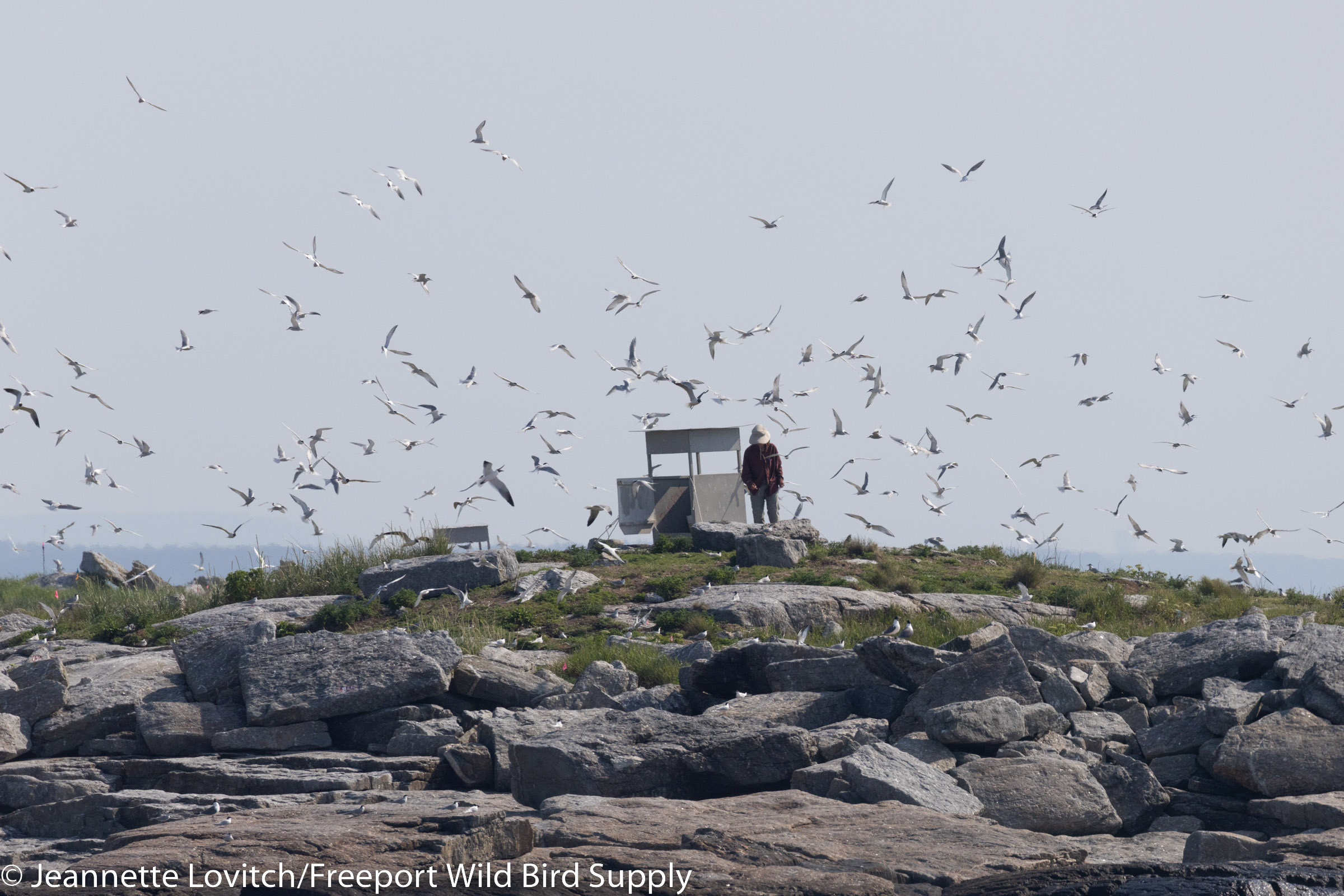

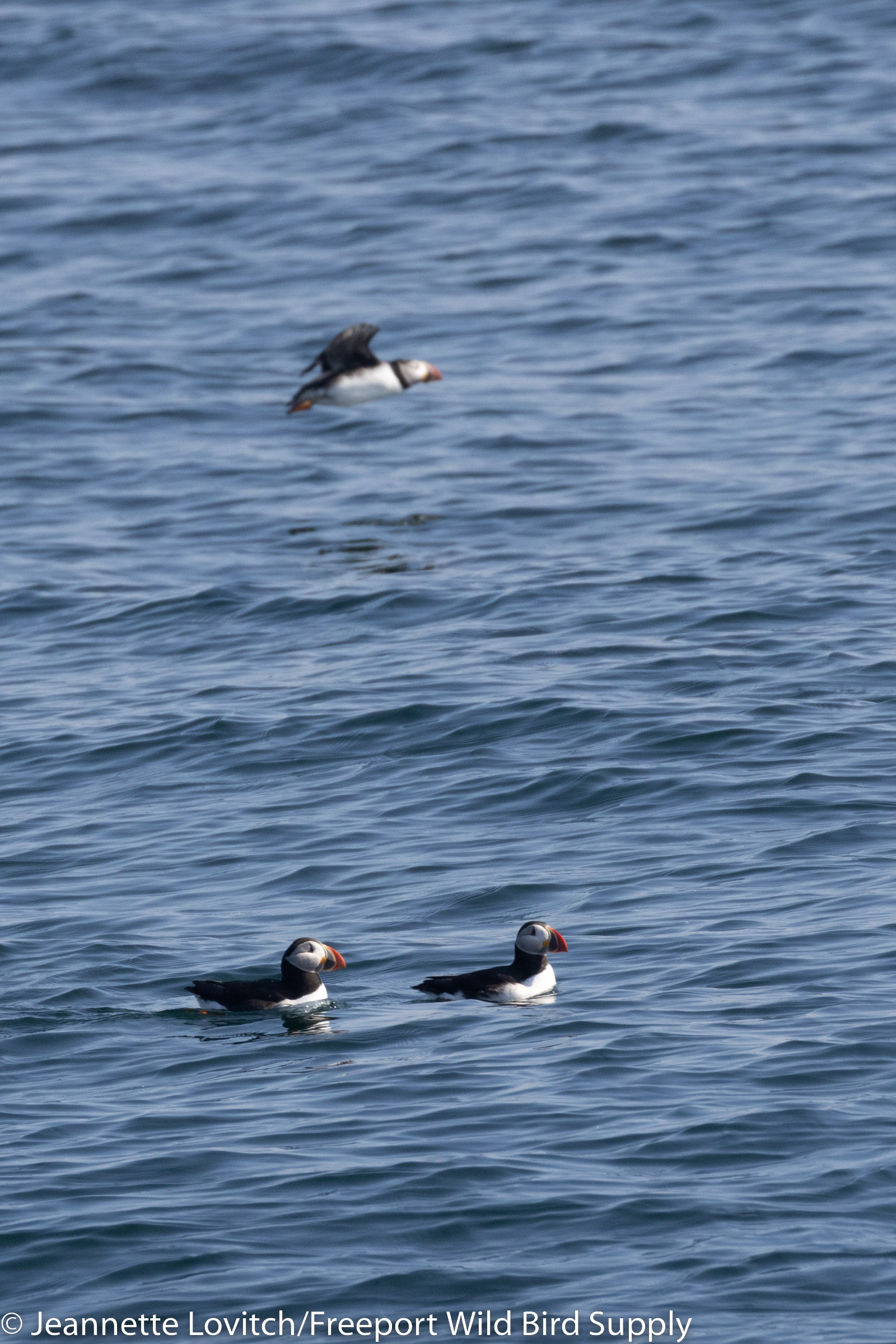

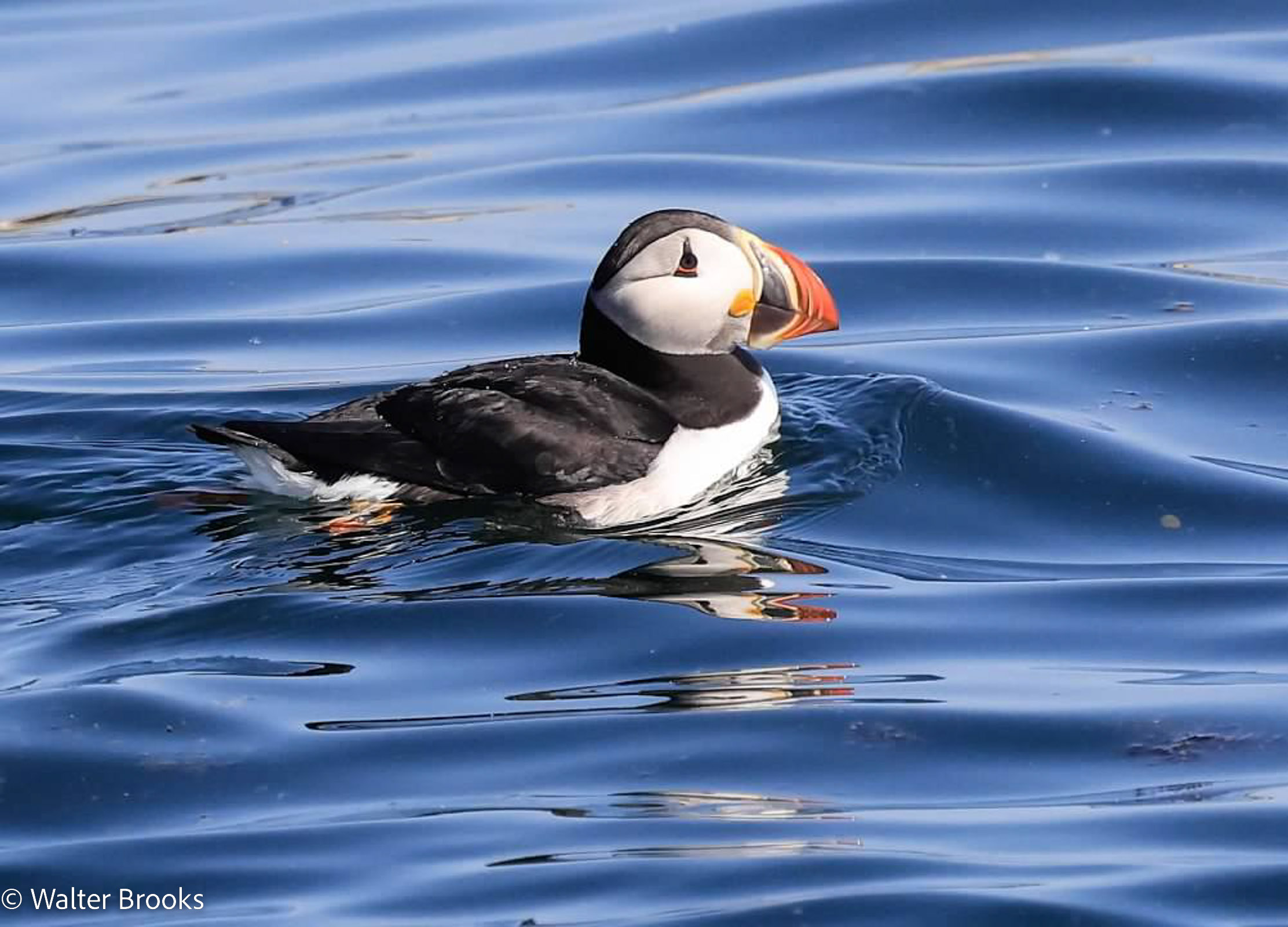


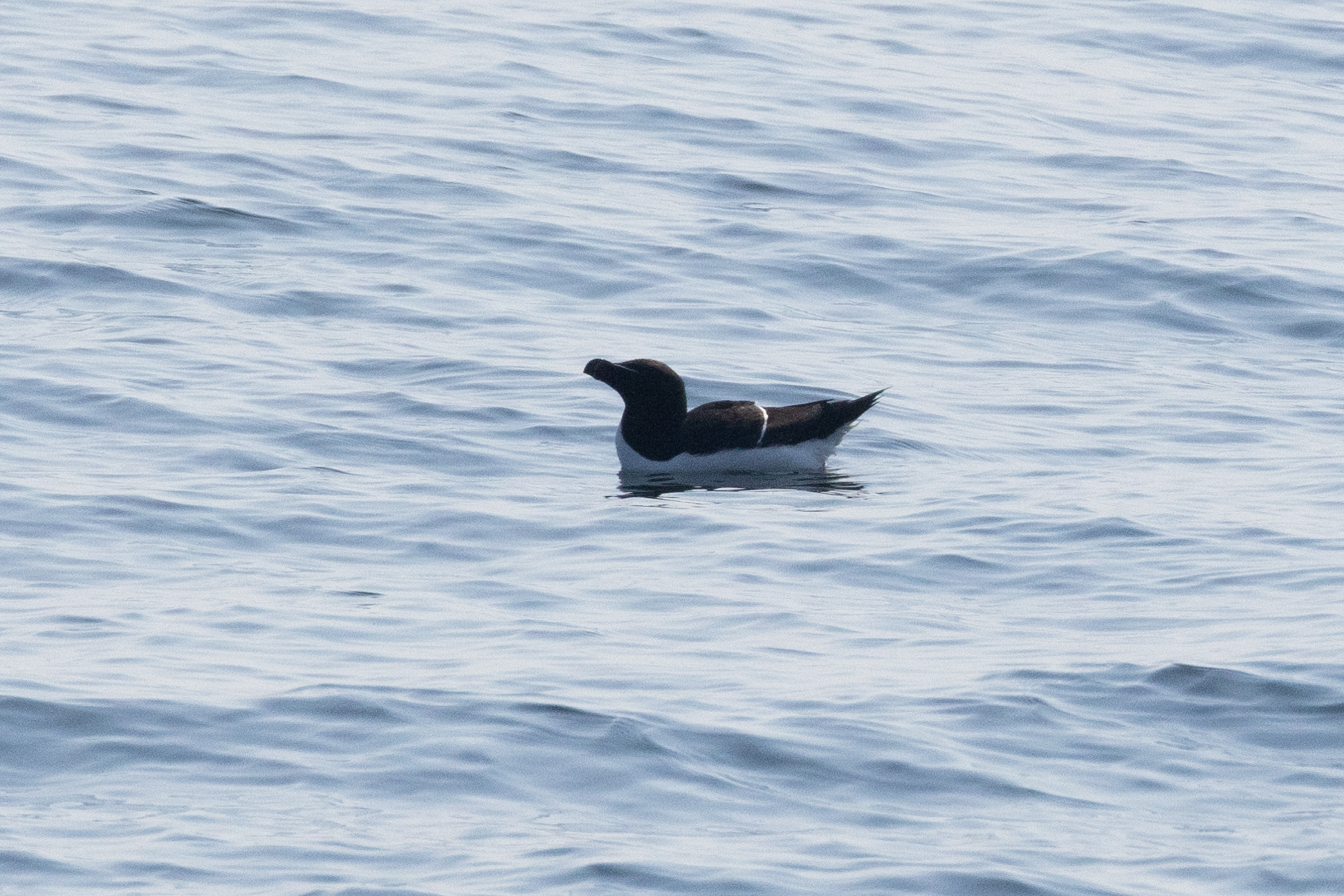
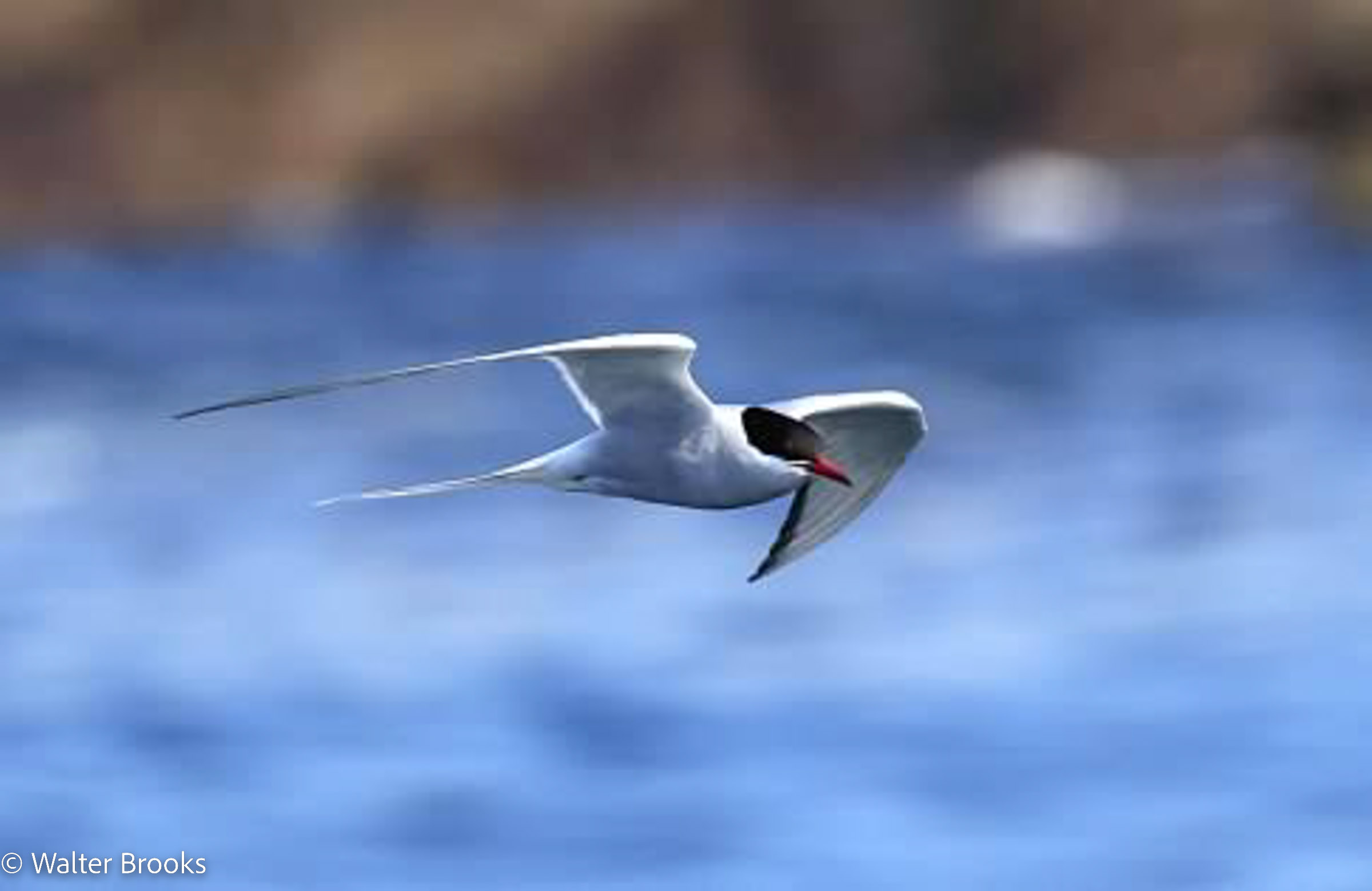

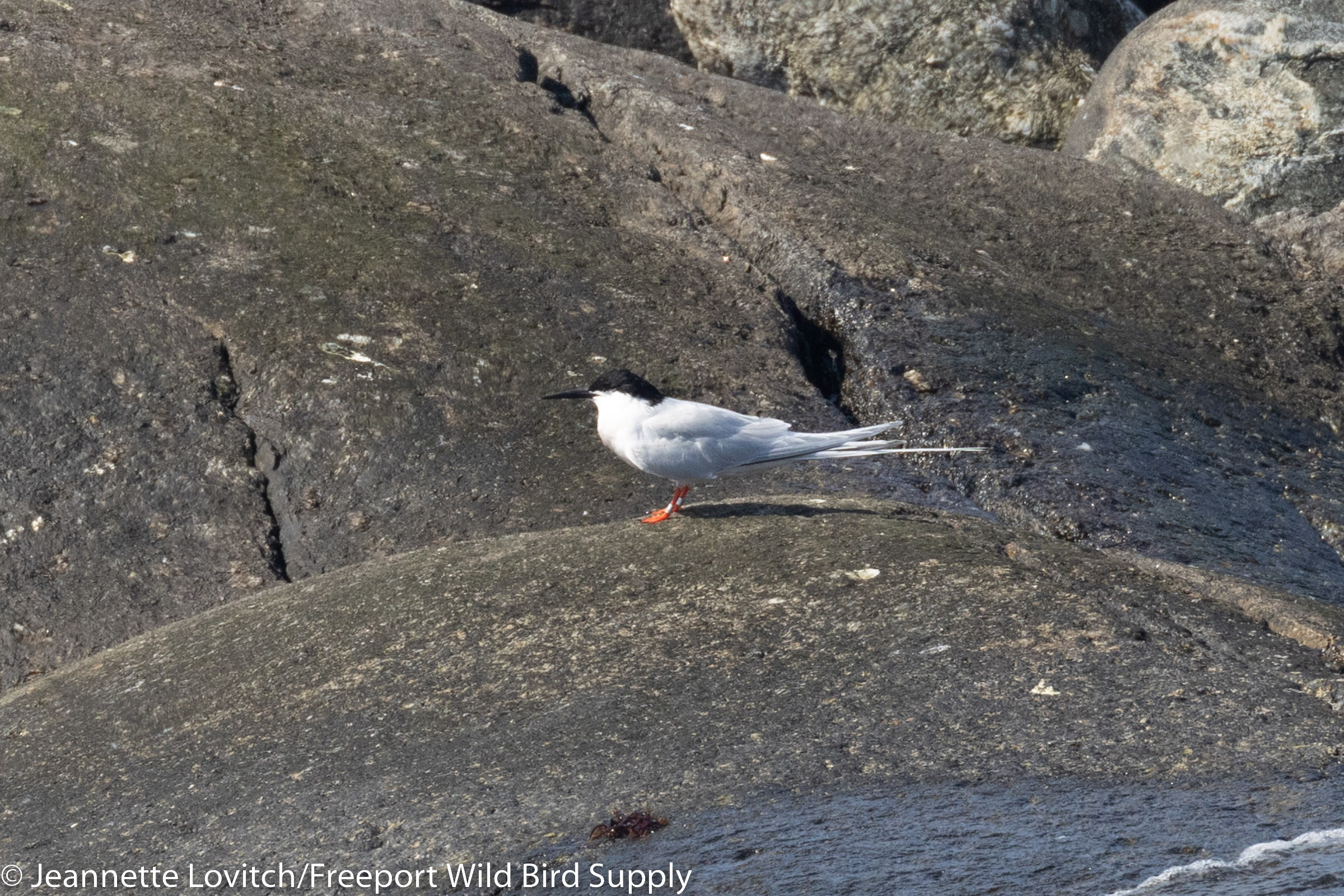

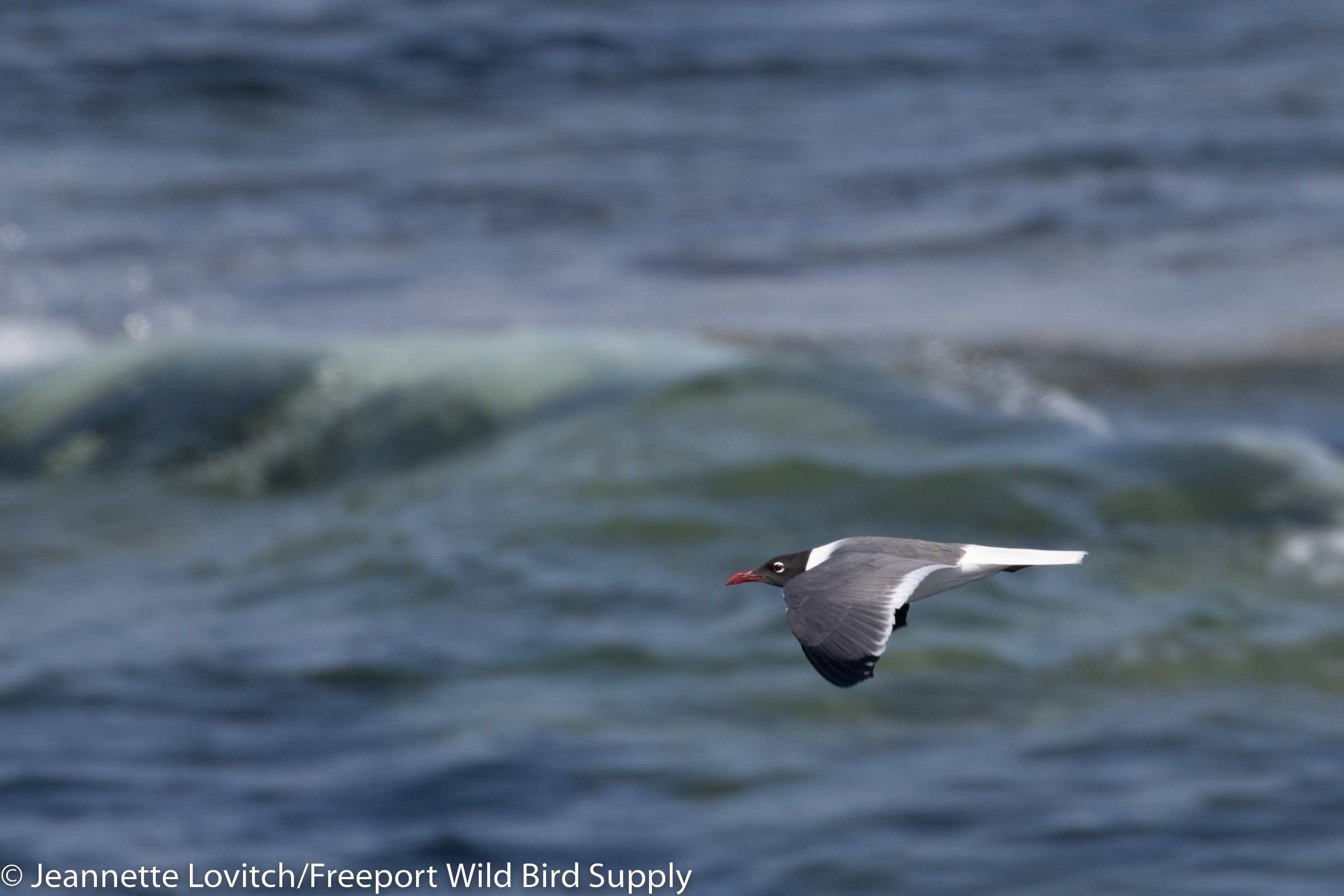
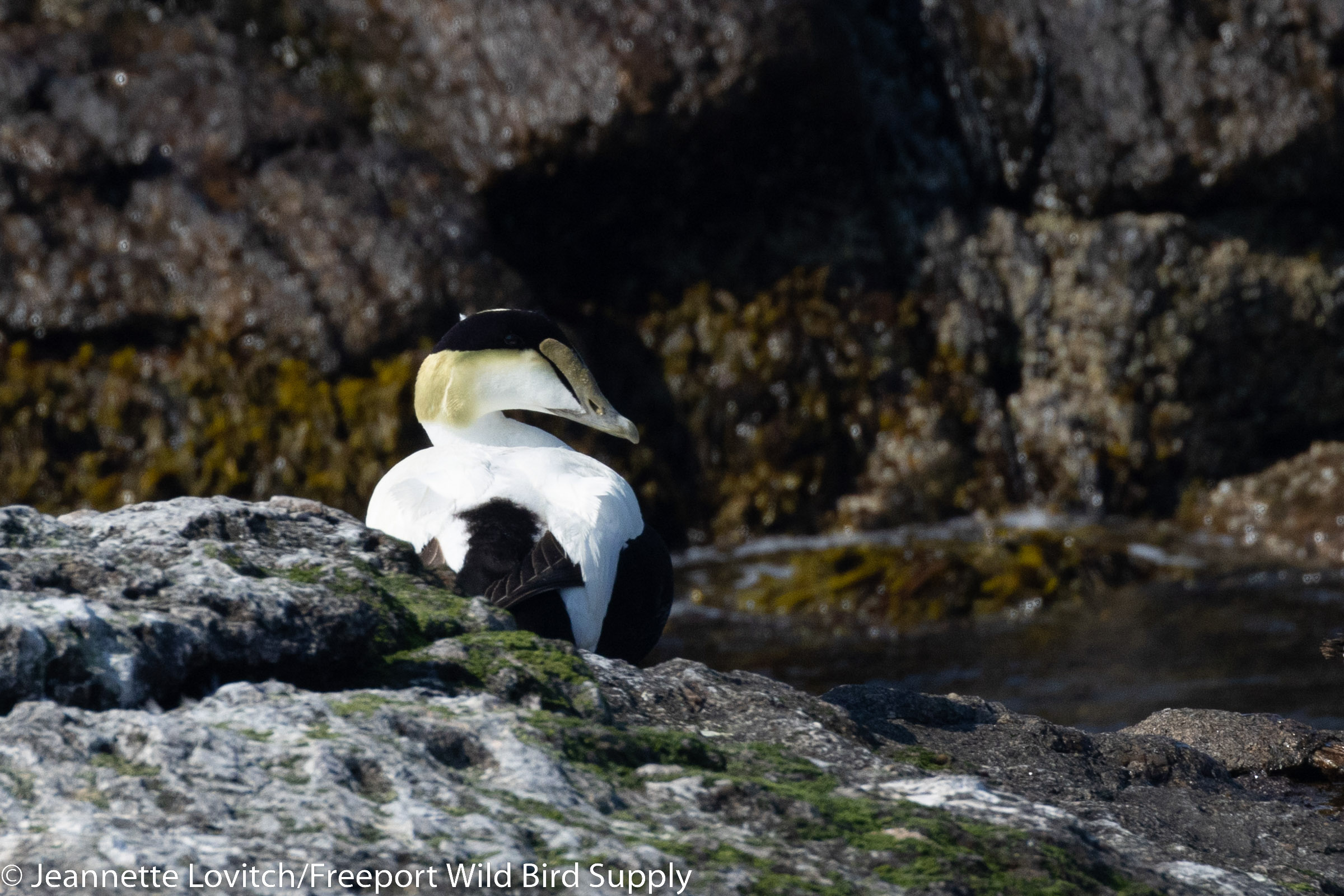

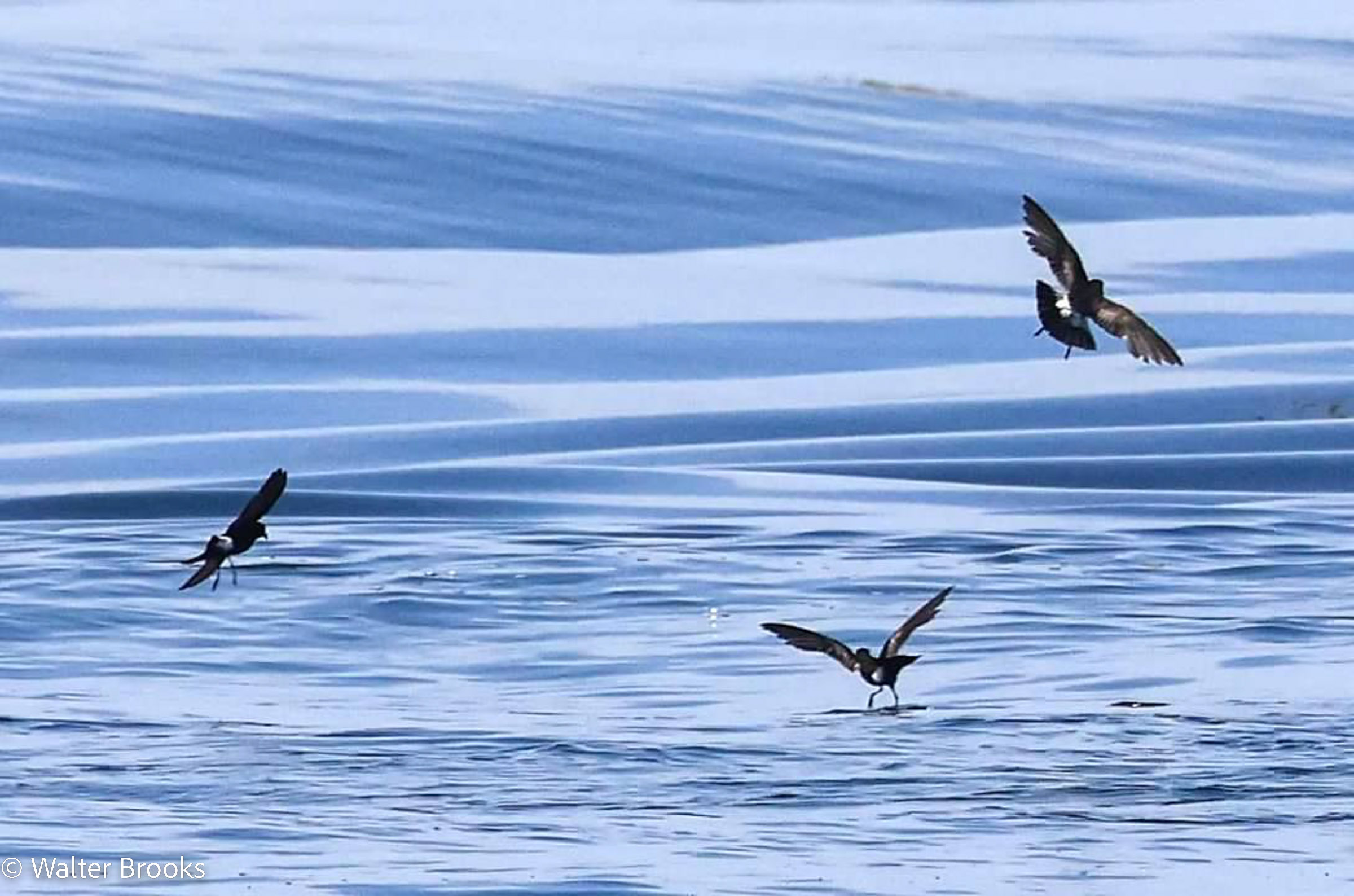


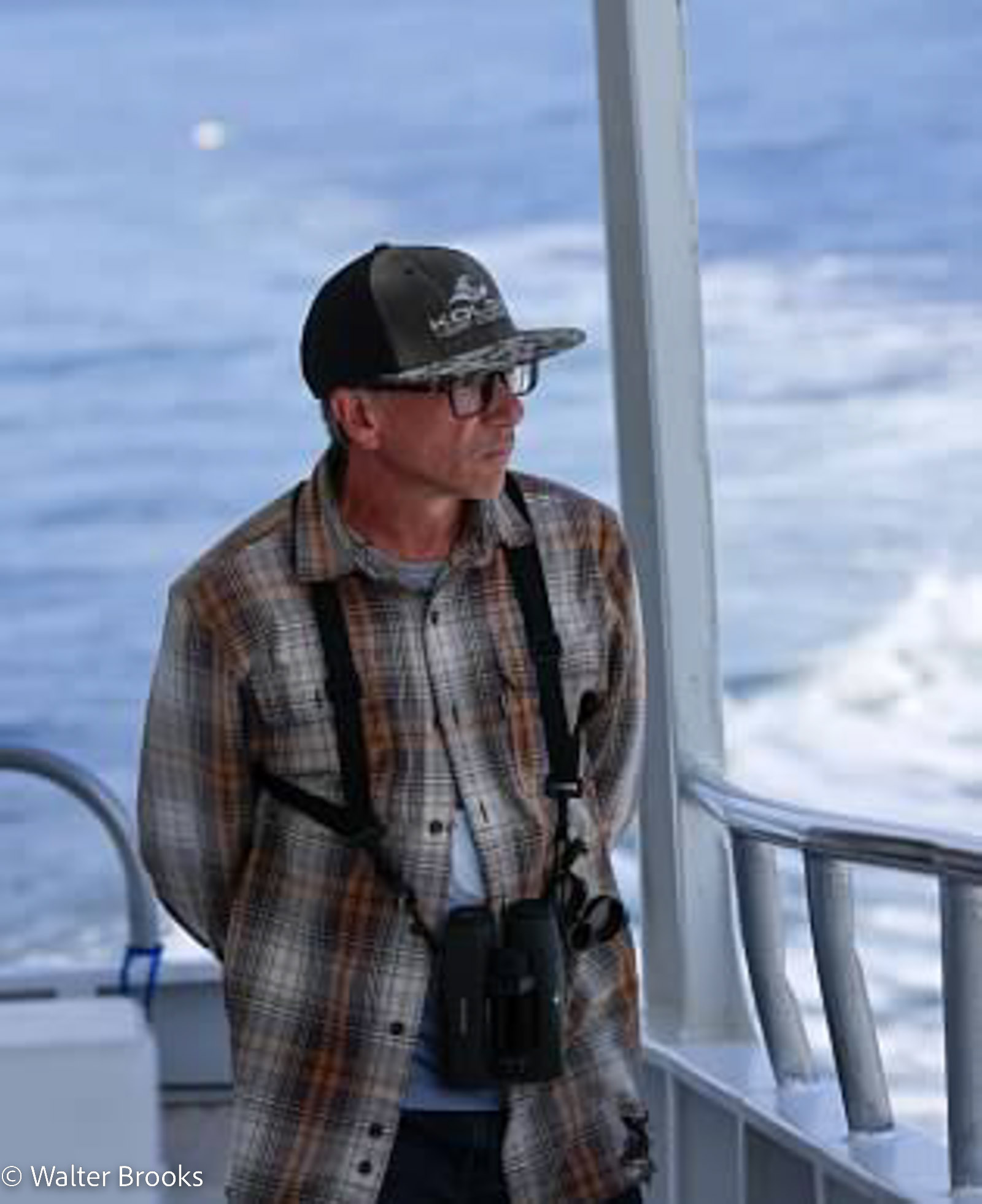


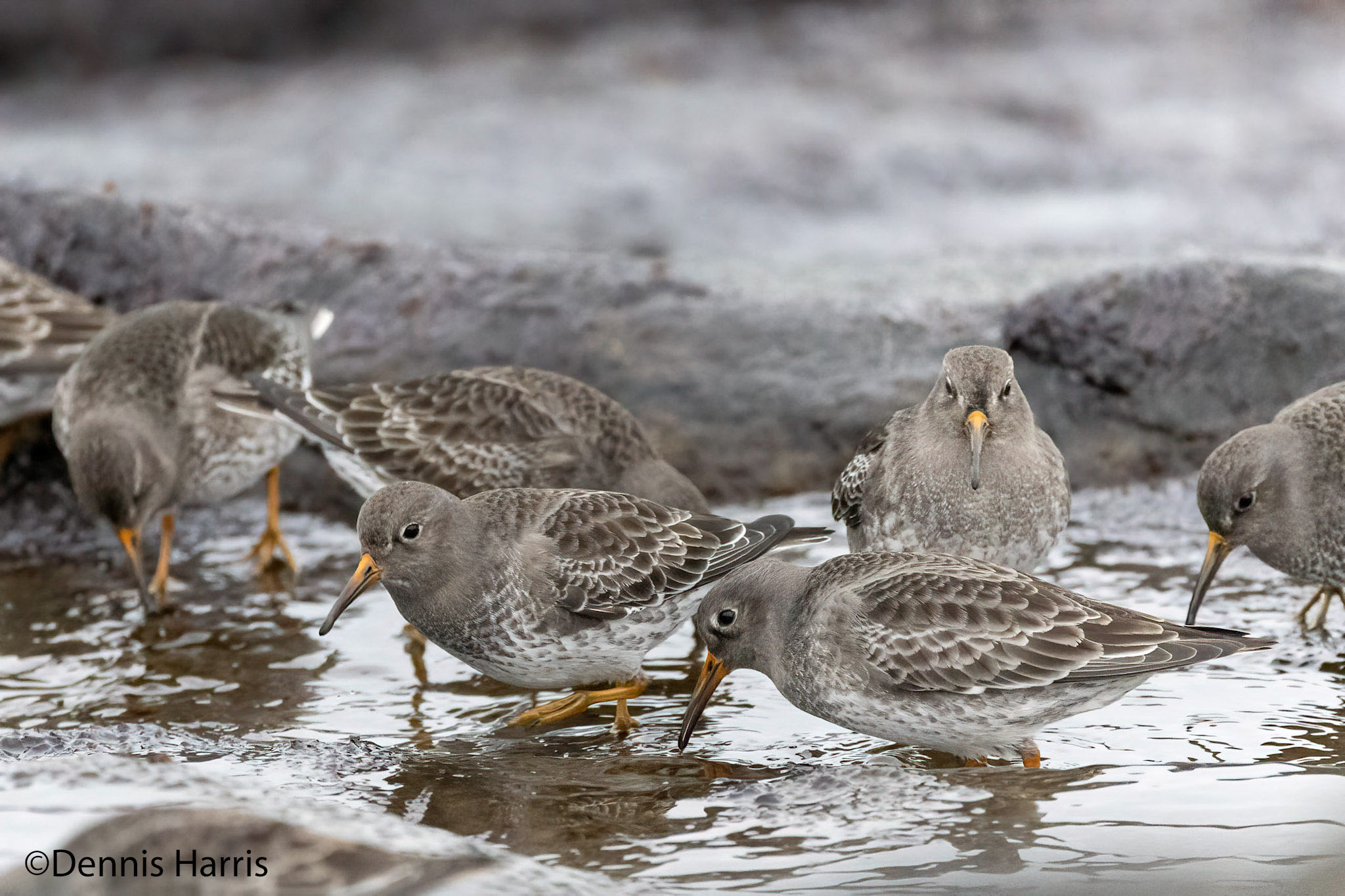


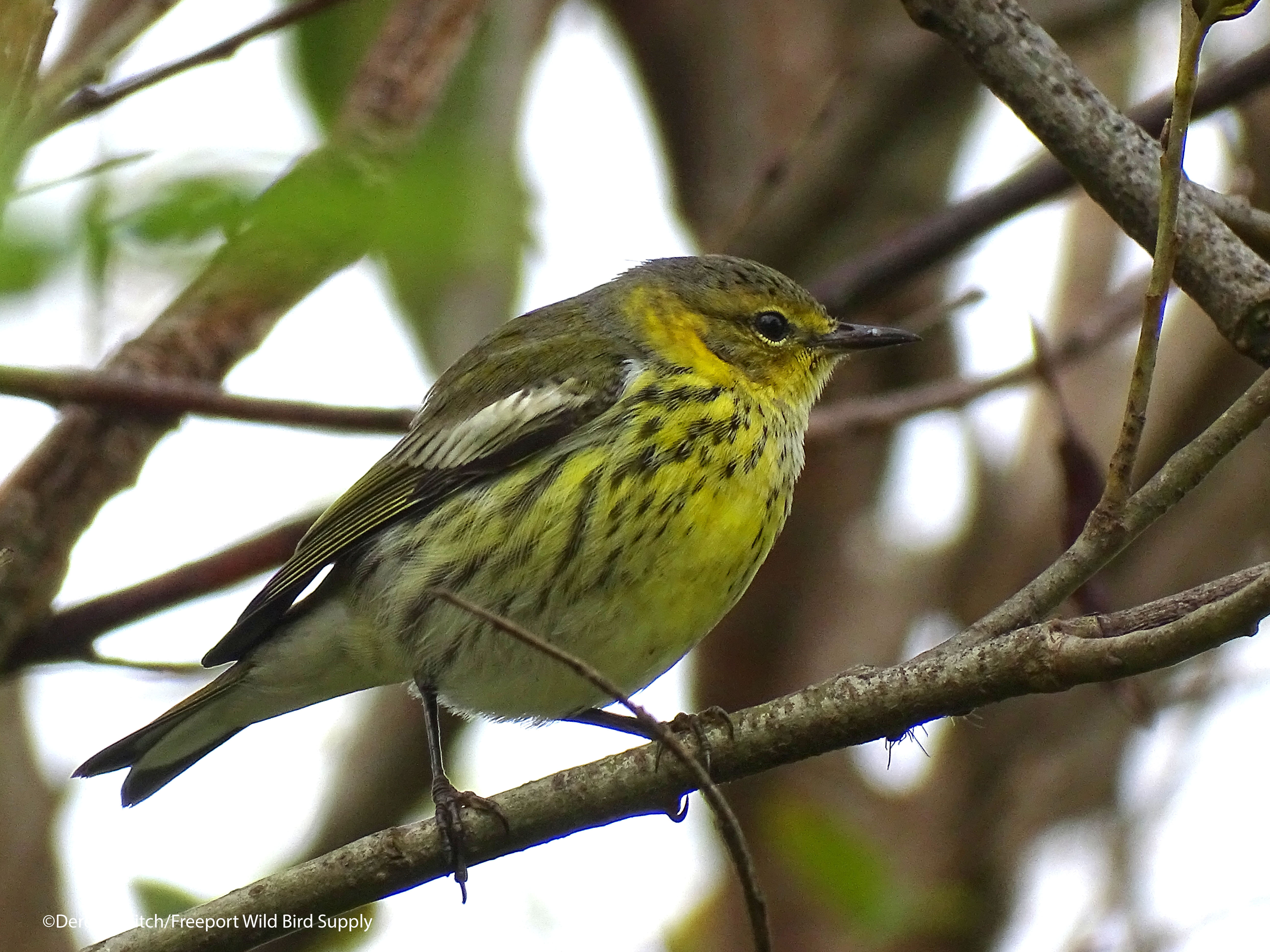


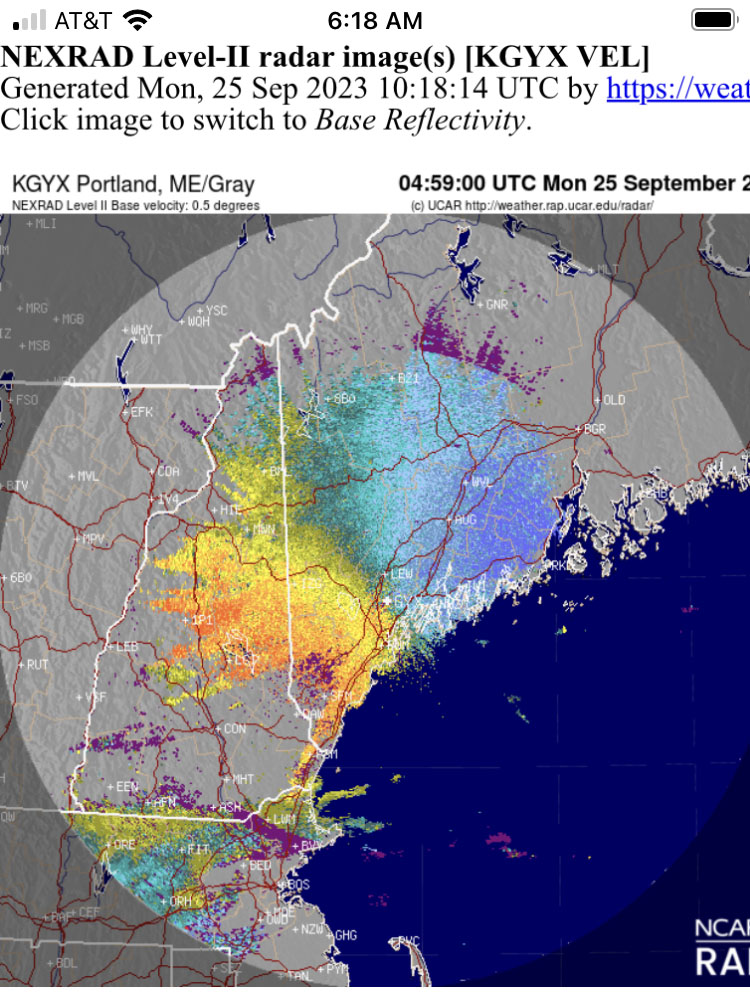

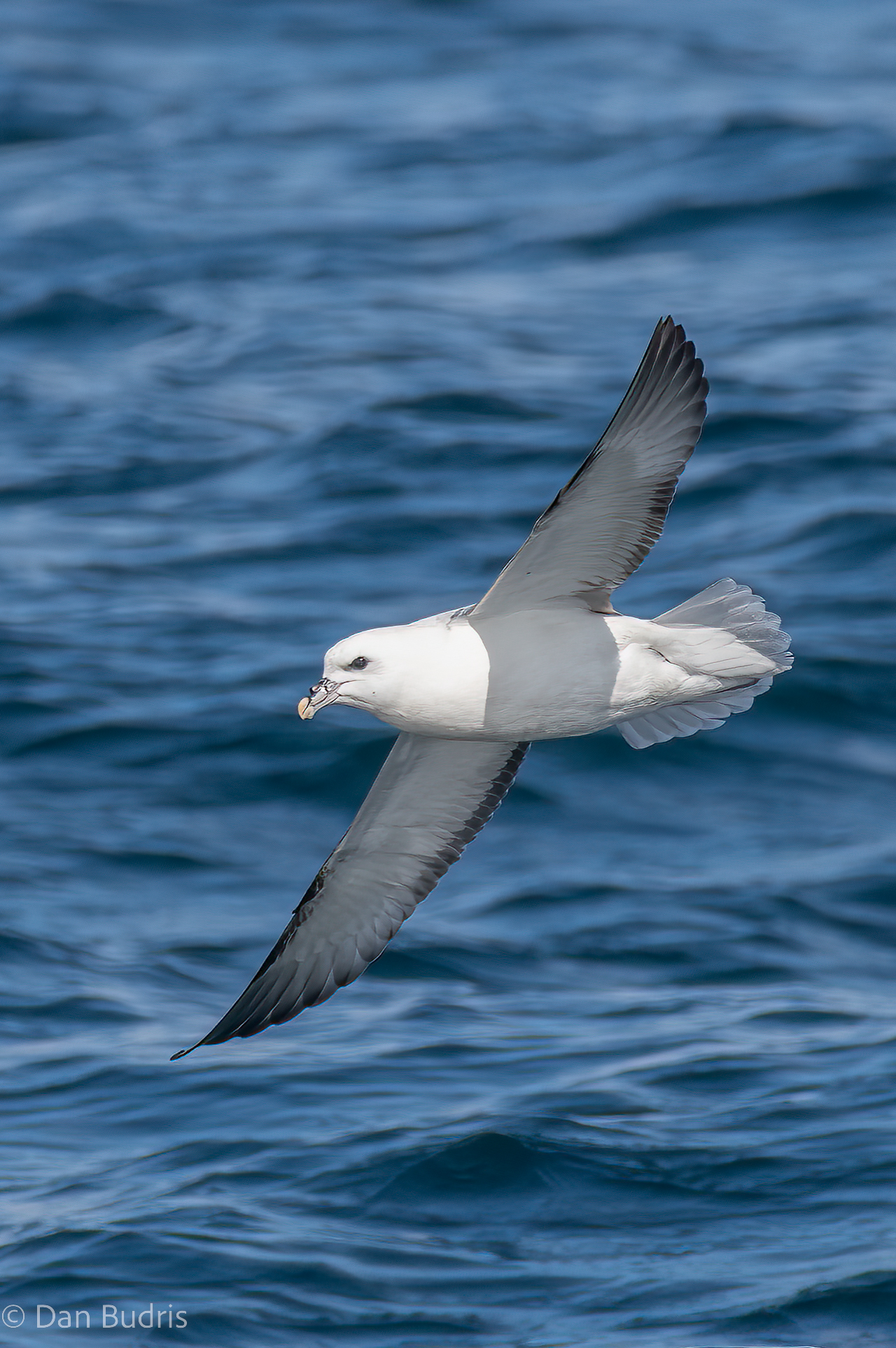


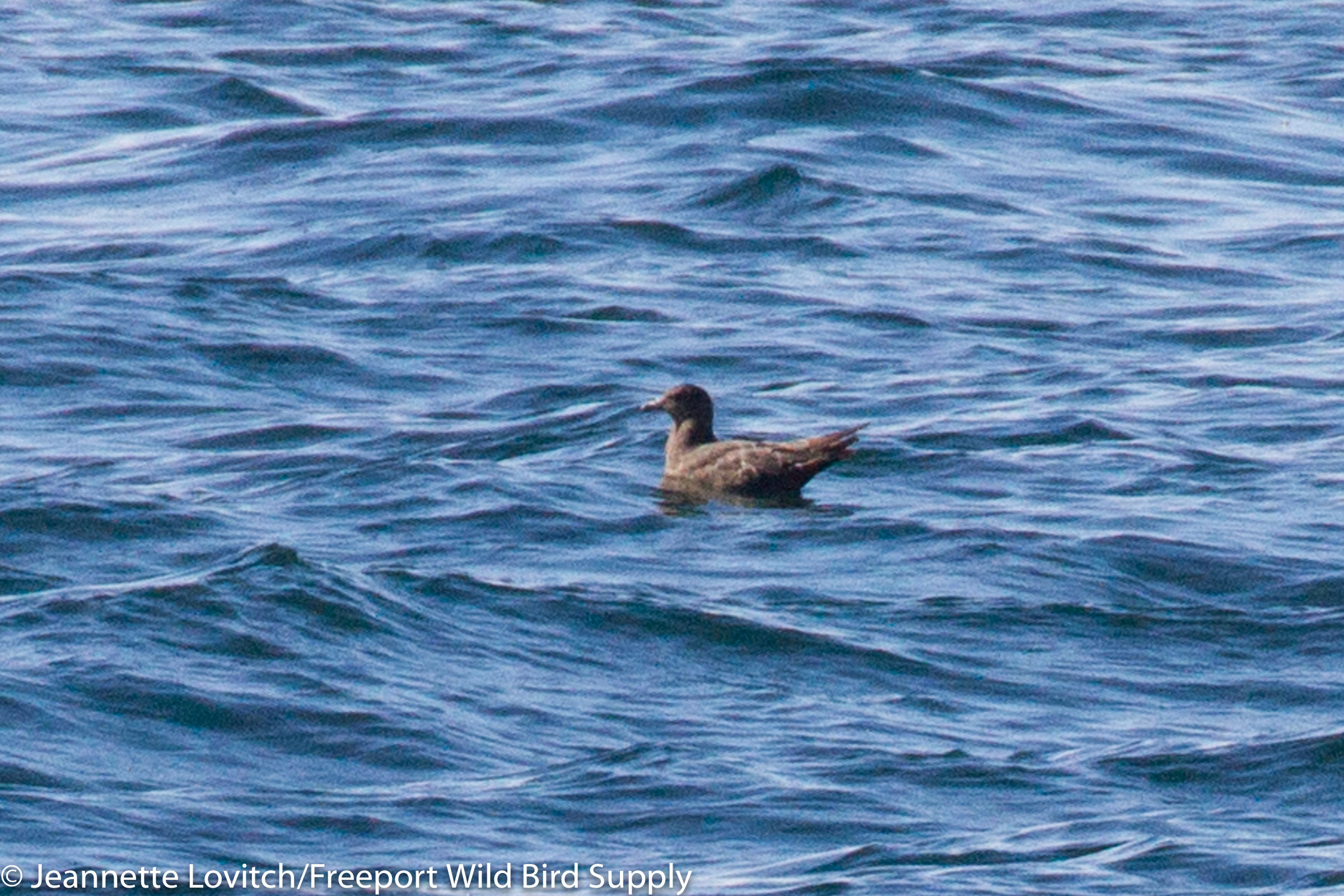


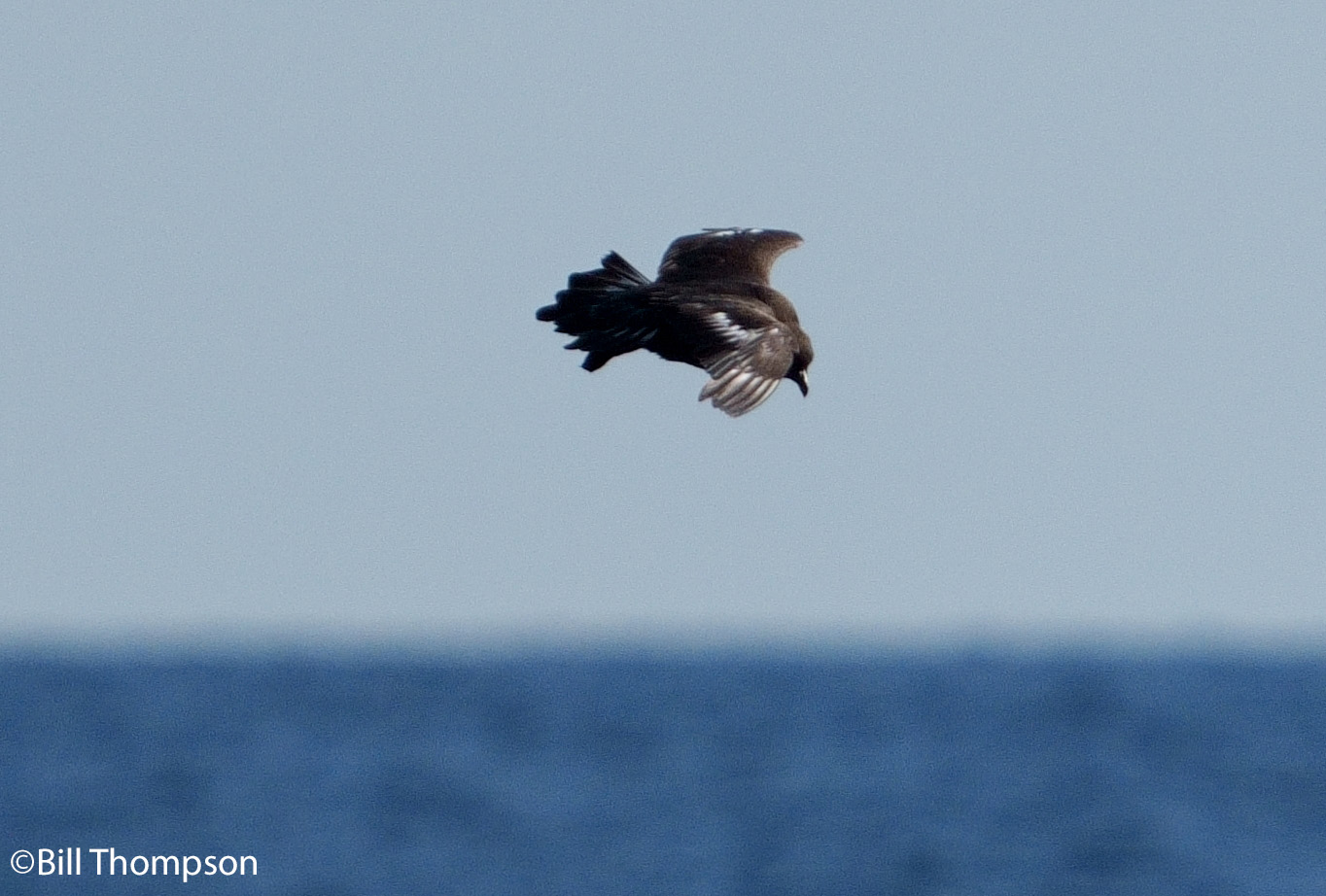
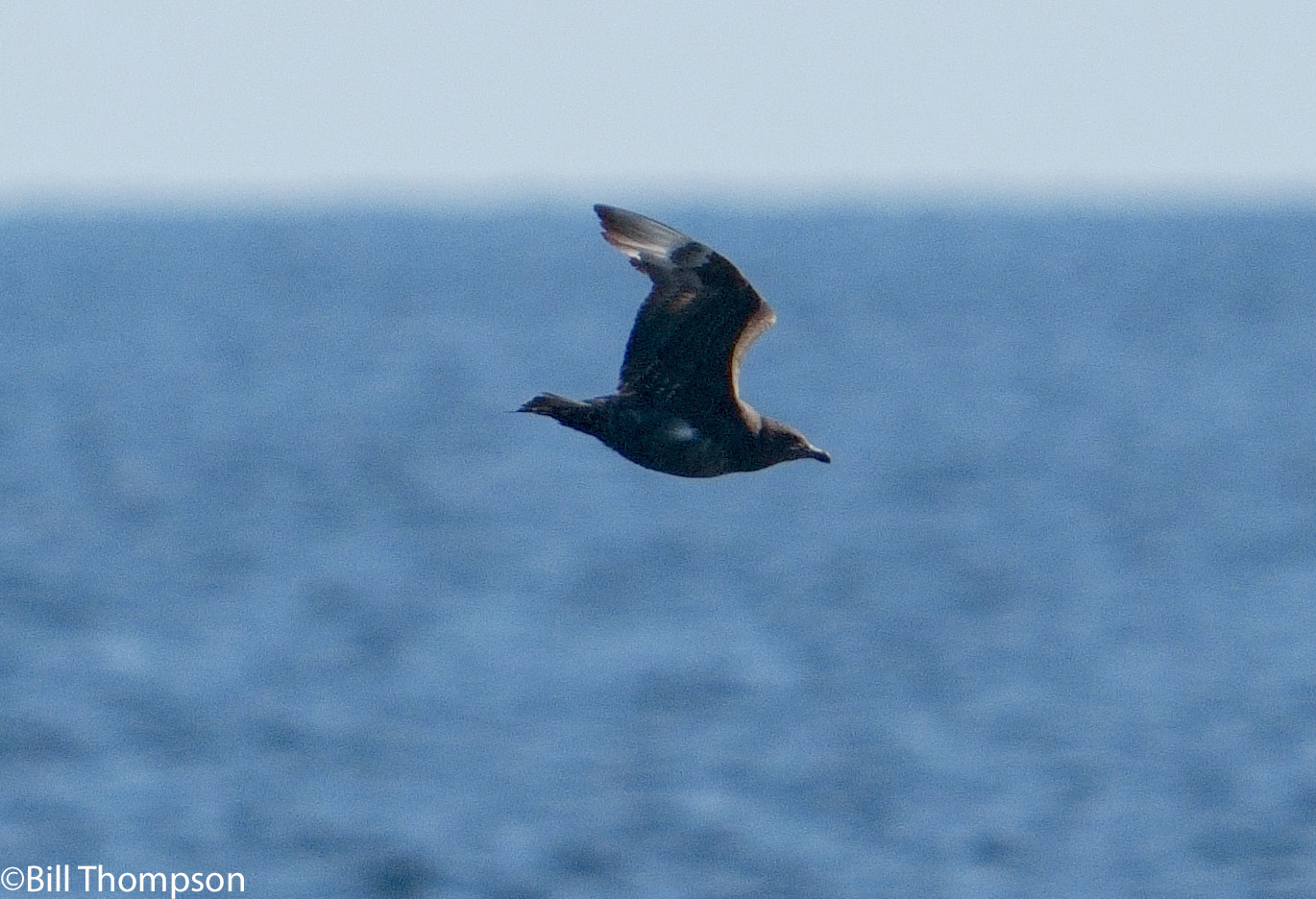


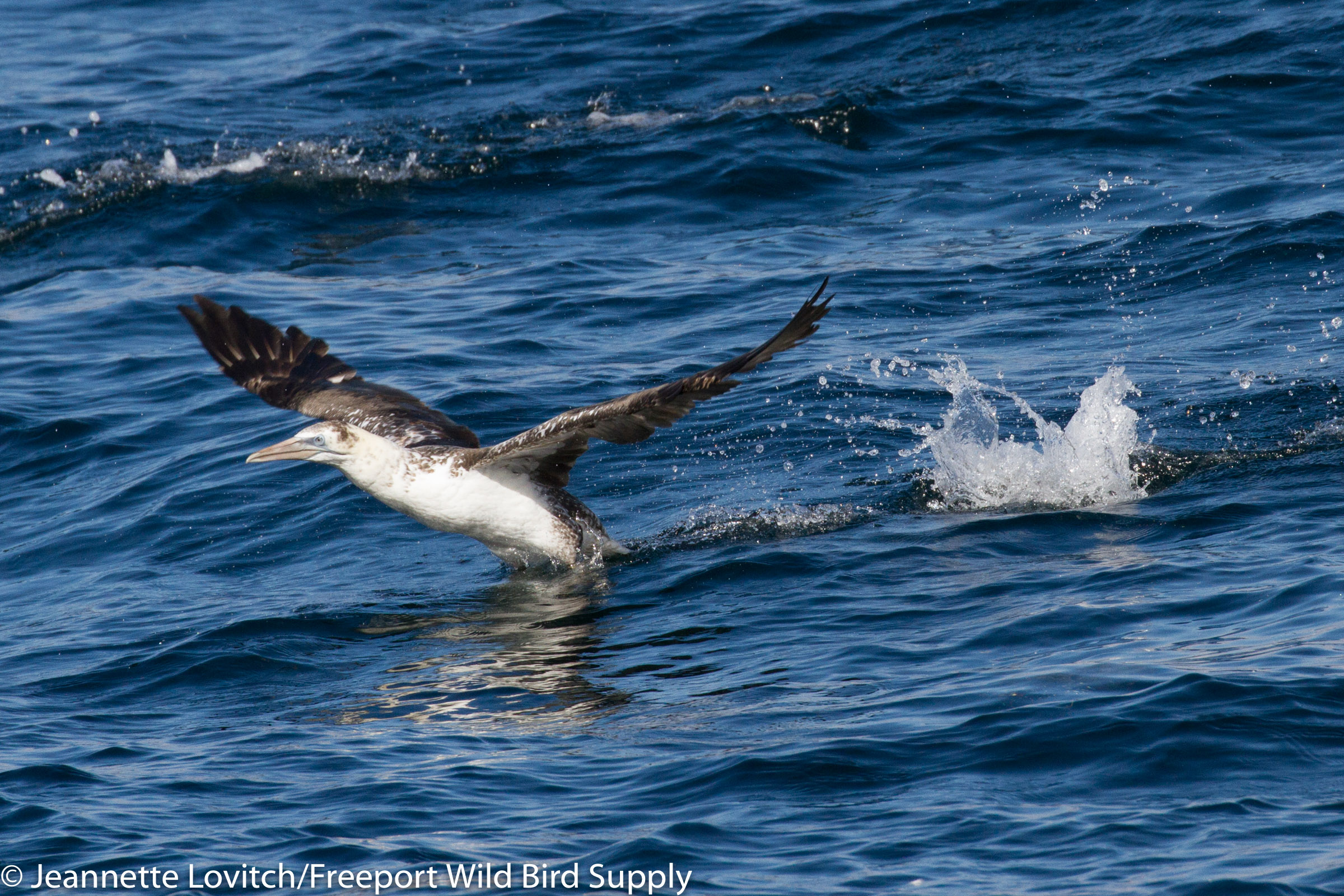
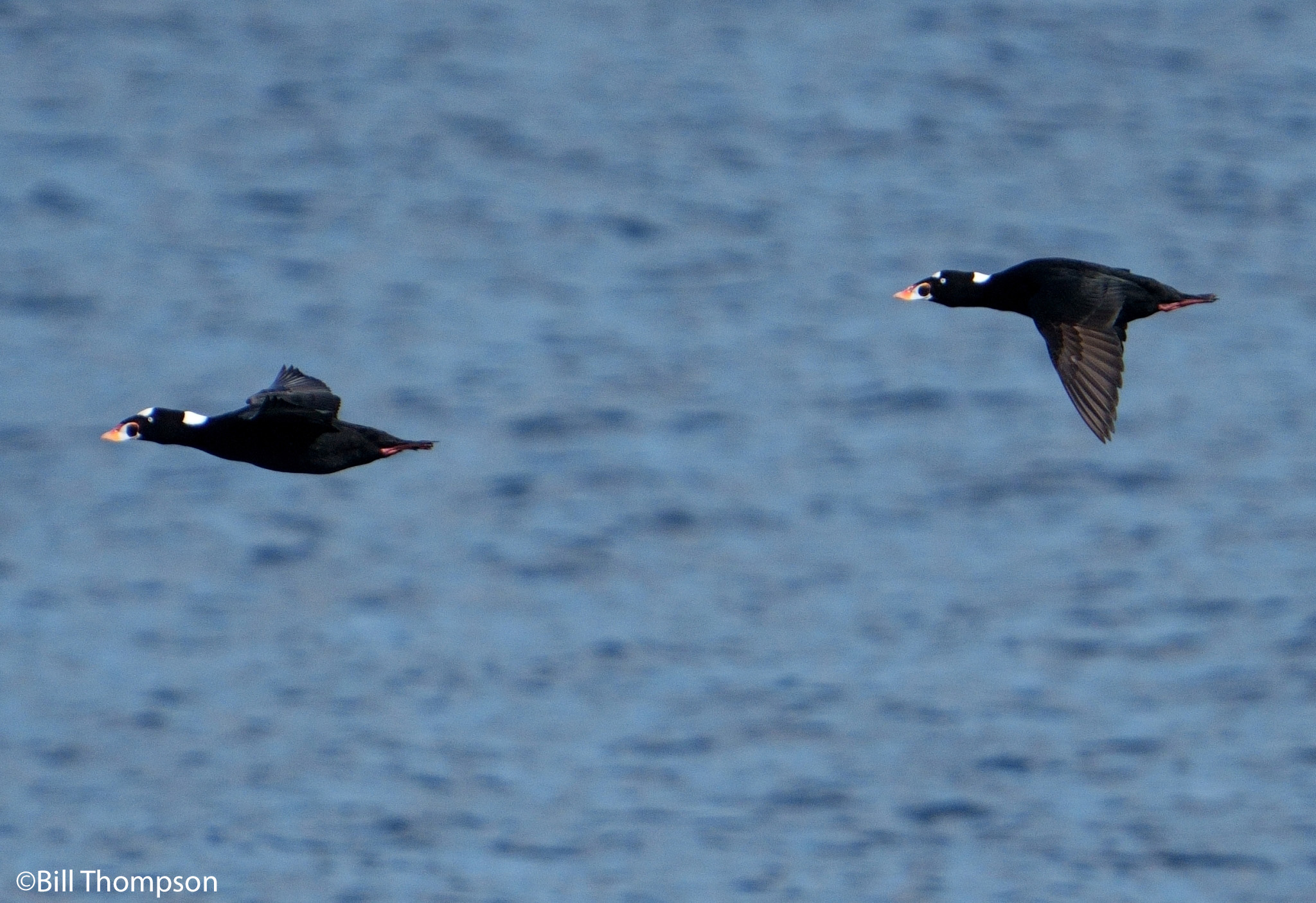


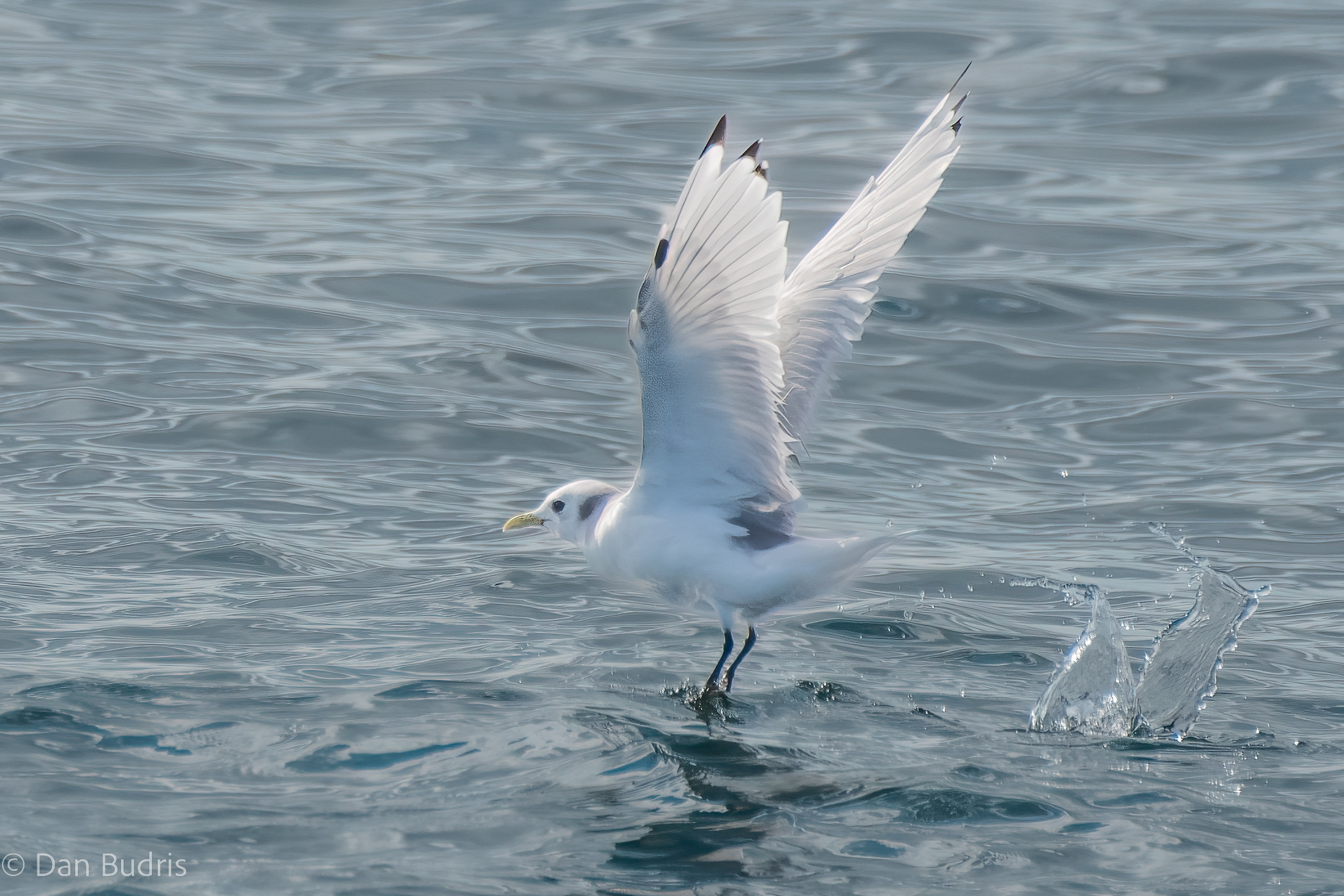


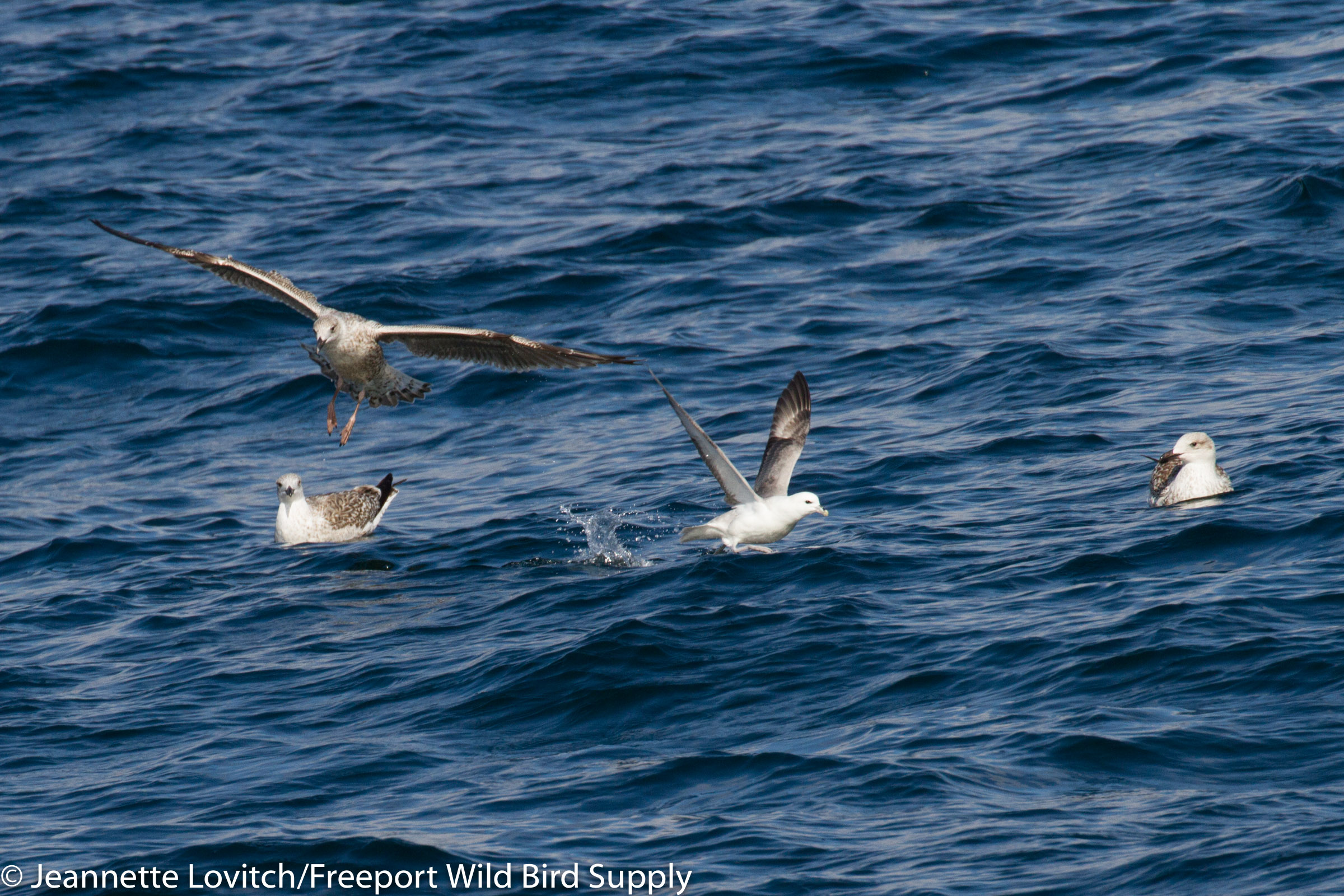

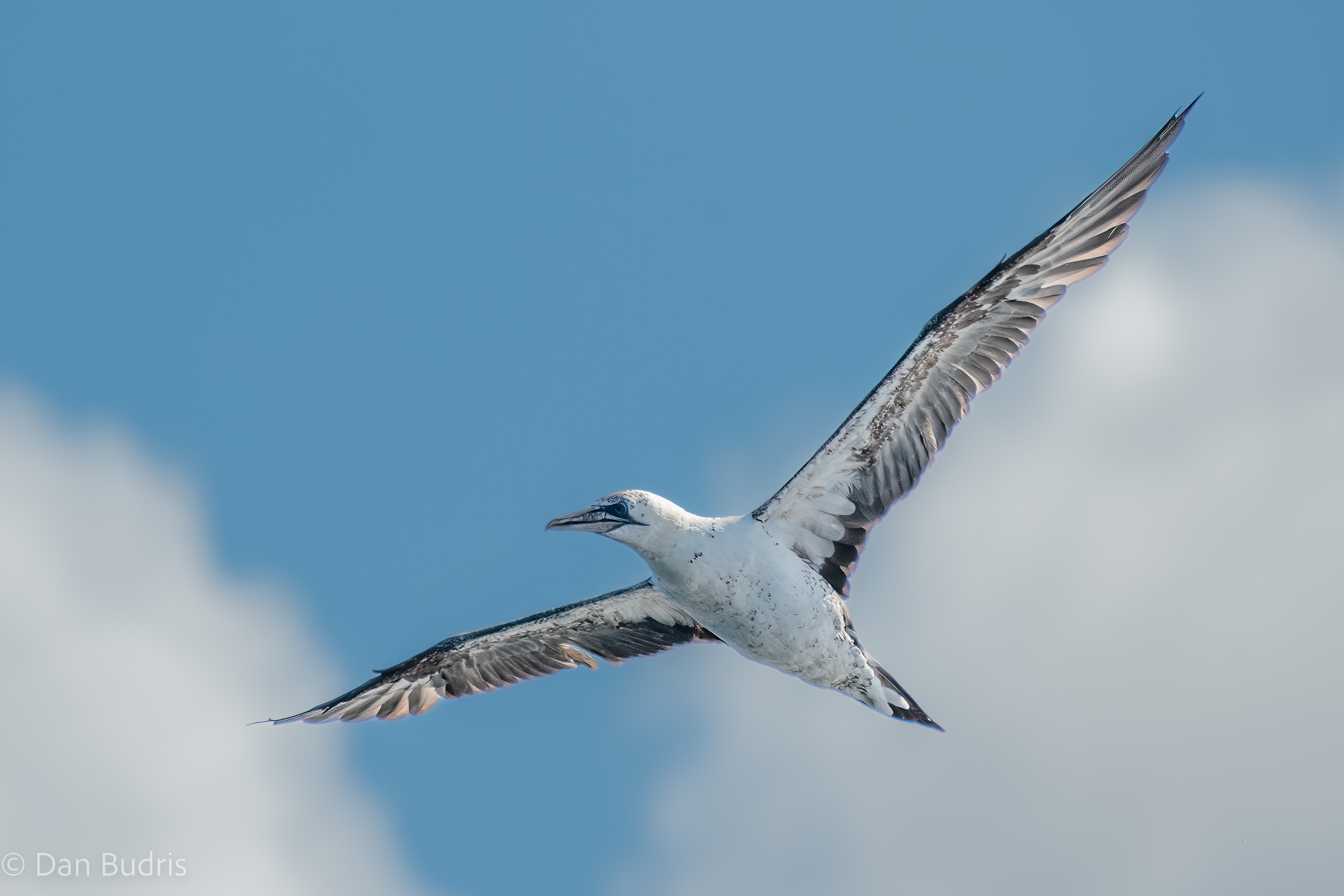

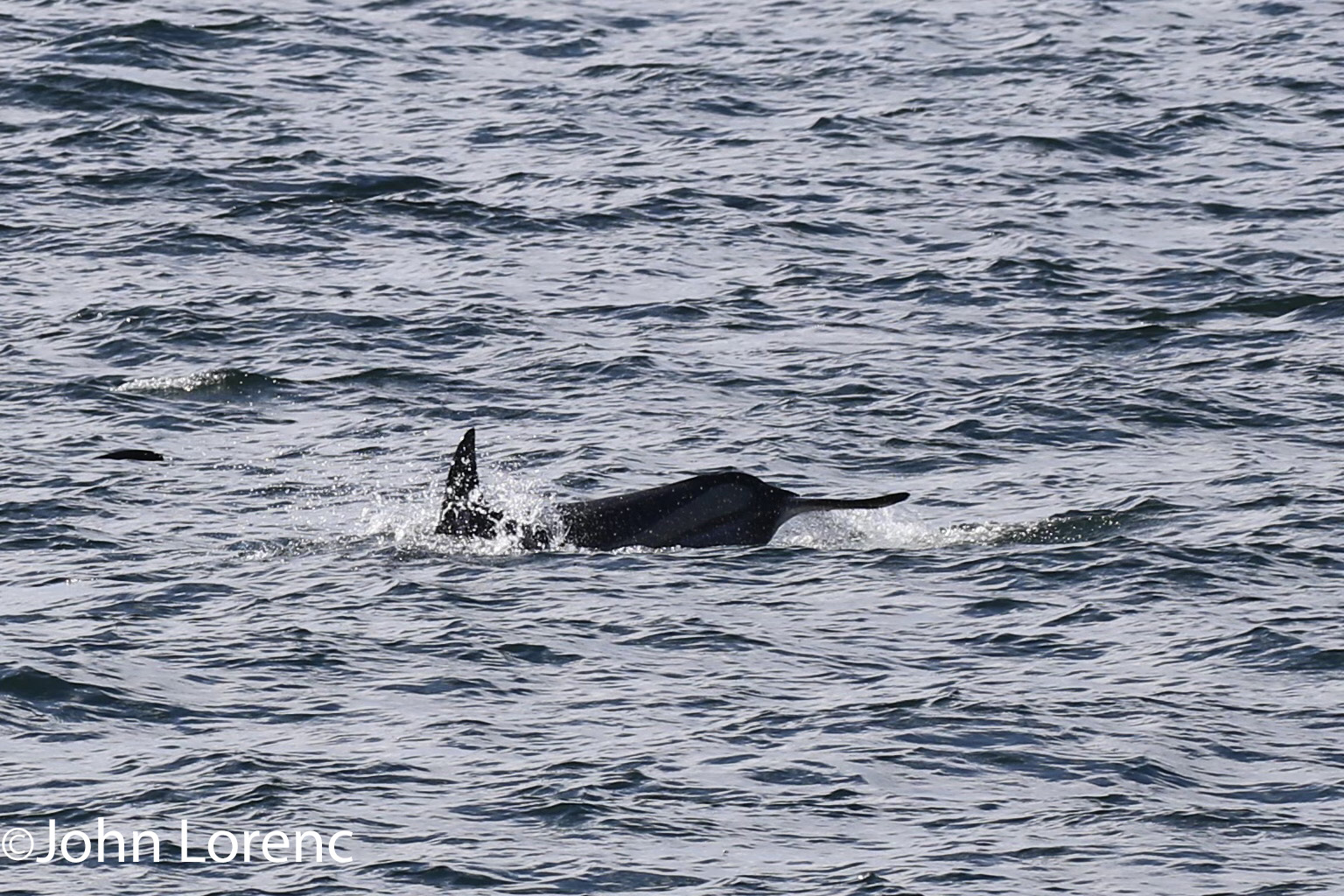


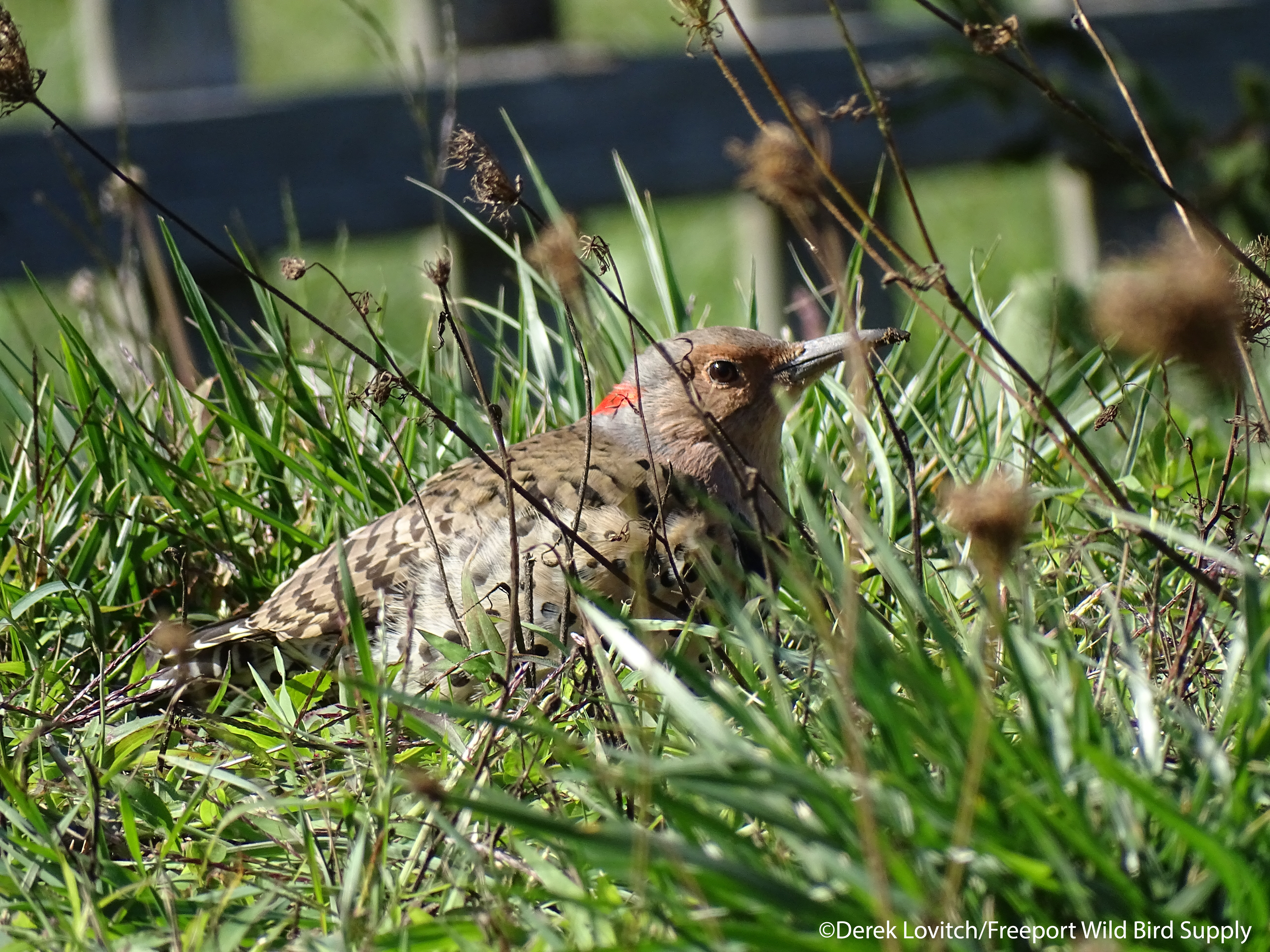

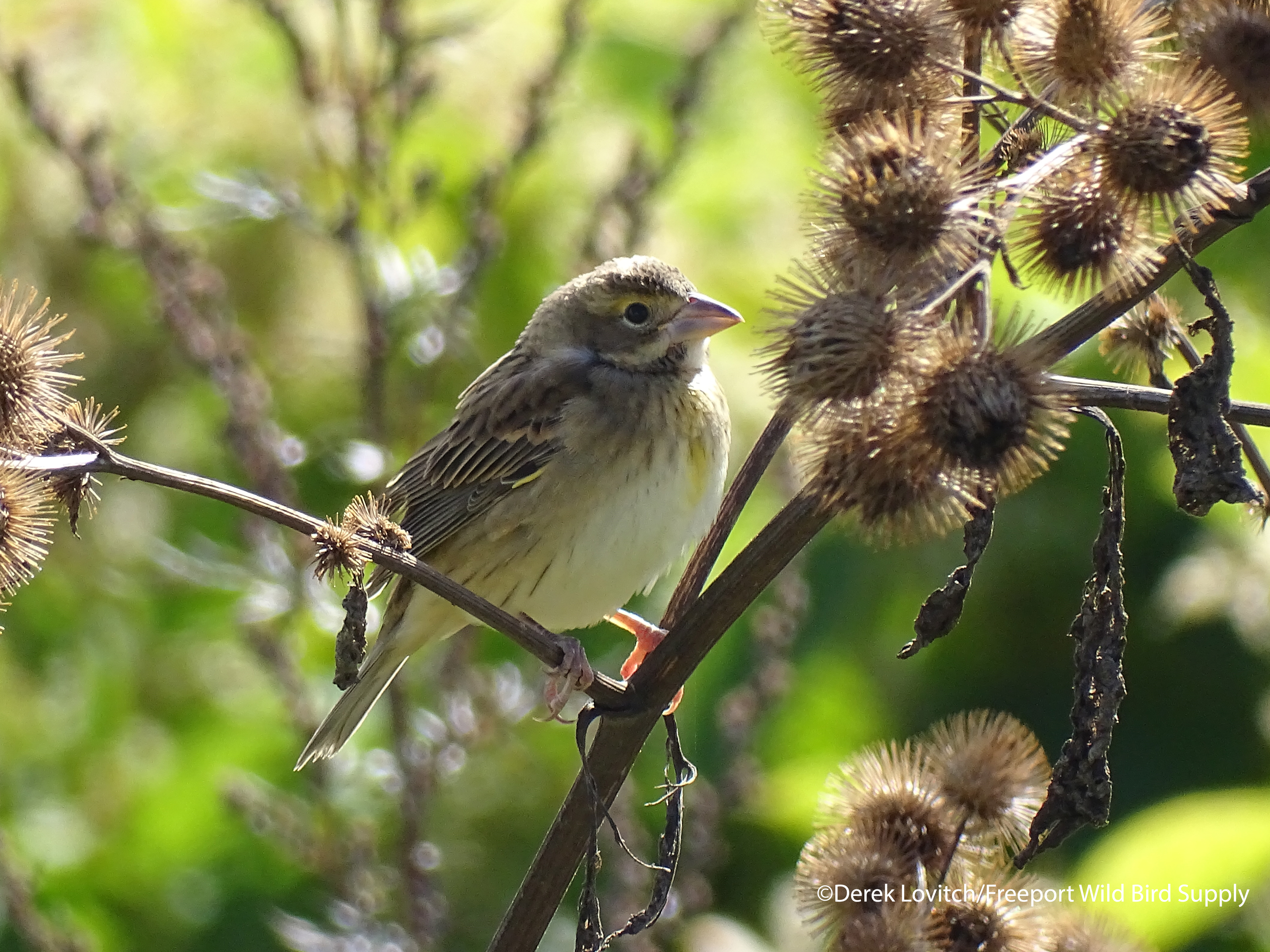


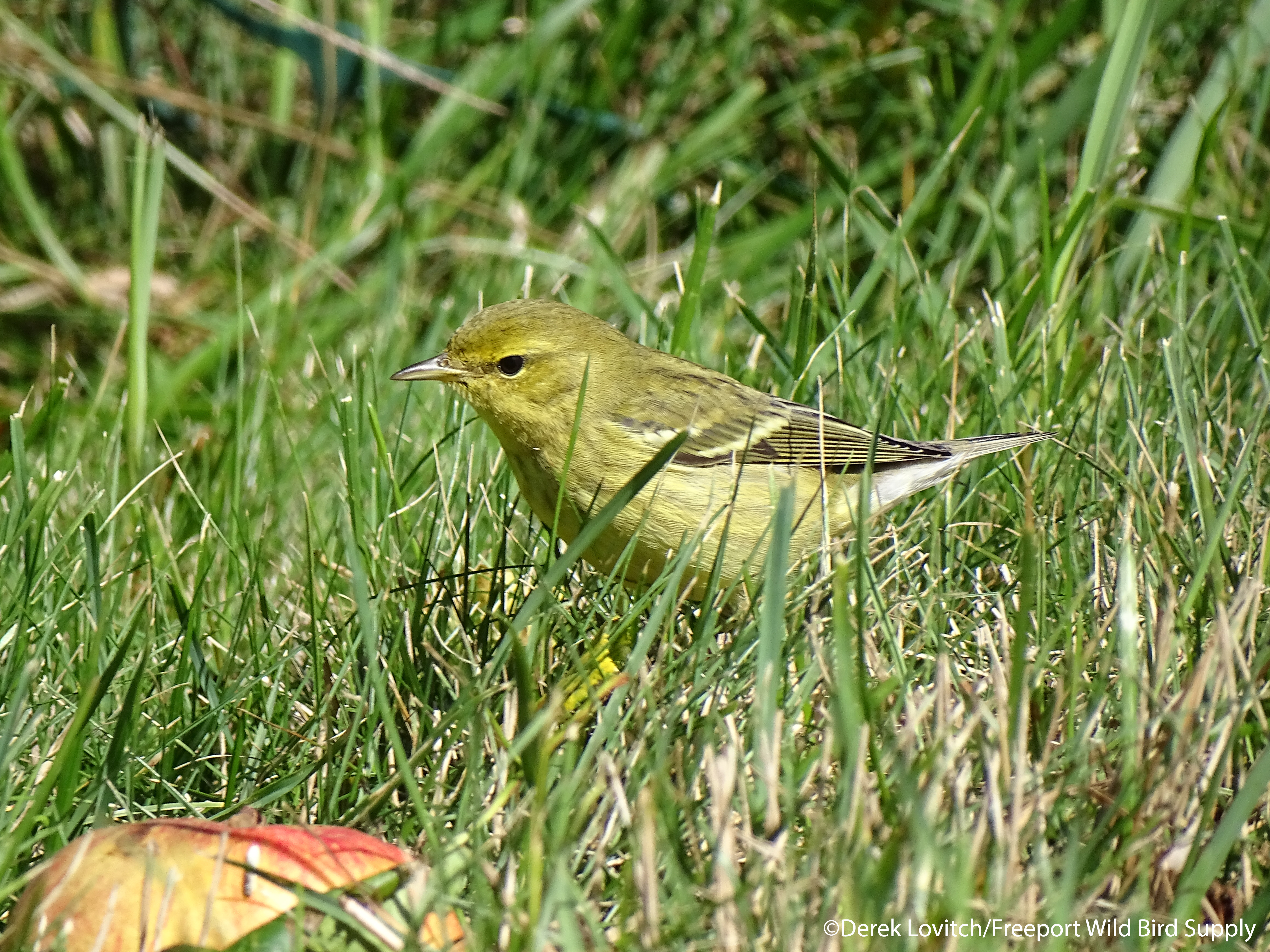


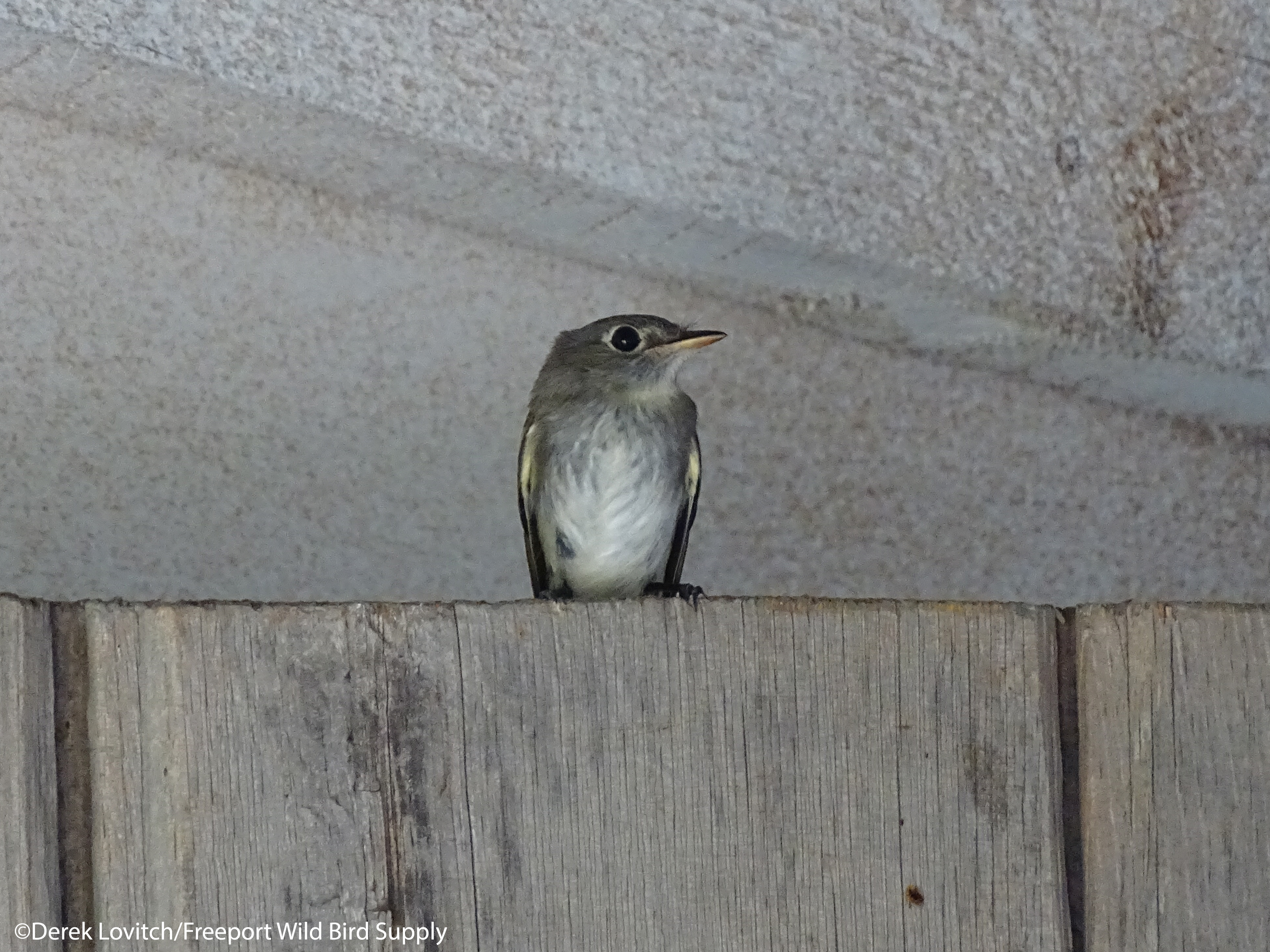
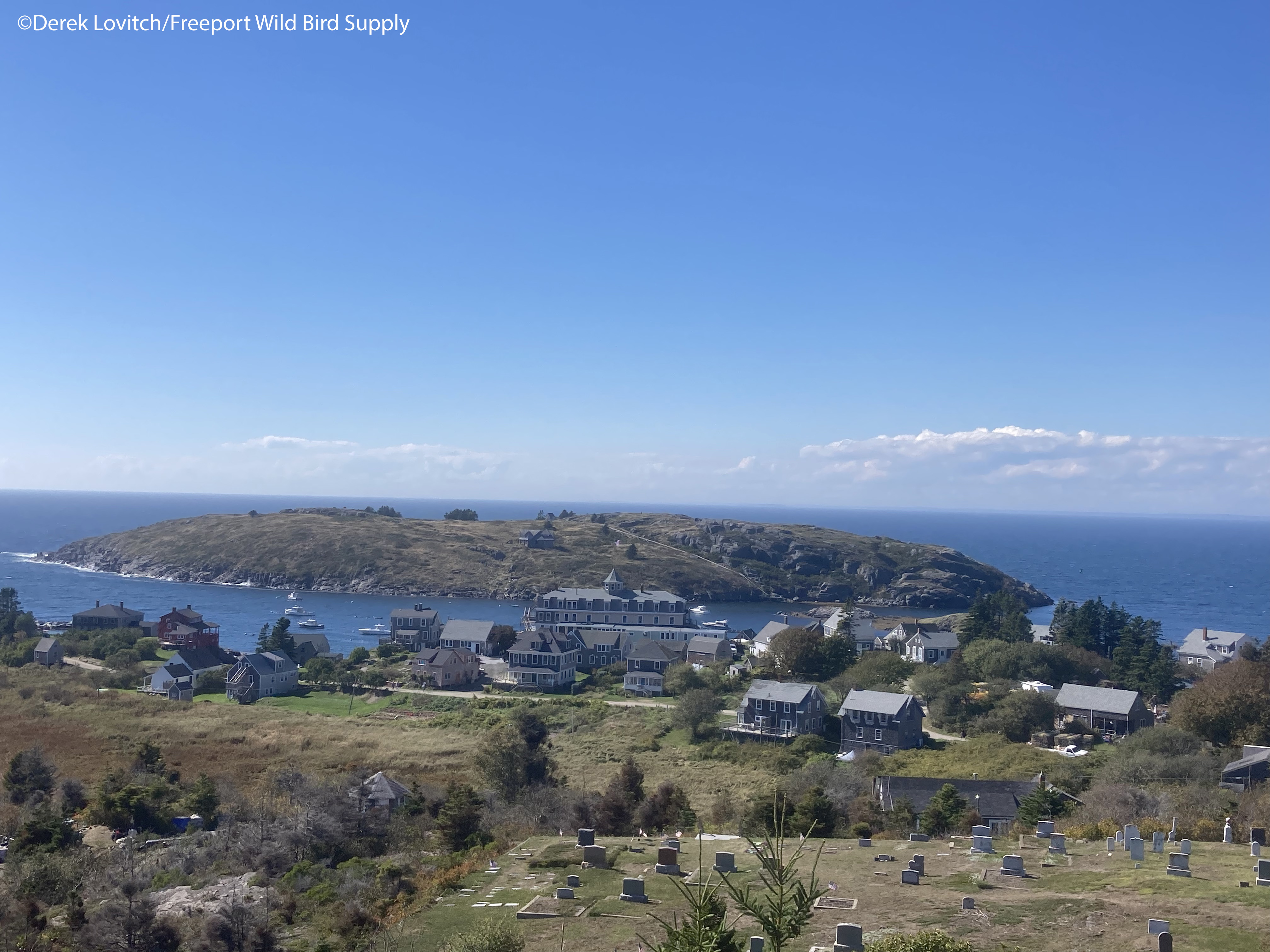


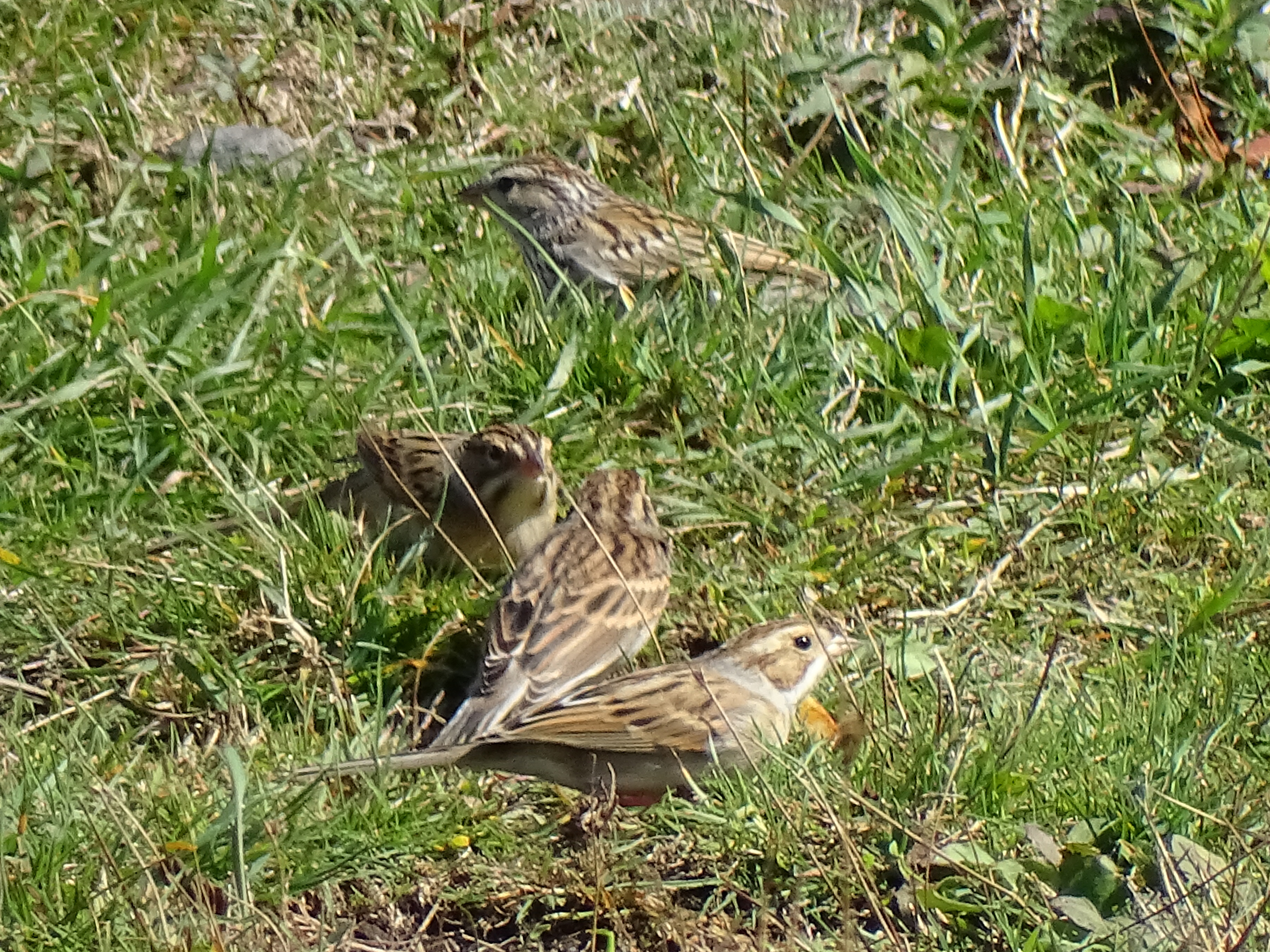


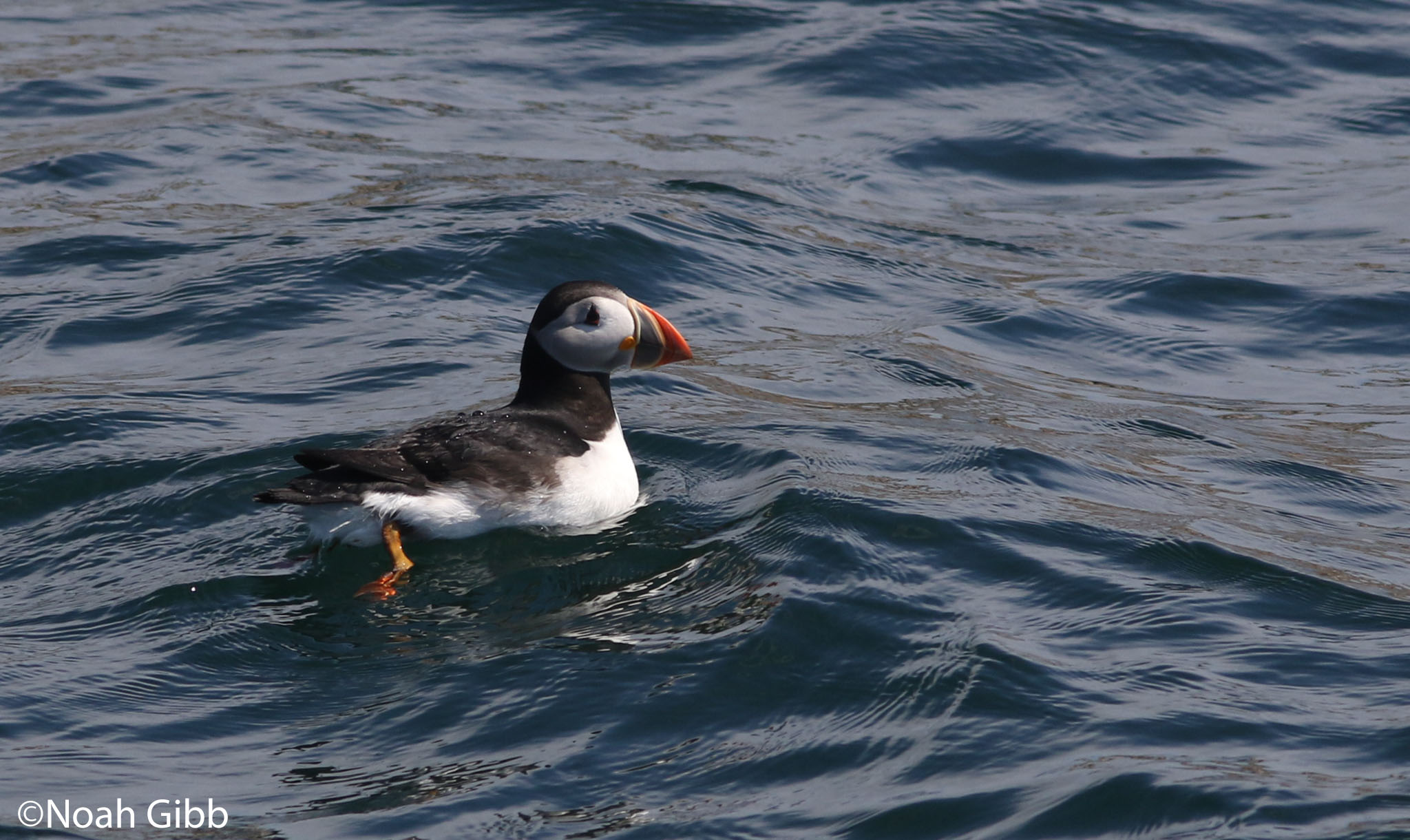
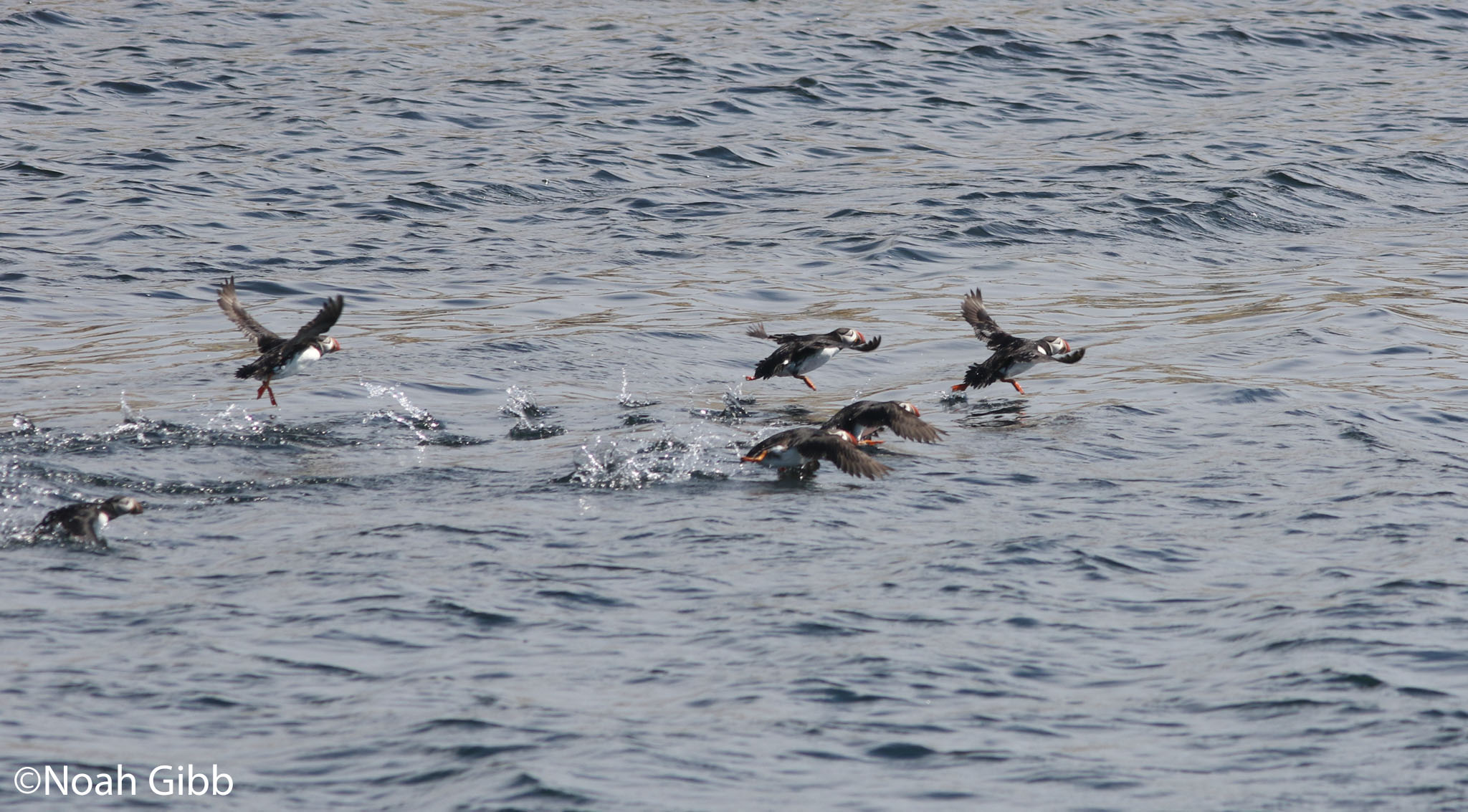

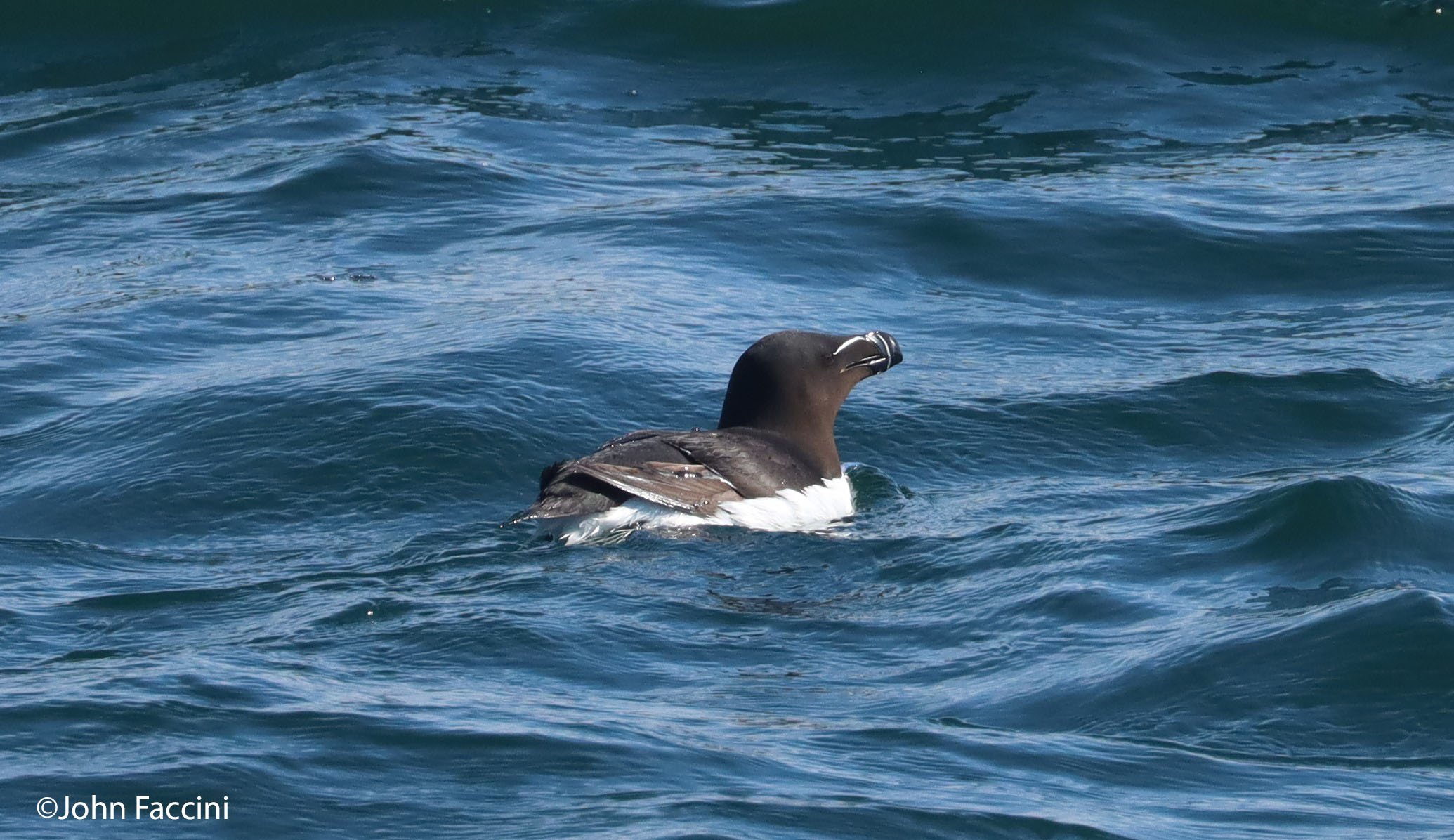

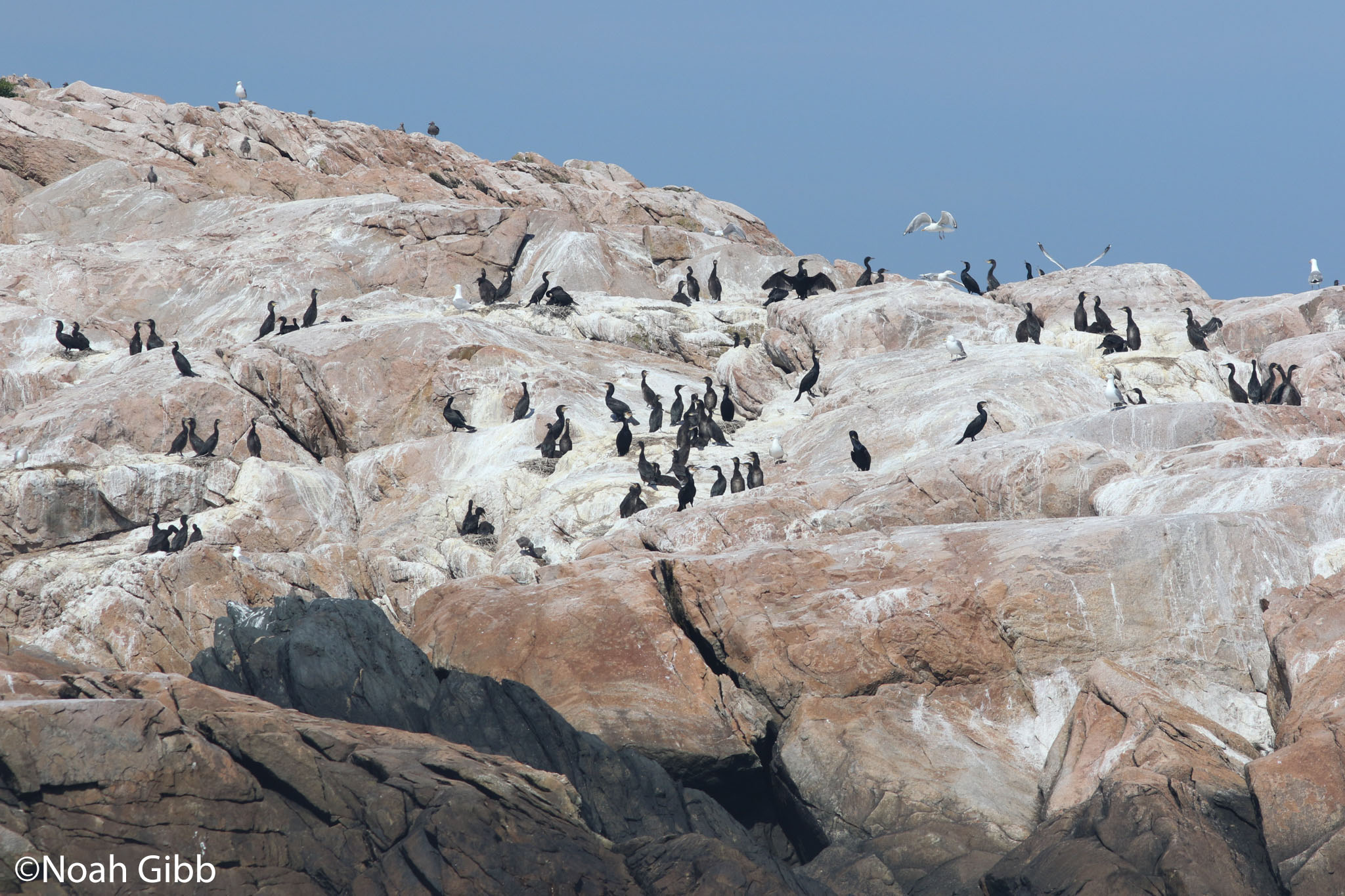


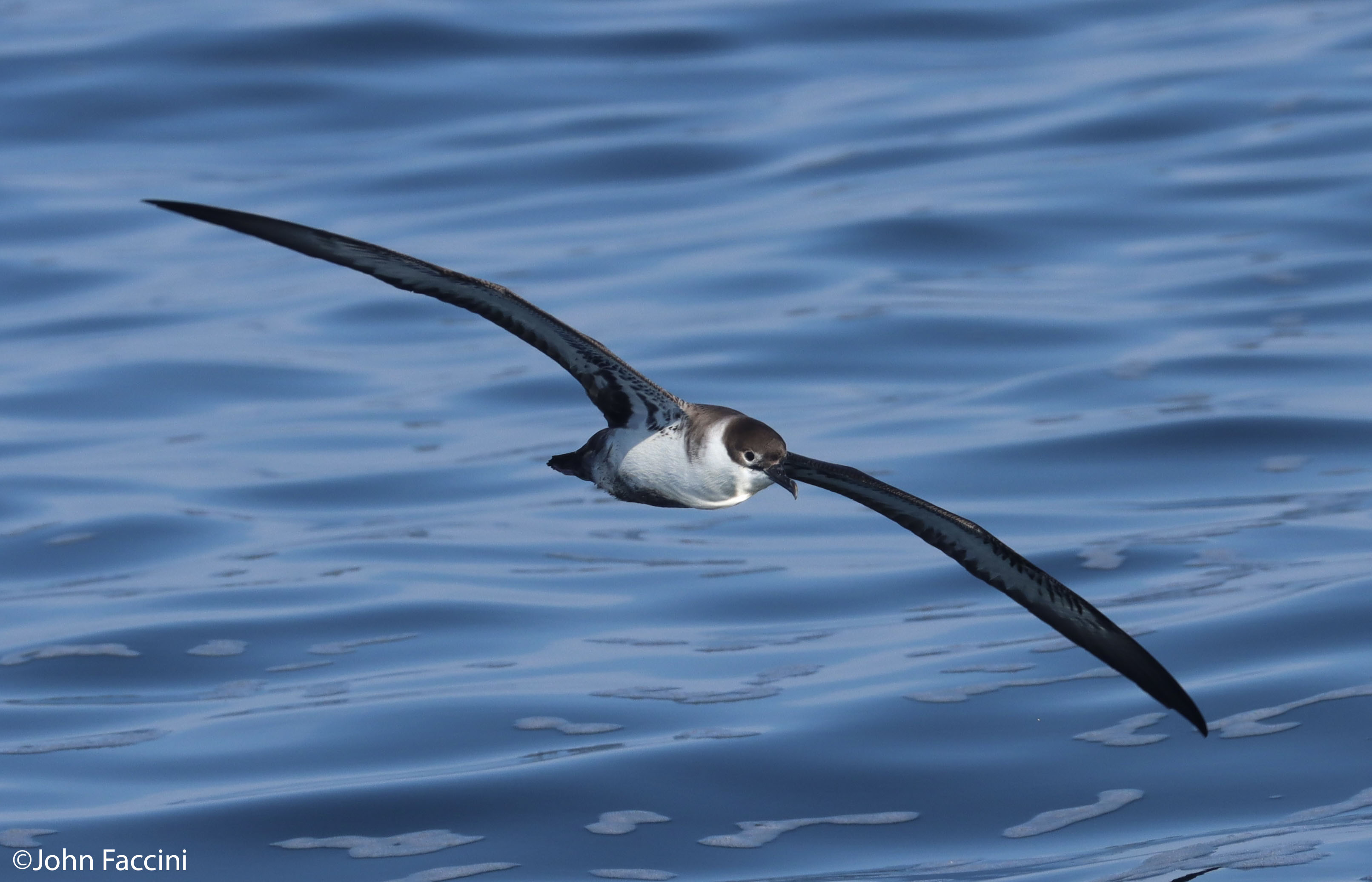

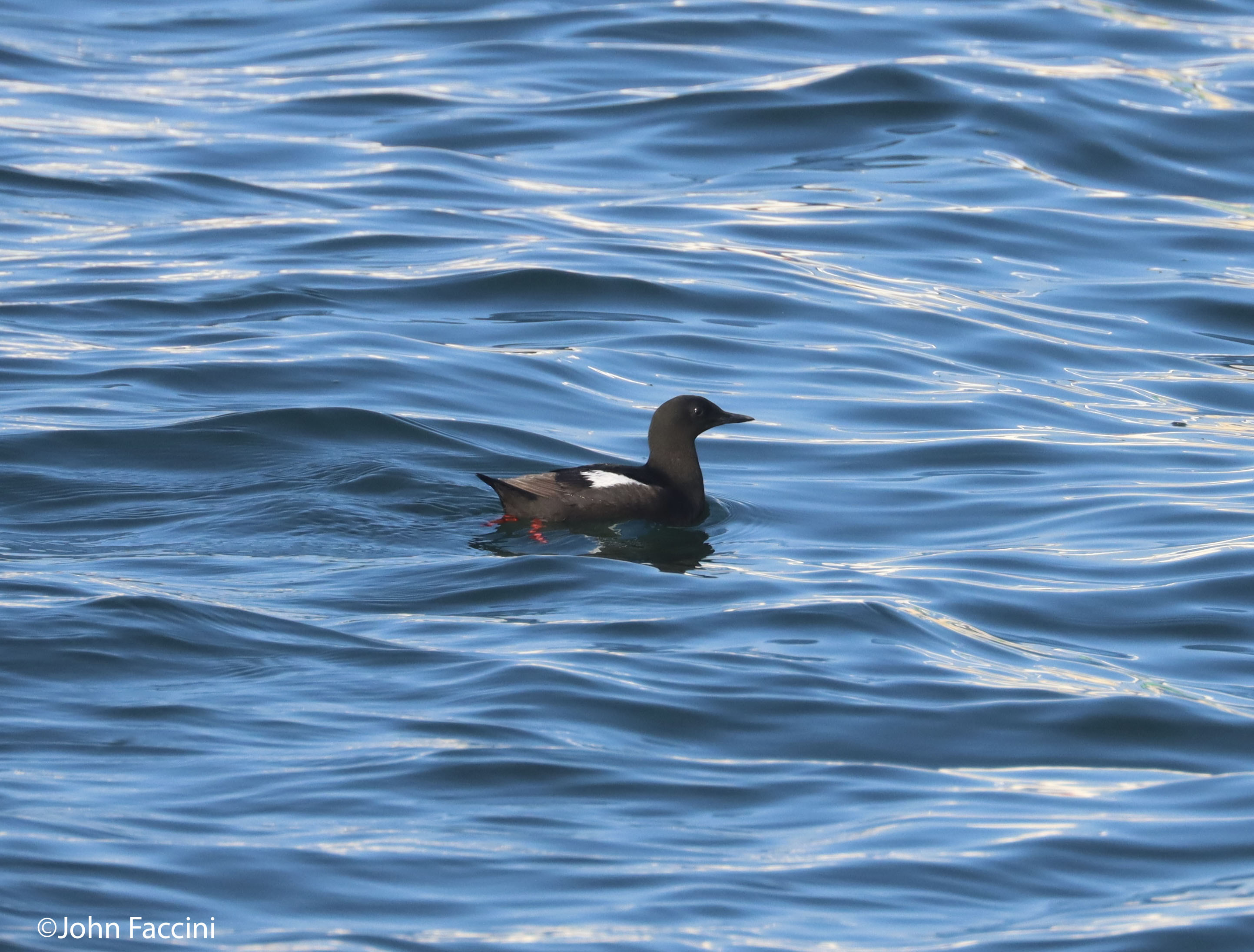

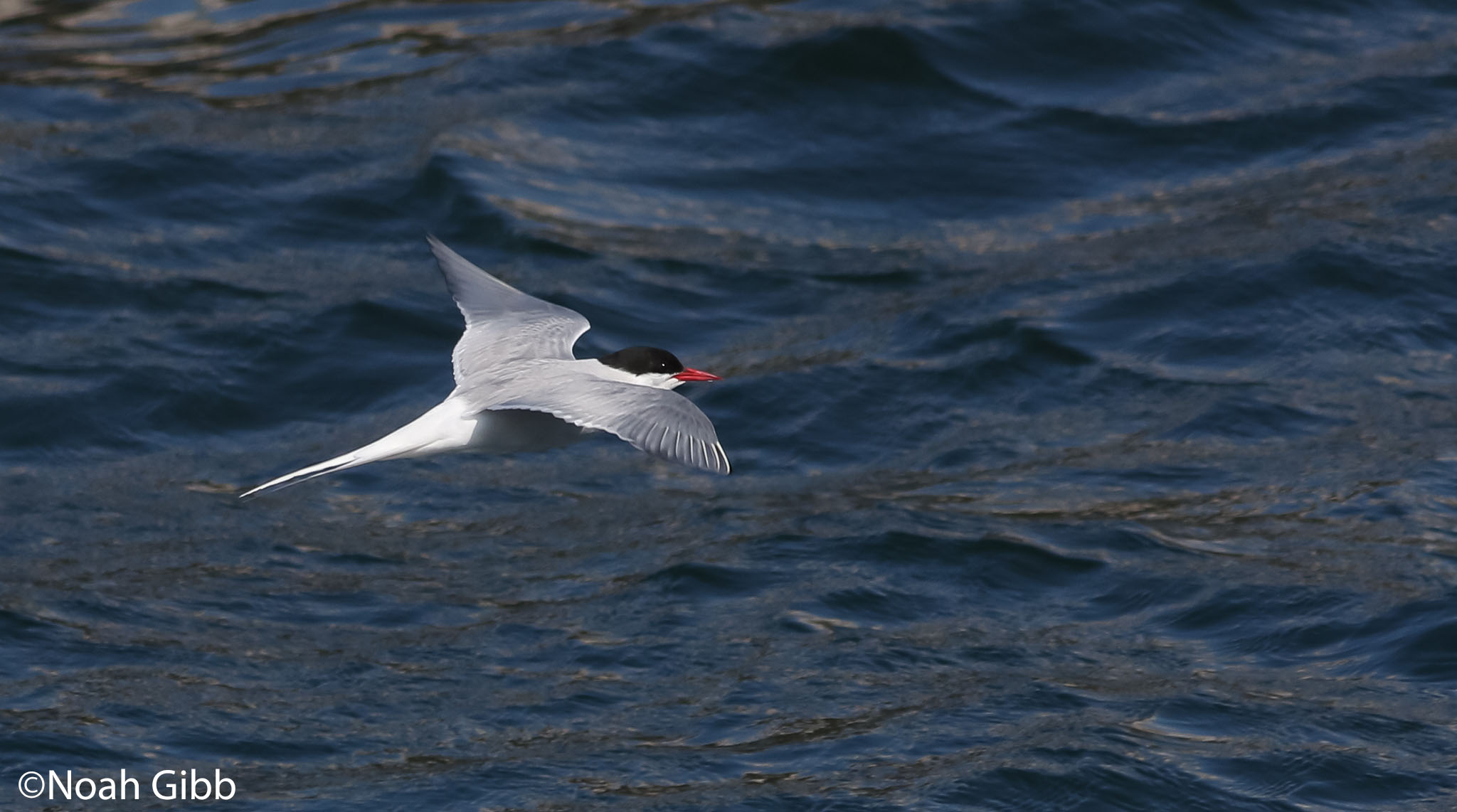


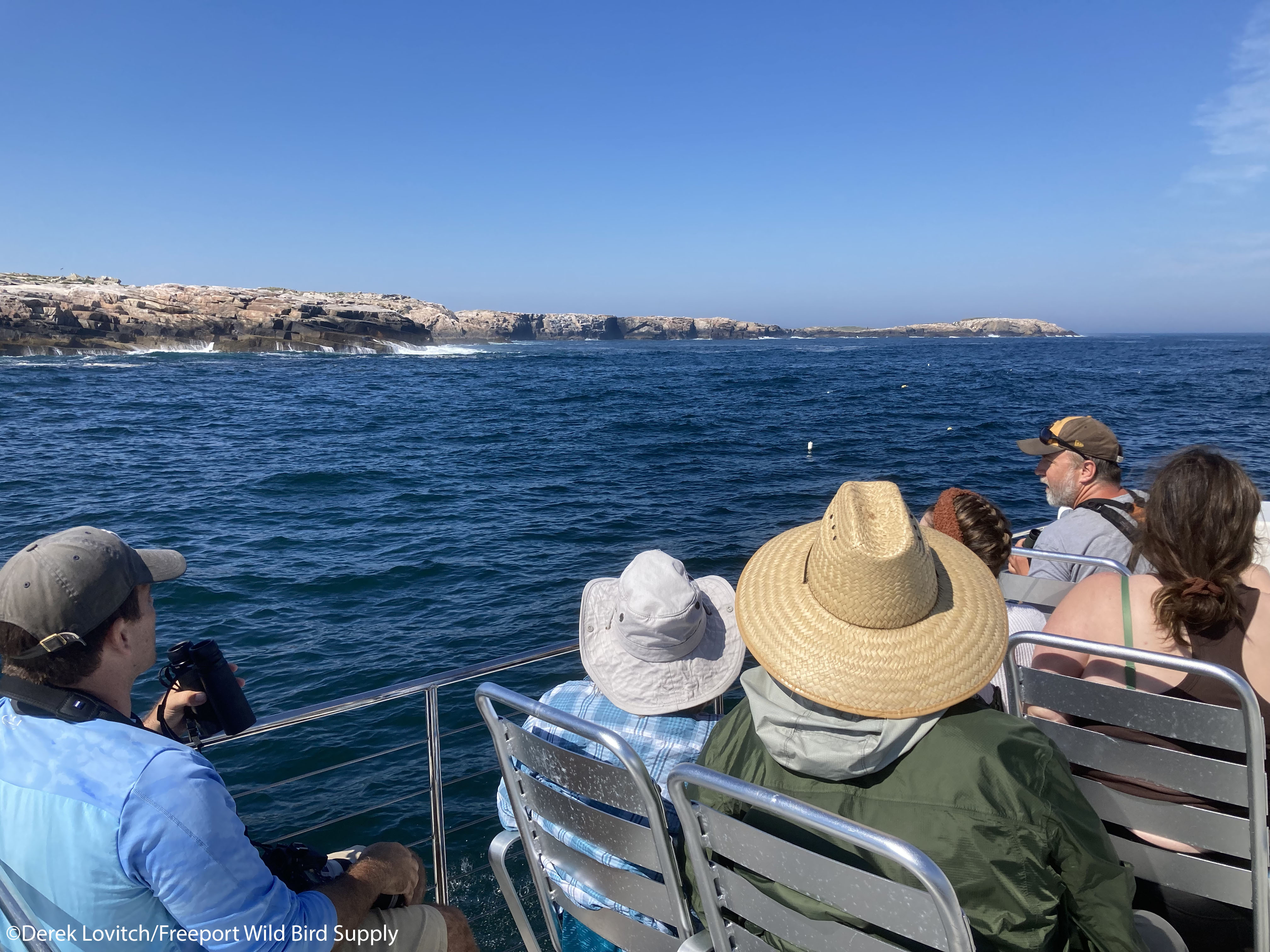

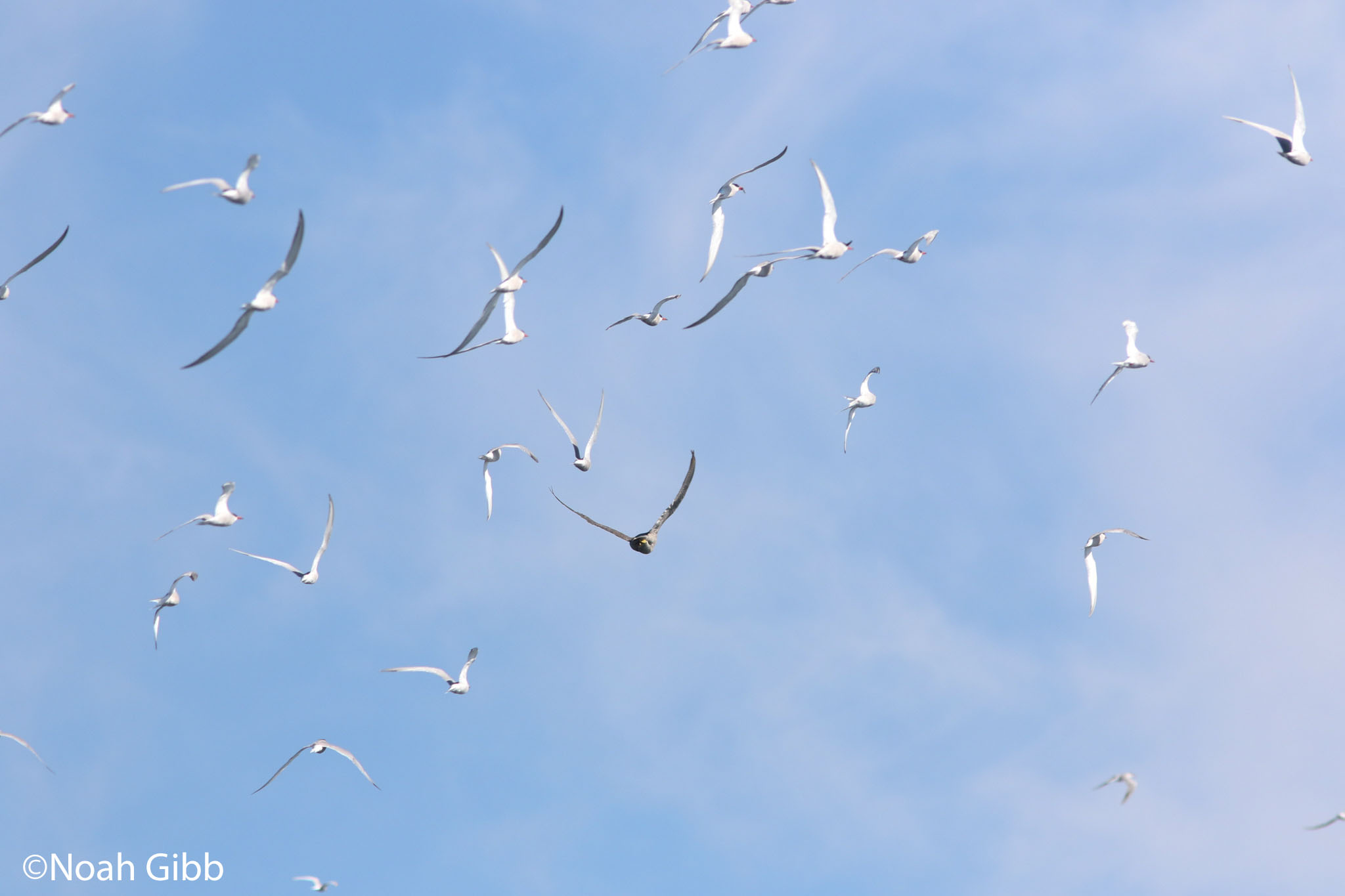

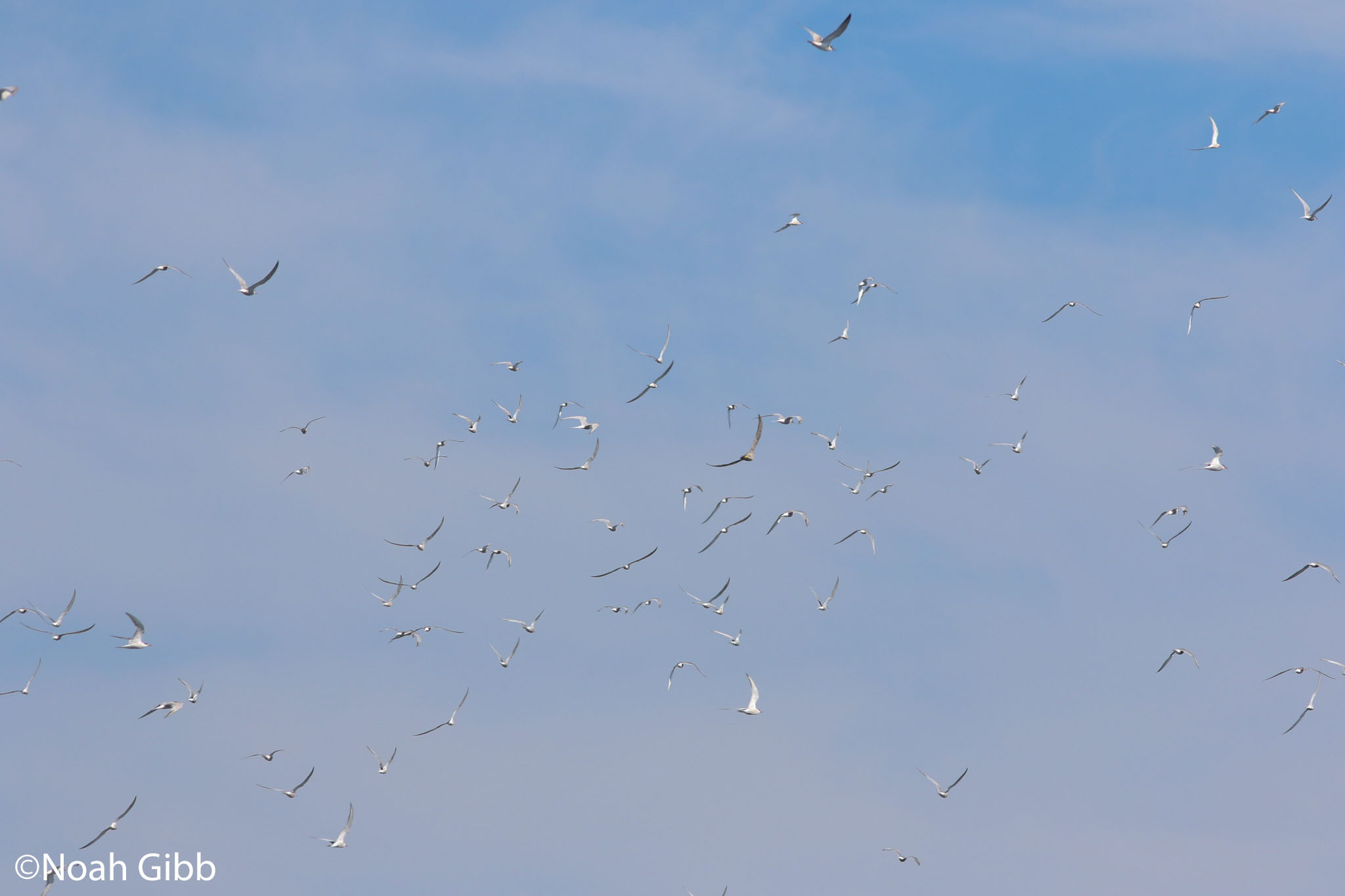

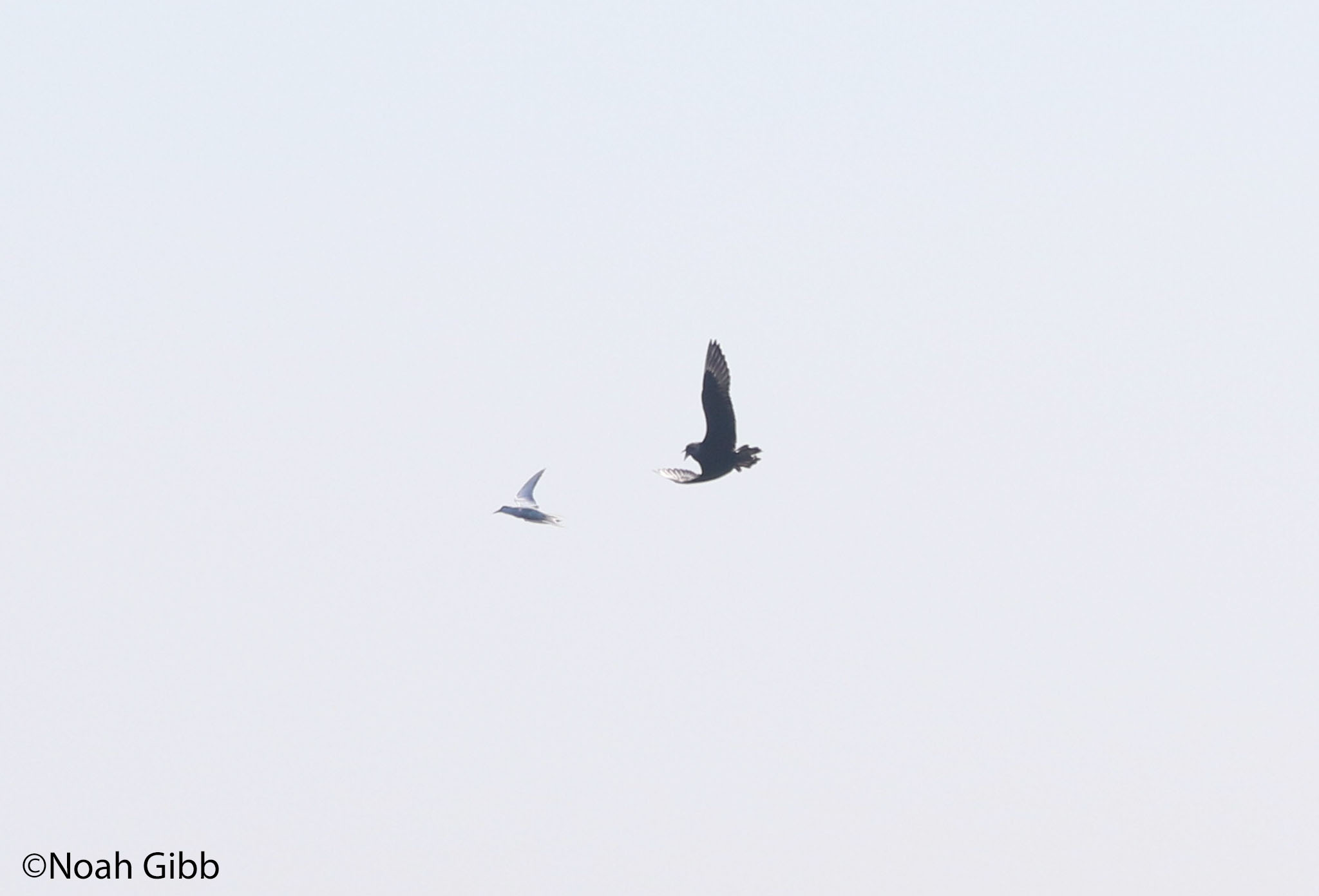
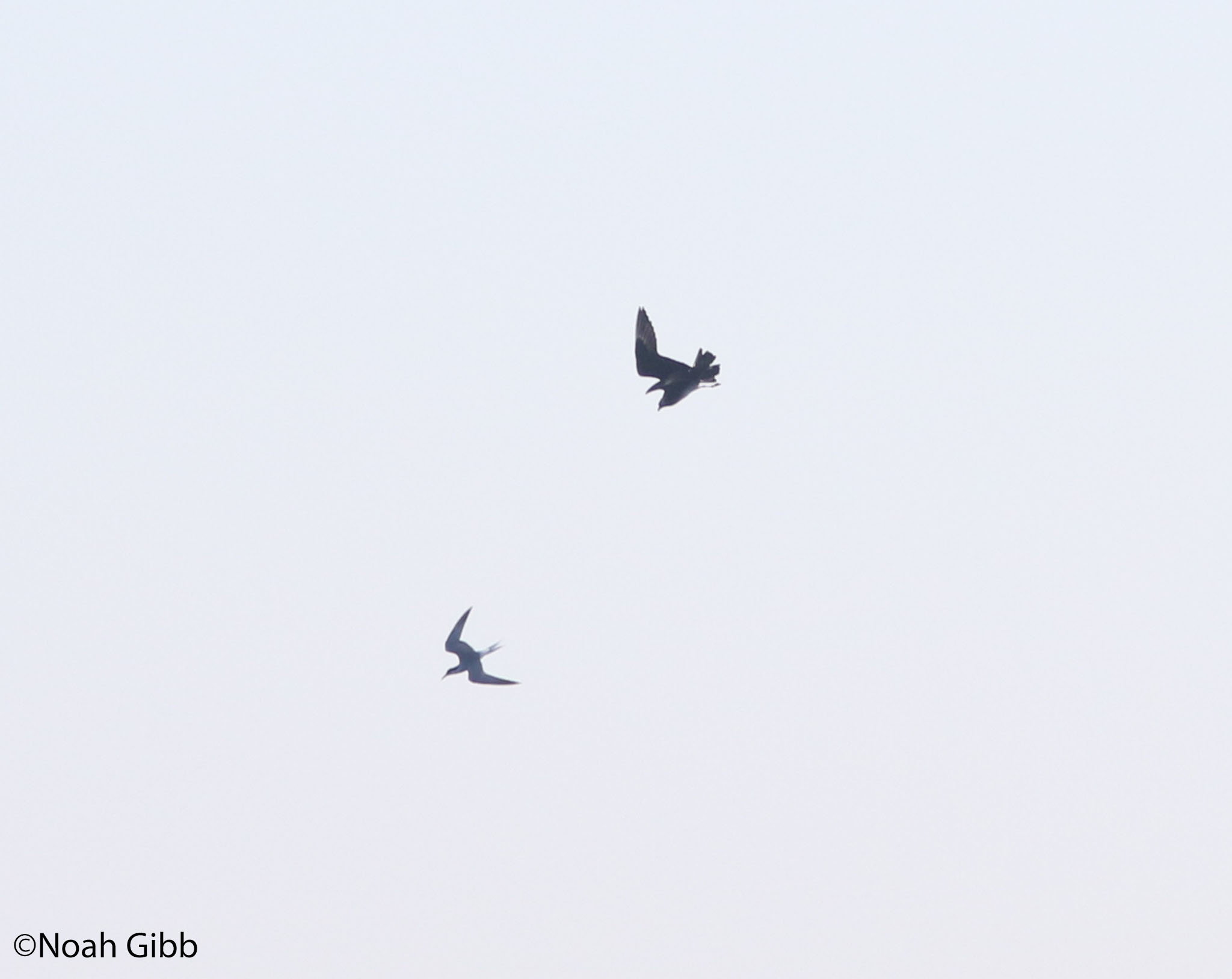
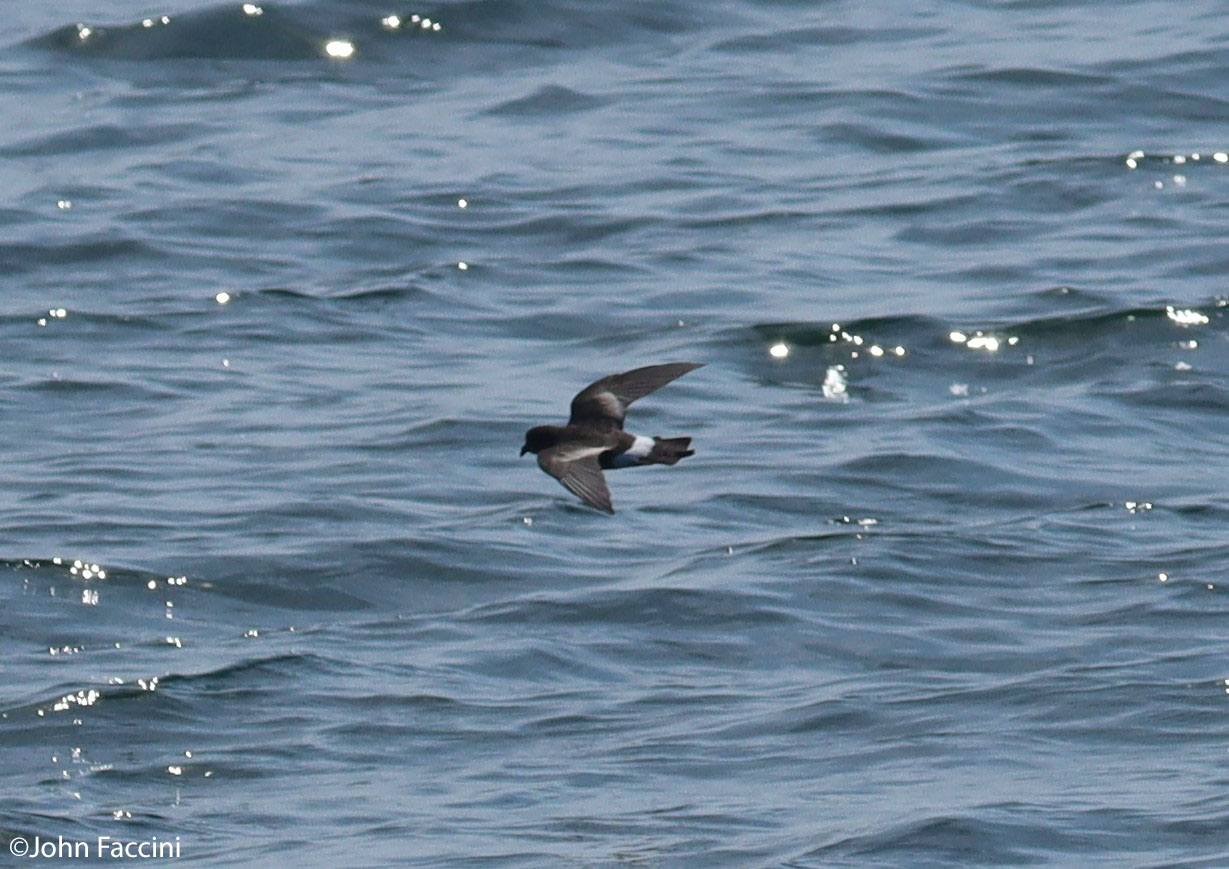


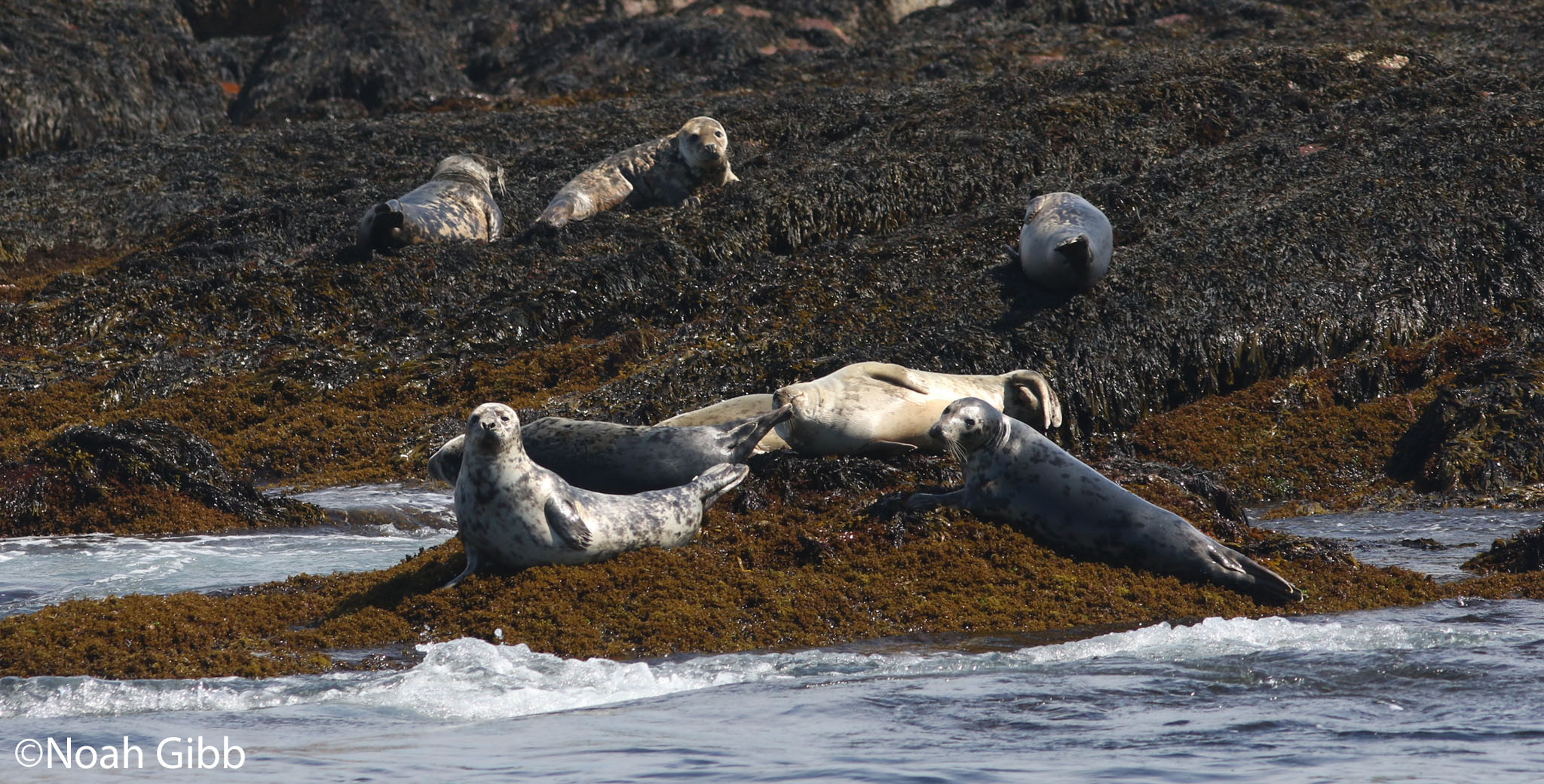

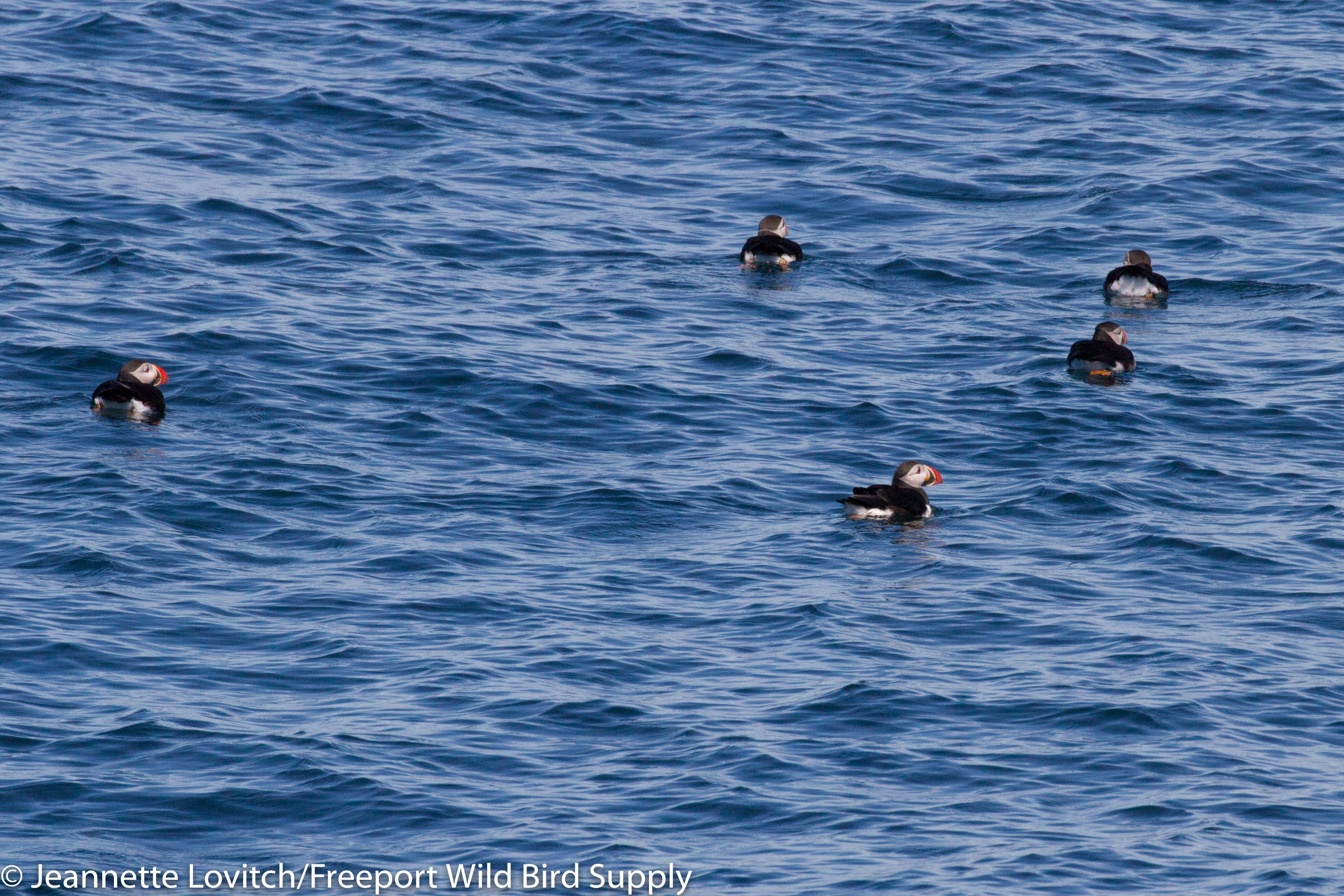
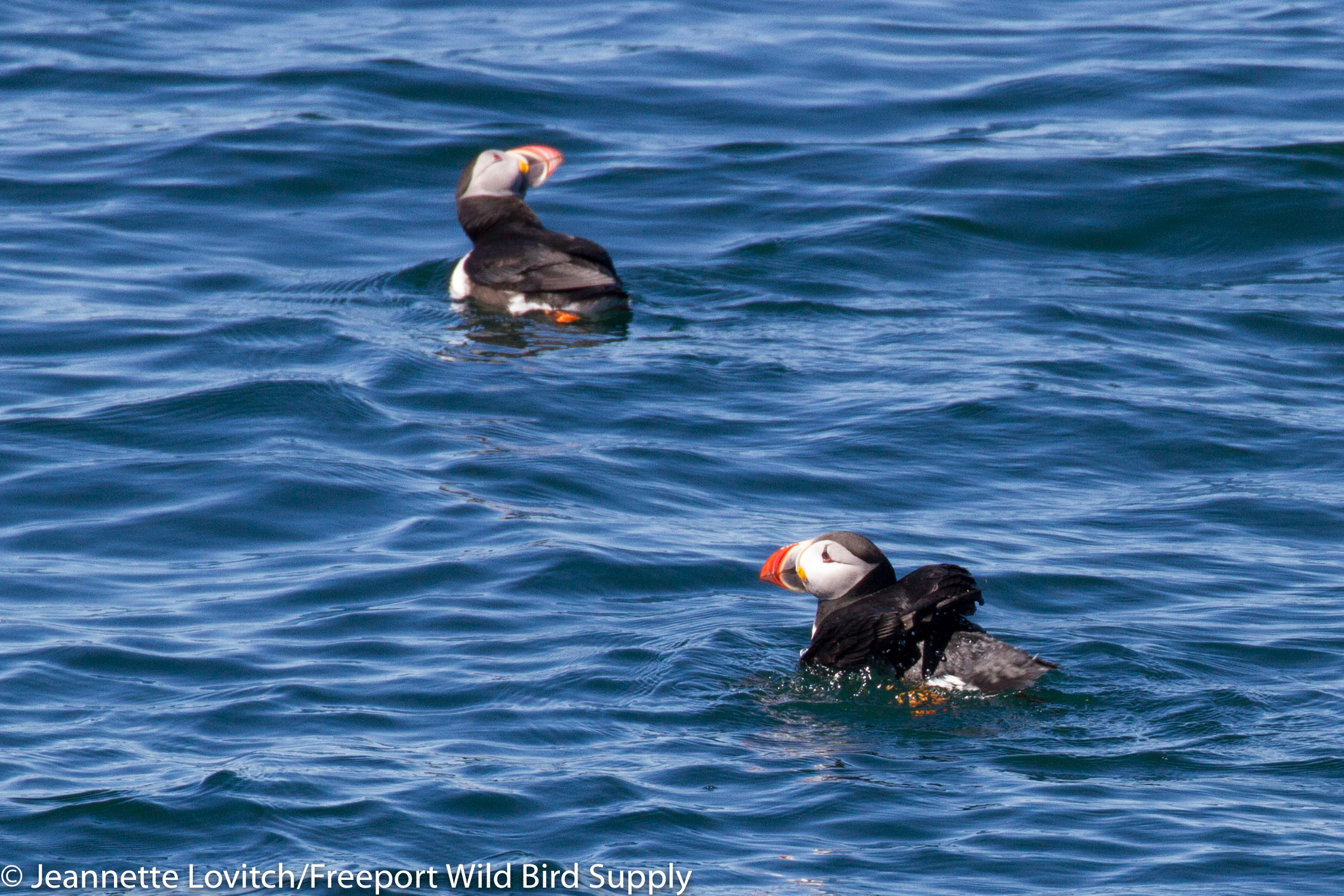


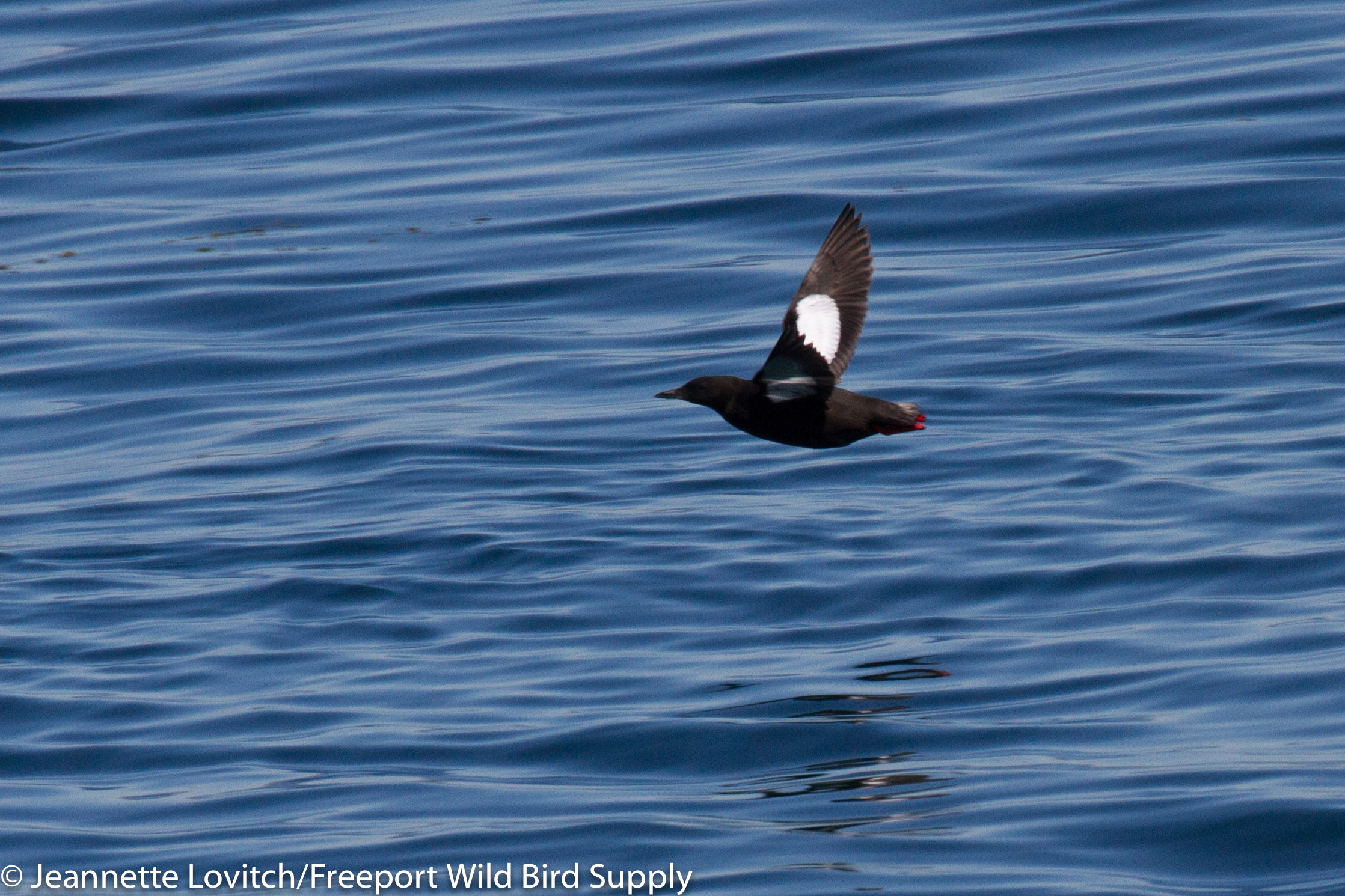
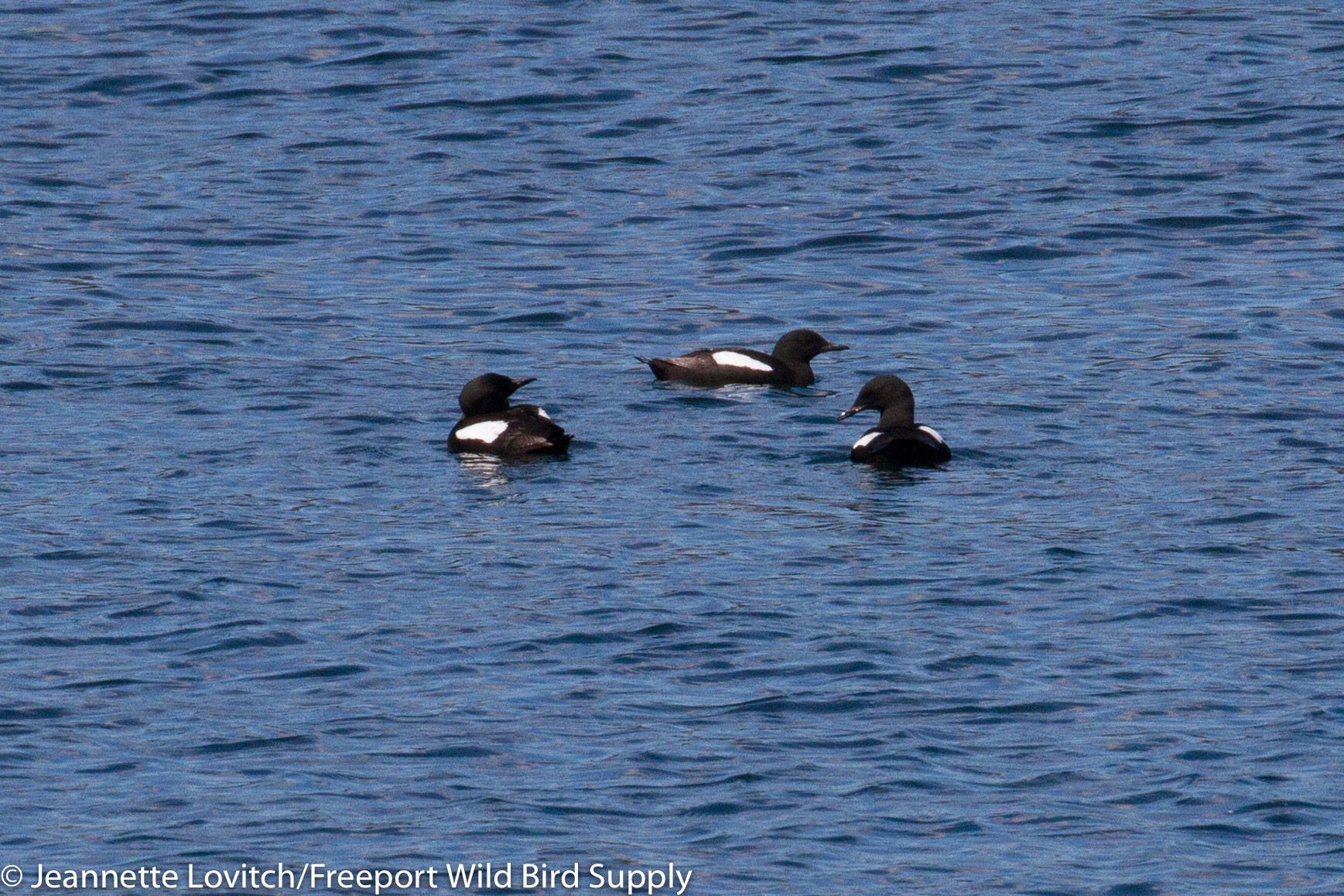

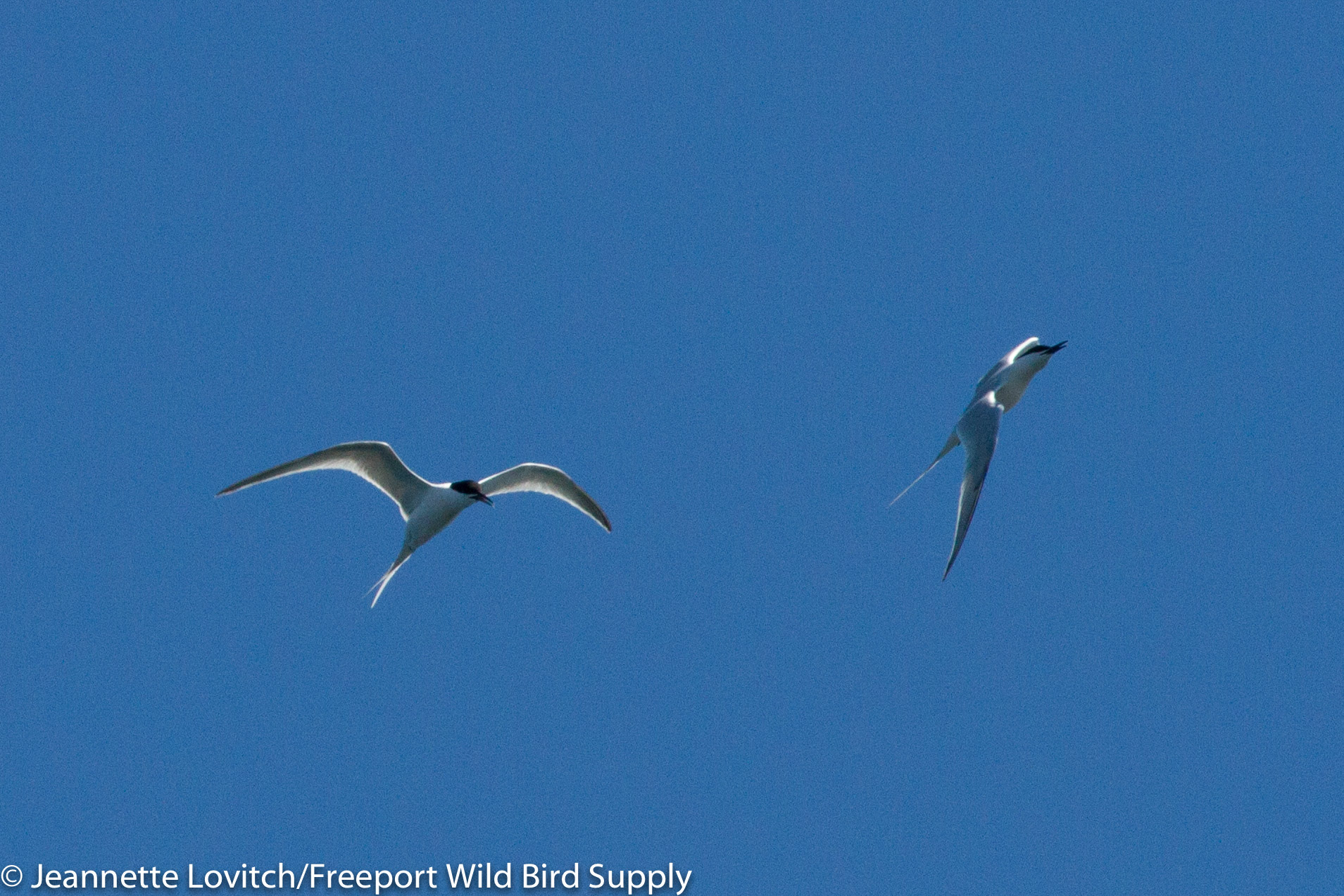
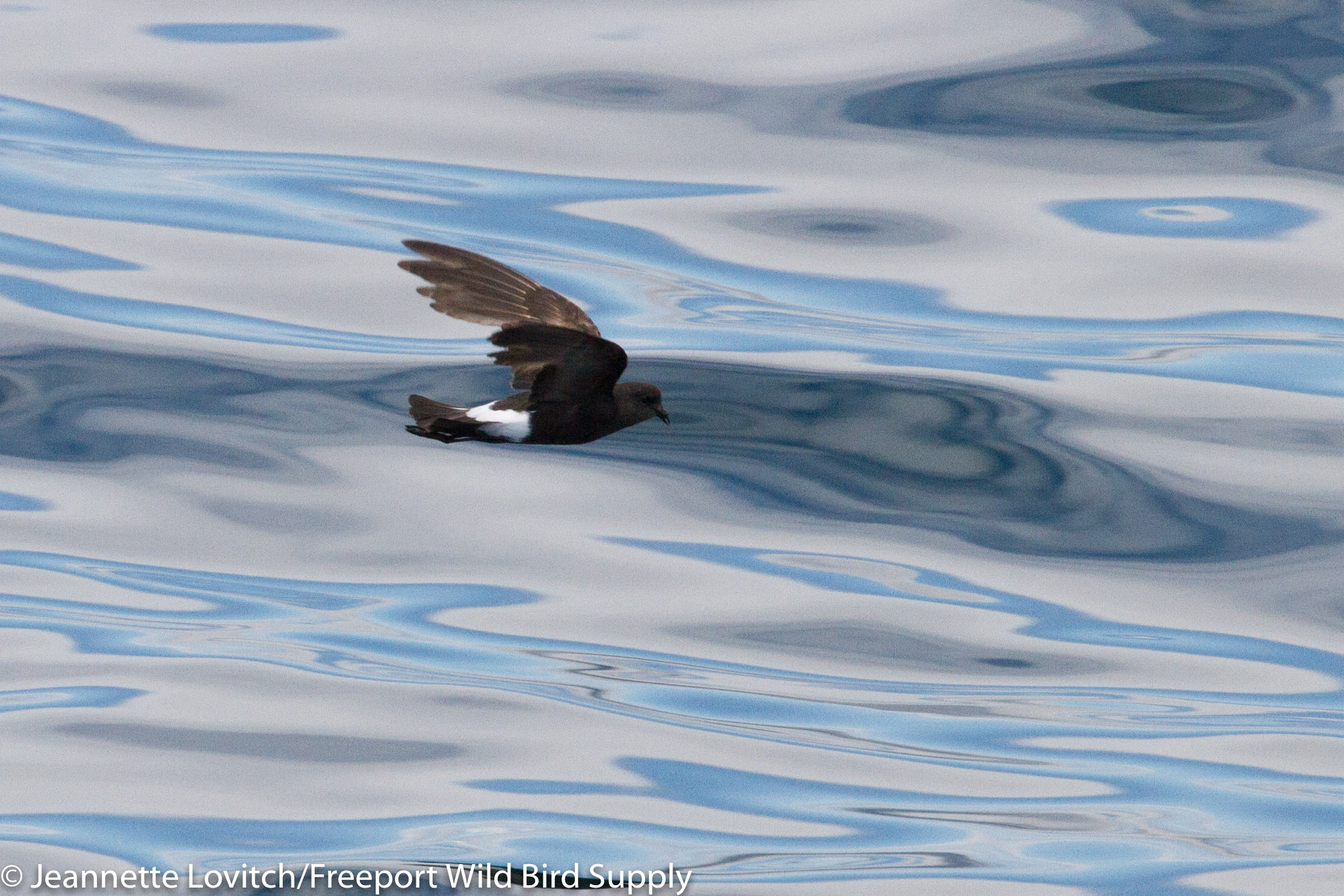
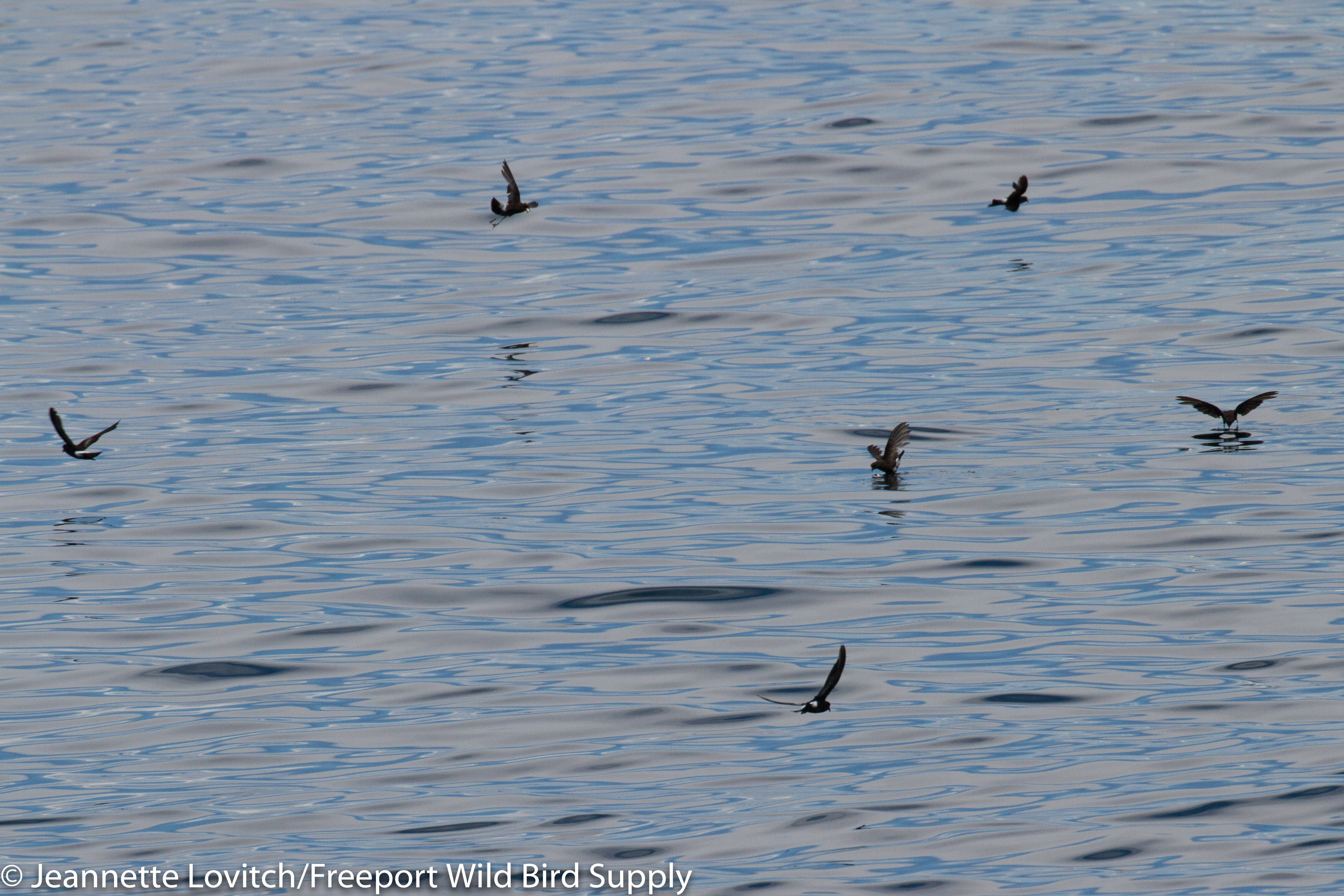


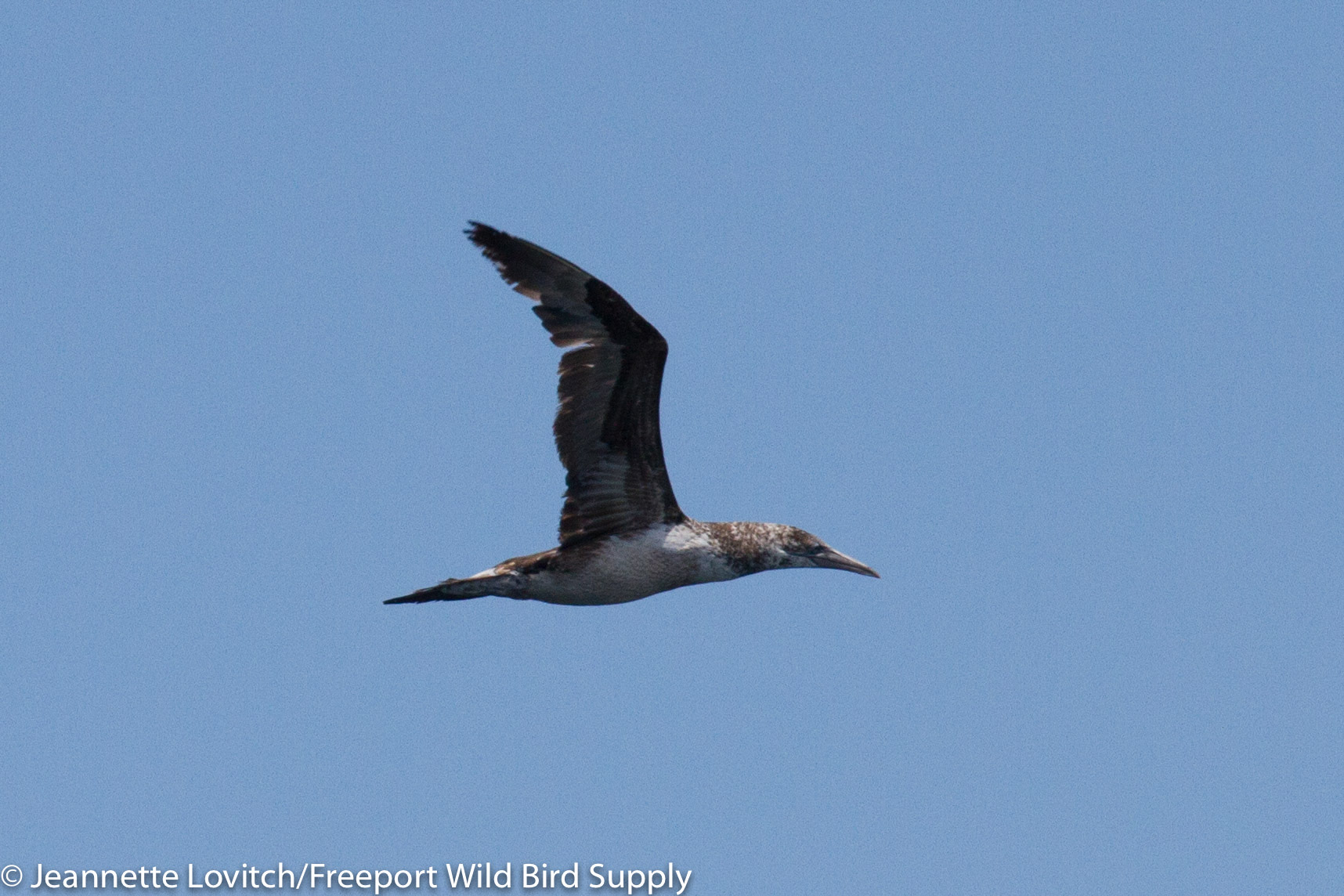
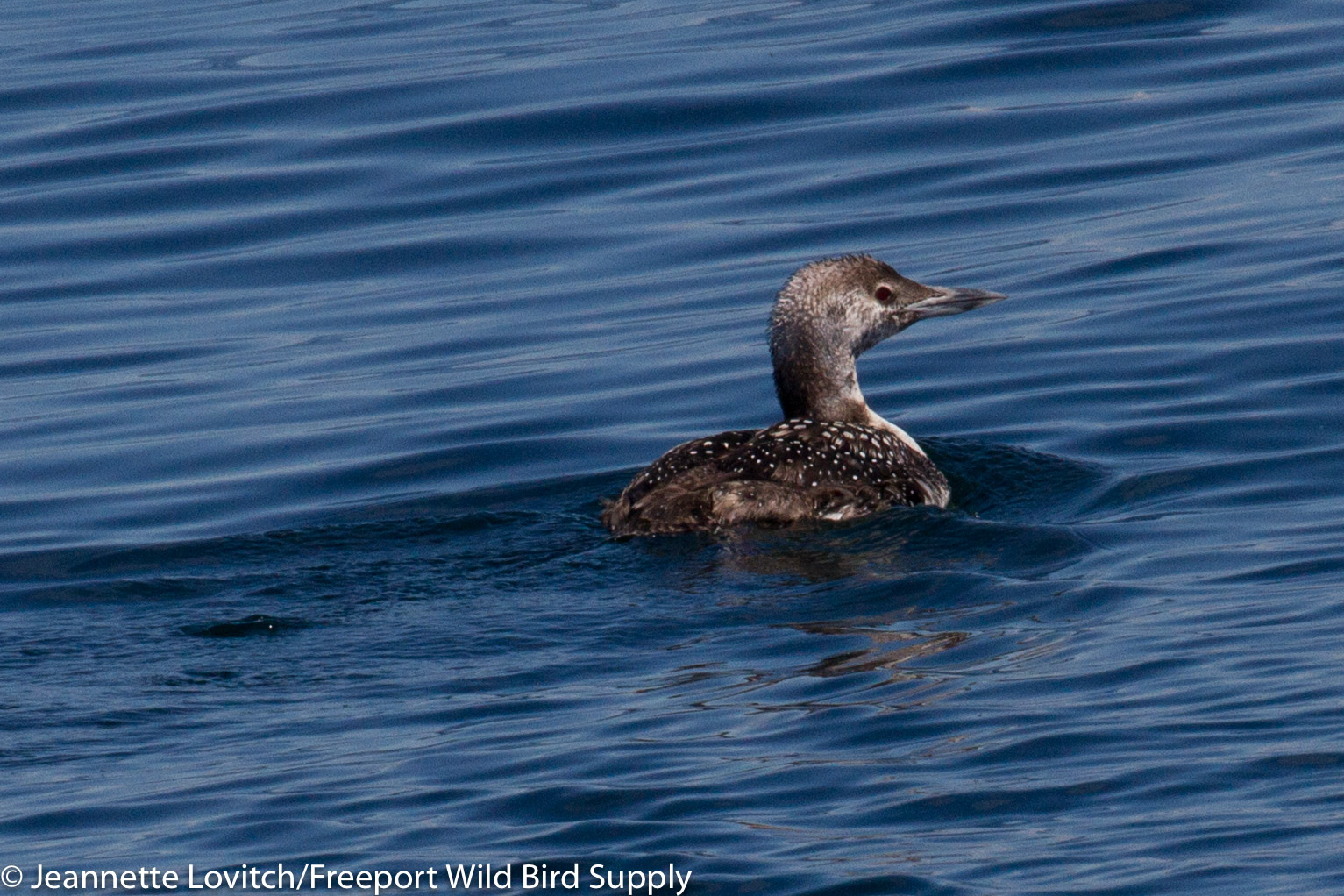

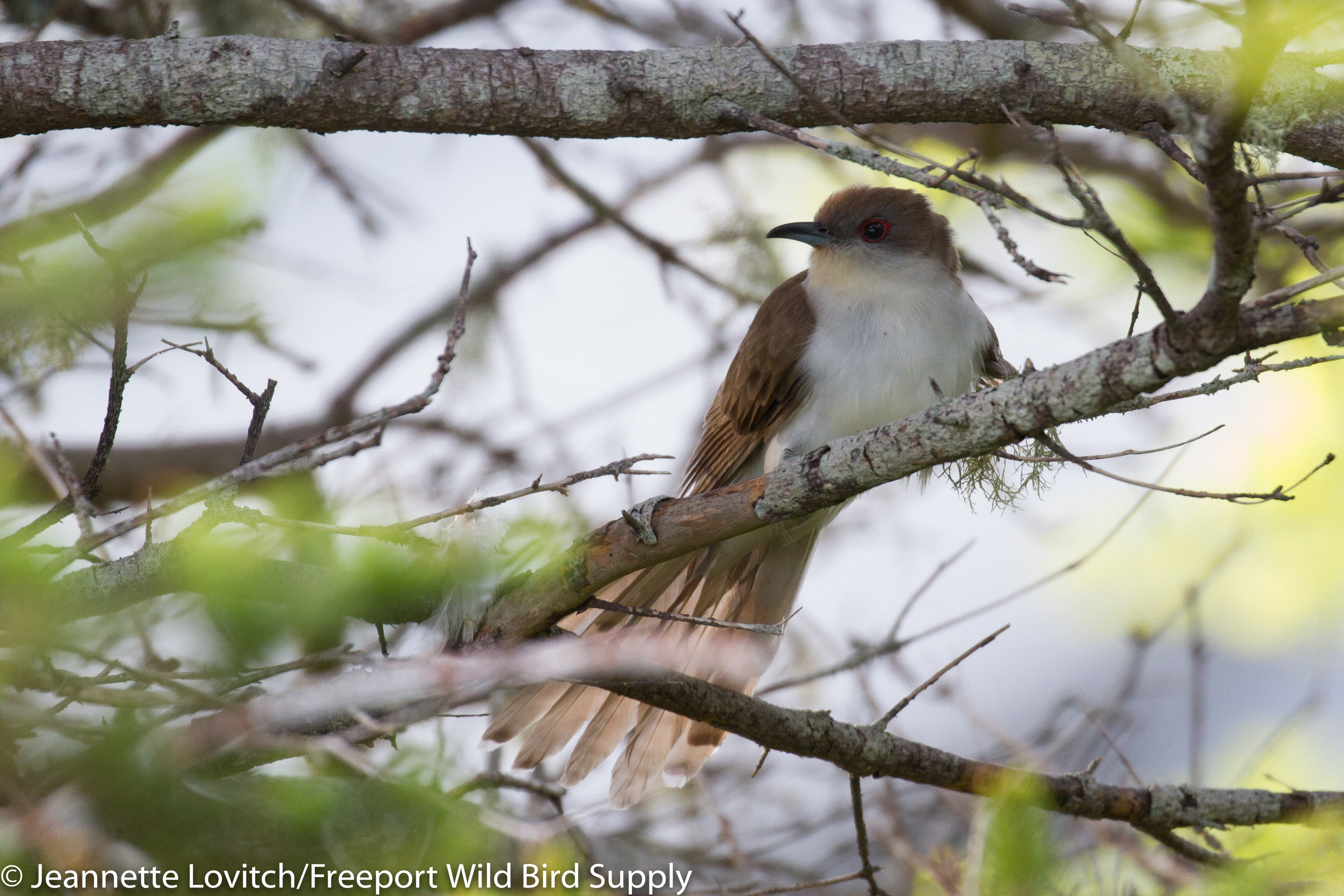
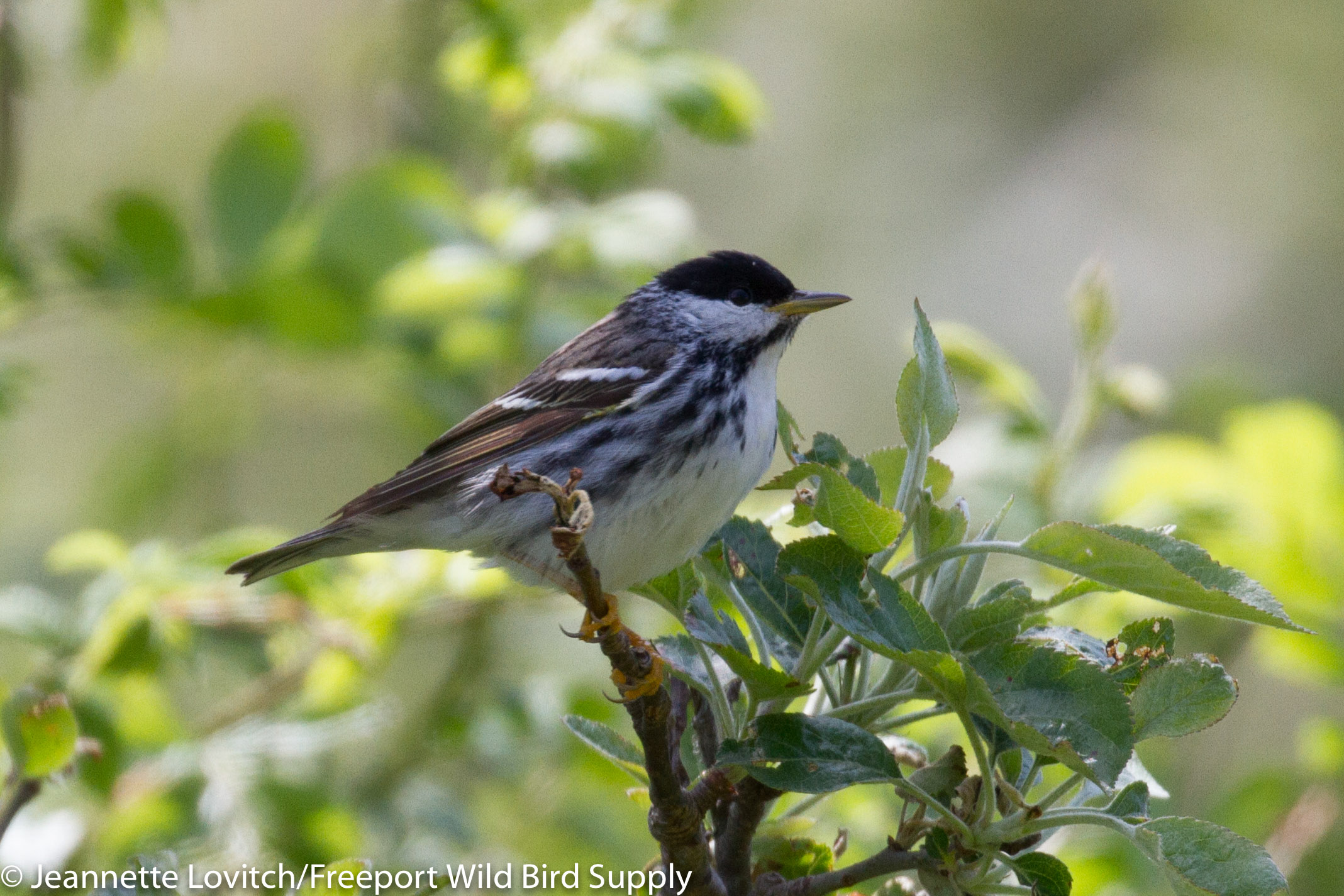


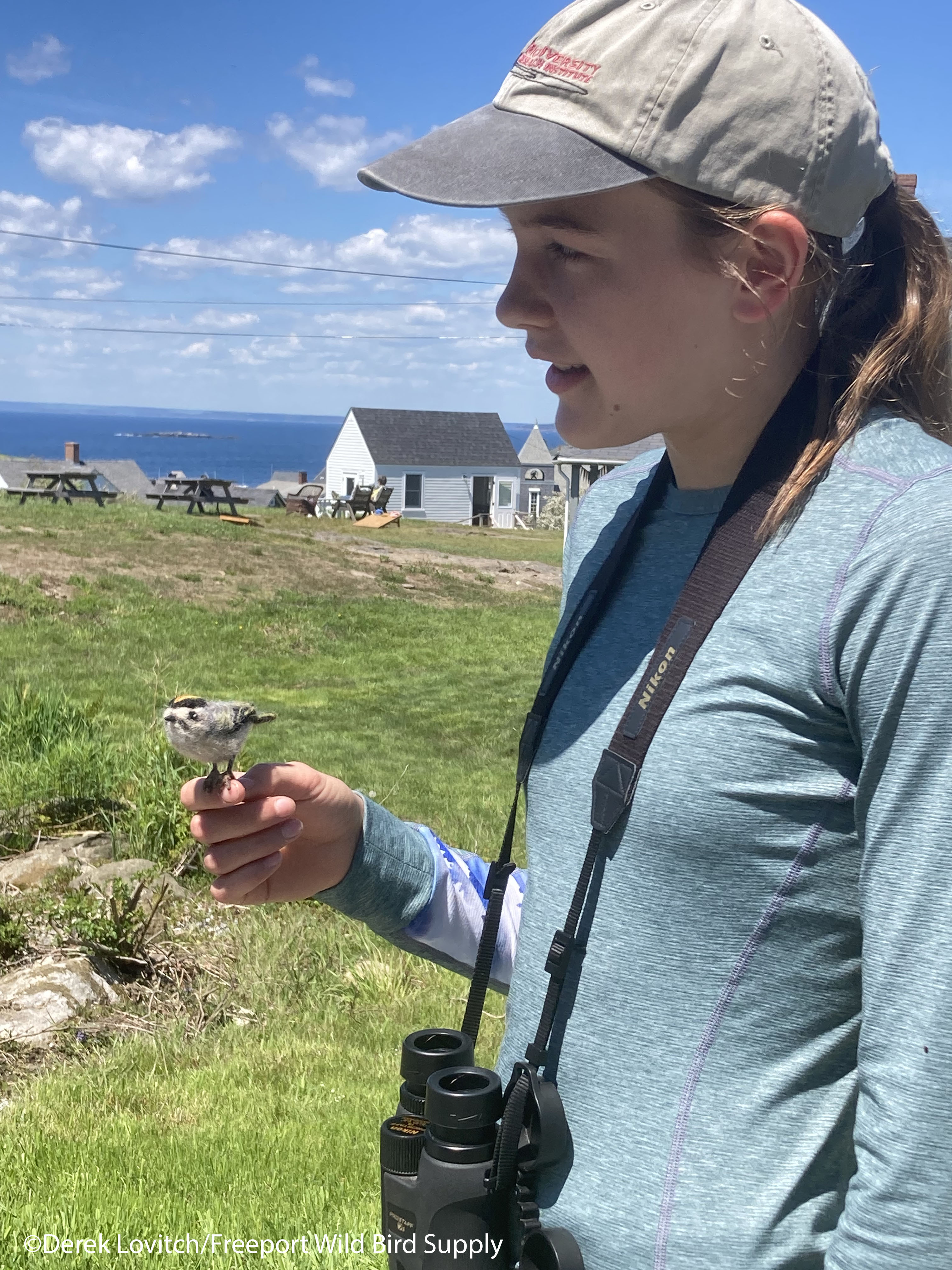


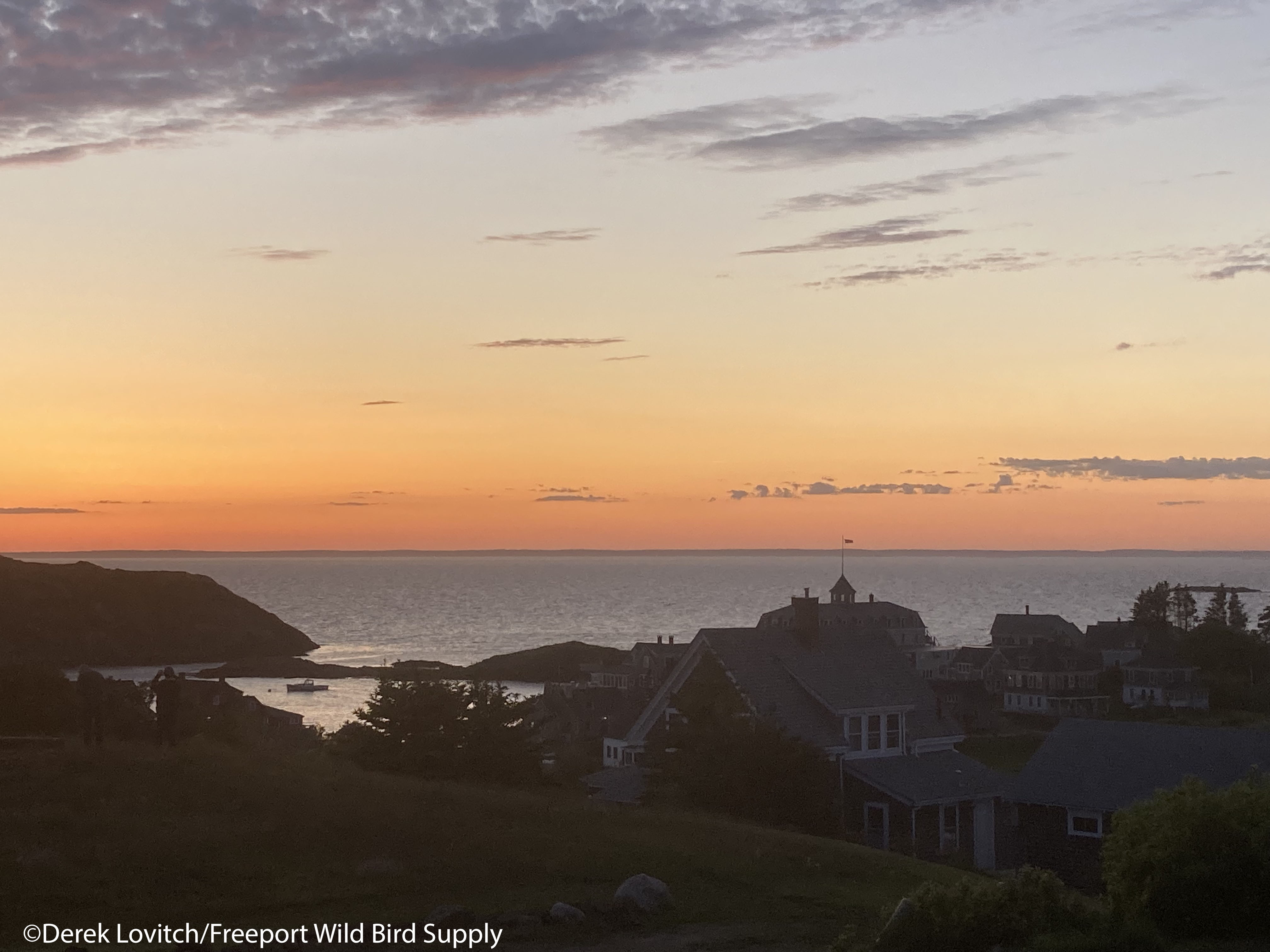


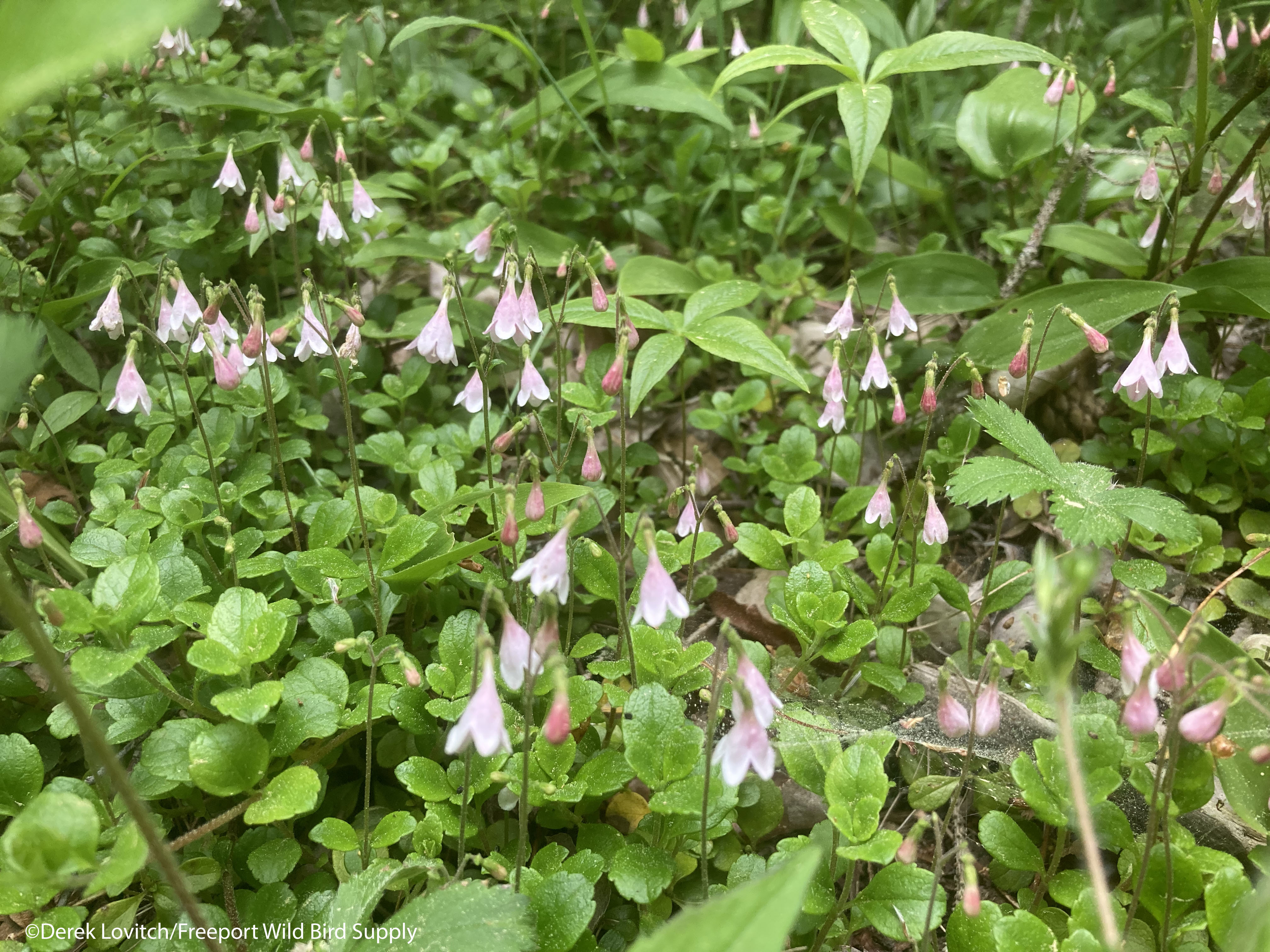


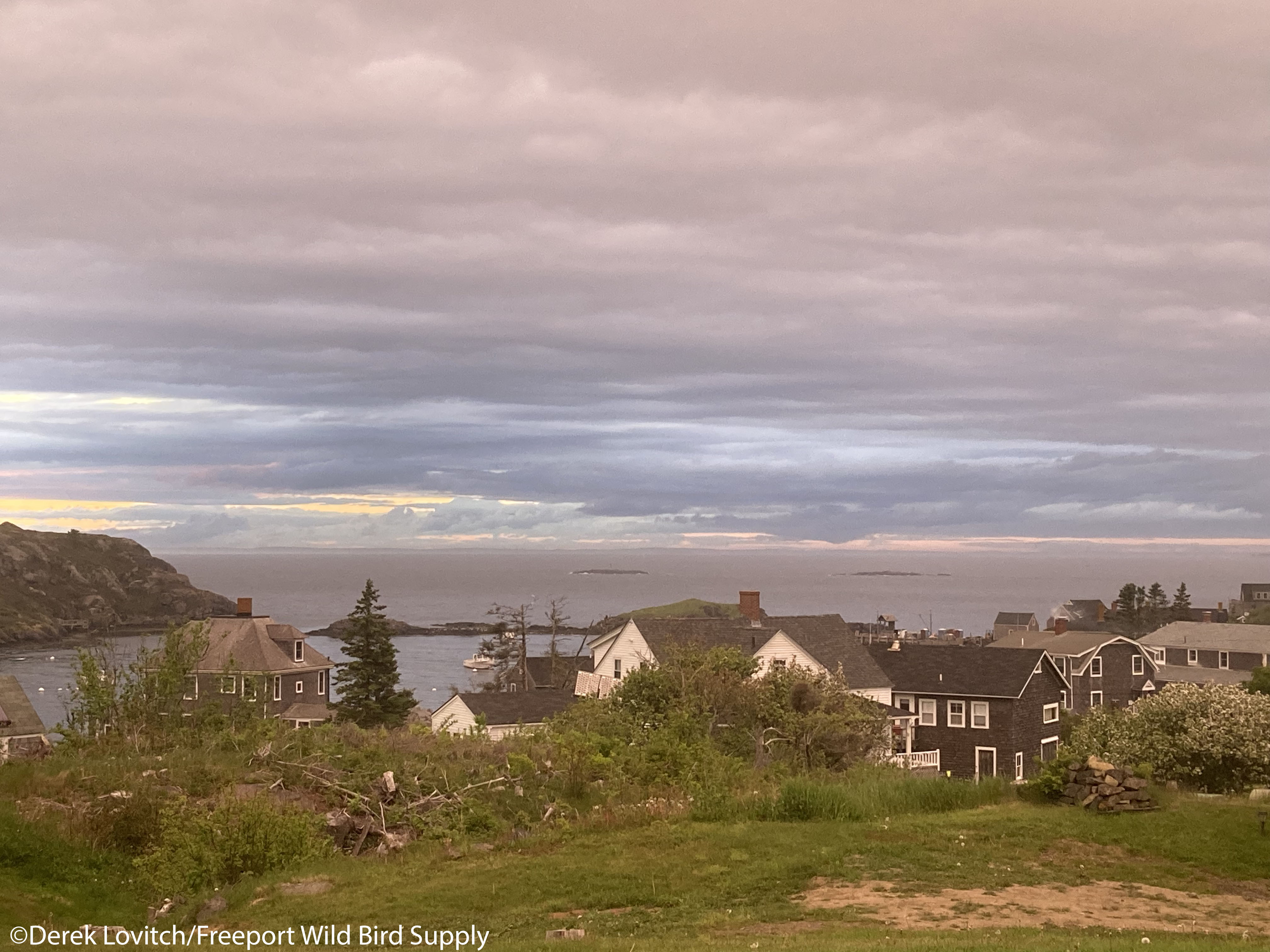


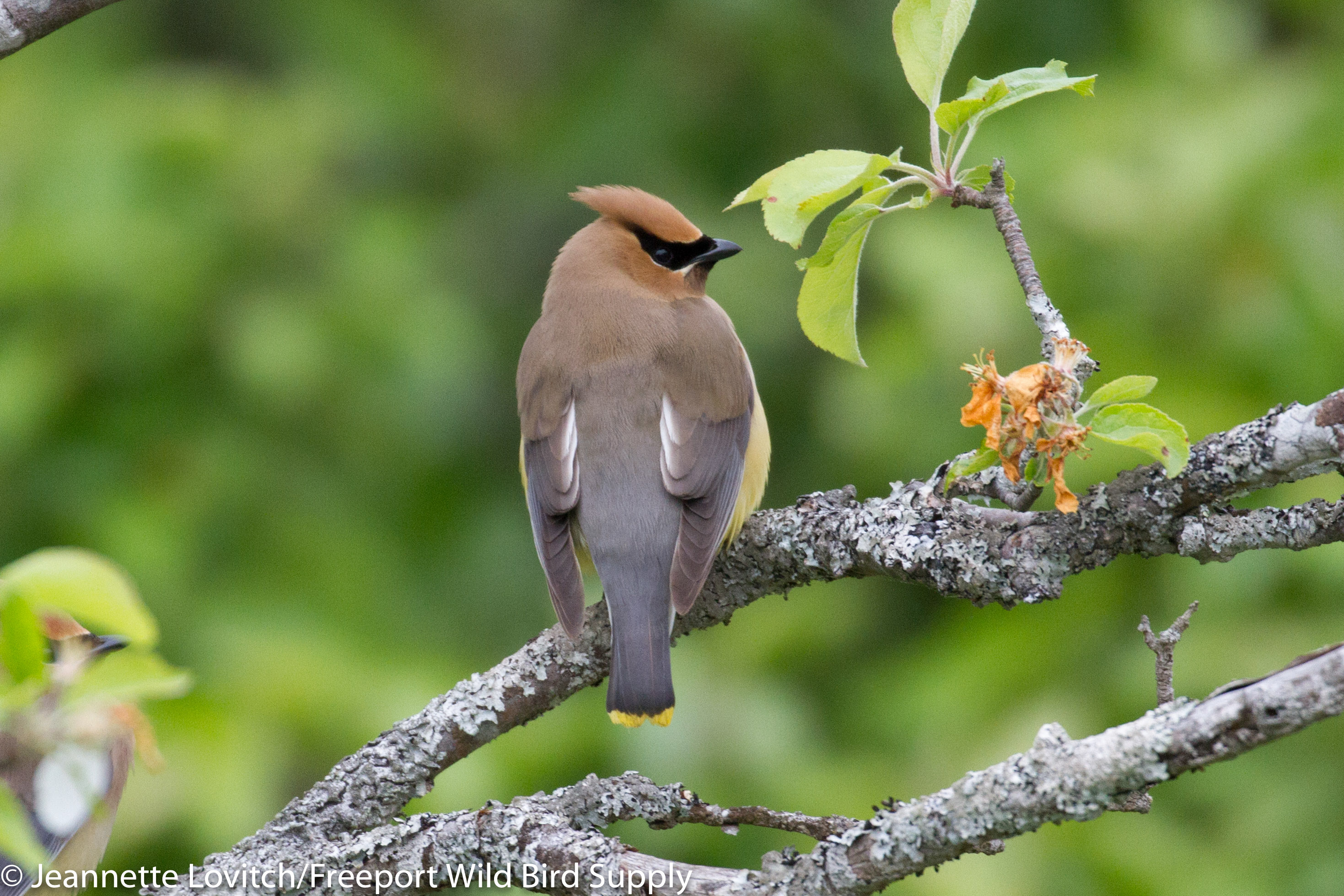
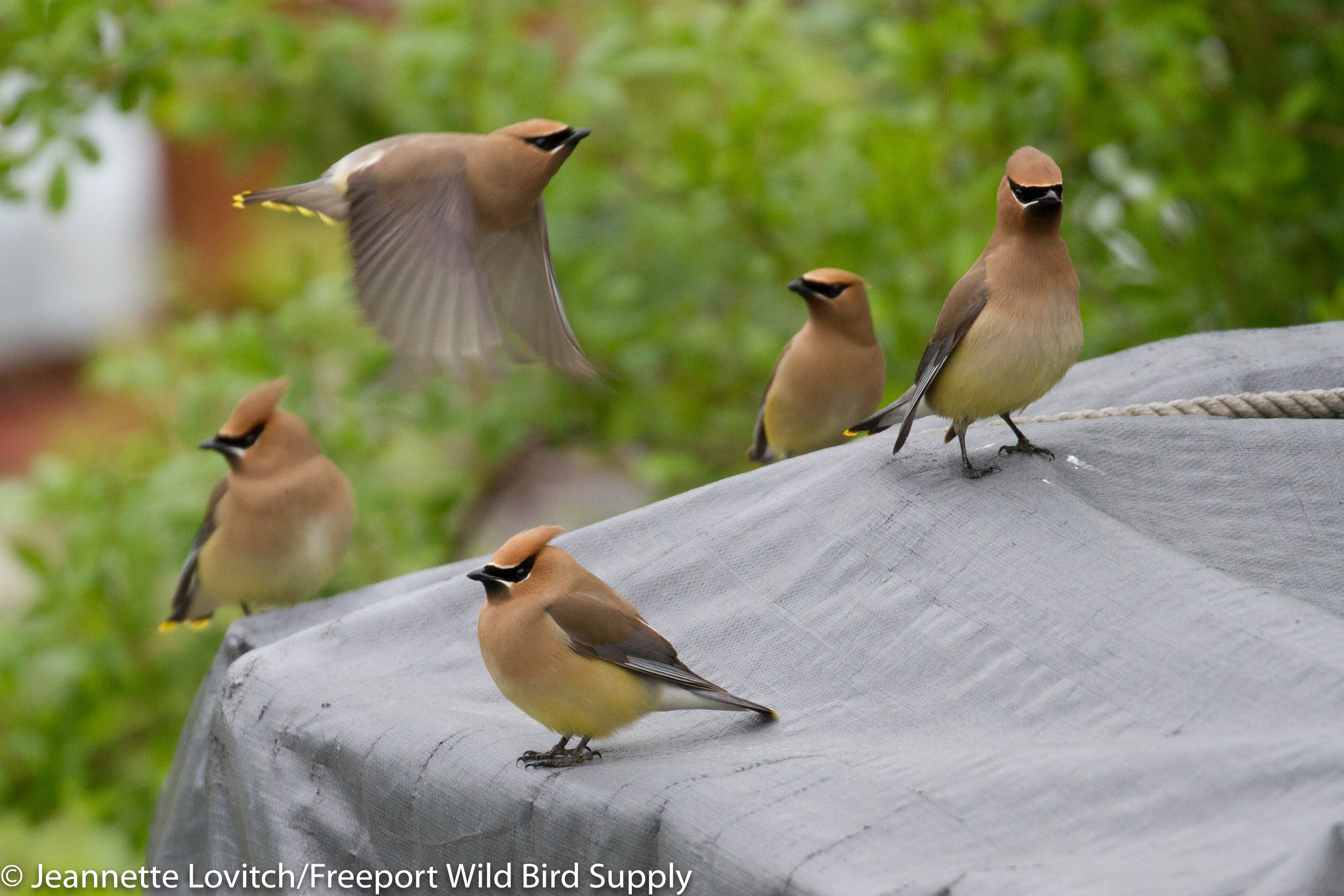


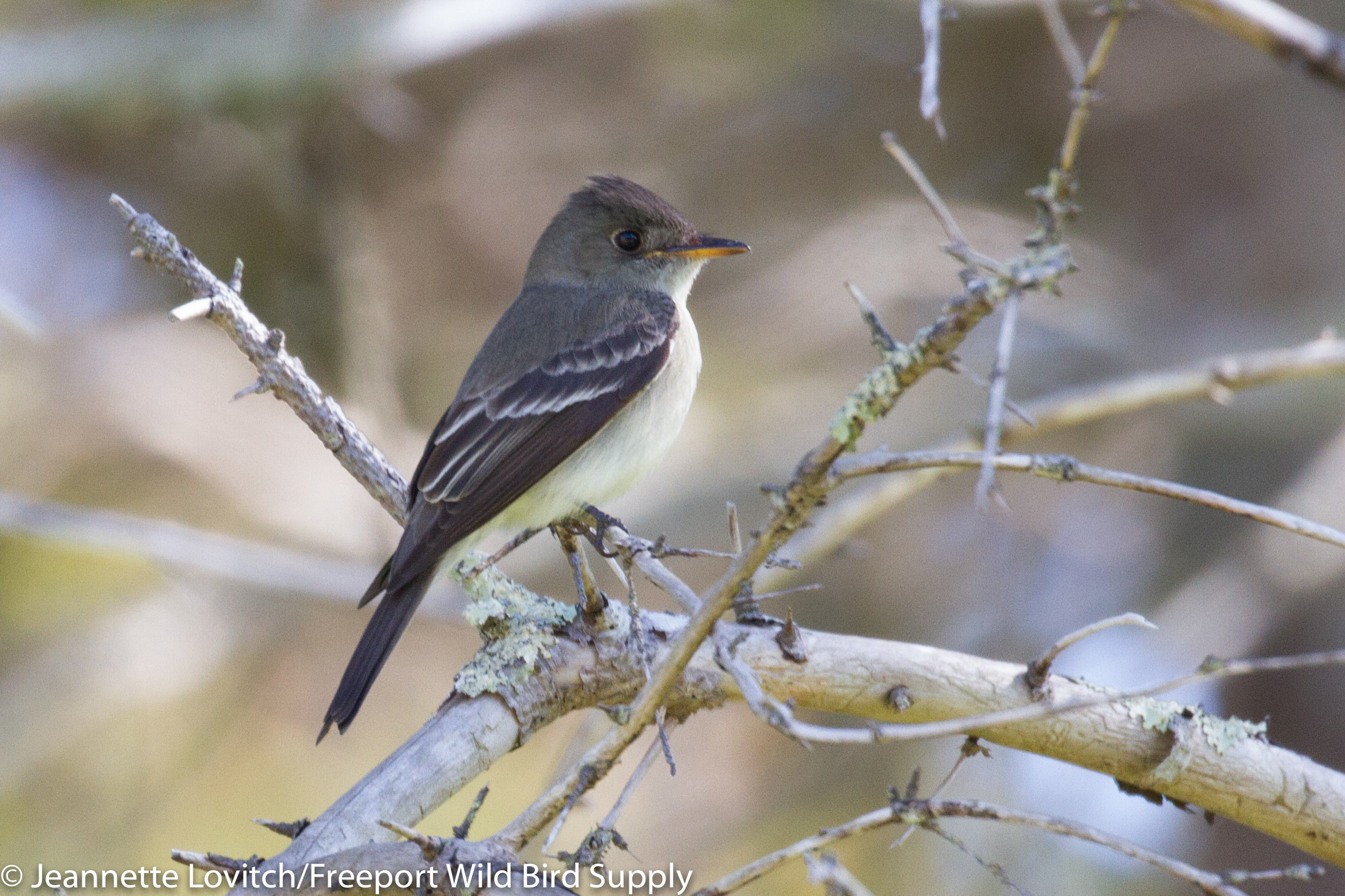

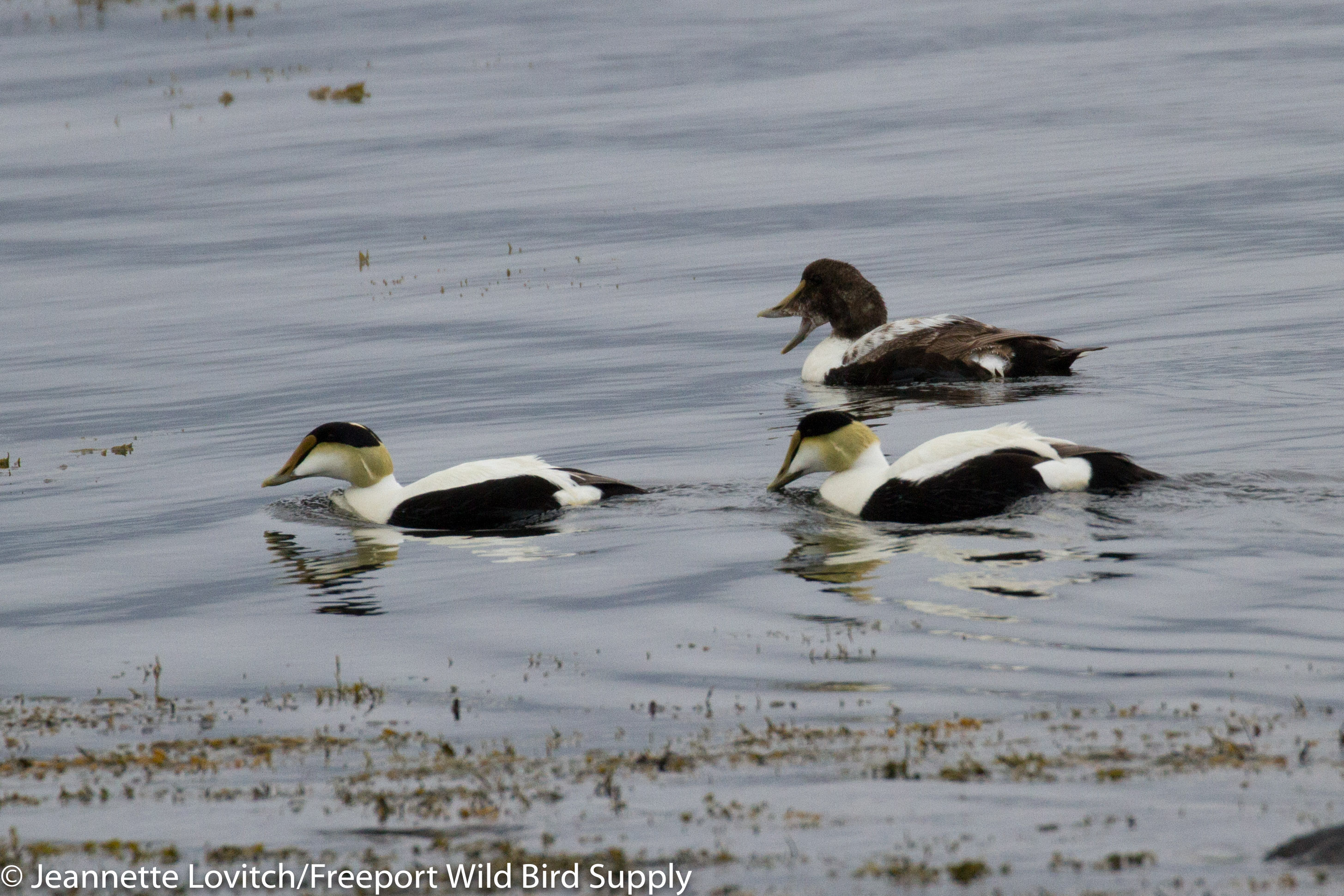
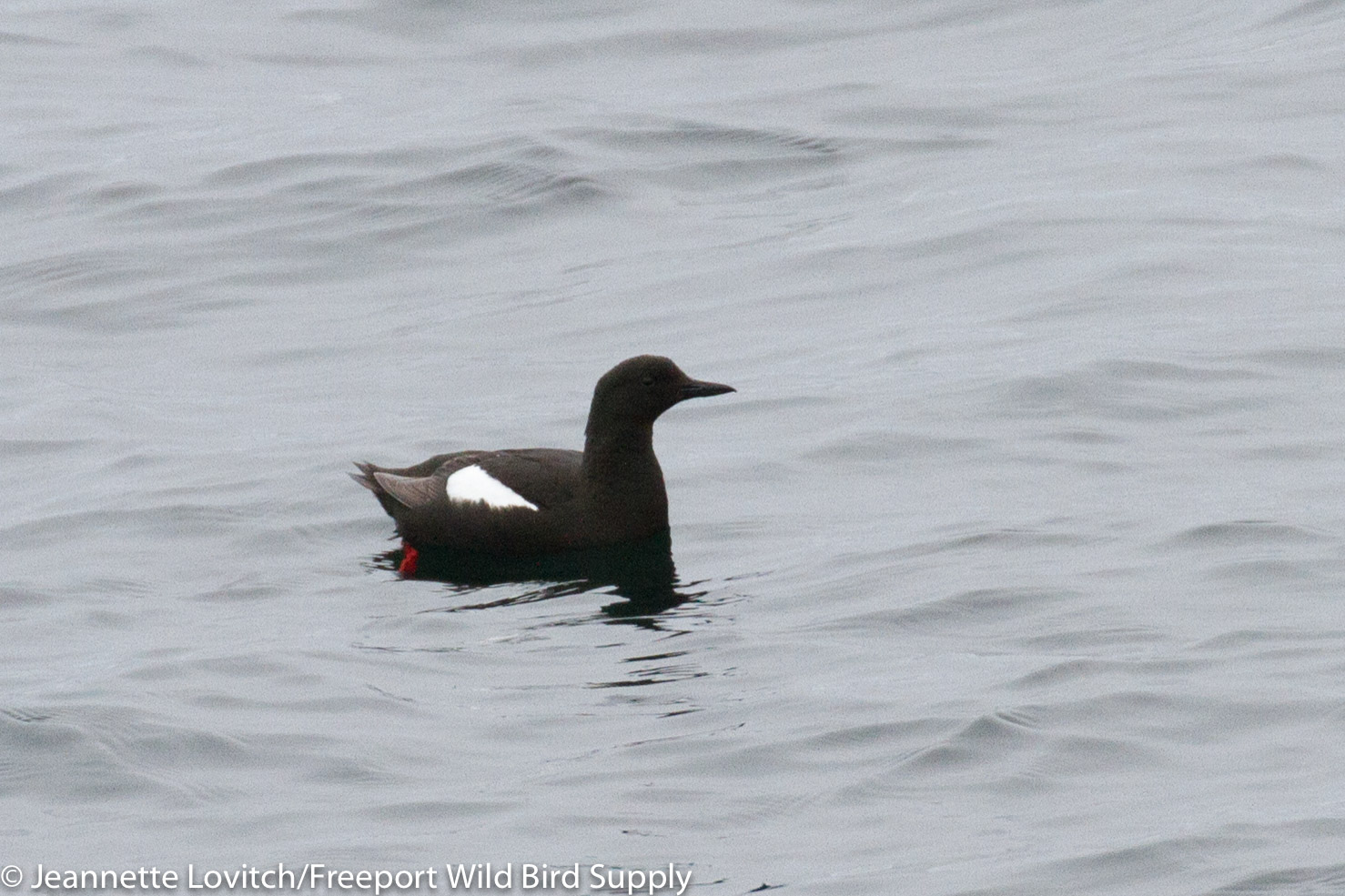
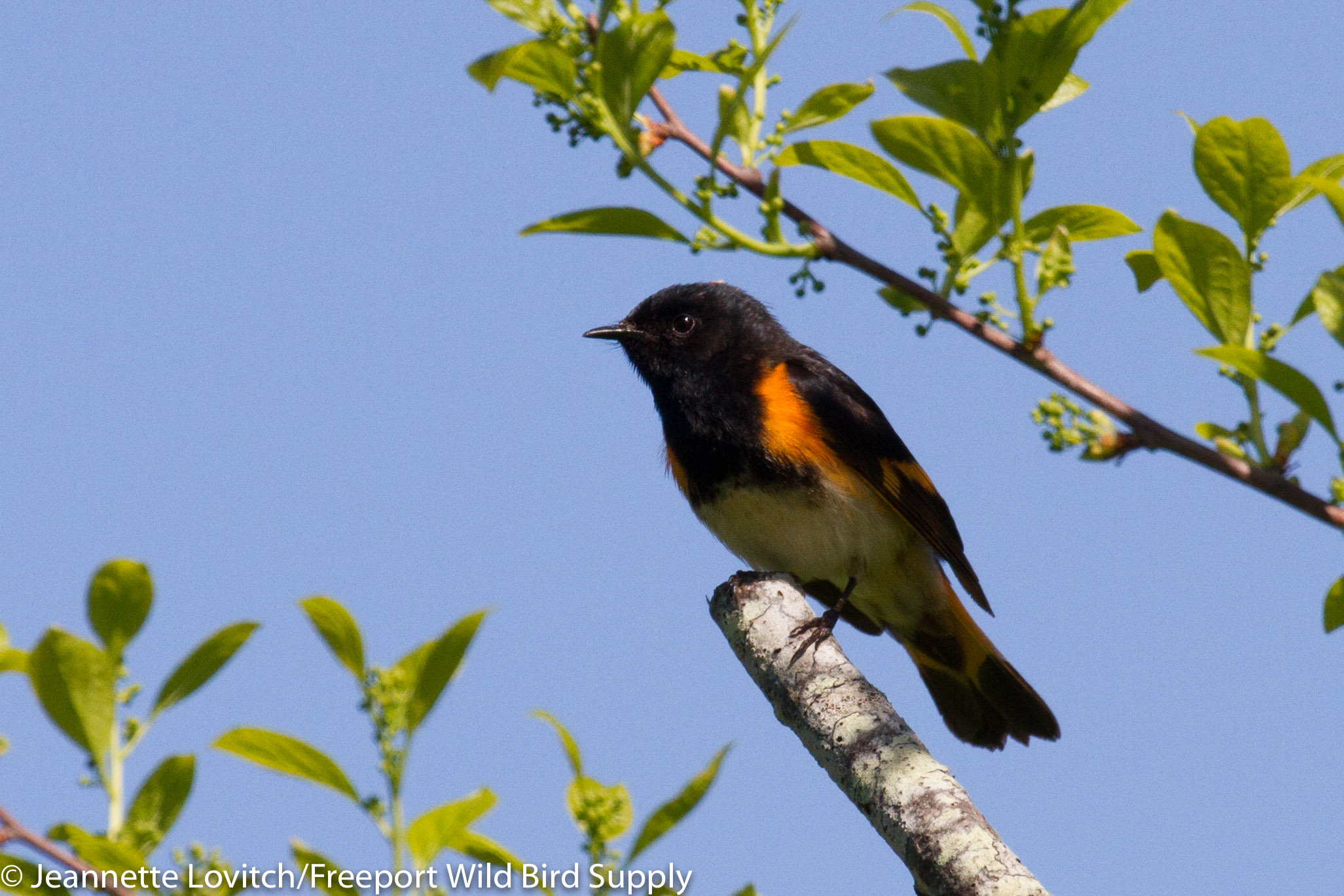
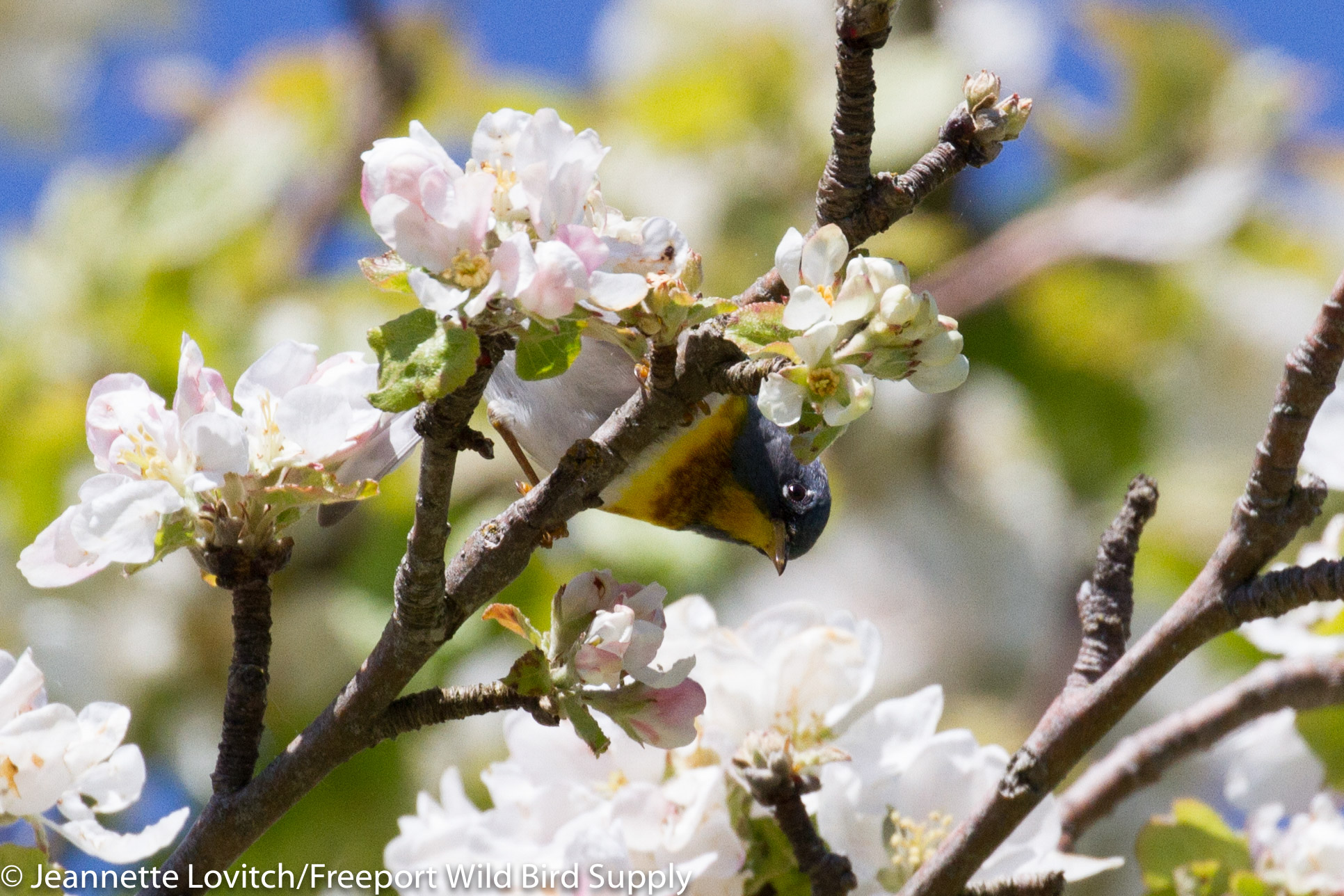
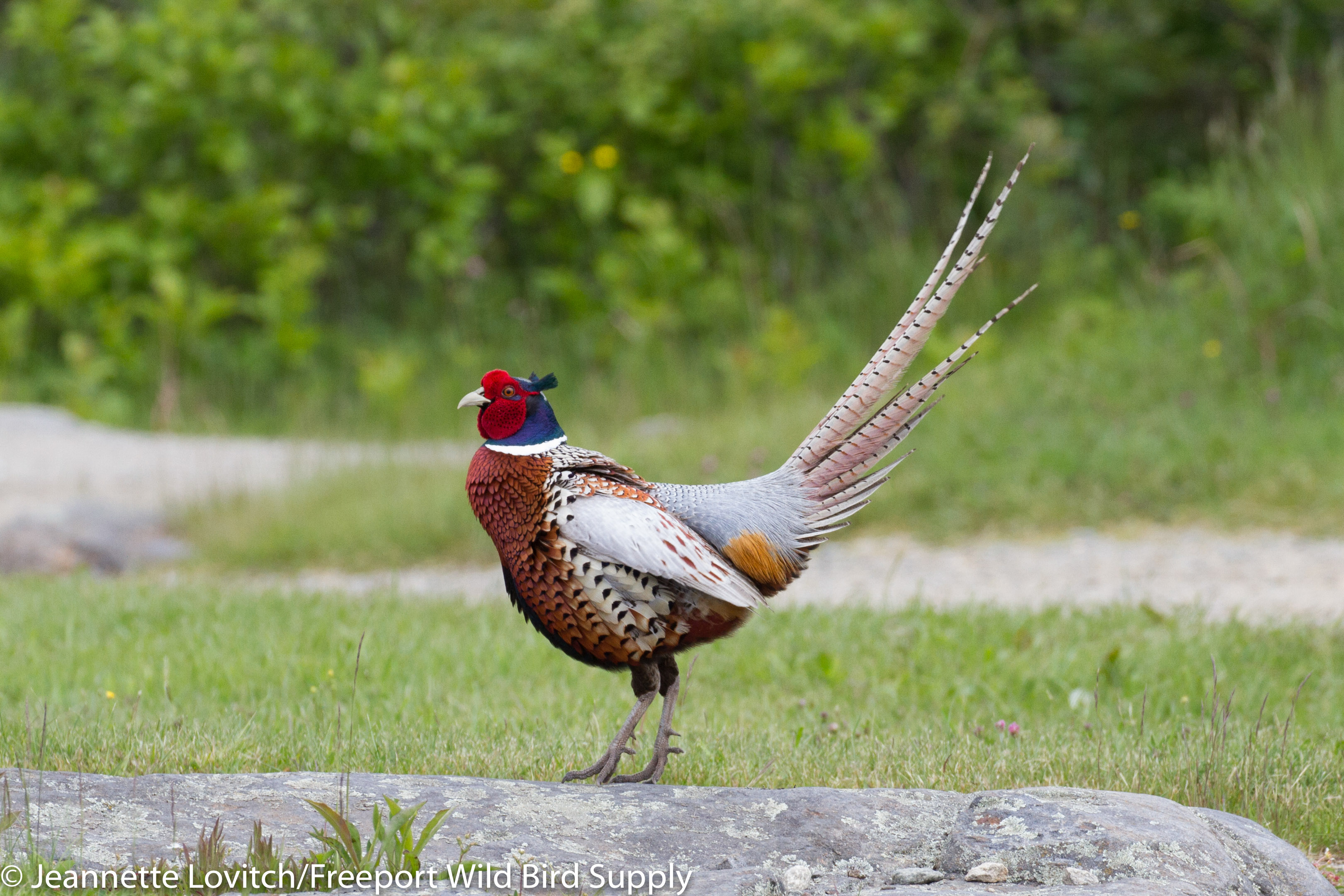


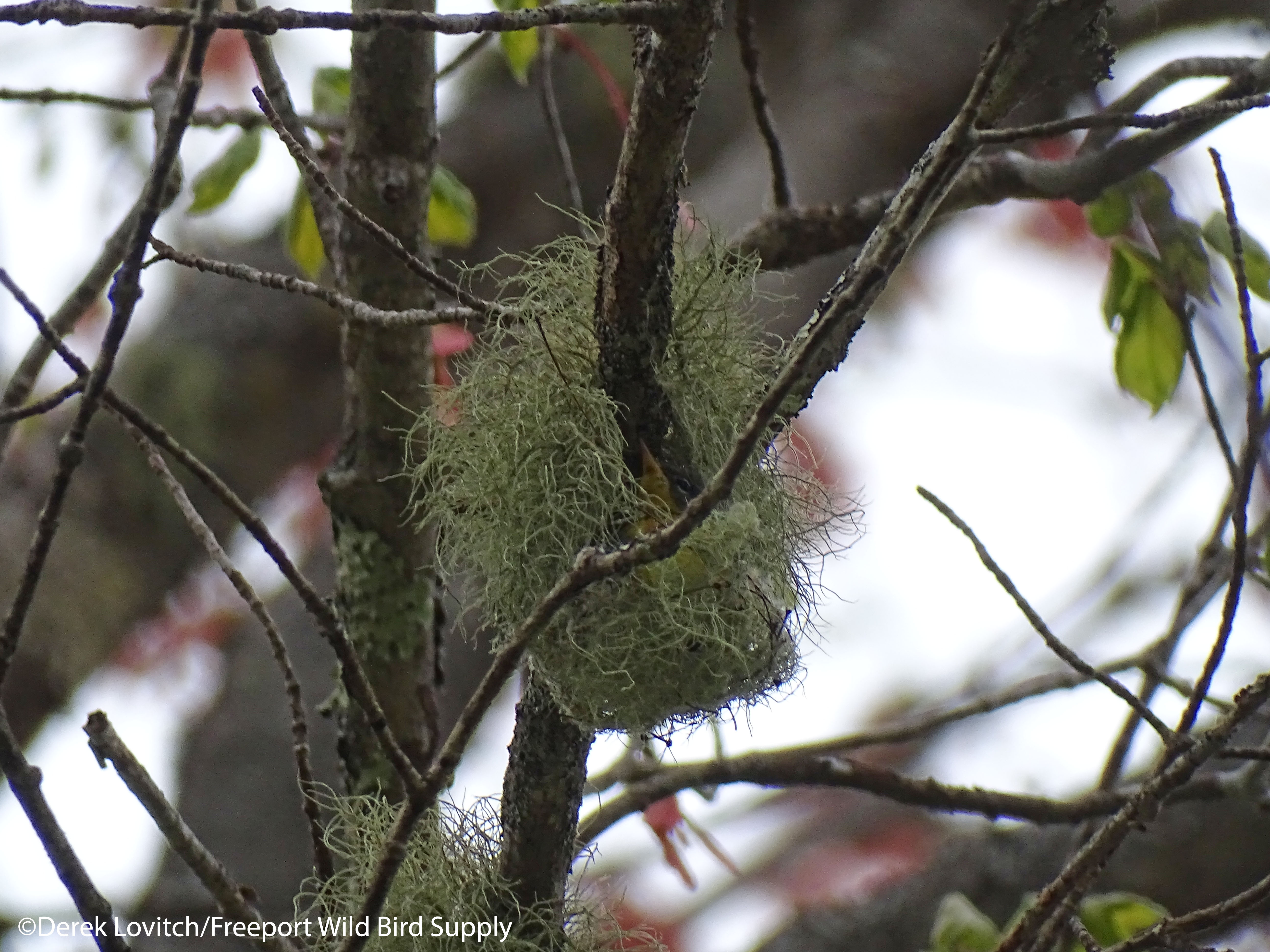
 Maine Birding Field Notes