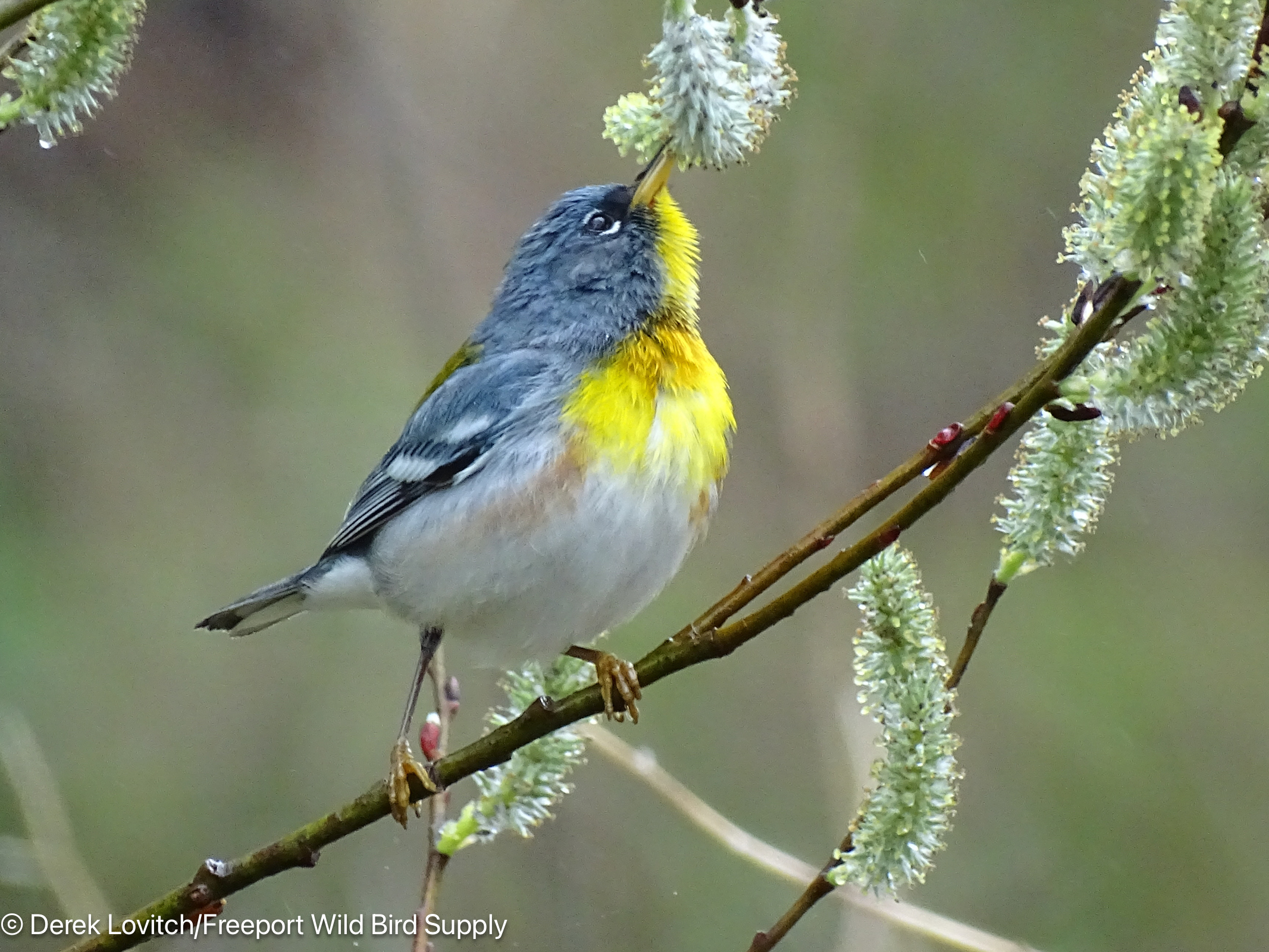
Freeport Wild Bird Supply is proud to once again partner with Down East Magazine’s Down East Adventures for the sixth year of offering exclusive birding workshops focused on gaining greater knowledge and field skills in a focused group of seasonally accessible birds. Focused on skill-builder rather than list-building, there will be plenty of “life birds,” but also more knowledge and education about birds, habitats, birding, and much more about the natural world. We are honored to be their provider for a series of unique and exclusive birdwatching endeavors. In 2026, we will once again offer four exclusive outings.
For more information on each tour, as well as registration information, visit: https://www.freeportwildbirdsupply.com/downeast-adventures-tours Trip reports from each will be posted here upon their completion.
- Winter Waterbirds Workshop
January 29th, 2026; 9:00am – 4:00pm.
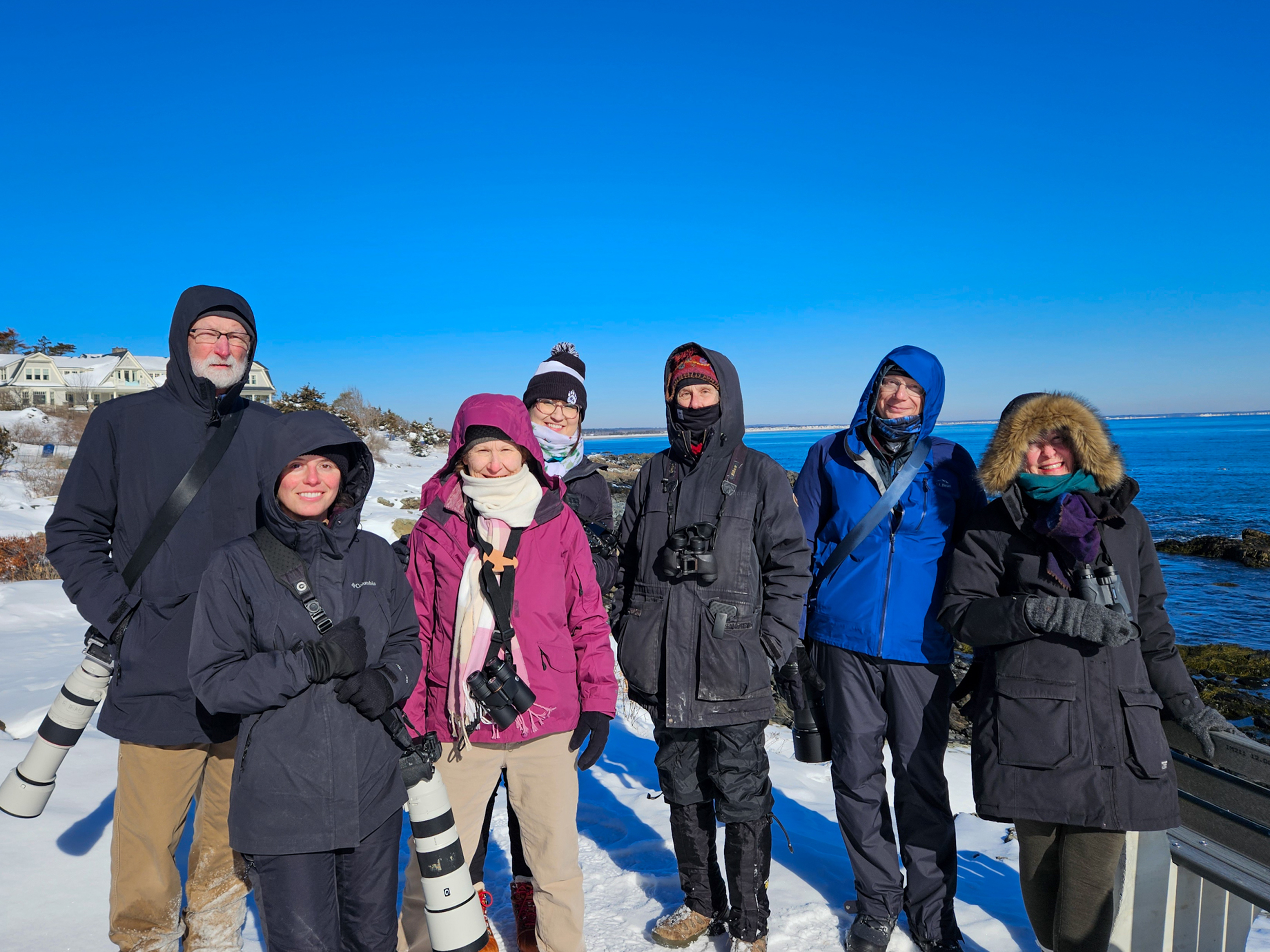
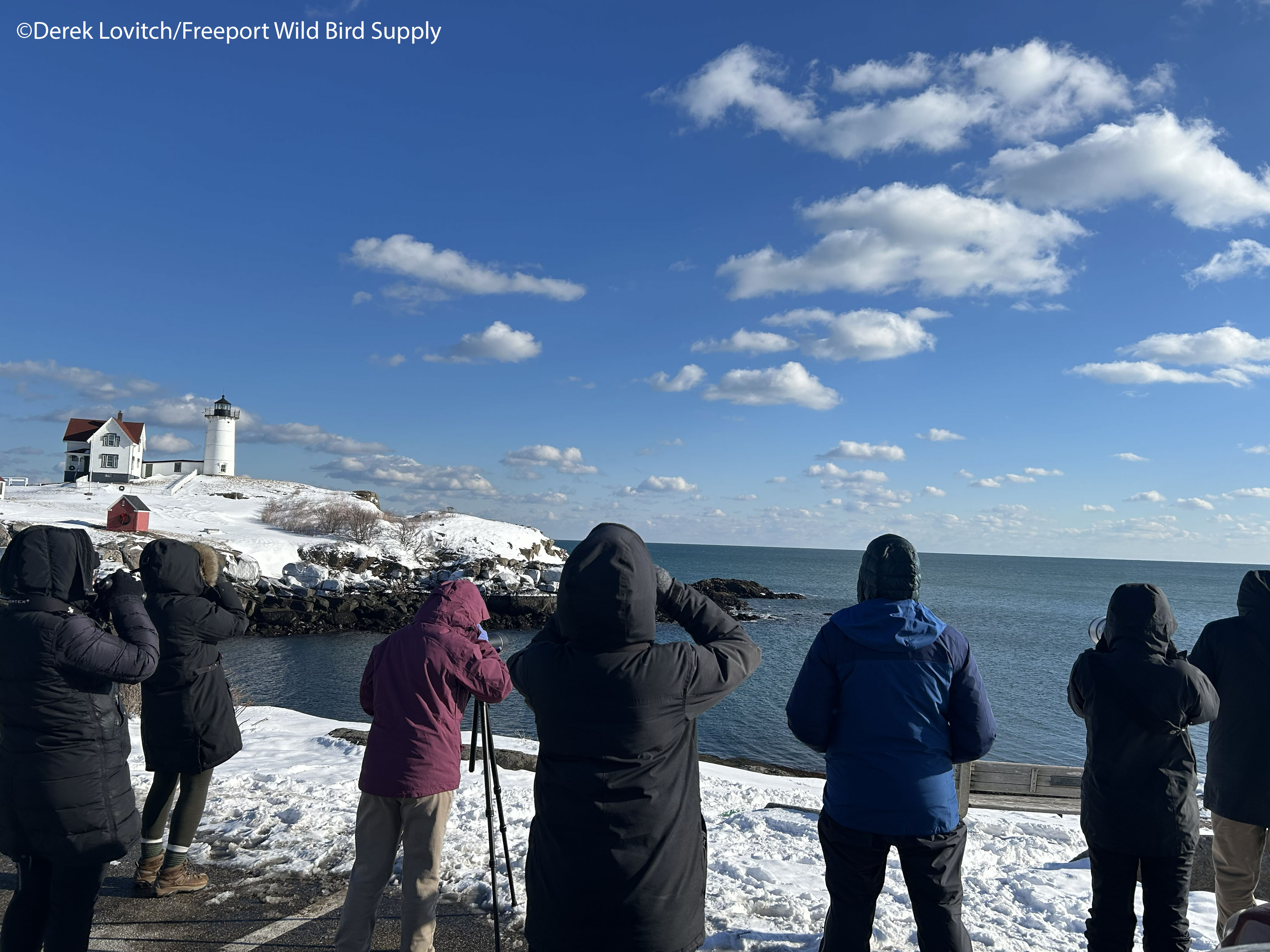
First and foremost, I must commend everyone in the group for being such troopers today! Brutally cold temperatures and a barely broken trail to start the day, with a frigid day barely warming into the low 20’s. But everyone was prepared, everyone was ready to bird, and we all learned a lot.
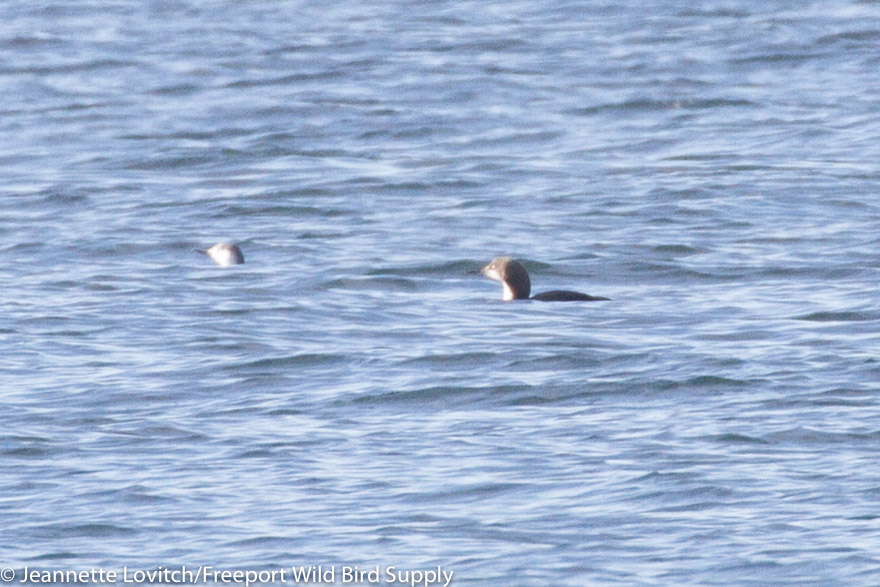
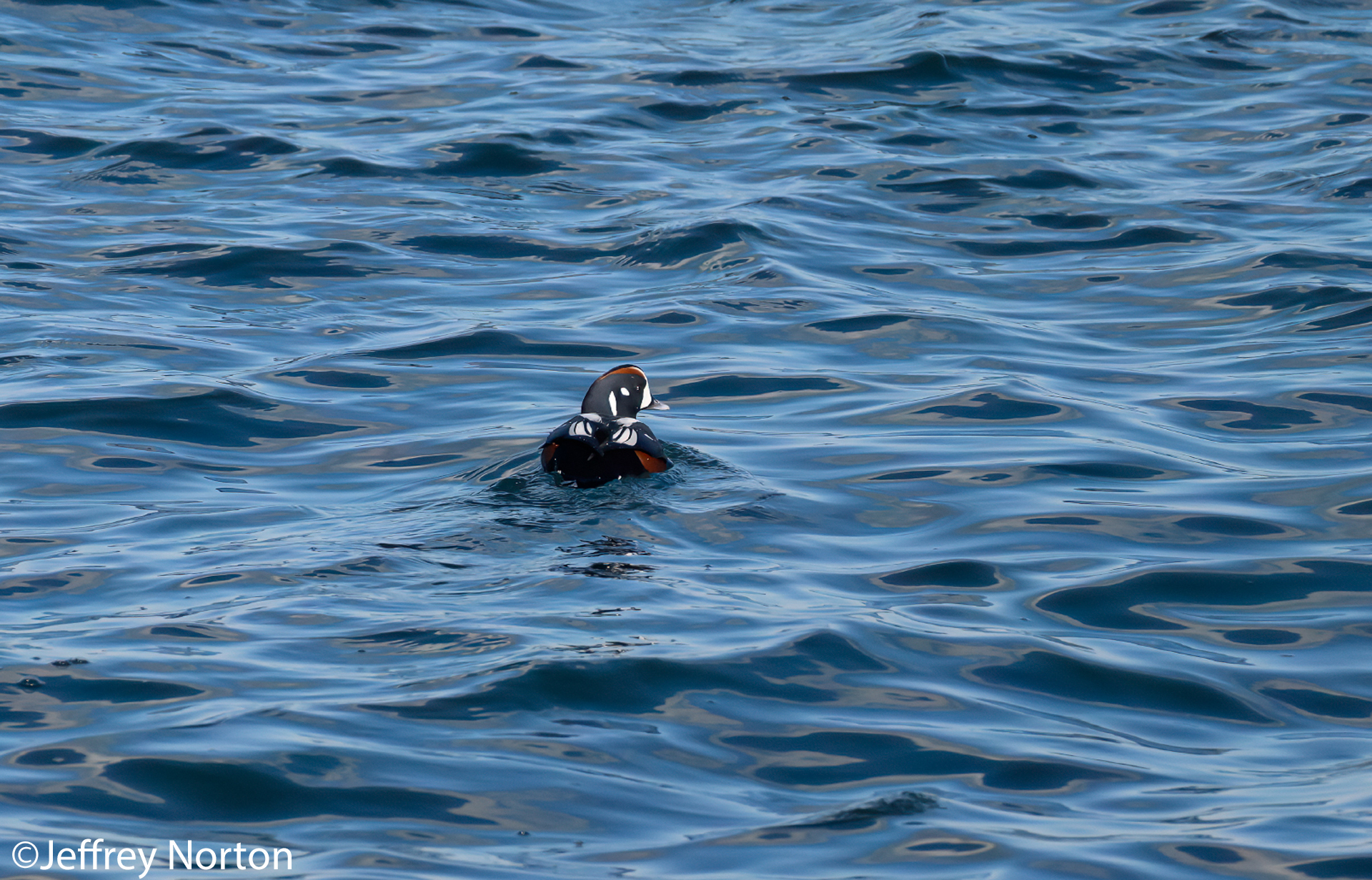
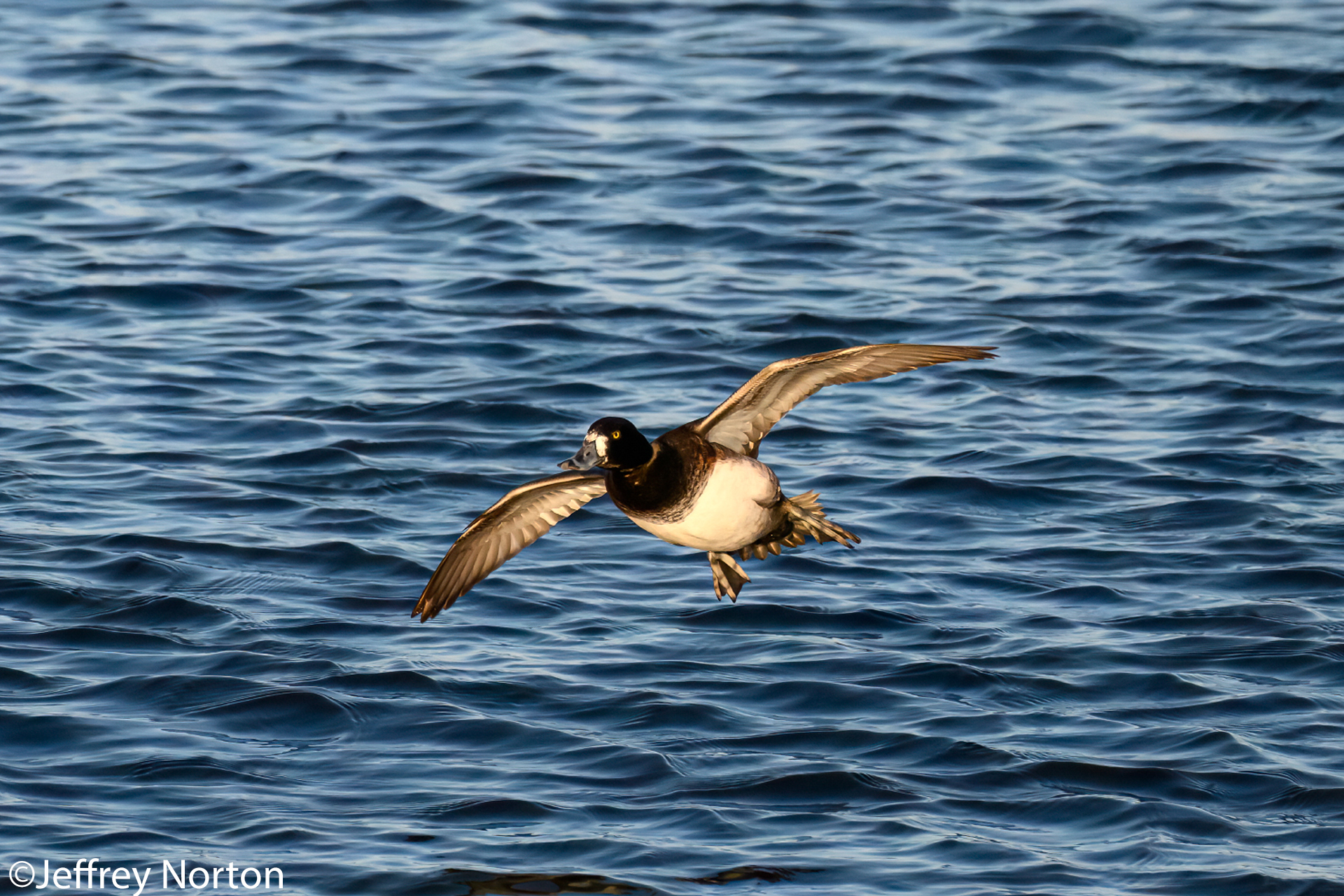
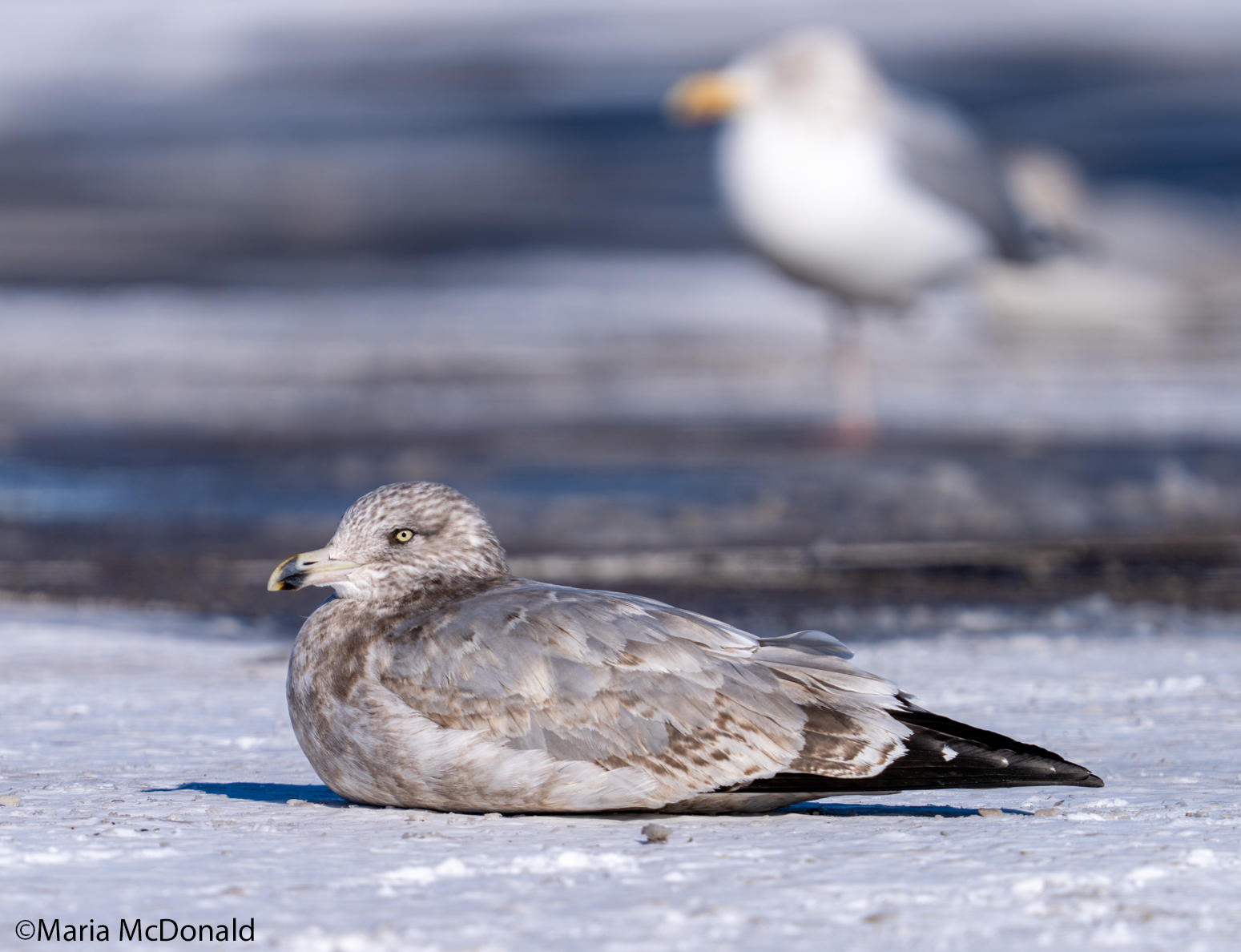
Between astronomical low tides, days of offshore winds, and recent bitter cold, we encountered many fewer waterbirds overall than expected at this season. We did see some of the stars of the winter show well, such as Harlequin Ducks – always the crowd favorite! – and Great Cormorants. At two sites, we worked our way through learning the various seaducks, while at two other sites we studied dabbling ducks. A short gull workshop was also included. We even finished with another family of waterfowl when a hen Greater Scaup landed in Perkin’s Cove when we returned at the end of the day.
The Ogunquit Rivermouth was one of the most productive destinations today, with an unexpected 4 Northern Pintails pioneering amongst hundreds of Mallards and American Black Ducks, Canada Geese, and really close views of White-winged Scoter, Bufflehead, Common Goldeneye, and Common Loon, plus a Belted Kingfisher – one of our “honorary waterbirds.” Elsewhere, Black Scoters were the dominant species, with large rafts witnessed at multiple locations.
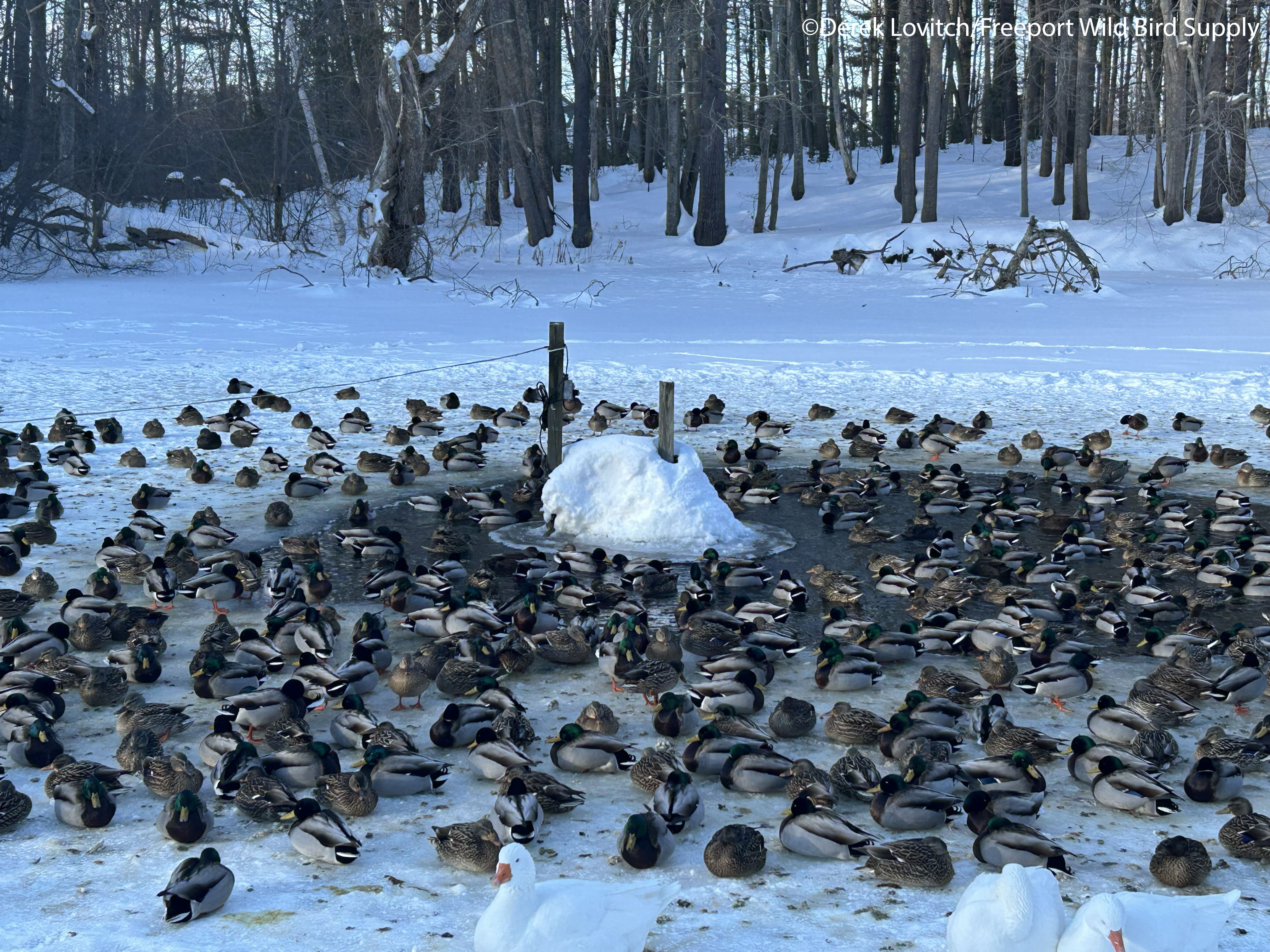
As rewarding and educational the birding was, I think most people will end up remembering more about the domestic duck roundup attempt that we witnessed at Abbott’s Pond. We were there to study Mallards, American Black Ducks, and hybrids thereof, learning the differences and nuances in plumage of some of our most commonly seen waterfowl. We did that, and then sat back and enjoyed the show as the pond’s caretakers were bringing some “dumped” domestic hybrids to a better home.
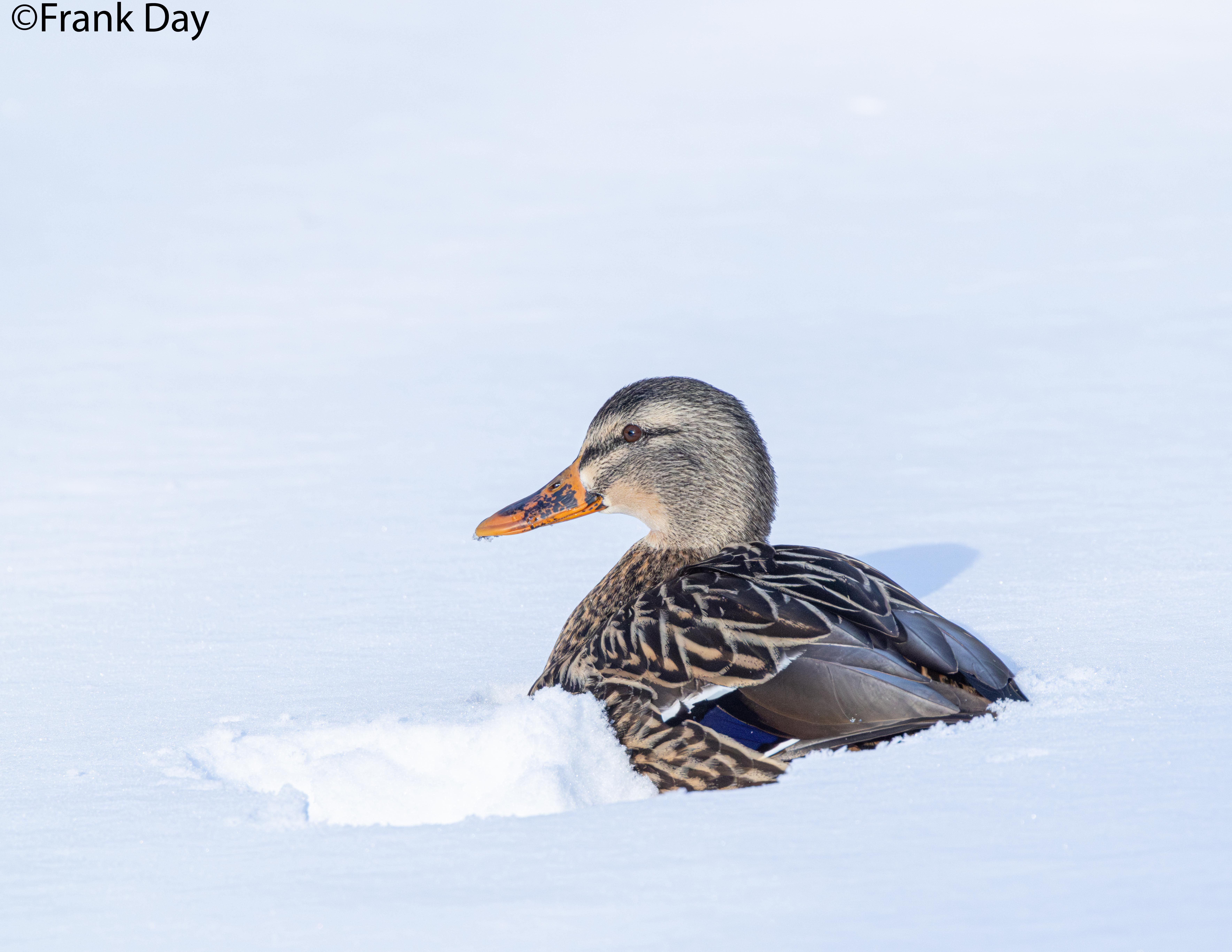
their plumage, such as on this female Mallard.
2. Spring Migrant Songbird Workshop
- Spring Migrant Songbird Workshop
Portland. May 17, 2026.
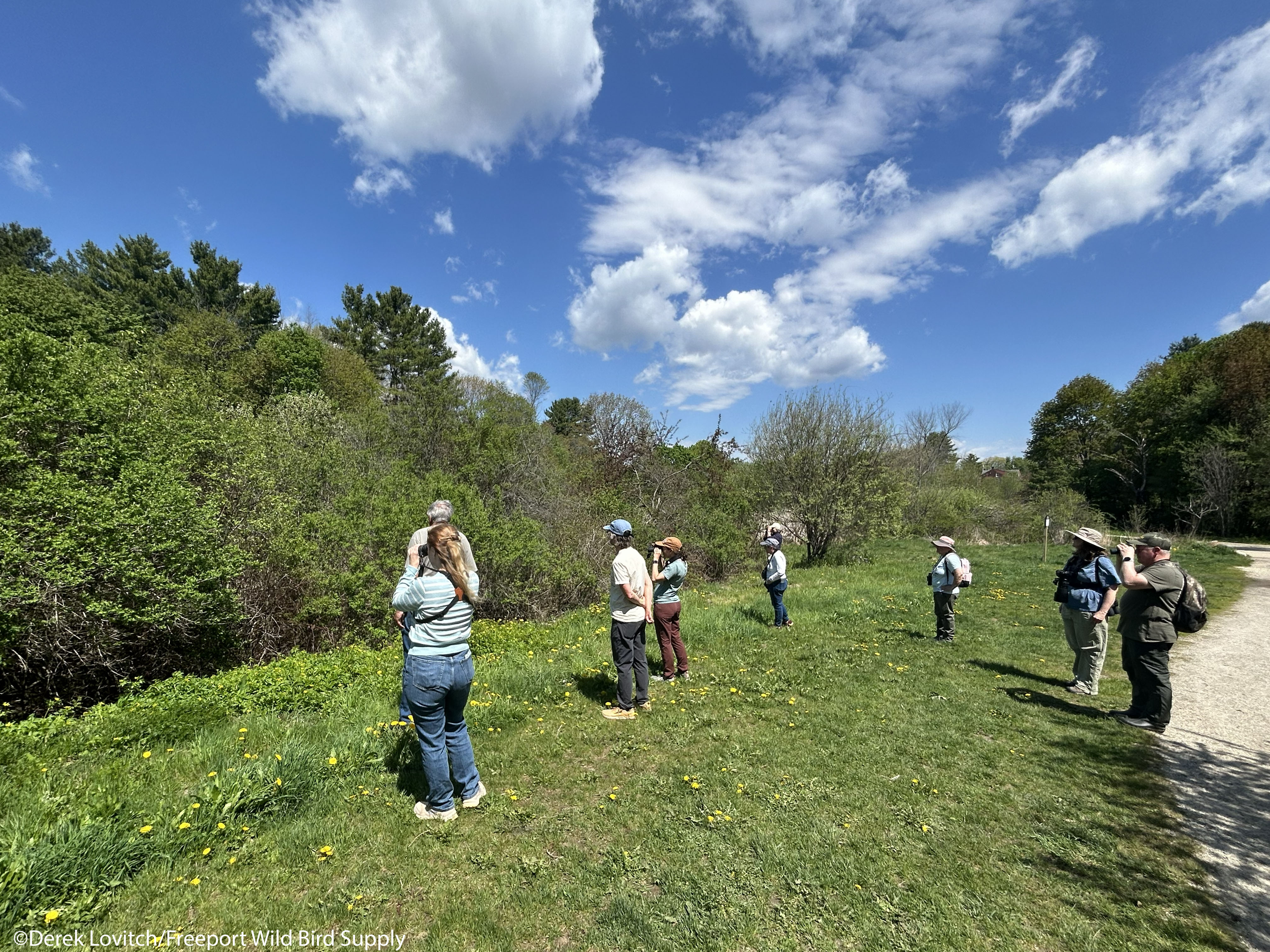
This half-day workshop focused on the migrant songbirds, especially warblers, that are passing through Maine’s most famous migrant trap, Portland’s Evergreen Cemetery. At the peak of warbler migration, we learned how to identify these charismatic birds, and discussed their mind-boggling migration and what they’re up to in Maine.
We began with making some predictions of what the morning would produce, and later analyzed the winds and radar images to draw some conclusions about what we did and did not see. And while we expected more than the 13 species of warblers we saw and/or heard, and more “passage migrants” overall, we still had a really enjoyable day, and yeah, 13 species of warblers!
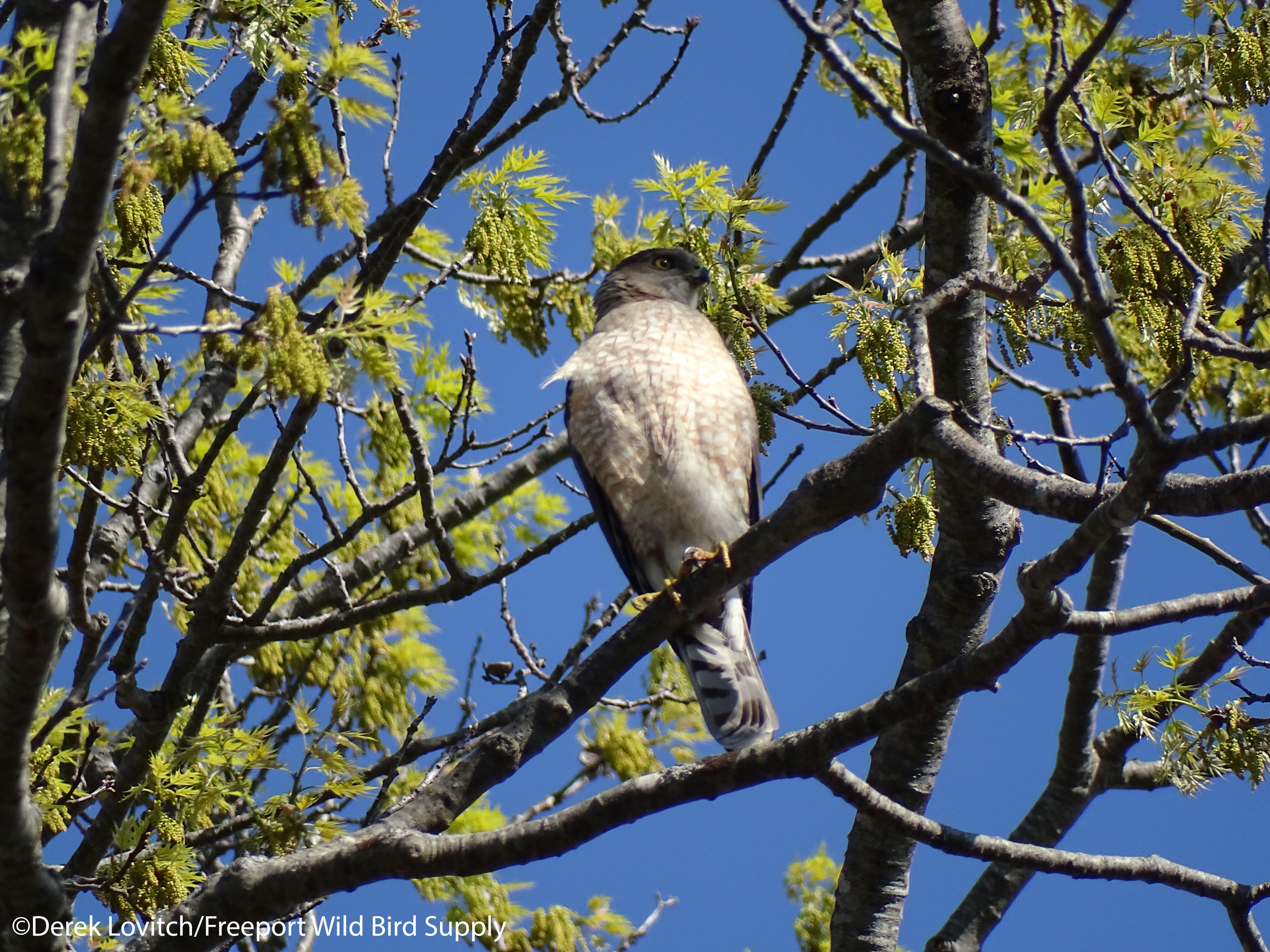
Beginning at Evergreen Cemetery, we were greeted by newly-arrived Red-eyed Vireos, and a nice variety of warblers. More were in the tops of oak trees (we learned why) than down low, but we still enjoyed great views of a variety of species, such as Black-throated Green Warbler, Black-and-white Warbler, and especially Magnolia Warbler. After hearing them all morning, we were finally treated to a stunning view of a Great-crested Flycatcher, and we finished off with an unexpected immature Orchard Oriole! We also had exceptionally good views of two different perched and hunting Cooper’s Hawks – although this was a songbird workshop, I jokingly justified it as songbird-eating raptor identification is more important for a songbird to workshop than songbird identification is for us to workshop!
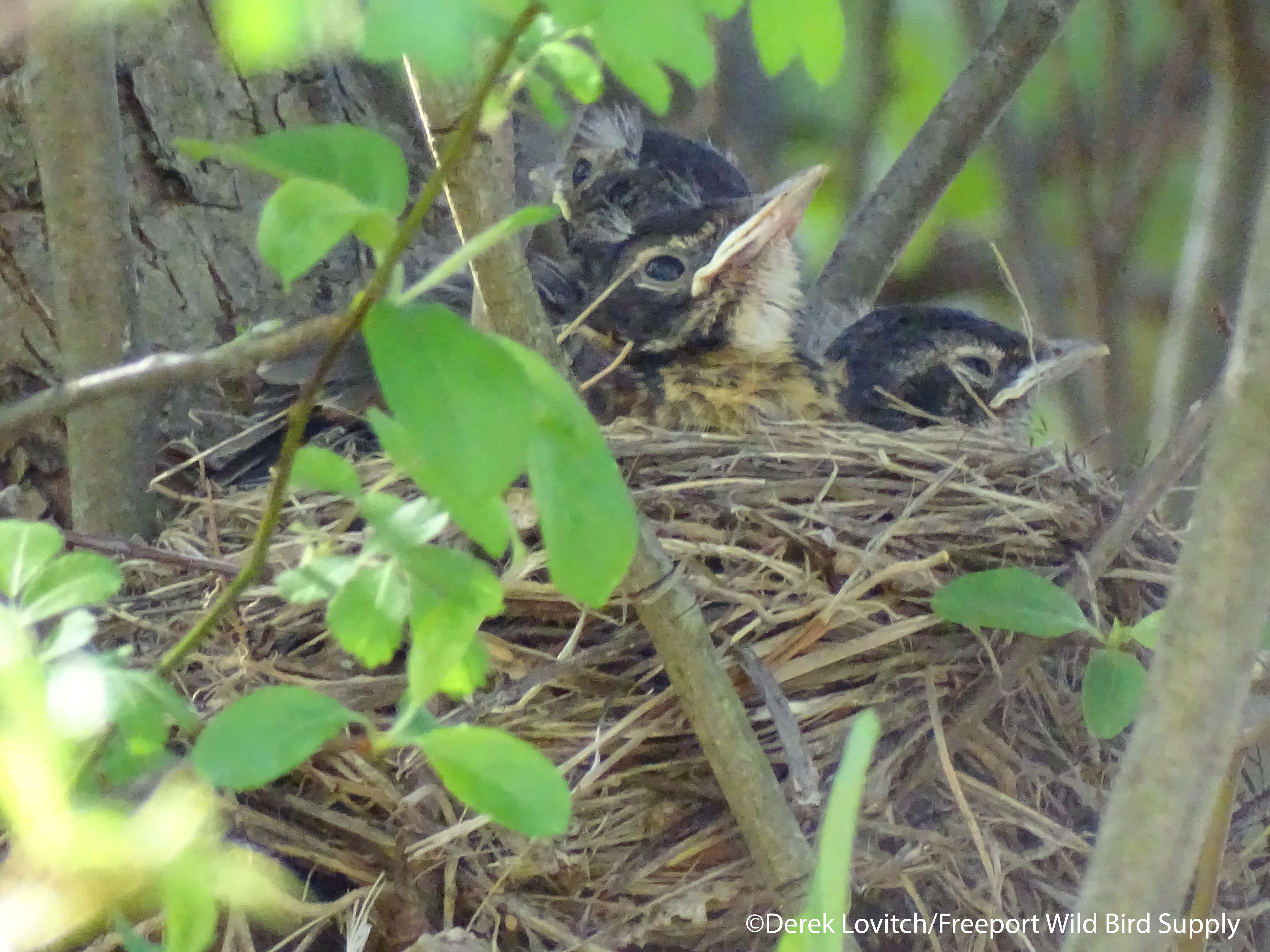
Moving over to nearby Capisic Pond Park to continue our birding by habitat lessons, we soon added plentiful Yellow Warblers and a migrant female Canada Warbler to our warbler tally, while later enjoying more quality time with American Redstarts. Baltimore Orioles abound here, and we spotted the local male Orchard Oriole here, where they are regular breeders (one of the few places in the state they are found annually), making for a two OROR day. Gray Catbirds were conspicuous, Warbling Vireos were seen, but mostly heard, and we found a nest brimming with soon-to-fledge-already American Robins. As for non-songbirds, we took time to study Red-tailed Hawks in flight and especially soaked in the stunning plumes and high-breeding facial skin of a confiding Great Egret.
With temperatures rising into the 70’s and abundant sunshine, we were all complaining (mildly) about being overdressed for the first time this spring! But also, how it was “too nice out” to have seen a ton of birds, despite what the overnight radar image suggested! But this is the challenge of birding in migration, and thankfully, the weather was delightful and there were plenty of birds to look at all morning!
3. Shorebird Workshop
August 18, 2026; 9:00am – 4:00pm

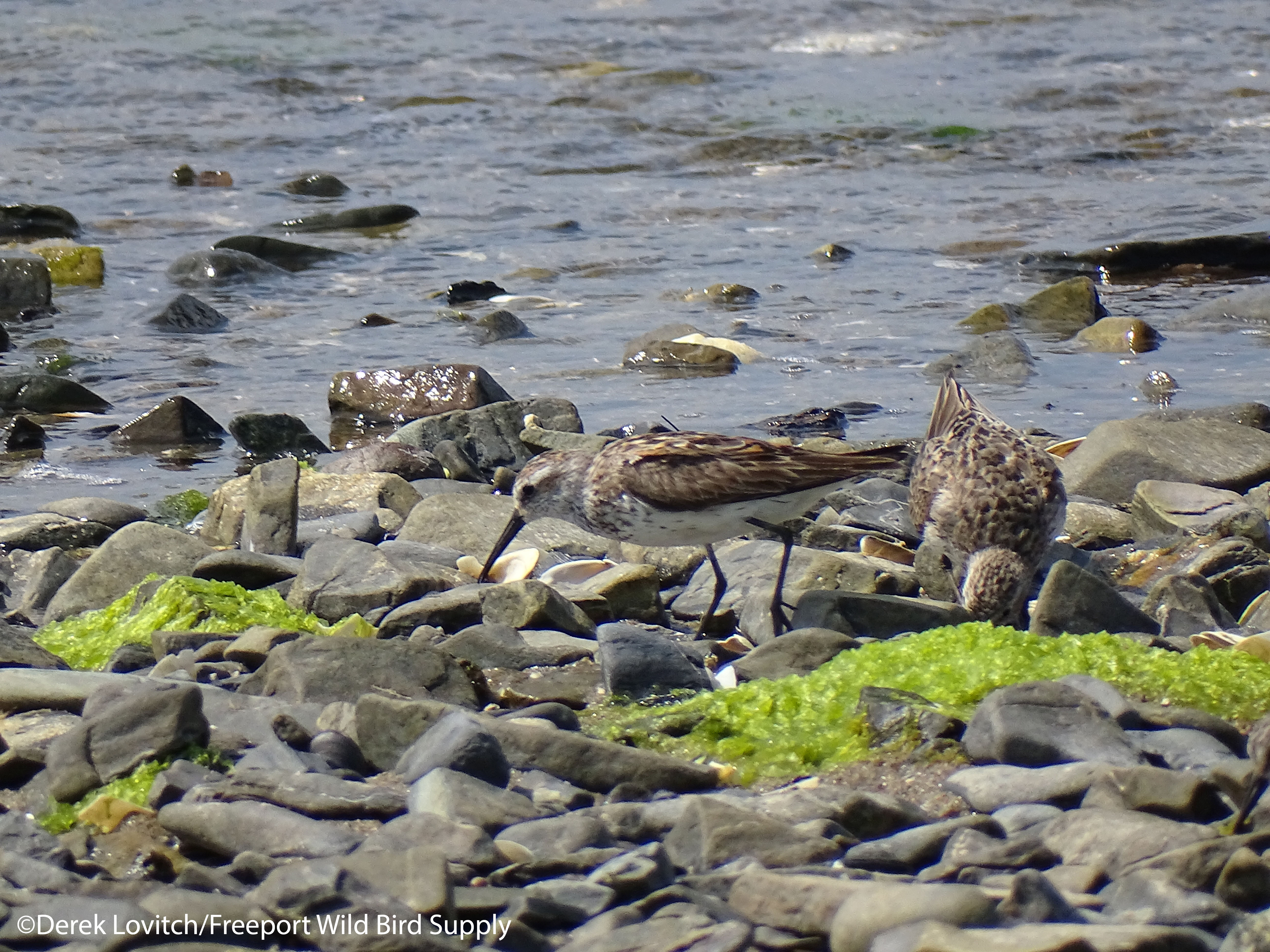
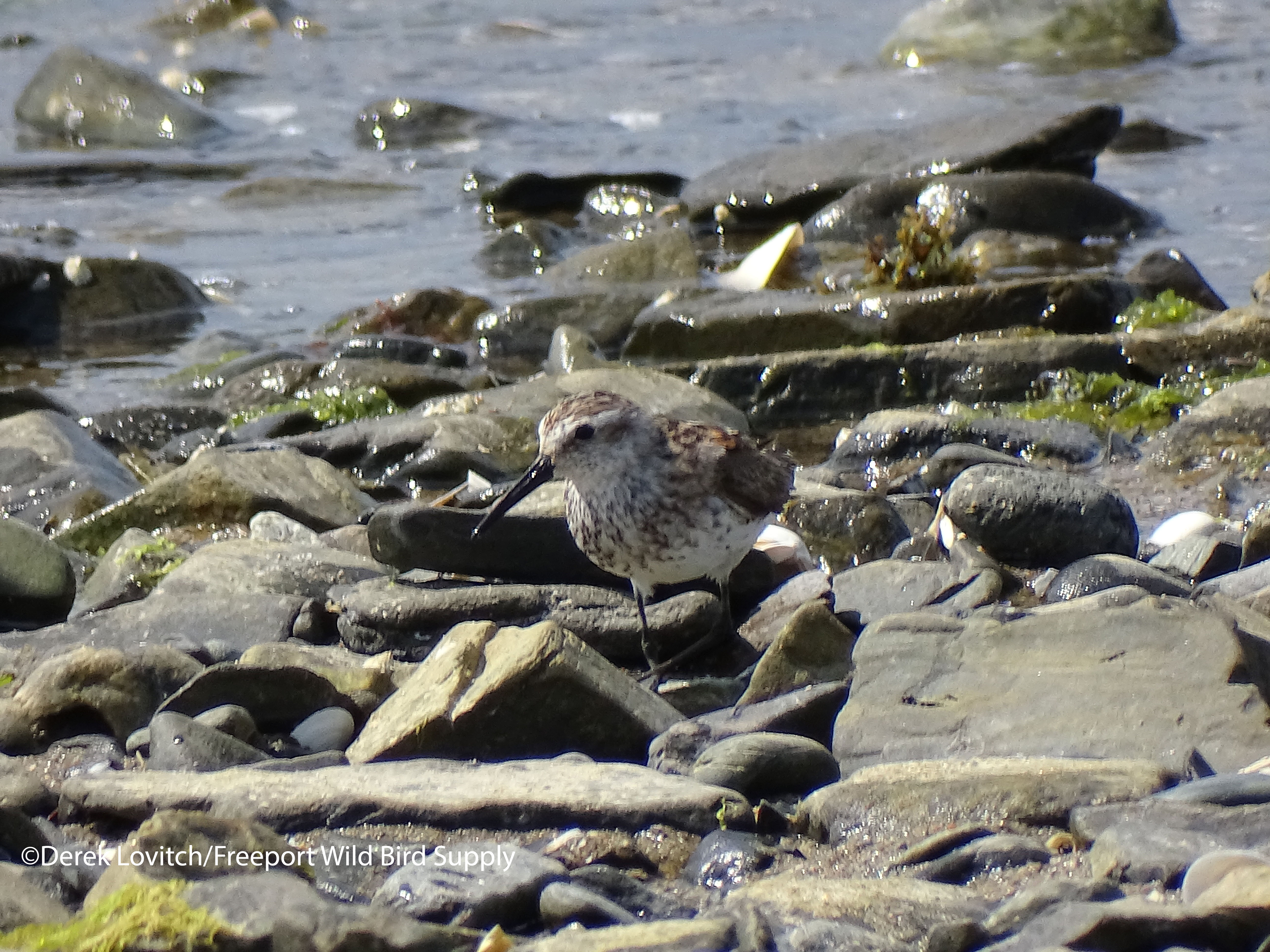
nearly at our feet at our first stop
With more than 35 species of shorebirds (a diverse group including plovers and sandpipers) regularly appearing in Maine, this workshop is designed to appreciate the diversity and beauty of this fascinating family.
With recent sighting reports and the desire to avoid really long walks with a rapidly increasing temperature, we began the day in Biddeford Pool, starting at Great Pond with Least Sandpipers at our feet. We began our shorebird identification journey here with Greater and Lesser Yellowlegs as well, and a nice performance from Spotted Sandpipers. Despite our focused agenda today, it was impossible not to enjoy all of the other birdlife at the pond, including 3 locally-rare Forster’s Terns among Common Terns feeding just in front of us. There were lots of juvenile Glossy Ibis and juvenile Laughing Gulls, Great and Snowy Egrets, and a few Black-crowned Night-Herons as well.
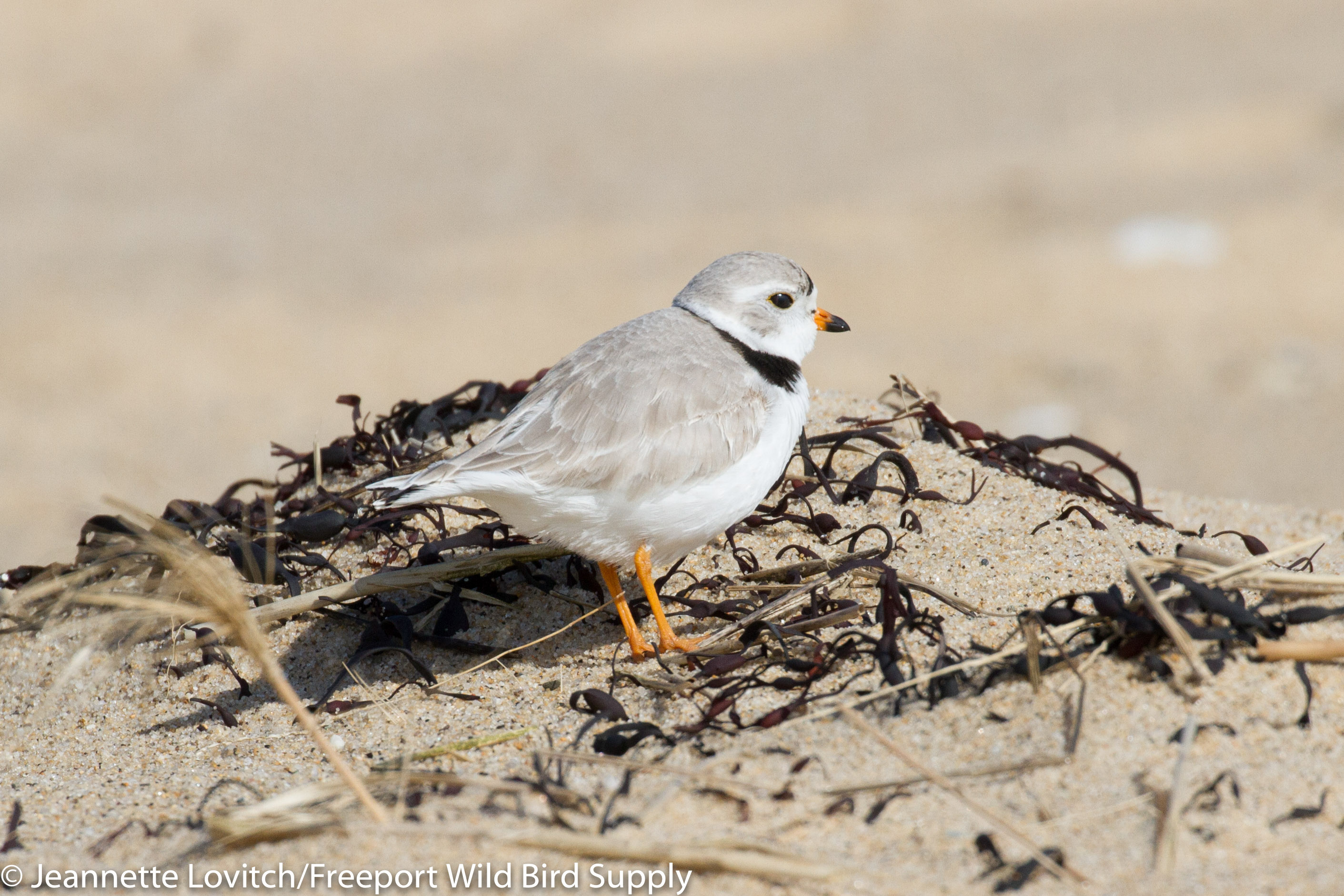
Over the dunes at the nearby beach, we went back to work with shorebirds, with close-up views of Piping (3) and Semipalmated Plovers (about 125 of them!), Semipalmated Sandpipers, and spiffy Ruddy Turnstones plowing through seaweed mats.
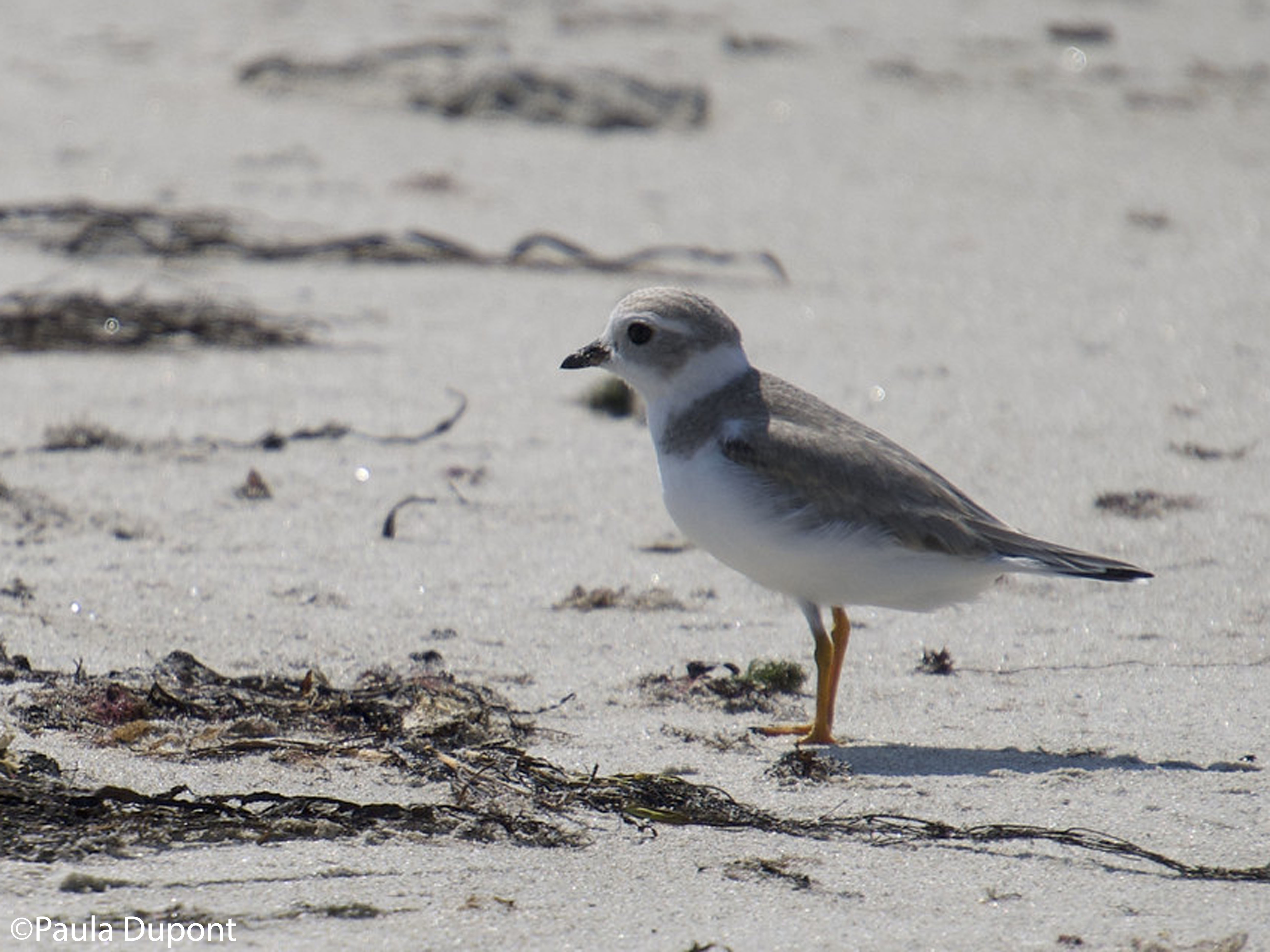
Then, with the outgoing tide, we watched birds come and go from Hill’s Beach, adding Short-billed Dowitchers (85!), Black-bellied Plovers, and spotted 8 American Oystercatchers in the distance. We practiced plover vs sandpiper some more, this time at a distance, and later had a Whimbrel (shorebird species #12) fly across the street at The Pool.
After our lunch break, we relocated to the environs of Scarborough, beginning with Pine Point. We had much better looks at a couple of American Oystercatchers and another Whimbrel and caught up with another new shorebird species that offered good studies in 8 Willets. We walked to the beach to check for rarities and then finished up at the Pelreco Marsh where a few Killdeer were our 14th and final shorebird species on the day.
More importantly than the species count, however, we learned how approachable (both literally and figuratively!) shorebirds can be, and how breaking it down to family goes a long way in narrowing down our choices that lead to a successful identification – which for most shorebirds, most of the time, is just not that hard!
4. Monhegan Birding Workshop
September 11-13, 2026
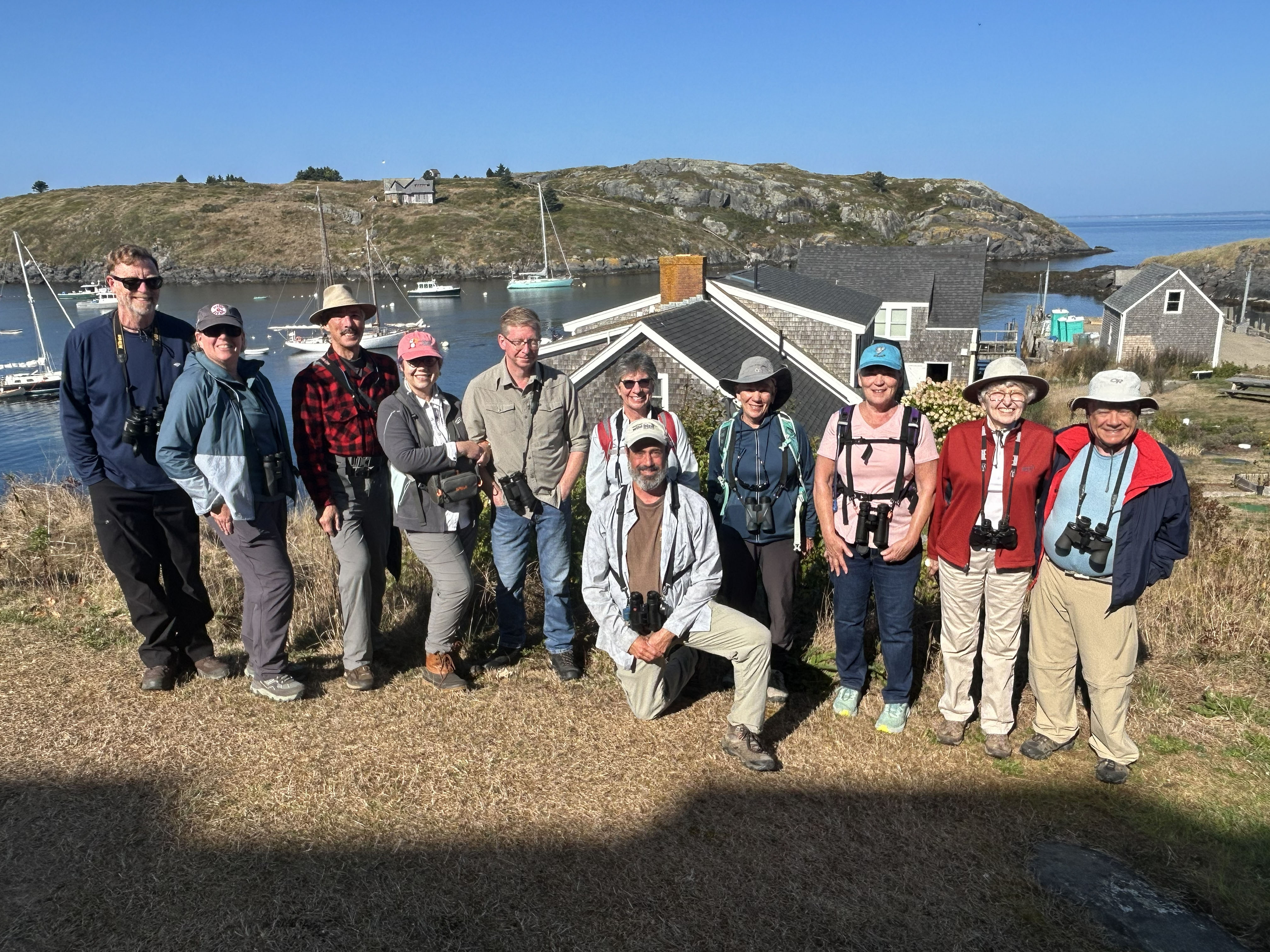
We save the best for last as our final Workshop with Downeast Adventures for the year visits the birding Mecca that is Monhegan Island.
Birding got underway as we departed New Harbor on our ferry, with a surprising number of Wilson’s Storm-Petrels for the date ushering us on our way across. Three Red-necked Phalaropes were also a treat, but even more so was the lovely, calm waters!
We were greeted upon our arrival by a family group of Bald Eagles (2 adults and 2-3 juveniles), including a fantastic show of the kids “kiting” over Manana Island. Stepping onto the dock, my introduction and orientation was continuously interrupted by raptors, with Merlins and an American Kestrel passing right overhead, along with a Peregrine Falcon that flew over before landing on Manana – how’s that for a subject for our introduction to spotting scope use?
In fact, throughout the first day, raptors were the stars of the show, with constant views of Merlins and Sharp-shinned Hawks (often involved in dogfights!) and even a rare-for-the-island Cooper’s Hawk.
We checked out our first of several daily Lesser Black-backed Gulls, gained an introduction to some of the common birds of the island, like Common Eiders and Ring-necked Pheasants, but it was very slow for migrant passerines.
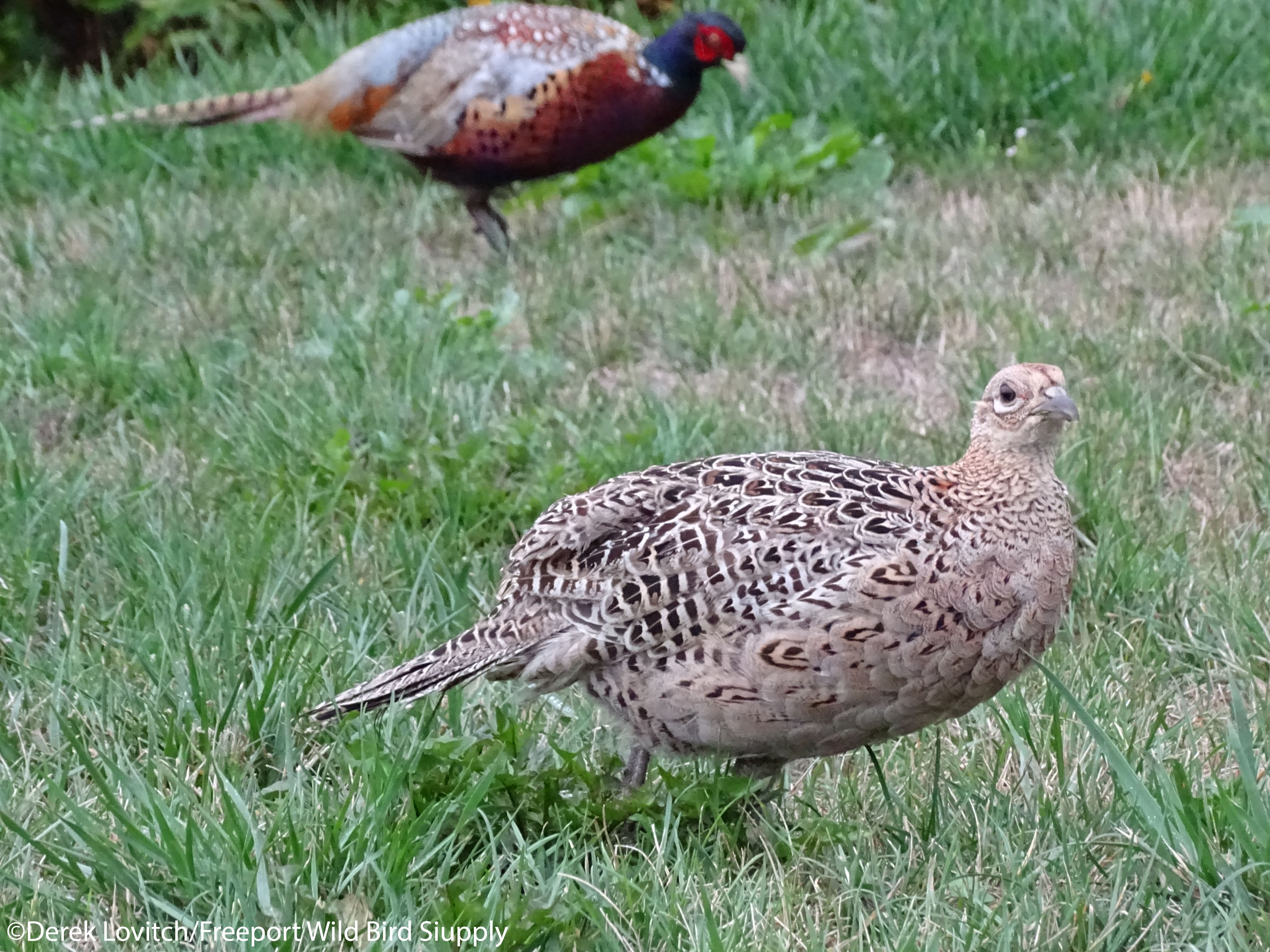
Stepping outside at dawn on Saturday morning, with the anticipation following a strong nocturnal migration overnight, we found the weather was simply too nice, and a lot of migrants had simply passed overhead overnight, or reoriented their way to the mainland before sunrise. So while it was not exactly the morning Monhegan legends are made of, we had some “new” birds around and throughout the day managed some great sightings and numerous “workshop” teaching moments.
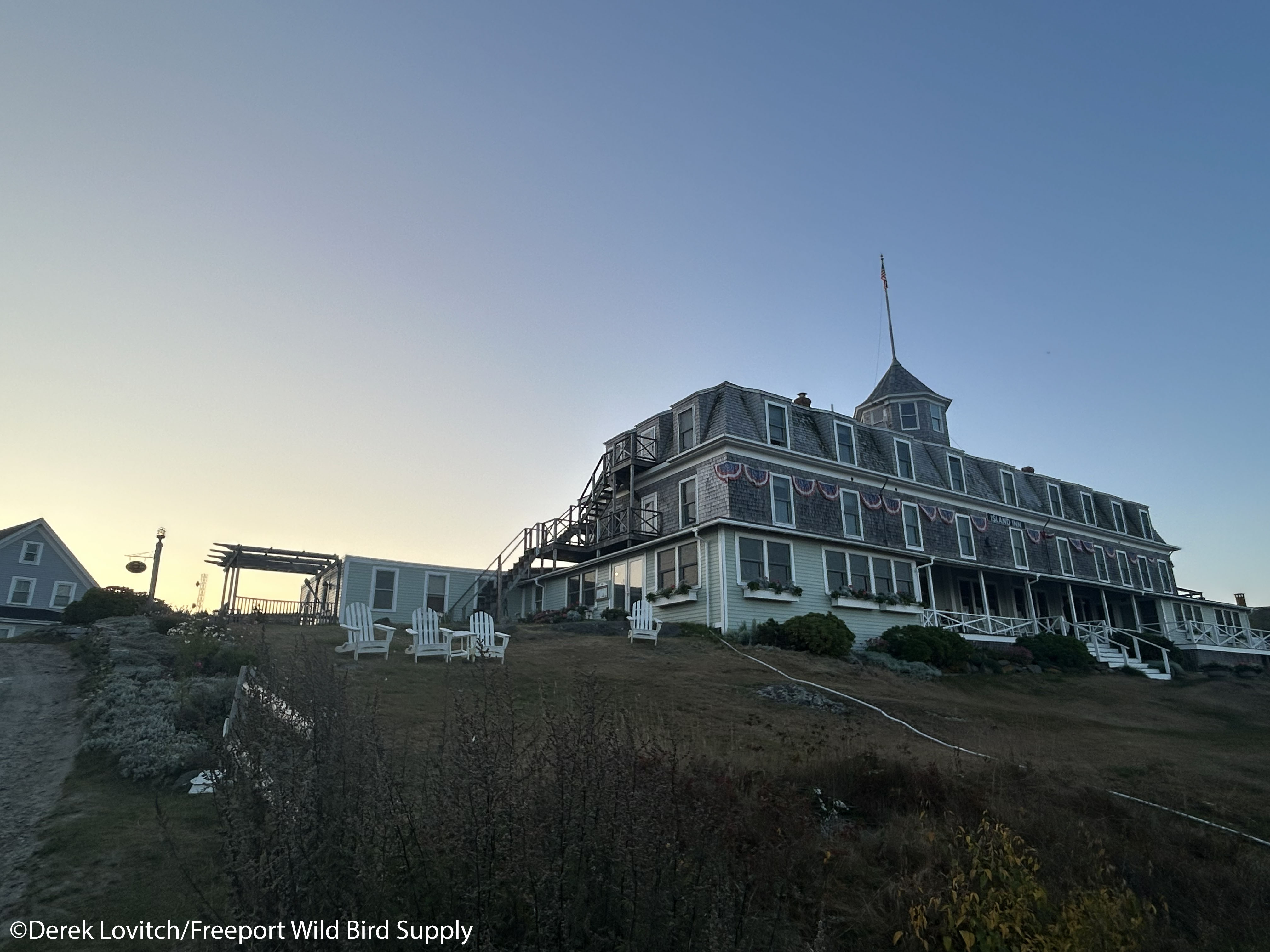
A Dickcissel, a Monhegan birding specialty, called as it flew around in the morning, but our pre-breakfast stroll was highlighted by an incredible view of a Rusty Blackbird joining Cedar Waxwings and a Cape May Warbler feeding on midges at the top of a spruce tree just outside the hotel entrance. Prolonged scope views of a Rusty Blackbird are few and far between, and this bird had little interest in returning to the shadows -the midges were too good to pass up.
In fact, after breakfast, she was still there and the second serving of Rusty Blackbird further cemented this as the “bird of the trip” for several folks by the end of the weekend. A fly-by Whimbrel was even more noteworthy. It was a very slow day by Monhegan standards, but that still meant enjoying flocks of Cedar Waxwings, the occasional migrant here and there, and of course, a rarity – what birding on Monhegan is really known for! It took some effort, but we managed to track down a female King Eider – very, very rare south of the Arctic in the summer – that had been present for much of the summer.
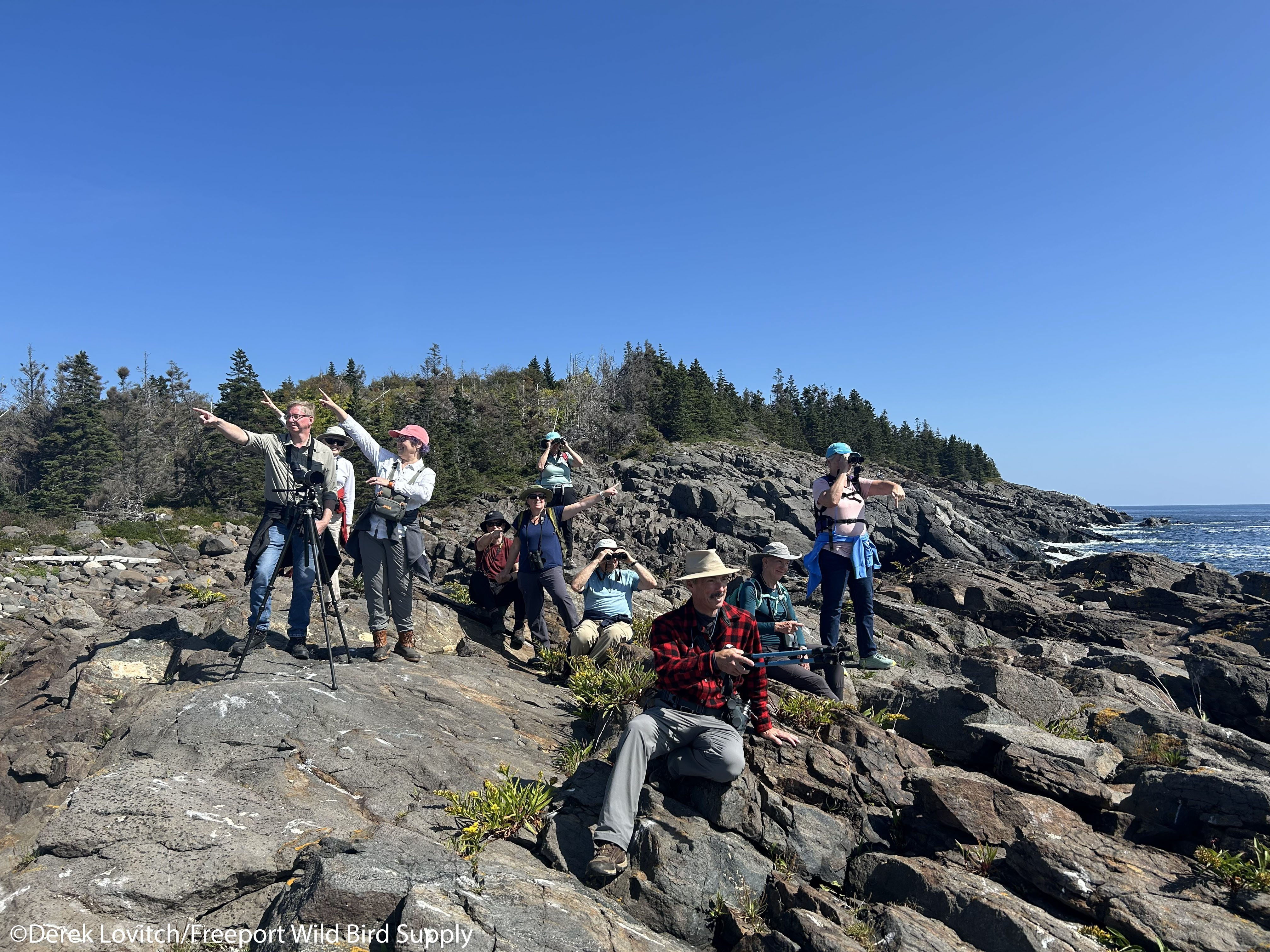
A slower birding day and a gorgeous afternoon led many folks to take advantage of open Lighthouse Day, visit the museum, or go for a hike. Those who elected to join me on our last bird walk of the afternoon, however, explored some of the woods of the island on our way to and from a visit to Burnt Head for a view of the cliffs. As we hiked, we encountered several mixed species foraging flocks of resident birds with migrants in tow, which yielded a great view of a Philadelphia Vireo in one flock, more warblers than we had seen all morning, and in the last flock, a self-found vagrant in the form of an adult Blue-winged Warbler! Wow!
the photography workshops for DownEast!
It was rain-free when we began our walk on Sunday morning, but with a light south wind and clouds overnight, there wasn’t much in the way of arrival of birds, but this was another instructive example of how migration works, and we used radar and wind maps to understand what we did and did not see throughout the weekend.
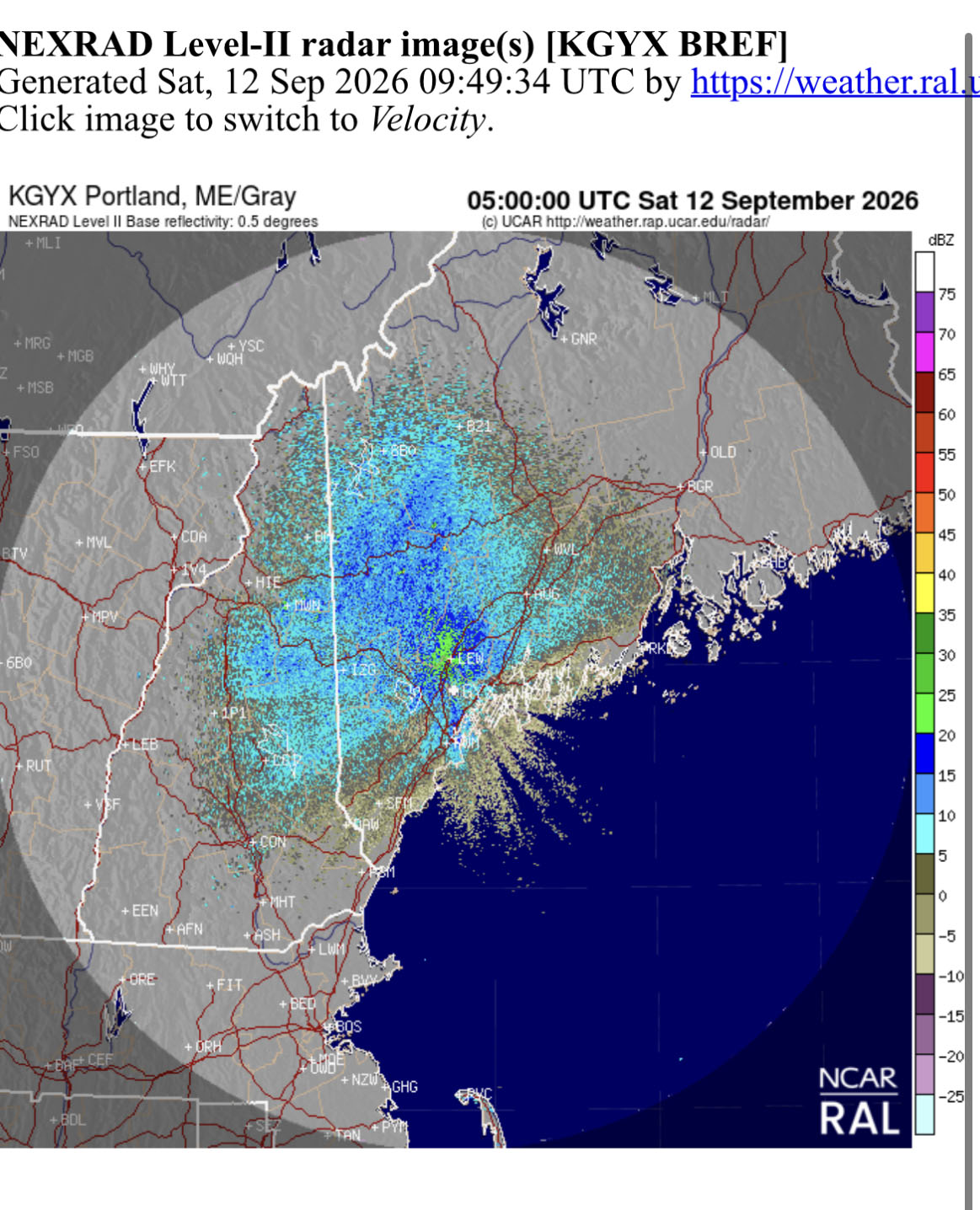
our heads on Friday night into Saturday morning.
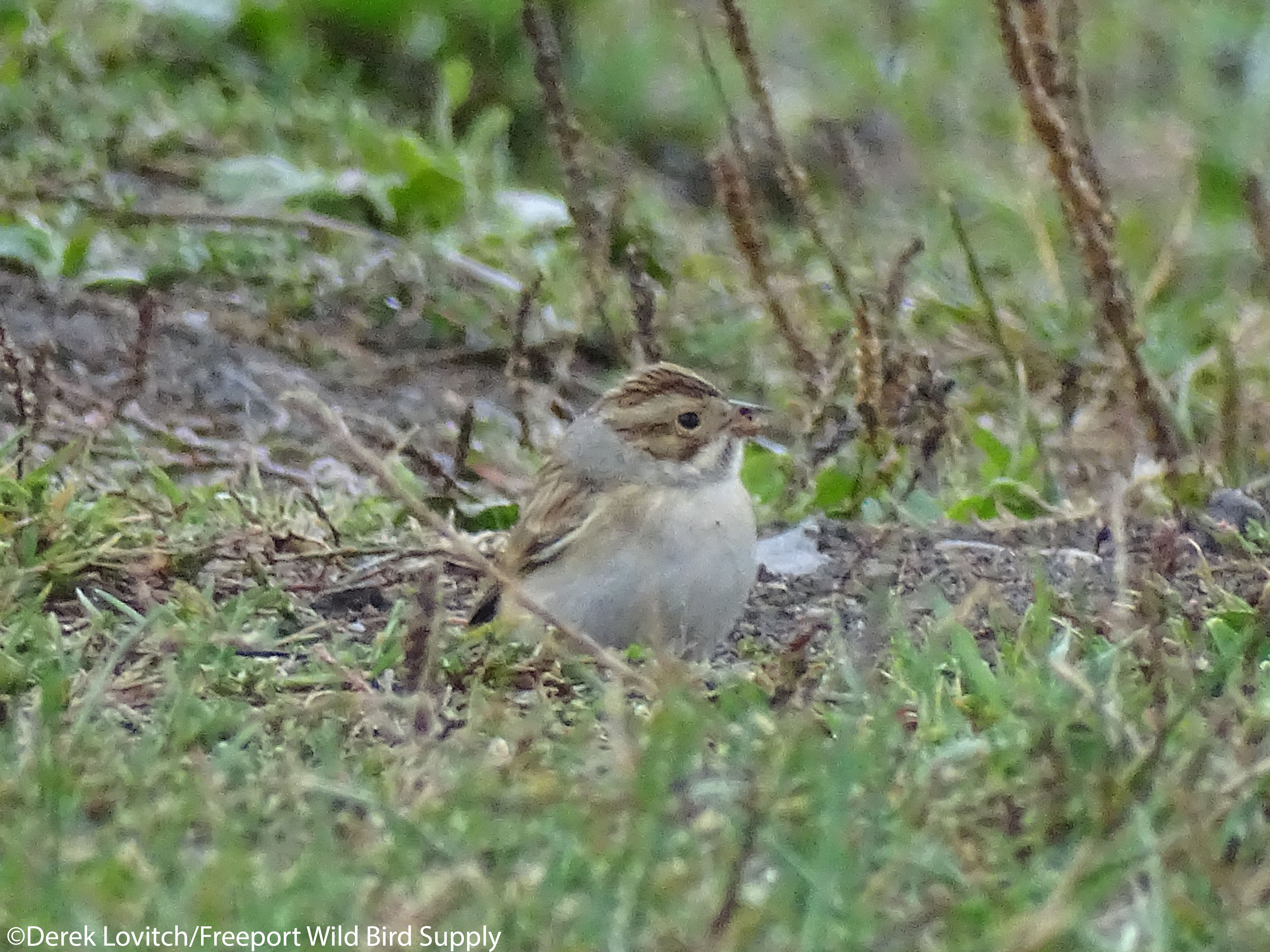
Light rain arrived just before we settled in for breakfast, but it never got to the point of being unbirdable, so several folks stuck with me right up until it was time to board the ferry. And they were rewarded amply! While it was still slow by Monhegan standards, the light rain kept birds down low, so great views were to be had from the likes of Red-eyed Vireos. We improved our looks at Cape May and Blackpoll Warblers, had a stunning view of a normally-secretive Northern Waterthrush, and even found a “drift-vagrant” with this Clay-colored Sparrow
There were now 4 Spotted Sandpipers at Lobster Cove, where we also had a crushing look at a Bobolink. A Barn Swallow was a new arrival, among a few others as well.
Reconvening after lunch on the porch of the Island Inn, I spotted a pod of Atlantic White-sided Dolphins well offshore. Four of us kept birding after lunch, too, right up until the ferry. A forest ecology walk focused on the trees, but we took the time to find the island’s only resident amphibian – Red-backed Salamander – and came across a Black-and-white Warbler among a band of Golden-crowned Kinglets. A fly-over Lesser Yellowlegs was our 8th shorebird species of the trip – that was certainly above normal for three days on the island, and the raptor show continued.
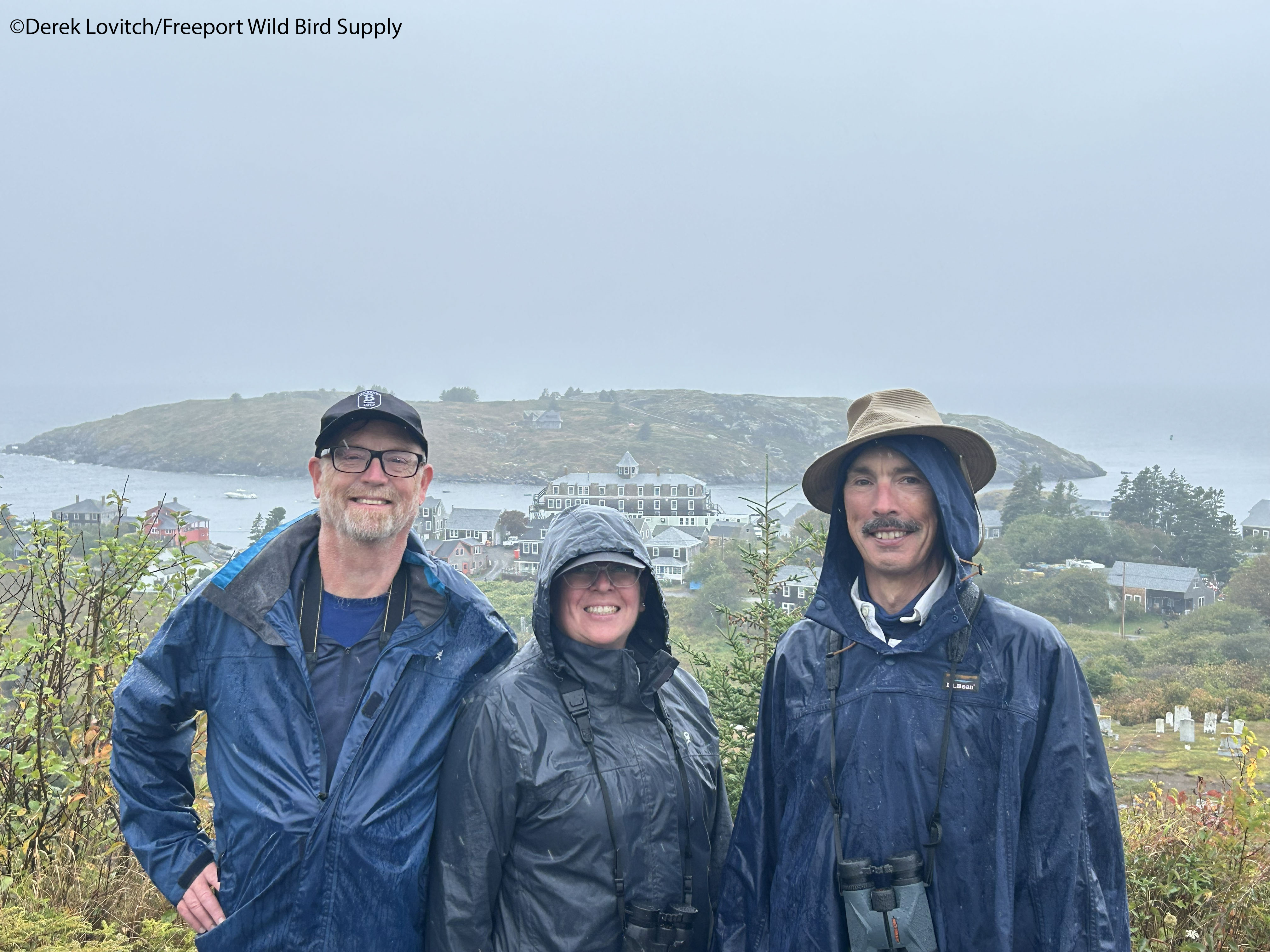
More Wilson’s Storm-Petrels guided us on the return trip, and we all said goodbye on the wharf, promising to see each other, and Monhegan Island, again.
(2027 DownEast Adventures/Freeport Wild Bird Supply tours will be posted soon. Stay tuned to https://www.freeportwildbirdsupply.com/downeast-adventures-tours!)