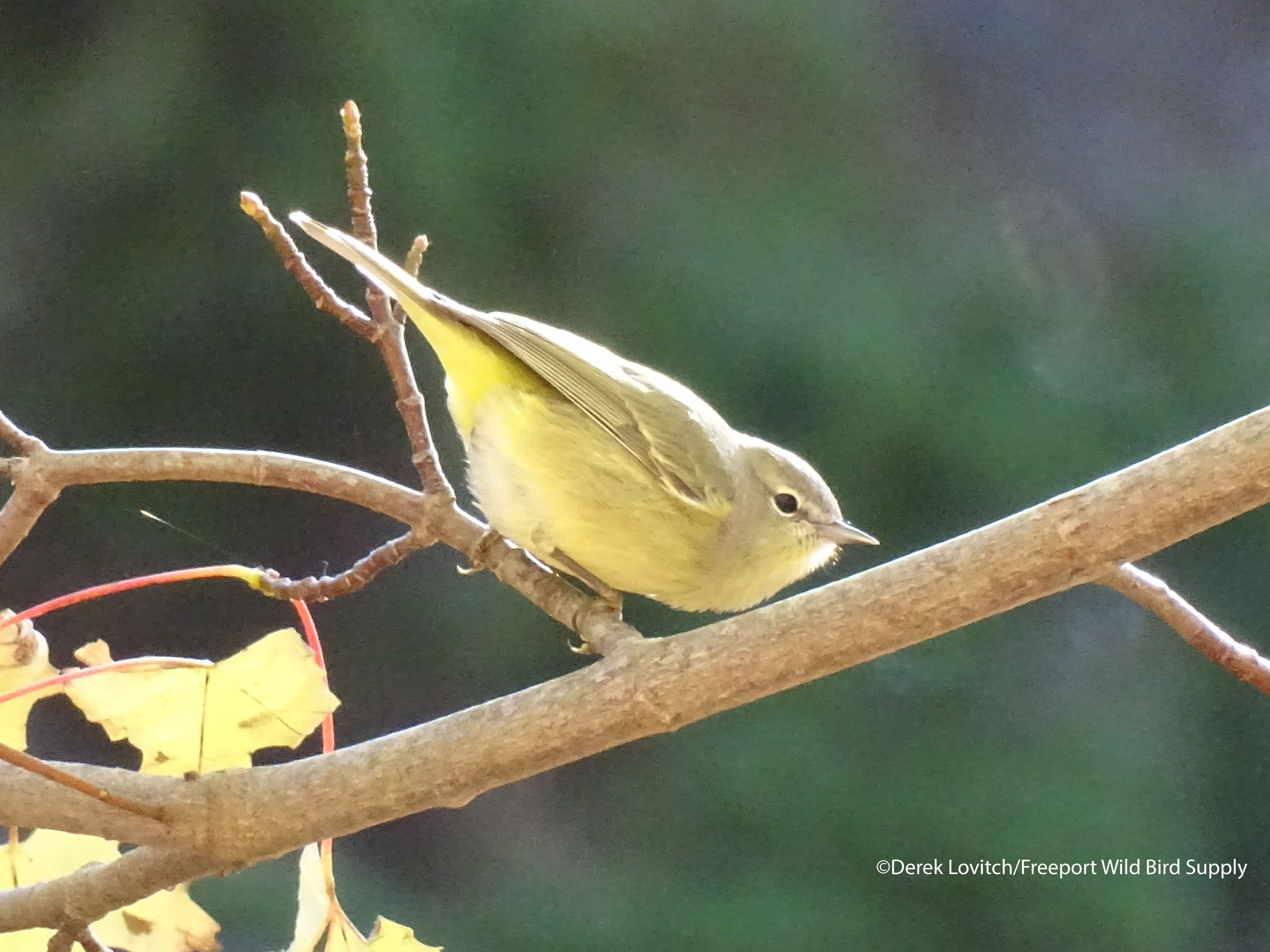
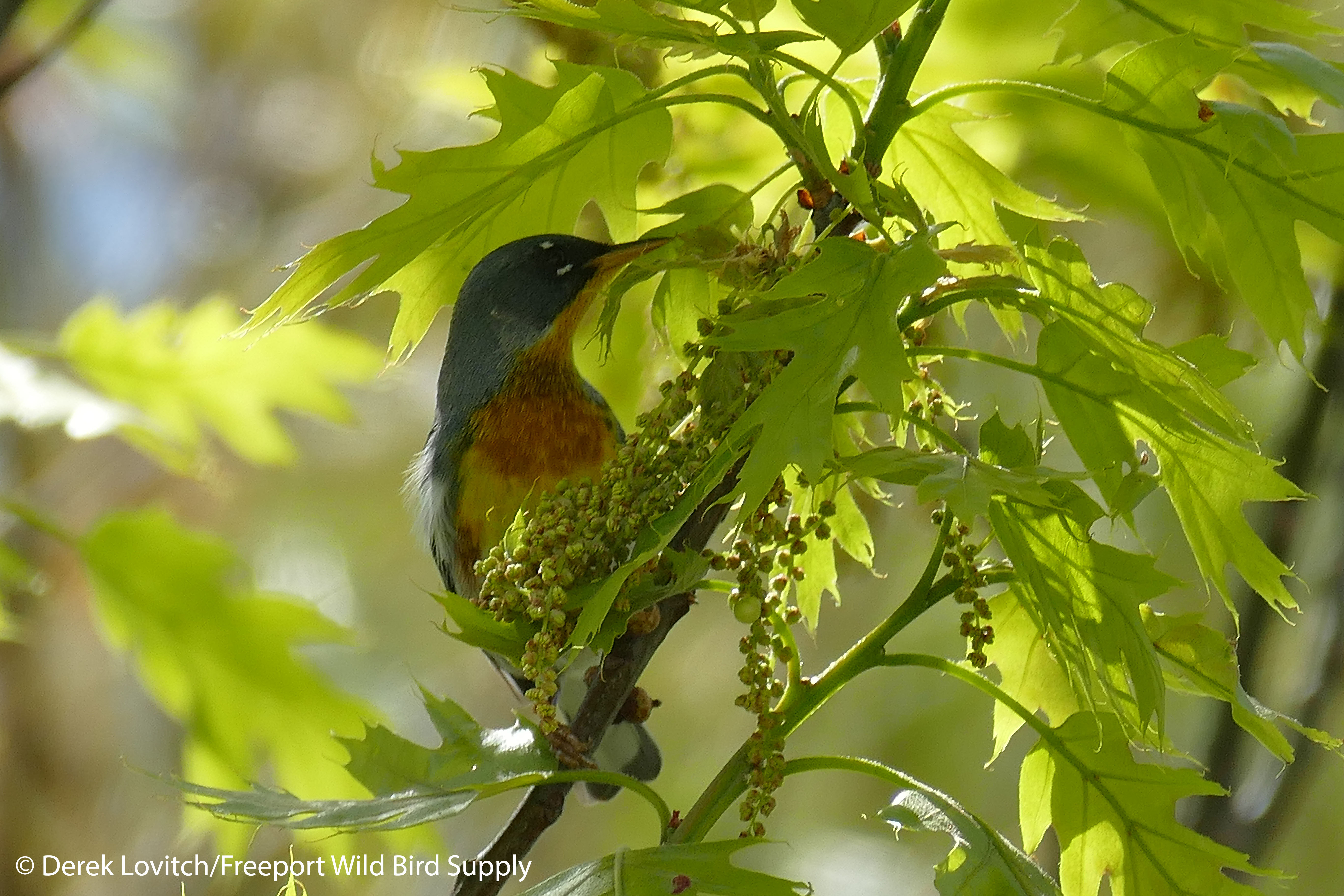
This Orange-crowned Warbler was an “expected surprise” as we birded the Rarity Season nooks and crannies of Bailey Island in Harpswell on a Harpswell Heritage Land Trust tour this past Sunday.
What an incredible week of birding in Maine! Rarity Season is off to a roaring start, and notable birds are being reported around the state. As usual, I spent as much time as I could bird-finding. OK, I chased a little, too, because ‘tis the season! While I didn’t add to the list of Megas this week, I encountered a number of notable seasonal observations, especially “late/lingering/pioneering” migrants. Here are my observations of note over the past seven days:
4 Semipalmated Sandpipers, 18 Pectoral Sandpipers, 18+ White-rumped Sandpipers, 12 Semipalmated Plovers, 2 Snow Buntings (first of fall), 1 American Tree Sparrow (FOF), 4 Great Egrets, etc, Eastern Road Trail, Scarborough Marsh, 10/30.
18-21 continuing RED KNOTS, 10 White-rumped Sandpipers, etc, Ferry Beach, Scarborough, 10/30.
1 1st cycle Iceland Gull (first of fall), Trundy Point, Cape Elizabeth, 11/1 (with Bill Thompson).
1 LONG-BILLED DOWITCHER and 1 Lesser Yellowlegs with 14 Greater Yellowlegs, Walsh Preserve, Freeport, 11/1 (with Saturday Morning Birdwalk group).
1 Fox Sparrow (FOF), our property in Durham, 11/1-3.
1 NORTHERN PARULA, 1 ORANGE-CROWNED WARBLER, 1 Blue-headed Vireo, etc, Bailey Island, Harpswell, 11/2 (with Harpswell Heritage Land Trust tour group).
1 continuing MACGILLIVRAY’S WARBLER, Grist Mill Park, Yarmouth, 11/3 (with Jeannette and m.obs). Found on 11/2 by Noah Gibb and Stacey Huth, this western vagrant was typical for members of its genus during migration. In other words, it was wicked hard to photograph, even when it popped out into the open. Over the course of an hour, Jeannette and I enjoyed some fantastic views, but they were all fleeting, and too quick for her camera! It continues through at least today, 11/5.
1 BLACK-THROATED GREEN WARBLER, 11/3, Grist Mill Park, Yarmouth, 11/3. First spotted by Jeannette and I, a few people glimpsed it and then several others independently relocated it later. Interestingly, we saw it fly across the river, almost exactly where we watched the MacGillivray’s cross several hours later. Both happily, came back, suggesting birds are foraging in a wide area here, which suggests the need for patience when seeking the MACW! Two fly-over Evening Grosbeaks there as well were my FOF.
18 Evening Grosbeaks and 2+ Red Crossbills, Florida Lake Park, Freeport, 11/5.
Our Last Tour of 2025 still has some space remaining, speaking of rarity season!
Birds on Tap℠ – Roadtrip! Rarity Roundup
November 9, 2025; 8:00am – 3:00pm
Portland Explorer (formerly Maine Brews Cruise) and Freeport Wild Bird Supply are excited to continue our collaboration for six very special outings in 2025.
These unique, relaxed birding and beer-ing adventures that you have come to love combine great local birding at seasonal hotspots with visits to sample the delicious creations of some of our favorite local breweries. These tours are a perfect introduction to birding and/or craft beer, and a great opportunity to travel with significant others, friends, and family that have interest in one topic, while your interest is primarily in the other (for now!). Seasonal birding hotspots and great local beer – a perfect combination, and we’ll even do all of the driving!
Early November is a fantastic time of year in Maine for vagrants – birds normally seen in far-off places. Due to a combination of weather patterns, changing seasonal food resources, falling temperatures, and other factors – some of which are not completely understood – birds that may have ended up in Maine by “accident” begin to concentrate at the coast in “migrant traps” and “hotspots.” In other words, this is the time of year to expect the unexpected.
A traditional “Rarity Roundup” involves teams of birders heading out on a given day during rarity prime time, looking for species that are not supposed to be around. And in honor of that tradition, that’s exactly what we are going to do on this unique tour. We may “chase” a rarity (go to see something that has already been found, aka “twitch”) or we might choose a destination known for rare birds in an attempt to find one of our own. Or perhaps, we’ll do both!
Anything between Portland and Kittery is fair game, and we might not even know where we will head until we are on the bus and the latest rare bird alert is received. For those who love adding a bird to your Life or State List, and/or basking in the thrill of discovery, well then this is the tour for you! In between seeing great birds, we’ll discuss the complex factors that are involved in delivering rarities to an area, and how we go about finding them.
After about 3-4 hours of birding, depending on drive time, we will be transported to two of our great local producers to sample their offerings and learn their styles.
I didn’t hit the shoreline at all this week, other than a quick jaunt to the Brunswick waterfront, so I don’t have a lot of observations of note, other than 2 Upland Sandpipers at Brunswick Landing, Brunswick, 7/1 (with Saturday Morning Birdwalk group) and continued scattered Red Crossbills.
However, bird-watching was fantastic this week overall, even if it did not produce anything out of the ordinary. From a visit with clients to Salt Bay Farm Preserve in Damariscotta on Thursday to a stroll this morning at Old Town House Park, I found plenty of entertainment in the life and antics of our common breeding species.
In fact, on a couple of mornings, I just couldn’t tear myself away from our feeding station, which is chock-full of activity right now, including multiple pairs each of Baltimore Orioles, Rose-breasted Grosbeaks, Gray Catbirds, Purple Finches, Ruby-throated Hummingbirds and 5 species of woodpeckers, including fledglings of many: Downy, Hairy, Pileated, Red-bellied, and Yellow-bellied Sapsucker. Yeah, we’re going through a lot of suet right now!
Therefore, I’ll just leave you today with some of my favorite photos from last month’s tour with NJ Audubon. And maybe next week I’ll have some more time for bird-finding again!
Not surprisingly for the end of May, Blackpoll Warblers were the dominate migrant on Monhegan this weekend. However, we never tired of seeing both males (above) and females (below) so well each and every day.
A point-blank Bay-breasted Warbler. Up close and personal Magnolia Warblers, Northern Parulas, and 9 other species of warblers including more Blackpoll Warblers than we knew what to do with…and we hadn’t even made it up the hill of Dock Road yet!
In other words, our 2023 Spring Monhegan Migration Weekend tour got off to a great start as we really hit the ground running. Then, a calling Evening Grosbeak. A fly-by Black-billed Cuckoo…more. Hmm… it was time to check in, and happily, shed a few layers.
After lunch, the excellent birding continued, with highlights including a flock of 10 Bay-breasted Warblers, a spiffy male Orchard Oriole, and great looks at a Philadelphia Vireo. By day’s end, we had 59 species including 13 species of warblers – not bad for a mid-morning arrival!
Yellow Warblers (above) and Common Yellowthroats (below) were common and conspicuous in and around town and other scrubby environs as expected.
It was cool and clear on Saturday morning, and the overnight radar image was a little ambiguous. Did the light westerly wind overnight push birds offshore as they approached from the south, or was that all just pollen and smoke haze in the atmosphere? However, the radar return did suggest birds offshore in the early morning, so we were excited to find out. Afterall, I did not expect yesterday to be so good, and it was excellent.
While only a few warblers were overhead by the time we assembled around the coffee pot at 6:30, it took a while for us to leave the spruces behind the Trailing Yew, as we had a nice pocket of warblers and good early-morning activity. We teased out a Blackburnian Warbler – the only one of the weekend, and the 3 White-winged Crossbills that have been on the island paid us a visit. Later in the morning, we caught up with the stunning male Dickcissel that has been around for a while, and were among the first to see a pair of recently-arrived House Finches (a surprising rarity on the island!). We also found a flock of 10 tardy White-winged Scoters and a total of 6 Surf Scoters that briefly visited Deadman’s Cove.
After lunch, we had the female/immature Summer Tanager, a female Orchard Oriole, found an Olive-sided Flycatcher, and while the afternoon was overall rather quiet, we had lots of great studies of a variety of birds, especially Blackpoll Warblers.
Although far from one of our best birding days on the island, it was noteworthy how well we saw just about everything. Even with a full group, birds were overwhelmingly cooperative, and everyone thoroughly enjoyed the birding…and another beautiful day of weather!
Many of our common warblers were easy to see, photograph, and enjoy throughout the weekend, such as this Northern Parula (above) and Black-and-white Warbler (below).
Saturday night into Sunday morning saw another ambiguous radar image, but the overall small number of new arrivals suggested that most of the return was something other than birds this day.
That being said, we started the day with one of the birds of the trip when I nearly spit out my coffee when I realized that flock of cormorants that looked strange was actually a flock of 9 Glossy Ibis. They circled the town, looked to be pondering the town marsh, and then soared up high and over Lighthouse Hill. Incredibly rare for the island, these were a new “island bird” for me, and we felt very fortunate that we were one of the only birders (I believe only one other birder saw them at all) on the island that got to see them. The “lingering around the coffee pot at the Yew” strikes again!
As expected, it was relatively slow overall, but even after the excitement of the ibis, we continued to enjoy ourselves. We had great looks at a lot of things all morning, including common warblers like American Redstarts and oodles of Blackpolls. We had our best looks yet of feeding Red Crossbills – they were all over the island this spring! – spotted a Peregrine Falcon, and continued to marvel at the growing flock of swirling Blue Jays contemplating a trip back to the mainland.
Ring-necked Pheasants kept us entertained as always, however.
After breakfast, we had another good find when a Purple Martin flew over us, and a bigger flock yet of Red Crossbills entertained us for a while. Jeannette arrived and joined the group to help carry my scope and to take photographs for this trip report, as well as help us find more birds.
Juvenile Red Crossbill.
It was warm and fairly slow, so I needed all the help I could get. Regardless, we added species to our trip list here and there in the afternoon, with quality surpassing quantity. We visited the long-staying 1st year male Blue Grosbeak that has taken up residence at Lobster Cove, where, unlike most Blue Grosbeaks, it has taken to flycatching for seaweed flies in the wrack. Why it is doing this no one knows, but it was a fascinating behavior to watch. Birds and birding on Monhegan never cease to amaze!
The Blue Grosbeak.
A little later, we found an immature Broad-winged Hawk, or again, it found us, as it passed right over us as we poked around the Underhill Trail to find some birds in the shade and in cover. It was often a struggle to find birds this afternoon, and it was downright hot! But I heard very few complaints compared to the slow days when it’s 45-degrees, windy, and raining!
We spent a lot of quality time observing birds today, getting to know their behavior and natural history, such as these courting Cedar Waxwings.
While also practicing our field ID skills, such as Eastern Wood-Pewee.
And enjoyed whatever warblers we did encounter, including this male Black-throated Green Warbler.
Monday saw even further reduced activity, with a very summer-like feel to the birding. The migrant flock of Blue Jays built up to at least 46, a Pine Siskin must have just arrived, and some of us even spotted the Virginia Rail! While passage migrants were few – almost all Blackpoll Warblers – we still had a great day of birding thanks to continued great views of most of what we were finding. There was a Northern Parula nest that a friend found for us to marvel at, and we had quality time once again with a family group of Red Crossbills. Watching them, especially the juveniles, eating buds and cones of Red Spruce at close enough distance to see if they were “righties” or “lefties” was memorable, and more than worth the visit. We had the male Orchard Oriole again, and paid the Blue Grosbeak another lengthy visit.
We took some time to scan the skies over the marsh while also enjoying “Lefty,” the Red-winged Blackbird with white outer primaries on only his left wing. He’s back for the second year.
One of the few birds we missed as a group all weekend was a long-staying but frustrating Snowy Egret that never seemed to stay in the same place long. It was reported at the Ice Pond while we were having breakfast, and Jeannette and I raced down to see it. The “racing” part after the new and ample breakfast buffet at the Trailing Yew may not have been the best decision, however, we got the bird! It was another island bird for me (#226) and I am glad I made the decision to skip the break to chase it, as it was long gone by the time our group arrived at the Ice Pond. I always like to get those chases out of my system before making a bad leadership decision and marching people across the island for a bird that only I cared about! (Since they are locally common on the mainland, only an island-lister cares about such silliness).
As the afternoon wore on, the group slowly moseyed away from the Blue Grosbeak-evolving-into-a-flycatcher and made our way back to town to catch the last ferries of the weekend, bringing the tour to a close.
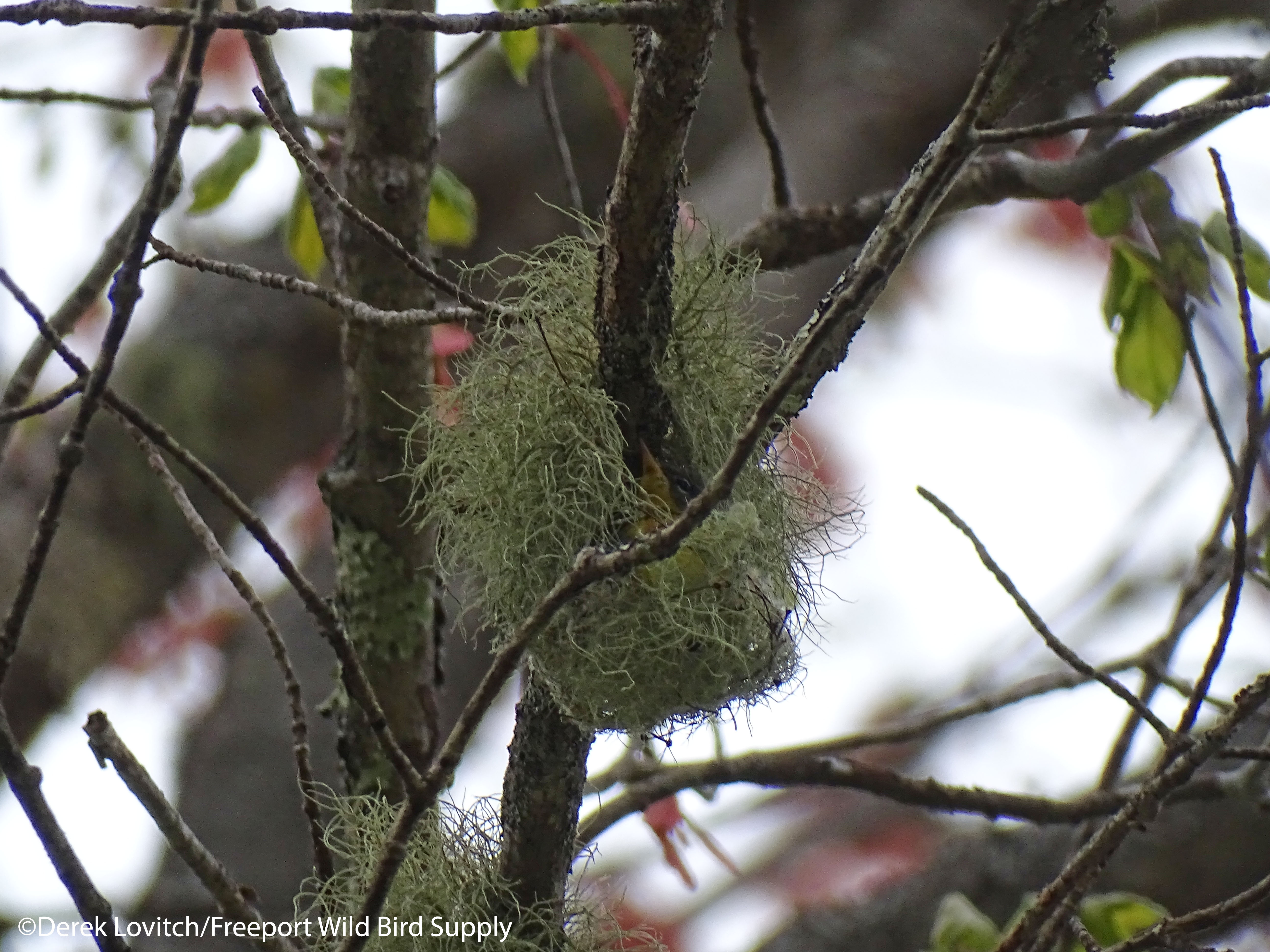
A friend found a Northern Parula nest under construction that we took time to marvel at. Here, the female brings some more material in to line the nest, which is nestled in a woven basket inside of large clumps of down-hanging Old Man’s Bear lichen.
However, as usual, Jeannette and I stayed around for another 24 hours to have a day off together and with friends. Leaving the brewery with one friend, I found a male Eastern Bluebird- an odd “new bird” for the date. Where the heck has he been or where did he just come from? Another Monhegan bird mystery…their migration ended a month ago.
Later, as we walked back from dinner with other friends, we heard at least three displaying American Woodcocks. The sunset was quite the stunner, too.
I wasn’t upset to not have a group on Monday, because my goodness, it was slow! I think what was left of the passage migrants cleared out overnight, and little if nothing came in. There were a few Blackpolls here and there, and maybe a few more American Redstarts than usual in the summer, but in and around town, that was about all.
So Jeannette and I decided to take a longer hike and check some oft-productive-but-less-often-birded areas. In doing so, we found a Field Sparrow on Horn Hill, and had a singing Yellow-bellied Flycatcher between Burnt Head and White Head. An adult male Sharp-shinned Hawk was a surprise – was it breeding here? – and a visit into the shaded woods added Winter Wren and Swainson’s Thrush to our weekend list.
We got excited when we saw a gray-backed, white-bellied flycatcher over at Gull Pond, but alas, it had the expected short, not-forked tail that we were hoping for!
Not including the 7 species Jeannette and I saw between 3:00 on Monday and when we departed at 3:15 on Tuesday, the tour list for the 12th annual Monhegan Spring Migration Weekend ended up a goodly 90 total species, despite only 15 species of warblers. The overall count was better than our last two tours, but still below our long-term average. But I cannot recall four (and five) days of simply gorgeous and warm weather on any of our prior tours! While the benign weather of late reduced the volume of migrants yet to pass through, and allowed many recent migrants to pass unimpeded overhead, I was pleasantly surprised by the final tally. It was also a high-quality list, with lots of “good” birds not seen by many in Maine away from the island. Oh, and my two island birds were nice, too!
Blue Jays are not the biggest feeder bird on this island!
Even our most common and familiar birds present speciaal photographic opportunities out here!
Species
5/26
5/27
5/28
5/29
Mallard
x
10
10
8
Mallard x American Black Duck
1
0
0
0
Common Eider
x
x
x
x
White-winged Scoter
0
10
0
0
Surf Scoter
0
6
0
0
Ring-necked Pheasant
x
6
6
5
Mourning Dove
8
10
8
10
Black-billed Cuckoo
1
0
0
0
Chimney Swift
0
0
1
0
Ruby-throated Hummingbird
6
4
3
1
Virginia Rail
h.o
h.o
1
1
Semipalmated Sandpiper
0
0
1
0
Greater Yellowlegs
0
1
0
0
Black Guillemot
20
30
x
20
Laughing Gull
6*
2
1
6
Herring Gull
x
x
x
x
Great Black-backed Gull
x
x
x
x
Common Tern
1 + 5*
0
0
0
Northern Gannet
0
0
0
1
Red-throated Loon
0
1
0
0
Common Loon
3*
1
0
0
Double-crested Cormorant
x
x
x
x
Great Blue Heron
0
0
1
3
SNOWY EGRET
0
0
0
1**
GLOSSY IBIS
0
0
9
0
Bald Eagle
2
1
0
0
Osprey
0
3
2
2
Red-bellied Woodpecker
0
0
1
0
Merlin
2
2
1
0
Peregrin Falcon
0
0
1
0
Eastern Kingbird
0
0
2
2
Olive-sided Flycatcher
0
1
0
0
Eastern Wood-Pewee
2
2
2
2
“Traill’s” Flycatcher
2
0
1
0
Least Flycatcher
2
1
1
0
Eastern Phoebe
1
1
1
1
Philadelphia Vireo
1
1
0
0
Red-eyed Vireo
6
8
4
4
Blue Jay
x
48
47
52
American Crow
x
4
6
x
Common Raven
0
1
1
0
Black-capped Chickadee
x
x
x
x
Tree Swallow
0
2
2
2
PURPLE MARTIN
0
0
1
0
Barn Swallow
1
0
1
1
Golden-crowned Kinglet
0
0
1
0
Cedar Waxwing
30
50
40
30
White-breasted Nuthatch
0
1
1
1
Red-breasted Nuthatch
1
0
0
0
Carolina Wren
3 h.o.
4
4
3
Gray Catbird
x
x
x
x
European Starling
x
x
x
x
American Robin
x
x
x
x
HOUSE FINCH
0
0
2
2
Purple Finch
0
1
2
2
WHITE-WINGED CROSSBILL
0
3
3
0
RED CROSSBILL
0
2
24
20
Pine Siskin
0
0
0
1
American Goldfinch
12
10
12
12
Chipping Sparrow
0
0
1
1-2
White-throated Sparrow
2
2
2
0
Savannah Sparrow
3
0
1
0
Song Sparrow
10
X
x
x
Lincoln’s Sparrow
0
1
1
0
Bobolink
1
1
0
0
ORCHARD ORIOLE
1
1
0
2
Baltimore Oriole
1
4
3
3
Red-winged Blackbird
x
x
x
x
Common Grackle
x
x
x
x
Northern Waterthrush
0
0
1
0
Black-and-white Warbler
3
4
4
3
Tennessee Warbler
8
4
3
0
Common Yellowthroat
x
8
x
x
American Redstart
5
25
16
8
Cape May Warbler
1
0
0
0
Northern Parula
15
10
12
12
Magnolia Warbler
10
8
6
8
Bay-breasted Warbler
11
3
0
2
Blackburnian Warbler
0
1
0
0
Yellow Warbler
10
20
15
15
Chestnut-sided Warbler
2
1
1
1
Blackpoll Warbler
25
60
25
20
Black-throated Green Warbler
1
1
3
1
Wilson’s Warbler
2
2
2
0
SUMMER TANAGER
0
1
0
0
Scarlet Tanager
0
1
0
0
Northern Cardinal
x
x
x
x
Rose-breasted Grosbeak
3
2
2
0
Indigo Bunting
0
1
1
0
BLUE GROSBEAK
0
0
1
1
DICKCISSEL
0
1
1
0
Day Total
60
66
69
54
Warbler Day Total
13
13
12
10
Trip Total
90
Warbler Trip Total
15
Here is the trip list four the four-day tour. * = seen from ferry only. **=not seen with tour group.
There are some Morning Flights at Sandy Point that deserve their own blog. This was one of those. (I also haven’t finished my Monhegan Tour report blog yet, either).
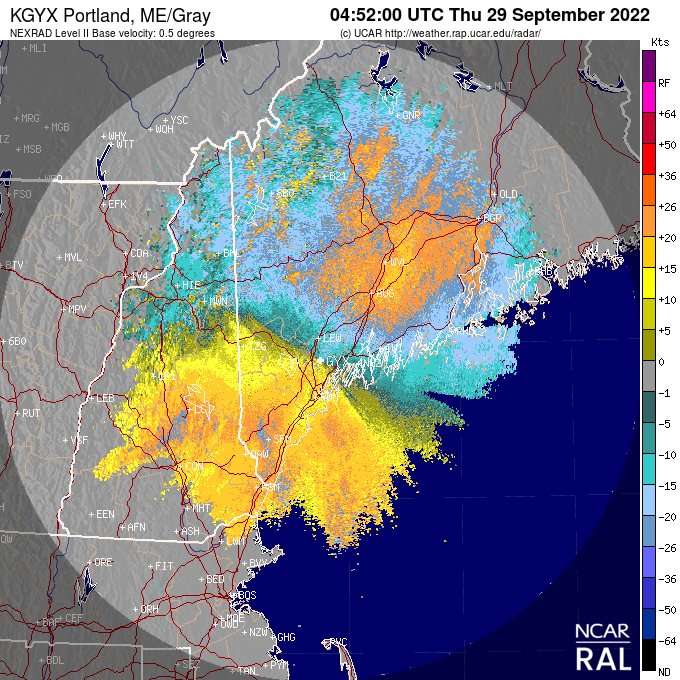
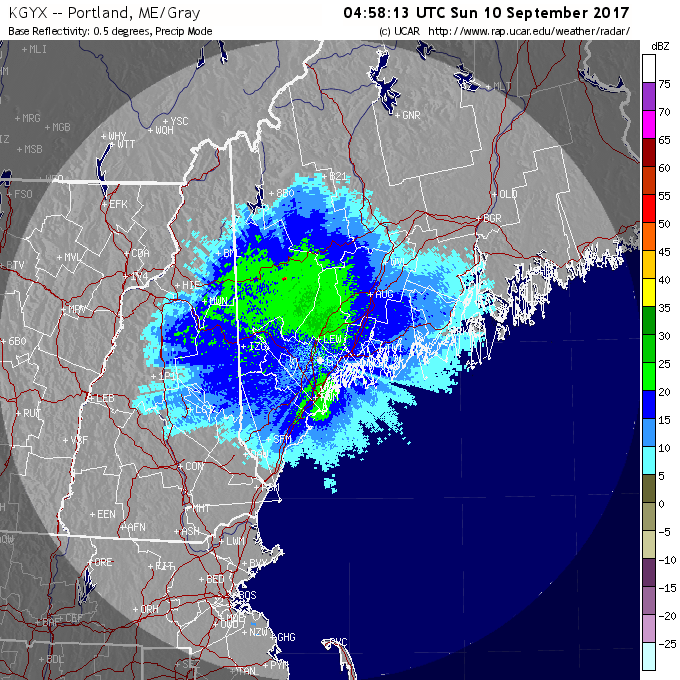
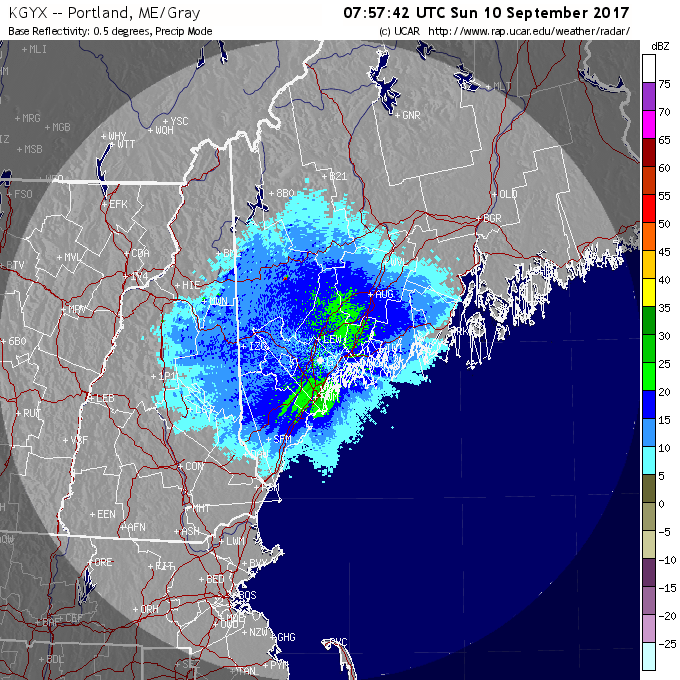
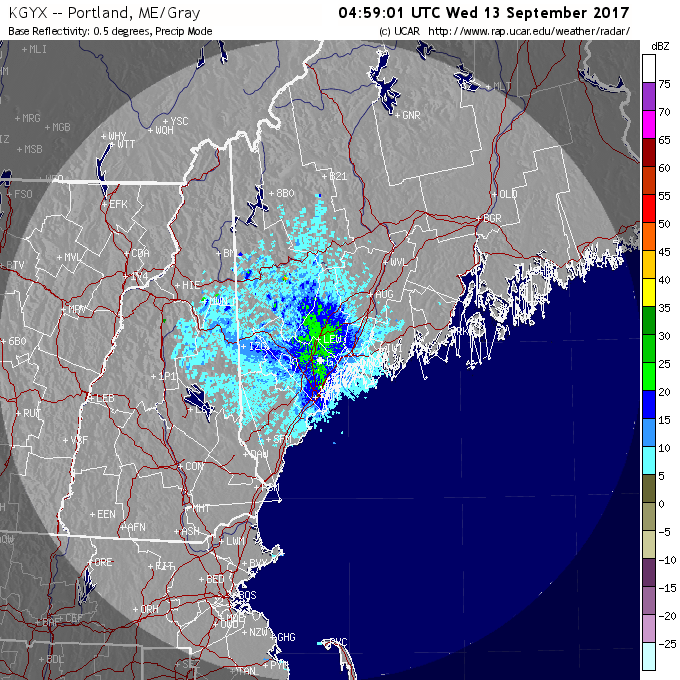
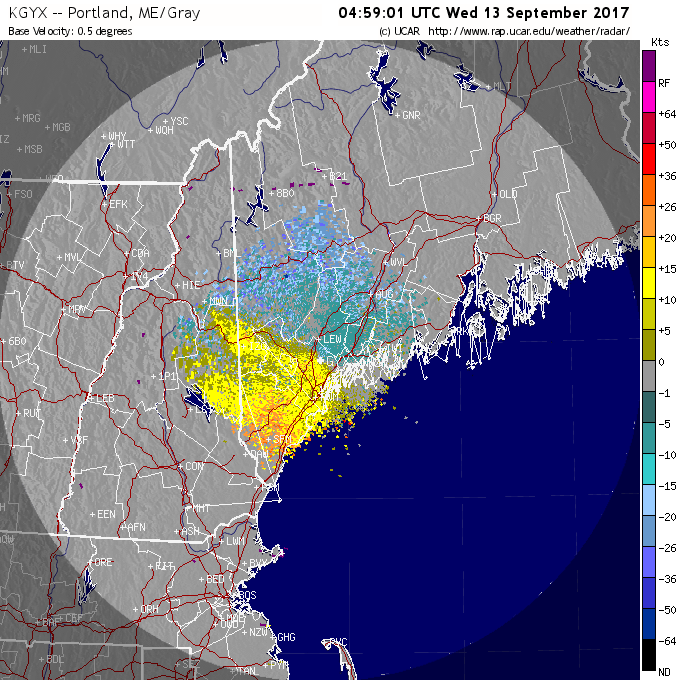
Let’s start with the 1:00am reflectivity and velocity images from the Gray NEXRAD station. I was very happy that the station was back online in time for this incredible large flight. In fact, it was one of the densest flights I have seen in the area, and you can see how much biomass was offshore.
For an explanation of just what this means, see the “Birding at Night” chapter in my first book, How to be a Better Birder. Furthermore, see previous Sandy Point posts on the topic – you can use the search box in the upper right-hand corner of this blog page, and search “Sandy Point” or “Morning Flight.”
That got my pretty darn excited for the morning. And, well, it was a lot of fun! OK, mostly…at times I was overwhelmed and early on, I just felt beat! For the first 30 minutes, I often just clicked waves of “unidentified” as I tried to keep pace. Luckily, after the massive early rush, the flight became more manageable, although bursts of activity were barely quantifiable.
20 species of warblers, a very rare Blue Grosbeak, and my 195th all-time Sandy Point birds: 2 Little Blue Herons! It was quite a day.
Thanks to Evan Obercian, I learned a ton and had some great species tallies. I have no doubt that some of the records set (e.g. 2nd-highest tally for Cape May Warbler) came from his exceptional auditory skills – some of those birds would have just went unidentified or not even detected by me! Of course, the more eyes (and ears) the better, and Reed Robinson and Weston Barker – splitting time on the “flicker clicker” and pointing out birds landing below – helped immensely as well. Assistance was critical today.
When Evan and I finally departed for desperately needed bagels and coffee at 11:45, there were still a few birds on the move. With some raptors in the air, I am sure that if we didn’t leave then, I would be there all day. I wish I could have been, because this morning was simply awesome. Here’s the scoreboard:
6:36 to 11:45am
With Evan Obercian, Reed Robinson, and Weston Barker.
50F, mostly clear, WNW 4.5-5.1 to NW 13.3-16.1
2,389 unidentified
1,036 Yellow-rumped Warblers (*2nd highest)
449 Northern Parulas
374 Ruby-crowned Kinglets (*3rd highest)
286 Yellow-bellied Sapsuckers (*new record)
251 Northern Flickers
155 Blackpoll Warblers
138 Eastern Phoebes (*new record. Previous high of 26! And this was very conservative as many were swirling, too. But at times, steady pulses of 2-6 were clearly crossing)>
105 Black-throated Green Warblers
93 American Robins
75 White-throated Sparrows
71 Black-and-white Warblers (*new record)
65 Red-eyed Vireos (*new record)
64 Red-breasted Nuthatches (*new record)
58 Magnolia Warblers
57 Cedar Waxwings
44 Blue Jays
41 Dark-eyed Juncos
33 American Goldfinches
31 Blue-headed Vireos (*2nd highest)
26 American Redstarts
25 Cape May Warblers (*2nd highest)
25 Black-throated Blue Warblers
25 Purple Finches
23 Chipping Sparrows
22 Rusty Blackbirds
22 Nashville Warbler (*2nd highest)
22 Broad-winged Hawks
18 Tennessee Warblers (*3rd highest)
18 Golden-crowned Kinglets
16 Palm Warblers
12 Scarlet Tanagers
9 Yellow Warblers
8 Savannah Sparrows
7 Swainson’s Thrushes
7 American Kestrels
7 Turkey Vultures
6 White-breasted Nuthatches (*tied highest)
5 Baltimore Orioles
4 Ospreys
4 Philadelphia Vireos
4 Bay-breasted Warblers
4 Black-capped Chickadees
3 Brown Creepers
2 Rose-breasted Grosbeaks
2 Chestnut-sided Warblers
2 Orange-crowned/Tennessee Warbler
2 Red-winged Blackbirds
2 Eastern Wood-Pewees
2 Sharp-shinned Hawks
2 juvenile LITTLE BLUE HERONS (**high fly-overs. My first record for Sandy Point and Patch Bird #195.)
2 Lincoln’s Sparrows
2 White-crowned Sparrows
1 Pine Warbler
1 Least Flycatcher
1 Northern Harrier
1 Tufted Titmouse (did not cross after a few false starts)
1 Red-bellied Woodpecker (crossed after three false starts)
1 Common Loon
1 Eastern Bluebird
1 Hairy Woodpecker (crossed after 8 false starts)
1 BLUE GROSBEAK (**My 3rd-ever at Sandy Point. Spotted by Evan, photographed by Weston Barker; photo below).
1 Common Grackle
1 Wilson’s Warbler
1 Red-tailed Hawk
1 American Pipit
1 Blackburnian Warbler
1 unidentified Empid
1 Downy Woodpecker (did not cross after 2 false starts)
1 Swamp Sparrow
1 Hermit Thrush
1 Ovenbird (in the woods; warbler #20!)
X Common Yellowthroat (I don’t try and count them in the brush here, but there were a lot around this morning and many more than there have been. None even attempted a crossing as usual).
This Sandhill Crane was more than a little shocking as it arrived on the island and flew right over several us eating lunch before landing on the shoreline. It was a most unexpected “island-bird” for me, and a real special treat for my client.
If I was going to top last week’s spectacular week of migration, it was going to require a visit to Monhegan. And Monhegan definitely delivered, even if the largest number of birds this week moved over the weekend, before I arrived on the island. Here are my observations of note over the past seven days.
17 species of warblers, led by 16 Common Yellowthroats and 9 American Redstarts, but also including 5 Bay-breasted Warblers, Florida Lake Park, Freeport, 5/21 (with Saturday Morning Birdwalk group).
1 Yellow-bellied Flycatcher (FOY), Florida Lake Park, 5/21 (with Saturday Morning Birdwalk group).
15 species of warblers, led by 11 Common Yellowthroats and 8 Yellow-rumped Warblers, Florida Lake Park, 5/22 (with clients from Maine).
10 Common Nighthawks (FOY), our yard in Pownal, 5/22.
~40 Short-billed Dowitchers, flying high over our Pownal yard on 5/22 (with Jeannette). Interestingly, the third record for our yard of high spring migrants.
Three days on Monhegan with a client from India on 5/23 through 5/25 yielded 91 species and 18 species of warblers. Monday was incredible, with lots of diversity, lots of quality, and just incredible looks at everything. Blackpoll Warblers were by far the dominant migrant each day, as expected. Here are our daily highlights:
5/23:
1 SANDHILL CRANE – I almost dropped my hand pie as this came cruising over the Trailing Yew, circled the meadow, and landed on the shoreline at a tidepool where observed by almost everyone on the island – birders and bird-curious alike. Photos above.
1 immature, I believe continuing, BROAD-WINGED HAWK.
1 Yellow-billed Cuckoo (FOY)
At least 4-5 Black-billed Cuckoos, including this incredible observation of such normally shy birds!
1 imm. male ORCHARD ORIOLE
1 EASTERN WHIP-POOR-WILL (FOY, and a self-found island bird from my bedroom!)
5/24:
1 continuing SANDHILL CRANE. In the meadow in early morning before reportedly being observed later flying toward the mainland.
1 imm. male Orchard Oriole
1 continuing EASTERN WHIP-POOR-WILL (with client, Kristen Lindquist, Bill Thompson, and Jess Bishop).
1 leucistic (and nearly pure-white but with normal bare parts) Herring Gull.
5/25:
1 female ORCHARD ORIOLE
1 Green Heron (FOY)
1 Wood Thrush
Our first pelagic with our partners Cap’n Fish’s Cruises out of Boothbay Harbor will run on Monday, June 6th. It includes a visit to Eastern Egg Rock and chumming deeper offshore. Info here: https://www.freeportwildbirdsupply.com/pelagics
I found a Northern Parula building a nest at Florida Lake Park last week, and was enthralled with watching its progression.
I don’t usually post my Sandy Point Morning Flight totals here, but today was more than worthy of a little something extra. After 8 nights with little or virtually migration (well, at least not a big flight on ideal winds), clearing skies and a light northwesterly breeze finally opened the floodgates. Here are the 1:00am reflectivity and velocity images, for example.
I am sure Monhegan – where I just spent 5 glorious days (despite the lack of a huge flight; more on that soon!) – was great, Sandy Point was just outstanding. In fact, it was my 3rd highest all-time flight!
Early on, clouds made everything into little black shapes as the intense flight proceeded at all levels. Wind, a cacophony of kinglets ringing in my ears, and the two loudest and most vociferous Tufted Titmice who just stayed screaming in the magic birch all conspired to further reduce my ability to identify birds. But mostly, waves of dozens at a time were simply clicked as “unidentified” as I tried to keep pace with quantifying the flight. Furthermore, there were at least 3-4 hunting Merling, a Cooper’s Hawk, and a Peregrine Falcon, which added to the swirling chaos. It was a challenge, that’s for sure. “I do this for fun?” I asked Matthew.
Here’s the scorecard from the Morning Flight of birds that passed over and through Sandy Point, Cousin’s Island, Yarmouth this am:
3 Swainson’s Thrushes – including two observed crossing.
3 Tufted Titmice
2 Scarlet Tanagers
2 unidentified vireos
2 Yellow Warblers
2 Red-breasted Nuthatches
2 Tennessee Warblers
2 American Goldfinches
1 Chestnut-sided Warbler
1 Pine Warbler
1 White-crowned Sparrow
1 Broad-winged Hawk
1 White-breasted Nuthatch
1 Hermit Thrush
1 unidentified Catharus
1 Red-bellied Woodpecker
1 Osprey
X Common Yellowthroats
1 YELLOW-BILLED CUCKOO – my 7th all-time here. Made 4 “false starts” before crossing at 10:04am.
Cuckoos are such shape-shifters in flight that I feel like I could have counted each pass from the one bird as a different species each time it passed!
For a grand total of 5,487 birds, my *3rd highest all-time count. So yes indeed, birds have very much been backed up.
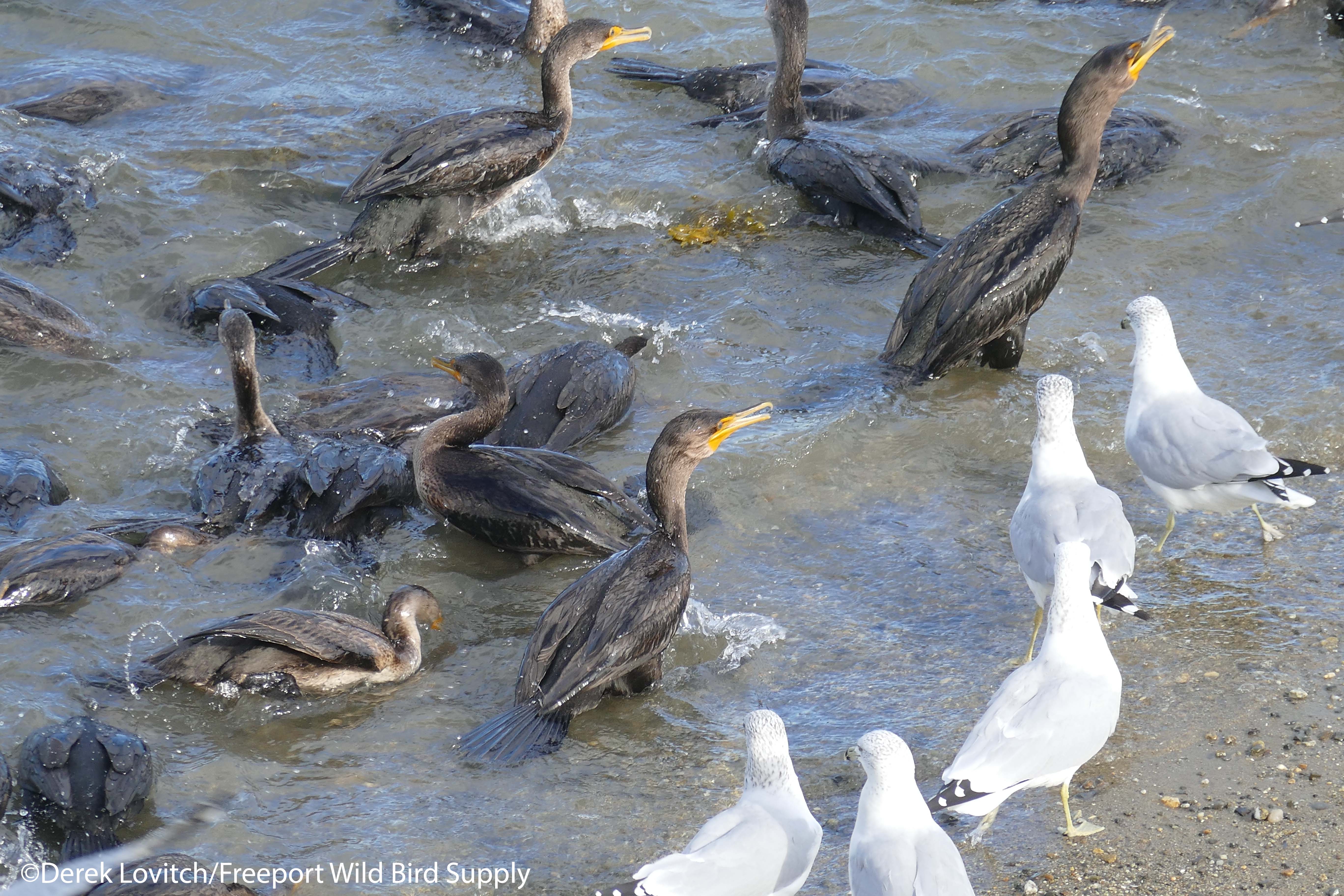
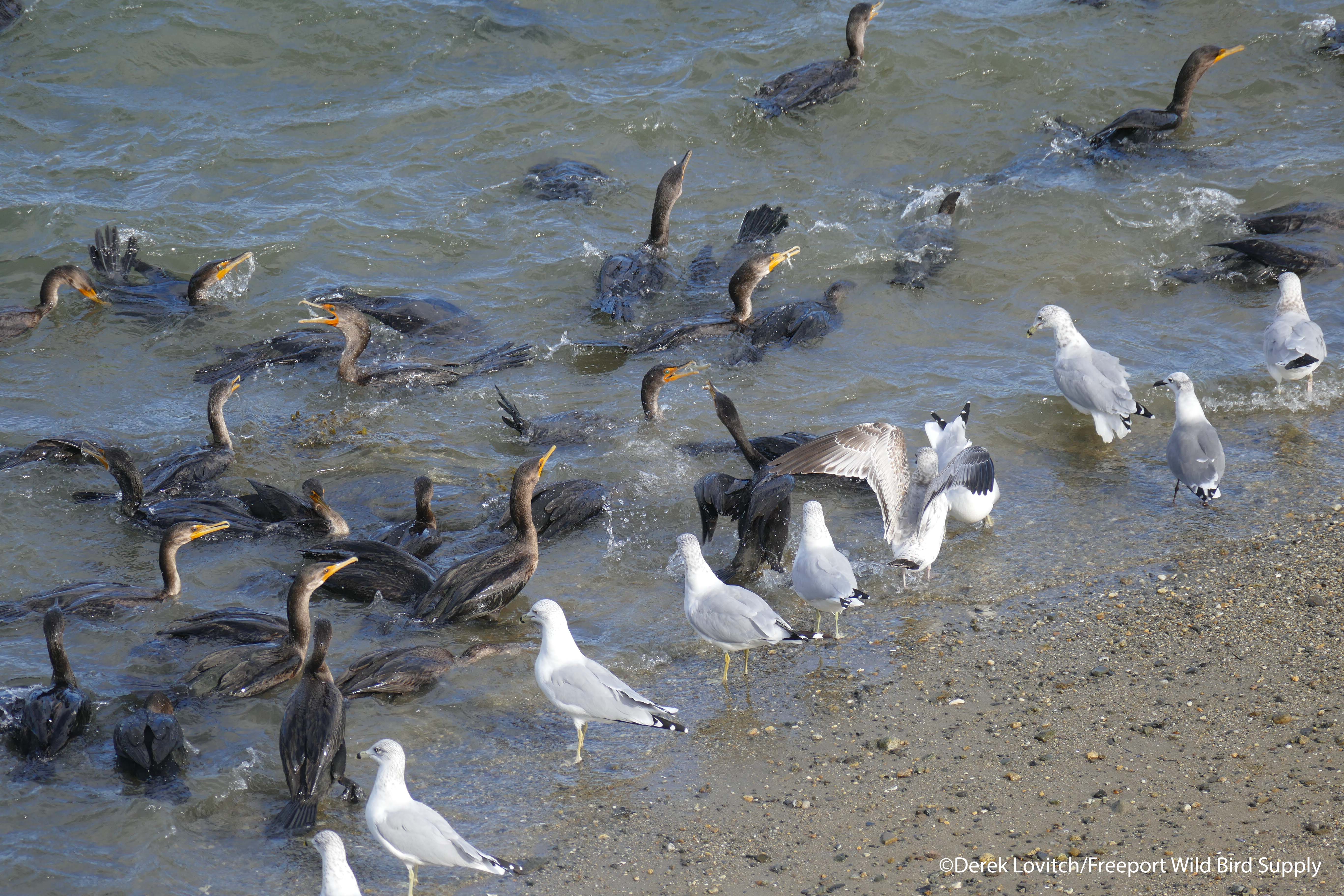
Meanwhile, adding to the excitement (and chaos) this morning was a massive feeding frenzy of Double-crested Cormorants and gulls. While I am sure a few migrants snuck by overhead, I couldn’t help but take a few moments to enjoy it…and make sure there were no rarities among the gulls! 15-20 Laughing Gulls and 4 Bonaparte’s Gulls joined 75-100 Ring-billed Gulls in snatching the baitfish that the Double-crested Cormorants had pushed right up onto the sandbar as it slowly emerged from the tide. It was quite a show!
It’s warbler season! This obliging Northern Parula was in the canopy surrounding the Bradbury Mountain Hawkwatch on May 14th. You know the hawkwatching season is coming to a close when there are more species of warblers around the summit than migrant hawks tallied overhead!
My highlights over the past seven days included the following:
12 species of warblers led by 40-60 Yellow-rumped Warblers and 10 Black-and-white Warblers, Florida Lake Park, Freeport, 5/8 (with Saturday Morning Birdwalk Group).
17 species of warblers, led by 30+ Yellow-rumped and 9 Common Yellowthroats, Florida Lake Park, 5/11.
1 Rusty Blackbird continues at Florida Lake Park through week’s end; regular in early May here.
Northern Parulas were certainly the “bird of the week” at Sandy Point.
It was a special five-day run at Sandy Point Beach on Cousin’s Island in Yarmouth. It was a record-shattering run in fact, in which I tallied nearly 18,000 migrants engaging in the “Morning Flight,” or “morning re-determined migration” when nocturnally-migrating passerines relocate (to drastically oversimplify things) come sunrise.
(To learn more about Sandy Point, check out the site entry in Birdwatching in Maine: A Site Guide, and for more on nocturnal migration, interpreting the radar, and the “morning flight” phenomena, check out Chapter 5 in my first book, How to Be a Better Birder.Whaddya mean you don’t have these two books!?)
I’ve had a handful of four-day runs, but I cannot think of a time when conditions were favorable – and I was actually present, and not leading tours on Monhegan for example – for five straight days. But I have most certainly never had five days like this!
I recorded 72 species “deemed migrating” through here, not including migrants that were in the bushes, such as the Gray Catbirds and Song Sparrows that are so abundant in the brush here. It does not include species like Osprey, in which some of the many I saw this week were likely southbound, but impossible to separate from the still-locals. And this tally did not include all of the waterbirds, from Common Eiders to herds of dabbling American Black Ducks, and from Bald Eagles to hunting Great Blue Herons, as well as resident species.
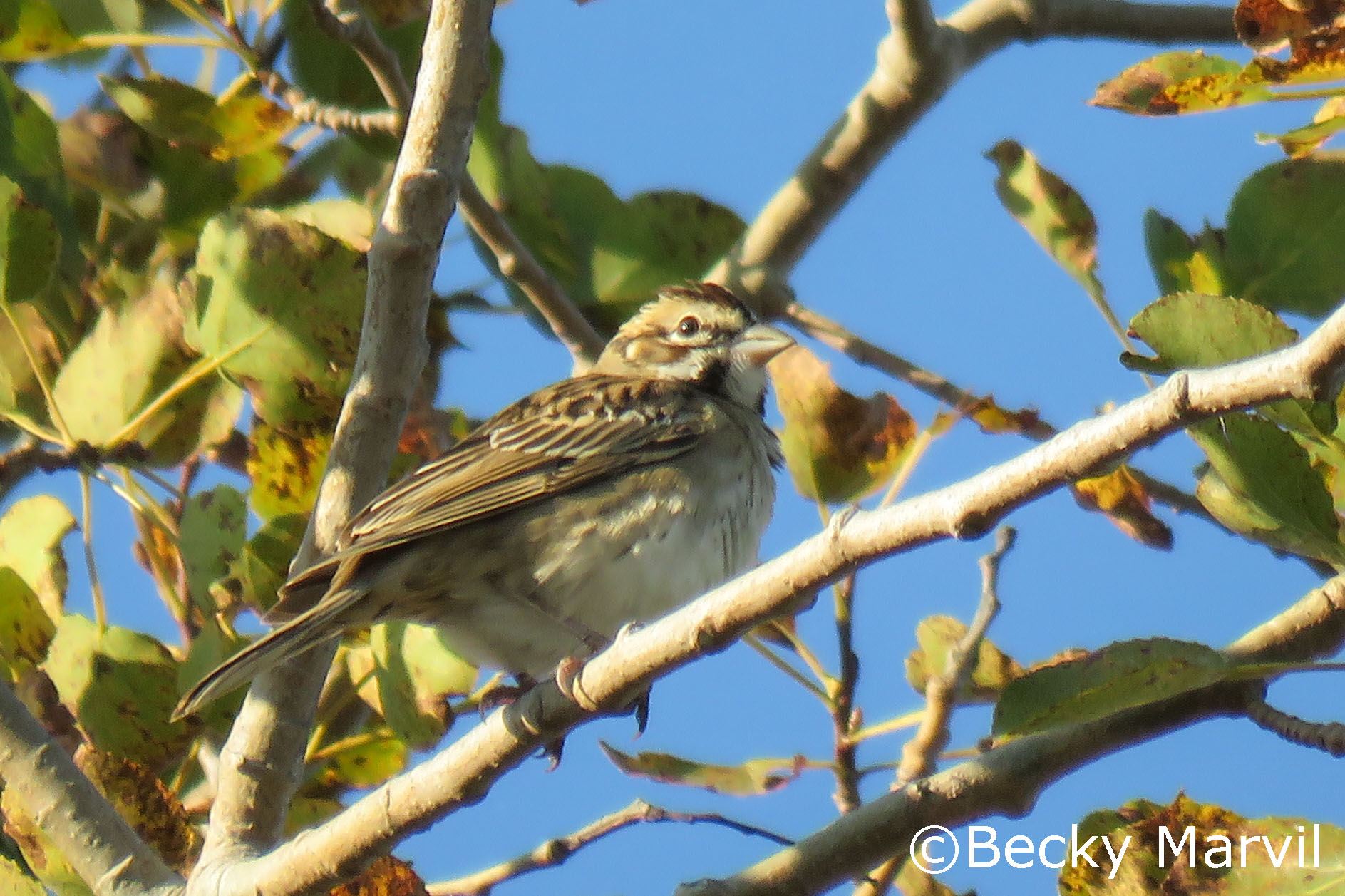
I tallied 25 species of warblers, including a single Connecticut Warbler, one of the most sought-after parulids in Maine. A Northern Mockingbird was only my 5th ever noted here, and two passing Dickcissels are always a treat. But certainly the icing on the cake of this great week was the Lark Sparrow found by the group in the parking lot on the relatively quiet morning of 9/13. This was a first record for Sandy Point, and my personal 184th species here.
But it was the morning of the 11th that will go down in Sandy Point history! 8,185 migrants was not only a new record, but almost doubled the previous record (4,346 on Sept 21, 2010). It was incredible. More on that epic morning later.
A number of records for high counts for individual species were set, and I am sure even more would have been shattered if I had a higher rate of identification during the onslaught of the 11th. Other trends, typical of the season, were evident, such as the slow but steady change in the composition of the flight. The early migrants like Magnolia Warblers were giving way to a growing percentage of Yellow-rumped Warbles and Blackpoll Warblers for example. But it sure seems like we’re not yet running our of Yellow Warblers and American Restarts, however! immature male American Redstart
Yellow Warbler, adult male
So first, here’s the numbers (bold font indicates a new daily record).
9/9
9/10
9/11
9/12
9/13
Blue-winged Teal
3
0
0
0
0
Unidentified teal
0
0
4
0
0
Surf Scoter
3
0
0
0
0
Common Loon
4
0
0
3
0
Northern Harrier
0
1
0
0
0
Killdeer
0
1
0
0
0
Lesser Yellowlegs
0
0
0
1
0
Mourning Dove
0
1
0
1
1
Ruby-throated Hummingbird
2
0
0
1
1
Hairy Woodpecker
0
1
0
0
0
Northern Flicker
1
256
68
26
12
Pileated Woodpecker
0
1
0
1
0
American Kestrel
0
0
3
0
1
Merlin
1
1
0
1
2
Eastern Wood-Pewee
3
4
0
0
0
Yellow-bellied Flycatcher
1
0
0
0
0
“Traill’s” Flycatcher
2
0
0
0
0
Least Flycatcher
9
11
3
2
0
Unidentified Empidonax
5
0
0
1
0
Eastern Phoebe
1
3
2
2
2
Eastern Kingbird
2
1
0
0
0
Unidentified flycatcher
6
1
1
0
0
Blue-headed Vireo
1
3
1
2
0
Philadelphia Vireo
3
4
2
1
0
Red-eyed Vireo
42
49
30
9
4
Unidentified vireo
1
2
0
0
0
Blue Jay
0
0
0
2
5
Barn Swallow
1
0
0
0
0
Red-breasted Nuthatch
1
1
2
1
0
Golden-crowned Kinglet
0
0
0
1
0
Ruby-crowned Kinglet
2
1
5
4
0
Swainson’s Thrush
10
0
0
2
0
American Robin
4
3
1
2
0
Unidentified thrush
0
1
0
0
0
Northern Mockingbird
0
1
0
0
0
Cedar Waxwing
21
265
377
54
0
Ovenbird
0
0
0
0
1
Northern Waterthrush
0
0
0
1
0
Black-and-white Warbler
33
59
41
32
5
Tennessee Warbler
4
2
2
8
0
Nashville Warbler
8
8
10
4
0
CONNECTICUT WARBLER
1
0
0
0
0
Mourning Warbler
0
1
0
0
0
Common Yellowthroat
2
1
5
5
2
American Redstart
602
550
844
119
16
Cape May Warbler
18
5
8
5
0
Northern Parula
705
630
692
612
205
Magnolia Warbler
66
117
32
23
2
Bay-breasted Warbler
5
3
1
1
0
Blackburnian Warbler
7
6
1
0
0
Yellow Warbler
19
52
38
67
8
Chestnut-sided Warbler
5
2
0
2
0
Blackpoll Warbler
9
3
27
25
35
Black-throated Blue Warbler
8
7
4
4
0
Palm Warbler
0
0
0
1
0
“Western” Palm Warbler
1
0
0
0
0
Pine Warbler
0
0
0
1
0
Yellow-rumped Warbler
3
6
3
19
11
Prairie Warbler
1
2
1
1
0
Black-throated Green Warbler
118
63
73
57
26
Canada Warbler
6
0
1
0
0
Wilson’s Warbler
12
17
7
4
0
Chipping Sparrow
2
0
1
3
1
LARK SPARROW
0
0
0
0
1
White-throated Sparrow
1
0
0
0
0
Savannah Sparrow
2
0
0
0
0
Scarlet Tanager
1
1
4
1
0
Rose-breasted Grosbeak
3
1
0
0
0
Indigo Bunting
0
0
1
1
0
DICKCISSEL
0
0
1
0
1
Bobolink
1
2
0
0
0
Red-winged Blackbird
1
2
0
0
0
Rusty Blackbird
0
1
0
0
0
Baltimore Oriole
2
1
1
1
1
House Finch
0
0
0
1
1
Purple Finch
0
0
0
8
0
American Goldfinch
5
12
3
6
4
Unidentified
1915
1887
5893
737
192
TOTAL
3705
4057
8185
1866
540
Now, let’s take a look at the radar. Here are the density and velocity images from 1am (as a sample) on 9/9 and 9/10. That’s a ton of birds on the radar.
And even as late as 4:00am on each day, a lot of birds were visible, and a lot of birds were offshore.
The night of 9/8 through 9/9 featured light westerly winds, shifting to northwest by sunrise. And on the next night, light north winds became northwest overnight. Both, as expected, produced great flights over and through Sandy Point some dawn.
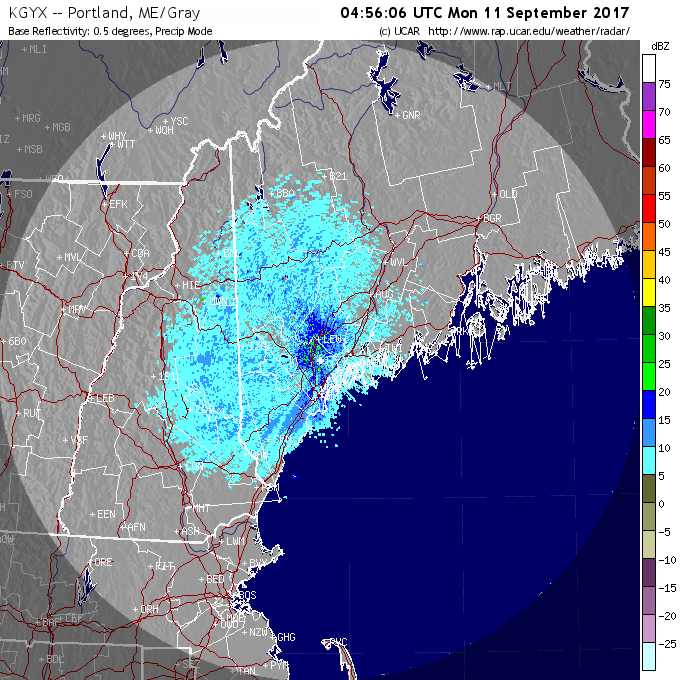
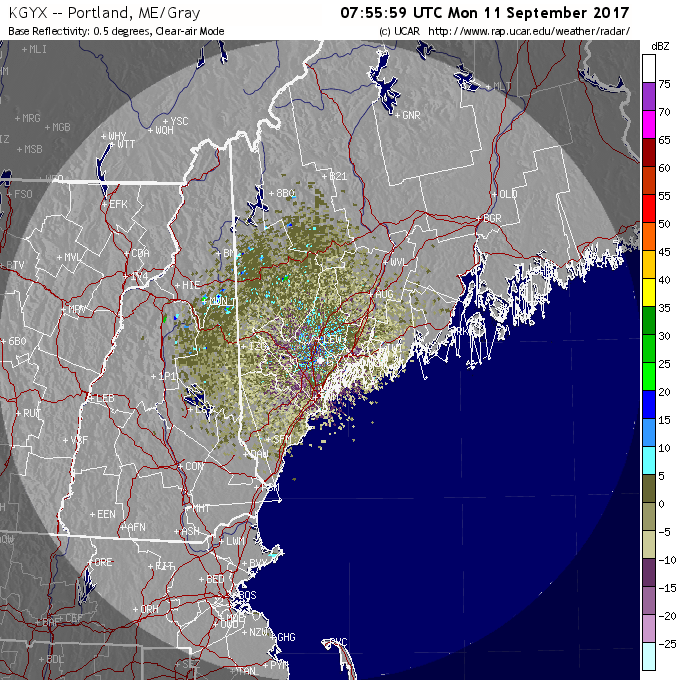
Weather patterns, especially at this time of year, rarely produce three great nights for migrants in a row. And when they do, it often results in fewer birds overnight (and therefore at Sandy Point) come sunrise; essentially, the well temporarily runs dry.
And as you can see by the 1:00am radar image from September 11th, the density was nowhere near the previous two nights, despite mostly light westerly winds overnight.
And by 4:00am, it was rather quiet.
Light northwesterly winds in the evening slowly gave way to light north, before becoming light and variable. After midnight, they became west but didn’t really increase until after 2:00am. Coupled with a lackluster radar return, this was not a recipe for a huge flight.
Nonetheless with a light westerly wind at sunrise, I was heading to Sandy Point anyway. If only because it was a day off, and I won’t have many more chances to visit “my office” this month. A milky sunrise further clouded (sorry) my optimism for a big flight, but there were plenty of birds in the air.
And then all hell broke loose.
It was incredible. It was frustrating. It was beautiful. It was painful. It was amazing. It was indeed overwhelming, and at times, my only hopes at quantifying the flood was to skip attempting identification and just click my unidentified clicker as fast as I could.
And I really can’t explain it. It “shouldn’t” have been this amazing.
Come nightfall, with high pressure remaining in control, and with light westerly winds and clear skies once again, a moderate to strong flight occurred overnight. Here are the 1:00am and 4:00am radar images from the wee hours of 9/12:
With light westerly winds come dawn, I was once again stationed at the bridge, and what was – prior to three days ago! – considered a very good flight passed over and through. It was even downright relaxing – and manageable – after the chaos of the previous morning. I had fun.
Not surprisingly, after four consecutive nights, the flight was much lighter overnight on the 12th into the 13th, as evidenced once again by the 1:00am and 4:00am images.
And despite very light westerly winds in the morning, and clear skies, only a light flight was to pass through the point. Of course, that Lark Sparrow more than made up for it. It was also nice to enjoy a slower flight – and identify many more birds than not!
So almost every morning made sense: radar plus weather conditions correctly predicted the intensity of the flight. Except for one. The Big One. And I can’t explain it. But, I am OK (mostly) with that – it’s one of the fascinating and flabbergasting aspects of documenting the morning redetermined migration!
Winds turned to the south during the day on the 13th, and continued light and southerly overnight, bringing the streak of five great nights of migration to an end. Come morning, I also slept in – relatively speaking – and then went for a massage. As my therapist began to work on my aching neck, she simply uttered, “Wow” and got to work. I felt the same on Monday morning when the greatest flight I have ever recorded passed through Sandy Point.
Species, such as this Swainson’s Thrush, that can be rather secretive in migration, are sometimes seen really well at Sandy Point!
As I do most Memorial Day weekends, I head to Monhegan Island with a tour group for my “MonhegZen Spring Birding Weekend.” But this was not going to be “just” a weekend on this wonderful, joyful, and bird-filled place. This was going to be truly special – it was “Birds on Tap – Monhegan!”
A small group arrived with me on Friday, and boy did we hit the ground running. The first bird we saw off the boat was a Purple Martin zipping overhead – a nice rarity to get things started. As if my usual Monhegan-stoked Rarity Fever wasn’t already in full effect, the next bird we saw was a wet Empid. And let the games begin! Of course, this one was a pretty straightforward Alder Flycatcher after we got good looks at it and heard it call.
American Redstarts, Northern Parulas, and Blackpoll Warblers were common and conspicuous as it took us over an hour just to walk up Dock Road! A great look at a male Bay-breasted Warbler near the Ice Pond was a treat, and we caught up with part of the small flocks of Red and White-winged Crossbills that have been wandering around the island. We saw at least 8 Red and at least 6 White-winged, including fresh juveniles of each – likely having bred out here in the late winter and early spring.
A Sora calling in the marsh didn’t really stop all weekend, and Yellow Warblers were particularly conspicuous around town.
And our FOY Novelty pizza.
While I – and the group – were hearing a little too much “you should have been here yesterday,” we were pretty content with the leftovers of the fallout, with 16 species of warblers by day’s end, including impressive numbers of Northern Parulas.
A rare-in-spring Dickcissel flew over the Trailing Yew as we awaited coffee, soon followed by a close-passing Yellow-billed Cuckoo. After a strong flight overnight, there were a lot of new birds around. Fueled by the delicious Birds & Beans coffee being brewed by the Trailing Yew all weekend, we began our birding, soon picking up lots of new arrivals including Cape May Warbler and Swainson’s Thrush.
Apple trees in full bloom all around town were one of the major draws for birds and birders. In fact, you could basically pick an apple tree and sit in front of it long enough to see at least one of all of the common migrants that were about, such as Magnolias Warbler…
…and Chestnut-sided…
Jeannette met up with the rest of the tour group arriving on the first boat from New Harbor, and caught up with us after catching up with two of the most cooperative Philadelphia Vireos you’ll ever meet that we all enjoyed along Dock Road.
In town, we heard a White-eyed Vireo, another rarity (although one of the expected ones out here), ran into a few more of both species of crossbills behind the Ice Pond, and spotted the young Humpback Whale that has been making regular appearances close to shore off the island’s western shore! And this Scarlet Tanager…which seemed an appropriate find since we have been consuming the coffee named for it!
After hearing a singing Mourning Warbler earlier in the day for our 20th species of warbler on the trip, we had a handful of glimpses of a skulking female near the Yew. I turned around to follow a flitting Yellow-bellied Flycatcher. Training my bins on the flycatcher, I first focused on the branch behind it, which turned out to be hosting a roosting Common Nighthawk!
83 species of birds on the day, including 19 species of warblers made for one helluva day, but the fun was just beginning! In addition to my annual tour, this was the weekend of Birds On Tap – Monhegan!
A collaboration between our Freeport Wild Bird Supply, Trailing Yew, Birds & Beans, and Monhegan Brewing, we took our “Birds on Tap” series of events offshore to celebrate birds, migration, bird conservation (especially through consumer choices like what coffee to drink), and, yes, beer!
And one of the truly special events was a limited, 31-gallon batch of a special coffee-infused milk stout from Monhegan Brewing, featuring a pound and a half of the dark roast Scarlet Tanager coffee from Birds & Beans!
I had the honor of announcing the official release, taking some of the first sips of this delicious light-bodied stout featuring a subtle sweetness from lactose perfectly balanced with a bitter roastiness from the coffee.
Of course, we were also still birding. I promise!
In fact, we momentarily cleared out the brewery when a possible Orange-crowned Warbler (one was seen by others over the past two days) was spotted nearby. Rushing over, we carefully studied the bird before reaching the conclusion that it was indeed a pale Tennessee Warbler.
After an unfortunate but necessary cancellation from our original speaker, Dr. Steve Kress arrived to save us – admittedly a feat marginally less heroic than what he did for puffins and endangered seabirds all over the world!
Giving the weekend’s keynote presentation on his work to bring Atlantic Puffins back to nearby Eastern Egg Rock, Steve explained the challenges he and the puffins faced before finally realizing his novel approach finally bore fruit, or should I say, pufflings.
Overnight, a back door cold front sagged southward, shifting the winds to an easterly direction and limiting the arrival of new migrants to the island. Our “Morning Flight Watch” with plentiful free Birds & Beans coffee for all at the Trailing Yew wasn’t too eventful, but things definitely picked up for the post-breakfast walk.
Jeannette led my tour group, and the birding was still a bit slow, relatively speaking. But, they finally made their way down to the pump house to see Eastern Kingbirds flycatching in the marsh. And, up to the lighthouse for the first time which was highlighted by a fantastic view of a female Blackburnian Warbler.
Meanwhile, Kristen Lindquist assisted me in leading the free, open-to-all birdwalk as part of the weekend’s special events. A nice mix of birders, residents, and visitors enjoyed a casual stroll. We chatted as we went, covering a variety of topics from bird migration to conservation to coffee to the ill-conceived industrial wind development scheme for the island’s southern waters.
Some folks, new to birding, may have left with the impression that Red-eyed Vireos were about the most common bird in the world, as quite a few were calmly and methodically foraging through apple trees in and around town.
But perhaps this male Blackburnian Warbler would end up being a “spark” bird for someone! Because male Blackburnian Warbler!
With a light easterly wind continuing, and our group back together after more Novelty pizza, we walked up to Burnt Head, where we enjoyed some nice close passes from Northern Gannets
Jeannette and I spent an extra night on the island, knowing we would need a little time to unwind after the even-more-chaotic-than-expected weekend of events. After a great dinner with friends, we listened to two Soras calling from the marsh and an American Woodcock still displaying somewhere overhead before turning in.
We awoke on Monday to dense fog and no visible migration on the radar, but the birding was actually quite good. We found a Nelson’s Sparrow in the Lobster Cove marsh, but also enjoyed how the damp weather (mist, drizzle, and a few showers) were keeping activity low and close, easily viewed in the blooming apple trees around town once again.
As a warm front passed through, with only a little more drizzle but rapidly warming temperatures and clearing skies, we took a post-pizza hike, heading deeper into the woods, which netted more of the island’s breeding species, such as many more Black-throated Green Warblers.
Somehow – now how did this happen? – our hike ended at the brewery, where another pour of the Birds & Beans-infused beer was in order.
Unfortunately, especially since the sun was now shining brightly, it was indeed time for us to head back to the real world, so Jeannette and I begrudgingly plodded down to the dock and boarded the Hardy Boat for the return. It’s never easy saying goodbye to the island – its birds and our friends there – but today was especially challenging as we know a fight about the future of the island – including many of the migratory birds that pass over and through here – is looming.
Here’s the complete daily checklist for the weekend:
26-May 27-May 28-May 29-May
1 Canada Goose 0 0 1 0
American Black Duck x Mallard 0 1 0 0
2 Mallard 2 10 12 8
3 Common Eider x x x x
4 Ring-necked Pheasant 3 3 3 4
5 Common Loon 1 1 0 1
6 Northern Gannet 0 0 12 0
7 Double-crested Cormorant x x x x
8 Great Cormorant 0 0 0 1
9 Great Blue Heron 0 1 0 0
10 Green Heron 1 0 0 0
11 Osprey 0 1 0 0
12 Bald Eagle 2 1 0 0
13 Merlin 0 1 0 1
14 Virginia Rail 0 0 0 1
15 Sora 1 1 2 1
16 American Woodcock 0 0 1 0
17 Black Guillemot x x x x
18 Laughing Gull x x 12 4
19 Herring Gull x x x x
20 Great Black-backed Gull x x x x
21 Common Tern 2 0 0 0
22 Mourning Dove 8 10 4 6
23 YELLOW-BILLED CUCKOO 0 1 0 0
24 Common Nighthawk 0 1 0 0
25 Ruby-throated Hummingbird 2 3 2 2
26 Yellow-bellied Sapsucker 0 1 0 0
27 Downy Woodpecker 4 4 2 0
28 Northern Flicker 0 1 1 1
29 Eastern Wood-Pewee 2 10 4 6
30 Yellow-bellied Flycatcher 1 4 0 5
31 Alder Flycatcher 1 2 0 0
32 Willow Flycatcher 0 4 0 1
33 “Traill’s” Flycatcher 0 6 2 1
34 Least Flycatcher 5 8 2 5
35 Eastern Kingbird 8 14 7 6
36 WHITE-EYED VIREO 0 1 0 0
37 Philadelphia Vireo 2 3 0 0
38 Red-eyed Vireo 15 100 30 25
39 Blue Jay 4 4 6 6
40 American Crow x x x x
41 Tree Swallow 8 2 2 2
42 Cliff Swallow 0 1 0 0
43 Barn Swallow 0 0 2 0
44 PURPLE MARTIN 0 0 0 0
45 Black-capped Chickadee x x x x
46 Red-breasted Nuthatch 2 4 2 3
47 House Wren 0 2 2 2
48 Winter Wren 0 0 0 1
49 Golden-crowned Kinglet 2 2 2 4
50 Swainson’s Thrush 0 1 0 0
51 American Robin 10 8 10 8
52 Gray Catbird x x x x
53 Brown Thrasher 1 0 2 0
54 Northern Mockingbird 0 1 0 0
55 European Starling x x x x
56 Cedar Waxwing 30 80 60 40
57 Ovenbird 0 1 0 0
58 Northern Waterthrush 1 1 0 0
59 Black-and-white Warbler 8 10 6 3
60 Tennesee Warbler 1 10 1 1
61 Nashville Warbler 1 1 1 2
62 MOURNING WARBLER 0 3 0 0
63 Common Yellowthroat x x x x
64 American Redstart 25 40 10 15
65 CAPE MAY WARBLER 0 1 0 0
66 Northern Parula 40 50 20 20
67 Magnolia Warbler 5 15 12 20
68 Bay-breasted Warbler 1 0 0 0
69 Blackburnian Warbler 3 3 2 2
70 Yellow Warbler 20 20 25 20
71 Chestnut-sided Warbler 15 15 10 15
72 Blackpoll Warbler 20 70 30 40
73 Black-throated Blue Warbler 1 3 1 2
74 Yellow-rumped Warbler 0 4 1 2
75 Black-throated Green Warbler 6 7 10 30
76 Canada Warbler 0 1 1 0
77 Wilson’s Warbler 1 0 0 1
78 Eastern Towhee 0 1 0 0
79 Chipping Sparrow 4 1 1 0
80 NELSON’S SPARROW 0 0 0 1
81 Song Sparrow x x x x
82 Lincoln’s Sparrow 0 1 0 1
83 Swamp Sparrow 0 1 0 1
84 White-throated Sparrow 1 2 2 1
85 Scarlet Tanager 0 2 0 0
86 Northern Cardinal 4 4 8 8
87 Rose-breasted Grosbeak 0 1 0 1
88 Indigo Bunting 1 3 1 0
89 DICKCISSEL 0 1 0 0
90 Bobolink 2 6 3 0
91 Red-winged Blackbird x x x x
92 Common Grackle x x x x
93 Baltimore Oriole 4 2 2 1
94 Purple Finch 2 2 2 1
95 RED CROSSBILL 8 2 3 ?
96 WHITE-WINGED CROSSBILL 6 8 0 12
97 Pine Siskin 15 30 30 40
98 American Goldfinch 6 4 4 4
“Coffee Warbler” would be a better name for the Magnolia Warbler due to their affinity, and perhaps even reliance, on shade-grown coffee plantations in winter.
Beer + bird-friendly coffee + birds + migration + Monhegan + Dr. Steve Kress* = Epic.
You never know what will show up on Monhegan on Memorial Day weekend, like this female Hooded Warbler.
We have the “Birds on Tap!” lecture series at Rising Tide in partnership with Dr. Noah Perlut, and the Birds on Tap – Roadtrip! series in conjunction with the Maine Brew Bus, and now, we’re going even bigger with a weekend on the birding Mecca of Monhegan Island! Eastern Kingbirds.
But now we’re adding coffee to the mix, specifically bird-friendly, shade-grown, organic, and fair-trade certified – not to mention absolutely delicious – Birds & Beans coffee! Roasted right here in Maine, Birds & Beans (available at Freeport Wild Bird Supply and several other retailers around the state) coffee carries the “gold standard” of certification, the “Bird Friendly” label of the Smithsonian Migratory Bird Center. With this level of certification, we can protect the rainforest habitat required for the Neotropical migrants that us birders flock to places like Monhegan Island in spring and fall to see.
Want to see warblers, vireos, tanagers, and orioles? Well then we really can’t afford to lose more rainforest where these birds spend up to eight months of every year. So this year, while enjoying the migrants that pass over and through Monhegan, we’re going to work to save them. By drinking coffee…and a little beer.
Northern Parula on springtime apples on Monhegan.
Dr. Stephen Kress will be giving a program titled: “Saving Seabirds: Lessons from Puffins and Terns”. Worldwide, about one third of all seabird species are globally threatened due to human caused threats. A recent study has shown that 70% of all seabirds have vanished in the last 60 years. Now, often at the last hour, there is a bold approach emerging to help some of the most threatened species. Dr. Kress will review how techniques developed on Maine islands have led to the restoration of puffins and terns to historic nesting islands. He will also discuss how these techniques are helping to expand breeding ranges and reduce risks to extinction worldwide while serving as a bellwether to the effects of commercial fishing and climate change. His lecture includes reviews of several inspiring and hopeful seabird restoration projects worldwide. Dr. Kress will also share the recent discovery of the previously unknown winter home for puffins- to an area known as New England’s remarkable ‘coral canyons and seamounts’ off the NE continental shelf. Discovery of the puffin wintering area provides an additional reason to protect this biologically diverse habitat.
Dr. Kress is Vice President for Bird Conservation for the National Audubon Society and Director of Project Puffin and the Hog Island Audubon Camp. His career has focused on developing techniques for managing colonial nesting seabirds. In this role, he manages 13 seabird nesting islands in Maine that are home to more than 42,000 seabirds of 27 species. Each year his program trains about 25 interns; hundreds of professional seabird biologists can trace their first interest in seabirds to Project Puffin. Methods first developed in Maine such as seabird chick translocations and social attraction are now standard practice worldwide. Dr. Kress received his Ph.D. from Cornell University and his Master’s and undergraduate degrees from Ohio State University. In the summer he lives in Bremen and winters in Ithaca, NY with his wife Elissa and daughter Liliana. He is author (with Derrick Jackson of the Boston Globe) of a new autobiography (Project Puffin: the Improbable Quest to Bring a Beloved Seabird Back to Egg Rock). The book tells the inside story of how puffins were brought back to Egg Rock and other Maine islands.
The Trailing Yew will be serving Birds & Beans Coffee for its guests all weekend, and there will be an ample supply available to fuel Sunday Morning. We’ll begin by sipping coffee while observing the “Morning Flight” above the Trailing Yew and keeping an eye on the spruces around the property – often one of the most productive patches on the island at sunrise! After breakfast, local experts will lead a birdwalk to some of the nearby hotspots, departing the Yew at 9:00am and returning around 11:00am.
Memorial Day weekend is prime time to view migrants on their way north, in full breeding garb, and we’ll also be seeking rarities – unusual species from all directions often show up on this weekend; expect the unexpected.
Such as near-annual Summer Tanagers…
… or, as in 2014, Maine’s first-ever Brewer’s Sparrow!
“But wait,” many of you are saying, “you said something about beer!” It is called “Birds on Tap!” afterall, so beer will definitely be at the forefront of this special weekend. But not just any beer, Monhegan Brewing’s fantastic beer! In fact, the event kicks off on Saturday afternoon with an exclusive, limited-edition, small-batch coffee stout brewed with Birds & Beans! “Beer-listers” will want to head out just for this one-time offering, just like birders flock to Monhegan for those once-in-a-lifetime bird sightings!
Kenn and Kim will be signing books, birds will be discussed, and beer will be imbibed. And that’s just the kickoff!
Sold yet?
This is going to be a one of a kind event, so you’ll want to make your reservations soon. You can join my MonhegZen Birding Weekend Tour for 1, 2, or 3 days (see details on the “Tours, Events, Workshops, and Programs” page of our website) or make your reservations to spend a night on the island (our group, and our guest speakers, will be staying and dining at the Trailing Yew if you would like to join us!) and join us for some of these outstanding events…all of which are completely free (with books and beer available for purchase). Edit (5/12): NOTE: The tour is full, but all of the following events are free and open to the public, with no registration necessary.
Here’s the complete schedule of events. Saturday, May 28th:
3:00pm – Release of Monhegan Brewing Company’s coffee-infused Milk Stout. Location: Monhegan Brewing Co.
7:30pm – Presentation by Dr. Stephen Kress. Location: community church. (Note: Trailing Yew will be offering an early dinner service at 6pm).
Sunday, May 29th:
6:30-7:30am – Casual birding while sampling B&B coffee with local experts around the Trailing Yew
9:00-11:00am – Guided birdwalk with local experts (Location: begins and ends at the Trailing Yew)
You often hear birders on Monhegan exclaim “it doesn’t get any better than this!” Except now, it has! I sincerely hope you’ll join us on the island for this fun-filled weekend, as if you needed more incentive than visiting Maine’s premier migration hoptspot!


















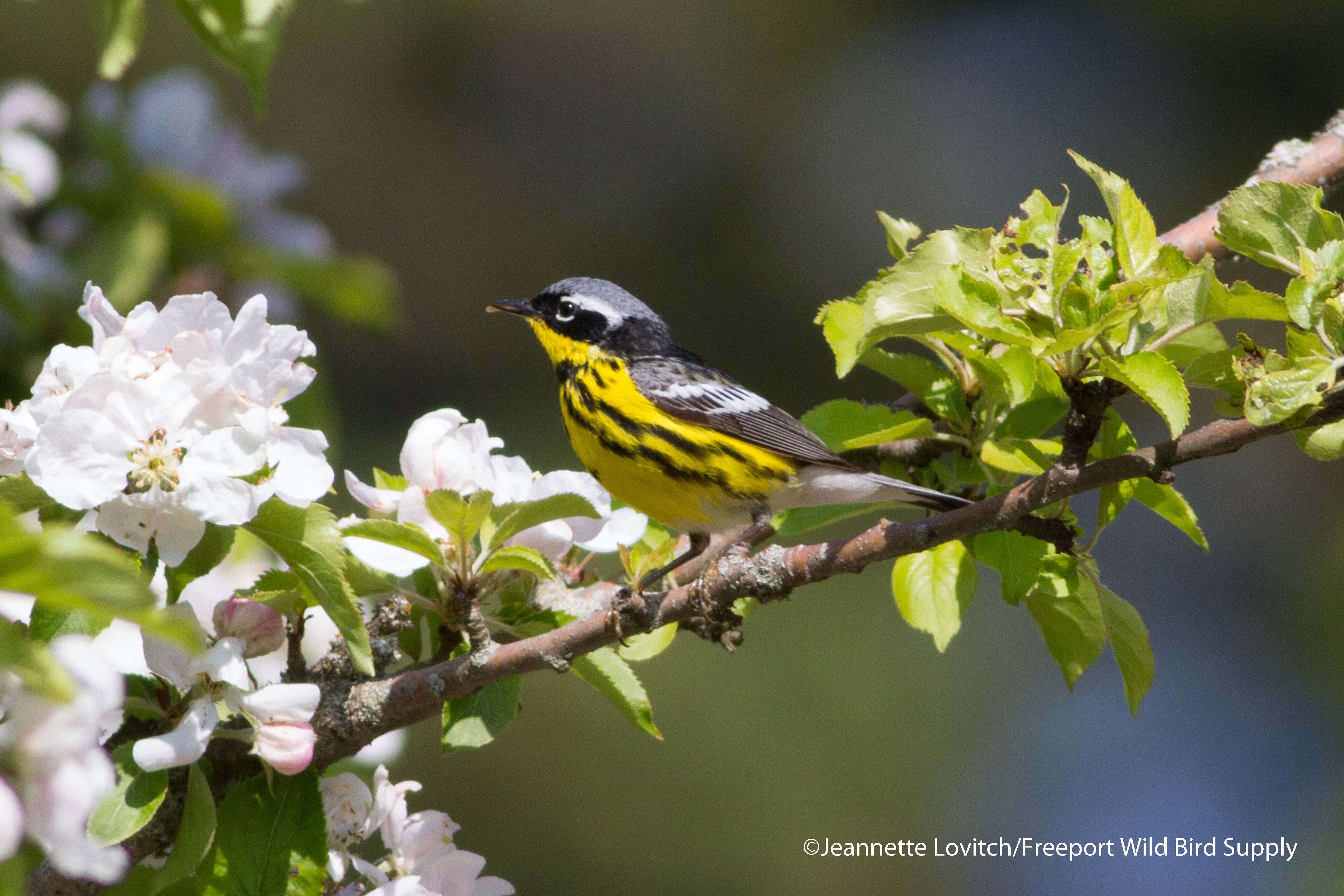


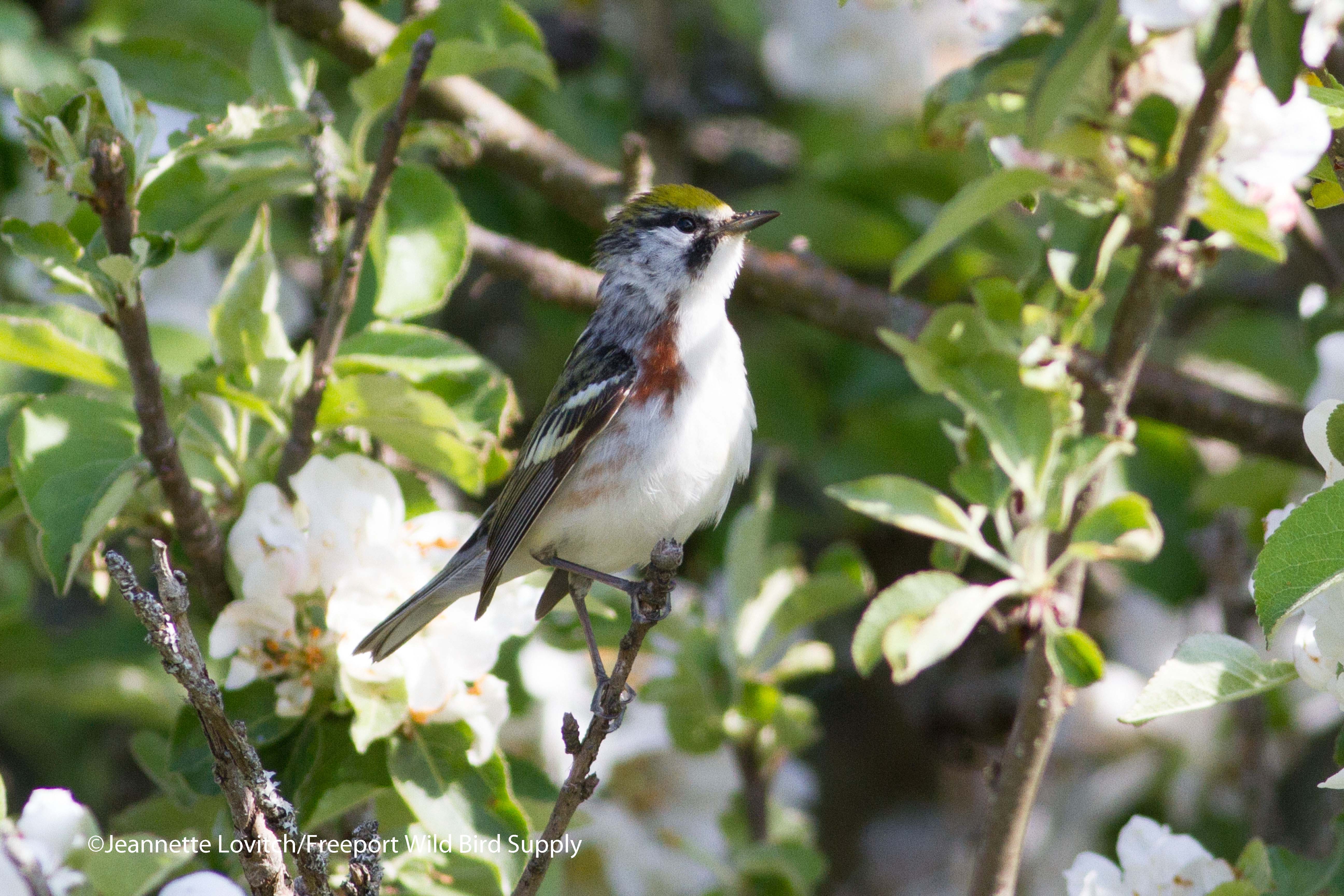


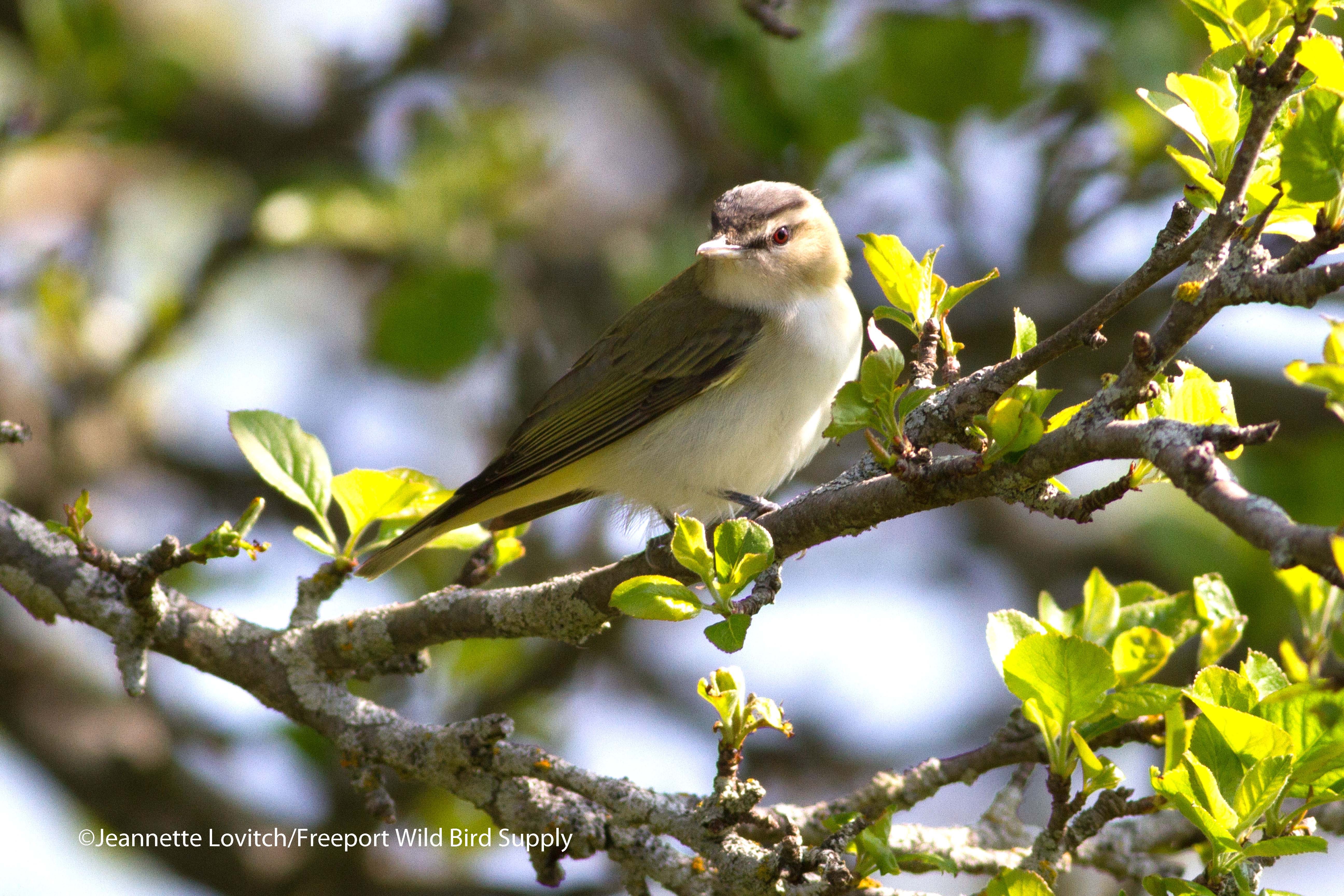

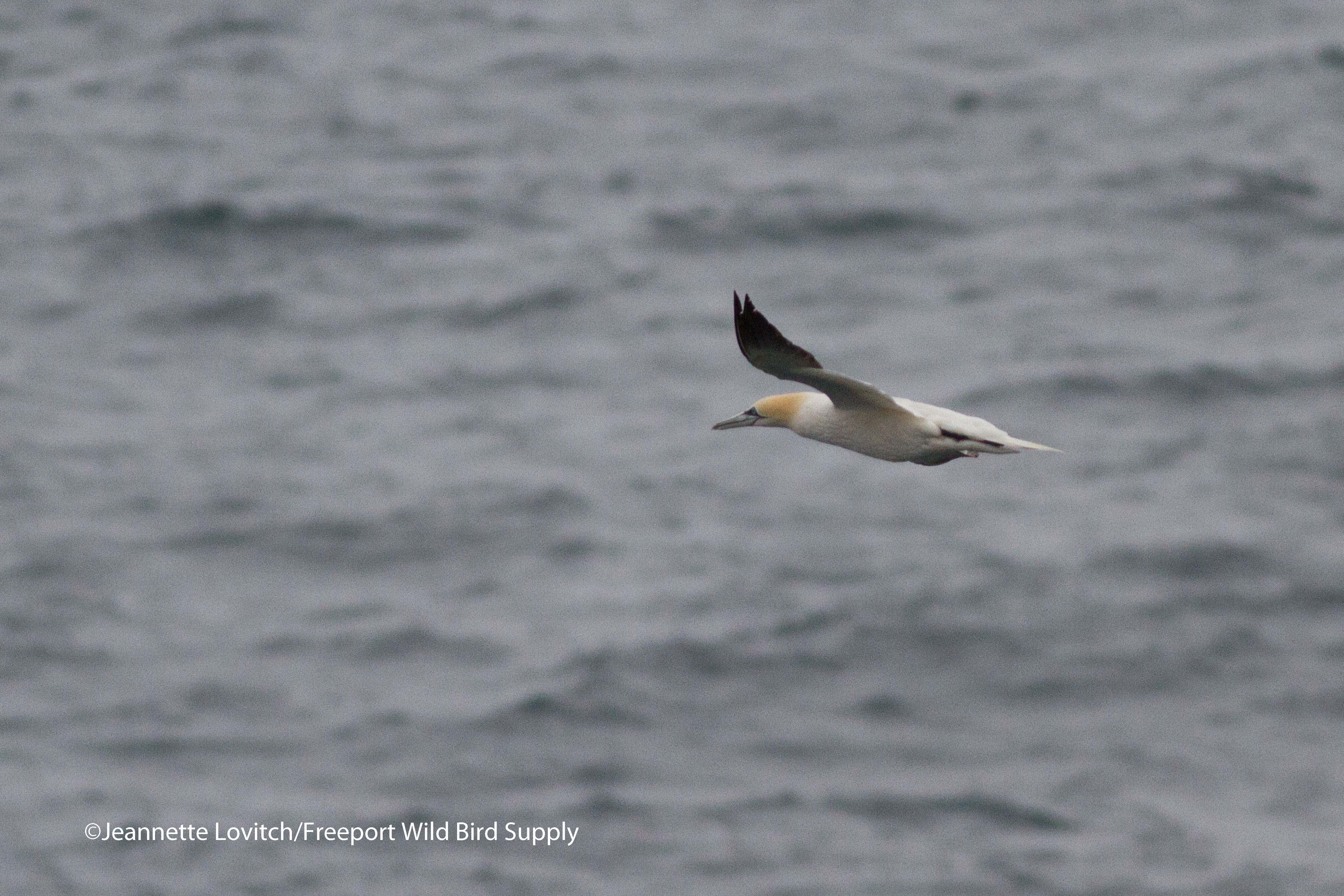
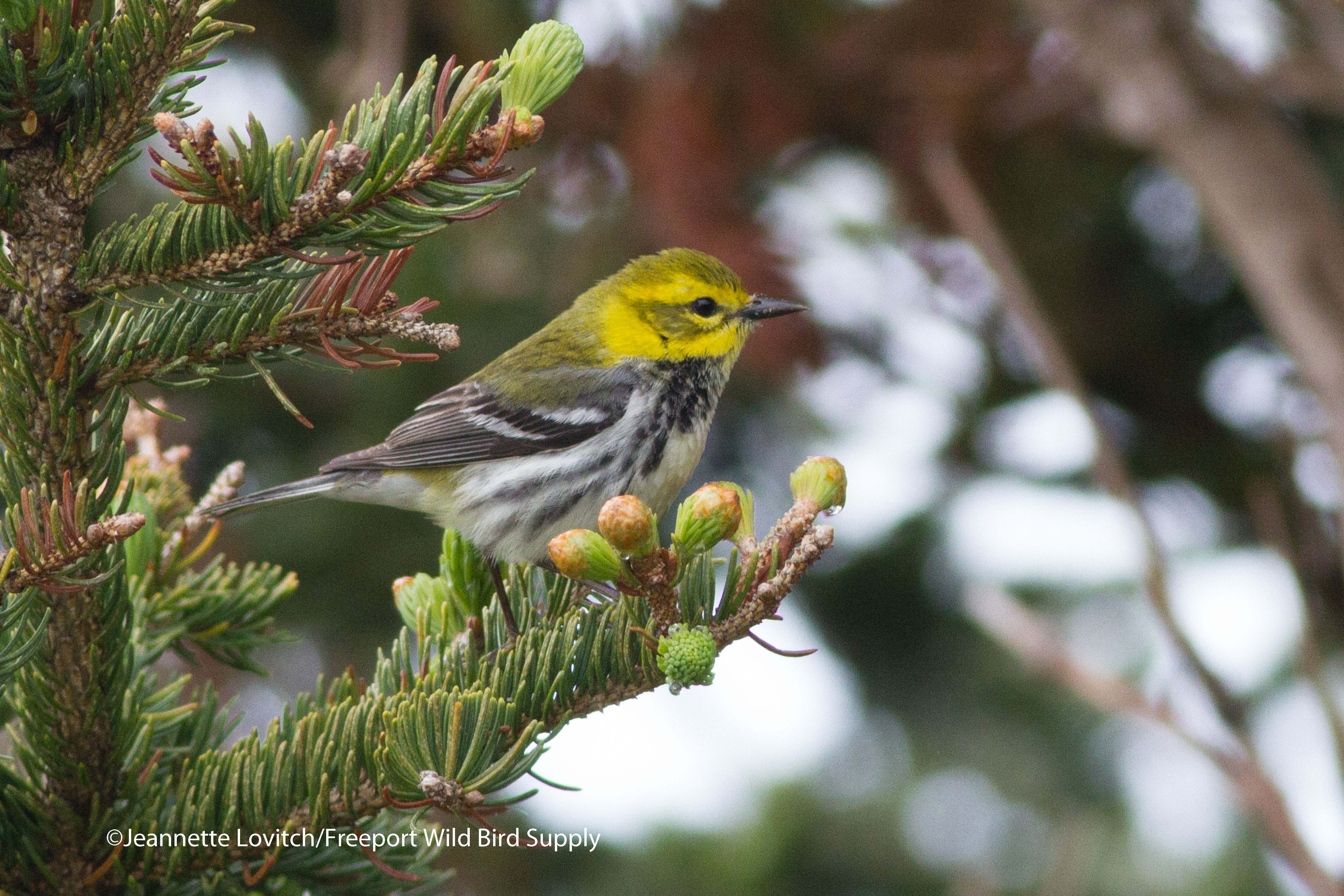


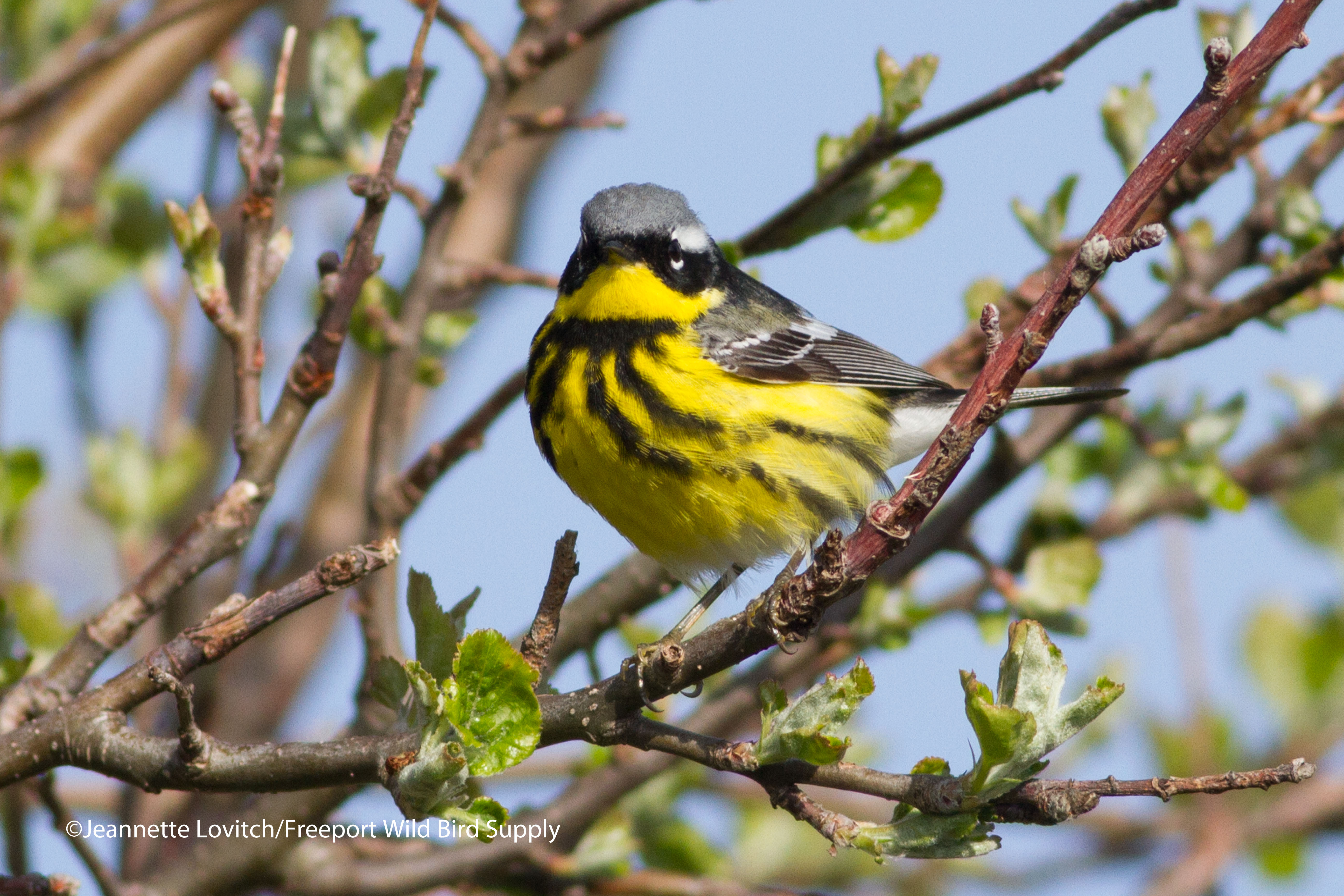




 This. Is. Going. To. Be. Awesome.
 Maine Birding Field Notes