Tag Archives: Common Gull

2025 Next Maine Birds Predictions Blog

Although there was a previous state record, few if any of us were expecting to have the chance to see a Willow Ptarmigan ever again in Maine. Fewer of us expected to see one taking refuge on a lawn chair, as this one did in the Small Point area of Phippsburg in late August.

It’s once again time for my annual Predictions Blog, where I view into my crystal binoculars and attempt to forecast some of the “new” birds to grace the State of Maine – and then my own personal state list – in the coming year.

I was busy this year. Lots of birding tours here in New England, vacations to the Dominican Republic and the Gaspe of Quebec, a scouting trip through the Gulf of Maine, an even further diminished interest in “chasing” when I am actually home, and a lot more time spent casually birdwatching on our property – more and more my time is spent observing whatever is in front of me, instead of searching for rarities. I didn’t even spend much time at Sandy Point this fall, although weather had a lot to do with that.

There are several reasons for this change of motivation, but that’s a blog for another day. I did put in some concerted effort during a wild fall “rarity season,” but for the most part, my yard list in Durham was the only real priority. A Yellow-throated Vireo on the intriguing date of 7/21 was our 153rd species here since we purchased the property a little more than 4 years ago. Not a bad start! A Gray Catbird that showed up today, January 2nd, as I wrote this, is our first winter record (of course), and a good sign for productive yard birding in the new year!

But back to the rarities. Let us start as usual with a look at last year’s prognostications and see how I did. I also did a little more reflecting on my own evolving birding, as well as.

Two species were added to Maine’s list this year, a Ferruginous Hawk at the Auburn Airport on July 14th and an Anhinga in Somerville for 6 days in July. I saw neither. Both times we were in Quebec. I think it’s a sign.

While Ferruginous Hawk was only marginally on my radar, Anhinga had been relegated to the Honorable Mentions list as northern reports have really dried up for a spell. I was wrong.

So, neither of the first state records were on my list, but I will do a little reshuffling to add two recent splits to the list: Scopoli’s Shearwater and European Herring Gull. 

Scopoli’s Shearwater – recently split by most authorities from Cory’s Shearwater – likely has already occurred here. I saw at least one set of photos from this past summer that looked good to me, but the identification is a challenge, and we’re only learning how to identify them semi-reliably in the field (study up!). But I have little doubt that if we looked at every past photo of Cory’s Shearwater that has been taken in Maine, coupled with renewed scrutiny of the pattern on the underwing of the outer primaries of recent and future birds, that this will soon be confirmed in Maine.

Likewise, “American Herring Gull” (that’s our bird) and “European Herring Gull” are now separate species. European Herring Gull is another cryptic species that has also likely already occurred here, but it is another challenging, cutting-edge identification made more challenging by the extensive variation exhibited by our bird. Add to this Vega Gull from Asia, hybrids, and well…my Gull ID Workshop is open for registration (although I will not yet dive down the rabbit hole of American vs European Herring Gull…we’ll spend more time with Herring Gull vs “damn seagull.”

So here’s my list of the Next 25 Species to be found in Maine:

  1. Scopoli’s Shearwater
  2. Neotropical Cormorant
  3. European Herring Gull
  4. Black-chinned Hummingbird
  5. California Gull
  6. Limpkin
  7. Gray Heron
  8. Bermuda Petrel
  9. Graylag Goose
  10. Little Stint
  11. Audubon’s Shearwater
  12. Common Shelduck
  13. Anna’s Hummingbird
  14. Heerman’s Gull
  15. Common Ground-Dove
  16. Allen’s Hummingbird
  17. Spotted Redshank
  18. Lewis’s Woodpecker
  19. Ross’s Gull
  20. Black-capped Petrel
  21. Lesser Nighthawk
  22. Dusky Flycatcher
  23. Painted Redstart
  24. Hooded Oriole
  25. White Wagtail

As for me in 2024, I did add four species to my personal State List: Willow Ptarmigan (not on list), Tropical Kingbird (Honorable Mention), American White Pelican (#2), and Common Gull (#24).

The most surprising was the second state record of Willow Ptarmigan that Jeannette and I were lucky enough to catch up with in a private backyard in Phippsburg on August 28th. After being seen on Cliff Island in early May, it miraculously appeared in Phippsburg in a yard of a home that the friend of a birder was house sitting for! Then it showed up in a nearby yard where limited access was granted. Jeannette and I were in the right place at the right time when news broke, and were among the first to try out the arrangements and see then bird. Unfortunately, a couple of days later, the ptarmigan likely fell victim to an owl.

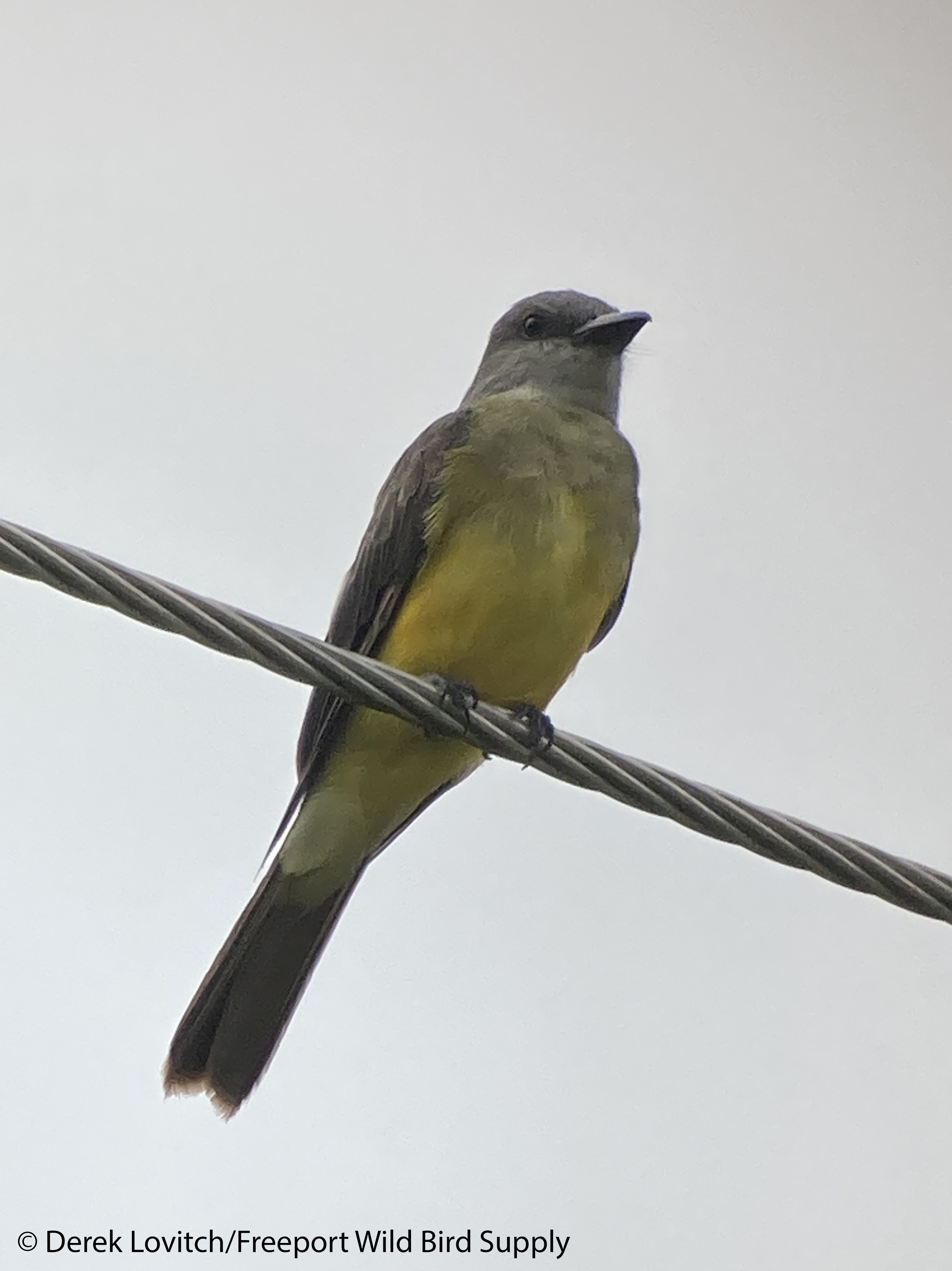
A Tropical Kingbird at the Skelton Dam Boat Launch in Dayton was found by a dog-walker and birdwatcher at the end of June, but news finally made it to the birding community in the middle of July, and I raced down to see it on the 18th. It has been on and off the Top 25 list for many years, but I’ve left it off for the last few. No complaints though, as the second modern, and third overall, state record was chaseable this time.
Later in the year, the birding community lost a great one with the passing of Davis Finch. Years ago, I would see Davis and Denny Abbott at a rarity, and they would be among the first people I would call when I found one (yup, we used to only call people to alert them to rarities!). Davis and I had a tradition where my final words as we were departing was always “See you at the ____” and pick a rarity. In fact, that might have even been the inspiration for this annual blog. This tradition became even more meaningful when I once left with “See you at the Ash-throated Flycatcher!”  And a short time later, I found an Ash-throated Flycatcher (at the Saco Riverwalk, the second state record in November of 2006). Davis and Denny were the first to know, and I’ll never forget Davis saying “why the heck were you birding this dump?” as he offered congratulations on the find – a state bird for all (it has been cleaned up a lot since then and it has become a significant birding hotpsot). While there were plenty of other birds mentioned in between, for the last few years, it was always “see you at the Tropical Kingbird!”  I heard someone say he was driven to Dayton to see the kingbird. I hope this is true…he really wanted that bird!

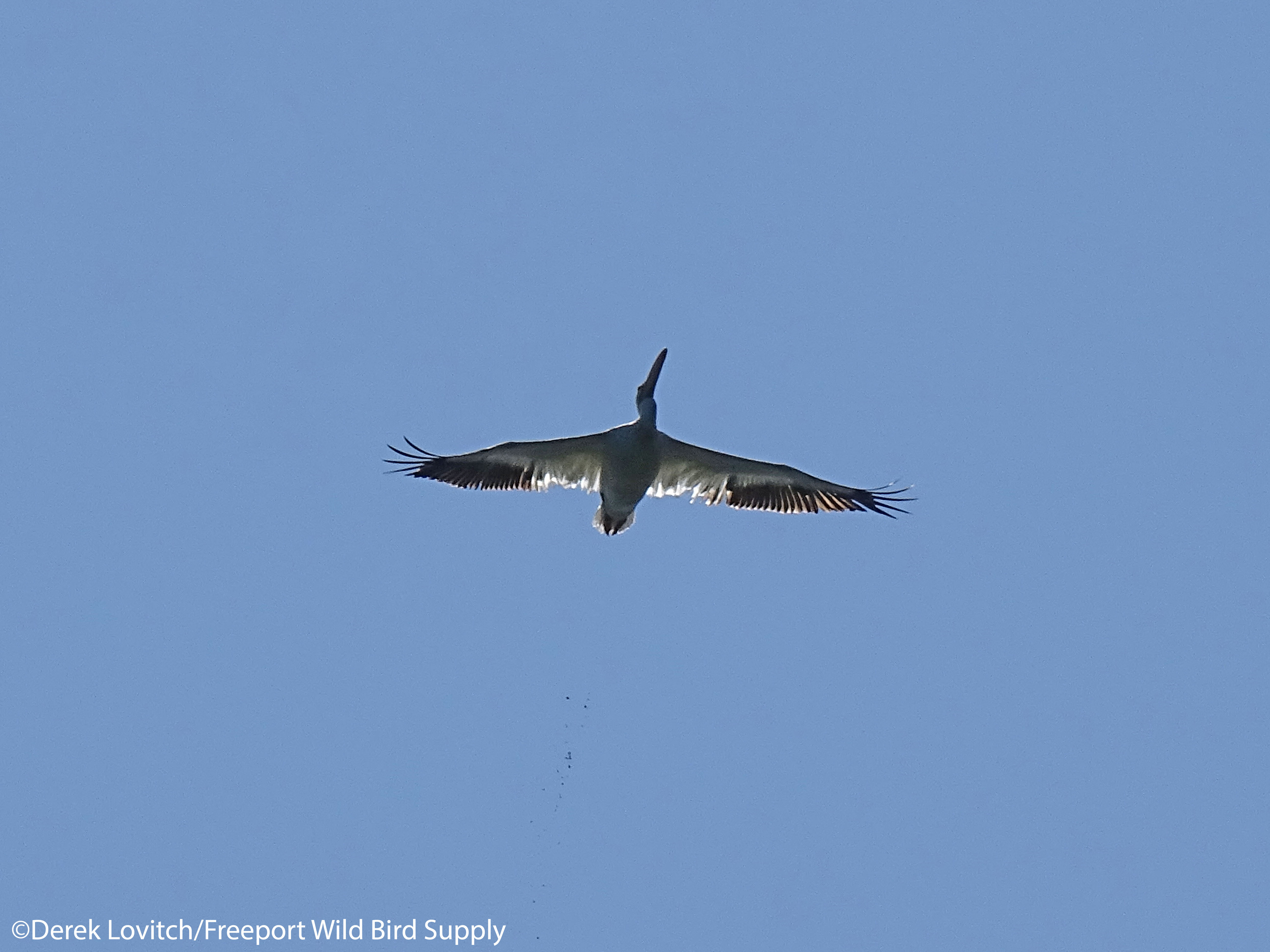
Moving on, I finally caught up with an American White Pelican on 8/26, conveniently close to home/work. Following a Saturday Morning Birdwalk, Kevin Harding and Brandon Baldwin stopped by Wharton Point in Brunswick on their respective ways home and found the pelican. They called the store (yup, phone calls still work), and I dropped what I was doing to head over. The bird was really far by the time I arrived, so Brandon and I walked down the Maquoit Bay Conservation Land trail for a closer look. A little while later, as other arrived, the pelican flew right over our heads for an incredible view!
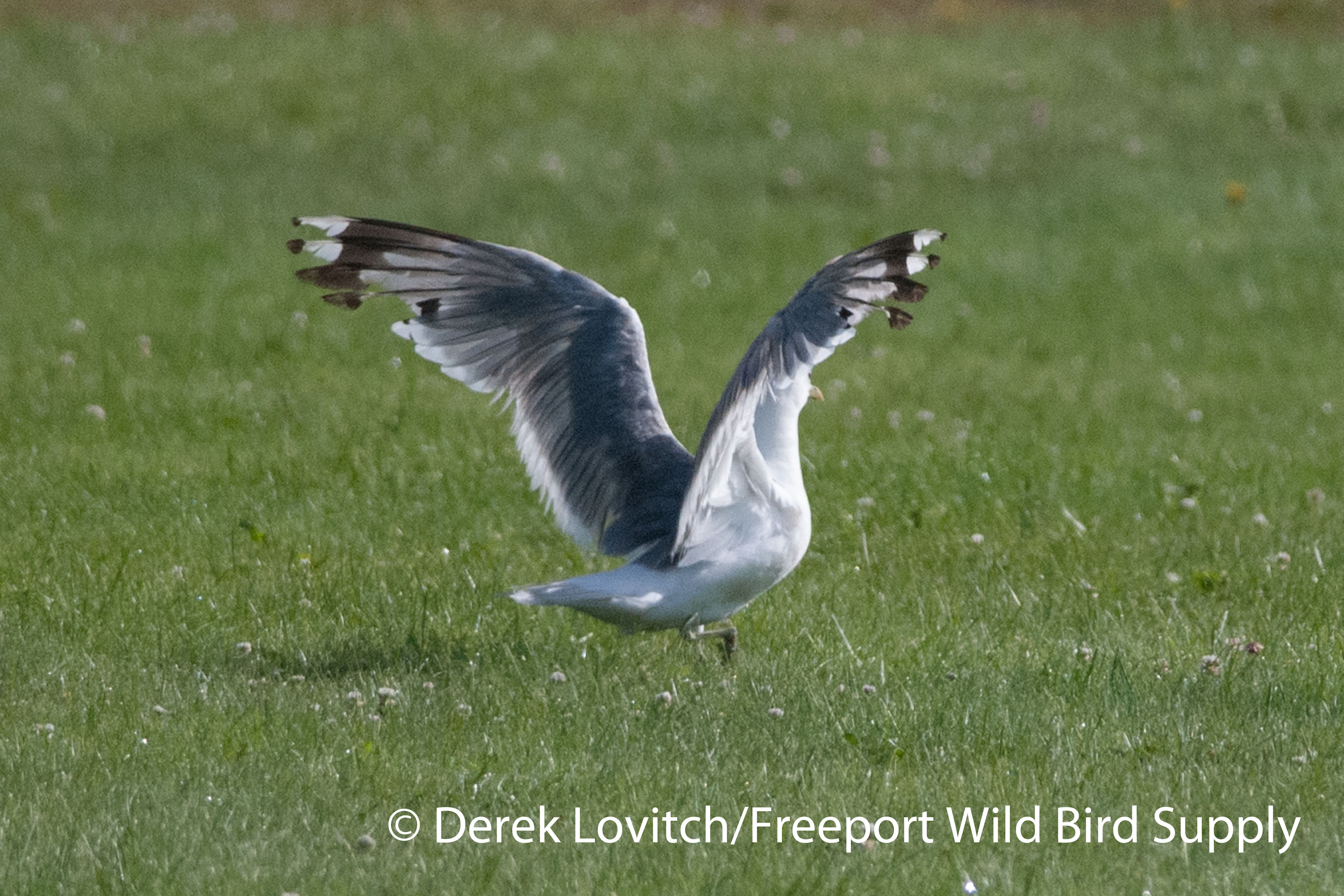
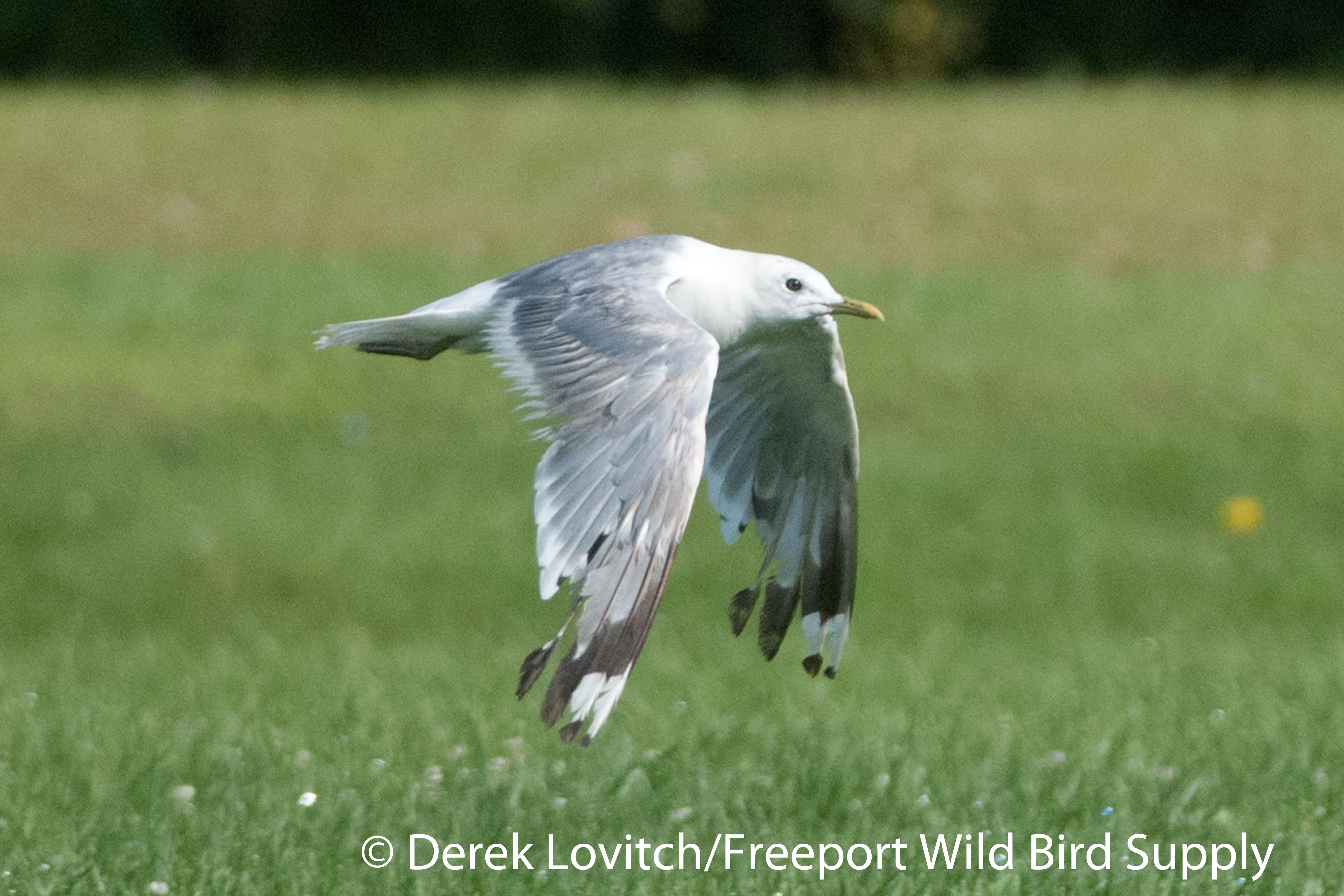
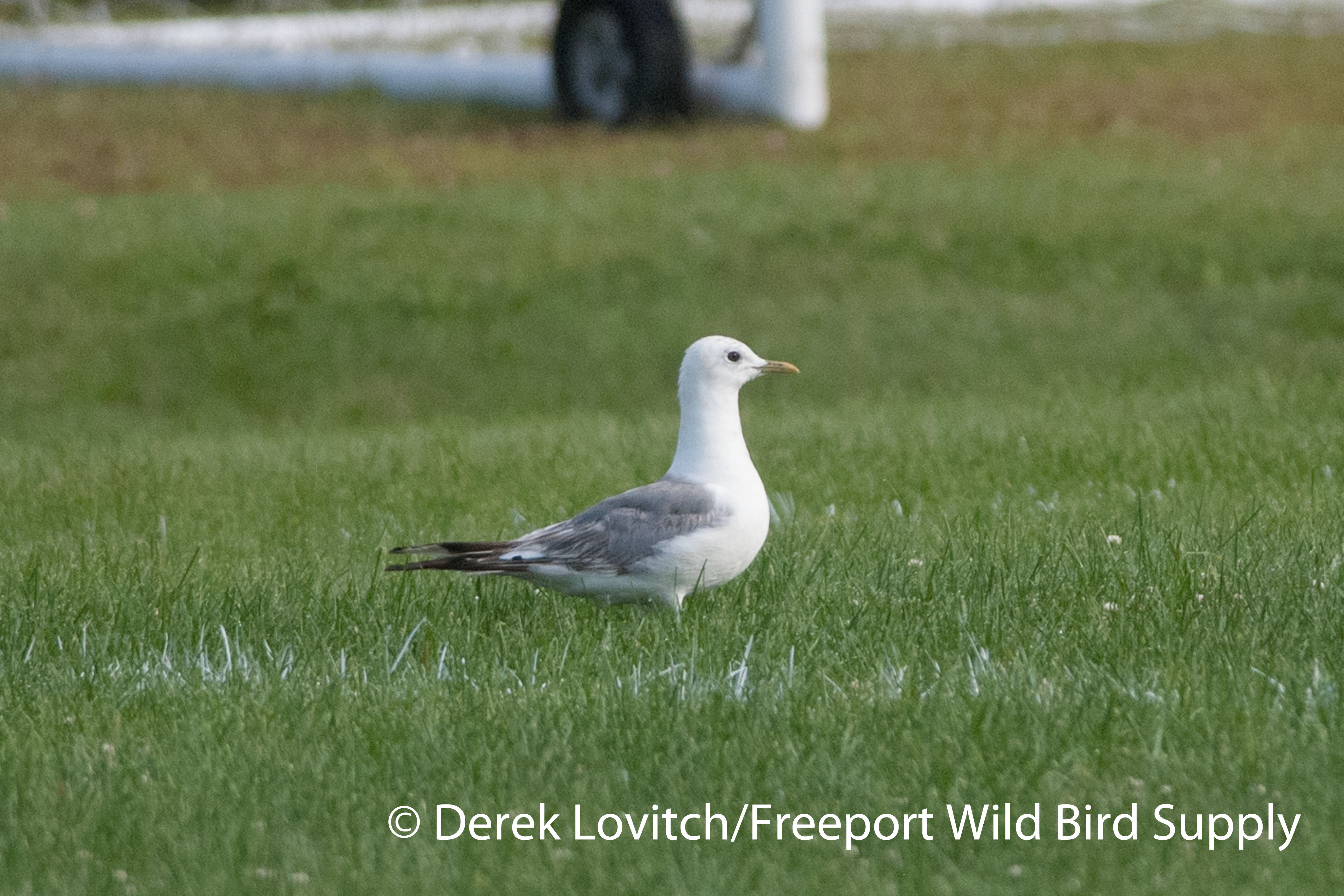
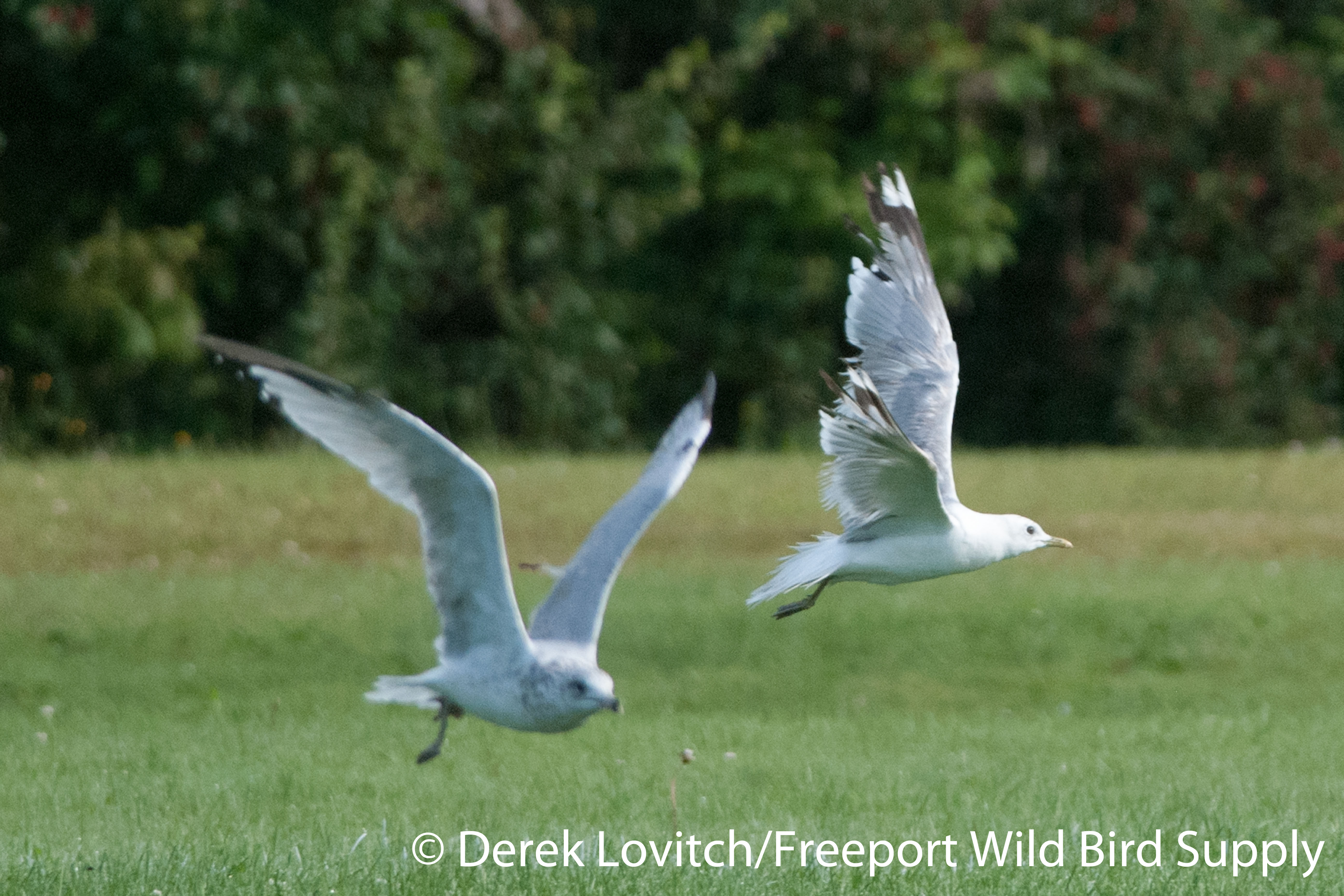
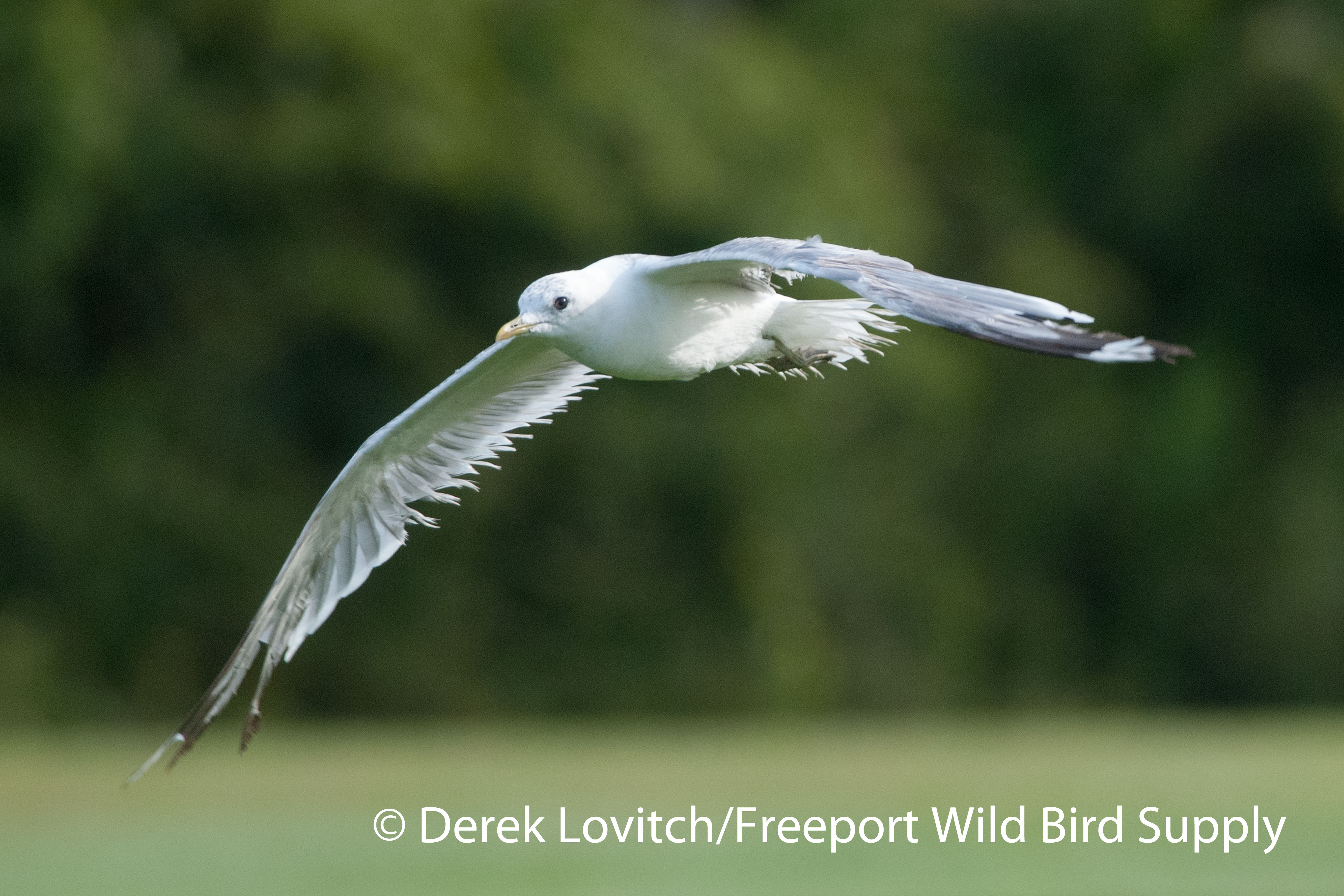
And finally, after Common Gulls were found in Eastport in February and on Matinicus Rock in September, Evan Obercian found one much more conveniently located at the Samoset Resort in Rockland on Halloween. I was finally able to sneak away four long days later, getting to enjoy the bird on November 3rd.

Of course, I missed more than I saw, both with travel and a lessening interest in chasing. I missed a total of four Franklin’s Gulls (#1): Seapoint Beach in Kittery on 6/30, Hill’s Beach in Biddeford on 7/22, Sewall Beach on MDI on 9/14, and one in Wells on 9/15. I’ll catch up with these notorious one-day/hour wonders some day in Maine!

The aforementioned Anhinga and Ferruginous Hawks were not on my Top 25 list, nor was the Mountain Bluebird that was on Monhegan in early May – before twice-daily ferry service had begun. I did take a day trip with a friend for the heckuva it six days after it was last seen. There was also a Brown Booby (#6) that wasn’t chaseable on Seal Island in August, but had we not been in Quebec twice, it would have been a truly incredible birding year for me in Maine. Oh well, a weekend with friends and 100,000 Northern Gannets more than made up for it.

So with those hits and misses, my updated list of the Top 25 Next State Birds for Me is now:

  1. Franklin’s Gull (will this finally be the year?)
  2. Neotropic Cormorant
  3. Brown Pelican
  4. California Gull
  5. Brown Booby
  6. Crested Caracara
  7. Slaty-backed Gull
  8. Boreal Owl
  9. Calliope Hummingbird
  10. Graylag Goose
  11. Cerulean Warbler
  12. Gull-billed Tern
  13. Pacific Golden-Plover
  14. Limpkin
  15. Wood Stork
  16. Black-chinned Hummingbird
  17. Brewer’s Blackbird
  18. Yellow Rail
  19. Scopoli’s Shearwater (undoubtably after further review of photos!)
  20. Virginia’s Warbler
  21. Western Wood-Pewee
  22. Red-necked Stint
  23. European Herring Gull
  24. Gray Heron
  25. Heerman’s Gull

Well there ya have it, let’s see what 2025 brings, at least when it comes to rare birds in Maine.
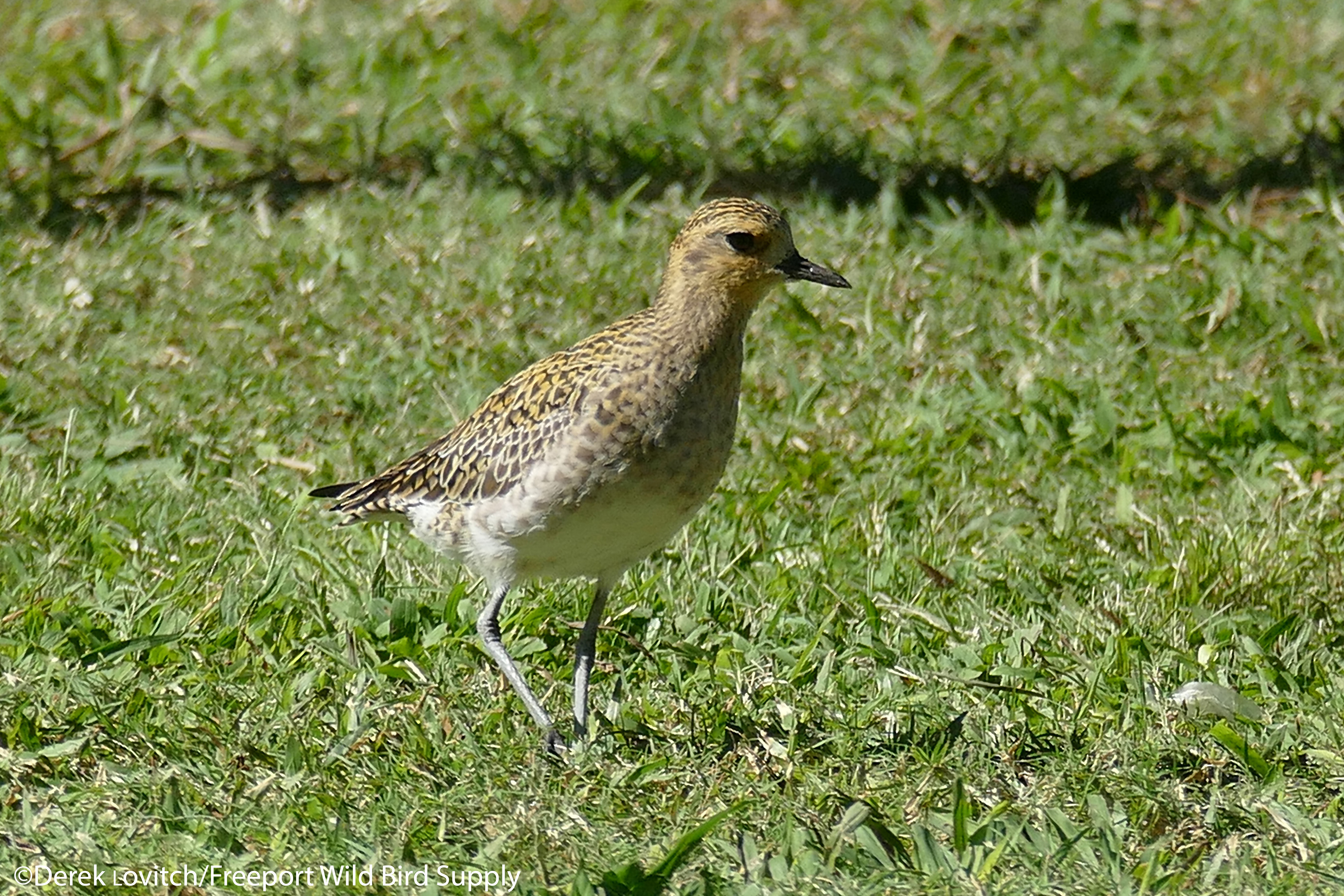
I think it’s about time for another Pacific Golden-Plover to show up here in Maine.
This juvenile was photographed in Hawai’i.

Recent Highlights, 11/3 – 11/8/2024 – plus notes from 10/29-30

I usually miss at least one “Mega” rarity whenever I go away, so I was pretty pleased that this Common Gull – found on 10/31 by Evan Obercian at the Samoset in Rockland – stuck around until we returned. I was able to see it on 11/3.  It took a while, but when it eventually spread its wing, the species/subspecific ID became certain. Separated by the abundant Ring-billed Gulls by the smaller size, slightly darker back, and thin bill, we can rule out the West Coast Short-billed Gull by the length of the bill and the wing pattern. Separation from Kamchatka Gull is more challenging, but it wasn’t particularly dark, the head was lightly flecked with brown, and there’s a relatively distinct bill band. According to Ayyash (2024), the shorter gray tongues on the outer primaries, the large P9 window that connects with the large P10 window, and little to no white at the end of the tongue on P8 all suggest Larus canus canus (and not Kamchatka Gull). 

It’s November, and that means “Rarity Season” and unlike recent Novembers, Rarity Season is off to a roaring start. Here are my observations of note over the past 6 days. Below, see the trip report for our 7-day birding cruise that included time in Maine waters.

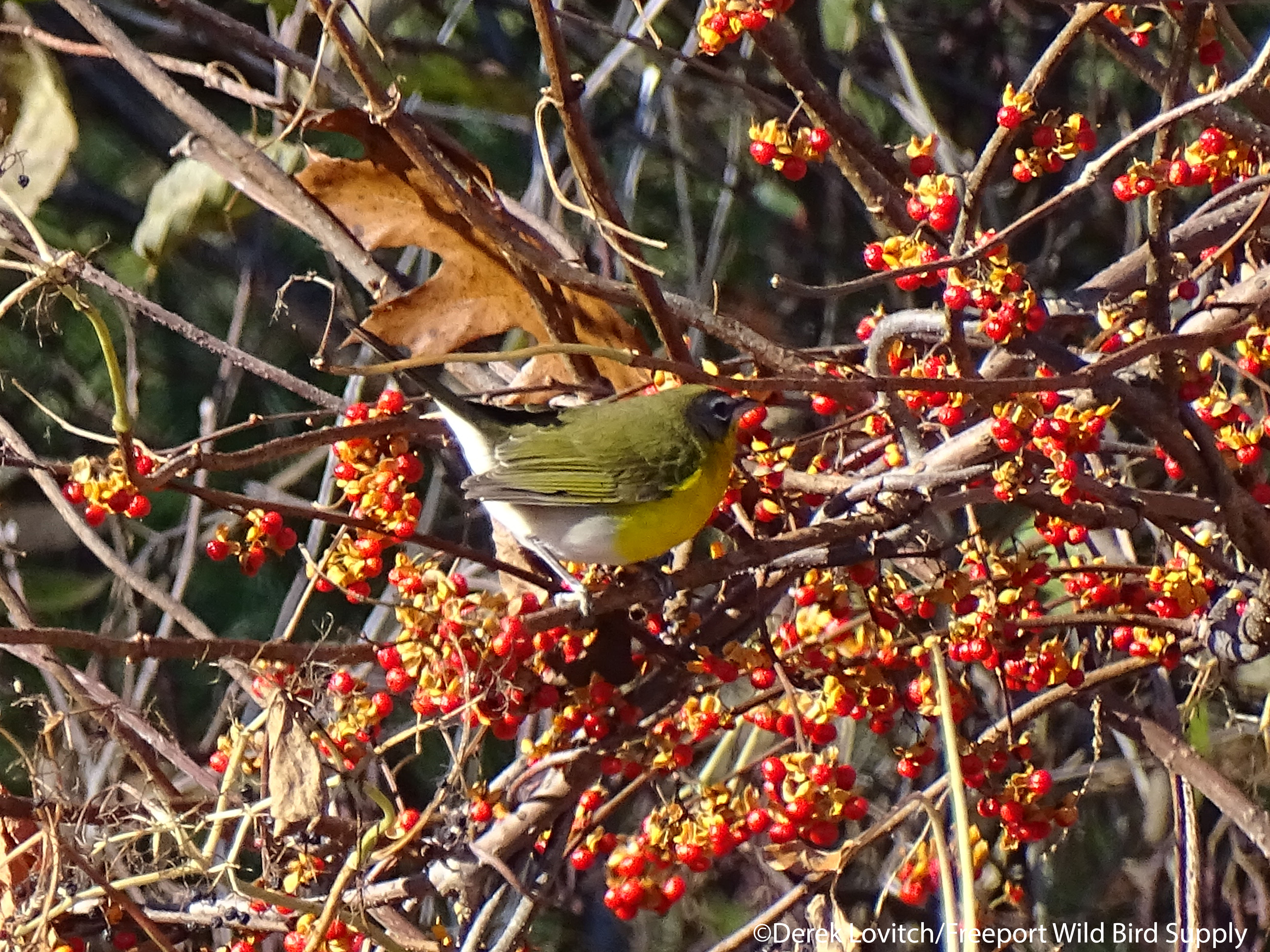
  • Although I chase even less frequently these days, I did make time to go see one of the two COMMON GULLS at the Samoset in Rockland on 11/3. Photos and discussion above. Additionally, I caught up with the YELLOW-BREASTED CHAT that was found there that day, although I blew the photos.  A “Western” Palm Warbler, several American Pipits, and 4 Horned Larks were also present.
  • 1 Pine Warbler, Bailey Island, Harpswell, 11/5 (with Jeannette).
  • 1 RED-EYED VIREO and 6 American Tree Sparrows (FOF), Trout Brook Preserve, South Portland, 11/7.
  • Biddeford Pool environs, 11/8:
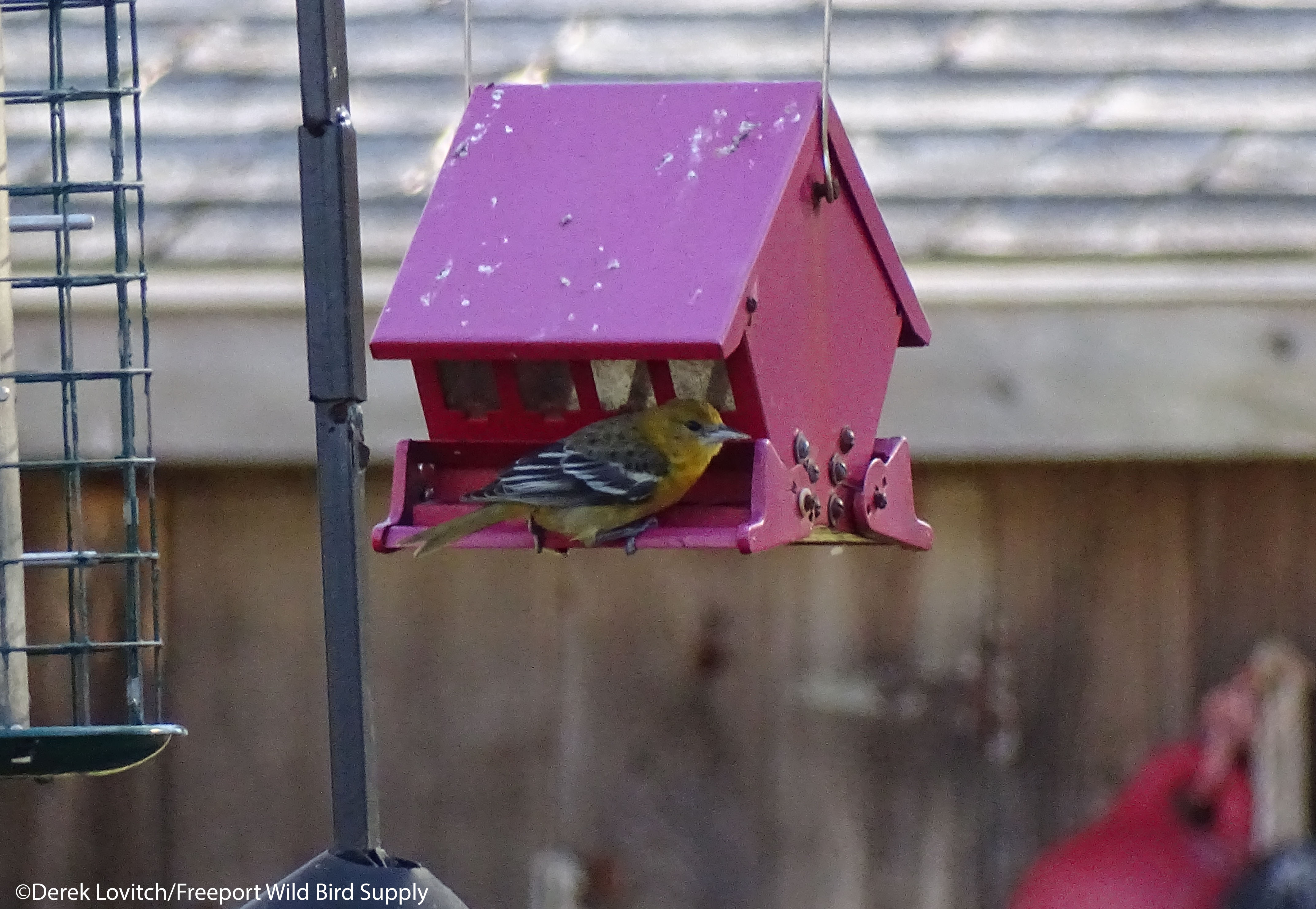
  •             1 BALTIMORE ORIOLE
  •             1 PRAIRIE WARBLER
  •             1 “Ipswich” Savannah Sparrow
  •             1 Rusty Blackbird
  •             2 Lapland Longspurs
  •             2 Greater Yellowlegs, 22 Black-bellied Plovers, and 26 Dunlin.
  •             2 Northern Pintails
  •             4 Hermit Thrushes and 1 Swamp Sparrow, etc.
  • Our Durham property is much quieter overall these days, but a few Red-winged Blackbirds have been around, a Ruby-crowned Kinglet was present 11/5-6, our first Pine Siskin of the season at home visited on 11/5 and increasing daily since, and Dark-eyed Junco numbers have continued to grow. At least one each of Swamp and Savannah Sparrow continue.

TRIP REPORT

Last week, Jeannette and I boarded a Princess Cruises ship in New York City to unofficially survey for rarities and things like Great Skua. The entire trip report is here, but our highlights from Maine specifically included:

  • 1 RED-EYED VIREO, 2 Orange-crowned Warblers, 2 Field Sparrows, etc, Eastern Promenade, Portland, 10/29. Yes, we took a cruise only to go home!
  • Passerine FALLOUT, 10/30. Awoke to birds on deck before dawn. 16.5 nautical miles southeast of Mt. Desert Rock. 12 species of passerines, led by 8++ Yellow-rumped Warblers but also including 1 Rusty Blackbird, 1 “Ipswich” Savannah Sparrow, 1 Snow Bunting, and perhaps most surprisingly, 7 European Starlings. Another birder on board photographed a Pine Warbler.
  • Very little time was spent in daylight in Maine waters, unfortunately, but we did have a couple of Northern Fulmars in Maine waters very early on the 30th.

A MEW GULL in Thomaston!

On August 3rd, Don Reimer found Maine’s Third State Record of a Mew Gull in a parking lot in Thomaston.  While it was seen in the area for most of the day, it was not seen by anyone on the 4th – myself included – despite extensive searching.  However, a few days later, Don relocated it, and it has been seen regularly since, although it is not always in the same place at the same time, and it seems to feed somewhere unknown at low tide.

After returning from Hawai’i on Friday, I was happy to see the bird has kindly awaited my return.  Today was the first chance I got to head over, and at 7:45 I met Kristen Lindquist in the parking lot behind downtown Thomaston.  Kristen was studying about 30 Ring-billed Gulls in the parking lot until a birder drove by and flushed them.  Apparently, a few gulls from rooftops and/or a nearby field joined the flushed birds, and as they settled back down or flew off, I noticed a single, seemingly darker gray bird sitting atop a basketball hoop in the adjacent playground.

And sure enough!   I snapped a few phone-scoped images, including this one.
IMG_1357

Boy, that was easy, for us anyway (the gull is hard to see atop the basketball hoop here)!

MEGUonHoop, with Big CrankyDSC_0009_MEGU_on_hoop1

A short while later, it flew to a nearby field next to the Oceanside High School.  There, a jogger was doing laps around the track.  Although the bird was never too perturbed by this, it did fly a short distance when the jogger would be a little too close for comfort.  This afforded me a perfect opportunity for exactly what I wanted: flight and spread-wing photos. Shortly thereafter, it flew off the field and onto the roof of the elementary school where we left it at about 9:00.

(Click on the photos for a larger image)
DSC_0020_MEGU_upperwing2 DSC_0020_MEGU_upperwing3 DSC_0024_MEGU_upper_and_underwing1 DSC_0024_MEGU_upper_and_underwing2 DSC_0024_MEGU_upper_and_underwing3 DSC_0024_MEGU_upper_and_underwing4 DSC_0032_MEGU_in_field1 DSC_0032_MEGU_in_field2

Side-by-side with a Ring-billed Gull:
DSC_0037_MEGU_and_RBGU2 DSC_0037_MEGU_and_RBGU3

DSC_0045_MEGU_flight1 DSC_0045_MEGU_flight2

So, what is this?  Other than a big, fat, mess?

It’s definitely a bird in the Mew Gull (Larus canus) Complex, which here in the States, we refer to as composing four subspecies. There’s “Mew Gull,” L.c.brachyrhynchus that is common in the west, breeding from Alaska to extreme northwestern Manitoba and south through the coast of British Columbia, and wintering along the Pacific Coast from Washington into Baja California.  However, vagrants that have been recorded on the Eastern Seaboard have mostly (I believe) been assigned to the expanding European population, L.c.canus, or “Common Gull.”  There’s also the “Kamchatka Gull” (L.c. kamtschatsensis) of the Russian Far East that is a regular rarity in Western Alaska, with  perhaps a few claimed elsewhere on the continent (I am vaguely recalling one in Massachusetts?).  Finally, there is L.c.heinei of Siberia, which may just be an intergrade between Common and Kamchatka Gulls and I am unaware of any possible records of this in North America.

In short, the European “Common Gull” actually seems to be more likely on the East Coast than the North American “Mew Gull.”  But most records are from winter, and most birds do not have a plumage as trashed as this individual.

The bird appears small to me, with a relatively thin bill (although it’s on the long side), and a relatively dark mantle, all of which would be points in favor of Mew Gull.  However, the plumage is so ravaged, that it’s hard to even age the bird.  Is it an advanced 2nd cycle, a retarded 3rd cycle, or an adult that had some really bad days?  Intermediate-aged birds in the complex are notoriously, well, complex – and very difficult, at best, to identify.

But what can we actually see?
–          Fairly broad white windows in outer two primaries (primaries 10 + 9)
–          Little to know white between the black and gray on P8 (although this is probably only of value on an adult.
–          P7 is trashed
–          Is that a new P6 growing in? (One primary is definitely missing as well, could it be P1?)
–          The four new primaries have a fairly broad white tip.
–          The legs are dull olive-y (subadult-like).
–          The bill is fairly bright yellow at the tip with an olive-y base (adult-like).
–          The tail is too trashed too look for black spots at the tip (expected in a 2nd cycle Mew Gull, but not in a Common)
–          The eye is fairly dark.

So, we have an odd time of year for a vagrant gull, and we have a trashed plumage.  Can we narrow it down to a probable subspecies?  I will be sending this blog out to those who know various members of the Mew Gull Complex better than I do, and I will let you know what I learn.  Whatever it is, I got myself a state bird today!

REFERENCE:
Howell, Steve N.G. and Jon Dunn. 2007. Gulls of the Americas. Houghton Mifflin Company, Boston/New York.