Tag Archives: Blackburnian Warbler

 Recent Highlights, 5/18 -6/1

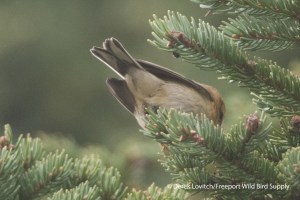
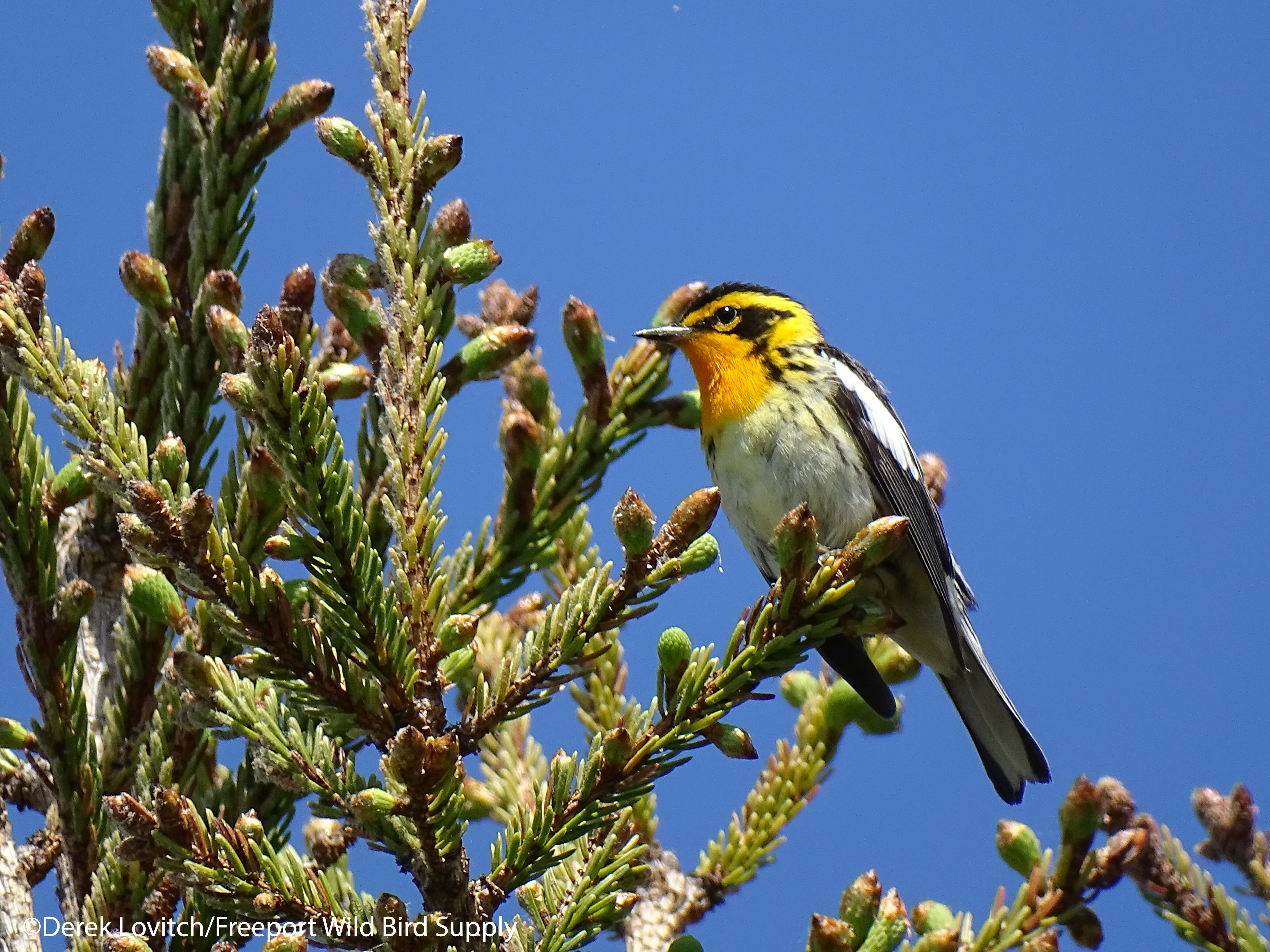
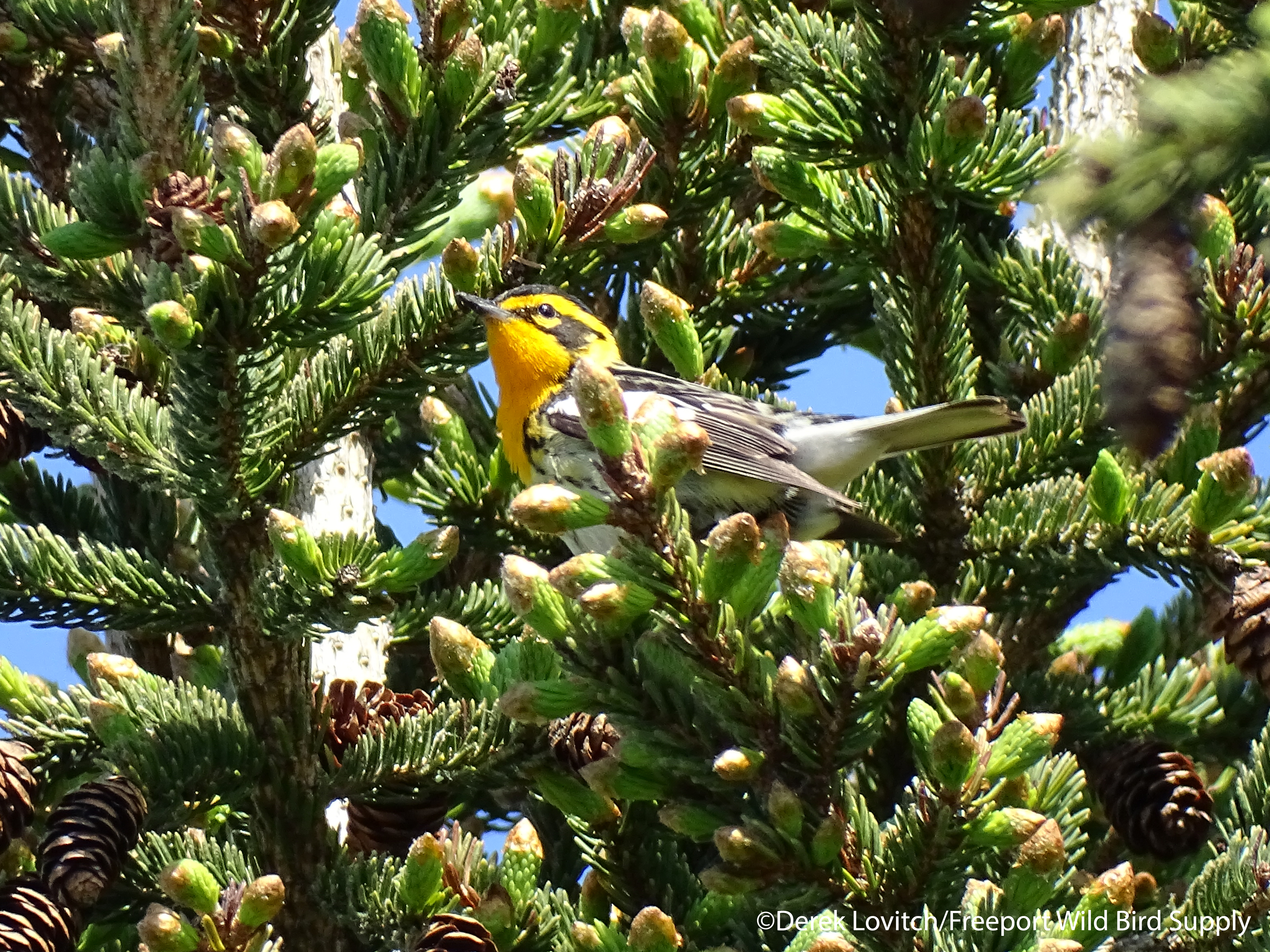
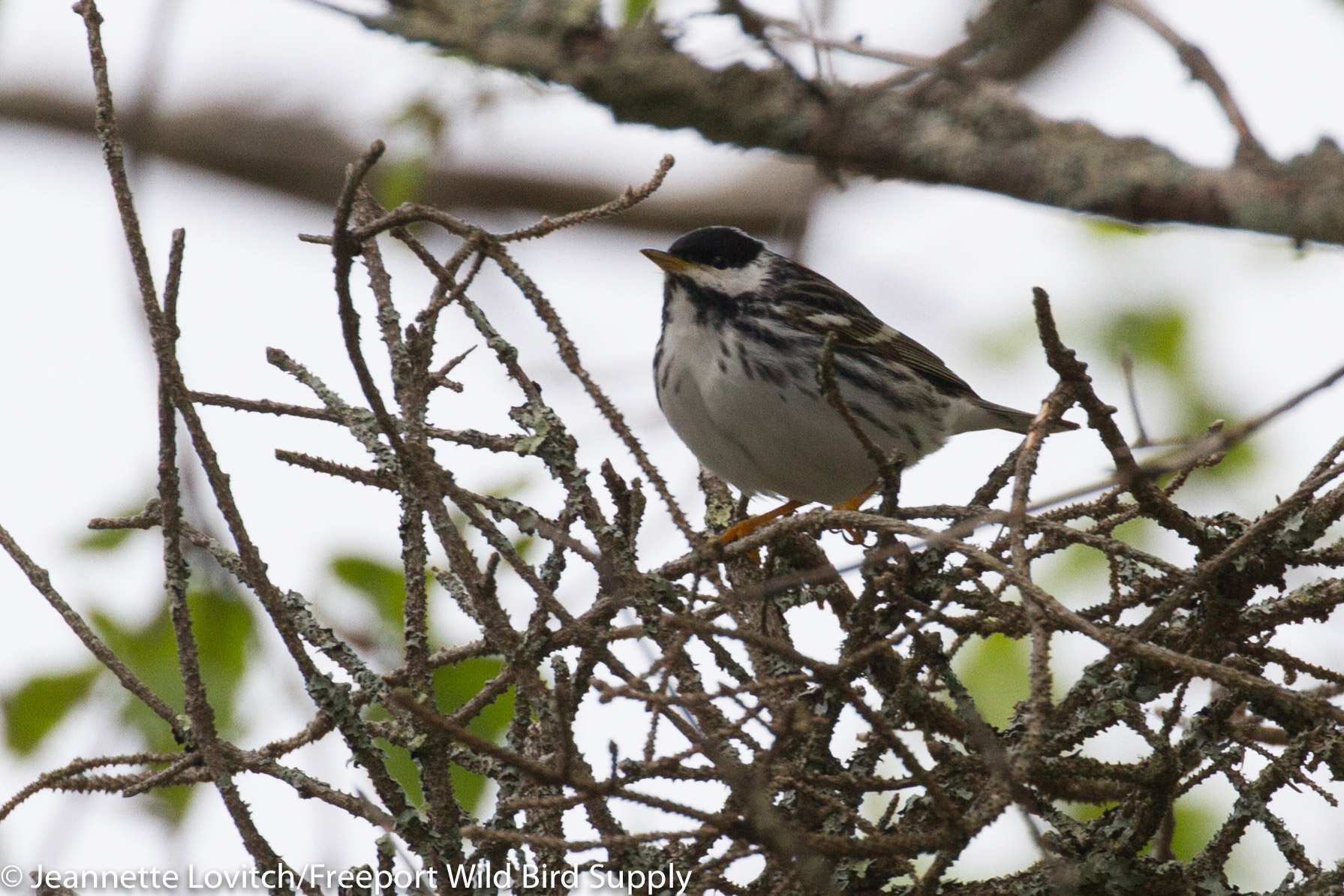
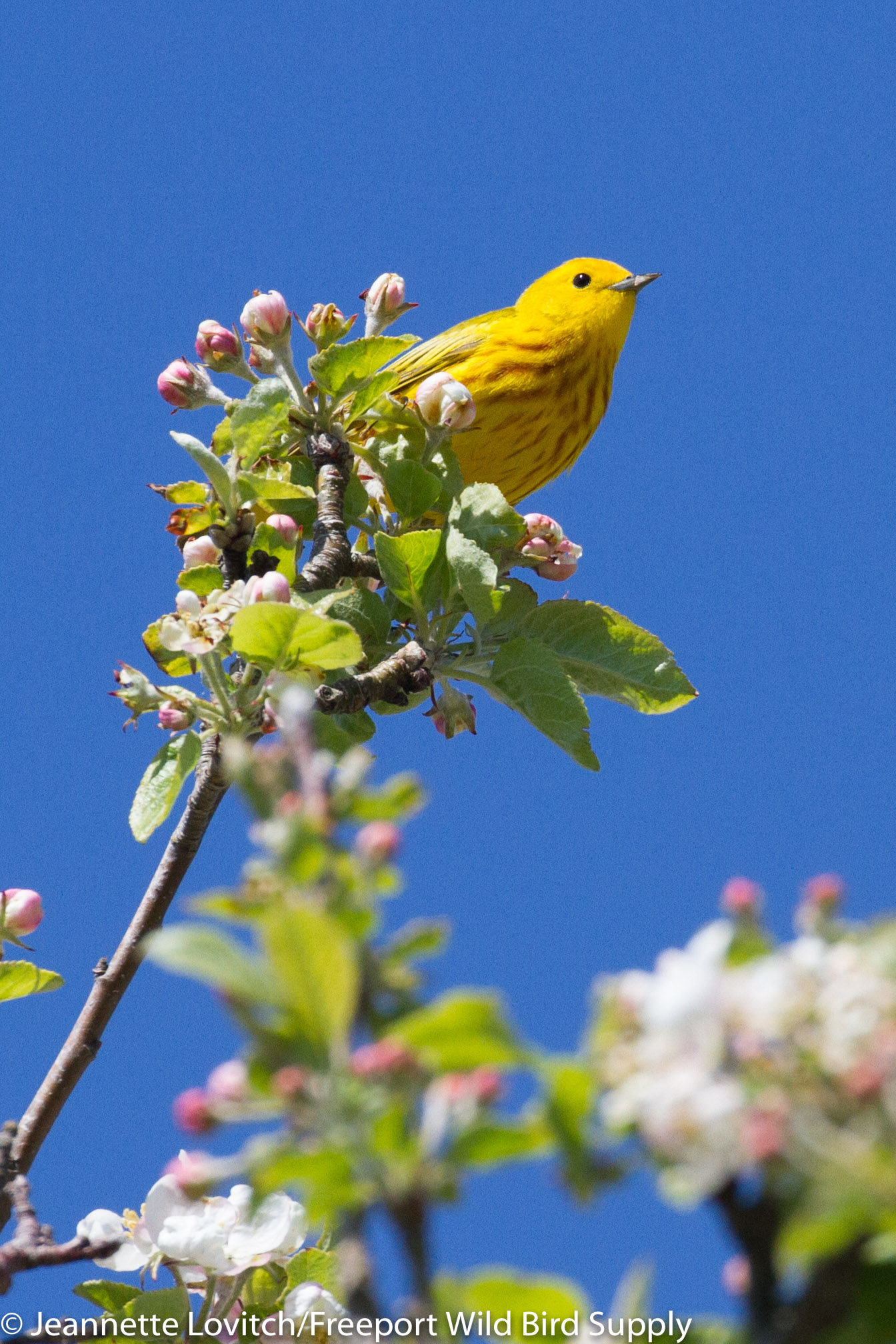
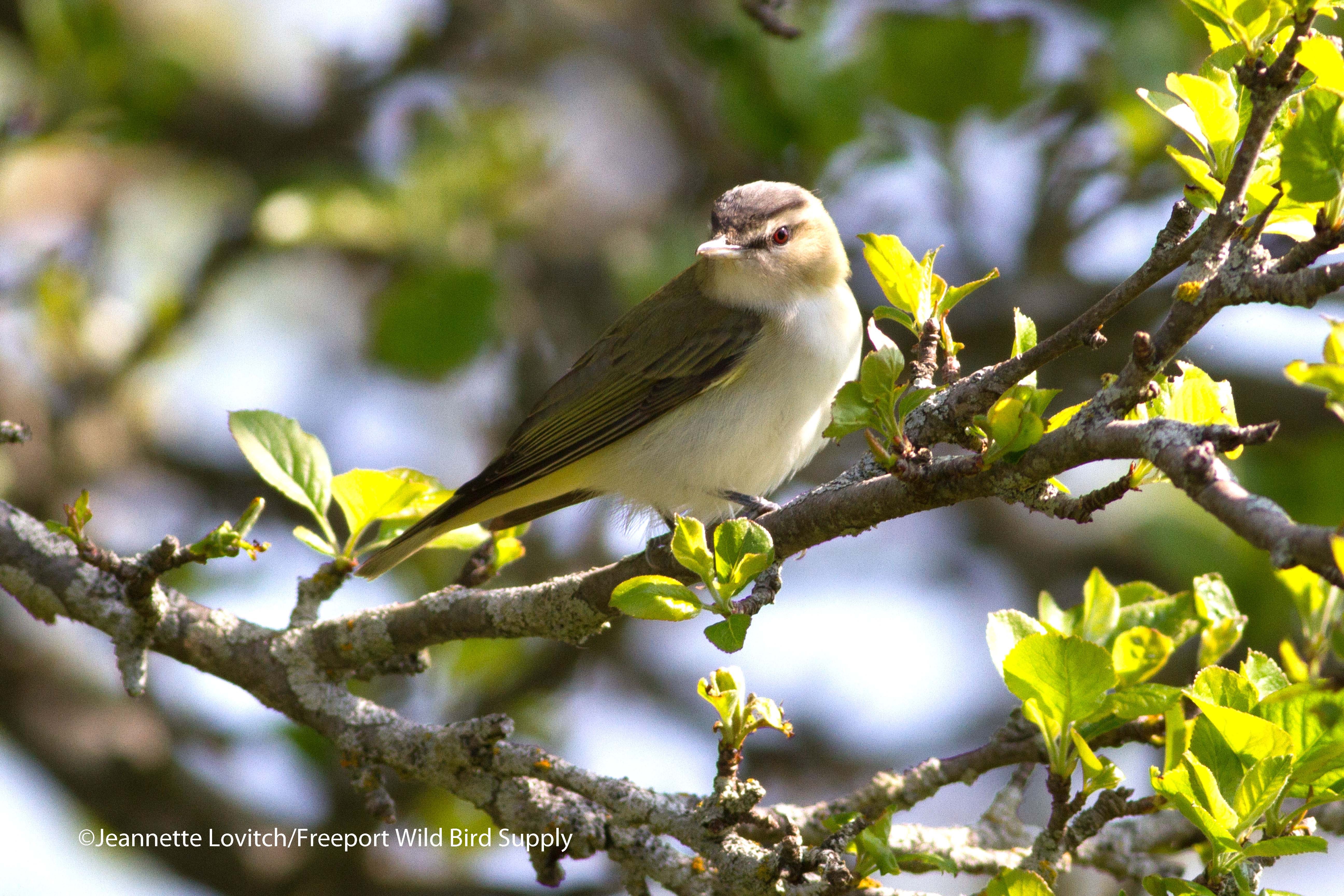
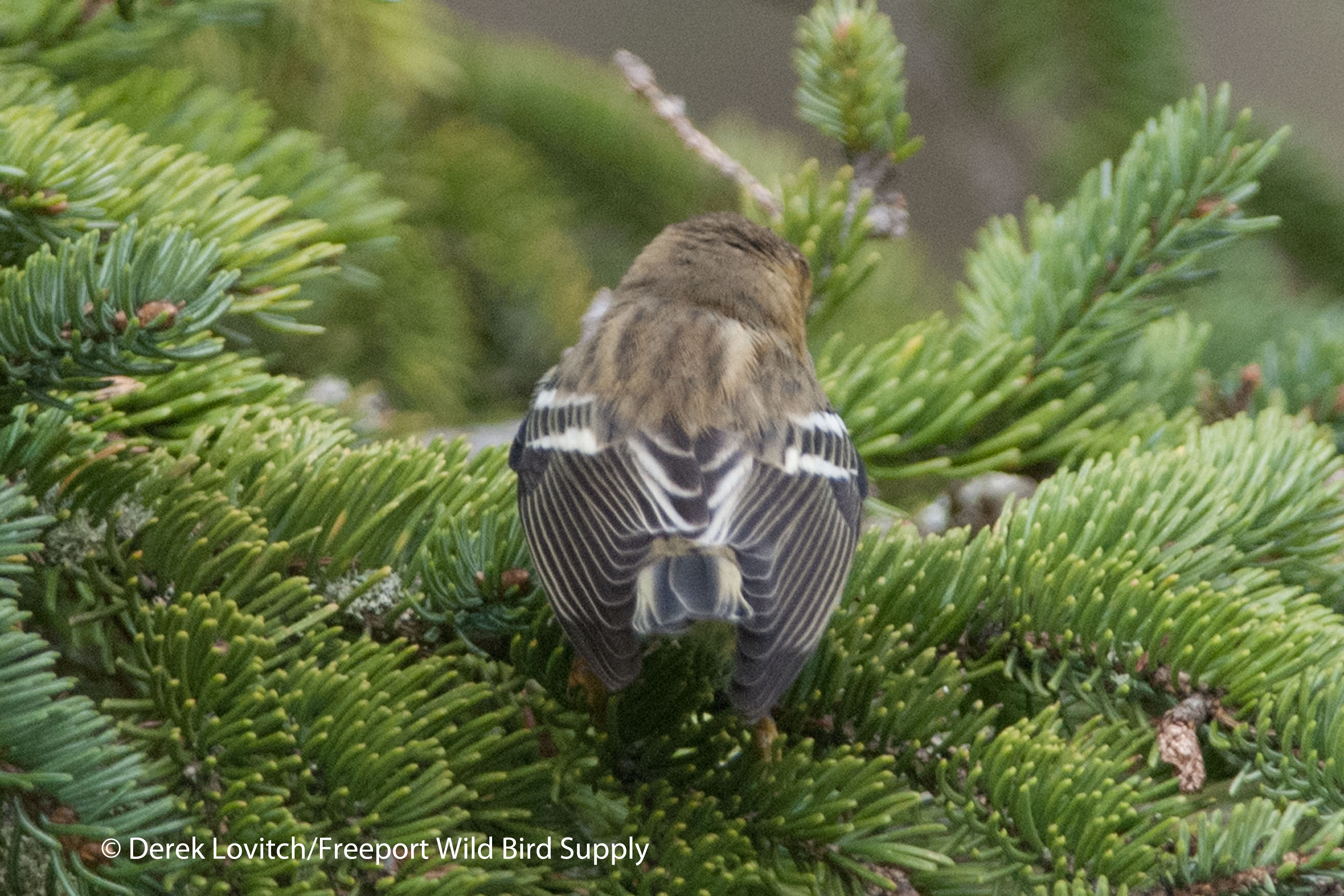
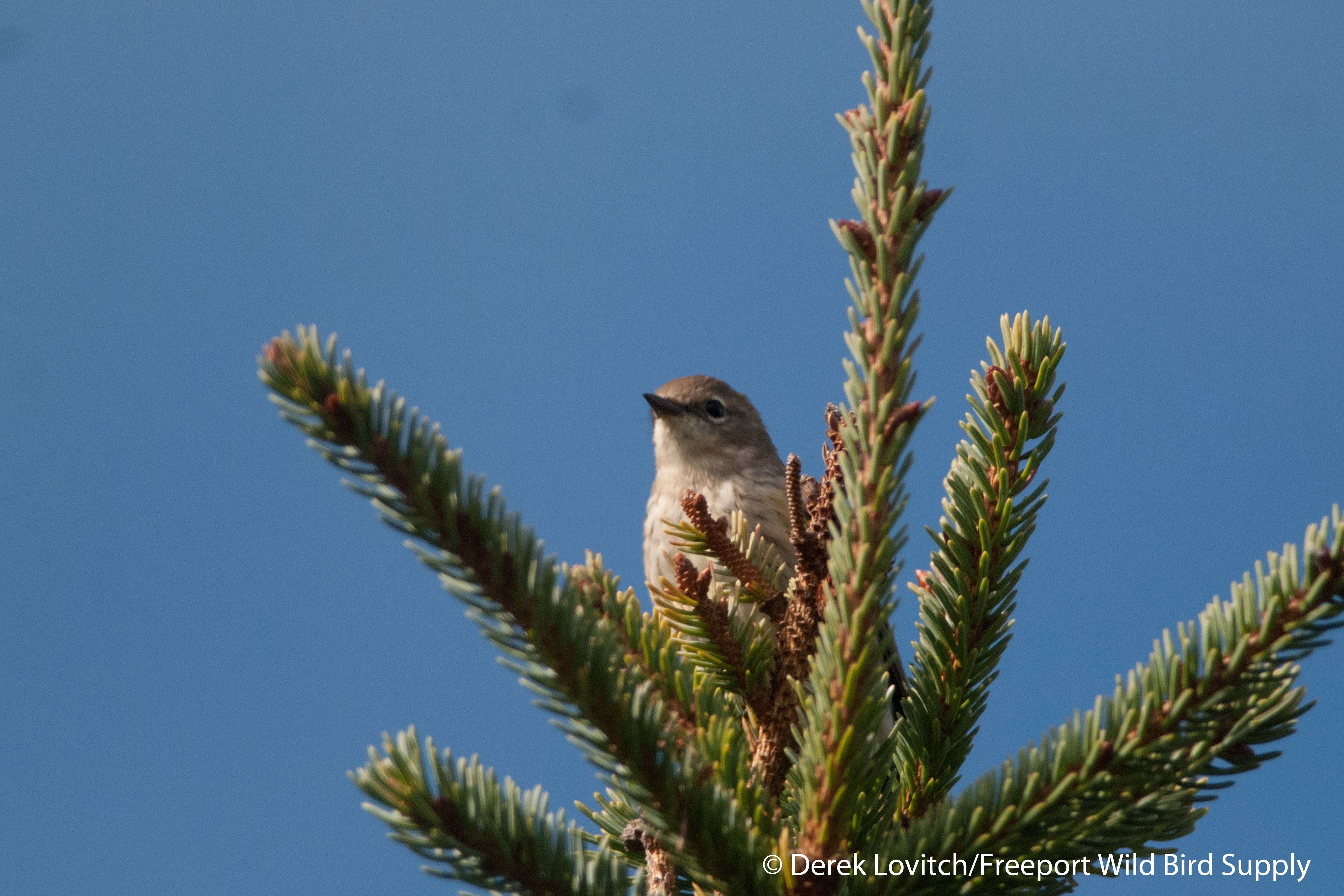
Blackburnian Warbler near and at eye-level were one of the many highlights during my annual Spring Monhegan Migration Tour.

Five days on Monhegan (four with a tour, one with Jeannette) from 5/24-28 had few rare bird highlights, but good overall diversity and generally very good bird watching opportunities.  A total of 93 species in those 5 days included 1 BLUE GROSBEAK (5/25); 1 PURPLE MARTIN (5/24 and 5/26); impressive numbers of RED and WHITE-WINGED CROSSBILLS throughout the island; Yellow-bellied Flycatcher (FOY), Olive-sided Flycatcher (FOY), Tennessee Warbler (FOY), several Black-billed Cuckoos (FOY); 1 Razorbill in the harbor on 5/26; and 4 RED-NECKED PHALAROPES on the ferry ride home on 5/28. There were a lot of uncommon to rare-on-Monhegan migrants around, too, from Blue-winged Teal to Cliff Swallow.  A complete report of our tour can be found here.

Back in the real world, my observations of note for the rest of the week included:

  • 1 continuing GRASSHOPPER SPARROW, Auburn-Lewiston Municipal Airport, 5/30.
  • With my first visit in three weeks to Scarborough Marsh on 5/31, several personal first-of-years included Saltmarsh and Nelson’s Sparrow, Roseate Tern, and 4 White-rumped Sandpipers (Eastern Road Trail). Other migrant shorebirds included ~70 Semipalmated Sandpipers, 1 Dunlin, and 1 Greater Yellowlegs off Eastern Road, and 10 Ruddy Turnstones, 9 Black-bellied Plovers, and 1 Lesser Yellowlegs at Pine Point. Other observations of note included the continuing TRICOLORED HERON off of the Eastern Road Trail, and 2 PURPLE MARTINS at Pine Point.
  • 2 Willow Flycatchers (FOY, finally), Old Town House Park, North Yarmouth, 6/1 (with Saturday Morning Birdwalk group).

Tours and Events:

  • There will not be a Saturday Morning Birdwalk on 6/8 as I’ll be in Rangeley guiding at the Rangeley Birding Fest.  Note that there are still some spaces on a variety of tours still open. They can be found here.

2024 Spring Monhegan Migration Weekend Tour Report

Blackpoll Warblers were pleasantly ubiquitous over the weekend, with endless opportunities to view them without neck strain for a change.

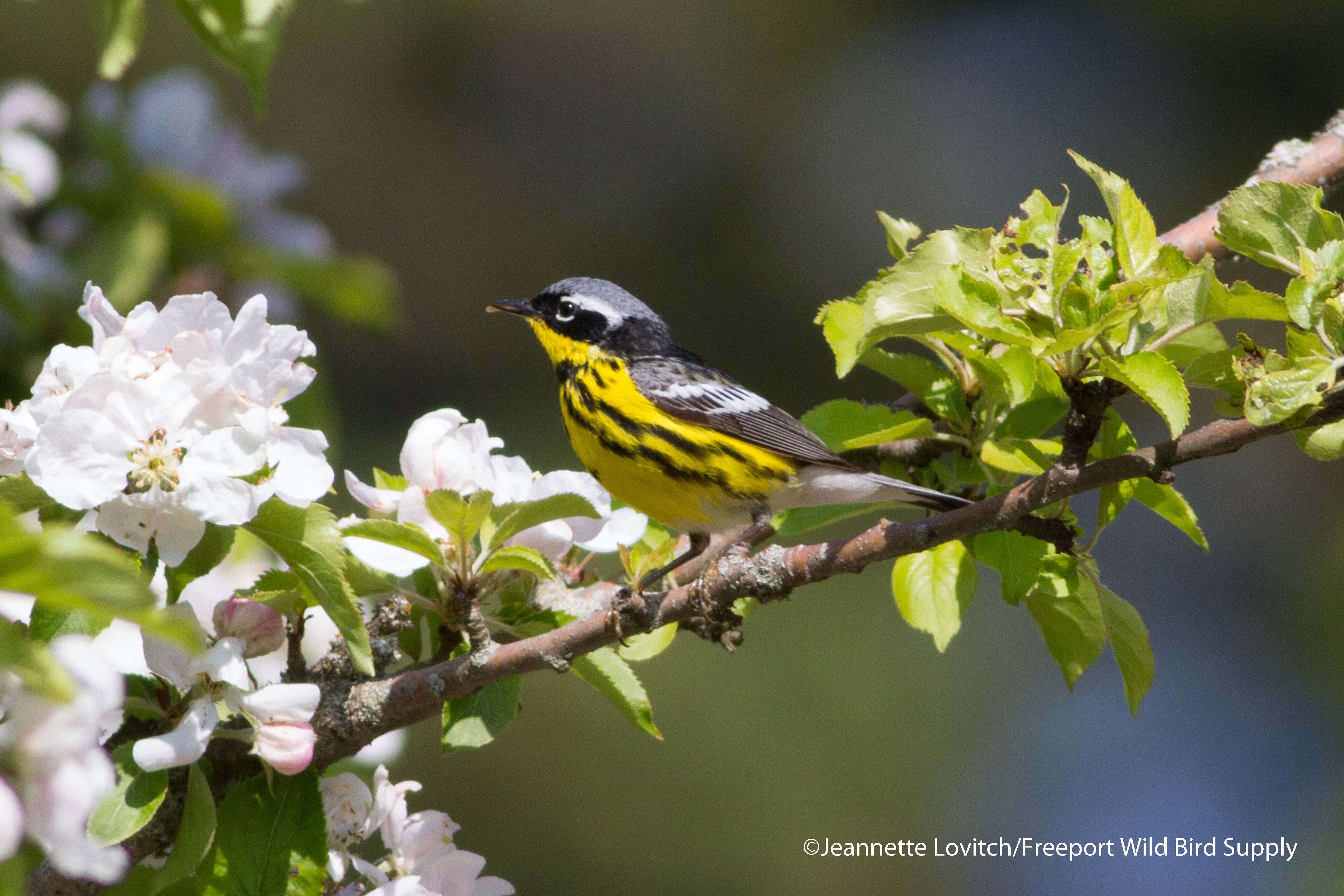
I just can’t walk away from a male Blackburnian Warbler in the sun, especially at eye-level. Just can’t do it. While Blackpolls were the most numerous migrant of the tour, as expected for the end of May, Blackburnian Warblers consistently stole the show.

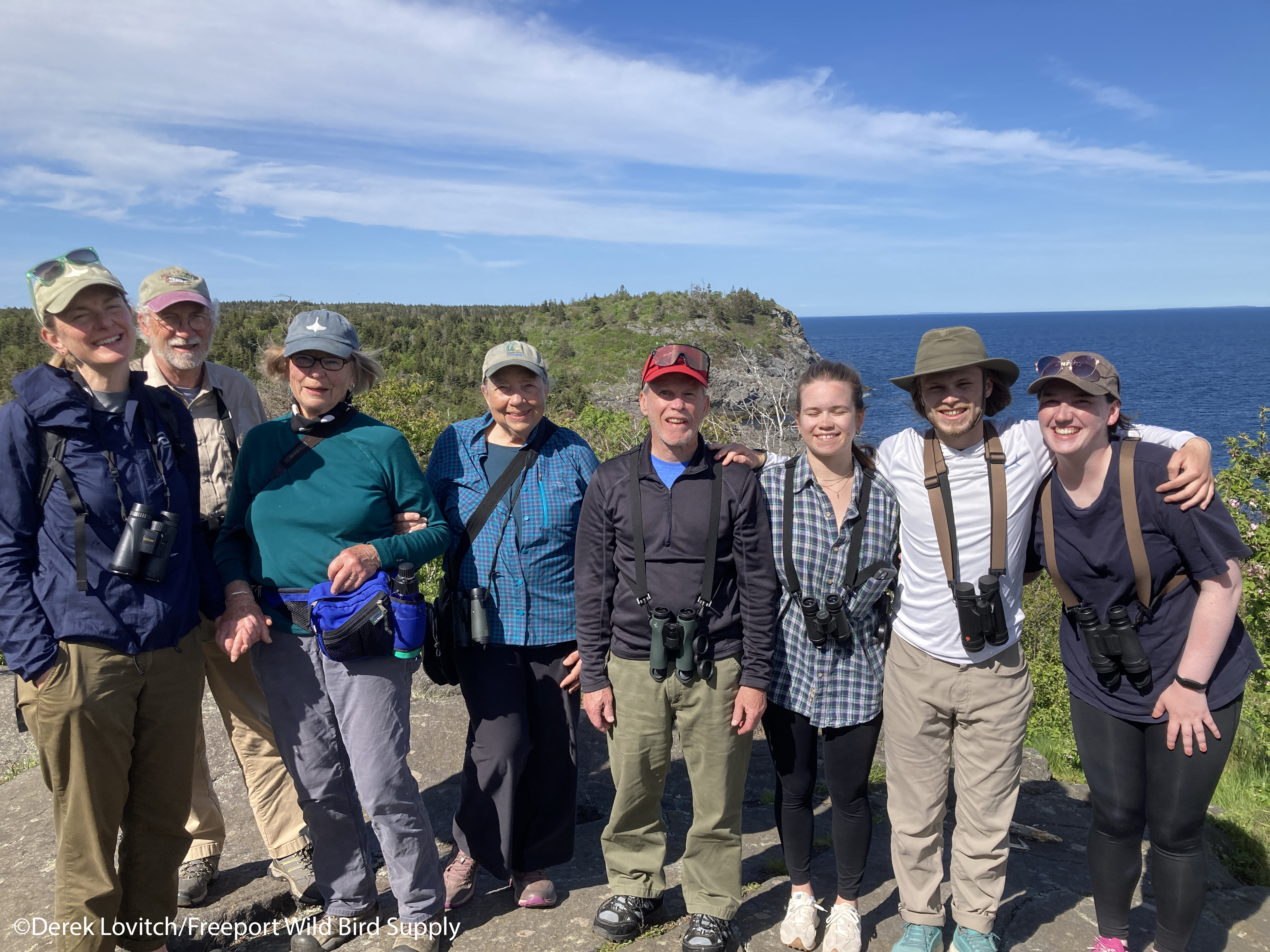
Our 14th annual Monhegan Spring Migration Weekend was highlighted by three days of insanely gorgeous weather, 18 species of warblers, and loads of crossbills. But what set this year’s tour apart was how consistently amazing the looks were at so many birds, especially both crossbills and some of our favorite warblers.

The tone was set on our Friday crossing from New Harbor, with lovely weather and 2 fly-by Atlantic Puffins. And once again, we hit the ground running after our 10:15 arrival, taking nearly an hour just to walk up Dock Road. One of our favorite corners was just hoppin’, with our first stellar looks at both Red and White-winged Crossbills and Blackpoll Warblers, as well as our only Canada Warbler of the tour.

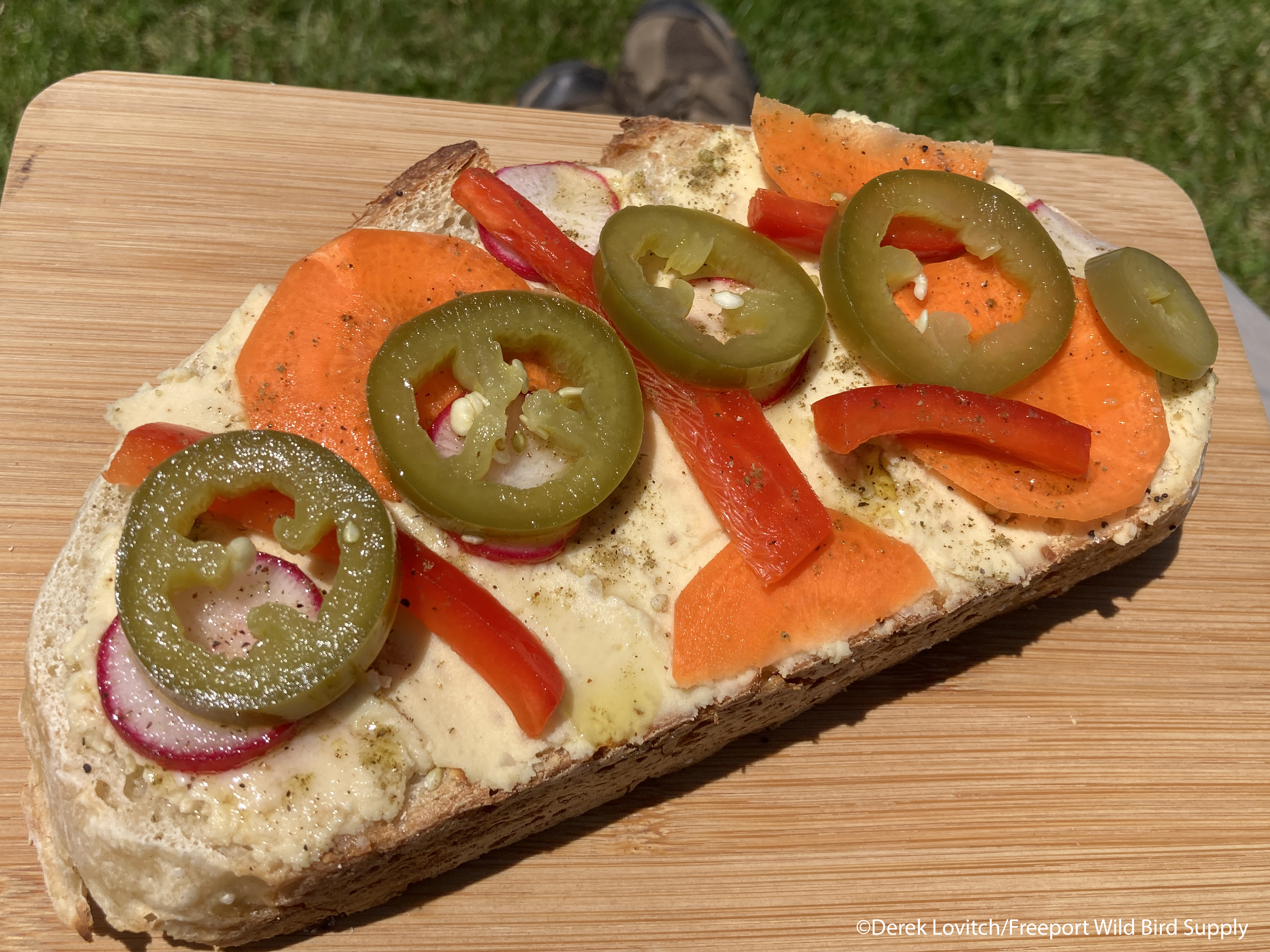
I ate a lot of hummus toasts for lunch at the Trailing Yew in an attempt to make up for copious breakfasts and decadent feeders.

The afternoon, and the next three days were filled with crippling view after crippling view. Blackpoll Warblers were everywhere, both males and females seen in close proximity repeatedly for good studies. American Redstarts were abundant, as were locally-breeding Common Yellowthroats and Yellow Warblers.  But it’s been a long time since we have seen crossbills, especially White-winged, so well and so often everywhere around town and beyond. It’s hard not to name this species the bird of the tour this year.

Male White-winged Crossbills.

In that first afternoon, some of our other highlights were a fleeting glimpse of a Black-billed Cuckoo, and later we found a female Purple Martin. Birds were just unusually low and cooperative, despite the gorgeous weather, so that really set this first day apart.

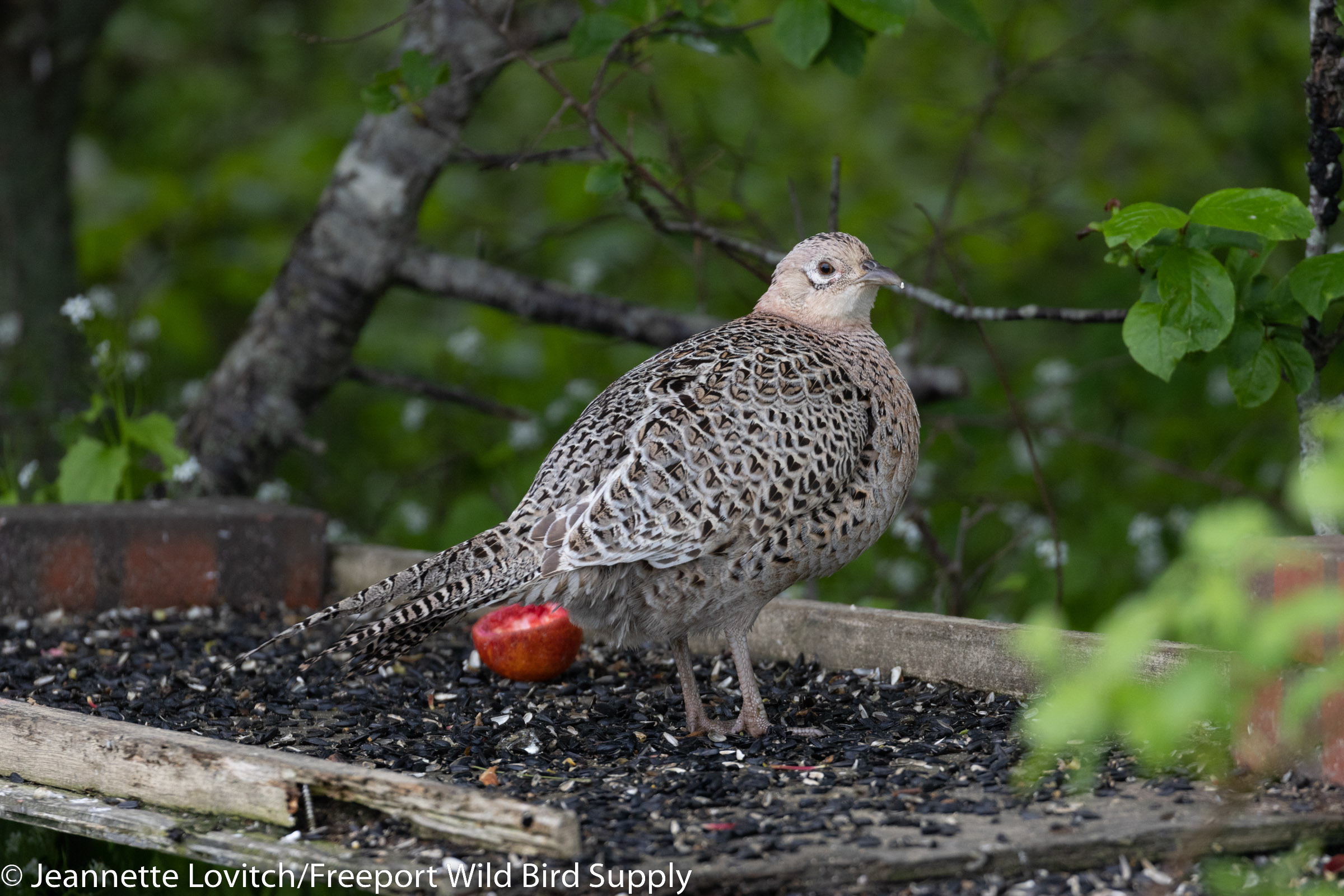
My days started even earlier than I would have liked as pheasants took to calling from the railing right outside my bedroom window. At 4am. 4am.

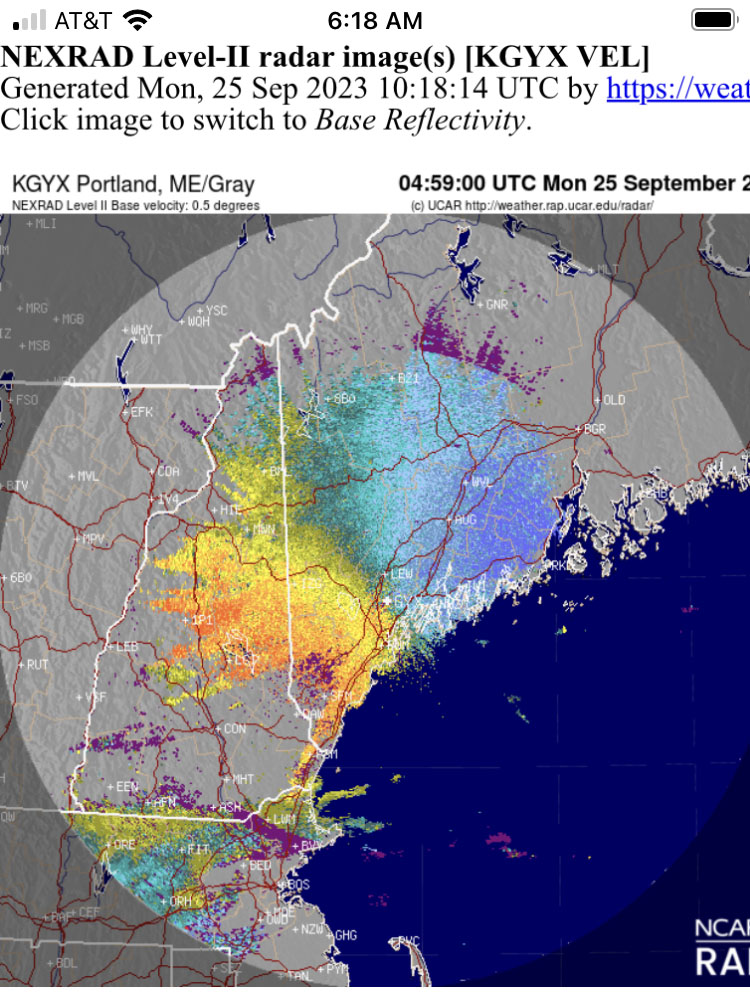
Unfortunately, the NEXRAD radar archive was down for the duration of our stay, so I can’t do my usual analysis here, but on Saturday morning, a light morning flight of mostly Blackpoll Warblers and American Redstarts suggested at least some birds had arrived on the light westerly wind overnight. There were also more Magnolia Warblers around, but overall, our two morning walks were slower than yesterday’s birding, but we would repeatedly find pockets of good activity with more great views of most of what we encountered.

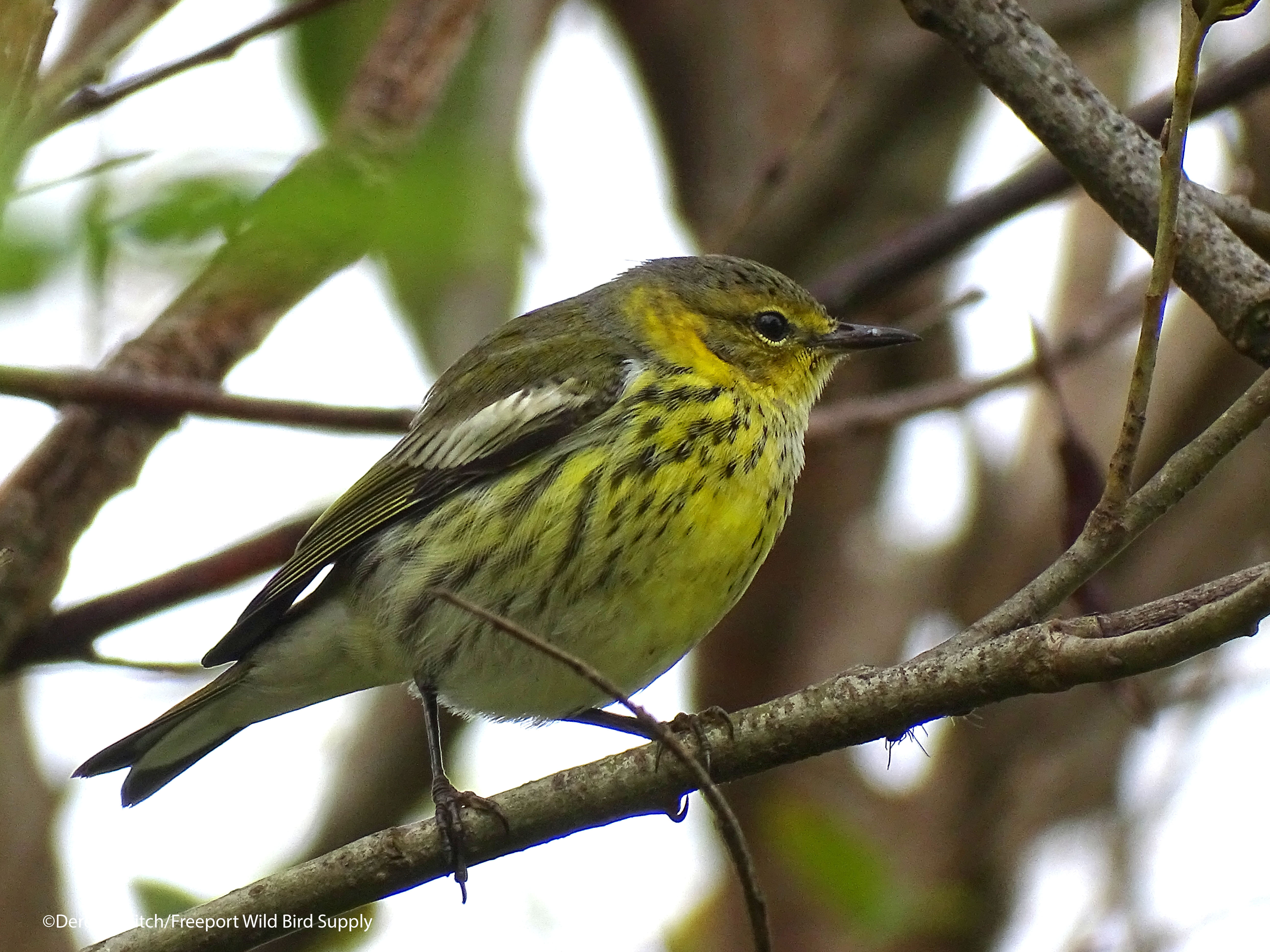
This Cape May Warbler showed himself nicely, feeding on little midges/flies buzzing around the buds of this Red Spruce.

A Black-billed Cuckoo was as cooperative as they get, freezing on a bare branch for several minutes. Prolonged scope views of Red and White-winged Crossbills offered the chance to watch their amazing feeding behavior. The afternoon was a little slower, as expected, but still low and close Blackpoll Warblers and crossbills all around.  Friends found a Blue Grosbeak that afternoon, which confirmed what I thought “had to be one” that flew across the marsh early in the morning but disappeared into brush before we could confirm its identity.

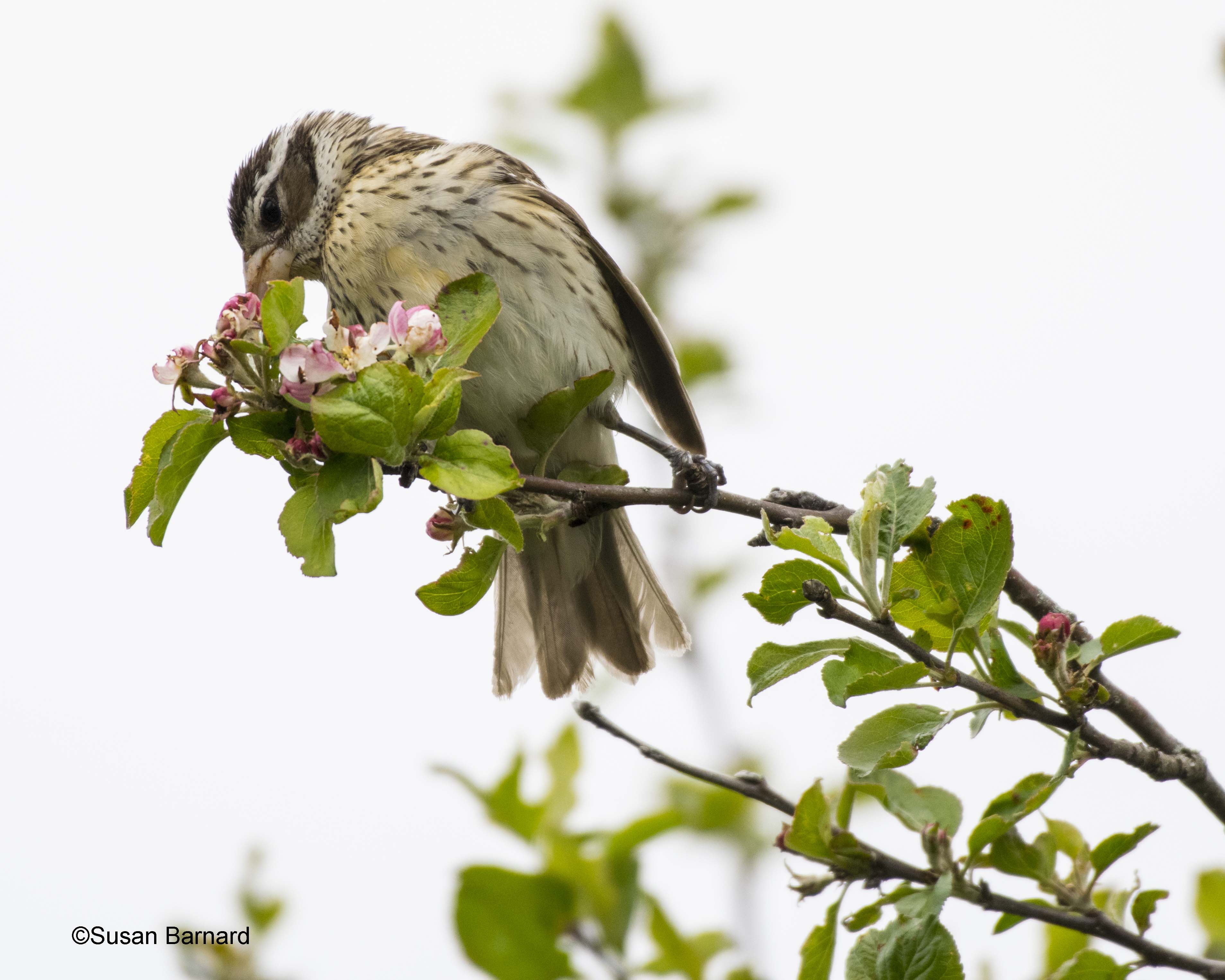
Of course we took some time to enjoy Rose-breasted Grosbeaks at Donna’s feeders, along with the omnipresent Ring-necked Pheasants.

Despite southerly winds overnight, Sunday morning was quite a bit slower, likely due to rainfall cutting off the flow of migrants from the south.  We started the day with a bang though, as we moseyed down to the harbor to enjoy an up-close-and-personal Razorbill that ended up spending much of the day foraging in the harbor. 

There was some passerine turnover overnight, however, and new birds this morning included an Alder Flycatcher, a calling Olive-sided Flycatcher, and finally a Tennessee Warbler – perhaps our first uncooperative warbler of the trip!  The bird of the morning, however, was Blackburnian Warbler, as we started the day with amazing views just as we started and finished the morning with repeated great looks at males and females.  Again, we were just in awe of the repeated great views we were getting of so many species, even if, yes, it was slow by Monhegan standards.

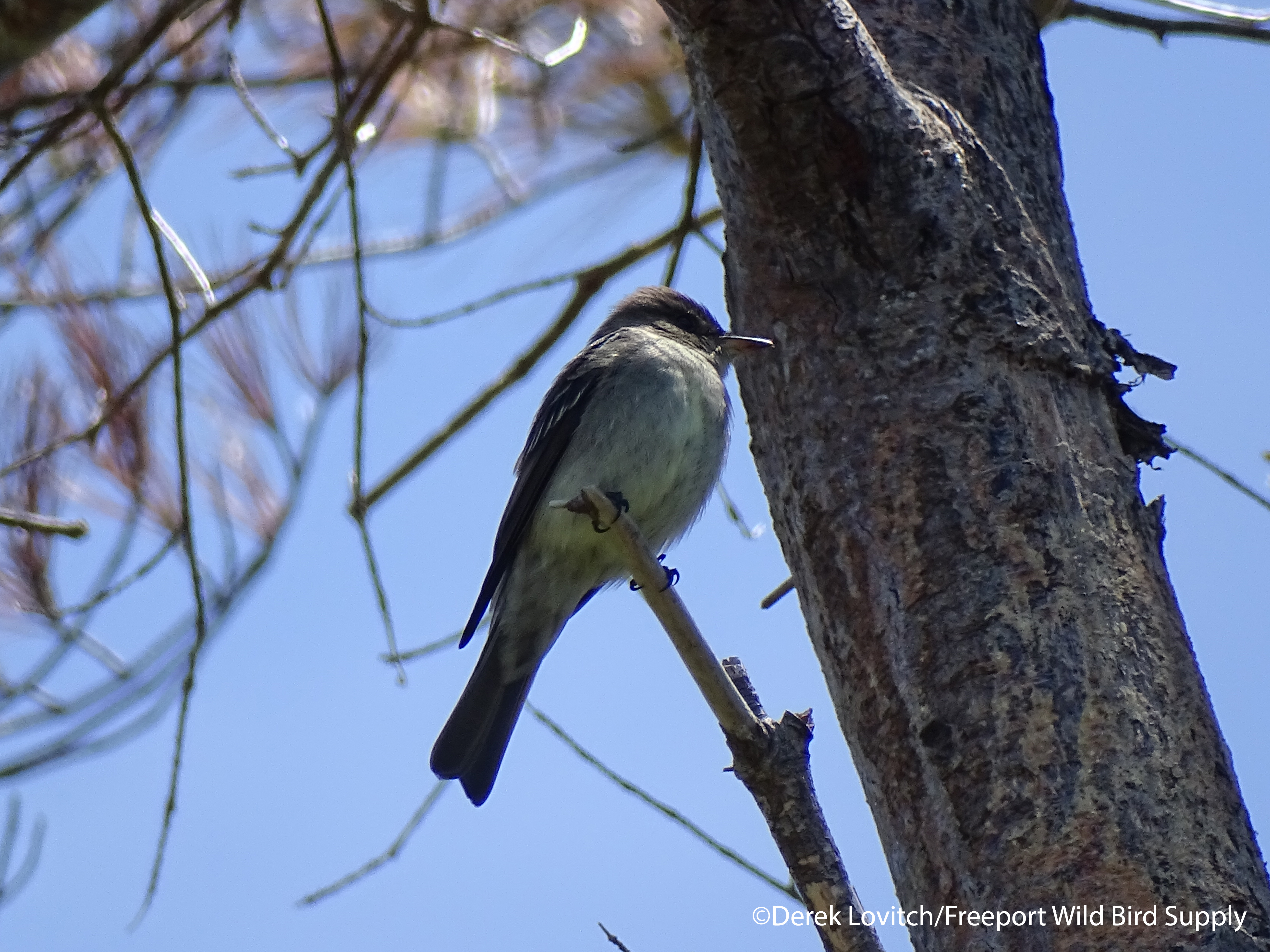
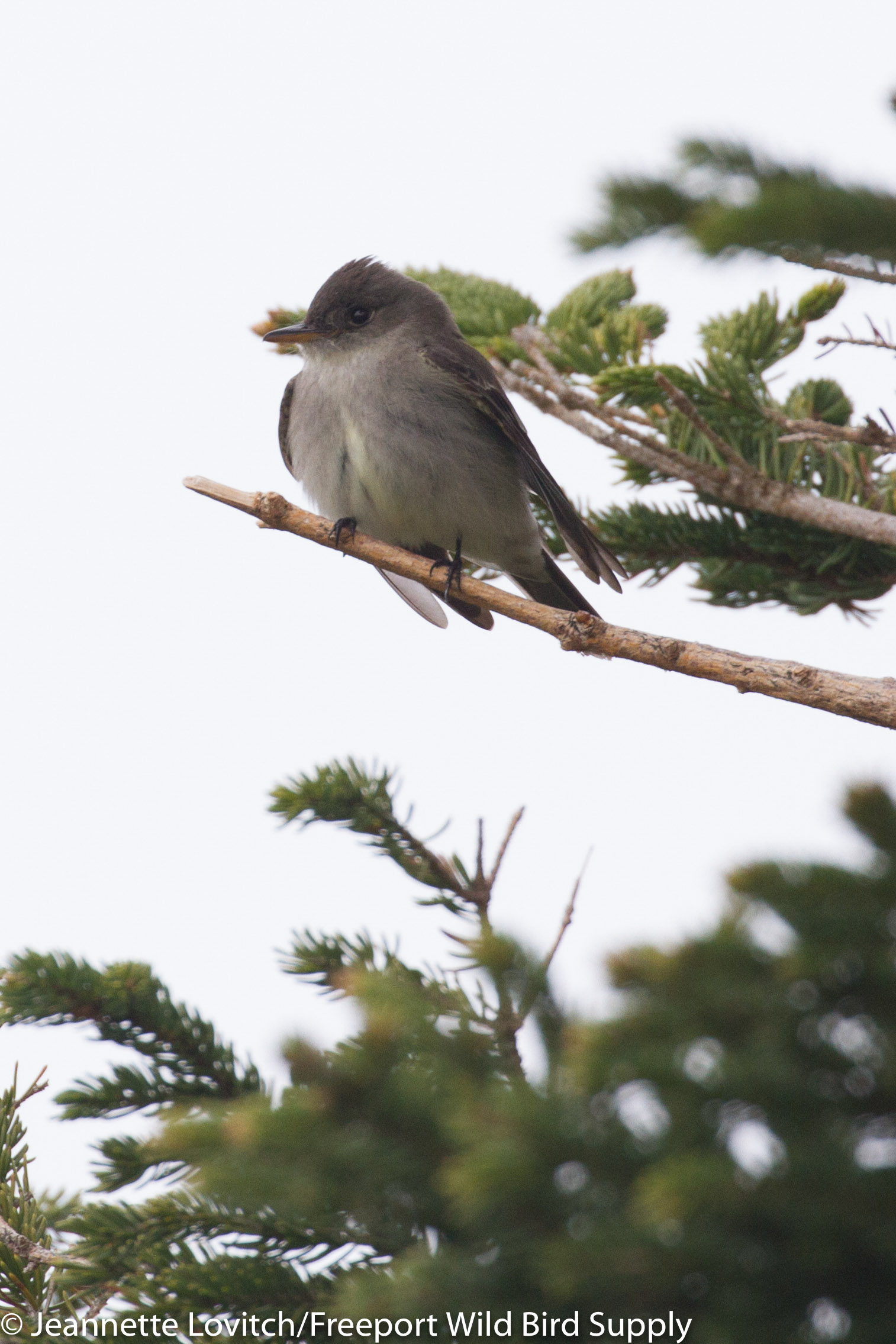
A nice selection of flycatchers over the weekend afforded the opportunity to learn how to break them down via primary projection, such as in this long-winged Eastern Wood-Pewee.

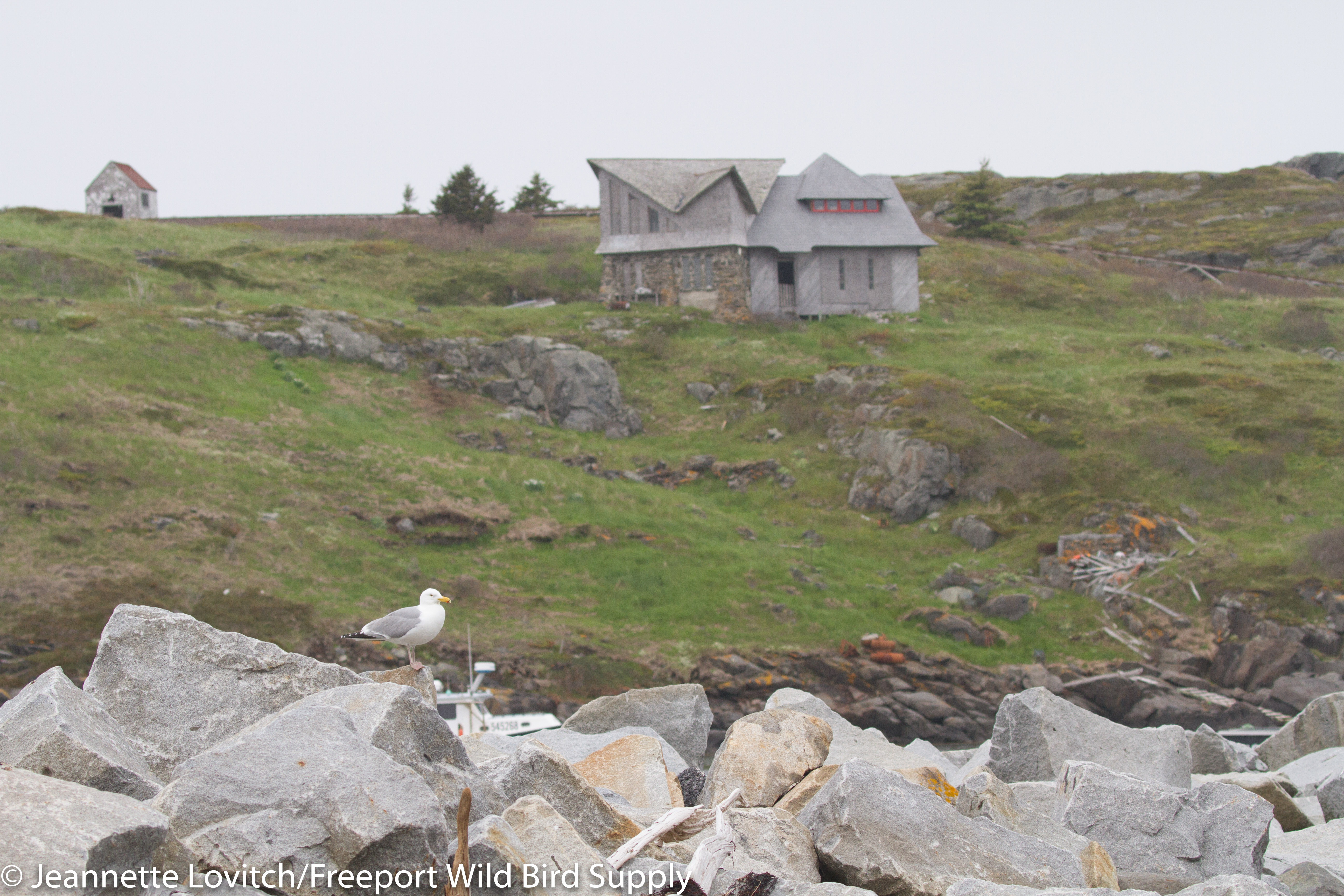
In the afternoon, we took the obligatory walk up to the lighthouse, both for some hawkwatching and snapshots. However, we ended up being enthralled (OK, I was enthralled) by a massive gull feeding frenzy that broke out over the lighthouse hill and beyond. It became clear that the gulls were not just enjoying the weather to soar on thermals but were feeding on some unseen flying insect. While a common event on the mainland, none of the birders present out here has ever seen anything like this over the island. The numerous Herring Gulls attracted a growing number of Laughing Gulls – the most I have ever seen out here (it’s usually just a few pairs around the harbor or fly-bys).

Northern Parula nest under construction.

Monday, the last day of the tour, unfortunately, did not see us go out with a bang. With light easterlies overnight and developing clouds and fog, not only did a new wave of migrants not arrive, but it seemed like just about every single passage migrant had departed!  Even Blackpolls were few and far between, and the number of American Redstarts seemed only on par with the number that remain out here to breed.

Pink Lady’s Slipper in the woods.

But once again, White-winged Crossbills stole the show, with the pre-breakfast walk highlighted by incredible views of a feeding family group. And although slow all day, we covered some ground and slowly built up our triplist with everything from a Purple Finch to a calling fly-over Black-bellied Plover.  We studied a Great Cormorant (and later, a second), and finally caught up with the long-staying Green Heron in the ice pond.  Three tarrying Black Scoters were a surprise in Deadman’s Cove, but not nearly as surprising as the drake Green-winged Teal loafing with Common Eiders on Neigh Duck!

After lunch, an unusual-for-here assortment of swallows over the marsh included two Bank, one Cliff, joining the 2 Tree Swallows and more Barn Swallows that have been out here all weekend. Seawatching at Lobster Cove produced a hen Long-tailed Duck right off the rocks that somehow disappeared in front of our eyes.

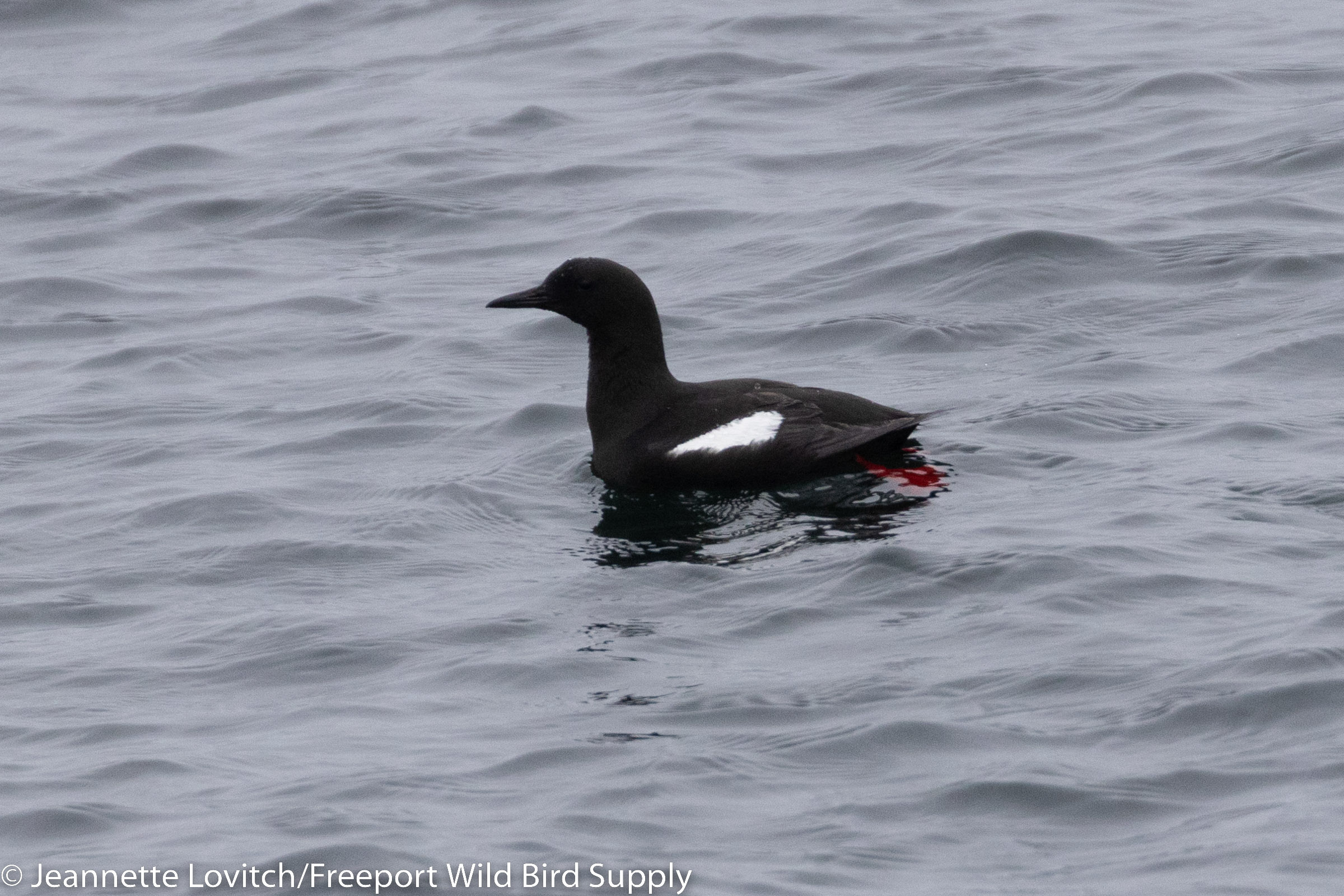
Black Guillemots were all around the island, including some close ones off of Lobster Cove that were close enough to see those vivid red feet.

“Lefty” the Red-winged Blackbird has returned for at least his third summer on territory in the marsh.

With the tour coming to an end at about 3:00pm as just about everyone readied to board the Hardy Boat, rain began to fall, bringing our tour to an official close. However, it wasn’t until dinnertime that a few downpours arrived, and so we squeezed out one more comfortable day of birding.

It was just Jeannette and me now, but “FOMO” was unwarranted. While a White-throated Sparrow outside of the Monhegan House after dinner was unexpected for the date, we didn’t add anything new to the trip list that evening, or the next morning. Rain, heavy at times overnight and a strong south wind with fog in the morning precluded any movement of birds, and our pre-breakfast walk was dreadfully slow. Passage migrants were few, just about 9 Blackpoll Warblers, 1 Canada Warbler, and 1 Northern Waterthrush, and it felt downright June-like with birdsong being almost exclusively breeding birds. We did have another look at uncommon Monhegan birds like the Blue-winged Teal, Green Heron, and Bank Swallow, but it wasn’t the hardest day to walk away from.

Juvenile White-winged Crossbill

…. Which was good, as we were forced to depart earlier than planned due to the cancellation of the afternoon Hardy Boat. With a low pressure system moving along the stalled front that likely reduced our flow of migrants over the second half of the weekend was also building the seas. Our 10:15 trip, however, featured following seas that made for a reasonable ride, but the fog remained thick until New Harbor. We did have 4 Red-necked Phalaropes materialize out of the fog, however, with one remaining on the water just long enough for Jeannette to reach for and get her camera ready.

So, while Monday – and our usual day off together on Tuesday – was lackluster overall, it was really hard to beat the weather, birding, and learning opportunities that this year’s tour offered. Hopefully, everyone will now know how to identify Blackpoll Warblers at least! Oh, and my goodness the crossbills…

We tallied a respectable 93 species, including 18 species of warblers, over the four-day tour. Although below our long-term average, this was slightly above recent spring weekends. The following counts are simply guesstimations of the number of each species we encountered each day. Not the number of observations (eg every time we passed the same singing Yellow Warbler) or even a guess as to how many were on the island on a given day, but some crude attempt to quantify how many individuals of each species we think we saw each day. The ebbs and flows and daily changes are more interesting than the undoubtedly inaccurate numbers. For species such as the two crossbills that move around, back and forth, all over each day, it was impossible to really know how many there were. “A lot” should suffice.

Here is the trip list four the four-day tour. * = seen from ferry only. **=not seen with tour group.

Species5/245/255/265/27
Wood Duck111 0
Blue-winged Teal0010
Mallard15202015
American Black Duck1101
Green-winged Teal0001
Common Eiderxxxx
Surf Scoter2*001
Black Scoter0003
Long-tailed Duck1001
Ring-necked Pheasant8101010
Mourning Dove81088
Black-billed Cuckoo1100
Common Nighthawk1000
Chimney Swift0020
Ruby-throated Hummingbird1212
Virginia Rail0110
Black-bellied Plover0001
RAZORBILL0010
Black Guillemotxxxx
ATLANTIC PUFFIN2*000
Laughing Gull6*2018
Herring Gullxxxx
Great Black-backed Gullxxxx
Common TernX*000
Common Loon5*012
Northern Gannet3*010
Double-crested Cormorantxxxx
Great Cormorant0002
Great Blue Heron0010
Osprey0210
Sharp-shinned Hawk0120
Bald Eagle2222
Red-bellied Woodpecker0100
Merlin0111
Eastern Kingbird3455
Olive-sided Flycatcher0010
Eastern Wood-Pewee4443
Alder Flycatcher0010
“Traill’s” Flycatcher0010
Yellow-bellied Flycatcher0100
Least Flycatcher0451
Blue-headed Vireo0100
Red-eyed Vireo815103
Blue Jay44844
American Crowxxxx
Common Raven1111
Black-capped Chickadeex866
Bank Swallow0002
Tree Swallow2211
Northern Rough-winged Swallow0100
PURPLE MARTIN1000
Barn Swallow4116
CLIFF SWALLOW0001
Golden-crowned Kinglet12102
Cedar Waxwing40608030
Carolina Wren2733
House Wren1121
Gray Catbirdxxxx
Brown Thrasher0110
European Starlingxxxx
Swainson’s Thrush1100
American Robin1012810
Purple Finch0001
WHITE-WINGED CROSSBILL6122025
RED CROSSBILL415124
American Goldfinch10101010
Chipping Sparrow2000
Song SparrowxXxx
Bobolink1111
Baltimore Oriole2212
Red-winged Blackbirdxxxx
Common Gracklexxxx
Northern Waterthrush0001
Black-and-white Warbler0101
Tennessee Warbler02**20
Nashville Warbler1000
Common Yellowthroat101512x
American Redstart30352510
Cape May Warbler2110
Northern Parula4884
Magnolia Warbler61044
Bay-breasted Warbler2012
Blackburnian Warbler3351
Yellow Warbler20202015
Chestnut-sided Warbler6863
Blackpoll Warbler6050356
Yellow-rumped Warbler0100
Black-throated Green Warbler38101
Canada Warbler1000
Wilson’s Warbler2110
Northern Cardinalx1086
Rose-breasted Grosbeak2201
BLUE GROSBEAK0100
Day Total64666562
Warbler Day Total14141312
Trip Total93
Warbler Trip Total18

The above birds follow the “guide plus one” rule, meaning both me and at least one client need to see the bird for it to go onto the list. I saw a Northern Mockingbird on three occasions, for example, but somehow never saw it during the tour! Likewise, an American Woodcock over the Island Inn after sunset on the 26th and the White-throated Sparrow that Jeannette and I heard after the tour ended on Monday, along with our Red-necked Phalaropes on our way home on Tuesday did not count for the official tour list.

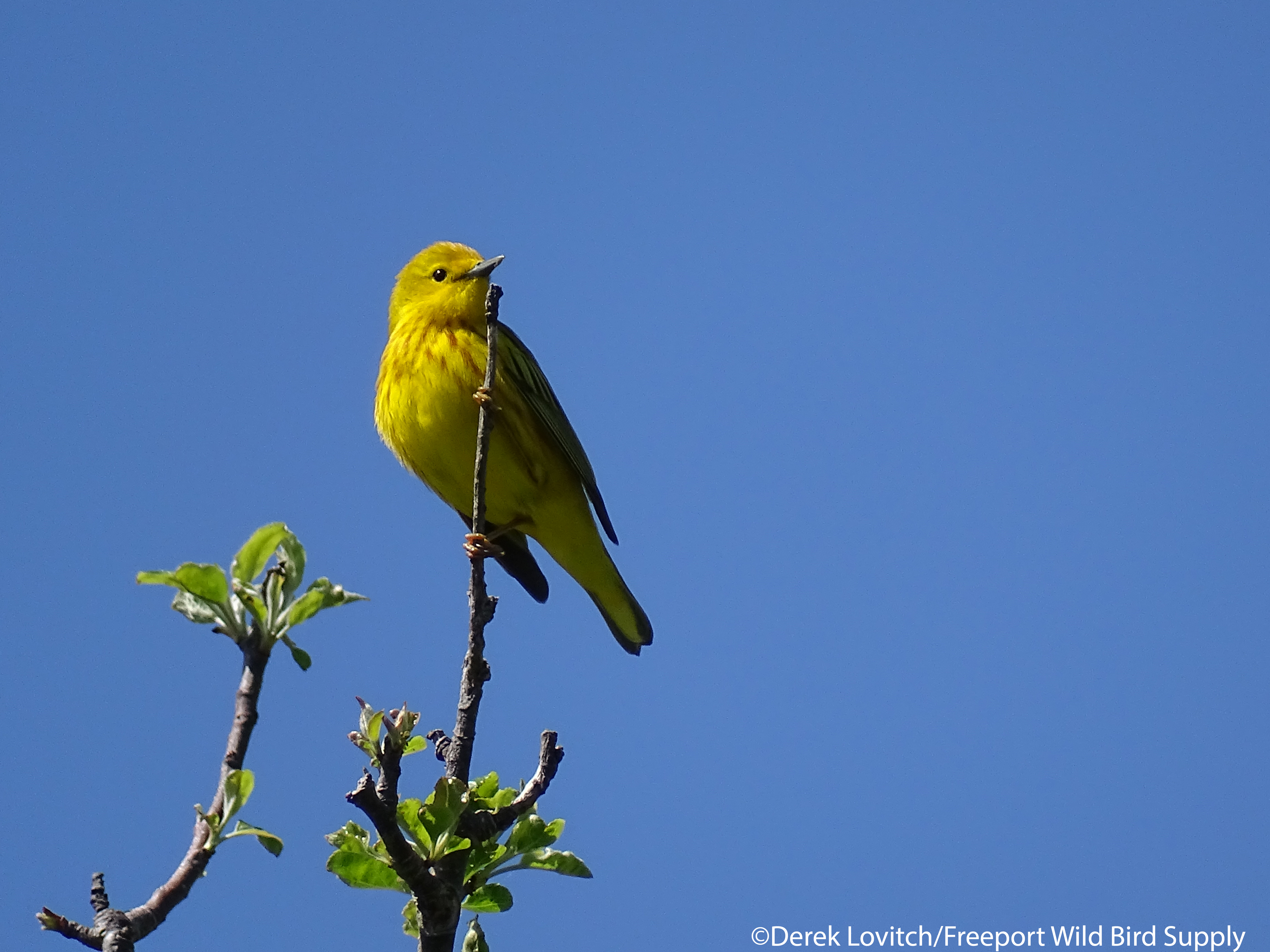
We didn’t care how common Yellow Warblers are…they’re still always beautiful! As are the sunsets from the Trailing Yew.

2023 Down East Adventures Birding Tours.

Freeport Wild Bird Supply is very excited to partner with Down East Magazine’s Down East Adventures for our third year. In 2023, we are expanding our offerings to include two exclusive overnight trips, along with our popular ½- and whole-day targeted workshops.  Focused on skill-builder rather than list-building, there will be plenty of “life birds,” but also more knowledge and education about birds, habitats, birding, and much more about the natural world.

The full list of upcoming tours can be found here.   At the conclusion of each tour, I’ll post the trip report here.

  • Winter Waterbirds Workshop, January 15.

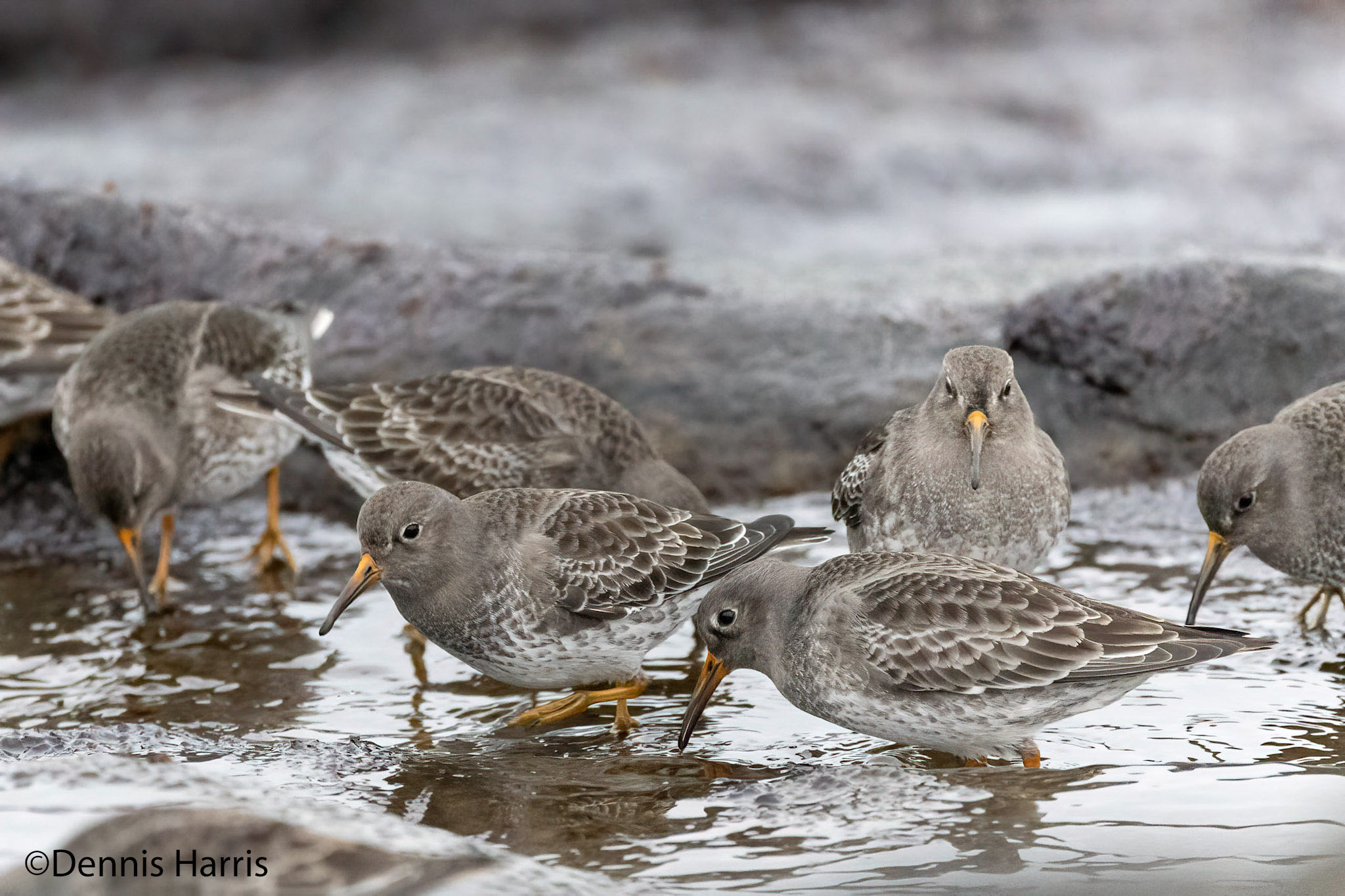
This Purple Sandpiper was about as cooperative as it gets for us at Sohier Park in York.  Later, it was joined by its friends (photo below).  This is really a lovely shorebird when viewed as well and as close as we experienced.

Extremely strong winds and very high seas presented a challenge as we sought out wintering waterbirds along the southern York County Coast. We worked hard to find sheltered water where we could observe birds well, but when we did find that secluded cove, peninsula lee, or rivermouth, we were treated to incredible looks at many of the birds we had hoped for.

We looked down on Red-breasted Mergansers at Perkin’s Cove, and you’ll never be closer to a Common Loon than we were at the Ogunquit Rivermouth. We checked a few more locations than I usually need to on this tour, but our most productive spot was the southern shoreline of Sohier Park at The Nubble. There, we were treated to close views of Black and White-winged Scoters, Harlequin Ducks, and a most-cooperative flock of Purple Sandpipers.  We then ended the day at hidden Abbott’s Pond, where we enjoyed a break for the wind, close comparisons to study details between Mallards, American Black Ducks, and hybrids thereof. 

Meanwhile, a group of 8 or so Black-legged Kittiwakes were feeding off of Short Sands Beach, and a stunning adult Iceland Gull passed by at The Nubble. Unfortunately, the seas were just a little too rough to find any alcids today, but we knew they were out there!

  • Spring Migrant Songbirds Workshop, May 14.

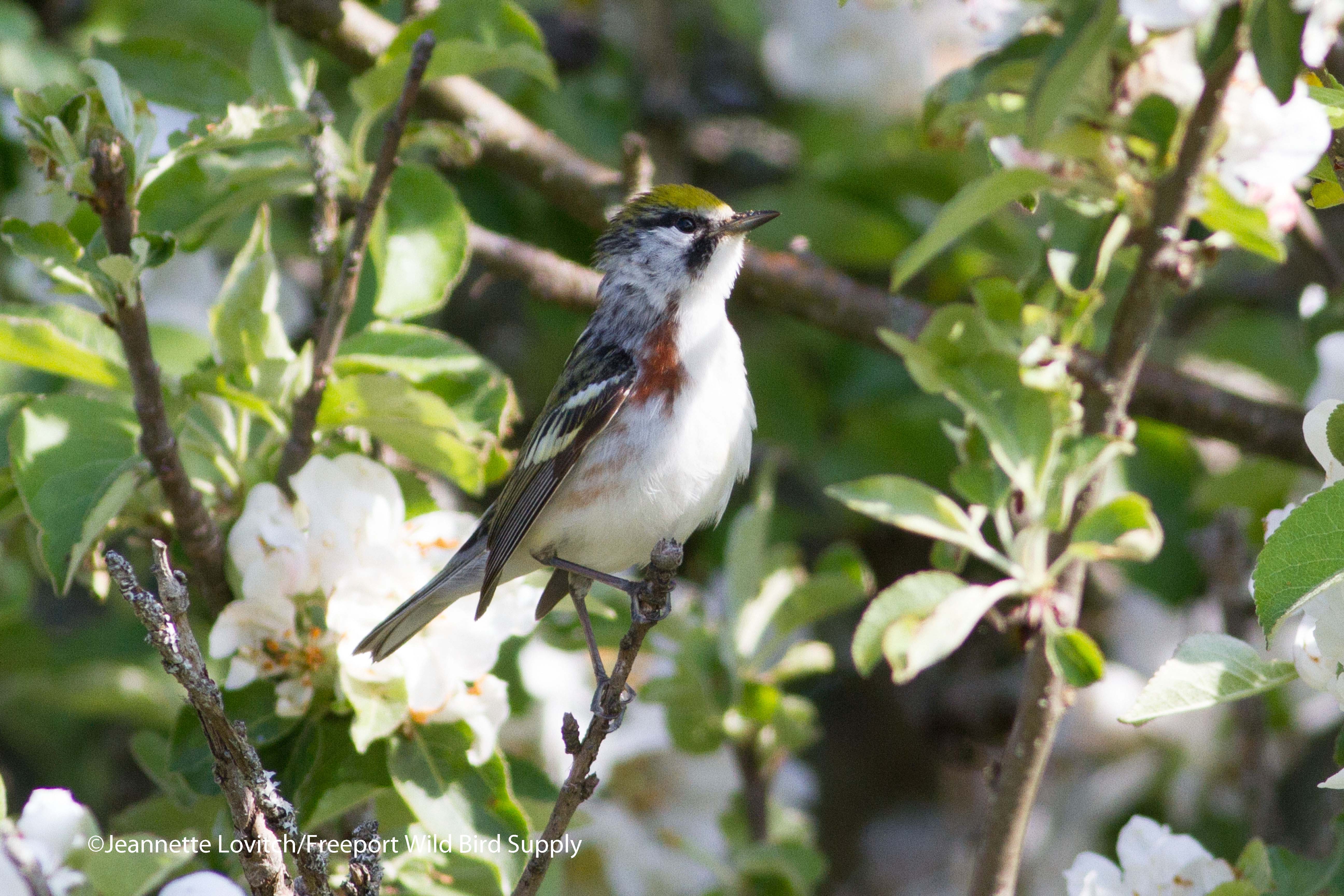
This stunning Blackburnian Warbler nicely demonstrated the value of blooming oak trees for seeing warblers in the middle of May.

Four hours later we had not left Evergreen Cemetery in Portland…a very good sign. There was just no need to move along, the birds kept coming to us. In the end we tallied a respectable 16 species of warblers, even though growing a list was not our goal. What made this workshop successful, however, was how well we saw just about all of the warblers and other songbird migrants throughout the morning.

Warblers were a highlight of course, including repeated quality time with favorites such as American Redstart and Black-and-white Warblers, the two most plentiful migrants this morning. We also enjoyed great looks at several Chestnut-sided Warblers, Magnolia Warblers, and Northern Parulas, with fantastic studies of Black-throated Blue Warbler, Black-throated Green Warbler, Yellow Warbler, and Wilson’s Warbler. We also saw two newly-arrived Tennessee Warblers which aren’t always easy to get looks at. There was a good amount of song this morning, so we had chances to listen and learn many of these species as well.

Shortly after hearing a Red-eyed Vireo and my describing it as “high up and often hard to see,” we found one in the lower branches of a nearby oak, and watched it sing, forage, and do all things vireo for almost 10 minutes!  Likewise, after hearing distant Ovenbirds, we had two walking around right in front of us! Beginning with a view of a Veery on the ground in the open, we saw it again as the walk ended, only a few feet in front of us for another great view and chance to observe and study.

During the morning, we chatted about migration, habitat, and the process of building the necessary toolkit to build birding skills. Finishing the walk with a quick overview of some references (we had too many birds to leave much time for anything more), we recapped a very productive and instructive morning of spring birding.

  • Rangeley Birding Workshop, June 6-8.

Our first overnight tour together, the Rangeley Birding Workshop was based at Bald Mountain Camps in Oquossoc, nestled on the shore of Mooselookmeguntic Lake. Common Loons greeted us, but so did the rain. June of 2023 was one of the rainiest Junes on record in Maine, and we were very thankful for the wood stoves in each cabin!

Our first morning, 6/7, began at Hunter Cove Wildlife Sanctuary, with lots of singing Blackburnian Warblers. A large flock of Red Crossbills flew over, two Yellow-bellied Flycatchers were heard clearly and then glimpsed, and a variety of common warblers were detected. A confiding pair of Canada Jays was the highlight – as they often are – but even the common warblers were tough to see today, so we focused on practicing our birding by ear skills.

Enjoying our delicious boxed lunches at the Rangeley Waterfront Park, with more Common Loons offshore, we delved into an impromptu gull workshop, using each age class of Ring-billed Gull as an introduction to molt, feather topography, and identification. A 3rd-cycle Herring Gull kindly dropped in for comparison as well. In inclement weather, we take advantage of whatever learning opportunities the birds are willing to provide!

After lunch, we poked around the Mingo Spring Birding Loop, with good looks at the likes of Least Flycatcher, Alder Flycatcher, and Dark-eyed Juncos among others. But as rain returned, we called it a day and settled in to dry out in front of our stoves instead of an afternoon of lake-watching from the BMC property.  And dinner was absolutely delicious!

Day 2 began with a brief walk around the BMC property (American Redstart, Ruby-throated Hummingbird, etc) followed by a foray over to the famous birding destination of Boy Scout Road, looking to build on the identification toolkit we worked on the previous day. We parked half the cars at one end and then walked the length of the road, birding along the way. But it was rather quiet here too – the ongoing story of June 2023. We did have some more Red Crossbills, a fantastic view -finally – of a Blackburnian Warbler, several Alder Flycatchers, and once again more Canada Jays. But this time, it was a family group of a pair with 2 juveniles in tow!

And then it began to rain. Again. A lot. But I give this group credit – they soldiered on! Of course the rain began in earnest when we were as far from either set of cars as possible, so there wasn’t really a choice, but still, spirits remained high and the birding continued. A pair of Hooded Mergansers, a singing Palm Warbler, and a Spotted Sandpiper were among the last birds of the outing, before the water had penetrated our clothing and it was time to call it a day and hope for better conditions next year!

  • Shorebirds Workshop, August 10.

The best way to learn shorebirds is to see them in their preferred habitats, feeding, moving, and mixing with other species, such as these Short-billed Dowitchers (a sandpiper) and Semipalmated Plovers here at Hill’s Beach in Biddeford.

An absolutely perfect day of summer weather (finally!) greeted us for this annual favorite outing. And the only thing better than the weather this day was the birding!  Recent insane rainfalls have led to very high water in many of our favored high-tide, upper-marsh locales, so we focused on tidal habitats including beaches and mudflats, altering our usual routine from the start.

Beginning in Biddeford Pool, we introduced shorebirds with several Spotted Sandpipers along Ocean Avenue before jumping into the mixed species flock on Biddeford Pool Beach on the outgoing tide. There we estimated over 1,250 Semipalmated Sandpipers and 200 Semipalmated Plovers as we learned the basics of shorebird (sandpiper vs. plover) identification and began to work our way up to teasing out a couple of White-rumped Sandpipers and Ruddy Turnstones from the masses. 2 Killdeer in flight overhead were our only two of the day.

Kicking off our shoes to spend the rest of the morning on the sandflats of Hill’s Beach, we compared a Piping Plover to the many (400+) Semipalmated Plovers and 30 Black-bellied Plovers. A single juvenile Least Sandpiper was out of place on the beach, but offered a perfect opportunity to closely study the differences in shape, size, and overall structure to the 150 or so Semipalmated Sandpipers that were scattered about. 59 Short-billed Dowitchers gave us the chance to really observe shape and feeding styles, practicing identifying these birds both near and far.

Over at The Pool, a distant “Western” Willet joined 7 “Eastern” Willets, as we advanced into subspecific identification just briefly before stopping for lunch as the tide began to roll in.

The afternoon was spent at Scarborough Marsh, where our first two stops offered little (other than a calling Greater Yellowlegs to at least practice our shorebirding by ear) due to the very high water in the salt pannes from the recent rains. Pine Point more than made up for it on the rapidly incoming tide, however, with one heck of a shorebird show: 1500-2000 Semipalmated Sandpipers, 400-500 Semipalmated Plovers, a few more Short-billed Dowitchers and White-rumped Sandpipers, better looks at “Eastern” Willets, and the icing on the cake: a cooperative Whimbrel – our 13th species of shorebird for the day.

Practicing with our identification tool kit, we tested ourselves on finding the uncommon species among the masses, and took a moment or three to simply sit back and enjoy the show. Now that we know how approachable shorebird identification really is, we can more fully appreciate these most marvelous migrants!

  • Monhegan Birding Workshop, September 23-25.

Northern Gannets and two Green-winged Teal flying with 6 Surf Scoters from the ferry and an adult Lesser Black-backed Gull greeting us upon our arrival seemed like a great sign for what would be a bird- and fun-filled weekend on the Migration Mecca of Monhegan.

Unfortunately, it turned out to be one of the slowest (for both species and diversity) fall weekends I have ever experienced on the island. That being said, a big list wasn’t our goal. It was to learn birds – their ID, their migration ecology, and everything else that makes the island so special for birds and birders. And this is not tour guide spin: a slower day is better for that as we had ample opportunity to view almost everything we encountered, study them, discuss them, and luckily, what the island failed to provide in quantity, it certainly delivered in quality of observations.

On each day, we would find pockets of warblers here and there, but we kept coming back to  one particular willow and a nearby thicket that constantly hosted 4-5 Cape May Warblers (photo above), 4 Yellow Warblers, a Yellow-bellied Sapsucker, and a smattering of others. The Cape Mays put on a clinic: all four plumages from pale, 1st-fall female, to bright and spiffy adult male were on display.

Over the first day and a half, we took what the island offered, besides exceedingly pleasant weather! There was the hen Green-winged Teal feeding within three feet of us, fly-over Rusty Blackbirds in the morning, and Great Cormorants on the cliffs on an afternoon short hike to name a few highlights. The skies were punctuated by the occasional migrant Peregrine Falcon and the constantly-hunting Merlins.

Granted, we were really just looking at birds to fill the time between the incredible meals at the Monhegan House!

On our final morning, a good migration overnight produced a new arrival of birds for the “morning flight;” the concepts and nuances thereof were topics of regular discussion.

The group’s high spirits earned them a great morning, with a taste of what Monhegan birding has to offer. There were American Pipits and Yellow-rumped Warblers in Morning Flight, a flock of 10 truant Bobolinks circling around, an immature male Belted Kingfisher displaying to a very-uninterested female, more Cape May Warblers, and a surprising fly-by Wilson’s Snipe.

At one point we had four juvenile Sharp-shinned Hawks dogfighting, exemplifying the difference in sizes of male vs female raptors. And the workshopping continued with Great and Double-crested Cormorants side-by-side, migrant raptors including several Northern Harriers, and more species before breakfast than we had most of the previous weekend! Speaking of breakfasts, goodness, they were good as well.

We finished up with a gull workshop on the shoreline, opening eyes to just how easy most gulls are most of the time. The advanced course was the fly-by 1st winter Lesser Black-backed Gull amongst Herring Gulls on the ferry ride back! And yes, we looked at butterflies, too!

The first of the 2024 Down East Adventures tours are already booking, with more to be announced soon. And since these Down East Tours fill up fast, don’t forget we offer a wide range of other tours, as well as private guiding services.

2018 Monhegan Spring Migration Weekend

IMG_9667-edited-edited
The most abundant songbird throughout the weekend, a flock of 125 Cedar Waxwings would ball up each morning and then spread out through the island to feed.

My annual “Monhegan Spring Migration Weekend” battled highs seas (seriously, it was rough and we were all thankful it was only a 1-hr ride!) to arrive on the wonderful island of Monhegan on Friday, May 25th. Five days later, I had two new birds for my Monhegan list, a total of 97 species including 18 species of warblers, and way too much of the best pizza in Maine.
IMG_9590-edited-edited

After regaining our legs and equilibrium, we hit the ground running as always, birding our way to and from our hotel, lunch, and eventually dinner. No daylight was spared, and in doing so, we caught up with a few things, including the flock of 30 or so Red Crossbills, three of which perched nearby by close studies. Personally, however, I was most excited about 2 Eastern Bluebirds (at least one had been present for a while), my 210th species on Monhegan!  We had our first sighting of Warbling Vireo, which, like the 1-2 Field Sparrows – we saw everyday; both very uncommon on the island in spring. Apparently, I either started coming after – or perhaps only took better notes after – they last bred on the island. An island bird is a great way to start off the trip!\
IMG_9717-edited-edited
Red Crossbill – female.


Rose-breasted Grosbeak – female.


Eastern Kingbird

Friday calmly eased us into the weekend, but Saturday blew us away. It was just one of those great days, with birds seemingly everywhere, and many of them low and easy to see. Following a moderate flight overnight on light westerly winds, there were a lot of new arrivals. Five Tennessee Warblers heard singing from one spot while tarrying at the Trailing Yew awaiting the coffee pot were a sign of things to come.

As is often the case on such flight days, we didn’t have to cover a lot of ground, as waves of birds were passing through the island and around town, pausing at just about every apple tree. It was hard to estimate the number of birds around, but there was a consistent south to north flow on the island, and several relatively-large flocks of the most common migrants of the day. I finally settled on 80 Red-eyed Vireos, 50 Blackpoll Warblers, and 20 Tennessee Warblers – impressive numbers of birds normally relegated to the tops of the highest oak trees, but today, more often than not, in low brush and short apple
trees.

Tennessee Warbler
IMG_9641-edited-edited
Blackpoll Warbler, male.

While it wasn’t the kind of day that Monhegan legends are made of, it was one of the “good ol’ days” where migrants were plenty, views were crippling, and birding was easy.  And all of that was punctuated by a few goodies, including an immature male Orchard Oriole, three Eastern Bluebirds together (two appeared to leave the island shortly thereafter), a lingering immature Great Cormorant, my first Common Nighthawk of the year fluttering off the high cliffs of White Head, 14 species of warblers including 4 Cape May and 2 Bay-breasted, and much more. And the day ended with two American Woodcocks heard calling and twittering from the lawn chairs of the Trailing Yew.  That’s what Monhegan in migration is all about!
apple_tree
On Monhegan and elsewhere, a good birding rule of thumb is that if you see a blooming apple tree, you should look in it.

OLYMPUS DIGITAL CAMERA

Yew_sunset
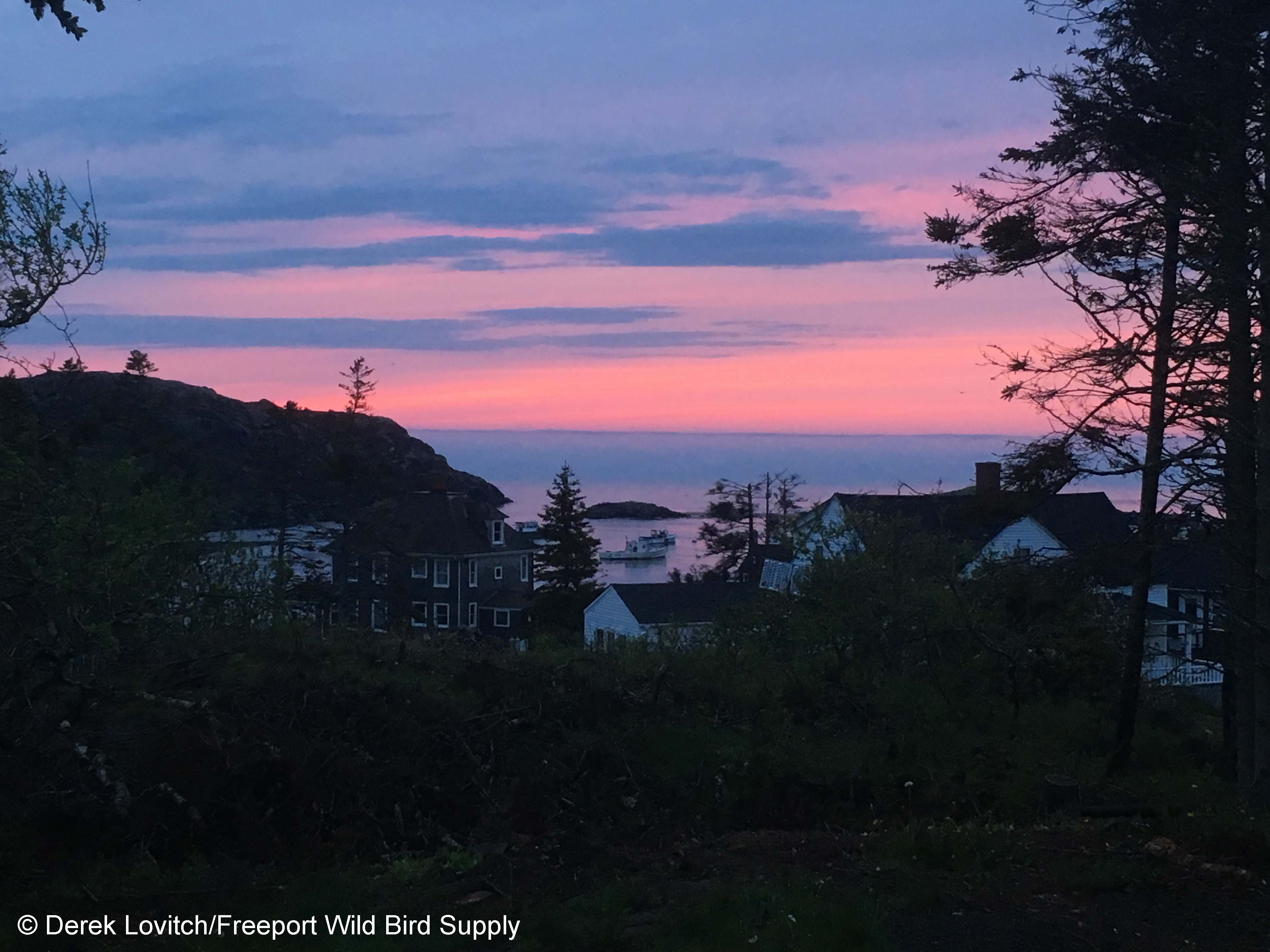
And that sunset from the Yew!

Not surprisingly, Sunday was slower, as light northeasterly winds precluded much in the way of overnight migration. And while it seemed that a lot of yesterday’s migrants had departed or melted into the woodlands, there were plenty of birds around, with a slight improvement in diversity, still plenty of Blackpoll Warblers, and a few highlights including a cooperative Green Heron, more Red Crossbills, a fly-by Black-billed Cuckoo, a Carolina Wren (finally; good to know one is here again), and a Northern Mockingbird (uncommon to rare out here) that we witnessed fly onto the island from behind, or perhaps over, Manana.
harbor

IMG_9657-edited-edited
Green Heron

The afternoon was rather slow overall, but we just kept seeing birds well: the Warbling Vireo at eye level, a Lincoln’s Sparrow in the garden, and continued good views of Tennessee Warblers.
IMG_9467-edited-edited
Field Sparrow
IMG_9474-edited-edited
White-crowned Sparrow
IMG_9593-edited-edited
Eastern Wood-Pewee

Monday the 28th was the last day of the tour, and with a smaller group in tow, we covered a lot of ground. While there was virtually no visible migration on the radar overnight on very light easterly winds once again, there were clearly a lot of new birds around (or at least, birds not seen the previous days) and we ended up with the best diversity of the trip – 71 species by day’s end.
Sunday am

In fact, by days’ end, we added 14 new species to our cumulative weekend list – not bad for a “slow” day and the end of a tour. And there was some quality to it, too: a continuing very late drake Long-tailed Duck that we finally caught up with…
IMG_9570-edited-edited

…a Brown Thrasher, a Red-bellied Woodpecker, Sharp-shinned Hawk, and especially the Brant that we found on Nigh Duck – my 211th all-time bird on Monhegan, and a new “island bird” for just about every birder on the island.
Brant,Monhegan,5-28-18_edited-1

On Tuesday, it was just Jeannette and I on a one-day vacation, mostly on our own, but meandering in and out of contact with several friends on the island. We awoke to dense fog, but that rapidly lifted, and the strong (for the date) flight overnight produced another new arrival of birds. It sure wasn’t Saturday, but there were plenty more Blackpoll Warblers around, and warbler diversity overall was the best of the weekend with a total of 16 species, highlighted by the Mourning Warbler we found by the Mooring Chain, and an impressive 15 Blackburnian Warblers.
IMG_9520-edited-edited

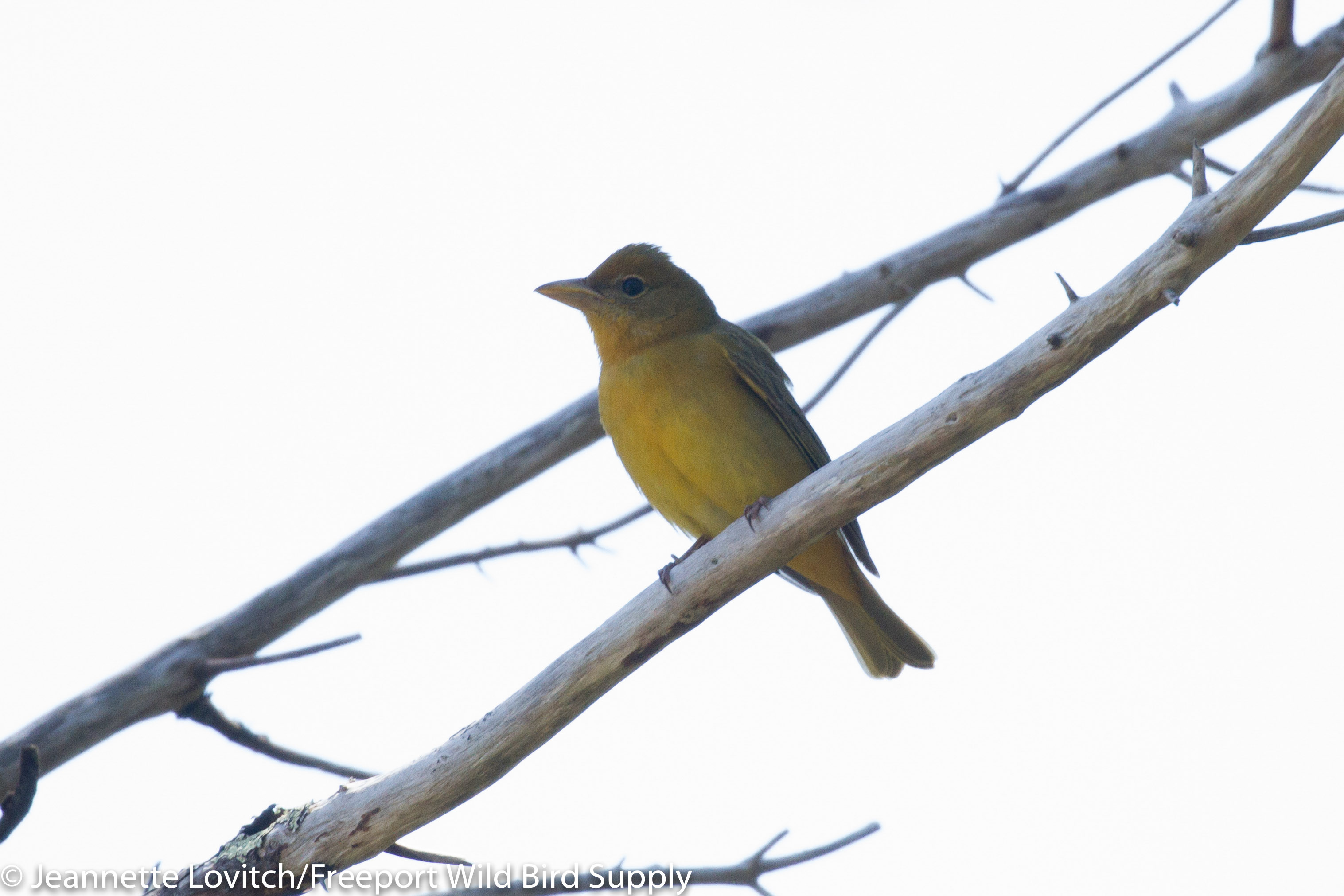
John and Terez found a (or relocated a brief late-last-week fly-by) Summer Tanager…
IMG_9833-edited-editedIMG_9844-edited-edited

…and we added a few new birds for the trip list including Great-crested Flycatcher, Northern Flicker, and had more species of butterflies today than total butterfly individuals all weekend, including an early Monarch. It was also a really, really nice day!
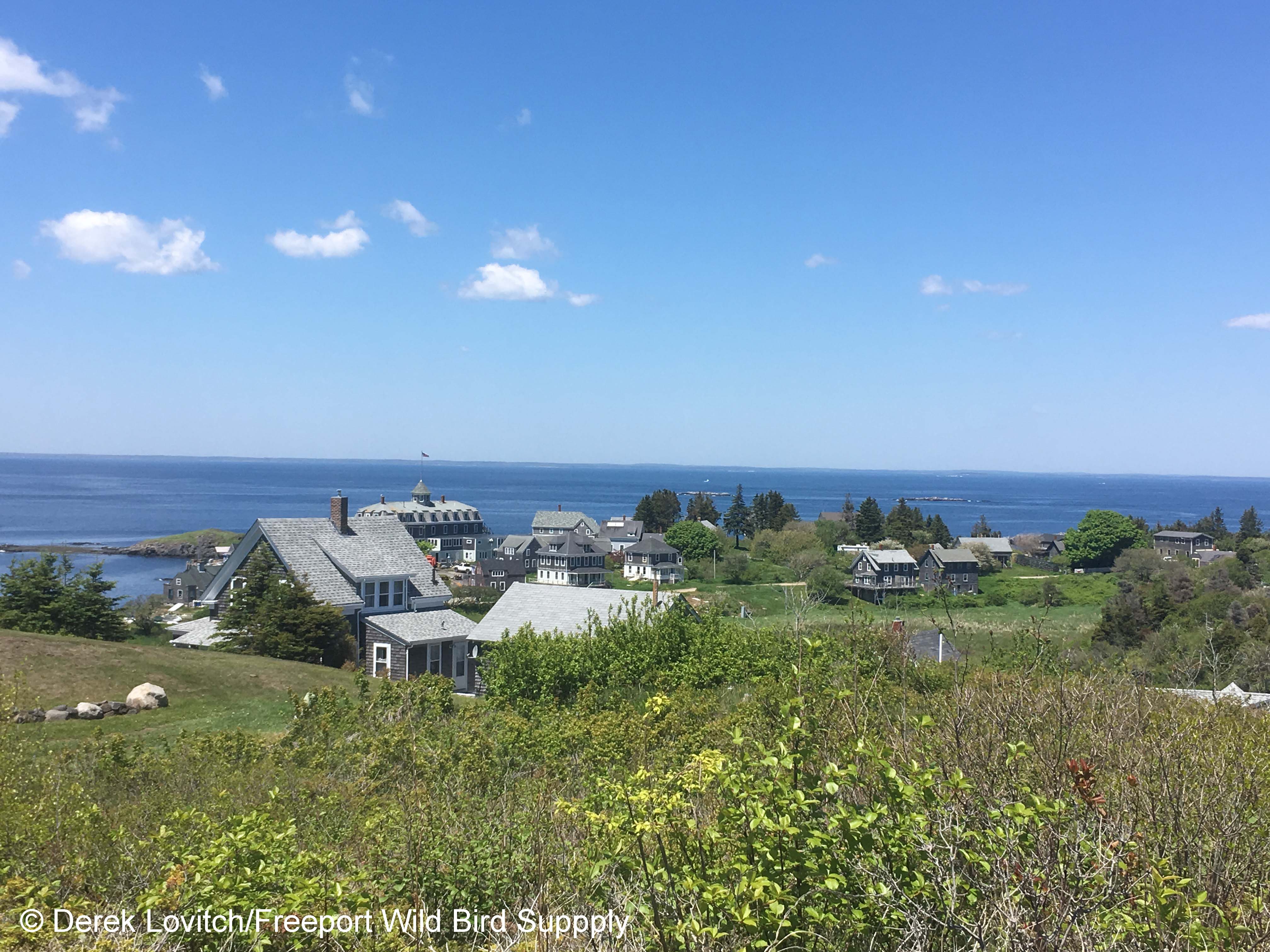
last-day_view

The afternoon was slower, and Jeannette and I winded down our visit with good conversation, one last slice (or two) of Novelty pizza and another pint (or two) of Monhegan Brewing beer, and caught up with some good friends who had just arrived with tours of their own. It was a relaxing finish to a great weekend, and the gentle boat ride home was more relaxing than we really needed before driving – just a little different than our outbound trip!

So yeah, it was a good trip. And, after one day at work, I am definitely ready to go back!  At least I have two tours out here this fall. First, I have a full week with my WINGS tour, space on which is still available.

And there’s a little room left on our store’s annual Monhegan Fall Migration Weekend tour, which is only four months away!
IMG_9723-edited-edited
Yellow Warbler in an apple tree.

And finally, here is the daily tally:

5/25 5/26 5/27 5/28 5/29
BRANT 0 0 0 1 0
American Black Duck 0 1 1 1 1
Am. Blac Duck x Mallard hybrid 0 1 0 1 1
Mallard 15 10 12 16 20
Common Eider x x x x x
LONG-TAILED DUCK 0 0 0 1 0
Red-throated Loon 2 1 0 0 0
Common Loon 1 0 1 2 0
Northern Gannet 2 0 0 3 0
Double-crested Cormorant x x x x x
GREAT CORMORANT 0 1 0 0 0
Great Blue Heron 0 0 0 1 0
Green Heron 0 0 1 1 0
Bald Eagle 0 0 0 1 0
Osprey 0 0 1 0 1
Sharp-shinned Hawk 0 0 0 1 1
Merlin 0 2 0 1 0
Sora 0 0 0 1 1
Spotted Sandpiper 2 0 0 0 3
American Woodcock 0 2 0 0 0
Laughing Gull 1 1 8 20 8
Herring Gull x x x x x
Great Black-backed Gull x x x x x
Common Tern 1 0 0 2 2
Black Guillemot x x x x x
Mourning Dove x x x x x
Black-billed Cuckoo 0 0 1 0 0
Common Nighthawk 0 1 0 0 0
Ruby-throated Hummingbird 1 2 3 4 4
RED-BELLIED WOODPECKER 0 0 0 1 0
Northern Flicker 0 0 0 0 1
Great-crested Flycatcher 0 0 0 0 1
Eastern Wood-Pewee 0 1 1 2 3
Yellow-bellied Flycatcher 1 0 0 0 1
Least Flycatcher 1 2 2 2 2
Eastern Phoebe 0 0 0 1 0
Eastern Kingbird 2 8 7 4 3
WARBLING VIREO 1 1 2 1 1
Red-eyed Vireo 2 80 10 6 8
Blue Jay x x x x x
American Crow x x x x x
Common Raven 2 1 2 2 2
Tree Swallow 4 4 4 4 4
Barn Swallow 1 0 0 1 1
Black-capped Chickadee x x x x x
Red-breasted Nuthatch 0 2 0 0 1
Carolina Wren 0 1 1 1 1
Winter Wren 0 0 1 0 1
Ruby-crowned Kinglet 1 1 0 0 0
BLUE-GRAY GNATCATCHER 0 1 0 0 0
EASTERN BLUEBIRD 2 3 1 1 1
Swainson’s Thrush 0 1 0 0 0
Hermit Thrush 0 0 0 1 0
American Robin x x x x x
Gray Catbird x x x x x
NORTHERN MOCKINGBIRD 0 0 1 0 0
Brown Thrasher 0 0 0 1 1
European Starling x x x x x
Cedar Waxwing 60 125 125 125 125
Tennessee Warbler 3 20 8 4 6
Northern Parula 2 6 4 5 10
Yellow Warbler 6 10 12 12 12
Chestnut-sided Warbler 0 1 0 0 1
Magnolia Warbler 4 4 3 2 4
Cape May Warbler 0 4 2 1 1
Black-throated Blue Warbler 0 0 0 0 1
Yellow-rumped Warblers 3 2 1 0 3
Black-throated Green Warbler 2 8 3 2 5
Blackburnian Warbler 0 0 1 2 15
Bay-breasted Warbler 0 2 0 1 1
Blackpoll Warbler 12 50 25 20 40
Black-and-white Warbler 3 4 3 1 2
American Redstart 4 15 6 0 15
MOURNING WARBLER 0 0 0 0 1
Common Yellowthroat x x x x x
Wilson’s Warbler 0 2 1 0 1
Canada Warbler 0 0 1 0 0
SUMMER TANAGER 0 0 0 0 1
Chipping Sparrow 4 4 2 2 4
FIELD SPARROW 0 1 2 2 0
Savannah Sparrow 0 1 1 0 0
Song Sparrow x x x x x
Lincoln’s Sparrow 1 1 1 1 1
Swamp Sparrow 2 2 2 2 2
White-throated Sparrow 0 0 0 1 1
White-crowned Sparrow 1 0 1 1 0
Northern Cardinal 4 x x x x
Rose-breasted Grosbeak 2 2 3 3 1
Indigo Bunting 0 1 1 1 1
Bobolink 0 0 2 1 1
Red-winged Blackbird 12 x x x x
Common Grackle 15 x x x x
ORCHARD ORIOLE 0 1 0 0 0
Baltimore Oriole 1 3 3 4 2
Purple Finch 4 4 2 2 2
RED CROSSBILL (lone good recording identified as Type 10 by M. Young at Cornell). 30 0 5 h.o 2
Pine Siskin 0 1 1 1 0
American Goldfinch 10 x x x x

beets
I forgot to take a photo of the pizza – I ate it too quickly as usual – so here are some beautiful beets from the Island Inn.


And as migrants were passing through, many of the island’s breeding species were well underway, such as this Song Sparrow gathering food for its nestlings.

2016 MonhegZen Spring Birding Weekend PLUS Birds on Tap – Monhegan!

As I do most Memorial Day weekends, I head to Monhegan Island with a tour group for my “MonhegZen Spring Birding Weekend.”  But this was not going to be “just” a weekend on this wonderful, joyful, and bird-filled place. This was going to be truly special – it was “Birds on Tap – Monhegan!

A small group arrived with me on Friday, and boy did we hit the ground running. The first bird we saw off the boat was a Purple Martin zipping overhead – a nice rarity to get things started. As if my usual Monhegan-stoked Rarity Fever wasn’t already in full effect, the next bird we saw was a wet Empid. And let the games begin! Of course, this one was a pretty straightforward Alder Flycatcher after we got good looks at it and heard it call.
ALFL

American Redstarts, Northern Parulas, and Blackpoll Warblers were common and conspicuous as it took us over an hour just to walk up Dock Road!  A great look at a male Bay-breasted Warbler near the Ice Pond was a treat, and we caught up with part of the small flocks of Red and White-winged Crossbills that have been wandering around the island. We saw at least 8 Red and at least 6 White-winged, including fresh juveniles of each – likely having bred out here in the late winter and early spring.

A Sora calling in the marsh didn’t really stop all weekend, and Yellow Warblers were particularly conspicuous around town.
YWAR'

And our FOY Novelty pizza.
Novelty Pizza

While I – and the group – were hearing a little too much “you should have been here yesterday,” we were pretty content with the leftovers of the fallout, with 16 species of warblers by day’s end, including impressive numbers of Northern Parulas.
NOPA

A rare-in-spring Dickcissel flew over the Trailing Yew as we awaited coffee, soon followed by a close-passing Yellow-billed Cuckoo. After a strong flight overnight, there were a lot of new birds around. Fueled by the delicious Birds & Beans coffee being brewed by the Trailing Yew all weekend, we began our birding, soon picking up lots of new arrivals including Cape May Warbler and Swainson’s Thrush.

Apple trees in full bloom all around town were one of the major draws for birds and birders. In fact, you could basically pick an apple tree and sit in front of it long enough to see at least one of all of the common migrants that were about, such as Magnolias Warbler…
MAWA male

MAWA female

…and Chestnut-sided…
CSWA2CSWA1

Jeannette met up with the rest of the tour group arriving on the first boat from New Harbor, and caught up with us after catching up with two of the most cooperative Philadelphia Vireos you’ll ever meet that we all enjoyed along Dock Road.
PHVI

In town, we heard a White-eyed Vireo, another rarity (although one of the expected ones out here), ran into a few more of both species of crossbills behind the Ice Pond, and spotted the young Humpback Whale that has been making regular appearances close to shore off the island’s western shore!  And this Scarlet Tanager…which seemed an appropriate find since we have been consuming the coffee named for it!
SCTA

After hearing a singing Mourning Warbler earlier in the day for our 20th species of warbler on the trip, we had a handful of glimpses of a skulking female near the Yew. I turned around to follow a flitting Yellow-bellied Flycatcher. Training my bins on the flycatcher, I first focused on the branch behind it, which turned out to be hosting a roosting Common Nighthawk!
CONI1a

CONI2

83 species of birds on the day, including 19 species of warblers made for one helluva day, but the fun was just beginning! In addition to my annual tour, this was the weekend of Birds On Tap – Monhegan!

A collaboration between our Freeport Wild Bird Supply, Trailing Yew, Birds & Beans, and Monhegan Brewing, we took our “Birds on Tap” series of events offshore to celebrate birds, migration, bird conservation (especially through consumer choices like what coffee to drink), and, yes, beer!

And one of the truly special events was a limited, 31-gallon batch of a special coffee-infused milk stout from Monhegan Brewing, featuring a pound and a half of the dark roast Scarlet Tanager coffee from Birds & Beans!
MARY POUR

I had the honor of announcing the official release, taking some of the first sips of this delicious light-bodied stout featuring a subtle sweetness from lactose perfectly balanced with a bitter roastiness from the coffee.
Me_At MonheganBrewing_Paul_Wolter_edited-1

ON PORCH

Of course, we were also still birding. I promise!
GROUP AT BREWERY

In fact, we momentarily cleared out the brewery when a possible Orange-crowned Warbler (one was seen by others over the past two days) was spotted nearby. Rushing over, we carefully studied the bird before reaching the conclusion that it was indeed a pale Tennessee Warbler.
TEWA

After an unfortunate but necessary cancellation from our original speaker, Dr. Steve Kress arrived to save us – admittedly a feat marginally less heroic than what he did for puffins and endangered seabirds all over the world!


Giving the weekend’s keynote presentation on his work to bring Atlantic Puffins back to nearby Eastern Egg Rock, Steve explained the challenges he and the puffins faced before finally realizing his novel approach finally bore fruit, or should I say, pufflings.
Steve_Kress2_edited-1Steve_Kress1_edited-1

Overnight, a back door cold front sagged southward, shifting the winds to an easterly direction and limiting the arrival of new migrants to the island. Our “Morning Flight Watch” with plentiful free Birds & Beans coffee for all at the Trailing Yew wasn’t too eventful, but things definitely picked up for the post-breakfast walk.


Jeannette led my tour group, and the birding was still a bit slow, relatively speaking. But, they finally made their way down to the pump house to see Eastern Kingbirds flycatching in the marsh. And, up to the lighthouse for the first time which was highlighted by a fantastic view of a female Blackburnian Warbler.
BLBW female

Meanwhile, Kristen Lindquist assisted me in leading the free, open-to-all birdwalk as part of the weekend’s special events. A nice mix of birders, residents, and visitors enjoyed a casual stroll. We chatted as we went, covering a variety of topics from bird migration to conservation to coffee to the ill-conceived industrial wind development scheme for the island’s southern waters.


Some folks, new to birding, may have left with the impression that Red-eyed Vireos were about the most common bird in the world, as quite a few were calmly and methodically foraging through apple trees in and around town.
revi

But perhaps this male Blackburnian Warbler would end up being a “spark” bird for someone! Because male Blackburnian Warbler!
BLBW male

With a light easterly wind continuing, and our group back together after more Novelty pizza, we walked up to Burnt Head, where we enjoyed some nice close passes from Northern Gannets
NOGA

Jeannette and I spent an extra night on the island, knowing we would need a little time to unwind after the even-more-chaotic-than-expected weekend of events. After a great dinner with friends, we listened to two Soras calling from the marsh and an American Woodcock still displaying somewhere overhead before turning in.

We awoke on Monday to dense fog and no visible migration on the radar, but the birding was actually quite good. We found a Nelson’s Sparrow in the Lobster Cove marsh, but also enjoyed how the damp weather (mist, drizzle, and a few showers) were keeping activity low and close, easily viewed in the blooming apple trees around town once again.
As a warm front passed through, with only a little more drizzle but rapidly warming temperatures and clearing skies, we took a post-pizza hike, heading deeper into the woods, which netted more of the island’s breeding species, such as many more Black-throated Green Warblers.
BTNW

Somehow – now how did this happen? – our hike ended at the brewery, where another pour of the Birds & Beans-infused beer was in order.
CLOSE UP POUR

Unfortunately, especially since the sun was now shining brightly, it was indeed time for us to head back to the real world, so Jeannette and I begrudgingly plodded down to the dock and boarded the Hardy Boat for the return.  It’s never easy saying goodbye to the island – its birds and our friends there – but today was especially challenging as we know a fight about the future of the island – including many of the migratory birds that pass over and through here – is looming.
Leaving_island_edited-1

Here’s the complete daily checklist for the weekend:
26-May 27-May 28-May 29-May
1 Canada Goose 0 0 1 0
American Black Duck x Mallard 0 1 0 0
2 Mallard 2 10 12 8
3 Common Eider x x x x
4 Ring-necked Pheasant 3 3 3 4
5 Common Loon 1 1 0 1
6 Northern Gannet 0 0 12 0
7 Double-crested Cormorant x x x x
8 Great Cormorant 0 0 0 1
9 Great Blue Heron 0 1 0 0
10 Green Heron 1 0 0 0
11 Osprey 0 1 0 0
12 Bald Eagle 2 1 0 0
13 Merlin 0 1 0 1
14 Virginia Rail 0 0 0 1
15 Sora 1 1 2 1
16 American Woodcock 0 0 1 0
17 Black Guillemot x x x x
18 Laughing Gull x x 12 4
19 Herring Gull x x x x
20 Great Black-backed Gull x x x x
21 Common Tern 2 0 0 0
22 Mourning Dove 8 10 4 6
23 YELLOW-BILLED CUCKOO 0 1 0 0
24 Common Nighthawk 0 1 0 0
25 Ruby-throated Hummingbird 2 3 2 2
26 Yellow-bellied Sapsucker 0 1 0 0
27 Downy Woodpecker 4 4 2 0
28 Northern Flicker 0 1 1 1
29 Eastern Wood-Pewee 2 10 4 6
30 Yellow-bellied Flycatcher 1 4 0 5
31 Alder Flycatcher 1 2 0 0
32 Willow Flycatcher 0 4 0 1
33 “Traill’s” Flycatcher 0 6 2 1
34 Least Flycatcher 5 8 2 5
35 Eastern Kingbird 8 14 7 6
36 WHITE-EYED VIREO 0 1 0 0
37 Philadelphia Vireo 2 3 0 0
38 Red-eyed Vireo 15 100 30 25
39 Blue Jay 4 4 6 6
40 American Crow x x x x
41 Tree Swallow 8 2 2 2
42 Cliff Swallow 0 1 0 0
43 Barn Swallow 0 0 2 0
44 PURPLE MARTIN 0 0 0 0
45 Black-capped Chickadee x x x x
46 Red-breasted Nuthatch 2 4 2 3
47 House Wren 0 2 2 2
48 Winter Wren 0 0 0 1
49 Golden-crowned Kinglet 2 2 2 4
50 Swainson’s Thrush 0 1 0 0
51 American Robin 10 8 10 8
52 Gray Catbird x x x x
53 Brown Thrasher 1 0 2 0
54 Northern Mockingbird 0 1 0 0
55 European Starling x x x x
56 Cedar Waxwing 30 80 60 40
57 Ovenbird 0 1 0 0
58 Northern Waterthrush 1 1 0 0
59 Black-and-white Warbler 8 10 6 3
60 Tennesee Warbler 1 10 1 1
61 Nashville Warbler 1 1 1 2
62 MOURNING WARBLER 0 3 0 0
63 Common Yellowthroat x x x x
64 American Redstart 25 40 10 15
65 CAPE MAY WARBLER 0 1 0 0
66 Northern Parula 40 50 20 20
67 Magnolia Warbler 5 15 12 20
68 Bay-breasted Warbler 1 0 0 0
69 Blackburnian Warbler 3 3 2 2
70 Yellow Warbler 20 20 25 20
71 Chestnut-sided Warbler 15 15 10 15
72 Blackpoll Warbler 20 70 30 40
73 Black-throated Blue Warbler 1 3 1 2
74 Yellow-rumped Warbler 0 4 1 2
75 Black-throated Green Warbler 6 7 10 30
76 Canada Warbler 0 1 1 0
77 Wilson’s Warbler 1 0 0 1
78 Eastern Towhee 0 1 0 0
79 Chipping Sparrow 4 1 1 0
80 NELSON’S SPARROW 0 0 0 1
81 Song Sparrow x x x x
82 Lincoln’s Sparrow 0 1 0 1
83 Swamp Sparrow 0 1 0 1
84 White-throated Sparrow 1 2 2 1
85 Scarlet Tanager 0 2 0 0
86 Northern Cardinal 4 4 8 8
87 Rose-breasted Grosbeak 0 1 0 1
88 Indigo Bunting 1 3 1 0
89 DICKCISSEL 0 1 0 0
90 Bobolink 2 6 3 0
91 Red-winged Blackbird x x x x
92 Common Grackle x x x x
93 Baltimore Oriole 4 2 2 1
94 Purple Finch 2 2 2 1
95 RED CROSSBILL 8 2 3 ?
96 WHITE-WINGED CROSSBILL 6 8 0 12
97 Pine Siskin 15 30 30 40
98 American Goldfinch 6 4 4 4

Not Your Usual December Highlights!

While this fall’s rarity season got off to a fairly slow start at the end of October, things have really heated up lately. In fact, it’s been a really outstanding couple of weeks.  And in the past few days, I have enjoyed some really great birding.

The mild temperatures have certainly played a role – while the southerly and southwesterly winds that have ushered in much of the unseasonably warm air may still be facilitating the arrival of some vagrants, at the very least the mild temperatures and benign weather are allowing vagrants and unseasonable “lingering” migrants to survive long enough to be found! And, the lovely weather is certainly keeping more birders out in the field. I have certainly been taking full advantage of this beautiful weather.

On Sunday, Ed Hess and I visited the Saco Riverwalk. While this is always a hotspot at this season, it is really extraordinary this year. After 8 species of warblers were seen there in November, the mild weather has allowed at least 5 species to continue – almost unprecedented for December. Ed and I saw the Tennessee Warbler, a really remarkable December record…
L1040092_TEWA,SacoRiverWalk, 12-6-15_edited-1

…both of the two continuing Yellow Warblers (the photos are of one of the two individuals), which is another exceptional species for the date…
L1040022_YWAR,SacoRiverWalk,12-6-15_edited-1

…the Nashville Warbler (and confirmed the continued presence of a second Nashville!)…
NAWA by Ed_edited-1

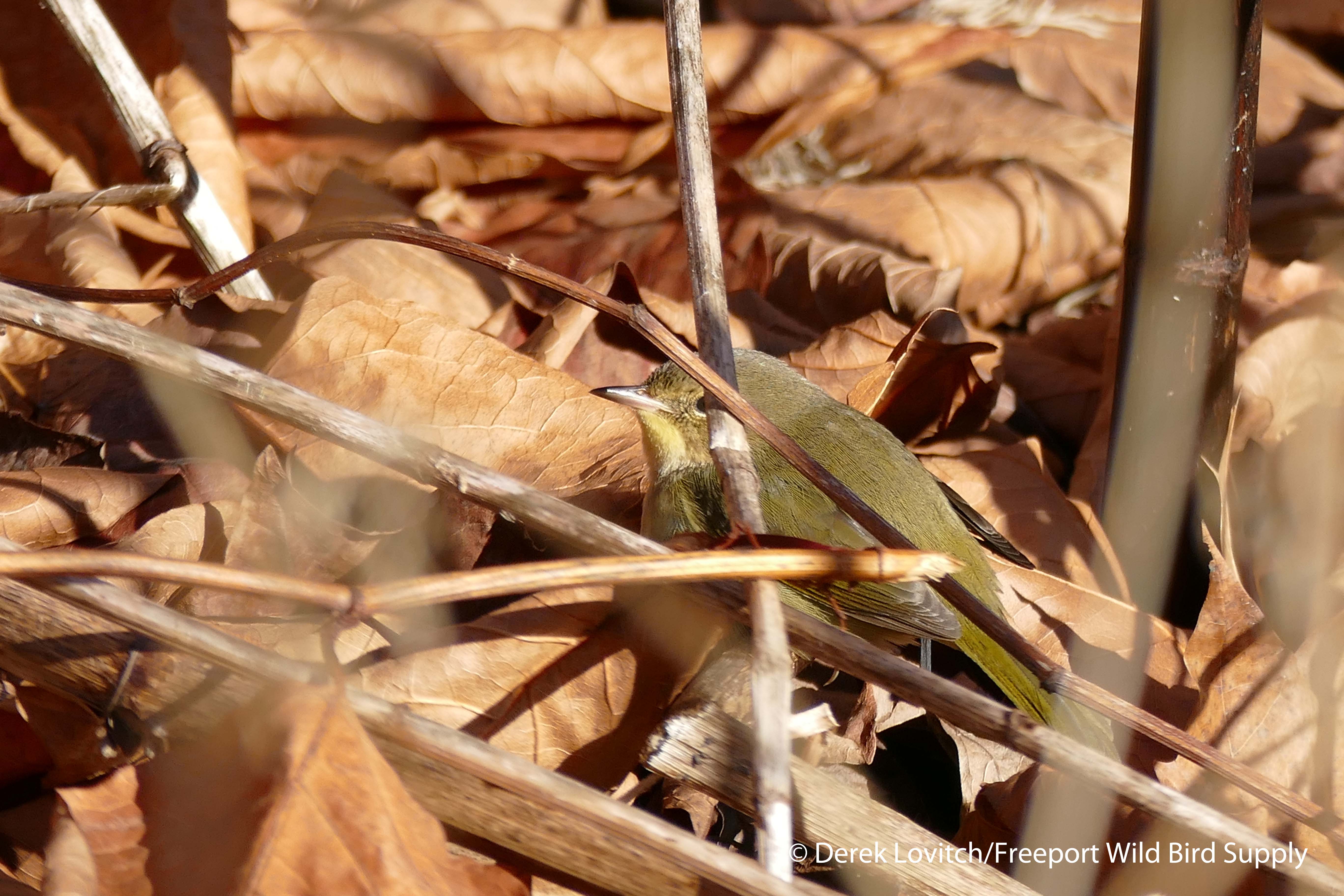
…the Common Yellowthroat (more expected for the season)…
L1040098_COYE1,SacoRiverWalk,12-5-15_edited-1

…and we saw one of the two Ruby-crowned Kinglets still present (much more regular in December than any warbler).
L1040116_RCKI,SacoYachtClub,12-6-15-edited

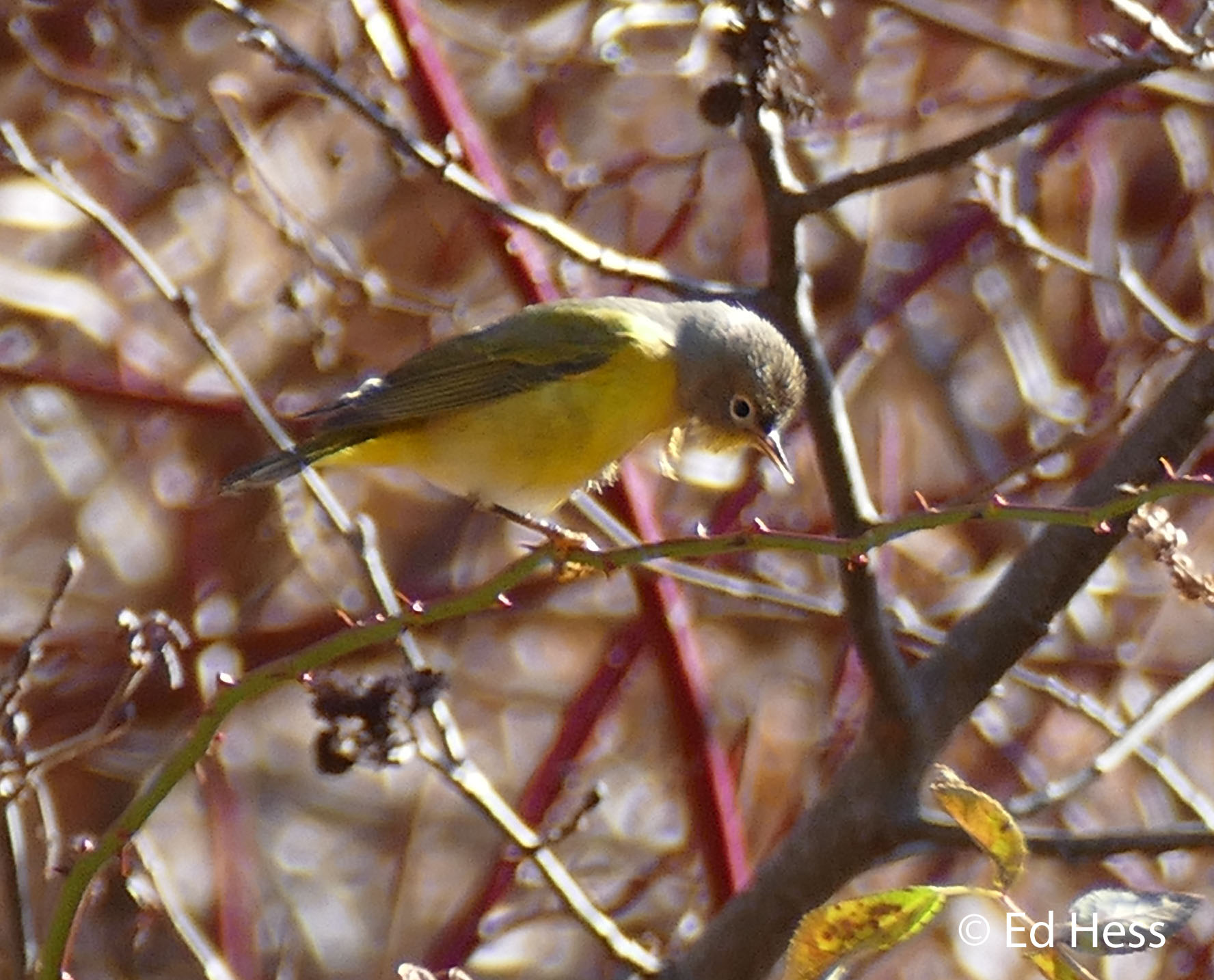
And although we didn’t see it, the most amazing of them all, a Blackburnian Warbler is still present. (Jeannette and I saw and photographed it earlier in the week, 11/30).
IMG_3040_edited-2

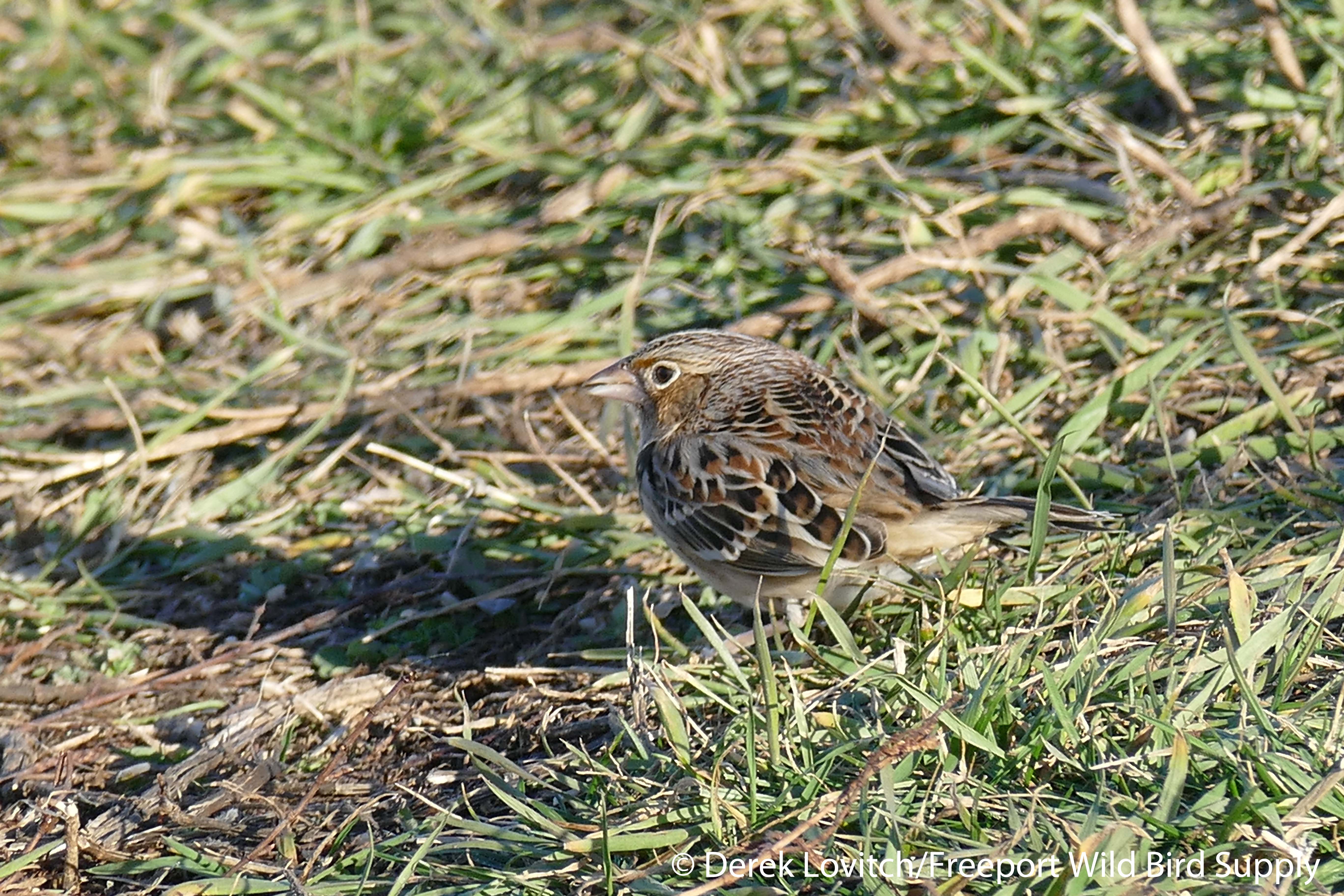
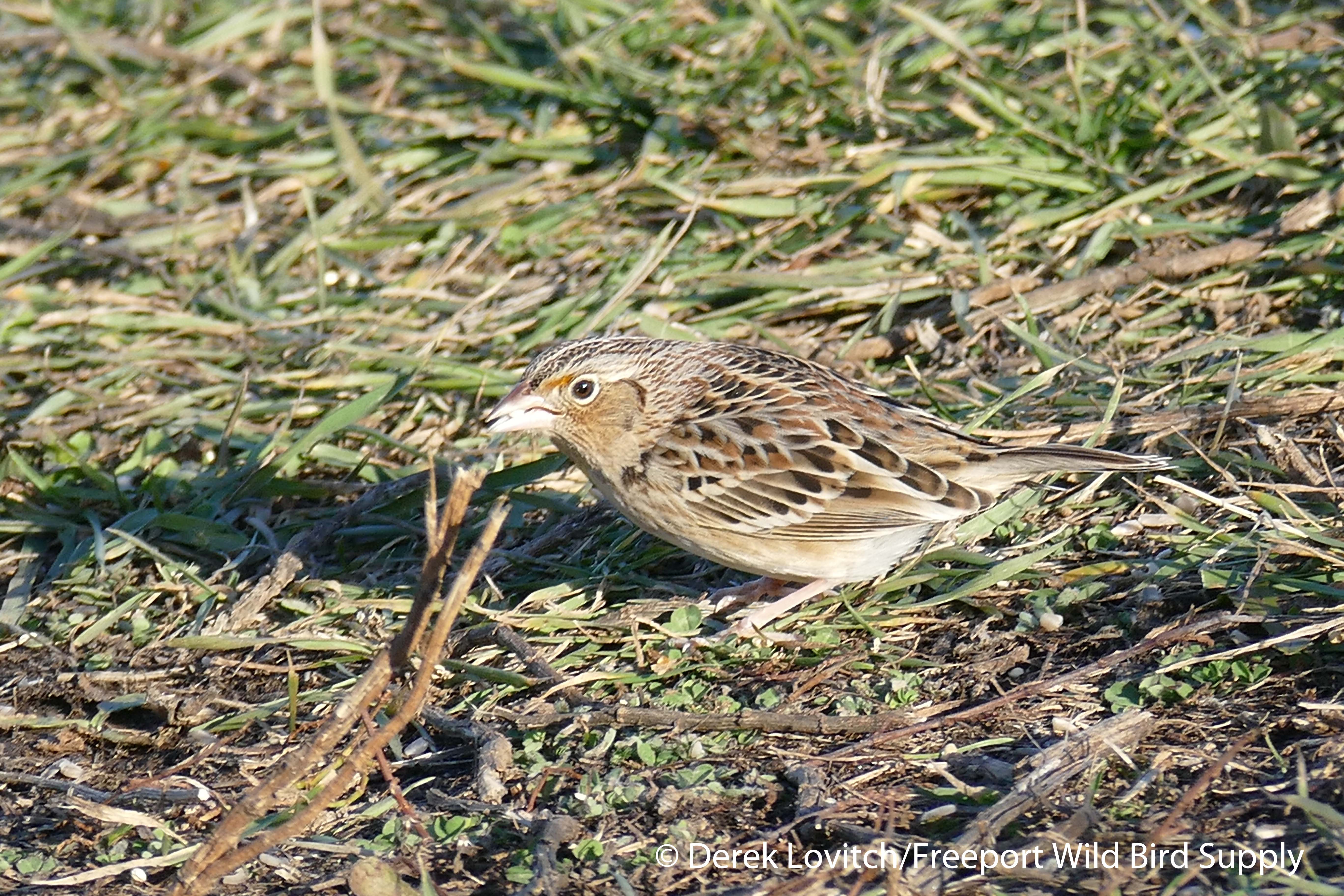
Ed and I then headed to Cape Elizabeth, where we photographed the continuing Grasshopper Sparrow at Dyer Point, and odd bird to see juxtaposed with Harlequin Ducks (18) and Purple Sandpipers (6)…
L1040136_GHSP2,DyerPt,12-6-15_edited-1L1040151_GHSP3,DyerPoint,12-6-15_edited-1L1040163_GHSP1,DyerPoint,12-6-15

…And we twitched a Wilson’s Warbler found earlier in the day nearby, just so we could say we saw five species of warblers in a day in December!  It cannot, however, be said that we “photographed” five species:
WIWA,CapeElizabethm12-6-15

The Grasshopper Sparrow was also our fifth species of sparrow on the day (Song, American Tree, White-throated, and Dark-eyed Junco) – I doubt I’ve had five species of warbler and 5 species of sparrows in the same day in December in Maine before.

Of course, that only somewhat consoled us about missing the vagrant Western Tanager that was found at the Riverwalk later in the afternoon. Damn.

On Monday, I headed over to Reid State Park in Georgetown with Kristen Lindquist. It was a rather quiet day here, but it’s always one of my favorite places to take a walk, especially on such (another) gorgeous morning.  43 Red-necked Grebes, a Northern Harrier, a flyover Red Crossbill (my first of the season), oh yeah, and another rarity: “Oregon” Junco.

While some might dismiss it as “merely a subspecies,” the westernmost subspecies of the Dark-eyed Junco is truly a rarity in the Northeast, and this was the first definitive “Oregon” Junco that I have seen in Maine (although I have never chased one at a feeder, where they are usually seen). It was in a small flock of “Slate-colored” Juncos and an American Tree Sparrow in the scrubby central ridge in the middle of the Griffith’s Head parking lot.

The flock flushed from short grass at the edge as we rounded the corner, and as it briefly alighted in a shrub, I was shocked to see a black-hooded junco. Closer inspection as we followed it for about 20 minutes yielded all of the pertinent field marks for a “textbook” Oregon, nicely eliminating the intermediate “hybrid swarm” – or whatever it is – that we sometimes refer to as “Cassiar’s” Junco.

Note the complete, black (not dark gray) hood, lacking contrast in the supraloral area. Also, the hood is cleanly demarcated on the back of the head, contrasting crisply with the reddish-brown back. The flanks and sides are particularly pale salmon-buff, which is not atypical for adult males (although many are much brighter). At the lower margin of the hood, note the smooth, rounded margin across the chest and up to the “shoulder.”
IMG_6908_ORJU4,meIMG_6909_edited-1IMG_6910_ORJU1,K_edited-1IMG_6912_edited-1,K.Lindquist

Afterwards, Kristen and I birded around Bath – no white-winged gulls or Barrow’s Goldeneyes yet, no doubt related to the mild temperatures as well, but we did spot one of the Snowy Owls at Brunswick Landing – unlike warblers, a slightly more expected highlight for early December in Maine.

While Jeannette and I didn’t turn up any rarities – or much of anything else for that matter! – birding Harpswell Neck this morning, I very much look forward to what the coming weeks will produce, especially when it finally turns cold!

MonhegZEN Birding Fall Migration Weekend, 9/26-30/13

This past weekend was my annual “MonhegZEN Migration Weekend.”  A small group – absolutely no more than eight people per day – joins me on a per diem basis to enjoy the wonder of fall migration at this offshore hotspot.  While the 105 total species was right about my Fall Weekend average, it did include 20 species of warblers, and a variety of the usual fall-on-Monhegan cast of characters.  And a few “good” birds as always.

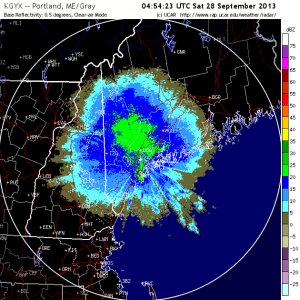
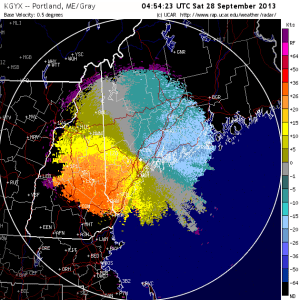
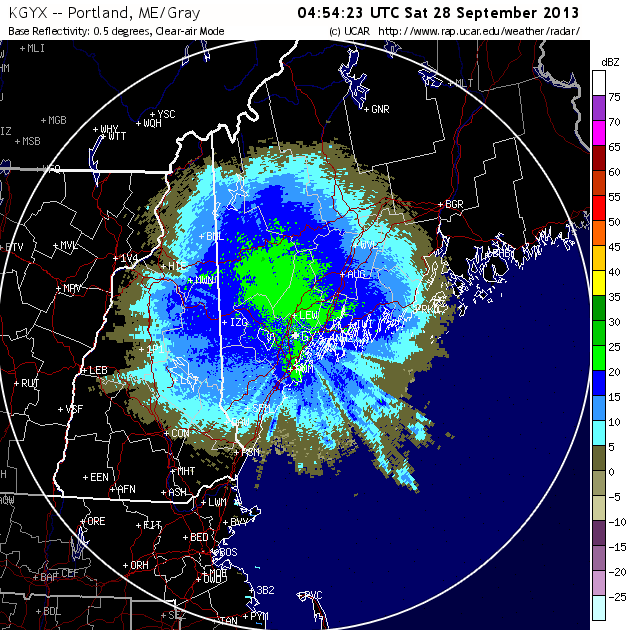
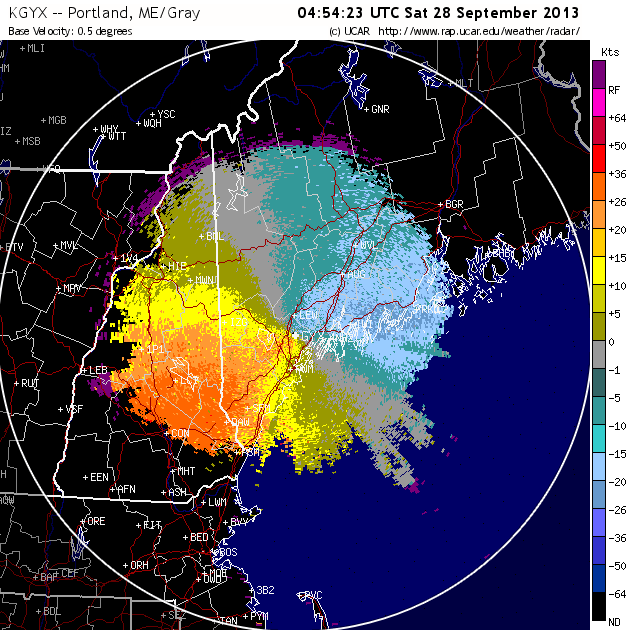
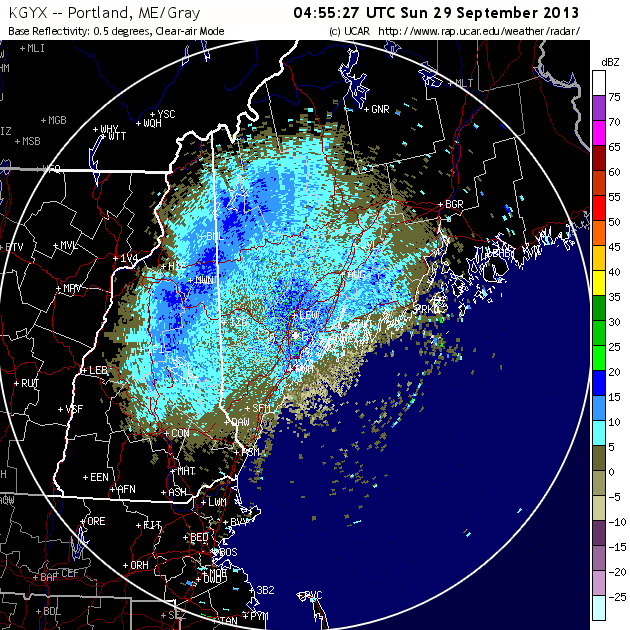
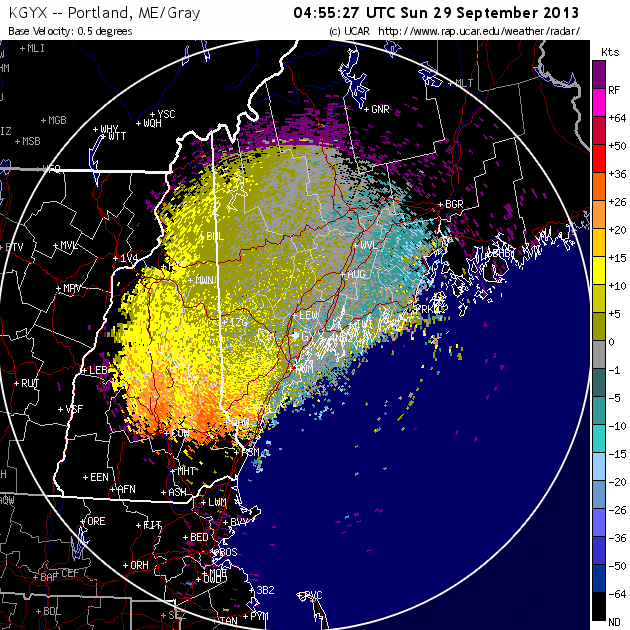
But before I get into the daily rundown, let me post a quiz.  Here are the 1am radar and velocity images from each of the four nights preceeding each of my four days on the island.  Can you guess which days had the most birds?
9-27-13 1am ref 9-27-13 1am vel 9-28-13 1am ref 9-28-13 1am vel 9-29-13 1am ref 9-29-13 1am vel 9-30-13 1am ref 9-30-13 1am vel

If you said the first two had more birds than the second two, you would be absolutely right!  And yes, Saturday (Day 2) was definitely the best day for migrants on the island.  And yes, Monday (Day 4) was very, very slow.  The radar certainly suggested it, and our birding over the course of each day definitively ground-thruthed it.

IMG_1587Leaving Port Clyde, 9/26.

After the good flight on Thurday night into Friday morning, I arrived with part of my group from Port Clyde on the 7am ferry, dropping us on the island just before 8.  The birding was still going strong.  In fact, it took us almost an hour and a half just to walk to the end of Dock Road (about ¼ mile)!  At least six Cape May Warblers in one cluster of spruces, Rusty Blackbirds were overhead (including one just as our boat docked, a nice welcome to the island), and then a buzz-by from a Cooper’s Hawk.

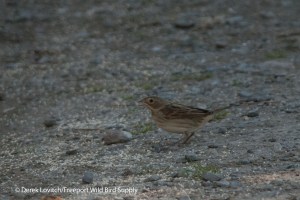
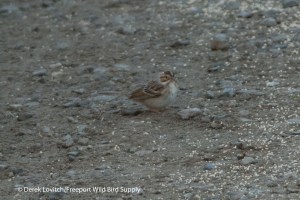
Common on the mainland, Coops are rather rare this far offshore, and I don’t see them on the island every fall, so this was a real treat – and an “Island Bird” for a friend I was exchanging info with.  A short while later we caught up with the last individual of what was once 5 Broad-winged Hawks that drifted to the island – only my second-ever out here.   A Yellow-billed Cuckoo, a continuing Lark Sparrow, Clay-colored Sparrow, and Dickcissel – yup, most of the usual fall Monhegan “trash birds!”
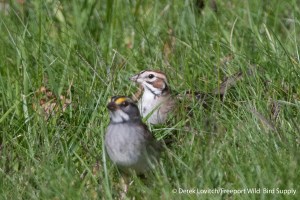
a -DSC_0007_LASP1,Monhegan,9-28-13Lark and White-throated Sparrows

b -DICK1,Monhegan,9-27-13Very pale juvenile Dickcissel

c -CCSP,Monhegan,9-27-13Clay-colored Sparrow.

Honestly however, the bird of the day – from an island rarity perspective – was probably House Sparrow.  Seriously.   A male that apparently landed on the Hardy Boat half way to the island a few days prior had taken up residence here.  Were a female to show up – almost certainly in similar fashion – then we could have an issue <insert ominous foreshadowing music here>.

The morning flight was hot and heavy on Saturday morning.  In fact, there was so much overhead that we barely left the grounds of the Trailing Yew before breakfast.  All we could do was stand around, look up, and marvel at the wonders of migration.  Hundreds of Yellow-rumped Warblers, 10’s of Palm Warblers, oodles of Golden-crowned and Ruby-crowned Kinglets…2-3 Blue-gray Gnatcatchers, another Dickcissel or two, and a fly-by Blue Grosbeak (the first on the island this fall?) – it would have been overwhelming to quantify, but luckily, when I am away from SandyPoint, I am not nearly as compulsive.  Phew.
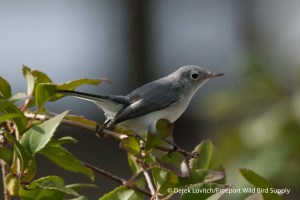
d -DSC_0020_BGGN1,Monhegan,9-28-13e -DSC_0016_BGGN_jumping,Monhegan,9-28-13
This Blue-gray Gnatcatcher visited us while we were dining on Novelty pizza.
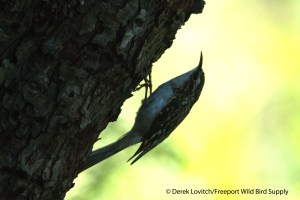
ea -DSC_0092_BRCR,Monhegan,9-29-13Brown Creepers were common, and unusually photogenic, throughout the day.

Good birding continued throughout the day.  We confirmed a Nelson’s Sparrow in the marsh at Lobster Cove and found a Marsh Wren.  We tallied 17 species of warblers over the course of the day. It was warm.  It was calm.  It was simply perfect!

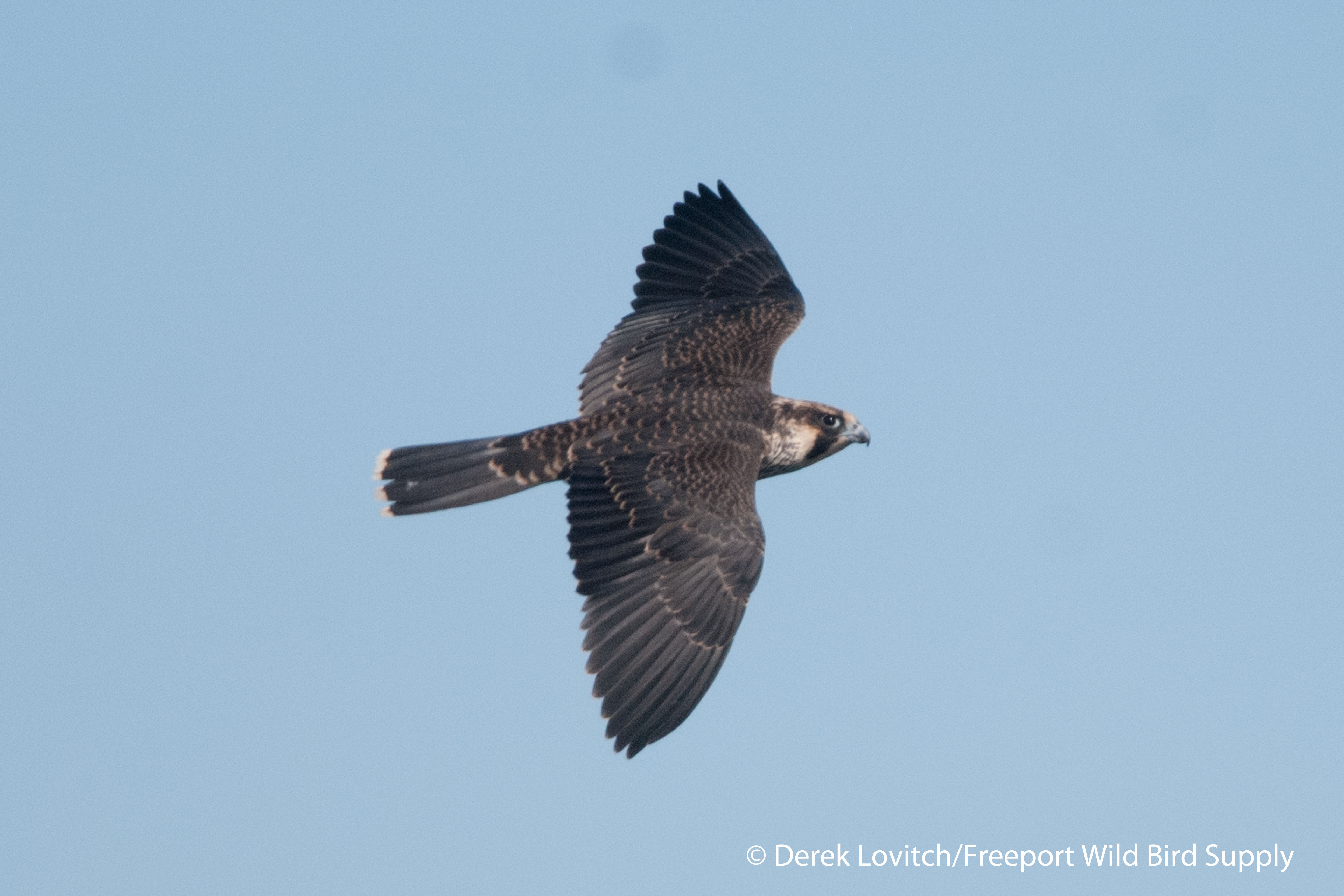
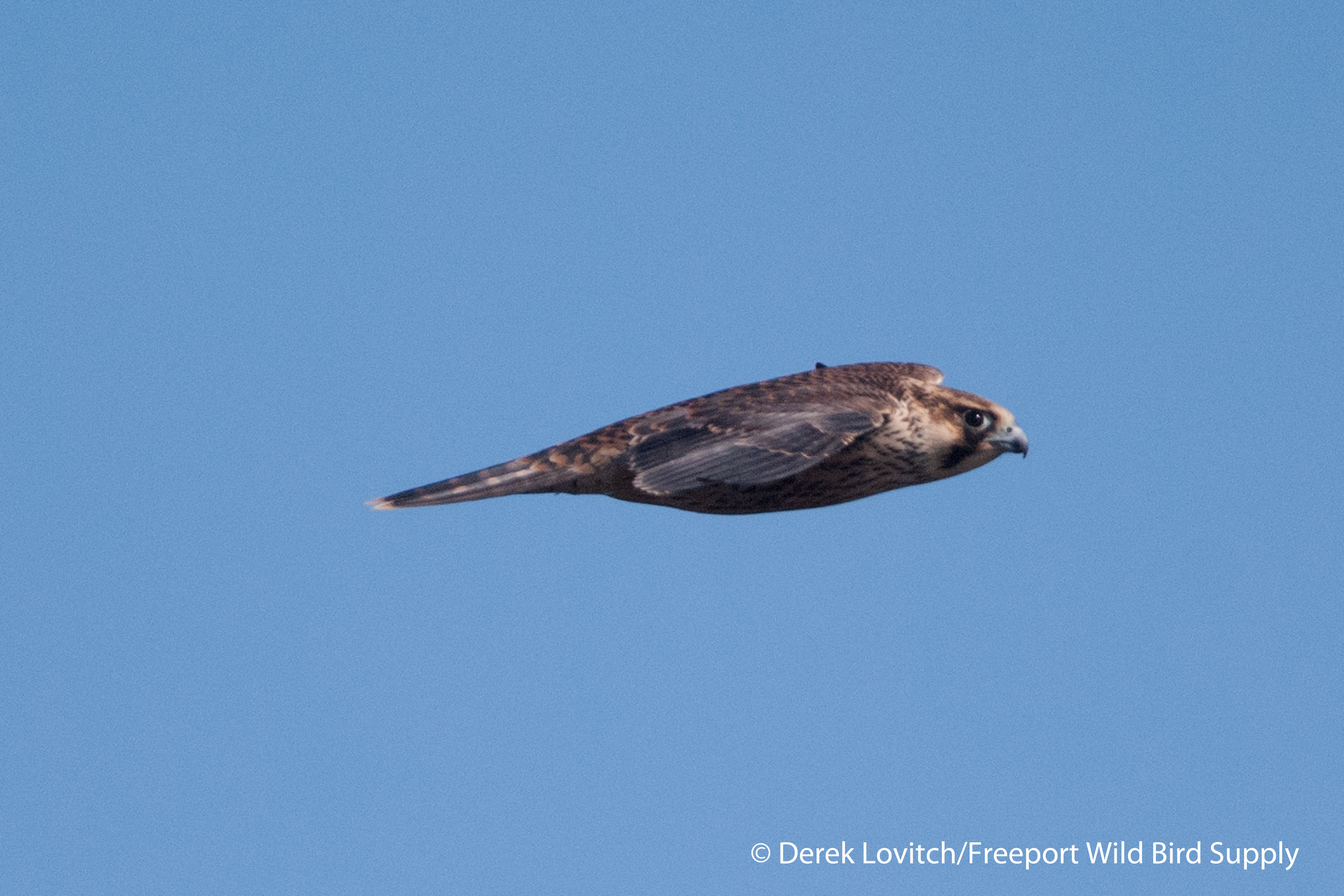
But we all agreed that the highlight was the afternoon on White Head.  A light southeasterly breeze produced a light updraft off of the cliffs, and Peregrine Falcons were taking full advantage.  Some birds were swirling around, doing little more than what could be described only as “playing” in the wind.  Some birds were undoubtably passage migrants getting a quick lift from the rising warm air.  We know there were at least six Peregrines, as we had a bona-fide kettle of six swirling together at one point.  Normally, the hawkcounter in me swings into action.  But alas, this is MonhegZEN birding, so I just sat back and enjoyed the show.
eb -DSC_0104_PEFA1,Monhegan, 9-28-13f -DSC_0105_PEFA2,Monhegan,9-28-13

g -DSC_0124_PEFA3,Monhegan,9-28-13j -DSC_0053_OSPR1,Monhegan,9-26-13me_with_group_Monhegan,9-28-13,K.Lindquist (Photo (c) K. Lindquist).
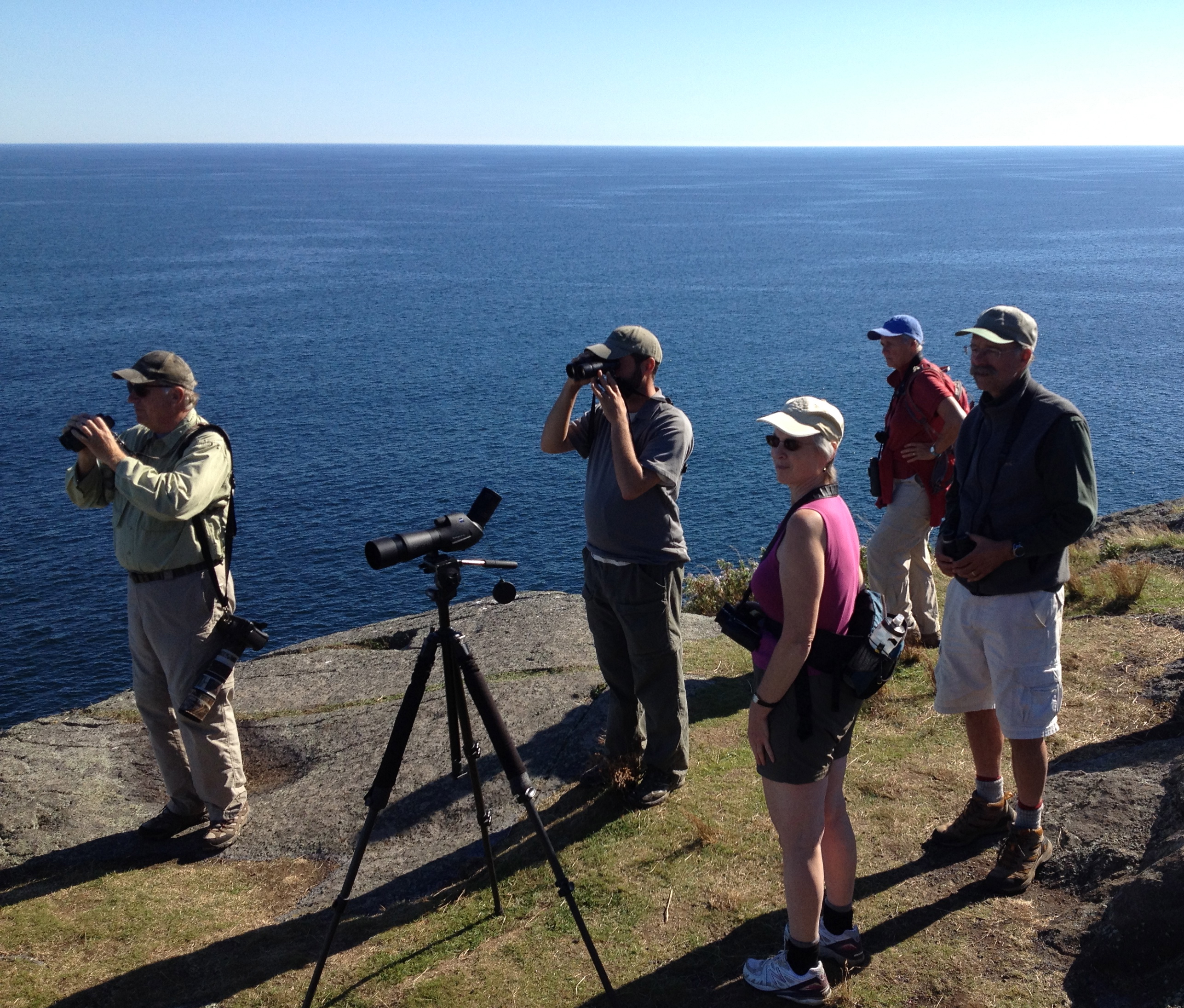
Sea- and Hawk-watching from White Head. Lots of eye-to-eye Peregrine Falcons, an Opsrey, and a distant Minke Whale or two.

A shroud of fog enveloped the island on Sunday morning, but there weren’t too many birds overhead to be obscured by it.  Although there were few birds overhead or moving around once the fog lifted, there was still an ample supply of Yellow-rumped Warblers and Golden-crowned Kinglets.   We happened upon a Prairie Warbler, and added a few other species to our trip list, such as two Ruby-throated Hummingbirds, and – finally – Ring-necked Pheasants (how did I go two days without hearing or seeing a pheasant here?).  Lark Sparrow, Yellow-billed Cuckoo, Rusty Blackbird, Least Flycatcher (finally, after three days I had an Empid to try and string!)…the list goes on.  But overall, birding was decidedly slower than the previous two days (note what constitutes a slow day on Monhegan!), and rather warm.
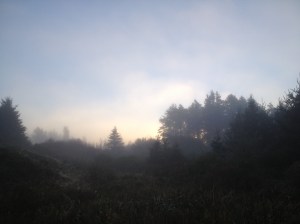
IMG_1591IMG_1600IMG_1597
While the birding was slow, we took time to enjoy the scenery in the fog.

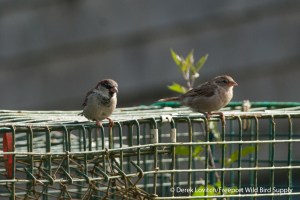
Remember when I said that all that male House Sparrow needed was a female to arrive?  Uh-oh.
h -HOSPpair,Monhegan,9-29-13

I am unsure how long it’s been – if ever? – since two House Sparrows were on the island.  While only die-hard island-listers appreciated these birds as much as I did (I remain captivated by the way birds – all birds – find their way to islands and what their lives are like once they get there ), the members of my group that have birded here before at least understood the significance, and potential colonization consequences of this sighting.

Luckily, we had other intrigue to talk about as well.  The spruces along Dock Road were happenin’ again today, but one warbler in particular occupied us for a while.  I first called it a Blackburnian, and then I back-tracked…a lot.  It was so impressively pale, and feeding above us, some of the most diagnostic features were not visible.  We spent about a half hour with this bird, which eventually obliged us as it fed in the lowest boughs of the tree.  We worked it carefully and thoroughly, taking the opportunity to really learn from this individual.  It took a while, but I was finally convinced it was a Blackburnian in large part due to the very pale but distinct “braces” on the back, and what we would (via camera-screen “instant replay”) finally confirm as a small, pale orange central forehead stripe.
i -DSC_0142_ultra-paleBLBW1,Monhegan,9-28-13l -DSC_0134_ultra-paleBLBW2,Monhegan,9-28-13m -DSC_0155_ultra-paleBLBW3,Monhegan,9-28-13

The orange feet seem odd to me, and the dark auriculars appeared much more contrasting on these photos than we interpreted it in the field.  This was a good “learning and teaching bird,” and therefore this was one of my favorite birds of the trip.

IMG_1624_Monhegan_Brewery
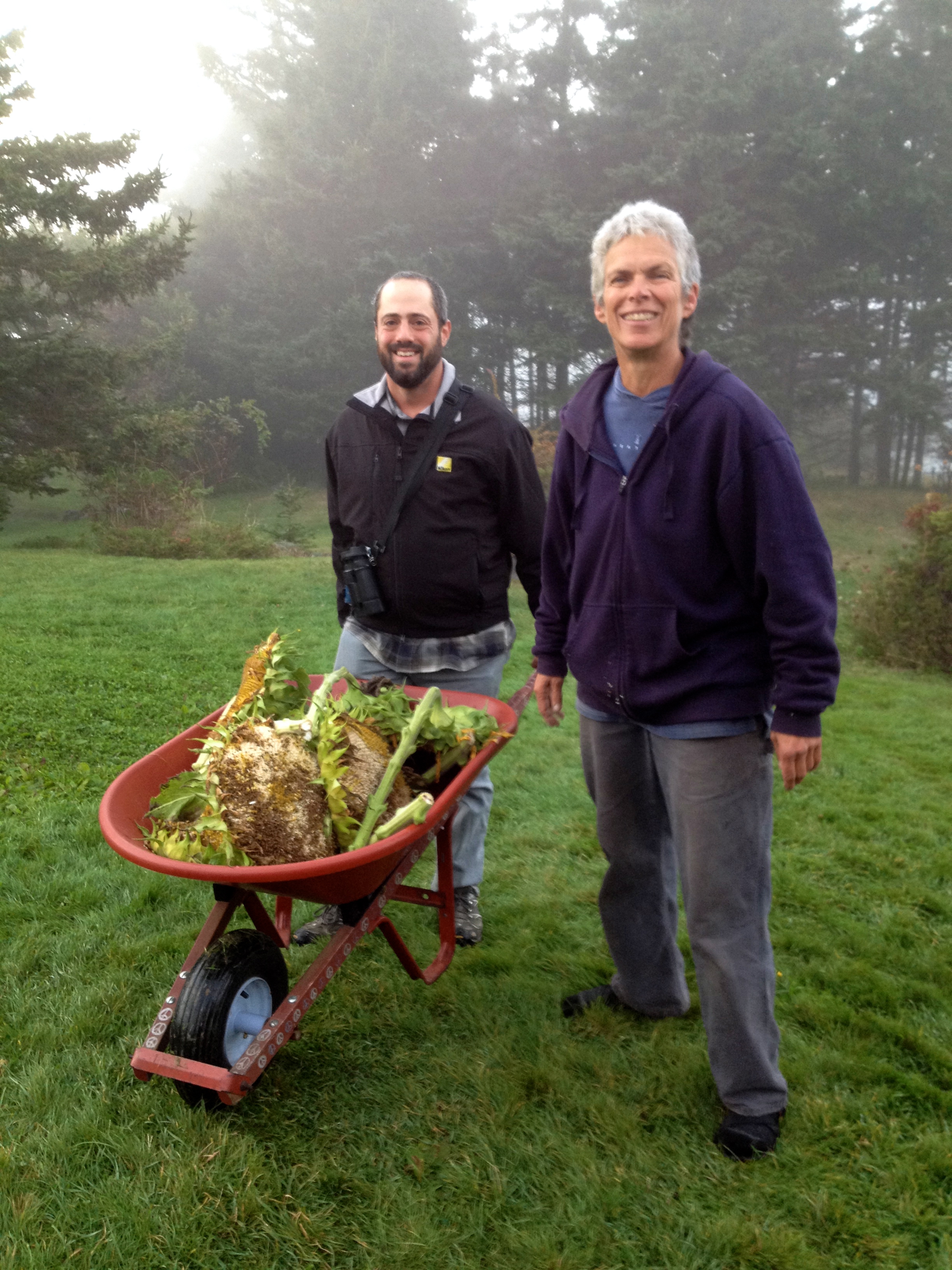
I visited the Monhegan Brewing Company a couple of times for good beer and conversation.  And we know good business can be conducted over a beer.  In fact, during my last beer there on Sunday evening, I struck a deal with Sue to buy the sunflower heads from the Island Farm.  They’re currently drying at our house, but they’ll soon be for sale here at the store.  The money will go to help the Island Farm in their pursuit to provide a sustainable source of produce for the island.  The gardens are also great birding!
IMG_1614me,Sue,andSunflowers,K_Lindquist

Very few birds were on the move Sunday night, and with almost nothing visible on the radar, I didn’t exactly pop out of bed in the morning.  I did get out for a little while before breakfast, however, and once again the morning flight – or lack thereof – proved what the radar suggested.  My tour had come to an end, but I elected to stay out for the day to bird with my friend Kristen.  We both just wished there were a few more birds to see!

n -DSC_0167_YRWA1,Monhegan,9-30-13n -DSC_0168_YRWA2,Monhegan,9-30-13
Although I like the photo on the left of the Yellow-rumped Warbler atop a Red Spruce, as you can see on the right, I excel at photographs of fuzzy twigs.
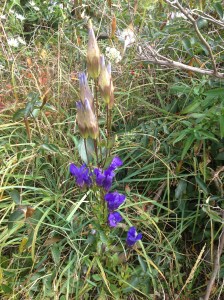
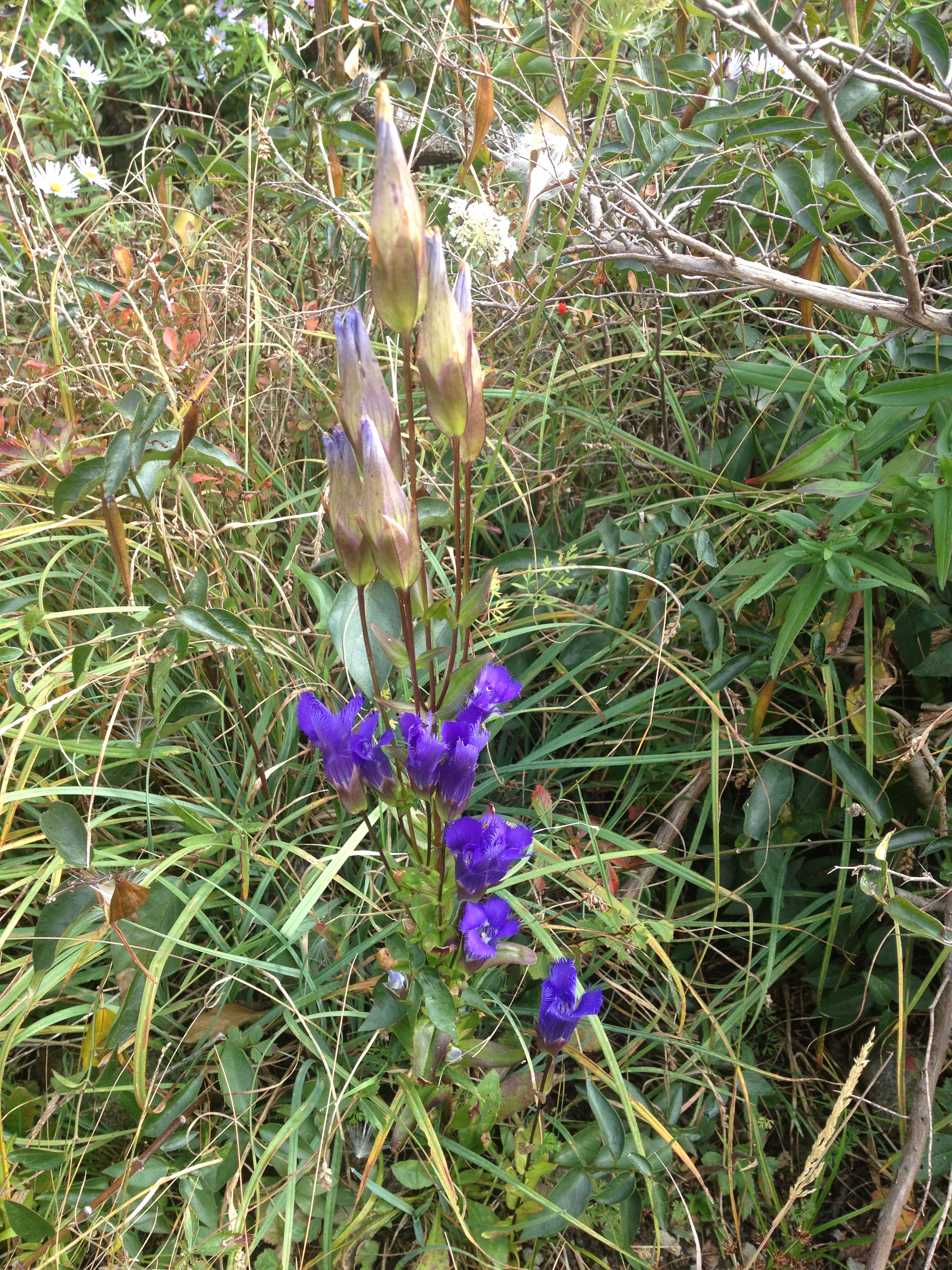
IMG_1603 A most impressive Fringed Gentian.

We worked the bush hard, checking all sorts of seldom-searched nooks and crannies.  Some of our totals for the day were higher than previous days simply because we covered more ground.  The Clay-colored and Lark Sparrows continued, as did the two Green-winged Teal in the town marsh.  A spiffy Chestnut-sided Warbler was my 20th species of warbler for the weekend, and we added a few more waterbirds to the list by dedicating some time to sea-watching and scanning the gulls in the harbor.

Unfortunately, most of the afternoon – following one last pizza – was spent keeping an eye on our watches and watching our time rapidly tick away.  At least we weren’t nursing a concern about leaving hot and heavy birding – it was slow, very slow, today, and that did make our departure a little less unwelcome.  A little; it’s never easy to leave this magical place.
IMG_1627IMG_1632
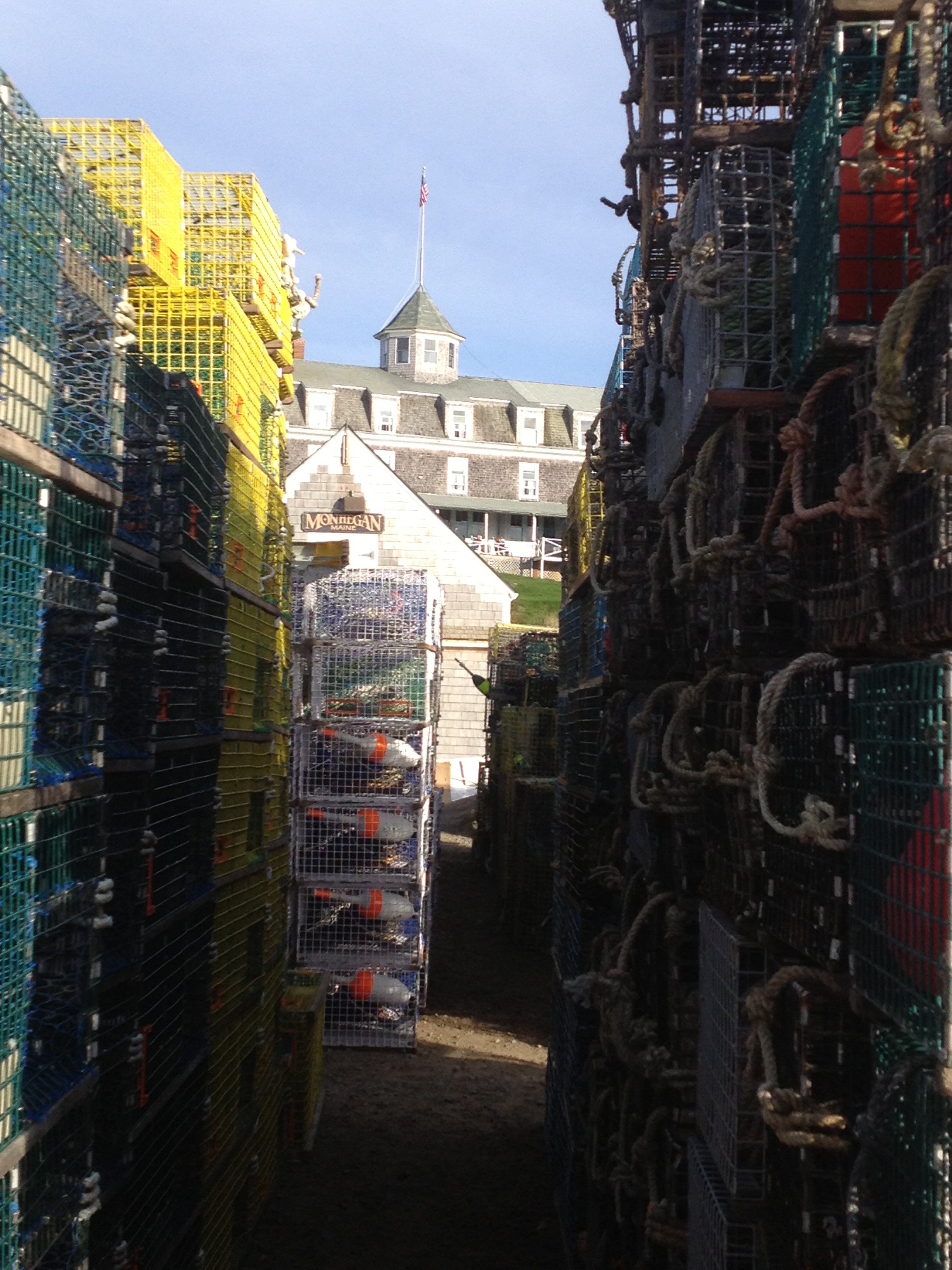
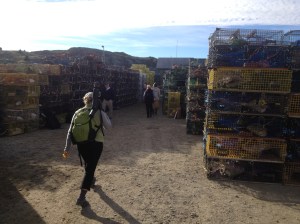
Trap Day!

Here’s my weekend’s checklist, with estimates or counts of each species per day (not including ferry):

Mallard: 12, 12, 12, 12
American Black Duck: 1, 1, 1, 5
Green-winged Teal: 1, 1, 2, 2,
Common Eider: x, x, x, x
Surf Scoter: 0, 0, 0, 4
Ring-necked Pheasant: 0, 0, 3, 2
Common Loon: 3, 2, 1, 1
Red-necked Grebe: 0, 1, 0, 0
Great Cormorant: 1, 5, 1, 7
Double-crested Cormorant: x,x,x,x
Northern Gannet: 0, 125, 8, 30
Great Blue Heron: 1, 1, 1, 0
Osprey: 0, 2, 0, 0
Bald Eagle: 2, 2, 2, 2
Northern Harrier: 1, 1, 0, 0,
Sharp-shinned Hawk: 6, 5, 5, 4
COOPER’S HAWK: 1,0,0,0
BROAD-WINGED HAWK: 1,0,0,0
American Kestrel: 2, 2, 1, 1
Merlin: 15, 8, 4, 3
Peregrine Falcon: 8, 12, 1, 1
Semipalmated Plover: 2, 0, 1, 0
Laughing Gull: 0, 0, 0, 2
Ring-billed Gull: 0, 0, 0, 1
Herring Gull: x,x,x,x
LESSER BLACK-BACKED GULL: 0, 0, 0, 2
Great Black-backed Gull: x,x,x,x
Black Guillemot: 10, 20, 10, 15
Mourning Dove: 3, 3, 3, 3
YELLOW-BILLED CUCKOO: 1, 0, 1, 0
Ruby-throated Hummingbird: 0, 0, 2, 2
Belted Kingfisher: 1, 0, 1, 1
RED-BELLIED WOODPECKER: 1, 0, 0, 0
Yellow-bellied Sapsucker: 25, 50, 25, 20
Downy Woodpecker: 0, 1, 1, 1
Northern Flicker: 20, 15, 25, 20
Eastern Wood-Pewee: 0, 1, 0, 0
Least Flycatcher: 0, 0, 1, 0
Eastern Phoebe: 8, 5, 3, 1
Red-eyed Vireo: 30, 20, 18, 12
Blue-headed Vireo: 12, 20, 25, 6
Blue Jay: 6, 10, 8, 8
Common Raven: 2,2,2,2
American Crow: x,x,x,x
Black-capped Chickadee: 20, 15, 15, 20
Red-breasted Nuthatch: 6, 15, 10, 8
Brown Creeper: 15, 35, 20, 3
Carolina Wren: 5, 8, 10, 12
House Wren: 0, 1, 1, 0
Winter Wren: 1, 1, 1, 1
Marsh Wren: 0, 1, 1, 1
Golden-crowned Kinglet: 15, 75, 50, 35
Ruby-crowned Kinglet: 25, 40, 25, 15
BLUE-GRAY GNATCATCHER: 1, 2-3, 2, 0
American Robin: 0, 1, 0, 0
Gray Catbird: 6, 8, 10, 18
Northern Mockingbird: 1, 1, 0, 0
Brown Thrasher: 2, 1, 1, 0
European Starling: 8, 10, 12, 14
American Pipit: 2, 2, 1, 0
Cedar Waxwing: 40, 60, 40, 40
Tennessee Warbler: 0, 1, 0, 0,
Nashville Warbler: 5, 3, 6, 1
Northern Parula: 1, 0, 2, 2
Yellow Warbler: 2, 6, 7, 0
Chestnut-sided Warbler: 0, 0, 0, 1
Magnolia Warbler: 6, 5, 2, 0
Cape May Warbler: 9, 3, 0, 0
Black-throated Blue Warbler: 0, 8, 6, 1
Yellow-rumped Warbler: 300, 400, 300, 175
Black-throated Green Warbler: 0, 4, 2, 1
Blackburnian Warbler: 0, 0, 1, 0
PRAIRIE WARBLER: 0, 0, 1, 0
Palm Warbler: 30, 100, 30, 15
Bay-breasted Warbler: 0, 2, 0, 0
Blackpoll Warbler: 1, 20, 1, 3
Black-and-white Warbler: 25, 30, 15, 2
American Redstart: 2, 1, 2, 0
Northern Waterthrush: 0, 1, 1, 0
Common Yellowthroat: 10, 15, 10, 18
Wilson’s Warbler: 3, 4, 1, 0
Scarlet Tanager: 1, 0, 0, 0
Chipping Sparrow: 4, 6, 6, 5
CLAY-COLORED SPARROW: 1, 0, 1, 1-2
LARK SPARROW: 1, 1, 1, 1
Savannah Sparrow: 2, 15, 12, 10
NELSON’S SPARROW (spp. subvirgatus): 0, 1, 0, 0
Song Sparrow: 15, 15, 20, 25
Lincoln’s Sparrow: 0, 2, 2, 2
Swamp Sparrow: 2, 30, 20, 15
White-throated Sparrow: 25, 50, 60, 30
White-crowned Sparrow: 1, 5, 4, 2
Dark-eyed Junco: 3, 10, 6, 8
Northern Cardinal: 8, 6, 5, 8
Rose-breasted Grosbeak: 0, 0, 0, 1
BLUE GROSBEAK: 0, 1, 0, 0
Indigo Bunting: 0, 1, 0, 0
DICKCISSEL: 0, 2, 0, 0
Rusty Blackbird: 4, 9, 1, 0
Common Grackle: 1, 3, 4, 4
Baltimore Oriole: 1, 2, 2, 0
American Goldfinch: 12, 10, 10, 8
HOUSE SPARROW: 1, 1, 2, 0

Total species: 64, 83, 79, 66 (Total =105)

Mammals:
Minke Whale
Gray Seal
Harbor Seal
Harbor Porpoise
Muskrat
Brown Rat
IMG_1629