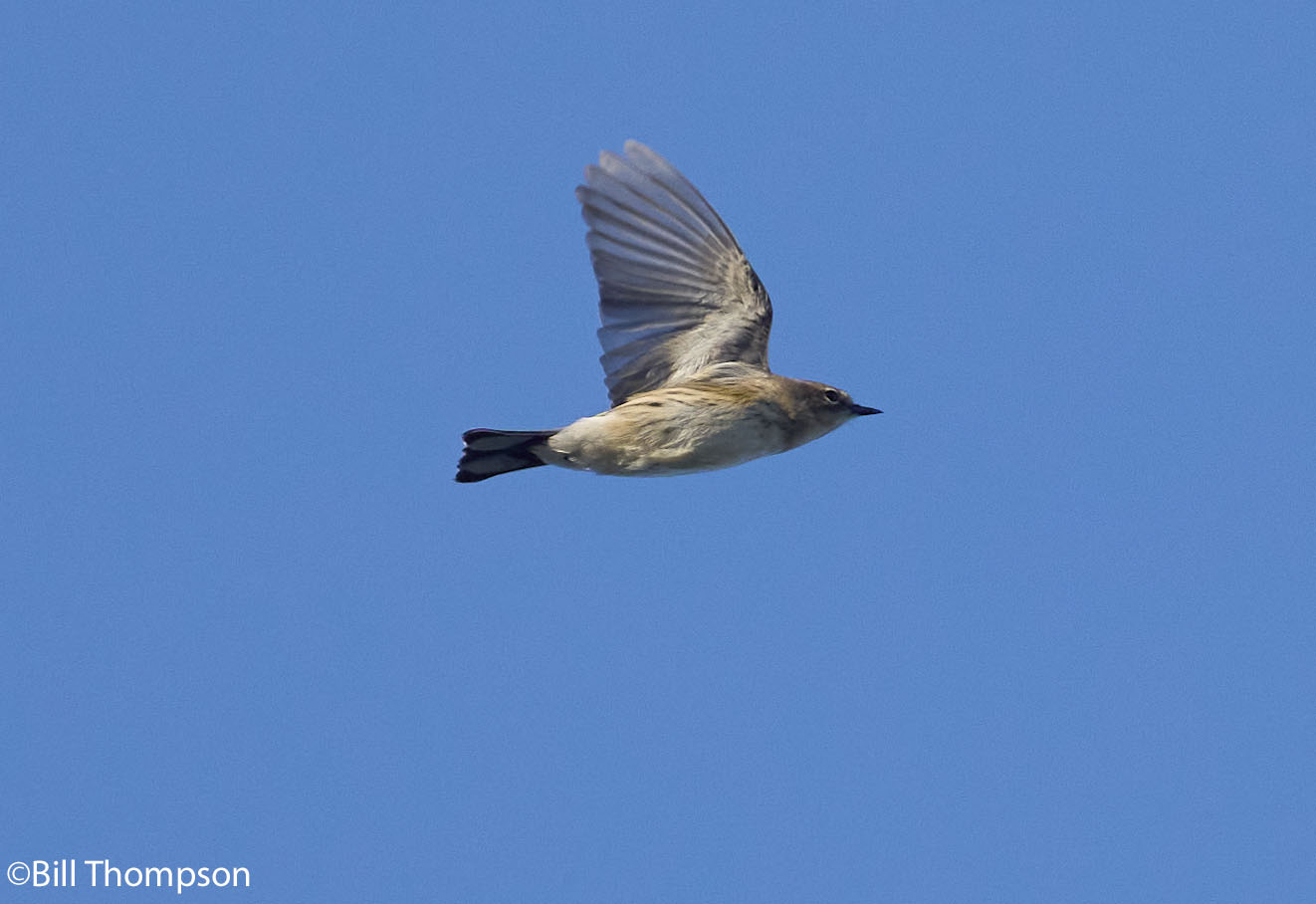
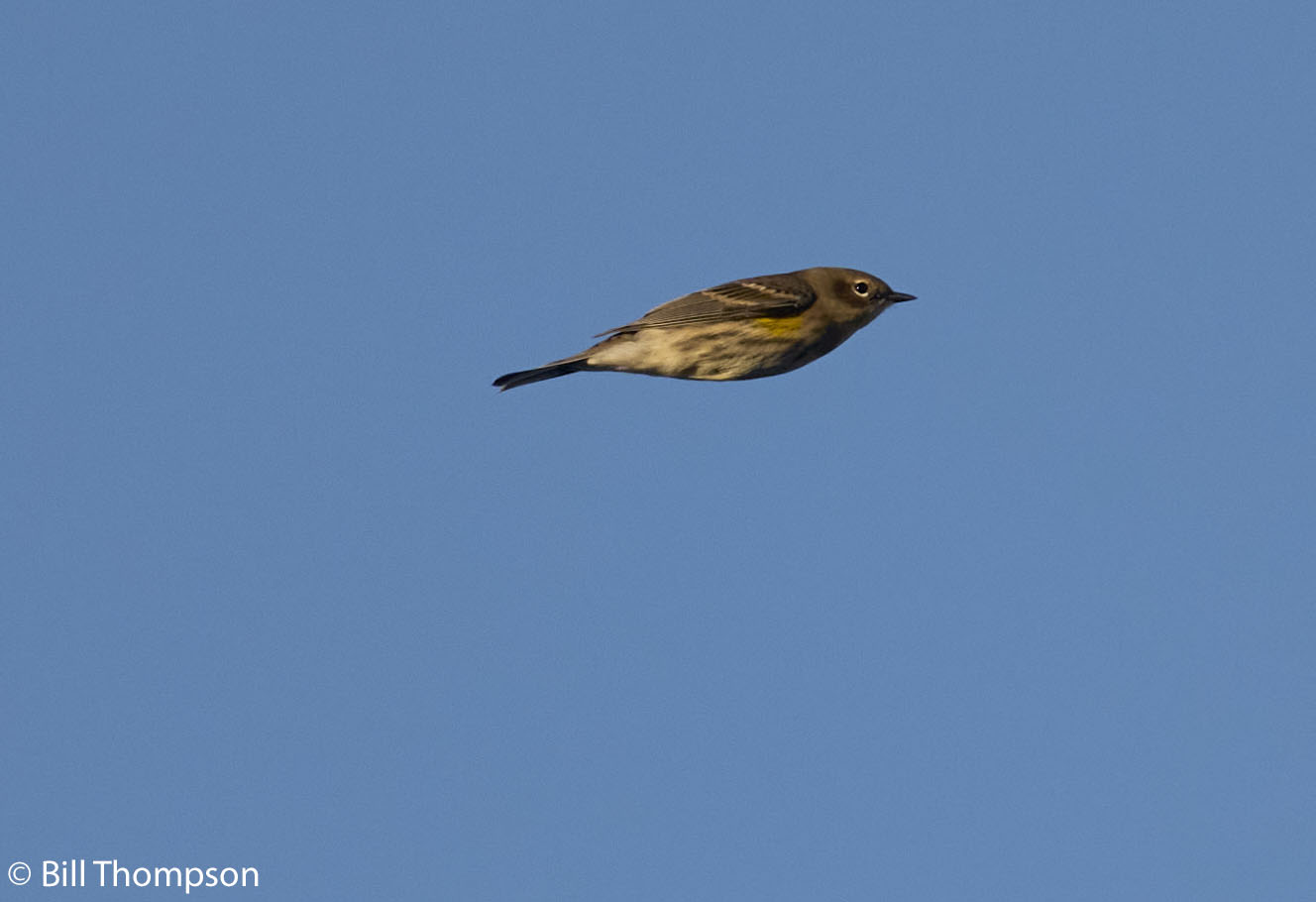
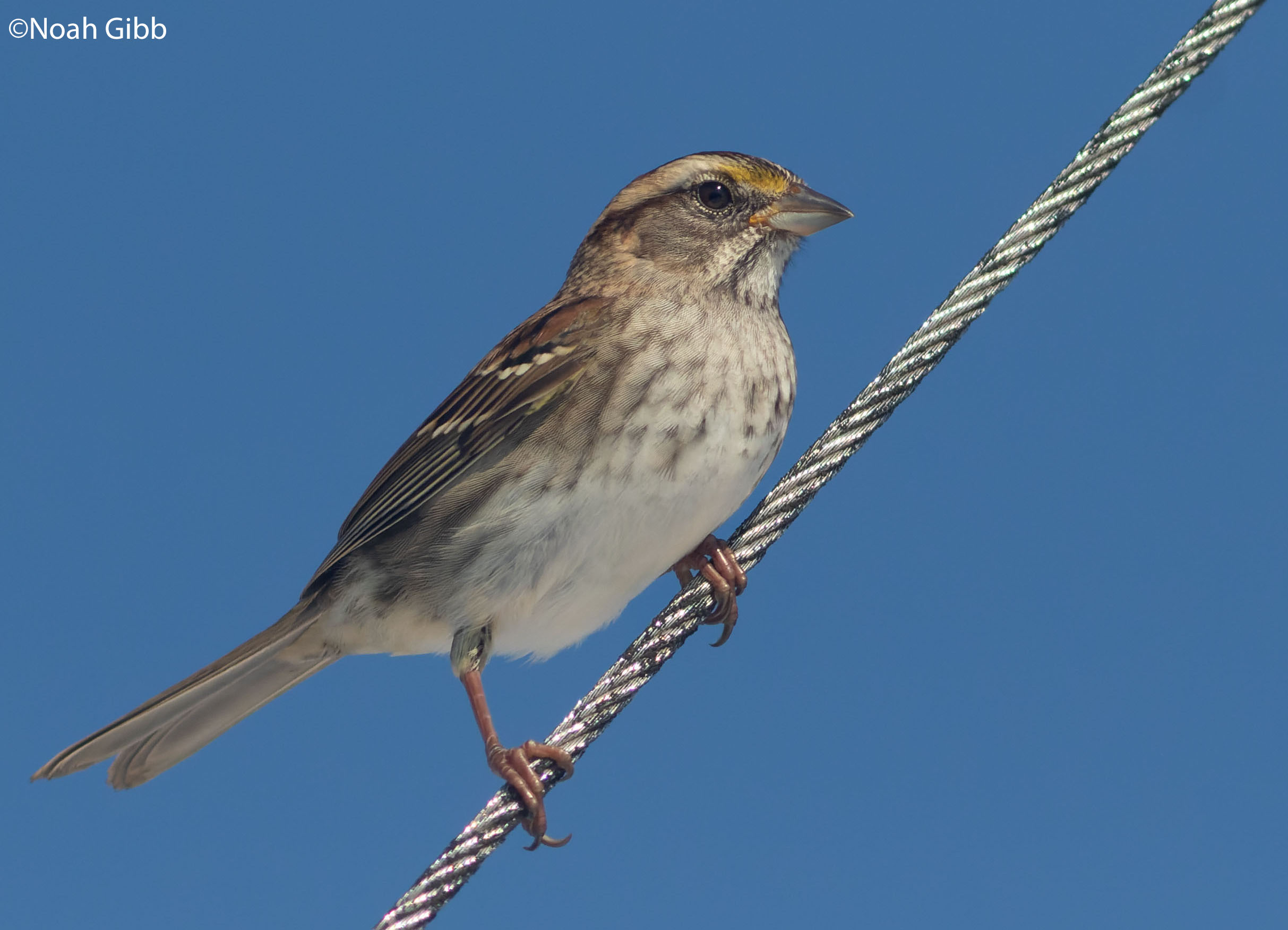
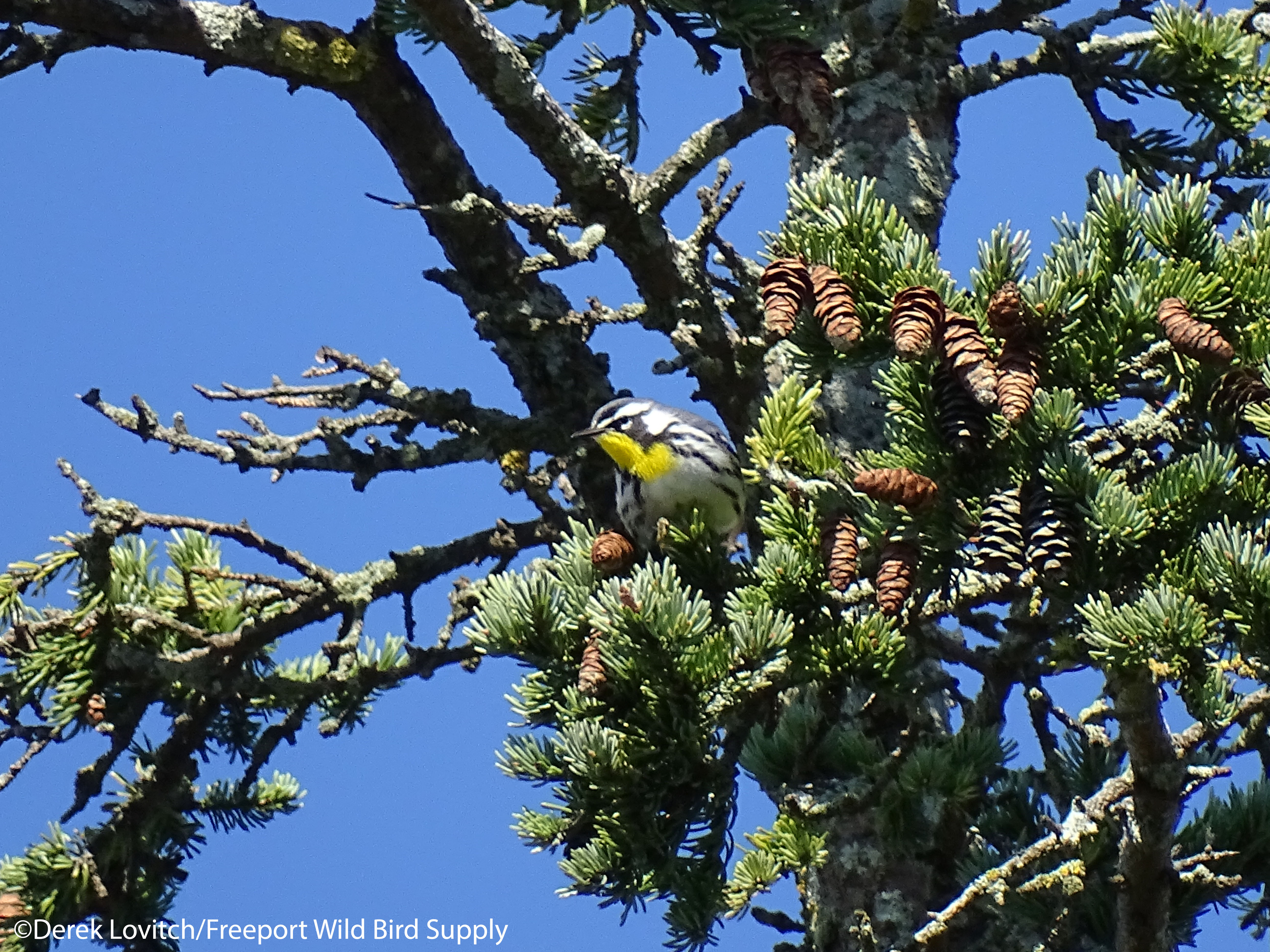
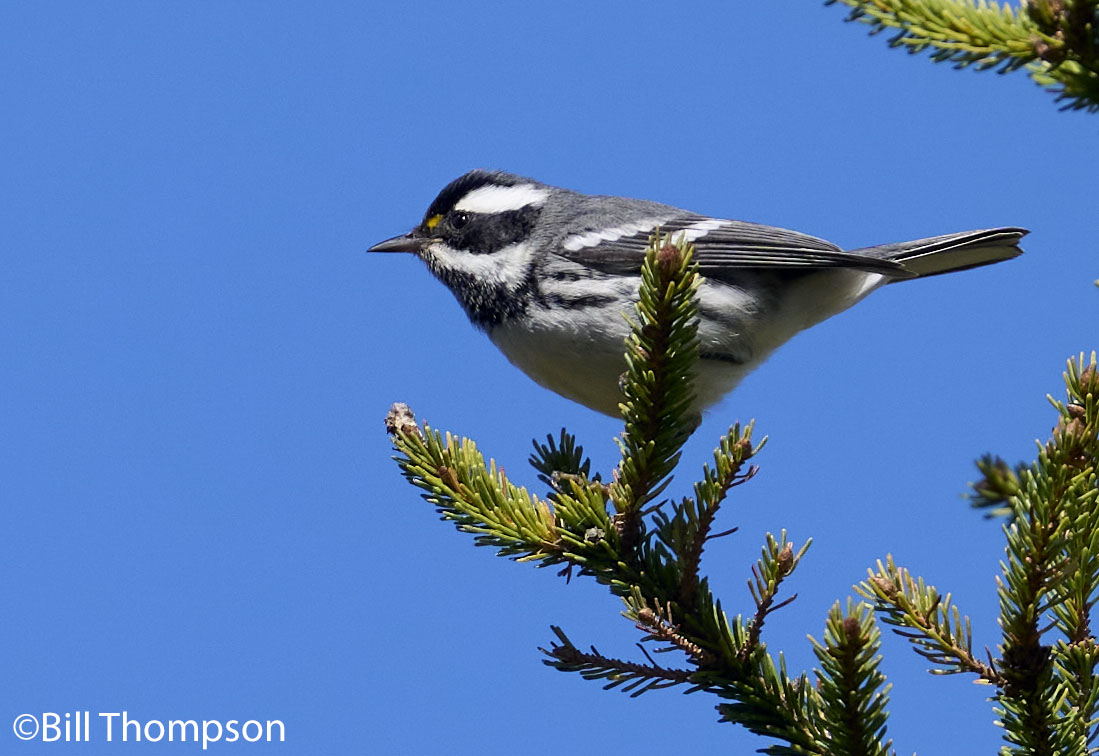
Swamp Sparrows have been common and conspicuous on our Durham property, and elsewhere this week. I feel this, like most sparrows, is an underappreciated beauty!
My observations of note over a very productive and exciting eight days of birding included the following:
Highlights from our Durham property this week included near-daily American Woodcocks and Rusty Blackbirds, and a nice little arrival of more Swamp Sparrows and Purple Finches in particular on 10/21.
Sandy Point Morning Flight, 10/15.
A very light flight passed over and through Sandy Point Beach, Cousin’s Island, Yarmouth this morning.
6:55-8:30 (with Bill Thompson).
48F, mostly cloudy to partly cloudy, NW 1.7-2.5mph diminishing to calm.
51 American Robins
33 Yellow-rumped Warblers
28 Dark-eyed Juncos
17 American Goldfinches
16 Ruby-crowned Kinglets
8 Eastern Bluebirds
7 White-throated Sparrows
6 Chipping Sparrows
5 Palm Warblers
4 Hermit Thrushes
4 Golden-crowned Kinglets
3 Blue-headed Vireos
3 Purple Finches
3 Swamp Sparrows
2 Pine Siskins
2 Rusty Blackbirds
2 Tufted Titmice (4 false-starts and counting)
1 Red-breasted Nuthatch
1 Blackpoll Warbler
1 White-breasted Nuthatch
1 Downy Woodpecker (2+ false-starts)
1 House Finch
1 American Pipit
1 Northern Flicker
1 Magnolia Warbler
1 unidentified
Total = 203
1 continuing CACKLING GOOSE, Thornhurst Farm, North Yarmouth, 10/15 (with Bill Thompson).
1 Least Sandpiper, 1 White-rumped Sandpipers, and 2 Pectoral Sandpipers, Walsh Preserve, Freeport, 10/15 (with Bill Thompson).
Sandy Point Morning Flight, 10/16.
An excellent flight passed over and through Sandy Point Beach, Cousin’s Island, Yarmouth this morning.
6:55 to 10:40am.
44F, Mostly cloudy, NW 4.3 – 9.0 increasing to 15.1 – 19.7mph with higher gusts.
2186 American Robins (*NEW RECORD! – just barely).
1776 Yellow-rumped Warblers
167 unidentified
127 Dark-eyed Juncos (One was quite likely not a Slate-colored, but my photos of it are not useful)
61 Common Grackles
48 Cedar Waxwings
43 Canada Geese
31 Chipping Sparrows
21 Ruby-crowned Kinglets
19 Rusty Blackbirds
18 White-throated Sparrows
13 Northern Flickers
11 Golden-crowned Kinglets
11 Purple Finches
9 Pine Siskins
7 Palm Warblers
4 Blue-headed Vireos
4 unidentified finches
4 Hermit Thrushes
4 Song Sparrows (crossed together at 8:29. This is only my second or third observation of SOSP engaging in Morning Flight after sunrise here; plenty more in and around the parking lot as usual)
3 Merlins
3 Common Loons
3 Turkey Vultures
2 Red-winged Blackbirds
2 White-crowned Sparrows
2 Eastern Phoebes
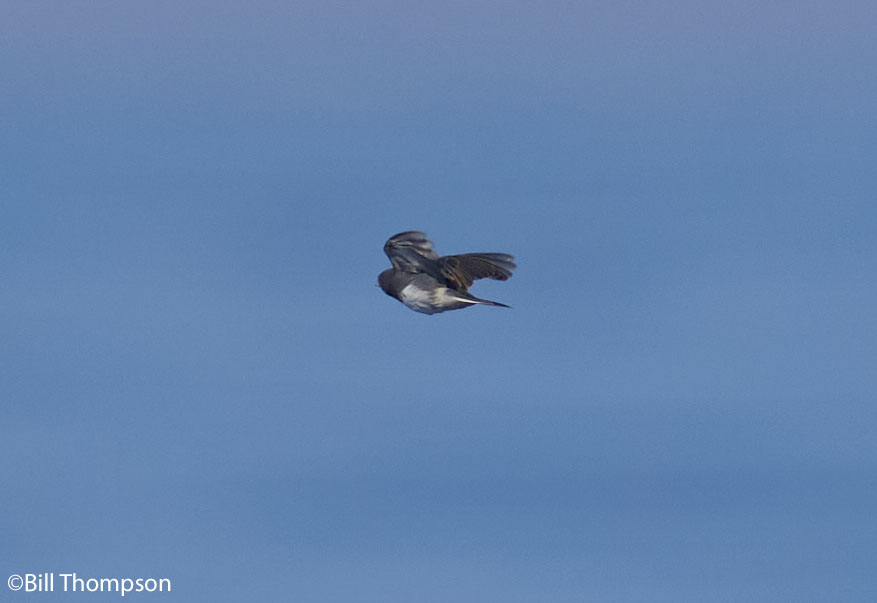
1 Northern Parula
1 Blackpoll Warbler
1 Brown Creeper
1 Peregrine Falcon
1 Yellow-bellied Sapsucker
1 Cooper’s Hawk
1 American Goldfinch
1 Red-shouldered Hawk
1 Cape May Warbler
1 Red-breasted Nuthatch
1 Sharp-shinned Hawk
1 Tennessee Warbler (from Bill Thompson’s photo review)
1 Black-throated Blue Warbler (from Bill Thompson’s photo review).
Total = 4,592
Notables from a delightfully birdy morning on Bailey Island, Harpswell on 10/17 included a decent, and relaxingly unquantified, morning flight mostly of Yellow-rumped Warblers; 1 ORANGE-CROWNED WARBLER, and 1 Cape May Warbler among the migrants found here and there around the island.
1 DICKCISSEL, feeders here at the store, 10/19, continuing through at least 10/21. Was this the same bird seen on 10/4 and then again on 10/13-14?
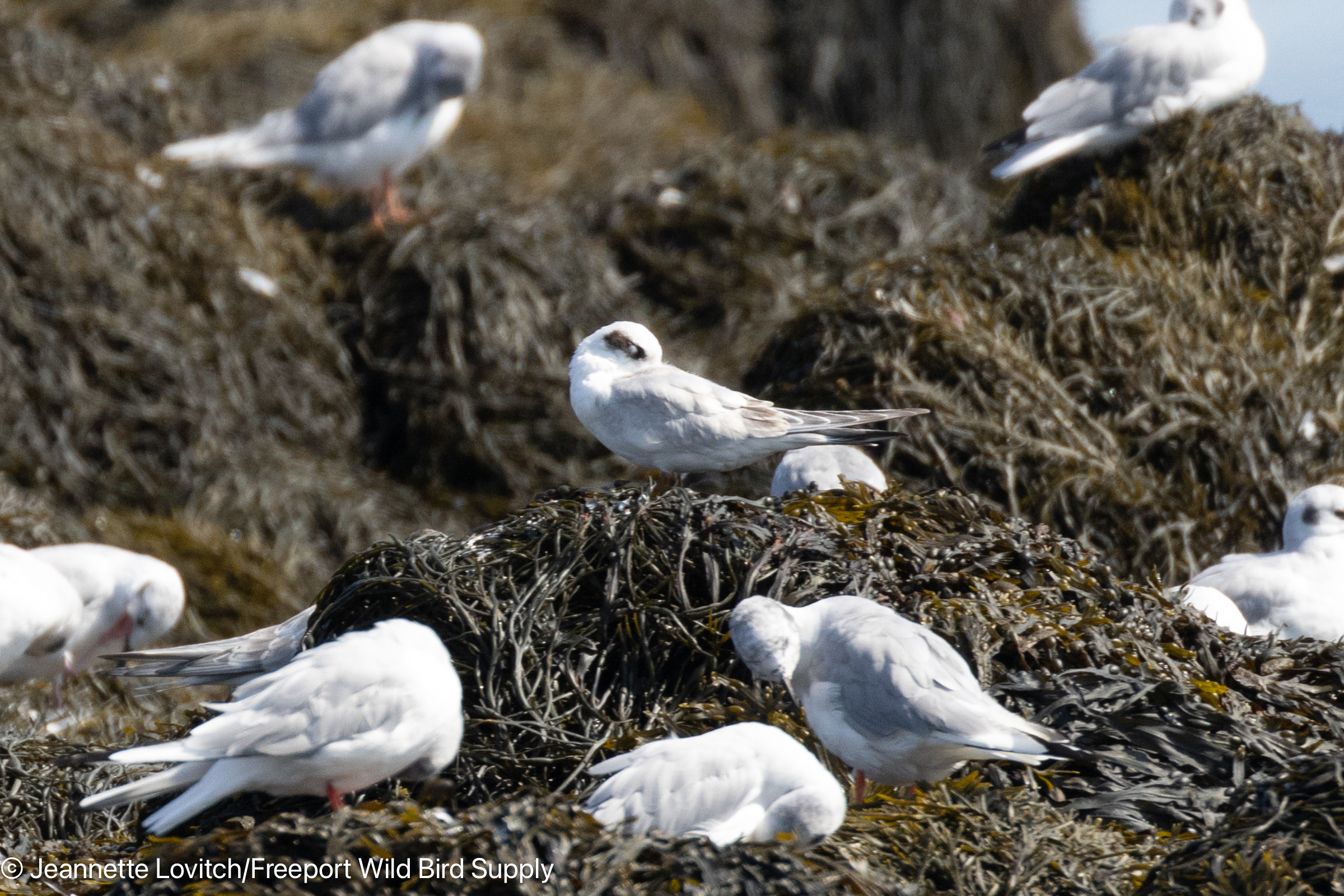
4 continuing FORSTER’S TERNS, Pine Point, Scarborough, 10/20 (with clients from California and Massachusetts).
2 “Ipswich” Savannah Sparrows, Eastern Road Trail, Scarborough Marsh, 10/20 (with clients from California and Massachusetts).
Our Last Tour of 2025 still has some space remaining!
Birds on Tap℠ – Roadtrip! Rarity Roundup
November 9, 2025; 8:00am – 3:00pm
Cost – $125
Portland Explorer (formerly Maine Brews Cruise) and Freeport Wild Bird Supply are excited to continue our collaboration for six very special outings in 2025.
These unique, relaxed birding and beer-ing adventures that you have come to love combine great local birding at seasonal hotspots with visits to sample the delicious creations of some of our favorite local breweries. These tours are a perfect introduction to birding and/or craft beer, and a great opportunity to travel with significant others, friends, and family that have interest in one topic, while your interest is primarily in the other (for now!). Seasonal birding hotspots and great local beer – a perfect combination, and we’ll even do all of the driving!
Early November is a fantastic time of year in Maine for vagrants – birds normally seen in far-off places. Due to a combination of weather patterns, changing seasonal food resources, falling temperatures, and other factors – some of which are not completely understood – birds that may have ended up in Maine by “accident” begin to concentrate at the coast in “migrant traps” and “hotspots.” In other words, this is the time of year to expect the unexpected.
A traditional “Rarity Roundup” involves teams of birders heading out on a given day during rarity prime time, looking for species that are not supposed to be around. And in honor of that tradition, that’s exactly what we are going to do on this unique tour. We may “chase” a rarity (go to see something that has already been found, aka “twitch”) or we might choose a destination known for rare birds in an attempt to find one of our own. Or perhaps, we’ll do both!
Anything between Portland and Kittery is fair game, and we might not even know where we will head until we are on the bus and the latest rare bird alert is received. For those who love adding a bird to your Life or State List, and/or basking in the thrill of discovery, well then this is the tour for you! In between seeing great birds, we’ll discuss the complex factors that are involved in delivering rarities to an area, and how we go about finding them.
After about 3-4 hours of birding, depending on drive time, we will be transported to two of our great local producers to sample their offerings and learn their styles.
Next, my observations of note over the last seven days included the following:
Highlights from our Durham property this week included 1 Rusty Blackbird 10/8-9 and 3 American Woodcocks on 10/14.
Sandy Point Morning Flight, 10/9: A record-shattering day!
An exceptional Morning Flight passed over and through Sandy Point Beach, Cousin’s Island, Yarmouth this morning. In fact, it was record-breaking!
6:48-10:48am
41, clear, lt-mod NW (did not take early wind reading) decreasing then increasing back to 7.7-10.5mph before becoming increasingly gusty)
3244 Yellow-rumped Warblers (NEW RECORD!)
1423 American Robins
585 Unidentified (mostly high bunches or too far to north or south)
576 Dark-eyed Juncos (NEW RECORD!)
100+ White-throated Sparrows (Conservative estimate in parking lot area after flight; a handful appeared to cross at dawn).
59 Ruby-crowned Kinglets
50 Palm Warblers
74 Northern Flickers
72 Yellow-bellied Sapsuckers
44 Rusty Blackbirds (NEW RECORD)
43 Golden-crowned Kinglets
18 Chipping Sparrows
16 Black-throated Green Warblers
15 Northern Parulas
14 Cedar Waxwings
11 Purple Finches
10 unidentified kinglets
9 American Pipits
8 Blue-headed Vireos
6 Blackpoll Warblers
6 Hermit Thrushes (minimum, with two or several repeatedly visiting pasture rose hips at bridge base)
4 Eastern Bluebirds
4 Eastern Phoebes
4 American Goldfinches
3 Red-bellied Woodpeckers (NEW RECORD!)
2 Black-throated Blue Warblers
2 White-crowned Sparrows
2 Brown Creepers
2 Swamp Sparrows
2 Tufted Titmice (several false starts)
2 Merlins
2 Magnolia Warblers
2 Common Loons
1 Swainson’s Thrush (confirmed by Bill Thompson)
1 Yellow Warbler
1 ORANGE-CROWNED WARBLER
1 BLUE-GRAY GNATCATCHER (from photo review by Bill Thompson)
1 Red-tailed Hawk
1 Red-winged Blackbird
1 Common Yellowthroat
1 American Redstart
1 Blue Jay
1 Turkey Vulture
1 unidentified sparrow (probably a Field)
1 Eastern Towhee
1 Cooper’s Hawk
1 Pine Siskin
X Song Sparrows (significant increase in parking lot area but did not count)
***Total = 6,428 *** 2ND HIGHEST ALL-TIME COUNT and HIGHEST OCTOBER COUNT!***
Sandy Point Morning Flight, 10/10:
A good morning flight passed over and through Sandy Point Beach, Cousin’s Island, Yarmouth this morning. Given the calm winds of much of the night, and the completely calm dawn, it was much more active than I expected. Kinglets were swirling all over, so my counts may be too high or very low. The Ruby-crowned count seems a touch high, while the Golden-crowned count feels low. Meanwhile, the slower and lower flight, with more birds pausing before crossing despite the lack of wind made for excellent viewing and much more relaxing and enjoyable morning!
6:49-9:52am
33F, clear, calm with a developing puff of WNW.
449 Yellow-rumped Warblers
138 Ruby-crowned Kinglets
106 American Robins
52 Golden-crowned Kinglets
37 Yellow-bellied Sapsuckers
35 Dark-eyed Juncos
25 Cedar Waxwings
16 Northern Flickers
10 Eastern Bluebirds
9 Blue-headed Vireos
8 Palm Warblers
8 Chipping Sparrows
8 White-throated Sparrows
5 Red-breasted Mergansers
5 Nashville Warblers
5 Northern Parulas
4 Brown Creepers
3 Tennessee Warblers
3 Black-throated Blue Warblers
3 Hermit Thrushes
2 Blue Jays
2 Red-bellied Woodpeckers (2nd highest tally after yesterday’s record 3!)
2 American Goldfinches
2 Common Loons
2 Eastern Phoebes
2 Tufted Titmice (numerous “false starts.” Same two as yesterday?)
These unique, relaxed birding and beer-ing adventures that you have come to love combine great local birding at seasonal hotspots with visits to sample the delicious creations of some of our favorite local breweries. These tours are a perfect introduction to birding and/or craft beer, and a great opportunity to travel with significant others, friends, and family that have interest in one topic, while your interest is primarily in the other (for now!). But this time we’re leaving the van in the garage, and hitting the water! That’s right, we’re taking a cruise, and we’re returning to the private House Island in Porland Harbor twice in 2025.
During last year’s wildly successful outing in which we became the first birding group ever on the island, we found oodles of Yellow-rumped Wabrlers, an uncommon Field Sparrow, and other migrants. But we were truly captivated by Captain Pete, who guided us through the historic fort, sharing a wealth of historical knowledge and fascinating stories. The beer was pretty darn good too, as we sampled the history of Maine’s craft beer scene.
Building on that success, we’re visiting the private House Island in Portland Harbor twice in 2025. We’ve been granted special permission to come ashore and scour the island here in the peak of fall migration. We’ll follow well-maintained trails through the island’s mosaic of open habitats, scrub, and young woods. These are great habitats to search for a variety of migrants, and perhaps even a rarity!
Returning in late October, once again rarities will be on our mind. While rare birds are rare, we are still going to expect the unexpected. But more likely are regular migrants of the season such as Yellow-rumped Warblers, a variety of sparrows, and a growing diversity of waterbirds. At the very least, we’ll have resident waterbirds and several species of gulls to sort through. We are having daydreams of a rare flycatcher!
As we motor back across the harbor, we’ll continue to familiarize ourselves with some of the common waterbirds, such as Common Eiders, Common Loons, and the vanguard of our winter diving ducks while enjoying a local craft beverage produced in the city of Portland. While the exact plan is subject to change, we’ll be sure to come up with a plan to adequately celebrate our discoveries.
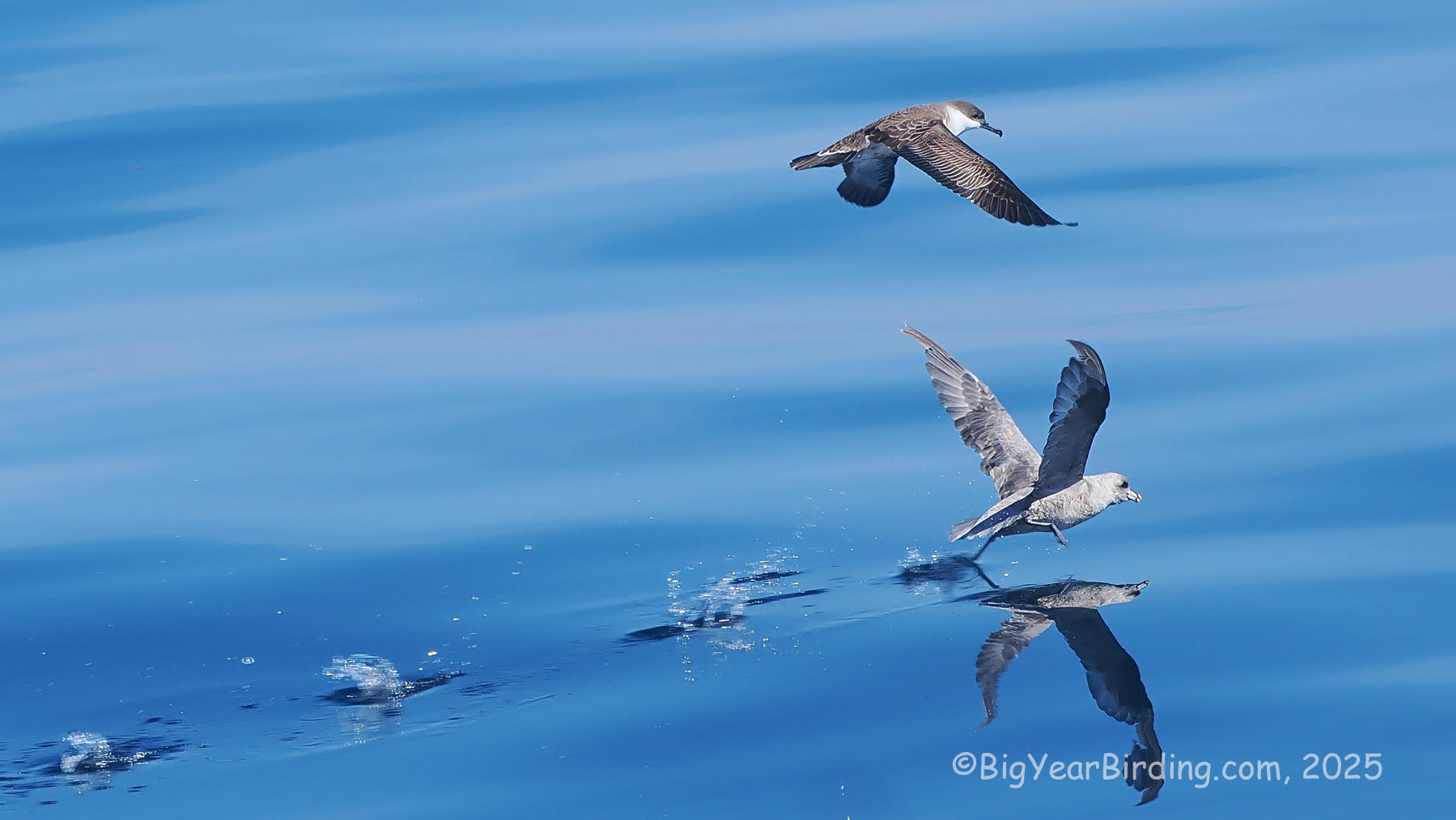
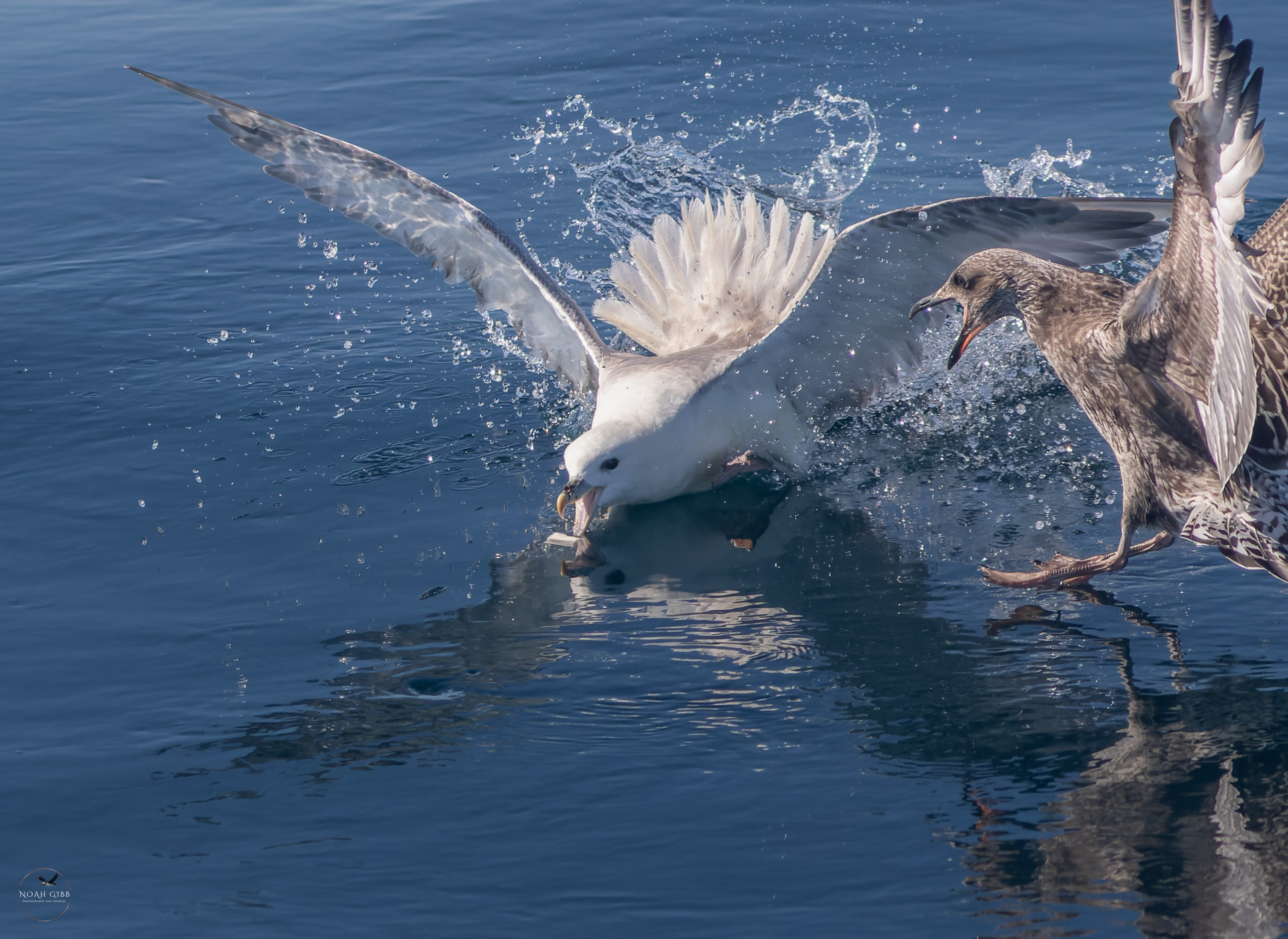
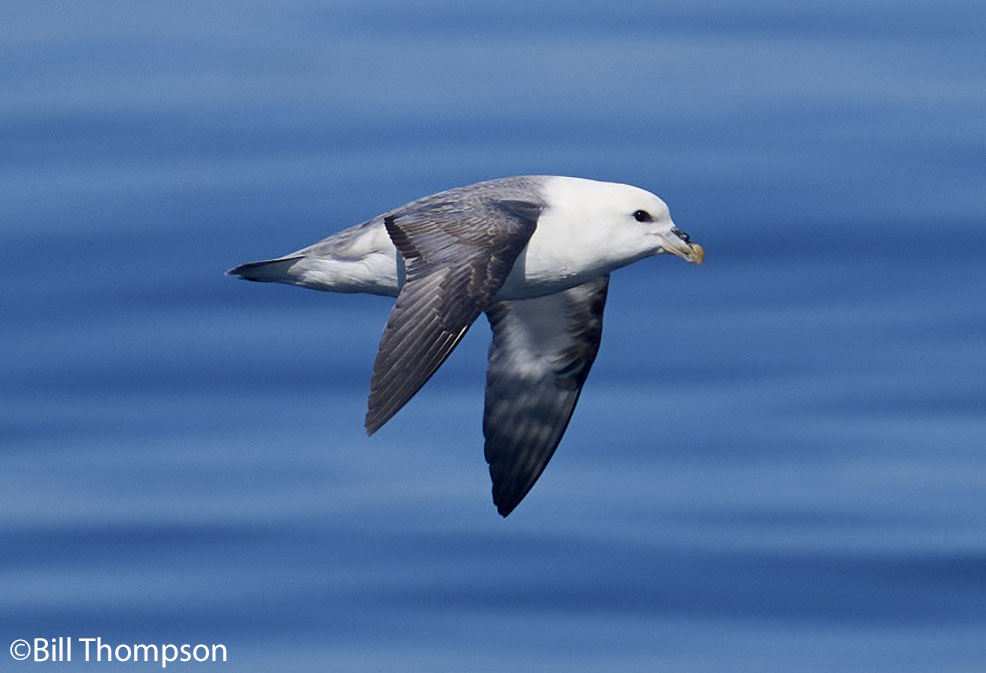
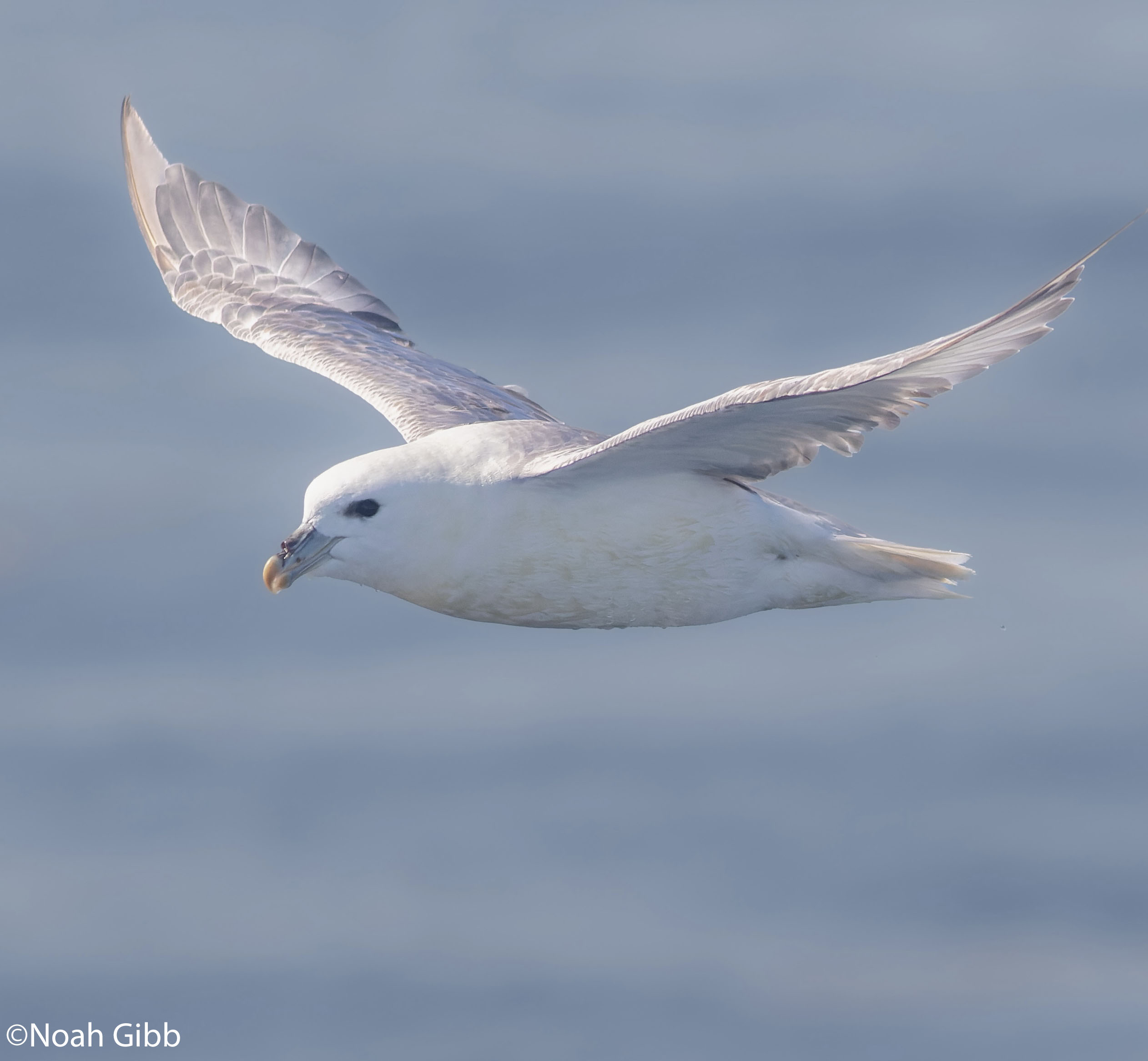
Considering most people would have been happy with a single Northern Fulmar, our tally of at least 18 was fantastic…but the photo opportunities of this winter visitor could not be beat, including of this much less common dark morph.
Fall pelagics in the Gulf of Maine are notoriously hit or miss. Suffice to say, our Half-Day Pelagic out of Boothbay Harbor on 10/5, with our partner, Cap’n Fish’s Cruises, was most definitely a hit!
And not just because of the ridiculously pleasant weather! The birding was great, the marine mammals were fantastic, and I don’t think a single person was seasick! What a difference a year makes.
We departed the harbor at 9:00am, with clear and calm skies, less than a foot of swell offshore, and high hopes (I had a productive scouting trip on a whale watch two days prior). But even with the always-lofty expectations of pelagic trips, we would not be disappointed this day.
Black Guillemots are always a nice way to begin and end all of our local pelagic trips since they are usually only seen in inshore waters.
Perhaps the one complaint I had was that we didn’t get all that far offshore! In fact, our furthest point was only about 20 miles south-southwest of Monhegan. There was just too much to look at, and every time we were about to head further offshore, something else of note appeared.
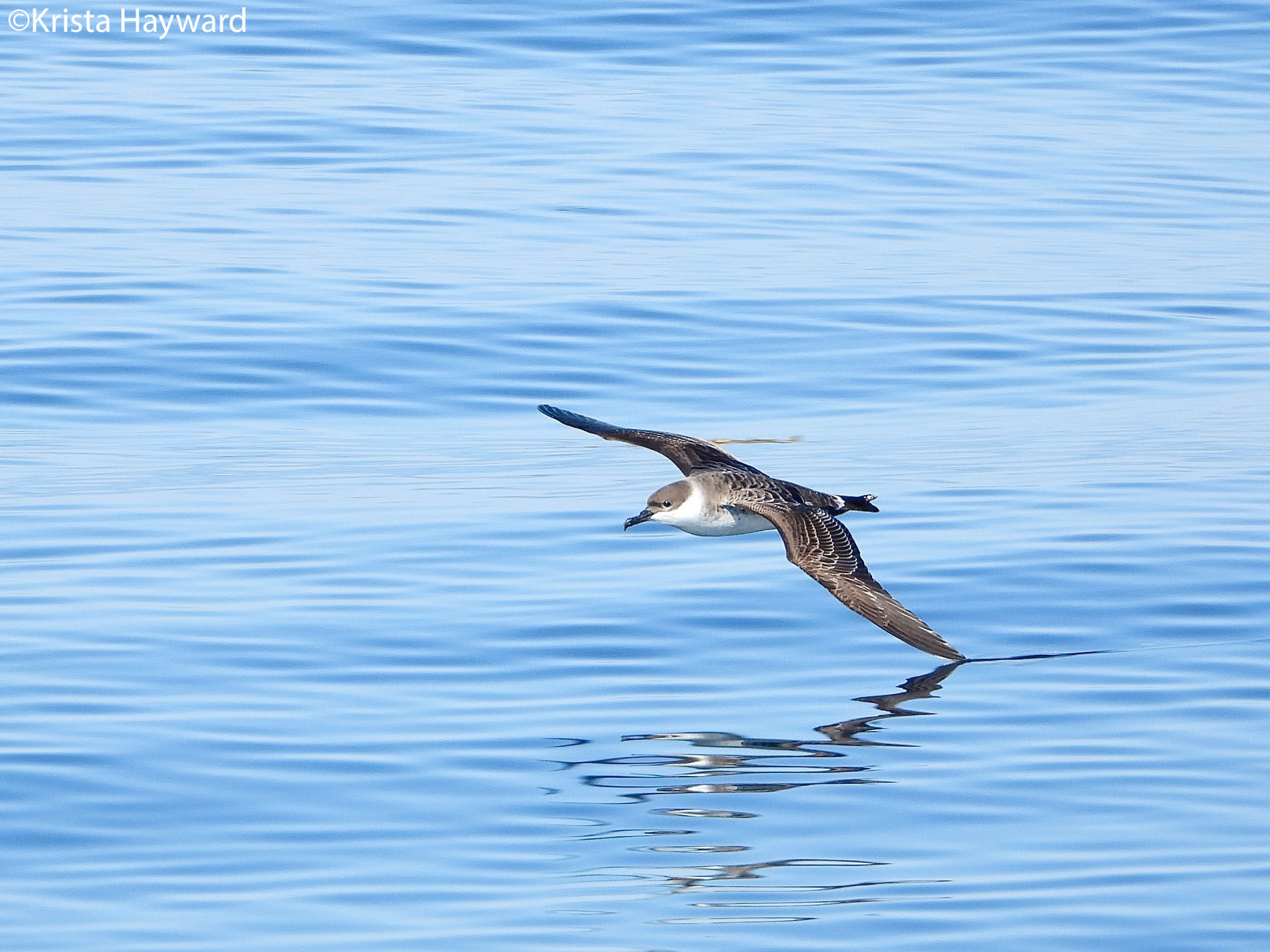
We started picking up a few seabirds, including our first of what would be a remarkable total of mostly juvenile Atlantic Puffins, the first of our sought-after Northern Fulmars, scattered Red-necked Phalaropes (mostly), along with a few Great Shearwaters, all around Murray Hole, but we hit paydirt right around the edge of the incoming shipping channel to Portland.
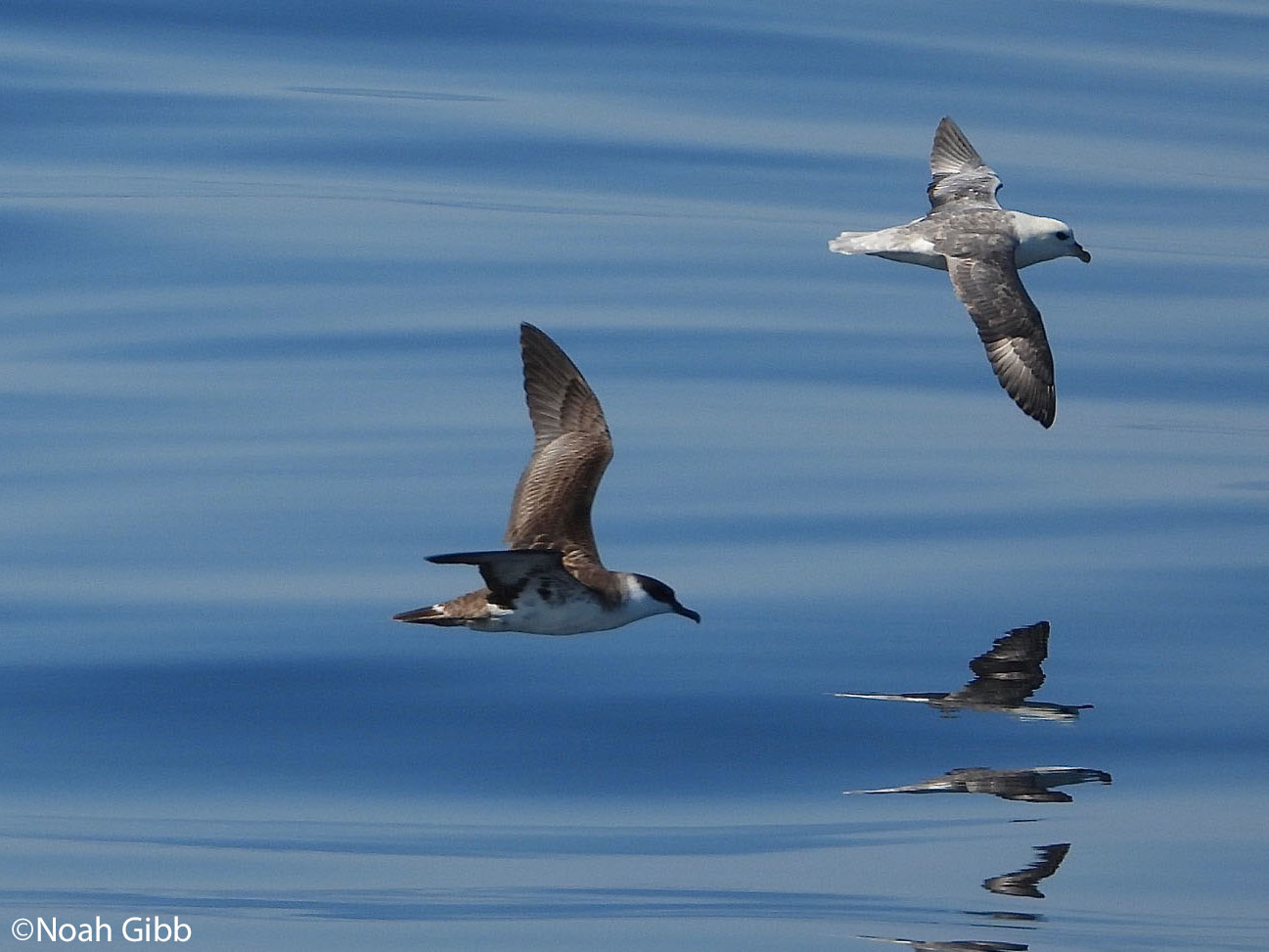
Great Shearwaters and Northern Fulmars were constant companions in our deeper water time.All of the photographed phalaropes so far that we encountered were Red-necked Phalaropes, so the checklist has been adjusted accordingly, even though we believe we had some Reds over the course of the trip.
There, in about 500-600 feet of water (but otherwise “in the middle of nowhere”), our chum slick of fish oil and pork fat (generously donated by Durham’s Old Crow Ranch!) worked its magic. Will Broussard, with both the honor and burden of his first time as Chummer, was the hero, bringing Northern Fulmars and Great Shearwaters in for close looks.]
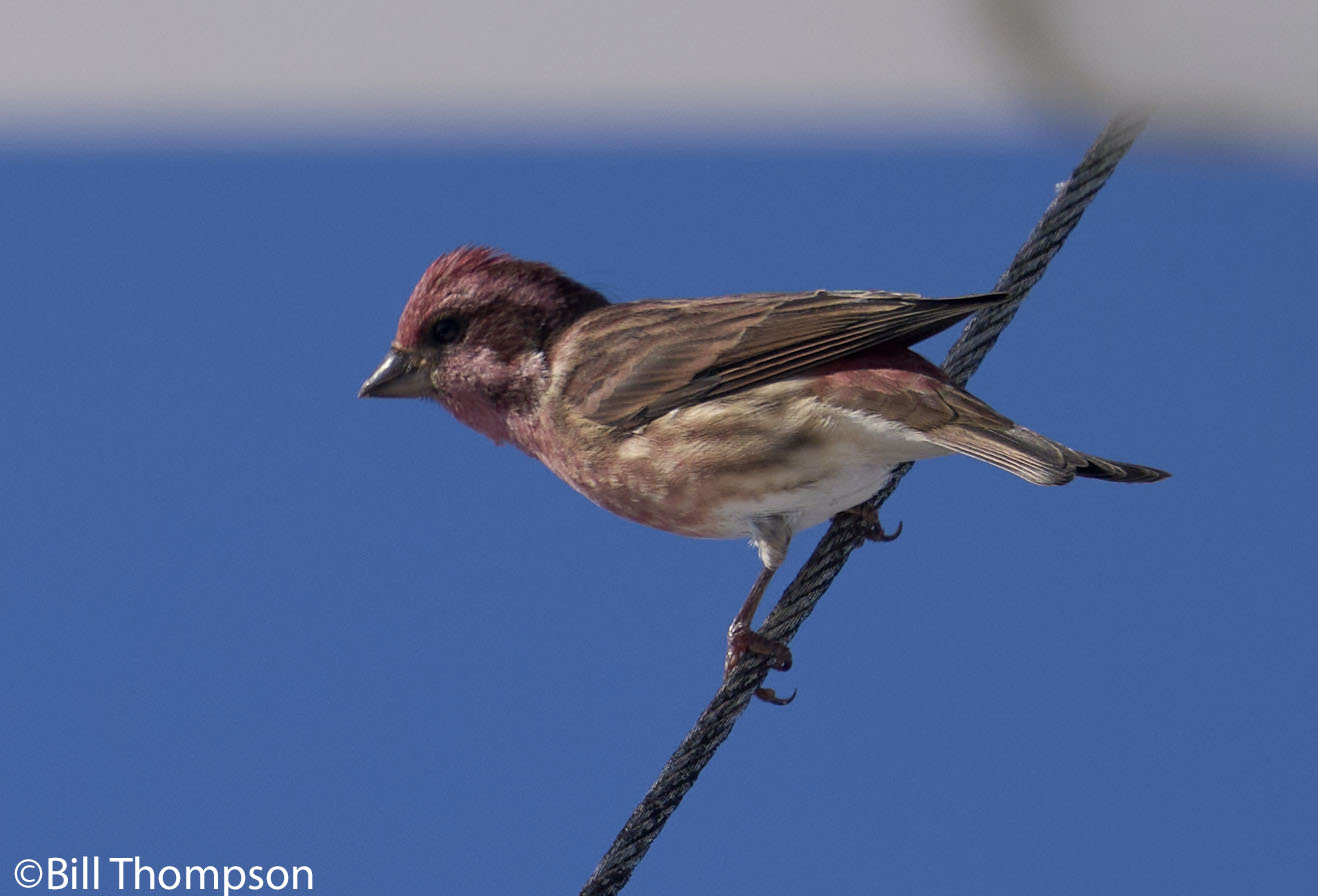
Passerines would appear on occasion, a total of somewhere between 4 and 8 White-throated Sparrows, including one that rode right back to port with us in the cabin. A male Purple Finch took a break on the boat, resting and preening on our radar, as a female did later. Passerines are always a fun addition to a pelagic birding experience.
Less fun, perhaps, but most amazing and insightful, however, was watching a Peregrine Falcon chasing a passerine, driving it into the water, and then, unable to snatch it off the surface, moved on, leaving an Ovenbird helpless on the ocean’s surface, likely becoming waterlogged and hypothermic. It was impossible for us not to, so we attempted a water rescue, with the crew putting in a valiant effort to save the hapless warbler. Unfortunately, it perished, but we had to try!
This might be one of the most incredible photos of non-pelagics ever taken on a pelagic. Awesome work, Bill!
Repeated sightings of Atlantic Puffins continued to surprise us, and we spent some time with two different Fin Whales, including getting to see one doing a little lunge-feeding. While we looked at whales, birds were all around us, thanks to the chum, so we had something for everyone.
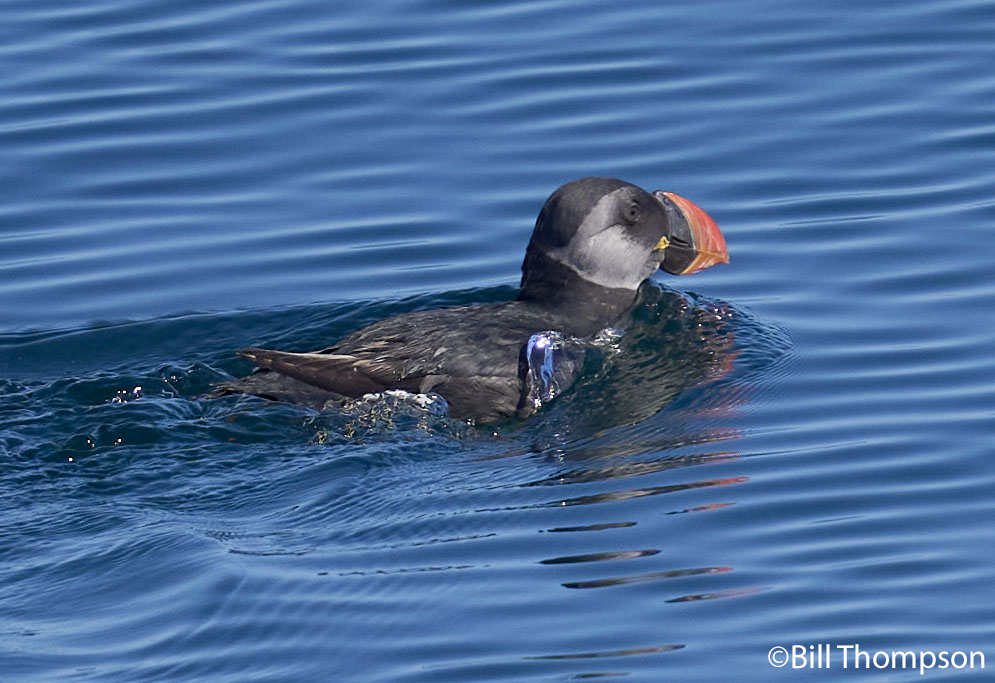
A big and bright-billed adult Atlantic Puffin.Both of our Razorbills were hanging out with juvenile puffins.
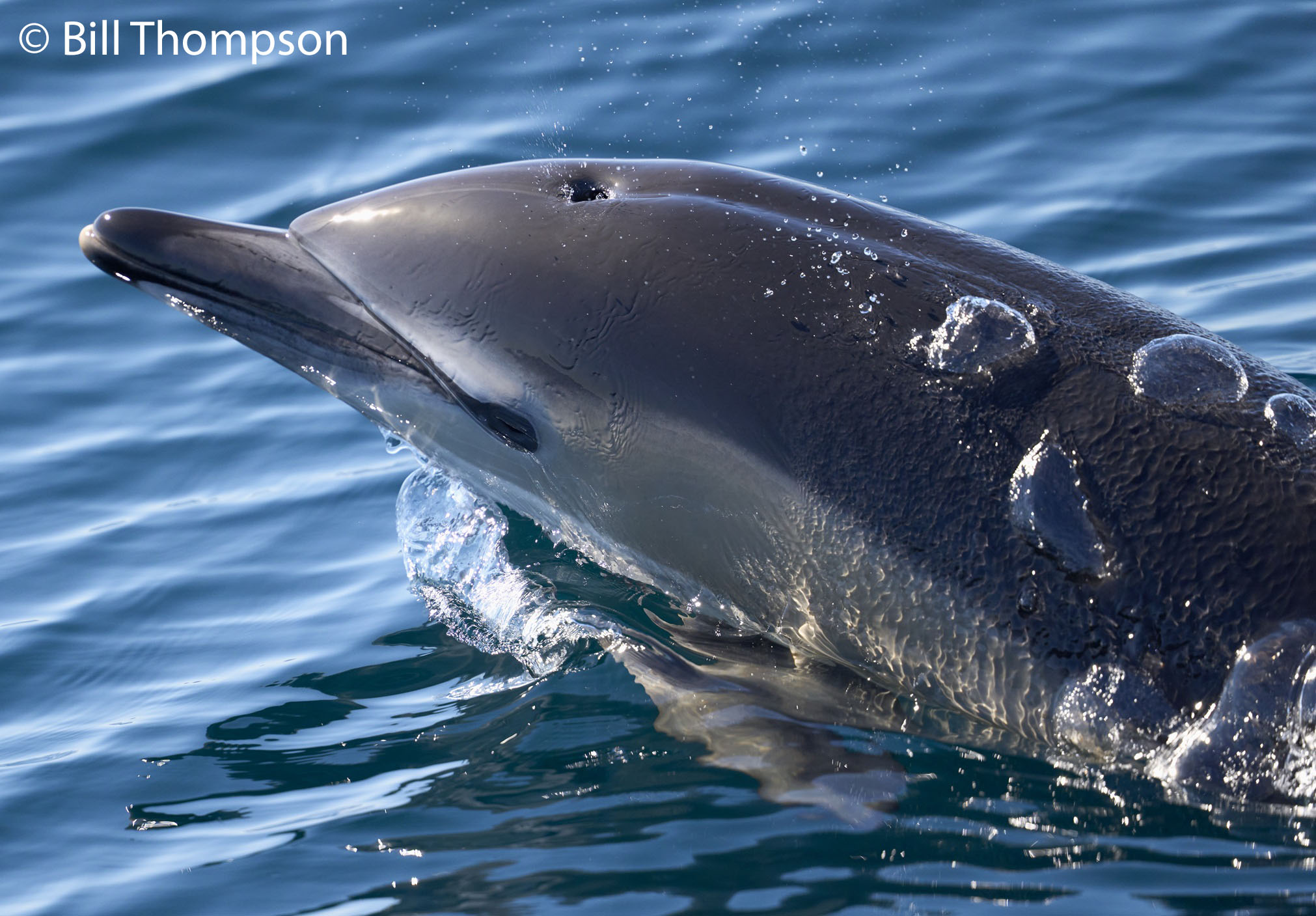
While this was of course a birding tour, we made sure to enjoy the marine mammals we encountered, along with a Blue Shark, but the highlight for most everyone was the incredible and awesome experience we had with a small pod of 25-30 Common Dolphins. Amid all of our seabird activity, the pod approached us in the glass-calm warblers. Captain Nate added a little speed to build up a wake, and the dolphins had come to play. They rode the bow, did some surfing, and otherwise created constant “oohs and aahs.” The photos don’t quite do it justice…it was really a special experience, a life mammal for most of the crew, and one of the best dolphin encounters I have experienced in the Gulf of Maine.
Puffins and fulmars, Fin Whales and dolphins, and all on just the most ridiculous weather possible for a fall pelagic in Maine! We’ll see you on board next year!
I want to thank Captain Nate for his skilled maneuvering of the boat – even more remarkable as this was his first pelagic, too! Naturalist Trinity shared the narration duties with me, taking over for local landmarks and non-feathered marine life, and Valentin and Joe took care of everyone at the galley – and did the work of our attempted Ovenbird rescue. Thanks to my team, chummer Will Broussard, and our checklist-keeper Noah Gibb. And a special thanks to Tabor and Seamus at Cap’n Fish’s for working with me to make this memorable trip a reality.
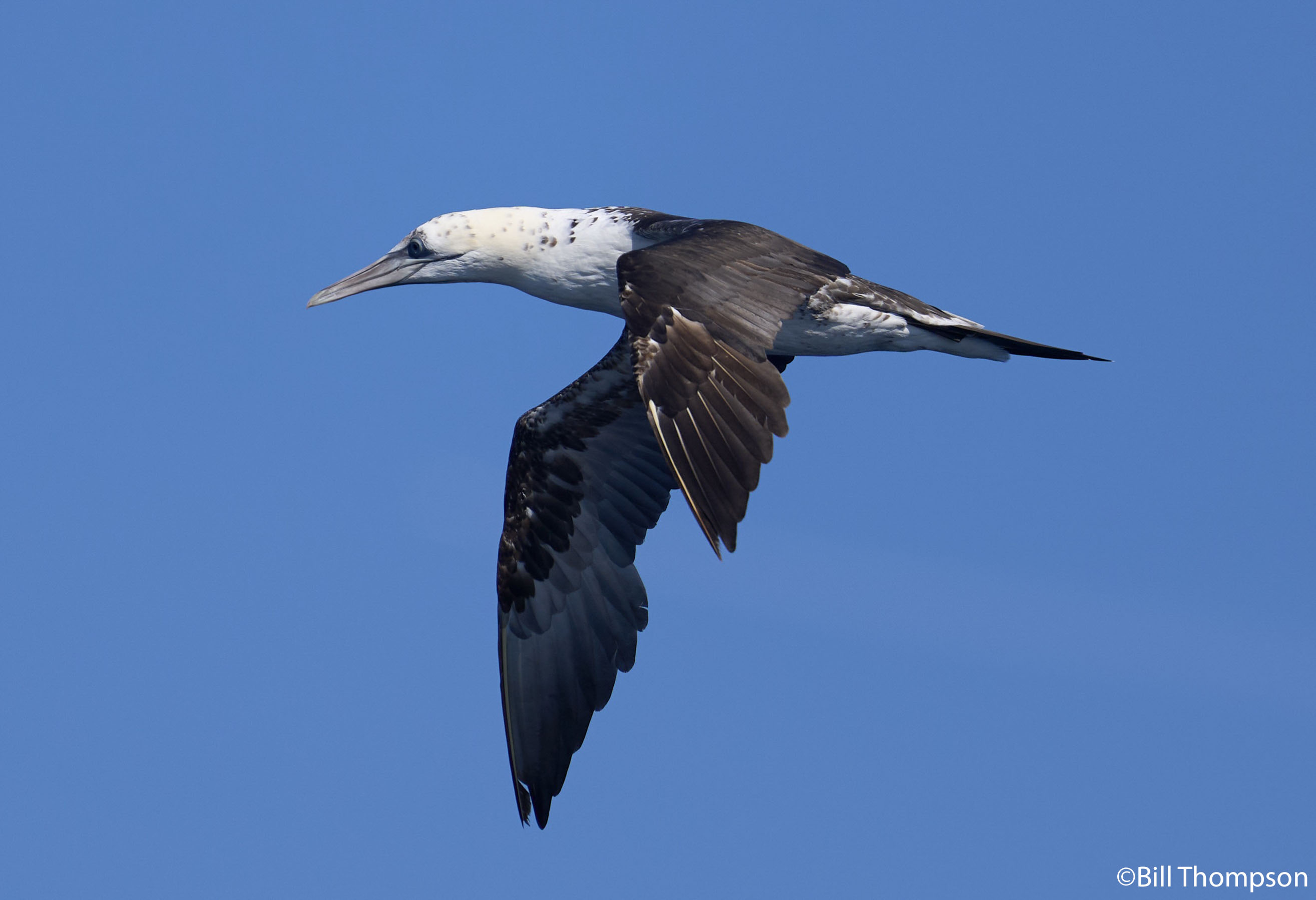
Subadult Northern Gannet
Here’s the complete trip list, including birds seen while docked before departure marled with an *. We know counts of several species, such as Common Eider and Herring Gull are likely extremely low, but we chose to be conservative with our Northern Fulmar and Great Shearwater tallies as we covered a relatively small area during our deeper-water time, and the chumming kept birds with us, and perhaps, coming back for more.
267 Common Eider
89 Surf Scoter
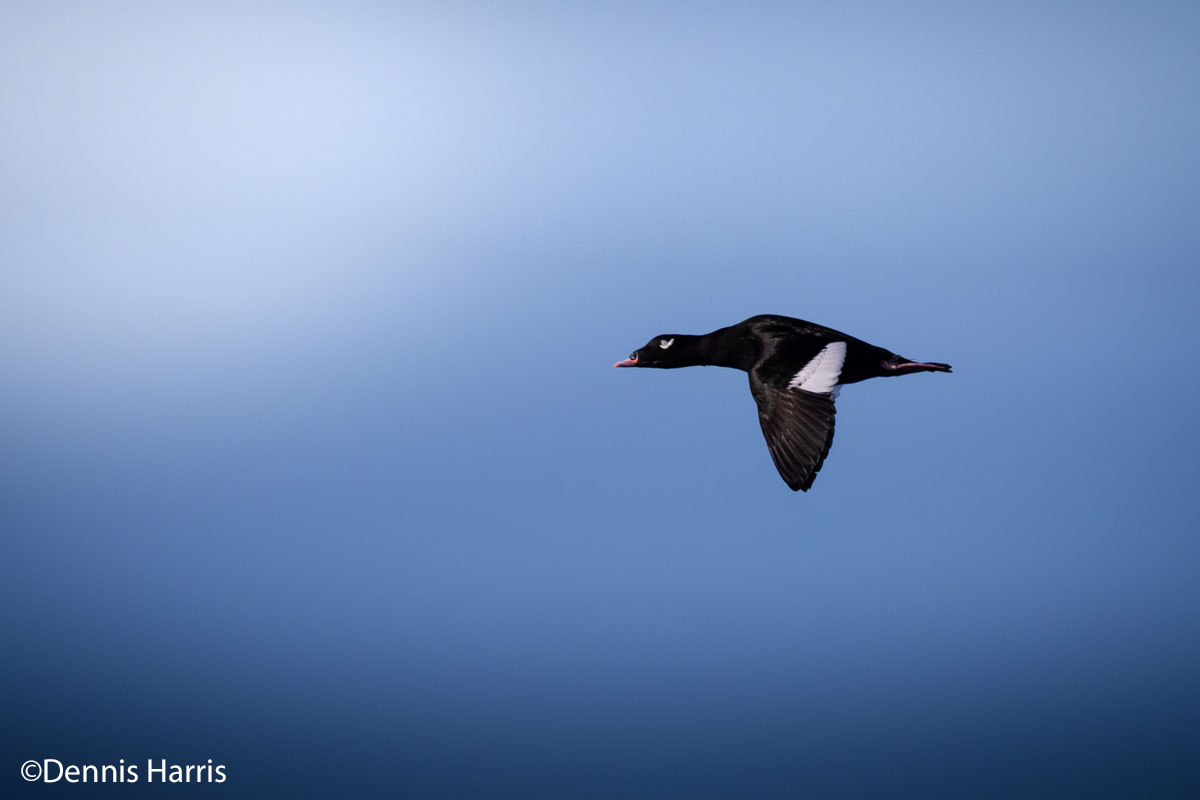
3 White-winged Scoter
36 Black Scoter
25 Rock Pigeon*
54 Red-necked Phalaropes
21 unidentified phalaropes
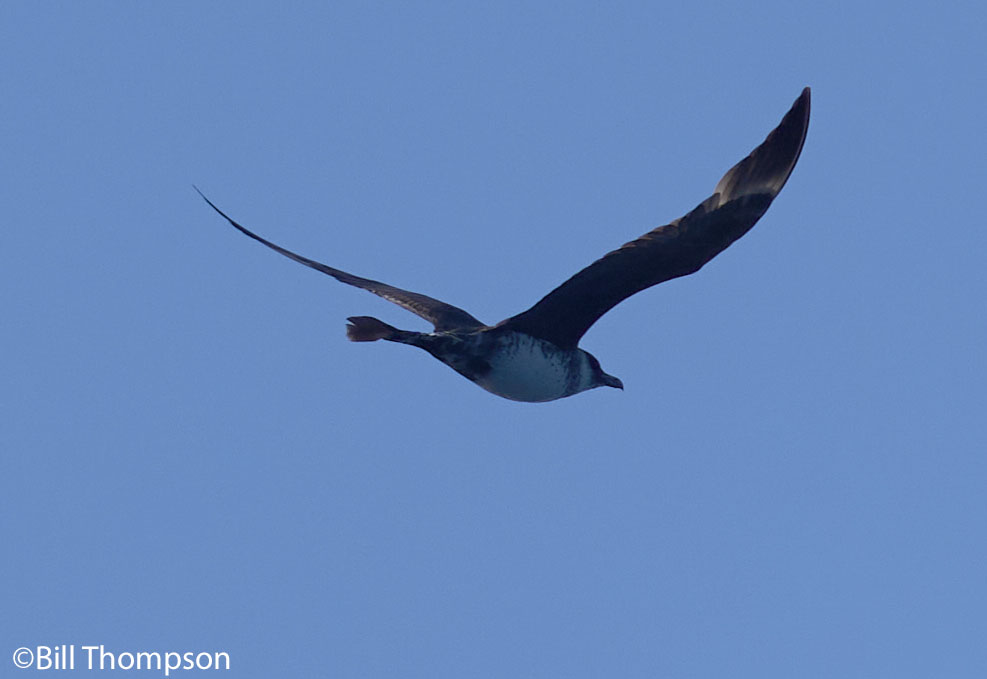
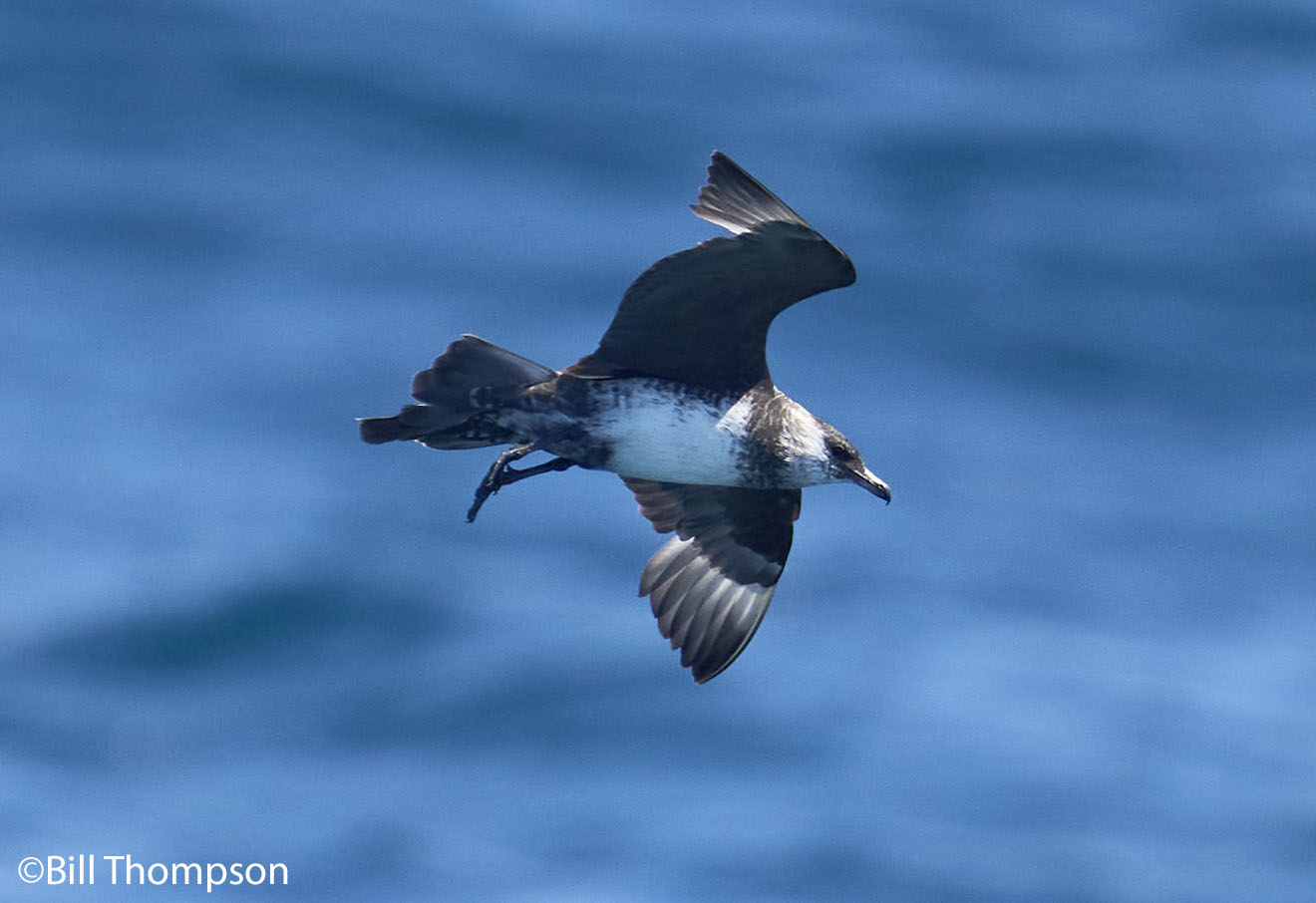
1 Pomarine Jaeger
28 ATLANTIC PUFFINS
15 Black Guillemots
2 Razorbills
1 Black-legged Kittiwake (only spotted from photos later, unfortunately)
We were surprised to find a tarrying American Oystercatcher still hanging out on Upper Green Island (where we documented them breeding once again this summer) during our Birds of Casco Bay Boat Tour on the 6th.
My tour report from Monhegan, 9/26-9/30, including lots of rarity photos can now be viewed here. Sorry for the delay here, especially for those waiting for the trip list.
Then, my observations of note over the last seven days included the following:
Highlights from our Durham property this period included a Tennessee Warbler on 10/2, 1 Rusty Blackbird on 10/3, and 4 American Woodcocks on 10/7.
Sandy Point Morning Flight, 10/1.
North to north-east winds are usually not very productive for the Morning Flight at Sandy Point, but the radar images showed a huge flight overnight, so I decided to give it a try. Good thing I did! A northwesterly component inland must have “stacked” birds up against the coast, where they were then influenced by the increasing northeasterly component offshore, producing a better than expected push across the channel. The more I observe the flight here, the more I have to learn! In the end, an unexpectedly good flight passed over and through Sandy Point Beach, Cousin’s Island, Yarmouth, this morning.
6:38-10:00am
46F, Clear, N 8.2-10.4 increasing to NNE 13.3-16.9mph.
238 Cedar Waxwings
222 Yellow-rumped Warblers
73 Blue Jays
64 unidentified
39 Black-throated Green Warblers
35 Dark-eyed Juncos
34 Canada Geese
33 Northern Parulas
28 Yellow-bellied Sapsuckers
27 Palm Warblers
26 Savannah Sparrows
23 Blackpoll Warblers
16 White-throated Sparrow (3 may have crossed at first light)
14 Northern Flickers
12 American Robins
10 Golden-crowned Kinglets
9 Ruby-crowned Kinglets
9 Chipping Sparrows
6 Nashville Warblers
6 Rusty Blackbirds
6 American Goldfinches
5 Magnolia Warblers
3 Scarlet Tanagers
2 Common Loons
2 Ospreys
2 Cape May Warblers
2 Tufted Titmice (5+ false starts)
2 Hermit Thrushes
1 Pine Warbler
1 Downy Woodpecker
1 American Pipit
1 Baltimore Oriole
1 Red-breasted Nuthatch
1 Sharp-shinned Hawk
1 Brown Creeper
1 Merlin
1 Blue-headed Vireo
1 Swamp Sparrow
1 Cooper’s Hawk
T= 959
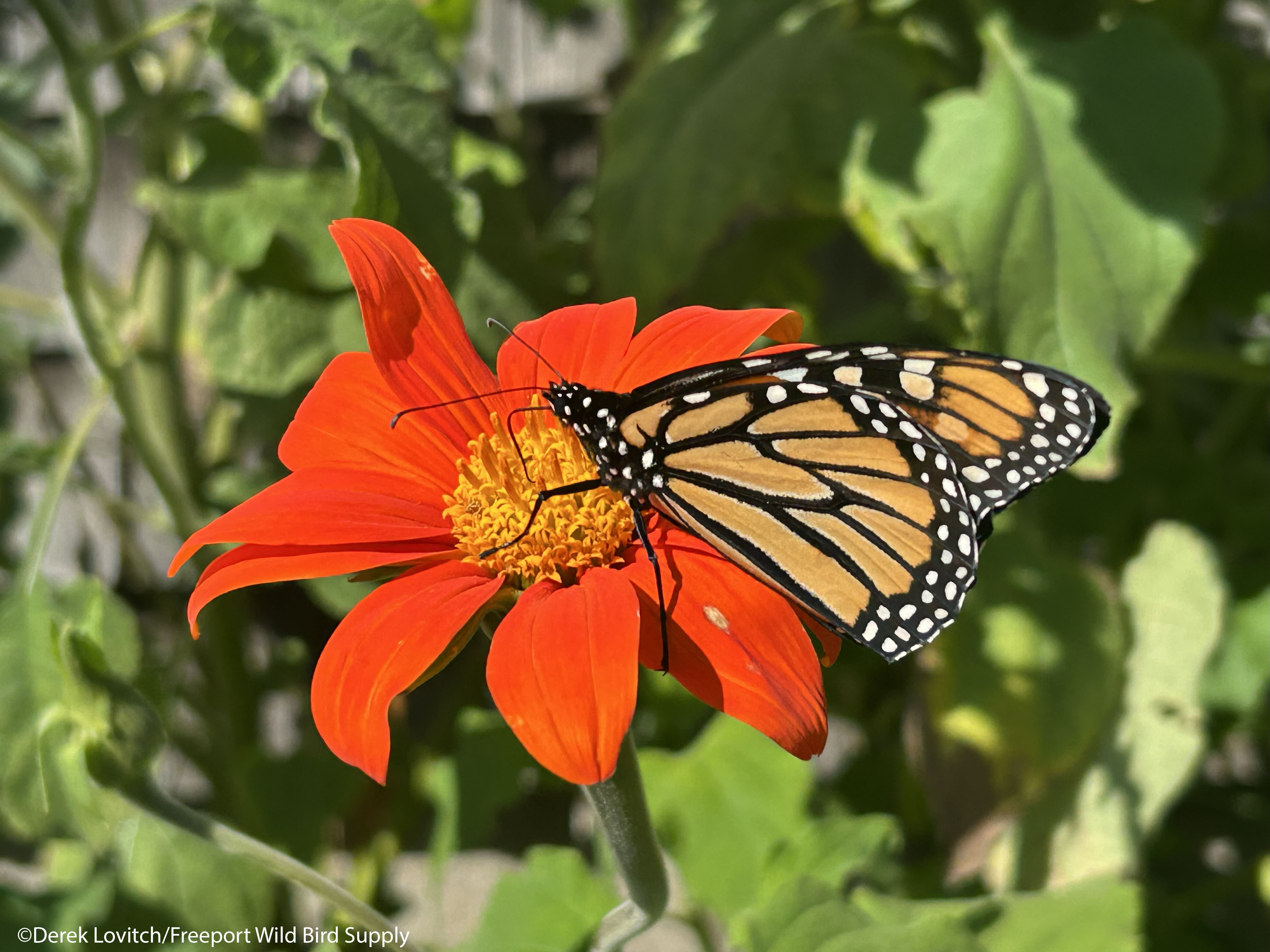
2 Monarchs
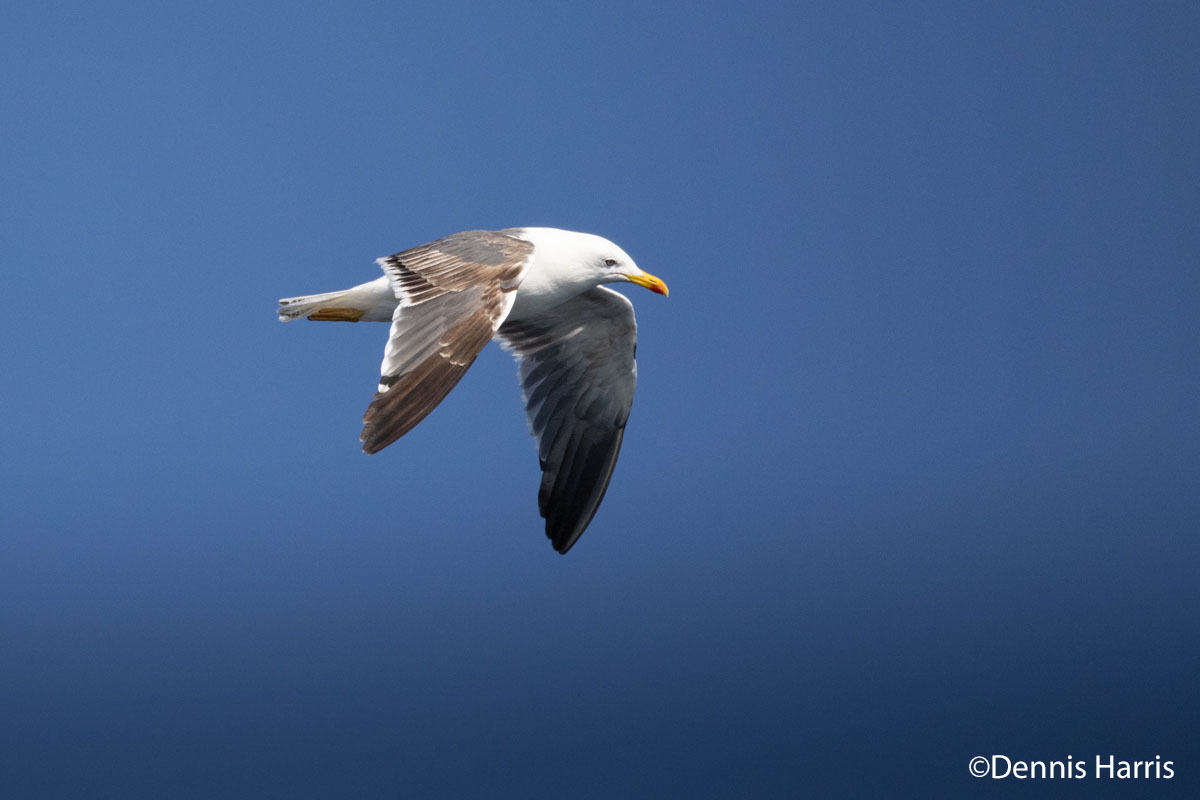
Whale Watch with Cap’n Fish’s Cruises out of Boothbay Harbor on 10/3: 15 NORTHERN FULMAR, 13 Great Shearwaters, 1 Cory’s Shearwater, 3 Red Phalaropes, 1 Lesser Black-backed Gull, etc.
1 DICKCISSEL, garden here at the store, 10/4 (with m.obs).
Freeport Wild Bird Supply/Cap’n Fish’s Cruises ½ Day Pelagic out of Boothbay Harbor on 10/5 was incredible. Highlights included 18 Northern Fulmar, 29 Atlantic Puffins, 1 Pomarine Jaeger, 55 Great Shearwaters, 2 Razorbills, 54+ Red-necked Phalaropes, 3 Red Phalaropes, 4 Lesser Black-backed Gulls, a Peregrine Falcon driving an Ovenbird into the ocean, and a playful pod of Common Dolphins. Full trip report with photos soon.
1 AMERICAN OYSTERCATCHER (Upper Green Island; photo above), 125+ Laughing Gulls, 126 Black-bellied Plovers, 3 Long-tailed Ducks, etc, Casco Bay, 10/6, via Birds of Casco Bay boat tour with Seacoast Tours (Photo above).
These unique, relaxed birding and beer-ing adventures that you have come to love combine great local birding at seasonal hotspots with visits to sample the delicious creations of some of our favorite local breweries. These tours are a perfect introduction to birding and/or craft beer, and a great opportunity to travel with significant others, friends, and family that have interest in one topic, while your interest is primarily in the other (for now!). But this time we’re leaving the van in the garage, and hitting the water! That’s right, we’re taking a cruise, and we’re returning to the private House Island in Porland Harbor twice in 2025.
During last year’s wildly successful outing in which we became the first birding group ever on the island, we found oodles of Yellow-rumped Wabrlers, an uncommon Field Sparrow, and other migrants. But we were truly captivated by Captain Pete, who guided us through the historic fort, sharing a wealth of historical knowledge and fascinating stories. The beer was pretty darn good too, as we sampled the history of Maine’s craft beer scene.
Building on that success, we’re visiting the private House Island in Portland Harbor twice in 2025. We’ve been granted special permission to come ashore and scour the island here in the peak of fall migration. We’ll follow well-maintained trails through the island’s mosaic of open habitats, scrub, and young woods. These are great habitats to search for a variety of migrants, and perhaps even a rarity!
Returning in late October, once again rarities will be on our mind. While rare birds are rare, we are still going to expect the unexpected. But more likely are regular migrants of the season such as Yellow-rumped Warblers, a variety of sparrows, and a growing diversity of waterbirds. At the very least, we’ll have resident waterbirds and several species of gulls to sort through. We are having daydreams of a rare flycatcher!
As we motor back across the harbor, we’ll continue to familiarize ourselves with some of the common waterbirds, such as Common Eiders, Common Loons, and the vanguard of our winter diving ducks while enjoying a local craft beverage produced in the city of Portland. While the exact plan is subject to change, we’ll be sure to come up with a plan to adequately celebrate our discoveries – or the one that got away!
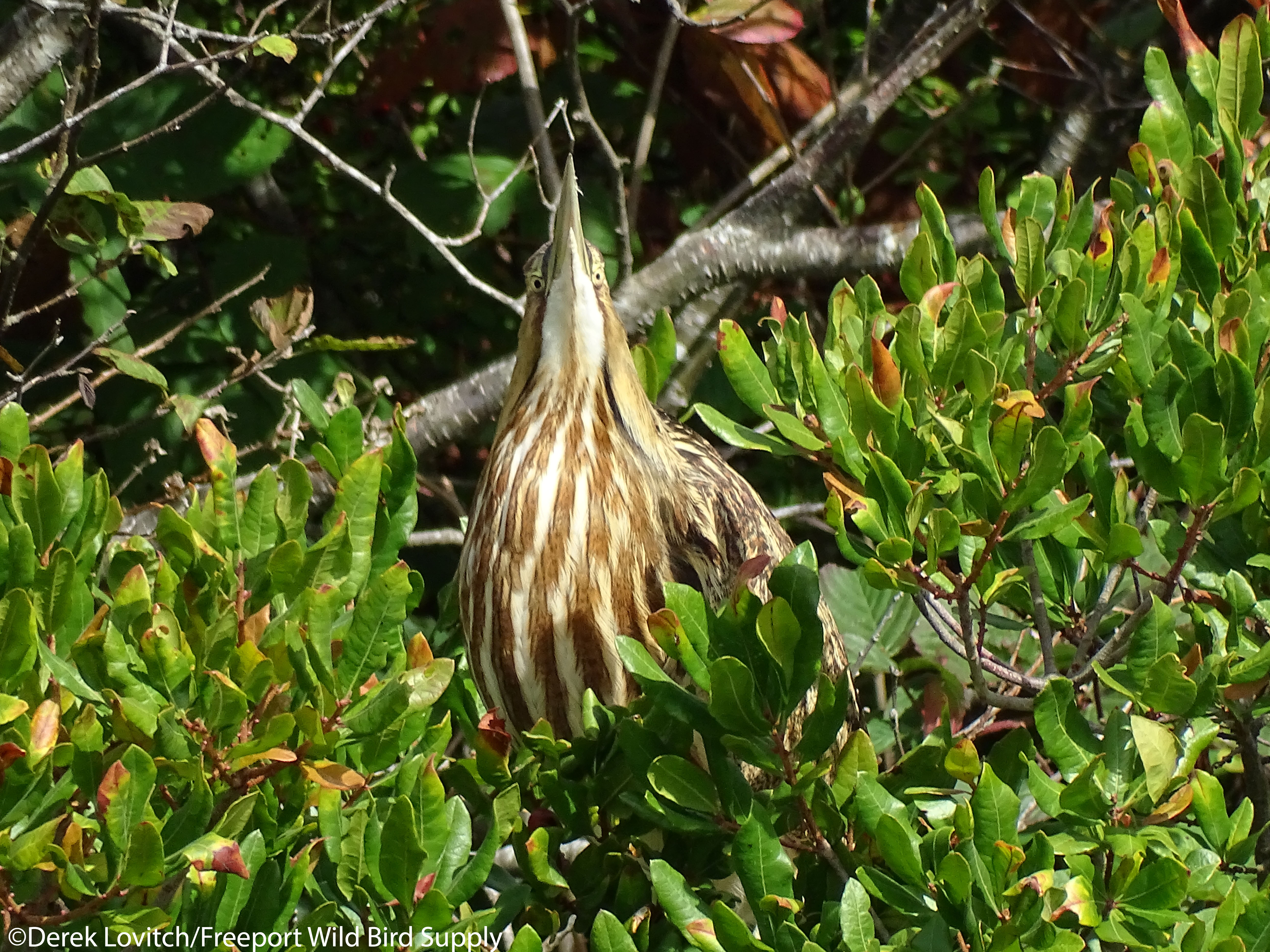
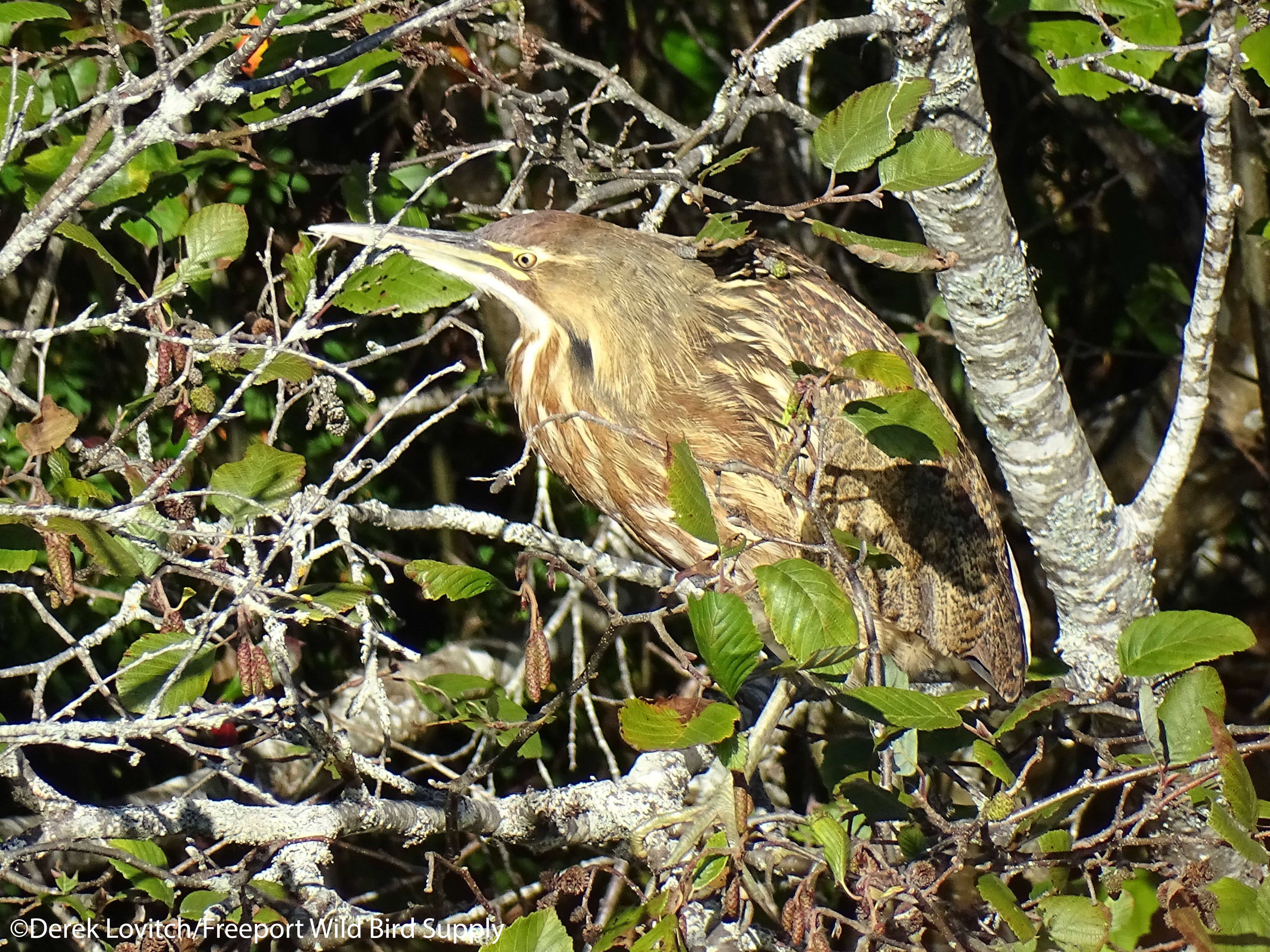
An American Bittern sitting in the open in a tree, just a handful of yards away could have easily been the highlight of any birding weekend. But, this stellar start was just the tip of the iceberg of the weekend’s birding excitement.
It has been quite a few years since we had a weekend like this. Lots of birds, “mega” rarities, warm weather, and tons of excitement. It was truly a special weekend. We were honored to have been there for it.
The tour began on Friday, with only one participant joining me on the Hardy Boat. The island greeted us with a Lesser Black-backed Gull, which we scoped from the wharf, and several warblers at the usual spot uphill. But after getting the inside scoop from birders already on the island, we made a bee-line for the Ice Pond where an American Bittern was sitting all morning. Remarkably, however, it was sitting in a bush (see above)!
How’s that for starting a tour off right? We also immediately encountered Dickcissel and Blue-gray Gnatcatcher, and there were plenty of Yellow-rumped Warblers and Palm Warblers here and there.
After lunch, with our group now complete, the surprisingly good birding continued. Despite such a warm afternoon and few birds on the radar overnight on mostly a southwest wind aloft, we enjoyed an excellent introduction to Monhegan birding in the fall: 2 Clay-colored Sparrows with 2 immature White-crowned Sparrows, a Dickcissel, and several White-throated Sparrows in one field of view; a dozing Common Nighthawk trying to stay camouflaged on a wood pile, and another visit to the still-confiding American Bittern at the Ice Pond for those who arrived later. It was a solid afternoon overall, with bird activity continuing right up until dinnertime.
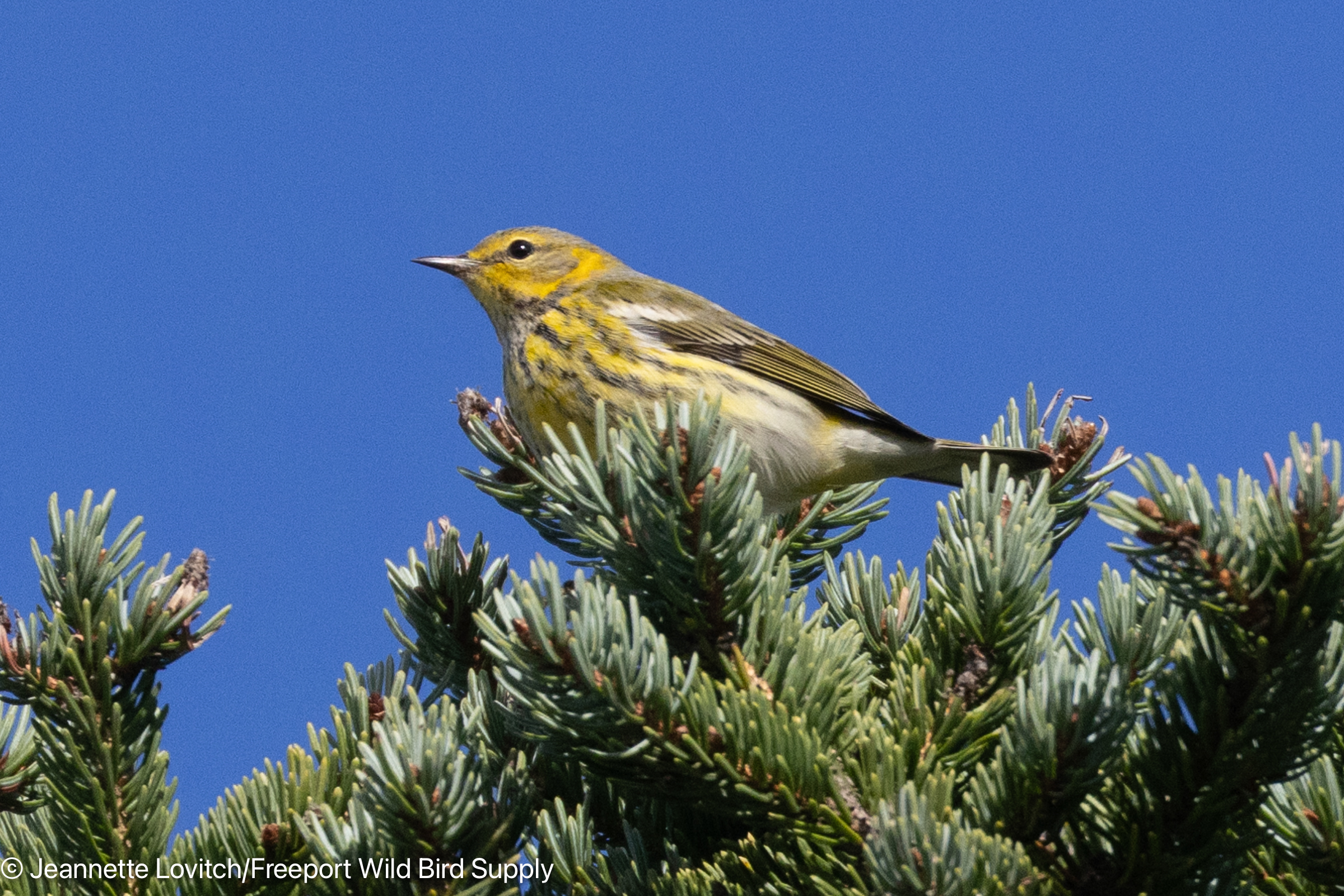
Cape May Warblers in a wide variety of plumages is always one of the highlights of any fall weekend on Monhegan
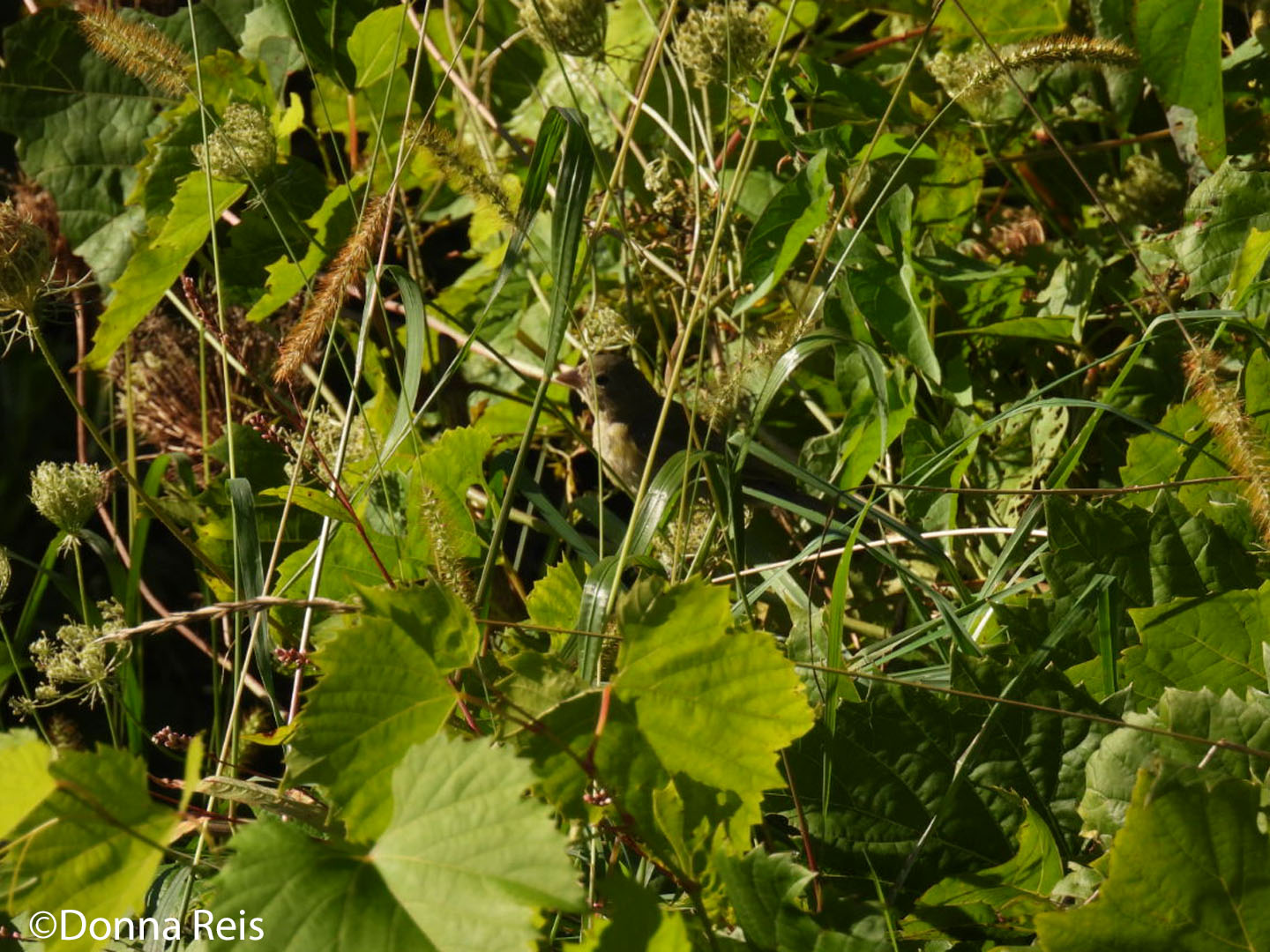
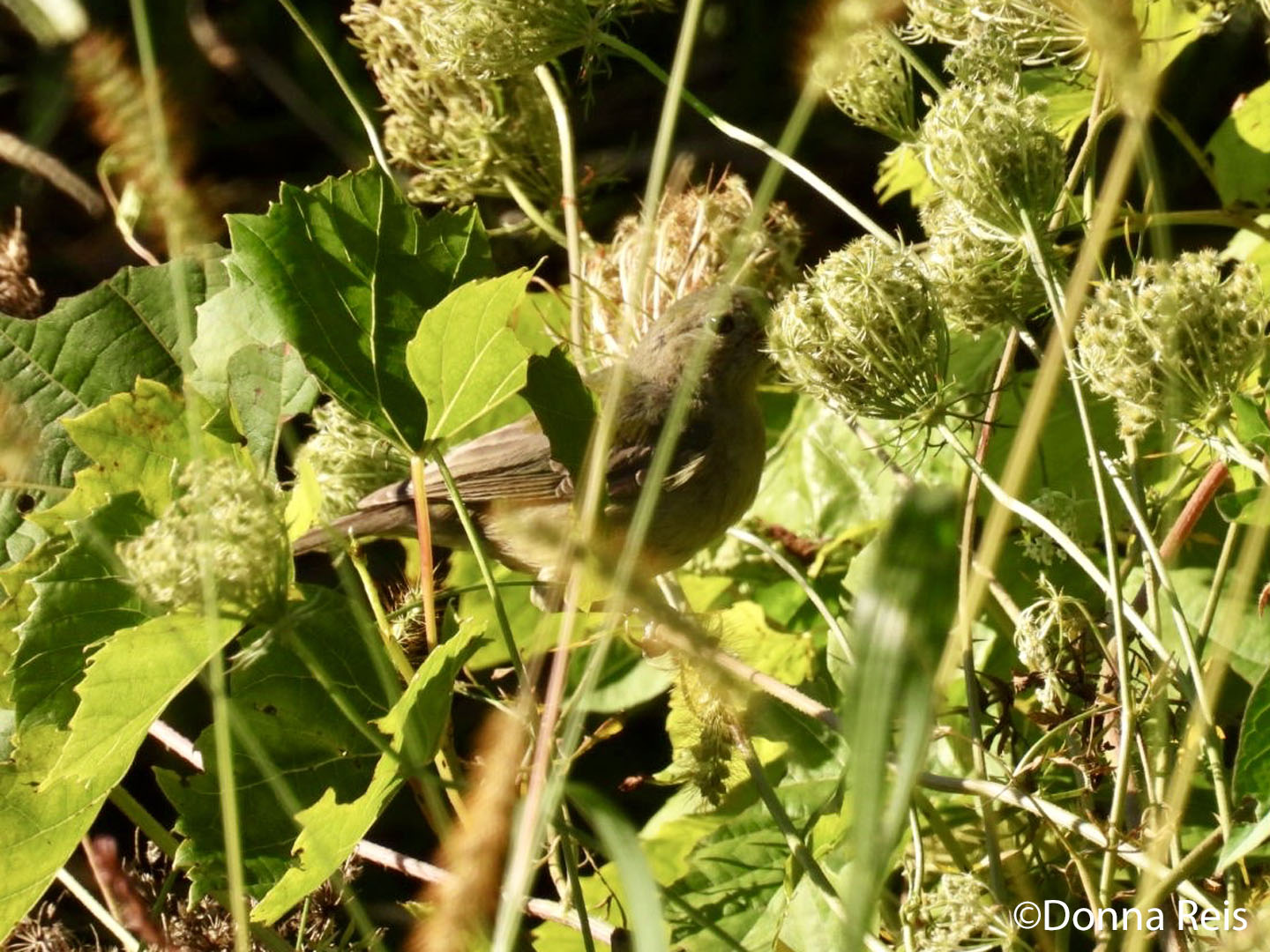
.Unfortunately, our best bird of the day was almost the one that got away. Almost! While viewing an Indigo Bunting in the Community Garden, a second bunting snuck into view, skulking. It briefly popped out, and I yelled “get photos” and then it popped back into the weeds and was not to be seen again.
“Did I see green?” I exclaimed, but it was so fleeting, and the light was so harsh, and the bird was so, so pale, I couldn’t be sure. I looked at photos on the back of cameras in the sun, and we had a good discussion on why this could have been a Painted Bunting. Unfortunately, I have little experience with first fall female (presumably) Painted Buntings and had no idea they could be this unbelievably drab. So I talked myself out of it.
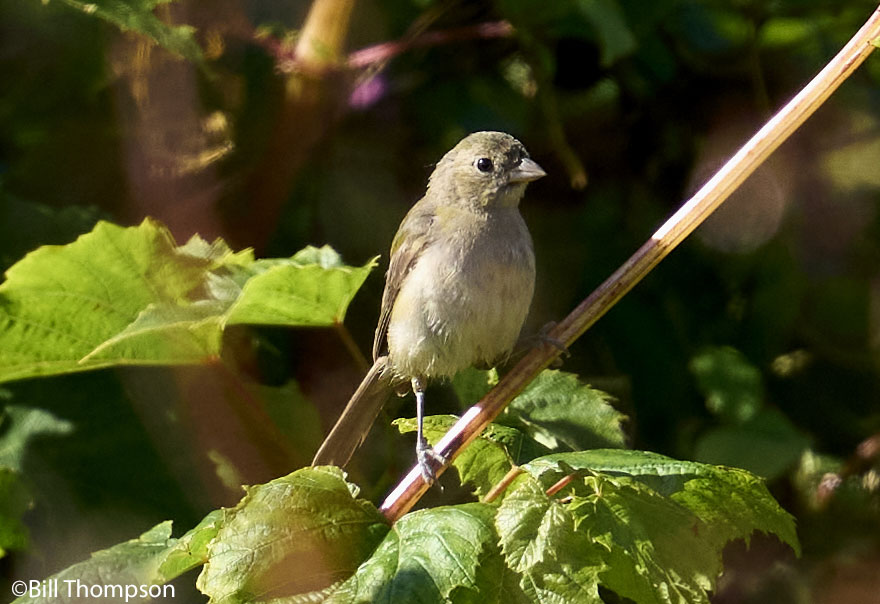
Overnight, I received photos from Bill Thompson, who, an hour or two after we saw the bunting, also briefly saw and photographed it. “Is this a Painted Bunting?” he asked.
Yup, that really does have green on it, and on more than one side – in other words, not a reflection. Darn it. It counts for us – we all saw it – but in hindsight, we should have gotten the word out about a “possible/probable” Painted Bunting and had more eyes looking. Luckily, Bill was in the right place at the right time once again! But I felt like I had blown this one. I was too quick to dismiss it and so I decided I would have to make up for it over the rest of the weekend. Maybe the dry cold front that passed through on Friday evening and shifted the winds would help.
A very strong flight Friday night into Saturday morning on a diminishing northwesterly wind was idea for bringing birds to Monhegan Island come sunrise. And at first light, it was clear it was on!
The Morning Flight featured tons of Yellow-rumped Warblers with the occasional Palm and Blackpoll Warbler. Between the morning flight and our pre-breakfast stroll, we had a lot of birds: a couple of waves of Dark-eyed Juncos, bunches of Red-breasted Nuthatches, more Golden-crowned Kinglets and Purple Finches, insane views of Peregrine Falcons, 2 Dickcissels, 4 Baltimore Orioles, and lots of great views of lots of common species.
After breakfast, it remained fantastic. Just birds everywhere, and not surprisingly, some notable species began to be turned up. Our first “chase” was a Yellow-throated Warbler, our group arriving just in time before it took off.
Luckily, Dan Gardoqui and I stumbled upon it again while foraging for lunch, and I was able to round up several of the group members for improved views and photographs.
The American Bittern was now in the marsh, there were now three Dickcissels, 8 Baltimore Orioles, and a second, but definitively identified Indigo Bunting. No green one, unfortunately.
Not surprisingly on such a nice day, the afternoon was slower, as birds had departed the island early, or had now sought refuge in the shadows, especially with the continuing activity of Peregrines, Merlins, and Sharp-shinned Hawks. So, we checked some nooks and crannies, turning up a Nelson’s Sparrow at Lobster Cove and enjoying gliding Peregrine Falcons passing right in front of us from Burnt Head. We also took the time to enjoy butterflies, plants, and all other walks of life.
It was a delightful afternoon, but we returned to town to find we had missed out on a Western Kingbird. Luckily, a few of us caught up with it at dusk when it was refound near the Mooring Chain.
(phone-binned photo under low light)
So, it was a great day, and given the winds and weather, we expected it to be such. Then, with little to no movement overnight (at least visible on the radar), on a light south to southwest wind, we hoped for some birds to stick around from Saturday and perhaps be augmented by a rarity or two. At the very least, I wanted to show the Yellow-throated Warbler and Western Kingbird to the rest of the group, especially with a big turnover in participants for the second half of the weekend.
What we didn’t expect was to run out of superlatives before breakfast. We certainly did not expect it after viewing the Morning Flight, which consisted of exactly one American Pipit (and the big wandering flock of Cedar Waxwings, of course).
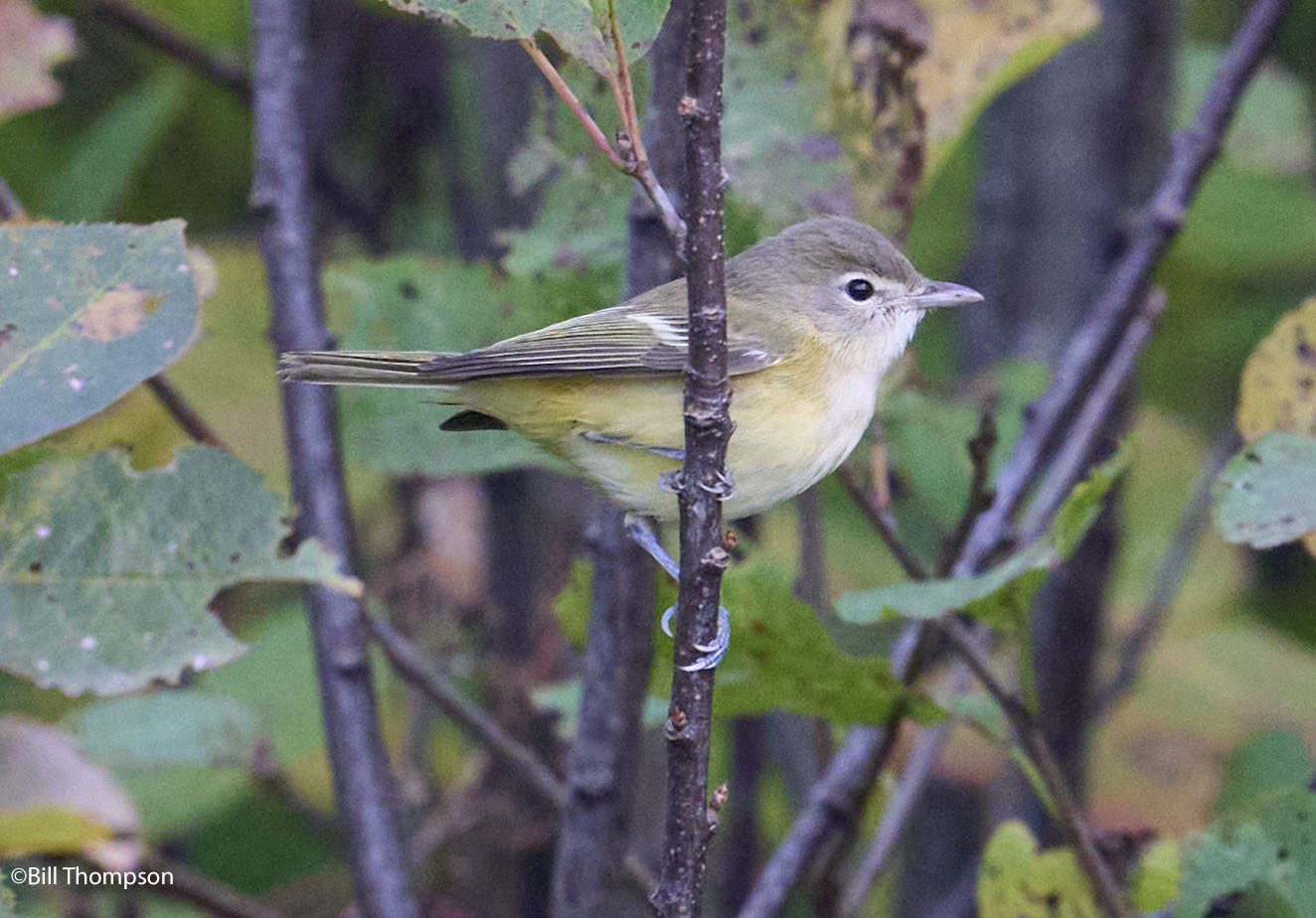
Once again, a bird was identified from photo review (what did we do before Instant Replay?!) and Bill Thompson and Jess Bishop had apparently discovered a Mega rare Bell’s Vireo on Saturday with only 4 accepted previous records for Maine. With such a slow morning flight, I decided to mix things up from my usual routine, head clockwise through my usual dawn loop, and give it a try to find the Bell’s. We stopped near where it was seen on Saturday, and chatted about the rarity, the identification, etc. “Holy shit, there it is!” I tried not to exclaim too loudly as the bird popped out right in front of us.
We observed it for about 10-15 minutes as it popped in and out of a brushy edge, focusing on feeding in young cherry trees with fall webworm clusters. Birders began to arrive from all directions, as the vireo kept coming in and out of view before flying right over our heads and disappearing deep into a dense thicket.
I’ll steal Bill Thompson‘s (with permission of course) Bell’s Vireo from this morning since he was standing next to us.
It was getting too crowded for our tastes, so we moved on and let others have the edge to monitor. We enjoyed Cedar Waxwings, Northern Flickers, and then took a moment to pause at our usual starting spot, at the spruces behind the Yew.
It was slow, and quiet, and so I was making sure we looked at everything, like the one solo warbler flying towards us from across the sky over the Trailing Yew. It then landed a short distance away, and I brought my binoculars up to it, assuming we had a close Yellow-rumped Warbler to talk about.
<expletives deleted>
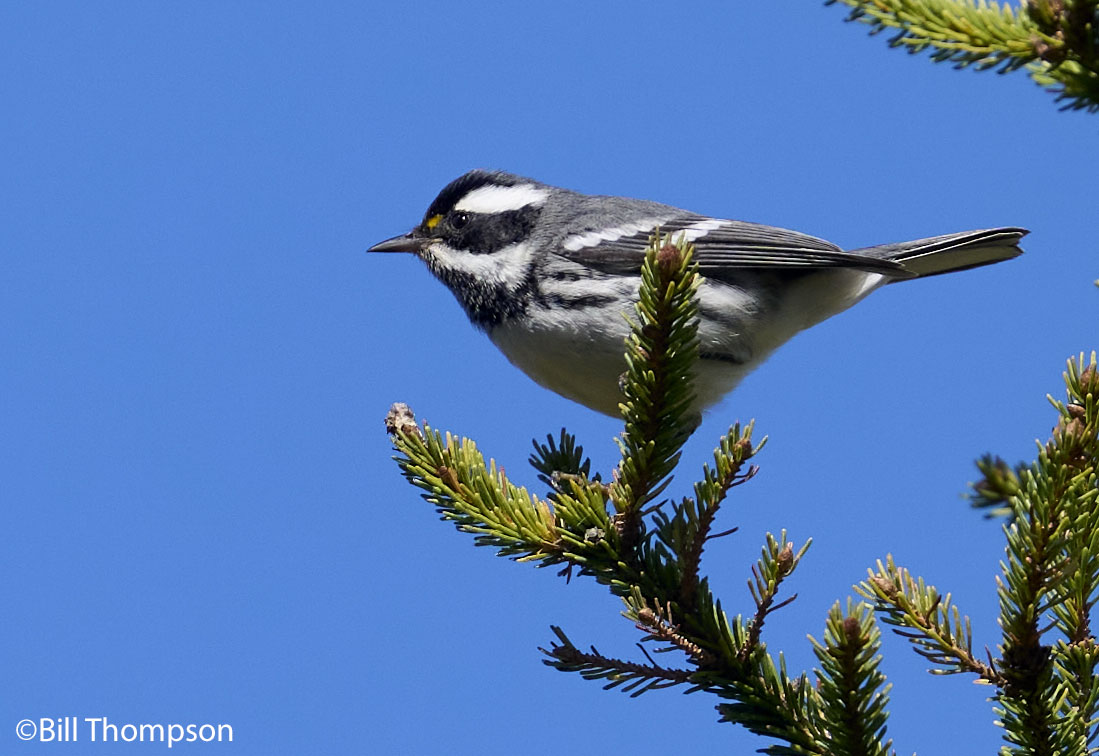
A Black-throated Gray Warbler, with only 5 previous records from Maine, was there. Right there. We had some great looks and photo ops, called over a friend, and then watched it the herd of birders arrive and head out to follow it. What a lucky find! We were ecstatic. And we still hadn’t had breakfast! (See photos from tomorrow),
Wondering if the day could get any better – and pretty content if it did not – we reconvened after breakfast and headed in the opposite direction from the searching masses, as I am wont to do.
It worked again: we found one Lark Sparrow, and then another. How many Clay-colored Sparrows – 4? 8? More? An Orange-crowned Warbler at the Ice Pond, a fly-over Red-bellied Woodpecker, a Pine Warbler, a Yellow-bellied Sapsucker on every tree. So much for it being a slow day.
Another warm afternoon sent us into the woods for shade, immersing ourselves in a cacophony of Red-breasted Nuthatches, sprinkled with Golden-crowned Kinglets, and the occasional Red-eyed Vireo or other migrant. We took in the Fringed Gentian, the scenery, and finished strong with the 2 Lark Sparrows and 4 Clay-colored Sparrows together.
Today was a good day.
Monday, the fourth and final day of the tour began with excited anticipation with another strong flight overnight on a diminishing NW to W wind. But today, it was just too nice, and a lot of last night’s birds passed overhead resulting in just a light Morning Flight come sunrise. But there was a turnover of birds, and our morning walk added several things to our list including the Eastern Kingbird we finally caught up with, and another Orange-crowned Warbler. The highlight, however, of our pre-breakfast jaunt was a juvenile Sharp-shinned Hawk that flew to a spruce, plucked a cone off of an outer branch, and then proceeded to play with it! It would move it from its bill to its talons, and then it dropped it, chasing it down the tree. It then flew back up and grabbed another! What a remarkable insight into how a kid Sharpie gets better at hunting on its own.
After breakfast, the good Merlin show of the day continued, and we took time for a short gull identification workshop. Our first Ring-billed Gull out here was good to practice on, and we conveniently had three Lesser Black-backed Gulls: an adult and 2 first-cycle birds. But mostly, we worked through the difference between each age class of the common Herring and Great Black-backed Gulls.
We finally picked up a Northern Waterthrush- our 20th species of warbler on the weekend! But otherwise, it was pretty slow.
It was slow in the afternoon, too, but the Black-throated Gray Warbler had been refound just before we reconvened after lunch, and eventually we were all treated to much, much better views and photo ops than the morning before.
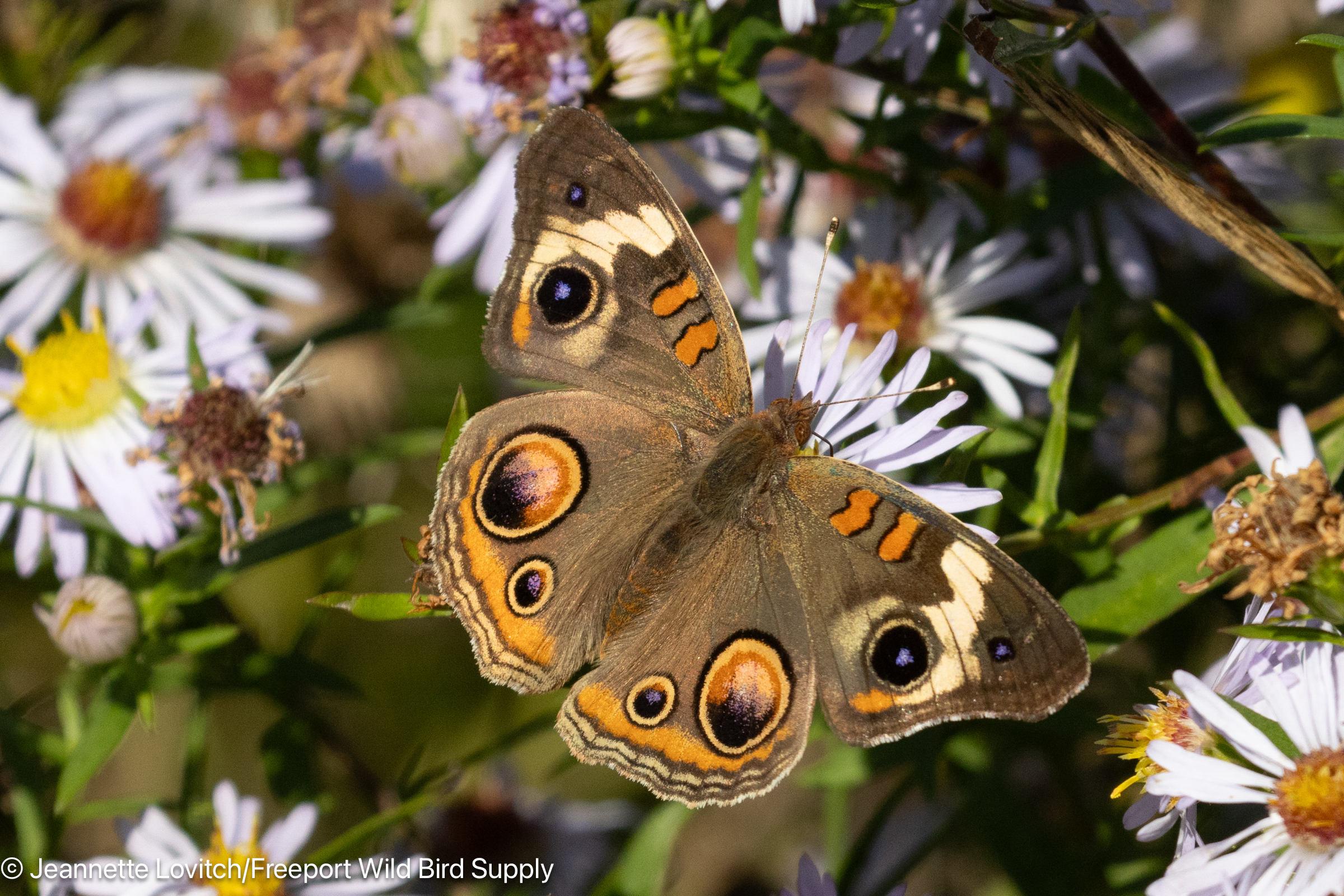
We then twitched a rare Common Buckeye butterfly and Lady’s Tresses orchids.
Our last new species of the trip was one of the last birds we observed together: a Yellow-billed Cuckoo eating American Dagger Moth and/or Hickory Tussock Moth caterpillars. Watching it whack the caterpillar on a twig to beat off its irritating hairs, we had another moment of insight into a bird’s world.
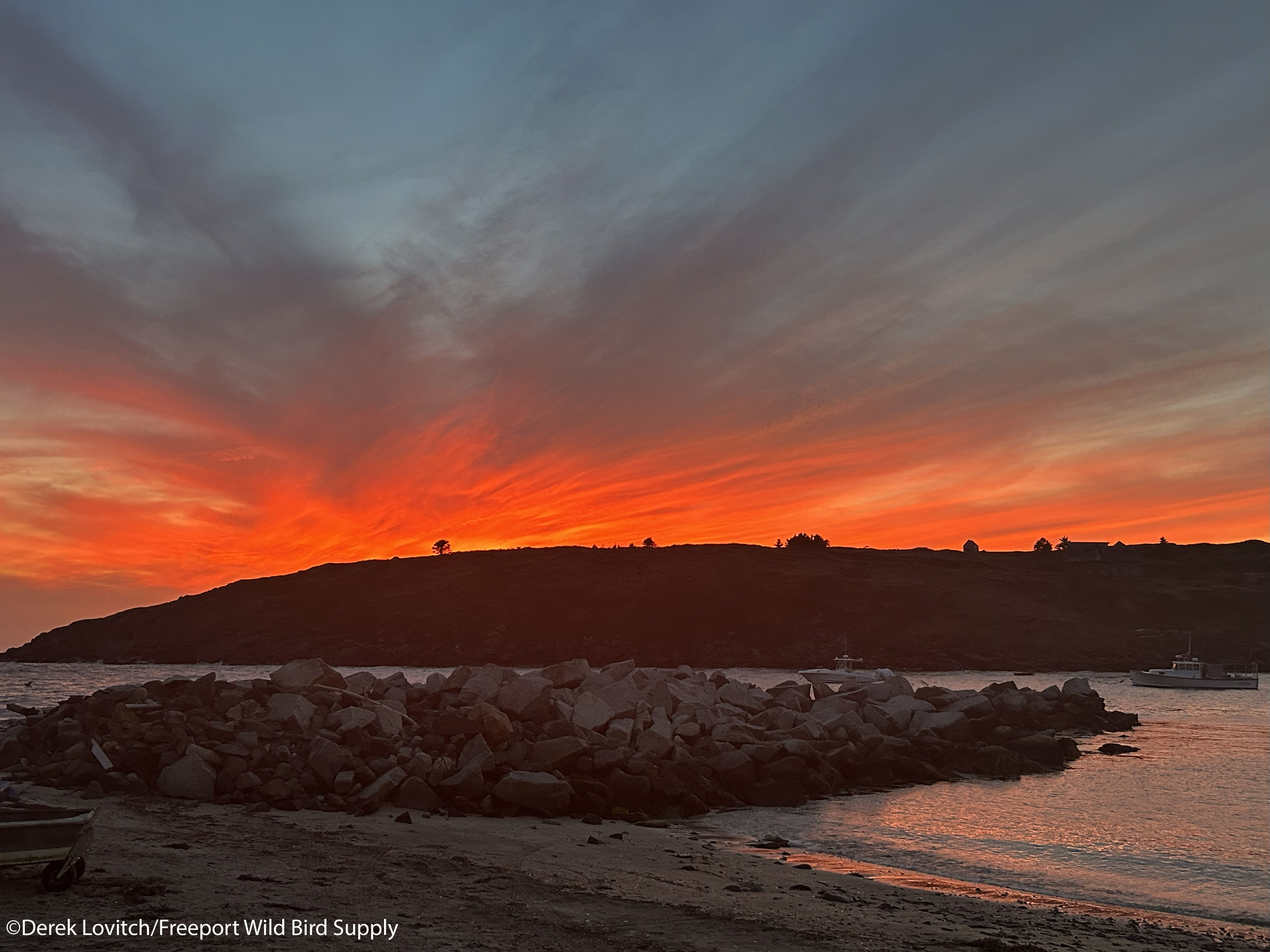
With the tour now complete, Jeannete and I enjoyed a delicious sunset and delightful food with friends and spotted an American Woodcock on our walk back.
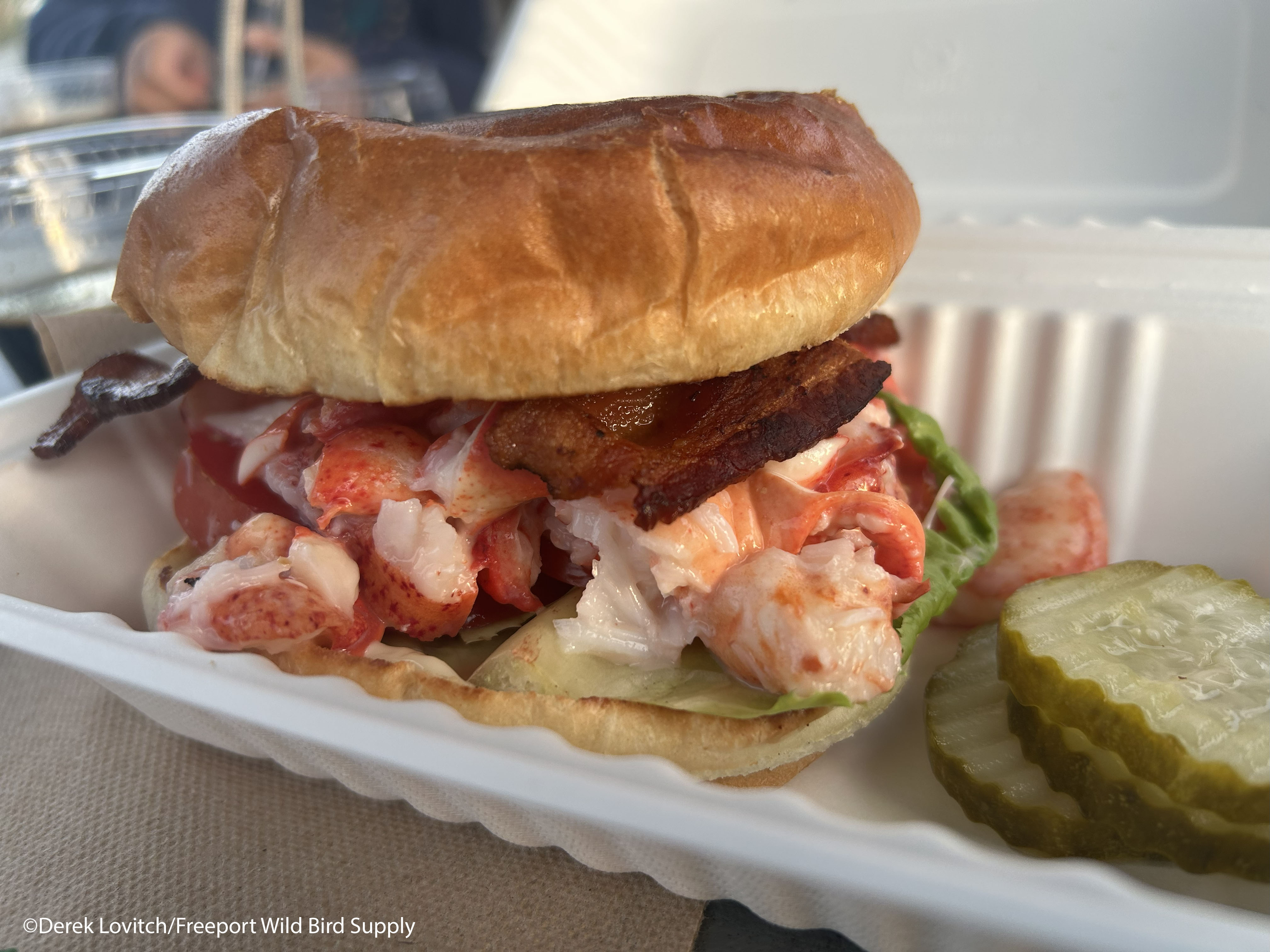
And finished with another meal of Monhegan indulgence.
As usual, Jeannette and I then spent our Tuesday off together on the island. After a light morning flight, but another turnover of birds, we decided to spend most of the morning in the woods, ostensibly looking for a previously reported Black-backed Woodpecker. But mostly, we wanted to take a hike along the island’s less-visited north end. We added Winter Wren and an Ovenbird to our weekend list, enjoyed the silly amount of Red-breasted Nuthatches, and encountered several pockets of White-throated Sparrows and Dark-eyed Juncos. Later, after lunch, we ran into a Black-billed Cuckoo, and a Spotted Sandpiper at the dock turned out to be our 100th and final bird of a truly exceptional weekend on Monhegan. We already cannot wait to return in May!
Species seen without the tour group during the tour:
*Denotes ferry only
9/26
9/27
9/28
9/29
Canada Goose
0
0
14
0
Blue-winged Teal
1
0
0
0
Mallard
15
20
20
20
American Black Duck
1
1
1
0
Common Eider
x
x
x
x
White-winged Scoter
1*
0
0
0
Ring-necked Pheasant
x
x
x
x
Mourning Dove
12
15
12
6
YELLOW-BILLED CUCKOO
0
0
0
1
Common Nighthawk
1
0
0
0
Semipalmated Plover
0
1
1
0
Solitary Sandpiper
1
0
0
0
Greater Yellowlegs
0
1
0
1
Black Guillemot
x
2
3
0
Laughing Gull
4*
0
0
0
Ring-billed Gull
0
0
0
1
Herring Gull
x
x
x
x
LESSER BLACK-BACKED GULL
0
0
1
3
Great Black-backed Gull
x
x
x
x
Great Cormorant
1
1
2
1
Double-crested Cormorant
x
x
x
x
AMERICAN BITTERN
1
1
0
0
Osprey
1
3
1
0
Northern Harrier
0
1
0
2
Sharp-shinned Hawk
3
1
2
6
Belted Kingfisher
1
0
1
1
Red-bellied Woodpecker
0
0
1
0
Yellow-bellied Sapsucker
8
20
15
20
Downy Woodpecker
0
1
1
1
Northern Flicker
6
10
6
8
American Kestrel
0
0
1
0
Merlin
4
8
6
5
Peregrine Falcon
6
20
3
7
WESTERN KINGBIRD
0
1
0
0
Eastern Kingbird
0
0
0
1
Eastern Wood-Pewee
6
8
1
1
Least Flycatcher
3
2
0
0
Eastern Phoebe
1
3
2
1
BELL’S VIREO
0
0
1
0
Blue-headed Vireo
2
4
3
0
Red-eyed Vireo
12
12
12
12
Blue Jay
8
8
3
3
American Crow
4
2
6
6
Common Raven
0
2
2
1
Black-capped Chickadee
x
x
x
x
Ruby-crowned Kinglet
1
3
2
2
Golden-crowned Kinglet
0
20
10
6
Cedar Waxwing
80
80
80
80
Red-breasted Nuthatch
10
60
50
40
Brown Creeper
0
2
0
1
BLUE-GRAY GNATCATCHER
1
0
0
1
Carolina Wren
8
6
8
6
Gray Catbird
x
x
x
10
European Starling
14
14
14
13
Swainson’s Thrush
0
2
0
0
American Robin
0
4
1
0
American Pipit
1
6
2
2
Purple Finch
0
10
8
6
Pine Siskin
1
2
1
2
American Goldfinch
8
10
6
6
LARK SPARROW
0
0
2
1
Chipping Sparrow
2
2
10
2
CLAY-COLORED SPARROW
3
3
6
1
Dark-eyed Junco
0
30
2
12
White-crowned Sparrow
2
1
2
0
White-throated Sparrow
12
60
10
20
Nelson’s Sparrow
0
1
0
0
Savannah Sparrow
1
4
4
1
Song Sparrow
x
x
x
x
Lincoln’s Sparrow
1
6
5
1
Swamp Sparrow
2
3
2
1
Bobolink
5
5
5
2
Baltimore Oriole
2
8
7
6
Rusty Blackbird
0
2
0
0
Common Grackle
3
3
3
3
Northern Waterthrush
0
0
0
1
Black-and-white Warbler
1
3
0
0
ORANGE-CROWNED WARBLER
0
1
2
1
Nashville Warbler
1
1
0
0
Common Yellowthroat
4
8
8
6
American Redstart
3
4
1
1
Cape May Warbler
2
8
2
8
Northern Parula
3
6
1
0
Magnolia Warbler
0
1
0
0
Yellow Warbler
2
4
2
1
Chestnut-sided Warbler
0
1
0
0
Blackpoll Warbler
8
40
4
4
Black-throated Blue Warbler
0
3
0
0
Palm Warbler
20
60
4
4
Pine Warbler
0
0
1
0
Yellow-rumped Warbler
40
600
40
20
YELLOW-THROATED WARBLER
0
1
0
0
BLACK-THROATED GRAY WARBLER
0
0
1
1
Black-throated Green Warbler
0
6
1
1
Wilson’s Warbler
1
2
0
0
Northern Cardinal
x
8
8
8
Rose-breasted Grosbeak
0
1
1
1
Indigo Bunting
1
1
3
2
PAINTED BUNTING
1
0
0
0
DICKCISSEL
2
3
1
1
Day total
67
80
69
68
Species added on Monday evening and Tuesday, with Jeannette:
Common Loon, Spotted Sandpiper, American Woodcock, Black-billed Cuckoo, Winter Wren, Hermit Thrush, Ovenbird (warbler #21!),
Tour total = 100 Total Weekend Total = 107
This winter wren was one of the last birds Jeannette and I added to the cumulative weekend list as we spent some time on our day off hiking the island’s north end.
One of the stars of the show during an epic weekend on Monhegan included this Black-throated Gray Warbler that I found with my tour on 9/28. There are only 5-7 previous records of this spiffy western warbler in Maine. It was relocated by others on and off that day, and through much of the day on the 29th. The best show for everyone was when Doug Hitchcox re-relocated it a few feet from where my group and I first discovered it! That’s when Bill Thompson got this crushing photo.
My observations of note over the last 9 days included 5 remarkable days on Monhegan Island included the following:
Highlights from our Durham property this period included 2 continuing Indigo Buntings and 2 Solitary Sandpipers on 9/22; 1 Ruby-throated Hummingbird 9/23-24; and 5 Lincoln’s Sparrows on 9/24.
An exceptional day in and around Biddeford Pool on the 23rd with Jeannette included a number of highlights and excellent counts of uncommon birds. Some of the most notable observations include an astounding 26 FORSTER’S TERNS together at Hill’s Beach (with scattered individuals elsewhere that may or may not have been part of this tally, the shockingly large “irruption” of this tern – especially given the lack of a tropical system to cause it – continues); a juvenile YELLOW-CROWNED NIGHT-HERON at Great Pond, a late juvenile BAIRD’S SANDPIPER on Biddeford Pool Beach, single CLAY-COLORED SPARROWS in Hill’s Beach and East Point, 12 American Oystercatchers off of Ocean Avenue, a goodly 41 Red Knots in The Pool; 7 adult Lesser Black-backed Gulls at Hill’s Beach, and an arrival of fresh juvenile (technically 1st winter as most showed a couple of replaced feathers by now as expected) Dunlin in various locations (high of 30+ on Biddeford Pool Beach).
It was like the good ol’ days on Monhegan for my tour group this weekend. I was on the island with the tour 9/26-9/29, and then enjoyed a day off with Jeannette on 9/30. I’ll have a complete tour report posted next week (including rarity photos), but for now, the mind-blowing list of rarities and excitement for my group and I included the following:
1 BELL’S VIREO, 9/28 (refound by my group after being discovered by Jess Bishop and Bill Thompson on 9/28).
1 BLACK-THROATED GRAY WARBLER, 9/28-29 (Found by my group, on 9/28 and refound by m.obs on 9/29).
1 immature female PAINTED BUNTING, 9/26 (independently identified – eventually – by my group and Bill Thompson).
1 YELLOW-THROATED WARBLER, 9/27
1 WESTERN KINGBIRD, 9/27.
21 total species of warblers.
Up to 2 Lark Sparrows daily beginning 9/28.
Up to 6+ Clay-colored Sparrows daily.
Up to 3 Dickcissels daily
Up to 2 Orange-crowned Warblers daily beginning 9/27.
1 American Bittern, 9/26-9/27.
Up to 3 Lesser Black-backed Gulls daily.
1 Blue-gray Gnatcatcher, 9/26.
1 Red-bellied Woodpecker, 9/28.
1 Nelson’s Sparrow, 9/27.
1 Yellow-billed Cuckoo on 9/29 (with my group) and 1 Black-billed Cuckoo on 9/30 (with Evan Obercian and Jeannette).
Join us on a special cruise dedicated to off-shore birding: a collaboration with Cap’n Fish’s Cruises offering half-day “mini-pelagics!” We’ll seek out the rare and common seabirds that occur in our nearshore waters, but we will always have the hope for something unexpected. Derek will team up with the boat’s expert naturalists to spot, identify, and point out pelagic seabirds. Chumming efforts will provide opportunities to attract the birds in for better photo ops and viewing. While we’ll stop to look at any whales and whatever other interesting sea life we encounter along the way, it is the feathered wildlife we’re searching for, and will be focused on.
This annual fall excursion gives a chance at some very sought after pelagic species, such as Great and South Polar Skua. More likely species include Northern Fulmar; Black-legged Kittiwake; Pomarine and Parasitic Jaeger; shearwaters – Great, Sooty, Cory’s, and possibly even Manx; Leach’s Storm-Petrel; Razorbill and Atlantic Puffin; Red and Red-necked Phalaropes, and much more. With the later departure date this year, we hope for more jaegers and a better chance at Great Skua, along with the chance at more early-arriving alcids.
Each of our four October trips have been very different, with each year providing some unexpected highlights. Once again, we will be chumming at at least one hotspot, and we’ll have an additional spotter who will keep dedicated eBird lists for those who so desire and want it shared with them.
Join the crew of Seacoast Tours and Derek Lovitch from Freeport Wild Bird Supply on a special tour of the islands and waters of Casco Bay. We’ll explore the inner islands of Freeport, Brunswick and Harpswell as we search for eagles, migrant waterfowl, and an occasional seal basking in the sun on the ledges of hidden coves. We’ll focus on the common resident and migratory water and shoreline birds of the region, including photographic opportunities whenever we can.
Conditions and tide permitting, we’ll poke around the mouth of Maquoit Bay and especially up into Middle Bay, two of the richest areas for waterfowl concentrations. If we can find a mass of American Black Ducks, we’ll scour them for a variety of other dabblers, such as Green-winged Teal and Northern Shovelers. Some of our wintering and migratory bayducks, such as Surf and White-winged Scoters will just be arriving, and Common Loons begin to build in for the winter.
These unique, relaxed birding and beer-ing adventures that you have come to love combine great local birding at seasonal hotspots with visits to sample the delicious creations of some of our favorite local breweries. These tours are a perfect introduction to birding and/or craft beer, and a great opportunity to travel with significant others, friends, and family that have interest in one topic, while your interest is primarily in the other (for now!). But this time we’re leaving the van in the garage, and hitting the water! That’s right, we’re taking a cruise, and we’re returning to the private House Island in Porland Harbor twice in 2025.
During last year’s wildly successful outing in which we became the first birding group ever on the island, we found oodles of Yellow-rumped Warblers, an uncommon Field Sparrow, and other migrants. But we were truly captivated by Captain Pete, who guided us through the historic fort, sharing a wealth of historical knowledge and fascinating stories. The beer was pretty darn good too, as we sampled the history of Maine’s craft beer scene.
Building on that success, we’re visiting the private House Island in Portland Harbor twice in 2025. We’ve been granted special permission to come ashore and scour the island here in the peak of fall migration. We’ll follow well-maintained trails through the island’s mosaic of open habitats, scrub, and young woods. These are great habitats to search for a variety of migrants, and perhaps even a rarity!
Returning in late October, once again rarities will be on our mind. While rare birds are rare, we are still going to expect the unexpected. But more likely are regular migrants of the season such as Yellow-rumped Warblers, a variety of sparrows, and a growing diversity of waterbirds. At the very least, we’ll have resident waterbirds and several species of gulls to sort through. We are having daydreams of a rare flycatcher!
As we motor back across the harbor, we’ll continue to familiarize ourselves with some of the common waterbirds, such as Common Eiders, Common Loons, and the vanguard of our winter diving ducks while enjoying a local craft beverage produced in the city of Portland. While the exact plan is subject to change, we’ll be sure to come up with a plan to adequately celebrate our discoveries – or the one that got away!
This Northern Wheatear graced Scarborough Marsh from 9/15 through 9/17. For some reason, there are only about 4 records in the last ten years, as this spiffy and charismatic bird has become even more rare in the state, or perhaps, just more rarely detected. Jeannette and I caught up with it here on the 16th although it didn’t want to come to close to the trail for us that afternoon.
My observations of note over the last seven days included two light Morning Flights at Sandy Point and a rarity chase.
Birding our property in Durham this week was once again very productive. Several Lincoln’s Sparrows were in the yard on the 16th and 17th, and the first White-throated Sparrows appeared at the feeders on the 17th. Other highlights include a continuing juvenile Red-shouldered Hawk; a vole- and frog-stalking Great Blue Heron all week; a tarrying immature male Ruby-throated Hummingbird from 9/17 through the 19th; several Lincoln’s Sparrows daily; a Brown Thrasher and Scarlet Tanager on 9/18; and a really nice variety of warblers.
A light flight over and through Sandy Point Beach, Cousin’s Island, Yarmouth on 9/15 (with apologies for all of this superfluous spacing…I’m trying to figure this out!)
6:19-8:50am
55F, mostly clear, NNW 5.3-6.6 to N 6.5-7.2mph
103 Northern Parulas
29 Unidentified
8 Red-eyed Vireos
8 Blue Jays
7 American Redstarts
6 Black-throated Green Warblers
4 Yellow Warblers
4 White-throated Sparrows
3 Purple Finches
3 Red-breasted Nuthatches
3 Blackpoll Warblers
2 Ruby-crowned Kinglets
2 Palm Warblers
2 American Goldfinches
2 Blue-headed Vireos
2 American Robins
1 Magnolia Warbler
1 Indigo Bunting
1 Common Loon
1 Merlin
1 Osprey
1 Savannah Sparrow
1 Baltimore Oriole
1 Cape May Warbler
1 Prairie Warbler
1 Eastern Phoebe
1 Northern Waterthrush
1 American Pipit
1 Nashville Warbler
1 Peregrine Falcon
1 Yellow-rumped Warbler
1 Bay-breasted Warbler
1 Northern Flicker
X Common Yellowthroats
Total = 205
This Savannah Sparrow appeared to be contemplating walking across the bridge instead of taking to the air yet again.
1 continuing NORTHERN WHEATEAR, Eastern Road Trail, Scarborough Marsh, 9/16 (with Jeannette). Present since the morning of the 15th, we successfully visited the bird on the afternoon of the second day of its stay. Photo above.
A light but rewarding flight passed over and through Sandy Point Beach, Cousin’s Island, Yarmouth on 9/19.
6:24-9:24am (with Bill Thompson)
55F, mostly clear. NW 4.3-5.2 increasing to 5.1-11.0mph.
99 Northern Parulas
44 unidentified
32 Blackpoll Warblers
18 Black-throated Green Warblers
14 White-throated Sparrows
8 Red-breasted Nuthatch
6 Magnolia Warblers
6 Blue Jays
6 Red-eyed Vireos
4 American Redstarts
4 Purple Finches
4 American Goldfinches
2 Chipping Sparrows
2 Baltimore Orioles
2 Cedar Waxwings
1 American Pipit
1 Palm Warbler
1 Blue-headed Vireo
1 American Kestrel
1 Merlin
1 Red-bellied Woodpecker (four “false starts”)
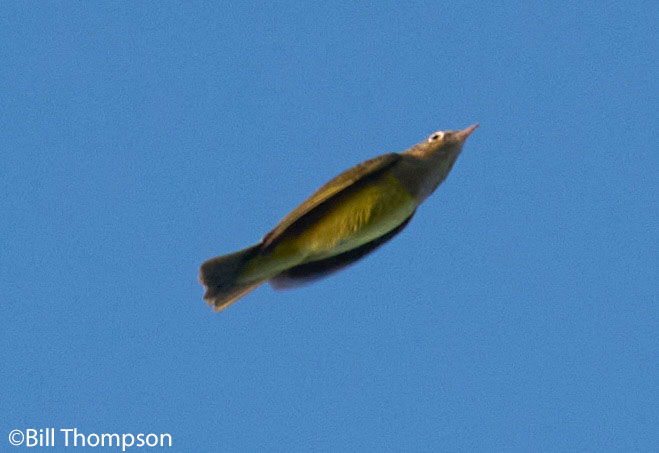
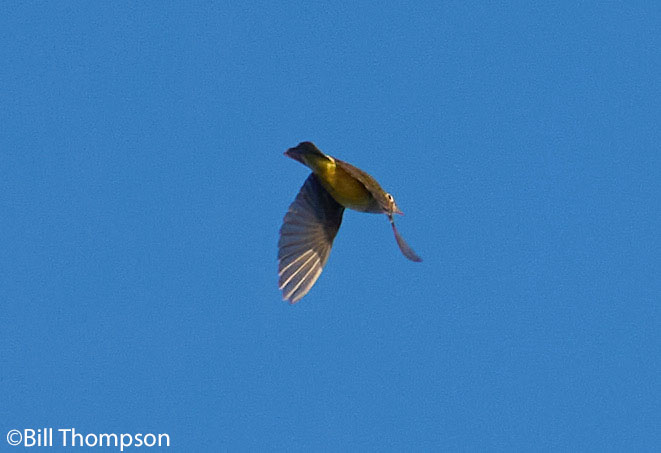
1 CONNECTICUT WARBLER (photo below)
1 Yellow-rumped Warbler
1 Ruby-throated Hummingbird
1 Scarlet Tanager
1 Nashville Warbler
1 Tufted Titmouse (5 “false starts”)
1 Bay-breasted Warbler
Total = 266
Connecticut Warblers are essentially annual at Sandy Point, but I never get a photo off and am often reticent to pull the trigger on the call without a really good look. Luckily, Bill Thompson joined me in “my office” this morning and was at the ready for the large yellowish warbler with long wings barreling towards us. This stellar photo shows the diagnostic complete eyering, pale throat, and long yellow undertail coverts of this robust warbler.
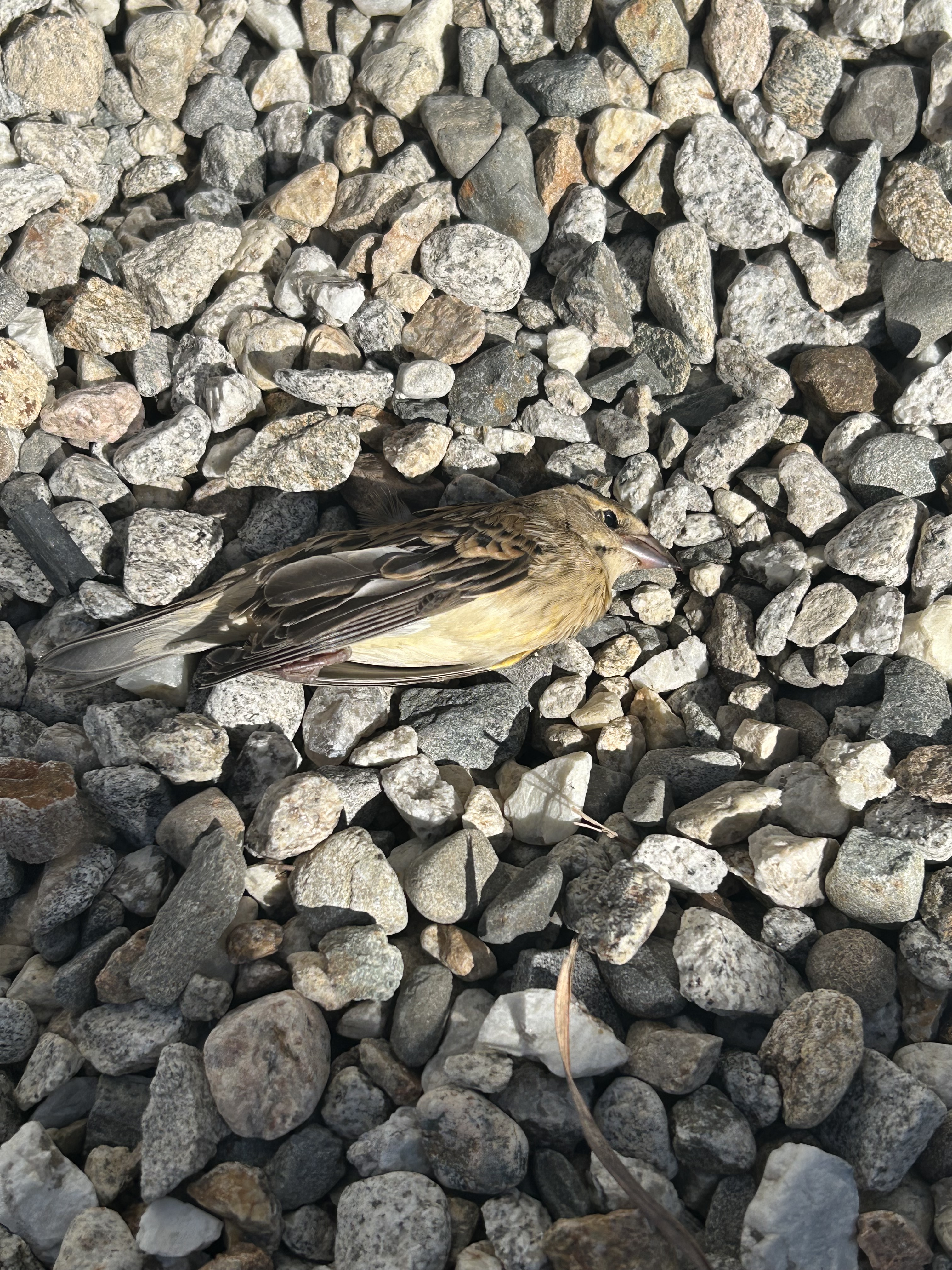
1 dead DICKCISSEL, killed by unprotected windows at the Smith Center at Wolfe’s Neck Center for Agriculture and the Environment. More info here.
Join me on Monhegan during the height of migration for 1-4 days searching the island for regular visitors, rarities, and vagrants. If you haven’t experienced Maine’s Migration Mecca, now is the time! And if you’re like many of our regular travelers, you know you can’t wait to get back.
This is a casual outing, with boat and hotel reservations, as well as meals, on your own. Also, you can come and go as you please, based on whatever boat and departure times and locations suit you best. Sign up for 1,2, 3, or 4 days, we will give you the time and place to meet us on the island based on when you arrive. In the eleven years we have run this trip on this weekend, we have averaged 95 species, including 17 species of warblers!
Join us on a special cruise dedicated to off-shore birding: a collaboration with Cap’n Fish’s Cruises offering half-day “mini-pelagics!” We’ll seek out the rare and common seabirds that occur in our nearshore waters, but we will always have the hope for something unexpected. Derek will team up with the boat’s expert naturalists to spot, identify, and point out pelagic seabirds. Chumming efforts will provide opportunities to attract the birds in for better photo ops and viewing. While we’ll stop to look at any whales and whatever other interesting sea life we encounter along the way, it is the feathered wildlife we’re searching for, and will be focused on.
This annual fall excursion gives a chance at some very sought after pelagic species, such as Great and South Polar Skua. More likely species include Northern Fulmar; Black-legged Kittiwake; Pomarine and Parasitic Jaeger; shearwaters – Great, Sooty, Cory’s, and possibly even Manx; Leach’s Storm-Petrel; Razorbill and Atlantic Puffin; Red and Red-necked Phalaropes, and much more. With the later departure date this year, we hope for more jaegers and a better chance at Great Skua, along with the chance at more early-arriving alcids.
Each of our four October trips have been very different, with each year providing some unexpected highlights. Once again, we will be chumming at at least one hotspot, and we’ll have an additional spotter who will keep dedicated eBird lists for those who so desire and want it shared with them.
These unique, relaxed birding and beer-ing adventures that you have come to love combine great local birding at seasonal hotspots with visits to sample the delicious creations of some of our favorite local breweries. These tours are a perfect introduction to birding and/or craft beer, and a great opportunity to travel with significant others, friends, and family that have interest in one topic, while your interest is primarily in the other (for now!). But this time we’re leaving the van in the garage, and hitting the water! That’s right, we’re taking a cruise, and we’re returning to the private House Island in Porland Harbor twice in 2025.
During last year’s wildly successful outing in which we became the first birding group ever on the island, we found oodles of Yellow-rumped Wabrlers, an uncommon Field Sparrow, and other migrants. But we were truly captivated by Captain Pete, who guided us through the historic fort, sharing a wealth of historical knowledge and fascinating stories. The beer was pretty darn good too, as we sampled the history of Maine’s craft beer scene.
Building on that success, we’re visiting the private House Island in Portland Harbor twice in 2025. We’ve been granted special permission to come ashore and scour the island here in the peak of fall migration. We’ll follow well-maintained trails through the island’s mosaic of open habitats, scrub, and young woods. These are great habitats to search for a variety of migrants, and perhaps even a rarity!
Returning in late October, once again rarities will be on our mind. While rare birds are rare, we are still going to expect the unexpected. But more likely are regular migrants of the season such as Yellow-rumped Warblers, a variety of sparrows, and a growing diversity of waterbirds. At the very least, we’ll have resident waterbirds and several species of gulls to sort through. We are having daydreams of a rare flycatcher!
As we motor back across the harbor, we’ll continue to familiarize ourselves with some of the common waterbirds, such as Common Eiders, Common Loons, and the vanguard of our winter diving ducks while enjoying a local craft beverage produced in the city of Portland. While the exact plan is subject to change, we’ll be sure to come up with a plan to adequately celebrate our discoveries – or the one that got away!
To “count it” or “not to count it,” that is the question. Regardless, what’s more iconic about birding on Monhegan Island than a Ring-necked Pheasant?
My observations of note over the last seven days included my first two Morning Flights of the season at Sandy Point and 3 days on Monhegan included the following:
A light flight over and through Sandy Point Beach, Cousin’s Island, Yarmouth on 9/8:
6:12 to 8:00am.
50F, mostly clear, calm.
57 Northern Parulas
31 American Redstarts
17 unidentified
8 Cedar Waxwings
6 Magnolia Warblers
5 Black-throated Green Warblers
4 Red-breasted Nuthatches
3 Yellow Warblers
3 American Goldfinches
2 Swainson’s Thrushes
2 Bobolinks
1 Black-and-white Warbler
1 Purple Finch
1 Cooper’s Hawk
1 Bay-breasted Warbler
1 Yellow-rumped Warbler
1 Northern Flicker
1 Black-throated Blue Warbler
1 Osprey
1 Rose-breasted Grosbeak
Total = 147
1 DICKCISSEL, Wharton Point, Brunswick, 9/9.
2-3 Red Knots, Wharton Point, Brunswick, 9/10.
A very good flight over and through Sandy Point Beach, Cousin’s Island, Yarmouth on 9/11 featured over 1,000 migrants and 16 species of warblers.
6:13-10:20
46F, mostly clear. NW 1.8-2.8 increasing to 6.1-8.8mph.
312 Northern Parulas
272 American Redstarts
144 unidentified
81 Cedar Waxwings
34 Red-eyed Vireos
25 Red-breasted Nuthatches
25 Black-throated Green Warblers
24 Magnolia Warblers
23 Yellow Warblers
16 Blue Jays
11 American Goldfinches
10 Black-throated Blue Warblers
9 Canada Geese
8 Swainson’s Thrushes
7 Northern Flickers
7 American Kestrels
7 Black-and-white Warblers
5 Yellow-rumped Warblers
4 Eastern Wood-Pewees
4 Purple Finches
4 Ospreys
3 Bay-breasted Warblers
3 Wilson’s Warblers
3 Blackpoll Warblers
3 Mourning Doves
2 Blackburnian Warblers
2 Common Loons
2 Bay-breasted/Blackpoll Warblers
2 Blue-headed Vireos
2 Philadelphia Vireos
1 Palm Warbler
1 Pileated Woodpecker
1 Savannah Sparrow
1 Tennessee Warbler
1 “Traill’s” Flycatcher
1 House Finch
1 Hairy Woodpecker (6 “false starts”)
1 Sharp-shinned Hawk
1 Pine Warbler
1 Ruby-throated Hummingbird
1 unidentified Empid
1 unidentified flycatcher
1 Turkey Vulture
1 unidentified vireo
1 Merlin
1 Cape May Warbler
1 White-throated Sparrow
Total = 1,069
Monarch 1
Green Darner 2
Monhegan Island 9/12-14 (with Down East Adventures tour group):
Very slow by Monhegan standards, only Merlins and especially Red-breasted Nuthatches and Ruby-throated Hummingbirds were above average (significantly so for the hummingbird) for the date. Island notable species for us were limited to 2 DICKCISSELS all three days; 1 ORCHARD ORIOLE, 2 adult Lesser Black-backed Gulls, and 1 Marsh Wren on 9/13; and 1 Mourning Warbler on 9/14. Great insect-watching though.
Upcoming Tours:
Birds on Tap℠ – The Boat Trip! Migrant Birds and Island Exploration
September 21, 2025; 9:00am to 2:00pm
These unique, relaxed birding and beer-ing adventures that you have come to love combine great local birding at seasonal hotspots with visits to sample the delicious creations of some of our favorite local breweries. These tours are a perfect introduction to birding and/or craft beer, and a great opportunity to travel with significant others, friends, and family that have interest in one topic, while your interest is primarily in the other (for now!). But this time we’re leaving the van in the garage and hitting the water! That’s right, we’re taking a cruise, and we’re returning to the private House Island in Porland Harbor twice in 2025.
Building on that success of last year’s tours, we’re visiting the private House Island in Portland Harbor twice in 2025! Once again, we’ve been granted special permission to come ashore and scour the island here in the peak of fall migration. We’ll follow well-maintained trails through the island’s mosaic of open habitats, scrub, and young woods. These are great habitats to search for a variety of migrants, and perhaps even a rarity!
One of three Little Gulls encountered in Head Harbor Passage, New Brunswick via Eastport on the 2nd, this one posed nicely for us as Captain Butch adeptly drifted the stern inshore for a close approach and photo ops.
A delightful ten days of birding, from Lubec to Biddeford, including the following observations of note:
Migrant highlights from our property in Durham included 2 Prairie Warblers on 8/31 and 13 species of warblers including 2-3 Bay-breasted on 9/1.
2 continuing COMMON GALLINULES, Essex Marsh, Bangor, 9/1 (with Jeannette).
Red Crossbills: scattered 1’s and 2’s throughout coastal Washington County, 9/1-4 (with Jeannette, et al).
1 Snowy Egret with 1 Great Egret, Downeast Sunrise Trail Marsh, Machias, 9/1.
1 continuing juvenile FORSTER’S TERN and 3 LITTLE GULLS, 1 Common Murre, high number of Artic Terns, etc, Head Harbor Passage via Eastport Windjammers, Eastport, 9/2 (with Beth Edmonds, Dan Nickerson, Renee Patterson, Cynthia Phinney, Jeannette, et al).
I was pretty excited to pull out this long-staying juvenile Forster’s Tern as it was a new bird for New Brunswick (and Canada!) for me!
1 adult Lesser Black-backed Gull, 5 White-winged Scoters, etc, Lubec Bar and Flats, 9/3 (with Beth Edmonds, Dan Nickerson, Cynthia Phinney, and Jeannette).
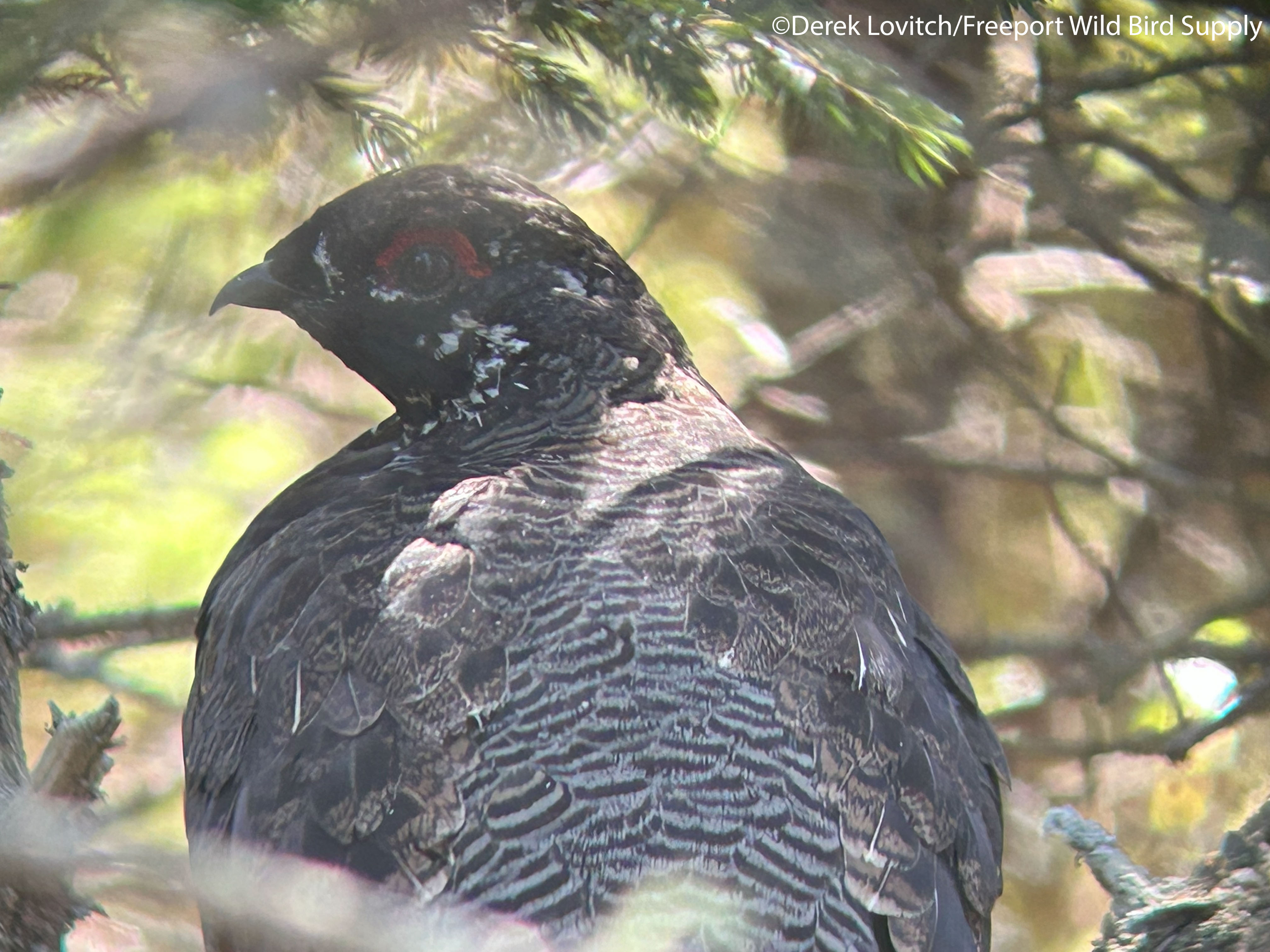
1 Spruce Grouse and 25 nearshore Razorbills, Great Wass Island, Jonesport, 9/4 (with Jeannette).
An great count of 6 FORSTER’S TERNS foraging together in The Pool from the Hill’s Beach side, 9/7.
3 adult Lesser Black-backed Gulls, Hill’s Beach, Biddeford, 9/7.
1 adult and 1 2nd cycle Lesser Black-backed Gull, Biddeford Pool Beach, 9/7.
Recent forays yielded a decent 21 species of shorebirds this period, with my high counts over these past 10 days being the following. With the progressing season and other priorities and destinations, this will be my last shorebird high count report for the year.
American Oystercatcher: 5, Hill’s Beach, Biddeford, 9/7.
Black-bellied Plover: 179, The Pool, Biddeford, 9/7.
AMERICAN GOLDEN PLOVER: 2, Winding Brook Turf Farm, Lyman, 9/7, plus singles at: Eastern Road Trail, Scarborough Marsh, 9/5 and Hill’s Beach, 9/7.
Killdeer: 13, Crystal Spring Farm, Brunswick, 9/7.
Ruddy Turnstone: 15, Biddeford Pool Beach, Biddeford, 9/7.
Red Knot: 2 juveniles, The Pool, 9/7.
Sanderling: 112, Biddeford Pool Beach, 9/7.
Least Sandpiper: 125, Lubec Bar and Flats, 9/3 (with Beth Edmonds, Dan Nickerson, Cynthia Phinney, and Jeannette).
White-rumped Sandpiper: 26, Biddeford Pool Beach, 9/7.
Pectoral Sandpiper: 3, Eastern Road Trail, 9/5.
Semipalmated Sandpiper: 1800-2000, Biddeford Pool Beach, 9/7 with an honorable mention of 1500, Lubec Bar and Flats, 9/3 (with Brandon Baldwin, Shenna Bellows, Beth Edmonds, Dan Nickerson, Cynthia Phinney, and Jeannette).
WESTERN SANDPIPER: 1 juv, Eastern Road Trail, Scarborough Marsh, 9/5.
Short-billed Dowitcher: 14, The Pool, 9/7.
Spotted Sandpiper: 8, Sabattus Pond, 8/31.
Solitary Sandpiper: 1, multiple locations this week.
For the last 13 summers now, hybrid herons have occurred in Scarborough Marsh, with one individual continuing this summer. Likely also present last summer, this bird is significantly darker on the neck and back than the only bird present from about 2021 to 2023, possibly suggesting yet another backcross (Gen 4?) with Tricolored Heron (especially when observed with its breeding plumes earlier in the summer). It does appear quite similar to my proposed 2nd or 3erd generation Tricolored Heron x Snowy Egret x Little Egret that was present from 2016 to at least 2020, so it could possibly by the same bird (Labeled 3A in my article Hybrid Herons of Maine from my North American Birds article in 2021, Volume 72, Number 3. At this point, I believe the hybrids are best described as “Tricolored Heron x small white Egretta species,” or, “Patches” as I dubbed it and most birders refer to it now. Whatever it is, this year’s individual cooperated for me along the Eastern Road Trail on the 26th.
It was another busy period for me, with most of my mornings spent only birding our property before work. Luckily, the yard has been fantastic as it turns out to be this time of year, with a nice variety of migrants, and lots of local breeders fattening up on our plentiful Black Cherry trees. Some of the migrants detected this week included a Prairie Warbler on 8/19, a Swainson’s Thrush on 8/20, Canada Warbler on 8/21, Cape May Warbler 8/24-25, a single Common Nighthawk at dusk on 8/26, and a BLUE-GRAY GNATCATCHER on 8/27.
Otherwise, it was a weekend trip to Bar Harbor and a shorebird little-big day on the 26th that kept me going, with the following observations of note over the past 10 days.
1 continuing COMMON GALLINULE, Essex Marsh, Bangor, 8/22 (with Bill Thompson).
The big adventure this week was the 12-hour pelagic/whale watch out of Bar Harbor with Flukes and Bar Harbor Whale Watch Co to Cashes Ledge in the Gulf of Maine. I’ll leave the complete checklist to others, but my highlights from the trip were the total of 33* Leach’s Storm-Petrels, repeated great view of a total of 15* Pomarine Jaegers, the feeding frenzy of Wilson’s Storm-Petrels (day total of 1,573*) at Ammen Ledge, and the scattered flocks of Red-necked Phalaropes.
Pomarine Jaeger (above) and Great Shearwater (below)
2 Horned Grebes (oversummering or really early?) and 2 Red Crossbills, Hollingsworth Trail, Petit Manan NWR, Steuben, 8/24 (with Bill Thompson).
2 FORSTER’S TERNS, The Pool, Biddeford Pool, 8/26.
2-3 continuing adult RED-NECKED GREBES, Ocean Avenue, Biddeford Pool, 8/26.
1 continuing postulated TRICOLORED HERON X SMALL WHITE EGRETTA SPP, aka “Patches,” Eastern Road Trail, Scarborough Marsh, 8/26. Photo and notes above.
Fueled by a 19 shorebird species day on the 26th, I tallied 22 species of shorebirds this week, with my high counts over these past 10 days (see last week’s post for explanation) being the following:
American Oystercatcher: 7 (4 ad, 3 juv), Hill’s Beach, Biddeford, 8/26 (with Noah Gibb and Stacey Huth).
Black-bellied Plover: 156, The Pool, Biddeford Pool, 8/26.
Killdeer: 46, Crystal Spring Farm, Brunswick, 8/25.