Category Archives: Birding in Maine

A MEW GULL in Thomaston!

On August 3rd, Don Reimer found Maine’s Third State Record of a Mew Gull in a parking lot in Thomaston.  While it was seen in the area for most of the day, it was not seen by anyone on the 4th – myself included – despite extensive searching.  However, a few days later, Don relocated it, and it has been seen regularly since, although it is not always in the same place at the same time, and it seems to feed somewhere unknown at low tide.

After returning from Hawai’i on Friday, I was happy to see the bird has kindly awaited my return.  Today was the first chance I got to head over, and at 7:45 I met Kristen Lindquist in the parking lot behind downtown Thomaston.  Kristen was studying about 30 Ring-billed Gulls in the parking lot until a birder drove by and flushed them.  Apparently, a few gulls from rooftops and/or a nearby field joined the flushed birds, and as they settled back down or flew off, I noticed a single, seemingly darker gray bird sitting atop a basketball hoop in the adjacent playground.

And sure enough!   I snapped a few phone-scoped images, including this one.
IMG_1357

Boy, that was easy, for us anyway (the gull is hard to see atop the basketball hoop here)!

MEGUonHoop, with Big CrankyDSC_0009_MEGU_on_hoop1

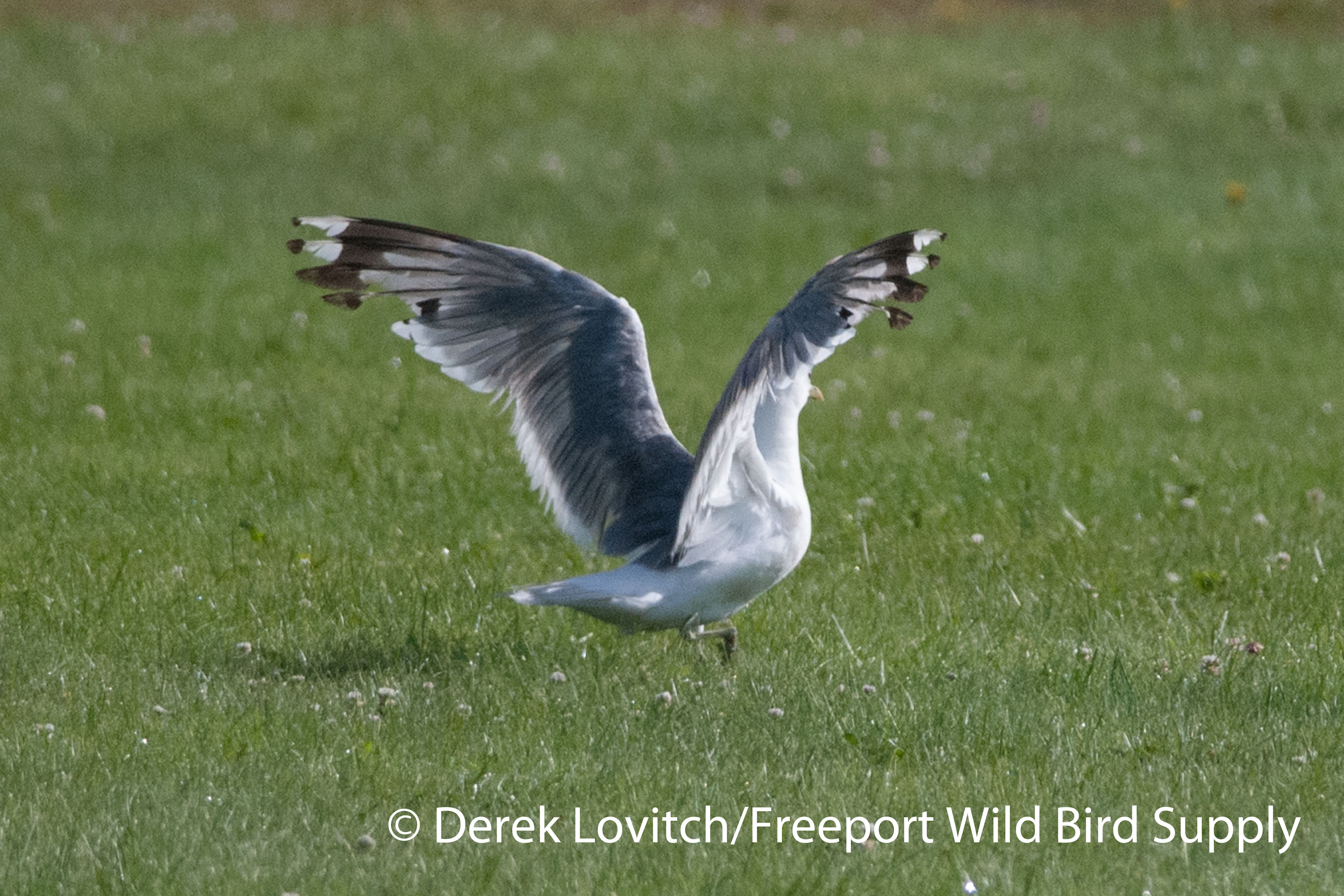
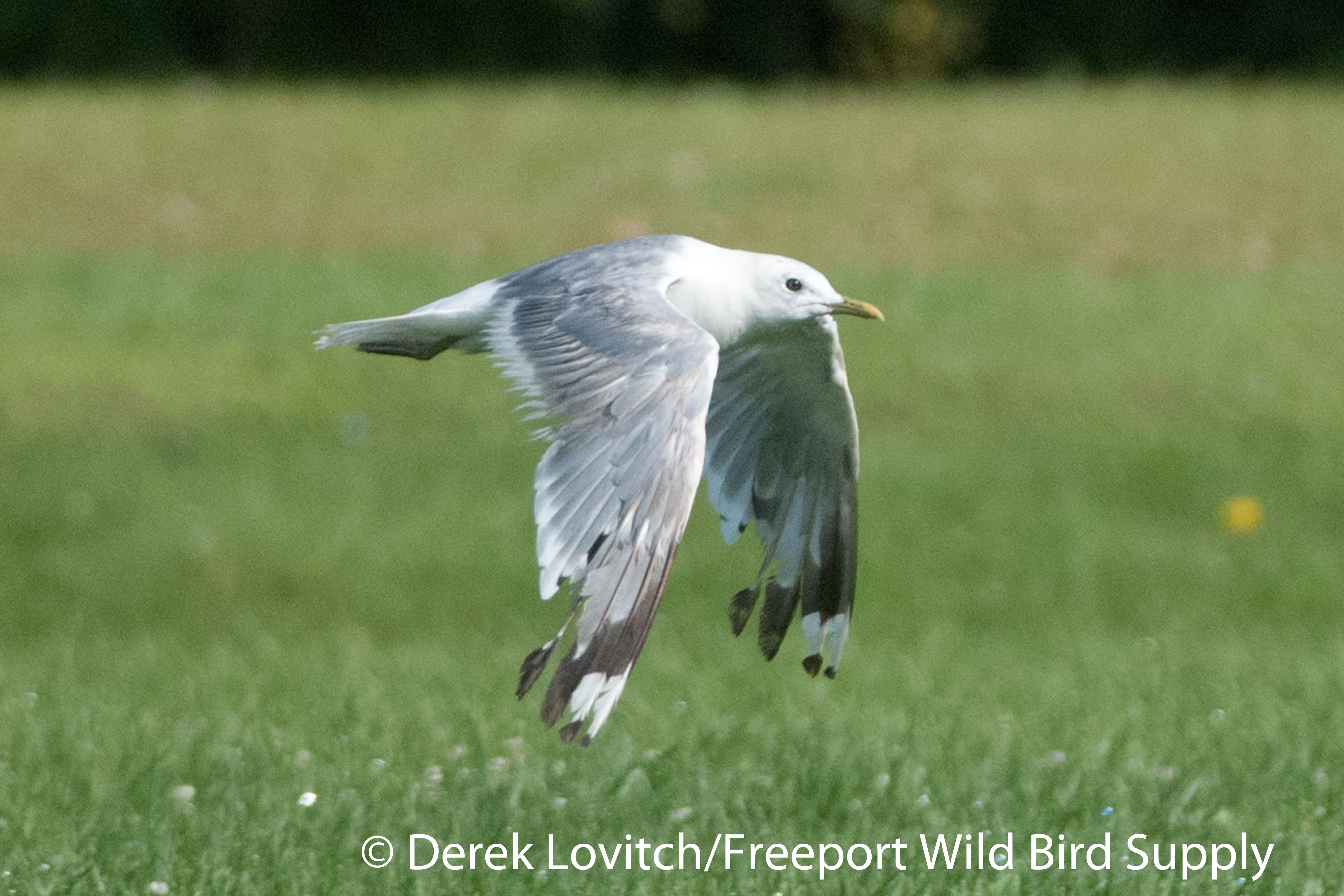
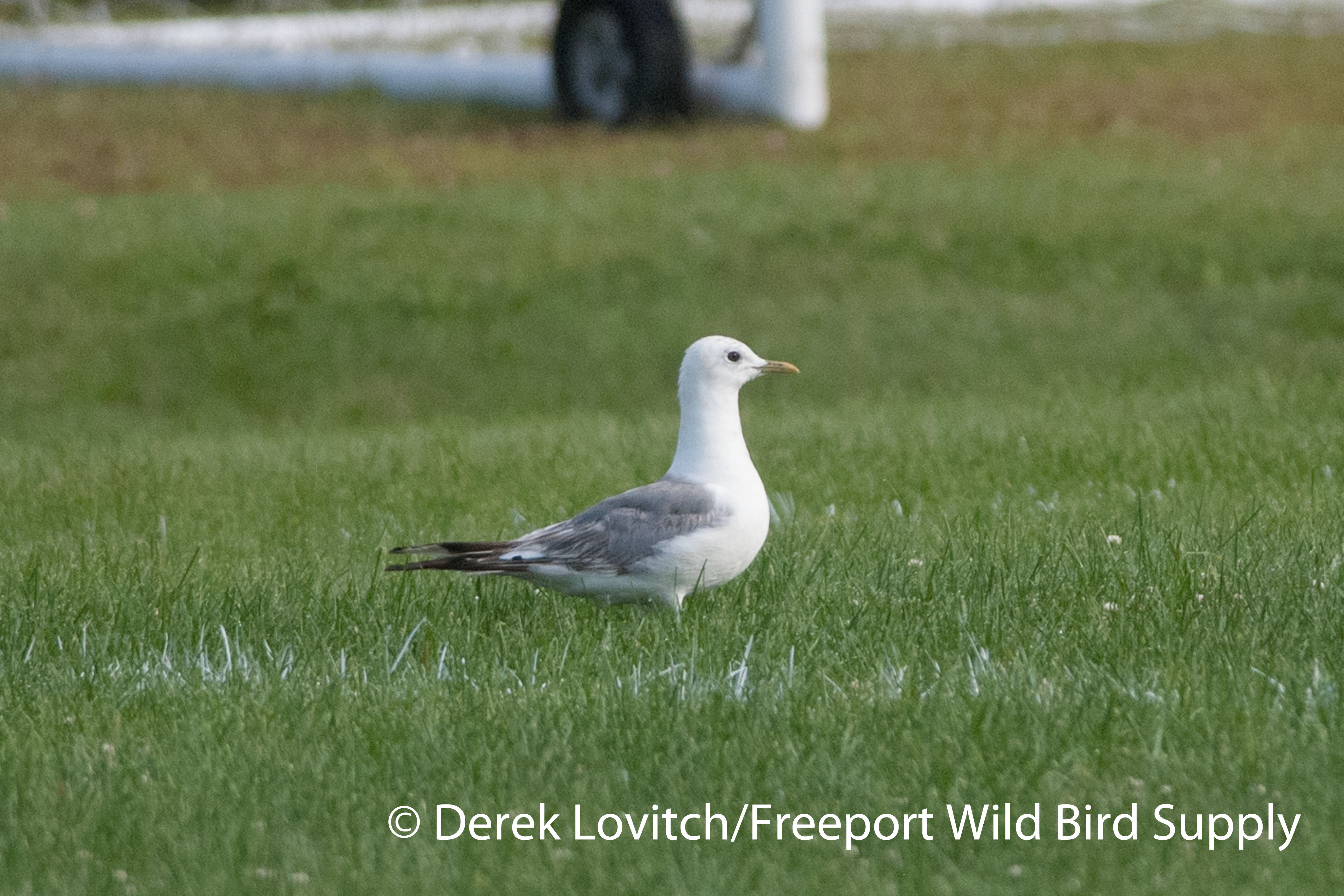
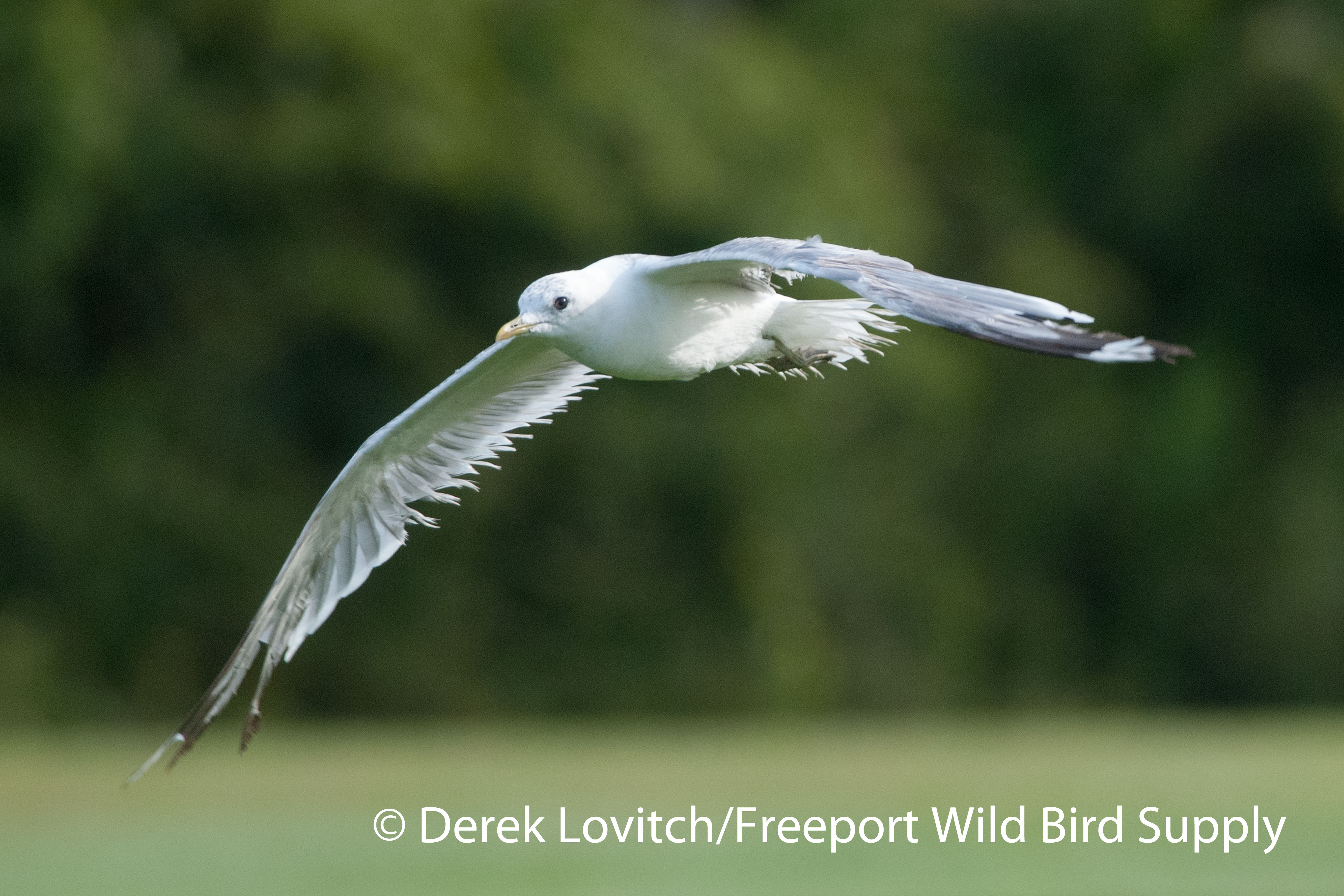
A short while later, it flew to a nearby field next to the Oceanside High School.  There, a jogger was doing laps around the track.  Although the bird was never too perturbed by this, it did fly a short distance when the jogger would be a little too close for comfort.  This afforded me a perfect opportunity for exactly what I wanted: flight and spread-wing photos. Shortly thereafter, it flew off the field and onto the roof of the elementary school where we left it at about 9:00.

(Click on the photos for a larger image)
DSC_0020_MEGU_upperwing2 DSC_0020_MEGU_upperwing3 DSC_0024_MEGU_upper_and_underwing1 DSC_0024_MEGU_upper_and_underwing2 DSC_0024_MEGU_upper_and_underwing3 DSC_0024_MEGU_upper_and_underwing4 DSC_0032_MEGU_in_field1 DSC_0032_MEGU_in_field2

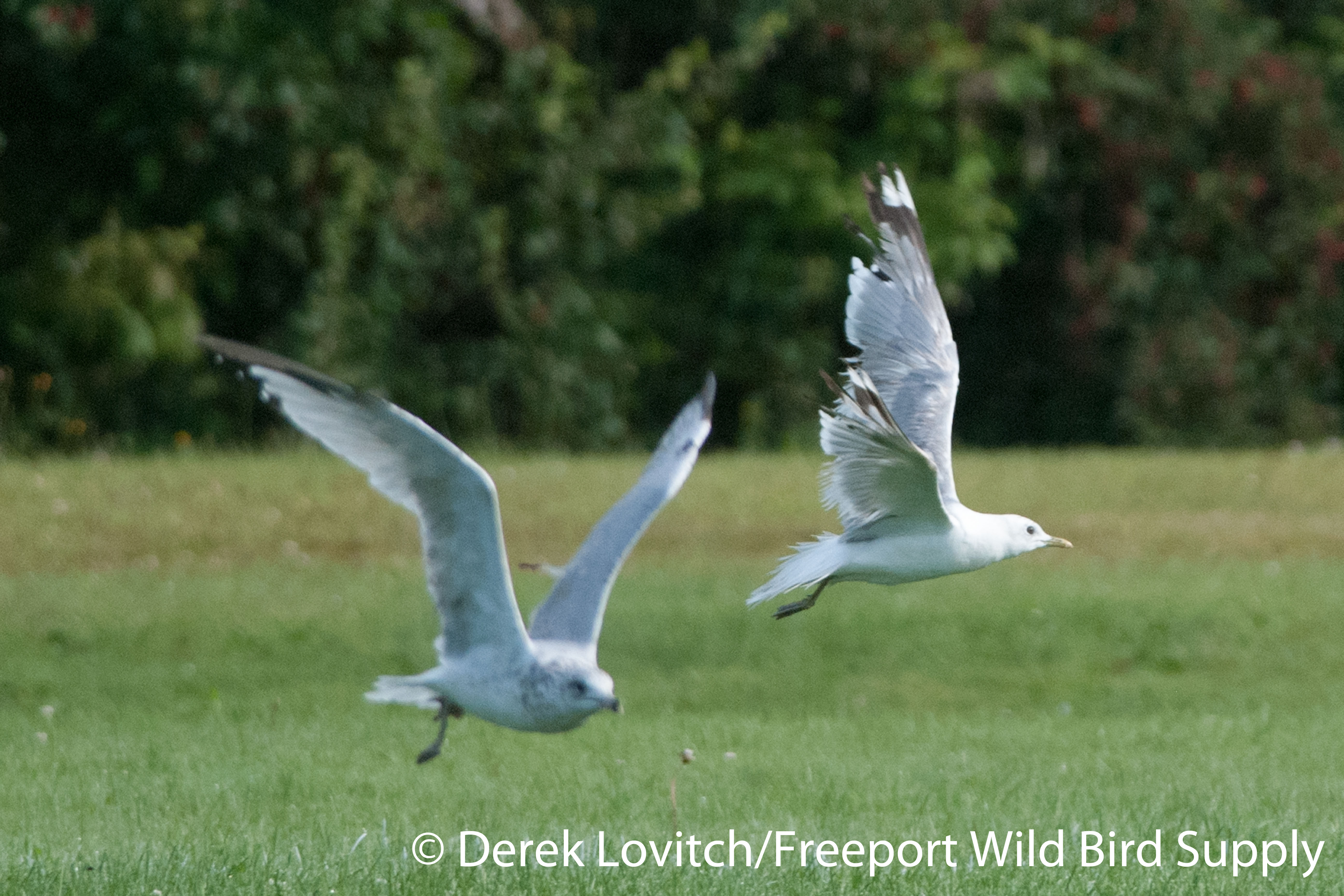
Side-by-side with a Ring-billed Gull:
DSC_0037_MEGU_and_RBGU2 DSC_0037_MEGU_and_RBGU3

DSC_0045_MEGU_flight1 DSC_0045_MEGU_flight2

So, what is this?  Other than a big, fat, mess?

It’s definitely a bird in the Mew Gull (Larus canus) Complex, which here in the States, we refer to as composing four subspecies. There’s “Mew Gull,” L.c.brachyrhynchus that is common in the west, breeding from Alaska to extreme northwestern Manitoba and south through the coast of British Columbia, and wintering along the Pacific Coast from Washington into Baja California.  However, vagrants that have been recorded on the Eastern Seaboard have mostly (I believe) been assigned to the expanding European population, L.c.canus, or “Common Gull.”  There’s also the “Kamchatka Gull” (L.c. kamtschatsensis) of the Russian Far East that is a regular rarity in Western Alaska, with  perhaps a few claimed elsewhere on the continent (I am vaguely recalling one in Massachusetts?).  Finally, there is L.c.heinei of Siberia, which may just be an intergrade between Common and Kamchatka Gulls and I am unaware of any possible records of this in North America.

In short, the European “Common Gull” actually seems to be more likely on the East Coast than the North American “Mew Gull.”  But most records are from winter, and most birds do not have a plumage as trashed as this individual.

The bird appears small to me, with a relatively thin bill (although it’s on the long side), and a relatively dark mantle, all of which would be points in favor of Mew Gull.  However, the plumage is so ravaged, that it’s hard to even age the bird.  Is it an advanced 2nd cycle, a retarded 3rd cycle, or an adult that had some really bad days?  Intermediate-aged birds in the complex are notoriously, well, complex – and very difficult, at best, to identify.

But what can we actually see?
–          Fairly broad white windows in outer two primaries (primaries 10 + 9)
–          Little to know white between the black and gray on P8 (although this is probably only of value on an adult.
–          P7 is trashed
–          Is that a new P6 growing in? (One primary is definitely missing as well, could it be P1?)
–          The four new primaries have a fairly broad white tip.
–          The legs are dull olive-y (subadult-like).
–          The bill is fairly bright yellow at the tip with an olive-y base (adult-like).
–          The tail is too trashed too look for black spots at the tip (expected in a 2nd cycle Mew Gull, but not in a Common)
–          The eye is fairly dark.

So, we have an odd time of year for a vagrant gull, and we have a trashed plumage.  Can we narrow it down to a probable subspecies?  I will be sending this blog out to those who know various members of the Mew Gull Complex better than I do, and I will let you know what I learn.  Whatever it is, I got myself a state bird today!

REFERENCE:
Howell, Steve N.G. and Jon Dunn. 2007. Gulls of the Americas. Houghton Mifflin Company, Boston/New York.
Shorebird Pseudo-Big Day

Luke Seitz and I embarked on a semi-serious “Shorebird Big Day” on Wednesday.  I say “semi-serious” because we didn’t exactly try too hard to build our list…at least not after our first stop.  Instead, we spent more time watching shorebirds, studying, and photographing them.  We still, however, tallied 14 species of shorebirds, but instead of heading inland to pick up Killdeer, Spotted Sandpiper, Solitary Sandpiper, and Upland Sandpiper, we just splashed in the water and studied dowitchers at Hill’s Beach.  It wasn’t a bad way to spend a gorgeous summer day.

We began in the morning at high tide by scouring Scarborough Marsh from the Eastern Road Trail.  If we were to have a chance at 20 species of shorebirds on the day, we would need to add a rarity or two from the pannes.  Unfortunately, high water levels from all of the recent rain minimized habitat, and shorebirds were not as plentiful as we would have preferred.  We did, however, see 2 or 3 Stilt Sandpipers, a decent bird in the summer.  Other than Greater Yellowlegs, with about 55 individuals, numbers were relatively low: 75 Semipalmated Sandpipers, 40 Short-billed Dowitchers, 25+ Least Sandpipers, 8 Lesser Yellowlegs, 3 Black-bellied Plovers, 2 Semipalmated Plovers, and 1 Willet.

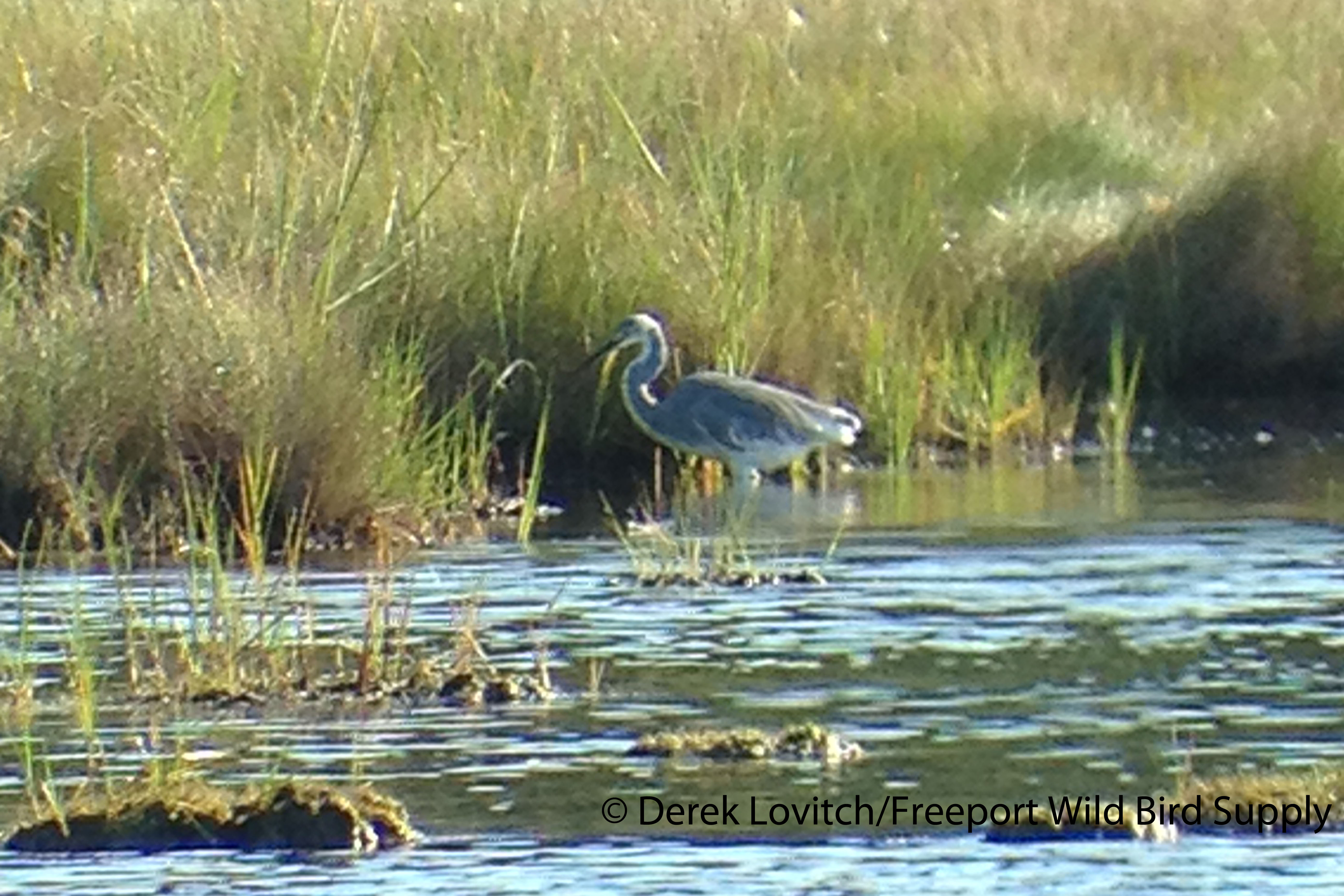
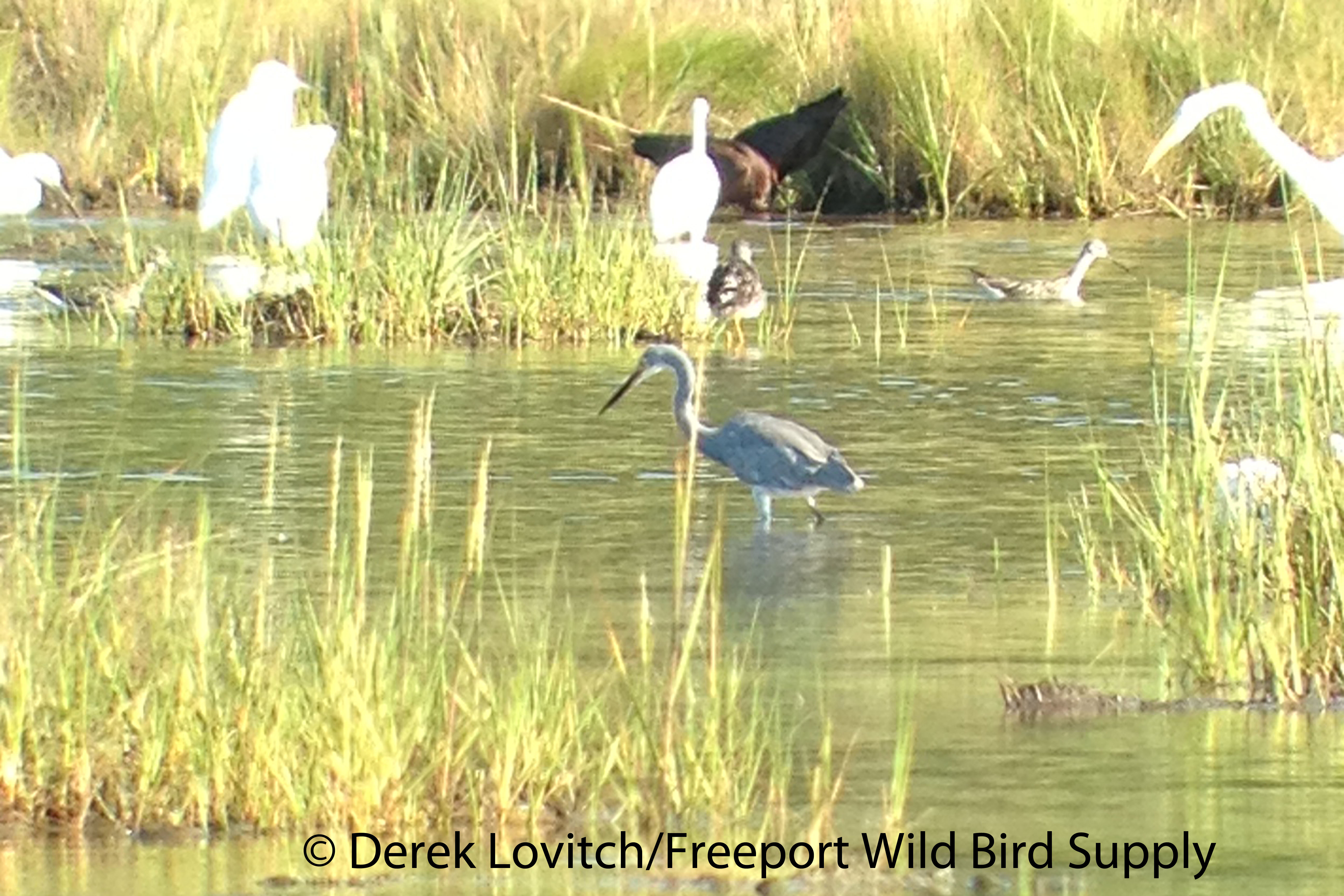
Making up for the low shorebird totals, however, were the high wading bird totals: 85 Snowy Egrets, 60 Great Egrets, 40 Glossy Ibis, 39 Little Blue Herons, and 9 Great Blue Herons.  In addition to teasing out one of the continuing White-faced Ibises and spotting the continuing full Tricolored Heron, we also saw BOTH of the presumed Tricolored Heron x Snowy Egret hybrids.  Yup, there are two of these beasties out there!

The first is the bird that has been present all summer, with a ghostly cast to an otherwise Tricolored-like pattern.  Pure white is confined to the belly, the throat, and a thin line in the foreneck.
TRHExSNEG-A1,ScarMarsh,7-31-13_edited-1
TRHExSNEG-A2,ScarMarsh,7-31-13_edited-1

However, recently, a second bird has appeared, which is very reminiscent of the first, but has some splotchy areas of white, including mostly white wingtips.  I believe I saw this bird on July 18th when I was out with a client and sans camera; I remember commenting (and my field notes confirm) that I didn’t remember so much white in the wing
TRHExSNEG-B1splotchy,ScarMarsh,7-31-13_edited-2
TRHExSNEG- B2splotchy,ScarMarsh,7-31-13_edited-1

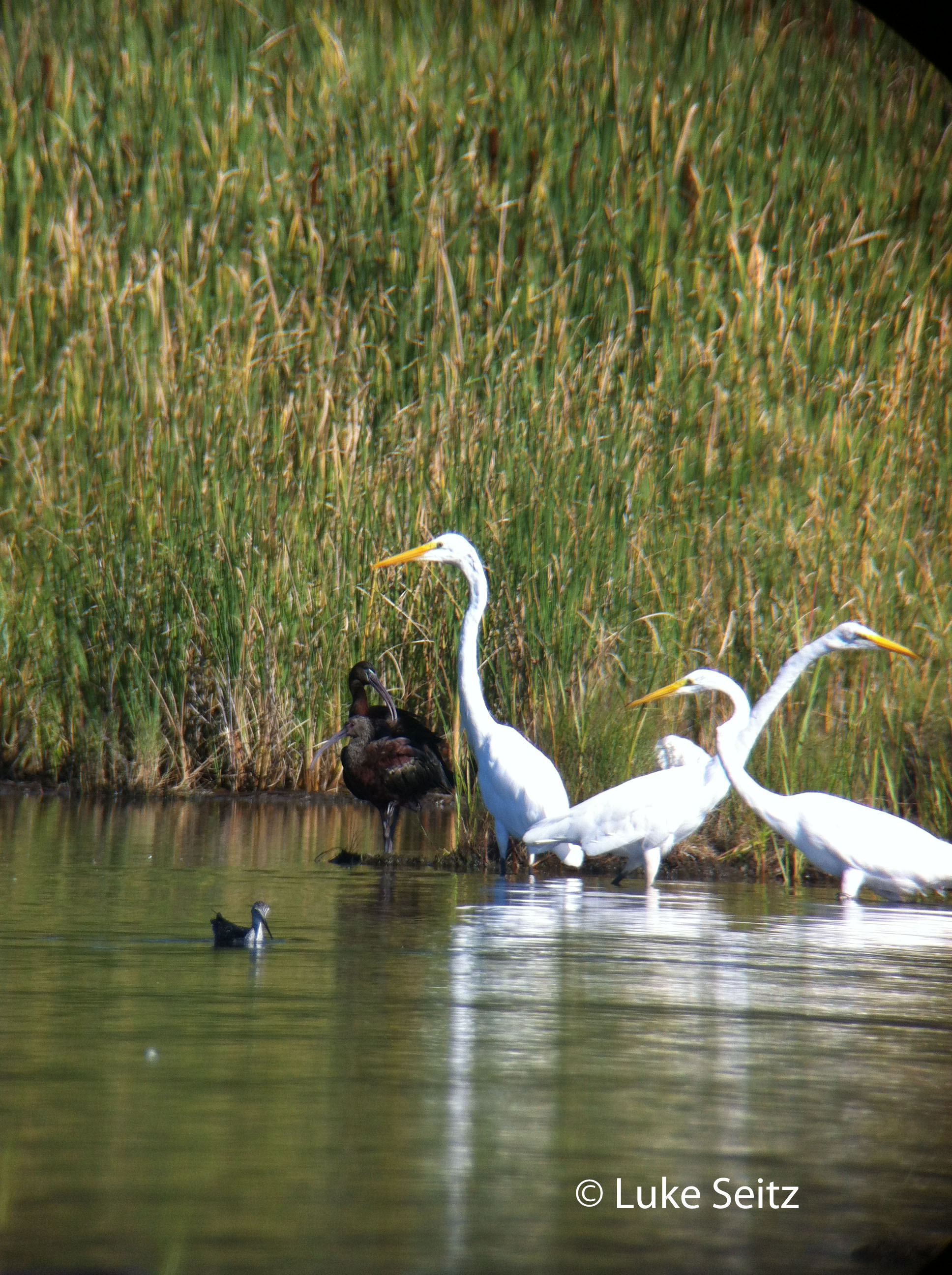
Meanwhile, it was nice to see that at least one of the White-faced Ibises continue, although at this stage of molt, it was impossible to age.  It was also not very close.  Here’s Luke’s best shot (mine were not passable at all).
WFIB_byLuke,EasternRd, 7-31-13_edited-1

After spending more time with waders and a little time of sparrows, such as this Nelson’s Sparrow…
NESP,EasternRd,7-31-13_edited-1

…we attempted to regain our shorebird focus over at Pine Point, as the tide was rolling out.  The mudflats had plenty of birds, including a few birds that would be important for a Shorebird Big Day, such as the pair – now, featuring two fledglings! – of American Oystercatchers (the only breeding pair in the state!).  We also had four Whimbrel, along with 296 Semipalmated Sandpipers, 124 Semipalmated Plovers, 25 Willets, 25 Short-billed Dowitchers, 19 Black-bellied Plovers, 3 Ruddy Turnstones, and 2 each of Lesser and Greater Yellowlegs.

But with a morning total of a mere 11 species of shorebirds, we elected for a leisurely lunch at Saco Island Deli instead of heading inland to work on our shorebird list – it is really too early in the season for a true Shorebird Big Day, but I am not sure if I have ever hit 20 in July, and since this was a day we both had a chance to get out all day together, we figured it was at least worth considering.  Anyway, on the incoming tide, we visited Hill’s Beach, where once again, we elected to forego shorebird listing for shorebird “quality” time, and therefore just spent close to three hours playing in the sand.

While the two Red Knots…
DSC_0175_REKN1,HillsBeach,7-31-13_edited-1

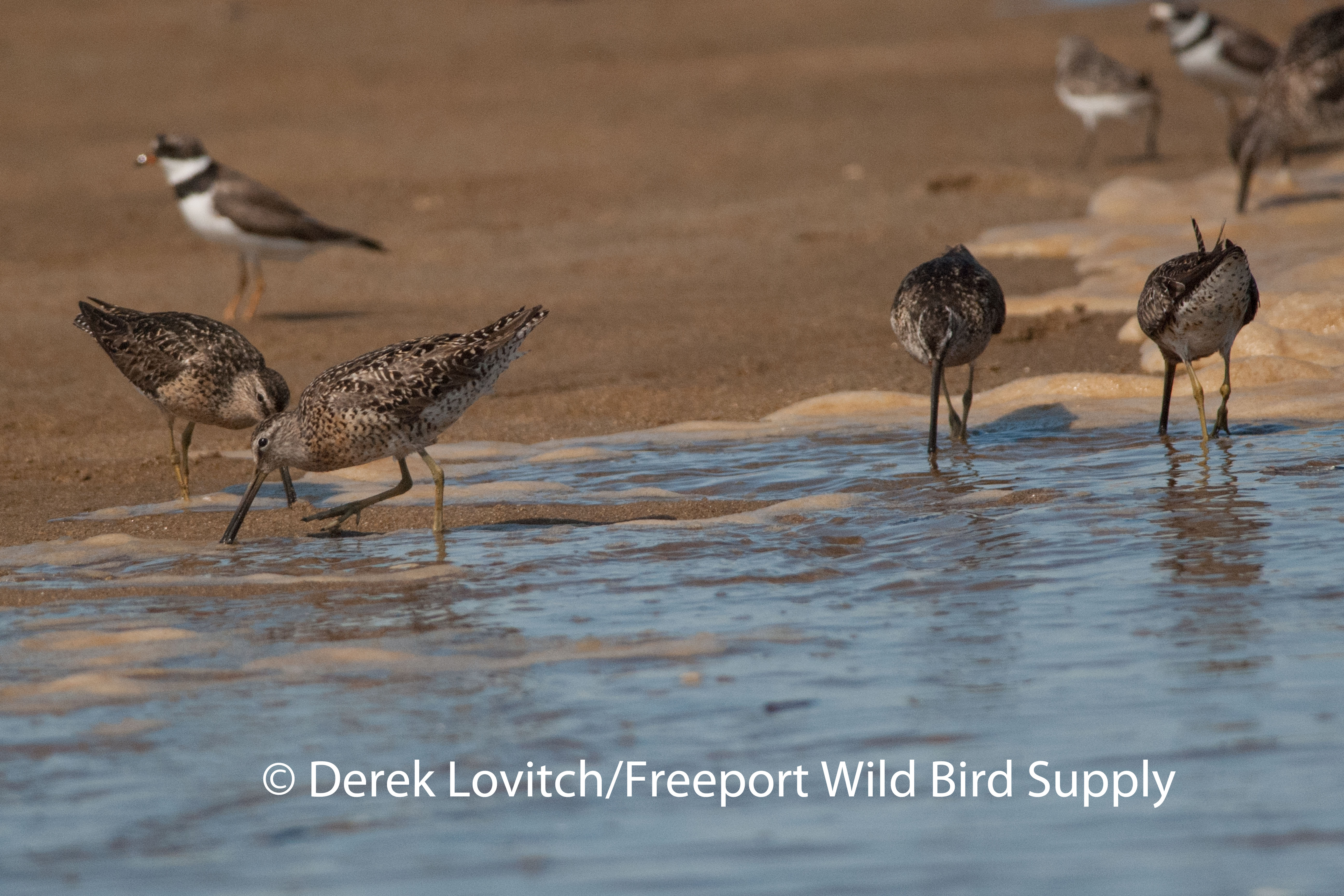
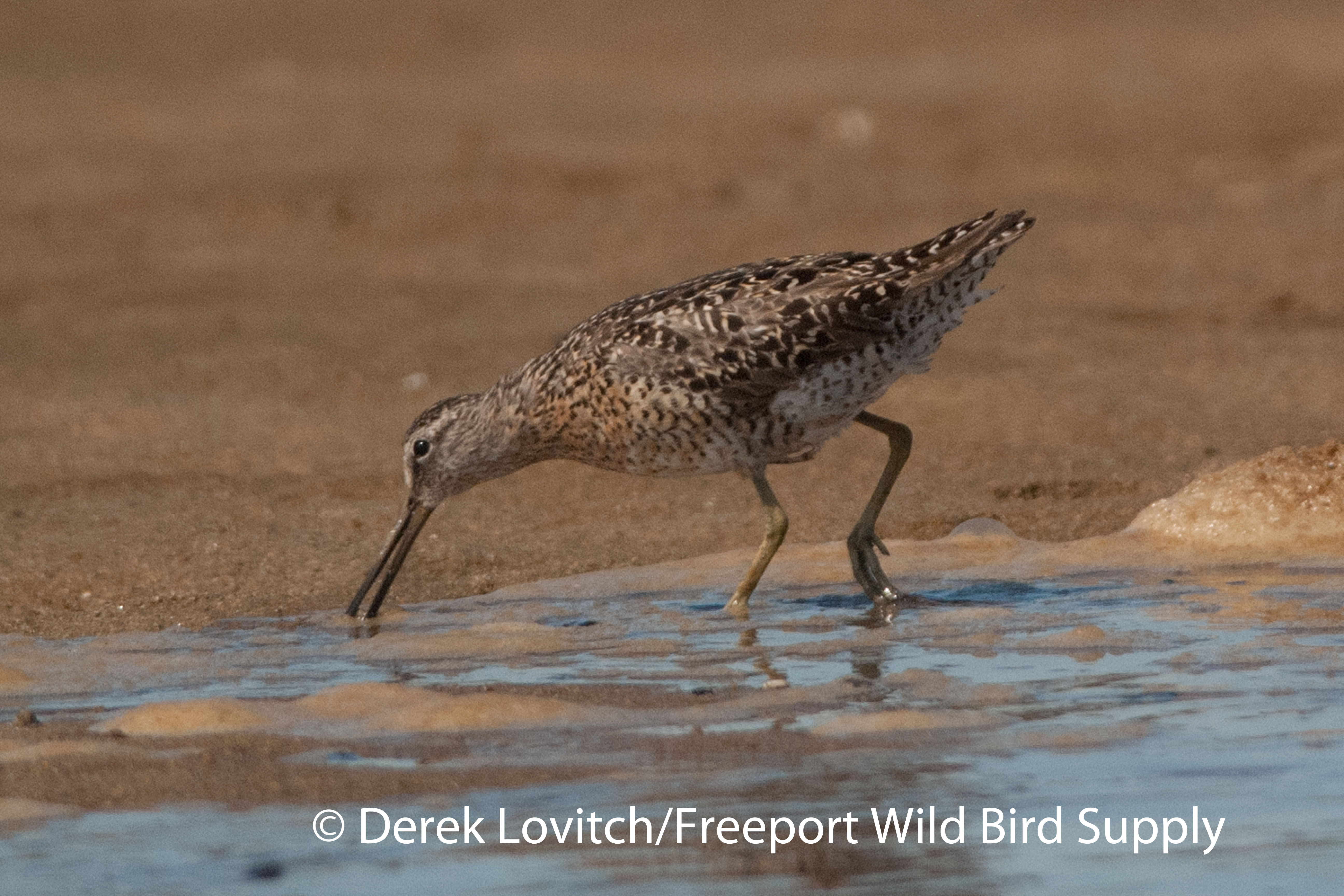
…4 Piping Plovers (a pair fledged two young here for the first time in recent memory), and 8 Sanderlings brought our count to 14 species on the day, we became distracted by photographing terns and studying dowitchers.  While our goodly count of 155 Semipalmated Plovers were augmented by about 65 Semipalmated Sandpipers, 8 Black-bellied Plovers, 4 Ruddy Turnstones, and 1 Least Sandpiper, it was the 120 or so Short-billed Dowitchers that kept our attention.

We were looking for individuals of the interior subspecies hendersonii, as I did on Sunday with Phil. (See blog and photos here:

https://mebirdingfieldnotes.wordpress.com/2013/07/28/biddeford-in-shorebird-season/).  We had what was possibly the same bright bird as Sunday (see above) fly-by, it was the paler birds that had us intrigued.
Luke on Hills, 7-31-13_edited-2

We thought the combination of a bright orange chest, and a fair amount of orange between the legs and on the undertail coverts, compared with the paler face and lightly, but distinctly spotted flanks and side (especially the side of the breast) of this bird made it look “good.”
DSC_0234_HendersoniiSBDO-pale,HillsBeach,7-31-13_edited-1

But we were pondering how extensive of color a hendersonii “needs” to have, as most of the individuals of the expected Eastern subspecies griseus, also were showing at least a touch of peachy-orange color in the undertail, etc.
DSC_0254_SBDOs,HillsBeach,7-31-13_edited-1

Here are some typical, and typically variable, griseus for comparison.
DSC_0236_SBDOs,HillsBeach,7-31-13_edited-1 DSC_0239_SBDOs,HillsBeach,7-31-13_edited-1 DSC_0250_SBDOgriseus,HillsBeach,7-31-13_edited-1

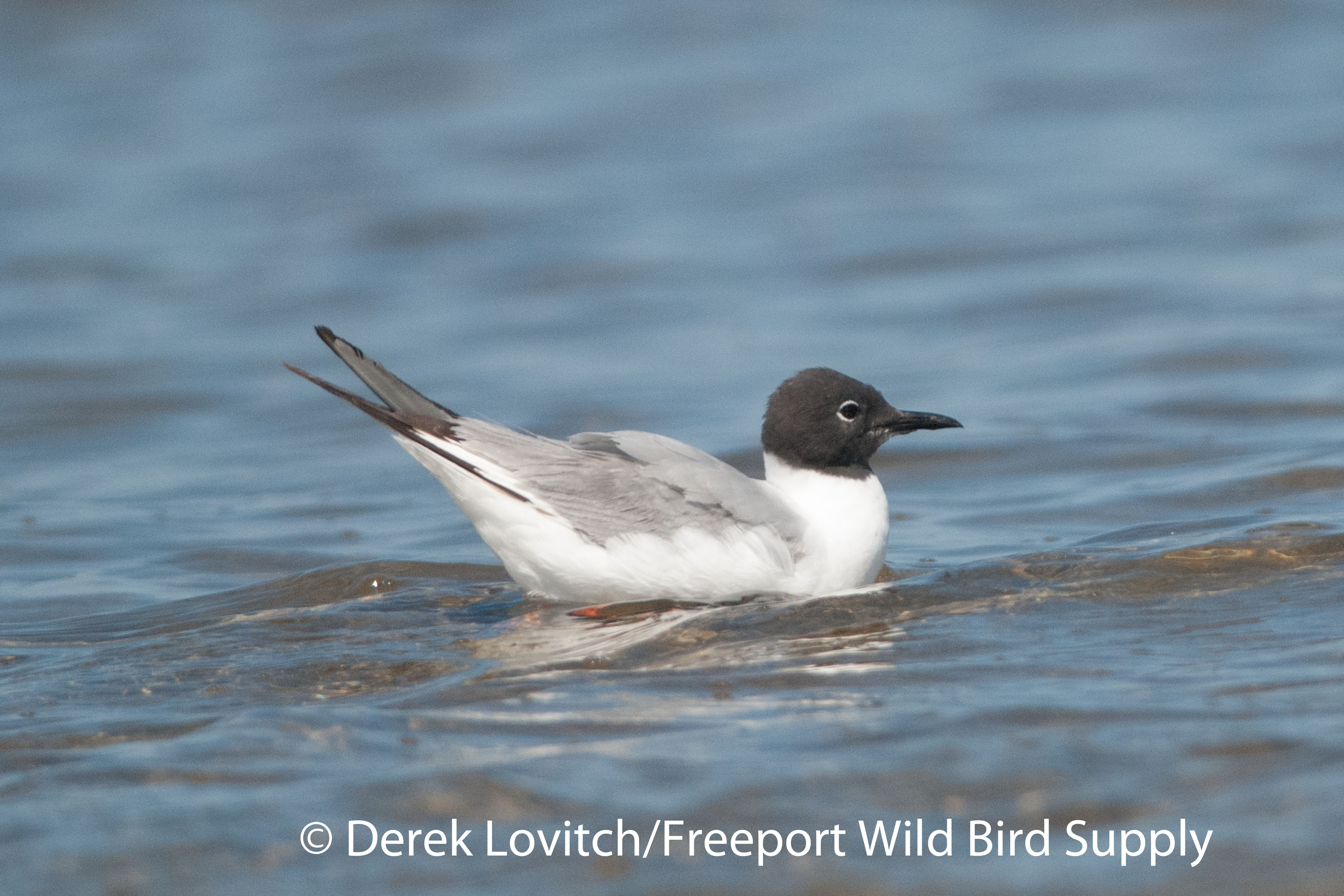
In the end, we simply said, “who knows!?”  and went back to photographing other fun stuff, such as this Bonaparte’s Gull…
DSC_0228_BOGU_HillsBeach,7-31-13_edited-1

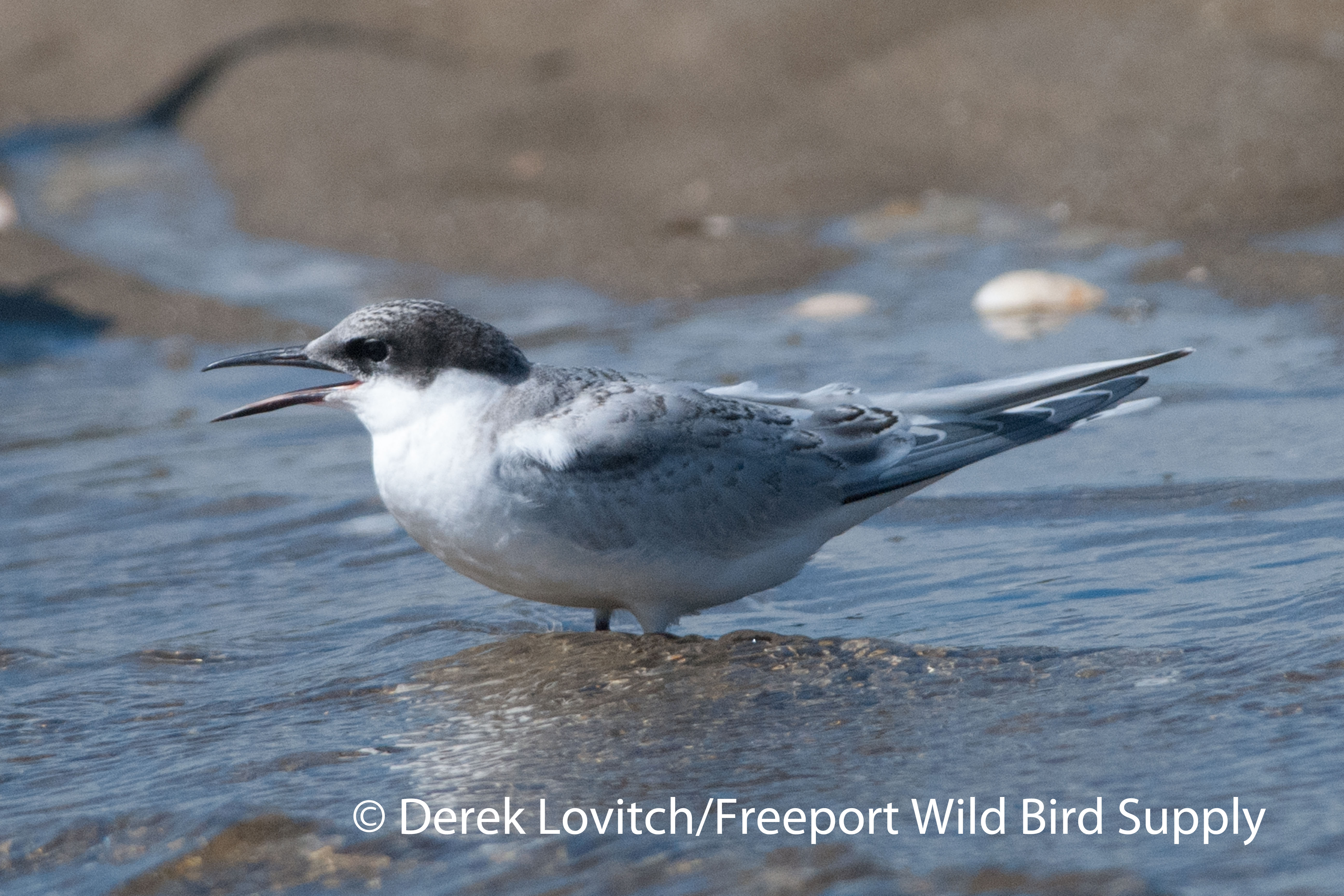
And this juvenile Roseate Tern…which was actually one of my targets to photograph today.
DSC_0218_ROST-juv1,HillsBeach,7-31-13_edited-1

Ok, so we really quit on the Big Day attempt by about 10:33 in the morning, but 14 species of shorebirds included Stilt Sandpiper, American Oystercatcher, and two hendersonii Short-billed Dowitcher, along with two Tricolored Heron x Snowy Egret hybrids, White-faced Ibis, Tricolored Heron, a mid-summer marsh Merlin (these birds have simply got to be breeding in coastal Cumberland County!), it was hardly a bad day of birding.  In fact, it was actually a spectacular day!

Biddeford in Shorebird Season

“Shorebird Season” is in full swing, and the greater Biddeford Pool area is one of the best places in the state to observe and study shorebirds.  Although numbers usually pale in comparison to the Lubec Flats and Scarborough Marsh, and diversity usually lags well behind the latter as well, the area often provides some of the best opportunities to study shorebirds, between Ocean Avenue and Biddeford Pool beach on the high tide, and Hill’s Beach at low tide.

Today, Phil McCormack and I birded the area thoroughly, beginning with viewing of the extensive mudflats of The Pool itself.  Birds were already well dispersed by the time we arrived this morning, so it was a challenge to really study and sort through the masses, but our tally was as follows:
196 Short-billed Dowitchers
~75 Semipalmated Sandpipers
57 “Eastern” Willets (plus one distant bird that may have been a “Western”)
~ 20 Black-bellied Plovers
~10 Semipalmated Plovers
4 Whimbrels (first of fall for me)
4 Least Sandpipers
2 Greater Yellowlegs
1 Lesser Yellowlegs
1 Ruddy Turnstone

At dead low, Biddeford Pool Beach was shorebird-free (which is often the case, as birds take advantage of the ephemeral mud and sand flats of The Pool and Hill’s Beach), but as we birded the neighborhood and Ocean Avenue, we picked up a few birds of note, led by 2 breeding-plumaged Red-necked Grebes.  Three Black-crowned Night-Herons and a few migrant passerines such as two Eastern Kingbirds and an Indigo Bunting were also noted.

As the tide began to turn, we headed over to Hill’s Beach, and hit it perfectly!  Here, the rapidly approaching water pushed birds towards us, and concentrated them in the highest spots for last-minute feeding.  We were able to carefully and critically sort through each individual, checking for rarities and studying variation.  Our effort turned up a few “good” birds, led by a trio of “Hendersonii” Short-billed Dowitchers (the prairie subspecies), a fairly-rare-but-regular stray to Maine.

The third bird we found, was the brightest of the lot, and was very obvious with its rufous coloration throughout its underparts.
HendersoniiSBDO1,HillsBeach,7-28-13_edited-1 HendersoniiSBDO1a,HillsBeach,7-28-13_edited-1
 (Phone-scoped Photos)

The other two were quite a bit paler, so were a little tougher to tease out.   I managed a crummy photo of one of them.
HendersoniiSBDO2,HillsBeach,7-28-13_edited-1
(Phone-scoped Photo).

Another highlight was a single adult Stilt Sandpiper, along with an adult Red Knot.  The complete tally was as follows:
119 Semipalmated Sandpipers
114 Short-billed Dowitchers (ssp griseus)
6 Black-bellied Plovers
3 SHORT-BILLED DOWITCHERS (ssp HENDERSONII)
2 Ruddy Turnstones
2 Sanderlings
2 Least Sandpipers
1 STILT SANDPIPER
1 Red Knot

So if the shorebird show was quite good, the tern show was simply great.  At least a hundred Common Terns, including many begging juveniles were present, along with at least 30 Roseate Terns.  A few Least Terns also joined the fray, including this adult standing watch on its fledgling.
LETEwFL,HillsBeach,7-28-13_edited-1
(Phone-scoped photo).

A Summer Visit to the Kennebunk Plains

It was a perfect morning at the Kennebunk Plains.  Dry, Canadian High Pressure has finally built in, dropping dew points to non-saturated-shirt levels.  A light northerly breeze was just enough to keep bugs at bay, too.

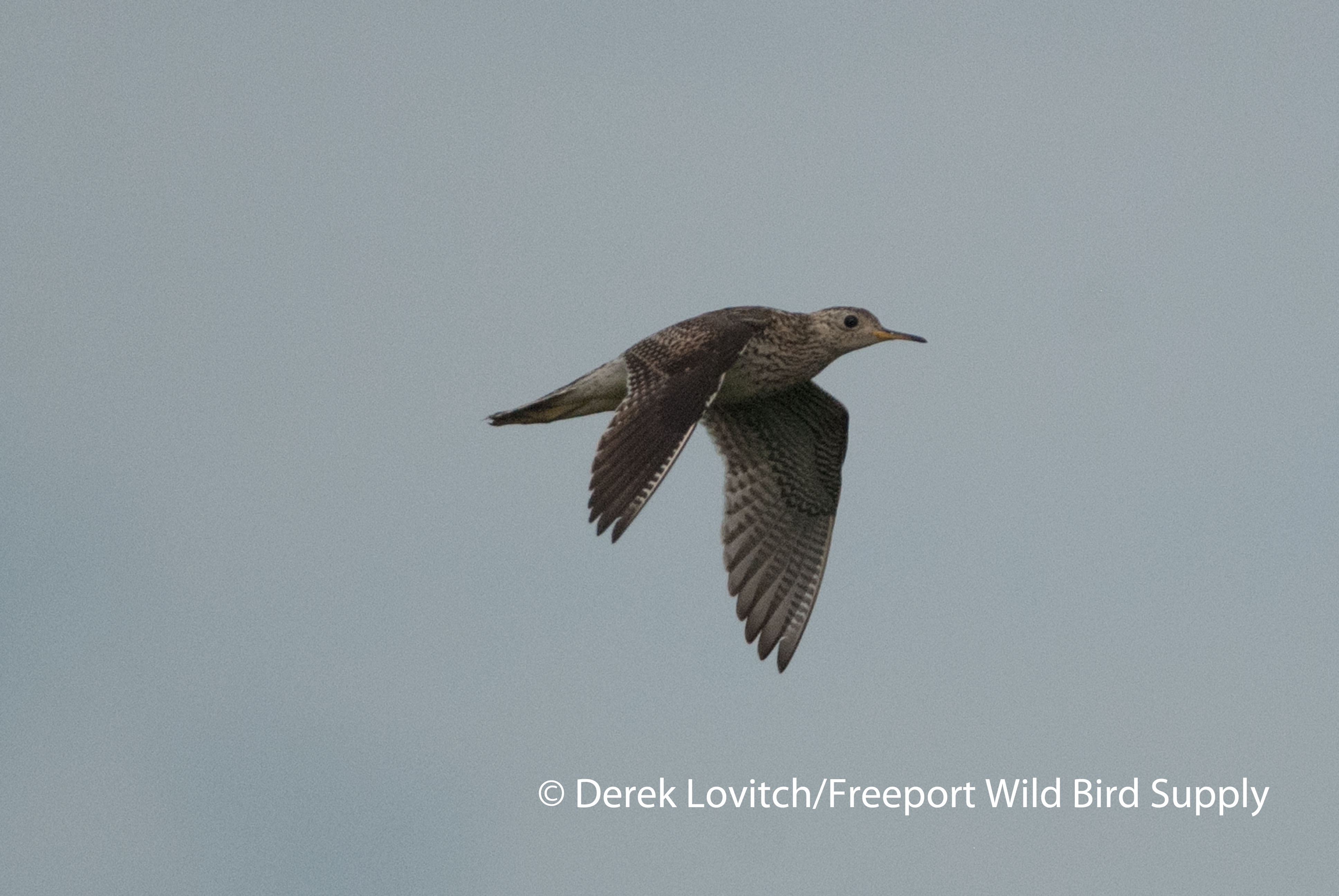
Eastern Meadowlarks (10), Grasshopper Sparrows (12+), and Upland Sandpipers (4-5) were particularly conspicuous today.  All of the other regular Plains denizens, from Field and Vesper Sparrows to Prairie Warblers and the pair of American Kestrels were present and accounted for, although Vesper Sparrows still seem fewer and farther between here this year.  Unfortunately, no sign of the Clay-colored Sparrow today.

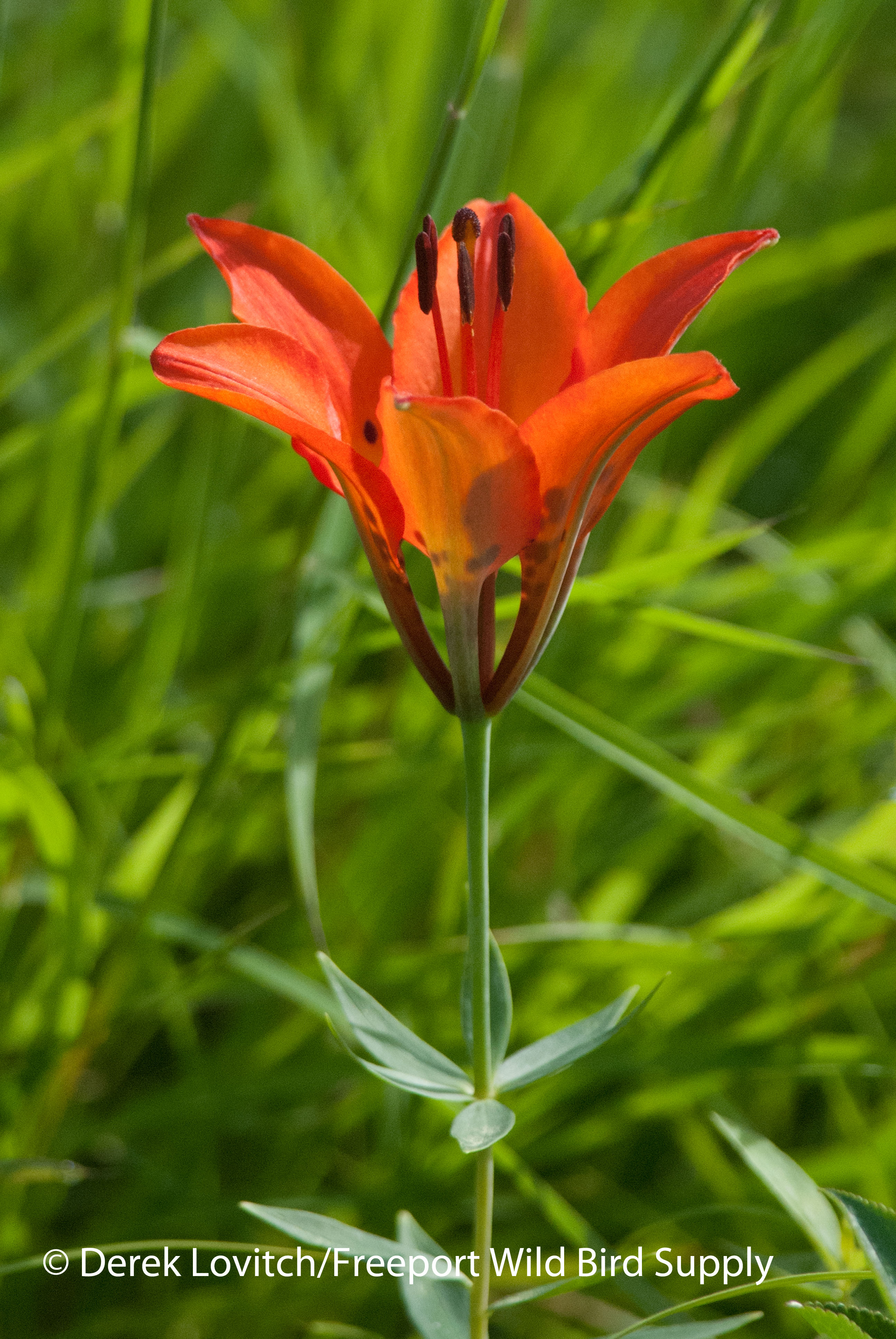
Wood Lilies were in full bloom…
Wood Lily, KennyPlains,7-12-13

…and the first few Northern Blazing Stars were beginning to bloom.
NorthernBlazingStar,KennebunkPlains, 7-12-13

But my goal of the day was to improve our collection of Upland Sandpiper images.  Although I was really hoping to see some chicks, these photos made the trip more than worth while.
UPSA1,Kenny Plains,7-12-13

UPSA2,Kenny Plains,7-12-13

UPSA3,Kenny Plains,7-12-13

And one Grasshopper Sparrow was particularly confiding.

GHSP1,KennyPlains,7-12-13

GHSP2,KennyPlains,7-12-13

EATO-Female,KennyPlains,7-12-13
Here’s a female Eastern Towhee

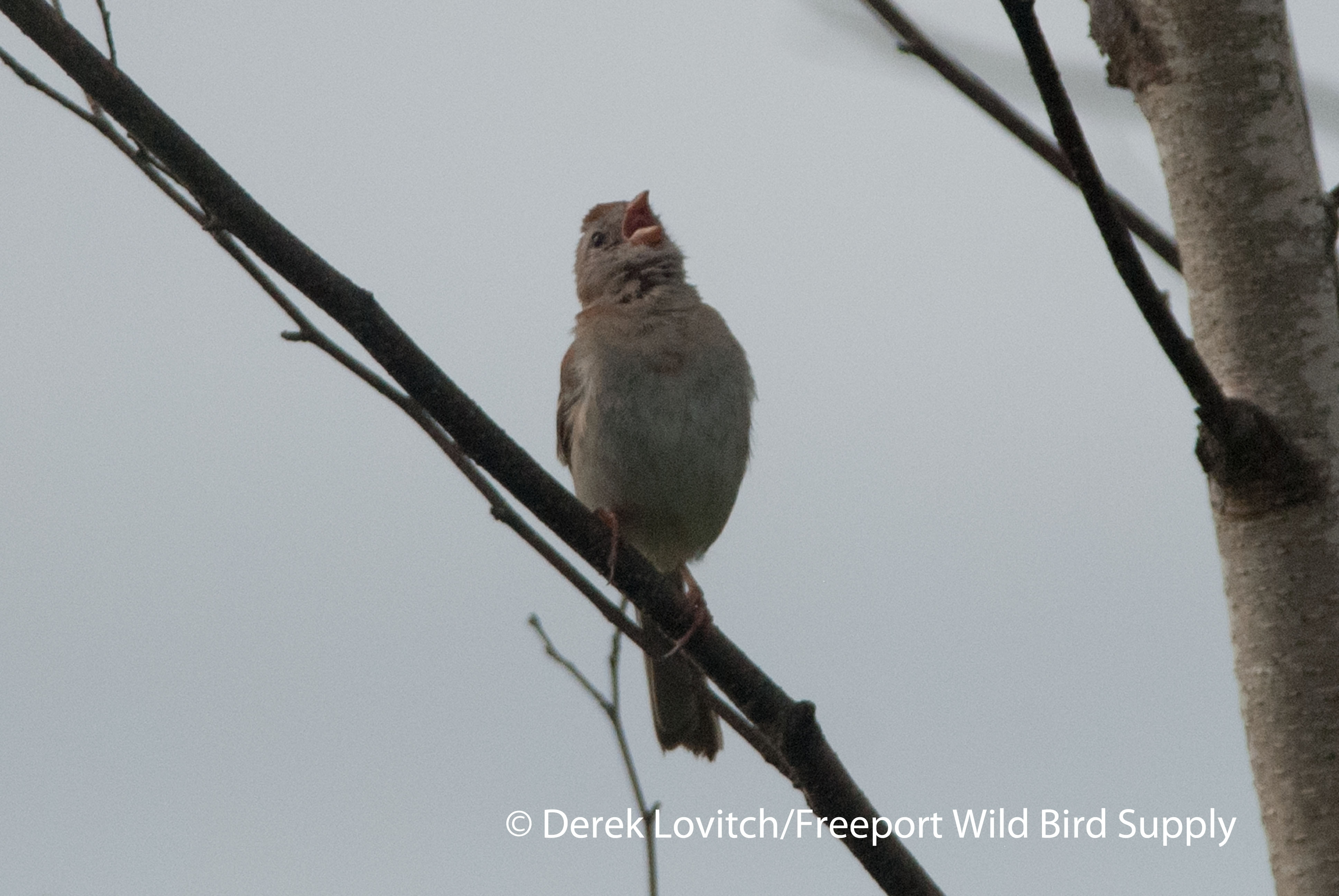
FISP,KennyPlains,7-12-13
A Field Sparrow in full song

More importantly, I always find a visit to the Kennebunk Plains to be good treatment for the birding soul, so this morning was refreshing in more ways than just the weather.

Since I was in the area, I took a swing out to the Sanford Sewerage Facility.  Not surprisingly with all of the rain of late, the water levels were very high, and therefore shorebird habitat was virtually non-existent.  There were plenty of Spotted Sandpipers, however: 14 in all, including juveniles.  Wood Ducks were even more aplenty, with a total of 45 individuals from adult males in eclipse plumage down to only-week-or-so-old downy chicks.  And the late summer flocks of blackbirds are beginning to build; about 200 Red-winged Blackbirds have already coalesced here.  Meanwhile, a Blue-gray Gnatcatcher was still present along the edge of the facility.

Lastly, I stopped in at WoodlandCemetery in Biddeford, to check on a nest I found here in early June.  After seeing a displaying pair of Merlins in the area a week or so before, I looked around for nest sites, and happened up on a perfectly-sized twig nest in a Red Pine.  Unfortunately, after three visits, it does not appear that this is an occupied nest this year – by a Merlin or anyone else.  I did have 6 Fish Crows nearby, however, as a consolation prize.