Category Archives: Bird Conservation

Portland Eviscerates Capisic Pond Park

Several years ago, I joined a group of concerned residents in working for substantial restoration of Capisic Pond Park following the necessary – and federally mandated – replacement of the sewer line that runs the length of the park. The post-construction restoration plan was essentially “spread some grass seed.”

After countless meetings, public hearings, and workshops, a plan was implemented that not only limited damage from the construction process, but improved it. Over $150,000 was spent on restoration, including extensive planting of native plants to not only beautify the park, but improve biodiversity. Birds, and the many birders who frequent this little treasure of an urban park, would benefit.

Over the years, as those plantings have slowly come into their own, and began to bear fruit (literally!), bird diversity has only continued to increase. From the continued presences of Orchard Orioles – the only breeding pair known in the state, to a wealth of migrant sparrows, to rarities (including just last month, one of only 6 or so Ash-throated Flycatchers to ever be seen in Maine) have attracted birders from far and wide.

On Monday, Jeannette and I headed to Portland to work the productive micro-habitats and micro-climates in urban areas to search for rarities, and “lingering” migrants. We began our day at Capisic Pond Park.

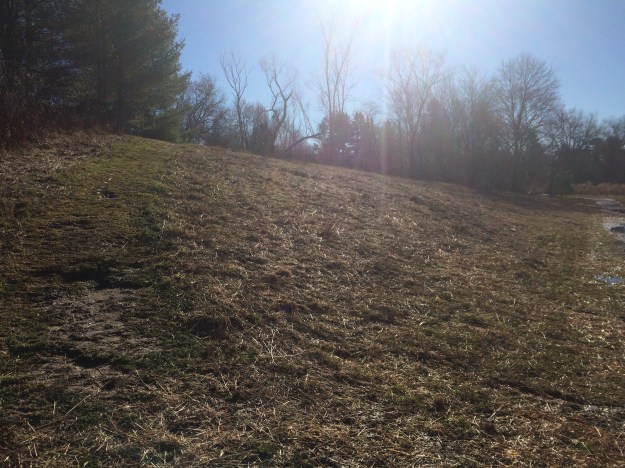
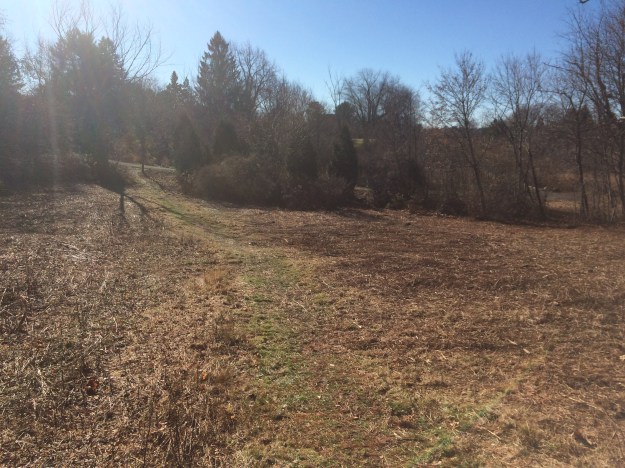
And we were greeted by this:
IMG_6887IMG_6888IMG_6889IMG_6890IMG_6891

We were appalled. We were horrified. We were saddened.

What the hell has happened?

According to the Facebook page for the Friends of Capisic Pond Park, posted on October 31st:
“Don’t be alarmed by the mowing and cutting that will be done in the first week or so of November. It is important to mow the park for several reason. First, and most important, if the small trees and brush aren’t mowed and cut periodically the meadow environment will transform (in time) into a forest. Just like the open farm fields of the 19th century that covered virtually all of Maine are now woods, Capisic Pond Park will move from field to brush to forest unless it is mown and tended. Second, regular cutting will spread seeds and improve the habitat overall. Lastly, we will again be able to see the pond (what’s left of it, anyway) and access the ice (!) during the months before everything regrows next Spring and Summer. FOCP members Donna and Steve Williams and Andy Graham met with Jeff Tarling of Public Services on Friday October 30th to walk the park and talk about what should and should not be cut – we are fortunate to have Jeff as a knowledgeable and caring partner.

“Also – if you were wondering about the trees being cut on Capisic St near the pond, this is the first preparation for the pond restoration work to be done next year. Apparently this will be an access point for the equipment needed to dredge and remove the spoils next August and September.”

This wasn’t a “haircut.” This was a clear-cut.

Quite frankly, I am left to question either the motives or the expertise behind the decisions that were made – at least beyond the third rationales listed: “…we will again be able to see the pond.” And the reason I question whether that clear-cutting had anything to do with anything other than what site-lines some people preferred seems simple as the other reasons given are complete B.S.

1) Cutting is not necessary to spread seeds. Plants are built to do that on their own, either through wind, animals, or gravity.
2) Improve habitat? Granted this depends on what habitat you are trying to improve, but I would argue that this type of mechanized treatment did not in any way improve habitat for much of anything at Capisic. In fact, it damaged or even ruined the habitat for most of the species that frequent the park.
3) Selective cutting, girdling, or other low-impact methods are widely available to eliminate forest succession, especially on a scale as small as Capisic. Almost any other treatment would substantially improve and augment habitat, not ravage it. And that goes for the aesthetics, too – the place is a mess right now.

So I fail to see what was accomplished here, other than opening up some views or fitting in with some outdated philosophy that parks should be open. Actually, what was accomplished was that the value of Capisic Pond Park to most migratory (just about all passage warblers), breeding (including both Baltimore and the famous Orchard Orioles) and year-round resident species (i.e. Northern Cardinals) was severely, and very negatively, impacted.

The significant improvement in food source diversity (especially for frugivores) from the park’s restoration was set back by a decade – or permanently if native plants are not replaced and restored. This heavy-handed, unselective approach favors invasive species, as they out-compete regenerating natives. If left alone, Capisic will end up with significantly more Asiatic Bittersweet, bush honeysuckle, and Multiflora Rose after this misguided effort. Limited biodiversity begets limited biodiversity.

And we’ve seen this throughout the city, for example, the Eastern Promenade, where – despite the efforts of a handful of local residents attempting to stem the tide of invasives – city mismanagement continues to accelerate their spread and the degradation of the habitat. Portland has already ruined (for birds and birders) the “Dragon Field” (behind the Quarry Run Dogpark), annihilated critical migratory bird habitat along West Commercial Street and wiped out any shelter of any sort along the Fore River Parkway Trail, and continues to assault any sort of cover in roadside edges and overgrown lots (all critical for disoriented and exhausted migrants, and “pioneers” that are attempting to overwinter after possibly becoming “stuck” in the city. Portland stood by as Evergreen Cemetery had a road plowed through it and neglect continues to degrade the pond areas – despite being the most-visited birding location in that state. See a pattern here?

And through all this, little ol’ Capisic Pond Park stood as the lone bastion of hope. Residents, birders, engineers, and city officials came together to not only restore the park after the sewer reconstruction, but actually improve the habitat for migratory and resident birds. And birders have been reaping those dividends, as improved plant diversity continues to provide a greater array of native foodstuffs as the replanted vegetation matures. And that has meant more birds.

I was proud of what was accomplished at Capisic Pond Park. I – and many others – worked tireless to make that happen. A lot of time, effort, dedication – and yes, a substantial amount of money – was invested.

And then, with a few passes of a brush-hog mower, it was gone. All of that time, effort, dedication, money, and concern, wasted. Just like that. Poof.

I’m sickened by what I saw at Capisic Pond Park on Monday. And personally, it will be hard for me to go back. There will always be birds in the park – it’s truly an urban oasis, and some migrants will have no choice but to search for food here. However, the knowledge of how much better the bird habitat, and therefore the birding, should be will forever be a reminded to me about how much time and energy I have wasted fighting for birds in the City of Portland.

But at least I can simply go somewhere else. If you’re a bird in Portland, you’re running out of choices.

Restoring the Belgrade Purple Martin Colony.

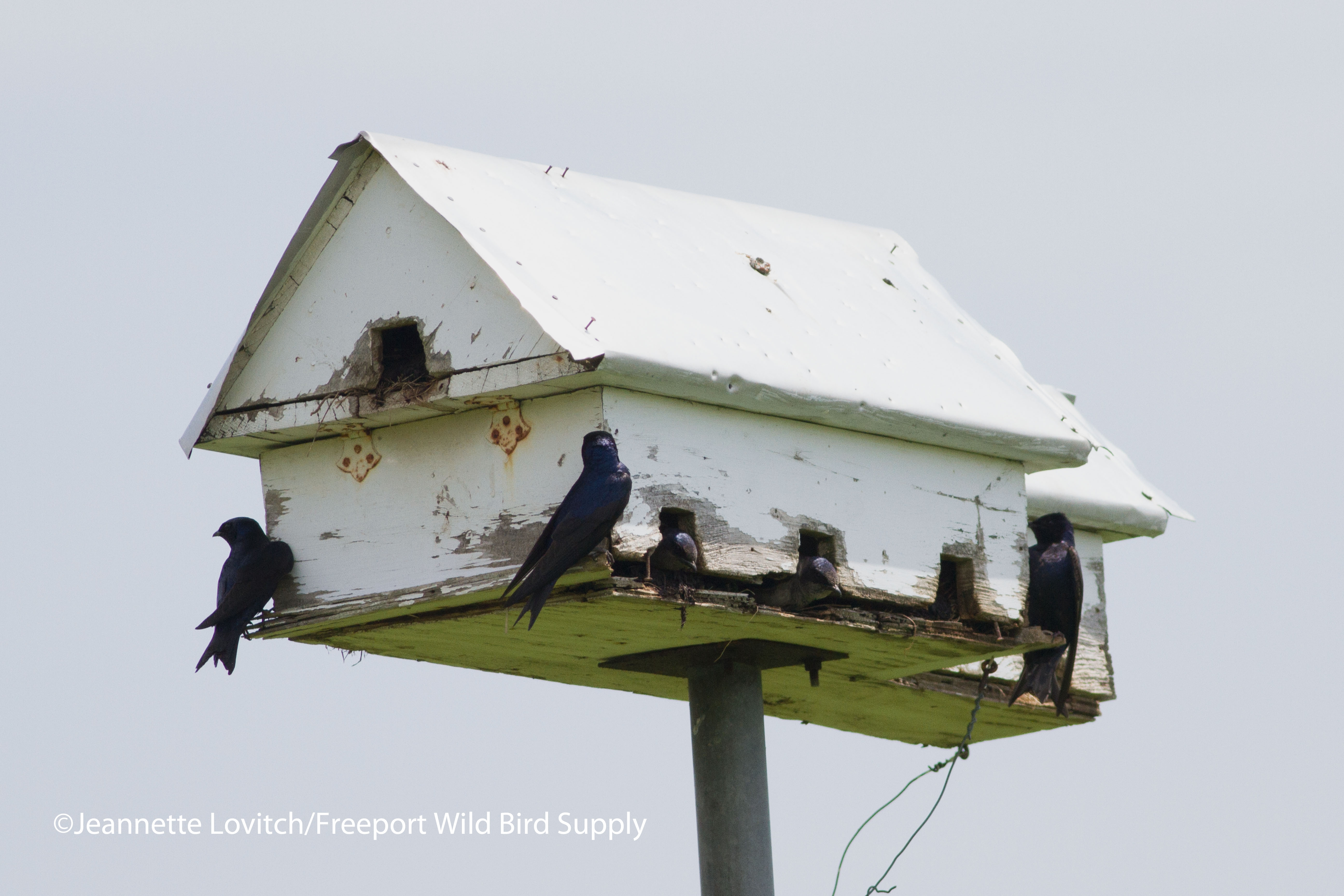
IMG_1245_edited-2

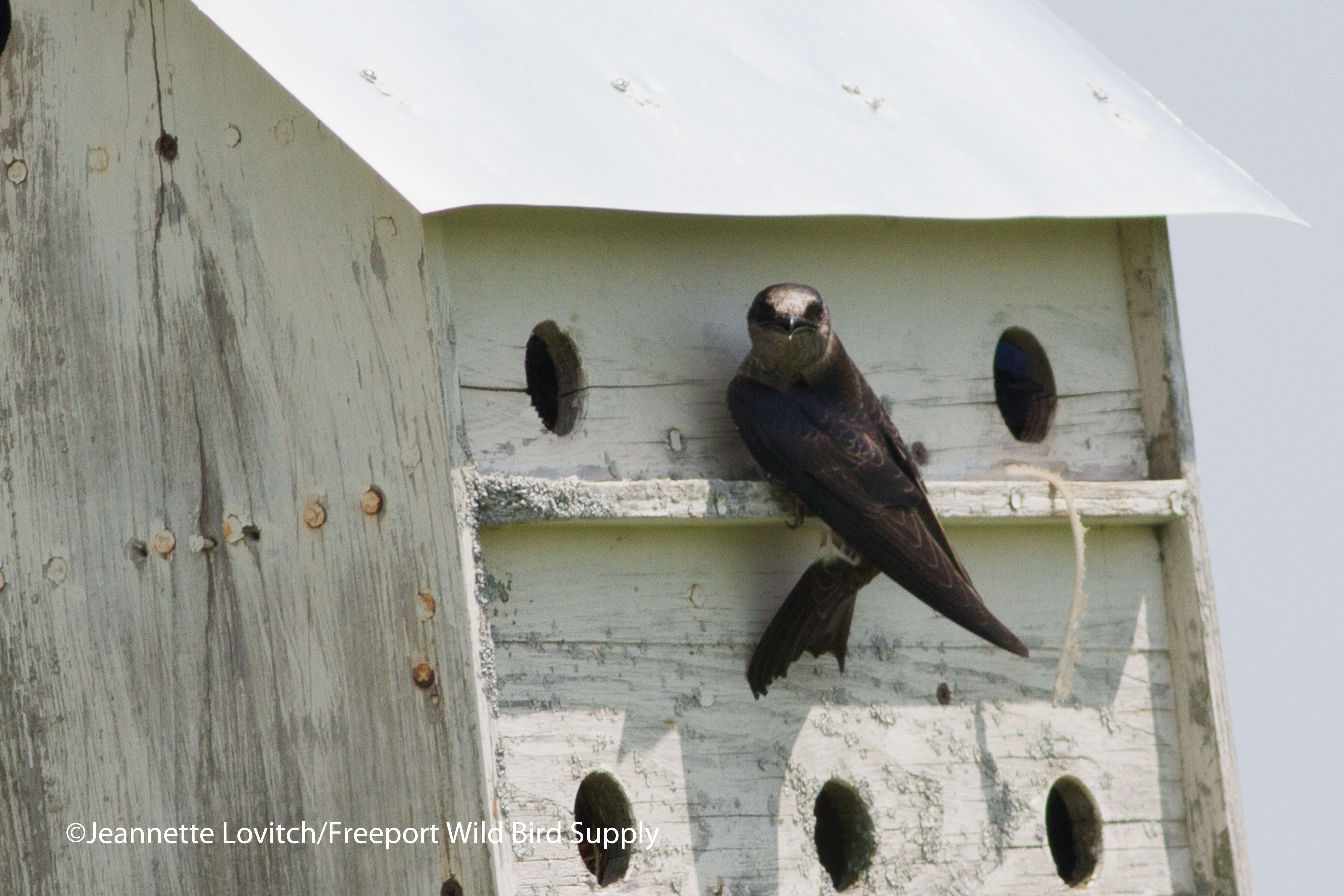
The Purple Martin is an iconic bird of the Northeast and has long had a “relationship” with people. Their large apartment-style houses grace the yards of many homeowners. However, this large swallow species reaches its northern range limit in Maine, so nesting colonies in our state are very localized and spread out. One such colony has been active since at least 1909 in Belgrade. Over the years, Maggie and Carl Yeaton maintained several martin houses on this property, most recently with assistance from Hammond Lumber Company workers. But, there has come a point where even those houses started to fall into disrepair. Without these houses would this colony that birders from far and wide come to see disappear, as other colonies this far north have done? Many of Maine’s birders, including myself, saw their first Purple Martins here, and the colony is frequented by birders working on their state and year lists, or just want to enjoy one of the state’s rarest breeding birds.

IMG_1226_edited-2

Last summer, I stopped at the colony with a client, John Alexander, visiting from Sheffield, MA. After noticing the poor state of the houses, Alexander offered a donation to replace them. That got the ball rolling. I then contacted local resident, birder, and active member of the Belgrade community, Don Mairs to assist with the project. Don was instrumental in getting this project going; we couldn’t have done it without him. He arranged for all of the permissions necessary, and began to drum up local support for the project.

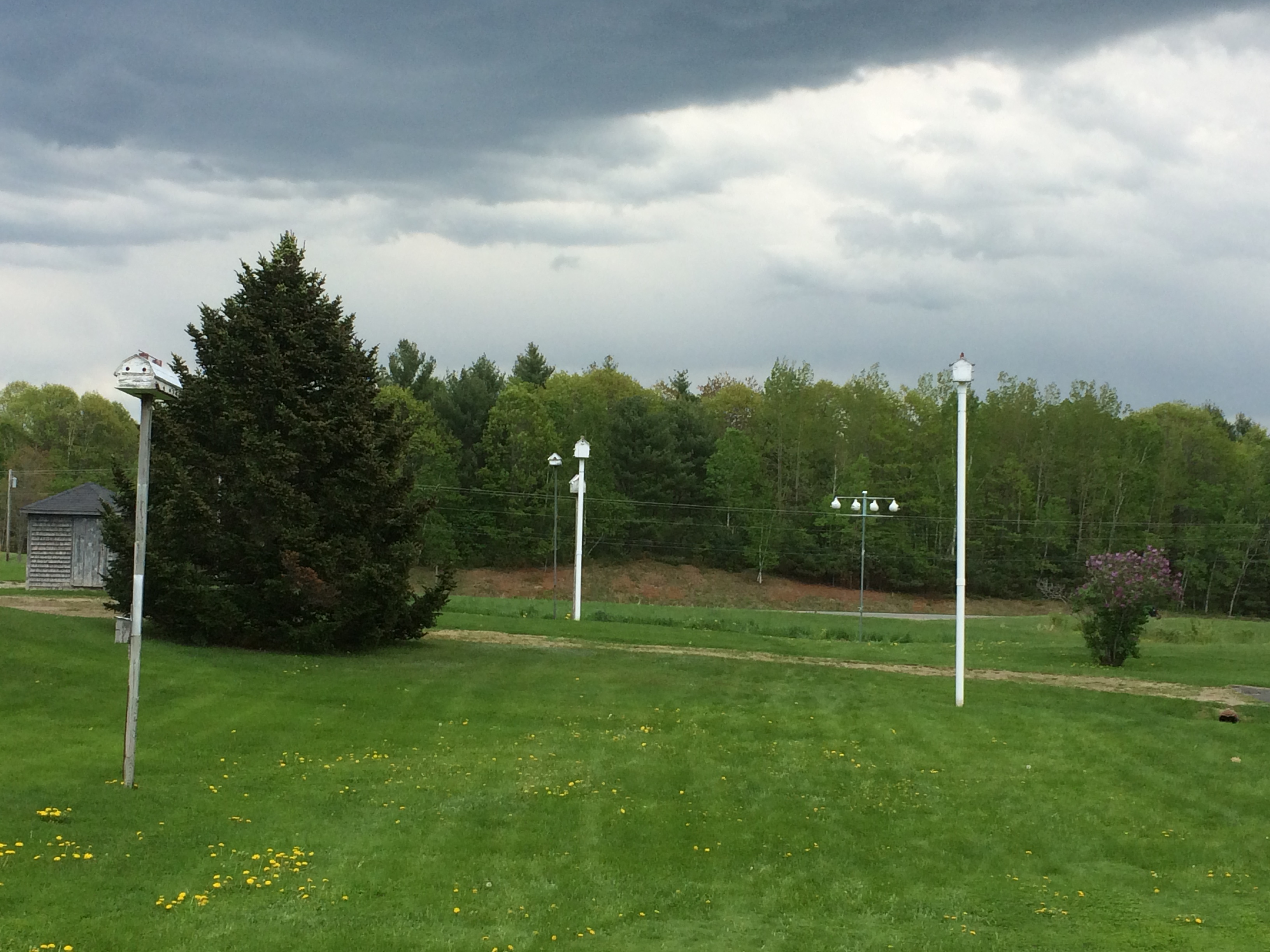
IMG_1250_edited-2The martins have been returning annually to houses that are now beyond repair. Something needed to be done before this vibrant colony no longer had adequate housing.

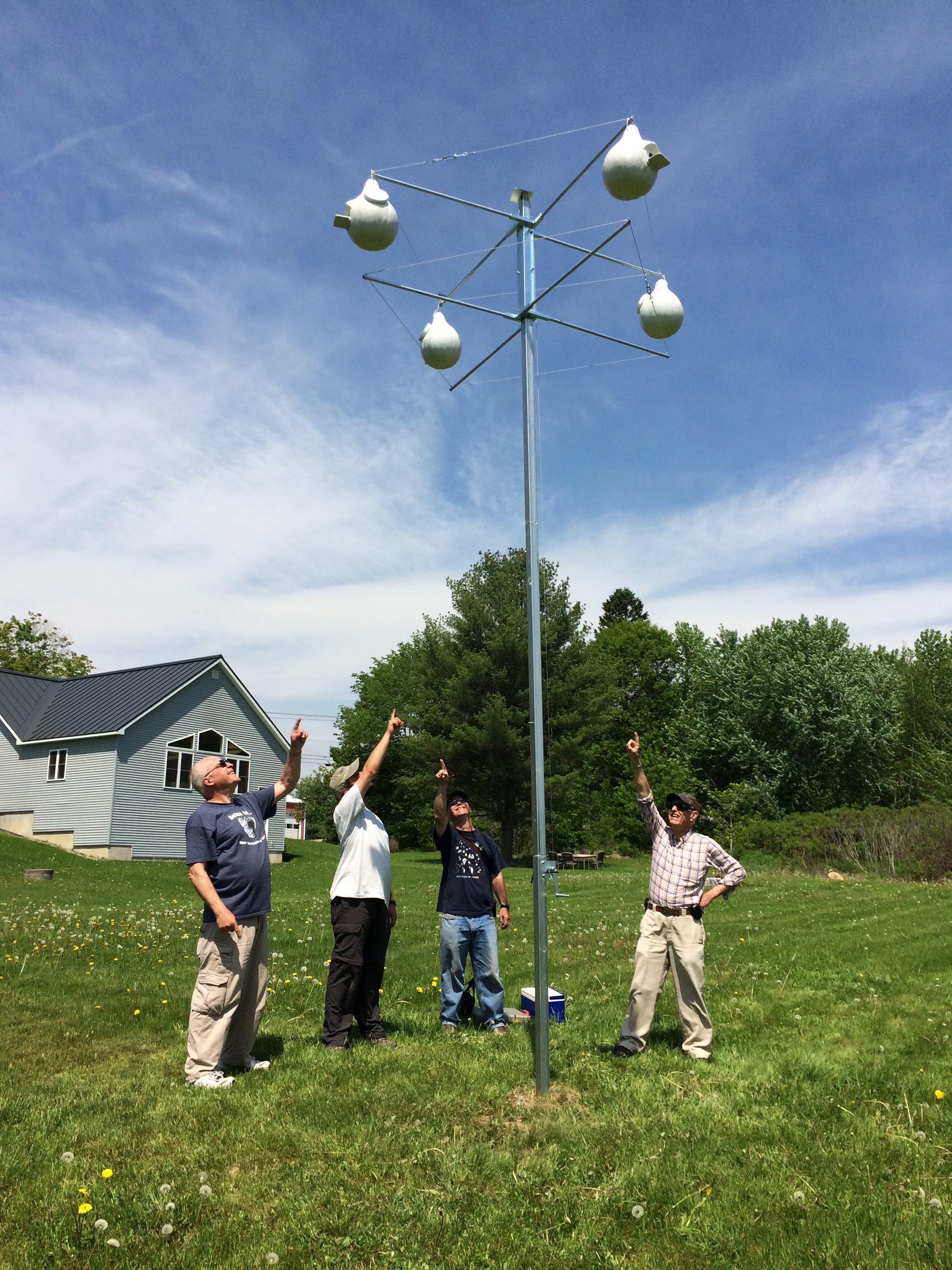
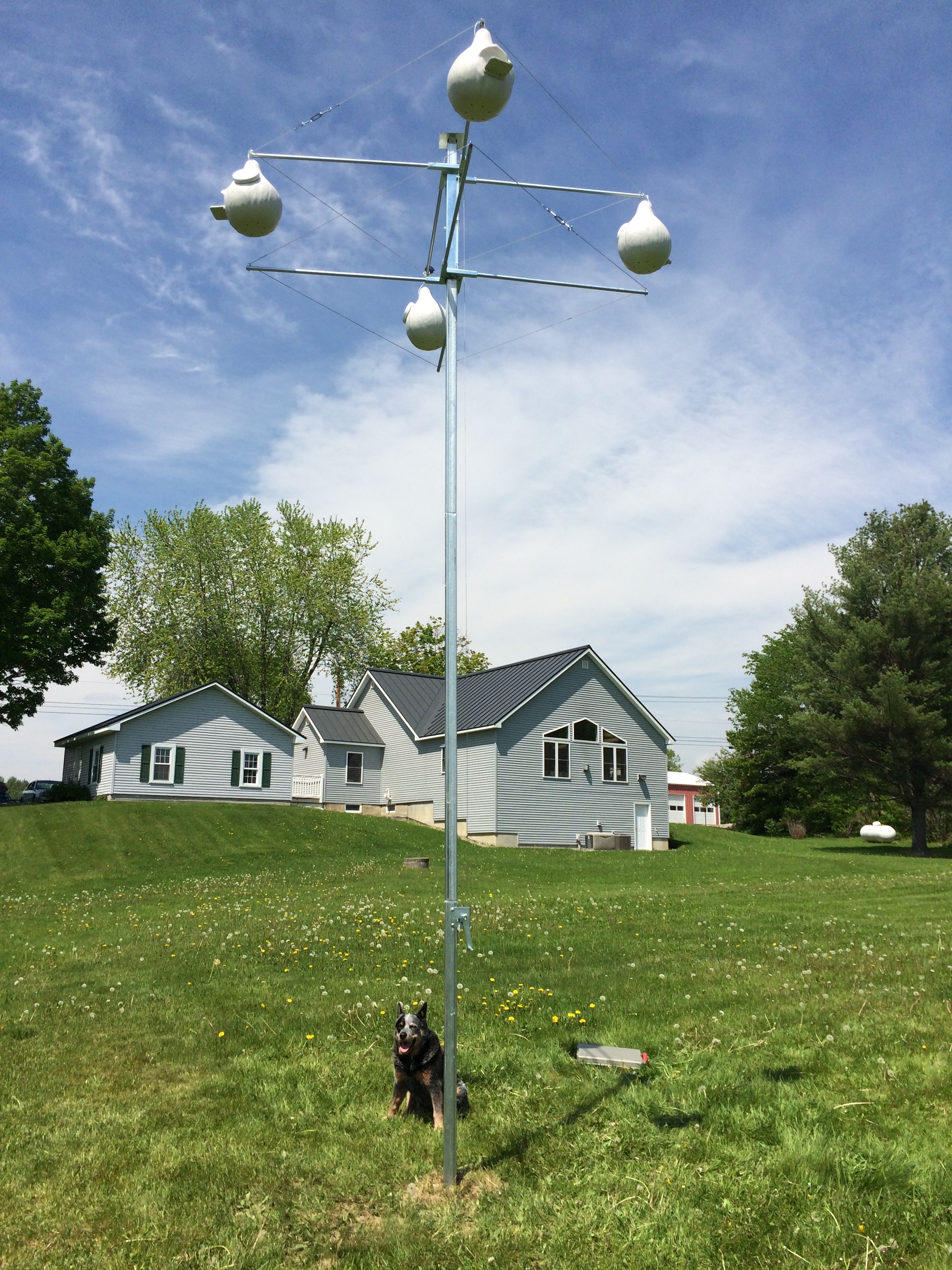
One year later, in May 2015, our store, Freeport Wild Bird Supply procured a new steel pole with pulleys (to facilitate cleaning) and plastic gourd array, which is now the preferred style of martin dwelling. With the additional help of local volunteers, Bob Lewis and Ed Slattery, this new set-up was established at the old Yeaton property, now owned by Don and Mary Hammond, of Hammond Lumber.IMG_5413The new gourd array in the background of the colony between Depot Road and Rte 27.

But, the plan does not stop there. Alexander and FWBS supplied a second array to be placed in another location. The thought here is that as martins from the original colony are out foraging, they may notice this nearby housing and eventually establish themselves in this “suburb;” starting an auxiliary colony as a back-up in case the original colony was to fail due to some catastrophic event or circumstances changed. After consultation with Belgrade Librarian Janet Patterson and her Board, and President Mike Barrett of the Friends of the Library Board, it was decided to put this other gourd set-up in the open space behind the library.  This pleasant and bird-friendly location has the advantage of proximity to Belgrade Central School, with obvious potential for collaboration.

IMG_5474It was obvious that Maine birders do not have much experience installing martin poles. The second installation, however, took about 1/4 of the time than the first, so clearly we are learning…slowly.

IMG_5478Sasha’s supervision must have made the difference.

Although it is probably too late for nesters to use the new set-ups this year, the idea is to give the inhabitants of the old houses a chance to check out the new arrays, which they are already doing, along with allowing prospecting immatures to check out future homes. And, as of last check at the library, a pair of Tree Swallows had taken up residence in one of the gourds – a good sign. We at FWBS are excited that this collaboration between us, the Hammonds, the Belgrade Library, and several local residents has resulted in what may just be the beginning of a project to maintain and grow this Purple Martin colony.

2015 Bradbury Mountain SPRING Hawkwatch starts Sunday!

IMG_0485_edited-2
Bald Eagles are already on the move, but the delayed start to spring have kept most of the birds to our south…just waiting to be tallied as they begin to push north.

Hawkwatching season is here! Freeport Wild Bird Supply (FWBS) will once again be partnering with Leica Sport Optics to sponsor the Spring Hawkwatch at Bradbury Mountain State Park in Pownal, beginning on March 15th. 2015 marks the ninth consecutive season for this project through which valuable data is collected while providing an enjoyable and educational experience for visitors. Not only does it feel like spring today, but in a mere four days (weather permitting), spring hawkwatching will be underway!

This year, we welcome Andrew Wolfgang as our official Hawkcounter. Andrew is a Biology graduate of Millersville University of Pennsylvania where he created two research projects studying bird diversity in riparian habitats and bird vocalization detection. Most recently, he worked as an environmental educator at Chincoteague Bay Field Station in Virginia. He is an experienced birder and hawkwatcher with a particular interest in Raptor Ecology. He’ll be stationed at the summit from 9:00am to 5:00pm daily from March 15th to May 15th.

IMG_8481_edited-2
Sharp-shinned Hawks shattered their previous record count last season. What will this season’s totals look like?

Rising 485 feet above the southern coastal plain, Bradbury Mountain provides unimpeded views to the south and east all the way to the islands of Casco Bay. Whether using updrafts off the mountain, gliding overhead, or soaring over the plains, observers watch raptors utilizing a variety of migratory methods as they work their way north. The goal of the project is to document this migration by identifying and counting all raptors that pass by the mountain. Last year’s count was record-setting, with 6,015 hawks tallied, including 97 Bald Eagles, 724 Ospreys and 2,357 Broad-winged Hawks. All but two of our regularly occurring species were counted in above average numbers, with seven species showing record season highs. We were particularly excited to count 190 Red-shouldered Hawks (160% above the average) – a species that had not been known to migrate through Maine in any significant numbers before the start of this project nine years ago. Over a period of years, these data can be analyzed to determine trends in species numbers as well as changes in distributions, which when studied in conjunction with other monitoring sites across the continent, give us a broadscale idea of what is happening with raptor populations.

Last year’s record-shattering season got off to a great start thanks to the late arrival of spring. Late snowfall well to our south, cold temperatures and ice cover on lakes and rivers, and the lack of favorable southerly winds greatly limited the number of birds (especially Turkey Vultures, Bald Eagles, and Red-tailed Hawks) that pushed north before the beginning of our count season. We would expect a similar situation this spring – there hasn’t been a whole lot of spring prior to March 15th this year once again. That should get things off to a great start.

But, it is not just about the numbers. Hawkwatching is a very social activity that is accessible to birders of all abilities. Last spring, we interacted with more than 1500 visitors! Seeing your first kettle (group of birds rising up on an updraft or thermal) of 50+ Broad-winged Hawks, or learning how to tell the difference between a Bald Eagle and a Turkey Vulture several miles away is an eye-opening experience for many folks. Organized hawkwatch sites, like Bradbury Mountain, are great places to meet new people and learn about raptors and the conservation issues they face at the same time.

So, grab your binoculars and join us atop Bradbury Mountain this spring. Andrew will gladly answer questions about the raptors you will see and help visitors learn what to look for to identify the 18 species that may pass by. The hawkwatch is free, though there is an entry fee to the park.

Also, be sure to mark your calendar for Feathers Over Freeport: A Birdwatching Weekend on April 25th – 26th. The Hawkwatch will be one of many featured activities during this family-oriented event at Bradbury Mountain and Wolfe’s Neck Woods State Parks.

More information about the hawkwatch, including a link to daily counts, can be found on our website, here.

And to read about last spring’s record-shattering season, check out this blog entry on Leica’s blog.

And you know where to find me on most birding days for the next two months!

IMG_8556_edited-2
Northern Harrier was also among the eight species that set a new record last season.

The Minnesota Vikings Want to Kill Birds

The National Football League has gotten a lot of bad press recently – and deservedly so. But this blog is not about the wife-beaters, the child abuser, concussions, performance-enhancing drugs, or any other topics that are being discussed ad nauseam on sports stations – and just about everywhere else. It’s also not about the NFL’s mishandling (I’m trying to be polite) of these recent issues, nor is it about how I believe NFL Commissioner Roger Goodell needs to lose his job.

I’m not even remotely attempting to downplay the current troubles in America’s most popular sport. They are many, and they are trying – especially to fans with a conscience. See, I like NFL football (a lot), but I also am finding it harder and harder to support a league in which so much is so very wrong. I am definitely a fan (Go Pats!), but in the recent weeks rooting for anything related to the NFL has been a real challenge.

There’s enough discussion about Ray Rice and Adrian Peterson, among others, elsewhere and nearly everywhere. No, this is a birding blog, and this blog is about birds.

And the death thereof.

And it’s completely preventable.

The Minnesota Vikings are building a state-of-the-art new stadium in Minneapolis. It’s going to be beautiful, and no doubt it is going to offer an amazing fan experience. And, most likely, it is going to kill thousands of birds every year.

The volume of reflective glass and the stadium’s location near the Mississippi River will combine to make it a deathtrap for migratory birds. Collisions with glass are estimated to kill up to ONE BILLION BIRDS a year, and while the majority of them will occur one at a time at windows in residential homes, large commercial buildings can kill shocking numbers of birds. And the Viking’s stadium is destined to do so.

First, for those of you unfamiliar with the issue, let me send you to Sharon Stiteler’s excellent blog entry and this informative page from Minnesota Audubon. And for background on the bird collision issue, check out the American Bird Conservancy’s page on collisions and the Birds and Windows page from the Acopian Center for Ornithology at Muhlenberg College.

So yeah, this thing is bad news, but its impact could be drastically reduced by using different glass. One option is a fritted glass that was used in the Dallas Cowboy’s gargantuan new stadium. It would add a little cost to the overall project, but we’re talking an estimated 1.1 million dollars to a 1 BILLION dollar project. Oh, and for the record, almost half of that is coming from the taxpayers of Minnesota.

But let’s forget this pittance of a cost for the time being. When a dysfunctional commissioner receives $20million a year to destroy the reputation of the league and tarnish its brand repeatedly, what’s another 1.1 million to save countless birds’ lives?

Despite public outcry (granted nothing compared to the public outcry about the Vikings’ plan to suit-up a child-abuser for the next game), including a widely signed petition circulated by Minnesota Audubon

It seems so simple, as the petition says, “Change Glass, Save Birds.” But the Minnesota Vikings have refused. First it was because it was too expensive. Now, it is about the “aesthetics.” Apparently, a pile of dead birds in front of windows is more aesthetically-pleasing to the Minnesota Vikings.

A recent article in Wired by Gwen Pearson did a good job of summarizing the current situation. I urge you to give it a read.

To some it up, the Minnesota Sports Facility Authority and the Minnesota Vikings have refused to act, and have basically said that they don’t care. They expect their fans to come anyway, and pay for the tickets, and buy the beer and Adrian Peterson jerseys Matt Cassell jerseys(?)…and they probably will.

And there are unlikely to be enough people signing enough petitions to get them to change their mind. But back to Adrian Peterson for a moment. After the Vikings “activated” him for the coming weekend (I was so happy to watch my Pats crush the Minnesota Bird-Killers without Peterson last weekend!), public outcry rightly ensued. Yet little changed.

But then sponsors noticed, and some were not happy. Radisson hotels led the way, completely pulling their sponsorship of the Vikings. (Good job, Radisson!). And other sponsors are not happy either, including league-wide sponsors such as Anheuser-Busch.

And what happens? Adrian Peterson is suspended. Coincidence? No. Lesson to be learned? Most definitely.

Listen, the NFL doesn’t care what you or I think. They care about money. They care about corporate money in particular. So what does this horrific Adrian Peterson mess have to teach us? It’s time those who care about birds go after the sponsors of the Minnesota Vikings and the NFL. Money is the only language that the NFL understands.

First, there are the current sponsors. I found this site called “SponsorPitch” which is the largest list of corporate sponsors that I could find. Let them know what you think about their possible association with a bird death trap. And here are some of the companies the Vikings are offering promotions with. (Yet another reason for me to never give a cent to Verizon!)

And the big deal now – and perhaps a major contributing factor to the Peterson suspension – is that the Vikings are looking to sell the lucrative and prestigious naming rights to their new stadium, which could bring in tens of millions of dollars a year.

Few companies want to be associated with teams that employ a child-abuser. Do you think many companies want to spend a hundred million dollars to be associated with piles of dead birds? Probably not (OK, maybe the likes of ExxonMobil or First Wind don’t care). But they probably don’t even know about the controversey. Let’s change that.

First, start with signing the petition. It can’t hurt.

Secondly, let’s keep an eye on the efforts of Minnesota Audubon, and what they recommend.

Meanwhile, I think we need to get this out in more “mainstream” media. ESPN is perhaps the single biggest director of sports discourse in the country, for better or for worse. Their show “Outside the Lines” can bring incredible attention to the events and issues away from the playing field. I propose we begin a campaign to encourage them to do a story on the new stadium and its bird-killing glass. They show even makes it easy, with a simple online suggestion form. Fill it out. I did.

Next, we need to use the power of social media. Besides sharing this blog, links to Minnesota Audubon, and other articles and essays about the stadium, could you image the attention that would be brought if “Minnesota Vikings Kill Birds” showed up in that little “trending” topics box on your web browser? I am probably preaching to the choir here on a birding blog, but this needs wider attention. Therefore, next time(s) you have a moment, type “Minnesota Vikings Kill Birds” into your web browser and click on some links. If enough people do this, search engine algorithms will notice. I have no delusions of grandeur about the influence (or number of readers!) of my blog and my musings, but just for a moment imagine if every birder in the US searched for this phrase – and the attention that would receive as it snowballed with more and more people clicking on it as a trending topic. It has to start somewhere. #MNVikingsKillBirds

And most importantly, if rumors begin to swirl about what company is going to slap its name on this stadium, they need to hear from people immediately. “Company X Bird-Killing Stadium” won’t sound appealing.

This is what it comes down to: the NFL and the Minnesota Vikings have made some abhorrent mistakes lately. They need to correct this. The courts and the court of public opinion will deal with Adrian Peterson (and dealt with he should be, in my opinion). But at such a dark time in America’s favorite sport, a little good PR is needed. And action to save the lives of thousands of birds a year would provide just one glimmer of hope that the NFL actually cares about something more than just the bottom line. Let’s start here: “Change Glass, Save Birds.”

I thank you for your time and consideration.

The Decline of Barrow’s Goldeneyes in Freeport and Beyond.

I like Barrow’s Goldeneyes! And I like getting to see them every winter, and sometimes in numbers…and only a few miles away from home. But I wish I could see more of them.

DSC_0536_edited-2

Unfortunately, with each passing year, I am seeing fewer and fewer. My local Barrow’s Goldeneye (BAGO) “patch” is the Lower Harraseeket River here in South Freeport. A couple of miles of river between Winslow Park and Bartol Island hosts the southernmost wintering flock on the East Coast…or at least what nowadays passes for a flock.

One of just a handful of locales in the state that regularly hosts more than one or two birds, this once-impressive flock has declined dramatically in the past ten years that I have been watching them. Scanning the river once a week, from early December through the middle of April from a variety of locations (Sand Beach, the Town Wharf, the Harraseeket Yacht Club, Winslow Park, and/or Wolfe’s Neck Woods State Park) I have kept track of arrival and departure dates, and perhaps most importantly, overall numbers.

“High counts” are the maximum number of birds seen at one time in a given time period. While some individuals come and go over the course of the winter, it seems to me that the seasonal high count is a reasonable way of estimating the local population (as keeping track of individual birds is impossible). And my high counts for each of the last nine winters show an alarming pattern:

2004-2005: 23
2005-2006: 15
2006-2007: 10
2007-2008: 2
2008-2009: 9
2009-2010: 2
2010-2011: 6
2011-2012: 3
2012-2013: 2

It has become readily obvious that the less ice there is, the fewer Barrow’s concentrate in the Lower Harraseeket. A deep channel and strong tide combine to keep at least a stretch of the gut at the mouth of the river (between Winslow and tiny Pound of Tea Island) open in the coldest winters. Back in 2004-2005, the river was almost completely frozen, and the narrow strip of open water was so thick with ducks, especially Common Eiders, that it looked as if you could almost walk across the river on their backs!

We also know that the climate, and the temperature of Casco Bay, is getting warmer (yes, that is fact, and yes, this year’s cold winter/spring weather does nothing to disprove this – note that “climate” and “weather” are actually different words that describe different things!). Therefore, I optimistically wondered if the apparent decline in the population of BAGO was nothing more than a lack of ice-caused concentration. The less ice, the fewer BAGO I see.

Therefore, when about 90-95% of the Harraseeket froze this winter (the most extensive coverage since 2004-2005) and ducks concentrated in numbers not seen since then, I was cautiously optimistic that BAGO number would spike:

2013-2014: 5

Not the spike I was hoping for. I searched long and hard to find BAGO elsewhere in the vicinity, but I did not see any (the closest was an overwintering bird in South Portland that has returned to the Fore River for the last two or three years now). That’s a 78% decline from the 2004-2005 high.

Unfortunately, Christmas Bird Counts occur too early in the winter to adequately gauge seasonal high counts of BAGO, although the graph does reflect a decrease in the past ten years (the long-term data set is clouded by low birds-per-party-hour totals as a whole, along with misconceptions about identification in the past).

But this decline is not just apparent in the Harraseeket. Birders have detected a decline in all other known wintering concentrations, especially in Belfast Bay. They are now longer seen on most visits in mid-winter there and it’s been a long time since I have seen a report from Bucksport. However, according to the 1996 A Birder’s Guide to Maine, *1 aggregations of 15+ birds are “regular features in most winters” at these two sites.

In other words, at least in Maine, the decline is real. And it’s time for the Department of Inland Fish and Wildlife to do something about it. No more half-assed, non-action policies that bow to the hunting lobby. No more “please tell us if you shoot one and then say you’re sorry and it will be OK” (with only a disincentive to do so) state policy. *2

In 2009 IF&W listed the Barrow’s Goldeneye as “Threatened.” …And has done almost nothing since, other than set up surveys that are conducted every four years. Oh, and they hung up some posters at boat launches asking people to not shoot them (might as well put a target on them, in my mind).

Let me be clear, there is no evidence to suggest that hunting is causing a decline in BAGO. I think much larger factors are at play. There’s acidification and warming of the ponds and lakes in their limited and narrow eastern Quebec breeding range to changes in winter food sources. Forestry practices could be reducing the availability of suitable nesting cavities as well. There’s lead ingestion and heavy metal bioaccumulation. Then there’s reduced ice in most winters in their primary wintering areas of the St. Lawrence estuary (thereby reducing how many birds come further south) to competition with other native and non-native species (BAGO eat small mollusks, especially mussels – could invasive Green Crabs be impacting the food supply for ducks here, too?). In other words, there are a lot of possible proximate and ultimate causes to the species’ decline. But if hunters shoot one or two (by accident, of course) of the remaining 5, well then the decline becomes even quicker. Even repeated disturbance from concentrated hunting pressure on other species could be impacting where the birds tarry, where they feed, and how much energy they waste fleeing boats and shots.

I am not opposed to waterfowl hunting. But I am opposed to hunting that impacts an endangered species (see, for example: Conservation and Management/Effects of Human Activity in the Birds of North America entry referenced below). The closure of a handful of tiny areas will affect very few hunters, and with more than 99% of the state still available to them, this rates as a minor inconvenience at most. However, this fraction of a percent of water closed to hunting could protect a significant majority of the wintering population – or at least what’s left of it. At the very least, this could buy us some time to find out what the root of the problem is.

I like Barrow’s Goldeneye, and if you do too, it’s time to pressure IF&W and politicians to act. Otherwise, there is a very legitimate chance that this bird will no longer be a part of Maine’s winter avifauna.

Notes:

*1 = Pierson, Elizabeth C., Jan Erik Pierson, and Peter D. Vickery. A Birder’s Guide to Maine. 1996. Down East Books: Camden, ME.

*2 = https://www.maine.gov/ifw/hunting_trapping/hunting/alert_waterfowl_hunters.htm

For more information on the status of BAGO in Maine, see:
https://www.maine.gov/ifw/pdfs/species_planning/birds/barrowsgoldeneye/speciesassessment.pdf

Additional Reference:
Eadie, John M., Jean-Pierre L. Savard and Mark L. Mallory. 2000. Barrow’s Goldeneye (Bucephala islandica), The Birds of North America Online (A. Poole, Ed.). Ithaca: Cornell Lab of Ornithology; Retrieved from the Birds of North America Online: http://bna.birds.cornell.edu.bnaproxy.birds.cornell.edu/bna/species/548 doi:10.2173/bna.548

Our Letter in Opposition of the Monhegan Wind Project & Press Coverage of the Story.

Early last week, we sent the following letter to various authorities, decision-makers, relevant agencies, and the press regarding the proposal to build a massive industrial wind “farm” very close to Monhegan Island.  I think it’s a terrible place for such a scheme, and Jeannette and I – having lost faith in the state’s environmental organizations – decided we had to do something about it and make our voice heard.

An excellent article appeared in this week’s edition of The Forecaster, our regional newspaper.

The 12/11 broadcast of WGME-13’s Evening News (Portland’s CBS affiliate) included this story.

I also had a good chat with a knowledgeable staffer from Senator King’s office.  Hopefully, this is just the beginning of our effort to make a difference here.

December 2, 2013

Re: Monhegan Wind Project

To whom it may concern:

We are writing today in strong opposition to proposed industrial wind development in the Gulf of Maine off of MonheganIsland.  This is a terrible location for a project that will likely result in a significant amount of avian mortality in a place that is internationally recognized for its value to migratory birds and is an internationally recognized destination for those seeking to see and enjoy these migrants.

Ask any birder or ornithologist where the greatest concentrations of migratory birds occur in Maine, and MonheganIsland will be at the top of everyone’s list.  The quantity and diversity of migrant passerines (songbirds) in spring and fall is well documented, and can readily be seen by the quantity of birders that descend on the island in the spring and fall.  Outside of the peak tourism season, birders provide an important economic input for the inns and restaurants on the island during the “shoulder season.”  And while birders are valuable to the island of Monhegan, the island is absolutely invaluable to the birds themselves.

Thousands upon thousands of migrant passerines descend upon the island, especially during certain weather conditions.  In fall, migrants from the north drift offshore on northwesterly winds and fan out across the Gulf of Maine.  Some, like Blackpoll Warblers may launch directly offshore and not stop until they hit the West Indies.  Others are crossing from Nova Scotia towards Maine or southern New England.  In the spring, birds are returning to Nova Scotia, drifting over the ocean on developing cross winds, or overshooting land following a night of strong tailwinds.  In other words, there is no “flyway” from point A to B, but a broad flood of birds spread across the sky during the night, as the vast majority of our passerines migrate exclusively at night.  Come sunrise, birds seek land for safety, rest, and refueling.  Isolate islands are critical to birds that don’t have the capability to make it to the mainland, especially during inclement weather.

Why birds migrate at night is not known for sure, but what we do know is that nocturnal migrants use the stars to aid in navigation.  For millions of years, birds have navigated across vast and inhospitable stretches of water on their epic journeys between where they breed and where they spend the winter.  Unfortunately, over the past half-century or so, our skies have become much less favorable for migrating birds.  For reason also unknown, lighted structures (radio towers, buildings, and yes, wind turbines) can confuse birds, especially under cloudy conditions –and fog, which we know is frequent in the Gulf of Maine – and draw birds in, not unlike a moth to a porch light.  Confused, they circle the light in an attempt to reorient or simply escape the halo of light.  Unfortunately, in the process, many can collide with the structure, each other, or simply drop dead of exhaustion as their flight muscles are metabolized in a last-ditch effort to find safety.

Most lights in the sky kill birds.  That is a fact.  The more lighted structures there are the more birds will die.  The more material that is surrounding those lights – such as guy wires or massive, spinning turbine blades – the more likely there will be a collision before a bird can regroup and escape the glow.  When those lights are over water, the birds drop into the sea, where they are consumed by scavengers such as fish and gulls.  We’ll never know the true death toll of lighted structures over water, as current guesstimates are simply extrapolations of land-based surveys based mostly on the fundamentally-flawed methodology of carcass searching.  My own experience with carcass search trials offers me no reason for faith in the effectiveness of these estimates, so oft-quoted figures on bird mortality by wind turbines are likely a gross understatement.

As most post-construction surveys are suppressed as “proprietary information,” even when the surveys are designed to fail, concerned citizens are left to take the word of the wind power industry.  I am sorry, but that’s not good enough for me.  Repeated denial of a significant bird mortality issue shows that the wind industry refuses to recognize the conservation implications of their development.  Instead of addressing the concern and working to minimize the threat via lighting requirements or proper citing, the concern from respected ornithologists and the general public are ignored and drowned out by unfulfilled claims of “green energy,” empty promises, or lost in the debate of what wind farms look like.

Since the most vocal, and often most-well-funded, critics of wind power developments are often those who don’t want to look at them, the wind industry looks towards remote areas, especially those with small populations that can put up a fight.  With claims of all sorts of economic returns, rural communities offer less resistance than more developed areas where the power is most needed.

So-called “offshore” development is seen by fewer people, and some see this as a reason to not oppose these equally-destructive proposals.  These near-shore developments (if they were truly so far offshore as to not be seen by people and to minimize threats to wildlife, the cost of construction and transmission lines are prohibitive) are indeed visible from land, especially at night when those bird-killing lights will be readily apparent.  I cannot imagine standing at the island’s south end, seeing those slow blinking lights pulsating in the not-so-distance, imagining how many birds are slamming into blades, consuming their own bodies until they cannot fly, and plunge to their final deaths.

Here, in one of the greatest concentrations of birds in the Gulf of Maine, and one that attracts many hundreds of birders each spring and fall, here is where a massive wind development is proposed.  So much for minimizing the costs.  While no electricity production is truly green, there are methods and locations for those methods where benefits outweigh their economic and environmental costs.  This is not one of those places.

The sense of place that makes MonheganIsland so unique, the quantities of migrant birds that find shelter here, and the volume of tourists of all kinds drawn to this island make it a place worth protecting.  What will happen when migrant birds, heading towards the island or other land refuges instead find themselves confused and disoriented in a maze of towers and spinning blades?  How many birds will die?  How will we even know?  One thing is for certain however, no matter how destructive these things are, they don’t come down once they go up.

Meanwhile, new transmission lines will be strung through some of the stunning landscapes in the peninsulas of Mid-Coast Maine.  Additional forest fragmentation and habitat loss will occur.  And these transmission lines themselves will kill many more birds, especially iconic species such as Bald Eagles, Ospreys, and Great Blue Herons.  In dense fog, birds of all shapes and sizes will collide with the wires and their support towers.  Many of our largest birds simply cannot quickly evade a powerline that they only see at the very last minute.  Common Loons traversing the peninsulas during their journey to and from Maine’s lakes and ponds will strike these wires as well, especially where they cross channels and bays.  Meanwhile, a significant amount of electricity will be lost during the transmission (as is the case with all high-tension transmission lines), of the electricity being generated by these projects off in the distance, making the megawatt promises of the wind developers even further from reality.

Another erroneous assertion put forth about near-shore wind development is that they won’t kill raptors or bats.  That too is untrue.  There are migratory bats that cross the Gulf of Maine, and the risks that wind turbines pose to them could be substantial, especially as we struggle with precipitous declines of these critical pest control agents.  Migrating raptors (birds of prey) which are recognized as threatened by wind development on the mainland also occurs in the Gulf of Maine, especially Peregrine Falcons, Merlins, and American Kestrels.  In fact, the largest concentrations of Peregrine Falcons observed in Maine occur on MonheganIsland each fall.

Maybe I, and countless other ornithologists and birders are wrong.  Maybe they won’t kill vast numbers of birds.  Unfortunately, a lack of transparency and a clear and decisive unwillingness to address and mitigate these concerns presents me with little reason to trust companies such as First Wind.  In the rush to capitalize on subsidies and a mostly-favorable political climate, the true costs and concerns are swept under the rug or ignored completely.

This project cannot and will not be ignored.  There is too much at risk, for far too little of a reward.  Instead of finding the best locations for wind development with the fewest risks, here we find a scheme to put a massive project right in one of the largest concentrations of migrant birds, and a short distance away from one of the most special places in Maine.  And of course, the refusal to admit the bird-death problem means we cannot go forward and work together to use the best available technology to minimize the problem, such as using lighting colors and strobe duration that have been proven to reduce bird collisions.  At the absolute very least, we demand that any lighted structure, from test turbine to permanent structures that are to be constructed off of Monhegan Island be equipped with lighting configurations that have been found to be less hazardous.

This massive project is too big, too costly, and far too destructive to be tolerated.  As a wildlife tour operator, bird conservationists, and avian ecologists, we must stridently oppose this project.  It is simply in the wrong place, and actually maximizes risk for much less benefit than is promised.

Thank you for your time and consideration.

Sincerely,

Derek and Jeannette Lovitch
Freeport Wild Bird Supply
541 Route One, Suite 10
Freeport, ME04032
(207)865-6000
freeportwildbirds@yahoo.com

On Sandy Point, Winter Finches, and Portland’s Congress Square Park

I’ve spent each of the last three mornings at Sandy Point, and it is a rare treat indeed (but not for my neck!) that the winds tonight will likely be conducive to yet another morning in my “other office.”  Yesterday’s moderate flight produced two Patch Birds: Western Kingbird and Gray-cheeked Thrush while today’s better than expected flight yielded 15 species of warblers.  (Tallies from both days are on our store’s Facebook Page as always).

While I can’t believe there are more Northern Parulas left to migrate through, I am optimistic about tomorrow morning.  The upper-level low spinning over Atlantic Canada that has produced rain to our northeast and the clouds overhead that have reduced the flight – and my ability to identify it! – is expected to move out, and I wonder if that will open up another wave of birds to head south from that region.  It is exceedingly rare for me to have four days in a row of good Morning Flights at Sandy Point, so I look forward to another early start tomorrow.

With each passing flight, the changing season is becoming more obvious.  Fewer early warblers and growing numbers of Yellow-rumps and sparrows, for example.  And of course, as a season progresses, we birders often think ahead to the next season.  The near-complete dearth of Red-breasted Nuthatches, Purple Finches, and Pine Siskins (zero) that have passed SandyPoint is an early indicator that it will be an “off” winter for northern finches as expected.  Few Blue Jays and Black-capped Chickadees passing through also suggest an abundance of food to our north.

These observations reflect what I am seeing elsewhere in Maine, and reflect the information contained in this year’s “Winter Finch Forecast” by Ron Pittaway that just came out this week.  This venerable resource is posted each fall, and reflects a lot of effort by the author to bring together various tidbits of information.  Its arrival each fall is highly anticipated – even if it does not portend the arrival of lots of highly anticipated finches.

But today, I wanted to take a moment to discuss one of the local issues that we have decided to wade into.  As most Portland – at least – residents may know, there is a proposal to transfer a portion of Congress Square Park to private development for a conference center.  The city needs a conference center, and the park needs some attention.  I’ll leave it to the residents of Portland to weigh the costs and benefits of this particular plan, but one aspect that concerns me greatly is the current blueprints that show a massive glass wall facing a smaller park with limited vegetation.

Here’s a link to what I believe to be the most recent development proposal; I don’t think any significant updates have been made.  Jeannette and I believe that we can use our store as a vehicle to promote bird conservation, and although we certainly don’t stick our nose into every project, sometimes we feel that we need to be the voice for birds, birding, and bird conservation.  Capisic Pond Park, the Eastern Promenade, Sandy Point, and now development at the fringes of Florida Lake have been projects we have worked on.  While we may not go too much further with our efforts in this case, we thought it was best to offer expertise to point out a potential issue with this projects design.  I have sent this letter to city officials and the new group, Friends of Congress Square Park.  I post it here for your information, and if anyone has suggestions on whom else to send this to, don’t hesitate to let us know.

September 18, 2013

RE: Congress Square Redevelopment plans

To whom it may concern:

I am writing you today not to take a stand for or against the current proposal at this time, but instead to bring to your attention a couple of aspects of urban parks, construction, and wildlife interactions that has raised a significant amount of concern with me.

First, a little bit of background.  Migrating birds that stream over Portland every spring and fall face a myriad of risks.  Many of our favorite songbirds, such as warblers, orioles, and tanagers all fly at night.  For reasons unknown – likely due to the use of stars for navigation – birds can become disoriented by lights.  Lights on communication towers, lights on buildings, lights at stadiums, lights left on in office buildings, and even lights in people’s homes.  Especially on cloudy and foggy nights, birds will be drawn to this artificial lighting, and many will meet an untimely death as they collide with structures or even drop dead from exhaustion as their bodies metabolize their muscles in order to fuel the last gasps of flight as the bird circles, and circles, and circles, confused by the light, drawn in by its grasp.  The cumulative light pollution of cities, towns, and even single-family homes, results in perhaps hundreds of millions of deaths of migrating birds each year.

However, not every bird disoriented by city lights will die.  Some find refuge in a well-landscaped park and find enough food to survive, refuel, and eventually move on. Most others find just enough refuge to move on come sunrise, when the direction of the sunrise and visual landmarks can usher a bird in the right direction.  In order to avoid predators, many of these birds will fly low through the city streets, dropping in to the next tree, the next park, or even the next garden as these birds – in what is termed “redetermined migration” attempt to correct for the errors of their ways overnight.  These errors could result from disorientation from lights, “groundings” from severe weather, or even from drifting too far on strong winds behind a cold front.

Especially for those birds exhausted from their travels or their disorientation, every single tree in an urban environment can be a life-saver.  A place to rest, a place to forage for just a little food or at the very least a place to avoid predators.  Working from some part of the city, the birds will work their way inland (in the case of a coastal city such as Portland) looking for more extensive habitat where they can refuel.

I have watched flocks of White-throated Sparrows winging it down side streets, landing in potted plants at the first sight of a possible threat.  I’ve seen an American Woodcock walking down a sidewalk near Monument Square.  I have seen waves of Blackpoll Warblers streaking by just over the treetops of Deering Oaks Park.

As the birds work their way to quality habitat, such as Evergreen Cemetery, many of these birds are more than strong enough to avoid predators, avoid traffic, and fly at full speed over the course of the first couple of hours of daylight.

Thud.

The migrant lays still on the sidewalk; dead.    It has hit a window.

It has flown hundreds of miles from the forests of Canada.  It has survived ever-changing weather, dodged hawks at every turn, and found enough food to pack on enough fat to fuel an epic journey to the rainforests of South America for the winter.   A shift in the wind the prior night resulted in foggy conditions as it arrived in the airspace over Portland.  Attempting to orient itself, it circles the red blinking light on the top of a building until it is too tired.  But this bird is lucky.  Below this building there is a small park with a handful of trees.  Good enough, and the bird alights.  The sun rises, and the bird, not finding much food in a few ornamental plantings, decides to head further inland.

Flying from tree to tree, the bird sees the next tree just ahead.  But that tree was only a reflection in glass.  Its journey ends.

Glass kills as many as 1 billion birds per year in North America. Urban light pollution may kill as many as 31 million birds per year.  Lighted communication towers may kill upwards of 100 million.  Only free-roaming cats are estimated to kill more birds per year than any of these other anthropogenic causes.  You can see why glass in lighted urban areas is such a problem.

The current proposal for a new Event Center in what is now Congress Square Park includes a massive glass façade, with “doors” that open, putting glass walls out at multiple angles.  All of this glass will be reflective.  Architects and admirers like that about glass.  But whatever trees remain will be reflected by that glass.

Thud.  Another migrant is dead.  How many dead birds will people pick up on the sidewalk before anyone takes notice?  Or will the rats clean up the mess before the morning rush?

Is the new CongressSquareEventCenter going to be a death trap for exhausted and confused migrants?  Probably.  Can this risk be minimized or avoided?  Yes.  Does anyone care?  That, to me, is always the toughest question.

But there are solutions out there.  There are treatments that make glass less-reflective, or ways to break up the reflection so birds will not be drawn to it.  Glass can be positioned to reflect the ground, and trees can be positioned to minimize reflection.  There are certainly plenty of materials that don’t cast a reflection as well.  There are even city-wide efforts to reduce bird collisions that range from lighting standards to simple programs to get people to turn off the lights as they leave their office for the night.

My only goal with this letter is to raise awareness about a significant problem, but one that might well be avoided.

For the sake of brevity – I think you will agree that this letter is long enough already – I will simply point you towards two sources for more information, from background to solutions.  The first is the “Birds and Collisions” page from the American Bird Conservancy: http://www.abcbirds.org/abcprograms/policy/collisions/glass.html

The second is the home page of the Fatal Light Awareness Program: http://www.flap.org/

I sincerely hope that you will recognize my concerns and take them under consideration.  I would be happy to offer more first-hand observations to describe why this issue is real in Portland, and why a glass façade facing some of the few trees that exist in the center of an urban area could result in significant avian mortality.

I thank you for your time and consideration.

Sincerely,

Derek Lovitch
Freeport Wild Bird Supply