Tag Archives: trips

“Bicknell’s Thrush and the White Mountains” Trip(s) Report

June is my busiest guiding season. Bicknell’s Thrush, Saltmarsh and Nelson’s Sparrows, Roseate Tern, and Atlantic Puffin are my most popular requests, and there is little doubt that I could fill my entire month with Bicknell’s Thrush tours!

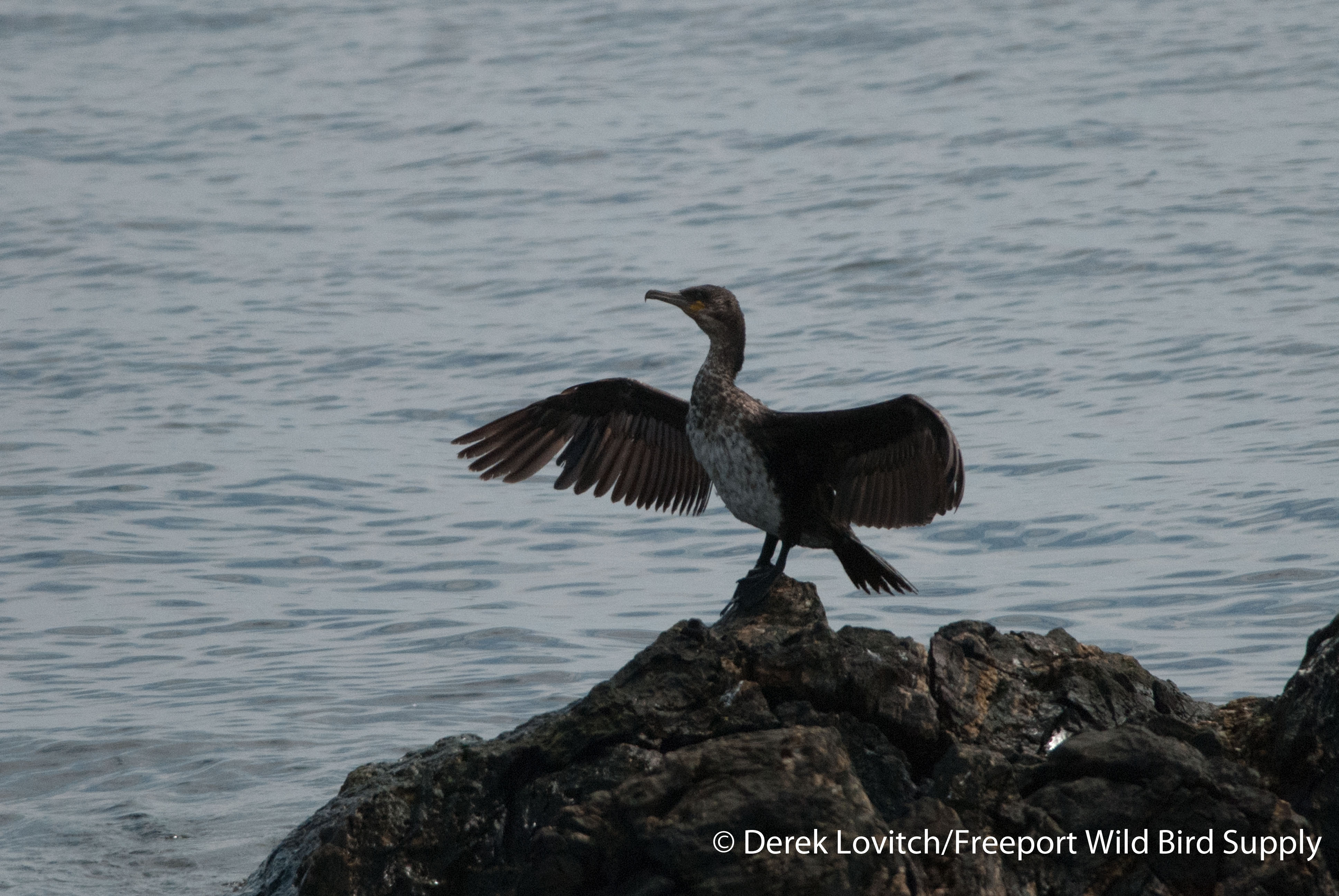
My first visit of the season to the realm of the thrush was last week, as part of a very successful three-day tour for a client visiting from Vancouver. We saw 7 of 8 of our targets: Saltmarsh and Nelson’s Sparrow, Great Cormorant (3!), Bicknell’s Thrush, American Woodcock, Atlantic Puffin, and Manx Shearwater. And most we saw very, very, well. We only missed Razorbill due to a strategic decision that we agreed upon, and in the end, said decision worked out very well as we had unbelievable views of the shearwater.

DSC_0006_GRCO1,CapeNeddick,6-10-14_edited-1 First-summer Great Cormorant.

DSC_0049_MASH1,Revere,6-12-14_edited-2 Manx Shearwater!

In addition to the species we were seeking, we ran into several other highlights, the most noteworthy of which was an unseasonable subadult male Common Goldeneye at Cutt’s Island in Kittery. Other highlights included a truant Olive-sided Flycatcher at Reid State Park, and an Arctic Tern – usually an offshore feeder – feeding with Roseate and Common Terns off of East Point in Biddeford Pool.

Then, this past weekend was my popular annual “Bicknell’s Thrush and the White Mountains” van tour. Meeting at the store on Saturday morning, we headed for the hills, beginning with a surprise detour to West Paris.  For this:

DSC_0006_SNOW,West_Paris,JUNE-14-14_edited-1

That’s right, a Snowy Owl in Maine in June! Really remarkable. And how’s that for a way to start off a weekend tour?  We then made a turn for the White Mountains, and after a couple of stops, arrived at Trudeau Road for this:
DSC_0025_BBWO,TrudeauRd,NH,6-14-14_edited-1

Of course, as awesome as a Snowy Owl and a nest-ful of Black-backed Woodpeckers (this is the male above, who kindly paused to preen between visits to feed the young. We also had a great look at the female, who nearly dropped a fecal sac on the group!) are on a birding tour, this is a thrush trip, so our remarkable day of birding would rapidly fade into memory if we didn’t find our one true quarry.

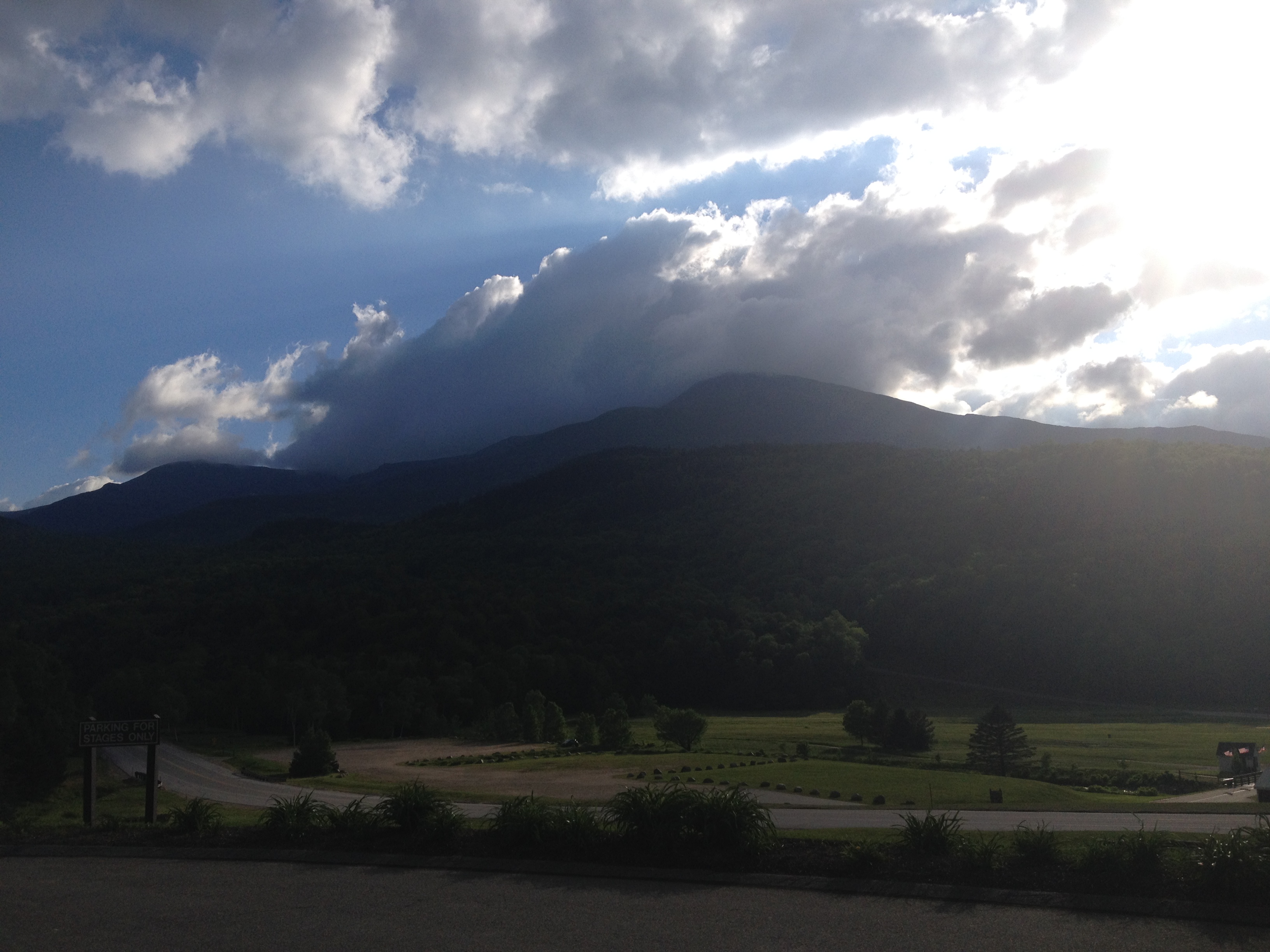
After an early dinner, we boarded the specialized vans of the Mount Washington Stage Line for our private charter up the mountain. It was gorgeous at the base, but looking up, we knew the summit would be different.

IMG_3621

And it was!

IMG_3627

Luckily, the thrushes’ habitat was below the clouds tonight, and so after visiting the summit and checking for American Pipits (too windy, but the flowers were fantastic), we dropped down and began our real mission.

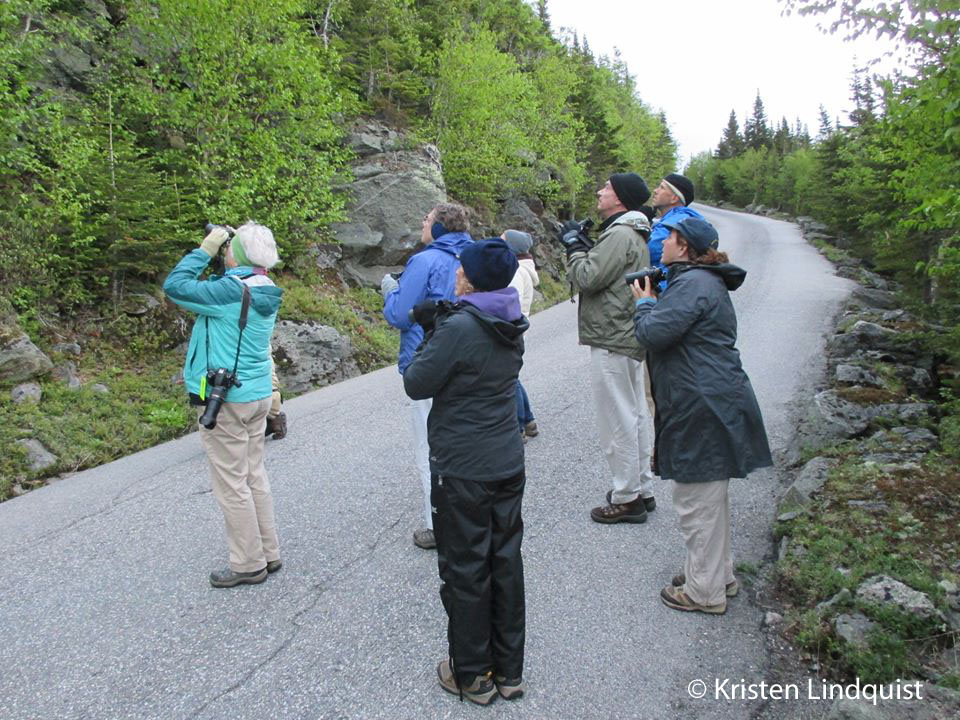
Birding_Auto_Road_by_Kristen_edited-1  Birding_Auto_Road_by_Kristen2_edited-1

Although it took a lot more work than usual, we were all eventually rewarded with good to great views of this enigmatic species. We saw two or three different birds, and heard up to 4 others – a good count for the short stretch of habitat that we cover. It was even the 700th ABA-area bird for one of the clients – a fantastic bird for an impressive milestone. A short celebration was called for upon our return to our hotel.

On Sunday morning, the second day of this two-day “target species” tour, the weather looked gorgeous, but the birding was challenging. Granted, it was going to be hard to top Day 1 anyway – we were probably the first tour in history to see a Bicknell’s Thrush and a Snowy Owl in the same day!  It certainly was a novel – and a completely unexpected – experience for me.

Birding the Caps Ridge Trail in dense fog and cool temperatures to start the day was less productive than usual, but it was still a nice walk into boreal habitat and enjoy the beautiful forest here. Blackpoll Warblers and Yellow-bellied Flycatchers were conspicuous today, at least.

Very strong, downsloping winds cleared the skies for us at our next few stops, but those winds only increased, and birding became a challenge. My favorite spot for Philadelphia Vireo, for example, was just too windswept. Actually, standing upright was occasionally a challenge. But finding some shelter on the backside of a mountain via a short, but steep hike, a few of us were treated to another view of a Bicknell’s Thrush – just as a little more icing on the cake.

A great lunch followed our birding, fueling us for the drive back to Freeport (or, at least, until the ice cream stop) and capping another successful “Bicknell’s Thrush and the White Mountains” weekend.  With one more private thrush tour next weekend, I can only hope my luck with the weather and with seeing the thrush – a mythological bird to some – continues.

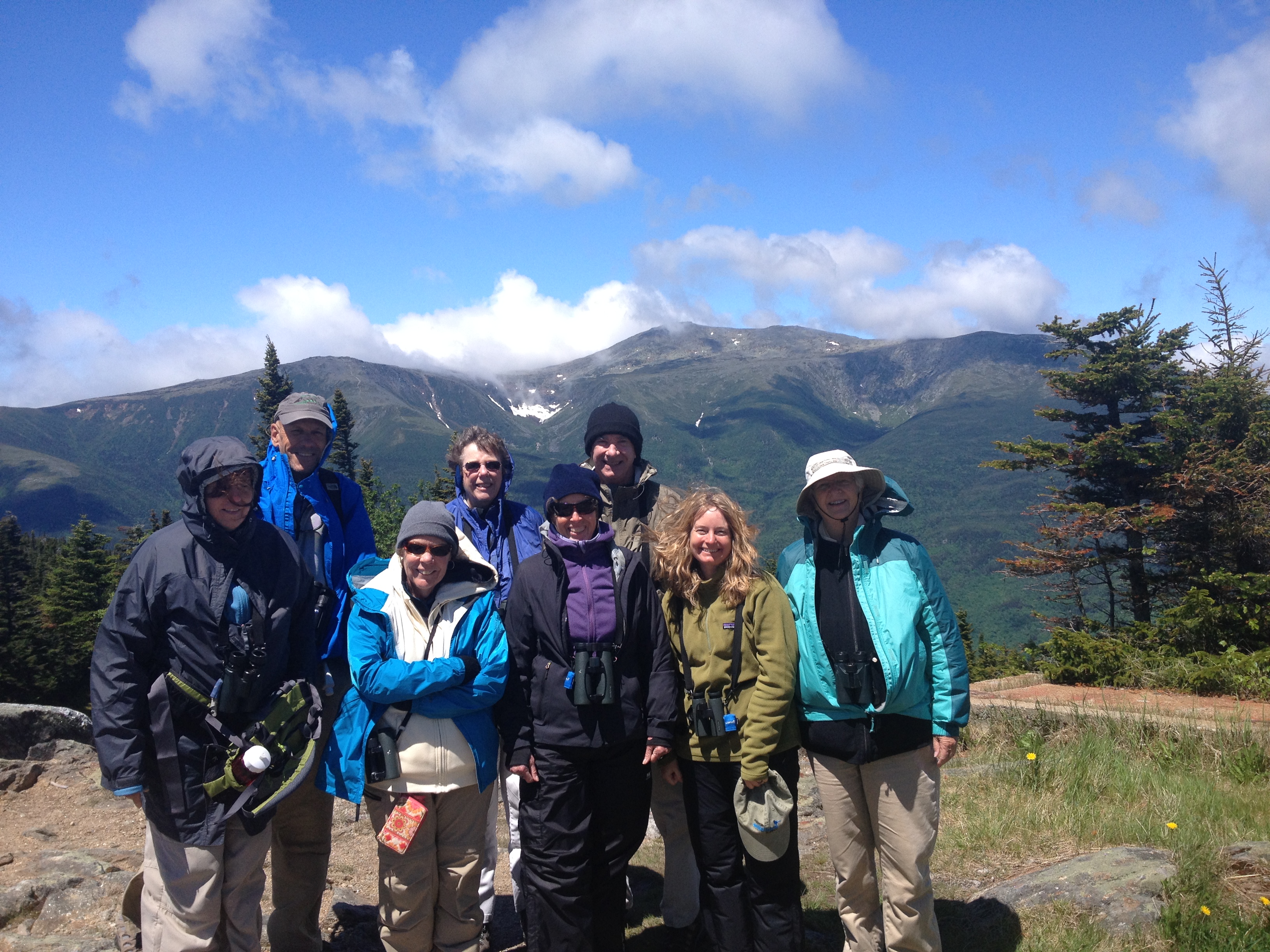
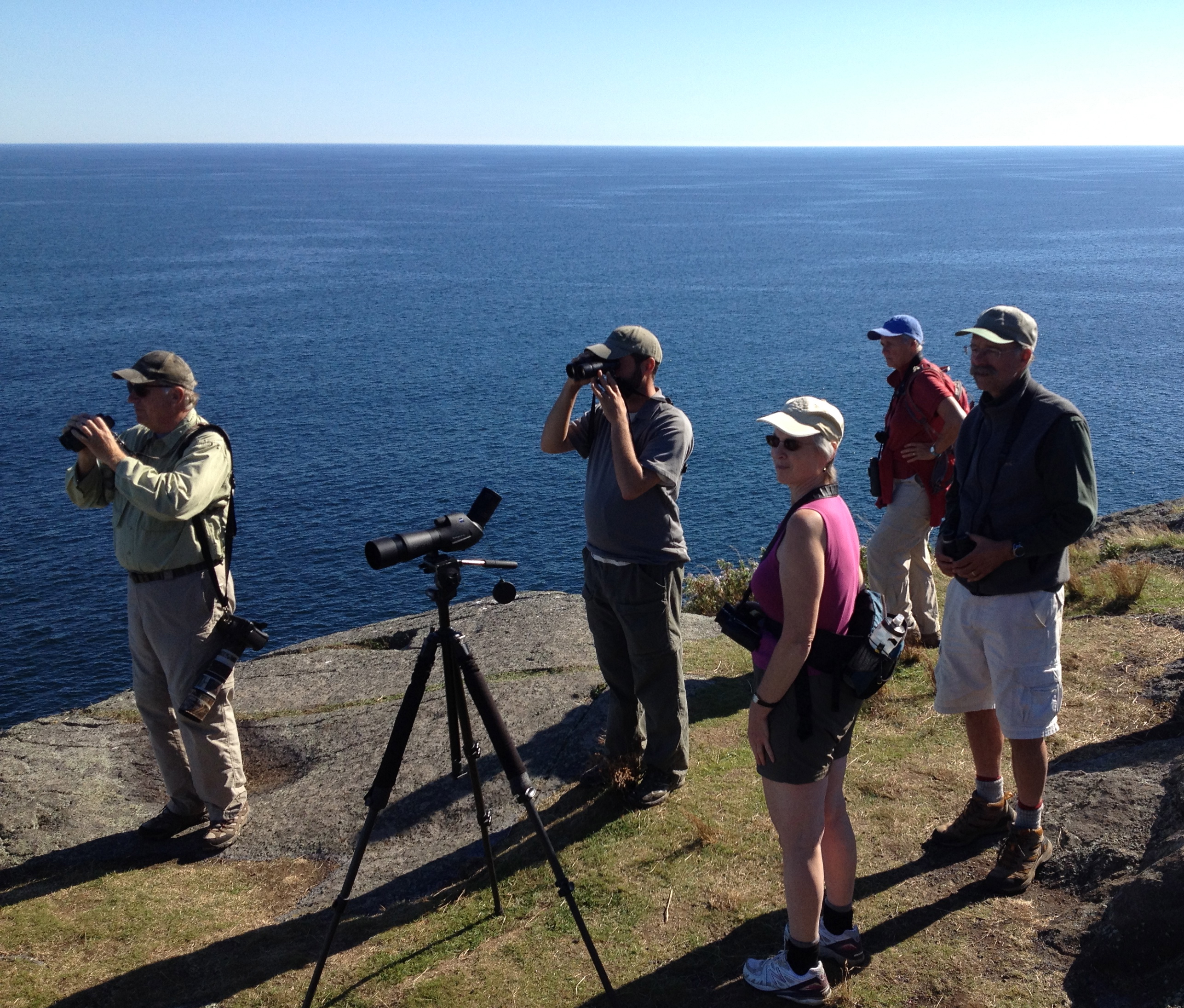
IMG_3632 Happy Thrush-watchers!

2014 MonhegZen Spring Migration Birding Weekend.

Ahh, Monhegan Island.

If only I could bird there every day for a full spring (or fall; I won’t be picky). But for now, I will relish my weekends there, and last weekend was our MonhegZen Migration Spring Birding Weekend…and the island did not disappoint.

So while we always expect the unexpected, we most definitely were not expecting this one.
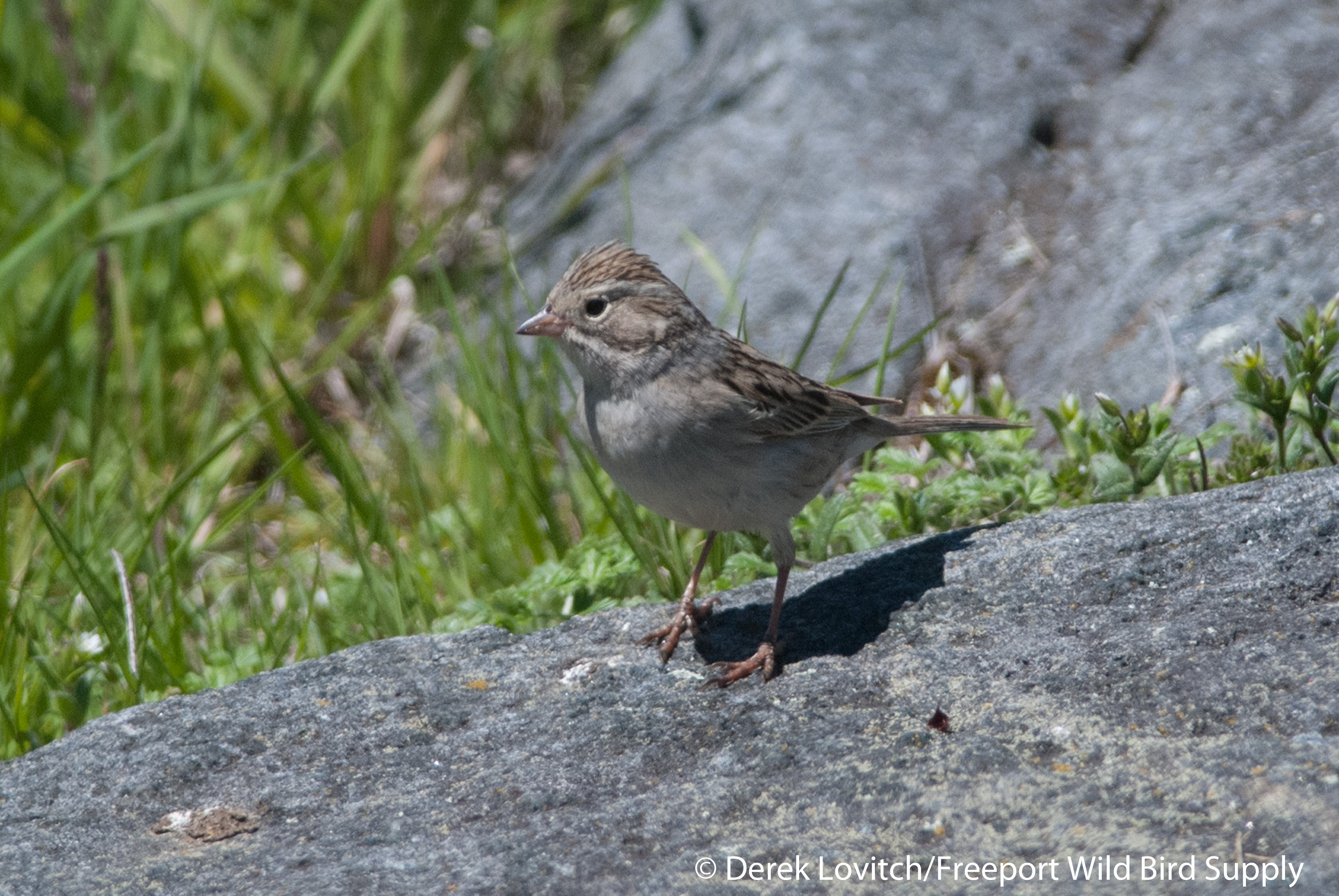
DSC_0124_BRSP1,Monhegan,5-25-14_edited-1 (Click on the photos for a larger image).

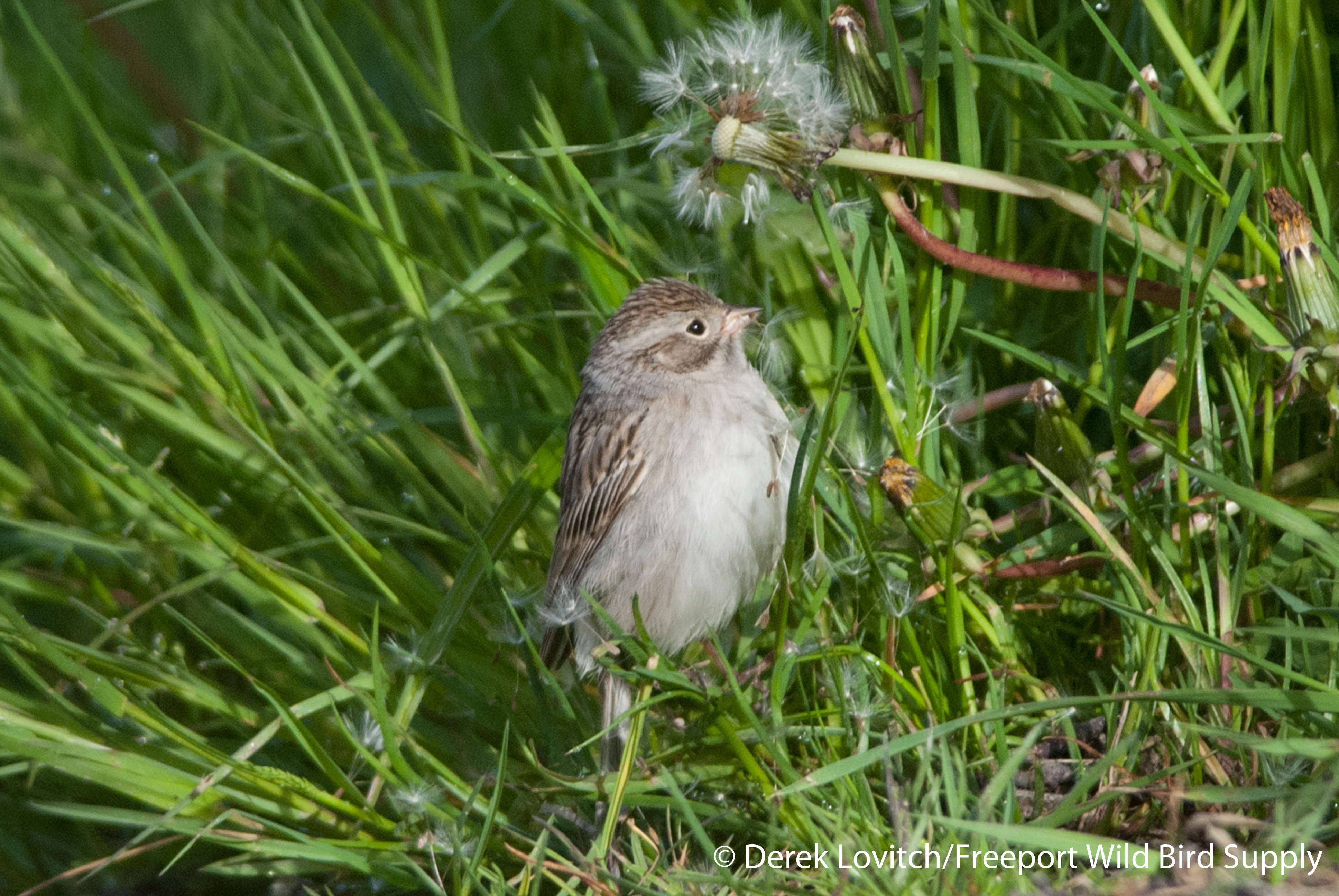
This first state record Brewer’s Sparrow was definitely not high on anyone’s list of next birds for Monhegan, or Maine (certainly not mine!). But more on the sparrow later.

Half of the group arrived with me on the Hardy Boat out of New Harbor on Friday morning, greeted by a veil of fog.

Arrival on Monhegan, 5-23-14
While the shroud of mist offered a lovely scene, it did put a damper on the birding for a little while (excuse the pun), but soon it cleared, and as the ceiling rose, so did the bird activity. In fact, this was the start of a fine weekend of weather – OK, it was rather chilly; extra blankets were dispersed for the night – but other than a few brief, very light showers, our Gore-Tex remained tucked away. We’ll call that a win.

Just about the first bird that we glassed upon our arrival was an immature male Orchard Oriole.  That’s the way we like to start a MonhegZen Birding Weekend!

The rest of Day 1 was highlighted by re-finding one of two immature male Summer Tanagers that had been frequenting the island lately. Friends picked up some seed on their way down (yes, the guy that owns a birdseed store and has several tons of seed on hand forgot to bring seed and had to have someone slum it at a hardware store. Gasp!), and we restocked the stash that kept the tanager visible for all through the weekend.
DSC_0017_SUTA,Monhegan,5-23-14_edited-1

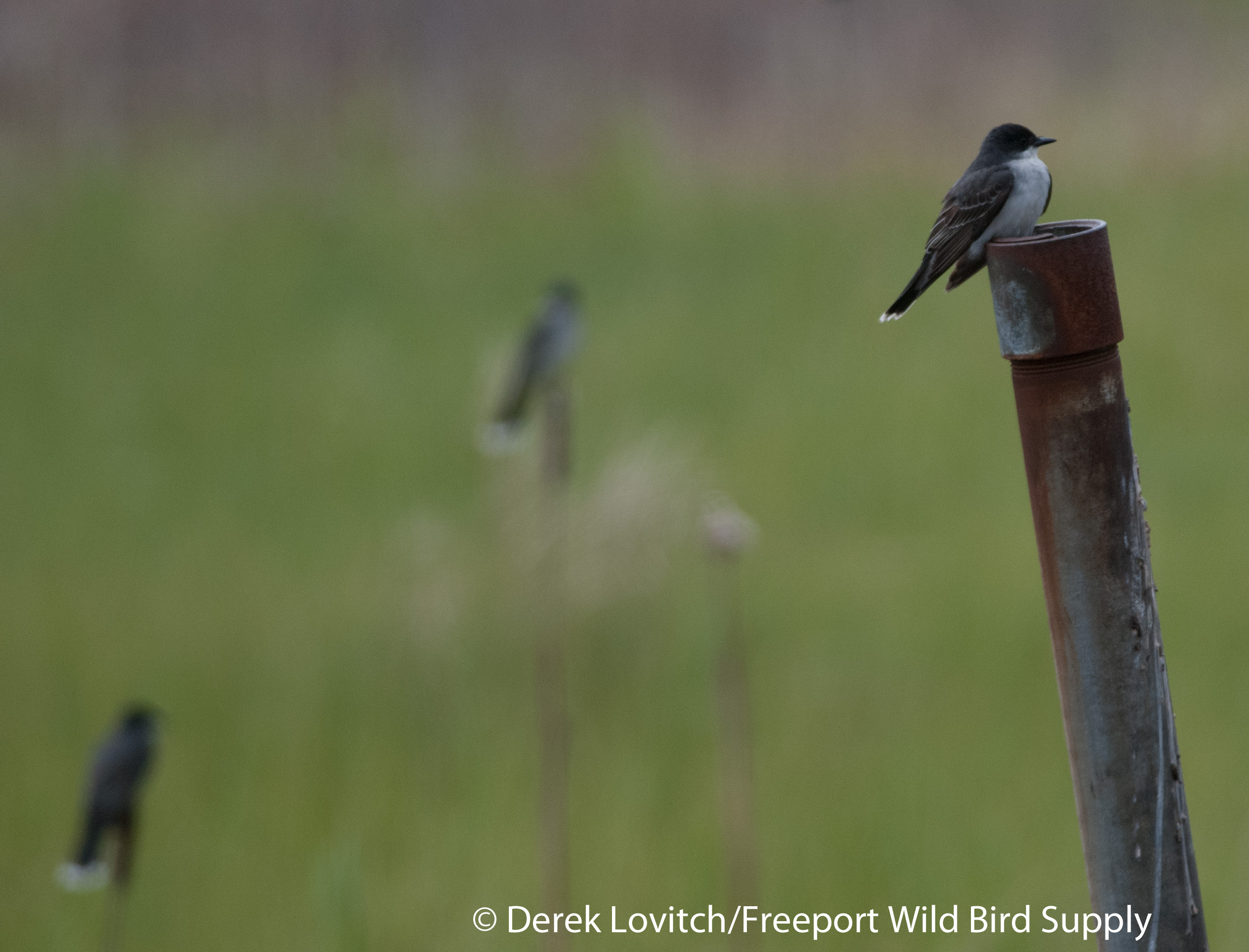
The tanager was our first “good” bird of the trip, but most of us agreed that the kingbird show near the pumphouse was the highlight of the first day. Indeed, it was a highlight for the entire weekend.  Sheltered from a persistent, but raw and cold, easterly wind, the back corner of the town marsh was just about the only place with flying insects out and about. Therefore, flycatchers had piled up here, led by 21 Eastern Kingbirds (growing to 25 by Saturday afternoon, before diminishing on Sunday and Monday).
DSC_0051_2EAKI,Monhegan,5-24-14, edited-1 DSC_0030_3EAKI,Monhegan,5-24-14_edited-1

Other flycatchers were present here, including a couple of cooperative Eastern Wood-Pewees, and several Least Flycatchers.
DSC_0047_LEFL1,Monhegan,5-24-14_edited-1

Little to no migration was visible on the radar overnight Friday into Saturday, and the lack of reorienting birds overhead after sunrise on Saturday morning confirmed the minimal movement overnight.  Although I awoke to a singing Mourning Warbler out my window, we never did catch up with one over the weekend.

But over the course of the day (as our group grew in size), we beat the bush and slowly but surely built up our species total. The Summer Tanager, the immature male Orchard Oriole, a very entertaining Peregrine Falcon over Manana, and 16 species of warblers were the day’s headliners. But yeah, by Monhegan standards, this was a slow day.

Sunday was not.

A light to moderate migration clearly produced some turnover, and plenty of new birds.  Some warblers were reorienting over the Trailing Yew after sunrise – always a good sign – and our walk to Lobster Cove was much slower in pace than on Saturday. A singing Field Sparrow, a calling Common Nighthawk, and a streaking Gray-cheeked/Bicknell’s Thrush were among the species that we added to our tally.

Then the text came through.

When describing our itinerary – or lack thereof – for the coming days upon our arrival, I talked about how chasing birds (dropping everything and running across the island) is often a futile exercise here, and instead we would work our way towards good birds, keeping our eyes open for them – and enjoying everything in our path. I joked that “but if I need it for my island list, all bets are off.”

First state records?  Fuhgettaboutit. Off we went. And I make no apologies…luckily, the coffee pot was on the way. I might not have gotten away with it otherwise.

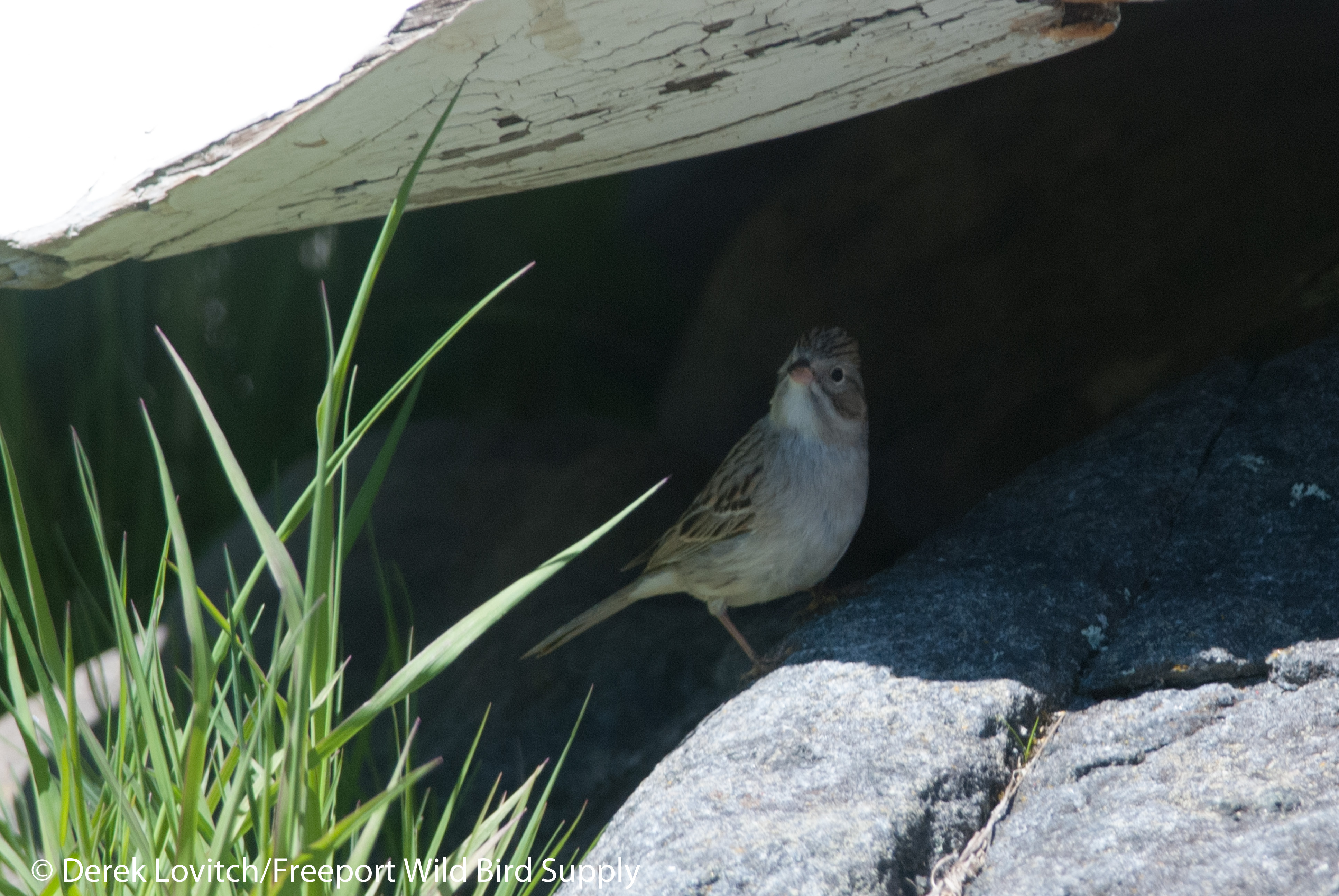
So yeah, “Maine’s International Birder of Mystery” discovered a Brewer’s Sparrow.  First found at the edge of the road at its terminus at the Ice Pond, it soon made its way into a nearby yard. Dandelion seeds were its quarry.

DSC_0120_BRSP3,Monhegan,5-25-14_edited-1

  DSC_0131_BRSP7,Monhegan,5-25-14_edited-1  DSC_0116_BRSP6,Monhegan,5-25-14_edited-1  DSC_0075_BRSP5,Monhegan,5-25-14_edited-1  DSC_0069_BRSP2,Monhegan,5-25-14_edited-1

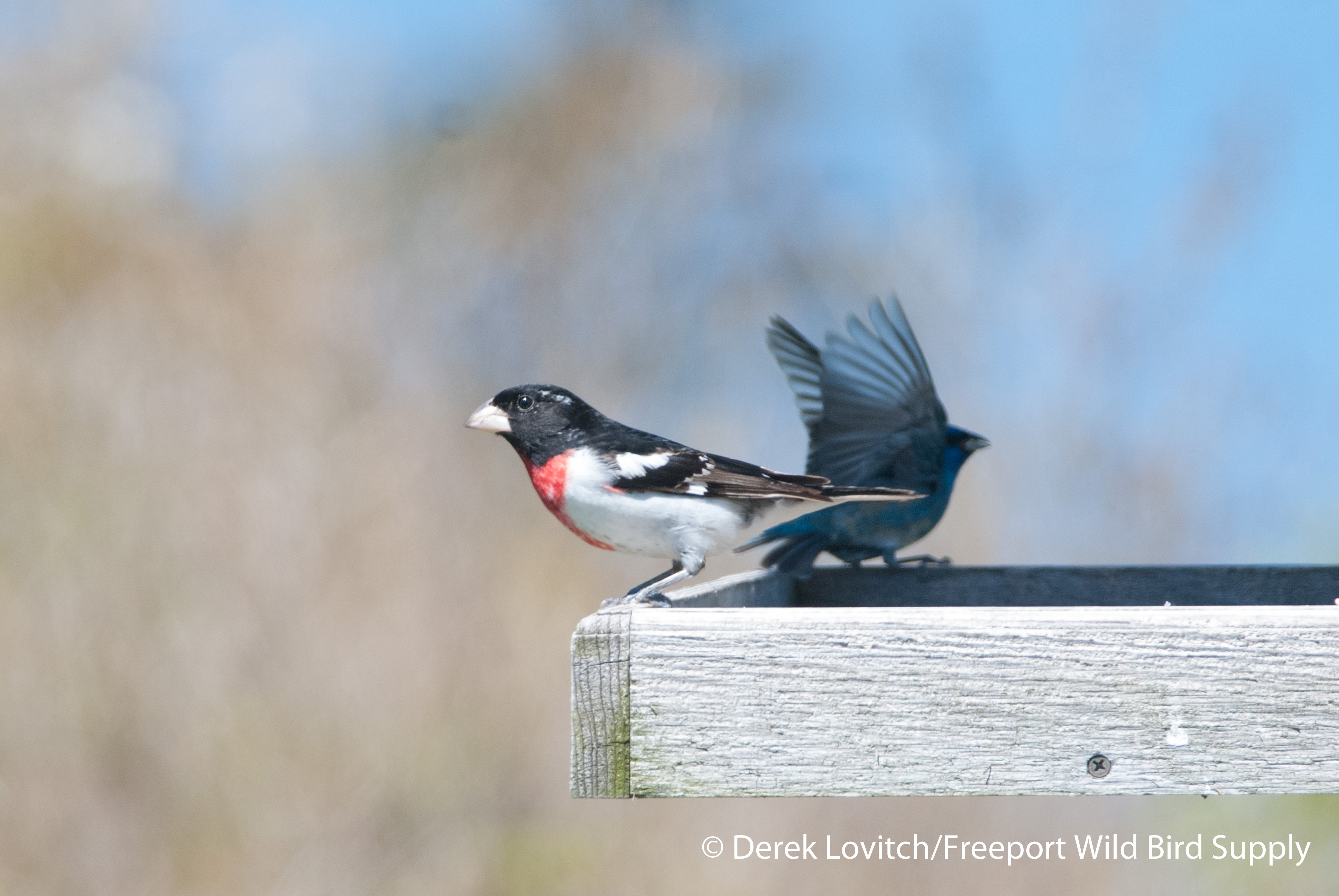
There were other birds to look at too. While I scrutinized the extent of streaking on the nape and crown of the sparrow and took way too many photos, the more sane of the group enjoyed a splash of color at the nearby feeders – at least 3 Rose-breasted Grosbeaks and an Indigo Bunting.
DSC_0100_RBGRandINBU,Monhegan,5-25-14_edited-1

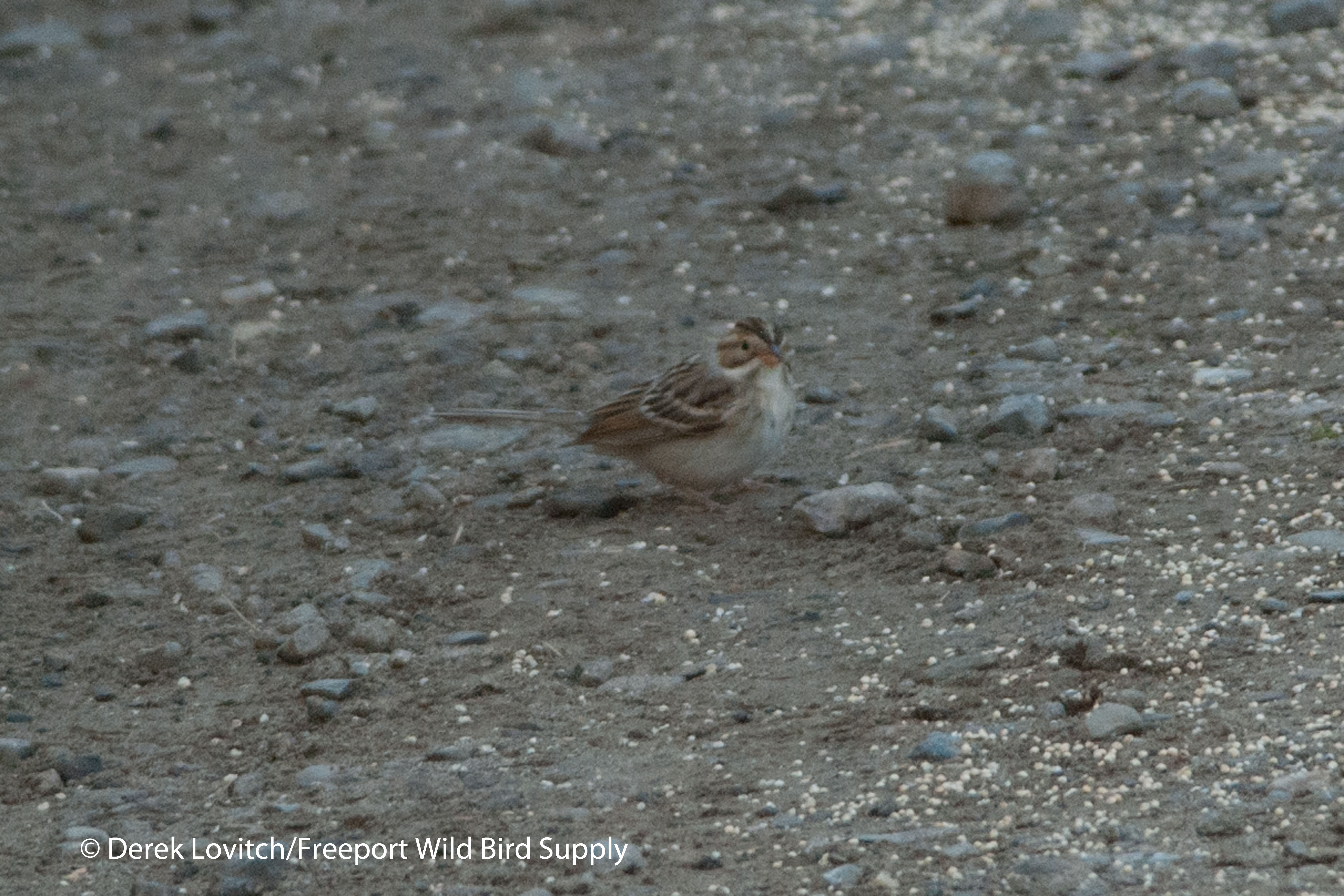
Elsewhere, a Clay-colored Sparrow on one of my other seed stashes, several great views of Philadelphia Vireos, the continuing Summer Tanager, a second Orchard Oriole (an adult male) and a variety of warblers were the other highlights.

All weekend long we had been enjoying lots of warblers, but somehow we only amassed 19 species (we missed singles of Nashville and Prairie seen by others). But of those that we did see, most of them we saw stunningly well. Magnolia, American Redstart, Yellow, and Common Yellowthroat dominated each day, but we had a bunch of Northern Parulas and Chestnut-sided on Sunday as well.  And the views of Canada Warblers and one particular Northern Waterthrush will be tough to beat.

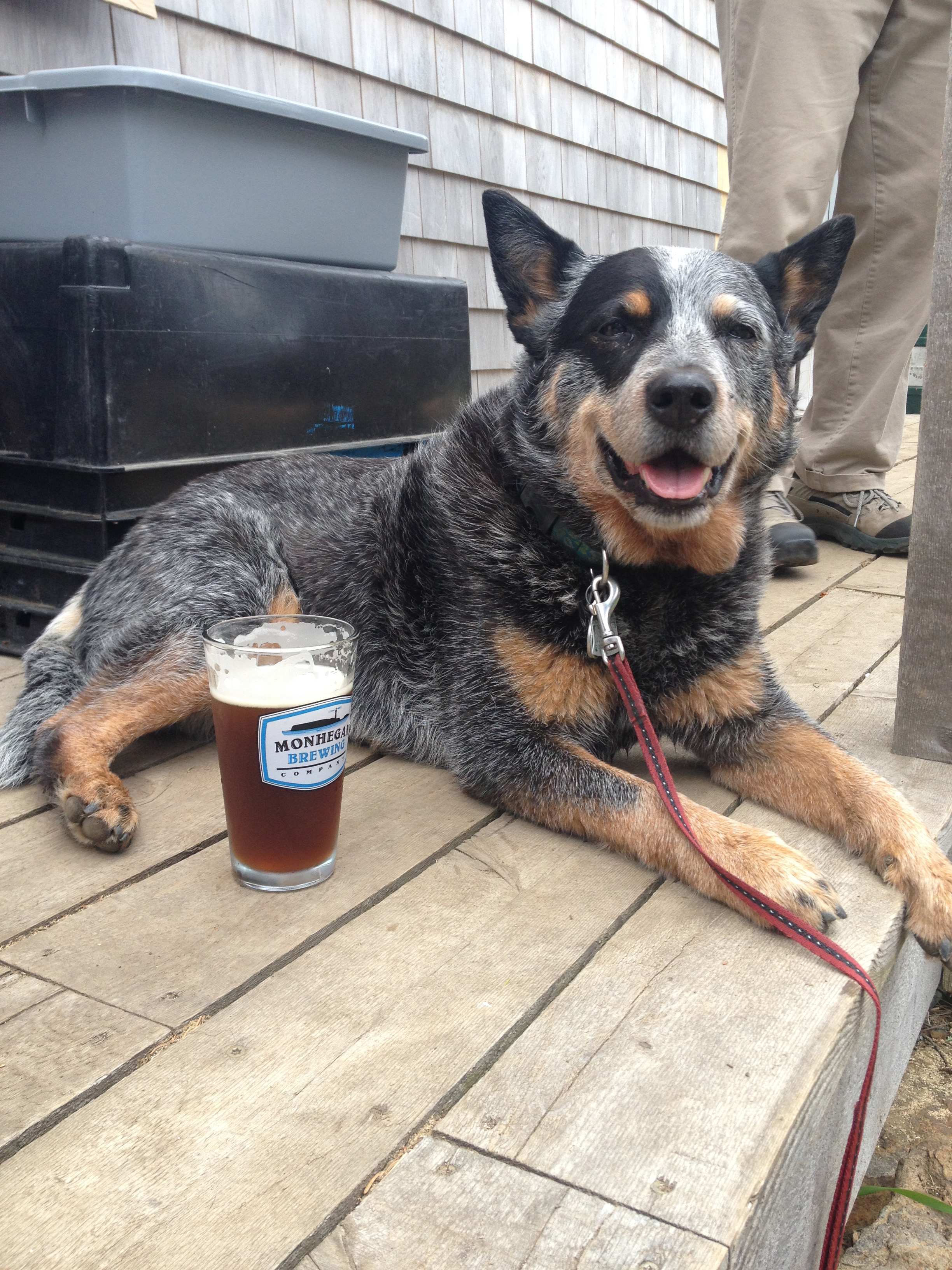
Like each of our first two days on the island, Sunday’s tour came to an end at the Monhegan Brewing Company. On Sunday night, the Brewer’s Sparrow was celebrated, and ideas for a “Brewer’s Brew” or something like that was hatched.

The group had accumulated 89 species (including the aforementioned 19 species of warblers), which was actually well below average for my MonhegZen Spring Birding Weekends.  But at least for me, I had one day left to add to the total, as I extended my stay for another night.

A very strong flight overnight suggested that this was a good call, but I was surprised by how many fewer birds were around on Monday morning than on Sunday. Especially when surrounded by fog – as we were overnight and into the morning – I have found that on really strong flights with favorable conditions, birds probably fly over the island. Perhaps the shroud of fog prevented them from even knowing there was an island below.

However, nearly three hours after sunrise, the winds shifted to the southwest, the ceiling lifted, and all of the sudden, there were warblers in the air. Had they been silently creeping around the forests, waiting for some clearing to reorient to the mainland?  Or, were these birds that were overhead, lost above the fog, looking for a place to finally land?

Hard to say, but for a couple of hours, the birding was quite good. Blackpoll Warblers had increased dramatically, and I had more Bay-breasted and Tennessee Warblers than the previous days, and the Cedar Waxwing flock increased dramatically.

Jeannette and Sasha (finally making her first trip here at the age of 14) arrived, and our friends Paul and Kristen joined us for the next couple of hours.  Blackpoll and Bay-breasted Warblers continued to put on a good show, as did the Brewer’s Sparrow.  More importantly for Jeannette, she was able to successfully twitch all three things she was after today: Hardy Boat cinnamon rolls, Novelty pizza, and Monhegan Brewing.  Yeah, she looked at the sparrow, too.

While Sasha was unable to successfully add Brewer’s Sparrow to her list, she did carefully study plumage variation in Herring and Great Black-backed Gulls. 
Sasha_watching_gulls,Monhegan,5-26-14

She also joined us at the brewery for one final pint.
Sasha_atMonheganBrewery,5-26-14

When many of us present for the weekend’s excitement boarded the boat at 3:15, I was sorry to go, as usual. I eked out 94 species when all was said and done (still below average for a spring weekend out here) including 19 species of warblers (I almost never miss hitting 20 here). While the overall list might have been a little low, the quality of views of most species was hard to beat. The overall quality of the bird list wasn’t too shabby, either. A first state record doesn’t hurt.

The following is my checklist for the group for Friday through Sunday. Monday’s total included birds seen with Jeannette, Paul, and Kristen. The included numbers for each day are conservative estimates or counts of the number of individuals of each species we saw and/or heard on the island (not including the ferry rides).

Species: Friday, May 23rd/Saturday May 24th/Sunday, May 25th/Monday, May 26th.

American Black Duck: 1/0/0/0
Mallard: 15/21/10/10
Black Scoter: 0/0/0/2
Common Eider: x/x/x/x
Red-breasted Merganser: 0/0/0/1
Ring-necked Pheasant: 3/4/5/4
Common Loon: 4/6/6/4
Northern Gannet: 5/6/6/12
Double-crested Cormorant: x/x/x/x
Great Blue Heron: 0/3/0/0
Osprey: 1/3/1/0
Sharp-shinned Hawk: 0/0/0/1
Peregrine Falcon: 0/1/0/0
Merlin: 1/0/0/0
Virginia Rail: 1/1/1/1
Laughing Gull: 5/12/4/2
Herring Gull: x/x/x/x
Great Black-backed Gull: x/x/x/x
Black Guillemot: x/x/x/x
RAZORBILL: 0/1/0/0
Mourning Dove: 6/6/8/4
Common Nighthawk: 0/0/1/0 (FOY)
Chimney Swift: 1/1/2/0
Ruby-throated Hummingbird: 2/4/4/3
Downy Woodpecker: 2/0/0/0
Northern Flicker: 1/0/2/2
Eastern Wood-Pewee: 2/2/2/3
Yellow-bellied Flycatcher: 0/1/2/2
Alder Flycatcher: 0/0/0/3 (FOY)
“Traill’s” Flycatcher: 0/0/0/5
Least Flycatcher: 3/1/6/6
Eastern Phoebe: 1/0/0/0
Eastern Kingbird: 27/25/14/15
Blue-headed Vireo: 0/0/0/1
Philadelphia Vireo: 0/0/2/4
Red-eyed Vireo: 2/2/12/20
Blue Jay: 8/12/8/8
American Crow: x/x/x/x
Common Raven: 2/2/2/2
Tree Swallow: 8/5/6/6
Bank Swallow: 2/2/2/0
Cliff Swallow: 0/0/1/0
Barn Swallow: 2/2/1/2
Black-capped Chickadee: x/x/x/x
Red-breasted Nuthatch: 0/1/2/3
Carolina Wren: 4/8/6/6
Winter Wren: 0/0/1/0
Golden-crowned Kinglet: 0/2/2/4
Ruby-crowned Kinglet: 0/0/0/1 (late)
Veery: 1/1/1/0
GRAY-CHEEKED/BICKNELL’S THRUSH: 0/0/1/0
Swainson’s Thrush: 0/0/1/0
Hermit Thrush: 0/0/1/0
American Robin: 10/10/8/6
Gray Catbird: x/x/x/x
Brown Thrasher: 0/1/1/0
European Starling: 6/4/8/6
Cedar Waxwing: 3/4/18/60
Tennessee Warbler: 0/2/0/4
Northern Parula: 3/12/30/15
Yellow Warbler: 25/25/35/30
Chesnut-sided Warbler: 6/5/20/10
Magnolia Warbler: 25/20/25/20
Black-throated Blue Warbler: 6/8/8/4
Yellow-rumped Warbler: 6/8/0/0
Black-throated Green Warbler: 10/15/15/15
Blackburnian Warbler: 2/0/2/3
Bay-breasted Warbler: 0/1/0/8 (FOY)
Blackpoll Warbler: 4/3/10/50
Black-and-white Warbler: 5/5/10/5
American Redstart: 10/15/35/30
Ovenbird: 0/0/2/0
Northern Waterthrush: 0/3/3/3
MOURNING WARBLER: 0/1/0/0 (FOY)
Common Yellowthroat: 35/35/30/30
Wilson’s Warbler: 4/0/5/1
Canada Warbler: 2/4/4/2
SUMMER TANAGER: 1/1/1/0
Chipping Sparrow: 10/10/6/8
CLAY-COLORED SPARROW: 0/0/1/0
BREWER’S SPARROW!!!!: 0/0/1/1
Field Sparrow: 0/0/1/1
Savannah Sparrow: 1/1/3/1
Song Sparrow: x/x/x/x
Swamp Sparrow: 1/2/2/1
White-throated Sparrow: 1/0/10/10
Northern Cardinal: 6/8/8/6
Rose-breasted Grosbeak: 0/0/4/3
Indigo Bunting: 1/3/4/2
Bobolink: 8/6/4/4
Red-winged Blackbird: x/x/x/x
Common Grackle: 10/15/15/10
ORCHARD ORIOLE: 1/1/2/1
Baltimore Oriole: 0/1/3/4

American Goldfinch: 6/12/8/6

MonhegZEN Birding Fall Migration Weekend, 9/26-30/13

This past weekend was my annual “MonhegZEN Migration Weekend.”  A small group – absolutely no more than eight people per day – joins me on a per diem basis to enjoy the wonder of fall migration at this offshore hotspot.  While the 105 total species was right about my Fall Weekend average, it did include 20 species of warblers, and a variety of the usual fall-on-Monhegan cast of characters.  And a few “good” birds as always.

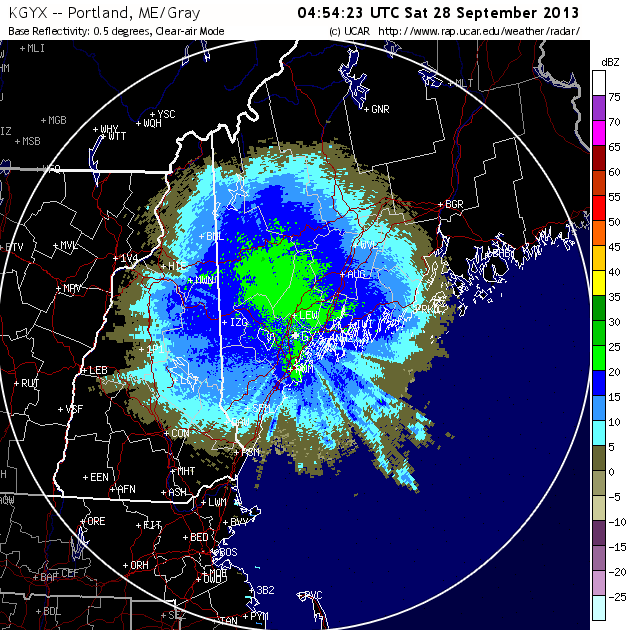
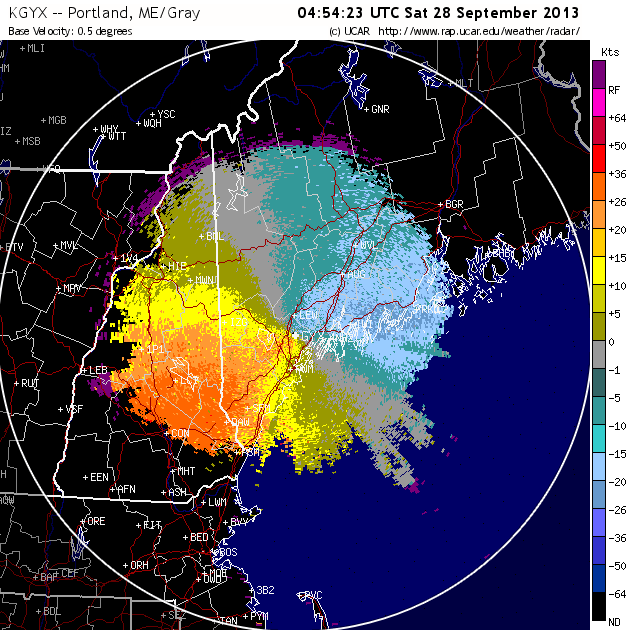
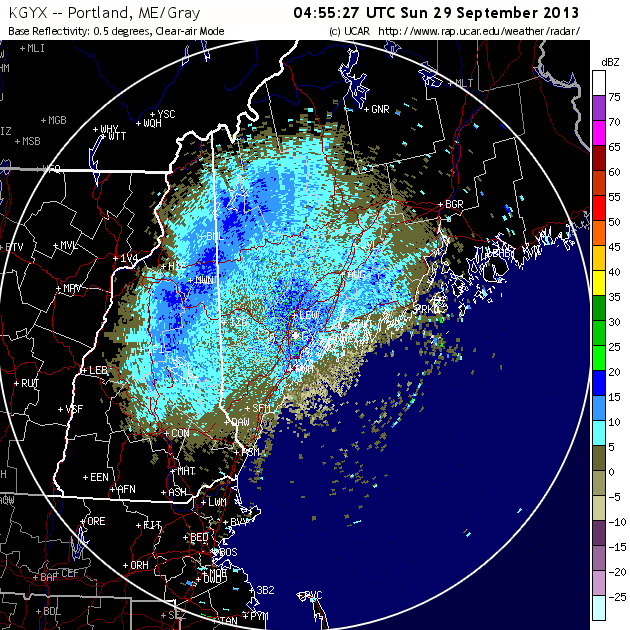
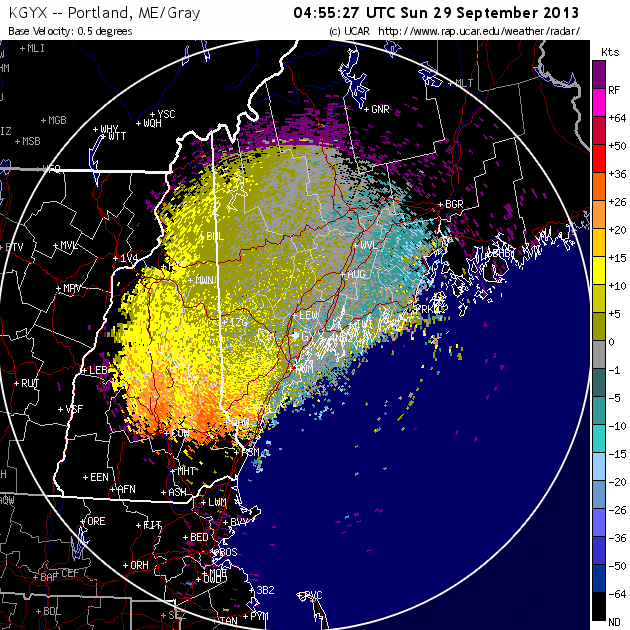
But before I get into the daily rundown, let me post a quiz.  Here are the 1am radar and velocity images from each of the four nights preceeding each of my four days on the island.  Can you guess which days had the most birds?
9-27-13 1am ref 9-27-13 1am vel 9-28-13 1am ref 9-28-13 1am vel 9-29-13 1am ref 9-29-13 1am vel 9-30-13 1am ref 9-30-13 1am vel

If you said the first two had more birds than the second two, you would be absolutely right!  And yes, Saturday (Day 2) was definitely the best day for migrants on the island.  And yes, Monday (Day 4) was very, very slow.  The radar certainly suggested it, and our birding over the course of each day definitively ground-thruthed it.

IMG_1587Leaving Port Clyde, 9/26.

After the good flight on Thurday night into Friday morning, I arrived with part of my group from Port Clyde on the 7am ferry, dropping us on the island just before 8.  The birding was still going strong.  In fact, it took us almost an hour and a half just to walk to the end of Dock Road (about ¼ mile)!  At least six Cape May Warblers in one cluster of spruces, Rusty Blackbirds were overhead (including one just as our boat docked, a nice welcome to the island), and then a buzz-by from a Cooper’s Hawk.

Common on the mainland, Coops are rather rare this far offshore, and I don’t see them on the island every fall, so this was a real treat – and an “Island Bird” for a friend I was exchanging info with.  A short while later we caught up with the last individual of what was once 5 Broad-winged Hawks that drifted to the island – only my second-ever out here.   A Yellow-billed Cuckoo, a continuing Lark Sparrow, Clay-colored Sparrow, and Dickcissel – yup, most of the usual fall Monhegan “trash birds!”
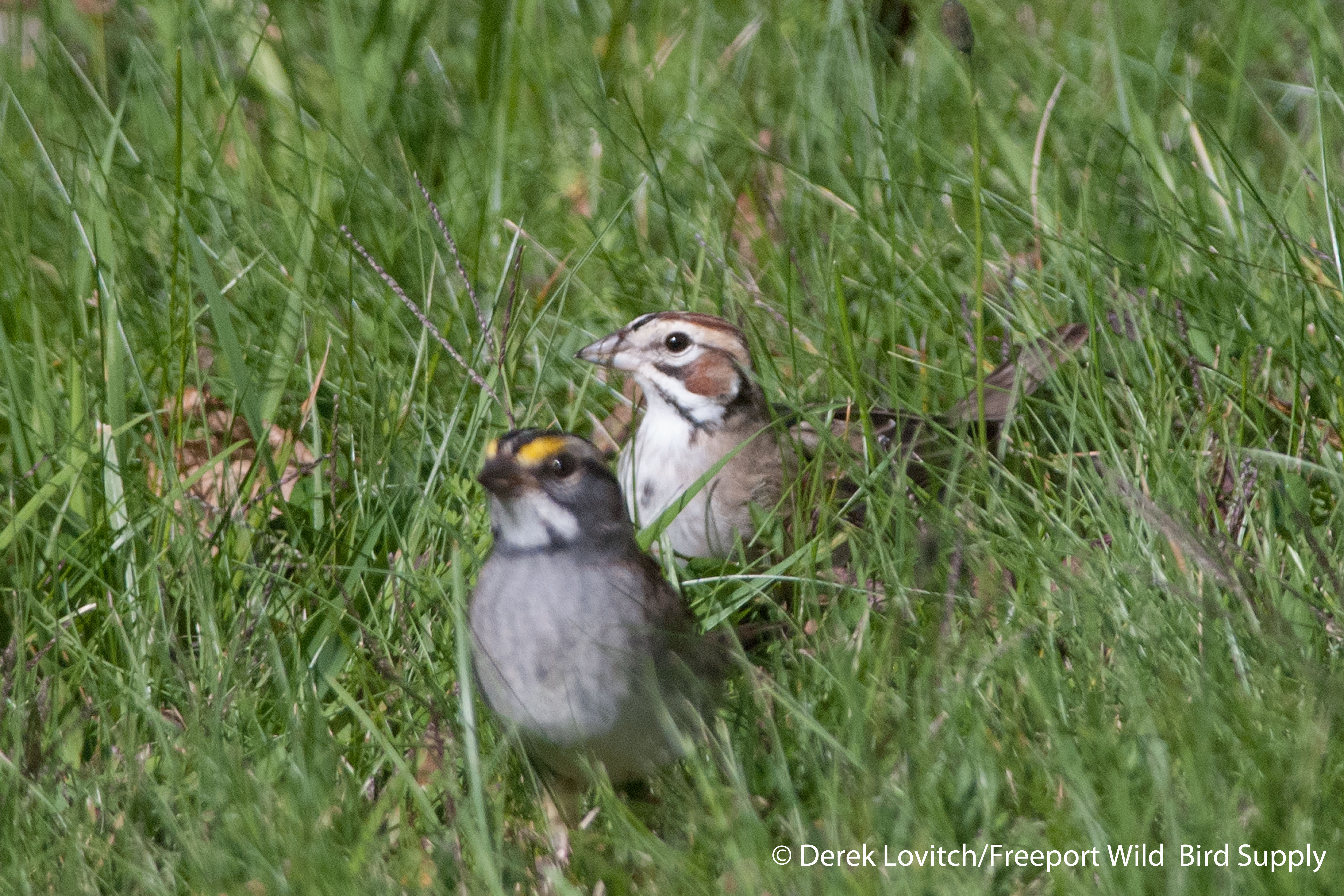
a -DSC_0007_LASP1,Monhegan,9-28-13Lark and White-throated Sparrows

b -DICK1,Monhegan,9-27-13Very pale juvenile Dickcissel

c -CCSP,Monhegan,9-27-13Clay-colored Sparrow.

Honestly however, the bird of the day – from an island rarity perspective – was probably House Sparrow.  Seriously.   A male that apparently landed on the Hardy Boat half way to the island a few days prior had taken up residence here.  Were a female to show up – almost certainly in similar fashion – then we could have an issue <insert ominous foreshadowing music here>.

The morning flight was hot and heavy on Saturday morning.  In fact, there was so much overhead that we barely left the grounds of the Trailing Yew before breakfast.  All we could do was stand around, look up, and marvel at the wonders of migration.  Hundreds of Yellow-rumped Warblers, 10’s of Palm Warblers, oodles of Golden-crowned and Ruby-crowned Kinglets…2-3 Blue-gray Gnatcatchers, another Dickcissel or two, and a fly-by Blue Grosbeak (the first on the island this fall?) – it would have been overwhelming to quantify, but luckily, when I am away from SandyPoint, I am not nearly as compulsive.  Phew.

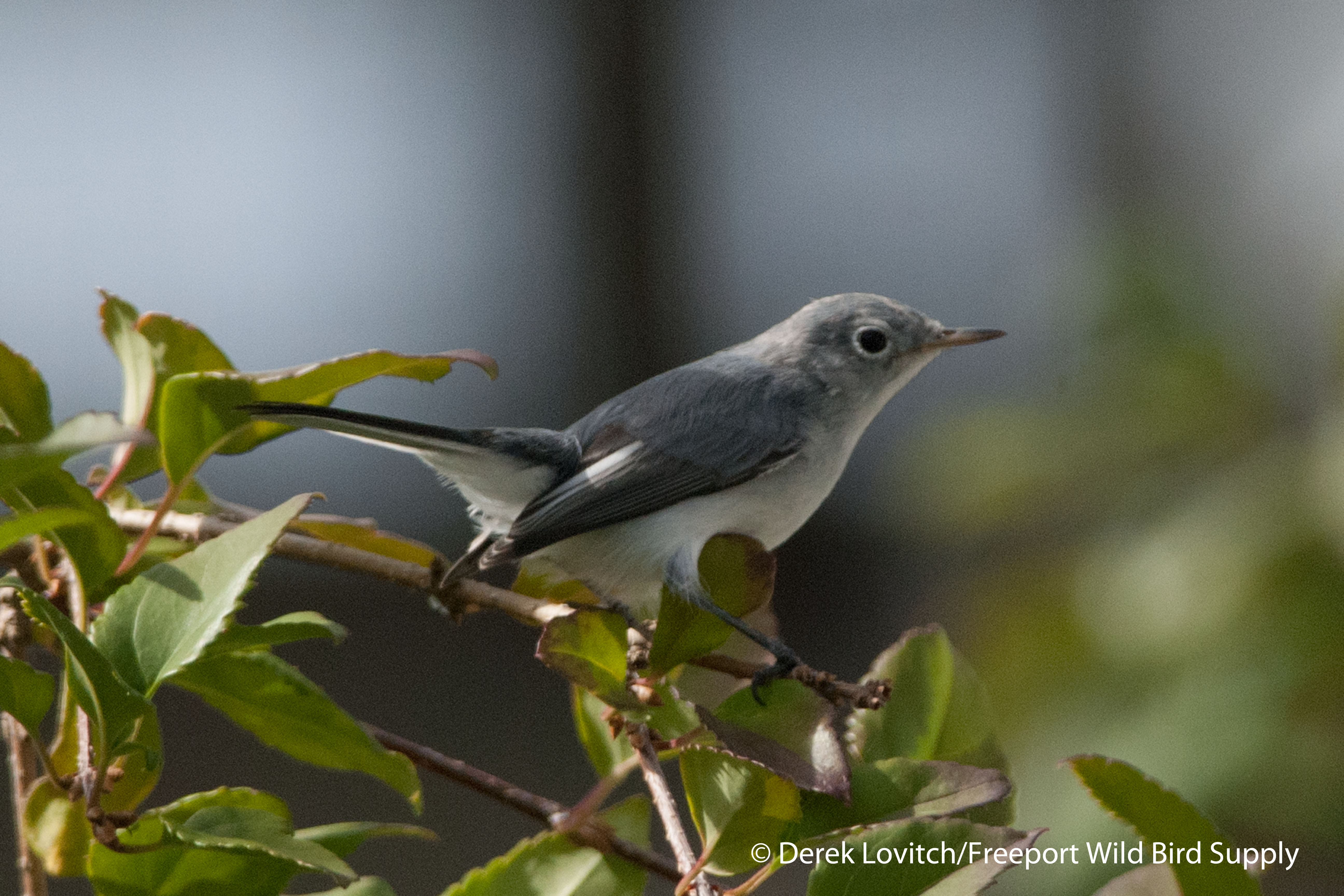
d -DSC_0020_BGGN1,Monhegan,9-28-13e -DSC_0016_BGGN_jumping,Monhegan,9-28-13
This Blue-gray Gnatcatcher visited us while we were dining on Novelty pizza.

ea -DSC_0092_BRCR,Monhegan,9-29-13Brown Creepers were common, and unusually photogenic, throughout the day.

Good birding continued throughout the day.  We confirmed a Nelson’s Sparrow in the marsh at Lobster Cove and found a Marsh Wren.  We tallied 17 species of warblers over the course of the day. It was warm.  It was calm.  It was simply perfect!

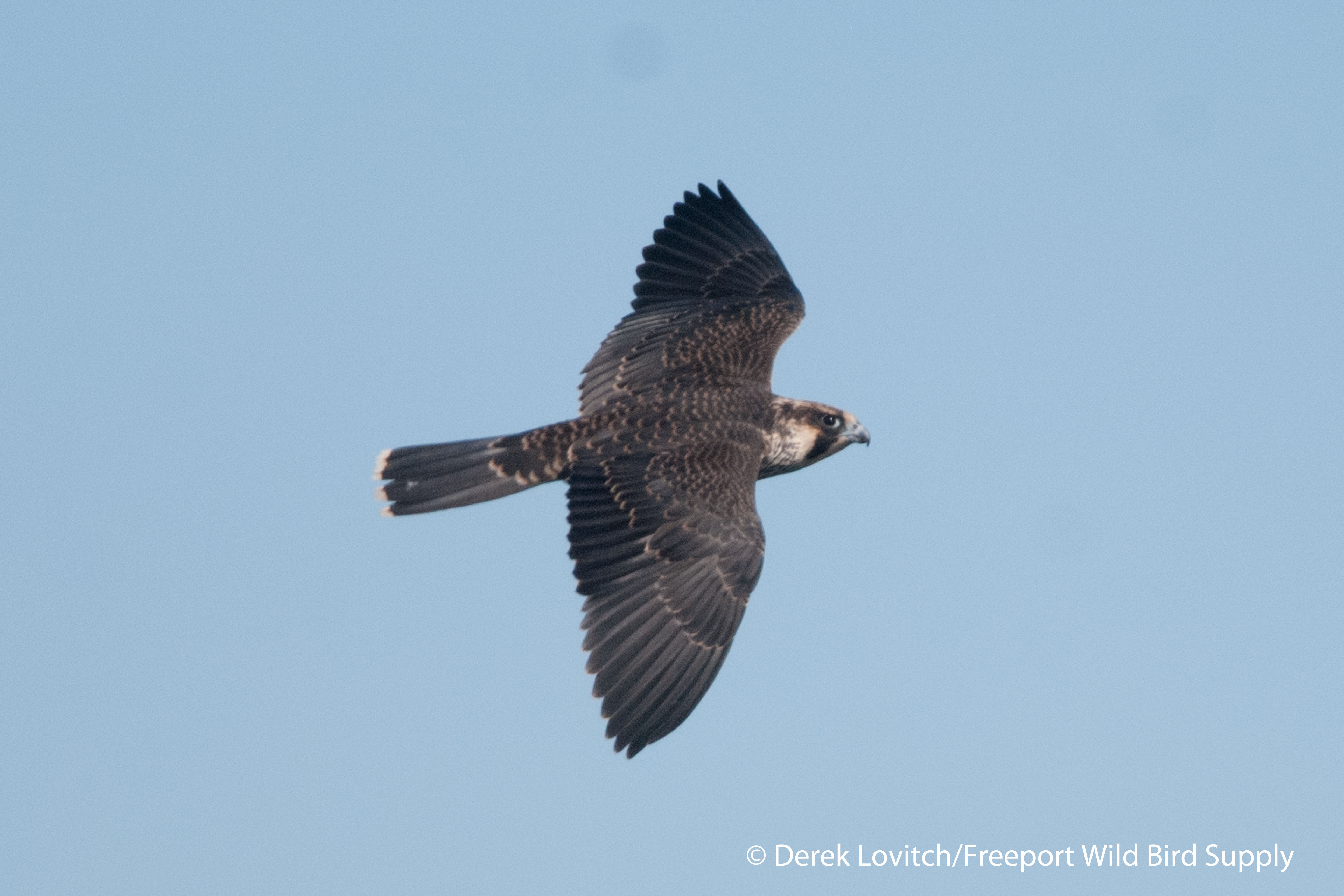
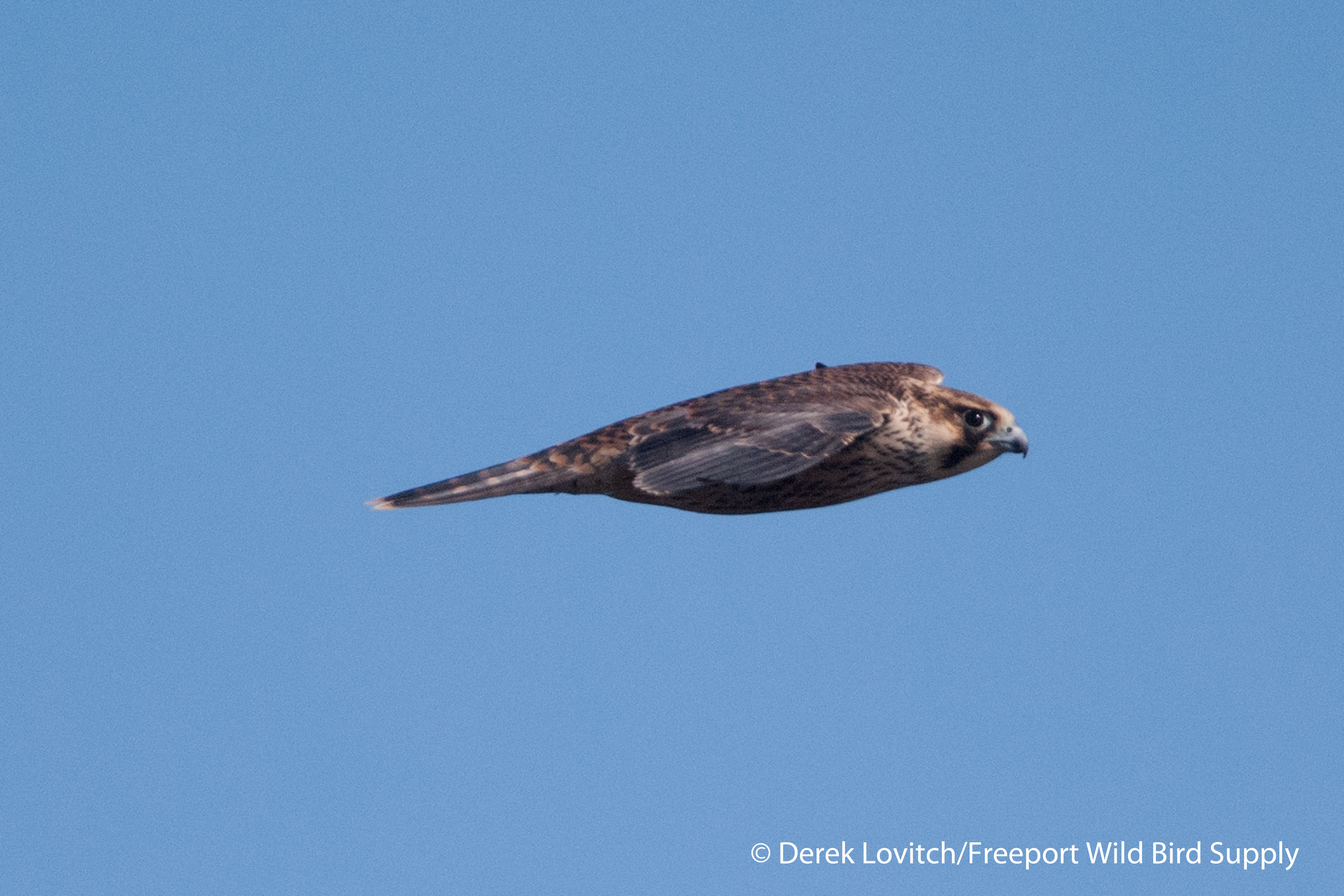
But we all agreed that the highlight was the afternoon on White Head.  A light southeasterly breeze produced a light updraft off of the cliffs, and Peregrine Falcons were taking full advantage.  Some birds were swirling around, doing little more than what could be described only as “playing” in the wind.  Some birds were undoubtably passage migrants getting a quick lift from the rising warm air.  We know there were at least six Peregrines, as we had a bona-fide kettle of six swirling together at one point.  Normally, the hawkcounter in me swings into action.  But alas, this is MonhegZEN birding, so I just sat back and enjoyed the show.
eb -DSC_0104_PEFA1,Monhegan, 9-28-13f -DSC_0105_PEFA2,Monhegan,9-28-13

g -DSC_0124_PEFA3,Monhegan,9-28-13j -DSC_0053_OSPR1,Monhegan,9-26-13me_with_group_Monhegan,9-28-13,K.Lindquist (Photo (c) K. Lindquist).
Sea- and Hawk-watching from White Head. Lots of eye-to-eye Peregrine Falcons, an Opsrey, and a distant Minke Whale or two.

A shroud of fog enveloped the island on Sunday morning, but there weren’t too many birds overhead to be obscured by it.  Although there were few birds overhead or moving around once the fog lifted, there was still an ample supply of Yellow-rumped Warblers and Golden-crowned Kinglets.   We happened upon a Prairie Warbler, and added a few other species to our trip list, such as two Ruby-throated Hummingbirds, and – finally – Ring-necked Pheasants (how did I go two days without hearing or seeing a pheasant here?).  Lark Sparrow, Yellow-billed Cuckoo, Rusty Blackbird, Least Flycatcher (finally, after three days I had an Empid to try and string!)…the list goes on.  But overall, birding was decidedly slower than the previous two days (note what constitutes a slow day on Monhegan!), and rather warm.
IMG_1591IMG_1600IMG_1597
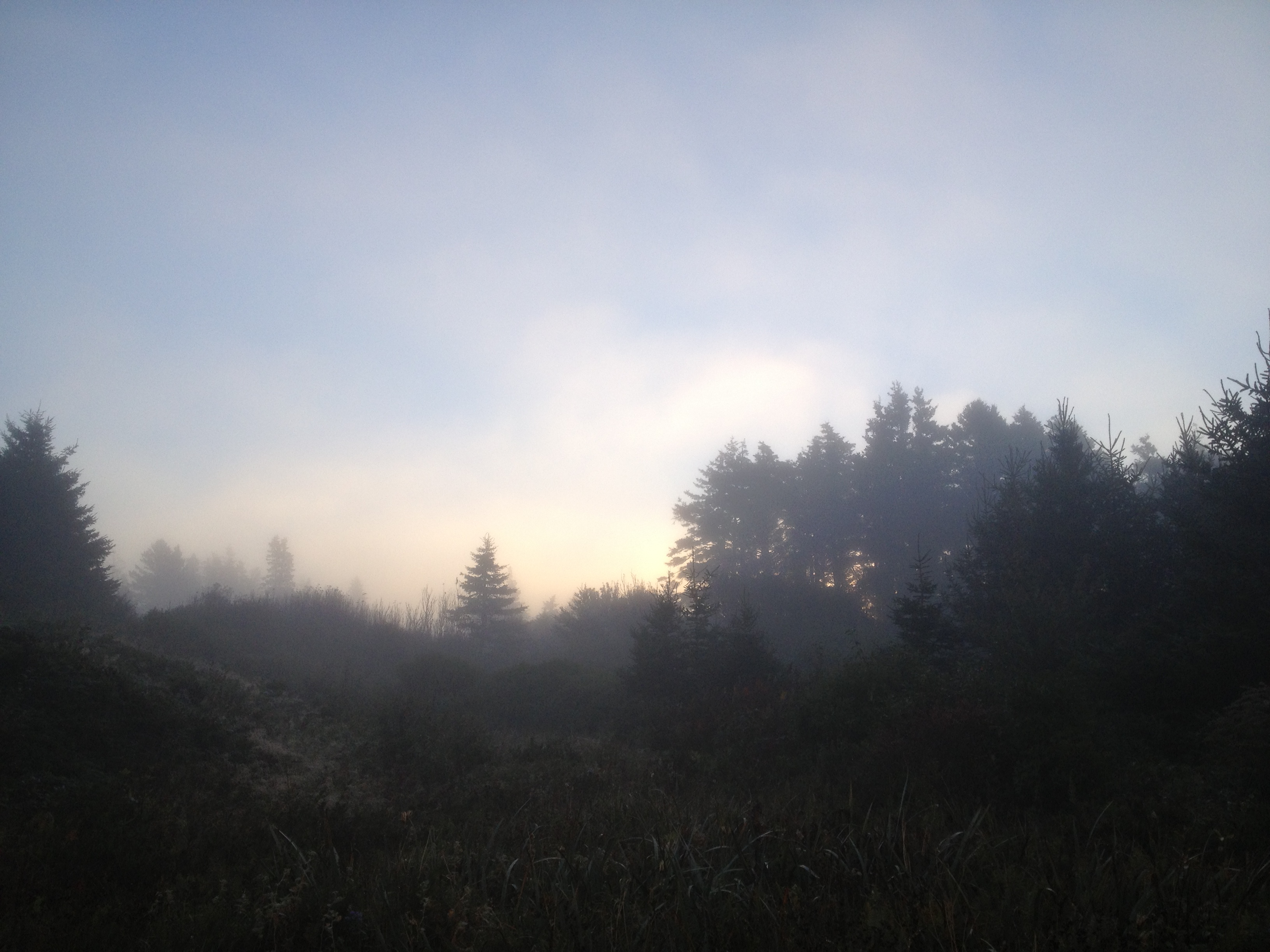
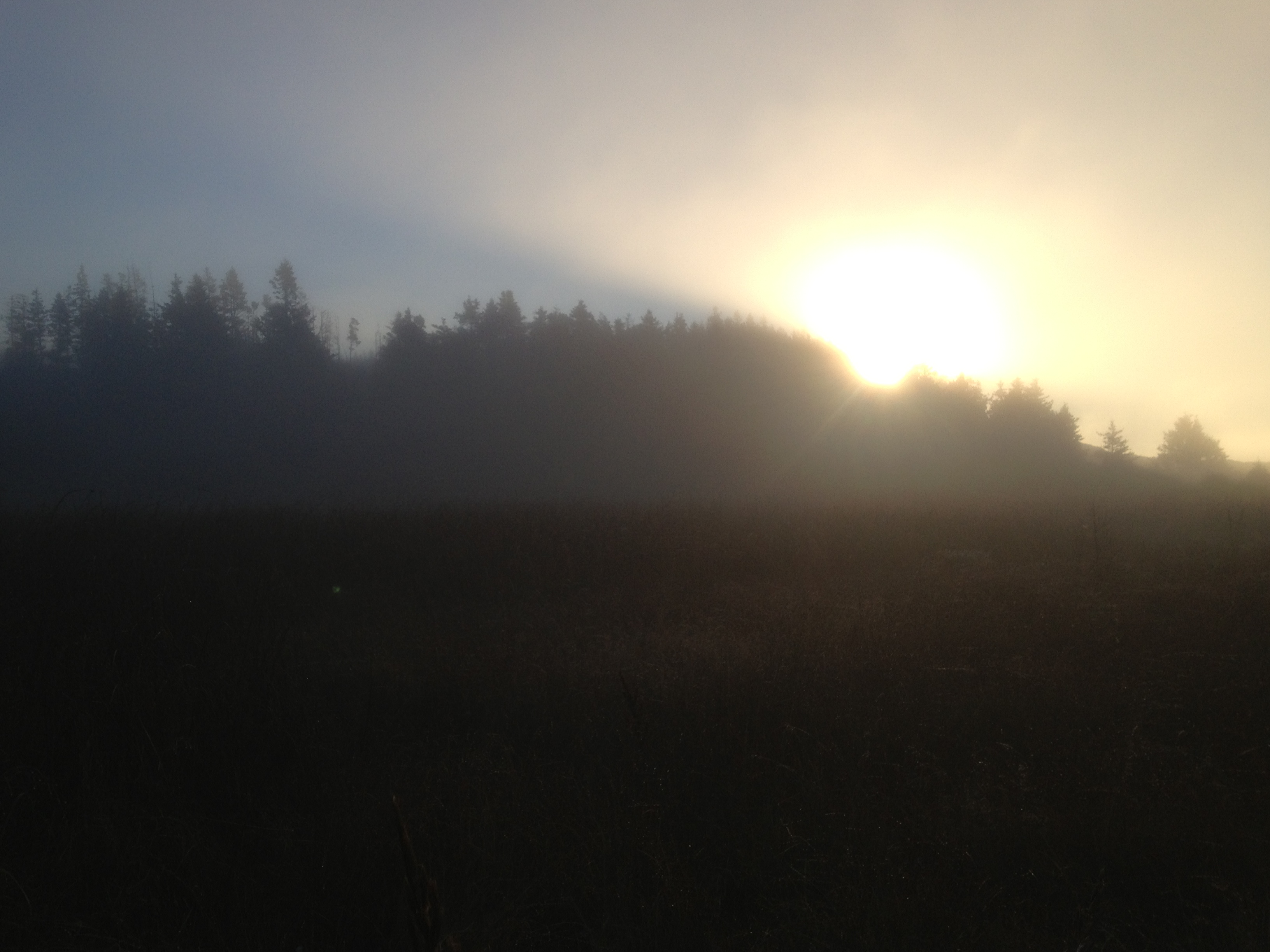
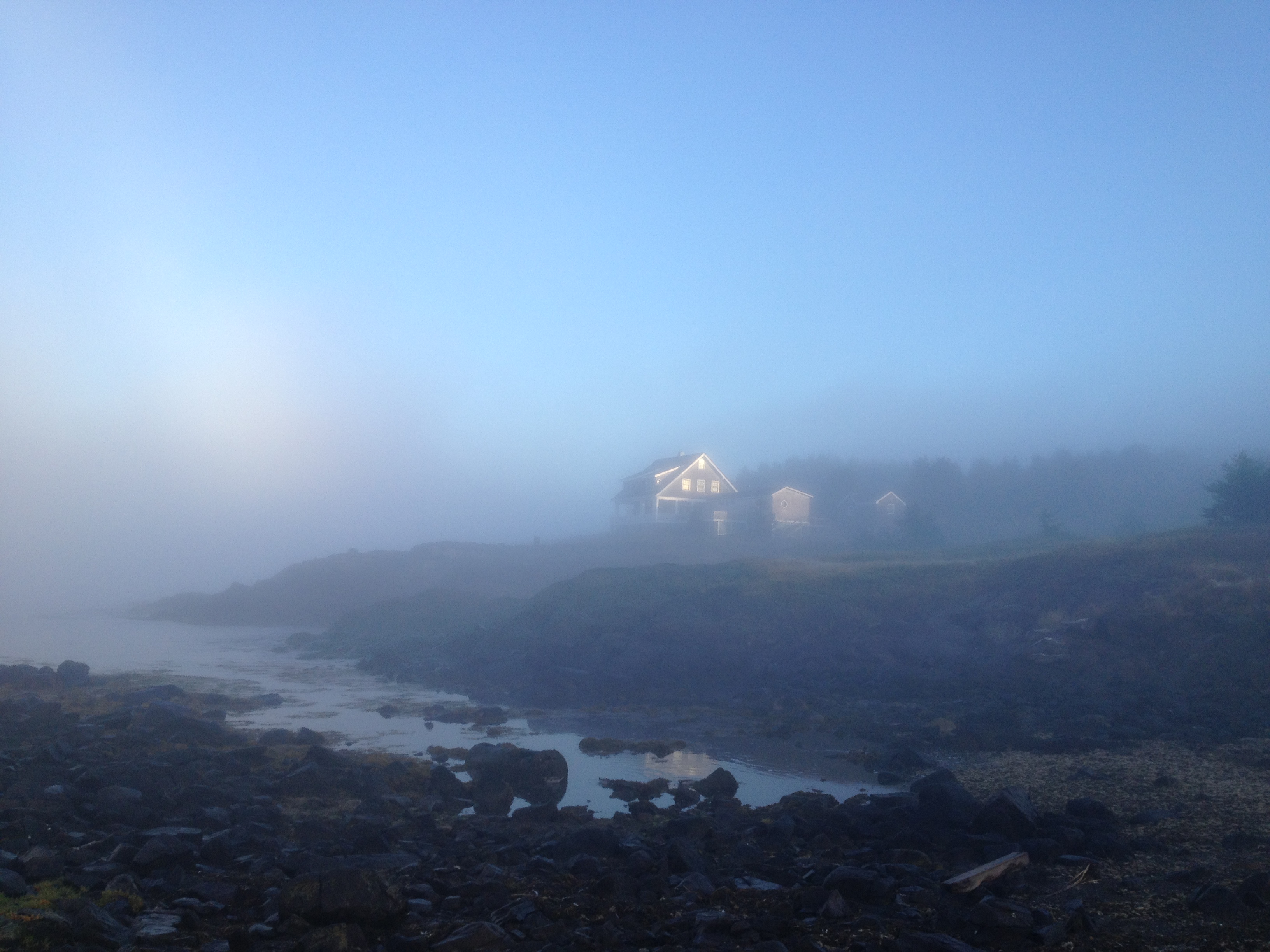
While the birding was slow, we took time to enjoy the scenery in the fog.

Remember when I said that all that male House Sparrow needed was a female to arrive?  Uh-oh.
h -HOSPpair,Monhegan,9-29-13

I am unsure how long it’s been – if ever? – since two House Sparrows were on the island.  While only die-hard island-listers appreciated these birds as much as I did (I remain captivated by the way birds – all birds – find their way to islands and what their lives are like once they get there ), the members of my group that have birded here before at least understood the significance, and potential colonization consequences of this sighting.

Luckily, we had other intrigue to talk about as well.  The spruces along Dock Road were happenin’ again today, but one warbler in particular occupied us for a while.  I first called it a Blackburnian, and then I back-tracked…a lot.  It was so impressively pale, and feeding above us, some of the most diagnostic features were not visible.  We spent about a half hour with this bird, which eventually obliged us as it fed in the lowest boughs of the tree.  We worked it carefully and thoroughly, taking the opportunity to really learn from this individual.  It took a while, but I was finally convinced it was a Blackburnian in large part due to the very pale but distinct “braces” on the back, and what we would (via camera-screen “instant replay”) finally confirm as a small, pale orange central forehead stripe.
i -DSC_0142_ultra-paleBLBW1,Monhegan,9-28-13l -DSC_0134_ultra-paleBLBW2,Monhegan,9-28-13m -DSC_0155_ultra-paleBLBW3,Monhegan,9-28-13

The orange feet seem odd to me, and the dark auriculars appeared much more contrasting on these photos than we interpreted it in the field.  This was a good “learning and teaching bird,” and therefore this was one of my favorite birds of the trip.

IMG_1624_Monhegan_Brewery
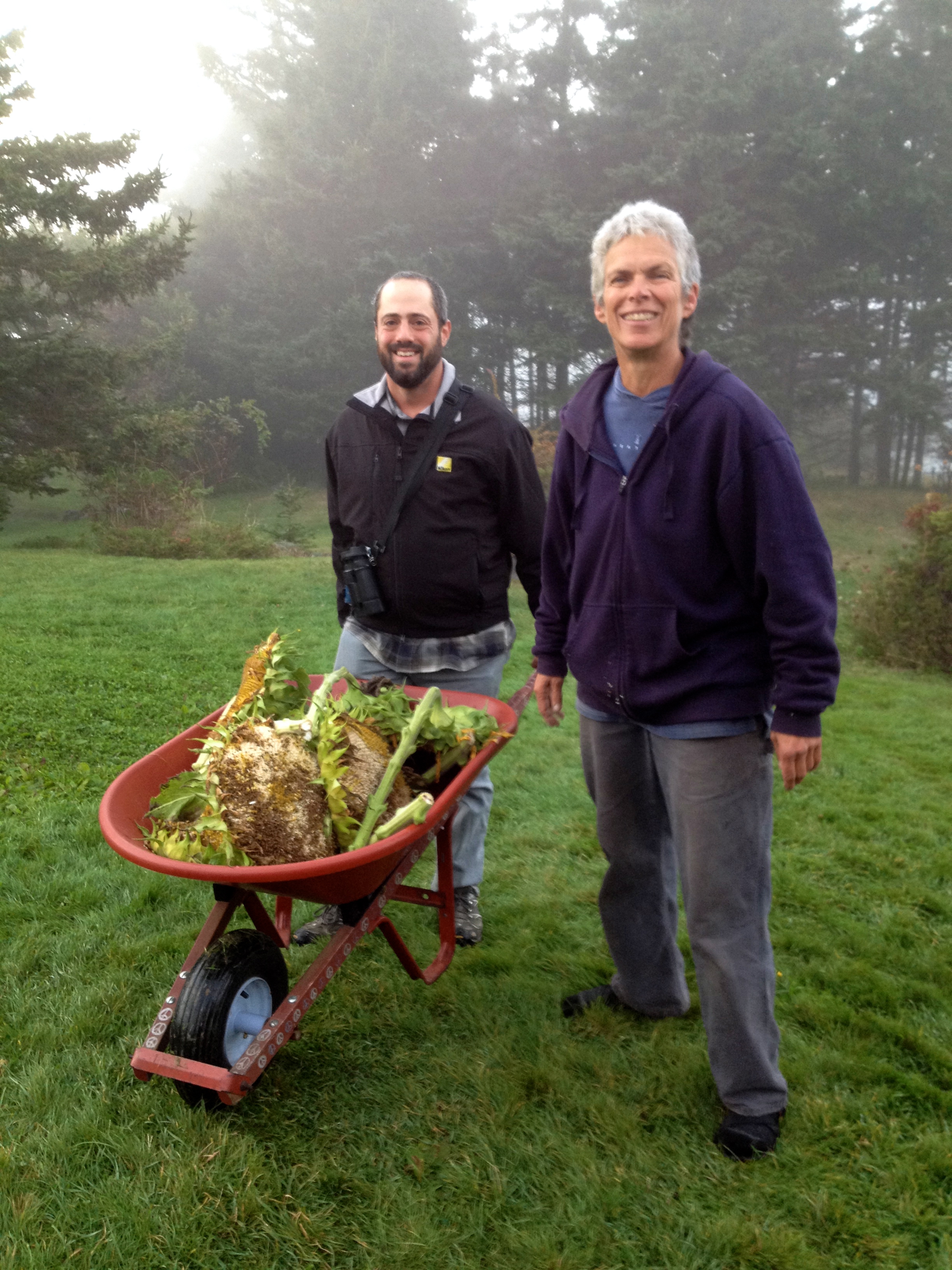
I visited the Monhegan Brewing Company a couple of times for good beer and conversation.  And we know good business can be conducted over a beer.  In fact, during my last beer there on Sunday evening, I struck a deal with Sue to buy the sunflower heads from the Island Farm.  They’re currently drying at our house, but they’ll soon be for sale here at the store.  The money will go to help the Island Farm in their pursuit to provide a sustainable source of produce for the island.  The gardens are also great birding!
IMG_1614me,Sue,andSunflowers,K_Lindquist

Very few birds were on the move Sunday night, and with almost nothing visible on the radar, I didn’t exactly pop out of bed in the morning.  I did get out for a little while before breakfast, however, and once again the morning flight – or lack thereof – proved what the radar suggested.  My tour had come to an end, but I elected to stay out for the day to bird with my friend Kristen.  We both just wished there were a few more birds to see!

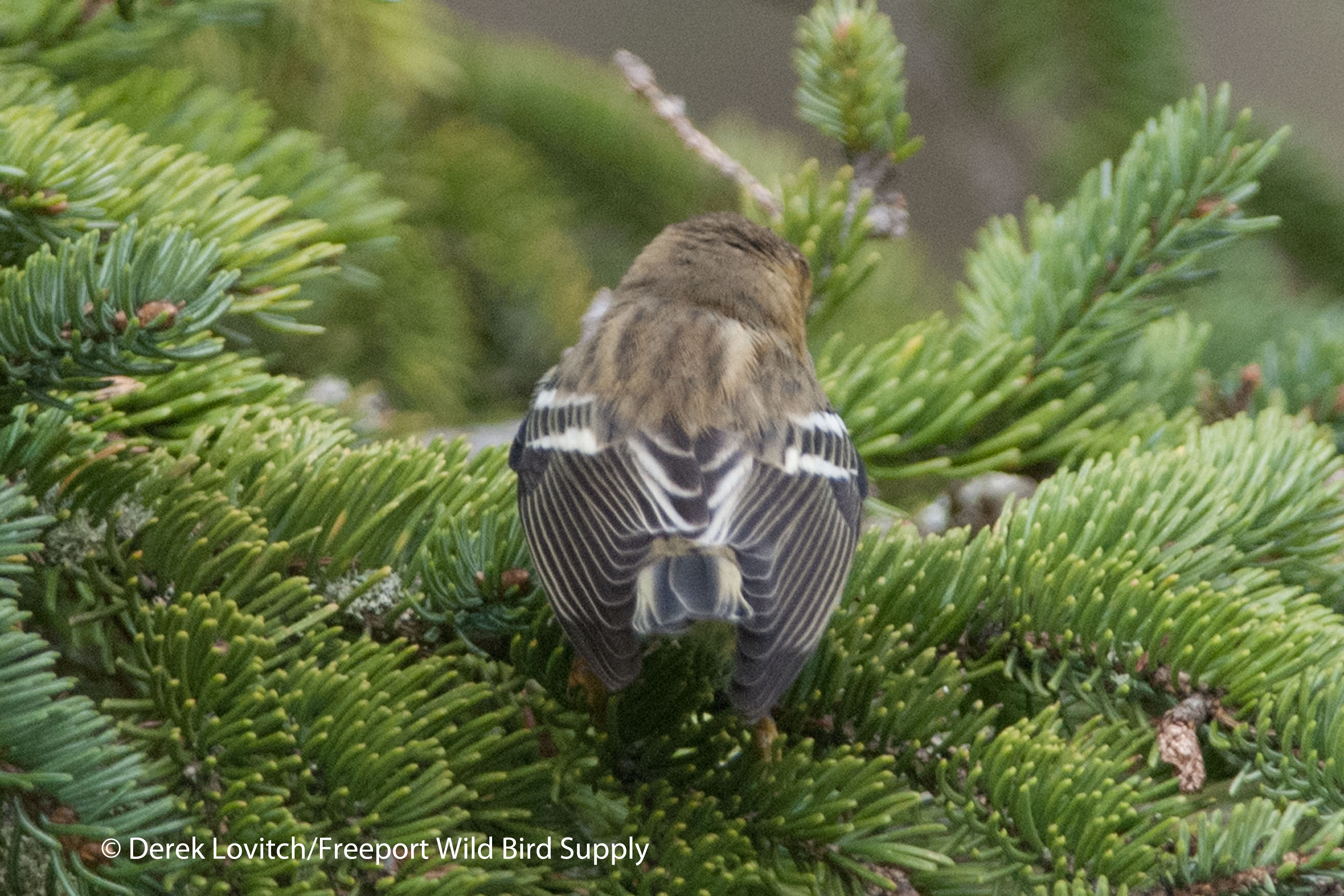
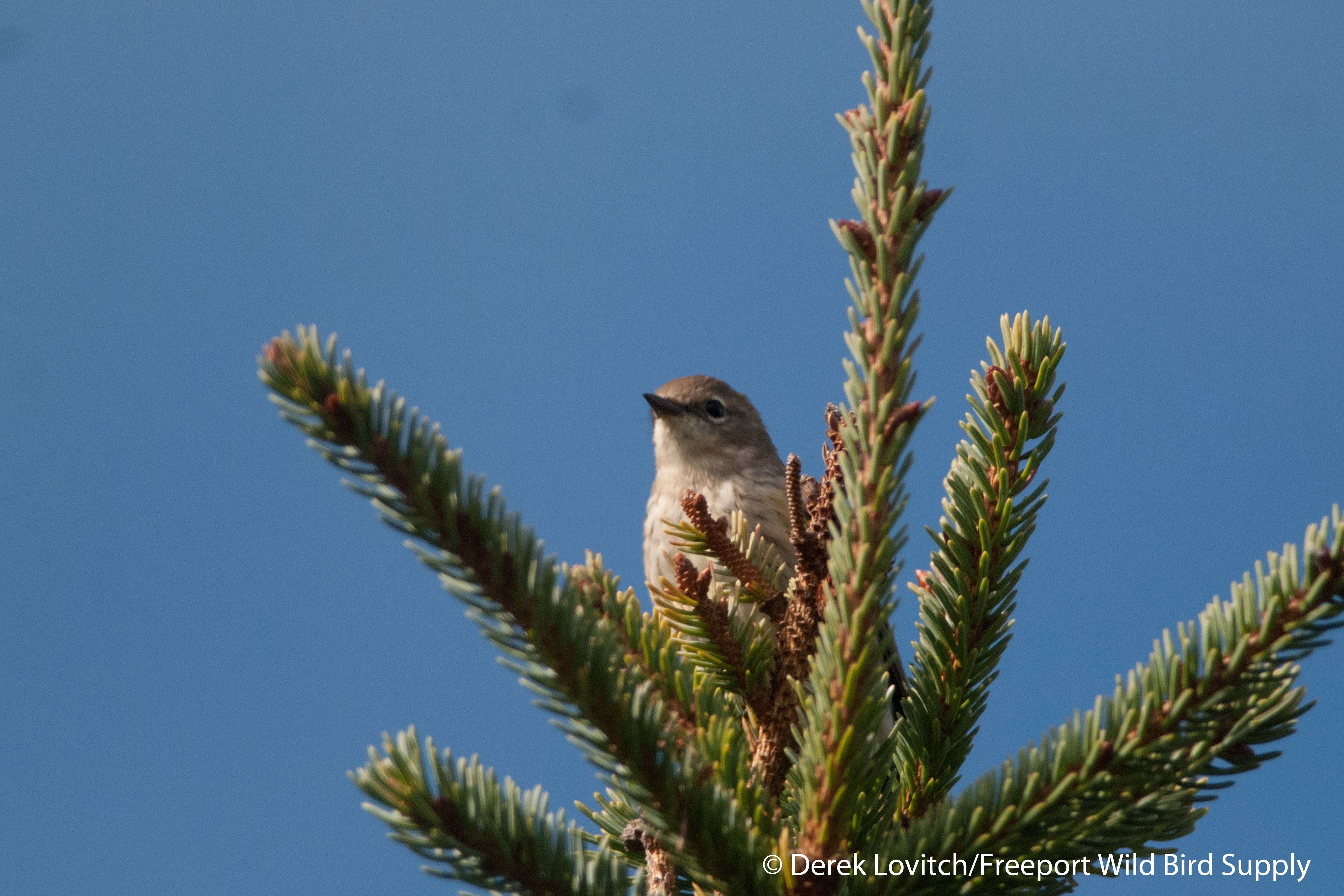
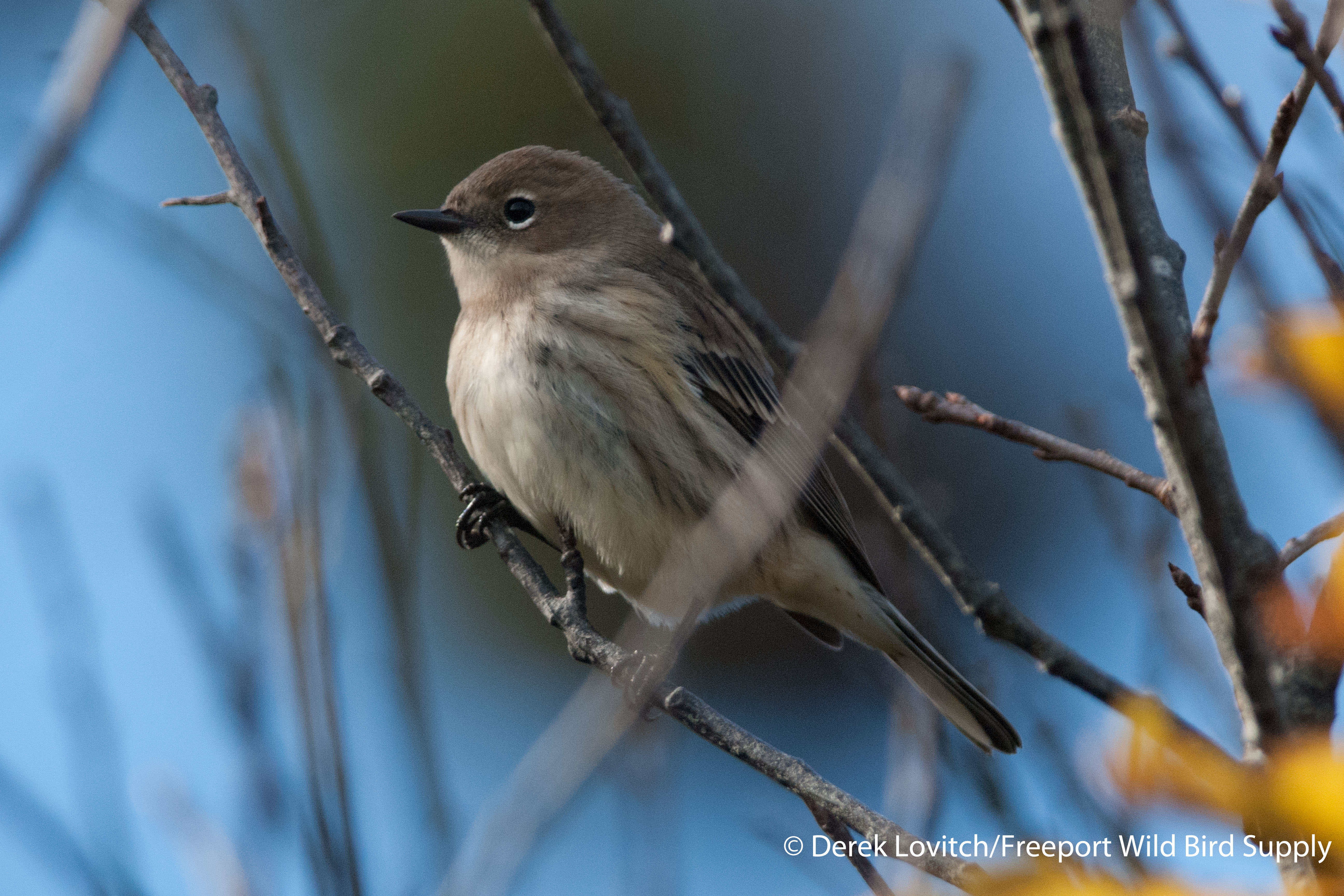
n -DSC_0167_YRWA1,Monhegan,9-30-13n -DSC_0168_YRWA2,Monhegan,9-30-13
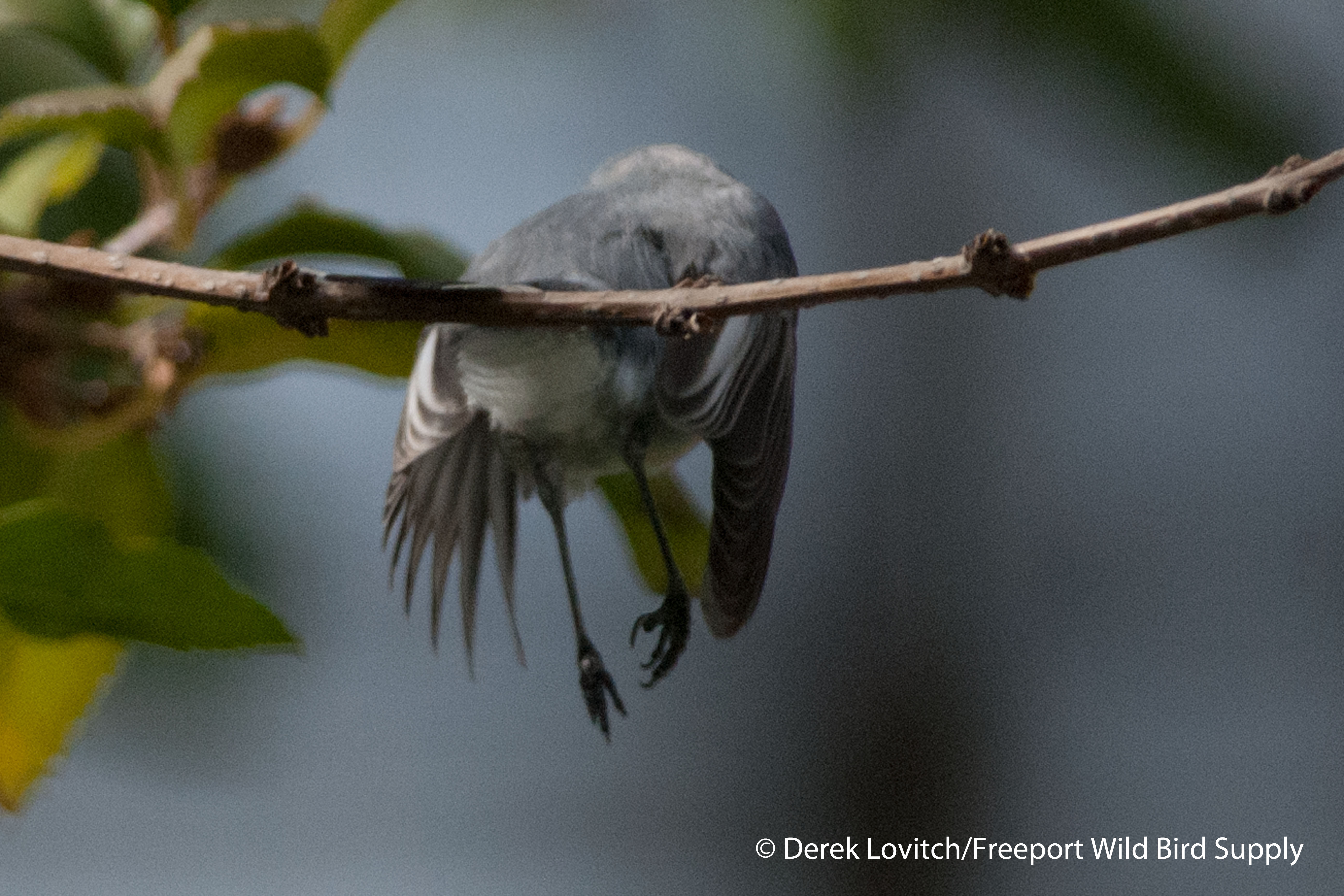
Although I like the photo on the left of the Yellow-rumped Warbler atop a Red Spruce, as you can see on the right, I excel at photographs of fuzzy twigs.

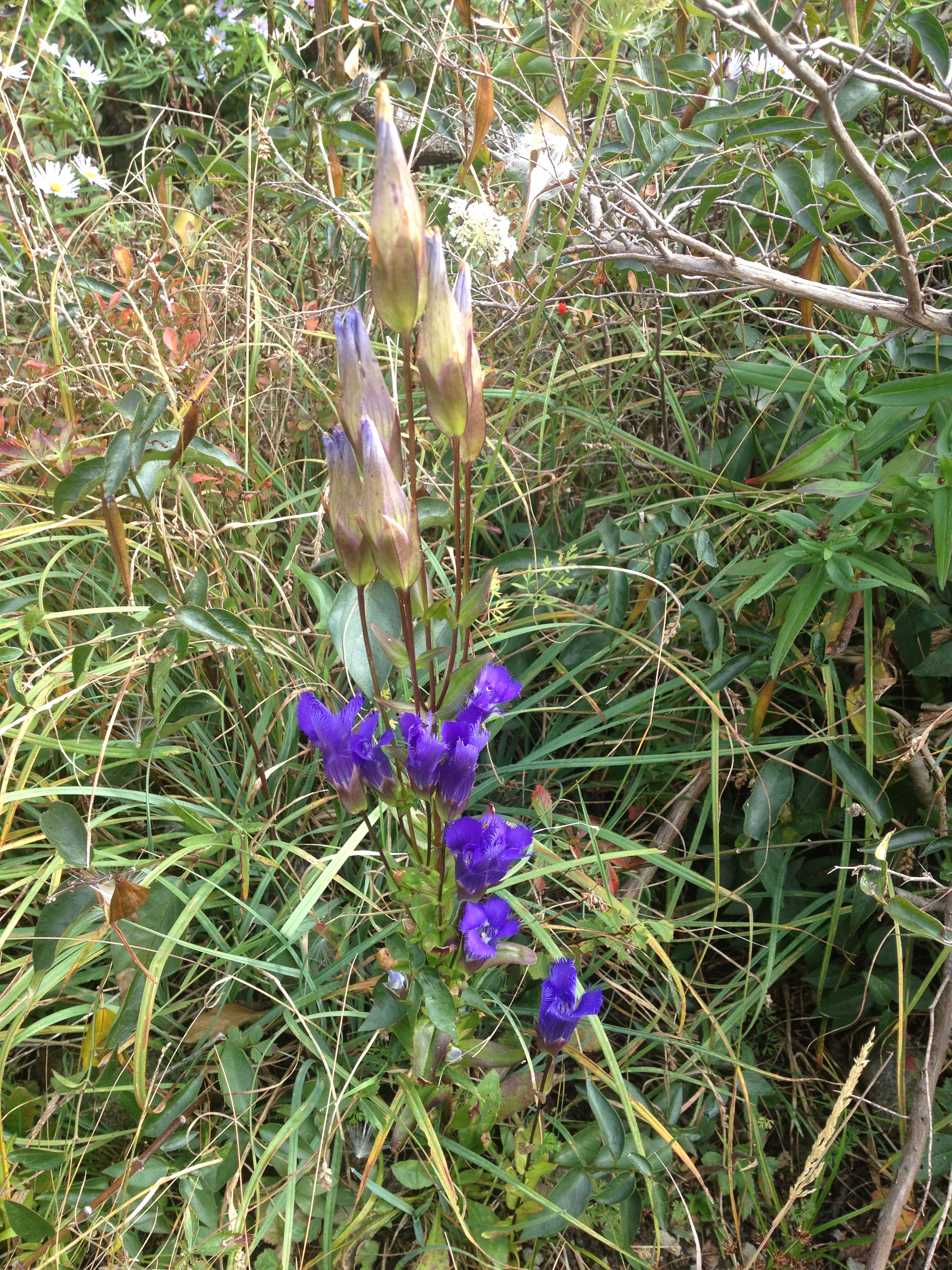
IMG_1603 A most impressive Fringed Gentian.

We worked the bush hard, checking all sorts of seldom-searched nooks and crannies.  Some of our totals for the day were higher than previous days simply because we covered more ground.  The Clay-colored and Lark Sparrows continued, as did the two Green-winged Teal in the town marsh.  A spiffy Chestnut-sided Warbler was my 20th species of warbler for the weekend, and we added a few more waterbirds to the list by dedicating some time to sea-watching and scanning the gulls in the harbor.

Unfortunately, most of the afternoon – following one last pizza – was spent keeping an eye on our watches and watching our time rapidly tick away.  At least we weren’t nursing a concern about leaving hot and heavy birding – it was slow, very slow, today, and that did make our departure a little less unwelcome.  A little; it’s never easy to leave this magical place.
IMG_1627IMG_1632
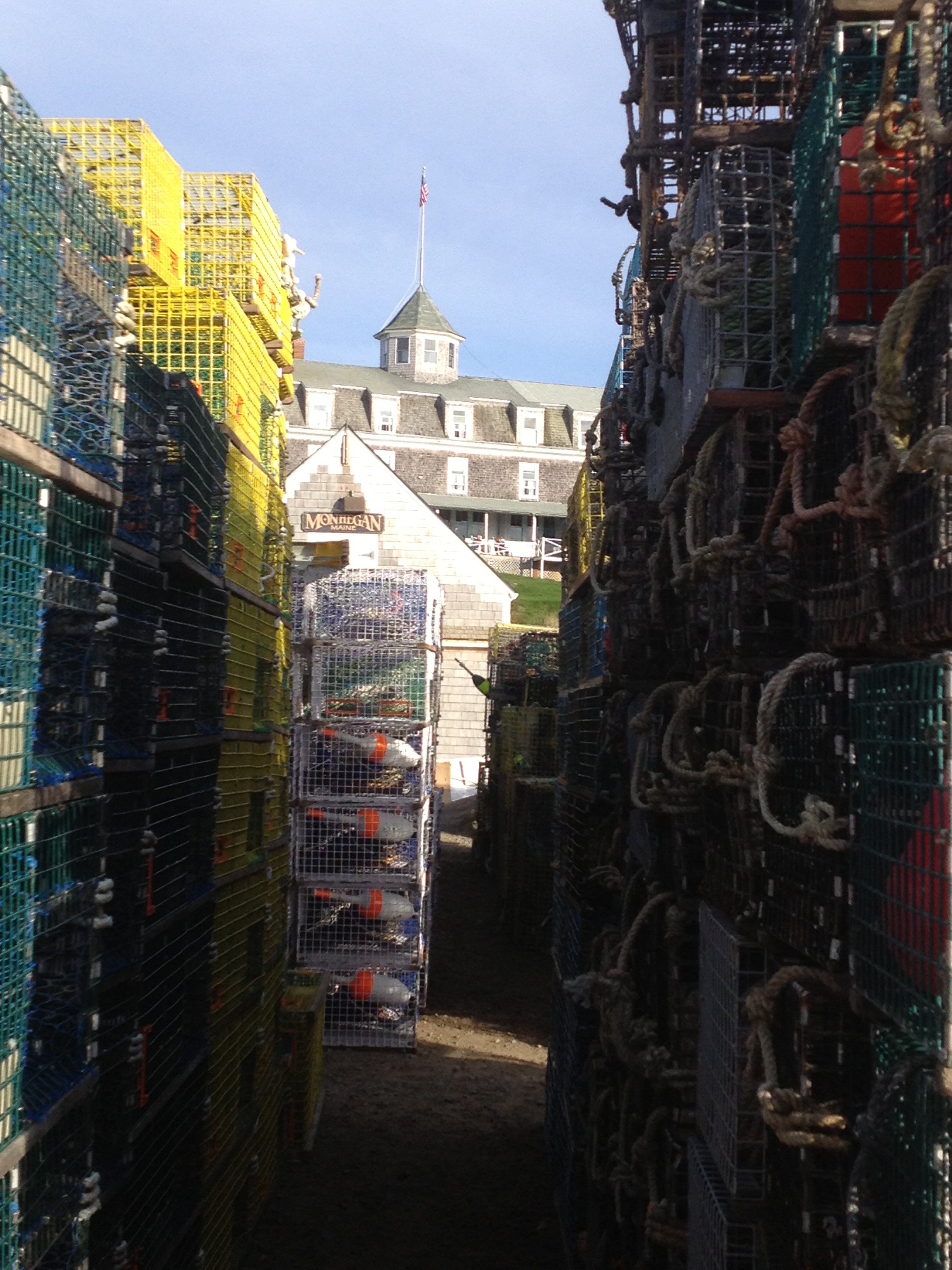
Trap Day!

Here’s my weekend’s checklist, with estimates or counts of each species per day (not including ferry):

Mallard: 12, 12, 12, 12
American Black Duck: 1, 1, 1, 5
Green-winged Teal: 1, 1, 2, 2,
Common Eider: x, x, x, x
Surf Scoter: 0, 0, 0, 4
Ring-necked Pheasant: 0, 0, 3, 2
Common Loon: 3, 2, 1, 1
Red-necked Grebe: 0, 1, 0, 0
Great Cormorant: 1, 5, 1, 7
Double-crested Cormorant: x,x,x,x
Northern Gannet: 0, 125, 8, 30
Great Blue Heron: 1, 1, 1, 0
Osprey: 0, 2, 0, 0
Bald Eagle: 2, 2, 2, 2
Northern Harrier: 1, 1, 0, 0,
Sharp-shinned Hawk: 6, 5, 5, 4
COOPER’S HAWK: 1,0,0,0
BROAD-WINGED HAWK: 1,0,0,0
American Kestrel: 2, 2, 1, 1
Merlin: 15, 8, 4, 3
Peregrine Falcon: 8, 12, 1, 1
Semipalmated Plover: 2, 0, 1, 0
Laughing Gull: 0, 0, 0, 2
Ring-billed Gull: 0, 0, 0, 1
Herring Gull: x,x,x,x
LESSER BLACK-BACKED GULL: 0, 0, 0, 2
Great Black-backed Gull: x,x,x,x
Black Guillemot: 10, 20, 10, 15
Mourning Dove: 3, 3, 3, 3
YELLOW-BILLED CUCKOO: 1, 0, 1, 0
Ruby-throated Hummingbird: 0, 0, 2, 2
Belted Kingfisher: 1, 0, 1, 1
RED-BELLIED WOODPECKER: 1, 0, 0, 0
Yellow-bellied Sapsucker: 25, 50, 25, 20
Downy Woodpecker: 0, 1, 1, 1
Northern Flicker: 20, 15, 25, 20
Eastern Wood-Pewee: 0, 1, 0, 0
Least Flycatcher: 0, 0, 1, 0
Eastern Phoebe: 8, 5, 3, 1
Red-eyed Vireo: 30, 20, 18, 12
Blue-headed Vireo: 12, 20, 25, 6
Blue Jay: 6, 10, 8, 8
Common Raven: 2,2,2,2
American Crow: x,x,x,x
Black-capped Chickadee: 20, 15, 15, 20
Red-breasted Nuthatch: 6, 15, 10, 8
Brown Creeper: 15, 35, 20, 3
Carolina Wren: 5, 8, 10, 12
House Wren: 0, 1, 1, 0
Winter Wren: 1, 1, 1, 1
Marsh Wren: 0, 1, 1, 1
Golden-crowned Kinglet: 15, 75, 50, 35
Ruby-crowned Kinglet: 25, 40, 25, 15
BLUE-GRAY GNATCATCHER: 1, 2-3, 2, 0
American Robin: 0, 1, 0, 0
Gray Catbird: 6, 8, 10, 18
Northern Mockingbird: 1, 1, 0, 0
Brown Thrasher: 2, 1, 1, 0
European Starling: 8, 10, 12, 14
American Pipit: 2, 2, 1, 0
Cedar Waxwing: 40, 60, 40, 40
Tennessee Warbler: 0, 1, 0, 0,
Nashville Warbler: 5, 3, 6, 1
Northern Parula: 1, 0, 2, 2
Yellow Warbler: 2, 6, 7, 0
Chestnut-sided Warbler: 0, 0, 0, 1
Magnolia Warbler: 6, 5, 2, 0
Cape May Warbler: 9, 3, 0, 0
Black-throated Blue Warbler: 0, 8, 6, 1
Yellow-rumped Warbler: 300, 400, 300, 175
Black-throated Green Warbler: 0, 4, 2, 1
Blackburnian Warbler: 0, 0, 1, 0
PRAIRIE WARBLER: 0, 0, 1, 0
Palm Warbler: 30, 100, 30, 15
Bay-breasted Warbler: 0, 2, 0, 0
Blackpoll Warbler: 1, 20, 1, 3
Black-and-white Warbler: 25, 30, 15, 2
American Redstart: 2, 1, 2, 0
Northern Waterthrush: 0, 1, 1, 0
Common Yellowthroat: 10, 15, 10, 18
Wilson’s Warbler: 3, 4, 1, 0
Scarlet Tanager: 1, 0, 0, 0
Chipping Sparrow: 4, 6, 6, 5
CLAY-COLORED SPARROW: 1, 0, 1, 1-2
LARK SPARROW: 1, 1, 1, 1
Savannah Sparrow: 2, 15, 12, 10
NELSON’S SPARROW (spp. subvirgatus): 0, 1, 0, 0
Song Sparrow: 15, 15, 20, 25
Lincoln’s Sparrow: 0, 2, 2, 2
Swamp Sparrow: 2, 30, 20, 15
White-throated Sparrow: 25, 50, 60, 30
White-crowned Sparrow: 1, 5, 4, 2
Dark-eyed Junco: 3, 10, 6, 8
Northern Cardinal: 8, 6, 5, 8
Rose-breasted Grosbeak: 0, 0, 0, 1
BLUE GROSBEAK: 0, 1, 0, 0
Indigo Bunting: 0, 1, 0, 0
DICKCISSEL: 0, 2, 0, 0
Rusty Blackbird: 4, 9, 1, 0
Common Grackle: 1, 3, 4, 4
Baltimore Oriole: 1, 2, 2, 0
American Goldfinch: 12, 10, 10, 8
HOUSE SPARROW: 1, 1, 2, 0

Total species: 64, 83, 79, 66 (Total =105)

Mammals:
Minke Whale
Gray Seal
Harbor Seal
Harbor Porpoise
Muskrat
Brown Rat

IMG_1629

Fall Plans

Seriously, it’s already the end of August?  Where the heck did the summer go?  It feels like shorebird season just started, and now here I am checking the radar nightly as fall songbird migration heats up.  Goldfinches are eating seed heads in the perennial gardens, hummingbirds are molting and tanking up (many males have already departed), and biting insects are at a minimum.  As much as I love late August – and autumn is my favorite season – it’s always a little bittersweet to let summer slip away.

In most years, by the end of August I have combed through flocks of roosting peeps at Biddeford Pool or strained to see distant mudflats at Pine Point at least a dozen times.  I can’t believe Sunday was actually my first visit to Biddeford Pool on a high tide all summer!  This week isn’t helping either, with a visit to Massachusetts these past two days and some New Hampshire birding with a friend tomorrow.  In other words, I have been busy – wicked busy even!  This is by no means a complaint, however, just a statement – and an excuse as to why I never did find a Red-necked Stint for Maine this summer.

What is normally a “slower” season for me was anything but, and now, with September right around the corner, I am about to get even busier!  I have a trip to the Upper Midwest in October to speak at the Iowa Ornithologists Union Fall Meeting and the UrbanEcologyCenter in Milwaukee with some birding and visiting with friends in between.  I’ll be talking to New Hampshire Audubon in October as well, and I will be helping out Leica Sports Optics at the Cape Cod Birding Festival next month.

In between, I hope to spend as much time as possible at SandyPoint.  Keep an eye on the store’s Facebook Page (www.facebook.com/freeportwildbird) for my Morning Flight counts.  I’ll post the occasional significant flight report and corresponding radar analysis here, but most counts will just get posted directly to the FB page (as a “public” business page, it functions as a regular website; no need to “be on” FB to view).

SandyPoint at sunrise is probably my favorite place to be in the fall, but MonheganIsland is a very close second.  Actually, it’s probably a tie.  I wish I could be at both almost every morning all season long!  And speaking of Monhegan, I still have spaces on my “MonhegZEN Birding Fall Migration Weekend” tour, September 27through 30th.  It’s a “per diem” tour, so you can join me for anywhere between one and four days of birding at this amazing place.

In preparation of what is likely to be a whirlwind fall for me, I have updated our website with all of my events, programs, and tours on a newly-expanded “Tours, Events, Workshops, and Programs” page at http://www.freeportwildbirdsupply.com.  There you’ll find more information about the MonhegZEN Birding Weekend tour, and all of my programs for the coming months.  We’ve also started to finalize plans for an exciting 2014, including everything from our “Woodcocks Gone Wild” evening walk to a two-week tour to the Russian Far East.  More Monhegan, our now-annual trip with the Schooner Lewis R. French, and much, much more is now posted, with details rapidly being filled in.

So whether it’s in Iowa, the parking lot at SandyPoint, or on MonheganIsland, I hope to see you this fall.  And if you happen to have a cup of bird-friendly coffee handy, I will probably need it!