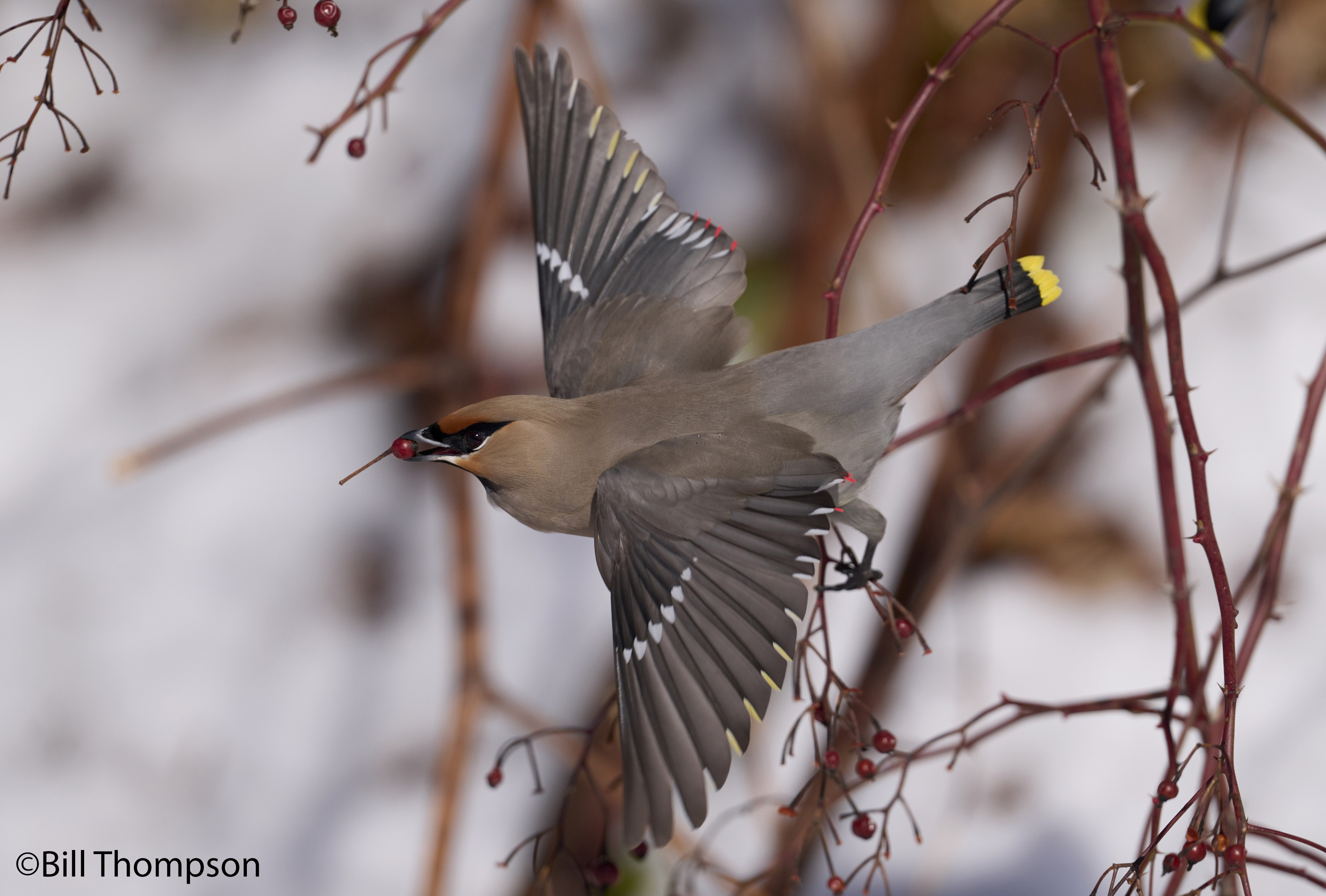
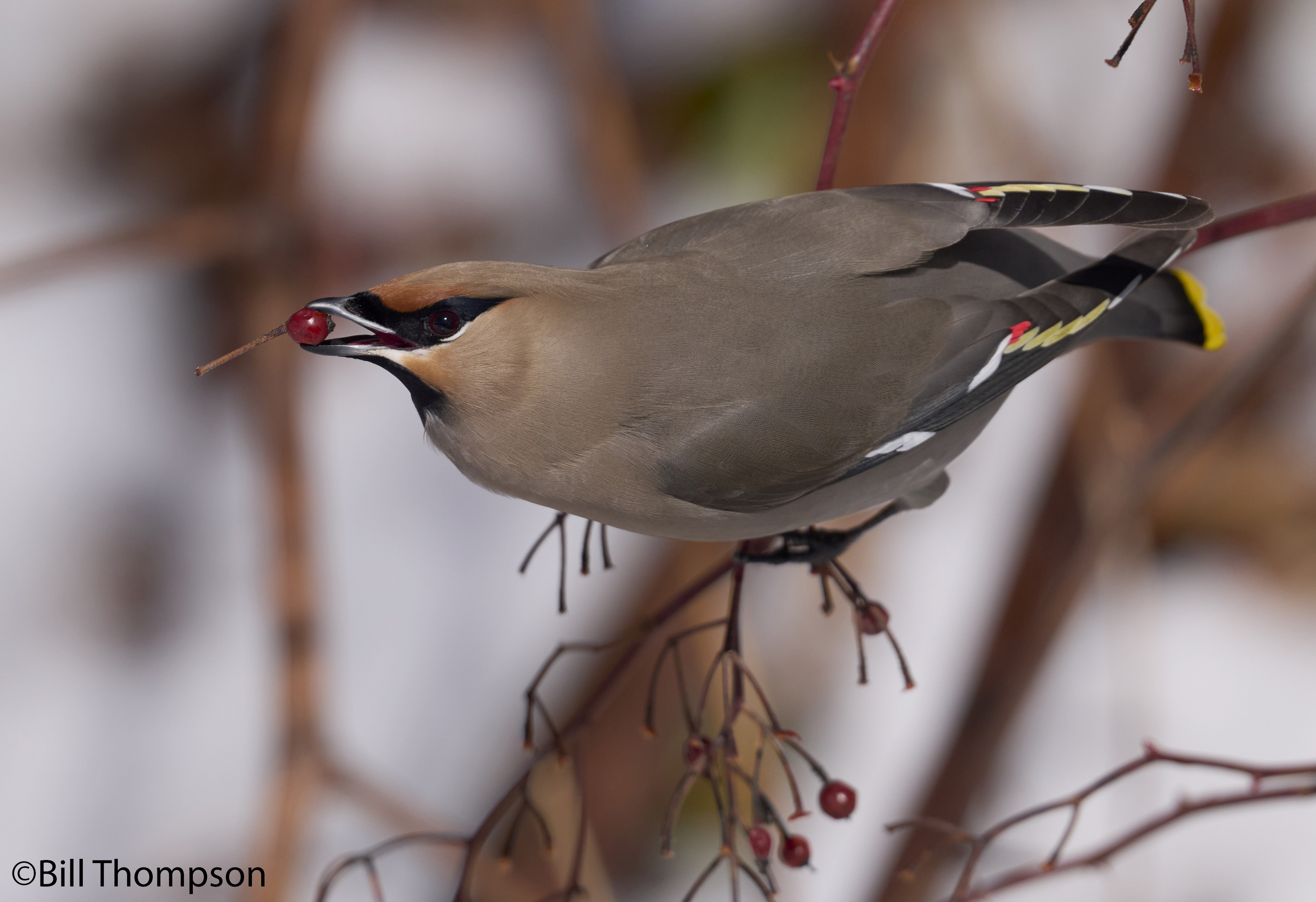
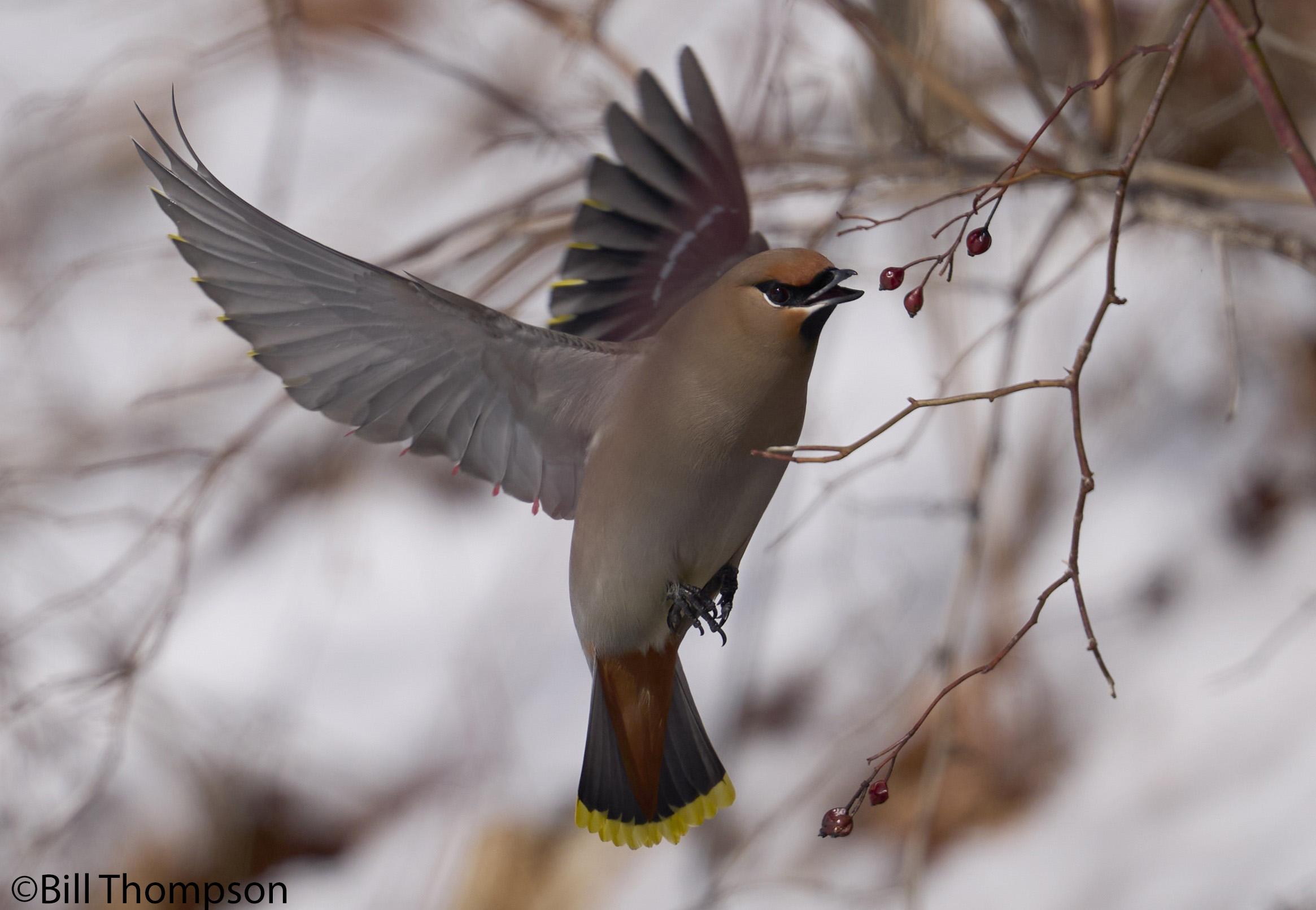
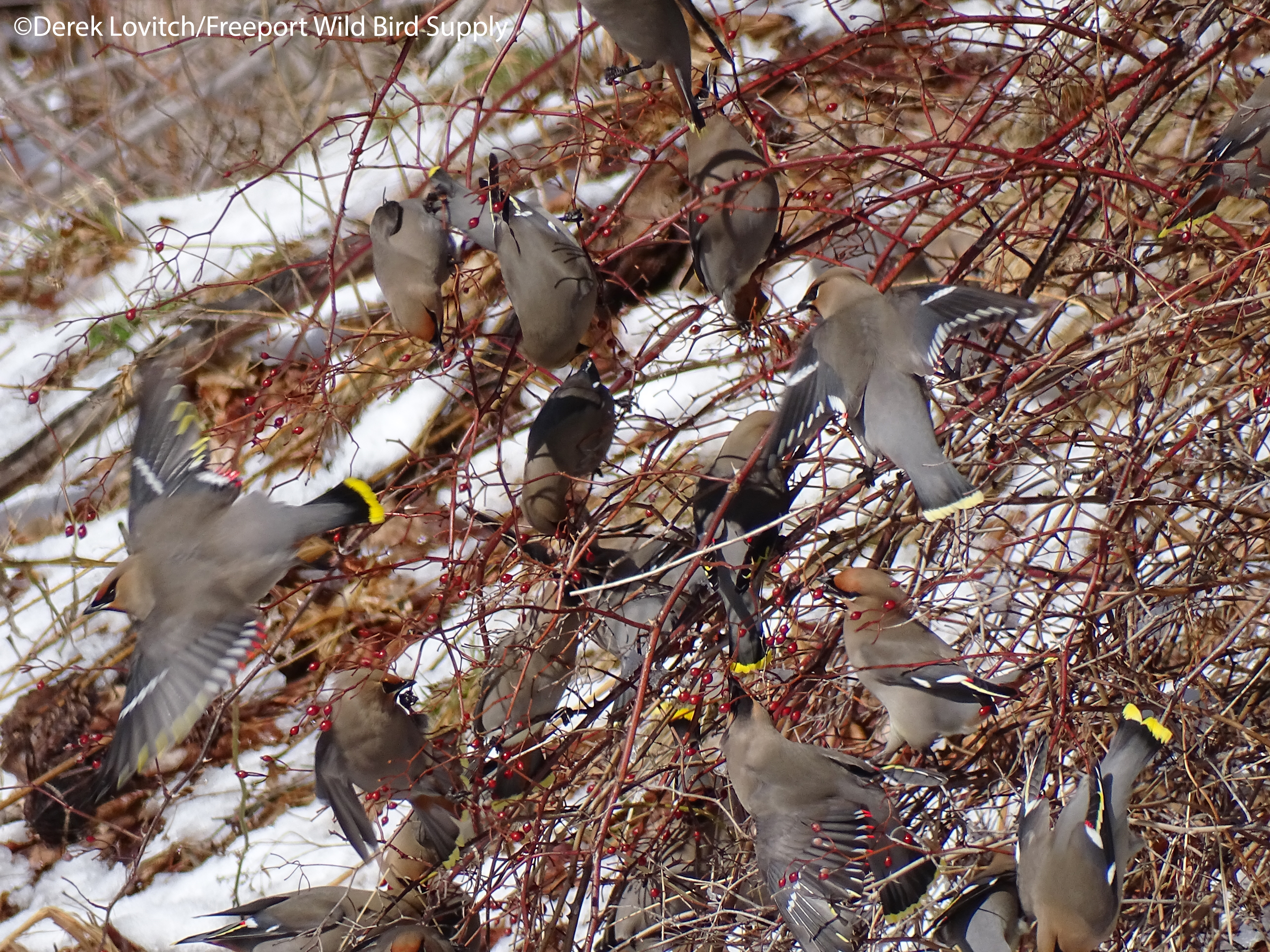
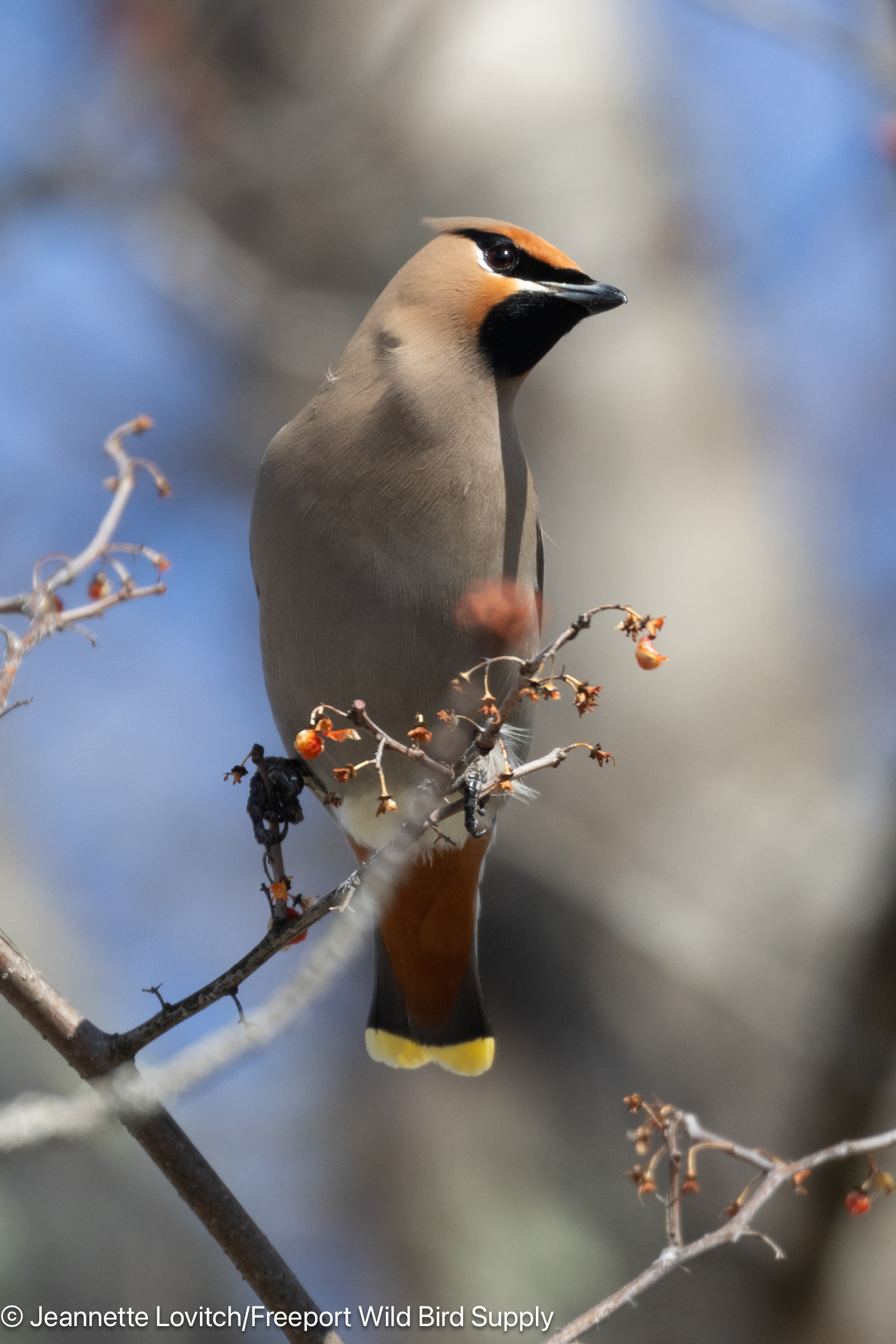
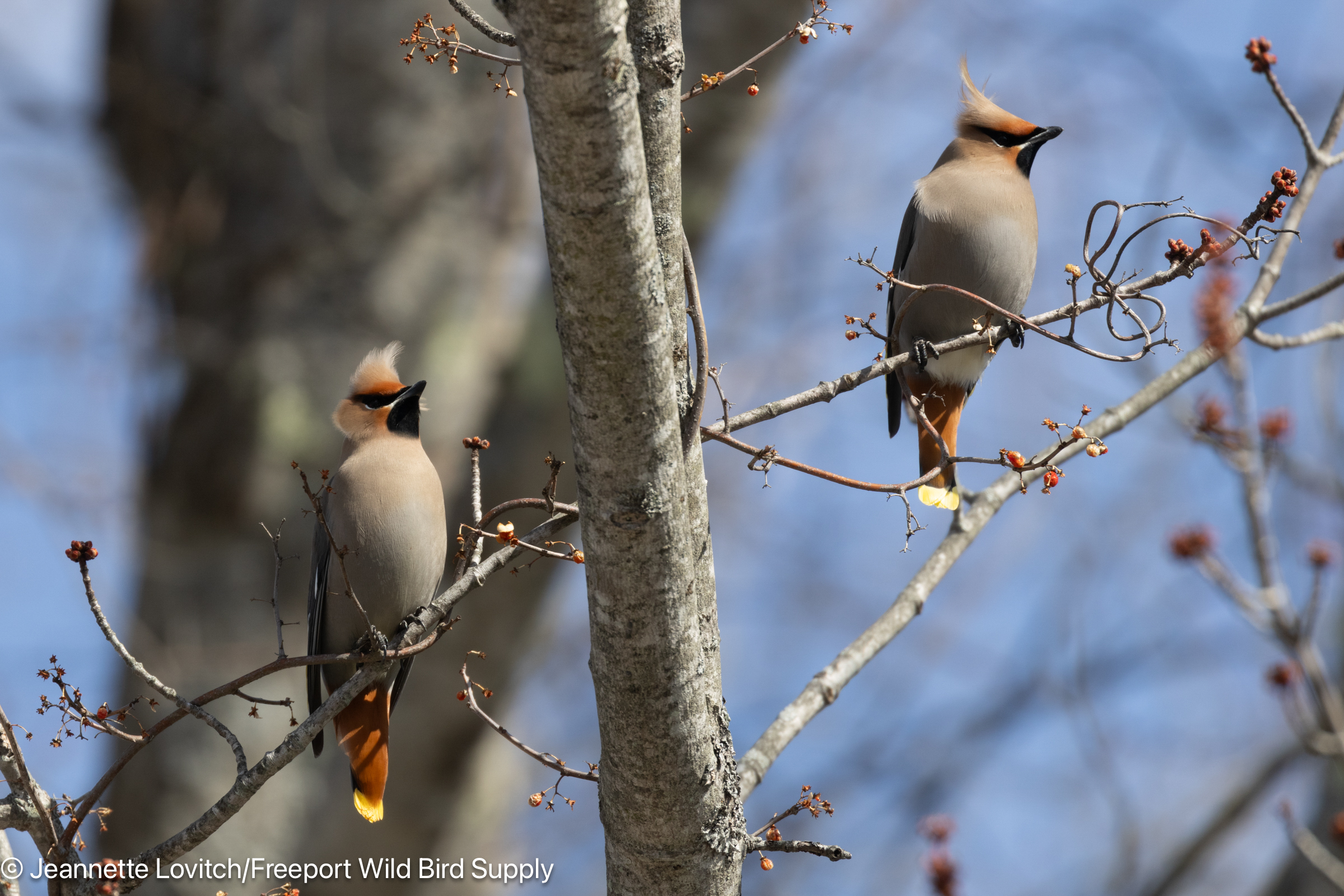
Bill Thompson and I birded from Bowdoinham through Gardiner on Tuesday, seeking migrant waterfowl and especially Bohemian Waxwings. We hit paydirt while working the side roads in downtown Gardiner, finding a flock of 110 (with 1-2 Cedars) feeding on multiflora rose behind a parking lot on Summer Street. They were, how shall we say, cooperative. A couple of short phone videos of our experience can be seen here.Of course, the next day, 30-40 were right outside the store!
Last week I was lamenting that I have not had enough Bohemian Waxwing time this winter. Happily, that changed this week! My BOWA-laden observations of note over the past seven days included:
1 Fish Crow, Cumberland Town Landing, 3/21 (with Saturday Morning Birdwalk group).
Portland Explorer (formerly Maine Brew Bus) and Freeport Wild Bird Supply are excited to continue our collaboration for 3 very special outings in 2026.
These unique, relaxed birding and beer-ing adventures that you have come to love combine great local birding at seasonal hotspots with visits to sample the delicious creations of some of our favorite local breweries. These tours are a perfect introduction to birding and/or craft beer, and a great opportunity to travel with significant others, friends, and family that have interest in one topic, while your interest is primarily in the other (for now!). Seasonal birding hotspots and great local beer – a perfect combination, and we’ll even do all of the driving!
This brand-new itinerary takes us to the Bradbury Mountain Spring Hawkwatch at Bradbury Mountain State Park in Pownal in the peak of northbound raptor migration. Now in its 20th year, this research project by Freeport Wild Bird Supply tallies an average of 4,180 migrating birds of prey each spring from the summit!
After a gentle 1-mile climb through the woods, looking and listening for migrant and resident songbirds, we’ll arrive at the summit and join the project’s Official Counter. Derek will discuss the history and methodology of the project, as the counter points out migrating raptors. Derek will lead us through the basics of hawk identification to give us a hawkwatch primer, and then if the migration action allows, we’ll sit back and enjoy the show until it is time to depart (the walk down is a steep ¼ of a mile on a wide, well-worn trail with rocks and roots and some steps; hiking sticks are suggested if you use them). This is the only Hawkwatch Workshop program that FWBS will be offering this year, so this is a tour you won’t want to miss!
After about 3 hours of birding, we will be transported to two of our great local producers to sample their offerings and learn their styles. Our brewery destinations are subject to change, but the current plan is to visit Maine Beer Company and Goodfire Brewing.
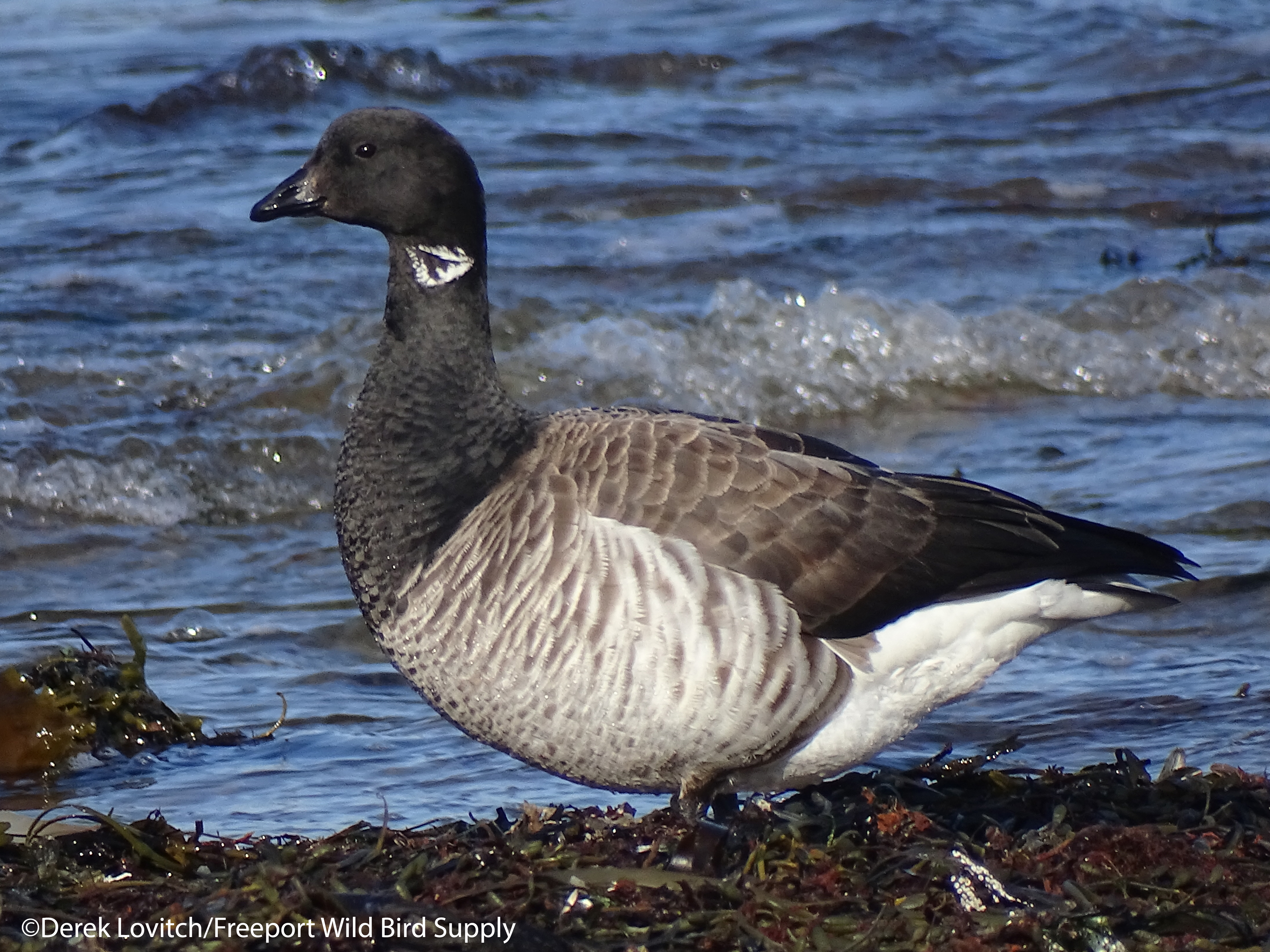
There has been an unusual amount of Brant in and around Kettle Cove in Cape Elizabeth over the past week, with some counts well over 100 birds. I only tallied 59 on 3/20, but enjoyed some close studies and photo ops.
Happy to be back to “normal,” I got out a few times this week in addition to spending time at the Bradbury Mountain Spring Hawkwatch. It was nice to be birding again in the north, catching up with some winter favorites before they depart. And of course, enjoying each and every new arrival. My observations of note over the past seven days included the following:
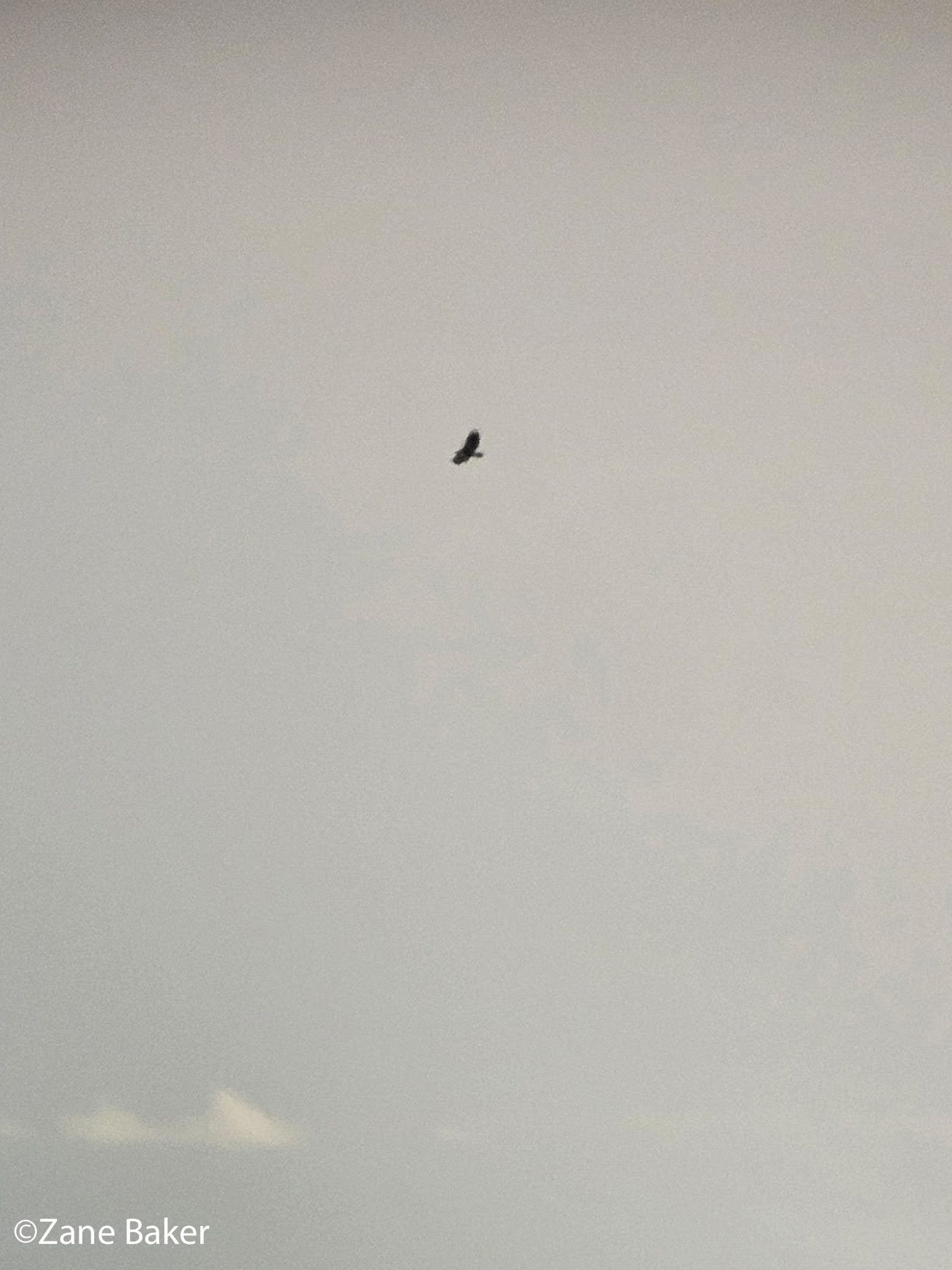
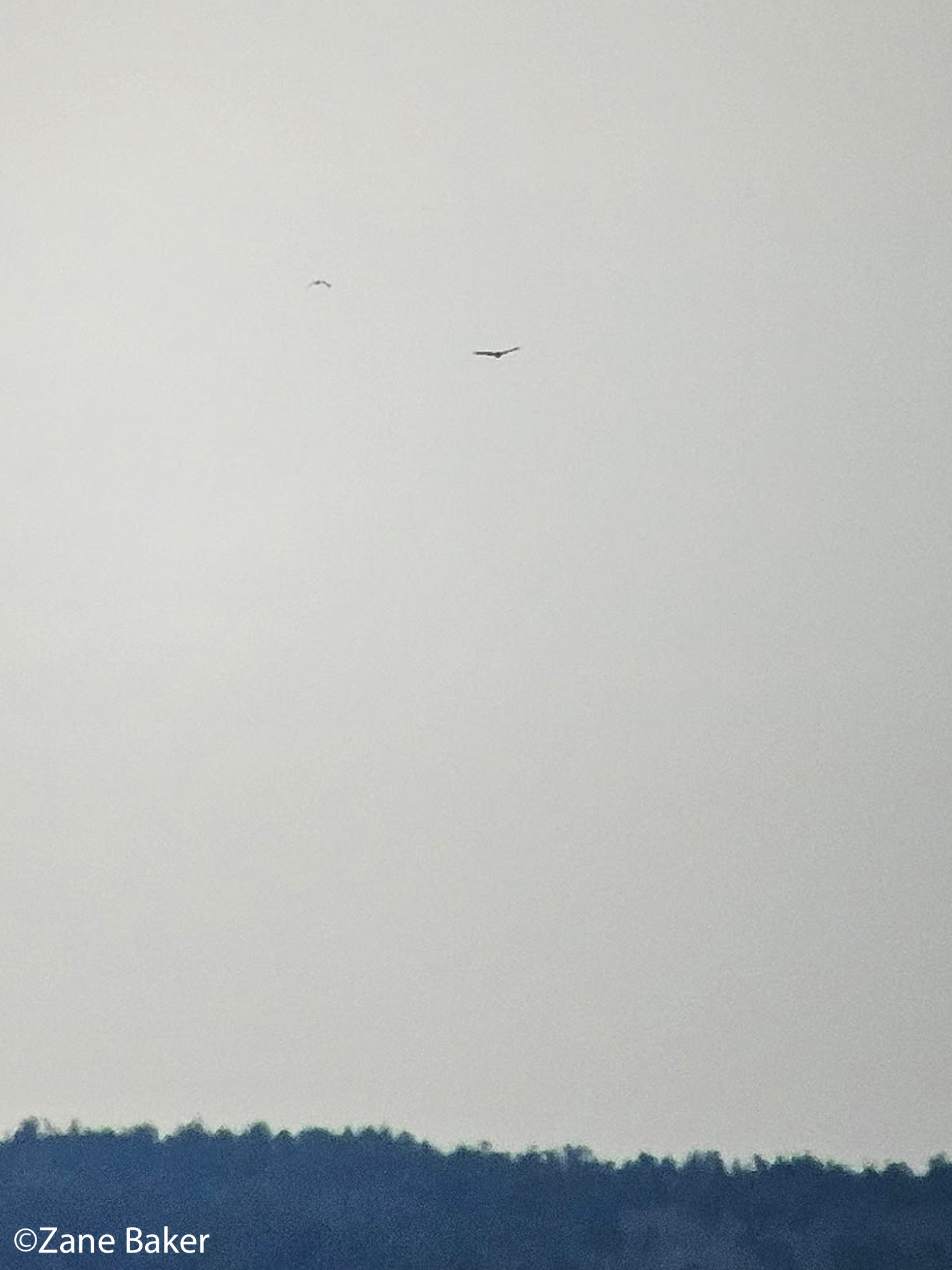
Zane somehow managed some phone-scoped “doc-shots” of the eagle. Luckily, it was much closer when we first saw it. But even in these shots, you can see the distinct dihedral, and the relatively small head and overall shape of this magnificent bird.
1 Red Crossbill and 17 Razorbills, Two Lights State Park, Cape Elizabeth, 3/20.
1 adult Iceland Gull and 2 Razorbills, Trundy Point, Cape Elizabeth, 3/20.
1 continuing 1st-cycle Glaucous Gull, Mill Creek Cove, South Portland, 3/20 (with Bill Thompson).
Pine Siskins arrived this week, with widespread small numbers around the area now. I tallied 28 northbound from the Bradbury Mountain Spring Hawkwatch during the morning of the 15th.
Other personal “first of years” (aka “FOYs”) this week included:
1 American Woodcock, our property in Durham, 3/13.
3 Brown-headed Cowbirds, our feeders in Durham, 3/13.
1 Killdeer, Brown’s Point Road, Bowdoinham, 3/17 (with Jeannette).
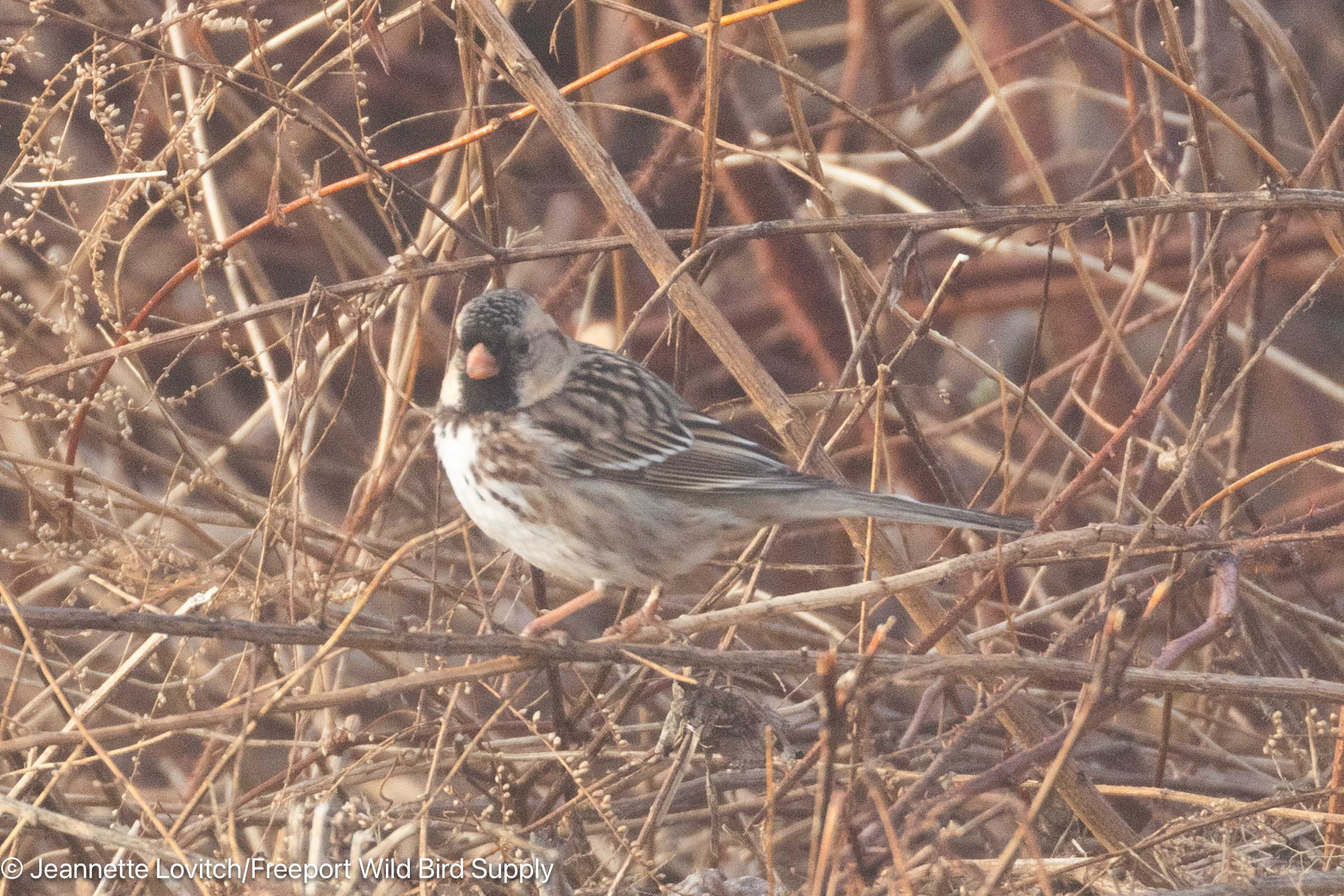
While I didn’t look at many birds in Maine this week, we drove a whole 6 minutes from our regular motel in New Jersey to chase this spiffy Harris’s Sparrow in Wall Township, my 352nd species in my native state! Does 6 minutes even count as a chase?
Much has changed since we left for our vacation on February 23rd. Immediately upon our return, we had to depart the state for a few more days for a family matter. In the meantime, the vanguard of spring migration both literally and figuratively passed over our heads. Here are a few observations of note over the past four days since returning to the state.
8 Common Grackles (Maine FOY), Over Exit 25, Kennebunk, 3/10.
In the following days blackbird numbers continued to increase, as did migrant Song Sparrows.
10 Green-winged Teal, Bernard Lown Peace Bridge, Auburn-Lewiston, 3/12.
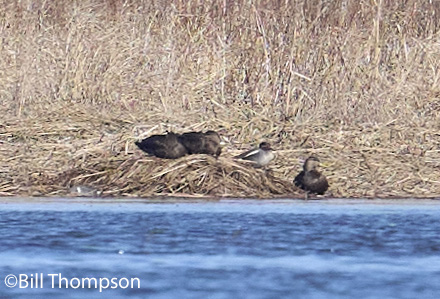
1 drake Gadwall, 11 Northern Pintails, 5 Red Crossbills (including 1-2 singing males), etc, Reid State Park, Georgetown, 3/13.
Bradbury Mountain Spring Hawkwatch gets underway on Sunday!
But the main reason I am posting this week despite the few days of observation is that Sunday, March 15th begins the 20TH YEAR of the Bradbury Mountain Spring Hawkwatch! Join Zane Baker and project volunteers at the summit from 9-5 every day (weather permitting) from March 15th through May 15th. Can we reach least year’s record count?
March 28th or 29th. This tour is currently sold out. Please contact us to be added to the waiting list.
Portland Explorer Collab Tours.
Our collaboration with Portland Explorer has expanded once again, with the 12th season of the Birds on Tap – Roadtrip! series, but also new Birding and History tours. All of the 2026 outings are now posted and are open for registration. To learn more about these unique experiences, check out my recent blog entry.
Freeport Wild Bird Supply is proud to once again partner with Down East Magazine’s Down East Adventures for the sixth year of offering exclusive birding workshops focused on gaining greater knowledge and field skills in a focused group of seasonally accessible birds. Focused on skill-builder rather than list-building, there will be plenty of “life birds,” but also more knowledge and education about birds, habitats, birding, and much more about the natural world. We are honored to be their provider for a series of unique and exclusive birdwatching endeavors. In 2026, we will once again offer four exclusive outings.
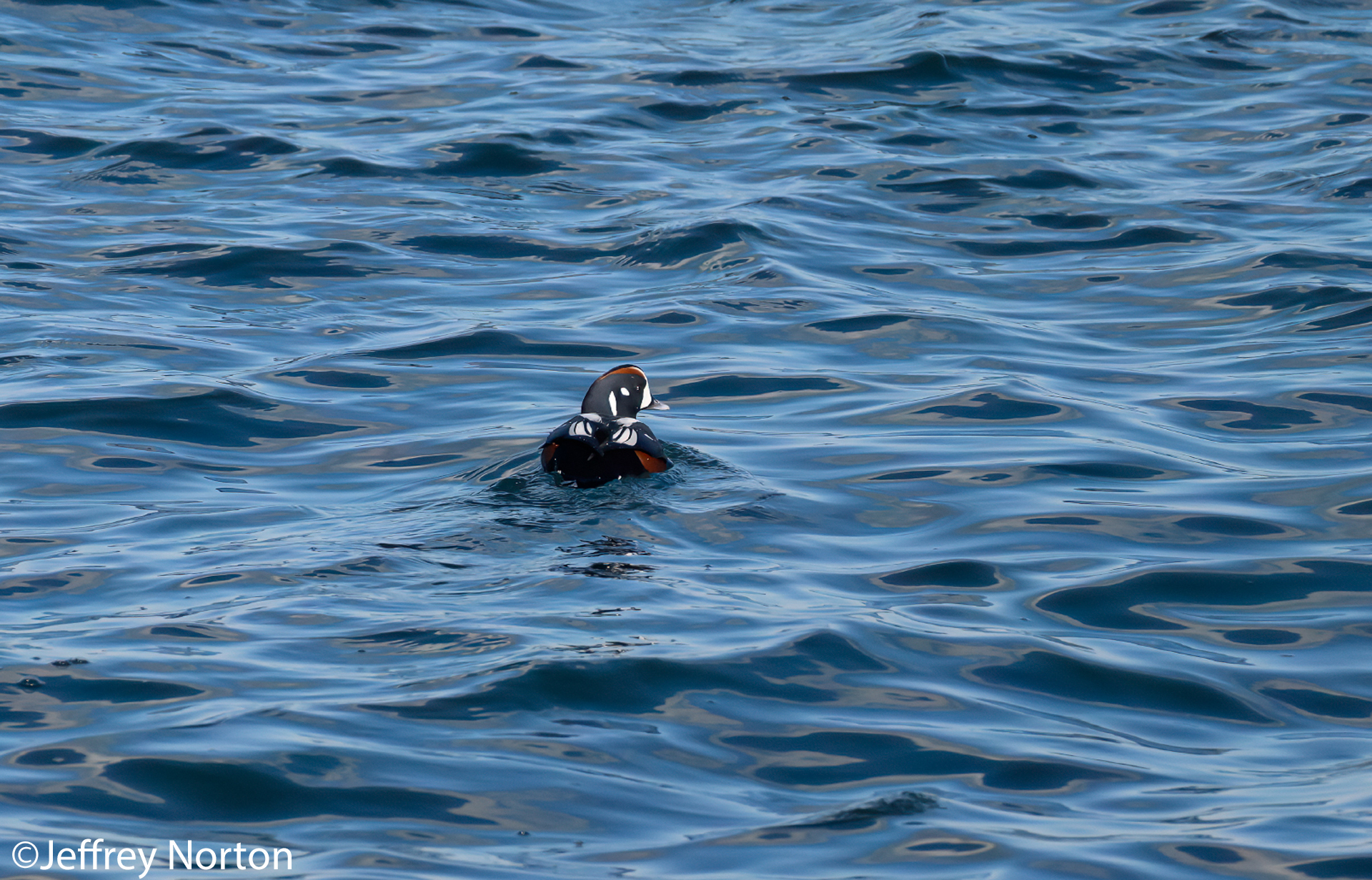
As usual, Harlequin Ducks were the stars of the show.
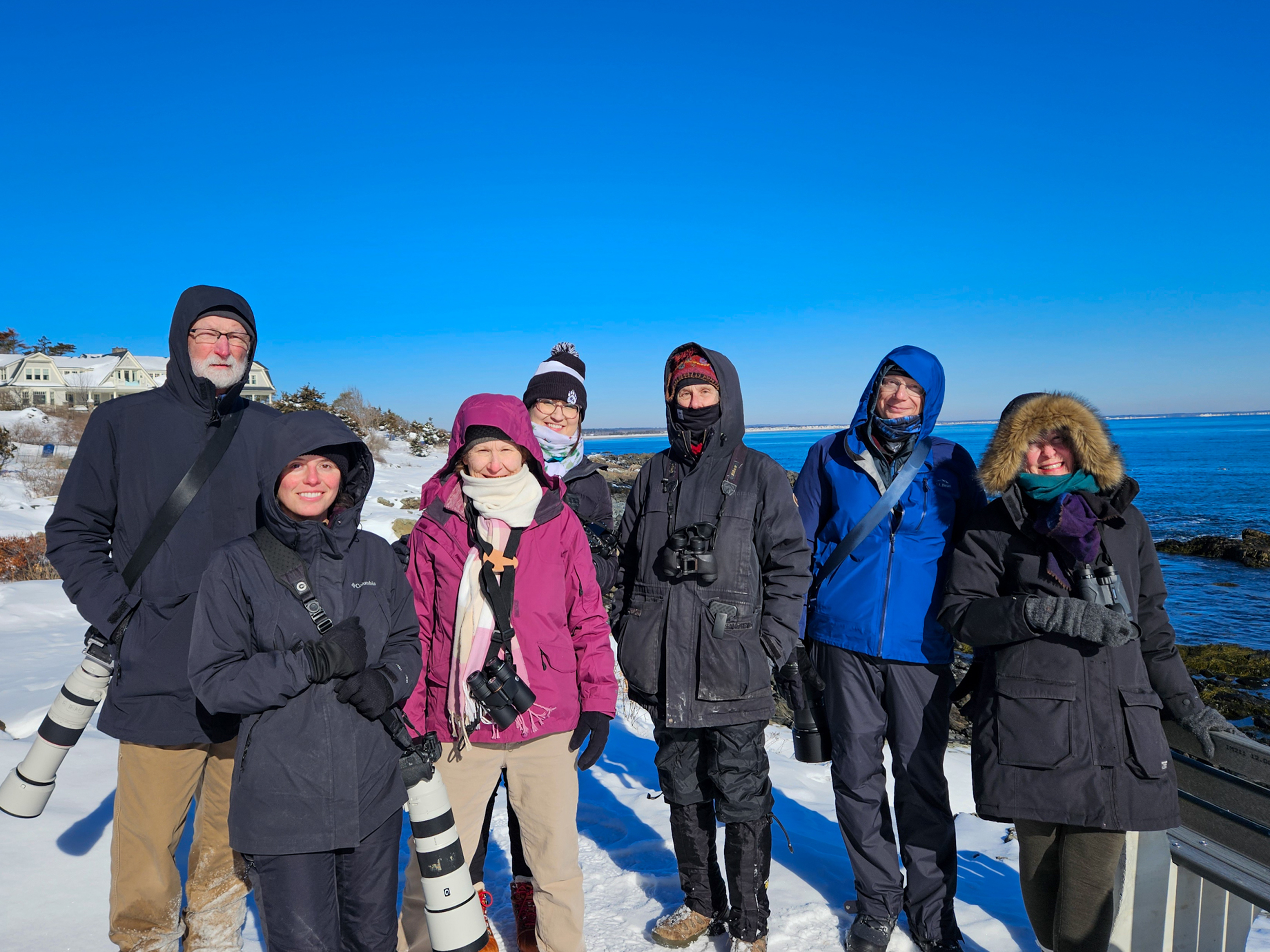
First and foremost, I must commend everyone in the group for being such troopers today! Brutally cold temperatures and a barely broken trail to start the day, with a frigid day barely warming into the low 20’s. But everyone was prepared, everyone was ready to bird, and we all learned a lot.
Between astronomical low tides, days of offshore winds, and recent bitter cold, we encountered many fewer waterbirds overall than expected at this season. We did see some of the stars of the winter show well, such as Harlequin Ducks – always the crowd favorite! – and Great Cormorants. At two sites, we worked our way through learning the various seaducks, while at two other sites we studied dabbling ducks. A short gull workshop was also included. We even finished with another family of waterfowl when a hen Greater Scaup landed in Perkin’s Cove when we returned at the end of the day.
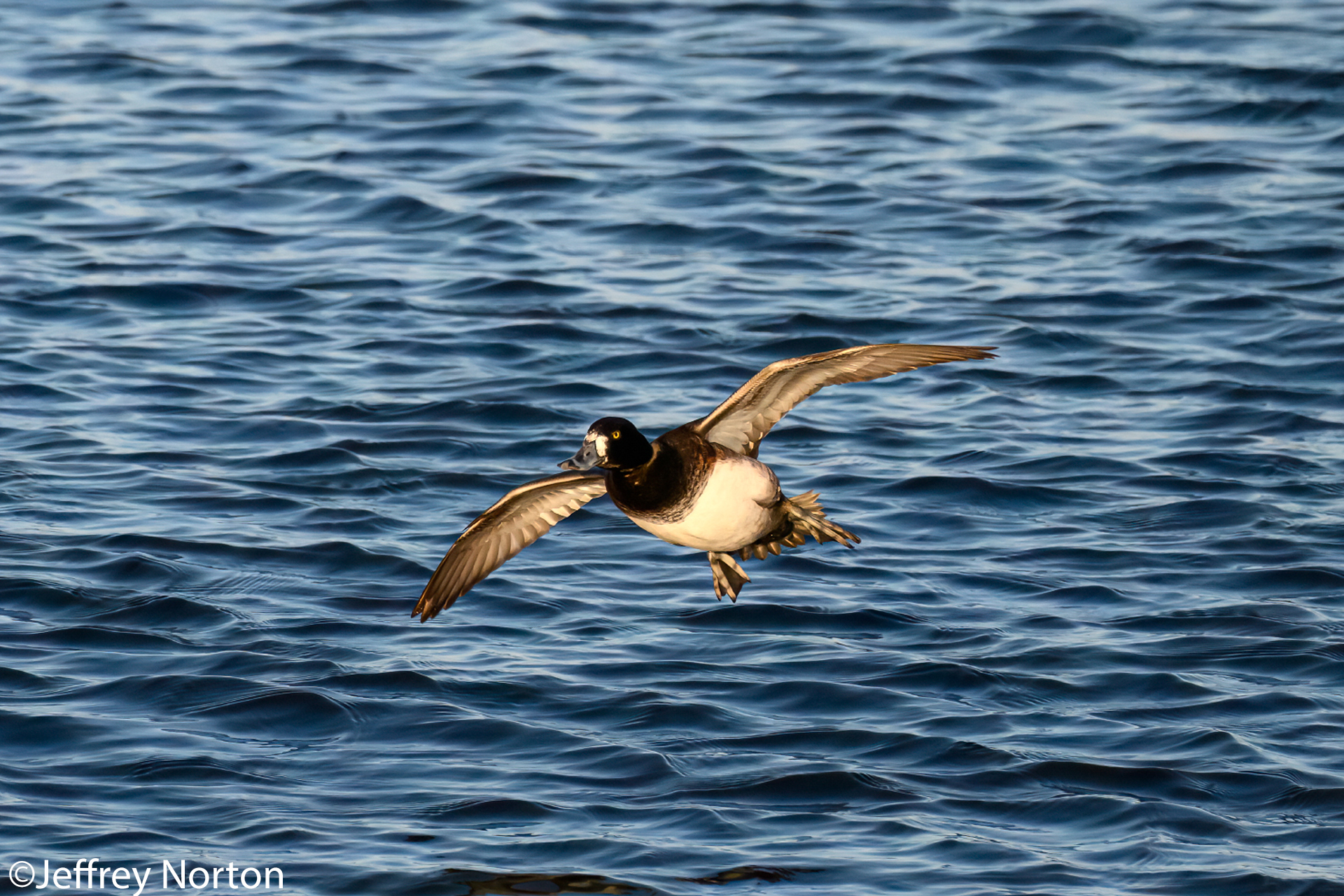
It was nice of this hen Greater Scaup to join us for one last species to learn about.
The Ogunquit Rivermouth was one of the most productive destinations today, with an unexpected 4 Northern Pintails pioneering amongst hundreds of Mallards and American Black Ducks, Canada Geese, and really close views of White-winged Scoter, Bufflehead, Common Goldeneye, and Common Loon, plus a Belted Kingfisher – one of our “honorary waterbirds.” Elsewhere, Black Scoters were the dominant species, with large rafts witnessed at multiple locations.
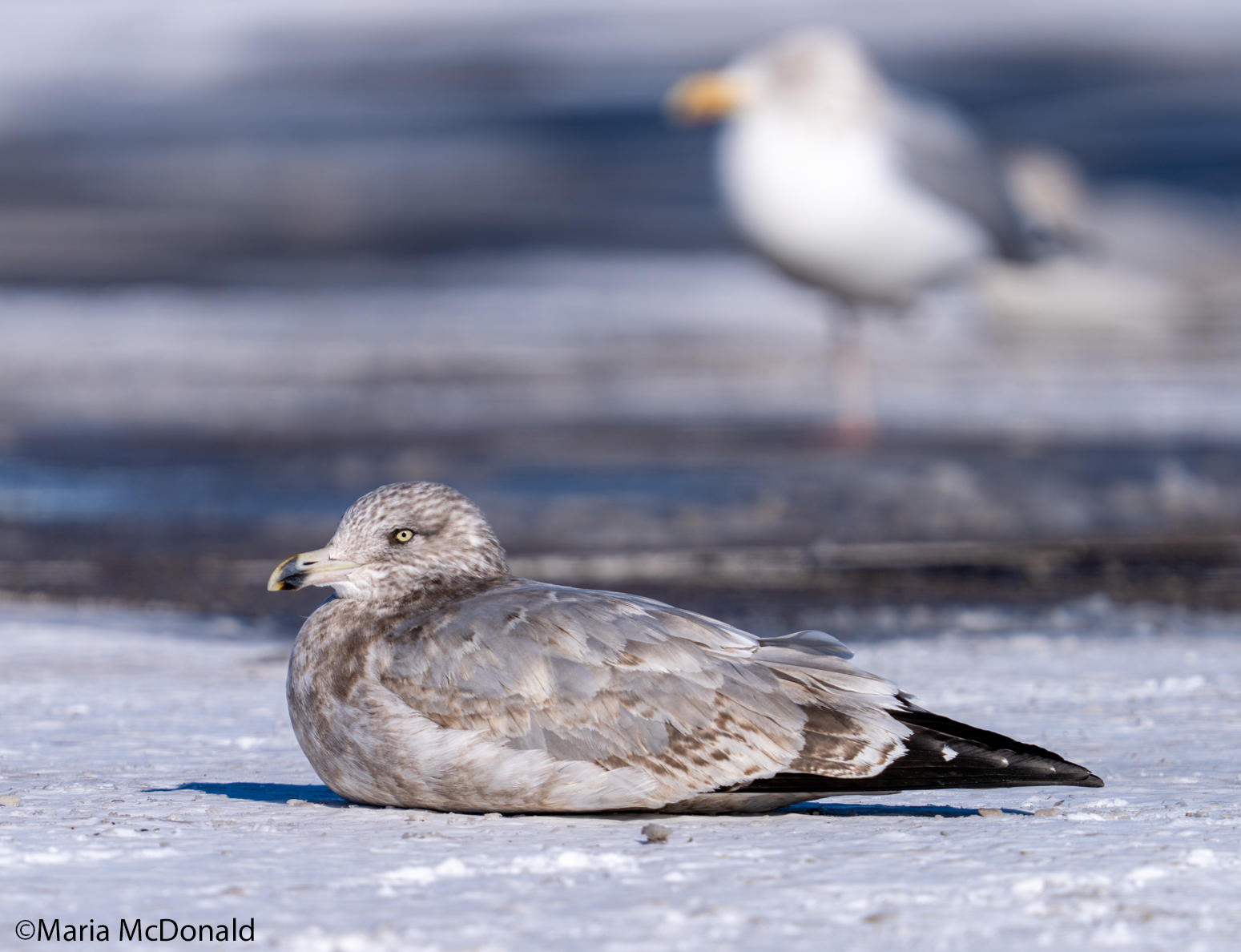
What is this mess? Impossible to identify, you say? Well, with a little comparative experience, we learned just how quickly we can identify this 2nd cycle Herring Gull.
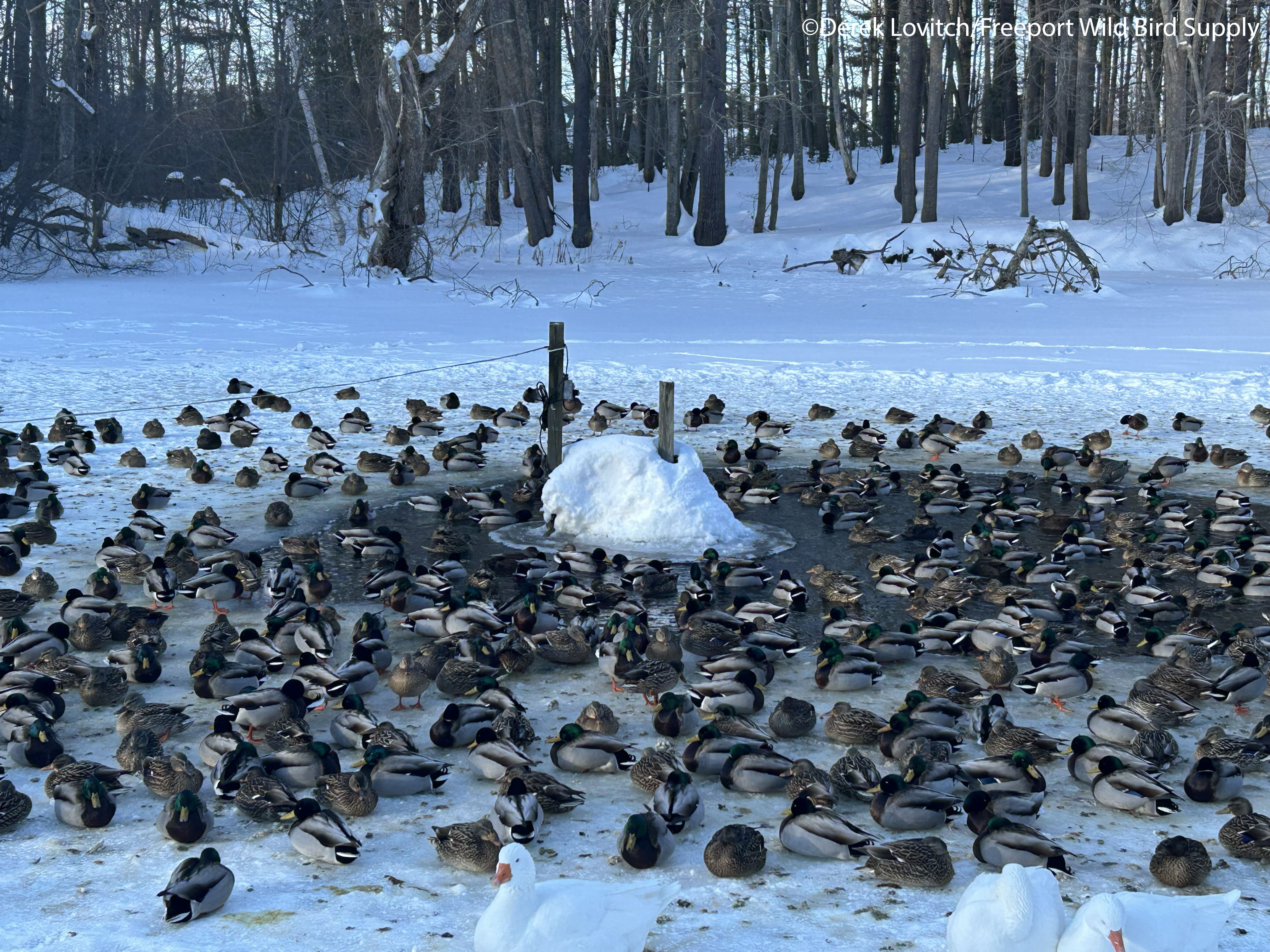
As rewarding and educational the birding was, I think most people will end up remembering more about the domestic duck roundup attempt that we witnessed at Abbott’s Pond. We were there to study Mallards, American Black Ducks, and hybrids thereof, learning the differences and nuances in plumage of some of our most commonly seen waterfowl. We did that, and then sat back and enjoyed the show as the pond’s caretakers were bringing some “dumped” domestic hybrids to a better home.
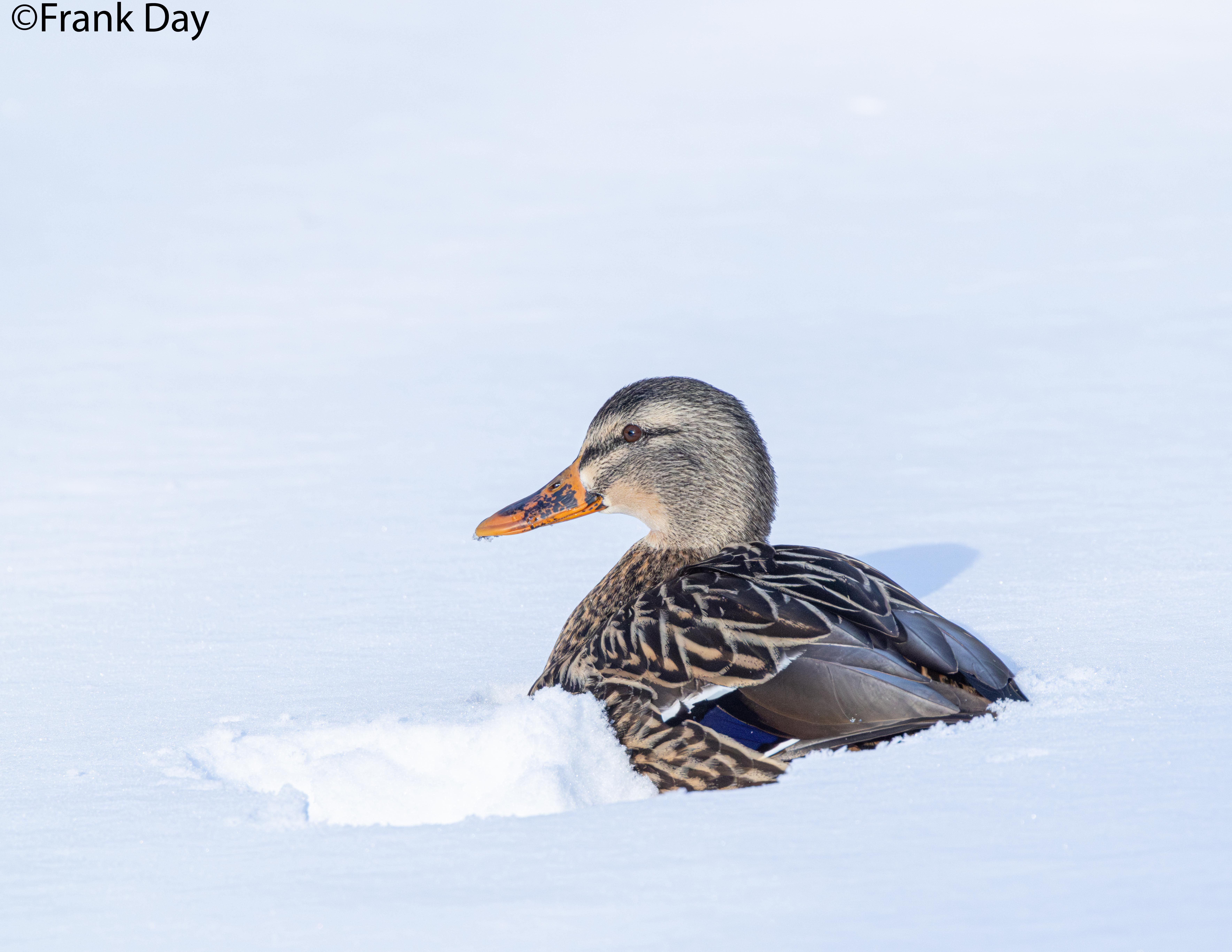
We put special emphasis on learning female ducks as well, especially when in direct comparison to the respective distinctive males and other hens around them. We also took time to appreciate the gorgeous intricacies of their plumage, such as on this female Mallard.
2. Spring Migrant Songbird Workshop
May 17, 2026.
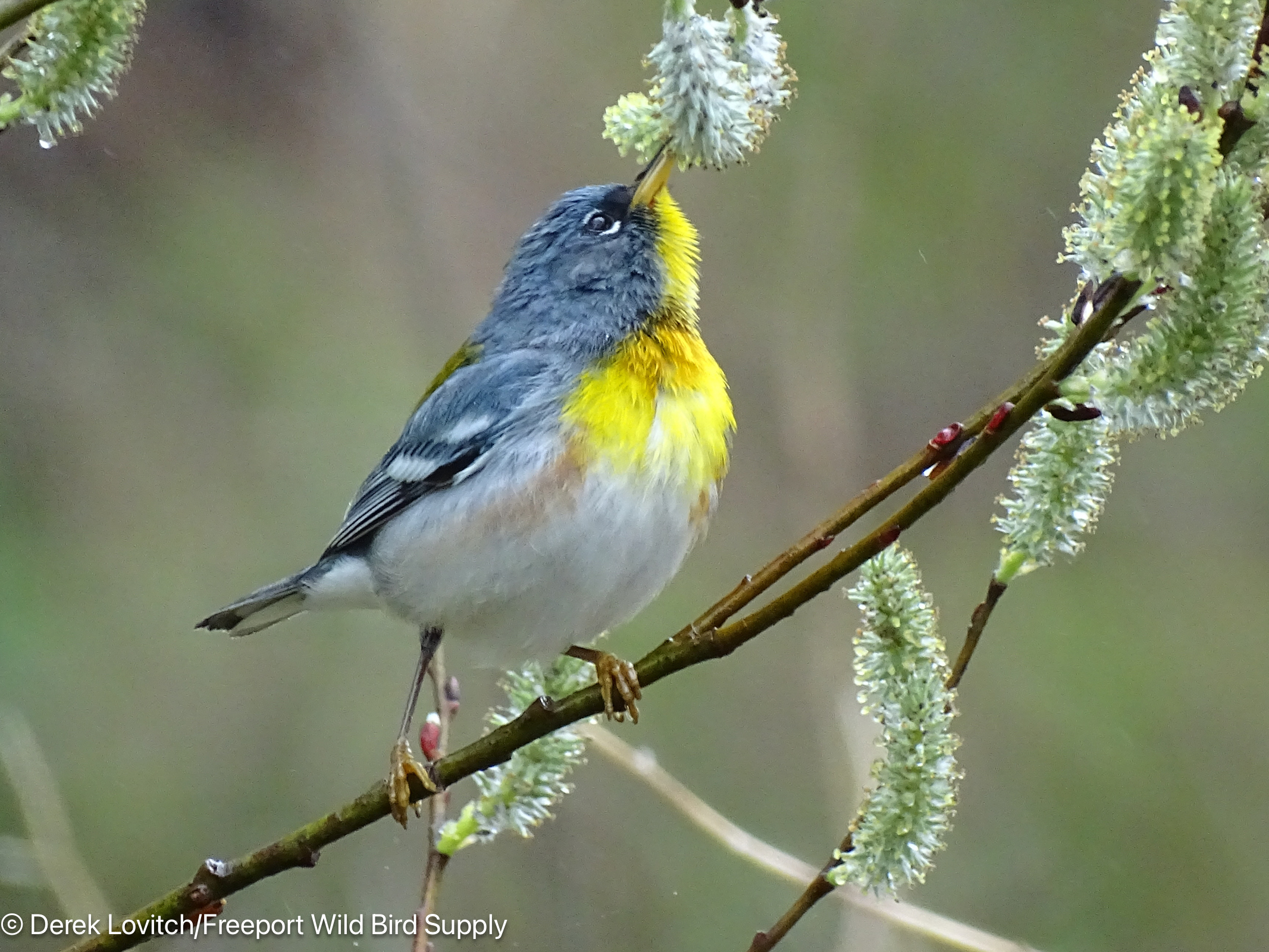
(See Northern Parula photo at the header above. Yes, that was enjoyed on our 2025 tour!)
This half-day workshop will focus on the migrant songbirds, especially warblers, that are passing through Maine’s most famous migrant trap, Portland’s Evergreen Cemetery. At the peak of warbler migration, we’ll learn how to identify these charismatic birds, and we’ll discuss their mind-boggling migration and what they’re up to in Maine.
Whether it’s the kind of migration day that legends are made of or a slow day (every day of migration is different), we’ll take advantage of whatever species are present to truly get to know them. Sure, we’ll work on “the list,” but our focus will be on preparing for your next birding outing, giving you the tools to identify birds on your own, maximize your time in the field by predicting where and when to be birding based on NEXRAD radar, geography, habitat, and much more. Of course, if there are too many warblers around, we might just have to simply enjoy them!
We’ll meet at the main entrance on Stevens Ave. to Evergreen Cemetery at 7 a.m. (or as soon as the front gate is opened), near the first building on the right. From there, we’ll caravan to the best birding location, returning to the entrance around 11. If the birding is slow, we’ll relocate in the mid-morning to another nearby park.
To get an idea of what you may see, read the 2022 , 2023,2024 and 2025 trip reports.
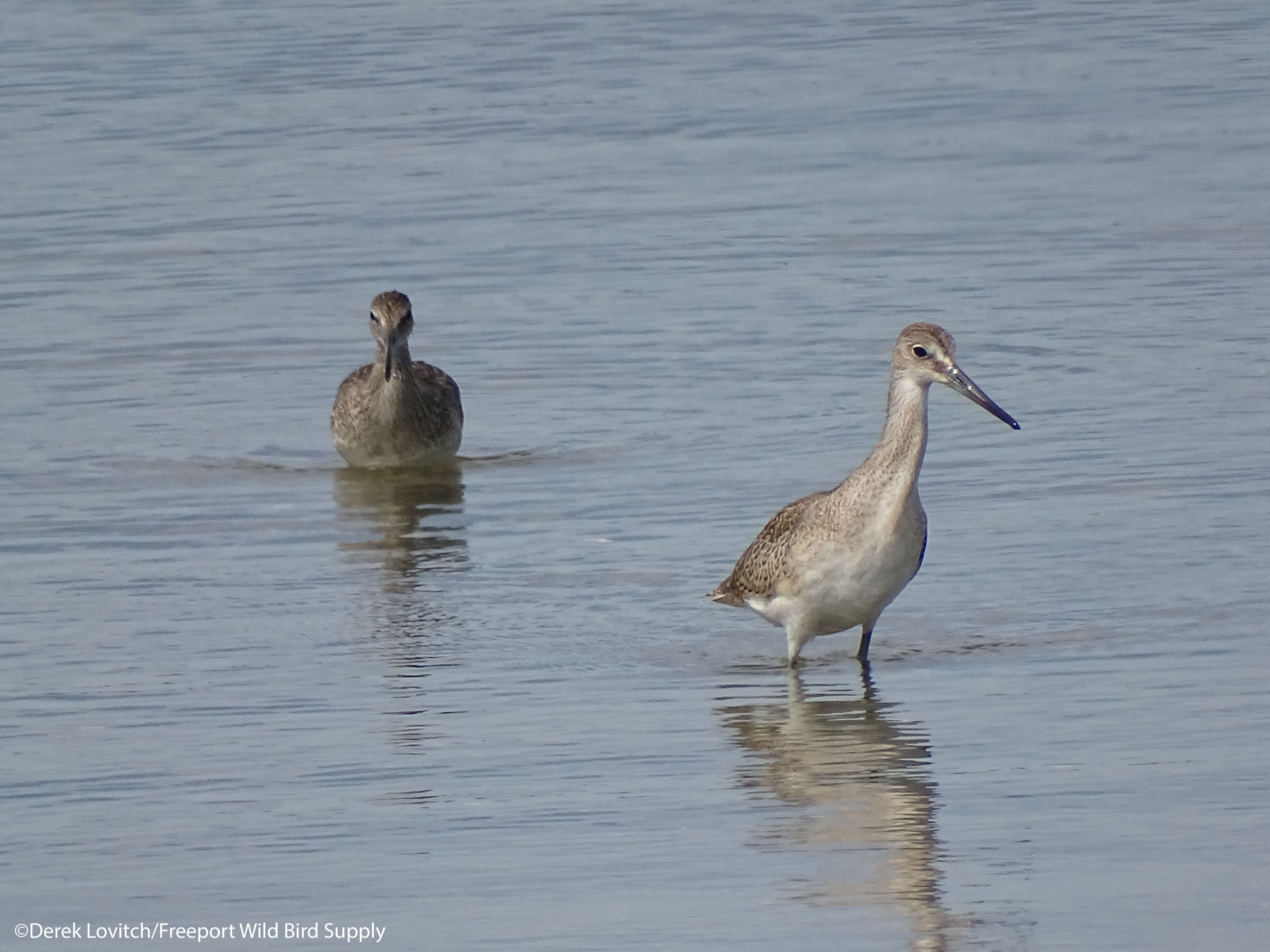
A side-by-side comparison of “Eastern” vs “Western” Willets was one of the highlights of the 2025 shorebirds workshop.
With more than 35 species of shorebirds (a diverse group including plovers and sandpipers) regularly appearing in Maine, this workshop is designed to appreciate the diversity and beauty of this fascinating family.
We will hit some of the marshes, beaches, and rocky roosts that shorebirds prefer at the peak of their migration. The ebbs and flows of the season, daily and recent weather, and other factors could produce more than 20 species of shorebirds in our time together. Our focus will be in comparative experience, learning how to recognize each species both near and far. Starting with the basics, such as plover vs. sandpiper, we’ll work our way up to the identification quandaries such as the “peeps” and the yellowlegs. We will provide you with a “toolkit” to approach shorebird identification on your own, using a combination of habitat, shape, size, structure, behavior, and plumage to identify this wonderfully diverse and attractive group of birds. Migration, conservation, and natural history will also be discussed.
We’ll meet at the public Park & Ride lot between Sea Dog Brewery and Cabela’s, off Payne Road at exit 42 of the Maine Turnpike, at 8 a.m. (please arrive 15 minutes early so we can depart on time) to carpool to the day’s birding destinations, based on tides, weather, and especially the birds themselves! We’ll return by 4 p.m., with an hour break for lunch (not included), likely at a place with multiple nearby options
For an idea of what to expect, see the trip report from our 2025, 2024, 2023 and 2020 outings.
Join Derek Lovitch for three days of birding at Maine’s famous Migration Mecca. As the summer crowds dwindle, the island becomes a birders’ paradise, with birding opportunities around every corner. This tour will spend three days sampling what the island has to offer during the peak of migration, from warblers to hawks to sparrows to the unexpected. Weather (and sometimes, lack thereof) will dictate how much we do or do not see, but every day is different out there. We’ll learn that fall warblers are rarely if ever “confusing” and why migrants – and vagrants from any direction – drop by this offshore migrant trap.
While finding and seeing birds will be the priority, we will also do a bit of informal workshopping in the afternoons to learn more about the mechanisms and marvels of bird migration. Day one will begin at the dock for the Hardy Boat in New Harbor. We’ll keep an eye out for birds from the top deck of the boat as we make the hour-long crossing to the island. Upon our arrival, we’ll hit the ground running to make the most out of our first morning at this special place. Once we’re on land, we’ll be on foot for the next 2 days, with several walks throughout the day. We’ll mostly be on dirt roads with some steep sections, but we’ll also traverse some narrow trails full of roots and rocks. Expect to spend time on “unimproved surfaces.” You will set a new personal record on your step-counter – especially when the bird we most want to see gets discovered on the opposite end of the island just before mealtime!
On the first day, after we check in lunch will be on your own, with a variety of options scattered about the town. After a break, we’ll head back out later in the afternoon for some more birding, before assembling again for an evening “cocktail hour” (BYOB; also available on the island) and our migration workshop where we’ll discuss the birds of the day, how and why we saw (and didn’t see) what we did, and more (when time and energy levels permit). The next two mornings we’ll once again maximize our time on the island. Following a short walk shortly after sunrise, we’ll enjoy the famous Monhegan House breakfast before birding for the remainder of the morning. Once again, we’ll break for lunch before reconvening for some afternoon birding: on the second day until we prepare for our evening “cocktail hour and migration review, and on the third day, right up until it’s time to head to the ferry.
For 2026, we’ll be staying at the venerable Island Inn. More details will soon follow. Stay tuned!
See Derek’s blog entry to see how the 2025, 2024, and 2023 trips went.
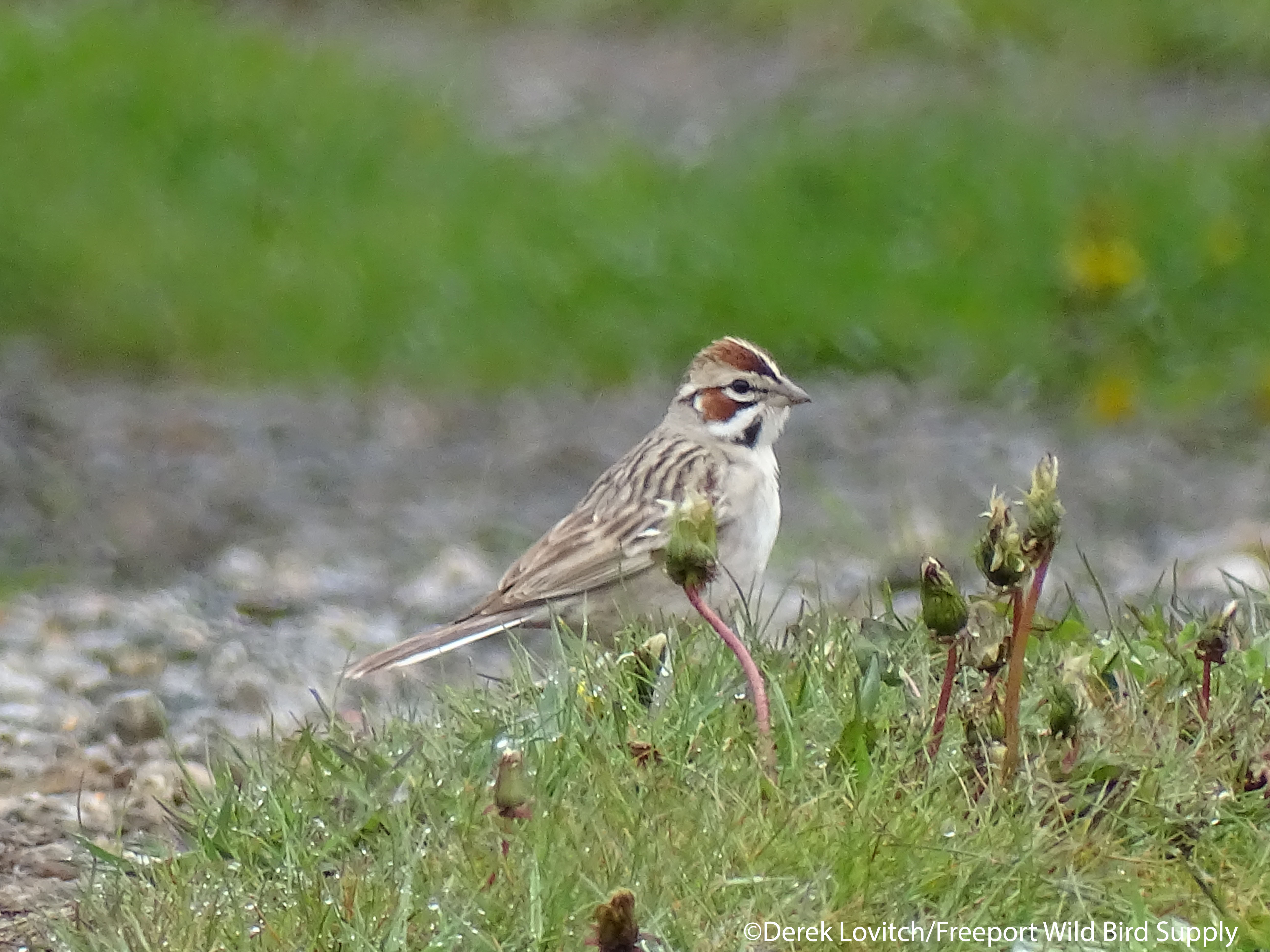
This Lark Sparrow – always a treat in spiffy spring plumage – was among the notable birds form a stellar weekend on Monhegan.
Five days on Monhegan Friday the 23rd through Tuesday 5/27 yielded a total of 106 species, including 22 species of warblers. It was the best Memorial Day Weekend on the island in several years, and at times, it really felt like “the good ol’ days” with a flock of warblers in every tree. Back in the real world, I was mostly guiding for local breeding specialties, but did have a few observations of note. But mostly, of course, my highlights were from my time on the island.
5/23, with Monhegan Spring Migration Weekend Tour group:
12 HARLEQUIN DUCKS
1 2nd/3rd Cycle Lesser Black-backed Gull
5/24, with Monhegan Spring Migration Weekend Tour group:
12 HARLEQUIN DUCKS continued
1 LARK SPARROW (photo above)
2 continuing “Eastern” Willets
3 Atlantic Puffins
1 Philadelphia Vireo (FOY)
3 Cape May Warblers (FOY)
18 species of warblers led by 55 American Redstarts, 50 Magnolia Warblers, and 25 Yellow Warblers
5/25, with Monhegan Spring Migration Weekend Tour group:
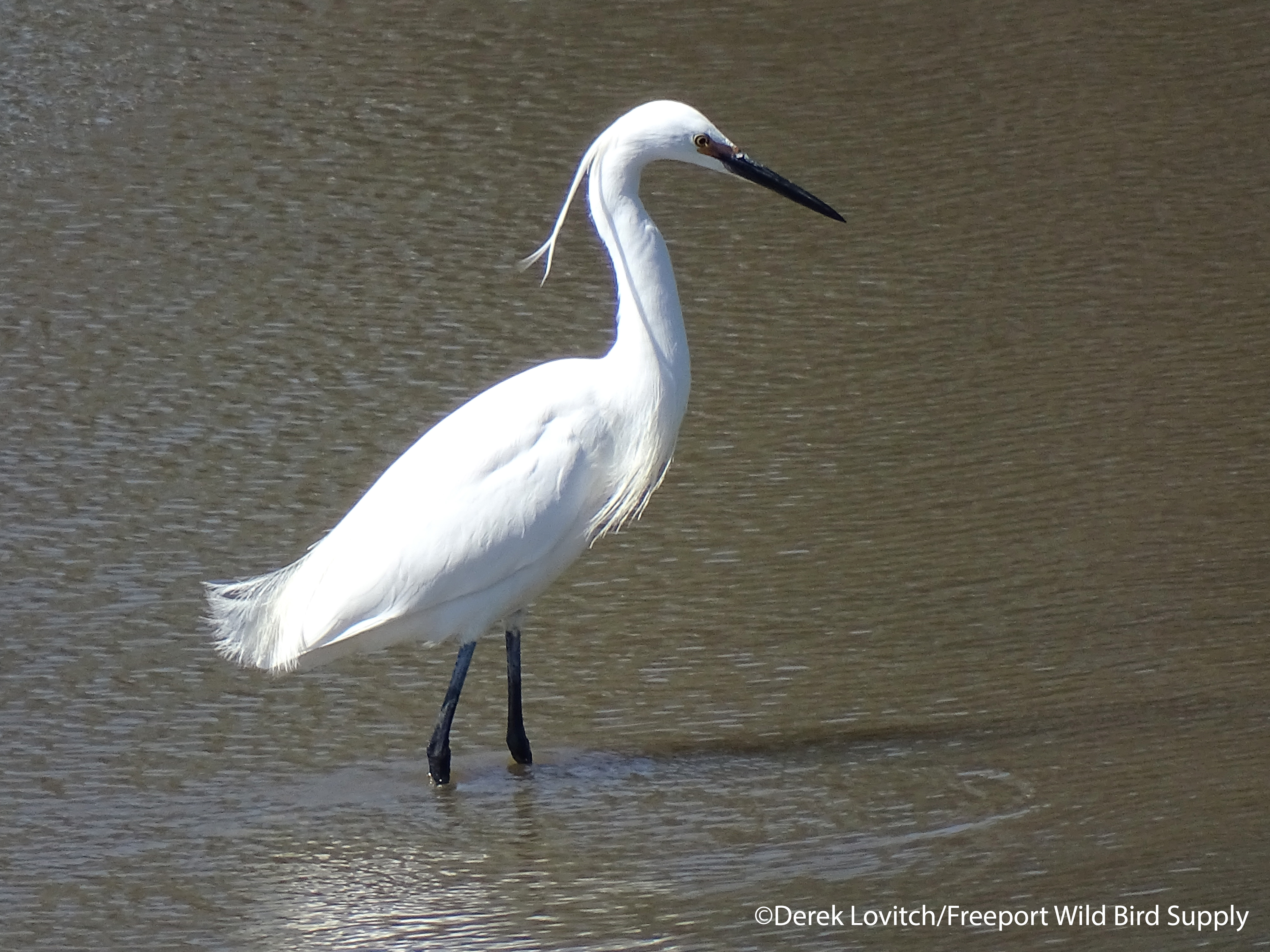
1 continuing SNOWY EGRET
8-10 continuing HARLEQUIN DUCKS
2 Alder Flycatchers (FOY)
18 species of warblers led by 45 American Redstarts, 45 Magnolia Warblers, and 35 Blackpoll Warblers, but also including at least 10 Bay-breasted and 4 Cape May Warblers
5/26, with Monhegan Spring Migration Weekend Tour group:
2 Willow Flycatchers (FOY)
1 Common Nighthawk
17 species of warblers led by 55 Blackpoll Warblers, 45 Northern Parulas, and 40 each of Magnolia and American Redstart.
5/27, with Jeannette:
1 continuing HARLEQUIN DUCK
1 Mourning Warbler (FOY)
1 Nelson’s Sparrow (FOY)
1 Pine Warbler
1 Long-tailed Duck
1 Ovenbird (my 22nd species of warbler on the weekend)
21 species of warblers led by 100 Blackpoll Warblers, 80 American Redstarts, and 70 Magnolia Warblers, but also including at least 15 Bay-breasted, 10 Tennessee, and 6 Cape May Warblers.
1 Yellow-bellied Flycatcher (FOY), our property in Durham, 5/28.
1 continuing male Lesser Scaup, Pine Point, Scarborough, 5/29 (with clients from Arkansas).
The 2025 Bradbury Mountain Spring Hawkwatch came to a close on Thursday. It did not exactly end with a bang, but we had a great flight for the this late in the season on Monday, including a good movement of immature Broad-winged Hawks and Merlins, such as this one. It, and everything else that has passed over or by the summit for the last two weeks has only added to our record-breaking season.
After last week’s rarity insanity, this was a tamer, more “normal” week for mid-May. While several great songbird flights occurred this week, concentrations were few, but there were “new” birds arriving most every day. Here are my observations of note over the past seven days.
Back for yet another year, Jeannette and I refound the/one of the long-returning LITTLE EGRET X SNOWY EGRET HYBRIDS on the 20th at Tidewater Farm in Falmouth. It was nearly to the date that we relocated it here last year for the first time, and it really favors the tidal creek here at low and mid-tides. The long Little Egret-like neck plumes are highly suggestive of a Little, but they are coupled with some short, wispy neck plumes and yellowish lores indicative of Snowy Egret genes.\
The migratory floodgates opened this week, starting with a big flight Friday night into Saturday morning. Then, during the day, a huge hawk flight occurred. Furthermore, the weather of Friday through Saturday resulted in a small “overshoot” even where birds were facilitated further north than usual for the season, or at all. Locally, this resulted in several rather early dates for returning migrants. Another great hawk flight on the 21st, and good passerine movements on several other nights made for an exciting and productive week of spring birding. A coastal sparrow-heavy fallout for the morning of the 25th yielded another large arrival of birds, with sheer numbers dominated by White-throated Sparrows. Here are my observations of note over the past seven great days, from a returning hybrid heron to a local first Patch record:
35+ Palm Warblers, 30+ Yellow-rumped Warblers, and 20+ Ruby-crowned Kinglets, etc, Florida Lake Park, Freeport, 4/19 (with Saturday Morning Birdwalk group).
Saturday was an extraordinary day at the Bradbury Mountain Spring Hawkwatch. I was fortunate to be able to catch two hours of it, even if it was as the flight was waning. The record-shattering total of 2,712 migrant raptors crushed the old single-day record of 1,814 (5/3/2020). Today’s total was more than 700 birds more than we had for every previous day combined for this season to date. Not only that, but today’s tally eclipsed our two lowest SEASON totals 2,123 (2007) and 2,321 (2011)!
1 returning LITTLE EGRET X SNOWY EGRET HYBRID, Tidewater Farm, Falmouth, 4/20 (with Jeannette). Photo and details above.
2 SANDHILL CRANES, Morgan Meadow WMA, Gray/Raymond, 4/21 (with Jeannette).
~125 Palm Warblers, ~75 Yellow-rumped Warblers, and 2 Pine Warblers, Florida Lake Park, 4/23.
7 Brant, Wood Island (restricted access), Biddeford, 4/23 (with Bethany Woodworth’s UNE Ornithology class).
1 COMMON GALLINULE (FOY), Florida Lake Park, 4/25 (with Noah Gibb and Stacey Huth). First flushed by Noah and Stacey. Was a real challenge to get a look at, but eventually it came out to an edge for a handful of minutes. My 170th species at Florida Lake!
My personal “first of years” this week also included:
1 Blue-headed Vireo, Florida Lake Park, Freeport, 4/19 (with Saturday Morning Birdwalk group).
1 BANK SWALLOW (quite early), Florida Lake Park, 4/19 (with Saturday Morning Birdwalk group).
1 Barn Swallow, Florida Lake Park, 4/19 (with Saturday Morning Birdwalk group).
1 LOUISIANA WATERTHRUSH, Morgan Meadow WMA, Gray/Raymond, 4/21 (with Jeannette).
1 Eastern Towhee Wood Island (restricted access), Biddeford, 4/23 (with Bethany Woodworth and UNE’s Ornithology class).
1 Common Yellowthroat, Florida Lake Park, 4/25.
1 Black-and-white Warbler, Florida Lake Park, 4/25.
Although Black-crowned Night-Herons have likely been around for a few weeks by now, these three at Wood Island in Biddeford on the 23rd were my personal first of the year.
This immature Snow Goose was a surprise to find in the marsh off of the Footbridge Beach Parking lot in Ogunquit on the 15th. Later, my client and I found it much closer (although heat shimmer and distance still confounded my phone-scoping attempts) off of the North Beach parking lot across the river.
After another complex and long-duration storm system put the brakes on migration from Friday night through Tuesday, there was a huge flight of birds into the area for Wednesday morning and a great hawk flight on Friday. Here are my observations of note and new arrivals over the past seven days:
Our last Fox Sparrow at our home and here at the store departed the night of 4/15. Not seeing one on the 16th anywhere ended my streak of 120 consecutive days of seeing a Fox Sparrow when in Maine! Of course on appeared/reappeared at home on the 17th.
A sparrow fallout was experienced along the immediate southwestern coast of Maine on the morning of 4/15. I caught a small sample of it with 50-75 Savannah Sparrows, 150+ Dark-eyed Juncos, 30+ Song Sparrows, 1 Fox Sparrow, etc, at Beach Plum Farm in Ogunquit (with a client from New York).
7 Harlequin Ducks and 12 Purple Sandpipers, Perkin’s Cove, Ogunquit, 4/15 (with client from New York).
1 immature SNOW GOOSE, Footbridge Beach parking lot, Ogunquit, 4/15 (with client from New York). Relocated later from the North Beach parking lot. Photo above.
The large rafts of several hundred (mostly) Greater and (at least a few) Lesser Scaup, along with White-winged Scoters, continues this week at Wharton Point in Brunswick, at least through 4/17.
My personal “first of years” this week also included:
2 Palm Warblers, our property in Durham, 4/13.
10 Broad-winged Hawks, Bradbury Mountain Spring Hawkwatch, 4/16.
3 Yellow-rumped Warbler (FOS), Florida Lake Park, Freeport, 4/17.
1 Northern Rough-winged Swallow, Florida Lake Park, 4/17.
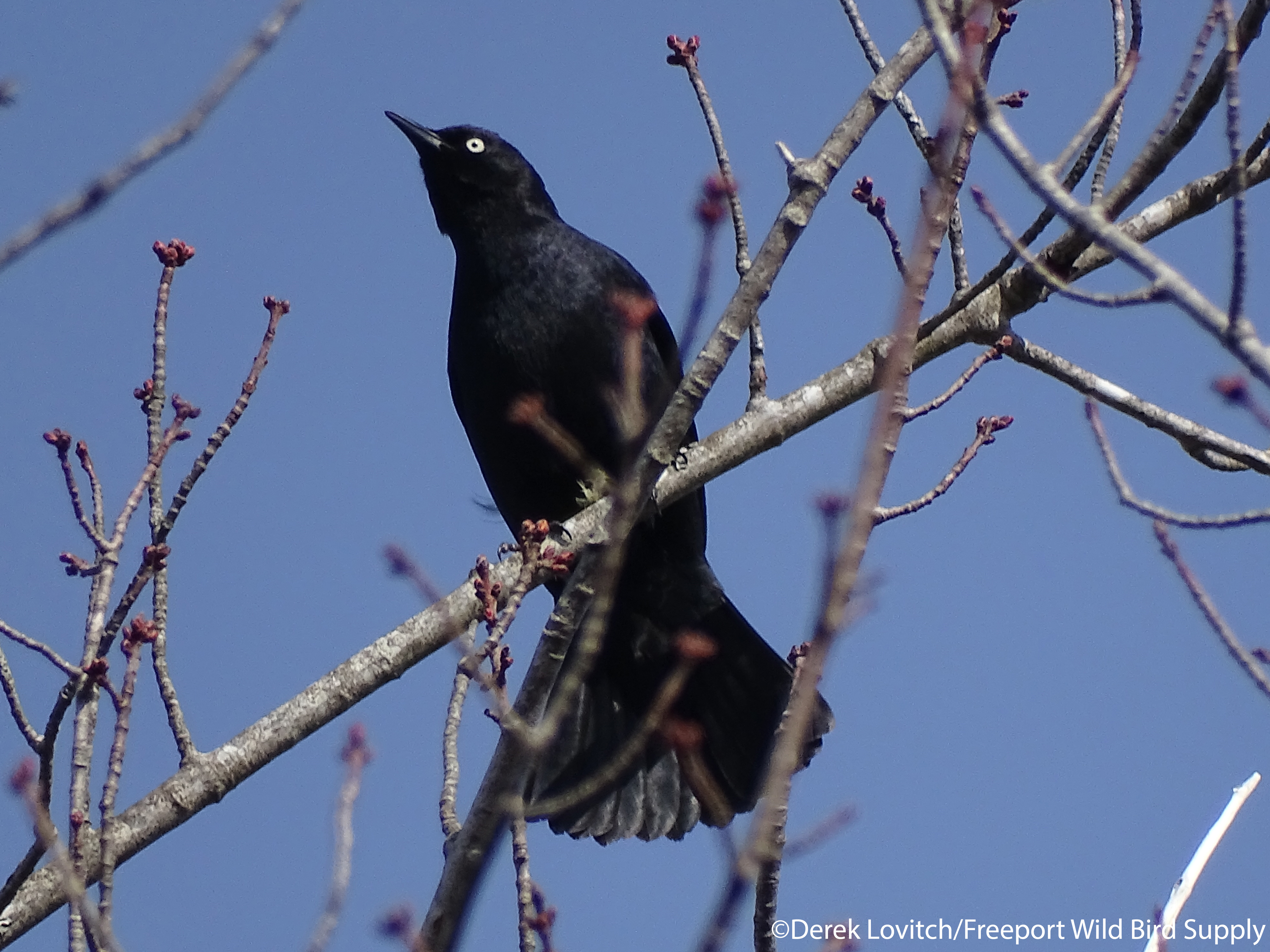
This Rusty Blackbird singing up a storm at Florida Lake Park on 4/2 has likely been present here since way back when I first saw it on 2/26! I don’t stop at Florida Lake very often this early in the season, but every time I have, he’s been in the same corner, often singing, making me think it’s the same individual. Even now, it’s on the early side for Rusties.
It was an up and down week of weather, to say the least, but slowly but surely spring migration was progressing. Considering fairly limited time in the field this week, I had a decent early season slate of observations of note and personal “first-of-years” over the past seven days:
Fox Sparrows at our feeders in Durham peaked at a goodly 6 on 3/30. 3 continue here at the store through week’s end.
1 continuing Rusty Blackbird (likely present here since 2/26; note and photo above), 1 Pied-billed Grebe (FOY), 2 Eastern Phoebes (FOY), and 1 Tree Swallow (FOY), Florida Lake Park, Freeport, 4/2.
One of two Eastern Phoebes at Florida Lake Park on the 2nd, this one seemed to be contemplating its life choices with yet another spring snowstorm on its way.
2 Rusty Blackbirds, our property in Durham, 4/3.
8 Double-crested Cormorants (FOY), Mailley Park, Bowdoinham, 4/3.
1 drake NORTHERN SHOVELER (FOY), Mouth of the Abby, Bowdoinham, 4/3.






 Maine Birding Field Notes