Freeport Wild Bird Supply is proud to once again partner with Down East Magazine’s Down East Adventures for the sixth year of offering exclusive birding workshops focused on gaining greater knowledge and field skills in a focused group of seasonally accessible birds. Focused on skill-builder rather than list-building, there will be plenty of “life birds,” but also more knowledge and education about birds, habitats, birding, and much more about the natural world. We are honored to be their provider for a series of unique and exclusive birdwatching endeavors. In 2026, we will once again offer four exclusive outings.
For more information on each tour, as well as registration information, visit: https://www.freeportwildbirdsupply.com/downeast-adventures-tours Trip reports from each will be posted here upon their completion.
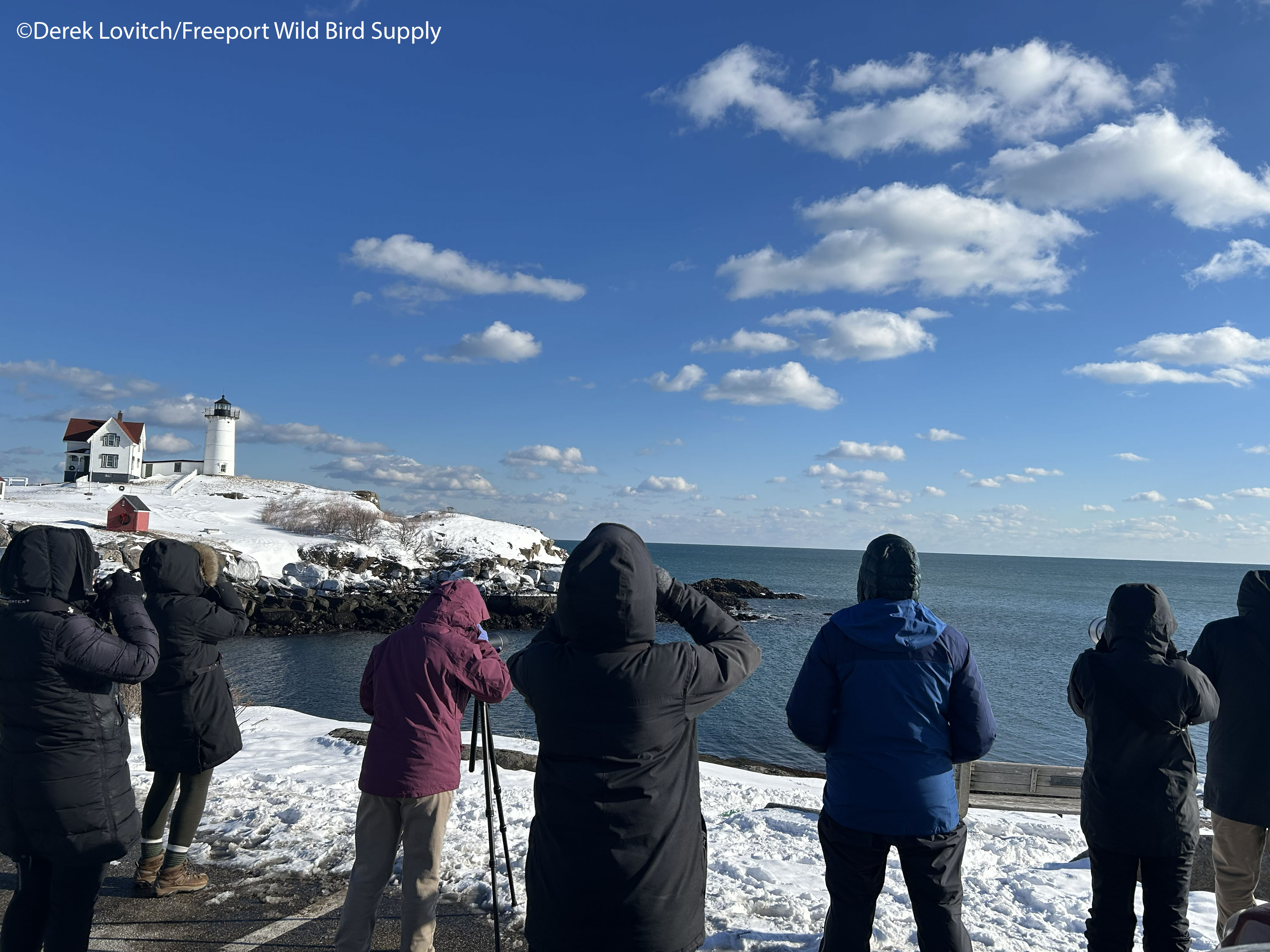
- Winter Waterbirds Workshop
January 29th, 2026; 9:00am – 4:00pm.
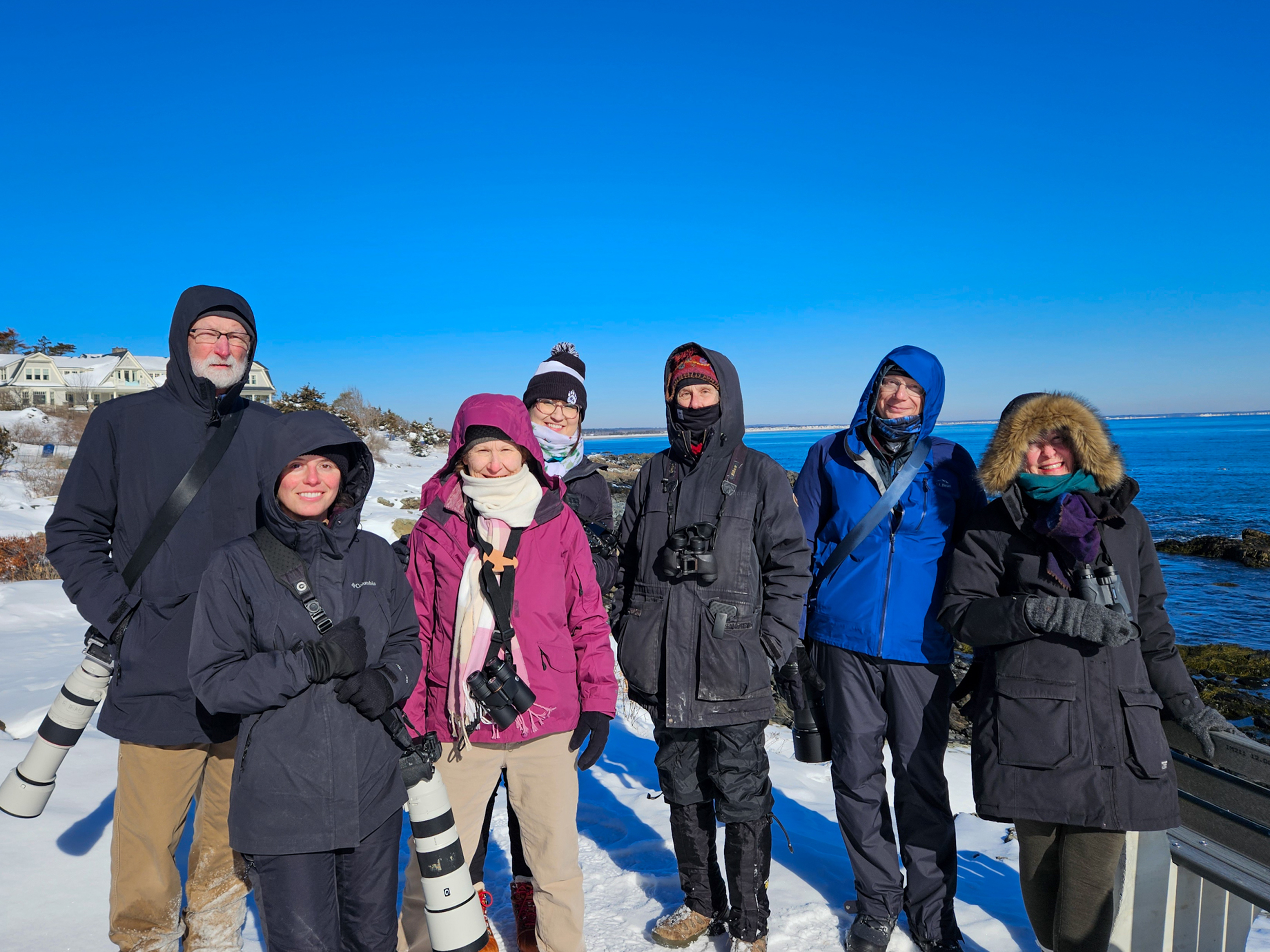
First and foremost, I must commend everyone in the group for being such troopers today! Brutally cold temperatures and a barely broken trail to start the day, with a frigid day barely warming into the low 20’s. But everyone was prepared, everyone was ready to bird, and we all learned a lot.
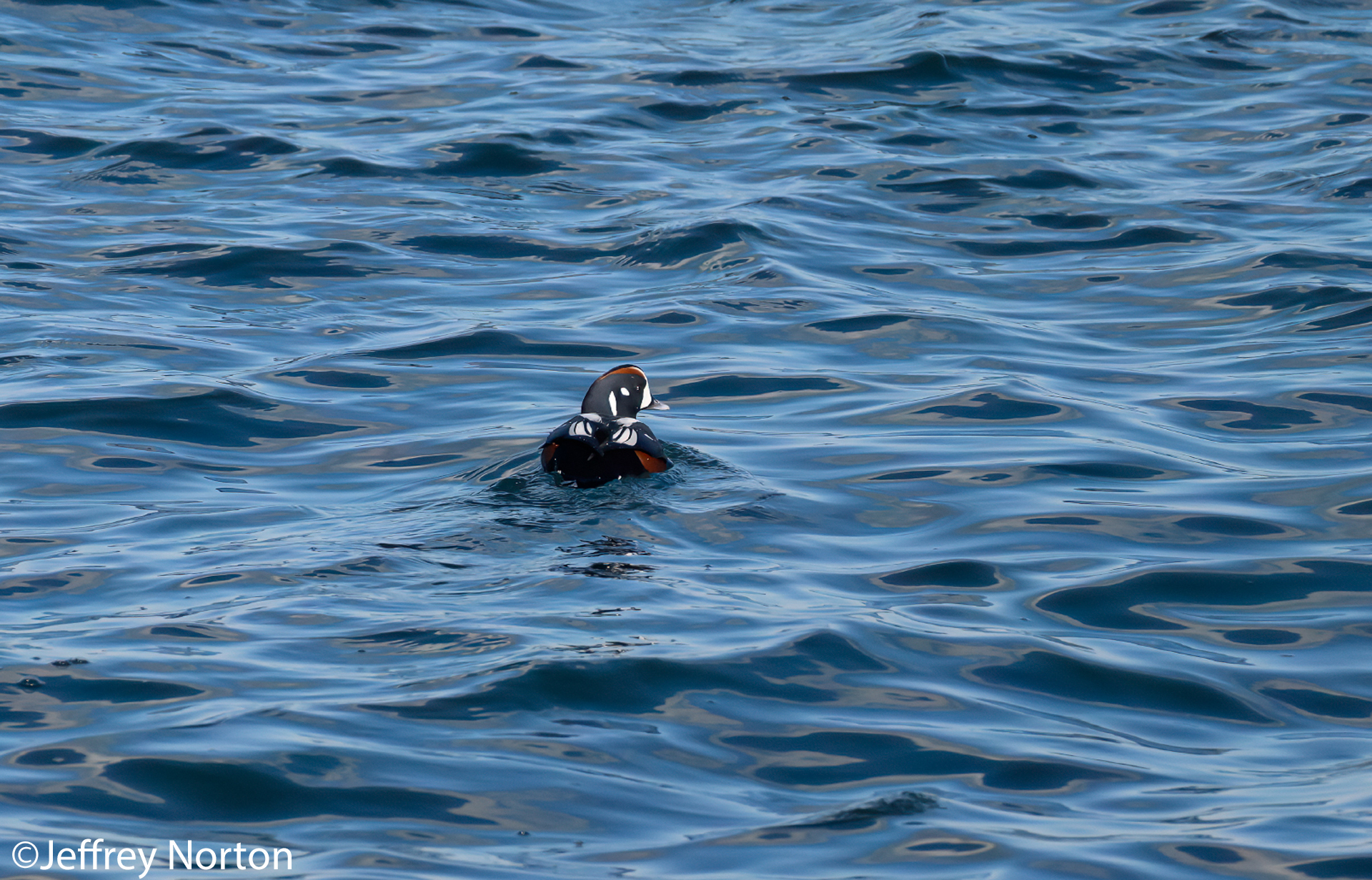
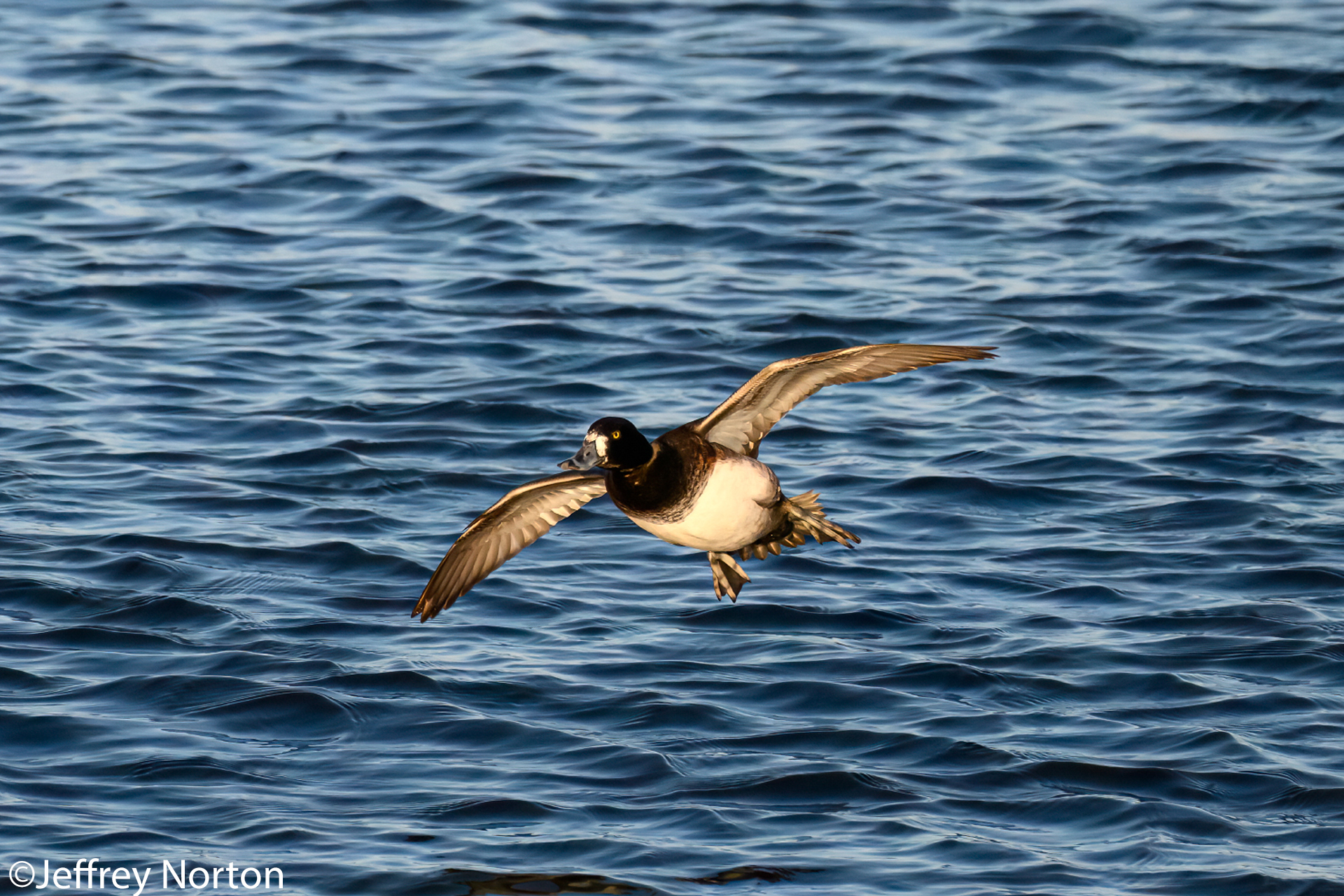
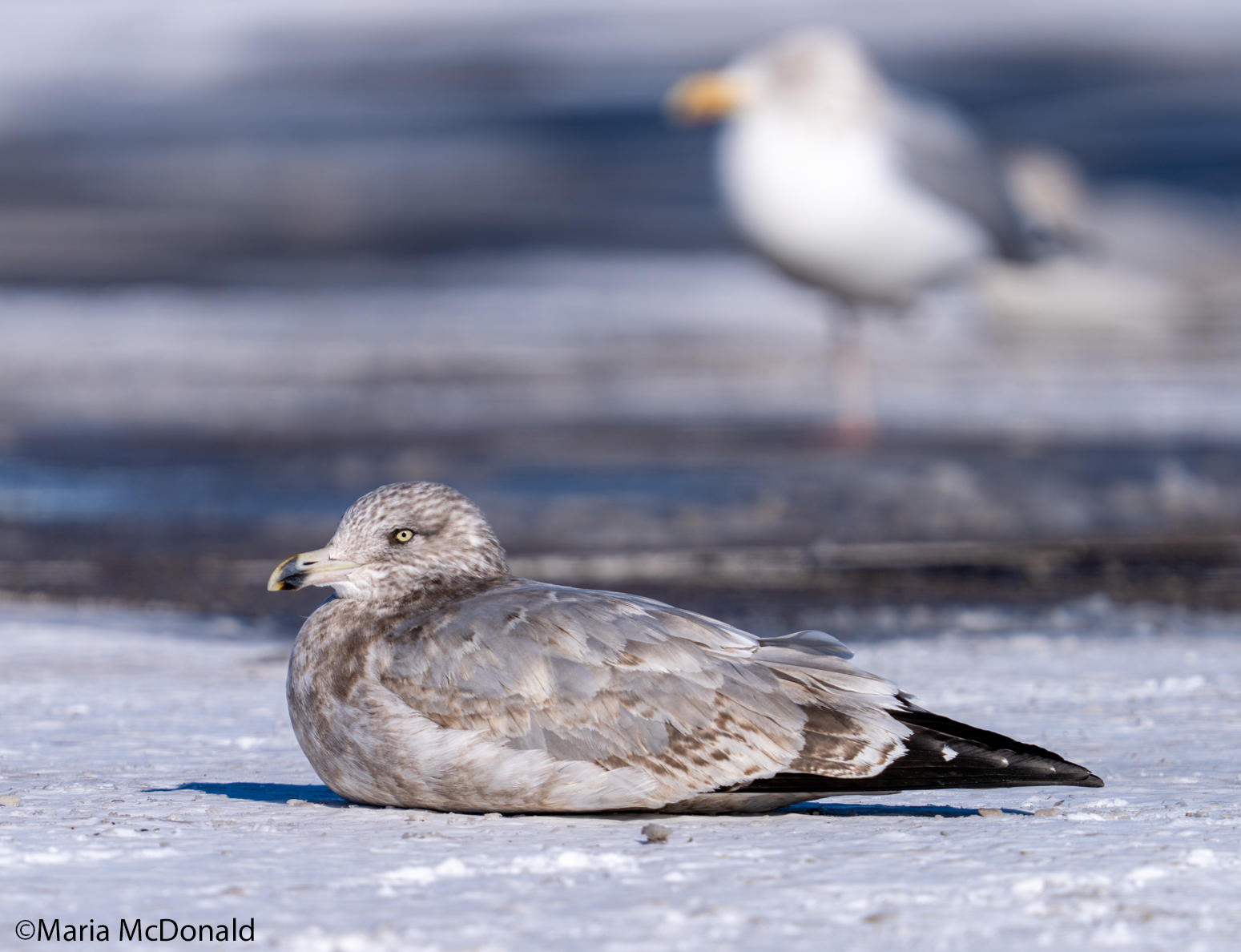
Between astronomical low tides, days of offshore winds, and recent bitter cold, we encountered many fewer waterbirds overall than expected at this season. We did see some of the stars of the winter show well, such as Harlequin Ducks – always the crowd favorite! – and Great Cormorants. At two sites, we worked our way through learning the various seaducks, while at two other sites we studied dabbling ducks. A short gull workshop was also included. We even finished with another family of waterfowl when a hen Greater Scaup landed in Perkin’s Cove when we returned at the end of the day.
The Ogunquit Rivermouth was one of the most productive destinations today, with an unexpected 4 Northern Pintails pioneering amongst hundreds of Mallards and American Black Ducks, Canada Geese, and really close views of White-winged Scoter, Bufflehead, Common Goldeneye, and Common Loon, plus a Belted Kingfisher – one of our “honorary waterbirds.” Elsewhere, Black Scoters were the dominant species, with large rafts witnessed at multiple locations.
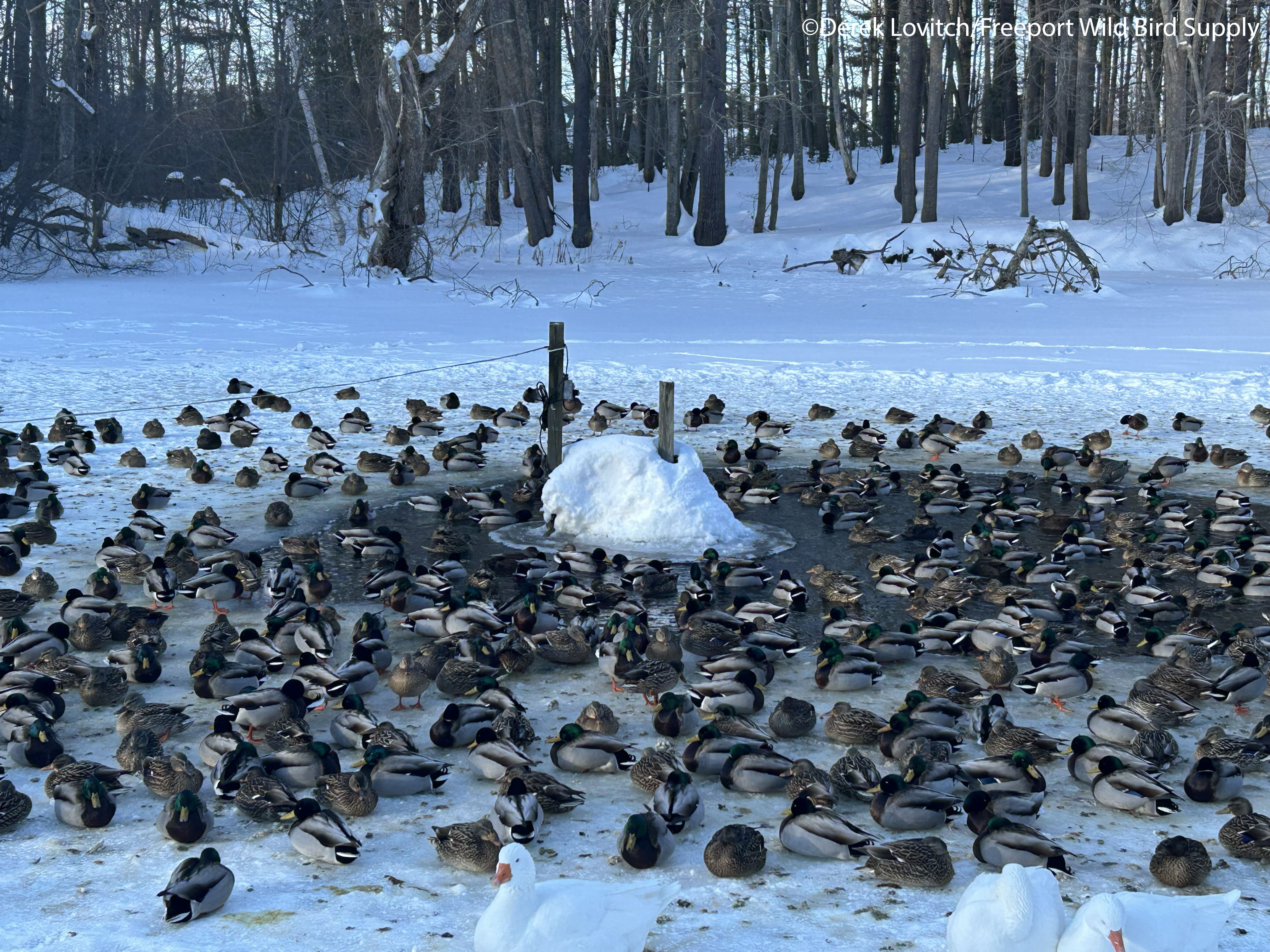
As rewarding and educational the birding was, I think most people will end up remembering more about the domestic duck roundup attempt that we witnessed at Abbott’s Pond. We were there to study Mallards, American Black Ducks, and hybrids thereof, learning the differences and nuances in plumage of some of our most commonly seen waterfowl. We did that, and then sat back and enjoyed the show as the pond’s caretakers were bringing some “dumped” domestic hybrids to a better home.
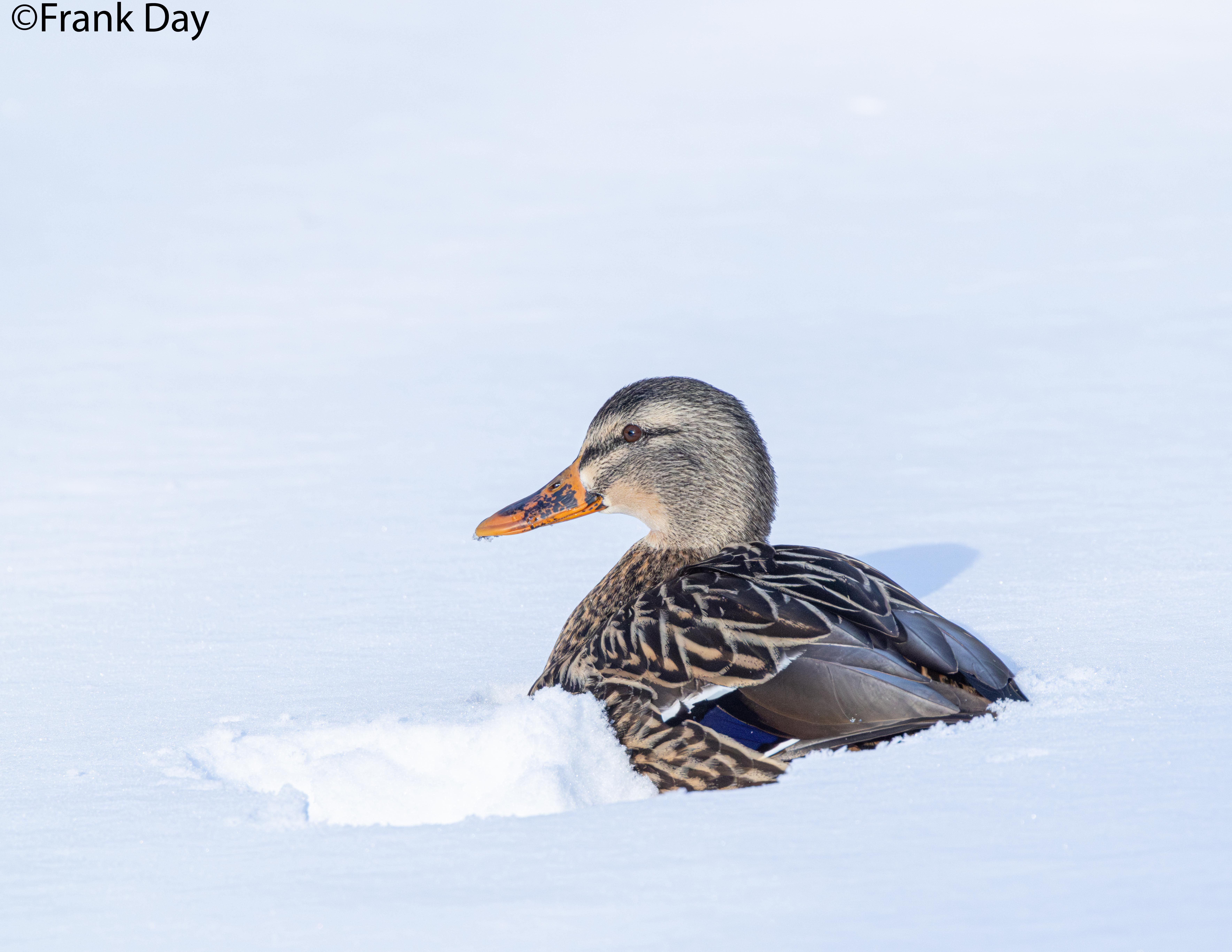
their plumage, such as on this female Mallard.
2. Spring Migrant Songbird Workshop
May 17, 2026.
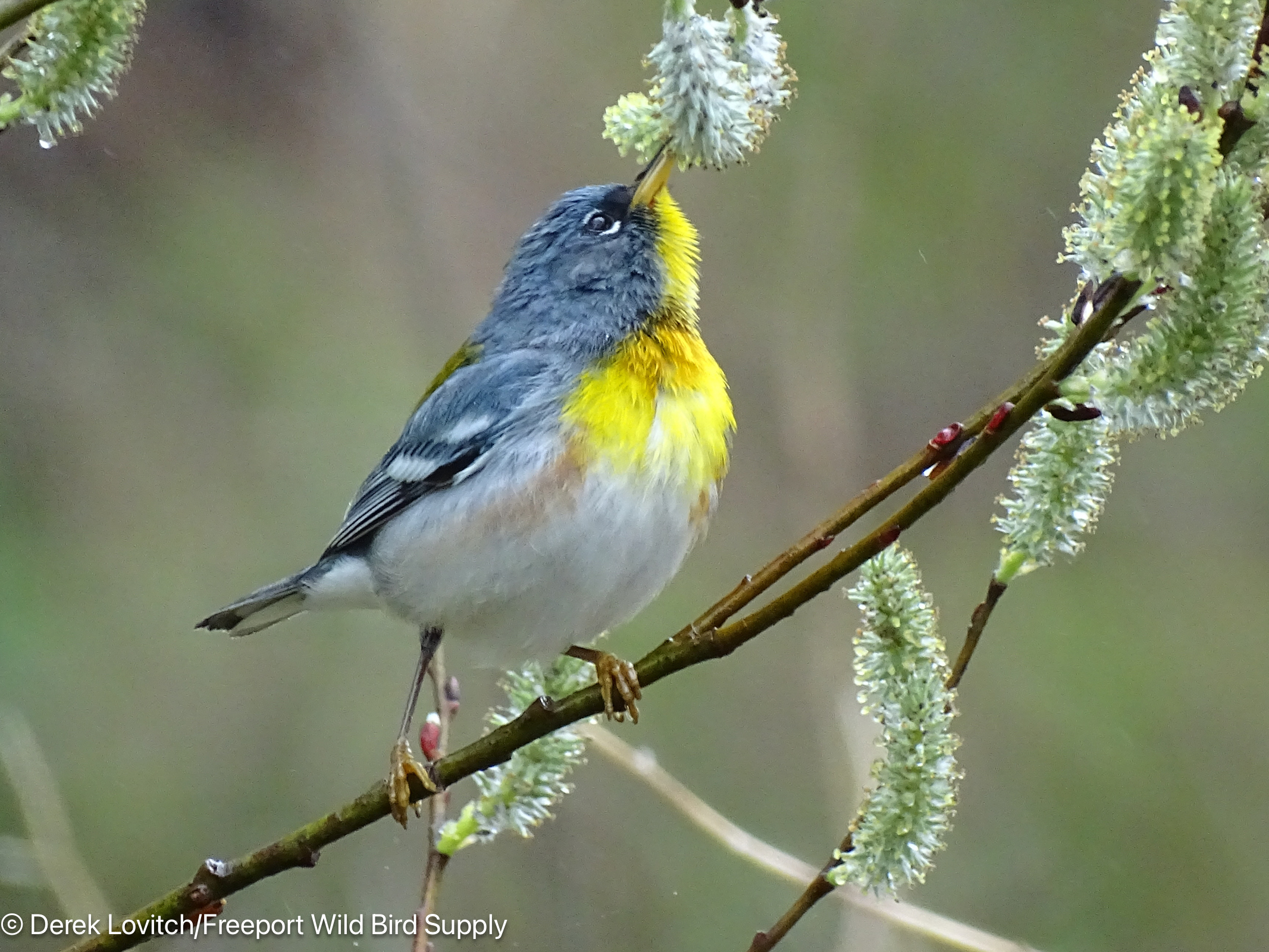
(See Northern Parula photo at the header above. Yes, that was enjoyed on our 2025 tour!)
This half-day workshop will focus on the migrant songbirds, especially warblers, that are passing through Maine’s most famous migrant trap, Portland’s Evergreen Cemetery. At the peak of warbler migration, we’ll learn how to identify these charismatic birds, and we’ll discuss their mind-boggling migration and what they’re up to in Maine.
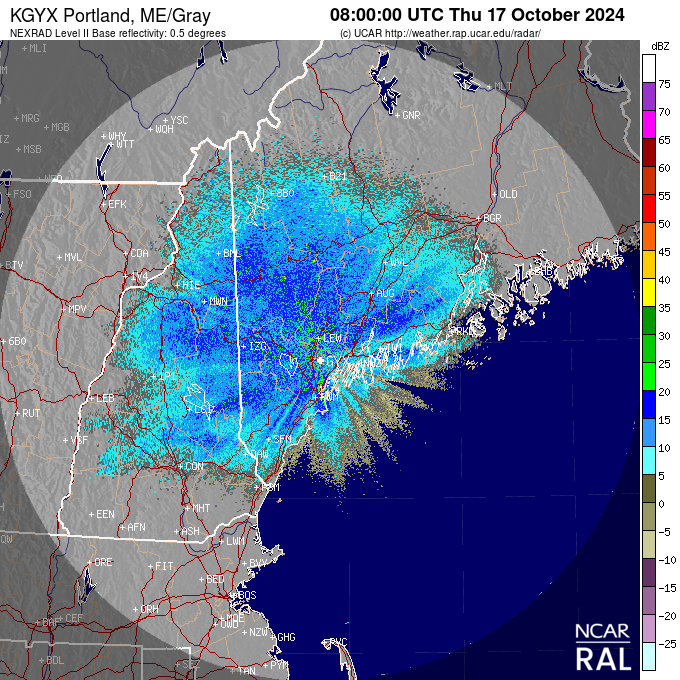
Whether it’s the kind of migration day that legends are made of or a slow day (every day of migration is different), we’ll take advantage of whatever species are present to truly get to know them. Sure, we’ll work on “the list,” but our focus will be on preparing for your next birding outing, giving you the tools to identify birds on your own, maximize your time in the field by predicting where and when to be birding based on NEXRAD radar, geography, habitat, and much more. Of course, if there are too many warblers around, we might just have to simply enjoy them!
We’ll meet at the main entrance on Stevens Ave. to Evergreen Cemetery at 7 a.m. (or as soon as the front gate is opened), near the first building on the right. From there, we’ll caravan to the best birding location, returning to the entrance around 11. If the birding is slow, we’ll relocate in the mid-morning to another nearby park.
To get an idea of what you may see, read the 2022 , 2023, 2024 and 2025 trip reports.
3. Shorebird Workshop
August 18, 2026; 9:00am – 4:00pm
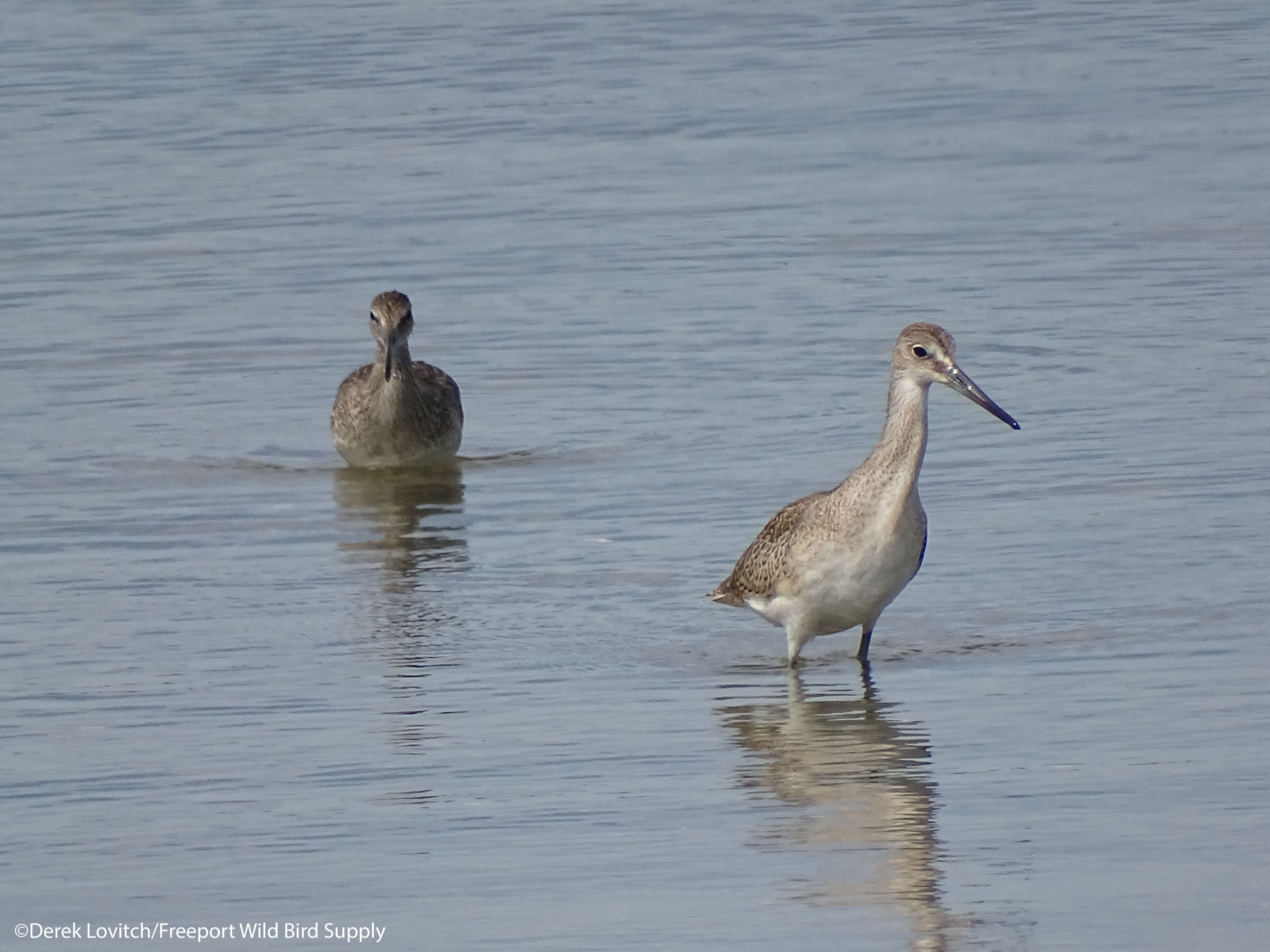
of the 2025 shorebirds workshop.
With more than 35 species of shorebirds (a diverse group including plovers and sandpipers) regularly appearing in Maine, this workshop is designed to appreciate the diversity and beauty of this fascinating family.
We will hit some of the marshes, beaches, and rocky roosts that shorebirds prefer at the peak of their migration. The ebbs and flows of the season, daily and recent weather, and other factors could produce more than 20 species of shorebirds in our time together. Our focus will be in comparative experience, learning how to recognize each species both near and far. Starting with the basics, such as plover vs. sandpiper, we’ll work our way up to the identification quandaries such as the “peeps” and the yellowlegs. We will provide you with a “toolkit” to approach shorebird identification on your own, using a combination of habitat, shape, size, structure, behavior, and plumage to identify this wonderfully diverse and attractive group of birds. Migration, conservation, and natural history will also be discussed.
We’ll meet at the public Park & Ride lot between Sea Dog Brewery and Cabela’s, off Payne Road at exit 42 of the Maine Turnpike, at 8 a.m. (please arrive 15 minutes early so we can depart on time) to carpool to the day’s birding destinations, based on tides, weather, and especially the birds themselves! We’ll return by 4 p.m., with an hour break for lunch (not included), likely at a place with multiple nearby options
For an idea of what to expect, see the trip report from our 2025, 2024, 2023 and 2020 outings.
4. Monhegan Birding Workshop
September 11-13, 2026
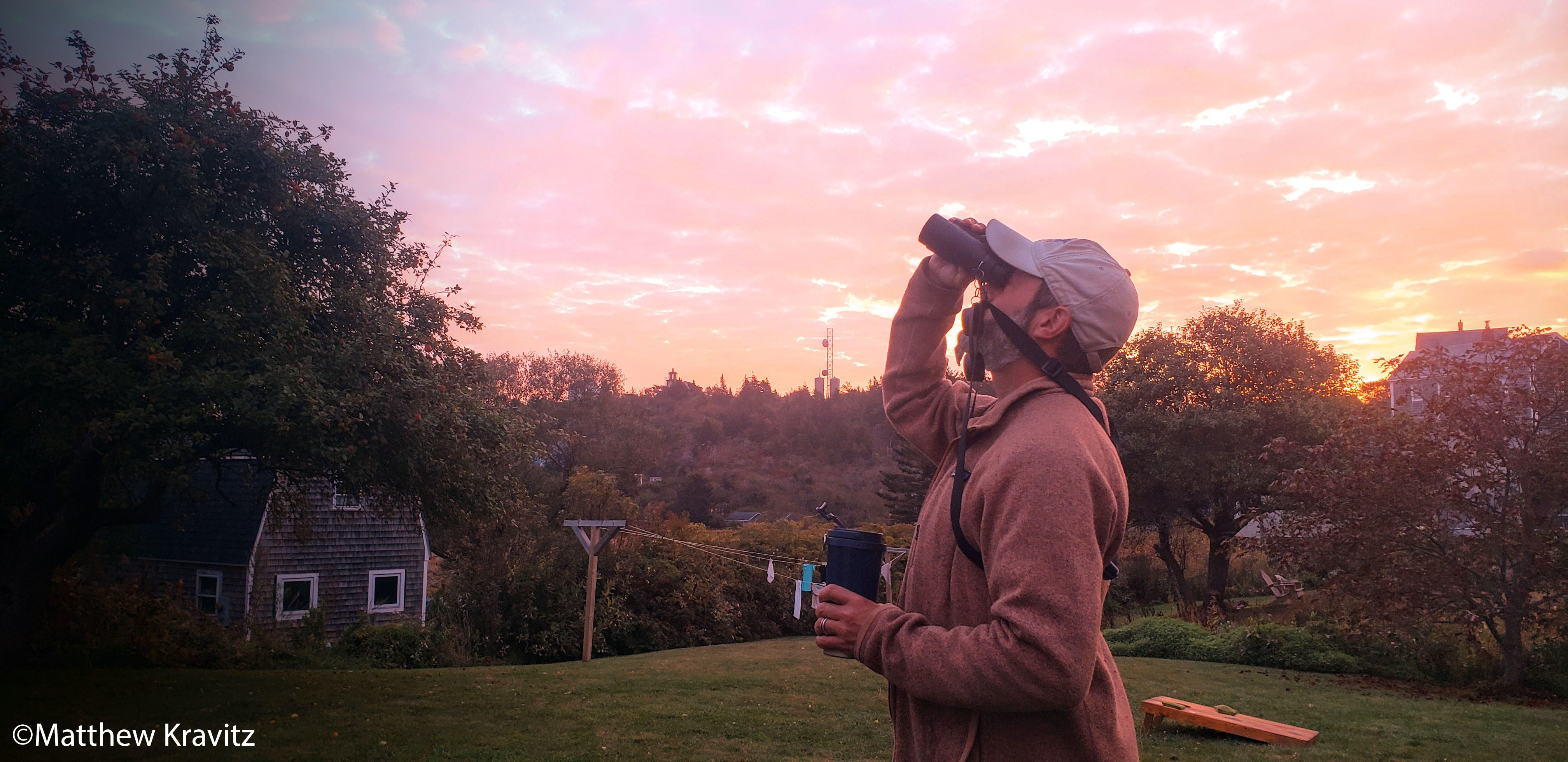
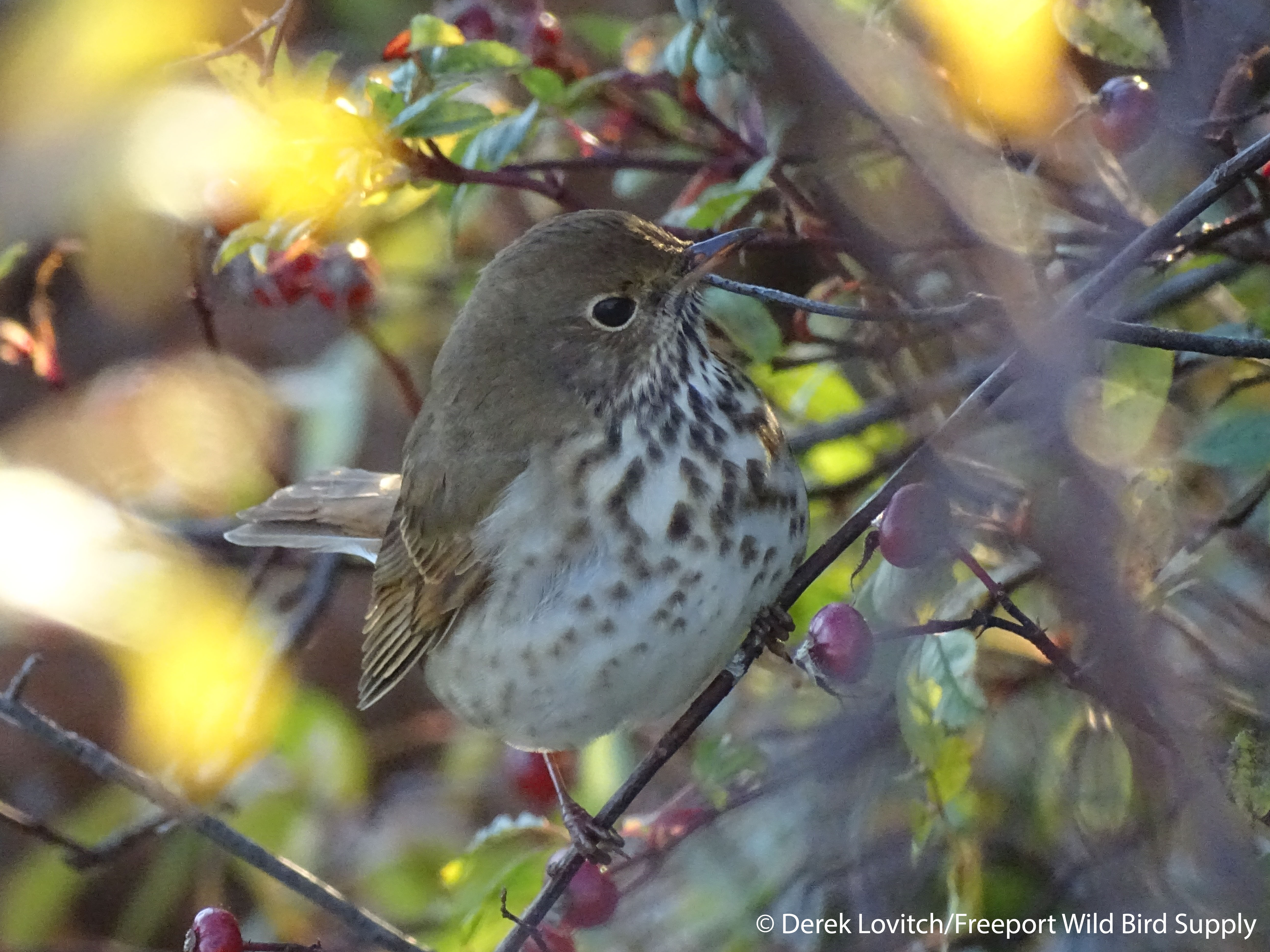
Join Derek Lovitch for three days of birding at Maine’s famous Migration Mecca. As the summer crowds dwindle, the island becomes a birders’ paradise, with birding opportunities around every corner. This tour will spend three days sampling what the island has to offer during the peak of migration, from warblers to hawks to sparrows to the unexpected. Weather (and sometimes, lack thereof) will dictate how much we do or do not see, but every day is different out there. We’ll learn that fall warblers are rarely if ever “confusing” and why migrants – and vagrants from any direction – drop by this offshore migrant trap.
While finding and seeing birds will be the priority, we will also do a bit of informal workshopping in the afternoons to learn more about the mechanisms and marvels of bird migration. Day one will begin at the dock for the Hardy Boat in New Harbor. We’ll keep an eye out for birds from the top deck of the boat as we make the hour-long crossing to the island. Upon our arrival, we’ll hit the ground running to make the most out of our first morning at this special place. Once we’re on land, we’ll be on foot for the next 2 days, with several walks throughout the day. We’ll mostly be on dirt roads with some steep sections, but we’ll also traverse some narrow trails full of roots and rocks. Expect to spend time on “unimproved surfaces.” You will set a new personal record on your step-counter – especially when the bird we most want to see gets discovered on the opposite end of the island just before mealtime!
On the first day, after we check in lunch will be on your own, with a variety of options scattered about the town. After a break, we’ll head back out later in the afternoon for some more birding, before assembling again for an evening “cocktail hour” (BYOB; also available on the island) and our migration workshop where we’ll discuss the birds of the day, how and why we saw (and didn’t see) what we did, and more (when time and energy levels permit). The next two mornings we’ll once again maximize our time on the island. Following a short walk shortly after sunrise, we’ll enjoy the famous Monhegan House breakfast before birding for the remainder of the morning. Once again, we’ll break for lunch before reconvening for some afternoon birding: on the second day until we prepare for our evening “cocktail hour and migration review, and on the third day, right up until it’s time to head to the ferry.
For 2026, we’ll be staying at the venerable Island Inn. More details will soon follow. Stay tuned!
See Derek’s blog entry to see how the 2025, 2024, and 2023 trips went.



 Maine Birding Field Notes