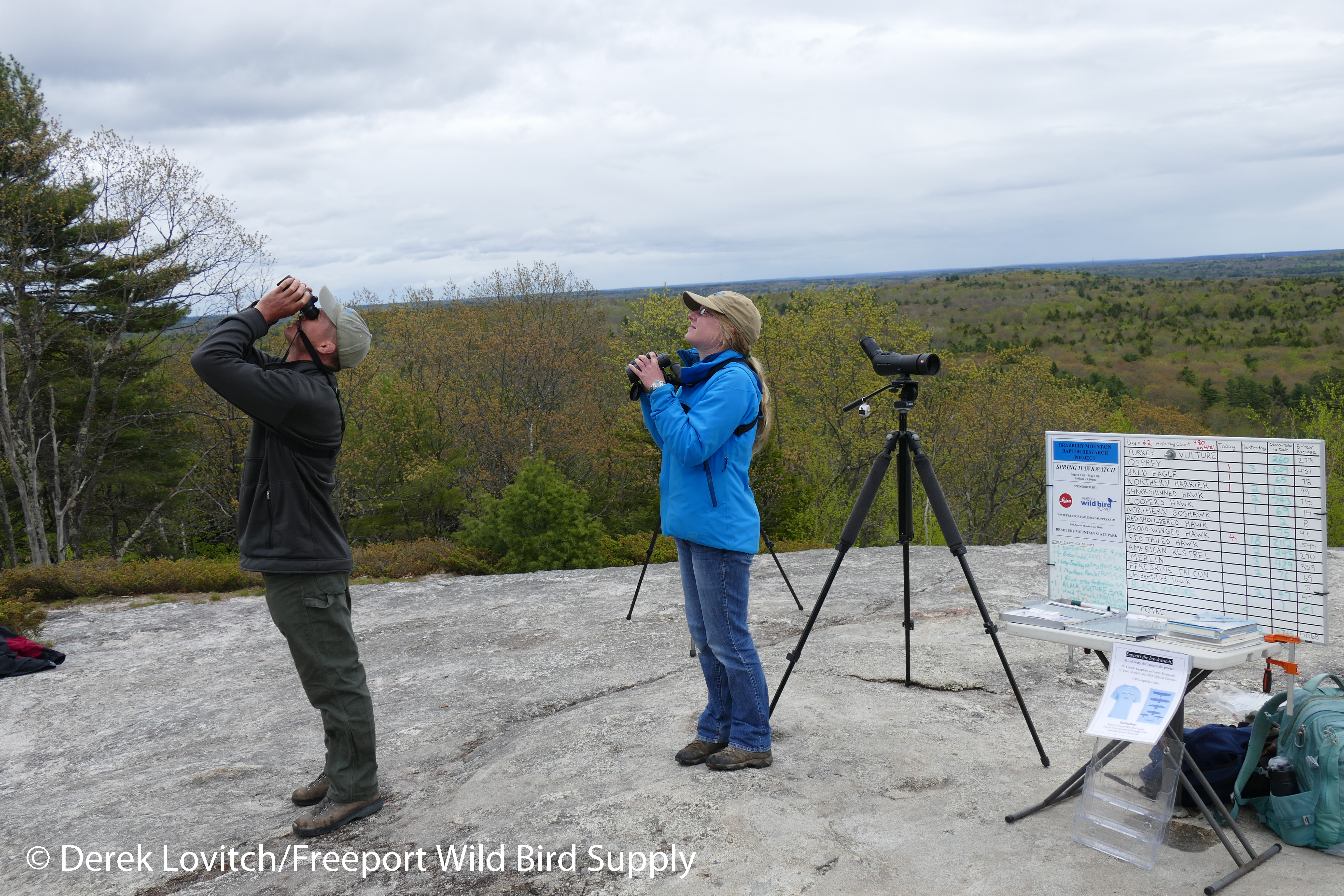
Tag Archives: Sharp-shinned Hawk

2025 Monhegan Fall Migration Weekend Tour Report

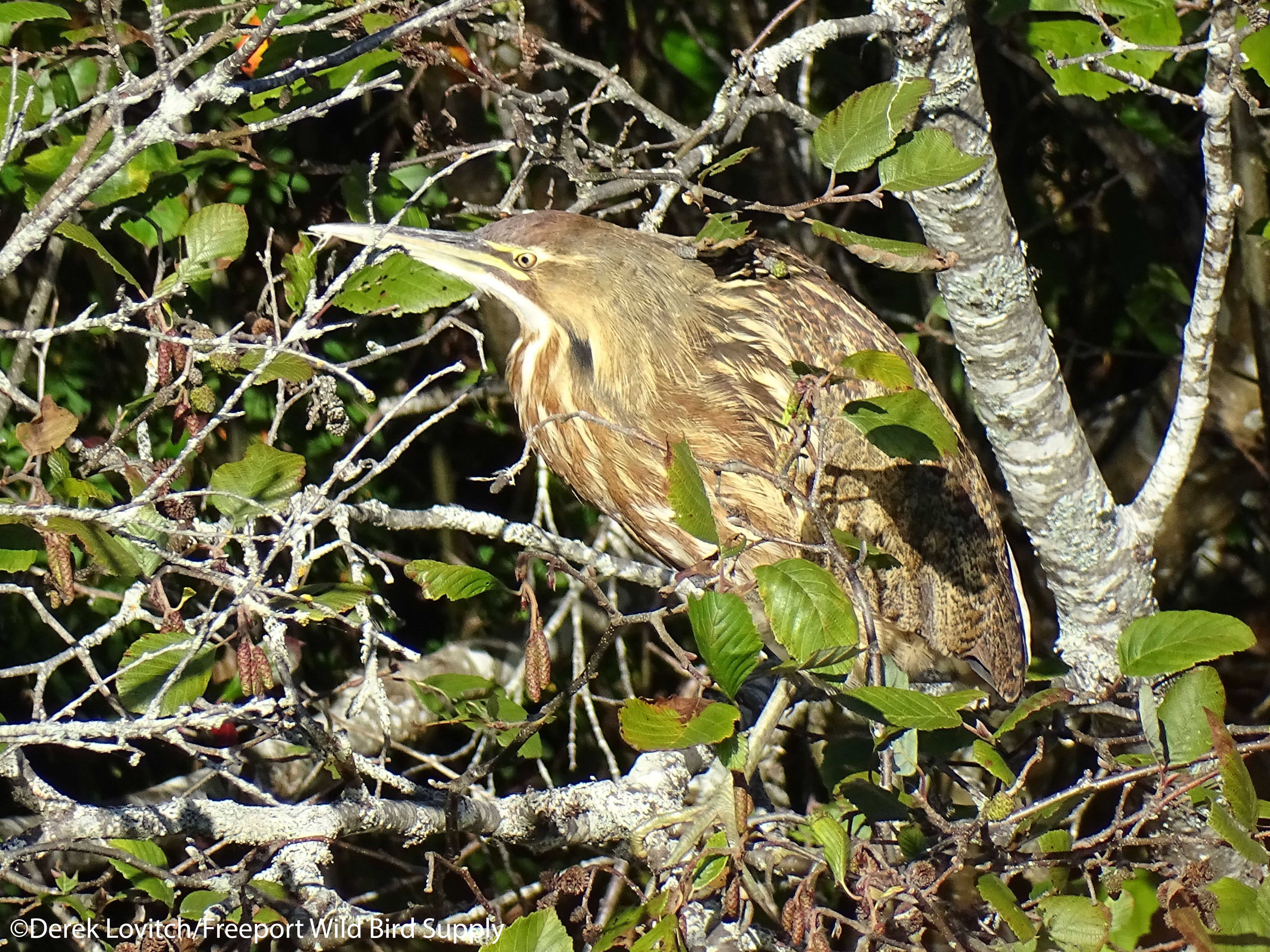
An American Bittern sitting in the open in a tree, just a handful of yards away could have easily been the highlight of any birding weekend. But, this stellar start was just the tip of the iceberg of the weekend’s birding excitement.

It has been quite a few years since we had a weekend like this. Lots of birds, “mega” rarities, warm weather, and tons of excitement. It was truly a special weekend. We were honored to have been there for it.

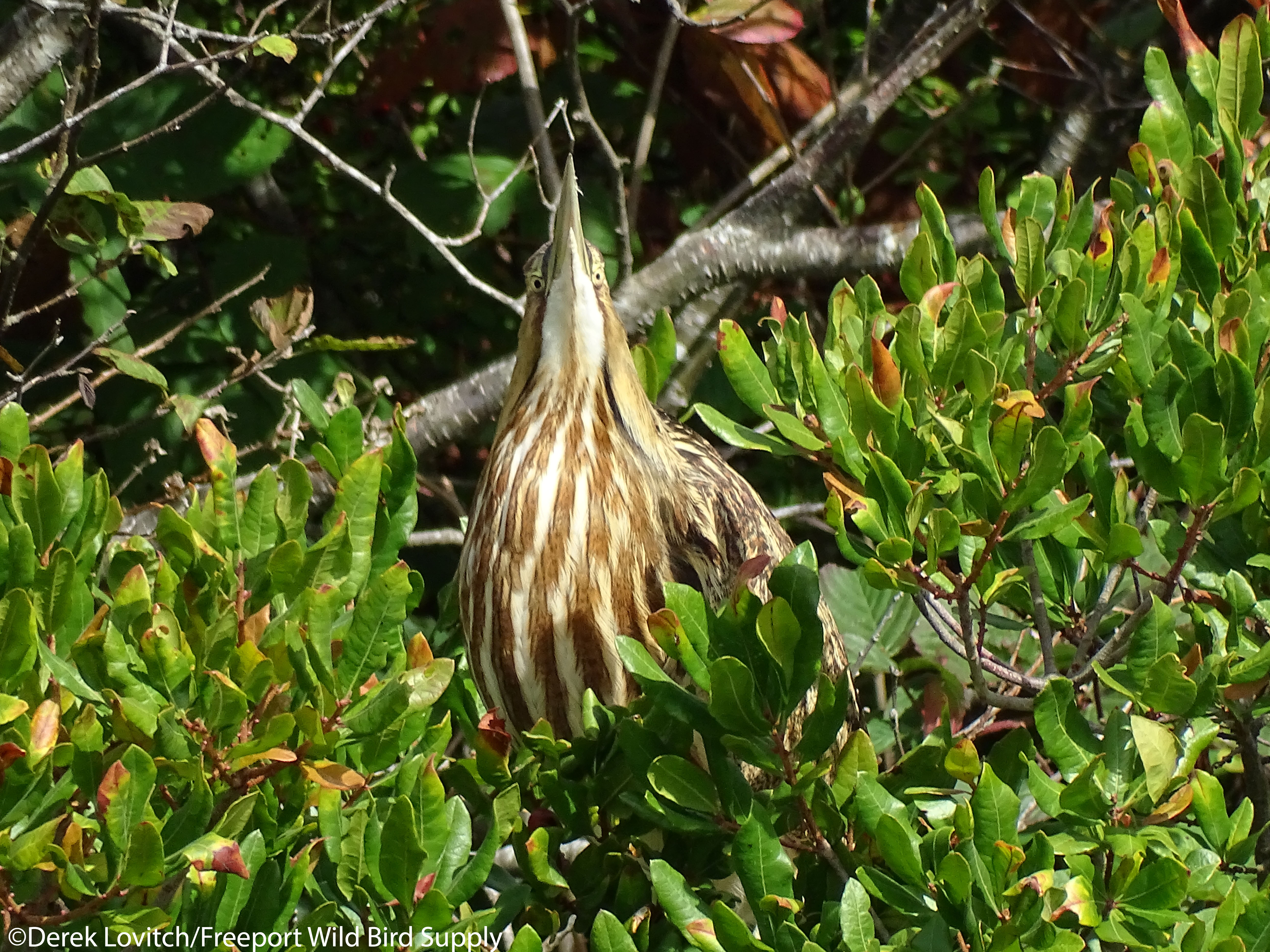
The tour began on Friday, with only one participant joining me on the Hardy Boat. The island greeted us with a Lesser Black-backed Gull, which we scoped from the wharf, and several warblers at the usual spot uphill. But after getting the inside scoop from birders already on the island, we made a bee-line for the Ice Pond where an American Bittern was sitting all morning. Remarkably, however, it was sitting in a bush (see above)!

How’s that for starting a tour off right? We also immediately encountered Dickcissel and Blue-gray Gnatcatcher, and there were plenty of Yellow-rumped Warblers and Palm Warblers here and there.

After lunch, with our group now complete, the surprisingly good birding continued. Despite such a warm afternoon and few birds on the radar overnight on mostly a southwest wind aloft, we enjoyed an excellent introduction to Monhegan birding in the fall:  2 Clay-colored Sparrows with 2 immature White-crowned Sparrows, a Dickcissel, and several White-throated Sparrows in one field of view; a dozing Common Nighthawk trying to stay camouflaged on a wood pile, and another visit to the still-confiding American Bittern at the Ice Pond for those who arrived later. It was a solid afternoon overall, with bird activity continuing right up until dinnertime.
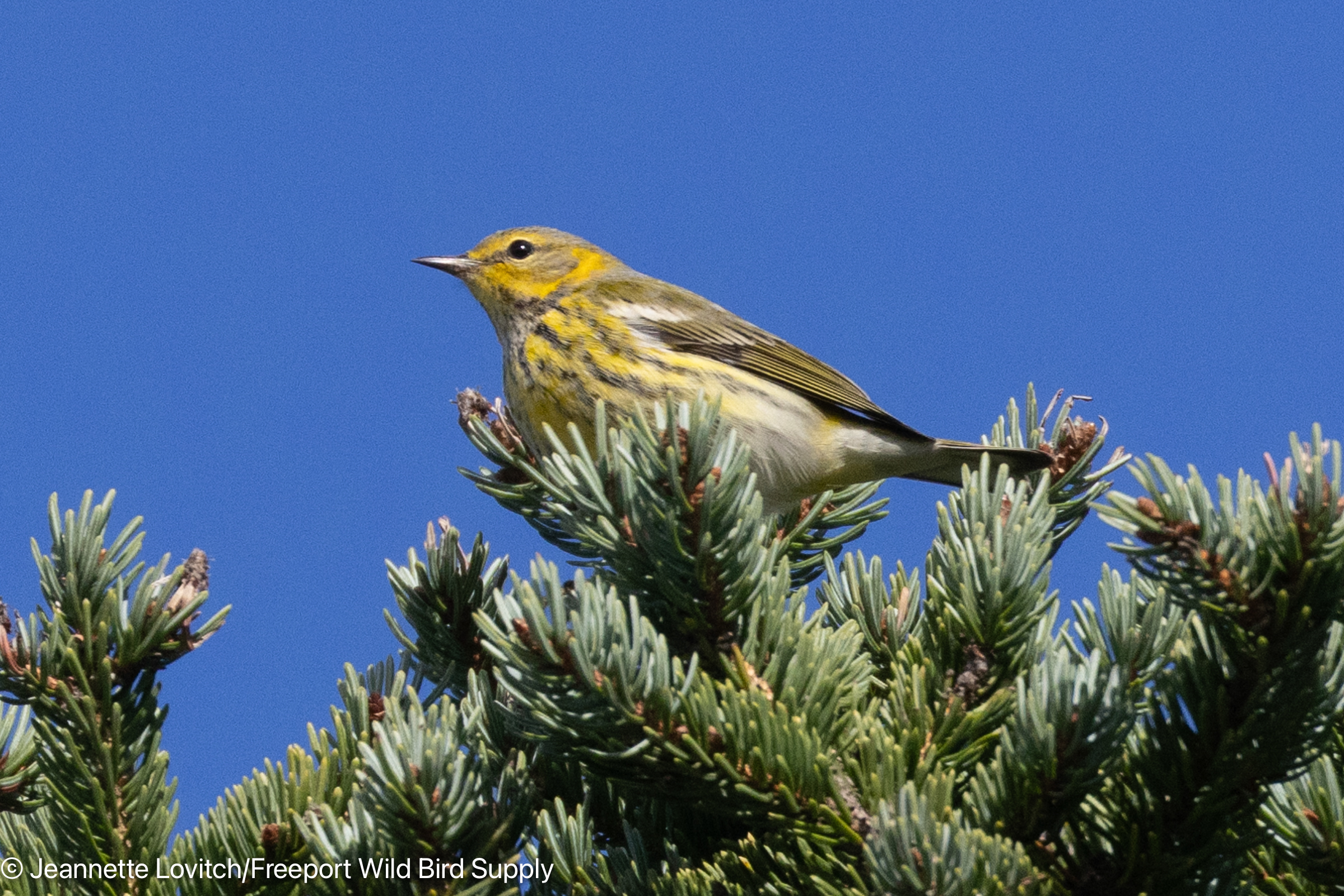
Cape May Warblers in a wide variety of plumages is always one of the highlights
of any fall weekend on Monhegan

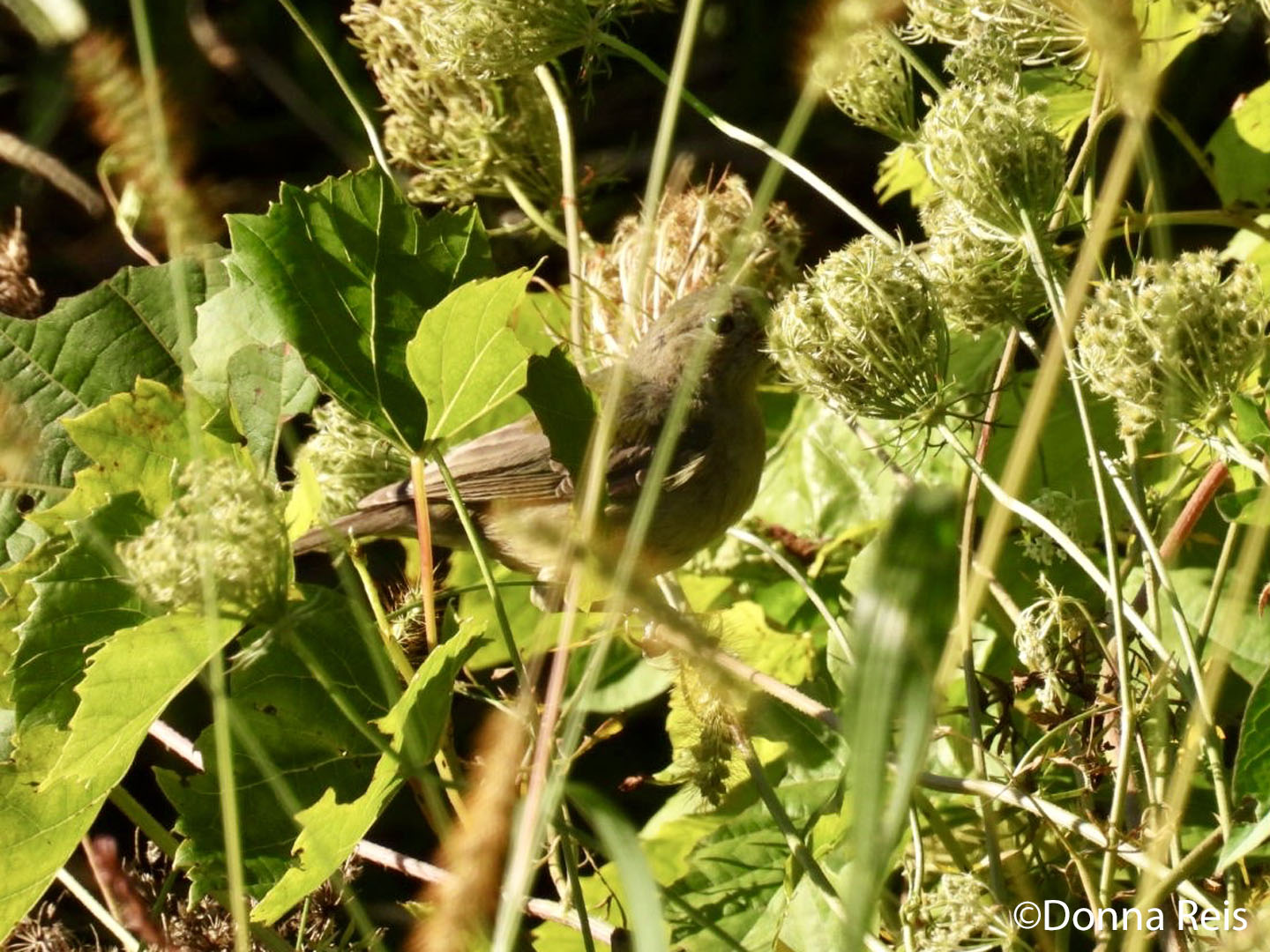
.Unfortunately, our best bird of the day was almost the one that got away. Almost! While viewing an Indigo Bunting in the Community Garden, a second bunting snuck into view, skulking. It briefly popped out, and I yelled “get photos” and then it popped back into the weeds and was not to be seen again.

“Did I see green?” I exclaimed, but it was so fleeting, and the light was so harsh, and the bird was so, so pale, I couldn’t be sure. I looked at photos on the back of cameras in the sun, and we had a good discussion on why this could have been a Painted Bunting. Unfortunately, I have little experience with first fall female (presumably) Painted Buntings and had no idea they could be this unbelievably drab. So I talked myself out of it.
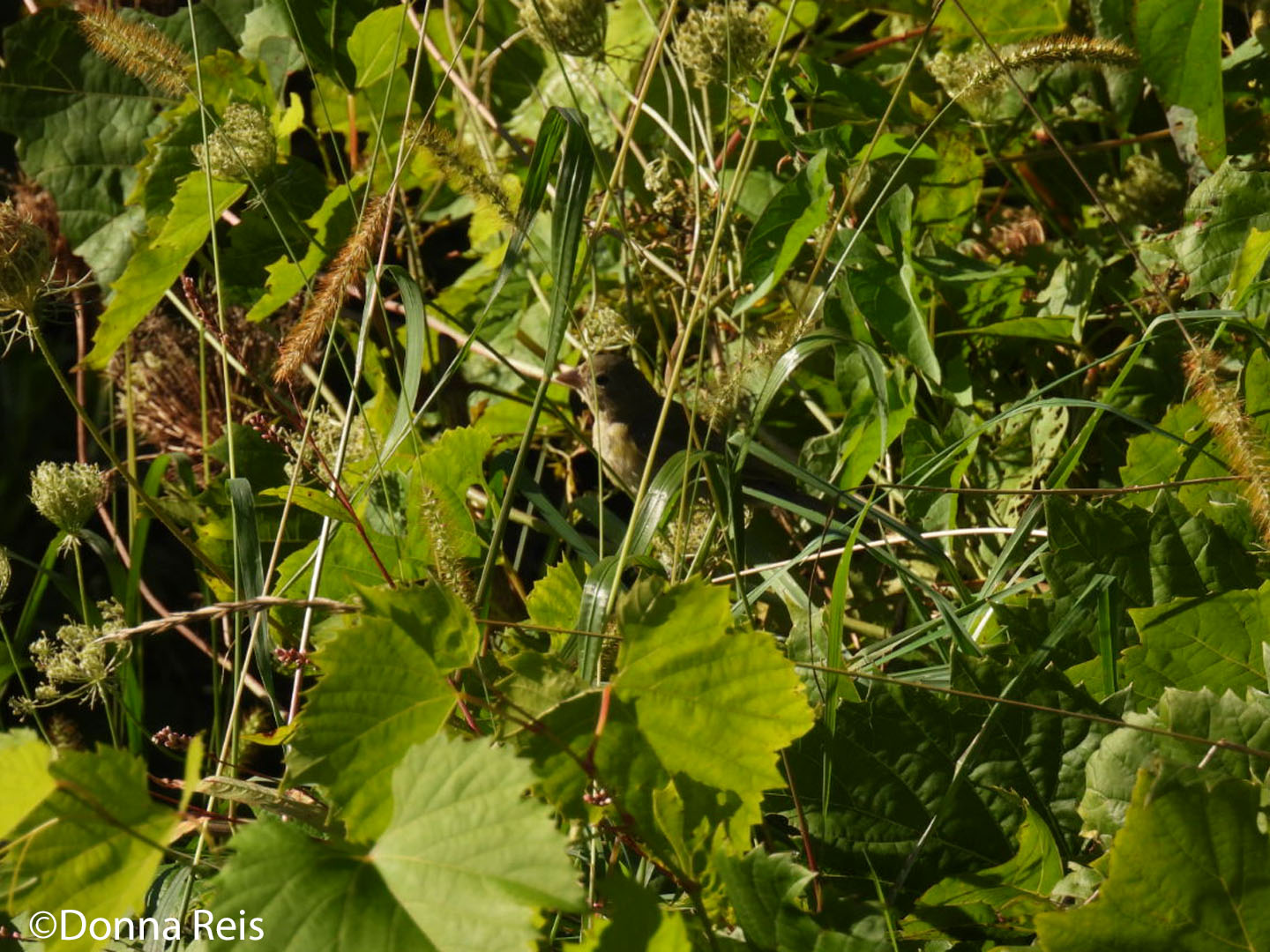
Overnight, I received photos from Bill Thompson, who, an hour or two after we saw the bunting, also briefly saw and photographed it. “Is this a Painted Bunting?” he asked.
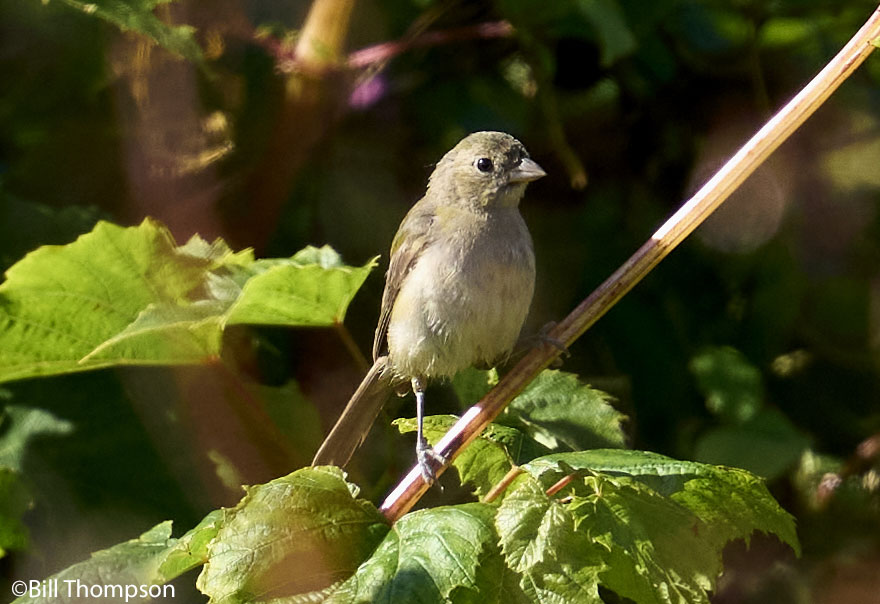
Yup, that really does have green on it, and on more than one side – in other words, not a reflection. Darn it. It counts for us – we all saw it – but in hindsight, we should have gotten the word out about a “possible/probable” Painted Bunting and had more eyes looking. Luckily, Bill was in the right place at the right time once again! But I felt like I had blown this one. I was too quick to dismiss it and so I decided I would have to make up for it over the rest of the weekend. Maybe the dry cold front that passed through on Friday evening and shifted the winds would help.

A very strong flight Friday night into Saturday morning on a diminishing northwesterly wind was idea for bringing birds to Monhegan Island come sunrise. And at first light, it was clear it was on!

The Morning Flight featured tons of Yellow-rumped Warblers with the occasional Palm and Blackpoll Warbler. Between the morning flight and our pre-breakfast stroll, we had a lot of birds: a couple of waves of Dark-eyed Juncos, bunches of Red-breasted Nuthatches, more Golden-crowned Kinglets and Purple Finches, insane views of Peregrine Falcons, 2 Dickcissels, 4 Baltimore Orioles, and lots of great views of lots of common species.

After breakfast, it remained fantastic. Just birds everywhere, and not surprisingly, some notable species began to be turned up.  Our first “chase” was a Yellow-throated Warbler, our group arriving just in time before it took off.

Luckily, Dan Gardoqui and I stumbled upon it again while foraging for lunch, and I was able to round up several of the group members for improved views and photographs.
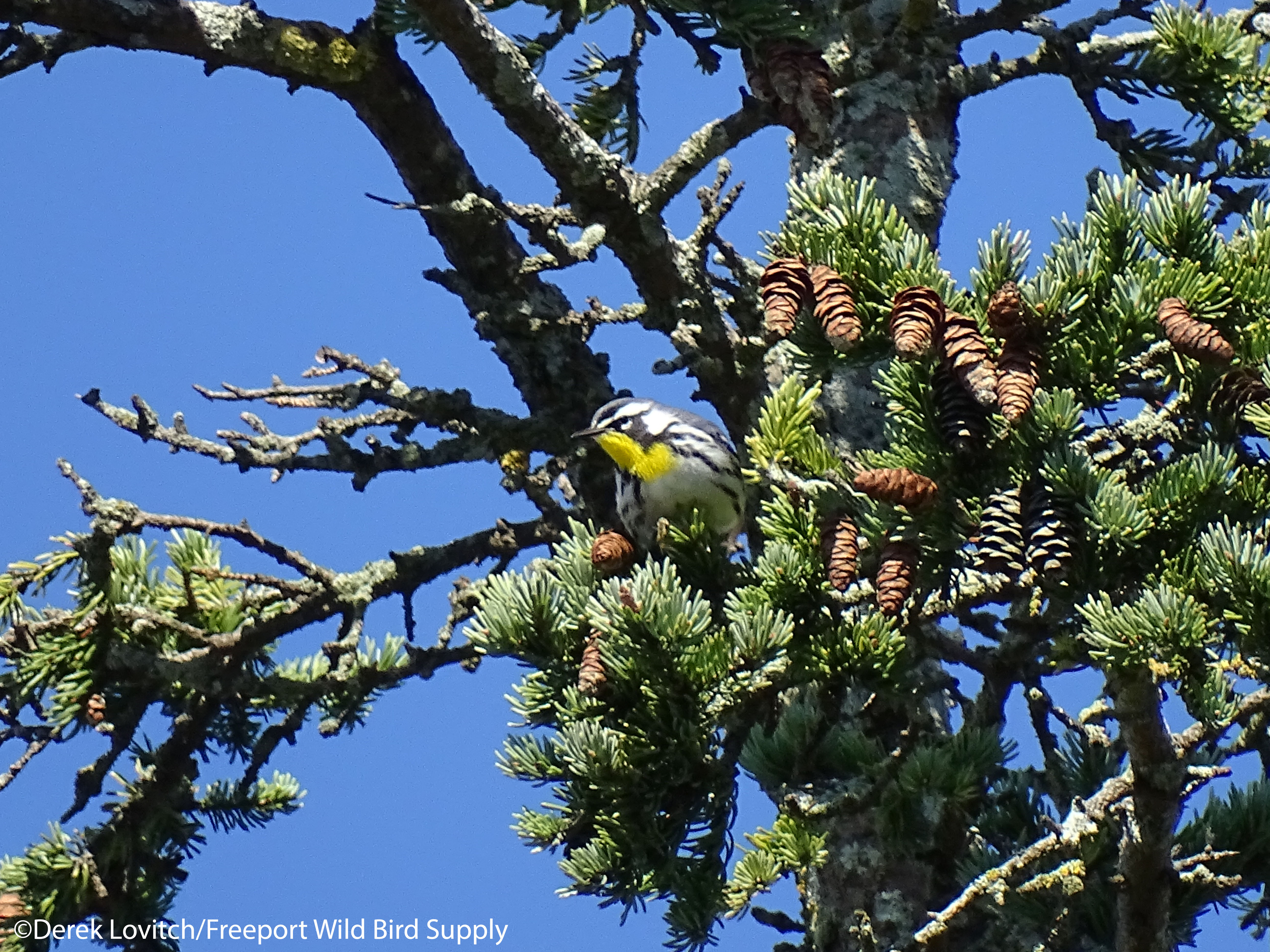
The American Bittern was now in the marsh, there were now three Dickcissels, 8 Baltimore Orioles, and a second, but definitively identified Indigo Bunting. No green one, unfortunately.

Not surprisingly on such a nice day, the afternoon was slower, as birds had departed the island early, or had now sought refuge in the shadows, especially with the continuing activity of Peregrines, Merlins, and Sharp-shinned Hawks. So, we checked some nooks and crannies, turning up a Nelson’s Sparrow at Lobster Cove and enjoying gliding Peregrine Falcons passing right in front of us from Burnt Head. We also took the time to enjoy butterflies, plants, and all other walks of life.
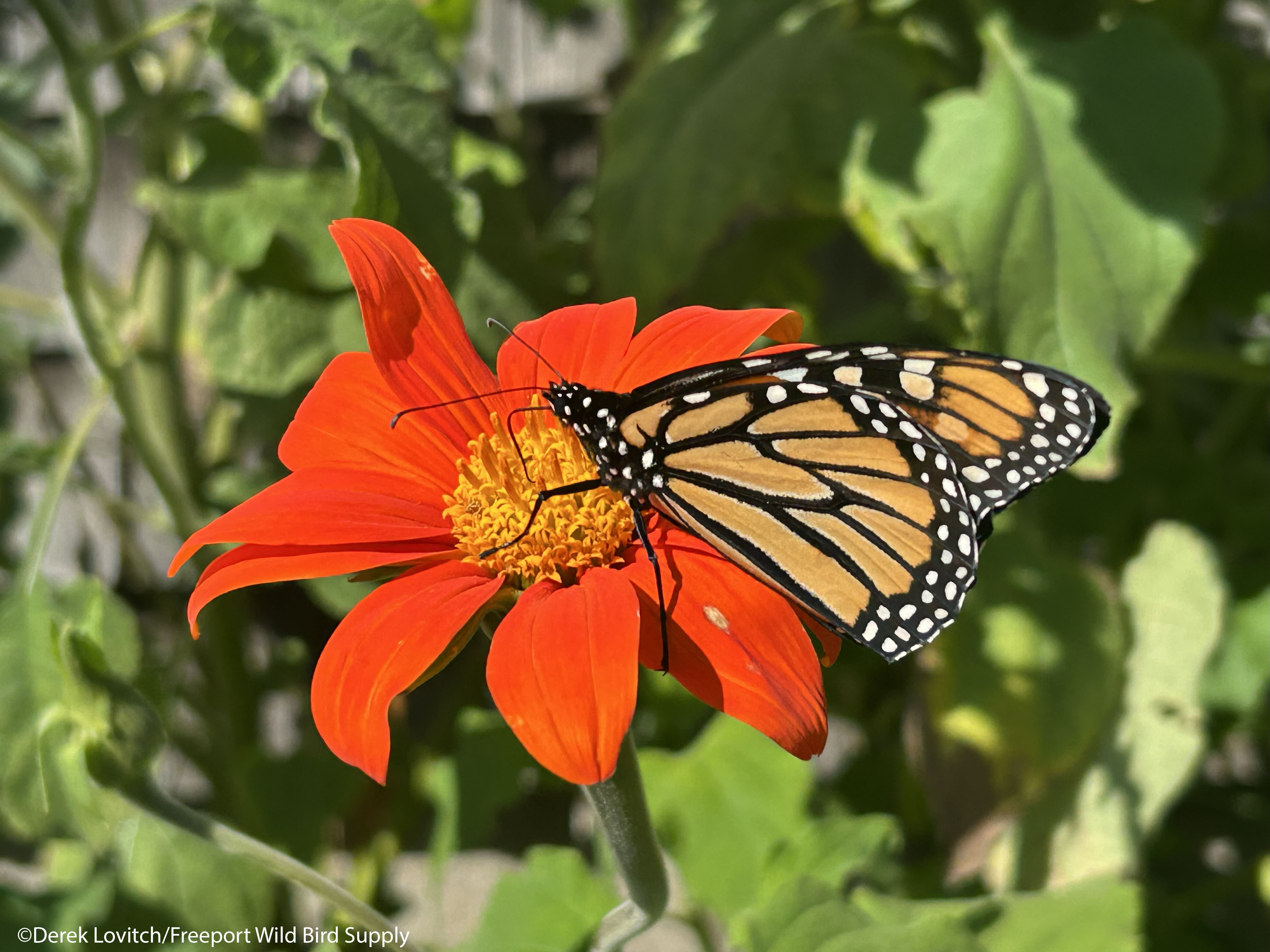
It was a delightful afternoon, but we returned to town to find we had missed out on a Western Kingbird. Luckily, a few of us caught up with it at dusk when it was refound near the Mooring Chain.

(phone-binned photo under low light)

So, it was a great day, and given the winds and weather, we expected it to be such. Then, with little to no movement overnight (at least visible on the radar), on a light south to southwest wind, we hoped for some birds to stick around from Saturday and perhaps be augmented by a rarity or two. At the very least, I wanted to show the Yellow-throated Warbler and Western Kingbird to the rest of the group, especially with a big turnover in participants for the second half of the weekend.

What we didn’t expect was to run out of superlatives before breakfast. We certainly did not expect it after viewing the Morning Flight, which consisted of exactly one American Pipit (and the big wandering flock of Cedar Waxwings, of course).

Once again, a bird was identified from photo review (what did we do before Instant Replay?!) and Bill Thompson and Jess Bishop had apparently discovered a Mega rare Bell’s Vireo on Saturday with only 4 accepted previous records for Maine. With such a slow morning flight, I decided to mix things up from my usual routine, head clockwise through my usual dawn loop, and give it a try to find the Bell’s. We stopped near where it was seen on Saturday, and chatted about the rarity, the identification, etc. “Holy shit, there it is!” I tried not to exclaim too loudly as the bird popped out right in front of us.

We observed it for about 10-15 minutes as it popped in and out of a brushy edge, focusing on feeding in young cherry trees with fall webworm clusters. Birders began to arrive from all directions, as the vireo kept coming in and out of view before flying right over our heads and disappearing deep into a dense thicket.
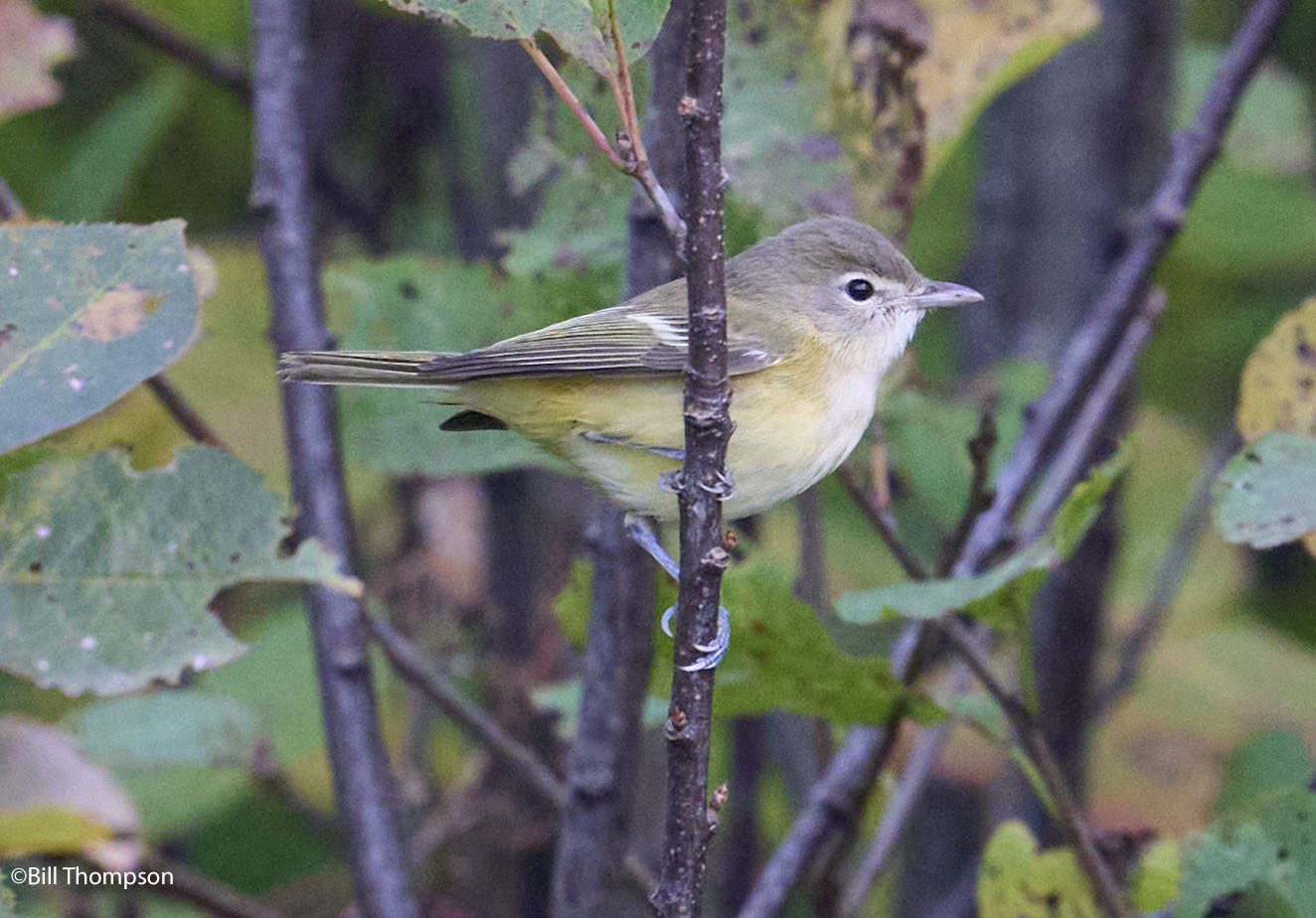
I’ll steal Bill Thompson‘s (with permission of course) Bell’s Vireo
from this morning since he was standing next to us.

It was getting too crowded for our tastes, so we moved on and let others have the edge to monitor. We enjoyed Cedar Waxwings, Northern Flickers, and then took a moment to pause at our usual starting spot, at the spruces behind the Yew.

It was slow, and quiet, and so I was making sure we looked at everything, like the one solo warbler flying towards us from across the sky over the Trailing Yew. It then landed a short distance away, and I brought my binoculars up to it, assuming we had a close Yellow-rumped Warbler to talk about.

<expletives deleted>

A Black-throated Gray Warbler, with only 5 previous records from Maine, was there. Right there. We had some great looks and photo ops, called over a friend, and then watched it the herd of birders arrive and head out to follow it. What a lucky find! We were ecstatic. And we still hadn’t had breakfast! (See photos from tomorrow),

Wondering if the day could get any better – and pretty content if it did not – we reconvened after breakfast and headed in the opposite direction from the searching masses, as I am wont to do.

It worked again: we found one Lark Sparrow, and then another. How many Clay-colored Sparrows – 4? 8? More? An Orange-crowned Warbler at the Ice Pond, a fly-over Red-bellied Woodpecker, a Pine Warbler, a Yellow-bellied Sapsucker on every tree. So much for it being a slow day.
Another warm afternoon sent us into the woods for shade, immersing ourselves in a cacophony of Red-breasted Nuthatches, sprinkled with Golden-crowned Kinglets, and the occasional Red-eyed Vireo or other migrant. We took in the Fringed Gentian, the scenery, and finished strong with the 2 Lark Sparrows and 4 Clay-colored Sparrows together.

Today was a good day.

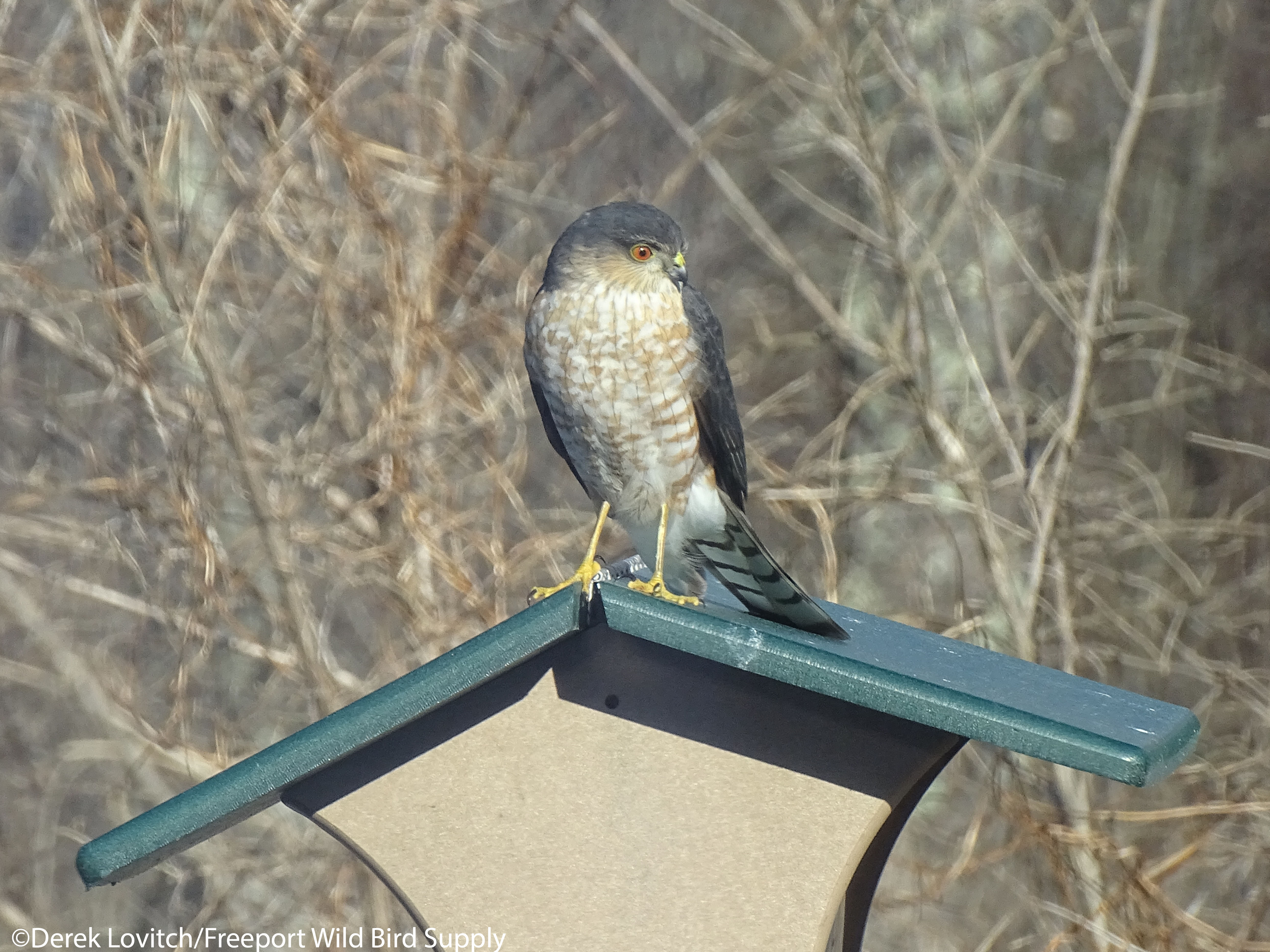
Monday, the fourth and final day of the tour began with excited anticipation with another strong flight overnight on a diminishing NW to W wind. But today, it was just too nice, and a lot of last night’s birds passed overhead resulting in just a light Morning Flight come sunrise. But there was a turnover of birds, and our morning walk added several things to our list including the Eastern Kingbird we finally caught up with, and another Orange-crowned Warbler. The highlight, however, of our pre-breakfast jaunt was a juvenile Sharp-shinned Hawk that flew to a spruce, plucked a cone off of an outer branch, and then proceeded to play with it! It would move it from its bill to its talons, and then it dropped it, chasing it down the tree. It then flew back up and grabbed another! What a remarkable insight into how a kid Sharpie gets better at hunting on its own.

After breakfast, the good Merlin show of the day continued, and we took time for a short gull identification workshop. Our first Ring-billed Gull out here was good to practice on, and we conveniently had three Lesser Black-backed Gulls: an adult and 2 first-cycle birds. But mostly, we worked through the difference between each age class of the common Herring and Great Black-backed Gulls.

We finally picked up a Northern Waterthrush- our 20th species of warbler on the weekend! But otherwise, it was pretty slow.

It was slow in the afternoon, too, but the Black-throated Gray Warbler had been refound just before we reconvened after lunch, and eventually we were all treated to much, much better views and photo ops than the morning before.
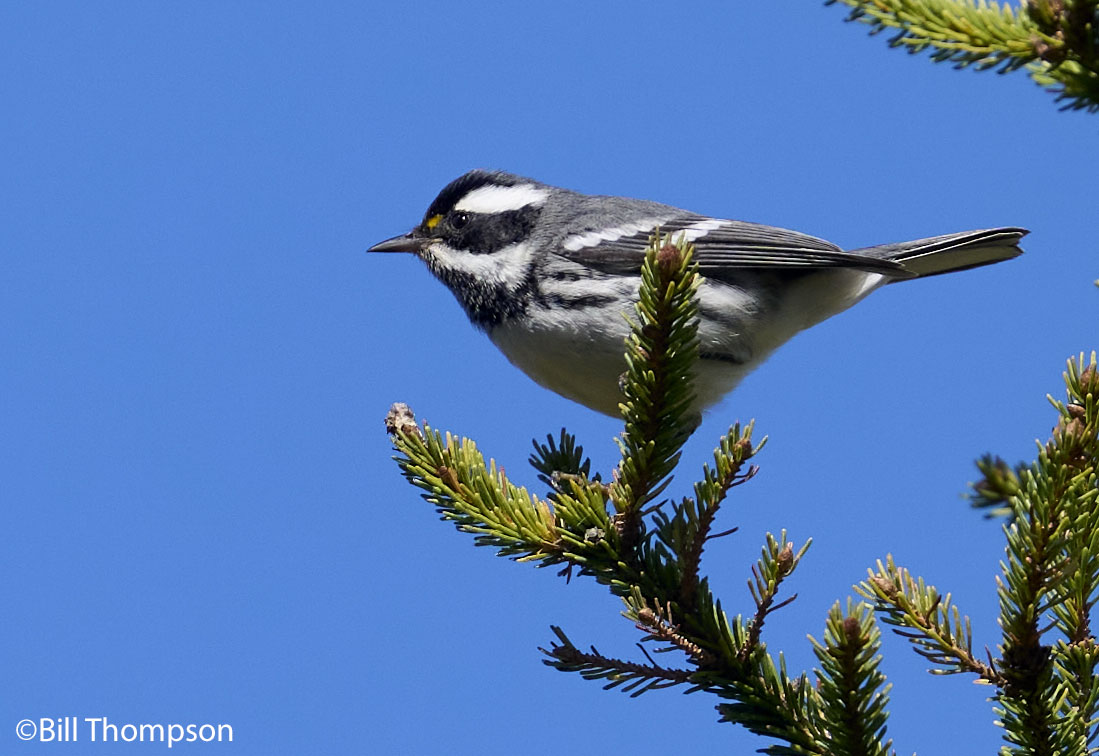
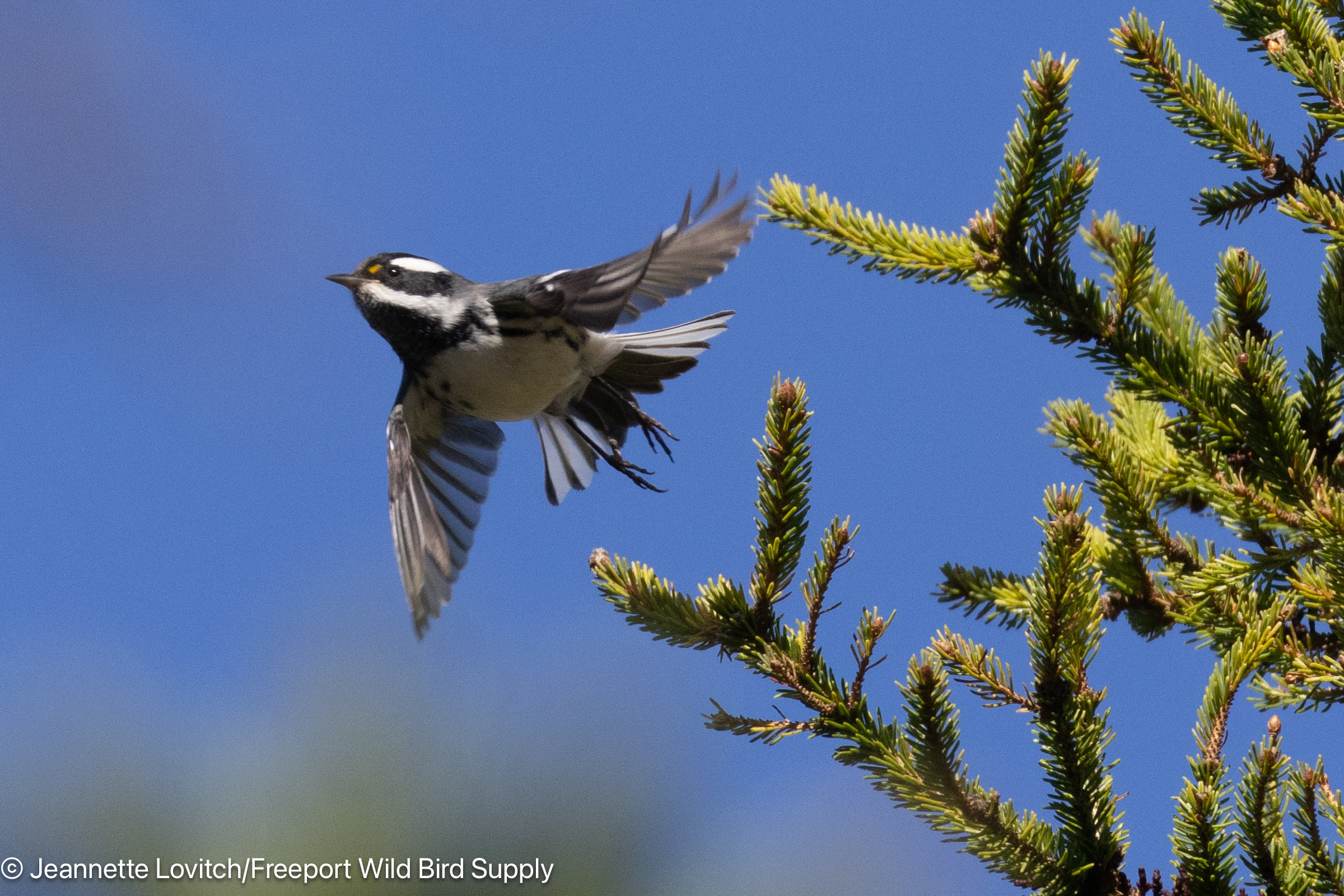
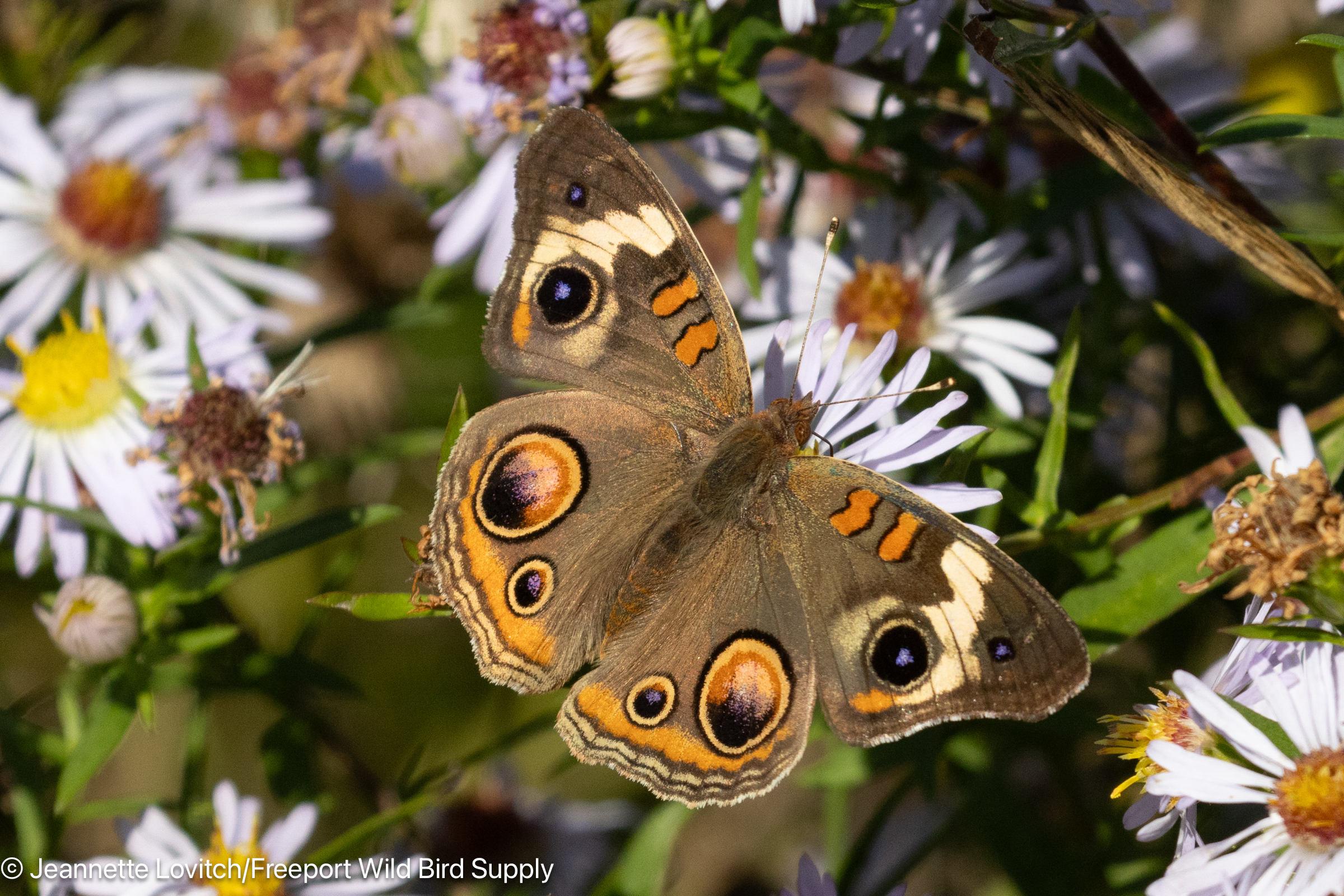
We then twitched a rare Common Buckeye butterfly and Lady’s Tresses orchids.
 Our last new species of the trip was one of the last birds we observed together: a Yellow-billed Cuckoo eating American Dagger Moth and/or Hickory Tussock Moth caterpillars. Watching it whack the caterpillar on a twig to beat off its irritating hairs, we had another moment of insight into a bird’s world.

With the tour now complete, Jeannete and I enjoyed a delicious sunset and delightful food with friends and spotted an American Woodcock on our walk back.
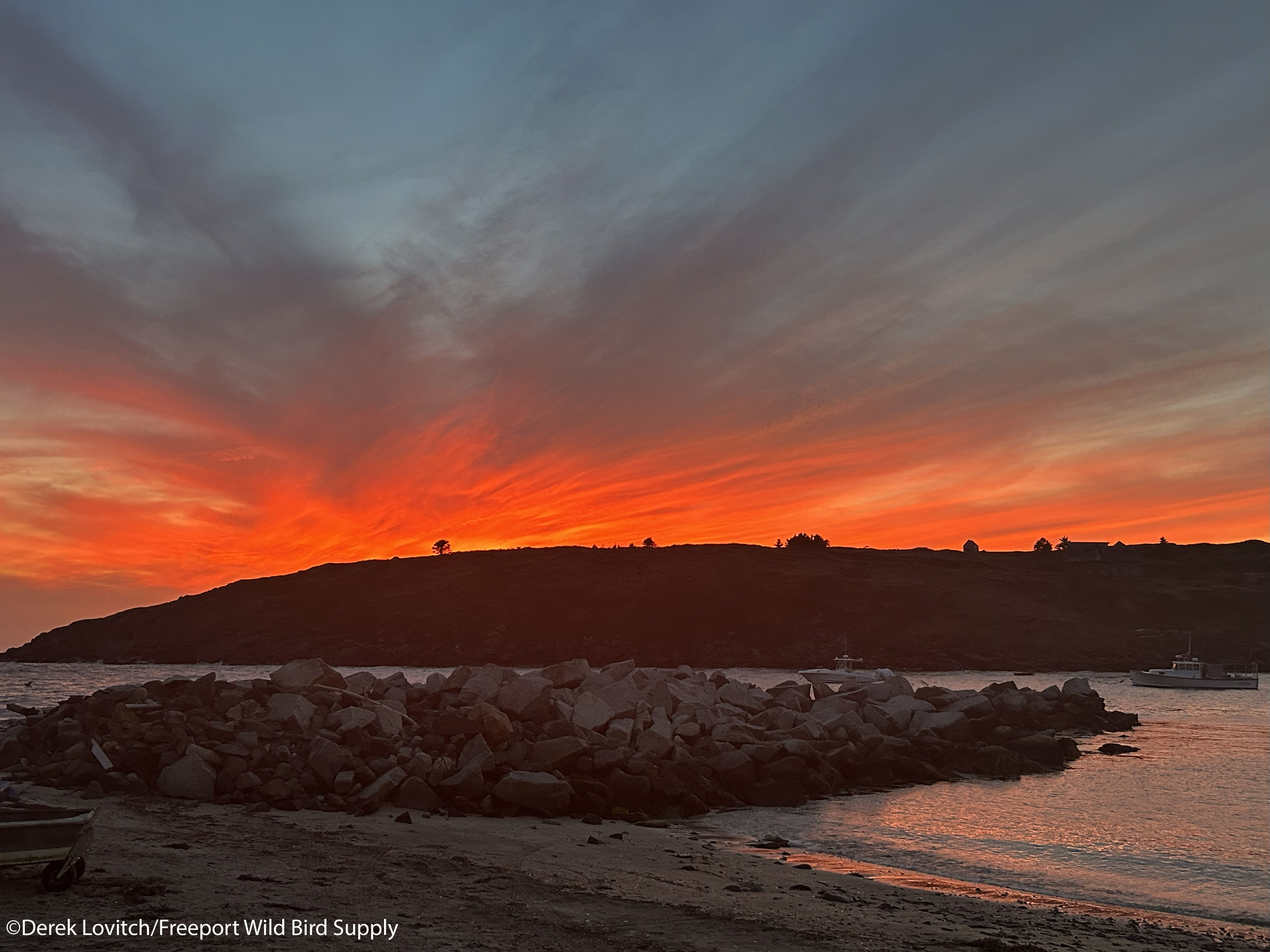
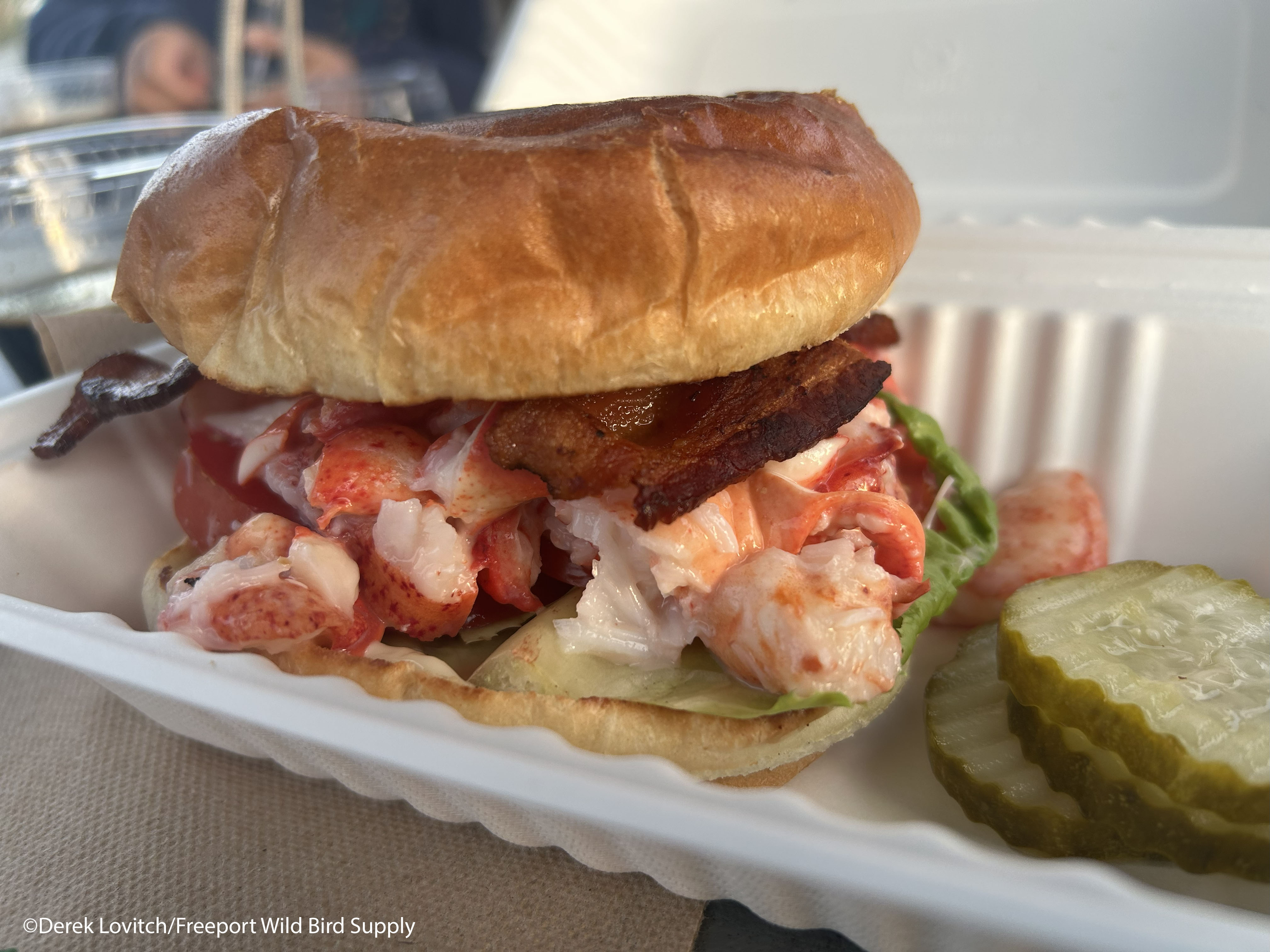
And finished with another meal of Monhegan indulgence.

As usual, Jeannette and I then spent our Tuesday off together on the island. After a light morning flight, but another turnover of birds, we decided to spend most of the morning in the woods, ostensibly looking for a previously reported Black-backed Woodpecker. But mostly, we wanted to take a hike along the island’s less-visited north end. We added Winter Wren and an Ovenbird to our weekend list, enjoyed the silly amount of Red-breasted Nuthatches, and encountered several pockets of White-throated Sparrows and Dark-eyed Juncos. Later, after lunch, we ran into a Black-billed Cuckoo, and a Spotted Sandpiper at the dock turned out to be our 100th and final bird of a truly exceptional weekend on Monhegan. We already cannot wait to return in May!

Species seen without the tour group during the tour:

*Denotes ferry only

9/269/279/289/29
Canada Goose00140
Blue-winged Teal1000
Mallard15202020
American Black Duck1110
Common Eiderxxxx
White-winged Scoter1*000
Ring-necked Pheasantxxxx
Mourning Dove1215126
YELLOW-BILLED CUCKOO0001
Common Nighthawk1000
Semipalmated Plover0110
Solitary Sandpiper1000
Greater Yellowlegs0101
Black Guillemotx230
Laughing Gull 4*000
Ring-billed Gull0001
Herring Gullxxxx
LESSER BLACK-BACKED GULL0013
Great Black-backed Gullxxxx
Great Cormorant1121
Double-crested Cormorantxxxx
AMERICAN BITTERN1100
Osprey1310
Northern Harrier0102
Sharp-shinned Hawk3126
Belted Kingfisher1011
Red-bellied Woodpecker0010
Yellow-bellied Sapsucker8201520
Downy Woodpecker0111
Northern Flicker61068
American Kestrel0010
Merlin4865
Peregrine Falcon62037
WESTERN KINGBIRD0100
Eastern Kingbird0001
Eastern Wood-Pewee6811
Least Flycatcher3200
Eastern Phoebe1321
BELL’S VIREO0010
Blue-headed Vireo2430
Red-eyed Vireo12121212
Blue Jay8833
American Crow4266
Common Raven0221
Black-capped Chickadeexxxx
Ruby-crowned Kinglet1322
Golden-crowned Kinglet020106
Cedar Waxwing80808080
Red-breasted Nuthatch10605040
Brown Creeper0201
BLUE-GRAY GNATCATCHER1001
Carolina Wren8686
Gray Catbirdxxx10
European Starling14141413
Swainson’s Thrush0200
American Robin0410
American Pipit1622
Purple Finch01086
Pine Siskin1212
American Goldfinch81066
LARK SPARROW0021
Chipping Sparrow22102
CLAY-COLORED SPARROW3361
Dark-eyed Junco030212
White-crowned Sparrow2120
White-throated Sparrow12601020
Nelson’s Sparrow0100
Savannah Sparrow 1441
Song Sparrowxxxx
Lincoln’s Sparrow1651
Swamp Sparrow2321
Bobolink5552
Baltimore Oriole2876
Rusty Blackbird0200
Common Grackle3333
Northern Waterthrush0001
Black-and-white Warbler1300
ORANGE-CROWNED WARBLER0121
Nashville Warbler1100
Common Yellowthroat4886
American Redstart3411
Cape May Warbler2828
Northern Parula3610
Magnolia Warbler0100
Yellow Warbler2421
Chestnut-sided Warbler0100
Blackpoll Warbler84044
Black-throated Blue Warbler0300
Palm Warbler206044
Pine Warbler0010
Yellow-rumped Warbler406004020
YELLOW-THROATED WARBLER0100
BLACK-THROATED GRAY WARBLER0011
Black-throated Green Warbler0611
Wilson’s Warbler1200
Northern Cardinalx888
Rose-breasted Grosbeak0111
Indigo Bunting1132
PAINTED BUNTING1000
DICKCISSEL2311
Day total67806968

Species added on Monday evening and Tuesday, with Jeannette:

Common Loon, Spotted Sandpiper, American Woodcock, Black-billed Cuckoo, Winter Wren, Hermit Thrush, Ovenbird (warbler #21!),

Tour total = 100 Total Weekend Total = 107

This winter wren was one of the last birds Jeannette and I added to the cumulative weekend list as we spent some time on our day off hiking the island’s north end.

From the Window and Beyond, 3/11-24, 2023

Quite likely the same individual that was first found in Portland before relocating to Thornhurst Farm in North Yarmouth, this Barnacle Goose was found on North River Road in Auburn on the 22nd. Dan Nickerson and I caught up with it two days later, here, on the 24th.

This (Two) Week’s Highlights:

  • Birding in Kentucky with the Beckham Bird Club
  • Changes at the feeding station.
  • Bradbury Mountain Spring Hawkwatch gets underway!
  • American Woodcocks are going wild!
  • 2 Brown-headed Cowbirds (FOY), our feeders in Durham, 3/17 (with Dan Nickerson)
  • 2 Common Grackles (FOY), our feeders in Durham, 3/18.
  • 3 displaying American Woodcocks (FOY), our property in Durham, 3/18.
  • 1 Killdeer (FOS), Rte 9, Durham, 3/18.
  • 6 NORTHERN PINTAIL, Bradbury Mountain Hawkwatch, Pownal, 3/20.
  • 1 1st-winter Iceland Gull, Auburn Riverwalk, Auburn, 3/24 (with Dan Nickerson).
  • 3 Double-crested Cormorants (FOY) and 10 Ring-necked Ducks (FOY), North River Road, Auburn, 3/24 (with Dan Nickerson)
  • 1 hen Greater Scaup with 5 Lesser Scaup, North River Road Boat Launch, Auburn, 3/24 (with Dan Nickerson).
  • 1 continuing HARRIS’S SPARROW, Lower Street, Turner, 3/24 (with Dan Nickerson).
  • 1 continuing BARNACLE GOOSE, North River Road, Auburn, 3/24 (with Dan Nickerson).
  • 1 Fox Sparrow (FOY), our feeders in Durham, 3/24.

In contrast to my previous 8 weeks (summarized here and here), this period began with actual birding…in Kentucky! I had the pleasure and honor of giving a presentation at the Annual Meeting of the venerable Beckham Bird Club of Louisville. It was my first time birding beyond Greater Durham in two months; a most welcome change of scenery. But I must say, flying with a recovering shoulder really kinda sucks.

My new Kentucky state list kicked off on the morning of the 14th thanks to a local birding tour from Andrew Melnykovych. Starting at his patch, the Grand Allie section of Beckley Creek Park, I started to familiarize myself with the local wintering avifauna. I enjoyed revisiting with Carolina Chickadees in particular, with Black Vultures joining Turkey Vultures overhead. The weather didn’t feel like it, but I was definitely in the South!

That evening, I spoke to over 100 people at the banquet, offering my program about the Morning Flight at Sandy Point to describe concepts and techniques described in my first book, How to Be a Better Birder.

The following morning, I joined club members on a birdwalk to the delightful Anchorage Trail in the nearby town of Anchorage. Passing through a variety of habitats on an easy, paved, two-mile trail, we spent the morning slowly working through the various species we encountered (43 I believe was the official tally). Being from Maine, it was nice to hear Eastern Phoebes (overwintering and/or returning migrants), oodles of Carolina Wrens, and a nice variety of ducks in the pond: one Green-winged with a half-dozen Blue-winged Teal, Northern Shovelers, Gadwall, Hooded Mergansers, Gadwall, Ring-necked Ducks, and Mallards (photo above). I also enjoyed the woodpecker sweep: Downy and Hairy, Pileated and Red-bellied, Yellow-bellied Sapsucker, and Northern Flickers.

While it will be a little while longer before our Saturday Morning Birdwalks return, it was sure nice to get out in the field on a pleasant (by Maine standards that is!) early spring morning to help folks see some birds!

But then it was back to my usual routine. Arriving at home at 1:30am on Thursday the 16th, it wasn’t exactly an early start to my window-watching day, however.  Not surprisingly, I spent less time looking out at our feeding station over that week than I have at any point over the past two months. Being out of town for three days coupled with a few visits to the store and lots of physical therapy resulted in fewer hours spent evaluating feeder bird numbers. Sharp-shinned Hawk presence didn’t help either, with our adult male continuing.

This continuing adult male continues to wreak havoc at the feeders, but my consistent observation this winter has offered me insight into this species’ natural history.

Nonetheless, there were plenty of changes in species composition and quantity noticed this week. We only received about 5-6 inches of snow here in Durham as temperatures hovered around the freezing mark for most of the day on the 14th, preventing accumulation until the late afternoon. In fact, there was less snow on the ground two days after the storm than there was the day before the storm (that was far from true for most of the state, however.

Not surprisingly, there were fewer Dark-eyed Juncos and American Tree Sparrows this week. Three Red-winged Blackbirds are regular, while the high counts of Northern Cardinals and Eastern Bluebirds continued to decline as territories began to be established and enforced. We also saw a noticeable decrease in the size of our American Goldfinch flock this week.  Then, in the afternoon, my first two Brown-headed Cowbirds of the year (in Maine, that is) appeared.

The following week was much more spring-like, and the avian changes were even more evident. At least here in Durham, and changes to species composition and quantities are happening fast now. 

Natural food is becoming more available as the snow recedes and the first “new” food sources emerge.  A new uptick in American Goldfinches to 45 on 3/23 saw most of the birds spending most of their time eating aspen buds. Although a Pileated Woodpecker remains in the area, I did not see it visit the feeders once this week.  We still have 8-12 Dark-eyed Juncos around, but they are often dispersed under brush away from the feeders.  Our overwintering male Red-bellied Woodpecker, pair of Red-breasted Nuthatches, and our Carolina Wren have also spent considerably less time at the feeders this week. And not a single House Finch.

The last of our two American Tree Sparrows of the winter departed on the 17th, but a presumably new bird – a migrant – was at the feeders on the 21st through the end of the week. Our first Song Sparrow of the year arrived on the 18th and has been under the feeders since.  Two White-throated Sparrows continue as well, and our first Fox Sparrow of the year appeared in the evening on the 24th.

While one Brown Creeper has been regular in the trees immediately behind the feeding station for a couple of weeks now, we now have a pair, and on the 23rd I spotted one of them creeping on the ground under a hulled sunflower tube. I didn’t see it eat anything, so I won’t count it on the feeder list quite yet, but I can see its bravery increasing.

Red-winged Blackbirds are now here to stay, with 2-3 territorial birds occasionally joined by migrants (high of 14 on the 21st), while we had Brown-headed Cowbirds (1-2) on two days this week. After our first two Common Grackles of the year briefly visited on the 18th, a flock of 22 dropped by on the 21st.Also on the 21st, we had 2 Pine Siskins – our first here since January 21st. I also spotted our first Turkey Vulture over the yard this year later that day.

Meanwhile, my yard-listing gears shifted from sorting through commuting gulls to commuting geese. With growing numbers of Canada Geese beginning to arrive starting on the 17th, flocks would often be visible from the window and over our yard as they commute between the Androscoggin River and local fields.

Our suspicion that the area right around our house would be a perfect place for displaying American Woodcocks was confirmed on the first warm and calm night of the spring: 3 birds displaying closely and vociferously right over our driveway on the 18th with two displaying and one silent fly-by (a female?) on the 22nd. Speaking of American Woodcocks, our first tour of the season is right around the corner: Woodcocks Gone Wild at Pineland Farms is only a week away!

Another sure sign that spring really is here, the Bradbury Mountain Hawkwatch kicked off on March 15th as usual, albeit delayed by 2 hours as the last of the precipitation cleared. It absolutely pains me that I cannot be up there, but thankfully Zane Baker has returned for his 5th season as Official Counter. While Jeannette and I will be up there much less than usual for a while longer at least, we know the count is in great hands!

I did, however, make a cameo on the 20th, spending an hour and a half to test drive my stamina. A handful of migrant raptors were spotted, and I was rewarded for the effort with a flock of 6 Northern Pintails flying by. This was my personal 144th species at Bradbury Mountain State Park, and we believe a first record for the Hawkwatch -and therefore the park itself!

Speaking of appearances, Jeannette and I appeared on Newscenter Maine’s 207 last week, discussing birds, bird feeding, and the changing climate and bird populations. Check it out!

I think my friend Dan Nickerson took pity on me – or was just tired of reading about our feeder birds? – so he was kind enough to pick me up and take me birding for the morning on the 24th for some local birding. It was great to get out, and I was most appreciative. And what a day we had!

We worked our way up the Androscoggin River, finding one 1st-winter Iceland Gull still at the Auburn Riverwalk and some new arrivals at the south end of North River Road in Auburn, including the boat launch area: a total of 10 Ring-necked Ducks and 3 Double-crested Cormorants (both being my first of the year in Maine), and off the boat launch, a small flock of 5 Lesser Scaup with one female Greater Scaup hanging out with them. The first of our three Ring-necked Ducks joined them briefly.

Further up the road, we looked for a previously-reported Barnacle Goose in the farm fields, but we couldn’t find it. There were a goodly number of Canada Geese around though, and with birds in and out of gulleys and presumably moving back and forth from the river, we decided to check back later.

We looked for Snow Buntings and the like along Upper Street in Turner, kept an eye out for frugivores, and then paid the Lower Street Harris’s Sparrow a visit. I saw this bird back on January 13th, but it was too good of a bird to not see again. When it immediately popped out of its favored bush, Dan got a life bird and I enjoyed a nice long view (but not so much photographs with one hand in a cold and gusty wind!).

We then returned to North River Road where I spotted the Barnacle Goose immediately this time. We savored this sighting – Dan’s second lifer in an hour! – and photographs were more successful (see above). We decided to celebrate with Thai food and broke for an early lunch as my shoulder was starting to whine a little about all of this excitement and activity. Thai food made everything better though, as it usually does.

Hopefully, I have finally turned the corner on my slow recovery, and next week will feature a little more time in the field and at the store, but for now, I will continue to track feeder birds in between.

Winter Window Watching Part II.

This adult male Sharp-shinned Hawk was our fourth individual “Sharpie” identified at our feeding station this winter.

With the dreadfully slow pace of recovery following shoulder surgery, my birding these past three weeks was once again mostly outside our windows here at our home in Durham. One unseasonably mild week was followed by a week of below normal temperatures and several snow events. Then, the period finished out with spring-like feel. It was fascinating to track the ebbs and flows of feeder activity with each change in the weather and the progression of the season.

Highlights over the last 3 weeks:

  • 2 Red-winged Blackbirds (First of Year), our feeders in Durham, 2/23.
  • Continued Sharp-shinned Hawk saga at our feeders.
  • Scattered Turkey Vultures and more Red-winged Blackbirds returning the area in the second week of March.
  • 1 hen Barrow’s Goldeneye, Bernard Lown Peace Bridge, Auburn/Lewiston, 3/7 (with Jeannette).
  • 3 1st-winter Iceland Gulls, Auburn Riverwalk, 3/7 (with Jeannette).

Compared to the previous weeks –which I summarized in my last blog – unseasonably mild weather and a rapidly diminishing snowpack, activity at the feeders here in Durham continued to decrease during the week of the 2/13. The mixed-species foraging flocks had mostly broken up already, so it became harder to tell how many of each resident are around. However, a female Red-breasted Nuthatch rejoined our overwintering male, and we do have at least 12 Black-capped Chickadees now. There still seems to be two pairs of Tufted Titmice, but they no longer tolerate each other’s company.

Eastern Bluebirds (down to a pair daily) and Northern Cardinals (down to two pairs) decreased, but there was a noticeable increase in Dark-eyed Juncos this week: I saw around 20 under the feeders on 2/19 (up from 10-16), but there were more in the bushes. We have a little “evening flight” where the juncos leave our yard and scrub, fly down our driveway, and across the street into woods with thicker evergreen cover to spend their winter nights. I counted 34 that day as they departed the feeders and the woods behind it. With more bare ground, a lot of our ground feeders (also including Mourning Doves) were not frequenting the feeders as much, as expected.  We still had 5 American Tree Sparrows and 2 White-throated Sparrows, however, carrying over from last week.

Signs of spring were everywhere. I caught a pair of Mourning Doves copulation on the 19th, and I began to see daily Canada Goose flocks moving between the river and the opening nearby farm fields. Common Mergansers returned to the Androscoggin River across the street from our property the next day. Woodpeckers were drumming more this week, and birdsong noticeably increased.

Then came the snowfall on the 23rd, and the accumulation brought a renewed surge of activity to the feeders, and a return to winter. The highlight was my first two Red-winged Blackbirds of the year, adding more color to a birdy day. Northern Cardinals jumped back up to 7, American Tree Sparrows increased to 10, and a third White-throated Sparrow arrived. Mourning Doves increased to 24, Eastern Bluebirds were back up to 7, and 3 House Finches returned.

 Other than the Red-wings, these are mostly local birds that had begun to spread out, but returned to the supplemental food with the fresh snowfall. There did seem to be a legitimate increase in Dark-eyed Juncos that week, however, which may have included some early migrants. Meanwhile, 30-40 American Goldfinches continued daily, although once again we were sans winter finches except for a single female Purple Finch on the 21st.

Now, with a return to some significantly cold temperatures and more rounds of snow, I expected feeder-watching to be excellent during the week after that first storm. And sure enough, three bitter cold mornings followed by two more bouts of snow resulted in increased feeder activity overall yet again.

We continued to see 16-20 species a day at the feeders, although the wintery week pumped the breaks on new arrivals. Last week’s Red-winged Blackbirds likely turned back around when the snow began to accumulate, for example. A small bump in daily counts of Dark-eyed Juncos and American Tree Sparrows could involve some northbound migrants, but probably more likely were local birds concentrating again as snow piled up. Our 3 White-throated Sparrows continued. There was a definite uptick in American Goldfinches, however, with a high count of 46 on the 28th

We saw fewer Eastern Bluebirds, Northern Cardinals, and Blue Jays most days that week compared to weeks prior, likely as these birds start setting up territories and/or begin to disperse. Lots of Hairy Woodpecker drumming and Tufted Titmouse singing this week, too, despite the return to full-on winter weather. Our lone overwintering male Red-breasted Nuthatch has also become less frequent.  Unfortunately, 2-5 European Starlings became more regular – come on Sharpie, help me out here!

On Saturday the 4th, 12.5 heavy, wet inches accumulated here in Durham, burying our brush pile once again. Not surprisingly, ground-feeders didn’t appreciate that very much, especially with the continuing Sharp-shinned Hawk activity. Two “Sharpies” were present this week (see below) both an adult male and the return of a sub-adult male. Our brush pile is critical -as it often is in open areas and following new construction – for birds’ safety, and when buried under snow, it didn’t have a lot of accessibility to hide.

On the 5th, for example, the subadult male was seen for the first time in a few weeks, and after just missing a Tufted Titmouse diving off the feeders, it perched conspicuously next to the brush pile for over an hour. The next day, the adult male was staking out the feeders during my prime feeder-watching time of the morning, dramatically reducing my day’s tallies once again. There were times this week when the only bird in view out the window was a Sharp-shinned Hawk!

As the weather improved and snow began to melt rapidly as the week went on, Dark-eyed Juncos and Northern Cardinals in particular returned to previous weeks’ highs, finding safety when necessary in the brush pile once again. American Tree Sparrows had decreased to only 2 by week’s end, however, this may reflect the season more than anything; tree sparrows are among our first birds to start heading back north. Overall though, daily averages were down, but when all was said and done, the week’s high counts were very similar to previous weeks for most species.

Eastern Bluebirds have been fewer this week, likely as birds begin to disperse to breeding territories. And I have officially lost control of counting the number of Black-capped Chickadees and Tufted Titmice that are now visiting as they come randomly now instead of as a tight-nit mixed species flock(s) as they do in the winter. Another sign of the season was the arrival of 5 male Red-winged Blackbirds this morning (3/10), our first here since one on 2/23.  Now, it’s possible they are here to stay.

In addition to marked changes in the weather, daily activity and consumption ebbed and flowed with Sharp-shinned Hawk presence and activity as I mentioned above. I would say my most fascinating observations this constant feeder-watching vigil provided was the Accipiter drama. I am sure this is happening everywhere, all of the time, but my unusual observation duration and frequency offered the rare opportunity to study the predator presence.

The adult female that has been present most of the winter and has provided much of the said drama continued to be spotted in the yard through the end of February. However, much to my surprise, yet a different bird was present on a couple of days during the week of the 27th: a new adult male. This makes the fourth different Sharp-shined Hawk that we have hosted this winter.  Then, during the snowstorm on the 4th, a poor view of a Sharpie strongly suggest the subadult male that I saw only one day about three weeks prior. The saga continues! That ID was confirmed the next day, and he was seen repeatedly for the rest of the week. The adult male was also spotted a few more times through at least the 6th.

A second-winter male Sharp-shinned Hawk also returned to the scene this week.

Meanwhile, at the store in Freeport, two Red-winged Blackbirds that first appeared on the 19th increased to 7 during the snow, and a second Song Sparrow joined our single overwintering individual that week.

I have started to spend some time at the store in my continued limited-capacity, enjoying the feeder activity there was well. I was treated to the most activity that we have had there in a while on the 3rd, for example.  We need our local Cooper’s Hawk to return as the Rock Pigeon flock is building again. But unlike at home, Red-winged Blackbirds continued, with 2-3 still present from a high of 7.  We had a surge of American Goldfinches (from only 2-4 for most of the last few weeks to 12+.  Our single overwintering Song and White-throated Sparrows continue, and 4 Eastern Bluebirds are now regular.  I also welcomed back to work that day by a flock of 12 Cedar Waxwings descending on our Highbush Cranberry in the yard – a most welcome visit from one of my favorite birds!

And yes, I got out for a little birding this week, finally, as Jeannette and I visiting Auburn’s Little Andy Park and the Riverwalk, catching up with a few continuing winter birds: 1 Barrow’s Goldeneye and 3 Iceland Gulls. And when I was out and about this week (mostly being driven to and from appointments!), the renewed presence of Turkey Vultures was readily apparent.

I will be out birding a little more next week, but based on my visit with my surgeon yesterday, it looks like I’ll be forced to focus on feeder-watching for a while longer. Stay tuned!

A Month of Birding Out the Window.

Sharp-shinned Hawk drama has been keeping me entertained for the past month.

For the most of the past four weeks, my birding has been exclusively at our feeding station at our home in Durham as I recover from shoulder surgery.  We designed our house to maximize feeder- and yard-viewing opportunities, and I am sure thankful that we did! It will come as no surprise to anyone who knows me that I don’t sit still well, so my extended feeder-watching sessions have been both mentally and physically therapeutic. It has also been quite productive! And keeping track of daily numbers has been quite elucidating.

Despite our new construction being completed (well, mostly!) in October and virtually no landscaping occurring, we have been very pleasantly surprised by the diversity and activity – a reflection of the quality of the habitat on our property (and hence why we purchased it).  Nonetheless, I did not expect to be hosting 19-22 species a day at the feeding station in our first winter!

My feeder-watching vigils began the day after my surgery, on January 19th. The ebbs and flows during that first week were quite insightful. With three storm systems and snow piling up, the daily changes were noticeable, and mostly predictable. Our feeders were busiest with 22 species on 1/23 as over 14”of snow accumulated here in Durham. Numbers of ground-feeders peaked that day, with the week’s high counts of Mourning Doves (27), American Tree Sparrows (9), Northern Cardinals (11-12), and White-throated Sparrows (3). The 22 Dark-eyed Juncos was down a bit from a high of 25 following the first snowfall on the 20th.

Despite adding a third platform feeder, some ground-feeders had moved on by week’s end: 24 Mourning Doves, 14 Dark-eyed Juncos, 10 Northern Cardinals, and only 1 White-throated Sparrow remained, although American Tree Sparrows bumped back up to 9 with the snowfall of the 25th.

Eastern Bluebirds, meanwhile, had been increasing, with 4-6 daily becoming 14 by week’s end. Two House Finches became 5; they often travel with bluebirds in winter, so their simultaneous rise is not surprising. A single European Starling on 1/24 was unwelcome.

We picked up a second Red-breasted Nuthatch by week’s end, while one each of Red-bellied Woodpecker and Carolina Wren continue.  Resident woodland birds that travel together in a mixed-species foraging flocks are notoriously hard to count, as it’s often impossible to know whether you are looking at the same flock or multiple flocks as they come and go throughout the day. Therefore, we are left to take the daily “high count” (maximum number of birds seen at one time) only as our “total,” so trends are harder to detect. My high count of Black-capped Chickadees did increase from 6 to 10 by week’s end, however, while a pair of White-breasted Nuthatches, 2 Downy Woodpeckers, 2-4 Hairy Woodpeckers, and 4 Tufted Titmice remain the same.

We also have a single American Crow that visits daily, an irregular visit from a male Pileated Woodpecker, and I’m trying to get a feel for the wide variation in daily Blue Jay high counts (between 1 and 10).

The only disappointment so far this winter had been our finch diversity so far. A single Pine Siskin 1/19-20 and female Purple Finches during the storm on the 23rd were our only non-goldfinches in that first week. However, our American Goldfinch flock has more than made up for it with between 32 and 74 (1/25).

But speaking of finches, the “birds of the week” those first seven days were 5 fly-over Pine Grosbeaks on the 25th. Bald Eagles and a Red-tailed Hawk regularly fly past the windows, as does the daily commute of Herring (and a few Great Black-backed Gulls) moving up and down the Androscoggin River; hoping to tease out a white-winged gull for the yard list. We’ve also had a small flock of American Robins (up to 18) feeding on Winterberry and Multiflora Rose in the past few days.

By the second week, a relatively deep, now-frozen snowpack, and only a couple of weak weather systems, resulted in less daily variation in the numbers at our feeders here in Durham. Fluctuations in counts had more to do with the day’s weather and the presence of a Sharp-shinned Hawk (see below), rather than the seasonal movements of species as had occurred with the onset of “real winter” the week prior.

A lot of species counts stabilized, such as the daily average of about a dozen Eastern Bluebirds and up to 46 American Goldfinches.  However, some changes were noticeable, especially the ebbs and flows of ground-feeders: 6 American Tree Sparrows increased to 9, as many as 24 Dark-eyed Juncos decreased to 14, and after entertaining a third White-throated Sparrow for a couple of days, we are back down to two.

An impressive 13 Northern Cardinals on 1/29 was a seasonal high count, but otherwise most counts of the 18-21 species each day remained about the same. I had still not confirmed the presence of a second mixed-species foraging flock, for example, and our only finches remain the aforementioned impressive number of American Goldfinches and 4 House Finches. 

Since my “observation week” begins on Saturdays, Week 3 began the morning of February 4th with some extreme cold weather. And, wow, that was some cold!  Wind chill records (e.g. -45F in Portland and an astounding -108 at Mount Washington) Friday night into Saturday were thankfully short-lived. Here at our home, our windchill was “only” -21 on a low of -16F, as our anemometer was not receiving the full force of the wind.

The short duration of the cold snap – as extreme as it was – didn’t seem to have much impact on feeder birds, especially as the rest of the week’s weather was rather benign. Our Carolina Wren made it through, and overall activity and diversity was similar to last week (scroll down for previous posts). 

American Goldfinches slowly declined at our feeders this (from 46 to a low of 22), likely as our birch crop is being picked clean. Sparrows were up again, however, with 15 American Tree Sparrows now after starting the week with 6.  Dark-eyed Juncos spiked again to 20 on 2/5-6 before settling back down to 18; three more than we started the week with.

A female Purple Finch returned, and a Brown Creeper was now spotted daily in the trees immediately behind the feeding station. And a single Wild Turkey has returned to the feeders after being absent since early winter. Unfortunately, a pair of European Starlings were now present.

Two noticeable declines this week were in Northern Cardinals (from 11 to 7) and Mourning Doves (from 28 to 14). Meanwhile, Eastern Bluebirds have been far less frequent at our feeders as the week went on. This is all likely the result of direct and indirect (disturbance) effects of the continuing Accipiter saga. Daily high counts of other species were similarly affected by the presence of two different Sharp-shinned Hawks this week (see below).

Not surprisingly, the spring-like weather (including two days of record warmth) and very little precipitation reduced overall activity at the feeding station during Week 4, beginning on 2/11. We now have some bare spots on a slope now, where birds have been foraging, and the snowpack is much reduced in the woods. There’s more natural food available and less calories burned, so there’s less need for supplemental food – it’s long past time to put the “dependency on feeders” myth to bed!

Nonetheless, this week saw another uptick in Mourning Doves (high of 27) and American Tree Sparrows (of 10). Dark-eyed Juncos returned to a high of 21, but they have been spending as much time on the bare slope of our berm then at the feeders.

Eastern Bluebirds have been much less frequent this week, with a high of only 3 and they’re not visiting everyday. Same for the House Finches they usually travel with in winter –it’s just a sporadic pair now. American Goldfinches, however, remain strong, with a high of 32 this week. Our latest singleton Purple Finch has apparently moved on.

Winter flocks are breaking up, and that’s likely why the bluebirds have been less frequent; they might be spreading out already. The mixed-species foraging flock of residents are breaking up as well, and “bickering” is increasing among them, especially the Black-capped Chickadees. Meanwhile, Hairy Woodpeckers are courting now, and territorial drumming is frequent.

And then, with temperatures spiking to over 50 degrees on the 16th, Jeannette had the first Red-winged Blackbird of the year flying north overhead!  Already. I expect diversity and daily counts to change more often in the coming weeks now.

Meanwhile, birdwatching is not just about counting, so I kept notes of interesting observations and behaviors through the duration of my time stationed in front of the window (and short walks up and down the driveway, weather and ice permitting). I enjoyed seeing the slow but sure progression of the season, as Downy and especially Hairy Woodpeckers became more territorial, and male Hairys especially began drumming, accelerating this week. A pair of Common Ravens was regularly observed, with pair-bonding flight displays increasing. Tufted Titmice and Black-capped Chickadees began singing more, too.

I’ve also conducted an experiment with some suet products that we may bring into the mix at the store. None of which, however, has come close to being as popular as our current offerings, however.

A few of my most interesting behavioral and natural history observations were:

1. 1/28: I watched a Dark-eyed Junco that was foraging along our foundation grab a large cutworm-like-caterpillar and smack it on the snow. As it began to eat it, a bluebird flew down and grabbed the caterpillar. I had not observed kleptoparasitism in bluebirds before!

2. 2/2:  The male Sharp-shinned Hawk that has been hanging around was pursued and killed by a second accipiter that had been undetected by us. The brutal end to the chase took place within 10 feet of me. It was quick, I was in shock, neither a camera nor binoculars was within reach of my working arm, and I was afraid to move as I didn’t want to disrupt the proceedings – it’s the worst feeling to flush a predator from its hard-earned prey and see that prey item suffer and go to waste. 

The thing is, I think the only-marginally larger predator was actually an adult female Sharp-shinned Hawk as opposed to the far more likely adult male Cooper’s Hawk. Cooper’s Hawks are known to kill Sharpies, but I am unaware of published accounts of cannibalistic Sharpies. It all happened too quickly, and accipters are much easier to identify in flight three miles away than when they are sitting in front of your face (at least as adults). Apparently I was too traumatized by the event (and/or slowed mentally by painkillers) to look at details of face pattern. But the relative size and the paler chest and less steely-back were highly suggestive of an adult female Sharp-shinned.  Hopefully, it will take up the territory and I will be able to confirm its ID circumstantially.  But it was a rather violent end to my feeder-watching week!

Although only circumstantial evidence, an unequivocal female Sharp-shinned Hawk was spotted (and positively identified!) the next day thereafter, leading credence to the rare cannibalism theory. It’s only circumstantial evidence, but I have little doubt this is the bird that took the male the prior day. Furthermore, I have not seen a Cooper’s Hawk here all winter. Absolutely fascinating, and I wish I had photos to document the gruesome event.

The plot thickened even further on the 8th, when I spotted (and photographed this time) a second-winter male (subadult) Sharp-shinned Hawk hunting the feeders in the morning.  He better be careful out there! The woods of Durham are unforgiving!

The next week, I didn’t see him as only the adult female was around.

3. I’ve been sorting through as many of the daily commuting gulls as possible, and finally on the 15th, I picked out an Iceland Gull for our 122nd Yard Bird!  Interestingly, it was an adult or near-adult, different from the 1st winter birds that have been frequenting the Lewiston-Auburn riverfront a few miles upriver.

For almost three weeks, I left the house or driveway exactly three times (a follow-up appointment, a field trip to see Avatar, and a successful chase of the Common Ringed Plover at Timber Point in Biddeford on 1/31. Jeannette dumped me in the car and we drove down – me fully reclined and with an icepack strapped on. The bird was present as we arrived, and since the word was just getting out, we even had a parking spot. She set me up behind the scope (I had to ask a fellow birder for assistance in moving it!) and then took some photos.  I was pretty uncomfortable on the way home – to put it lightly – but it was absolutely worth it!

It wasn’t until Monday, February 6th (just under three weeks since my surgery) that I went out for a little birdwalk with Jeannette at the Auburn Riverwalk. It was a lovely day, and it was fantastically birdy!  We found a hen Northern Pintail amongst nearly 500 Mallards, and had three 1st-winter Iceland Gulls – the most I have had here in several years.  The overall bird activity was quite a bit above average, as the cold snap finally put some ice on the river and helped to concentrate birds here. Unfortunately, we did not see the Harris’s Sparrow in Turner before my body had enough of being upright.

The next day’s outing, however, was for an easy twitch.  I only had to get out of the car and find some open space along the railing of the Arrowsic-Georgetown bridge over the Back River.

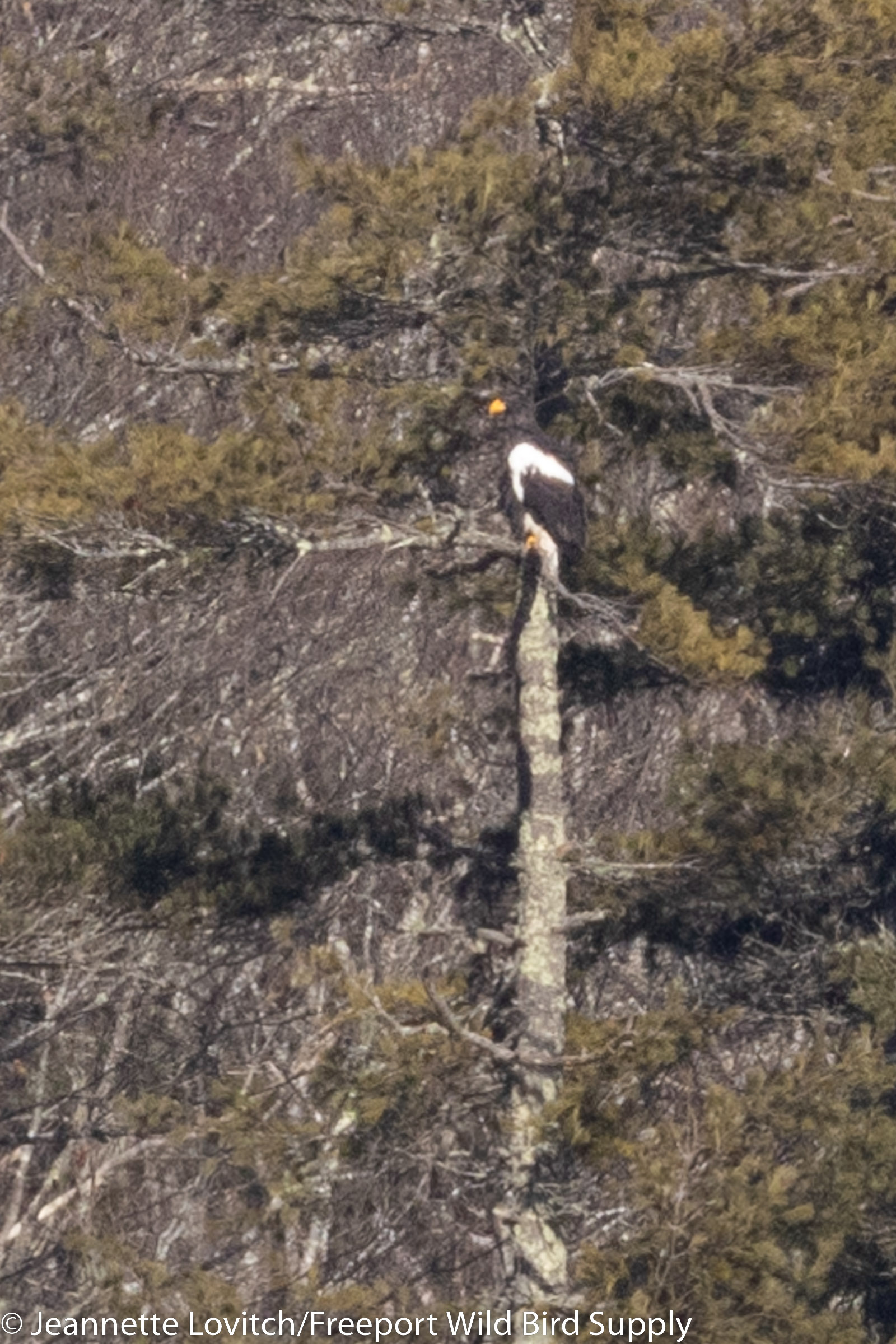
So yeah, the Steller’s Sea-Eagle is back, and it was in full (albeit fairly distant) view in our first visit with it of the year. I’ll get out of my recliner for a Steller’s Sea-Eagle any day!  It was also good to catch up with a friend and get out of the house for the second day in a row.

A few days later, Jeannette and I took a walk at Winslow Park in Freeport (2/9) where we were thrilled to find 7 Barrow’s Goldeneyes (3 drakes and 4 hens), the second highest count that I have had here in nearly a decade. They put on a great show, too.

A visit to the Auburn Riverwalk on the 13th yielded only one 1st-winter Iceland Gull, while a walk along Brown’s Point Road in Bowdoinham the next day produced a couple of pioneering Northern Flickers.

So there ya have it…my last month of birdwatching. With slow progress on my recovery, I expect feeder-watching will dominate my activity for a few more weeks, but temperature swings will make that interesting…and hopefully another snowstorm or two. I need to be out and about with few limitations by the time spring is here to stay!

2016 Bradbury Mountain Spring Hawkwatch Season In Review

Hawkwatch_last_day_2016
The 10th annual Bradbury Mountain Spring Hawkwatch wrapped up on May 15th, bringing a remarkable season to a close. Although I did go up for two hours to hope for a vagrant Mississippi or Swallow-tailed Kite on the 20th, netting five migrants (2 Sharp-shinned Hawks and 1 each of Broad-winged Hawk, Cooper’s Hawk, and Merlin. All immatures as expected on the late date). It was worth a try!

Anna Stunkel, a College of the Atlantic graduate and veteran of the Lucky Peak hawkwatch in southwestern Idaho, was the 2016 Official Counter, and she did an incredible job. A tireless observer and interpreter, she introduced hundreds of visitors to the project, and to our numerous local Bald Eagles! While Jeannette and I covered her days off – when rain didn’t do the job for us – or whenever else we got a chance, our many volunteers, especially Zane Baker, Tom Downing, Dave Gulick, Chuck Barnes, and Rick Hartzell were priceless. No hawkwatch is successful without a loyal cadre of assistants – spotting birds, answering questions, and bringing food – so thanks to you all!
L1040575_edited-1

The 2016 season total of 4,785 between March 15th and May 15th was our second highest total in the ten years of the project, and an impressive 17.6% above average (we exclude 2007 from our data analysis due to a change in methodology after this “trial” year).

Oddly enough, we amassed this tremendous total despite losing 16.5% of our possible coverage hours (9am to 5pm EDT) to weather, including fog, rain, snow, or high winds. The 414 total hours of observation was actually 6.6% below our average.

343 raptors passed the watch on April 17th, topped by the 980 tallied on 4/22 and 585 on 4/23. Those two amazing days changed our season dramatically – we went from worrying about a record low count to dreaming about a record high! 3,165 of our raptors passed through between April 16th and April 28th, accounting for 70% of our total flight.

Two rarities were recorded, headlined by a Black Vulture (our 7th of all time) on May 12th, and perhaps even rarer according to the season, a Broad-winged Hawk on March 20th (our previous earliest date was April 3rd, 2008 which itself was an outlier). We hypothesize that this was not a vanguard of the usual long-distant migrants arriving from Central America so early, but rather a bird that wintered either in South Florida or perhaps even well north of usual range thanks to the mild winter over the East.

Although southwesterly winds – our best conditions – were rare this spring, numerous days of west and light northwest in April, combined with sunny conditions and few weather systems during the peak weeks of our flight produced our great count, led by above average numbers of Osprey, Northern Harrier, Sharp-shinned Hawk, Broad-winged Hawk, American Kestrel, and Merlin. On our biggest day (4/22), light westerlies eventually turned to the southwest, and westerlies rotated around to the southeast on the following day.
IMG_4644_edited-2

However, the mild winter and early onset of early spring – including snow-free conditions over much of the area on the first day of the count and ice-out already occurring on larger rivers – got the season off to a quick start, but also meant we missed a number of birds that had already continued north before the count started on March 15th. Below average numbers of Turkey Vulture, Bald Eagle, Cooper’s Hawk, Northern Goshawk, Red-shouldered Hawk, and especially Red-tailed Hawks were the result. “Locals” of each from Day 1 also affected our count as we had to err on the side of caution early on to not overcount local birds (especially vultures and eagles) every time they flew around the mountain. It was a very, very different season from the 2015 count, in which winter never seemed to want to go away.

However, our record low 1 Peregrine Falcon is not as easy to explain – perhaps the constant westerlies just kept this predominately more coastal migrant far enough towards the coastline of Casco Bay.

As always, we also keep track of non-raptor migrants to the best of our ability.
2,010 Double-crested Cormorants, 1457 Common Grackles, 1028 Canada Geese, 918 Tree Swallows, and 747 unidentified/mixed blackbirds led the way.

Sandhill Cranes are now an annual occurrence, and this year we tallied four birds: 2 on 3/26, and one each on 4/16 and 4/25. The expansion/colonization/recolonization of Maine by this magnificent species continues, and our hawkwatch is apparently well placed to sample their return flight. Other noteworthy migrants included a White-winged Crossbill on 3/17, migrant Bohemian Waxwings on 3/26 (50) and 4/19 (29) with numerous visits by small flocks to the Common Juniper at the summit, and two Blue-gray Gnatcatchers (4/22 and 5/3).

A total of 92 species were seen and/or heard from the summit, including regular vocalizations from local Barred Owls and a variety of warblers.

IMG_4638_edited-2

  2016 Avg. 2008-2015 difference from average
Black Vulture 1 0.8 33.3%
Turkey Vulture 260 272.5 -4.6%
Osprey 513 431.1 19.0%
Bald Eagle 68 77.6 -12.4%
Northern Harrier 132 98.6 33.8%
Sharp-shinned Hawk 744 715.1 4.0%
Cooper’s Hawk 69 74.1 -6.9%
Northern Goshawk 2 7.9 -74.6%
Red-shouldered Hawk 75 91.4 -17.9%
Broad-winged Hawk 2123 1545.0 37.4%
Red-tailed Hawk 245 270.4 -9.4%
Rough-legged Hawk 0 0.9 -100.0%
Golden Eagle 0 0.5 -100.0%
American Kestrel 429 359.3 19.4%
Merlin 76 69.1 9.9%
Peregrine Falcon 1 5.4 -81.4%
       
Unidentified Raptor 47 47.3 -0.5%
Total 4785 4067.9 17.6%
       
Hours 414.25 443.5 -6.6%

Of course, this project doesn’t happen without your support of Freeport Wild Bird Supply, but we can’t do this without the support of Bradbury Mountain State Park and our co-sponsors, Leica Sport Optics. Our sincerest thank you goes out to Sunshine Hood, the new park manager at Bradbury (we can’t wait to grow the project with you!), and Jeff Bouton and Stan Bucklin of Leica.
L1040577_edited-1

But most importantly, this project doesn’t happen without all of you joining our counter at the summit, learning about raptors, migration, and conservation. To show your support for the project, and to raise funds for future needs (counter’s salary, new signage, etc), check out the exclusive Bradbury Mountain Hawkwatch t-shirt by North Yarmouth’s Coyote Graphics. It features Michael’s original artwork of the view from Bradbury within the outline of raptor on the front, and raptor silhouettes by the 2016 Official Counter, Anna Stunkel on the back.

We look forward to seeing you at the summit again beginning on March 15th, 2017 – or perhaps sooner if weather conditions align (like more kite weather!)
L1040752_edited-1

2015 Bradbury Mountain SPRING Hawkwatch starts Sunday!

IMG_0485_edited-2
Bald Eagles are already on the move, but the delayed start to spring have kept most of the birds to our south…just waiting to be tallied as they begin to push north.

Hawkwatching season is here! Freeport Wild Bird Supply (FWBS) will once again be partnering with Leica Sport Optics to sponsor the Spring Hawkwatch at Bradbury Mountain State Park in Pownal, beginning on March 15th. 2015 marks the ninth consecutive season for this project through which valuable data is collected while providing an enjoyable and educational experience for visitors. Not only does it feel like spring today, but in a mere four days (weather permitting), spring hawkwatching will be underway!

This year, we welcome Andrew Wolfgang as our official Hawkcounter. Andrew is a Biology graduate of Millersville University of Pennsylvania where he created two research projects studying bird diversity in riparian habitats and bird vocalization detection. Most recently, he worked as an environmental educator at Chincoteague Bay Field Station in Virginia. He is an experienced birder and hawkwatcher with a particular interest in Raptor Ecology. He’ll be stationed at the summit from 9:00am to 5:00pm daily from March 15th to May 15th.

IMG_8481_edited-2
Sharp-shinned Hawks shattered their previous record count last season. What will this season’s totals look like?

Rising 485 feet above the southern coastal plain, Bradbury Mountain provides unimpeded views to the south and east all the way to the islands of Casco Bay. Whether using updrafts off the mountain, gliding overhead, or soaring over the plains, observers watch raptors utilizing a variety of migratory methods as they work their way north. The goal of the project is to document this migration by identifying and counting all raptors that pass by the mountain. Last year’s count was record-setting, with 6,015 hawks tallied, including 97 Bald Eagles, 724 Ospreys and 2,357 Broad-winged Hawks. All but two of our regularly occurring species were counted in above average numbers, with seven species showing record season highs. We were particularly excited to count 190 Red-shouldered Hawks (160% above the average) – a species that had not been known to migrate through Maine in any significant numbers before the start of this project nine years ago. Over a period of years, these data can be analyzed to determine trends in species numbers as well as changes in distributions, which when studied in conjunction with other monitoring sites across the continent, give us a broadscale idea of what is happening with raptor populations.

Last year’s record-shattering season got off to a great start thanks to the late arrival of spring. Late snowfall well to our south, cold temperatures and ice cover on lakes and rivers, and the lack of favorable southerly winds greatly limited the number of birds (especially Turkey Vultures, Bald Eagles, and Red-tailed Hawks) that pushed north before the beginning of our count season. We would expect a similar situation this spring – there hasn’t been a whole lot of spring prior to March 15th this year once again. That should get things off to a great start.

But, it is not just about the numbers. Hawkwatching is a very social activity that is accessible to birders of all abilities. Last spring, we interacted with more than 1500 visitors! Seeing your first kettle (group of birds rising up on an updraft or thermal) of 50+ Broad-winged Hawks, or learning how to tell the difference between a Bald Eagle and a Turkey Vulture several miles away is an eye-opening experience for many folks. Organized hawkwatch sites, like Bradbury Mountain, are great places to meet new people and learn about raptors and the conservation issues they face at the same time.

So, grab your binoculars and join us atop Bradbury Mountain this spring. Andrew will gladly answer questions about the raptors you will see and help visitors learn what to look for to identify the 18 species that may pass by. The hawkwatch is free, though there is an entry fee to the park.

Also, be sure to mark your calendar for Feathers Over Freeport: A Birdwatching Weekend on April 25th – 26th. The Hawkwatch will be one of many featured activities during this family-oriented event at Bradbury Mountain and Wolfe’s Neck Woods State Parks.

More information about the hawkwatch, including a link to daily counts, can be found on our website, here.

And to read about last spring’s record-shattering season, check out this blog entry on Leica’s blog.

And you know where to find me on most birding days for the next two months!

IMG_8556_edited-2
Northern Harrier was also among the eight species that set a new record last season.