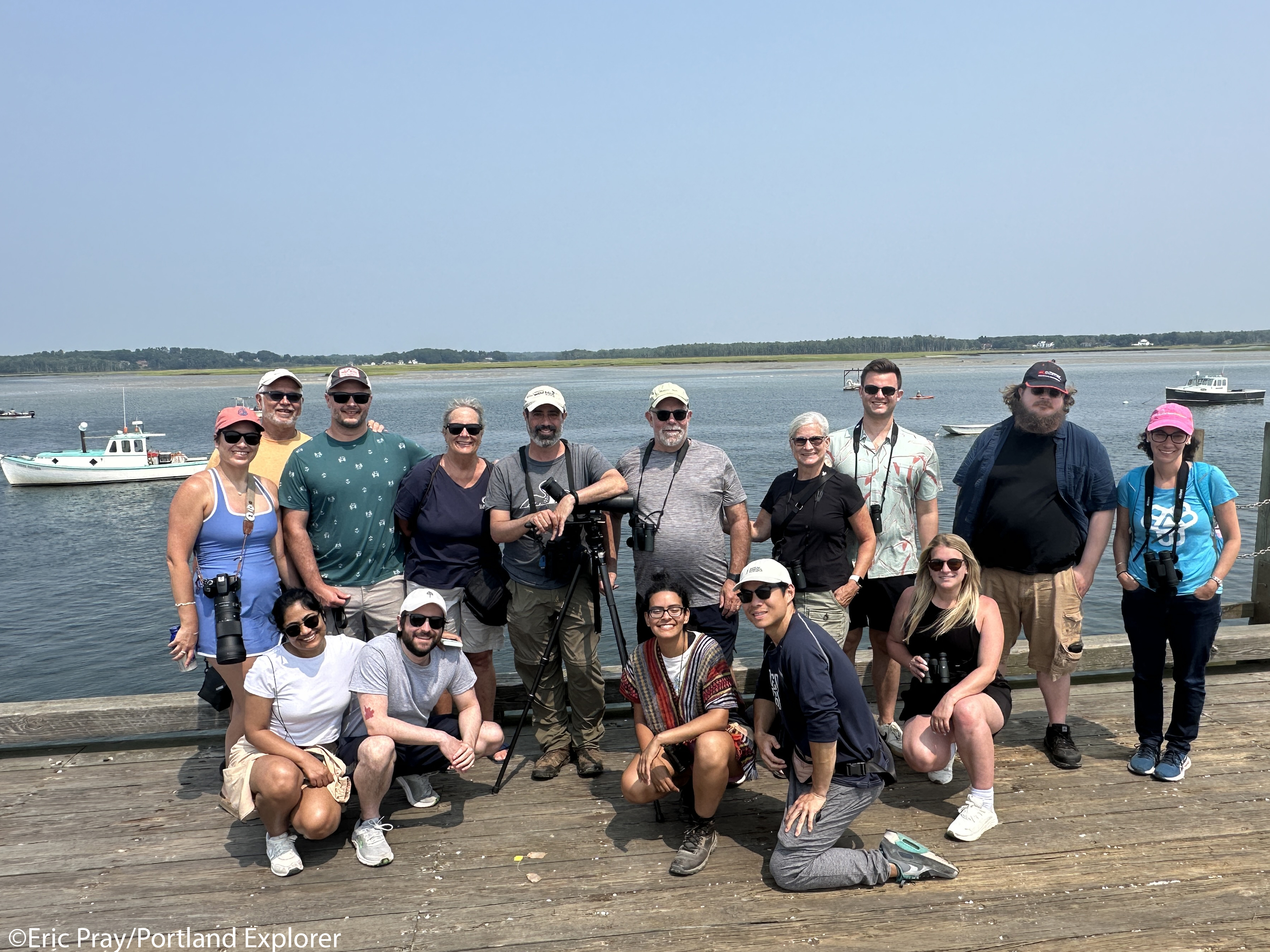
Seasonal hotspots. Local expertise. Small-group experiences.
For the 12th season, Portland Explorer and Freeport Wild Bird Supply are teaming up to offer Maine’s most unique guided birding tours — combining peak birding hotspots, expert instruction, comfortable transportation, and in select outings, visits to some of our favorite local breweries.
Whether you’re a seasoned birder, just getting started, or traveling with someone whose main interest might be craft beer until they become a avid birder, these relaxed and educational outings offer something special.
For more information, and to register for all of these tours, visit our website, here.
This blog will be updated with trip reports after each tour, so check back in to see what you missed and to sign up for upcoming outings!
The 2026 Birds on Tap – Roadtrip Series!
Our collaboration with Portland Explorer (formerly The Maine Brew Bus) enters its 12th season, with three exciting itineraries. These unique, relaxed birding and beer-ing adventures that you have come to love combine great local birding at seasonal hotspots with approachable opportunities to sample the delicious creations of some of our favorite Maine breweries. These events are a perfect introduction to birding and/or craft beer, and a great opportunity to enjoy our favorite pastimes with significant others, friends, and family that have interest in one topic, while your interest is primarily in the other (for now!). Educational, enjoyable, and eye-opening you won’t want to miss out our unique Birds on Tap series, including a brand new outing for 2026.
The three tours are as follows. After completion, tour reports will be posted here so this blog is your one-stop shopping for tour reports and upcoming itineraries.
- Birds on Tap -Roadtrip: Hawks and Hops!
Sunday, April 19, 2026: 9:00am – 3:00pm

Portland Explorer (formerly Maine Brew Bus) and Freeport Wild Bird Supply Freeport Wild Bird Supply are excited to continue our collaboration for 3 very special outings in 2026.
These unique, relaxed birding and beer-ing adventures that you have come to love combine great local birding at seasonal hotspots with visits to sample the delicious creations of some of our favorite local breweries. These tours are a perfect introduction to birding and/or craft beer, and a great opportunity to travel with significant others, friends, and family that have interest in one topic, while your interest is primarily in the other (for now!). Seasonal birding hotspots and great local beer – a perfect combination, and we’ll even do all of the driving!
This brand-new itinerary takes us to the Bradbury Mountain Spring Hawkwatch at Bradbury Mountain State Park in Pownal in the peak of northbound raptor migration. Now in its 20th year, this research project by Freeport Wild Bird Supply tallies an average of 4,180 migrating birds of prey each spring from the summit!
After a gentle 1-mile climb through the woods, looking and listening for migrant and resident songbirds, we’ll arrive at the summit and join the project’s Official Counter. Derek will discuss the history and methodology of the project, as the counter points out migrating raptors. Derek will lead us through the basics of hawk identification to give us a hawkwatch primer, and then if the migration action allows, we’ll sit back and enjoy the show until it is time to depart (the walk down is a steep ¼ of a mile on a wide, well-worn trail with rocks and roots and some steps; hiking sticks are suggested if you use them). This is the only Hawkwatch Workshop program that FWBS will be offering this year, so this is a tour you won’t want to miss!
After about 3 hours of birding, we will be transported to two of our great local producers to sample their offerings and learn their styles. Our brewery destinations are subject to change, but the current plan is to visit Maine Beer Company and Goodfire Brewing
Maine Beer Company was founded with a deep commitment to quality, community, and sustainability, Maine Beer Company has become one of the most respected craft breweries in the country. Known for their clean, hop-forward ales like Lunch and Dinner, they focus on balance, drinkability, and precision. Their Freeport brewery is a beautiful, modern space built with environmental responsibility in mind, including solar power and energy-efficient design.
Goodfire Brewing in Freeport offers a fresh, creative take on modern craft beer. Known for expressive New England–style IPAs, crisp lagers, and thoughtfully crafted seasonal releases, Goodfire focuses on vibrant flavors and small-batch innovation. Their welcoming taproom atmosphere reflects their community-driven spirit, this stop highlights the artistry and evolution of Maine’s contemporary brewing scene.
The samples are included in the tour price, and Portland Explorer will supply a light snack (TBD) and water. Bring binoculars. We also recommend bringing a lunch or additional snack if you so desire. Be sure to bring layers as it is often windier and cooler at the exposed summit than down below and trails may be muddy so wear appropriate footwear.
We’ll be doing all of the driving, so you can relax. And to make it even easier, we have two pick-up times and locations for this trip:
9:00am – Marginal Way Park & Ride (opposite the intersection with Diamond St, just east of Franklin Ave), Portland.
9:20am – Freeport Wild Bird Supply, 541 Route One, Freeport.
(Please arrive 15 minutes prior to your departure time at either location, and please let us know where you will be meeting us)
We’ll return to these locations to drop you off at 2:40pm (Freeport) and 3:00pm (Portland).
This tour is limited to 12 participants, so sign up soon! This is a one-of-a-kind tour, and we think one you won’t want to miss!
- Birds On Tap℠ – Warblers and Wort
Sunday, May 10, 2026: 8:00am – 2:00pm

Portland Explorer (formerly Maine Brew Bus) and Freeport Wild Bird Supply are excited to continue our collaboration for 3 very special outings in 2026.
These unique, relaxed birding and beer-ing adventures that you have come to love combine great local birding at seasonal hotspots with visits to sample the delicious creations of some of our favorite local breweries. These tours are a perfect introduction to birding and/or craft beer, and a great opportunity to travel with significant others, friends, and family that have interest in one topic, while your interest is primarily in the other (for now!). Seasonal birding hotspots and great local beer – a perfect combination, and we’ll even do all of the driving!
We’re bringing back the “Mother’s Day Special” in 2026, with a return to Portland on one of our most popular itineraries. May means warbler migration, and the destination for Warblers and Wort will hit two of Maine’s most famous springtime migrant traps, Portland’s Evergreen Cemetery and nearby Capisic Pond Park. Two oases in the urban jungle, featuring water sources and a mix of various habitats, help concentrate migrant birds that found themselves in or over the city come sunrise. After migrating all night, tired travelers look for refuge: food, water, and shelter, and urban greenspaces are absolutely critical for refueling.
Warbler diversity will rapidly be increasing, over 15 species possible by the middle of May, depending on the progression of the season. Other species, such as sparrows, raptors, and other Neotropical Migrants such as orioles and tanagers are also on the move, increasing our chances of seeing a diversity of species. If the cemetery’s apples and cherries are blooming, we may be in for quite a treat as these are absolute magnets for hungry migrants. Meanwhile, most trees have yet to fully leaf out, making them easier to spot!
It’s sometimes hard to leave Evergreen on a busy spring morning, but if we do, it will be for the very short trip over to Capisic Pond Park, where we’ll continue to seek migrants of all shapes and sizes.
After about 3 hours of birding, we will be transported to two of our great local producers to sample their offerings and learn their styles. Our brewery destinations are subject to change, but the current plan is to visit Foundation and Rising Tide Brewing Company.
Foundation Brewing Company is known for its clean, focused approach to craft beer, with a strong reputation for hop-forward ales and thoughtfully balanced lagers. Their lineup often showcases precision and consistency, with beers that highlight both modern techniques and traditional brewing fundamentals. A visit to Foundation offers an opportunity to explore how attention to detail and quality ingredients come together to create approachable yet expressive beers that reflect Portland’s thriving craft scene.
Rising Tide Brewing Company has been a cornerstone of Portland’s craft beer community since its early growth years. With a diverse portfolio that ranges from crisp, easy-drinking favorites to bold, hop-driven offerings and seasonal specialties, Rising Tide emphasizes accessibility and craftsmanship. Their beers often reflect a balance between innovation and tradition, making them a great representation of the evolution of Maine’s brewing culture.
The samples are included in the tour price, and Portland Explorer will supply a light snack (TBD) and water. Bring binoculars. We also recommend bringing a lunch or additional snack if you so desire. Light-colored, long-sleeve shirt and pants are highly recommended to reduce the nuisances of biting insects and trails may be muddy so wear appropriate footwear.
We’ll be doing all of the driving, so you can relax. This tour will have one pickup location:
8:00am – Marginal Way Park & Ride (opposite the intersection with Diamond St, just east of Franklin Ave), Portland.
(Please arrive 15 minutes prior to your departure time.)
We’ll return to these locations to drop you off at 2:00pm.
This tour is limited to 12 participants, so sign up soon! This is a one-of-a-kind tour, and we think one you won’t want to miss!
For a taste of what’s in store, here’s the trip report from our very exciting outing in 2025.
- Birds on Tap℠ – Road Trip! Shorebirds and Steins
Sunday, August 16: 9:00am – 3:00pm

Portland Explorer (formerly Maine Brew Bus) and Freeport Wild Bird Supply are excited to continue our collaboration for 3 very special outings in 2026.
These unique, relaxed birding and beer-ing adventures that you have come to love combine great local birding at seasonal hotspots with visits to sample the delicious creations of some of our favorite local breweries. These tours are a perfect introduction to birding and/or craft beer, and a great opportunity to travel with significant others, friends, and family that have interest in one topic, while your interest is primarily in the other (for now!). Seasonal birding hotspots and great local beer – a perfect combination, and we’ll even do all of the driving!
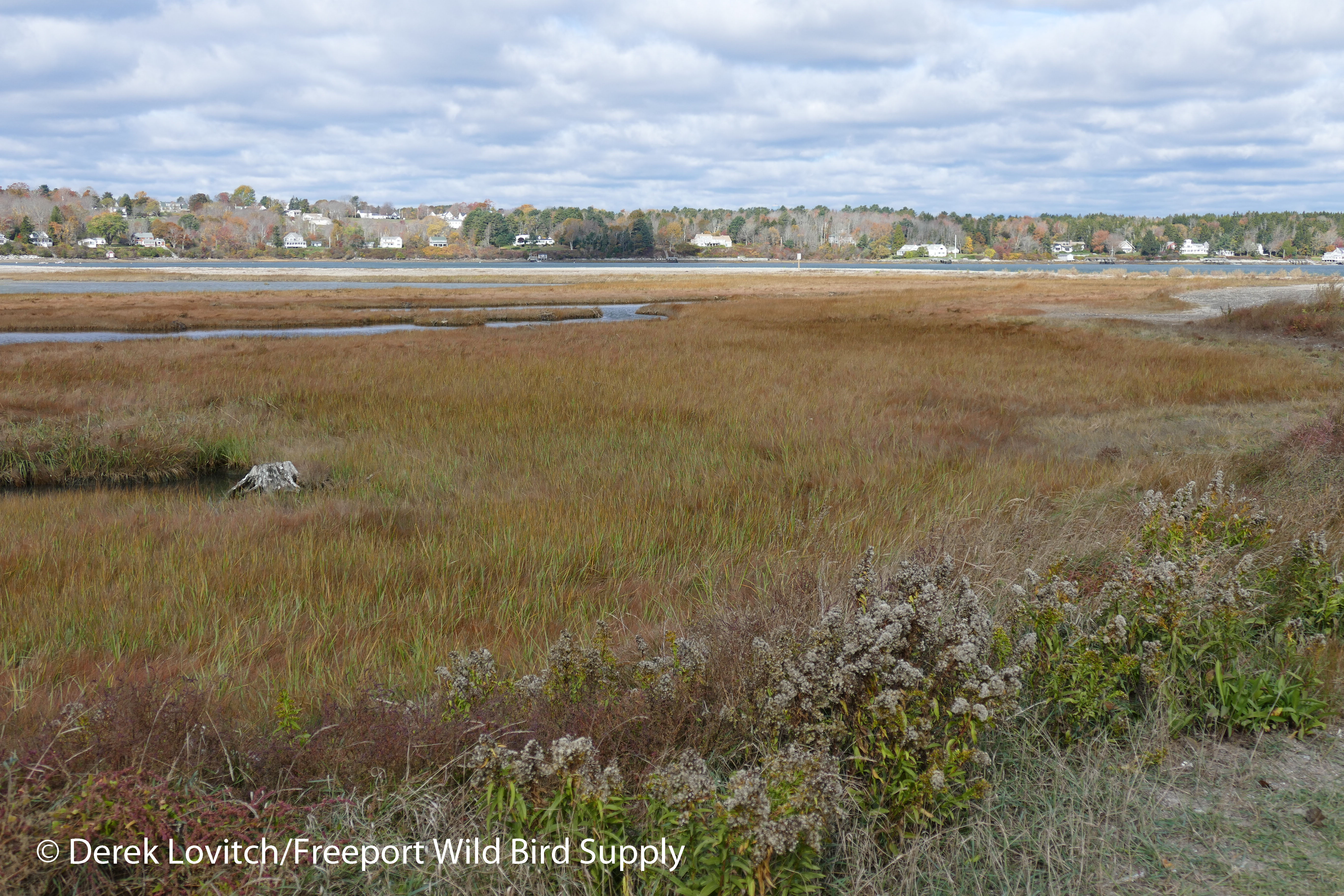
The original BoT Roadtrip! Way back in 2015, our most popular tour returns to Scarborough Marsh at prime time for a good variety of migrant shorebirds. We’ll learn how to identify our common species, and search for the rare. Up to 20 species of shorebirds are possible! We’ll practice identifying our “peeps” (Least, Semipalmated, and White-rumped Sandpipers) and attempt to tease out a rare Western or even a Baird’s among the masses. We’ll look for local breeding American Oystercatchers and Willets, while searching for migrants such as Red Knots on their way from the high Arctic to the southern tip of Argentina.
And not to worry, we’ll take a look at everything else, such as Common, Roseate, and Least Terns; herons and egrets, and who knows what else? We may even get a chance to see Nelson’s and Saltmarsh Sparrows depending on time, wind, and tide.
After about 3 hours of birding, we will be transported to two of our great local producers to sample their offerings and learn their styles. Our brewery destinations are subject to change, but the current plan is to visit Nonesuch River Brewing and the Allagash Bungalow.
Nonesuch River Brewing blends classic brewing traditions with a creative, food-friendly approach. Known for producing a wide range of styles—from hop-forward IPAs to smooth stouts and refined lagers—the brewery emphasizes balance, drinkability, and quality ingredients. With a strong culinary influence behind their brand, their beers are crafted to complement a variety of tastes, showcasing both technical precision and thoughtful flavor development. A visit highlights the versatility and craftsmanship that define Maine’s modern brewing landscape.
Allagash Brewing Company is internationally recognized for its Belgian-inspired beers and commitment to craftsmanship. The Allagash Bungalow offers an inviting setting to explore a rotating selection of their beers, which may include their iconic witbier, barrel-aged specialties, or experimental small-batch releases. Rooted in tradition but continually innovating, Allagash represents one of Maine’s most influential breweries, known for its focus on fermentation, balance, and refined complexity.
The samples are included in the tour price, and Portland Explorer will supply a light snack (TBA) and water. Bring binoculars and a spotting scope if you have one. We also recommend bringing a lunch or additional snack if you so desire. Sunscreen, a light jacket in case the wind turns onshore, and sturdy comfortable walking shoes are also recommended – we will be out in the sun for the duration of the birding portion of the tour.
We’ll be doing all of the driving, so you can relax. There will be one pickup location for this tour:
9:00am – Marginal Way Park & Ride (opposite the intersection with Diamond St, just east of Franklin Ave), Portland.
(Please arrive 15 minutes prior to your departure time).
This tour is limited to 12 participants, so sign up soon! This is a one-of-a-kind tour, and we think one you won’t want to miss!
For a taste of what’s in store, here’s the trip report from our very exciting outing in 2025.
___________________________________________________________
The New 2026 Fort and Feathers Series!
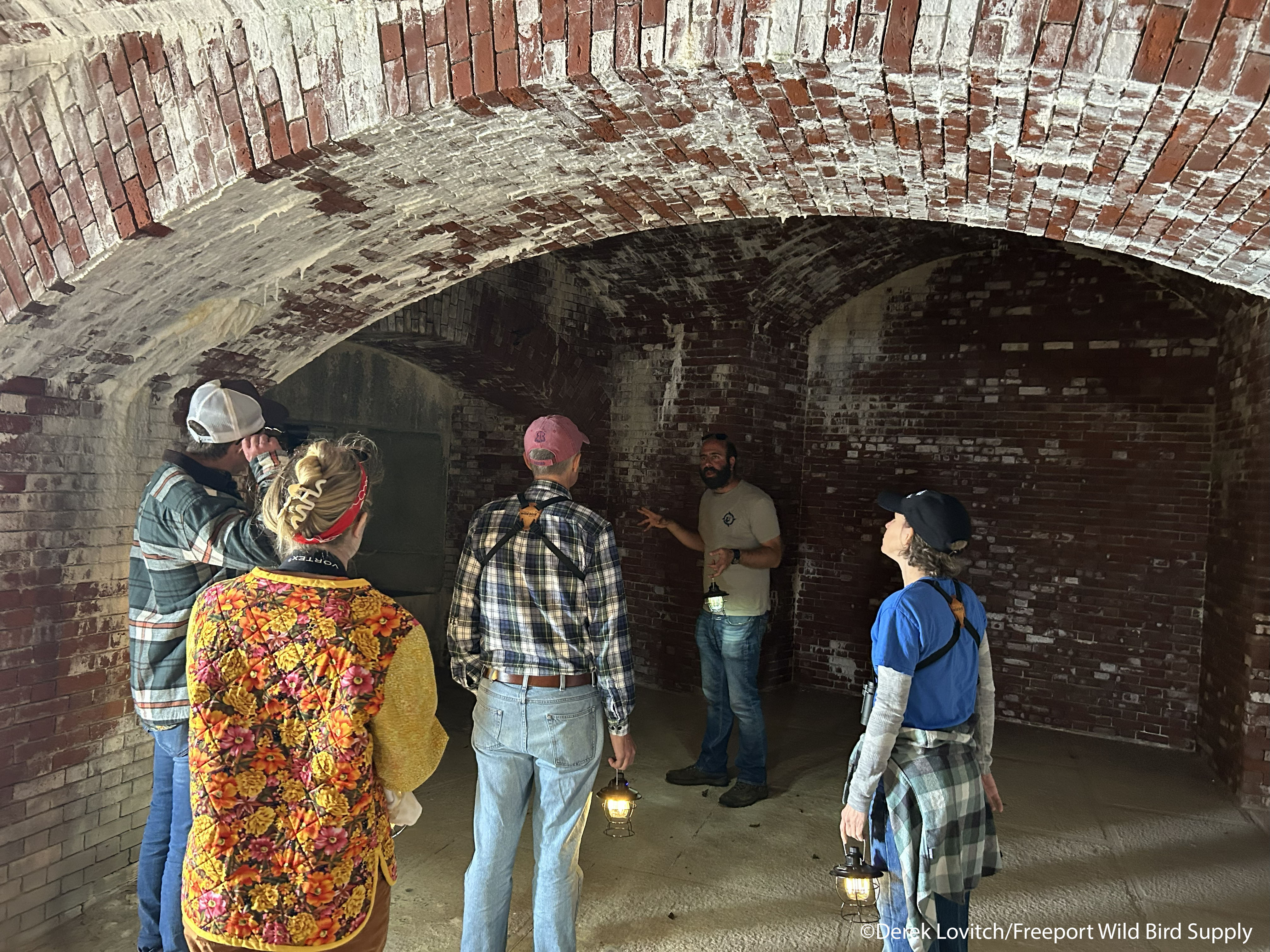
Our collaboration with Portland Explorer (formerly The Maine Brew Bus) enters its 12th season, and our collaboration continues with a new series of joint history and birding tours. These unique, relaxed birding and history adventures combine great local birding at seasonal hotspots with educational journeys through some of our local history. Join two experts in their field on this brand new collaboration! (Sorry, no beer tastings here!)
The three tours are as follows. After completion, tour reports will be posted here so this blog is your one-stop shopping for tour reports and upcoming itineraries.
- Forts and Feathers: House Island!
Sunday, October 18: 9:00am – 2:00pm
As our collaboration with Portland Explorer enters its 12th season, we’re mixing things up with a brand new series of joint history and birding tours. These unique, relaxed birding and history adventures combine great local birding at seasonal hotspots with educational journeys through some of our local history. Join two experts in their field on this brand new collaboration! (Sorry, no beer tastings here!)
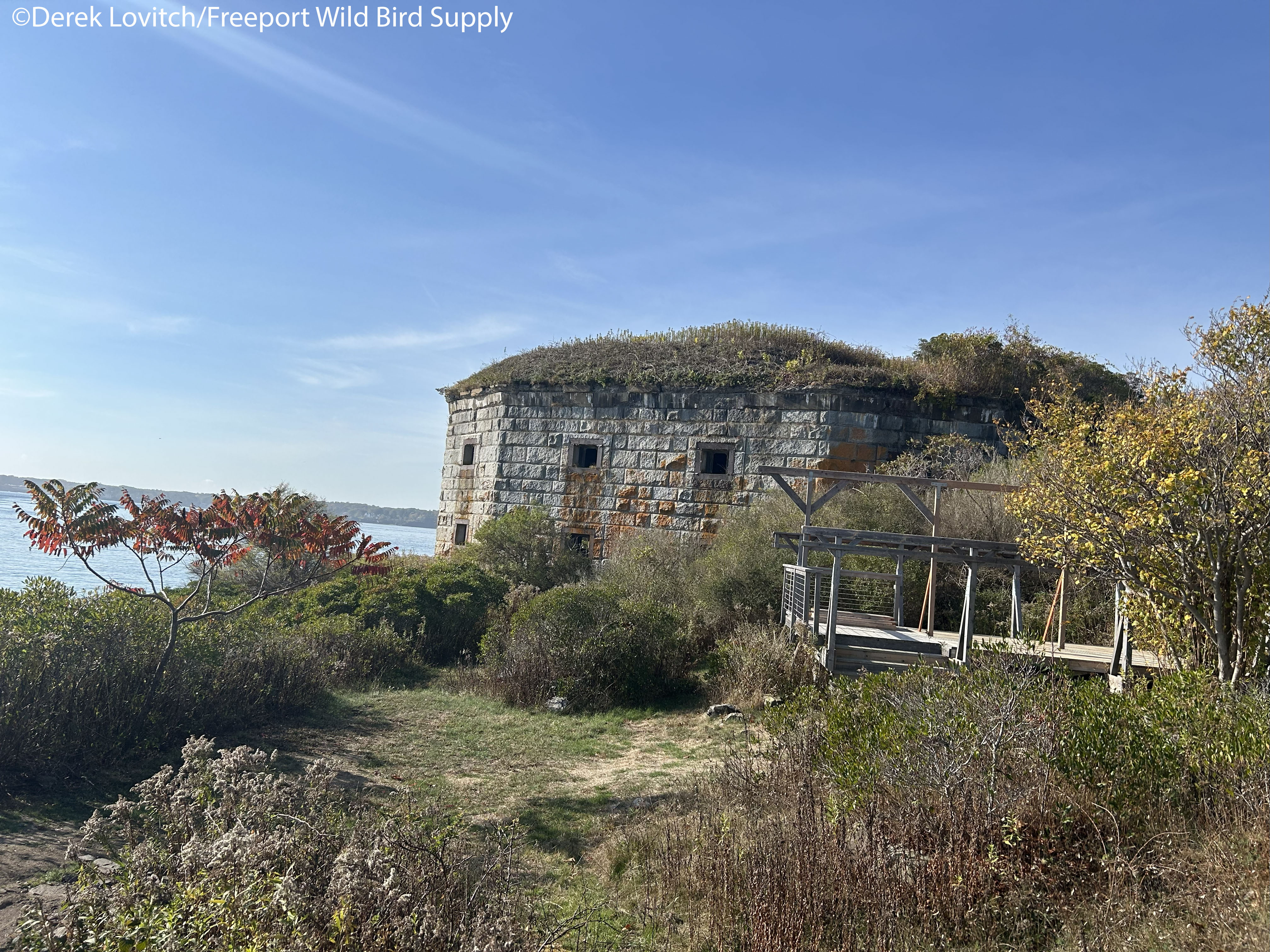
But this time we’re leaving the van in the garage, and hitting the water! That’s right, we’re taking a cruise, and we’re returning to the private House Island in Porland Harbor!
During our previous outings in which we became the first birding groups ever on the island, we found oodles of Yellow-rumped Warblers, other migrants, and learned about the island’s ecology. But we were also captivated by Captain Pete, who guided us through the historic fort, sharing a wealth of historical knowledge and fascinating stories.
Once again, we’ve been granted special permission to come ashore and scour the island here in the peak of fall migration. We’ll follow well-maintained trails through the island’s mosaic of open habitats, scrub, and young woods. These are great habitats to search for a variety of migrants, and perhaps even a rarity!
Returning in October, rarities will once again be on our mind. While rare birds are rare, we are still going to expect the unexpected. But more likely are regular migrants of the season such as Yellow-rumped Warblers, a variety of sparrows, and a growing diversity of waterbirds. At the very least, we’ll have resident waterbirds and several species of gulls to sort through.
As we motor back across the harbor, we’ll continue to familiarize ourselves with some of the common waterbirds, such as Common Eiders, Common Loons, and perhaps some lingering Ospreys and others from the summer, all while enjoying a local craft beverage produced in the city of Portland. While the exact plan is subject to change, we’ll be sure to come up with a plan to adequately celebrate our discoveries – or the one that got away!
Portland Explorer will supply a light snack and everyone is welcome to a free drink (alcoholic or non during the boat ride back). Bring binoculars. We also recommend bringing a lunch or additional snack if you so desire. Sturdy comfortable walking shoes are also recommended, as are a variety of layers as it can be quite chilly on the water by the end of October.
For a taste of what’s in store, here’s the trip report from our very exciting outing in 2025 (but note we will not be offering the beer tasting component in 2026).
Meeting Location: 9:00am, Portland Beer Hub: 320 Fore Street, Portland, ME 04101
*Please arrive 15 minutes prior to your departure time.*
We’ll return to Portland Beer Hub at 2:00pm
This tour is limited to 12 participants, so sign up soon! This is a one-of-a-kind tour, and we think one you won’t want to miss! To conveniently pay online, click on the “Book Now” link here.
- Forts and Feathers: The Beaks of Peaks!
Sunday, November 1st (weather date 11/8): 9:00am – 3:00pm.
As our collaboration with Portland Explorer enters its 12th season, we’re mixing things up with a brand new series of joint history and birding tours. These unique, relaxed birding and history adventures combine great local birding at seasonal hotspots with educational journeys through some of our local history. Join two experts in their field on this brand new collaboration! (Sorry, no beer tastings here!)
But this time we’re leaving the van in the garage and hit the water once again! We’re going to hop aboard the Casco Bay Ferry Lines for the short, 20-minute trip across Portland Harbor to Peak’s Island.
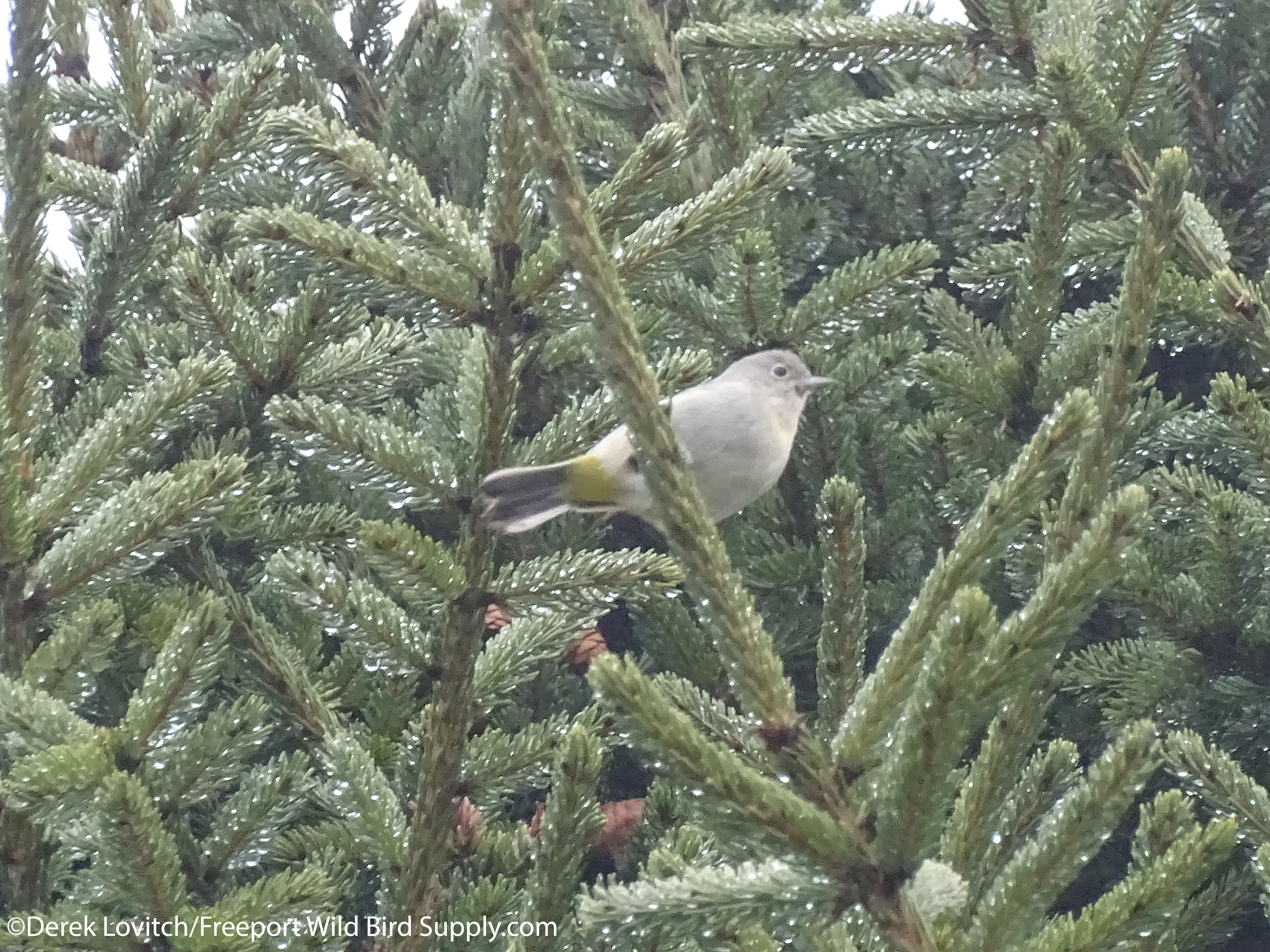
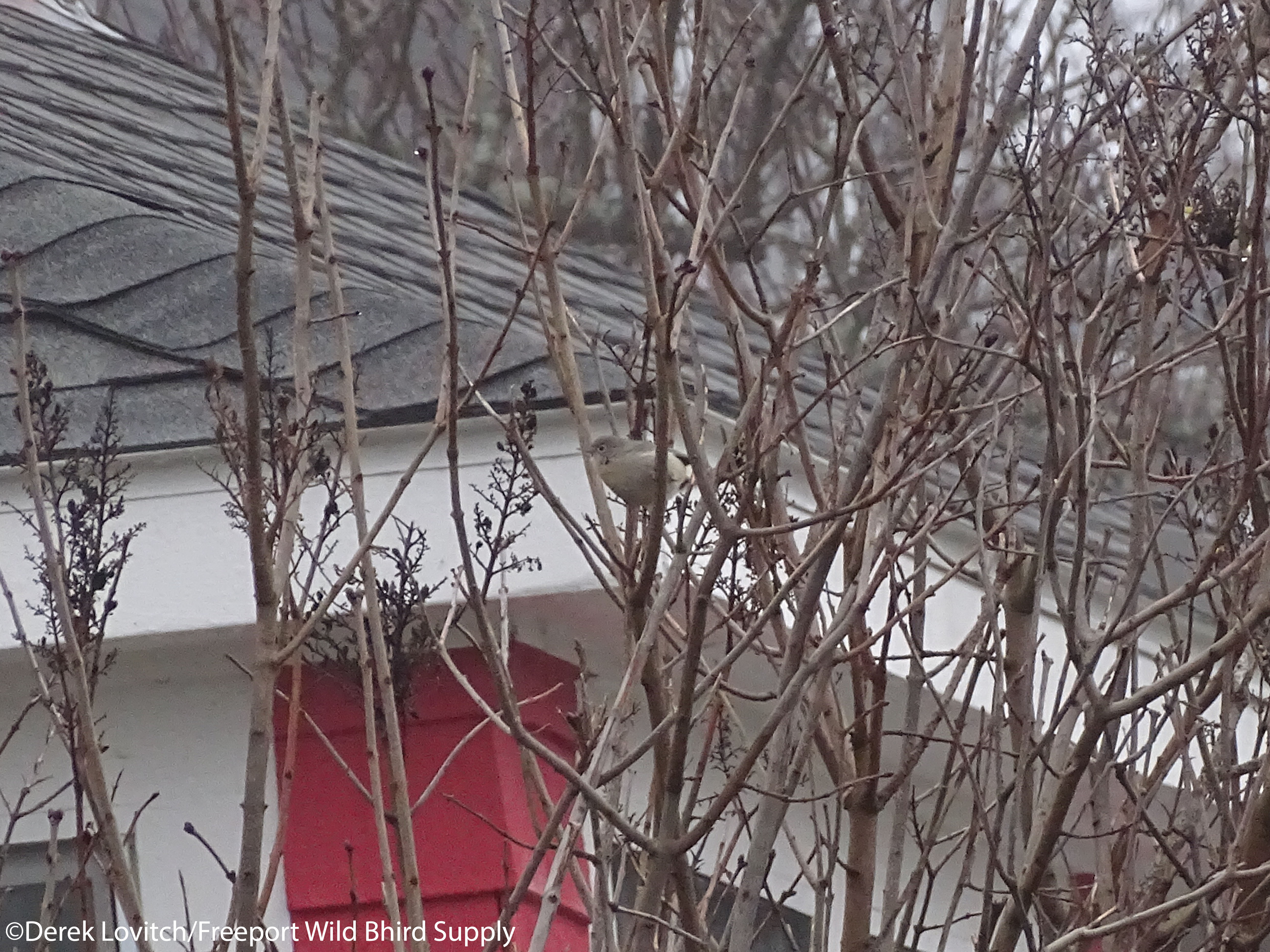
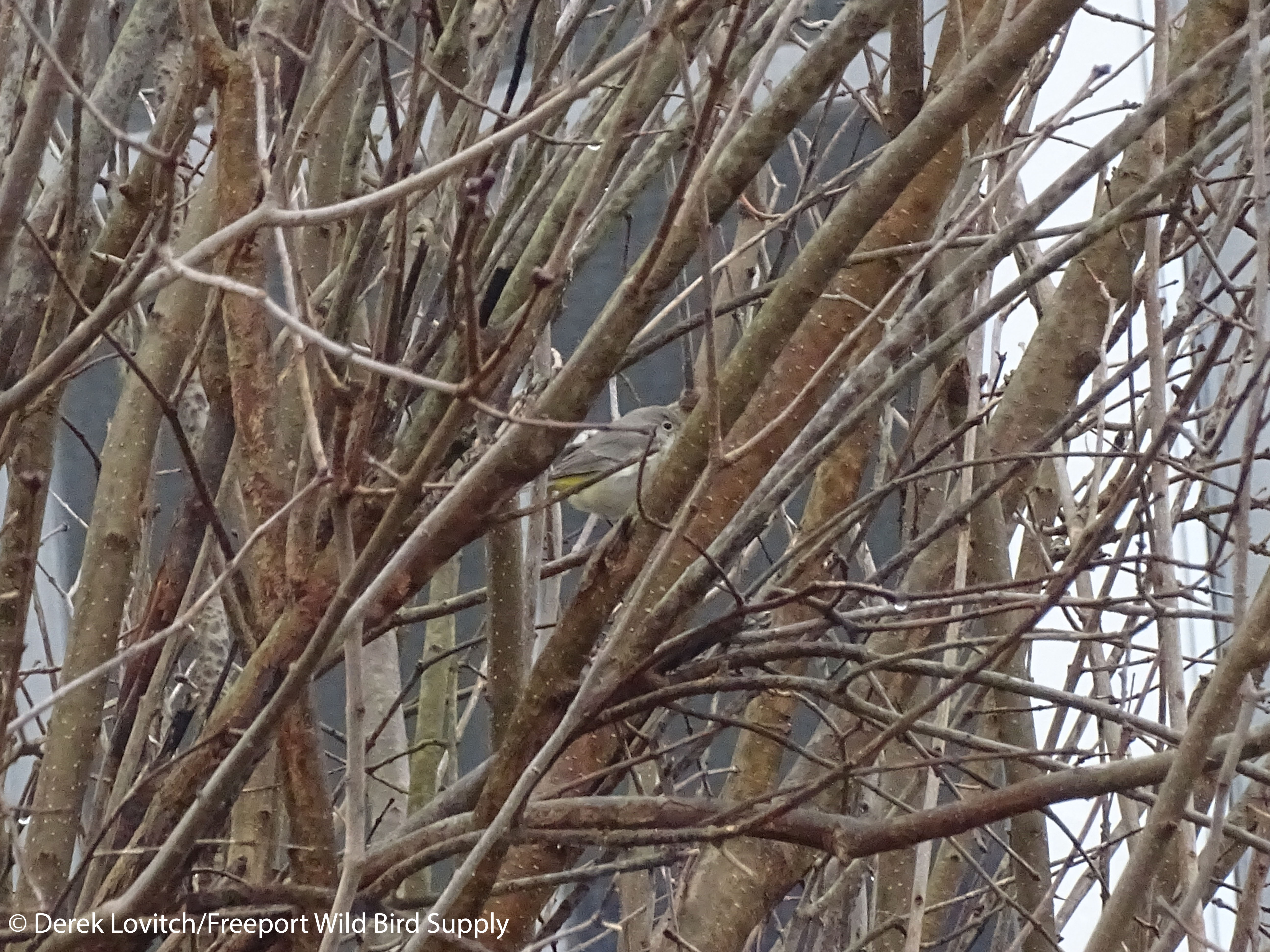
Once there, we’ll plan on walking 3-4 easy miles (paved or dirt roads and a few narrow trails including one with irregular boards over wet areas) to cover the prime birding hotspots of the island, including the thickets that were made famous last year when Derek discovered Maine’s 5th-ever Virginia’s Warbler (and first away from Monhegan). We’ll make our way along the shoreline, looking at resident and recently-arrived migrant waterbirds, but checking various nooks and crannies that can hold unexpected vagrants.
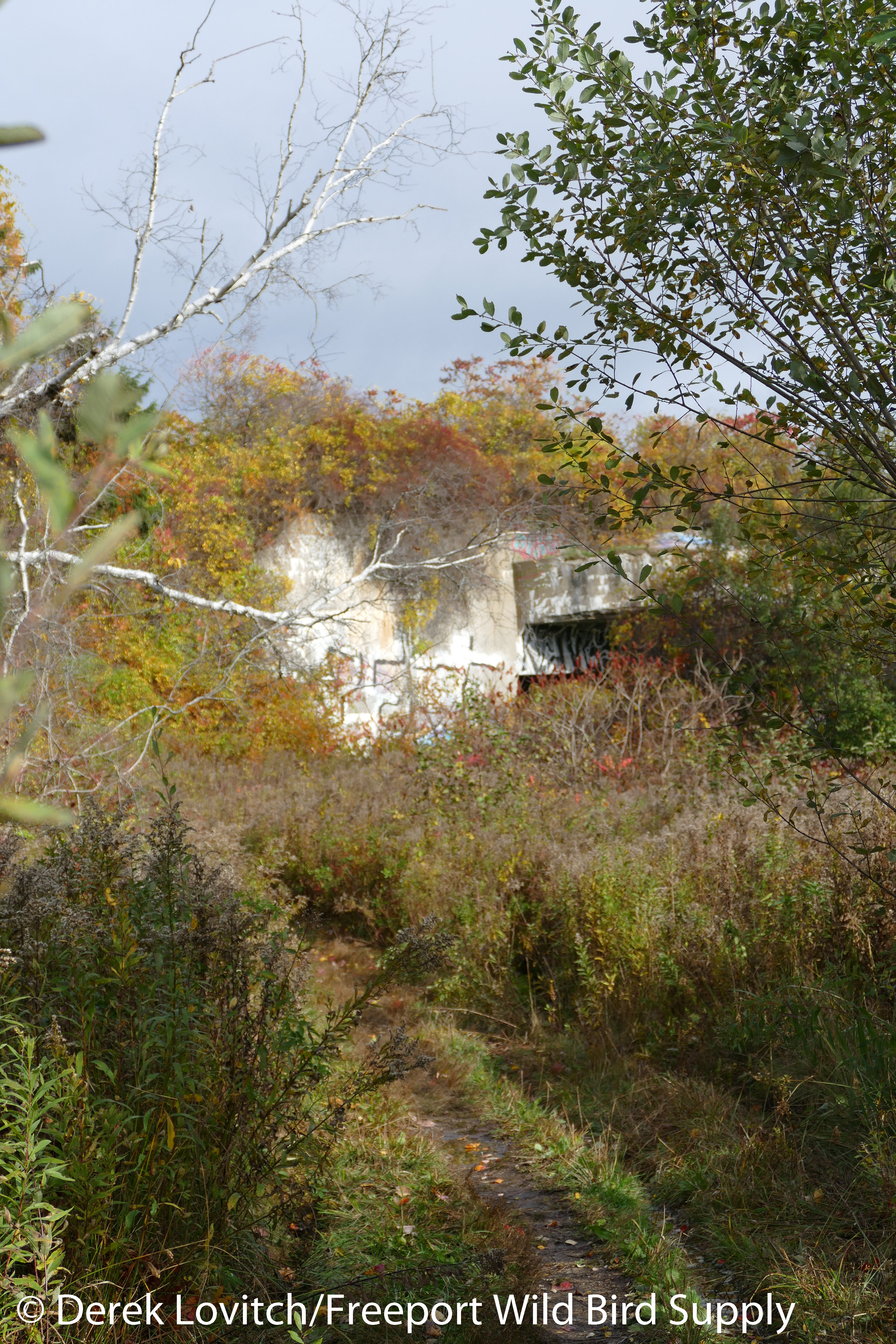
We’ll make our way to the famous Battery Steele – famous for its access, it’s impressive graffiti, and yes, its birding. Here, a complex of wetlands and scrubby areas combine to attract and hold a wide range of avian species, often including some that are usually long gone from Maine by now. We’ll then explore the open-access fort and even get to experience total darkness!
Birding will continue as we traverse the island to return to town. There will be an opportunity to purchase a delicious lunch, or bring your own, and we’ll relax for a spell as we await our ferry departure.
Portland Explorer will supply a light snack and water. Bring binoculars and a flashlight. We also recommend bringing lunch or additional snack if you so desire. Sturdy comfortable walking shoes are also recommended, as are a variety of layers as it can be quite chilly on the water by the end of October.
Meeting Location ; 8:45am – Portland Beer Hub: 320 Fore Street, Portland, ME 04101
*Please arrive 15 minutes prior to your departure time.*
We’ll return to Portland Beer Hub at 3:00pm
This tour is limited to 15 participants, so sign up soon! This is a one-of-a-kind tour, and we think one you won’t want to miss!
- Forts and Feathers: Fort Williams and Portland Head Light!
Sunday, November 29: 8:00am to 1:00pm

in the scrubby habitats of the park.
As our collaboration with Portland Explorer enters its 12th season, we’re mixing things up with a brand new series of joint history and birding tours. These unique, relaxed birding and history adventures combine great local birding at seasonal hotspots with educational journeys through some of our local history. Join two experts in their field on this brand new collaboration! (Sorry, no beer tastings here!).
With arriving winter waterbirds – from Great Cormorants to all three species of scoters – and truant migrants (and sometimes, even rarities!) – late November is a great time to hit the coast of Maine for productive birding. On this tour, we’ll take the Portland Explorer van over to Cape Elizabeth to bird the cliffs and uplands of Fort Williams Park.
But that’s not all! We’ll also be diving into the history of the Fort and the world-famous Portland Head Lighthouse. At Fort Williams Park, we’ll explore a scenic coastal landscape rich with history and sweeping views of Casco Bay. The park features historic military structures, open green space, and dramatic rocky shoreline—offering a glimpse into Maine’s past alongside some of its most iconic ocean vistas.
Just beyond the fort grounds stands Portland Head Light, Maine’s oldest lighthouse. Perched on the cliffs overlooking the Atlantic, it has guided mariners for more than two centuries and remains one of the most recognizable landmarks on the New England coast.
We’ll be doing all of the driving, so you can relax. There will be one pickup location for this tour:
8:00am – Marginal Way Park & Ride (opposite the intersection with Diamond St, just east of Franklin Ave), Portland.
(Please arrive 15 minutes prior to your departure time).
This tour is limited to 12 participants, so sign up soon! This is a one-of-a-kind tour, and we think one you won’t want to miss! To conveniently pay online, click on the “Book Now” link here.
________________________________________________________
But, wait, there’s even more!
- The Rarity Roundup Van Tour 2026
Sunday, November 8: 8:00am – 3:00pm
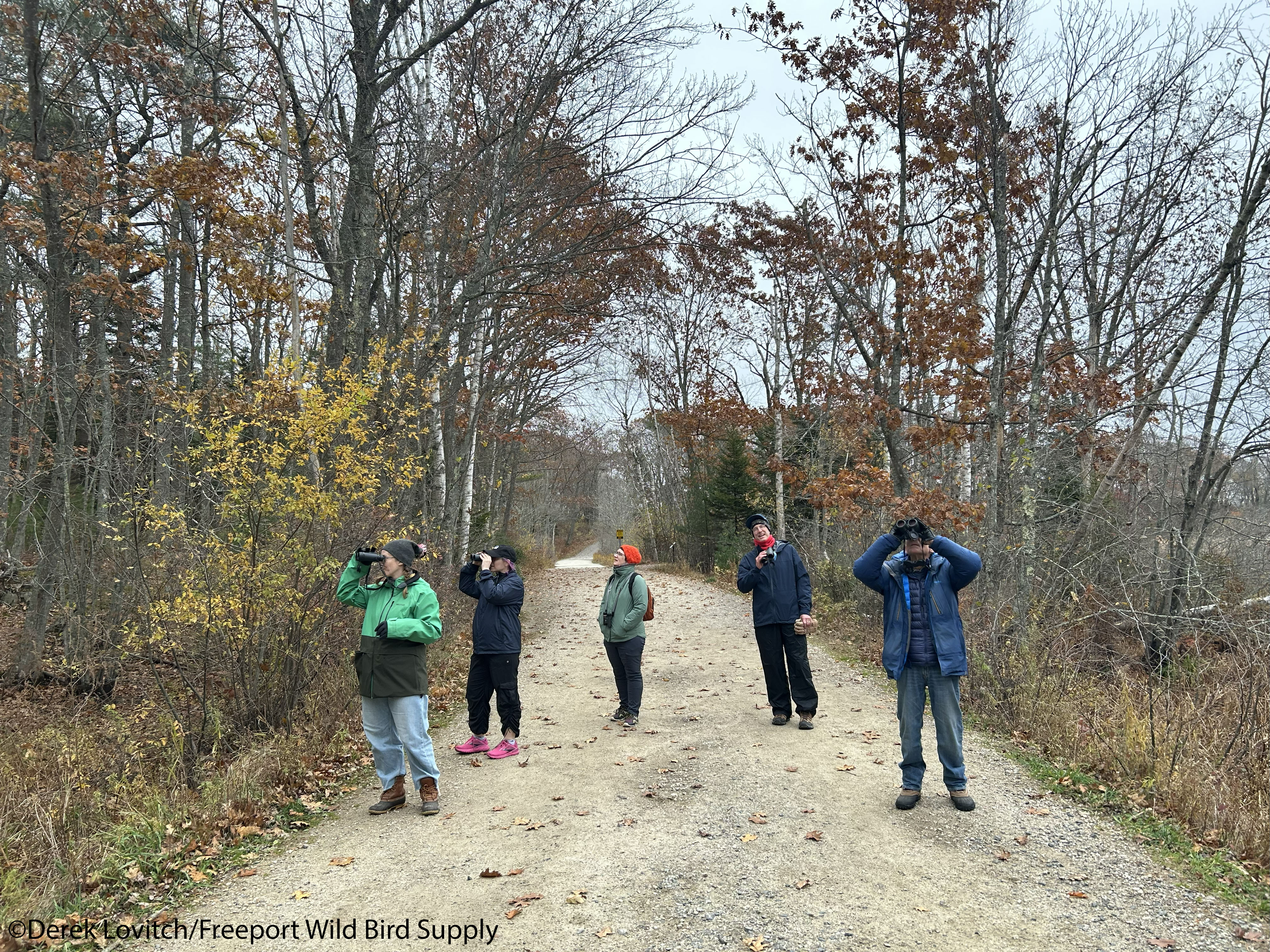
Portland Explorer and Freeport Wild Bird Supply are teaming up to offer a very special, very exclusive road trip outing in 2026.
Early November is a fantastic time of year in Maine for vagrants – birds normally seen in far-off places. Due to a combination of weather patterns, changing seasonal food resources, falling temperatures, and other factors – some of which are not completely understood – birds that may have ended up in Maine by “accident” begin to concentrate at the coast in “migrant traps” and “hotspots.” In other words, this is the time of year to expect the unexpected.
A traditional “Rarity Roundup” involves teams of birders heading out on a given day during rarity prime time, looking for species that are not supposed to be around. And in honor of that tradition, that’s exactly what we are going to do on this unique tour. We may “chase” a rarity (go to see something that has already been found, aka “twitch”) or we might choose a destination known for rare birds in an attempt to find one of our own. Or perhaps, we’ll do both!
Anything in southern Maine is fair game, and we might not even know where we will head until we are on the bus and the latest rare bird alert is received. For those who love adding a bird to your Life or State List, and/or basking in the thrill of discovery, well then this is the tour for you! In between seeing great birds, we’ll discuss the complex factors that are involved in delivering rarities to an area, and how we go about finding them.
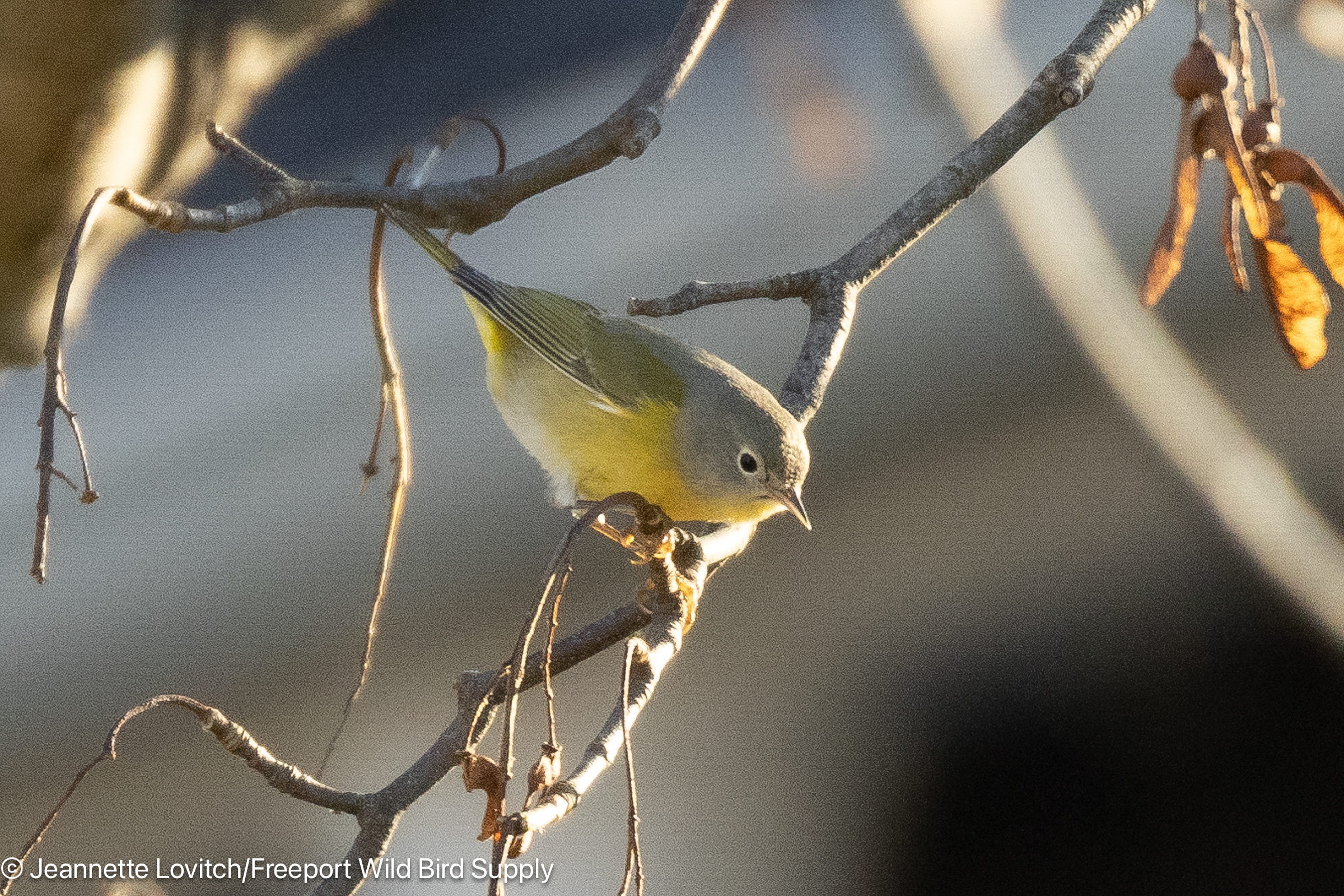
For example, last year, our Birds on Tap – Roadtrip: Rarity Roundup traveled to Yarmouth to see one of the few MacGillivray’s Warblers ever recorded in the state, then ventured all of the way to Kittery to try and find our own vagrant and the famous Fort Foster Park. For a taste of what’s in store, here’s the trip report from our very exciting outing in 2025 (but note we will not be offering the beer tasting component in 2026).
Portland Explorer will supply a light snack (TBA) and water. Bring binoculars and a spotting scope if you have one. We also recommend bringing a lunch or additional snack if you so desire. Sunscreen, an extra layer or two, and sturdy comfortable walking shoes are also recommended as we will want to be comfortable during both a long drive or a standing vigil outside.
We’ll be doing all of the driving, so you can relax. There will be one pickup location for this van tour.
8:00 am – Marginal Way Park & Ride (opposite the intersection with Diamond St, just east of Franklin Ave), Portland.
(Please arrive 15 minutes prior to your departure time)
This tour is limited to 12 participants, so sign up soon! This is a one-of-a-kind tour, and we think one you won’t want to miss!
__________________________________________________________________________________________________________
For more information, and to register for all of these tours, visit our website, here.















 Maine Birding Field Notes