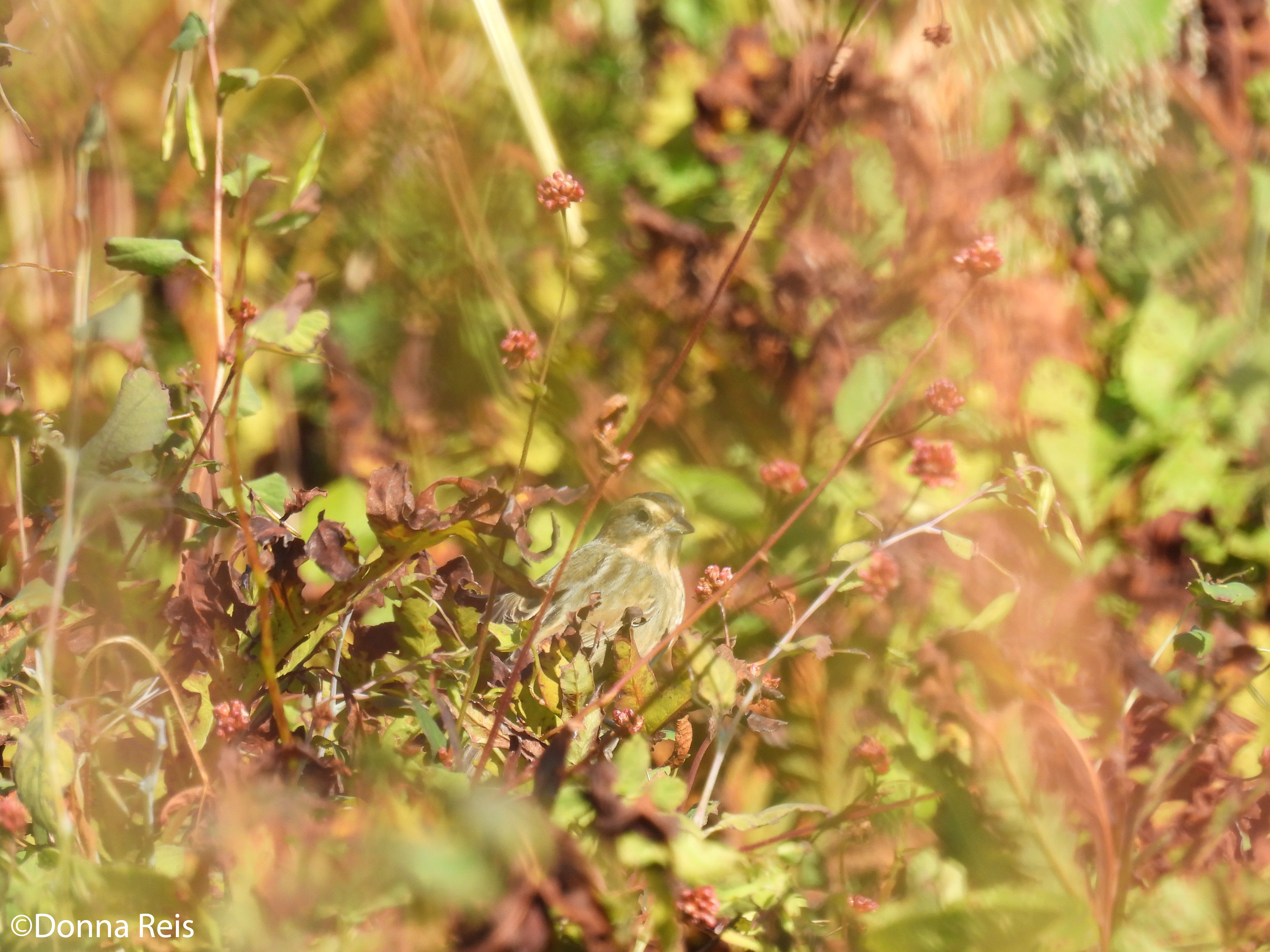
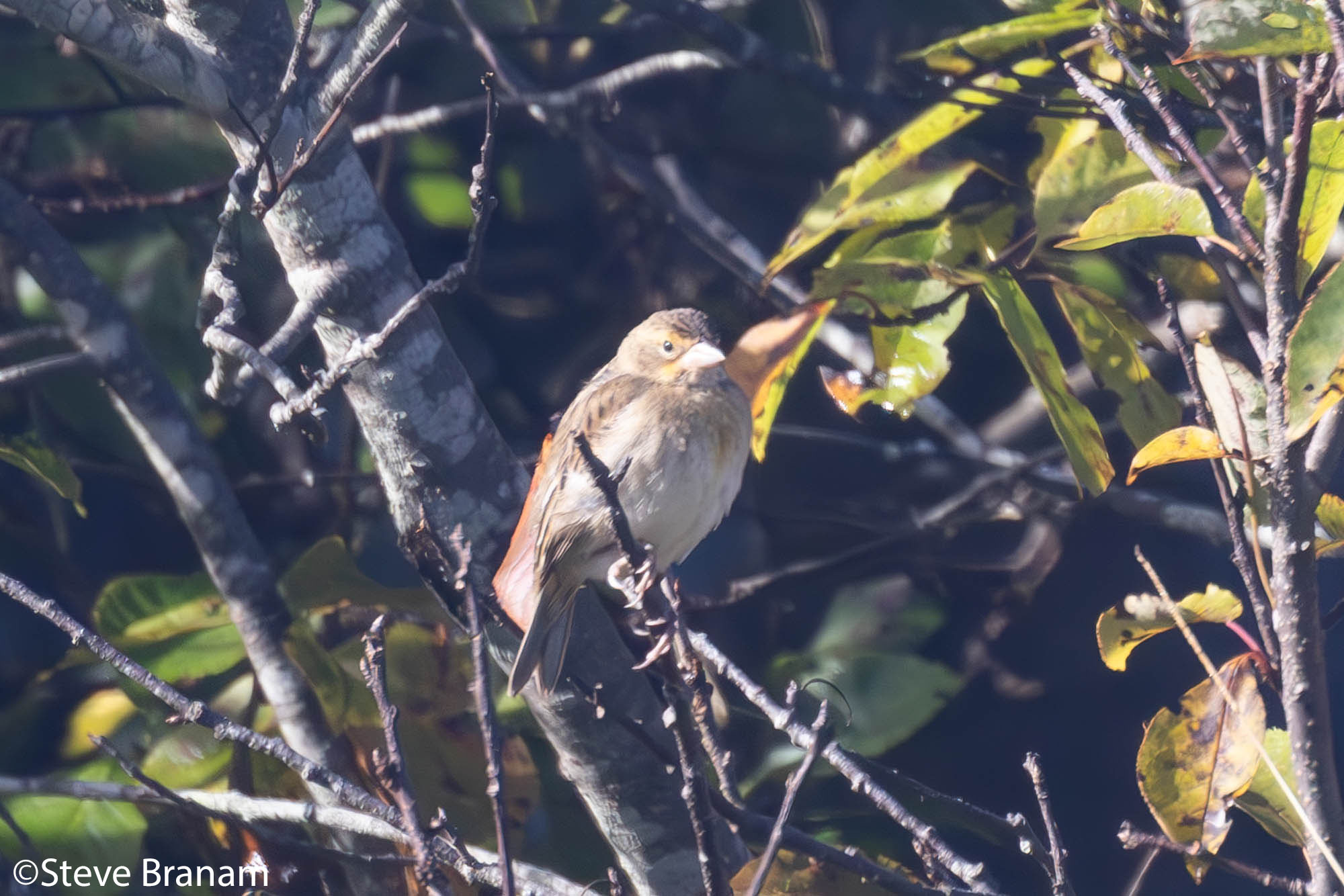
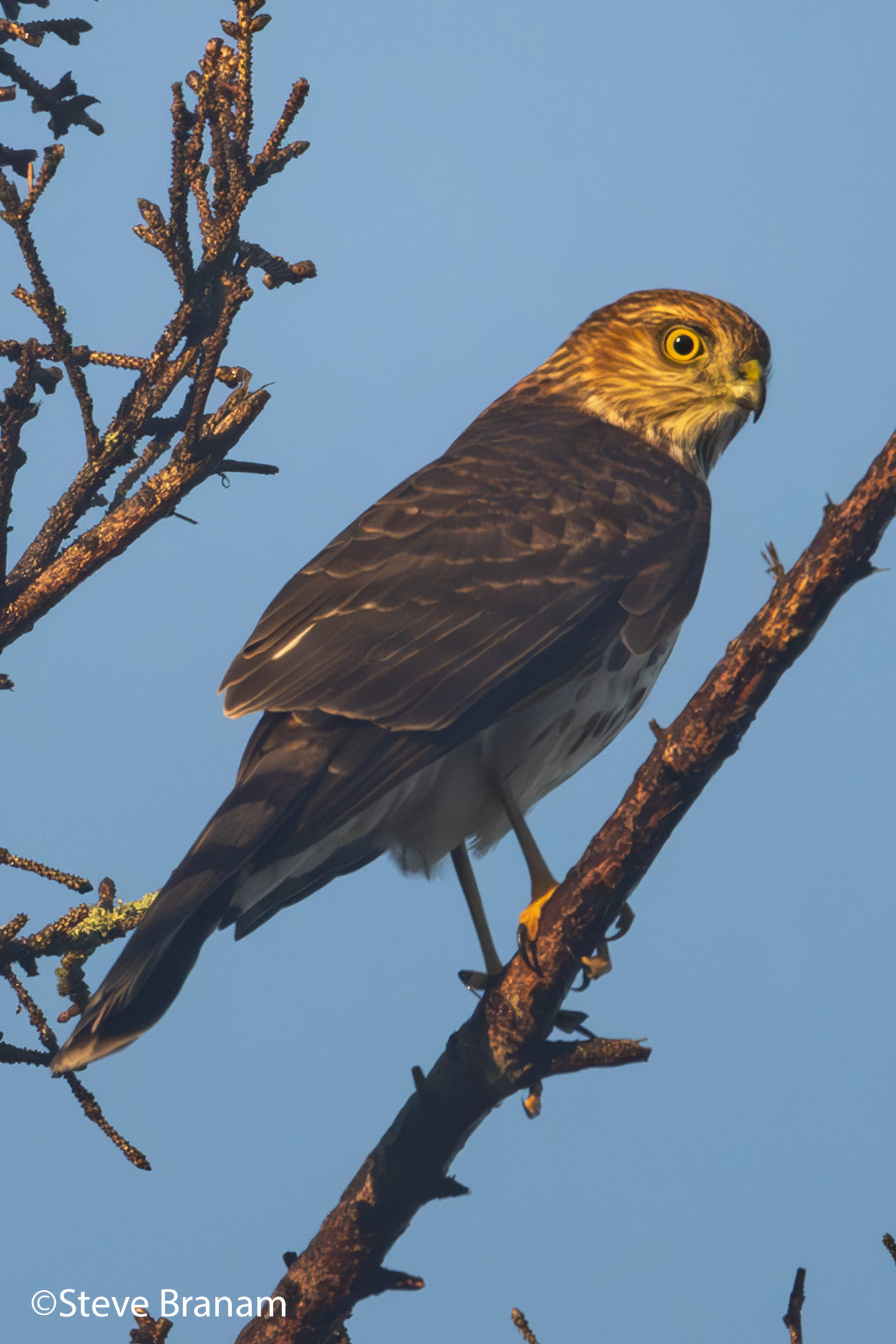
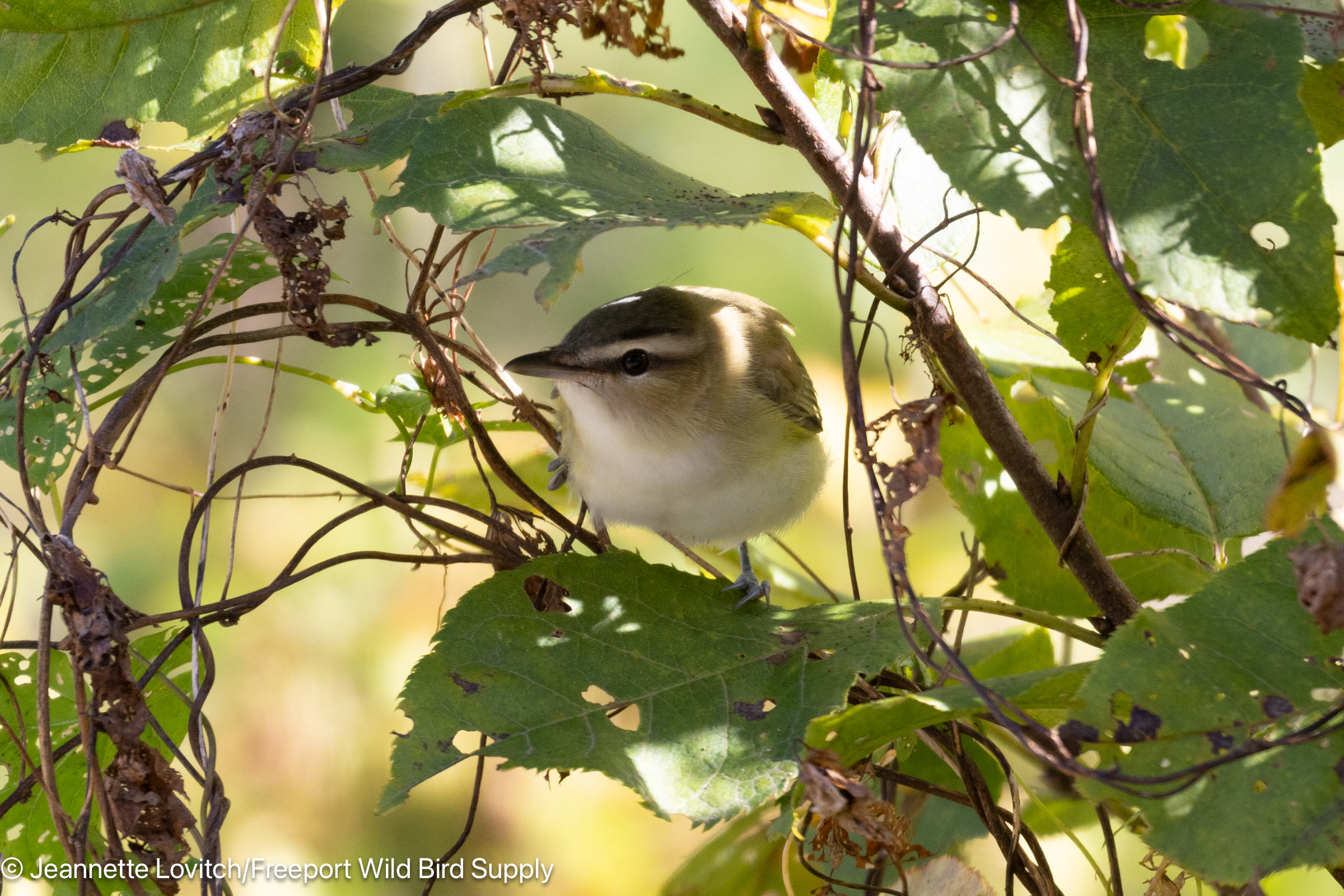
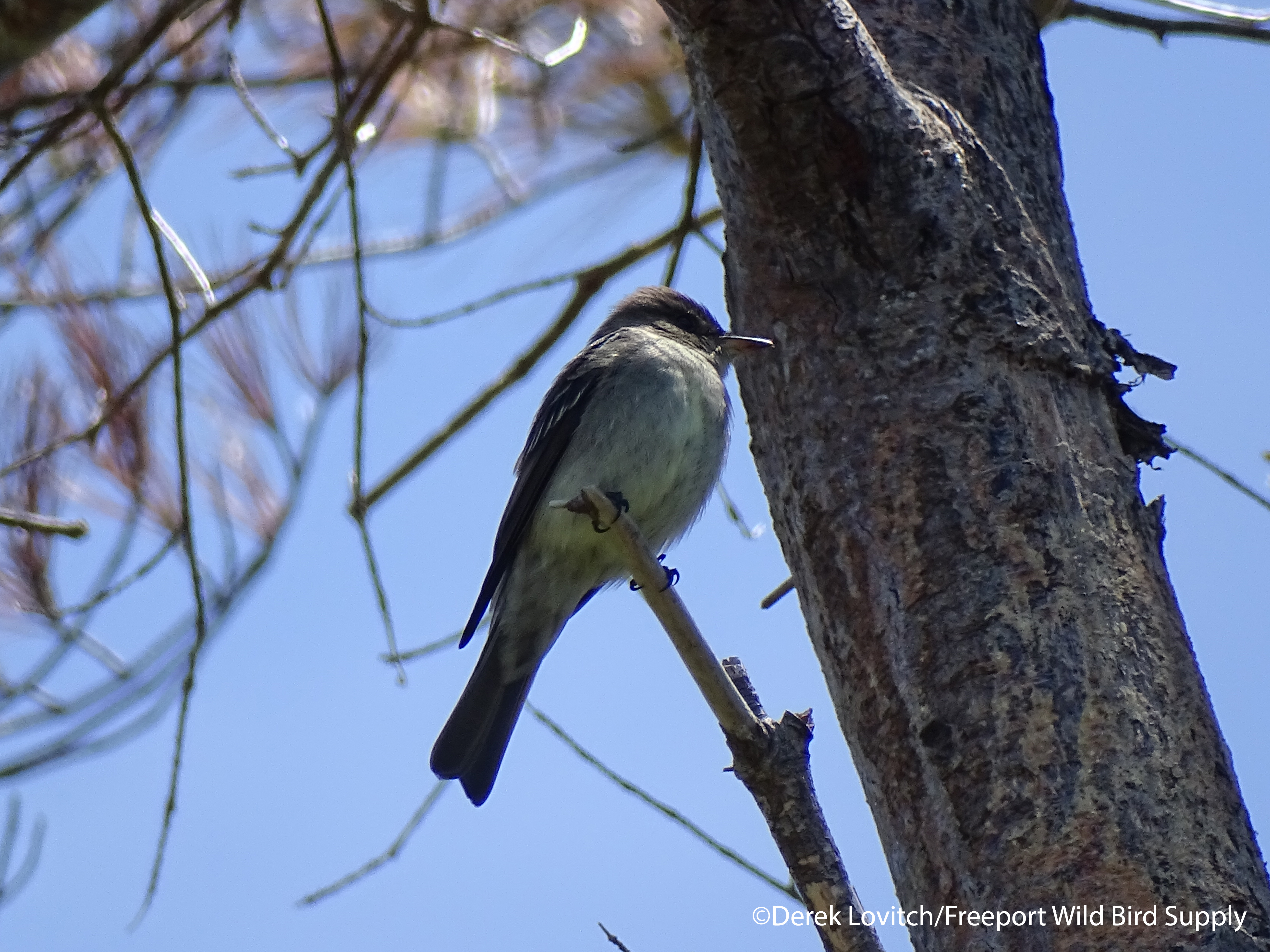
The 2025 Bradbury Mountain Spring Hawkwatch came to a close on Thursday. It did not exactly end with a bang, but we had a great flight for the this late in the season on Monday, including a good movement of immature Broad-winged Hawks and Merlins, such as this one. It, and everything else that has passed over or by the summit for the last two weeks has only added to our record-breaking season.
After last week’s rarity insanity, this was a tamer, more “normal” week for mid-May. While several great songbird flights occurred this week, concentrations were few, but there were “new” birds arriving most every day. Here are my observations of note over the past seven days.
Freeport Wild Bird Supply is very excited to partner with Down East Magazine’s Down East Adventures for the fifth year of offering exclusive birding workshops focused on gaining greater knowledge and field skills in a focused group of seasonally accessible birds. Focused on skill-builder rather than list-building, there will be plenty of “life birds,” but also more knowledge and education about birds, habitats, birding, and much more about the natural world. We are honored to be their provider for a series of unique and exclusive birdwatching endeavors. In 2025, we will have four outings once again.
February 9, 2025; 9:00am – 4:00pm Cancelled due to multiple snowstorms!
Winter is a wonderful time for birding in Maine – at least when you are dressed appropriately! Colorful seaducks that breed in the high Arctic grace our shorelines – including all three scoter species and dapper Long-tailed Ducks, along with everyone’s favorite: striking Harlequin Ducks. Purple Sandpipers and Great Cormorants replace our summertime shoreline denizens. And if the winds are right, very sought-after alcids – including Dovekies and Thick-billed Murres – join our regular Black Guillemots and Razorbills. Black-legged Kittiwakes, Northern Gannets, and “white-winged” gulls add to the mix. In this workshop, we’ll hit a few of the prime viewing locations along Maine’s southern coast. But we won’t just be working on the checklist today. Instead, we’ll be focused on learning how to search for these birds – the how, when, and why – and how to identify them. We’ll learn about microhabitats, weather considerations, and seasonal timing to aid our search today and in the future. By visiting several seasonally-productive sites, we’ll compare similar species while taking time to savor the splashes of color offered by winter seaducks in an otherwise gray and white landscape.
To get an idea of what you may see when the tour returns in the winter of 2026, see the 2024 and 2023 trip reports.
This Northern Parula was one of many ultra-cooperative warblers today. This was one of 10 parulas in a single cluster of willows on the shoreline of Capsic Pond Park during our 20205 workshop.
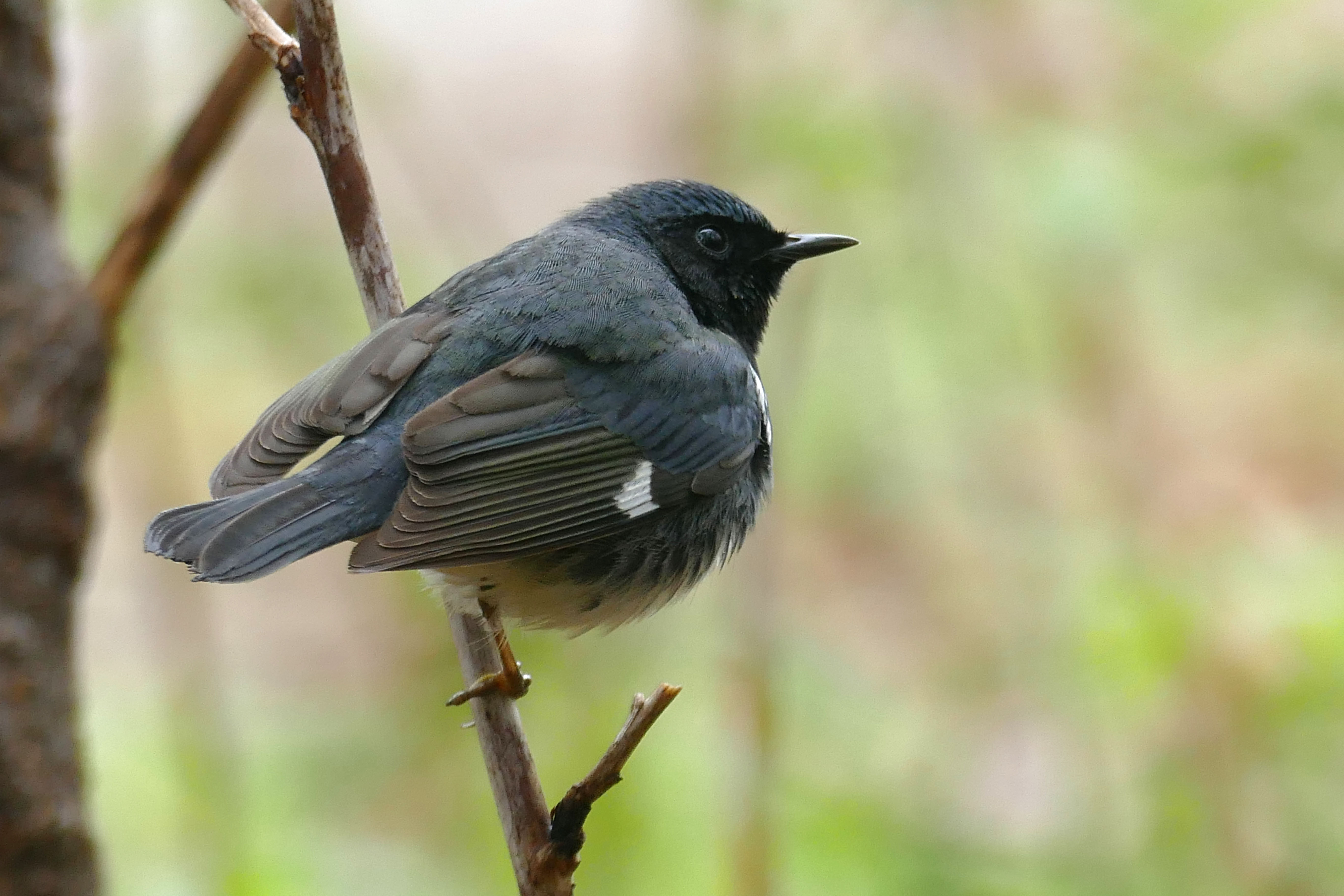
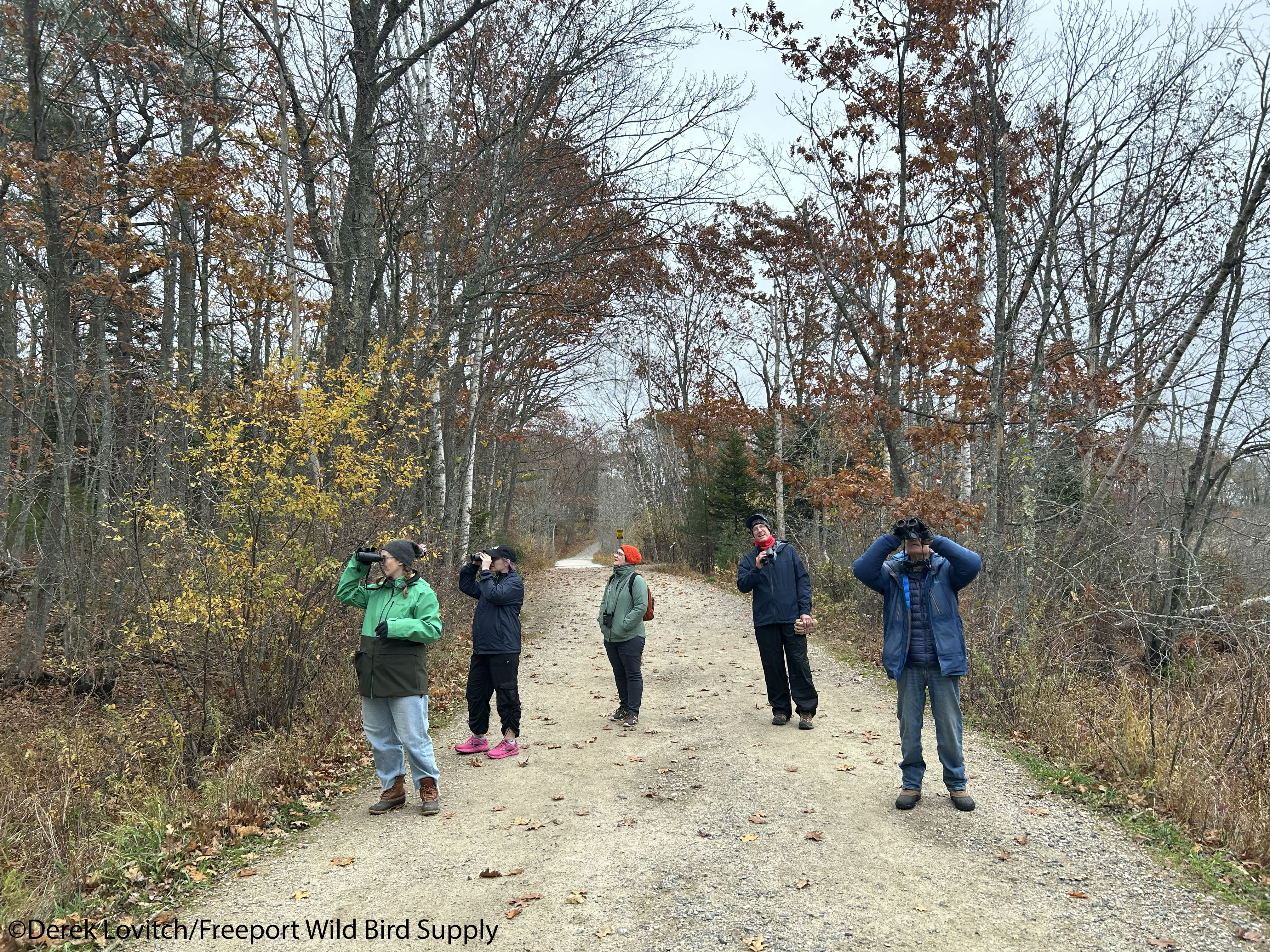
Spirits seemed low when we met in such dense fog, but I was even more excited to explore the environs of Portland migrant traps, beginning with Evergreen Cemetery. After a slow start, with few warblers overhead in the Morning Flight, we encountered several very productive pockets of activity, including a great diversity of warblers. Many were down low, too, with just fantastic looks at species such as Yellow, Black-throated Blue Warbler, Nashville, and Black-and-white Warblers, along with great looks at Veeries and Least Flycatchers. A “herd” of about 75-100 White-throated Sparrows marched through the forest understory, and we stalked a Black-crowned Night-Heron and spotted a Merlin among many other species today.
Evergreen was good, but nearby Capisic Pond Park was just great! While there were fewer warblers in both quantity and diversity, the cool, drippy morning conditions kept everyone even lower here. We began with 10 Northern Parulas at eye level all around us in a blooming willow (photo above), had great looks at a Prairie Warbler, listened to Northern Waterthrushes, and marveled at Baltimore Orioles.
We then discussed the overnight migration and how the radar images suggested what we would see and not see today, and how the “poor” weather produced such great birding. In the end, we tallied a very respectable-for-the-date 15 species of warblers! Although the list was not the priority as usual in these workshops, it’s hard not to get excited about the diversity of warblers now arriving. While Northern Parula was our most abundant warbler today, the total warbler list – in very rough order of abundance- also included Black-and-white,Yellow-rumped, Black-throated Blue, Ovenbird, Magnolia, Chesnut-sided, Yellow, Nashville, Common Yellowthroat, Black-throated Green, American Redstart, Northern Waterthrush, Pine, and the aforementioned Prairie. More importantly, perhaps, we worked on building our skills of recognizing each species and family so that our birding will be better and more successful on our own next time.
3. Shorebird Workshop
August 18, 2025; 8:00am – 4:00pm
This juvenile Piping Plover was one of 12 species of shorebirds we had the chance to really study on our Shorebird Workshop tour.
Could we have had more of a perfect day? Temperatures topping out in the mid-70’s, a light breeze in the afternoon, and clear skies – considering the rain of early summer and the recent extreme heat, we could not have asked for better. And then we saw thousands of shorebirds!
With more than 35 species of shorebirds regularly appearing in Maine, this workshop was designed to appreciate the diversity and beauty of this fascinating family. We hit some of the marshes, beaches, and rocky roosts that shorebirds prefer at the peak of their migration. We focused on comparative experience, learning how to recognize each species both near and far. Starting with the basics, such as plover vs. sandpiper, we’ll work our way up to the identification quandaries such as the “peeps” and lone yellowlegs. We worked through species by species as we developed a “toolkit” to approach shorebird identification on your own, using a combination of habitat, shape, size, structure, behavior, and plumage to identify this wonderfully diverse and attractive group of birds.
By day’s end we tallied a decent 12 (and a half!) species of shorebirds, a little short of our unofficial goal of 15. We did see a couple of rarities but were also dogged by Peregrine Falcons and Para-gliders causing birds to disperse and/or take cover. But we had plenty of chances to study a nice array of species, often side-by side.
Beginning at Biddeford Pool Beach, we started with the basics and enjoyed watching Ruddy Turnstones bulldoze their way into the wrack line and picking out White-rumped Sandpipers from a mass of Semipalmated Sandpipers. A Baird’s Sandpiper at Great Pond was one of our most notable birds of the day, and not where we expected it.
At Hill’s Beach, there was a lot of disturbance today, but we had some good opportunities to study Piping vs Semipalmated Plovers, Sanderlings, spiffy Short-billed Dowitchers, and more. We then shifted to the Pool, where we studied silhouettes and practiced distant shorebird using mostly general impression of size and shape. It was here that we had our largest numbers of the day, with an estimate of 1600 Semipalmated Sandpipers, 300 Semipalmated Plovers, and 163 Black-bellied Plovers leading the way.
Near or far, good light or bad, the general impression of size and shape, behavior, and more can be applied to identify shorebirds more readily than little nuances in some color or pattern.
After our lunch break, we returned north to Scarborough Marsh, where I would usually start the workshop, but with very low water in the upper salt pannes due to the drought, we shifted the itinerary. But the incoming tide at Pine Point did not disappoint! We had some close studies of more Short-billed Dowitchers and better views of Black-bellied Plovers, and about 1200 Semipalmated Sandpipers were present. However, as they moved close and concentrated, a Peregrine Falcon came tearing in, flushing most of the birds. Then, it made a sudden burst of speed and a hard turn and before we knew it, there was one less Semipalmated Plover on the mudflat. While it was poor timing for our shorebirds workshop (let alone for that one particular plover!), it was an awesome show (well, for us anyway) and one that will not soon be forgotten.
Some birds finally returned to the mudflat, when a large (for the date) flock of Willets flew in, making their usual grand entrance. We were able to put our advanced shorebirds ID skills to work with the bigger, lankier, grayer one that we soon identified as a rare in Maine “Western” subspecies of Willet. It might have been beyond today’s goals, but it was a great lesson in using comparative tools.
A couple of upper marsh stops finally gave us a good, close comparison between Least and Semipalmated Sandpipers, and a Lesser Yellowlegs that was close enough to study and enjoy, bringing a productive and successful day to a close.
4. Monhegan Birding Workshop
September 12-14, 2025
Our final Downeast Adventures birding workshop tour of 2025 spent 3 delightful days on Monhegan Island. Weather, geography, habitat, and migration ecology all combine to produce some remarkable birding opportunities at this special place. And even when it’s “slow” by lofty Monhegan standards, lots of learning experiences and workshopping opportunities would be at hand, often right out the front door of our hotel. Oh yeah, the food is sooo good, too!
As per the plan, we hit the ground running shortly after our arrival on the island. It took us an hour and 45 minutes to walk the ½ mile or so to our hotel as we encountered quite a few migrants, especially at my favorite starting spot along Wharf Road. We jumped head-first into aging and sexing fall warblers thanks to 3 different plumages exemplified by a trio of Cape May Warblers. American Redstarts, Northern Parulas, Yellow Warbler, and more introduced us to what birding Monhegan in the fall is all about.
By the time we reconvened after a lunch break, the insanely gorgeous weather with bright sun and very little breeze encouraged birds to take to the shadows. A sky constantly abuzz with Merlins didn’t help either, although we enjoyed it. While passerine activity had slowed dramatically, we enjoyed a light hawk migration with a couple of Northern Harriers and a few American Kestrels, while the Merlins and 1-2 Sharp-shinned Hawks further diminished the activity in the trees and shrubs. We took the time to visit the east side of the island, sample the different habitat types of the island, and discuss food plants for birds and native insects. The butterfly, dragonfly, and insect-watching was excellent on this unseasonably warm afternoon, and we worked on learning the connection between birding and bird habitat.
On Saturday morning, we learned why there were so many birds around Friday morning, but few in the air at sunrise. But there were definitely “new” birds around, suggesting at least a light arrival of birds overnight had occurred, including two vociferous Dickcissels. I made the decision to try and track down a Blue Grosbeak that had just been reported, but unfortunately, it did not wait for us. We did have an immature male Orchard Oriole, however, which was a treat, and we spent more time studying Cape May Warbler plumages.
On such gorgeous days, a lot of newly-arrived migrants simply depart the island as part of their morning redetermined migration flights (yes, we discussed this more thoroughly among many topics of avian and general ecology discussed throughout the weekend). In fact, the second half of our morning was very slow, but we did enjoy a couple of adult Lesser Black-backed Gulls and we kicked up a very uncommon Marsh Wren. But warblers were few, and Merlins remained a’plenty. Red-breasted Nuthatches were very abundant however – demonstrating what an irruption looks like, and Ruby-throated Hummingbirds were unusually widespread for the date.
We filled the time between birds looking at all other walks of life. American Dagger Moths caterpillars were particularly plentiful.
The afternoon was spent with a couple of impromptu workshops, such as an introduction to gull identification as I attempted to enlighten the group about how manageable it is to understand the basics of this group of fascinating species. The avian highlight, however, was the thrilling chase of a Solitary Sandpiper by two Merlins right over our heads! The Merlins would gain some height, dive, and close the distance, only for the sandpiper to take another evasive maneuver. The sandpiper tried to gain elevation to stay above the diving Merlins, but they were getting closer! Then, the sandpiper made one quick turn, ascended, and took off to the north, leaving the hungry Merlins to mosey back down to the treeline to see if the marsh had something much slower to offer. We bid the sandpiper farewell and good luck as we thanked the Merlins for a most entertaining performance!
It was another very light migration overnight Saturday into Sunday, but unlike the previous day, we hit a wonderful early-morning wave. One sunny edge captivated us until it was time to hustle back for breakfast: Several American Redstarts, Red-breasted Nuthatches, Black-capped Chickadees, Common Yellowthroats, and Norther Parulas had joined together, punctuated by repeated views of a most cooperative Least Flycatcher. Every time we tried to move long, a new species appeared. A fly-over Greater Yellowlegs. A flycatching Eastern Wood-Pewee. And finally, a Brown Thrasher that popped out right in front of us.
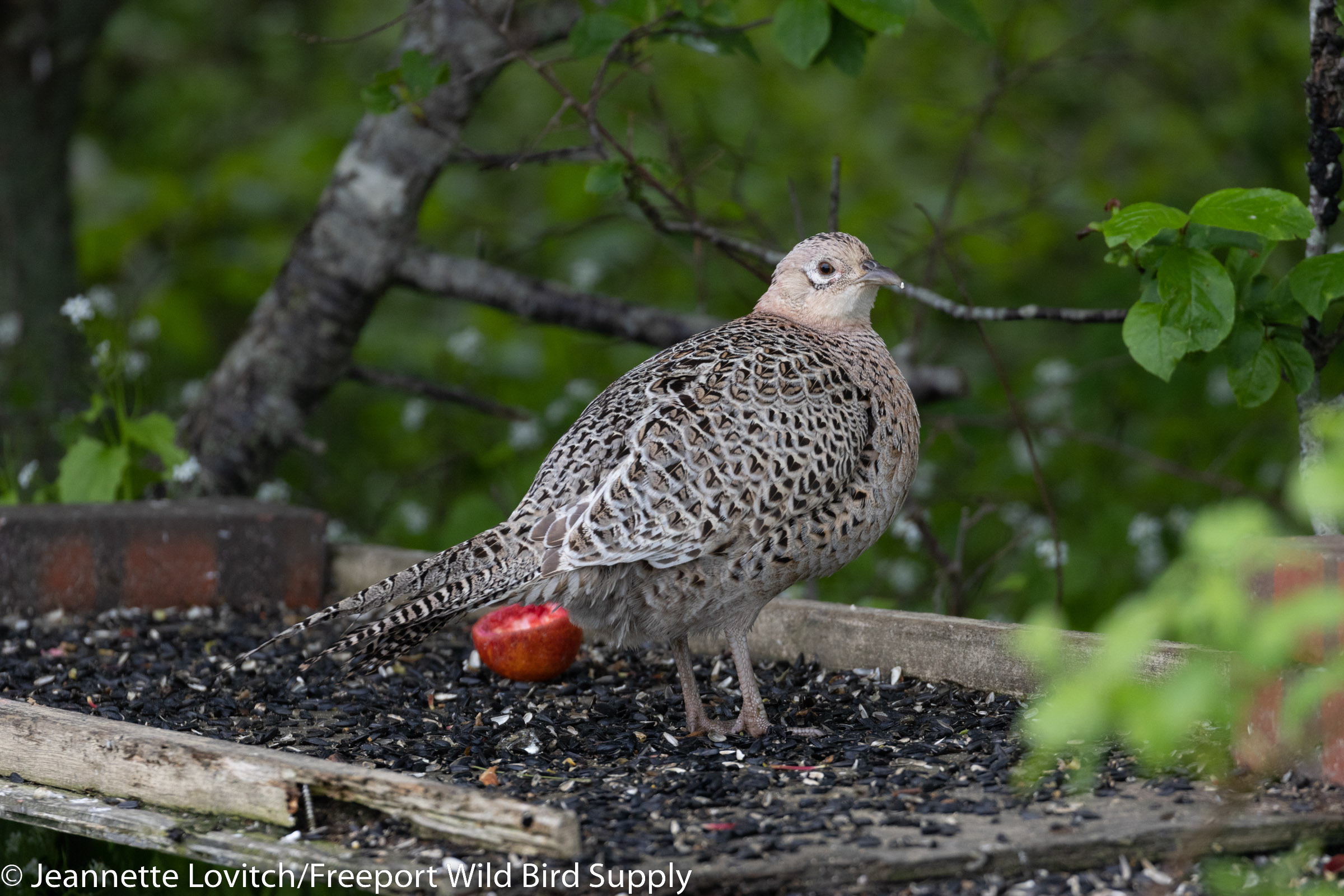
I was thrilled to have this sample of “what Monhegan can be like” at this season for those who fought the urge to stay in bed. Post-breakfast was once again much slower, but we hit a few pockets of birds, as well a finding a Mourning Warbler which is always fun – and challenging – in fall migration. We watched and listened to territorial Carolina Wrens in a double-duet song battle, encountered a flock of 4-6 Red-eyed Vireos working on Fall Webworms, and spent more quality time with the island’s once-again-ubiquitous Ring-necked Pheasants. And of course, we made time to sample the stunning Acadian Forest habitat of the island’s interior and to take in the view from the lighthouse.
Another delicious lunch and then a slow meander to the ferry brought our visit to a close. On the ferry ride back, a few more Northern Gannets were seen, and plans to return to this extraordinary island were already in the works!
(2026 Birding Tours with Down East Adventures will be posted soon!)
Our collaboration with The Maine Brews Cruise enters its 11th season, with six exciting itineraries. These unique, relaxed birding and beer-ing adventures that you have come to love combine great local birding at seasonal hotspots with approachable opportunities to sample the delicious creations of some of our favorite Maine breweries. These events are a perfect introduction to birding and/or craft beer, and a great opportunity to enjoy our favorite pastimes with significant others, friends, and family that have interest in one topic, while your interest is primarily in the other (for now!). Educational, enjoyable, and eye-opening you won’t want to miss out our unique Birds on Tap series. In 2025, we’re excited to bring back more of these special birding and beer tours, perfectly blending nature exploration and craft beer tasting.
The six tours are as follows. After completion, tour reports will be posted here so this blog is your one-stop shopping for tour reports and upcoming itineraries.
1. Birds On Trip℠ – Roadtrip! Harlequins and Hops
Sunday, February 23rd, 2025:
After postponing our original date due to extreme cold, it was a full 30 degrees warmer today at start time! And while there was a chilly wind at a couple of stops, we also had some lovely calm and sunny conditions. As much as we hate to reschedule, this one worked, and therefore the day was already a success before we even departed for our birding destination!
We began at Dyer Point in Cape Elizabeth, where we found our highest concentration of seaducks on the day, including at least 20 Harlequin Ducks – the tour’s eponymous bird.
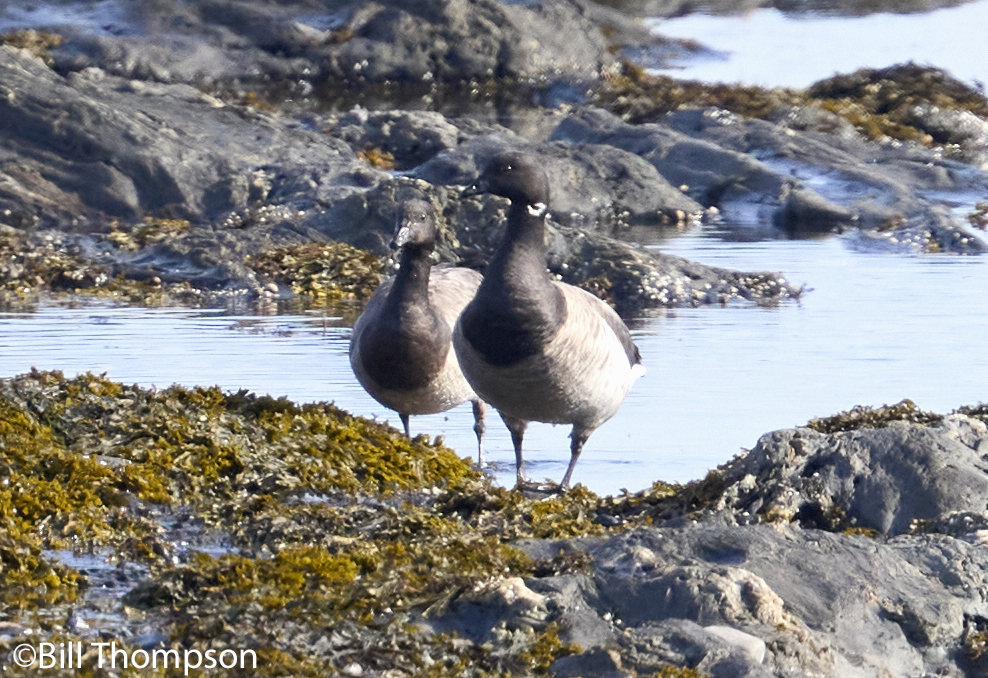
And what a stunner they were, with males in perfect light and some small groups pleasantly close to shore. Large numbers of Common Eider and Black Scoters were present, along with several other species, introducing us to winter waterfowl identification. And as a special treat, 4 uncommon and local Brant were foraging in a tidepool before us.
Most of the ducks were here today, and not at nearby Two Lights State Park, but there we saw another 8 Harlequin Ducks, discussed American Robin winter foraging ecology, and practiced our basic duck and gull identification before we headed to nearby Kettle Cove. There were not a lot of ducks here today, but we did get a surprise Merlin whipping through, perhaps the reason a Horned Lark was calling high overhead.
As a final stop, we checked Mill Creek Cove in South Portland for a very quick gull ID introduction to augment earlier conversation, compared Mallards and American Black Ducks (taking time to marvel at the beautiful drake Mallard!), soaked in a sunning drake Red-breasted Merganser, and enjoyed the sight of all of the gulls and ducks in the cove taking flight as our second Bald Eagle of the day soared overhead.
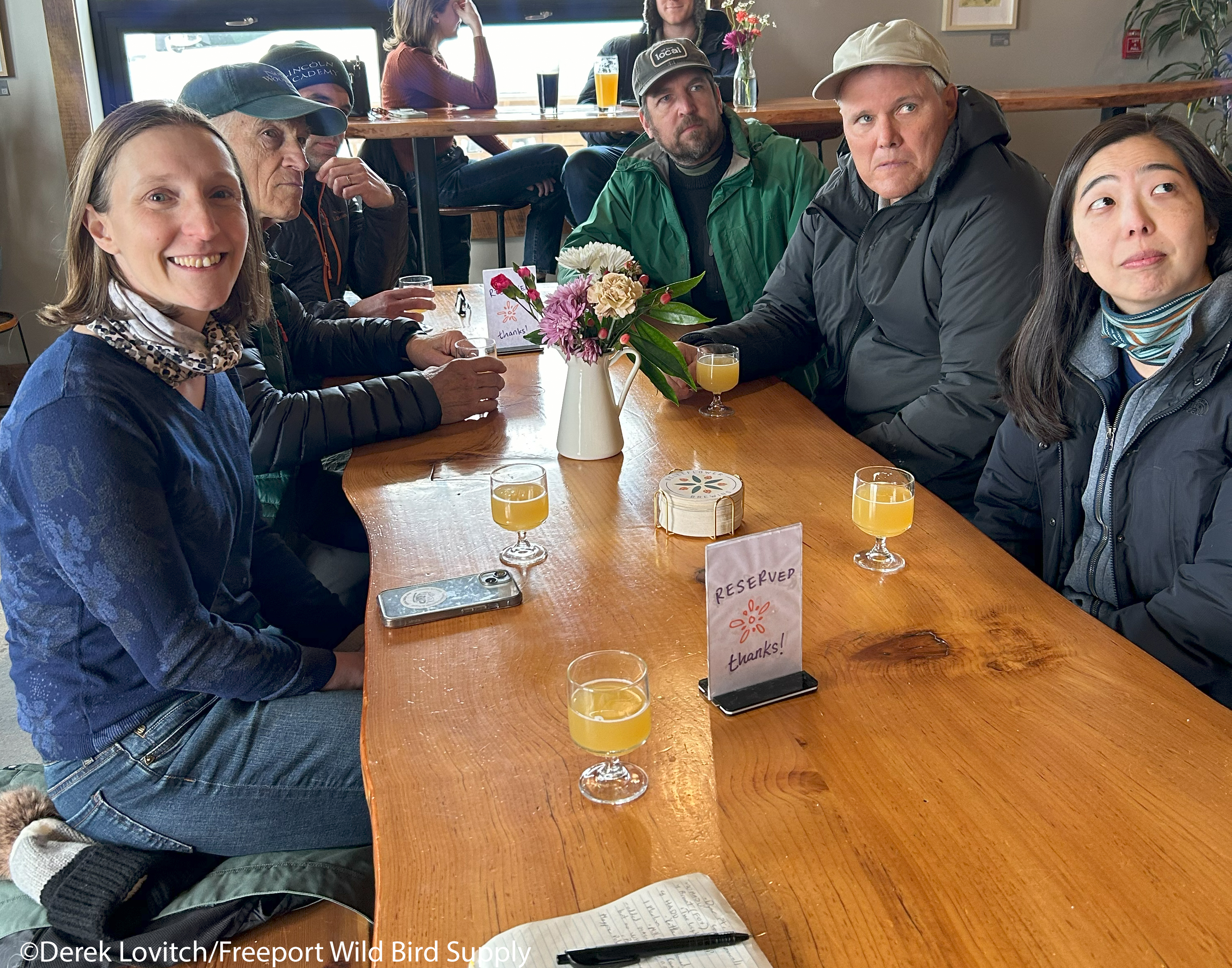
Part two of the tour began at Belleflower Brewing in Portland, one of my favorite Maine breweries. Keeping with the bird theme, we started by sampling their Magpie Pale Ale and then compared it to their Double-dry Hopped Finch & Thistle. Beginning with the recommended way of smelling and sipping a new beer, we discussed the basics of beer style, what the hell “double-dry hopping” means, the origins of the “New England” style, and then shifted gears with their brand new Just Like Home, a maple coffee brown ale. I thought the subtle maple sweetness was just right with a roasty coffee hint but the lighter body of a brown compared to a stout.
Crossing the Bayside neighborhood brought us to Argenta Brewing, one of Portland’s newest breweries. Exclusively brewing lagers, it was a nice contrast to our focus on ales at Belleflower. Starting with a generous half-pour of their Generic American Lager, we enjoyed the light, refreshing, “crushability” of a craft version of the popular lawnmower beer style. Craft beer truly is for everyone, and simple beers like Argenta’s Generic American Lager shows its not all about “hop-heads” and alcohol bombs.
We were given a choice for our next pour, and several folks tried the Mexican Lager to compare corn verses barley as the primary malt, while other tried everything from their hard seltzer to their Munich Dunkel- new to me, I found the mild roastiness and hint of sweetness on point for the style.
With a pleasant day (compared to the rest of the month), lots of beautiful and accessible wintering waterfowl – of course and especially including Harlequin Ducks – a few avian surprises, and newly-broadened palettes (I love it when folks say they really liked a beer in a style they didn’t think they liked), we kicked off the 11th year of the Birds on Tap – Roadtrip! the right way!
2. Birds On Tap℠ – Roadtrip! Warblers and Wort
Thursday, May 8, 2025.
While the rarest bird of the day came early, the rest of the trip was far from anticlimactic. Even better, it was the only warm and dry day of the week!
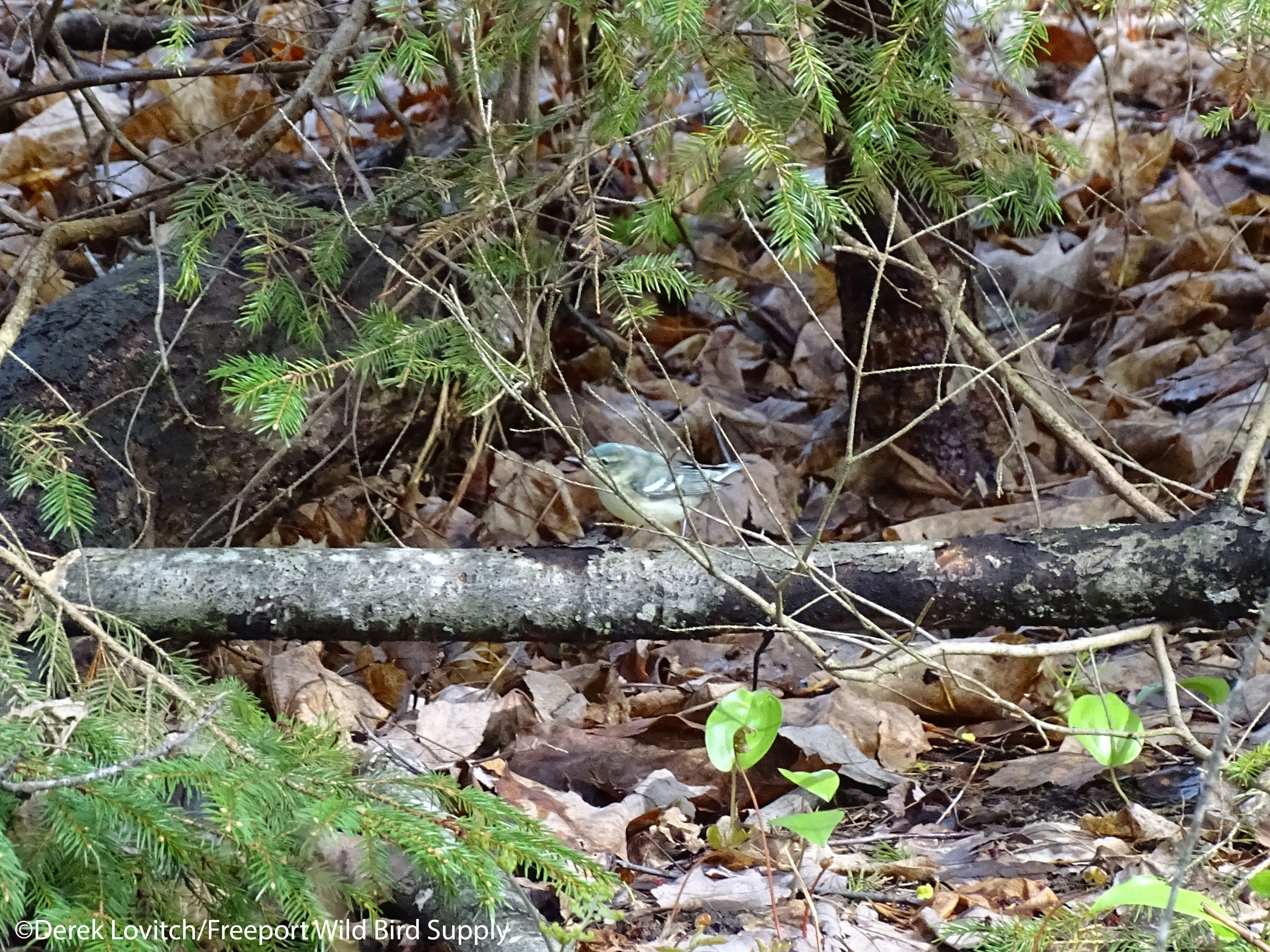
As planned, we began at Evergreen Cemetery, but our goal was set forth for us in the continuing presence of a very rare Cerulean Warbler. In fact, when I saw her a few days prior, it was the first Cerulean Warbler I have ever seen in Maine and at least a “state bird” for the several hundred folks who have seen it since. Even if you have never heard of a Cerulean Warbler, the excitement of the dozens of other birds present today was contagious. Luckily, we saw her not just once, but twice, without any concerted effort, and the second view was long and fantastic. Unfortunately, my sad attempt at a photo did not do it any justice.
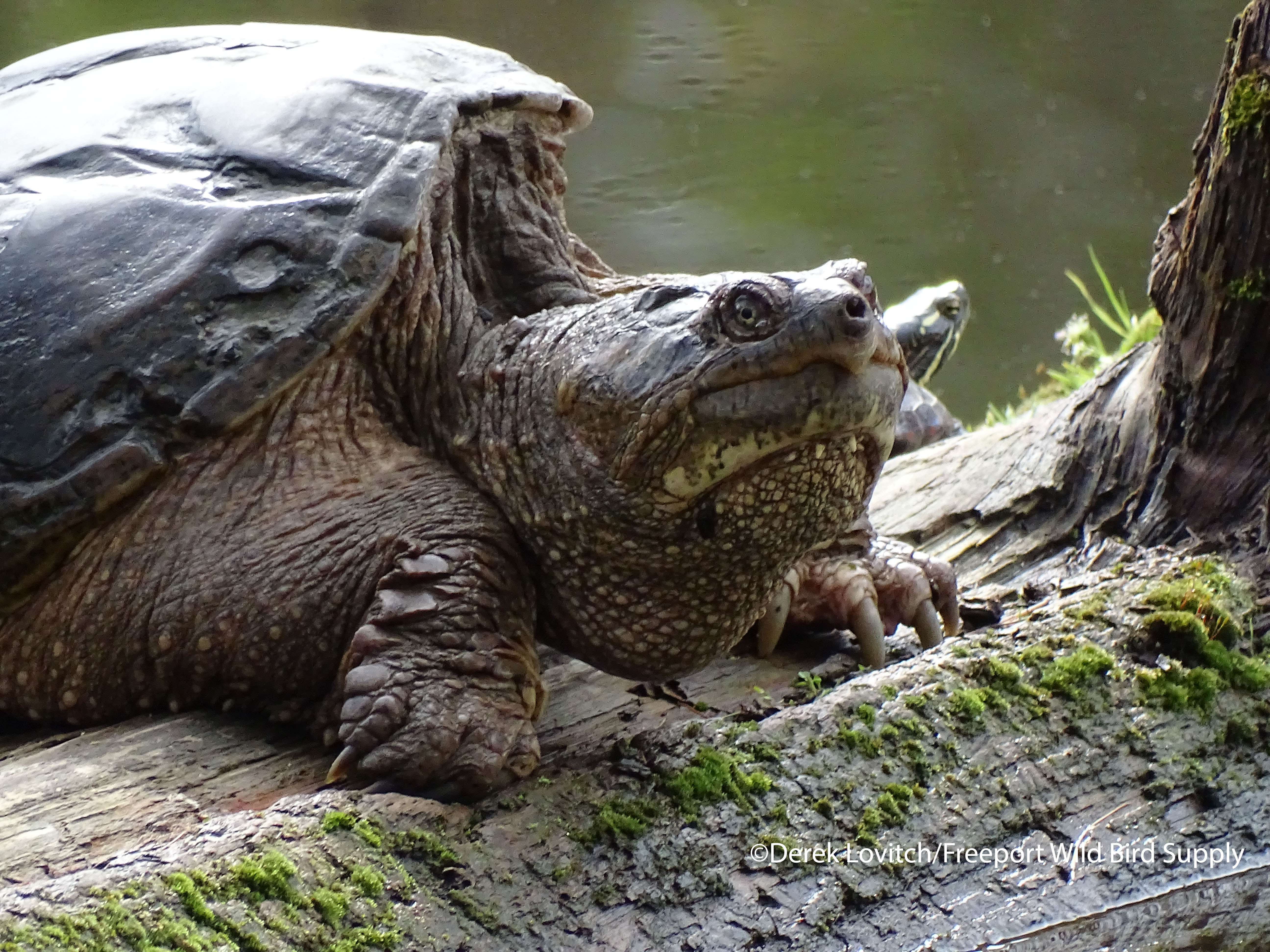
There were other birds, too! We heard Ovenbirds and Wood Thrushes, saw some close-up Black-and-white Warblers, found our first Wilson’s Warbler of the year, and enjoyed basking Painted and Snapping Turtles.
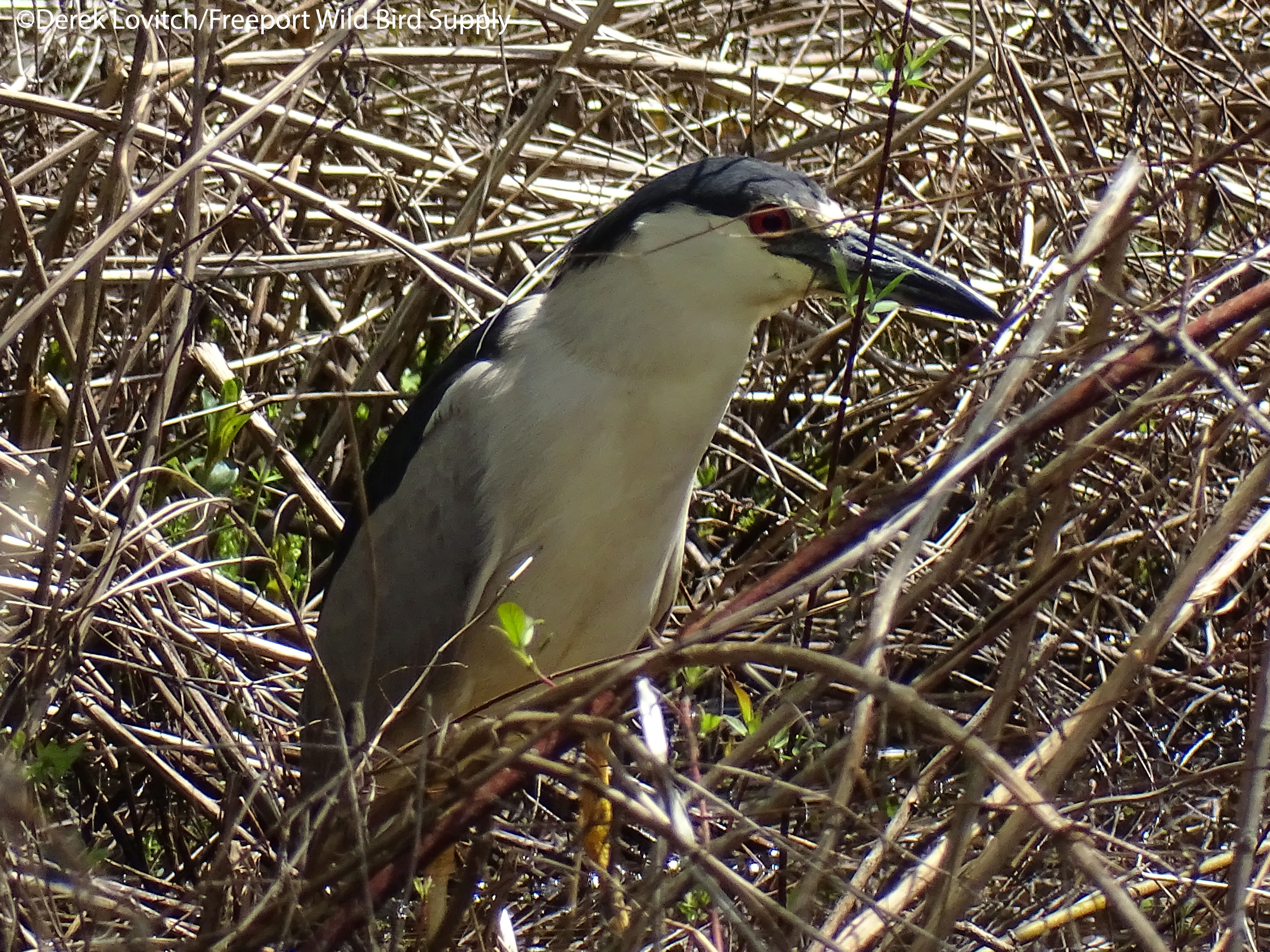
Other than the Cerulean excitement (do we have to rename this tour Cerulean and Cervezas!?), it was actually rather slow today for mid-May, so we relocated to Capisic Pond Park as the last of the fog burned off and the sun (remember that?) came out. Here, birds were easier to see, including stunners like Baltimore Orioles fighting over territories, and some really close and insanely cooperative Northern Parulas that fed right in front of our faces. A sharp eye yielded a Black-crowned Night-Heron as well.
After some productive and instructive birding, we headed back into town to visit Belleflower Brewing, one of my favorite Maine breweries. Keeping with the bird theme for a little longer, we began with their pale ale, Magpie, with its great citrus and resinous balance, followed by the more grapefruity Finch and Thistle. Belleflower treated us to a third sample, of our choice, and we covered a nice range of their offerings from a Vienna lager to a double-dry-hopped double IPA to savor as we discussed some beer history and mythology.
Next up was Definitive Brewing on the other side of town. With so many options, everyone was able to choose their two samples, and there are no shortages of choices here. I went with Robin (because bird names!) their Imperial Pastry Stout and Blueberry Waffles, a pastry sour. I saw lagers, an IPA, and several sours among the group, and this photo captured the rainbow of colors here, with my choices and those of two of the members of the group. Our birding had something for everyone: a rarity for the “life list” and cool behavior from some of our common and beautiful birds as we learned about the mind-blowing feat of migration. And between Belleflower and Definitive, there was most certainly something for every beer drinker!
3. Birds on Tap℠ – Road Trip! Shorebirds and Steins
Sunday, August 3rd: 9:00am – 3:00pm
The original BoT Roadtrip! Way back in 2015, our most popular tour returned to Scarborough Marsh at prime time for a good variety of migrant shorebirds. And we had absolutely gorgeous, perfect weather to do it!
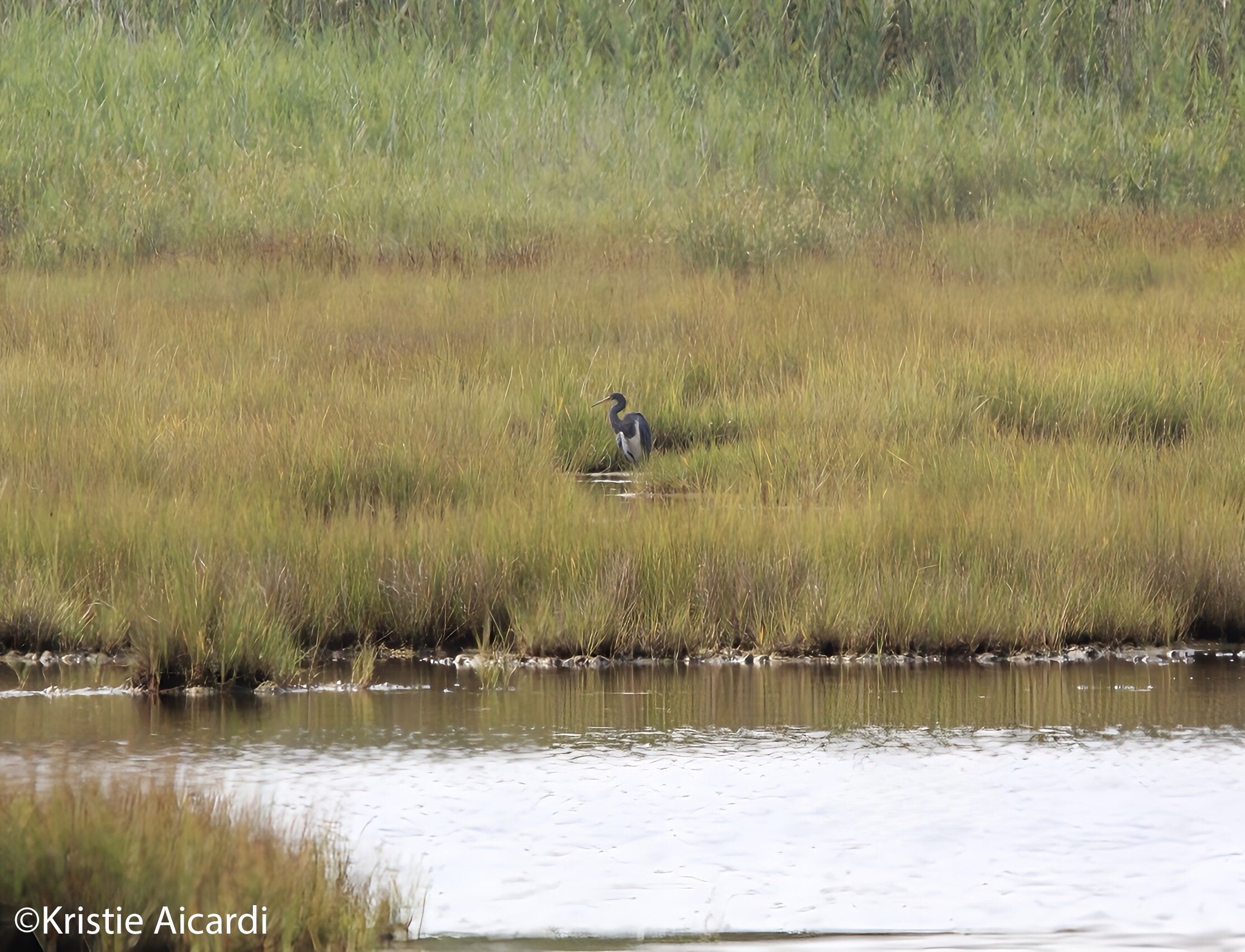
Beginning at the “Pelreco Marsh” high water levels limited our shorebird numbers a bit, but we were introduced to some of the basics of shorebird identification thanks to a flock of Short-billed Dowitchers and scattered Least Sandpipers. We spied a Saltmarsh Sparrow and talked about its fascinating ecology and peril, and were surprised by the arrival of a rare Tricolored Heron!
Relocating to Pine Point, we hit the tide perfectly, and soon, thousands of shorebirds were before us! The rapidly exposing mudflats steadily sucked in birds, with long-legged sandpipers appearing first, including 3 Whimbrel, with their massive curved bills, 8 Willets, and 3 Black-bellied Plovers. But as usual, it was the masses of the smallest shorebirds that stole the show, with an estimate of 2500+ Semipalmated Sandpipers and 225+ Semipalmated Plovers spread out before us. What looked like the first exposed sandbar was actually solid shorebirds! Learning the basics of sandpiper vs plover and moving on to sorting through the “peeps” for a White-rumped Sandpiper or two, we were introduced to the joys and challenges of shorebird identification, while mostly just enjoying the sight of so many birds! A few of us picked out a couple of Roseate Terns among Common Terns, and later, a mostly-adult-plumaged Bonaparte’s Gull was especially cooperative for photo-ops.
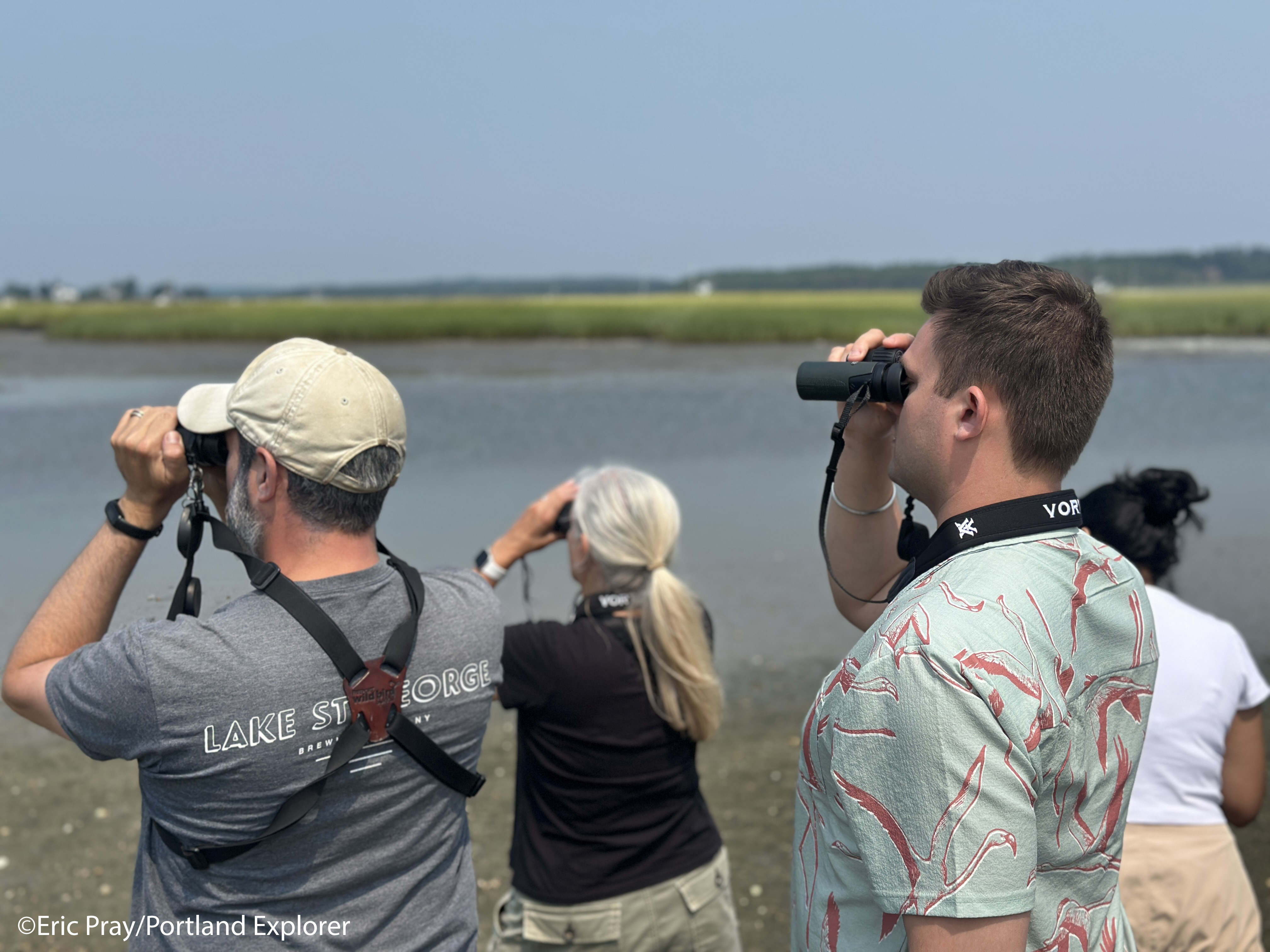
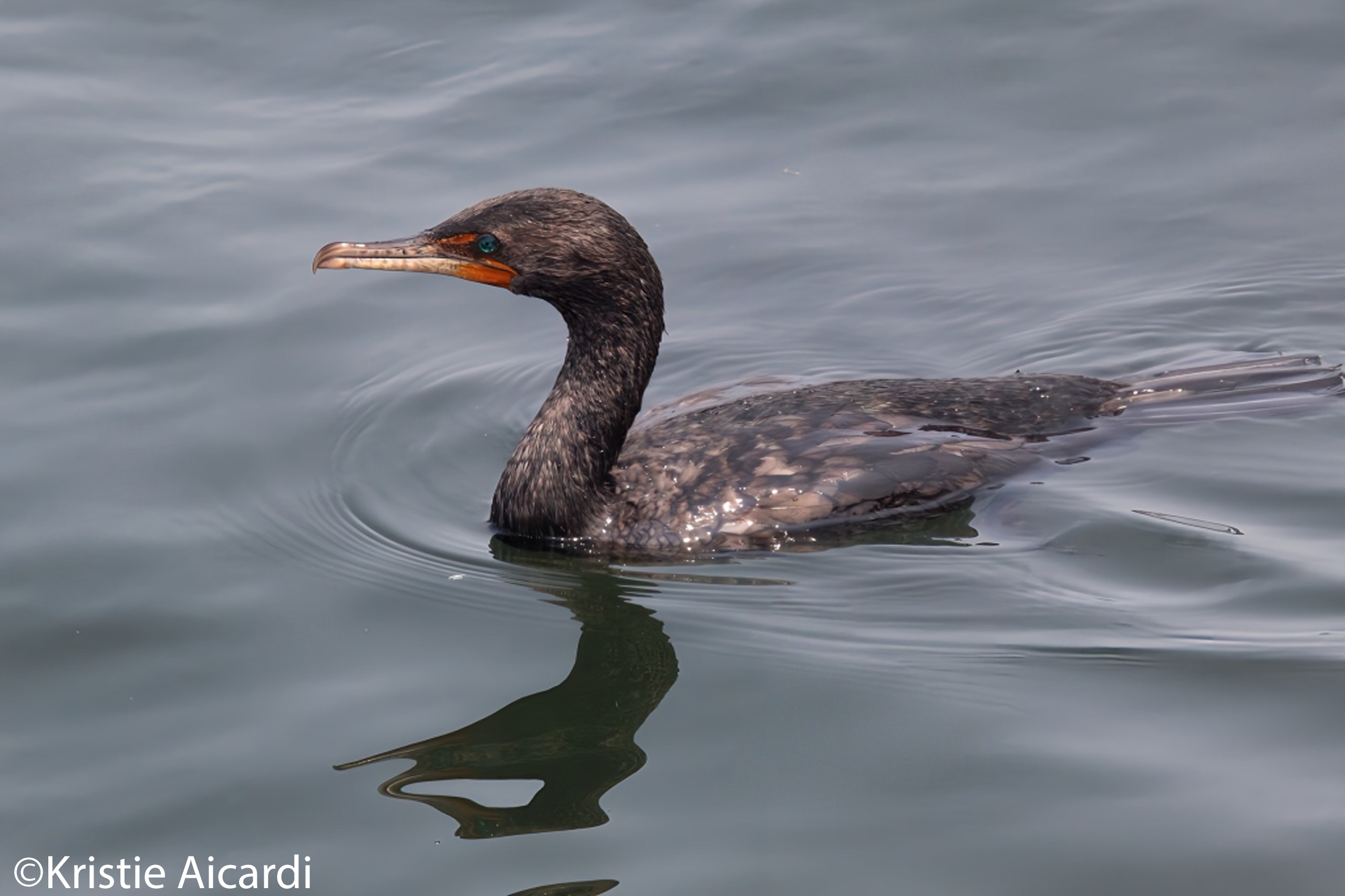
In the photo above, a Black-bellied Plover, Whimbrel, and Willet are in one field of view for comparative study, while I always insist on taking a moment to gawk at the eye of a Double-crested Cormorant.
Eric then led us to our first brewery, Modestman in South Portland. Originally founded in Keene, NH, owner/operator Ash Sheehan opened this second location closer to home here in SoPo. Tucked in a neighborhood down a side street off of Rte 1, someone on the tour who lived a mile and a half away didn’t even know it was there…there were all sorts of discoveries on this tour today, from rare herons to hidden gem breweries.
Coming in from the sun, we began with a refreshing and quenching light berliner Weiss sour, Black Reign with blackberry and boysenberry. Next up was It’s a Beautiful Thing, their flagship single-hope pale ale. Loaded with Citra hops, it blurs the line between a pale and an IPA, but it nicely progressed the palette and the ABV. When Life Gives You Lemons, loaded up with Citra and Simcoe was next up, providing a nice fruity/dank balance that Modestman is known for. I think this beer really nicely captured the essence of what people I know like most about their brews. Everyone got to choose their own last 4oz sample, and I went with Hard Rass Imperial Sour for a big and bold raspberry juice bomb.
Our next destination was the latest tasting room for Westbrook-based Mast Landing, a short distance away on Cottage Street in South Portland. We continued to cover the basics of beer varieties here, starting with the clean and crushable Champ Lager. No visit to Mast Landing – especially a first visit for most of our crew today – is complete without trying their famous flagship Gunner’s Daughter peanut butter milk stout, and enjoying it on Nitro is always a special treat. Like a creamy liquid peanut butter cup (sans the allergens), Gunner’s Daughter deserves its accolades. Once again, our last sample was a personal choice, and since Mast Landing has something for everyone and I believe there were over 10 beers chosen among the 13 people (unfortunately, everyone but Eric, our trusty brewery guide and driver). Since it’s a Birds on Tap – Roadtrip, I for one had no choice but to go with a bird named beer. There are several here, but today I tried the 2025 incarnation of Song of the Swallow, which was laden with 5 varieties of hops for a really smooth and juicy final toast.
5. Birds on Tap – The Boat Trip! Rare Birds and Island Exploration.
Sunday, October 19th , 9:00am to 2:00pm
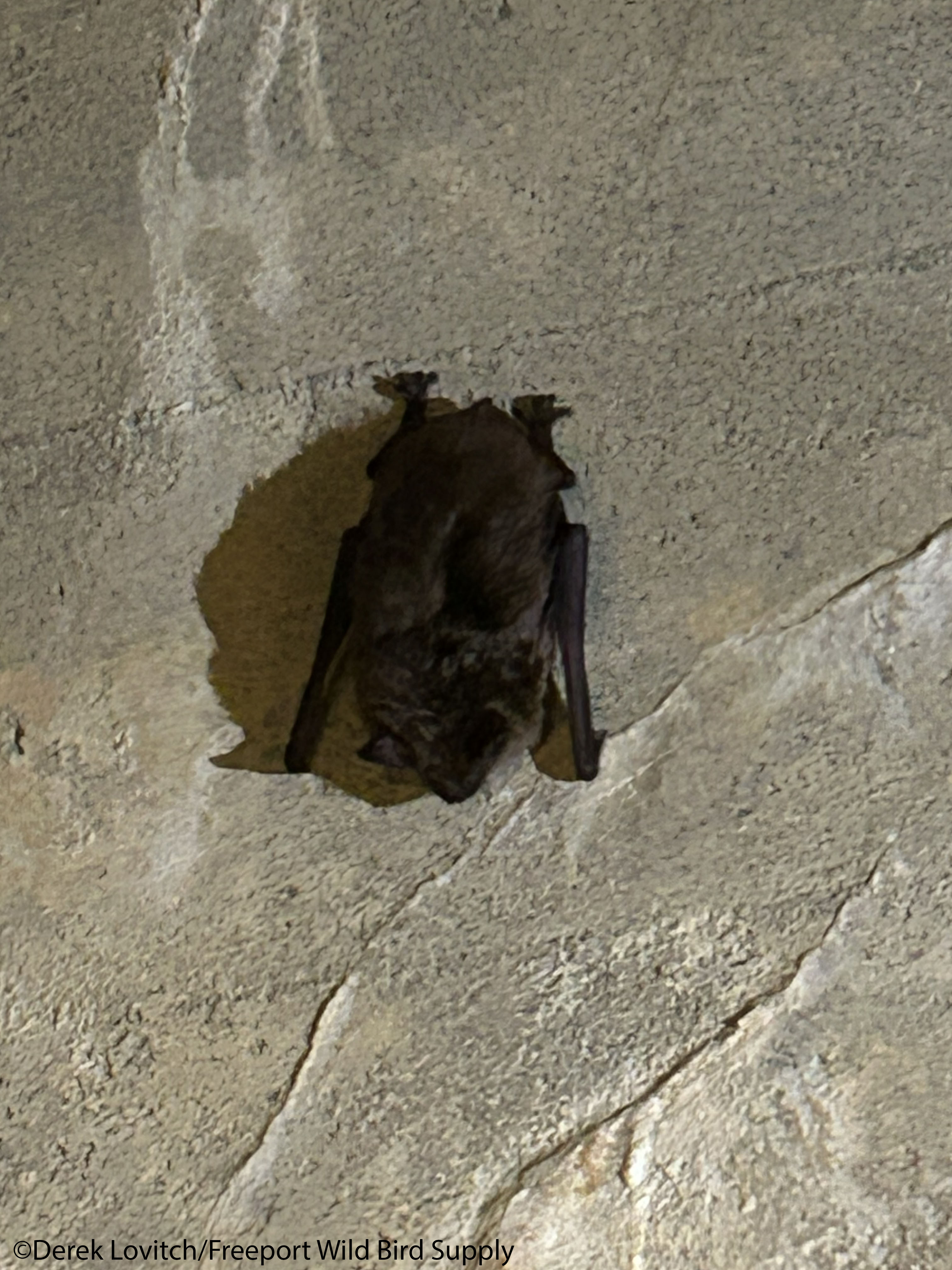
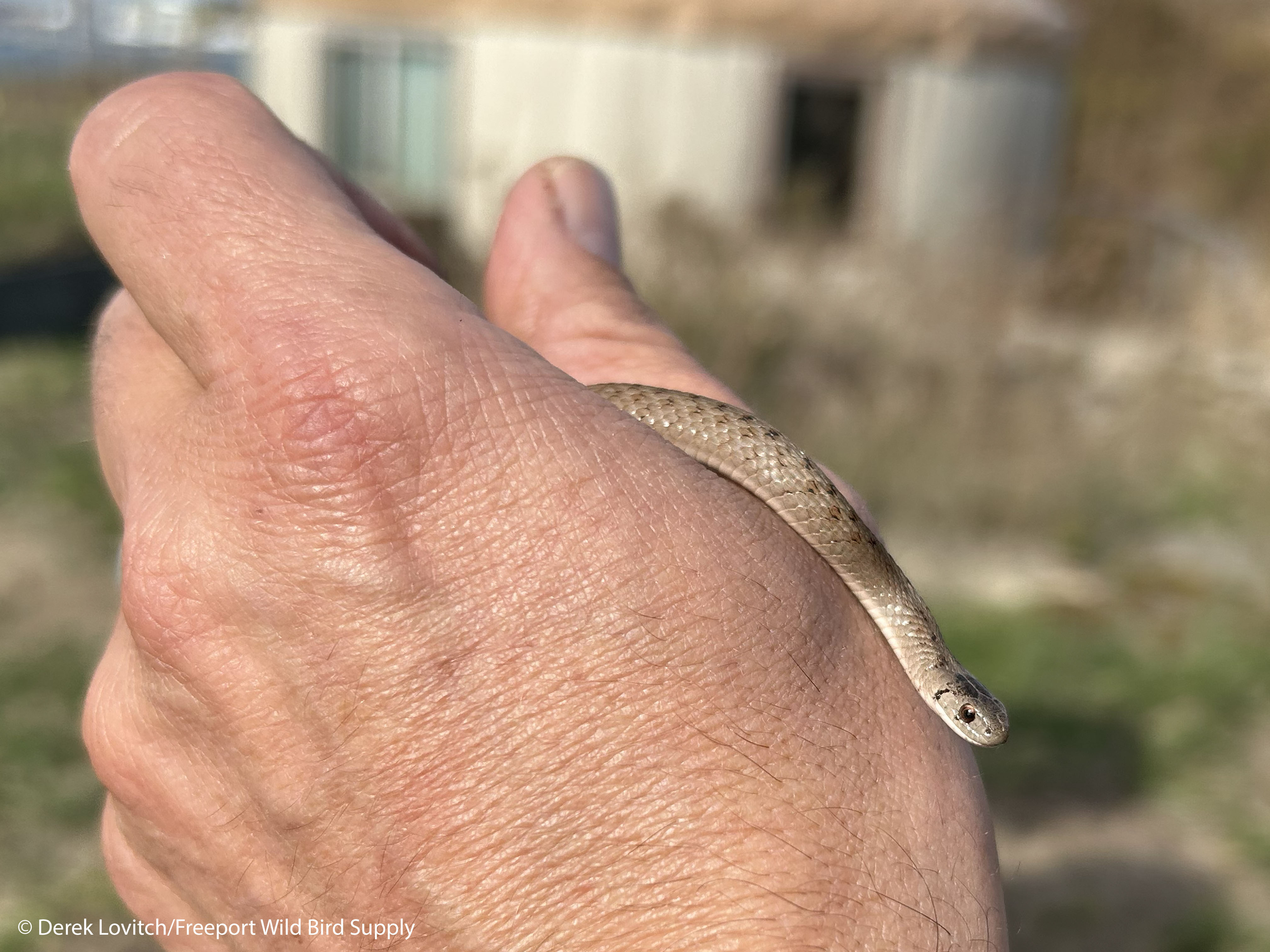
Here are some photo highlights from this annual favorite!
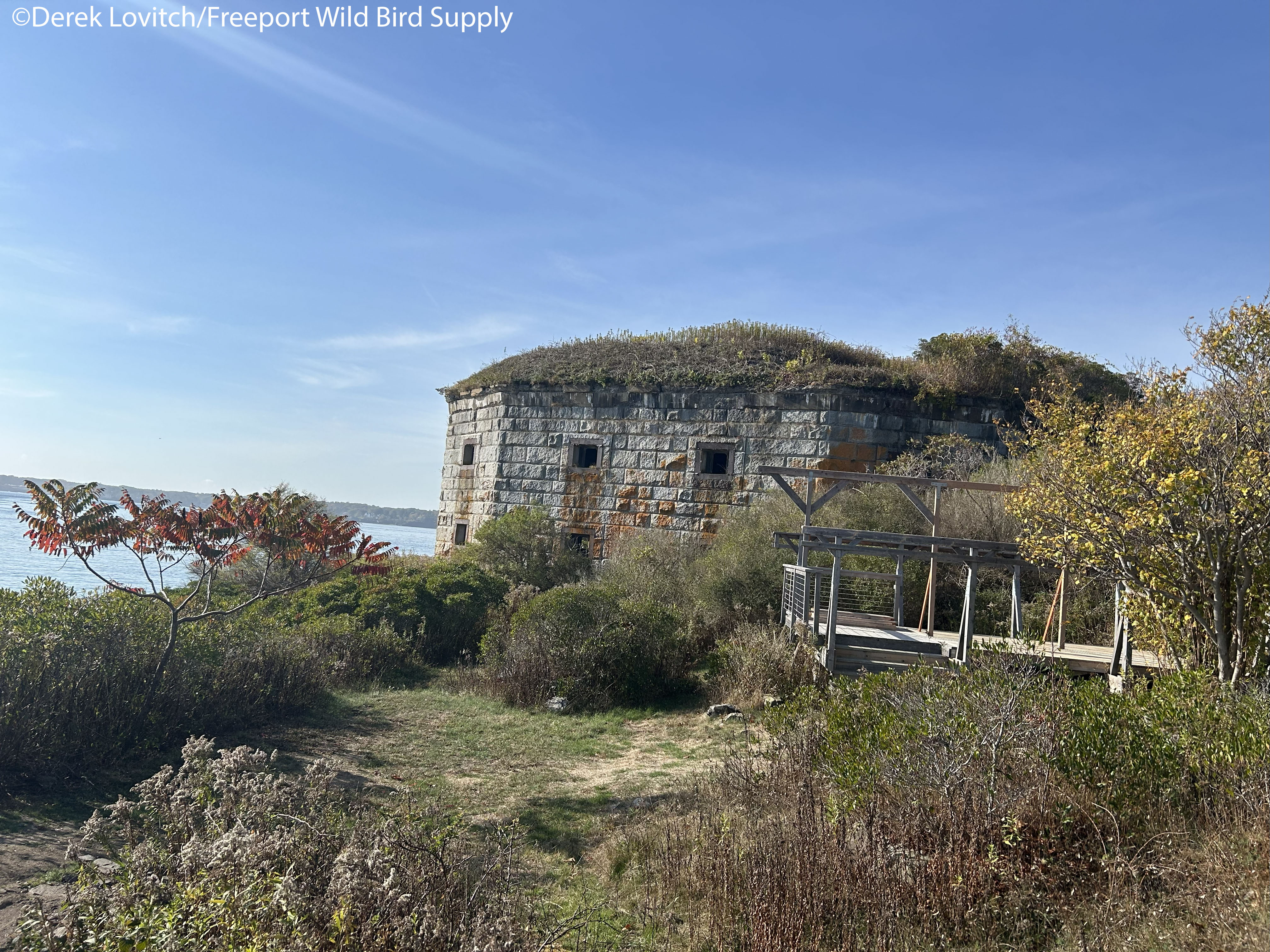
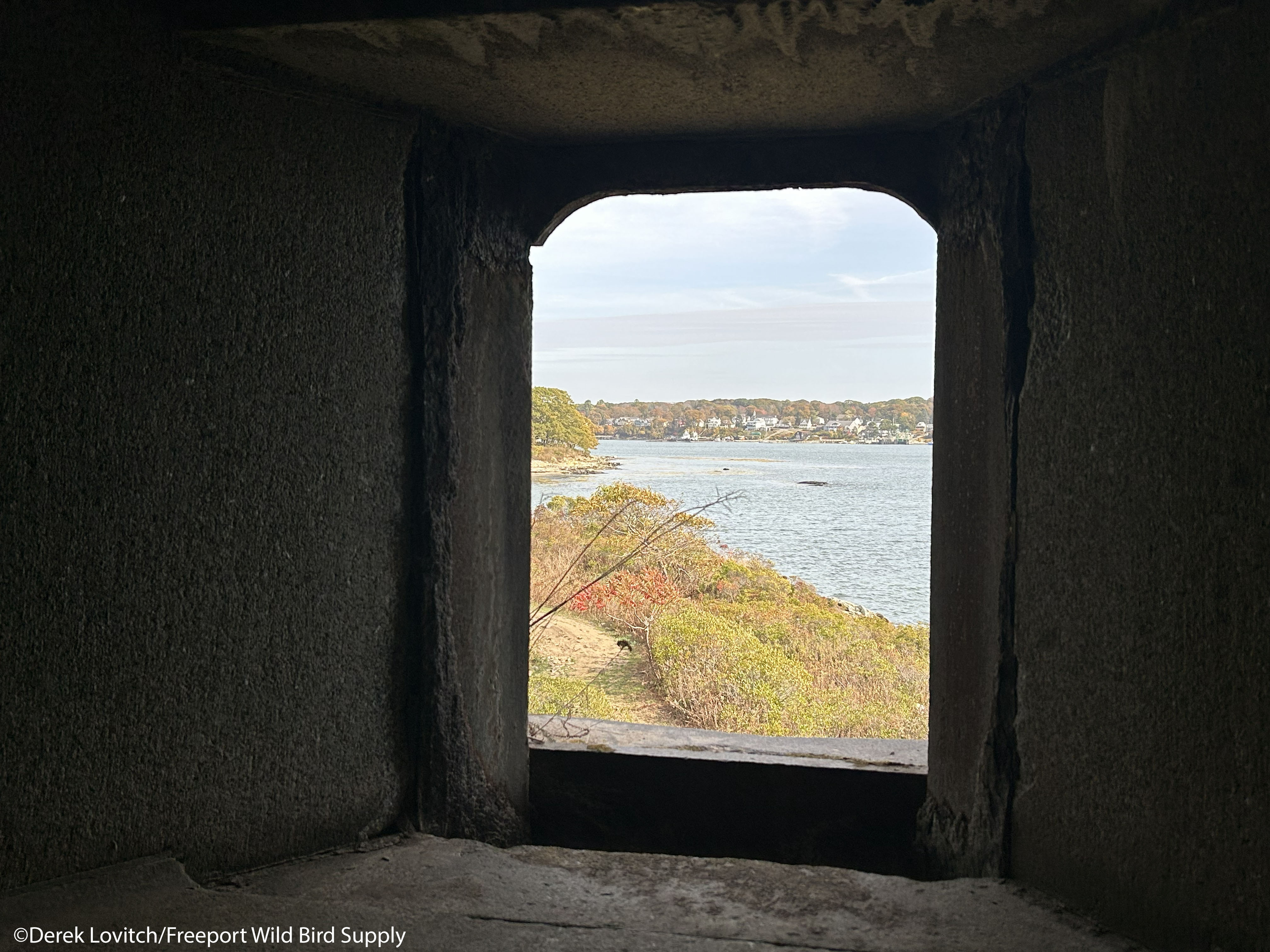
Big Brown BatDeKay’s Brown SnakeFort Gorges
6. Birds on Tap℠ – Road Trip! Rarity Roundup!
Sunday, November 9: 8:00am – 3:00pm
Our final Birds on Tap! tour of 2025 was our Roadtrip: “Rarity Roundup” on 11/9. Unlike most tours, where we know our destination – chosen to provide the best birding opportunities and highest rates of success possible – this trip didn’t have a destination until we were pulling out of the parking lot in Portland!
Designed to take advantage of the latest rare bird reports, our itinerary was to work our way south, either looking for rarities that had previously been reported, or finding our own by checking the seasonal vagrant hotspots. The southern coast of Maine is usually the best area for really rare birds this time of year, but I threw the plan out the window immediately and we turned northward.
I just couldn’t resist taking people to see a long-staying (since November 2nd!) MacGillivray’s Warbler (only the 7th ever in the state of Maine) in Yarmouth. I felt confident I could find it quickly, thanks to its constant vocalizations, we’d get a look and then we would move on to the next bird. I did not expect, however, to find it that quickly!
In fact, I heard it the very second we entered the trail. It was calling nearby and we slowly and quietly moved in position. We found it foraging low on the ground, in some perennials, only a handful of feet away. Now this skulky bird didn’t exactly sit out in the open, but over the next 15 minutes or so, we all had satisfying (or better) looks, until anxious birders (who had apparently been waiting too far down the trail for up to two hours!) overwhelmed us. We slowly moved away, following the bird’s call notes, eventually finding it again, and then watching as it flew about 2 feet from one of us where it disappeared into a dense thicket.
Wow! What a thrill!
I refreshed the rare bird alerts (and all the different places rare birds get reported these days) as we began our journey south, spending the time in the van working on a little game to practice our “status and distribution” knowledge during this exciting time of year for rare birds.
I didn’t want to ask folks to stand still in Scarborough Marsh for the rest of the morning to maybe hear a Clapper Rail call once, and there were no further reports of the Seaside Sparrow in Wells. So with each passing exit of the Turnpike, I decided to go all in in Kittery, beginning at Seapoint Beach. Yeah, there wasn’t much there, and nothing of note.
So the rest of our time was spent at the delightful Fort Foster, the host of so many vagrants over the years. We hoped the Cave Swallow from two days prior would reappear, or we would find something even better. Um, we did not.
In fact, it was pretty darn slow, at least in the brush and the woods. Offshore, waterbirds were building, and we had some good looks at Surf Scoters, for example. And overhead, there was an absolute massive Double-crested Cormorant migration going on. Numerous large flocks of several hundred were winging it south, in their usual “drunken v’s.”
We swung for the fences and combed Fort Foster, but alas, we were not heroes today: we found nothing rare. But it was fun to try!
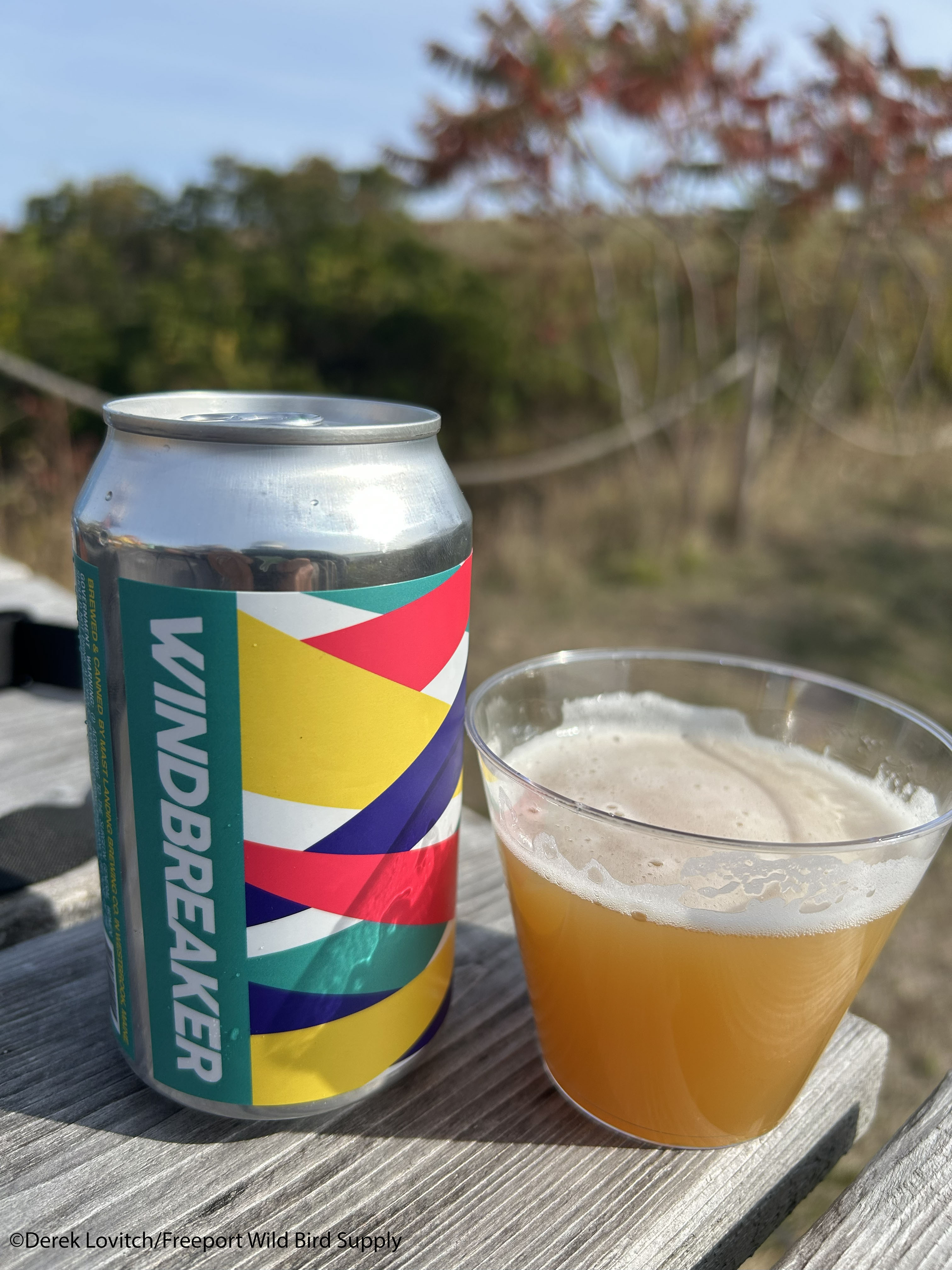
And besides, not only did we get a “mega rarity” with the MacGillivray’s Warbler, we got another “mega” rarity when we arrived at Tributary Brewing. There, we found Mott The Lesser, their 10.5% ABV Imperial Stout, released twice a year, and only available at the brewery. And yesterday it was released, so this was quite the “twitch.” You think people drive far to see a MacGillivray’s Warbler!? Well, rare beers are no different. This year’s version was aged in red, white, and tawny port wine barrels and then a rare apple wood rye barrel for additional complexity.
Of course, we didn’t want to destroy our palates, and we were here to learn about a wide range of Tributary’s beers, so we began with their flagship Pale Ale and compared this West Coast American standard to Affluente, an Italian-style Pilsner, with Adriatic barley and a light dry hopping of lemon-forward hops. Moving on to their new Zwicklebier, an “immature” lager, which was more malt-forward thanks to 100% Maine grown and malted barley. Then we tried the Mott the Lesser. And it was good. And bottles were purchased.
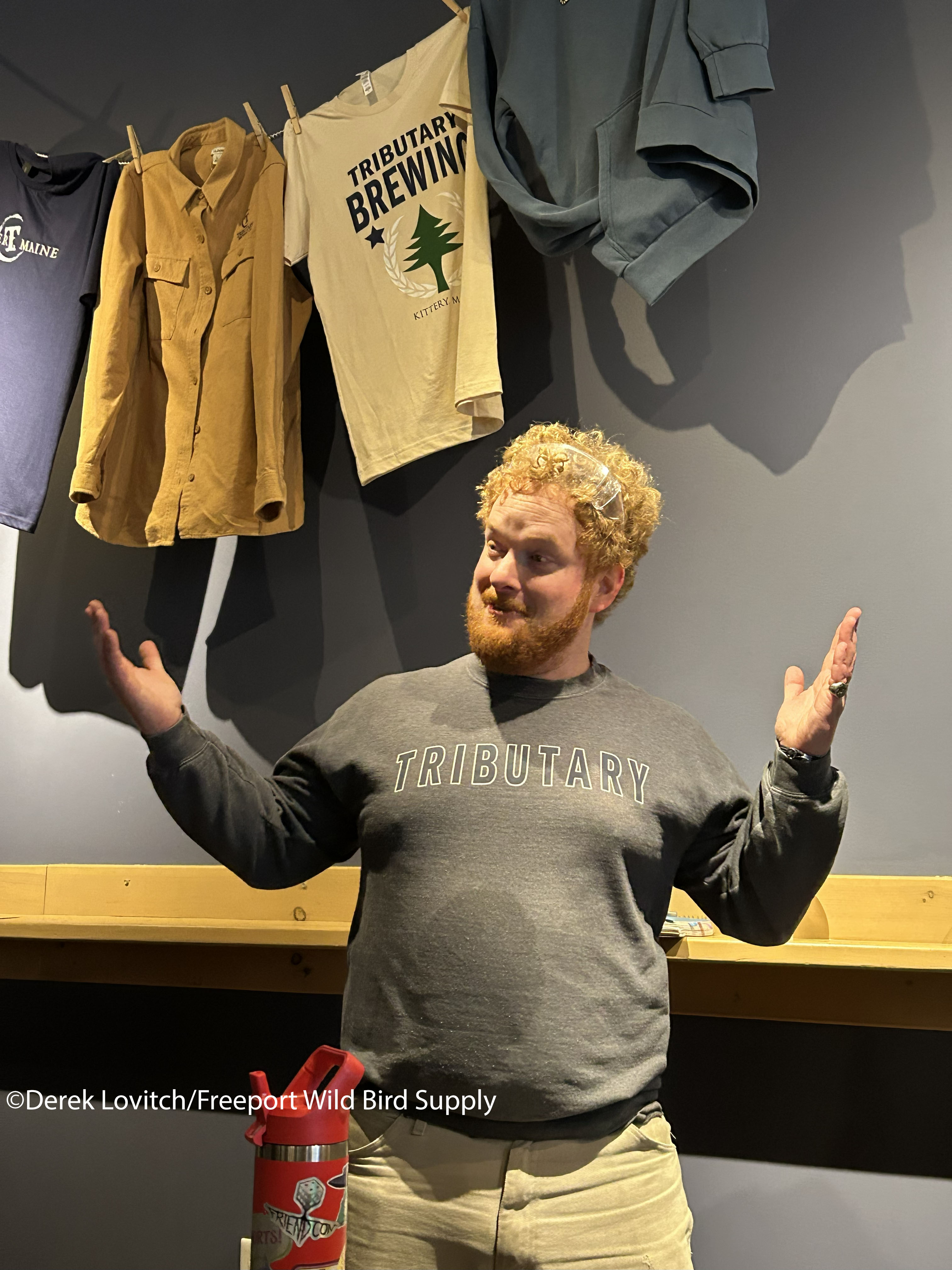
Our driver and beer guide Joe started us off with the basics of beer tasting and an overview of styles, but during our tasting, we were treated to a visit from head brewer and owner, Woody, who gave us the history of the brewery, started by his beer-legendary father, and guided us through the tasting. He discussed their commitments to Old World styles of beer and answered questions from the crowd.
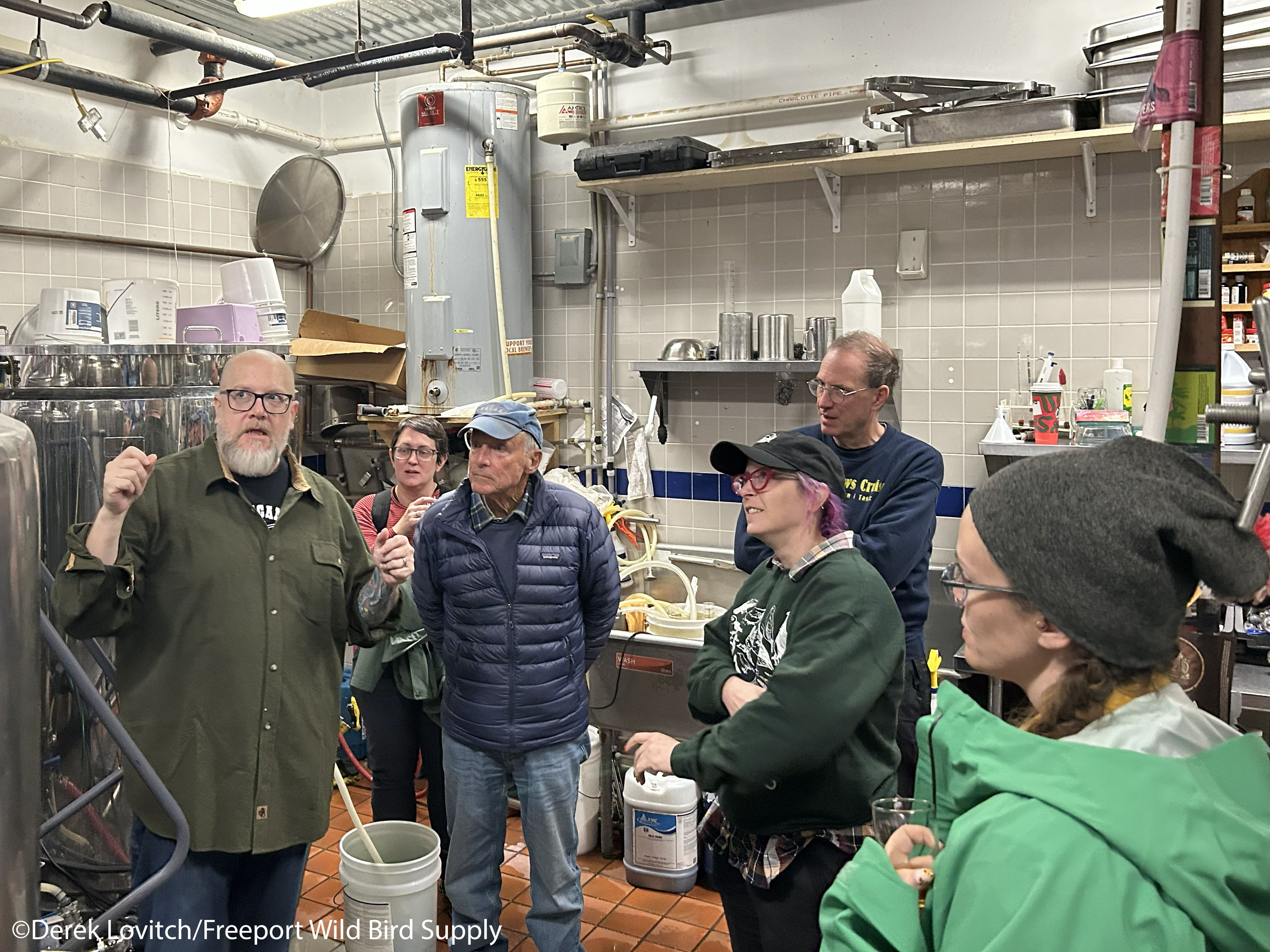
Not to be outdone, apparently, Woodland Farms just up the road also laid out the red carpet for us, with owner Pat not only guiding us through our tasting, but providing a tour of the brewery itself, from first boil to final packaging. Woodland Farms is becoming known for their wide variety of offerings, and it was amazing to see how they can pull so much off in this small space!
Their Flagship is Blinky, an IPA with a very complex dry hop bill. We then tried Rossa Matrimonial, their version of an Italian Pilsner, a dry beer made with red malts. We once again remained in the Old World with Tmavy Piro, which means “dark beer” in Czech. A dark lager, it offered the “crushability” of a lager, but with more malt flavors before the crisp lager finish. And finally, everyone got to choose a final sample, with most people choosing the Big Effin Porter, a robust 8.2% porter. I went with the masses and tried this, too, and enjoyed how rich it was without the thickness and weight of an imperial stout.
Woodland Farms is also becoming known for their non-alcoholic beers, a rapidly growing segment of the beer economy. Out back, we learned about the differences in making non-alcoholic beer that tastes good verses beer with alcohol, and especially, mass-produced NA beer that usually tastes like, well, not much. To demonstrate what NA beer means in 2025, we were treated to two bonus samples: the NA Dogwalker with an abundance of sticky, piney-resinous hops, and their NA Festbier, an easy-drinking seasonal malt-forward Oktober-fest style.
So from a mega rare bird and a mega rare beer, learning how to search for rare birds and how to make beer, and trying everything from non-alcoholic to a 10.5% imperial flavor-bomb, we most surely enjoyed an educational, enjoyable, and often enlightening day!
One of three Fox Sparrows that appeared last week at the store and continued into this week, with one present through week’s end.
It was one of those weeks with lots to do, and therefore I didn’t get out as much as usual, as if often the case in the buys holiday shopping season. Nonetheless, when I was out (or inside watching feeders), there was plenty of good birding to be had. “Late/lingering” species continue to dominate the news.
3 Fox Sparrows continued at the feeders here at the store through 12/8, with a single bird continuing through week’s end.
1 drake and 1 hen Barrow’s Goldeneye, Winslow Park, Freeport, 12/7 (with Saturday Morning Birdwalk group). Early compared to recent years here.
1 Wilson’s Snipe and 1 American Wigeon, Moody Marsh, Ogunquit/Wells, 12/8.
1 immature Red-shouldered Hawk, 1 Northern Flicker, and 1 Swamp Sparrow, Community Park, Wells, 12/8.
1 Fox Sparrow, our feeders in Durham, 12/10-12.
1 FISH CROW (my first inland Dec/winter record), Auburn Riverwalk, 12/13.
1 drake Green-winged Teal, North River Road Boat Launch, Auburn, 12/13.
1 GRAY CATBIRD, 2 Hermit Thrushes, and 2 Fox Sparrows, North River Road, Auburn, 12/13.
Snow Buntings and Horned Larks were encountered in a bunch of locales this week, and Turkey Vultures are clearly no longer rare in early to mid December in southern Maine!
Once we traveled beyond the shelter of Damariscove Island, we had a plan – or at least the concept of a plan. We’d slowly work our way straight south to deep water, make a turn to the east as the forecast was for seas to start diminishing, and then take mostly following seas for a smooth return trip home.
Peregrine Falcon having brunch to go.
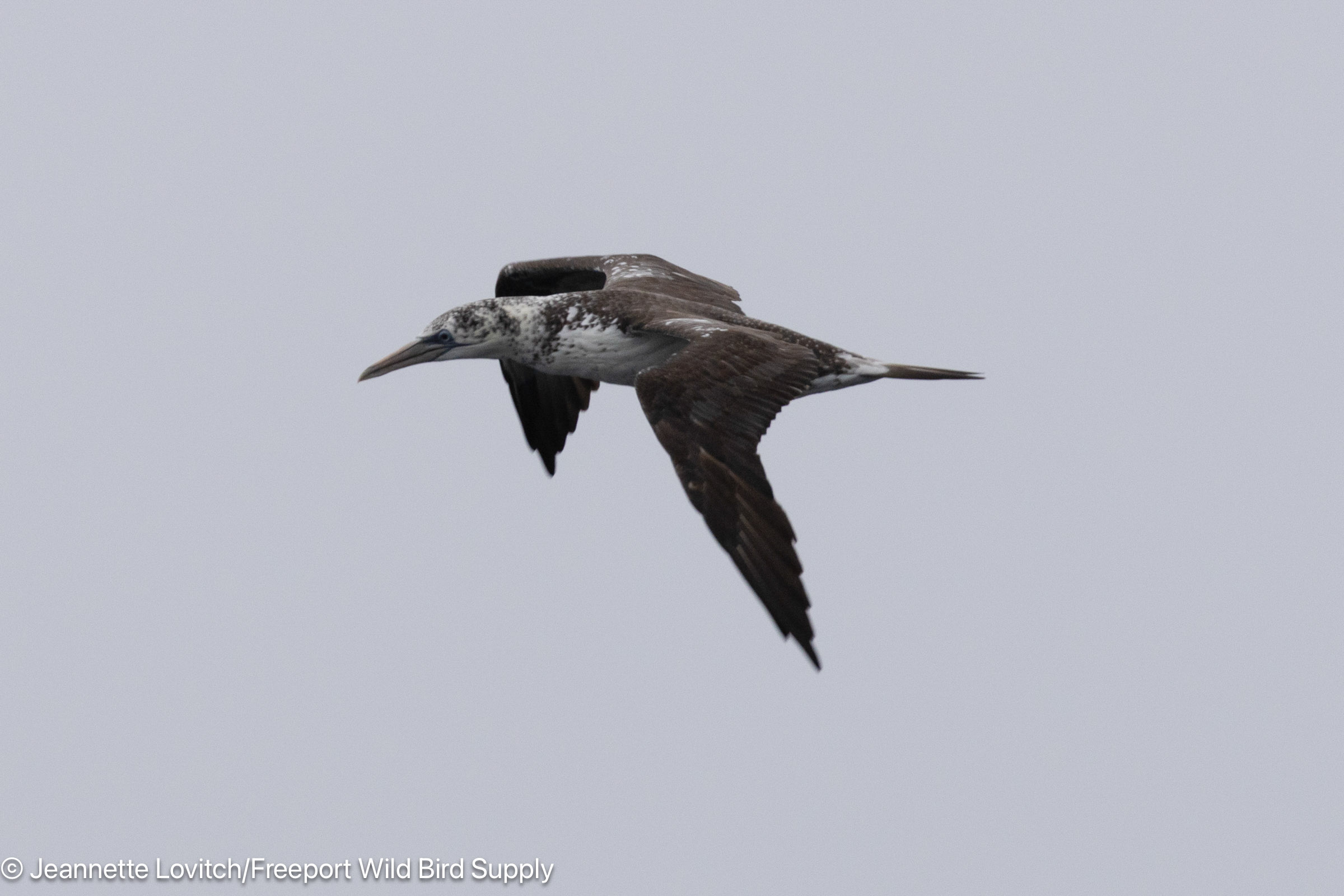
We had lots of Northern Gannets early in the trip – always a good sign – but it was pretty slow going through the area known as The Pasture, which like all offshore patches, is always hit or miss. In fact, the only other pelagic we had was a single Cory’s Shearwater seen by only a handful.
Unfortunately, once we made the turn to the east, it became essentially unbirdable. The forecast 4-6 foot seas were right, but the distance between waves (the wave period) was significantly shorter than forecast, and the waves were definitely not diminishing. Captain Steve did an exceptional job of trying to soften the ride and keep us safe, but we just weren’t going to be able to continue east towards some of our deep water hotspots. When a bird was called – such as a single Northern Fulmar (one of our primary targets on the trip), few people were able to even try to see it before it was long gone behind the waves. Perhaps only the Yellow-rumped Warbler and Savannah Sparrow that we encountered about 15 miles offshore were having a worse day. I tried to keep some bird commentary going, if only as a distraction, but I’m not sure anyone was listening at this point!
So it was decided to make a turn for home. In a last ditch effort to salvage the birding day, we angled for the mouth of Sheepscot Bay. An unidentified dark jaeger zipped by, seen by just a few, tantalizing us to what else is out here today.
Once in the mouth of the bay, sheltered by Damariscove off to the east, we found gentle seas, and decided to try our hand at attracting some birds with a chum slick. We laid a slick for about 1-2 miles of pork fat soaked in fish oil. Thanks to a generous donation of surplus fatback compliments of Old Crow Ranch of Durham, we were likely the first ever pelagic to use local, pasture-based, regeneratively-farmed, non-GMO, pork fat. The experiment turned out to be quite a success, too!
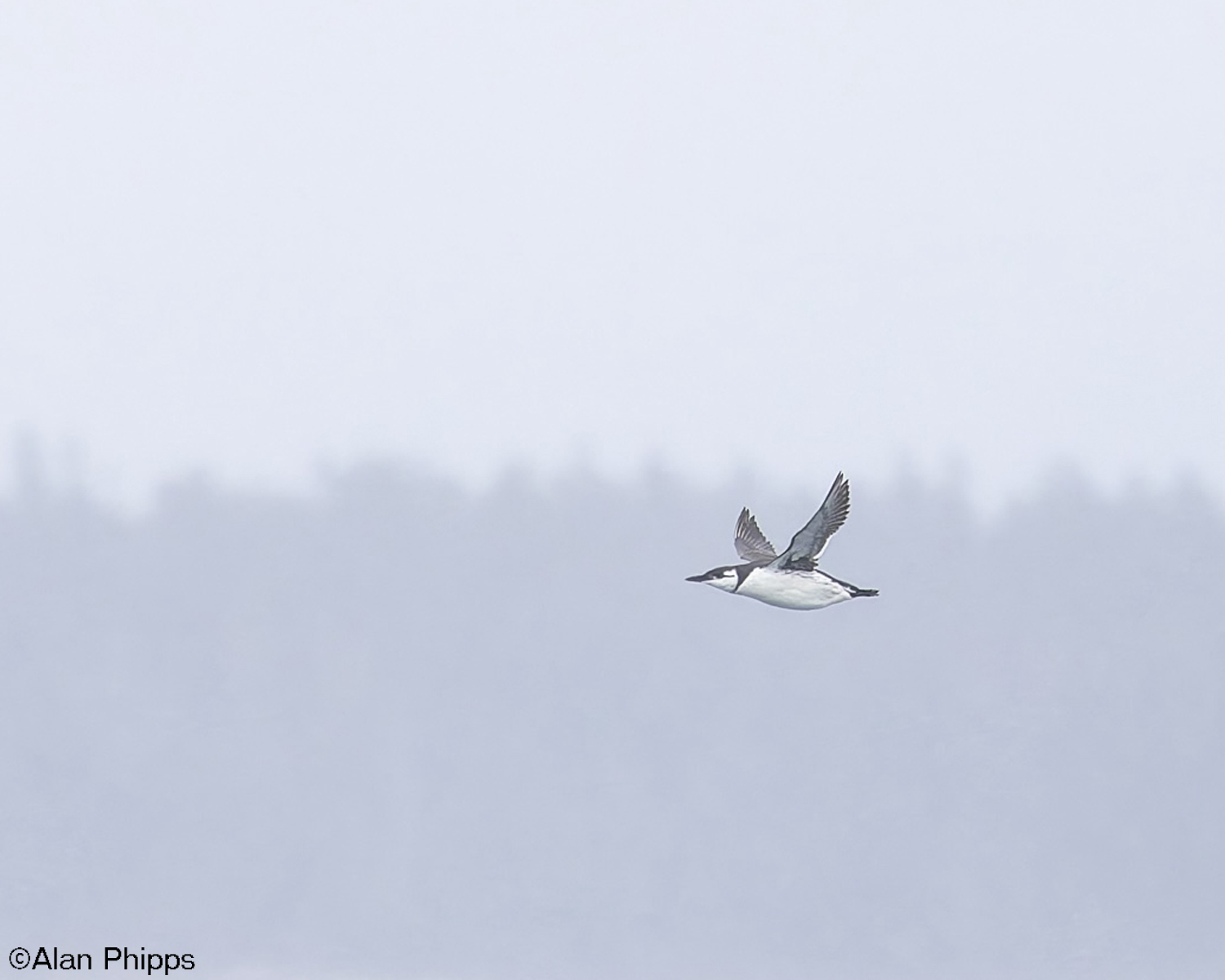
First, we kicked up two Common Murres as we traveled, one of which flew past the boat affording a great view for those who were still on deck; even the seabirds were seeking sheltered waters today!
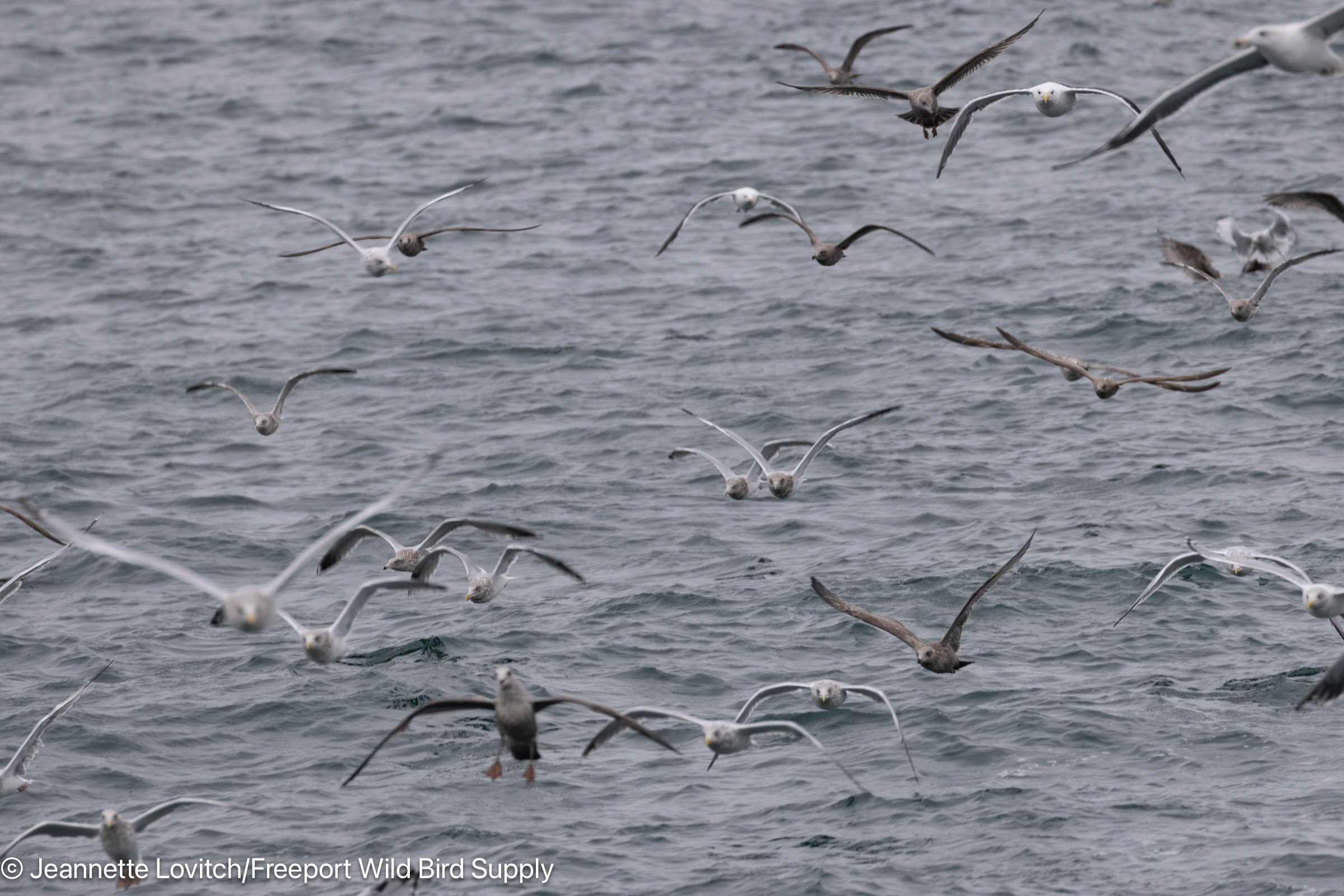
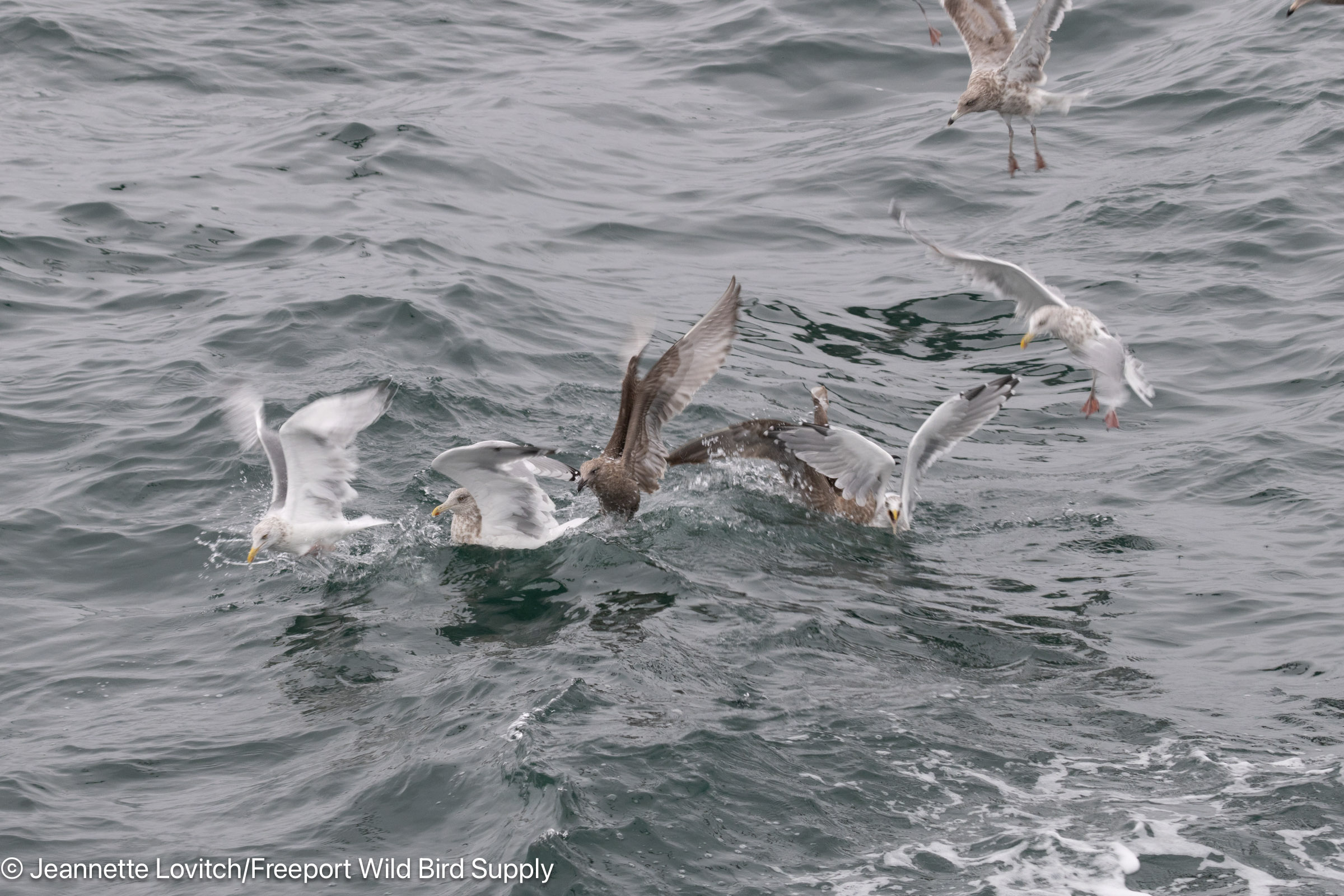
We were soon attracting several hundred gulls to our chumslick, and we finally teased out a single Lesser Black-backed Gull from the masses. A few lingering Laughing Gulls and several Ring-billed Gulls, including spiffy fresh juveniles, joined the myriads of Herring and Great Black-backed Gulls.
We then tried the same technique closer to the mouth of the outer Boothbay Harbor, closer to Damarsicove. At first the results were surprisingly lower, until a Peregrine Falcon and a Northern Harrier over the island kicked up the gulls roosting on the windward side. Once the gulls saw the feeding birds behind us, the game was on. Meanwhile, we enjoyed many dozens of Surf Scoters and Common Eiders, punctuated by both Black and White-winged Scoters, and from here to the harbor, another couple of dozen Common Loons and plenty of Black Guillemots.
I want to thank the captain and crew of Cap’n Fish’s Cruises for their hard work and dedication today, and their best efforts to keep us comfortable. I want to thank my spotters, Jeannette Lovitch and Ian Carlsen (who also did a fantastic job keeping the official eBird checklist following pelagic protocol). A big thank you to Alex Lamoreaux for still finding birds in the worst of the snotty water. And another big thanks to our chummer, Dan Nickerson, who got the action going once we found some calm waters.
And most importantly, thank you to all of those who came aboard today. Some said they had fun. Many suffered. But everyone endured. If this was your first pelagic, you’ll be thrilled to know you were likely just had your worst trip. For those who like roller coasters (unlike me!), I guess you’re welcome?
Here’s the trip list. For the hit-or-miss October pelagics in the Gulf of Maine it’s really not that bad.
It might not “count,” but the Ring-necked Pheasants on Monhegan are iconic!
Approaching the island on Friday, 9/27, the fog was rapidly lifting on the mainland, and the skies were clearing. High seas from the previous days were steadily diminishing. An offshore fogbank reduced our chances to see many birds during the boatride, but by the time we reach the island, the sun was shining through.
Things seemed fairly slow, but there were birds here and there. One single bush hosted all three Melospizas: Lincoln’s, Swamp, and Song Sparrows, and one of the tarrying Baltimore Orioles soon joined them. It was a relaxed start to the weekend, affording us time to check in and enjoy lunch before returning to the birding.
We don’t just look at rare birds, we study the common ones…at least on a slow day! Like this cooperative Song Sparrow
The afternoon was quite slow, as expected from the preceding nights with little or no migration on unfavorable winds, but we had birds to look at: Yellow-rumped Warblers sallying for midges at the top of spruces, scattered assorted sparrows, lots of great Merlin performances, and no shortage of Ring-necked Pheasants.
As usual for the end of September, Yellow-rumped Warblers were the most abundant migrant. This one was nicely demonstarting what makes it a “Myrtle Warbler.”
As the sun set, a huge flight was taking off and continued throughout the night. Very light northwesterly winds overnight were a little lighter than I would have preferred, but there was just a massive amount of birds on the move, and a great Morning Flight on Saturday morning to start our day was indicative of that.
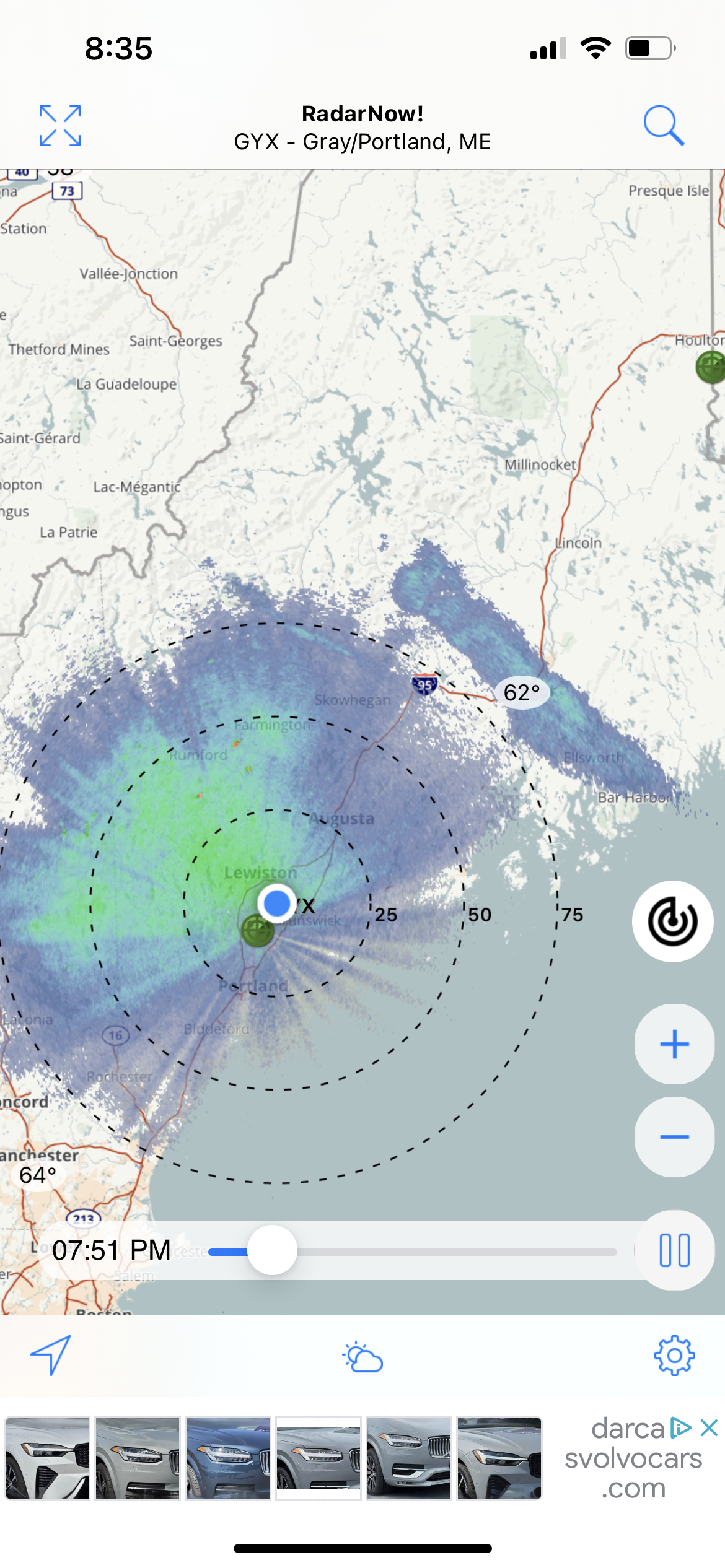
The radar return was huge overnight, with lots of birds on the move. We did wonder, however, if that blob over the Mid-Coast was an isolated shower…or perhaps it was “Independence Day!“
Yellow-rumped Warblers filled the air, with handfuls of Blackpoll Warblers and a small number of Northern Parulas. After the morning flight settled down, the rest of our am was also very good. While the very light winds allowed much of the birds partaking in the Morning Flight to leave the island, there were plenty of birds remaining on the island to be seen. In addition to Yellow-rumps, there was a good arrival of White-throated and other sparrows, and pockets of activity were sifted through, producing a wide array of fun birds.
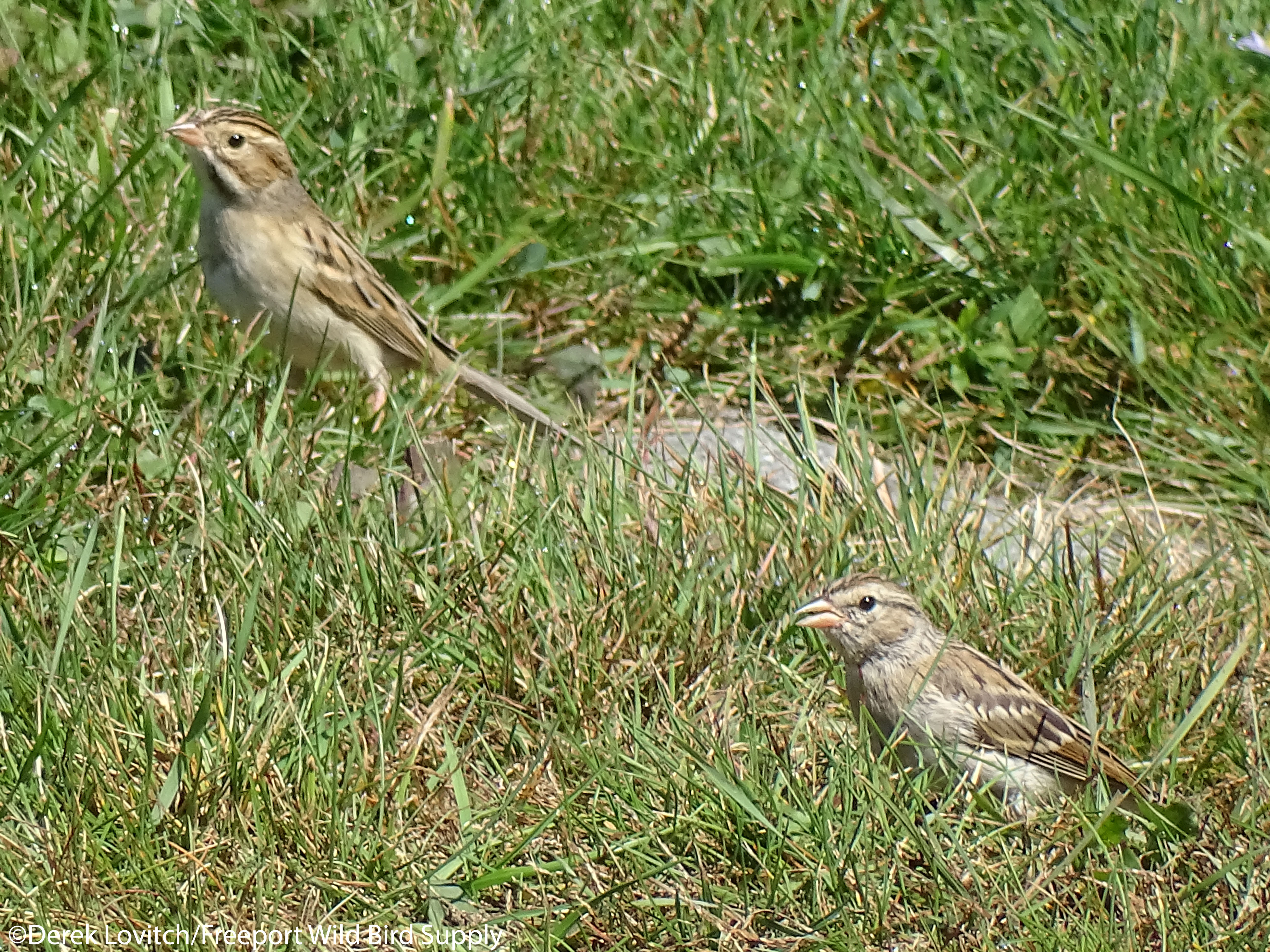
A Dickcissel in the community farm and a total of 6-7 Baltimore Orioles nearby were soon trumped when a first fall female Mourning Warbler actually walked into the open for all to see (for a change) …on a plywood garden table nonetheless! We found a Clay-colored Sparrow feeding amongst Chipping Sparrows, discovered a rather rare on the island Pine Warbler, and enjoyed a nice variety of the expected seasonal migrants.
Clay-colored SparrowClay-colored Sparrow with a molting juvenile Chipping Sparrow in the foreground.
Lovely weather all day encouraged us to enjoy an afternoon on Burnt Head, were we picked up a tardy Chestnut-sided Warbler and a rather rare in the fall on the island juvenile Ring-billed Gull. We also noticed a lot more Red-eyed Vireos during the course of the day, with many at and below eye level.
While a rare Yellow-crowned Night-Heron called over the harbor at nightfall, I was wandering on my own so it doesn’t count for the group, unfortunately. I was still pleasantly surprised by it, and it punctuated the calls of songbirds departing the island.
Luckily, a moderate flight occurred throughout the night (the overall intensity was a little obscured by fog on the radar images) on light west winds that had become calm by morning. Those calm and cooling conditions allowed fog to roll back in, and the Morning Flight was just a trickle to start on Sunday morning, our last morning together.
However, once the sun burned through, birds were in the air and appearing out of nowhere, and the birding really picked up. In flight, it was mostly Yellow-rumped Warblers, but there were more Palm Warblers involved today. We began finding “new” species for the trip list, like a Cape May Warbler, some recently-arrived American Robins, and we enjoyed watching a swirling flock of 16 migrant Black-capped Chickadees.
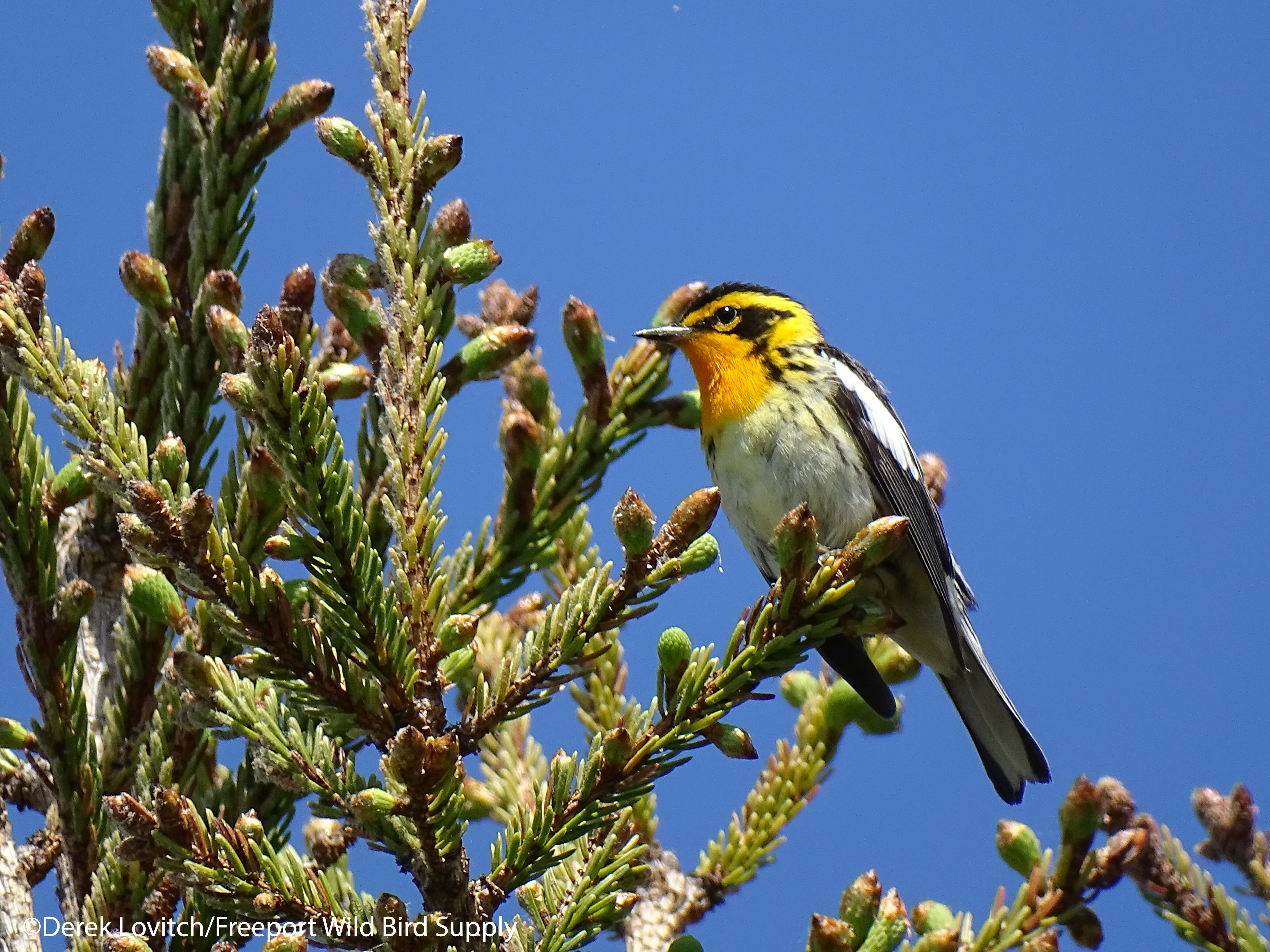
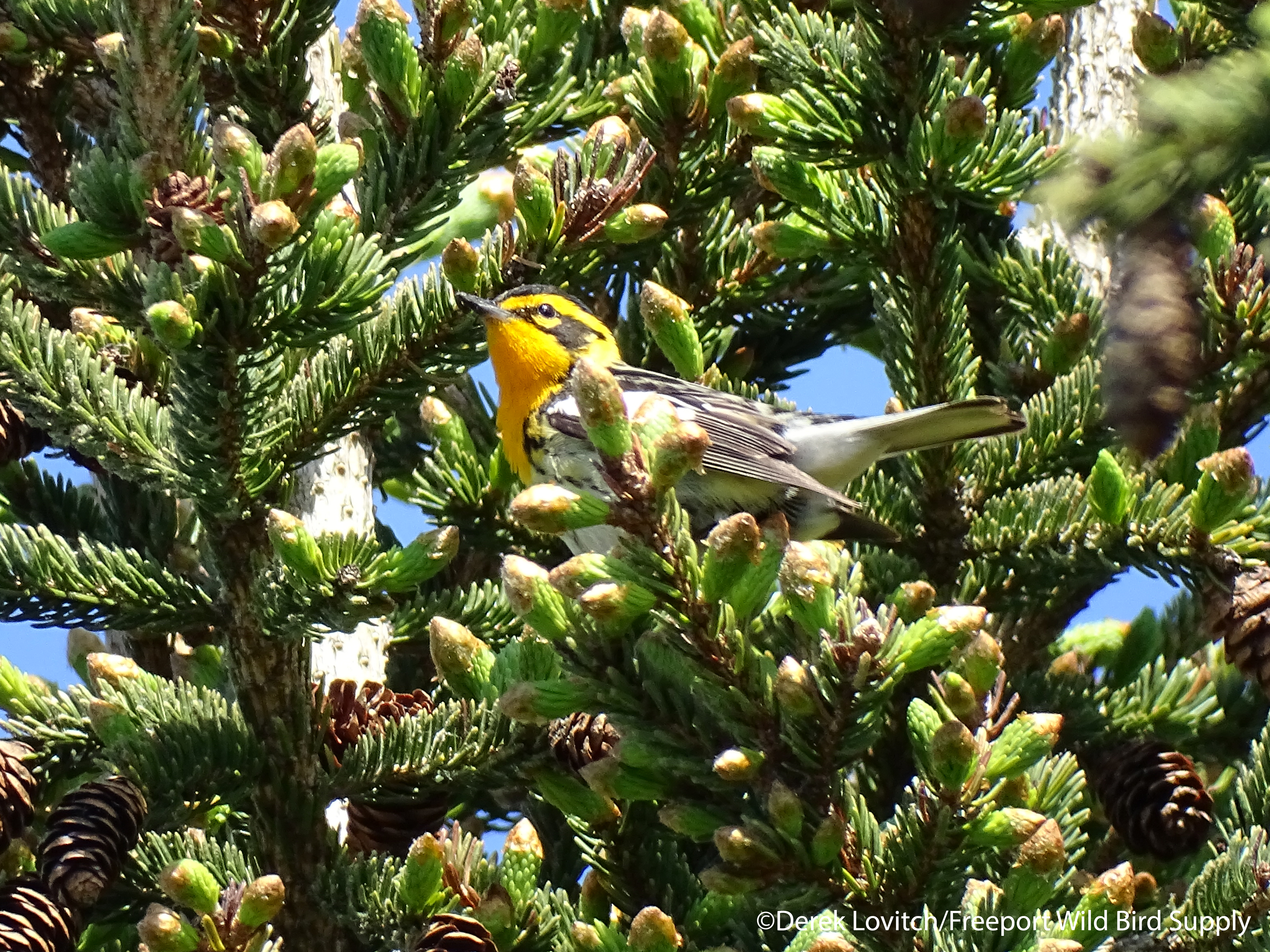
Late Blackburnian Warbler
After breakfast, the birding was overall quite a bit slower than Saturday, but the quantity was replaced by quality! An Orange-crowned Warbler at the Ice Pond, a continuing female Dickcissel in the cul-de-sac, two different Clay-colored Sparrows. Pockets of activity offered up nice views of a male Cape May Warbler, a few Blackpoll Warblers, and then we found not one, but 3 Nelson’s Sparrows in the Lobster Cove meadow – one even perched conspicuously enough to be viewed by all!
Nelson;s Sparrow sitting in what passes for “the open” with this species!Dickcissel
As the group trickled home, the last participants standing joined me in a little longer hike from Lobster Cove to Burnt Head, which yielded two Lesser Black-backed Gulls, more Great Cormorants, and yet another Orange-crowned Warbler to bring the official tour to a productive conclusion.
I remained on the island overnight, and with light southerly winds and a return of the fog, there was very little in Morning Flight and to start the day. But the day had a “rarity” feel to it (southwest winds overnight will do that!), and my Rarity Fever was soon stoked by a wayward Yellow-billed Cuckoo that sat still for me, gaining the first rays of sunshine of the morning, in a small tree in the Monhegan House lawn. Two Rusty Blackbirds were foraging on the lawn, and once the sun came up, a few more Yellow-rumped Warblers began to appear.
Yellow-billed Cuckoo
But as Jessica Bishop and I began a post-breakfast search, the What’s App began to ping. Ken and Sue Feustel had just found an Ash-throated Flycatcher on Wharton Ave, and we did a quick 180 and began the march back across town. The ample Trailing Yew breakfast was weighing on me, however, so my speed could have been improved. Nonetheless, the bird had disappeared before we arrived, so we fanned out to search.
After a short spell, I relocated the bird behind the Trailing Yew, and Jess rushed over and we began photographing it as the rest of the island’s remaining birders convened, including Donna the last member of my to depart. And she was quite happy with the decision to linger to say the least! (The tour was officially over, so this gem doesn’t count for the official triplist…darn!)
We studied the flycatcher, and I made sure to get a shot of the tail that would be adequate for identification confirmation (to rule out an even rarer Myiarchus flycatcher). Here, you can see the outer tail feather on one side, showing the dark brown of the outer web intruding into the end of the inner web – diagnostic for Ash-throated.
This was my 227th Monhegan Bird, and the island’s 3rd-ever, of this southwestern vagrant. What a bird!
While the rest of the day was a little anticlimactic from a birding perspective, Jeannette arrived and we set out to search for the now-missing Ash-throat and whatever else we might stumble upon. Two Clay-colored Sparrows were now together, one of the Orange-crowned Warblers was still at the Ice Pond, and at least one Nelson’s Sparrow was still at Lobster Cove. At dusk, two Wilson’s Snipe launched out of the town marsh, and at sunset, a migrant Great Blue Heron flew over. No sign of the Ash-throat for the rest of the day, unfortunately.
Orange-crowned WarblerPeregrine Falcon
On Tuesday, Jeannette and I awoke to a strong flight on the overnight radar image, but as expected on a north to north-east wind by dawn, only fairly a light Morning Flight occurred. Made up of at least 95% Yellow-rumped Warblers, it was a little busier than I expected, but it ended by about 7:00am. Granted, at least two hunting Peregrine Falcons may have had something to do with that.
We watched a Wilson’s Snipe evading a Merlin in flight, and some more new species for the weekend were overhead, including a Horned Lark, an Osprey, and a Semipalmated Plover. There were at least a half-dozen American Pipits in morning flight, and a new-to-us Brown Thrasher put in an appearance.
Red-eyed Vireo
After breakfast, it was exceeding slow, but we did have a Dickcissel in the garden, and a Scarlet Tanager joined the remaining Baltimore Orioles in the grapes. But most of our morning was spent chasing a reported Yellow-headed Blackbird (seen by two and never again) and Will Russell briefly relocated the Ash-throated Flycatcher – which looked much healthier today and was much more active. In other words, it was soon once again melting away into the scrub. It kept us occupied until it was time to depart, however.
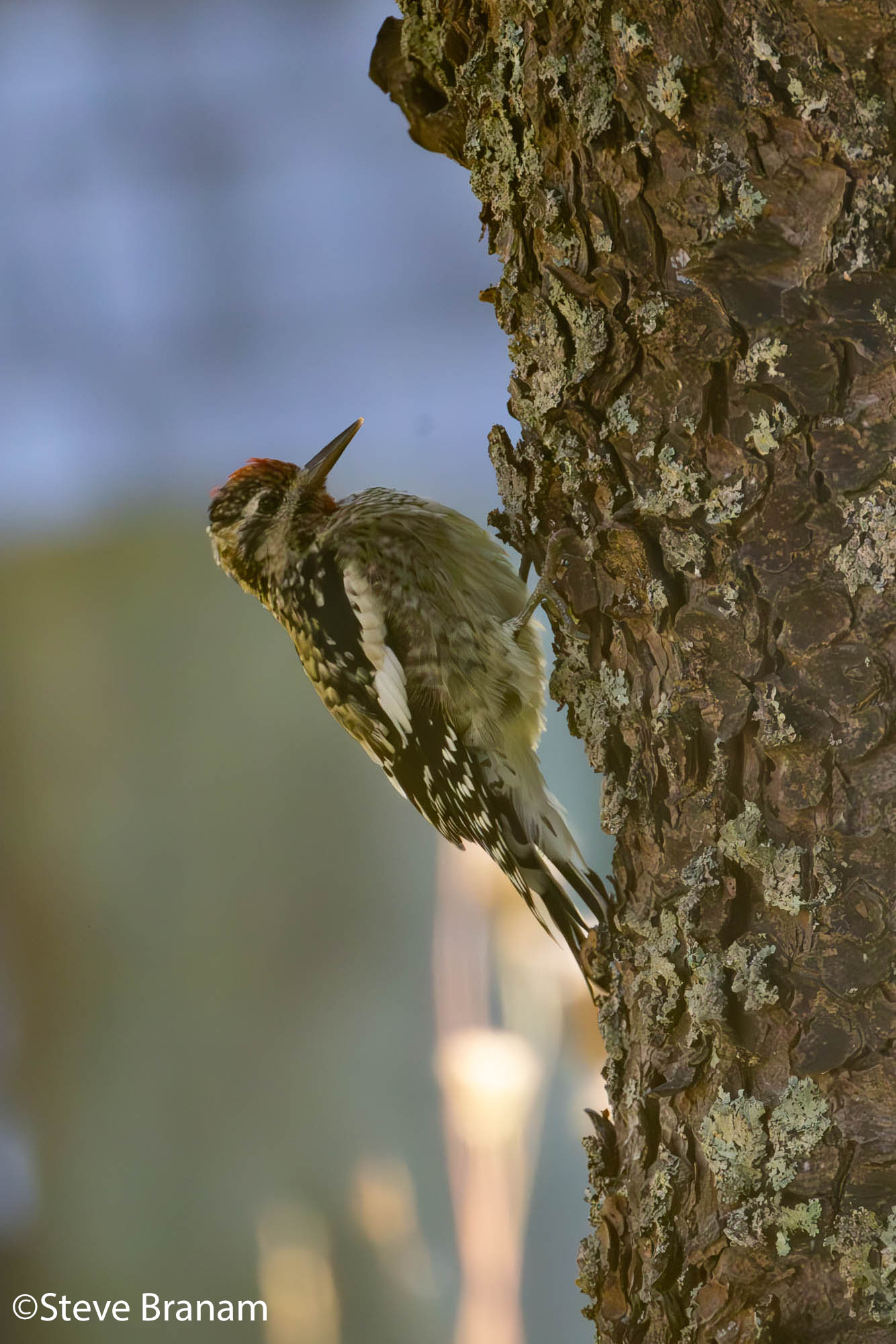
Yellow-bellied Sapsucker
A very pleasant boat ride back to the mainland for Jeannette and I was far too nice to produce any seabirds of note, but it was a lovely way to finish up a delightful and fruitful fall weekend.
Here’s the official tour checklist:
27-Sept
28-Sept
29-Sept
American Black Duck
0
0
1
Mallard
8
12
16
Green-winged Teal
0
0
1
Common Eider
x
x
x
Black Scoter
0
0
8
Ring-necked Pheasant
15
15
25
Mourning Dove
10
15
12
Black Guillemot
x
x
x
Laughing Gull
8*
0
2
Ring-billed Gull
0
1
0
Herring Gull
x
x
x
LESSER BLACK-BACKED GULL
0
0
2
Great Black-backed Gull
x
x
x
Common Loon
1*
0
0
Northern Gannet
2*
0
1
Double-crested Cormorant
x
x
x
Great Cormorant
0
1
5
Bald Eagle
2*
0
1
Sharp-shinned Hawk
2
4
4
Belted Kingfisher
1
0
1
Yellow-bellied Sapsucker
0
20
20
Downy Woodpecker
2
4
3
Northern Flicker
3
15
15
Merlin
6
8
6
Peregrine Falcon
2
3
4
Eastern Phoebe
0
3
3
Blue-headed Vireo
0
3
4
Red-eyed Vireo
1
30
25
Blue Jay
9
13
9
American Crow
4
4
4
Common Raven
0
1
1
Black-capped Chickadee
x
x
30
Golden-crowned Kinglet
4
15
40
Ruby-crowned Kinglet
2
10
20
Cedar Waxwing
30
40
40
Red-breasted Nuthatch
2
8
6
Brown Creeper
0
4
4
House Wren
0
1
0
Carolina Wren
5
10
10
Gray Catbird
10
x
x
Northern Mockingbird
2
2
3
European Starling
x
26
26
Hermit Thrush
0
1
0
American Robin
0
0
2
American Pipit
0
3
3
Purple Finch
0
4
5
American Goldfinch
10
10
8
Chipping Sparrow
0
10
12
CLAY-COLORED SPARROW
0
1
2
Dark-eyed Junco
0
4
2
White-throated Sparrow
15
50
60
NELSON’S SPARROW
0
0
3
Savannah Sparrow
1
6
10
Song Sparrow
x
x
x
Lincoln’s Sparrow
1
5
4
Swamp Sparrow
2
15
20
Rusty Blackbird
0
4
2
Common Grackle
2
20
20
Baltimore Oriole
2
7
6
Northern Waterthrush
0
1
0
Black-and-white Warbler
0
0
3
ORANGE-CROWNED WARBLER
0
0
2
Nashville Warbler
0
3
0
American Redstart
0
1
0
MOURNING WARBLER
0
1
0
Common Yellowthroat
0
8
10
Cape May Warbler
0
1
3
Northern Parula
1
15
15
Blackburnian Warbler
0
0
2
Yellow Warbler
0
2
1
Chestnut-sided Warbler
0
1
1
Blackpoll Warbler
6
25
15
Black-throated Blue Warbler
0
0
1
Palm Warbler
1
30
20
PINE WARBLER
0
2
1
Yellow-rumped Warbler
20
150
100
Black-throated Green Warbler
0
10
3
Wilson’s Warbler
0
1
0
Northern Cardinal
8
10
6
Rose-breasted Grosbeak
1
0
1
Indigo Bunting
0
1
1
DICKCISSEL
1
1-2
1
Day Total
44
68
73
Warbler day total
4
15
14
3-Day Tour total=
81
Plus with Jeannette after the group and on my own =
13
Total warblers =
19+1
Molting juvenile Cedar Waxwing learning how to eat Winterberry.
And the additional species seen by me without the group, on Monday, and on Tuesday:
Two of the three Lesser Black-backed Gulls present at Hill’s Beach in Biddeford on the 8th included these two 3rd-cycle birds, seen here with a likely 4th cycle Herring Gull for a nice comparison.
Once again, I focused on shorebirds this week, and not surprisingly the non-shorebird highlights I encountered were while looking at said shorebirds. Meanwhile, passerine movement is really ramping up, with lots of early warblers like Yellow, American Redstart, and Black-and-white on the move. Some of the other migrants on our Durham property this week included Canada Warbler, Eastern Kingbird, Bobolink, and Barn Swallow.
3 Lesser Black-backed Gulls (one 1st-summer; with Dan Gardoqui and two 3rd-summers arriving later), Hill’s Beach, Biddeford, 8/8.
The adults of a lot of species of shorebirds are peaking now, and a growing number of juveniles are arriving, providing for some good numbers at a variety of locations. Shorebird high counts this week:
Black-bellied Plover: 86, The Pool, Biddeford Pool, 8/8.
Killdeer: 21, Crystal Spring Farm, Brunswick, 8/5 (with Jeannette).
Semipalmated Plover: 150+, Pine Point, Scarborough, 8/11 (with Birds on Tap – Roadtrip! Tour group).
Semipalmated Sandpiper: 1500+, The Pool, Biddeford Pool, 8/8 (with Dan Gardoqui).
Short-billed Dowitcher: ~40, The Pool, 8/8 (with Dan Gardoqui).
Spotted Sandpiper: 2, multiple locations this week.
Solitary Sandpiper: 1, several locations this week.
Lesser Yellowlegs: 71, Walsh Preserve, 8/9.
“Eastern” Willet: 18, Pine Point, 8/11 (with Birds on Tap – Roadtrip! Tour group).
“WESTERN” WILLET (FOY): 1, Hill’s Beach, Biddeford, 8/8.
Greater Yellowlegs: 12, Wharton Point, 8/6 (with Jeannette).
Tours and Events:
The 20th Anniversary Celebration Month is underway here at the store. All the details can be found here, including free raffles for dinner (get your tickets in soon; drawing on Wednesday!), a silent auction for conservation, and several chances to win a new pair of binoculars!
Birds of Casco Bay with Seacoast Tours, originally scheduled for 8/4, has been postponed until Sunday, 8/25. Call Seacoast Tours to see if any spaces have opened up.
Blackpoll Warblers were pleasantly ubiquitous over the weekend, with endless opportunities to view them without neck strain for a change.
I just can’t walk away from a male Blackburnian Warbler in the sun, especially at eye-level. Just can’t do it. While Blackpolls were the most numerous migrant of the tour, as expected for the end of May, Blackburnian Warblers consistently stole the show.
Our 14th annual Monhegan Spring Migration Weekend was highlighted by three days of insanely gorgeous weather, 18 species of warblers, and loads of crossbills. But what set this year’s tour apart was how consistently amazing the looks were at so many birds, especially both crossbills and some of our favorite warblers.
The tone was set on our Friday crossing from New Harbor, with lovely weather and 2 fly-by Atlantic Puffins. And once again, we hit the ground running after our 10:15 arrival, taking nearly an hour just to walk up Dock Road. One of our favorite corners was just hoppin’, with our first stellar looks at both Red and White-winged Crossbills and Blackpoll Warblers, as well as our only Canada Warbler of the tour.
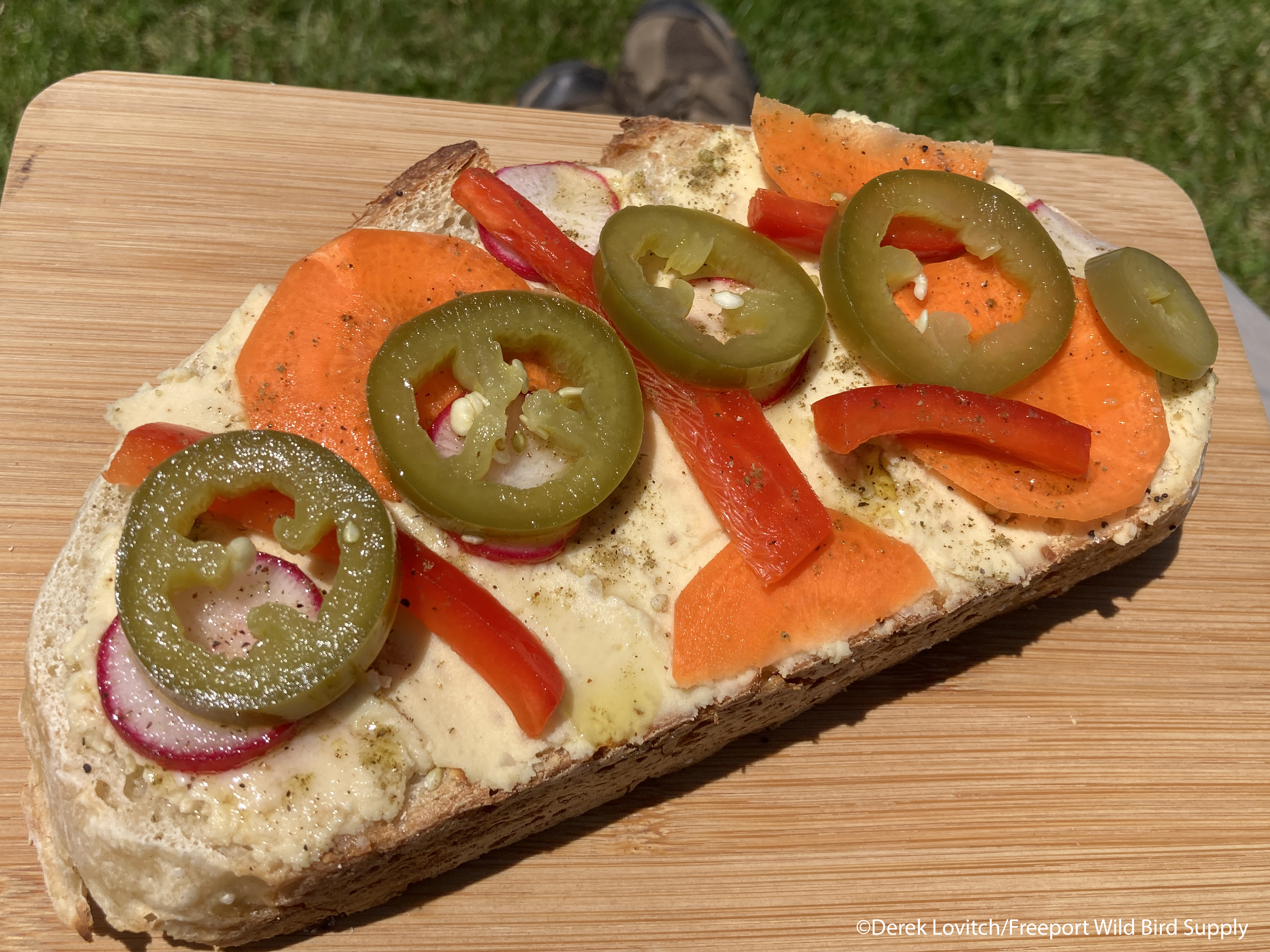
I ate a lot of hummus toasts for lunch at the Trailing Yew in an attempt to make up for copious breakfasts and decadent feeders.
The afternoon, and the next three days were filled with crippling view after crippling view. Blackpoll Warblers were everywhere, both males and females seen in close proximity repeatedly for good studies. American Redstarts were abundant, as were locally-breeding Common Yellowthroats and Yellow Warblers. But it’s been a long time since we have seen crossbills, especially White-winged, so well and so often everywhere around town and beyond. It’s hard not to name this species the bird of the tour this year.
Male White-winged Crossbills.
In that first afternoon, some of our other highlights were a fleeting glimpse of a Black-billed Cuckoo, and later we found a female Purple Martin. Birds were just unusually low and cooperative, despite the gorgeous weather, so that really set this first day apart.
My days started even earlier than I would have liked as pheasants took to calling from the railing right outside my bedroom window. At 4am. 4am.
Unfortunately, the NEXRAD radar archive was down for the duration of our stay, so I can’t do my usual analysis here, but on Saturday morning, a light morning flight of mostly Blackpoll Warblers and American Redstarts suggested at least some birds had arrived on the light westerly wind overnight. There were also more Magnolia Warblers around, but overall, our two morning walks were slower than yesterday’s birding, but we would repeatedly find pockets of good activity with more great views of most of what we encountered.
This Cape May Warbler showed himself nicely, feeding on little midges/flies buzzing around the buds of this Red Spruce.
A Black-billed Cuckoo was as cooperative as they get, freezing on a bare branch for several minutes. Prolonged scope views of Red and White-winged Crossbills offered the chance to watch their amazing feeding behavior. The afternoon was a little slower, as expected, but still low and close Blackpoll Warblers and crossbills all around. Friends found a Blue Grosbeak that afternoon, which confirmed what I thought “had to be one” that flew across the marsh early in the morning but disappeared into brush before we could confirm its identity.
Of course we took some time to enjoy Rose-breasted Grosbeaks at Donna’s feeders, along with the omnipresent Ring-necked Pheasants.
Despite southerly winds overnight, Sunday morning was quite a bit slower, likely due to rainfall cutting off the flow of migrants from the south. We started the day with a bang though, as we moseyed down to the harbor to enjoy an up-close-and-personal Razorbill that ended up spending much of the day foraging in the harbor.
There was some passerine turnover overnight, however, and new birds this morning included an Alder Flycatcher, a calling Olive-sided Flycatcher, and finally a Tennessee Warbler – perhaps our first uncooperative warbler of the trip! The bird of the morning, however, was Blackburnian Warbler, as we started the day with amazing views just as we started and finished the morning with repeated great looks at males and females. Again, we were just in awe of the repeated great views we were getting of so many species, even if, yes, it was slow by Monhegan standards.
A nice selection of flycatchers over the weekend afforded the opportunity to learn how to break them down via primary projection, such as in this long-winged Eastern Wood-Pewee.
In the afternoon, we took the obligatory walk up to the lighthouse, both for some hawkwatching and snapshots. However, we ended up being enthralled (OK, I was enthralled) by a massive gull feeding frenzy that broke out over the lighthouse hill and beyond. It became clear that the gulls were not just enjoying the weather to soar on thermals but were feeding on some unseen flying insect. While a common event on the mainland, none of the birders present out here has ever seen anything like this over the island. The numerous Herring Gulls attracted a growing number of Laughing Gulls – the most I have ever seen out here (it’s usually just a few pairs around the harbor or fly-bys).
Northern Parula nest under construction.
Monday, the last day of the tour, unfortunately, did not see us go out with a bang. With light easterlies overnight and developing clouds and fog, not only did a new wave of migrants not arrive, but it seemed like just about every single passage migrant had departed! Even Blackpolls were few and far between, and the number of American Redstarts seemed only on par with the number that remain out here to breed.
Pink Lady’s Slipper in the woods.
But once again, White-winged Crossbills stole the show, with the pre-breakfast walk highlighted by incredible views of a feeding family group. And although slow all day, we covered some ground and slowly built up our triplist with everything from a Purple Finch to a calling fly-over Black-bellied Plover. We studied a Great Cormorant (and later, a second), and finally caught up with the long-staying Green Heron in the ice pond. Three tarrying Black Scoters were a surprise in Deadman’s Cove, but not nearly as surprising as the drake Green-winged Teal loafing with Common Eiders on Neigh Duck!
After lunch, an unusual-for-here assortment of swallows over the marsh included two Bank, one Cliff, joining the 2 Tree Swallows and more Barn Swallows that have been out here all weekend. Seawatching at Lobster Cove produced a hen Long-tailed Duck right off the rocks that somehow disappeared in front of our eyes.
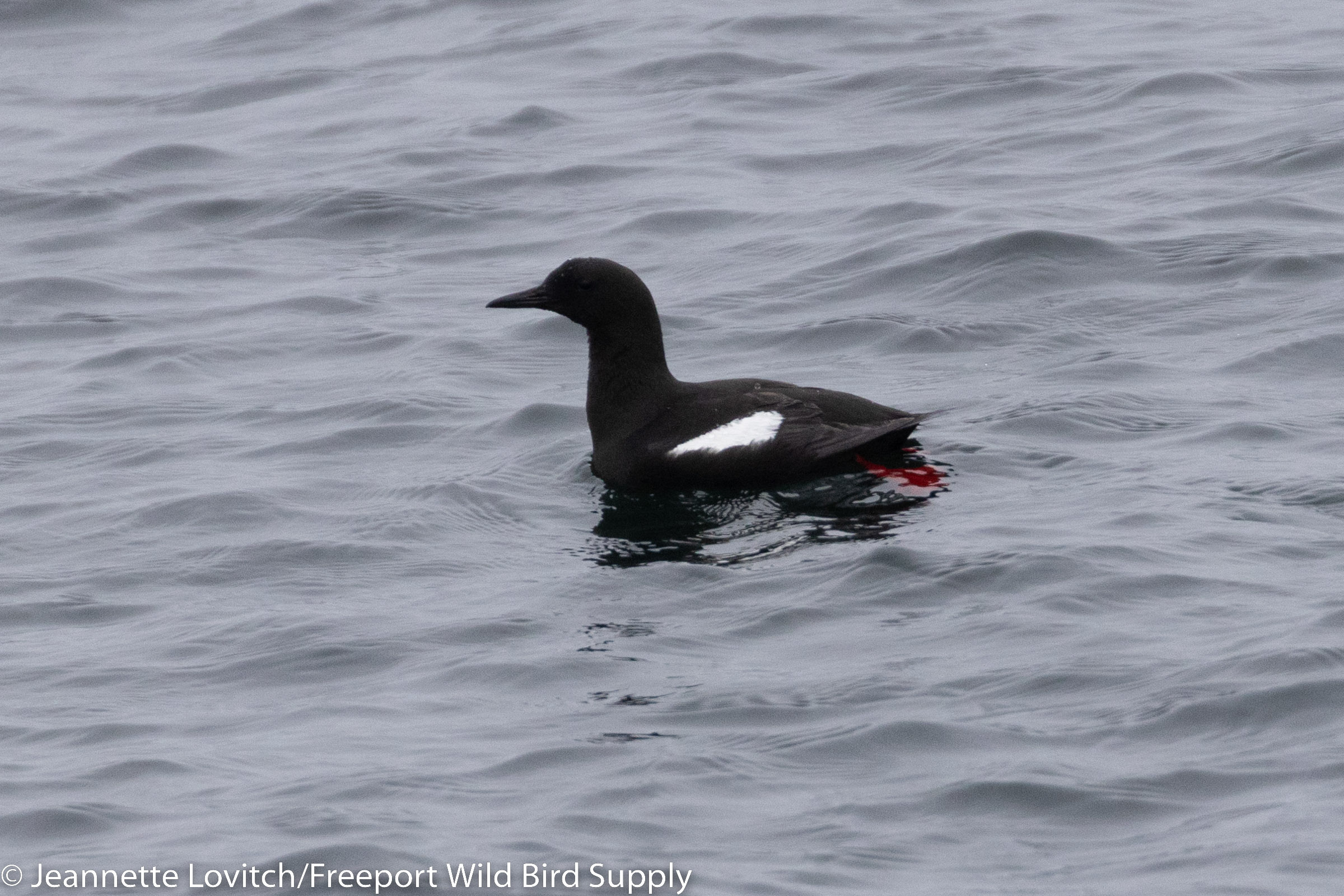
Black Guillemots were all around the island, including some close ones off of Lobster Cove that were close enough to see those vivid red feet.
“Lefty” the Red-winged Blackbird has returned for at least his third summer on territory in the marsh.
With the tour coming to an end at about 3:00pm as just about everyone readied to board the Hardy Boat, rain began to fall, bringing our tour to an official close. However, it wasn’t until dinnertime that a few downpours arrived, and so we squeezed out one more comfortable day of birding.
It was just Jeannette and me now, but “FOMO” was unwarranted. While a White-throated Sparrow outside of the Monhegan House after dinner was unexpected for the date, we didn’t add anything new to the trip list that evening, or the next morning. Rain, heavy at times overnight and a strong south wind with fog in the morning precluded any movement of birds, and our pre-breakfast walk was dreadfully slow. Passage migrants were few, just about 9 Blackpoll Warblers, 1 Canada Warbler, and 1 Northern Waterthrush, and it felt downright June-like with birdsong being almost exclusively breeding birds. We did have another look at uncommon Monhegan birds like the Blue-winged Teal, Green Heron, and Bank Swallow, but it wasn’t the hardest day to walk away from.
Juvenile White-winged Crossbill
…. Which was good, as we were forced to depart earlier than planned due to the cancellation of the afternoon Hardy Boat. With a low pressure system moving along the stalled front that likely reduced our flow of migrants over the second half of the weekend was also building the seas. Our 10:15 trip, however, featured following seas that made for a reasonable ride, but the fog remained thick until New Harbor. We did have 4 Red-necked Phalaropes materialize out of the fog, however, with one remaining on the water just long enough for Jeannette to reach for and get her camera ready.
So, while Monday – and our usual day off together on Tuesday – was lackluster overall, it was really hard to beat the weather, birding, and learning opportunities that this year’s tour offered. Hopefully, everyone will now know how to identify Blackpoll Warblers at least! Oh, and my goodness the crossbills…
We tallied a respectable 93 species, including 18 species of warblers, over the four-day tour. Although below our long-term average, this was slightly above recent spring weekends. The following counts are simply guesstimations of the number of each species we encountered each day. Not the number of observations (eg every time we passed the same singing Yellow Warbler) or even a guess as to how many were on the island on a given day, but some crude attempt to quantify how many individuals of each species we think we saw each day. The ebbs and flows and daily changes are more interesting than the undoubtedly inaccurate numbers. For species such as the two crossbills that move around, back and forth, all over each day, it was impossible to really know how many there were. “A lot” should suffice.
Here is the trip list four the four-day tour. * = seen from ferry only. **=not seen with tour group.
Species
5/24
5/25
5/26
5/27
Wood Duck
1
1
1
0
Blue-winged Teal
0
0
1
0
Mallard
15
20
20
15
American Black Duck
1
1
0
1
Green-winged Teal
0
0
0
1
Common Eider
x
x
x
x
Surf Scoter
2*
0
0
1
Black Scoter
0
0
0
3
Long-tailed Duck
1
0
0
1
Ring-necked Pheasant
8
10
10
10
Mourning Dove
8
10
8
8
Black-billed Cuckoo
1
1
0
0
Common Nighthawk
1
0
0
0
Chimney Swift
0
0
2
0
Ruby-throated Hummingbird
1
2
1
2
Virginia Rail
0
1
1
0
Black-bellied Plover
0
0
0
1
RAZORBILL
0
0
1
0
Black Guillemot
x
x
x
x
ATLANTIC PUFFIN
2*
0
0
0
Laughing Gull
6*
20
1
8
Herring Gull
x
x
x
x
Great Black-backed Gull
x
x
x
x
Common Tern
X*
0
0
0
Common Loon
5*
0
1
2
Northern Gannet
3*
0
1
0
Double-crested Cormorant
x
x
x
x
Great Cormorant
0
0
0
2
Great Blue Heron
0
0
1
0
Osprey
0
2
1
0
Sharp-shinned Hawk
0
1
2
0
Bald Eagle
2
2
2
2
Red-bellied Woodpecker
0
1
0
0
Merlin
0
1
1
1
Eastern Kingbird
3
4
5
5
Olive-sided Flycatcher
0
0
1
0
Eastern Wood-Pewee
4
4
4
3
Alder Flycatcher
0
0
1
0
“Traill’s” Flycatcher
0
0
1
0
Yellow-bellied Flycatcher
0
1
0
0
Least Flycatcher
0
4
5
1
Blue-headed Vireo
0
1
0
0
Red-eyed Vireo
8
15
10
3
Blue Jay
4
48
4
4
American Crow
x
x
x
x
Common Raven
1
1
1
1
Black-capped Chickadee
x
8
6
6
Bank Swallow
0
0
0
2
Tree Swallow
2
2
1
1
Northern Rough-winged Swallow
0
1
0
0
PURPLE MARTIN
1
0
0
0
Barn Swallow
4
1
1
6
CLIFF SWALLOW
0
0
0
1
Golden-crowned Kinglet
1
2
10
2
Cedar Waxwing
40
60
80
30
Carolina Wren
2
7
3
3
House Wren
1
1
2
1
Gray Catbird
x
x
x
x
Brown Thrasher
0
1
1
0
European Starling
x
x
x
x
Swainson’s Thrush
1
1
0
0
American Robin
10
12
8
10
Purple Finch
0
0
0
1
WHITE-WINGED CROSSBILL
6
12
20
25
RED CROSSBILL
4
15
12
4
American Goldfinch
10
10
10
10
Chipping Sparrow
2
0
0
0
Song Sparrow
x
X
x
x
Bobolink
1
1
1
1
Baltimore Oriole
2
2
1
2
Red-winged Blackbird
x
x
x
x
Common Grackle
x
x
x
x
Northern Waterthrush
0
0
0
1
Black-and-white Warbler
0
1
0
1
Tennessee Warbler
0
2**
2
0
Nashville Warbler
1
0
0
0
Common Yellowthroat
10
15
12
x
American Redstart
30
35
25
10
Cape May Warbler
2
1
1
0
Northern Parula
4
8
8
4
Magnolia Warbler
6
10
4
4
Bay-breasted Warbler
2
0
1
2
Blackburnian Warbler
3
3
5
1
Yellow Warbler
20
20
20
15
Chestnut-sided Warbler
6
8
6
3
Blackpoll Warbler
60
50
35
6
Yellow-rumped Warbler
0
1
0
0
Black-throated Green Warbler
3
8
10
1
Canada Warbler
1
0
0
0
Wilson’s Warbler
2
1
1
0
Northern Cardinal
x
10
8
6
Rose-breasted Grosbeak
2
2
0
1
BLUE GROSBEAK
0
1
0
0
Day Total
64
66
65
62
Warbler Day Total
14
14
13
12
Trip Total
93
Warbler Trip Total
18
The above birds follow the “guide plus one” rule, meaning both me and at least one client need to see the bird for it to go onto the list. I saw a Northern Mockingbird on three occasions, for example, but somehow never saw it during the tour! Likewise, an American Woodcock over the Island Inn after sunset on the 26th and the White-throated Sparrow that Jeannette and I heard after the tour ended on Monday, along with our Red-necked Phalaropes on our way home on Tuesday did not count for the official tour list.
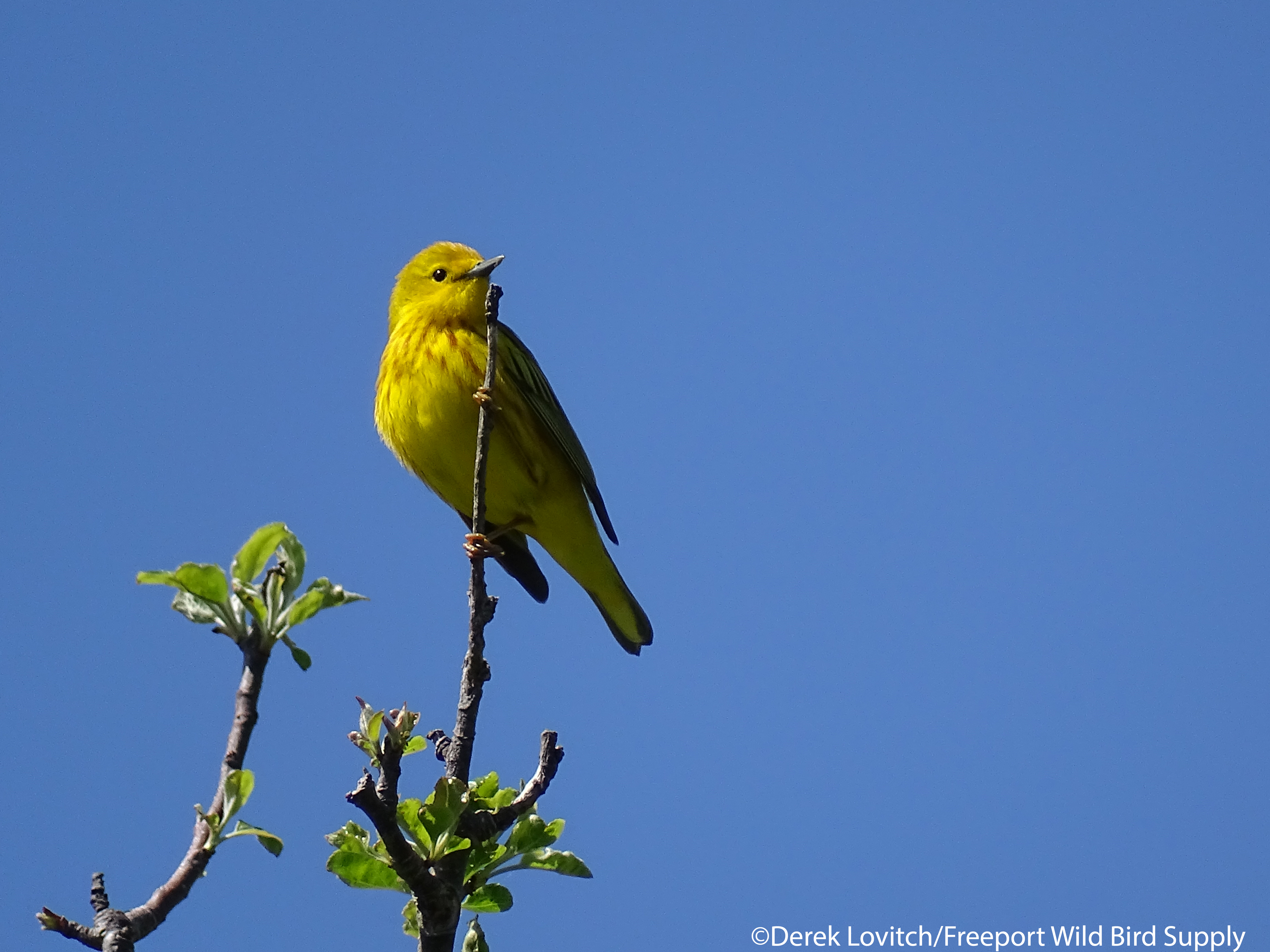
We didn’t care how common Yellow Warblers are…they’re still always beautiful! As are the sunsets from the Trailing Yew.
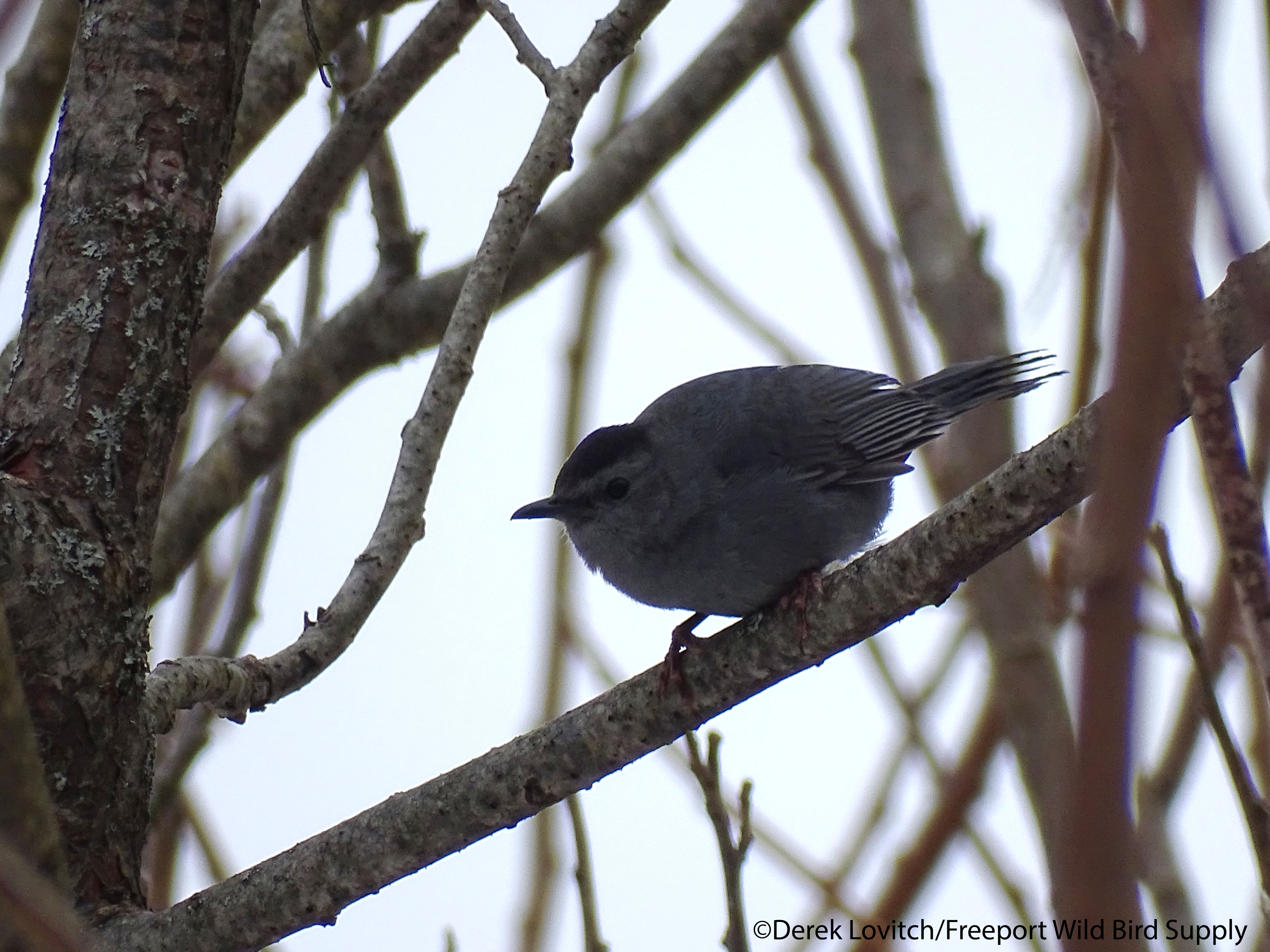
Presumably having wintered somewhat locally and recently set out in search of new food resources, this Gray Catbird was feasting on what was left of our Highbush Cranberry and Staghorn Sumac here at the store on 3/27.
After the snowfall, and especially ice, over the weekend of the 23rd-24th, a resurgence in feeder activity was widespread. Fox Sparrows seemed to be everywhere (I saw more driving around on the morning of the 26th than I sometimes see in an entire spring!), American Robins were being reported at feeders, and Dark-eyed Juncos and Song Sparrows were in every feeder and patch of bare ground. I think we can expect more of that this week, based on the current forecast!
At our feeders in Durham, some select high counts included 52 Dark-eyed Juncos on 3/25 and two Fox Sparrows 3/26 – present, 3 Purple Finches and 4 Pine Siskins on 3/31, etc. Meanwhile, at least a dozen White-throated Sparrows continue, well over our usual for the season.
Away from our yard, my observations of note over the past seven days included the following:
Red Crossbills continue to be widespread in small numbers.
30 Northern Pintail, 2 American Wigeon, 6 Green-winged Teal, etc, Mouth of the Abagadasset River, Bowdoinham, 3/26.
1 GRAY CATBIRD, yard here at the store, 3/27. Photo above.
30 BOHEMIAN WAXWINGS, here at the store, 3/30 (with Saturday Morning Birdwalk group).
2 Red Crossbills, 1 Fish Crow, etc, South Freeport Village, 3/30 (with Saturday Morning Birdwalk group).
1 Tree Swallow (FOY), Bradbury Mountain Hawkwatch, 3/31.
TOURS AND EVENTS:
April 6th’s “Woodcocks Gone Wild” is currently sold out (weather date, 4/13). This year, we are requesting pre-registration for the first time, with evening-of walk-ups only if we have extra space; sorry for the inconvenience. Give us a call at the store or email us to be added to the waitlist.
April 17: 4:00 – 8:00 p.m. Join us for a Community Pizza Night to benefit Feathers over Freeport. Proceeds from a raffle along with 20% of all food sales from 4-8:00 p.m. will be donated to support the annual birdwatching and nature discovery weekend hosted by the Bureau of Parks and Lands. Park and event staff will host an activity & information table and be on hand to answer questions about birding, the Hawk Watch, and Feathers Over Freeport. Location: Maine Beer Company, in the Tasting Room, 525 US-1, Freeport, ME 04342.
We got underway for the 18th season on Friday, March 15th. Zane Baker, back for his record-shattering 6th season, kicked things off with two triple-digit counts in the first three days of the season.
Daily counts will be posted to Hawkcount.org and the BirdHawk listserve, while weekly summaries will be posted to the News Page of our website.
The huge waves of Pine Siskins that moved through in October have been replaced by smaller, more widely dispersed groups. Very few are making their way to feeders, however, as they have been finding an abundance of favored natural food sources, such as Northern White Cedar.
Late in September, I posted a blog summarizing the various factors that were resulting in numerous, often panicked, reports of “no birds” at feeders, or otherwise significantly reduced activity. While I added a few updates to it over the past couple of months, now that it’s early December and some folks are still reporting reduced or little feeder activity, I thought it would be worth checking back in on the situation.
As for the current conditions here in Maine, it’s finally gotten colder (mostly), and much of the state has some snow on the ground (at least for now). In fact, overall November was below average, so a “mild” fall as a limiting factor for how many calories birds need via supplemental food is not much of an issue anymore.
It’s not surprising then that over the past few weeks, we have had numerous reports of “the birds are back!” and other noticeable increases in activity. Overall, our weekly seed sales are now nearly double what they were just one month ago, for one example.
But what has not changed is the overall plethora of natural food sources (especially the massive mast of Eastern White Pine) and, for the most part, the overall lack of irruptives from points north so far (at least at feeding stations). Let’s break it down again.
New arrivals.
Facultative migrants and short-distance migrants, such as White-throated Sparrows and Dark-eyed Juncos are now mostly in their winter territories, although numbers will ebb and flow with snow depths. Same for American Tree Sparrows, which are only now arriving in yards. Their delay in showing up at feeders was due to natural food sources (“weed” and grass seeds from our excellent growing season) and the overall lack of snow cover until recently, making food resources easily accessible late into the season. Their numbers should be closer to “normal” for your yard and surrounding habitat now.
American Tree Sparrows are only now arriving at feeding stations, with snow finally beginning to accumulate.
Irruptives (or lack there of)
While there are plenty of Red Crossbills around the state, these spend very little time at feeders. We were lucky enough to have a pair at our feeding station in Durham one morning (11/26), which was a real treat.
Meanwhile, the Winter Finch Forecast accurately predicted a big flight of Pine Siskins, and this was certainly the case this fall. However, as of early December, it appears the biggest waves have moved south of us. However, scattered siskins are being reported in small numbers around the state, including at feeders. So, we at least have some of these added to the mix over overall feeder bird abundance.
Purple Finches remain few and far between, however, and I am not hearing reports of Common Redpolls just yet. My guess is that we’ll see an uptick in both of these species as the winter goes on, but I don’t expect huge numbers this winter.
Again, irruptions are based on the abundances (or lack thereof) of cyclical natural food sources, and so this is completely normal and natural; nothing to worry about here! On the other hand, wow, are there a lot of American Goldfinches around right now (40-50 daily at our feeders in Durham, for example)!
The Mixed Species Foraging flocks.
Now here’s where things get a little tougher to figure out, but I think here in lies one of the issues with the overall reduced feeder bird activity for many folks who are good stewards of their feeding stations and are using quality products (more on that later)
Many of our resident birds spend the winters in a mixed-species flock that includes species that eat a wide variety of things, from seed-obligate nuthatches to insect-only Golden-crowned Kinglets and Brown Creepers. They roam around their winter territories exploiting food sources together, perhaps for safety in numbers and/or for sharing local knowledge about resources and predators. My observations at feeders and in the woods, suggest these mixed-species foraging flocks -which include some of our most common and widespread feeder birds – are smaller than average this winter.
With close to zero Black-capped Chickadees and Red-breasted Nuthatches departing the Boreal this year, and no sign of a fall movement of White-breasted Nuthatches out of the northern limits of their range (again, all due to the abundance of various natural food sources), our local flocks are not supplemented by birds joining them from afar.
Therefore, each flock is made up entirely of “local” birds. If you don’t have a resident pair of Red-breasted Nuthatches, for example, you probably don’t have Red-breasted Nuthatches right now. And if they’re around, there’s probably stuffing their larders with white pine seeds anyway.
While I can’t see any suggestion of more or less Downy and Hairy Woodpeckers around, there may have been another increase in Red-bellied Woodpeckers as we have had quite a few reports of yards seeing this southern colonizer for the first time.
So that leaves Black-capped Chickadees and Tufted Titmice. These core members of the mixed-species flock are exploiting the same abundance of natural food as everyone else and are spending less time at feeders now than normal. But these two birds have different winter flocking strategies: titmice remain as a family group through the winter, but chickadees’ fledglings leave the parents and join other flocks. Very anecdotally, from observing mixed-species foraging flocks while out birding and watching feeders, it seems that the number of Tufted Titmice in each flock (2-6) is usually pretty normal.
But, without any real data to cite, my impression has been the flock has less chickadees than average. For one, there are no additional birds from points north to join the group, but I also have been wondering if they had reduced productivity this year. Chickadees often use shallow cavities that they excavate in rotting wood, and with such a cool and incredibly wet June, I can’t help but wonder if they had higher nestling mortality than other cavity-nesters. Just a thought, but something I have been mulling. We’ll see if Christmas Bird Count data sheds light on this one way or another.
Eastern Bluebirds
No shortage here! Their numbers and winter range in Maine continue to grow, and this year is no different. We’ve never sold so many 11-pound (yes, 11 lbs) bags of dried mealworms as we have this year. So. Many. Bluebirds. All’s well with this.
But what about me – _I_ still don’t have birds!
Between comments at the store and the number of searches online for “why there are no birds at my feeders,” it’s very clear that some folks are not seeing many birds – much less than just the reduced numbers from factors described above. This is much trickier to analyze, especially since it’s all anecdotal. But I’ve had enough conversations of late to narrow it down to two distinct issues – quality of supplemental food and quality of local habit.
As we talked about in the earlier blog – and constantly through other means at and through the store – it was a wet then hot and humid summer, and it was a warm and fairly wet fall. This is not good for seed. Remember, up until about a month ago, any seed you bought – was harvested in 2022. How that’s handled (from the farm to the distributor to the retail store to you, the consumer) dictates how fresh and nutritious it is. Stale seed is often rejected by birds, and seed went stale quickly this summer and fall – or worse, turned rancid and/or spoiled – unless it was properly handled throughout each step.
While our seed distributor uses climate-controlled silos to store the seed and bags it upon order, we know virtually no one else in the region that does that. A pallet of bags on the floor of some warehouse somewhere since being purchased last winter is just not very valuable to birds by the time winter set in. And if it’s stored in your garage all summer, it’s gone by, too.
With birds eating less food this summer and fall due to the abundances of natural food resources, seed sat around even longer, and if it’s been with you since the spring, it’s worthless by now. Any seed stored at home for several months needs to be replaced; no other way around it. Seed is food, and fresh food goes bad – just like in our own pantries.
Start with high-quality, fresh seed in a newly cleaned feeder and birds will be back soon. But the longer you go without a valuable food resource, the longer you’ll go without birds as they’ll take more time to get back in the routine of visiting your feeding station.
And the same factors that spoiled seed out in the garage or in the corner of a hardware store does the same in your feeders. Yesterday, Jeannette and I went birding and saw three feeders on one pole full of cheap seed and the bottom half was full of mold, algae, and packed so hard that a bird couldn’t get a seed out even if it wanted to.
If you haven’t done so, it’s imperative to clean your feeders to keep your birds safe and healthy – and keep the food accessible! It’s easy to get complacent about cleaning and refreshing seed when there’s less activity at the feeding station, but this is even more important when it’s slow.
Snowfall usually pushed ground feeders, such as Dark-eyed Juncos and White-throated Sparrows to feeding stations. Be sure to have plenty of white millet on hand.
Yeah, but still…
So, you just picked up some fresh seed from us a couple of weeks ago, you thoroughly cleaned your feeders, and you still don’t have “any birds.” While we have talked about why there are reduced numbers of birds around (lots of natural food, no supplement of species or individuals from the north), there may be other macro factors at play.
I’m beginning to wonder if the reduced birds at feeders this season is also an indictment of how low-quality so much of our suburban and urban habitat has become. Invasive plants, chemically-treated monocultures of short grass, liberal use of neonicotinoid pesticides, development, and so on all impact our yards – even if we haven’t sprayed a thing or cut down a single bush. Since “our” birds are shared with all of the properties around us (and some, like Pileated Woodpeckers, perhaps multiple square miles), what others do directly impact how healthy our yards’ bird populations are.
Here on our large, rural property in Durham we’ve had the same factors that have affected everyone else. But we never “lost” our birds – our feeders have been consistently active all season, even if overall feeding has been reduced. A friend in Freeport, who has spent decades improving his bird habitat and is surrounded by larger yards and fairly healthy woodlands, also has not felt a significant drop-off in activity.
At our store, on the other hand, minus the urban birds (House Sparrows, European Starlings, and especially Rock Pigeons) that we don’t have at home, activity has been very sparse from native birds, and our mixed-species foraging flock is small and visits infrequent. There, we’re surrounded by highways, parking lots, a woodland with nearly 100% of its understory composed of invasive plants, and a neighborhood that sees a heavy use of chemicals. Our surrounding habitat at work just doesn’t hold the volume of birds as the habitat that surrounds our home, or our friend’s, no matter how much we do in our garden.
Jeannette and I spent our Tuesday birding the southern York County Coast. Fort Foster was absolutely chock full of birds – not just the Spotted Towhee! – and the mixed-species foraging flocks were active, conspicuous, and diverse. Later, we birded the neighborhood around The Nubble in York, which I have done for years. Minus a couple of large flocks of House Sparrows, it was shockingly devoid of birds. There are more houses, more glass, more cats, fewer feeders with any sort of quality food, and the few remaining thickets are almost completely taken over by invasive plants. We found exactly one mixed-species foraging flock of chickadees and titmice, etc, and they were busy feeding on birches and Pitch Pine, ignoring the one nearby feeder that had mostly milo (a filler seeds our birds almost never eat at all) and visible mold. The homeowner undoubtably would report “no birds at my feeders.”
Fewer birds around due to larger-scale problems with habitats and local populations, and what birds around would mean fewer birds at feeders no matter what. Add that to the abundance of food sources right now, and those fewer birds would spend less time visiting feeders for supplemental food. Likewise, if your surrounding habitat was fantastic and absolutely full of natural food sources, then birds that are around may also be ignoring feeders.
This chickadee might just be waiting for you to clean your feeders!
In conclusion.
You should have birds by now! If you don’t, I would check your feeders, get new seed, and think about factors in your surrounding habitat.
But for the vast majority of us, it’s time to settle in with our cup of bird-friendly coffee (speaking of ways to guarantee we have enough birds to go around!) and enjoy the renewed – even if somewhat reduced- feeder bird activity that comes with the season. And rest assured, for the most part, our “yard birds” are doing just fine in Maine, and a season like this only helps to prove that they are not in any way dependent on our feeders! But quality supplemental food sure helps, and as winter settles in, food resources are consumed or buried, more birds will undoubtedly bless us with their beauty and providing countless hours of entertainment!
And sometimes, there are temporary reasons to not see a lot of birds at your feeders!