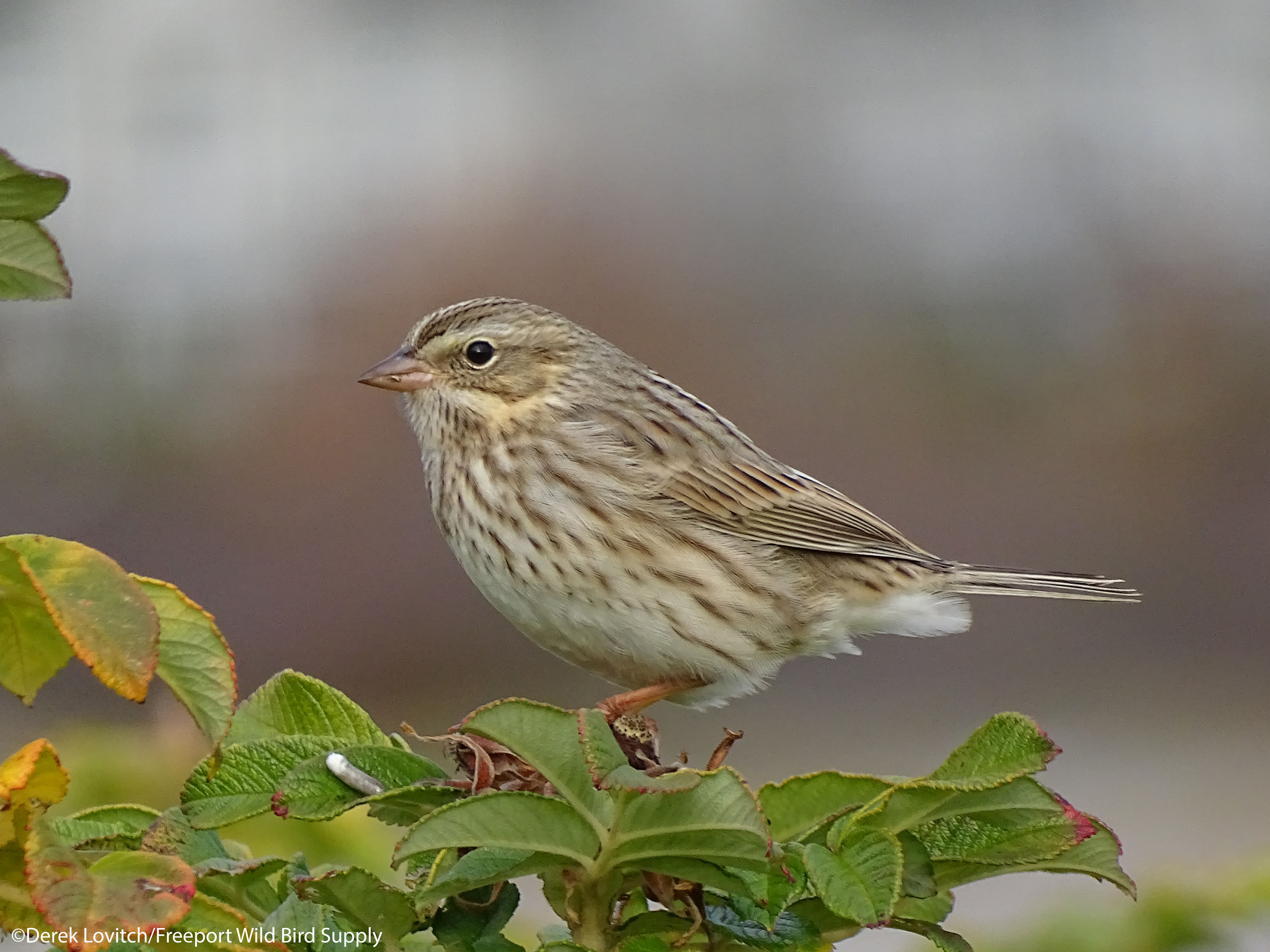
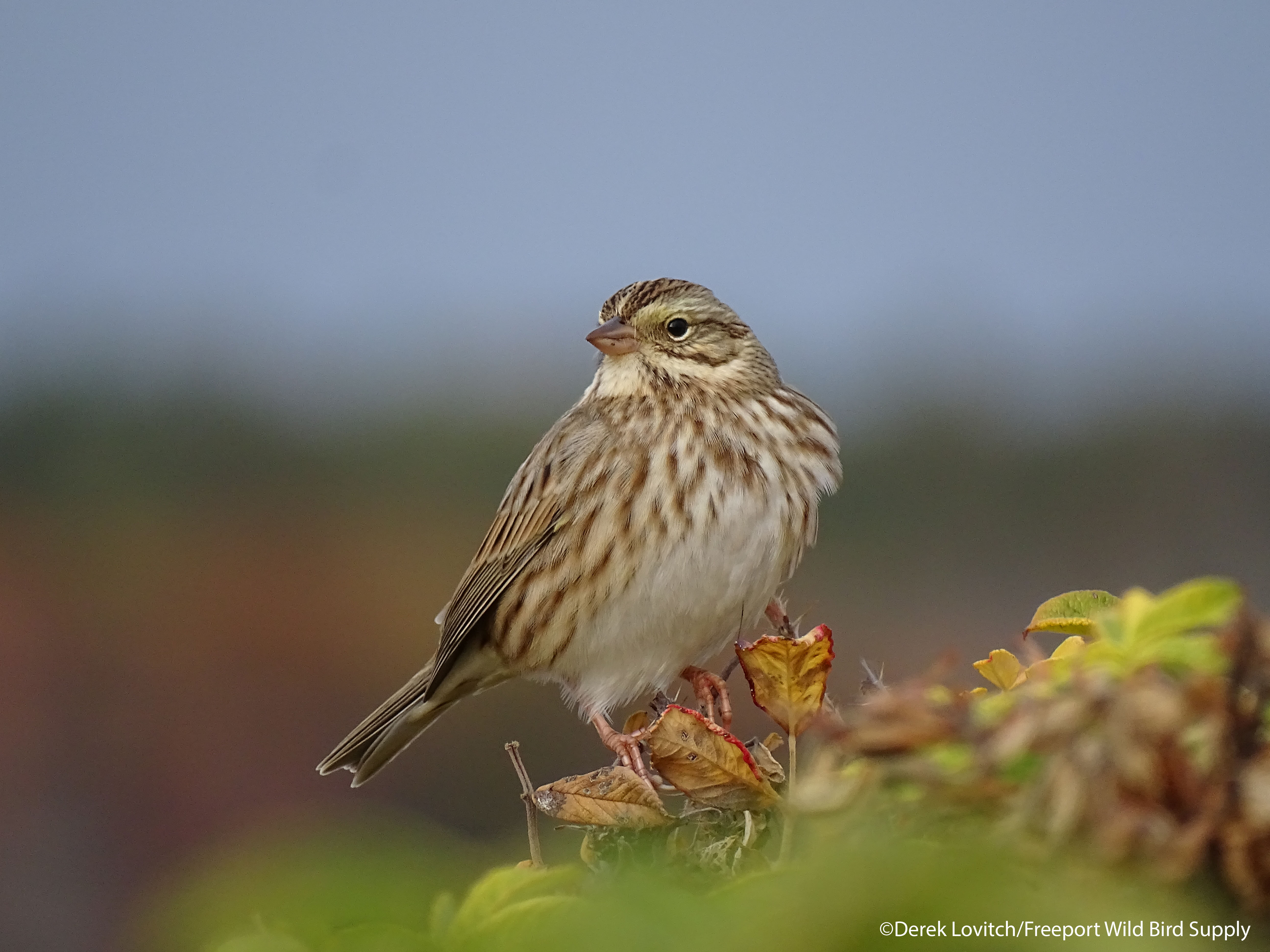
I’m just a big fan of “Ipswich” Savannah Sparrows, so it was nice to spend some quality time with them this week, including these two at Kettle Cove on Monday.
Most of my birding over the past seven days was very local, especially on our property and out the store’s window. While those were both pleasantly birdy, my few days in the field were even more rewarding. Rarity season is certainly upon us, and while I didn’t chase anything that has been seen recently, I made sure to check spots on my own that could be productive at this time of year. Here are my observations of note over the last seven days.
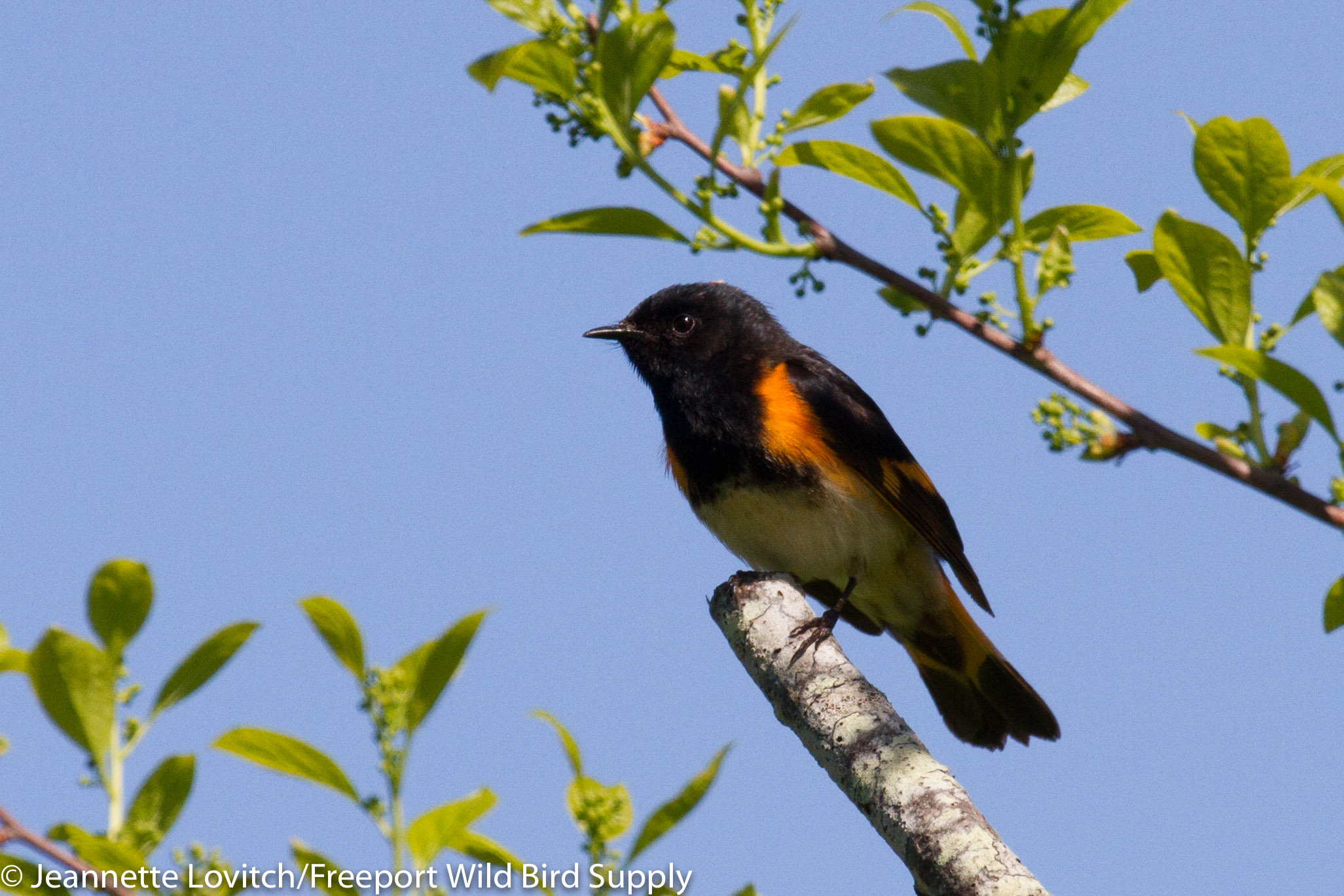
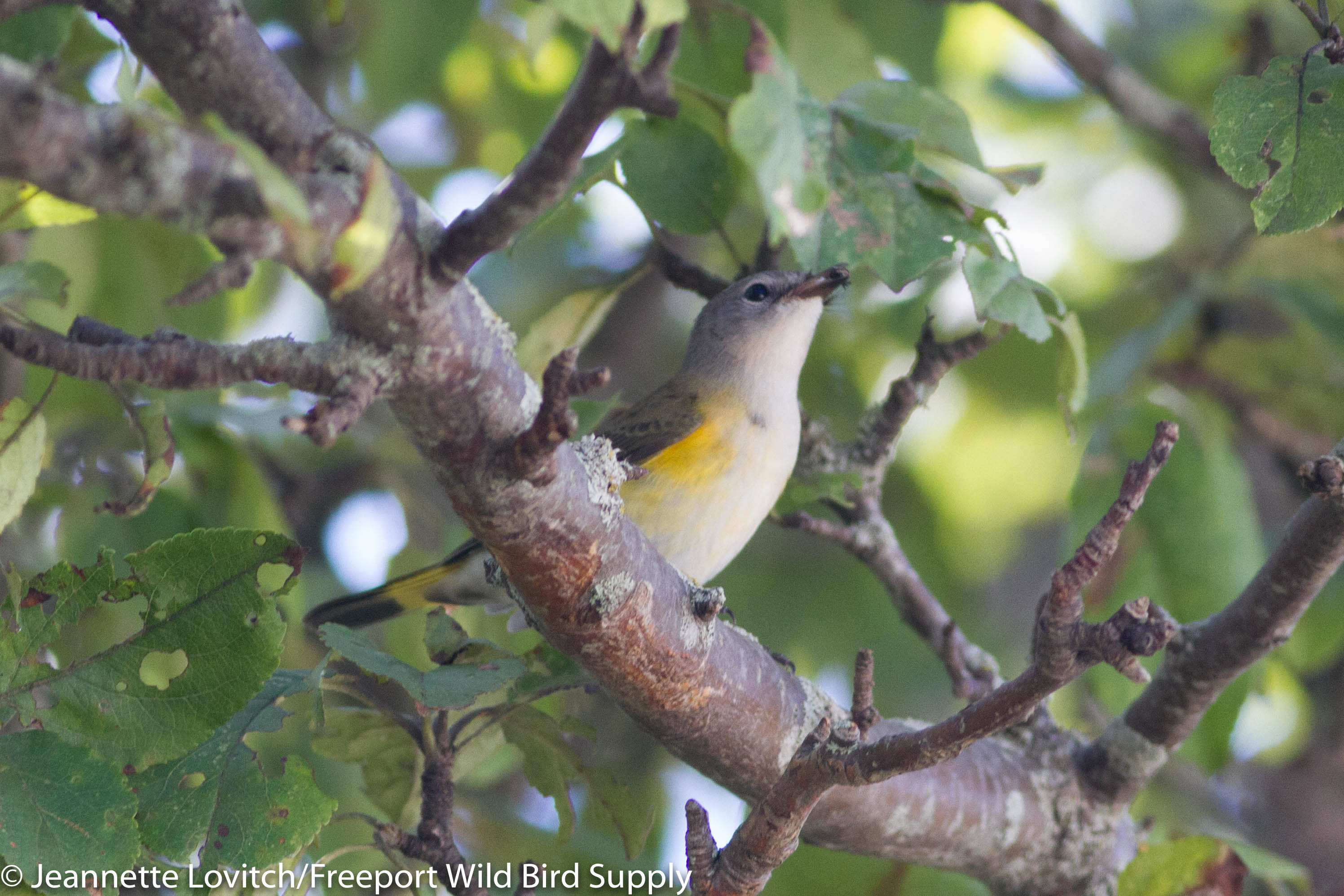
I spent a lot of time birding our property in Durham this week, with the most notable sighting being a late AMERICAN REDSTART on 10/23.
1 “Ipswich” Savannah Sparrow, 3 Great Egrets, etc, Back Cove, Portland, 10/27.
Our Last Tour of 2025 still has some space remaining, speaking of rarity season!
Birds on Tap℠ – Roadtrip! Rarity Roundup
November 9, 2025; 8:00am – 3:00pm.
Portland Explorer (formerly Maine Brews Cruise) and Freeport Wild Bird Supply are excited to continue our collaboration for six very special outings in 2025.
These unique, relaxed birding and beer-ing adventures that you have come to love combine great local birding at seasonal hotspots with visits to sample the delicious creations of some of our favorite local breweries. These tours are a perfect introduction to birding and/or craft beer, and a great opportunity to travel with significant others, friends, and family that have interest in one topic, while your interest is primarily in the other (for now!). Seasonal birding hotspots and great local beer – a perfect combination, and we’ll even do all of the driving!
Early November is a fantastic time of year in Maine for vagrants – birds normally seen in far-off places. Due to a combination of weather patterns, changing seasonal food resources, falling temperatures, and other factors – some of which are not completely understood – birds that may have ended up in Maine by “accident” begin to concentrate at the coast in “migrant traps” and “hotspots.” In other words, this is the time of year to expect the unexpected.
A traditional “Rarity Roundup” involves teams of birders heading out on a given day during rarity prime time, looking for species that are not supposed to be around. And in honor of that tradition, that’s exactly what we are going to do on this unique tour. We may “chase” a rarity (go to see something that has already been found, aka “twitch”) or we might choose a destination known for rare birds in an attempt to find one of our own. Or perhaps, we’ll do both!
Anything between Portland and Kittery is fair game, and we might not even know where we will head until we are on the bus and the latest rare bird alert is received. For those who love adding a bird to your Life or State List, and/or basking in the thrill of discovery, well then this is the tour for you! In between seeing great birds, we’ll discuss the complex factors that are involved in delivering rarities to an area, and how we go about finding them.
After about 3-4 hours of birding, depending on drive time, we will be transported to two of our great local producers to sample their offerings and learn their styles.
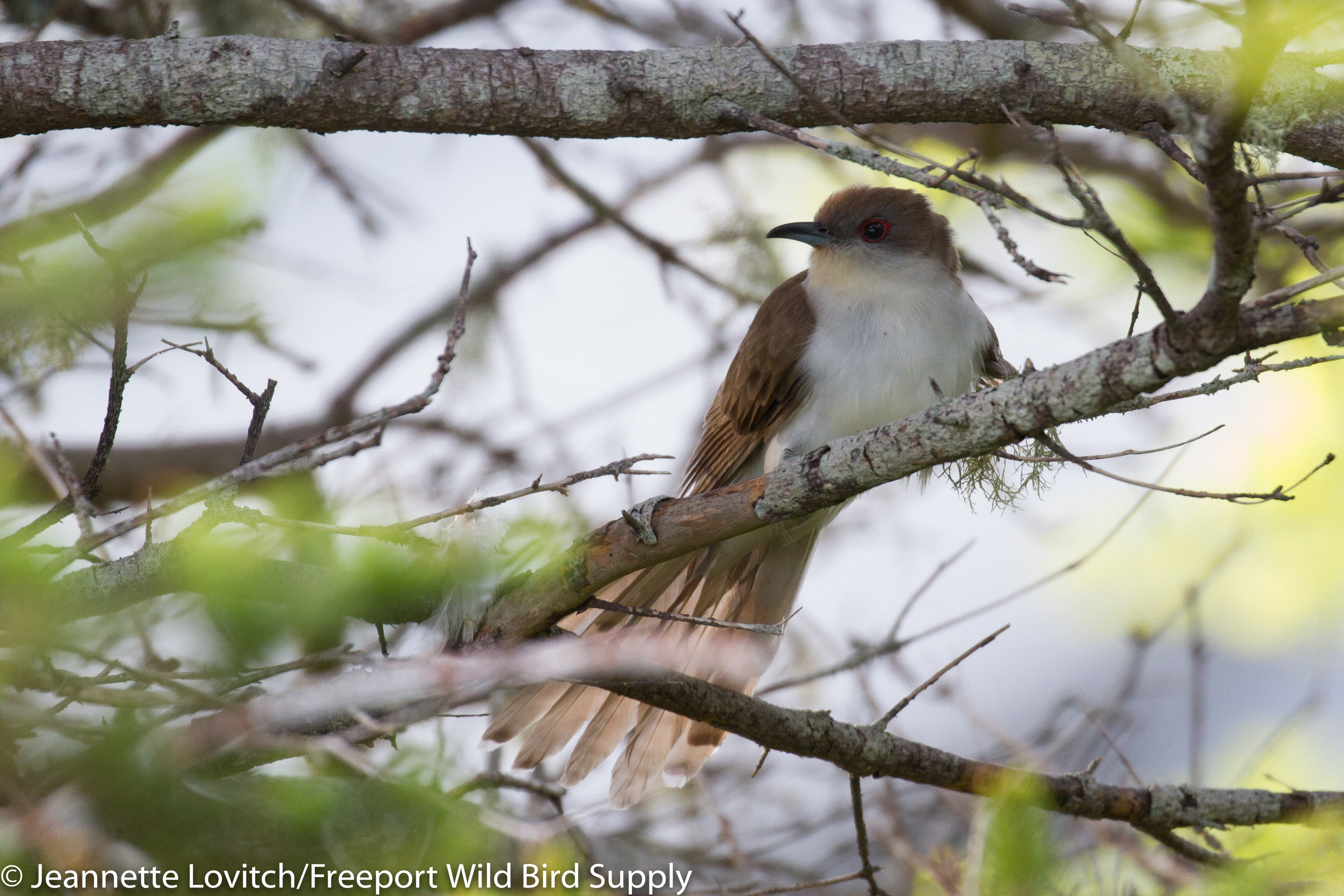
With so many great views of Black-billed Cuckoo(s) each day over the weekend, it was hard to argue against this being the bird of the trip. It was unusual how well, and how often, we saw this usually reclusive bird.
How about we just fast-forward to Sunday? Sunday was delightful.
After two quiet days, which I will eventually confess to, we had a bunch of birds. And no fog. And colorful birds in good light. The pre-breakfast loop was actually downright great, with a good variety of warblers. One copse of trees alone featured 3 Blackburnian Warblers, 4+ Blackpoll Warblers, 2 each of Yellow, Common Yellowthroat, Northern Parula, American Redstart, and 1 Magnolia Warbler
It was nice and birdy after breakfast as well, with more Blackburnian fun, a single Cape May Warbler, and a nice birdy walk through the woods (Winter Wren, Carolina Wren, and House Wren singing one after another) to Whitehead where we actually got to see the ocean – and a Great Cormorant for those visiting from afar. Bird activity and birdsong was pleasantly consistent throughout the day, and in most places we visited.
We caught up with a continuing immature male Orchard Oriole for all to see, and while perhaps one could argue it was still fairly slow for Monhegan by Memorial Day Weekend standards, it was a lot better than Friday and Saturday! In fact, the 59 species and 11 species of warblers was more than the first two days combined. A few of us who stayed out late even got to see an American Woodcock as it displayed over Horn Hill at dusk. It was a good day.
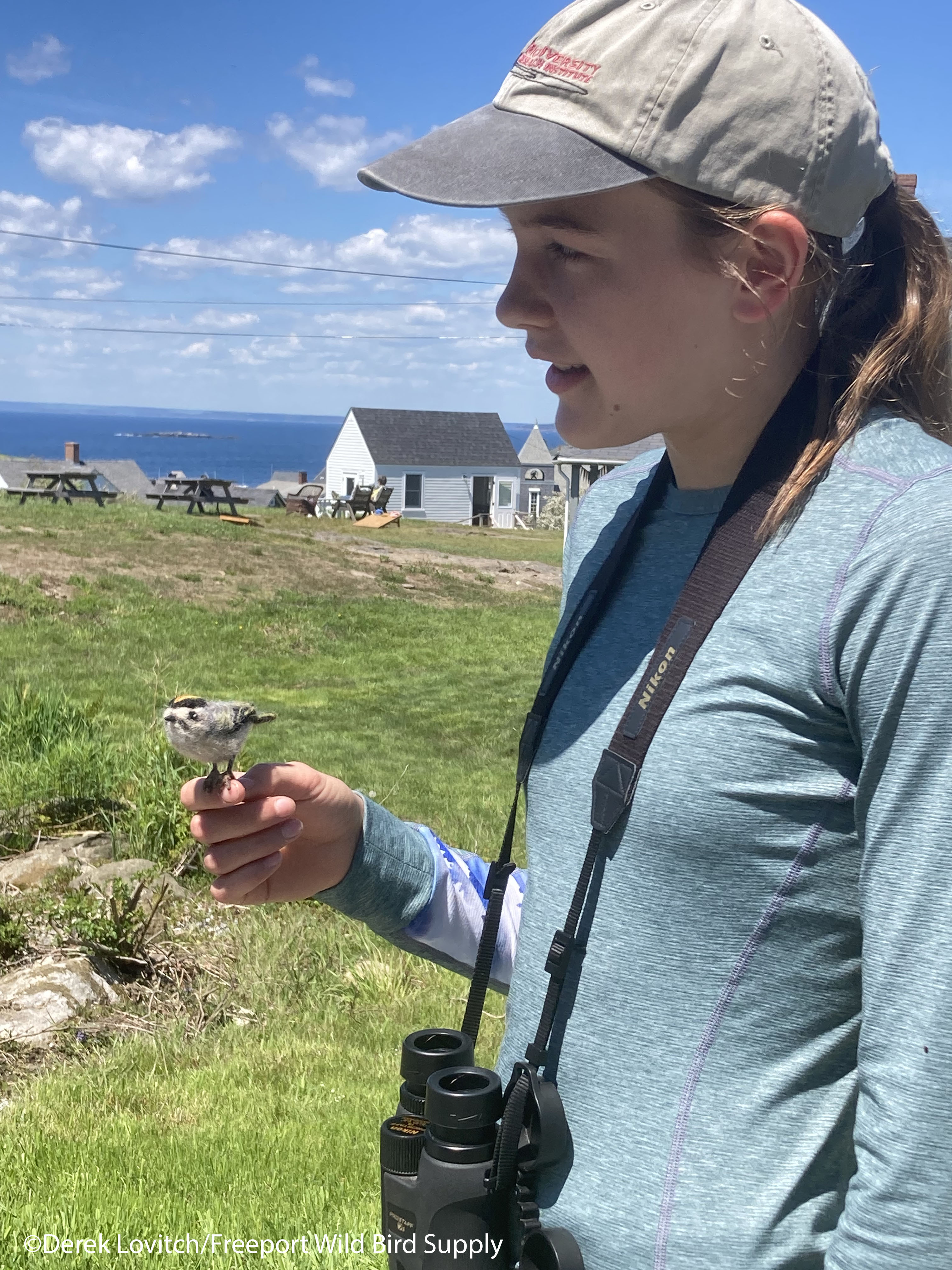
Blackpoll Warbler was definitely the migrant of the weekend. Besides being by far the most numerous passage migrant, they constantly offered crippling views throughout the tour. The male is above, and the female is below.This American Robin nesting in lobster traps was a delight to watch. The parents had to run a gauntlet of 5 or 7 traps to enter and exit the nest. It was a great demonstration of how lobster traps work.Laura shows off her handiwork. Hey, on a slow day, I’ll take all of the birds I can get!Northern ParulaImmature male Orchard Oriole
Friday got off to a rocky start. Really rocky actually, as in few people were even able to keep their breakfast down on the two ferry rides. Dense fog and near-zero visibility resulted in virtually no birds being seen, and well, let’s just not talk about these boat trips anymore…it was one of the worst I have ever experienced on the way to or from. Thankfully, I am not predisposed to feeling how many people felt upon arrival, but it was still a challenge to shake it off, and all of us were moving slowly by day’s end.
The sheltered waters of Deadman’s Cove were deceiving, but I think you get the idea!
Of course, it didn’t help that there were so few birds around! The huge wave of birds that arrived the previous weekend had cleared out, and nothing had arrived to take their place over the last few nights. With such strong winds, it was a challenge to find sheltered pockets, and when we did, we didn’t find many with many birds. Only Blackpoll Warblers were to be seen in numbers.
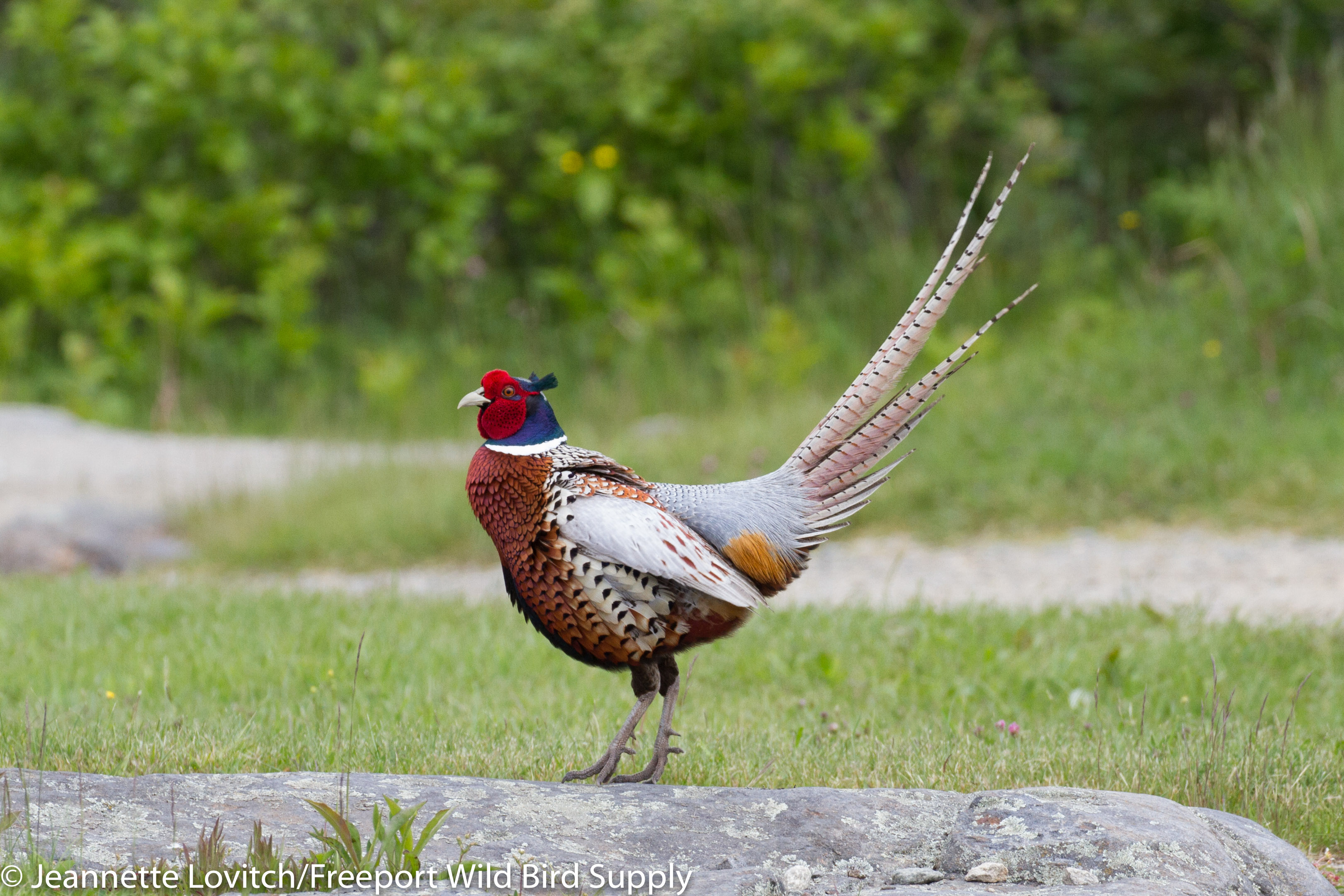
That being said, what we did see – especially the aforementioned Blackpolls and the continuing world’s most cooperative Black-billed Cuckoo(s) – we saw really well. A few of us even saw the Virginia Rail for a second. The dense fog also precluded scanning the water, so our checklist is even more pitiful for the day. Ring-necked Pheasants put on a show though, from confiding snazzy males to adorable little chicks.
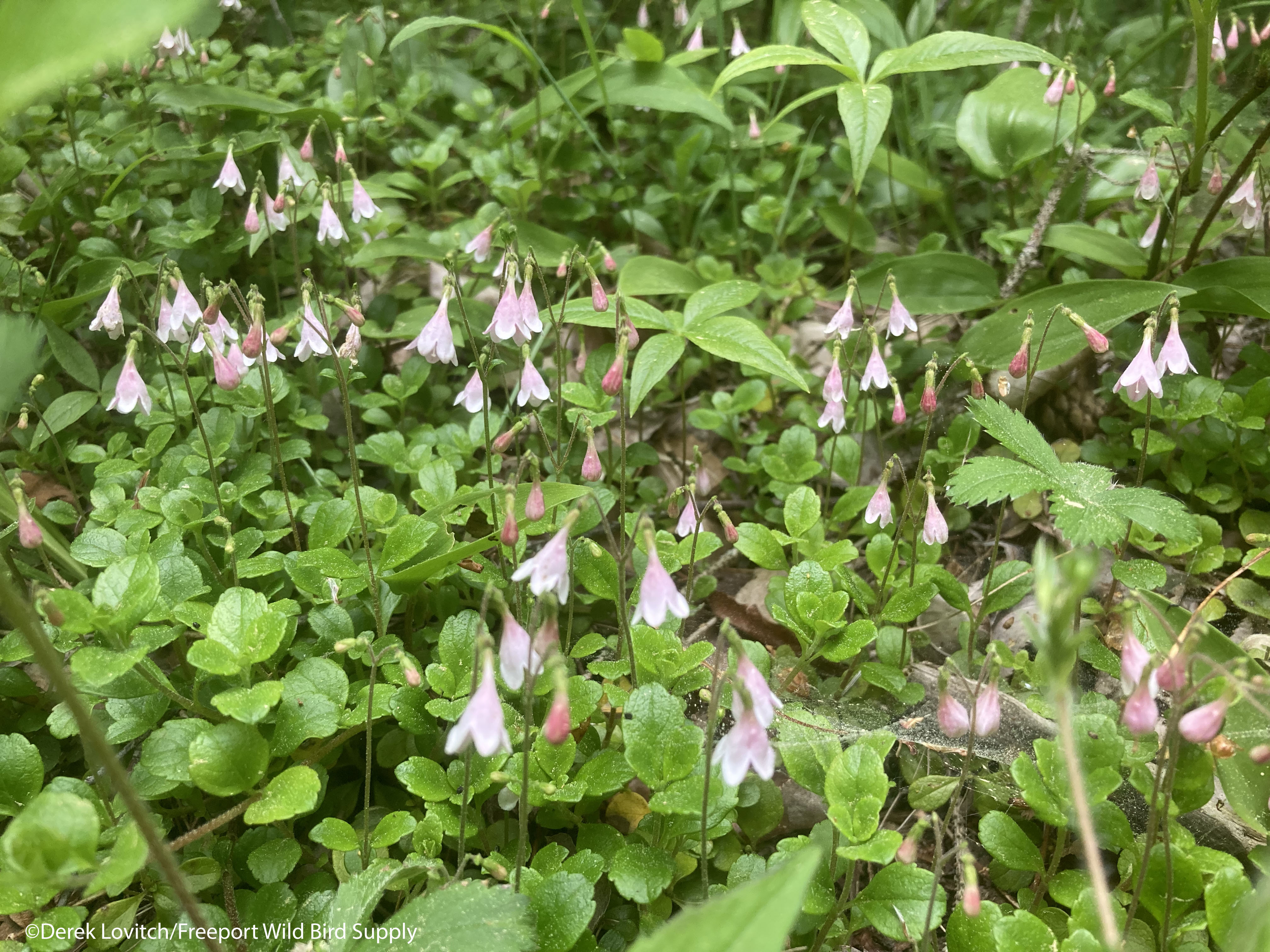
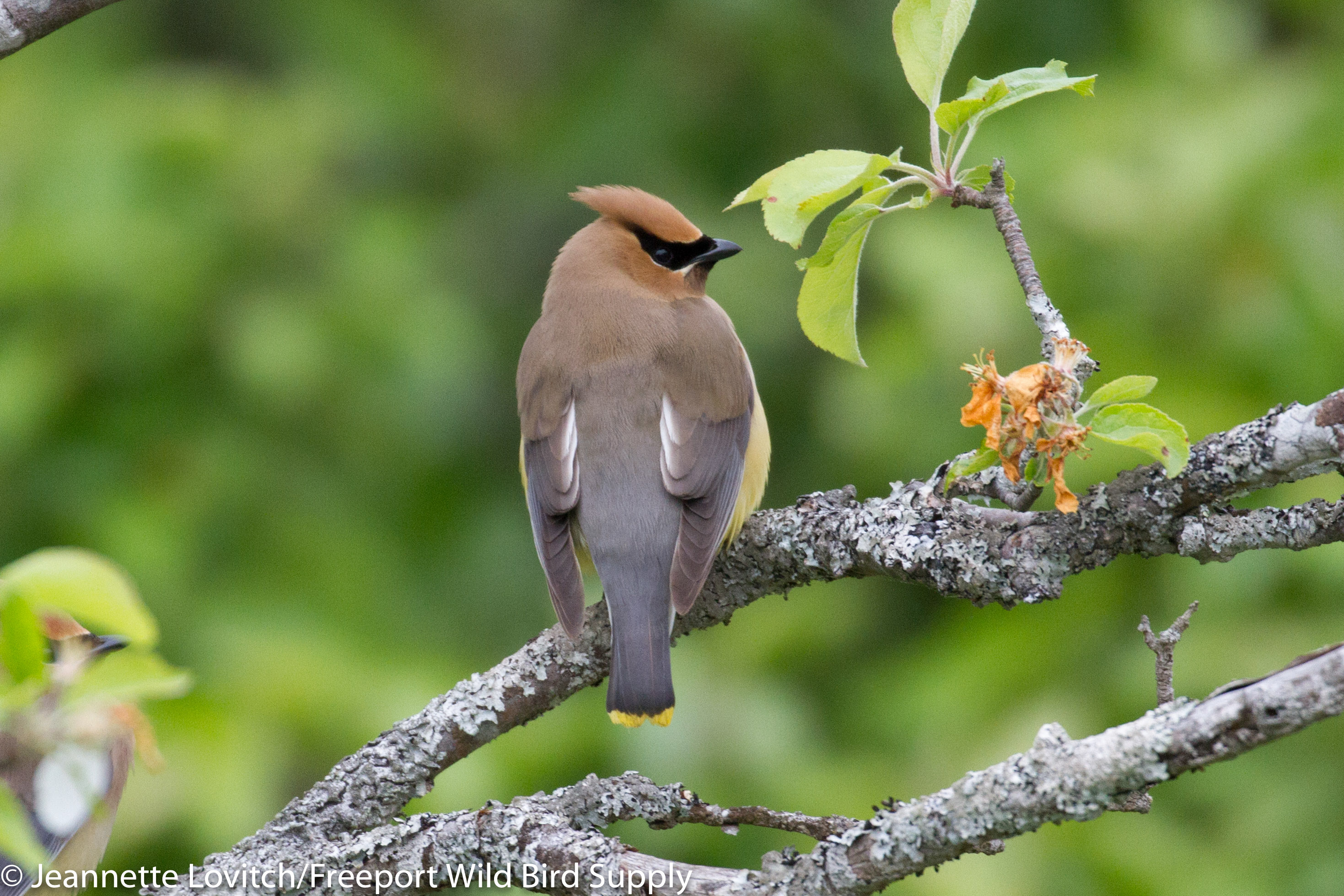
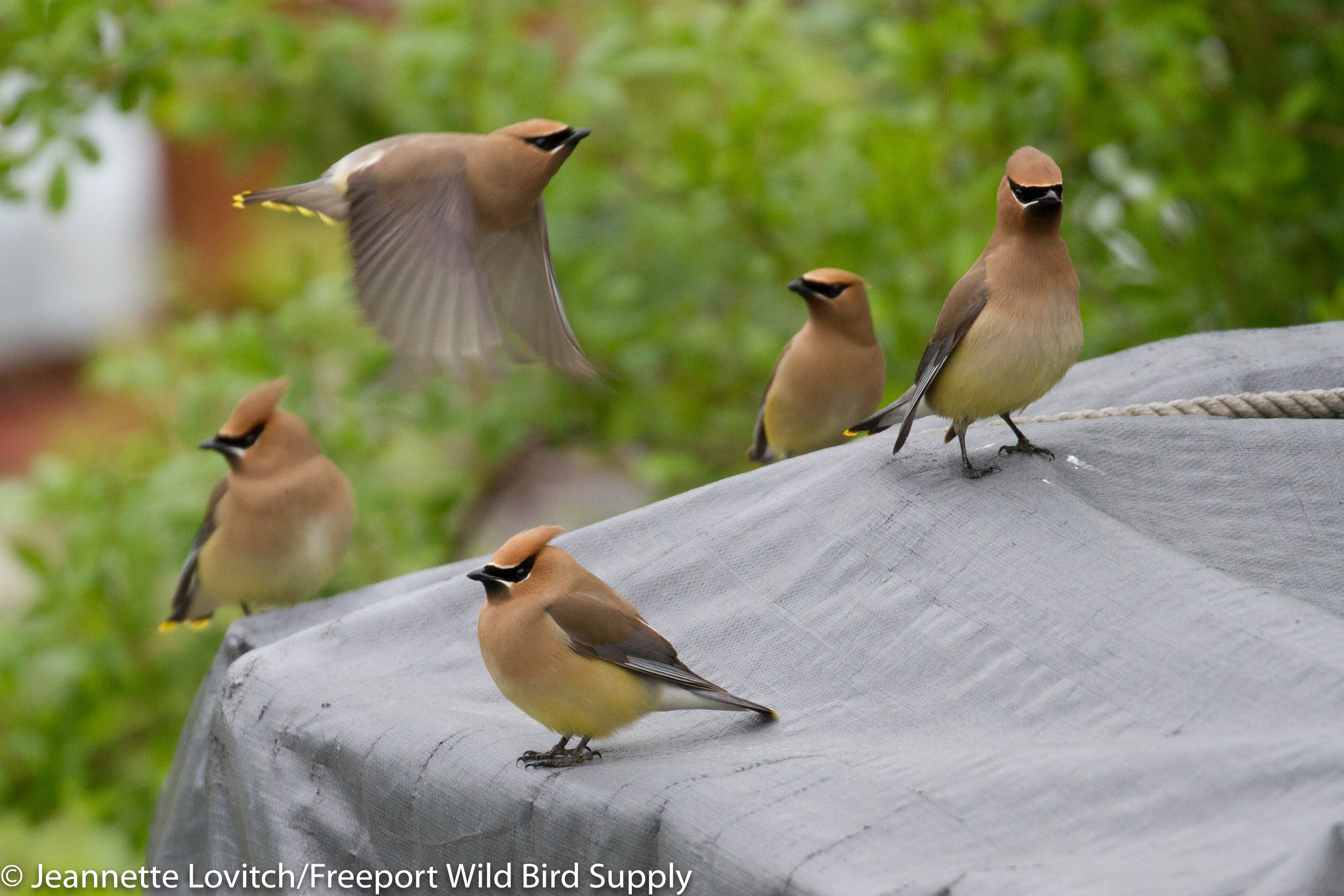
There was no shortage of Cedar Waxwings this weekend, with numbers growing in the final two days of our stay.We definitely took advantage of the lull in birding to do some botanizing, including taking the time to stop and smell the Twinflower (Linnea).What migrants were around, however, were often low, close, and confiding, such as this Red-eyed Vireo.
I had hopes for Saturday – it really couldn’t be any worse than Friday anyway! – based on the forecast. However, only a light flight was detected on the radar overnight, despite light southerly winds. It was mostly cloudy, but I couldn’t help to wonder if we were just running out of migrants.
Rain that could have resulted in a fallout of what little was airborne overnight didn’t arrive until after sunrise, but it only caused a 20-minute delay to the start of the day. That was it though, and certainly we were lucky that Saturday was not the washout that was predicted as of a few days prior. It was still slow, but once again, we had exceedingly great looks at everything that we did encounter, including more quality cuckoo time, a stunning male Indigo Bunting that was just glowing in the soft light, Blackpoll Warblers, Northern Parulas, American Redstarts, and more colorful splashes to brighten another gray day. And it wasn’t raining.
But it’s hard to sugarcoat just how slow it was – like Mid-June-kinda slow. Luckily, the fog lifted just long enough to see some waterbirds, and we took advantage of that for an impromptu gull workshop.
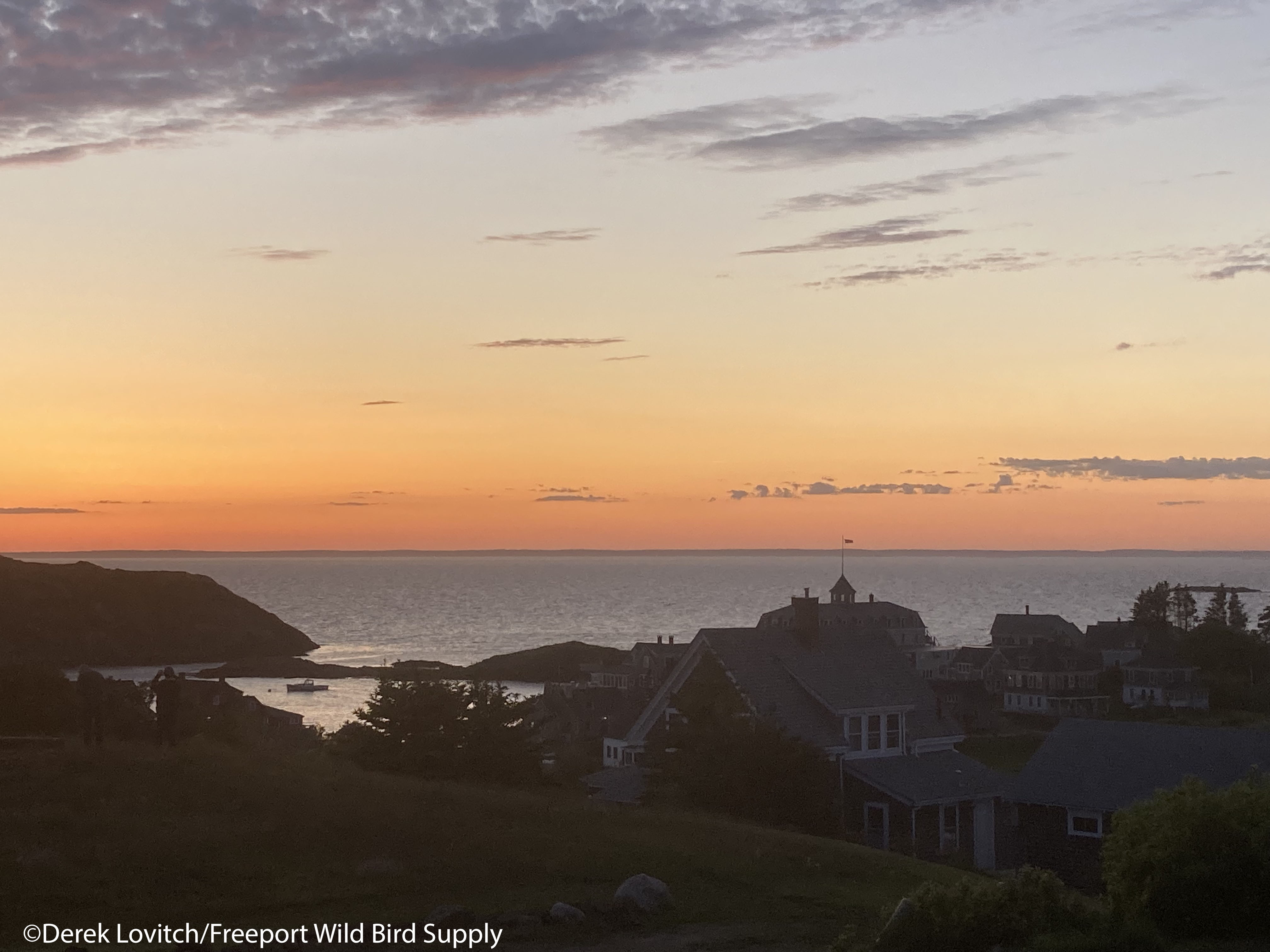
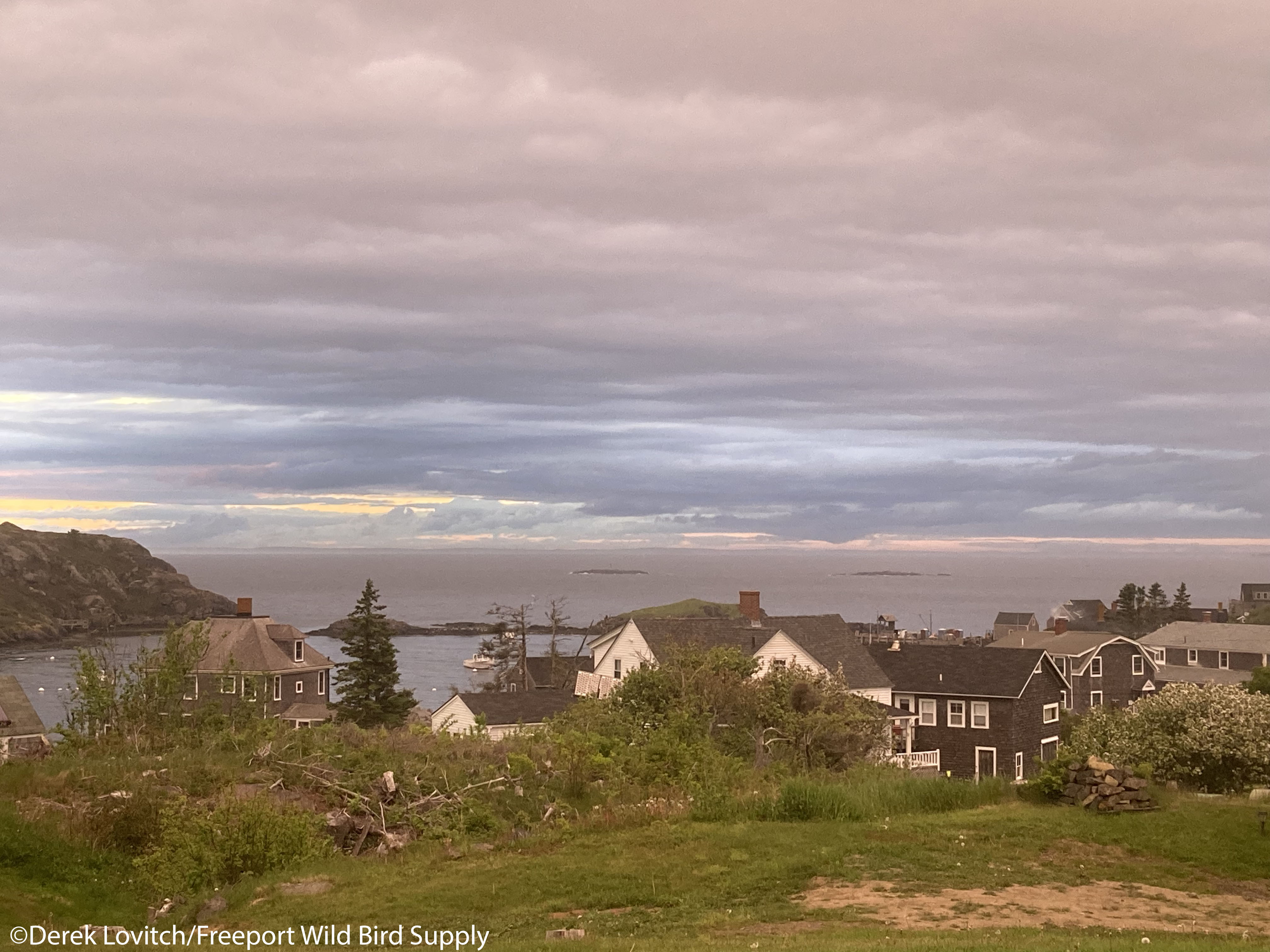
A tease. The fog returned shortly thereafter.It was news to me that Red-backed Salamanders were on the island. Upon finding that out, our Saturday afternoon walk in the woods featured a lot of log-rolling to sample. Apparently, they are rather widespread, as we found them throughout the spruce forest of the next few days.Sunsets on Monhegan are always memorable, but Saturday night’s was even more exciting as it meant an end to two days of solid fog.Tomorrow would be better, this scene promised. And it most certainly was!
A brief shower at dinnertime ushered in a cold front and skies began to clear at dusk, with the fog finally lifting. That led to the delightful Sunday I was talking about. And Monday wasn’t too shabby either, as we again started the day without fog, a very light wind, and evidence of some bird migration on the radar overnight. And, with the southwesterly flow continuing, we had even higher hopes for finding the “mega” that would make up for the so-far lackluster species list.
Starting the morning with a Black-billed Cuckoo sunning itself in a tree right in front of the Trailing Yew was a solid start, and there were more Eastern Wood-Pewees and a decent number of Blackpoll Warblers around. Again, a rather slow day by Monhegan standards, but we really had more great looks at everything we did see. Today’s magic tree was by the Ice Pond, with a pair of Blackburnian Warblers, a pair of Blackpoll Warblers, Yellow Warbler, Common Yellowthroat, and finally a Bay-breasted Warbler.
We also finally had some rarity excitement. First, a Spizella sparrow flushed in front of us and a very quick glimpse in the scope suggested a Clay-colored Sparrow, which is a great bird in the spring. But just to be sure, we searched for it, but to no avail. Luckily, its identity was confirmed the next morning went it put on a show in the exact same spot it didn’t want to return to today.
Later, a female Purple Martin made an appearance…OK, fine, I could not completely rule out a Gray-breasted Martin. I was trying.
The tour officially concluded in the afternoon, but Jeannette and I remained to enjoy a 24-hour vacation. Don’t worry, you didn’t “just miss” something, as all we had new in the afternoon was a Savannah Sparrow.
It’s already baby bird season!Cedar Waxwings were the most numerous passerine on the island – or at least, the most obvious, with a flock of 60 that grew to at least 150 by Tuesday afternoon. Common Yellowthroat.Eastern Kingbird
Also, don’t worry that you missed the day Monhegan legends are made of on Tuesday. You did not. It was still fairly slow, but we had a little uptick in diversity. The pulse of late-migrating flycatchers that I had expected finally arrived, there was a good Northern Gannet show off Lobster Cove in the morning, and a steady trickle of commuting Atlantic Puffins in a small sample of afternoon Lobster Cove seawatching.
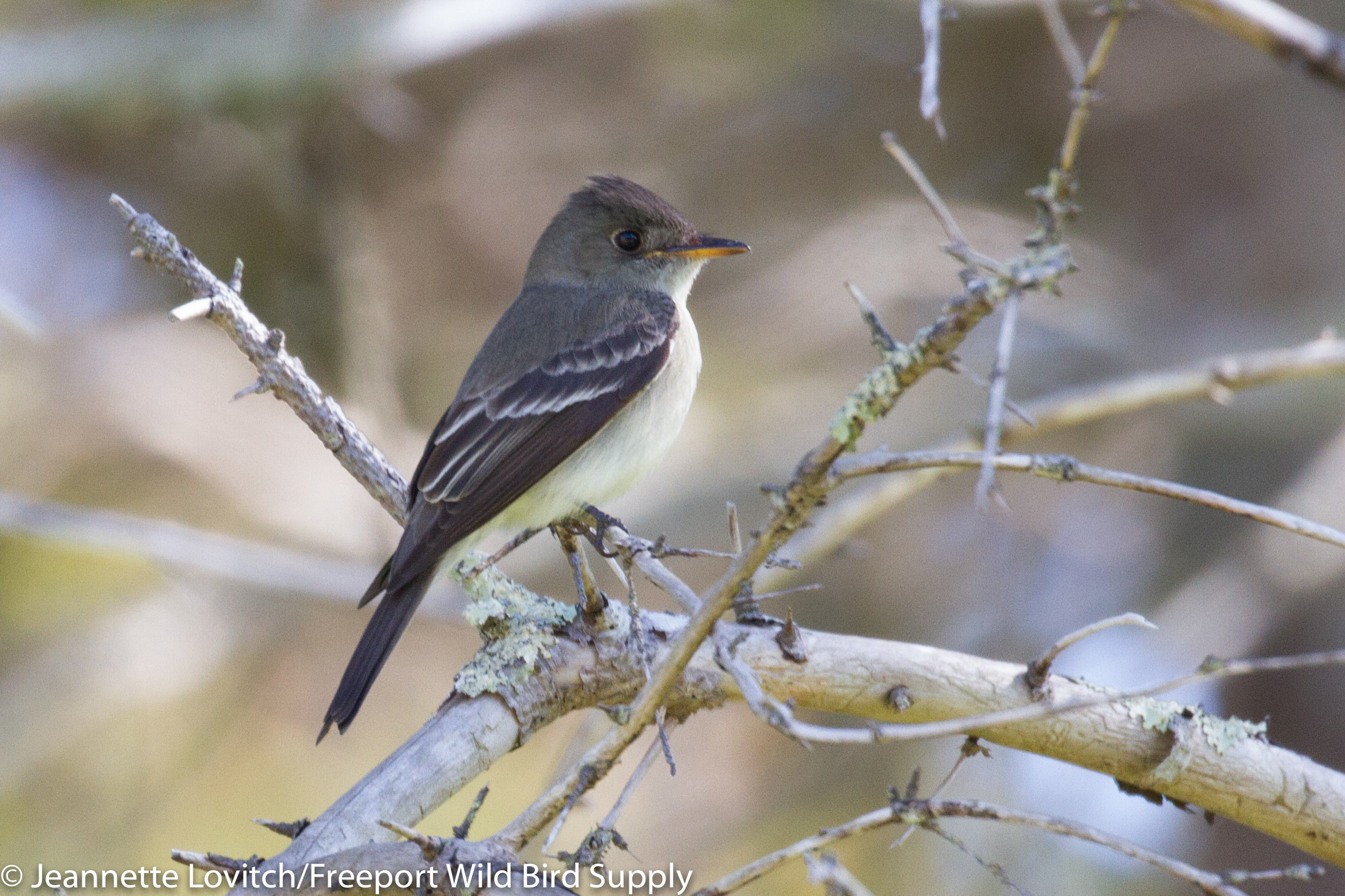
Eastern Wood-Pewee
We picked up three Willets well offshore to the south from Lobster Cove in the morning, eventually following them into the harbor where they landed for a spell. As for that “probable” Clay-colored Sparrow that was nagging me all afternoon and night, well, I am thankful that it returned to the exact same spot as where we first glimpsed it. I received a text that it had been observed, photographed, and confirmed by others, and it obligingly remained long enough for us to catch back up with it.
Clay-colored Sparrow
Overall, there were many fewer warblers around on Tuesday, likely as many of the passage migrants had departed overnight. But it would have been nice if this diverse day with several quality birds and good seawatching fell during the official tour!
The 11 species we added after the group tour ended therefore were as follows:
Savannah Sparrow
White-winged Scoter
Surf Scoter
Atlantic Puffin
WILLET
Alder Flycatcher
Yellow-bellied Flycatcher
Bobolink
Pine Siskin
Hermit Thrush
Red-bellied Woodpecker (where were you hiding these past 4 days?)
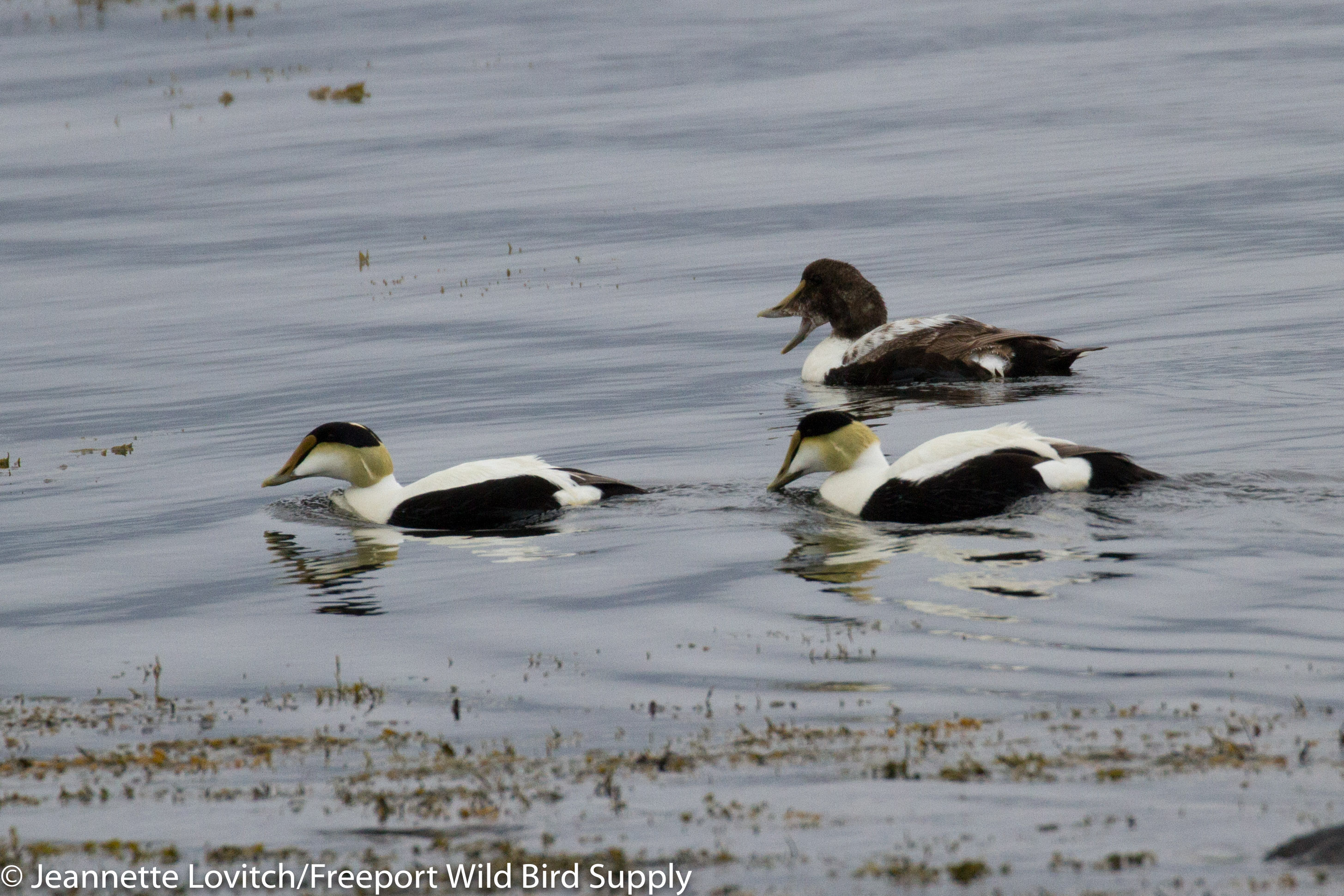
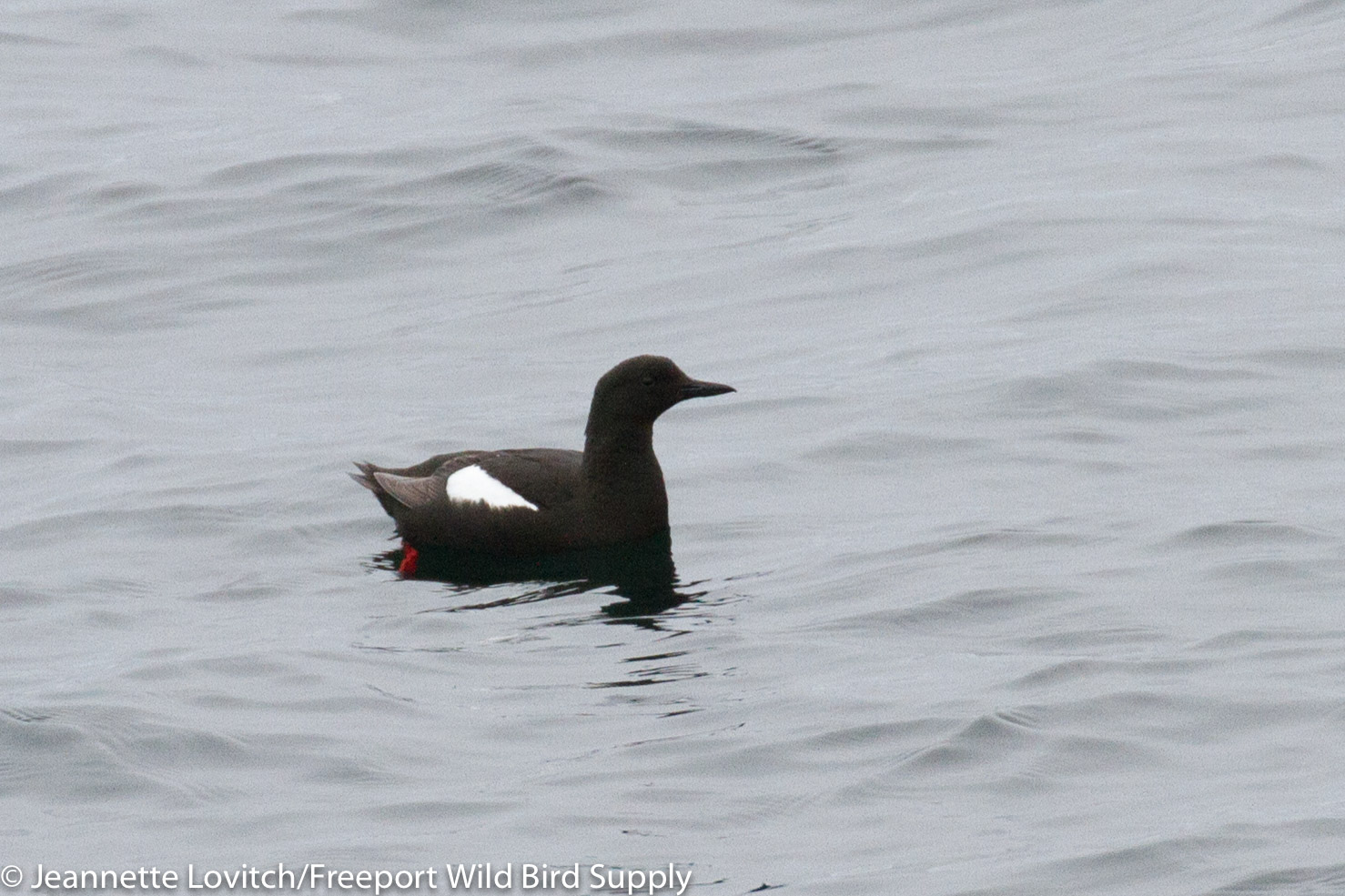
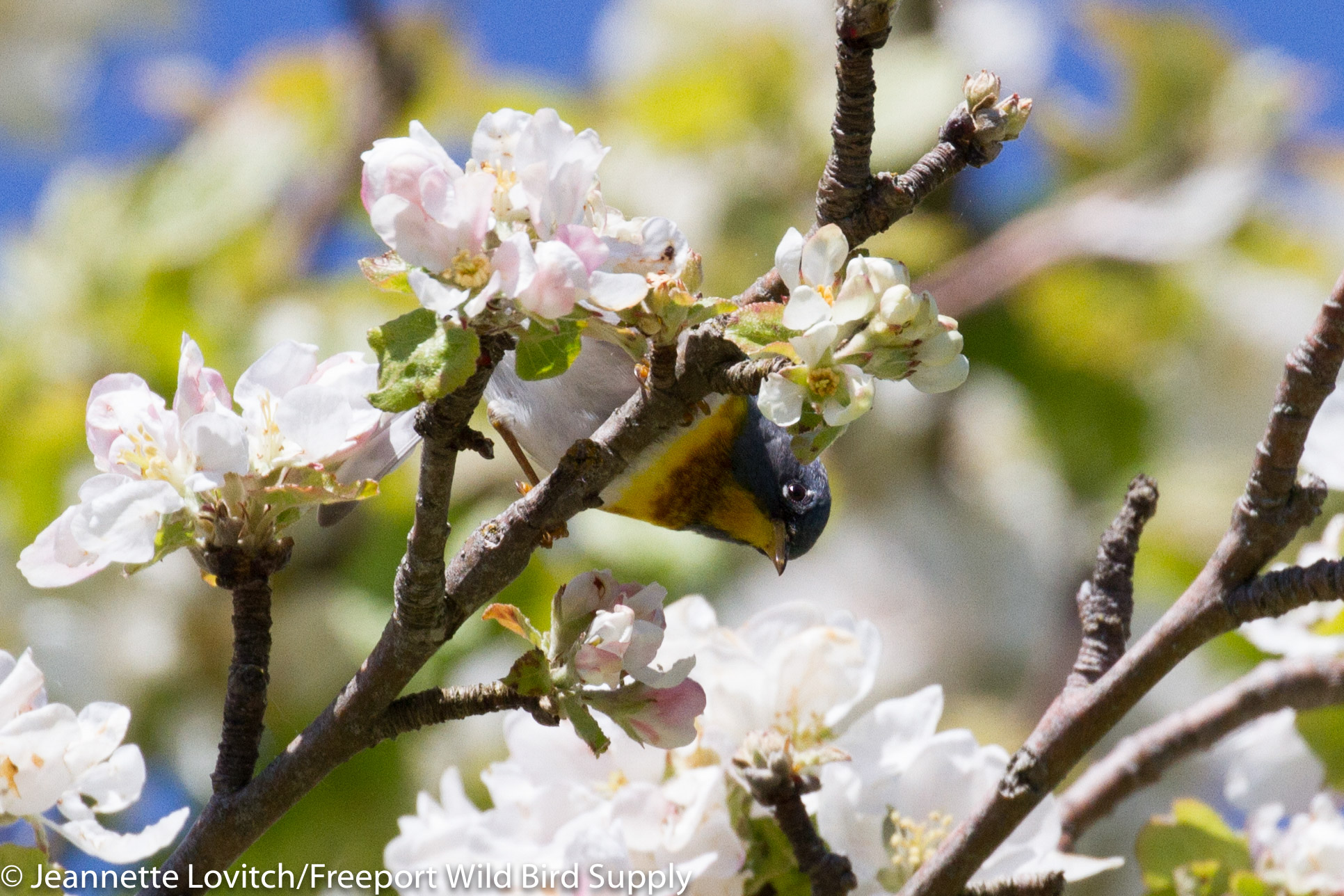
Common EidersBlack GuillemotAmerican RedstartNorthern ParulaRing-necked Pheasant. No need to work on primary projection beyond the tertial step to identify this one!
Furthermore, on the Hardy Boat back to New Harbor, we added 2 Red-necked Phalaropes (personal first-of-year) and a Razorbill. With those 13 species, we had a total of 88 species over the 5 days, with a couple of more “quality” birds and that would have produced a much more respectable tour list! But alas.
So yes, by Monhegan standards, it was a pretty slow weekend. In fact, the 75 species on Friday through Monday was a record low (by two) for this annual tour. 16 species of warblers wasn’t too bad (last year’s soaker only produced 10), and we had some great birds. We also had such good looks at so many things, especially those – like Black-billed Cuckoo – that just don’t give such great looks very often, let alone daily!
Here is the official trip list (not including the 13 additional species from Monday afternoon through Tuesday evening when we got off the boat in New Harbor):
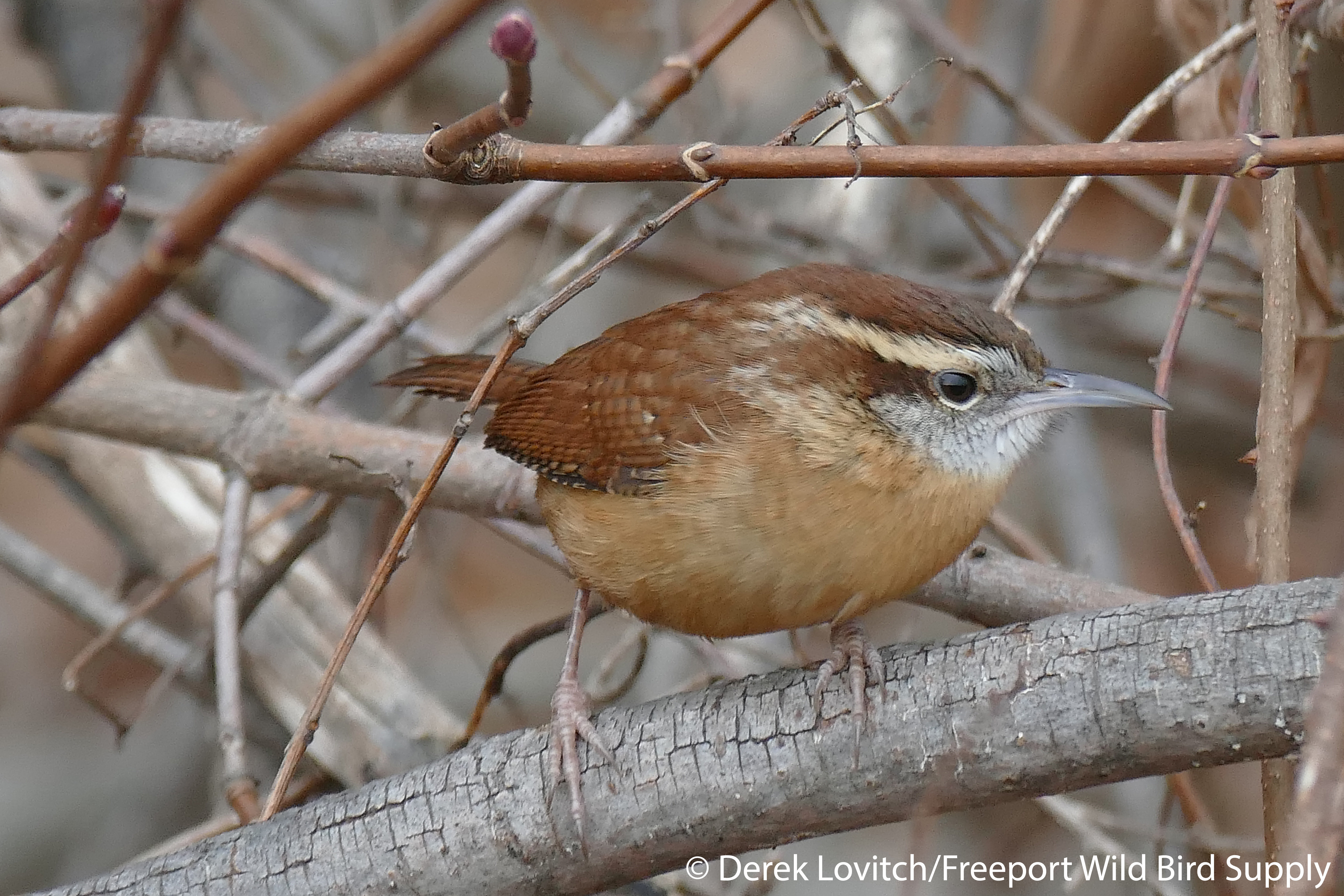
I checked a lot of thickets along the coast this week, hoping for late migrants and vagrants. While those were in rather short supply, I had noticed a significant number of Carolina Wrens. Are they rebounding from a couple of harsh winters in a row, or was there another influx of migrants/dispersing birds into the region this fall. Even the common and fairly common birds have so much to teach us about populations, movements, and vagrancy!
It’s getting colder and quieter out there. But, we are in the midst of the late fall Rarity Season, so I made time to check as many of the migrant and vagrant traps as I could this week. Other than a great morning with Jeannette on Bailey Island on Tuesday, I didn’t find much in the way of “lingering” birds. Did the late-October unseasonable cold snap have something to do with it? And/or the lack of natural food resources because of the drought? Or I was in the wrong places?
My observations of note over the past seven days included the following:
2 PINE GROSBEAKS, Private Property in Durham, 11/14.
1 Red-shouldered Hawk, Wolfe’s Neck Center, Freeport, 11/15.
1 AMERICAN REDSTART, 9 WHITE-WINGED CROSSBILLS, 1 PINE WARBLER, 1 “Ipswich” Savannah Sparrow, 1 Ruby-crowned Kinglet, and 1 Winter Wren, Bailey Island, Harpswell, 11/17 (with Jeannette).
Northern Parulas were certainly the “bird of the week” at Sandy Point.
It was a special five-day run at Sandy Point Beach on Cousin’s Island in Yarmouth. It was a record-shattering run in fact, in which I tallied nearly 18,000 migrants engaging in the “Morning Flight,” or “morning re-determined migration” when nocturnally-migrating passerines relocate (to drastically oversimplify things) come sunrise.
(To learn more about Sandy Point, check out the site entry in Birdwatching in Maine: A Site Guide, and for more on nocturnal migration, interpreting the radar, and the “morning flight” phenomena, check out Chapter 5 in my first book, How to Be a Better Birder.Whaddya mean you don’t have these two books!?)
I’ve had a handful of four-day runs, but I cannot think of a time when conditions were favorable – and I was actually present, and not leading tours on Monhegan for example – for five straight days. But I have most certainly never had five days like this!
I recorded 72 species “deemed migrating” through here, not including migrants that were in the bushes, such as the Gray Catbirds and Song Sparrows that are so abundant in the brush here. It does not include species like Osprey, in which some of the many I saw this week were likely southbound, but impossible to separate from the still-locals. And this tally did not include all of the waterbirds, from Common Eiders to herds of dabbling American Black Ducks, and from Bald Eagles to hunting Great Blue Herons, as well as resident species.
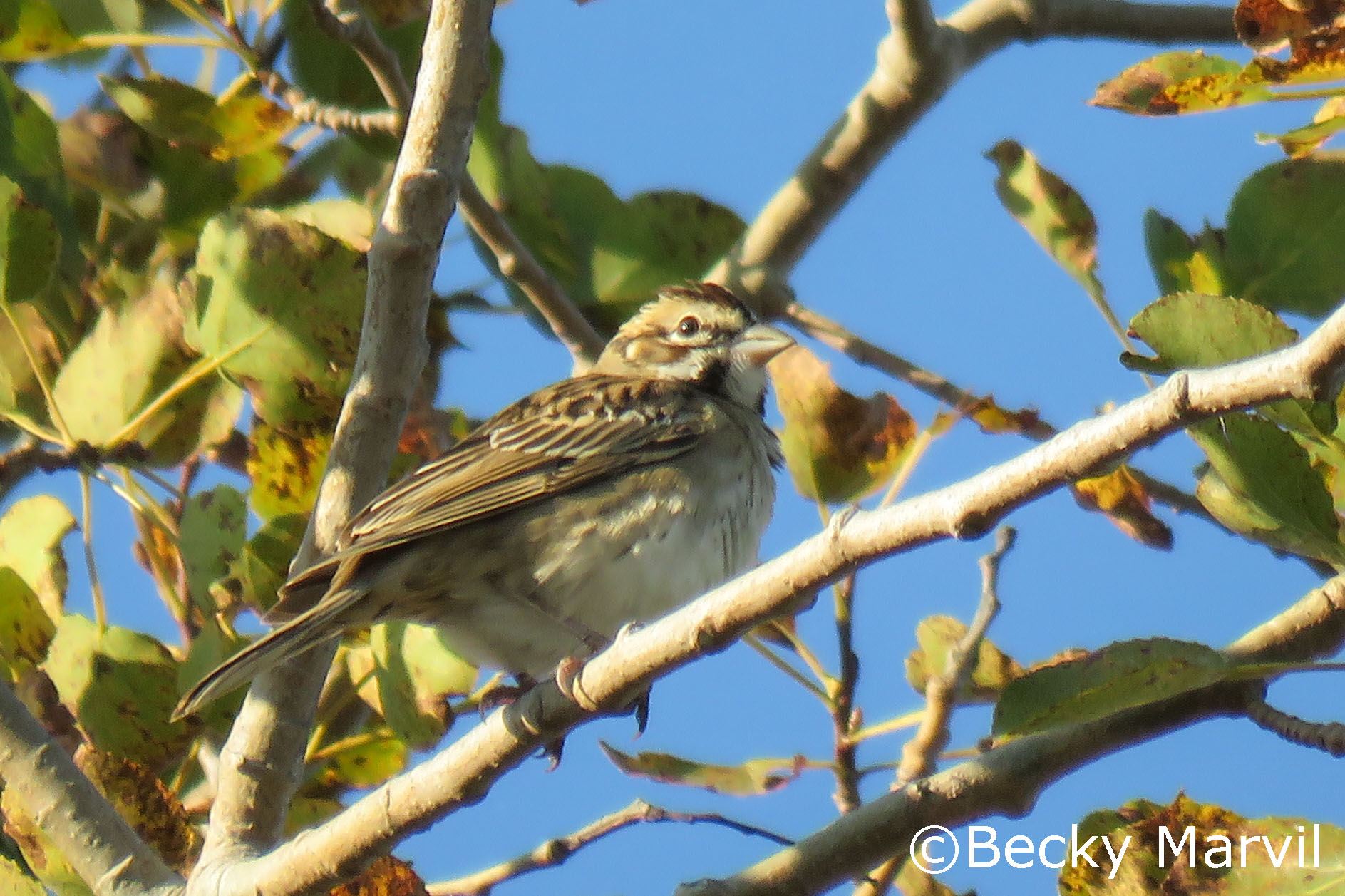
I tallied 25 species of warblers, including a single Connecticut Warbler, one of the most sought-after parulids in Maine. A Northern Mockingbird was only my 5th ever noted here, and two passing Dickcissels are always a treat. But certainly the icing on the cake of this great week was the Lark Sparrow found by the group in the parking lot on the relatively quiet morning of 9/13. This was a first record for Sandy Point, and my personal 184th species here.
But it was the morning of the 11th that will go down in Sandy Point history! 8,185 migrants was not only a new record, but almost doubled the previous record (4,346 on Sept 21, 2010). It was incredible. More on that epic morning later.
A number of records for high counts for individual species were set, and I am sure even more would have been shattered if I had a higher rate of identification during the onslaught of the 11th. Other trends, typical of the season, were evident, such as the slow but steady change in the composition of the flight. The early migrants like Magnolia Warblers were giving way to a growing percentage of Yellow-rumped Warbles and Blackpoll Warblers for example. But it sure seems like we’re not yet running our of Yellow Warblers and American Restarts, however! immature male American Redstart
Yellow Warbler, adult male
So first, here’s the numbers (bold font indicates a new daily record).
9/9
9/10
9/11
9/12
9/13
Blue-winged Teal
3
0
0
0
0
Unidentified teal
0
0
4
0
0
Surf Scoter
3
0
0
0
0
Common Loon
4
0
0
3
0
Northern Harrier
0
1
0
0
0
Killdeer
0
1
0
0
0
Lesser Yellowlegs
0
0
0
1
0
Mourning Dove
0
1
0
1
1
Ruby-throated Hummingbird
2
0
0
1
1
Hairy Woodpecker
0
1
0
0
0
Northern Flicker
1
256
68
26
12
Pileated Woodpecker
0
1
0
1
0
American Kestrel
0
0
3
0
1
Merlin
1
1
0
1
2
Eastern Wood-Pewee
3
4
0
0
0
Yellow-bellied Flycatcher
1
0
0
0
0
“Traill’s” Flycatcher
2
0
0
0
0
Least Flycatcher
9
11
3
2
0
Unidentified Empidonax
5
0
0
1
0
Eastern Phoebe
1
3
2
2
2
Eastern Kingbird
2
1
0
0
0
Unidentified flycatcher
6
1
1
0
0
Blue-headed Vireo
1
3
1
2
0
Philadelphia Vireo
3
4
2
1
0
Red-eyed Vireo
42
49
30
9
4
Unidentified vireo
1
2
0
0
0
Blue Jay
0
0
0
2
5
Barn Swallow
1
0
0
0
0
Red-breasted Nuthatch
1
1
2
1
0
Golden-crowned Kinglet
0
0
0
1
0
Ruby-crowned Kinglet
2
1
5
4
0
Swainson’s Thrush
10
0
0
2
0
American Robin
4
3
1
2
0
Unidentified thrush
0
1
0
0
0
Northern Mockingbird
0
1
0
0
0
Cedar Waxwing
21
265
377
54
0
Ovenbird
0
0
0
0
1
Northern Waterthrush
0
0
0
1
0
Black-and-white Warbler
33
59
41
32
5
Tennessee Warbler
4
2
2
8
0
Nashville Warbler
8
8
10
4
0
CONNECTICUT WARBLER
1
0
0
0
0
Mourning Warbler
0
1
0
0
0
Common Yellowthroat
2
1
5
5
2
American Redstart
602
550
844
119
16
Cape May Warbler
18
5
8
5
0
Northern Parula
705
630
692
612
205
Magnolia Warbler
66
117
32
23
2
Bay-breasted Warbler
5
3
1
1
0
Blackburnian Warbler
7
6
1
0
0
Yellow Warbler
19
52
38
67
8
Chestnut-sided Warbler
5
2
0
2
0
Blackpoll Warbler
9
3
27
25
35
Black-throated Blue Warbler
8
7
4
4
0
Palm Warbler
0
0
0
1
0
“Western” Palm Warbler
1
0
0
0
0
Pine Warbler
0
0
0
1
0
Yellow-rumped Warbler
3
6
3
19
11
Prairie Warbler
1
2
1
1
0
Black-throated Green Warbler
118
63
73
57
26
Canada Warbler
6
0
1
0
0
Wilson’s Warbler
12
17
7
4
0
Chipping Sparrow
2
0
1
3
1
LARK SPARROW
0
0
0
0
1
White-throated Sparrow
1
0
0
0
0
Savannah Sparrow
2
0
0
0
0
Scarlet Tanager
1
1
4
1
0
Rose-breasted Grosbeak
3
1
0
0
0
Indigo Bunting
0
0
1
1
0
DICKCISSEL
0
0
1
0
1
Bobolink
1
2
0
0
0
Red-winged Blackbird
1
2
0
0
0
Rusty Blackbird
0
1
0
0
0
Baltimore Oriole
2
1
1
1
1
House Finch
0
0
0
1
1
Purple Finch
0
0
0
8
0
American Goldfinch
5
12
3
6
4
Unidentified
1915
1887
5893
737
192
TOTAL
3705
4057
8185
1866
540
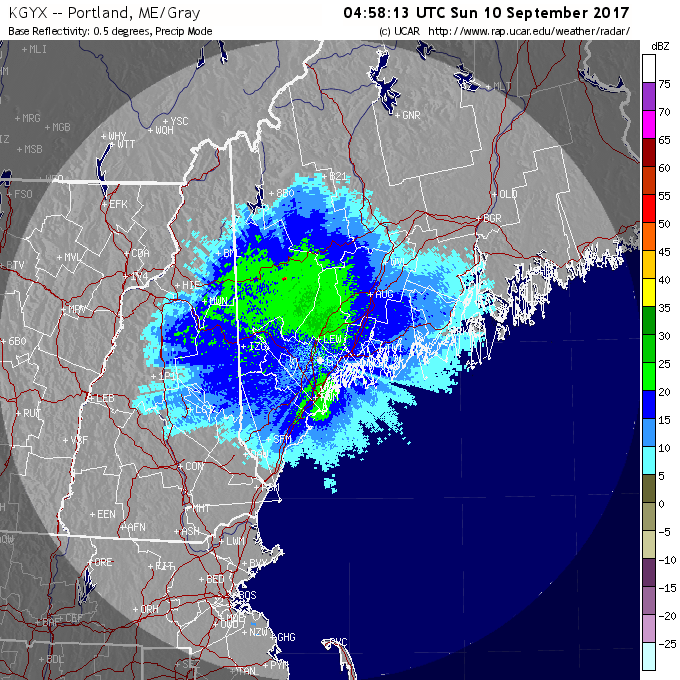
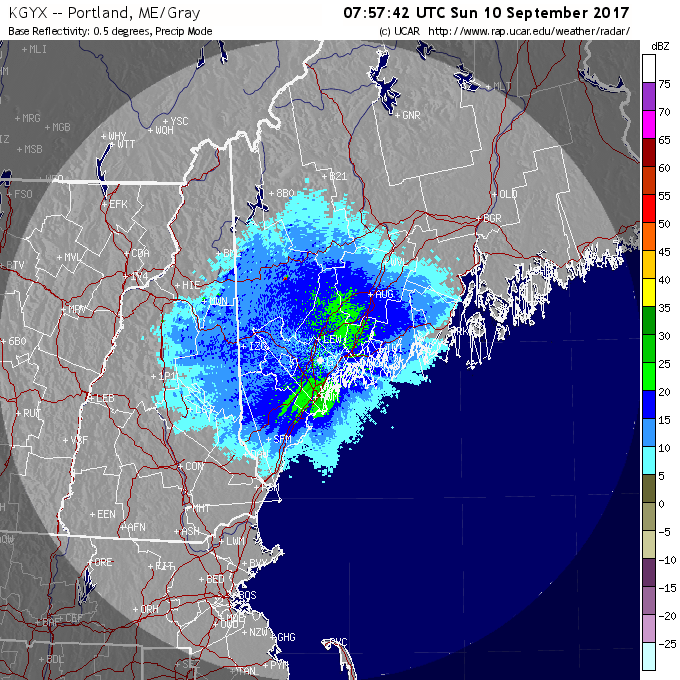
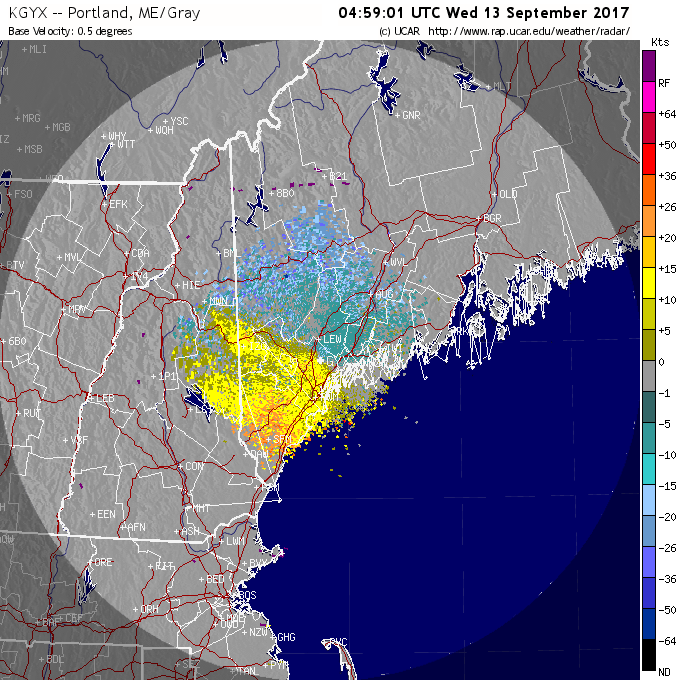
Now, let’s take a look at the radar. Here are the density and velocity images from 1am (as a sample) on 9/9 and 9/10. That’s a ton of birds on the radar.
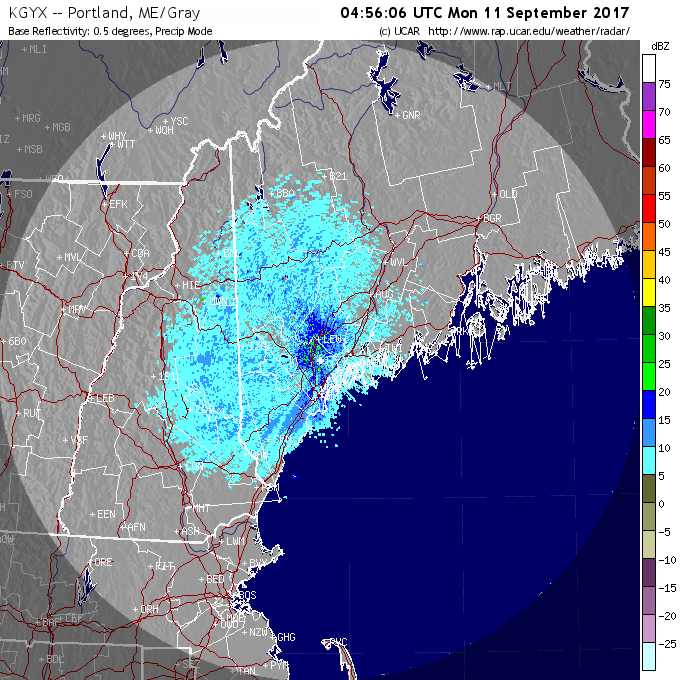
And even as late as 4:00am on each day, a lot of birds were visible, and a lot of birds were offshore.
The night of 9/8 through 9/9 featured light westerly winds, shifting to northwest by sunrise. And on the next night, light north winds became northwest overnight. Both, as expected, produced great flights over and through Sandy Point some dawn.
Weather patterns, especially at this time of year, rarely produce three great nights for migrants in a row. And when they do, it often results in fewer birds overnight (and therefore at Sandy Point) come sunrise; essentially, the well temporarily runs dry.
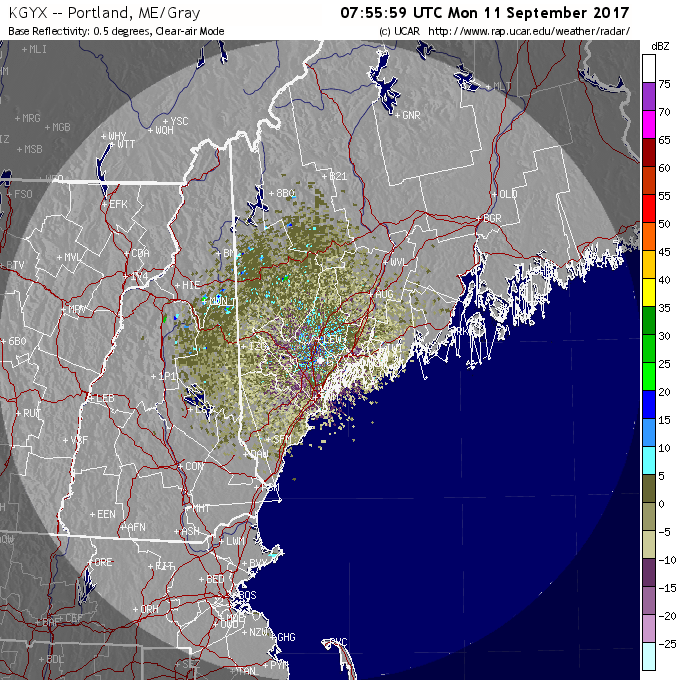
And as you can see by the 1:00am radar image from September 11th, the density was nowhere near the previous two nights, despite mostly light westerly winds overnight.
And by 4:00am, it was rather quiet.
Light northwesterly winds in the evening slowly gave way to light north, before becoming light and variable. After midnight, they became west but didn’t really increase until after 2:00am. Coupled with a lackluster radar return, this was not a recipe for a huge flight.
Nonetheless with a light westerly wind at sunrise, I was heading to Sandy Point anyway. If only because it was a day off, and I won’t have many more chances to visit “my office” this month. A milky sunrise further clouded (sorry) my optimism for a big flight, but there were plenty of birds in the air.
And then all hell broke loose.
It was incredible. It was frustrating. It was beautiful. It was painful. It was amazing. It was indeed overwhelming, and at times, my only hopes at quantifying the flood was to skip attempting identification and just click my unidentified clicker as fast as I could.
And I really can’t explain it. It “shouldn’t” have been this amazing.
Come nightfall, with high pressure remaining in control, and with light westerly winds and clear skies once again, a moderate to strong flight occurred overnight. Here are the 1:00am and 4:00am radar images from the wee hours of 9/12:
With light westerly winds come dawn, I was once again stationed at the bridge, and what was – prior to three days ago! – considered a very good flight passed over and through. It was even downright relaxing – and manageable – after the chaos of the previous morning. I had fun.
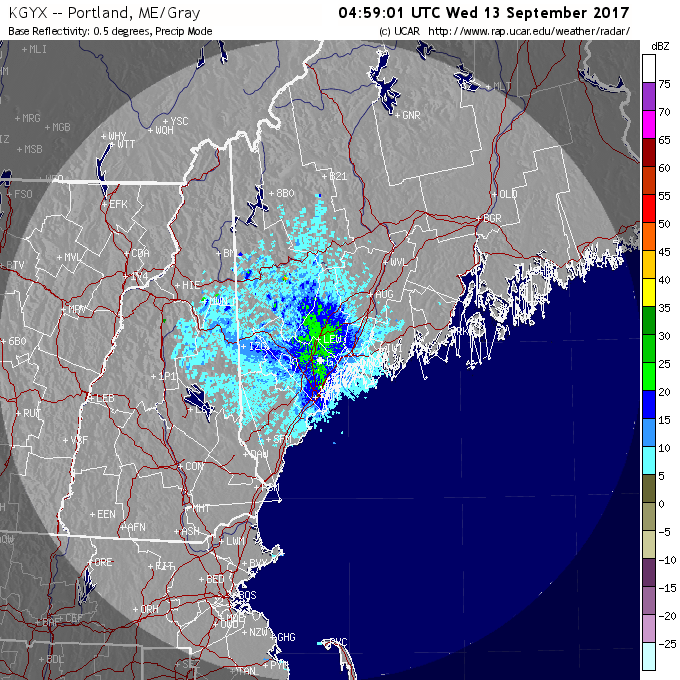
Not surprisingly, after four consecutive nights, the flight was much lighter overnight on the 12th into the 13th, as evidenced once again by the 1:00am and 4:00am images.
And despite very light westerly winds in the morning, and clear skies, only a light flight was to pass through the point. Of course, that Lark Sparrow more than made up for it. It was also nice to enjoy a slower flight – and identify many more birds than not!
So almost every morning made sense: radar plus weather conditions correctly predicted the intensity of the flight. Except for one. The Big One. And I can’t explain it. But, I am OK (mostly) with that – it’s one of the fascinating and flabbergasting aspects of documenting the morning redetermined migration!
Winds turned to the south during the day on the 13th, and continued light and southerly overnight, bringing the streak of five great nights of migration to an end. Come morning, I also slept in – relatively speaking – and then went for a massage. As my therapist began to work on my aching neck, she simply uttered, “Wow” and got to work. I felt the same on Monday morning when the greatest flight I have ever recorded passed through Sandy Point.
Species, such as this Swainson’s Thrush, that can be rather secretive in migration, are sometimes seen really well at Sandy Point!
I definitely had second thoughts when the alarm went off at 4:45 this morning. I hate pre-5am alarms. But August flights at Sandy Point Beach, Cousin’s Island, Yarmouth can be so much fun. I just wish dawn didn’t come so darn early right now.
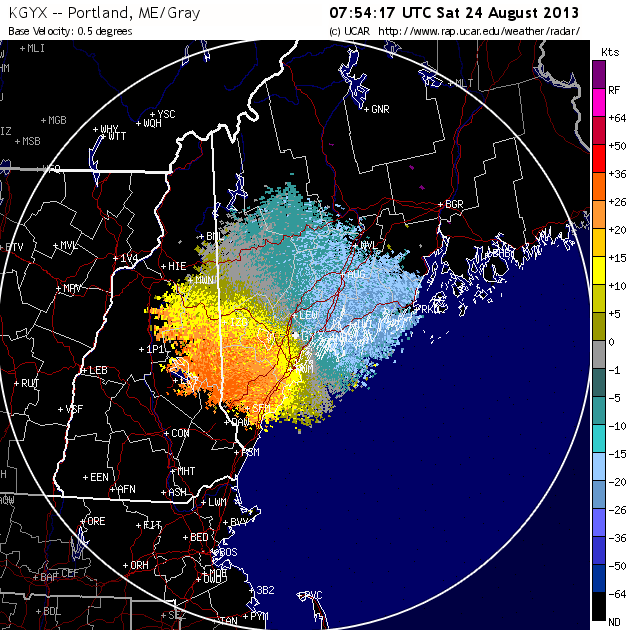
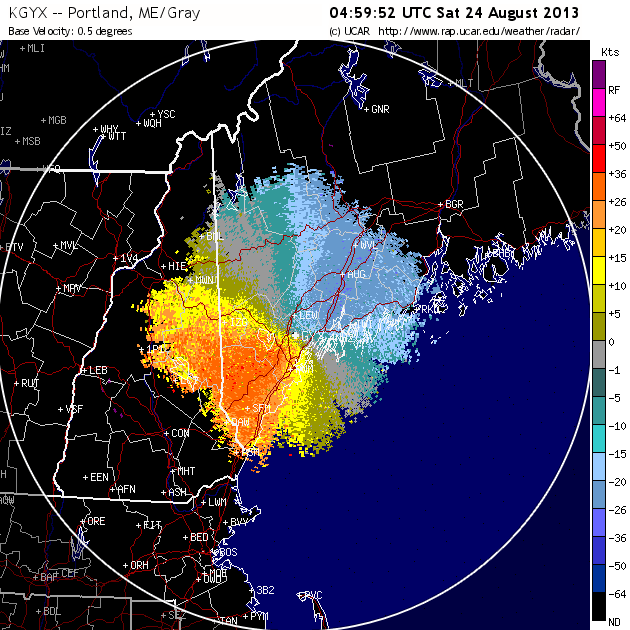
But as of 9:30 last night, the NEXRAD radar was absolutely on fire! Light northwest winds and clear skies really put birds on the move. Here are the 10pm, 1am, and 4 am radar and velocity images for example. For a detailed explanation of how to read and interpret these images, see Chapter 5 of my book, How to be a Better Birder.
This was really an exceptional flight for this early in the season. But back to that alarm clock…I woke up, and saw that the winds had become northerly overnight. The lack of a westerly component usually diminishes the Morning Flight here. However, with that high of a density on the radar, even as late as 4:00am, I figured I would give it a go, despite serious contemplation of rolling over and waiting until the next cold front (and waiting for a few more minutes of darkness). Let’s just say I was glad I motivated. Come sunrise, a little northwesterly to westerly breeze at the surface developed, and encouraged more birds to cross at the point. The winds were very light, so a lot of birds were high; the trees and shrubbery were fairly quiet this morning. Therefore, with so many high birds, and some big groups just too far to the north of the bridge, my “unidentified” tally was higher than I would have liked.
Regardless, it was still great. In fact, it was record-setting. A new August high count, and a new high count for 6 species. Plus a Patch Bird! Here’s the morning’s scorecard (*= new record high count):
408 American Redstarts*
379 Unidentified
67 Yellow Warblers
59 Northern Parulas
59 Magnolia Warblers*
50 Cedar Waxwings
33 Black-and-white Warblers*
28 Black-throated Green Warblers
25 Yellow-rumped Warblers (all in active molt)
8 Bay-breasted Warblers*
8 Blackburnian Warblers*
7 “Traill’s” Flycatchers*
7 Canada Warblers*
6 Chestnut-sided Warblers
5 Unidentified empids
4 American Robins
3 Chipping Sparrows
3 Red-winged Blackbirds
2 Olive-sided Flycatchers
2 Least Flycatchers
2 Black-throat Blue Warblers
2 Bobolinks
2 American Goldfinches
2 Purple Finches
1 SOLITARY SANDPIPER (my 174th species here!)
1 Red-eyed Vireo
1 Ruby-throated Hummingbird
1 Pine Warbler
1 Wilson’s Warbler
1 Dark-eyed Junco (record early)
1 DICKCISSEL (first of fall; my 3rd August record here)



























 Maine Birding Field Notes